KZYX The Ecology Hour
The Ecology Hour features in-depth interviews with experts on every facet of Mendocino County's diverse and spectacular natural world.
KZYX&Z · Mendocino County Public Broadcasting
Show overview
KZYX The Ecology Hour has been publishing since 2023, and across the 3 years since has built a catalogue of 29 episodes. That works out to roughly 30 hours of audio in total. Releases follow a monthly cadence.
Episodes typically run thirty-five to sixty minutes — most land between 58 min and 59 min — and the run-time is fairly consistent across the catalogue. None of the episodes are flagged explicit by the publisher. It is catalogued as a EN-language Science show.
There hasn’t been a new episode in the last ninety days; the most recent episode landed 9 months ago. The busiest year was 2024, with 16 episodes published. Published by Mendocino County Public Broadcasting.
From the publisher
The Ecology Hour features in-depth interviews with experts on every facet of Mendocino County's diverse and spectacular natural world. Rotating hosts include Environmental Educators Hannah Bird and Sue Coulter, Scientists Bob Spies & Tim Bray, and Trail Steward Chad Swimmer.
Latest Episodes
View all 29 episodesEp 29Sea Otters
Sea Otters were once abundant from the Aleutian Islands to central California, before being hunted nearly to extinction. Dr. James Bodkin of the US Fish & Wildlife Service devoted much of his career to studying these charismatic marine mammals, particularly in the aftermath of the Exxon Valdez oil tanker disaster. On The Ecology Hour he reunites with his old colleague Dr. Robert Spies and brings us up to date on what has been learned about sea otter ecology, populations, and some of the fascinating ways they influence ecosystems.
Ep 26Moths
We talk with Dr. Marc Epstein, Senior Insect Biosystematist at the California Department of Food and Agriculture for Lepidoptera, about moths and their taxonomy. Dr. Epstein has worked for the last twenty two years at the Plant Pest Diagnostics Center in South Sacramento and is also a Research Associate at the Smithsonian Institution’s National Museum of Natural History. While identifying Lepidoptera of potential threat to agriculture, he researches their evolution and classification with an emphasis on the moth family Limacodidae, and the history of entomologists who were his predecessors. He is author of “Moths, Myths, and Mosquitoes: The Eccentric Life of Harrison G. Dyar, Jr.”, published in 2016 by Oxford University Press.
Ep 27Viruses and viral diseases
The Ecology Hour goes viral this week when hosts Bob Spies and Tim Bray talk with Dr. Tony Goldberg, veterinarian and pathobiologist at the University of Madison-Wisconsin. He studies viruses and the diseases they can cause in everything from mussels to humans, everywhere from the Appalachians to Africa. He particularly focuses on "zoonautic" diseases - those that can jump from one species to another. In a fascinating and surprisingly humorous conversation, we learn many amazing things about both the hosts and the viruses.
Ep 28Mountain Lions
Mountain Lions are a frequent topic of conversation in Mendocino County, and there is often concern about them preying on livestock or pets. We talk with Dr. Quinton Martins, principal investigator for the Living with Lions project, a partnership between Audubon Canyon Ranch and True Wild. Dr. Martins explains why Mountain Lions are so secretive, why they hide their food (and even their scat!), and how to prevent them from preying on livestock.
Ep 25Biological pest control
Our guest is Dr. Mark Hoddle, Distinguished Professor of Extension in Biological Control at the University of California - Riverside, a renowned expert in the field of biological control of invasive insect pests. He presents the checkered history of efforts to find organisms that target damaging invasive species, including some early efforts that succeeded and some that backfired. His work is grounded in that history and follows a rigorous and demanding process to identify such organisms. A major part of his work is understanding the mechanisms limiting predation or infection to target species, so a biological agent can be released without harming non-target species. Join us for a fascinating look at the intersection of hard science and agriculture.
Ep 24Seastar Wasting Disease
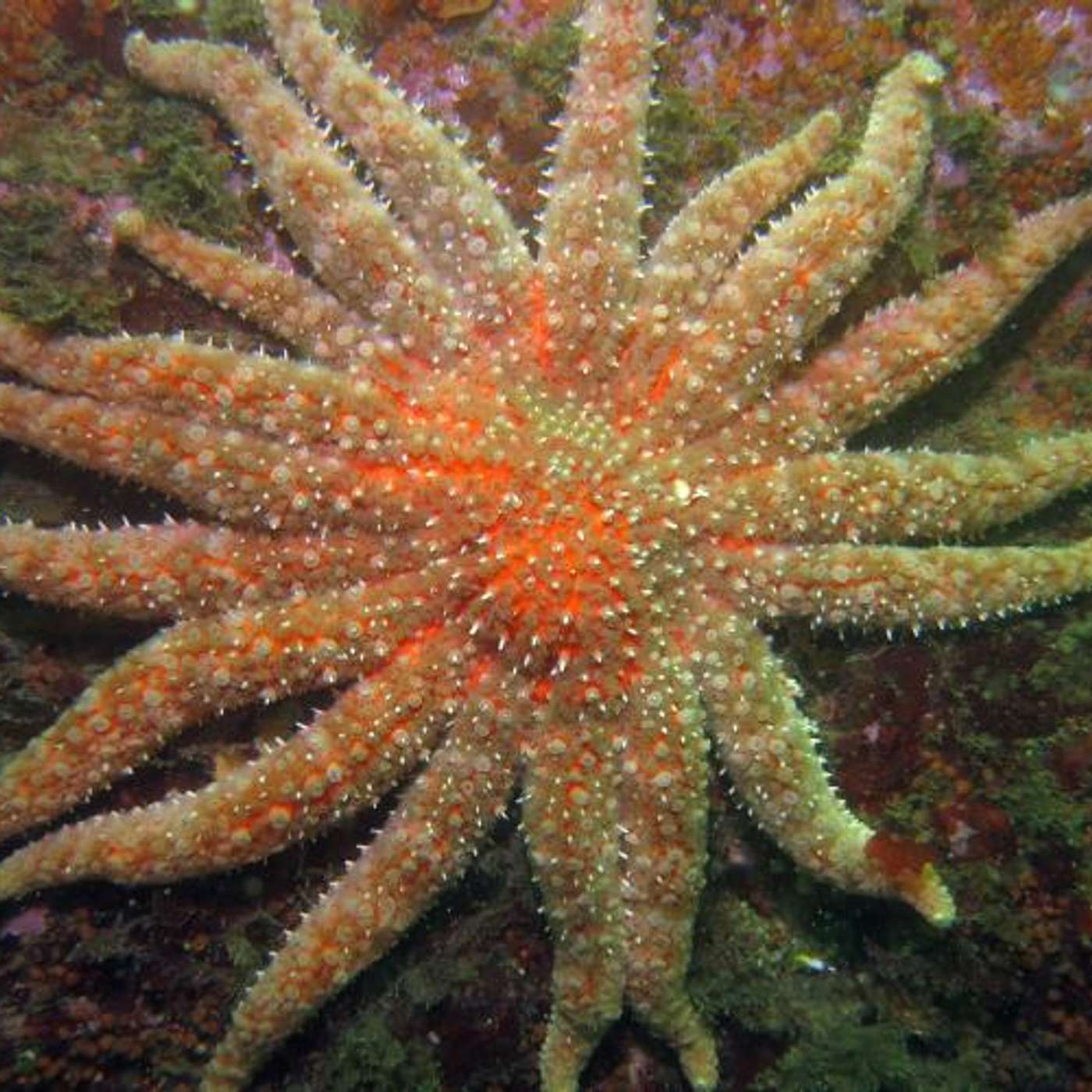
Eleven years ago, a mysterious disease killed most of the adult starfish off California and Oregon. The most severely affected, Sunflower Seastar, was the main predator limiting the spread of Purple Urchins. The sudden disappearance of a key predator triggered a "trophic cascade" that led to an ongoing ecological crisis, including the collapse of the kelp forests. After a decade of painstaking research, the pathogen responsible for Seastar Wasting Disease has finally been identified.
Ep 23Gray Whale mortality
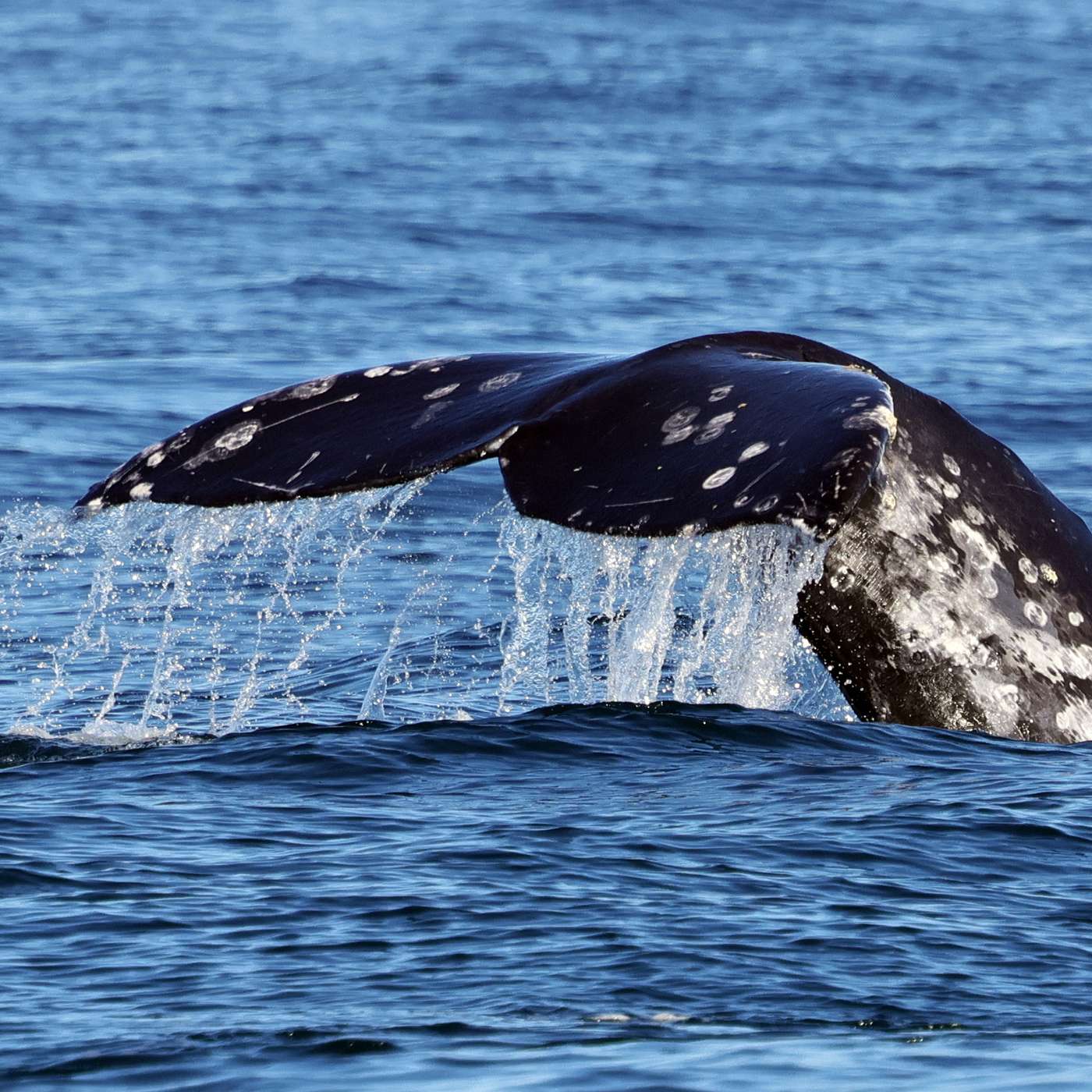
Gray Whales were once nearly wiped out by commercial whaling. Once that ceased in the late 20th century, they staged a remarkable comeback, reaching a population of around 26,000 by 2016. But since then many have died on migration, and a new estimate indicates their population has been cut in half. We talk with Dr. Aimee Lang of the NOAA Southwest Fisheries Science Center about that estimate, and what might be causing the decline of these iconic marine mammals.
Ep 22Intraterrestrials - Alien Life on Earth
Just when you think you've got life all figured out... scientists find something that redefines the whole concept. Ecology Hour hosts Bob Spies and Tim Bray talk with Dr. Karen Lloyd, Professor of Earth Sciences at the University of Southern California, about her research into alien life forms right here on Earth - what she calls "Intraterrestrials" in her new book. Some of these organisms challenge our basic understanding of life: their metabolic processes function so slowly that individuals may live for hundreds of thousands of years. Some of them can breathe Arsenic; others eat methane and produce formaldehyde. Their discovery has created a new and wild frontier in scientific research, and Dr. Lloyd is in the vanguard.
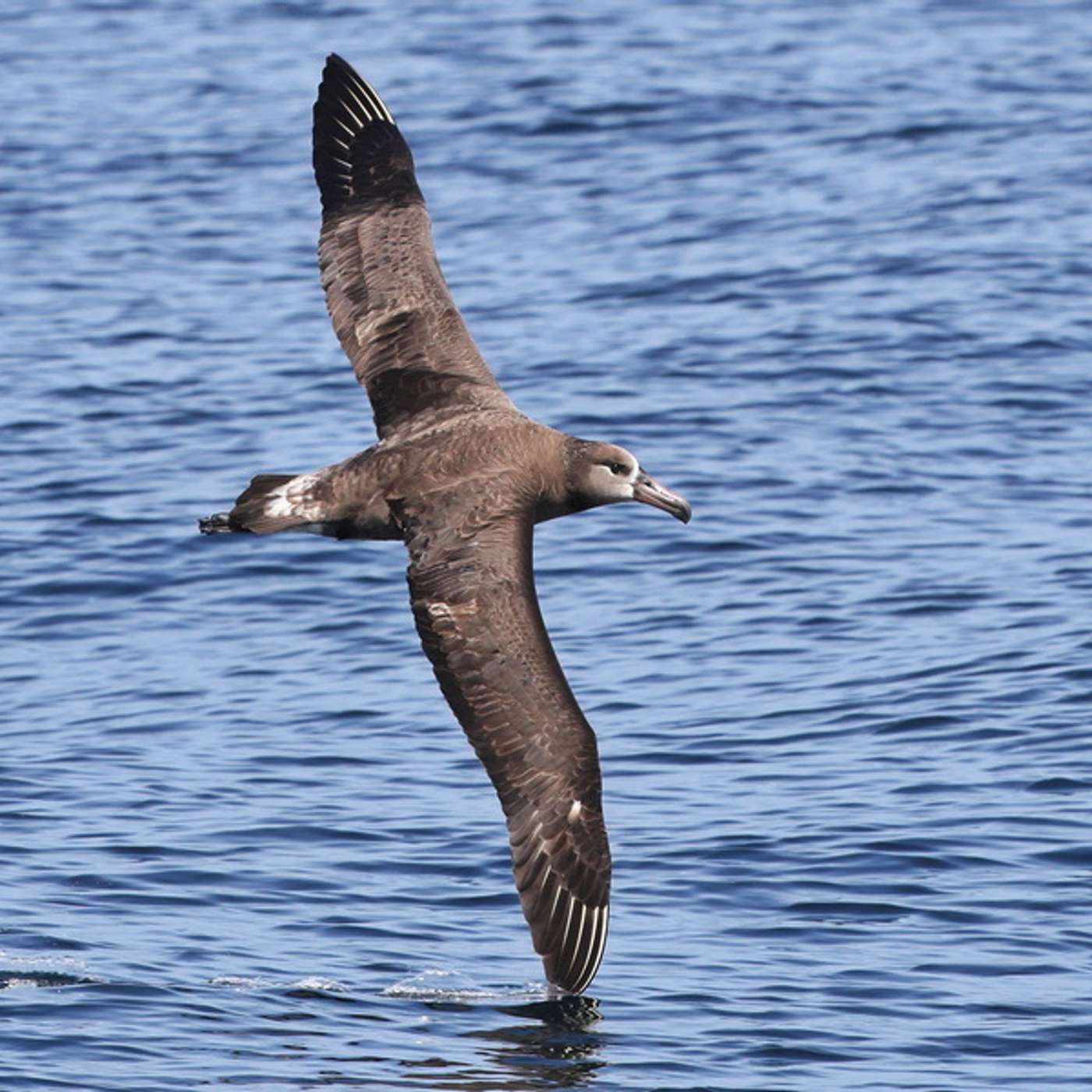
Ep 21Midway Island Albatrosses
Have you ever seen an Albatross? They are an awe-inspiring sight and there are hundreds of them off the Mendocino coast right now. Many of them are coming here to get food for their chicks, which are more than two thousand miles away, on remote islands in the Hawaiian chain. Ecology Hour hosts Bob Spies and Tim Bray get the whole story from Dr. Jonathan Plissner, Supervising Wildlife Biologist at the Midway Island National Wildlife Refuge, where millions of Albatrosses nest.
Ep 20Oil Spills: Long-term Biochemical effects
We hear a lot about the immediate effects of a major oil spill, but what happens later? Our guest Dr. Jeffrey Short is a biochemist who has investigated ecosystem effects of major spills. Working with our host Dr. Robert Spies after the 1989 Exxon Valdez disaster, he discovered that large quantities of oil persisted in the subsurface long after the spill - a finding that was quite controversial at the time. More recently he came out of retirement to work on assessing the damage from the 2010 Deepwater Horizon spill, where he showed that the official estimates of bird mortality were at least an order of magnitude too low. That mortality in turn caused a dramatic population increase in Menhaden, the key link in the Gulf of Mexico food chain and the second-largest commercial fishery in the US. The population explosion has led to malnourishment and greatly decreased the economic value of the fishery, as well as its ecosystem function.
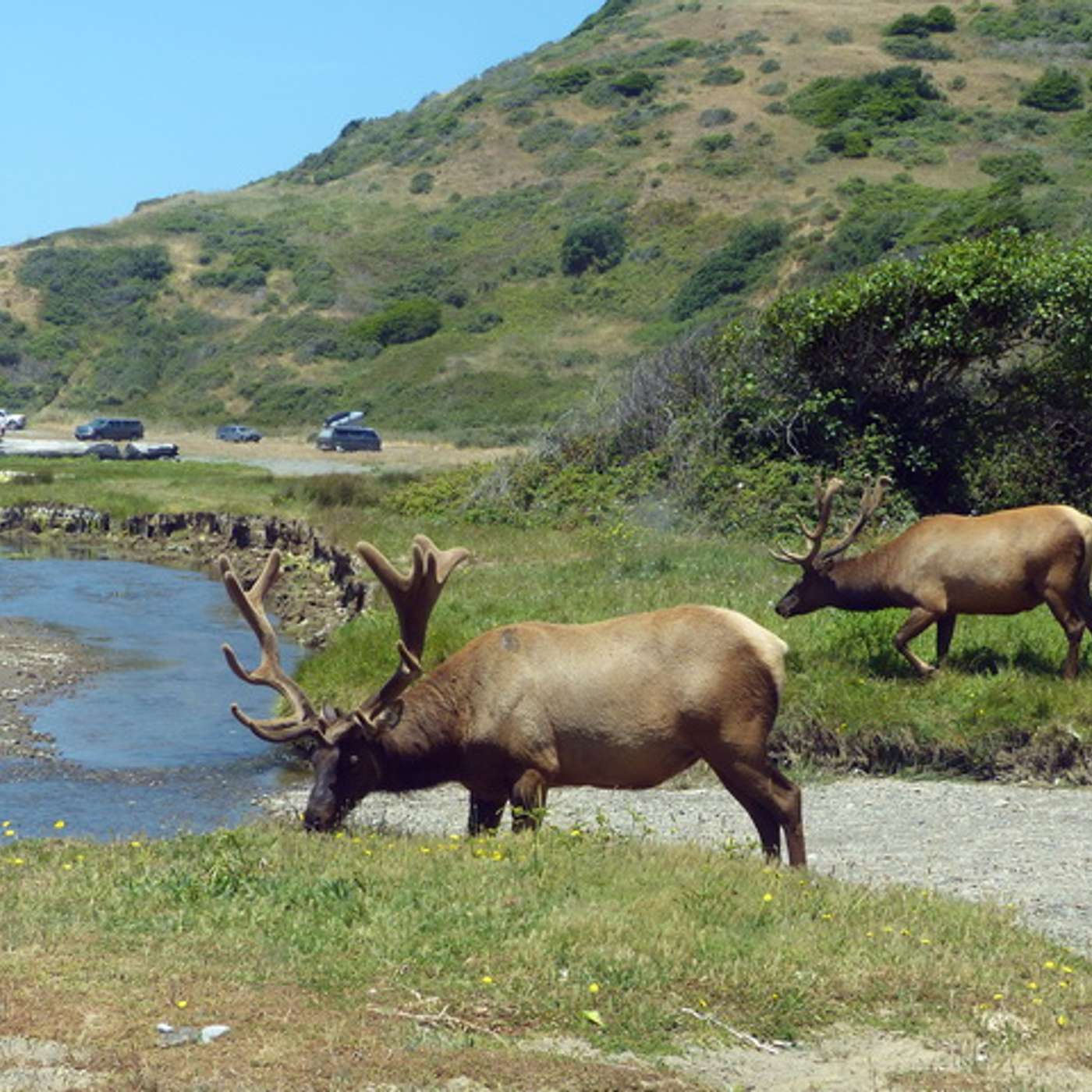
Ep 19Elk in NorCal
Tim Bray and Bob Spies talk with Erin Zulliger of the Institute for Wildlife Studies, who has been studying Elk in northern California. Always an impressive sight, these fascinating animals have a long history here and are currently adapting to changing conditions. Listen to find out more about their lives, their predators, and their populations.
Ep 17SONAR at Mendocino HS
Robert Jamgochian and Doug Nunn talk about the SONAR program (School of Natural Resources) they created and ran at Mendocino High School for several years. Students learned how to follow scientific protocols, collect field data, analyze it and write up their findings in scientific reports. Many have gone on to pursue education and careers in environmental law, engineering, or biology. Some were active in getting the Big River estuary included as a Marine Protected Area.
Ep 16Mantises
We see them in cartoons as well as in our gardens, but how much do we really know about Praying Mantises? We learn a lot about them from doctoral candidate Lohit Garikipati at the American Museum of Natural History. Originally from California, Lohit became fascinated by these bizarre insects at an early age and has been studying them ever since. They display many amazing adaptations and Lohit relishes telling us all about them.
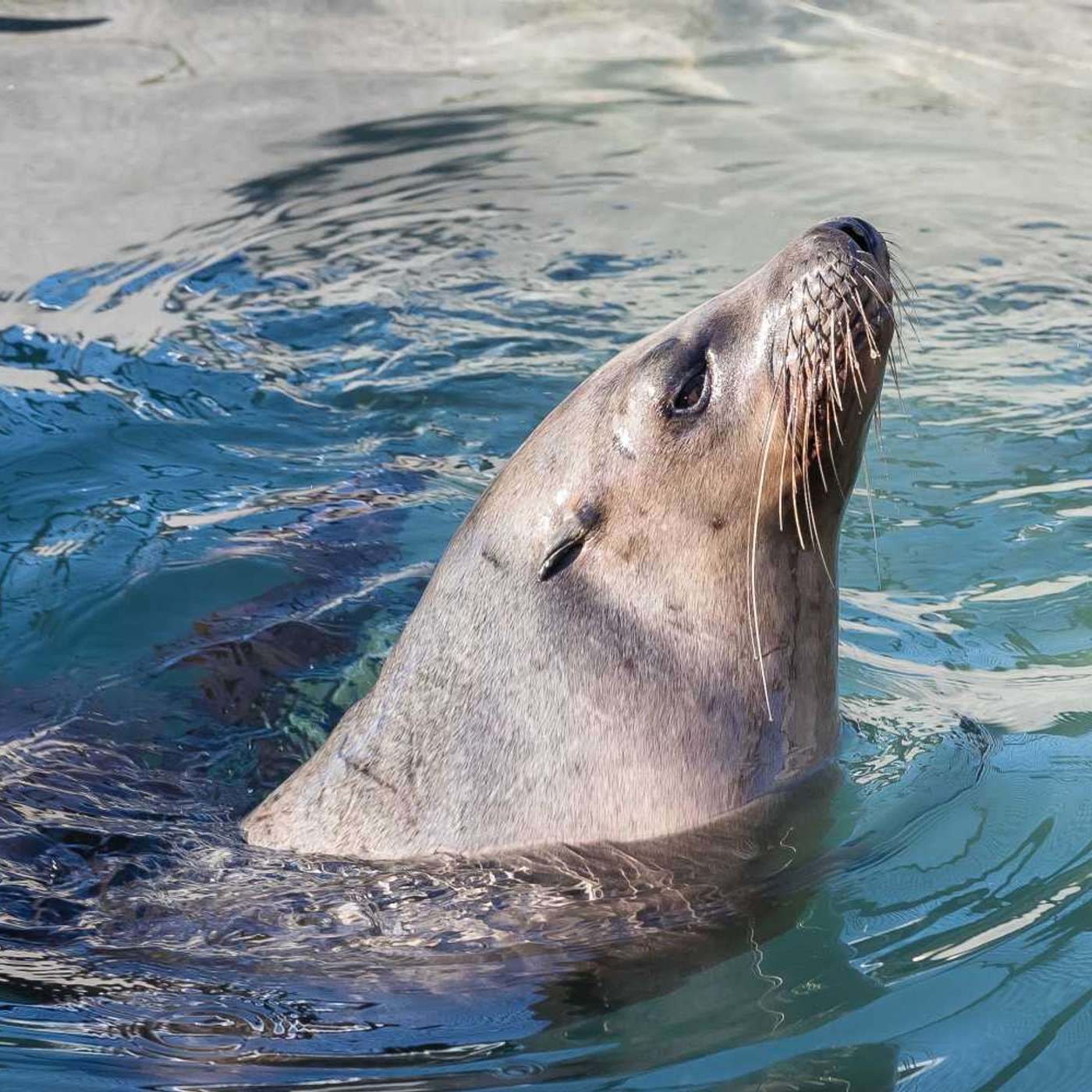
Ep 15Domoic Acid
In the last few weeks, many sick and dying California Sea Lions began showing up on central California beaches, even hauling out at Pier 39 in San Francisco. They were victims of Amnesic Shellfish Poisoning, aka Domoic Acid Toxicosis. What is domoic acid, where does it come from, and why is it affecting so many marine mammals? For answers we turn to Dr. Pádraig Duignan, Director of Pathology at the Marine Mammal Center in Sausalito. He is at the front lines in the response to this outbreak, in addition to many other novel diseases affecting marine mammals, and explains what is happening and why.
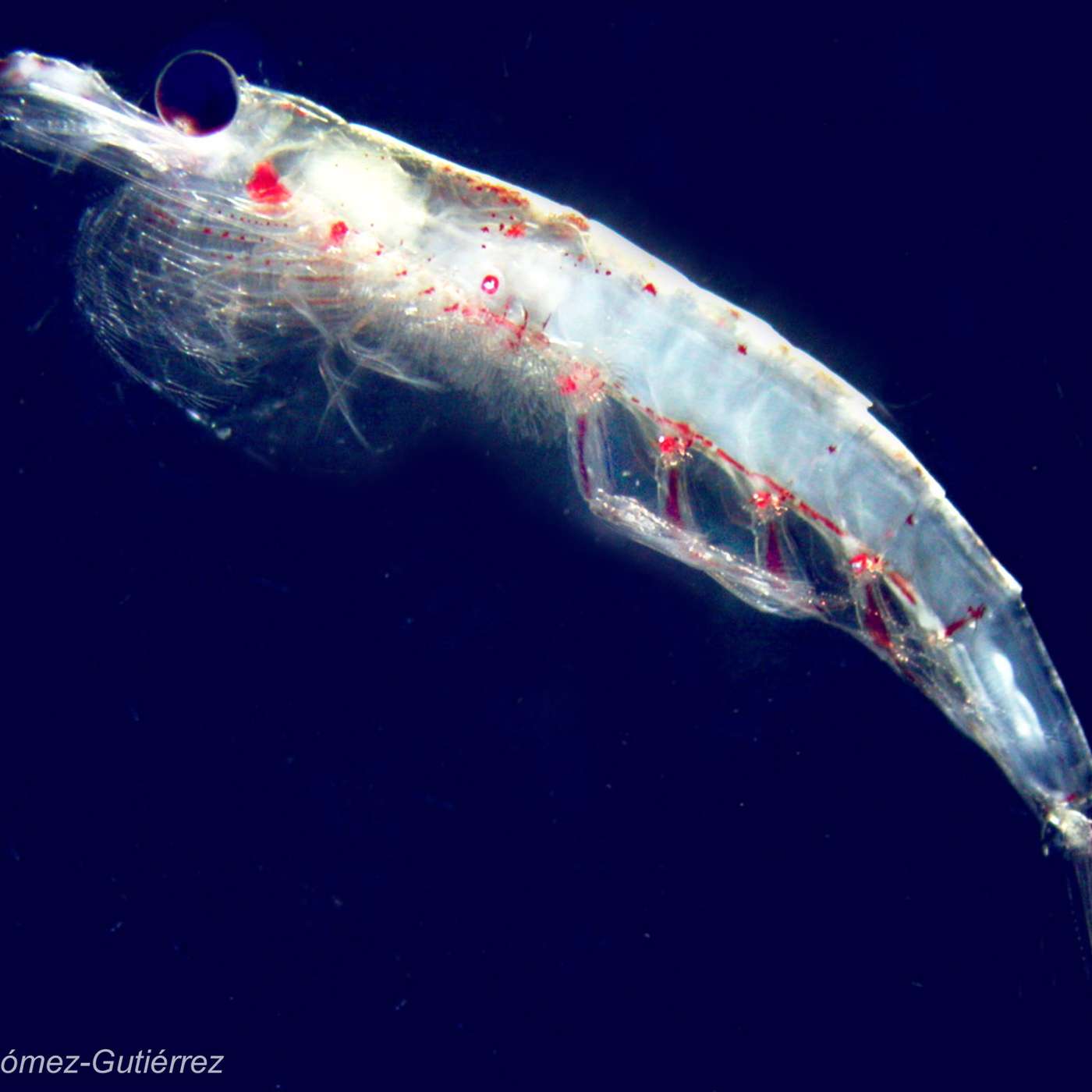
Ep 14Northern California Marine Research
We spoke with Dr. Eric Bjorkstedt of the NOAA Fisheries Ecosystem Science Center. He talked about some of the work being done at the Telonicher Marine Laboratory in Trinidad, Humboldt County,monitoring the offshore marine ecosystem in this little-studied region. Dr. Bjorkstedt gives us an update on current research and some recent findings, including how some key elements of the food web have responded to marine heat waves, as well as the large-scale oscillations of marine weather in the Northeast Pacific Ocean.
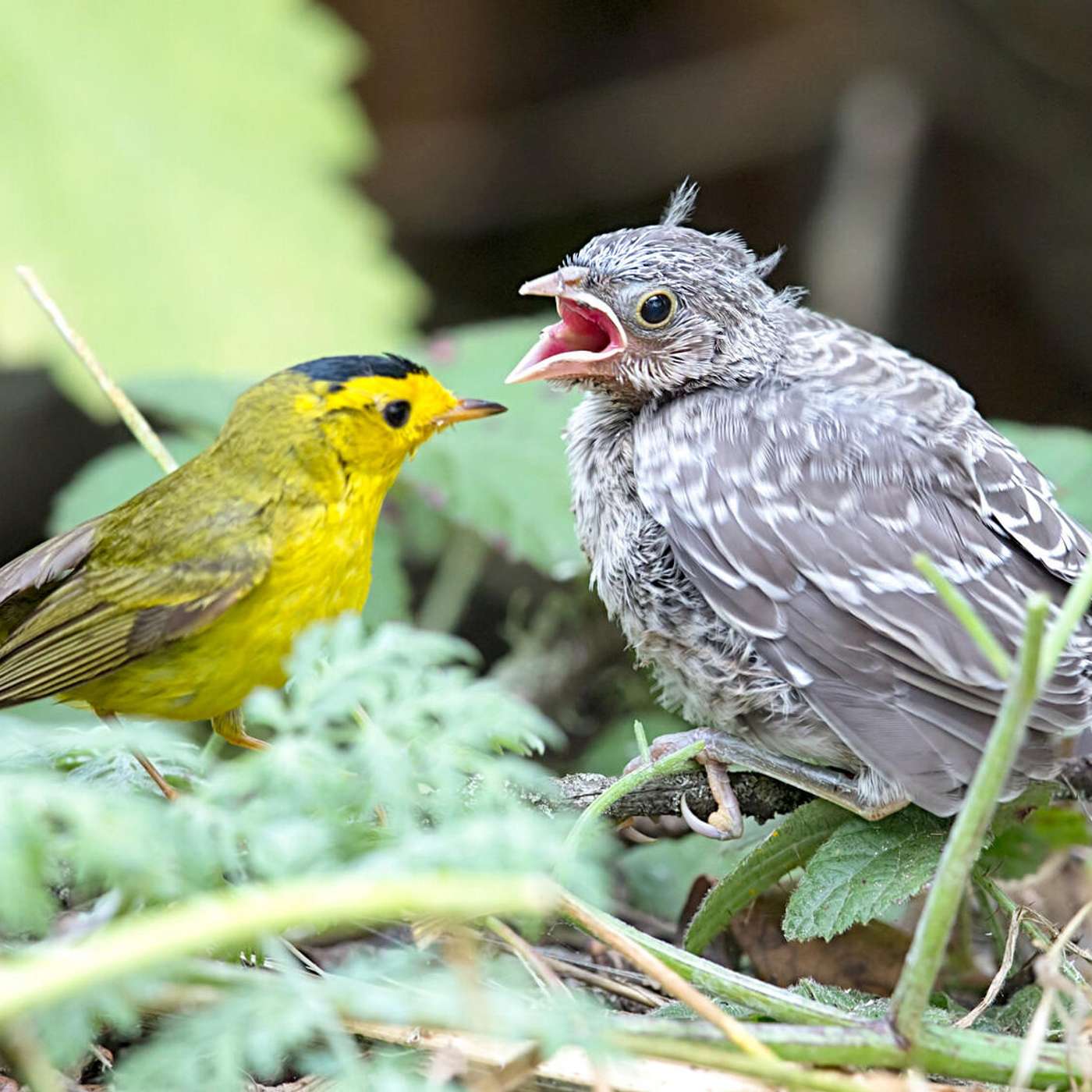
Ep 13Cowbirds and Brood parasitism
Birds invest considerable effort in the reproductive processes and have evolved myriad ways to improve their chances of success. The entire process of mating, nest-building, brooding, and rearing young consumes enormous amounts of energy, often leaving the parent birds nearly worn-out by the time their young reach independence. It is perhaps no wonder, then, that a few birds have developed a way to avoid most of that expense by getting other birds to do most of the work. Brood parasites lay their eggs in the nests of other birds, which then hatch and rear them unwittingly.The most widespread and abundant brood parasite in North America is the Brown-headed Cowbird. Dr. Mark Hauber studies Cowbirds and other brood parasites around the world, focusing on questions of recognition, social function, and the complex interactions between the parasites and their victims. He is a Professor at the University of Illinois in the Department of Animal Biology, School of Integrative Biology, where he runs the “Cowbird Lab” and conducts some fascinating research. He is also Harley Jones Van Cleave Professor of Host-Parasite Interactions in the Department of Evolution, Ecology, and Behavior. Dr Hauber addressed the central question of recognition: How does a Cowbird chick, raised entirely by another species, know it is a Cowbird?
Ep 12Charitable Giving for the Environment
On the April 2024 episode, we delve into how best to support the environment through charitable giving. We hear from Tom Wheeler, Executive Director of EPIC in Arcata, CA, and from Lawyer Paula Goodwin of Perkins Coie, as well as take a closer look at a number of nonprofits. Check out our Primer for Giving! The show also features music from artist and activists Diane Patterson and Alice Dimicele, featured here with their express permission.
Ep 11Residential Decarb #2
Join us for a follow up on a past episode on residential decarbonization., with some state forest news starting the hour:Segment 1: Richard Gienger on the Board of Forestry:www.savejackson.orgwww.pomolandback.comwww.mendocinotrailstewards.orgTo send comments to the Board of Forestry:[email protected] 2: Sonoma Clean Power Resources for improved home efficiency:https://sonomacleanpower.org/programs/diy-toolkithttps://scpadvancedenergycenter.org/https://switchison.org/Evan Mills’ resource sheet here and his full, updated report, Kermit Was Right.A net zero community in Vermont here.Segment 3: Matt Simmons on Wind Power and the Grid in Humboldt:~The Environmental Protection Information Center Blog
Ep 10Elephant Seals
We learn about Elephant Seals from Dr. Heather Liwanag, Associate Professor in the Biological Sciences at Cal Poly San Luis Obispo. She studies the physiological adaptations of animals to their environment, and Elephant Seals provide her with many remarkable features to study. The largest and deepest-diving pinnipeds in the world, Elephant Seals can be found on certain California beaches during their breeding season, when the males put on spectacular battle displays. At other times they are occasionally found hauled out when they molt. The rest of their lives are spent at sea, where they are only occasionally spotted as they come up for air between dives; they even sleep under water.
Ep 9The Ecology Hour, 9 January 2024: Gray Whales, with Dr. James Harvey
Gray Whales have recently been spotted off Mendocino. On The Ecology Hour this week, we replay a great discussion from June 2022 with Dr. James Harvey of the Moss Landing Marine Laboratory, who gave us a great overview of their lives and their fantastic migrations.