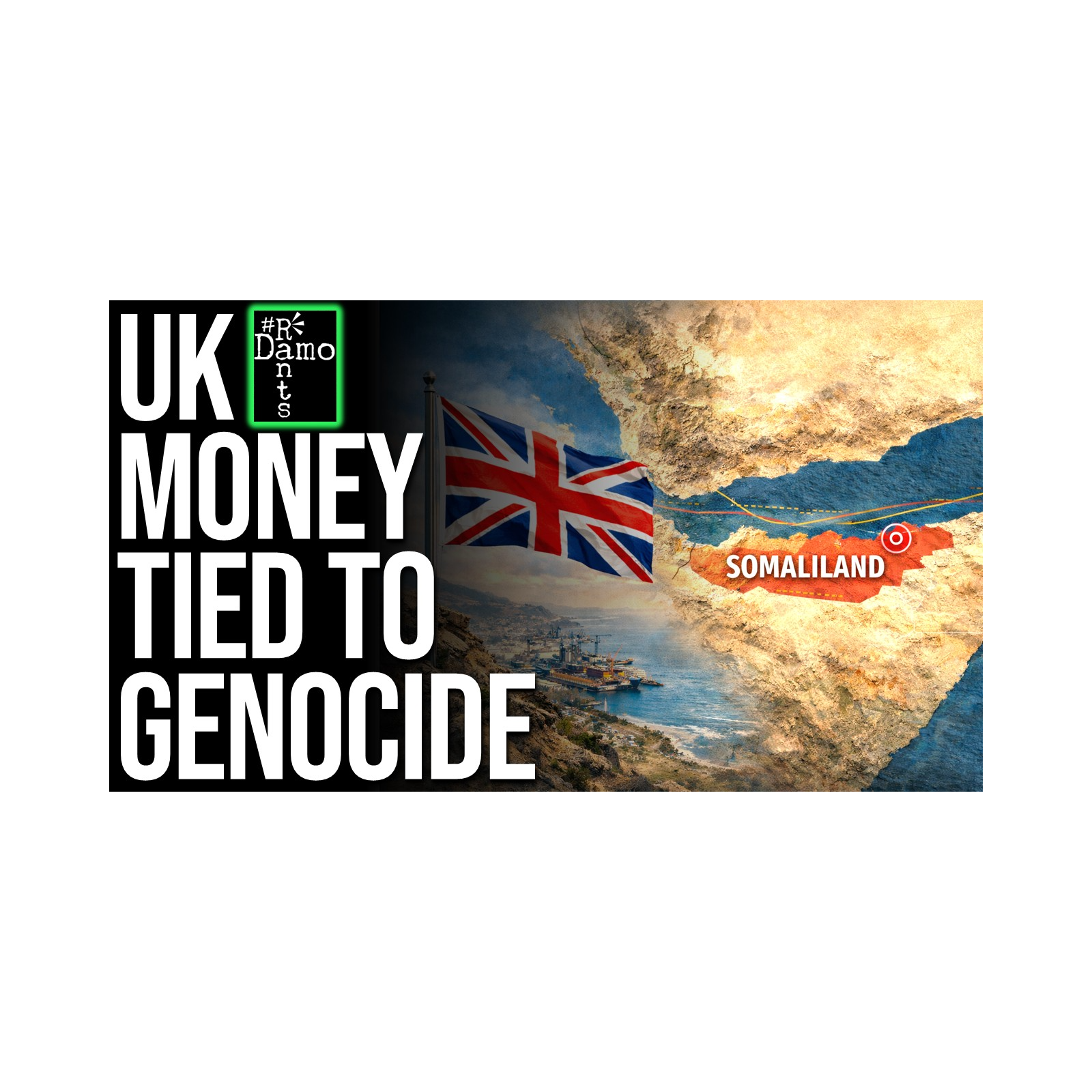
UK Co-Owning UAE Port Just Blew Up Sudan Genocide Policy
Kernow Damo · Damien Willey
Audio is streamed directly from the publisher (content.rss.com) as published in their RSS feed. Play Podcasts does not host this file. Rights-holders can request removal through the copyright & takedown page.
Show Notes
The UK government owns part of the supply system of the Sudan genocide it claims to oppose and now its all comng out. Right, so the UK hasn’t just been caught selling arms to the wrong people again - what’s come out now shows the British state is financially tied into the logistics of a genocidal war it claims to oppose. That’s the change. The cost of that isn’t optics, it’s that a whole set of excuses Britain has relied on for years no longer survive contact with reality. Once you’re invested in the infrastructure that keeps a war supplied, sanctions stop being pressure and start being theatre. From here on, the claim that responsibility ends at export licences doesn’t hold, and neither does the idea that this is about oversight mistakes or bad paperwork. Because this setup didn’t happen by accident, it didn’t emerge overnight, and it certainly doesn’t benefit the people being slaughtered. We need to look at how this arrangement actually works, why it’s always dressed up as something harmless, and why once again the UK government has been caught doing something in our name with our money, that we should have known a lot more about. Right, so the British government is it would appear financially embedded in the very infrastructure that sits inside the arms supply architecture of the genocide in Sudan that it publicly condemns, sanctions, and claims to oppose. This goes beyond just arms sales to the UAE finding their way to Darfur and the hands of the Rapid Support Forces. Through British International Investment, the UK’s foreign investment body as that is, wholly owned by the Foreign, Commonwealth and Development Office, so a government institution, the UK state holds a minority equity stake in Berbera port in Somaliland, a port controlled operationally by DP World, a Dubai-based logistics firm and embedded in a wider Emirati logistics network that investigations and expert assessments have linked to the arming of the Rapid Support Forces in Sudan.