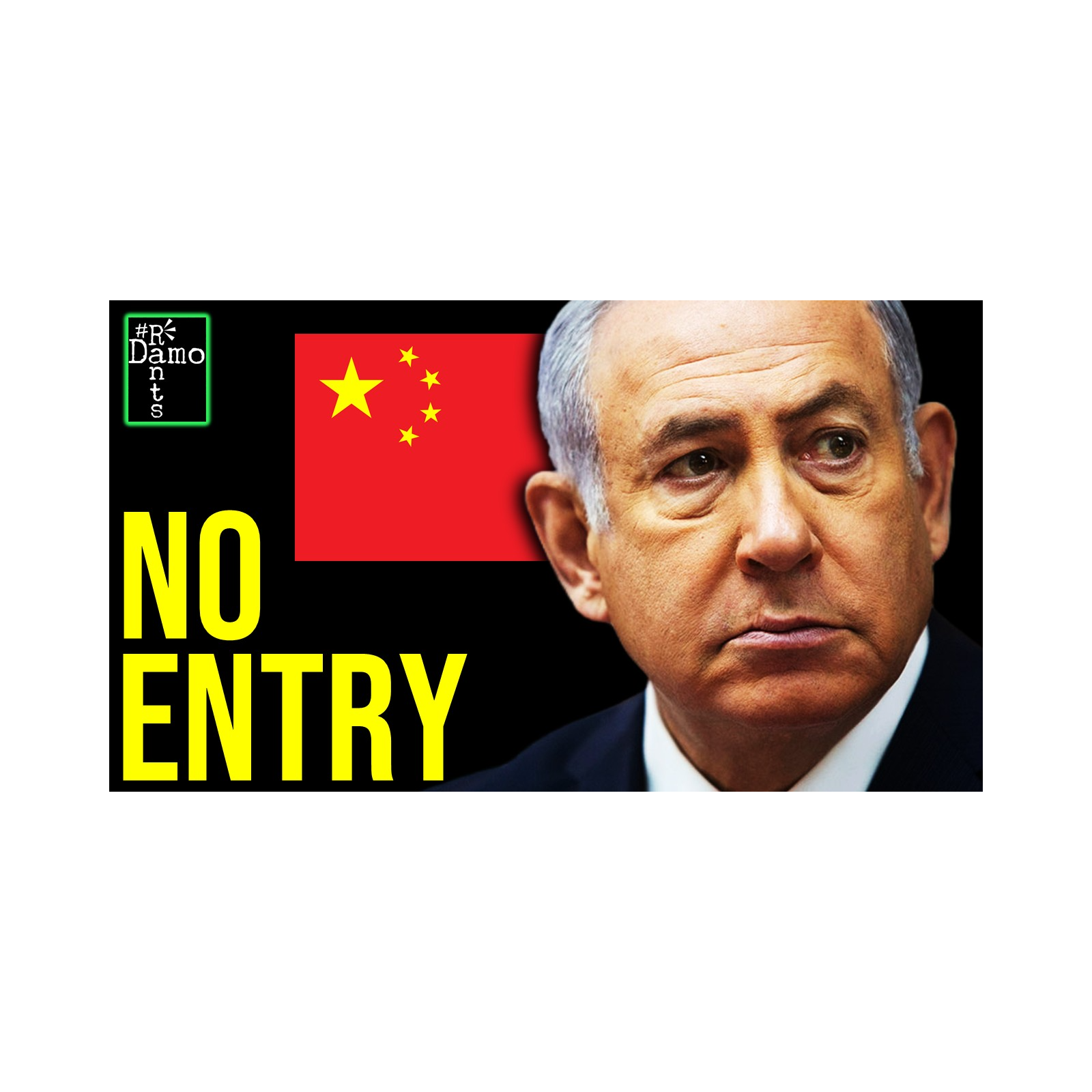
Israel's Secret Iran Operations Just Got a Lot Harder
Kernow Damo · Damien Willey
Audio is streamed directly from the publisher (content.rss.com) as published in their RSS feed. Play Podcasts does not host this file. Rights-holders can request removal through the copyright & takedown page.
Show Notes
China’s reported move to help Iran lock down its systems isn’t “spy drama” — it’s Israel’s inside-access playbook being priced out. Right, so China has decided it is not watching Israel’s intelligence footprint inside Iran like it’s a regional soap opera anymore, and the immediate consequence of that is very simple: the “inside access” part of Israel’s Iran playbook – ie Mossad - is now being treated as something that can be denied, choked, and priced up, and when that happens the people in Israel who have been selling “we’re always going to be there” start sounding like they’ve just been told the key in the door doesn’t work anymore. Benjamin Netanyahu can posture all he likes, he does love to pose, but if the door stops opening, all he can do is stand outside threatening to huff and puff. Mossad is of course Israel’s foreign intelligence service, and the allegation running through the current reporting isn’t just that they’ve got agents in Iran because every serious state assumes foreign spies exist, plus we’ve observed major arrest campaigns following the 12 day war with Israel last year and following the Iranian protests in recent weeks, but it’s also that they’ve been infiltrated deep enough to make Iranian systems fail from the inside and deep enough to make military action look easier than it should. That turns the whole story from jets and missiles into passwords, procurement, maintenance contracts, vetting, and the boring seams where state secrets can leak. Well one state has it seems had enough of that - China. Chinese military and security commentators are being quoted describing Mossad’s penetration of Iran as a “Pandora’s box” problem, because sabotage, cyber intrusion, and internal enablement don’t stay local once they work, they get copied. A second report leans into the same line and frames it as a China problem, because if a foreign service can get inside critical systems and make air defence and command structures wobble before anything starts, then ports, pipelines, rail corridors, satellite links, and trade routes become targets long before the first missile launches.