Kerning Cultures
144 episodes — Page 2 of 3
Viva Brother Nagi
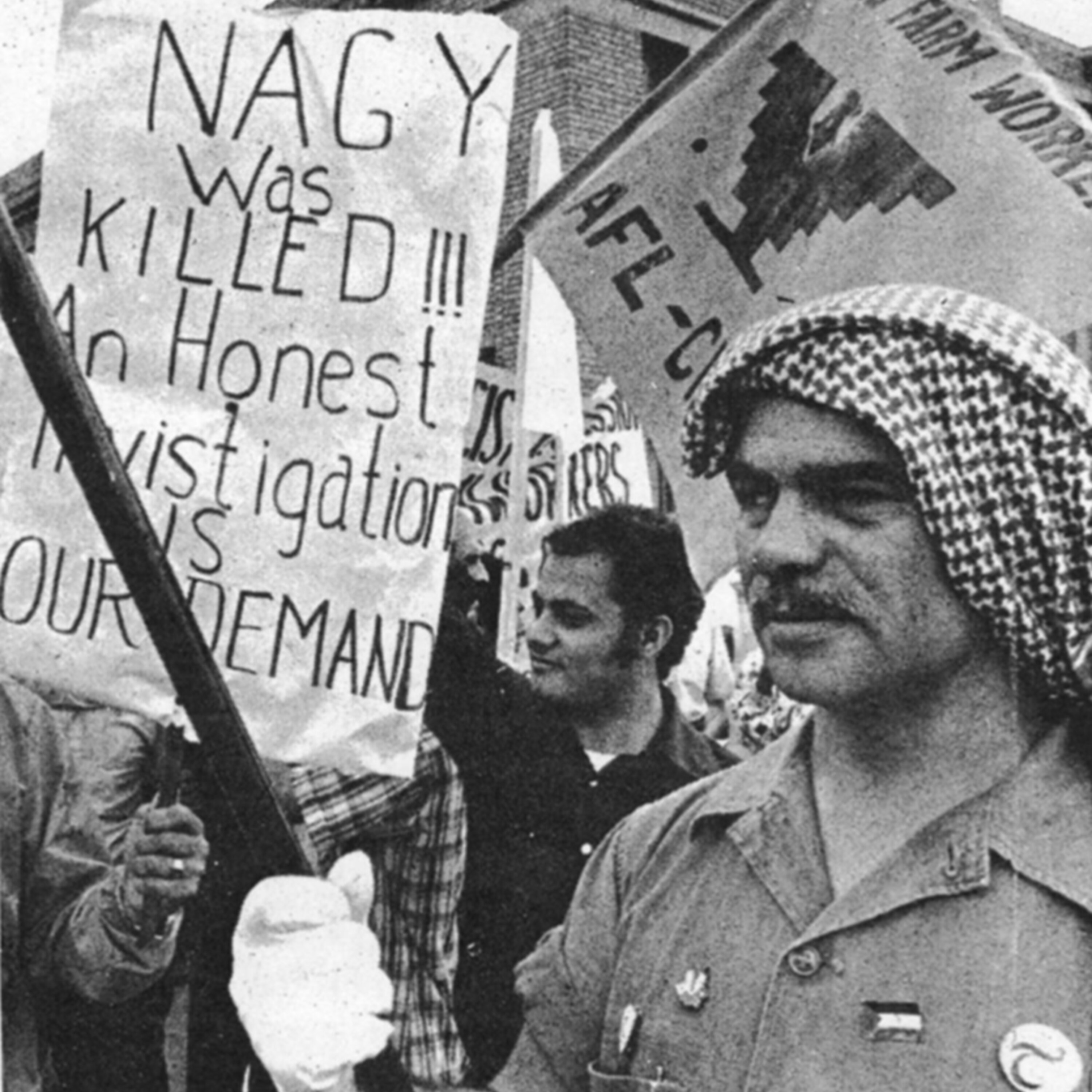
Nagi Daifallah was a young farm worker from Yemen who moved to California in the early 1970s, when he was just 20 years old. He went on to become one of the organisers of the influential 1973 grape strike in California, led by Cesar Chavez.But one night, after a day of striking, he was beaten to death by a local county sheriff outside a restaurant in Lamont, California.Although the sheriff who killed him never faced justice, Nagi's story - and the movement he helped organise - went on to make real change to farm workers' rights in America, and continues to inspire Yemeni American activists today.This episode was produced by Suzanne Gaber and Will Thomson, and edited by Dana Ballout. Additional support on this episode from Alex Atack, Nadeen Shaker, Zeina Dowidar, Shraddha Joshi and Abde Amr. Sound design by Alex Atack and Mohamad Khreizat.Support this podcast on patreon.com/kerningcultures for as little as $1 a month. Hosted on Acast. See acast.com/privacy for more information.
Flagged and Stamped
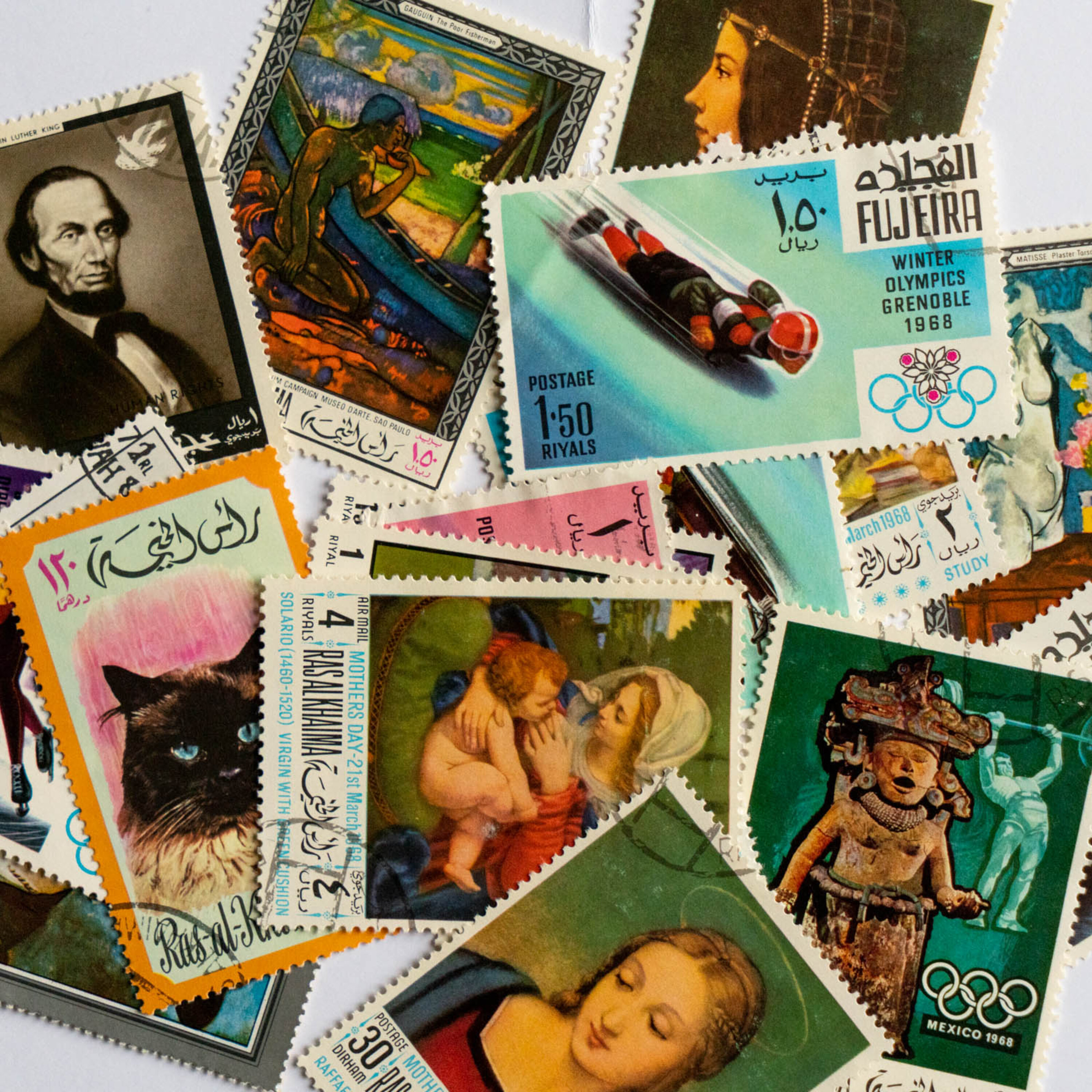
Over the last half century, as many nations around our region have gained independence or been through regime change, they've have had to ask themselves big questions. Like, what makes our country, our country? What are the symbols that define us? And, who gets to decide the answer to those questions? In our episode today, two stories about the complicated paths two countries took to arrive at those decisions.This episode was produced by Alex Atack and Abde Amr, and edited by Dana Ballout with additional support from Zeina Dowidar and Nadeen Shaker. Fact checking by Percia Verlin, and sound design by Mohamad Khreizat and Alex Atack.Support this podcast on patreon.com/kerningcultures for as little as $1 a month. Hosted on Acast. See acast.com/privacy for more information.
No Victor But God
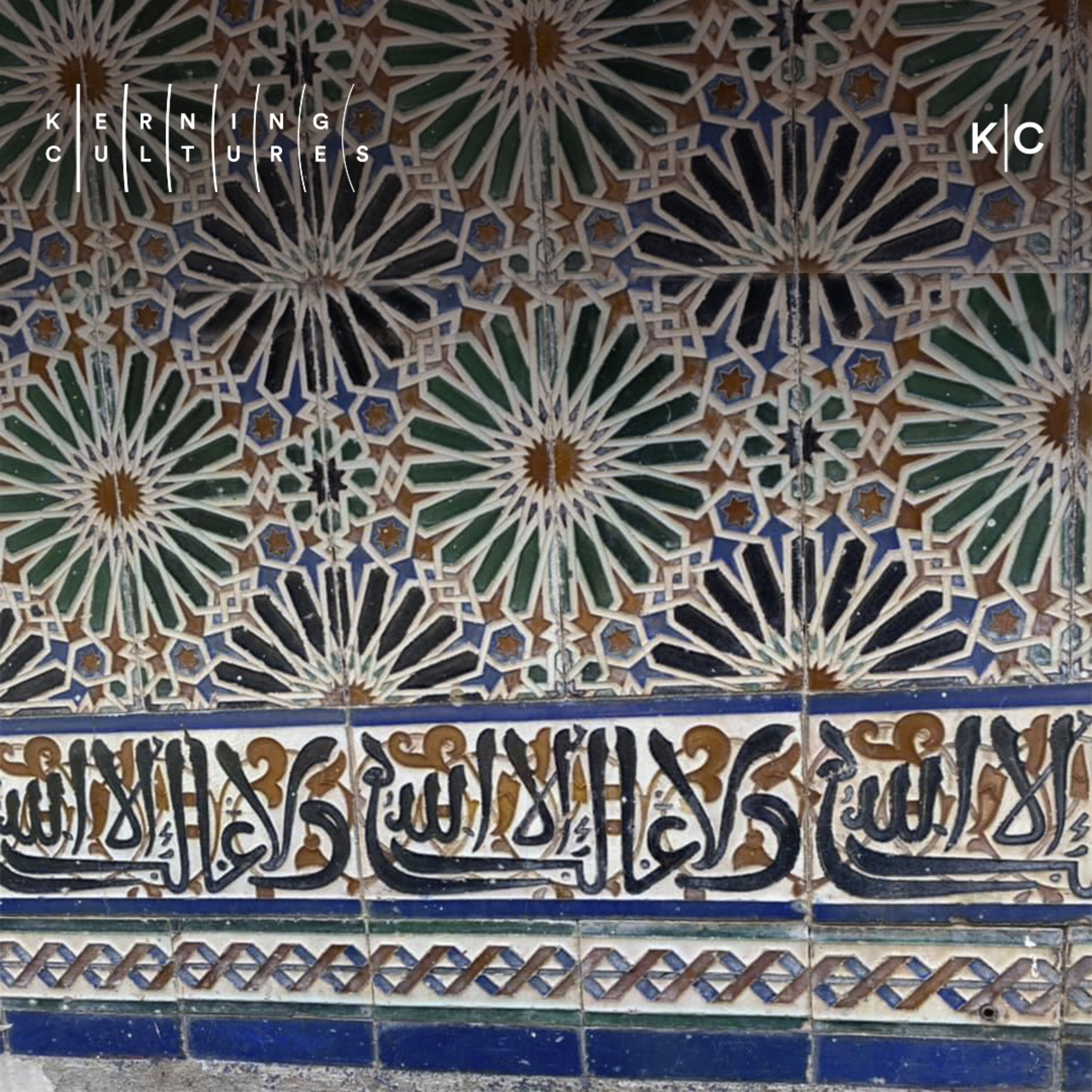
The graceful courtyards of Mexico and Puerto Rico aren't the first places you'd go looking for a secret Islamic history. But a closer look at the tiles and teacups reveals a bloody, beautiful and largely forgotten past.This episode was produced by Alice Fordham and edited by Dana Ballout, with additional support from Alex Atack. Fact checking by Percia Verlin, and sound design and mixing by Mohamad Khreizat.Support this podcast on patreon.com/kerningcultures for as little as $1 a month. Hosted on Acast. See acast.com/privacy for more information.
In Case of Death
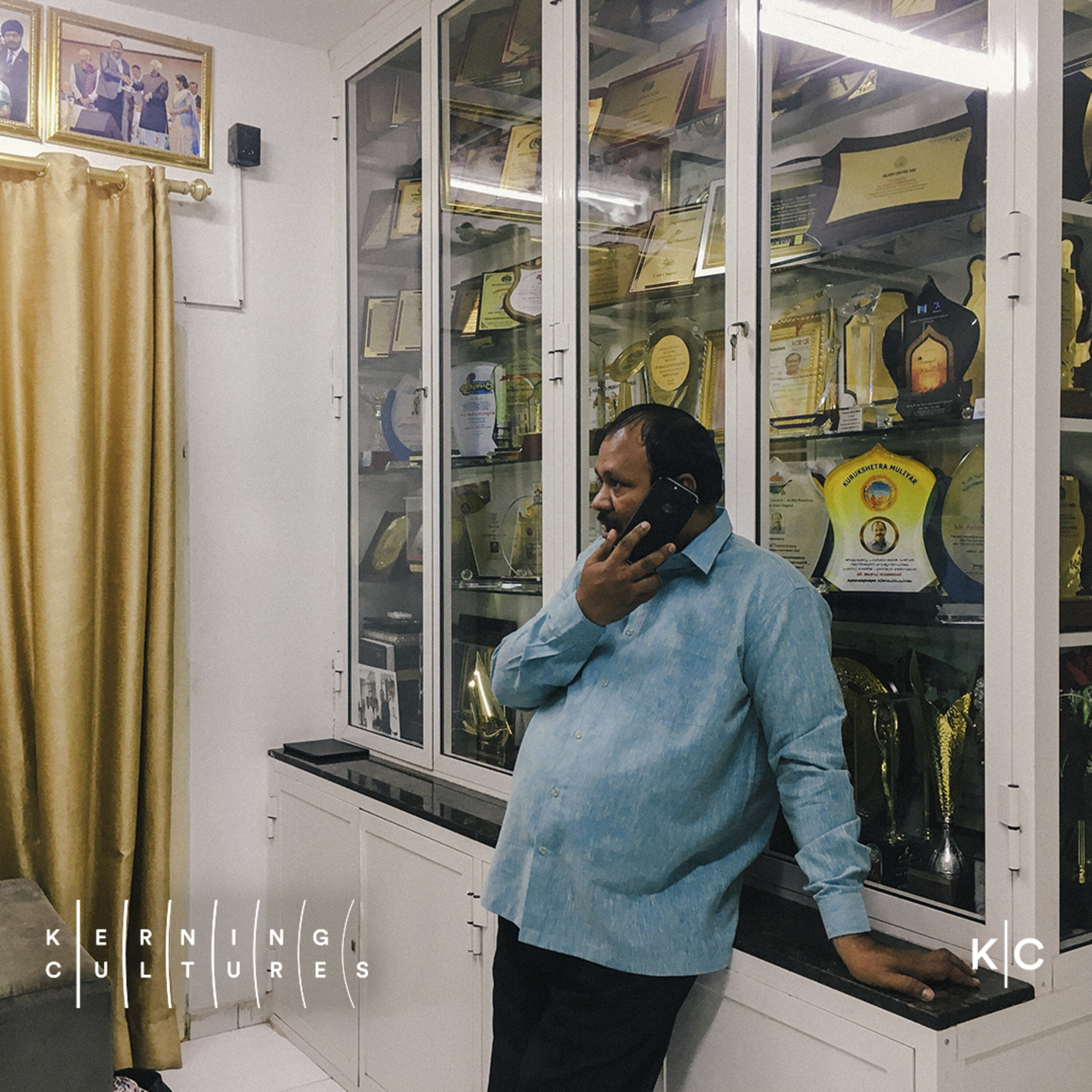
What happens when somebody dies in a country that's not their home? In the UAE, the answer to that is complicated. This week on Kerning Cultures, stories about the families who've had to go through the experience, and the group of volunteers who help repatriate the bodies of foreigners after they've died in the UAE.This episode originally aired in September 2019.Special thanks to Zaki, Max, Ashraf Thamaraserry, Vidhyadharan, Amal Mathew, Ambika and Renji. The people at the Indian Association; CM Bashir, Sajad Saheer, Mohamed Mohideen and Baiju G. Sunil at the Hindu Crematorium and Mr. Johnson at Holy Trinity Church.This episode was produced by Noha Fayed and Alex Atack, with editorial support from Dana Ballout, Hebah Fisher, Shahd Bani Odeh and Tamara Rasamny. Translation by Ashfana Hameed. Sound design by Mohamed Khreizat. Fact checking by Zeina Dowidar. Kerning Cultures is a Kerning Cultures Network production.Support this podcast on patreon.com/kerningcultures for as little as $1 a month. Hosted on Acast. See acast.com/privacy for more information.
Whose Genizah?
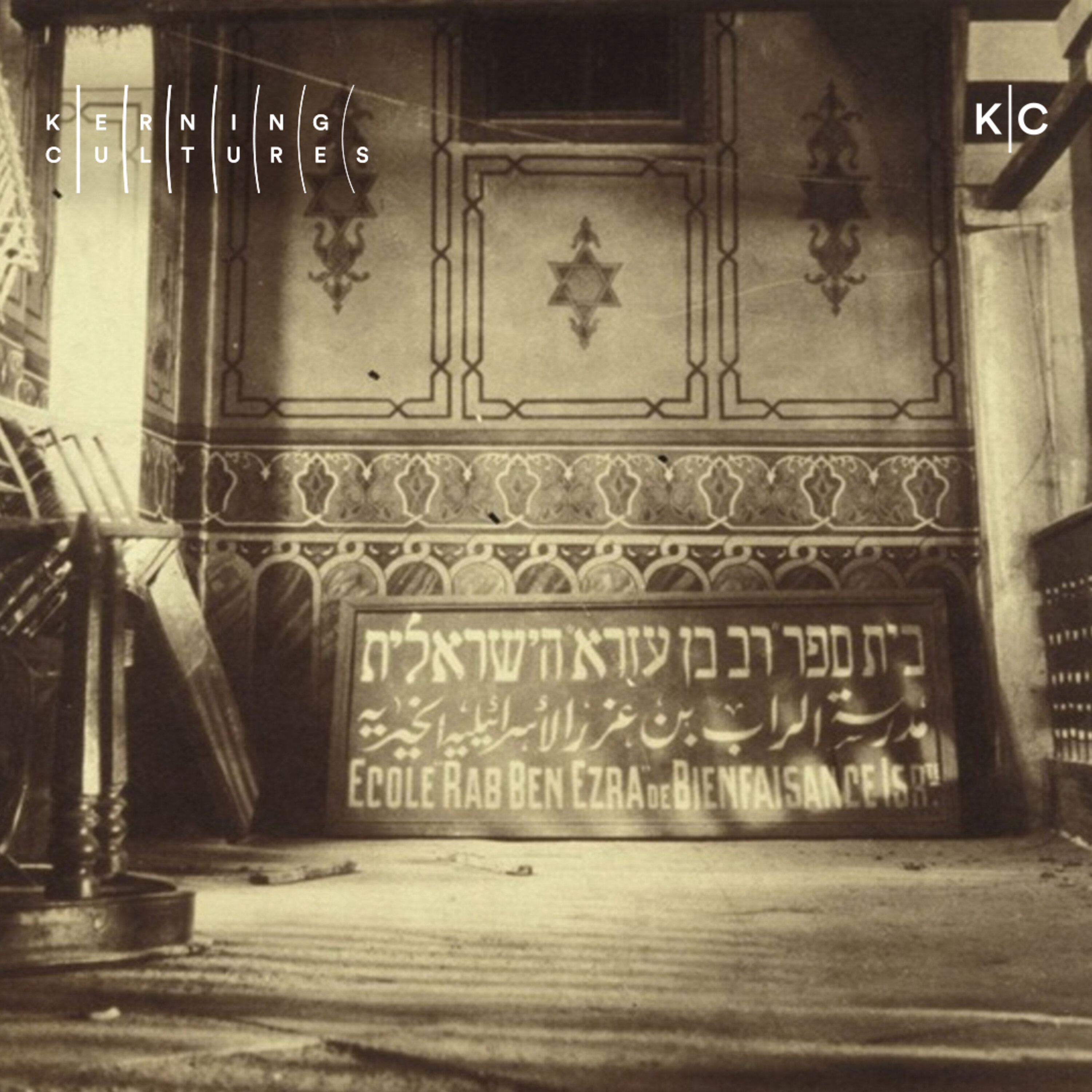
In 2015, our producer Nadeen Shaker visited the Cairo Genizah in one of Egypt's oldest synagogues. It was the place where, thousands of years ago, the Jews of Egypt literally stored any papers with God's name on them instead of throwing them away.After a prominent Egyptian Jew, Jack Mosseri, discovered the Genizah manuscripts almost a century ago, and his untimely death afterwards, the manuscripts disappeared from view for decades.When they were finally rediscovered, the question of where the collection of manuscripts would eventually go – Egypt, Israel, or the UK – became a thorny and still unanswered debate.Today on Kerning Cultures, the story of the Genizah manuscripts and the question of where Egyptian Jewish history should be kept.Support this podcast on patreon.com/kerningcultures for as little as $1 a month.This episode was produced by Nadeen Shaker and edited by Dana Ballout, with additional support from Alex Atack, Zeina Dowidar, Shraddha Joshi, and Abde Amr. Fact checking by Alex Atack and sound design and mixing by Mohamad Khreizat. Hosted on Acast. See acast.com/privacy for more information.
Evacuate Kuwait
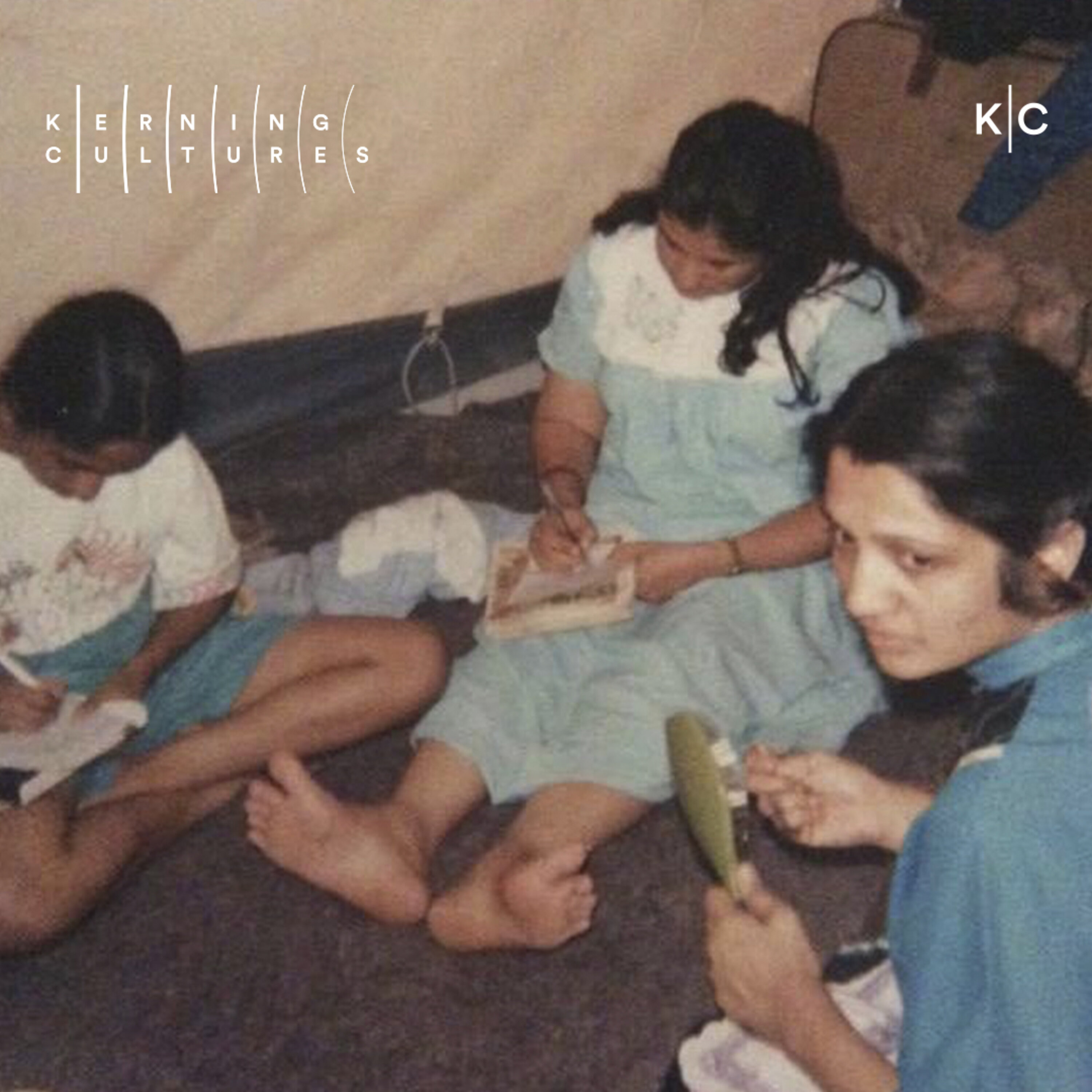
On August 2nd 1990, the Iraqi military invaded Kuwait City overnight, and its residents woke up to a city under occupation. The only airport was put on lockdown, and the Iraqi military set up checkpoints on the city's streets. The US, UK and Russia condemned the invasion, and some British and American citizens were taken as hostages. But the Indian government had no stake in the conflict, and around 165,000 Indian citizens living in Kuwait were caught up in a situation that didn't involve their country.Which left the Indian government with a question they'd never had to face before: how do we evacuate tens of thousands of our citizens from a foreign country, all at once?Today on Kerning Cultures, the story of one family's escape from Kuwait during one of the largest government evacuations in history.This episode was written and produced by Alex Atack and Shraddha Joshi, and edited by Dana Ballout with support from Nadeen Shaker, Zeina Dowidar and Abde Amr. Fact checking by Shraddha Joshi, sound design by Alex Atack and mixing by Mohamed Khreizat. Bella Ibrahim is our marketing manager, and Kerning Cultures is a Kerning Cultures Network production.Support this podcast on patreon.com/kerningcultures for as little as $1 a month. Hosted on Acast. See acast.com/privacy for more information.
The A-Word
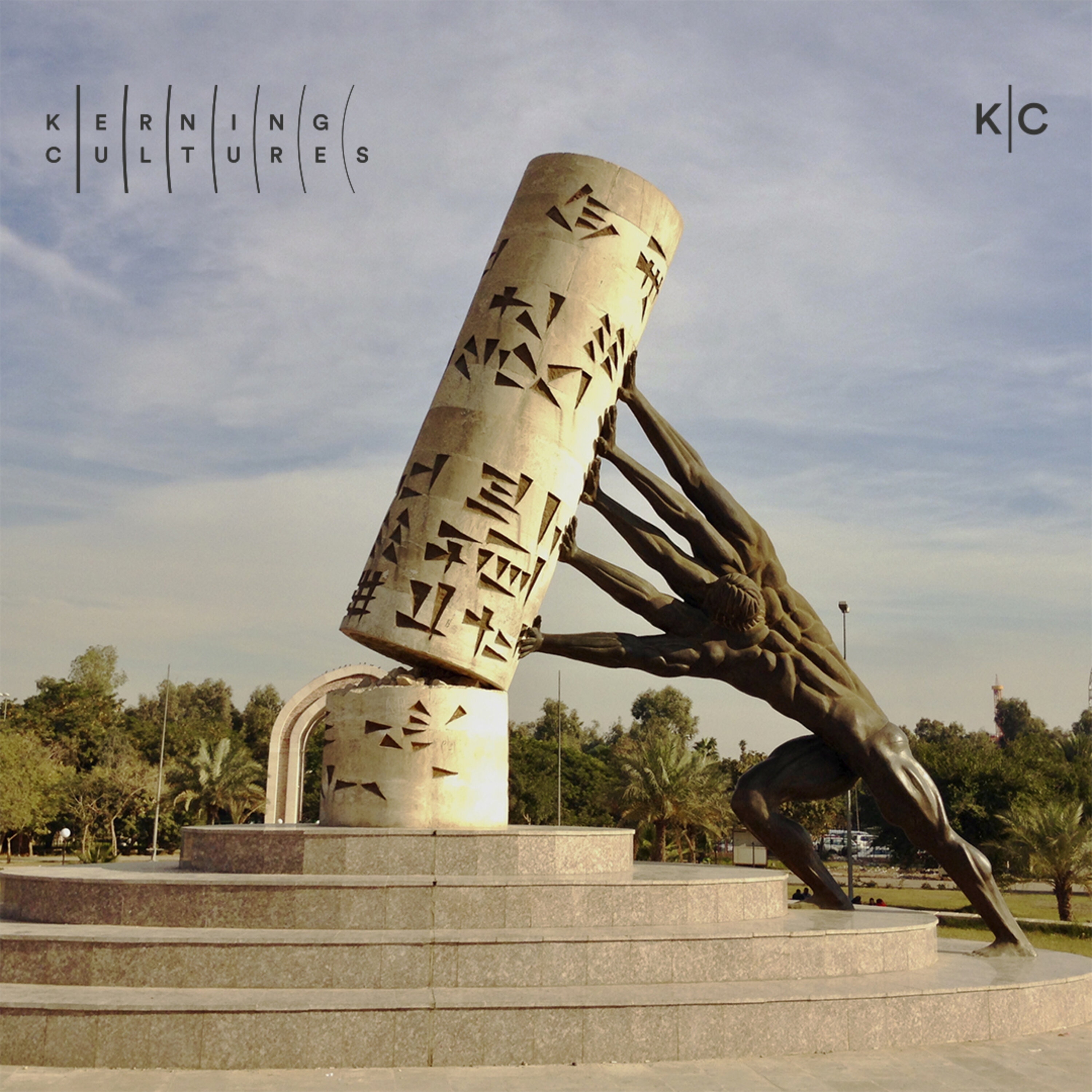
Ahmed Twaij explores an often-overlooked issue in the Arab world; racism towards Black Arabs. In this episode, he looks at racism in his own community, taking us from his Iraqi roots, through to modern day slurs still commonly used in many Arab communities around the world.This episode was produced by Ahmed Twaij, with editorial support from Dana Ballout, Nadeen Shaker, Zeina Dowidar and Alex Atack. Fact checking by Shraddha Joshi, sound design by Alex Atack, and mixing by Mohamad Khreizat. Music in this episode was by Ahmed Moneka and Blue Dot Sessions. Special thanks to Noon Salih and Sara Elhassan. Our marketing director is Bella Ibrahim, and Kerning Cultures is a Kerning Cultures Network production.Support this podcast on patreon.com/kerningcultures for as little as $1 a month. Hosted on Acast. See acast.com/privacy for more information.
Word on the Street
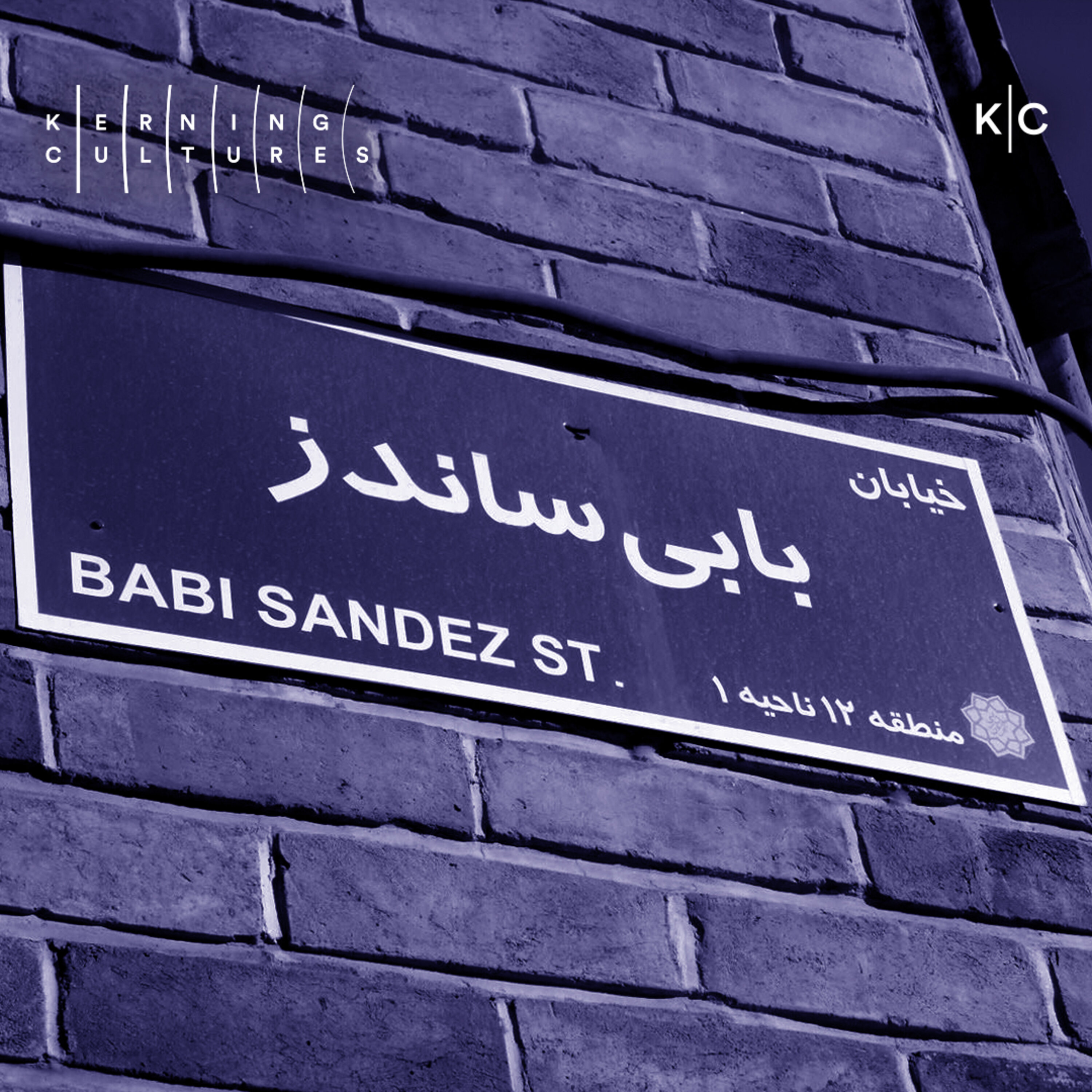
As 2020 brought us countless examples of injustice and pain, it brought remembrances that we live in a world in need of more - well, work. And that means scrutinising the cities we live in, the homes we rest in, and… the streets we live on. Today on Kerning Cultures, we're bringing you two stories about two streets - and the justices and injustices hidden in their names. Follow us to Tehran and Khartoum as we uncover two histories brought together by one common denominator.This episode was produced by Zeina Dowidar, with editorial support from Alex Atack, Nadeen Shaker, Dana Ballout, Shraddha Joshi and Abde Amr. Editing by Dana Ballout, and fact checking by Shraddha Joshi. Sound design by Zeina Dowidar and Alex Atack, and mixing by Mohamed Khreizat. The article Zeina reads throughout this episode is ‘How to Rename a Street' by Malia Wollan from the New York Times.Support this podcast on patreon.com/kerningcultures for as little as $1 a month. Hosted on Acast. See acast.com/privacy for more information.
Operation Nemesis
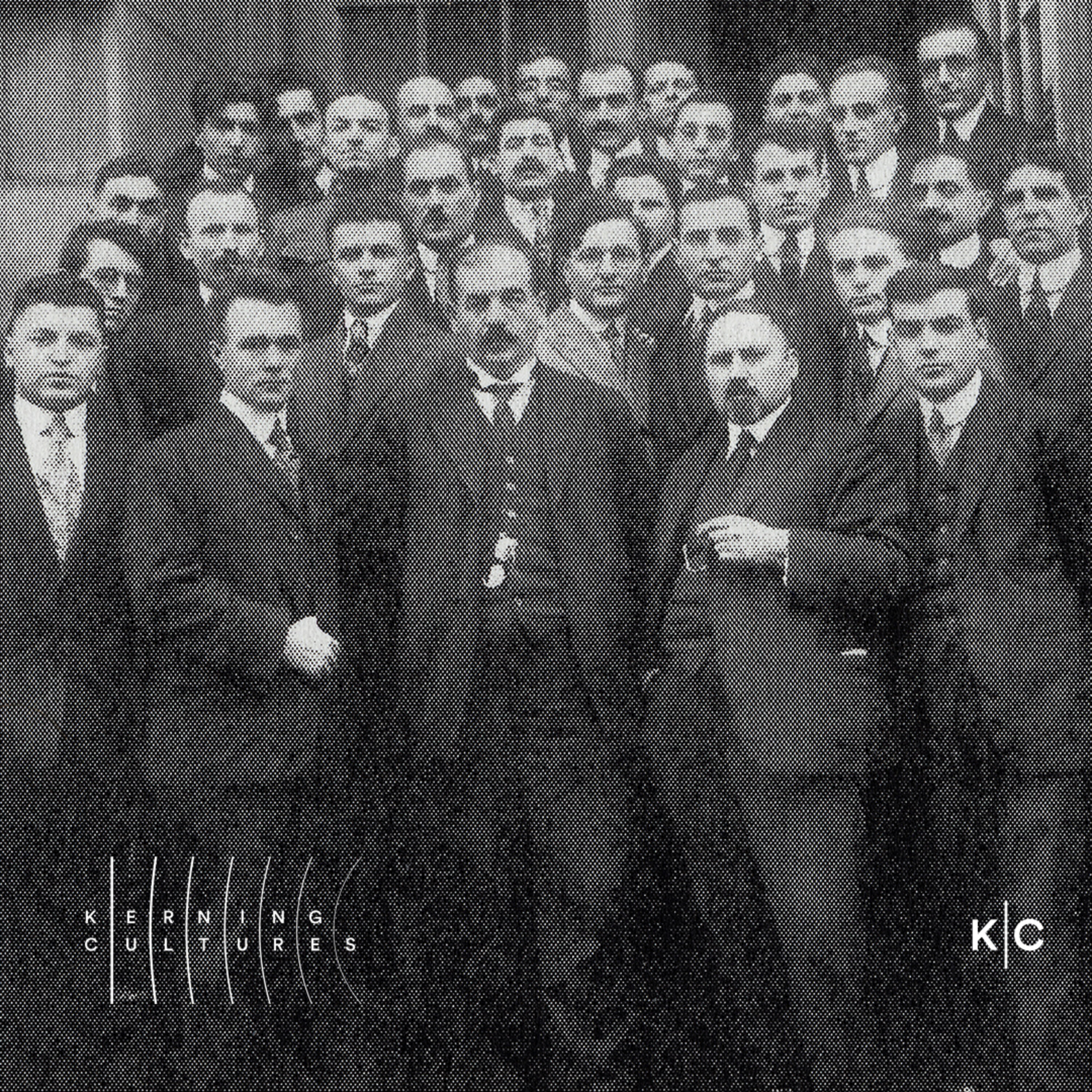
After the Armenian Genocide, in which over 1.5 million Christians from the Ottoman Empire were killed by the Ottoman government, the main group of Ottoman leaders behind the atrocities were never made to face justice. They escaped Constantinople in the middle of the night and began new lives undercover in Europe. So, a small group of regular Armenians decided to take justice into their own hands.This week on Kerning Cultures, the secretive operation to avenge the Armenian Genocide, and how it changed our relationship with the idea of justice in the modern world.Images courtesy of Marian Mesrobian MacCurdy. Her book is called Sacred Justice: The Voices and Legacy of the Armenian Operation Nemesis. Eric Bogosian's book is Operation Nemesis: The Assassination Plot that Avenged the Armenian Genocide.Support this podcast on patreon.com/kerningcultures for as little as $1 a month. Hosted on Acast. See acast.com/privacy for more information.

The K-Pop Wave
Since 2012, Korean pop culture has captured the imagination of people across the Middle East: from K-pop and K-dramas to Korean language classes and even to Korean fried chicken. It's everywhere!But how did we become so obsessed with a culture so different from our own? And how much do we actually know about how it spread to our region?This week on Kerning Cultures, we dive into the highly calculated forces behind the K-pop craze.Support this podcast on patreon.com/kerningcultures for as little as $1 a month. Hosted on Acast. See acast.com/privacy for more information.
This season on Kerning Cultures...
trailerWe're excited to announce that season 2 of Kerning Cultures starts next week. Each Thursday, we'll be bringing you new stories from around the Middle East and North Africa. Here's a taste of what's to come...Episode 1 drops on January 28th. Be sure to subscribe to this feed so that you never miss an episode.Support this podcast on patreon.com/kerningcultures for as little as $1 a month. Hosted on Acast. See acast.com/privacy for more information.
Behind the Scenes: Zar and Zabelle
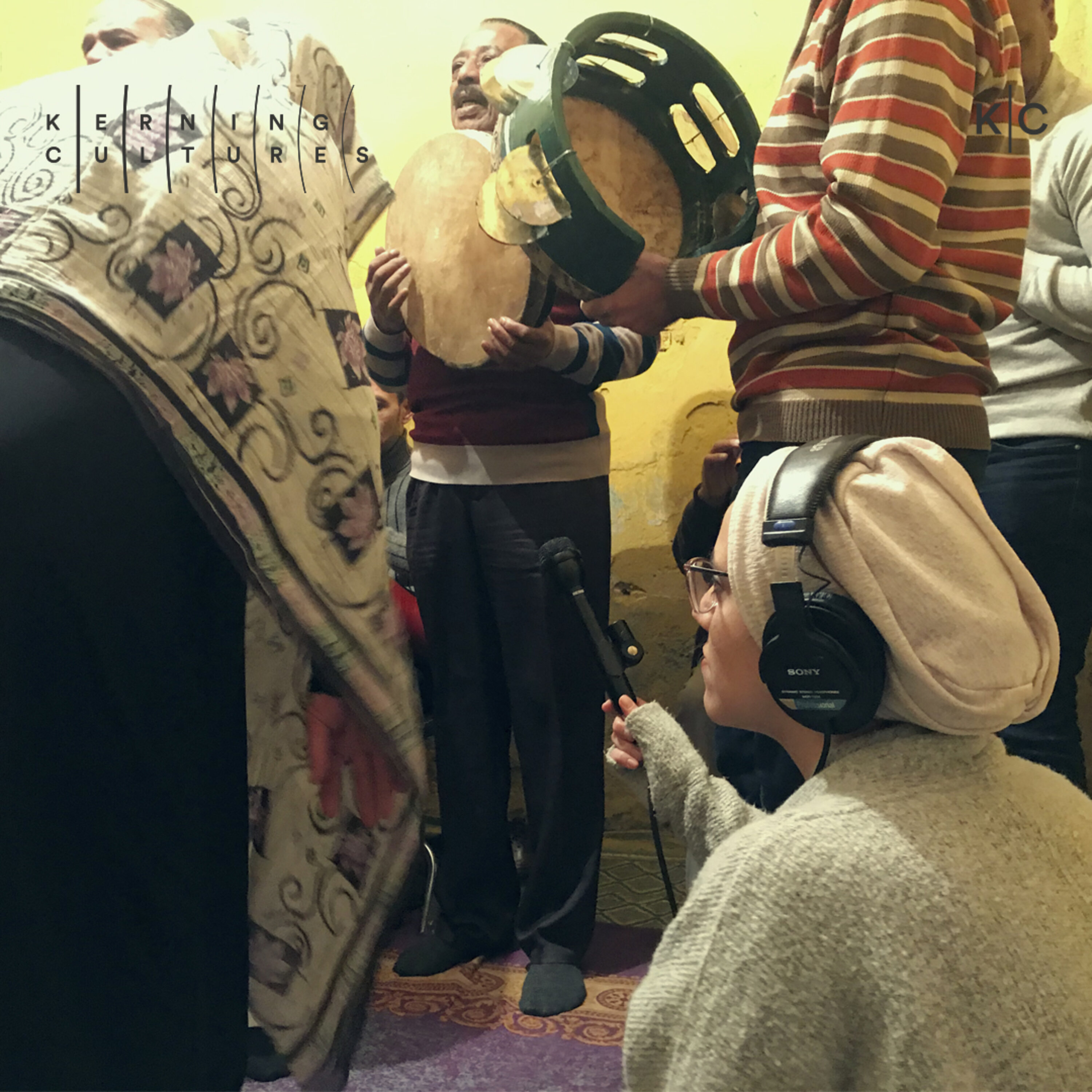
While we're gearing up for our next season, we wanted to share a behind the scenes look at what goes into making our episodes.Hear Trancing with the Zars here, and Zabelle here.This behind the scenes episode was produced by Alex Atack with Zeina Dowidar and Nadeen Shaker. Editing by Dana Ballout, and mixing by Mohamad Khreizat. Kerning Cultures is a Kerning Cultures Network production.Support this podcast on patreon.com/kerningcultures for as little as $1 a month. Hosted on Acast. See acast.com/privacy for more information.
Update: Where the Heart Is
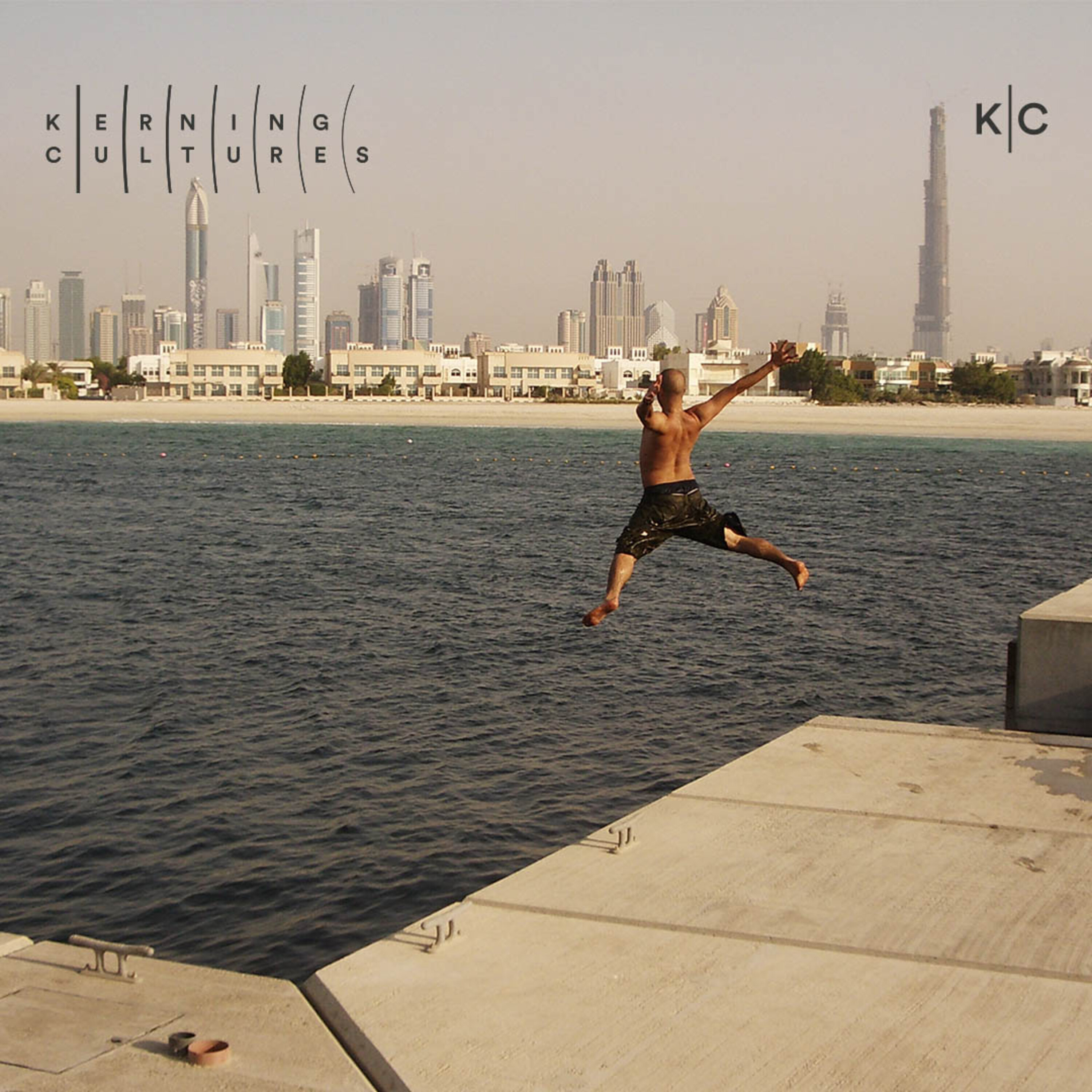
For his entire life, Maysam has lived in Dubai. His parents are from Syria, a place he hasn't visited since he was a young child. If you ask him, the UAE is his home. But on paper it isn't, and likely never will be. So what do you do when your home can't be your home forever?This episode was originally broadcast in March 2018, and last week we called Maysam up to hear what's changed for him since the story aired.This episode was produced by Hebah Fisher and Alex Atack, with editorial support by Dana Ballout, Percia Verlin, Laura Saab, Razan Alzayani, and Jackie Sofia. Sound design by Alex Atack and Fady Garas. Mixing by Mohamad Khreizat.Support this podcast on patreon.com/kerningcultures for as little as $1 a month. Hosted on Acast. See acast.com/privacy for more information.
Jerusalem Calling
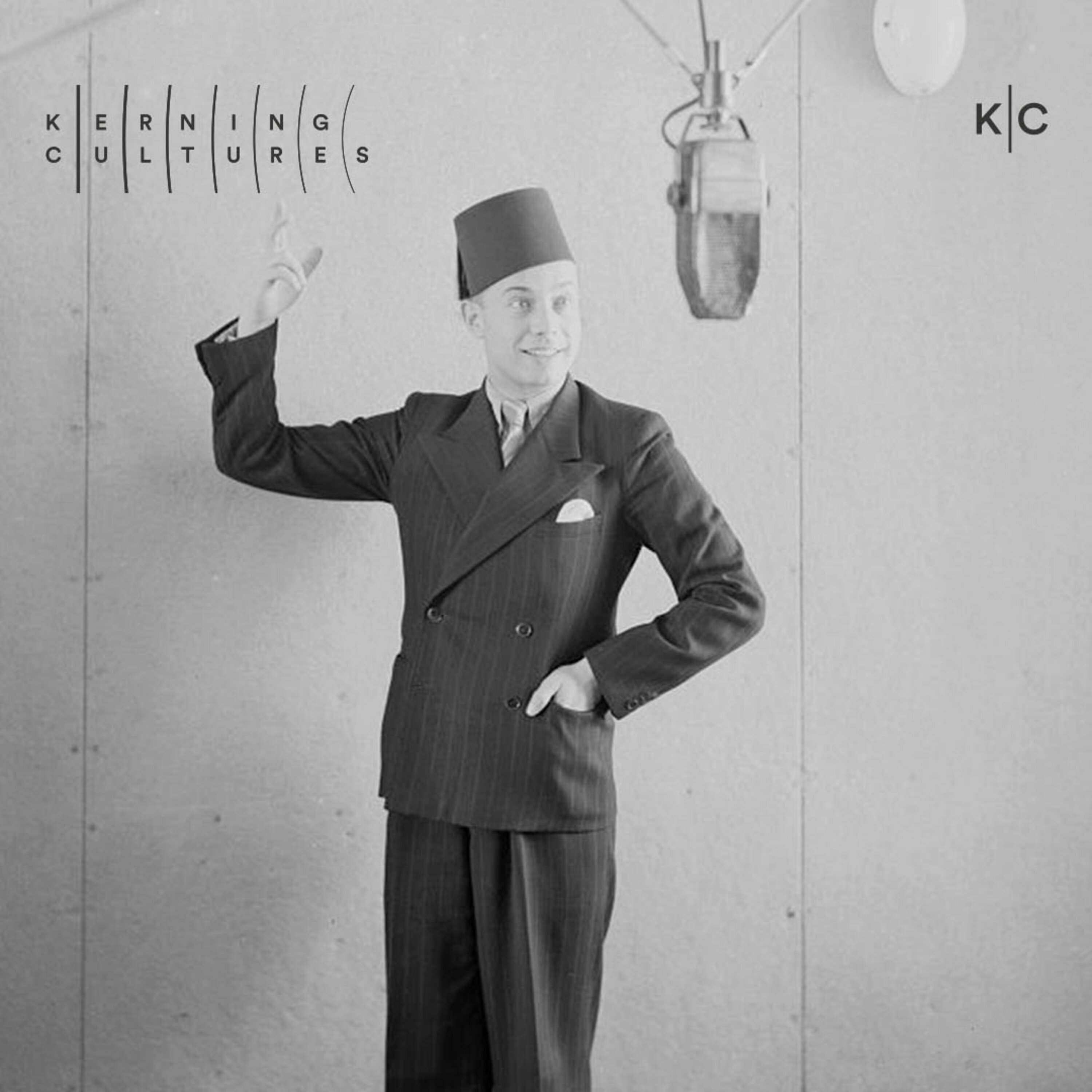
The Palestine Broadcasting Service started airing in 1936, from a brand new transmitter tower in Ramallah. It was a British station in three languages, aimed at promoting the message of the mandate government throughout the region. But over the following decades, as Palestine saw political upheavals, bloody conflicts and power shifts, the radio station found itself in the middle of it all... and became a unique capsule of the events that lead up to the Nakba.This episode was produced by Shahd Bani-Odeh, Alex Atack and Darah Ghanem, with editorial support from Dana Ballout, Nadeen Shaker, Tamara Rasamny, Zeina Dowidar and Dina Salem. Fact-checking by Zeina Dowidar and Dina Salem. Sound design by Alex Atack and mixing by Mohamad Khreizat. Kerning Cultures is a Kerning Cultures Network production.Support this podcast on patreon.com/kerningcultures for as little as $1 a month. Hosted on Acast. See acast.com/privacy for more information.
More Than A Buzz
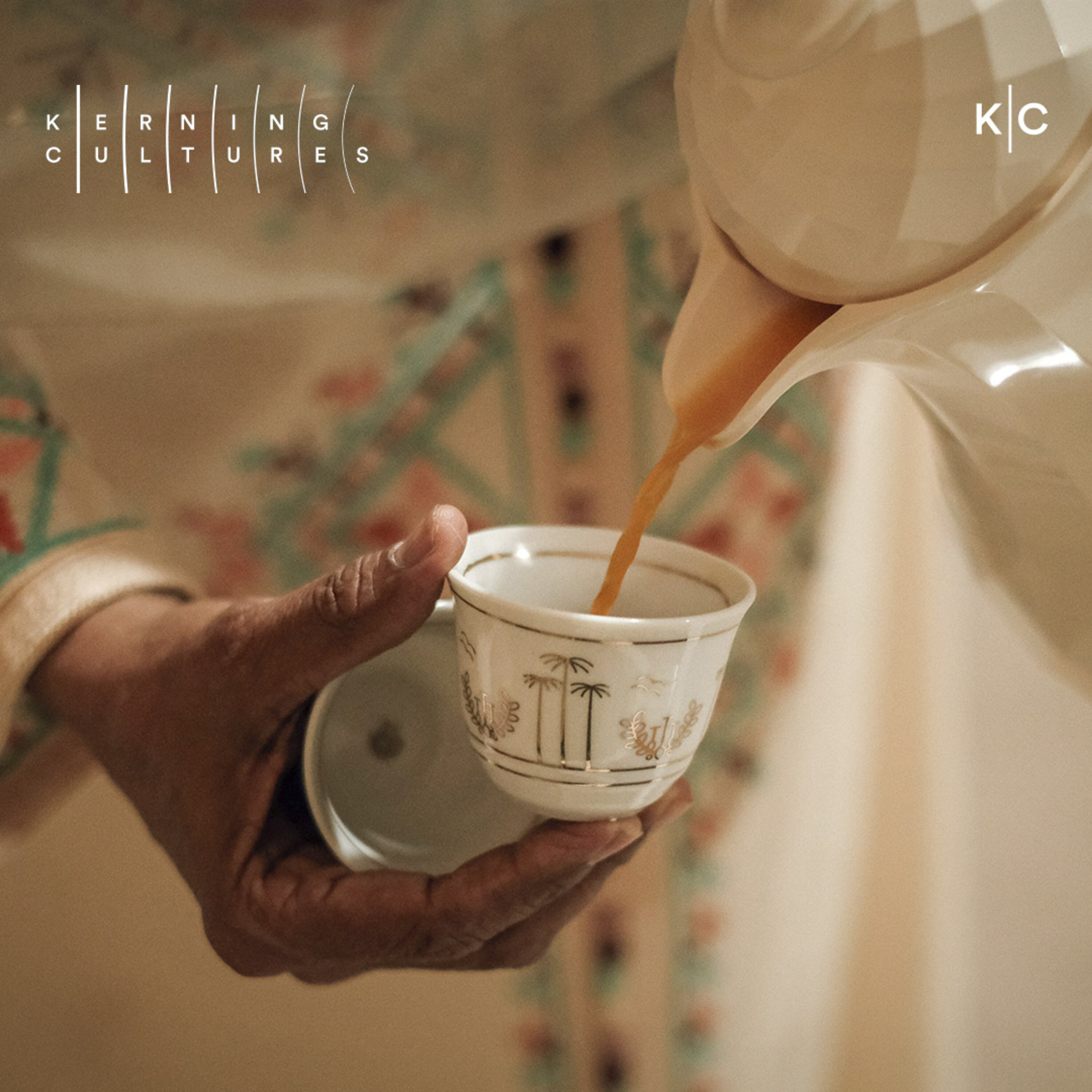
In our day-to-day lives, it's a drink. But for some people, it is not as simple as that. It's a Sufi's spiritual companion, an Emirati's keeper of tradition, and a Yemeni's connection to his homeland. Today, we dive into three stories about coffee, exploring the tradition, culture, and spirituality of this simple bean.This episode was produced by Noon Salih, with editorial support from Alex Atack, Dana Ballout, Zeina Dowidar, Nadeen Shaker, and Dina Salem. Fact-checking by Dina Salem. Sound design by Alex Atack and mixing by Mohamad Khreizat.Kerning Cultures is a Kerning Cultures Network production.Support this podcast on patreon.com/kerningcultures for as little as $1 a month. Hosted on Acast. See acast.com/privacy for more information.
Little Syria
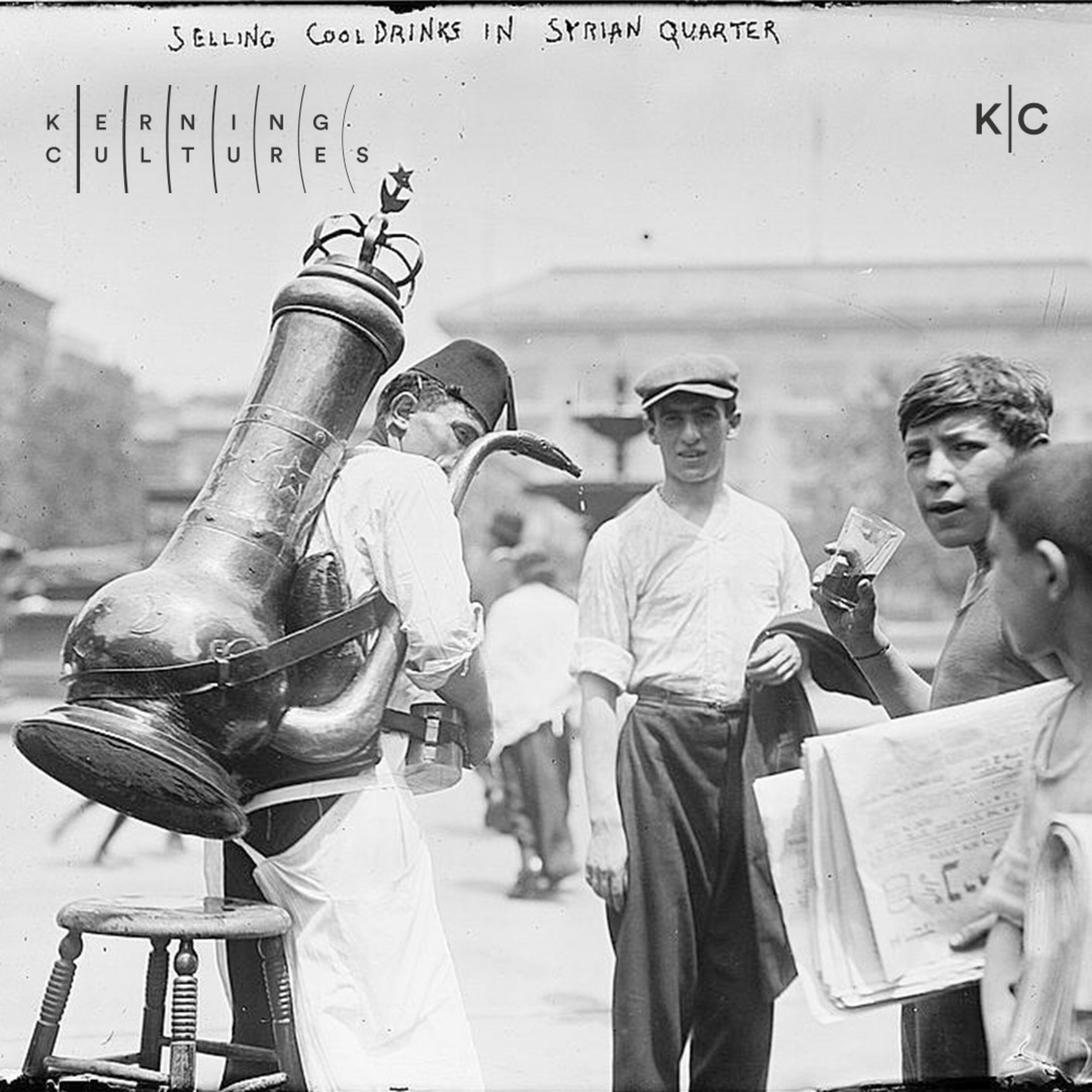
The lower west side of Manhattan used to be home to the biggest population of Arab immigrants in the US. In the early 20th century, streets were full of people speaking Arabic, with street vendors selling ka'ak, storefront baklava displays; this was New York's “Little Syria”. Today though, it's all gone.This week on Kerning Cultures, America's first Arab neighbourhood, and the final attempts to save it.This episode was produced by Hager Eldaas, with editorial support from Tamara Rasamny, Dana Ballout, Zeina Dowidar, Alex Atack and Nadeen Shaker. Fact-checking by Dina Salem and Zeina Dowidar. Sound design and mixing by Mohamed Khreizat. Kerning Cultures is a Kerning Cultures Network production.Support this podcast on patreon.com/kerningcultures for as little as $1 a month. Hosted on Acast. See acast.com/privacy for more information.
Open Sesame
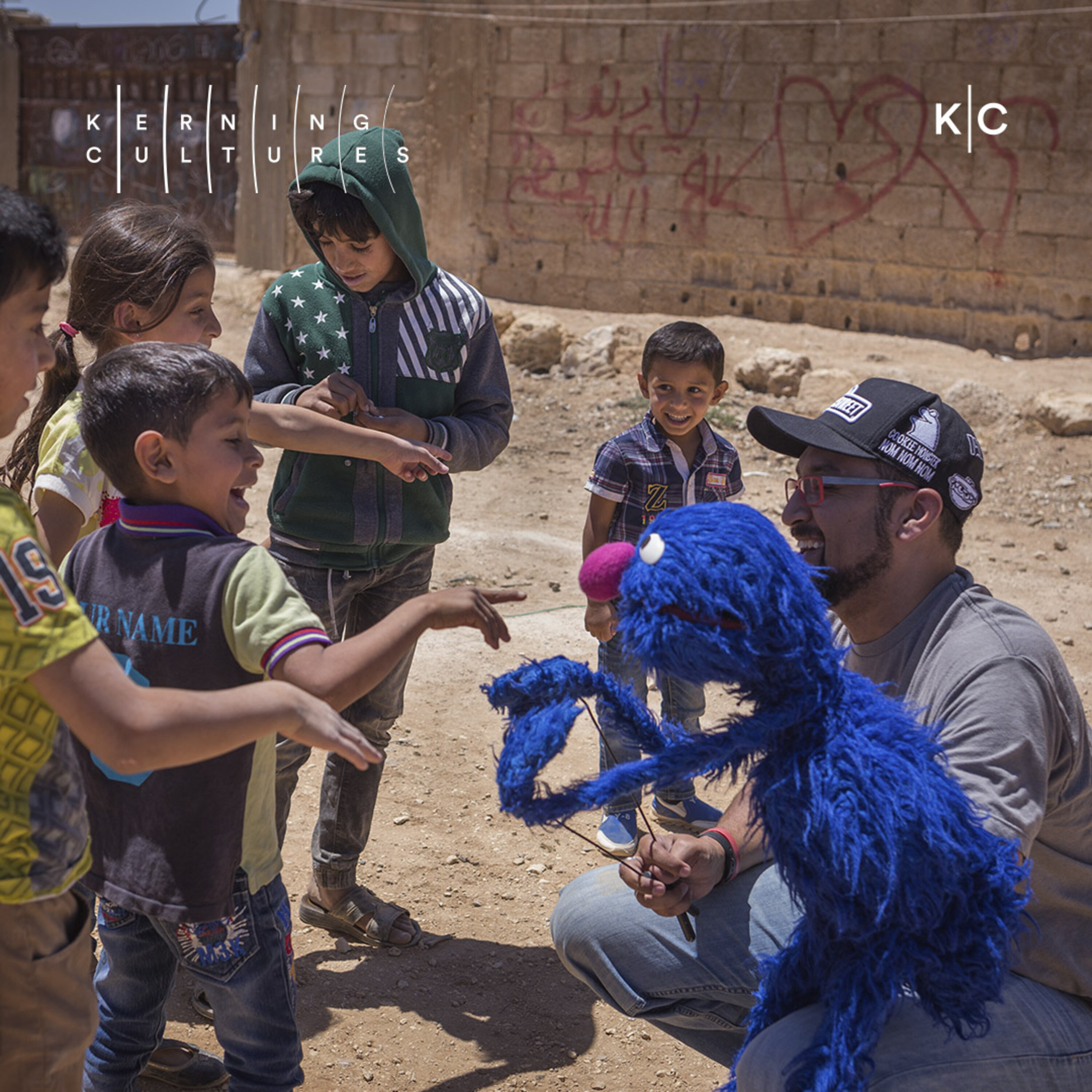
In 1979, Iftah Ya Simsim - the Arabic version of Sesame Street - aired for the first time. Over the next ten years, the show was loved by children across the Arab world, until 1990, when the show was pulled off the air as a result of the Gulf War. But Ammar Al Sabban, a young boy growing up watching the show in Jeddah, never forgot the impact his favourite characters had on him.This week, a little boy's dream to become his favourite Muppet, and the making of a show that revolutionised children's television.This episode originally aired in September 2018.Kerning Cultures is a Kerning Cultures Network production. Support this podcast on Patreon for as little as $1 a month. Hosted on Acast. See acast.com/privacy for more information.

Elephants in the Desert
Faysal Bibi and his team of palaeontologists have been captivated by this one particular moment that took place in the Abu Dhabi desert seven million years ago. This week, a journey back to a time before the desert was the desert... when elephants, crocodiles and monkeys reigned supreme in the UAE.This episode was produced by Alex Atack, with editorial support from Dana Ballout, Nadeen Shaker, Tamara Rasamny and Zeina Dowidar. Fact-checking by Zeina Dowidar and Dina Salem. Sound design by Alex Atack and mixing by Mohamed Khreizat. Kerning Cultures is a Kerning Cultures Network production.Support this podcast on patreon.com/kerningcultures for as little as $1 a month. Hosted on Acast. See acast.com/privacy for more information.
The Missing Archives
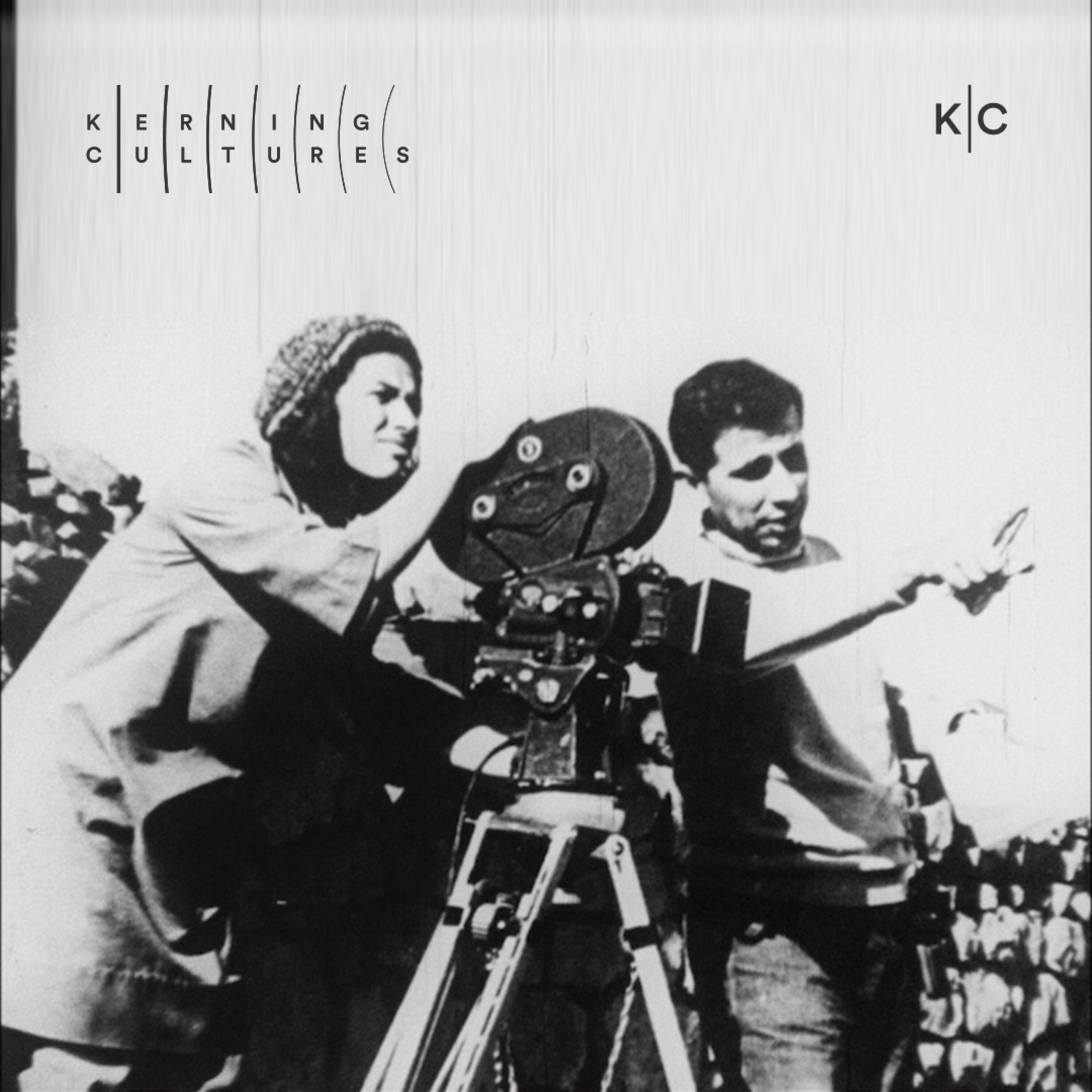
In 1968, a trio of Palestinian filmmakers began making films about life under Israeli occupation. Almost 15 years and over 90 films later, their film unit became a dominant force in the Arab film industry. But in 1982, their film reels disappeared. Overnight, decades of footage and thousands of hours of archives were gone. Today on Kerning Cultures, the search for the Palestinian Film Unit's lost archives.For the list of films and other resources mentioned in this episode, visit our blog: https://kerningcultures.com/kerned-and-cultured/palestinian-film-unitThis episode was produced by Zeina Dowidar, with editorial support from Alex Atack, Nadeen Shaker, Tamara Rasamny, Dana Ballout, and Hebah Fisher. Fact-checking by Zeina Dowidar. Sound design and mixing by Mohamed Khreizat. Kerning Cultures is a Kerning Cultures Network production.Support this podcast on patreon.com/kerningcultures for as little as $1 a month. Hosted on Acast. See acast.com/privacy for more information.
Lebanon, USA 2.0
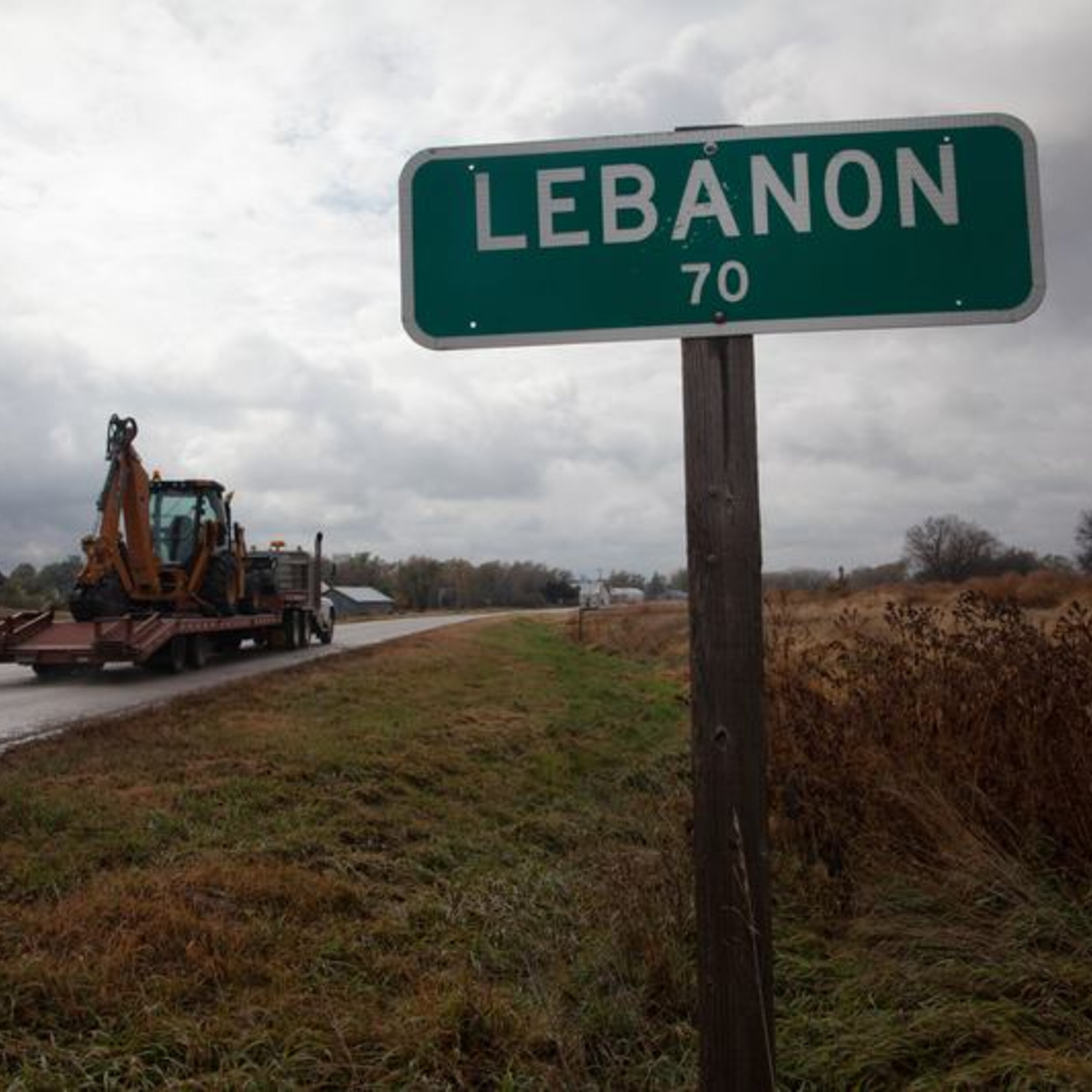
This week, a special collaboration with one of our all time favourite podcasts: Radiolab. We produced the episode - Lebanon USA - last year, and Radiolab have taken that original story and elevated it to a whole new level.This is a story of a road trip. After a particularly traumatic Valentine's Day, Fadi Boukaram was surfing google maps and noticed that there was a town called Lebanon... in Oregon. Being Lebanese himself, he wondered, how many Lebanons exist in the US? The answer: 47. Thus began his journey to visit them all and find an America he'd never expected, and the homeland he'd been searching for all along.The original "Lebanon USA" story was produced by Alex Atack with editorial support from Bella Ibrahim, Dana Ballout, Zeina Dowidar and Hebah Fisher. Sound design by Alex Atack. Kerning Cultures is a Kerning Cultures Network production.The new update of the story was produced and produced by Shima Oliaee and Jad Abumrad, with original music by Thomas Koner and Jad Atoui.Support this podcast on patreon.com/kerningcultures for as little as $1 a month. Hosted on Acast. See acast.com/privacy for more information.
How to Help Beirut
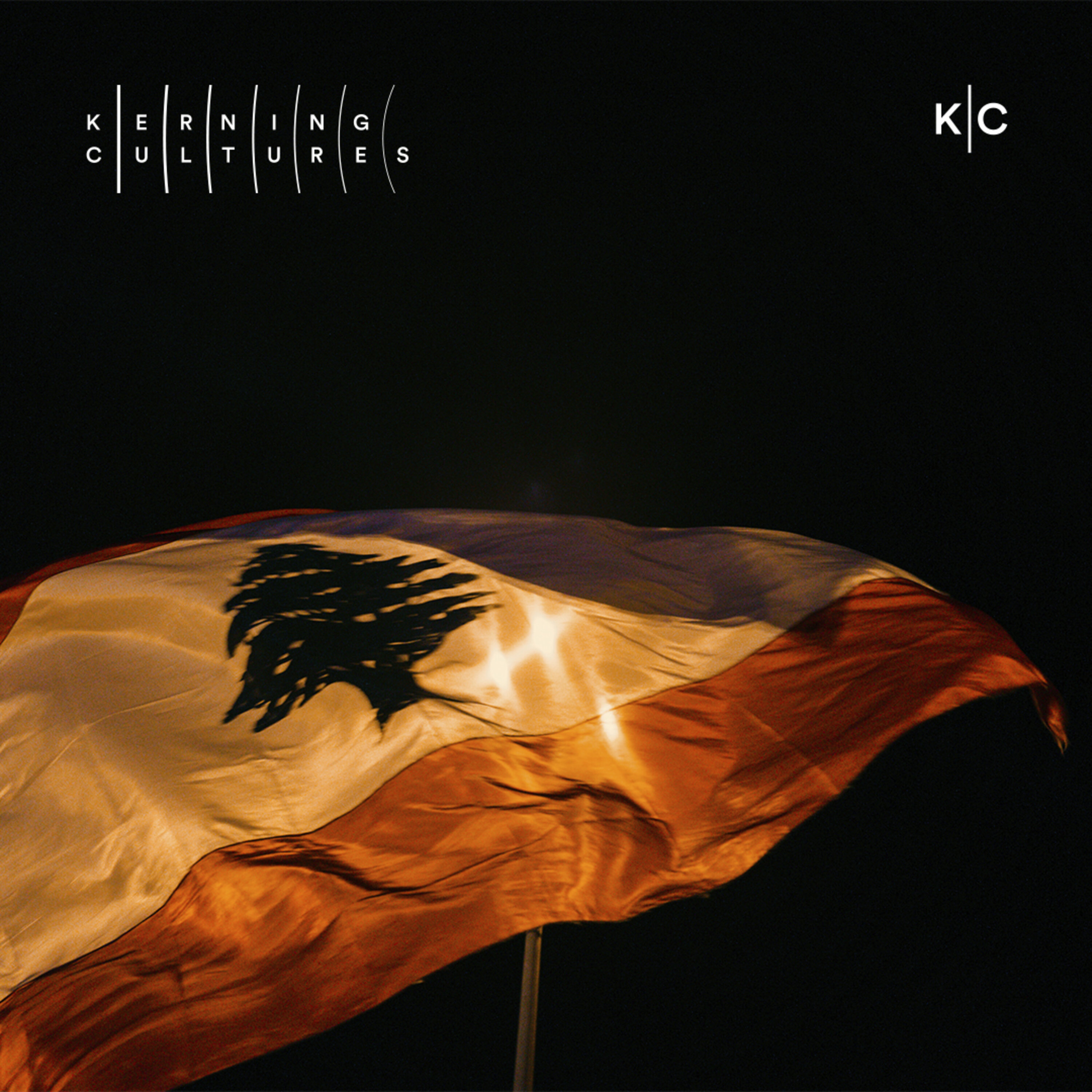
We're heartbroken by what happened in Beirut on Tuesday, August 4. Many of us at the Kerning Cultures team are Lebanese, or have close ties to Beirut. So we're taking a break from publishing our episode this week. Instead, we'd like to use this platform to ask you to consider donating what you can to relief efforts like the Lebanese Red Cross. You can find a more thorough list of resources on our blog by clicking here. Hosted on Acast. See acast.com/privacy for more information.

Rocket Man
In the 1960s, a college professor and his group of students were determined to build and launch rockets into space. And so, they did. This week, on Kerning Cultures, a story about the first-ever rocket launched from the Arab world into space.This episode was produced by Tamara Rasamny with editorial support from Dana Ballout, Zeina Dowidar, Alex Atack, Nadeen Shaker, and Hebah Fisher. Sound design by Mohamed Khreizat, and fact-checking by Zeina Dowidar. Bella Ibrahim is our marketing manager. Kerning Cultures is a Kerning Cultures Network production.Support this podcast on patreon.com/kerningcultures for as little as $1 a month. Hosted on Acast. See acast.com/privacy for more information.
Zabelle
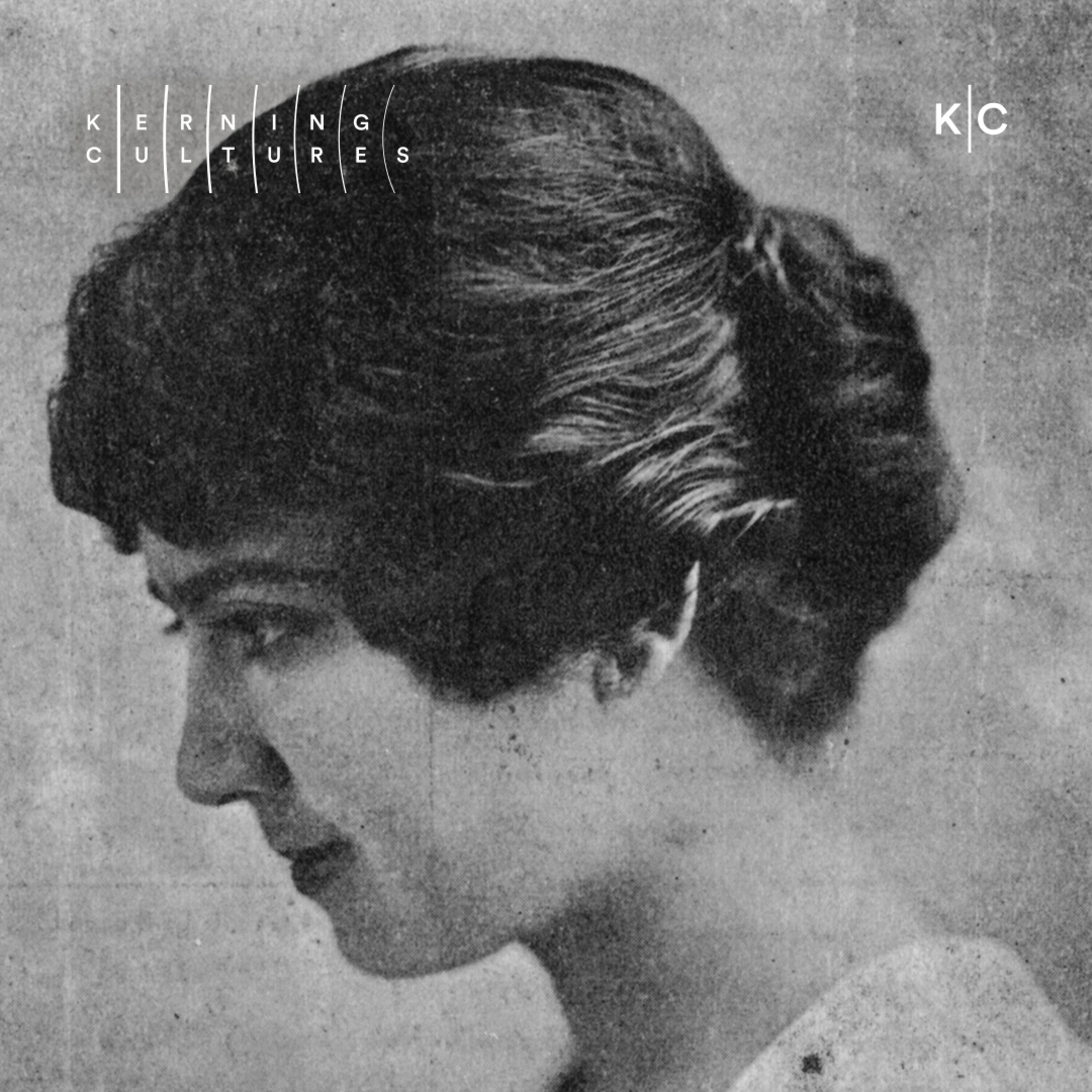
In 1917, a musical prodigy called Zabelle Panosian recorded a song that captured the heartbreak of a generation of Armenian Americans in the aftermath of the Armenian Genocide. She toured the world, selling thousands of records. And then, she was almost completely forgotten. This is her story. This episode was produced by Alex Atack with editorial support from Dana Ballout, Tamara Rasamny, Nadeen Shaker, Zeina Dowidar, and Hebah Fisher. Sound design by Alex Atack and Mohamed Khreizat, and fact-checking by Zeina Dowidar. Kerning Cultures is a Kerning Cultures Network production.Support this podcast on Patreon for as little as $1 a month. Hosted on Acast. See acast.com/privacy for more information.
Trancing with the Zars
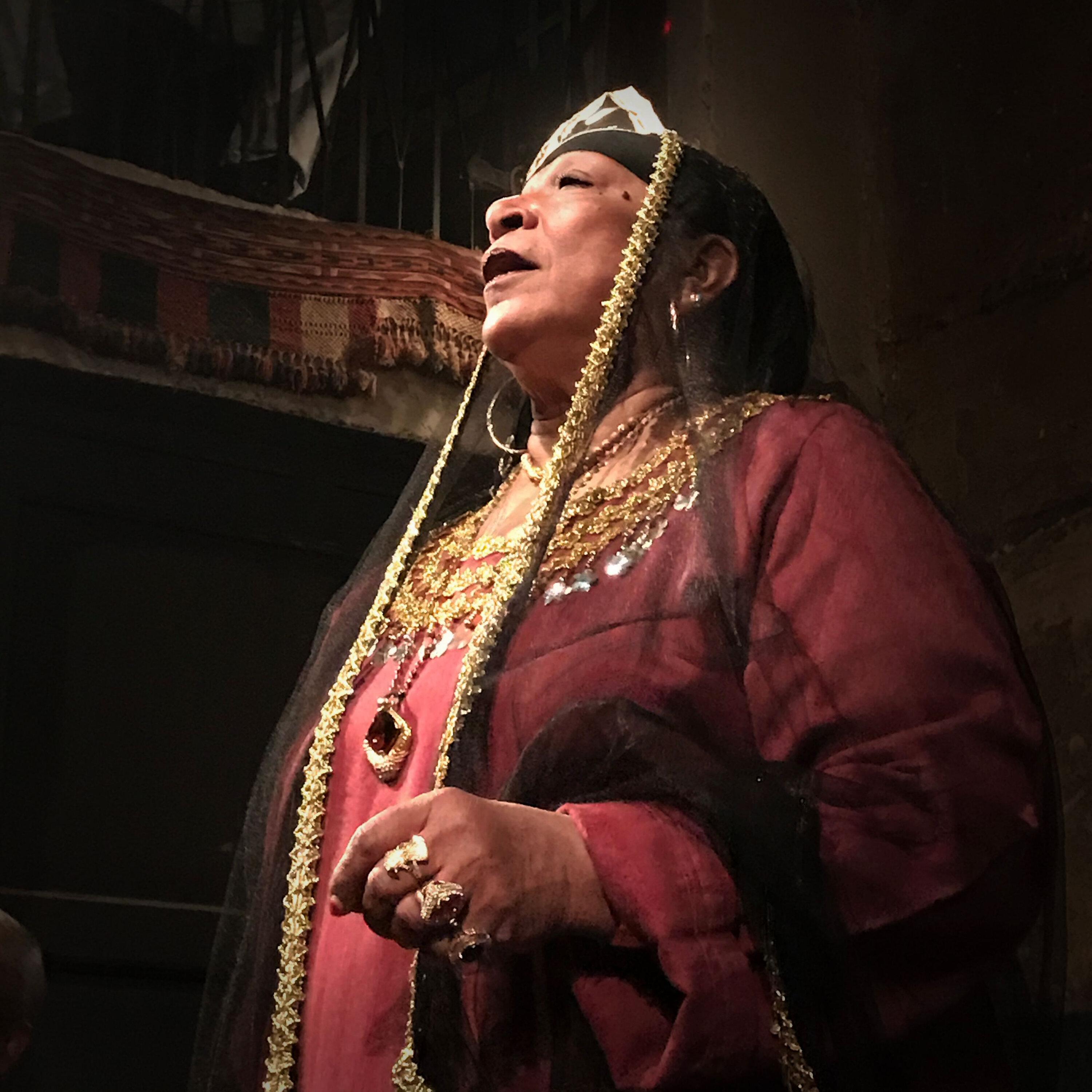
For centuries in Egypt, Zar was a music and dance ritual believed to heal women from unwanted spirits that possessed their bodies. But as time went on and ideologies changed, the practice became controversial and deeply feared. And now, it's mostly gone. Today on Kerning Cultures, join producer Zeina Dowidar on a journey of music, spirits, and trance. This episode was produced by Zeina Dowidar with editorial support from Dana Ballout, Tamara Rasamny, Nadeen Shaker, Alex Atack, and Hebah Fisher.Sound design by Tamara Rasamny and Mohamed Khreizat, and fact-checking by Zeina Dowidar.Kerning Cultures is a Kerning Cultures Network production.Support this podcast on patreon.com/kerningcultures for as little as $1 a month. Hosted on Acast. See acast.com/privacy for more information.
Ugly Truth
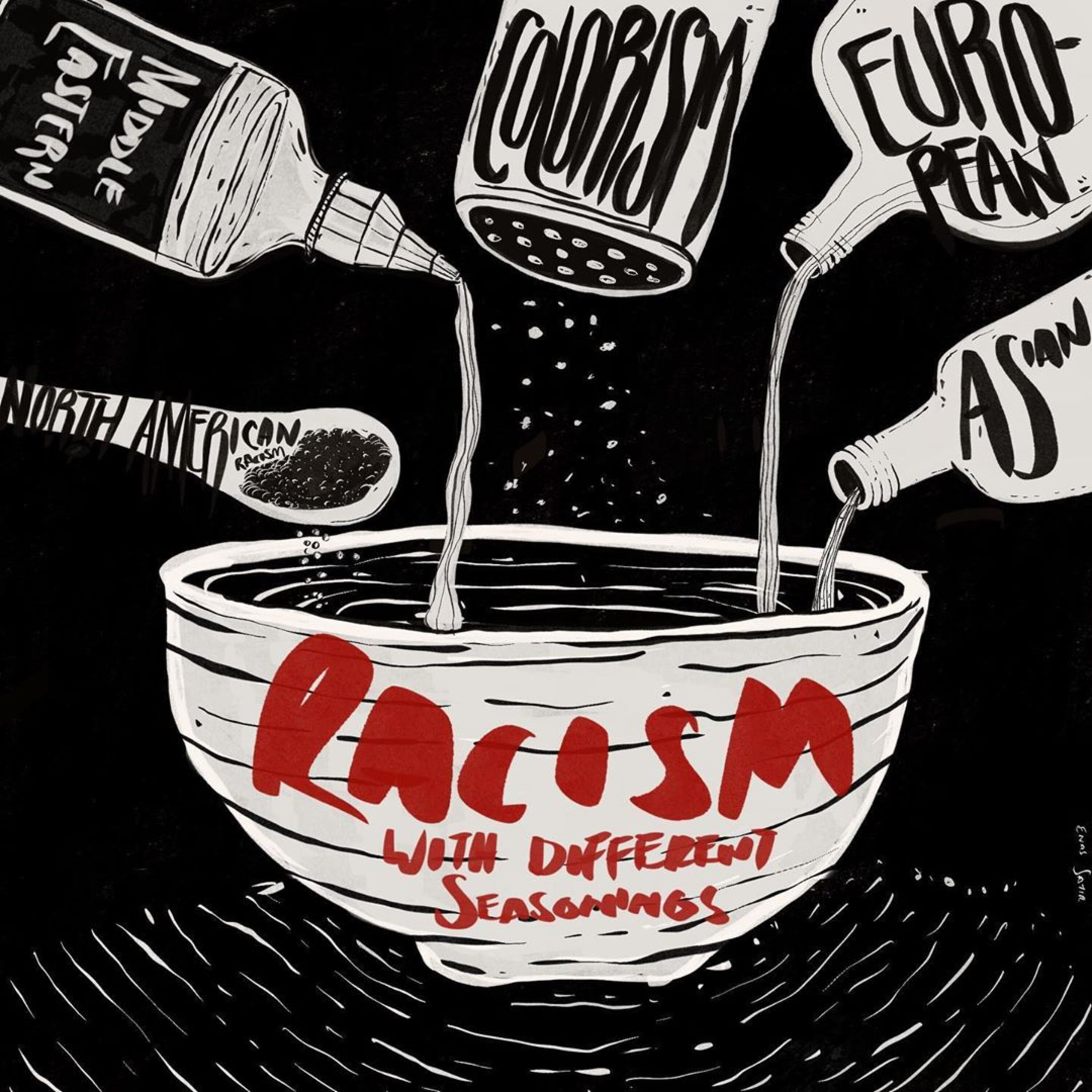
This is the ugly truth: racism and anti-Blackness in the Arab world is a common practice and a subject so taboo that many have convinced themselves that it doesn't even exist. But for those of us who live in these societies, and who are caught at the intersection of Black and Arab identities, it is undeniable. Today on Kerning Cultures, producer Sara Elhassan on racism in the Arab world.This episode was produced by Sara Elhassan, with editorial support from Dana Ballout, Tamara Rasamny, Zeina Dowidar, Alex Atack, and Hebah Fisher. Fact-checking by Zeina Dowidar and sound design by Mohamed Khreizat. Episode artwork is illustrated by Enas Satir. Kerning Cultures is a Kerning Cultures Network production.Support this podcast on patreon.com/kerningcultures for as little as $1 a month. Hosted on Acast. See acast.com/privacy for more information.
Outcast
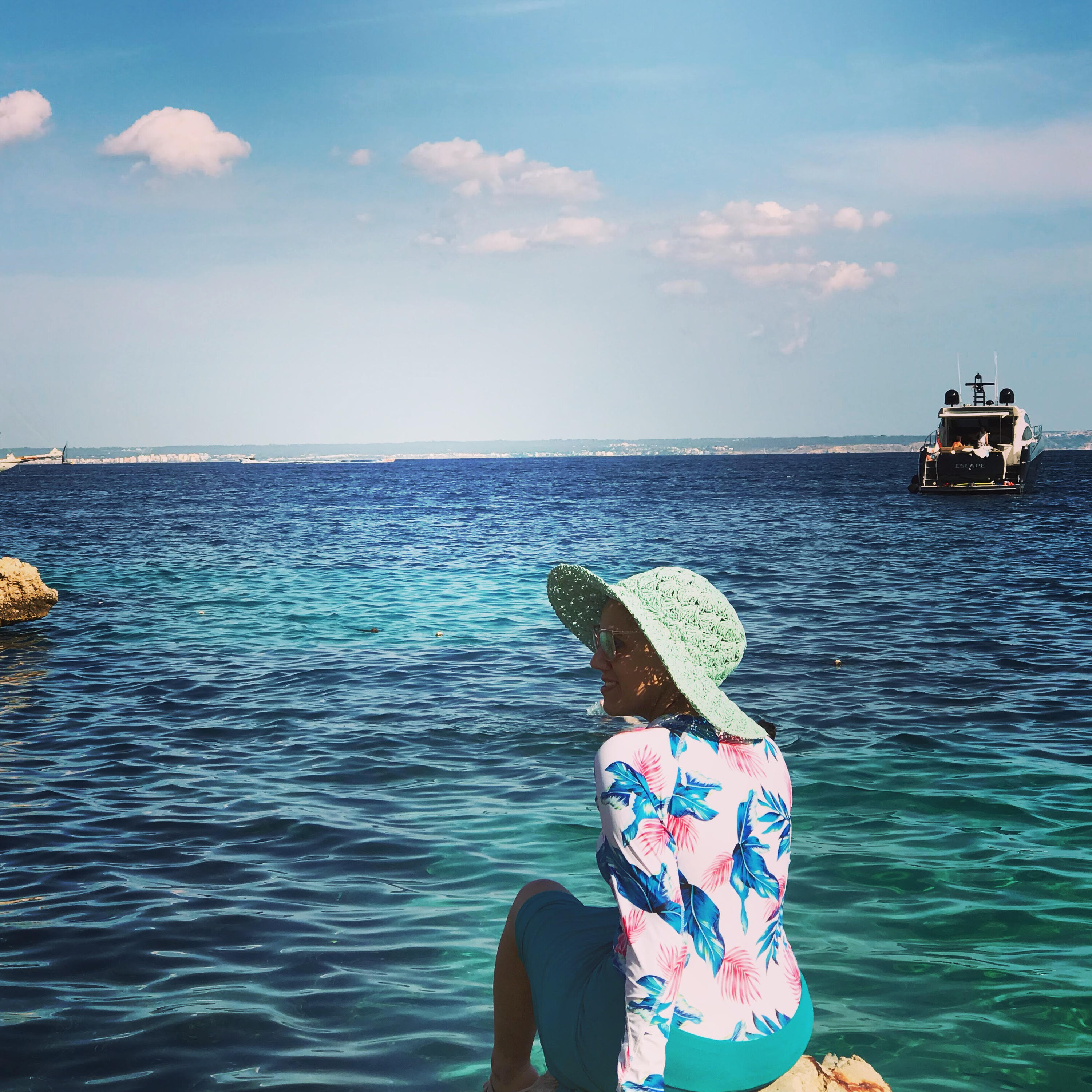
Our producer Nadeen Shaker takes us on her own personal journey in trying to discover why she felt excluded because of her hijab. In Egypt, things are more complex than they seem; history, politics, class, and money all played a hand in changing how people perceive veiled women. This week on Kerning Cultures, a story about what it's like to feel like an outcast in your own country. This episode was produced by Nadeen Shaker, with editorial support from Dana Ballout. Tamara Rasamny, Zeina Dowidar, Alex Atack, and Hebah Fisher. Fact-checking by Zeina Dowidar. Sound design by Alex Atack and Mohamed Khreizat. Kerning Cultures is a Kerning Cultures Network production.Support this podcast on patreon.com/kerningcultures for as little as $1 a month. Hosted on Acast. See acast.com/privacy for more information.
Unity High: Part 2
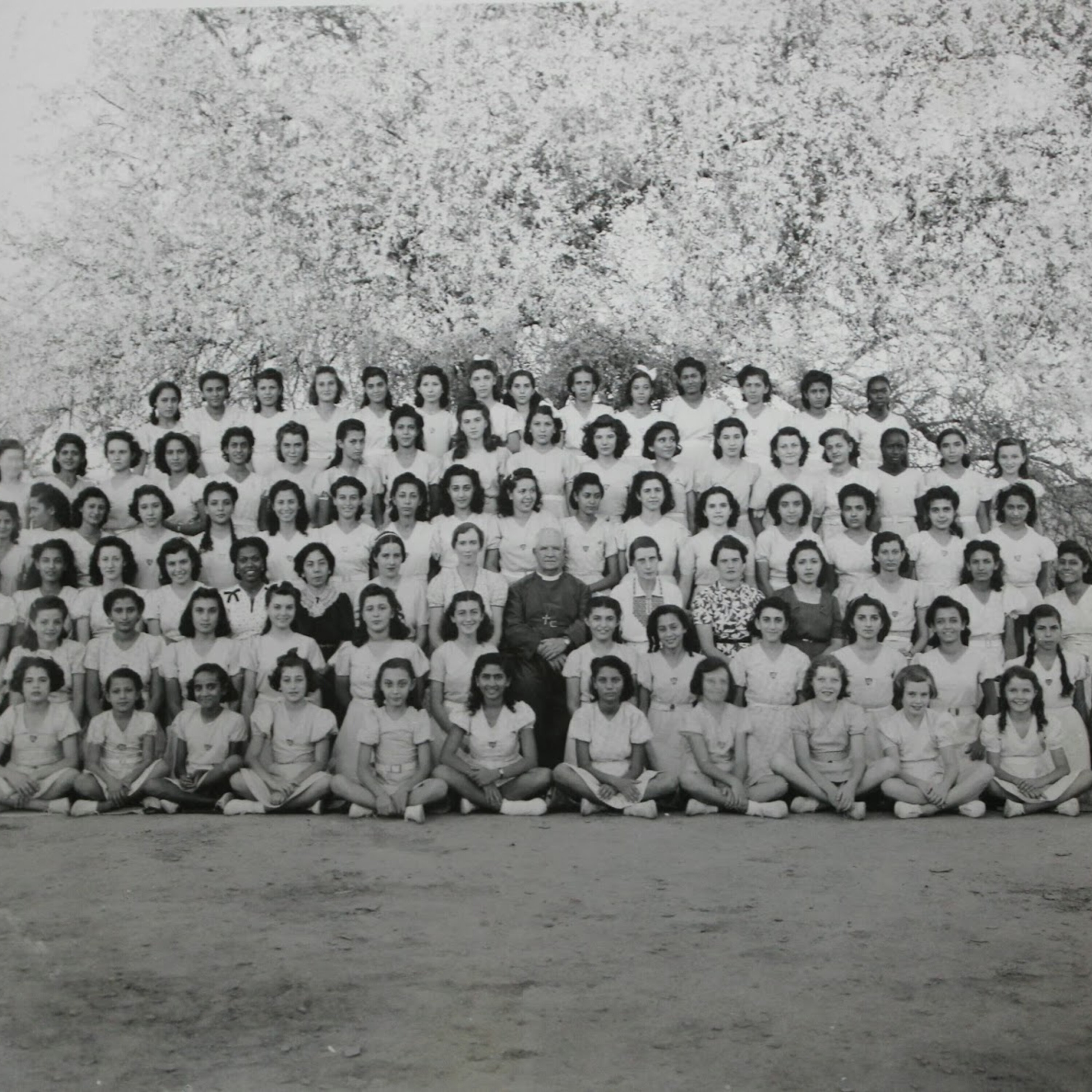
Last year, our producer Darah Ghanem stumbled upon an obscure blog on a nearly forgotten corner of the internet. On it were hundreds of historic photographs of a Christian missionary school in Khartoum called Unity High School. But as she looked closer, she started to see something else: the blog's writers were trying to tell the world about an alleged corruption scandal that they thought had taken place at the school nearly a decade ago. This week on Kerning Cultures, a story of loose ends, conflicting sources, and half-truths. Part 2 of 2.This episode was produced by Darah Ghanem and Alex Atack, with editorial support from Dana Ballout and Hebah Fisher. Fact-checking by Zeina Dowidar, sound design by Alex Atack and mixing by Mohamed Khreizat. Kerning Cultures is a Kerning Cultures Network production.Support this podcast on patreon.com/kerningcultures for as little as $1 a month. Hosted on Acast. See acast.com/privacy for more information.
Unity High: Part 1
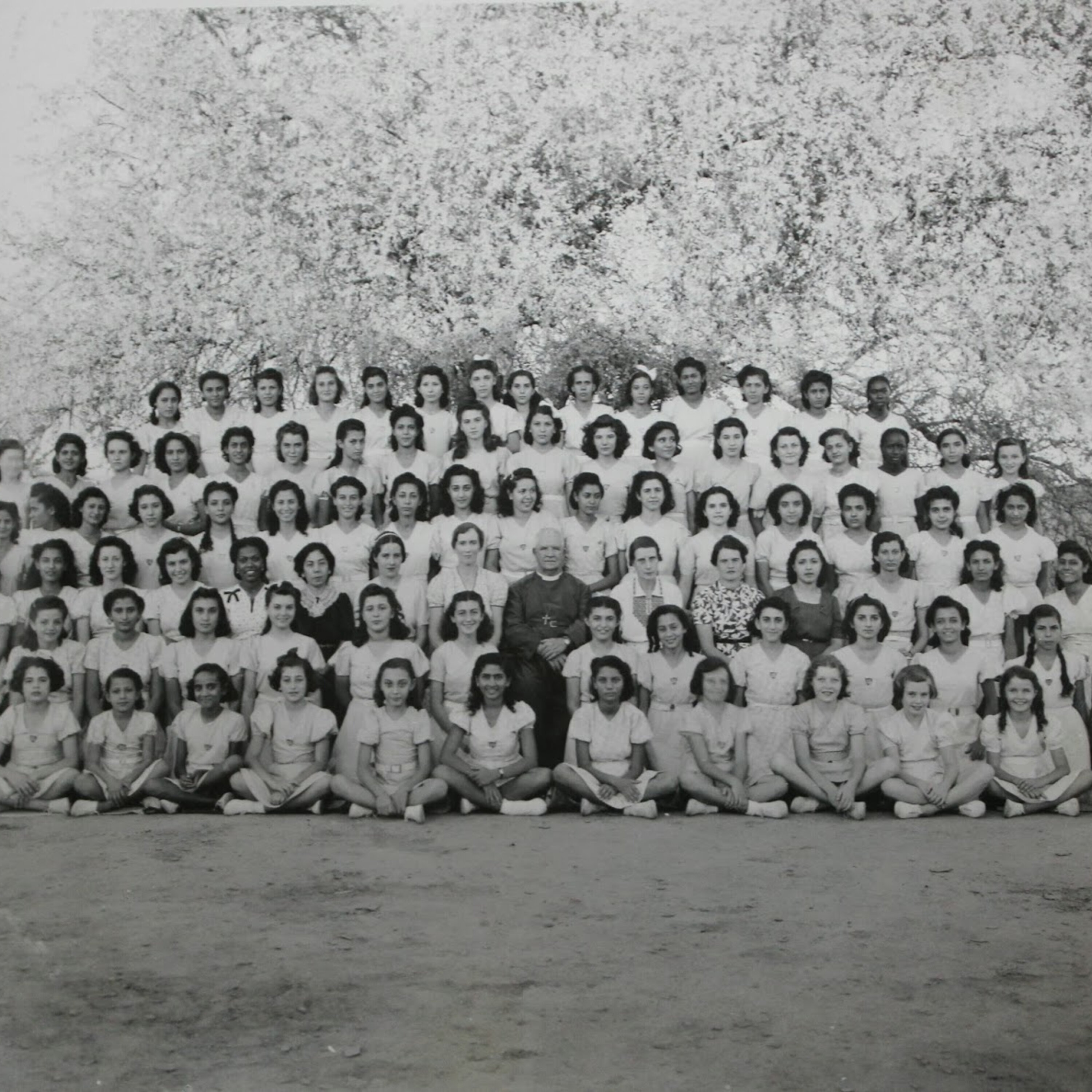
Last year, our producer Darah Ghanem stumbled upon an obscure blog on a nearly forgotten corner of the internet. On it were hundreds of historic photographs of a Christian missionary school in Khartoum called Unity High School. But as she looked closer, she started to see something else: the blog's writers were trying to tell the world about an alleged corruption scandal that they thought had taken place at the school nearly a decade ago. This week on Kerning Cultures, a story of loose ends, conflicting sources, and half-truths. Part 1 of 2.This episode was produced by Darah Ghanem and Alex Atack, with editorial support from Dana Ballout and Hebah Fisher. Fact-checking by Zeina Dowidar, sound design by Alex Atack and mixing by Mohamed Khreizat. Kerning Cultures is a Kerning Cultures Network production.Support this podcast on patreon.com/kerningcultures for as little as $1 a month. Hosted on Acast. See acast.com/privacy for more information.
Summer Season Trailer
trailerWe're back! We'll be here with a new episode of Kerning Cultures every Friday this summer. Here's a quick taste of what's to come.Kerning Cultures is a Kerning Cultures Network production. Support this podcast on patreon.com/kerningcultures for as little as $1 a month. Hosted on Acast. See acast.com/privacy for more information.
Lockdown Diaries
All of our lives have changed. In this unprecedented time, we wanted to make something to reflect this moment. So today, our Kerning Cultures quarantine special: stories of staying at home, lockdowns from history, creative ways of escaping boredom... and for everybody's sanity, a few things that have nothing to do with the coronavirus.You can hear Majd's radio show, Radio Al Hay, at yamakan.place/beirut.Kerning Cultures is a Kerning Cultures Network production. Support this podcast on patreon.com/kerningcultures for as little as $1 a month. Hosted on Acast. See acast.com/privacy for more information.
In Depth: Alex on the Da Miri Podcast
bonusWhile we're working on our summer season, we're going to be dropping some bonus episodes into your feed over the next few months. Starting with this one: a special conversation featuring producer Alex Atack, who you've heard telling you all these stories, but you probably don't know much about him. So this his backstory, and a sneak peek into what's coming up in Kerning Cultures' summer season. It comes to us from our friends at the Da Miri Podcast, which is a show hosted by Tariq Elmeri where he has these deep, honest conversations with what he calls “unique individuals." Hosted on Acast. See acast.com/privacy for more information.
We're going seasonal
This year, we'll be switching to a seasonal release schedule, rather than one episode every two weeks. Hebah explains why.Support this podcast on patreon.com/kerningcultures for as little as $1 a month. Hosted on Acast. See acast.com/privacy for more information.
Update: Faraj
Today, an update on a story from the Kerning Cultures vault.The little-known, intertwining of history between Yemen and Vietnam, told through the lens of a single family. Then, a story of modern Arab migration.This story originally aired in December 2018.Thank you to Faraj and his family for being so open and warm with us despite us poking around in their family history. To Adam Sjoberg who directed the film Shake The Dust that features Faraj and other amazing breakdancers from around the world. And to all the Yemeni scholars and researchers who helped us unpack some of the complex history, especially Najwa Adra, Hasan Al Ansi, and Jon Swanson. Kerning Cultures is a Kerning Cultures Network production. Support this podcast on patreon.com/kerningcultures for as little as $1 a month. Hosted on Acast. See acast.com/privacy for more information.
Collateral Damage
In 1942, Lebanon's National Museum opened in Beirut, celebrating the country's golden age and inside, it housed some of the region's most important artifacts. So when the Lebanese war started in 1975, the museum staff came up with a risky and elaborate scheme to save everything inside the museum. This week on Kerning Cultures, the story of how a small team of museum employees protected thousands of years' worth of history.Thank you to Suzy Hakimian, Anne-Marie Afeiche and Dr. Reinhard G. Lehmann for speaking to us for this episode.This episode was produced by Alex Atack, with editorial support from Dana Ballout, Tamara Rasamny, and Hebah Fisher, with fact-checking by Zeina Dowidar. Sound design by Mohamed Khreizat. Kerning Cultures is a Kerning Cultures Network production.Support this podcast on patreon.com/kerningcultures for as little as $1 a month. Hosted on Acast. See acast.com/privacy for more information.
Update: To Oslo With Love
Today, an update on a story from the Kerning Cultures vault.Elie was a journalist looking for her next story when she met Ziad at a party in Istanbul. Ziad was a Syrian refugee hoping to travel to Europe and apply for asylum. Elie asked Ziad if she could follow him to Norway, his final destination, and document the journey. He said yes. So commences their odyssey together... and the beginning of a journey neither could have anticipated.This story originally aired in May 2017.Support this podcast on patreon.com/kerningcultures for as little as $1 a month. Hosted on Acast. See acast.com/privacy for more information.
Our Women on the Ground
Asmaa al-Ghoul was an ambitious young journalist when she started reporting on Gaza – her hometown – for the newspaper she'd dreamed of working for in high school. But through the trauma of uprisings, wars, and a failed marriage, she began to question how much journalism really matters.This week on Kerning Cultures, a special collaboration with Zahra Hankir as she reads Asmaa's essay from her book Our Women on the Ground. You can buy Our Women on the Ground on Amazon here.This episode was produced by Alex Atack, with editorial support by Dana Ballout, Tamara Rasamny and Hebah Fisher. Sound design by Mohamad Khreizat, and fact-checking by Zeina Dowidar. Thank you to Zahra Hankir for reading this essay, to Asmaa al-Ghoul, who wrote it, and to Mariam Antar, who translated it from Arabic. Kerning Cultures is a Kerning Cultures Network production.Support this podcast on patreon.com/kerningcultures for as little as $1 a month. Hosted on Acast. See acast.com/privacy for more information.
All of Them Means All of Them
On October 17, people in Lebanon hit the streets to call for a new government. The revolution's slogan, “all of them means all of them”, spares no political party that has been a part of the sectarian-based government. This week on Kerning Cultures: how the revolution is changing people's relationship with their country.This episode was produced by Tamara Rasamny and Alex Atack, with editorial support by Dana Ballout, Hannah Myrick and Hebah Fisher. Sound design by Mohamad Khreizat, and fact-checking by Zeina Dowidar. Kerning Cultures is a Kerning Cultures Network production.Support this podcast on patreon.com/kerningcultures for as little as $1 a month. Hosted on Acast. See acast.com/privacy for more information.
A Tale of Two Inventors
His whole life, Walid Waked had been told that his great grandfather invented the Arabic typewriter. And then, one day, he learned that another family - the Haddads - believed they invented it. This week on Kerning Cultures: the contested history of the Arabic typewriter.Thank you to everybody we spoke to for this story: Ahmed Ellaithy - for everything, and taking us down the rabbit hole with you - Walid Waked, Anis Waked, Alexandre Cordahi, Nagla Badran, Pascal Zoghbi and Titus Nemeth.This episode was produced by Ahmed Ellaithy, Hebah Fisher, Nadeen Shaker, and Alex Atack, with editorial support from Dana Ballout, Tamara Rasamny, and Zeina Dowidar. Sound design by Mohamed Khreizat. Fact-checking by Zeina Dowidar. Kerning Cultures is a Kerning Cultures Network production.Support this podcast on patreon.com/kerningcultures for as little as $1 a month. Hosted on Acast. See acast.com/privacy for more information.
In Case of Death
What happens when somebody dies in a country that's not their home? This week on Kerning Cultures, stories about the group of volunteers who help repatriate the bodies of foreigners after they've died in the UAE.Special thanks to Zaki, Max, Ashraf Thamaraserry, Vidhyadharan, Amal Mathew, Ambika and Renji. The people at the Indian Association; CM Bashir, Sajad Saheer, Mohamed Mohideen and Baiju G. Sunil at the Hindu Crematorium and Mr. Johnson at Holy Trinity Church.This episode was produced by Noha Fayed and Alex Atack, with editorial support from Dana Ballout, Hebah Fisher, Shahd Bani Odeh and Tamara Rasamny. Translation by Ashfana Hameed. Sound design by Mohamed Khreizat. Fact checking by Zeina Dowidar. Kerning Cultures is a Kerning Cultures Network production.Support this podcast on patreon.com/kerningcultures for as little as $1 a month. Hosted on Acast. See acast.com/privacy for more information.
Trailer
trailerStories from the Middle East, North Africa, and the spaces in between. Support this podcast on patreon.com/kerningcultures for as little as $1 a month. Hosted on Acast. See acast.com/privacy for more information.
Mother Tongue
How do you preserve a language when your government is actively trying to erase it?Abduweli Ayup is a Uyghur linguist who was trying to stop the Chinese government from replacing Uyghur with Mandarin. He had been studying the language's history, teaching Uyghur to younger students and writing books in Uyghur. But recently, when the Chinese government began forcibly detaining Uyghurs in Xinjiang, his work got much riskier. Then, they came for Abduweli himself. This week on Kerning Cultures, Abduweli's fight to preserve his mother tongue.Special thanks to Abduweli Ayup and his family for sharing their story, and to Arienne Dwyer and Timothy Grose.This episode was produced by Durrie Bouscaren and Alex Atack, with editorial support from Dana Ballout and Hebah Fisher. Sound design by Mohamed Khreizat. Fact-checking by Zeina Dowidar. Kerning Cultures is a Kerning Cultures Network production.Support this podcast on Patreon for as little as $1 a month. Hosted on Acast. See acast.com/privacy for more information.
The Fishermen
Ramchandra Tendel arrived to Abu Dhabi from India in 1989, when he was 20. Since, he's been captain of a fishing boat. Last May, the nets he uses to fish were banned in the UAE; they were causing too much harm to fish stocks. But the ban also means Ramchandra and his crew can't fish anymore. This week on Kerning Cultures, Ramchandra and his crew's last week in the UAE.Special thanks to Vipruta Vagadiya, Ramchandra Tendel and his crew, and Fatma Al Sayegh.This episode was produced by Noon Salih, with editorial support from Alex Atack, Dana Ballout, and Hebah Fisher. Sound design by Mohamed Khreizat. Fact checking by Zeina Dowidar. Kerning Cultures is a Kerning Cultures Network production. Support this podcast on Patreon for as little as $1 a month. Hosted on Acast. See acast.com/privacy for more information.
الصوت الآخر للسودان
٣ شخصيات تروي كيف تأثرت من انفصال جنوب السودان عن الشمال، وتحدثنا عن المعاناة التي خلقت تساؤلات عن معنى الوطن والانتماء.Three characters share the struggles of living in post-secession Sudan, and how the 2011 split influenced their understandings of identity, nationality, and home.Thanks to Salah Eldeen ElNour, Ahmed Mahjoub Hassan, Alaa Bint Hashim, Moez, Abdel azim, Noon Salih, Mohammad ElMeshad, Husam Abu Hilal, Mohammad Anas, Mrs Norma Maolouf, Mr Goerge, Sarah El Hasan, Ghaith Khouri, Alaa Shamaa, Lumumba Di-Aping, Zeina Dowidar, and Larissa Nour for making this episode possible.This episode was produced by Shahd Bani Odeh and Darah Ghanem, with editorial support from Dana Ballout. Music by Sammany Hajo and Musab MR. Kerning Cultures is a Kerning Cultures Network production.Support this podcast on Patreon for as little as $1 a month. Hosted on Acast. See acast.com/privacy for more information.
Loving Lynn
Lynn left behind her hometown village in the Philippines for a housekeeping job in Lebanon at the age of 23. It was only meant to be temporary… until she met Butros, her employer's nephew, and they fell in love. But for Lynn, marrying Butros has meant choosing to settle down in a country where she's treated as an outsider.This episode was produced by Dana Ballout, with Nathalie Rosa Bucher and Alex Atack. Editorial support from Hebah Fisher. Sound design by Mohamad Khreizat. Kerning Cultures is a Kerning Cultures Network production. Support this podcast on Patreon for as little as $1 a month. Hosted on Acast. See acast.com/privacy for more information.
We've got news!
bonusKerning Cultures is now the first venture-funded podcast company in the Middle East. Which means we've got more shows coming, in both English and Arabic. Here, Hebah explains some of our future plans, plus a sneak peek of our next podcast show, al empire, which will be out this summer.Support this podcast on Patreon for as little as $1 a month. Hosted on Acast. See acast.com/privacy for more information.
جوهرة الموصل
نور، ترى العالم بصوتهاSupport this podcast on Patreon for as little as $1 a month. Hosted on Acast. See acast.com/privacy for more information.
Misfits, Volume I
Two bite-sized stories from the Kerning Cultures vault. First, is there really Halal Cart drama in New York? And, we explore an ancient farming practice, modernised in Cairo.This episode was produced by Alex Atack, with reporting for the Halal Food Cart story by Jahd Khalil and production support from Nadine Tadros and Claire Tighe. Editorial by Dana Ballout, Bella Ibrahim, and Hebah Fisher. The aquaponics story was produced by Alex Atack and Hebah Fisher, with editorial support from Bella Ibrahim, Dana Ballout, and Zeina Dowidar. Overall sound design by Alex Atack. Kerning Cultures is a Kerning Cultures Network production.Support this podcast on Patreon for as little as $1 a month. Hosted on Acast. See acast.com/privacy for more information.
KC Short: Break the Cycle
We asked women to tell us about their first periods and how it set a tone for how they view their bodies today. A tribute to International Women's Day.Produced by Shahd Bani Odeh and Darah Ghanem. With editorial support by Dana Ballout, Hebah Fisher, Bella Ibrahim, and Alex Atack. Sound design by Alex Atack. Kerning Cultures is a Kerning Cultures Network production.Support this podcast on Patreon for as little as $1 a month. Hosted on Acast. See acast.com/privacy for more information.
The Perfect Renaissance Man
In the 1930s, the architect Nasri Khattar tried to completely overhaul the Arabic script – singlehandedly. For the next 47 years, he worked day and night to implement his writing system, Unified Arabic. Ultimately, he failed. This is his story.Special Thanks to Camille Khattar, Yara Khoury, Kristyan Sarkis, and Samar Mikati at the AUB archives.Produced by Jahd Khalil. With editorial support by Alex Atack, Hebah Fisher, Dana Ballout, and Bella Ibrahim. Sound design by Alex Atack and Mohamad Khreizat. Fact-checking by Zeina Dowidar. Kerning Cultures is a Kerning Cultures Network production.Support this podcast on Patreon for as little as $1 a month. Hosted on Acast. See acast.com/privacy for more information.
Lebanon, USA
In 2016, Fadi Boukaram planned to visit 47 American towns named Lebanon by road. Then, in Lebanon South Dakota, he discovered that all these other Lebanons have more in common with the country than anybody realised. This week on Kerning Cultures, a story about the surprising history that connects Lebanon, with a string of small towns in the USA.Special Thanks to Fadi Boukaram, Bass Samaan from Trees of Joy, Linda, and Hazel McRoberts from the Long Branch, and Robert Auld for reading Mayor Jared Carr's proclamation.Produced by Alex Atack. With editorial support by Bella Ibrahim, Hebah Fisher, and Dana Ballout. Sound design by Alex Atack. Fact-checking by Zeina Dowidar. Kerning Cultures is a Kerning Cultures Network production.Support this podcast on https://www.patreon.com/kerningcultures for as little as $1 a month. Hosted on Acast. See acast.com/privacy for more information.