Joint Action
180 episodes — Page 3 of 4
S3 Ep 23Steve's journey with osteoarthritis
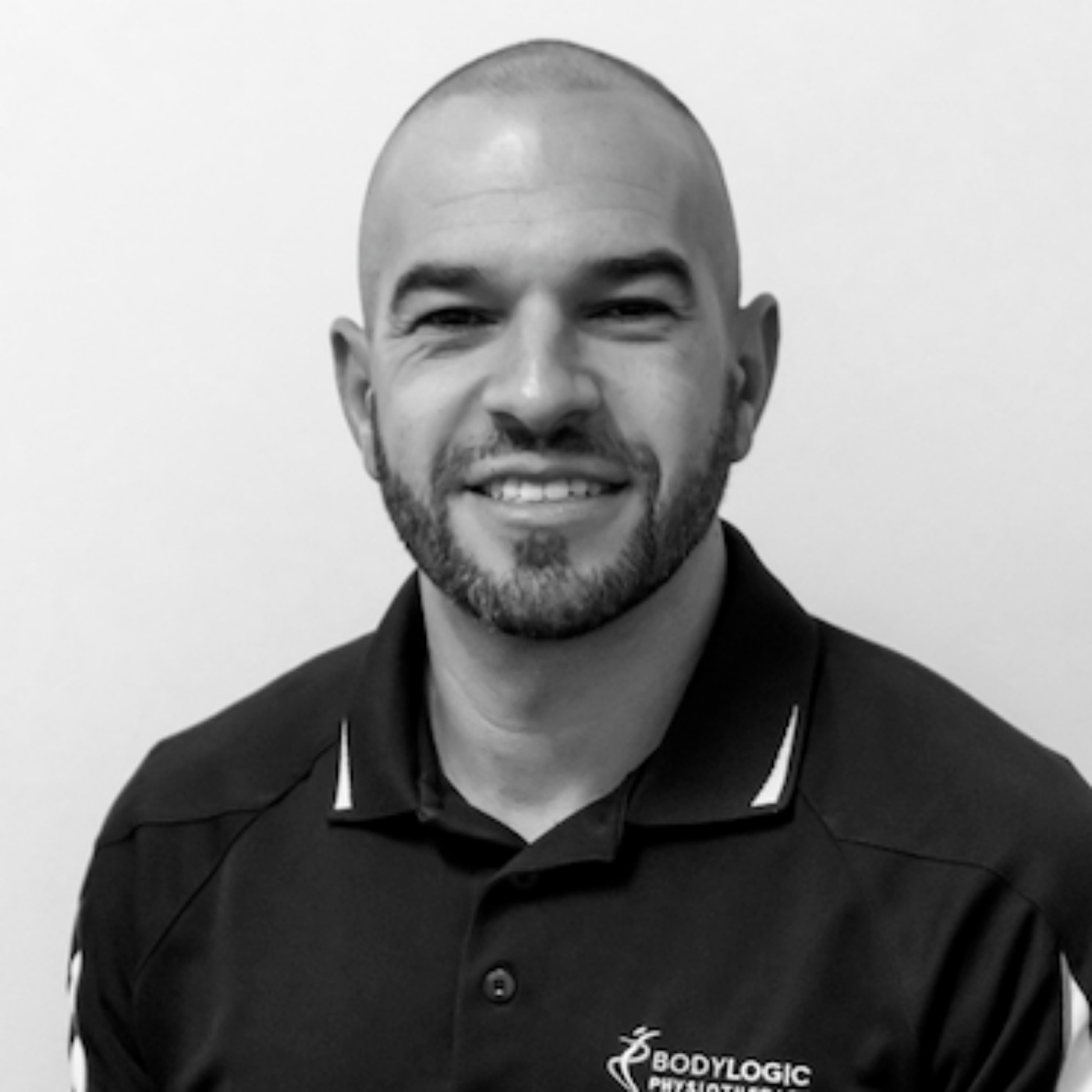
Steve is a 56-year old father of three. He lives in Alexandria, Virginia – five miles from the White House in Washington, D.C. Steve spent 25 years building his own marketing and publishing company focused in the tech space – representing major firms like Google, Amazon, and Microsoft. He served on the USO DC board for 15 years – the largest not for profit supporting US military and their families. He’s physically active. He does resistance and cardio training. He grew up playing a lot of sports and got back into working out very regularly 17 years ago. He has osteoarthritis in both his elbows. Subsequently, he has also been diagnosed with OA in knees, shoulders, and hips. On this episode of Joint Action, we hear about Steve's journey with osteoarthritis.CONNECT WITH USTwitter: @ProfDavidHunter @jointactionorgEmail: [email protected]: www.jointaction.info/podcastIf you enjoyed this episode, don't forget to subscribe to learn more about osteoarthritis from the world's leading experts! Hosted on Acast. See acast.com/privacy for more information.
S3 Ep 22Overcoming fear of movement in osteoarthritis
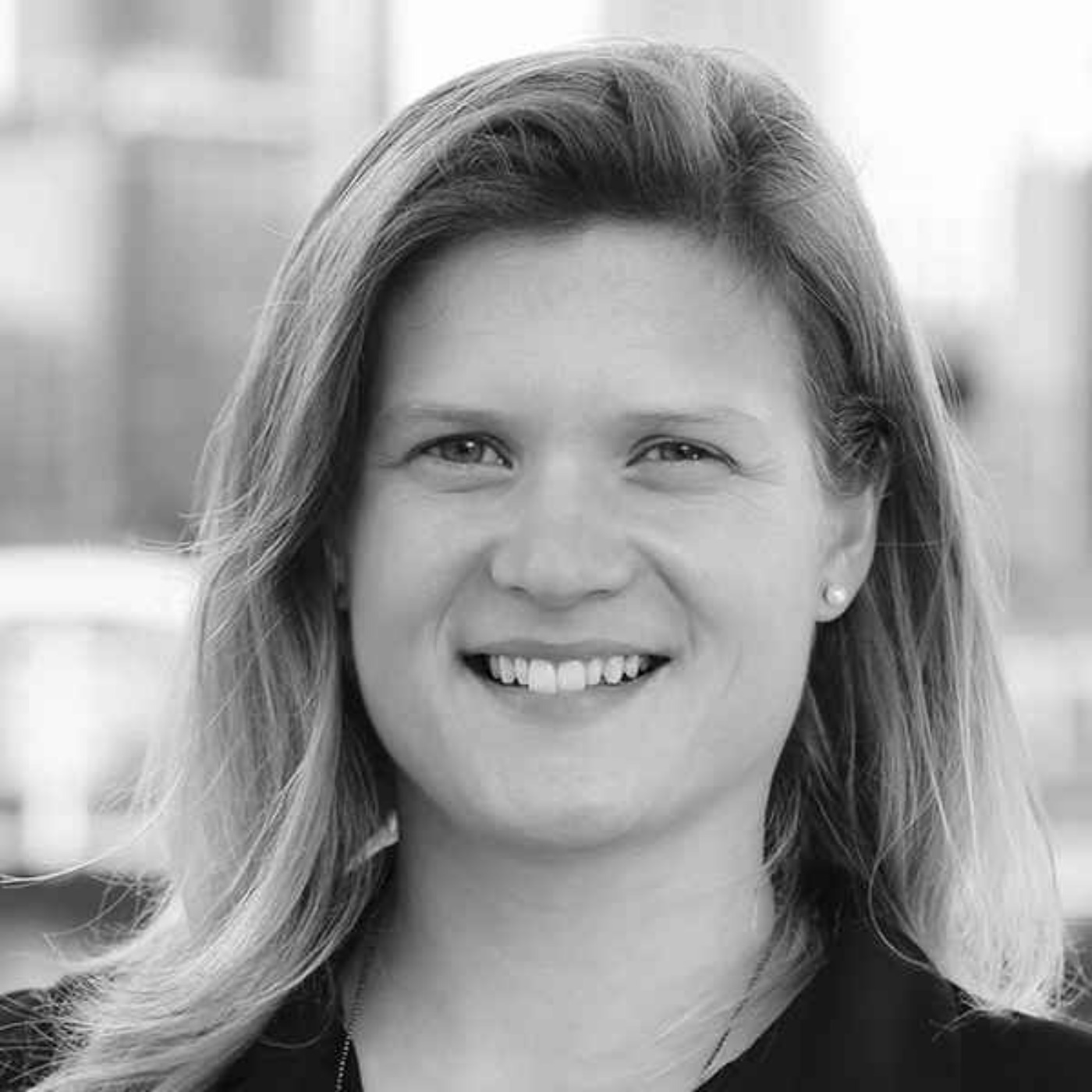
Exercise and physical activity are important not only for those with knee osteoarthritis, but all individuals. However, negative beliefs about pain and the body may hinder movement. Do you have knee osteoarthritis? Do you feel afraid to move? On this week’s episode, we are joined by Dr JP Caneiro to discuss beliefs about movement and their impact and how you can become more confident with movement. Dr JP Caneiro has over 17 years of experience as a clinician, researcher and lecturer on the field of musculoskeletal pain management. He has published over 40 research papers and presented his work in key conferences across the globe. He is an emerging leader on the field of chronic pain, particularly in the management of back pain and osteoarthritis.RESOURCESWebsitesManaging knee painThe A-Z of OAExercising with painJournal ArticlesThree steps to changing the narrative about knee osteoarthritis care: a call to actionCONNECT WITH USTwitter: @ProfDavidHunter @jointactionorgEmail: [email protected]: www.jointaction.info/podcastIf you enjoyed this episode, don't forget to subscribe to learn more about osteoarthritis from the world's leading experts! Hosted on Acast. See acast.com/privacy for more information.
S3 Ep 21What is the difference between hip and knee osteoarthritis? with Dr Michelle Hall
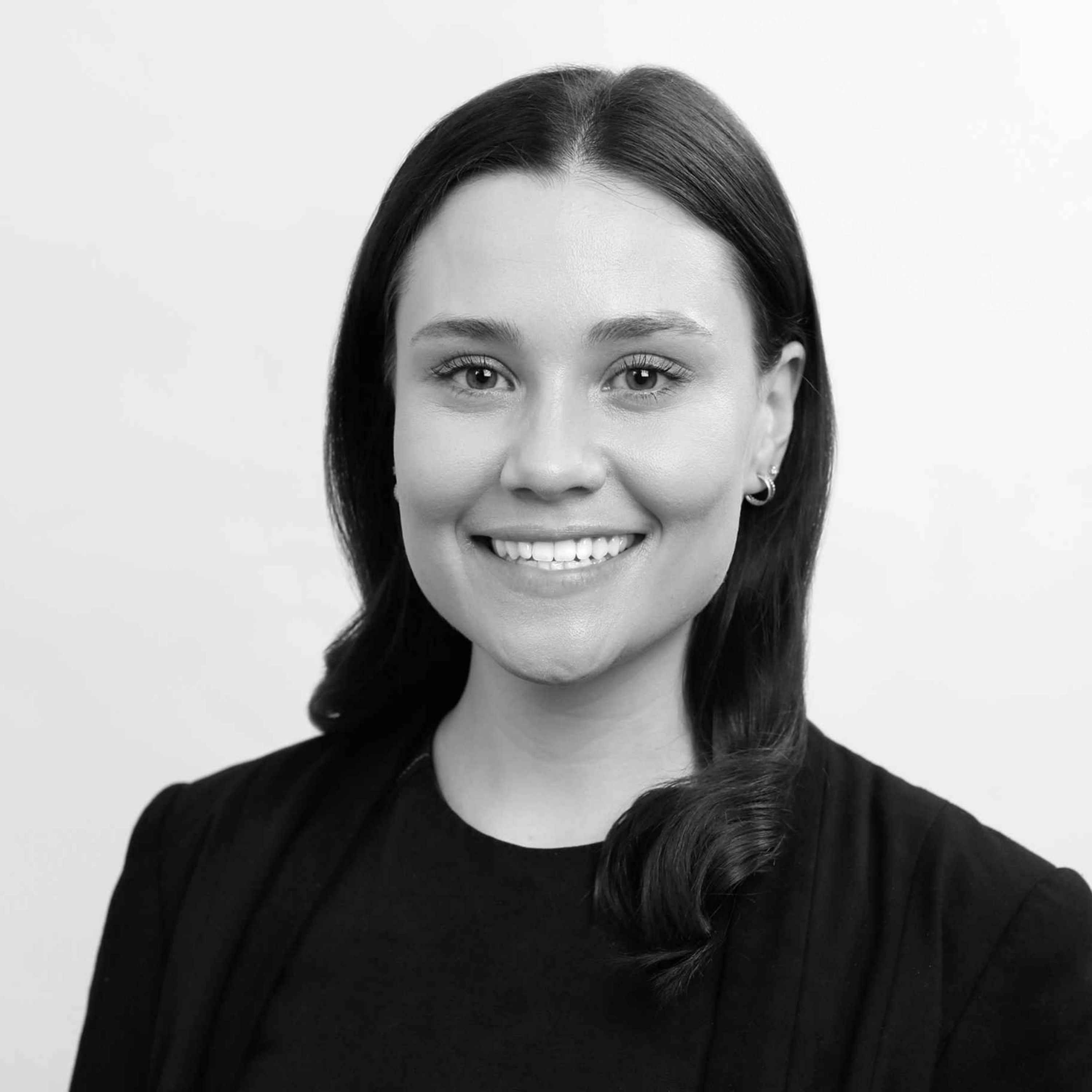
Hip and knee osteoarthritis are leading causes of global disability. Most osteoarthritis research has focused on the knee, but what do we know about hip osteoarthritis? Although they are both joints in the leg, there are differences in the prevalence, outcomes and recommended treatments. On this episode of Joint Action, we are joined by Dr Michelle Hall to discuss the differences in hip and knee osteoarthritis. Dr Michelle Hall is a Senior Research Fellow and Dame Kate Campbell Fellow in the Centre for Health, Exercise and Sports Medicine within the Department of Physiotherapy at the University of Melbourne. Michelle is an emerging leader in the field of hip and knee osteoarthritis, with particular interest in exercise.RESOURCESJournal articlesHow does hip osteoarthritis differ from knee osteoarthritis?Knee and hip osteoarthritis are more alike than different in baseline characteristics and outcomes: a longitudinal study of 32,599 patients participating in supervised education and exercise therapyHip Osteoarthritis: Etiopathogenesis and Implications for ManagementCONNECT WITH USTwitter: @ProfDavidHunter @jointactionorgEmail: [email protected]: www.jointaction.info/podcastIf you enjoyed this episode, don't forget to subscribe to learn more about osteoarthritis from the world's leading experts! Hosted on Acast. See acast.com/privacy for more information.
S3 Ep 20Reducing opioids harms with Aili Langford
Despite evidence recommending against the use of opioids, about 20% of people with osteoarthritis take opioids on a long-term basis to manage their pain. But are they helpful? Or are they potentially harmful? Aili Langford joins us on this week's episode to discuss.Aili is a hospital pharmacist employed at Concord Repatriation General Hospital in Sydney. Aili’s research is focused on developing the world’s first evidence-based guideline for deprescribing opioids. She recently submitted her PhD thesis on this topic. Following public consultation and independent expert and methodological review, the guideline recommendations were approved by the Australian National Health and Medical Research Council (NHMRC) (as of 14/09/2022). RESOURCESWebsitesNPS MedicineWise: Opioid medicines and non-cancer painPain Management Network: has a range of online resources to develop skills and knowledge for self-managementPainaustralia has a range of fact sheets Journal articlesTime trends in use of non-steroidal anti-inflammatory drugs and opioids one year after total hip arthroplasty due to osteoarthritis during 1996–2018: a population-based cohort study of 103,209 patientsChallenges of opioid deprescribing and factors to be considered in the development of opioid deprescribing guidelines: a qualitative analysis“The lesser of two evils”: a framework analysis of consumers' perspectives on opioid deprescribing and the development of opioid deprescribing guidelinesCommunication techniques for opioid analgesic tapering conversations linked within Clinician information sheet on opioid analgesic taperingCONNECT WITH USTwitter: @ProfDavidHunter @jointactionorgEmail: [email protected]: www.jointaction.info/podcastIf you enjoyed this episode, don't forget to subscribe to learn more about osteoarthritis from the world's leading experts! Hosted on Acast. See acast.com/privacy for more information.
S3 Ep 19What jobs put you at risk of developing knee osteoarthritis? with Dr Thomas Perry
Jobs which involve repetitive movements and excessive knee loading, such as farming and mining have been linked to the development of knee osteoarthritis. On this episode of Joint Action, we discuss which jobs put you at risk of osteoarthritis, which ones may have a protective effect and if you are in a physically demanding job, what can you do to minimise your risk.Dr Thomas Perry is a postdoctoral researcher in the Vincent Group at the Kennedy Institute of Rheumatology, Oxford University. His work explores the relationship between molecular-based pain biomarkers and patient-reported outcome measures of pain using data from the STEpUP OA Consortium; a prospective study of knee OA utilizing existing clinical data and knee synovial fluid samples from 17 cohorts (~N = 2000 participants) of both participants with differing severities of knee OA or with a history of recent knee injury.RESOURCESJournal articles- Occupational risk in knee osteoarthritis: a systematic review and meta-analysis of observational studies- Occupation and risk of knee osteoarthritis and knee replacement: A longitudinal, multiple-cohort studyCONNECT WITH USTwitter: @ProfDavidHunter @jointactionorgEmail: [email protected]: www.jointaction.info/podcastIf you enjoyed this episode, don't forget to subscribe to learn more about osteoarthritis from the world's leading experts! Hosted on Acast. See acast.com/privacy for more information.
S3 Ep 18Reframing pain for osteoarthritis with A/Prof Tasha Stanton
On this week's episode we discuss reframing pain in the context of osteoarthritis. The purpose of today’s conversation is to help you reconceptualise what pain means and shift the dialogue from pain being solely a marker of tissue damage and discusses the nervous system adaptations that occur as pain persists. Further we discuss education programs that target this knowledge and the beliefs that may underlie behaviours that detract from your ability to be physically active and modify your behaviour.Associate Professor Tasha Stanton leads the Osteoarthritis Research Theme within IIMPACT in Health at the University of South Australia, Adelaide. Her research group is affiliated with the Body in Mind Research group in Adelaide (University of South Australia). Tasha completed her PhD at the University of Sydney in 2010 and is currently a National Health & Medical Research Council (NHMRC) Career Development Fellow (2019-2022). She has received over $5.3m in competitive research funding to date, including a highly renowned Canadian Institute of Health Research Postdoctoral Training Fellowship (2011-2014) and NHMRC Early Career Fellowship (2014-2018). Her research aims to understand why we have pain and why, sometimes, pain doesn't go away.RESOURCESJournal articlesA pain science education and walking program to increase physical activity in people with symptomatic knee osteoarthritis: a feasibility studyThe EPIPHA-KNEE trial: Explaining Pain to target unhelpful pain beliefs to Increase PHysical Activity in KNEE osteoarthritis - a protocol for a multicentre, randomised controlled trial with clinical- and cost-effectiveness analysisWebsitesNOI GroupCONNECT WITH USTwitter: @ProfDavidHunter @jointactionorgEmail: [email protected]: www.jointaction.info/podcastIf you enjoyed this episode, don't forget to subscribe to learn more about osteoarthritis from the world's leading experts! Hosted on Acast. See acast.com/privacy for more information.

S3 Ep 17Health literacy for osteoarthritis with Adj A/Prof Steve Morris
Health literacy is a factor that is often overlooked and could potentially impact OA outcomes. Health literacy refers to how people access, understand and use health information in ways that benefit their health. People with low health literacy are at higher risk of worse health outcomes and poorer health behaviours. Adj A/Prof Steve Morris is the CEO of Arthritis South Australia. Steve was previously the CEO NPS MedicineWise since 2018, which promotes the safe and wise use of medicines and other health technologies. He has worked in numerous clinical and leadership roles in the health sector, spanning pharmacy practice, community and hospitals, primary care, industry, and NGOs. Originally from the UK, Steve was deputy chief executive of the National Prescribing Centre. He was appointed an adjunct professor at the University of SA in 2018.RESOURCESABC of Health Literacy: National Medicines Symposium tool kitTeach-backSydney Health Literacy LabCONNECT WITH STEVETwittter: @stevemorrisauArthritis South AustraliaCONNECT WITH USTwitter: @ProfDavidHunter @jointactionorgEmail: [email protected]: www.jointaction.info/podcastIf you enjoyed this episode, don't forget to subscribe to learn more about osteoarthritis from the world's leading experts! Hosted on Acast. See acast.com/privacy for more information.
S3 Ep 16Does running cause knee osteoarthritis? with Dr Christian Barton
People with osteoarthritis are encouraged to exercise and stay physically active, but what does the evidence say about running? Running has been often perceived as bad for the knees. Long-term exposure to running has raised concerns about the development and progression of knee osteoarthritis. If you have knee osteoarthritis, you might be wondering if it is safe continue running. Dr Christian Barton works in both research and private practice treating sports and musculoskeletal patients in Melbourne. He currently holds a Post-Doctoral Research Fellow and is the Communications Manager at La Trobe’s Sport and Exercise Medicine Research Centre. He is currently studying a Communications Masters focussed on Journalism Innovation. Dr Barton is an Associate Editor and Deputy Social Media Editor at the British Journal of Sports Medicine. Christian’s research interests focus on knee, running injuries and knowledge translation including the use of innovative digital technologies. RESOURCESInfographic. Running Myth: recreational running causes knee osteoarthritisWebsitesTRAIL - Trajectory of knee health in runnersLaTrobe University Sport and Exercise Medicine Research Centre BlogTREK educationCONNECT WITH CHRISTIANTwittter: @DrChrisBartonCONNECT WITH USTwitter: @ProfDavidHunter @jointactionorgEmail: [email protected]: www.jointaction.info/podcastIf you enjoyed this episode, don't forget to subscribe to learn more about osteoarthritis from the world's leading experts! Hosted on Acast. See acast.com/privacy for more information.

S3 Ep 15The global burden of osteoarthritis with Prof Lyn March
Did you know that 500 million people around the world have osteoarthritis? In those over 55 years of age, a staggering one in three people have osteoarthritis. While many people may well suffer in silence or become isolated from the disease, it’s important to recognise that you are not alone in your experience of living with this disease. Professor Lyn March joins us on this episode to discuss the burdn of OA in Australia and worldwide. Professor Lyn March has a conjoint appointment with the University of Sydney and the Royal North Shore Hospital in the Sydney Medical School and Professorial Department of Rheumatology. She has 20 years of experience as a consultant rheumatologist and has remained very active in research and teaching. She has had a lead role in her profession holding Presidential and other honorary executive positions in both the NSW and Australian Rheumatology Associations and is co-chair of the NSW Musculoskeletal Network for the recently formed NSW Health Agency for Clinical Innovation. She is the International Musculoskeletal Expert Group Leader for the current Global Burden of Diseases StudyRESOURCESThe Institute for Health Metrics and EvaluationBurden of osteoarthritis in India and its states, 1990-2019: findings from the Global Burden of disease study 2019CONNECT WITH LYNTwittter: @lynmarch1Australian Arthritis and Autoimmune Biobank CollaborationCONNECT WITH USTwitter: @ProfDavidHunter @jointactionorgEmail: [email protected]: www.jointaction.info/podcastIf you enjoyed this episode, don't forget to subscribe to learn more about osteoarthritis from the world's leading experts! Hosted on Acast. See acast.com/privacy for more information.
S3 Ep 14Is walking good for your knee osteoarthritis? with Dr Grace Lo
Walking can be an excellent form of exercise and physical activity for people who have osteoarthritis. Walking is low-impact, inexpensive and safe for everyone. Despite the apparent benefits of walking, not only for managing OA symptoms but to reduce the development or progression of other chronic diseases such as heart disease and diabetes, many people are simply not doing enough. This may be due to many factors including but not limited to patient beliefs about exercising with osteoarthritis or pain associated with OA flares. Dr. Grace Lo is a clinical researcher with a focus on osteoarthritis since 2001. She is an assistant professor at the Baylor College of Medicine and Chief of Rheumatology at the Michael E. DeBakey VA Medical Center in Houston, Texas. She received her rheumatology training at Boston University, where she also obtained a Masters of Science in Epidemiology. She has been working with investigators of the Osteoarthritis Initiative, a cohort of people who are either at high risk for or already had symptomatic radiographic knee osteoarthritis at the time of enrollment, and has spent much of her research efforts conducting studies using data that has emanated from this cohort.RESOURCESJournal articles Running does not increase symptoms or structural progression in people with knee osteoarthritis: data from the osteoarthritis initiativeWebsitesWalk with Ease - Arthritis FoundationCONNECT WITH USTwitter: @ProfDavidHunter @jointactionorgEmail: [email protected]: www.jointaction.info/podcastIf you enjoyed this episode, don't forget to subscribe to learn more about osteoarthritis from the world's leading experts! Hosted on Acast. See acast.com/privacy for more information.

S3 Ep 13The volume of joint replacement surgeries for osteoarthritis is not sustainable with Prof Ilana Ackerman
Studies have shown that the rates of joint replacement surgeries has increased steadily over the past decade. In Australia alone, there are about 110,000 joint replacements performed every year. This number is expected to rise with the aging population and increasing rates of obesity. Furthermore, COVID-related cancellations and hospital restrictions will likely impact the provision of joint replacements for years to come. Although joint replacement surgery is an effective treatment for end-stage osteoarthritis, the volume of joint replacement surgeries being places a huge burden on the surgical workforce and the healthcare system. Ilana Ackerman is a Professor (Research) in the School of Public Health and Preventive Medicine at Monash University and a Deputy Director of the Monash-Cabrini Department of Musculoskeletal Health and Clinical Epidemiology. Ilana is a musculoskeletal epidemiologist and an experienced orthopaedic physiotherapist. She completed her PhD at The University of Melbourne in 2006. Over the past 15 years, Ilana has led a program of clinical and population-based research designed to quantify osteoarthritis impacts and joint replacement trends to inform optimal patient care. RESOURCESJournal articlesThe projected burden of primary total knee and hip replacement for osteoarthritis in Australia to the year 2030Actual versus Forecast Burden of Primary Hip and Knee Replacement Surgery in Australia: Analysis of Data from the Australian Orthopaedic Association National Joint Replacement Registry Lifetime Risk of Primary Shoulder Arthroplasty From 2008 to 2017: A Population-Level Analysis Using National Registry Data WebsitesOrthoanswerAAOS CONNECT WITH ILANATwitter @IlanaAckermanCONNECT WITH USTwitter: @ProfDavidHunter @jointactionorgEmail: [email protected]: www.jointaction.info/podcastIf you enjoyed this episode, don't forget to subscribe to learn more about osteoarthritis from the world's leading experts! Hosted on Acast. See acast.com/privacy for more information.
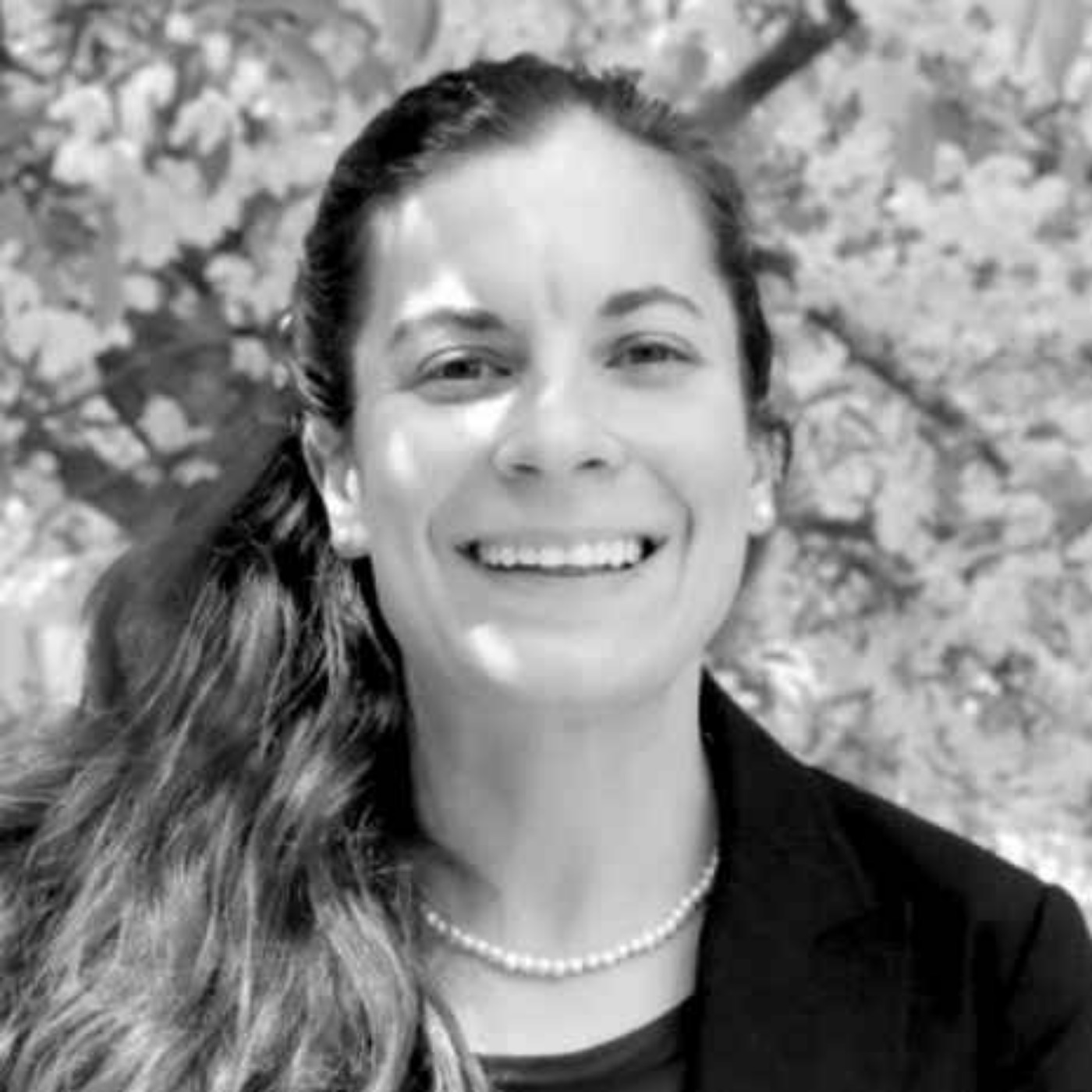
S3 Ep 12Tips and tricks for increasing physical activity with Dr Mariana Wingood
Staying physically active is not only important for people with osteoarthritis, but all adults. Participating in physical activity can help improve mobility, physical conditioning and reduce the risk of falls. However, despite the numerous health benefits of staying physically active, many older adults do not meet the recommended guidelines. We know it is often hard staying active so wanted to unpack that and give some tips and tricks for staying active. In this week’s episode of Joint Action, we are joined by Mariana Wingood to discuss how we can increase our levels of physical activity. Mariana is a physiotherapist who received her Doctorate in Physical Therapy from SUNY Upstate Medical University in 2012. In 2014, she became a Certified Exercise Expert of Aging Adults, in 2015 a Geriatric Certified Specialist, and in 2021, she completed her PhD in Interprofessional Health Sciences and her Masters in Public Health. Mariana’s research interests are related to physical activity and aging, with a focus on addressing physical activity prescription barriers identified by outpatient physical therapists treating individuals 50 years and older. RESOURCESJournal articles Physical Activity and Physical Activity Participation Barriers Among Adults 50 years and Older During the COVID-19 PandemicThe Inventory of Physical Activity Barriers for Adults 50 Years and Older: Refinement and Validation Community-Dwelling Older Adults and Physical Activity Recommendations: Patterns of Aerobic, Strengthening, and Balance Activities Feet/Footwear-Related Fall Risk Screening Tool for Older Adults: Development and Content Validation APTA Geriatrics’ Guiding Principles for Best Practices in Geriatric Physical Therapy: An Executive Summary Pain Neuroscience Education for Older Adults WebsitesGo4LifeVivifrailNational Council on AgingCONNECT WITH MARIANATwitter @elevatingEBPCONNECT WITH USTwitter: @ProfDavidHunter @jointactionorgEmail: [email protected]: www.jointaction.info/podcastIf you enjoyed this episode, don't forget to subscribe to learn more about osteoarthritis from the world's leading experts! Hosted on Acast. See acast.com/privacy for more information.
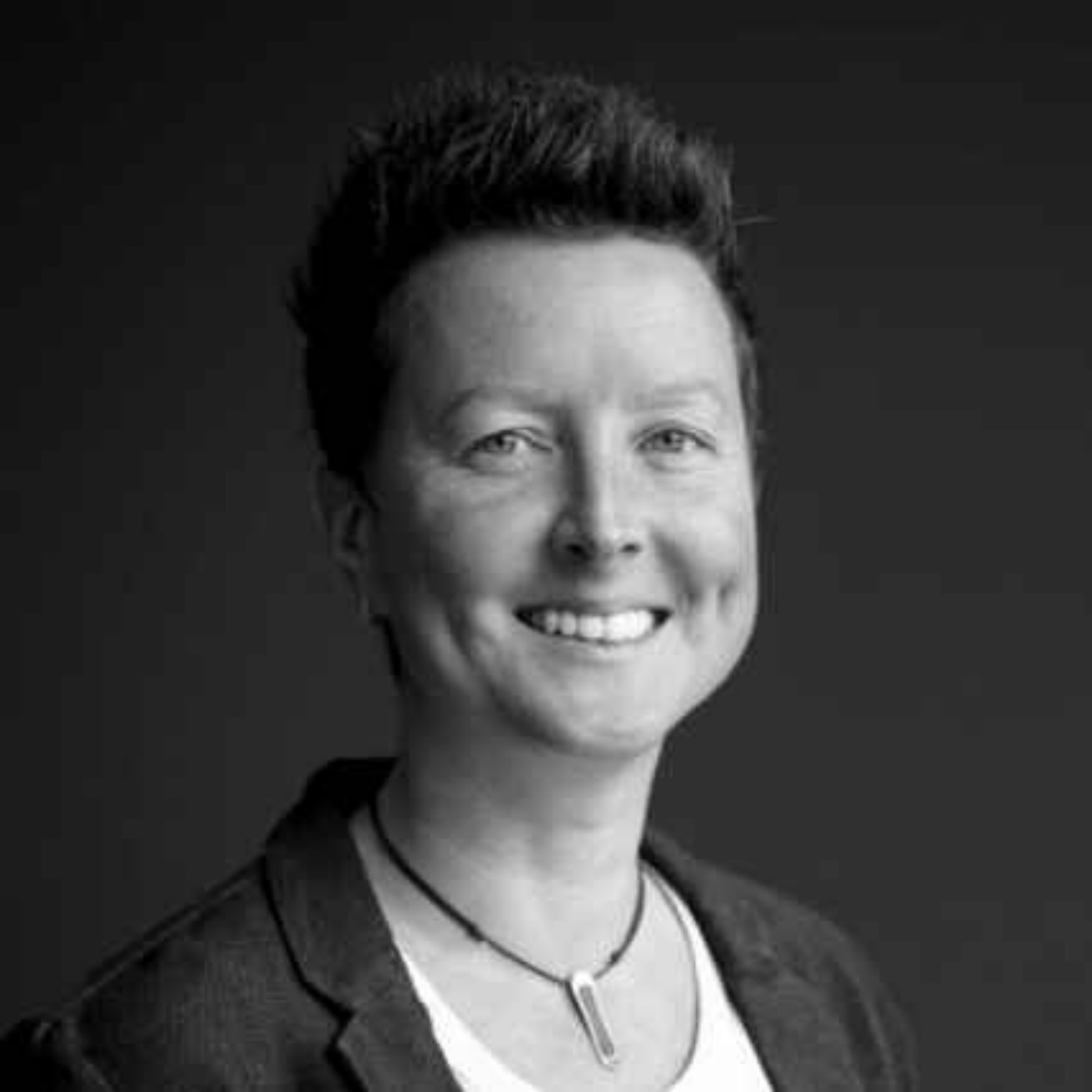
S3 Ep 11Patellofemoral osteoarthritis - pain from behind the kneecap with Dr Marienke van Middlekoop
EOsteoarthritis commonly affects the knee joint, which consists of three compartments – the medial tibiofemoral compartment, lateral tibiofemoral compartment and the patellofemoral compartment. Osteoarthritis can affect these compartments in isolation or in combination. Although, the majority of osteoarthritis research has focused on the tibiofemoral joints, patellofemoral OA is more prevalent and associated with greater pain and disability. On this week’s episode of Joint Action, we are joined by Dr Marieke van Middelkoop to discuss patellofemoral OA, including its prevalence, burden, diagnosis and treatments. Dr. Marienke van Middelkoop is a human movement scientist and an associate professor at the Department of General Practice at Erasmus MC Medical University Rotterdam, The Netherlands. She received her PhD in 2008 on the subject ‘Running injuries’ at the Erasmus MC Medical University Rotterdam, The Netherlands.She is currently the project leader of multiple PhD students and is the coordinator of the Osteoarthritis (OA) Trial Bank, an international successful ongoing project including a databank of more than 60,000 OA patients. She is a deputy editor of British Journal of Sports Medicine and in 2010 she was selected to participate in the Oxford International Primary Care Research Leadership Program.RESOURCESJournal articles· International patellofemoral osteoarthritis consortium: Consensus statement on the diagnosis, burden, outcome measures, prognosis, risk factors and treatment· Is patellofemoral pain a precursor to osteoarthritis?: Patellofemoral osteoarthritis and patellofemoral pain patients share aberrant patellar shape compared with healthy controls· Medical Interventions for Patellofemoral Pain and Patellofemoral Osteoarthritis: A Systematic Review· Obesity is related to incidence of patellofemoral osteoarthritis: the Cohort Hip and Cohort Knee (CHECK) study· Incidence, prevalence, natural course and prognosis of patellofemoral osteoarthritis: the Cohort Hip and Cohort Knee studyCONNECT WITH USTwitter: @ProfDavidHunter @jointactionorgEmail: [email protected]: www.jointaction.info/podcastIf you enjoyed this episode, don't forget to subscribe to learn more about osteoarthritis from the world's leading experts! Hosted on Acast. See acast.com/privacy for more information.
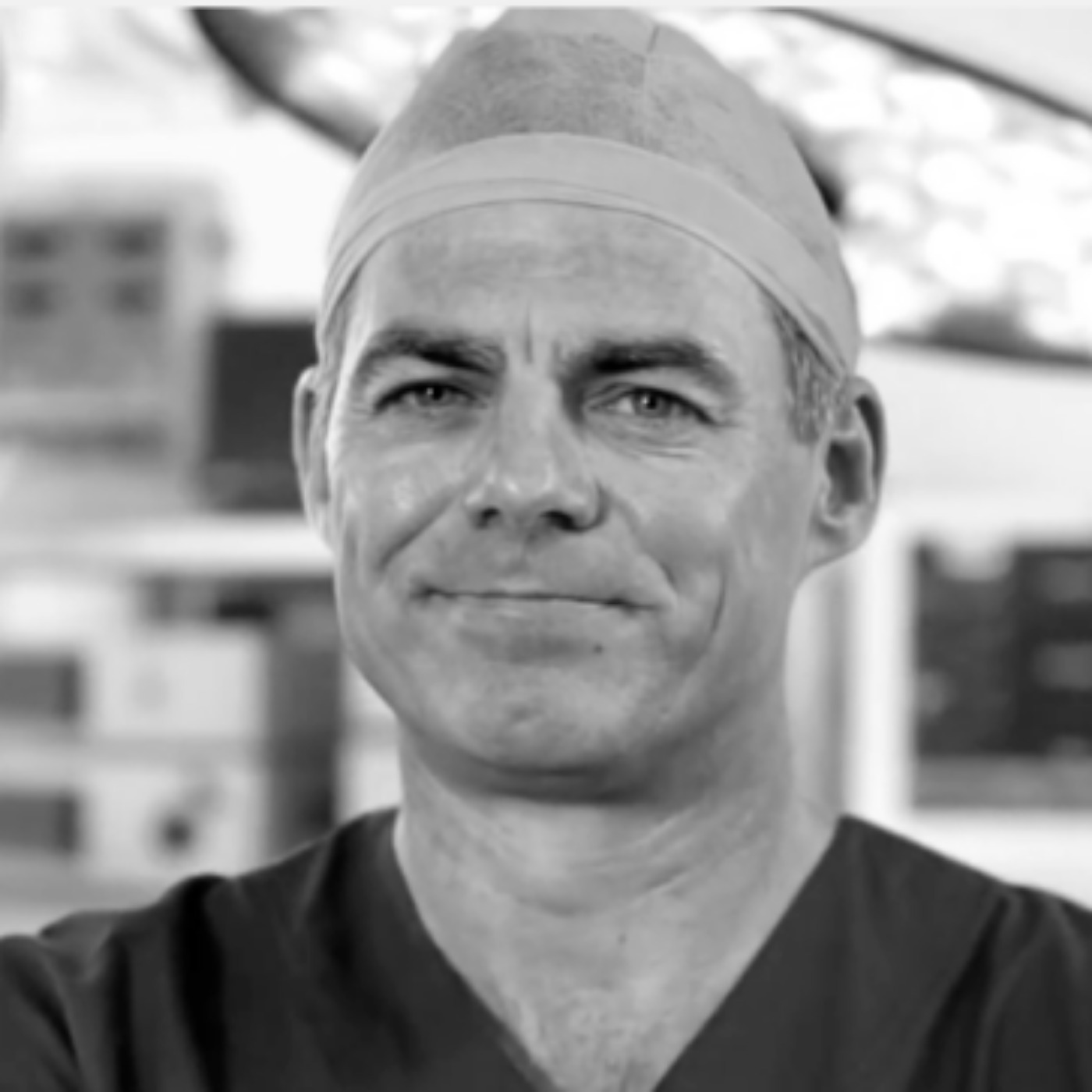
S3 Ep 10Does obesity cause knee replacements? with Prof Chris Vertullo
Obesity is a major risk factor for developing knee osteoarthritis and subsequently undergoing total knee replacement (TKR). The rates of obesity have increased dramatically over the past decades and in many developed nations, about two third of adults are above a healthy weight. Although TKR is a cost-effective treatment for end-stage osteoarthritis, the rising rates of obesity are resulting in more knee replacements and being performed at a younger age. On this week’s episode of Joint Action, we are joined by Chris Vertullo to discuss the rising rates obesity, their relation to TKR and what we can do about it.Professor Chris Vertullo has been a specialist orthopaedic knee surgeon since 2001. He is the Director and Treasurer of the Australian Orthopaedic Association, current Past President of the Australian Knee Society, Chair of AOA Continuing Orthopaedic Education and an Adjunct Professor at Griffith University. He is currently listed amongst the top 100 orthopaedic influencers in the world. He is involved in the treatment of elite athletes and professional sports teams as well as being a strong advocate for sports injury prevention at a national level. He has a strong focus on research into knee surgery - founding Knee Research Australia and holds a PhD in the area of improving the outcomes of knee replacement.*Correction* In the podcast, we mentioned that about two thirds of people receiving a joint replacement are overweight or obese. This is incorrect, two thirds of Australian adults are overweight or obese. About 90% of people undergoing TKR are overweight or obese. RESOURCESWebsitesMyJointPainOARSI Joint Effort InitiativeArthritis AustraliaJournal articlesObesity is associated with an increased risk of undergoing knee replacement in AustraliaEffect of Bariatric Surgery on Risk of Complications After Total Knee ArthroplastyRelated episodesLosing weight and osteoarthritis - why and how? with Dr Stephen MessierThe role of bariatric surgery for people with osteoarthritis with Dr Jonathan SamuelsCONNECT WITH CHRISWeb: http://www.knee-surgeon.net.au/Twitter: @Knee_Surgeon Hosted on Acast. See acast.com/privacy for more information.

S3 Ep 9Prevention of osteoarthritis following injury with Dr Fiona Watt
Joint injury is a major risk factor for developing osteoarthritis. For any given knee injury, about 50% of people will go on to develop osteoarthritis, regardless of if they have had surgical intervention or not. Osteoarthritis which follows a significant joint injury is sometimes called “post-traumatic osteoarthritis” or “PTOA” – many believe that PTOA represents a disease subgroup or phenotype of osteoarthritis. Joint injury is usually well-defined and easy to pinpoint in time allowing opportunities to better understand the early mechanisms of OA. Preclinical research has provided further insights on the development of PTOA and how certain molecules and pathways can be targeted to reduce or prevent OA following a joint injury. On this week’s episode of Joint Action, Dr Fiona Watt joins us to discuss prevention of osteoarthritis following injury. Fiona is a Clinical Reader in Rheumatology in the Department of Immunology and Inflammation at Imperial College London, having previously been an Associate Professor at the Kennedy Institute of Rheumatology at the University of Oxford for a number of years, where she had completed her PhD in cartilage biochemistry in 2009. She was appointed as an honorary consultant rheumatologist in 2013. She leads the Clinical Translation theme within the Centre for Osteoarthritis Pathogenesis funded by Versus Arthritis. In 2019 she was awarded a UKRI Future Leaders Fellowship. Her research interest aims to develop new predictive tests and treatments in high risk groups for osteoarthritis. RESOURCESJournal articles· Prevention of posttraumatic osteoarthritis at the time of injury: Where are we now, and where are we going?· Posttraumatic osteoarthritis: what have we learned to advance osteoarthritis? CONNECT WITH USTwitter: @ProfDavidHunter @jointactionorgEmail: [email protected]: www.jointaction.info/podcastIf you enjoyed this episode, don't forget to subscribe to learn more about osteoarthritis from the world's leading experts! Hosted on Acast. See acast.com/privacy for more information.
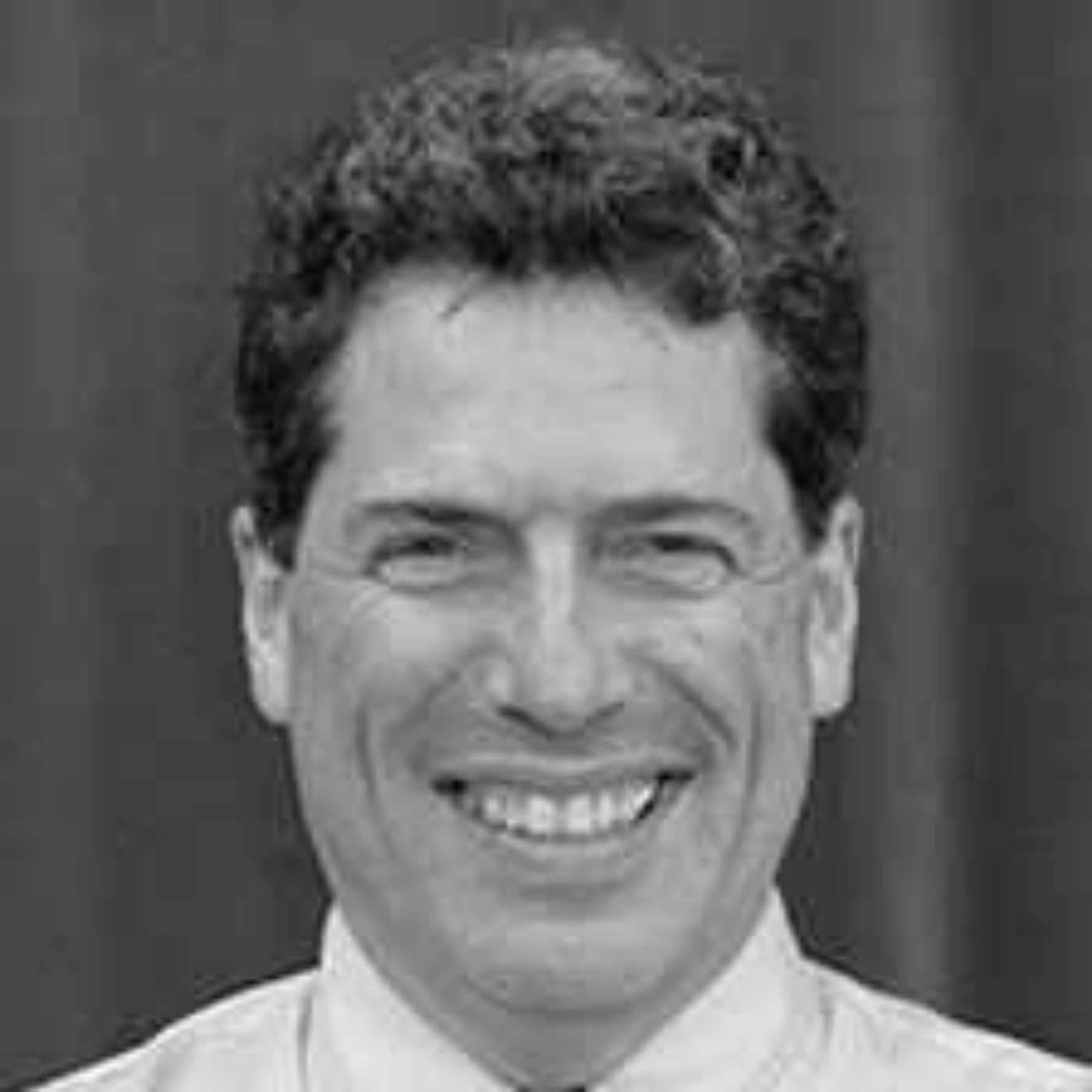
S3 Ep 8How can braces help with knee osteoarthritis? with Dr Howard Hillstrom
The knee joint consists of three distinct joint compartments – the medial tibiofemoral (or inside), the lateral tibiofemoral (outside) and the patellofemoral (behind the kneecap). Braces or orthoses are devices made from lightweight materials which alter the biomechanics of the lower limb and alter the alignment of a joint. Research has shown that using an appropriate knee brace can reduce pain and improve function in people with osteoarthritis. Dr Howard Hillstrom joins us on this week's episode to discuss how braces can help knee osteoarthritis.Dr Howard Hillstrom has a background as a biomedical engineer with over 26 years of experience in directing motion analysis laboratories. Howard is currently the director of the Motion Analysis Laboratory at Hospital for Special Surgery in New York. Howard has a strong background in the biomechanics of human movement with special attention to the lower extremity and related pathologies, such as osteoarthritis.RESOURCES Journal articlesKnee Osteoarthritis: Primary Care Using Noninvasive Devices and Biomechanical PrinciplesEffects of a Medial Knee Unloading Implant on Tibiofemoral Joint Mechanics During WalkingDevelopment and validation of a computational model of the knee joint for the evaluation of surgical treatments for osteoarthritis. Are joint structure and function related to medial knee OA pain? A pilot study. CONNECT WITH USTwitter: @ProfDavidHunter @jointactionorgEmail: [email protected]: www.jointaction.info/podcastIf you enjoyed this episode, don't forget to subscribe to learn more about osteoarthritis from the world's leading experts! Hosted on Acast. See acast.com/privacy for more information.
S3 Ep 7What does osteoarthritis pain feel like? with Dr Lisa Carlesso
There are a lot of descriptors used for osteoarthritis pain related to the character of pain, its distribution or location, its severity, its frequency - in particular, whether this is constant or intermittent.New research into these pain patterns has shown that the different pain patterns experienced lead to different clinical outcomes in people with knee OA. If we can identify why some people have more constant or more severe pain, it might provide insights on which to intervene. This promising area of research can help to enhance prognosis and provide targeted treatment. Lisa is a licensed physiotherapist and an assistant professor in the School of Rehabilitation Science at McMaster University (Ontario, Canada). Her extensive academic background in physical therapy and clinical epidemiology have shaped her research interests in common age-related musculoskeletal problems. Her most recent studies focus on improving treatment and outcomes for people with musculoskeletal disorders, such as knee osteoarthritis and chronic low back pain. Lisa is interested in understanding the mechanisms and consequences of pain as they relate to disability, mobility, participation, and healthy aging.RESOURCESJournal articles· Association of Intermittent and Constant Knee Pain Patterns With Knee Pain Severity and With Radiographic Knee Osteoarthritis Duration and Severity · Association of Pain Sensitization and Conditioned Pain Modulation to Pain Patterns in Knee Osteoarthritis · Use of IMMPACT Recommendations to Explore Pain Phenotypes in People with Knee Osteoarthritis CONNECT WITH LISA· Twitter: @LisaCarlessoCONNECT WITH USTwitter: @ProfDavidHunter @jointactionorgEmail: [email protected]: www.jointaction.info/podcastIf you enjoyed this episode, don't forget to subscribe to learn more about osteoarthritis from the world's leading experts! Hosted on Acast. See acast.com/privacy for more information.

S3 Ep 6Psychological treatments for adults struggling with chronic physical health conditions with Prof Blake Dear
Having a chronic physical health condition such as osteoarthritis can have a negative effect on mental health which commonly manifests as depression or anxiety. Epidemiological research has shown that most adults with common mental health conditions do not access psychologically-based treatments. This is due to many reasons including costs, stigma, long waiting lists and availability outside of major cities. Professor Blake Dear joins us to discuss the impact of mental health on the management of osteoarthritis and effective psychological treatments that can help to improve mental health in the long-term. Professor Blake Dear is a Senior Clinical Psychologist within the Department of Psychology at Macquarie University. Blake completed his postgraduate Masters training at the University of Western Sydney in 2006 and later completed his PhD in 2010. Blake is the Director of the eCentreClinic; a research unit that develops and evaluates a range of psychologically-based treatments for common mental health and chronic physical health conditions. He is passionate about increasing access to effective psychological treatment, particularly for adults struggling with chronic physical health conditions. RESOURCES- eCentreClinic- Mindspot- PORTSCONNECT WITH USTwitter: @ProfDavidHunter @jointactionorgEmail: [email protected]: www.jointaction.info/podcastIf you enjoyed this episode, don't forget to subscribe to learn more about osteoarthritis from the world's leading experts! Hosted on Acast. See acast.com/privacy for more information.
S3 Ep 5How can shoes or insoles help with knee osteoarthrititis? with Prof Rana Hinman
On this week’s episode of Joint Action, Prof Rana Hinman joins us to discuss how shoes or insoles can help with knee OA.People with knee OA may experience abnormal knee joint loading – meaning that certain parts of their knees (for example, the inside or medial compartment) is loaded more, compared to the outside or lateral compartment. Biomechanical research has shown that some shoes can increase medial knee loads more than others and therefore, clinical guidelines commonly recommend “appropriate” footwear for knee OA. Many types of shoes exist including “stable, supportive shoes”, “flat flexible shoes” and “unloader” shoes. However, it remains unclear what shoes are appropriate for knee OA. Professor Rana Hinman is a research physiotherapist and National Health & Medical Research Council Senior Research Fellow at the Centre for Health, Exercise & Sports Medicine at the University of Melbourne. Her research focuses on clinical trials of non-drug non-surgical treatment strategies for osteoarthritis, in particular exercise, rehabilitation, and biomechanical interventions.RESOURCESBetter Health Channel Victoria Choosing the right shoeFootwear for healthy feetJournal articlesThe Effect of Flat Flexible Versus Stable Supportive Shoes on Knee Osteoarthritis Symptoms : A Randomized TrialModerators and mediators of effects of unloading shoes on knee pain in people with knee osteoarthritis: an exploratory analysis of the SHARK randomised controlled trial CONNECT WITH RANATwitter: @HinmanRanaCONNECT WITH USTwitter: @ProfDavidHunter @jointactionorgEmail: [email protected]: www.jointaction.info/podcastIf you enjoyed this episode, don't forget to subscribe to learn more about osteoarthritis from the world's leading experts! Hosted on Acast. See acast.com/privacy for more information.
S3 Ep 4Is osteoarthritis preventable? with Dr Jackie Whittaker
On this episode of Joint Action, we are joined by Dr Jackie Whittaker to discuss osteoarthritis prevention, risk factors and prevention strategies.Osteoarthritis is the most common joint condition, affecting more than 300 million people worldwide. There is currently no cure for OA and the current management strategies for OA are focussed on alleviating symptoms. Current management and include core treatments such as patient education, exercise and physical activity and weight loss or weight management if necessary. Given that there is no cure for OA, research into the field of osteoarthritis prevention has been emerging, and although there is still work to be done in the field, there has been new insights into modifiable risk factors such as obesity and joint injury. Dr. Jackie Whittaker is an Associate Professor in the Department of Physical Therapy, at the University of British Columbia and is recognized as a Clinical Specialist in Musculoskeletal Physiotherapy by the Canadian Physiotherapy Association. She completed her BScPT degree at the University of Alberta, PhD in Musculoskeletal Rehabilitation at the University of Southampton (UK) and a post-doctoral fellowship supported by an Alberta Innovates Health Solutions Clinician Fellowship in injury prevention and epidemiology at the University of Calgary. She has been an Assistant Professor in the Department of Physical Therapy and Research Director of the Glen Sather Sports Medicine Clinic at the University of Alberta.RESOURCESA lifespan approach to osteoarthritis prevention CONNECT WITH JACKIETwitter: @jwhittak_physioCONNECT WITH USTwitter: @ProfDavidHunter @jointactionorgEmail: [email protected]: www.jointaction.info/podcastIf you enjoyed this episode, don't forget to subscribe to learn more about osteoarthritis from the world's leading experts! Hosted on Acast. See acast.com/privacy for more information.
S3 Ep 3Is osteoarthritis an inflammatory disease? with Dr Tom Appleton
Traditionally, osteoarthritis has been thought to be a non-inflammatory disease. However, we now know that inflammation plays a critical role in the development of OA in the joint and synovium. Synovitis, the inflammation of the synovial membrane is a classic characteristic of inflammatory arthritis such as rheumatoid arthritis but is now being seen in many people with OA. The presence of inflammation in the joint is thought to play a role in the different pain experiences of OA and disease progression. Research into the inflammatory pathways of OA may lead to the development of targeted therapies. On this episode of Joint Action, we are joined by Dr Tom Appleton to discuss inflammation and its role in OA onset and progression.Dr. Tom Appleton is Assistant Professor of Rheumatology and Clinician Scientist in the Department of Medicine, with cross-appointment to the Department of Physiology and Pharmacology and the Health and Rehabilitation Sciences Program at Schulich School of Medicine & Dentistry, Western University. Dr. Appleton leads the Appleton lab which is focussed on understanding the role of synovium in the onset and progression of OA. His ongoing research is aimed at understanding the pathophysiology of synovial cell types involved in OA-associated synovitis and how these mechanisms contribute to OA symptoms and disease progression.RESOURCESSynovial tissue perivascular edema is associated with altered gait patterns in patients with knee osteoarthritisSynovitis Is Associated With Constant Pain in Knee Osteoarthritis: A Cross-sectional Study of OMERACT Knee Ultrasound ScoresTransient anabolic effects of synovium in early post-traumatic osteoarthritis: a novel ex vivo joint tissue co-culture system for investigating synovium-chondrocyte interactionsCONNECT WITH TOMTwitter: @appletonlabWebsite: Appleton LabCONNECT WITH USTwitter: @ProfDavidHunter @jointactionorgEmail: [email protected]: www.jointaction.info/podcastIf you enjoyed this episode, don't forget to subscribe to learn more about osteoarthritis from the world's leading experts! Hosted on Acast. See acast.com/privacy for more information.
S3 Ep 2Exercise is no better than salt-water injections for knee osteoarthritis with Prof Marius Henriksen
Exercise and education are recommended treatments for knee osteoarthritis. To date, there have been over 100 clinical trials demonstrating the beneficial effects of exercise for knee osteoarthritis compared to no-treatment control groups. This has resulted in strong recommendations for exercise as a primary management strategy for knee OA. The comparison of exercise to a no-treatment control introduces multiple biases. One option to overcome this is to compare exercise to a placebo treatment such as salt-water injections. A recently published paper compared an 8-week exercise and education program to 4 placebo salt-water injections in 206 adults with knee osteoarthritis. On this episode of Joint Action, we are joined by Marius Henriksen to discuss the results of his study.Professor Marius Henriksen is a research physiotherapist and besides leading the Physiotherapy and Biomechanics research unit at The Parker Institute, he is also a professor of physiotherapy at Copenhagen University and the department of physical and occupational therapy at Bispebjerg-Frederiksberg Hospital. His research focuses on clinical effectiveness of non-pharmacological interventions (in particular physiotherapy) with focus on pain and disability across a wide range of diseases.RESOURCESExercise and education versus saline injections for knee osteoarthritis: a randomised controlled equivalence trialCONNECT WITH MARIUSTwitter: @henriksen_mhWebsite: http://www.parkerinst.dk/CONNECT WITH USTwitter: @ProfDavidHunter @jointactionorgEmail: [email protected]: www.jointaction.info/podcastIf you enjoyed this episode, don't forget to subscribe to learn more about osteoarthritis from the world's leading experts! Hosted on Acast. See acast.com/privacy for more information.
S3 Ep 1Time to reset: tips for behaviour change for diet and exercise with Dr Shannon Mihalko
Exercise, physical activity and education are the cornerstone treatments for osteoarthritis. However, despite their proven efficacy, they are difficult to maintain long-term. Behaviour change techniques, which are specific techniques such as goal-setting or monitoring that can help people stick to an OA management plan long-term. On this week’s episode of Joint Action, we are joined by Dr Shannon Mihalko to discuss how we can use behaviour change techniques to stick to our diet and exercise routines. Dr. Shannon Mihalko is a behavioral scientist whose research focuses on adherence and quality of life in adults with chronic disease, with a special interest in knee osteoarthritis and cancer populations. Specifically, her work examines determinants and consequences of behavior change and adherence, with a specific focus on building self-efficacy in older adults to engage in physical activity and healthy nutritional practices on their road to independence.CONNECT WITH USTwitter: @ProfDavidHunter @jointactionorgEmail: [email protected]: www.jointaction.info/podcastIf you enjoyed this episode, don't forget to subscribe to learn more about osteoarthritis from the world's leading experts! Hosted on Acast. See acast.com/privacy for more information.
S2 Ep 23A wrap for 2021
That's a wrap for 2021! We will be back on January 17th with a brand new season. If you haven't already, please subscribe to the podcast so you don't miss out on new episodes! We would also be very grateful if you could leave us a review :)CONNECT WITH USTwitter: @ProfDavidHunter @jointactionorgEmail: [email protected]: www.jointaction.info/podcast Hosted on Acast. See acast.com/privacy for more information.

S2 Ep 22Platelet-rich plasma injections for knee osteoarthritis with Prof Kim Bennell
We recently published the results from a large randomised controlled trial investigating the effects of platelet-rich plasma for knee osteoarthritis. On this episode, we are joined by Prof Kim Bennell to discuss the results of the study.Prof Kim Bennell is a research physiotherapist and her current positions include Redmond Barry Distinguished Professor and Director of the Centre for Health, Exercise and Sports Medicine (CHESM), in Physiotherapy at the School of Health Sciences, University of Melbourne, NHMRC Investigator Fellow (L2) and Director of the NHMRC Centre of Research Excellence in Translational Research in Musculoskeletal Pain. She leads a multidisciplinary team including people from physiotherapy, medicine, exercise science, podiatry and psychology. Kim’s research focuses on conservative non-drug management of musculoskeletal conditions particularly osteoarthritis with an emphasis on the role of exercise in both prevention and management.RESOURCESResearch paper: Effect of Intra-articular Platelet-Rich Plasma vs Placebo Injection on Pain and Medial Tibial Cartilage Volume in Patients With Knee Osteoarthritis - The RESTORE Randomized Clinical TrialEditorial: Platelet-Rich Plasma for Osteoarthritis and Achilles TendinitisCONNECT WITH USTwitter: @ProfDavidHunter @jointactionorgEmail: [email protected]: www.jointaction.info/podcastThis is our last episode of the year, if you haven't already, please subscribe so you don't miss out on new episodes! We would also be very grateful if you could leave us a review :) Hosted on Acast. See acast.com/privacy for more information.
S2 Ep 21Empowering patients to take control of their osteoarthritis with Dr Dawn Richards
Living with a musculoskeletal condition such as arthritis is not easy. The associated symptoms such as pain and stiffness make everyday activities that once seemed easy, challenging. It is important that those living with arthritis are educated and empowered to make decisions about the management about their condition and healthcare. However, this is not always the case with studies showing that only one-third of patients seeking care for their osteoarthritis are satisfied with their treatment. Health care providers and their patients need to ensure that management of the condition is collaborative and that patients have the appropriate tools and skills to successfully manage their condition. On this episode of Joint Action, we are joined by Dawn Richards to discuss how patients can be empowered to take control of their condition. Dawn completed a PhD (Analytical Chemistry) from the University of Alberta and has worked in a variety of roles during the past 20 years, however her diagnosis with rheumatoid arthritis almost 15 years ago instigated a journey to intertwine her passion for science with making the most of her diagnosis. Dawn was more recently diagnosed (a year ago) with knee OA. As a patient advocate and volunteer, Dawn is Vice President of the Canadian Arthritis Patient Alliance and a member of The BMJ’s Patient Panel. She served as an IMHA Research Ambassador from 2014 - 2019 and was the first Patient Advisor of the Canadian Medical Association’s Wait Time Alliance. Dawn advocates for arthritis awareness, access to treatment, the importance of research and the inclusion of patients both in decision-making and as research collaborators.RESOURCESGLA:D Australia GLA:D CanadaTREK education: manage my knee cap painThe BMJ: Motivational InterviewingMotivational Interviewing Network of TrainersAustralian Family Practice: Motivational interviewing techniques - facilitating behaviour change in the general practice settingCONNECT WITH DAWNTwitter: @TO_dprCONNECT WITH USTwitter: @ProfDavidHunter @jointactionorgEmail: [email protected]: www.jointaction.info/podcastIf you enjoyed this episode, don't forget to subscribe to learn more about osteoarthritis from the world's leading experts! Hosted on Acast. See acast.com/privacy for more information.
S2 Ep 20Do you really need surgery for your knee osteoarthritis? with Dr Howard Luks
The number of surgical procedures for musculoskeletal diseases such as osteoarthritis has increased exponentially over the past years, some of which are unnecessary and leave patients no better off than they were before. Knee replacement surgery can be a wonderful and cost-effective treatment for end-stage osteoarthritis but only when less invasive treatments have failed. There are many factors driving the alarming rates of increased surgery ranging from system-level factors such as inadequate reimbursement for physiotherapy treatment to personal-level factors such as individual beliefs and education of patients and their health care providers. Frequently referrals are made to surgeons as primary care doctors feel there is nothing more they can do. If you are referred it is important to be prepared for what that consultation will involve and to consider whether you truly want/ need surgery.On this episode of Joint Action, we are joined by Dr Howard Luks to discuss this topic.Dr. Howard Luks is a Board-Certified Orthopaedic Surgeon and Sports Medicine specialist. Howard graduated from New York Medical College and completed his Orthopaedic Surgery residency in 1996 and a fellowship in Sports Medicine at the Hospital for Joint Diseases in NYC in 1997. His focus is on injuries that involve the shoulder, knee, and elbow. He is the Chief of Sports Medicine and Arthroscopy at New York Medical College and Advanced Physician Services. CONNECT WITH HOWARDTwitter: @hjluksWebsite: https://www.howardluksmd.com/Podcast: https://www.howardluksmd.com/podcast/the-paul-and-howard-show/CONNECT WITH USTwitter: @ProfDavidHunter @jointactionorgEmail: [email protected]: www.jointaction.info/podcastIf you enjoyed this episode, don't forget to subscribe to learn more about osteoarthritis from the world's leading experts! Hosted on Acast. See acast.com/privacy for more information.
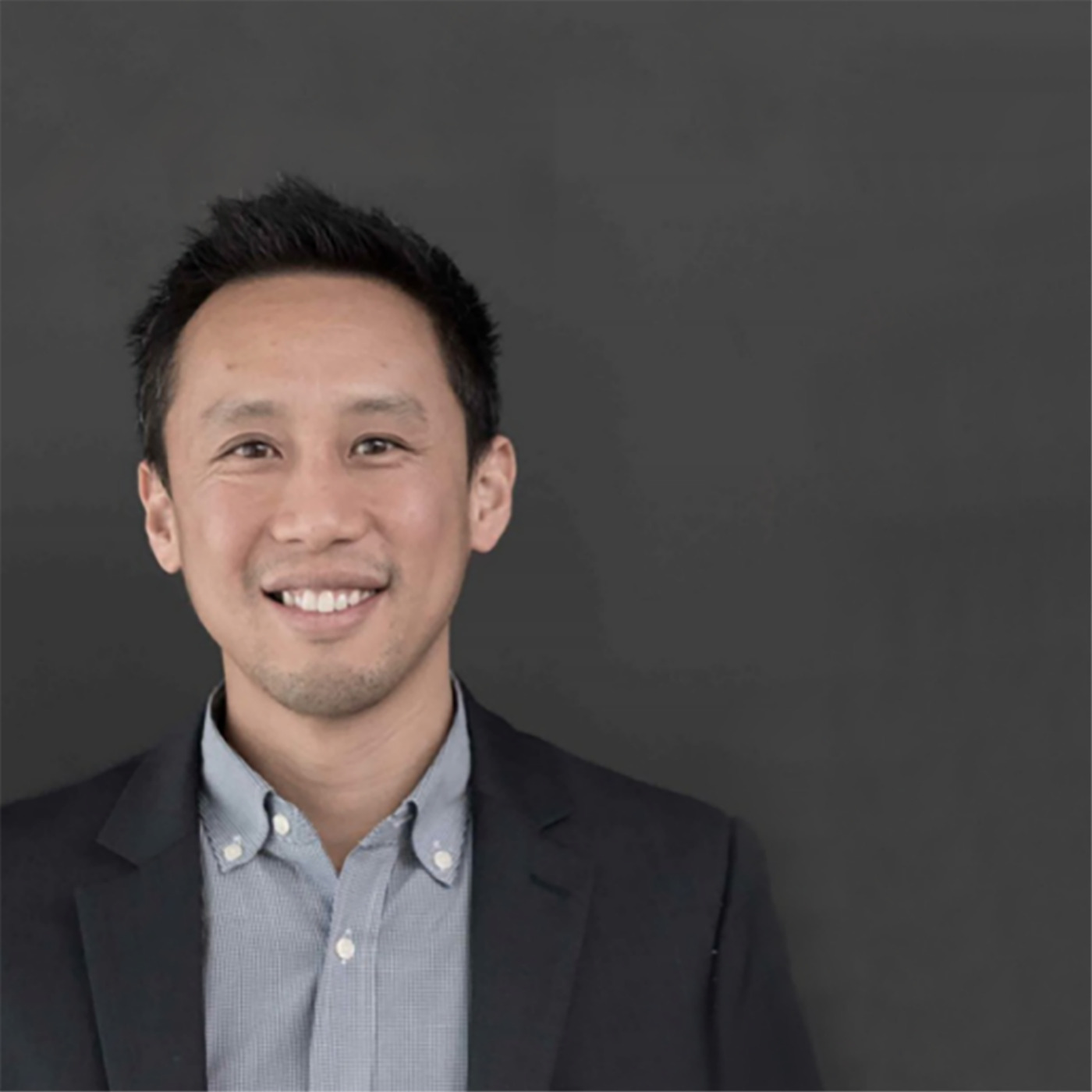
S2 Ep 19Health system redesign and value-based primary care in osteoarthritis with Dr Kevin Cheng
Although research has consistently demonstrated what is required to manage osteoarthritis appropriately, this is not the reality experienced by most. The current treatment for osteoarthritis is often reactive, using treatments which are not beneficial and often harmful and expensive to patients. The limitations in the current health system call for new models of osteoarthritis care to support ongoing symptom relief and self-management that are proactive and preventative. Re-engineering our health care system may be facilitated by considering how health professionals are paid. At present this is based on activity, with little heed paid to quality or outcome. On this episode of Joint Action, we are joined by Kevin Cheng to discuss health system redesign and value based primary care in osteoarthritis.Dr Kevin Cheng is an Australian-trained GP specialising in chronic disease management and integrated care. He trained at the University of WA, has a fellowship with the Royal Australian College of General Practitioners and a MBA from INSEAD in France. He has interests in lifestyle medicine, health system reform and data analytics in healthcare. Kevin has over 20 years experience as a doctor working in urban and rural areas in Australia, plus sabbaticals in Kenya, Hong Kong, and England as a clinician and in health policy. He has developed innovative programs for Governments, health insurers, hospitals, and pharmaceutical companies. He is an industry expert in models of health care, population health management and chronic disease care. Kevin also worked for strategy consulting firms McKinsey & Company and Boston Consulting Group, leading business transformations in public sector and private industries such as retail banking, manufacturing, mining, education, and technology. He is the founder of Osana, a general practice corporate.CONNECT WITH KEVINWebsite: https://osana.care/CONNECT WITH USTwitter: @ProfDavidHunter @jointactionorgEmail: [email protected]: www.jointaction.info/podcastIf you enjoyed this episode, don't forget to subscribe to learn more about osteoarthritis from the world's leading experts! Hosted on Acast. See acast.com/privacy for more information.
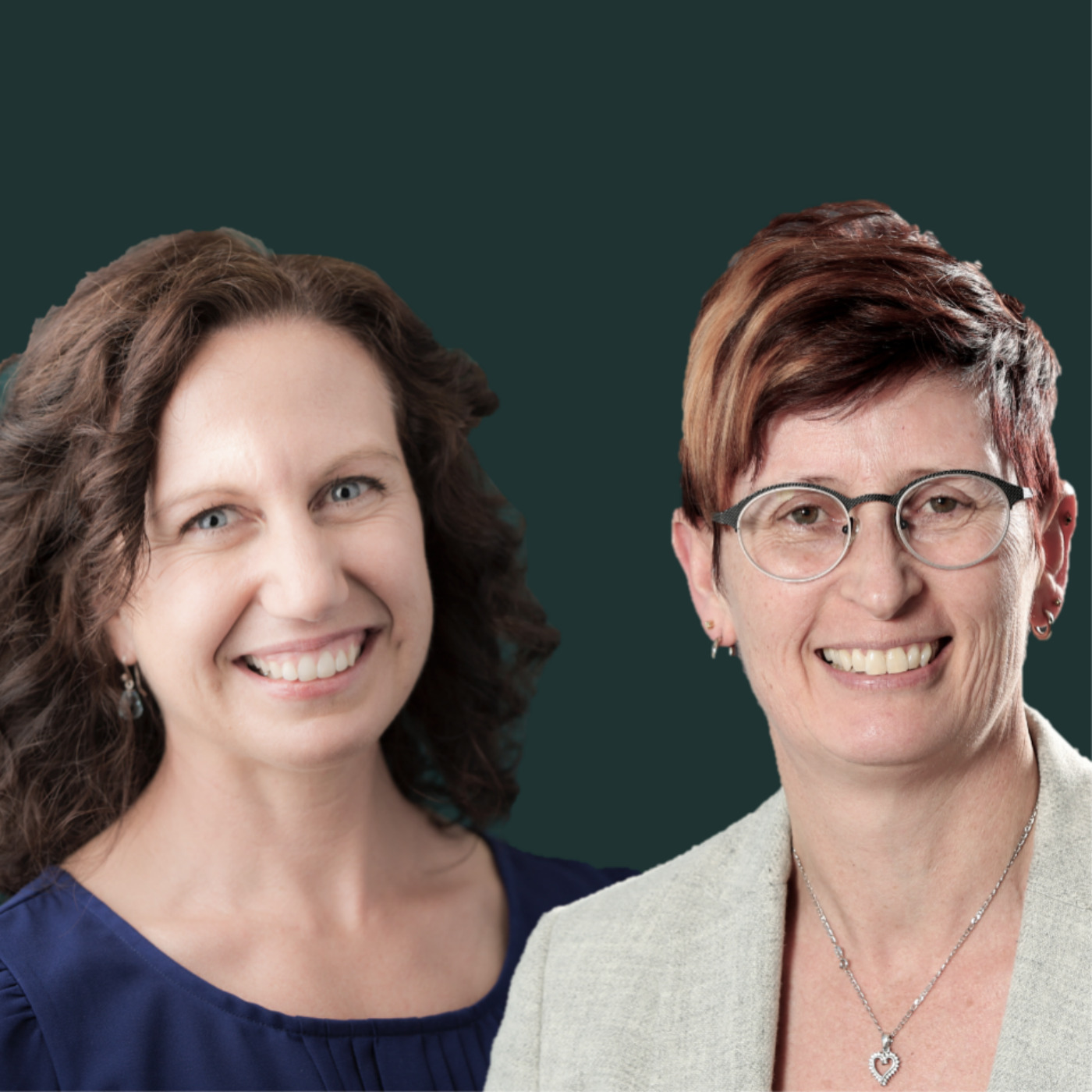
S2 Ep 18Osteoarthritis online resources with Dr Jillian Eyles and Dr Jocelyn Bowden
The COVID-19 pandemic has forced us to shift how we deliver care to those living with osteoarthritis. There has been an increasing number of online resources including websites, decision aids, remotely delivered programs and podcasts such as Joint Action which have become increasingly popular in the past year. With the numerous resources available, how do we know which programs are suitable and evidence-based? The OARSI Joint Effort Initiative is a collaboration between international clinicians and researchers with an interest in the implementation of OA management programs. Their aim is to improve overall care with a focus on core interventions such as education, exercise and weight management. On this episode of Joint Action, we are joined by Dr Jillian Eyles and Dr Jocelyn Bowden to discuss the OARSI Joint Effort Initiative and online resources for osteoarthritis. RESOURCESLEARN MORE ABOUT THE OARSI JOINT EFFORT INITIATIVEOnline Osteoarthritis Management Programs repository Joint Action website OA consumer and consumer advocacy organisationsArthritis AustraliaVersus Arthritis (UK)Arthritis Society (Canada)Osteoarthritis Foundation International (Spain)Arthritis Foundation (USA)OA Action Alliance (USA) Other organisationsNPS MedicineWise: Knee and hip osteoarthritis. (Australia)Centers for Disease Control and Prevention (USA): chronic disease Self-management programJoint Implementation of Osteoarthritis Guidelines Across Western-Europe (JIGSAW-E)Australian Heart FoundationCONNECT WITH USTwitter: @ProfDavidHunter @jointactionorgEmail: [email protected]: www.jointaction.info/podcastIf you enjoyed this episode, don't forget to subscribe to learn more about osteoarthritis from the world's leading experts! Hosted on Acast. See acast.com/privacy for more information.
S2 Ep 17The role of biomarkers in osteoarthritis with Dr Virginia Kraus
Biological markers or commonly referred to as biomarkers are biological measures or medical signs which can be measured accurately and reproducibly in patients. Examples of biomarkers can be anything from pulse and blood pressure to more complex blood tests and other tissues. There are different types of biomarkers including systemic and molecular biomarkers and the investigation of these provide potential targets for developing osteoarthritis disease-modifying drugs.On this episode of Joint Action, we are joined by Virginia Kraus to discuss the role of biomarkers in osteoarthritis and in particularly their role in drug development.Virginia Kraus is a Professor of Medicine at the Duke University School of Medicine. She is a practicing Rheumatologist with over 20 years experience in musculoskeletal research focusing on osteoarthritis. She is an adjunct Professor of Pathology and an adjunct Associate Professor of Surgery. Her career has focused on elucidating osteoarthritis pathogenesis and translational research into the discovery and validation of biomarkers for early osteoarthritis detection, prediction of progression, and monitoring of disease status.Listen to Virginia and The Women's Voices Chorus here.CONNECT WITH USTwitter: @ProfDavidHunter @jointactionorgEmail: [email protected]: www.jointaction.info/podcastIf you enjoyed this episode, don't forget to subscribe to learn more about osteoarthritis from the world's leading experts! Hosted on Acast. See acast.com/privacy for more information.
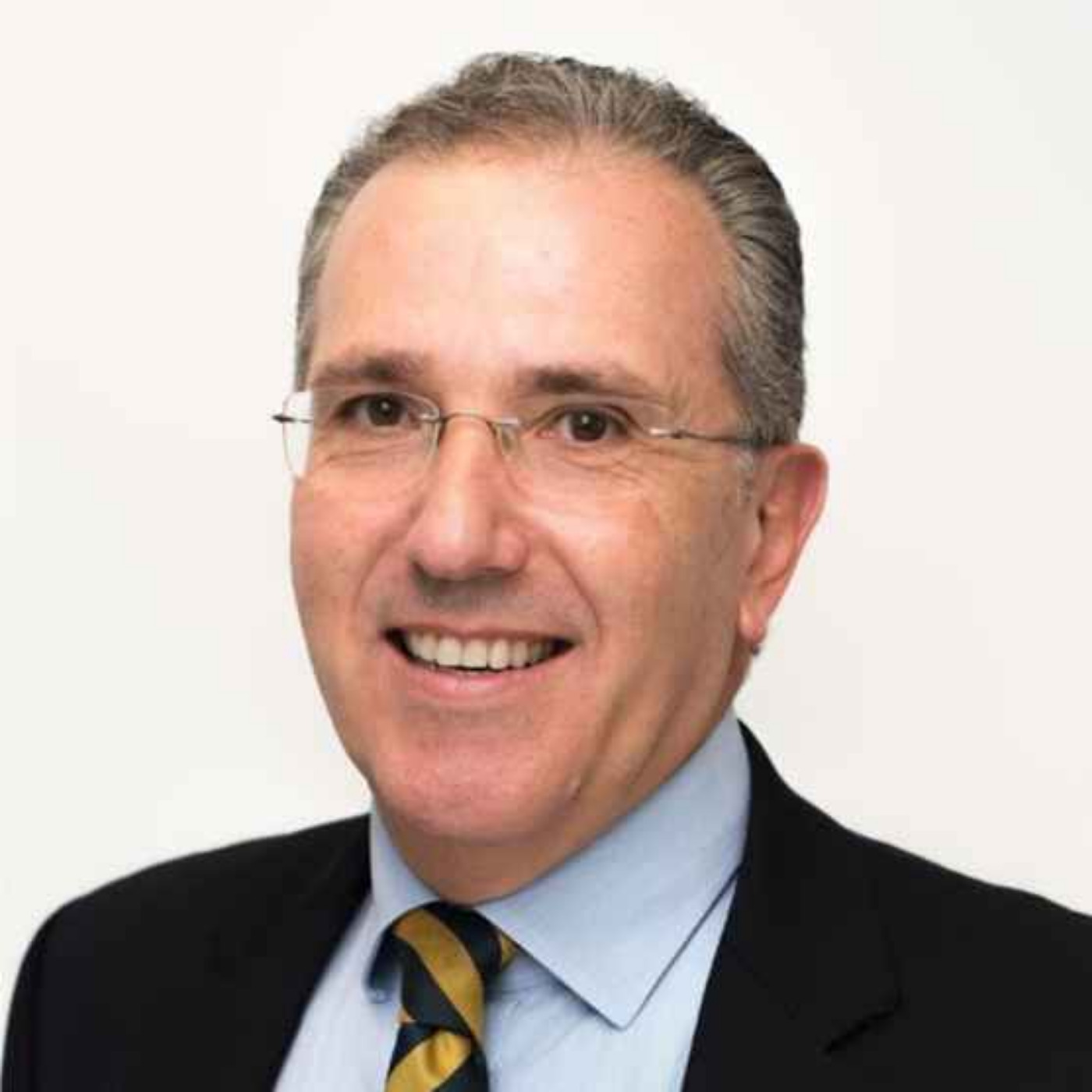
S2 Ep 16The impact of sleep on osteoarthritis and how you can improve your sleep with Prof Peter Cistulli
Sleep disturbances are common in those with osteoarthritis. Research has postulated that poor night time sleep is associated with increased pain the following day and that sleep disturbances are associated with increased risk for developing or worsening pain in the long-term. The interactions between pain and sleep are complex. On this episode of Joint Action, we are joined by Peter Cistulli to discuss the relationship between sleep and pain and how we can improve sleep. Professor Peter Cistulli holds the ResMed Chair in Sleep Medicine at the University of Sydney, where he leads the Sleep Research Theme within the multidisciplinary Charles Perkins Centre. He heads the Discipline of Sleep Medicine within the Faculty of Medicine and Health. He is also Director of the Centre for Sleep Health & Research in the Department of Respiratory and Sleep Medicine at Royal North Shore Hospital, Sydney. He is an active clinician researcher with 28 years experience in in the fields of respiratory and sleep medicine. His thematic research has focussed on the pathophysiology of Sleep-disordered Breathing, and novel approaches to therapy. RESOURCESThe Sleep Health FoundationSleep Quality and Fatigue Are Associated with Pain Exacerbations of Hip Osteoarthritis CONNECT WITH USTwitter: @ProfDavidHunter @jointactionorgEmail: [email protected]: www.jointaction.info/podcastIf you enjoyed this episode, don't forget to subscribe to learn more about osteoarthritis from the world's leading experts! Hosted on Acast. See acast.com/privacy for more information.
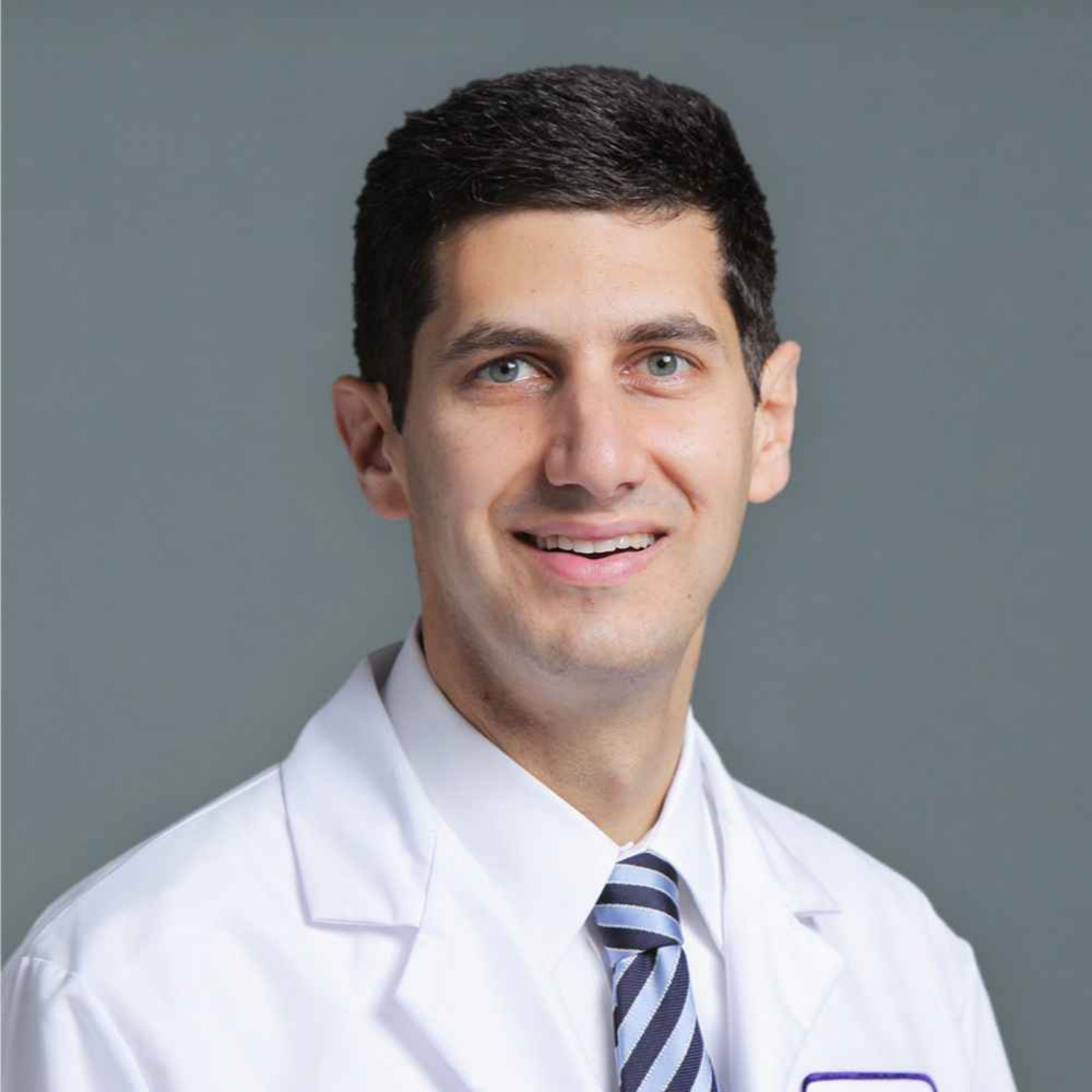
S2 Ep 15The role of bariatric surgery for people with osteoarthritis with Dr Jonathan Samuels
The prevalence of osteoarthritis continues to grow with the increasing rates of obesity. Obesity is a major risk factor for the progression of osteoarthritis and those who are obese are at an increased risk for requiring a total knee replacement. By preventing weight-related osteoarthritis as well as helping to manage people’s weight, we may be able to reduce the burden of OA. The effects of weight loss on knee osteoarthritis pain have been well established, however, is difficult to achieve for most people. On this episode of Joint Action, we are joined by Dr Jonathan Samuels to discuss the role of bariatric weight loss and how it may delay or eliminate the need for total knee replacement in some.Dr Jonathan Samuels is a rheumatologist at NYU Langone Health, located in Manhattan, New York. He is an Associate Professor in the Department of Medicine at NYU Grossman School of Medicine. Dr Samuels’ focus is on osteoarthritis of the hip and knee and he strives to contribute to significant breakthroughs in this area by working in collaboration with orthopaedic and bariatric specialists.RESOURCESPredictors of the effect of bariatric surgery on knee osteoarthritis painSurgical weight-loss to improve functional status trajectories following total knee arthroplasty: SWIFT trial: Rationale, design, and methodsCONNECT WITH USTwitter: @ProfDavidHunter @jointactionorgEmail: [email protected]: www.jointaction.info/podcastIf you enjoyed this episode, don't forget to subscribe to learn more about osteoarthritis from the world's leading experts! Hosted on Acast. See acast.com/privacy for more information.
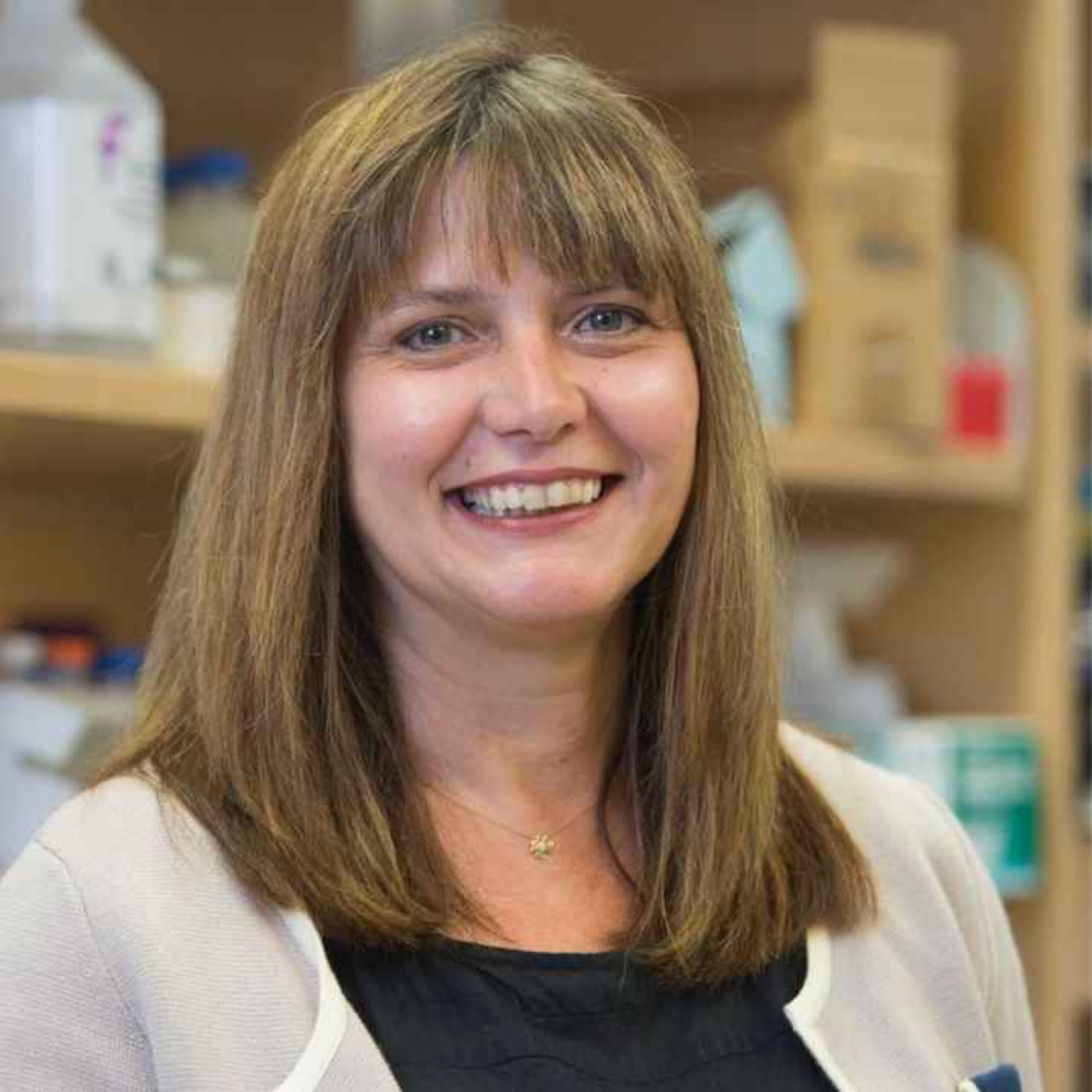
S2 Ep 14Where does osteoarthritis pain come from? with Prof Anne-Marie Malfait
Managing osteoarthritis pain remains a challenge for patients and clinicians. Non-steroidal anti-inflammatory drugs are often used despite the potential risk associated with long-term use. In recent years, new advances have led to the exploration of central acting medications such as duloxetine for osteoarthritis pain. Despite this, those with OA continue to suffer from inadequate pain relief. By better understanding the pathways which influence pain, we may be able to better treat OA pain by identifying potential therapeutic targets. On this episode of Joint Action, we are joined by Anne-Marie Malfait to discuss where osteoarthritis pain comes from. Anne Marie’s research focuses on pain osteoarthritis. She is the Professor of Internal Medicine and The George W. Stuppy, MD, Chair of Arthritis at Rush University in Chicago IL. Anne-Marie received her MD degree in 1989 and her PhD in 1994, both from Ghent University in Belgium. Her early research training focused on cartilage metabolism in osteoarthritis. Her postdoctoral training at the Kennedy Institute of Rheumatology in London focused on the role of cytokines in inflammatory arthritis. In 2001, she joined the pharmaceutical industry, joining a team for the development of disease-modifying osteoarthritis drugs (DMOADs). Since 2009, Anne Marie has been at Rush University, and established a research group studying pain in osteoarthritis, using animal models. Her group studies the relationship between joint damage and the neurobiological processes that underlie OA pain, with the long-term goal to develop more efficacious and safer analgesics and DMOADs. CONNECT WITH ANNE-MARIETwitter: @AM_MalfWebsite: http://www.annemariemalfait.com/CONNECT WITH USTwitter: @ProfDavidHunter @jointactionorgEmail: [email protected]: www.jointaction.info/podcastIf you enjoyed this episode, don't forget to subscribe to learn more about osteoarthritis from the world's leading experts! Hosted on Acast. See acast.com/privacy for more information.
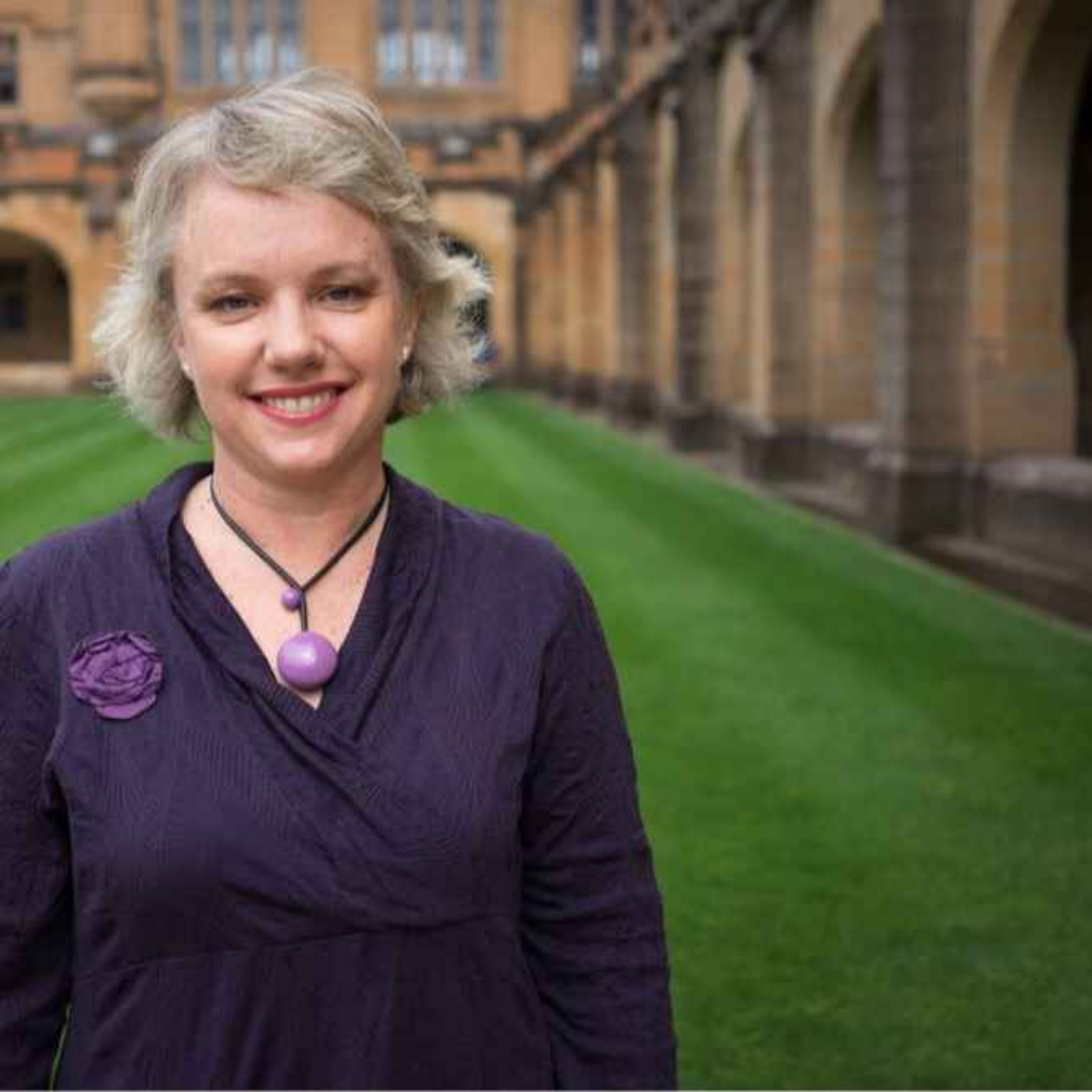
S2 Ep 13Getting people to do what is good for their health: lessons from vaccination with Prof Julie Leask
Despite the numerous guidelines supporting exercise and weight loss/management for osteoarthritis, they are challenging to implement in day-to-day life. Key actions for management are often not reaching health care providers and patients do not always receive high-value care. One of the biggest barriers to behaviour change is getting people to start and adhere to a lifestyle intervention. On a systems level, there are major challenges with access to care and communication regarding optimal care. On this episode of Joint Action, in an era being affected by COVID, Julie Leask joins us to discuss how we can improve behaviour change in OA from our learnings from current vaccination strategies. Julie is professor at the University of Sydney’s Susan Wakil School of Nursing and Midwifery. Her research over 23 years has focused on the social and behavioural aspects of immunisation – what people think and do about it, programs and policies. She has a Master of Public Health and nursing and midwifery qualifications. Julie is visiting fellow at the National Centre for Immunisation Research and Surveillance where she previously worked for 12 years and set up the social science unit. She currently chairs the WHO Behavioural and Social Drivers of Vaccination working group. In 2019, Julie was the overall winner of the Australian Financial Review 100 Women of Influence award.RESOURCESSharing Knowledge About Immunisation for Providers: Talking About ImmunisationSharing Knowledge About Immunisation: Talking About ImmunisationThe Osteoarthritis Action Alliance: Communicating with PatientsThe BMJ: Motivational InterviewingMotivational Interviewing Network of TrainersAustralian Family Practice: Motivational interviewing techniques - facilitating behaviour change in the general practice settingCONNECT WITH JULIETwitter: @JulieLeaskBlog: https://julieleask.wordpress.com/CONNECT WITH USTwitter: @ProfDavidHunter @jointactionorgEmail: [email protected]: www.jointaction.info/podcastIf you enjoyed this episode, don't forget to subscribe to learn more about osteoarthritis from the world's leading experts! Hosted on Acast. See acast.com/privacy for more information.
S2 Ep 12A physiotherapist's role in managing osteoarthritis with Jack Chew
Physiotherapists play an important role in osteoarthritis management. A good physiotherapist can aid in the reduction of OA symptoms, however, one major ongoing issue is the problem of low-value healthcare. Low value healthcare are treatments which broadly encompasses passive modalities such as interferential current, ultrasound, unnecessary imaging in favour of high value treatments such as exercise. Low value care can lead to treatments that provide little to no benefit or even harm to patients. On today’s episode of Joint Action, we are joined by Jack Chew to discuss high value and low value care in field of physiotherapy, specifically, what a good physiotherapist looks like and what can be done to move the health system in the direction of better quality.Jack Chew is founder of Chews Health in 2013 as a company for his clinical consultancy, offering second opinions to local sports clubs and teams whose therapists and coaches were struggling to mastermind the recovery of some of their key athletes. As his philosophy and methods spread across the Physio profession and MSK industry a consultancy network emerged and eventually Chews Health services were sought after enough to need a bespoke facility.Alongside his role as managing director of Chews Health, Jack hosts The Physio Matters Podcast – a monthly show which goes out to over 20,000 therapists and is the director of MSKReform – a non-profit think-tank which is tasked with improving the industry to reduce the unjust variations in care standards.CONNECT WITH JACKTwitter: @JackAChewWebsite: Chews Health websiteWebsite: MSKReform websitePodcast: The Physio Matters PodcastCONNECT WITH USTwitter: @ProfDavidHunter @jointactionorgEmail: [email protected]: www.jointaction.info/podcastIf you enjoyed this episode, don't forget to subscribe to learn more about osteoarthritis from the world's leading experts! And please let us know what you thought by leaving us a review! Hosted on Acast. See acast.com/privacy for more information.

S2 Ep 11Steroid injections for osteoarthritis - harmful or helpful?
Osteoarthritis pain remains a large unmet clinical need. One common tool in the clinician’s armamentarium has been a steroid injection. They are widely used but recent evidence has questioned their efficacy for pain relief and potentially associated ongoing structural changes, including accelerating the underlying structural progression. On this episode of Joint Action, we will hear from Ali Guermazi and Margreet Kloppenburg about the harms and benefits of steroid injections for osteoarthritis. Dr. Margreet Kloppenburg, MD PhD, is Professor of Rheumatology in the Department of Rheumatology at the Leiden University Medical Center. She is a rheumatologist and epidemiologist. Since 2000 she is appointed both at the departments of Rheumatology and of Clinical Epidemiology of the LUMC. Her research interest includes osteoarthritis with focus on two topics, 1) unravelling underlying pathways in development and progression of osteoarthritis, aimed at inflammatory, metabolic and genetic mechanisms, and 2) optimization of methodology to measure osteoarthritis symptoms and signs, to enable development of disease modifying drugs. She is PI of several cohorts and randomized clinical trials in patients with osteoarthritis. She uses imaging modalities, as radiography, ultrasonography and MR imaging and basic science tools, including immunohistochemistry and metabolomics to characterize and study osteoarthritis patients. She has special interest for hand osteoarthritis. Dr. Guermazi is a French board-certified radiologist. Dr. Guermazi’s interest is musculoskeletal diseases, in particular note are his scientific contributions in the diagnosis and disease progression assessment of osteoarthritis using MRI. His work has focused on identifying structural risk factors for developing and worsening osteoarthritis. He has been involved in developing several original and widely accepted radiological methods to assess osteoarthritis disease risk and progression, including the WORMS, BLOKS and MOAKS for the knee, HOAMS for the hip and fixed-flexion radiography for measuring joint space width. Dr. Guermazi has been involved as an MRI reader for the past 14 years in several large U.S. studies. He is author of over 275 peer-reviewed publications and Investigator on numerous research grants related to MRI reading for Osteoarthritis RESOURCESVideosOA summit debate series on steroid injections - video recordingMore Research Needed to Determine Safety of Hip and Knee Steroid InjectionsJournal articlesIntra-articular Corticosteroid Injections in the Hip and Knee: Perhaps Not as Safe as We Thought?Effects of Intensive Diet and Exercise on Knee Joint Loads, Inflammation, and Clinical Outcomes Among Overweight and Obese Adults With Knee OsteoarthritisThe IDEA Randomized Clinical TrialCONNECT WITH USTwitter: @ProfDavidHunter @jointactionorgEmail: [email protected]: www.jointaction.info/podcastIf you enjoyed this episode, don't forget to subscribe to learn more about osteoarthritis from the world's leading experts! And please let us know what you thought by leaving us a review! Hosted on Acast. See acast.com/privacy for more information.
S2 Ep 10Sticks and stones may break my bones but words may also hurt with Dr Sam Bunzli
The way in which people talk about their osteoarthritis is varied and this is reflected in their attitudes towards health and healthcare. This provides great insight into what the condition means to patients but ultimately how they are able to cope and manage their symptoms. For example, using terms such as “wear and tear” or “worn out” often discourages patients to be actively involved in the management of their condition. Dr Samantha Bunzli joins us on this week’s episode of Joint Action to discuss how osteoarthritis is talked about by patients and clinicians and how this ultimately affects behaviour and management choices. Dr Bunzli is a physiotherapist who received her PhD in January 2016 from the School of Physiotherapy and Exercise Science, Curtin University. In her PhD she developed methodological expertise in qualitative research and content expertise in health beliefs, behaviour and clinical communication. Dr Bunzli is currently a post doctoral researcher at the University of Melbourne, Department of Surgery, St Vincent's Hospital leading qualitative research within the NHMRC Centre of Research Excellence in Total Joint Replacement: OPtimising oUtcomes, equity, cost effectiveness and patient Selection (OPUS). RESOURCESLow back pain communication website CONNECT WITH USTwitter: @ProfDavidHunter @jointactionorgEmail: [email protected]: www.jointaction.info/podcastIf you enjoyed this episode, don't forget to subscribe to learn more about osteoarthritis from the world's leading experts! And please let us know what you thought by leaving us a review! Hosted on Acast. See acast.com/privacy for more information.
S2 Ep 9Osteoarthritis orthobiologics with Dr Brian Cole
Orthobiologics such as platelet-rich-plasma, and stem cells have gained popularity as treatments for knee osteoarthritis over recent years. Orthobiologics are cells, blood components or growth factors which claim to promote healing and decrease inflammation. Platelet rich plasma and stem cell injections are an expensive treatment and there is a paucity of rigorous evidence to support the use of them in people with OA. On this episode of Joint Action, we are joined by Dr Brian Cole to unpack the controversial topic of osteoarthritis orthobiologics. Dr. Brian Cole is an orthopedic sports medicine surgeon at Midwest Orthopaedics at Rush and a Professor of Orthopaedics, Anatomy and Cell Biology at Rush University Medical Center. Dr. Cole is Managing Partner of Midwest Orthopaedics and is the Department’s Associate Chairman and the Section Head of the Cartilage Research and Restoration Center. He is the Chairman of Surgery at Rush Oak Park Hospital and leads the Rush Orthopedic Master’s Program. Dr. Cole is the 2020 President of the Arthroscopy Association of North America. Dr. Cole’s research interests include Cartilage Restoration, therapeutic biologics and regenerative medicine, and minimally invasive surgical techniques for the treatment of the knee, elbow, and shoulder. He has published more than 1,000 articles and 8 textbooks on orthopedic surgery and sports medicine, has lectured nationally and internationally on more than 2,000 occasions and has appeared as an expert on several TV documentaries.His professional career outside of academia includes serving as team physician for the Chicago Bulls, co-team physician for the Chicago White Sox, and a team physician for the Chicago Fire, Chicago Dogs, and DePaul University. He has served as co-host for 10 years on the radio talk-show Sports Medicine Weekly originally on ESPN and currently on 670TheScore – Chicago Sports Radio.RESOURCESSCulPTOR study investigating stem cell injections in persons with knee osteoarthritis in Sydney, Australia and Hobart, Tasmania. For more information and to check your eligibility, check out the website. CONNECT WITH BRIANTwitter: @BrianColeMDSports Medicine Weekly PodcastWebsite: https://www.briancolemd.com/CONNECT WITH USTwitter: @ProfDavidHunter @jointactionorgEmail: [email protected]: www.jointaction.info/podcastIf you enjoyed this episode, don't forget to subscribe to learn more about osteoarthritis from the world's leading experts! And please let us know what you thought by leaving us a review! Hosted on Acast. See acast.com/privacy for more information.

S2 Ep 8A chat with David and osteoarthritis listener questions
The Joint Action podcast was launched in April 2019 during the COVID-19 pandemic and since then, we have grown our listener base to an international audience. We aim to bring evidence based and up-to-date knowledge about osteoarthritis to our listeners by interviewing the world’s experts in osteoarthritis. On this very special episode of Joint Action, we will be chatting to David to learn more about his story and also answer some of our listener questions. Professor Hunter is a rheumatology clinician researcher whose main research focus has been clinical and translational research in osteoarthritis. He is the Florance and Cope Chair of Rheumatology and Professor of Medicine at University of Sydney and the Royal North Shore Hospital. He is ranked as the world’s leading expert in osteoarthritis on Expertscape.com since 2014. Dr Hunter has over 500 peer reviewed publications in international journals, numerous book chapters, is the section editor for UpToDate Osteoarthritis and has co-authored a number of books, including books on self-management strategies for the lay public.RESOURCESInstitute of Bone and Joint Research Facebook pageJoint Action webpageCONNECT WITH USTwitter: @ProfDavidHunter @jointactionorg @vickyduongEmail: [email protected]: www.jointaction.info/podcastIf you enjoyed this episode, don't forget to subscribe to learn more about osteoarthritis from the world's leading experts! If you have any questions, feel free to send us an email :) Hosted on Acast. See acast.com/privacy for more information.
S2 Ep 7An osteoarthritis moonshot with Joyce Nabuurs and Corné Baatenburg de Jong
The prevalence of osteoarthritis is increasing rapidly with the latest estimates suggesting 500 million people around the world are affected. The consequent disability and socioeconomic impact is an enormous. In that context of massive prevalence and disability we are faced with a disease where it’s most pressing presenting symptom, pain, remains largely an unmet need. With that background in mind there are huge opportunities here for advance.The Dutch Arthritis Society (DAS) has recently launched the moonshot: ‘In 2040 osteoarthritis will be no longer a chronic disease, but an acute disease’.On this episode of Joint Action, I discussed this project with Joyce Nabuurs and Corné Baatenburg de Jong and to look at research and development opportunities that are relevant to our international audience.Joyce Nabuurs recently joined the Dutch Arthritis Foundation after co-developing the organisation’s strategy 2020-2040 as a researcher at the Vrije Universiteit in Amsterdam. Being trained as a doctor, bioethicist and in the field of healthcare organisation she has studied health from a variety of perspectives. In her earlier work as a researcher at the Vrije Universiteit she investigated the societal implications of upcoming reproductive technologies, ranging from IVF to artificial gametes and the artificial womb. In her research she explored how these technological developments affect our ideas about child-rearing, what it means to be a family and the relation with our bodies. In her current role at the Dutch Arthritis Foundation she hopes to use this experience to identify and help realize promising opportunities that empower and support the health and wellbeing of people with arthritis. Corné Baatenburg de Jong is the Deputy Director and Manager of Operations and Funding at the Dutch Arthritis Foundation.He now has been working as the Vice President at ReumaNederland (former Reumafonds) for the past 6.5 years. His role focuses on drivers in the field of osteoarthritis, development of new opportunities, creating network solutions and patient-centered development. Corné completed his studies in Business Economics and Social Studies at the University of Utrecht. CONNECT WITH USTwitter: @ProfDavidHunter @jointactionorgEmail: [email protected]: www.jointaction.info/podcastIf you enjoyed this episode, don't forget to subscribe to learn more about osteoarthritis from the world's leading experts! And please let us know what you thought by leaving us a review! Hosted on Acast. See acast.com/privacy for more information.
S2 Ep 6Meaghan's osteoarthritis journey
One common misconception about osteoarthritis is that it is an old’s person disease. However, we know that osteoarthritis can affect younger persons as well. Meaghan Nixon is a martial artist who has practiced karate for over 20 years competing both nationally and internationally representing Australia. Career highlights include a silver medal in 2012 at the Shotokan Karate World Championships in Sydney and Captaining the Australian team at two world Championships. Meaghan has played a variety of competitive sports including soccer, baseball and most recently three seasons in the Sydney Women’s AFL competition. Throughout her career Meaghan has experienced a range of injuries and musculoskeletal issues such as gluteal tendinopathy, hip and ankle instability, knee misalignment aswell as undergoing an ACL reconstruction, shoulder reconstruction and a knee arthroscopy.RESOURCESOsteoarthritis Healthy Weight for Life programCONNECT WITH USTwitter: @ProfDavidHunter @jointactionorgEmail: [email protected]: www.jointaction.info/podcastIf you enjoyed this episode, don't forget to subscribe to learn more about osteoarthritis from the world's leading experts! And please let us know what you thought by leaving us a review! Hosted on Acast. See acast.com/privacy for more information.
S2 Ep 5The burden of osteoarthritis with Prof Gillian Hawker
The impact of osteoarthritis remains a major challenge for healthcare systems worldwide with approximately 528 million people affected. The global prevalence of hip and knee OA is approaching 5% and expected to increase further with the aging population. The increasing rates of obesity in adults, combined with lack of physical activity and joint injuries are also contributing to the rise in OA incidence. Osteoarthritis is a serious condition which has substantial implications on one’s day-to-day functioning. It is associated with other diseases such as high blood pressure, high cholesterol and back pain all of which leads to an increase in mortality. Dr. Gillian Hawker is Professor of Medicine in the Department of Medicine, Division of Rheumatology, at the University of Toronto. She is active staff in Rheumatology at Women’s College Hospital, where she is a clinician-scientist at the Women’s College Research Institute. She is a senior scientist at the Institute for Health Policy, Management and Evaluation and adjunct senior scientist at the Institute for Clinical Evaluative Sciences. In July 2014, she was appointed the Sir John and Lady Eaton Professor and Chair of the Department of Medicine at the University of Toronto (U of T).RESOURCESOARSI white paper - osteoarthritis as a serious diseaseCONNECT WITH GILLIANTwitter: @UofTDoMChairEmail: [email protected] WITH USTwitter: @ProfDavidHunter @jointactionorgEmail: [email protected]: www.jointaction.info/podcastIf you enjoyed this episode, don't forget to subscribe to learn more about osteoarthritis from the world's leading experts! And please let us know what you thought by leaving us a review! Hosted on Acast. See acast.com/privacy for more information.
S2 Ep 4Sex and gender differences in osteoarthritis with Dr Melissa Laitner
Osteoarthritis places a large burden on the individuals that are affected as well is to society as a whole. It is important to reflect that that burden is not distributed equally. The prevalence of osteoarthritis is higher amongst women compared to men. Women also experience higher rates of disease severity and disability. In an effort to better understand these disparities with the overarching focus being to improve health outcomes for all it is important to understand the influence of sex and gender differences in osteoarthritis research and clinical care. Melissa Laitner, PhD, MPH is Director of Public Policy and Government Affairs at the Society for Women’s Health Research, a Washington, D.C. based non-profit with a goal of improving health care for women through science, policy, and education. At SWHR, Laitner manages all regulatory and legislative efforts, transforming the work of SWHR’s scientific experts into tangible, evidence-based policy recommendations. Prior to joining SWHR, Laitner worked as an American Association for the Advancement of Science health policy fellow in the office of Senator Michael Bennet (D-CO). In this role, she worked on a wide-ranging portfolio with an emphasis on matters related to CMS, FDA, prescription drugs, mental health, and topics relevant to health care transparency, costs, and coverage. Before entering the policy field, Laitner worked as a clinical health psychologist at a large academic medical center. She remains a licensed clinical psychologist in the District of Columbia.RESOURCESJournal articlesUnderstanding the Impact of Sex and Gender in Osteoarthritis: Assessing Research Gaps and Unmet NeedsCONNECT WITH USTwitter: @ProfDavidHunter @jointactionorgEmail: [email protected]: www.jointaction.info/podcastIf you enjoyed this episode, don't forget to subscribe to learn more about osteoarthritis from the world's leading experts! And please let us know what you thought by leaving us a review! Hosted on Acast. See acast.com/privacy for more information.
S2 Ep 3New insights into osteoarthritis onset with Prof Frank Beier
Despite the large prevalence of osteoarthritis, there is no clinically approved drug which provides a cure. Currently, drugs focus on relieving symptoms such as pain. Experiments done in the laboratory have provided insight on osteoarthritis onset and progression and will likely guide therapeutic development. We know that osteoarthritis is a disease of the whole organ meaning that any of the tissues involved in the synovial joint can be affected. The interplay between the various cell types involved is complex and understanding the interactions between cartilage, bone and synovium may be critical to therapeutic development. Skeletal development likely plays a very important role in predisposition to disease. Through the identification of serious pathologies such as various forms of dwarfism (what in medical terms are called chondrodysplasias) the role of transcription factors and epigenetics is increasing our understanding of disease genesis.The study of the epigenetics of OA - the mechanism by which the human genome alters it’s gene expression (without changing the primary DNA sequence) has provided valuable information on novel risk factors for the disease and are potential therapeutic targets for OA. On today's show, Dr Frank Beier joins us to discuss the recent advances in osteoarthritis understanding with a particular emphasis on novel targets and epigenetics. Frank Beier is the Canada Research Chair in Musculoskeletal Research at the University of Western Ontario and a member of Western’s Bone and Joint Institute. He is a Professor and Chair of the Department of Physiology and Pharmacology. His lab explores mechanisms controlling cartilage and joint biology, using genetically engineered mice in combination with surgical, dietary and activity manipulations. This is a natural fit with the objectives of the Bone and Joint Institute, an environment that has helped to foster collaborations with fellow researchers from other fields such as clinicians (surgeons, rheumatologists) and imaging scientists. As an engaged member of the Institute’s Operations Committee, Dr. Beier sees value in Institute priorities that improve his training program and that support the acquisition of additional research funds. Dr. Beier has published over 100 peer-reviewed articles and gave 100 invited presentations. His work is supported by the Canadian Institutes of Health Research (from which he won a foundation award in the inaugural competition in 2015) and The Arthritis Society. He was a member of the Board of Directors of the Osteoarthritis Research Society International and several editorial boards, including the Deputy Editor for Osteoarthritis & Cartilage. He was the Chair of the 2017 Cartilage Gordon Conference and won the OARSI Basic Science award in 2019. RESOURCESJournal articlesNuclear receptors as potential drug targets in osteoarthritisInterplay between genetics and epigenetics in osteoarthritisRecent developments in emerging therapeutic targets of osteoarthritisCONNECT WITH USTwitter: @ProfDavidHunter @jointactionorgEmail: [email protected]: www.jointaction.info/podcastIf you enjoyed this episode, don't forget to subscribe to learn more about osteoarthritis from the world's leading experts! And please let us know what you thought by leaving us a review! Hosted on Acast. See acast.com/privacy for more information.
S2 Ep 2What type of osteoarthritis do I have? with Prof Francis Berenbaum
There are many reasons why osteoarthritis (OA) might develop in the first place, the progression of the disease can vary dramatically between different individuals and their response to different treatments can similarly be quite distinct. With the greater understanding OA pathophysiology, OA can often be described as a spectrum of disease composed of different phenotypes. Some people have even described this as a mixed bag of disorders or falling under the osteoarthritis umbrella. By characterising OA into phenotypes, it helps to improve our knowledge of the disease, and ultimately enables targeted treatment based on the phenotype that a patient presents with. On this episode of Joint Action, we will be speaking to Dr Francis Berenbaum to learn more about osteoarthritis phenotypes, how they are identified and how this affects the management of OA. Dr. Berenbaum is Professor of rheumatology at Sorbonne Université and is the Director of the Department of Rheumatology at AP-HP Saint-Antoine Hospital in Paris, France. He is the national representative of bone and joint diseases at AVIESAN, the French Alliance for the Life Science and Health. He is a member of the EULAR Public Affairs Group and is a former member of the EULAR Scientific Program committee in 2018-2020. He is a former president of OARSI (Osteoarthritis Research Society International) in 2008-2010 and of the French Society of Rheumatology in 2014-2016. He is Associate Editor of the Annals of the Rheumatic Diseases. Dr Berenbaum leads an experimental team at INSERM institute. His basic research interests include the understanding of relationships between metabolic diseases and osteoarthritis. His clinical research focuses on new targeted therapies for treating symptoms and structural changes in osteoarthritis. He is involved in several clinical trials either from public or private partners. He has published more than 300 peer-reviewed publications.RESOURCESJournal articlesOsteoarthritis and inflammation: a serious disease with overlapping phenotypic patternsThe Phenotypic Approach to Osteoarthritis: A Look at Metabolic Syndrome-Associated OsteoarthritisDeep phenotyping of osteoarthritis: a step forwardCONNECT WITH USTwitter: @ProfDavidHunter @jointactionorgEmail: [email protected]: www.jointaction.info/podcastIf you enjoyed this episode, don't forget to subscribe to learn more about osteoarthritis from the world's leading experts! And please let us know what you thought by leaving us a review! Hosted on Acast. See acast.com/privacy for more information.
S2 Ep 1Osteoarthritis flares with Dr Martin Thomas
Like other chronic conditions, the symptoms of osteoarthritis tend to fluctuate. About 25-30% of people suffering from knee osteoarthritis also suffer from what we call OA “flares” or “exacerbations”. These “flares” are often described as temporary episodes of increased pain, stiffness and swelling, which may also be accompanied by other physical and psychological symptoms. “Flares” can cause considerable disruption to daily activities, sleeping and concentration and is a common complaint from those presenting to health professionals. Despite this, there is little known about what causes flares and how we can best manage them. On today’s episode of Joint Action, we will be speaking to Dr Martin Thomas to learn more about “flares”, their triggers and how to best manage them. Dr Martin Thomas is a clinical academic, working as a Research Fellow in the School of Medicine at Keele University in the UK and as a Specialist Musculoskeletal Physiotherapist in the NHS. After completing a degree in Human Movement Science at the University of Liverpool and a Masters in Sport Psychology from Liverpool John Moores University, he went on to qualify as a physiotherapist in 2007, also from the University of Liverpool. In 2009 he moved to Keele to undertake a PhD on the clinical epidemiology of symptomatic midfoot osteoarthritis. As a post-doctoral researcher, his primary focus is on leading and developing web-based cohort studies using self-controlled methodologies to examine flares of osteoarthritis. His flares work was funded by the NIHR through its School for Primary Care Research and through an Integrated Clinical Academic Programme Clinical Lectureship from the NIHR and Health Education England (www.nihr.ac.uk).RESOURCESInfographic on flaresCONNECT WITH USTwitter: @ProfDavidHunter @jointactionorgEmail: [email protected]: www.jointaction.info/podcastIf you enjoyed this episode, don't forget to subscribe to learn more about osteoarthritis from the world's leading experts! And please let us know what you thought by leaving us a review! Hosted on Acast. See acast.com/privacy for more information.
S1 Ep 34A message from David
Thank you all for your support this year. Please remember to give us a review on the Apple Podcasts page and leave a review :) Wishing everyone has a happy and healthy holiday season and new year! CONNECT WITH USTwitter: @ProfDavidHunter @jointactionorgEmail: [email protected]: www.jointaction.info/podcast Hosted on Acast. See acast.com/privacy for more information.
S1 Ep 33Common misconceptions about osteoarthritis with Tonia Vincent
Despite the prevalence, impact and disability associated with osteoarthritis, it is still relatively poorly understood. New insights are affording a window into previously held strong beliefs that we now consider as misconceptions. Many people in the community simply believe that osteoarthritis is a consequence of getting older. Others believe that the joint has no capacity for repair and some have suggested that we should just use treatments widely used for other inflammatory rheumatic diseases. These misconceptions have consequences both in terms of language that is used - with terms such as "wear and tear", osteoarthrosis, and degenerative joint disease being widely used but notoriously inaccurate descriptors of this disease.On this episode of we discuss many of the misconceptions an myths about osteoarthritis including, osteoarthritis as an inevitable part of aging, the ability for cartilage to repair, "mechanoinflammation" and much more.Tonia Vincent studied medicine at UCL UK, qualifying in 1993. She trained as a junior doctor in London, later specialising in Rheumatology. In 1998 she took time out to do a PhD at the Kennedy Institute of Rheumatology under Professor Jeremy Saklatvala (awarded 2002). She continued at the Kennedy Institute as a Wellcome Trust clinician scientist and subsequently as an Arthritis Research UK Senior Fellow. In 2012 the Kennedy Institute moved to the University of Oxford and she was appointed Professor of Musculoskeletal Biology. She directs the Centre for OA Pathogenesis funded by Versus Arthritis. Her research interests include pathways that drive mechanosensitive responses in cartilage, the role of the pericellular matrix in determining these responses and how they modulate osteoarthritis in vivo. Her work is funded by Versus Arthritis, MRC, ERC and the Kennedy Trust for Rheumatology Research. She continues to be clinically active, running both osteoarthritis clinics and the multidisciplinary Marfan Syndrome clinic. CONNECT WITH USTwitter: @ProfDavidHunter @jointactionorgEmail: [email protected]: www.jointaction.info/podcastIf you enjoyed this episode, don't forget to subscribe to learn more about osteoarthritis from the world's leading experts! And please let us know what you thought by leaving us a review! Hosted on Acast. See acast.com/privacy for more information.
S1 Ep 32What should I expect from my GP? with Regina Sit and George Peat
Osteoarthritis is a frequent reason for patients to visit their GP or primary care practitioner, and the predominant reason they would do so is because of increasing difficulty with activities and pain. GPs are often the primary person into many healthcare systems and are typically visited before seeing any other health care practitioner for exercise, diet or surgery. Patients with osteoarthritis often have other serious commodities and the modern health care system typically does not afford long appointments which address behaviour change, shared decision making and counselling which leads patients to receive adequate, coordinated and appropriate care. On this week's episode of Joint Action we discuss what you should expect from your GP, including how to optimise your visit with your GP, tools to help healthcare practitioners and patients to make appropriate intervention choices and much more. Dr. Regina Sit obtained her Bachelor of Medicine and Bachelor of Surgery degree from the University of Hong Kong. She became a Family Medicine Specialist of the Hong Kong Academy of Medicine since 2011. In addition to her specialist training, she also carries qualifications in pediatrics, dermatology, geriatric and internal medicine. As a Family Physician, she develops her special skills in pain management and is a Certified Interventional Pain Sonologist by the World Institute of Pain. Her clinical and research interests focus on the study of musculoskeletal pain in primary care. She is passionate about exploring, designing, evaluating and implementing innovative interventions to improve the quality of life of those who suffer from chronic musculoskeletal pain. Currently, she is the director of the “CUHK-Jockey Club Pain Relief Project for the Seniors”, and is leading an interdisciplinary team for chronic pain management in primary care.George Peat is a Professor in Clinical Epidemiology at Keele University. George qualified as a physiotherapist in 1991 from Queen Margaret College, Edinburgh, before going on to gain a Masters in Public Health Sciences at Edinburgh University and PhD in 1998 from Manchester University. He later joined the Arthritis Research UK Primary Care Centre at Keele University in 1999.RESOURCESKeele University Impact Accelerator UnitVersus ArthritisCUHK-Jockey Club Pain Relief Project for the Seniors - Youtube Channel for exercise (in Cantonese)Journal ArticlesPatients' and practitioners' views of knee osteoarthritis and its management: a qualitative interview studyPatient reported barriers and facilitators to using a self-management booklet for hip and knee osteoarthritis in primary care: results of a qualitative interview studyWhat influences patients with osteoarthritis to consult their GP about their symptoms? A narrative reviewComparison of patient experiences of the osteoarthritis consultation with GP attitudes and beliefs to OA: a narrative reviewThe Identity Crisis of Osteoarthritis in General Practice: A Qualitative Study Using Video-Stimulated RecallThe relative importance of perceived doctor's attitude on the decision to consult for symptomatic osteoarthritis: a choice-based conjoint analysis studyCONNECT WITH USTwitter: @ProfDavidHunter @jointactionorgEmail: [email protected]: www.jointaction.info/podcastIf you enjoyed this episode, don't forget to subscribe to learn more about osteoarthritis from the world's leading experts! And please let us know what you thought by leaving us a review! Hosted on Acast. See acast.com/privacy for more information.
S1 Ep 31Should I take this supplement for my osteoarthritis? with Jeffry Strong
About 70% of people living with osteoarthritis are reported to be taking some form of complementary or alternative medicine for their osteoarthritis. The most common products are fish oil, glucosamine, vitamin D, chondroitin and herbal medicines. This is a very controversial area with differences between what is recommended by physicians, international guidelines, industry and marketing and then ultimately what people actually take for their osteoarthritis. On this episode of Joint Action, we are joined by Dr Jeffry Strong, a scientific director of a supplement company, as well as Hugh Amoyal, to provide a consumer perspective. On this episode of we discuss: what are natural supplements and how do they differ from other commonly used treatment options, what to consider before purchasing and incorporating natural supplements into your routine and much more.Dr Jeffry Michael Strong MD is a naturopathic physician trained in primary care medicine with special interests in complementary and alternative medicine, sports nutrition, diabetes, cardiovascular health. Dr Strong is currently serving as Scientific Director in the Asia region and Japan Country Manager for Horphag Research. He is fluent in Japanese.RESOURCESDietary supplements for treating osteoarthritis: a systematic review and meta-analysisNational Center for Complementary and Integrative Health - Know the Science webpageIntegrative Therapeutics - Drug-Nutrient InteractionsSeven questions to identify health misinformation in digital and social mediaCONNECT WITH USTwitter: @ProfDavidHunter @jointactionorgEmail: [email protected]: www.jointaction.info/podcastIf you enjoyed this episode, don't forget to subscribe to learn more about osteoarthritis from the world's leading experts! And please let us know what you thought by leaving us a review! Hosted on Acast. See acast.com/privacy for more information.