
Jewish Ideas to Change the World
1,051 episodes — Page 4 of 22
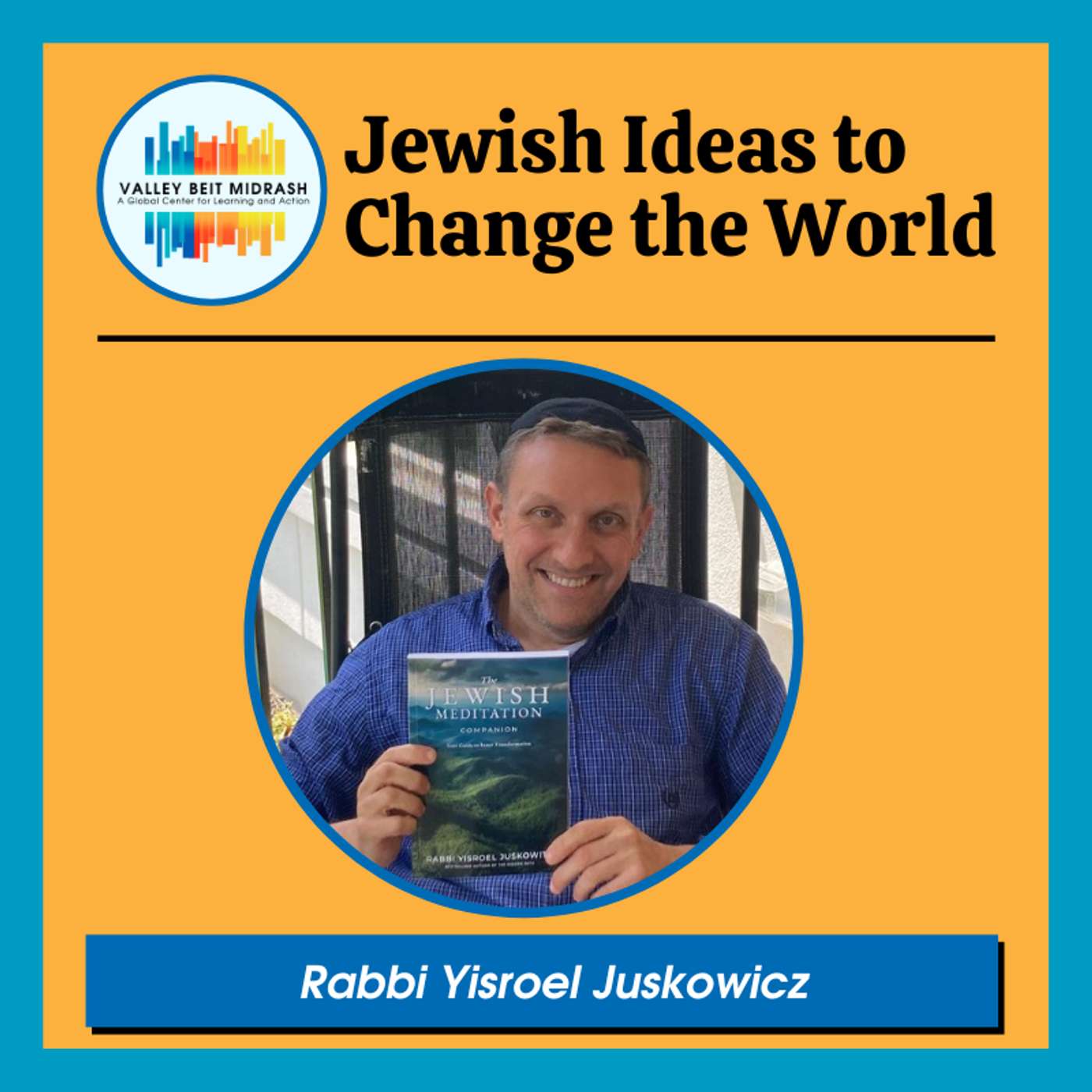
Ep 902Unleash Your Potential
A virtual event presentation by Rabbi Yisroel JuskowiczThe event was co-hosted By Beth El PhoenixAbout the Event: In this class, we will focus on exploring each person’s unique potential, and learn some inspiring Torah ideas about potential.About the Speaker: Rabbi Yisroel Juskowitz is a noted artist, musician, author, and speaker. He has performed for Jews across the country from all walks of life and ages and is best known for his warm engaging style, and inspirational messages. He has produced three CDs of his soulful music, has drawn commissioned artwork, and has three bestselling books on Jewish topics, which drew widespread critical praise. Yisroel received a Bachelor's in Talmudic Law from Ner Israel, and later a Semichat Chaver Degree from RIETS at Yeshiva University. Yisroel is also a licensed Physical Therapist and a Certified Life Coach and focuses on people overcome their obstacles and reach their potential. He received Semicha (Rabbinic Ordination) through Machon Semicha, a Chabad-based program. He has two beautiful children who are the pride and joy of his life. Yisroel lives with his wife and family in Baltimore, MD. ★ Support this podcast ★
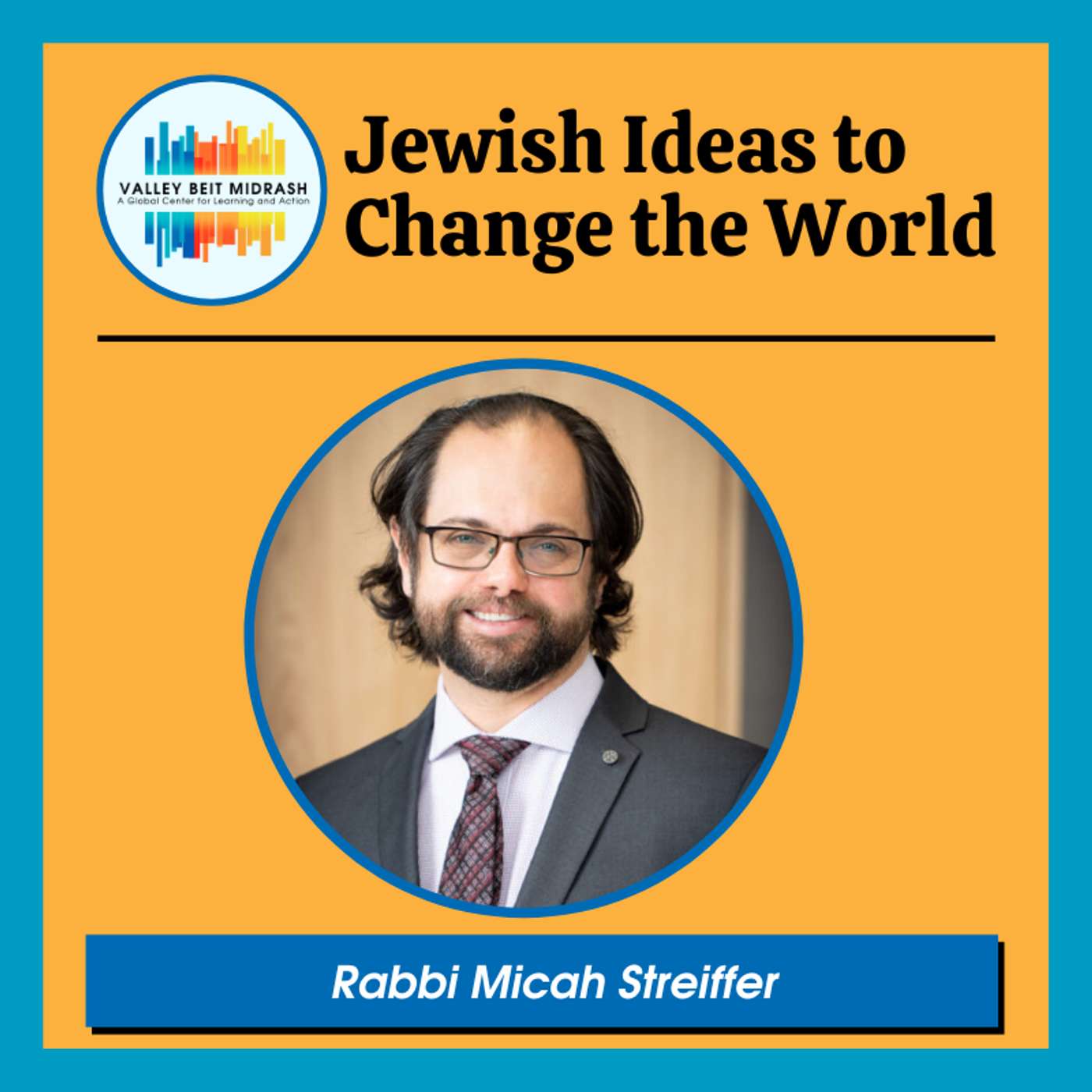
Ep 901Are We REALLY in Mourning for the Temple? And if Not What’s the Point of Tisha B’Av?
A virtual event presentation by Rabbi Micah StreifferThe event was co-hosted by Temple Chai About the Event: The solemn fast of Tisha B’Av (the Ninth of Av) commemorates the destruction of the ancient Temple. In this session, we will explore its meaning for modern Jews. What are the lessons to be learned from this ancient Jewish tragedy? How does it relate to our Jewish lives today – especially if we don’t mourn the loss of Temple-based Judaism? What does Tisha B’Av mean in 2024?About the Speaker: Micah Streiffer is a rabbi, teacher, writer, and lifelong student who is known for his engaging style in the classroom and his ability to make Jewish texts and ideas come to life. Micah is the founder of LAASOK a virtual Beit Midrash (“House of Study”) that empowers liberal Jewish learners to deepen their connection with Judaism through study. He also serves Kol Ami, a Reform congregation in the Toronto area, and hosts the popular Seven Minute Torah podcast. Ordained a rabbi at the Hebrew Union College-Jewish Institute of Religion (Cincinnati 2007), Micah has served as a congregational rabbi for 16 years. He is pursuing a Ph.D. in Jewish thought at McMaster University in Hamilton, Ontario. ★ Support this podcast ★
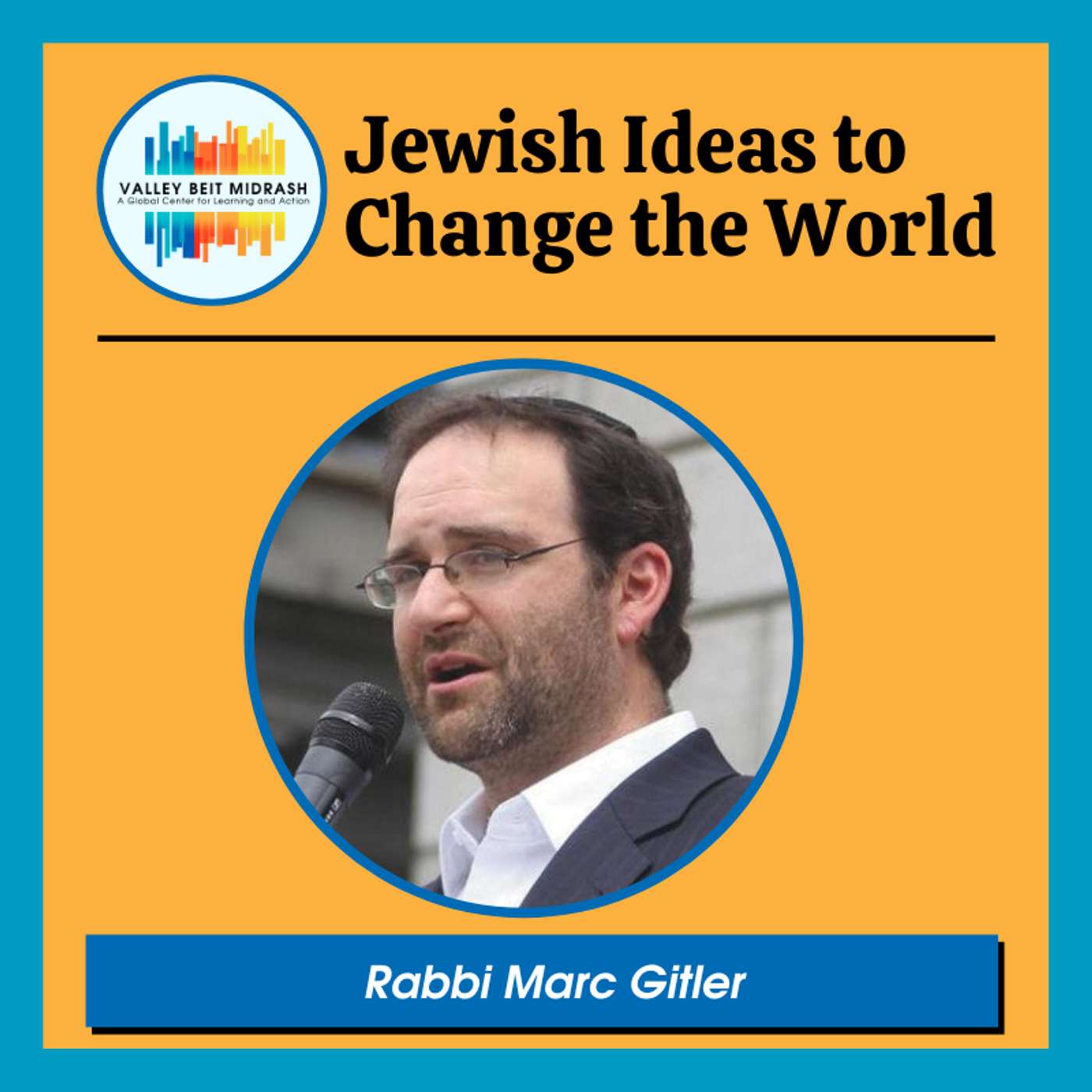
Ep 900The Biblical Roots of Anti-Semitism
A hybrid event (in-person and virtual) by Rabbi Marc GitlerThe event was co-sponsored by Temple Emanuel About the Event: Each year at the Pesach Seder we state that in every generation our people have experienced hatred. But when did it all start? We will investigate the earliest story of Anti-Semitism in the Torah, and hopefully learn some vital lessons.*Source Sheet: https://docs.google.com/document/d/1wJCigsGouE5IWknd4ax1_KQpWrEO-mUb/edit?usp=sharing&ouid=118303465191084699356&rtpof=true&sd=trueAbout the Speaker: Marc Gitler serves as the Senior Jewish Educator for Valley Beit Midrash and is the visiting Rabbi of Aish San Diego. A recipient of the Wexner Fellowship, he was ordained at Yeshivat Chovevei Torah. The founder of Fast for Feast, he lives in Denver, Colorado with his wife Sarah and their four children. ★ Support this podcast ★
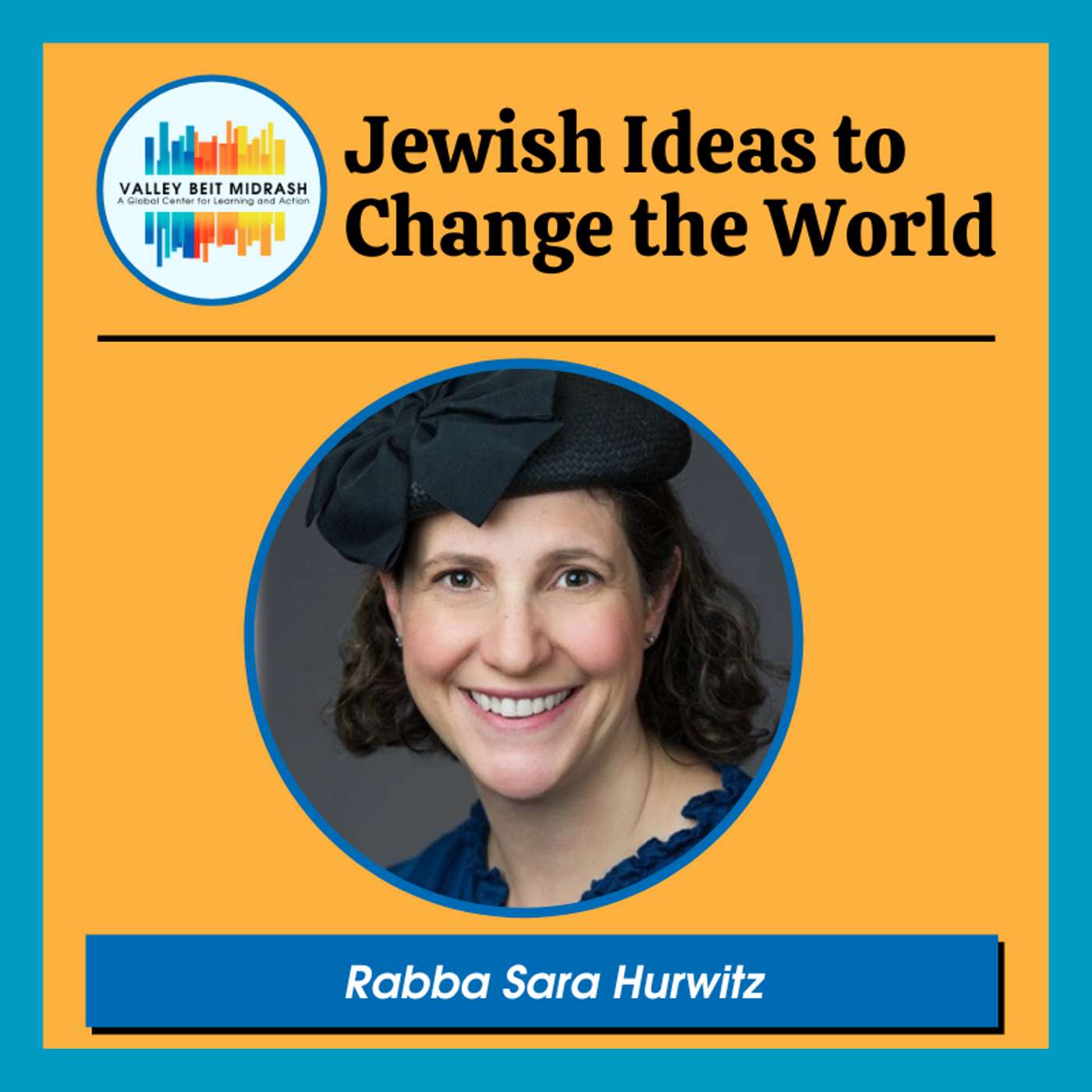
Ep 899Yalta and the Place of Anger in Leadership
A virtual event presentation by Rabba Sara HurwitzThe event was co-sponsored by Congregation Or TzionAbout the Event: Is anger ever a useful tool to bring about change? Or is anger destructive and unbecoming for leaders? Does gender bias inherently affect the way we experience angry male or female leaders? Finally, can Yalta, one of the few named women in the Talmud, teach us anything about the place of anger and social change?*Source Sheet: https://docs.google.com/document/d/122lvmLSbfgbvQZKeZe4yulxrEdR1ZrT6/editAbout the Speaker: Rabba Sara Hurwitz, Co-Founder and President of Maharat, the first institution to ordain Orthodox women as clergy, also serves on the Rabbinic staff at the Hebrew Institute of Riverdale. Rabba Hurwitz completed Drisha’s three-year Scholars Circle Program, an advanced intensive program of study for Jewish women training to become scholars, educators, and community leaders. After another five years of study under the auspices of Rabbi Avi Weiss, she was ordained by Rabbi Weiss and Rabbi Daniel Sperber in 2009.In 2013 Rabba Hurwitz was awarded the Hadassah Foundation Bernice S. Tannenbaum prize and the Myrtle Wreath Award from the Southern New Jersey Region of Hadassah in 2014. In 2016, she was the Trailblazer Award Recipient at the UJA Federation of New York. She was named one of the Forward50 most influential Jewish leaders and Newsweek’s 50 most influential rabbis. In 2017 Rabba Hurwitz was chosen to be a member of the inaugural class of the Wexner Foundation FieldFellows. She received the Rabbi Israel and Libby Mowshowitz Award from the New York Board of Rabbis in 2023.She and her husband, Josh Abraham, are parents to Yonah, Zacharya, Davidi, and Natan. ★ Support this podcast ★
Ep 898The Great (Non-Jewish) Kings of Jewish History: (Cyrus, Alexander, and Julian)
A hybrid event (in-person and virtual) by Rabbi Marc GitlerThe event was co-sponsored by BMH-BJAbout the Event: As a small people, Jews have always been at the whim of larger empires. We know of the kings who oppressed our people, so let’s spend time familiarizing ourselves with kings who restored our people’s fortunes.*Source Sheet: https://docs.google.com/document/d/14dBke91wnSdl5WfWkl6cRY7Z0Op4UtGZ/editAbout the Speaker: Marc Gitler serves as the Senior Jewish Educator for Valley Beit Midrash and is the visiting Rabbi of Aish San Diego. A recipient of the Wexner Fellowship, he was ordained at Yeshivat Chovevei Torah. The founder of Fast for Feast, he lives in Denver, Colorado with his wife Sarah and their four children. ★ Support this podcast ★
Ep 897How Do We Remain Optimistic in These Troubling Times?
A virtual event presentation by Dr. Russ LindenThe event was co-sponsored by Temple Emanuel About the Event: January 6.Our polarized society.Oct. 7.The war in Gaza.The impact of climate change.Chaos at our Southern Border …The problems are everywhere, and they seem overwhelming. We Jews are a people of hope. Indeed, Israel’s national anthem – Hatikva – means “the hope.” But many of us find it hard to feel hopeful in this environment. We’ll discuss several ways to maintain a “realistic optimism,” based on Torah examples and modern research findings. You’ll leave the session feeling more confident about your ability to be optimistic.About The Speaker: Russ is a management educator and author of six books. Since the mid-1980s he has taught public and nonprofit executives and managers about leadership, collaboration, the human side of change, resilience, crisis leadership, and related topics.His latest book is Loss and Discovery: What the Torah Can Teach Us about Leading Change. He has been an adjunct faculty member at the University of Virginia and the Federal Executive Institute for over 35 years. In 2003 he was the Williams Distinguished Visiting Scholar at the State University of New York (Fredonia) School of Business. He has consulted with numerous government agencies, elected officials, and nonprofits in the U.S. and Israel.Russ is a former president of his congregation, where he sometimes gives the d’var Torah during Shabbat services. He was the president of the local Jewish federation and served on the University of Virginia Hillel board.Russ has Bachelor’s and Master’s degrees from the University of Michigan. He has a Ph.D. in organizational leadership from the University of Virginia. His volunteer activities include leading an organization that makes the community more open and welcoming for refugees and immigrants. He and his wife live in Charlottesville. They have two adult children and three grandchildren. ★ Support this podcast ★
Ep 896The Torah of Rav Yehuda Leon Ashkenazi: A Conversation with Rav Gavriel Reiss
Rabbi Dr. Shmuly Yanklowitz sits with Rav Gavriel Reiss to talk about Rav Yehuda Ashkenazi.Rav Gavriel Reiss was born and raised in Los Angeles but moved to Israel as a teenager. He served in elite IDF units before dedicating himself to Jewish education. In 2017, he embarked on a trailblazing initiative to break out of the security fence of Pnei Kedem in southern Judea to create a farm that would not only serve to help Jews learn to live more authentically on the land but also prevent the European Union from usurping land in Area C through its proxies in the Palestinian Authority (if not for this farm, the Jews of southern Judea would have been completely cut off from the Dead Sea). Rav Gavriel holds a triple degree in philosophy, political science & economics from the Hebrew University and a letter of Yoreh Yoreh from Rav Zalman Nehemiah Goldberg zt"l. ★ Support this podcast ★
Ep 895A Settler's View and Journey on Peace
Rav Gavriel Reiss was born and raised in Los Angeles but moved to Israel as a teenager. He served in elite IDF units before dedicating himself to Jewish education. In 2017, he embarked on a trailblazing initiative to break out of the security fence of Pnei Kedem in southern Judea to create a farm that would not only serve to help Jews learn to live more authentically on the land but also prevent the European Union from usurping land in Area C through its proxies in the Palestinian Authority (if not for this farm, the Jews of southern Judea would have been completely cut off from the Dead Sea). Rav Gavriel holds a triple degree in philosophy, political science & economics from the Hebrew University and a letter of Yoreh Yoreh from Rav Zalman Nehemiah Goldberg zt"l. ★ Support this podcast ★
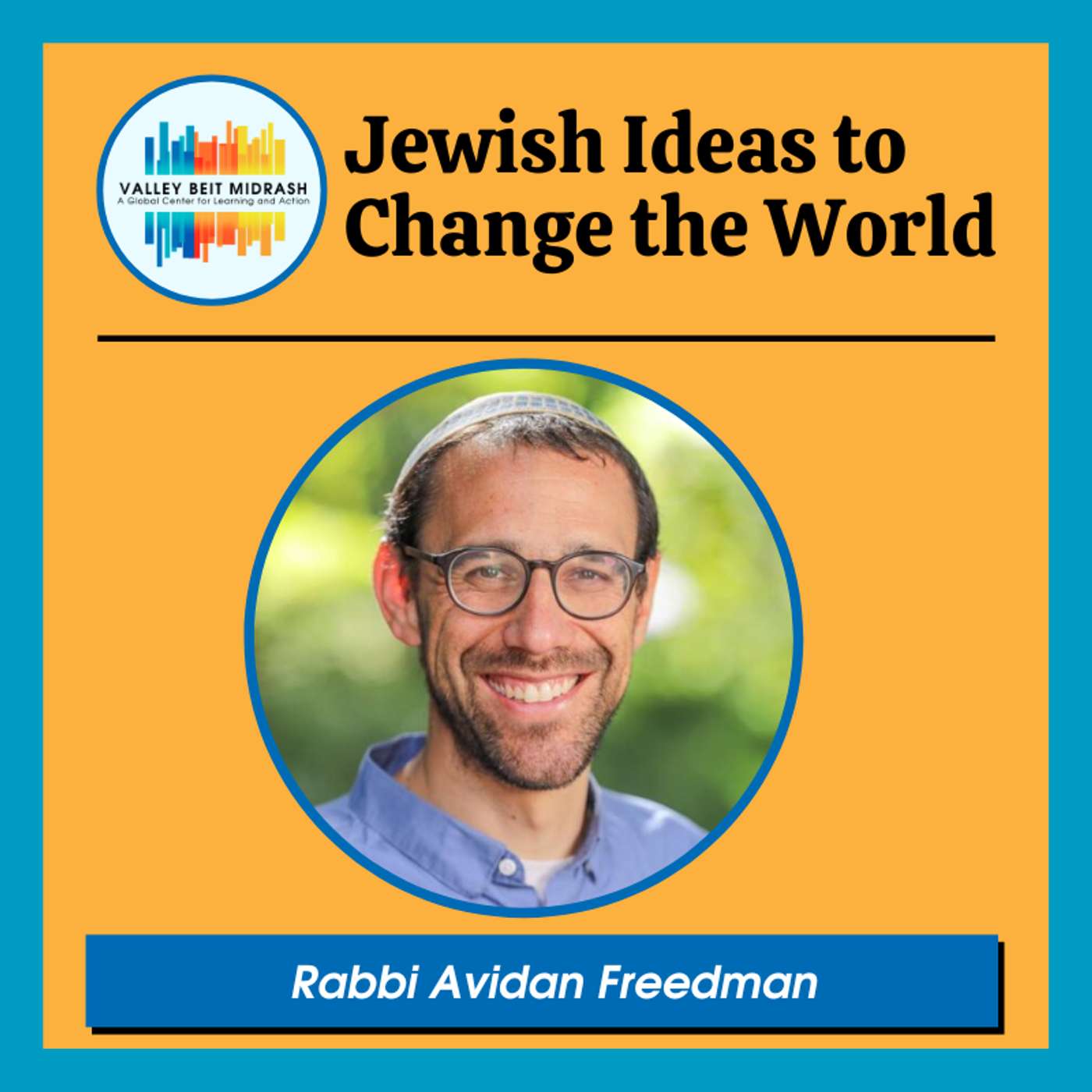
Ep 8946 Knocks of Repentance- What Are the Critical Lessons Israeli Society Needs to Learn After October 7th?
A virtual event presentation by Rabbi Avidan FreedmanAbout the Event: Maimonides writes that one who looks at past tragedies as mere happenstance is acting “cruelly”. Rather, the events of the past must goad us to introspection. Using the writing of Rabbi Joseph Soloveitchik as a model, we will explore how to suggest directions of introspection that Israeli society needs to consider, and how to do that without claiming to understand God’s plans for the world.About the Speaker: Rabbi Avidan Freedman completed a Master's Degree in Jewish Education at the Azrieli Graduate School, and received rabbinical ordination from Yeshivat Chovevei Torah and the Israeli Rabbinate. He is an educator at the Shalom Hartman Institute’s high school and post-high school program and an activist who founded Yanshoof, an organization dedicated to establishing moral limits for Israeli weapons exports. Learn more at www.yanshoof.org ★ Support this podcast ★
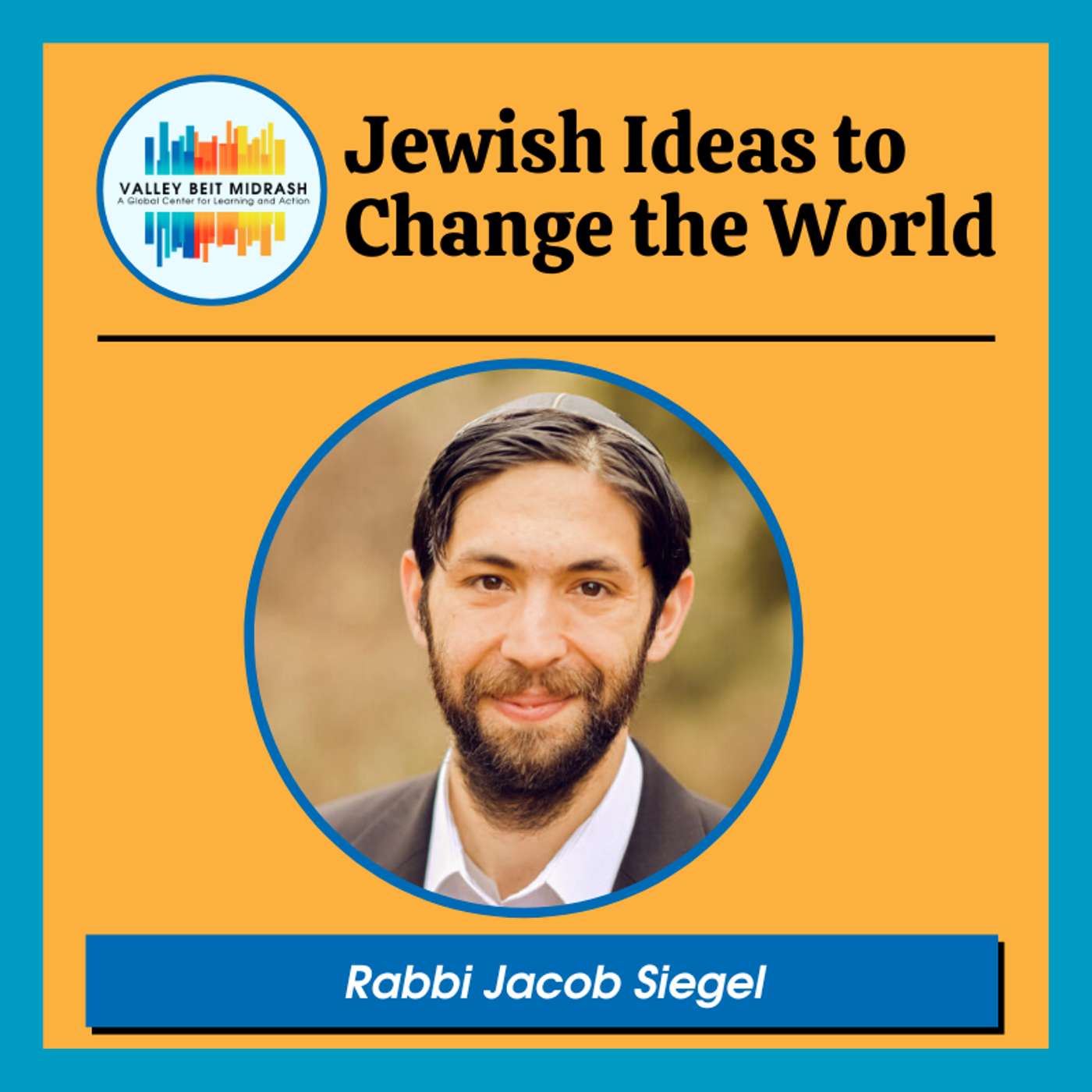
Ep 893Putting Your Money Where Your Soul Is: Jewish Wisdom and Socially Responsible Investing
A virtual event presentation by Rabbi Jacob SiegelTemple Solel co-hosted the eventAbout the event: “Business as usual” is leading us to rising economic suffering, societal division, and climate crisis. A new approach promises socially responsible investing by looking at “environmental, social, and governance (ESG)” concerns. Amid the new buzzwords and their ensuing controversy, the question remains: Where should you invest your retirement savings, pension plan, or organization’s endowment? This class will explore Jewish guidance, helping the modern Jewish investor harness ancient wisdom to leverage their investments for good.About the speaker: Rabbi Jacob Siegel has spent years working with individuals and institutions across North America to bring Jewish values and wisdom to bear on investment decisions and to invest in a climate-smart future. He received rabbinic ordination from Yeshivat Chovevei Torah and earned his undergraduate in mathematics from Washington University in St. Louis. He lives in Eugene, Oregon with his family, where he serves on the board of his local Jewish Federation and his local credit union. ★ Support this podcast ★
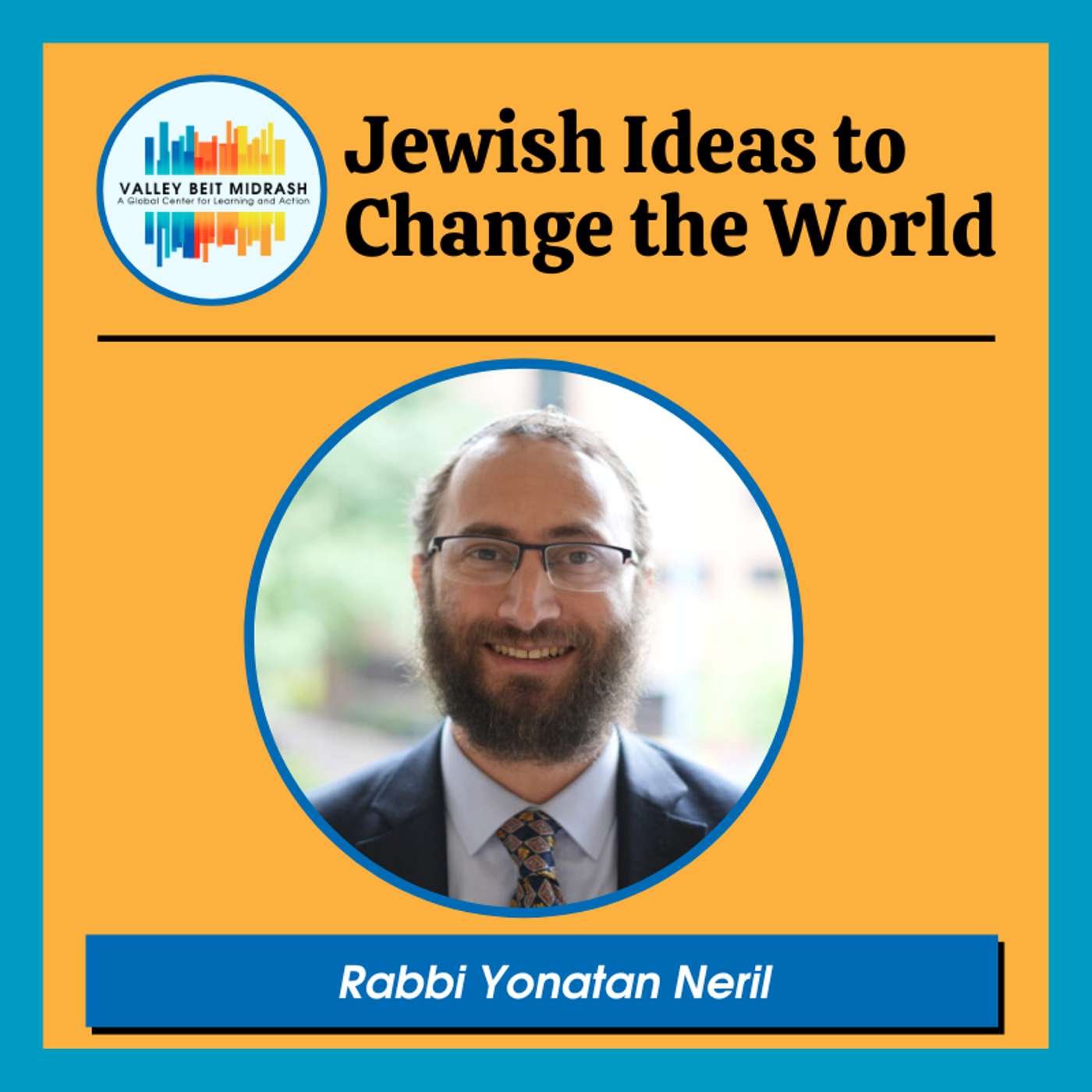
Ep 892Jewish Teachings and Climate Action
A hybrid event (in-person and virtual) by Rabbi Yonatan NerilAbout the Event: Rabbi Yonatan Neril will explore Jewish teachings that relate to ecology and why it’s so critical that Jewish communities mobilize to address the climate crisis. We are facing the greatest challenge we have ever faced and Jewish wisdom has a critical role in informing values and environmental behavior. Religion is a fundamental part of many people’s lives and a key motivator. Rabbi Neril, who is visiting Denver from Jerusalem, will also share about the work of his Jerusalem-based NGO in Israel and internationally to promote faith groups inspiring behavioral change for sustainable living.About the Speaker: Rabbi Yonatan Neril founded and directs The Interfaith Center for Sustainable Development. He speaks internationally on religion and ecology and co-organized thirteen interfaith environmental conferences in Jerusalem, the U.S., and Dubai. He completed an M.A. and B.A. at Stanford University. He lives with his wife, Shana, and two children in Jerusalem. ★ Support this podcast ★
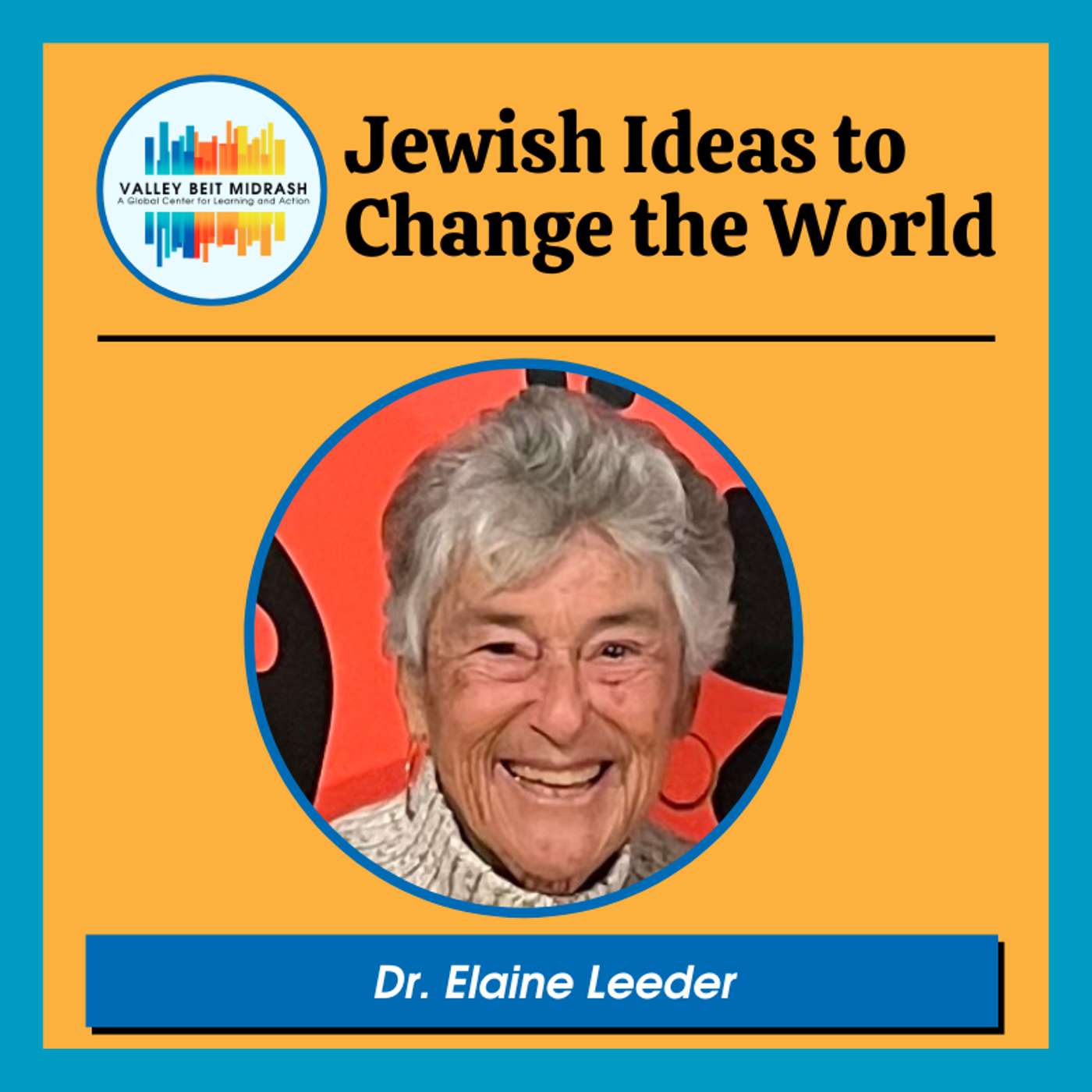
Ep 891What’s A Nice Jewish Girl Like You Doing In A Place Like This? Jews, Prison, and Spirituality
A virtual event presentation by Dr. Elaine LeederThe event was co-sponsored by Temple EmanuelAbout the event: For the last twenty-eight years Elaine Leeder has been working in prisons, first at Elmira Correctional Facility, then San Quentin, and now in prisons all over California. Her teaching, then running self-help groups and now doing Victim/Offender Dialogues, has shown her that there is redemption, remorse, and contrition behind the walls. People can be transformed even in the most oppressive of circumstances.Leeder will discuss the Jewish values like Teshuvah, Chesed, and Tikkun Olam that deeply inform her work. She will describe the forgiveness she sees in victims (or victims’ families) for some of the most horrendous of crimes like murder, kidnapping, rape, and robbery. Her presentation will focus on real situations that will inspire and touch you in profound ways. Her growth has been deeply informed by these powerful stories.About the speaker: Elaine (Sneierson) Leeder is a Professor Emerita of Sociology and the Dean Emerita of the School of Social Sciences at Sonoma State University. Previously she was a Professor at Ithaca College, Ithaca NY. She has 48 years of distinguished accomplishments and experience in academia and public service. Leeder is listed in Who’s Who of America Women, Who’s Who in America, and Who’s Who of American Teachers. Her awards include a National Endowment of the Humanities Fellowship, Visiting Scholar status at the United States Holocaust Museum, outstanding teaching awards, research and travel grants, and numerous awards from student and community agencies. She is a co-founder of the Jewish Studies program and the producer of the Holocaust and Genocide Memorial Grove and the Anne Frank tree installation at Sonoma State University. Leeder has an MSW from Yeshiva University, an MPH from the University of California at Berkeley, and a PhD from Cornell University, and has published six books and numerous articles. Her book The Family in Global Perspective: A Gendered Journey is based on her Semester at Sea voyages in 1992, 1999, and 2013. One of her books My Life with Lifers: Lessons for a Teacher, Humanity Has No Bars describes her work in prisons in NY and CA where she taught, ran groups, and now does victim-offender dialogues. Her exemplary career encompasses roles as professor/teacher, psychotherapist, consultant, author, and advocate for social justice. Visit her at www.elaineleeder.com ★ Support this podcast ★
Ep 890In the Beginnings: The Dual Foundations of Judaism
A virtual event presentation by Rabbi Dr. David HarbaterCo-sponsored by Congregation Or Tzion & BMH-BJ About the Event: Throughout history, billions of people worldwide have studied the biblical account of creation without realizing that there is not one account but rather two separate and competing accounts. Through a careful reading of the text, we will explore these two accounts and the perspectives that emerge from each regarding such fundamental questions as the nature of God, the characteristics that distinguish human beings from other species, the role that God calls upon us to fulfill in the world, and the relationship that God envisions between men and women.*Source Sheet: https://drive.google.com/file/d/1Ohi3XGFxoe3Dj_q6lD5G0jaaEnktkrqm/view?usp=sharingAbout the Speaker: Rabbi Dr. David Harbater teaches Bible and Jewish thought at Midreshet Torah v’Avodah, the Amudim Seminary, and the Women’s Beit Midrash of Efrat. He previously served as a lecturer in Jewish education at Herzog College; as a curriculum writer for the Florence Melton School of Adult Jewish Learning, a project of the Hebrew University; and as a teacher of Bible, Jewish thought, and Talmud in a variety of frameworks, both in Israel and in the United States. He studied at Yeshivat Har Etzion, Yeshiva University, and the Hebrew University in Jerusalem, received his rabbinic ordination from Rabbi Zalman Nechemiah Goldberg, and earned his PhD in education from the University of Haifa. ★ Support this podcast ★
Ep 889Sovereignty, Violence, and Morality: Zionism and the Ethics of Judaism
A virtual event presentation by Rabbi Chaim Seidler-FellerBeth El Phoenix co-hosted the eventAbout the Event: The current conflict that has seen a revival of the discussion regarding the Jewish right to establish a state in the Land of Israel has occasioned a renewed focus on the dynamics of sovereignty. Beyond a doubt, implementing Jewish sovereignty in Eretz Yisrael is the essential dimension of political Zionism. In this seminar, I propose to examine how religion interacts with sovereignty and with the nationalist impulse that it nurtures. Among the questions considered are: Can the mingling of religion and state function constructively or must their interplay always be toxic, resulting in harmful and oppressive outcomes? Can God and religious values curb the excesses of nationalist fervor? How does the seductively alluring nature of power factor into the Zionist expression of Jewish sovereignty? And can there be a Zionism that embraces God, but does not aspire to sovereignty? We will study a variety of sources, ranging from the writings of the Rabbi of Satmar (an avowed anti-Zionist) to the messianic exhortations of the Rabbis Kook (father and son) and the settler rabbis of Gush Emunim (the Bloc of the Faithful) and the pacifist thought of “One of the Passionate Rabbis” – אחד הרבנים המרגישים. We will see how these teachings inform and shape Israeli politics and foment the extremism that is evident today. And we will discover the sober voices of the tradition that promote constraint and a limitation on the unfettered exercise of power.*Source Sheet: https://drive.google.com/file/d/1t0gs9wE3u3yL9Kw7Swc8JNFPbcH91Grj/view?usp=sharingAbout the Speaker: Rabbi Chaim Seidler-Feller is a faculty member at the Shalom Hartman Institute of North America. He recently celebrated 40 years of working with students and faculty as the Executive Director of the Yitzhak Rabin Hillel Center for Jewish Life at UCLA, where he is now Director Emeritus.Chaim was ordained at Yeshiva University where he completed a Masters in Rabbinic Literature. He has lectured in the Departments of Sociology, Near Eastern Languages and Cultures at UCLA, and the Department of Theological Studies at Loyola Marymount University. He is a faculty member of the Wexner Heritage Foundation. Chaim was the founding director of the Hartman Fellowship for Hillel Professionals and a founding member of Americans for Peace Now.Chaim was a rabbinic consultant to Barbra Streisand during the film Yentl. He and his wife Dr. Doreen Seidler-Feller, a clinical psychologist, are the parents of two children. ★ Support this podcast ★
Ep 888Embracing Impermanence for Mindful Living
A virtual event presentation by Melanie GruenwaldAbout the Event: Be fully present to what is present, and integrate past and future into this moment - Kabbalah Experience Awareness PracticeImpermanence is a principle of harmony. When we don’t struggle against it we are in harmony with reality - Pema ChodronThese constantly changing times can be disorienting. How might we embrace grounding practices for a mindful approach to living in the present moment? Using this powerful transformative kabbalah awareness practice, we will explore how we integrate past and present so we can live more fully in the present moment.*Source Sheet: https://drive.google.com/file/d/1sMTIFj0aG7mb3EJTneZTUBDvaS5ssoGI/view?usp=sharingAbout the Speaker: Executive Director of Kabbalah Experience, Melanie Gruenwald brings over 25 years of non-profit leadership and community organizing to her position. Engaged with senior citizens, families, college students, and teens, Melanie has extensive professional experience with communal leadership and informal Jewish education.Melanie is energized by building relationships, understanding people’s needs, and finding ways to connect them. She loves the balance of organizational leadership and teaching which she engages daily at Kabbalah Experience. She earned her B.S. in Psychology from Binghamton University (S.U.N.Y), a Master's in Social Work, and a Certificate in Jewish Communal Service from the Wurzweiler School of Social Work at Yeshiva University. Melanie has pursued additional Judaic and spiritual studies at the Pardes Institute of Jewish Studies, the Conservative Yeshiva, and most recently, the Kabbalah Experience.Melanie is married to Rabbi Salomon Gruenwald, Associate Rabbi at the Hebrew Educational Alliance, and is a mom to three children, Koby (z”l), Hannah, and Micah. ★ Support this podcast ★
Ep 887Our Relationship to Time Reflected in the Counting of the Omer
A virtual event presentation by Dr. David SandersAbout the event: Have you been curious about your relationship with time? What makes today Wednesday, or 5 o’clock? While we acknowledge that time never stands still, what has made us feel time dragging on or moving quickly? The Counting of the Omer contains many insights about our relationship to and with time. We will discover that we are not passive passengers in time. We are Time Beings–active co-creators of time.About the Speaker: Dr. David Sanders, Founder and Spiritual Director of Kabbalah Experience, combines over thirty years of experience as both a psychologist and Kabbalist helping guide people to deeper awareness and fulfillment in their lives. His transformation from religious studies to mysticism intrigued him to broaden the study of Kabbalah to practical spiritual growth. Transformative Kabbalah combines traditional mysticism, contemporary psychology, and quantum physics.It is David’s joy to help others challenge their views of themselves and the world. Through study and practice, students regularly change their perceptions and choose to alter or modify their behavior – which in turn brings positive change to their relationships and community and find greater and more fulfilling expression of their life purpose. He is the author of 2 books on mysticism and language and is currently writing a book on MASKS, the subject of one of KE’s most popular courses.David maintains an active therapy practice, working with couples and families. He sees psychological and spiritual growth as a continuum of learning and becoming more aware of the self and others. His creation of the Kabbalah Experience is a way to enter people’s lives from a different premise – spiritual learning and guidance that does not have a starting point of “my problem.” Basing the methodology of study at KE on adult-centered learning, everyone is linked in the awareness work together, the teacher becomes the student and the student becomes the teacher.David considers it his fortune to live with and learn from his wife Rita. With two sets of twins and an eldest son, life is rich for the whole family. ★ Support this podcast ★
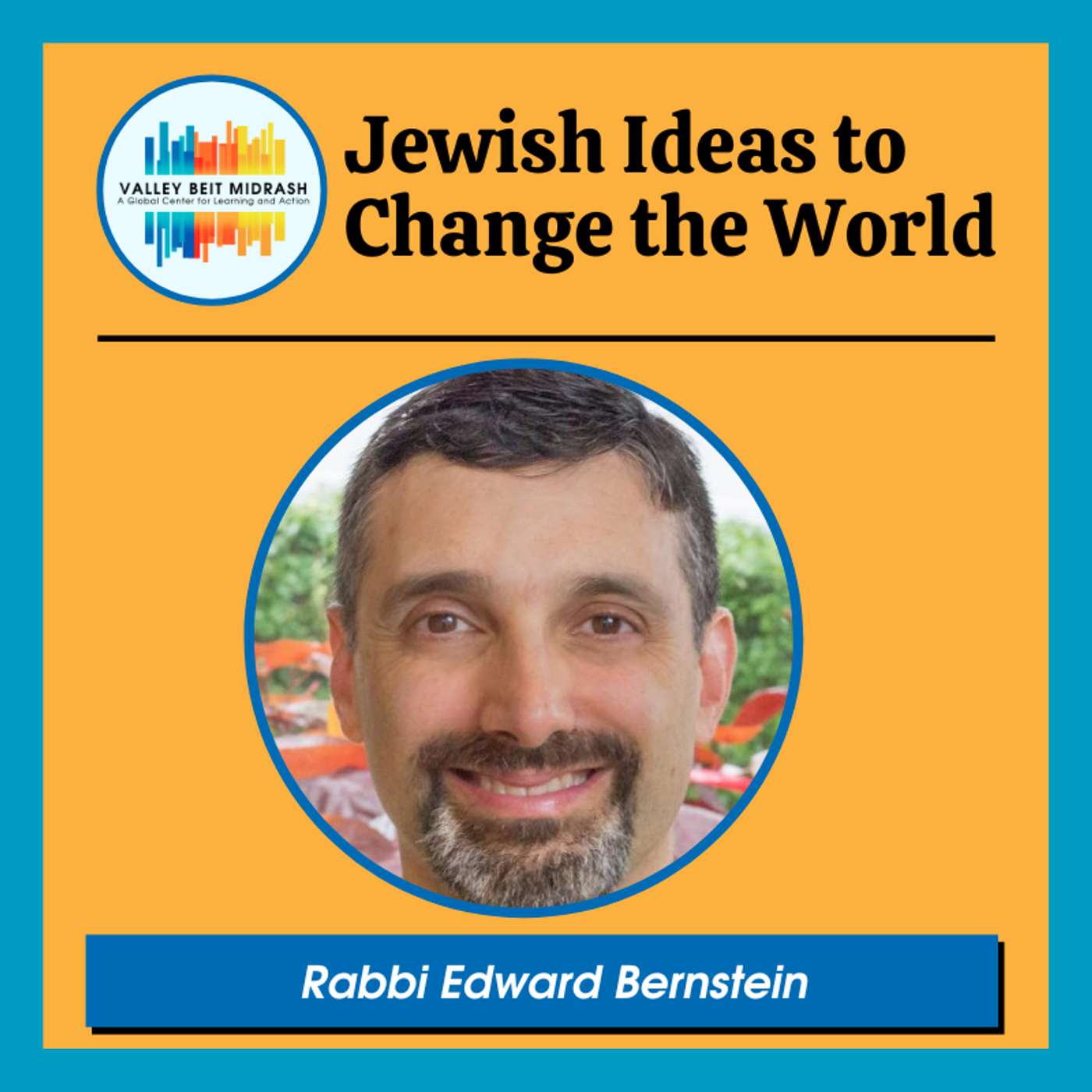
Ep 886Beyond Cleaning Our Room: Responsibilities and Opportunities in Honoring Our Parents As They Age
A virtual event presentation by Rabbi Edward BernsteinThe event was co-sponsored by BMH-BJAbout the Event: The fifth of the Ten Commandments is “Honor your father and mother.” It is one of the few commandments in the Torah that attaches a reward for its successful performance: “that your days may be long.” We might think that if we follow the command in our youth, clean our rooms, and do other things that our parents ask, we’ve checked that box. The reality is that honoring our parents is among the most difficult and grows in complexity as children—and their parents—age. Rabbi Bernstein will explore Jewish perspectives on the responsibilities of adult children to their aging parents and the true rewards we gain in fulfilling this mitzvah.*Source Sheet: https://www.sefaria.org/sheets/561018.2?lang=bi&with=all&lang2=biAbout the Speaker: Rabbi Edward Bernstein is a Board Certified Chaplain and serves as Chaplain for Boca Raton Regional Hospital in Boca Raton, Florida. He hosts NeshamaCast, a podcast exploring Jewish spiritual care, produced by Neshama: Association of Jewish Chaplains. He also hosts the My Teacher Podcast. Rabbi Bernstein edited Love Finer Than Wine: The Writings of Matthew Eisenfeld and Sara Duker, a 2016 National Jewish Book Awards Finalist. Rabbi Bernstein was ordained at the Jewish Theological Seminary. He served congregations in New Rochelle, NY; Beachwood, OH; and Boynton Beach, FL. Rabbi Bernstein also served on the faculty of Camp Ramah Darom, Moishe House, and the JTS Florida Office. ★ Support this podcast ★
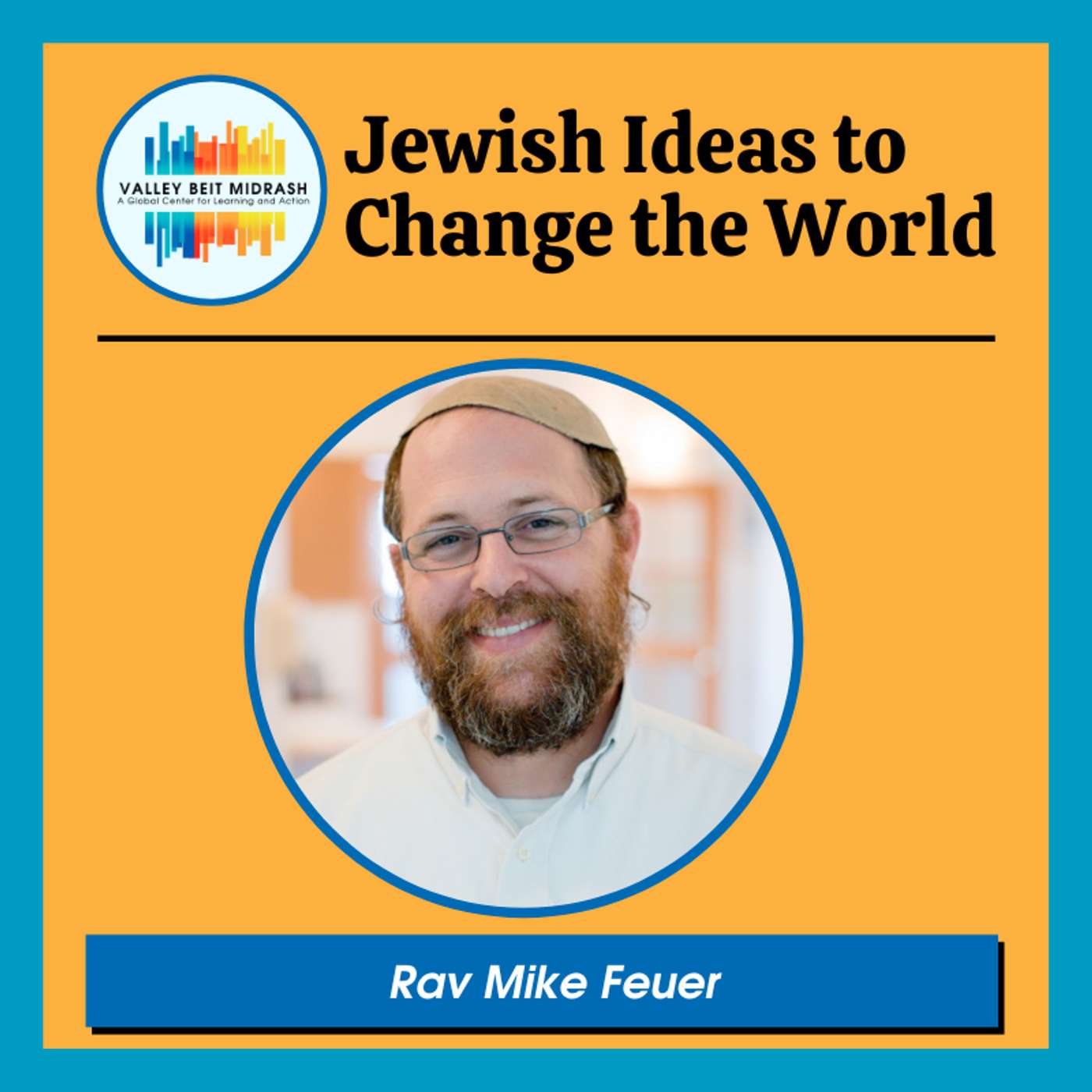
Ep 885What is Heroism for American Jews Today?
A hybrid event by Rabbi Mike FeuerThe event was co-hosted by Temple ChaiAbout the event: American Jewry stands at a crossroads. Facing such great risks and real opportunities requires clarity of vision, confidence in identity, and readiness for action. All of these are elements of a heroic stance. Join Rav Mike Feuer in an exploration of what Jewish heroism is, how it can be cultivated in our lives and communities, and what it offers to American Jews today.*Source Sheet: https://drive.google.com/file/d/1to-URZWkYMHWK8tdAbUorahw__Fgxdhq/view?usp=sharingAbout the Speaker: Rav Mike Feuer is an educator, content creator, and spiritual counselor. He teaches and inspires people around the world through his Jewish Story History podcast and the newly launched Jewish Heroism Project. Whether working through teaching, content, or narrative therapy. Rav Mike’s mission is always the same – to tell a story of the past that upholds a present identity fit to build the future that we dream. ★ Support this podcast ★
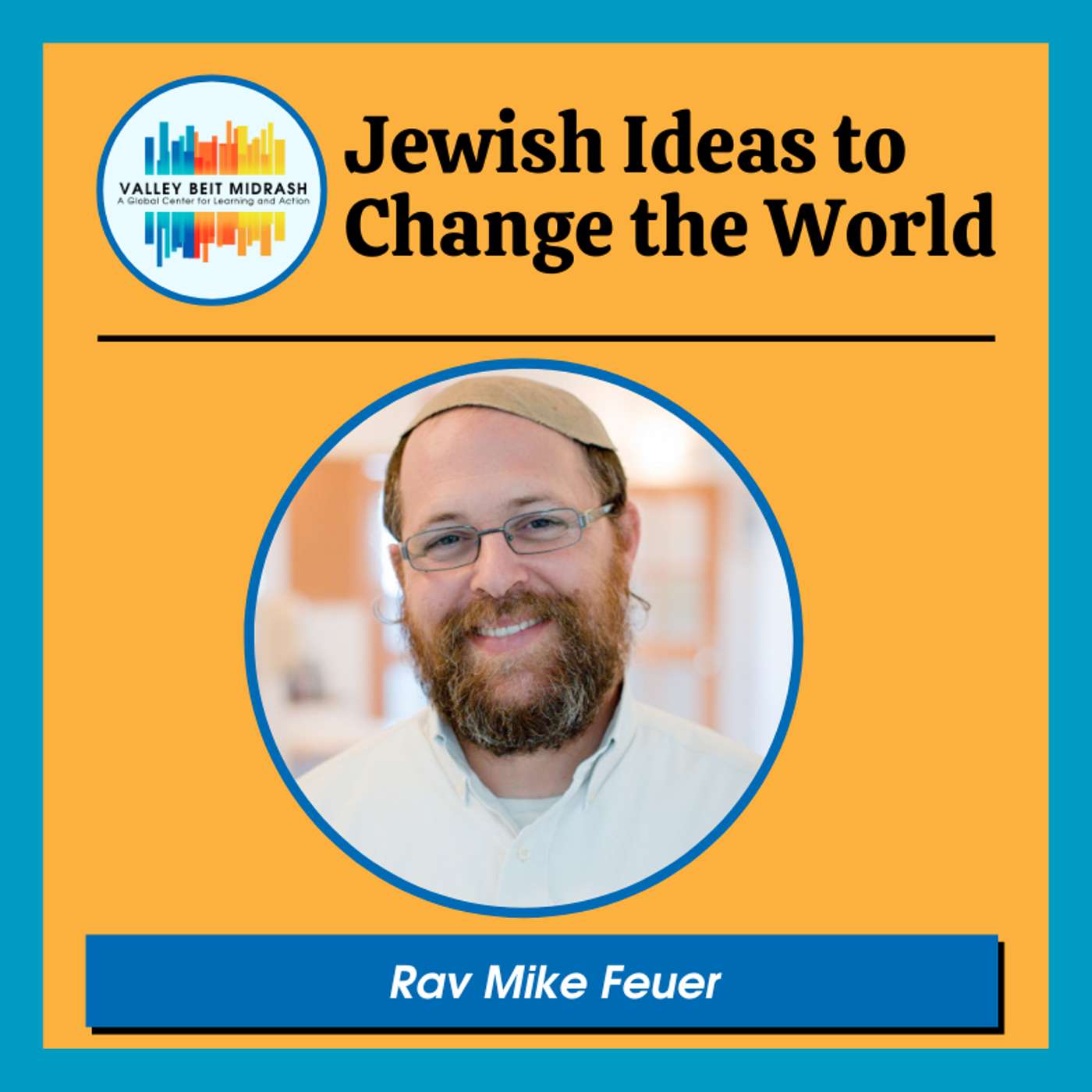
Ep 884A Conversation with Rabbi Mike Feuer: What Does Victory Look Like in Today’s Israel-Gaza War?
Rabbi Dr. Shmuly Yanklowitz sat down with Rabbi Mike Feuer to discuss what victory looks like in today’s Israel-Gaza War.Rav Mike Feuer is an educator, content creator, and spiritual counselor. He teaches and inspires people around the world through his Jewish Story History podcast and the Jewish Heroism Project. Whether working through teaching, content, or narrative therapy Rav Mike’s mission is always the same – to tell a story of the past that upholds a present identity fit to build the future of which we dream. ★ Support this podcast ★
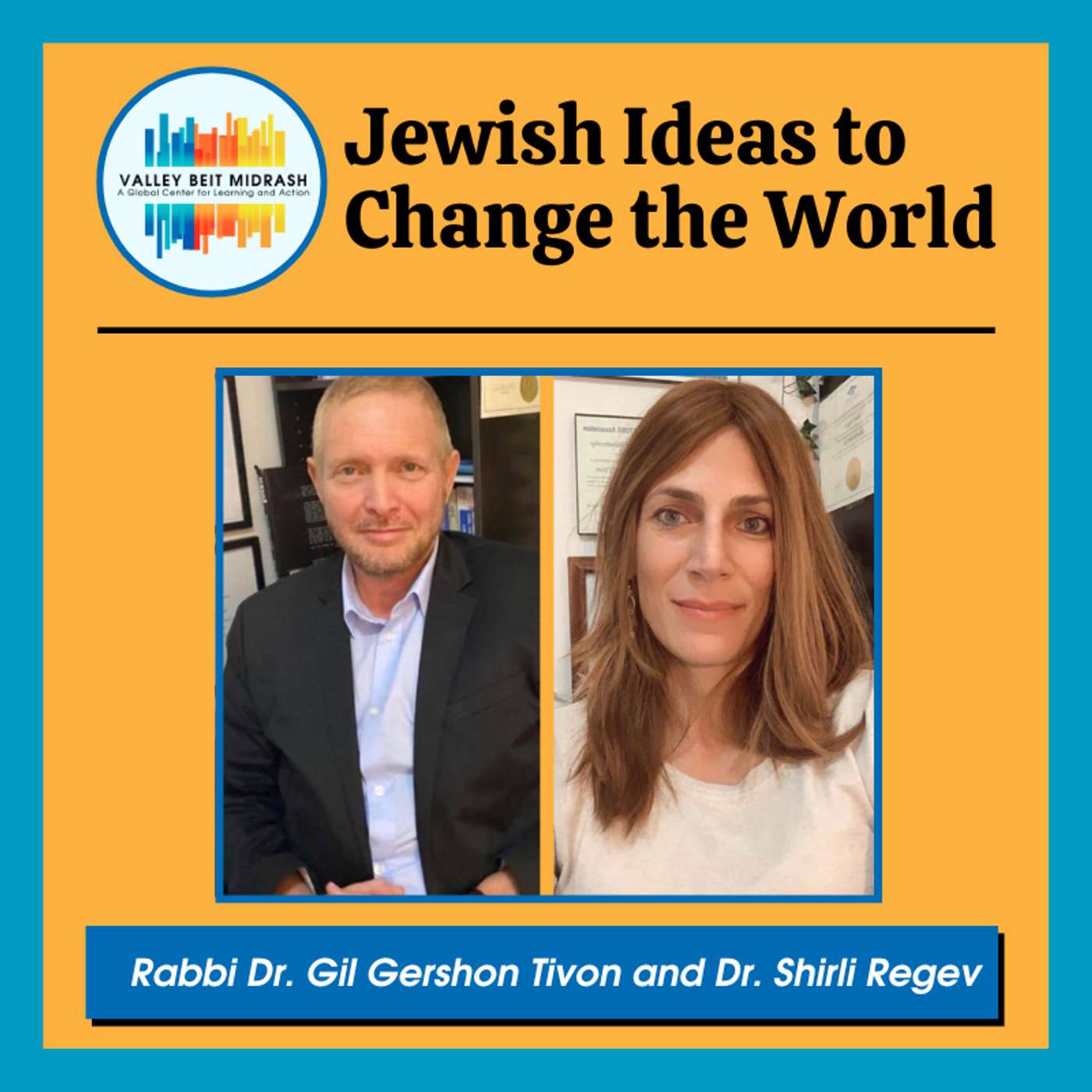
Ep 883Compassion, Kindness & Dignity
A virtual event presentation by Rabbi Dr. Gil Gershon Tivon and Dr. Shirli RegevThe event was co-sponsored by Beth El PhoenixAbout the Event: Compassion, kindness & dignity are the three key ingredients needed in most human communications and relationships. They underline emotional intelligence and imply the presence of our soul and heart in human interactions.About the Speakers: Rabbi Dr. Gil Gershon Tivon received his rabbinical ordination from the chief rabbinate of Israel, as well as a Rabbinical judge. He served as a community Rabbi in South Africa, Israel, and Arizona, USA, serving a wide spectrum of religious Jewish observance of all walks of life. He serves as a Rabbi, certified chaplain, and the Spiritual Director at Spiritual Care Hospice. He has a Ph.D. in Holistic Counseling and Pastoral Psychology. He is a certified Mediator, psychotherapist, hypnotherapist, and book author.Dr. Shirli Regev is a mentor, author, hypnotherapy certified therapist (Transformational Therapy), chaplain, and spiritual care provider with 25 years of experience. She holds two PhDs in Holistic Counseling & Pastoral Counseling Psychology. She holds a Master’s degree in Coaching Education (Ohio University) and a Bachelor’s degree in Business (Touro University) and Special Education (Beth Berel Israel). She has written eight books about self-development, spirituality, and growth, some of which she co-authored with Dr. Rabbi Gil Tivon. Today, she is a Holistic Counseling Doctor. ★ Support this podcast ★
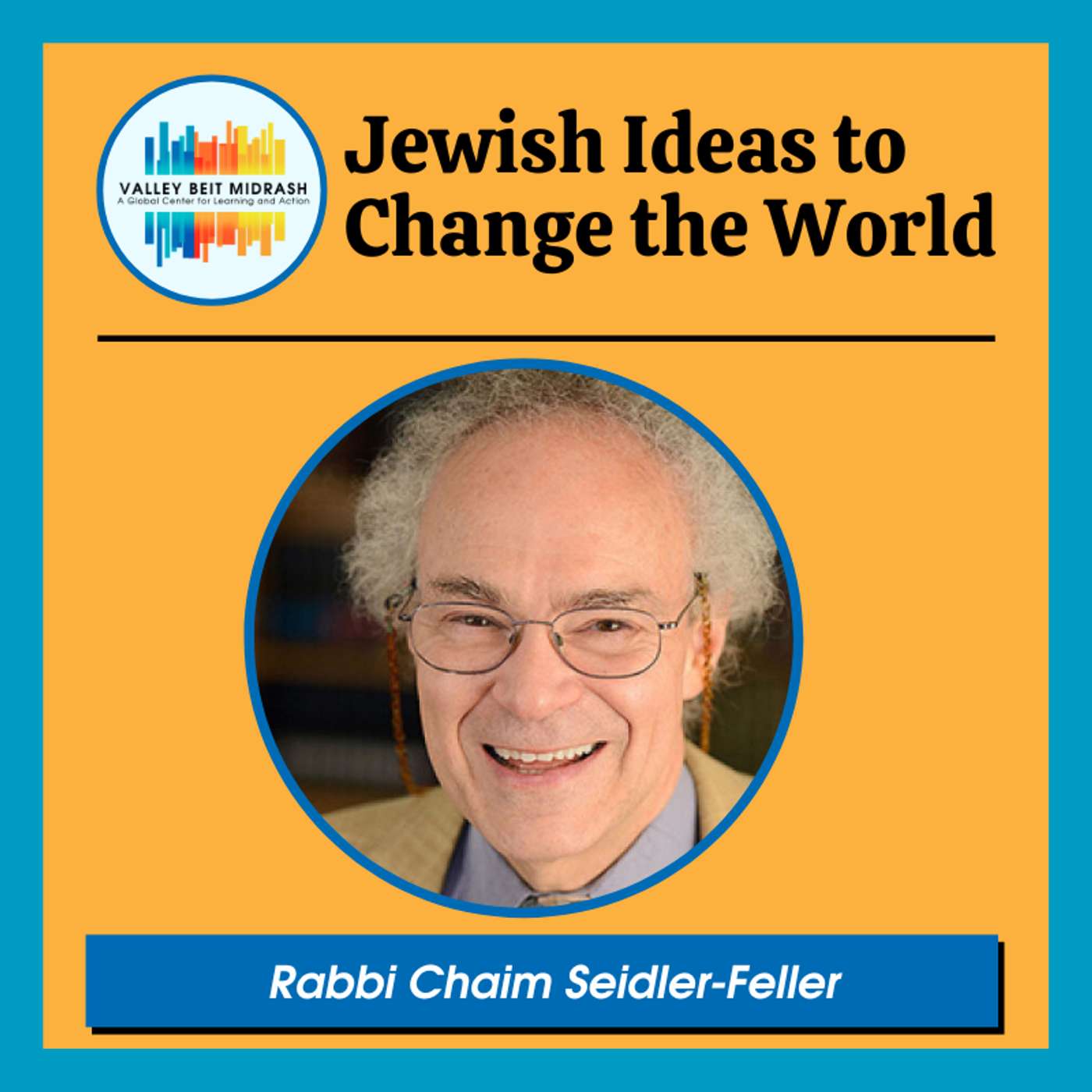
Ep 882This Antisemitic Moment on the College Campus: An Analysis of the Hostility and Hatred Directed at Jewish Students
A virtual event presentation by Rabbi Chaim Seidler-FellerThe event was co-sponsored by Temple Emanuel About the Event: In this seminar, we will consider how we’ve arrived at this moment of an outpouring of anti-Jewish venom on campus and what can be done to reintroduce civility and mutual respect between the alienated and offended groups. What is the underlying cause of this explosion of hostility and what is the University’s responsibility to address the issue? A sober and nuanced assessment by a 50-year veteran of the campus wars.About the Speaker: Rabbi Chaim Seidler-Feller is a faculty member at the Shalom Hartman Institute of North America. He recently celebrated 40 years of working with students and faculty as the Executive Director of the Yitzhak Rabin Hillel Center for Jewish Life at UCLA, where he is now Director Emeritus.Chaim was ordained at Yeshiva University where he completed a Masters in Rabbinic Literature. He has been a lecturer in the Departments of Sociology and Near Eastern Languages and Cultures at UCLA and the Department of Theological Studies at Loyola Marymount University. He is a faculty member of the Wexner Heritage Foundation. Chaim was the founding director of the Hartman Fellowship for Hillel Professionals and a founding member of Americans for Peace Now.Chaim was a rabbinic consultant to Barbra Streisand while making the film Yentl. He and his wife Dr. Doreen Seidler-Feller, a clinical psychologist, are the parents of two children. ★ Support this podcast ★
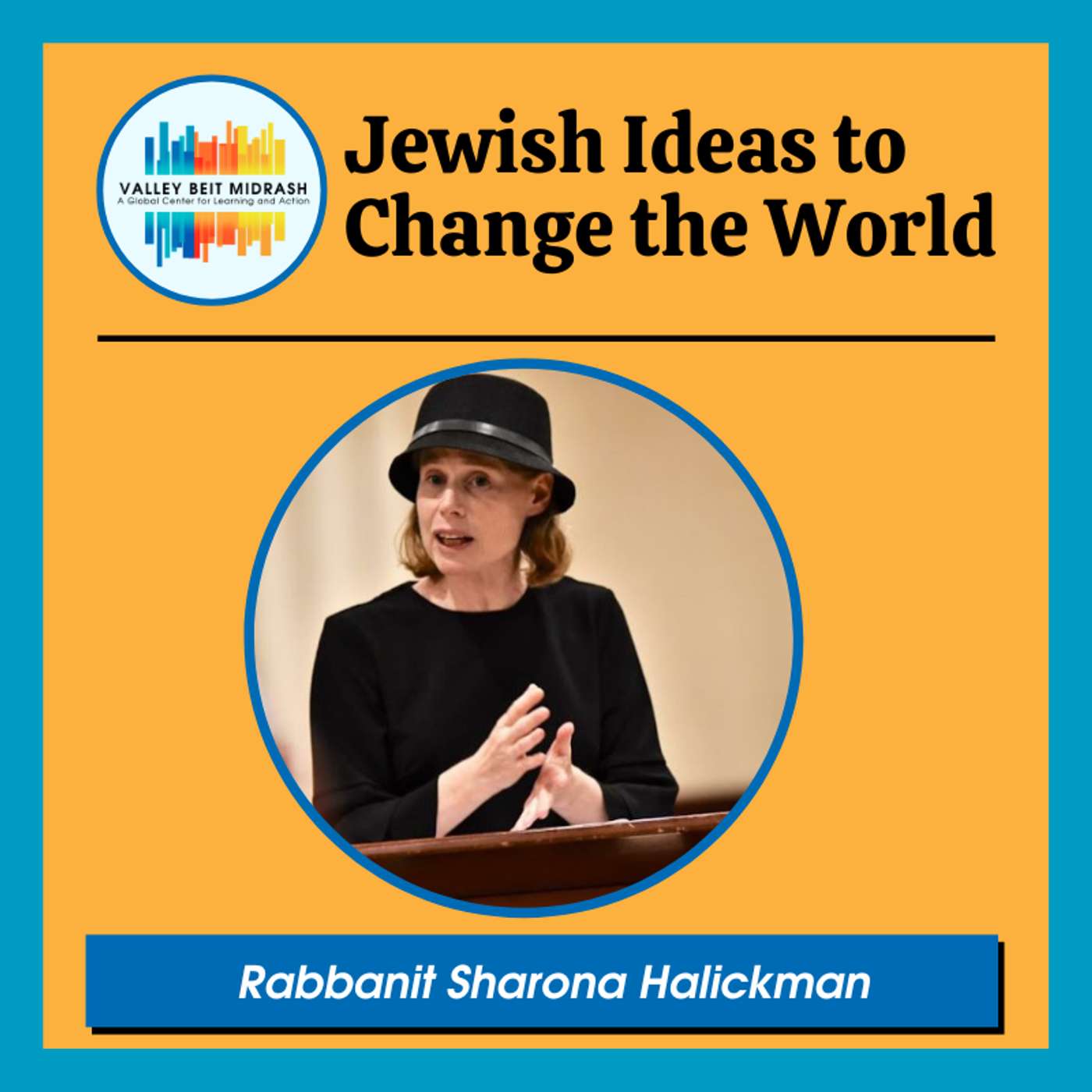
Ep 881How Were Women the Heroines of the Passover Story and What Rituals Have We Taken on to Honor Them?
A virtual event presentation by Rabbanit Sharona HalickmanThe event was co-sponsored by BMH-BJAbout The Event: How were women the heroines of the Passover story and what rituals have we taken on to honor them? Do women traditionally recline at the Seder? What is a Miriam’s cup? Are women obliged to drink the four cups of wine?About the Speaker: Sharona holds a BA in Judaic Studies from Stern College and an MS in Jewish Education from Azrieli Graduate School, Yeshiva University. Sharona was the first Orthodox woman to serve as a member of the clergy as the first Congregational Intern and first Madricha Ruchanit at the Hebrew Institute of Riverdale, NY. After making aliya in 2004, Sharona founded Torat Reva Yerushalayim, a nonprofit organization based in Jerusalem that provides Torah study groups for students of all ages and backgrounds. ★ Support this podcast ★
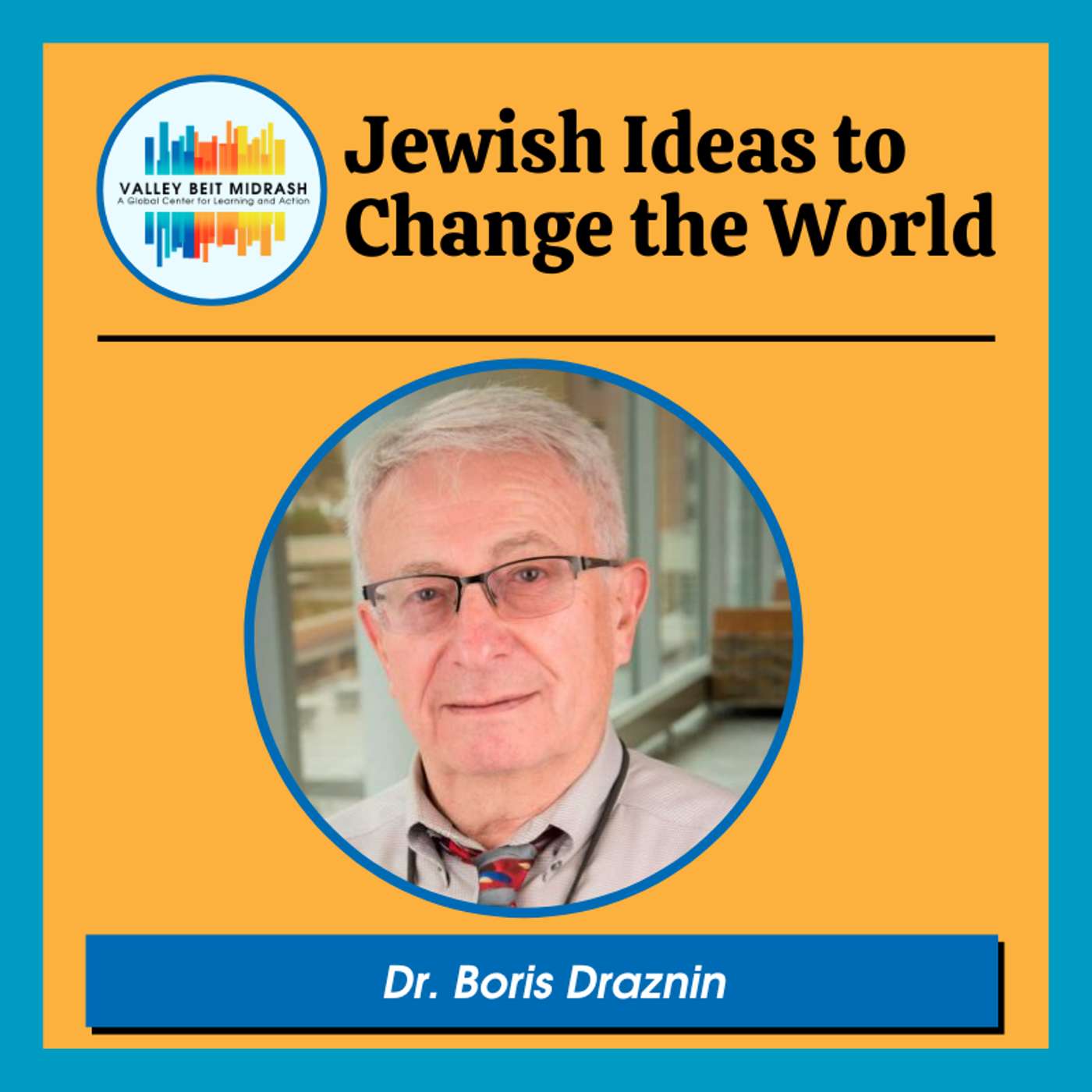
Ep 880How History and Genetics Define Jewish Diversity and Identity
A virtual event presentation by Dr. Boris DrazninThe event was co-sponsored by Congregation Or TzionAbout the Event: Dr. Draznin will discuss How History and Genetics Define Jewish Diversity and Identity, the book he published (Cambridge Scholar Publishing) in 2023. The book and his presentation will reveal current answers to old questions as to how Jewish people might be genetically related. Modern genetic research tackles ingrained convictions about ethnicity and religion, journeying through time and place – from the Twelve Tribes of Israel, through Assyrian, Babylonian, Persian, and Greco-Roman empires to today’s Ashkenazim and Sephardim, and uncovers how the Jewish gene pool travels through history. With a unique blend of enthusiasm and experience, Dr. Draznin shares a fascinating perspective on the Jewish diaspora then and now.About The Speaker: Boris Draznin, MD, Ph.D. is the Celeste and Jack Grynberg Professor of medicine at the University of Colorado School of Medicine, former President of the Western Association of Physicians, and Chair of the Professional Section of the American Diabetes Association. He is a member of the American Association of Physicians and the American Society for Clinical Investigation. He authored or edited over 200 scientific articles, book chapters, and books. ★ Support this podcast ★
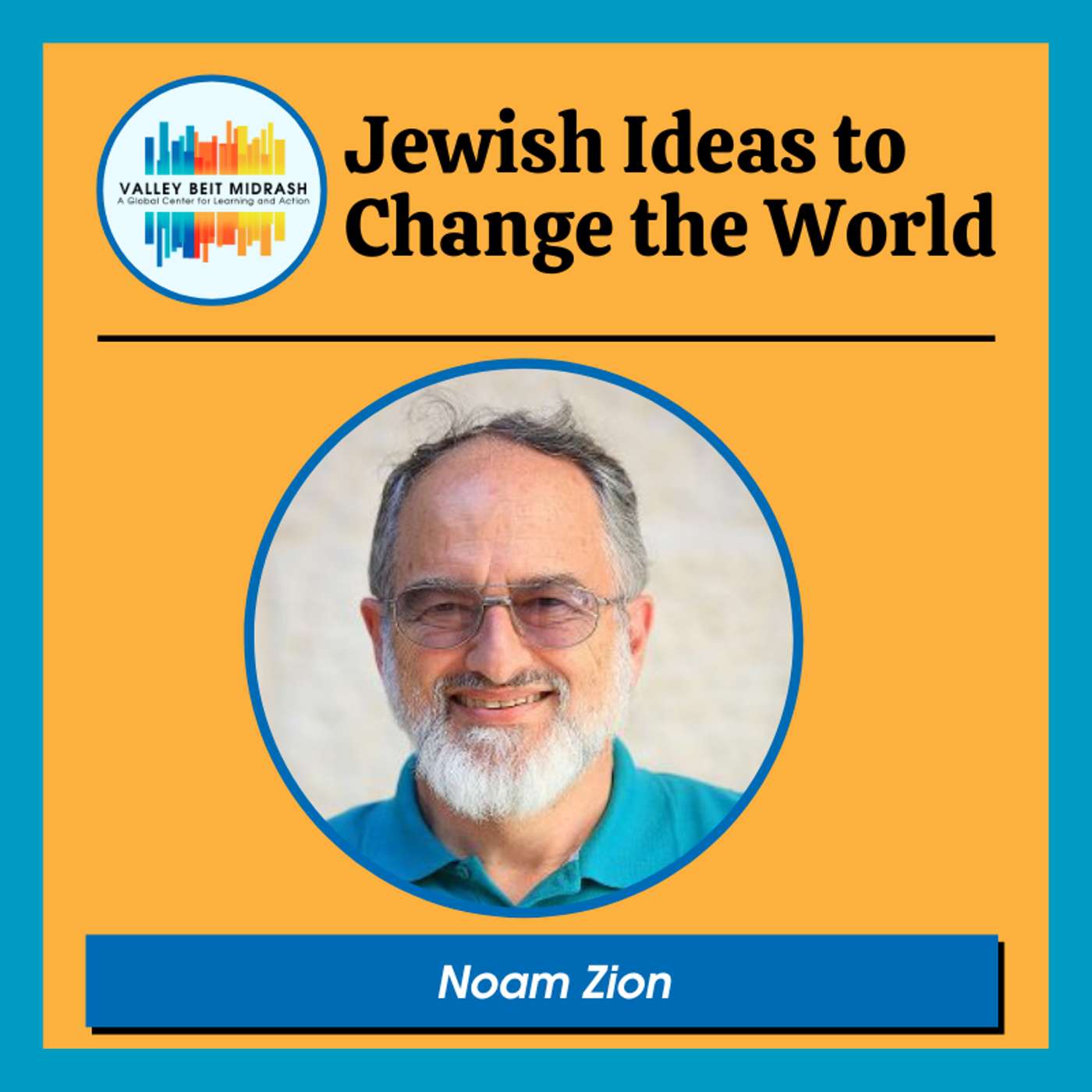
Ep 879Seder 2024: How Do We Celebrate the Seder in a Time of Crisis? An Israeli Perspective
A virtual event presentation by Noam ZionAbout the Event: In this class, we will address the question: How will you celebrate your seder in a time in which so much is lo b’seder (not in order), in a time of war, collateral damage to civilians, endangered hostages, and various kinds of worldwide antisemitism? The problems will not be resolved by Seder night, but we must celebrate as Jews have celebrated Pesach in the worst of times. But we must also acknowledge the profound experiences of the last year and the new questions raised. Joy and yet remembrance are essential in this seder. To respond to that urgent existential need for Israeli Jews, Mishael, and Noam Zion have issued this new Haggadah. Come and hear how the authors have imagined Seder 2024 and learn about how their new Haggadah may be a valuable resource for your American Jewish seder. Note the new Hebrew Haggadah, published March 17, 2024, was produced to reflect updated issues of Israeli civil and military society with its struggle with the massacre, its ongoing unresolved trauma, and its deep struggle between despair and hope. An English Seder Supplement 2024 will be shared with all participants.*Source Guide: https://drive.google.com/file/d/1DFKgOgTBfJbXE3dyaPQIgg_vJoIUR8Ge/view?usp=sharingAbout the Speaker: Noam is now emeritus at the Shalom Hartman Institute in Jerusalem where since 1978 he has been a senior research fellow and educator. He earned a graduate degree in general philosophy at Columbia University and the Hebrew University while studying Bible and Rabbinics at JTSA and the Hartman Beit Midrash.His popular publications and worldwide lecturing have promoted Homemade Judaism – empowering families to create their own pluralistic Judaism during home holidays – Pesach, Hanukkah and Shabbat. His most popular publications include A Different Night: The Family Participation Haggadah; A Different Light: The Big Book of Hanukkah; A Day Apart: Shabbat at Home; The Israeli Haggadah: Halaila Hazeh; and A Night to Remember: The Haggadah of Contemporary Voices (published together with his son). But his most recent book written with his son came out on March 17, 2024, Haggadah Yisraelit to reflect on the latest events of October 7, 2023.His most recent academic research encompasses a trilogy on the intellectual history of philanthropy entitled Jewish Giving in Comparative Perspectives (2013) and a nine-part series on Talmudic Marital Dramas (2018). In 2021 Jewish Publication Society published Sanctified Sex: The 2000-Year Jewish Debate on Marital Intimacy. ★ Support this podcast ★
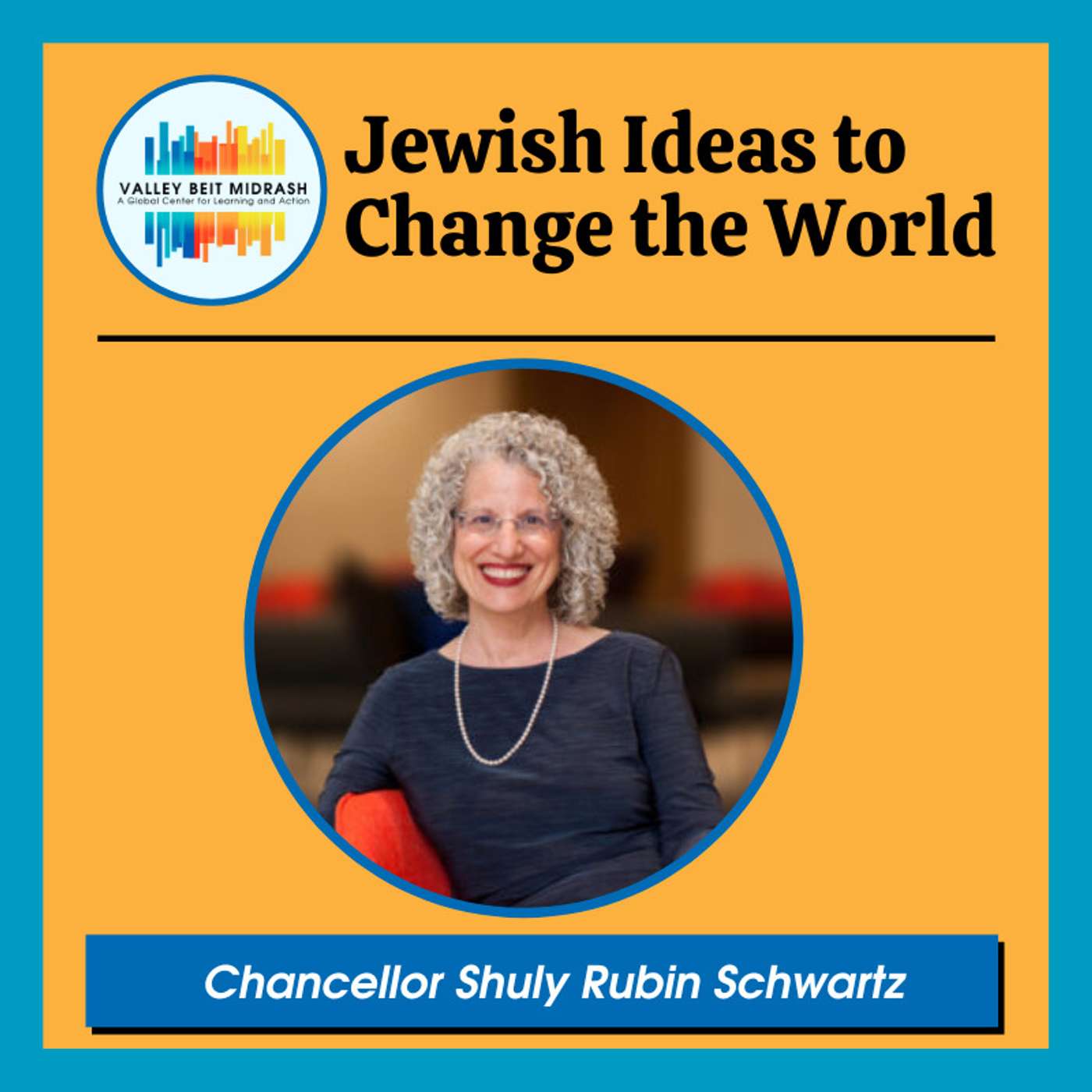
Ep 878Women’s Empowerment = Jewish Empowerment
A virtual event presentation by Chancellor Shuly Rubin SchwartzThe event was co-sponsored by Temple Emanuel About The Event: American Jewish Women have made enormous strides over the past century, opening up new avenues for women to engage meaningfully with Judaism and Jewish life. In so doing, they have enriched not only their own lives but also American Jewry and the Jewish tradition as a whole. Together, we will explore this transformation and its impact on us all.About the Speaker: Shuly Rubin Schwartz, Irving Lehrman Research Professor of American Jewish History, a groundbreaking scholar of American Jewish history, and a visionary institutional leader, is the eighth chancellor of The Jewish Theological Seminary. She is the first woman to serve in this role in its 135-year history.Chancellor Schwartz is devoted to building on JTS’s unique strengths as a Jewish institution of higher learning that trains future leaders through deep study—with both head and heart—of Jewish texts, ideas, and history. In JTS’s thriving community, students develop the creative ability to imbue others with the intellectual, cultural, and religious sustenance that our tradition offers, and they enrich every community of which they are a part. Previously, Dr. Schwartz played a central role in shaping and strengthening JTS’s academic programs while teaching and mentoring countless students. From 1993 to 2018, she served as dean of the Albert A. List College of Jewish Studies, JTS’s undergraduate dual-degree program with Columbia University and Barnard College. In 2010, she was also named dean of the Gershon Kekst Graduate School. In 2018, she assumed the provostship, while continuing as dean of the Kekst School. Chancellor Schwartz was one of the first women on the JTS faculty and played an instrumental role in introducing Jewish gender studies into the curriculum. As a scholar, she brings to light previously overlooked contributions of women to Jewish life and culture over the centuries and continually expands our understanding of American Judaism. Among her publications is the award-winning book, The Rabbi’s Wife, a penetrating examination of the role of rabbis’ wives in the development of American Jewish life. ★ Support this podcast ★
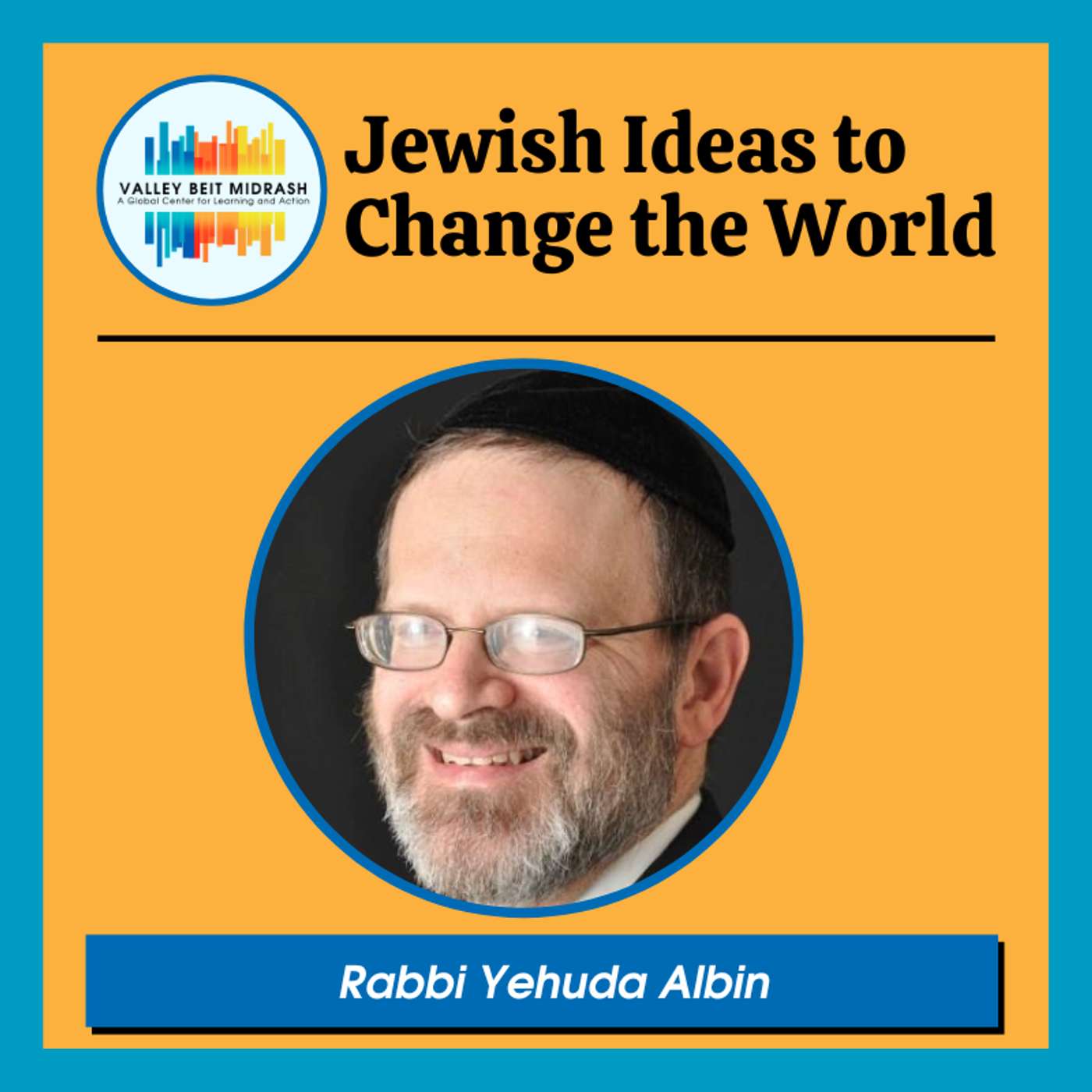
Ep 877A Conversation with Rabbi Yehuda Albin: The Importance of Jewish Learning
Rabbi Dr. Shmuly Yanklowitz interviews Rabbi Yehuda Albin on the importance of Jewish learning. As the founder of The Ember Foundation and TORAHUB, Yehuda has “built” a synagogue and school without walls. Since moving to Chicago in 1994, he has personally touched hundreds of people with his engaging educational style. Raised in Scarsdale, NY, in a Reform home, and educated at Bowdoin College, he earned his rabbinic ordination during a decade of Torah study in Jerusalem. ★ Support this podcast ★
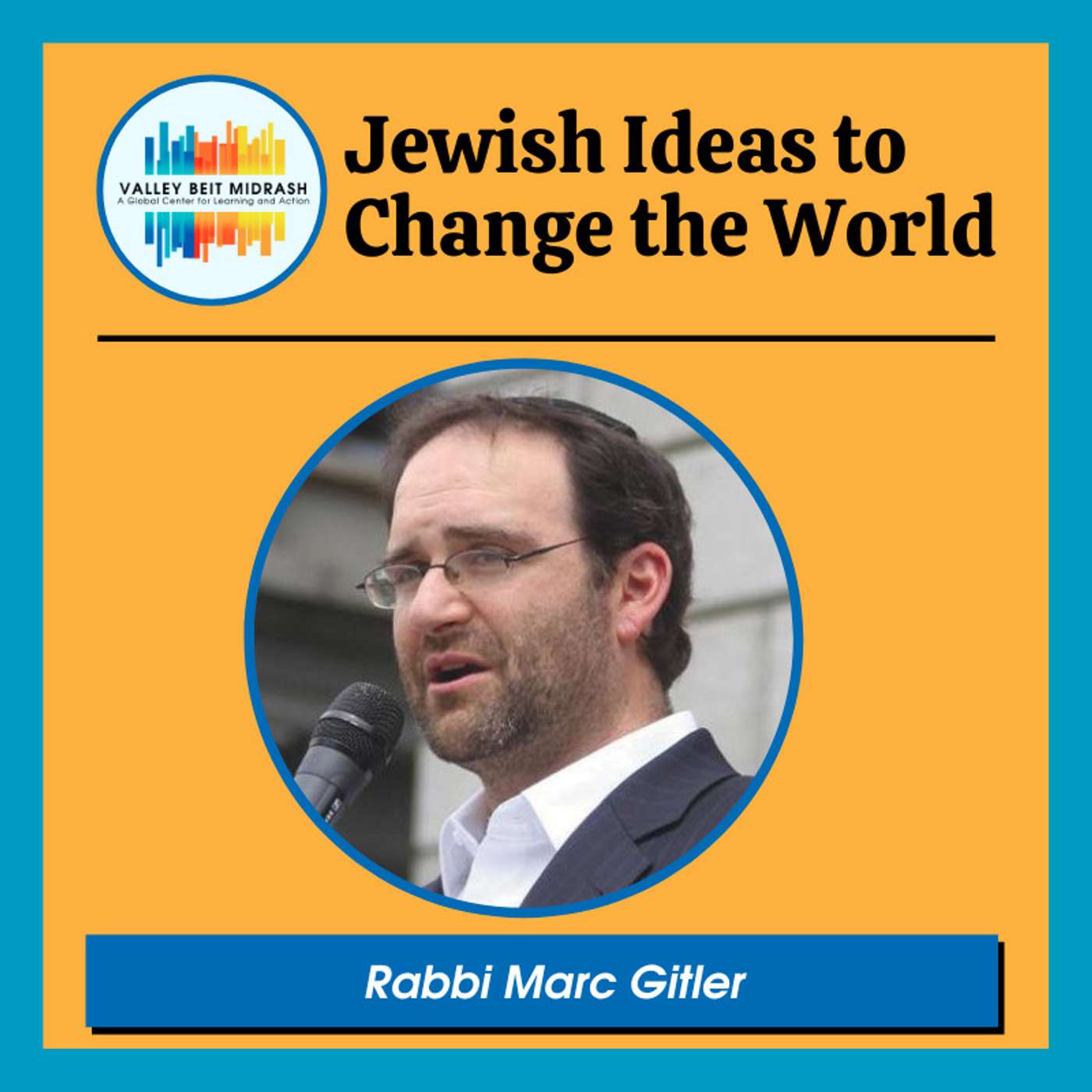
Ep 876Why Was David Chosen as the Father of the Messiah?
A virtual event presentation by Rabbi Marc GitlerAbout the Event: From Jesus to Shabtai Zevi to the 7th Lubavitcher Rebbe, over the past 2000 years, numerous people, or at least their followers, have fashioned themselves the long sought-after Messiah.But how does one prove that he or she is the true Messiah? While the messianic figures of the past pointed to various events, wonders, and symbols to demonstrate their authenticity, there is one idea that every claimant shares: direct lineage from King David. But what is special about King David that Jewish tradition believes him to be the father of the Messiah?*Source Sheet: https://smallpdf.com/file#s=a2f5d65c-59c2-4f93-928c-3dc05ebb1981About the Speaker: Marc Gitler is the visiting Rabbi of Aish SanDiego. A recipient of the Wexner Fellowship, he was ordained at Yeshivat Chovevei Torah. The founder of Fast for Feast, he lives in Denver, Colorado with his wife Sarah and their four children.The event was presented in loving Memory of David SchwartzThis class is in memory of Rabbi Gitler’s nephew, David Schwartz, who was recently killed fighting in Gaza. ★ Support this podcast ★
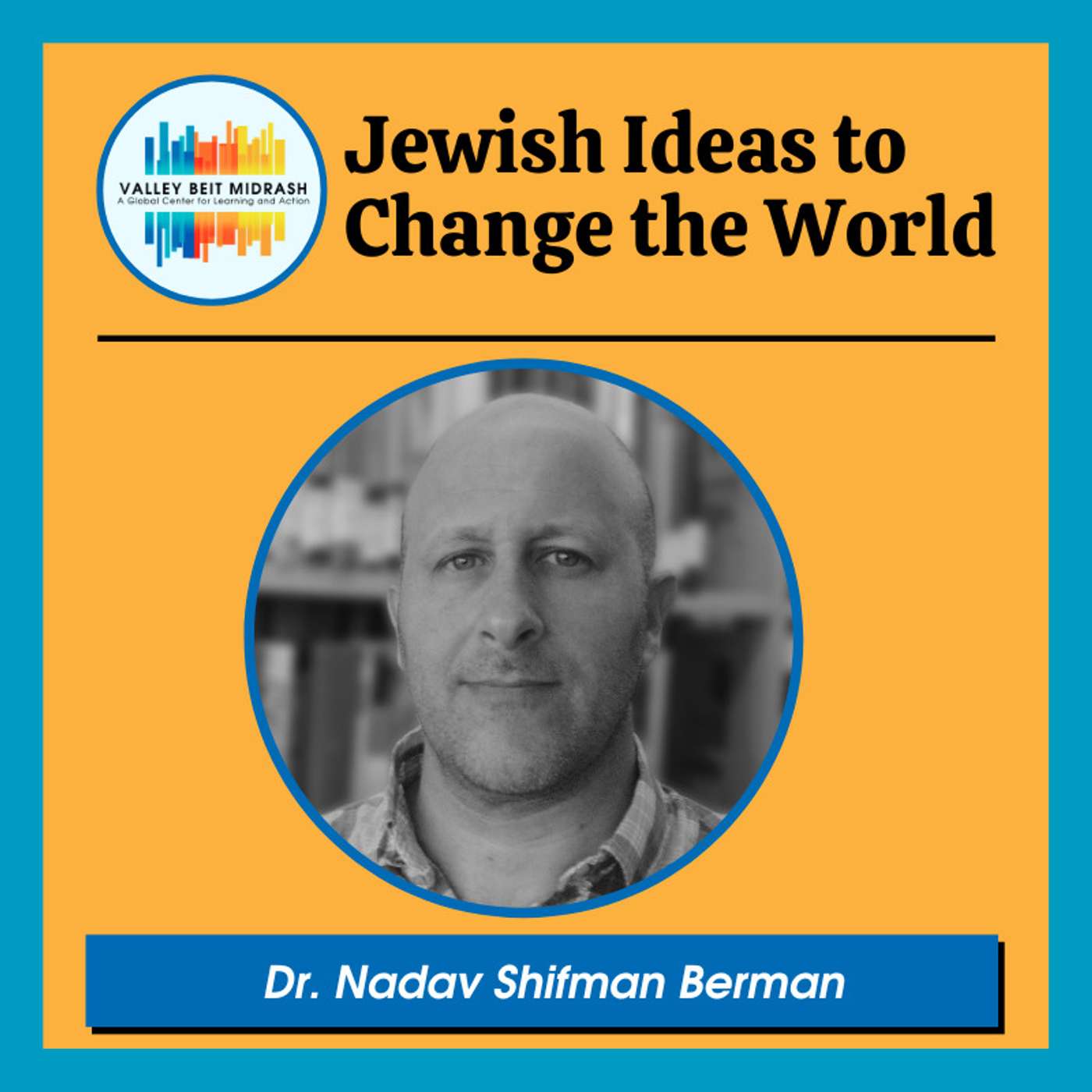
Ep 875Is Judaism a Religion? New Perspectives on the Old Notion of ‘Dat’ in the Scroll of Esther
A virtual event presentation by Dr. Nadav Shifman BermanAbout the Event: In this class, which would take place just before Purim 5784, we shall focus on one important term in the Scroll of Esther, namely “Dat“, and ask: Is Judaism a “Religion”? What are the main modern currents, mainly in Protestantism, which arguably pushed toward defining Judaism as a religion? And what exactly is at stake, for understanding Jewish theology, thought, and practice?About the Speaker: Dr. Nadav Shifman Berman is a research fellow at the Faculty of Law, University of Haifa. Nadav’s research explores Jewish Thought vis-a-vis Pragmatism on the one hand and vis-à-vis Agape on the other. More broadly, Nadav’s research investigates the dialectic between pragmatism(s) and fundamentalism(s). In collaboration with Prof. Tal Z. Zarsky of the University of Haifa, Nadav leads an ISF-funded project on intersections between Law, Technology, and Jewish Thought. Before his IDF service, Nadav studied at Yeshivat Ma’aleh Gilbo’a (shiluv 4). ★ Support this podcast ★

Ep 874A Conversation with Tara Strong: Using Her Powerful Voice for Justice for Israeli Hostages
Rabbi Dr. Shmuly Yanklowitz has a conversation with Tara Strong. A renowned actress known for her talented voice work in animation & now for her powerful voice for justice for Israeli hostages.Tara Strong began her acting career at the age of 13 in Toronto, Canada. She landed several TV, film, and musical theater roles as well as, her first lead in an animated series as the title role of "Hello Kitty." After a short run at Toronto's Second City theater company, she moved to Los Angeles with an extensive resume that included her sit-com and well over 20 animated series. Upon arriving in Hollywood, she quickly made her mark in several TV and Film projects, such as "Party of Five," "National Lampoon's Senior Trip," "Sabrina the Teenage Witch," and more. She has an iconic voice-over career, including roles such as Bubbles in "The Powerpuff Girls," Timmy Turner in "The Fairly OddParents," Dil Pickles in "Rugrats," Raven in "Teen Titans," "Batgirl," "Family Guy," "Drawn Together," "Ben 10," Melody in "The Little Mermaid 2," "Spirited Away," etc. She is Miss Collins on Nickelodeon's "Big Time Rush" and the current voice of "Harley Quinn." She is Emmy nominated, a Shorty Award winner, Twilight Sparkle in "My Little Pony: Friendship is Magic" and currently playing "Unikitty" in the new hit series. She appeared in the Hallmark Christmas movie, "A Very Merry Toy Store." She has 350,000 Twitter followers and has used her social media to raise several hundred thousand dollars for kids with cancer and animal rescue groups, as well as using her commanding voices for her anti-bullying platform. She lives in Los Angeles. From between 2000 and 2019, she was married to former actor and real estate agent Craig Strong. However, the couple went their separate ways in July 2019 and, eventually, they formally divorced in January 2022. They have two sons together.- IMDb Mini Biography By: Amazon Video X-Ray ★ Support this podcast ★
Ep 873Getting to Mi Yode’a (Who Knows?): Moral Clarity in a Topsy-Turvy World
A virtual event presentation by Rabbi Jonathan Spira-SavettAbout the Event: The Talmud proposes that on Purim we enter a state of mind in which we no longer know the difference between the goodness of Mordechai and the evil of Haman. At a key moment in the Megillah, when the fate of the Jews seems to lie in the balance, Mordechai proclaims to Esther not-so-emphatically “Who knows? Perhaps it’s for a time like that that you have arrived at royal power.” What might the Purim story, its midrashim, and the practices of Purim teach us about moral certainty and uncertainty in a world with few moral anchors, where knowledge is unstable? Are moral certainties and moral clarity the same thing? What lessons can we draw for the world of 2024 and after October 7?*Source Sheet: https://www.sefaria.org/sheets/552507?lang=biAbout the Speaker: Jon Spira–Savett has served for nearly fifteen years as rabbi of Temple Beth Abraham in Nashua, New Hampshire, and is co-host of Tov! A Podcast About “The Good Place” and Jewish Ideas. Jon has taught social ethics, bioethics, and environmental ethics in Jewish day schools, supplementary programs, teen philanthropy projects, and wider community adult education projects and he serves on the ethics committee of Southern New Hampshire Medical Center in Nashua. Jon’s general writings and recordings about Torah and current events are on his blog at rabbijon.net. He is the immediate past president of the Nashua Area Interfaith Council, co-convener of the Greater Nashua Housing Justice Group, and co-founder of “How To Be President”, an initiative to transform how we learn about candidates by asking better questions. Jon was ordained and received his M.A. in Jewish education from the Jewish Theological Seminary of America, and is an active alum of the Wexner Graduate Fellowship. He did his undergraduate studies at Harvard College. Jon grew up in St. Paul, Minnesota, and is a proud alum of the Talmud Torah of St. Paul, to which he owes his interest in ethical philosophy, text study, and Hebrew language. ★ Support this podcast ★
Ep 872Liberalism’s Crises in Israel, and Elsewhere
A virtual event presentation by Rabbi Dr. Yehuda MirskyThe event was co-sponsored by Temple Emanuel About the Event: Liberalism is in crisis everywhere, and everywhere the crises bear similarities and real differences. We will look at what has been going on in Israel, to understand it on its terms, as a Jewish and Democratic state, and about liberalism’s vicissitudes around the world.About the Speaker: Yehudah Mirsky is a Professor of Near Eastern and Judaic Studies at Brandeis University and is on the faculty of the Schusterman Center for Israel Studies. He was, in the Spring Semesters of 2022 and 2023, a Visiting Professor at Harvard University. A native New Yorker, he lives in Jerusalem with his family and is both an active scholar and committed activist.His scholarship and teaching focus on the intersections of politics and religion, the historical and theological underpinnings of liberalism and human rights, and, in recent years, on ecological ethics. He teaches courses in Jewish Thought (medieval and modern), history of Zionism and the State of Israel, and political and ethical thought. He served in the US State Department’s human rights bureau during the Clinton Administration as a Public Affairs Officer and Special Advisor and has written on religion, politics, and culture for The New York Times, The Washington Post, New Republic, The Economist, Foreign Policy, New Lines and many other publications. He also was an aide to then-Senators Bob Kerrey and Al Gore and worked at the Washington Institute for Near East Policy, the ACLU, and other NGOs. An ordained rabbi, he was the chaplain with the Red Cross after 9-11. In Israel, he was in the early 2000s a Fellow at the Van Leer Institute and Jewish People Policy Institute and was among the founders of the grass-roots Yerushalmit Movement for a pluralist, livable Jerusalem. Currently, he is deeply involved in the protest movements against the current governing coalition's attempts to undo Israeli democracy, working with both the Jerusalem and Tel Aviv wings of the movement. He is also a longtime student of Arabic and Islam. His Rav Kook: Mystic in a Time of Revolution (Yale, 2014) won the Jewish Book Council’s Choice Prize. It appeared in 2021 in a revised Hebrew edition as Rav Kook: Mabat Hadash (Kinneret) which was named by Ha-Aretz as one of the 50 best books of 2021. That year also saw the publication of his Towards the Mystical Experience of Modernity: The Making of Rav Kook, 1865-1904 (Academic Studies Press). B.A. Yeshiva College, J.D. Yale Law School, Ph.D. Harvard University ★ Support this podcast ★
Ep 871Rising Anti-Semitism on American Campuses: A Conversation with Dara Horn
Rabbi Dr. Shmuly Yanklowitz sits down with Dara Horn to talk about the rising anti-semitism on American campuses.Dara Horn is the award-winning author of six books, including the novels In the Image (Norton 2002), The World to Come (Norton 2006), All Other Nights (Norton 2009), A Guide for the Perplexed (Norton 2013), and Eternal Life (Norton 2018), and the essay collection People Love Dead Jews (Norton 2021). One of Granta magazine’s Best Young American Novelists, she is the recipient of two National Jewish Book Awards, the Edward Lewis Wallant Award, the Harold U. Ribalow Award, and the Reform Judaism Fiction Prize, and she was a finalist for the JW Wingate Prize, the Simpson Family Literary Prize, and the Carnegie Medal for Excellence in Fiction. Her books have been selected as New York Times Notable Books, Booklist’s Best 25 Books of the Decade, and San Francisco Chronicle’s Best Books of the Year, and have been translated into eleven languages. Her nonfiction work has appeared in The New York Times, The Wall Street Journal, The Washington Post, The Atlantic, Smithsonian, and The Jewish Review of Books, among many other publications, and she is a regular columnist for Tablet. Horn received her doctorate in Yiddish and Hebrew literature from Harvard University. She has taught courses in these subjects at Sarah Lawrence College and Yeshiva University and has held the Gerald Weinstock Visiting Professorship in Jewish Studies at Harvard. She has lectured for audiences in hundreds of venues throughout North America, Israel, and Australia. She lives in New Jersey with her husband and four children. ★ Support this podcast ★
Ep 870Hammerman Family Lecture: In the Haunted Present: Jews in a Non-Jewish World
A hybrid event (in-person and virtual) by Dara HornThe event was co-sponsored by Congregation Or TzionAbout the Event: In her latest book, acclaimed author Dara Horn explores a pointed question: Why do far too many people seem to love dead Jews, but ignore the living ones? In 2022, the Holocaust continues to make headlines, fill our films and fiction, and generate extraordinary interest far beyond our community. Yet ignorance and indifference towards Jew hatred today seem to be higher than ever. What’s going on?About the Speaker: Dara Horn is the award-winning author of six books, including the novels In the Image (Norton 2002), The World to Come (Norton 2006), All Other Nights (Norton 2009), A Guide for the Perplexed (Norton 2013), and Eternal Life (Norton 2018), and the essay collection People Love Dead Jews (Norton 2021). One of Granta magazine’s Best Young American Novelists, she is the recipient of two National Jewish Book Awards, the Edward Lewis Wallant Award, the Harold U. Ribalow Award, and the Reform Judaism Fiction Prize, and she was a finalist for the JW Wingate Prize, the Simpson Family Literary Prize, and the Carnegie Medal for Excellence in Fiction. Her books have been selected as New York Times Notable Books, Booklist’s Best 25 Books of the Decade, and San Francisco Chronicle’s Best Books of the Year, and have been translated into eleven languages. Her nonfiction work has appeared in The New York Times, The Wall Street Journal, The Washington Post, The Atlantic, Smithsonian, and The Jewish Review of Books, among many other publications, and she is a regular columnist for Tablet. Horn received her doctorate in Yiddish and Hebrew literature from Harvard University. She has taught courses in these subjects at Sarah Lawrence College and Yeshiva University and has held the Gerald Weinstock Visiting Professorship in Jewish Studies at Harvard. She has lectured for audiences in hundreds of venues throughout North America, Israel, and Australia. She lives in New Jersey with her husband and four children. ★ Support this podcast ★
Ep 869A Conversation With Former Professional Basketball Player Dan Grunfeld on His Book on the Holocaust
Rabbi Dr. Shmuly Yanklowitz has a conversation with former professional basketball player Dan Grunfeld about the book he published in 2022, By the Grace of the Game about his multi-generational family journey from Auschwitz to the NBA. Dan Grunfeld is a former professional basketball player, an accomplished writer, and a proud graduate of Stanford University. An Academic All-American and All-Conference basketball selection at Stanford, Dan played professionally for eight seasons in top leagues around the world, including in Germany, Spain, and Israel. Dan’s writing has been published more than 40 times in media outlets such as Sports Illustrated, The Jerusalem Post, and NBC News. Dan earned his MBA from the Stanford Graduate School of Business in 2017 and lives with his wife and son in the San Francisco Bay Area, where he works in venture capital. ★ Support this podcast ★
Ep 868Mistreating Widows and Orphans: Whom Does This Law Address?
A virtual event presentation by Rabbi Dr. Martin LockshinThe event was co-sponsored by BMH-BJAbout the Event: The Bible is full of commandments that say “do x” or “don’t do y,” almost always without specifying who is being addressed. When the Bible says not to mistreat widows and orphans, was it addressing judges? Or the wealthy? Or all of us?About the Speaker: Martin Lockshin is a University Professor Emeritus at York University and lives in Jerusalem. He received his Ph.D. in Near Eastern and Judaic Studies from Brandeis University and his rabbinic ordination in Israel while studying in Yeshivat Merkaz HaRav Kook. Among Lockshin’s publications is his four-volume translation and annotation of Rashbam’s commentary on the Torah. ★ Support this podcast ★
Ep 867The Primacy of Morality Over Ritual in the Prophets
A virtual event presentation by Rabbi Dr. Jeremiah UntermanAbout the Event: The polytheism of the ancient Near East conceived of the gods as natural beings who needed sacrifices and libations to physically sustain them. The ethical monotheism of the Torah created a revolution against paganism which would ultimately change forever the concept of religion. One of the key ways in which the Jewish prophets shaped this revolution was their unique understanding of the relationship between ethics and ritual.About the Speaker: Since 2013, Rabbi Dr. Jeremiah Unterman has been a Resident Scholar at the Herzl Institute and the Academic Editor of The Koren Tanakh of the Land of Israel (since 2017). From 2000-2006, he was the Director of the Association of Modern Orthodox Day Schools and Yeshiva High Schools, and Adjunct Professor of Bible at Yeshiva University. He also served as Executive Director of the Toronto Board of Jewish Education and Vice-President for Education of the UJA Federation of Toronto, as well as Director of Education of the Hillel Academy of Ottawa. From 1992-1997, he was Executive Director of the Commission on Jewish Education and Director of Boston’s Hebrew College Hartford Branch, Connecticut. He was the Director and Associate Professor of the Jewish Studies Program at Barry University (Miami, Florida) from 1983 to 1992. He received his B.A. in Hebraic Studies from Rutgers University, an M.A. in Bible from the Hebrew University of Jerusalem, and a Ph.D. in the Judaica Program of the Near Eastern Studies Department at the University of California, Berkeley. He received semicha through private studies in Israel. He has authored two books, Justice for All: How the Jewish Bible Revolutionized Ethics, and From Repentance to Redemption: Jeremiah’s Thought in Transition, and over 100 articles in scholarly publications in the U.S. and Israel. He has lectured frequently at scholarly conferences in the United States and Israel, such as the World Congress of Jewish Studies, the annual meeting of the Society of Biblical Literature, and the annual meeting of the Association for Jewish Studies, and at numerous universities in the U.S. and Israel. He is a citizen of both the United States and Israel and served in the Israel Defense Forces. He lives in Jerusalem, Israel, with his wonderful wife, Judy. ★ Support this podcast ★
Ep 866Interview with Rabbi Sharon Brous: Losses of a Parent, Love, and Overall Loss
Rabbi Dr. Shmuly Yankolwiz interviews Rabbi Sharon Brous, founding and Senior Rabbi of IKAR Sharon Brous is the founding and senior rabbi of IKAR, a trail-blazing Jewish community based in Los Angeles. Built in 2004, IKAR has grown into a diverse, dynamic, multi-generational community, one of the fastest-growing and most influential in the country. Brous has been named #1 Most Influential Rabbi in the U.S. by Newsweek/The Daily Beast. She blessed both President Obama and President Biden at their National Inaugural Prayer Services, and her TED Talk “Reclaiming Religion” has been viewed 1.5 million times. Her work has been featured in the New York Times, Los Angeles Times and Washington Post. A New Yorker at heart, she’s grown deeply enamored of the sunshine and promise in Los Angeles, where she lives with her husband and children. ★ Support this podcast ★
Ep 865Sherman Minkoff Memorial Lecture: Ancient Wisdom to Mend Our Broken Hearts and World
A hybrid event (in-person and virtual) by Rabbi Sharon BrousThe event was co-hosted by Temple SolelAbout the Event: The Amen Effect: Ancient Wisdom to Mend Our Broken Hearts and World, makes the case that in an era of loneliness, social alienation, and ideological extremism, our deepest spiritual work is finding our way to one other—in celebration, sorrow, and solidarity. Relationships of care and curiosity, Brous argues, are essential to both personal healing and social change. This is how we reawaken our humanity.About the Speaker: Sharon Brous is the founding and senior rabbi of IKAR, a trail-blazing Jewish community based in Los Angeles. Built-in 2004, IKAR has grown into a diverse, dynamic, multi-generational community, one of the fastest-growing and most influential in the country. Brous has been named #1 Most Influential Rabbi in the U.S. by Newsweek/The Daily Beast. She blessed both President Obama and President Biden at their National Inaugural Prayer Services, and her TED Talk “Reclaiming Religion” has been viewed 1.5 million times. Her work has been featured in the New York Times, Los Angeles Times, and Washington Post. A New Yorker at heart, she’s grown deeply enamored of the sunshine and promise in Los Angeles, where she lives with her husband and children.The event was presented in loving memory of Dr. Sherman Minkoff ★ Support this podcast ★
Ep 864Why Should Jews Care About a New Interpretation of the (Christian) “Apostle” Paul?
A virtual event presentation by Dr. Mark NanosThe event was co-sponsored by Congregation Or Tzion About the Event: Most interpretations of Paul understand the apostle to argue that Jews who did not share their faith in Jesus Christ had lost their original covenant standing. Yet, at the same time, they maintain that there will come a time when Jews will believe (based on the same terms as Gentile sinners), and then “all Israel will be saved” (Rom. 11:26). In this class we will trace some of the developments in Dr. Nanos’ lifetime journey, as a Jew, to read and then re-read the texts in Romans 11, wherein Paul sets out his view of his fellow Jews and discover alternatives for translating and interpreting these texts.About the Speaker: Mark D. Nanos is a widely known lecturer and author of many books and articles. He received his PhD from the University of St. Andrews, Scotland, and an Honorary PhD from the University of Lund, Sweden. His book, The Mystery of Romans, won The National Jewish Book Award in Jewish-Christian Relations in 1996 and he is a co-founder of the “Paul within Judaism” section at the Society for Biblical Literature. ★ Support this podcast ★
Ep 863Rabbi Dr. Shmuly Yanklowitz Interviews Rabbi Daniel Askenazi
Rabbi Dr. Shmuly Yanklowitz interviews Rabbi Daniel Askenazi, Chief Rabbi of Barcelona, Spain. ★ Support this podcast ★
Ep 862Standing Out or Blending In? Passing vs Looking Jewish in Texts and Today
A virtual event presentation by Rav Sarah MulhernThe event was co-sponsored by Temple Chai & Temple Emanuel About the Event: Is there a value to being publicly identifiable as Jewish? Is there a value to looking more like our non-Jewish neighbors? In this session, we will explore how Jewish texts have engaged with these questions over time, and interrogate our instincts and experiences. We will focus on classical Jewish texts about distinctive Jewish dress to launch a broad conversation about the ethics of passing and outing oneself and when and how we wish to display our Jewishness or other identities to the broader world when we do not, and why.About the Speaker: Rav Sarah Mulhern is a Rabbi, educator, and community builder. She serves as the Rabbi of Silverstein Base Lincoln Park, opening her home and her heart to young adults in Chicago. She passionately believes that Torah matters and that Judaism can enrich human life and better society. Rav Sarah is also a nationally-regarded Torah educator, frequently teaching in a wide variety of Jewish adult education settings, particularly on topics of ethics, gender, and Jewish practice. As a rabbi, some of her areas of focus include grief support, feminist and queer niddah education, and crafting joyful halachic egalitarian life cycle rituals. She is deeply committed to inspiring traditional prayer and is a passionate shaliach tzibur. Rav Sarah was ordained by the Rabbinical School of Hebrew College, where she also earned a Master's in Jewish Education, and received private rabbinic ordination from Rabbi Daniel Landes. She is an alumna of Brandeis University, Yeshivat Hadar, Pardes Institute, Drisha Institute, Beit Midrash Har El, the Wexner Graduate Fellowship, and the David Hartman Center Fellowship. She can be reached at [email protected] or @Rav_Sarah.*Source Sheet: https://drive.google.com/file/d/1ROWtjcrXYoV_Gxzz-l184CLig_xVkAxv/view ★ Support this podcast ★
Ep 861Eye for an Eye for an Eye: The Poetics of Jewish Law
A hybrid event (in-person and virtual) by Rabbi David KasherThe event was co-sponsored by Temple ChaiAbout the Event: We often divide the Torah into two categories: narrative and law. But the laws of the Torah themselves are often written in poetic language, inviting us to use the tools of literary criticism to analyze them. That poetic quality is prominently on display in one of the Torah’s most (in)famous legal formulations: An Eye for an Eye. A careful literary reading of this law in the Torah can reveal hidden layers of meaning.About the Speaker: Rabbi David Kasher serves as the Director of Hadar West Coast. He grew up bouncing back and forth between Berkeley and Brooklyn, hippies and Hassidim – and has been trying to synthesize these two worlds ever since. After graduating from Wesleyan University in 1998, he studied for several years in yeshivot in Israel before heading off to rabbinical school at Yeshivat Chovevei Torah. He was ordained there in 2007 and returned to Northern California, where he became the Senior Jewish Educator at Berkeley Hillel. He was part of the founding team at Kevah, a nonprofit specializing in Adult Jewish Education, where he worked from 2012 to 2018 and developed the Kevah Teaching Fellowship. He has served on the faculty of Berkeley Law, the Wexner Heritage Program, Reboot, and the BINA Secular Yeshiva, and also taught courses at Pardes, SVARA, The Hartman Institute, AJR, and HUC. Rabbi Kasher is a teacher of nearly all forms of classical Jewish literature, but his greatest passion is Torah commentary, and he spent five years producing the weekly ParshaNut blog and podcast exploring the riches of the genre. In 2018, he began work as an Associate Rabbi at IKAR, a non-denominational spiritual community in Los Angeles, where he teaches a weekly parashah class and has a new parashah podcast called Best Book Ever. He published an essay, ‘Eating Our Way from Justice to Holiness,’ in Kashrut and Jewish Food Ethics (Academic Studies Press, 2019), completed a translation of Avot d’Rabbi Natan for Sefaria, and is the author of ParshaNut: 54 Journeys into the World of Torah Commentary.*Source Sheet: https://smallpdf.com/file#s=8b6eadb7-9fe7-4d78-9019-ce3b204d4c51 ★ Support this podcast ★
Ep 860On the Divinity of Torah: A Conversation with Rabbi David Kasher
Rabbi Dr. Shmuly Yanklowitz engages in an enlightening conversation with Rabbi David Kasher, exploring the divinity of the Torah.Rabbi David Kasher serves as the Director of Hadar West Coast. He grew up bouncing back and forth between Berkeley and Brooklyn, hippies and Hassidim – and has been trying to synthesize these two worlds ever since. After graduating from Wesleyan University in 1998, he studied for several years in yeshivot in Israel before heading to rabbinical school at Yeshivat Chovevei Torah. He was ordained there in 2007 and returned to Northern California, where he became the Senior Jewish Educator at Berkeley Hillel. He was part of the founding team at Kevah, a nonprofit specializing in Adult Jewish Education, where he worked from 2012 to 2018 and developed the Kevah Teaching Fellowship. He has served on the faculty of Berkeley Law, the Wexner Heritage Program, Reboot, and the BINA Secular Yeshiva and taught courses at Pardes, SVARA, The Hartman Institute, AJR, and HUC. Rabbi Kasher is a teacher of nearly all forms of classical Jewish literature, but his greatest passion is Torah commentary, and he spent five years producing the weekly ParshaNut blog and podcast exploring the riches of the genre. In 2018, he began work as an Associate Rabbi at IKAR, a non-denominational spiritual community in Los Angeles, where he teaches a weekly parashah class and has a new parashah podcast called Best Book Ever. He published an essay, ‘Eating Our Way from Justice to Holiness,’ in Kashrut and Jewish Food Ethics (Academic Studies Press, 2019), completed a translation of Avot d’Rabbi Natan for Sefaria, and is the author of ParshaNut: 54 Journeys into the World of Torah Commentary. ★ Support this podcast ★
Ep 859Jews, Judaism, and Anti-Judaism in the Gospel of John
A virtual event presentation by Dr. Adele ReinhartzThe event was co-sponsored by BMH-BJAbout the Event: This talk will explore some of the issues about the portrayal of Jews and Judaism in the Fourth Gospel. In analyzing this very important topic, it is always necessary to have a dual focus, with one eye on what the Gospel itself says, and the other on what scholars have said. This talk will have three main parts: 1. Jesus as a Jew in the Gospel of John 2. Jesus and the “Jews” in the Gospel of John 3. Is John Jewish, Anti-Jewish, or both?About the Speaker: Adele Reinhartz is a Distinguished University Professor at the University of Ottawa, where she is also a Professor in the Department of Classics and Religious Studies. Her main research contributions have been in the study of ancient Judaism and Christianity, and the Bible in/and Film. Adele served as the General Editor of the Journal of Biblical Literature for 7 years (2012-2019) and as the President of the Society of Biblical Literature in 2020. Adele was inducted into the Royal Society of Canada in 2005, and into the American Academy for Jewish Research in 2014. Her most recent books are Cast Out of the Covenant: Jews and Anti-Judaism in the Gospel of John (2018) and The Bible and Cinema: An Introduction (2nd edition, 2022). She is currently working on a project on the so-called “parting of the ways” and the origins of Christianity. ★ Support this podcast ★
Ep 858The Ethics of Rescue: True Stories Behind Bergen-Belsen’s Liberation
A hybrid event (in-person and virtual) by Dr. Bernice LernerAbout the Event: In mid-April 1945, a small group of liberators entered Bergen-Belsen, where they found tens of thousands of unburied dead and 60,000 “displaced persons,” of whom 25,000 were in dire need of medical attention. What principles guided their leaders’ excruciating choices? What ethical questions consumed the men as they endeavored to feed the starved, control the spread of disease, and equip the largest hospital in Europe? Dr. Lerner will share astonishing stories about the unprecedented liberation–from the perspectives of both liberators and survivors, including 15-year-old Rachel Genuth, her mother.About the Speaker: Bernice Lerner, Ed.D., is the author of All the Horrors of War: A Jewish Girl, a British Doctor, and the Liberation of Bergen-Belsen, and other writings on the Holocaust and virtue ethics. She is the former dean of adult learning at Hebrew College and a lecturer on the Holocaust and character education.*Zvi Asaria-Hermann Helfgott- Helping Survivors in Bergen-Belsen Video: https://youtu.be/cmxz6S0sobE?si=evvCmJylZESgysoH ★ Support this podcast ★
Ep 857How Can Qohelet Quell the Curious Mind? An Exploration of a New Translation and Commentaries on the Strangest Book of the Hebrew Bible
A virtual event presentation by Rabbi Dr. Aubrey GlazerAbout the Event: Merest Breath is a provocative and contemporary translation with two new commentaries on Qohelet (Ecclesiastes). These eclectic commentaries on one of the strangest books of the Hebrew Bible open up an ancient wisdom text that dares to address theological skepticism of the present. Understanding Qohelet as resisting biblical theological platitudes about sin, prayer, and forgiveness, these commentaries are a magisterial conversation between thinkers ancient and modern – from Heraclitus to Leonard Cohen – that dares to think differently. Martin Cohen’s new translation and introductory commentary (Kol ha-Tor) is in conversation with Aubrey Glazer’s philosophical interpretations (Ruah ha-Orev) – ranging from Hebraic stoicism and skepticism to an exploration of the diverse interpretations in philosophical (Samuel Ben Judah Ibn Tibbon, Gersonides, David Hume, Theodor W. Adorno, Emmanuel Lévinas) kabbalistic (Zohar, Bahir) and Hasidic (Ba’al Shem Tov, R. Nachman of Bratzlav, R. Meshulem Faish ben Mordekhai Levi, R. Aharon Yosef Luria) commentaries – that enable Qohelet to re-emerge anew as a theological empiricist. Rediscover Qohelet as the remarkable Hebrew ironist who points seekers of truth to life’s dialectical dance between melancholia and joy.About the Speaker: Rav Aubrey L. Glazer, Ph.D. (University of Toronto, 2005), rabbinic ordination (JTSA, 2000) is honored to serve as Department Chair of Jewish Thought and Philosophy for the Aleph Ordination Program. Aubrey is the founding director and editor-in-chief of Panui: a think tank devoted to researching, reflecting, and teaching modern and contemporary Jewish mysticism dynamically and authentically to build a conscious, compassionate community. Aubrey is currently honored to serve as Senior Rabbi of Beth Abraham Synagogue (Dayton, Ohio), and has served as Senior Rabbi in the following communities: Congregation Shaare Zion, Montreal (2018-2021), Congregation Beth Sholom, San Francisco (2014-2018), as well as Jewish Community Center of Harrison, New York (2005-2014). Aubrey has served as a mentor for rabbinic students from diverse seminaries. As a graduate of the Institute for Jewish Spirituality, Aubrey co-led Jewish meditation retreats at Makor Or with Zoketsu Norman Fischer as well as teaching Zohar in the Philosophy Circle of Lehrhaus under the direction of Daniel C. Matt. Aubrey has also completed certification of Kashrut: Rav HaMachshir (JTSA) and Jewish Business leadership (Kellogg School of Business). Aubrey’s recent publications on contemporary philosophy and theology include: Mystical Vertigo (2013); Tangle of Matter & Ghost: Leonard Cohen’s Post-Secular Songbook of Mysticism(s) Jewish & Beyond (2017) and God Knows Everything is Broken: Bob Dylan’s Gnostic Mystical Songbook (2019). Aubrey is co-editor and translator of a multi-volume series on Tiberian Hasidism called From Tiberias With Love. ★ Support this podcast ★
Ep 856Food, Clothing, and Shelter: Human Rights or Charity?
A virtual event presentation by Rabbi Shlomo LevinThe event was co-sponsored by Congregation Or TzionAbout the event: Numerous times the Torah commands us to help those in need. Is this also a statement of human rights? In this session we’ll ask whether giving tzedakah is a fulfillment of human rights values, or whether human rights are limited to abstract freedoms and charity is something we give out of kindness alone.About the Speaker: Shlomo Levin received ordination from Yeshivat Hamivtar in Israel and the Israeli Chief Rabbinate. For 15 years he served as a Rabbi at various pulpits in the United States. In 2022 he received a master’s degree in International Law and Human Rights. Now he works for a non-profit organization he started called the Human Rights Haggadah, which aims to become a central hub for education and respectful discussion of human rights issues as they pertain in particular to Israel and the Jewish community. ★ Support this podcast ★
Ep 855The Healing Power of Storytelling
A virtual event presentation by Maggid Jim BruléThe event was co-sponsored by Temple EmanualAbout the Event: Stories have the power to entertain, inform, enlighten, and motivate. They also have the power to heal. Maggid Brulé will weave together traditional Jewish stories from a variety of cultures, interspersed with reflections on the reasons that stories affect us so deeply and opportunities for discussion and dialogue.About the Speaker: Jim Brulé is a maggid – a transformational storyteller, teacher, and mentor with a very diverse background: he has advanced degrees in clinical psychology and artificial intelligence. His online school – Transformational Storytelling – trains spiritual storytellers from multiple traditions to tell stories that inspire healing and spiritual growth.As a death doula, he works with families, individuals, and caregivers. He is a member of NEDA – the National End-of-Life Doula Alliance – where he has achieved the EOL Doula Proficiency badge and has a subsequent certification as a death doula from The Dying Year. Finally, he is also an interfaith chaplain in hospital, prison, and jail settings, and a storytelling healer at an “Omega Home” – a last home for the dying. Jim also works with organizations and communities to promote dialogue across learned boundaries of faith, ethnicity, privilege, and class using stories. ★ Support this podcast ★
Ep 854Introduction to Dreams and Kabbalah
A virtual event presentation by Dr. David SandersThe event was co-sponsored by BMH-BJAbout the Event: “A dream not interpreted is like a letter not read.” This quote is not from Freud or Jung but from the Zohar, the classic medieval Kabbalah text connecting dreams and our spiritual growth. We spend an average of 9 years dreaming. What do our dreams reflect to us of our experience? How are dreams guides for our emotional and spiritual development? Come and see the significance of dreams. Journaling and sharing your dreams helps you apply the Kabbalah dream framework.About the Speaker: Dr. David Sanders, Founder and Spiritual Director of Kabbalah Experience, combines over thirty years of experience as both a psychologist and Kabbalist helping guide people to deeper awareness and fulfillment in their lives. His transformation from religious studies to mysticism intrigued him to broaden the study of Kabbalah to practical spiritual growth. Transformative Kabbalah combines traditional mysticism, contemporary psychology, and quantum physics.It is David’s joy to help others challenge their views of themselves and the world. Through study and practice, students regularly change their perceptions and choose to alter or modify their behavior – which in turn brings positive change to their relationships and community and find greater and more fulfilling expression of their life purpose. He is the author of 2 books on mysticism and language and is currently writing a book on MASKS, the subject of one of KE’s most popular courses.David maintains an active therapy practice, specializing in working with couples and families. He sees psychological and spiritual growth as a continuum of learning and becoming more aware of the self and others. His creation of the Kabbalah Experience is a way to enter into people’s lives from a different premise – spiritual learning and guidance that does not have a starting point of “my problem.” Based on the methodology of study at KE on adult-centered learning, everyone is linked in the awareness to work together as the teacher becomes the student and the student becomes the teacher.David considers it his fortune to live with and learn from his wife Rita every day. With two sets of twins and an eldest son, life is rich for the whole family. ★ Support this podcast ★
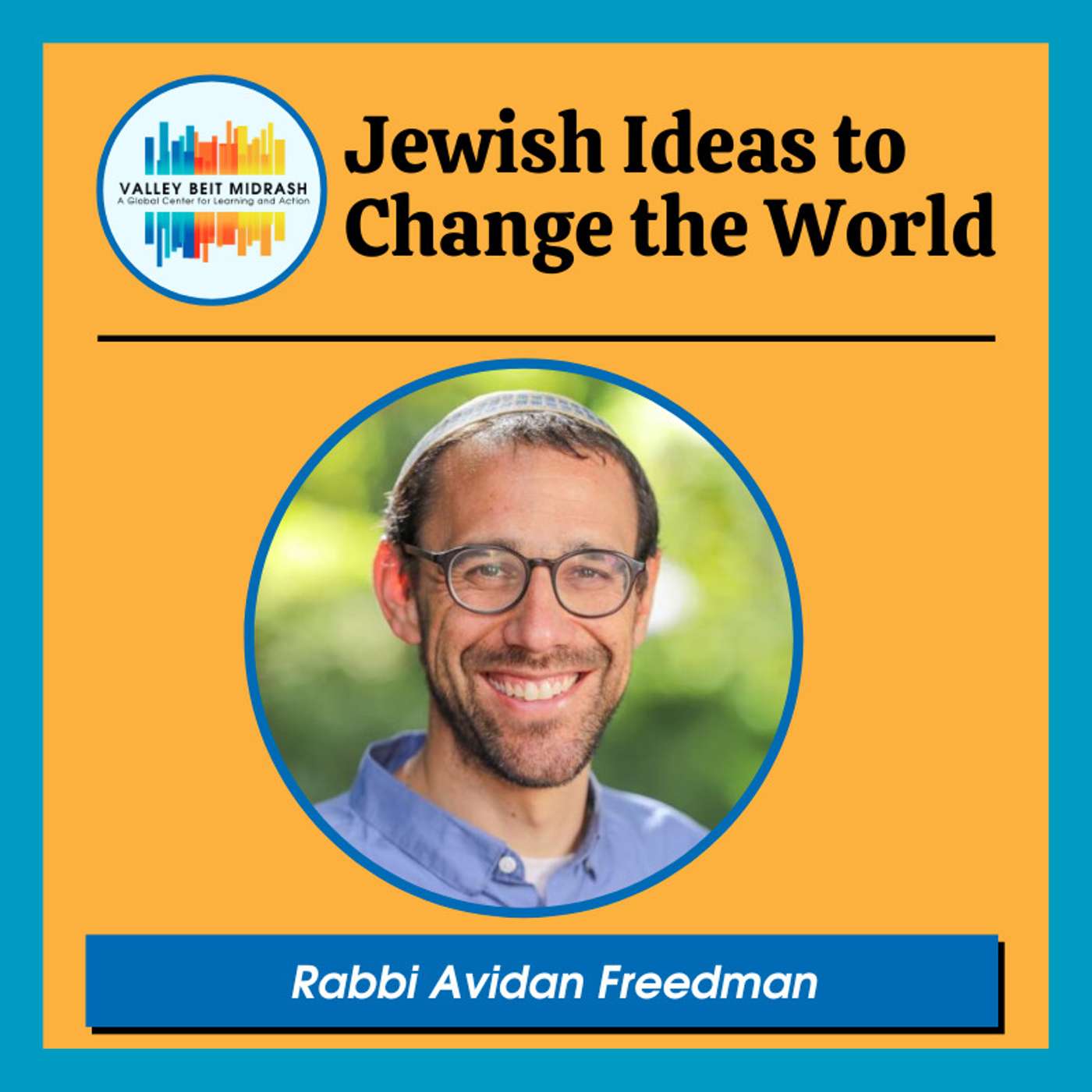
Ep 853When “The Hands of Esau” Replace “Love the Stranger”: The Corruption of Jewish Power
A virtual event presentation by Rabbi Avidan FreedmanThe event was co-sponsored by Congregation Or TzionAbout the Event: Trends in Israeli society today highlight the crucial choice that the Jewish state is faced with as the Jewish people face the moral challenge of power. More and more, “Jewish Power” (now also the name of a political party in Israel) reflects an approach to this challenge that is opposed to the approach espoused by the Torah. Rabbi Avidan Freedman, an Israeli educator, and activist against Israeli arms sales to dictatorships, will explore these approaches, from their sources in the Torah, and up until their expression in the modern-day Israeli political questions.About the Speaker: Rabbi Avidan Freedman completed a Master's Degree in Jewish Education at the Azrieli Graduate School and received rabbinical ordination from Yeshivat Chovevei Torah and the Israeli Rabbinate. He is an educator at the Shalom Hartman Institute’s high school and post-high school program and an activist who founded Yanshoof, an organization dedicated to establishing moral limits for Israeli weapons exports. Learn more at www.yanshoof.org ★ Support this podcast ★