
Jewish Ideas to Change the World
1,051 episodes — Page 18 of 22
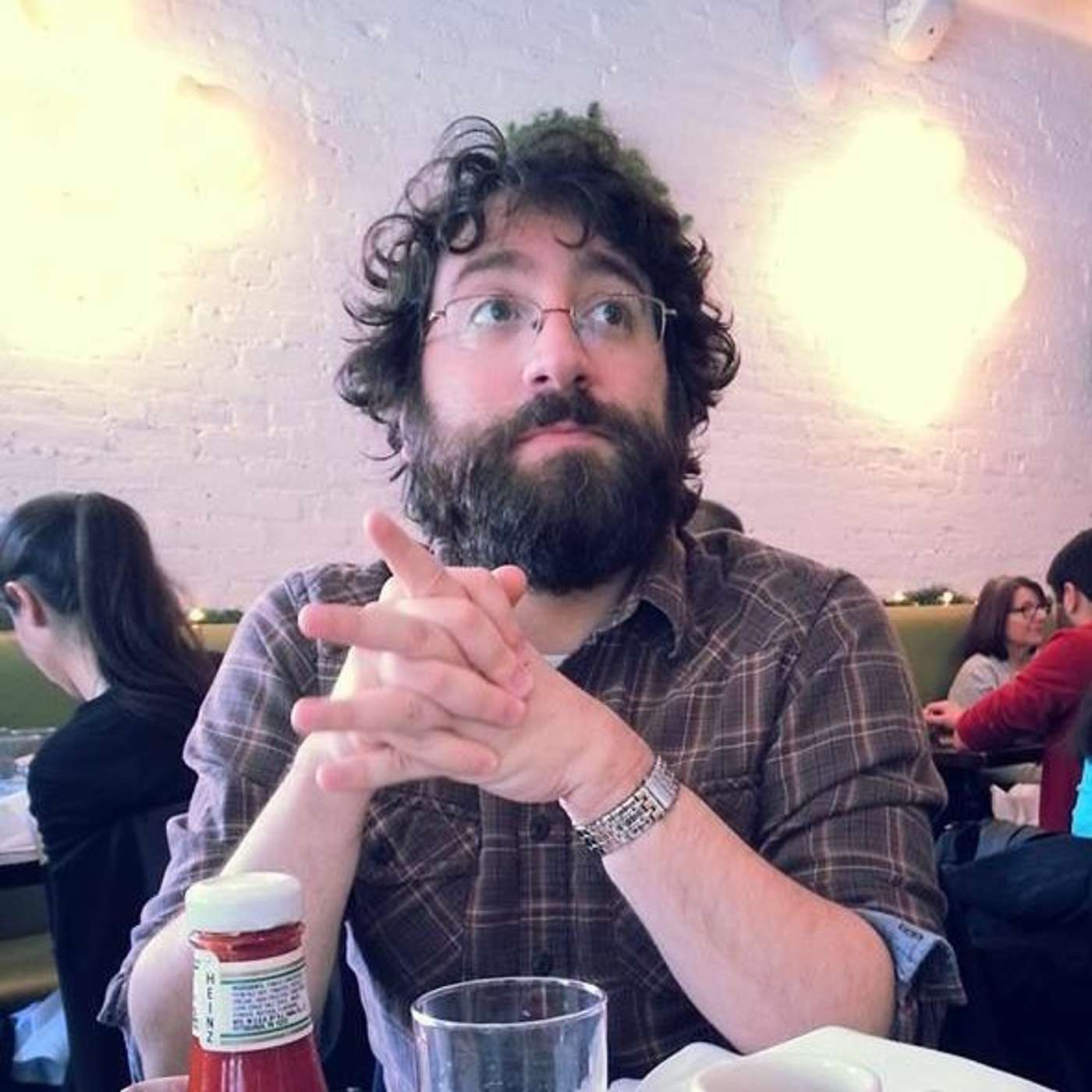
Ep 201Samuel Brody - A Land of Two Peoples: Martin Buber and Bi-nationalism in Palestine
Professor Samuel Brody, assistant professor of religious studies at the University of Kansas, presents his Valley Beit Midrash lecture "A Land of Two Peoples: Martin Buber and Bi-nationalism in Palestine" before an audience at Beth Emeth Congregation of the West Valley (http://www.bethemethaz.org/) in Sun City West, AZ. ABOUT THIS LECTURE: Most today remember Martin Buber for his collections of Hasidic tales, as well as his dialogical philosophy of I and Thou. However, Buber was also an active and concerned member of the Zionist movement, famously advocating against the UN partition plan on the grounds that the land should be shared between its two peoples. This talk will explore the theological and political basis of Buber’s views, arguing that while most of Buber’s opponents saw him as an idealistic academic unrealistically applying his philosophy to reality, he was actually much closer to contemporary religious Zionism than anyone would care to admit. DONATE: bit.ly/1NmpbsP LEARNING MATERIALS: https://bit.ly/2Czz5VZ For more info, please visit: www.facebook.com/valleybeitmidrash/ facebook.com/BethEmethofWValleyAZ twitter.com/VBMTorah www.facebook.com/RabbiShmulyYanklowitz/ Music: "They Say" by WowaMusik, a public domain track from the YouTube Audio Library. ★ Support this podcast ★
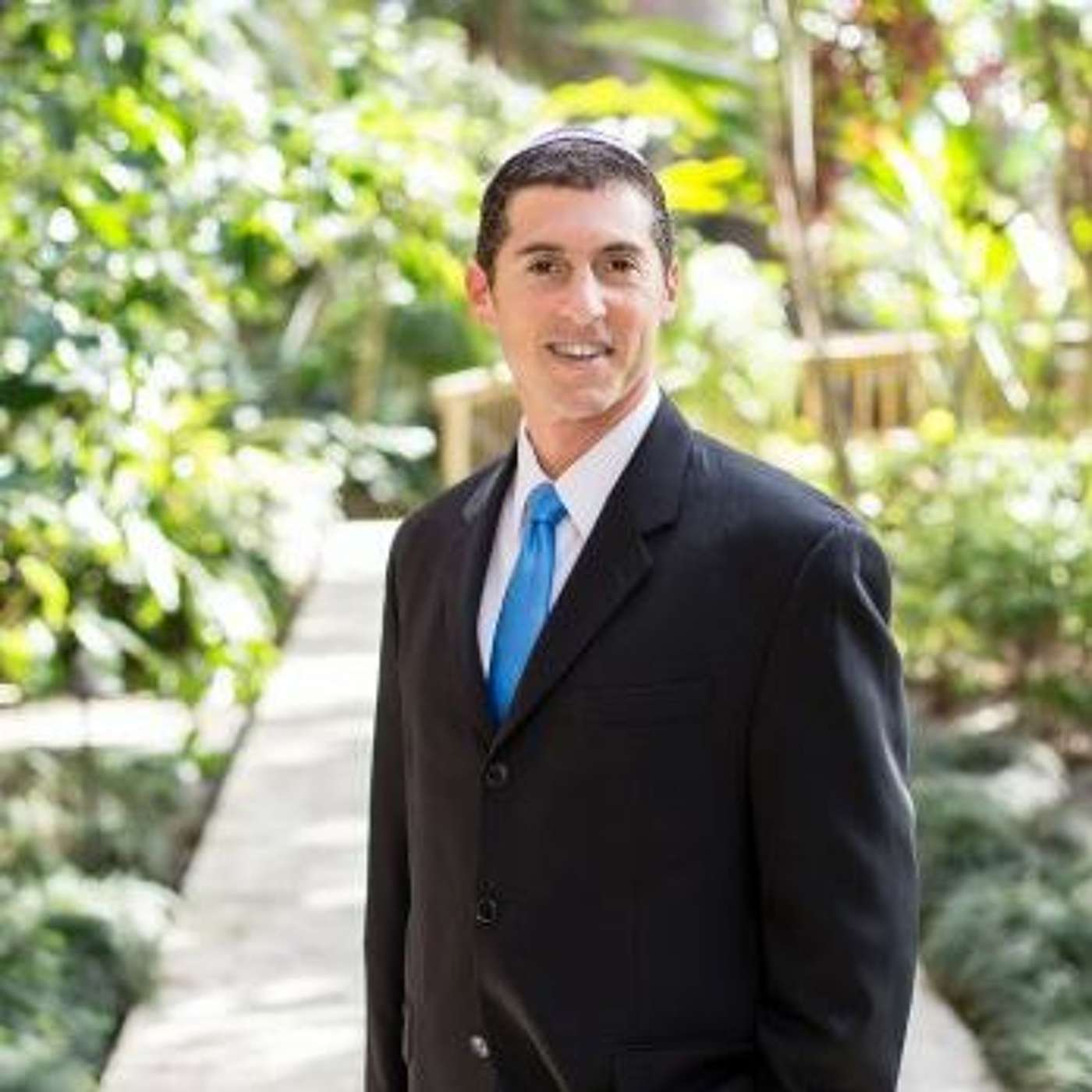
Ep 200Jordan B. Gorfinkel - Illustrating the Passover Haggadah Graphic Novel
Jordan B. Gorfinkel(http://jewishcartoon.com/), aka GORF, presents his lecture "Illustrating the Passover Haggadah Graphic Novel" before an audience at Temple Chai (www.templechai.com/) in Phoenix, AZ. ABOUT THIS LECTURE: In “Illustrating the Passover Haggadah Graphic Novel…Or: Everything I Needed To Know About the Haggadah I Learned From Batman,” veteran comic book creator and editor Jordan B. Gorfinkel (aka GORF) will analyze the narrative and thematic elements of the Haggadah in order to show how the story lends itself perfectly to a comic book adaptation. ABOUT THE HAGGADAH: The Passover Haggadah Graphic Novel integrates a brand-new, modern translation into sophisticated and fun sequential art that brings the epic Exodus story to life. The result of extensive historical and linguistic research, every gorgeous panel imbues the classic narrative with renewed relevance and excitement. DONATE: bit.ly/1NmpbsP PURCHASE THE HAGGADAH: https://amzn.to/2SsIaKi For more info, please visit: www.facebook.com/valleybeitmidrash/ www.facebook.com/temple.chai twitter.com/VBMTorah www.facebook.com/RabbiShmulyYanklowitz/ https://www.facebook.com/HaggadahGraphicNovel/ Music: "They Say" by WowaMusik, a public domain track from the YouTube Audio Library. ★ Support this podcast ★
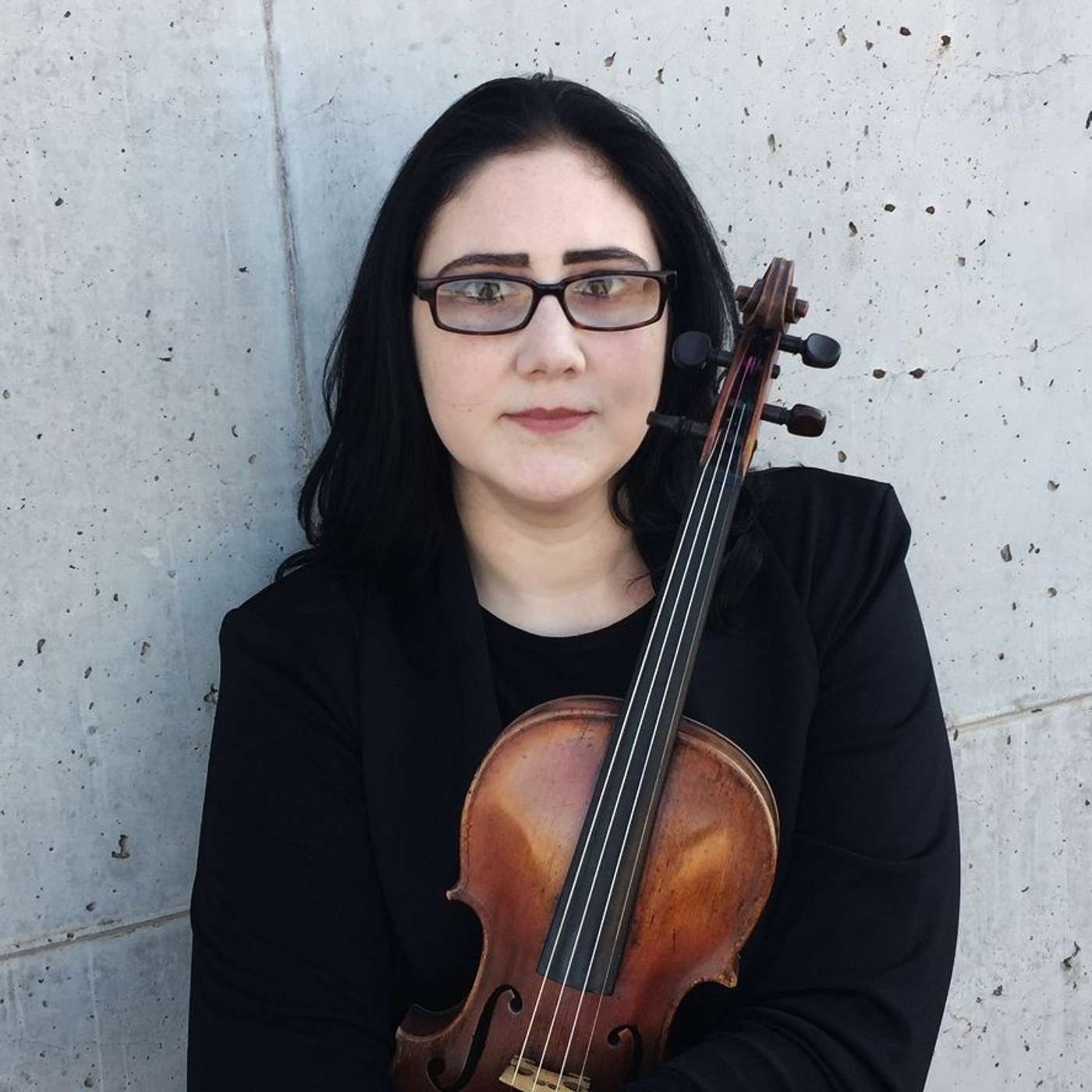
Ep 199Alexandra Birch - Music and the Holocaust
Dr. Alexandra Birch (www.alexandrabirch.com) presents her lecture and performance piece "Music and the Holocaust: Musical Stolpersteine and Recovered Music from the Holocaust" before an audience at Temple Chai (www.templechai.com/) in Phoenix, AZ. ABOUT THIS LECTURE: Dr. Alexandra Birch is a researcher and violinist who finds and performs lost music from the Holocaust in Europe and the former USSR. Join Dr. Birch as she discusses her most recent research, musical commemoration of the Holocaust, and the more unknown “Holocaust by Bullets” in the former USSR. She will also play samples and discuss five new pieces she has recorded. This event will be a memorable evening of scholarship, music, and remembrance. DONATE: bit.ly/1NmpbsP LEARNING MATERIALS: https://bit.ly/2XWRmWe For more info, please visit: www.facebook.com/valleybeitmidrash/ www.facebook.com/temple.chai twitter.com/VBMTorah www.facebook.com/RabbiShmulyYanklowitz/ Music: "They Say" by WowaMusik, a public domain track from the YouTube Audio Library. ★ Support this podcast ★
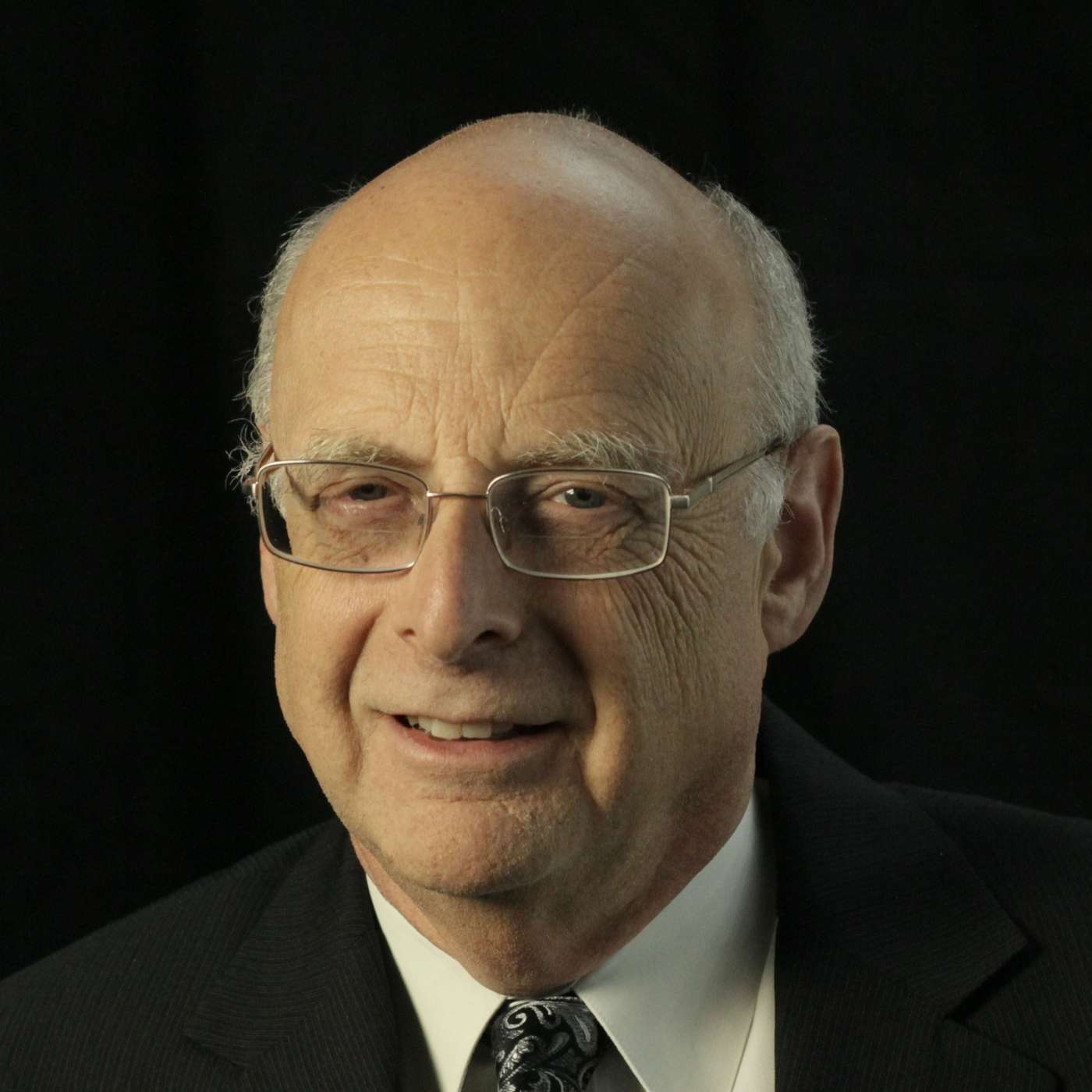
Ep 198Steven Windmueller - The Jewish Community in 2050
Professor Steven Windmueller, the Rabbi Alfred Gottschalk Emeritus Professor of Jewish Communal Service, presents his lecture "The Jewish Community in 2050" before an audience at Temple Kol Ami (www.templekolami.org/) in Scottsdale, AZ. ABOUT THIS LECTURE: This program analyzes what is happening demographically, religiously and culturally to American Jewry. DONATE: bit.ly/1NmpbsP For more info, please visit: www.facebook.com/valleybeitmidrash/ www.facebook.com/temple.kolami.9 twitter.com/VBMTorah www.facebook.com/RabbiShmulyYanklowitz/ Music: "They Say" by WowaMusik, a public domain track from the YouTube Audio Library. ★ Support this podcast ★
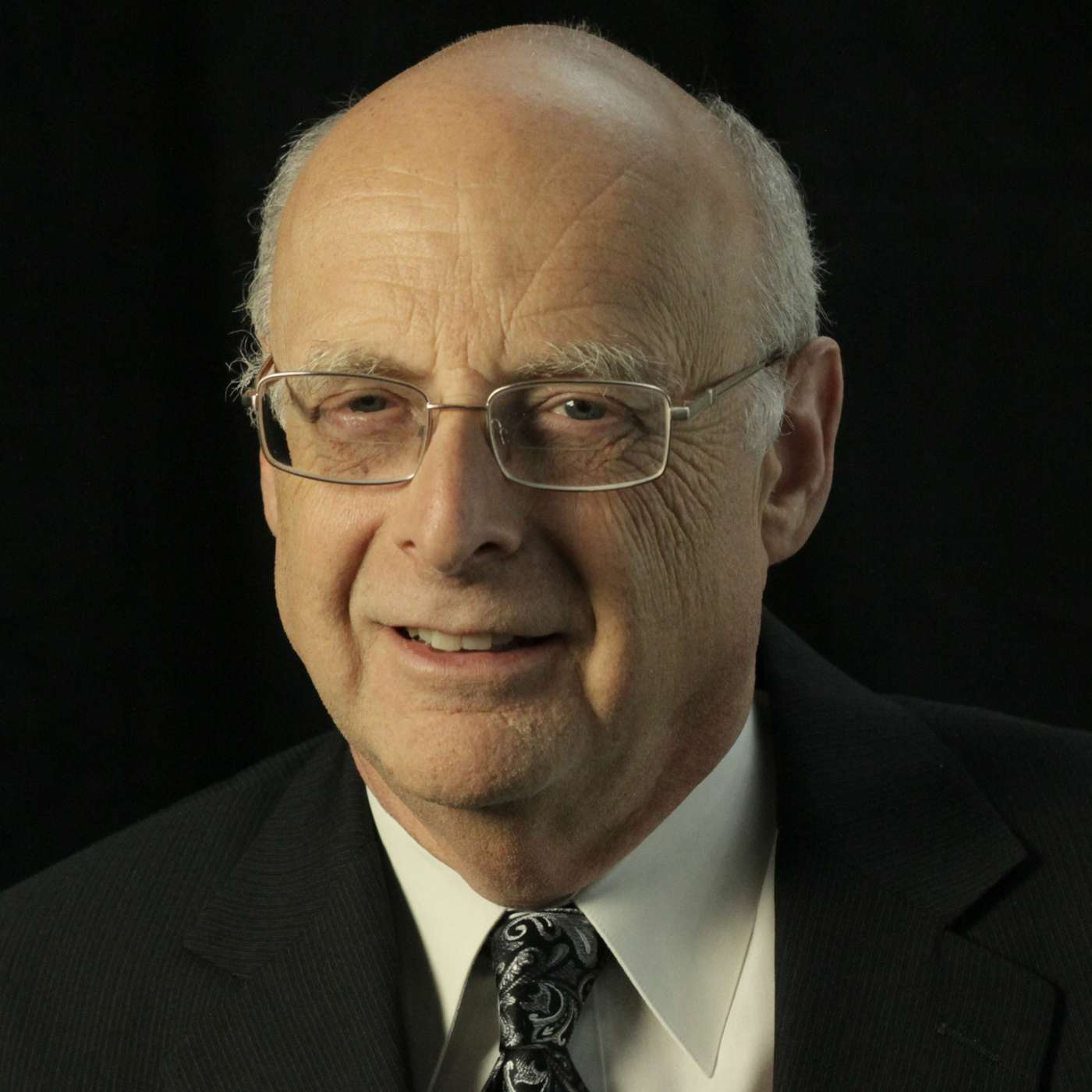
Ep 197Steven Windmueller - Why Now, Why Here: Anti-Semitism in America
Professor Steven Windmueller, the Rabbi Alfred Gottschalk Emeritus Professor of Jewish Communal Service, presents his lecture "Why Now, Why Here: Anti-Semitism in America" before an audience at Temple Solel (www.templesolel.org/) in Paradise Valley, AZ. ABOUT THIS LECTURE: This presentation focuses on the recent and rapid rise in anti-Semitism and seeks to explain why this is happening. DONATE: bit.ly/1NmpbsP LEARNING MATERIALS: https://bit.ly/2O1SSSs For more info, please visit: www.facebook.com/valleybeitmidrash/ https://www.facebook.com/templesolelaz/ twitter.com/VBMTorah www.facebook.com/RabbiShmulyYanklowitz/ Music: "They Say" by WowaMusik, a public domain track from the YouTube Audio Library. ★ Support this podcast ★
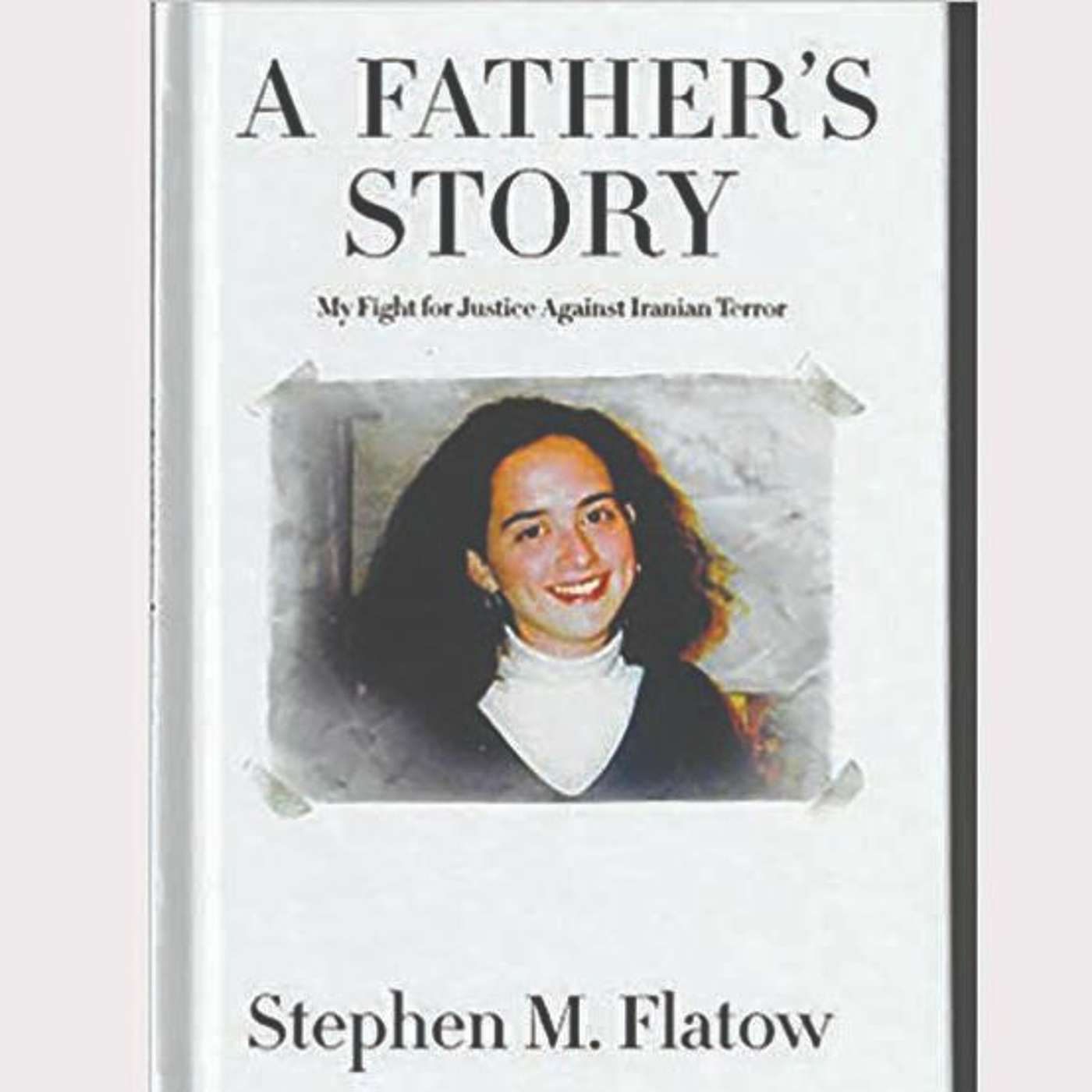
Ep 196Stephen M. Flatow - A Father’s Story: My Fight for Justice Against Iranian Terror
Stephen M. Flatow, vice president of the Religious Zionists of America and a noted author, presents his lecture "A Father’s Story: My Fight for Justice Against Iranian Terror" before an audience at Temple Kol Ami (www.templekolami.org/) in Scottsdale, AZ. ABOUT THIS LECTURE: This is the story of one brave father’s determination to bring his daughter’s murderers to justice through the American justice system. Stephen M. Flatow says he was “just a real estate lawyer in New Jersey” until April 9, 1995. Flatow’s life changed that day when he learned his daughter Alisa, a twenty-year-old college student traveling in Israel, had been the victim of a terrorist bus-bombing. After he discovered the Iranian government had directly sponsored the bomber, Flatow decided to sue the terror state. It was not to be quixotic, as Flatow, working with a superb Washington lawyer and an astute forensic researcher, not only won a dramatic verdict against Iran, but collected a huge judgment. DONATE: bit.ly/1NmpbsP PURCHASE THE BOOK: https://amzn.to/2HkP2Cy For more info, please visit: www.facebook.com/valleybeitmidrash/ www.facebook.com/temple.kolami.9 twitter.com/VBMTorah www.facebook.com/RabbiShmulyYanklowitz/ Music: "They Say" by WowaMusik, a public domain track from the YouTube Audio Library. ★ Support this podcast ★
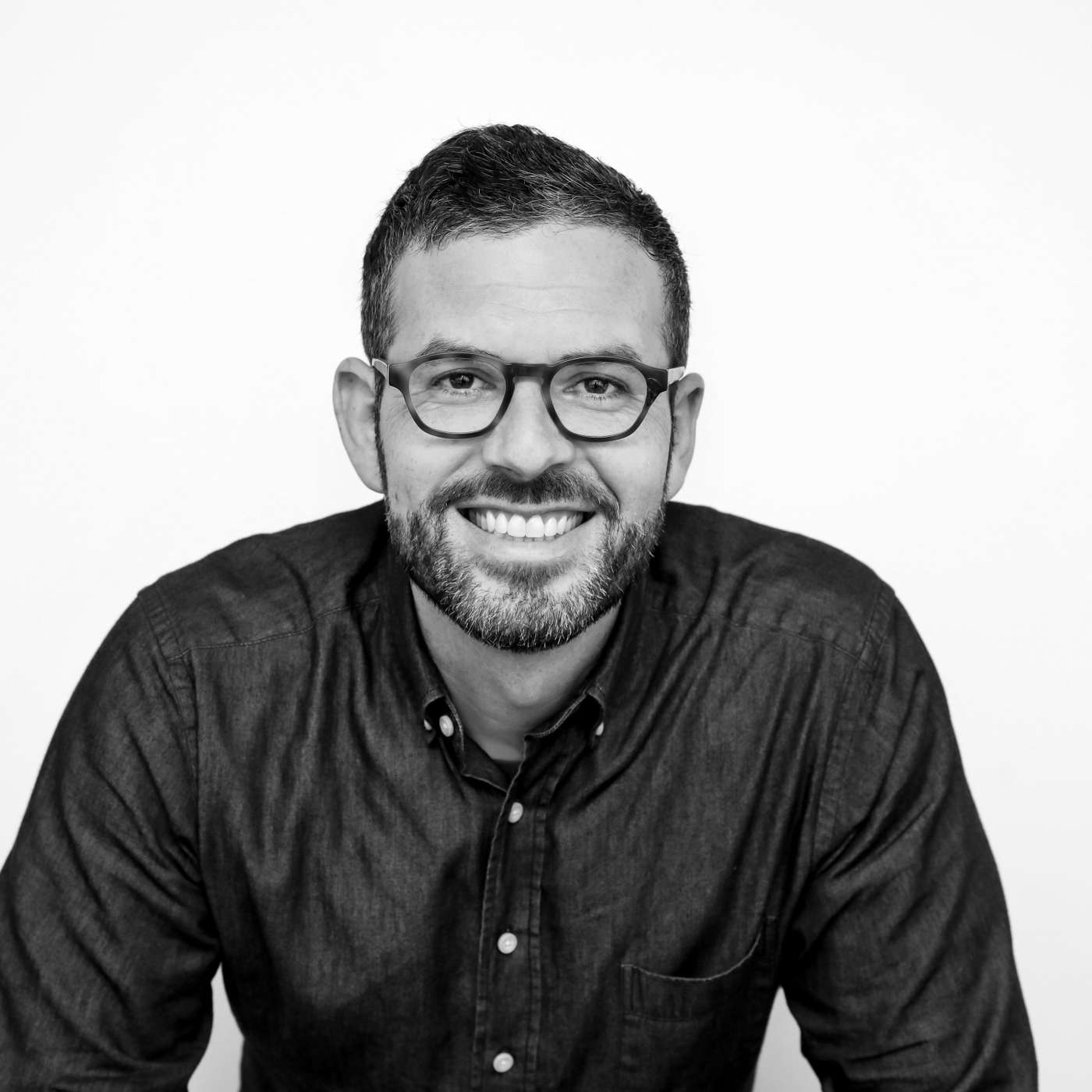
Ep 195David Kasher - The Torah of Martin Luther King, Jr.
Rabbi Dr. David Kasher, Associate Rabbi at IKAR (ikar-la.org/)presents his lecture "The Torah of Martin Luther King, Jr." before an audience at Congregation Or Tzion (www.congregationortzion.org) in Scottsdale, AZ. ABOUT THIS LECTURE: Dr. Martin Luther King Jr., one of our great American heroes, was a uniquely gifted orator. His speeches are breathtaking performances, by any standard. But heard through Jewish ears, they strike particular chords of resonance. For King was able to effortlessly weave in references to the Hebrew Bible that evoke classic moments from the Jewish narrative. By turning back to reflect on those passages, we can gain a deeper understanding of King’s message, and the ways in which he was offering his own novel interpretations of these texts that are so beloved to our tradition. DONATE: bit.ly/1NmpbsP LEARNING MATERIALS: https://bit.ly/2IVP7Py For more info, please visit: www.facebook.com/valleybeitmidrash/ www.facebook.com/OrTzionAZ/ twitter.com/VBMTorah www.facebook.com/RabbiShmulyYanklowitz/ Music: "They Say" by WowaMusik, a public domain track from the YouTube Audio Library. ★ Support this podcast ★
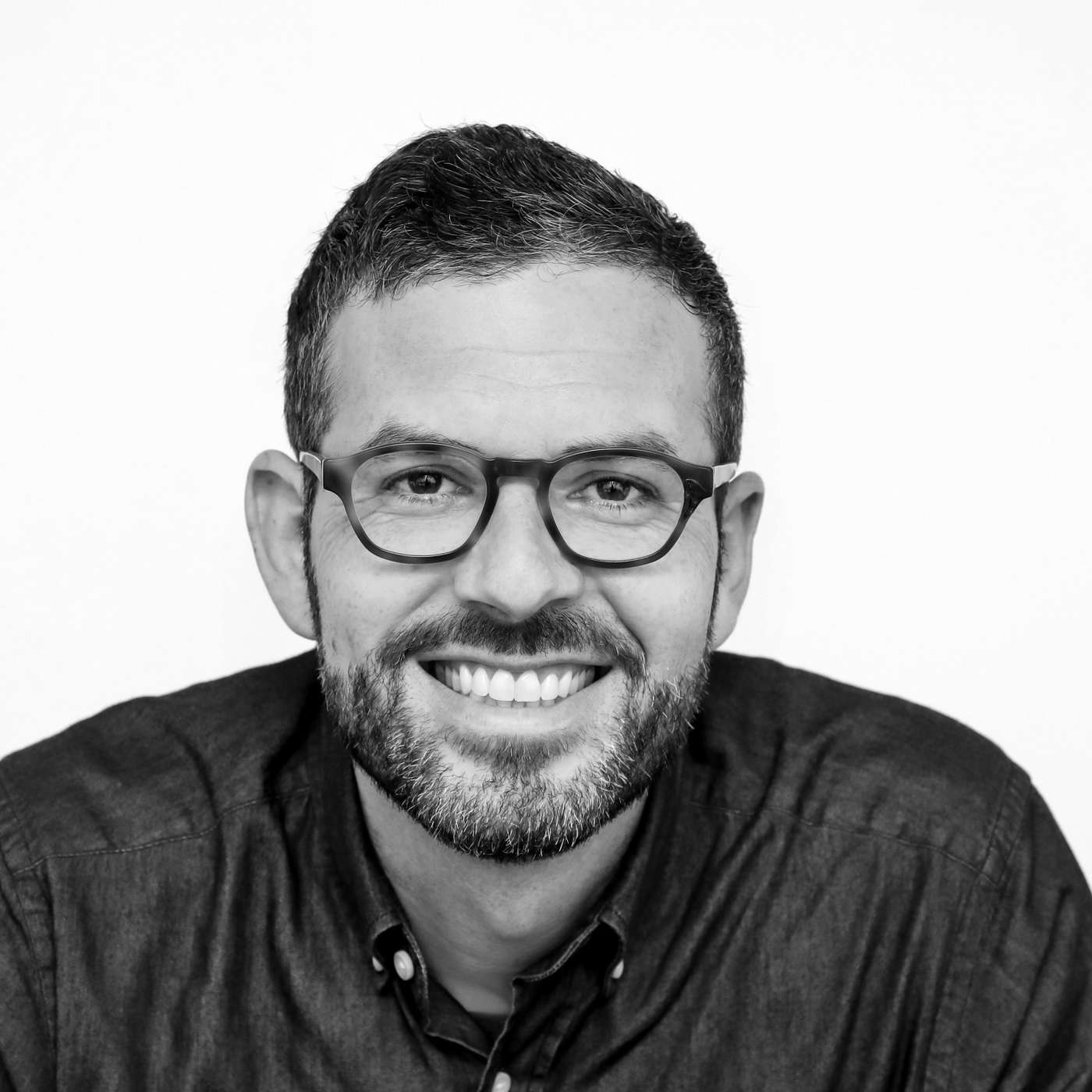
Ep 194David Kasher - Thou Shalt Be a Mensch: The Jewish Line Between Law and Ethics
Rabbi Dr. David Kasher, Associate Rabbi at IKAR (https://ikar-la.org/)presents his lecture "Thou Shalt Be a Mensch: The Jewish Line Between Law and Ethics" for the Jewish Community Foundation (www.jcfphoenix.org/) ABOUT THIS LECTURE: In perhaps no other religious tradition does Law hold more central place than it does in Judaism. In their founding code, The Mishnah, the rabbis mapped out a system of laws that are meant to regulate nearly every sphere of human life. Yet of out 63 tractates there is one – Avot – that does not seem to dictate legal obligations, but simply to advise good behavior. What is the role of this exceptional volume in the larger work of the Mishnah, and what does it tell us about the relationship between Law and Ethics in Judaism? DONATE: bit.ly/1NmpbsP LEARNING MATERIALS: https://bit.ly/2C7f8pf For more info, please visit: www.facebook.com/valleybeitmidrash/ www.facebook.com/Jewish-Community…60791413/?ref=ts twitter.com/VBMTorah www.facebook.com/RabbiShmulyYanklowitz/ Music: "They Say" by WowaMusik, a public domain track from the YouTube Audio Library. ★ Support this podcast ★
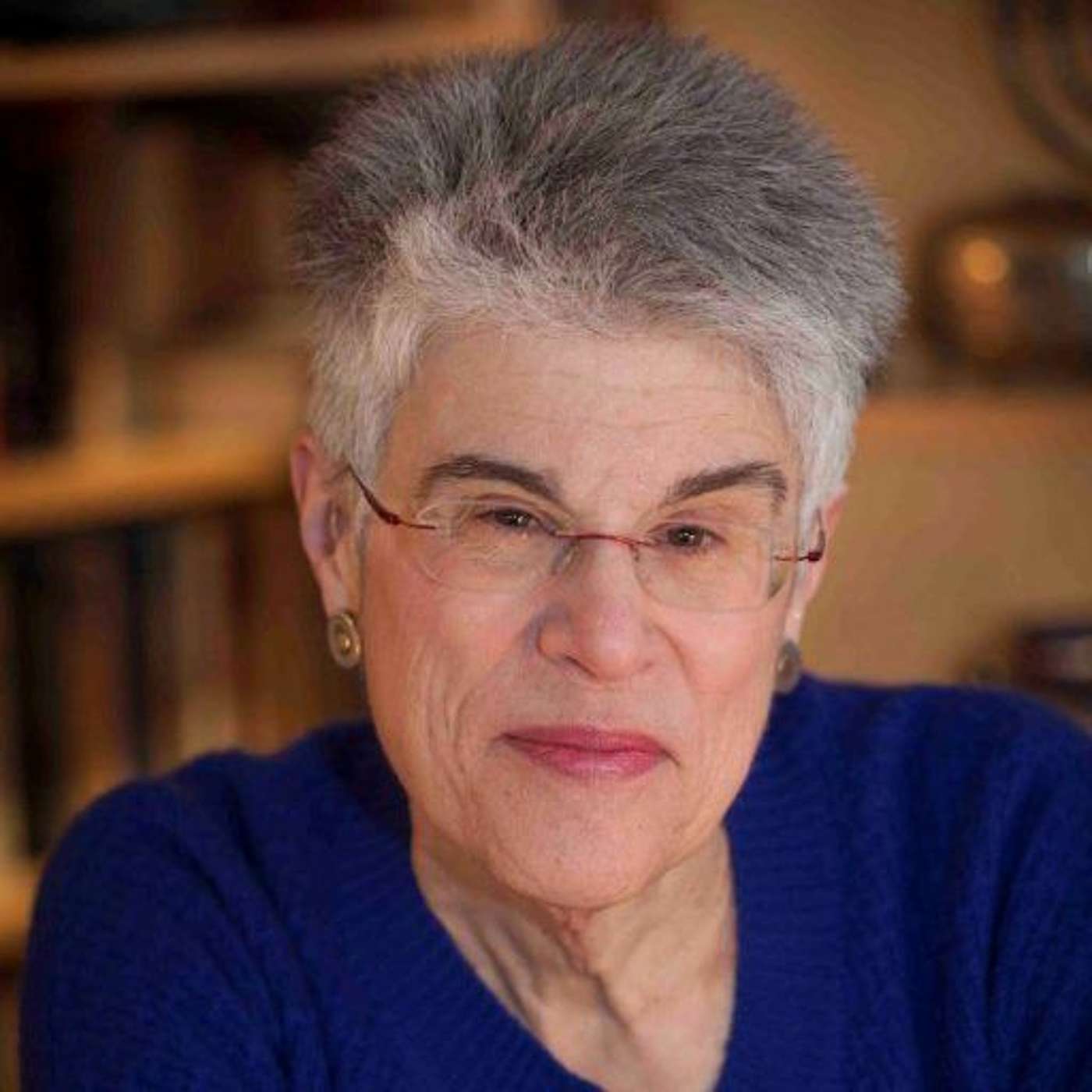
Ep 193Judith Hauptman - The Moral Obligation to Speak Out in the Face of Wrongdoing
Professor Judith Hauptman, the E. Billi Ivry Professor (emerita) of Talmud and Rabbinic Culture at the Jewish Theological Seminary, presents her lecture "The Moral Obligation to Speak Out in the Face of Wrongdoing" for the Jewish Community Foundation (www.jcfphoenix.org/) ABOUT THIS LECTURE: A wonderful sugya in Bavli Shabbat (54b-55a) takes up the question of what to do when one sees people misbehaving, whether they are government officials or neighbors, whether they are breaking religious or civil law. Via anecdotes and midrashim, a very demanding moral principle emerges. DONATE: bit.ly/1NmpbsP LEARNING MATERIALS: https://bit.ly/2HeEghj For more info, please visit: www.facebook.com/valleybeitmidrash/ www.facebook.com/Jewish-Community…60791413/?ref=ts twitter.com/VBMTorah www.facebook.com/RabbiShmulyYanklowitz/ Music: "They Say" by WowaMusik, a public domain track from the YouTube Audio Library. ★ Support this podcast ★
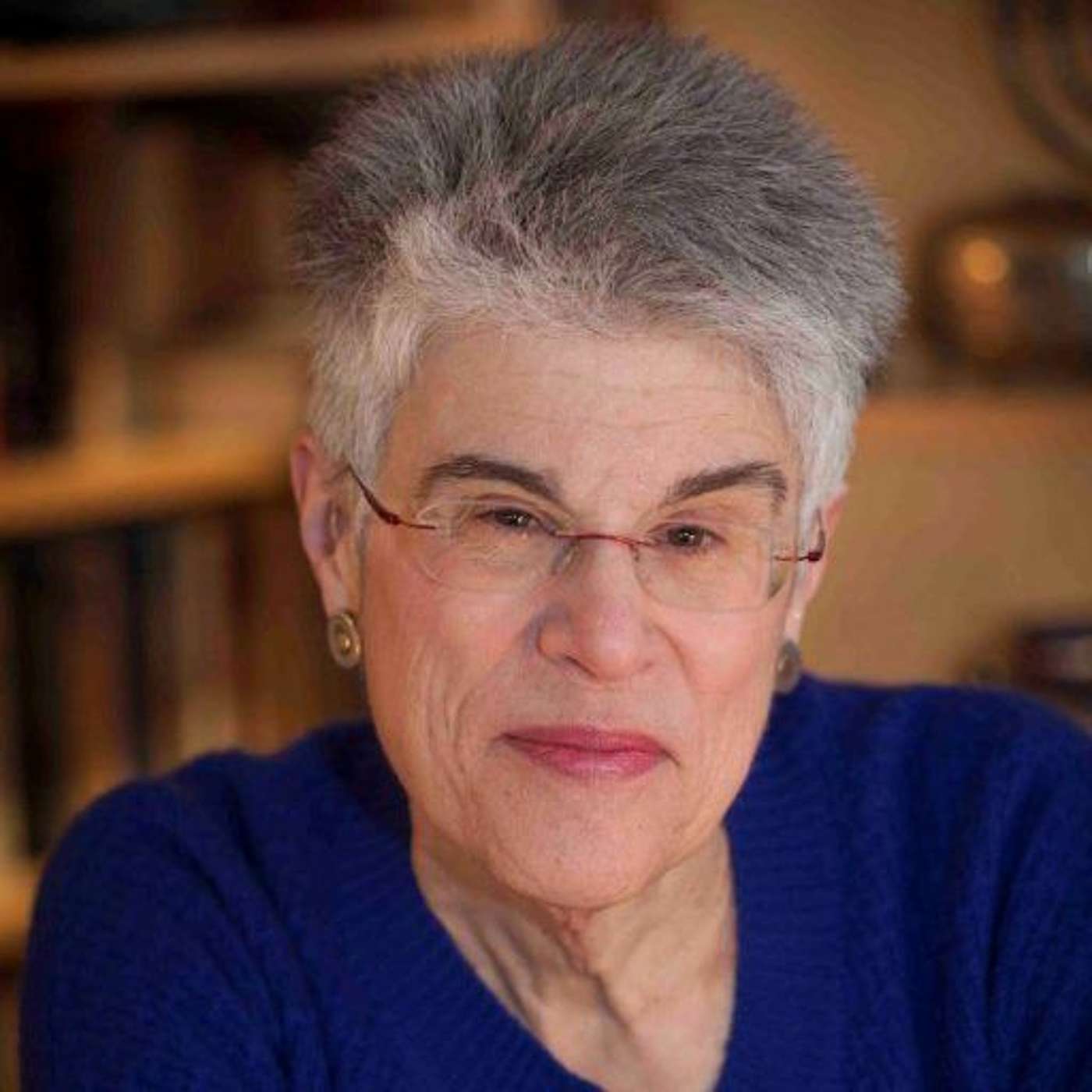
Ep 192Judith Hauptman - Women’s Voices in the Talmud
Professor Judith Hauptman, the E. Billi Ivry Professor (emerita) of Talmud and Rabbinic Culture at the Jewish Theological Seminary, presents her lecture "Women's Voices in the Talmud" before an audience at Congregation Or Tzion (www.congregationortzion.org) in Scottsdale, AZ. ABOUT THIS LECTURE: In general, only men issue halakhic statements in the Talmud. But women appear often in anecdotes about how the law was carried out. A close reading of some short anecdotes reveals that women took the law into their own hands and made changes in it for personal reasons. By looking closely at some of these anecdotes, we will see the kinds of changes women made in the law and the reasons for these changes. DONATE: bit.ly/1NmpbsP LEARNING MATERIALS: https://bit.ly/2GU4p5k For more info, please visit: www.facebook.com/valleybeitmidrash/ www.facebook.com/OrTzionAZ/ twitter.com/VBMTorah www.facebook.com/RabbiShmulyYanklowitz/ Music: "They Say" by WowaMusik, a public domain track from the YouTube Audio Library. ★ Support this podcast ★
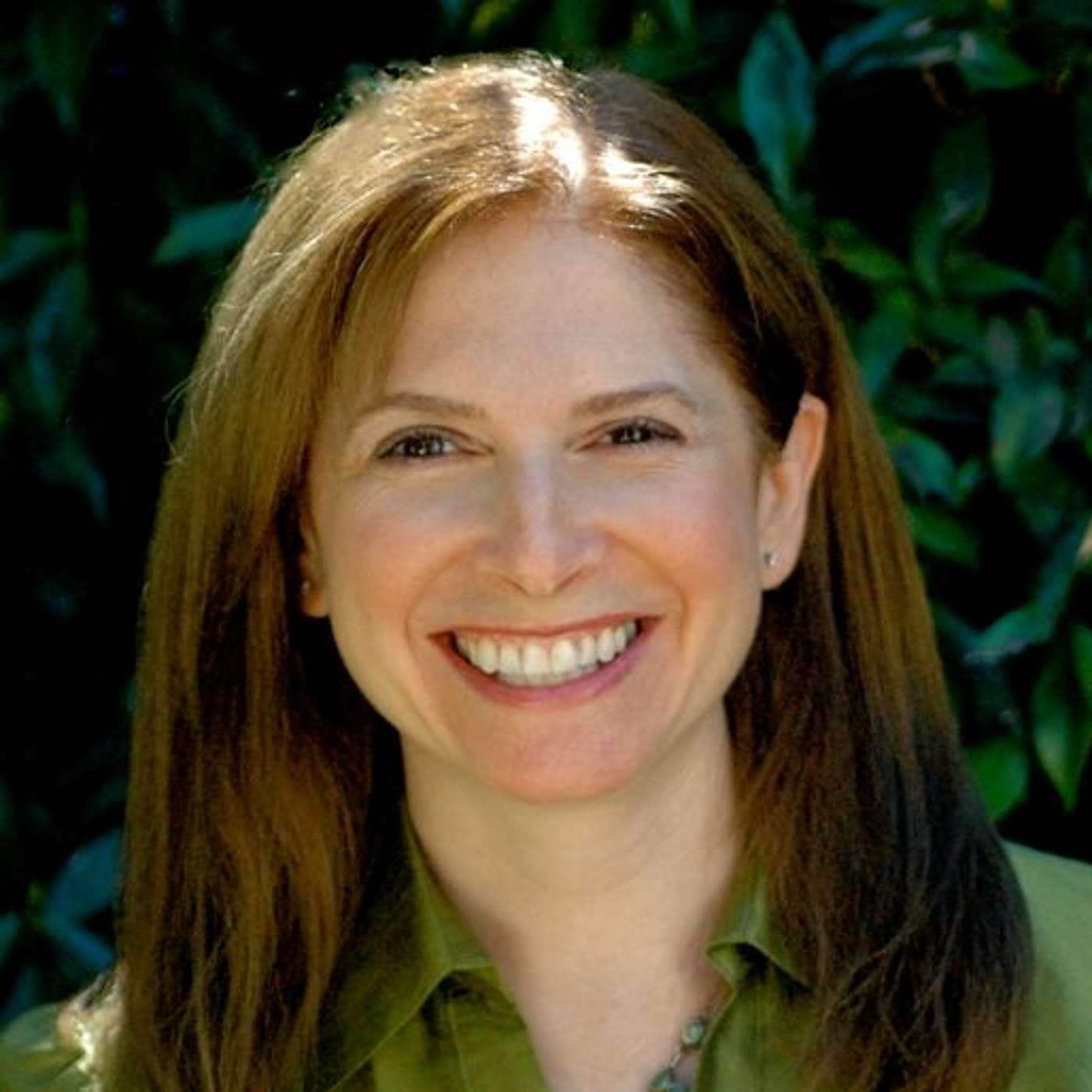
Ep 191Naomi Levy - Einstein and the Rabbi
Rabbi Naomi Levy (http://rabbinaomilevy.com/), presents her lecture "Einstein and the Rabbi" before an audience at Temple Solel (www.templesolel.org/) in Paradise Valley, AZ. ABOUT THIS LECTURE: A bestselling author and rabbi’s profoundly affecting exploration of the meaning and purpose of the soul, inspired by the famous correspondence between Albert Einstein and a grieving rabbi. “A human being is part of the whole, called by us ‘Universe,’ a part limited in time and space. He experiences himself, his thoughts, and feelings as something separate from the rest—a kind of optical delusion of his consciousness…” —Albert Einstein When Rabbi Naomi Levy came across this poignant letter by Einstein it shook her to her core. His words perfectly captured what she has come to believe about the human condition: That we are intimately connected, and that we are blind to this truth. Levy wondered what had elicited such spiritual wisdom from a man of science? Thus began a three-year search into the mystery of Einstein’s letter, and into the mystery of the human soul. What emerges is an inspiring, deeply affecting book for people of all faiths filled with universal truths that will help us reclaim our own souls and glimpse the unity that has been evading us. We all long to see more expansively, to live up to our gifts, to understand why we are here. Levy leads us on a breathtaking journey full of wisdom, empathy and humor, challenging us to wake up and heed the voice calling from within—a voice beckoning us to become who we were born to be. DONATE: bit.ly/1NmpbsP PURCHASE: https://amzn.to/2U0TkTf For more info, please visit: www.facebook.com/valleybeitmidrash/ https://www.facebook.com/templesolelaz/ twitter.com/VBMTorah www.facebook.com/RabbiShmulyYanklowitz/ Music: "They Say" by WowaMusik, a public domain track from the YouTube Audio Library. ★ Support this podcast ★

Ep 190Eitan Fishbane - Love of Neighbor, Love of God: How the Two are One in Jewish Mystical Thought
Professor Eitan Fishbane, associate professor of Jewish thought at the Jewish Theological Seminary (www.eitanfishbane.com/), presents his lecture "Love of Neighbor, Love of God: How the Two are One in Jewish Mystical Thought" before an audience at Congregation Or Tzion (www.congregationortzion.org) in Scottsdale, AZ. ABOUT THIS LECTURE: The imperative to love (ve-ahavtah) appears in at least three ways in the Torah: the command to love God, to love one’s neighbor as oneself, and to love the stranger. In this session we will explore mystical sources that characterize these loves as inseparably intertwined; that one encounters God in the face of the other. DONATE: bit.ly/1NmpbsP LEARNING MATERIALS: https://bit.ly/2SdgR1l For more info, please visit: www.facebook.com/valleybeitmidrash/ www.facebook.com/OrTzionAZ/ twitter.com/VBMTorah www.facebook.com/RabbiShmulyYanklowitz/ Music: "They Say" by WowaMusik, a public domain track from the YouTube Audio Library. ★ Support this podcast ★
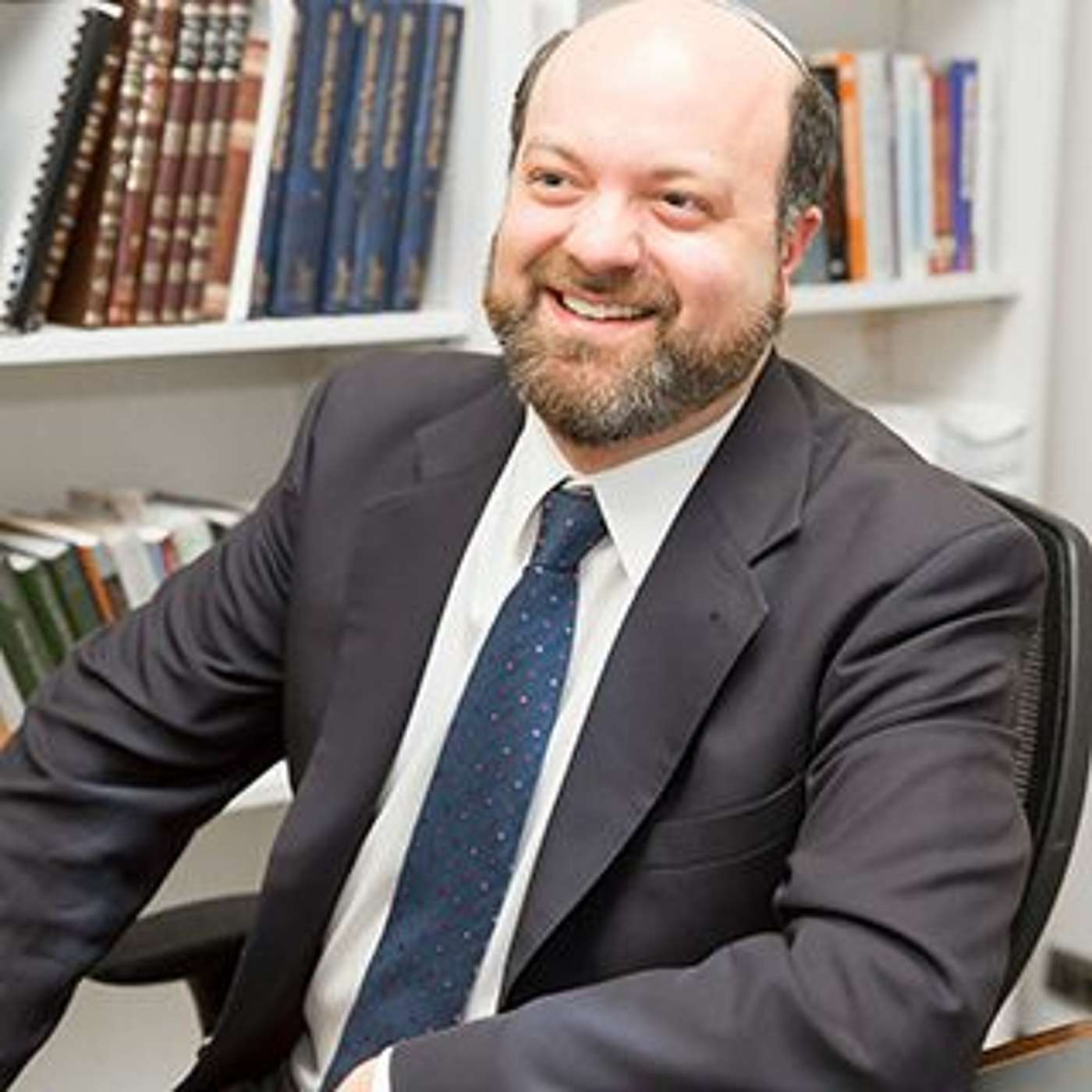
Ep 189Eitan Fishbane - Is the Human Being Divine? Soul and Body in Jewish Mystical Thought
Professor Eitan Fishbane, associate professor of Jewish thought at the Jewish Theological Seminary (www.eitanfishbane.com/), presents his lecture "Is the Human Being Divine? Soul and Body in Jewish Mystical Thought" before an audience at Temple Solel (www.templesolel.org/) in Paradise Valley, AZ. ABOUT THIS LECTURE: Influential kabbalists argued that the soul is the essence of a person and that the soul is a direct emanation from God. So can we claim that there is a true distinction between Divinity and humanity? We will study sources from Kabbalah and Hasidism that develop this subject, seeking to understand how Jewish mystics defined the core of human nature. DONATE: bit.ly/1NmpbsP LEARNING MATERIALS: https://bit.ly/2InacC5 For more info, please visit: www.facebook.com/valleybeitmidrash/ www.facebook.com/templesolelaz/ twitter.com/VBMTorah www.facebook.com/RabbiShmulyYanklowitz/ Music: "They Say" by WowaMusik, a public domain track from the YouTube Audio Library. ★ Support this podcast ★
Ep 188Eitan Fishbane - Discovering God in the Natural World: Insights from Kabbalah and Hasidism
Professor Eitan Fishbane, associate professor of Jewish thought at the Jewish Theological Seminary (https://www.eitanfishbane.com/), presents his lecture "Existentialist Messianism" before an audience at Temple Chai (www.templechai.com/) in Phoenix, AZ. ABOUT THIS LECTURE: Divine sparks beneath the surface of the mundane. Nature as a window onto the divine mystery. Wilderness as the audible song of revelation. Like their counterparts in other spiritual traditions, Jewish mystics have articulated the wonder and holy power of Nature’s Temple, the manner in which the earthly is experienced as an indwelling of God. In this session, we will explore several classic expressions of this phenomenon, studying the words of medieval kabbalists alongside the teachings of Rebbe Nahman of BraZlav and non-Jewish masters such as Ralph Waldo Emerson. DONATE: bit.ly/1NmpbsP LEARNING MATERIALS: https://bit.ly/2V6BluI For more info, please visit: www.facebook.com/valleybeitmidrash/ www.facebook.com/temple.chai twitter.com/VBMTorah www.facebook.com/RabbiShmulyYanklowitz/ Music: "They Say" by WowaMusik, a public domain track from the YouTube Audio Library. ★ Support this podcast ★
Ep 187Elyse Goldstein - Women are from Genesis, Men are from Leviticus! Does Gender Read the Bible?
Rabbi Elyse Goldstein, the founding rabbi of City Shul in Toronto ( www.cityshul.com, presents her Valley Beit Midrash lecture "Women are from Genesis, Men are from Leviticus! Does Gender Read the Bible?" before an audience at Congregation Beth Israel (cbiaz.org/) in Scottsdale, AZ. ABOUT THIS LECTURE: In theory, gender is fluid. Even so, for many people, the gender they grew up identifying with colours their experiences both academic, personal, emotional and spiritual. For others, gender is “invisible,” but after exploring how others feel and hear things, they may come to see just how much societal definitions have been inculcated into their experiences as well. Does the lens of gender, then, colour even the way we read the Bible? Is the Bible or Bible study ever “neutral”? This session introduces the methodology of feminist analysis of Biblical text, and puts it into practice with several Biblical narratives, positing that a thorough feminist analysis of sacred text helps broaden the way we understand our spirituality. DONATE: bit.ly/1NmpbsP LEARNING MATERIALS: https://bit.ly/2SBBhq0 For more info, please visit: www.facebook.com/valleybeitmidrash/ www.facebook.com/cbiaz twitter.com/VBMTorah www.facebook.com/RabbiShmulyYanklowitz/ Music: "They Say" by WowaMusik, a public domain track from the YouTube Audio Library. ★ Support this podcast ★
Ep 186Dina Najman - Withholding/Withdrawing Treatment of the Terminally Ill
Rosh Kehila of The Kehilah in Riverdale, NY, presents her lecture, "Withholding/Withdrawing Treatment of the Terminally Ill" before an audience at Temple Kol Ami (www.templekolami.org/) in Scottsdale, AZ. ABOUT THIS LECTURE: Pikuach Nefesh (saving a life), as well as kavod haBriyot (human dignity), are central principles in Jewish law. With 20th-21st century medical advancements, the possibility of taking measures to extend a person’s life is a reality. As a result, the Jewish value of preservation of life, even for a brief period of time, has the capacity to compete with the value of the sanctity of life and limiting suffering. When a patient is terminally ill, experiencing a great deal of physical and/or emotional pain, what does Halakha rule regarding withholding treatment? DONATE: bit.ly/1NmpbsP LEARNING MATERIALS: https://bit.ly/2DvJjq6 For more info, please visit: www.facebook.com/valleybeitmidrash/ www.facebook.com/temple.kolami.9 twitter.com/VBMTorah www.facebook.com/RabbiShmulyYanklowitz/ Music: "They Say" by WowaMusik, a public domain track from the YouTube Audio Library. ★ Support this podcast ★
Ep 185Dina Najman - Human Cloning and Embryo Research: The Ethical and Jewish Legal Implications
Rosh Kehila of The Kehilah in Riverdale, NY, presents her lecture, "Human Cloning and Embryo Research: The Ethical and Jewish Legal Implications" for the Jewish Community Foundation (www.jcfphoenix.org/) ABOUT THIS LECTURE: Within the last few decades, medical technological developments have changed the landscape for what is possible for medical treatments. The theoretical bioethical and halakhic discussions surrounding human cloning and embryo research are becoming a reality. As a result, further advancements in organ transplantation, infertility and genetic engineering, to name a few, are directly impacted by this possibility within medicine. This class will discuss how these new possibilities within research and medicine have practical application within the halakhic and bioethical discussion. DONATE: bit.ly/1NmpbsP LEARNING MATERIALS: https://bit.ly/2UPBr9O For more info, please visit: www.facebook.com/valleybeitmidrash/ www.facebook.com/Jewish-Community…60791413/?ref=ts twitter.com/VBMTorah www.facebook.com/RabbiShmulyYanklowitz/ Music: "They Say" by WowaMusik, a public domain track from the YouTube Audio Library. ★ Support this podcast ★
Ep 184Joshua Shanes - The (re)birth of Jewish Denominations in 19th-century Europe
Professor Joshua Shanes of the College of Charleston (cofc.edu/) presents his Valley Beit Midrash lecture "Searching for Authenticity: The (re)birth of Jewish Denominations in 19th-century Europe" before an audience at Congregation Or Tzion (www.congregationortzion.org) in Scottsdale, AZ. ABOUT THIS LECTURE: Since the canonization of the Talmud, Jews lived in autonomous communities that clearly defined the meaning and obligations of Jewishness. The rise of the modern centralized state in the nineteenth century, and the impact of Enlightenment and secularization, radically transformed this reality. The dismantling of the autonomous community and the integration of Jews into European states as citizens meant the end of this self-evident Jewish identity. It brought the freedom as well as the inescapable imperative to redefine the meaning of Jewishness, first in Western Europe and then in the East. In response, Jews sought to reconstruct their Jewish identities as they always had, by grounding them in prooftexts that “proved” their own iteration of Judaism was the most authentic. This lecture will examine the process of this reconstruction, survey its main iterations, and reflect on its significance today. DONATE: bit.ly/1NmpbsP LEARNING MATERIALS: https://bit.ly/2DWxs5H For more info, please visit: www.facebook.com/valleybeitmidrash/ www.facebook.com/OrTzionAZ/ twitter.com/VBMTorah www.facebook.com/RabbiShmulyYanklowitz/ Music: "They Say" by WowaMusik, a public domain track from the YouTube Audio Library. ★ Support this podcast ★
Ep 183Joshua Shanes - The Galitsyaners: (Re)discovering Jewish Galicia
Professor Joshua Shanes of the College of Charleston (http://cofc.edu/) presents his Valley Beit Midrash lecture "The Galitsyaners: (Re)discovering Jewish Galicia" before an audience at Congregation Beth Israel (cbiaz.org/) in Scottsdale, AZ. ABOUT THIS LECTURE: Negative references to the Galitsianer as cunning, unlearned, coarse, or a religious fanatic are still heard in the early twenty-first century. Nothing could be further from the truth. In fact, in addition to its nineteenth-century Hasidic, rabbinic, and maskilic celebrities, Galicia produced countless Zionist and socialist leaders as well as a cadre of literary and academic stars in the twentieth century, most notably the noble laureate S. Y. Agnon. Galicia – the portion of the old Polish empire ruled by Austria from 1772 to 1918 – was the cradle of much of modern Jewish civilization. This talk will survey the history of this community and its place in the East European Jewish experience. DONATE: bit.ly/1NmpbsP LEARNING MATERIALS: Forthcoming For more info, please visit: www.facebook.com/valleybeitmidrash/ www.facebook.com/cbiaz twitter.com/VBMTorah www.facebook.com/RabbiShmulyYanklowitz/ Music: "They Say" by WowaMusik, a public domain track from the YouTube Audio Library. ★ Support this podcast ★
Ep 182Ariel Burger - The Life and Legacy of Elie Wiesel: A Student’s Perspective
Rabbi Dr. Ariel Burger (https://arielburger.com/) presents his Valley Beit Midrash lecture "The Life and Legacy of Elie Wiesel: A Student’s Perspective" before an audience at the Jewish Worship Group in Surprise, AZ. ABOUT THIS LECTURE: Elie Wiesel, who passed away July 2, 2016, was a Holocaust witness, human rights activist, author, and confidant of presidents and prime ministers. He was also a teacher, who mentored thousands of students to become rabbis, scholars, and activists in their own rights. One of his closest students, Rabbi Dr. Ariel Burger, author of Witness: lessons from Elie Wiesel’s Classroom (Houghton Mifflin Harcourt, November, 2018), will share his perspective on Wiesel’s impact, through personal stories and larger reflections. DONATE: bit.ly/1NmpbsP To purchase the book, visit: https://amzn.to/2SdMzAm For more info, please visit: www.facebook.com/valleybeitmidrash/ https://www.facebook.com/Ariel-Burger-361142947963007/ twitter.com/VBMTorah www.facebook.com/RabbiShmulyYanklowitz/ Music: "They Say" by WowaMusik, a public domain track from the YouTube Audio Library. ★ Support this podcast ★
Ep 181Ariel Burger - Rebbe Nachman on Joy and Suffering
Rabbi Dr. Ariel Burger presents his Valley Beit Midrash lecture "Rebbe Nachman on Joy and Suffering" before an audience at Temple Chai (www.templechai.com/) in Phoenix, AZ. ABOUT THE LECTURE: We all encounter suffering — our own and that of loved ones, colleagues, and strangers. We want to support people and find meaning, both in moments of great joy and deep suffering. We will explore seminal writings of the great spiritual master Rebbe Nachman of Breslov (1772-1810), in which he offers frameworks for spiritual understanding and practical advice for dealing with the extremes of the human condition. Self-transcendence, prayer, friendship, and faith are some of the themes we will encounter as we study the work of this increasingly relevant personality. DONATE: bit.ly/1NmpbsP LEARNING MATERIALS: https://bit.ly/2HTdixH For more info, please visit: www.facebook.com/valleybeitmidrash/ www.facebook.com/temple.chai twitter.com/VBMTorah www.facebook.com/RabbiShmulyYanklowitz/ Music: "They Say" by WowaMusik, a public domain track from the YouTube Audio Library. ★ Support this podcast ★
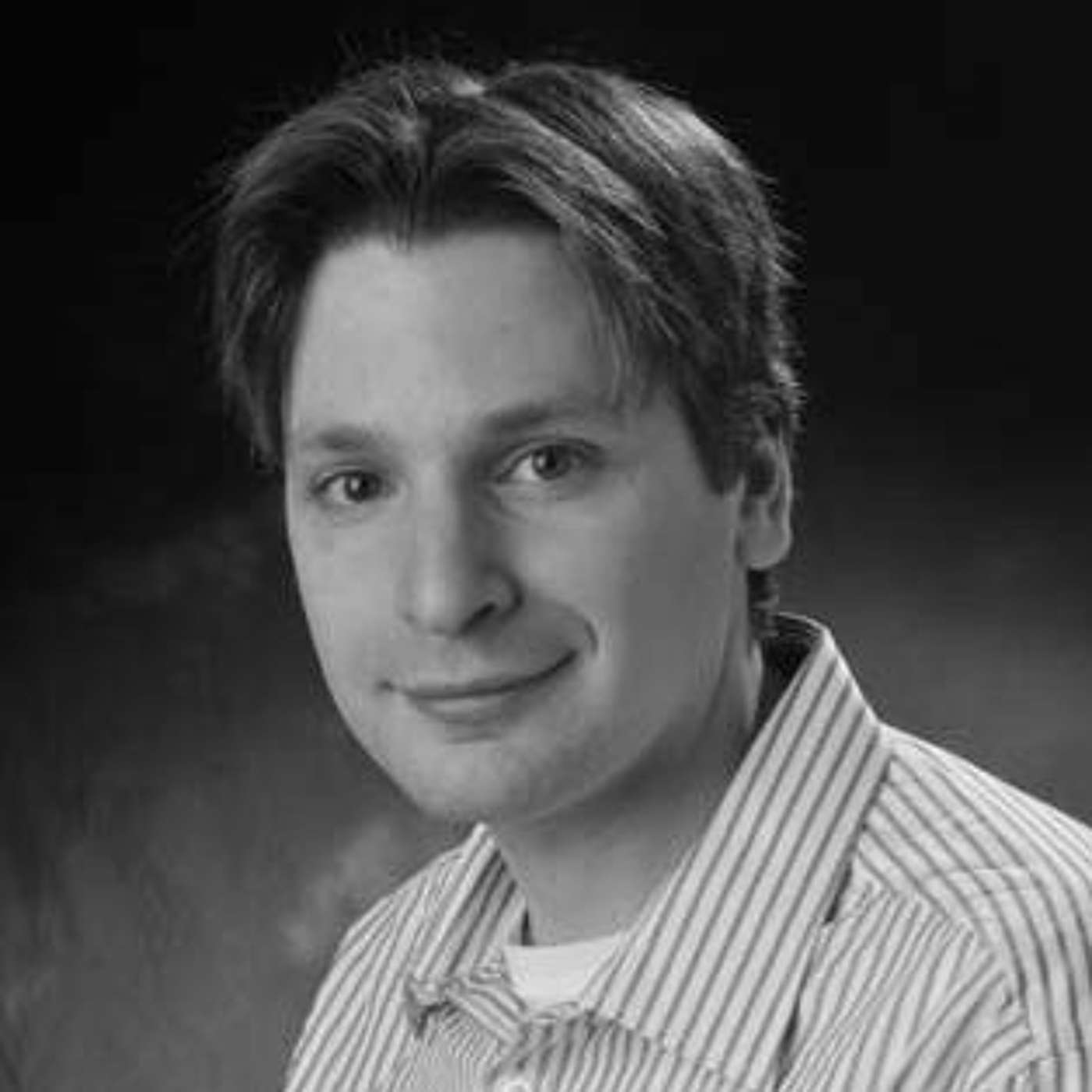
Ep 180Elias Sacks - Does Christianity Matter for Judaism — and Vice Versa?
Professor Elias Sacks, Associate Professor of Religious Studies at the University of Colorado Boulder presents his lecture, "Does Christianity Matter for Judaism — and Vice Versa?" before an audience at Temple Kol Ami (www.templekolami.org/) in Scottsdale, AZ. ABOUT THIS LECTURE: What can Christians learn from Judaism, and what can Jews learn from Christianity? What do we have to gain from inter-religious dialogue, and what challenges can such conversations pose? To what extent does a commitment to Judaism or Christianity benefit from – or even require – an engagement with the other tradition, and what sorts of risks might arise from these encounters? We will explore diverse answers to these questions, wrestling with sources from the New Testament to works of post-Holocaust theology. DONATE: bit.ly/1NmpbsP LEARNING MATERIALS: https://bit.ly/2HGEJKP For more info, please visit: www.facebook.com/valleybeitmidrash/ www.facebook.com/temple.kolami.9 twitter.com/VBMTorah www.facebook.com/RabbiShmulyYanklowitz/ Music: "They Say" by WowaMusik, a public domain track from the YouTube Audio Library. ★ Support this podcast ★
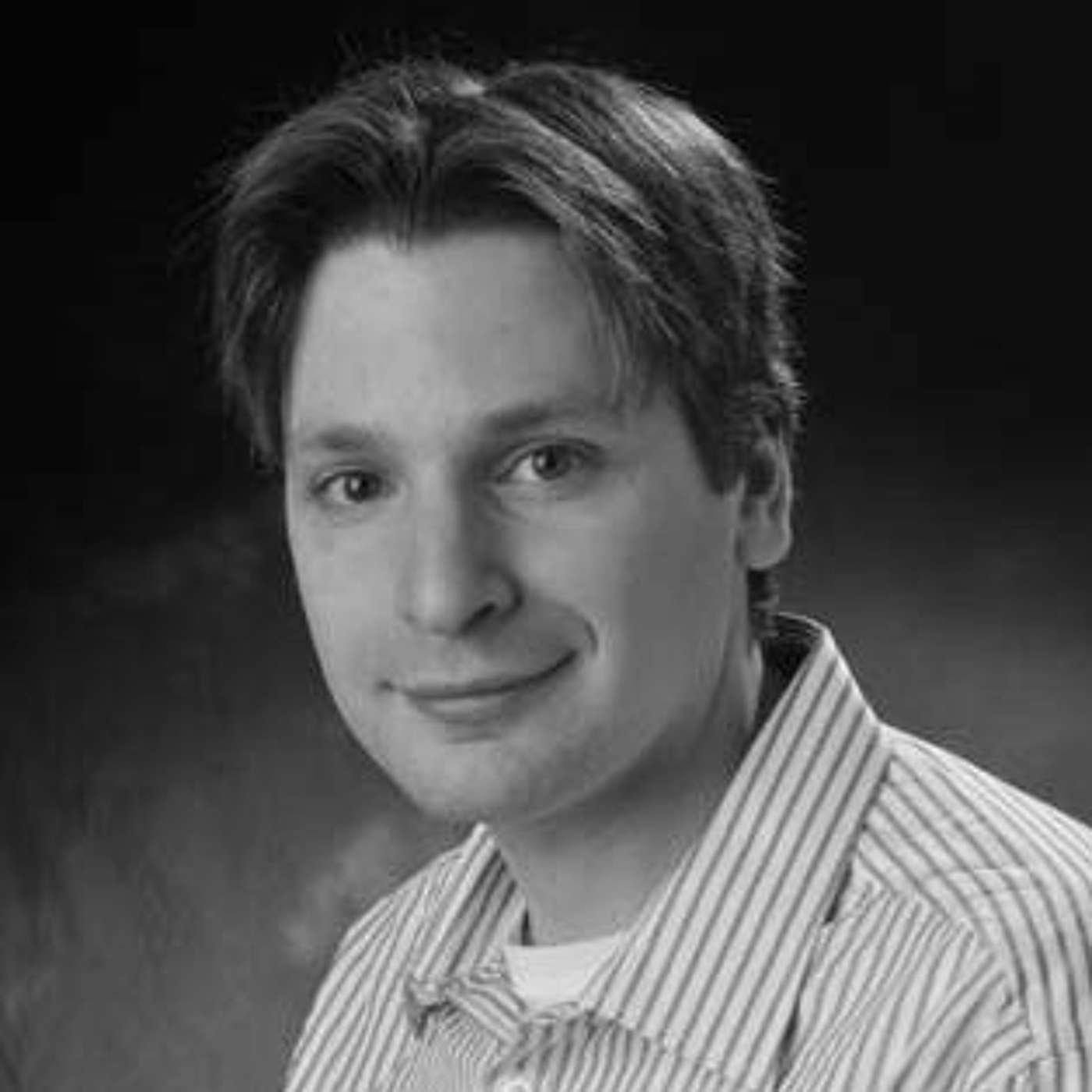
Ep 179Elias Sacks - Can Jews Be Citizens? Jewish Politics from the Enlightenment to Today
Professor Elias Sacks, Associate Professor of Religious Studies at the University of Colorado Boulder presents his lecture, "Can Jews Be Citizens? Jewish Politics from the Enlightenment to Today" for the Jewish Community Foundation (www.jcfphoenix.org/) ABOUT THIS LECTURE: What should modern Jewish politics look like? To what extent should Jews seek to promote the well-being of the diverse societies they inhabit, and to what extent should Jews devote their attention to securing Jewish communal survival? Can an engagement with Jewish texts and practices form individuals into engaged citizens, and what role should Judaism play in times of civic disruption and discord? We will explore diverse answers to these questions, beginning with visions of Jewish political involvement championed by two leading figures in the Jewish Enlightenment — Moses Mendelssohn, the founder of modern Jewish thought, and Nachman Krochmal, Eastern Europe’s most important Jewish philosopher — and considering the relevance of these visions in light of events such as the election of Donald Trump. DONATE: bit.ly/1NmpbsP LEARNING MATERIALS 1: https://bit.ly/2GaRCKE LEARNING MATERIALS 2: https://bit.ly/2HDWwSX For more info, please visit: www.facebook.com/valleybeitmidrash/ www.facebook.com/Jewish-Community…60791413/?ref=ts twitter.com/VBMTorah www.facebook.com/RabbiShmulyYanklowitz/ Music: "They Say" by WowaMusik, a public domain track from the YouTube Audio Library. ★ Support this podcast ★
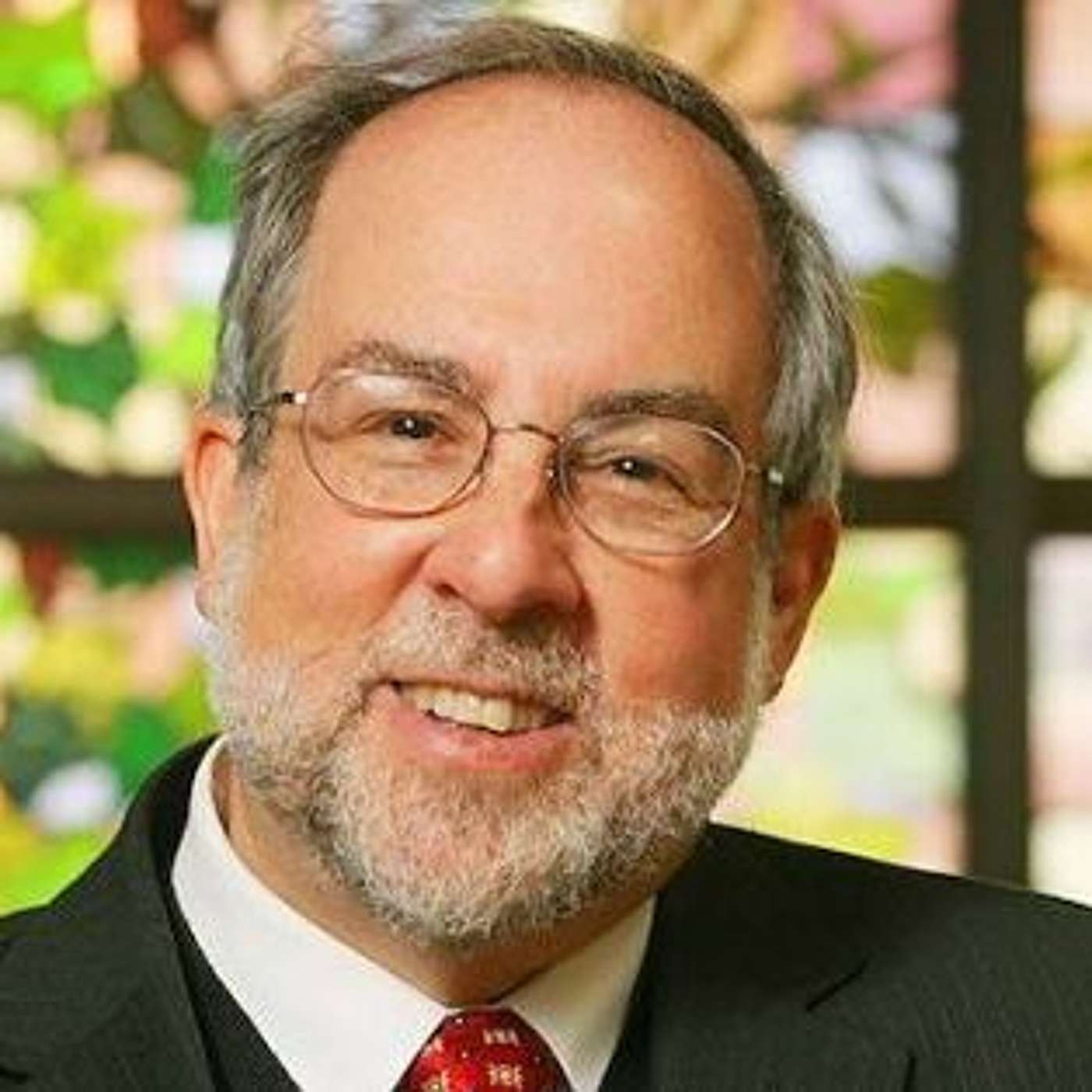
Ep 178Ed Feinstein - The Search for the Sacred: The Jewish Debate with Modernity
Rabbi Ed Feinstein, senior rabbi of Valley Beth Shalom in Encino, California (https://www.vbs.org/worship/meet-our-clergy/rabbi-ed-feinstein), presents the 2019 Hammerman Family Lecture, "The Search for the Sacred: The Jewish Debate with Modernity" before an audience at Congregation Or Tzion (www.congregationortzion.org) in Scottsdale, AZ. DONATE: bit.ly/1NmpbsP LEARNING MATERIALS: https://bit.ly/2FUZn8n For more info, please visit: www.facebook.com/valleybeitmidrash/ www.facebook.com/OrTzionAZ/ https://www.facebook.com/ValleyBethShalom twitter.com/VBMTorah www.facebook.com/RabbiShmulyYanklowitz/ Music: "They Say" by WowaMusik, a public domain track from the YouTube Audio Library. ★ Support this podcast ★
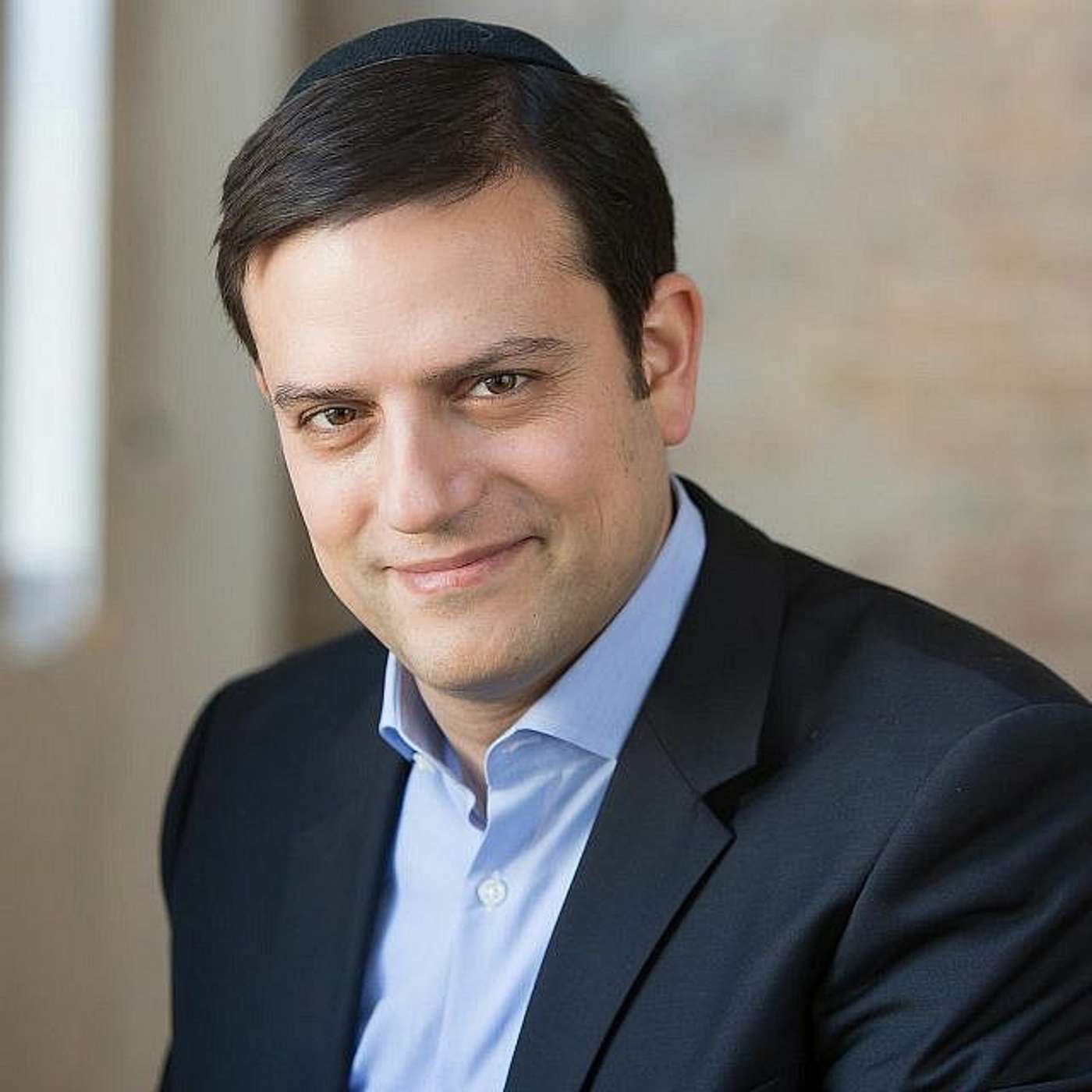
Ep 177Barry Scott Wimpfheimer - The Talmud: A Biography
Professor Barry Scott Wimpfheimer, associate professor of religion and law at Northwestern University, presents his lecture "The Talmud: A Biography" before an audience at Temple Solel (www.templesolel.org/) in Paradise Valley, AZ. ABOUT THIS LECTURE: The Babylonian Talmud, a postbiblical Jewish text that is part scripture and part commentary, is an unlikely bestseller. Written in a hybrid of Hebrew and Aramaic, it is often ambiguous to the point of incomprehension, and its subject matter reflects a narrow scholasticism that should hardly have broad appeal. Yet the Talmud has remained in print for centuries and is more popular today than ever. Barry Scott Wimpfheimer tells the remarkable story of this ancient Jewish book and explains why it has endured for almost two millennia. Providing a concise biography of this quintessential work of rabbinic Judaism, Wimpfheimer takes readers from the Talmud’s prehistory in biblical and second-temple Judaism to its present-day use as a source of religious ideology, a model of different modes of rationality, and a totem of cultural identity. He describes the book’s origins and structure, its centrality to Jewish law, its mixed reception history, and its golden renaissance in modernity. He explains why reading the Talmud can feel like being swept up in a river or lost in a maze, and why the Talmud has come to be venerated–but also excoriated and maligned—in the centuries since it first appeared. An incomparable introduction to a work of literature that has lived a full and varied life, this accessible book shows why the Talmud is at once a received source of traditional teachings, a touchstone of cultural authority, and a powerful symbol of Jewishness for both supporters and critics. DONATE: bit.ly/1NmpbsP LEARNING MATERIALS: https://bit.ly/2B1ZQBr For more info, please visit: www.facebook.com/valleybeitmidrash/ https://www.facebook.com/templesolelaz/ twitter.com/VBMTorah www.facebook.com/RabbiShmulyYanklowitz/ Music: "They Say" by WowaMusik, a public domain track from the YouTube Audio Library. ★ Support this podcast ★
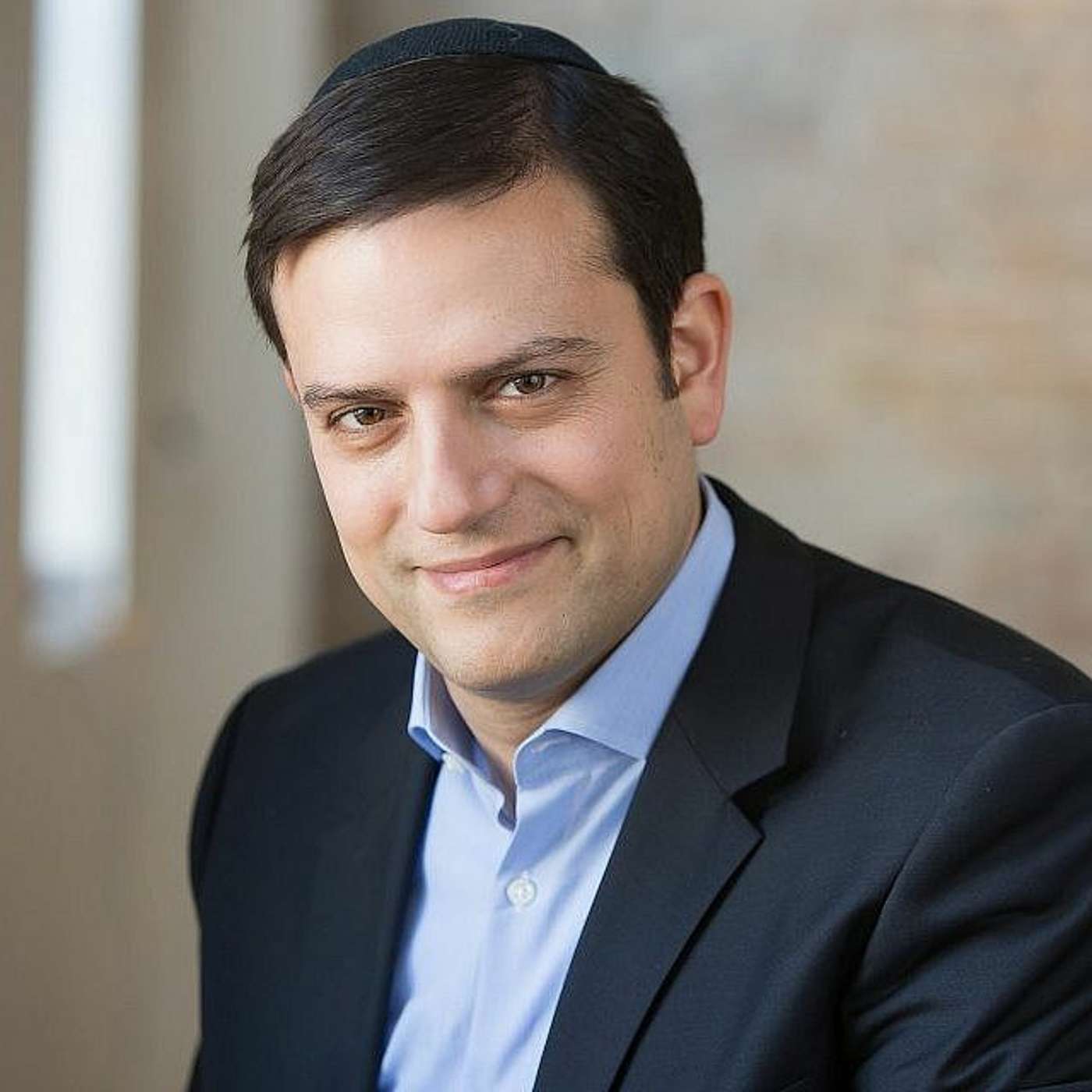
Ep 176Barry Scott Wimpfheimer - Charity in the Talmud: Religious Feelings and Macroeconomics
Professor Barry Scott Wimpfheimer, associate professor of religion and law at Northwestern University, presents his lecture "Charity in the Talmud: Religious Feelings and Macroeconomics" before an audience at Temple Kol Ami (www.templekolami.org/) in Scottsdale, AZ. ABOUT THIS LECTURE: The Talmud expresses its values and commitments through law and legal institutions. But legal rules and bureaucracy sometimes develop into static entities that stifle individual ethical imperatives. This lecture will discuss a talmudic passage about charity that tries to juggle these commitments. DONATE: bit.ly/1NmpbsP LEARNING MATERIALS: https://bit.ly/2Ud4fJ6 For more info, please visit: www.facebook.com/valleybeitmidrash/ www.facebook.com/temple.kolami.9 twitter.com/VBMTorah www.facebook.com/RabbiShmulyYanklowitz/ Music: "They Say" by WowaMusik, a public domain track from the YouTube Audio Library. ★ Support this podcast ★
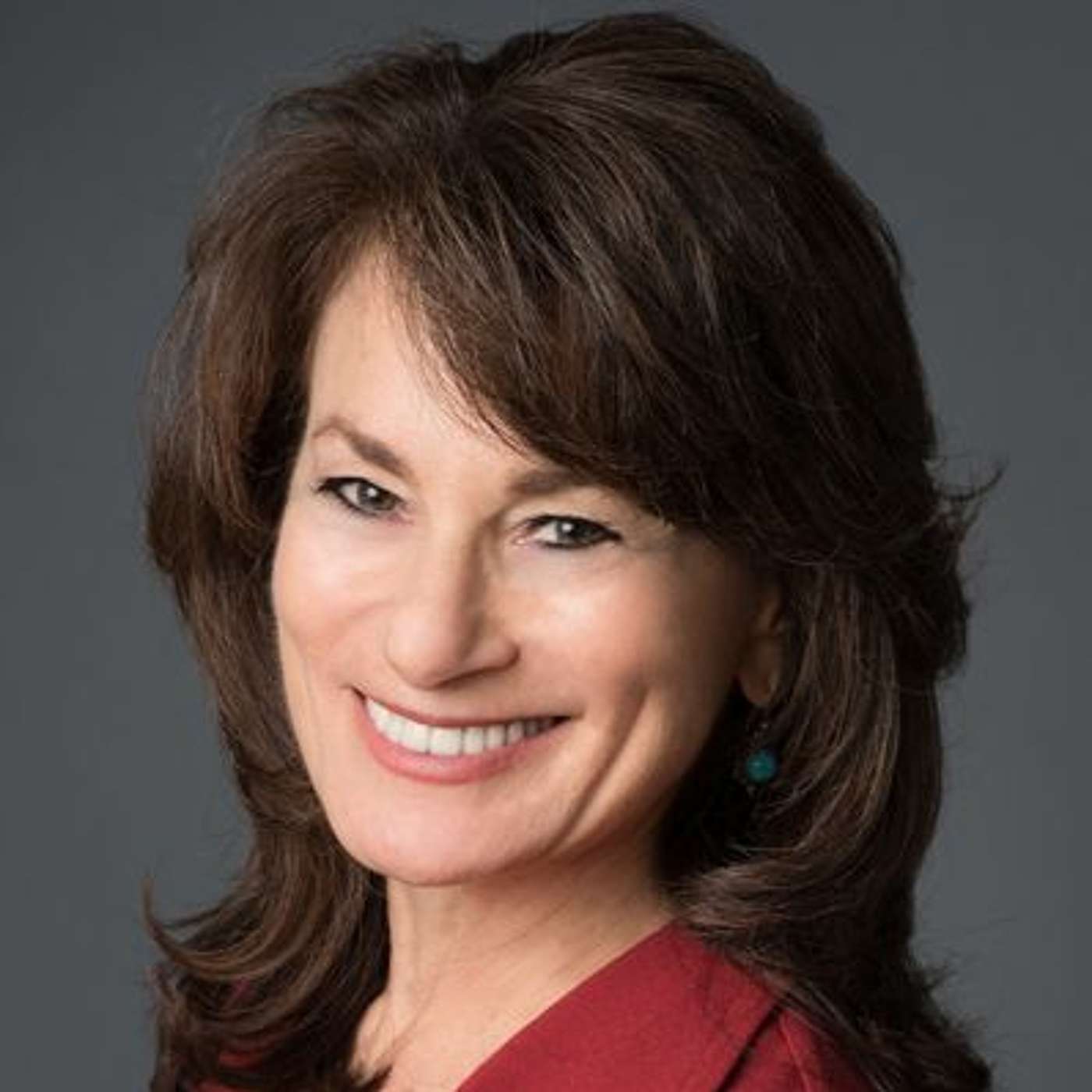
Ep 175Tirzah Firestone - Lighting the Way in a Dark World: The Tzaddik & The Bodhisattva
Rabbi Tirzah Firestone, Ph.D., founding rabbi of Congregation Nevei Kodesh in Boulder, Colorado (www.neveikodesh.org/) presents her Valley Beit Midrash lecture "Lighting the Way in a Dark World: The Tzaddik & The Bodhisattva" before an audience at Temple Chai (www.templechai.com/) in Phoenix, AZ. ABOUT THE LECTURE: We will compare texts and practices of two ancient traditions—Judaism and Tibetan Buddhism—through the most esteemed personification of each path. In Judaism, it is the Tzaddik (righteous person) upon whom the entire world depends. And in Tibetan Buddhism, it is the Bodhisattva (one who willingly gives up their own wellbeing for the sake of others.) Studying these wise, incisive teachings brings to light surprising similarities, and illuminates the path for all modern spiritual seekers. DONATE: bit.ly/1NmpbsP LEARNING MATERIALS: https://bit.ly/2RUOxoD For more info, please visit: www.facebook.com/valleybeitmidrash/ www.facebook.com/temple.chai twitter.com/VBMTorah www.facebook.com/RabbiShmulyYanklowitz/ Music: "They Say" by WowaMusik, a public domain track from the YouTube Audio Library. ★ Support this podcast ★
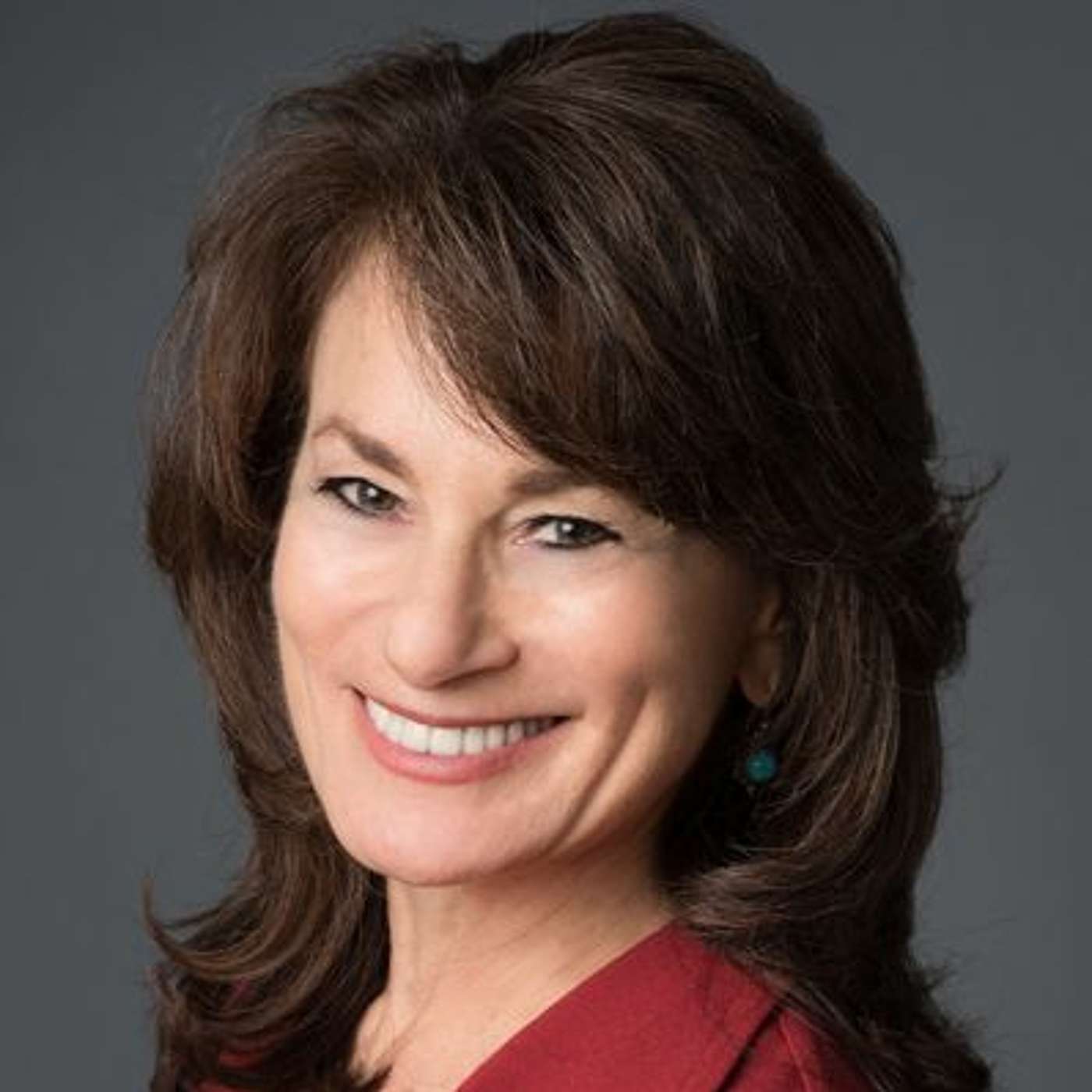
Ep 174Tirzah Firestone - Shechinah, the Feminine Face of Gd in Torah, Mysticism, and Our World
Rabbi Tirzah Firestone, Ph.D., founding rabbi of Congregation Nevei Kodesh in Boulder, Colorado (https://www.neveikodesh.org/) presents her Valley Beit Midrash lecture "She Who Dwells Within: Shechinah, the Feminine Face of Gd in Torah, Mysticism, and Our World" before an audience at Beth Emeth Congregation of the West Valley (bethemethaz.org/) in Sun City West, AZ. ABOUT THIS LECTURE: Join us for a sumptuous study of the divine feminine as she appears in the Jewish tradition from ancient times to today. We will attempt to understand her through Hebrew texts, images of beauty and suffering, and as she emerges on the world stage in our own day. DONATE: bit.ly/1NmpbsP LEARNING MATERIALS: https://bit.ly/2U9JuxM For more info, please visit: www.facebook.com/valleybeitmidrash/ facebook.com/BethEmethofWValleyAZ twitter.com/VBMTorah www.facebook.com/RabbiShmulyYanklowitz/ Music: "They Say" by WowaMusik, a public domain track from the YouTube Audio Library. ★ Support this podcast ★
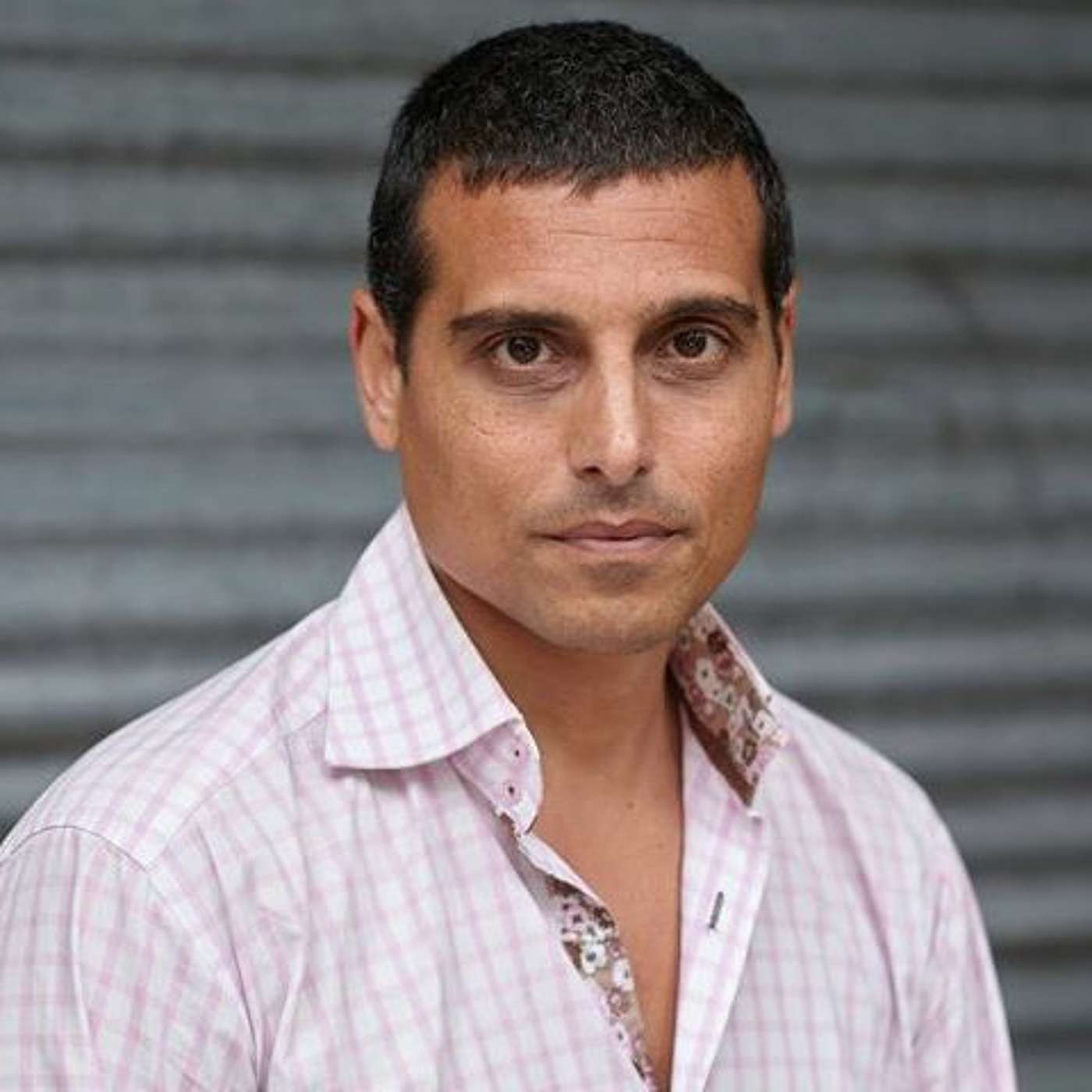
Ep 173Manny Waks - Who Gave You Permission?
Manny Waks (http://www.mannywaks.com/) presents his lecture "Who Gave You Permission? The Memoir of a Child Sexual-Abuse Survivor Who Fought Back" before an audience at Temple Chai (www.templechai.com/) in Phoenix, AZ. ABOUT THE LECTURE: Manny Waks was raised in an ultra-Orthodox Jewish family, the second oldest of 17 children. As an adolescent he was sexually abused at the religious school across the road from where he lived. Betrayed by those he trusted, Manny rebelled against his way of life, though he later went on to become a prominent Jewish community leader. In mid-2011 Manny went public about his experiences to bring justice to the abusers, and those who covered up their crimes. For his courage in speaking out, Manny and his family were intimidated and shunned by their community. Although he has been forced to leave Australia, Manny continues to advocate for survivors and hold those in power to account. This is the story of a man who shattered a powerful code of silence, the battles he has fought, the vindication he has earned, and the extraordinary toll it has taken on his personal life and that of his loved ones. It is also the raw self-portrait of a man on a mission, trying to live his life. Manny’s journey reminds us of the difference one man can make, and the price he has to pay. Learn more about Manny's work at: http://www.kolvoz.org/ DONATE: bit.ly/1NmpbsP For more info, please visit: www.facebook.com/valleybeitmidrash/ https://www.facebook.com/MannyWaksPublic www.facebook.com/temple.chai twitter.com/VBMTorah www.facebook.com/RabbiShmulyYanklowitz/ Music: "They Say" by WowaMusik, a public domain track from the YouTube Audio Library. ★ Support this podcast ★
Ep 172Emanuel Levinas: The Greatest Jewish Philosopher That Nobody’s Heard Of – Ira Stone
Rabbi Ira F. Stone, Rabbi Emeritus of Temple Beth Zion-Beth Israel (www.phillymussar.org/stone.html)presents his lecture "The Greatest Jewish Philosopher That Nobody’s Heard Of: A Meeting with Emmanuel Levinas," before a roundtable audience at Congregation Or Tzion (www.congregationortzion.org) in Scottsdale, AZ. ABOUT THIS LECTURE: Although widely known in the world of contemporary secular philosophy, the work of the French-Jewish philosopher, Emanuel Levinas, is hardly known at all in the Jewish world. His work has made little or no impact on contemporary Jewish discourse. Yet, his work is deeply grounded in Jewish texts and thought and, more importantly, offers a powerful way of approaching Jewish life in the post Shoa world. I will try to introduce his life and work and discuss why it is so important for our time. DONATE: bit.ly/1NmpbsP For more info, please visit: www.facebook.com/valleybeitmidrash/ www.facebook.com/OrTzionAZ/ twitter.com/VBMTorah www.facebook.com/RabbiShmulyYanklowitz/ Music: "They Say" by WowaMusik, a public domain track from the YouTube Audio Library. ★ Support this podcast ★
Ep 171Ira Stone - Reading Classical Texts with a Contemporary Philosophic Lens
Rabbi Ira F. Stone, Rabbi Emeritus of Temple Beth Zion-Beth Israel (http://www.phillymussar.org/stone.html)presents his lecture "Messillat Yesharim Reading Classical Texts with a Contemporary Philosophic Lens," before a roundtable audience at Temple Chai (www.templechai.com/) in Phoenix, AZ. ABOUT THIS LECTURE: The most difficult task in reading classical texts is that of translation. Not from one language to another, but from one cultural context to another. Literal readings tend to miss the nuance and metaphor that one generation takes for granted, but becomes frozen over time. I will try to demonstrate how using a contemporary philosophic lens to read one particular classical text opens it up for contemporary understanding and serves as a model for reading such texts generally. DONATE: bit.ly/1NmpbsP For more info, please visit: www.facebook.com/valleybeitmidrash/ www.facebook.com/temple.chai twitter.com/VBMTorah www.facebook.com/RabbiShmulyYanklowitz/ Music: "They Say" by WowaMusik, a public domain track from the YouTube Audio Library. ★ Support this podcast ★
Ep 170David Z. Moster - Etrog: How a Chinese Fruit Became a Jewish Symbol
Rabbi Dr. David Z. Moster, Director of the Institute of Biblical Culture(http://www.BiblicalCulture.org) presents his Valley Beit Midrash (www.valleybeitmidrash.org) lecture "Etrog: How a Chinese Fruit Became a Jewish Symbol" before an audience at Temple Kol Ami (www.templekolami.org/) in Scottsdale, AZ. ABOUT THIS LECTURE: Every year before the holiday of Sukkot, Jews all around the world purchase an etrog—a lemon-like fruit—to participate in the holiday ritual. In this book, David Z. Moster tracks the etrog from its evolutionary home in Yunnan, China, to the lands of India, Iran, and finally Israel, where it became integral to the Jewish celebration of Sukkot during the Second Temple period. Moster explains what Sukkot was like before and after the arrival of the etrog, and why the etrog’s identification as the “choice tree fruit” of Leviticus 23:40 was by no means predetermined. He also demonstrates that once the fruit became associated with the holiday of Sukkot, it began to appear everywhere in Jewish art during the Roman and Byzantine periods, and eventually became a symbol for all the fruits of the land, and perhaps even the Jewish people as a whole. DONATE: bit.ly/1NmpbsP For more info, please visit: www.facebook.com/valleybeitmidrash/ www.facebook.com/temple.kolami.9 https://www.facebook.com/BiblicalCulture/ twitter.com/VBMTorah www.facebook.com/RabbiShmulyYanklowitz/ Music: "They Say" by WowaMusik, a public domain track from the YouTube Audio Library. ★ Support this podcast ★
Ep 169Samuel Fleischacker - Maimonides on Who Wrote the Torah
Professor Samuel Fleischacker, the LAS Distinguished Professor of Philosophy, University of Illinois-Chicago, presents his lecture "Existentialist Messianism" before an audience at Temple Solel (www.templesolel.org/) in Paradise Valley, AZ. ABOUT THIS LECTURE: Maimonides says in his Commentary on the Mishnah and his Mishneh Torah that Moses wrote every word of the Torah at the dictation of God. But Maimonides also says that God can’t talk, and that anyone who thinks God can talk is an idolater. So what exactly does Maimonides mean by describing Moses as a scribe who wrote down God’s words? This talk will try to explain that, in the context of other things Maimonides says, and argue that, properly understood, Maimonides’ view of the composition of the Torah does not rule out what today is called “the documentary hypothesis”: the idea that a variety of people wrote the Torah rather than Moses. DONATE: bit.ly/1NmpbsP LEARNING MATERIALS: https://bit.ly/2QDclZg For more info, please visit: www.facebook.com/valleybeitmidrash/ www.facebook.com/templesolelaz/ twitter.com/VBMTorah www.facebook.com/RabbiShmulyYanklowitz/ Music: "They Say" by WowaMusik, a public domain track from the YouTube Audio Library. ★ Support this podcast ★
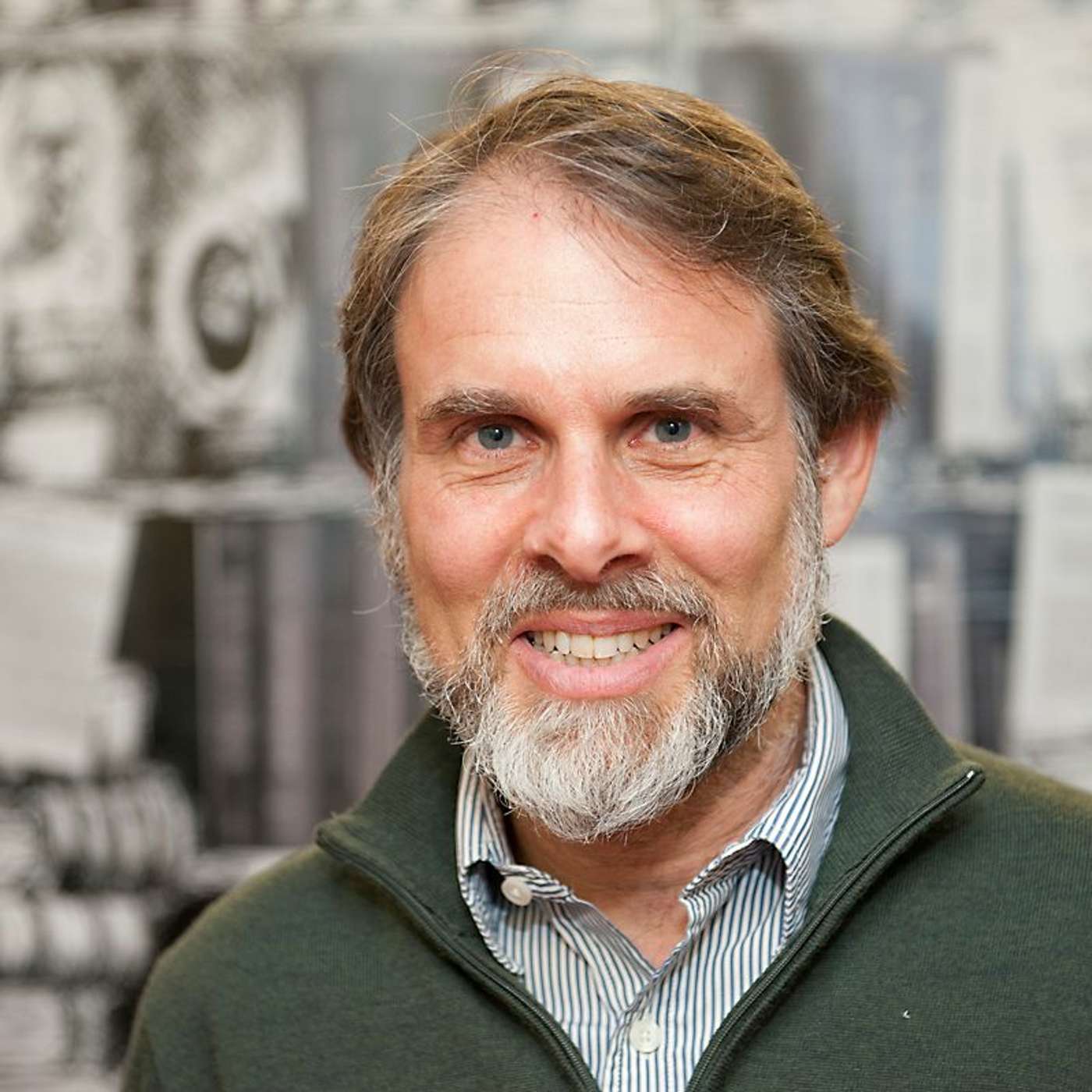
Ep 168Samuel Fleischacker - Existentialist Messianism
Professor Samuel Fleischacker, the LAS Distinguished Professor of Philosophy, University of Illinois-Chicago, presents his lecture "Existentialist Messianism" before a roundtable audience at Temple Chai (www.templechai.com/) in Phoenix, AZ. ABOUT THIS LECTURE: Martin Buber ended a 1909 lecture he gave in Prague with a parable suggesting that each of us is responsible for bringing the Messiah. Some years later, Franz Kafka – who may have been in Buber’s audience – wrote a famous story that echoes Buber’s parable in striking ways. A little later, Walter Benjamin wrote what looks like a riff on it. We’ll look at all three texts, plus the Talmudic passage on which Buber was drawing, and consider whether they give us a modern, existentialist way of making sense of Messianism. DONATE: bit.ly/1NmpbsP LEARNING MATERIALS: https://bit.ly/2VCdqEm For more info, please visit: www.facebook.com/valleybeitmidrash/ www.facebook.com/temple.chai twitter.com/VBMTorah www.facebook.com/RabbiShmulyYanklowitz/ Music: "They Say" by WowaMusik, a public domain track from the YouTube Audio Library. ★ Support this podcast ★
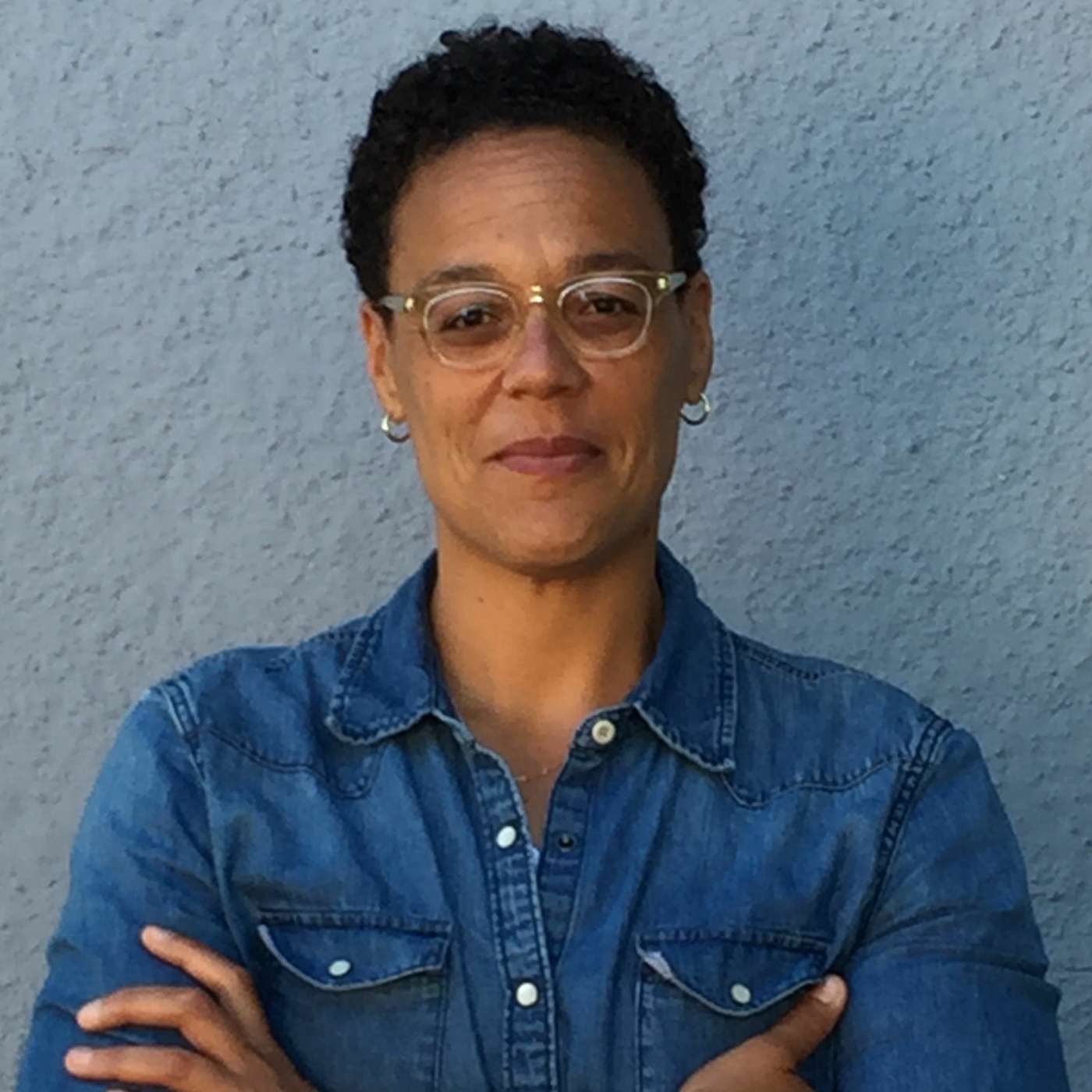
Ep 167Ilana Kaufman - A Community of ‘Others’: Jews, Peoplehood, and Justice
Ilana Kaufman, Director of Jews of Color Field Building Initiative, presents her Valley Beit Midrash (www.valleybeitmidrash.org) lecture " A Community of ‘Others’: Jews, Peoplehood, and Justice" before an audience at Temple Solel (www.templesolel.org/) in Paradise Valley, AZ. ABOUT THIS LECTURE: Together we will explore the multi-layered complexities of social identities and what it means for Jewish communities to be inclusive, exclusive, and expansive. DONATE: bit.ly/1NmpbsP LEARNING MATERIALS: bit.ly/2PUntRZ For more info, please visit: www.facebook.com/valleybeitmidrash/ www.facebook.com/templesolelaz/ twitter.com/VBMTorah www.facebook.com/RabbiShmulyYanklowitz/ Music: "They Say" by WowaMusik, a public domain track from the YouTube Audio Library. ★ Support this podcast ★
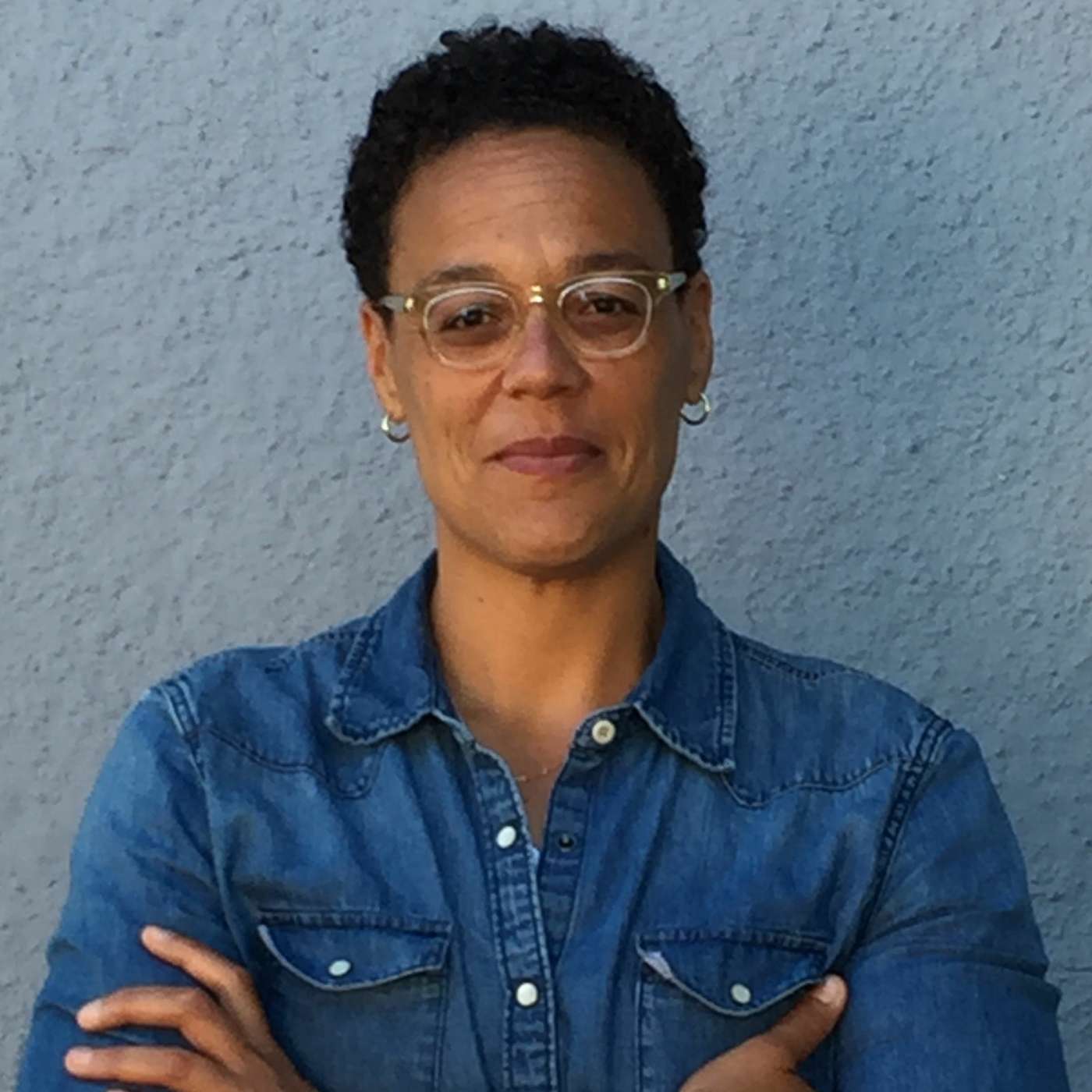
Ep 166Ilana Kaufman - Jewish Identity and Justice
Ilana Kaufman, Director of Jews of Color Field Building Initiative presents her Valley Beit Midrash (www.valleybeitmidrash.org) lecture " Jewish Identity and Justice" before an audience at Temple Kol Ami (www.templekolami.org/) in Scottsdale, AZ. ABOUT THIS LECTURE: Rooted in the week’s Parsha, we will explore the text through lenses of Jewish Identity, Community and Justice. DONATE: bit.ly/1NmpbsP For more info, please visit: www.facebook.com/valleybeitmidrash/ www.facebook.com/temple.kolami.9 twitter.com/VBMTorah www.facebook.com/RabbiShmulyYanklowitz/ Music: "They Say" by WowaMusik, a public domain track from the YouTube Audio Library. ★ Support this podcast ★
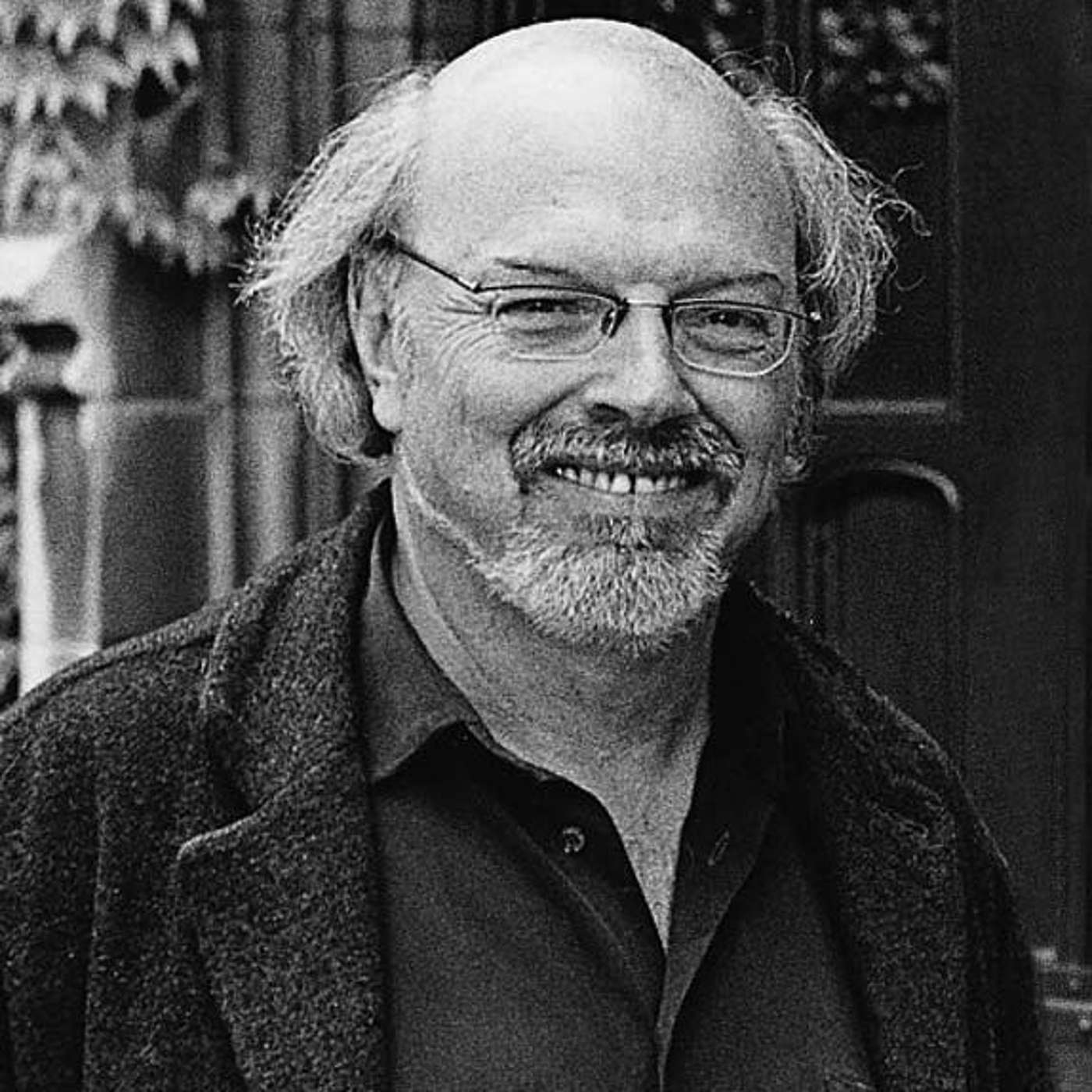
Ep 165Paul Mendes-Flohr - Martin Buber’s Philosophy of Dialogue
Professor Paul Mendes-Flohr, Professor Emeritus of Modern Jewish Thought at the Hebrew University of Jerusalem. He is currently the Dorothy Grant Mclear Professor of Jewish Intellectual History at the Divinity School of the University of Chicago, presents his lecture "Martin Buber’s Philosophy of Dialogue" before a roundtable audience at Congregation Or Tzion (www.congregationortzion.org) in Scottsdale, AZ. ABOUT THIS LECTURE: Best known for his poetic meditation of dialogue, I and Thou, Martin Buber (1878-1965) promoted a conception of Jewish religious spirituality that is to be expressed primarily in the so-called secular sphere of everyday life, of our interpersonal and inter-communal relations. DONATE: bit.ly/1NmpbsP For more info, please visit: www.facebook.com/valleybeitmidrash/ www.facebook.com/OrTzionAZ/ twitter.com/VBMTorah www.facebook.com/RabbiShmulyYanklowitz/ Music: "They Say" by WowaMusik, a public domain track from the YouTube Audio Library. ★ Support this podcast ★
Ep 164Paul Mendes-Flohr - Franz Rosenzweig: Herald of a Jewish Renaissance
Professor Paul Mendes-Flohr, Professor Emeritus of Modern Jewish Thought at the Hebrew University of Jerusalem. He is currently the Dorothy Grant Mclear Professor of Jewish Intellectual History at the Divinity School of the University of Chicago, presents his lecture "Franz Rosenzweig: Herald of a Jewish Renaissance" for the Jewish Community Foundation (www.jcfphoenix.org/) ABOUT THIS SPEAKER: From the midst of assimilation and even thoughts of converting to Christianity, Franz Rosenzweig (1886-1929) affirmed Jewish religious practice and Torah-study as addressing an individual’s most urgent existential questions DONATE: bit.ly/1NmpbsP For more info, please visit: www.facebook.com/valleybeitmidrash/ www.facebook.com/Jewish-Community…60791413/?ref=ts twitter.com/VBMTorah www.facebook.com/RabbiShmulyYanklowitz/ Music: "They Say" by WowaMusik, a public domain track from the YouTube Audio Library. ★ Support this podcast ★
Ep 163Noam Weisbrod - Water and Food Security in Israel and Beyond: Can We Do Better?
Professor Noam Weisbrod, the director of the Jacob Blaustein Institutes for Desert Research at Ben-Gurion University of the Negev, presents his lecture "Water and Food Security in Israel and Beyond: Can We Do Better?" before a roundtable audience at Temple Chai (www.templechai.com/) in Phoenix, AZ. ABOUT THIS LECTURE: The world, stimulated by population growth, climate instability, desertification, and rising lifestyles, is facing severe water and food security problems that are getting worse every year. Facing these issues from its inception, Israel – as a young country constructed on drylands – has been forced to become creative and dynamic in finding ecologically smart solutions. Today scientists at Ben-Gurion University of the Negev, located in the southern desert of Israel, are developing technologies that are game-changers – able to enrich desert farming, harness solar energy, recycle water, and much more. This talk will explore how Israel has become a trailblazer in the field and propose solutions that can impact not just Israel, but the world. DONATE: bit.ly/1NmpbsP Learn more about Ben-Gurion University of the Negev HERE: http://in.bgu.ac.il/en/Pages/default.aspx For more info, please visit: www.facebook.com/valleybeitmidrash/ www.facebook.com/temple.chai https://www.facebook.com/BenGurionUniversity twitter.com/VBMTorah https://twitter.com/bengurionu www.facebook.com/RabbiShmulyYanklowitz/ Music: "They Say" by WowaMusik, a public domain track from the YouTube Audio Library. ★ Support this podcast ★
Ep 162Howard M. Markose - The Leadership of Aaron and Moses – A Look at Differing Styles
Rabbi Dr. Howard M. Markose, a teacher of Bible and Biblical Hebrew Grammar at the Pardes Institute of Jewish Studies in Jerusalem (www.pardes.org.il/) presents his Valley Beit Midrash lecture "JThe Leadership of Aaron and Moses – A Look at Differing Styles" before an audience at Congregation Or Tzion (www.congregationortzion.org) in Scottsdale, AZ. ABOUT THIS LECTURE: The Jewish tradition feels really good about both Aaron and Moses as examples of great human beings. Aaron is called ‘Pursuer of Peace, Lover of all Creatures’ while Moses is known as ‘Moshe Rabbeinu’ – our rabbi Moses, with all of the positive implications that come with calling someone ‘our rabbi’. But how did these two great men fare when called upon to exercise exemplary leadership? In our discussion this evening, Aaron and Moses are called upon to be leaders as they address the challenge of an ornery and impatient people. Are the requisite traits of a leader any different today? DONATE: bit.ly/1NmpbsP LEARNING MATERIALS: https://bit.ly/2C3Lm54 For more info, please visit: www.facebook.com/valleybeitmidrash/ https://www.facebook.com/OrTzionAZ/ twitter.com/VBMTorah www.facebook.com/RabbiShmulyYanklowitz/ Music: "They Say" by WowaMusik, a public domain track from the YouTube Audio Library. ★ Support this podcast ★
Ep 161Howard M. Markose - Jacob and Esau’s Long-Awaited Meeting – Friendly or Antagonistic?
Rabbi Dr. Howard M. Markose, a teacher of Bible and Biblical Hebrew Grammar at the Pardes Institute of Jewish Studies in Jerusalem (https://www.pardes.org.il/) presents his Valley Beit Midrash lecture "Jacob and Esau’s Long-Awaited Meeting – Friendly or Antagonistic?" before an audience at Congregation Beth Israel(Congregation Beth Israel, Scottsdale Arizona https://cbiaz.org/) in Scottsdale, AZ. ABOUT THIS LECTURE: IThey have not seen each other for over two decades. Jacob faces an unavoidable reunion with his brother Esau and the description in the Hebrew Bible is quite riveting. The question that has been asked for centuries is how Esau’s readiness for the reunion is to be understood. What did Jacob think? What do we think? What is the contemporary relevance of this analysis? DONATE: bit.ly/1NmpbsP LEARNING MATERIALS: https://bit.ly/2Lbpsjh For more info, please visit: www.facebook.com/valleybeitmidrash/ https://www.facebook.com/cbiaz twitter.com/VBMTorah www.facebook.com/RabbiShmulyYanklowitz/ Music: "They Say" by WowaMusik, a public domain track from the YouTube Audio Library. ★ Support this podcast ★
Ep 160Robert Eisen - The Peace and Violence of Judaism: From the Bible to Modern Zionism
Professor Robert Eisen, the Chair in the Department of Religious Studies at The George Washington University, presents his lecture "The Peace and Violence of Judaism: From the Bible to Modern Zionism before a roundtable audience at Temple Kol Ami (www.templekolami.org/) in Scottsdale, AZ. ABOUT THIS LECTURE: Religion is fraught with ambiguity when it comes to peace and violence. There are texts in every major religious tradition that foster violence toward outsiders alongside those that foster peace toward them. Sometimes, the ambiguity can be found in a single text. That is, the very same text can inspire peace or violence toward others depending on how it’s read and interpreted. This talk will explore the dynamic described here in the classical texts of Judaism and why it occurs. It will also examine the relevance of these texts and their ambiguities to the current conflict in the Middle East. DONATE: bit.ly/1NmpbsP LEARNING MATERIALS: https://bit.ly/2Kmrc8M For more info, please visit: www.facebook.com/valleybeitmidrash/ www.facebook.com/temple.kolami.9 twitter.com/VBMTorah www.facebook.com/YCTorah/ www.facebook.com/RabbiShmulyYanklowitz/ Music: "They Say" by WowaMusik, a public domain track from the YouTube Audio Library. ★ Support this podcast ★
Ep 159Robert Eisen - Justifying Israel’s Wars in Jewish Law: Challenges and Solutions
Professor Robert Eisen, the Chair in the Department of Religious Studies at The George Washington University, presents his lecture "Justifying Israel’s Wars in Jewish Law: Challenges and Solutions" before a roundtable audience at Temple Chai (www.templechai.com/) in Phoenix, AZ. ABOUT THIS LECTURE: While Israel’s wars have a been a challenge for all Jews who support Israel, they have presented unique challenges for religious Zionists who adhere to Jewish law. Jewish law developed mostly during centuries in which Jews had no state and no army, and therefore it contained little material on war prior to 1948. In consequence, when the state of Israel was created and found itself at war, religious Zionist rabbis had to construct a body of law dealing with war almost from scratch. This talk will focus on how these rabbis dealt with this challenge with remarkable creativity and ingenuity. DONATE: bit.ly/1NmpbsP For more info, please visit: www.facebook.com/valleybeitmidrash/ www.facebook.com/temple.chai twitter.com/VBMTorah www.facebook.com/RabbiShmulyYanklowitz/ Music: "They Say" by WowaMusik, a public domain track from the YouTube Audio Library. ★ Support this podcast ★
Ep 158Herbert Cohen - Mussar and Film: Movies That Help Us Grow!
Rabbi Dr. Herbert Cohen presents his lecture "Mussar and Film: Movies That Help Us Grow!" before a roundtable audience at Temple Chai (www.templechai.com/) in Phoenix, AZ. ABOUT THIS LECTURE: Movies are not simply entertainment. They also can serve as vehicles for self-discovery. Rabbi Cohen identifies films that have something important to say about the human condition and that contain nuggets of wisdom that can enrich our relationships with our children, our spouses, our parents, and our friends. Book signing to follow. DONATE: bit.ly/1NmpbsP For more info, please visit: www.facebook.com/valleybeitmidrash/ www.facebook.com/temple.chai twitter.com/VBMTorah www.facebook.com/RabbiShmulyYanklowitz/ Music: "They Say" by WowaMusik, a public domain track from the YouTube Audio Library. ★ Support this podcast ★
Ep 157Samuel C. Heilman - The Story of Five Hasidic Dynasties in America
Samuel C. Heilman - The Story of Five Hasidic Dynasties in America Professor Samuel C. Heilman, Distinguished Professor of Sociology at Queen College, presents his lecture "The Story of Five Hasidic Dynasties in America" before a roundtable audience at Temple Chai (www.templechai.com/) in Phoenix, AZ. DONATE: bit.ly/1NmpbsP ABOUT THIS LECTURE: The lecture explores the remarkable resurrection of Hasidism in America and its capacity for maintaining the charismatic authority of its dynastic leadership, often via struggle and gripping family dynamics. We will look at two Hasidic dynasties that found themselves with too many successors – Satmar and Bobov – two with too few successors – Munkács and Boyan – and one that claims they do not really need a successor – Chabad/Lubavitch – because they refuse to believe their leader ever died. These are chronicles of the making and unmaking of men, a search for charisma, leader- ship, and struggles for power. They tell of families united and divided, of death and resurrection, and of hopes raised and dashed. They give substance to the eternal question of Hasidism: Who will lead us? For more info, please visit: www.facebook.com/valleybeitmidrash/ www.facebook.com/temple.chai twitter.com/VBMTorah www.facebook.com/RabbiShmulyYanklowitz/ Music: "They Say" by WowaMusik, a public domain track from the YouTube Audio Library. ★ Support this podcast ★
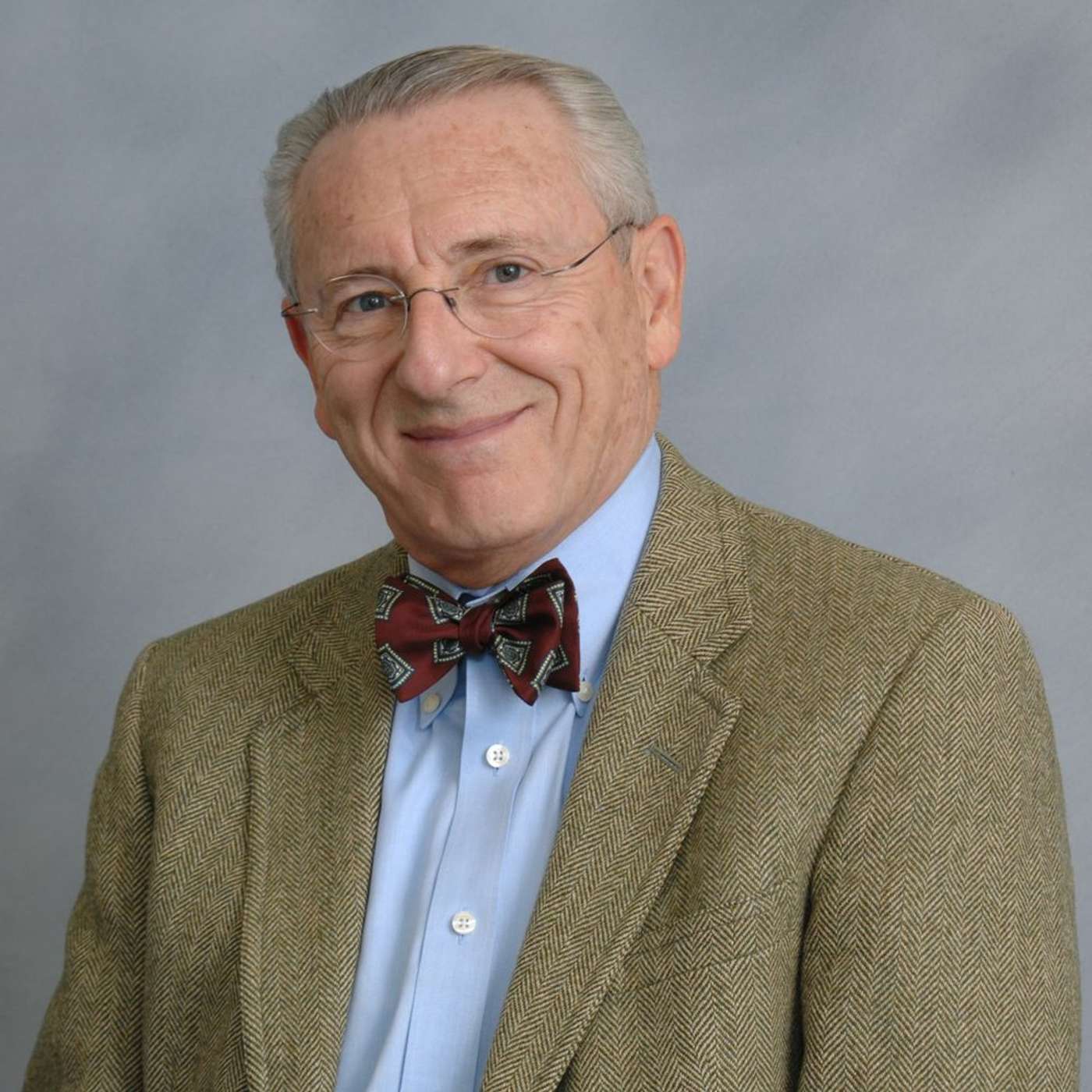
Ep 156Samuel C. Heilman - Orthodoxy in America
Professor Samuel C. Heilman, Distinguished Professor of Sociology at Queen College, before a VIP audience at Temple Chai (www.templechai.com/) in Phoenix, AZ. DONATE: bit.ly/1NmpbsP For more info, please visit: www.facebook.com/valleybeitmidrash/ www.facebook.com/temple.chai twitter.com/VBMTorah www.facebook.com/RabbiShmulyYanklowitz/ Music: "They Say" by WowaMusik, a public domain track from the YouTube Audio Library. ★ Support this podcast ★

Ep 155Avram Mlotek - We Are Here: Spiritual Resistance During The Holocaust
Rabbi Avram Mlotek, co-founder of BASE Hillel (basehillel.org/) presents his Valley Beit Midrash lecture "We Are Here: Spiritual Resistance During The Holocaust" before an audience at Congregation Or Tzion (www.congregationortzion.org) in Scottsdale, AZ. ABOUT THIS LECTURE: In this session, we will learn and hear how Jews used prayer, poetry, song, music and more as vehicles for spiritual resistance during the Jewish people's darkest hour. From ghetto cabarets and concentration camps to the forests, Jews fought back not only with their body but in spirit. DONATE: bit.ly/1NmpbsP LEARNING MATERIALS: https://bit.ly/2JNobOT For more info, please visit: www.facebook.com/valleybeitmidrash/ facebook.com/BethEmethofWValleyAZ twitter.com/VBMTorah www.facebook.com/RabbiShmulyYanklowitz/ Music: "They Say" by WowaMusik, a public domain track from the YouTube Audio Library. ★ Support this podcast ★

Ep 154Avram Mlotek - Songs of Generations: Jewish History through Yiddish Song
Rabbi Avram Mlotek, co-founder of BASE Hillel (http://basehillel.org/) presents his Valley Beit Midrash lecture "Songs of Generations: Jewish History through Yiddish Song" before an audience at Beth Emeth Congregation of the West Valley (http://bethemethaz.org/) in Sun City West, AZ. ABOUT THIS LECTURE: Nobel Laureate Isaac Bashevis Singer called Rabbi Mlotek’s grandparents, “The Sherlock Holmes of Yiddish Song.” Come explore Jewish history through this rich legacy of Yiddish song with a particular focus on pre-World War II Eastern European life. Songs of workers, family life, romance, politics and Judaism paint a vibrant life of what Jewish life looked like before the horrors of the Holocaust. DONATE: bit.ly/1NmpbsP LEARNING MATERIALS: https://bit.ly/2OvrhaE For more info, please visit: www.facebook.com/valleybeitmidrash/ facebook.com/BethEmethofWValleyAZ twitter.com/VBMTorah www.facebook.com/RabbiShmulyYanklowitz/ Music: "They Say" by WowaMusik, a public domain track from the YouTube Audio Library. ★ Support this podcast ★
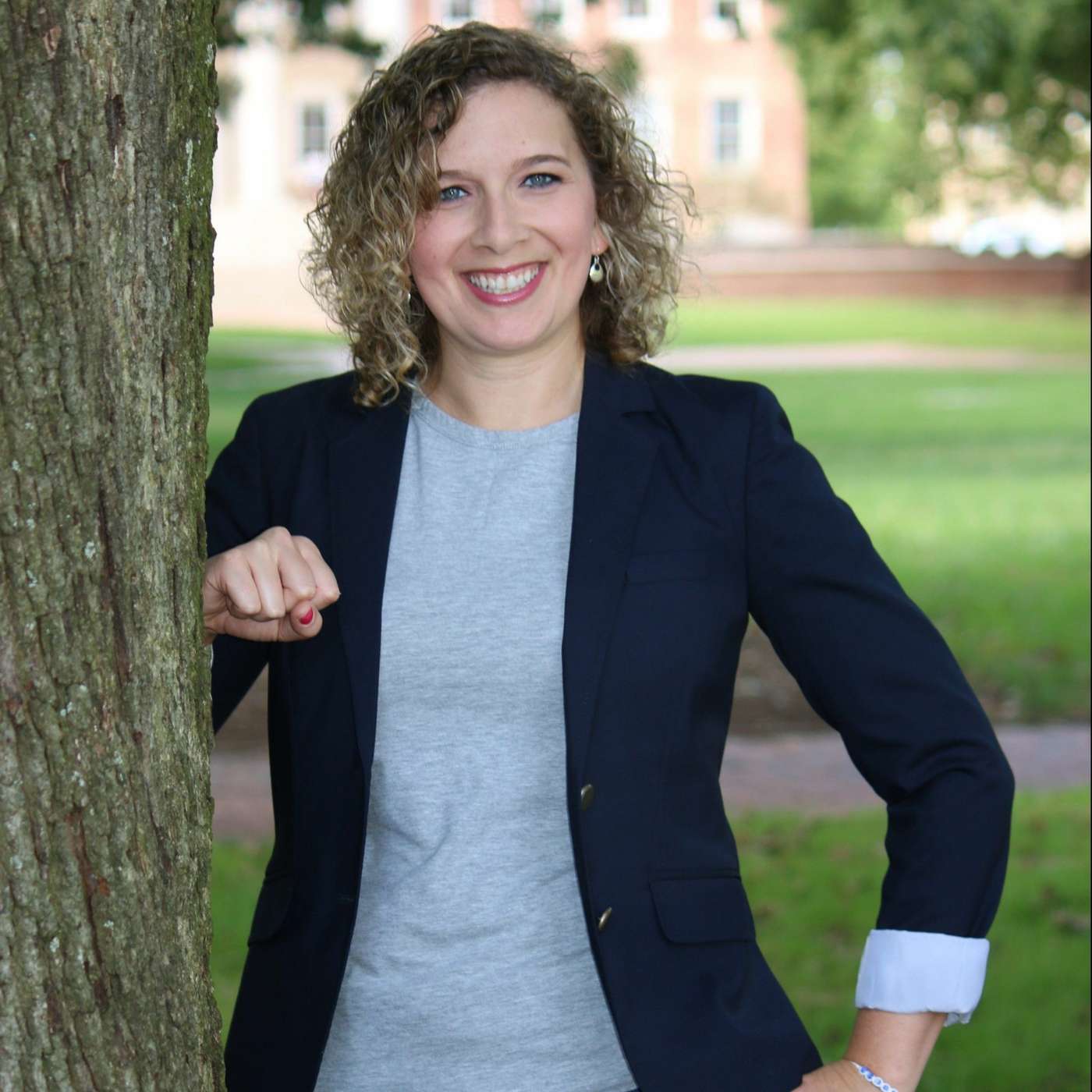
Ep 153Adrienne Krone - Sacred and Sustainable Space: Ancient Agriculture and Innovative Judaism
Professor Adrienne Krone, Assistant Professor of Religious Studies and Director of Jewish Life at Allegheny College (sites.allegheny.edu/philo/) presents her Valley Beit Midrash lecture "Sacred and Sustainable Space: Ancient Agriculture and Innovative Judaism" before a roundtable audience at Temple Solel (www.templesolel.org/) in Paradise Valley, AZ. ABOUT THIS LECTURE: This lecture will offer insight into how Jewish community farms have become a site for North American Jews to enact their values, express their Jewish identities, and reconnect with agricultural aspects of Jewish tradition long marginalized through centuries of Jewish life in the Diaspora. Driven by concerns about environmental degradation, industrial agriculture, animal welfare, and food insecurity, Jews in North American have created alternative spaces and innovative Jewish practices. In these spaces, Jews rethink what it means to be Jewish and find new ways to enact Judaism that are meaningful for Jews and beneficial for the plants, animals, and other humans that live alongside them. DONATE: bit.ly/1NmpbsP For more info, please visit: www.facebook.com/valleybeitmidrash/ www.facebook.com/templesolelaz/ twitter.com/VBMTorah www.facebook.com/RabbiShmulyYanklowitz/ Music: "They Say" by WowaMusik, a public domain track from the YouTube Audio Library. ★ Support this podcast ★
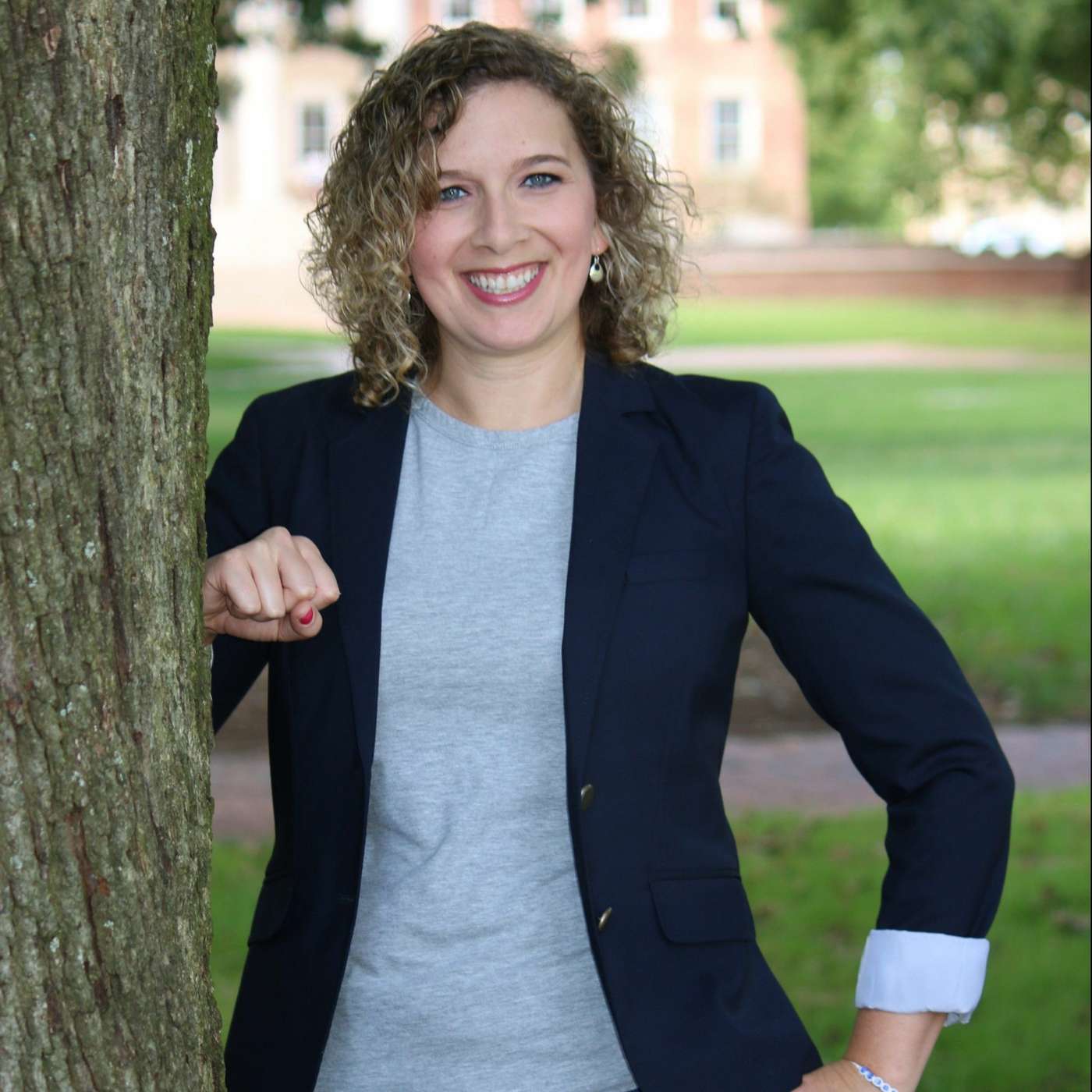
Ep 152Adrienne Krone - Saving Seeds: A Revived Historical Jewish Agricultural Settlement in New Jersey
Professor Adrienne Krone, Assistant Professor of Religious Studies and Director of Jewish Life at Allegheny College (https://sites.allegheny.edu/philo/) presents her Valley Beit Midrash leceture "Saving Seeds: A Revived Historical Jewish Agricultural Settlement in New Jersey Takes on Climate Change" before a roundtable audience at Temple Chai (www.templechai.com/) in Phoenix, AZ. ABOUT THIS LECTURE: This lecture will describe the efforts of the Alliance Community Reboot (ACRe) organization to rebuild a Jewish community farm on the land where the Alliance Colony was founded in 1882 as one of the first Jewish agricultural settlements in the United States. This farm, which remains in the hands of descendants of one of the original settlers of the Alliance Colony, neighbors a historic synagogue and Jewish cemetery. This historic setting informs the vision for the organization but the goals for the farm are also grounded in twenty-first century values including sustainability and food justice. Their combined dedication to Jewish history and environmental values is exemplified by the designation of a large portion of ACRe’s land resources to the Experimental Farm Network, an organization that is breeding seeds to combat climate change. DONATE: bit.ly/1NmpbsP For more info, please visit: www.facebook.com/valleybeitmidrash/ www.facebook.com/temple.chai twitter.com/VBMTorah www.facebook.com/RabbiShmulyYanklowitz/ Music: "They Say" by WowaMusik, a public domain track from the YouTube Audio Library. ★ Support this podcast ★