Irish History Podcast
483 episodes — Page 4 of 10
The Irish Women Who Fought the Nazis in World War II (The French Resistance Part II)
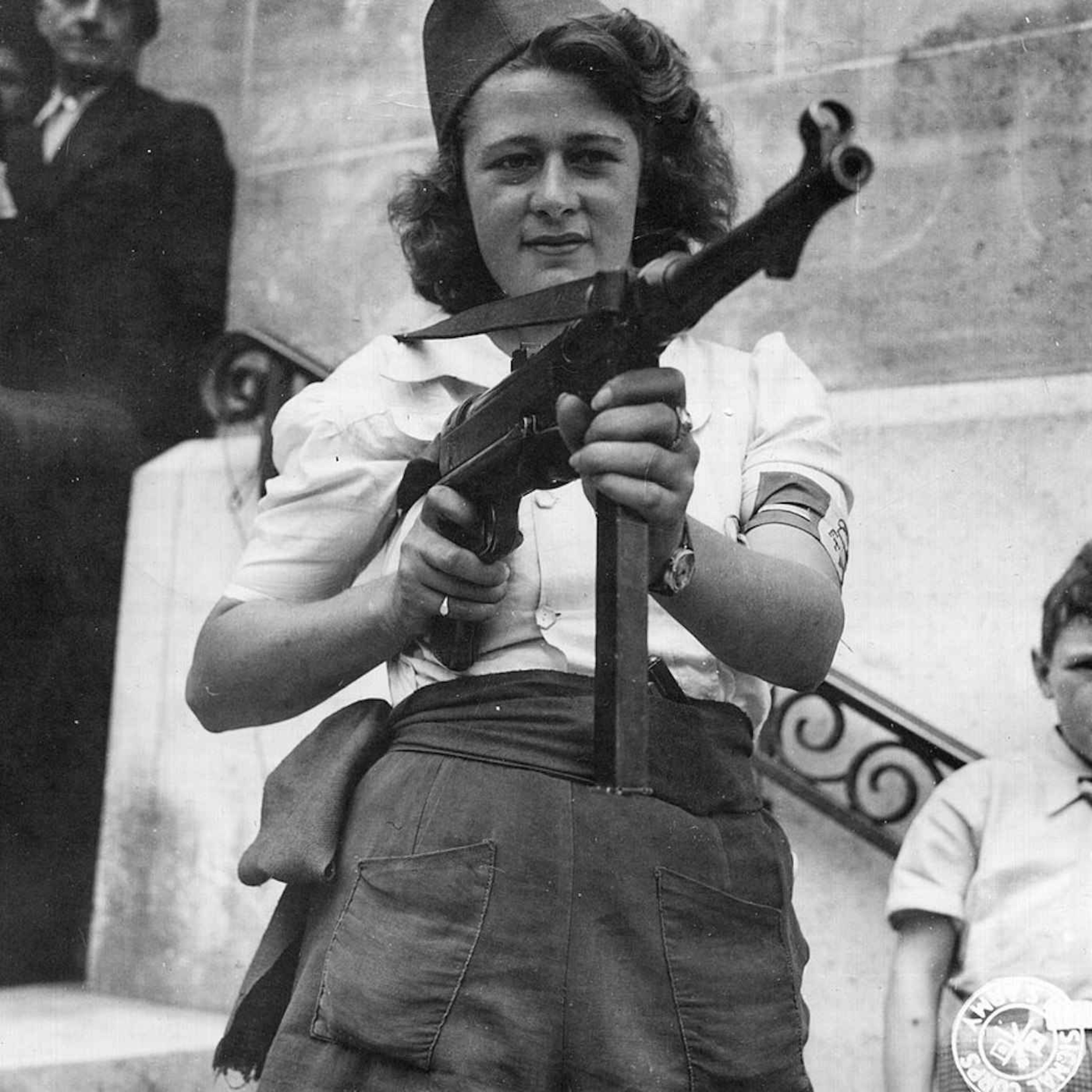
**This is the second of two episodes on the story of Irish people who fought in the French Resistance. Part I was released last week.**Few Irish people recognise the names Sr Katherine Anne McCarthy or Patricia O'Sullivan. However during the Second World War II they were among the dozens of Irish women who fought in the underground war against the Nazi occupation of France. The stories of these women are unbelievable. My guest in this episode, Dr David Murphy, from Maynooth University reveals the risks they took and the harrowing consequences for those who were caught. If you have family members who served in the Resistance get in touch with David at [email protected].**I am currently working on a new series on the history of podcasting. I have interviewed some of the biggest names in podcasting and now I am looking for your input. I would be really grateful if you could complete this short survey on your experience as a listener at https://irishhistorypodcast.ie/listenersurvey.**📢Walking Tour 📢I am thrilled to announce my brand new walking tour in Ireland's oldest city, Waterford. Join me and explore 1,000 years of history from the Vikings to Cromwell & Strongbow to the Irish Revolution. Enhanced by wireless headsets 🎧 you will hear the sounds of the city through the ages and the words of the people who made history in Waterford. Tours take place each Saturday and places are strictly limited to 15 people. Book your place today at www.Irishhistorypodcast.ie/tours*New Book: A Lethal Legacy - A History of Ireland in 18 Murders *My new book A Lethal Legacy - A History of Ireland in 18 Murders is available for Pre-Order now. If you order your copy today at Easons and use the promo code FD10 you get a 10% discount Hosted on Acast. See acast.com/privacy for more information.
Irish Volunteers in the French Resistance Part I
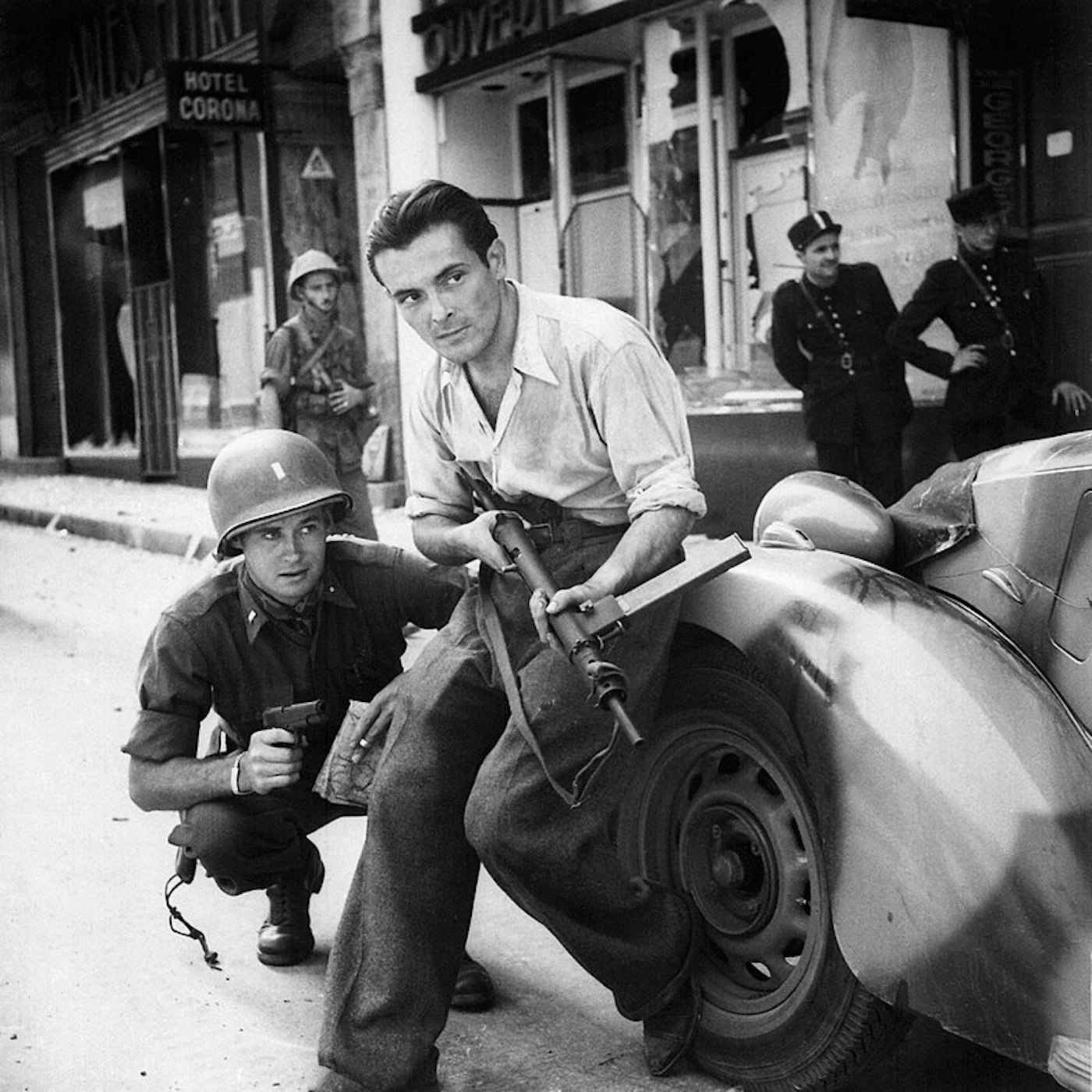
The struggle of the French Resistance against the Nazi Occupation of France remains one of the most famous chapters in World War II history. It has been immortalized in numerous film and books. However the story of the dozens of Irish people who served in the Resistance has been almost completely forgotten. In this podcast I interview Dr David Murphy from Maynoooth University who has researched the Irish people who served in the Resistance.While the writer Samuel Beckett is the most famous David reveals the forgotten history of other Irish volunteers and their experience of the war.**I am currently working on a new series on the history of podcasting. I have interviewed some of the biggest names in podcasting and now I am looking for your input. I would be really grateful if you could complete this short survey on your experience as a listener at https://irishhistorypodcast.ie/listenersurvey.**If you are aware of Irish people who served in the Resistance David is working on a database and you would love to hear from you. You can get in touch with him at [email protected] a supporter & access dozens of exclusive podcastsPatreon www.patreon.com/irishpodcastAcast https://plus.acast.com/s/irishhistory📢Walking Tour 📢I am thrilled to announce my brand new walking tour in Ireland's oldest city, Waterford. Join me and explore 1,000 years of history from the Vikings to Cromwell & Strongbow to the Irish Revolution. Enhanced by wireless headsets 🎧 you will hear the sounds of the city through the ages and the words of the people who made history in Waterford. Tours take place each Saturday and places are strictly limited to 15 people. Book your place today at www.Irishhistorypodcast.ie/tours*New Book: A Lethal Legacy - A History of Ireland in 18 Murders *My new book A Lethal Legacy - A History of Ireland in 18 Murders is available for Pre-Order now. If you order your copy today at Easons and use the promo code FD10 you get a 10% discount Hosted on Acast. See acast.com/privacy for more information.
Rotten Prod - The Life of James Baird
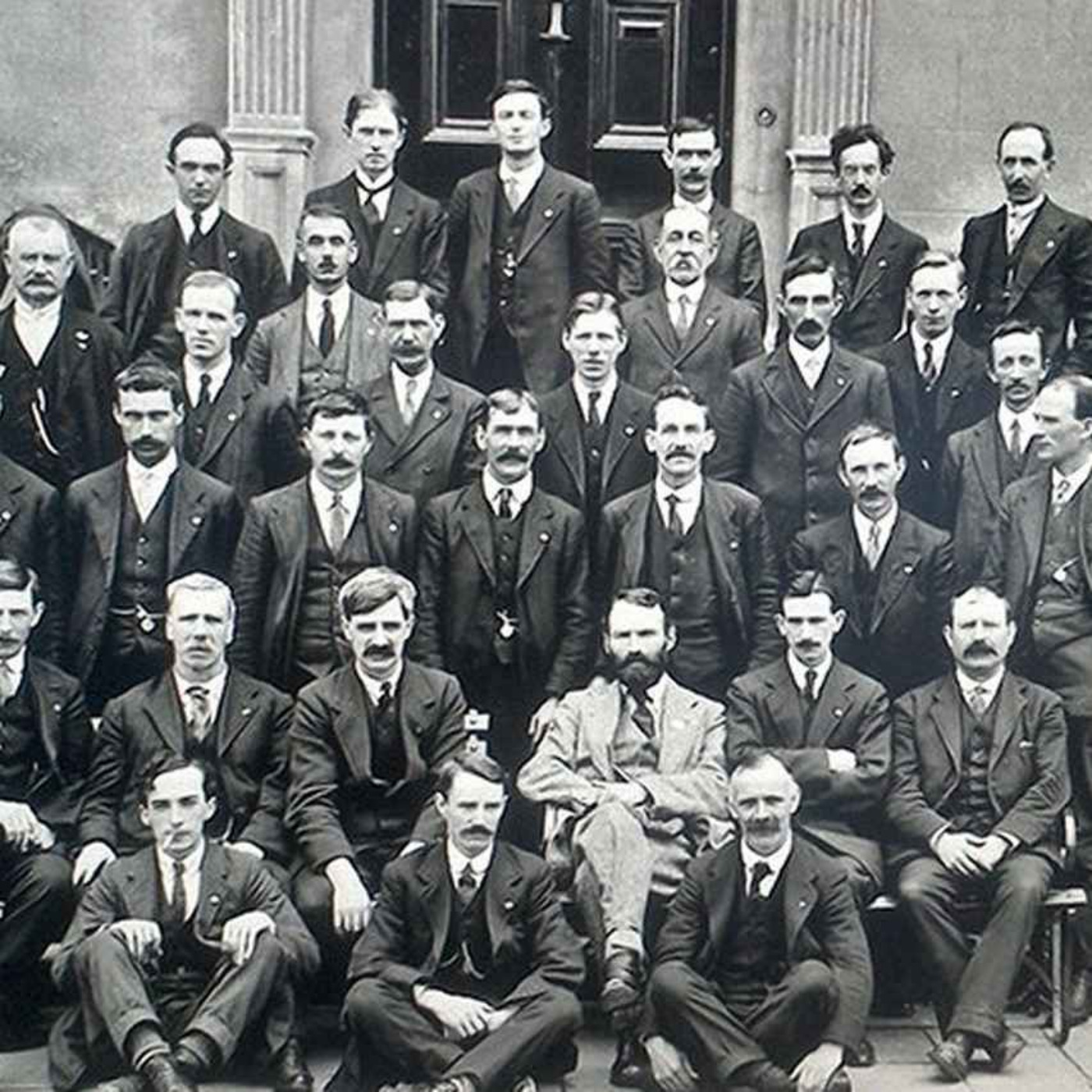
This episode needs a bit of an introduction. While the term Rotten Prod, short for Rotten Protestant, sounds like a sectarian slur, the phrase has a very different and fascinating history. It actually originated within the Protestant community in Ulster to describe a person considered disloyal to Unionism. At the turn of the 20th century, the majority of Ulster Protestants were Unionists, meaning they supported Ireland remaining in the United Kingdom. However a largely forgotten minority, many of whom were Protestant working class socialists, rejected this view. Believing a United Ireland of one kind or another was better for workers, this left them alienated from their own community. Labelled Rotten Prods, they not only faced vilification but often violence from their neighbours and workmates. In this podcast, I interview Emmet O’Connor historian in the University of Ulster and author of the book Rotten Prod, the unlikely career of Dongaree Baird. Our discussion focused on the life of James 'Dongaree' Baird a man who lived and worked in the epicentre of sectarian violence in 1920s Ireland - the Belfast Shipyards.Emmet's book Rotten Prod, the unlikely career of Dongaree Baird is available here My upcoming book, A Lethal Legacy - A History of Ireland in 18 Murders will be released on September 14th! I think you will love the book, it was shaped by your feedback over the years and written with you in mind. If you pre-order your copy today at Easons & get a 10% discount with the listener coupon code below.Link https://www.easons.com/a-lethal-legacy-finbar-dwyer-9780008555993 Coupon Code FD10 Hosted on Acast. See acast.com/privacy for more information.
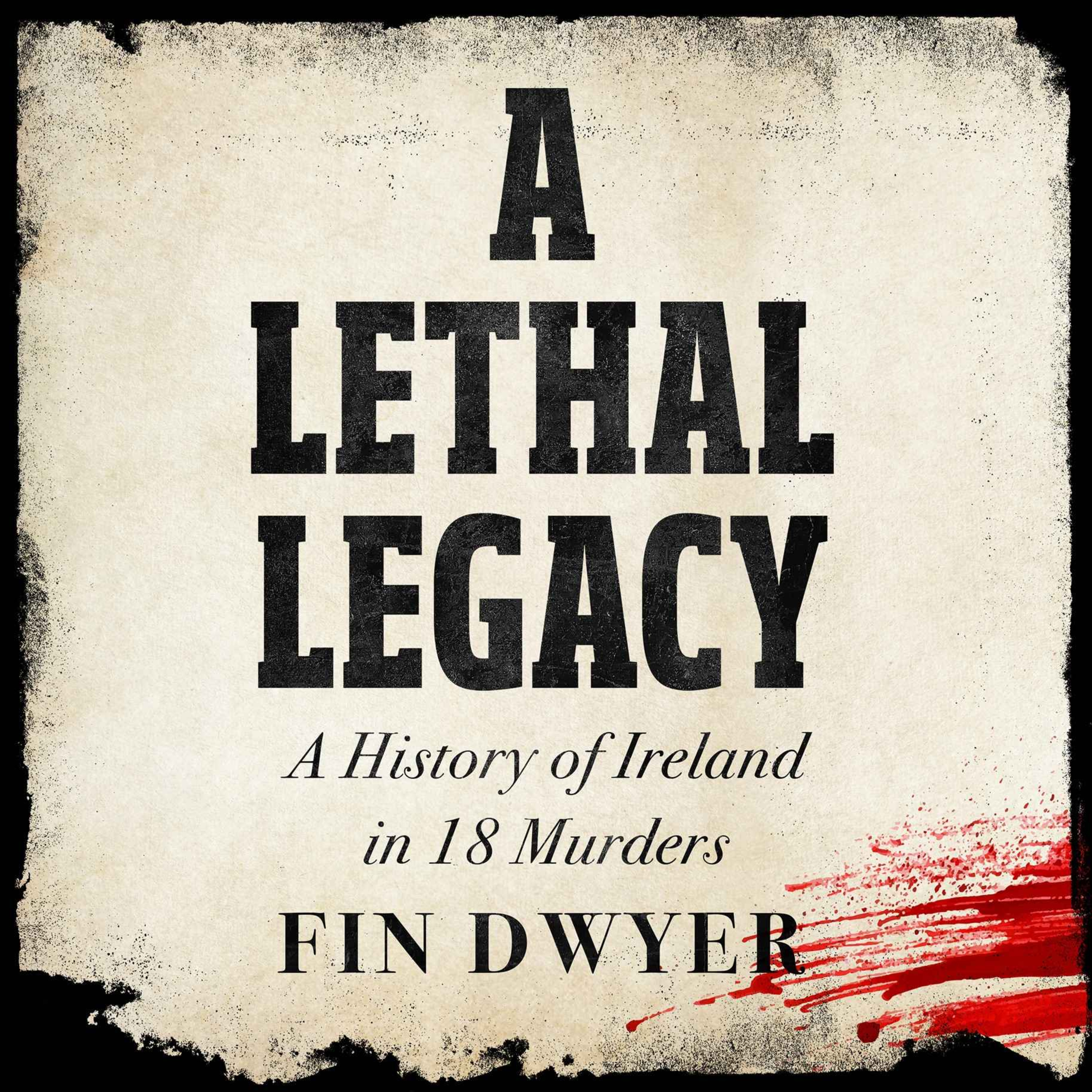
A Lethal Legacy - A History of Ireland in 18 Murders (A New Book from Fin Dwyer)
This episode is short, but has a big reveal! For nearly two years I have been working on a new book and I can finally tell you all about it. Published by Harper Collins, it's called 'A Lethal Legacy - A History of Ireland in 18 Murders.' In this podcast I explain what you can expect from the book, how it was shaped by you and, most importantly, how you can get your hands on a copy.A Lethal Legacy - A History of Ireland hits the shelves on September 14th. Pre-order your copy today today from Easons at https://www.easons.com/a-lethal-legacy-finbar-dwyer-9780008555993 and use the coupon code FD10 to get a 10% discount. Hosted on Acast. See acast.com/privacy for more information.
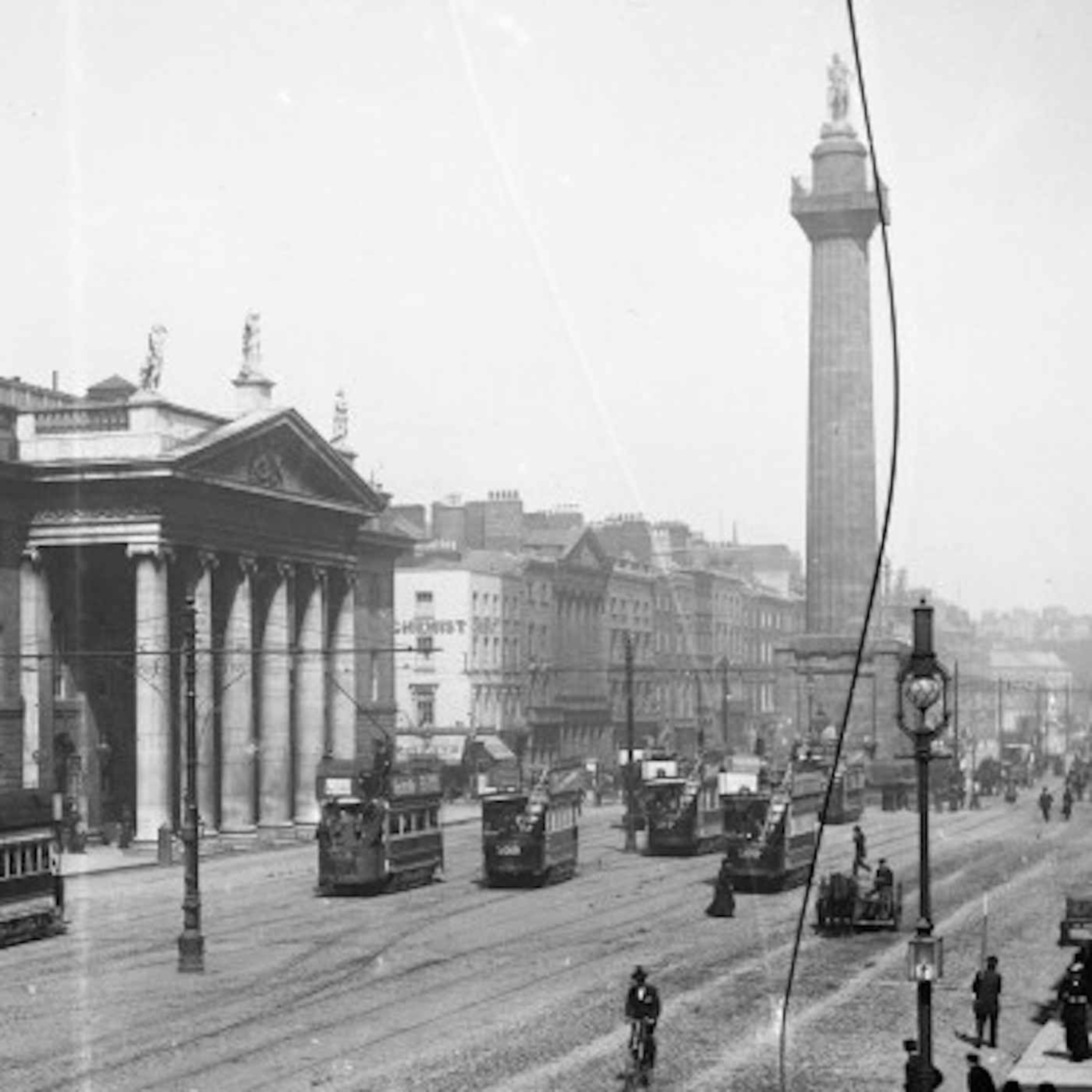
Sights, Sounds & Smells: Life in Dublin on the Eve of the 1916 Rising [from the archives]
The 1916 Rising is one of the most famous events in Irish history but it’s easy to forget it took place in a city that 300,000 people called home. In this podcast (originally released over three years ago) I explore Dublin on eve of the rising revealing what the city was like in the early 20th century. You will hear the sounds of Dublin, what the city looked like, even how it smelled by following the city coroner Dr Louis A Byrne.He and his contemporaries would find Dublin of the 2020s almost unrecognisable. As you will hear their Dublin would be equally strange and bewildering to us.Get your tickets for my new walking tour here https://www.irishhistorypodcast.ie/historytours Hosted on Acast. See acast.com/privacy for more information.
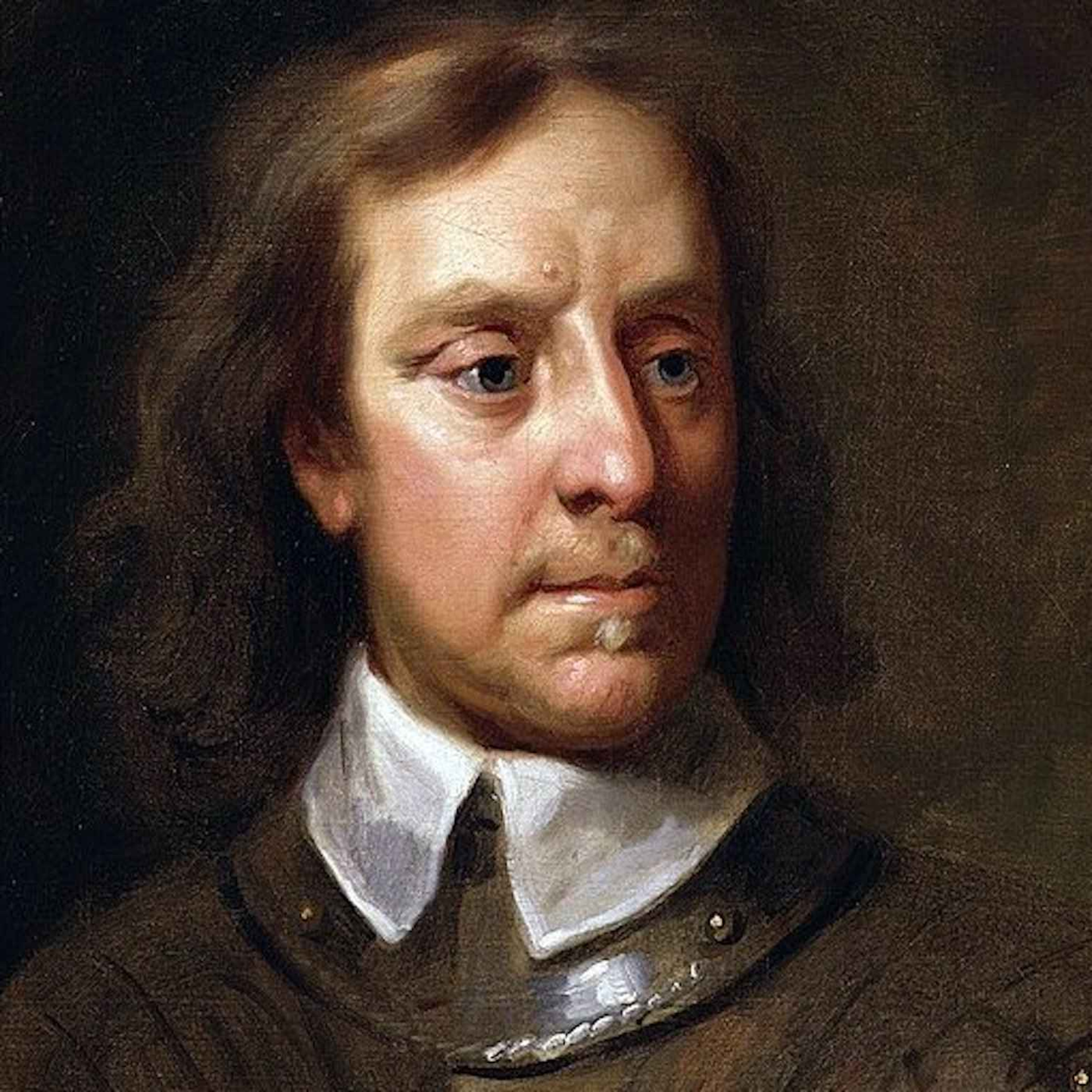
Oliver Cromwell - Still Notorious, But Why?
The Cromwellian Conquest of Ireland took place over 370 years ago. Despite the passage of time the man who led that conquest remains one of the most reviled figures in Irish history. In this podcast I look at why he, above others, is so reviled in Ireland.****Get tickets for my new walking tour mentioned in the episode are available here.****The episode is recorded in the ruins of Dunhill Castle. An exclusive supporters video tour of the castle is available here. Hosted on Acast. See acast.com/privacy for more information.
A Journey to the Gates of Hell
In 1397 Ramón de Perellós left the city of Avignon in the Kingdom of France, setting out on a 2,000 km journey to Ireland. His ultimate destination was a fabled gateway to the afterlife on Station Island, Lough Derg, Co Donegal. In this episode you will follow in the footsteps of de Perellós on this medieval pilgrimage. Forget the problems of the modern world and prepare yourself for a gruelling journey by land and sea through medieval Europe. Written produced and narrated by Fin Dwyer, sound by Kate DunleaSupport the show www.patreon.com/irishpodcast Hosted on Acast. See acast.com/privacy for more information.
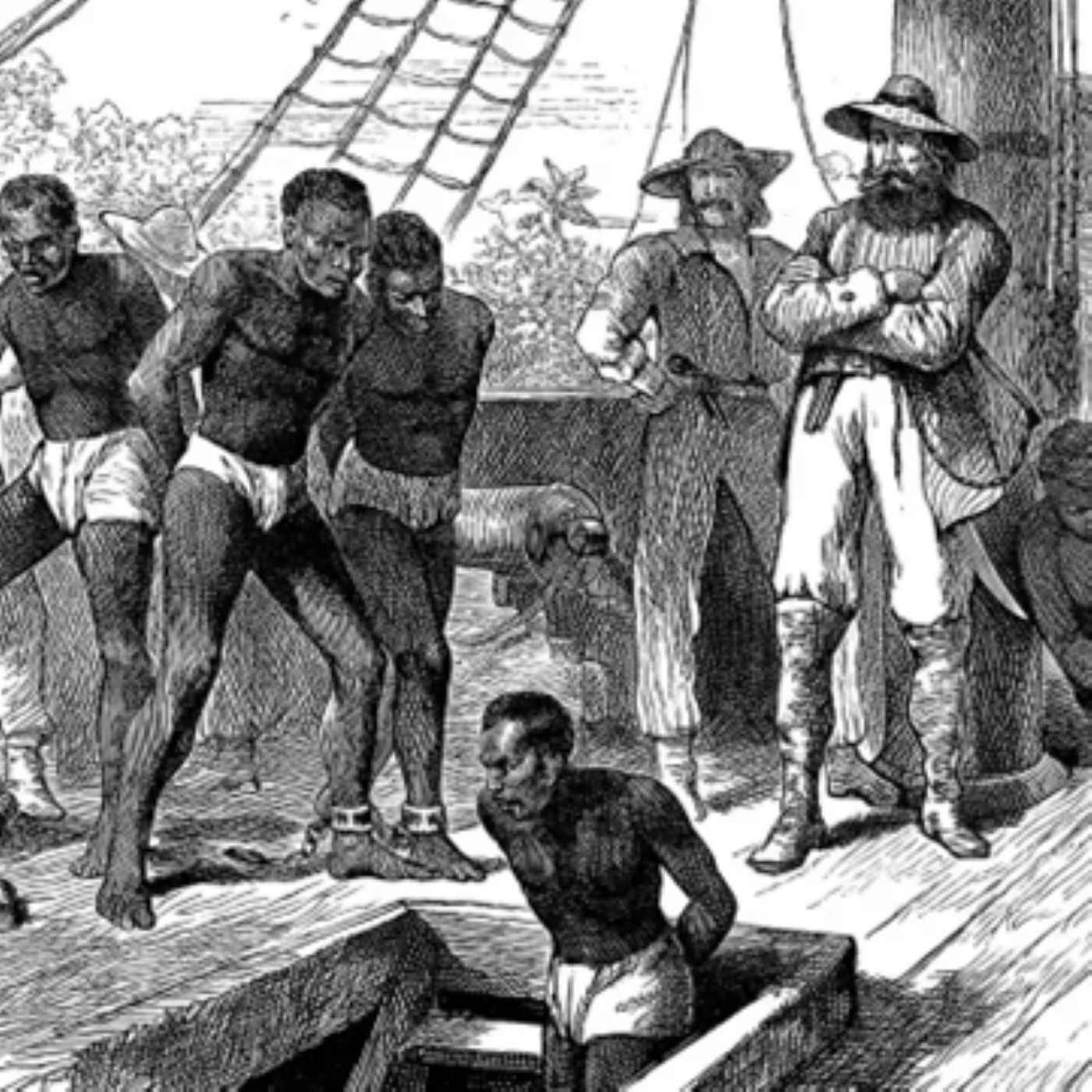
Belfast and the Slave Trade
The history of Belfast has been dominated by the Troubles of the late 20th century and the longer history of sectarian conflict in the city. However Belfast holds a lesser-known yet significant chapter in its past—it's connections to the slave trade. In this episode, I am joined by Tom Thorpe who uncovers Belfast's complex ties to slavery in the United States. Join us as Tom sheds light on how Belfast's economy became intertwined with the slave trade and explores the emergence of a radical anti-slavery movement within the city. To delve deeper into this fascinating topic check out Tom's walking tour at antislaverybelfast.com Hosted on Acast. See acast.com/privacy for more information.
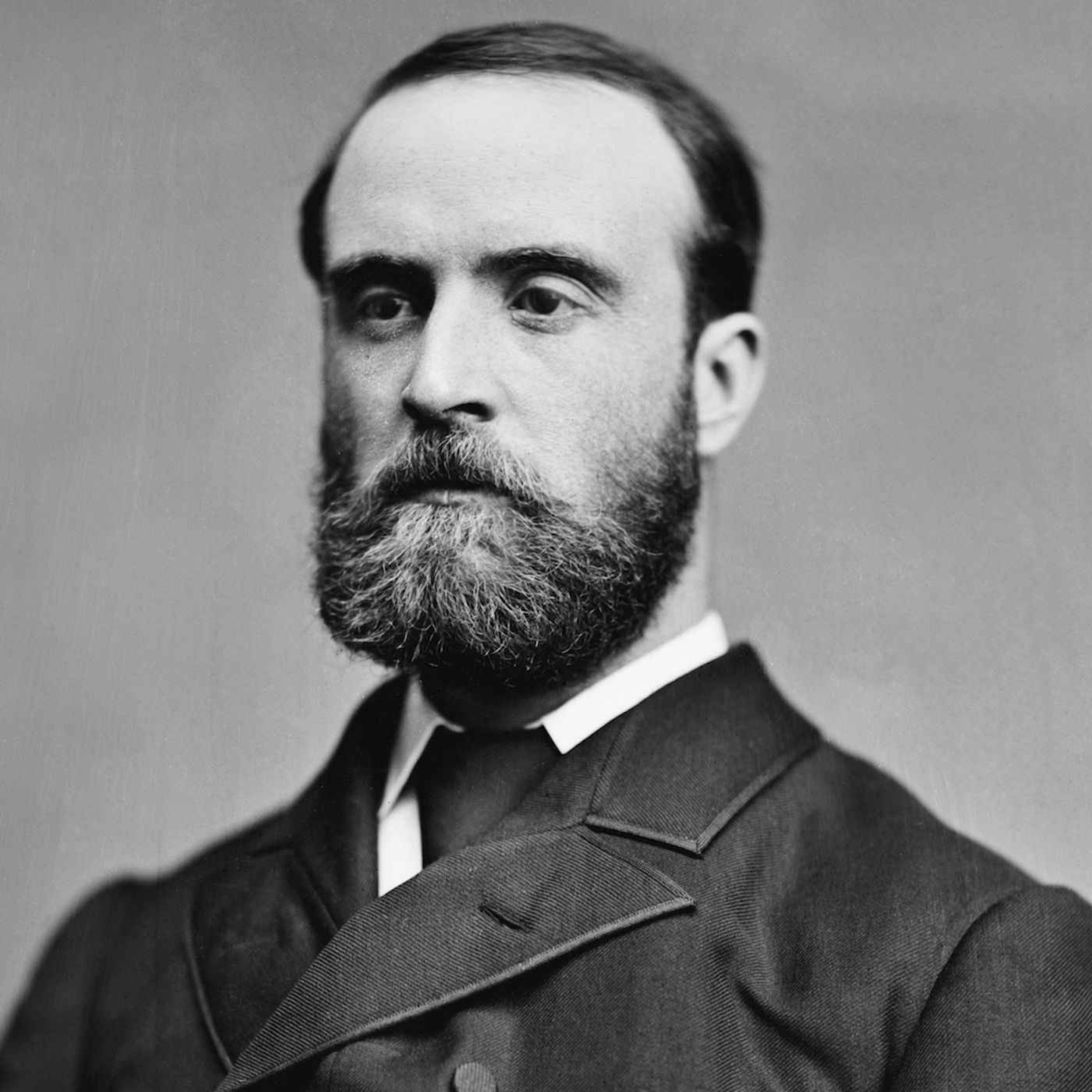
The Parnell Divorce Case - a story that shocked the Victorian world
In the 1880s Charles Stewart Parnell was the most famous Irish politician of his generation. Dubbed 'the uncrowned king of Ireland' he was respected and admired across the political spectrum.However 1890 he was embroiled in a sensational scandal that rocked the Victorian world when it emerged he had been in a decade long relationship with a married woman. In this episode I am joined by Dr Lloyd (Meadhbh) Houston. Their recent book Irish Modernism and the Politics of Sexual Health explores the impact this scandal had on Irish politics and society.They explain who Parnell was, his rise and then his spectacular downfall.If you want to learn more about the Land War - check out my Patron's Exclusive Podcast on this fascinating conflict that changed Irish history here https://www.patreon.com/posts/patrons-podcast-7434081You can find Lloyd's book here. It's an academic text so its on the pricey side but you can read Lloyd's work at their website https://lmhouston.co.uk/ Hosted on Acast. See acast.com/privacy for more information.
Disert - A Place Where Mythology and History Meets
Disert is a remote townland in the Bluestack Mountains in Co Donegal. For reasons that are not entirely clear, our ancestors have been drawn here for thousands of years. There is no question it is a special place.Located in the shade of a sacred mountain - Carnaween - it was a site of pagan worship associated with some of the most famous figures in Irish mythology. There are stories relating to Finn MacCumhail (McCool), Diarmaid and Grainne in the surrounding area.It was also used by early Irish Christians and medieval pilgrims. In the 18th century Catholics were drawn to Disert when their religion was suppressed by the penal laws. Even into the 20th century it was used as a cillín to bury unbaptised children. Today the local community continues to pray at the site.The questions remains why? What is special about this site?Over the last few years archaeologists led by Dr Fiona Beglane from Atlantic Technological University, Sligo have been excavating Disert to try and understand its complex story.Her international team of archaeologists from the Institute for Field Research and California State University Los Angeles have made some fascinating discoveries.Last summer I visited Disert to record an episode at the excavation. In this podcast Fiona shares what her team uncovered in this remarkable place...Thanks to Dr Fiona Beglane for her time and archaeologist Rebekka Grace who arranged the recordings.Find out more about Disert at https://disertheritage.com/ Hosted on Acast. See acast.com/privacy for more information.
The Lingaun – Exploring Ireland's Oldest Frontier Part II
In this episode Neil Jackman and myself continue our journey down the Lingaun Valley, one of Ireland’s oldest frontiers. As we move closer to the present day we explore an 800 year old church, a castle and a battlefield from the 1798 rebellion looking at how this once contested frontier fell into obscurity after thousands of year.Support the show at patreon.com/irishpodcastCheck out Neil’s episodes 26 and 28 of Neil’s Podcast Amplify Archaeology which cover topics related the Lingaun. If you are planning a a trip down to explore the Lingaun Neil’s website Tuath.ie has all you need. This article on Knockroe is a great place to startYou can read more about Knockroe at https://www.tuatha.ie/knockroe-passage-tomb/ Hosted on Acast. See acast.com/privacy for more information.
The Lingaun – Exploring Ireland's Oldest Frontier Part I
The Lingaun Valley is a little known valley that forms the border between Co Kilkenny and Co Tipperary. However for thousands of years this small river formed one of the most important frontiers in Ireland.While the societies and kingdoms that fought and died over this valley are long vanished the region is littered with their remains in the tombs, religious sites, castles and battlefields.A few weeks ago I met up with archaeologist Neil Jackman, an expert in the region and we spent a morning exploring the valley. Our initial intention was to focus on the Lingaun, but our conversations took in a range of topics from what life was like 5,000 years ago, to the spiritual beliefs of our distance ancestors down to the story of battle in the 1798 rebellion!Check out Neil’s episodes 26 and 28 of Neil’s Podcast Amplify Archaeology which cover topics related the Lingaun.If you are planning a a trip down to explore the Lingaun Neil’s website Tuath.ie has all you need. This article on Knockroe is a great place to start https://www.tuatha.ie/knockroe-passage-tomb/ Hosted on Acast. See acast.com/privacy for more information.
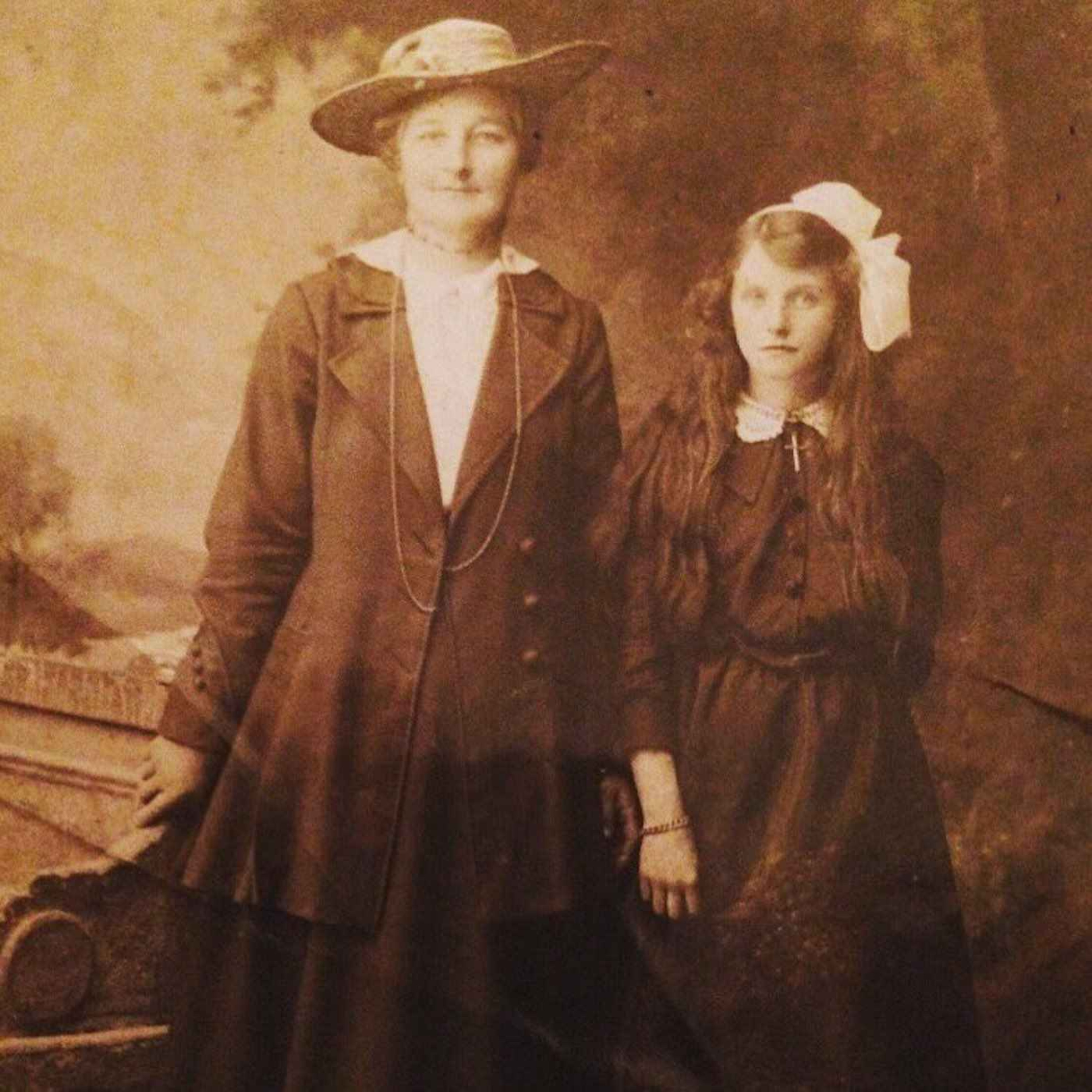
Heroes or Villains? How To Trace Your Ancestors...
Have you ever wondered about your ancestors and who they were were? Were they on the right side of history? Maybe you’re curious to find out if your family have dark secrets? In this podcast genealogist Martin Costello gives you a step by step guide to tracing your family. Over the episode I follow Martin’s steps and trace my ancestors back to the Great Hunger. Along the way I found out a few secrets my great grandparents would prefer had remained in the 19th century!These are the resources Martin mentions1901 and 1911 census census.nationalarchives.ie/ Irish civil records Irishgenealogy.ie Catholic Church Parish records https://registers.nli.ie/ Church of the Latter Day Saints transcription of Irish Parish Records www.familysearch.org British Newspaper Archives (contains numerous Irish publications) https://www.britishnewspaperarchive.co.uk Irish Newspaper Archive https://www.irishnewsarchive.com Ancestry Websites. Findmypast.co.uk & Ancestry.co.uk Hosted on Acast. See acast.com/privacy for more information.
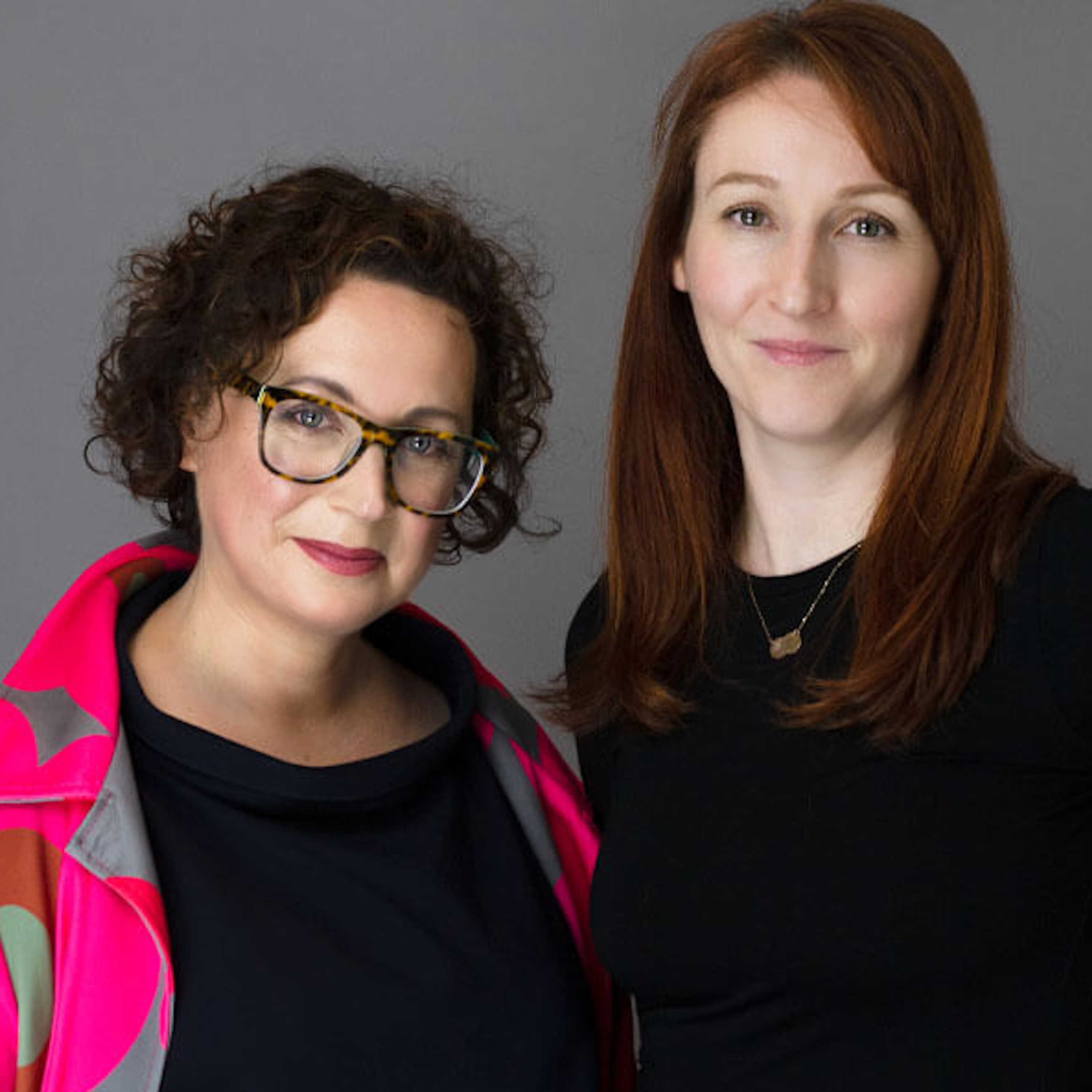
Bad Bridget: When American Dreams became Nightmares
Emigration has been one of the defining features of Irish life since the Great Hunger. Generations have been drawn to the United States in the hope of finding a better life across the Atlantic. Many succeeded but for some these dreams became nightmares. Over the last few years The Bad Bridget Project in Queens University Belfast by Dr Elaine Farrell and Dr Leanne McCormick has focused on criminal and deviant Irish women in North America. Now an award winning podcast and book, Leanne and Elaine join me in this episode share the stories they have uncovered. These include Annie Young a woman who lived in grinding poverty, the sex workers Maud Merrill and Marion Canning and the somewhat unbelievable Ellen Nagle a child prosecuted for being stubborn! Check out the Bad Bridget Podcast Get the book Bad Bridget: Crime, Mayhem and the Lives Irish Emigrant Women Become a supporter and get my exclusive Series on the Irish Civil War with Dr Brian Hanley Hosted on Acast. See acast.com/privacy for more information.
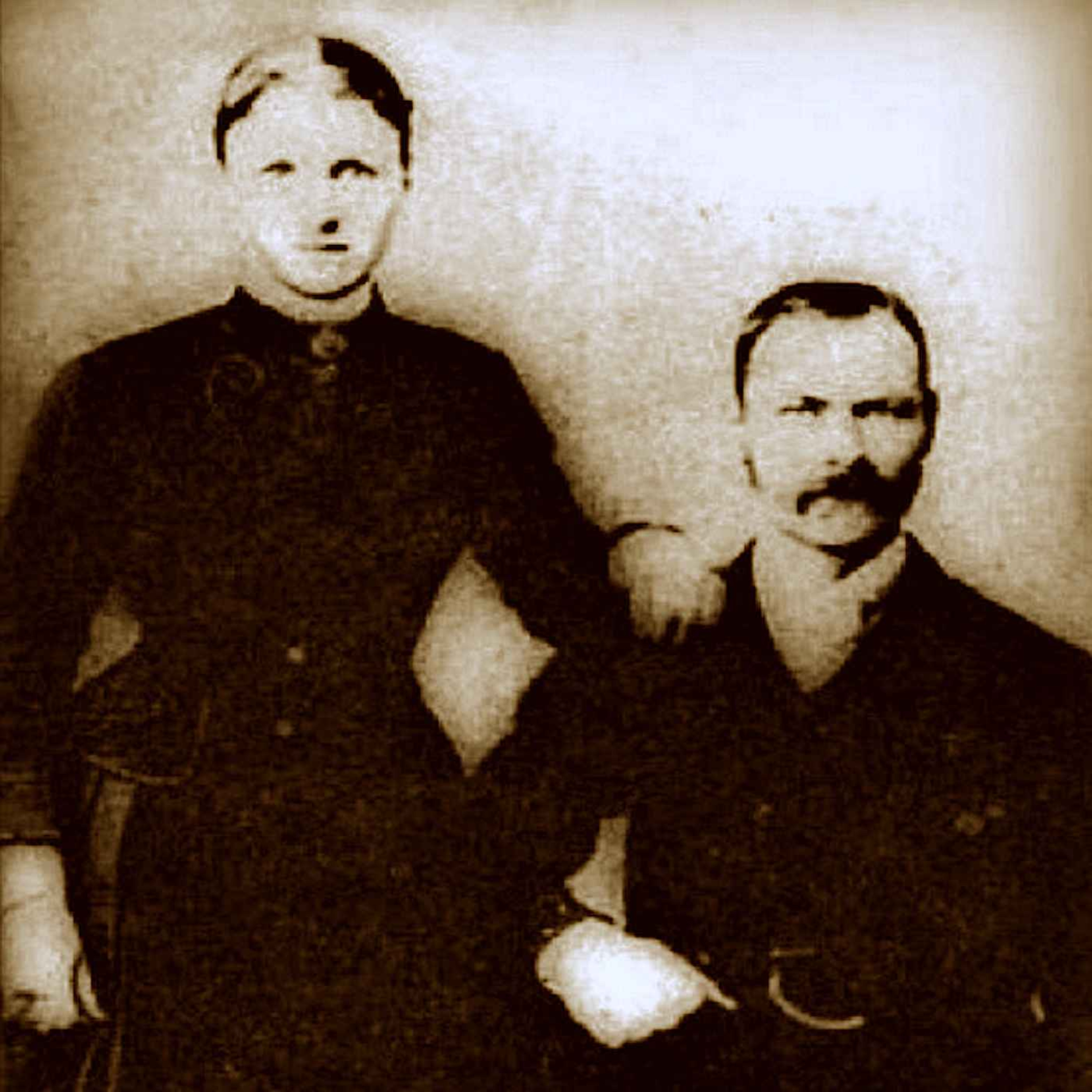
Burned Alive: The Burning of Bridget Cleary
In 1895 Bridget Cleary was a confident independent woman in a rapidly changing Ireland. This brought her into conflict with dark and sinister figures in her own community. After being labelled a 'changeling' (a fairy who had taken the place of the real person) Bridget was tortured in a brutal ritual. This podcast, based in an original episode released in 2016, explores Cleary's life and why those closest to her ultimately murdered her.The book mentioned in the show is The Burning of Bridget Cleary: A True Story by Angela BourkeSound By Kate Dunlea Hosted on Acast. See acast.com/privacy for more information.
Women on Trial - The Alice Morton Divorce Case of 1920
Until 1981 a woman was considered the property of her husband under Irish law. A husband could even sue another man for damaging his property if he had an affair with his wife. Referred to as 'criminal conversation’ these trials were demeaning and humiliating for the women involved. 'Women on trial looks' looks at the story of Alice Morton. When her marriage fell apart in 1919, she found herself at the centre of a sensational divorce and criminal conversation trial. When this developed into an early 20th century sex scandal, Alice went on the run rather than be subjected to such humiliation.The episode follows Alice's story as she evaded private detectives, and a court system stacked against her.Sound: Kate DunleaAdditional Narrations: Aidan Crowe and Therese MurrayRead more about criminal conversation trials:Adultery in the Courts: Criminal Conversation in Ireland by Niamh Howlin https://papers.ssrn.com/sol3/papers.cfm?abstract_id=2787632Ireland’s criminal conversations by Diane Urquhart https://journals.openedition.org/etudesirlandaises/3162Support the show Patreon - https://patreon.com/irishpodcastAcast+ https://plus.acast.com/s/irishhistory Hosted on Acast. See acast.com/privacy for more information.
The Mystery of Henry Wilson’s Assassination
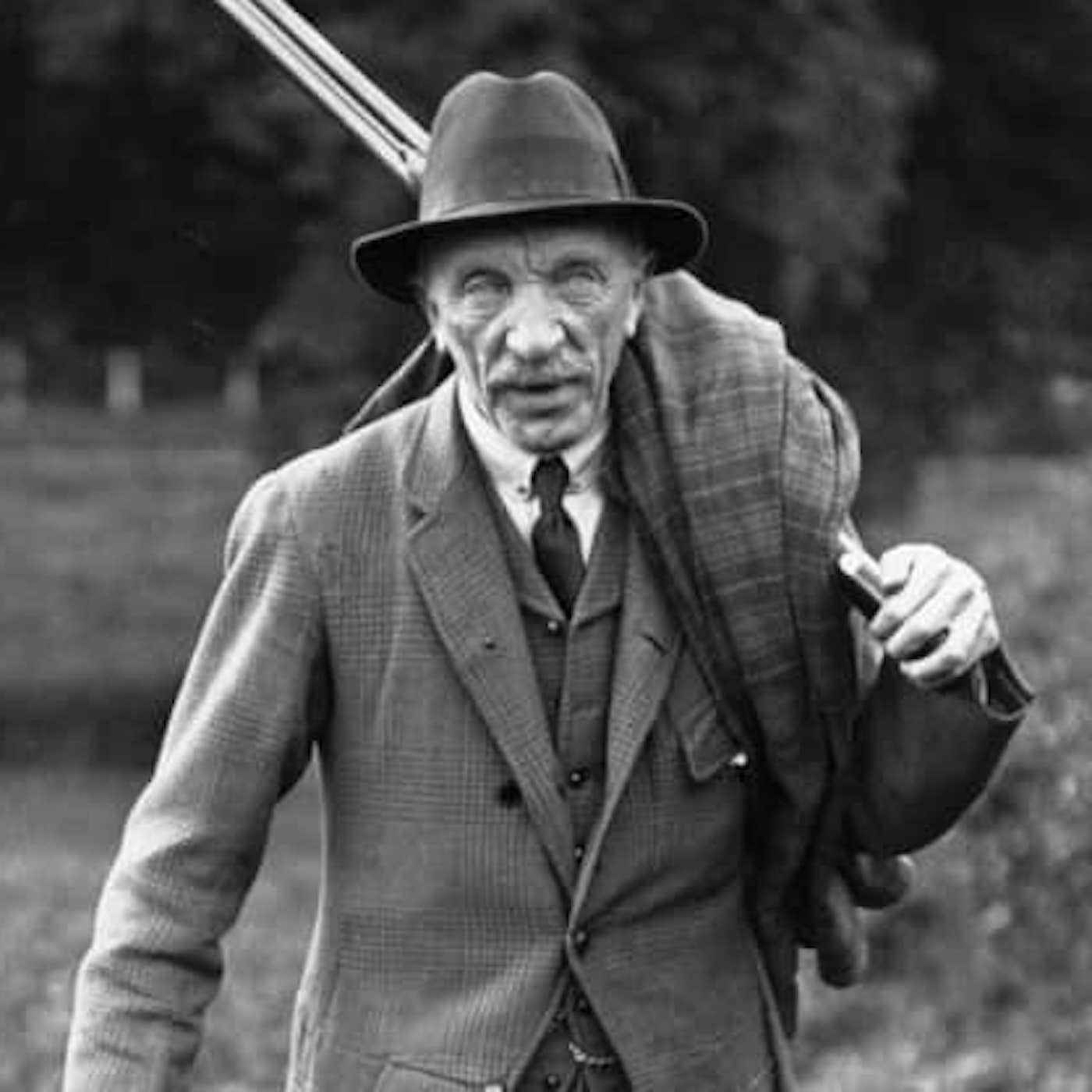
On June 22nd 1922, the British Field Marshall, Henry Wilson was shot dead in London. The assassination sparked a major political crisis in Ireland. The British government blamed the killing on a faction of the IRA opposed to the recent Anglo-Irish Treaty. When they demanded action be taken against them, Michael Collins oversaw an attack on an IRA unit occupying the Four Courts in Dublin. This sparked the Irish Civil War.Over the last century the incident has been shrouded in controversy. Many at the time and since have accused Michael Collins himself of ordering the attack on Wilson. In this episode I am joined by John Dorney to discuss the assassination of Henry Wilson, the fallout and who was responsible. My exclusive supporters' series on the Irish Civil War with Dr Brian Hanley of Trinity College Dublin continued this week on Acast+ and Patreon. Ep #1 explains backdrop to the war, while Ep #2 profiles Michael Collins, his involvement in the war and his death in August 1922.My guest on this week’s show is John Dorney. John’s website theIrishstory.com is one of the leading online resources on Irish History. He also the co host of the Irish History Show https://irishhistoryshow.ie/ Hosted on Acast. See acast.com/privacy for more information.
Ireland's Alcatraz - the Story of Spike Island
Spike Island in Cork Harbour is often referred to as 'Ireland’s Alcatraz'. While this famous island prison began life as a monastery it was transformed into a fortress during the American Revolutionary War. However Spike island gained it's notorious reputation during the Great Hunger of the 1840s when a prison was opened in the fort. This episode recorded on Spike island tells the story of Ireland’s Alcatraz…I would like to thank the team on Spike Island for facilitating the recording of this episode. In particular I would like to thank Tom O’Neill for his time and expertise. Sound by Kate DunleaVisit Spike Island: https://www.spikeislandcork.ie/If you want find out more about Spike Island these texts come highly recommended. Spike Island: Saint Felons and FamineToo beautiful for thieves and pickpockets: A history of the Victorian convict prison on spike island Spike Island republican prisoners 1921 My exclusive Supporters Civil War Series with Dr Brian Hanley from Trinity College Dublin continues on Thursday. Episode II looks at Michael Collins and the Outbreak of the War. This is available on www.patreon.com/irishpodcast and Acast+. Hosted on Acast. See acast.com/privacy for more information.
How the Famine Irish built New York
Between 1840 and 1860 the population of New York almost trebled growing from 300,000 to 800,000. This influx of migrants from Europe gave birth to modern Manhattan. At the heart of this story were the 250,000 Irish people who made the city their home in the aftermath of the Great Hunger. This is the story of the Famine Irish in New York.In this episode I interview Dr Tyler Anbinder from George Washington University. An expert in the history of New York, Tyler vividly explain New York of the 1850s and how the Famine Irish adapted to life in the city. You can find Tyler’s books here https://history.columbian.gwu.edu/tyler-anbinder. I would recommend Five Points: The Nineteenth-Century New York City Neighborhood that Invented Tap Dance, Stole Elections, and Became the World's Most Notorious SlumMy series on the civil war continues next week when myself and Dr Brian Hanley discuss Michael Collins, the man, the myth and his role in the conflict. You can get the series on Acast+ or at the $5 tier on patreon.com/irishpodcast Hosted on Acast. See acast.com/privacy for more information.
The Story of Irish Coffin Ships Continued...
This episode continues the story of emigration and Irish Coffin Ships during the Great Famine. Dr Cian T. McMahon, the author of The Coffin Ship - Life and Death at Sea during the Great Famine discusses The death rate onboard coffin ships What factors determined whether someone lived or died.How Irish Famine emigrants adjusted to life in the U.S.You can get a copy of The Coffin Ship - Life and Death at Sea here If you want listen to more stories form the Great Hunger my 30 part podcast series is available here.My exclusive supporters Civil War series with Dr Brian Hanley kicks this Thursday here on Patreon and Acast+ Hosted on Acast. See acast.com/privacy for more information.
The Story of Irish Coffin Ships Part I
Between 1845 - 1855 over two million people left Ireland to escape hunger, poverty and disease during the Great Hunger. The experience of these emigrants was often harrowing. The term Coffin Ship has became synonymous with their journeys across the Atlantic. While the term conveys misery, what was the experience actually like?In the first of two podcasts on the subject, I am joined by Dr Cian T. McMahon author of The Coffin Ship - Life and Death at Sea during the Great Famine. Cian's work is deeply personal. Laced with hundreds of individual narratives he creates a vivid account of the complexities of escaping hunger in Ireland in the 1840s. You can get a copy of The Coffin Ship - Life and Death at Sea here If you want listen to more stories form the Great Hunger my 30 part podcast series is available here. My exclusive series on the Irish Civil War with Dr Brian Hanley kicks off next week. Exclusively available for show supporters on Acast+ and patreon.com/irishhistory, the series will be an expert guide to one of the most formative conflicts in modern Ireland. Hosted on Acast. See acast.com/privacy for more information.
How will 2022 be remembered in history?
Are we living through historic times? The Russian Invasion of Ukraine, the Queen's death, Liz Truss and Elon Musk have all dominated the headlines in 2022. However headlines don't always make history. Will the events of our lifetime be remembered in the future?In this episode I look at how the last twelve months might be remembered by future historians.Become a supporter at https://patreon.com/irishpodcast Hosted on Acast. See acast.com/privacy for more information.
A Slum City - Life & Death in Late Victorian Dublin
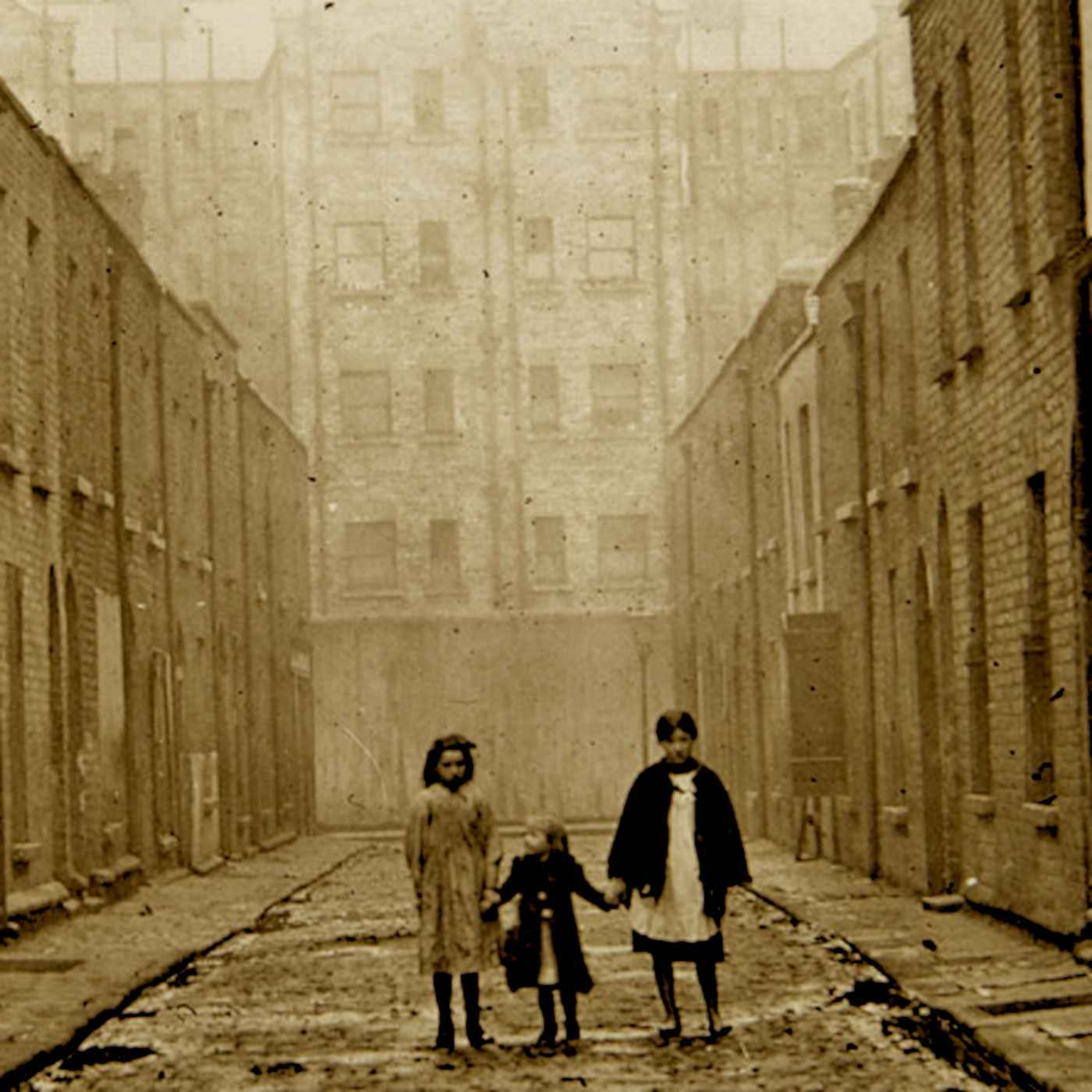
Life in Dublin at the turn of the 20th century was difficult to say the least. Working Class Dubliners were lucky if they reached 50. In those five or so decades, they worked dangerous jobs and lived in appalling conditions. In this episode I am joined by Dr Ciara Breathnach. Ciara has spent several years researching the records of Dublin's Coroners Court for her book 'Ordinary Lives, Death, and Social Class: Dublin City Coroner's Court, 1876-1902'. As the Coroner investigated suspicious, unexplained and unusual deaths, this research gave Ciara a unique insight into life in Dublin around 1900. Over the course of our interview Ciara explained how Dubliners lived and died. She also shares some individual cases from the Coroner's Court which provides a deeply personal history of the time and the challenges people faced.You can find Ciara’s Profile at the University of Limerick where she is an Associate Professor in History https://www.ul.ie/research/dr-ciara-breathnachHer book Ordinary Lives, Death, and Social Class: Dublin City Coroner's Court, 1876-1902 is available here https://www.barnesandnoble.com/w/ordinary-lives-death-and-social-class-ciara-breathnach/1141544052 (You can also ask your local library to order the book!)My audiobook on the Black Death in Ireland is available for download at https://plus.acast.com/s/irishhistory. This can be purchase for a one off payment of €5.99 or is available for show supporters at www.patreon.com/irishpodcast Hosted on Acast. See acast.com/privacy for more information.
A lost town in the Wicklow Mountains
Castlekevin was once a thriving settlement deep in the Wicklow Mountains. However in the 14th century after decades of warfare the historical record fell silent. Over the past year the Roundwood & District Historical & Folklore Society have been working with a team of archaeologists to uncover the story of this lost town and castle. Using ground penetrating radar, drones and ecological surveys the team have started to unlock the lost story of this forgotten town.This podcast reveals what was found...A special word of thanks to:Roundwood & District Historical & Folklore Society, the National Monuments Service Community Monuments fund, Yvonne Whitty, Dr Paul Naessens, Faith Wilson, Ivor Kenny, Dr Ger Dowling, Wicklow Co Council Heritage Officer Deirdre Burns, Martin Timmons, Mary Rochford, Chris Corlett and Catherine Wright in Wicklow Archives .Additional narrations from Aidan CroweSound by Kate Dunlea Hosted on Acast. See acast.com/privacy for more information.
The Black Death in Ireland
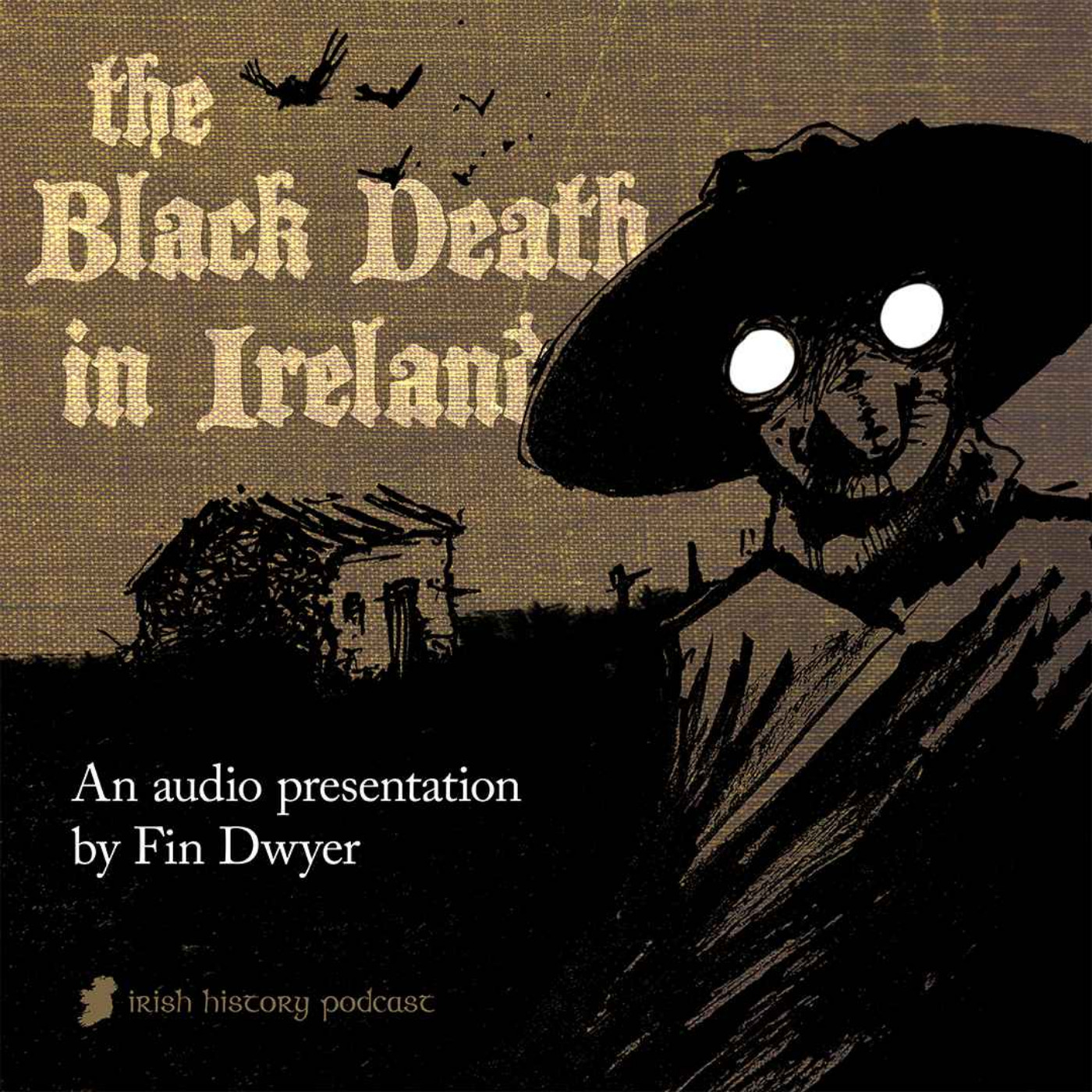
The Black Death changed Europe and Ireland forever. This disease which swept across the continent through 1348 carried off around 40% of the population. Its aftermath was no less sensational as social upheavel, wars and revolts broke out across Europe. Ireland was no different, indeed it was arguably affected in more profound ways than most of the continent. Over last few months I have produced a new hour three hour audio feature on the Black Death in Ireland based on my 2016 book 1348: A Medieval Apocalypse.This podcast previews the audiobook explaining the fascinating history behind these events. How can you get your audiobook of The Black Death in Ireland?Get the book as a one time purchase. You can buy the book for €5.99 in a one time purchase here https://plus.acast.com/s/irishhistory. Select 'The Black Death in Ireland Audiobook' and then you can download the audio to your podcast app.Become a supporter. Supporters of the show at patreon.com/irishpodcast also have access to the book. This recurring monthly fee also gives you access you my extensive back catalogue of exclusive show and my upcoming series on the Civil War. Find out more at https://patreon.com/irishpodcast Hosted on Acast. See acast.com/privacy for more information.
Contraception in Ireland
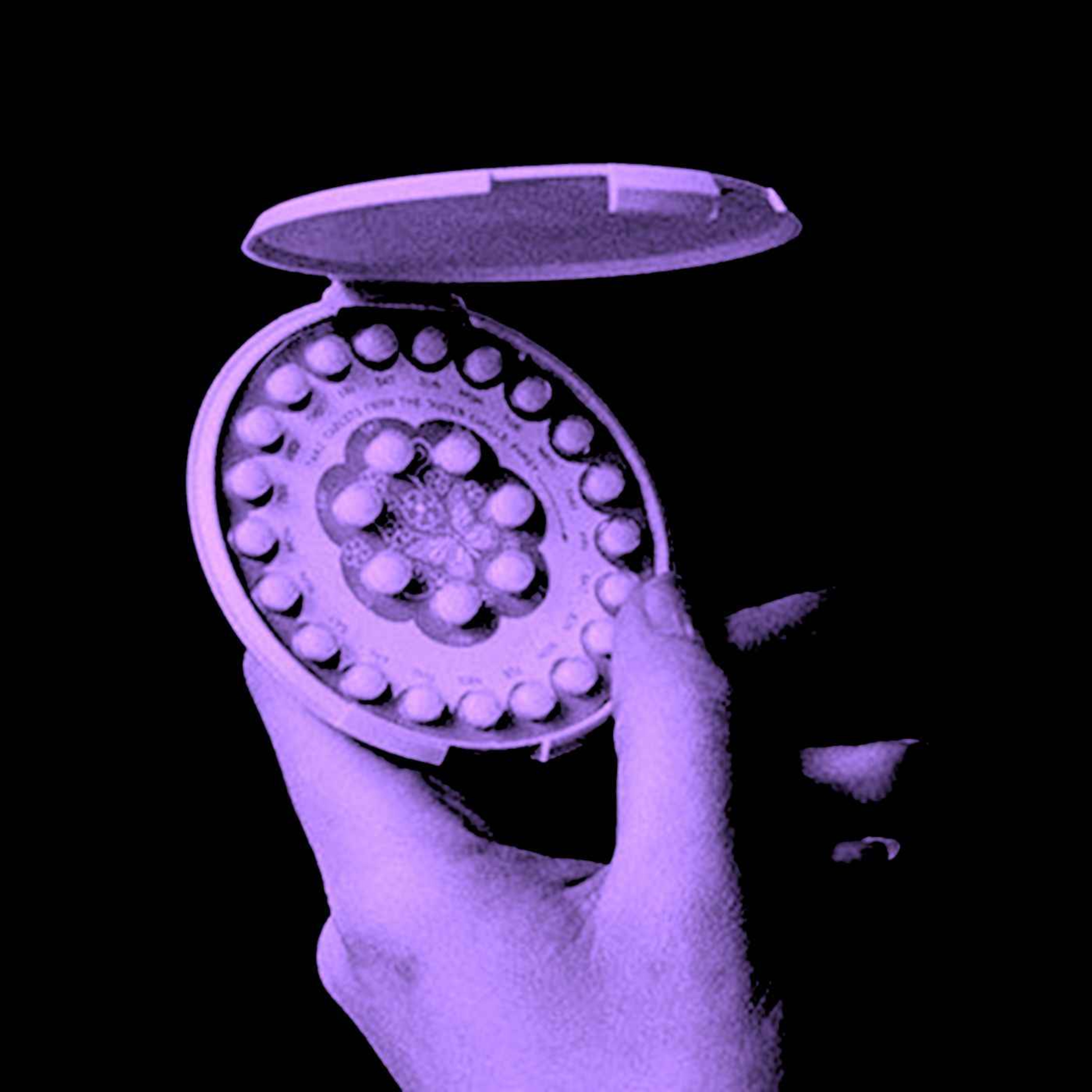
Believe it or not, it was a crime to sell contraception in Ireland between 1935 and 1979. The Irish government also banned all literature on family planning for decades as well. This had a profound impact on life in Ireland. Couples couldn't plan families or engage in recreational sex without fear of pregnancy. This devastated relationships and left many people with a very limited understanding of sex and pregnancy. In this podcast I interview Dr Laura Kelly from the University of Srathcylde. Laura is a leading expert in this area and she explains the background to contraception in Ireland, why it was banned and the devastating consequences of the ban. Find out more about Laura's research and publications here. Follow Laura on twitter here. Hosted on Acast. See acast.com/privacy for more information.
The Hunt for Nazi Spies in World War II
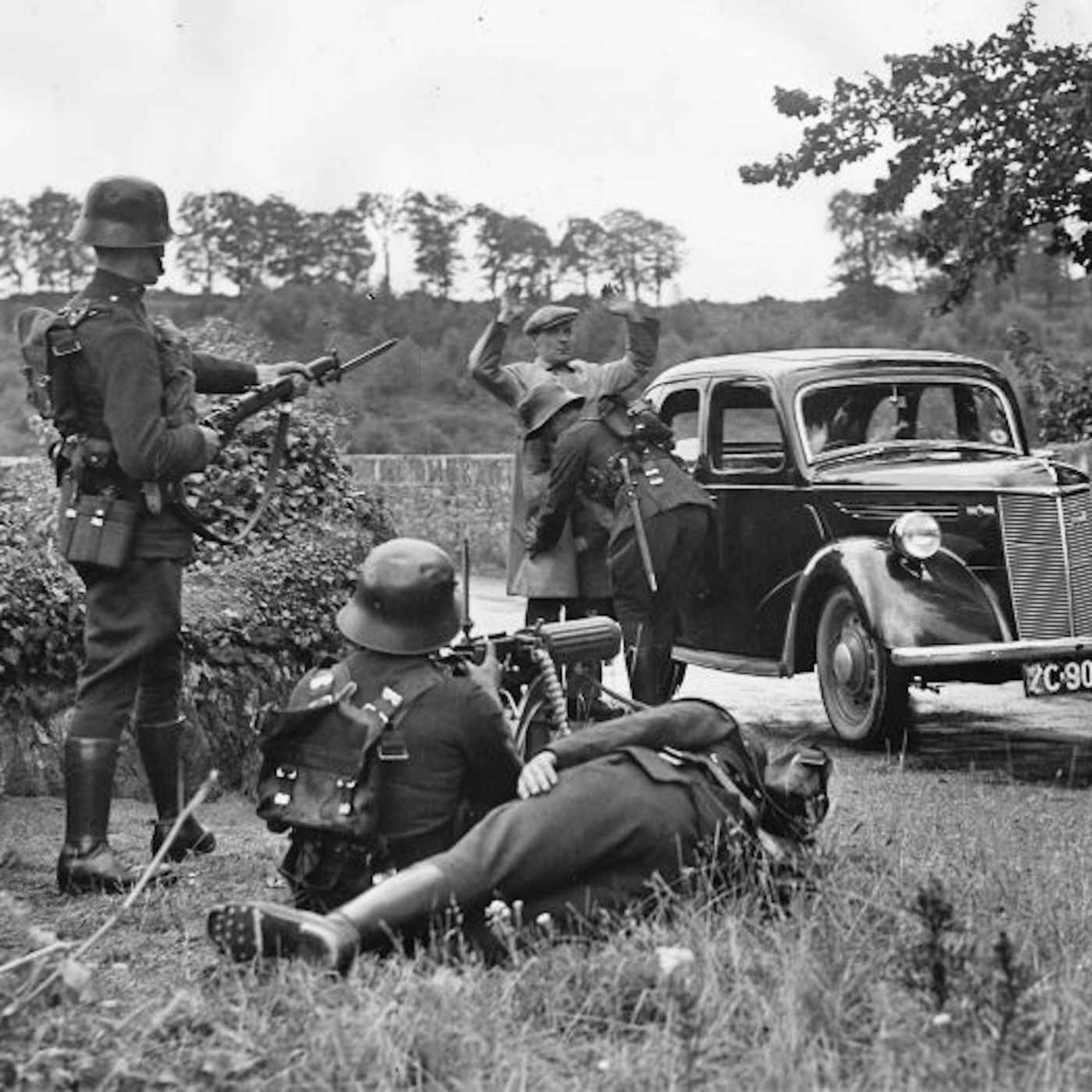
While Ireland remained neutral in the Second World War several Nazi agents were smuggled into the country. Their aims varied, some sought to establish contact with the IRA while others were spies. In this episode, I interview historian Marc McMenamin about the attempts of Irish Military Intelligence's to catch these spies and agents. Marc also explains the attitude of the IRA towards these individuals & the forgotten Irish code breakers in the war. Its a fascinating story. Marc has published two books on Irish Military Intelligence in the Second World War Codebreaker & Ireland's Secret War both of which are fantastic reads. Hosted on Acast. See acast.com/privacy for more information.
Exploring A Medieval Fortress - Conwy Castle
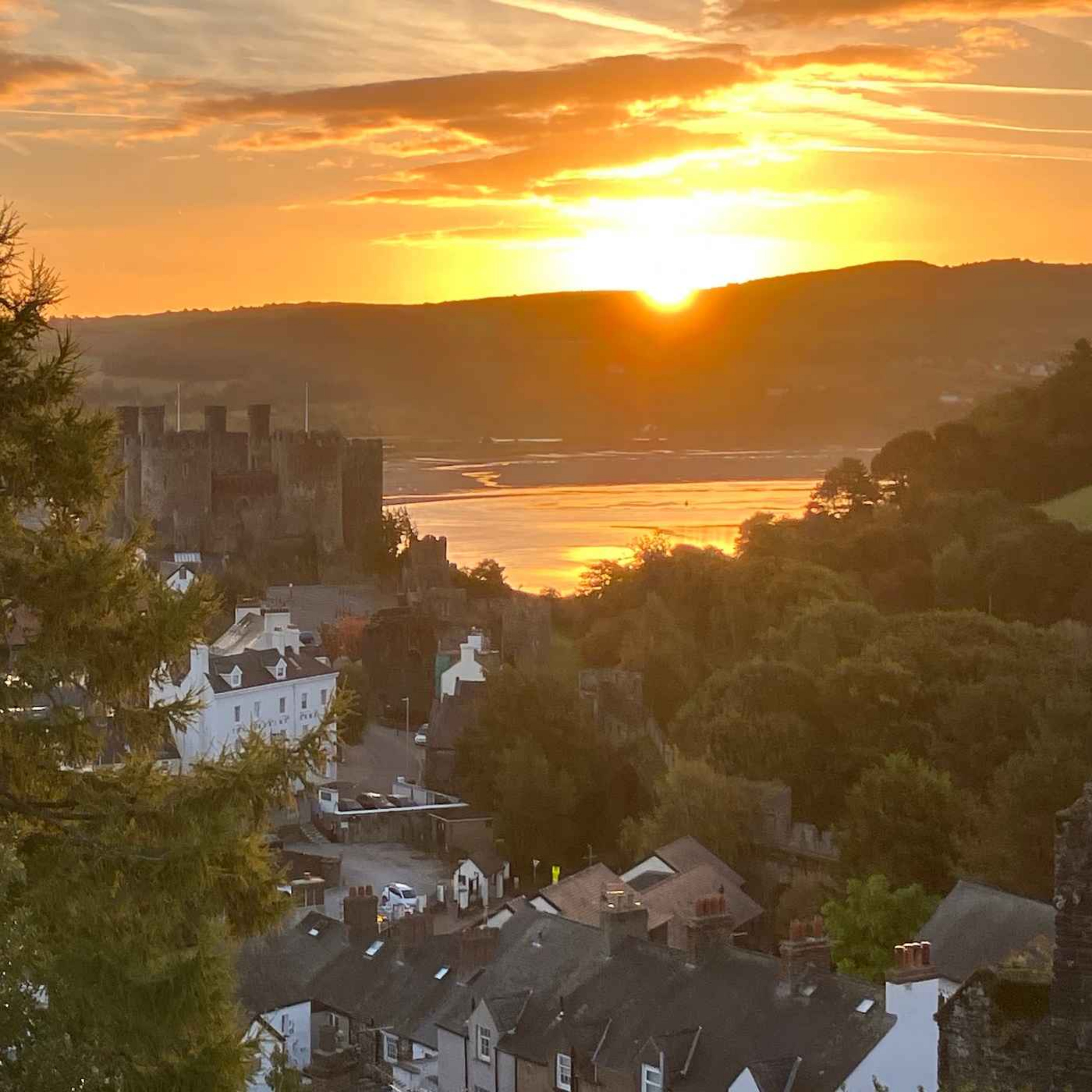
There is a photo essay to accompany this episode here Conwy castle in Wales in one of Europe's most spectacular medieval castles. Built in the 1280s by Edward I the castle has withstood sieges and the ravages of time. On Sat October 8th I organised a supporters trip to the castle. Early the following morning, as the sun rose over the medieval town I recorded this episode. Using the acoustics of the castle and the walls I explain the history, what the castle looks like today and how its elaborate and lethal defences worked in the middle ages. Deadly stuff in all meanings of the word!Support the show at www.patreon.com/irishpodcast Hosted on Acast. See acast.com/privacy for more information.
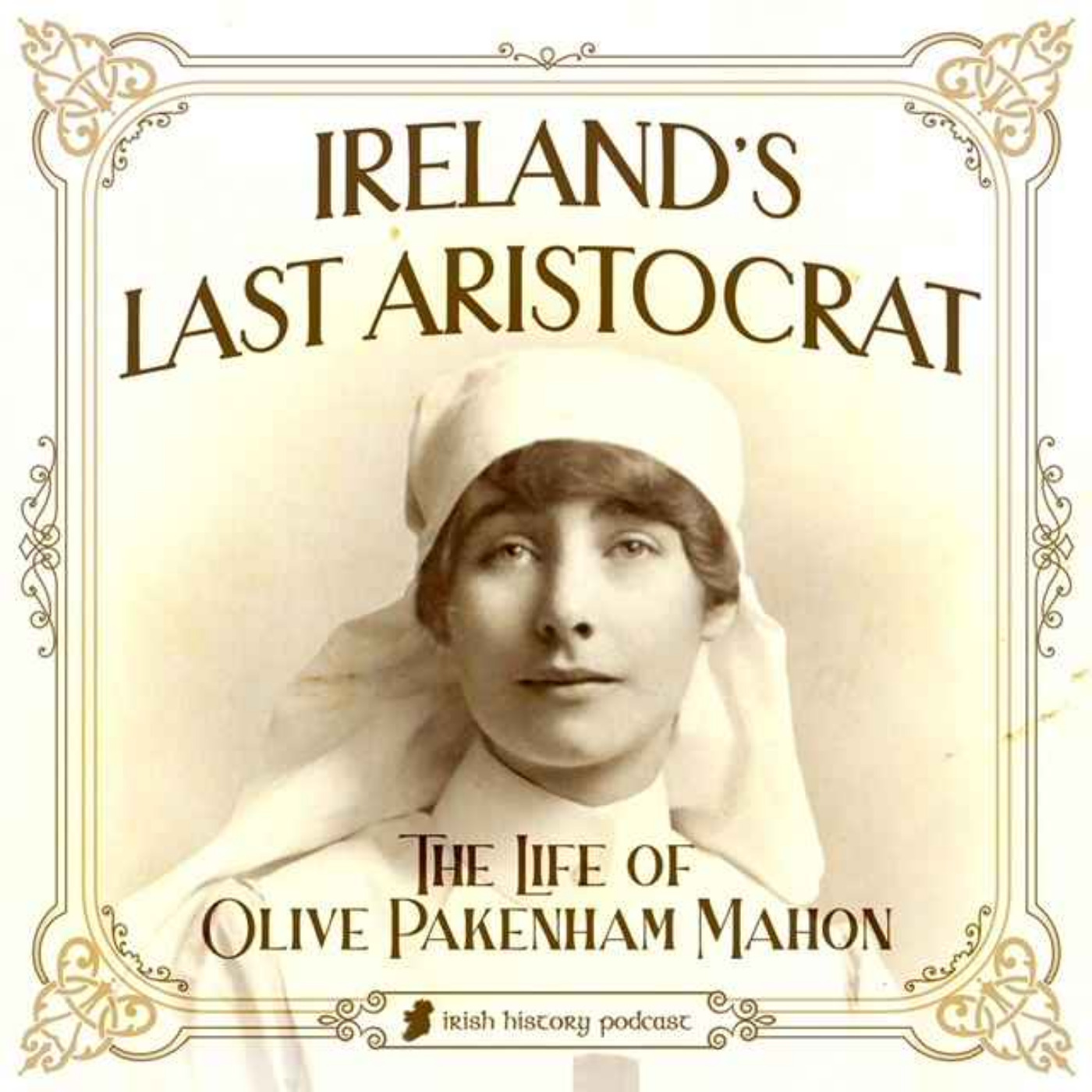
[Ep 3/3] Ireland's Last Aristocrat - The Life of Olive Packenham Mahon
In this final episode of Ireland's Last Aristocrat, you will hear how Olive Packenham Mahon adjusted to life in Ireland after the War of Independence. This follows her story through the chaotic early days of the Irish Free State, her futile attempts to budget as money ran out and how she would end up an eccentric living in a mansion that crumbled around her. There will be a bonus episode of recordings from Strokestown Park House for supporters at www.patreon.com/irishpodcast later this week. By becoming a supporter you will also get access to my upcoming series on the Irish Civil War. You can find out more about Strokestown Park House and how you can visit Olive Packenham Mahon's home a thttps://strokestownpark.ie/ Hosted on Acast. See acast.com/privacy for more information.
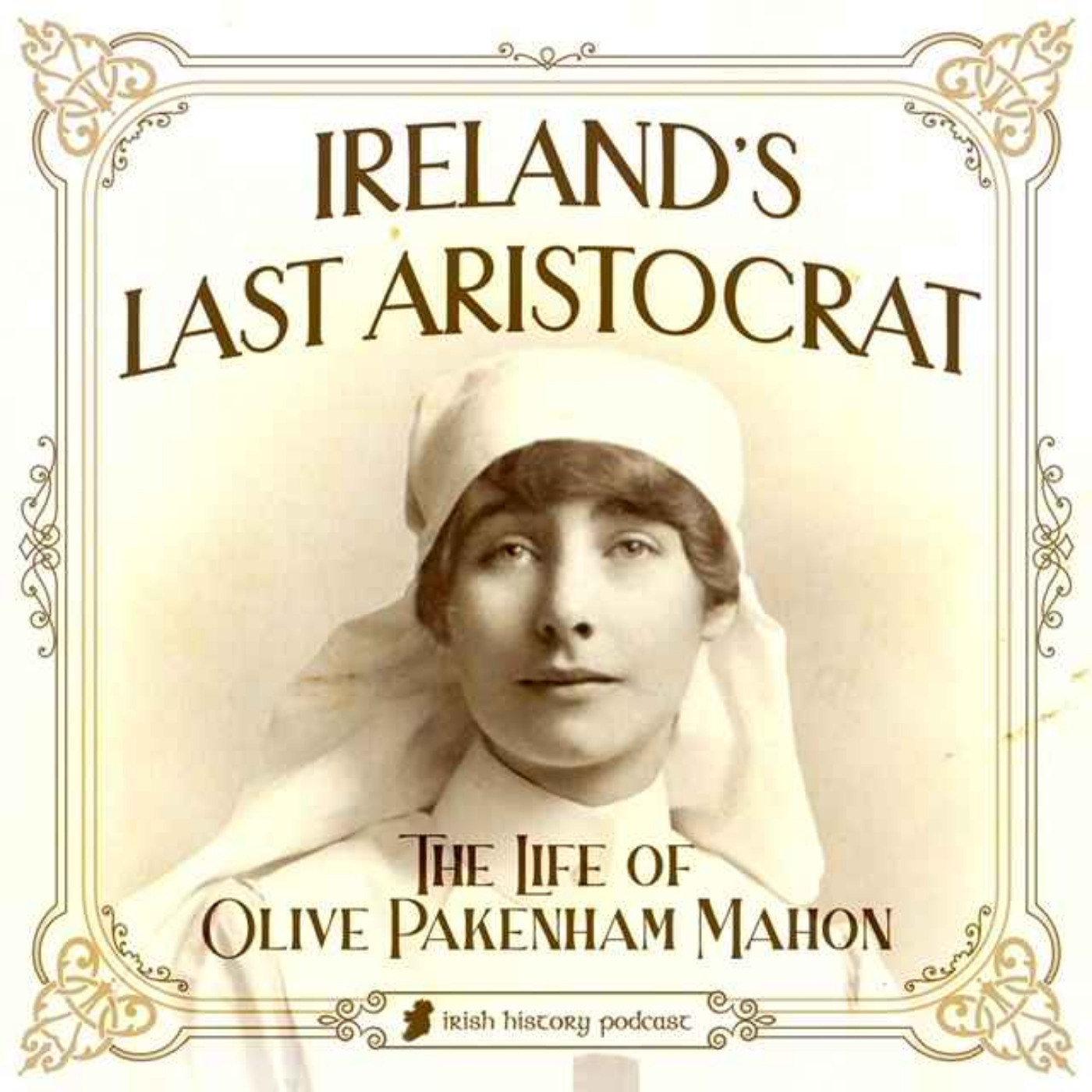
[Ep 2/3] Ireland's Last Aristocrat - The Life of Olive Packenham Mahon
Olive's unpublished diary and letters reveal a story of war, revolution and scandalous relationships in Ireland during the War of Independence.After being raised in splendour with servants taking care of her every need (see part I), this episode follows Olive Packenham Mahon through the Irish revolutionary era. After the outbreak of World War I everything changed. The Packenham Mahons and other aristocrats found themselves on the wrong side of history as revolution swept through Ireland. Olive recorded her experiences in an unpublished diary and letters which provide the basis for this episode. While these recount an unusual perspective on the Irish revolution, they also reveal a love affair that scandalised her family!There is also bonus episode with exclusive content for supporters here.Artwork - Keith HynesSound - Kate DunleaNarrations - Aidan Crowe and Therese Murray Hosted on Acast. See acast.com/privacy for more information.
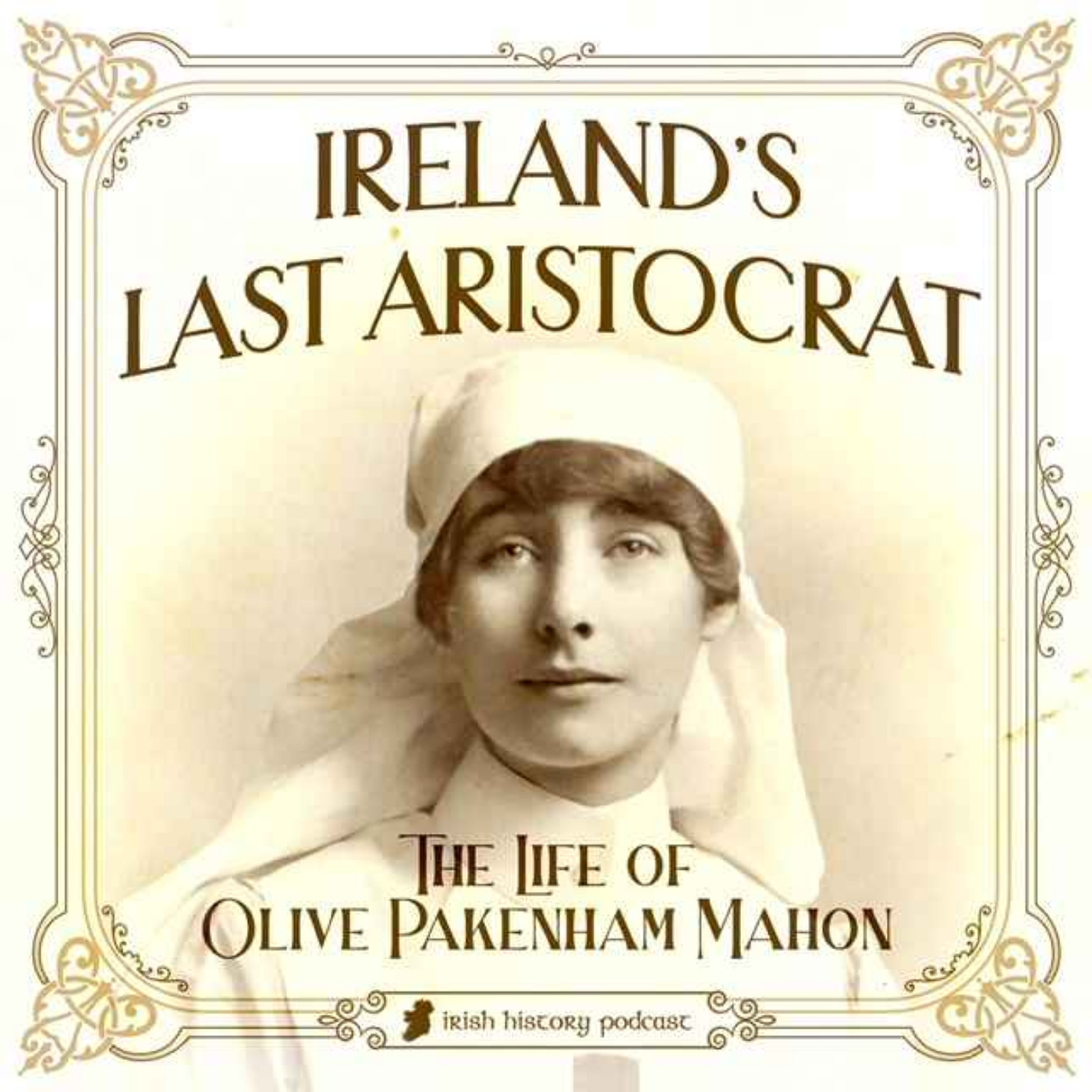
[Ep 1/3] Ireland's Last Aristocrat - The Life of Olive Packenham Mahon
Olive Packenham Mahon was born into wealth and privilege in 1894, but the legacy of a secret funeral and the spectre of war and revolution defined her life. She was no ordinary aristocrat - Olive was the last of her kind...A special thanks to Oisin O'Driscoll, Martin Fagan & Tony Aspel and all the team at Strokestown Park House for their time.Olive Packenham Mahon's home Strokestown Park House is open to the public. You can find out more at https://strokestownpark.ie/.Sound by Kate Dunlea. Artwork by Keith HynesAdditional narrations by Aidan Crowe and Therese Murray.There is a bonus episode with exclusive content from Strokestown available later in the week for show patrons at Patreon - patreon.com/Irishpodcast Acast+ - https://plus.acast.com/s/irishhistory Hosted on Acast. See acast.com/privacy for more information.
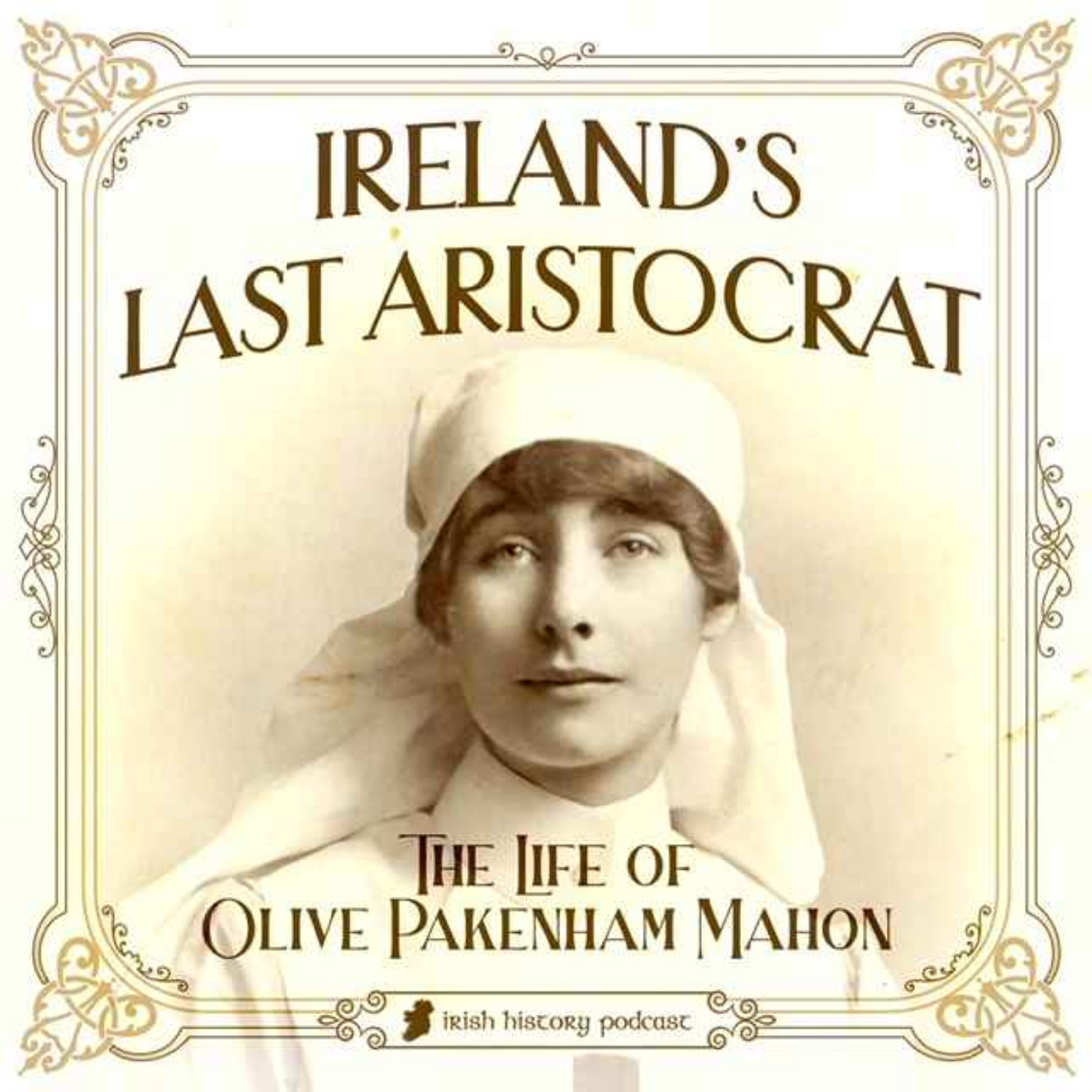
[Coming Weds 21st] Ireland's Last Aristocrat - the Life of Olive Pakenham Mahon
Olive Pakenham Mahon was one of Ireland's last Aristocrats. Haunted by a secret funeral in her families past, revolution and war defined her life. She was anything but normal...Subscribe to the Irish History Podcast where you listen to podcasts https://linktr.ee/irishhistory Hosted on Acast. See acast.com/privacy for more information.
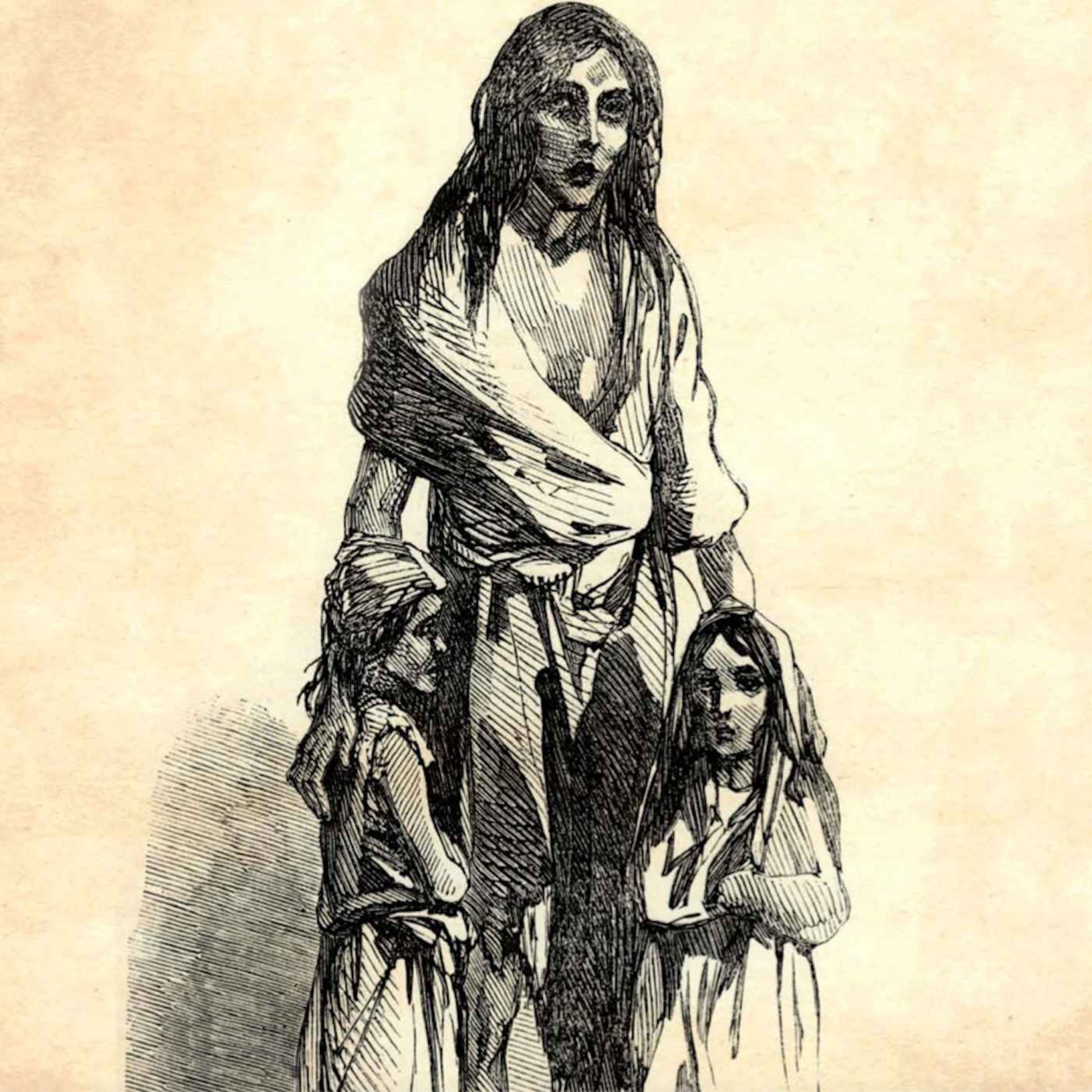
Who was Bridget O’Donnel? AKA The Most Famous Irish Woman in History
You may not recognise the name Bridget O’Donnel, but she is one of the most recognisable women in Irish history. In December 1849 her image (pictured in the episode artwork and here) appeared in The Illustrated London News. Over the following decades she became the face of the Great Famine. Today she is one of the most recognisable women in Irish history, but who was Bridget O’Donnel?Is it possible she never existed but was the creation of an artist called James Mahony?Hear the full story of the woman behind this iconic image.Additional narrations from Therese MurrayH/T to Mark Lagan for his help in this!The poster of Bridget mentioned in the episode is available here.Dont forget the supporters trip to Conwy Castle is fast approaching - we leave on October 8th! If you would like to join me on this trip to this amazing castle get in touch today at www.patreon.com/irishpodcast Hosted on Acast. See acast.com/privacy for more information.
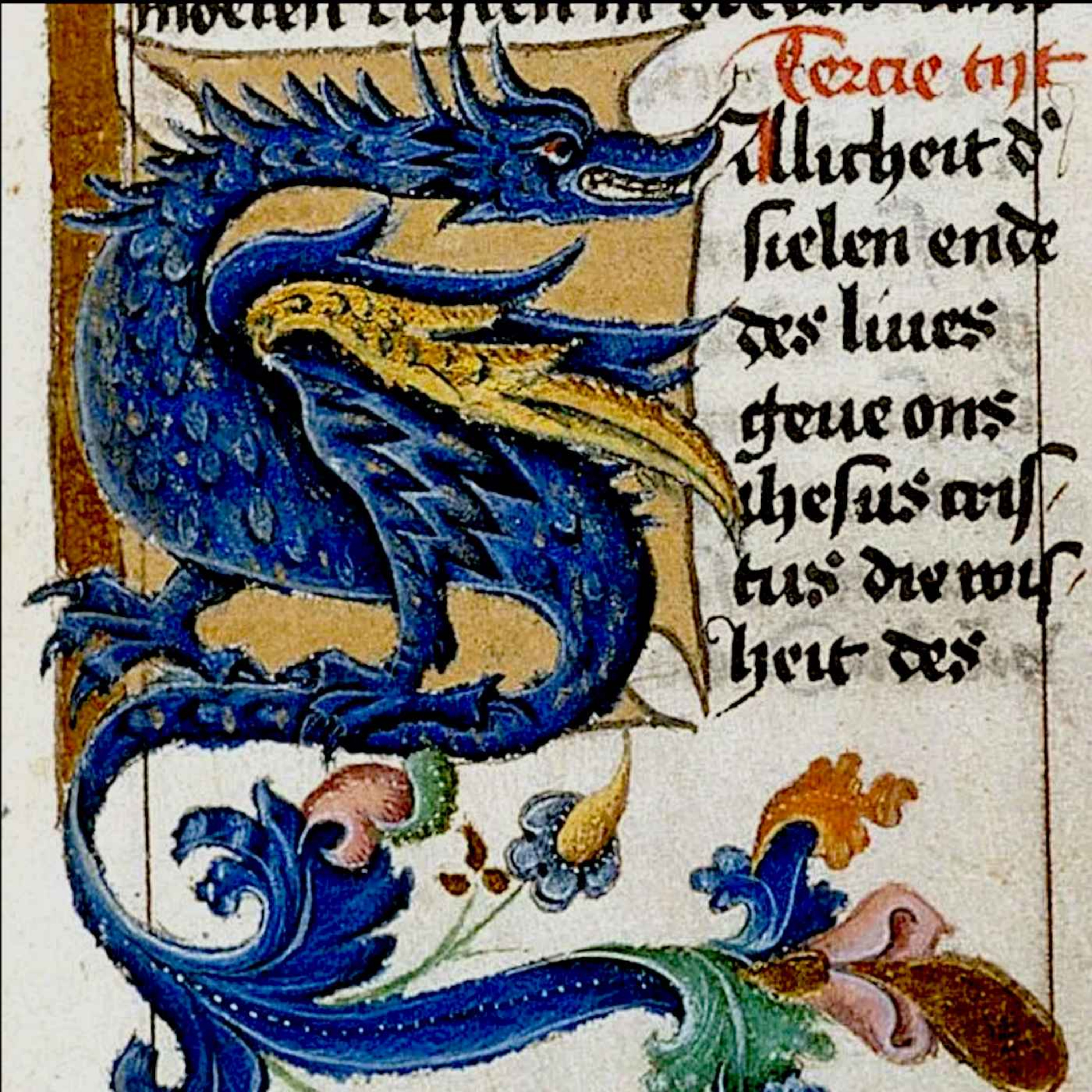
From Ancient Ireland to Westeros: A History of Dragons
In this special episode brought to you by NOW, I look into why humans are fascinated with dragons. Did you know mythology around dragons is older than organised religion and spiritual beliefs of any kind? Meanwhile images of dragons has been found on all continents in societies from ancient Ireland to China. In this podcast I look at why dragon myths are so old, where did this mythology came from and what does it mean? Additional narrations - Aidan Crowe Hosted on Acast. See acast.com/privacy for more information.
15 Minutes in Medieval Dublin [From the Archives]
2022 has been stressful so this episode treats you to 15 minutes of escapism. It brings you back to Dublin in 1320 in a soundscape of the medieval city. Reconstructed by trawling through 700 year old records for distinctive sounds; it was originally released back in 2014 but is definitely worth another listen. I am currently binge editing audio for an upcoming series but I will be back next week with a fresh episode!Join me on patreon, get access to hours of bonus content and join me on my upcoming trip to the stunning Conwy Castle in Wales - www.patreon.com/irishpodcast Hosted on Acast. See acast.com/privacy for more information.
Was the Great Famine a Genocide? [From the Archives]
Over the next two weeks I will be busy writing and editing an upcoming series called Ireland's Last Aristocrat. In the meantime I have dusted down two episodes I thought you might enjoy diving back into. This podcast was released in 2019. It's one of was the most listened to and generated the most feedback! It asks if the Great Hunger was a genocide.Become a supporter and join me on the trip to Conwy - https://www.patreon.com/irishpodcastTickets for this Saturdays live show in Waterford on Michael Collins are available here https://www.eventbrite.ie/e/irish-history-snugcast-history-from-the-high-stool-tickets-390149617007 Hosted on Acast. See acast.com/privacy for more information.
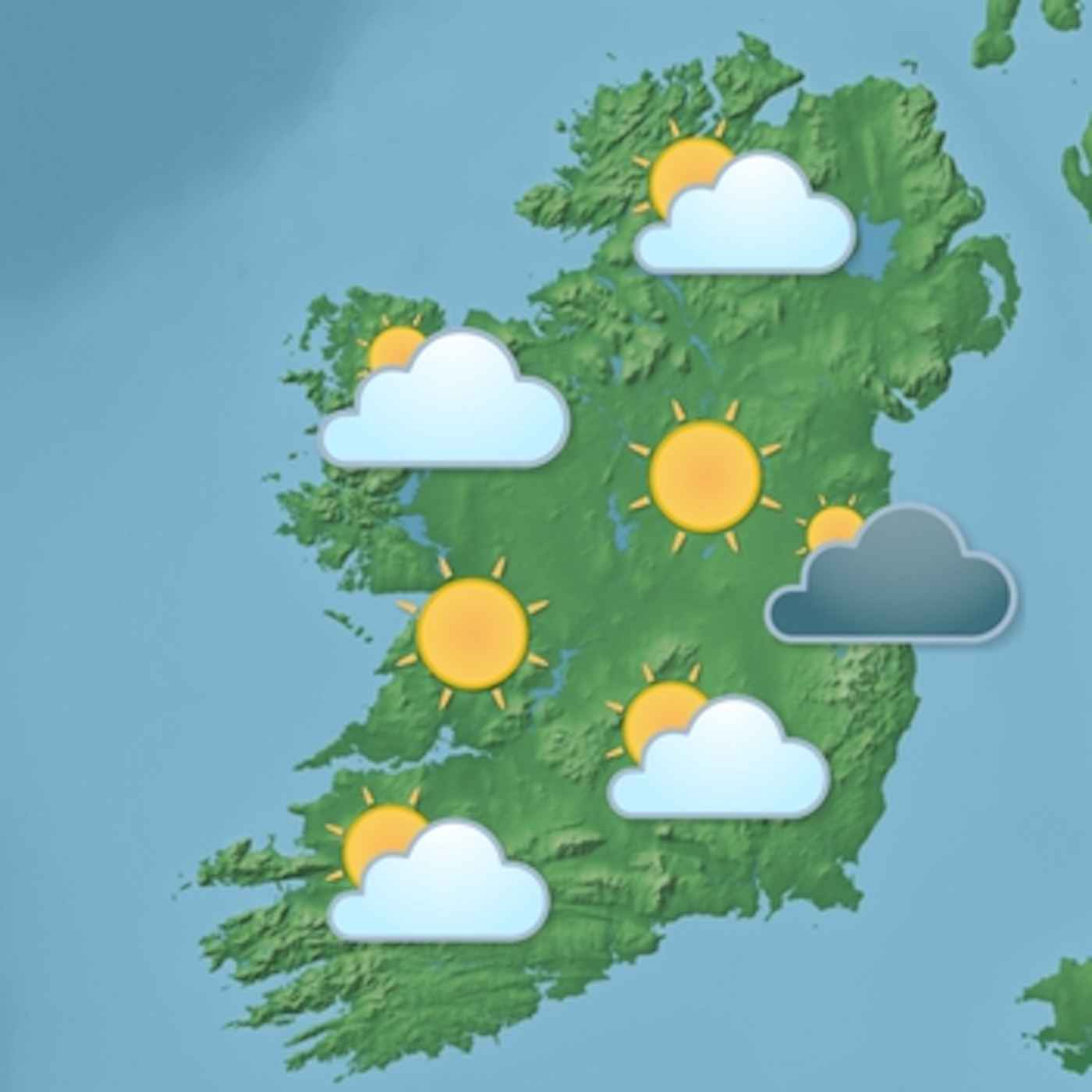
From Newgrange to D-Day: A History of Weather Forecasting
Since the dawn of history humans have been intrigued by the weather. However while it has the potential to sustain or destroy life, our ability to accurately forecast it is very recent. In this podcast I am joined by meteorologists Evelyn Cusack and Noel Fitzpatrick to explain the fascinating history of weather forecasting. Our desire to predict the weather is a story driven by war, natural disasters, human ingenuity and super computers.You can find the Met Eireann podcast here https://www.met.ie/education/the-met-eireann-podcast/. The specific episode referenced by Noel in relation to Newgrange is available here https://podcasts.apple.com/ie/podcast/the-met-%C3%A9ireann-podcast/id1469018144Become a member on Patreon - https://www.patreon.com/Irishpodcast and get access toMy upcoming exclusive series on the Civil War with Dr Brian HanleyJoin me on the supporters' trip to Conwy Castle in WalesEarly access to the showAd free episodesHours of supporters only content Hosted on Acast. See acast.com/privacy for more information.
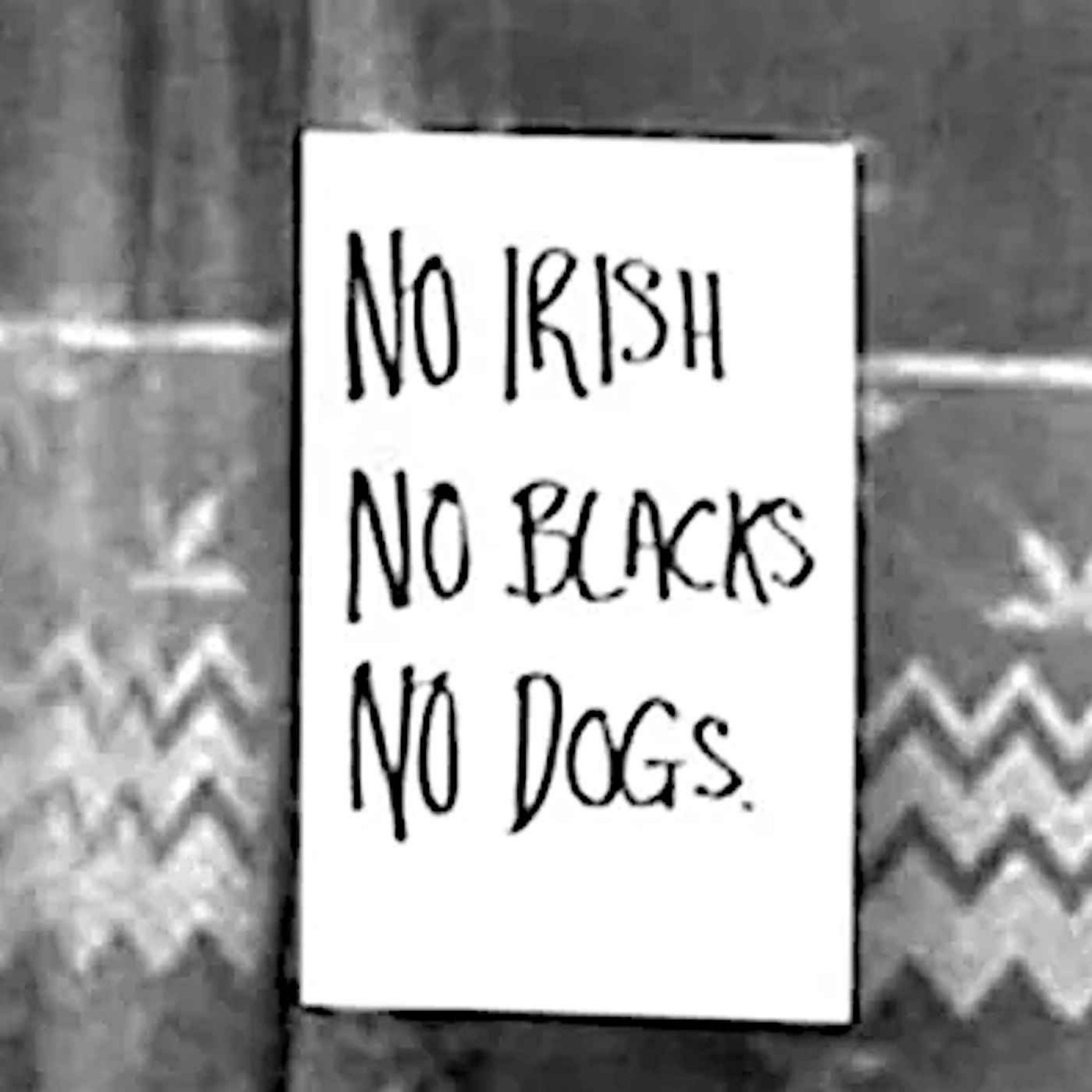
‘No Irish, No Blacks, No Dogs’ - The Irish in London
The 1950s were a dismal time in Ireland. While the economy tanked, the catholic church, at the height of its power, maintained strict control over social life. Desperate to find a better life, nearly 500,000 Irish people emigrated. This staggering figure was equivalent to 80% of those born in the Free State between 1931 and 1941. This was a level of emigration unseen since the days of the Great Hunger of the 1840s.The vast majority went to Britain with many making London their home. However they found the English capital isolating, lonely and unwelcoming. The poster in boarding houses stating ‘No Dogs, No Blacks, No Irish’ embodied the racism they faced. While many of the 1950s generation are no longer with us, in the late 1990s author Catherine Dunne recorded their stories. The experiences of these emigrants were the basis for her book An Unconsidered People - the Irish in London. In this moving episode Catherine recounts the experiences they shared with her, the racism they faced as well as the isolation and loneliness. She also reveals the importance of solidarity within the Irish community, the legendary Irish clubs such as the Galtymore in Cricklewood and how many made a better life in the face of adversity.You can find Catherine’s book An Unconsidered People - the Irish in London at https://www.newisland.ie/nonfiction/an-unconsidered-people-the-irish-in-londonFollow Catherine’s catherinedunneauthor.comfacebook.com/Author.CatherineDunnetwitter.com/DunneCatherineBecome a member on Patreon - https://www.patreon.com/Irishpodcast and getMy upcoming exclusive series on the Civil War with Dr Brian HanleyJoin me on the supporters' trip to Conwy Castle in WalesEarly access to the showAd free episodesHours of supporters only content Hosted on Acast. See acast.com/privacy for more information.
A voicenote from Fin
Hey folks, I have a few important announcements for you:🎙️🎙️Starting in September supporters (at the $5 tier or more) will receive an exclusive series on the Civil War with Dr Brian Hanley from Trinity College Dublin. You can hear more on this above. Become a supporter to get the seriesPatreon - Patreon.com/irishpodcastAcast+ - https://plus.acast.com/s/irishhistory🛥️🏰I am delighted to invite announce my a supporters' trip to Wales to visit the stunning Conwy Castle. Conwy is spectacular - you can see a video here https://irishhistorypodcast.ie/video-tour-of-conwy-castle-wales/. If you are a supporter (or become one!) on Acast+ or Patreon and would like to join me, I am currently looking for expressions of interest from you for a trip in September or early October. Let me know on patreon or at [email protected] if you are interested.🎙️ 🍻Live Show - I am doing a live show with Snugcast in Phil Grimes pub, Waterford on August 20th. There are only 30 tickets available for this special event. Get yours now here. https://www.eventbrite.ie/e/irish-history-snugcast-history-from-the-high-stool-tickets-390149617007 Hosted on Acast. See acast.com/privacy for more information.
Murder at Mother Mountain 5/5 - Redemption?
In the series finale 'Redemption', we follow Ellen's life in Australia where a strange and unexpected redemption awaits.Support the show:Patreon https://patreon.com/IrishpodcastAcast+ https://plus.acast.com/s/irishhistoryThis week's special supporters are:Z HammingR DownesE ZimmerG HickeyR HurleyM NuttyE RusheP KopfC WilsonJ GuthK McNamaraM KellyL RosewoodD GleasonC StapletonMJ BrodieG Robertson Hosted on Acast. See acast.com/privacy for more information.
Murder at Murder Mountain 4/5 - The Punishment
The trials are over, the sentences have been passed down and there is nothing left but the punishment. However as we have seen in the story so far, this is story is if anything unpredictable.Support the show:Patreon https://patreon.com/Irishpodcast Acast+ https://plus.acast.com/s/irishhistoryThis week's special supporters areStephenAM MulhernB DonohoeK ConnollyS WallG BrowneD HealyB ClearyP LynchL AndersonK L MayerE LewisE JordanD Hensey Hosted on Acast. See acast.com/privacy for more information.
[Deep Dive] Behind the scenes of a victorian murder investigation
Given the popularity of true crime genre, we are increasingly familiar with how murder investigations work in the 21st century. However they were quite different in the 19th century. In the third deep dive of Murder at Mother Mountain I am joined by Dr Niamh Howlin to explain how murder investigations & trials worked in the 1840s. Niamh is an expert on 19th century law and she explains how the process worked before DNA, forensics or even the concept of a trial by a jury of our peers existed! Hosted on Acast. See acast.com/privacy for more information.
Murder at Mother Mountain 3/5 - The Trial
The trial begins in Nenagh Courthouse in August 1846. What lies ahead for the accused is more uncertain than ever - murder in 19th century Ireland carries the death sentence.Get add free early access to the next episode and help fund the show Patreon https://patreon.com/Irishpodcast Acast+ https://plus.acast.com/s/irishhistoryThis week's special supporters are B FlahertyE FogartyH LewisC RowlandD BrowneP ForanP HurleyC Wright P MeagherM McLoughlinA DunneA PhilbrickK Finn M GrayJ NixonK O'Connor Hosted on Acast. See acast.com/privacy for more information.
Murder at Mother Mountain Part 2/5 - The Crime
In part 2 of Murder at Mother Mountain Ellen’s life changes forever on March 10th 1846 when the violence that overshadowed her life finally comes to her door...Support the showwww.patreon.com/irishpodcasthttps://plus.acast.com/s/irishhistoryThis week's special supporters are M ReneeD Mosier A DacyA O'Brien M KellyJ A C McGowanK L. Daly E LaurentB WalshD Hill C BleakleyM LynchA JamesonG B. LaneG B Lane Hosted on Acast. See acast.com/privacy for more information.
[Deep Dive] Religion in Ireland before the Famine
To accompany Murder at Murder Mountain, I am releasing five deep dive episodes which delve into the history of the early 19th century Ireland in greater detail. These will be released between the main episodes. This is deep dive looks at the pre-Famine catholic church. While religion was very important during Ellen Kennedy's childhood, the catholic church emerging from centuries of repression was a very different organsation than it is today. In this podcast Salvador Ryan, professor of Ecclesiastical History in Maynooth, discusses religion and wider spiritual beliefs in the decades before the famine. He also explains why rituals surrounding pattern days and ancient holy wells (also mentioned in episode one) were frowned on by the church hierarchy. Hosted on Acast. See acast.com/privacy for more information.
Murder at Mother Mountain 1/5 - Nurtured by Violence
Ellen Kennedy was born into in Western Tipperary in 1803. Her youth was one nurtured by violence. Hunger and food shortages were common. The stark inequalities lead to frequent outbreaks of violence. In this deeply unequal society young women like Ellen faced the threat of abduction and forced marriage.Ellen however was far from average...Support the show and get early access to the next episode. Patreon http://patreon.com/irishpodcast Acast+ https://play.acast.com/s/irishhistoryAdditional Research - Liam CostelloAdditional narrations - Aidan Crowe and Therese MurrayTheme tune - The Banks of SullanePerformed by Nell Ní ChróinínUilleann Pipes Pipes - Liam CostelloThis week's special supporters areP LynchA HannumM BushertS GrayS WinsorK NeueN BarryB DuffyM O'DonnellA FungeB NicholsonB PoonJ GladdenThe J & L showM Guinane Hosted on Acast. See acast.com/privacy for more information.
New Series - Murder at Mother Mountain Coming June 20th
Ellen Kennedy was born into in Western Tipperary in 1803. Her youth was one nurtured by violence…Listen to an exclusive preview of episode 1 now at https://patreon.com/irishpodcast or Acast+https://plus.acast.com/s/irishhistory Hosted on Acast. See acast.com/privacy for more information.
175 years on - Does Black '47 & the Great Hunger still matter?
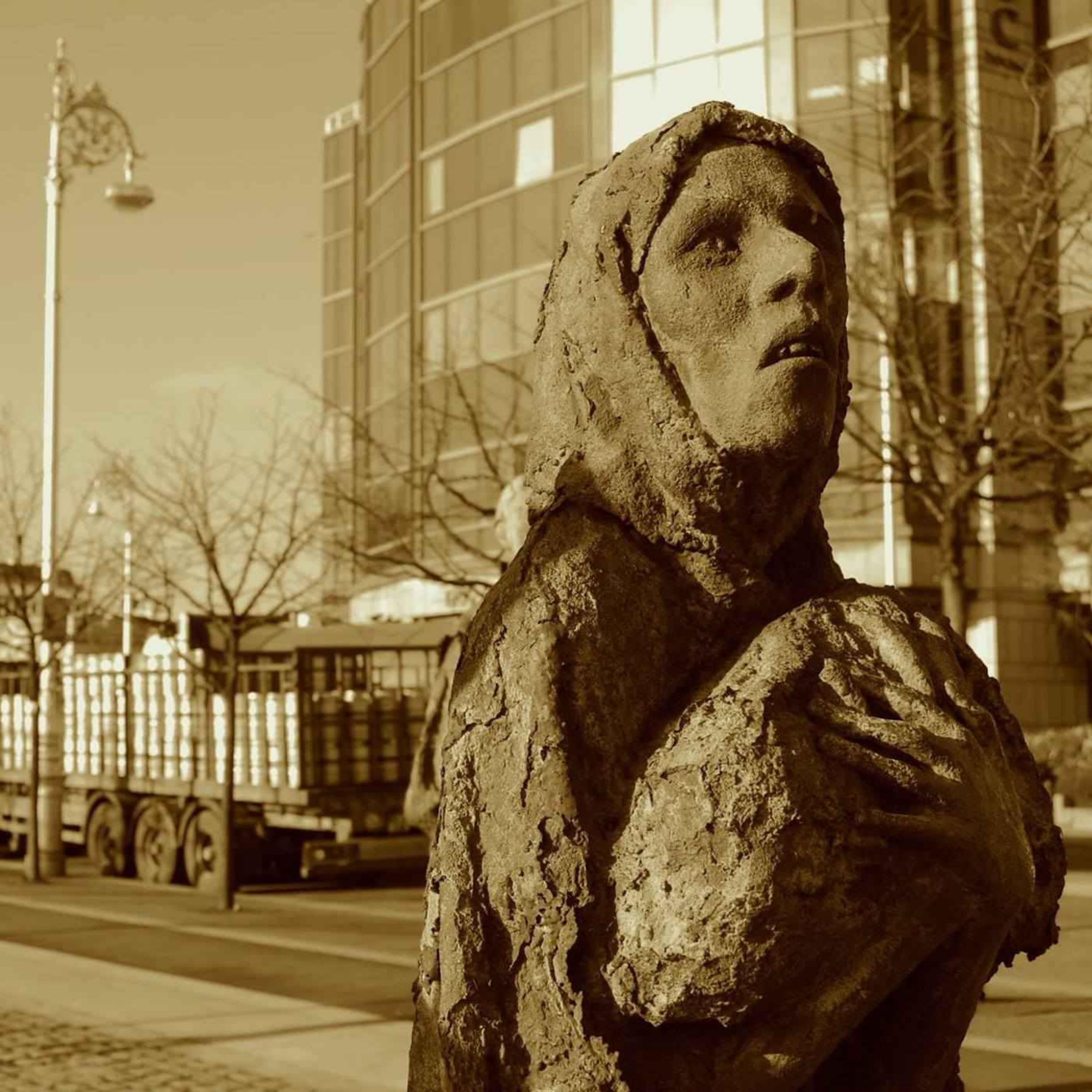
Over the last decade there has been countless events to mark the centenary of the Irish Revolution. However 2022 is also the 175th anniversary of Black ‘47, one of worst years of the Great Hunger. This has received little or no attention. This begs the question does the Great Famine matter anymore or is it fading in to the distant past?In this podcast I looked at the impact of the Great Famine, asking what if any meaning it has for day to day life in the 21st century. Sources mentioned:The school's folklore collection is available at https://www.duchas.ie/en/cbesMy series on the great Famine is available here https://irishhistorypodcast.ie/category/podcast/the-great-famine/The article on the Year of Slaughter - the Famine of the 1740s is available here https://irishhistorypodcast.ie/1741-the-year-of-slaughter/The Special Supporters for this episode are S SteinkerchnerK ChapmanA Stewart-MailhiotK SamarB O'DonovanK Costello B Dunphy TarabuJ DonelanJ.M. CulverW Edwards D Lawall T McCool J LavinD Federman Hosted on Acast. See acast.com/privacy for more information.
From Bastardstown to Slutsend: A History of Irish Place Names
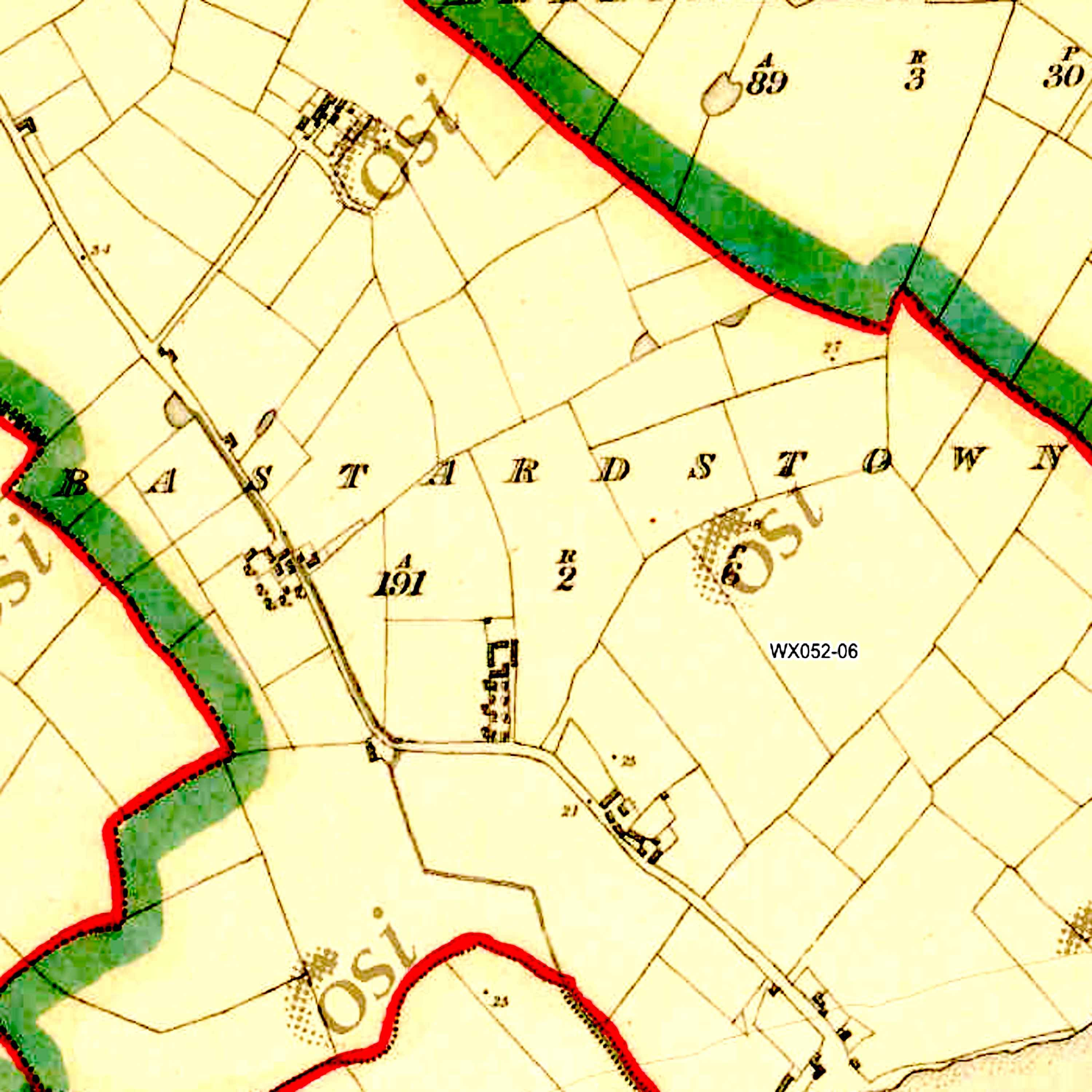
Ireland has some very strange place names. They range from the perplexing – Skeoghvosteen in Kilkenny, to the scandalous - Slutsend in Dublin and Bastardstown in Co Wexford. But where do these names come from and what do they tell us about our history? Hosted on Acast. See acast.com/privacy for more information.
A Violent History of Fun - Having the Craic in Medieval Ireland 50/16
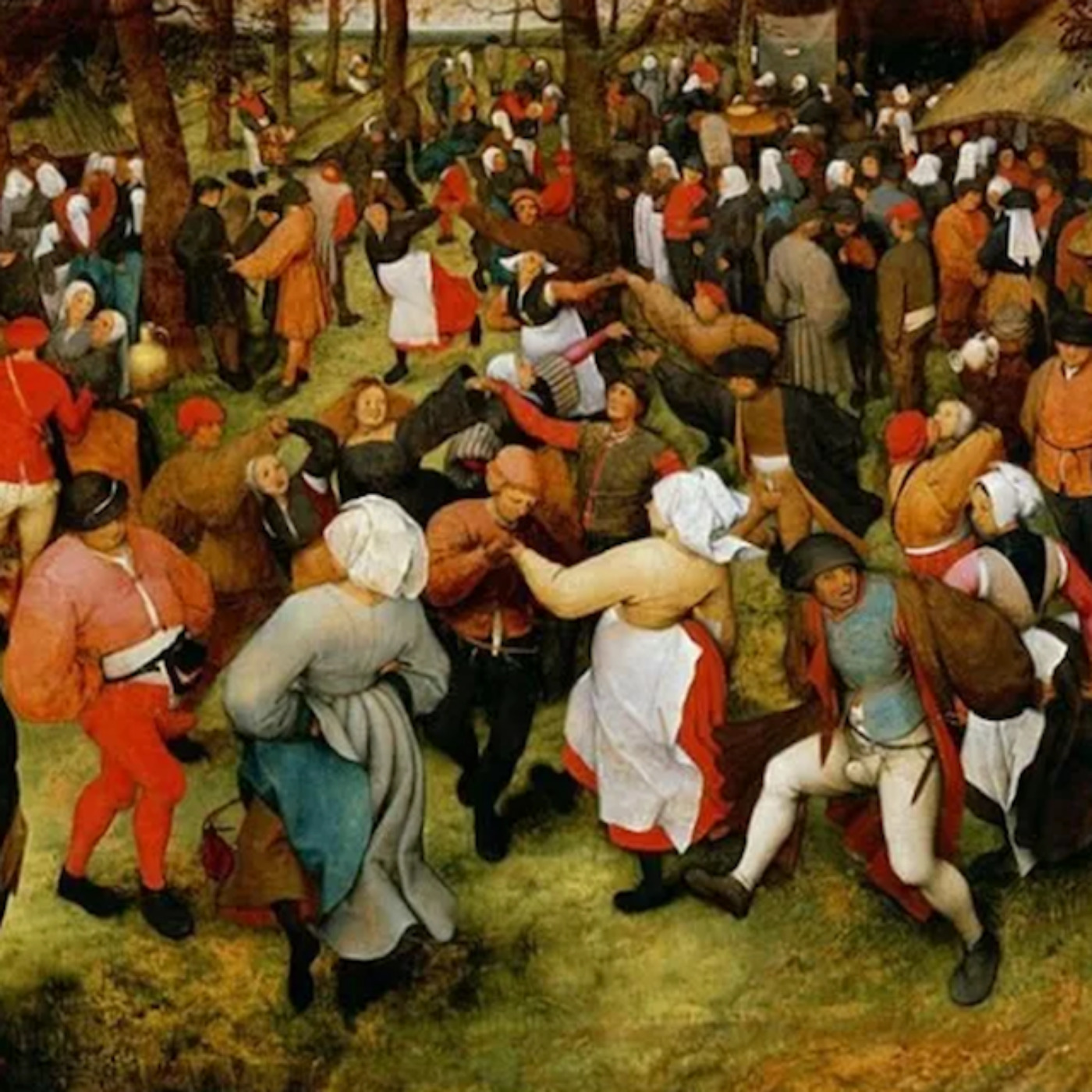
When you think of the Middle Ages what springs to mind? Medieval battles, warfare and general hardship? Certainly not fun. However while medieval Ireland was a violent place by any standard people were still able to enjoy themselves. In this episode I explore what our medieval ancestors did for fun. From football to archery, poetry to the pub they knew how to have a good time! Hosted on Acast. See acast.com/privacy for more information.