Iran: The Latest
384 episodes — Page 3 of 8
Trump vs Netanyahu: will Israel continue fighting if America pulls out?
US and China on maritime 'collision course' as first ships try to pass Trump's blockade
Can Trump’s blockade break Iran’s grip on Strait of Hormuz?
Is the Iran war over or is the US just reloading?
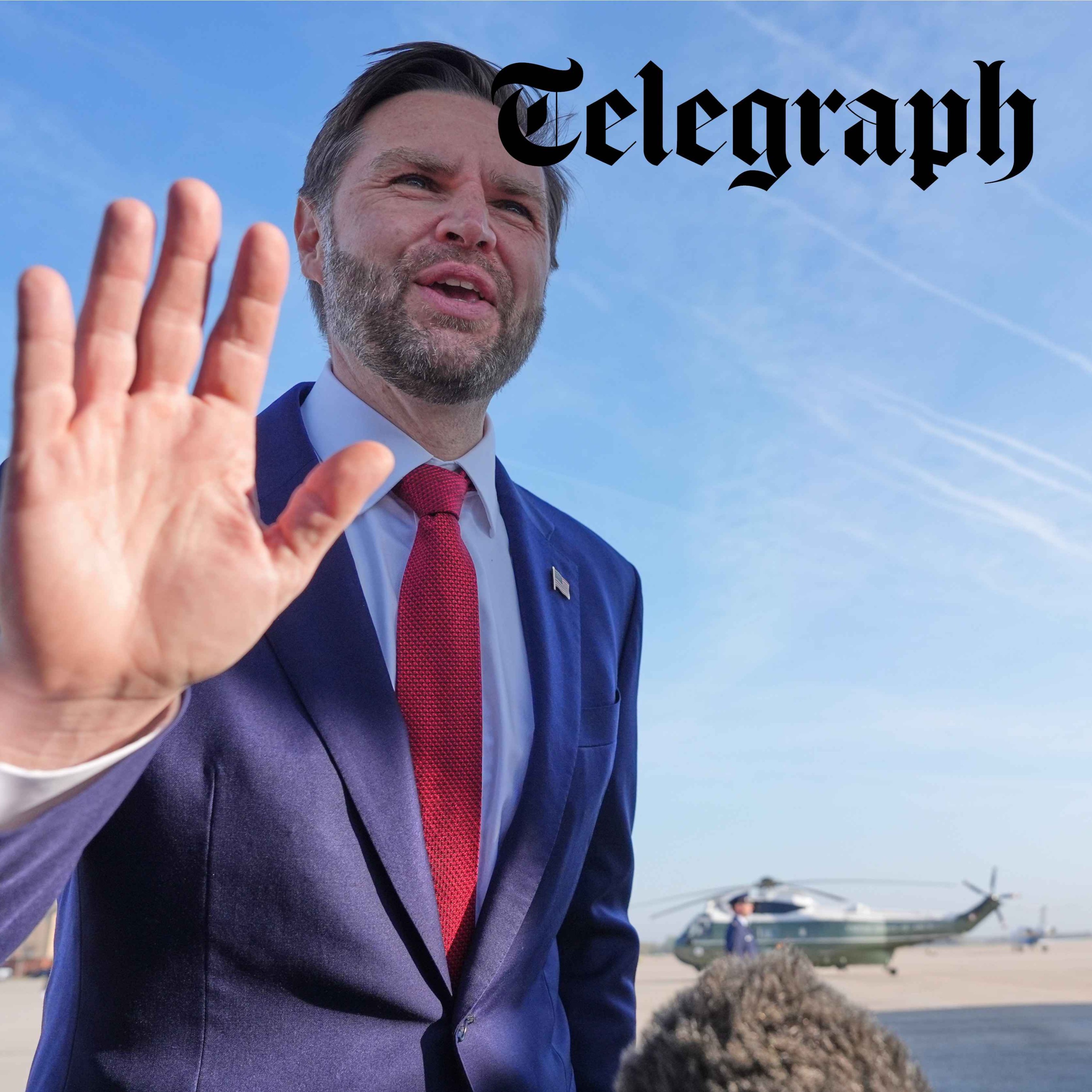
Can the US and Iran broker a peace deal while Israel and Hezbollah continue fighting?All eyes are on Pakistan this weekend as US Vice President JD Vance flies to Islamabad to meet with Tehran’s negotiating team, led by Parliament speaker Mohammad Ghalibaf. But with disagreement over whether the ceasefire applies to Lebanon and the Strait of Hormuz still closed, it’s not clear what progress will be made. Meanwhile, Donald Trump is pressuring Nato to come up with a solution to the Strait - and fast. Venetia Rainey talks through the latest updates and news from across the region today. Plus, could this ceasefire be a tactical pause to allow US forces to regroup? If you want to know America’s real intentions in the coming weeks, just watch the cargo and refuelling planes, says ex-British Army officer Robert Campbell. He also reflects on his experiences serving in the Israeli army in southern Lebanon during the 1990s and explains why there is “no quick fix” to get rid of Hezbollah. CONTRIBUTORS:Venetia Rainey, co-host @venetiaraineyRobert Campbell, former British Army officer CONTENT REFERENCED:https://www.telegraph.co.uk/business/2026/04/10/why-the-tehran-tollbooth-will-never-work/https://www.telegraph.co.uk/world-news/2026/04/09/netanyahu-fails-to-deliver-new-reality-promised-israel-iran/Producer: Max BowerExecutive Producer: Louisa WellsListen to Iran: The Latest: YOUTUBE | APPLE PODCASTS | SPOTIFY | AMAZON Hosted on Acast. See acast.com/privacy for more information.
Trump’s Iran ceasefire on brink of collapse & how Ukraine is helping the Gulf
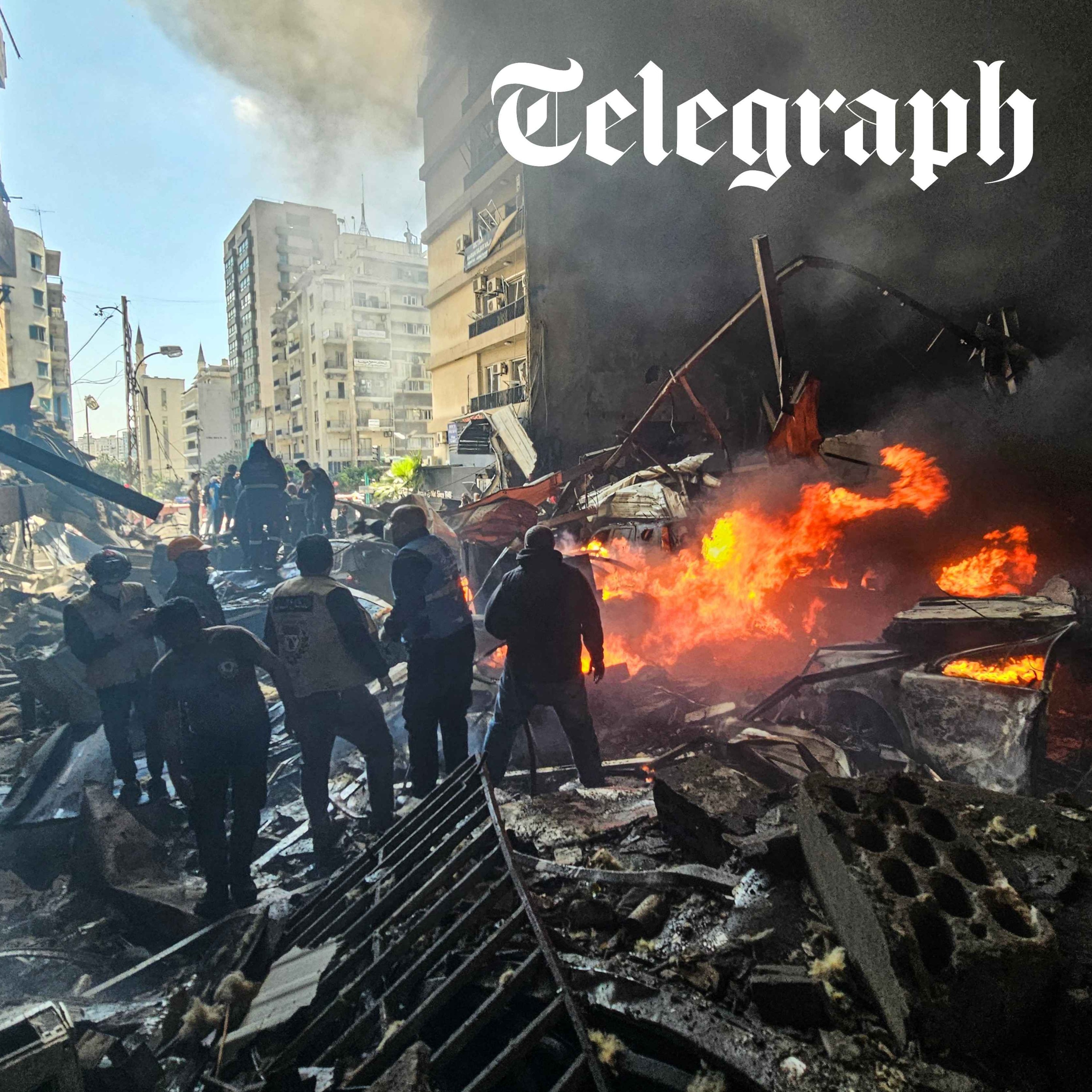
Will Israel’s war to eliminate Hezbollah in Lebanon collapse the fragile US-Iran ceasefire?Tehran has accused Israel of violating the terms of its deal with Donald Trump by launching a massive military operation against its Lebanese proxy on Wednesday afternoon, killing more than 250 people with strikes on more than 100 targets in the space of 10 minutes. Today, Hezbollah has responded by firing a barrage of rockets at northern Israel. Iran and Europe want Lebanon to be included in the ceasefire, but Israel and the US say it’s a separate theatre of the war. Venetia Rainey talks through the latest updates and what it could mean for the upcoming peace talks in Pakistan. Plus, as Keir Starmer tours the Gulf, countries in the normally stable region are reeling from more than 40 days of war. Qatar-based IISS research fellow Sascha Bruchmann and Bahraini political consultant Ahmed Alkhuzaie discuss the Gulf’s scepticism of the ceasefire, why a counter-force in the Strait of Hormuz is essential, and how Ukraine is helping tackle the Iranian drone threat. CONTRIBUTORS:Venetia Rainey, co-host @venetiaraineyAhmed Alkhuzaie, Bahraini political consultant @AhmedAlkhuzaieSascha Bruchmann, IISS research fellow Producer: Max BowerExecutive Producer: Louisa WellsListen to Iran: The Latest: YOUTUBE | APPLE PODCASTS | SPOTIFY | AMAZON Hosted on Acast. See acast.com/privacy for more information.
The holes in Trump's Iran ceasefire: Israel, Lebanon and the Strait of Hormuz
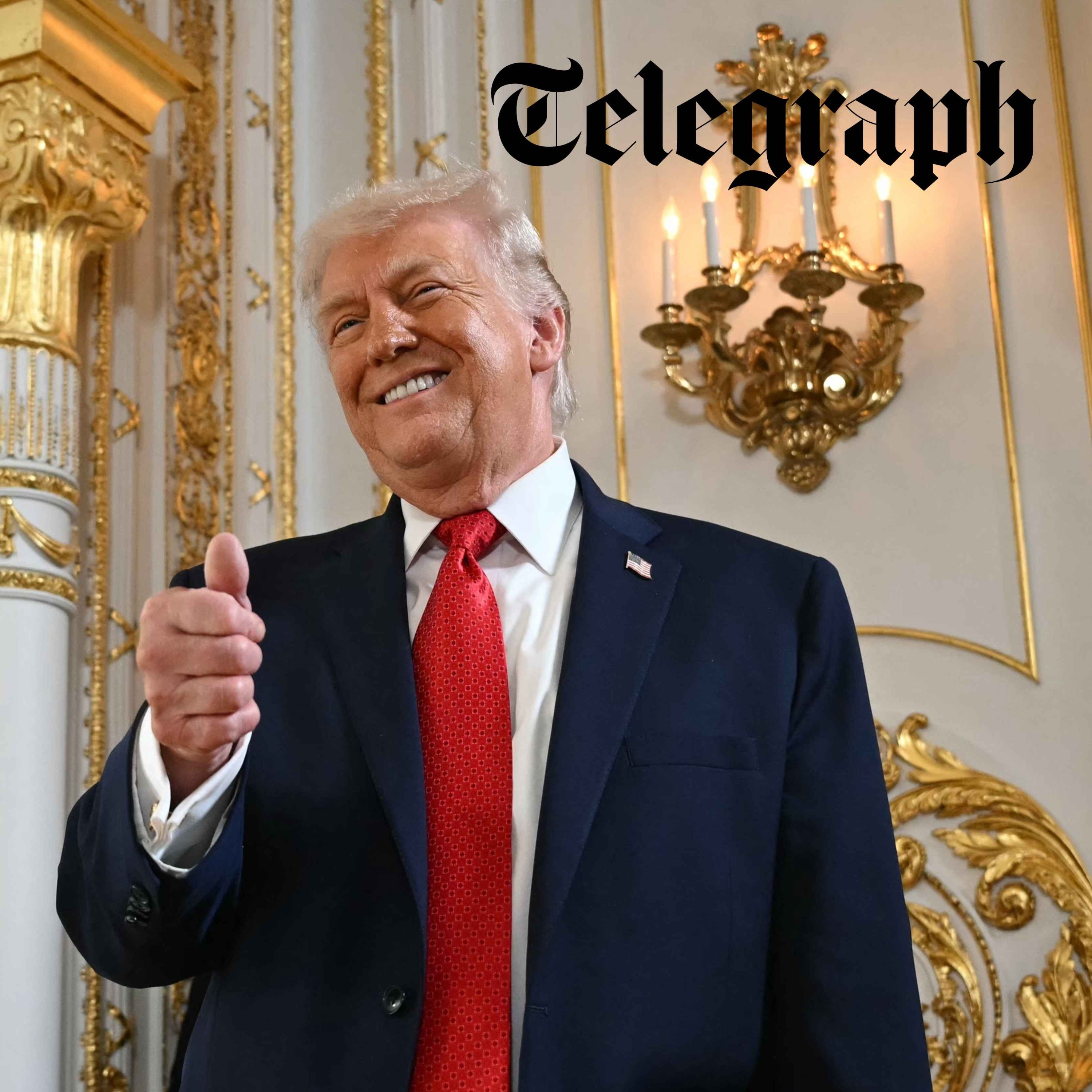
EIs this the end of the Iran war? Donald Trump has announced a two-week ceasefire deal after 40 days of fighting, with peace talks mediated by Pakistan set to go ahead this Friday. Secretary of Defence Pete Hegseth today said the US had achieved a “historic and overwhelming victory on the battlefield”.But many questions remain unanswered. Will the ceasefire turn into a lasting peace? What guarantees and concessions have been offered by each side? Will the Strait of Hormuz ever be fully open again? And why is Israel still attacking Lebanon? Venetia Rainey is joined by chief foreign affairs commentator David Blair and foreign correspondent Akhtar Makoii to discuss the latest news and what it could mean for the region in the weeks and months ahead. CONTRIBUTORS:Venetia Rainey, co-host @venetiaraineyDavid Blair, chief foreign affairs commentator @davidblairdtAkhtar Makoii, foreign correspondent @akhtar_makoiiCONTENT REFERENCED:David Blair: Trump’s ceasefire threatens to hand Iran a critical advantageAkhtar Makoii: Trump will never be able to wipe out my civilisationNew York Times: How Trump Took the U.S. to War With IranProducer: Max BowerExecutive Producer: Louisa Wells► Sign up to our most popular newsletter, From the Editor. Look forward to receiving free-thinking comment and the day's biggest stories, every morning. telegraph.co.uk/fromtheeditor► EMAIL US: Contact the team on [email protected] ► GET THE LATEST HEADLINES: Find all our latest Iran coverage here: https://www.telegraph.co.uk/iran-war/Listen to Iran: The Latest: YOUTUBE | APPLE PODCASTS | SPOTIFY | AMAZON Hosted on Acast. See acast.com/privacy for more information.
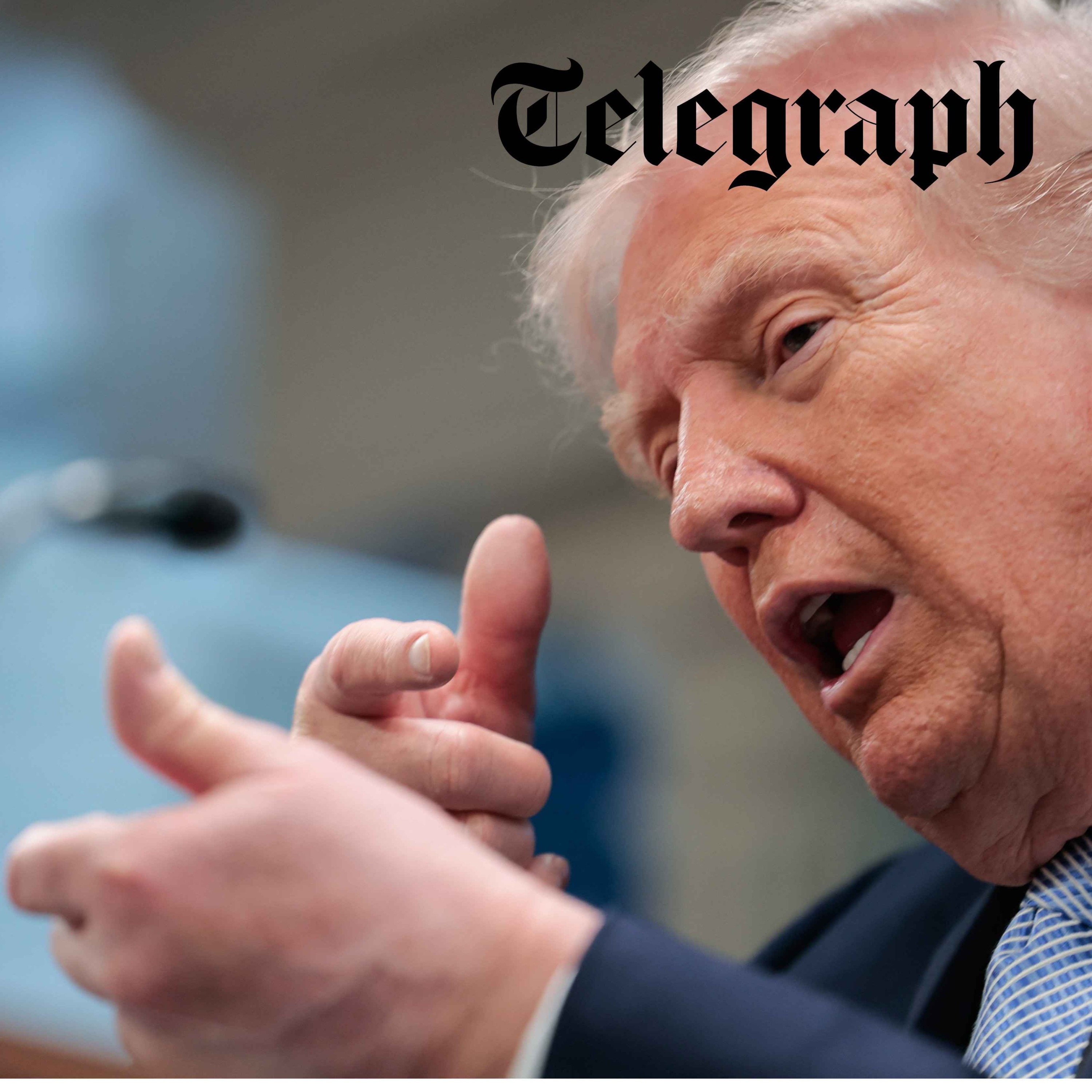
Trump's Iran deal deadline: ‘A whole civilisation will die tonight’
EWhat will happen after Donald Trump’s midnight deadline for Iran to strike a deal? The US president has issued a series of increasingly hardline threats to Tehran to force it sue for peace and reopen the Strait of Hormuz, from the complete demolition of all of its bridges and power plants to destroying its entire civilisation.Venetia Rainey is joined by senior foreign correspondent Sophia Yan to discuss Trump’s latest ultimatum, the frantic peace talks underway to avoid further escalation, and the possible impact on Iranians of such a widespread campaign of destruction. Plus, they discuss China’s fuel shipments to the Iranian regime, the fallout from the latest attacks on the Gulf, and how Israel’s invasion of southern Lebanon is heightening sectarian tensions among local communities.CONTRIBUTORS:Venetia Rainey, co-host @venetiaraineySophia Yan, senior foreign correspondent @sophia_yanCONTENT REFERENCED:Akhtar Makoii: How Trump is turning Iran into a full military dictatorshipAdrian Blomfield: Ceasefire remains unlikely while both Iran and the US think they’re winningProducer: Max BowerExecutive Producer: Louisa Wells► Sign up to our most popular newsletter, From the Editor. Look forward to receiving free-thinking comment and the day's biggest stories, every morning. telegraph.co.uk/fromtheeditor► EMAIL US: Contact the team on [email protected] ► GET THE LATEST HEADLINES: Find all our latest Iran coverage here: https://www.telegraph.co.uk/iran-war/ Hosted on Acast. See acast.com/privacy for more information.
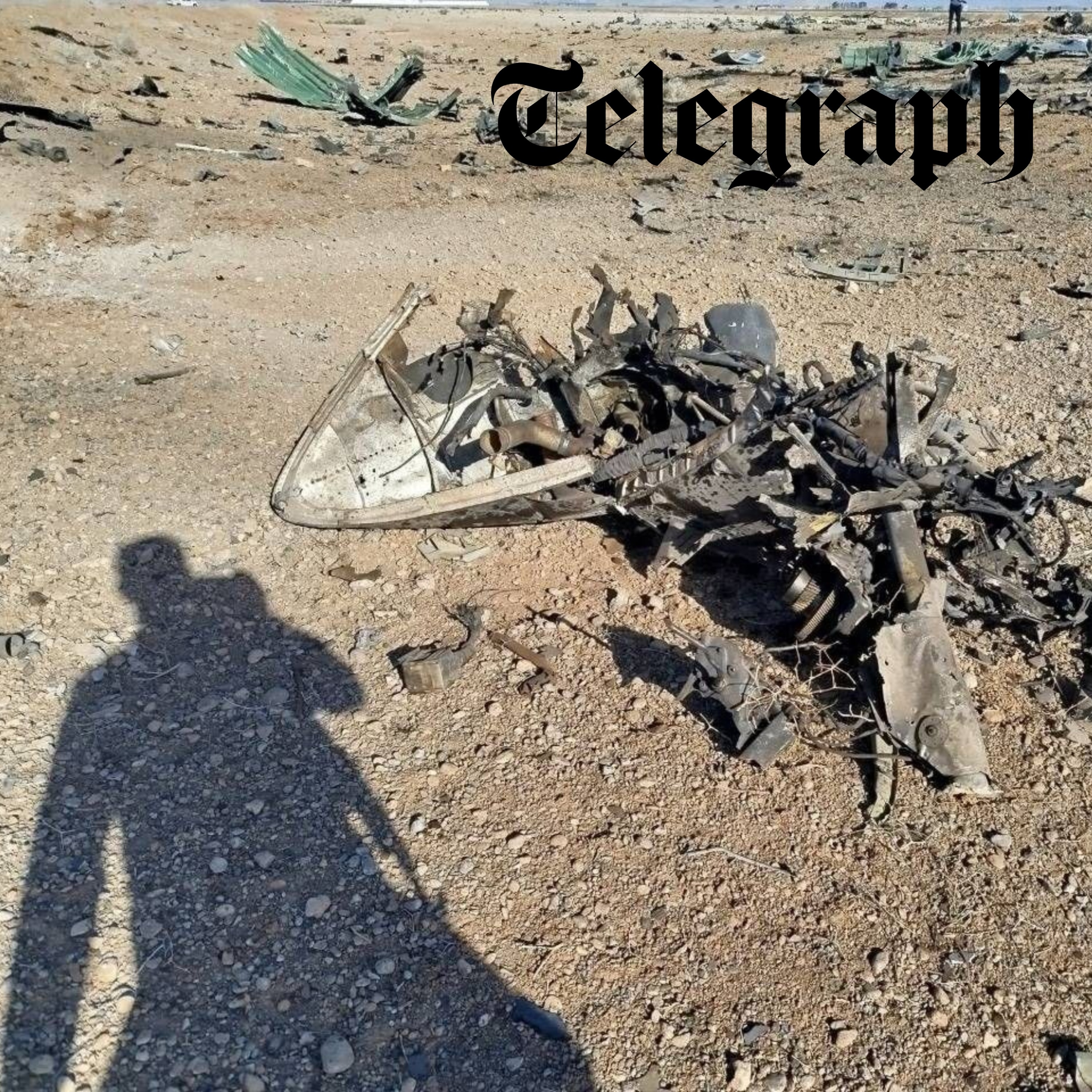
Inside the 'Easter Miracle': How the US rescued two airmen from Iran
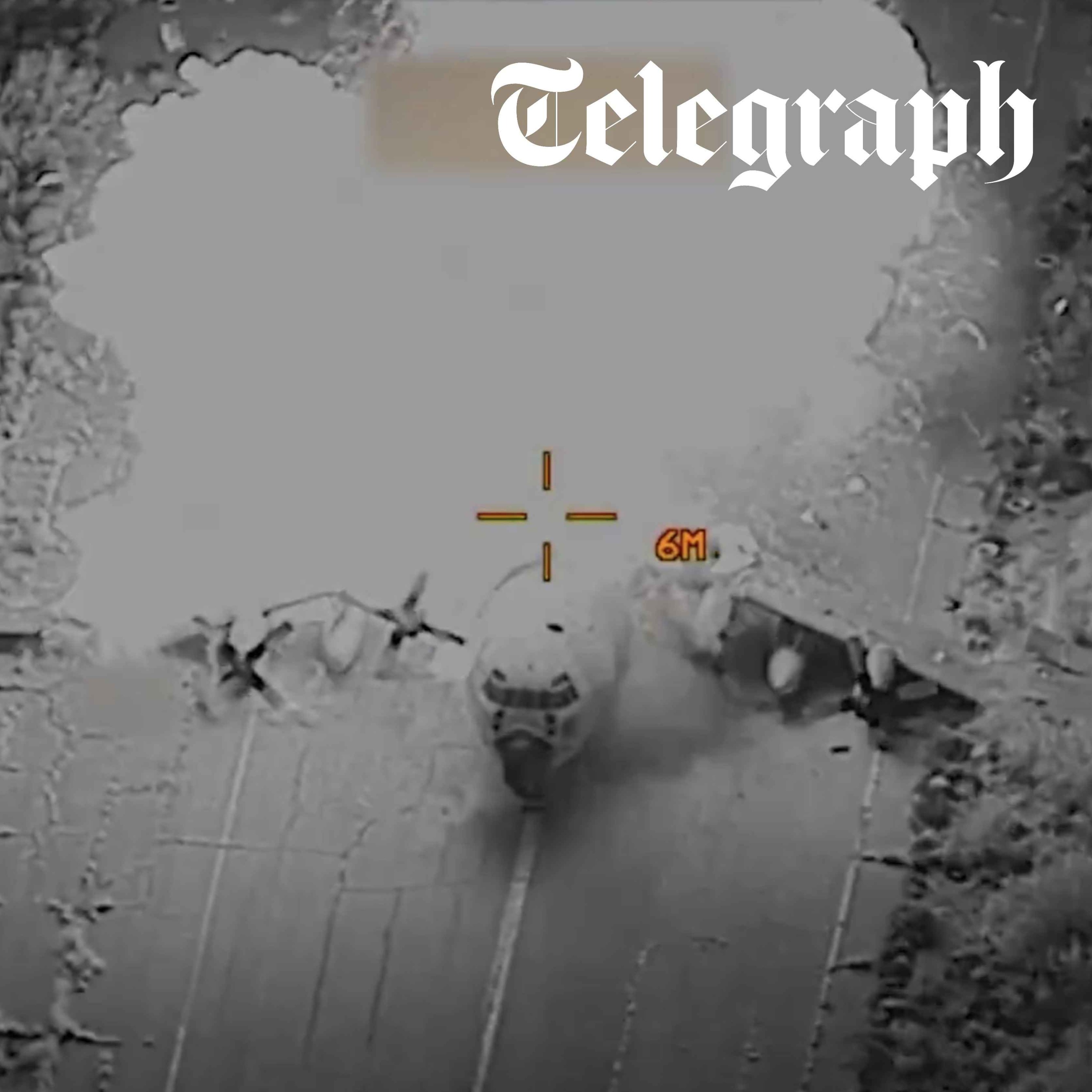
EHow did America manage to rescue two airmen after their plane was shot down over Iran?In this bonus bank holiday episode, Venetia Rainey is joined by Jack Murphy, ex-US special forces who served in Iraq and Afghanistan, including as a Green Beret. He is now a journalist and military commentator and hosts The Team House national security podcast. He broke the story that the weapons systems officer (WSO) from the downed F-15E had been rescued alive after 36 hours stranded behind enemy lines.Jack provides a unique insight into the dramatic double rescue mission - already being described as the most complex in American military history. He explains the initial search and rescue (CSAR) efforts, what the WSO would have been doing to survive on the ground, and why the US abandoned and blew up two multimillion-dollar aircraft at a remote desert airstrip.Plus: what role is AI playing in the Iran war and beyond, in battlefields from Ukraine to Gaza? The US military increasingly relies on an AI decision support system called Maven to help with targeting, intelligence assessments and troop deployments. Israel and Ukraine use similar technology. Proponents of artificial intelligence argue it makes warfare faster and more efficient - giving the West a key battlefield advantage in a time of rising conflict. But critics say there are concerns over safety and low accuracy, and worry humans are increasingly being left out of the loop. Some of these concerns come from industry insiders such as AI company Anthropic, which is in a dispute with the Pentagon over the use of its system Claude for autonomous weapons. Venetia Rainey is joined by Adam Wishart, the filmmaker behind new Channel 4 documentary, Click to Kill: the AI War Machine, and Heidy Khlaaf, chief AI scientist at the AI Now Institute and previously at OpenAI. CONTRIBUTORS:Venetia Rainey, co-host @venetiaraineyJack Murphy, ex-special forces and host The Team House @JackMurphyRGRHeidy Khlaaf, chief AI scientist AI Now Institute @HeidyKhlaafAdam Wishart, director Click to Kill: the AI War Machine @adam_wishartCONTENT REFERENCED:Click to Kill: the AI War Machine on Channel 4 Producer: Rachel PorterExecutive Producer: Louisa Wells► Sign up to our most popular newsletter, From the Editor. Look forward to receiving free-thinking comment and the day's biggest stories, every morning. telegraph.co.uk/fromtheeditor► EMAIL US: Contact the team on [email protected] ► GET THE LATEST HEADLINES: Find all our latest Iran coverage here: https://www.telegraph.co.uk/iran-war/ Hosted on Acast. See acast.com/privacy for more information.
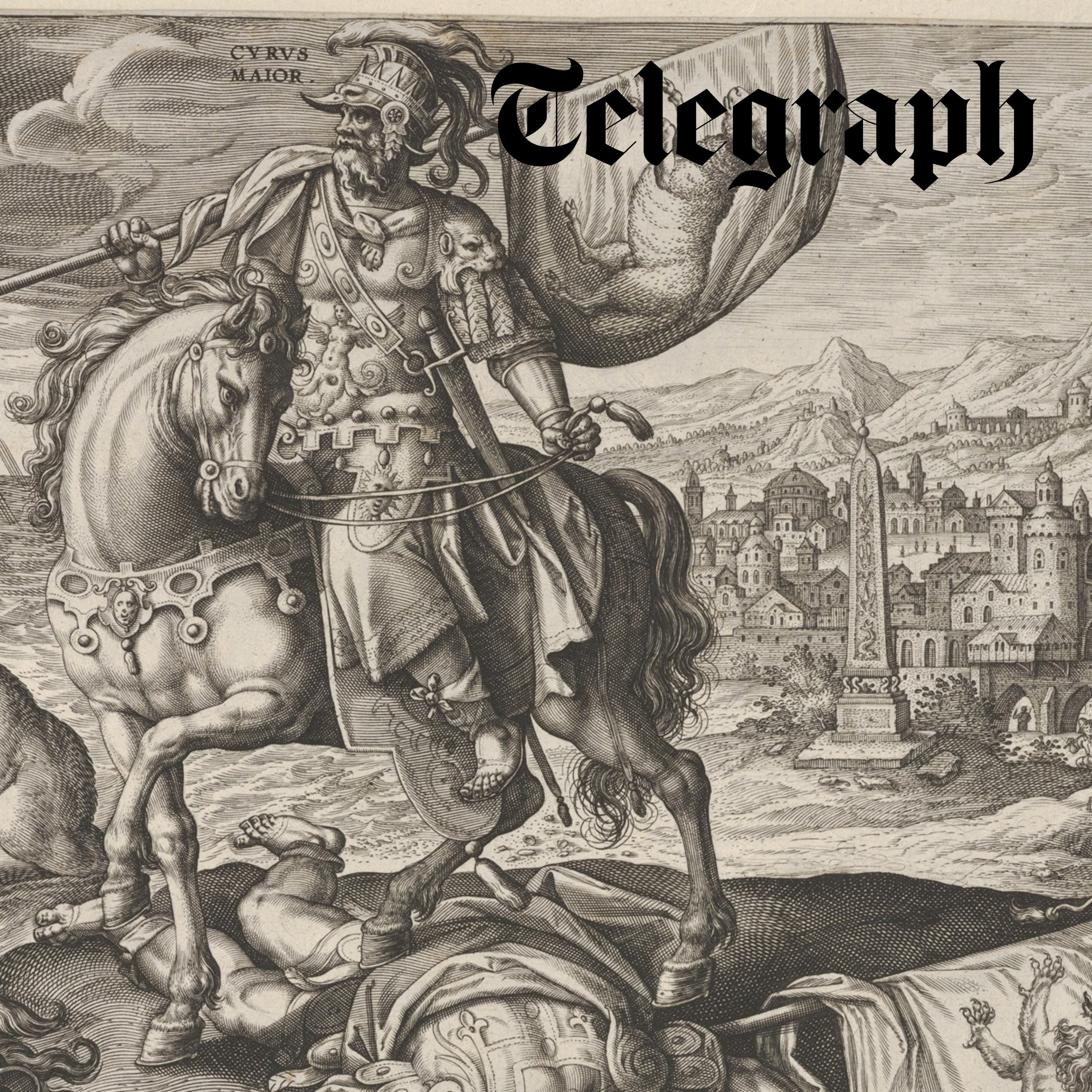
‘Iran thinks it’s still a great power’: Why the regime won’t surrender
Why hasn’t the Iranian regime surrendered yet?The Islamic Republic is at the centre of a war sending shock waves around the world, and despite being pummelled by the US and Israel, it remains defiant. The explanation lies in the country's ancient history and myths, which still permeate modern Iranian politics today. For this special Easter edition, Ali Ansari, professor of Iranian history at the University of St Andrews, joins Roland Oliphant to take us all the way back to the empire of Cyrus the Great and the legendary heroes of Persian literature on a quest for the origins of the country.Who are Iranians? Why do they think of themselves as a great power that can rival the West? And how has their long history shaped the regime at war with Donald Trump today?Ansari explains how Iran is not as Islamic as the ayatollahs make out, why Iran adopted Shia rather than Sunni Islam, and how history and myth are used by both the regime and its opponents. Plus, perhaps most importantly, why the ancient Persians loved a drink.CONTRIBUTORS:Roland Oliphant, co-host and chief foreign affairs analyst @RolandOliphantAli Ansari, professor University of St Andrews @aa51_ansariPic credit: The Elisha Whittelsey Collection, The Elisha Whittelsey Fund, 1949Producer: Rachel PorterExecutive Producer: Louisa Wells► Sign up to our most popular newsletter, From the Editor. Look forward to receiving free-thinking comment and the day's biggest stories, every morning. telegraph.co.uk/fromtheeditor► EMAIL US: Contact the team on [email protected] ► GET THE LATEST HEADLINES: Find all our latest Iran coverage here: https://www.telegraph.co.uk/iran-war/ Hosted on Acast. See acast.com/privacy for more information.
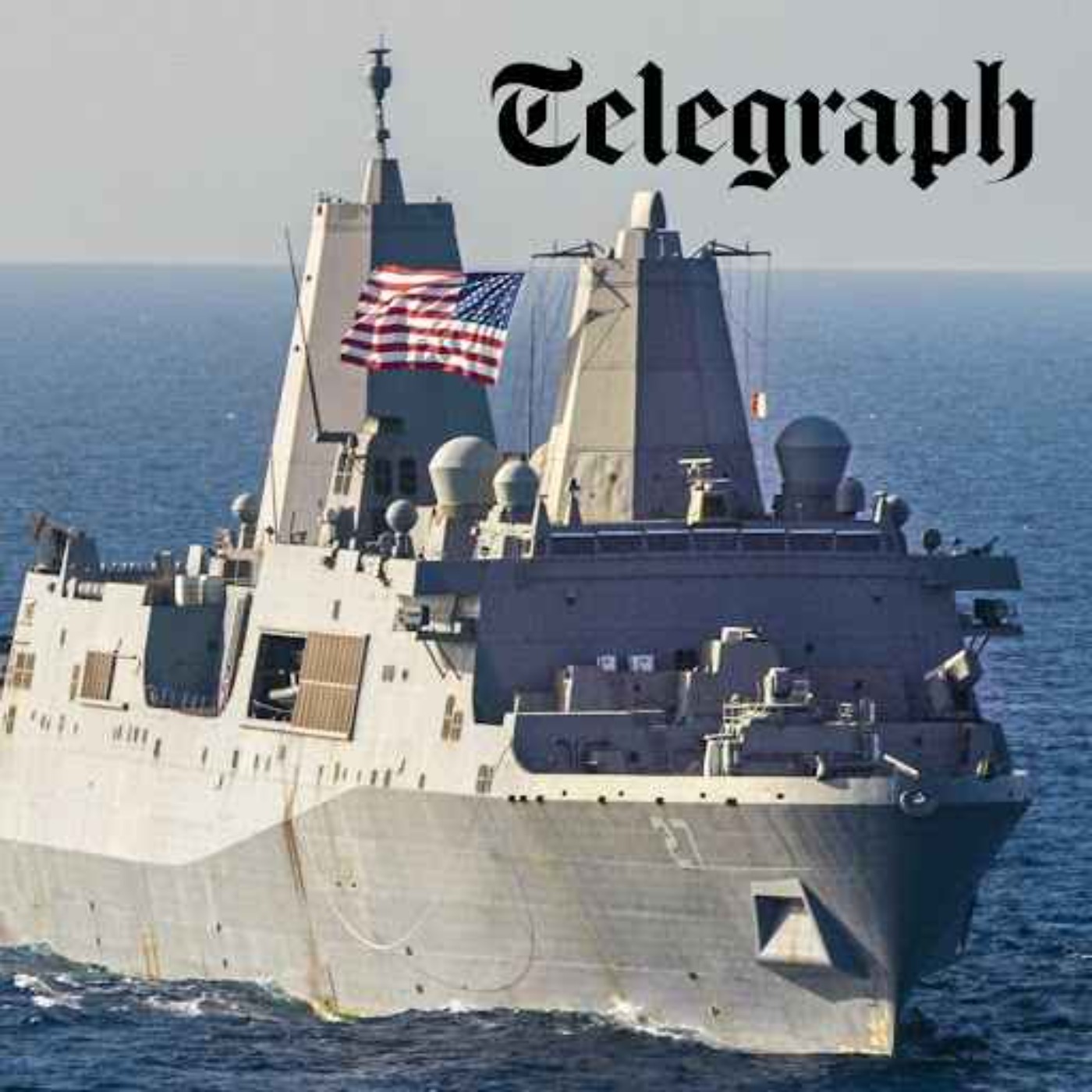
'We’ve trained for this': How US Marines could seize Iran’s uranium and open the Strait of Hormuz
Could US amphibious troops re-open the Strait of Hormuz? In his first major speech on the Iran war, Donald Trump said America is on course to finish its military campaign in the next three weeks. But to do so, he will have to find solutions to both the Strait, and Iran's remaining stockpile of enriched uranium.To discuss, Roland Oliphant is joined from Saudi Arabia by Andrew Milburn, a former US Marine Corps colonel and ex-deputy Commander of Special Operations Command Central (CENTCOM), the headquarters responsible for all American special operations in the Middle East.He explains what operations the Marines could undertake in the Strait, why a potential plan to seize Iran’s uranium is do-able but dangerous, and why some in the Gulf are worried there could be a premature ceasefire. CONTRIBUTORS:Roland Oliphant, co-host and chief foreign affairs analyst @RolandOliphantAndrew Milburn, former US Marine Corps colonel and co-host of Eyes-On @andymilburn8Producer: Peter ShevlinExecutive Producer: Louisa Wells► Sign up to our most popular newsletter, From the Editor. Look forward to receiving free-thinking comment and the day's biggest stories, every morning. telegraph.co.uk/fromtheeditor► EMAIL US: Contact the team on [email protected] ► GET THE LATEST HEADLINES: Find all our latest Iran coverage here: https://www.telegraph.co.uk/iran-war/ Hosted on Acast. See acast.com/privacy for more information.
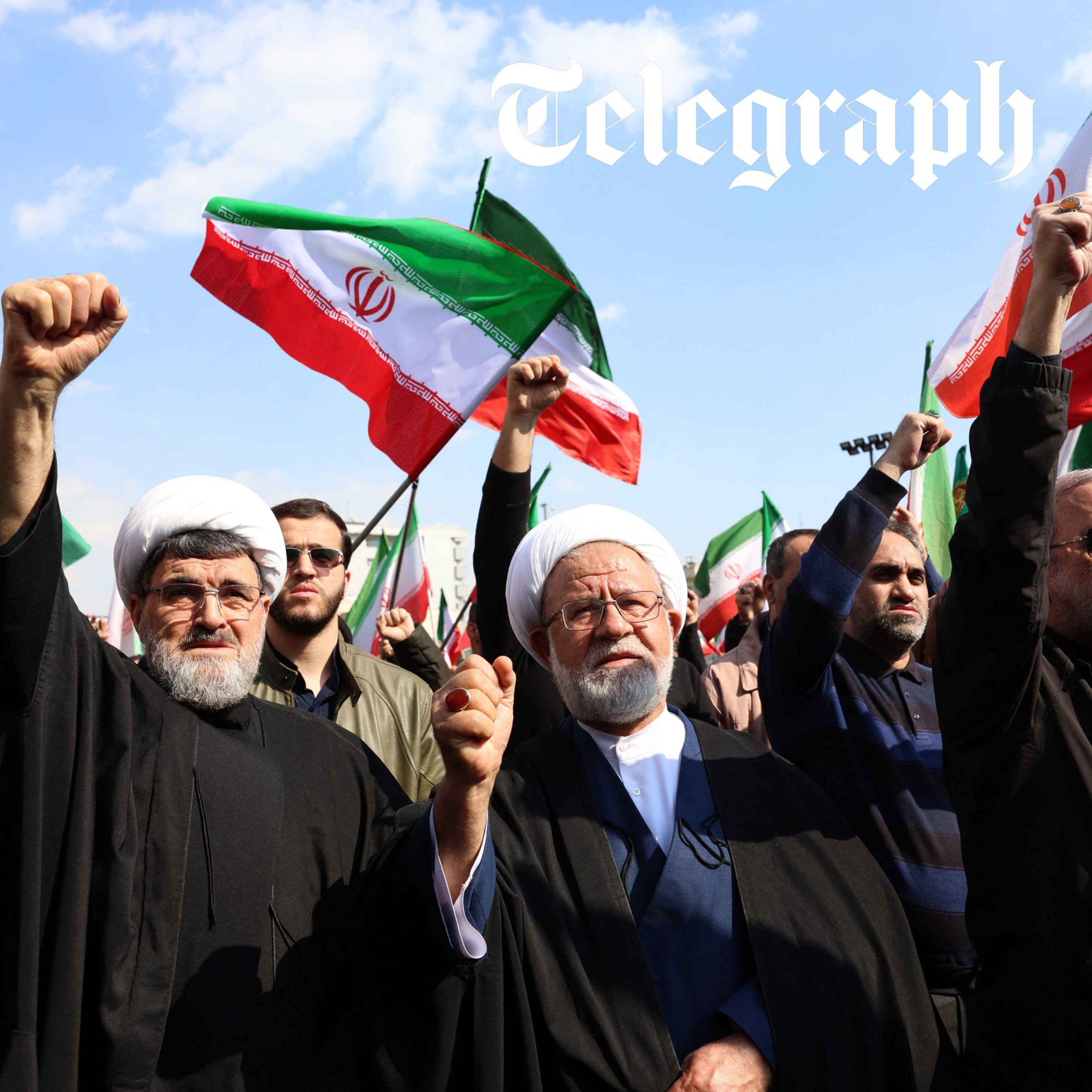
Iran's 'zombie regime' & UAE ‘to help force open’ Strait of Hormuz
Could the UAE help solve the Strait of Hormuz stalemate caused by the Iran war?The US is growing increasingly angry with its allies for refusing to help fully reopen the blocked waterway, which has led to soaring oil prices and dire economic warnings. From President Donald Trump threatening to pull out of Nato (a Telegraph exclusive) to Secretary of Defence Pete Hegseth lambasting the UK, Washington’s ire is palpable. Venetia Rainey runs through the latest updates from the Middle East, including Trump’s claim ahead of his big speech tonight that Iran has asked for a ceasefire, and a potentially game-changing report that the UAE is pushing for a coalition to help reopen the Strait by force. Plus, Roland Oliphant and senior foreign correspondent Sophia Yan speak to Iranian-American analyst and author of the Iranist newsletter, Holly Dagres. She explains why there haven’t been more protests and how the Islamic Republic is becoming a “zombie regime”. CONTRIBUTORS:Venetia Rainey, co-host @venetiaraineyRoland Oliphant, co-host and chief foreign affairs analyst @RolandOliphantSophia Yan, senior foreign correspondent @sophia_yanHolly Dagres, Washington Institute analyst @hdagresCONTENT REFERENCED:Roland Oliphant: The four outcomes if Trump surrenders the Strait of Hormuz to IranTrump interview: I am strongly considering pulling out of NatoIona Cleave: Iranian fortress at the centre of the battle for HormuzAkhtar Makoii: How Iran plans to fight US troops if Trump invadesProducer: Peter ShevlinExecutive Producer: Louisa Wells► Sign up to our most popular newsletter, From the Editor. Look forward to receiving free-thinking comment and the day's biggest stories, every morning. telegraph.co.uk/fromtheeditor► EMAIL US: Contact the team on [email protected] ► GET THE LATEST HEADLINES: Find all our latest Iran coverage here: https://www.telegraph.co.uk/iran-war/ Hosted on Acast. See acast.com/privacy for more information.
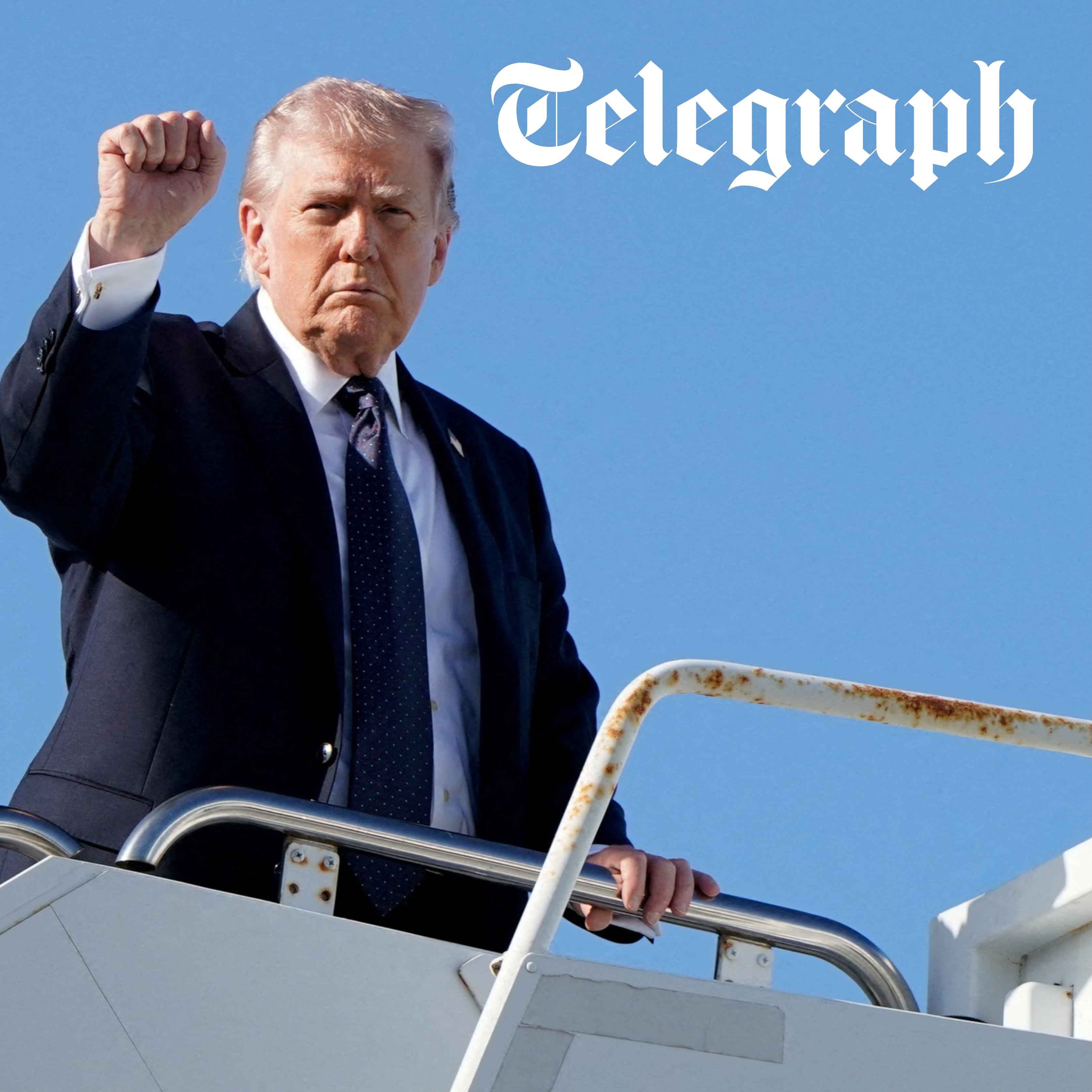
One month of Iran-US war: Assassinations, missiles and the Strait of Hormuz
After one month of the US-Iran war, who is winning and who is losing?Roland Oliphant and Venetia Rainey step back to examine how much of US President Donald Trump’s original war goals have been achieved, from destroying Iran’s missiles, navy and regional proxies to regime change and preventing the development of nuclear weapons. They also look at the role of Israel, the impact of attacks on the Gulf and the global economic shock caused by Iran’s closure of the vital waterway, the Strait of Hormuz. Plus, they discuss the depletion of global munition stocks after a month of air strikes, how the conflict has further frayed the Western alliance and what all that means for Ukraine and Russia. If you’ve been struggling to keep up with the latest news from the Middle East conflict, this is an update and analysis of everything you need to know from March 2026. CONTRIBUTORS:Roland Oliphant, co-host and chief foreign affairs analyst @RolandOliphantVenetia Rainey, co-host @venetiaraineyCONTENT REFERENCED:Why tens of millions face hunger and poverty in wake of Trump’s Iran warAmerican troops forced to withdraw from Middle East basesRUSI: Over 11,000 munitions in 16 Days of the Iran War: ‘Command of the Reload’ Governs EnduranceProducer: Peter ShevlinExecutive Producer: Louisa Wells► Sign up to our most popular newsletter, From the Editor. Look forward to receiving free-thinking comment and the day's biggest stories, every morning. telegraph.co.uk/fromtheeditor► EMAIL US: Contact the team on [email protected] ► GET THE LATEST HEADLINES: Find all our latest Iran coverage here: https://www.telegraph.co.uk/iran-war/ Hosted on Acast. See acast.com/privacy for more information.
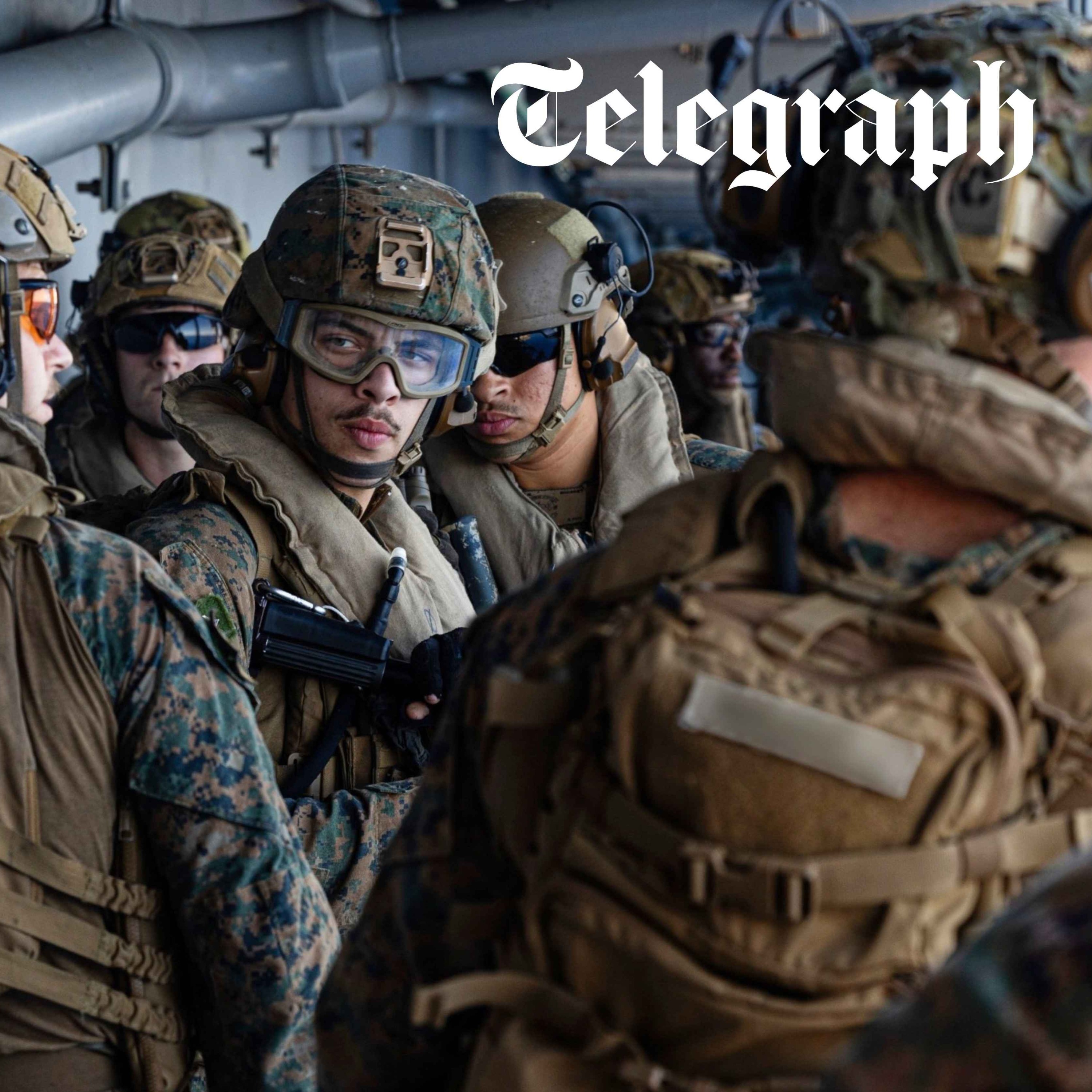
Iran vows to ‘rain fire’ on US troops, the Houthi ‘nightmare’ & on the ground in Tehran
Is the US about to invade Iran? Warship USS Tripoli has arrived in the Middle East with thousands of fresh troops, and the USS Boxer is not far behind - but Iran has vowed to “rain fire” on any American troops who set foot on its territory. Meanwhile, Trump is said to be considering taking Kharg Island and has been claiming regime change has already happened. Venetia Rainey and Roland Oliphant discuss all the latest updates, along with the impact on the price of oil and Israel expanding its offensive in southern Lebanon.Yemen expert and University of Cambridge mistress Elisabeth Kendall explains why the Houthis joining the war is so significant and how they could turn things into a “nightmare”. Plus, a glimpse into daily life on the ground in Tehran. Norwegian Refugee Council’s Iran director, Martje van Raamsdonk, joins from the Iranian capital to talk about how bombing has intensified in recent days, prompting residents to tape up their windows, and growing fears and uncertainty amid talks of a US invasion. CONTRIBUTORS:Roland Oliphant, co-host and chief foreign affairs analyst @RolandOliphantVenetia Rainey, co-host @venetiaraineyElisabeth Kendall, president of Girton College, @Dr_E_KendallMartje van Raamsdonk, Norwegian Refugee Council’s Iran directorCONTENT REFERENCED:Trump needs troops to seize the Strait of Hormuz. These are his options‘Gate of Tears’ could be a strait too far for Trump’s militaryProducer: Peter ShevlinExecutive Producer: Louisa Wells► Sign up to our most popular newsletter, From the Editor. Look forward to receiving free-thinking comment and the day's biggest stories, every morning. telegraph.co.uk/fromtheeditor► EMAIL US: Contact the team on [email protected] ► GET THE LATEST HEADLINES: Find all our latest Iran coverage here: https://www.telegraph.co.uk/iran-war/ Hosted on Acast. See acast.com/privacy for more information.
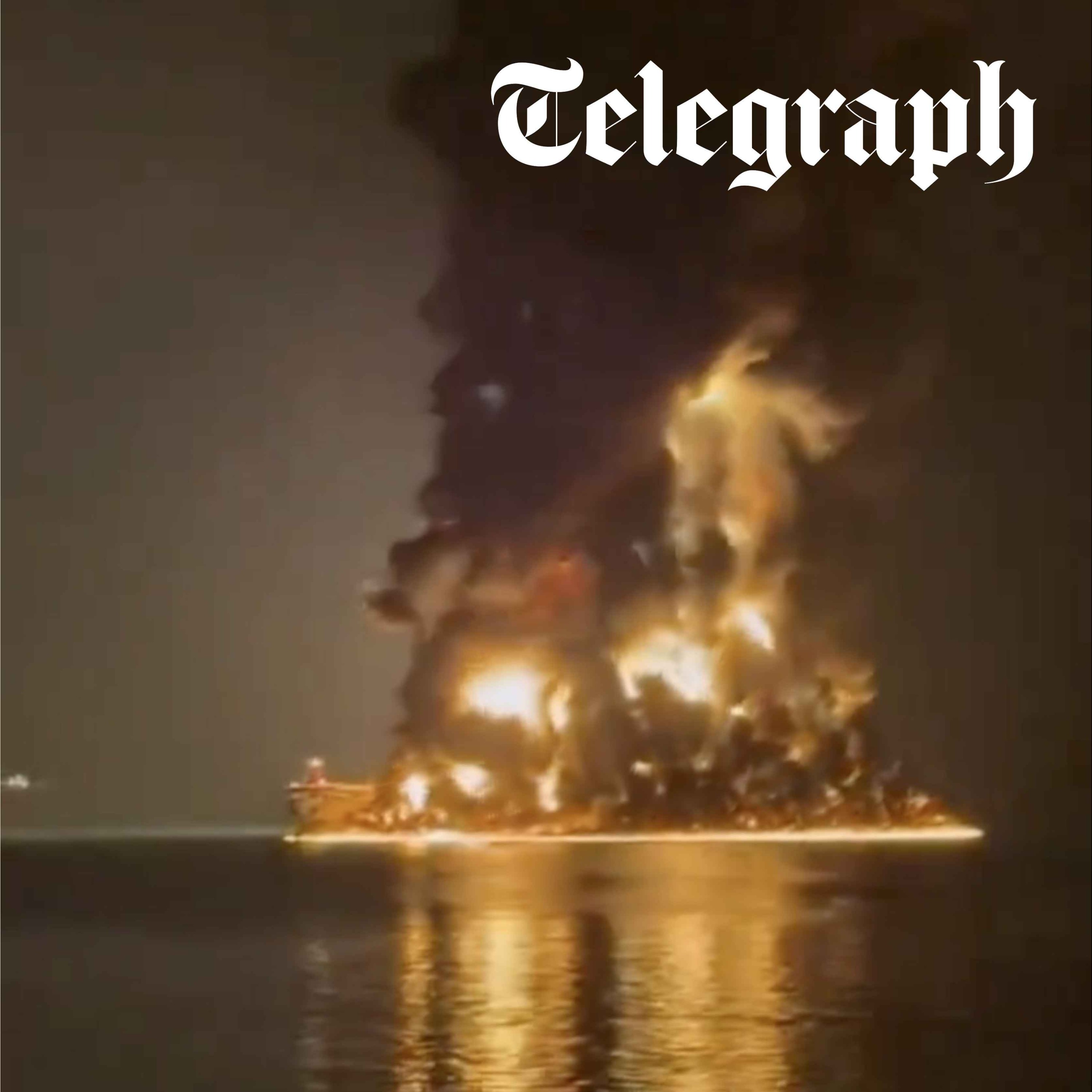
‘A full spectrum crisis’: how the Iran war went global
Iran’s blockade of the Strait of Hormuz has already pushed up oil prices. But is a bigger global economic disruption yet to come? And how long will it last?The Telegraph’s World Economy Editor Ambrose Evans-Pritchard joins Roland Oliphant to explain why the Iran conflict is sending shock waves around the world - and not just in the oil market. From fertiliser to helium to sulphur, the block on shipping through the Strait carries other key commodities used by the tech industry, hospitals and farmers. Ambrose explains how the war will almost certainly cause a global food shock in 2027. They also discuss how Russia and China are benefitting from the Iran war and why the Houthis in Yemen remain the dog that hasn’t barked - but could make things even worse than they are now.Plus, Roland Oliphant and senior foreign correspondent Sohia Yan analyse the latest news from the Iran war, including Donald Trump’s ongoing attempts at peace talks with Tehran, the US Navy’s first ever use of unmanned surface boats and why AP is now calling Israel’s attack on Lebanon an invasion. CONTRIBUTORS:Roland Oliphant, co-host and chief foreign affairs analyst @RolandOliphantSophia Yan, senior foreign correspondent @sophia_yanAmbrose Evans-Pritchard, world economy editor CONTENT REFERENCED:Roland Oliphant: Trump needs troops to seize the Strait of Hormuz. These are his optionsAmbrose Evans-Pritchard: China has already won the Gulf WarAmbrose Evans-Pritchard: The longer Trump’s war drags on, the worse the coming global food crisisProducer: Peter ShevlinExecutive Producer: Louisa Wells► Sign up to our most popular newsletter, From the Editor. Look forward to receiving free-thinking comment and the day's biggest stories, every morning. telegraph.co.uk/fromtheeditor► EMAIL US: Contact the team on [email protected] ► GET THE LATEST HEADLINES: Find all our latest Iran coverage here: https://www.telegraph.co.uk/iran-war/ Hosted on Acast. See acast.com/privacy for more information.
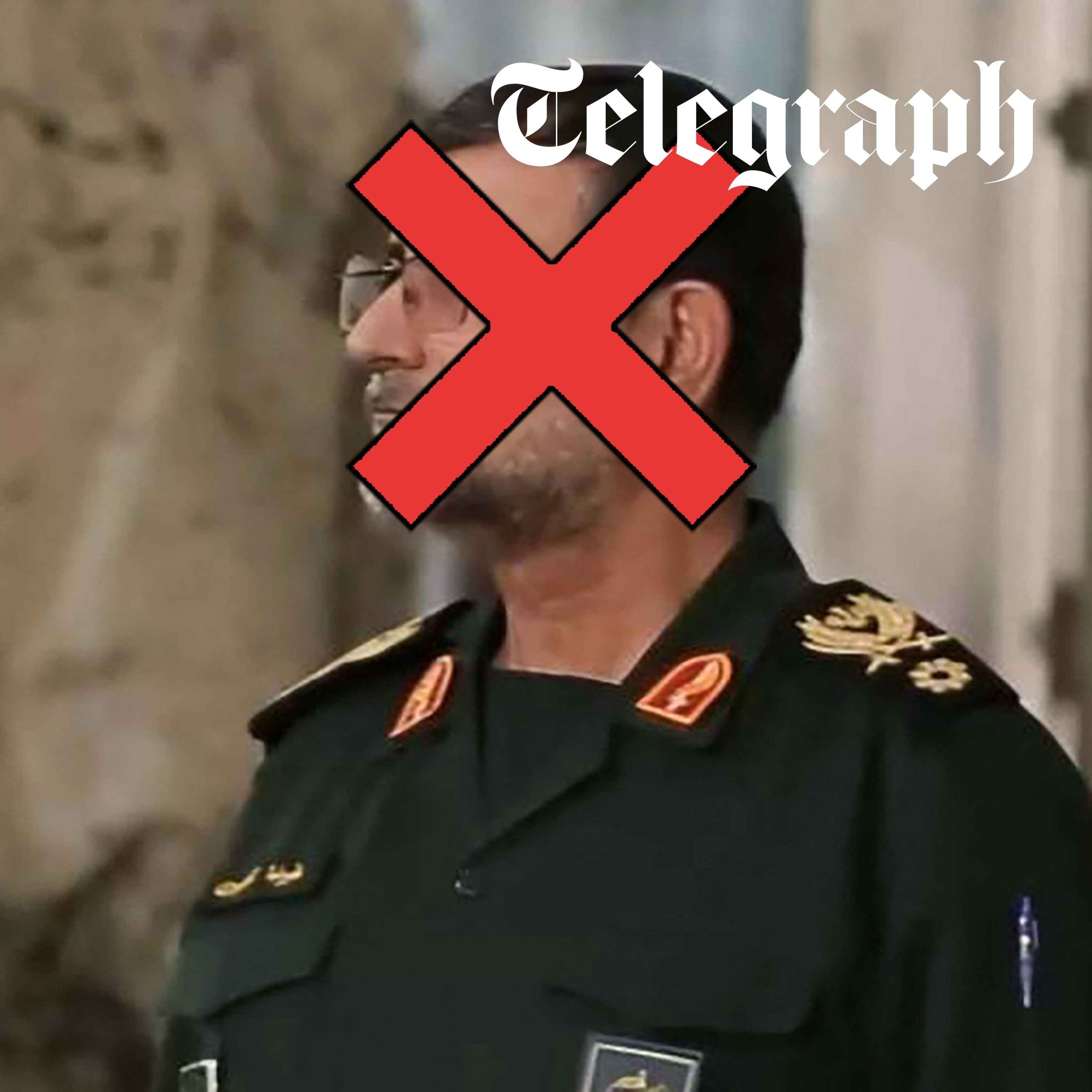
Iran navy chief killed & why the war 'was based on a lie'
Will Israel’s assassination of the IRGC’s naval chief lead to the reopening of the Strait of Hormuz?Hosts Roland Oliphant and Venetia Rainey analyse the latest news from the Iran war, from the killing of navy commander Alireza Tangsiri to Donald Trump’s claim that Tehran is “begging” for a deal. With thousands of US troops en route to the Middle East, the stakes are high. Among them are the 82nd Airborne Division; acting Defence Editor Tom Cotterill explains what sort of missions this elite group of paratroopers might be able to execute.Plus, former UK ambassador to Iran Sir Richard Dalton gives his insights into why striking a deal with the regime will be so difficult and how he thinks the war is based on a lie around Tehran’s nuclear capabilities. CONTRIBUTORS:Venetia Rainey, co-host @venetiaraineyRoland Oliphant, co-host and chief foreign affairs analyst @RolandOliphantTom Cotterill, acting Defence Editor @TomCotterillXSir Richard Dalton, UK’s former ambassador to IranCONTENT REFERENCED:What 2,000 US paratroopers could do in Iranhttps://www.telegraph.co.uk/world-news/2026/03/25/what-2000-us-paratroopers-could-do-iran-war-america-trump/Trump denies it – but two wars are becoming onehttps://www.telegraph.co.uk/world-news/2026/03/26/converging-wars-leave-europe-panicked-and-putin-emboldened/Producer: Peter ShevlinExecutive Producer: Louisa Wells► Sign up to our most popular newsletter, From the Editor. Look forward to receiving free-thinking comment and the day's biggest stories, every morning. telegraph.co.uk/fromtheeditor► EMAIL US: Contact the team on [email protected] ► GET THE LATEST HEADLINES:Find all our latest Iran coverage here: https://www.telegraph.co.uk/iran-war/ Hosted on Acast. See acast.com/privacy for more information.
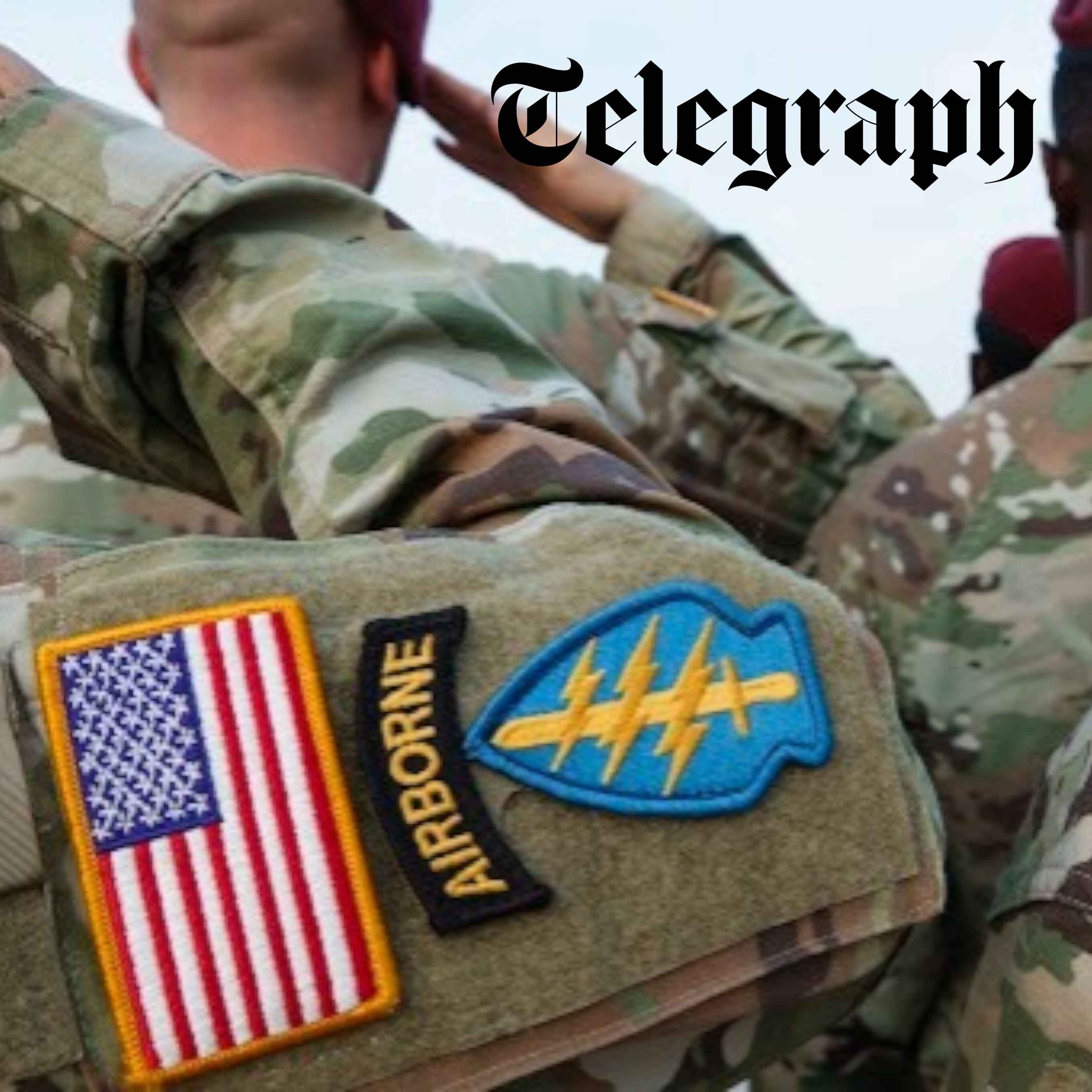
Delay tactic? Trump deploys paratroopers as he outlines Iran peace plan
Donald Trump has set out a 15-point Iran peace plan, but is he serious about ending the war?With news that another 2,000 elite American troops are en route to the Middle East, Tehran has its doubts - particularly as they’ve been here twice before with Trump. The Telegraph’s senior foreign correspondent Sophia Yan joins Venetia Rainey to talk through how realistic the proposal is and how it’s being viewed in Iran. They also discuss Turkey’s role as a potential mediator and the impact of the conflict on China. From the Telegraph’s US bureau, editor Lottie Tiplady-Bishop explains why Vice President JD Vance is now involved in peace negotiations and how boots on the ground is a red line for Trump’s MAGA base. Plus, how is the Iran war being viewed by ordinary Americans? Reporter Natasha Leake takes the temperature on the streets of Washington DC.CONTRIBUTORS:Venetia Rainey, co-host @venetiaraineySophia Yan, senior foreign correspondent @sophia_yanLottie Tiplady-Bishop, associate US news editor @lottietipbishopNatasha Leake, US reporter @NatashaLeakeCONTENT REFERENCED:Trump hands Iran 15-point plan to end warhttps://www.telegraph.co.uk/world-news/2026/03/25/donald-trump-iran-war-15-point-plan-nuclear-missile/‘Where the hell is JD Vance?’: Why Trump’s VP is missing in actionhttps://www.telegraph.co.uk/us/politics/2026/03/10/jd-vance-trump-iran-war-missing/JD Vance met with Trump security official who quit over Iran warhttps://www.telegraph.co.uk/us/politics/2026/03/18/jd-vance-met-joe-kent-quit-iran/Donald Trump said he would be the president of peacehttps://www.telegraph.co.uk/world-news/2026/03/20/trump-promised-peace-then-he-started-war/Producer: Peter ShevlinExecutive Producer: Louisa Wells► Sign up to our most popular newsletter, From the Editor. Look forward to receiving free-thinking comment and the day's biggest stories, every morning. telegraph.co.uk/fromtheeditor► EMAIL US: Contact the team on [email protected] ► GET THE LATEST HEADLINES:Find all our latest Iran coverage here: https://www.telegraph.co.uk/iran-war/ Hosted on Acast. See acast.com/privacy for more information.
‘Iran thinks it’s winning’: can US peace talks in Pakistan really end the war?
After four weeks of war with Iran, is Donald Trump calling it quits? The US president claims he is in advanced talks with a highly placed regime insider on a peace deal that would end Iran’s nuclear ambitions, reopen the strait of Hormuz, and give the country’s leadership a reason to make up with the rest of the Middle East. Pakistan and Egypt say they have brokered a meeting between US Vice President J D Vance and an Iranian delegation in Islamabad later this week. But who is the mystery Iranian negotiator? Does Iran have any reason to stop fighting now? And if peace is about to break out, why is the Iran war on the battlefield accelerating? Meanwhile, amid a bruising war with Israel, Iran’s Lebanese ally Hezbollah is finding itself increasingly isolated. Roland Oliphant is joined by David Blair, the Telegraph’s chief foreign affairs commentator, and Lina Khatib, associate fellow for the Middle East and North Africa programme at Chatham House.CONTRIBUTORS:Roland Oliphant, co-host and chief foreign affairs analyst @RolandOliphantDavid Blair, chief foreign affairs commentator @davidblairdtLina Khatib, associate fellow Chatham House @LinaKhatibUKCONTENT REFERENCED:Trump may have blinked, but his war of necessity will grind onhttps://www.telegraph.co.uk/news/2026/03/23/iran-war-no-end-in-sight/Iran now has a clear path to victoryhttps://www.telegraph.co.uk/world-news/2026/03/24/iran-now-has-a-clear-pathway-to-victory/Producer: Elliot LampittExecutive Producer: Louisa Wells► Sign up to our most popular newsletter, From the Editor. Look forward to receiving free-thinking comment and the day's biggest stories, every morning. telegraph.co.uk/fromtheeditor► EMAIL US: Contact the team on [email protected] ► GET THE LATEST HEADLINES:Find all our latest Iran coverage here: https://www.telegraph.co.uk/iran-war/ Hosted on Acast. See acast.com/privacy for more information.
‘A forever mission': US colonel on Trump's Strait of Hormuz quagmire
Could US Marines seize Kharg Island and reopen the Strait of Hormuz?President Donald Trump has U-turned on his threat to bomb Iranian energy infrastructure after announcing a five-day moratorium and peace talks underway. But the Strait of Hormuz problem remains. Iraq veteran, Ohio State University military historian and former US Colonel Peter Mansoor joins Venetia Rainey and Roland Oliphant to discuss the hard power options open to Trump, from taking an island in the waterway to invading the mainland coastline. He also talks about the option of conducting special raids to seize enriched uranium to hobble Iran’s nuclear programme and explains why the war risks becoming a quagmire for the West akin to what he saw first-hand in Iraq. Plus, The Telegraph’s acting defence editor Tom Cotterill explains what we know about the hugely significant Iranian ICBM attack on Britain’s Diego Garcia base and how worried the UK and Europe should be of repeat incidents. CONTRIBUTORS:Venetia Rainey, co-host @venetiaraineyRoland Oliphant, co-host and chief foreign affairs analyst @RolandOliphantTom Cotterill, acting Defence Editor @TomCotterillXPeter Mansoor, chair military history Ohio State University CONTENT REFERENCED:Telegraph View: Britain must do what it can to open the Strait of Hormuzhttps://www.telegraph.co.uk/news/2026/03/22/britain-must-do-what-it-can-to-open-the-strait-of-hormuz/Britain ‘defenceless against Iranian missiles’https://www.telegraph.co.uk/news/2026/03/22/britain-defenceless-against-iranian-missiles/Producer: Peter ShevlinExecutive Producer: Louisa Wells► Sign up to our most popular newsletter, From the Editor. Look forward to receiving free-thinking comment and the day's biggest stories, every morning. telegraph.co.uk/fromtheeditor► EMAIL US: Contact the team on [email protected] ► GET THE LATEST HEADLINES:Find all our latest Iran coverage here: https://www.telegraph.co.uk/iran-war/ Hosted on Acast. See acast.com/privacy for more information.
US sends Marines to Strait of Hormuz & why Iran can still fire missiles
Thousands of US Marines and sailors are heading towards Iran - does this mean boots on the ground? Venetia Rainey is joined by Reuters global defence commentator Peter Apps to discuss the war three weeks in, how to open the Strait of Hormuz and whether as part of it, Trump will order troops to take Kharg Island. They also discuss whether this counts as a world war and why this conflict is likely deterring China from taking Taiwan by force for at least another few years. Plus, how is Iran still able to inflict so much damage on its neighbours? University of Oslo missiles expert Fabian Hoffman explains why Iran’s launchers may run out before its missiles do and how much longer interceptor stocks in the Gulf and Israel could last. CONTRIBUTORS:Venetia Rainey, co-host @venetiaraineyPeter Apps, Reuters defence columnist @pete_appsFabian Hoffman, University of Oslo @FRHoffmann1Producer: Peter ShevlinExecutive Producer: Louisa Wells► Sign up to our most popular newsletter, From the Editor. Look forward to receiving free-thinking comment and the day's biggest stories, every morning. telegraph.co.uk/fromtheeditor► EMAIL US: Contact the team on [email protected] ► GET THE LATEST HEADLINES:Find all our latest Iran coverage here: https://www.telegraph.co.uk/iran-war/ Hosted on Acast. See acast.com/privacy for more information.
‘Drunk on assassinations’: What is Israel’s Iran war strategy?
Has Israel gone rogue with the attack on Iran’s South Pars gas field?The bombing triggered a furious response from Tehran and led to a further escalation in the energy crisis caused by the US and Israeli war with Iran.President Donald Trump says the US did not know about it but Israeli officials say it was coordinated. The Telegraph’s Jerusalem correspondent Henry Bodkin joins Venetia Rainey and Roland Oliphant to explain why the attack is consistent with Israel’s war goals and how tactics are potentially being prioritised over strategy.Henry also discusses his reporting from northern Israel where troops are readying for an expanded ground invasion of Lebanon to root out Hezbollah and why talk of a buffer zone there may not match up with the threat.Plus, senior foreign correspondent Sophia Yan joins to discuss her time on the ground in Iraq and why things there are much worse than being reported. She also shares her thoughts on how Turkey is so far staying out of the conflict and why Iranian Kurds are pushing the US to let them invade.CONTRIBUTORS:Venetia Rainey, co-host @venetiaraineyRoland Oliphant, co-host and chief foreign affairs analyst @RolandOliphantSophia Yan, Senior Foreign Correspondent @sophia_yanHenry Bodkin, Jerusalem Correspondent @HenryBodkinCONTENT REFERENCED:Trump’s three options for reopening the Strait of Hormuz:https://www.telegraph.co.uk/news/2026/03/18/trump-three-options-reopening-strait-hormuz/Missiles and drones chase Americans out of Iraqhttps://www.telegraph.co.uk/world-news/2026/03/15/missiles-and-drones-chase-americans-out-of-iraq/?recomm_id=faf315cd-c56c-4a5d-a833-90e89545db06Tehran won’t fall without a ground offensive, says Kurdish leaderhttps://www.telegraph.co.uk/world-news/2026/03/18/tehran-iran-war-ground-offensive-kurdish-leader-khabat/?recomm_id=35c185da-6605-4d40-aa0e-d19bf63781b0Producer: Peter ShevlinExecutive Producer: Louisa Wells► Sign up to our most popular newsletter, From the Editor. Look forward to receiving free-thinking comment and the day's biggest stories, every morning. telegraph.co.uk/fromtheeditor► EMAIL US:Contact the team on [email protected] ► GET THE LATEST HEADLINES:Find all our latest Iran coverage here: https://www.telegraph.co.uk/iran-war/ Hosted on Acast. See acast.com/privacy for more information.
America’s biggest mistake in the Iran war so far
When an Iranian primary school was bombed on the first day of the war, killing dozens of children instantly, it spawned a cycle of denials, conspiracy theories and online speculation. Nearly three weeks on, it’s clear that an American Tomahawk missile was responsible for the deadliest attack of the conflict so far. The Telegraph’s chief foreign affairs analyst Roland Oliphant and OSINT expert Gareth Corfield join Venetia Rainey and Arthur Scott-Geddes to go through all the evidence and explain why it matters. Plus: Israel is upping its war against Hezbollah in Lebanon, with strikes on central Beirut, troops invading from the south and flyers invoking the threat of Gaza. The Telegraph’s global health security editor Paul Nuki joins from Beirut to discuss the latest news on what’s been targeted, the displacement crisis and attempts at peace talks. He also outlines three scenarios for how the war in Lebanon may unfold in the weeks to come. CONTRIBUTORS:Venetia Rainey, co-host @venetiaraineyArthur Scott-Geddes, co-host @ascottgeddes Roland Oliphant, co-host and chief foreign affairs analyst @RolandOliphantGareth Corfield, transport editor @GazTheJournoCONTENT REFERENCED:A girls’ school in Iran was blown up. Here’s what locals say happenedhttps://www.telegraph.co.uk/world-news/2026/03/10/girls-school-iran-blown-up-locals-say-happened/The evidence that shows a US missile hit an Iranian girls’ schoolhttps://www.telegraph.co.uk/world-news/2026/03/10/evidence-shows-us-missile-hit-iranian-girls-school/The top US intelligence official who turned on Trump over Iranhttps://www.telegraph.co.uk/us/politics/2026/03/17/joe-kent-tulsi-gabbard-right-hand-man/Producer: Louisa WellsExecutive Producer: Louisa Wells► Sign up to our most popular newsletter, From the Editor. Look forward to receiving free-thinking comment and the day's biggest stories, every morning. telegraph.co.uk/fromtheeditor► EMAIL US:Contact the team on [email protected]► GET THE LATEST HEADLINES:Find all our latest Iran coverage here: https://www.telegraph.co.uk/iran-war/ Hosted on Acast. See acast.com/privacy for more information.
‘Huge void’ in Iran regime after security chief 'assassinated'
Ali Larijani, Iran’s security chief, is believed to have been assassinated today by Israel in what could be a huge blow to the Iranian regime.Roland Oliphant is joined by Akhtar Makoii to explain who Larijani was and why his death could be more significant for Tehran than Khamenei’s amid the ongoing US war.Plus, Roland speaks to opposition figure Ali Safavi, part of the Foreign Affairs Committee of the National Council of Resistance of Iran. The NCRI is essentially Iran’s anti-monarchy opposition group and is led by the highly controversial People's Mojahedin Organization of Iran (MEK) - previously designated as terrorists. MEK supporter Safavi argues that an armed uprising rather than a war is needed to overthrow the Islamic Republic. He also discusses the MEK’s chequered history, the Crown Prince Reza Pahlavi, and the enormous divisions among Iranian diaspora opposition groups. CONTRIBUTORS:Roland Oliphant, co-host and chief foreign affairs analyst @RolandOliphantAkhtar Makoii, foreign correspondentAli Safavi, National Council of Resistance of Iran @amsafaviCONTENT REFERENCED:Larijani’s death is more significant than that of supreme leaderhttps://www.telegraph.co.uk/world-news/2026/03/17/ali-larijani-killing-hits-iran-more-than-ayatollah-death/Producer: Sophie O'SullivanExecutive Producer: Louisa Wells► Sign up to our most popular newsletter, From the Editor. Look forward to receiving free-thinking comment and the day's biggest stories, every morning. telegraph.co.uk/fromtheeditor► EMAIL US:Contact the team on [email protected]► GET THE LATEST HEADLINES:Find all our latest Iran coverage here: https://www.telegraph.co.uk/iran-war/ Hosted on Acast. See acast.com/privacy for more information.
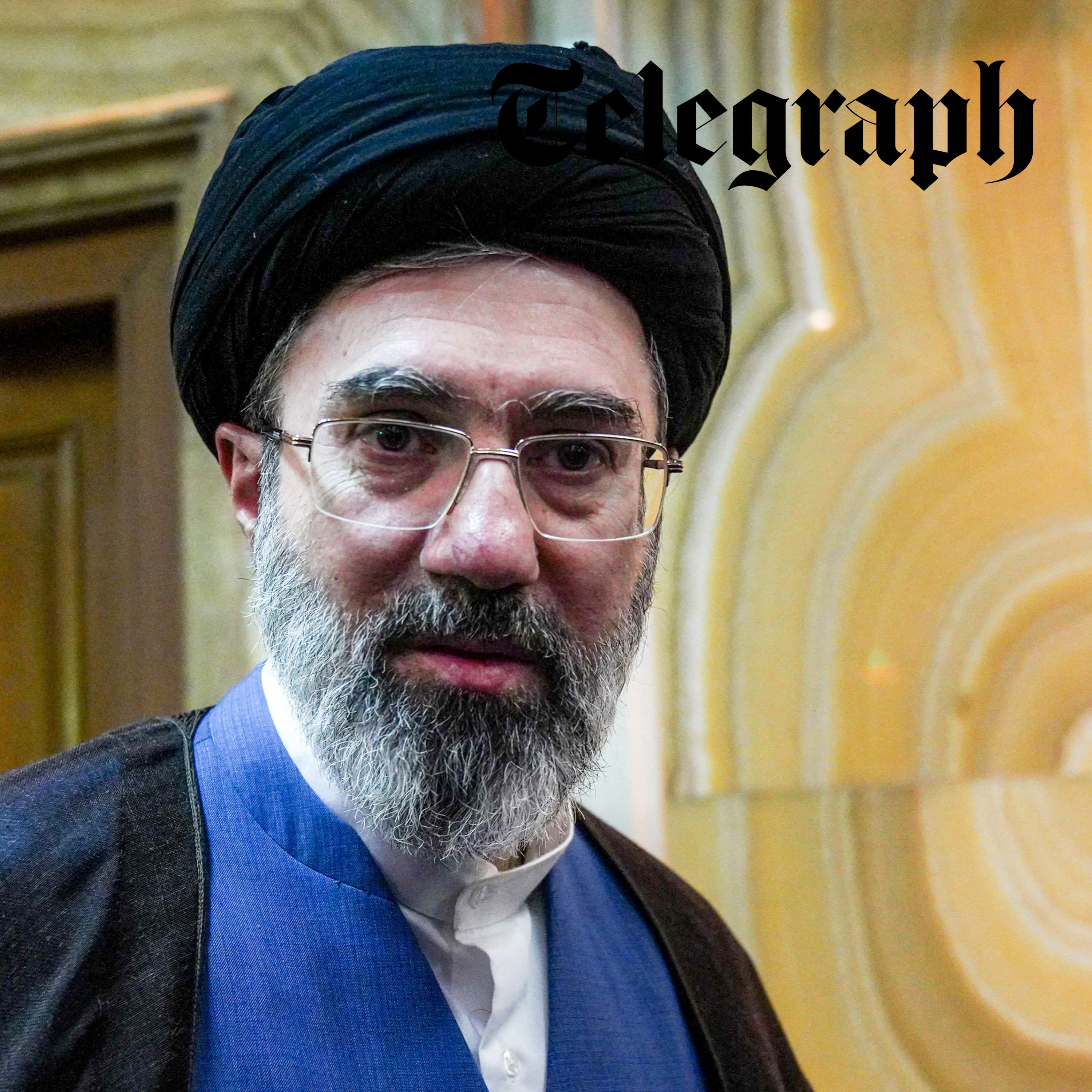
Exclusive: Why Iran's new leader survived & how to reopen the Strait of Hormuz
No one knew how Iran’s new supreme leader survived the 30 bombs dropped on his father’s compound. Until now. The Telegraph’s foreign correspondent Akhtar Makoii has obtained exclusive audio from an IRGC meeting that explains how Mojtaba Khamenei escaped the deadly US-Israeli strikes that killed his father, wife, sister, and other relatives on the first day of the Iran war. It also sheds new light on why he was chosen as Ali Khamenei’s successor. Plus: how do you reopen the Strait of Hormuz and what can the UK really do to help Donald Trump? Jack Watling, senior research fellow for Land Warfare at the Royal United Services Institute, joins Roland Oliphant and Venetia Rainey to discuss the military options and why even they might not be enough. They also talk about how China might be looking to take advantage of this conflict and the impact of the Iran war on Indo-Pacific security. Watling’s new book, Statecraft: The New Rules of Power in a Divided World, is out this week and is published by Macmillan. CONTRIBUTORS:Roland Oliphant, co-host and chief foreign affairs analyst @RolandOliphantVenetia Rainey, co-host @venetiaraineyAkhtar Makoii, foreign correspondent @akhtar_makoiiJack Watling, senior research fellow RUSI @Jack_WatlingCONTENT REFERENCED:Mojtaba Khamenei escaped death by seconds, leaked audio revealshttps://www.telegraph.co.uk/world-news/2026/03/16/exclusive-mojtaba-khamenei-escaped-death-leaked-audio/Trump wants Britain to send a warship to the Gulf. Starmer has sent eight sailorshttps://www.telegraph.co.uk/news/2026/03/15/trump-wants-starmer-warship-gulf-sent-eight-sailors/ Hosted on Acast. See acast.com/privacy for more information.
Two weeks in: A US Marine on Iran’s plan to win
From Iran’s perspective, this war is going according to plan. Even though America and Israel have dominated the battlefield, the regime has not collapsed, the Strait of Hormuz has been blocked, and the entire region is under pressure. Yet major questions remain over how many missiles they have left and how long they can stop major protests from erupting once again on the streets. Roland Oliphant is joined by The Telegraph’s chief foreign affairs commentator David Blair and foreign correspondent Akhtar Makoii to discuss the conflict so far and answer listeners’ questions. Plus, Jonathan Hackett, a former Marine Corps interrogator, counterintelligence agent, and special operations intelligence officer, returns to give his assessment of the past two weeks, discuss the Israeli covert ops taking place on the ground, and look at where things might go from here. CONTRIBUTORS:Roland Oliphant, co-host and chief foreign affairs analyst @RolandOliphantDavid Blair, chief foreign affairs commentator @davidblairdtAkhtar Makoii, foreign correspondent @akhtar_makoiiJonathan HackettCONTENT REFERENCED:Mojtaba Khamenei has called for Iranian unity – but he may not be alivehttps://www.telegraph.co.uk/world-news/2026/03/13/mojtaba-khamenei-uniting-iran-against-trump-may-not-alive/David Blair: Iran’s leaders have every reason to believe they’re succeedinghttps://www.telegraph.co.uk/news/2026/03/12/irans-leaders-every-reason-believe-succeeding/Producer: Sophie O'SullivanExecutive Producer: Louisa Wells► Sign up to our most popular newsletter, From the Editor. Look forward to receiving free-thinking comment and the day's biggest stories, every morning. telegraph.co.uk/fromtheeditor► EMAIL US: Contact the team on [email protected] ► GET THE LATEST HEADLINES: Find all our latest Iran coverage here: https://www.telegraph.co.uk/iran-war/ Hosted on Acast. See acast.com/privacy for more information.
‘Strategically appalling’: Britain’s greatest military expert on Trump’s Iran war
Does the US war with Iran make strategic sense? No, says Britain’s foremost military expert and strategist, Sir Lawrence Freedman.Talking to Roland Oliphant and Venetia Rainey on The Telegraph’s Iran: The Latest podcast, Sir Lawrence shares his damning verdict of Donald Trump’s military operation against the Iranian regime: no proper preparation and no thinking through the risks.They also discuss the global oil crisis in the Strait of Hormuz, Israel’s attacks on Hezbollah in Lebanon, lessons (or not) from the Iraq war, and the impact on the Russia-Ukraine conflict.Sir Lawrence is the emeritus professor of war studies at King’s College London and has spent half a century looking at wars, national security and defence doctrine. He is new book, On Strategists and Strategy, is a collection of essays covering the Iraq war, the importance of tactics and nuclear deterrence.CONTRIBUTORS:Roland Oliphant, Chief Foreign Affairs Analyst and co-host @RolandOliphantVenetia Rainey, co-host @venetiaraineySir Lawrence Freedman, emeritus professor of war studies King's College London @LawDavFCONTENT REFERENCED:A girls’ school in Iran was blown up. Here’s what locals say happenedhttps://www.telegraph.co.uk/world-news/2026/03/10/girls-school-iran-blown-up-locals-say-happened/The evidence that shows a US missile hit an Iranian girls’ schoolhttps://www.telegraph.co.uk/world-news/2026/03/10/evidence-shows-us-missile-hit-iranian-girls-school/Con Coughlin: Putin has been the Iran war’s big winnerhttps://www.telegraph.co.uk/news/2026/03/12/putin-iran-war-big-winner/Tom Sharpe: The Strait of Hormuz has been opened by force before, and it can be againhttps://www.telegraph.co.uk/news/2026/03/12/strait-hormuz-us-navy-escort-tanker-war-iran-force-open/Producer: Peter ShevlinExecutive Producer: Louisa Wells► Sign up to our most popular newsletter, From the Editor. Look forward to receiving free-thinking comment and the day's biggest stories, every morning. telegraph.co.uk/fromtheeditor► EMAIL US:Contact the team on [email protected] ► GET THE LATEST HEADLINES:Find all our latest Iran coverage here: https://www.telegraph.co.uk/iran-war/ Hosted on Acast. See acast.com/privacy for more information.
'I hate Trump but I support his war': why some Iranians celebrate this conflict
How do Iranians inside Iran feel about Trump’s war?With no independent reporting allowed, an internet blackout in place and harsh punishments for anyone who speaks out against the regime, it’s hard to tell. But there are some voices getting out - and some are happy about the American-Israeli attack. Sahar Zand, an Iranian-British investigative journalist based in London, shares messages from Iranians in the country who have been speaking to her.Plus, The Telegraph’s Global Health Security Editor Paul Nuki joins from Beirut to talk about the latest in Israel’s escalating war against Hezbollah and the death, damage and disruption it’s causing on the ground. CONTRIBUTORS:Venetia Rainey, co-host @venetiaraineyArthur Scott-Geddes, co-host @ascottgeddes Sahar Zand, journalist @SaharZandProducer: Peter ShevlinExecutive Producer: Louisa Wells► Sign up to our most popular newsletter, From the Editor. Look forward to receiving free-thinking comment and the day's biggest stories, every morning. telegraph.co.uk/fromtheeditor► EMAIL US:Contact the team on [email protected] ► GET THE LATEST HEADLINES:Find all our latest Iran coverage here: https://www.telegraph.co.uk/iran-war/CONTENT REFERENCED:How Iran’s ‘horizontal warfare’ could trap Trump in another Vietnamhttps://www.telegraph.co.uk/world-news/2026/03/10/iran-horizontal-warfare-trap-trump-another-vietnam/UN claims 700,000 displaced in Lebanon after Israeli bombingshttps://www.telegraph.co.uk/world-news/2026/03/10/un-claims-700000-displaced-in-lebanon-after-israeli-bombing/ Hosted on Acast. See acast.com/privacy for more information.
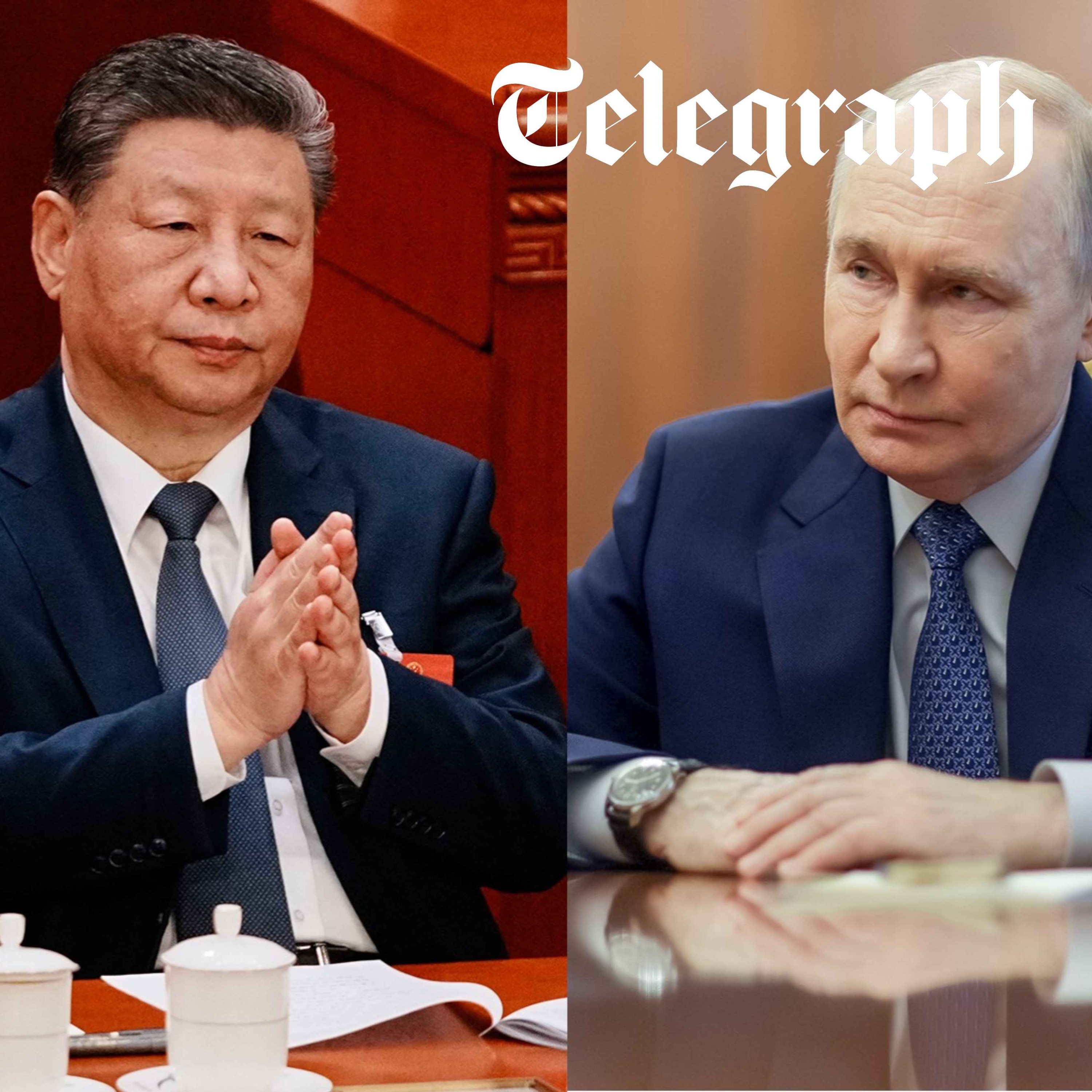
World War 3? How Russia and China could be dragged into the Iran conflict
Is this what the start of World War Three looks like?On the 11th day of the US-Israeli war with Iran, Roland looks at how the conflict is broadening well beyond Iran’s borders. President Donald Trump has hinted the war is nearly over, but ACLED CEO Clionadh Raleigh says it is dangerously close to dragging in Russia and China given they have already openly backed Iran. She also talks through what the data says about this conflict so far, from the high intensity of the military campaign to the surprisingly low casualty rates. Plus, Senior Foreign Correspondent Sophia Yan reports from the Iraqi side of the Iranian border where she has been speaking to Iranian Kurdish separatist leaders who say they have thousands of fighters ready to go. Trump has flip-flopped over whether he would support the separatist groups as a proxy ground force in the US-Israel war against Iran. But they say America cannot topple Tehran’s regime without their help.CONTRIBUTORS:Roland Oliphant, Chief Foreign Affairs Analyst and co-host @RolandOliphantSophia Yan, Senior Foreign Correspondent @sophiayanClionadh Raleigh, ACLED CEO, @cliona_raleighCONTENT REFERENCED:Trump needs us to win war, says Kurdish opposition commanderhttps://www.telegraph.co.uk/world-news/2026/03/08/kurdish-militia-leader-trump-needs-us-to-win-iran-war/Kurds desperate to invade Iran... if they get Trump’s jetshttps://www.telegraph.co.uk/world-news/2026/03/08/kurds-desperate-invade-iran-cover-trump-jets/Producer: Peter ShevlinExecutive Producer: Louisa Wells► Sign up to our most popular newsletter, From the Editor. Look forward to receiving free-thinking comment and the day's biggest stories, every morning. telegraph.co.uk/fromtheeditor► EMAIL US:Contact the team on [email protected] ► GET THE LATEST HEADLINES:Find all our latest Iran coverage here: https://www.telegraph.co.uk/iran-war/ Hosted on Acast. See acast.com/privacy for more information.
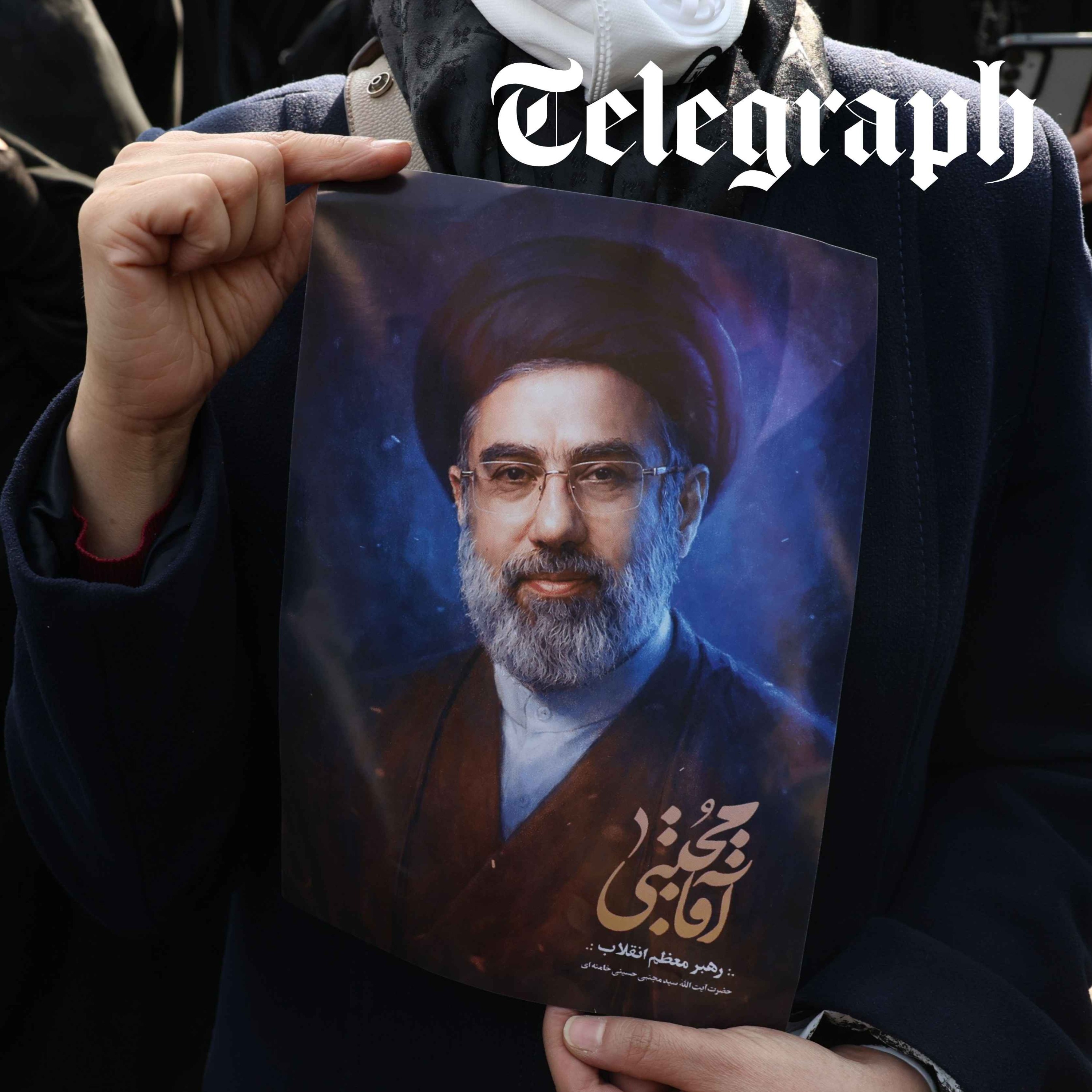
Why Iran's new supreme leader could intensify the war
Could Iran’s new leader be worse than the old one? On the 10th day of the US-Israeli war with Iran, Roland looks at why IRGC-favourite Mojtaba Khamenei has been chosen as the new supreme leader to take over from his assassinated father and what it means for the regime. Plus, Venetia gets a view from the Gulf about the growing oil crisis, fears over dwindling interceptor missile stocks and how the war is dragging in countries there.CONTRIBUTORS:Venetia Rainey, co-host @venetiaraineyRoland Oliphant, Chief Foreign Affairs Commentator and co-host @RolandOliphantSascha Bruchmann, IISS Research Fellow for Defence and Military AnalysisCONTENT REFERENCED:David Blair: New supreme leader shows folly of Trump’s warhttps://www.telegraph.co.uk/world-news/2026/03/09/new-iran-supreme-leader-folly-trump-iran-war/Iran has already made its first big miscalculation of the warhttps://www.telegraph.co.uk/news/2026/03/09/iran-first-big-miscalculation-war/Iran war, day ten: Everything you need to knowhttps://www.telegraph.co.uk/world-news/2026/03/09/iran-war-day-ten-everything-you-need-to-know/Producer: Peter ShevlinExecutive Producer: Louisa Wells► Sign up to our most popular newsletter, From the Editor. Look forward to receiving free-thinking comment and the day's biggest stories, every morning. telegraph.co.uk/fromtheeditor► EMAIL US:Contact the team on [email protected] ► GET THE LATEST HEADLINES:Find all our latest Iran coverage here: https://www.telegraph.co.uk/iran-war/ Hosted on Acast. See acast.com/privacy for more information.
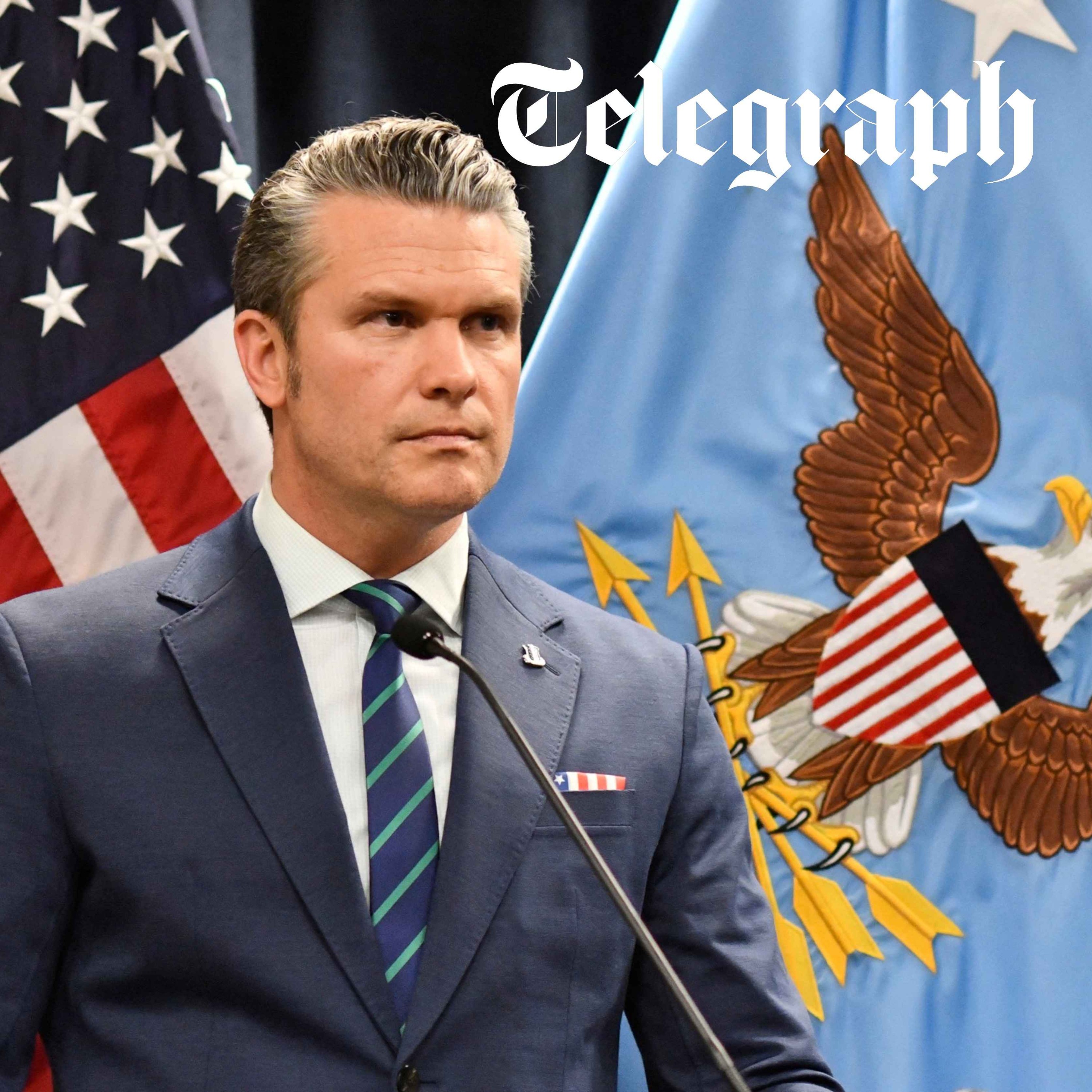
Shock and awe but no regime change: one week of Trump’s Iran war
It’s the seventh day of the US-Israeli war with Iran and Secretary of War Pete Hegseth has said America is about to dramatically increase the amount of firepower over the country as the military campaign moves into the next phase.On today’s episode, Venetia takes a step back and looks at what has been achieved so far over one week of war. She is joined by Col. Simon Diggins, a former British Army Officer who has served in the Middle East, and Matthew Savill, director of military sciences at the Royal United Services Institute.They discuss how much progress America has made with its stated objectives, whether Iran is running out of missiles or holding them back, the Shahed drone problem, what’s left of the Iranian navy and why regime change still seems a distant prospect for now.Plus, two arguments for and against the UK becoming militarily involved - is it Keir Starmer’s moral duty or does Britain have nothing relevant to offer?Read Iran war, day seven: Everything you need to know: https://www.telegraph.co.uk/world-news/2026/03/06/iran-war-day-seven-everything-you-need-to-know/Read Trump to use British bases for ‘surge’ in Iran attacks: https://www.telegraph.co.uk/world-news/2026/03/06/trump-to-use-british-bases-for-surge-in-iran-attacks/Producer: Sophie O'SullivanExecutive Producer: Louisa Wells► Sign up to our most popular newsletter, From the Editor. Look forward to receiving free-thinking comment and the day's biggest stories, every morning. telegraph.co.uk/fromtheeditorContact us with feedback or ideas:@venetiarainey@RolandOliphant Hosted on Acast. See acast.com/privacy for more information.
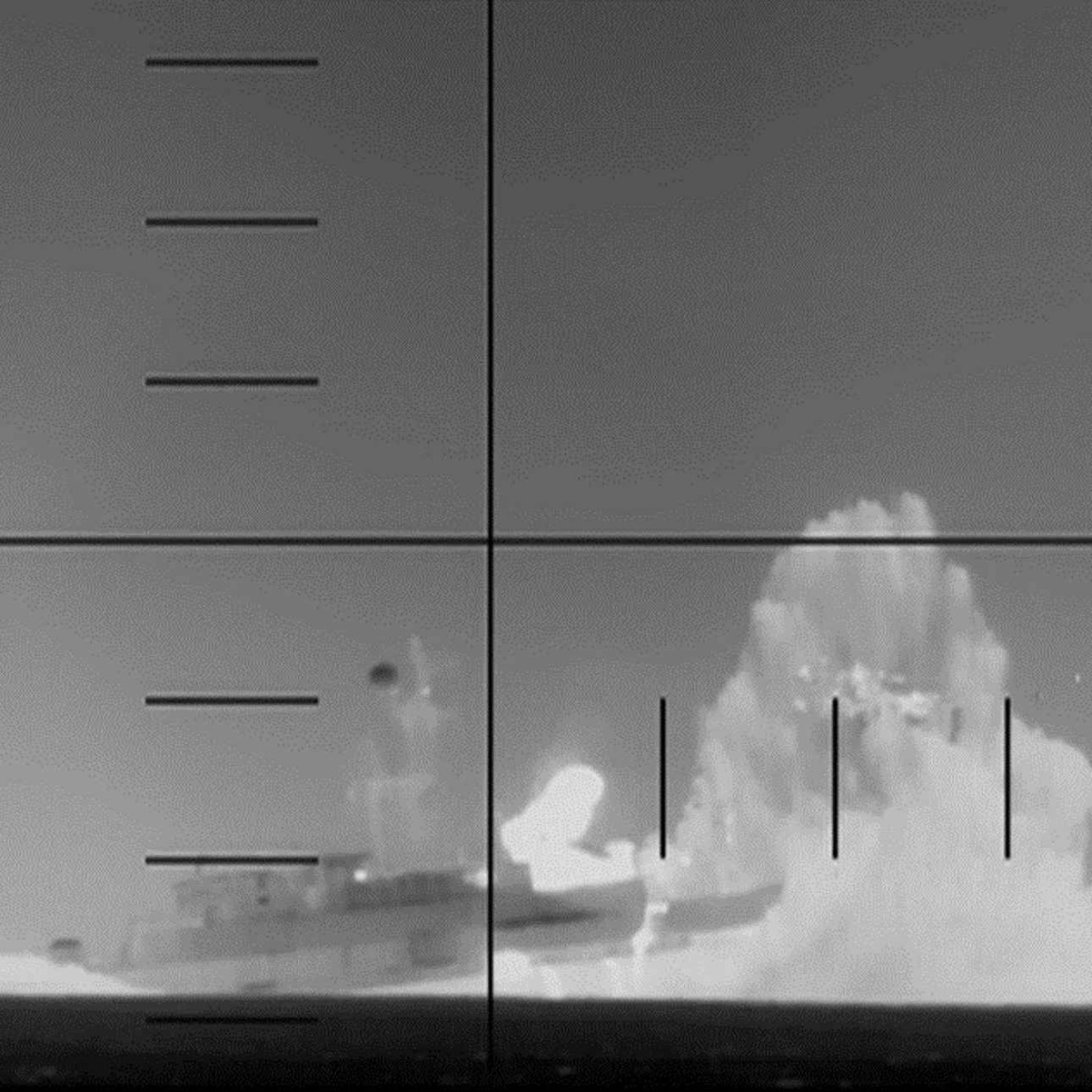
How the Iran war was years in the planning
On the sixth day of the US-Israeli war with Iran, the Strait of Hormuz is remains effectively closed to shipping, despite the US Navy crippling Iran’s surface fleet - including by torpedoing a Frigate off Sri Lanka. On today’s episode of Iran: the Latest, Roland Oliphant speaks to former Royal Navy commander Tom Sharpe about how Western militaries have prepared for years for a big war with Iran; why Iranian maritime forces are equally well prepared; and the cruel necessities of submarine warfare.And Nicholas Hopton, a former British ambassador to Iran, explains the three conditions necessary for a regime collapse - and why none of them have yet been met. Read: The US submarine which torpedoed the Iranian frigate will soon be flying the Jolly Roger, by Tom Sharpe: https://www.telegraph.co.uk/news/2026/03/05/us-submarine-torpedo-iranian-warship-jolly-roger/Read: Will America betray the Kurds again? by Owen Matthews: https://www.telegraph.co.uk/news/2026/03/05/will-america-betray-kurds-again/Producer: Peter ShevlinExecutive Producer: Louisa Wells► Sign up to our most popular newsletter, From the Editor. Look forward to receiving free-thinking comment and the day's biggest stories, every morning. telegraph.co.uk/fromtheeditorContact us with feedback or ideas:@venetiarainey@RolandOliphant Hosted on Acast. See acast.com/privacy for more information.
Is Europe being dragged into Trump’s Iran war?
In the wake of an attack on a British military base in Cyprus, the UK has said it will send an extra warship to the region. Does this make Britain militarily involved in America and Israel’s war against Iran? Or was that already true after Prime Minister Keir Starmer allowed Donald Trump to use British bases? Venetia and Roland discuss Europe’s growing involvement in the conflict and the countries that are resisting. Iranian-British journalist Nazenin Ansari talks about why she is pro-regime change but doesn’t want this war, the brutality of the IRGC, and how Khamenei’s son Mojtaba would be just more of the same if picked as his successor. Plus, senior foreign correspondent Sophia Yan sends a dispatch from the Turkish-Iranian border where she has been speaking to fleeing Iranians, and Dr Hanan Balkhy, WHO’s Regional Director for the Eastern Mediterranean, explains how the UN’s health body prepared for the conflict. Read Sophia Yan’s analysis of why China is unfazed by the war: https://www.telegraph.co.uk/world-news/2026/03/04/why-china-is-unfazed-by-donald-trump-epic-fury/Read Tom Cotterill on why this could be the Royal Navy’s biggest humiliation: https://www.telegraph.co.uk/news/2026/03/03/is-this-the-royal-navys-biggest-humiliation/Read our visual journalism deep dive on how Trump sank the Iranian navy: https://www.telegraph.co.uk/world-news/2026/03/03/how-trump-sank-iranian-navy/Producer: Peter ShevlinExecutive Producer: Louisa Wells► Sign up to our most popular newsletter, From the Editor. Look forward to receiving free-thinking comment and the day's biggest stories, every morning. telegraph.co.uk/fromtheeditorContact us with feedback or ideas:@venetiarainey@RolandOliphant Hosted on Acast. See acast.com/privacy for more information.
US obliterates Iranian navy, exclusive Trump chat & voices from inside Tehran
Battle Lines is now Iran: The Latest! Roland and Venetia are going to be covering the new conflict every day for the weeks to come, bringing you the best of The Telegraph’s reporting from around the world and exclusive interviews with world-class experts in military strategy, diplomacy, and the Middle East.On today’s episode, Venetia and Roland look at America’s devastating attacks on Iran’s official Navy and the possibility of Saudi Arabia joining the war. The Telegraph’s foreign reporter Akhtar Makoii shares his insights from speaking to people inside Iran about how ordinary people are now facing threats from both American bombs and the regime, who are out in force on the streets. Maya Gebeily, Reuters’ bureau chief in Beirut, discusses the state of Hezbollah and the mood on the ground in Lebanon after Israel announced it is invading. Plus, The Telegraph's US Correspondent Connor Stringer talks about his exclusive phone call with Donald Trump in the midst of the Iran war and why the president thinks Keir Starmer is “disappointing”. Read Connor Stringer's exclusive chat with Trump: https://www.telegraph.co.uk/us/news/2026/03/02/exclusive-trump-very-disappointed-in-starmer-over-iran/Read Akhtar Makoii’s interviews with people inside Iran: https://www.telegraph.co.uk/world-news/2026/03/02/iran-war-tehran-live-in-fear-us-bombs-whats-left-regime/Read Akhtar Makoii’s rundown of Khamenei’s possible successors: https://www.telegraph.co.uk/world-news/2026/03/03/the-four-men-who-could-save-or-destroy-iran/Producer: Peter ShevlinExecutive Producer: Louisa Wells► Sign up to our most popular newsletter, From the Editor. Look forward to receiving free-thinking comment and the day's biggest stories, every morning. telegraph.co.uk/fromtheeditorContact us with feedback or ideas:@venetiarainey@RolandOliphant Hosted on Acast. See acast.com/privacy for more information.
Iran bombs entire Middle East after Ayatollah Khamenei assassinated by Israel and US
Iran's leader Ayatollah Khamenei was killed in an Israeli and US strike on Saturday morning, kicking off a major war that has since expanded to the entire Middle East. On day three of the conflict, Venetia and Roland run through the big updates, including the UK’s involvement, the ongoing death toll and how Iran is striking back on key targets in the region. They also talk to former Israeli intelligence official and Iran expert Danny Citrinowicz about how poorly defined the war's goals are and why we aren't seeing any cracks in the regime yet.Plus, The Telegraph’s David Blair on the significance of Khamenei's assassination and Trump's conflicting messaging.Read Iran war, day three: Everything you need to know: https://www.telegraph.co.uk/world-news/2026/03/02/iran-war-day-three-everything-you-need-to-know/Read David Blair on why Trump’s incoherence on Iran maximises the risk of failure: https://www.telegraph.co.uk/news/2026/02/28/trump-is-taking-a-monumental-risk-on-iran/Read Roland Oliphant on the eight-month plot that led to Trump’s attack on Iran: https://www.telegraph.co.uk/world-news/2026/02/28/donald-trump-attack-iran-israel-how-it-came-to-this/Producer: Peter ShevlinExecutive Producer: Louisa Wells► Sign up to our most popular newsletter, From the Editor. Look forward to receiving free-thinking comment and the day's biggest stories, every morning. telegraph.co.uk/fromtheeditorContact us with feedback or ideas:@venetiarainey@RolandOliphant Hosted on Acast. See acast.com/privacy for more information.
Trump attacks Iran with 'major combat operations' to oust regime - what next?
bonusThe US and Israel have launched what President Donald Trump has described as "major combat operations" to try to bring about the end of the Iranian regime.In this bonus episode, Roland and Venetia look at what we know so far - from Trump’s speech to strikes across the Middle East - and what might happen next, while Henry Bodkin, The Telegraph’s Jerusalem correspondent, reports from on the ground in Israel amid air raid sirens around the country.Plus, Roland speaks to Jonathan Hackett, a 20-year US Marine Corps veteran and special operations capabilities specialist, as well as the author of Iran's Shadow Weapons: Covert Action, Intelligence Operations and Unconventional Warfare. Their conversation - which was recorded shortly before the attack began - covers how Ayatollah Ali Khamenei was offered an escape route but refused to take it, the state of the IRGC and why regime change in Iran will be so difficult.Producer: Peter ShevlinExecutive Producer: Louisa Wells► Sign up to our most popular newsletter, From the Editor. Look forward to receiving free-thinking comment and the day's biggest stories, every morning. telegraph.co.uk/fromtheeditorContact us with feedback or ideas:@venetiarainey@RolandOliphant Hosted on Acast. See acast.com/privacy for more information.
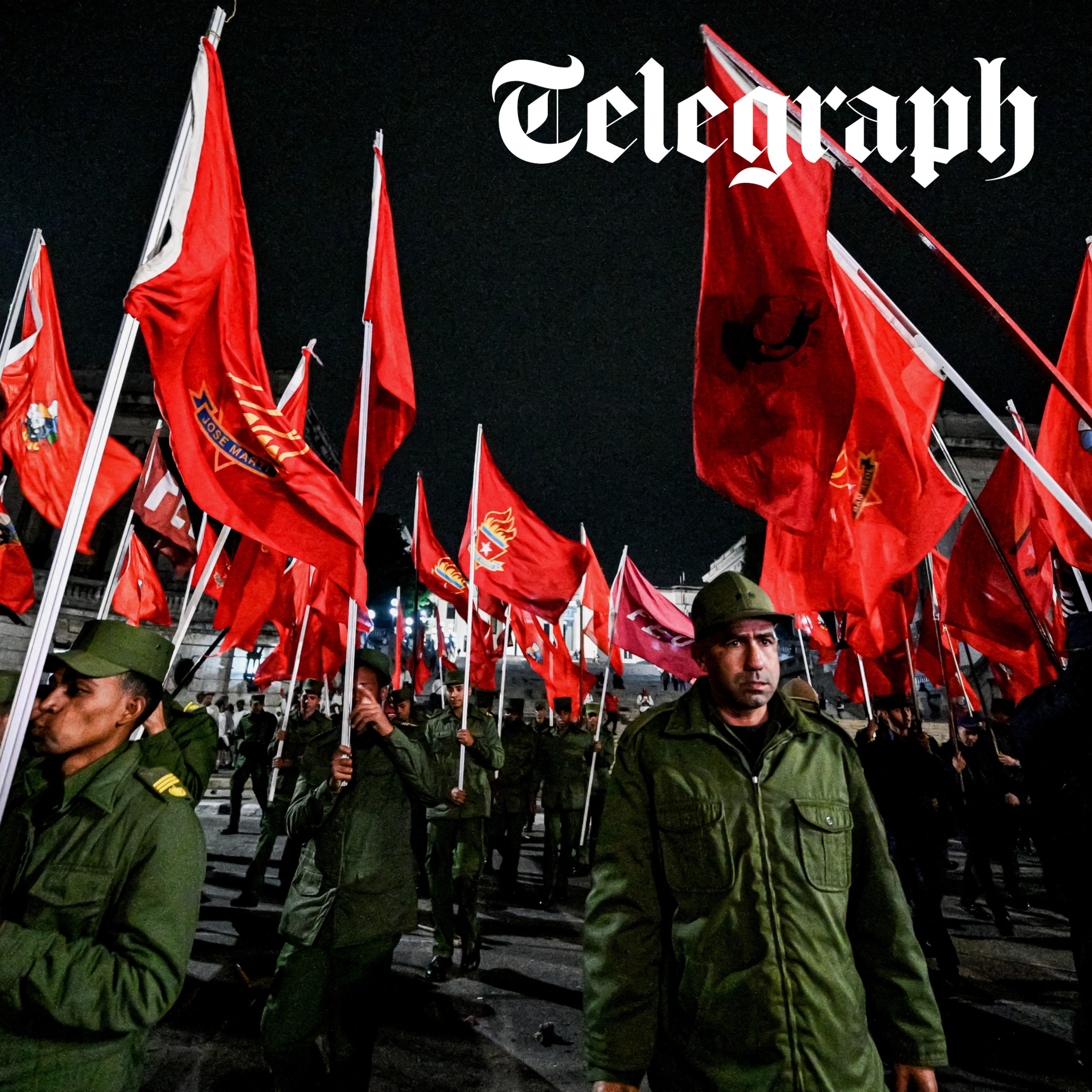
Cuba 'very close' to regime change: John Bolton on Trump, Venezuela and Iran
For sixty years Washington and Havana have been having a geopolitical tango fuelled by obsession and ideology. The island nation of Cuba has been a socialist splinter in the finger of the Florida coastline, its regime infecting the region. Now, with the toppling of Nicolás Maduro and Venezuelan oil tightly controlled by the US, Cuban President Miguel Díaz-Canel could be next. To get into the finer details of the US’s new found dominance in the Caribbean, Venetia is joined by The Telegraph’s foreign reporter, Lily Shanagher.Plus, former national security advisor John Bolton, voices the need for regime change in Venezuela, Iran and Cuba. Coining the phrase ‘Troika of Tyranny' in 2018, Bolton has had Cuba in his sights for many years as a rogue state. So what should happen next in the region? John Bolton lays bare the truth about Trump’s decision making and the need for swift action.Producer: Peter ShevlinExecutive Producer: Louisa Wells► Sign up to our most popular newsletter, From the Editor. Look forward to receiving free-thinking comment and the day's biggest stories, every morning. telegraph.co.uk/fromtheeditorContact us with feedback or ideas:@venetiarainey@RolandOliphant Hosted on Acast. See acast.com/privacy for more information.

Drugs, HIV and gangs: the Pacific island paradise hit by a triple epidemic
Drugs and gangs have created an explosion in HIV cases in Fiji.This week on Battle Lines: Global Health Security, Arthur Scott-Geddes is joined by Sarah Newey, The Telegraph’s correspondent in Bangkok who recently travelled to Fiji, and Dr Jason Mitchell, the head of the country’s HIV task force.On the archipelago known as the gateway to the Pacific, Chinese triads, Mexican cartels, and Australian biker gangs are all involved in a booming methamphetamine trade.The result is that an island paradise is now home to the fastest-growing HIV epidemic on earth.Read Sarah’s dispatch from Fiji:The island paradise with the world’s fastest growing HIV epidemichttps://www.telegraph.co.uk/global-health/science-and-disease/fiji-island-paradise-with-the-worlds-fastest-growing-HIV-epidemic/Producer: Sophie O'SullivanExecutive Producer: Louisa WellsStudio Operator: Meghan Searle► Sign up to our most popular newsletter, From the Editor. Look forward to receiving free-thinking comment and the day's biggest stories, every morning. telegraph.co.uk/fromtheeditorContact us with feedback or ideas:[email protected]@venetiarainey@ascottgeddes Hosted on Acast. See acast.com/privacy for more information.
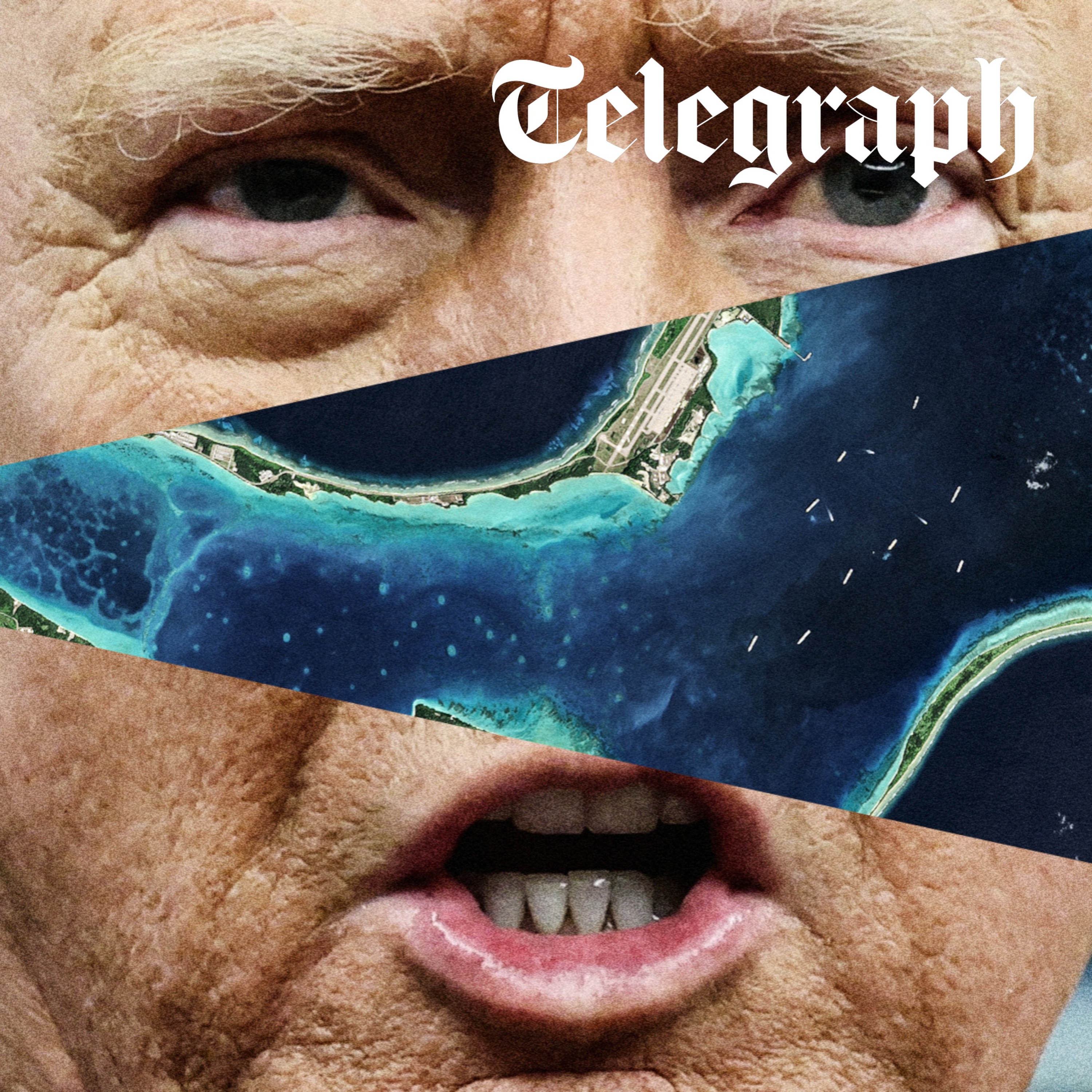
The 'super secret' Chagos island airbase at heart of Trump-Starmer row
The British Indian Ocean Territory, AKA the Chagos Islands is home to the American super-base of Diego Garcia. Located on the largest island in the archipelago and home to the joint UK/US military base since the 1970s.The Chagos handover to Mauritius has been controversial from the outset and shifting signals from Donald Trump have left the Starmer government open to a political backlash.Has the special relationship turned toxic over these islands? And should the sovereignty transfer be stopped? To discuss, Roland turns to Ben Judah who has worked for the previous foreign secretary and Chief Foreign Affairs Commentator, David Blair. Producer: Peter ShevlinExecutive Producer: Louisa Wells► Sign up to our most popular newsletter, From the Editor. Look forward to receiving free-thinking comment and the day's biggest stories, every morning. telegraph.co.uk/fromtheeditorContact us with feedback or ideas:@venetiarainey@RolandOliphant Hosted on Acast. See acast.com/privacy for more information.
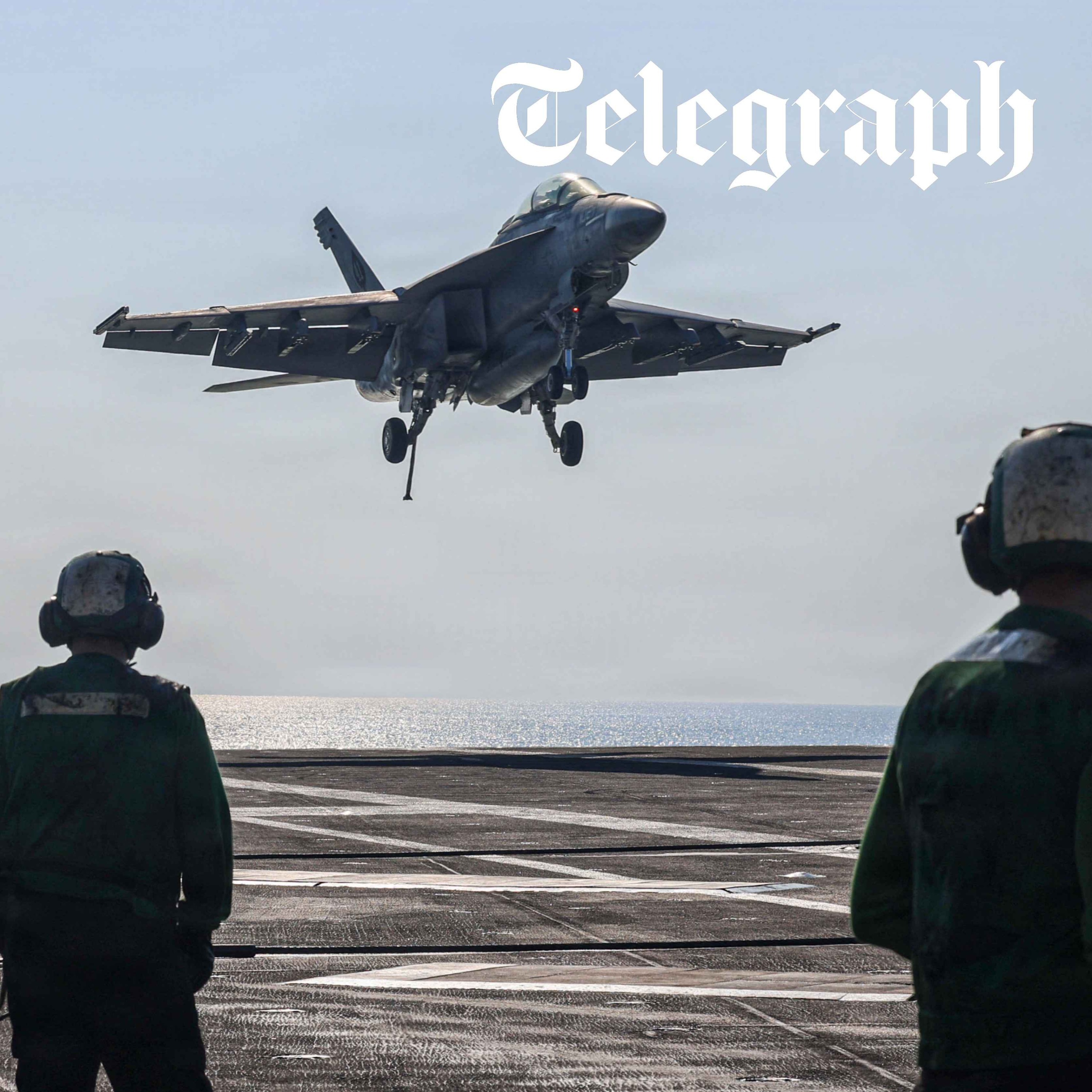
Trump’s Iran plan: 'kick the door in' and hit the regime where it hurts
The drumbeat of war in the Middle East is getting louder - and once again it’s Iran in America’s crosshairs.A second round of talks over Iran’s alleged nuclear weapons programme ended this week without a deal. In the last few days, dozens of American fighter jets and refuelling tankers have joined the US's two carrier strike groups in the region. This is now the largest American military buildup in the Middle East since the Iraq war in 2003.Venetia chats to Henry Bodkin, The Telegraph's Jerusalem correspondent, and Roland Oliphant, chief foreign affairs analyst about when war might break out and how it could unfold.Plus Roland speaks to Maryam Mazrooei, an Iranian journalist and war photographer who fled the country after being arrested and imprisoned in 2022, about whether American-led regime change would spark a civil war in Iran.Read - Trump sends fighter jet squadron to ‘kick the door down’ in Iran: https://www.telegraph.co.uk/world-news/2026/02/18/us-military-aircraft-heading-towards-iran/Producer: Sophie O'SullivanExecutive Producer: Louisa Wells► Sign up to our most popular newsletter, From the Editor. Look forward to receiving free-thinking comment and the day's biggest stories, every morning. telegraph.co.uk/fromtheeditorContact us with feedback or ideas:@venetiarainey@RolandOliphant Hosted on Acast. See acast.com/privacy for more information.
Frog poison, tear gas and Novichok: Inside Russia’s chemical weapons programme
Two years ago, Russian opposition leader Alexei Navalny died in a Siberian penal colony. There was an outcry and many suspected foul play, but nothing could be proved. That is until last weekend, when five European countries including the UK announced that they had made a startling discovery: Navalny had been killed with a rare frog poison.How was the poison was identified, how were the samples smuggled out of Russia, and why does the evidence point directly to Moscow?Venetia and Arthur speak to former commanding officer of the UK’s Chemical, Biological, Radiological and Nuclear Regiment and Telegraph columnist, Hamish de Bretton-Gordon, and Dr Gemma Bowsher, Senior Research Associate for the Centre for Conflict and Health Research at Kings College London.Producer: Sophie O'SullivanExecutive Producer: Louisa WellsStudio Operator: Meghan Searle► Sign up to our most popular newsletter, From the Editor. Look forward to receiving free-thinking comment and the day's biggest stories, every morning. telegraph.co.uk/fromtheeditorContact us with feedback or ideas:[email protected]@venetiarainey@ascottgeddes Hosted on Acast. See acast.com/privacy for more information.
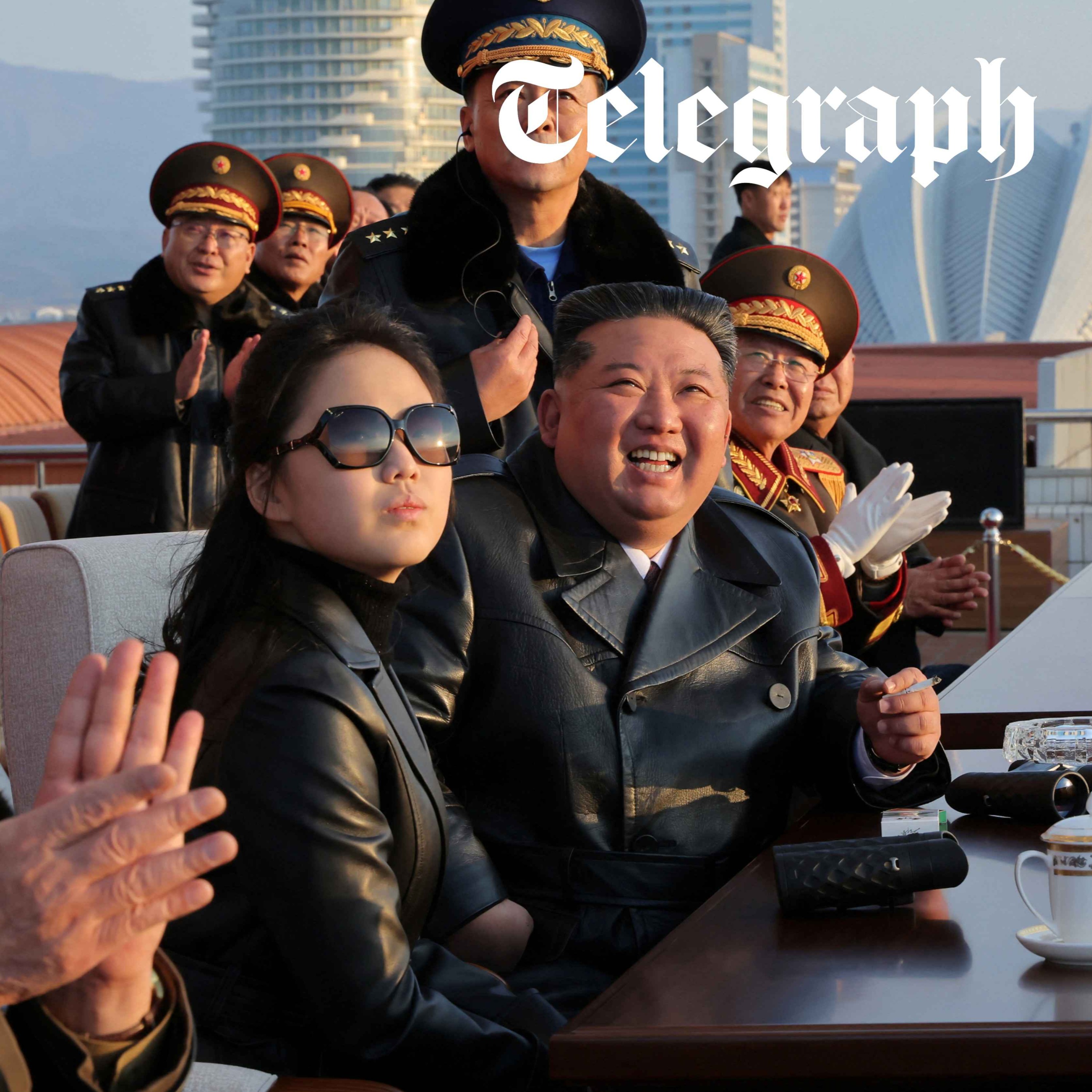
North Korea 'names' 13-year-old nuclear heiress & inside Europe’s race to rearm
North Korea’s dynasty dictatorship has taken on a new leather clad, second-in-command. Reports from South Korea have suggested that Kim Jong Un’s daughter Kim Ju-ae is now the heir apparent in the totalitarian state. Could she one day be the youngest person to command a nuclear arsenal? Roland chats to The Telegraph’s Lily Shanagher and from the University of Oxford, North Korea watcher, Dr Edward Howell, to unpack what we know from the shadows.Plus, after the Munich Security Conference at the weekend, Europe is facing a new future without Washington’s steadying hand and will have to be less reliant on the Stars and Stripes. But is European defence manufacturing scaling up in line with these new demands? Roland speaks to Philip Lockwood from defence startup Stark to find out just how quickly the ambitions are being realised. Read Lily's article on Kim Ju-ae: https://www.telegraph.co.uk/world-news/2026/02/16/kim-opens-neighbourhood-families-soldiers-killed-ukraine/Pic credit: KCNA via ReutersProducer: Peter ShevlinExecutive Producer: Louisa Wells► Sign up to our most popular newsletter, From the Editor. Look forward to receiving free-thinking comment and the day's biggest stories, every morning. telegraph.co.uk/fromtheeditorContact us with feedback or ideas:@venetiarainey@RolandOliphant Hosted on Acast. See acast.com/privacy for more information.
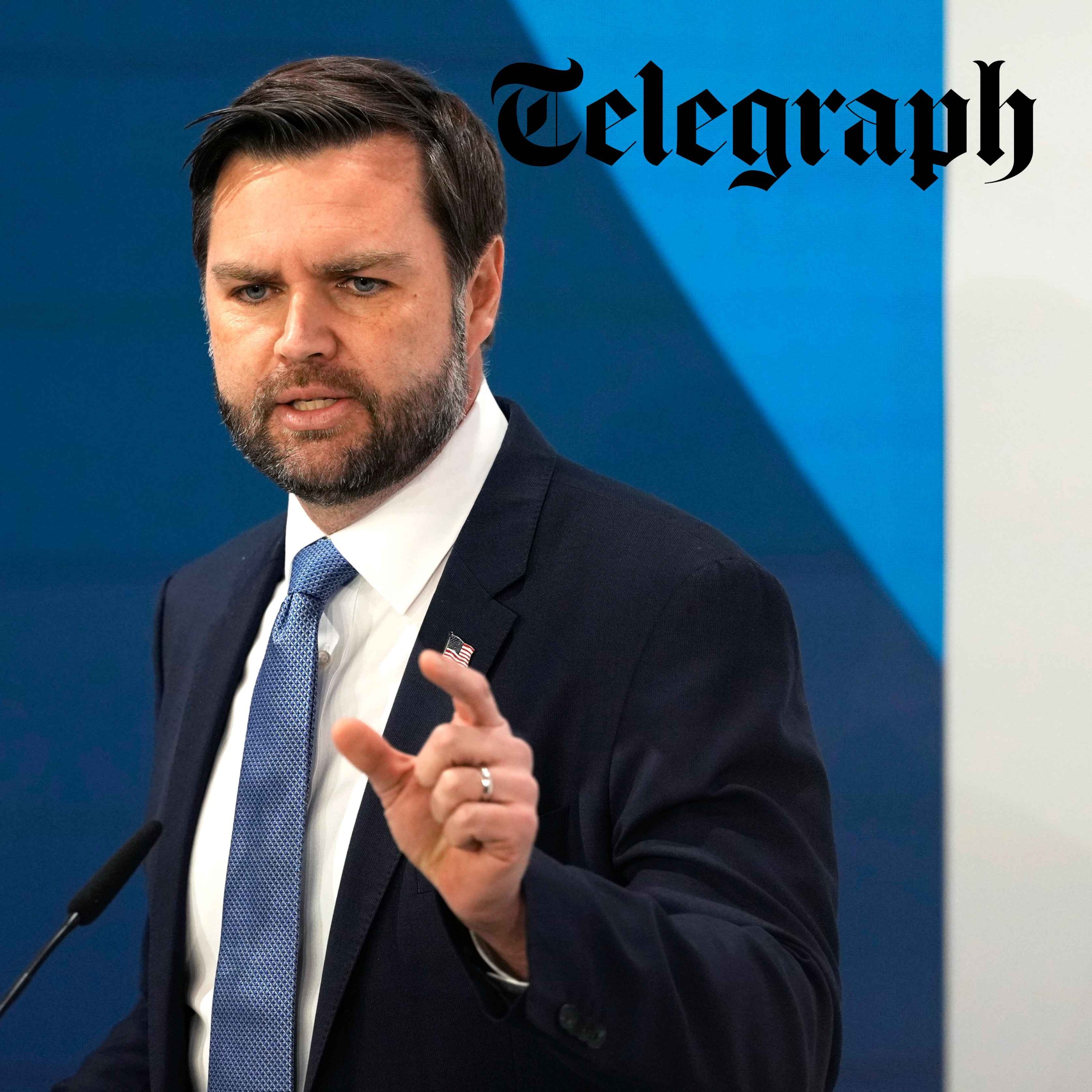
Vance’s ‘Enemy Within’: How the US shocked Europe into rearmament
A year ago, JD Vance gave an explosive speech at the Munich Security Conference. It marked a fundamental shift in the relationship between the US and its European allies that have since been cemented through tariff wars, a new National Security Strategy and threats to take Greenland. So has Europe risen to the challenge laid down by Donald Trump's administration and started to take care of its own security? Is there any trust left in the trans-Atlantic relationship? And will there be another attack on Europe at this weekend's Munich conference? Venetia and Roland chat to David Blair, Chief Foreign Affairs Commentator, and Joe Barnes, Brussels Correspondent to find out. Read Joe Barnes's story on how Europe ‘must become military superpower’ to survive without US: https://www.telegraph.co.uk/world-news/2026/02/11/europe-must-be-military-superpower-to-survive-without-us/Read David Blair's analysis: https://www.telegraph.co.uk/authors/d/da-de/david-blair/Pic credit: Matthias Schrader/APProducer: Peter ShevlinExecutive Producer: Louisa Wells► Sign up to our most popular newsletter, From the Editor. Look forward to receiving free-thinking comment and the day's biggest stories, every morning. telegraph.co.uk/fromtheeditorContact us with feedback or ideas:@venetiarainey@RolandOliphant Hosted on Acast. See acast.com/privacy for more information.
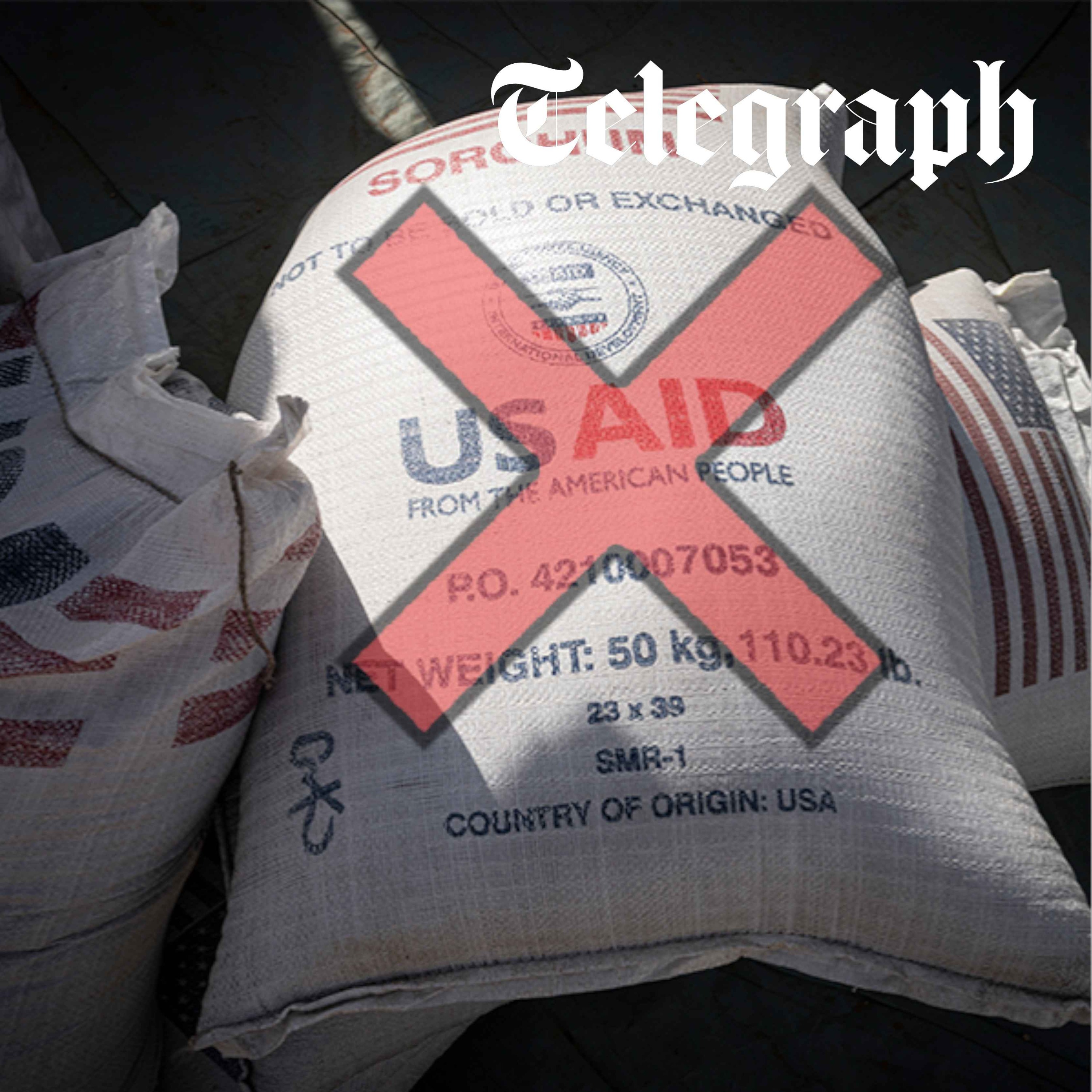
Trump’s 9 million death gamble: One year since he axed USAID
Nearly a year after Donald Trump shuttered USAID, the world is still reckoning with the consequences. But what really happened next?Venetia Rainey examines the fallout and what it means for global health, security, and stability. Joined by Global Health Security Editor, Paul Nuki, she explores how the abrupt withdrawal of America’s largest aid agency sent shockwaves through the global aid system, disrupted lifesaving programmes, and potentially contributed to millions of preventable deaths.They are joined by Angeli Achrekar, Deputy Executive Director of UNAIDS, and Kevin Melton, a former USAID official and now CEO of PAX Strategies, offering insider perspectives on what was lost and what may be emerging in its place.Producer: Sophie O'SullivanExecutive Producer: Louisa WellsStudio Operator: Meghan Searle► Sign up to our most popular newsletter, From the Editor. Look forward to receiving free-thinking comment and the day's biggest stories, every morning. telegraph.co.uk/fromtheeditorContact us with feedback or ideas:[email protected]@venetiarainey@ascottgeddesPic credit: Simon Townsley Hosted on Acast. See acast.com/privacy for more information.
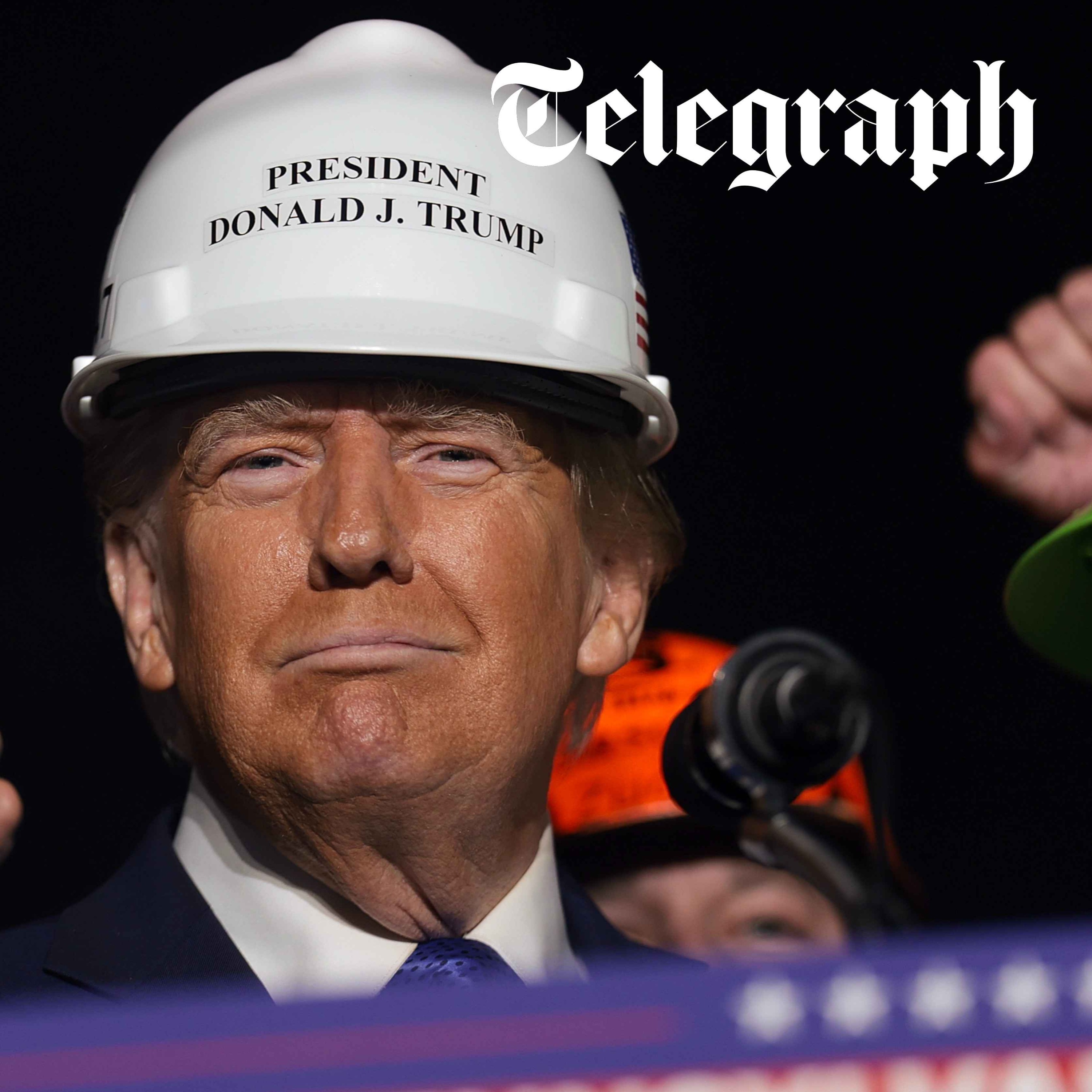
Project Vault: Trump's battle to break China’s critical mineral stranglehold
Donald Trump has moved the war for critical minerals from the margins of policy to the heart of great power rivalry. In this episode of Battle Lines, we look at Project Vault, America's bid to take back control of the critical minerals and rare earths supply chain from China. This bid to build a vast new stockpile and industrial strategy was unveiled at the inaugural US Critical Minerals Ministerial Summit last week. Supporters see it as a necessary first step to protect American industry and national security. Critics warn that for middle countries, it may simply shift dependencies rather than break them.Venetia talks to Sibylline Chief Analyst Sam Olsen to unpack what Project Vault really means, why processing matters more than mining, and how China has weaponised its dominance in ways OPEC never could. Plus, a deep dive on how Greenland fits into the West's rare earths strategy. Greenland Energy, Business and Mineral Resources Minister Naaja Nathanielsen on that Trump deal, Chinese influence and the challenges of mining on the island. Producer: Peter ShevlinExecutive Producer: Louisa Wells► Sign up to our most popular newsletter, From the Editor. Look forward to receiving free-thinking comment and the day's biggest stories, every morning. telegraph.co.uk/fromtheeditorContact us with feedback or ideas:@venetiarainey@RolandOliphant Hosted on Acast. See acast.com/privacy for more information.
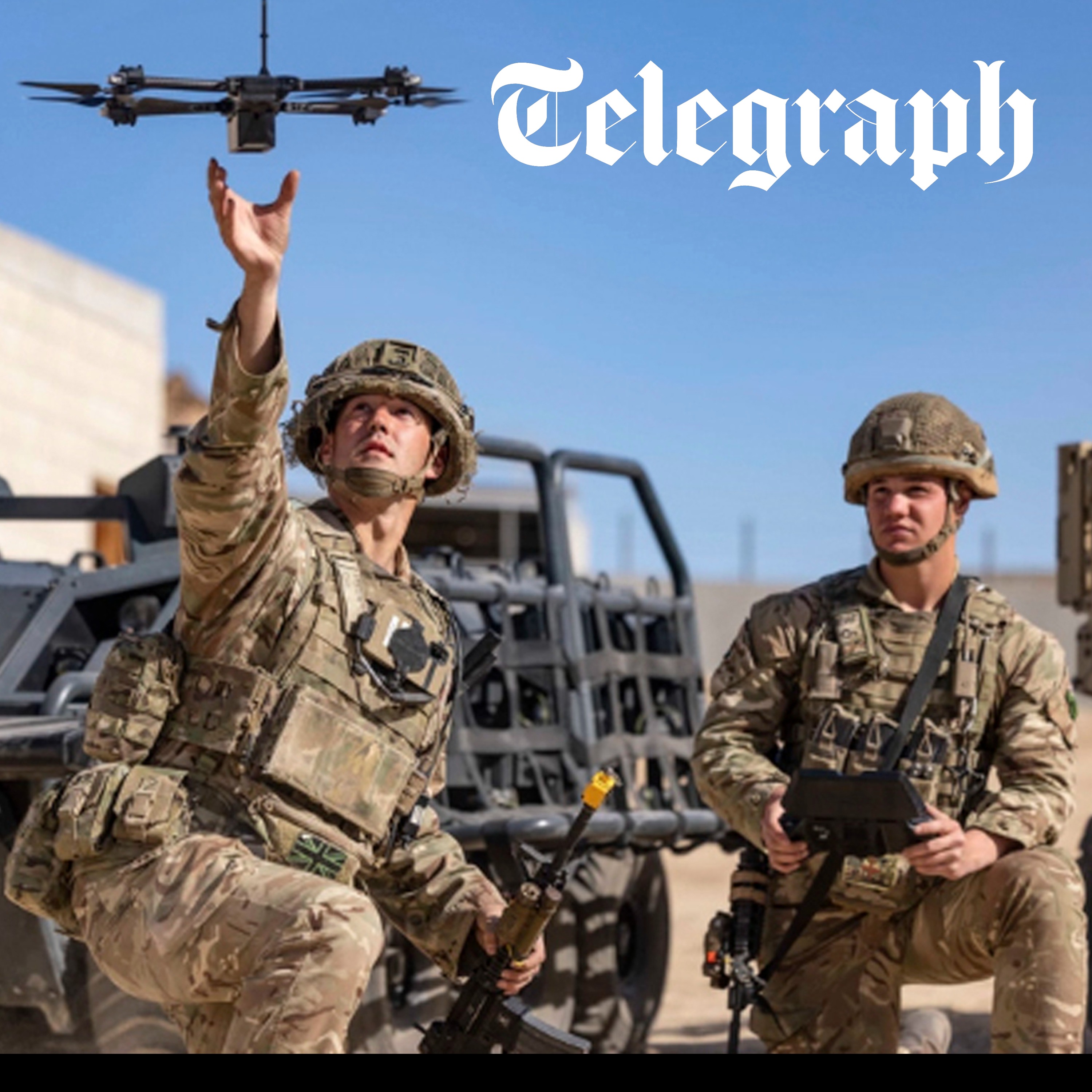
'Copy Ukraine's defence model and reduce China dependency to survive'
Was Peter Mandelson's appointment as UK ambassador to the US a national security risk? Should the US and UK bomb Iran to spark regime change? Will Nato survive Trump? And how should European countries deal with the threat of China?British shadow defence secretary and former procurement minister James Cartlidge joins Roland and Venetia to discuss the biggest news stories in British and global defence at the moment, from Russia's Yantar 'spy ship' to the 'poison chalice' and beleaguered Ajax tank program.We want to hear why you enjoy Battle Lines! Email us: [email protected] Sophia Yan's story on how China is powering Putin’s deadly new Oreshnik missiles: https://www.telegraph.co.uk/world-news/2026/01/28/china-helping-russia-build-nuclear-capable-missile/Read Roland's analysis of the Army’s £6bn Ajax disaster: https://www.telegraph.co.uk/news/2025/12/23/inside-army-ajax-disaster/Producer: Peter ShevlinExecutive Producer: Louisa Wells► Sign up to our most popular newsletter, From the Editor. Look forward to receiving free-thinking comment and the day's biggest stories, every morning. telegraph.co.uk/fromtheeditorContact us with feedback or ideas:@venetiarainey@RolandOliphant Hosted on Acast. See acast.com/privacy for more information.
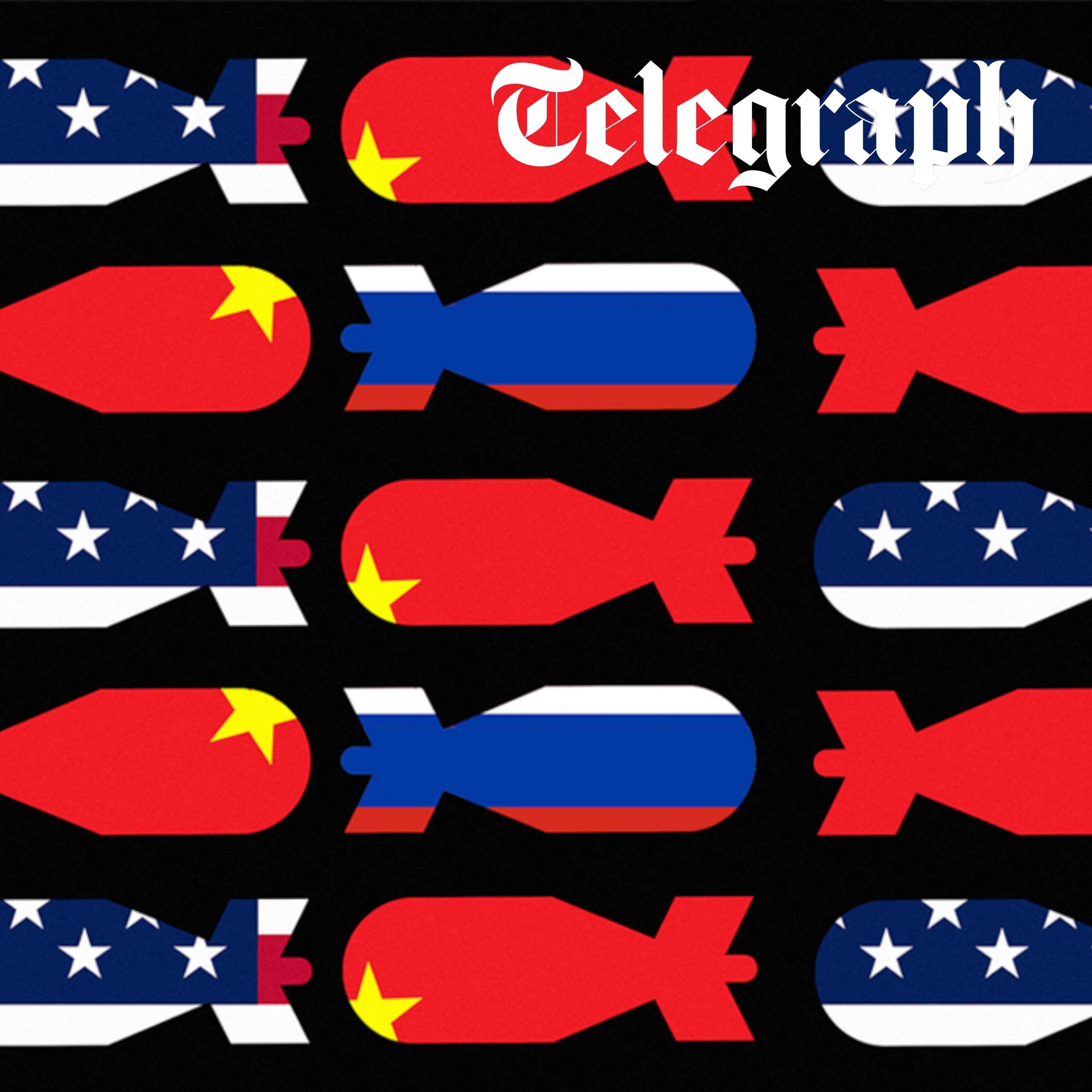
'No limits': Russia, China and US enter new nuclear arms race
This week, the New START treaty expires, ending the last remaining major nuclear arms control agreement between the United States and Russia. With no binding limits on the world’s two largest nuclear arsenals and China rapidly expanding its own, many fear the start of a new and dangerous era of proliferation.On this episode of Battle Lines: Global Health Security, Arthur Scott-Geddes and Sophie O’Sullivan are joined by Darya Dolzikova of the Royal United Services Institute and Matthew Bunn of Harvard Kennedy School to unpack why Donald Trump wants to rebuild America's nuclear stockpile and whether an arms race is already underway. As the Doomsday Clock edges closer to midnight, how worried should we be?Producer: Sophie O'SullivanExecutive Producer: Louisa WellsStudio Operator: Meghan Searle► Sign up to our most popular newsletter, From the Editor. Look forward to receiving free-thinking comment and the day's biggest stories, every morning. telegraph.co.uk/fromtheeditorContact us with feedback or ideas:[email protected]@venetiarainey@ascottgeddes Hosted on Acast. See acast.com/privacy for more information.
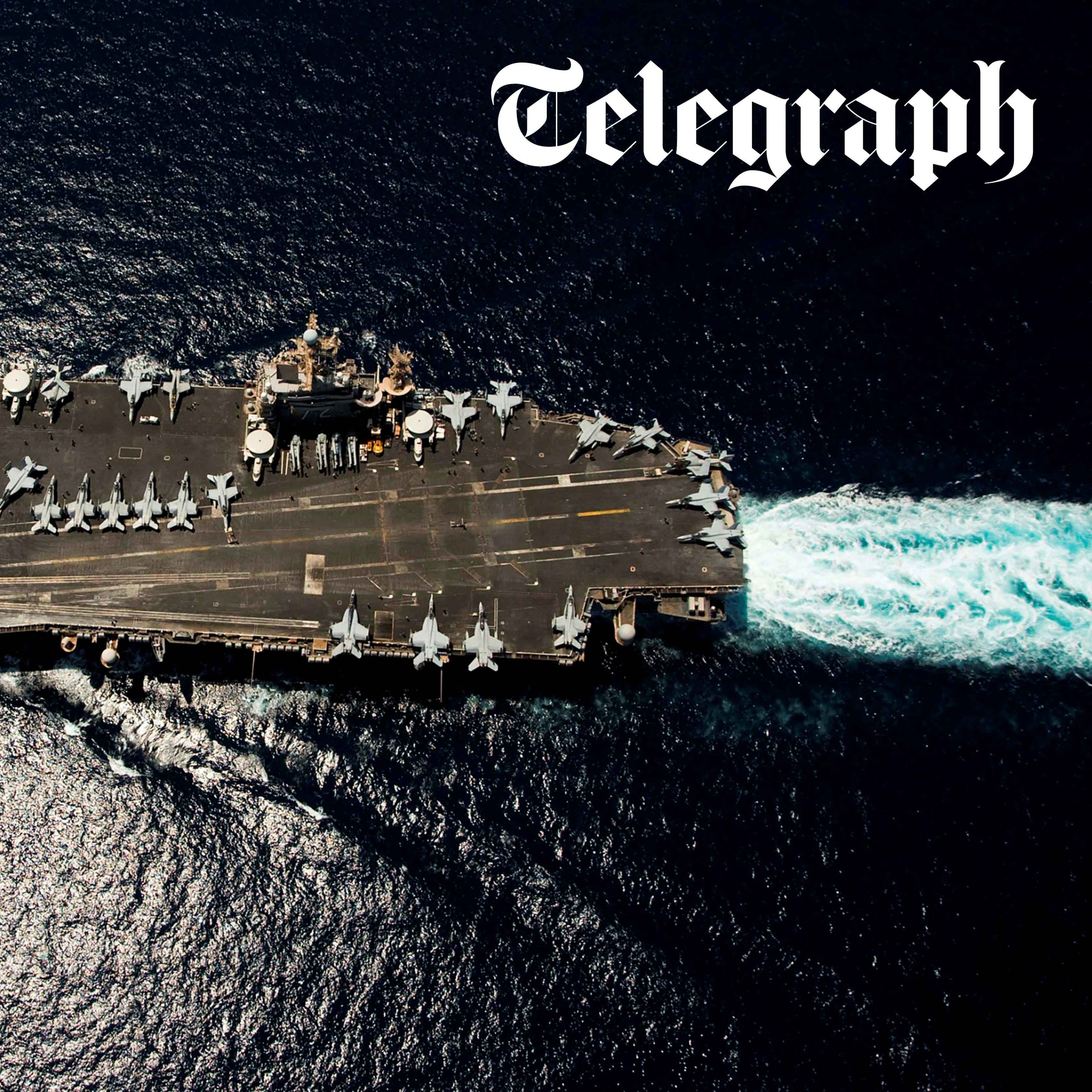
Trump masses 'large armada' to force Iran into nuclear deal
The United States appeared poised for a major military confrontation with Iran after Donald Trump ordered a powerful naval force into the region in response to the killing of thousands of Iranian protesters. The expected strikes never came. Instead, Washington has shifted towards using military pressure as leverage for a renewed nuclear deal.Does this mark a genuine de-escalation? Or is it merely a pause before conflict? As diplomacy falters, tensions remain high and, inside Iran, the regime faces deepening political fractures as internet blackouts lift and grim details of last month’s massacres begin to emerge.Roland is joined by The Telegraph’s Akhtar Makoii and Sascha Bruchmann from the International Institute For Strategic Studies.Producer: Peter ShevlinExecutive Producer: Louisa Wells► Sign up to our most popular newsletter, From the Editor. Look forward to receiving free-thinking comment and the day's biggest stories, every morning. telegraph.co.uk/fromtheeditorContact us with feedback or ideas:[email protected] @venetiarainey@RolandOliphant Hosted on Acast. See acast.com/privacy for more information.
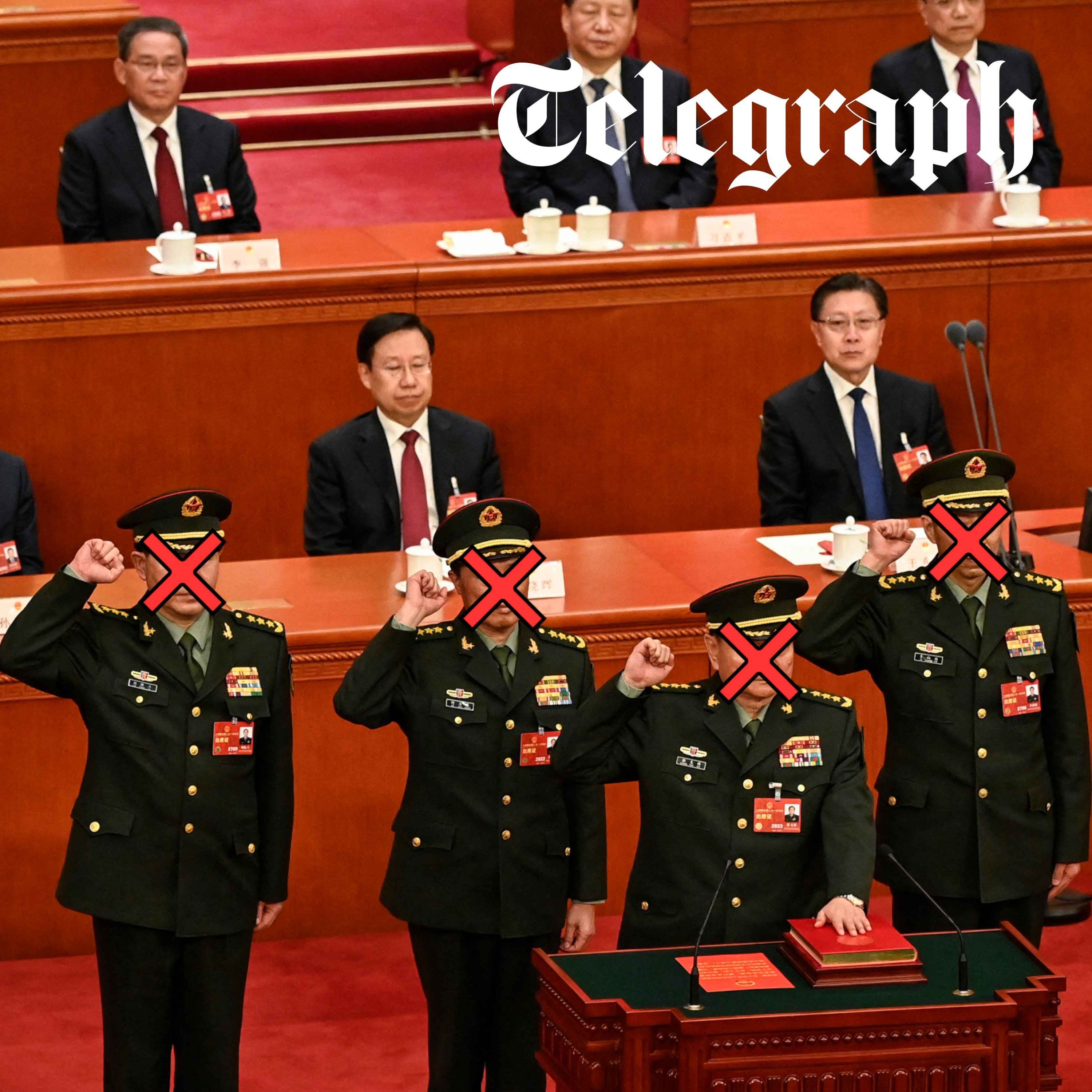
Nuclear secrets leak or paranoia? Why Xi really purged China’s top general
Xi Jinping is purging again. Generals once seen as untouchable are gone, rivals erased, loyalty enforced through fear. Is this the move of a leader under real threat or the paranoia of a man who has ruled too long and trusts no one? To find out more, Venetia talks to Oriana Skylar Mastro, director of the Indo-Pacific Policy Lab at Stanford University’s Freeman Spogli Institute for International Studies.UK Prime Minister Keir Starmer has been to Beijing, the first British leader to do so in eight years, talking trade, visas and whisky tariffs while security concerns barely made the script. We hear from The Telegraph’s Ben Riley-Smith, behind the smiles come burner phones, burner laptops, fears of honey traps and even planes being bugged. Economic opportunity versus national security. Values versus power. Meanwhile Britain faces its own reckoning. Spies in Parliament. Phones hacked inside Downing Street. A vast Chinese mega embassy rising in central London amid warnings from MI5. Venetia is joined in the studio by The Telegraph’s Gareth Corfield and Rozina Sabur to discuss the extent of the national security threat posed by China.Read Rozina Sabur's hacking scoop: https://www.telegraph.co.uk/news/2026/01/26/china-hacked-downing-street-phones-for-years/Read Gareth Corfield's embassy scoop: https://www.telegraph.co.uk/news/2026/01/12/revealed-china-embassy-secret-plans-spy-basement/Read Colin Freeman's analysis: https://www.telegraph.co.uk/news/2026/01/27/general-zhang-youxia-chinas-nuclear-secrets/Producer: Peter ShevlinExecutive Producer: Louisa Wells► Sign up to our most popular newsletter, From the Editor. Look forward to receiving free-thinking comment and the day's biggest stories, every morning. telegraph.co.uk/fromtheeditorContact us with feedback or ideas:[email protected] @venetiarainey@RolandOliphant Hosted on Acast. See acast.com/privacy for more information.
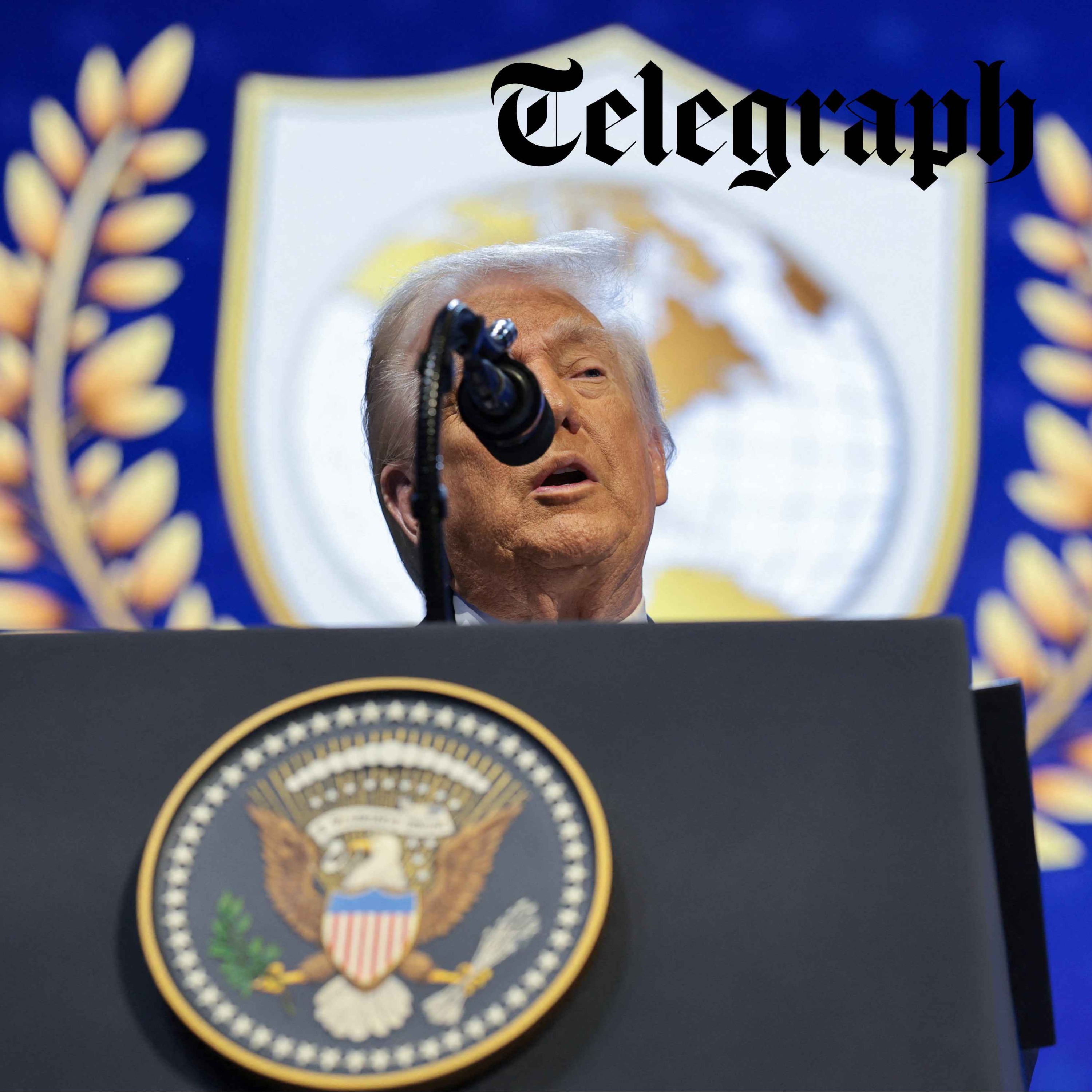
Trump's Board of Peace signals a new world order. Gaza is its first test
Gaza has entered the next phase of the peace process but is the ceasefire actually bringing peace?This week, Venetia Rainey and Arthur Scott-Geddes speak to Tess Ingram, UNICEF spokesperson who has just returned from four months on the ground. She outlines the humanitarian situation following the ceasefire, from winter shelters and malnutrition to unexploded ordnance, orphaned children, and the daily challenges facing civilians.Plus, The Telegraph’s Global Health Security Editor Paul Nuki examines Donald Trump’s controversial Board of Peace: how it works, why it has divided international allies, and what it could mean for disarming Hamas and the future of the conflict.Read Paul's article on how Northern Ireland can provide a roadmap for Gaza: https://www.telegraph.co.uk/world-news/2026/01/23/how-northern-irelands-peace-can-provide-a-roadmap-for-gaza/Producer: Sophie O'SullivanExecutive Producer: Louisa WellsStudio Operator: Meghan Searle► Sign up to our most popular newsletter, From the Editor. Look forward to receiving free-thinking comment and the day's biggest stories, every morning. telegraph.co.uk/fromtheeditorContact us with feedback or ideas:[email protected]@venetiarainey@ascottgeddes Hosted on Acast. See acast.com/privacy for more information.
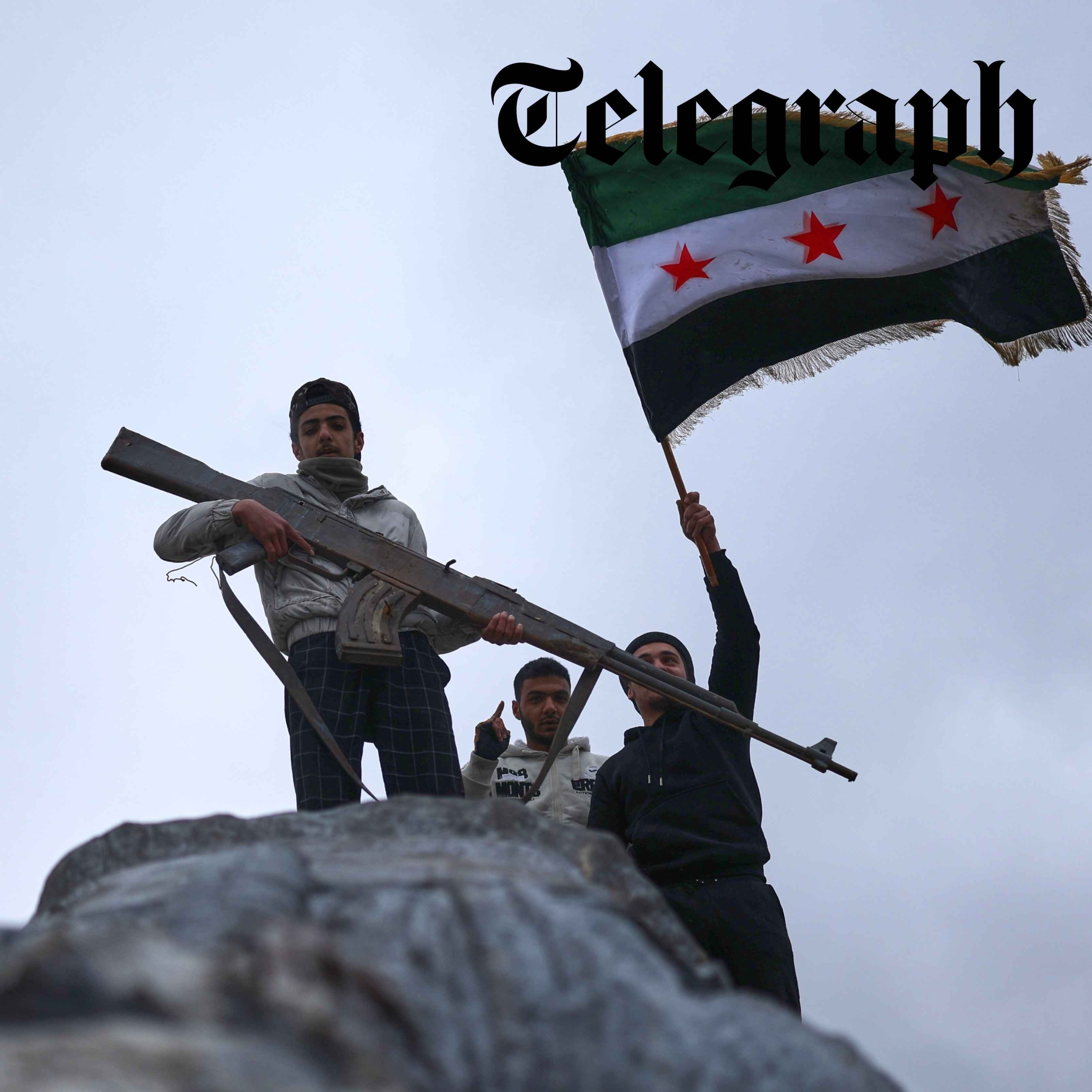
America's Kurdish betrayal: has ISIS been given a second chance?
For more than a decade, Kurdish forces in northeastern Syria were America's most trusted ally, spearheading the war against Isis, taking responsibility for guarding thousands of jihadi prisoners of war, and in the process carving out an autonomous statelet that seemed poised to realise the dream of Kurdish independence. Over the past few weeks, that dream as has been crushed.In a sudden offensive, Ahmed Al Sharaa's transitional Syrian government has evicted the Kurds from vast territories including the country's biggest oilfield. Abandoned by their American allies, the Kurds have been forced to cede ground including the sprawling Isis prison camps. What now for the Kurds, for Syria, and for the jihadists Isis veterans?To answer this and more, Roland is joined by The Telegraph's senior foreign correspondent Sophia Yan and Senior Research Fellow, Middle East Security, Dr Burcu Ozcelik from RUSI.Read Dr Burcu's research paper on northern Syria: https://www.jstor.org/stable/27342855 Producer: Peter ShevlinExecutive Producer: Louisa Wells► Sign up to our most popular newsletter, From the Editor. Look forward to receiving free-thinking comment and the day's biggest stories, every morning. telegraph.co.uk/fromtheeditorContact us with feedback or ideas:[email protected] @venetiarainey@RolandOliphant Hosted on Acast. See acast.com/privacy for more information.
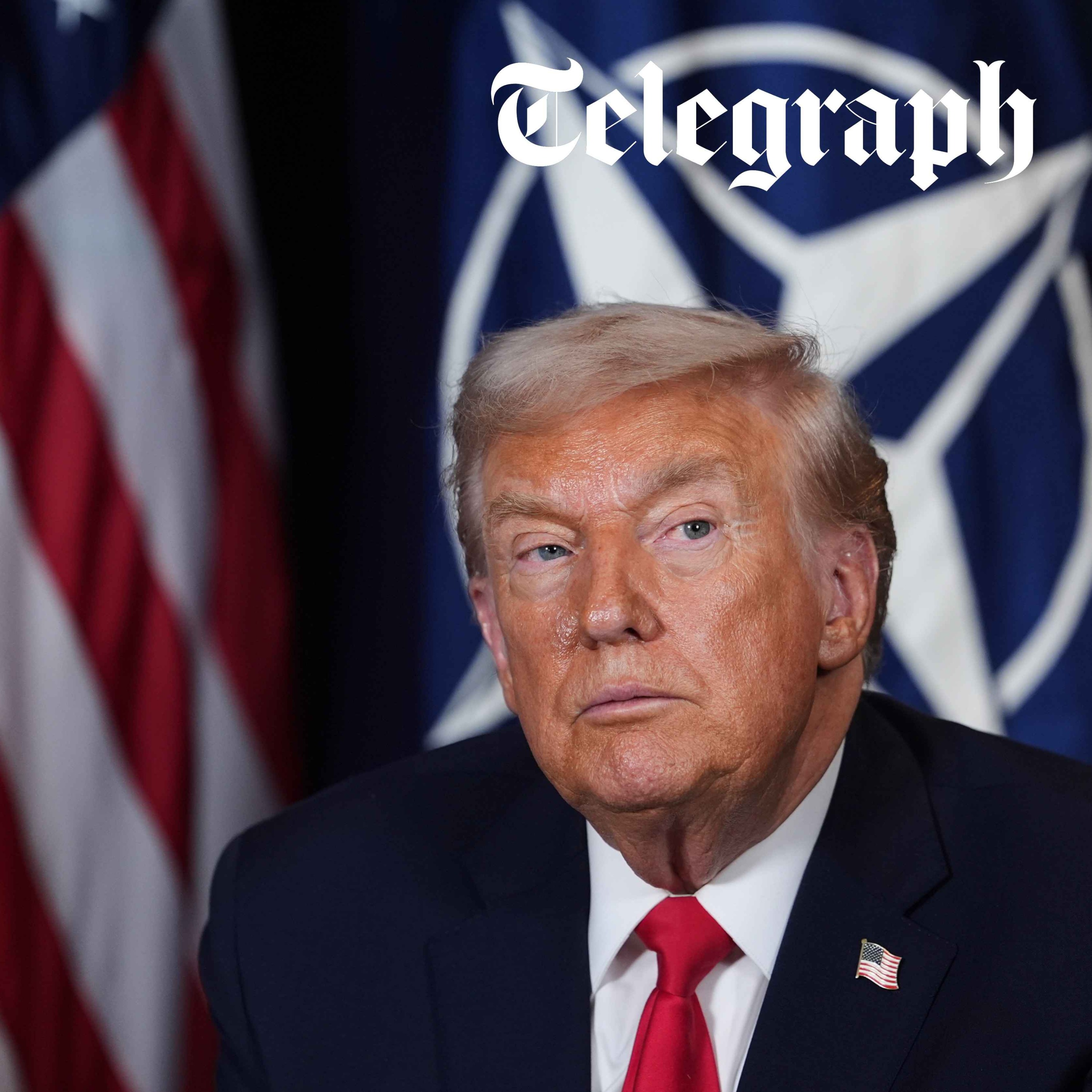
'The old world order is dead': Trump, Canada and the battle for the West
Donald Trump has abruptly backed down over the US takeover of Greenland. From the icy streets of Nuuk our correspondent James Rothwell reports from the centre of an unusual geopolitical spotlight as Greenlanders try to make sense of their island’s sudden importance and the anxiety of being discussed by faraway powers.Greenland itself emerges not as a prize but as a place with its own history identity and quiet resilience. James paints a picture of a small Arctic capital balancing fishing tourism and everyday life while navigating long memories of colonial rule and new questions about sovereignty security and self determination.Back in the studio Venetia and Roland are joined by Chief Foreign Commentator David Blair to unpack what Trump’s partial retreat really means and to explore the wider implications of Mark Carney’s striking Davos speech. Carney argues we are living through a rupture not a transition and urges middle powers to face reality and work together in a world where power politics is once again shaping events.Read James Rothwell's Greenland dispatch:https://www.telegraph.co.uk/world-news/2026/01/24/trump-provokes-a-rare-emotion-in-greenland-blind-rage/Read David Blair's analysis of the Greenland deal: https://www.telegraph.co.uk/world-news/2026/01/22/predicted-greenland-deal-not-good-one/Read Roland Oliphant on Trump's Board of Peace: https://www.telegraph.co.uk/world-news/2026/01/22/monarchs-and-pariahs-join-trumps-board-of-peace-parade/Producer: Peter ShevlinExecutive Producer: Louisa Wells► Sign up to our most popular newsletter, From the Editor. Look forward to receiving free-thinking comment and the day's biggest stories, every morning. telegraph.co.uk/fromtheeditorContact us with feedback or ideas:[email protected] @venetiarainey@RolandOliphant Hosted on Acast. See acast.com/privacy for more information.