
Investor Cheat Code Podcast with Mike Simmons
316 episodes — Page 2 of 7
7 Levels of Communication and Why Structure Matters with Michael J. Maher REWIND
Today's Guest: Michael J. Maher Michael is CEO of REFERCO, the world's foremost authority in business referrals. In just his third year in real estate, he did 187 transactions and over $40 million, entirely from referrals. For the next 8 years, he received over 500 referrals every single year and netted over $1 million. Michael is an internationally bestselling author and his book (7L) The Seven Levels of Communication: Go from Relationships to Referrals has been the #1 book in Real Estate Sales on Amazon for over 9 straight years. In addition to these impressive accomplishments, he has shared the stage with George W. Bush, Tony Robbins, Barbara Corcoran, and John Maxwell. Highlights From The Show: As we often do on the show, we started by talking about Michael’s background. He began his working career as a high school math teacher and coach of three sports: football, basketball, and baseball. He spoke about how dedicated he was and earned District Teacher of the Year in his first year teaching. Michael had an interest in real estate so he got licensed as an agent at the same time he bought his first home. He talks about how he built his business almost entirely through word of mouth and referrals. Because Michael became an agent in 1999, I asked him how he weathered the housing market crash years. He said that because they were getting almost all their business through referrals, they ended up having record years during that period. This is when Michael first knew he was going to have to write a book because he had discovered a system of doing business that worked well in good markets, but even better in depressed times. He spoke about how the 7L system is basically tailor-made for a challenging time like we are facing during the COVID-19 pandemic. We talked about specific marketing and deal-generating strategies based on his 7L principles, going into detail about making your marketing as personal as possible. I then asked Michael about his book, (7L) The Seven Levels of Communication: Go from Relationships to Referrals. He walked us through the levels and their amount of influence in relationships with people. The second-most powerful level involves events and seminars, and Michael explained some of the programs that they offer. That led to a conversation on the necessity of some structure to your day to increase productivity. He used the example of going to school and having an intense focus on a particular subject for a predetermined amount of time every day. Michael also walked us through the morning and evening rituals, which he imparts in his book and classes through acronyms. Michael then told us about how he helps business owners build their businesses on a foundation of love, generosity, and appreciation. He went into great detail about the personal and professional benefits of choosing to live and conduct yourself this way. Michael described love as our superpower, and generosity is that love in action. He also explained that it is vital for us to appreciate everything that happens in our lives, good or bad. I can’t tell you how powerful and wisdom-packed this episode is! You would be crazy not to join me as I interview super-successful entrepreneur, Michael J. Maher! Notable Quotes: “Good market - referrals are really good. Bad market - referrals are everything.” Michael J. Maher “When people think they are going to lose their home, they want to talk to someone they trust.” Michael J. Maher “I’m big into personalized and customized service.” Michael J. Maher “What is the most important currency in today’s world? It’s not money - it’s trust.” Michael J. Maher “Love is your superpower.” Michael J. Maher “What I’m really excited about now is helping people get structure in a world of chaos.” Michael J. Maher “Why do we charge for them? So people show up. If they have skin in the game, they come.” Michael J. Maher “There are a lot of people that would trade their wealth for health and happiness right now.” Michael J. Maher “Energy is the most precious resource known to man.” Michael J. Maher “You can change your life by changing your strategy.” Michael J. Maher “We are going to have a day - why not structure it in the most effective way you can possibly structure it?” Mike Simmons “It mixes the best of ‘go with the flow’ with ‘get in the flow.’” Michael J. Maher “Your purpose in life is to be referable.” Michael J. Maher “Picking and choosing the opportunity is a lot better than chasing opportunity.” Michael J. Maher Thank You for Listening! Connect with Mike on Twitter, Instagram, YouTube, Linkedin, Facebook Help Out the Show: Leave an honest review on iTunes
Live Q&A - Best Service to Pull Comps, How to Find a PPC Company, and Hiring and Compensating Acquisition Managers
Highlights From The Show: Welcome to this version of the Just Start Real Estate Podcast! I am excited to bring you another replay of my Live Question and Answer sessions. For those people that are unable to join us live, this will provide an opportunity to hear the awesome questions I am fielding about business, taking risks, real estate, and so much more! This presentation is the live Q&A that I did the week of September 14th and each Thursday we will offer you another chance to take advantage of listening to the answers to our guests’ fabulous and compelling questions! Don’t miss this new episode of the Just Start Real Estate Podcast! Notable Quotes: “You need to make sure, above all else, that you are getting consistent lead flow in your business.” “You can always use more and better leads.” “In my opinion, the MLS is unrivaled, unbeatable, and unmatched for comping properties.” “If you don’t have access to the MLS, that should be one of your goals.” “I really think having MLS access is non-negotiable long-term.” “There are certain tools you need in any industry.” “When we are talking to sellers, we are instilling a sense of urgency because house prices are dropping.” “We don’t start talking about market declining strategies until there is an objection about the price.” “I don’t typically go to a lot of real estate events because they don’t give you end-to-end answers.” “The direction to the speakers at Flip Hacking Live is to give the people in attendance all the goods, all the tools pertaining to whatever subject they are presenting on.” “You REALLY need to be at Flip Hacking Live.” Thank You for Listening! Connect with Mike on Twitter, Instagram, YouTube, Linkedin, Facebook Help Out the Show: Leave an honest review on iTunes. Your ratings and reviews really help and I read each one. Subscribe on iTunes. More Resources From Mike: Level Jumping: How I Grew My Business to Over $1 Million in Profits in 12 Months WINNING DIRECT MAIL - How to CRUSH IT with direct mail! 7 Figure Investor Video Course - Scale your business to 7 figures. I'll show you how!
Unlock the Potential of Your Dispositions Process with TwnSqr
Today's Guest: Paul Wakim Paul is the co-founder of TwnSqr, a real estate technology startup devoted to breaking down the barriers of the real estate industry by providing homeowners and real estate professionals full control over the connections they make for their next real estate transaction. Paul started TwnSqr as a project to create an algorithm to predict who would sell their house next so he could buy more deals. Today, TwnSqr has reimagined how the real estate process works for buyers, sellers, agents, and investors, and it’s the most secure and fastest way to connect with the best person for your next real estate transaction on your own terms. Highlights From The Show: We begin the episode with Paul sharing why you need TwnSqr software and how it works. Paul shares that they have broken the real estate investors' transactions into three parts. The first is data gathering and marketing to find the property, the second is the acquisition and management of the lead through CRM, and the third is disposition. According to Paul, big successful companies predict who will sell their house next, and they have all the tools in place for data gathering, marketing, and organization of leads into a CRM. However, there is no real estate-specific software for disposition. With this in mind, Paul shares that TwnSqr is focused on being the go-to deposition platform for real estate investors. We then talk about how TwnSqr focuses on large investors and individual investors. Paul shares that they recently started focusing more on individual buyers because they have invested a lot of time focusing on big institutional buyers. He shares that whenever they were pivoting from retail and back to off-market real estate, they had some institutional hedge fund private equity firms come to them for a platform like they had but for off-market properties. They had an itch that there were properties that existed off-market and sold among small real estate investors, but nobody had created a door they could easily open and peer into the market of off-market and investor properties. However, according to Paul, they are creating technology at TwnSqr for the small real estate investor to support their business. Next, we discuss TwnSqr’s focus on individual investors and its goal of creating something that works with what they are currently doing, the people they serve, and the larger market. Paul shares that they are doing a lot for smaller real estate transactions in addition to helping real estate investors connect with giant institutional buyers. Paul explains that everything in TwnSqr comes in threes - transaction, marketing, and disposition. With these three foci, they realized that if they supported the activities of the everyday investor, they would be able to get more properties on their platform. To achieve that, they incorporated two more pieces: sending your deal to your buyers and JV with another user to expand their buyers' network. So as a user, the first thing you can do on TwnSqr is to post your property to the market to hit institutional buyers. Second, send your deal to your buyers directly through the platform. Third, knock on the door of other investors in your market, ask them to send your deal to your buyers, and sign an agreement with them to make sales and help them monetize their buyers’ list. Lastly, we talk about what you should expect from TwnSqr in the coming months. Paul shares that their mantra is giving their users the ability to maintain control over their entire process on TwnSqr. They have built their platform to give their users complete discretion and flexibility to do whatever they want while maintaining control over their buyers and deals the entire time. In light of that, some of the things they are building are in line with trust and more control. So, if you bring a deal to TwnSqr, you can see all the people that are available to share your deal with. Paul also shares that what they want rolled out in the next couple of months is a kind of google search result of people to work with, where people performing best will rank at the top of search results. Make sure you don’t miss another amazing episode of the Just Start Real Estate Podcast with Paul Wakim and get valuable information on how to unlock the potential of your dispositions process with TwnSqr! Notable Quotes: “Not everyone knows how to professionally contact their buyers and other investors in their market to JV with, and TwnSqr brings all that online to add structure to investors' businesses.” Paul Wakim “The TwnSqr software is coming at a great time in the market where investors need access to a wider world and list of people interested in buying properties.” Mike Simmons “Anybody can go to TwnSqr, create a free account, manually upload their property and send it to the marketplace where big institutional buyers have buy boxes se
Live Q&A - How to Comp a House, Best Skip Tracing Companies, Limiting Beliefs that Stop You, and Biggest Hurdle When Starting a Business
Highlights From The Show: Welcome to this version of the Just Start Real Estate Podcast! I am excited to bring you another replay of my Live Question and Answer sessions. For those people that are unable to join us live, this will provide an opportunity to hear the awesome questions I am fielding about business, taking risks, real estate, and so much more! This presentation is the live Q&A that I did the week of September 7th and each Thursday we will offer you another chance to take advantage of listening to the answers to our guests’ fabulous and compelling questions! Don’t miss this new episode of the Just Start Real Estate Podcast! Notable Quotes: “With my Winning Direct Mail program, there is a million dollars of learning I am giving you for free!” “You can use my wheel and not reinvent your own.” “There are a lot of variables to consider when comp-ing a house.” “Considering price per square foot is another way to get an accurate comp.” “You could definitely get more for your house six months ago than you can right now.” “I would have to dislike money and success to stop spending money on marketing if I was getting $3.56 back from every $1 I spent.” “Most people throttle back their marketing when their returns begin diminishing.” “In the analogy I gave you, I did in fact invent the wheel.” “I will keep up that good work if you keep coming back and asking questions.” “When I find a company that does great work with a lot of integrity, I don’t move. The only skip tracing company I use is LeadFuzion.” “I started my podcast, Just Start Real Estate, because I know the biggest hurdle to overcome in any endeavor is just getting started.” Thank You for Listening! Connect with Mike on Twitter, Instagram, YouTube, Linkedin, Facebook Help Out the Show: Leave an honest review on iTunes. Your ratings and reviews really help and I read each one. Subscribe on iTunes. More Resources From Mike: Level Jumping: How I Grew My Business to Over $1 Million in Profits in 12 Months WINNING DIRECT MAIL - How to CRUSH IT with direct mail! 7 Figure Investor Video Course - Scale your business to 7 figures. I'll show you how!
203K Loans and Using the BRRRR Method for Rental Real Estate with Stephanie Cabral REWIND
Today's Guest: Stephanie Cabral For this episode, I am excited to welcome Stephanie Cabral, who is a buy-and-hold real estate investor and former attorney from Connecticut. Stephanie has built a portfolio of over $2.25m and began investing while working at a law firm as the sole member of the probate department and also working at one of the top commercial real estate firms in the world. Stephanie now owns and operates 15 units plus multiple active flips and is responsible for all aspects of the business including marketing, acquisition, construction management, operations, and property management. She specializes in the BRRRR strategy and was able to scale her business using a detailed network of systems, standard operating procedures, automation, and virtual assistants. Highlights From The Show: Stephanie shares her background with us, pointing out that she is a lawyer by trade. While she loved and thrived in law school, once she got out, she found that she didn’t love practicing as a lawyer. As much as she appreciated her clients, she did not like how adversarial the work was and didn’t like being in an office all day. She ended up buying a duplex in order to use the rental income to qualify for a personal home loan and she fell in love with the idea of house-hacking. She worked as an agent, too, while she was working as a lawyer and continues to since retiring from her firm in December 2019. Stephanie got a 203K loan for her first property so we explored that topic a bit. Because the brokers are looking at the ARV, you can get a larger value loan to cover both the purchase price and the rehab estimate. The contractor gets paid directly from the lender in this type of loan. Also, the 203K loan does not require you to have experience in investing and rehabilitation work, which can be a huge obstacle for newer investors with traditional hard money lenders. You also get a consultant that helps you manage the project and ensure the quality of the contractors’ work. I asked Stephanie to describe the team of people she is working with to us. She said she is very involved herself, but her right hand is a virtual assistant in the Philippines who handles all of the administrative tasks, including social media and many of the property management tasks, including interfacing with the tenants. Stephanie also has a leasing assistant who directly connects with potential tenants and shows them around and screens them for rentability. She also has a bookkeeper who she hired through Upwork that has been working with her for years, but Stephanie did talk about the need to go through the trial and error process to find some people that are really good. Stephanie talked about the need to have great systems and processes in place, including training videos and templates, in order to simplify the training procedure. I asked Stephanie why she self-manages her properties versus hiring a property management company. She said that it is financially beneficial for her to self-manage, mostly because she has very little turnover in tenants. She attributes this to the constant communication she has with her tenants, which is largely automated but maintains a great connection. I asked how she handles any required repairs, and since she is having a VA handle the maintenance requests, how she is sure she is not getting over-charged. Stephanie explained that because she also does house flipping, she has a pool of contractors, and in particular, a go-to handyman who is always the first maintenance call. We talked about mid-term rentals, the effects of COVID on Stephanie’s business, the BRRRR strategy, private money versus hard money lenders, the technology Stephanie uses to run her business, Facebook ads, and so much more! Don’t miss this honest, fun, and hard-core real estate episode with lawyer-turned-investor, Stephanie Cabral! Notable Quotes: “Being in an office environment was not the life I wanted to live.” Stephanie Cabral “What was one of the greatest frustrations at the time ended up being the greatest gift.” Stephanie Cabral “I didn’t even know that I was investing - I thought I was living cheaply and being resourceful.” Stephanie Cabral “Being resourceful is certainly one of my superpowers.” Stephanie Cabral “The power of real estate as an investment really opened up for me.” Stephanie Cabral “So the way you eat an elephant is one bite at a time.” Desmond Tutu, quoted by Stephanie Cabral “It requires some administrative stamina to get through the paperwork for a 203K loan.” Stephanie Cabral “I do make it a priority to automate and delegate as much as humanly possible.” Stephanie Cabral “Find somebody with a natural skill set that you are looking for and then you train the rest.” Stephanie Cabral “As far as delegating work, start with the task that is most repetitive that is causing the most brain damage.” Stephanie Cabral “P
Live Q&A - Working Remotely, Big Ticket Renovations, Building Your Buyers List, and Wholesale Structure
Highlights From The Show: Welcome to this version of the Just Start Real Estate Podcast! I am excited to bring you another replay of my Live Question and Answer sessions. For those people that are unable to join us live, this will provide an opportunity to hear the awesome questions I am fielding about business, taking risks, real estate, and so much more! This presentation is the live Q&A that I did the week of August 31st and each Thursday we will offer you another chance to take advantage of listening to the answers to our guests’ fabulous and compelling questions! Don’t miss this new episode of the Just Start Real Estate Podcast! Notable Quotes: “There is a lot going on right now in the real estate market.” “Change makes people nervous.” “We are moving into a market where it will be much, much easier to buy houses at a discount, but they will be harder to sell.” “I am here to help you navigate all of the questions you have about your business.” “You need to be at any real estate event, networking and shaking hands, to build your buyers list.” “You can get all of your competitors' active buyers by skip tracing their deals.” “My problem when we started working remotely was worrying about people actually working. I had to let go of that.” “You are training you to continue to ask you questions, rather than solving the problem themselves.” “Start developing that muscle.” “If you are going to tell them the answer, always give them the reasoning behind it, so they can use that reasoning in the future to solve the problem themselves.” “We use Whatsapp to constantly stay in contact and get problems solved right away.” “If you are a new investor and you have never done a rehab before, taking on a project with a big ticket item can be a little daunting.” Thank You for Listening! Connect with Mike on Twitter, Instagram, YouTube, Linkedin, Facebook Help Out the Show: Leave an honest review on iTunes. Your ratings and reviews really help and I read each one. Subscribe on iTunes. More Resources From Mike: Level Jumping: How I Grew My Business to Over $1 Million in Profits in 12 Months WINNING DIRECT MAIL - How to CRUSH IT with direct mail! 7 Figure Investor Video Course - Scale your business to 7 figures. I'll show you how!
How To Create REAL Wealth And Live Life On Your Own Terms With Rich Fettke
Today's Guest: Rich Fettke Rich is a co-founder of RealWealth, a company that has helped over 60,000 members improve their financial intelligence and acquire cash-flowing income properties so they can live life on their own terms. He is a former vice president of the International Coach Federation (ICF) and a former owner of a large health club franchise with over 35 years of experience in business start-ups, management, and training. As a licensed real estate broker and an active investor, Rich was selected as a Rich Dad Author for his expertise as a Wealth Mindset Expert. He is passionate about helping people build real wealth and has authored the book, The Wise Investor: A Modern Parable About Creating Financial Freedom and Living Your Best Life. As an adventure athlete, Rich lives in Malibu, California, with his wife Kathy, where they invest, work, and play together. Highlights From The Show: We begin the episode with Rich sharing his background story and how he ended up in real estate. Rich shares that 20 years ago, he was a business coach and was in a thriving practice and was on top of the world until he was diagnosed with melanoma and had about 6 months to live. He went through more tests to eventually find out it was a misdiagnosis, and after surgery and treatment, he was declared cancer free. Rich shares that his experience led to real estate with his wife, who was a stay-at-home mom. They connected with a mortgage broker who was also a successful investor who helped them set on the path of real estate investing. To get started, they cashed out a property they had in Dallas, Texas, which had appreciated, and bought five investment properties with good cash flow. That was the beginning of their journey to financial freedom, and they have created a group, Real Wealth, which has grown to over 64,000 members. We then talk about Rich’s book, The Wise Investor, and the purpose behind it. He shares that his first book was Extreme Success and this second book came 20 years later. That was because he was running their company, Real Wealth, helping people invest in real estate while growing the company. He shares that the reason he wrote The Wise Investor was that he wanted to share investment lessons in a story or parable form to be more impactful. His coach planted the seed and was obsessed with the whole idea from the beginning. Rich started reading and listening to books and parables to create a story with which people would be engaged to emotionalize the information to create change. The book is more powerful than just a non-fiction factual book, and it conveys the lessons in a way that they sink in and lead to change in the rhythm. Next, we talk about real wealth and what it means. Rich shares that real wealth is having both the money and freedom to live life on your own terms. According to him, real wealth goes beyond money. They don’t focus on just creating money but also on helping people use the money to live a fulfilling life, have the freedom of time, and be able to do what they want when they want to, and with the people they want to be with. Real wealth is a combination of money and time. It’s all about having enough monthly cash flow, especially on passive income, that supports your lifestyle so you can have the freedom to live and get the most out of every day. He also shares that their company and network are built on a culture that focuses on living life now, living on your own terms, and having the finances to do that. They use real estate as a wealth-building instrument and clients' definition of what their best life looks like to lead them to real wealth-building and financial freedom. We then talk about Rich’s investment strategy in reals estate. He shares that they started with single-family investing and went up to four-unit properties. They have also been doing short-term rentals lately to increase their cash flow. According to him, it’s hard to get cash flow nowadays with a regular single family with the interest rates and the prices in the market. In addition to that, they started syndicating in 2010 for residential development, which allows investors to pool their funds, buy units together and invest in residential subdivisions, and everyone profits from that. He shares that their members also acquire multifamily properties from their property teams. Lastly, we talk about the mentor in Rich’s book who compares wealthy people and poor people. Rich shares that this is big to him. Living in Malibu, California, he sees many rich people, but not all of them are wealthy. Wealthy people focus on a few things, and time is the most important asset that they focus on. They also value education over entertainment and put more effort into learning, becoming better, and growing. Entertainment is fine, but don’t let it get in the way of your education and growth. The mentor defines an asset as someth
Live Q&A - How to Start a Lending Company, How to Get Paid Faster, and Converting a Long Term Rental to a Short Term Rental
Highlights From The Show: Welcome to this version of the Just Start Real Estate Podcast! I am excited to bring you another replay of my Live Question and Answer sessions. For those people that are unable to join us live, this will provide an opportunity to hear the awesome questions I am fielding about business, taking risks, real estate, and so much more! This presentation is the live Q&A that I did the week of August 24th and each Thursday we will offer you another chance to take advantage of listening to the answers to our guests’ fabulous and compelling questions! Don’t miss this new episode of the Just Start Real Estate Podcast! Notable Quotes: “Learn from my mistakes.” “If you show up live to these Q&As, we can have a dialogue and I can answer your questions really effectively.” “What is fast? Fast is a relative term.” “If you need money right away, like yesterday, wholesaling is absolutely what you should be doing.” “With flipping, the payday will be bigger, but it isn’t going to happen in a couple of weeks.” “Direct mail is the single best marketing channel that you can use for reliable results.” “Other forms of marketing may be less expensive but they are also less predictable.” “Most people think of AirBNBs when they hear ‘short term rental.’” “How badly have your tenants wrecked your place?” “You could spend $6,000 to $10,000 to outfit your rental with furniture and bathroom and kitchen supplies.” “In many cases, the short term rentals, by a large margin, outperform the LTRs, which is why they are so popular right now.” Thank You for Listening! Connect with Mike on Twitter, Instagram, YouTube, Linkedin, Facebook Help Out the Show: Leave an honest review on iTunes. Your ratings and reviews really help and I read each one. Subscribe on iTunes. More Resources From Mike: Level Jumping: How I Grew My Business to Over $1 Million in Profits in 12 Months WINNING DIRECT MAIL - How to CRUSH IT with direct mail! 7 Figure Investor Video Course - Scale your business to 7 figures. I'll show you how!
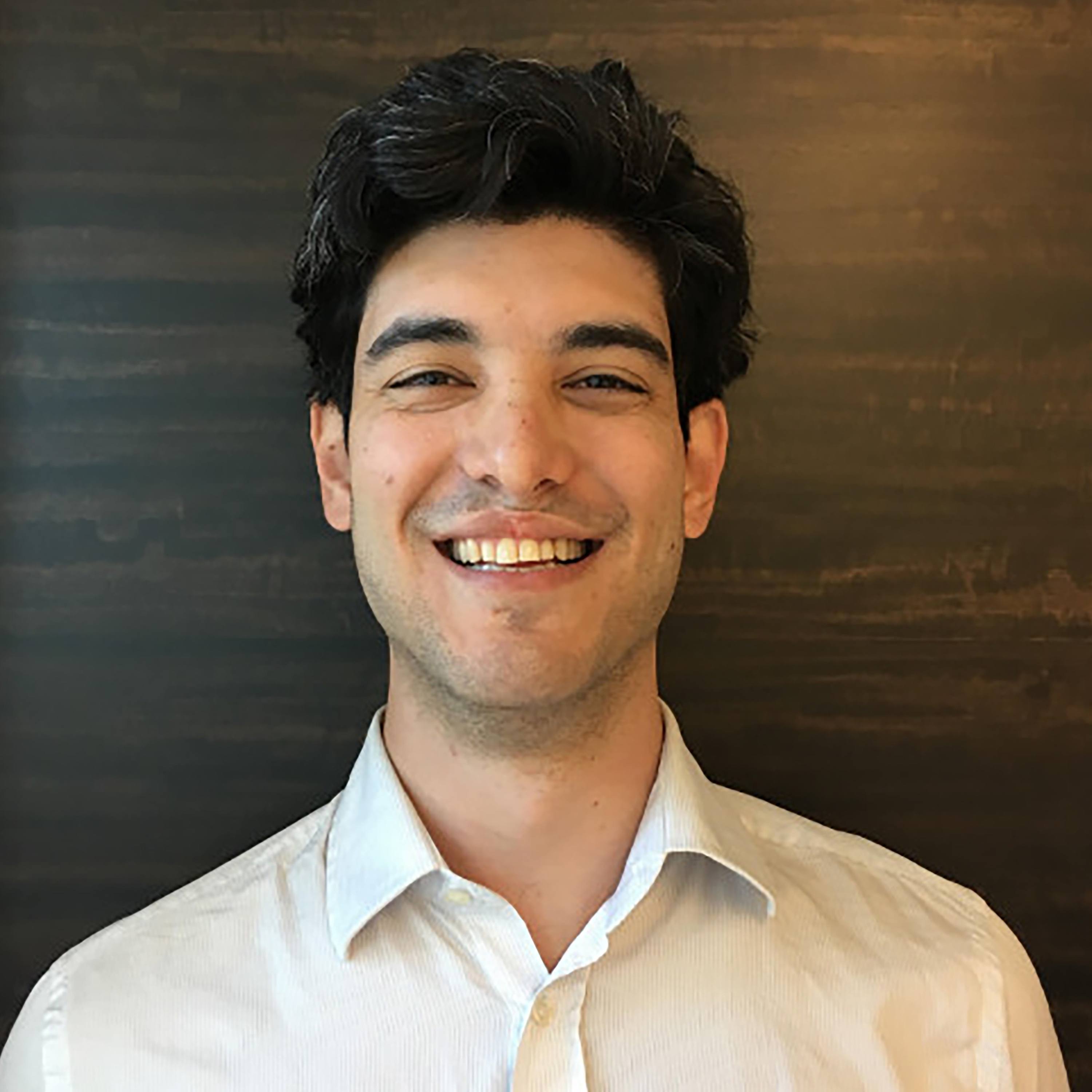
How To Automate Money Raising And Management With Jake Marmulstein
Today's Guest: Jake Marmulstein Jake is the co-founder and CEO of Groundbreaker, an all-in-one investment management software built for real estate investment firms, fundraising automation software, an investor Portal, and investor reporting software. They exist to advance each customer’s syndication business. They envision a world where real estate investments are made accessible and efficient by digital evolution in real estate syndication. Preparing investment materials can be cumbersome, and handling investor relations has been done with cobbled-together solutions like spreadsheets, decks, file storage for documents, and email to help remove the pain points and allow investors to focus more on raising capital and finding deals. Managing data and answering to investors is a time-intensive, manual process. There has to be a better way, and Groundbreaker has it. Highlights From The Show: We begin the episode with Jake sharing his background story and how he ended up in real estate. Jakes shares that he was first interested in real estate development when he worked overseas in Brazil with the city government. Jake saw how the international companies were coming and installing research facilities and how the cityscape was changing rapidly. The country that had the highest GDP at the time and the process was very intriguing to Jake. He discovered that real estate and development meant more job opportunities and popularity. Jake started to work with a real estate investment trust, and that is where he got most of his real estate knowledge. We then talk about Jake’s transition from underwriting to real estate syndication. He shares that his frustration came because he was handling administrative tasks that didn’t require much creativity. Jake had friends who were always looking at the next big opportunities in real estate. His focus was on how real estate companies could raise capital online and advertise opportunities to investors. At the time, few companies were offering portals where you could evaluate deals as an investor. From his analysis, Jake realized that there were independent real estate investors that wanted to raise capital, but they didn’t want to give investors their data through a single portal. They want to maintain the ownership of the intellectual property, and his goal was to provide them with processes and systems. Next, we talk about Jake's software, Groundbreaker, and how it helps investors to raise money automatically. According to Jake, you create a deal in the system and send it out to your investors with Groundbreaker. They get to a private and secure portal where they can access and see your deal and download any document. Additionally, if you need to update anything, you can do it within the system as the deal changes. When an investor wants to invest, they put down the amount and can go immediately to investor verification questions and compliance. After verification, they can view the subscription remits, sign in electronically and then move on to funding either by getting wire instructions or linking their bank account to make payment. Jake shares that Groundbreaker is very safe. They record every single activity, and it automates every step to remove restriction points. We then talk about the price of using Groundbreaker. Jake shares that they are still experimenting with different markets. However, the typical customer that uses Groundbreaker with at least one deal in their portfolio can build the cost of the software into their deals. They can spread it across their operating budget to cover it in their acquisition fee and returns. Jake shares that it’s only $4000 a year to be able to have Groundbreaker for your entire real estate portfolio. For people who are starting out and don’t have a deal that they have done, they are offering promotional pricing of $50 per month, and once they graduate to having a deal closed and a portfolio, they increase the price from there. Next, we discuss what you should know and expect from Groundbreaker's services and offers as an investor. Jake shares that the software and the automation behind the workflow are just the beginning. They are in a continuous process of developing the capability of the software and service to be able to meet the needs of the market. A lot of people are looking for solutions for deal flow, underwriting, data, capital, property management, leads, accounting, and legal service. Their goal is to continue to analyze the needs of their customers and add the next component that is going to save people time. Groundbreaker is dedicated to continuous improvement and evolution. Lastly, we talk about the real estate market we’re in and what it means to investors over the next 12 to 24 months. Jake shares that there are a lot of opportunities in the multifamily space. Most of his clients concentrate there, and there is so much demand for multifamily housing. According
Live Q&A - How Much to Reinvest Back into Company, Market Changes Coming, and Getting Your Spouse Onboard
Highlights From The Show: Welcome to this version of the Just Start Real Estate Podcast! I am excited to bring you another replay of my Live Question and Answer sessions. For those people that are unable to join us live, this will provide an opportunity to hear the awesome questions I am fielding about business, taking risks, real estate, and so much more! This presentation is the live Q&A that I did the week of August 17th and each Thursday we will offer you another chance to take advantage of listening to the answers to our guests’ fabulous and compelling questions! Don’t miss this new episode of the Just Start Real Estate Podcast! Notable Quotes: “I know a lot of people are worried about the market right now and I want to be a resource for you. I want to help you navigate those waters.” “I don’t know what the shift will look like exactly at the end of the day, but it is going to go in the other direction.” “It is going to be easier for us as investors to buy houses.” “The market coming up isn’t anything to be afraid of.” “Marketing done consistently will win over marketing done inconsistently.” “Hiring is a whole other can of worms.” “Taking those profits and putting them back into your company in the form of marketing and hiring takes discipline.” “The coming market will impact your business more significantly in the way you look at sales, both on the front and back end.” “You have to adjust.” “Stop trying to get your husband excited about helping you. Get him excited about supporting you.” Thank You for Listening! Connect with Mike on Twitter, Instagram, YouTube, Linkedin, Facebook Help Out the Show: Leave an honest review on iTunes. Your ratings and reviews really help and I read each one. Subscribe on iTunes. More Resources From Mike: Level Jumping: How I Grew My Business to Over $1 Million in Profits in 12 Months WINNING DIRECT MAIL - How to CRUSH IT with direct mail! 7 Figure Investor Video Course - Scale your business to 7 figures. I'll show you how!
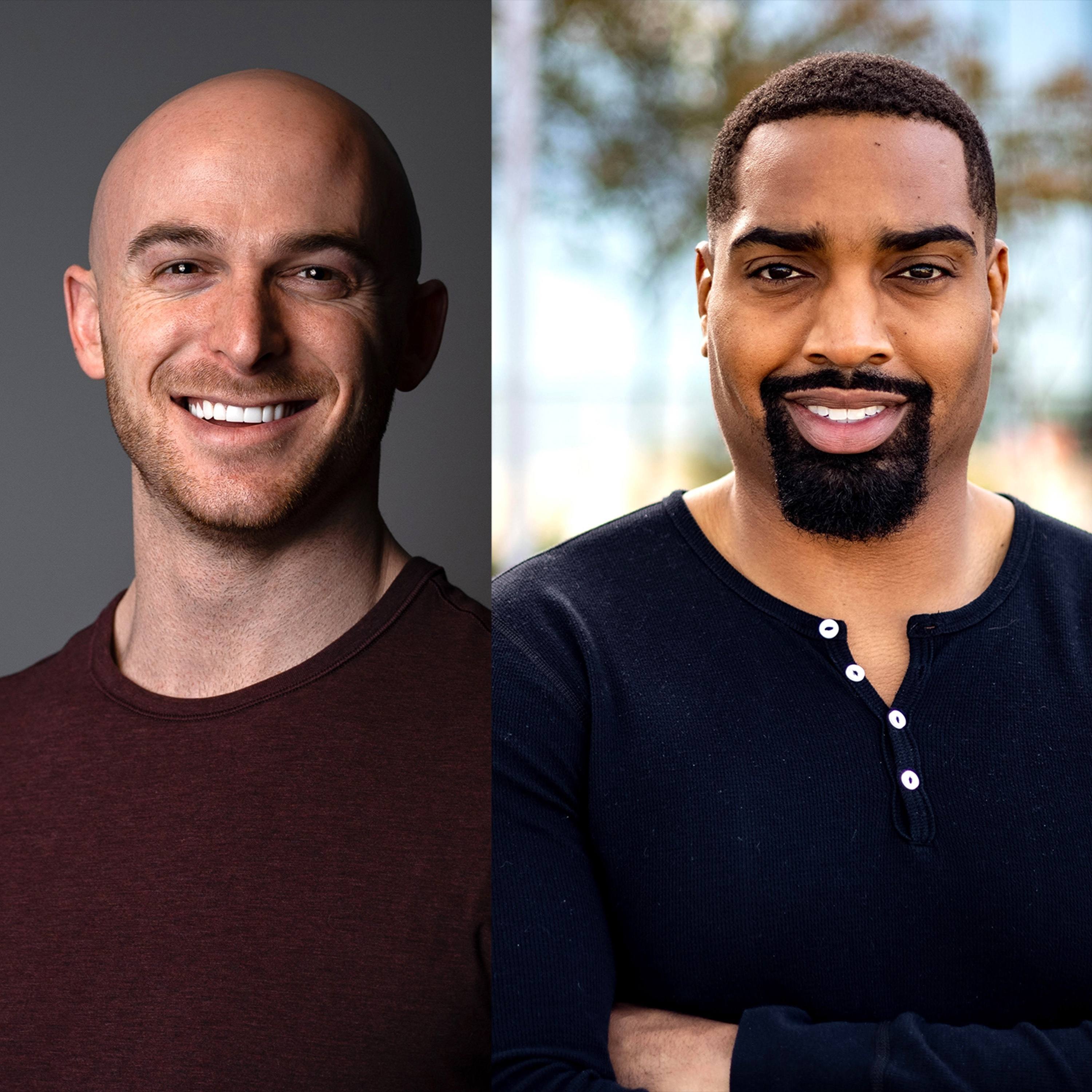
Building A Real Estate Empire Through Honesty And Integrity with Evan Ungar & Jordan King
Today's Guest: Evan Ungar & Jordan King: Evan and Jordan are two millennials who have been investing in real estate for four years and have grown most of their portfolio within the last two years. They have grown to $15M in current holdings and have transacted over 65 units. Evan and Jordan love to teach people how they too can be real estate investors and get into the market. Their short-term goal is to have over $100M in holdings and build a network of investors that they can teach and help. They are partners at Tuk Capital, Tuk Developments, and Choice Renovations Canada and certified mortgage agents with multi-million-dollar holdings in the Greater Toledo area. Evan and Jordan are considered passionate entrepreneurs and business strategists. Highlights From The Show: We begin the episode with Evan and Jordan sharing their background stories and how they ended up in real estate. Evan shares that they have been working together in multiple businesses, but they have been in the estate business for four years now and aggressively pursuing it for the last two years. Evans was in athletics, and has always been in the gym, in the numbers game, and is very competitively driven. On the other hand, Jordan comes from an entertainment and sports background. He played sports, and was involved in music and production, large shows, and concerts, including trade shows. For Jordan, the excitement is still there, and he finds a lot of similarity in the thrill of chasing the deals, acquisition processes, turning over the properties, and organizing contracts. Their motivation keeps them moving and resilient and moving no matter what comes their way. We then talk about what Evan and Jordan have been doing, where they are, and the real estate market in Canada. Evan shares that they have completed over 100 deals in multiple avenues, including fix and flips, buy and hold, and BRRRRs. According to Evan, they had some really good timing, and now they are back to an aggressive acquisition phase. He also shares that the market has been taking a turn, they have seen a massive decrease in pricing, and it’s becoming a buyers' market. From his perspective, you can’t time the market, but you can change your investment strategy as the market changes. Right now, Jordan and Evan are more focused on cash-flowing properties because of the uncertainty in the market pricing. Next, we talk about the availability of capital over the next 24 to 36 months. According to Jordan, capital is getting tighter. Many lenders, especially private lenders, are tightening their grip on certain requirements compared to 6 to 8 months ago when everything was going up. They are more cautious but still doing the deals and putting money out there in the market. Overall, Jordan emphasizes that money will not come by as easily as it was a year ago. He also shares that the pinch in the market is also coming from people who are sitting on cash reserves and buying whatever makes sense to them. The overleveraging of deals is due to worry about where the market is going and what their investment and equity are going to be. We then talk about Jordan and Evan's sweet spot right now and why. Evan shares that they have a couple of different models, and they use them depending on what fits what criteria. They love the multifamily space, something they got into more recently, and have found long-term value. According to him, it is easier to increase the value of multifamily based on how they are valued and calculated in the market. Evan also shares that they have seen a trajectory with single-family and small multifamily homes becoming valuable rental spaces. Considering that information about homeowners is hard to acquire in Canada, Jordan and Evan do it through in-person and branding techniques such as networking, building credibility in the market, advertising, and driving for dollars. Next, we discuss what’s next for Jordan and Evan and where they want to be in the next five to ten years. Evan shares that they will be diversifying to the United States to invest in more geographical locations. According to Evan, the landlord-to-tenant laws in Canada are fully in favor of the tenants. The landlord has no control, and some tenants take advantage of the laws because they can’t be kicked out. This increases the risk of investing in rental properties for mom-and-pops and investors without multiple income streams. They want to diversify to areas where the landlord-to-tenant laws are favorable to help them provide top-notch places to live and be paid appropriately and on time. Lastly, we talk about how Jordan and Evan help people raise capital in Canada. They have worked as brokers in multi-million-dollar deals where clients are looking for extensive capital. At the same time, they also help people get a $20,000 or $50,000 loan. So depending on what you want, they will guide y
Live Q&A - Staying Within Budget on Your Rehabs, Hiring and Managing, Business KPIs, and Do You Need an Executive Assistant
Highlights From The Show: Welcome to this version of the Just Start Real Estate Podcast! I am excited to bring you another replay of my Live Question and Answer sessions. For those people that are unable to join us live, this will provide an opportunity to hear the awesome questions I am fielding about business, taking risks, real estate, and so much more! This presentation is the live Q&A that I did the week of August 10th and each Thursday we will offer you another chance to take advantage of listening to the answers to our guests’ fabulous and compelling questions! Don’t miss this new episode of the Just Start Real Estate Podcast! Notable Quotes: “My guess is that you know if you blew the budget in the original estimate or during the project itself.” “It isn’t enough to have an itemized budget without a detailed timeline for your project.” “Managing, or mismanaging, the renovation and the contractors is probably where the issue in going over budget lies.” “I would hit them immediately and then again in 90 days.” “I would reach out to leadfuzion.com and tell them you are interested in marketing to probate and foreclosure lists and ask them the best strategy.” “You should go grab the book, Extreme Ownership.” “As you grow, you can bring someone in to manage your people, but in the short-term, you just have to do it.” “There are services out there that will play HR for you, both hiring and firing employees.” Thank You for Listening! Connect with Mike on Twitter, Instagram, YouTube, Linkedin, Facebook Help Out the Show: Leave an honest review on iTunes. Your ratings and reviews really help and I read each one. Subscribe on iTunes. More Resources From Mike: Level Jumping: How I Grew My Business to Over $1 Million in Profits in 12 Months WINNING DIRECT MAIL - How to CRUSH IT with direct mail! 7 Figure Investor Video Course - Scale your business to 7 figures. I'll show you how!

Using Paid Ads To Find Motivated Seller Leads With Brandon Bateman
Today's Guest: Brandon Bateman Brandon started a digital marketing company as a sophomore in college and never looked back. After volunteering to do digital marketing for companies, he started the Bateman Collective, which is now the premier digital marketing company for wholesalers across the country. His company handles all digital marketing, from SEO to PPC to Facebook and Instagram ads, as well as designing and creating content for those platforms. He is currently helping real estate investors target motivated sellers in over 90 markets across the United States, Canada, and Australia. Brandon has been a recent podcast guest on Real Estate Disruptors, Wholesaling, Inc., and The Real Estate Jam, among others. Highlights From The Show: We begin the episode with Brandon sharing his background story and how he got into the lead generation space and real estate. Brandon shares that he’s a marketer and started out in digital marketing. He partnered with a company that was doing wholesaling in real estate in 2017, and they went from hardly breaking even on digital marketing to doing over a million gross profit in a few years. According to Brandon, there were profits from various channels, but consistently, the highest return on investments, largest single lead generation source and lowest number of leads to a deal were best in digital marketing compared to other marketing channels. We then discuss what platform to pick and where to invest your money in marketing if your goal is to grow as fast as possible. Brandon shares that google is the best because it is a volume platform. They put the activities they do for their clients into three categories; page search, organic search, and socials. He shares that for social media, they don’t use TikTok. It has a lot of motivated sellers as of now, but the future could change. According to him, Facebook is completely stable, then Instagram is secondary, and it doesn’t have much going on in the real estate industry yet. Google is more scalable from a budget standpoint. On average, the organic side of google has a 3 to 4 higher return on investments from the page site. However, it’s a long game compared to paid ads, which can be short-term. Next, we talk about the budget you should be willing to spend minimally if you want to get into google ads. According to Brandon, there are some key factors that will put someone's budget higher or lower. The first one is sustainability. You have to make sure that whatever budget you use, you can afford to spend that consistently for a period of time. Brandon recommends six months. This is sufficient time to follow up on the ads and see what is happening. Pay-per-click can work with any budget, but execution can be tough. If you are working with a small budget, you might pay an agency a lot of money to manage your small amount of money to work miracles. We then talk about the chasm between incoming leads and deals getting signed. Brandon shares that you can drive good leads, but your sales strategy, phone calls, and acquisition can be problematic. Brandon shares that one of the things that they do differently from other agents is that they track things closely with their clients. They interview clients with a high closure rate in the top 10% and those in the bottom 50%. They look for things those people do that are in the top 10% that none of those who are in the bottom 50% and have found three core things. The first one is urgency. When you get leads, urgency is key. The second one is assuming motivation. Being delusionally optimistic about every lead that comes in even though 90% of the time it is not the one will help you not to miss it when it is the one in the 10% chance. The last one is who potential clients talk to matters a lot. You get the contract when it’s time, but you win the contract when you establish trust. According to Brandon, most sellers go to the internet to search because they have a problem, and if you can make them feel like their problem is solved, they don’t need to talk to anybody else. However, if you set an appointment to solve their problem later, they will still have the pain and keep looking. Lastly, we talk about the best practice for handling inbound calls. Brandon shares that the best practice is having the acquisition team receive, make the calls and set appointments. According to Brandon, the reality of lead marketing is that over time there are fewer leads and those leads are more valuable. There are also a few jobs in wholesaling that are more valuable than the first phone call to an inbound PPC lead. However, most people pay lead generators more money than the person making the calls and driving the conversation, which is potentially the highest value interaction in your entire business. People answering your phones and getting appointments are your ambassadors. If they are not good, they will not represent you well
Live Q&A - Is Your Family Unsupportive, Researching Markets, How to Buy Properties with No Credit, and What to Expect in the Coming Market
Highlights From The Show: Welcome to this version of the Just Start Real Estate Podcast! I am excited to bring you another replay of my Live Question and Answer sessions. For those people that are unable to join us live, this will provide an opportunity to hear the awesome questions I am fielding about business, taking risks, real estate, and so much more! This presentation is the live Q&A that I did the week of August 3rd and each Thursday we will offer you another chance to take advantage of listening to the answers to our guests’ fabulous and compelling questions! Don’t miss this new episode of the Just Start Real Estate Podcast! Notable Quotes: “Don’t let anybody talk you out of real estate.” “I quit my job and never looked back.” “I make like twenty times more money each year than I did at my 9-to-5 job.” “You need to define your buy box - figure out what a good deal looks like to you and stick to it.” “I am excited about the upcoming market changes and every investor should be, too.” “Because we are moving into more of a buyer’s market, your disposition process needs to be completely dialed in.” “Even in my company, we got a little lazy because things got easy.” Thank You for Listening! Connect with Mike on Twitter, Instagram, YouTube, Linkedin, Facebook Help Out the Show: Leave an honest review on iTunes. Your ratings and reviews really help and I read each one. Subscribe on iTunes. More Resources From Mike: Level Jumping: How I Grew My Business to Over $1 Million in Profits in 12 Months WINNING DIRECT MAIL - How to CRUSH IT with direct mail! 7 Figure Investor Video Course - Scale your business to 7 figures. I'll show you how!
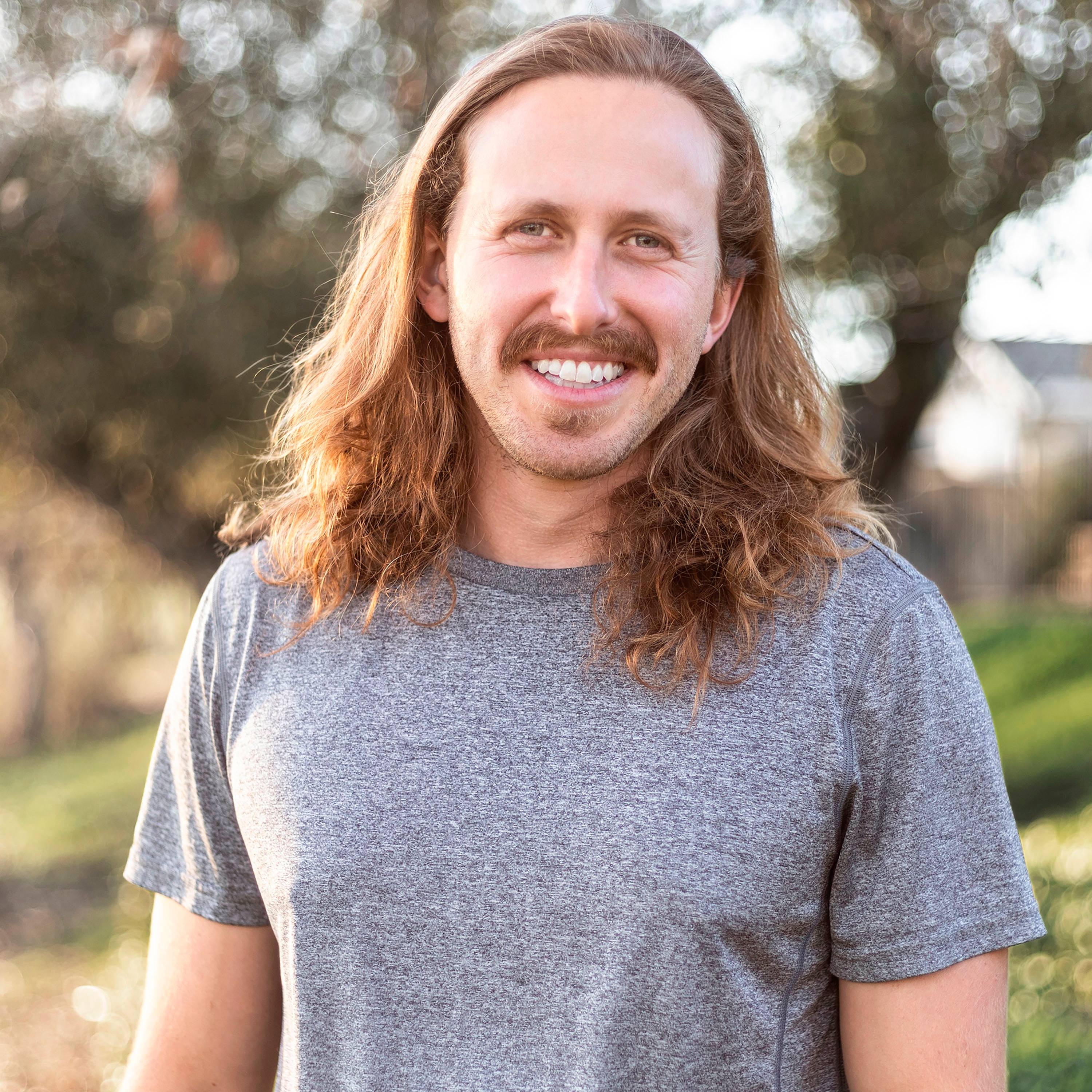
Investing While Traveling the Country Living in a Van with Michael Albaum
Today's Guest: Michael Albaum Michael has been investing in real estate for the last decade. He has done a variety of deals ranging from single-family homes to longer-term NNN (stands for the net net net which is the property's operating expenses) lease properties with national chain tenants. After years of investing, he found his niche in long-distance, value-add multifamily investing. Michael left the 9-5 world and, prior to the pandemic, was traveling around the world with his wife, who is also able to work remotely. Michael is also the Program Manager and Head Coach of Roofstock Academy and the host of The Remote Real Estate Investor Podcast, which interviews RE industry professionals about remote real estate investing. He is currently investing in short-term rentals and small multi-family real estate remotely while embodying the nomadic lifestyle of living in a van and traveling with his wife full time. Highlights From The Show: We begin the episode with Michael sharing his background story and how he ended up in real estate. Michael shares that he is just a regular guy who grew up in California and did the things most of us were told to do. Go to school, get good grades and get a good job, and then you will be set out for life. Michael loved his engineering job, but he realized that it was not going to get him where he wanted to go fast enough. He got his hand on Rich Dad Poor Dad, which transformed his perspective about money. Being an engineer, real estate investing really resonated with him. Michael played with some spreadsheets, self-educated for about two years, and eventually got his first property. When the first rent showed up, he knew he had solved the Rubik's Cube. Michael set himself bigger goals and bought properties in different markets. However, things started becoming overwhelming. He was chasing down 60 property managers for 60 different properties, which was a pain. So he decided to narrow down and be laser-focused on two markets, which he says has been amazing. We then talk about Michael's nomadic investing experience, how it came about and how it works. Michael shares that in 2018 his father passed away, and he requested a completely remote plan to work from home, and it was accepted. He wanted to support his mom for about 3 to 4 months, and when he returned to work, he felt he needed a mental break. He asked for a six-month break to unplug and do a mental reset but was denied. The next step was quitting his 9-5 in 2019, after which his wife suggested they travel for a year to explore and live in other countries. Michael shares that it was a perfect time to do it, they had the real estate backing them up, and his wife had a totally remote job. They went all over the place, had amazing experiences, and in the process, Michael picked up remote freelance work to make more money. However, during the pandemic, they were forced back home as flights were closing down. They were not yet done traveling, so they bought a van, designed it, moved into the van full-time, and rented out the house they were living in. Next, we talk about Michael’s business and his current goals. Michael shares that as he was evolving in his career, he went out of state and got involved in multifamily fairly quickly. He was in growth mode for a long time, and he started by buying various sized multifamily properties to get to 100 units portfolio, and again he hit the inflection point. Things started getting heavy, and he realized this was not his goal. Michael started scaling back on the acquisition and the value he had on projects to focus on doing more with less. Now he’s at 61 units after selling off some of the properties to get leaner and easier in managing properties. Michael believes that if it doesn’t feel easier, takes up more mental bandwidth, or takes you away from the things you want to do, it’s pulling you in the wrong direction, it’s not worth it. We then talk about how doing short-term and long-term works for Michael. Michael shares that doing both short-term and long-term is totally counter-intuitive, but management is the silver bullet. For him, he doesn’t manage 99% of his portfolio of short-term rental properties, and from a remote perspective, he has handed everything to property managers. According to him, you have to run your numbers and be super diligent. Michael also shares that he always tries to learn from the past and not to make the same mistakes again. For the same reason, he’s not investing in short-term rentals all over. His focus is on the Smoky Mountains in Tennessee, a super hot market, very easy to plug and play, and the experience is great. Next, we discuss how you can build a side hustle and eventually escape from your 9-5. Michael shares that it’s super important to plan it out. You also have to analyze how much you earn in your job, your real estate investments, and your expenditure before quitting your jo
Live Q&A - When to Wholesale and When to Flip, Leaving Your 9-to-5, and Are We Headed Toward a Housing Market Crash
Highlights From The Show: Welcome to this version of the Just Start Real Estate Podcast! I am excited to bring you another replay of my Live Question and Answer sessions. For those people that are unable to join us live, this will provide an opportunity to hear the awesome questions I am fielding about business, taking risks, real estate, and so much more! This presentation is the live Q&A that I did the week of July 27th and each Thursday we will offer you another chance to take advantage of listening to the answers to our guests’ fabulous and compelling questions! Don’t miss this new episode of the Just Start Real Estate Podcast! Notable Quotes: “The kind of housing crash we are headed toward will do some damage, to be sure, if you are not prepared.” “Back in 2008, we were going 100 miles an hour and hit a wall. That was a crash.” “People in my world are calling it a dip or correction, not a crash.” “If anyone tells you that they know what is going to happen with the market, stop listening to them.” “Whether you wholesale a property or fix and flip it is a business decision that is unique to you.” “What is your goal? It is all about that.” “If you need big chunks of cash, you are probably going to fix and flip houses.” “Over the years, my decision-making process was driven more by the market and the cash-flow needs of my business than anything else.” “It is all about your business model and what you want to accomplish.” “I started the podcast and called it Just Start Real Estate because one of the biggest hurdles in life is just getting started.” Thank You for Listening! Connect with Mike on Twitter, Instagram, YouTube, Linkedin, Facebook Help Out the Show: Leave an honest review on iTunes. Your ratings and reviews really help and I read each one. Subscribe on iTunes. More Resources From Mike: Level Jumping: How I Grew My Business to Over $1 Million in Profits in 12 Months WINNING DIRECT MAIL - How to CRUSH IT with direct mail! 7 Figure Investor Video Course - Scale your business to 7 figures. I'll show you how!

Self Storage Success with Scott Krone
Today's Guest: Scott Krone Scott has been in self-storage for the last 9 years after transitioning from real estate to multifamily investments. Scott is a Chicago native whose career in architecture began in 1991 after pursuing his Master of Architecture from the Illinois Institute of Technology. In 2012, Scott founded Coda Management Group, a firm that specializes in managing real estate assets. Scott is also a co-founder of One Stop Self Storage with facilities across the Midwest and the founder of Coda, an award-winning design and build consulting firm. Coda has won numerous design/build awards, including the international Green GOOD Design, Best of Houzz, and Design Evanston Award. Their work has also been featured in notable publications such as Storing Up Profits by Paul Moore, Dream Homes, Midwest Luxury Homes, NBC TV Show Taste, and more. Highlights From The Show: We begin the episode with Scott sharing his background story and how he ended up in the self-storage space. Scott shares that he grew up as a creative kid involved in various sports but was fortunate to study architecture in high school. However, Scott gave up architecture to play sports and do normal college things rather than being dedicated to a studio. Scott wanted to get into their family business after graduating from college, which was not possible, so he had to go back to architecture. Fortunately, at that time, they had new programs that allowed him to earn a Masters in architecture. He jumped into it and was again fortunate to get connected to a professor who owned a real estate development architecture company and got right in multifamily. Scott started his own company in 1998, with single-family, multifamily, mixed-use, and institutional properties, and then the market crashed. Scott started exploring other options because it was difficult in the residential market except for apartments. This led him to self-storage, which had a lot of similarities to multifamily, but it was more resilient, especially in recession and massive downturn markets. We then talk about why self-storage is more resilient than other real estate investments, including multifamily. Scott shares that it is difficult in the market, and self-storage gives viable options to address these problems and overcome the challenges. Scott went back and analyzed every recession since 1979 and compared self-storage occupancy in each of them. Scott shares that no other class of real assets has a natural resilience like self-storage, even the housing market. In recession markets, housing slows down, renovation slows down, and construction stops, but self-storage will always continue to thrive. Next, we discuss how you can break into the self-storage world of investing as a new investor. Scott shares that there are three asset classes within self-storage, and they all differ from multi-family. They include class A, B, and C assets. According to Scott, Class C assets include first-generation self-storage (small under 200 units from mom and pops), and they give a nice return on a regular basis. The next one is class B which is a more suburban, larger driver facility and sometimes with primary control. At the top is class A, a property with both appreciation and cash flow, which comprises large institutions in the city. According to Scott, the three assets represent different strategies, and the easiest way to get into self-storage is by buying class C properties. However, if you want to do a B or A, he recommends joining a venture or partnership group. We then talk about how to find opportunities and people who own self-storage and want to sell. He shares that you get more opportunities by driving for dollars. Scott tells me that if you are looking for class C, it’s pretty hard to find them because they are not corporate, and the properties might be under their own name. They also use them as bank accounts with cash flow coming in to pay their bills. According to Scott, there are similar institutions for self-storage as there are on the residential side, and the larger ones, classes B and A, are predominantly done by brokers. Make sure you don’t miss another amazing episode of the Just Start Real Estate Podcast with Scott Krone and get valuable information on how to invest successfully in self-storage! Notable Quotes: “In self-storage, you can alter the unit's configuration to match the market condition, but you don’t have that flexibility in multifamily.” Scott Krone “Self-storage unit portfolios are valued exactly the same way multifamily houses are done using CAP rate and ROI.” Scott Krone “During recessions, housing and renovation often slow down, and construction stops, but self-storage always continues to thrive.” Scott Krone Thank You for Listening! Connect with Mike on Twitter, Instagram, YouTube, Linkedin, Facebook Help Out the Show
Live Q&A - Tips for College Students, Seller Financing Explained, Direct Mail Struggles, and Hiring an Assistant
Highlights From The Show: Welcome to this version of the Just Start Real Estate Podcast! I am excited to bring you another replay of my Live Question and Answer sessions. For those people that are unable to join us live, this will provide an opportunity to hear the awesome questions I am fielding about business, taking risks, real estate, and so much more! This presentation is the live Q&A that I did the week of July 20th and each Thursday we will offer you another chance to take advantage of listening to the answers to our guests’ fabulous and compelling questions! Don’t miss this new episode of the Just Start Real Estate Podcast! Notable Quotes: “Ask them if you can work for them for free and learn the business.” “Internships are a vastly underutilized and underestimated path to success.” “Too many people want to go straight for the gold and I get that because I am impatient.” “Get busy learning from the inside of a successful business.” “Age is just a number. Whether you are old or young, it just doesn’t matter. Go after what you want.” “Seller financing is under the umbrella of creative financing.” “Let’s say you buy the house for $120,000 so I can do easy public math here.” “Seller financing poses the exact same risks to you as the buyer as any other type of financing.” “Send out a letter or postcard to your list once a month for six months before you even consider they are not interested, but in the meantime, build up your list.” “When I say drama I mean almost Jerry Springer-level drama.” Thank You for Listening! Connect with Mike on Twitter, Instagram, YouTube, Linkedin, Facebook Help Out the Show: Leave an honest review on iTunes. Your ratings and reviews really help and I read each one. Subscribe on iTunes. More Resources From Mike: Level Jumping: How I Grew My Business to Over $1 Million in Profits in 12 Months WINNING DIRECT MAIL - How to CRUSH IT with direct mail! 7 Figure Investor Video Course - Scale your business to 7 figures. I'll show you how!

Asset Protection for Real Estate Investors and The Dangers of Our Current Real Estate Market with Doug Lodmell
Today's Guest: Doug Lodmell Doug Lodmell is a co-founder and Managing Partner of Lodmell & Lodmell, one of the nation’s leading Asset Protection Law Firms. Today, Doug’s law firm is responsible for protecting over $4 billion in client assets. He is originally from Geneva, Switzerland, and he stood out at an early age as one of the brightest minds of his generation. Doug spends much of his time teaching, speaking, and leading thousands of professionals in business in Scottsdale, AZ. He is also the author of The Lawsuit Lottery: The Hijacking of Justice in America and was recently featured in BiggerPockets. Highlights From The Show: We begin the episode with Doug sharing his background story and what he does as an attorney. Doug shares that he started practicing with his father. His father was an attorney for many years but didn’t practice law. He was in real estate syndications, but the 1986 real estate crash steered him toward asset protection after the banks failed to reach him even though he had assets in the syndication. When Doug graduated from law school in 1997, he joined him, and they grew the practice along with his brother, which is also their foundation as real estate investors. They all have a deep understanding of real estate and asset protection and how it all works together. We then talk about what you can do in asset protection to ensure you are doing the right thing. According to Doug, when you start investing, you should keep one concept in mind. The safe part of your life and the risk part of your life should be as separate as possible. The safe part of your life is simply the safe assets you hold. They include your cash in the bank, stocks, bonds, cryptocurrency, etc. You have to keep them in a separate legal entity from assets that can create liability. A home you are flipping can create liability; you have workers, equipment, and a house that can fall or burn down. Doug says the first legal entity you should understand is a Limited Liability Company or LLC. Its purpose is to help you limit liabilities. Next, we discuss why you should buy your first property in an LLC and not in C-corp or S-Corp. Doug shares that an LLC and a corporation are two different legal entities, but you can have an LLC taxed as a C-corp, S-corp, partnership, or disregarded entities. According to Doug, the reason it’s always going to be an LLC for asset protection is that LLC has members, and they can create restrictions on who can be a member, which can help eliminate entire classes of people from ever becoming a member. Corporations, on the other hand, are not membership entities. They are shareholder entities and have no way to exclude anybody from becoming a shareholder. We then talk about the volume of properties you can hold in one LLC. Doug shares that when you are flipping, you get your property in LLC, but after flipping, it’s out of the LLC, and the LLC is empty again. According to Doug, you can use that LLC as many times as you want, but as long as that LLC is alive, it has all the hangover liability from any deal it ever did. Doug advises that you should always pick a number that you are comfortable with, such as 10, do the 10 flips in that LLC and then let the LLC die a natural death to start a new one. Why? If a deal goes bad and they come to you years later, you want the lawsuits to be on an LLC that is empty, not in use, and dying its natural death as opposed to your current LLC with properties in it. LLCs are easy and inexpensive to form, so you should often kill your LLCs if you are in high-risk activities such as flipping houses. Next, we talk about a holding company and the importance of having one from a legal standpoint. Doug shares that a holding company can be an LLC, but Doug recommends using a limited partnership, and a lot of syndication deals use limited partnerships instead of LLCs. You should also select a favorable state, and he recommends Arizona. It has incredible laws, inclusive charging for asset protection, great case laws, and their registration is perpetual. According to him, little things like fewer moving parts matter a lot. So, if you are flipping and get a property you want to hold, you have to take it out of the flipping LLC and into a long-term holding company. Doug emphasizes that as you take assets for long-term holding to build your property portfolio, they should be in the long-term holding company structure. Also, don’t put your flipping entity in the holding company because it will increase your exposure to risks, and it’s transient. We then talk about the market and some of the risks associated with the market cycle that we are in right now. Doug shares that the biggest risk is over-leverage. Doug advises that we slow down on anything that makes us overleveraged by doing fewer deals, carrying more cash, and putting more cash down on the deal
Live Q&A - Best Times to Cold Call, How to Work with Wholesalers, and How to Scale Your Business
Highlights From The Show: Welcome to this version of the Just Start Real Estate Podcast! I am excited to bring you another replay of my Live Question and Answer sessions. For those people that are unable to join us live, this will provide an opportunity to hear the awesome questions I am fielding about business, taking risks, real estate, and so much more! This presentation is the live Q&A that I did the week of July 13th and each Thursday we will offer you another chance to take advantage of listening to the answers to our guests’ fabulous and compelling questions! Don’t miss this new episode of the Just Start Real Estate Podcast! Notable Quotes: “Market cycles always change.” “Your cold calling software should give you feedback and analytics on what times are most effective.” “Traditionally, the best time to get a hold of clients is in the afternoon.” “There is a lot that I would change if I was starting my business over again.” “Use other people’s hindsight as your foresight.” “When you are scaling, generally speaking, you are going to have to build your team.” “When I first built my team, I didn’t take the training aspect seriously enough.” “When you hire people, you can’t expect them to be incentivized as you are as the business owner.” “A huge mistake that I made was to hire people and give them too much responsibility too quickly, with little to no management or oversight.” “I am really good at execution.” “Execution is a skill set of action, not of learning.” “Trustworthy is a little different than ethical.” Thank You for Listening! Connect with Mike on Twitter, Instagram, YouTube, Linkedin, Facebook Help Out the Show: Leave an honest review on iTunes. Your ratings and reviews really help and I read each one. Subscribe on iTunes. More Resources From Mike: Level Jumping: How I Grew My Business to Over $1 Million in Profits in 12 Months WINNING DIRECT MAIL - How to CRUSH IT with direct mail! 7 Figure Investor Video Course - Scale your business to 7 figures. I'll show you how!
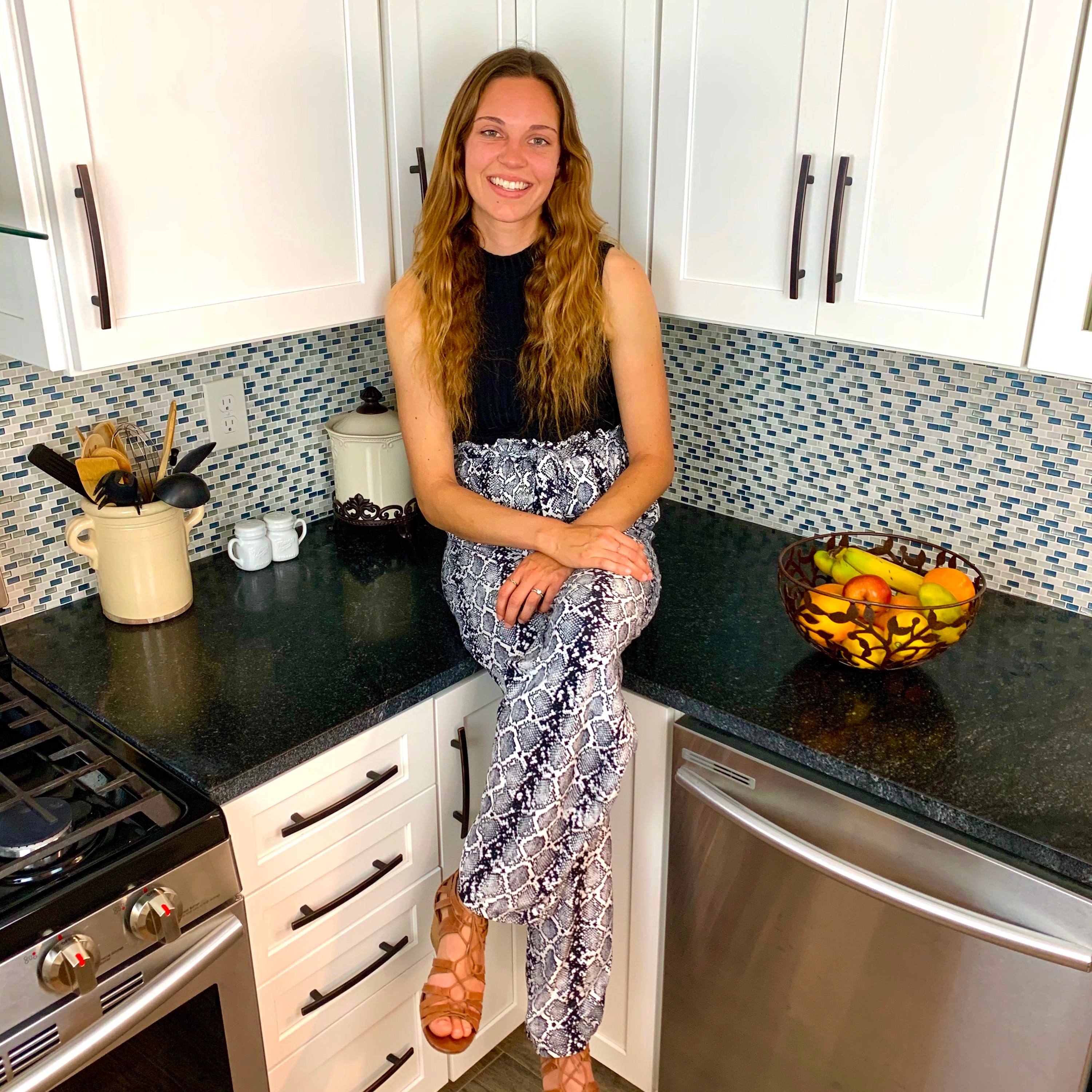
Flipping Houses Remotely FULL TIME At Age 24 with Dominique Gunderson
Today's Guest: Dominique Gunderson Dominique is co-founder with her husband Mitch of Gunderson Homes and has been involved in real estate since graduating high school at age 17. She started her career as an agent and then transitioned into wholesaling to build experience and capital, but her main interest was always in owning and investing in fix and flip properties. After building the right relationships and doing a lot of deals through wholesaling, Dominique was able to start her own fix and flip business at age 21. Today she still runs that house flipping business in New Orleans, all while living in Colorado. Her mission is to transform houses into beautiful and affordable spaces for new buyers and tenants and help as many families as possible to solve problems such as foreclosure, large repairs or structural damage, unpaid liens, bankruptcy, and problem tenants. Highlights From The Show: We begin the episode with Dominique sharing her background story and how she ended up in real estate. Dominique shares she is currently 24 years old and has been investing in real estate since she was able to work. She started investing in her teens after graduating from high school. Dominique started by learning about real estate, contracts, and what it meant to buy and sell houses to get her feet on the ground. She became an agent as soon as she could, at 18 years, to get some experience and one year later jumped into wholesaling. She did that for a couple of years before transitioning into what she is doing today, flipping houses to revitalize neighborhoods and add value. We then talk about what inspired Dominique into real estate at an early age. She shares that neither of her parents was in real estate, they didn’t own a home, and she didn’t know what real estate was until she started learning about it in high school. Seeing her parents struggling while growing up, always in debt, trying to figure out their finances, and working 9-5 jobs, Dominique wanted to do something different. She shares that she heard about real estate at fourteen when her mom finally figured out how to save up and qualify for a loan to purchase a townhome. This was in 2012, and the market was very low, but they bought a home that needed renovation. The whole process of buying and renovating the house was fascinating, and it sparked her interest in real estate investing and value addition. Next, we talk about Dominique's experience as an agent and her perspective on the real estate agent track. Dominique shares that after her first day working for the most successful agent in their area, she knew she did not want to be an agent. It was so transactional, had a lot of paperwork, and had nothing to do with buying and selling real estate. According to Dominique, that was 0% of the work she wanted, but she knew it would be a pivotal part of her journey. We then talk about why Dominique started with wholesaling first. She shares that she knew from the beginning that house flipping was her goal but felt like she didn’t know enough yet. Dominique was 19 years old, had no money, and had never done an investment deal. As an agent, there were many things she didn’t know from the buyer and seller standpoint, such as going through the escrow or title search, and she wanted to learn all that. Dominique also shares that she wanted to have her own money and not depend on other people all the time. According to her, being young was the hardest thing when she was starting out because people immediately didn't trust her because they thought she didn’t know what she was doing. Next, we talk about Dominique's strategy of finding deals. Dominique shares that back in 2016/2017, when she started investing, she was part of a wholesale team, which was the key to her success in different ways. First, it was working with a small team of people. The team was similar to the real estate agent, where everyone was on their own, doing their own deals. Being in an office surrounded by people doing the same thing enabled her to learn very quickly what was working and what wasn’t. She was also able to do JV deals and work together with others on contracts to split the fee. Second, it was getting creative and trying everything to see what worked. Lastly, we talk about how she went from wholesaling in LA to flipping in Louisiana and how she finds deals. Dominique shares that the transition from Los Angeles to New Orleans was based on affordability. After doing a range of 40 to 45 wholesale transaction deals in a year and a half, she had the experience, was able to save up, and was ready to follow her passion in flipping. Dominique could have done it in LA because she already had her network, but her savings were just enough for a downpayment. She had two options: bring in hard money and get investors involved, or take what she had and go to a different market where she could pay for the renta
Live Q&A - Wholesaling During a Recession, Buying Out-of-State Rentals, Selling Your Portfolio, and Managing Millennials
Highlights From The Show: Welcome to this version of the Just Start Real Estate Podcast! I am excited to bring you another replay of my Live Question and Answer sessions. For those people that are unable to join us live, this will provide an opportunity to hear the awesome questions I am fielding about business, taking risks, real estate, and so much more! This presentation is the live Q&A that I did the week of July 6th and each Thursday we will offer you another chance to take advantage of listening to the answers to our guests’ fabulous and compelling questions! Don’t miss this new episode of the Just Start Real Estate Podcast! Notable Quotes: “Learning what works, learning what doesn’t, all on my dime.” “Wholetail is a hybrid term coming from wholesale and retail.” “Sometimes in a wholetail situation, you might replace the carpeting and paint, but not refurbish the kitchen.” “You may spend $5k doing that but you can ask $20k more than you could before.” “I think a good real estate investor, for the most part, will do whatever they need to do to get the deal.” “Wholetailing in this market is great.” “We take a lot of properties and put them on the market right away just to see what will happen.” “The spirit of a wholetail deal is not to go the extra mile to provide appliances and stage it.” “If you want steady rent checks all year long, I would suggest a single-family rental.” “Realize there is a big difference between a long-term and short-term rental.” “Short-term rentals can be more profitable and produce more revenue, to be sure, but they also require more work.” “Either the deal isn’t as good as you think it is or your buyers’ list isn’t as strong as it should be.” Thank You for Listening! Connect with Mike on Twitter, Instagram, YouTube, Linkedin, Facebook Help Out the Show: Leave an honest review on iTunes. Your ratings and reviews really help and I read each one. Subscribe on iTunes. More Resources From Mike: Level Jumping: How I Grew My Business to Over $1 Million in Profits in 12 Months WINNING DIRECT MAIL - How to CRUSH IT with direct mail! 7 Figure Investor Video Course - Scale your business to 7 figures. I'll show you how! Simon Sinek: On Millennials in the Workplace

Rapper Turned Real Estate Investor with Andre Haynes
EToday's Guest: Andre Haynes Andre, also known as “Renaissance” is a real estate investor, author, content creator, and entrepreneur from the Ida B Wells projects on the south side of Chicago. Andre was adopted at age 6, and from 18 to 27 years old he was a struggling parent and hip-hop artist with no knowledge of credit and money. The only thing he knew was how to write songs and survive on the bare minimum. Andre stepped away from music, got a job in sales and marketing, and shortly found his way into real estate. He is a self-educated investor with a portfolio valued at over $1M and has recently been featured as a guest on BiggerPockets. Highlights From The Show: We begin the episode with Andre sharing his background story. Andre told me that he doesn't come from money and financial literacy. However, he couldn’t use that as an excuse not to be successful. After high school, he started pursuing his career in music as a rapper, but after 10 years in the game, Andre realized that it wasn’t what he wanted to do. He was living a fake lifestyle and struggling to take care of his family. He had not given up on his goal of being successful, but he had to pivot to find a different path. Andre stepped out of the music industry, got a job in sales making cold calls, and earned a regular income. This was not going to make him successful- Andre wanted more. He started researching how regular people could become wealthy, and this led him to read Rich Dad Poor Dad by Robert Kiyosaki and Money Master The Game by Tommy Robbins, which changed his life. Next, we talk about how Andre started his career in real estate. According to Andre, once your mind is opened to the world of financial literacy and investments, your opportunities explode. When Andre discovered that he could use the money he was earning to leverage stock, real estate properties, and other investments, he became untouchable. The average person is not an athlete or on TV, but is one who is working in a job and investing their money to get wealthy. Once Andre discovered this, it gave him a purpose to get up each morning to change his life and help others change their lives with the same information. He started investing in real estate by giving up unnecessary expenditures and working overtime to save money for investment. When it was time, all the right doors opened, and he was connected to the Neighborhood Assistance Corporation of America (NACA) program, which helped him to make his first investment in a multifamily house. We then discuss Andre's first multifamily investment and how he found the property. He shares that he went on the MLS and worked with an agent. This was back in 2015, and things weren’t as easy as they are today. Multi-units were a hot commodity, and they sold faster than single-family homes as many people are looking for cash flow. It took time for him to find it, and it came at a moment when he wanted to take a mental break. He was frustrated because he had pursued 10 to 20 properties and none worked out. The evening after speaking with his agent about taking a break, he found a great deal on the MLS, a multifamily house that was fully occupied, renovated, and with one unit for him to move into. Someone had listed it in the middle of the night. Andre called his agent, who wrote the offer for him, and he finally had his first investment property. Next, we talk about Andre's book 5 Step Guide on Getting Your Shit Together. Andre shares that he wanted to give people the personal blueprint he used to get his life in order. The book is direct and to the point, and an easy read. It aims to spread knowledge on the benefits of a healthy mentality, personal financial responsibility, business, self-help, and most importantly, the help of others. According to Andre, writing a book is not easy, but you have to go through the process to get the results. It’s never going to be a straight line, and you’ve to sacrifice to succeed. Lastly, we talk about how Andre makes money in real estate. He shares that he makes money through Peerspace and multifamily rental income. Peerspace is similar to Airbnb, but people don’t spend a night on the property. He has done it with his house, where he rents out space to people who want to shoot movies, throw dinner parties, and for entertainment. He also teaches various courses in real estate and has a ton of resources, including videos to help people get it right in real estate investing. Make sure you don’t miss another amazing episode of the Just Start Real Estate Podcast with Andre Haynes and get valuable information on how you can start investing in real estate! Notable Quotes: “Once your mind is opened to the world of financial literacy and investments, they become addictive.” Andre Haynes “Don’t use your background as an excuse not to be successful. There are others who have risen from the worst.” Andre Haynes “Success in real estate is achieve
Live Q&A - How to Dispo a Property, Defining a Wholetail, and Long Term vs. Short Term Rentals
Highlights From The Show: Welcome to this version of the Just Start Real Estate Podcast! I am excited to bring you another replay of my Live Question and Answer sessions. For those people that are unable to join us live, this will provide an opportunity to hear the awesome questions I am fielding about business, taking risks, real estate, and so much more! This presentation is the live Q&A that I did the week of June 29th and each Thursday we will offer you another chance to take advantage of listening to the answers to our guests’ fabulous and compelling questions! Don’t miss this new episode of the Just Start Real Estate Podcast! Notable Quotes: “Learning what works, learning what doesn’t, all on my dime.” “Wholetail is a hybrid term coming from wholesale and retail.” “Sometimes in a wholetail situation, you might replace the carpeting and paint, but not refurbish the kitchen.” “You may spend $5k doing that but you can ask $20k more than you could before.” “I think a good real estate investor, for the most part, will do whatever they need to do to get the deal.” “Wholetailing in this market is great.” “We take a lot of properties and put them on the market right away just to see what will happen.” “The spirit of a wholetail deal is not to go the extra mile to provide appliances and stage it.” “If you want steady rent checks all year long, I would suggest a single-family rental.” “Realize there is a big difference between a long-term and short-term rental.” “Short-term rentals can be more profitable and produce more revenue, to be sure, but they also require more work.” “Either the deal isn’t as good as you think it is or your buyers’ list isn’t as strong as it should be.” Thank You for Listening! Connect with Mike on Twitter, Instagram, YouTube, Linkedin, Facebook Help Out the Show: Leave an honest review on iTunes. Your ratings and reviews really help and I read each one. Subscribe on iTunes. More Resources From Mike: Level Jumping: How I Grew My Business to Over $1 Million in Profits in 12 Months WINNING DIRECT MAIL - How to CRUSH IT with direct mail! 7 Figure Investor Video Course - Scale your business to 7 figures. I'll show you how!
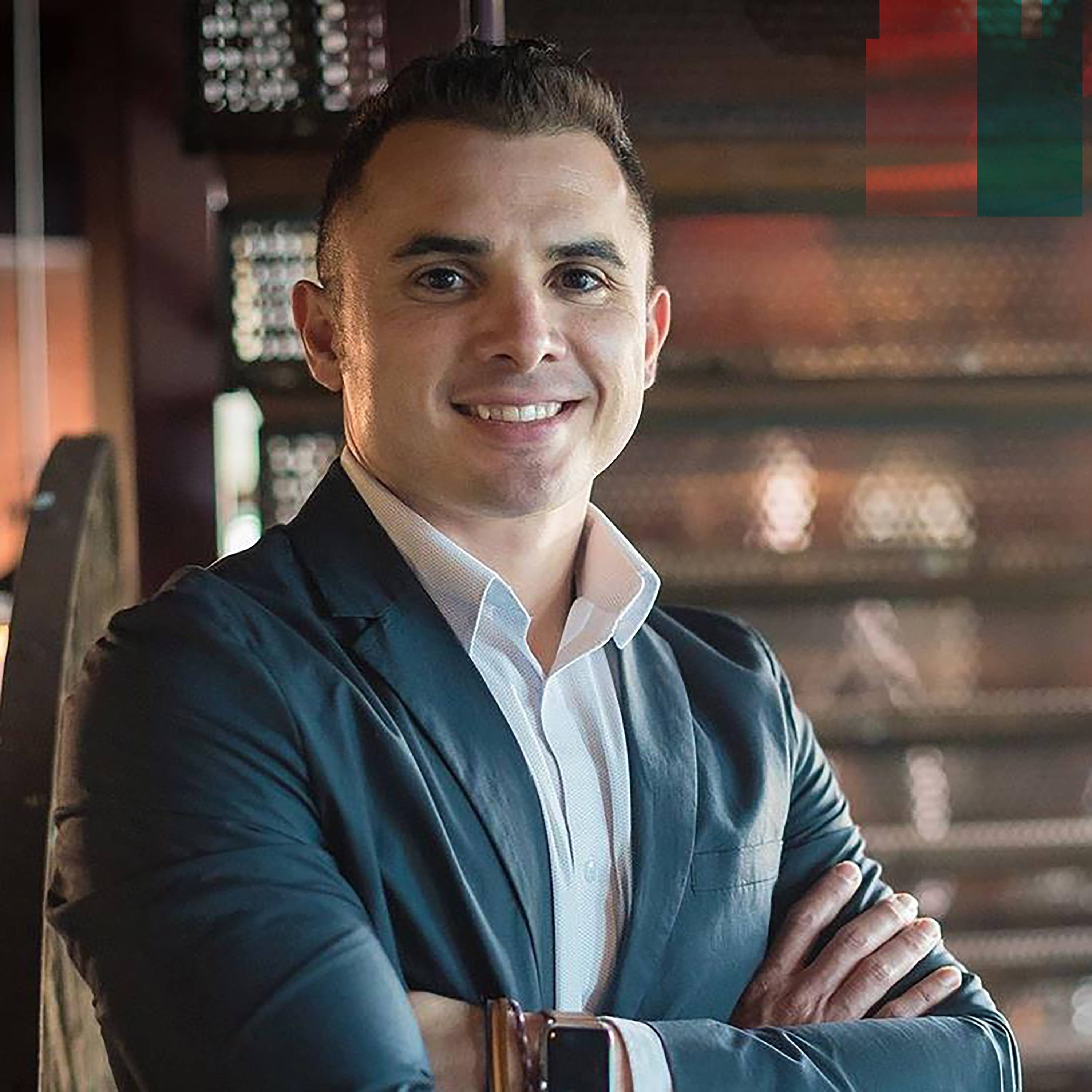
Create Wealth and Time Freedom with Systems and Processes in Your Business With Rafael Cortez
Today's Guest: Rafael Cortez Rafael has been wholesaling for over a decade and he now owns several companies, including a wholesaling and consulting company. Born and raised in Yuma, AZ, Rafael is a second-generation entrepreneur. He began his career in corporate before transitioning to entrepreneurship. Rafael saw an opportunity and began working on his first entrepreneurial project, a non-emergency medical transportation business, at age 21 but later sold the company and dove into real estate. He is currently an organizational psychologist and real estate professional holding ownership in multiple companies in various verticals, whose base of operations is in Phoenix, AZ. Highlights From The Show: We begin the episode with Rafael sharing his background story and how he started his journey in real estate. He shares that he started as a firefighter before getting to the business space. Rafael's first business was a medical transportation company that he sold a few years later. He also invested in industrial psychology to become a better entrepreneur before diving into real estate, which has been rewarding in his journey. He owns multiple companies, including a consulting company, a wholesale company where they do flips, and a real estate brokerage firm. He is an organizational psychologist and does business coaching and consulting to help people build profitable businesses and scale to the next level of growth. We then talk about Rafael’s first company and what inspired him to sell it. Rafael shares that he went through a lot in his 20s trying to figure out how to build a company. Rafael was so much in the hustle stage that he didn’t have the brain bandwidth to think of his business five or ten years down the road. His company was expanding, and he was more focused on how to make payrolls, hire people, buy vehicles, and how to scale. When Rafael realized that he was suffering from burnout and that what he was doing was not enjoyable, the thought of selling the company seemed ideal. He started planning his exit strategy by running the business in a way it could eventually sell. Next, we talk about how you can build systems and processes to help you create wealth and time freedom in your business. According to Rafael, as entrepreneurs, we have the ability to empower, and we can assign the right people within our team to offer value in things that we're not interested in becoming experts. In his company, Rafael has three managers, a lead manager, acquisition manager, and disposition manager, and each has their own team. They keep everything on track through different checks and measures to keep the level of accountability and performance high. Rafael shares that as an entrepreneur seeing the result of an empowered team is very satisfying. We then talk about systems that Rafael has found to be most valuable and holds as the reason for his success. He shares that understanding the stages of deals and being able to create a systematic approach is what has helped him stay ahead. According to him, psychologically, we are not wired to think linearly but developing the ability to put things together in a linear fashion is a game-changer. When this hit him, he changed the way he ran his business into six stages: outsourcing, converting, acquisition, disposition, measuring, and improvement sessions. This strategy has helped him level up in delegation, hiring, accountability, and finding the bottleneck for the business. Lastly, we discuss the wholesale market and why it’s easy to find deals. Rafael shares that he is in the most competitive market in Phoenix and they still get an average of twelve deals a month. The deals are out there, and you can get them in any market. It’s all about taking action and giving it enough time to work. Raphael says that real estate is not a get-rich-quick scheme. Make sure you don’t miss another fantastic episode of the Just Start Real Estate Podcast with Rafael Cortez and get valuable information on how you can create wealth and time freedom through systems and processes in your business! Notable Quotes: “We have to build systems in our businesses to get to a point where it’s delegatable. We can’t hustle forever.” Rafael Cortez “As entrepreneurs, we have the ability to empower, and we can empower the right people within our team to offer value in things that we're not interested in becoming experts.” Rafael Cortez “Investing in real estate is all about taking action and giving it enough time to work. It is not a get-rich-quick scheme.“ Rafael Cortez “You can invest in any market. Stop using the market as an excuse.” Mike Simmons “Wholesaling can be passive just like any other form of investing if you build your team.” Mike Simmons Thank You for Listening! Connect with Mike on Twitter, Instagram, YouTube, Linkedin, Facebook Help Out the Show: Leave an honest review on iT
Live Q&A - Lazy Partners, Investing a Line of Credit, When to Hire Property Management, and Finding Motivated Sellers in this Market
Highlights From The Show: Welcome to this version of the Just Start Real Estate Podcast! I am excited to bring you another replay of my Live Question and Answer sessions. For those unable to join us live, this will provide an opportunity to hear the awesome questions I am fielding about business, taking risks, real estate, and so much more! This presentation is the live Q&A that I did the week of June 22nd and each Thursday we will offer you another chance to take advantage of listening to the answers to our guests’ fabulous and compelling questions! Don’t miss this new episode of the Just Start Real Estate Podcast! Notable Quotes: “It is not theory - it is all actionable stuff.” “The first thing you need to do is buy my book, Level Jumping, because I have an entire chapter on partnering.” “The hard worker is always driven crazy by the not-so-hard worker.” “I hate beating around the bush and passive-aggressive actions.” “What kind of business do you ultimately want?” “It is pretty safe to say your rental will be vacant one month of the year.” “At 20 doors I would definitely be hiring a property management firm, but that is because I don’t want to manage properties.” “Just because something can be done doesn’t mean it should be done.” Thank You for Listening! Connect with Mike on Twitter, Instagram, YouTube, Linkedin, Facebook Help Out the Show: Leave an honest review on iTunes. Your ratings and reviews really help and I read each one. Subscribe on iTunes. More Resources From Mike: Level Jumping: How I Grew My Business to Over $1 Million in Profits in 12 Months WINNING DIRECT MAIL - How to CRUSH IT with direct mail! 7 Figure Investor Video Course - Scale your business to 7 figures. I'll show you how!
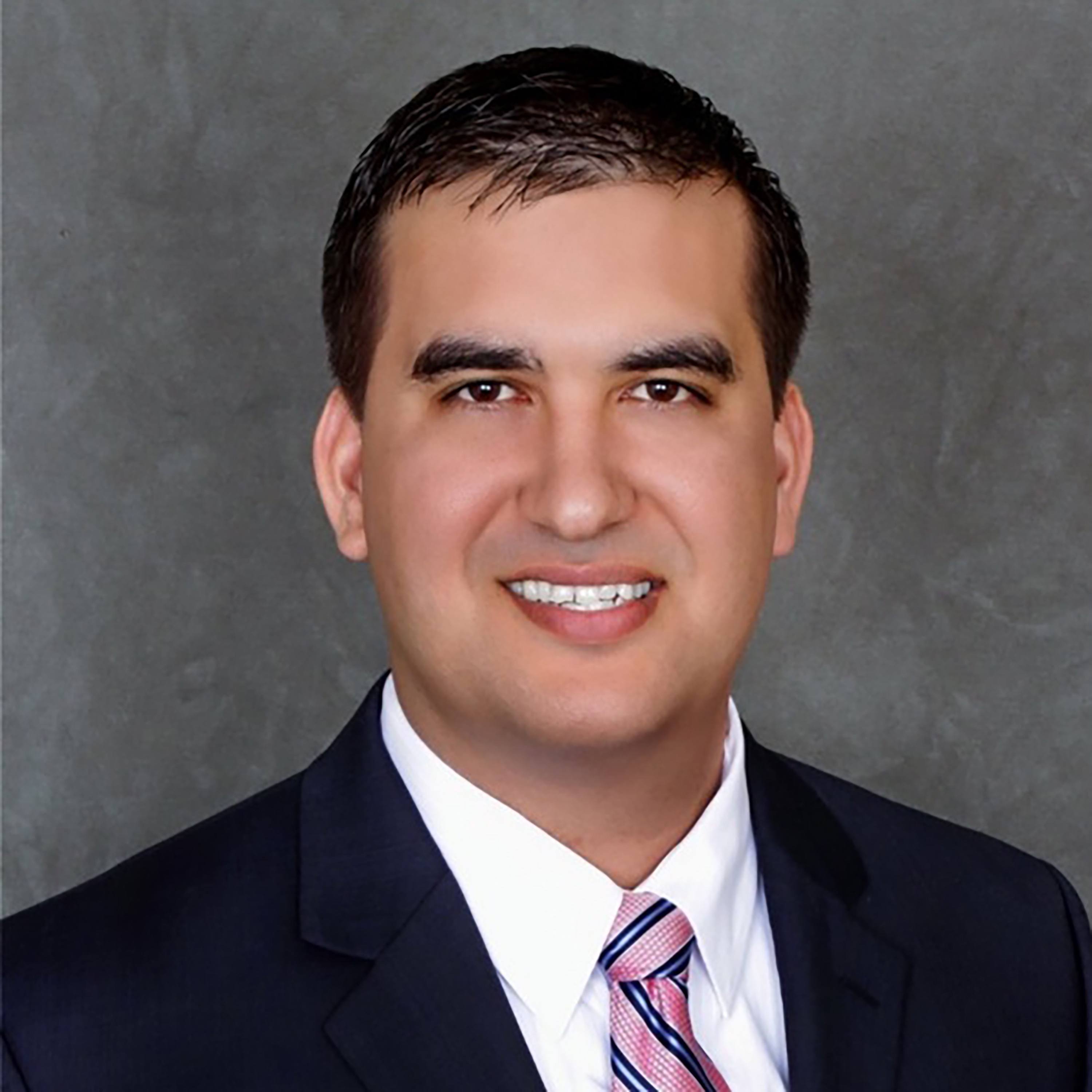
How to Utilize Mentors to Launch Your Business with Omni Casey
Today's Guest: Omni Casey Omni is a real estate investor, broker, and coach who has been in real estate for nearly 20 years. He is also a co-owner of New Leaf Redevelopers, with his wife and three kids, and Co-Author of THE CASH-FLOW BREAKFAST CLUB. His real estate career started in Hawaii, where he grew up, but for the last 10+ years, he and his family have been living in Northern Virginia, where he has actively been growing their real estate investment portfolio and a top-performing real estate team. His mission is to help others achieve their financial freedom, and he has coached hundreds of real estate investors and agents to create and execute a plan to grow their investment portfolios. Omni has recently been featured as a guest on the BiggerPockets Podcast, along with many other popular shows. Highlights From The Show: We begin the episode with Omni sharing his background story and how he ended up in real estate. Omni shares that he grew up in a very entrepreneurial family that had a few companies in construction. He knew he wanted to be an entrepreneur but didn’t know it would be in real estate. He ran several retail businesses prior to real estate, and just like many in the game, he was inspired to go down this path by the Rich Dad Poor Dad book. He sought mentors, coaches, and masterminds’ guidance and started his real estate career in Waikiki as an investor and later became an agent. For the last 20 years, Omni has been pouring himself into real estate as an investor and broker. He is now located on the East coast, where his wife comes from, and they are investing all over the country. We then talk about how Omni got his mentor and developed his learning processes to a point where he was ready to launch his business. He was looking for someone in real estate to be his mentor, and he found one of his customers who happened to be an experienced investor. The mentor looked for the pain points in his business and Omni offered to help and provided value by doing a lot of groundwork until he had enough experience and money to start his own investing. His mentor was doing multi-family, residential, and commercial investing, but he backtracked to smaller deals so that Omni could be involved. When it was time to do his own thing, he started with a realtor license to remove the roadblock of getting the right agent. Next, we talk about how Omni started his investment journey. Omni shares that he and his mentor were investing heavily in condos and lightly in single-family homes in Waikiki. Once he had enough money and wanted to branch out to do his own thing, he couldn’t afford anything in Hawaii, so he had to find other markets. He started investing in single families and duplexes throughout the United States in the markets that met his budget. Omni tested many markets and bought properties in low-profile areas. He learned, and now he is in great areas and has been able to assemble good teams that are making his investments more passive for him. We then talk about Omni's strategy of finding and acquiring deals. According to Omni, his primary real estate strategy is buying and holding for the long term. They do the BRRRR strategy, but sometimes they do flips and wholesale properties they don’t want to keep in their portfolio. Omni shares that they rely heavily on wholesalers to find deals, and he has been overly committed to becoming their number one client. Last year turned out to be their best year. They do cash purchases, then refinance and use the BRRRR method to reposition financially to fix and wholesale properties they don’t like. Lastly, we talk about how he was able to purchase so many properties last year in a strong seller’s market and his plan for the next five to ten years. He started coaching people on how to invest, and the number one complaint was that there were no deals, and he wanted to prove to them that there were deals. According to Omni, when people start to get nervous about buying, that is when he goes all in and makes his offers. Real estate has never let him down in his strategy of buying and holding long-term because it works in any market. Omni also shares that everything he is doing now is to educate his kids, the people he is coaching, and get into things that will stretch his comfort zone. Make sure you don’t miss another amazing episode of the Just Start Real Estate Podcast with Omni Casey and get valuable information on how to utilize mentors to launch your business! Notable Quotes: “It’s hard to find an agent that knows how to help an investor.” Omni Casey “When you want to learn from someone who is doing it, don’t do it with a ‘tell me what I can do’ mindset. Look for their pain points and be a solution.” Omni Casey “Taking action is the common denominator for every successful person in any industry. Stop waiting for everything to be perfect and just start.” Mike Simmons “Buying and holding properties
Live Q&A - Finding Profitable Investments, Wholesaling MLS Properties, Lead Follow-Up, and Investing in High Crime Areas
Welcome to this version of the Just Start Real Estate Podcast! I am excited to bring you another replay of my Live Question and Answer sessions. For those people that are unable to join us live, this will provide an opportunity to hear the awesome questions I am fielding about business, taking risks, real estate, and so much more! This presentation is the live Q&A that I did the week of June 15th and each Thursday we will offer you another chance to take advantage of listening to the answers to our guests’ fabulous and compelling questions! Don’t miss this new episode of the Just Start Real Estate Podcast! Notable Quotes: “Getting leads is #1.” “Direct mail is how I have gotten the majority of my leads over the last seven years.” “Take my hindsight and lessons learned and make them your foresight.” “It is not typical to have every deal you evaluate look like a bad deal.” “The biggest garbage excuse I hear is ‘there are no deals.’” “You can get a deal in any market.” “Just because it is doable doesn’t mean it should be done.” “If I live in San Diego, I might buy rentals in Michigan.” “You may have to leave your market to find deals that are profitable and cash-flowing.” “I think following up a lead is something new investors underestimate or undervalue.” “One of the drawbacks to investing in high crime areas is not being able to find consistent renters.” “Google opportunity zones.” Links: WINNING Direct Mail Roofstock Incredible Wealth Strategies Using Opportunity Zones with Ashley Tison 7 Figure Flipping Return on Investments Just Start Real Estate JSRE on Facebook Mike on Facebook Mike on Instagram Mike on LinkedIn Mike on Twitter Level Jumping: How I Grew My Business to Over $1 Million in Profits in 12 Months
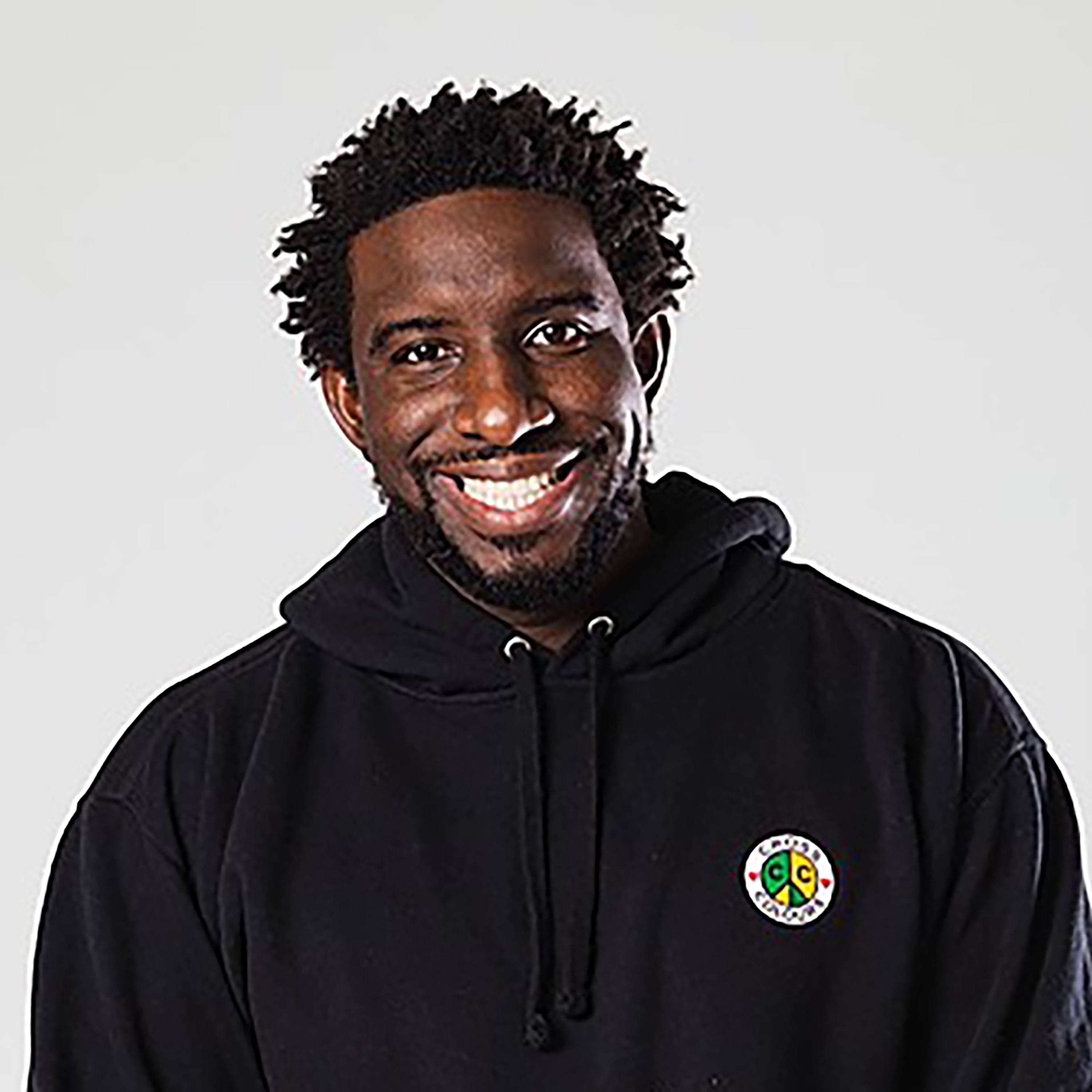
From Failed Flip To Huge Real Estate Success with Nasar El Arabi
My guest today is Nasar El Arabi. Nasar is known as @realestatedoru across social media and has been wholesaling, flipping, and landlording since 2007. After graduating from college, Nasar worked several jobs before leaving corporate life to go full-time in real estate. In 2010, he learned about creative RE and has been implementing this as his business plan since 2011. His goal is to build his rental portfolio through wholesaling and renovating properties and eventually investing in apartment buildings. Nasar is also the author of the popular book Flip Houses Like Burgers: With No Money Or Credit and has recently been featured as a guest on several podcasts, including BiggerPockets. We begin the episode with Nasar sharing his background story and how he ended up in real estate. They started flipping after watching a house-flipping show but ended up losing over $7,000 on their first deal. Nasar also shares that he relocated from New Jersey in 2008 to South Carolina, where he bought a rental property the same year and another in 2009 using the traditional way. He learned about creative real estate investing in 2010 and has been doing things creatively since 2011. We then talk about what Nasar did wrong that resulted in losing money in his first flip. He shares that he discovered his mistake after reading the Rich Dad Poor Dad book, where Robert Kiyosaki stresses that before investing in real estate, you have to take time to learn about real estate. For him, Nasar was motivated by a TV show that made investing seem very easy. He went to the MLS and bought the house without paying attention to the cap rate. The constructors and the realtors took advantage of them, and they ended up taking a loss. After his first flip, Nasar figured out that the declining real estate market, between 2008 and 2012, was not ideal for flipping, so he turned to rentals. However, according to him, he was wrong again. You can buy properties and flip in any market cycle at any interest rate. Next, we talk about Nasa’s experience investing in rentals. He shares that he was working in his full-time job when he started investing in rental properties. According to Nasa, getting tenants that were consistent in making their payments helped him build his equity before selling them in 2018. These were the only two properties that Nasar bought before learning about creative real estate. According to him, with creative RE, he works with a strategy and a plan, and this has enabled him to build a strong cash flow and a great rental portfolio. We then talk about creative financing and Nasa’s strategy of buying rental properties. Nasar shares that he finds deals for himself and is always looking for equity, cash flow, and potential appreciation. He often buys property in neighborhoods that are in the path of progress and those that can make an income of $6000 to $7000 after fixing. Nasar also shares that he doesn't use traditional banks. He uses other people's money and local financing with LLCs. According to Nasar, when you go to big banks, sometimes they only finance two properties, but the secondary market and local banks can allow you to own more properties. Lastly, we talk about what Nasar has been doing to create multiple income streams in his real estate business. According to Nasar, in real estate, you can push up to 6, 7, or 8 figures income just in one niche. So, if you want to create multiple streams of income you don't have to be in multiple industries to achieve your goal. For him, he doesn't see the need to spread himself in different Industries while he barely reaches all the potential in real estate. Multiple streams of income can be multiple rental properties or multiple flip properties and it’s all about loving and being passionate about what you do. Make sure you don’t miss another amazing episode of the Just Start Real Estate Podcast with Nasar El Arabi and get valuable information on how you can create a strong cash flow with a great rental portfolio! Notable Quotes: “Before investing in real estate, you have to take time to learn about real estate.” Nasar El Arabi “You can buy properties, rent, or flip in any market cycle and at any interest rate.” Nasar El Arabi “It’s easier to buy in a declining market as everyone is freaking out and can’t wait to give you their house at a discount.“ Mike Simmons “Realtors and brokers are salesmen. Take their advice, but tell them what to do .” Nasar El Arabi Links: Nasar on Instagram Nasar on Facebook Nasar on YouTube Rich Dad Poor Dad WINNING Direct Mail Just Start Real Estate JSRE on Facebook Mike on Facebook Mike on Instagram Mike on LinkedIn Mike on Twitter Level Jumping: How I Grew My Business to Over $1 Million in Profits in 12 Months
Live Q&A - Success Guilt, Evaluating Exit Strategies, and How to Quickly Rent Vacant Properties
Welcome to this version of the Just Start Real Estate Podcast! I am excited to bring you another replay of my Live Question and Answer sessions. For those people that are unable to join us live, this will provide an opportunity to hear the awesome questions I am fielding about business, taking risks, real estate, and so much more! This presentation is the live Q&A that I did the week of June 8th and each Thursday we will offer you another chance to take advantage of listening to the answers to our guests’ fabulous and compelling questions! Don’t miss this new episode of the Just Start Real Estate Podcast! Notable Quotes: “As far in advance that you know you are going to have a vacancy, I would start marketing it.” “I would still market the property 90 days out from it being vacant.” “You want to have time to do all of your due diligence upfront.” “There is a lot of competition for rentals right now.” “You can usually vet a potential tenant in a week.” “Maybe I am coldhearted, but other people have told me they have guilt over making money on flips and wholesales.” “I am able to help other people, including my kids who are young and starting families, because of the profits I am making in my business.” “There are not a lot of hard passes in wholesaling because what I say no to, there are plenty of buyers that would say yes.” “The juice isn’t worth the squeeze.” Links: WINNING Direct Mail Roofstock 7 Figure Flipping Return on Investments Just Start Real Estate JSRE on Facebook Mike on Facebook Mike on Instagram Mike on LinkedIn Mike on Twitter Level Jumping: How I Grew My Business to Over $1 Million in Profits in 12 Months
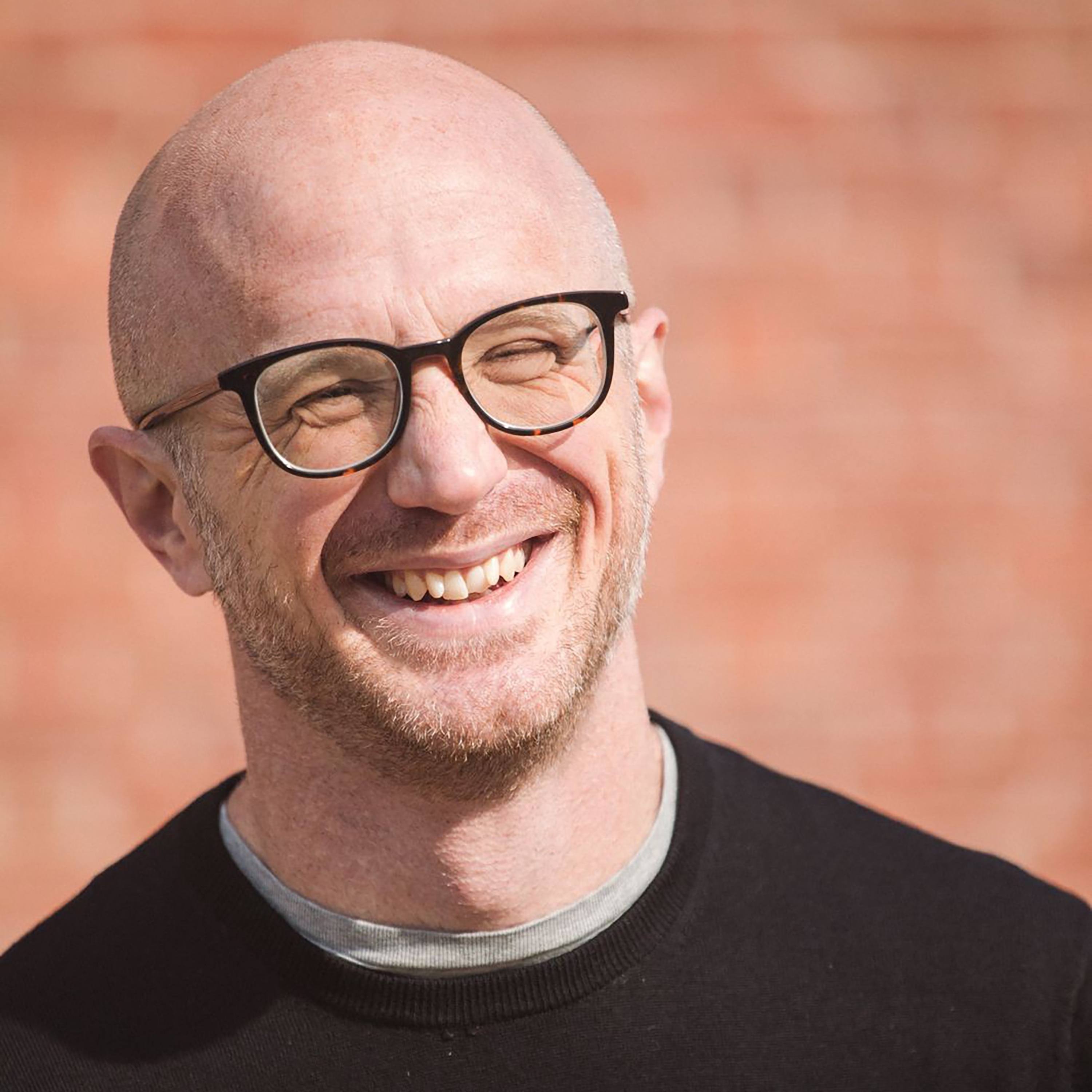
Finding Motivated Sellers Through Online Marketing with Daniel Barrett
My guest today is Daniel Barrett. Daniel is the founder and CEO of AdWords Nerds, a real estate marketing agency, and the host of the REI Marketing Nerds Podcast. Dan’s incredible success in the REI marketing space has seen him collaborate and work with top-notch investors and companies including, but not limited to, Joe McCall, Alex Youngblood, Tom Krool, and many more. We begin the episode with Daniel sharing his background story and how he ended up in the real estate space. He shares that he originally was looking to become a teacher, and he went to college to get a master's degree in history and another in education. At some point, Daniel realized that he was not making enough money, and he started freelancing and marketing to boost his cash flow. In his freelancing career, Daniel was helping businesses with SEO and web design, along with supporting local businesses. He was making much more money than he would have made in a full-time teaching position, so he decided to go into freelancing full-time. Daniel spent a couple of years working with anybody until he landed a client in real estate who changed his perspective. We then talk about how COVID affected Daniel’s business. He shares that he had zero ideas of what to expect in 2020, and it was the first time a significant economic event was occurring when he was self-employed and had kids. According to Daniel, there was a period of drought where sellers, buyers, and investors sat on their money for a while, but there was a very sharp increase after that. The year ended up strong, but in 2021 there was a retraction. The experience was not a big deal as Daniel had learned to be financially disciplined and conservative through the emotional experience in 2020. There were so many changes in the two-year period, the rise and drop of people searching online, brands getting major traction for the first time, google changing algorithms, and brands making more money from fewer leads. Next, we talk about the real estate market and how the prices are leveling out. Daniel shares that real estate is a market like any other, and all markets operate in similar dynamics. It’s not about what you think the market is going to do, but what you think other people think the market is going to do. According to Daniel, a property's worth is all about perception, and the difference between the inherent economic value and the perceived value is profit. Knowing how you can take advantage of both is key. We then talk about Daniel's business and how they offer their services. Daniel shares that everybody wants the silver bullet that is always going to work, but it doesn’t exist. All the solutions that investors need are contextual, and before working with any client, they should know about the client’s budget, closure, market, and risk tolerance. They realized that if all your eggs are in google ads or direct mail, there is a huge amount of risk that you take on if your business depends on it. Early on, their primary mode for getting new clients was Facebook. They did Google ads for clients, but Facebook was where they found investors. Lastly, we talk about the future of pay-per-click and Facebook ads. Daniel shares that we are in a period of massive transition in the online advertising space. According to him, Facebook is bleeding out, and they are having trouble getting back to where they were. Online marketing has traditionally been split between Google and Facebook. On the other hand, the use of TikTok is increasing, and most agencies, digital media, and professional advertising are using it for their ads. The other transition that Daniel talks about is the move to machine learning and artificial intelligence that eliminates most human control. Using multiple channels can help you increase your leads. Make sure you don’t miss another amazing episode of the Just Start Real Estate Podcast with Daniel Barrett and get valuable information on how to find motivated sellers through online marketing! Notable Quotes: “The motivated seller lead business is a fun ride. It is never boring as it has something new every day.” Daniel Barrett “Worth is all about perception, and the difference between the inherent economic value and the perceived value is profit.“ Daniel Barrett “We need volatility in order to encourage evolution, agitation, and change. All resilience systems have some volatility in them.” Daniel Barrett Links: AdWords Nerds Adword Nerds on LinkedIn Adwords Nerds on Instagram Adwords Nerds on Facebook Adword Nerds on Twitter Adword Nerds on YouTube WINNING Direct Mail Just Start Real Estate JSRE on Facebook Mike on Facebook Mike on Instagram Mike on LinkedIn Mike on Twitter Level Jumping: How I Grew My Business to Over $1 Million in Profits in 12 Months
Live Q&A - Best Locations for House Hacking, Lease Terminations, Vacancy and Maintenance Allowances, and Balancing Education and Implementation
Welcome to this version of the Just Start Real Estate Podcast! I am excited to bring you another replay of my Live Question and Answer sessions. For those people that are unable to join us live, this will provide an opportunity to hear the awesome questions I am fielding about business, taking risks, real estate, and so much more! This presentation is the live Q&A that I did the week of June 1st and each Thursday we will offer you another chance to take advantage of listening to the answers to our guests’ fabulous and compelling questions! Don’t miss this new episode of the Just Start Real Estate Podcast! Notable Quotes: “You aren’t going to be dumber for watching it.” “There are a million places you could live if you want to house hack.” “If you want to build a rental portfolio, the good news is that you don’t have to live in the same city to do that.” “Post-COVID, it is much more acceptable to not live in the same city as your business.” “If you really want to build a successful rental portfolio in a new location, just avoid the coasts.” “Just do your research.” “Make sure you follow whatever the lease dictates when handling tenants.” “This falls under the heading of ‘you can’t stop people from doing crazy things if they want to be crazy.’” “There is nothing wrong with asking someone to leave your house when the lease is up.” “The worst answer in the world is ‘it depends”, but it does.” “Don’t wait for the problem to bite you when you are least expecting it.” “I don’t want to try to be an expert where I am not an expert.” Links: WINNING Direct Mail Roofstock 7 Figure Flipping Return on Investments Just Start Real Estate JSRE on Facebook Mike on Facebook Mike on Instagram Mike on LinkedIn Mike on Twitter Level Jumping: How I Grew My Business to Over $1 Million in Profits in 12 Months

From 0 To 75 (83) Deals In 1 Year With The Kwak Brothers
My guests today are Sam and Daniel Kwak. Sam and Daniel have an inspiring story of building a real estate empire from 0 to 83 deals beginning with no money and no credit. They currently run an online financial education company, along with a YouTube channel that currently has around 260k subscribers. Sam and Daniel are passionate about sharing and helping others in their journey to success and are frequent and popular podcast guests and keynote speakers. They are also the co-authors of the book 0 To 75 Units In 1 Year: Introducing the FORCE Strategy to Acquiring Rental Properties. We begin the episode with Sam and Daniel sharing their background story and how they ended up in real estate. Daniel shares that they were immigrants to the US when they were very young and had very little money. They have always been entrepreneurial as Sam started a DJ company when he was 18, and Daniel was selling pokemon cards when he was a kid. They got into real estate in 2015 and Sam shares that they had no option but to figure out how to acquire rental properties in non-traditional ways since they had no money or credit. They tried everything that real estate offers, from fix and flip properties to wholesale deals before settling in with multifamily homes to create a continuous income stream no matter what happens in their lives. We then talk about why Sam and Daniel decided to venture into multifamily and not single-family rental homes. Daniel shares that they got into multifamily because of the economies of scale. According to him, if you can buy one property with eight streams of income, it’s equivalent to buying eight properties simultaneously. Additionally, when you analyze multifamily deals, you do it from a much more numerical and analytical perspective. However, when analyzing single-family homes, you have to collect comps and consider the person living there, including their emotional attachment to the house. When learning how to invest and analyze multifamily deals you have to learn how to analyze an income stream, assess the risk, the market, and understand the present and future value. You can learn this in single-family but not at the level you can learn it in commercial real estate. Next, we talk about why Sam and Daniel started their YouTube channel and how far they were into real estate when they got into it. Sam shares that it was a product of an accident. They love sharing, and when they learn something, it’s their nature to share it, teach it, and assume authority. When their real estate interest started to develop in 2014, they started sharing content on YouTube, and one video on how to pay off your mortgage took off. It qualified them for the partnership program so that they could be paid to put videos on YouTube. According to Sam, this wasn’t a strategic business move - they were just documenting what they were learning. However, people noticed, and they started building their authority. Having a YouTube channel has helped them raise capital, find more deals, and build more legitimacy behind what they do. They are now producing content with a very intentional approach and at a higher level. We then talk about how Sam and Daniel raise capital and strategies that you can use to raise money for deals. He believes that once you find that universal law of success that works for you in business, you apply it to every single little thing, even with finding deals. When finding deals, you don’t look for property, you look for people, and the same thing applies to capital. When you are raising capital, you are looking to build relationships with people who have the capital. For Sam and Daniel, they have raised tens of millions of dollars since they started despite their age using this strategy. To implement it successfully, you have to know your product, who your ideal client is, and how the two jive with what is happening in the market. You can have a great product and strategy, but if they don’t align with what is happening in the market, then it will not be effective. Lastly, we talk about what Sam and Daniel are doing in their business to prepare for the current market and some eventualities down the road. Daniel shares that 2022 is the greatest year and the best opportunity to raise capital because so many people are selling their stock and cryptocurrency and are moving towards real estate to buy assets that hedge inflation. However, according to Daniel, people underestimate the opportunities by betting based on optimism about increments in rents and a decrease in the cap rate. They believe that the rise in interest rates will make home affordability more severe, and people are going to be forced to rent because of it. On the other hand, the ratio of rent to income has significantly skyrocketed compared to the average mortgage and income. So, once the inventory resets in the housing market, it will push a lot of class A tenants back into home ownership. There are so many things that investors who are
Live Q&A - Getting Tenants to Move Out of Your Rentals, Ethically Skiptracing LLCs, Predicting Market Rent, and Using Personality Profiles
Welcome to this version of the Just Start Real Estate Podcast! I am excited to bring you another replay of my Live Question and Answer sessions. For those people that are unable to join us live, this will provide an opportunity to hear the awesome questions I am fielding about business, taking risks, real estate, and so much more! This presentation is the live Q&A that I did the week of May 25th and each Thursday we will offer you another chance to take advantage of listening to the answers to our guests’ fabulous and compelling questions! Don’t miss this new episode of the Just Start Real Estate Podcast! Notable Quotes: “It is very difficult to create a win-win situation with a tenant when their goals are not aligned with your goals.” “You own the place. You don’t have an obligation to have a tenant live there forever.” “You could do boots on the ground, roll up your sleeves, and go to the property and find out who owns it.” “I trusted my property management company to establish rents and increases because they watched the market trends very closely.” “It is fair to say that the average rent increases that have occurred over the last three years could be used to project rents in the future.” “I didn’t get too deep in those weeds, because I trusted the people whose entire business was immersed in those issues.” “My long-winded story was to point out that someone is always going to have something negative to say.” “Personality profiles are very important in the hiring process.” “Do I put all my eggs in the personality profile basket? NO!” “Personality profiles are just one more tool in your toolbelt to make a better, more informed decision.” Links: WINNING Direct Mail 7 Figure Flipping Return on Investments Just Start Real Estate JSRE on Facebook Mike on Facebook Mike on Instagram Mike on LinkedIn Mike on Twitter Level Jumping: How I Grew My Business to Over $1 Million in Profits in 12 Months

How To Dominate the Luxury Short-Term Rental Market with Rachel Gainsbrugh
My guest today is Rachel Gainsbrugh. Rachel is the owner of Short-Term Gems, a Luxury Airbnb Coach, and has been investing in luxury short-term rentals for the past 2 years, resulting in a portfolio of over 18 cash-flowing properties, owned. She has also been seen on Netflix and BiggerPockets, and she is a contributing author to a new book, Hospitable Hosts, to be released in the Spring of 2022. Rachel is passionate about helping others find their way by making simple the complex process of investing. We begin the episode with Rachel sharing her background story and how she got into short-term rentals. She shares that she loves numbers, but early on, financial literacy was not part of the equation. She learned some hard lessons after graduating from grad school with a crushing debt that she had to pay. After getting rid of it, she and her husband started out investing in real estate. They turned over all the stones, multifamily syndication, long-term rentals, industrial, and commercial, but when they found short-term rentals, they knew that was the real deal, and they got into this niche. We then talk about how Rachel has created luxury short-term rentals while not in the market. She shares that a good portion of her portfolio is within communities where they see travelers not necessarily for vacation purposes but primarily for business purposes. According to Rachel, there are over seven uses of short-term rentals, and anyone can use them to generate income depending on the location of their property. For her properties in the suburbia market, most of her primary guests are individuals who have been displaced from their homes due to disasters such as house fires or floods. House repair can take from 6 to 12 months, and Rachel is a provider for insurance companies looking to place such families in a home similar to their normal standard of living. This situation is a huge use of short-term rentals outside the vacation market. Next, we talk about how to find out short-term rental regulations and why you need regulations. Rachel says you can find them through a google search by searching for the short-term rentals ordinance of the area to get the government municipality code. According to Rachel, regulations come in so many shapes and sizes, and they depend on the zone for that particular property, and you have to read them to understand the requirements. It’s also important to note that HOAs often trump any regulations, and for Rachel, she follows two rules when investing in HOA communities. First, it must be a resort community, and the dollars she is spending on a monthly HOA are going towards perks such as swimming pools and boat slips. Second, 50% of the properties owned in that location must be short-term rentals; otherwise, she is not interested. We then talk about what the word luxury means in Rachel's brand and her criteria for acquiring short-term rental properties. According to Rachel, each market is different, and night rates for luxury ranges from $700 to $2500 per night. Their purchase price for their properties from 2019 to 2021 was between 175k to 462K, and at the end of last year, they secured a property for 1.3M. Rachel also shares that she finds property through MLS, and she doesn’t look at anything less than five rooms. This has enabled her to stand out and pop out from the crowd, giving her leverage in dealing with a different demographic and avatars. Lastly, we talk about the processes that Rachel has in place to minimize the amount of time she has to spend managing her rentals. Rachel shares that she uses a dynamic pricing tool, PriceLab, that prices her rentals day-to-day based on occupancy of other short-term rentals, occupancy of hotels, and events happening in the area. It uses AI, and she has to train it and tweak it from time to time to stop it from going too low. Pricing your property appropriately is really important, and the goal should not be 100% occupancy. For Rachel, her goal is around 65% to 75% occupancy, and that is where she makes more money. At 85% occupancy, she starts to lose money because her product diminishes. Other software includes a channel manager software to manage calendar conflicts, remote lock to provide codes to clients, noise monitoring software, and auxiliary cameras. Make sure you don’t miss another amazing episode of the Just Start Real Estate Podcast with Rachel Gainsbrugh and get valuable information on how to dominate the luxury short-term rental market successfully! Notable Quotes: “Short-term rentals occupancy rate should be 50% or higher, if it’s 30%, that is a high-risk investment, and it tells you no one is coming to that area.” Rachel Gainsbrugh “Occupancy rate gives you travel bureau information on how many travelers are really coming to that area.“ Rachel Gainsbrugh Links: 75 Gems Rachel on LinkedIn Rachel on Instagram Rachel on Facebook&nb
Live Q&A - Team Roles and Responsibilities, Remote Teams, New Wholesalers, and Forming an LLC
Welcome to this version of the Just Start Real Estate Podcast! I am excited to bring you another replay of my Live Question and Answer sessions. For those people that are unable to join us live, this will provide an opportunity to hear the awesome questions I am fielding about business, taking risks, real estate, and so much more! This presentation is the live Q&A that I did the week of May 18th and each Thursday we will offer you another chance to take advantage of listening to the answers to our guests’ fabulous and compelling questions! Don’t miss this new episode of the Just Start Real Estate Podcast! Notable Quotes: “If you have tried direct mail and it hasn’t worked for you, there may be very specific reasons why that is the case.” “With the BRRRR strategy, you refinance to get your money out of the property so that you can invest in the next one.” “Conventionally, you get the loan for a buy-and-hold first.” “We got out of our office space and went remote before COVID ever hit.” “If you are a local company, you should be doing some in-person activities to team build and stay connected.” “The part of our business that does not make us excited is filling out government paperwork.” “You are not a real estate investor unless you do at least one deal.” “You will see the urgency of creating an LLC if you do a couple of deals.” “Any advice? Yes, stop doing that.” “The reality is that, in this market, you do not have time to get a contractor to walk through every property to evaluate rehab costs before you make a deal.” Links: WINNING Direct Mail 7 Figure Flipping Return on Investments Just Start Real Estate JSRE on Facebook Mike on Facebook Mike on Instagram Mike on LinkedIn Mike on Twitter Level Jumping: How I Grew My Business to Over $1 Million in Profits in 12 Months

Market Trends and What the Future MAY Hold in Real Estate with Dave Meyer
I am excited to welcome Dave Meyer to the show today! Dave has been investing in real estate for 12 years, primarily in Colorado. He is also the Vice President of Data and Analytics at BiggerPockets and the host of BiggerPockets' newest podcast, On The Market, where he and his co-hosts break down recent data and trends, to help investors craft their strategies and invest with confidence. They believe that the modern real estate investor doesn’t have time to research every headline and trend. That is why Dave Meyer and his expert panel do it for you! We begin the episode with Dave sharing his background story and how he ended up in real estate. He shares that he graduated during the great recession, and it was pretty tough to get a job. Dave started investing right after college in rental properties after a friend who was making good money doing the same introduced him to the space. Initially, he had no money, but he found some partners, and he was able to borrow some of the down payment from family members. After several years, his career outside the real estate started to evolve, so he went back to grad school and got his master's degree in data science and data analytics. He combined the two careers and got a job at BiggerPockets. Dave has had a lot of jobs there but what he does now is internal data analytics. During COVID, he started analyzing the housing market and real estate market trends because people were freaking out. Dave also started writing articles on market trends, and it has evolved into a new brand, On The Market, which is a podcast and YouTube channel. We then talk about Dave’s first rental property investment in real estate. He shares that it was a four-flat multifamily property in Denver. He was just starting, and he didn’t know what a good deal he had found. Dave sold the property in 2018 at a triple the initial price. The property had a lot of deferred payments, and it needed serious work. He had just completed grad school and was working full-time in BiggerPockets, and he couldn’t get into it. He sold it in a 1031 exchange and got additional properties, so he didn’t take any equity out of the market. As an expert in the housing market, Dave doesn’t buy or sell properties at an exact moment. According to him, sticking with a strategy over the long term will help you do well in real estate. Next, we discuss why inventories are low even when the prices are at an all-time high. Dave shares that since the great recession, investors have built very few houses in the US, and he believes that there is a housing supply shortage in the population. According to him, overall inventory is a function of how many houses get listed in the market and how many buyers there are. The number of houses listed in the market is pretty good, and it’s a common misconception that no one is selling their house, but people are. There is so much demand that they get snapped up so quickly that it feels that no houses are on the market because they don’t last more than a week. The market is also so competitive, and people don’t want to buy back in, and inventories will be low because of the interest rates. Selling a property now as a homeowner will give you a lot of equity, but you will be buying in a rising interest rate market where prices are still super high. We then talk about predicting what will happen in the housing market. According to Dave, data science and data analytics is all about probability. You have to learn to think in probability when creating your market models. This makes it very important to divorce decisions from the outcome as an investor by taking the information that you have and making a good decision. A decline is a normal business cycle and not a bubble, but this is what gets the most attention when people are uncertain about what will happen. However, if you want to be a good investor, you just need to be honest about your uncertainty and invest more conservatively. It is always the right time to make a deal if the numbers work. Lastly, we talk about the rental market and what to expect in the near future in the United States. Dave shares that he still believes in the long-term prospect of rental property investments. There will always be a subset of people in the population that can’t or don’t want to be a homeowner, and someone needs to supply housing to them. For Dave, he takes his role seriously, and he’s always trying to be a good landlord and provide a good product to people. Thinking of your rental as a product and finding a way to get a good property, low vacancy rate, and have people take care of your homes will make your business successful. Make sure you don’t miss another amazing episode of the Just Start Real Estate Podcast with Dave Meyer and get valuable information on market trends and the future of the real estate market! Notable Quotes: “Understanding the housing market and macroeconomics will pos
Live Q&A - Yoda vs. Luke Skywalker, Advanced Negotiating, and What to do with 100K
Show Notes: Welcome to this version of the Just Start Real Estate Podcast! I am excited to bring you another replay of my Live Question and Answer sessions. For those people that are unable to join us live, this will provide an opportunity to hear the awesome questions I am fielding about business, taking risks, real estate, and so much more! This presentation is the live Q&A that I did the week of May 11th and each Thursday we will offer you another chance to take advantage of listening to the answers to our guests’ fabulous and compelling questions! Don’t miss this new episode of the Just Start Real Estate Podcast! Notable Quotes: “This is the place to be.” “You don’t know what you don’t know.” “Unfortunately, most answers boil down to ‘it depends’.” “We determine what we can profit on each different exit scenario.” “We still want to give our buyers the feeling that they are a little bit special.” “For our business, flipping a property is a last option, but it is an option.” “I prefer to be Hans Solo or Luke Skywalker. Yoda is awesome, but he is short and kind of ugly.” “If you have 100K and want your investment to be very passive, I would recommend a syndication.” “I can tell you because I did it. I flipped houses for six years while I worked a full-time job.” “Make snow removal the tenant’s responsibility. No need for you to take that on.” Links: WINNING Direct Mail 7 Figure Flipping Return on Investments Just Start Real Estate JSRE on Facebook Mike on Facebook Mike on Instagram Mike on LinkedIn Mike on Twitter Level Jumping: How I Grew My Business to Over $1 Million in Profits in 12 Months
Remote Investing and Figuring Out Your Buy Box with Tommy Christy
I am excited to welcome Tommy Christy to the podcast today! Tommy is the founder of iLoveHouses.com and has 20 years of experience in the buying, fixing, and selling of foreclosure properties. Having lived and worked through one of the most tumultuous housing markets, he has a ton of experience that has enabled him to thrive in remote investing and buy box strategy. He is at his peak of buying three houses every month each year and operating across five different states, including California, Nevada, Florida, Montana, and Missouri. We begin the episode with Tommy sharing what he was doing before remote investing and what led him to real estate. Tommy shares that this is his 20th year in real estate, but prior to that, he was selling coupons door to door, which taught him how to sell. Selling is all attitude-driven, and one of the best skills that he learned is the SEE factors (Smile, Eye contact, and Enthusiasm). According to him, when you combine the SEE factors with interest, you are positioning yourself to win. Doing sales was not his ultimate goal, and when Tommy wanted to do something different, he was determined to build his real estate portfolio. This led him to iLoveHouses.com, which is his body to buy, fix and sell, and iLoveRentals.com, which is his buy and hold company. We then talk about Tommy’s focus on remote investing. He speaks a lot about how to figure out your buy box. Tommy also shares that the assets have to be of high quality and match someone who does his volume. With this kind of buy box, he usually gets properties such as manufactured and mobile homes that still have life in them and are financeable. We then talk about Tommy's process of verifying deals in areas that he has never operated on before. According to him, it actually changes depending on your volume. When you drive by a house, you can only see it from the outside, so get it checked before closing the deal. It’s a matter of confidence and comfort. Tommy gets his deals from wholesalers, referrals, and established relationships and has to figure out what, where, and why he’s buying. Lastly, we talk about how you can find deals if you are new to the real estate market and have no relationships yet. Tommy shares that there is a foundation for who you are and what you want inside your buy box that you can always rely on. If you can tell someone precisely what you are looking for, you can tell ten people specifically what you are looking for. You can also commit to calling six brokers a week and then following up. The quality of the relationship and the leads that come through will grow a lot. Tommy also recommends that you always be aware of your debt coverage ratio when approaching your local credit union. Make sure you don’t miss another amazing episode of the Just Start Real Estate Podcast with Tommy Christy and get valuable information on remote investing and how you can figure out your buy box investment strategy! Notable Quotes: “Your buy box is important, and knowing and understanding it shifts the quadrant on when to develop and buy rentals at different rates.” Tommy Christy “There is so much loaded in the options on how you can do your deals even when you don’t have the money to flip a house.” Tommy Christy “Your buy box is not just about the number of bedrooms and bathrooms; it’s your tolerance for aggravation of risks.“ Mike Simmons “Location matters, and it’s the greatest word in real estate terms.” Tommy Christy Links: Ilovehouse.com Tommy on LinkedIn Tommy’s Email WINNING Direct Mail Just Start Real Estate JSRE on Facebook Mike on Facebook Mike on Instagram Mike on LinkedIn Mike on Twitter Level Jumping: How I Grew My Business to Over $1 Million in Profits in 12 Months
Live Q&A - Buying Condos, Managing Your First Flip, Driving for Dollars, and the Wholesaling Process
Welcome to this version of the Just Start Real Estate Podcast! I am excited to bring you another replay of my Live Question and Answer sessions. For those people that are unable to join us live, this will provide an opportunity to hear the awesome questions I am fielding about business, taking risks, real estate, and so much more! This presentation is the live Q&A that I did the week of May 4th and each Thursday we will offer you another chance to take advantage of listening to the answers to our guests’ fabulous and compelling questions! Don’t miss this new episode of the Just Start Real Estate Podcast! Notable Quotes: “I am going to start out by not answering the question, but by challenging the premise.” “Not one person said, ‘There are no affordable properties in my city.’” “Condos are actually really easy to comp.” “You can find good deals in any city.” “It really depends on your goals, right?” “I wouldn’t feel comfortable mailing a thousand names for a year without adding to that list.” “I have given presentations for over an hour on finding motivated sellers and I probably could have gone two or three hours easily.” “I spent the first five years learning, making mistakes, and avoiding asking for help.” “Postcards and letters are still an incredibly effective method for finding motivated sellers.” “Driving for dollars is a great way to find leads and ultimately build your business because it is scalable and very inexpensive.” “You don’t ever want to run your business in a transactional way. It is about building relationships.” “You have to deliver or overdeliver.” Links: 7 Figure Investor 7 Figure Flipping Return on Investments Just Start Real Estate JSRE on Facebook Mike on Facebook Mike on Instagram Mike on LinkedIn Mike on Twitter Level Jumping: How I Grew My Business to Over $1 Million in Profits in 12 Months

How to Get Started Buying Mobile Home Parks with Amanda Cruise
My guest today is Amanda Cruise. After growing increasingly wary of the stock market, she pivoted to commercial real estate investing. Her first strategy was in single-family homes, then mobile homes, and now she is focused on the mobile home park asset class. She also works with passive investors looking to diversify income out of traditional IRAs and into alternative real estate investments to create a stable cash flow without the uncertainty of the stock market. We begin the episode with Amanda sharing her background, what she did before and how she ended up in real estate. She shares that she was brought up in a traditional manner as far as jobs, work, and money are involved. After college where she majored as a data analyst, she couldn’t get a job. Amanda eventually started working her way up the corporate ladder at a large credit card company. She was a hard worker, and the harder she worked, the richer she made other people that she hadn’t even met. She knew there was something more, and she started looking for an alternative to take care of her own time, and that thing was real estate. We then talk about Amanda’s interest and transition from single-family homes to mobile homes and later mobile home parks. They wanted to do something different, go faster, and mobile homes were the answer. They looked for individual mobile homes from people who really needed to sell and purchased them just like any other real estate property. They did seller financing, which helped get people in a home they wouldn’t otherwise be able to get into because it is hard to get financing for pre-owned mobile homes. They were getting great returns, and they realized they wanted to do more affordable housing, and that was when they decided to start owning mobile home parks. Next, we talk about Amanda’s criteria for finding mobile homes for sale. Amanda shares that if you’re really interested in single mobile homes, she recommends you drive to the parks looking for sales signs and ask people if they know anybody looking to sell. For them, they prefer the mobile homes to be in parks and have three bedrooms to make them easier to resell in today's market. We then talk about how Amanda came to know that mobile homes were going to be a profitable venture. Amanda shares that they spent months educating themselves by listening to podcasts and reading books on mobile homes parks. According to her, mobile homes have better returns, and you can buy a mobile home park for a better cap rate than you can buy an apartment. Commercial real estate is valued based on the net operating income it brings in, and in mobile homes, this means more income. For the same amount of net income, you can buy a mobile home for less money than you would spend for an apartment complex. There are also many mom-and-pop sellers in mobile homes, which is not what you find when buying an apartment complex. Additionally, being able to get the deals straight from the people who created the parks themselves is really appealing. Lastly, we talk about what to expect if you are looking for a business that will lead you to financial freedom in mobile home parks. Amanda shares that if you are looking for a good cash flow, you’re likely to go to multiple areas or states. They live in the central part of the state, and all their investments are three hours away from their home. There aren’t as many parks as there are single-family houses, so it takes a little more work and time to find one within your price range and location. Amanda and her husband's ultimate goal is 300 mobile home parks to get to their ideal target income. Make sure you don’t miss another amazing episode of the Just Start Real Estate Podcast with Amanda Cruise and get valuable information on how to invest in mobile homes and mobile home parks in a profitable way! Notable Quotes: “Mobile homes have a title, not deeds and they are easy to transfer, there’s no closing with mobile homes, you just get it notarized and sign for it just like buying a car.” Amanda Cruise “You can buy a mobile home park for a better cap rate than you can buy an apartment complex.” Amanda Cruise “Like everything else, in mobile homes parks going straight to the seller will give you the best deal.” Amanda Cruise “In mobile houses, buyers' expectations are much more manageable.” Amanda Cruise “There aren’t as many parks as there are single-family houses, so it takes a little more work and time to find one within your price range and location.” Amanda Cruise “When buying a mobile home park, the most important thing is due diligence on the infrastructure.” Amanda Cruise Links: Voyage Investing JSS Financial Amanda on LinkedIn Amanda on Instagram Amanda on YouTube Mike's Email Just Start Real Estate JSRE on Facebook Mike on Facebook Mike on Instagram Mike on LinkedIn Mike on Twitter Level Jumping: How I Grew My Busin
Live Q&A - My Best Lead Sources, Where I Get Motivation & Inspiration, and Hoarder Homes
Welcome to this version of the Just Start Real Estate Podcast! I am excited to bring you another replay of my Facebook Live Question and Answer sessions. I just started doing these live forums in April and they are going so well and I am getting such great feedback and questions, I thought I would share them here on the podcast. Especially for those people that are unable to join us live, this will provide an opportunity to hear the awesome questions I am fielding about business, taking risks, real estate, and so much more! Some of the questions have been very real estate specific, but others have been general business questions, like asking about overcoming fear in order to get started and how to successfully scale. I have also received more personal questions like how I decided real estate investing was right for me and the steps I took to get my business off the ground. This presentation is the live Q&A that I did the week of April 27th and each Thursday we will offer you another chance to take advantage of listening to the answers to our guests’ fabulous and compelling questions! Don’t miss this new episode of the Just Start Real Estate Podcast! Notable Quotes: “I started out getting my leads from the MLS. But remember, it was 2008.” “Going on the MLS and buying foreclosures was really easy.” “When I couldn’t find deals anymore on the MLS, I went to direct mail and it worked great.” “Direct mail helped me blow up into a seven figure business.” “My best source of leads now is Google AdWords, pay-per-click.” “The great thing about a pay-per-click lead is that it is someone that is looking for you.” “Make an offer on it. Hoarder homes are fantastic investments where you can make a ton of money.” “The great thing about a hoarder home is that the clean out is really not a big deal.” “I would only consider giving a contractor a 30% downpayment to get started if I had a ton of experience and background with them.” “Nobody needs 30% to get started.” “If materials need to be bought to get started on a job, have the contractor make a list at Home Depot and call and pay for it yourself.” “I was never a fan of motivational videos and affirmations until the last couple of years.” Links: 7 Figure Investor Eric Thomas YouTube Channel 7 Figure Flipping Return on Investments Just Start Real Estate JSRE on Facebook Mike on Facebook Mike on Instagram Mike on LinkedIn Mike on Twitter Level Jumping: How I Grew My Business to Over $1 Million in Profits in 12 Months
Incredible Wealth Strategies Using Opportunity Zones with Ashley Tison
Incredible Wealth Strategies Using Opportunity Zones with Ashley Tison Ashley Tison Interviewed 3/22/2022 My guest today is Ashley Tison. Ashley Tison is an attorney, founder of Opportunity Zone Professionals (OZPro), and strategy guru for OZPros. OZPros.com is a consulting firm that helps real estate investors, business owners, and other high net worth investors own qualified opportunity fund and qualified opportunity zone investments. They have invested in a number of products on their website to educate people on the complexities around Opportunity Zone strategy legislation so that they can implement it successfully. You can purchase the educational product and do it on your own or sign up for their Oz workgroups, a virtual working center where people interact with others and exclusive resources to learn about these exciting investment types. We begin the episode with Ashley sharing his background story and why he chose his current profession. Ashley grew up in Indiana, played basketball, and ultimately ended up studying international business. After college, the job market wasn’t great, so he decided to go to law school to be an attorney. He practiced with big firms for five years and later got into in-house commercial real estate with a developer. When the commercial real estate market crashed, he went back to practice law and built up a mergers and acquisitions firm to help people buy and sell businesses. However, he sold the firm in 2017 because he got sick of seeing business owners who had built up big empires give almost 30% of it to the government. This led him to tax succession and mitigation planning, and along the way, he stumbled into opportunity zones. He loved it, and in 2018, he created a website, and within 2 weeks, he had 150 inbound inquiries and $75,000,000 worth of capital. We then talk about how Ashley was able to build a successful business from a website without marketing. Ashley and his team were doing it as a test, and they didn't have videos on their first website, but they had done a little bit of a keyword search. The opportunity zone program aligned perfectly with his background, and he had to help people figure out how to do it and implement it themselves. To achieve his goal, he repurposed a software program that they had built for his law firm that allowed them to do a main street-level business transaction for a fixed fee. They launched it to work in the opportunity zone space and partnered up to become the legal zoom for this space. According to Ashley, for the legal zoom capability, you must have a fair knowledge of how to do the forms, which is a little bit complicated. So they ended up putting in robust products to teach people and walk them through on their website, which has been rewarding. Next, we talk about what an opportunity zone is and the benefits that come with it. Ashley shares that Congress established opportunity funds and zone in the Tax Cuts and Jobs Act of 2017 to allow governors to designate up to 25% of their low-income census tracts all across the United States. When you invest in an opportunity fund, the first benefit you get is that you get to defer taxes until December 31st, 2026. There used to be a second benefit, which was a step up on the base after investing for either seven years or five years prior to the December 31st, 2026 deadline, but it expired in 2021. The third benefit is a permanent exclusion of capital gains tax via a step-up in base to fair market value. According to Ashley, for someone planning to build generational wealth, this is significant because it not only eliminates capital gains taxes but also eliminates depreciation recapture. So as a real estate investor, you can take any capital gains and invest them in a qualified opportunity fund and hold it for 10 years, and whatever you gain is going to come out tax-free. We then discuss how you can take advantage of opportunity zones in real estate. Ashley shares that you can do it on any of your properties that happen to be in an opportunity zone. However, there are some requirements. You must have a substantial improvement of the asset which means you’ve to double the value of the building. So, if you buy a piece of property for $200,000 and the building itself is worth 50% of that, then you have to put another $100,000 into improving it. What you spend for improvement depends on the breakdown of what the building is worth versus the land. The opportunity zone tax act wants to make sure that people are not land banking on the opportunity zone. They want real investments. The good thing about it is that you don’t have to ask for permission from anybody, and there is no governing body that comes to check up on you. However, according to Ashley, when you don’t ask for permission, you must be prepared to provide a good audit trail to qualify. Lastly, we talk about how you can find out if your property is i

Live Q&A - Private Lender Documentation, Using a VA for Follow-Up, and How to Beat Business Owner Loneliness
Welcome to this version of the Just Start Real Estate Podcast! I am excited to bring you another replay of my Facebook Live Question and Answer sessions. I just started doing these live forums in April and they are going so well and I am getting such great feedback and questions, I thought I would share them here on the podcast. Especially for those people that are unable to join us live, this will provide an opportunity to hear the awesome questions I am fielding about business, taking risks, real estate, and so much more! Some of the questions have been very real estate specific, but others have been general business questions, like asking about overcoming fear in order to get started and how to successfully scale. I have also received more personal questions like how I decided real estate investing was right for me and the steps I took to get my business off the ground. This presentation is the live Q&A that I did the week of April 20th and each Thursday we will offer you another chance to take advantage of listening to the answers to our guests’ fabulous and compelling questions! Don’t miss this new episode of the Just Start Real Estate Podcast! Notable Quotes: “Entrepreneurial loneliness is one of the biggest pitfalls of being an entrepreneur.” “The absolute best remedy for entrepreneurial loneliness is joining a mastermind.” “You have to surround yourself with people who are in the same relative situation as yourself.” “The mistake people often make, and it can cost them a ton of money, when they are lonely is to partner with someone.” “You feel like you have someone in the trenches with you - until it goes wrong.” “Don’t feel like your acquisition manager needs to have real estate experience. They don’t.” “MAO stands for Maximum Allowable Offer.” “Mortgages and promissory notes are two documents that you must have when you have lenders involved in purchasing a property.” “You should be buying properties inside of an entity, an LLC.” Links: 7 Figure Investor 7 Figure Flipping Return on Investments Just Start Real Estate JSRE on Facebook Mike on Facebook Mike on Instagram Mike on LinkedIn Mike on Twitter Level Jumping: How I Grew My Business to Over $1 Million in Profits in 12 Months

How to Create Wealth through Seller Financing with Brian O'Neill
My guest today is Brian O'Neill. Brian has over 20 years in real estate. He has been leveraging his experience and proficiency in sales to help him maximize his selling, buying, and investing efforts. Brian is also a family man, and he has a wonderful wife, Katie, and a ten-year-old son named Will. Together they started BKW Property Solutions to provide flexible real estate solutions for buyers and sellers. They serve the people in the Chicagoland area to help buyers realize their dream of owning a home. We begin the episode with Brian sharing his background story and how he ended up in real estate. He shares that he was conditioned early on in life to go to school, get a good job, save money, buy a house and hopefully retire at 75 years old. He was in sales for about 25 years and was interacting with business owners with a net worth that was ten times higher than his, which helped him in his real estate career. According to Brian, in sales, you can only make more money if you’re trading more time or moving up the corporate ladder, and this made him so nervous. This motivated him to stop the analysis paralysis and pursue his dream of real estate investing. We then talk about Brian's model and end game with seller financing. He shares that there are two models he likes to use. First, you can have control of properties without ownership and create multiple exit strategies. Second, you can take the deeds with seller financing. Brain's preferred strategy that pays him the most money is finding buyers who cannot qualify for a bank loan and leasing the house to them until they qualify for a loan to cash out. Brian is a long-term thinker, and this works for him. However, you can also leverage other existing strategies such as short-term and long-term rentals. He also shares that he finds his properties primarily by looking for sellers who are actively trying to sell their house, through expired listings, for sale by owners, or rent by owners. This is all inexpensive public information. Next, we discuss how Brian gets houses seller-financed and how he protects the transaction. Brian shares that before he sells a house, he likes the buyers to prove themselves using a lease option for a couple of years. After buying properties from a seller, Brian takes over their loan payment, and the house gets deeded to him. The loan stays in place until the end buyer gets their loan to cash out of the house. This can take 5 years, 10 years, or whatever the agreement is, but the longer you go, the better for you as an investor. To make the deal profitable, Brian sells the houses for more than the original loan payment. According to him, if you do this correctly, you will not be a landlord. The buyers are responsible for the utility, repairs, and maintenance because they act as owners of the house, which makes it more rewarding. We then talk about how Brian frames the conversation to find suitable candidates for sellers' financing. According to Brian, it takes a while to get there. In the beginning, he was petrified simply because he didn’t know what to say, but he had to learn it. The fear of phones can be traumatizing but treating a seller like a neighbor who has a sale sign on their house makes the conversation easy and natural. For Brian, this helps him in understanding their situation, and there are four things that he desires to hear from a seller before they know if they are a candidate for seller financing or not: why they are selling their house, why they took their house off the market, the condition of the house, and whether they need to cash the house out to move on to the next thing. Lastly, we talk about Brian's portfolio, plan, and how big he wants to get. Brain shares that he plans to get as many houses as possible on long-term financing contracts for deeds to have the cash flow coming in and never have to worry about cashing out. For Brian, the ideal number is 100, and he has a long-term plan to get there within five years. Deed contracts take time because not every seller is a candidate, but it’s a powerful investment channel if you do them right. Brian's goal is to get into more long-term financing, and he needs 10 to 15 such deals a year to achieve his goal of 100 before moving into other asset classes like multifamily. Make sure you don’t miss another amazing episode of the Just Start Real Estate Podcast with Brian O'Neill and get valuable information on how to create long-term wealth through seller financing projects! Notable Quotes: “Fear of the phone can be traumatizing, but treating a seller like a neighbor who has a sale sign on their house makes the conversation easy and natural.” Brian O'Neill “When there is a lot of fear and uncertainty in the market is when you need to double down.” Brian O'Neill “The market doesn’t have bad or good feelings. The way you rea

Live Q&A - Buying at Auctions, Mail Houses, Picking a Property Management Company, and Selecting a Target Market
Welcome to this version of the Just Start Real Estate Podcast! I am excited to bring you another replay of my Facebook Live Question and Answer sessions. I just started doing these live forums in April and they are going so well and I am getting such great feedback and questions, I thought I would share them here on the podcast. Especially for those people that are unable to join us live, this will provide an opportunity to hear the awesome questions I am fielding about business, taking risks, real estate, and so much more! Some of the questions have been very real estate specific, but others have been general business questions, like asking about overcoming fear in order to get started and how to successfully scale. I have also received more personal questions like how I decided real estate investing was right for me and the steps I took to get my business off the ground. This presentation is the live Q&A that I did the week of April 13th and each Thursday we will offer you another chance to take advantage of listening to the answers to our guests’ fabulous and compelling questions! Don’t miss this new episode of the Just Start Real Estate Podcast! Notable Quotes: “For a house flipper, you want there to be 250,000+ households in your market.” “Do you hunt where there are 10 deer or 1000 deer?” “When you are looking for markets, you need to straddle the line between small enough that it is not overly competitive but still big enough that it has plenty of deals and buyers.” “If I were looking to break into a new market right now, it would be a secondary market.” “Do not print out your marketing letters and send them yourself.” “How do you build your business so that you are not doing activities that you could literally pay someone $5 an hour to do?” “I recommend postcards for marketing.” “By doing that, you are making a living by undercutting another investor. I don’t love it.” “The worst thing about being a contractor is getting sucked into doing the work yourself.” “Your time as the investor and business owner is much better spent raising money and finding deals.” “You should not just use a property management company someone told you about. You should interview them just as you would with filling a position in your company.” “This is not charity. This is business.” Links: 7 Figure Investor Evergreen Printing & Mailing 7 Figure Flipping Return on Investments Just Start Real Estate JSRE on Facebook Mike on Facebook Mike on Instagram Mike on LinkedIn Mike on Twitter Level Jumping: How I Grew My Business to Over $1 Million in Profits in 12 Months

How To Grow and Scale a Business in Any Industry with Matt Pridemore
My guest today is Matt Pridemore. Matt is skilled in negotiation, operations management, coaching, retail, sales, and franchise building. Matt has a furniture business, and he was awarded 2021 Top 40 Under Forty Furniture Executive by Home Furniture Business. He purchased his first retail furniture store in 2016 from his parents and currently owns and operates 13 stores across Georgia, Alabama, and Mississippi. Recently, Matt started the Franchise Builder podcast, and he is writing a book to help people understand how to go into business using franchises. We begin the episode with Matt sharing his background story. Matt shares that his parents had one store for 35 years. They did a phenomenal job with it, but they worked all day long inside the store, which discouraged Matt from pursuing it. He was in a professional baseball career, but he got injured in 2009 and had to resign. After going back home, he started to double his parent's business using the skills that he had learned in his career. Matt worked for them for five years, moving from a store manager to a regional manager and later buying his first store (his parent's store) in 2016. A few months later, he started scaling, he bought a second store, and within six months, he had his third location. Today, Matt has created a system of adding a new store every four to five months, and now he’s in his 13th store in the southeast. We then talk about practices that Matt uses that works well in hiring. He attributes his success to his regional manager role because when he was a store manager, he only had one location, and he did things his way. He was the smartest guy in the room every day and always on the front line. As a regional manager, he worked with store managers as part of his team, and he couldn’t be in every store every time. So in listening to them, Matt realized that they had so many great ideas, and hearing them out ensured they were on the same page at all times. According to Matt, this gave rise to culture, and he had to make sure everybody who came on his team understood that culture was going to be a big driver. Culture beats strategy, and in building a thriving culture, communication is key. So, if you’re a leader, you’re in charge of the people in your team, and you have to create a two-way communication to ensure you’re moving in the same direction. Next, we talk about How Matt does his interviews. Matt shares that he often involves his high-level employees, including his store managers. He has three people who know him very well, and he leads his company with them, and they have a hand in every interview. Store managers are also part of the program, especially when hiring people to work in warehouse delivery, sales, or customer service at the store level. According to Matt, involving his employees in interviews and allowing them to duplicate what they do, ask questions, and share their ideas is a big part of scaling. He also believes that consistent training is key to building a successful team, and they have training systems in place to ensure they stay on top of this. Lastly, we talk about Matt’s end goal for his business. Matt shares that when he first got into the business, the end goal was to sell the stores off to people who had added value to his company. However, his goals started evolving and changing as he realized that most of his employees didn’t want to be business owners. Most of them want to be part of the leadership team rather than buying a franchise store. Now, his focus is to keep scaling, training, and growing his business to build a culture of success. To Matt, business, in general, is infinite, and his end goal now is to give value back to the people who are adding value to his company. Make sure you don’t miss another amazing episode of the Just Start Real Estate Podcast with Matt Pridemore and get valuable information on how to grow and scale your business to the next level! Notable Quotes: “Make sure everybody in your team understands your vision, beliefs, values, and the way you do things early on when hiring.” Matt Pridemore “Building, scaling, profitability, and success are closely tied to the people that you hire.” Mike Simmons “Culture eats strategy. Make sure you are on the same page with the people you are working with at all times.“ Matt Pridemore “If you don’t have a support system for continuous improvement and training in place, you are setting your company for a slow decline.” Mike Simmons “Training is not something you did, it is something you constantly do.” Matt Pridemore Links: Franchise Builder Podcast Matt on LinkedIn Matt on Facebook Just Start Real Estate 7 Figure Investor JSRE on Facebook Mike on Facebook Mike on Instagram Mike on LinkedIn Mike on Twitter Level Jumping: How I Grew My Business to Over $1 Million in Profits in 12 Months

Live Q&A - How to Deal with Late Rent Problems, Postcard Response Rates, and How to Finance Your First Deal
Welcome to this version of the Just Start Real Estate Podcast! I am excited to bring you another replay of my Facebook Live Question and Answer sessions. I just started doing these live forums in April and they are going so well and I am getting such great feedback and questions, I thought I would share them here on the podcast. Especially for those people that are unable to join us live, this will provide an opportunity to hear the awesome questions I am fielding about business, taking risks, real estate, and so much more! Some of the questions have been very real estate specific, but others have been general business questions, like asking about overcoming fear in order to get started and how to successfully scale. I have also received more personal questions like how I decided real estate investing was right for me and the steps I took to get my business off the ground. This presentation is the live Q&A that I did the week of April 6th and each Thursday we will offer you another chance to take advantage of listening to the answers to our guests’ fabulous and compelling questions! Don’t miss this new episode of the Just Start Real Estate Podcast! Notable Quotes: “Banks look at your credit and the investment you are trying to make. They don’t usually beat you up for lack of experience.” “I will loan you that money all day long because my investment is very secure.” “You need to look for hard money lenders.” “The answer is painfully obvious… it is an emphatic, scream from the mountaintops, yes!” “If you are averaging more than a 12% return on another investment vehicle, maybe you should stick with that.” “In the spirit of telling it like it is, 500 postcards a month is not enough.” “The bottom line is that postcards do work.” “Day one when a tenant is late on rent, send them a seven-day eviction notice.” “You can stop the proceedings anytime you want, but until you get that notice into their hands, the clock hasn’t started.” Links: 7 Figure Investor 7 Figure Flipping Return on Investments Just Start Real Estate JSRE on Facebook Mike on Facebook Mike on Instagram Mike on LinkedIn Mike on Twitter Level Jumping: How I Grew My Business to Over $1 Million in Profits in 12 Months

How To Create Protect and Multiply Cash Flow with Clay Hepler
My guest today is Clay Hepler. Clay is the Chief Wealth Strategist and CEO of the Creative Capitalist, a multifamily investor, serial entrepreneur, podcast host, and cash flow specialist. He empowers entrepreneurs, executives, and real estate investors to create, protect and multiply their cash flow and maintain it no matter what happens in the market to get to financial freedom and abundance faster. We begin the episode with Clay sharing his background story and how he ended up in the real estate. He shares that his goal in college was to be an ambassador, but he dropped out of college after working at the US Embassy in Buenos Aires, which turned out to be a nightmare. Clay was very active, and being in an office was not what he dreamed of. It was so bureaucratic and the work was all mundane administrative work. His journey shifted from analytical and clerical work to marketing and sales in their family business. However, along the way, Clay met a successful real estate investor and developer in Washington, DC who started mentoring him in real estate. He taught him about insurance, taxes, and how to get equity in real estate. When he finally got into real estate, he leveraged his sales skill sets, and now he owns a wealth consulting company that works with entrepreneurs and real estate investors. We then talk about how Clay managed to scale their family business from two to forty-two countries and why he shifted to real estate. He shares that he was living with his parents and working full time in the business, but he wanted to go out and do his own thing. Clay wanted to choose a path for himself, and he was on a mission to start something that not only made him successful but also brought the fulfillment he wanted. This led to the creation of Creative Capitalist, a firm that designs life insurance policies to help investors and business owners keep more of their cash flow by eliminating cash flow leaks, providing them with liquidity to grow, scale their business, and capitalize on opportunities for enormous growth. According to Clay, life insurance policies have enormous advantages. Next, we talk about Clay’s plan for his business. Clay shares that the end game is to create a fractional family office. A family office is a structure that enables very wealthy people to access accounts of attorney advisers who work for them to ensure every dollar that enters their personal economy is used in the most efficient and effective way. Clay and his team are rolling out a fractional family office based on a subscription model where clients get access to hand-picked attorney advisers' accounts. The goal is to pull some of the greatest minds of attorney advisers together to help their clients get to financial freedom in abundance by preserving and increasing their wealth over their whole lives. We then talk about the best strategies for scaling your real estate business. Clay shares that the most important thing in scaling your business is having the right people in the game. You can have all the tactics, strategies, and systems with KPIs, but without a team that aligns with your goals, you’re not likely to be in the game for long. According to Clay, most successful investors thrive because of their teams' effort. Lastly, we talk about the things that Clay has found to be helpful in hiring the right people. Clay shares that he has not hired a lot because he looks for strategic partners rather than actual hires when scaling his business. There are many ways of partnering with other businesses, but Clay prefers giving a percentage of the profit rather than actually paying someone and training them. This has helped them to get people who have more aligned interests. In a flipping business, the same principle applies. You can partner with someone who can be an aggregator of distressed assets, such as an attorney or a CPA. For Clay, he has always scaled his businesses using exterior partnerships, and it has been very rewarding, Make sure you don’t miss another amazing episode of the Just Start Real Estate Podcast with Clay Hepler and get valuable information on how to optimize your cash flow, build more equity, and scale your business! Notable Quotes: “In real estate, you must have equity to become wealthy.” Clay Hepler “Most wealthy people put 15-20% of their liquid savings in life insurance packages because of tax and collateral advantages.” Clay Hepler “The way to scale your business is not by yourself - you need to have the right people in the game.” Clay Hepler “Letting other people do the skill set and giving them a piece of the pie can be very rewarding.” Clay Hepler “Most successful investors thrive because of team effort. You need a team that is aligned in the right seats to be successful.” Clay Hepler Links: Creative Capital Clay on Facebook Clay on

Live Q&A - Hiring VAs, Working with Hard Money Lenders, Pushy Buyers, and Pitfalls When Buying
Welcome to this version of the Just Start Real Estate Podcast! I am excited to bring you another replay of my Facebook Live Question and Answer sessions. I just started doing these live forums in April and they are going so well and I am getting such great feedback and questions, I thought I would share them here on the podcast. Especially for those people that are unable to join us live, this will provide an opportunity to hear the awesome questions I am fielding about business, taking risks, real estate, and so much more! Some of the questions have been very real estate specific, but others have been general business questions, like asking about overcoming fear in order to get started and how to successfully scale. I have also received more personal questions like how I decided real estate investing was right for me and the steps I took to get my business off the ground. This presentation is the live Q&A that I did the week of March 30th and each Thursday we will offer you another chance to take advantage of listening to the answers to our guests’ fabulous and compelling questions! Don’t miss this new episode of the Just Start Real Estate Podcast! Notable Quotes: “We have a leads manager that is really more of a data manager.” “We send emails and text messages and also do automated and manual calls to potential clients if we don’t get the contract the first time around.” “Maybe let a VA use a CRM that you like and figure it out for themselves.” “You don’t have to have everything in place to start bringing people in to help.” “The quickest way to not do things is to think all your ducks need to be in a row before you can take a step forward.” “Bring help in and figure it out on the fly.” “A lot of hard money lenders will write checks to the contractor directly.” “If you are flipping or wholesaling a property, you are looking basically for the same things on a property tour.” “When you go through these properties, you expect they are going to need cosmetic updates, but you need to take a hard look at all the big-ticket items.” “If you have a buyer pressuring you before you have a chance to get other offers, it is because they know their offer isn’t good enough to get accepted with competition.” Links: 7 Figure Investor 7 Figure Flipping Return on Investments Just Start Real Estate JSRE on Facebook Mike on Facebook Mike on Instagram Mike on LinkedIn Mike on Twitter Level Jumping: How I Grew My Business to Over $1 Million in Profits in 12 Months