Internet History Podcast
206 episodes — Page 4 of 5
56. Infoseek Founder (and Inventor of the Optical Mouse) Steve Kirsch
Steve Kirsch is one of the most fascinating entrepreneurs we’ve been lucky enough to speak to on this show. Going back to the 1980s, he was the inventor of the optical mouse. Back in the days of desktop software suites, he brought FrameMaker to the world. He founded Abaca Technology, the spam filter company and OneId. And today he is the founder and CEO of a really interesting new startup called Token. But we wanted to speak to him about founding the search engine and web portal InfoSeek. Steve recounts all of this and more, in one of the more comprehensive conversations we’ve had with a truly serial web entrepreneur.As you can hear from the plane noise in the background on the intro, I’ll be on the road for the next two weeks, so the next new episode will be March 30.See Privacy Policy at https://art19.com/privacy and California Privacy Notice at https://art19.com/privacy#do-not-sell-my-info.
55. The Watershed Year of 1995 with W. Joseph Campbell
W. Joseph Campbell is a Professor in the School of Communication at American University. He is the author of six nonfiction books, including Getting It Wrong: Ten of the Greatest Misreported Stories in American Journalism. Just this year, he came out with an excellent new book called 1995: The Year the Future Began. As soon as I heard about this book, I read it, because, as you’ve heard if you’ve been listening to this show, 1995 was a seminal year, especially for Internet history. In fact, the conceit of this project, of course, is that the modern Internet Era began in 1995. So, I was thrilled to talk with Dr. Campbell about how 1995 became the year that the Internet entered the mainstream. We also talk about a lot of the other events from 1995 that made that year such a watershed of recent American history.See Privacy Policy at https://art19.com/privacy and California Privacy Notice at https://art19.com/privacy#do-not-sell-my-info.
54. CDNow CEO Michael Krupit
Michael Krupit first joined CDNow as the Chief Technology officer. He soon took over COO duties, and eventually rose to become CEO of the entire CDNow operation. Mike gives us the background on the early days of another early ecommerce pioneer, and he gives us some great insights into attempting to dominate a commerce niche as opposed to Amazon’s “everything store” strategy. But just as fascinating is the fact that around the years 2000-2001, Michael was right there in the thick of it when the MP3 and Napster revolutions first rocked the music industry. This is a fascinating discussion about first being the disruptor and then becoming the disrupted.See Privacy Policy at https://art19.com/privacy and California Privacy Notice at https://art19.com/privacy#do-not-sell-my-info.
53. Match.com and Sex.com Founder Gary Kremen
Gary Kremen is another early internet legend. Kremen was one of the first people to recognize the opportunity that the Internet presented in terms of classifieds advertising. Seizing this opportunity, Kremen founded Match.com, to this day, still the largest player in the online dating space. But Kremen is also famous for the legendary struggle to control the Sex.com domain name, which Kremen registered, lost control of, regained control of (after a lengthy legal battle) attempted to turn into the adult version of Google and eventually sold on to other investors. This is one of the more colorful and fascinating interviews we’ve ever been able to feature on this show.See Privacy Policy at https://art19.com/privacy and California Privacy Notice at https://art19.com/privacy#do-not-sell-my-info.
52. (Ch 7.1) The Birth of Amazon.com
Finally, the long-promised foray into e-commerce, starting with… not the first… but practically the first… player in the space… and ironically enough, the 800 pound gorilla in the space to this day. Amazon. Dot com. We examine Jeff Bezos, the man. We consider Amazon, the idea. We look at e-commerce, the concept. It’s interesting. It’s groundbreaking. It’s available with free 2-day shipping for Prime members. Just kidding.Bibliography: The Everything Store: Jeff Bezos and the Age of Amazon The Playboy Interview: Moguls Amazon.com: Get Big Fast One Click: Jeff Bezos and the Rise of Amazon.com http://archive.wired.com/wired/archive/7.03/bezos_pr.html http://archive.fortune.com/magazines/fortune/fortune_archive/1999/01/11/253770/index.htm http://partners.nytimes.com/library/tech/99/03/biztech/articles/14amazon.html http://www.retireat21.com/blog/10-companies-started-garages http://davidsheff.com/article/jeff-bezos/See Privacy Policy at https://art19.com/privacy and California Privacy Notice at https://art19.com/privacy#do-not-sell-my-info.
51. Glenn Fleishman @GlennF Discusses Early Amazon
You may know Glenn Fleishman from a bunch of things. He has written for Wired, Fortune, Popular Science, The New York Times, and PCWorld, and contributes regularly to The Economist, The Seattle Times, Macworld, etc. Also, in the last few years, he was the publisher of the Magazine, the iPad publication that we spoke to Chris Higgins about in previous episodes... and he hosted a very popular podcast called the New Disruptors. But for a brief time in the 1990s, he was also the catalog manager for Amazon.com, right around the time of the site launch. Not only was Glenn willing to give us the details on some of the early decisions and processes at Amazon, but he also goes into a frank assessment of Amazon strategy, what the prospects for the company looked like at the time... and even Jeff Bezos himself.See Privacy Policy at https://art19.com/privacy and California Privacy Notice at https://art19.com/privacy#do-not-sell-my-info.
50. Amazon's Technical Co-Founder and Employee #1, Shel Kaphan
Shel Kaphan was the very first person hired by Jeff Bezos to launch Amazon.com. A lot of people consider Shel to be a co-founder in all but name, because he, along with Paul Davis, was largely responsible for the entire technical architecture that Amazon launched with, from the website, to the back-end systems that made selling books on the Internet possible. I was thrilled when Shel agreed to talk to me, because he does not give a lot of interviews, and I knew he could shed some light on some of the earliest Amazon details that absolutely no one else could. Shel gives us the background on everything from the commerce systems to the development of Amazon’s famous review and recommendation systems. This is such a fascinating, detailed look at Amazon’s very beginnings, I think that it reminds me of all the great details we got from Mosaic and Netscape engineering teams we spoke to in the earliest interviews for this project. Enjoy!See Privacy Policy at https://art19.com/privacy and California Privacy Notice at https://art19.com/privacy#do-not-sell-my-info.
49. Lycos Founder and CEO Bob Davis @BobDavisHCP
Bob Davis was not only the founder of the search engine/web portal known as Lycos, he was also the CEO, first employee, and for a time, the ONLY employee. Bob recounts how Lycos took technology from academia, turned it into a viable company, and became one of the "four horsemen" of the dot com era. Today, Bob is a partner at the venture capital firm, Highland Capital Partners.See Privacy Policy at https://art19.com/privacy and California Privacy Notice at https://art19.com/privacy#do-not-sell-my-info.
48. Amazon Director, Customer Service Strategy, Jane Slade
Jane Slade joined Amazon.com's nascent customer service team when it was a couple of people, some computers, and one phone line. Over the coming years, she helped to build the customer service operations at Amazon into the enormous team it is today. Jane recalls for was what it was like in the early days and why keeping customer experience central to everything Amazon does is probably the key driver for the company's success.See Privacy Policy at https://art19.com/privacy and California Privacy Notice at https://art19.com/privacy#do-not-sell-my-info.
47. Analysis Episode with Christina Warren of Mashable.com @film_girl
Christina Warren is the Senior Tech Analyst for Mashable.com. She came on the podcast to talk with me about Amazon’s place in the tech universe, Jeff Bezos as an entrepreneur, and to break down what might be the four or five main business models for the internet. Be sure to look for Christina’s work on Mashable.com. You can also find her on Twitter at @film_girl. She also co-hosts a terrific podcast called Overtired.The two articles we discuss on the episode are:Amazon Bought This Man’s Company. Now He’s Coming for ThemFacebook is the New AOLSee Privacy Policy at https://art19.com/privacy and California Privacy Notice at https://art19.com/privacy#do-not-sell-my-info.

46. (Ch 6) A History of Internet Porn
So, I ran across this quote from Star Trek television producer Rick Berman. He said, “Without porn and Star Trek, there would be no Internet.” That’s a notion that I have to say really kind of rang true to me, in a tonge and cheek sort of way. I mean, it’s something you hear all the time. The idea that pornography leads the way with any new technological innovation. That Porn is some x-large percentage of the overall internet Do you ever wonder how much of the internet is actually porn? If it’s such a large amount then wouldn’t it be worth investigating how porn has shaped the web and the internet generally? That’s sort of the thinking that led me to begin thinking about this episode.Bibliography: The Erotic Engine: How Pornography has Powered Mass Communication, from Gutenberg to Google Obscene Profits: The Entrepreneurs of Pornography in the Cyber Age EroticaBiz: How Sex Shaped the Internet The Unsexpected Story http://en.wikipedia.org/wiki/Internet_Relay_Chat https://tidbits.com/article/5833 http://internetlaw.uslegal.com/pornography/ http://www.internetworldstats.com/emarketing.htm http://www.internetworldstats.com/stats.htm http://www.itworld.com/article/2729780/enterprise-software/10-fascinating-facts-about-internet-porn.html http://blog.cytalk.com/2010/01/web-porn-revenue/ http://metro.co.uk/2013/07/21/david-cameron-online-porn-will-be-blocked-by-default-3891620/ http://nymag.com/news/features/70985/ http://kernelmag.dailydot.com/issue-sections/features-issue-sections/10471/siri-piracy-pay-for-your-porn/ http://www.thewrap.com/media/article/internet-piracy-killing-porns-profits-1394/See Privacy Policy at https://art19.com/privacy and California Privacy Notice at https://art19.com/privacy#do-not-sell-my-info.

45. Excite Co-Founder Ryan McIntyre
Ryan McIntyre, along with his fellow Stanford classmates (Graham Spencer, Joe Kraus, Mark Van Haren, Ben Lutch and Martin Reinfried) was one of the "Excite 6" who founded the Excite search engine in the early 1990s. Ryan recounts what it was like to found a college start-up before that was a "thing," and explains how the technology was developed with the help and guidance of VCs and other early investors. We delve into the "Coke vs. Pepsi" competition with Yahoo, the madness of the "dot-com" era, and analyze the dominance of Google in the search space today.See Privacy Policy at https://art19.com/privacy and California Privacy Notice at https://art19.com/privacy#do-not-sell-my-info.
44. The Brief, Remarkable Life of Danny Lewin, Co-Founder of Akamai Technologies
On HBO, the show Silicon Valley is about a young kid who comes up with a billion-dollar algorithm and attempts to build a company around the technology. Well, there's a real-life parallel, because that is what happened to Danny Lewin in the early 1990s. He co-developed an algorithm that gave birth to the Content Delivery Network industry, and the company that he co-founded on the strength of this technology is Akamai Technologies. To this day Akamai is a major backbone of the entire Internet.But that is only one of the fascinating things about the story of Danny Lewin. Born in Colorado, Lewin's family moved to Israel at a very young age, and Lewin eventually became an special forces operative in Sayeret Matkal, the elite anti-terrorism unit in the Israeli military.Tragically, Lewin was one of the passengers on American Airlines Flight 11, which was hijacked on September 11, 2001. There is reason to believe that Danny Lewin was possibly the first person to be killed by the hijackers on that day.In this episode we talk with author Molly Knight Raskin who has written a book, No Better Time: The Brief, Remarkable Life of Danny Lewin, the Genius Who Transformed the Internet, which chronicles Danny Lewin's amazing life story. It's a fascinating book, which I encourage you to read for yourself, and this is a fascinating episode.Buy The Book:No Better Time: The Brief, Remarkable Life of Danny Lewin, the Genius Who Transformed the InternetSee Privacy Policy at https://art19.com/privacy and California Privacy Notice at https://art19.com/privacy#do-not-sell-my-info.

43. Danny Sullivan @dannysullivan on the History and Future of Search
Danny Sullivan is generally acknowledged as THE expert on the search industry (www.searchengineland.com). Danny first got his start coving search all the way back in 1996, and for almost twenty years, he has covered search technology as it has evolved from the likes of Excite and Yahoo into the dominance of Google and the emergence of social and mobile as the new frontier. Danny gives us a bit of his own background before we wade into the 90s search scene. We spend a lot of time discussing how and why Google grew to dominance and toward the end, Danny tells us where search technology might be going in the future.See Privacy Policy at https://art19.com/privacy and California Privacy Notice at https://art19.com/privacy#do-not-sell-my-info.
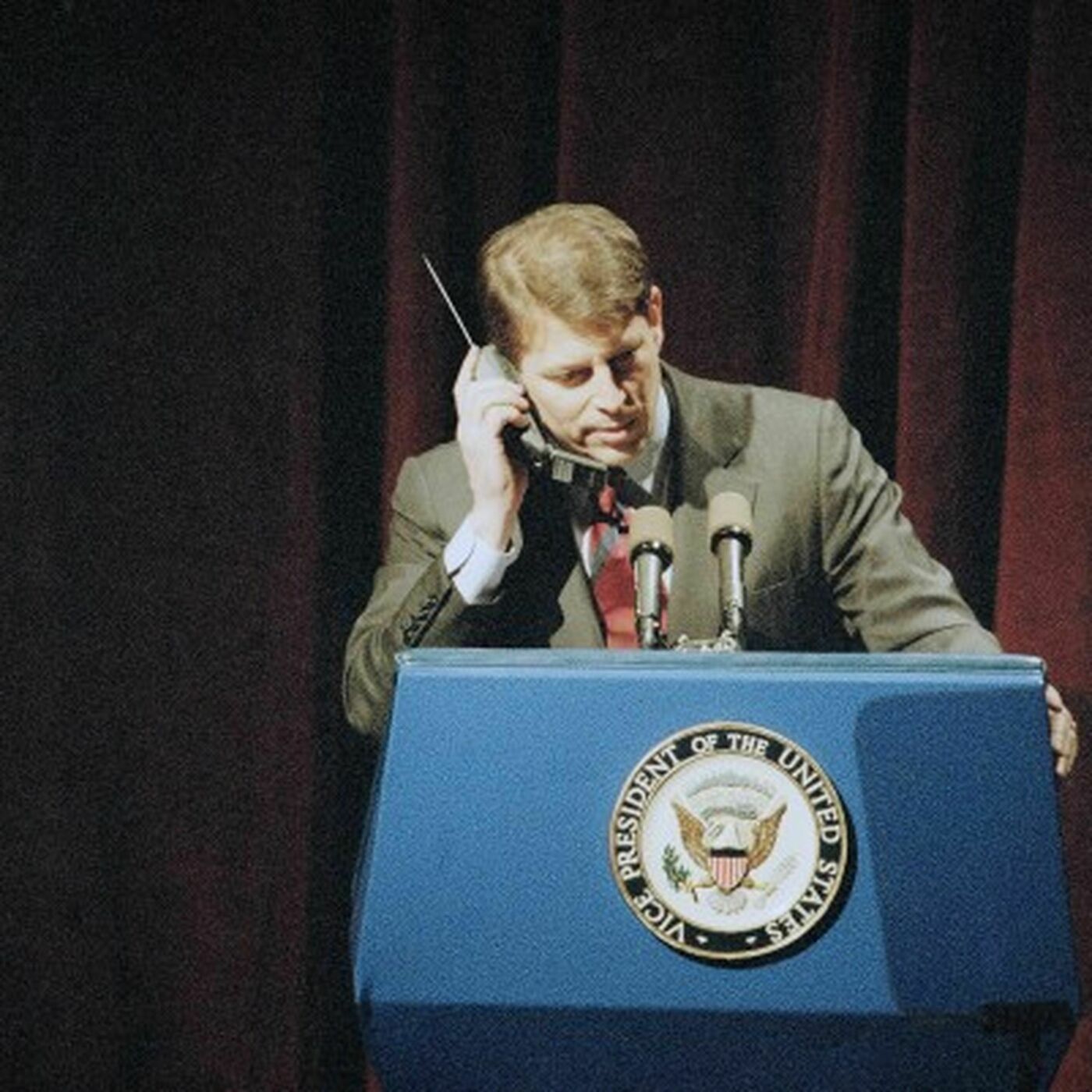
42. (Misc 3) Did Al Gore Really Invent the Internet?
I think it’s something that we all sort of “know.” That Al Gore claimed he invented the Internet. I remember this being a small political issue at the time of the 2000 election, but I honestly never cared enough to investigate the details. Last weekend, however, I went down a research rabbit-hole and decided to find out the truth. Not because I’m a huge Al Gore fan, or because I’m looking to score points against him either. I was just genuinely interested, and wanted to find out the historical truth— not just the partisan-tinged conventional wisdom.So, here is what I found out.A full transcript of the CNN interview we talk about can be found here.See Privacy Policy at https://art19.com/privacy and California Privacy Notice at https://art19.com/privacy#do-not-sell-my-info.

41. Excite.com CEO George Bell
George Bell was the CEO of Excite.com, took that pioneering search engine public, and became the CEO of Excite@Home when he oversaw that major merger of the dotcom era. George talks about the development of search technology, the madness of the dotcom bubble and even explains the background to one of the more notorious what-ifs in Internet history: the time that Excite had the opportunity to buy Google for a mere $750,000.See Privacy Policy at https://art19.com/privacy and California Privacy Notice at https://art19.com/privacy#do-not-sell-my-info.
40. Microsoft and Internet Explorer Executive, Ben Slivka
I was absolutely thrilled that Ben Slivka agreed to come on the podcast with us. Obviously, we’ve had plenty of oral histories relating to Netscape and the development of it’s browser. But we’ve only spoken to a handful of people about Internet Explorer thus far. Obviously, Internet Explorer was every bit as vital to the development of the early web so I’ve been eager to get more background from the Microsoft side of the story. And who better than Ben Slivka, who was the leader of the original Internet Explorer project at Microsoft. Ben recounts where Microsoft was at as a company before Windows 95 and the web, and he walks us through the development of Internet Explorer from version 1.0 through 4.0 and beyond. If you’re interested in the technology- and feature-development of the modern web browser, you’re unlikely to hear a better hour of conversation. So, I know you’ll enjoy this conversation with Ben Slivka.See Privacy Policy at https://art19.com/privacy and California Privacy Notice at https://art19.com/privacy#do-not-sell-my-info.
39. CNET Founder Halsey Minor
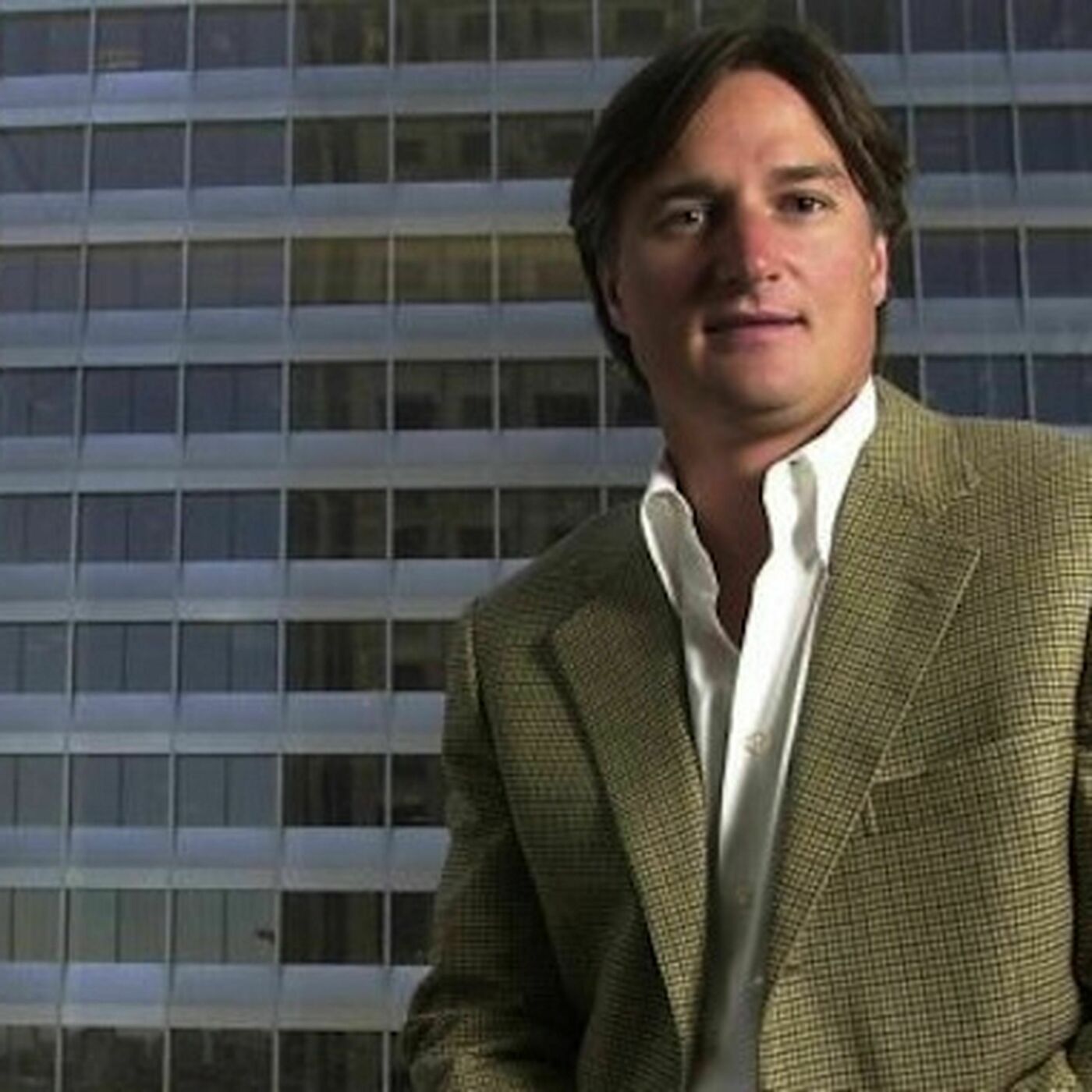
Halsey Minor is an absolutely legend when it comes to the online era. Along with names like Jerry Yang, Jeff Bezos, Pierre Omidyar and others, Halsey Minor deserves credit for creating one of the first truly great companies on the web: CNet. Halsey recounts the CNet creation story with us, but also goes into his early days on Wall Street, with another entrepreneurially-focused young man named Jeff Bezos. And toward the end of our talk, Halsey talks about the project he’s embarked upon now, which is working in the bitcoin space. Interestingly, Halsey feels that Bitcoin as a technology has the potential to be every bit as revolutionary as the web was, and perhaps even more so. So please enjoy a conversation with Halsey Minor.See Privacy Policy at https://art19.com/privacy and California Privacy Notice at https://art19.com/privacy#do-not-sell-my-info.
38. An Oral History Of The Web's First Banner Ads
The first banner ads went live on the web 20 years ago today, October 27th, 1994, when the website HotWired.com first launched on the internet. We've spoken to some of the people responsible for the creation of these ads, and so, in honor of the anniversary, I have re-edited their interviews into an oral history that tells the whole story. But in case you think you've heard all this before, please note that there are segments from 4 entirely new interviews that you have NOT heard before. So, if you want to hear the whole story comprehensively, download and listen!THE FIRST BANNER ADPlease note: The post on the website for this episode has all the ads and graphics we mention throughout the podcast, so please check that out to see the full picture.See Privacy Policy at https://art19.com/privacy and California Privacy Notice at https://art19.com/privacy#do-not-sell-my-info.

37. Wired Magazine Founding Editor John Battelle @johnbattelle
Younger listeners might know John Battelle as being one of the original forces behind the Web 2.0 movement, as the founder of the Web 2.0 Summit as well as Federated Media. But John was also the founding editor of both Wired Magazine and Industry Standard magazine, that great, lost magazine of record for the dot com era. For our purposes, we’ve been focusing more on HotWired, so that’s why I was super excited to speak with John and get some of the background stories from Wired the magazine as well as Industry Standard. Enjoy!See Privacy Policy at https://art19.com/privacy and California Privacy Notice at https://art19.com/privacy#do-not-sell-my-info.
36. Talking Early Online Services With Chris Higgins @chrishiggins
Another conversation with writer and journalist Chris Higgins. We start up talking about the recent sad demise of the Magazine, a project Chris was heavily involved in. But then we spend most of the episode talking about the early online services and what it was like to go online before online meant the web. If you’re from this era, get ready for a nostalgia bomb. Hope you enjoy.See Privacy Policy at https://art19.com/privacy and California Privacy Notice at https://art19.com/privacy#do-not-sell-my-info.

35. Joe McCambley Discusses Advertising and the First Banner Ads
Joe McCambley is one of the more prominent names in modern digital marketing and advertising. He's had major roles at Digitas, at AOL in it's modern incarnation and he's the co-founder of the Wonder Factory. I wanted to talk to Joe about his time with Modem Media, where he was one of the creative forces behind the development of the first banner ads that premiered alongside the launch of HotWired. The 20th anniversary of these first banner ads is coming up at the end of the month, and I'm putting together a special episode where I'll edit together interviews from several different people all for one comprehensive piece that will tell the story. As I told Joe after this interview, my original intention was just to use this conversation as a part of that piece. But our discussion went in such wonderful directions, delving deep into nature of modern advertising and the future of marketing in the digital age, that I decided this deserved to be it's own stand alone-episode. If you're working in digital media today, I think this is required listening.The "You Will" campaign can be viewed here.The first banner ad can be viewed here. See Privacy Policy at https://art19.com/privacy and California Privacy Notice at https://art19.com/privacy#do-not-sell-my-info.
34. Owen Thomas of HotWired and Suck
Owen Thomas is one of the most prominent voices in modern web media. He is currently the editor in chief of ReadWrite.com, but he was also the west coast editor for Business Insider, the founding editor of Daily Dot, executive editor of VentureBeat, managing editor of Valleywag… and I could go on and on… Business 2.0, Red Herring, etc. I was particularly excited to talk to Owen about some of his earliest jobs, at HotWired and at Suck. Owen gives us some more great background about the launch of Hotwired and the inner workings of Suck.See Privacy Policy at https://art19.com/privacy and California Privacy Notice at https://art19.com/privacy#do-not-sell-my-info.
33. HotWired CEO Andrew Anker
Soon after the founding of Wired Magazine, it was decided that Wired needed a major web presence. Andrew Anker was recruited to write a business plan and launch a website that would become HotWired.com. As we’ve seen in this chapter, HotWired was among the first stand-alone media websites, and pioneered a great many things, not the least of which were the first banner ads. Andrew gives us some wonderful insights into the early days of Wired (going back to the magazine’s funding) as well as the evolution of HotWired, Suck, Hotbot and other early web properties he helped bring to life.See Privacy Policy at https://art19.com/privacy and California Privacy Notice at https://art19.com/privacy#do-not-sell-my-info.
32. (Ch 5.2) Wired, CNET, Slate, Salon and Suck
We continue our survey of early web media plays with some that have lasted the test of time and some that, while not currently extant, were lasting in terms of impact. It’s a big episode. WSJ.com. NYTimes.com. EOnline. The Weather Channel. ZDNet. CNet. Salon. Slate. Wired magazine and HotWired.com. And our long lost, beloved Suck.com.By the way, as promised, here are some early NYTimes screenshots, compliments of Rich Meislin.Here is a screenshot of @Times on AOLAnd here’s an early NYTimes.com homepageBibliography: The Weather Channel Book http://www.newrepublic.com/article/116087/weather-channel-website-chases-storms-clicks http://thevane.gawker.com/the-new-weather-com-is-a-sad-shell-of-its-former-self-1550958111 Bamboozled at the Revolution: How Big Media Lost Billions in the Battle for the Internet 1st edition by Motavalli, John published by Viking Adult Hardcover http://en.wikipedia.org/wiki/ZDNet Architects of the Web: 1,000 Days that Built the Future of Business http://www.thefreelibrary.com/ZIFF-DAVIS+UNIFIES+ITS+ONLINE+SERVICES+UNDER+A+NEW+NAME%3a+ZD+NET-a017072062 http://www.businessweek.com/1999/99_30/b3639039.htm http://www.imdb.com/name/nm0780435/ http://www.informationweek.com/cnet-to-buy-ziff-davis/d/d-id/1008822? http://www.fundinguniverse.com/company-histories/cnet-networks-inc-history/ http://www.salon.com/2005/11/14/salon_history/ http://www.businessweek.com/stories/1996-10-20/honey-whats-on-microsoft The Highwaymen: Warriors of the Information Superhighway http://www.slate.com/articles/news_and_politics/slates_10th_anniversary/2006/06/my_history_of_slate.html http://archive.wired.com/wired/archive/2.10/mosaic.html?pg=5&topic=See Privacy Policy at https://art19.com/privacy and California Privacy Notice at https://art19.com/privacy#do-not-sell-my-info.
31. Real Networks Founder and CEO Rob Glaser
Rob Glaser was, and is, the founder and CEO of Real Networks. If you were around in the 90s, you’ll remember Real Audio and Real Video and the Real Media player. In the age before broadband, Real Networks pioneered streaming media on the web. Quite simply, the early web would not have been multimedia without Real, and by the late 90s, fully 85% of the streaming audio and video on the web was Real Media. But Rob was also an early Microsoft Executive, so the interview starts out with Rob giving us some fascinating stories about being recruited to join Microsoft in the early 1980s as well as his work with the successful relaunch of Microsoft Word and Excel in the mid 80s.See Privacy Policy at https://art19.com/privacy and California Privacy Notice at https://art19.com/privacy#do-not-sell-my-info.
30. (Misc 2) The NSA And The 1990s Debate Over the Clipper Chip
What the mid-1990's debate about the so-called "clipper chip" can teach us about our contemporary debates concerning NSA surveillance of the Internet and the Web.This episode was originally written as a piece on Medium, entitled The NSA Tried This Before, What The 90s Debate Over The Clipper Chip Can Teach Us About Digital PrivacySee Privacy Policy at https://art19.com/privacy and California Privacy Notice at https://art19.com/privacy#do-not-sell-my-info.
29. Analysis Episode 1 With Chris Higgins @chrishiggins
A new kind of episode today. I sat down with writer, blogger and former programmer Chris Higgins to do a sort of analysis episode, expanding on some of the issues covered in Chapters 1 and 2. Hope you enjoy.See Privacy Policy at https://art19.com/privacy and California Privacy Notice at https://art19.com/privacy#do-not-sell-my-info.
28. Pathfinder Executive Oliver Knowlton
Oliver Knowlton is another one of our Pathfinder.com alumni. He’s had a wide and varied career in media, from his role as the General Manager of Sports Illustrated to his current role as the VP of the Digital Portfolio Group at Gannett, he’s been working in various aspects of digital media for two decades. Our previous Pathfinder interviewees have given us bookends of the pathfinder story, its origin story and the denouement, as it were. Oliver’s discussion gives us a great summation of the story from someone who was there for the whole ride.See Privacy Policy at https://art19.com/privacy and California Privacy Notice at https://art19.com/privacy#do-not-sell-my-info.

27. She Gave The World A Billion AOL CDs - An Interview With Marketing Legend Jan Brandt
Jan Brandt is a legend in the world of marketing. She singlehandedly led the famous AOL "carpet-bombing" campaign that put millions of AOL trial discs and CDs in everything from magazines to popcorn boxes to banks. AOL was able to leap to the front of the online pack, over competitors like CompuServe and Prodigy largely on the success of this campaign. Jan tells us how this strategy developed, the thinking that went into it and goes into great detail about what worked and what didn't. But she was also a very early AOL executive, so she is able to give us some fantastic background about AOL the company: its culture, its people and its visionaries–people like Steve Case. She takes us from AOL's beginnings, through its considerable growing pains (remember "America On Hold?") its rise to dominance in the dot-com era, and even gives us her perspective on the legacy of the AOL/Time Warner merger.See Privacy Policy at https://art19.com/privacy and California Privacy Notice at https://art19.com/privacy#do-not-sell-my-info.

26. Head of Time New Media Executive Linda McCutcheon
Linda McCutcheon is another Pathfinder veteran. She came up through Time Inc. on the marketing side, so she was the one responsible for landing the first advertisements that ran on the Pathfinder site. But she also stayed at Time Warner through the entire lifecycle of Pathfinder, eventually rising to head the entire Time New Media operation. Linda gives us a great recap of entire era from the Full Service Network efforts through to the dot com days when she successfully brought Time New Media into profitability. One small note… halfway through we lost our Skype connection, ironically because her Time Warner Cable signal went down in her office. So, there is a bit of an interruption halfway through. But allowing for that, it’s a brilliant conversation about the past, present a future of media.See Privacy Policy at https://art19.com/privacy and California Privacy Notice at https://art19.com/privacy#do-not-sell-my-info.

25. Pathfinder Editorial Executive Craig Bromberg
Craig Bromberg has had a long and fascinating career at the intersection of media and technology. An early adopter of online technologies, Craig was a freelance writer when he was chosen by Pathfinder head Walter Isaacson to become the first editorial director of the Pathfinder project. Craig tells us about the thinking that went into the launch of the website and the strategic goals Pathfinder was intended to achieve. But he was also a participant in the byzantine corporate politics that so hobbled Pathfinder’s trajectory, and he gives us a fascinating first hand account of what it was like to fight for a specific vision inside a big organization like Time Warner. Craig has worked with media from every angle and so the second half of the interview sees us get into a fascinating discussion about where media is doing and how it can succeed in a digital age.See Privacy Policy at https://art19.com/privacy and California Privacy Notice at https://art19.com/privacy#do-not-sell-my-info.
24. (Ch 5.1) Mercury Center and Pathfinder - Big Media's Big Web Adventure
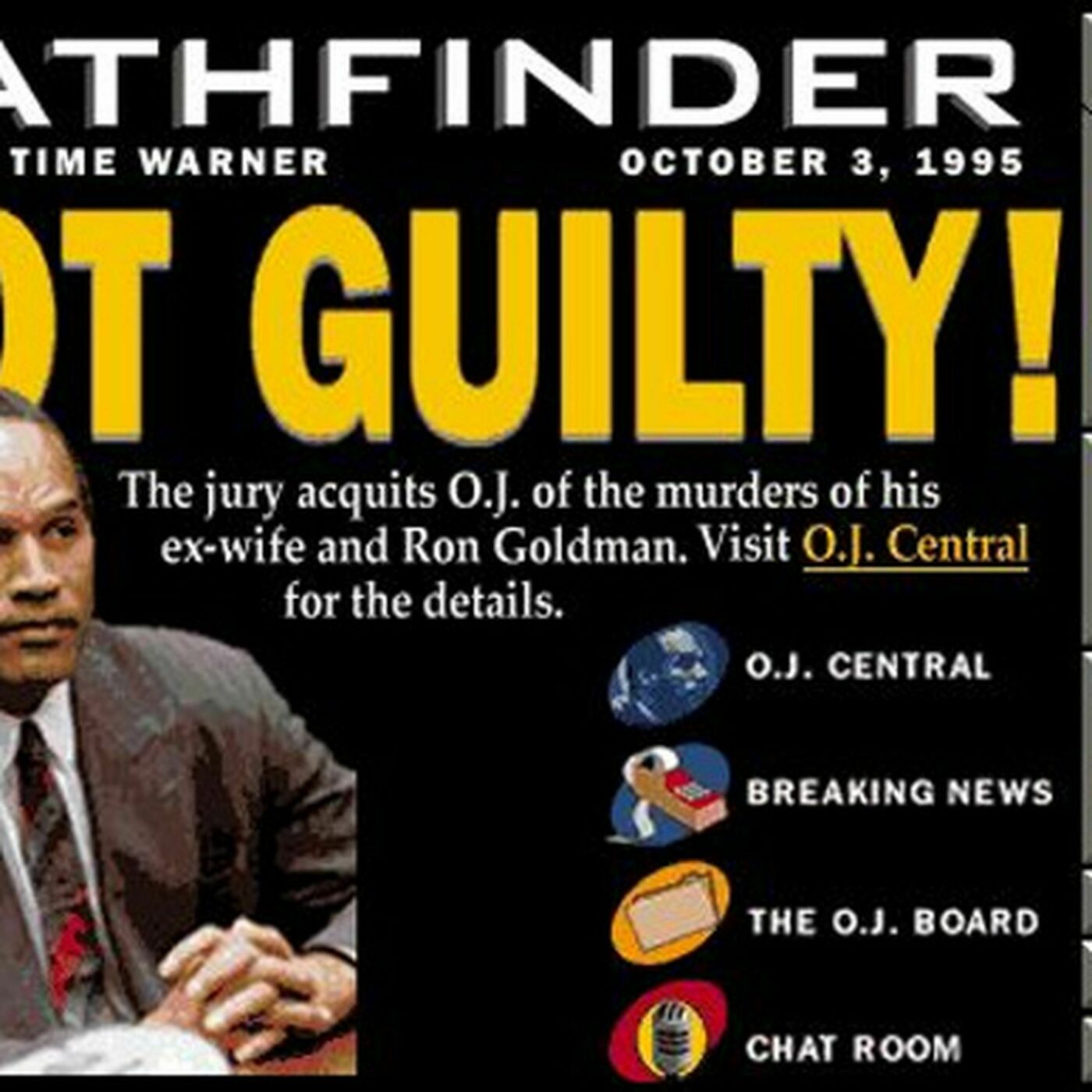
We’ve been looking at how companies were feeling their way into the internet era, trying to create new industries and new mediums without precedent or a road map. But thus far, we’ve mainly been looking at pure-play tech companies. And when the web revolution came, everyone wanted a piece of it, not just the tech world. So, this episode looks at the creative and business efforts of those people companies who came from outside the traditional environs of Silicon Valley.We’re largely going to look at big media. When the web began, it was considered to be a new medium, and so it was assumed by many if not most people that big media would logically dominate this new medium. The reason this did not come to pass is complicated, and we’ll look at some of the many reasons why. We’ll look at pioneering newspaper efforts like the San Jose Mercury News’ Mercury Center. We’ll examine unlikely big media web properties that got the web exactly right, like the Weather Channel. We’ll look at how one unlikely company, Reuters, singlehandedly disrupted the entire content industry by turning news into an online commodity. And more than anything, we’ll look at the rise and ignominious fall, of Pathfinder, onetime rival of sites like Yahoo, the portal that maybe wasn’t a portal, the greatest website you don’t remember.I mention the Pathfinder Museum. Go there for great visual and data artifacts from the site.There is an exceptional (and exceptionally long) profile of the Mercury Center saga from the Columbia Journalism Review.Bibliography: http://www.fundinguniverse.com/company-histories/realnetworks-inc-history/http://www.cjr.org/feature/the_newspaper_that_almost_seized_the_future.php?page=all http://www.nytimes.com/1994/02/07/business/the-media-business-in-san-jose-knight-ridder-tests-a-newspaper-frontier.html Bamboozled at the Revolution: How Big Media Lost Billions in the Battle for the Internet 1st edition by Motavalli, John published by Viking Adult Hardcover There Must Be a Pony in Here Somewhere: The AOL Time Warner Debacle and the Quest for the Digital Future http://adage.com/article/news/pathfinder-readies-year/30/ http://www.disobey.com/ghostsites/pathfindermuseum/2005/07/new-look-at-pathfinders-new-look.html http://www.disobey.com/ghostsites/pathfindermuseum/2005/07/short-history-of-pathfinders.htmlSee Privacy Policy at https://art19.com/privacy and California Privacy Notice at https://art19.com/privacy#do-not-sell-my-info.

23. Co-Founder of FocaLink, Dave Zinman
Today we have an interview with Dave Zinman, co-founder of FocaLink Media services, which, if you'll recall, developed the first remote ad server. We previously spoke to his co-founder, Jason Strober. Dave is a long time advertising industry veteran. He was also at Yahoo and is currently the CEO of InfoLinks. I hope we've done a good job in these interviews of giving you a decent understanding of how online advertising developed and how it functions to underpin the internet as we know it today. Dave gives us some fascinating insights on all of this, and especially toward the end of the interview, we get in depth about how modern advertising functions. We get into retargeting, the modern advertising method that represents the the apex of advertising evolution. How does Facebook make all it's money? It's retargeting that makes it possible. So, get ready for an excellent master class on how modern advertising works.Oh, and there's a bonus story, right at the end, about the founding of eBay.See Privacy Policy at https://art19.com/privacy and California Privacy Notice at https://art19.com/privacy#do-not-sell-my-info.
22. Co-Founder of DoubleClick, Kevin O'Connor
Kevin O’Connor is the co-founder of the granddaddy of all Internet advertising companies, DoubleClick. Chances are, if you’ve seen a banner ad over the last decade or so, it was served up behind the scenes by DoubleClick’s DART technology. Now the backbone of Google’s banner ad inventory, DoubleClick was one of the first internet advertising companies formed, one of the largest of the dot-com era, and as we discuss in this interview, DoubleClick is really the Godfather of the New York City Silicon Alley tech scene.One of the more interesting things to me, is when Kevin talks about the early controversy that DoubleClick ran into in terms of user privacy and cookies and control of user information. In the late 90s, the firestorm that DoubleClick encountered just for doing basic ad tracking was a huge deal. Now, in the age of Facebook and the NSA listening to everyone, that whole brouhaha seems… I dunno… naive? Were we ever really so young as an Internet? Anyway, Kevin has a lot of good stuff to say about that.See Privacy Policy at https://art19.com/privacy and California Privacy Notice at https://art19.com/privacy#do-not-sell-my-info.

21. Yahoo Employee #3, Tim Brady
When you talk about Yahoo, most people know the names Jerry Yang and David Filo. But if you talk to people who were there at the time, there is another name that everyone mentions: Tim Brady. Tim was Yahoo’s employee number 3. He wrote the original Yahoo business plan. He became Yahoo’s project manager, and as much as anyone, he played a major role in building the company that Yahoo became in the 1990s. Tim was also a college buddy of Jerry Yang’s, so he offers us excellent background on Yahoo’s founding and the thinking that went in to the company’s development.See Privacy Policy at https://art19.com/privacy and California Privacy Notice at https://art19.com/privacy#do-not-sell-my-info.
20. (Ch 4.2) How Yahoo Became The Web's First Great Company
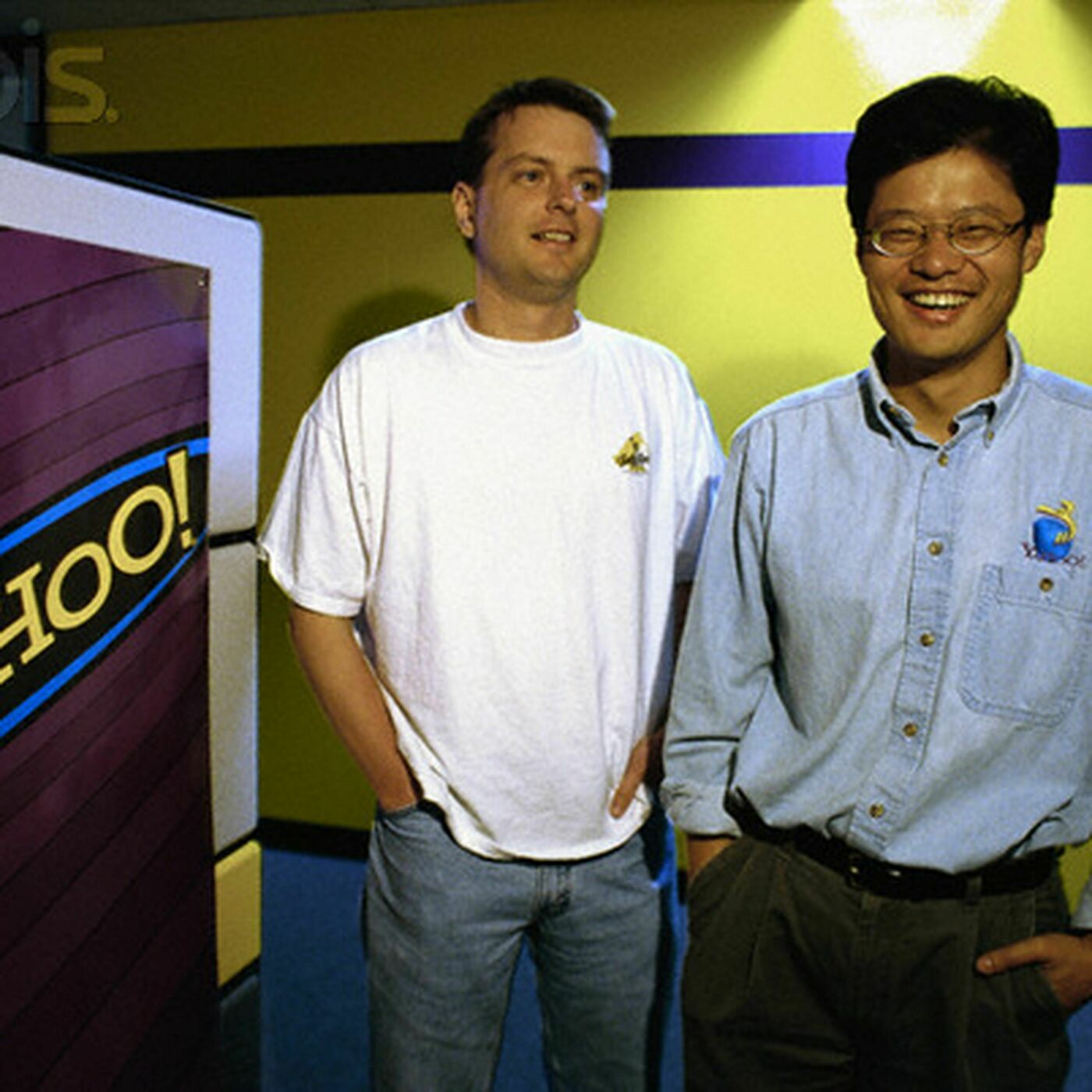
Yahoo became the web’s first truly great company, and in this episode, we examine why. Turning to advertising as a business model, Yahoo was among the first to find a way for the Internet to generate real money. In addition, we look back at the “portal wars” as Yahoo, Excite, AltaVista, et al, competed to become all things to all internet people, and in the process, helped set off the dot com mania.See Privacy Policy at https://art19.com/privacy and California Privacy Notice at https://art19.com/privacy#do-not-sell-my-info.

19. Co-Founder of Netgravity, John Danner
This is a wide ranging and fascinating interview with John Danner. John was the co-founder of another of the major internet advertising pioneers, NetGravity. John gives us some more great background on how the technology and culture of the advertising industry evolved, and because NetGravity was the company that built Yahoo's first advertising system, we get some great details about early Yahoo. But John also gives us some incredible insights about what it was like during the dot com era madness. If you're currently an entrepreneur or aspiring to be an entrepreneur, you're going to want to listen closely to the 2nd half of this interview because John speaks some serious truths about the realities of growing a venture backed business.See Privacy Policy at https://art19.com/privacy and California Privacy Notice at https://art19.com/privacy#do-not-sell-my-info.
18. The True Story Behind Halt And Catch Fire - An Interview With Rod Canion
An Interview With Compaq Co-Founder and CEO Rod CanionThis Sunday, AMC is premiering a new original series called Halt And Catch Fire. Set in the early 1980s, it tells the story of a band of cowboy entrepreneurs and engineers who join the PC Wars by cloning an IBM machine and taking on Big Blue for control of the nascent personal computer industry.AMC’s show is fictional, but it turns out, there is a true life story that is similar to this course of events, and it led to the creation of one of the greatest technology companies of all time, Compaq Computers.Rod Canion was one of the co-founders of Compaq back in the early 80s, and he was there for the real world PC wars. He’s written a book about the time period, Open: How Compaq Ended IBM’s PC Domination and Helped Invent Modern Computing. In the interview below, I spoke to Rod about the book, the process of taking on Big Blue and cloning the IBM-PC, and how a series of incredible calculated gambles paid off to eventually build one of history’s most successful technology companies.See Privacy Policy at https://art19.com/privacy and California Privacy Notice at https://art19.com/privacy#do-not-sell-my-info.

17. Co-Creator of the First Remote Ad Server, Jason Strober
In this episode we continue our exploration into the roots Internet advertising. We’re speaking with Jason Strober, another Internet Advertising pioneer and co-founder of Focalink Media Services, Inc. Focalink was responsible for arguably the first remote ad server, a crucial technical component that made online advertising possible. Jason recounts for us the early, “wild west” days when a small group of ambitious people made an entire industry up from scratch, and with it, laid the financial foundation for the Internet as we know it.See Privacy Policy at https://art19.com/privacy and California Privacy Notice at https://art19.com/privacy#do-not-sell-my-info.
16. Internet Explorer Team Member, Hadi Partovi @hadip
Hadi Partovi was one of the original 9 people on the Internet Explorer project. He left Microsoft in the late 90s to found Tellme Networks, which was eventually acquired by Microsoft for $800 million dollars. This precipitated a second stint at Microsoft where he was General Manager of MSN.com during MSN’s only year of profit, and where he incubated Start.com (which became Live.com, which now points to Microsofts’ online Outlook efforts). After leaving Microsoft a second time, he joined up with his brother Ari to found iLike, which was purchased by Myspace, and both Partovi brothers worked for a time as Senior Vice Presidents at Myspace. In between all this, Hadi and Ari were early investors in Zappos, Facebook and Dropbox, served as advisors to Facebook and still serve as advisors to Dropbox. Hadi is currently the founder and CEO of Code.org, a non-profit working to help schools teach coding to students around the world.Here is a link to a recent interview with both Partovi brothers.The post page for this episode is here.See Privacy Policy at https://art19.com/privacy and California Privacy Notice at https://art19.com/privacy#do-not-sell-my-info.
15. (Ch 4.1) The Early Search Engines And Yahoo
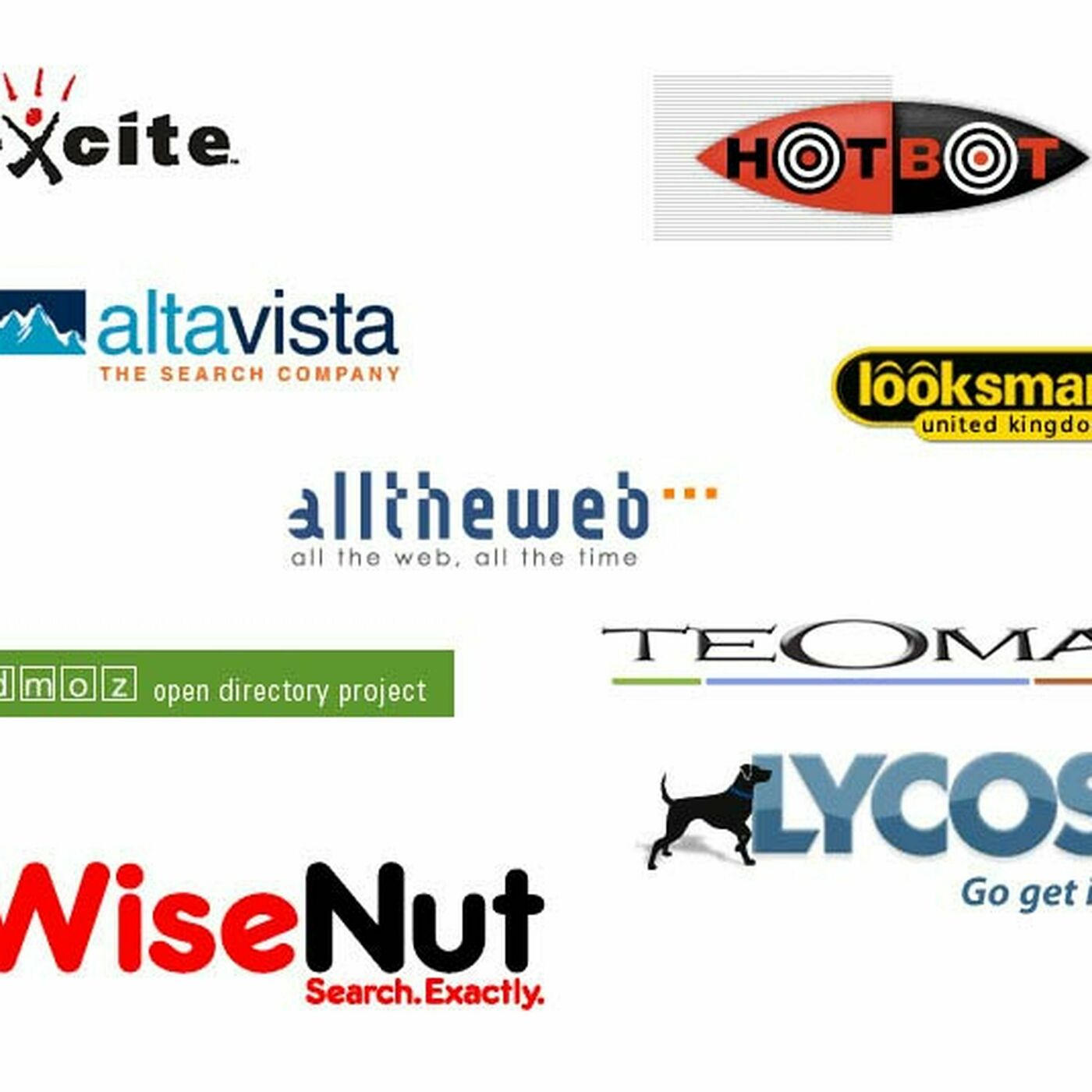
As the early web grows, the explosion of content and websites creates chaos. Early search engines are among the most popular sites on the early web, as users try to find their way around the new medium. Sites like Excite, Lycos, Alta Vista and others try to take an algorithm and data-based route to organizing the chaos, but the site that leaps to the front of the pack, Yahoo!, goes in the other direction, creating a hand-sorted directory.We learn how Jerry Yang and David Filo started Yahoo! in a trailer on the campus of Stanford University and prepare to make the first great brand of the Internet Era.Bibliography: http://cdixon.org/2010/01/03/the-next-big-thing-will-start-out-looking-like-a-toy/ Gainesville Sun, July 31, 1995 http://news.google.com/newspapers?nid=1320&dat=19950731&id=MENWAAAAIBAJ&sjid=k-oDAAAAIBAJ&pg=3855,7057240 http://stuff.mit.edu/people/mkgray/net/web-growth-summary.html http://www.cybertelecom.org/dns/history.htm http://www.wired.com/wired/archive/10.01/excite.html http://www.businessweek.com/stories/1996-02-11/what-hath-yahoo-wrought http://www.thinkpink.com/bp/WebCrawler/History.html http://www.wordstream.com/articles/internet-search-engines-history http://web.archive.org/web/20090501140446/http://www.clubi.ie/webserch/engines/infoseek/history.htm http://www.nytimes.com/1995/12/18/business/digital-equipment-offers-web-browsers-its-super-spider.html http://searchenginewatch.com/article/2215868/53-of-Organic-Search-Clicks-Go-to-First-Link-Study http://money.cnn.com/magazines/fortune/fortune_archive/1998/03/02/238576/ “Found You On Yahoo” Red Herring, October 1, 1995 http://money.cnn.com/magazines/fortune/fortune_archive/1998/03/02/238576/ Yang, Jerry; Filo, David; Yahoo! Unplugged: Your Discovery Guide to the Web Reid, Robert H.; Architects of the Web: 1,000 Days that Built the Future of BusinessSee Privacy Policy at https://art19.com/privacy and California Privacy Notice at https://art19.com/privacy#do-not-sell-my-info.
14. (Misc 1) The Forgotten Online Pioneer, Bill von Meister
What If I Told You…… there was a crazy entrepreneur who was the true founder of what would become America Online? He was the guy who hired Steve Case back before AOL was AOL.What if I told you that same entrepreneur invented true, networked, online gaming—not in the era of the Xbox 360, but back in the days of the Atari 2600?What if I then told you that same entrepreneur invented a Napster/Pandora/Spotify/Sirius-like music service, all the way back in 1981, before the compact disc was even widely available?That Man Is William von MeisterAnd he is the subject of this episode. I’ve enjoyed all of the episodes we’ve done so far, but I have to say this has been the most fun. It’s exciting to shed some light on a bit of history that I think has been criminally overlooked. And to be honest, it’s just such a crazy story, about a hard drinking, heavy-smoking, women-chasing entrepreneur, seemingly from the Mad Men cloth, who was “a pathological entrepreneur” with a “reality-distortion-field” that would give Steve Jobs a run for his money. It’s a story of about a dozen harebrained businesses, none of which were really successful (excepting of course that some or all of them lent their DNA to the company that would become AOL) but all of which were way ahead of their time, and in many ways, presaged technologies we take for granted today.Details:Some of the articles I mentioned about the GameLine System:HereHereand HereAlso, the books mentioned as source materials:Kara Swisher: aol.com: How Steve Case Beat Bill Gates, Nailed the Netheads, and Made Millions in the War for the WebMichael A. Banks: On the Way to the Web: The Secret History of the Internet and Its FoundersAlec, Klein: Stealing Time: Steve Case, Jerry Levin, and the Collapse of AOL Time WarnerAlso, this:See Privacy Policy at https://art19.com/privacy and California Privacy Notice at https://art19.com/privacy#do-not-sell-my-info.

13. Co-Designer of the First Banner Ad, Co-Founder of Razorfish, Craig Kanarick
Craig Kanarick was one of the people responsible for the first ever banner ad, which appeared on Oct. 27, 1994 on Hotwired.com. As mentioned in the podcast, there’s no “first” ad, as several were launched in a rotation at the same time. But as mentioned on the podcast, a lot of people like to think of the first ad as this one, for AT&T, which you can see here:And for more information about the “You Will” AT&T campaign, read about it here, or dig this.Craig went on to found Razorfish, along with his childhood friend Jeff Dachis. Razorfish was a pioneering design, technology and advertising studio that brought many large brands and corporations onto the web for the first time. Razorfish was also a pioneer of the web-tech scene in New York City, which has come to be called “Silicon Alley.” Craig is currently the founder of Mouth.com, headquartered in the DUMBO neighborhood in Brooklyn, as is this podcast (thus, the DUMBO-ish picture I chose above). In our conversation, I mention some contentious media coverage that Razorfish received back in the day, in my opinion, painting them as poster-boys for dotcom-era excess. I offer some of those articles for context:New York MagazineWired60 Minutes IISee Privacy Policy at https://art19.com/privacy and California Privacy Notice at https://art19.com/privacy#do-not-sell-my-info.
12. (Ch 3.2) The Rise of AOL
America Online survives the inevitable run-in with Microsoft, only to come out the other side stronger. The company has to endure major PR fiascos and network capacity issues, but eventually sees itself firmly established as one of the major players of the dot com era.Bibliography: http://www.wired.com/wired/archive/3.09/aol.html?pg=6&topic= http://www.wired.com/wired/archive/4.12/ffaol.html?pg=3&topic=&topic_set= http://www.businessweek.com/stories/1996-04-14/the-online-world-of-steve-case http://www.businessweek.com/stories/1996-08-25/has-the-net-finally-reached-the-wall Swisher, Kara; AOL.comSee Privacy Policy at https://art19.com/privacy and California Privacy Notice at https://art19.com/privacy#do-not-sell-my-info.
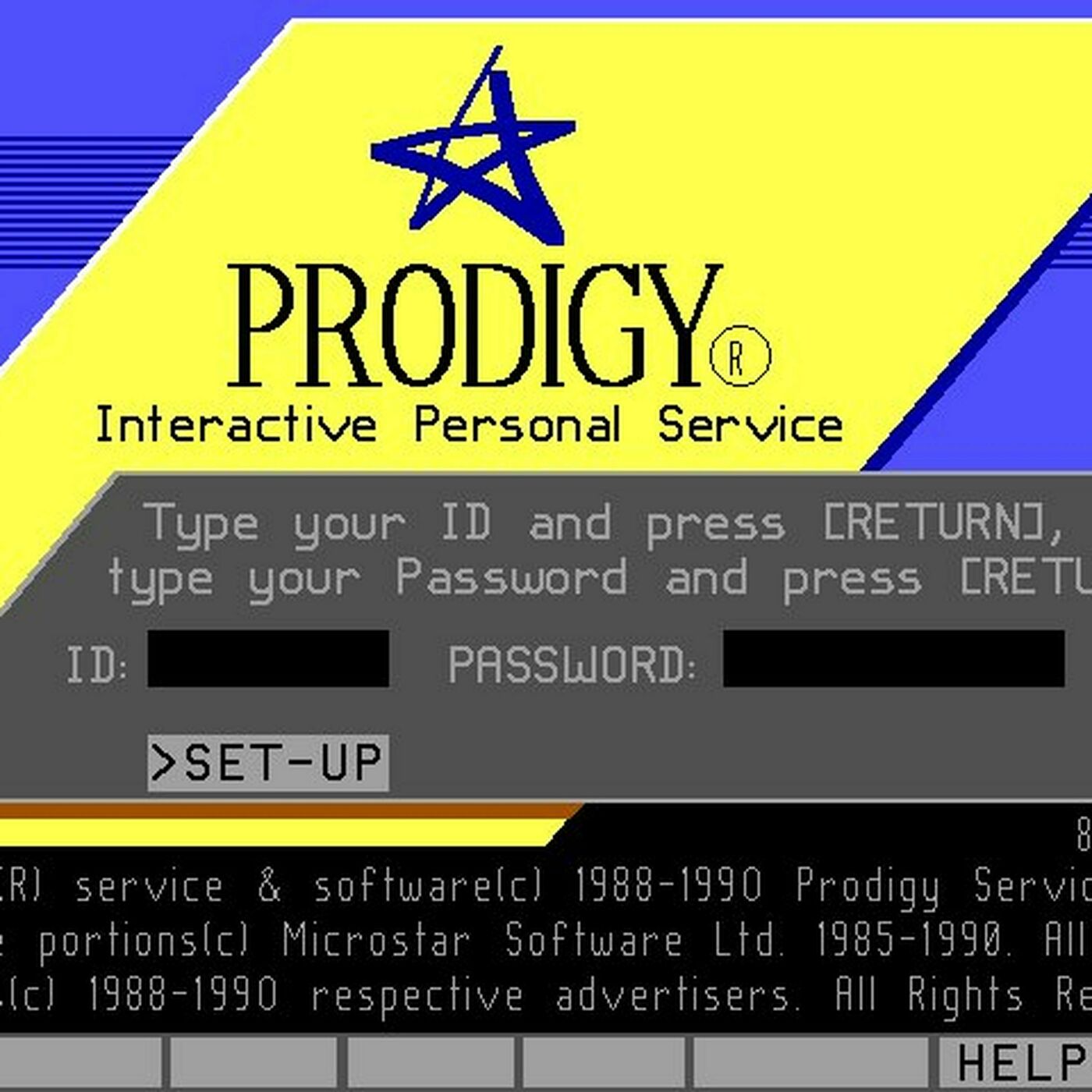
11. (Ch 3.1) CompuServe, Prodigy, AOL and the Early Online Services
www.InternetHistoryPodcast.com@brianmcc@nethistorypodSummary:We take a step back to look at the early online services: CompuServe, Delphi, GEine, the WELL and especially, early AOL. Why? Well, because online services very much served as “training wheels” for the Internet. Online services were NOT the Internet, exactly; at least not at first. But they very much helped get people used to living life in an online environment. AOL especially would grow and enjoy success to the point that it became one of the most powerful companies in technology. We take a look at how America Online grew to dominate the online services market before the inevitable showdown with (who else?) Microsoft.Bibliography: Banks, Michael; On the Way to the Web: The Secret History of the Internet and Its Founders http://www.zdnet.com/blog/btl/happy-30th-birthday-compuserve/24853 Stryker, Cole; Epic Win for Anonymous: How 4chan?s Army Conquered the Web http://www.wired.com/wired/archive/1.06/prodigy.html?pg=2&topic=&topic_set= http://www.nytimes.com/1993/11/08/business/at-age-9-prodigy-on-line-reboots.html?pagewanted=all&src=pm http://www.businessweek.com/stories/1995-02-12/prodigy-is-in-that-awkward-stage http://www.wired.com/wired/archive/3.09/aol.html?pg=4&topic= http://www.quora.com/AOL-History/How-much-did-it-cost-AOL-to-distribute-all-those-CDs-back-in-the-1990s Swisher, Kara; AOL.comSee Privacy Policy at https://art19.com/privacy and California Privacy Notice at https://art19.com/privacy#do-not-sell-my-info.
10. Rob McCool, Founding Engineer, Mosaic and Netscape
www.InternetHistoryPodcast.com@nethistorypod @brianmccSummary:Rob McCool is another of the core group of original Mosaic programmers who went on to found Netscape. Unlike a lot of the others we have spoken to, he worked more on the server side of the equation for both projects. Rob was also the original author of the NCSA HTTPd web server, later known as the Apache HTTP Server, so we can think of him as the Godfather of Apache. He was a contributor to the initial specification of the Common Gateway Interface (CGI), and later what became known as the Netscape Enterprise Server. Rob went on to work at both Yahoo and Onlive. He is currently at Google, where he works on structured Knowledge Bases and semantics.See Privacy Policy at https://art19.com/privacy and California Privacy Notice at https://art19.com/privacy#do-not-sell-my-info.

9. Jon Mittelhauser, Founding Engineer, Mosaic and Netscape
Jon Mittelhauser is another of the core group of original Mosaic programmers who went on to found Netscape. Jon worked on the Windows versions of both Mosiac and Navigator eventually became the project manager for the Netscape Navigator project on the whole. He gives us great background and details about the development of browsers, the creation of features (he is the father of the hand icon, for example, and was instrumental in bringing image support to the web) and early web advancements in general.See Privacy Policy at https://art19.com/privacy and California Privacy Notice at https://art19.com/privacy#do-not-sell-my-info.

8. Aleks Totic, of Mosaic and Netscape
Aleks Totic was one of the original Mosaic engineers at the NCSA, responsible for the Mac version of Mosiac. They don’t call him “Mac Daddy” for nothing. He was then one of the 6 original programmers recruited by Marc Andreessen and Jim Clark to form Netscape. Aleks gives us some excellent behind the scenes anecdotes about both projects, and what it was like to head out to California to work on some crazy startup before doing something like that was “cool.”A few fun nuggets of history we mention in the conversation: Click to hear Marc Andreessen ask, “What is global hypermedia?” back in 1993. The famous whiteboard. They packed up the truck and moved to Beverly Mountain View Original Mozilla t-shirt designs. 20-year old photos of the NSCP team.See Privacy Policy at https://art19.com/privacy and California Privacy Notice at https://art19.com/privacy#do-not-sell-my-info.
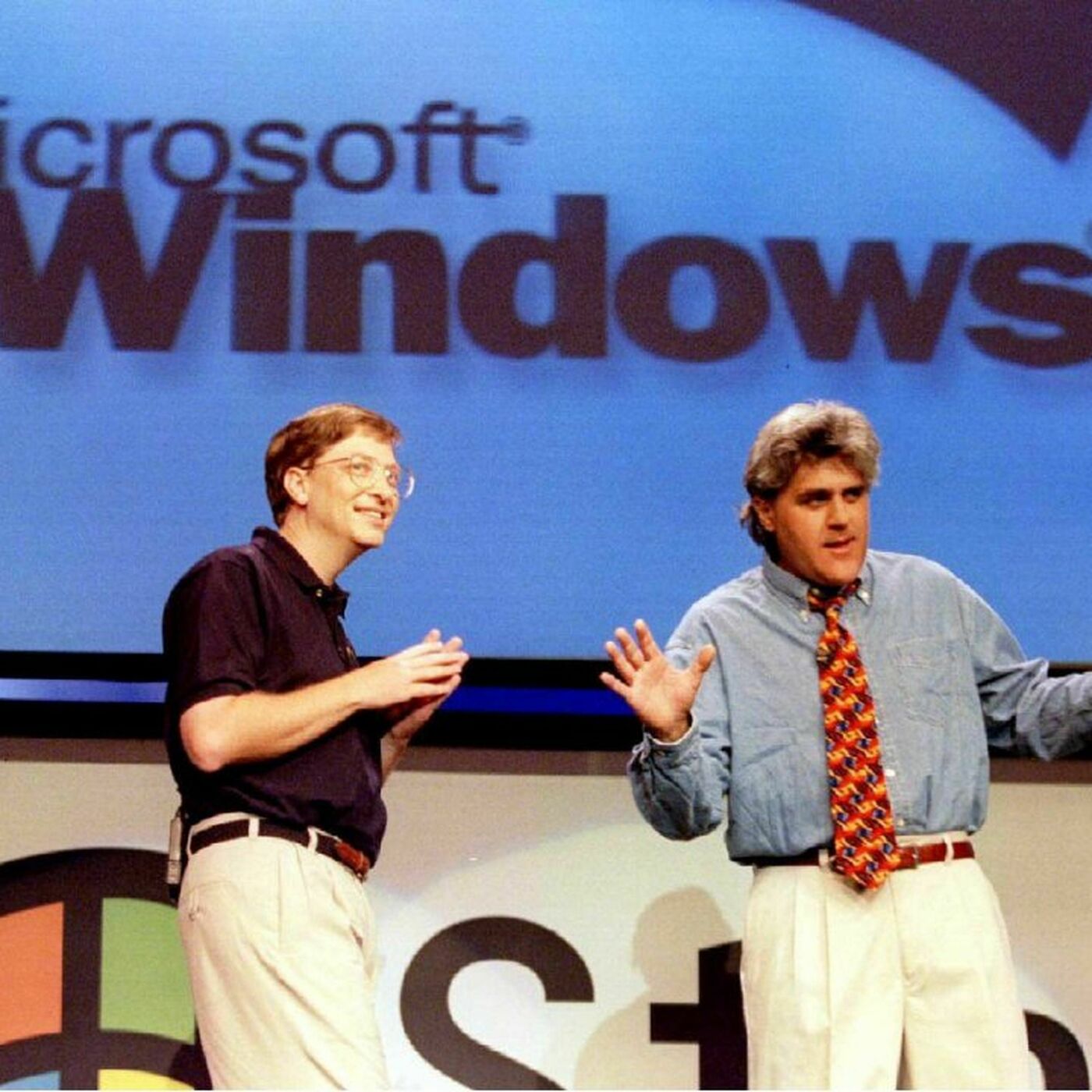
7. (Ch 2.2) Bill Gates "Gets" The Internet
Summary:Microsoft was on top of the world at the dawn of the Internet Era… but like Jack Dawson in Titanic? Microsoft would pivot, and pivot hard, once it realized that the Internet was The Next Big Thing. This episode outlines how younger Microsoft employees agitated for a greater focus on the Internet, and how Bill Gates “got” the Internet religion. Microsoft’s embrace of the Internet is truly one of the greatest acts of agility in corporate history. Windows 95 and Internet Explorer are launched, and the seeds are sewn for the great anti-trust battle to come.Bibliography: How the Web Was Won; Andrews, Paul; Broadway, 1999 https://www.google.com/url?sa=t&rct=j&q=&esrc=s&source=web&cd=1&ved=0CDEQFjAA&url=http%3A%2F%2Fwww.microsoft.com%2Fabout%2Fcompanyinformation%2Ftimeline%2Ftimeline%2Fdocs%2Fdi_killerapp_InternetMemo.rtf&ei=ThtoUsvfDq234APWkICIDw&usg=AFQjCNHO04HZPALsUN9Rp4v1jKDYQ8eRpQ&sig2=_bymmx2MJUK8z9gzgACCTw&bvm=bv.55123115,d.dmg Overdrive: Bill Gates and the Race to Control Cyberspace; Wallace, James http://seattletimes.com/html/businesstechnology/2008020017_webgatesmemo275.html http://www.businessweek.com/stories/1996-07-14/inside-microsoft http://www.zdnet.com/news/browser-wars-high-price-huge-rewards/128738 The Microsoft File : The Secret Case Against Bill Gates; Rohm, Wendy http://content.time.com/time/subscriber/article/0,33009,985115-2,00.html http://news.cnet.com/2009-1032-995681.html Architects of the Web: 1,000 Days that Built the Future of Business; Reid, RobertSee Privacy Policy at https://art19.com/privacy and California Privacy Notice at https://art19.com/privacy#do-not-sell-my-info.