
Interfaith Encounters
82 episodes — Page 1 of 2

S11 Ep 10Copy of Migration: The Bible, Christians, and Migrants with Dr. Danny Carroll R.
Dr. Carroll is half-Guatemalan and was raised bilingual and bicultural. In his youth, he spent many summers in Guatemala and later taught at El Seminario Teológico Centroamericano in Guatemala City for thirteen years. The realities of Central America sparked Dr. Carroll's fascination with the Old Testament. The relevance of the biblical text for the challenges of poverty, war, and politics in those developing countries led him to a passionate focus on Old Testament social ethics and the social sciences.In addition, his studies in English literature and literary theory have generated an ongoing engagement with literary approaches to the Old Testament and critical studies. Experiences in this country and abroad have led him to a deep appreciation for the unique contributions that ethnic minorities, women, and the global church make to the interpretation of the Old Testament. Before coming to Wheaton, Dr. Carroll taught Old Testament at Denver Seminary for many years and founded a Spanish-language lay training program there. At Wheaton, he hopes to model a commitment to connecting careful biblical scholarship with the mission of the church as it engages today’s complex realities. Dr. Carroll has been involved in Hispanic churches and teaching on the Bible and immigration for many years. His research focuses on the prophetic literature and Old Testament social ethics. He has just completed a major commentary on the book of Amos.
S11 Ep 8Copy of Migration: Islamic Views of Migration, an Ismaili Perspective with Dr. Zahra Jamal
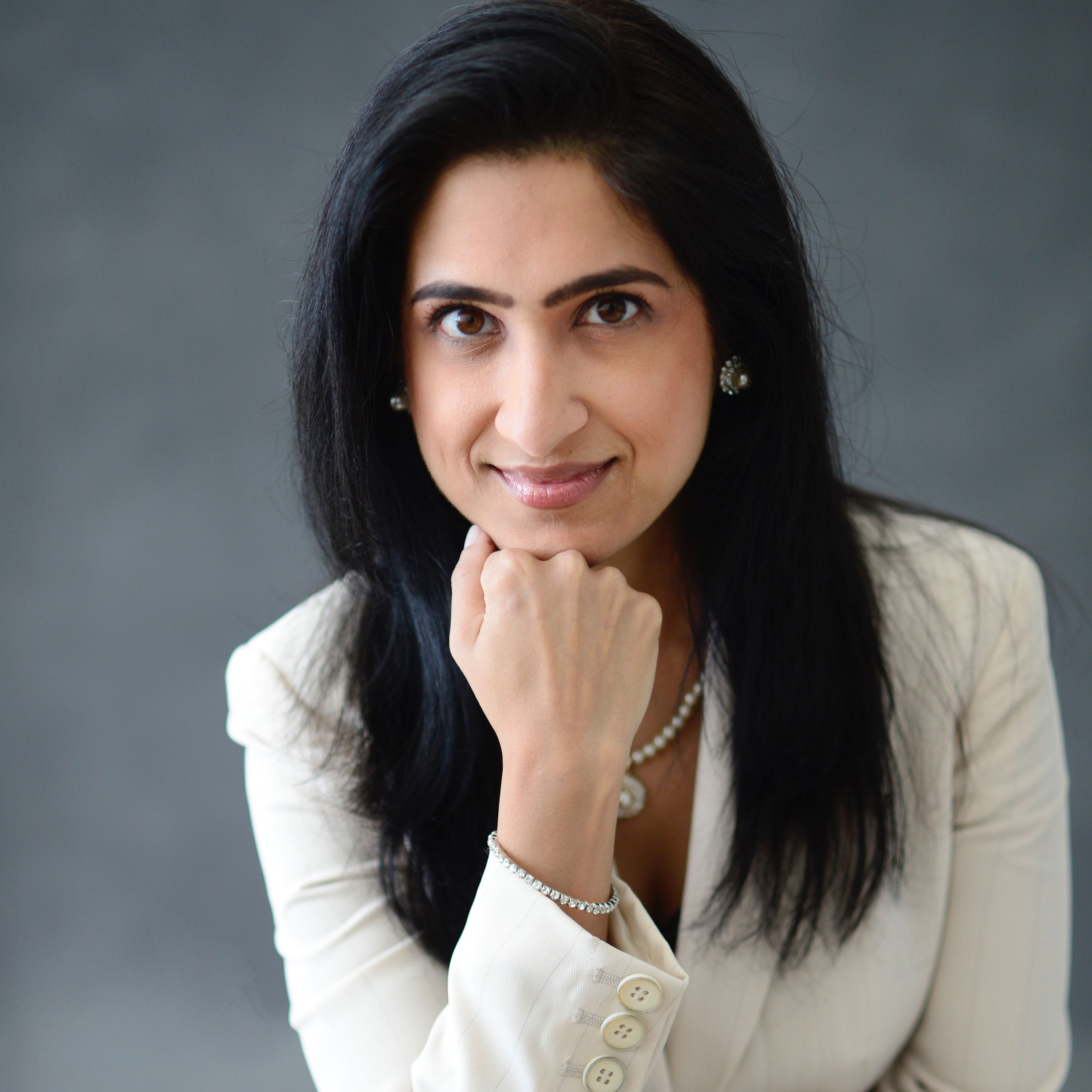
Zahra N. Jamal is Associate Director at Rice University's Boniuk Institute for Religious Tolerance, and a Diversity, Equity, Inclusion Consultant. An award-winning former faculty member at Harvard and MIT, Dr. Jamal was founding director of the Civil Islam Initiative at University of Chicago, founding director of the Central Asia and International Development Initiative at Michigan State, and Associate Director at The Institute for Social Policy and Understanding’s Center for the Study of American Muslims. Her fieldwork covers voluntarism, migrant labor, gender-equity, and food security in Muslim societies. Dr. Jamal consults on gender, race, and religion for the UN, State Department, Department of Justice, Aspen Institute, Aga Khan Development Network, and private corporations. She has published with Duke University Press, The New York Times, Foreign Policy, and The Hill, and appeared on BBC World News. She received her M.A. and Ph.D. in cultural anthropology and Middle Eastern Studies from Harvard, double B.A. in Middle Eastern and Islamic Studies and in Slavic Studies from Rice, and is a Certified Diversity Professional.
S11 Ep 7Immigration Reprise UMCOR and Immigrants and Migration with Rev. Jack Amick
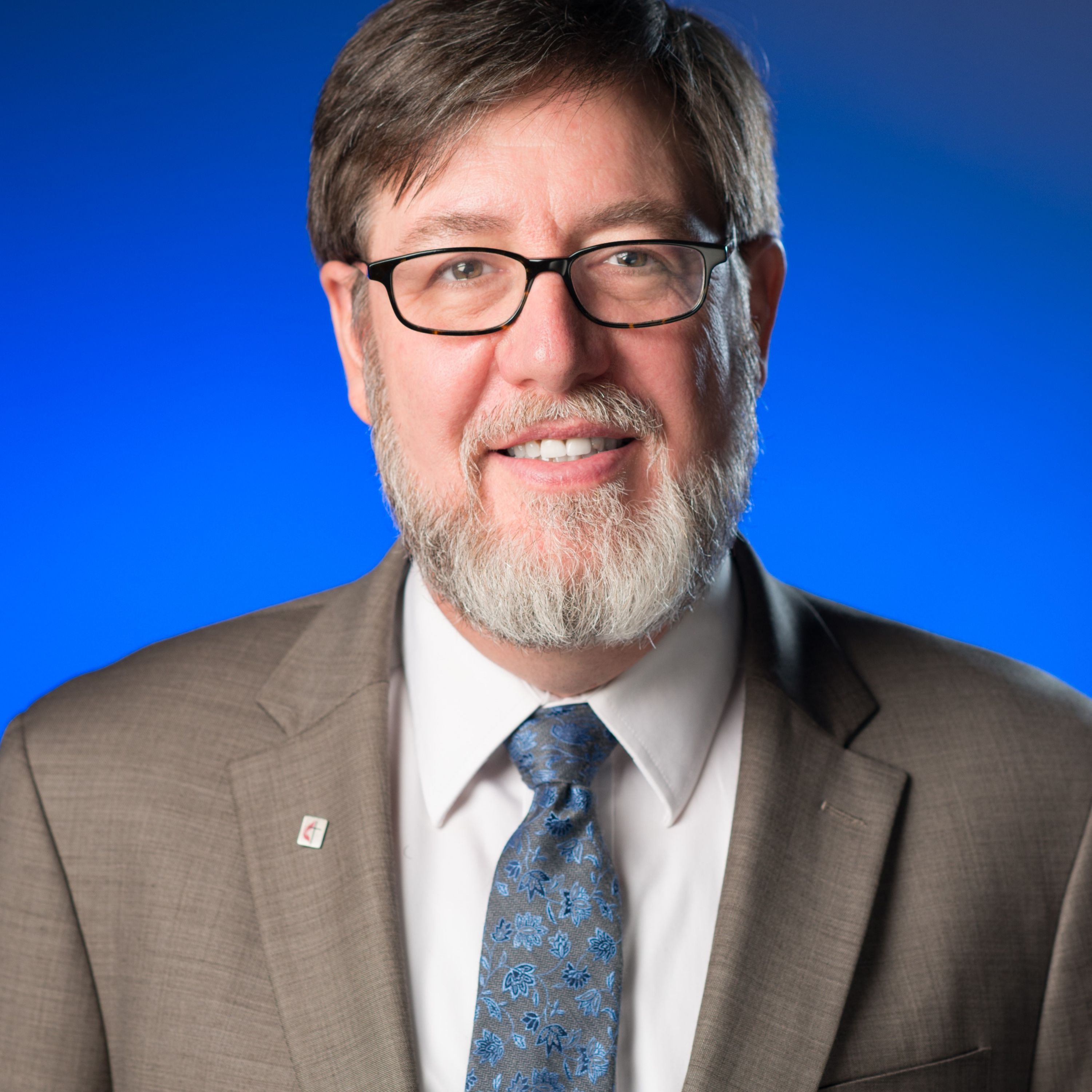
Rev. Jack Amick, Director of Global Migration, United Methodist Committee on Relief (UMCOR). He directs UMCOR’s Global Migration portfolio and represents the global migration work of the General Board of Global Ministries. In his coordination of Global Migration work, Amick serves on the United Methodist Immigration Task Force, on advisory committees for Church World Service, the board of NJFON, the ACT Alliance Migration and Displacement Reference Group, and maintains relations with several migration/refugee organizations. He has been serving at UMCOR for over seven years, 4 years of which involved the direction of disaster response programs. Amick served as pastor at local United Methodist Churches for seven years. Prior to being ordained as a United Methodist elder, Amick served two years with the Refugee Admissions Office of the Bureau of Population, Refugees, and Migration at the U.S. Department of State and two years as Vice-Consul for Economic Affairs at the US Consulate in Mumbai, India. As Desk Officer for Eastern Europe at the Peace Corps, Amick designed crisis responses to flooding in Central Europe and post-war recovery in Bosnia and Herzegovina. In 1985, he volunteered for one year as director of Christian education for the seven Methodist Churches in the Caribbean nation of Grenada. He has led the response to disasters in different contexts, including managing disaster damage assessments and family services with the American Red Cross. Amick spent one year working with homeless individuals in the suburbs of Washington, DC. He has been part of UMVIM teams that responded to needs in Grenada and Liberia as well as in the United States. Amick has a Bachelor of Arts in International Service and Economics from The American University in Washington, DC, a Master of International Management from the Thunderbird School of Global Management in Arizona, and a Master of Divinity from the Boston University School of Theology. Amick enjoys the outdoors, playing bagpipes, and writing liturgical prayers and poetry. He is the father of two young adults and the husband of Rev. Susan Amick, United Methodist Deacon, who serves as Chaplain with Wesley Woods Senior Living in Atlanta.
S11 Ep 6Immigration Reprise: The Sikh Response to Migrants and Migration with Manpreet Kaur Singh
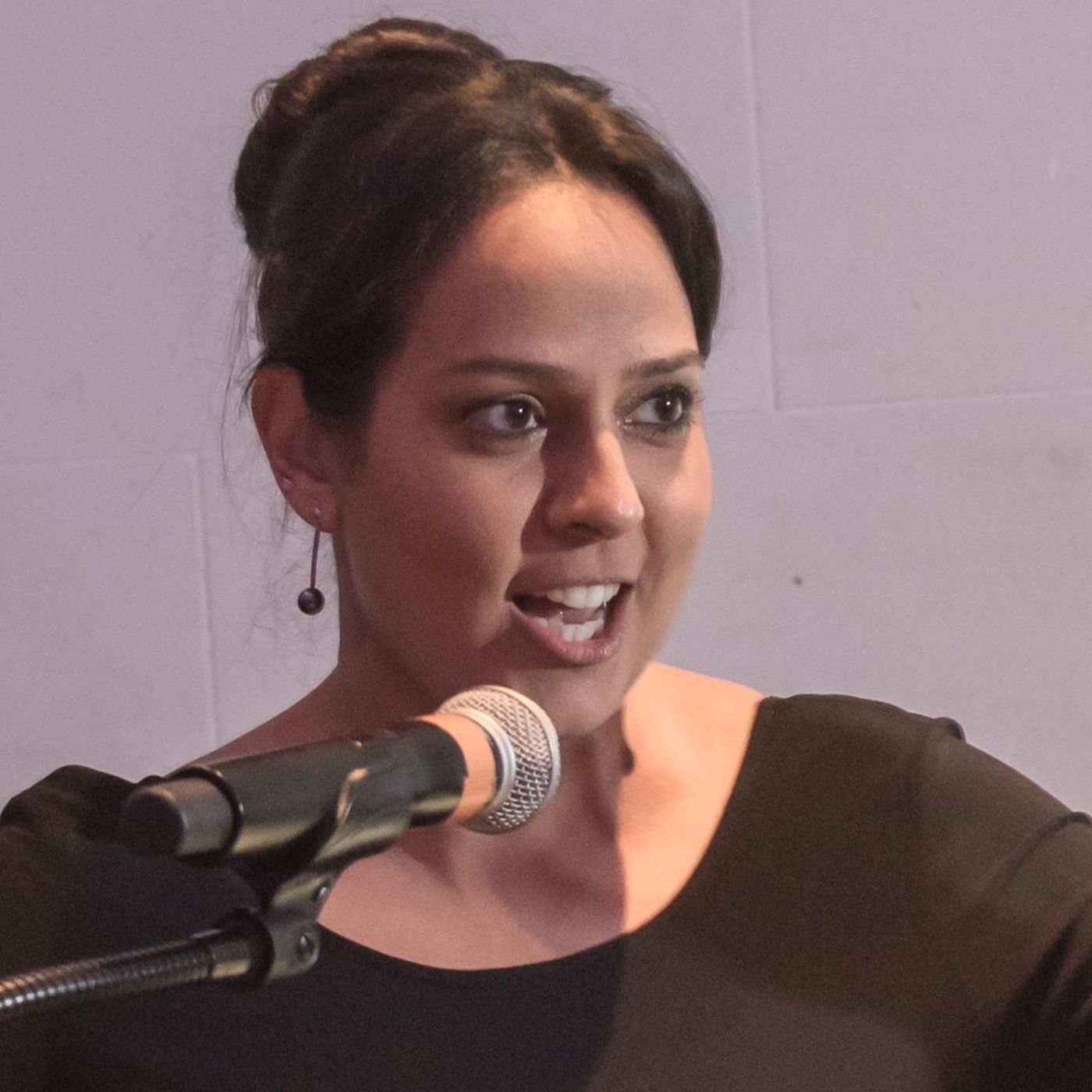
A Houston native dedicated to the causes of diversity and women’s empowerment, Manpreet K. Singh is a supervising attorney that has tried over 50 cases. Currently a Chapter representative for the American Board of Trial Attorneys, she also is serving as a director and trustee with the Sikh Coalition. Recognized in 2018 & 2013 as a recipient for the Diversity First Award. And in 2011 by the Houston Young Lawyers Association, Manpreet has also been a very active member of a variety of Houston and South Asian community organizations. She has completed the Harvard Leadership Program and the American Bar Association Leadership Academy.In 2009, Manpreet testified in front of the Texas Board of Education to include Sikhism (the world’s fifth largest religion) in school textbooks, which was then implemented by the Board for 6th and 10th grade levels. Manpreet continues to support this achievement by teaching many of these classes throughout Houston schools. She also conducts outreach sessions for Interfaith Ministries, for law enforcement, and for the Boniuk Center, where she is also served on the Board. Manpreet also completed the FBI citizen’s diversity academy.Nationally, Manpreet travels to Washington, DC annually to lobby for passage of the Safe Schools Act to ensure the safety and inclusion of all children in their schools, to advocate for increased diversity and inclusiveness in the US Army, and to have the FBI track hate crimes against the Sikh community, which was accomplished in 2013. Locally Manpreet testified before Houston City Counsel in support of the Equal Rights Ordinance and was able to bring the Sikh Project displaying portraits of Sikhs across America, in the City Hall Rotunda for six weeks.Manpreet has also frequently appeared in media to educate about diversity, including being interviewed by several news affiliates and writing op/ed pieces in print media about the effects of the 2012 shooting at the Wisconsin Sikh Gurdwara (place of worship).In her free time, Manpreet enjoys traveling with her husband, reading, shopping and dancing in public to embarrass her two soccer stars.

S11 Ep 5Immigration Reprise: Bishop Greg Kelly on Migrants and Immigrants from a Catholic Perspective
Bishop Kelly is a native of Iowa and grew up in Colorado Springs, Colorado. He studied for the priesthood in Holy Trinity Seminary at the University of Dallas here in Irving and was ordained to the priesthood in 1982. He served in several parishes in the Dallas area since then and has served as the Auxiliary Bishop of the Diocese of Dallas since 2016. He has lived in Irving since 2008. Bishop Kelly has been involved with:Dallas Area InterfaithCatholic Charities of DallasThe Diocesan Immigration Taskforceand is on the Board of Trustees at University of Dallas
S11 Ep 3Immigration Reprise: Debra Boudreaux Buddhist Tzu Chi Foundation
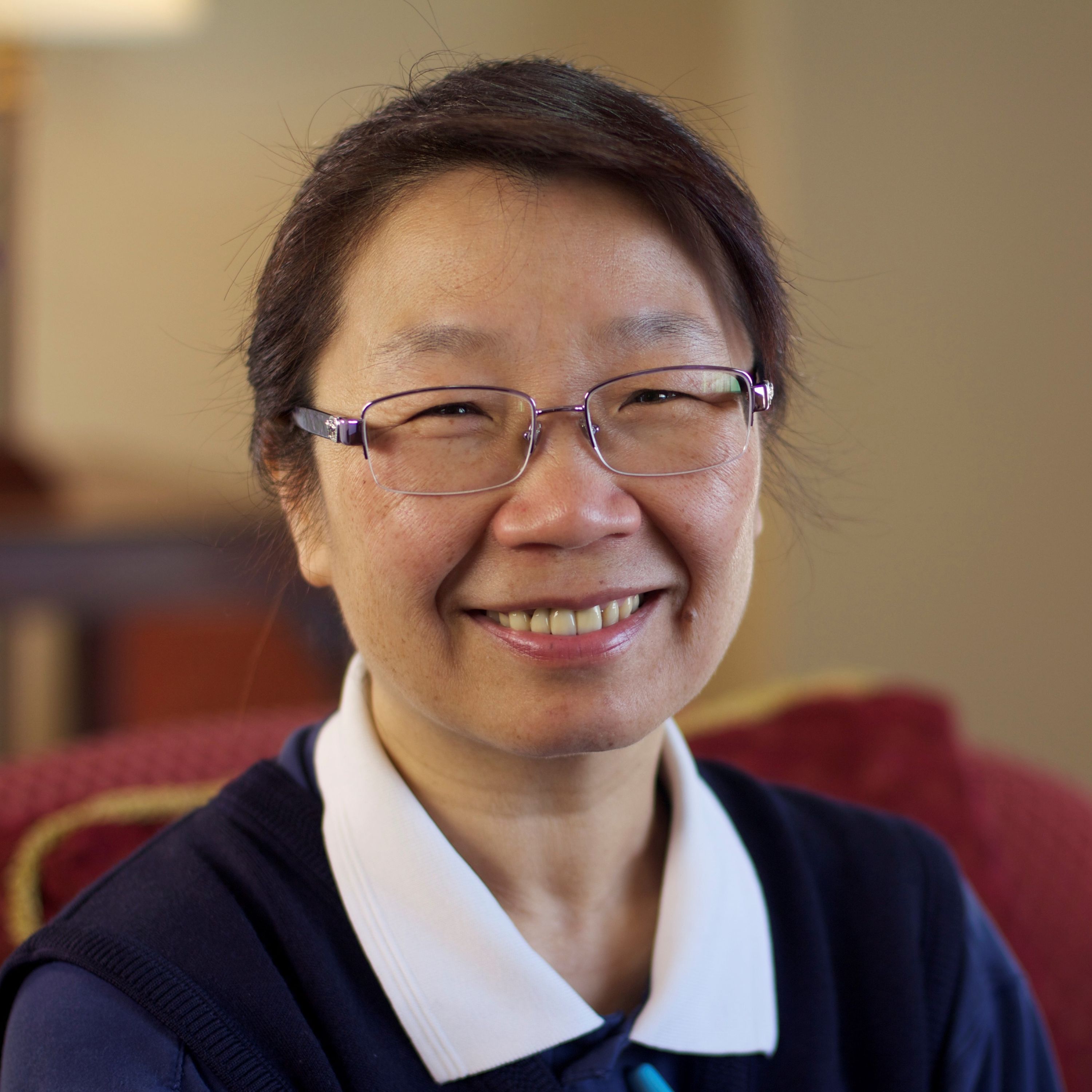
Debra Boudreaux is a senior volunteer with the Buddhist Tzu Chi Foundation. She has more than 31 years of experience working on major projects related to charity, medical care, education, and humanitarian aid. Debra was previously the CEO of Tzu Chi Medical Foundation. She leads Buddhist and Catholic interfaith dialogues and serves as a member of the UN Multi-Faith Advisory Council. She serves as the Board Secretary for Global NGO Executive Committee within the UN DGC NGO venue. She also serves as Board of Trustees of Parliament of the World's Religions.Debra has visited Thailand Refugee Center, Turkey Refugee School, Malaysia Refugee Health Clinic and TJ Refugee Shelter. She has engaged with Climate Urgency and Climate Refugees, Internal Displacement Population crisis both domestic and International.Debra graduated from University of Columbia Missouri. She engages in COVID-19 PPE distribution and Vaccination as well experiencing the medical racism at this pandemic crisis.Debra Boudreaux patterns her daily life under the teaching of Venerable Master Shih Cheng Yen, Respect, gratitude and love to all sentient beings whenever and wherever we can.
S11 Ep 2Immigration Reprise: Anwar Khan and Islamic Relief USA on Migrants and Immigration
Anwar Khan President of Islamic Relief USA. He has more than twenty five years of experience working in the field of humanitarian and development assistance. Mr. Khan has extensive experience in the field: he has traveled to five continents visiting more than 20 countries that have been affected by human conflict or natural disaster zones. Before becoming President, Anwar held a variety of leadership roles at Islamic Relief USA, directing Islamic Relief USA’s program efforts; managing its fundraising offices and operations; overseeing its fund development work; and leading the organization as Chief Executive Officer. Mr. Khan is the longest serving staff members in the organization.Mr. Khan has also served on several boards such as Interaction, and was an advisor for U.S. Agency for International Development (USAID)’s Advisory Committee on Voluntary Foreign Aid (ACVFA), and the U.S. State Department’s Religion and Foreign Policy Working Group. Currently, he serves on the board of World Food Program USA, Joint Learning Initiative and the Alliance to End Hunger. He is also on the advisory Council with the City of Alexandria Police and the Advisory Council for Muslim Philanthropy Institute at Indiana University.
S11 Ep 1Immigration Reprise: Julie Raymon of the AJC
Julie Rayman, Senior Director of Policy and Political Affairs of the American Jewish Committee helps us understand how Jews relate through their history to migrants and immigrants, and what this means today. Since January 2012, Julie Rayman, Senior Director of Policy and Political Affairs, has served as the lead legislative advocate for AJC’s policy priorities. On behalf of AJC, she has supported the launch of congressional caucuses such as the Bipartisan Taskforce for Antisemitism, the Congressional Caucus on Black-Jewish Relations, and the Congressional Hellenic-Israel Alliance. Regularly on Capitol Hill to advocate for AJC priority legislation, she has helped position AJC as a thought and policy leader in combating global antisemitism and hate, promoting Israel’s place in the world, promoting pluralism, and advocating for strong, principled American global leadership. In addition to spearheading AJC’s outreach on Capitol Hill, Rayman also fulfills a variety of senior political liaison responsibilities for AJC, engaging with candidates and elected officials, crafting and promulgating policy position papers and Party platform suggestions, and spearheading AJC’s events on the sidelines of the Republican and Democratic National Conventions. Before coming to AJC, she was senior advisor to Congressman Heath Shuler, covering foreign policy, human rights, defense, and homeland security. Rayman holds a B.A. from American University as well as a Master’s from the National Defense University in Strategic Security Studies, with a concentration in counterterrorism. She also holds an M.A. from Georgetown University in Religious Studies.
S9 Ep 8AI: Human Authenticity in an AI World
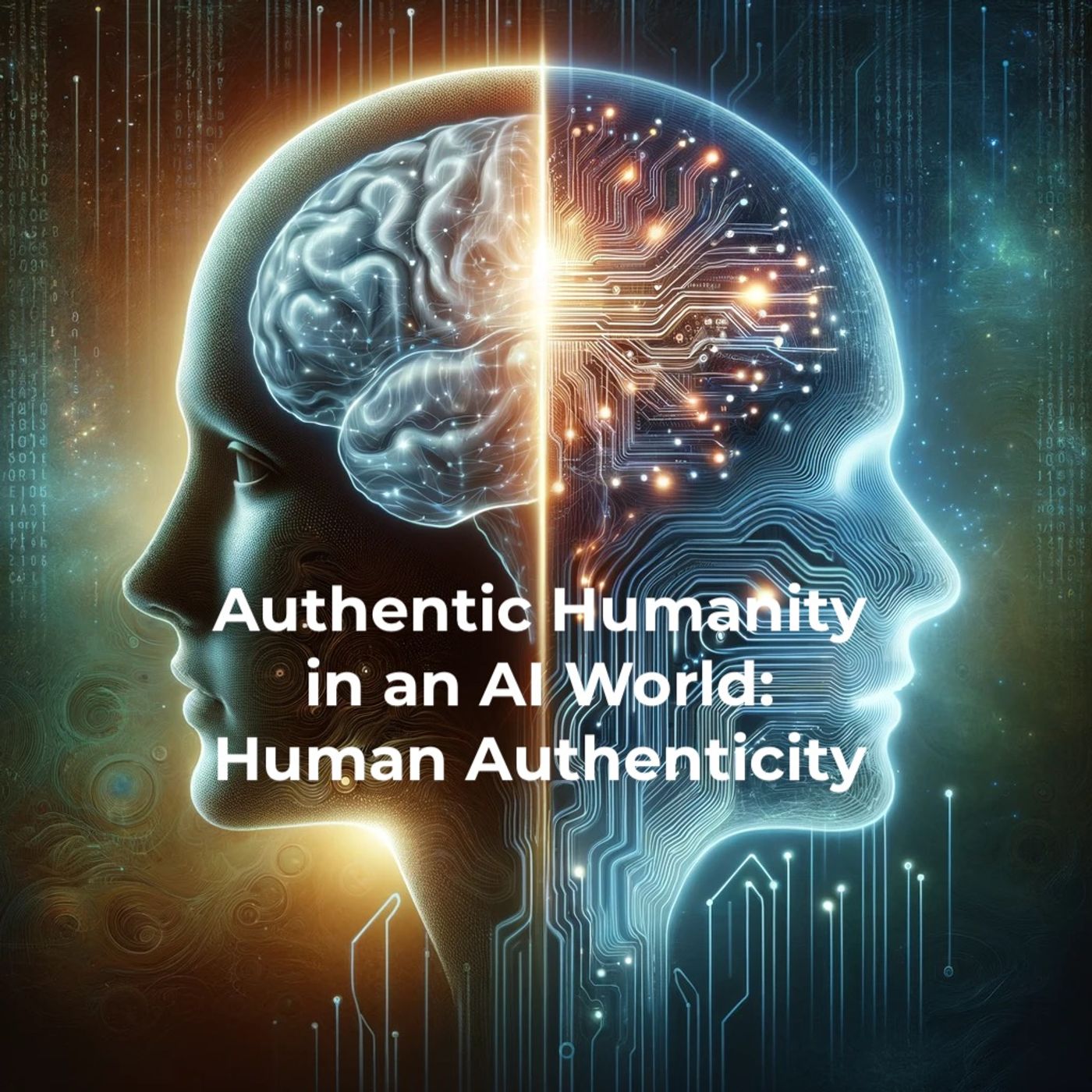
This episode explores more deeply what it means to be authentic humans in an AI age. A video version is found at http://www.youtube.com/@InterfaithEncounters or http://interfaith-encounters.org.
S9 Ep 7AI: Consciousness, Self-Consciousness, and Algorithms
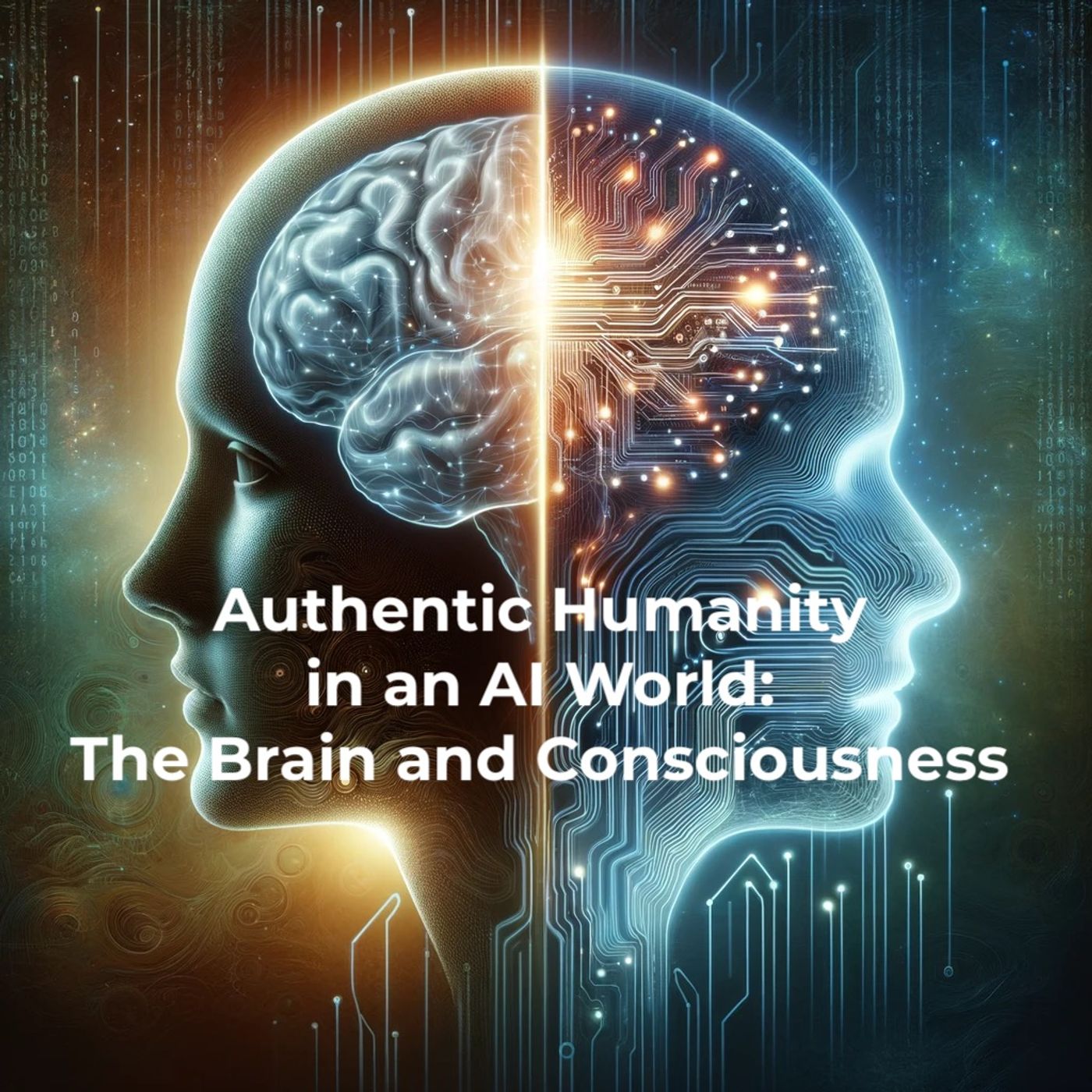
This episode explores more deeply what it means for humans to think about themselves. What does it mean to be conscious? Self conscious? Can an AI be self-conscious? A video version is found at http://www.youtube.com/@InterfaithEncounters or http://interfaith-encounters.org.
S9 Ep 6AI: Being Human, Spare Parts and Immortality
This episode explores more deeply what it means to think of ourselves as biological machines, and where our true humanity might lie. A video version is found at http://www.youtube.com/@InterfaithEncounters or http://interfaith-encounters.org.
S9 Ep 5AI: The Human Place in the World,Hierarchy or Complexity
This episode explores more deeply how we find our human place in the complex relationships that make up our world. A video version is found at http://www.youtube.com/@InterfaithEncounters or http://interfaith-encounters.org.
S9 Ep 4AI: The Brain as a Computer
This episode explores more deeply what it means to think of our brains as computers, and how computers can be thought of as brains. But is it really that simple? A video version is found at http://www.youtube.com/@InterfaithEncounters or http://interfaith-encounters.org.
S9 Ep 3AI: Being Human, Being Intelligent
This episode explores more deeply what it means to think of ourselves as intelligent, and where our true humanity might lie. A video version is found at http://www.youtube.com/@InterfaithEncounters or http://interfaith-encounters.org.
S9 Ep 2AI: Are Humans Just Biological Machines?
This episode explores more deeply what it means to think of ourselves as biological machines, and where our true humanity might lie. A video version is found at http://www.youtube.com/@InterfaithEncounters or http://interfaith-encounters.org.
S9 Ep 1AI and the Experiment Changing Humanity
This episode introduces the ways our human self understanding is taking place. A video version is found at http://www.youtube.com/@InterfaithEncounters or http://interfaith-encounters.org.

S8 Ep 1Real Humanity in an Age of Artificial Intelligence
If we want to know how AI will shape the future we need to think of it less as a computer program and more like infrastructure. Having AI is more like having electricity than like having Microsoft Word. As it is integrated into every task the tasks become easier. I’ve mentioned some of these tasks. But there are many more places that AI is already embedded in daily life. It is speeding up medical diagnosis and designing treatments. It is guiding surgeons. It is balancing loads in power grids. It is doing logistics planning in many industries. It will soon drive our cars and trucks for us. It can already manage our homes. It is and will continue to provide basic services for the house bound and disabled, or for that matter anyone. It is already playing a role in weather forecasting. But it is also in the background in almost every business through its ability to find patterns in large amounts of data.And in doing these things, if we manage it well, AI will give us more leisure to be human for one another, and to be creative with one another in ways that we do not have time for now. But only if we manage it well. Because like every other advance in human knowledge there is the potential for marginalization. In the recent TV story Andor there is a chilling series of episodes in which humans are used like robots, because it is cheaper and easier to enslave humans that build robots. AI will serve us only if we preserve our humanity. In the UMC we have a prayer that we be “spared from grinding toil that destroys the fullness of life.” AI has the potential to be an answer to this prayer, if we won’t confuse artificial intelligence with human intelligence, or artificial intelligence with human consciousness.The question isn’t whether we will use it. We are already using it. We are using it even when we don’t know we are using it. The question is how we will use it and whether it will use us. And those decisions will depend on our commitment to understand our own humanity and that of others, and our decision to cultivate that humanity as the fundamental response to our creator’s first command to be fruitful and multiply.

S7 Ep 7AI Spiritual Direction with Bruce Tallman
The Path to Spiritual Growth and EnlightenmentIn the digital age where distractions are at every turn, the journey towards spiritual growth and enlightenment has never been more crucial. Spiritual direction, a sacred practice that has its roots in ancient traditions, offers a beacon of light to those seeking inner peace, purpose, and connection. This transformative process allows individuals to delve deep into their spiritual core, guided by a seasoned spiritual director or mentor. Whether you're exploring the realms of mindfulness, seeking solace through meditation, or are on the path of self-discovery with practices like yoga, the guidance of a spiritual director can offer invaluable insights and direction. The ultimate aim? To align with one's true self, foster a profound connection with the universe, and lead a life of meaning and purpose.Harnessing the Power of Spiritual Direction in Modern TimesIn a world dominated by search engines and keywords, the quest for authentic spiritual content can be overwhelming. However, when you infuse your search with terms like "spiritual direction," "inner peace techniques," "guidance for soulful living," or "deepening spiritual practice," you unlock a treasure trove of wisdom waiting to be explored. For the spiritually inclined, the benefits of such a journey are manifold: improved mental well-being, a deeper sense of belonging, clarity of purpose, and an elevated consciousness. By harnessing the power of spiritual direction, one is not only enriched personally but also contributes to raising the collective consciousness, making the world a more harmonious place. It's about tapping into that age-old wisdom while leveraging the tools of modern times, including Artificial Intelligence if used with integrity.
S7 Ep 8AI - Bruce Ledewitz and Arc of the Universe
The Moral Arc of the Universe: A Timeless Quest for JusticeThroughout history, the concept that "the arc of the moral universe is long, but it bends towards justice" has resonated deeply with activists, philosophers, and change-makers across the globe. This profound statement, often associated with Martin Luther King Jr., encapsulates the ever-evolving journey of humanity towards fairness, equity, and righteousness. In today's digital era, as users turn to search engines with queries like "historical movements for justice," "evolution of human rights," or "timeline of moral progression," it's evident that the quest to understand and contribute to this moral trajectory remains as relevant as ever. The moral arc becomes a focal point of discourse, reflecting the collective desire for a world where justice prevails over prejudice.Modern Interpretations of the Moral Arc and its SignificanceIn an interconnected world powered by information, search trends like "moral universe in the 21st century," "social justice evolution," and "impact of technology on morality" highlight society's attempts to grapple with contemporary moral dilemmas. With advancements in technology and increased global communication, the concept of the moral arc is undergoing continuous introspection and reinterpretation. Now, more than ever, individuals and communities have the tools at their fingertips—literally—to influence the bending of this arc. Each click, share, and digital interaction serves as a testament to humanity's enduring commitment to shape a just and equitable future. The digital age, with its vast potential and challenges, offers unprecedented opportunities to expedite the journey along this moral arc, ensuring that the bend towards justice is not just an aspiration but a tangible reality.
S7 Ep 6AI - Christian Ministry and Theological Education
In recent years, the infusion of artificial intelligence (AI) into various sectors has been transformative, and Christian ministry is no exception. Digital evangelism has been given a new edge with AI-powered chatbots, offering real-time scriptural references, answering theological questions, and providing personalized spiritual guidance. The demand for search terms such as "Christian AI chatbot," "Bible study AI tools," and "digital evangelism AI" has skyrocketed, indicating the growing interest in these innovations. Additionally, predictive analytics and machine learning are aiding churches and ministries in forecasting trends, optimizing outreach strategies, and even in the personalization of sermons, making the gospel more accessible and engaging to the digital age populace.As Christian ministries delve deeper into the digital sphere, optimizing their online presence becomes imperative. Employing search engine optimization (SEO) techniques tailored to AI-powered searches can drastically improve the online visibility of church websites, digital sermons, and theological resources. Voice search optimization, for instance, is vital given the proliferation of AI-driven voice assistants like Alexa and Google Assistant. It's essential to incorporate long-tail keywords like "how to integrate AI in church outreach" or "Christian teachings on artificial intelligence ethics." Furthermore, the use of AI in analyzing website traffic patterns, user engagement, and content relevancy can help ministries fine-tune their content, ensuring they reach a wider audience and truly harness the transformative potential of the AI era.But can and AI driven church maintain its humanizing mission?
S7 Ep 5AI - Two Muslim students on AI and Islamic Teaching
Artificial Intelligence (AI), on the other hand, is a cutting-edge technology that has revolutionized various industries and aspects of human life. AI is the simulation of human intelligence in machines, enabling them to perform tasks that typically require human cognitive abilities, such as learning, problem-solving, and decision-making. As AI continues to advance, its impact on society and religion, including Islam, has become a subject of interest and exploration. In this episode we delve into the intersection of Islam and AI, exploring how these two seemingly distinct entities may influence and shape each other in the modern world.Islam, one of the world's major monotheistic religions, traces its origins back to the 7th century in the Arabian Peninsula. With over a billion followers globally, Islam is characterized by its belief in the oneness of Allah (God) and the guidance provided by the Prophet Muhammad through the holy scripture known as the Quran. The Islamic faith encompasses a comprehensive way of life, covering spiritual, moral, social, and legal aspects, making it an integral part of the lives of its adherents.
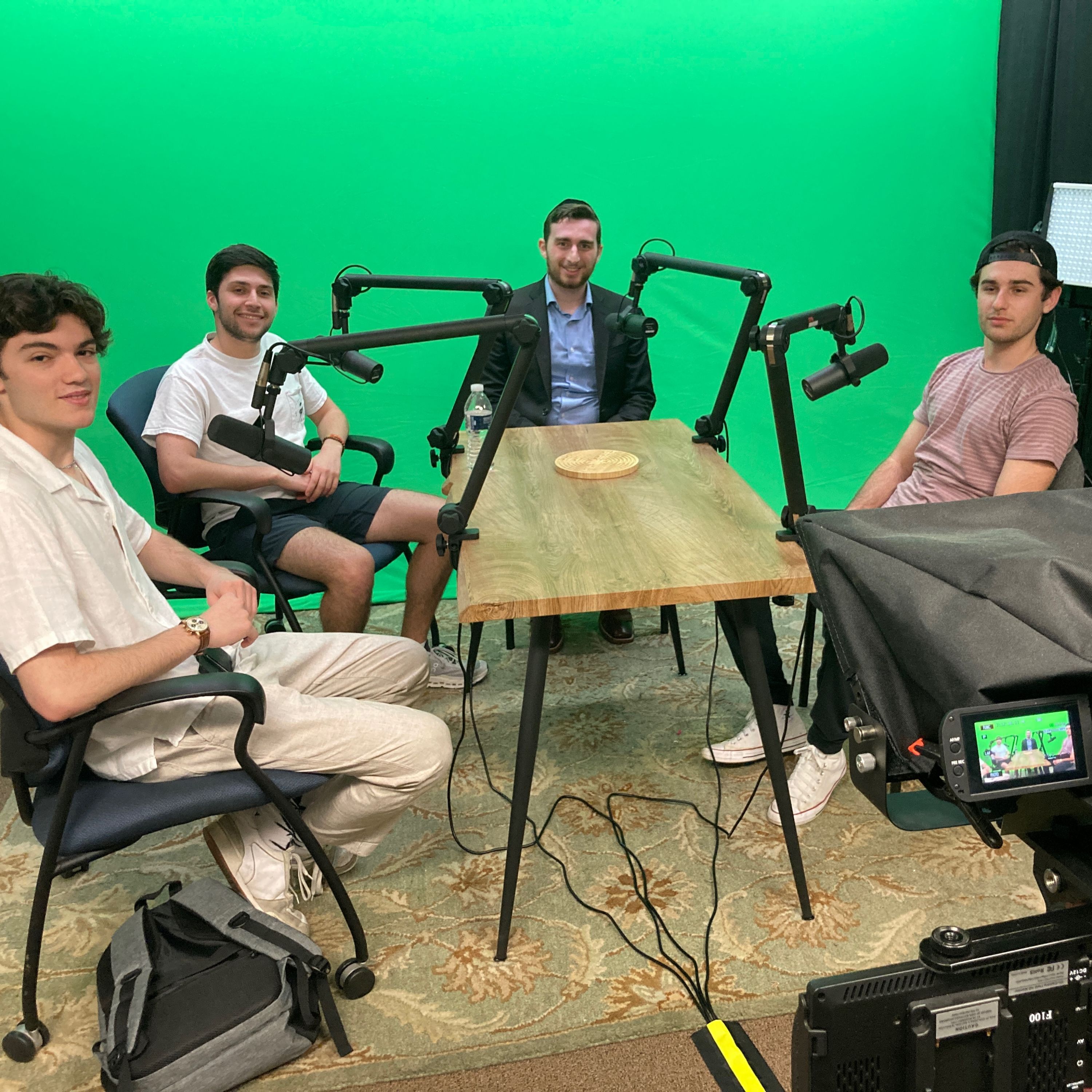
S7 Ep 4AI - Four University Students from the Jewish Community Reflect
Artificial Intelligence (AI) and Judaism may seem like unlikely bedfellows at first glance, but upon closer examination, one can uncover intriguing connections and discussions. One of the fundamental questions surrounding AI and Judaism revolves around the concept of human uniqueness. Judaism places a strong emphasis on the belief that humans are created in the image of God, endowing them with a divine spark and unique qualities. With the rise of AI, some individuals have expressed concerns about the potential blurring of lines between human and machine, challenging this notion of human exceptionalism.Another topic of interest lies in the ethical implications of AI. Judaism has a rich ethical tradition, emphasizing the importance of justice, compassion, and responsibility. As AI systems become more sophisticated and autonomous, questions arise about how they should be programmed to adhere to these ethical principles. Jewish scholars and thinkers are engaging in discussions on the ethical guidelines that should govern the development and deployment of AI technology, ensuring that it aligns with Jewish values.Moreover, AI has the potential to assist in various areas of Jewish practice. For example, AI-powered tools can aid in textual analysis, allowing scholars to delve deeper into ancient texts and uncover new insights. Virtual assistants and chatbots can provide individuals with instant access to Jewish teachings, rituals, and prayers, enhancing their religious experiences. Additionally, AI can help in the preservation and restoration of historical Jewish sites, artifacts, and documents, contributing to the continuity of Jewish heritage.However, along with these opportunities, there are also challenges to be addressed. Jewish tradition places great value on human relationships, community, and the personal nature of religious observance. The increasing reliance on AI for religious guidance or interaction may raise concerns about the loss of these essential human connections.In conclusion, the convergence of AI and Judaism invites a thought-provoking exploration of the impact of technology on religious beliefs, practices, and ethics. As Jewish communities navigate the ever-evolving landscape of AI, they grapple with questions of human uniqueness, ethical considerations, and the balance between tradition and innovation. By engaging in meaningful conversations and embracing a thoughtful approach, Judaism has the potential to harness the benefits of AI while preserving its core values and fostering a vibrant and dynamic religious life in the digital age.
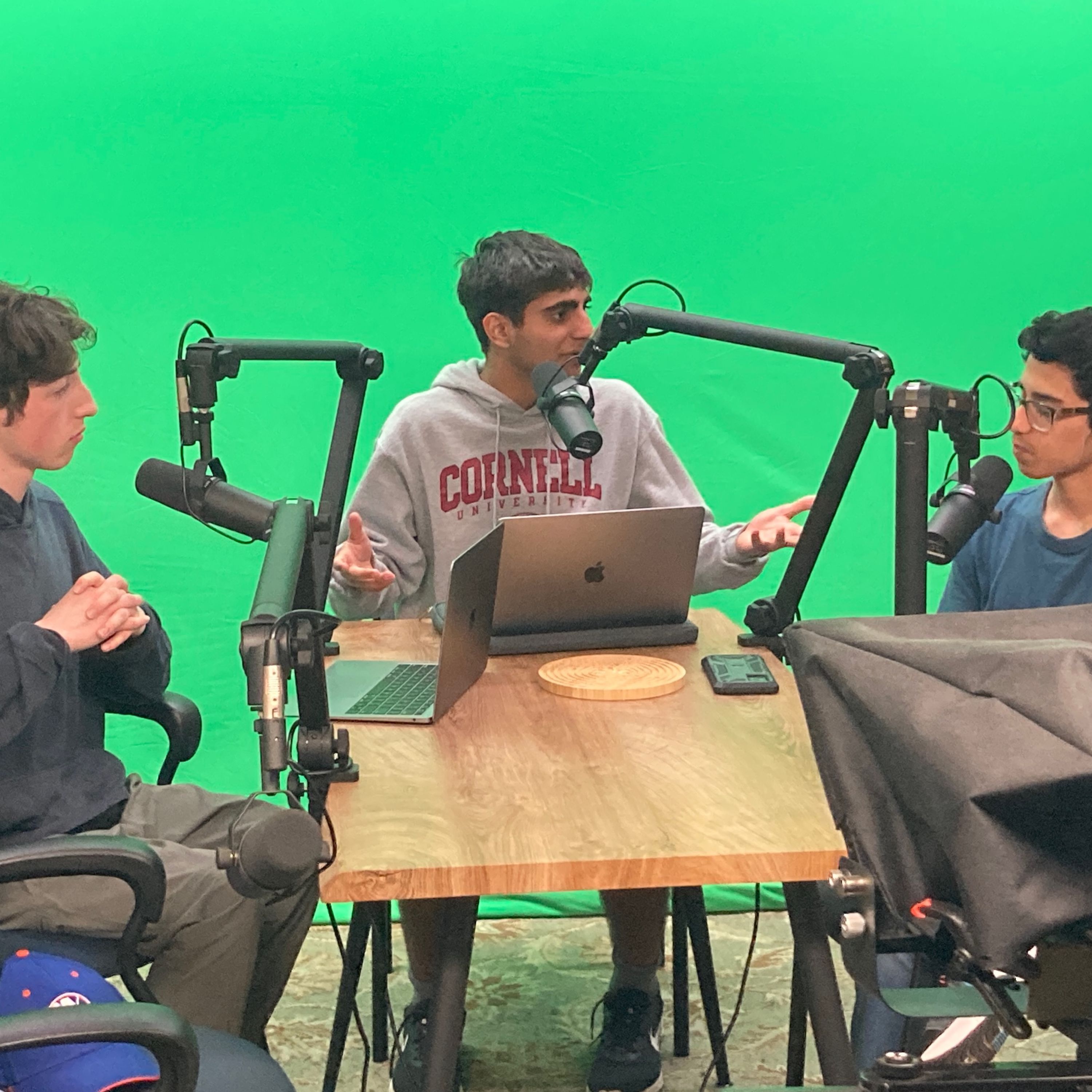
S7 Ep 3AI - Three High School Students discuss AI and Faith
Rizwan Khan leads a discussion with two friends, Khosraw Azizi and Maxwell Stephen on their experience with AI. They discuss its effect on the personal lives, their social lives, their school work, and even their professional aspirations. But most of all they wonder if it will erode and even eliminate religious faith and human to human contact. They conclude, to quote Springsteen, that everyone needs a human touch.
S7 Ep 2AI - University Students on AI and their Faith
AI is influencing every aspect of life for university students, not least their religious lives. in this episode three current students discuss the impact of AI on religion - both positively and negatively. They wonder if robots can perform worship, whether bad actors will use AI to distort religion, and whether it might still offer a positive service to religious life.
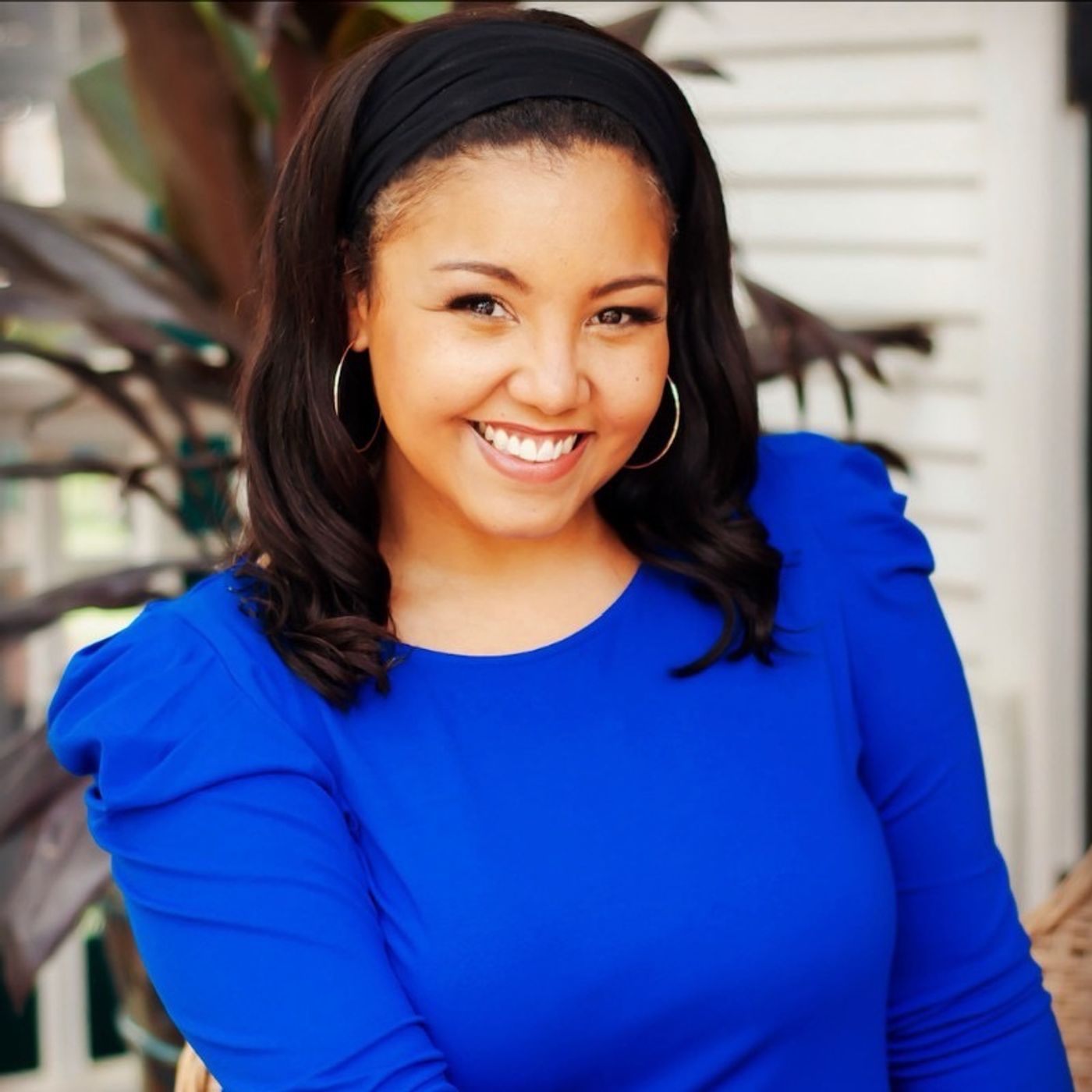
S7 Ep 1AI - Dr. Angela Patterson on Gen Z in an AI World
Dr. Angela Patterson is a media psychologist who specializes in technology’s effects on religious and spiritual development. A career communicator, Angela worked as a newspaper reporter and corporate/nonprofit communications professional for 13 years before earning her doctorate from media psychology from Fielding Graduate University.Originally from Lubbock, Texas, Angela earned degrees in journalism from the University of Southern Mississippi and Indiana University before starting her career. While the written word will always be her primary passion, she describes her life mission as “using my gifts and talents to help people of all ages lead their best spiritual lives.”Describing her involvement with Springtide, Angela says, “I’m grateful to be in a position where I can share the wealth of knowledge that Springtide provides with the people who need and want it most. I believe our young people are showing us a blueprint of how religion and spirituality may take shape in the future, and it’s exciting to be a part of documenting that and sharing it with the world.”Angela lives in Dallas, TX, but is often traveling across the U.S. and abroad. When at home, she loves enjoying the Texas delicacies of barbecue and Tex-Mex or cooking up her own creations.
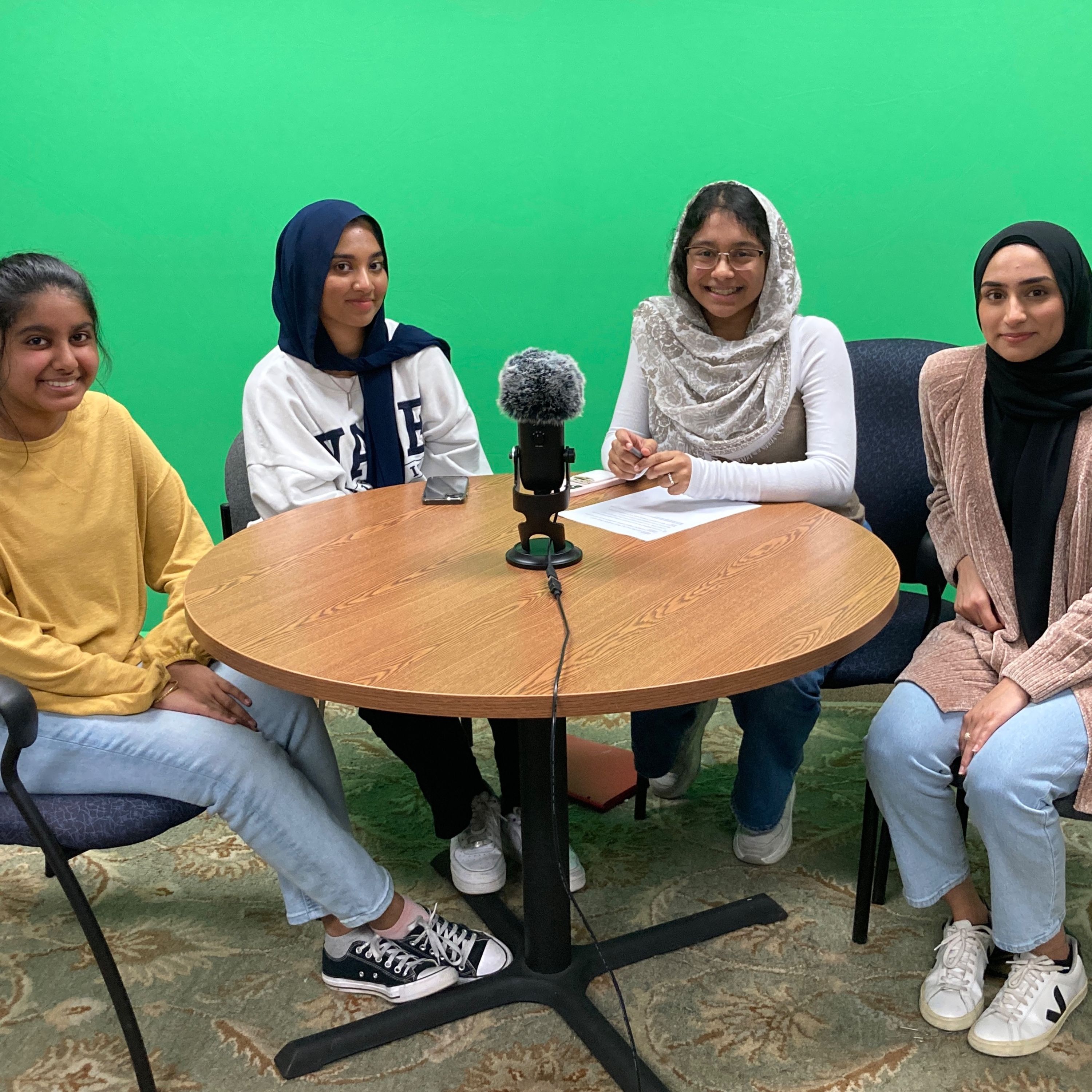
S6 Ep 9Gen Z - Four Muslim Women and Reality
Sarah Suleman, Afia Ansari, Mediha Siddique and Aisha Ahmend came into the Interfaith Encounters studio for a frank discussion of the issue most on their minds as young Muslim women. Their discussion ranges from the meaning of hijab, to religious identity, exclusion and inclusion, and how being in a Christian nation affects their human rights. It is an often surprising conversation that takes us from going to Muslim high school to a college lab to the way the streets of Iran affect Muslim women on the streets of America.
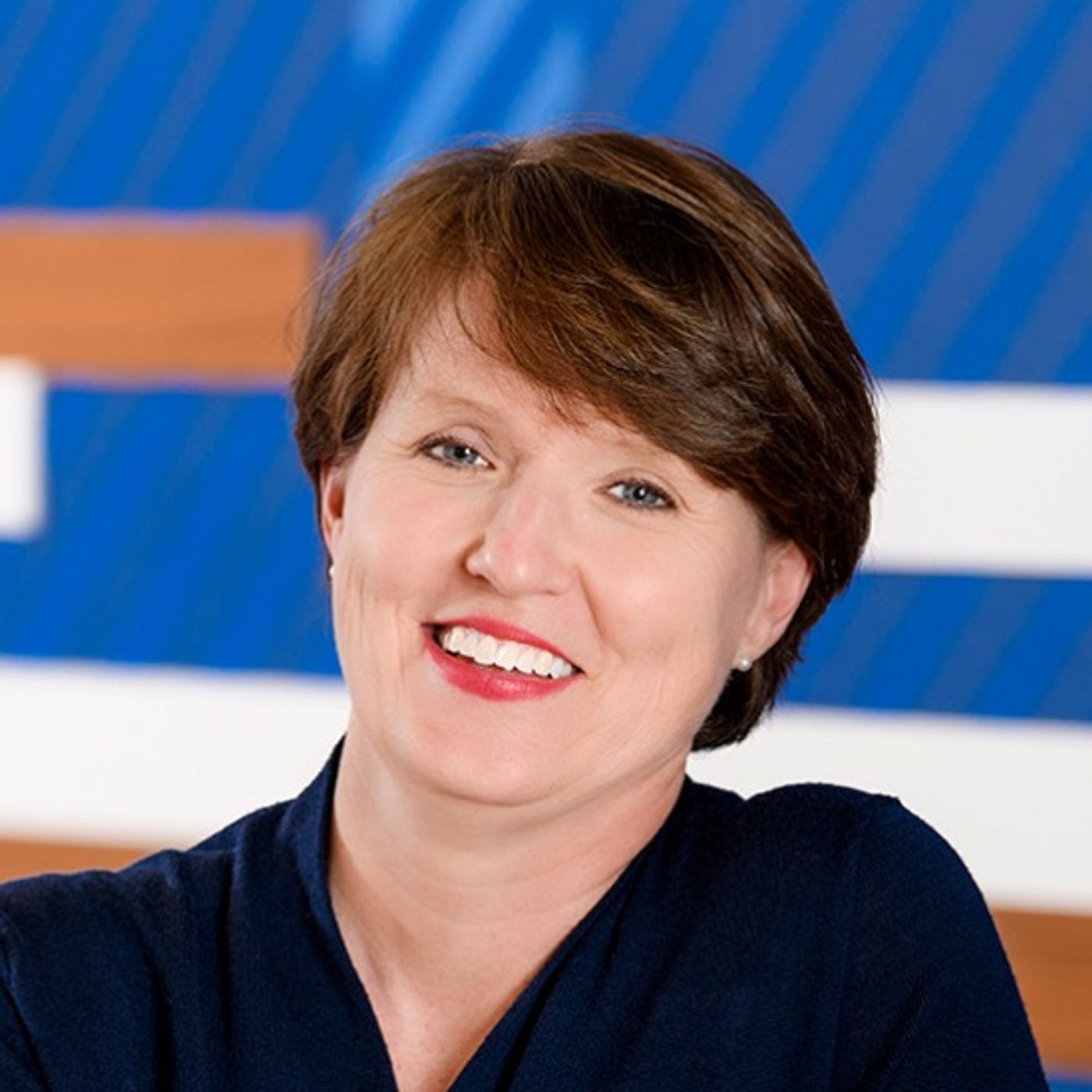
S6 Ep 8Gen Z - Chaplain Lisa Garvin
The Rev. Lisa Garvin joined SMU on Oct. 19, 2020 as chaplain and minister to the University, the first woman to serve in the role.SMU’s chaplain and minister to the University serves the entire SMU community, working with diverse campus religious organizations that support and nurture students in the development of faith and ethics. Building on SMU’s deep roots in the United Methodist tradition, Rev. Garvin is expanding the table of religious life at SMU and engaging the community’s rich diversity to foster spiritual life on The Hilltop. Garvin holds a bachelor degree in European Studies from Millsaps College. She also holds a Master of Divinity degree from Emory University’s Candler School of Theology and a Juris Master in Human Rights from Emory University School of Law. In 2015-2016, Garvin was participated in the HERS: Leadership Institute, a selective leadership program for women in higher education administration. In 2018, Garvin was selected as a KAICIID International Interfaith Fellow where, with 20 religious leaders from 13 countries and eight different religious traditions, she honed her skills for facilitating interreligious dialogue and developing leaders who advocate for peace in their communities. Garvin has a lifelong commitment to church-related higher education. A native of Hattiesburg, Mississippi, Garvin previously served Emory University as associate dean of the chapel and religious life (2012-2020) and her alma mater, Millsaps College, as college chaplain (2005-2008). She also served the Mississippi Conference of The United Methodist Church as director of ministerial Services (2008-2012). Garvin is an ordained deacon in the United Methodist Church and currently serves as a director of its General Board of Church and Society chairing the board’s Advocacy Work Area. As a Trustee at Millsaps College (2010-2018), Garvin chaired the Student Affairs Committee.Garvin has a special interest in human rights and racial justice, and has led travel seminars to South Africa, Bosnia and Herzegovina, the U.S.-Mexico border and Cuba
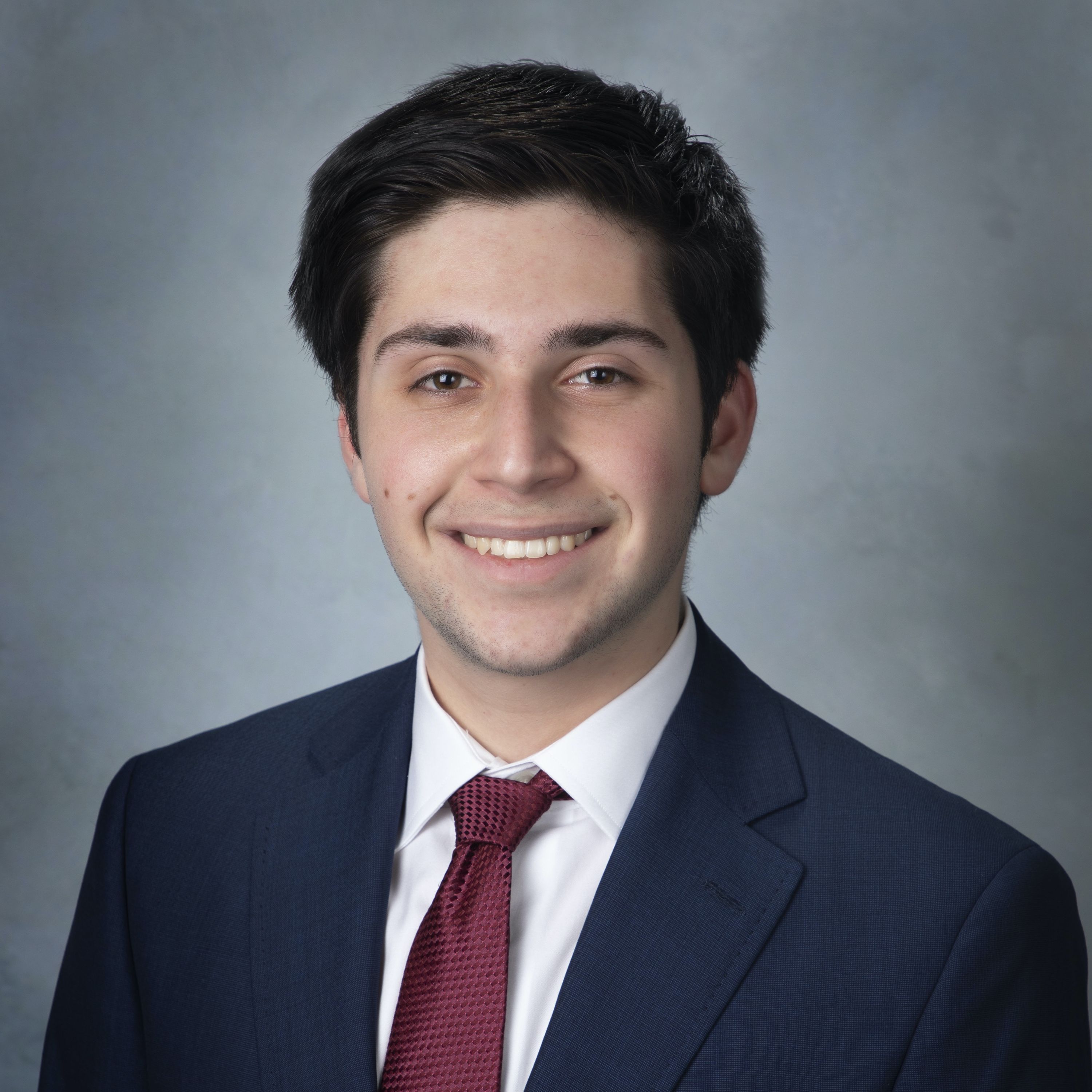
S6 Ep 7Gen Z - Nathan Pupko Ginsberg
Nathan Pupko Ginsberg is a Junior at Southern Methodist University double Majoring in Finance and Political Science. Being born in San Diego, California, but having lived in Mexico, Canada, Israel, and the United States of America have given him the opportunity to be fully embraced in many different cultures which have led to him having an incredibly unique background and perspective on the Jewish, minority, and immigrant experiences.
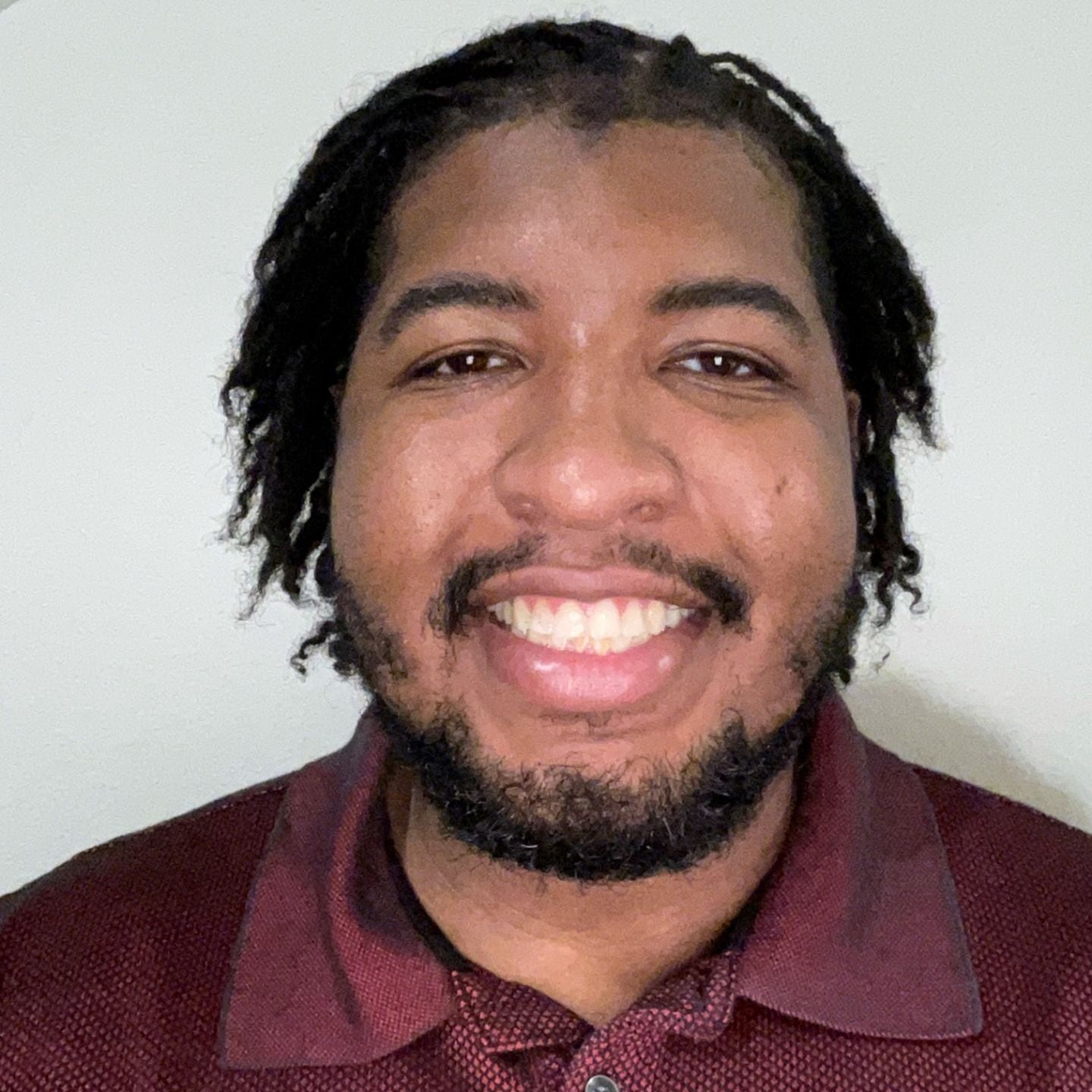
S6 Ep 6Gen Z - Azeez Akande on Gen Z Reaching Gen Z
Azeez Akande is a student at Perkins School of Theology of Southern Methodist University. He is also an active pastor.
S6 Ep 5Gen Z Navigates Uncertainty
Most young people don't even know about religious institutions. Yet:61% of young people agree "The adults in my life don't truly know how much I am struggling with my mental health."47% of young people say they are moderately or extremely depressed.73% of religious young people agree that their religious and spiritual practices positively impact their mental health.66% of religious young people agree that their religious or spiritual life matters for their mental health.
S6 Ep 4Gen Z - Hannah Siegel and Being Jewish and Gen Z
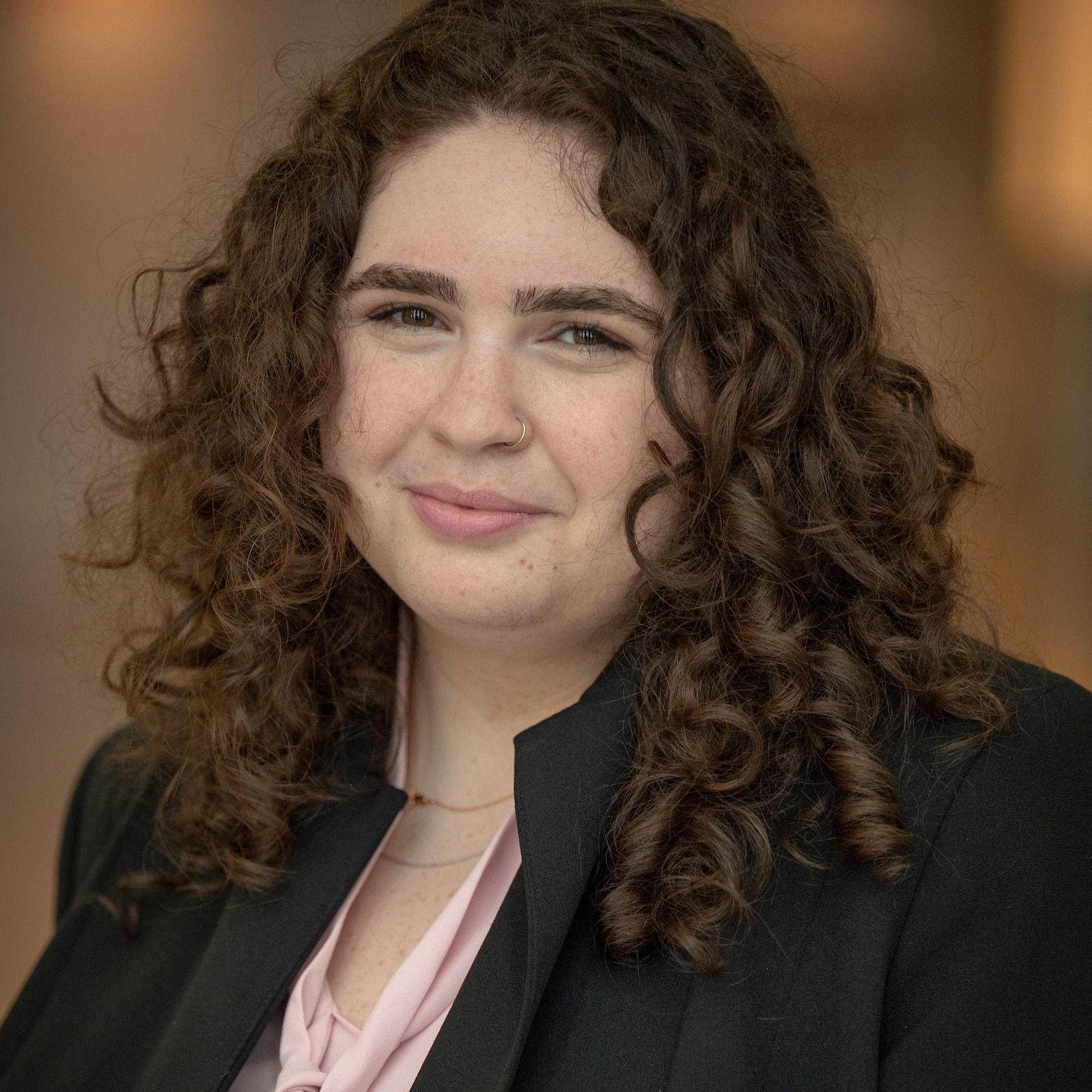
in this episode Hannah Siegel tells us how she became more religious in college, and how she has found community among Jews even though she is far from home.

S6 Ep 3Gen Z - Josh Packard on Post Covid Trauma
Dr. Josh Packard, Executive Director of Springtide Research Institute, is an accomplished researcher with an expertise in the sociology of religion and new forms of religious expression. A talented speaker and writer,with over 10 years of teaching experience,Josh has been a guest on numerous radio shows and podcasts, and has been an invited speaker at many conferences, events, and workshops. He has been published widely in both academic and popular outlets, including Christianity Today, The Aspen Institute, The Huffington Post, Desert News, and Christian Science Monitor, among others. Josh earned his Ph.D. in sociology from Vanderbilt University and did his undergraduate work in English at Texas Lutheran University.
S6 Ep 2Gen Z - Razan Bayan and Being Muslim and Gen Z
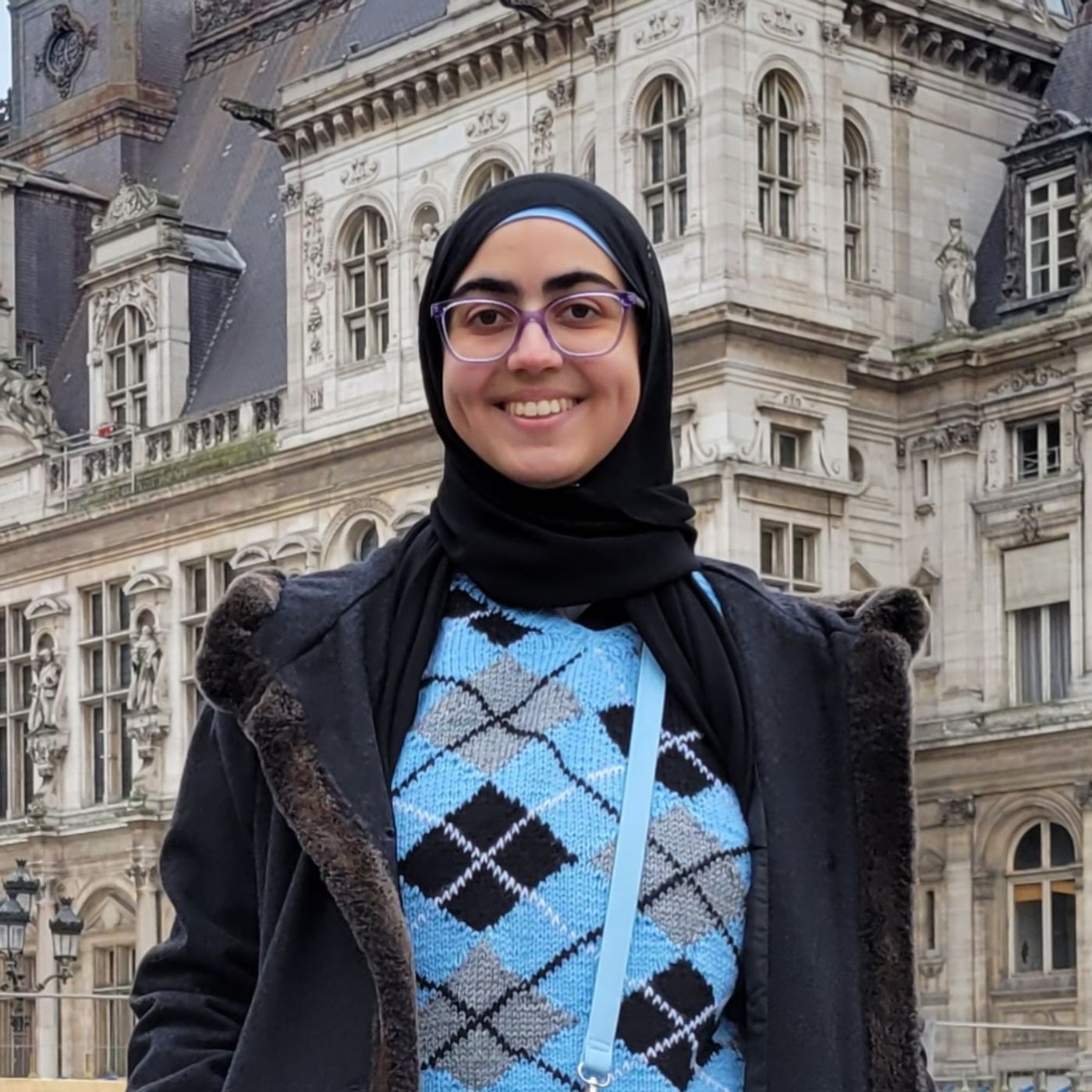
In this episode Razan Bayan, a Muslim student at Southern Methodist University tell us how she discovered her religion and what it has come to mean to her. She explores the importance of having a moral code and purpose in life, as well as her aspiration that her generation be proudly themselves.
S6 Ep 1Gen Z - Josh Packard on Making Religious Connections
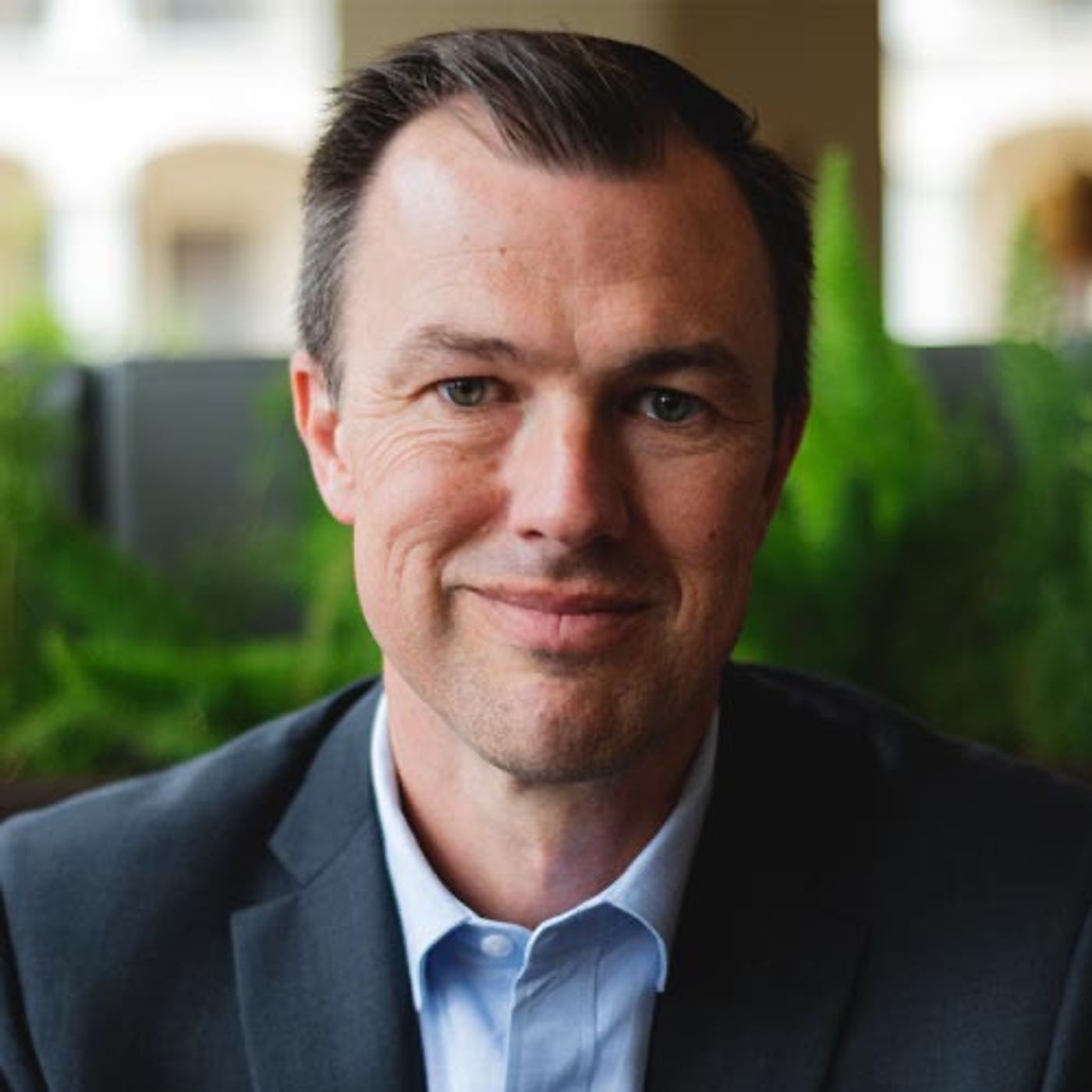
Dr. Josh Packard, Executive Director of Springtide Research Institute, is an accomplished researcher with an expertise in the sociology of religion and new forms of religious expression. A talented speaker and writer,with over 10 years of teaching experience,Josh has been a guest on numerous radio shows and podcasts, and has been an invited speaker at many conferences, events, and workshops. He has been published widely in both academic and popular outlets, including Christianity Today, The Aspen Institute, The Huffington Post, Desert News, and Christian Science Monitor, among others. Josh earned his Ph.D. in sociology from Vanderbilt University and did his undergraduate work in English at Texas Lutheran University.
S5 Ep 9Religious Conflict: Dr. Muhamed Elsanousi - Director of the Network for Traditional and Religious Peacemakers
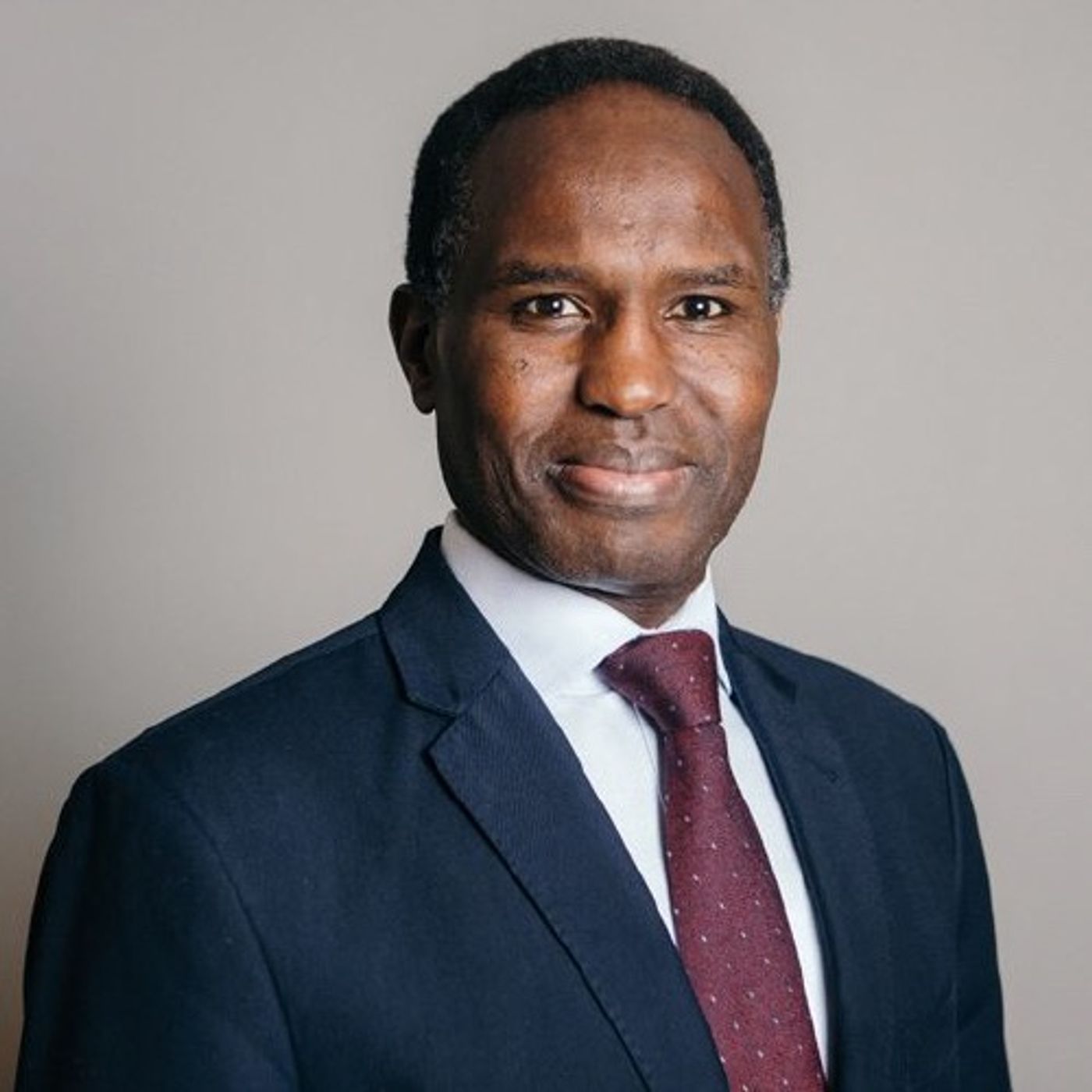
In this riveting discussion Muhammed Elsanousi helps us understand how colonialism has built a legacy of mistrust between Muslims and Christians, and how through persistent dialogue and mutual understanding this can be overcome. Their latest research is found here: https://www.peacemakersnetwork.org/research/
S5 Ep 8Religious Conflict: Jill Temple on Classroom Conflicts
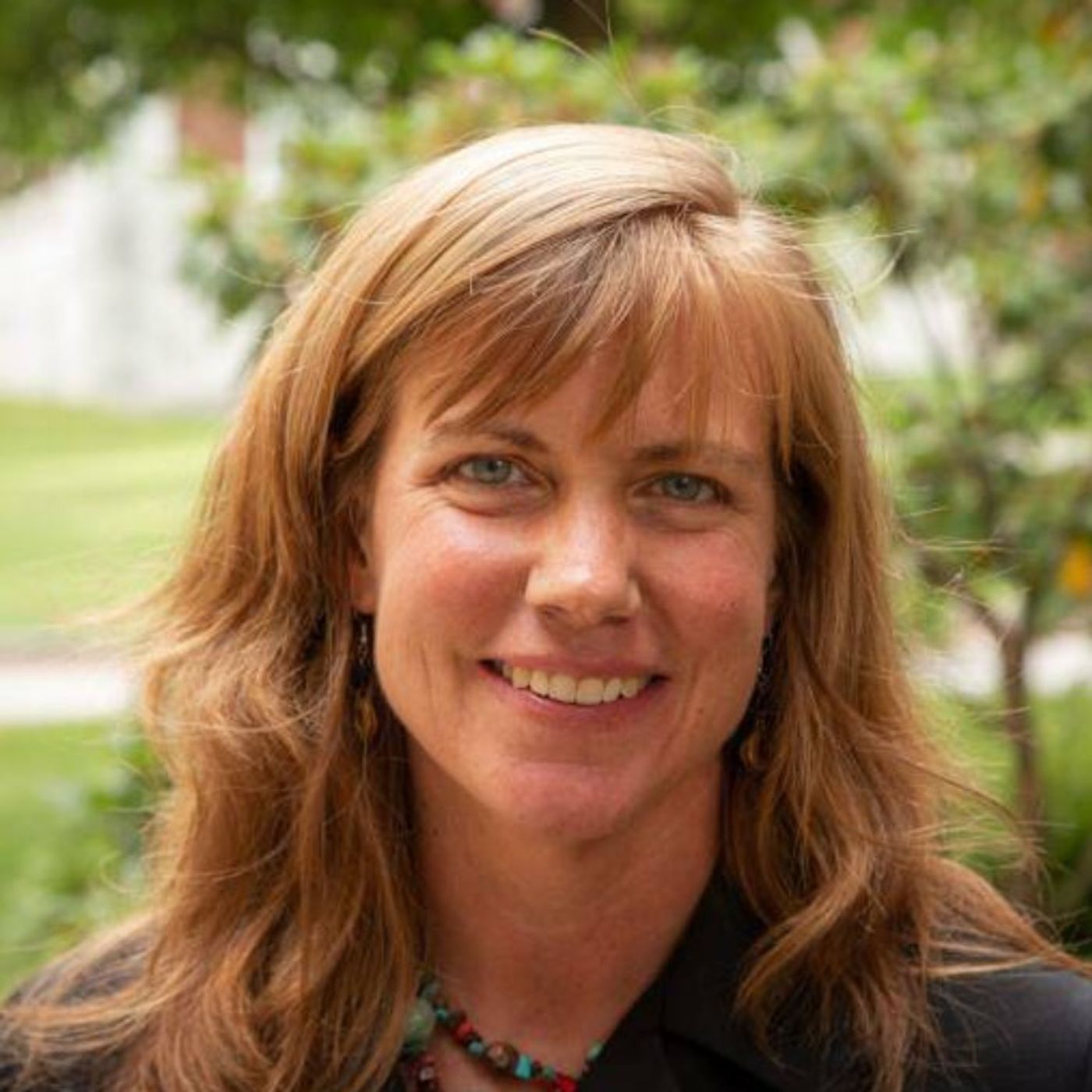
Dr. Jill DeTemple is Chair of Religious Studies, Professor of Religious Studies, and, by courtesy, Professor of Anthropology. Her research focuses on religiously sponsored development in Latin America and on the uses of dialogue for teaching in higher education. She is currently working on two projects. The first is a book that examines the risks of social capital approaches to development, especially when they are based in religious and gendered identities, due to release with the University of Notre Dame Press in March, 2020. The second is an edited volume that introduces Reflective Structured Dialogue and attendant approaches to dialogic classrooms in postsecondary contexts.

S5 Ep 7Religious Conflict: Interfaith Encounters w/ Scott Shay
Scott A. Shay is a leading businessman, thought leader, and author of several widely read books on profound issues facing the Jewish community. Scott is the co-founder and Chairman ofSignature Bank, well known as one of the best banks in New York for private business owners.Scott earned a BA in Economics and a Masters in Management from Northwestern University, a valuable experience due to the commitment of his professors to high academic standards and the ideals of the university’s motto.Scott is a distinguished leader in the Jewish community and an avid student of religion and its application to the world outside of the synagogue, church, or mosque. These interests are reflected in Conspiracy U, as well as his previous two books, In Good Faith: Questioning Religion and Atheism and Getting Our Groove Back: How to Energize American Jewry. https://www.scottshay.com/ingoodfaith.
S5 Ep 6Religious Conflict: Dr. Ruben Habito, Professor of World Religions and Spirituality
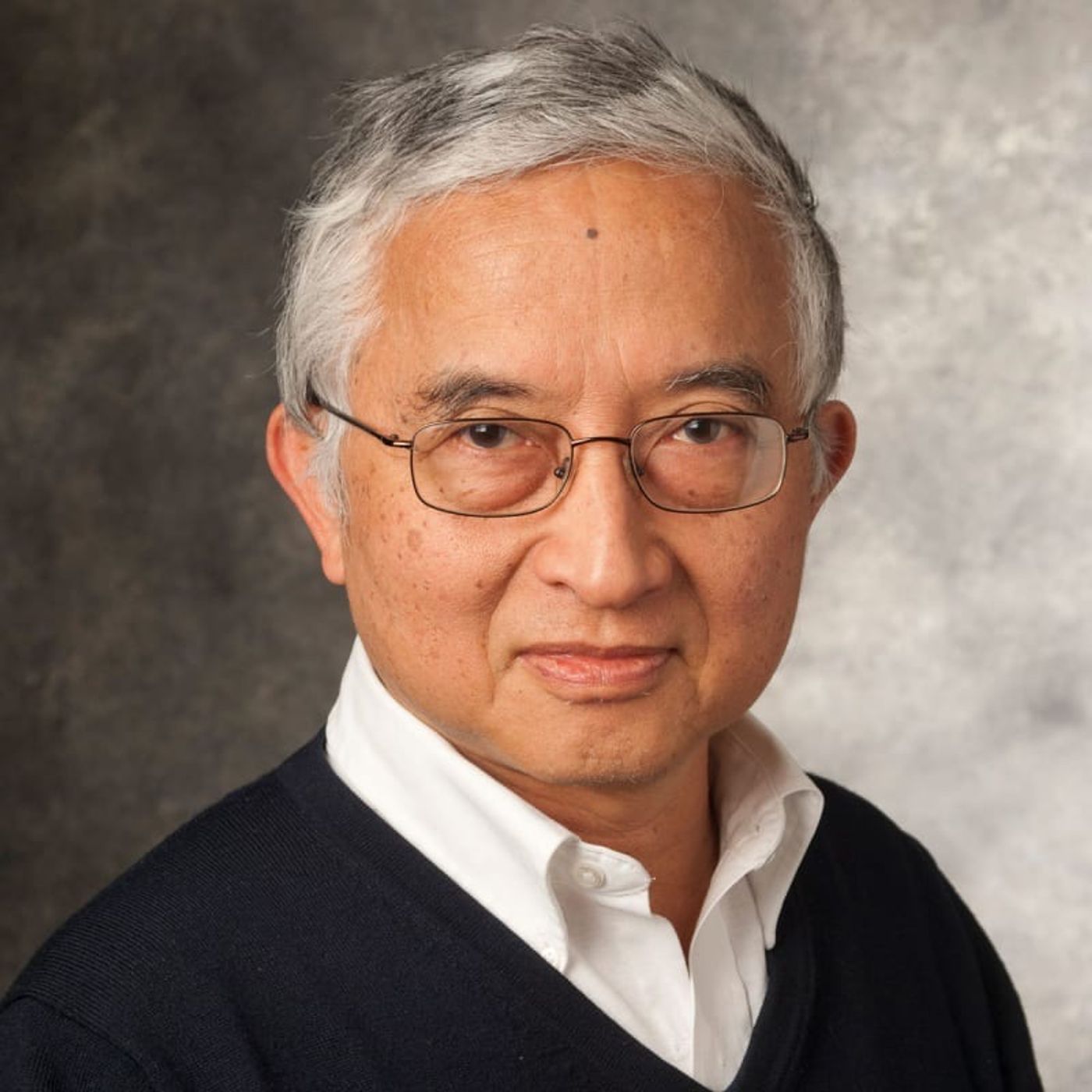
Ruben Habito is the founding teacher of MKZCRuben began Zen practice under Yamada Koun in Kamakura, Japan in 1971 when he was a Jesuit seminarian in Japan. He came to Dallas in 1989, and is now married with two grown sons. He is a faculty member at SMU's Perkins School of Theology where he teaches World Religions and Spirituality, and directs the Spiritual Formation Program. https://www.smu.edu/PERKINS.Ruben Habito speaks four languages, travels widely and dialogues comfortably with people of many different faiths. But one simple, short Bible passage serves as his “home base.” It’s Mark 1:11, “You are my beloved, in whom I am well pleased.”In Mark 1:11, Habito said, he finds a message that runs much deeper than a “warm fuzzy feeling” of being loved.“It’s a way to look at the suffering and agony of all the people in the world throughout history and even now, including our own, and to understand, that in the midst of our travails, there is something or Someone that whispers into our ear, in and through all of this, that we are not forsaken, that ‘I AM with you,’ that ‘You are my beloved,’” he said. Grounded in that verse, Habito has become a low-key but influential voice on the Perkins campus and beyond, as a faculty member, author, spiritual director and Zen Roshi (teacher). At Perkins, Habito heads the spiritual formation program, as well as a certification program for spiritual directors, with the goal of giving students a spiritual grounding for their ministry. He also teaches courses in world religions, with an eye toward “unpacking what we can learn from the world’s religions and enhancing and enriching our ways of doing Christian theology, ministry, and spirituality.”Beyond campus, Habito is founding teacher of Maria Kannon Zen Center, housed at White Rock United Methodist Church in east Dallas. He began Zen practice under Yamada Koun in Kamakura, Japan in 1971 when he was a Jesuit seminarian in Japan. “The Zen Center is a central aspect of my life,” he said. “It is nourishing for me to be able to sit in silence with people from all backgrounds and traditions, or none at all, who are seeking something genuine and authentic in life.” Mark 1:11 also informs Habito’s personal practice of daily meditation, which he describes as “basically just sitting in silence, and basking in Love.” Habito recently returned from gatherings of the Parliament of World Religions and the American Academy of Religion; he is often called on to speak at international interfaith gatherings and to participate in Buddhist-Christian dialogue. He’s also the author of several books – his most recent is Be Still and Know: Zen and the Bible – that explore connections between Buddhism and Christian faith. Habito hopes his books and his work help make Zen accessible to people of all faiths as well as those with no religious beliefs. “Zen practice leads to an experience of our connectedness with one another,” he said. “That’s an underlying and recurring theme in my own work and in my own life. Going deep into the core of our being enables us to open our hearts to that transcendent mystery, and at the same time, see our intimate connectedness with all beings, with all the earth.” Habito’s current research is aimed at crystalizing an understanding of the Trinity from an experiential perspective. With the developments in systematic theology over the last few centuries, he said, a disconnect has arisen between spirituality and theology, with spirituality becoming a subdivision of practical matters that does not inform systematic theology, which attempts to explain ultimate reality in the light of Christian faith. Habito believes reconnecting the two areas can be mutually enriching. “More and more theologians are seeing that those two areas need to be reunited in order to do theology in a viable way that would address the crucial issues of our contemporary world,” he said.

S5 Ep 5Religious Conflict: Jerry Zehr Interfaith Devotions
“THERE IS A NEW CONSCIOUSNESS THAT IS DRAWING US INTO A WORLDWIDE SPIRITUAL COMMUNITY. MY DESIRE IS THAT MY WRITINGS WILL BRING ENCOURAGEMENT, THOUGHTFUL REFLECTION, AND HOPE. LET US BECOME PEACEMAKERS ANDCREATE SHALOM FOR OUR WORLD.”This episode builds on peacemaking in the work place by our previous guest, Dr. Robyn Short. https://interfaith-encounters.simplecast.com/episodes/robyn-short-religious-conflict-in-the-workplace. Rev. Zehr tells us about his book of 40 interfaith devotions that will expand the spiritual life of all those seeking peace. https://jerryzehr.com/resources-books/Jerry Zehr is an ordained minister and has served as a pastor and leader in Interfaith ministries for over 30 years. He has helped to create four interfaith organizations, including the Carmel Interfaith Alliance and the Indiana Multifaith Network. Jerry and his wife Diane have been married for over 37 years with two daughters and two grandchildren.Jerry leads workshops, retreats, and speaks at events on different aspects of Walking the Enlightened Path, Developing Inner Peace, Learning to Forgive, and Building Understandings of Different Faith Traditions.Before Jerry went into the ministry, he was an professional actor performing in over 50 musicals and dramas. His novel “Blurring the Lines ” tells of his experience in the entertainment business in Los Angeles, California. The theme running through the book is “What Are You Willing to Sell Your Soul For?”
S5 Ep 4Religious Conflict: Robyn Short - Religious Conflict in the Workplace
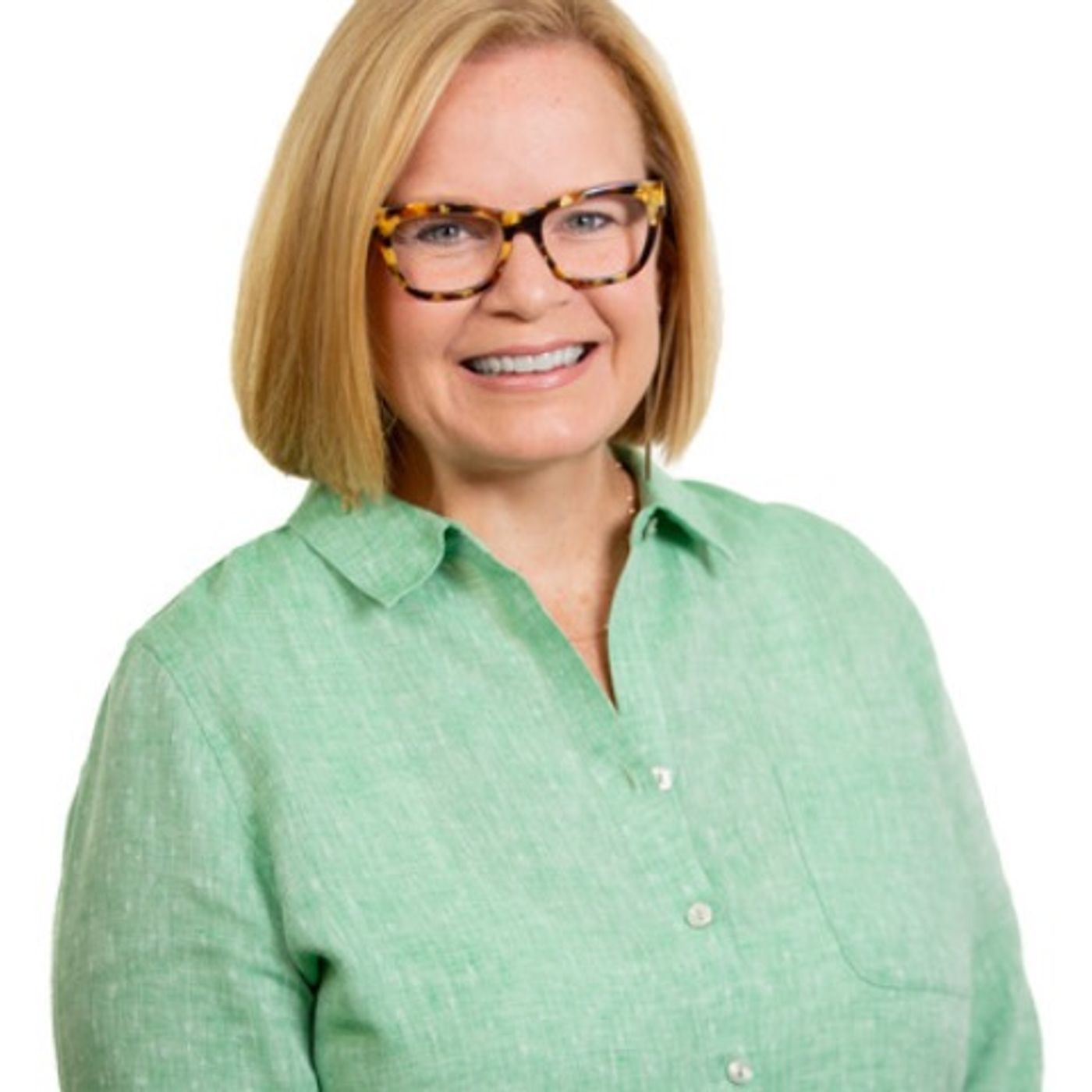
If you enjoyed last weeks episode https://interfaith-encounters.simplecast.com/episodes/suhag-shukla-on-religious-conflict-and-peace you'll love our interview this week with Dr. Robyn Short of the Workplace Peace Institute https://www.workplacepeaceinstitute.com/mission-vision-alignmentDr. Robyn Short is the founder and CEO of Workplace Peace Institute, a consulting and research firm that brings peace and dignity to the workplace. She works as an organization development consultant, peace-building trainer, mediator, racial equity coach, and restorative justice facilitator. She is the founder and publisher of GoodMedia Press, an independent book publisher that’s mission is to promote peace and social justice through books and other media. Dr. Short is the founder and board chair of the Peace & Conciliation Project, a 501(c)(3) antiracism organization that brings communities together to address and repair the harm of racial injustice. She is an adjunct professor at Southern Methodist University in the Master of Conflict Management and Dispute Resolution program, Master of Conflict Management and Dispute Resolution at Lipscomb University, and Master of Leadership and Negotiation at Bay Path University. She has authored four books on peace building.
S5 Ep 3Religious Conflict: Suhag Shukla on Religious Conflict and Peace
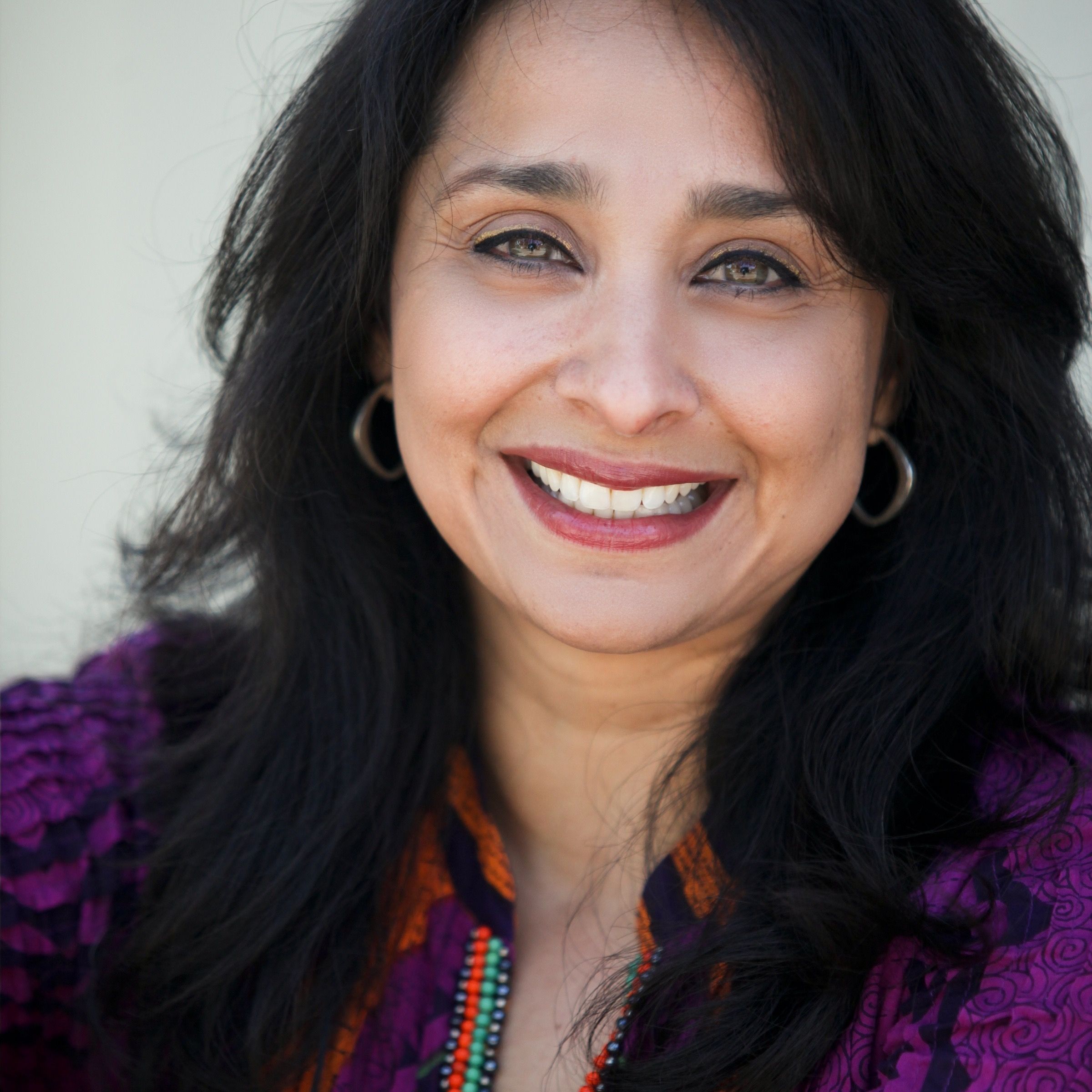
Following on our interview with Rabbi Jack Bemporad, https://interfaith-encounters.simplecast.com/episodes/rabbi-jack-bemporad, Ms. Shukla offers a distinctly different, and Hindu understanding of the sources of religious conflict and how personal transformation is in many ways the key to resolving them. For more of Ms Shukla's work go to: https://www.hinduamerican.org/thats-so-hindu-podcast. This is a statement from the HAF about their work:The Hindu American Foundation (HAF) is an educational and advocacy organization established in 2003.HAF focuses on educating the public about Hindus and Hinduism and advocating for policies and practices that ensure the well-being of all people and the planet. We work directly with educators and journalists to ensure accurate understanding of Hindus and Hinduism. We also work with policymakers and key stakeholders to champion issues of concern to Hindu Americans, including defending civil and human rights and protecting all living beings. Inspired by our guiding principles and Hindu teachings, HAF promotes dignity, mutual respect, and pluralism. HAF is a non-partisan, non-profit tax-exempt public charity pursuant to Internal Revenue Code Section 501(c)3. Our MissionPromoting dignity, mutual respect, and pluralism in order to ensure the well-being of Hindus and for all people and the planet to thrive.Our Guiding PrinciplesHAF is politically agnostic and non-partisan, meaning we are informed, but do not favor and cannot endorse any one political party or any candidates. We will work with all individuals and institutions committed to and constructively engaged in promoting dignity, mutual respect, and pluralism. HAF is not affiliated with any religious or political organizations or entities. HAF seeks to serve Hindu Americans across all sampradaya (Hindu religious traditions) regardless of race, color, national origin, ethnicity, ancestry, citizenship, gender, sexual orientation, age and/or disability. Our positions are based on a relentless pursuit of facts; deep consideration of Hindu principles and American values, such as freedom, equality, and justice; and the input of subject matter experts. If we like a policy, we’ll say so, and rigorously substantiate our position. HAF positions will always be based on our guiding principles. And we will always advocate for what we believe is rooted in Hindu Dharma, and serves the well-being of Hindus and the greater good of all. Satya. Be truthful. We pride ourselves in offering programming and information with accuracy, integrity, and honesty. Ahimsa. Be non-harming. We aspire to work and communicate fairly and respectfully.
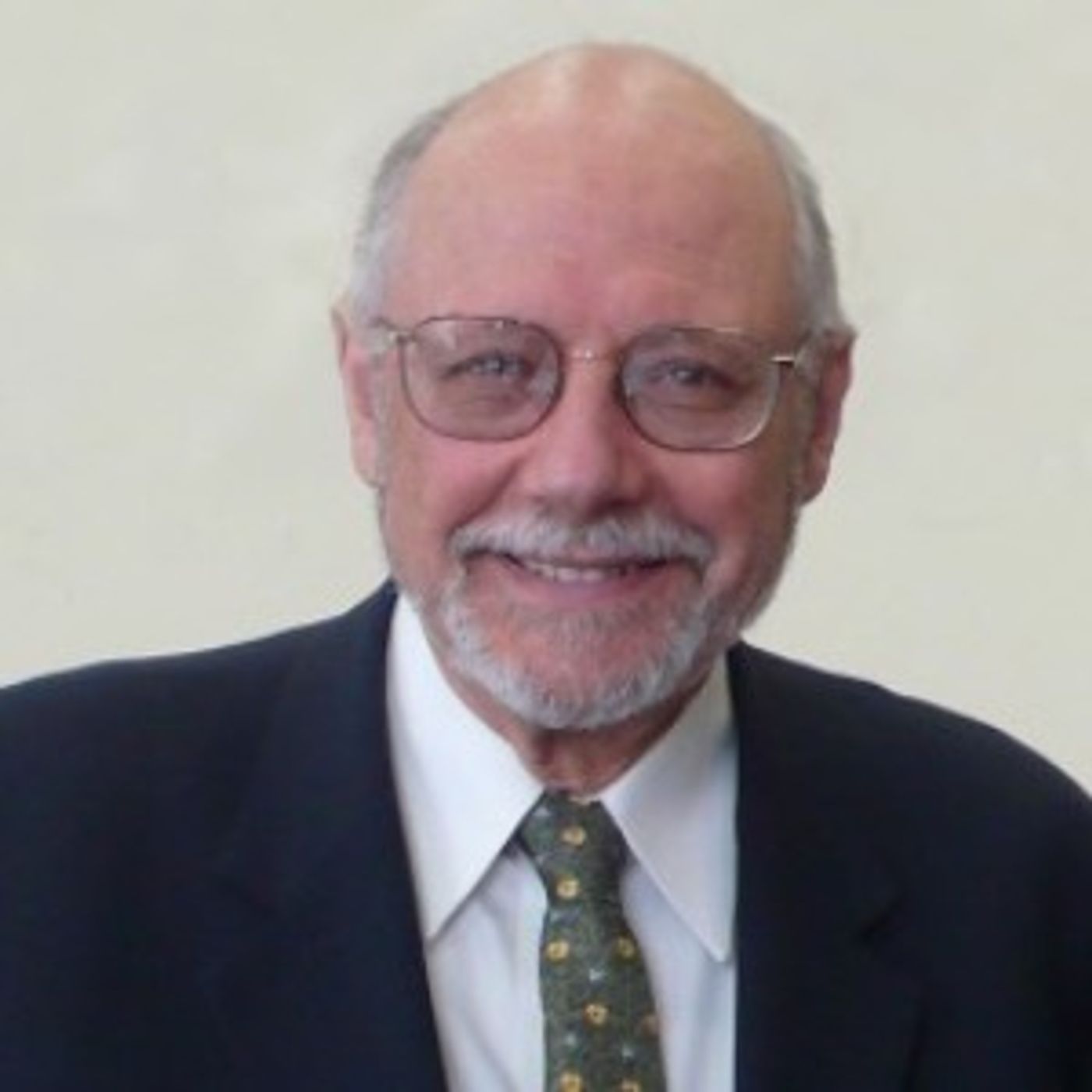
S5 Ep 2Religious Conflict: Rabbi Jack Bemporad on Scripture and Conflict
Rabbi Bemporad is the director of the nonprofit Center for Interreligious Understanding (CIU), which he founded in 1992. Its aim is to bring people of all religious faiths together to promote open dialogue, mutual respect, and theological understanding of the common foundations shared by the world’s religions. Rabbi Jack Bemporad began teaching at Vatican universities in 1998 and has been Director of the John Paul II Center and Professor of Interreligious Studies, both at the Pontifical University of St. Thomas Aquinas (Angelicum), in Rome since 2009. Concurrently, he also serves as Rabbi of Congregation Micah of New Jersey, in Cresskill.Fleeing the fascist takeover in Italy prior to WWII, Bemporad and his family traveled to the U.S. when he was five years old. Thus, having personally suffered as the result of persecution and prejudice, he has dedicated his career to improving relations among Christians, Muslims, and Jews worldwide. The Rabbi is recognized internationally for his diplomatic skill and leadership in matters of religious understanding and reconciliation. He is one of the rare Jewish leaders to have had a personal audience with Pope John XXIII, numerous personal audiences with Pope John Paul II, and was one of three rabbis to have blessed him shortly before his death. Most recently, he met with Pope Francis at the conclusion of the “Refugees and Migrants” conference, co-sponsored by the CIU in Rome this past November.Rabbi Bemporad is the author of numerous books and articles, including Our Age: The Historic New Era of Christian-Jewish Understanding, published by New City Press. He also edited The Inner Journey: Views from the Jewish Tradition by Morning Light Press, and contributed the chapter on “Norms of War in Judaism” for World Religions and Norms of War, published by the United Nations University Press. Most recently, he contributed a memoir of the philosopher Hans Jonas in Giacobbe E L’Angelo (Jacob and the Angel), published in Rome in 2012.
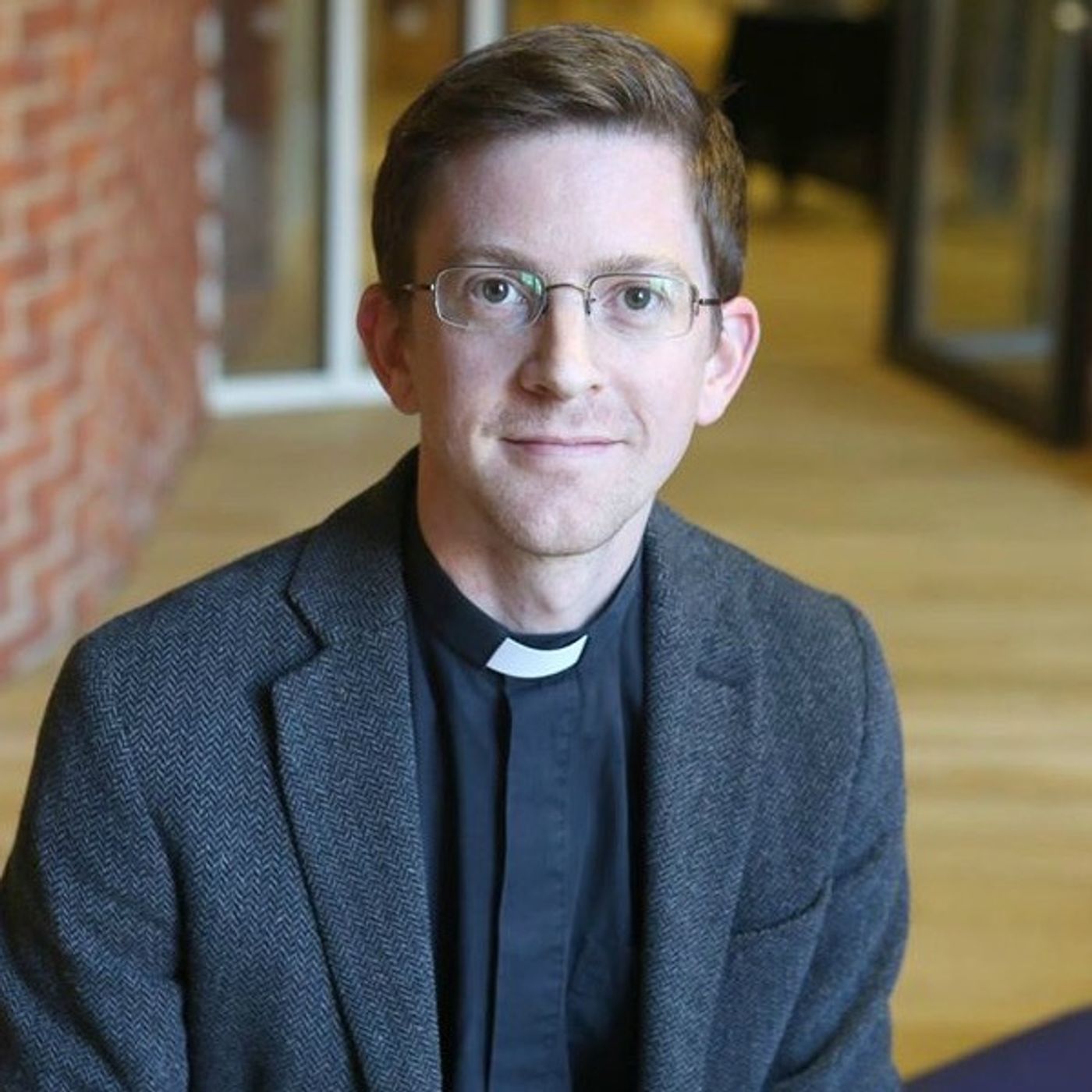
S5 Ep 1Religious Conflict: Dr Jim Walters of the London School of Economics
Jim Walters - is the founding director of the London School of Economics Faith Centre and leads its work in promoting religious literacy and interfaith leadership among the LSE’s global student body, in government and to the wider public. He is the author of Loving Your Neighbor in an Age of Religious Conflict

S4 Ep 6The Future of Religion: Ambassador Suzan Cook Johnson
Ambassador Johnson explains the challenges the future brings and then challenges us to "kick the h, e, l, and l out of challenge and turn it into change."
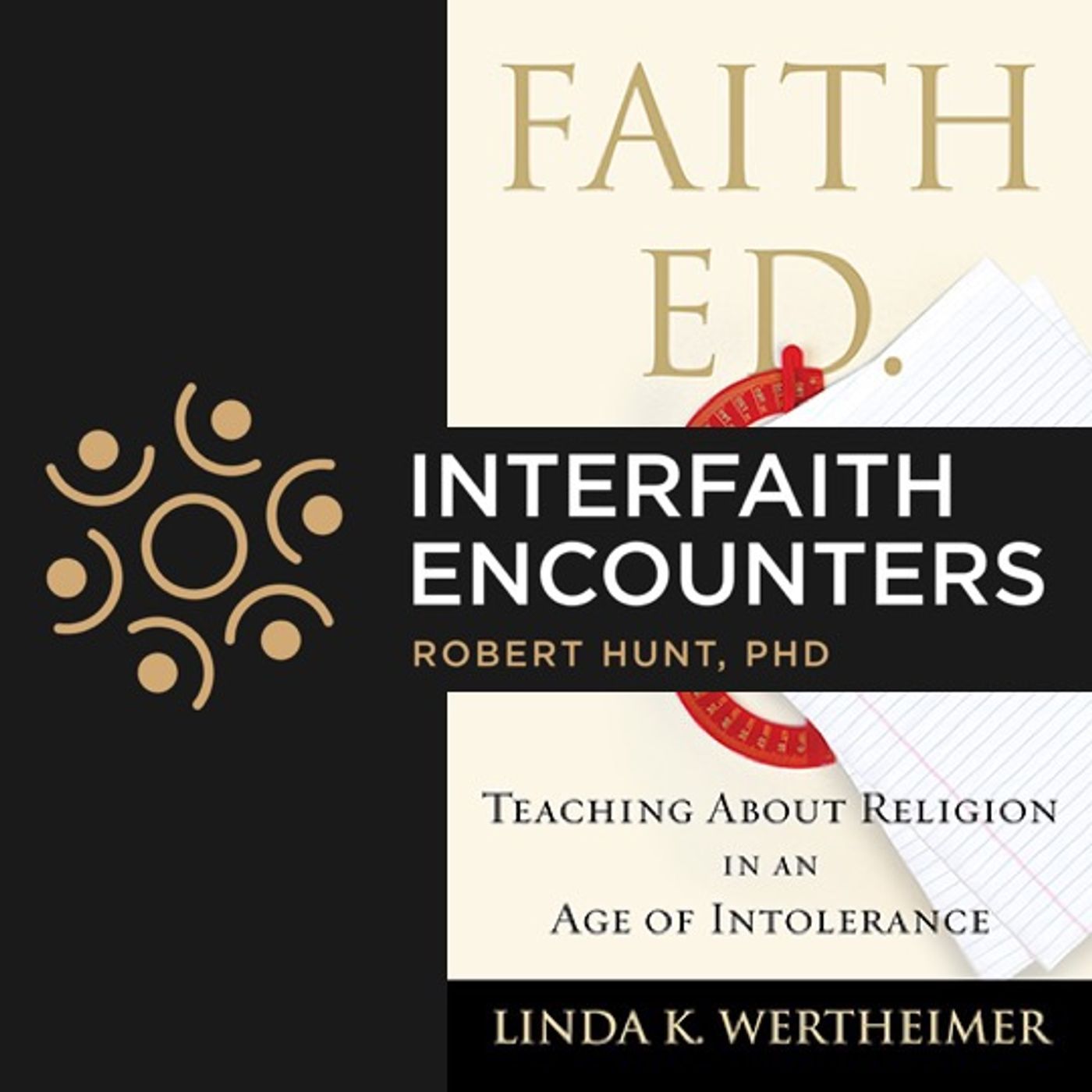
S4 Ep 5The Future of Religion: Linda Wertheimer and Faith Ed
Linda K. Wertheimer, a veteran journalist and former education editor of The Boston Globe, is the author of the award-winning book, Faith Ed, Teaching about Religion in an Age of Intolerance. Faith Ed as well as excerpts from the book have won awards from the Religion News Association and the Education Writers Association. Linda currently is a Spencer Fellow in Education Journalism at Columbia University. She has given hundreds of talks about schools' efforts to teach about the world religions and the experiences of religious minorities in the nation's schools. In summer 2021, she gave an interfaith lecture for Chautauqua Institution. Her more than 30-year print journalism career includes reporting on education at The Dallas Morning News. More recently, her work has been published in The Washington Post and the Boston Globe Magazine.

S4 Ep 4The Future of Religion: Roland Faber and the Transreligious Future of Religion
Roland Faber was born in Austria. He received his M.A., Ph.D., and Habilitation at the University of Vienna. He occupies the Kilsby Family/John B. Cobb, Jr., Professor of Process Studies at Claremont School of Theology, and serves as Professor of Religion and Philosophy at Claremont Graduate University. He is the Founder and Executive Director of the Whitehead Research Project, and Co-Director of the Center for Process Studies. Research and publications encompass the fields of Whitehead's philosophy, Process Philosophy and Process Theology; (De)Constructive Theology; Poststructuralism (Gilles Deleuze); Transreligious Discourse (epistemology of Religious Relativity and Unity) and interreligious applications (e.g., Christianity, Buddhism, Baha'i Faith); Comparative Philosophy and Mysticism (Meister Eckhart, Nicolas of Cusa, Ibn 'Arabi), and Theopoetics (an approach to post-structuralist and process theology, which addresses the liberating necessity of multiplicity). More information on his work can be found on his webpage:http://faber.whiteheadresearch.org.
S4 Ep 3The Future of Religion: Dr. Bob Roberts of GlobalNet and the Challenge to Love
Growing up as a Baptist pastor’s kid in a small town in East Texas, Bob got the chance to learn the Bible at a young age. He developed strong theological opinions, but didn’t know how to live it outside the church. He knew how to debate his faith, but didn’t know how to love.After marrying his high school sweetheart Niki, Bob, who initially felt that he was going to be a global missionary, felt a calling to plant Northwood Church in Keller (Dallas/Fort Worth), Texas. During the early days in his church ministry, two questions radically impacted his life: ‘When will Jesus be enough?’ & ‘What if the church were the missionary?’.Drawing inspiration from early church history and the emerging church in the developing world, Bob envisioned a new way of engaging the local church to achieve common goals. He calls for building a church culture rather than a church program. Glocal (Local + Global) churches that make disciples who, transformed by the Holy Spirit, are infiltrating today’s culture on a global and local scale. He believes that instead of just paying a few people to do the mission work for your church, your entire church needs to be mobilized to use their job and skills to live on mission both in your city and around the world.As he began to build friendships around the world, he realized he had so much to learn! He is conservative in theology but realized the problem is not what he believed or what Jesus said; it is how we live that out. His theology didn’t change; his methodology did. Faith in the public square is where theological conviction doesn’t put you in opposition with other people.Ever since, Bob has been a trailblazer in the peacemaking and international religious freedom arenas. He is frequently called upon by the U.S. Department of State, United Nations, U.S. Islamic World Forum, World Economic Forum, ambassadors, international royal families, diplomats, policy leaders, and others for his groundbreaking work in this field. He seeks to build and execute a model whereby multi-faith and church planting combine to create flourishing cities. Bob has had the honor of engaging in bridge-building efforts in Saudi Arabia, Vietnam, Israel, Pakistan, India, Afghanistan, Indonesia, Egypt, West Bank, Iraq, Kuwait, Iran, Mexico, Brazil, Australia, and others.Dr. Bob Roberts, Jr. is the founder of GlocalNet, a non-profit dedicated to mobilizing the church for transformation in the public square, founder and chairman of Glocal Ventures Inc (GVI) and co-founder of Multi-Faith Neighbors Network (MFNN), a multifaith organization committed to creating international religious freedom through intentional cross-cultural relationships. He is also currently the Senior Global Pastor at Northwood Church and host of the Bold Love podcast.Bob has contributed or been featured on the World Economic Forum, Fox Business Channel, Washington Post, New York Times, Huckabee Show, Religious News Service, C-Span, Templeton Religions Trust, El-Hibri, Christianity Today, Outreach Magazine and more.Bob is a graduate of Fuller Theological Seminary (Doctorate of Ministry), Southwestern Baptist Theological Seminary (Masters of Divinity), and Baylor University (BA). He and his wife Niki have two children and three grandchildren.
S4 Ep 2The Future of Religion: Nadiez Bahi and Rethinking God.
https://www.amazon.com/Rethink-God-Nadiez-Bahi-ebook/dp/B08ZDGMPG4
S4 Ep 1The Future of Religion: Josh Packard on Gen Z
Dr. Josh Packard, Executive Director of Springtide Research Institute, is an accomplished researcher with an expertise in the sociology of religion and new forms of religious expression. A talented speaker and writer, with over 10 years of teaching experience, Josh has been a guest on numerous radio shows and podcasts, and has been an invited speaker at many conferences, events, and workshops. He has been published widely in both academic and popular outlets, including Christianity Today, The Aspen Institute, The Huffington Post, Desert News, and Christian Science Monitor, among others. Josh earned his Ph.D. in sociology from Vanderbilt University and did his undergraduate work in English at Texas Lutheran University
S3 Ep 10Migration: The Bible, Christians, and Migrants with Dr. Danny Carroll R.
Dr. Carroll is half-Guatemalan and was raised bilingual and bicultural. In his youth, he spent many summers in Guatemala and later taught at El Seminario Teológico Centroamericano in Guatemala City for thirteen years. The realities of Central America sparked Dr. Carroll's fascination with the Old Testament. The relevance of the biblical text for the challenges of poverty, war, and politics in those developing countries led him to a passionate focus on Old Testament social ethics and the social sciences.In addition, his studies in English literature and literary theory have generated an ongoing engagement with literary approaches to the Old Testament and critical studies. Experiences in this country and abroad have led him to a deep appreciation for the unique contributions that ethnic minorities, women, and the global church make to the interpretation of the Old Testament. Before coming to Wheaton, Dr. Carroll taught Old Testament at Denver Seminary for many years and founded a Spanish-language lay training program there. At Wheaton, he hopes to model a commitment to connecting careful biblical scholarship with the mission of the church as it engages today’s complex realities. Dr. Carroll has been involved in Hispanic churches and teaching on the Bible and immigration for many years. His research focuses on the prophetic literature and Old Testament social ethics. He has just completed a major commentary on the book of Amos.