In Defense of Plants Podcast
607 episodes — Page 12 of 13
Ep. 57 - The Fascinating World of Liverworts
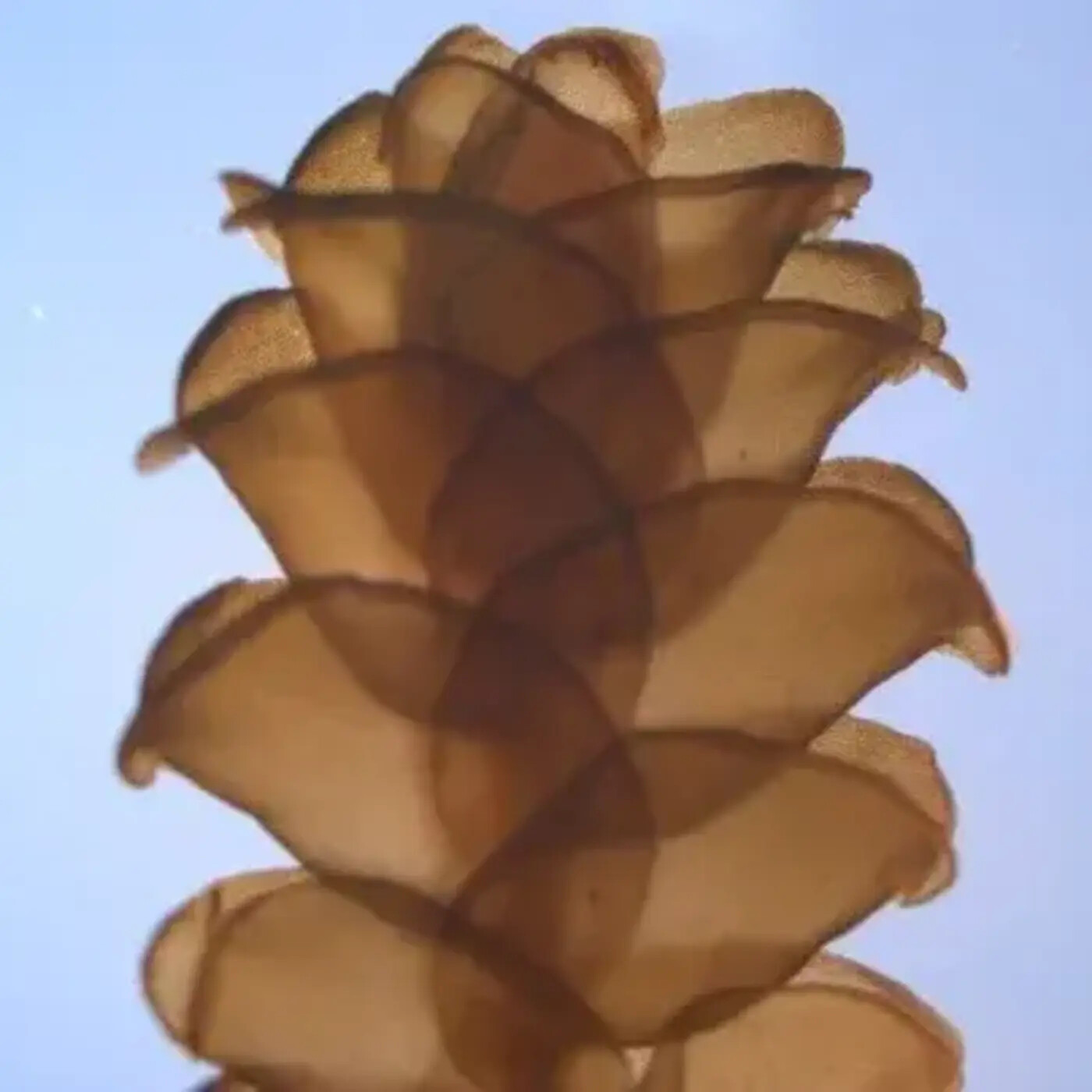
Say liverwort to some random person on the street and you are going to get some funny looks. Say it to the right person, however, and brace yourself because you are about to enter into a world hundreds of millions of years in the making. Liverworts represent something akin to the earliest stages in terrestrial plant evolution. Despite their diminutive stature, the world of liverworts is endlessly fascinating. For this reason I was very excited to sit down for a conversation with this week's guest. Laura Briscoe is a Research & Collections Assistant at The Field Museum who specializes in liverwort biology and her work focuses on cataloguing and describing liverwort diversity. Her research takes her to a small island off the coast of Chile where liverwort diversity far outnumbers that of vascular plants such as trees. This was one of the most fascinating conversations I have ever had and I really think you are going to enjoy it. See Privacy Policy at https://art19.com/privacy and California Privacy Notice at https://art19.com/privacy#do-not-sell-my-info.
Ep. 56 - Tales from the Field
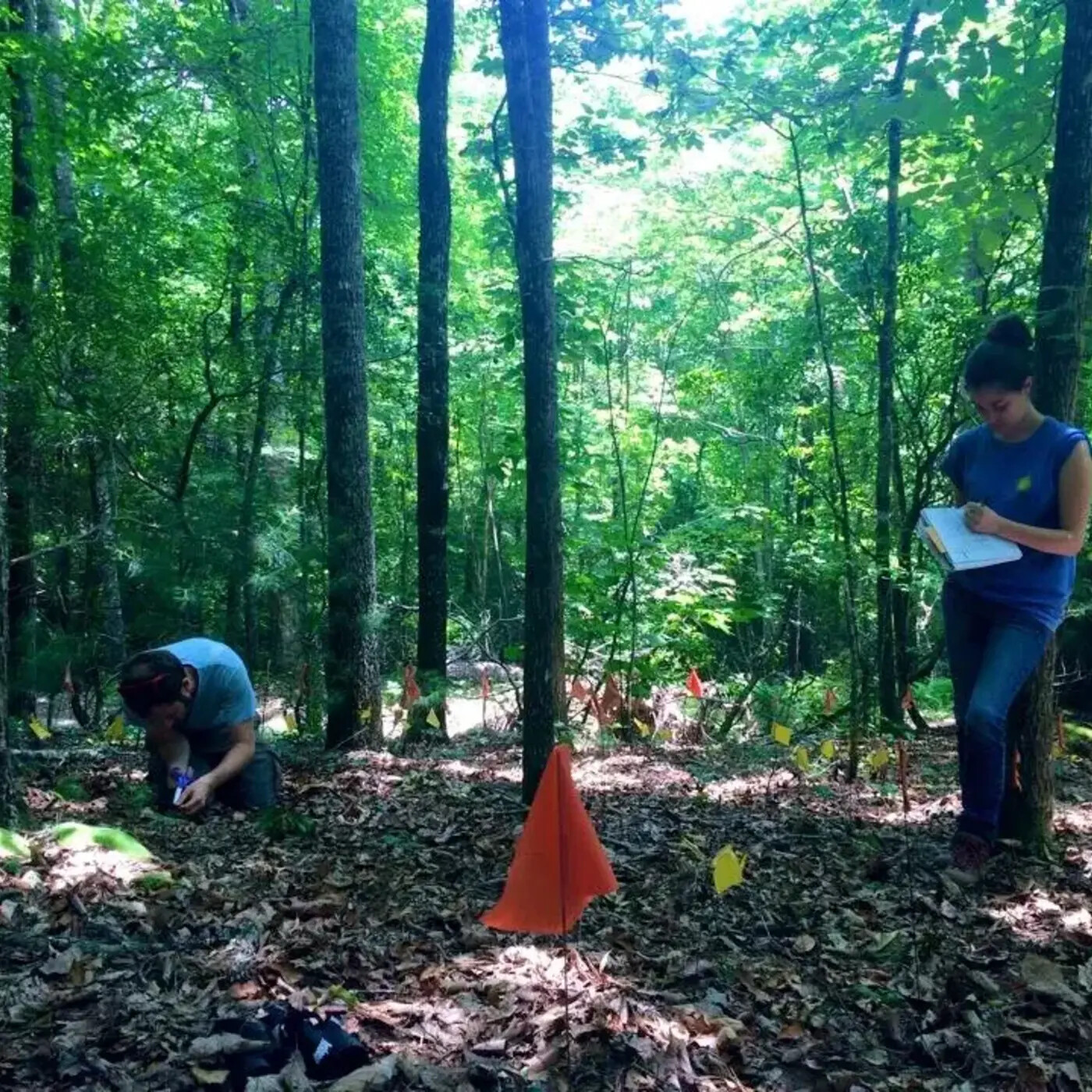
Field season has arrived for many of us. Others have been in the field for weeks by now. Whether you study plants, fish, or geology, field work brings with it a sense of fun and adventure. It also comes with its own set of challenges. In celebration of the life of a field technician, I invited some of my friends and colleagues to tell us stories from the field. Some are funny and others end in a trip to the hospital. Regardless of the challenges, we wouldn't trade this lifestyle for anything. Join us this episode for some tales from the field! See Privacy Policy at https://art19.com/privacy and California Privacy Notice at https://art19.com/privacy#do-not-sell-my-info.
Ep. 55 - For the Love of Ferns
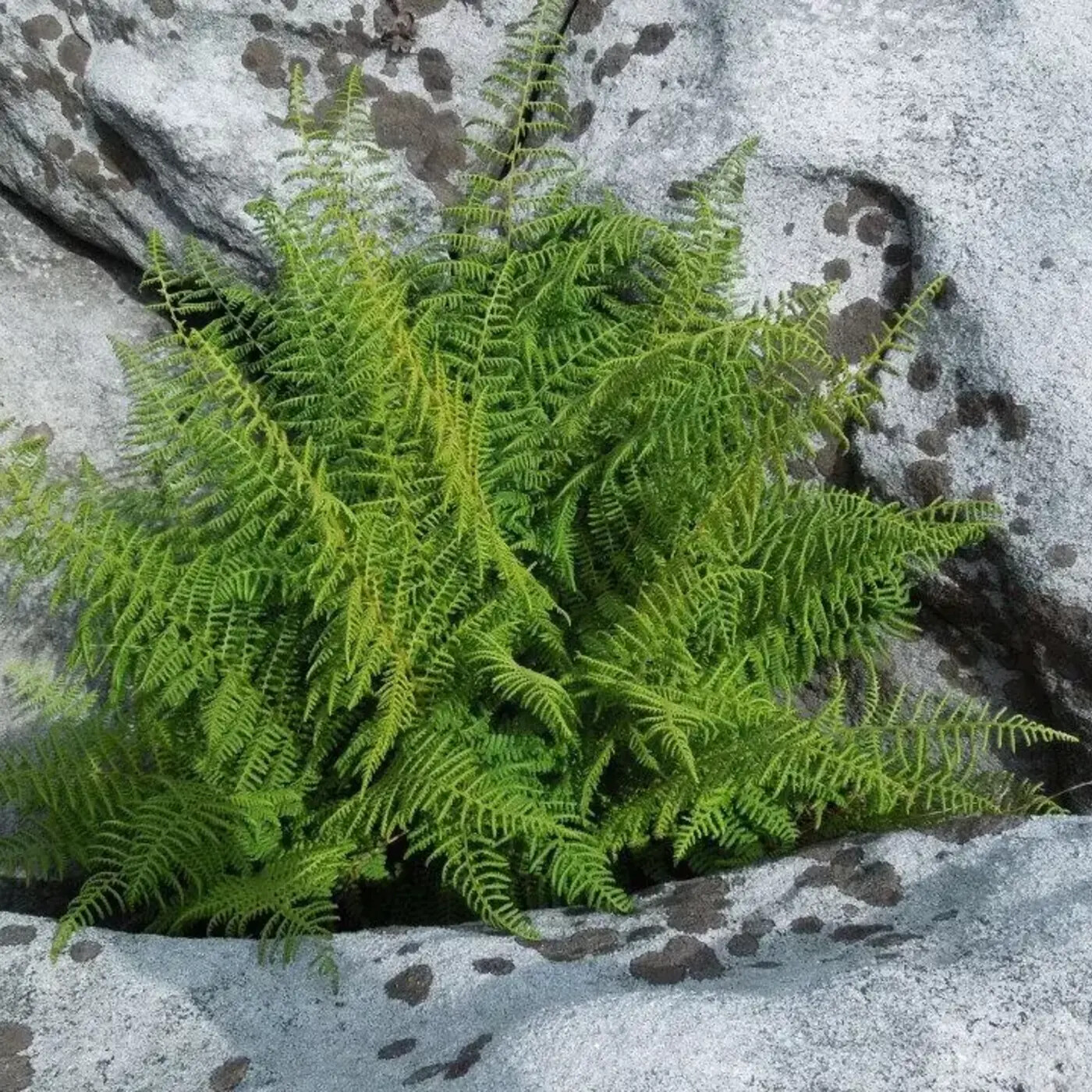
Who doesn't love ferns? After all, they represent one of the oldest lineages of plants on our planet. Far from being lowly curiosities living out their lives in the shade of their flowering cousins, ferns are incredibly complex organisms with astounding diversity. Dr. Carl Rothfels joins us for a fascinating discussion about ferns and their evolution. This is one conversation you don't want to miss. See Privacy Policy at https://art19.com/privacy and California Privacy Notice at https://art19.com/privacy#do-not-sell-my-info.
Ep. 54 - Megafaunal Dispersal Syndrome feat. Ryan from Science... sort of
What could be cooler than an evolutionary anachronism? It is fun to think about all of the plants on this planet that once shared their habitats with now extinct megafauna like giant ground sloths, mammoths, and gomphotheres. Well, there is a school of thought that at least some plants entered into an evolutionary relationship with these large mammals. This is especially true in the context of seed dispersal. The extinction of these animals at the end of the Pleistocene left some of these plants without seed dispersers. Their large fruits now go undispersed, often left to rot in the shade of their parent. To talk about this in more detail, (paleo)ecologist and host of the Science... sort of podcast, Ryan Haupt, for a fascinating discussion on where this theory came from and where it stands now. You may be surprised at some of the plants we talk about. This is part of a super fun crossover podcasts (check out episode 241 of the Science... sort of podcast to hear me get interviewed by some of the Science... sort of team). See Privacy Policy at https://art19.com/privacy and California Privacy Notice at https://art19.com/privacy#do-not-sell-my-info.
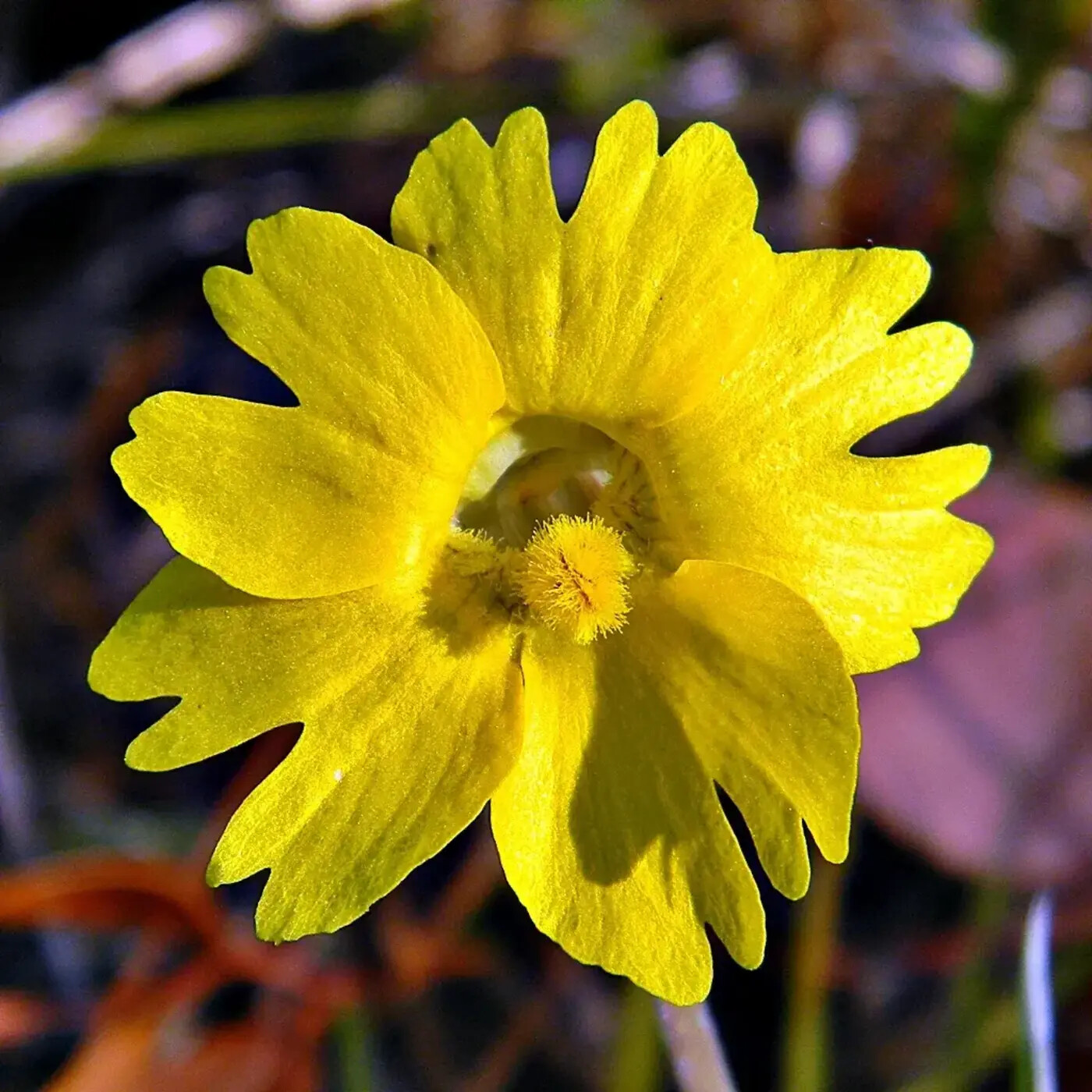
Ep. 53 - Getting to Know the Carnivorous Yellow Butterwort (Pinguicula lutea)
Butterwort may sound like a silly name for a plant, however, the genus to which the name refers is anything but. The genus Pinguicula houses some of the most beautiful carnivorous plants on the planet. Despite their intriguing nature, we know very little about this group of plants. This is where researchers like Sam Primer of the University of Illinois come in. I first met Sam at a conference where she gave a talk about the yellow butterwort of the American southeast. Since then I have been interested in the work she is doing. Because we know so little about this species, Sam has devoted the last few years of her life to gaining a deeper understanding about everything from their carnivorous habit to their ongoing conservation. Sam's work has opened up many new lines of inquiry into this enigmatic group of carnivores. Join us for a great conversation that you are sure to enjoy! See Privacy Policy at https://art19.com/privacy and California Privacy Notice at https://art19.com/privacy#do-not-sell-my-info.
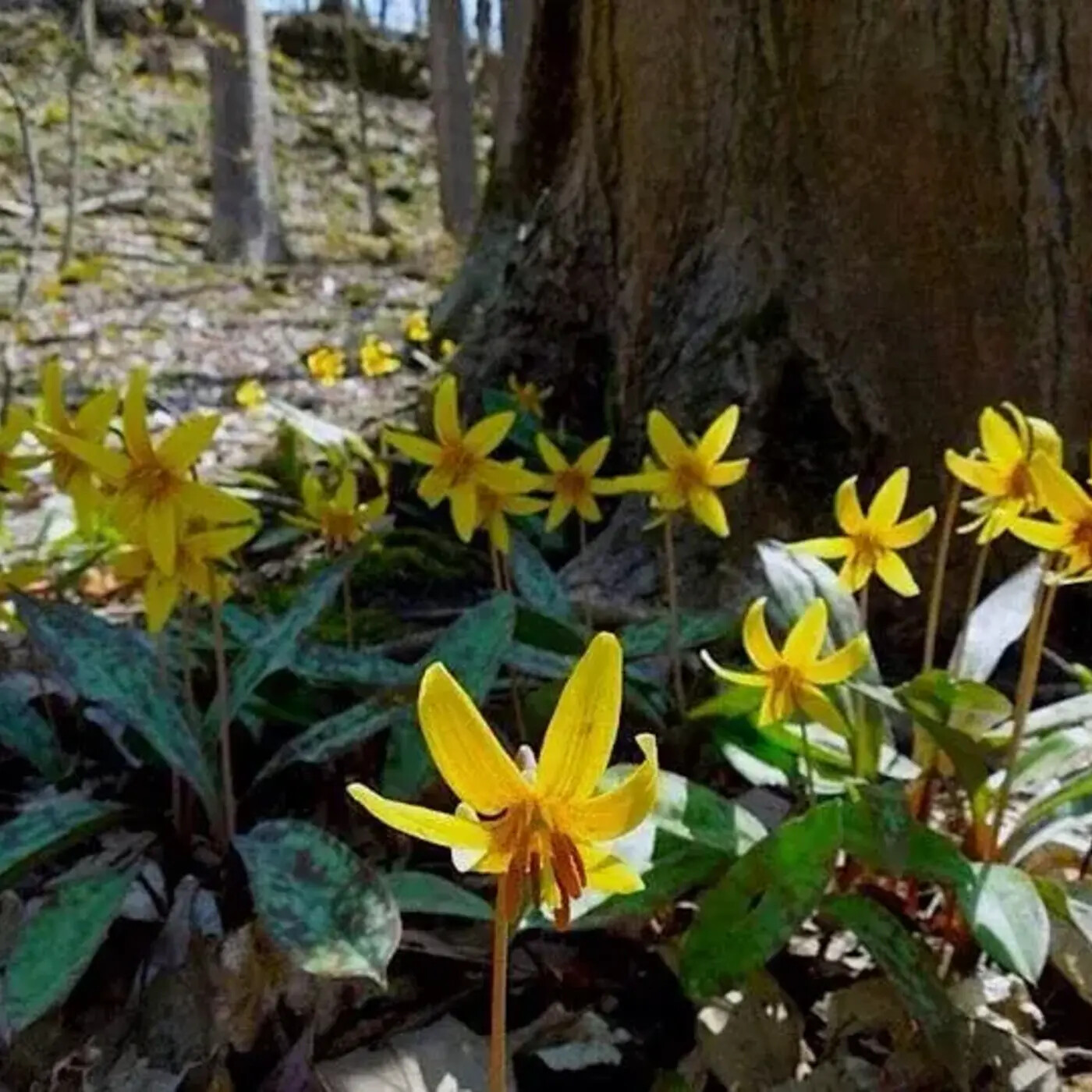
Ep. 52 - Flower Phenology: A Story of Tradeoffs
Being sessile organisms, plants have to be able to cope with changes in their environment in unique ways. One of the major challenges plants face is knowing when to flower. Whereas some species stick to steadfast schedules, others have evolved some flexibility to cope with their stochastic surroundings. Dr. Emily Austen is interested in the evolution and maintenance of flowering strategies. She is also undertaking a fascinating citizen science project involving trout lily pollen color. With spring well underway, this is a timely episode you won't want to miss. See Privacy Policy at https://art19.com/privacy and California Privacy Notice at https://art19.com/privacy#do-not-sell-my-info.
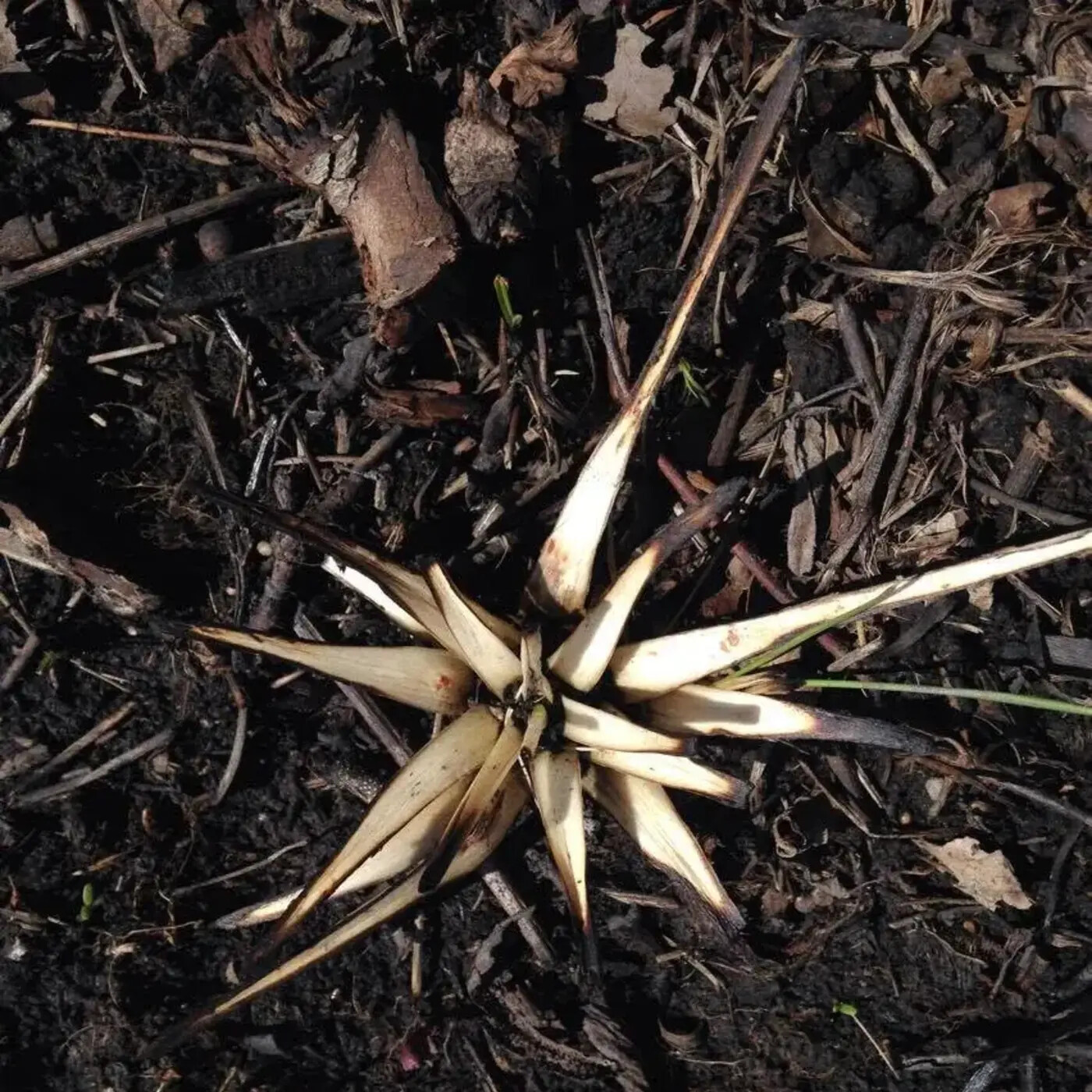
Ep. 51 - Cemetery Prairies
Because they were never plowed under, pioneer cemeteries have functioned as an important refugia for prairie remnants. These small patches of habitat allow us to look back at what much of the midwest once looked like. They also harbor some of the rarest prairie plants that simply cannot survive in more disturbed habitats. As a tribute to these small nature preserves, Strange Bird blogger Sara Johnson and I set out on a mini tour of three cemetery prairie preserves here in central Illinois. See Privacy Policy at https://art19.com/privacy and California Privacy Notice at https://art19.com/privacy#do-not-sell-my-info.
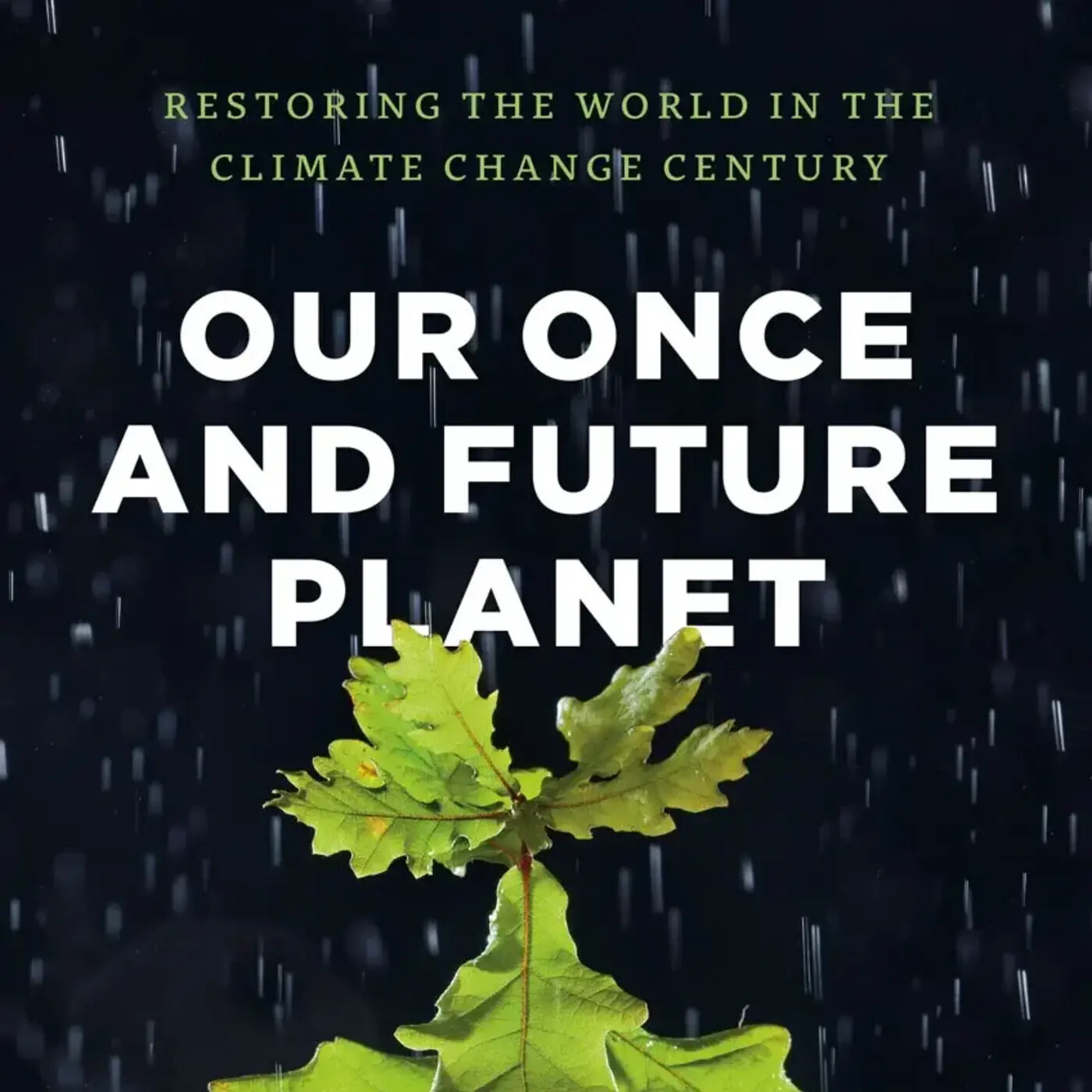
Ep. 50 - Restoration Ecology with Author Paddy Woodworth
Restoration ecology represents a juxtaposition between science, the public, and human values. It is often a hot button topic full of strong and sometimes contentious opinions. The practice itself offers humanity a chance to regain what has been lost, to right at least some of our environmental wrongs. Whereas the science of restoration is in its infancy, the effort has been ongoing, sometimes for decades. Author Paddy Woodworth has written a wonderful book on the subject called "Our Once and Future Planet." He joins us for a thoughtful discussion regarding what he has learned about the subject after a decade of investigating it. As you will hear, he demonstrates just how complex the very idea of restoration can be, especially in a century of rapidly changing climate. This episode was produced in part by Allan of Kenosha, WI. See Privacy Policy at https://art19.com/privacy and California Privacy Notice at https://art19.com/privacy#do-not-sell-my-info.
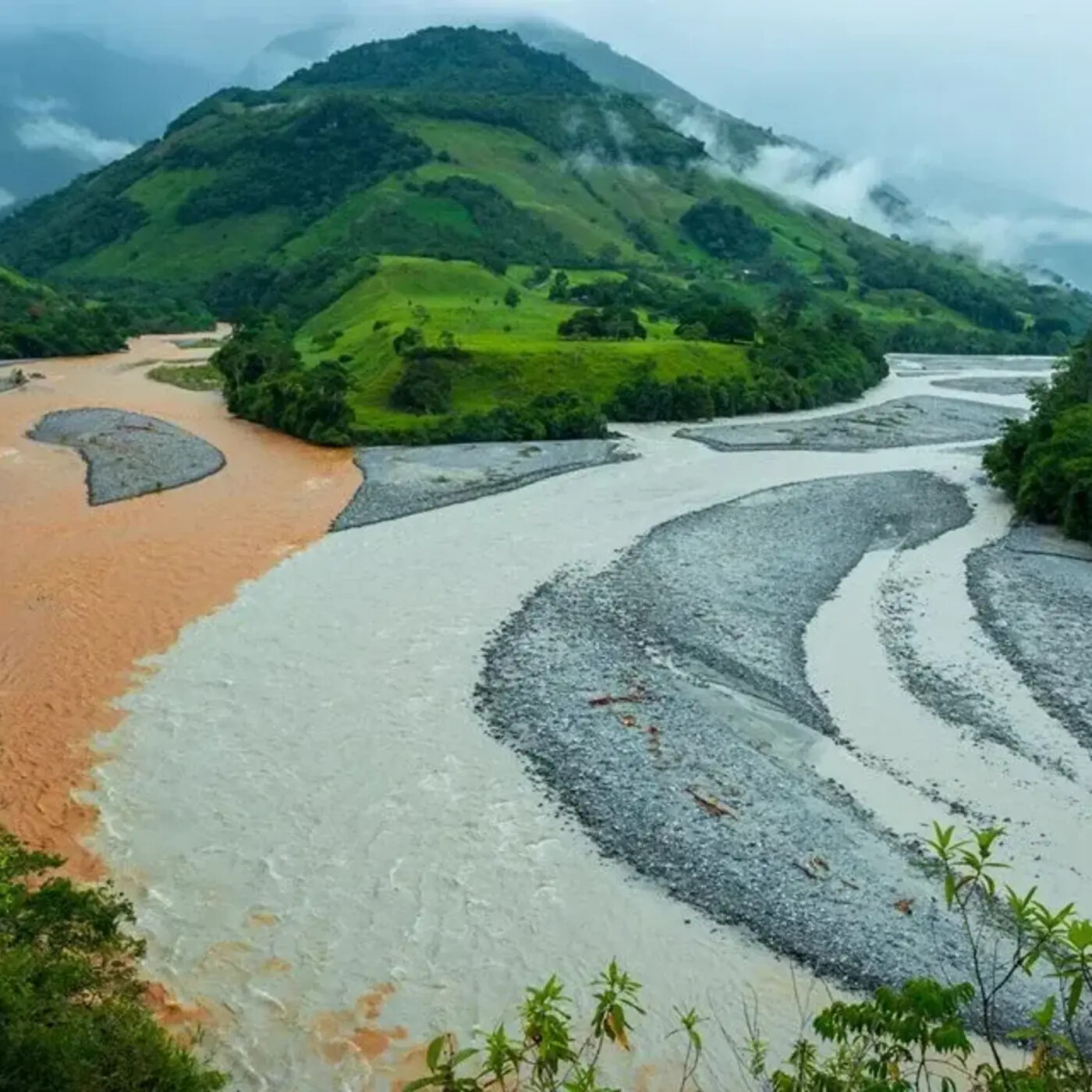
Ep. 49 - MuddyBoots Peru
I am one of those people that has always thought of Peru as a giant stretch of Amazonian rainforest. As it turns out, this couldn't be farther from the truth. From dry deserts to high elevation forests, Peru is a wonderfully dynamic place. It is also rich in biodiversity. These are just some of the aspects that inspired Josh Richards to start his own ecotourism company. Josh is using what he has learned over the years to turn this company into something that gives back to the environment. Muddyboots Peru stands out in its mission to go beyond tourism in order to foster a better relationship with Peru's natural heritage. See Privacy Policy at https://art19.com/privacy and California Privacy Notice at https://art19.com/privacy#do-not-sell-my-info.
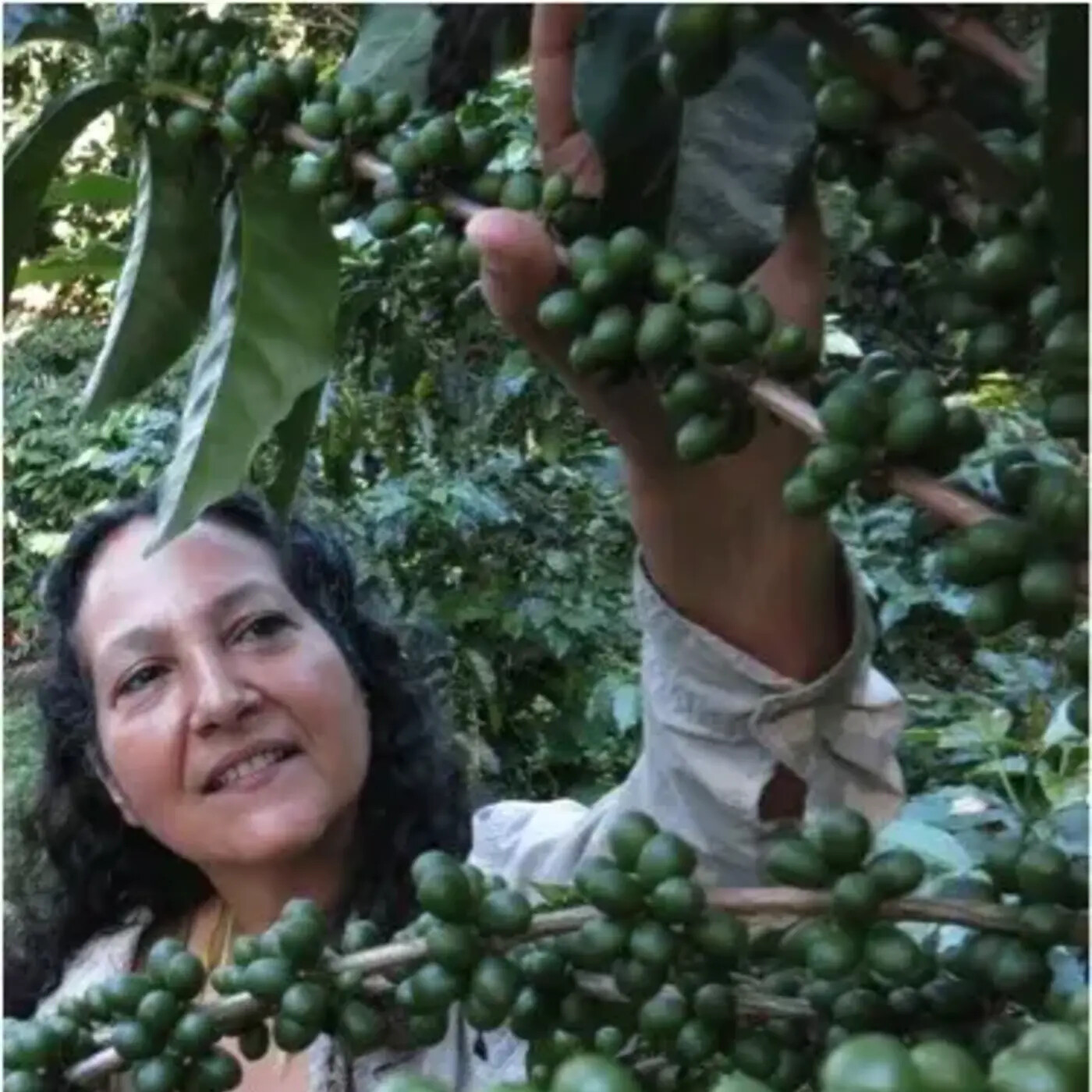
Ep. 48 - Coffee Ecology
Worldwide, we humans drink roughly 2.25 billion cups of coffee per day. Our consumption of coffee comes at a great cost to the environment. Around 11 million hectares of land have been turned into coffee plantations, much of which consists of large scale, chemically laden, industrial monocultures. Because of its massive ecological impact, people like Dr. Ivette Perfecto from the University of Michigan have dedicated their research careers to helping make coffee farming more ecologically friendly. It all starts with small scale farmers in Latin America. By introducing ecological principals back into the farming practices of this region, Dr. Perfecto and her collaborators are helping to make coffee farming more sustainable, and at the same time, helping to educate local farmers about the importance of nature and all of its players. Join me for a fascinating conversation about coffee ecology. See Privacy Policy at https://art19.com/privacy and California Privacy Notice at https://art19.com/privacy#do-not-sell-my-info.
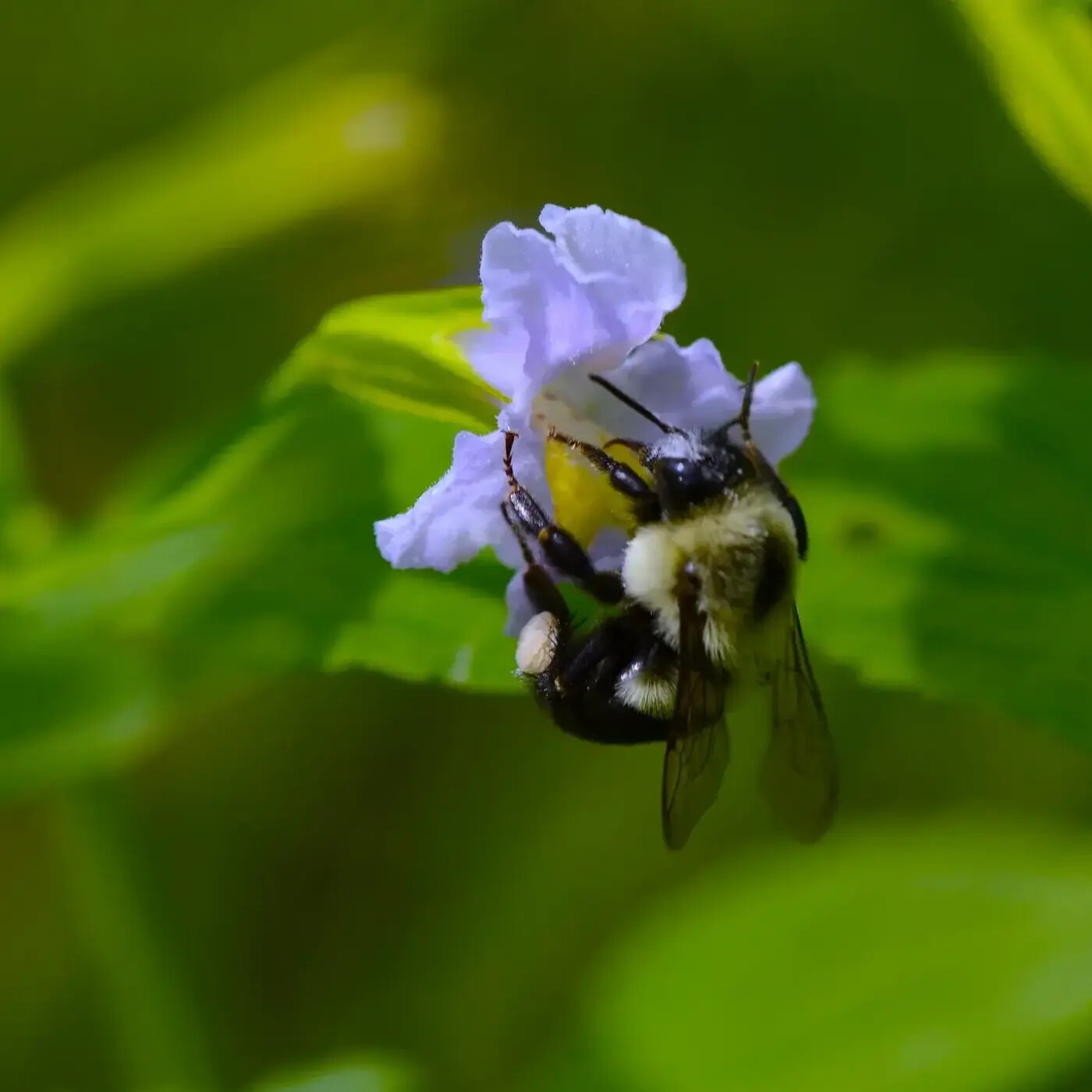
Ep. 47 - Pollinators and Parentage
I have always thought of pollination as rather straight forward - a pollinator visits a plant, picks up pollen, and deposits that pollen on its next visit. As it turns out, it's not that simple. To find out more about the complexities of pollination, I called up Dr. Randy Mitchell from the University of Akron in Ohio. His research is going to blow your mind. What to us seems like the perfect mutualism turns out to be more like a dark alley transaction in which each party is trying to get as much from the other without giving too much in return. This episode was produced in part by Allan Pisula of Kinosha, Wisconsin. See Privacy Policy at https://art19.com/privacy and California Privacy Notice at https://art19.com/privacy#do-not-sell-my-info.
Ep. 46 - Flora of the Ozarks
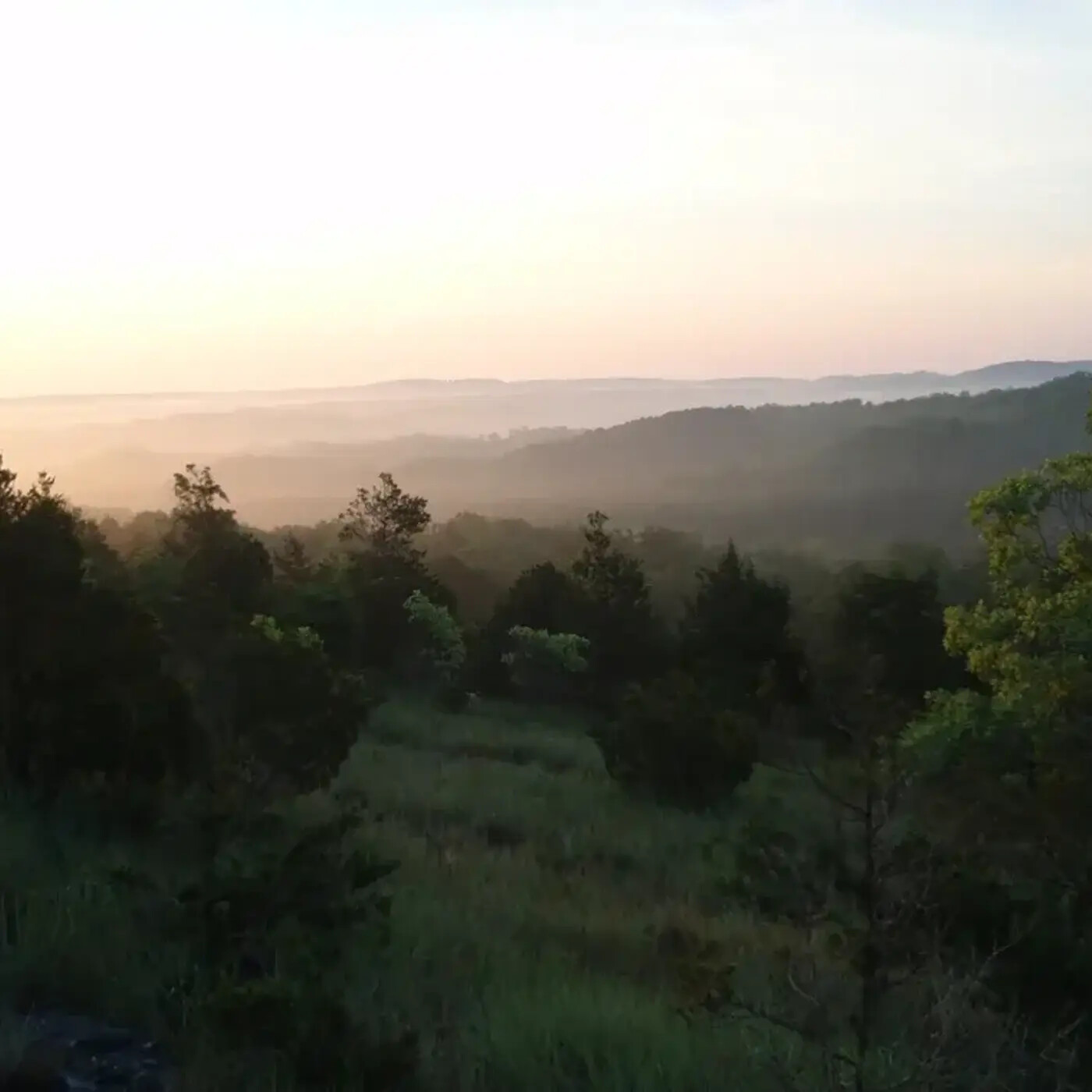
The Ozark Mountains have long been a mystery to me. This ancient mountain range is home to a bewildering diversity of plant life, some of which is found nowhere else in the world. From glades to woodlands and everything in between, the Ozarks have it all. Join me for a discussion with Justin Thomas, director of the Institute of Botanical Training. Justin and his wife have devoted their lives to studying and protecting the plants of this region. I learned a lot from talking with Justin and I know you will too. See Privacy Policy at https://art19.com/privacy and California Privacy Notice at https://art19.com/privacy#do-not-sell-my-info.
Ep. 45 - Cycads
Who doesn't love cycads? I know I do and can you really blame me? The cycads are an incredible group of plants. They are also quite ancient. Arising long before flowering plants, this lineage has survived munching dinosaurs, continental drift, and mass extinctions and has undergone incredible adaptive radiations. Today cycads are in trouble. Habitat destruction and poaching now threaten many of the world's species. To get to know cycads a bit better I reached out to one of the world experts on this group of plants, Dr. Dennis Stevenson of the New York Botanical Garden. Dr. Stevenson has traveled the globe to study and describe new species of cycad. He has been on every major continent and has encountered nearly every species in the wild. His work has helped us better understand this enigmatic and ancient group. Join us for a fascinating discussion about the cycads. See Privacy Policy at https://art19.com/privacy and California Privacy Notice at https://art19.com/privacy#do-not-sell-my-info.
Ep. 44 - Litter Trappers
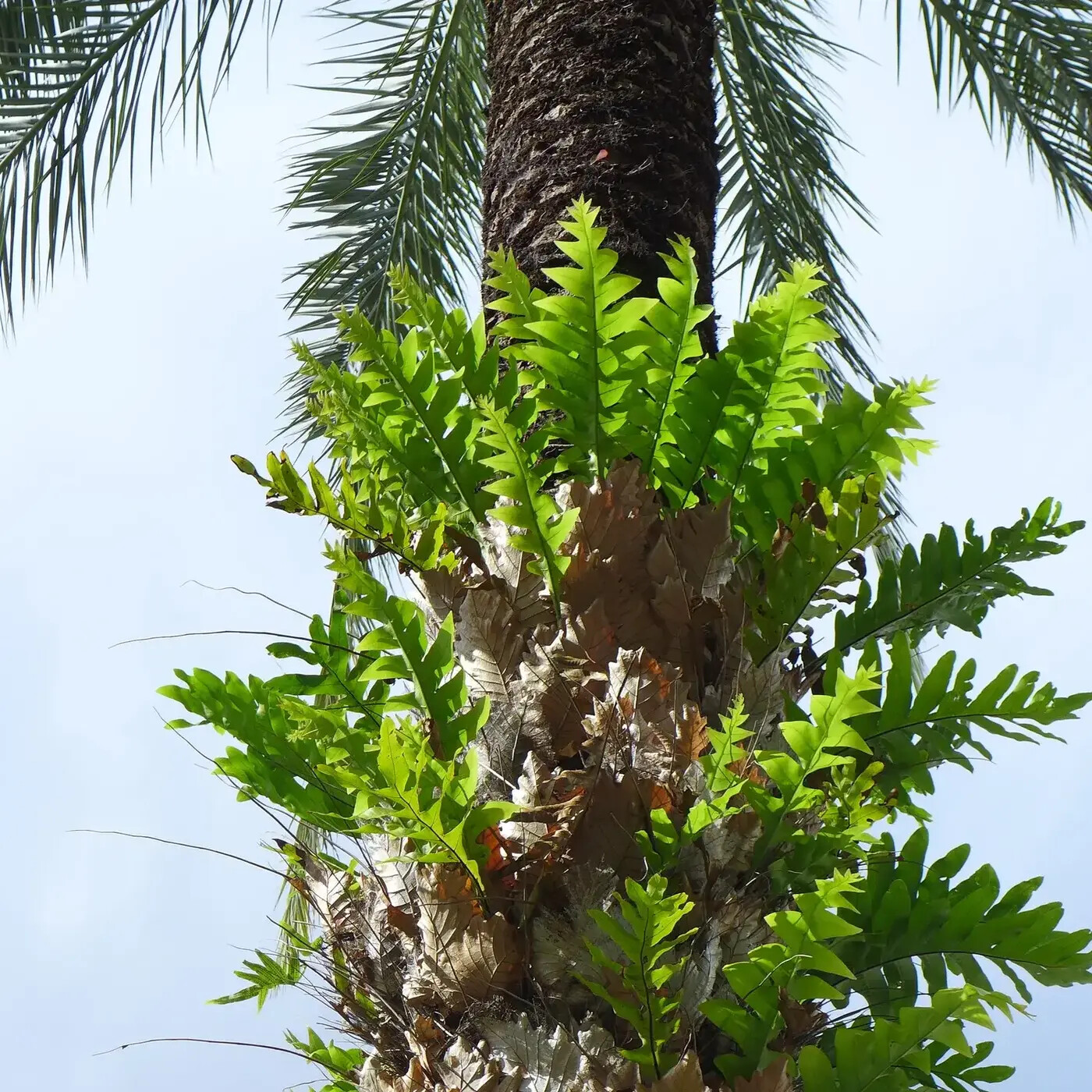
These plants don't worry about soil, they make their own! Because so many species in the tropics grow either epiphytically or in nutrient poor soil, some of them have turned to alternative solutions. Their anatomy is such that they collect everything from dead leaves to bird droppings. A diverse community of soil microbes and invertebrates can then go to work to create nutrient rich humus. What's more, litter trapping abilities can be found in plants as distantly related as ferns and orchids! Join me for an interesting discussion with Dr. Scott Zona, the curator of Florida International University's Werthheim Conservatory to talk about his work finding and describing litter trapping plants. This is one discussion you don't want to miss. See Privacy Policy at https://art19.com/privacy and California Privacy Notice at https://art19.com/privacy#do-not-sell-my-info.
Ep. 43 - Orchid Conservation
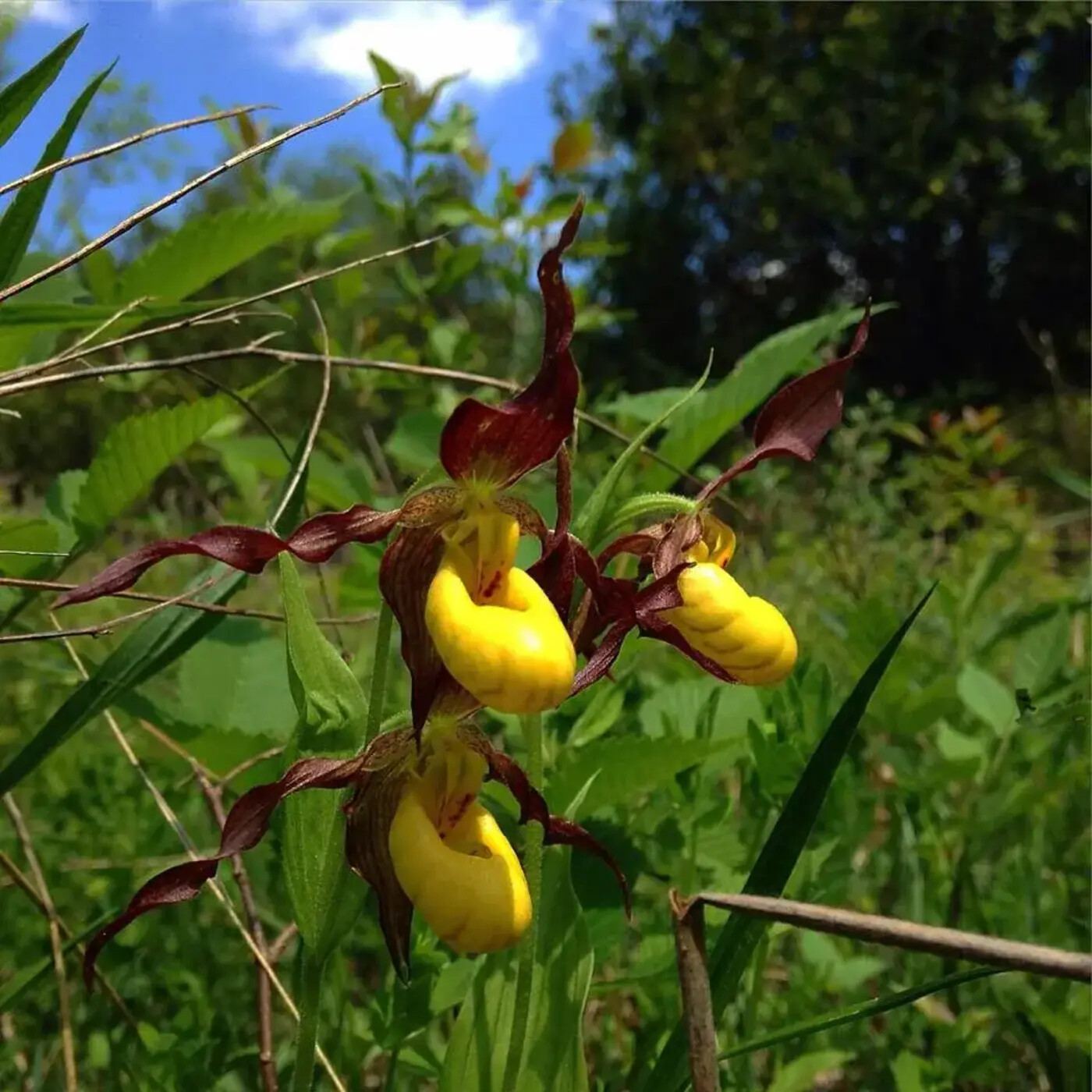
Many people are surprised to learn that North America is home to over 200 species of orchid. What's more, an embarrassing amount of North America's orchids are threatened with extinction. The plight of this intriguing plant family is an indication of how we are doing as a species. Orchids act as the proverbial canary in a coal mine. That is why Dr. Dennis Whigham, senior botanist for the Smithsonian Environmental Research Center created the North America Orchid Conservation Center. Join me for a discussion with Dr. Whigham in which we cover everything from the mutualisms that orchids need to survive to what it is going to take to ensure their survival on this continent. See Privacy Policy at https://art19.com/privacy and California Privacy Notice at https://art19.com/privacy#do-not-sell-my-info.
Ep. 42 - Botanizing Illinois
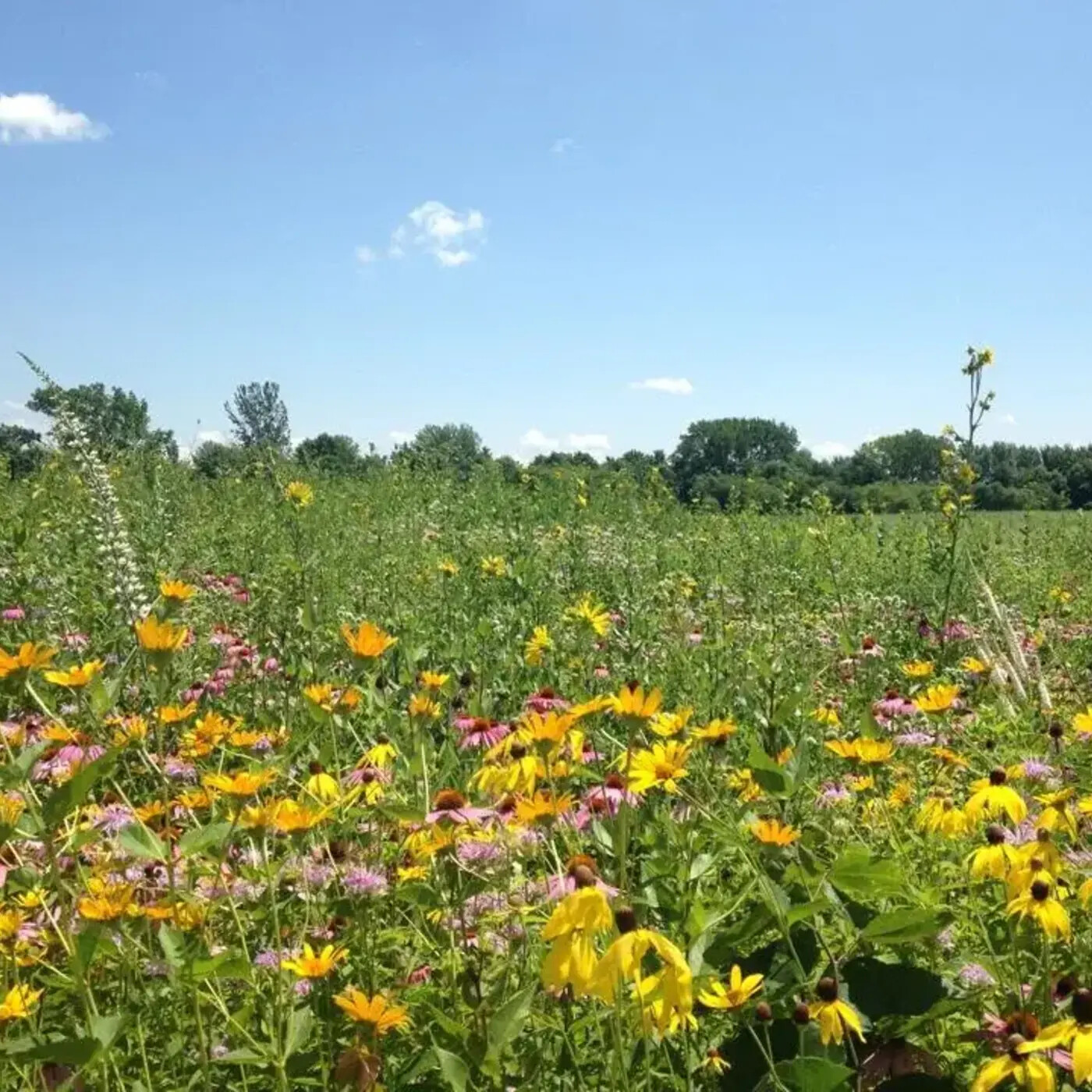
When you think of the Midwest, it is often in the context of the agricultural hotspot that it is. This was my first impression when I considered moving to Illinois. Though much of its natural heritage has been plowed under, there still remains plenty of natural beauty. That is why I am very excited for this week's guest. Chris Benda is THE Illinois Botanizer and current president of the Illinois Native Plant Society. He has fallen in love with the flora of this state and through tours, talks, and even some books, he is trying to share his love with you. Join us for a fun and interesting conversation on just how awesome Illinois' natural heritage really is. See Privacy Policy at https://art19.com/privacy and California Privacy Notice at https://art19.com/privacy#do-not-sell-my-info.
Ep. 41 - Orchid Sex
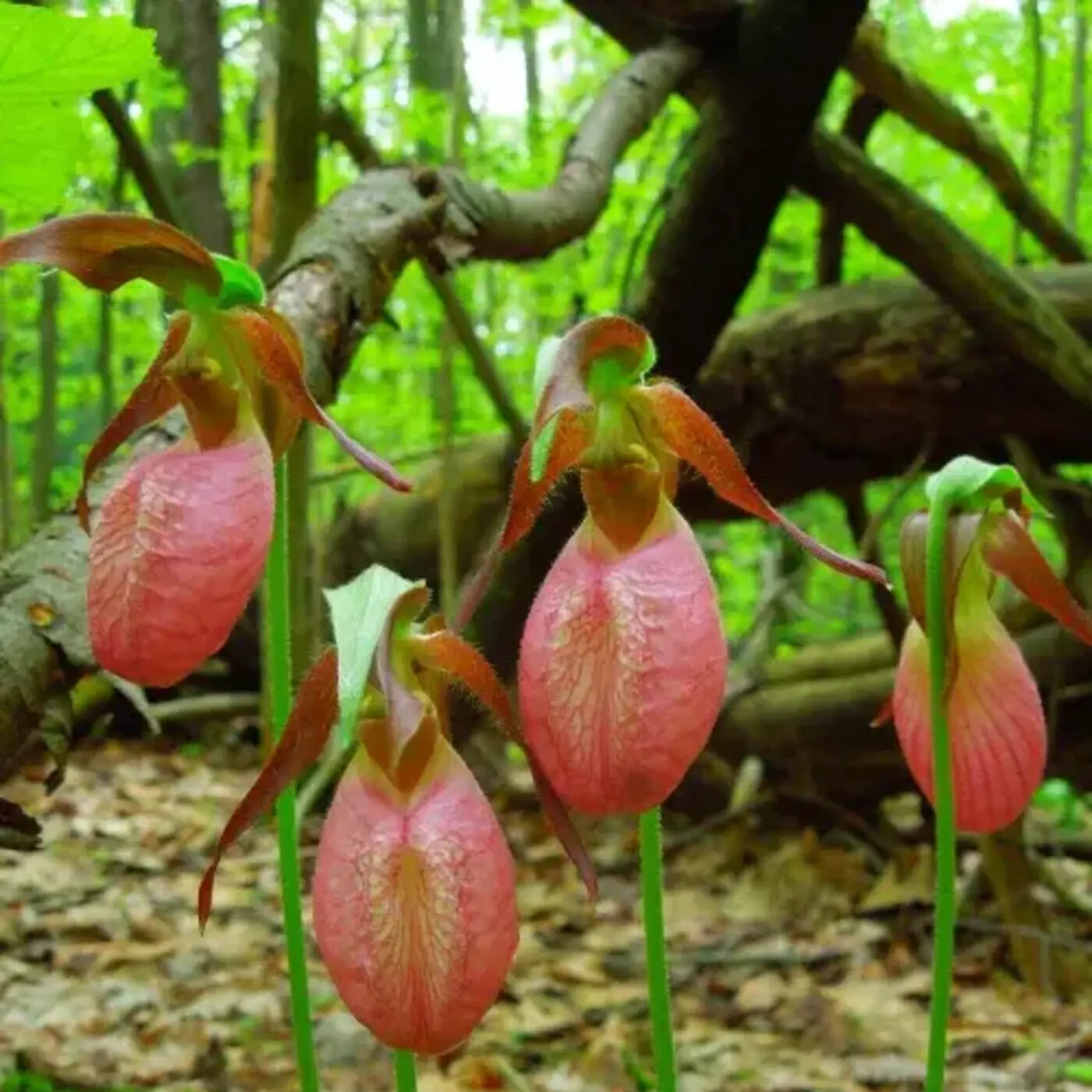
The orchid family is the most diverse plant family on the planet. Much of this diversity is driven by intricate and often highly specific relationships with their pollinators. My friend and fellow orchid fanatic Tierney Rosenstock joins us this week to talk to us about how a deep fascination with orchids turned into some pretty awesome research. Her work on the reproductive ecology of the pink lady slipper orchid reveals interesting evolutionary relationships and a need to understand the ecosystem beyond just your study organisms. See Privacy Policy at https://art19.com/privacy and California Privacy Notice at https://art19.com/privacy#do-not-sell-my-info.
Ep. 40 - Herbaria!
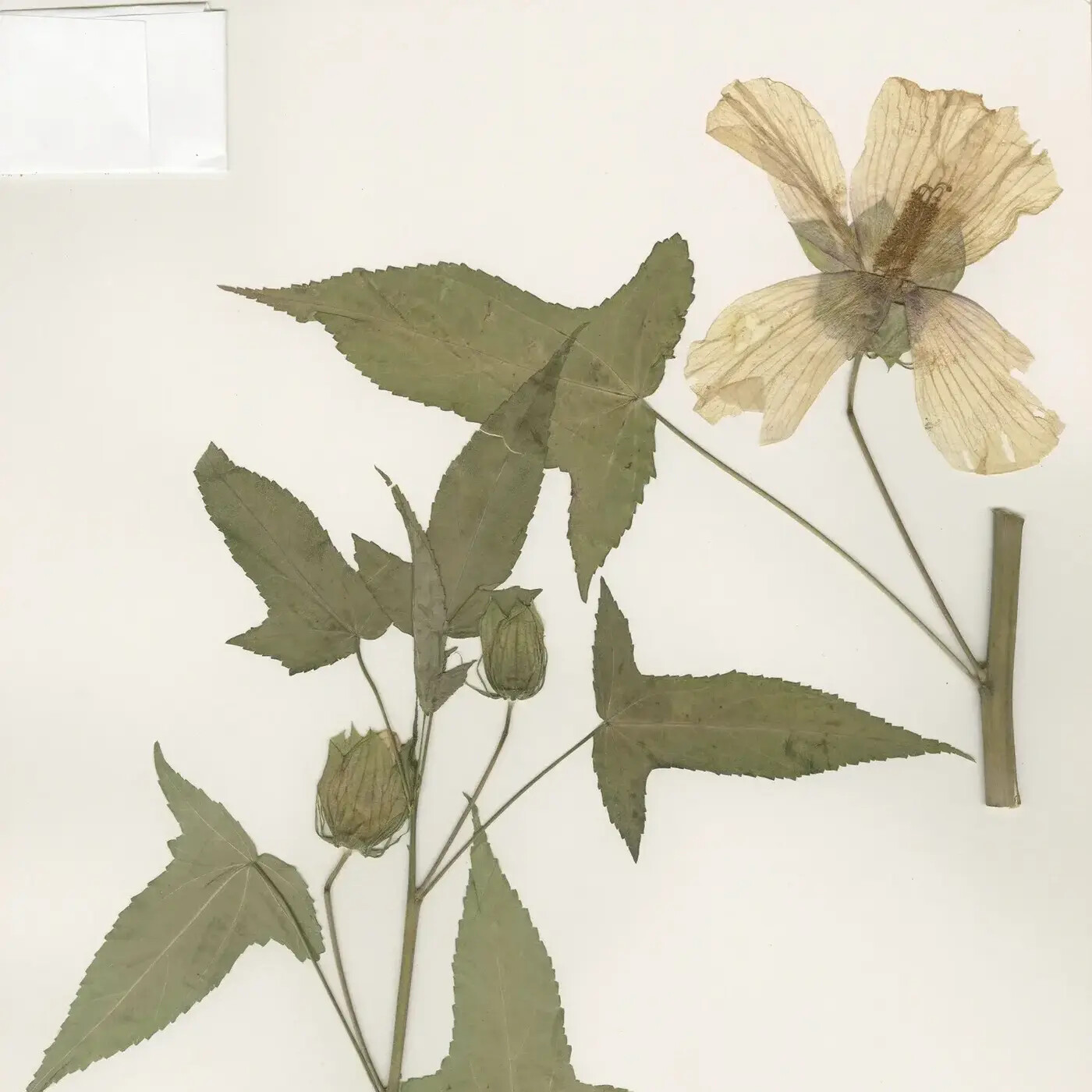
With herbariums closing around the world, I wanted to sit down and talk with someone who truly understands what they stand for. This week I talk with Jamie Minnaert-Grote, the collections manager at the Illinois Natural History Survey Herbarium. Despite having worked in and around herbariums over the last few years, I really didn't grasp their full potential. This conversation was a real eye-opener! See Privacy Policy at https://art19.com/privacy and California Privacy Notice at https://art19.com/privacy#do-not-sell-my-info.

Ep. 39 - Emily Graslie of The Brain Scoop
Science denial is a real and present danger in our society. From climate change to evolution, it would seem that an embarrassingly large sector of the human population likes what science gives them but hates the questions it asks. Science needs a narrative and it also needs people to tell its stories. Today I sit down for a conversation with one of my favorite science communicators, Emily Graslie of The Brain Scoop. I wanted to get to know the person behind this awesome science channel. What follows is a fun conversation about pursuing your curiosities and celebrating the wonders of the natural world. See Privacy Policy at https://art19.com/privacy and California Privacy Notice at https://art19.com/privacy#do-not-sell-my-info.
Ep. 38 - A Tour of The Field Museum With Robbie Q. Telfer
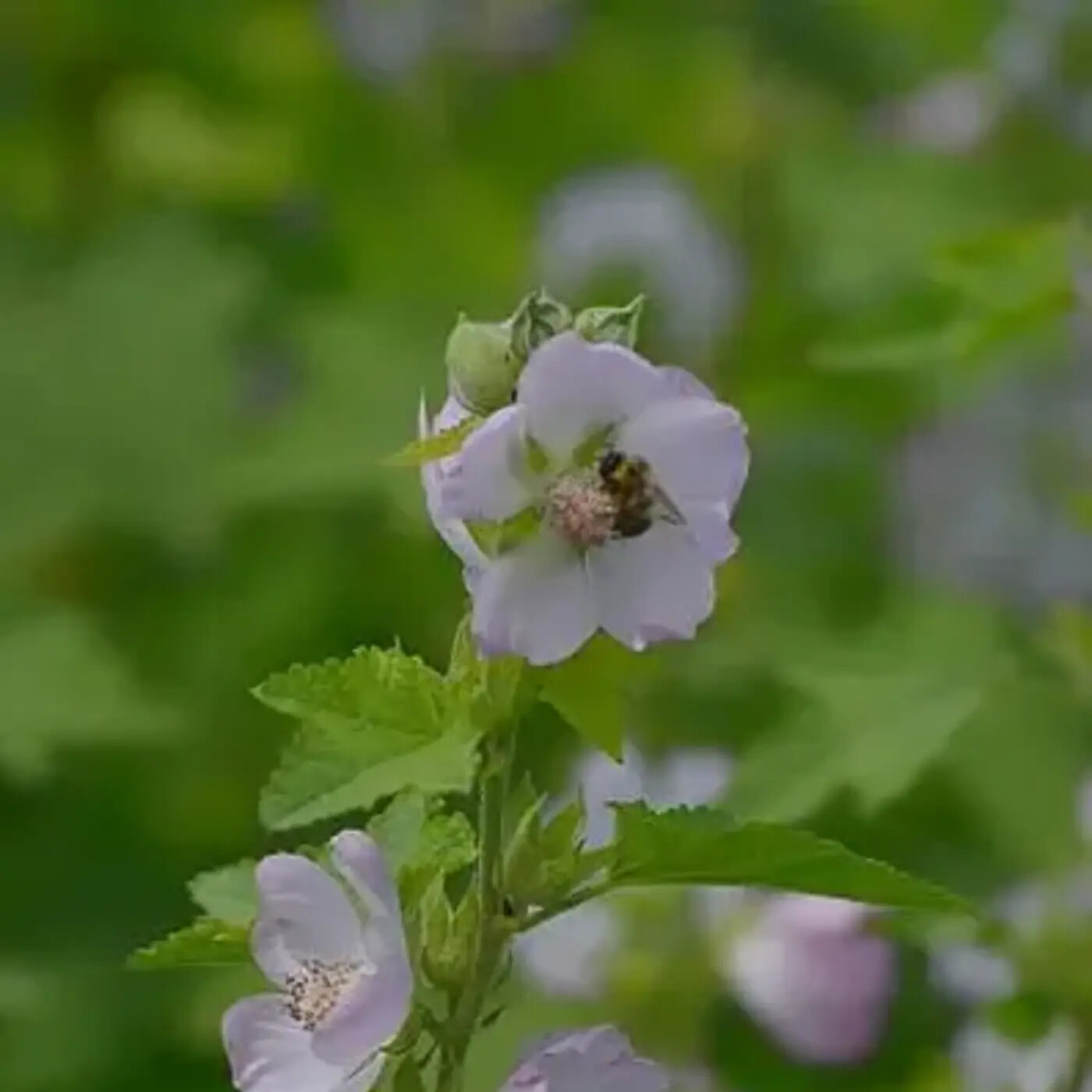
You may remember Robbie from Episode 11 of the In Defense of Plants Podcast. He is the poet who is pushing to change the Illinois state flower from a nondescript violet to the Illinois endemic Kankakee mallow. I caught up with Robbie at his day job at The Field Museum in Chicago. He gives us a tour and updates us on his work with the Kankakee mallow as well as another endangered species. It is wonderful to see a museum taking such an active role in research and conservation. See Privacy Policy at https://art19.com/privacy and California Privacy Notice at https://art19.com/privacy#do-not-sell-my-info.
Ep. 37 - Holiday Hike
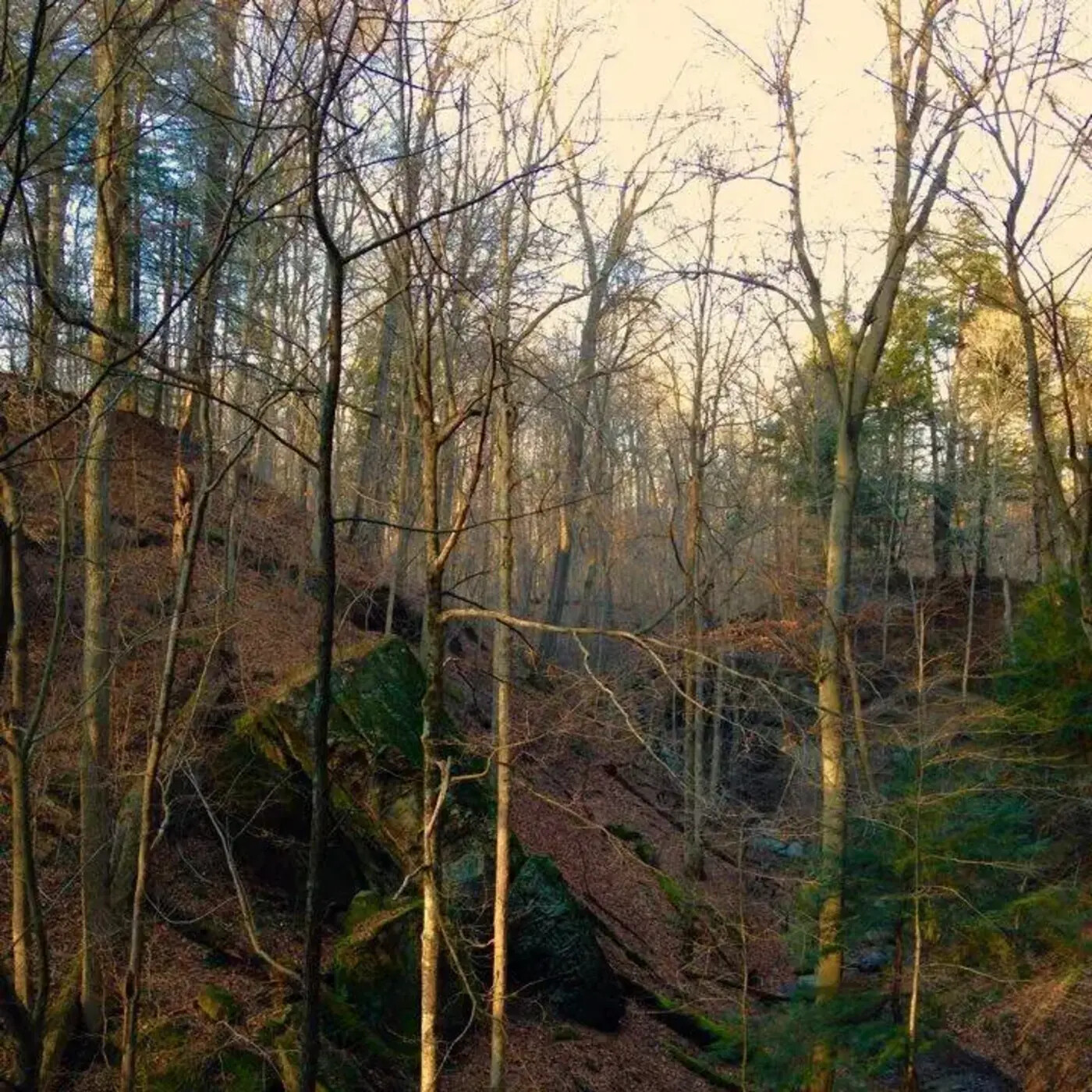
2016 has arrived and some friends and I rang in the new year with a hike in the woods. See Privacy Policy at https://art19.com/privacy and California Privacy Notice at https://art19.com/privacy#do-not-sell-my-info.

Ep. 36 - Lawn Psyche
Lawns are big business. Raking in over $30 billion annually in the United States alone, the pressure to have and maintain a lawn is ever-present. To understand some of the psyche around lawns in America, I turned to Betsy Breyer, a PhD student at the University of Illinois. Betsy is a social scientist who's research is currently focusing on the sociocultural aspects of our obsession with lawns. This is a complex issue that I have been stewing over for some time. I wanted to give the lawn the right kind of coverage and speaking with Betsy was a wonderful way to do just that. I hope you find this conversation as interesting as I do. See Privacy Policy at https://art19.com/privacy and California Privacy Notice at https://art19.com/privacy#do-not-sell-my-info.
Ep. 35 - Soils
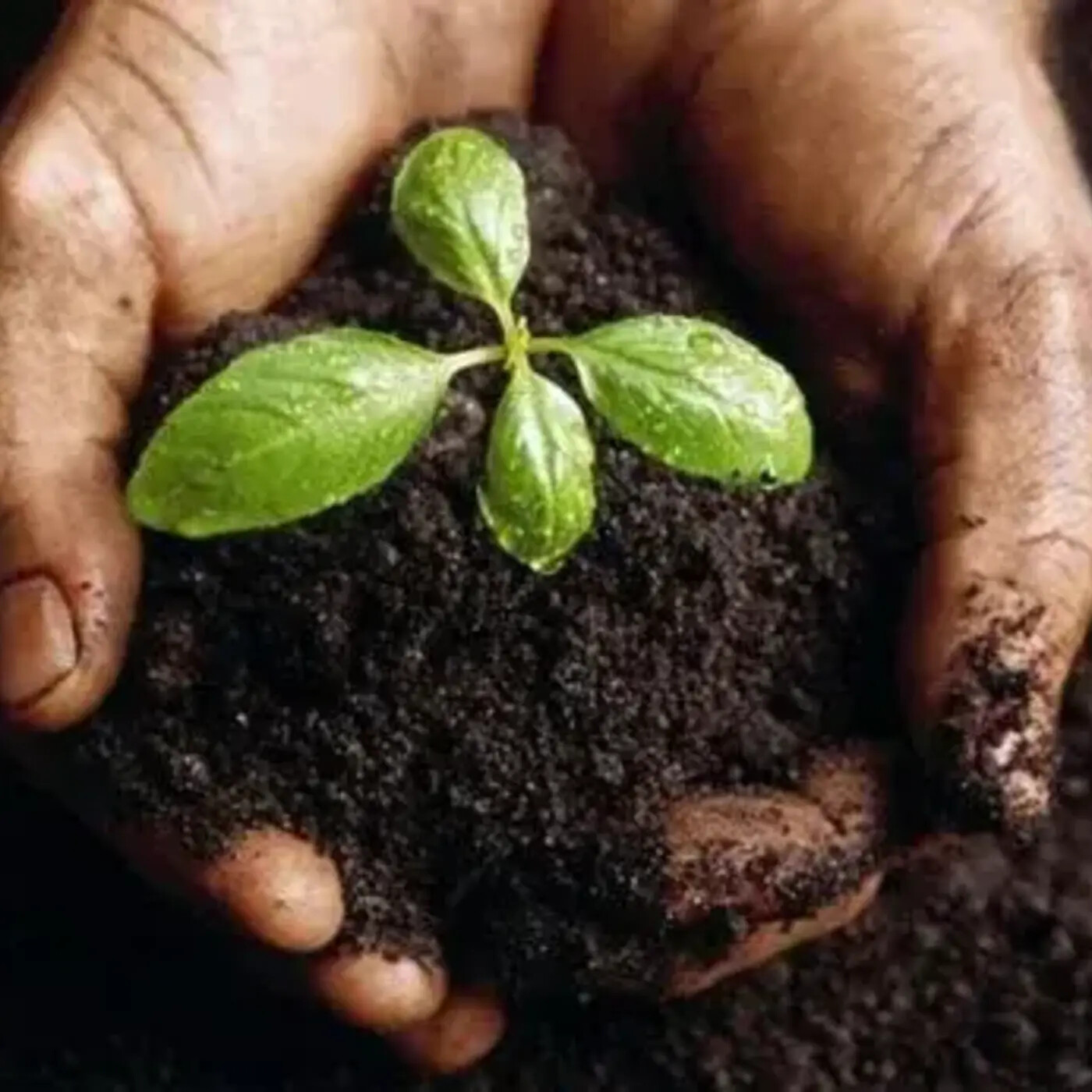
Soil is the black box of terrestrial ecology. Despite its importance, we know very little about it. That is where people like Dr. Elizabeth Bach come in. Her work on soil ecology is shedding light on some of what makes soil so special. Join us for an enlightening discussion about this wonderful substance. See Privacy Policy at https://art19.com/privacy and California Privacy Notice at https://art19.com/privacy#do-not-sell-my-info.
Ep. 34 - Cloud Forest Rescue Mission
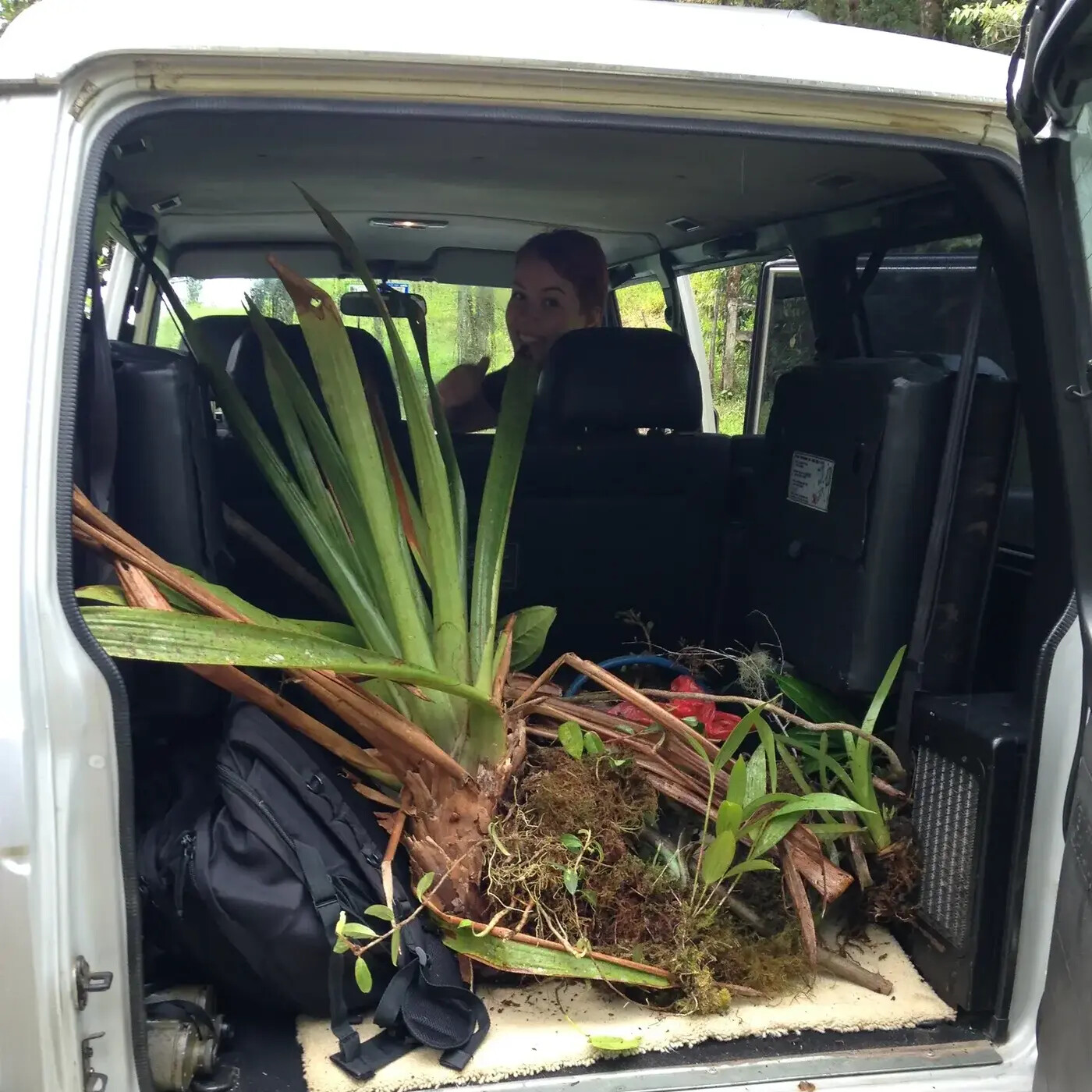
A trip up into a Costa Rican cloud forest quickly turned into a rescue mission when we discovered a large chunk of it had been logged for cattle pasture. The ground was littered with plants that would have simply died had nothing been done. What you are about to hear is plant guru, Dave Janas, walking us through the process of rehabilitating the plants we were able to save. In propagating these plants, Dave is preserving at least some of the genetic diversity of these rapidly shrinking habitats. See Privacy Policy at https://art19.com/privacy and California Privacy Notice at https://art19.com/privacy#do-not-sell-my-info.
Ep. 33 - An Impressive Plant Collection
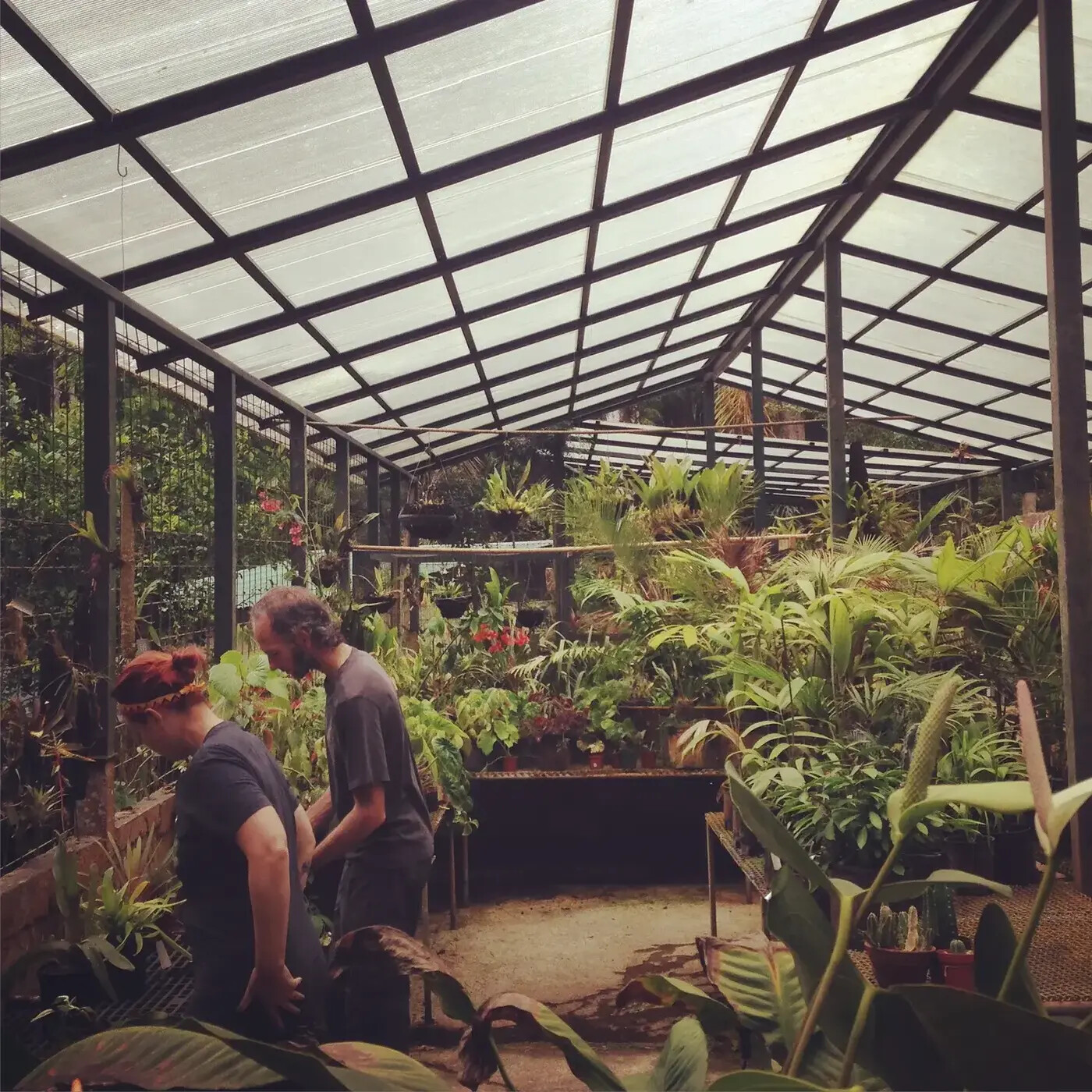
My friend and horticultural mentor, Dave Janas returns to the podcast. This time In Defense of Plants went to him. You will remember Dave from Episode 15. He lives and works as the Senior Horticulturist for the Wilson Botanical Gardens in San Vito, Costa Rica. This episode was recorded during a behind the scenes tour we got of the gardens plant collection. Along the way we learn a lot about what Dave is working on in regards to propagating native Costa Rican flora. This is a relaxing episode full of the sounds of the jungle. See Privacy Policy at https://art19.com/privacy and California Privacy Notice at https://art19.com/privacy#do-not-sell-my-info.
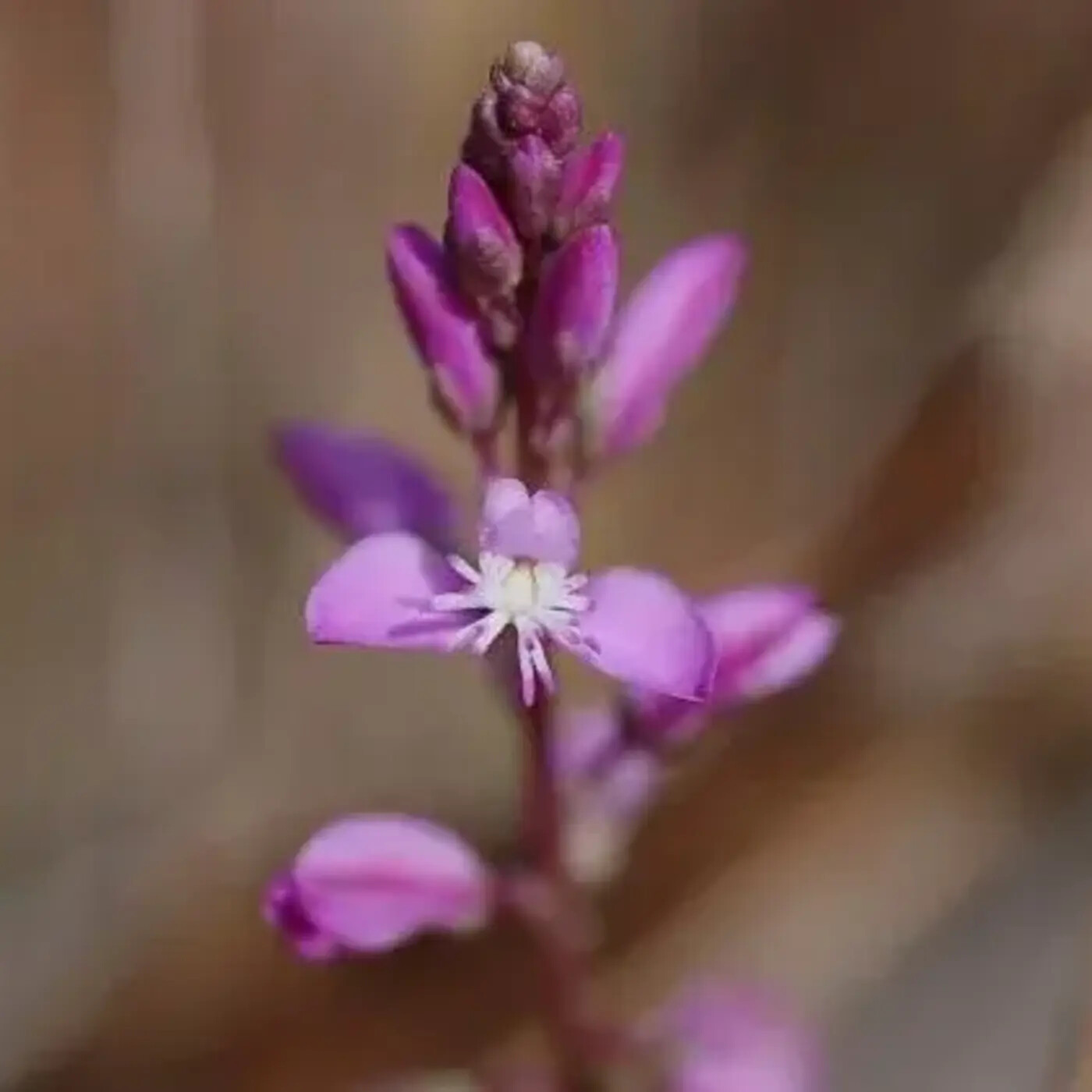
Ep. 32 - Conservation Genetics
There are many ways to conserve plants but there are certainly many obstacles as well. One of those obstacles lies in how many plants remain. Defining an individual in the plant world can be tricky. Genetics offers some ways of getting around this. Join me for a conversation on how genetic tools are being used to conserve an endangered Florida endemic called Polygala lewtonii. See Privacy Policy at https://art19.com/privacy and California Privacy Notice at https://art19.com/privacy#do-not-sell-my-info.
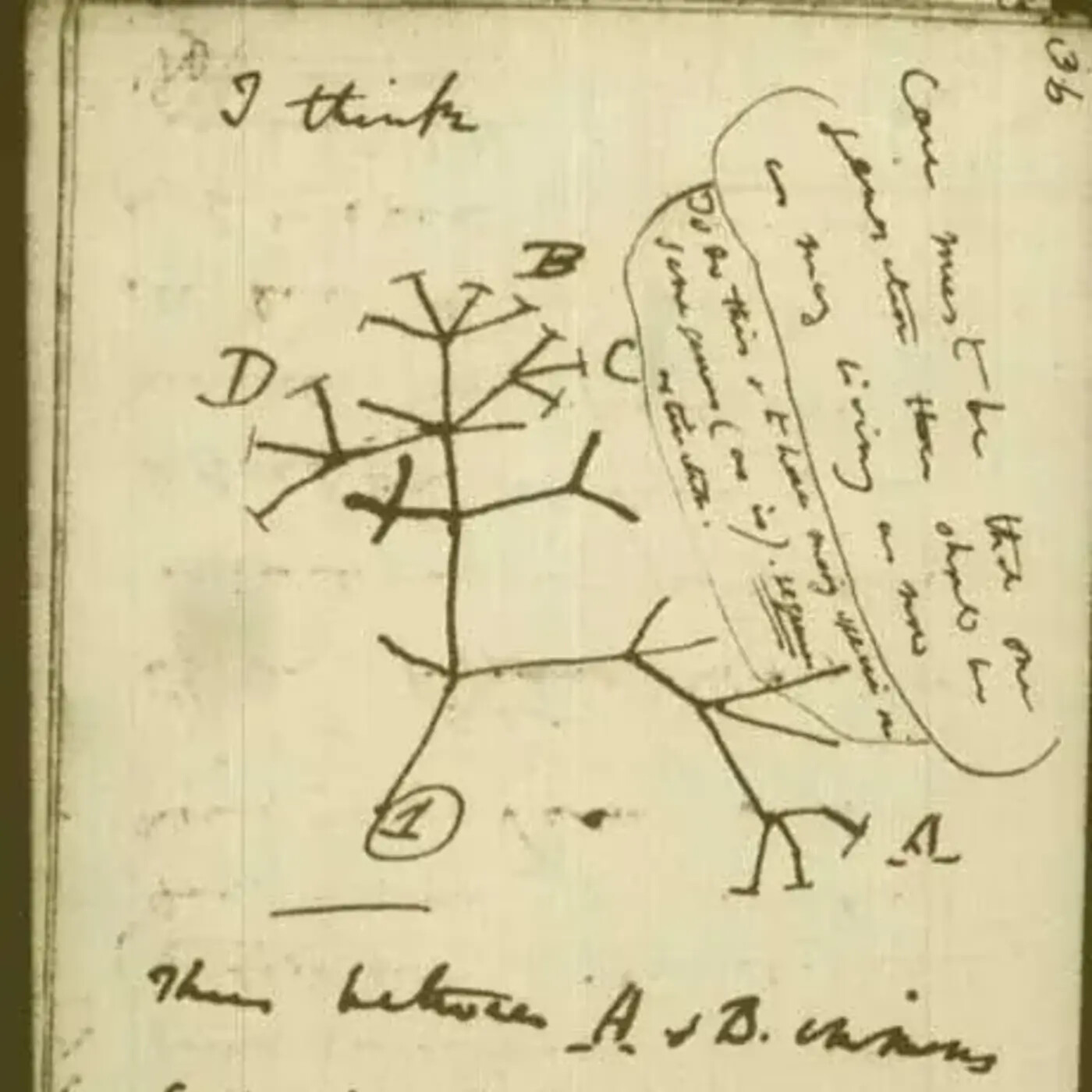
Ep. 31 - Exploring Plant Diversity
What is a species? Why does it matter and what can we do with that information? What drives the patterns of plant diversity we see around the world? These are just some of the questions Dr. Iván Jiménez likes to investigate. Join me for an interesting conversation exploring plant richness. See Privacy Policy at https://art19.com/privacy and California Privacy Notice at https://art19.com/privacy#do-not-sell-my-info.
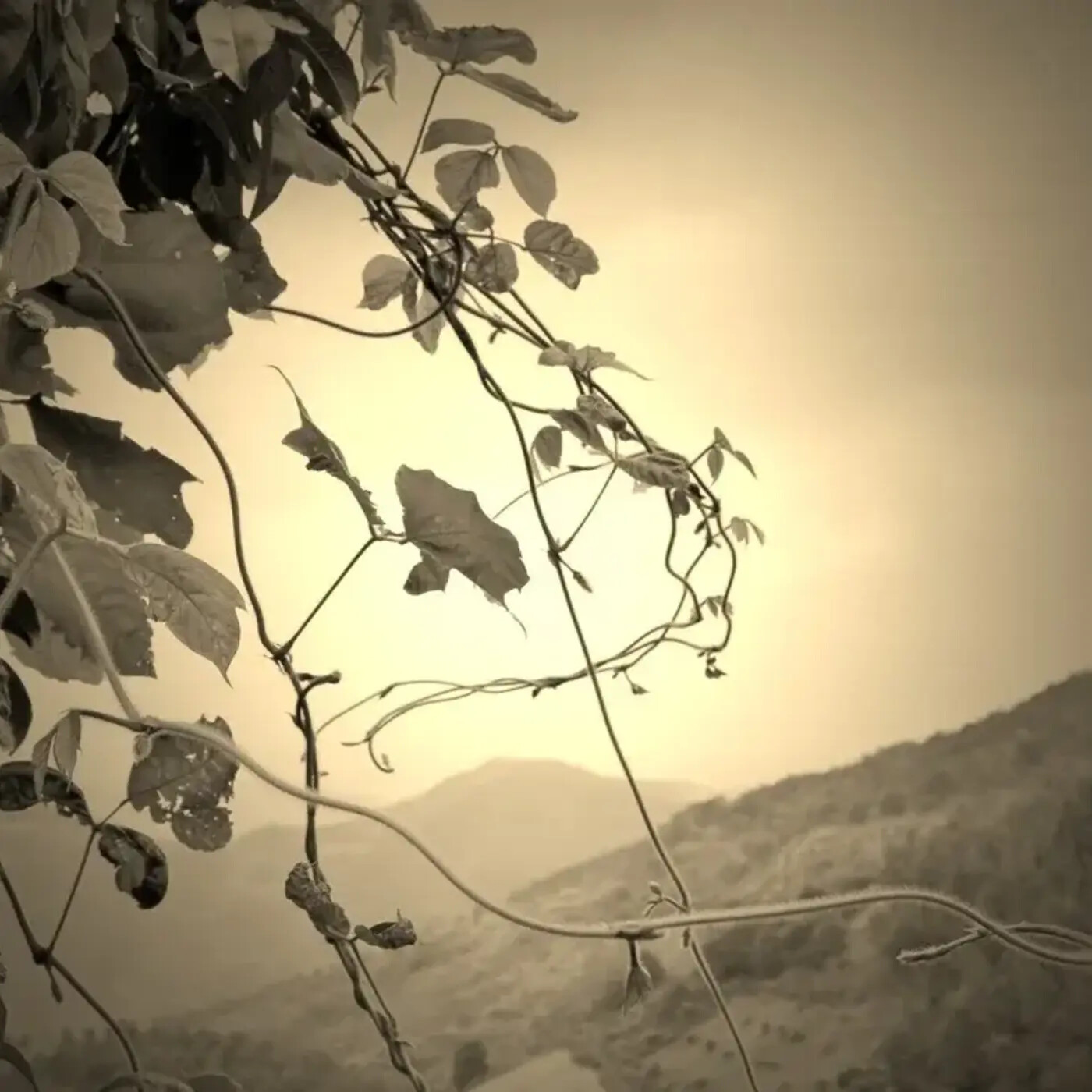
Ep. 30 - Kudzu
Kudzu (Pueraria lobata) is a plant that most people will readily recognize. This invasive vine is a relative of the pea and has the ability to carpet everything on the landscape including houses. Introduced to the North America from Asia, this species offers researchers a chance to understand not only plant invasion but also evolution. Join me for a conversation with Steven Callen regarding his research into this interesting legume. See Privacy Policy at https://art19.com/privacy and California Privacy Notice at https://art19.com/privacy#do-not-sell-my-info.
Ep. 29 - Grand Prairie Friends
Remnant prairies are few and far between but this week's podcast is going to take you to one. The Grand Prairie Friends invited people out to their Loda Prairie site this weekend to help them with seed collection. I was happy to oblige and the resulting adventure was quite fun. Tune in this week to enjoy a tour of an original prairie. See Privacy Policy at https://art19.com/privacy and California Privacy Notice at https://art19.com/privacy#do-not-sell-my-info.
Ep. 28 - The Friends of Langham Island
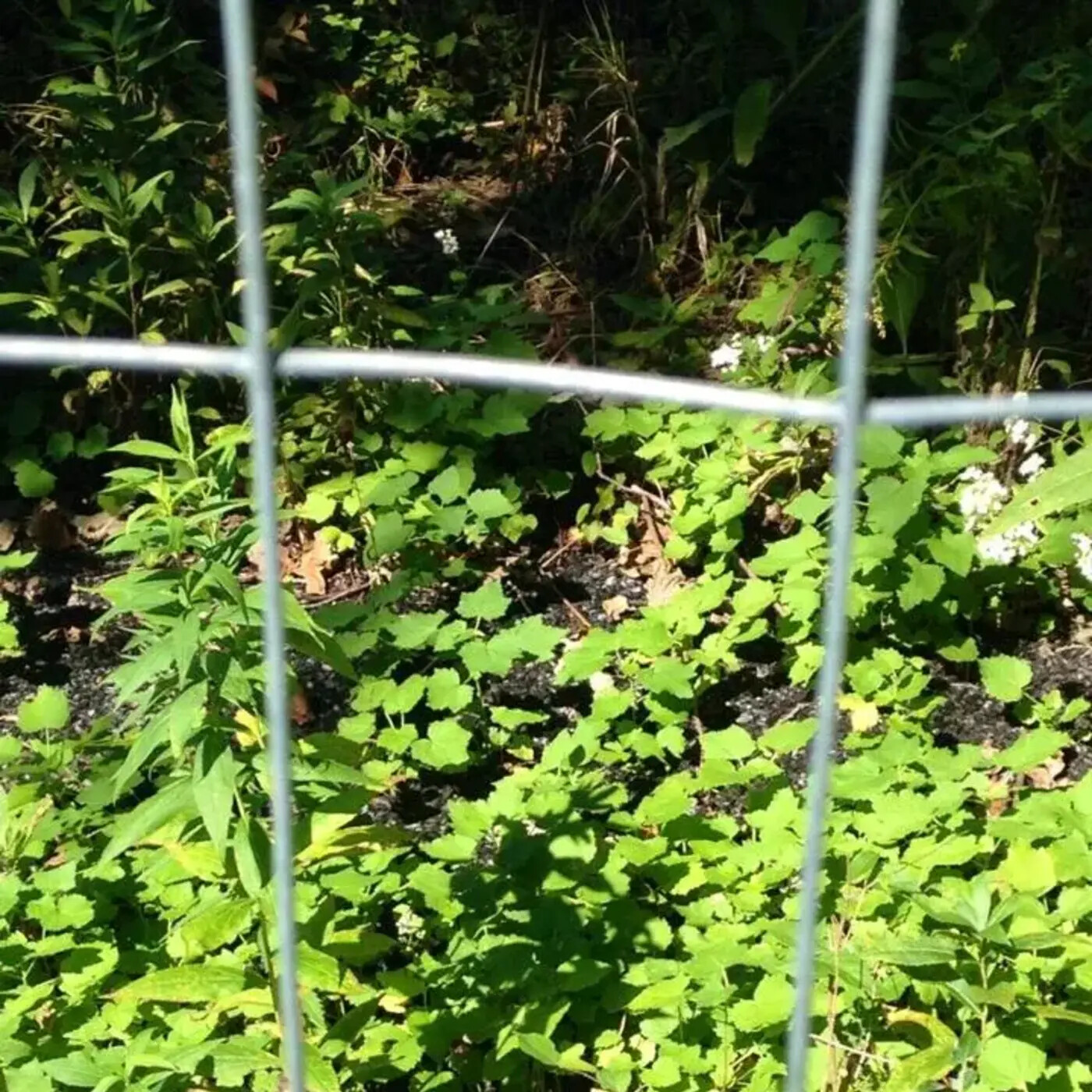
I spent the day volunteering with the Friends of Langham Island. They are a group of concerned citizens working to restore Langham Island's unique flora, which includes the endangered endemic Kankakee Mallow. It was a fun day and I met a lot of great people along the way. See Privacy Policy at https://art19.com/privacy and California Privacy Notice at https://art19.com/privacy#do-not-sell-my-info.
Ep. 27 - Central America Part 1
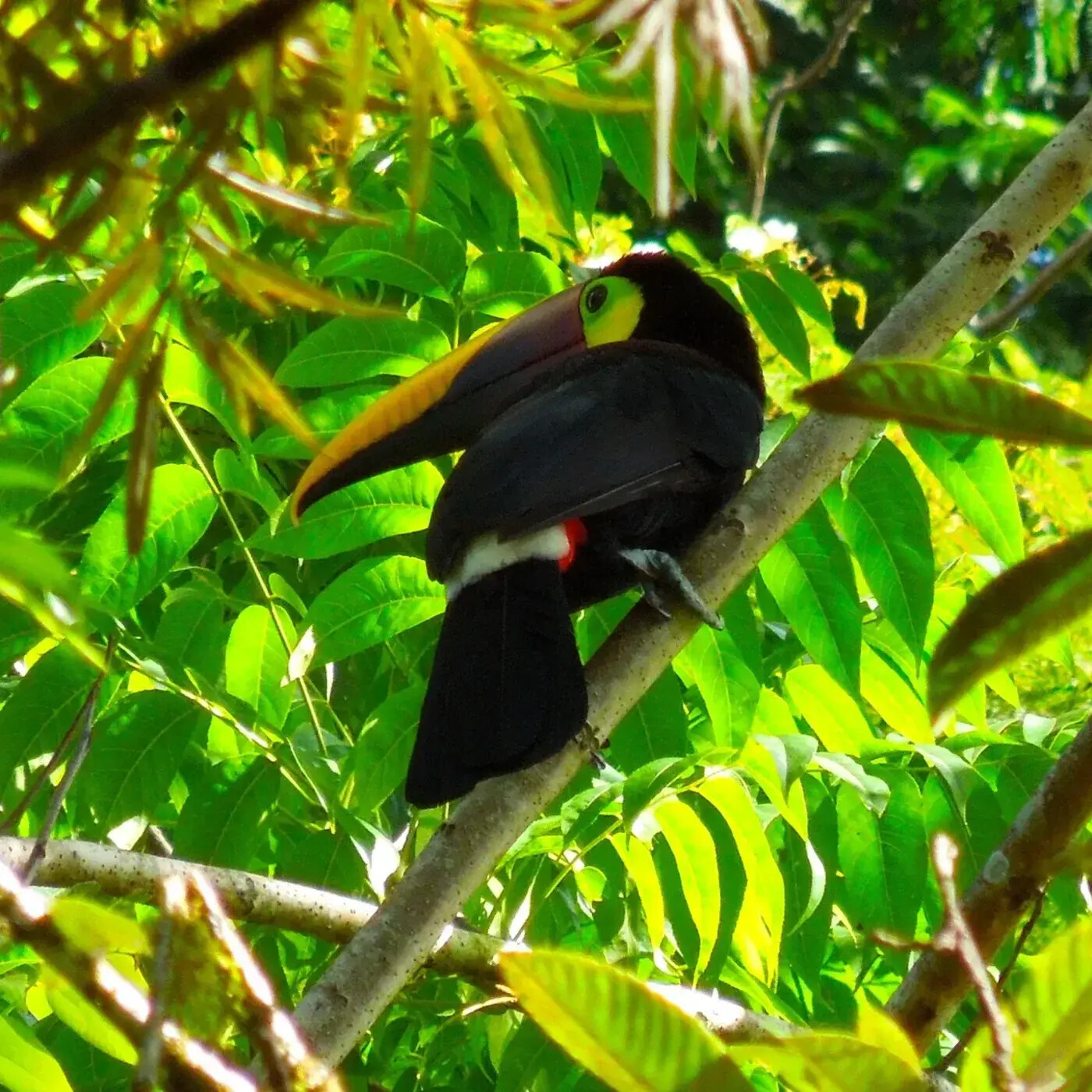
In late August 2015 I took my first ever trip to Central America. I encountered so many new things and I want to tell you all about them. Join the lovely Sara Johnson and I as we chat about our experience backpacking through this wonderful region. See Privacy Policy at https://art19.com/privacy and California Privacy Notice at https://art19.com/privacy#do-not-sell-my-info.
Ep. 26 - Mate Redux
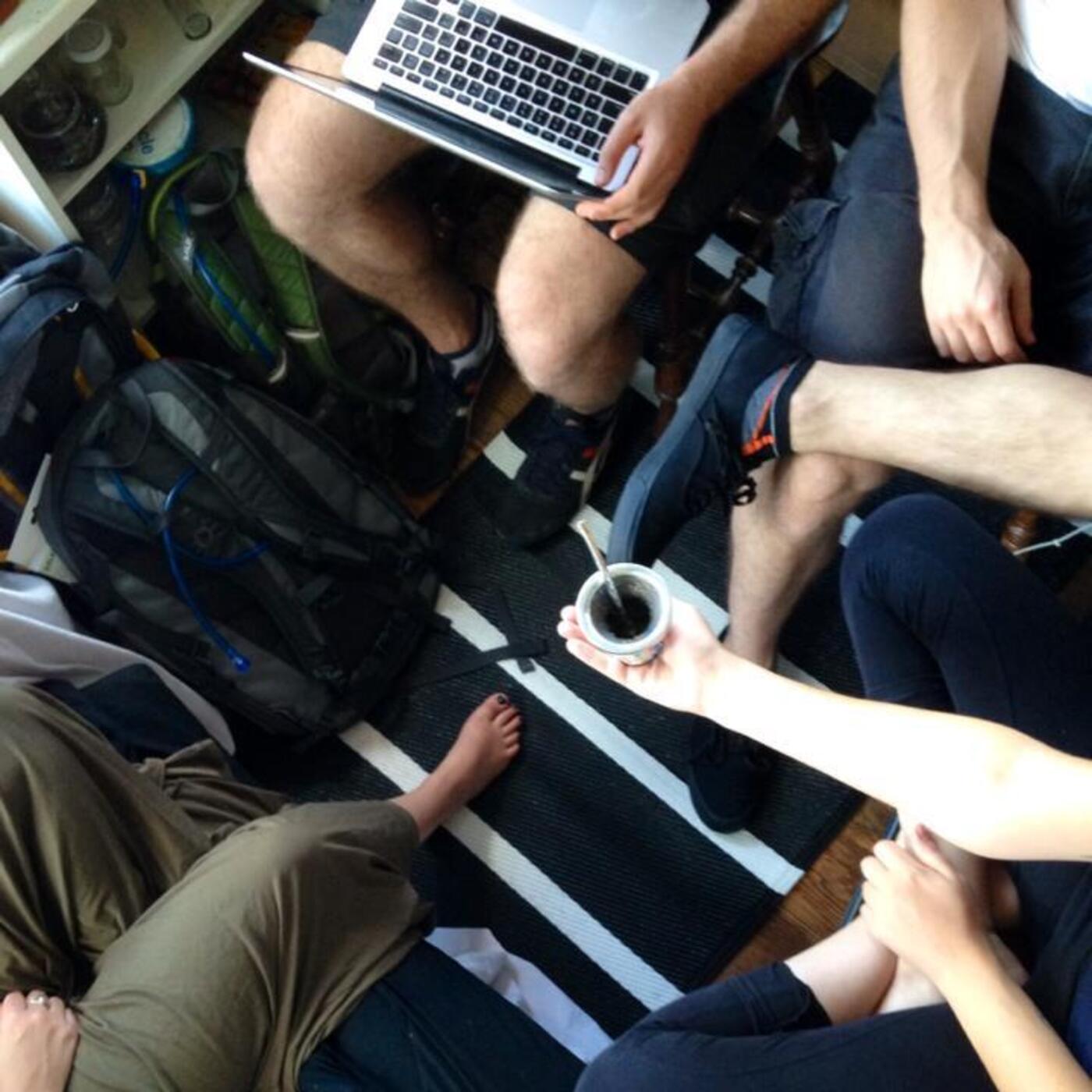
Long time friends Melissa and Thom are visiting from Argentina and they come bearing delicious mate. Join us for a fun learning experience centered around the social aspects of drinking this delicious shrub. See Privacy Policy at https://art19.com/privacy and California Privacy Notice at https://art19.com/privacy#do-not-sell-my-info.
Ep. 25 - Why We Botanize
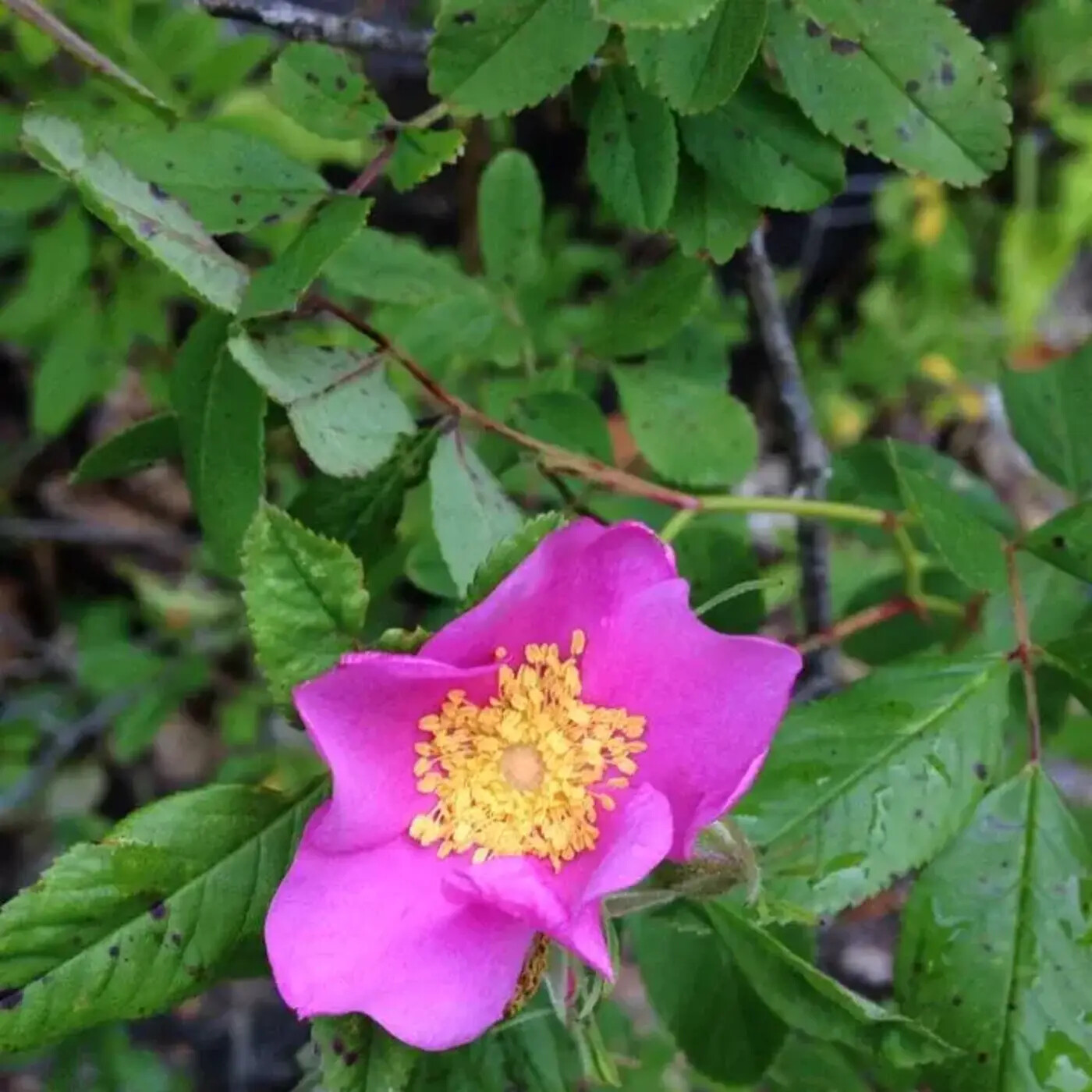
When it comes to botanizing, we all have methods to our madness. In this episode, Steve and I discuss some of our favorite aspects of the hobby of plant exploring. See Privacy Policy at https://art19.com/privacy and California Privacy Notice at https://art19.com/privacy#do-not-sell-my-info.
Ep. 24 - Highlands Biological Station Pt. 2
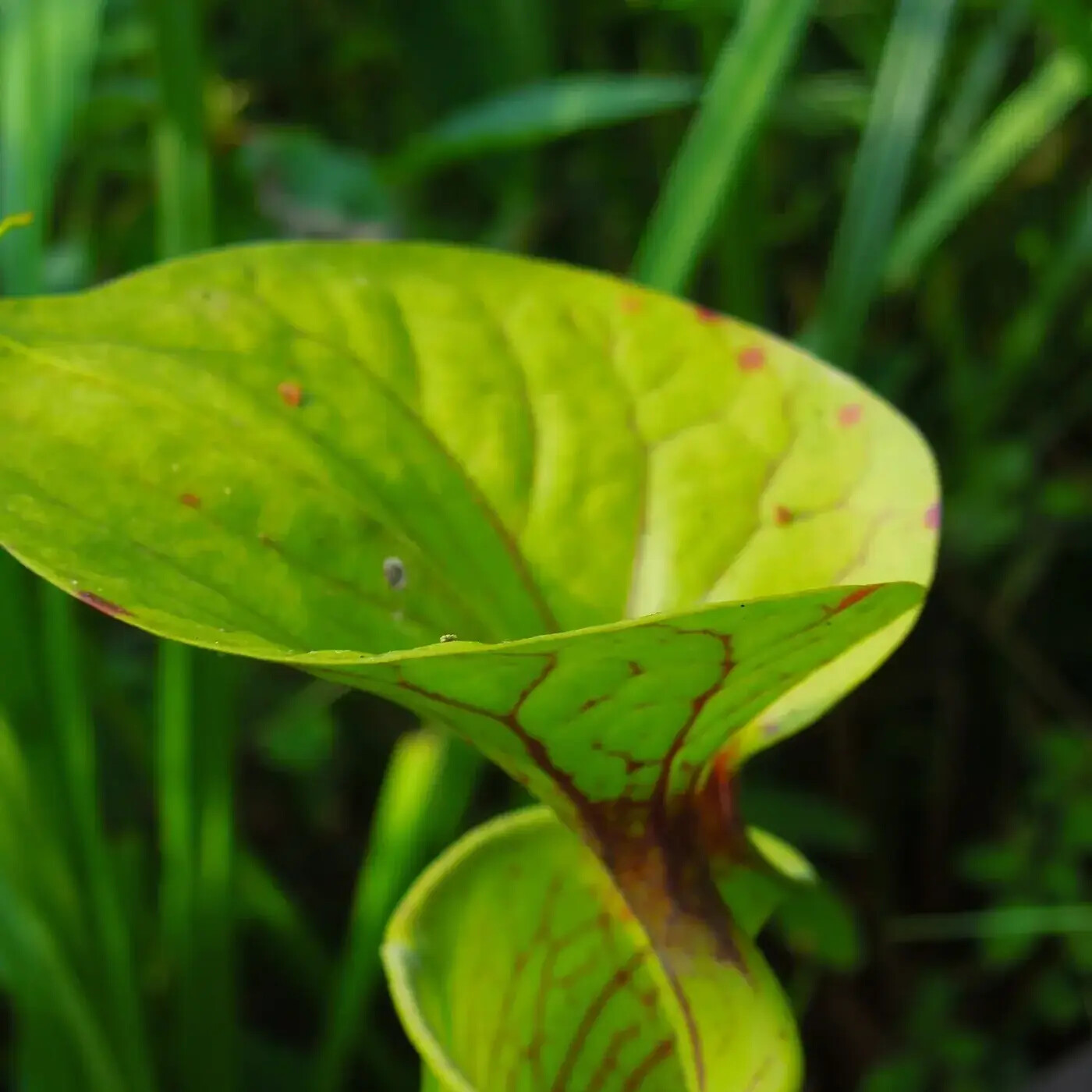
Part 2 of my tour of the Highlands Biological Station. Head horticulture specialist Russell Funderburk provides entertaining insights into what it takes to run a botanical garden. We get to meet loads of native plants, many of which are endemic to this region of North America. See Privacy Policy at https://art19.com/privacy and California Privacy Notice at https://art19.com/privacy#do-not-sell-my-info.
Ep. 23 - Highlands Biological Station Pt. 1
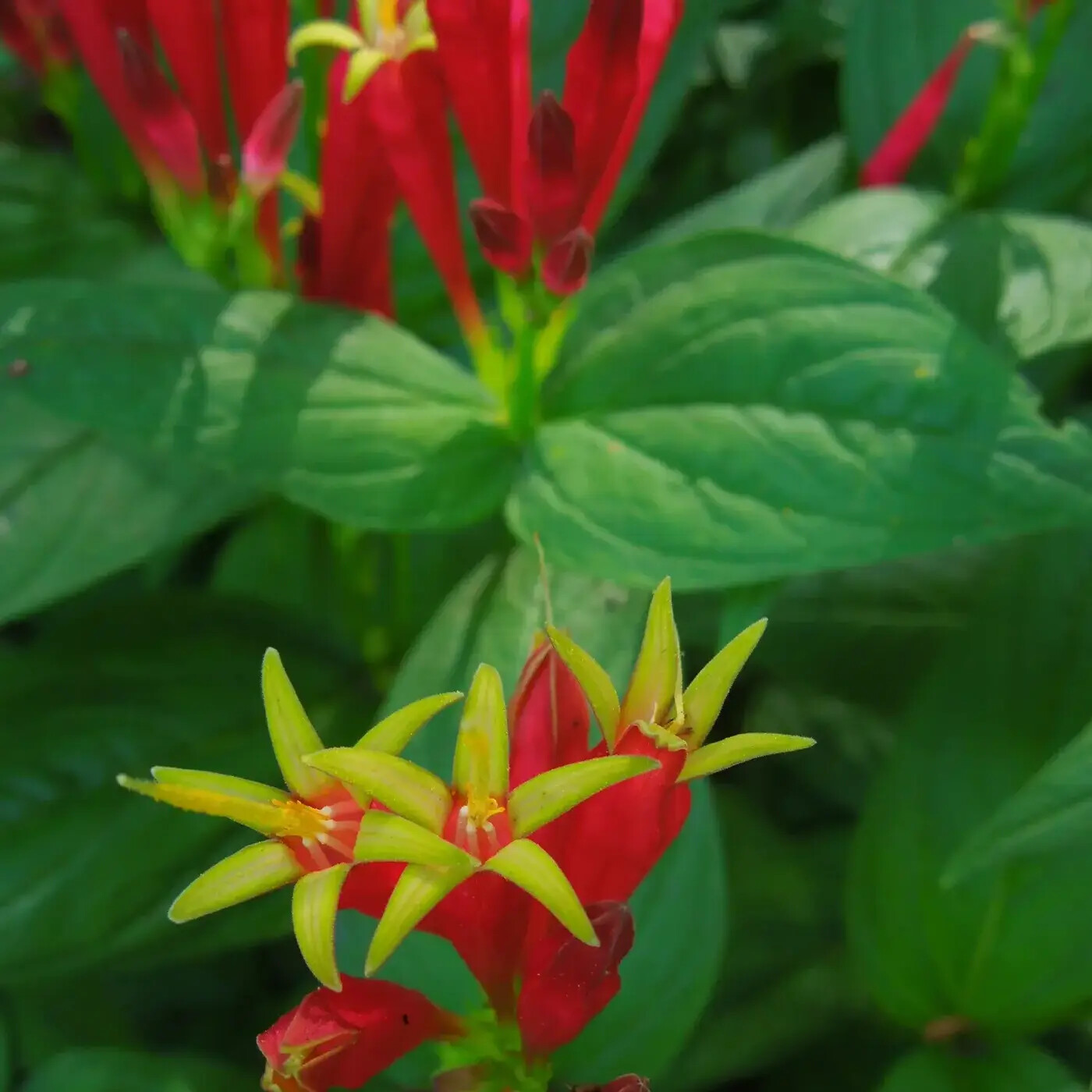
When people found out that I would be living in western North Carolina, there was one sentiment I kept hearing, "You need to see the Highlands Botanical Garden." No one had to twist my arm for that to happen. Highlands is an incredible place which centers around research and conservation with a special focus on endemic plant species. Join me for a tour of the garden lead by Horticulture Specialist Russell Funderburk. See Privacy Policy at https://art19.com/privacy and California Privacy Notice at https://art19.com/privacy#do-not-sell-my-info.
Ep. 22 - American Ginseng
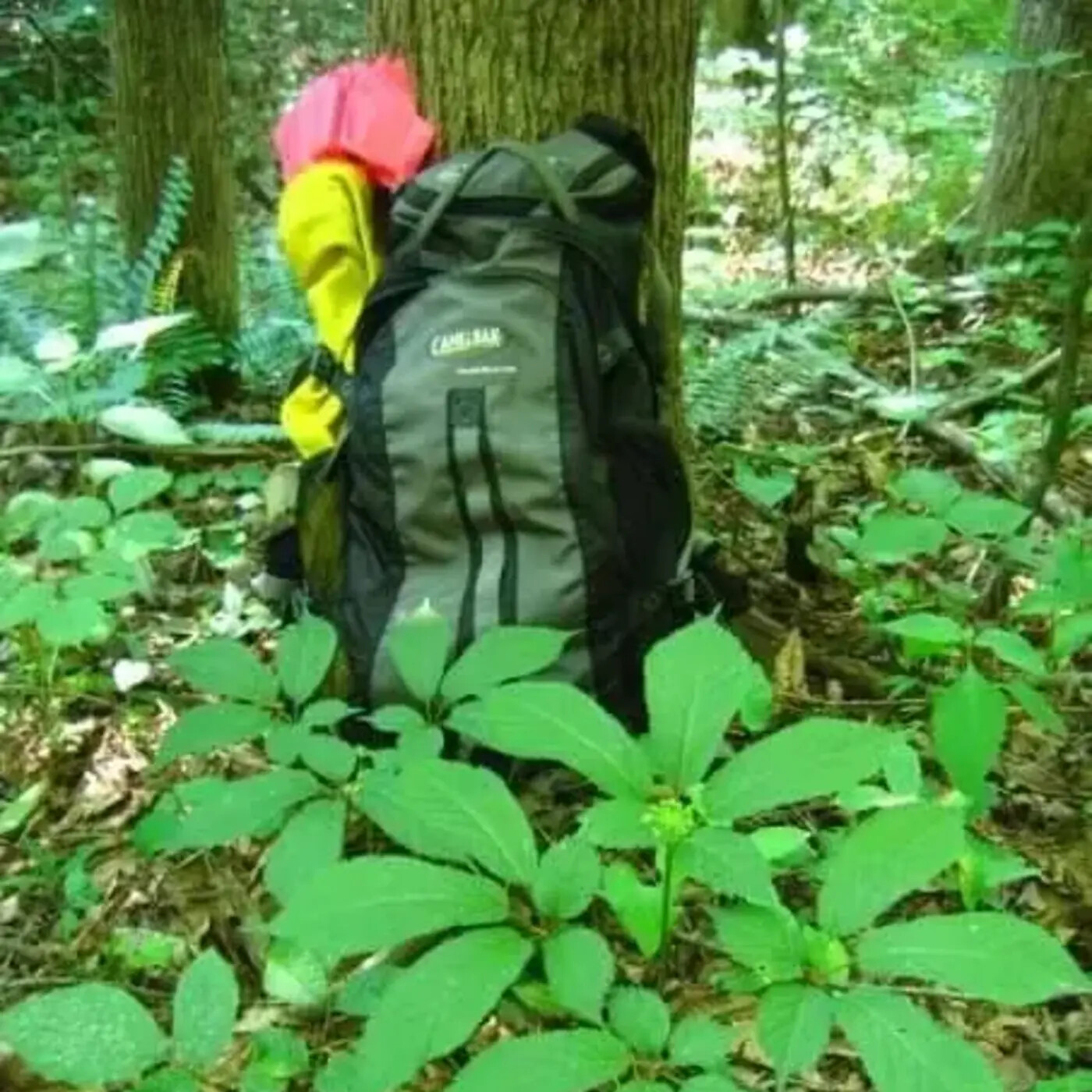
American ginseng is one of those species that most people are aware of on some level. Despite its notoriety, it is hard to track down information on what this plant is as a species. Join me for a discussion with Dave DeViney, a man who truly knows ginseng. This interesting discussion covers many aspects of what makes this plant special. See Privacy Policy at https://art19.com/privacy and California Privacy Notice at https://art19.com/privacy#do-not-sell-my-info.
Ep. 21 - The Birds And The Seeds
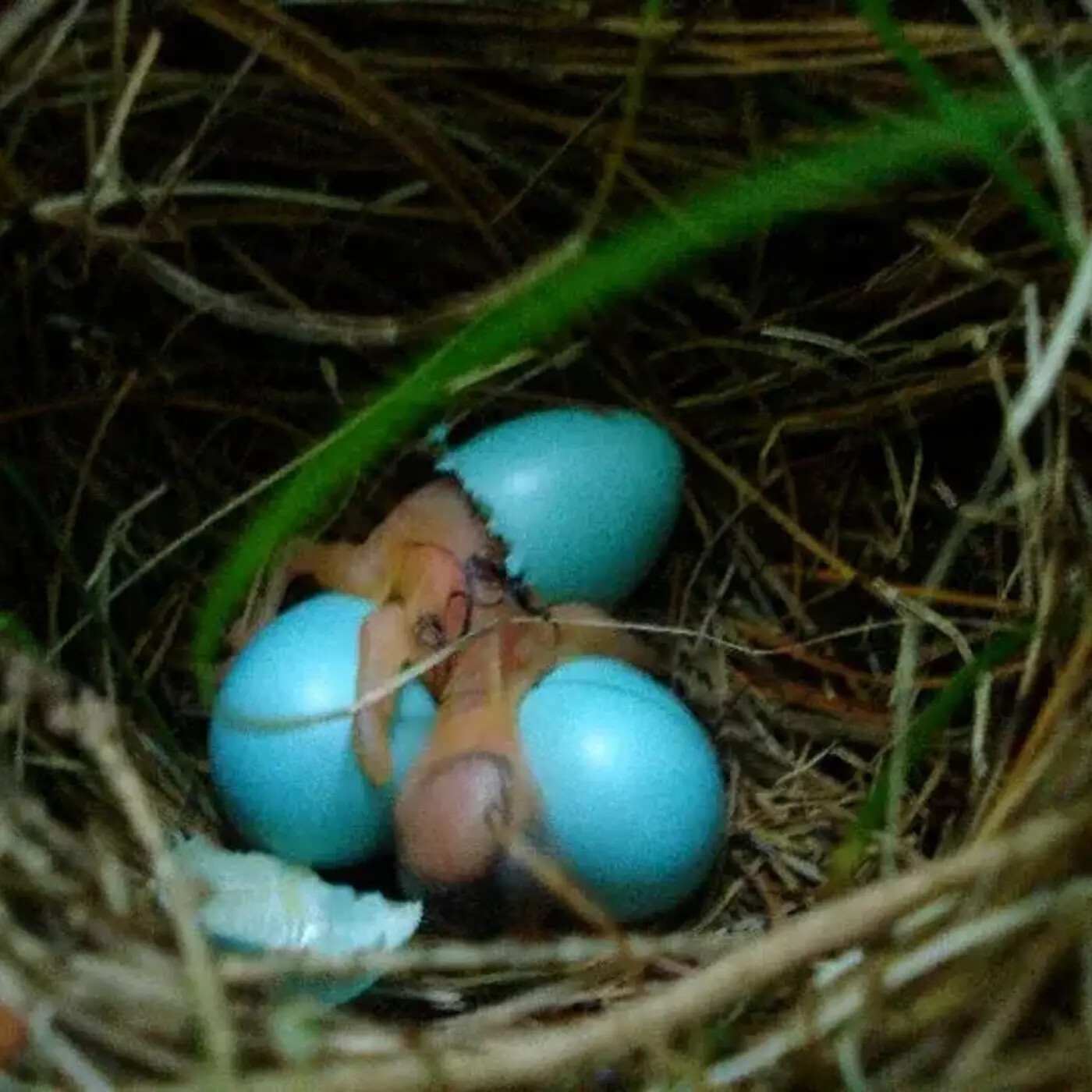
I was fortunate enough to be in attendance at the Coweeta Hydrologic Lab's Summer Meeting. There I attended a day long seminar series showcasing the different kinds of research going on in the basin. One of these talks was given by Dr. Robert Warren regarding a novel form of seed dispersal involving birds. I know what you're thinking and no this doesn't have to do with berries. Bonus Q & A session at the end! See Privacy Policy at https://art19.com/privacy and California Privacy Notice at https://art19.com/privacy#do-not-sell-my-info.
Ep. 20 - On The Road
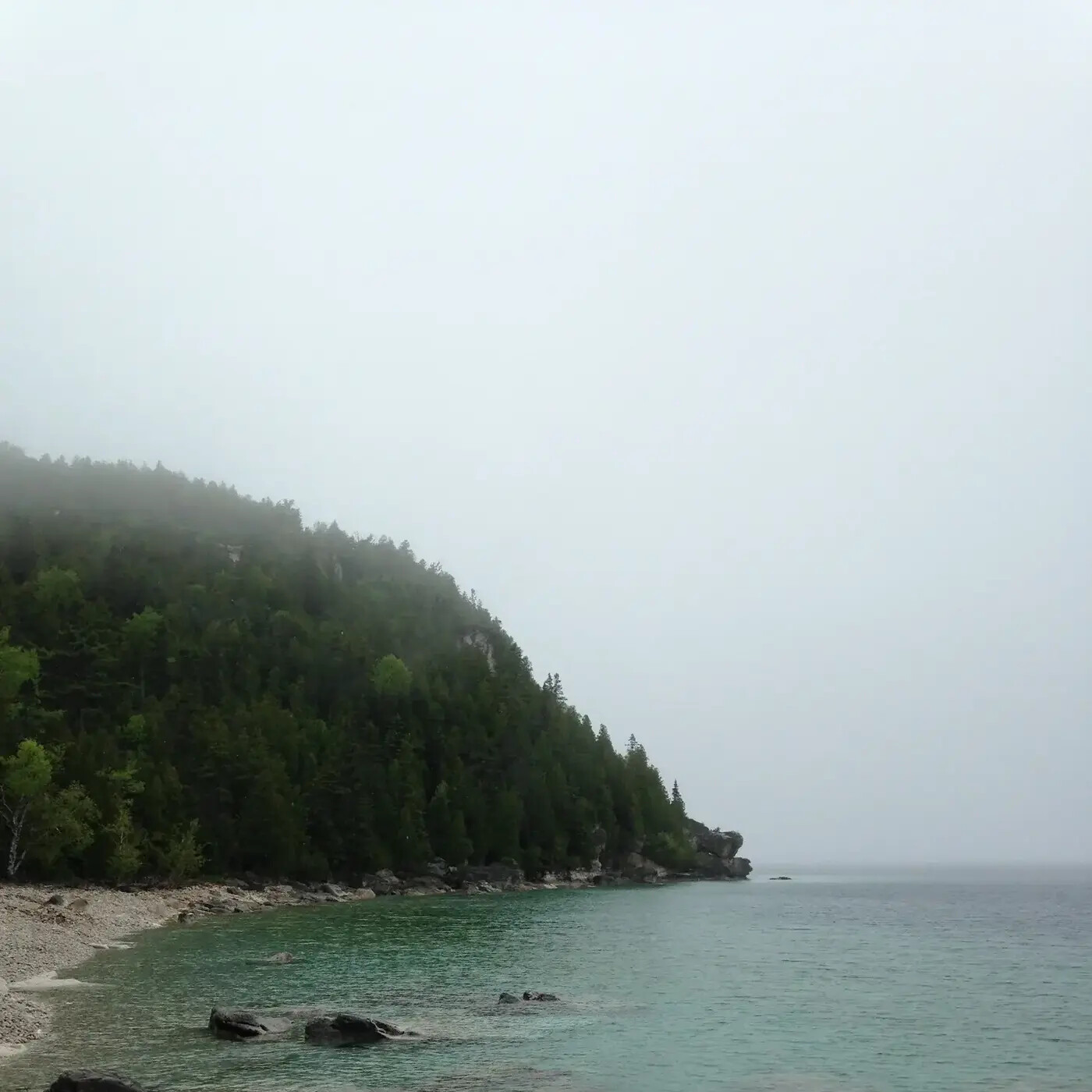
An update from the road! I am on my way to North Carolina for a month of plant identification and data collection. I bring you up to speed on our trip to the Bruce Peninsula as well. See Privacy Policy at https://art19.com/privacy and California Privacy Notice at https://art19.com/privacy#do-not-sell-my-info.
Ep. 19 - Poaching
Steve returns this week for a rather lengthy discussion on plant poaching. We touch on some reasons why people poach as well as a handful of plants that are falling victim to this greedy crime. See Privacy Policy at https://art19.com/privacy and California Privacy Notice at https://art19.com/privacy#do-not-sell-my-info.
Ep 18. - Adventures & Cultivars
This week I touch on some recent adventures as well as some exciting things to come. I also discuss my disgust with cultivars. See Privacy Policy at https://art19.com/privacy and California Privacy Notice at https://art19.com/privacy#do-not-sell-my-info.
Ep. 17 - Rare vs. Common
Commonness and rarity are snapshots in time. The abundance of plant species can change drastically as conditions change around them. Over the last two years I have been investigating what makes some plant species rare while others are common. It has been an amazing journey. Join me in this episode as I explore this idea. See Privacy Policy at https://art19.com/privacy and California Privacy Notice at https://art19.com/privacy#do-not-sell-my-info.
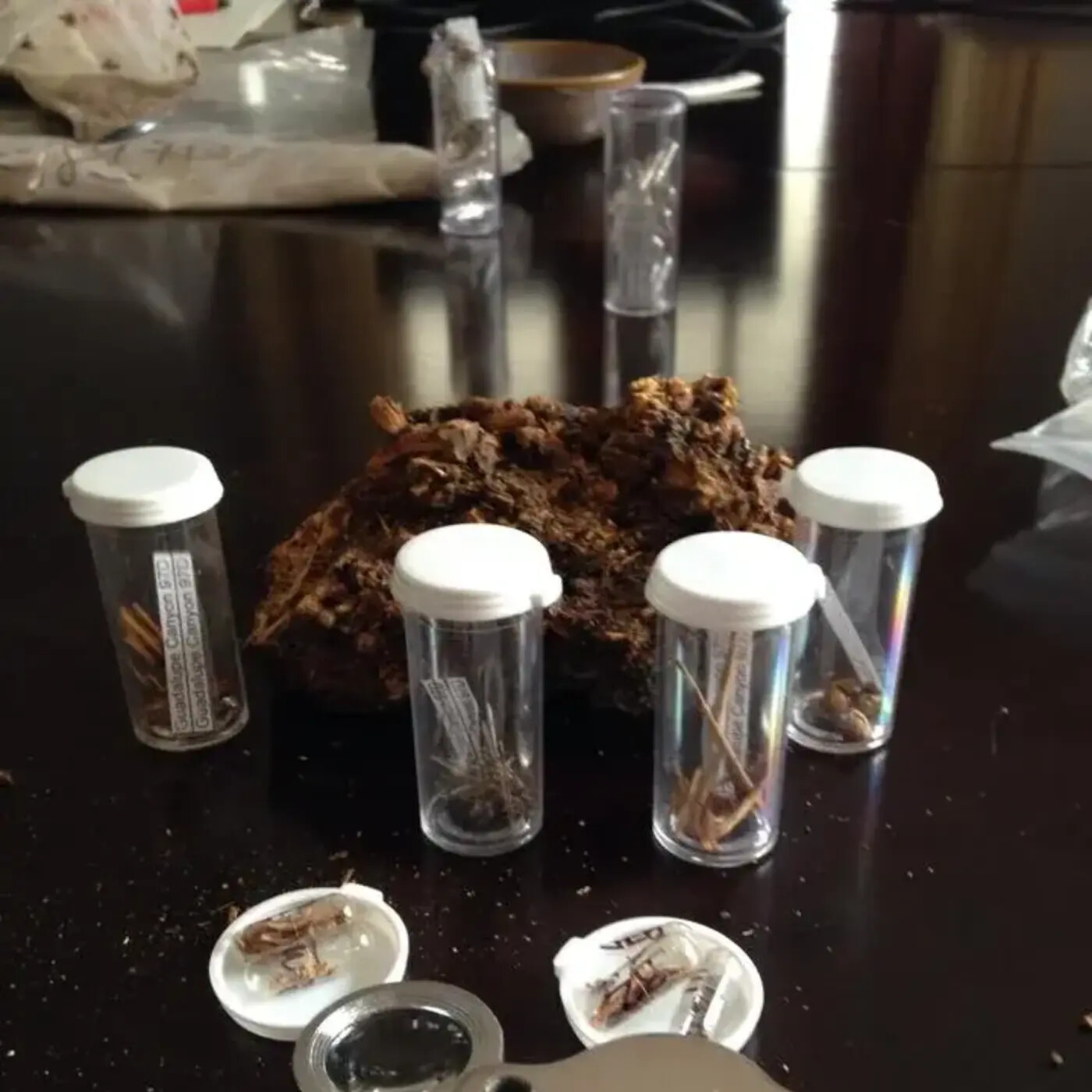
Ep. 16 - Plants, Pack Rats, and Paleoclimate
Novel approaches are always fun. Nowhere is this more apparent than in today's podcast. I am joined by Dr. Camille Holmgren from SUNY Buffalo State to talk about her research reconstructing ancient desert climates using pack rat middens. Join us for a fun and interesting discussion that will take you back thousands of years in the past. See Privacy Policy at https://art19.com/privacy and California Privacy Notice at https://art19.com/privacy#do-not-sell-my-info.
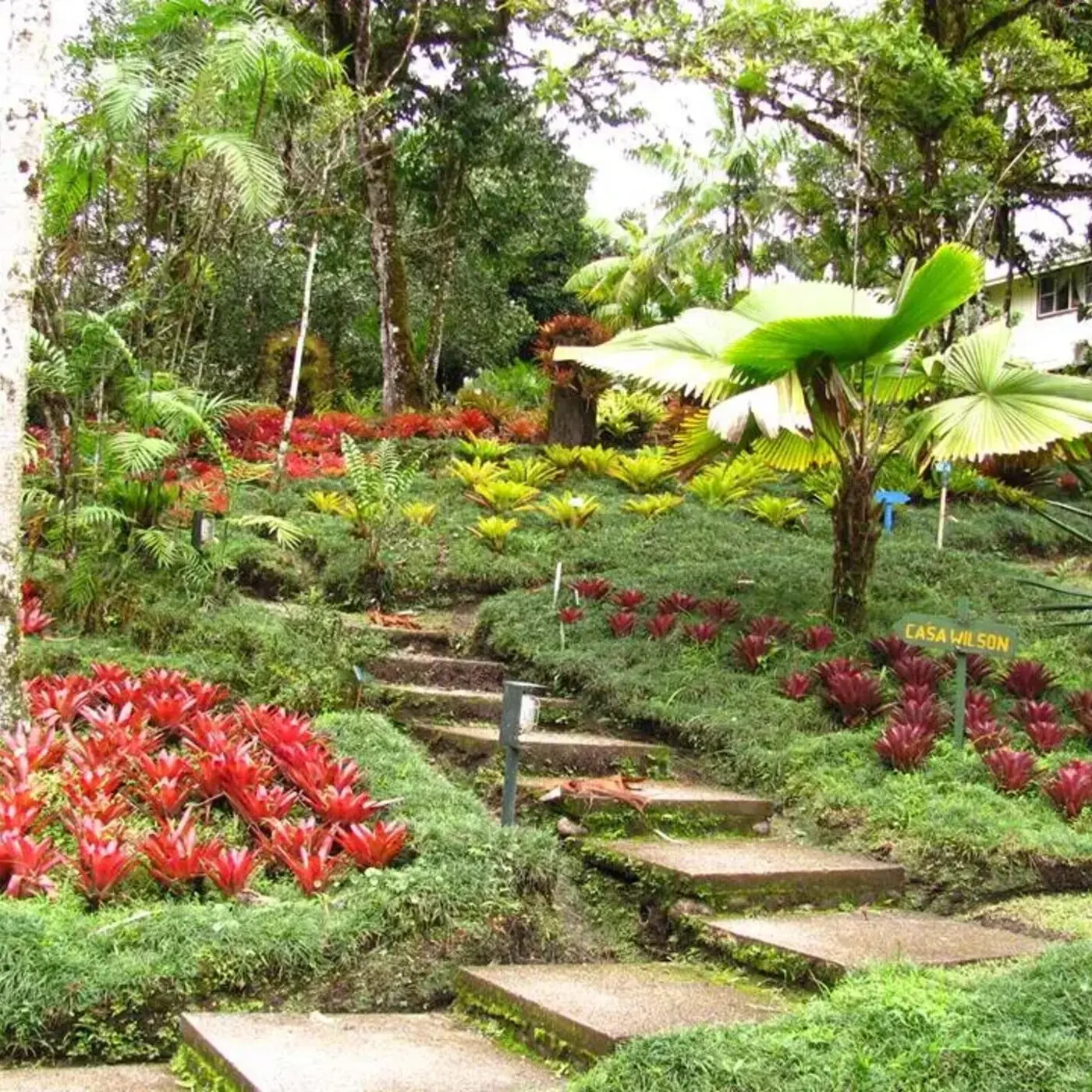
Ep. 15 - Life at a Costa Rican Botanical Garden
In this week's episode I am joined by senior horticulturist Dave Janas of the Wilson Botanical Gardens in Las Cruces, Costa Rica. Dave is what I like to call a "plant guru." Join us for a discussion about all the wonder and beauty that is life at the Wilson Botanical Gardens. See Privacy Policy at https://art19.com/privacy and California Privacy Notice at https://art19.com/privacy#do-not-sell-my-info.
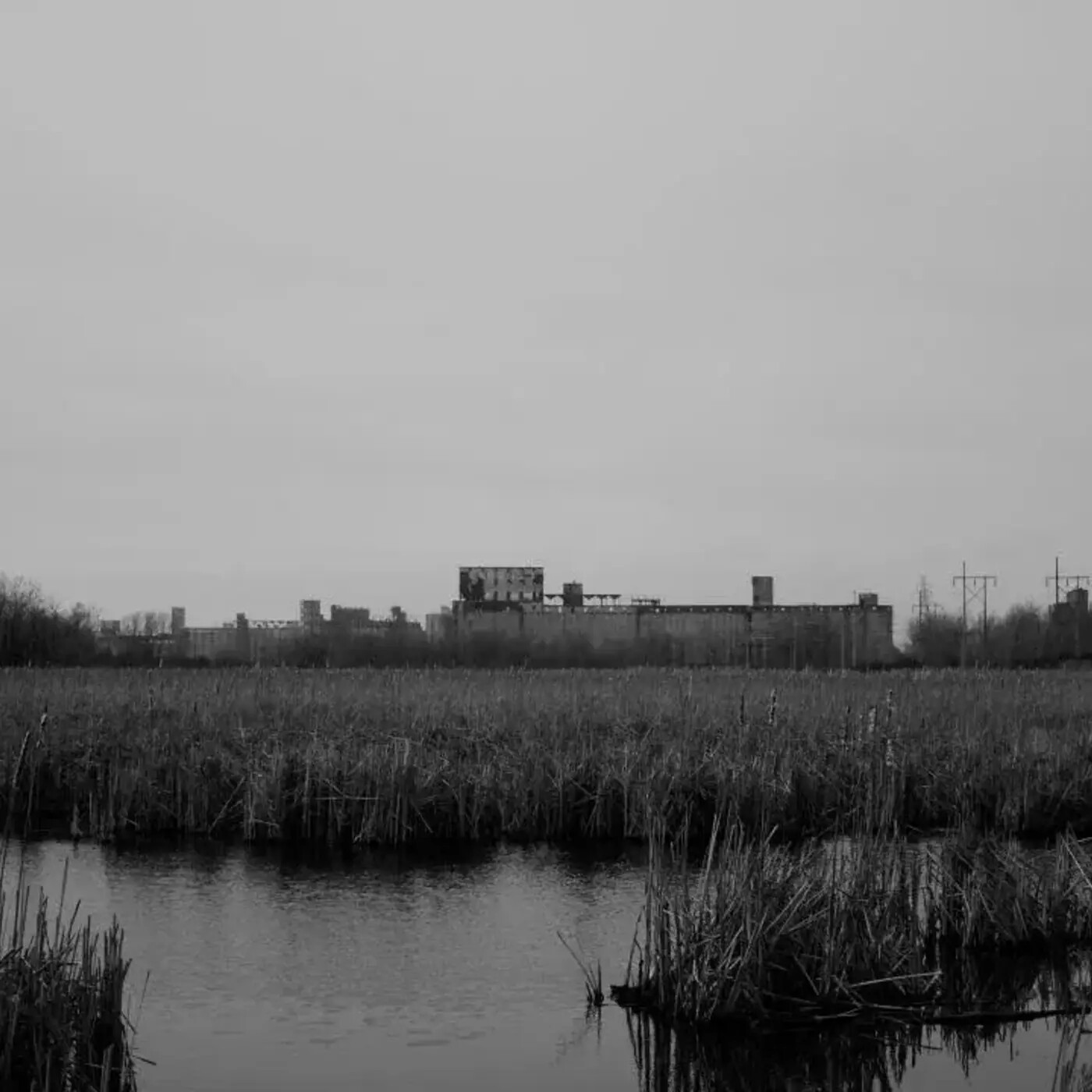
Ep. 14 - Urban Ecology
Urban ecology is a growing field of study. In this episode I sit down for a talk with ecologist Dave Spiering from Tifft Nature Center in the City of Buffalo. Dave studies succession in these man-made environments and his experience as a restoration practitioner provides unique insights into how we can manage our urban environments in better way. See Privacy Policy at https://art19.com/privacy and California Privacy Notice at https://art19.com/privacy#do-not-sell-my-info.
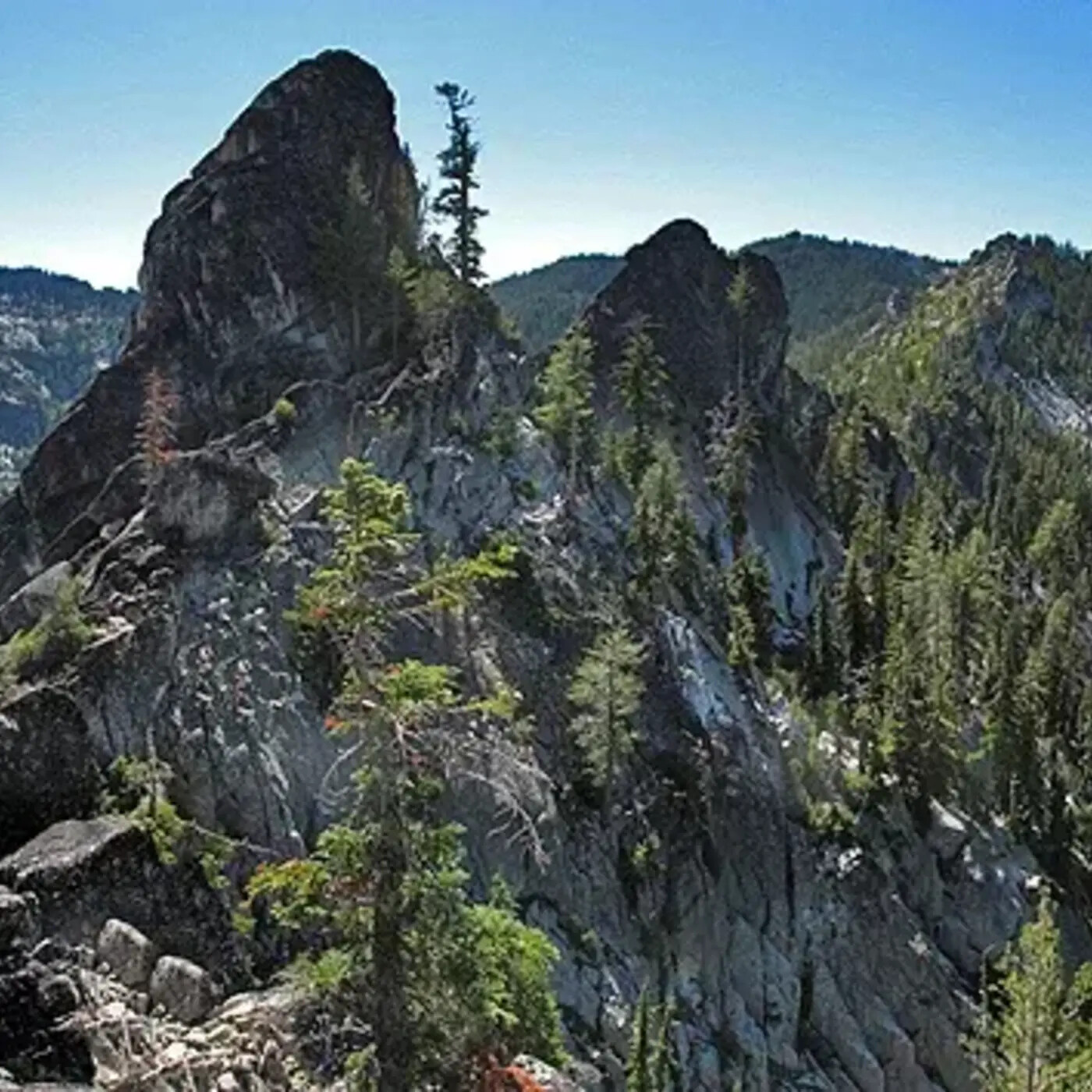
Ep. 13 - Conifers, Mountains, and Life as an Ecologist in Training
This week I take some time to catch up with an old friend. Melissa and I met while training for a seed collection job out west and since then she has been quite busy working on an advanced degree in ecology. We talk about her work in the so-called "Miracle Mile," which is a hotspot for conifer diversity and just how lucky we are to be pursuing a career investigating the natural world. It's always nice to see people who are passionate about the natural world. See Privacy Policy at https://art19.com/privacy and California Privacy Notice at https://art19.com/privacy#do-not-sell-my-info.
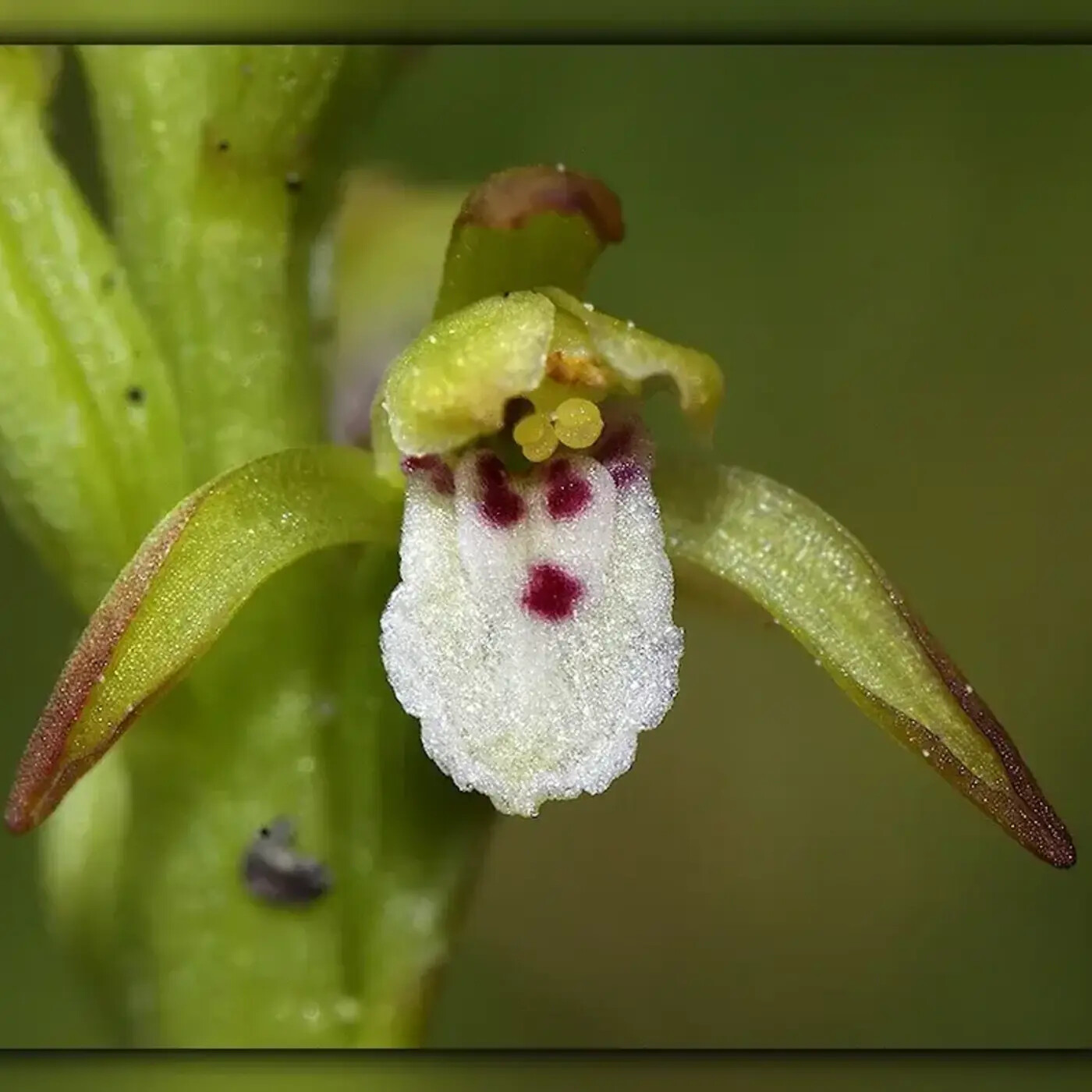
Ep. 12 - Parasitic Plants
Plants interact with fungi in incredible ways. From pathogens to important symbionts, it would seem that plants cannot escape the mycological community. There are plants out there that have reversed their role with fungi. These are the parasitic mycoheterotrophs. Join me for a discussion with Dr. Tom Horton from the SUNY college of Environmental Science and Forestry about these incredible marvels of evolution. This is certainly one you don't want to miss! See Privacy Policy at https://art19.com/privacy and California Privacy Notice at https://art19.com/privacy#do-not-sell-my-info.

Ep. 11 - Changing a State's Flower
Do you think your state's flower is boring and uninspiring? American poet Robbie Q. Telfer does and he is calling for a change. He would like to see the state flower of Illinois represent something truly Illinoian. Robbie stops by the podcast for a conversation regarding his call to action and so much more. It is people like Robbie that remind us of the Ed Abbey quote - "The idea of wilderness needs no defense. It only needs more defenders." See Privacy Policy at https://art19.com/privacy and California Privacy Notice at https://art19.com/privacy#do-not-sell-my-info.

Ep. 10 - Books!
Steve stops by for a fun discussion about some of our favorite nature-themed books. See Privacy Policy at https://art19.com/privacy and California Privacy Notice at https://art19.com/privacy#do-not-sell-my-info.
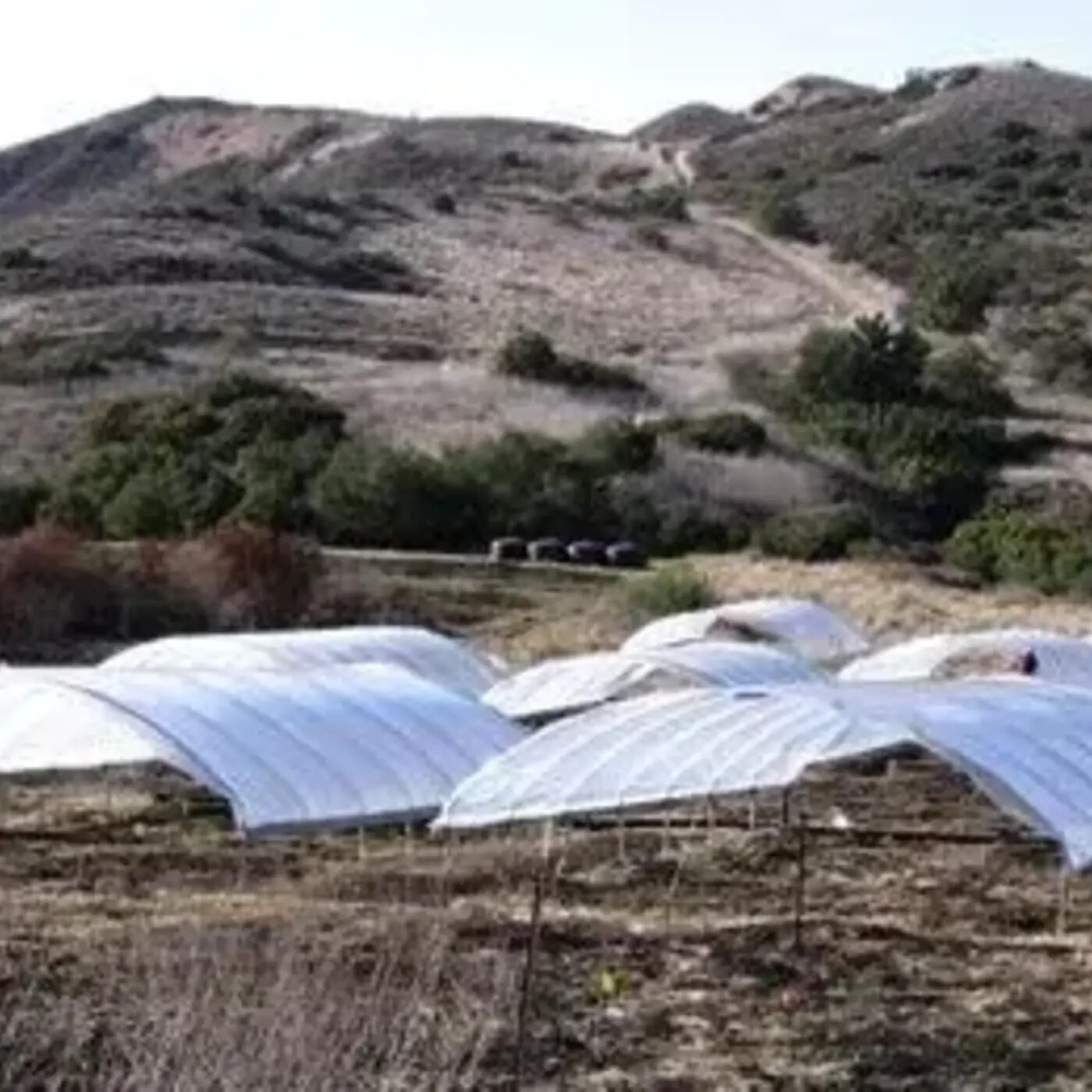
Ep. 9 - Plants In a Drying Climate
Ecosystems around the world have been getting progressively drier. With changes in annual precipitation and desertification on the rise, understanding how plants and ecosystems in general respond to drought is of growing importance in ecology. Join me for a conversation with Dr. Dan Potts of SUNY Buffalo State about his research into plant responses to changing precipitation. See Privacy Policy at https://art19.com/privacy and California Privacy Notice at https://art19.com/privacy#do-not-sell-my-info.
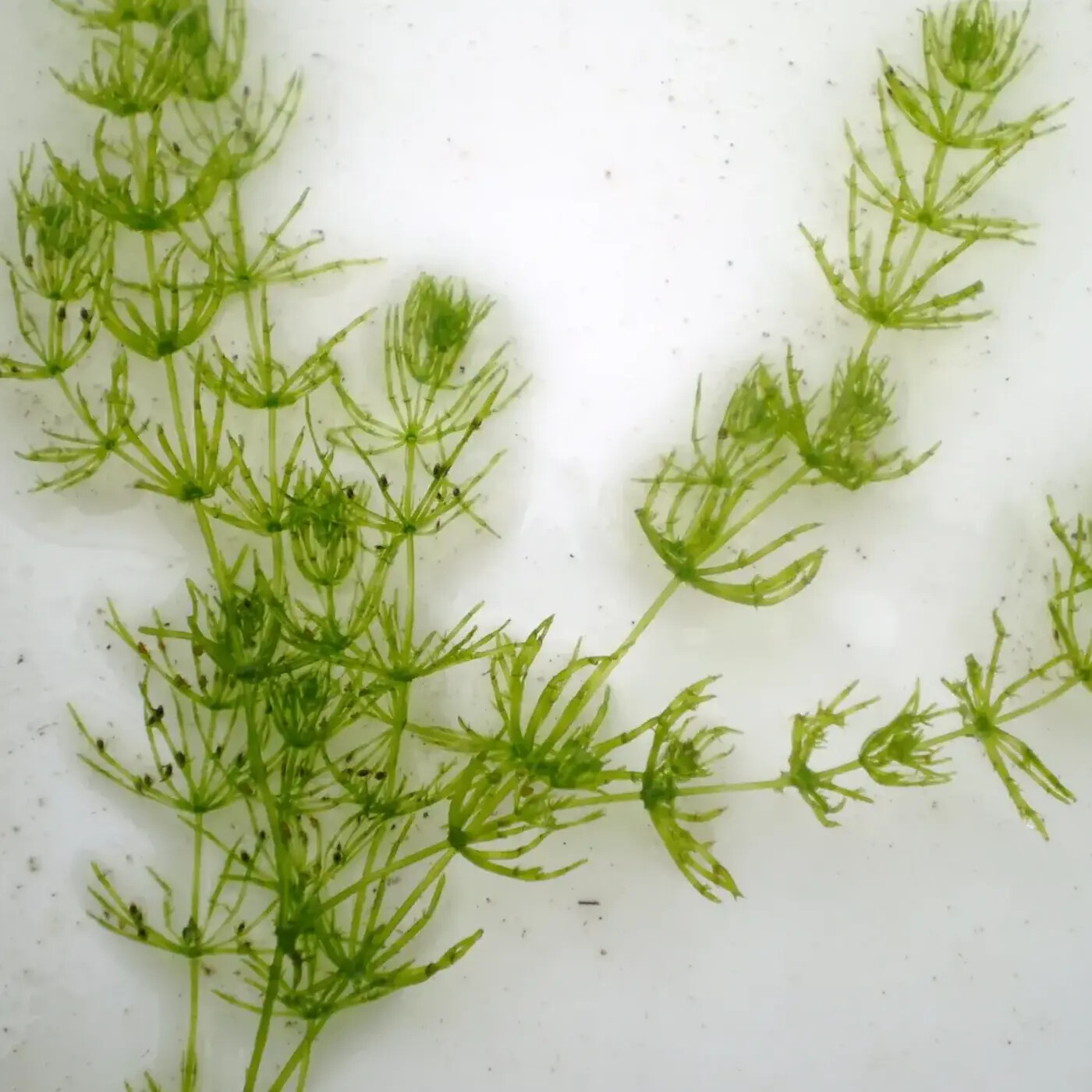
Ep. 8 - Chara, A Model Organism
Chara represent the earliest stages of true plant evolution. They are also model organisms for a wide variety of research questions. Join me for an intriguing discussion with Dr. Mary Bisson from the University at Buffalo. See Privacy Policy at https://art19.com/privacy and California Privacy Notice at https://art19.com/privacy#do-not-sell-my-info.