Show overview
Improving Education Today: The Deep Dive has been publishing since 2023, and across the 2 years since has built a catalogue of 60 episodes. That works out to roughly 20 hours of audio in total. Releases follow a monthly cadence, with the show now in its 3rd season.
Episodes typically run ten to twenty minutes — most land between 16 min and 22 min — though episode length varies meaningfully from one episode to the next. None of the episodes are flagged explicit by the publisher. It is catalogued as a EN-US-language Education show.
There hasn’t been a new episode in the last ninety days; the most recent episode landed 10 months ago. Published by Project ACHIEVE Educational Solutions.
From the publisher
Davey Johnson and Angela Jones, AI-generated Educators, discuss recent reports, critical issues, and proven solutions to today's school challenges based on the work of Dr. Howie Knoff from Project ACHIEVE Educational Solutions (E-Mail: [email protected]). They synthesize Knoff's original, common sense, "no-holds-barred" bi-monthly Blogs (LINK: www.projectachieve.info/blog) that apply his 40 years of practical experience in schools nationwide. Knoff's information has helped generations of educators and others understand today's schools. . . and what needs to happen so that all students maximize their skills and outcomes. Every Podcast's contents are based on original Blogs written exclusively by Dr. Howie. These original Blogs then are transformed into Podcasts using Google LM. Each final Podcast is meticulously checked for accuracy and content integrity by Dr. Howie prior to posting. [Set Up a Meeting with Howie]: https://calendly.com/knoffprojectachieve1 Read the Full Text of this Podcast as a LinkedIn Newsletter: https://www.linkedin.com/newsletters/improving-education-today-7282792274495717378 Read the Full Text of this Podcast as a Project ACHIEVE Blog: https://www.projectachieve.info/blog
Latest Episodes
View all 60 episodes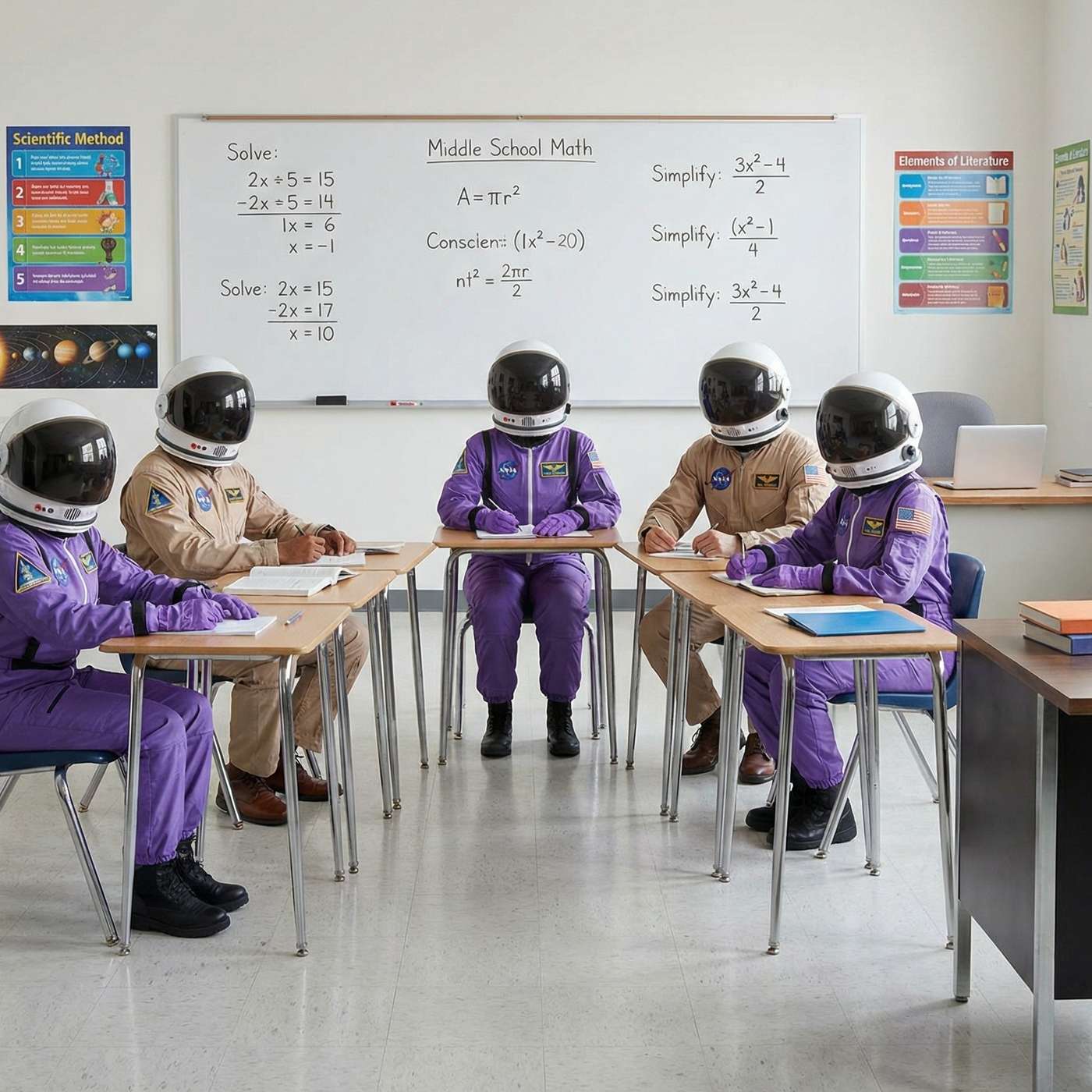
S3 Ep 22Keeping Teams Positive, Perceptive, and Productive: Five Leadership Practices That Build Sustainable, High-Performing Educational Teams (Season 3, Episode 22)
Imagine the challenge of keeping an astronaut crew productive on a three-year mission to Mars. As organizational expert Leslie DeChurch asks, “How can we build one perfect team that can survive and thrive in a small container for that long, in a totally unprecedented scenario where things will go wrong, with no backup plan?” Now, pivot from that extraordinary scenario to the familiar, long-term challenges faced by educational teams. From district leadership to grade-level PLCs, educators also work in what DeChurch calls “small containers” under immense pressure. In this Podcast, Angela and Davey synthesize Dr. Howie Knoff's November 22, 2025 Blog exploring the fundamental problem both NASA and school leaders must solve: Why the initial energy of a new team so often fades, and why sustaining a team over many years is a fundamentally different challenge than starting one. The Podcast describes the research-to-practice relative to how leaders can build a sustainable "improvement infrastructure" through practical strategies. This is accomplished as leaders establish predictable meeting rhythms and use meeting agenda micro-protocols, make small wins visible to maintain motivation and, crucially, foster the psychological safety so that teams can have honest conversations. Angela and Davey compare these factors to those identified by NASA researchers that astronauts will need demonstrate to maintain crew positivity and productivity during the long Mars mission. Not surprisingly, the NASA crew factors significantly overlap with the educational team factors. This Podcast’s Host summarize with the universal truths that are essential for any long-duration team to succeed. Tune in to discover the research-based strategies needed to build teams that not only start strong but maintain their cohesion and productivity for the entire journey.

S3 Ep 21The Denial of Dreams: Disproportionate School Discipline and Racial Bias are Destroying Black Students' Futures (Season 3, Episode 21)
In this Podcast, Angela and Davey synthesize Dr. Howie Knoff's November 8, 2025 Blog post which presents evidence that will fundamentally change how you understand school discipline and racial discrimination. Dr. Knoff and your Podcast Hosts summarize the latest research that reveals that Black students are, nationally, suspended from school at 3.8 times the rate of White students—not because of behavioral differences, but due to systematic racial bias. This significantly impacts Black students' psychological, academic, and social development, and it fundamentally rewires their developing adolescent brains for chronic trauma. Indeed, when Black students experience unjust disciplinary accusations and actions, they suffer lasting increases in stress hormones, sleep disturbances, depression, and anxiety that can persist for years. The research also shows that their still-developing emotional regulation systems become overwhelmed by feelings of rage, helplessness, and institutional betrayal. . . and that their adolescent brains simply cannot process these emotions effectively._ _ _ _ _ _ _ _ _ _ Read the Full Text of this Podcast as a LinkedIn Newsletter: CLICK HERE Read the Full Text of this Podcast as a Project ACHIEVE Blog: CLICK HERE_ _ _ _ _ _ _ _ _ _ Davey and Angela discuss the “adultification” of Black students and its impact on implicit bias, how Black students experiencing disproportionate school discipline use "academic withdrawal" as a survival mechanism, and how Black students—who previously demonstrated high academic potential—are forced to expend their cognitive energy on threat detection and self-protection, rather than learning and collaboration. They also discuss how disproportionality creates intergenerational trauma that ripples through families and communities, and how Black students are publicly humiliated when disciplined in front of peers—experiences that lead to social isolation and lasting stigmatization within their school and peer communities. This Podcast will transform your understanding of the documented trauma being inflicted on Black students in schools nationwide. This isn’t just about devastating statistics—it is about the human cost that implicit bias and discrimination has on Black students’ stress, anxiety, and trust, and how this systematically denies them their dreams and futures. Check out this NEWEST Podcast and its Call to Action. . . and “Follow” us so that you get notified when every new podcast is released.

S3 Ep 20Reflecting on the Mirror of Autism: Living in a World that Doesn't Always Makes Sense (Volume 3, Episode 20)
This Podcast synthesizes the core arguments presented in Dr. Howie Knoff's November 1, 2025 Blog post, which advocates for a fundamental shift in how educators and clinicians understand and support students with autism. The central thesis is a call to move beyond managing observable behaviors and diagnostic labels toward a deeper, empathetic understanding of the unique, lived experiences of each individual. Dr. Knoff posits that many professionals fail to comprehend the internal worlds of their autistic students, just as these students struggle to make sense of a neurotypical world. Podcast Hosts Angela and Davey summarize the Key Takeaways in this Podcast including the critical need to question certain professional assumptions and practices when interacting with students on the spectrum. Through Dr. Knoff, they caution against automatically ascribing challenging behaviors to a student's autism without objective, ecologically-valid assessment. Some behaviors, instead, may be reactions to external triggers, such as trauma from restraints, or they may be autonomic, biologically-based responses. Given this potential, Davey and Angela suggest that using Functional Behavioral Assessments (FBAs) for biologically-based behaviors may render them ineffective or even potentially harmful. _ _ _ _ _ _ _ _ _ _ Read the Full Text of this Podcast as a LinkedIn Newsletter: CLICK HERE Read the Full Text of this Podcast as a Project ACHIEVE Blog: CLICK HERE_ _ _ _ _ _ _ _ _ _ During the Podcast, Angela and Davey also provide a detailed breakdown of the diagnostic foundations of autism, examine the deceptive complexities of both Level 1 ("apparent competence") and Level 3 ("apparent incompetence") support needs, and conclude with a powerful call to action. Dr. Knoff and your Hosts assert that the ultimate educational goal for students with autism is not to make them appear neurotypical, but to foster educational environments that honor their neurological differences, prioritize their dignity and communication access, and allow them to flourish as their authentic selves. Check out this NEWEST Podcast. . . and “Follow” us so that you get notified when every new podcast is released.

S3 Ep 19Students Need "Learner's Permits" for Social Media Access: Decreasing Mental Health, Bullying, and School Shooting Risks (Season 3, Episode 19)
The mental health crisis involving American adolescents has reached a breaking point that demands immediate, decisive action. With over 20% of children living with diagnosed mental health conditions, depression rates climbing 75% since 2016, and nearly half of high school students reporting persistent feelings of hopelessness, we are in the midst of a psychological epidemic. And the correlation is undeniable: With teens’ smartphone ownership and almost-universal social media involvement significantly correlates with these trends. In fact, average teens spend nearly two hours daily on social media, and check their phones 174 times per day. _ _ _ _ _ _ _ _ _ _ Read the Full Text of this Podcast as a LinkedIn Newsletter: CLICK HERE Read the Full Text of this Podcast as a Project ACHIEVE Blog: CLICK HERE_ _ _ _ _ _ _ _ _ _ Angela and Davey take address this topic head-on with a specific proposal. Similar to adolescents getting a Learner’s Permit for driving, they discuss the need for a state-mandated program—supported by the federal government—requiring high school students to earn “Learner’s Permits” and, eventually, “Social Media Certificates” as prerequisites to signing onto any social media platform. Angela and Davey share the other required components—a joint student/parent agreement, the need for a Social Media Insurance Policy, the creation of state and federal Social Media Registries, and requirements that social media companies approve the documentation before allowing any student 15 or older to gain website access. Check out this NEWEST Podcast. . . and “Follow” us so that you get notified when every new podcast is released.
S3 Ep 18Chronic Absenteeism and the “Five Why’s”: Stop Chasing Symptoms and Start Tackling Solutions (Season 3, Episode 18)
Your Podcast Hosts Angela and Davey discuss Dr. Howie Knoff's newest Project ACHIEVE Blog addressing a long-standing crisis in our nation’s schools: chronically-absent students. The Podcast documents the incident rates of chronic absenteeism over the past decade, specifies the root causes, and outlines the potential solutions and interventions. Dr. Knoff emphasizes that Chronic Absenteeism is a symptom, and that educators need to focus on the specific root causes—at each individual student level—for the collective solutions. Angela and Davey first describe the numbers that represent this national crisis. An estimated 22% of students (2.8 million) were chronically absent in the 2024-2025 school year—a significant increase from the pre-pandemic rate of 15-16%. This issue disproportionately affects vulnerable student populations across urban, suburban, and rural districts._ _ _ _ _ _ _ _ _ _ Read the Full Text of this Podcast as a LinkedIn Newsletter: CLICK HERE Read the Full Text of this Podcast as a Project ACHIEVE Blog: CLICK HERE_ _ _ _ _ _ _ _ _ _ Davey and Angela then advocate for a shift away from punitive measures toward a root cause analysis framework, specifically recommending the "Five Why's" technique to diagnose the specific factors driving absenteeism at the community, school, peer, and individual student levels. The analysis identifies a wide spectrum of root causes, including family instability, negative school climate, peer-related issues, and individual student health and academic struggles. They then detail that the costs of absenteeism are pervasive, undermining the academic progress of absent students, disrupting instruction for present students, and demoralizing educators. Finally, Davey and Angela emphasize that the path forward requires implementing comprehensive, multi-tiered, evidence-based interventions that are directly linked to identified root causes. They conclude with a call to action for educational leaders to adopt this diagnostic and strategic approach to transform attendance culture and ensure chronically-absent students become success stories rather than statistics.

S3 Ep 17Student Mental Health, the Dangers of AI, and the Need for Human Connection
Your Podcast Hosts Angela and Davey discuss Dr. Howie Knoff's newest Project ACHIEVE Blog that highlights the pervasive mental health crisis among preschool through high school students, emphasizing that a significant number are struggling with internalizing and externalizing issues, often compounded by trauma. Dr. Knoff argues that schools frequently miss crucial opportunities for early intervention due to inadequate mental health screenings, threat assessments that especially overlook internalizing problems, and a national shortage of mental health professionals. Angela and Davey address the concerning trend of adolescents (especially) seeking emotional support from AI, illustrating the dangers through a study on ChatGPT's harmful responses and a tragic suicide. In the end, they provide actionable strategies for administrators, mental health professionals, teachers, parents, and peers to better identify distress, promote media literacy, and offer human-centered support._ _ _ _ _ _ _ _ _ _ Read the Full Text of this Podcast as a LinkedIn Newsletter: CLICK HERE Read the Full Text of this Podcast as a Project ACHIEVE Blog: CLICK HERE_ _ _ _ _ _ _ _ _ _ This Podcast emphasizes that school-aged students express distress in contemporary, culturally embedded ways. This “communication” does not always conveniently fit diagnostic frameworks. Research has long-confirmed that recognizing this language, completing diagnostic assessments, implementing a multi-tiered continuum of validated interventions, and lowering the barriers and access to human support makes a real difference. AI is increasingly ubiquitous and available to school-aged students, but it is not built—or designed—to offer emotional guidance. This Podcast underscores a sobering reminder of that boundary. Check out this NEWEST Podcast. . . and “Follow” us so that you get notified when every new podcast is released.

S3 Ep 16Beyond Overwhelmed: How AI Can Empower Administratively-Taxed School Leaders (Season 3, Episode 16)
Your Podcast Hosts Angela and Davey discuss Dr. Howie Knoff's newest Project ACHIEVE Blog that begins by recognizing that today’s superintendents, principals, and other district leaders are not just busy—they are overwhelmed. Compliance reporting, budget oversight, parent communication, board preparation, transportation, facilities, staff recruitment, and constant crises leave little time for true instructional leadership. Research confirms the problem: more than 60% of administrators’ time is consumed by operational and compliance demands, crowding out the strategic, student-focused leadership that makes schools thrive. In his blog, Dr. Howie Knoff argues that Artificial Intelligence, when used wisely, can act as a “re-set lever.” AI is not about replacing leaders—it’s about empowering them to recover time, improve efficiency, and refocus on what matters most: fostering a thriving learning environment for students and staff. Angela and Davey outline Knoff’s twelve critical domains where AI can ease the load—from budgeting, compliance, and policy monitoring to crisis communication, curriculum alignment, and staff recruitment. Davey and Angela continue by describing the AI landscape itself as overwhelming. With hundreds of new tools appearing every month, leaders face a confusing marketplace. Questions of interoperability, accuracy, privacy, and political feasibility make it risky for administrators to “go it alone.” Most simply lack the time or technical expertise to sort through the noise, evaluate tools, and ensure solutions integrate with existing systems. Without trusted guidance, AI adoption risks becoming fragmented, expensive, and ineffective. Knoff, Davey, and Angela urge districts to partner with professional AI solution providers—organizations that can curate tools, ensure integration, deliver hands-on training, and tailor solutions to the unique demands of educational administration. Knoff specifically points to AI for Business as an example of the kind of vetted, comprehensive platform that schools should expect from any trusted partner. The call to action is clear: acknowledge the promise of AI, avoid piecemeal experimentation, and engage expert partners who can help leaders strategically adopt AI to lighten the administrative load. The result? AI can streamline many of the management, operations, budgeting, and communication tasks that take administrators so much time—leaving them free to focus on the leadership, relationships, and instructional vision that no machine can replace. Check out this NEWEST Podcast. . . and “Follow” us so that you get notified when every new podcast is released.

S3 Ep 15Improving School Climate and Student Engagement: The Final Piece of (and Assembling) the School Success Puzzle (Season 3, Episode 15)
Your Podcast Hosts Angela and Davey discuss Dr. Howie Knoff's most recent Project ACHIEVE Blog as the final part of a five-part series, aiming to assemble "the school success puzzle.” This comprehensive series emphasizes that truly effective schools evaluate, strategically plan for, and attend to five interdependent components: Quality Instruction, Discipline and Classroom Management, Multi-tiered Services and Supports, Staff Cohesion and Collaboration, and School Climate and Student Engagement. Each part of the Blog Series has underscored the importance of analyzing information and data from the previous school year to facilitate improvements for the new academic year. In this Podcast, your Hosts highlight School Climate and Student Engagement as both the foundation and the culmination of the four preceding discussions, indicating its pivotal role in overall school effectiveness._ _ _ _ _ _ _ _ _ _ Read the Full Text of this Podcast as a LinkedIn Newsletter: CLICK HERE Read the Full Text of this Podcast as a Project ACHIEVE Blog: CLICK HERE_ _ _ _ _ _ _ _ _ _ A core insight from Dr. Knoff's research is the persistent reality of student social groups from 1975 to 2025, revealing that despite five decades of school reform, technological advancements, and socio-political changes, the fundamental social structures within high schools remain remarkably similar. To do this, Angela and Davey identify and then compare and contrast the cliques represented in most schools in 1975 versus 2025. They note the remarkable similarities, and connect these peer groups to school climate and student engagement. They suggest that schools have primarily focused on curriculum and technology, but insufficiently addressed the social and emotional dimensions of the school experience that ultimately drive student engagement. Angela and Davey further elaborate on what, according to Dr. Knoff, constitutes school and classroom engagement, defining it as the behavioral, emotional, and cognitive investment students make in their educational experience, which goes beyond mere compliance or attendance. They then identify the primary characteristics of Engaged versus Disengaged students. This is followed by respective discussions of the research-to-practice areas that schools need to focus on to maintain student engagement and change student disengagement. The Podcast concludes by summarizing the importance of School Climate and Student Engagement in the context of the other four school success areas. An Evaluation Template of questions is provided with eight questions each that schools can ask themselves to help identify Engaged versus Disengaged students, respectively. The Final Call-to-Action emphasizes the need to evaluate this—in fact, all five—school success area(s) so that the new school year can begin strategically—based on the “lessons learned” from last year. Check out this NEWEST Podcast. . . and “Follow” us so that you get notified when every new podcast is released.
S3 Ep 14Cultivating School Cohesion and Staff Efficacy- The 7 C's of Success (Season 3, Episode 14)
In the newest podcast, co-hosts Angela Jones and Davey Johnson discuss the seven characteristics of staff cohesion and collaboration. Drawing on the themes from Dr. Howie Knoff’s latest blog and research within Project ACHIEVE Educational Solutions, the episode dives deep into why staff cohesion isn’t just a feel-good concept—it’s a fundamental driver of student success and school improvement. With a nod to General Colin Powell’s philosophy that “Leadership is all about people,” the conversation starts by grounding listeners in the importance of relationships and people-centered leadership in education, setting the tone for a profound and practical discussion. Angela and Davey guide listeners through Dr. Knoff’s "7 C’s" framework: Communication, Caring, Commitment, Collaboration, Consultation, Celebration, and Consistency. As each characteristic is explored, the conversation reveals how these interrelated elements go far beyond surface-level teamwork. Instead, they represent a blueprint for building psychologically safe environments where educators feel empowered, supported, and unified by shared goals. The hosts invite reflection and action, showing how effective communication and balanced caring, for example, build the trust needed for genuine collaboration and problem-solving. Throughout the episode, your Hosts share vivid examples, sharp insights, and evidence-based practices that connect the dots between adult collaboration and student learning outcomes. The discussion ties in powerful research on Collective Teacher Efficacy (CTE), which has been shown to yield dramatic academic gains when educators share a deep belief in their collective impact. Listeners come away with an understanding that investing in staff cohesion is not a luxury, but a high-leverage strategy to foster equity, academic engagement, and emotional support for every student. The episode concludes with a call to action. Davey and Angela note that Dr. Knoff outlines how school leaders can use the "7 C’s" as both a diagnostic and planning tool, offering a robust set of needs assessment questions to help schools identify where they are and where they need to go. The conversation is candid, energizing, and actionable—leaving listeners inspired to prioritize people, reimagine school teams, and create the kind of cohesive, committed environments that transform student lives. Whether you're a school leader, educator, or policymaker, this episode is a must-listen for anyone who believes in the power of people to make schools work better for all.

S3 Ep 13The Characteristics of an Effective Multi-Tiered System of Supports (MTSS): What You Need to Assess to Ensure Your Fall Success (Season 3, Episode 13)
Your Podcast Hosts Angela and Davey discuss Dr. Howie Knoff's most recent Project ACHIEVE Blog on how to analyze the effectiveness of a district, school, or educational setting’s MTSS system. The Podcast first summarizes the organizational characteristics of an effective MTSS system identified by Dr. Knoff: System-Wide Principles and Practices, Collaborative Leadership, Time, and Consistent, System-Wide Procedures. It then provides eight questions so that Educational Leaders (a) can evaluate their setting’s current MTSS organizational status, and (b) develop and implement Action Plans to maintain current strengths and close specific gaps for the coming school year. Next, Angela and Davey detail the staff and staffing characteristics needed for an effective MTSS system. Moving past the staff focused MTSS discussions in the previous two Podcasts, they take a more systems perspective. This is done by describing the staff and staffing implications of the Consultation Referral Audit and the Consultation Staff Resource Directory, respectively. They then sample from Dr. Knoff’s eight questions to evaluate a school’s current MTSS status in this area. The Podcast concludes by addressing the assessment and intervention characteristics of effective MTSS systems. Here, Davey and Angela note that the critical importance of ensuring that general education, special education, and related services staff share and integrate their assessment and intervention activities across the multi-tiered continuum. The Podcast concludes with a "Call to Action," asserting that the summer months offer a "unique and invaluable opportunity" for "reflective analysis, strategic planning, and skill development." Check out this NEWEST Podcast. . . and “Follow” us so that you get notified when every new podcast is released.[CLICK HERE to Set Up a Meeting with Howie] [CLICK HERE to read this Blog on the Project ACHIEVE Webpage]

S3 Ep 12School Discipline, Classroom Management, and Student Self-Management: The Summer Preparations Needed for Excellence This Fall (Season 3, Episode 12)
Your Podcast Hosts Angela and Davey discuss Dr. Howie Knoff's most recent Blog from Project ACHIEVE Educational Solutions. The Blog discusses the ongoing issues with student behavior and classroom management in schools since the pandemic, highlighting a significant increase in discipline referrals. The Blog emphasizes that student behavior is not improving, citing an Education Week survey where 72% of educators reported increased misbehavior. Angela and Davey discuss how Knoff asserts that blaming external factors or implementing "quick fixes" like SEL and PBIS are ineffective, and he—instead—outlines five essential, interdependent, evidence-based, and field-proven components that focus on Positive School Climate, Explicit Prosocial Behavioral Expectations, Student Motivation and Accountability, Consistency and Fidelity, and Addressing Special Situations through Multi-Tiered Supports. Davey and Angela describe the critical contents in each of these components, noting that Knoff has provided detailed questions for school leaders—in each component—to assess their school or district’s current status, so that resulting Action Plans can make changes for the upcoming academic year. Angela and Davey then summarize Knoff’s research-based suggestions on the characteristics of effective grade or instructional teams, individual teachers, and related services professionals, and what they do to make the five school discipline, classroom management, and student self-management components above work. The Podcast concludes with a "Call to Action," asserting that the summer months offer a "unique and invaluable opportunity" for "reflective analysis, strategic planning, and skill development." The ultimate choice outlined for educational leaders is "between preparation versus procrastination, between systematic improvement versus wishful thinking, between investing in summer planning versus accepting the status quo."[CLICK HERE to Set Up a Meeting with Howie] [CLICK HERE to read this Blog on the Project ACHIEVE Webpage]
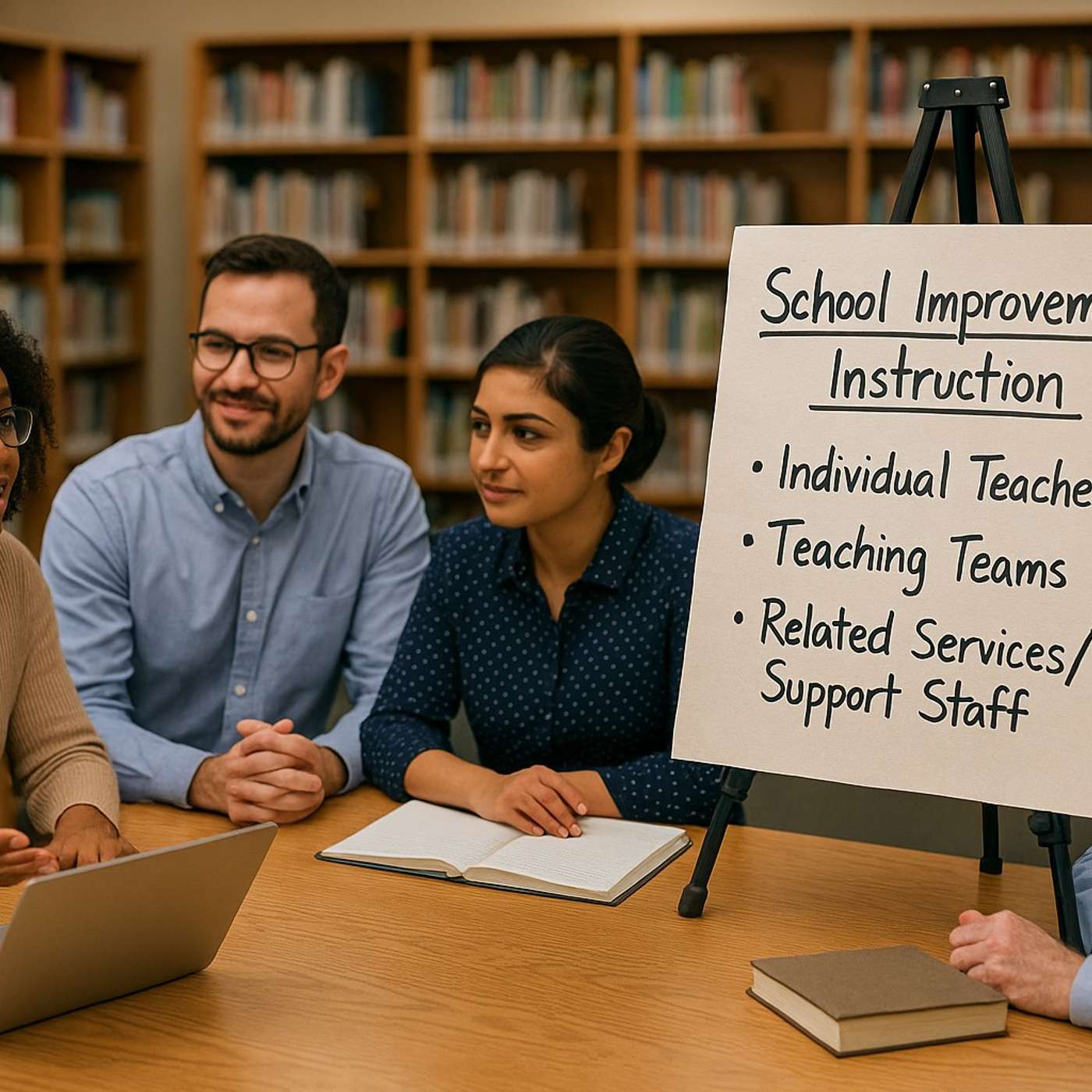
S3 Ep 11Preparing Classroom Instruction This Summer for Enhanced Success this Fall (Volume 3, Episode 11)
Podcast Hosts Angela and Davey discuss Dr. Howie Knoff's most recent Blog from Project ACHIEVE Educational Solutions. The Blog and Podcast focus on the importance of strategic summer planning to drive school improvement during the coming new school year. They begin by contrasting two low-performing middle schools in the same school district that approached their time during the summer in significantly different ways. One middle school’s Leadership Team used the summer time to conduct in-depth analyses of their classroom instruction, teaching team effectiveness, and related services staff support. They developed action plans by the end of June, and began implementing these plans in July and August—before the new school year began. The other middle school decided that staff needed “a break,” and they did not begin their improvement planning until the three days before the beginning of the new school year. Angela and Davey outline seven research-proven core characteristics of effective classroom teachers, emphasizing areas like strong content knowledge, data utilization, and continuous professional growth. They then discuss the seven research-to-practice characteristics of effective teaching teams. And they finish by detailing the seven characteristics of effective instructional/intervention support staff—stressing collaboration, evidence-based practices, and a systems perspective. The Podcast concludes with a "Call to Action," asserting that the summer months offer a "unique and invaluable opportunity" for "reflective analysis, strategic planning, and skill development." The ultimate choice outlined for educational leaders is "between preparation versus procrastination, between systematic improvement versus wishful thinking, between investing in summer planning versus accepting the status quo."[CLICK HERE to Set Up a Meeting with Howie] [CLICK HERE to read this Blog on the Project ACHIEVE Webpage]
S3 Ep 10Understanding Seizure Types, Causes, and Connections to Stress and Brain Injury (Volume 3, Episode 10)
Your Podcast Hosts Angela and Davey discuss Dr. Howie Knoff's most recent Blog (Part III of a comprehensive Series) from Project ACHIEVE Educational Solutions. It begins by highlighting how important it is for school personnel to understand students who present with seizures—initially, through the lens of a recent Supreme Court case involving a student with severe epilepsy and the accommodations she was denied. This Podcast (and the Blog) proceeds with a discussion of a number of the most-common seizures along with their general characteristics, incidence levels, and impact on students in school. In addition, Davey and Angela describe (a) the neurological root causes for each of seizures discussed, along with the areas of the brain involved; and (b) the complex bidirectional relationship between seizures and stress and PTSD. Relative to this latter area, Angela and Davey note the existence of Psychogenic Non-Epileptic Seizures (PNES), also called functional or pseudoseizures. They detail their symptoms, underlying causes and risk factors, treatment approaches, and the supports for affected students in school. Finally, the Podcast examines the link between Traumatic Brain Injuries (TBI) and different classifications of post-traumatic seizures and epilepsy. It concludes with a section on management approaches for these conditions and the crucial role of schools in providing support and implementing strategies like Seizure Action Plans.
S3 Ep 9The Impact of Headaches vs. Migraines on Students in School (Volume 3, Episode 9)
Your Podcast Hosts Angela and Davey discuss Dr. Howie Knoff's most recent Blog (Part II of a comprehensive Series) from Project ACHIEVE Educational Solutions. This Podcast(and the Blog) explains the difference between common headaches and migraines, highlighting how migraines are a distinct neurological condition with more severe and complex symptoms. They then describe the significant academic, social, and emotional challenges students face due to migraines, including cognitive difficulties and inconsistent attendance. Davey and Angela then overview the brain structures, chemical systems, and neurological pathways involved generally in migraines. They then compare and contrast four specific types of migraines (ocular/retinal, vestibular, concussion-related, and stress/PTSD) in terms of their symptoms, underlying mechanisms, diagnosis, and management. While emphasizing that the differential diagnoses of these migraine types must be rendered by medical professionals, Angela and Davey note that—when interacting with studentsexhibiting headaches or migraines in school settings, MTSS (Multi-Tiered System of Supports) Team members in schools should still understand their clinical similarities and differences. . . at the very least, so that they can ask informed questions when conferring with parents and—with permission—medical professionals. Check out this NEWEST Podcast. . . and “Follow” us so that you get notified when every new podcast is released.
S3 Ep 8Connecting Students’ Sensory and Neurological Functioning with Learning, Socialization, and Disabilities: A Primer on Vision, Hearing, and Respiratory/Nasal Functioning (Volume 3, Episode 8)
Your Podcast Hosts Angela and Davey discuss Dr. Howie Knoff's most recent Blog from Project ACHIEVE Educational Solutions. This Podcast (and the Blog) emphasizes the crucial connection between students' sensory and neurological functions and their educational experiences. As a school psychologist, Dr. Knoff asserts that educators must understand the biological underpinnings of how vision, hearing, and respiratory/nasal health impact learning and socialization. . . and how they may contribute to problems experienced by underachieving, unsuccessful, and students with disabilities. Angela and Davey detail how impairments in these sensory areas, often identified through school screenings, can significantly affect academic performance, behavior, and overall development. They describe the specific screenings results that indicate the need for formal medical evaluations, and the potential long-term medical, academic, and psychological consequences of uncorrected vision and hearing issues—as well as the often-overlooked impact of common respiratory illnesses. Finally, the Podcast highlights the serious, though less common, neurological risks associated with untreated infections of the eyes, ears, and nose, stressing the need for collaboration between educators, parents, and medical professionals to ensure timely intervention and support for vulnerable children. Check out this NEWEST Podcast. . . and “Follow” us so that you get notified when every new podcast is released.
S3 Ep 7Future-Proofing the Academic and Social Success of Middle and High School Students: Five Essential Skill Sets (Volume 3, Episode 7)
In this new Podcast, Angela and Davey address the concerning trend of declining independence and engagement among middle and high school students since the pandemic. Using Dr. Howie Knoff’s concurrently-released Blog, they discuss five essential "meta-skill" sets that are the foundation to students’ academic success. These Skill Sets focus on: Goal-Setting and Active Learning, Time Management and Study Skills, Interpersonal and Collaborative Learning Skills, Stress Management and Emotional Self-Care, and Self-Awareness and Self-Efficacy skills. These skills are crucial for future-proofing students' success in uncertain times by equipping them with the ability to navigate challenges and take ownership of their learning. Dr. Knoff emphasizes that these skills are most effective when integrated school-wide and consistently reinforced by educators and peers. Angela and Davey discuss and apply the Skill Sets to the challenges of adolescence, reinforcing their ability to empower students to become more responsible, responsive, and self-reliant learners. Check out this NEWEST Podcast. . . and “Follow” us so that you get notified when every new podcast is released.
S3 Ep 6Essential Strategies for Educational Leaders During Uncertain Times: Future-Proofing Your School(s) for Today’s Sweeping Changes (Volume 3, Episode 6)
In this newest podcast, hosts Davey Johnson and Angela Jones discuss Dr. Howie Knoff's recent Blog that addresses the significant shifts in education policy under the Trump administration over its first two months in office. These changes include staff reductions and reallocations at the U.S. Department of Education, and relate to school choice prioritization, alterations to DEI and civil rights enforcement, the cancellation of many grants nationwide to states, universities, and school districts. Knoff advises educational leaders to implement eight "future-proofing" strategies to navigate these uncertainties. These strategies encompass revisitingmission statements, streamlining operations, strengthening governance, investing in evidence-based practices, prioritizing professional development, enhancing community engagement, building local partnerships, and diversifyingfunding. Angela and Davey discuss these strategies and emphasize the importance of a clear and adaptable mission statement. They also provide a framework for developing a strategic Public Relations Plan to communicate school strengths. Ultimately, this Plan helps educational leaders ensure that their institutions not only survive but thrive amidst a changing educational landscape. Angela and Davey conclude by stating that schools and other educational settings need to take active steps now to be in the strongest and most advantageous position to not just respond to today’s unprecedented shifts in policies and resources, but to stay ahead of them.
S3 Ep 5Charlie Brown and Education: DEI, Fear, and Trump's Tactics (Volume 3, Episode 5)
Hosts Davey Johnson and Angela Jones discuss Dr. Howie Knoff's March 8th Blog post that uses the "Peanuts" comic strip saga of Lucy pulling away the football from Charlie Brown to illustrate the current political climate's impact on education. Knoff argues that the Trump administration is employing"Ready-Fire-Aim" tactics, particularly concerning DEI initiatives, creating fear and confusion. This approach is leading some schools and districts to make hasty policy changes based on fears that they will be investigated and potentially lose federal funding. Knoff highlights a recent Department of Education guidance that initially took a “hard line” position relative to race-based discrimination, only to soften its position twoweeks later. Davey and Angela discuss the educational and psychological implications of all of this, and advise educators to avoid knee-jerk reactions, understand the limitations of the administration's power, and maintain focus on quality instruction. They also urge action to respond to the potential dismantling of the Department of Education, and to bring students’ voices “to the table.” Finally, Knoff, Davey, and Angela urge readers to contacttheir representatives to advocate for better education and suggest local actions to improve schools while recognizing that threats come and go. They also encourage educators to remain grounded in effective practices and to not be unduly swayed by political maneuvering.
S3 Ep 4Protecting Disability Rights: Section 504, the ADA, and Chance Events (Volume 3, Episode 4)
In this newest “Improving Education Today: The Deep Dive” podcast, hosts Davey Johnson and Angela Jones discuss Dr. Howie Knoff's recent Blog post focusing on the importance of the recently-updated Section 504 of the Rehabilitation Act of 1973 to better align it with the Americans with Disabilities Act. The Blog highlights how Section 504 protects individualsfrom discrimination based on disability, emphasizing that disabilities often arise from chance events. Hence, anyone could potentially need 504’s legal protections. The Blog also provides examples of the disabilities covered, and the accommodations required to ensure equal access to education and other services. Davey and Angela share their concerns regarding a currentlawsuit, Texas v. Becerra, which appears to focus on questioning the inclusion of “gender dysphoria” as a disability in the 2024 update of Section 504. But the lawsuit may really be about an additional request to eliminate Section 504 as unconstitutional. If successful, the civil rights, access to education and the workplace, and accommodations protected by Section 504 would be stripped from millions of students and adults with disabilities. Echoing Dr. Knoff, Davey and Angela urge listeners tocontact their state officials to oppose the lawsuit and safeguard these critical protections. Davey and Angela share Dr. Knoff’s advocacy for maintaining Section 504, even if its "gender dysphoria" inclusion is deleted. They note that anyone could become disabled—needing Section 504’s protections—due to life's sometimes unpredictable events.
S3 Ep 3Minimizing Classroom Distractions to Maximize Student Learning: Building Walls to Buffer Politics, Phones, Prejudice, and Preferential Treatment (Volume 3, Episode 3)
Angela and Davey discuss a new Blog by Dr. Howie Knoff about the impact of various external political and internal classroom distractions on education, and how they undermine good instruction and student learning. They review recent studies showing that students proficient in reading and math in eighth grade, and who takeadvanced courses in high school are better employed and more financially secured in their later lives. They then reference the dreadful recent NAEP reading and math results, and emphasize the need to prioritize effectiveteaching and learning, and supportive environments free from unnecessary disruptions. Relative to the external distractions, studies are reviewed to demonstrate that the premises underlying recent Executive Orders targeting schools teaching “discriminatory equity ideologies” are unfounded. The Orders targeting trans and nonbinary students are being challenged or were quickly withdrawn. Relative to internal distractions, cellphone use in the classroom is highlighted along with recent studies showing the positive effects of cellphone bans on student engagement and behavior. The Blog emphasizes that teachers are not politically indoctrinating students, students feel comfortable discussing controversial topics, and that cellphone bans are positively affecting classroom learning. Educators are encouraged to “build a figurative wall” to discourage and keep distractions out of our schools and classrooms. Teachers need to teach, and students need to learn. Check out this NEWEST Podcast. . . and “Follow” us so that you get notified when every new podcast is released.