
Imperial College Podcast
253 episodes — Page 2 of 6

Podcast: Vaping concerns, medical detection dogs, and a visit to CERN
In this edition: We explore the possible harms of vaping, meet dogs trained to detect disease, and travel through the physics of CERN. News: Sepsis alert and dreaming while awake – We find out about a new system to automatically alert doctors to patients displaying signs of sepsis, and discover how the psychedelic drug in ayahuasca affects the brain. Is vaping dangerous? – We examine the evidence around recent deaths from e-cigarettes, exploring how non-sanctioned uses and flavourings may be harmful, while also recognising how vaping helps cigarette smokers avoid potentially worse effects. The dogs that sniff out disease – We meet medical detection dogs that are being trained (by their human researchers) to recognise early lung infections in cystic fibrosis patients before they become chronic and cause damage. A voyage through CERN – We visit the home of the Large Hardon Collider, investigating the forefront of particle physics and meeting Imperial researchers trying to answer big questions about the universe.

Podcast: Painkiller prescriptions, climate wellbeing crisis and race science
In this edition: Investigating UK painkiller prescriptions, how the climate crisis affects mental health and the return of race science. News: Air quality in parks and the power of krill – We discover that more than a quarter of London's open spaces exceed limits for nitrogen dioxide pollution, and that small crustaceans play an outsized role in the global climate. Does the UK have a painkiller crisis? – Major opioid prescriptions are declining in the UK, but are the drugs they're replaced with less harmful? We discuss how replacements may be being abused and how the long-term risks are less than certain. How the climate crisis affects mental wellbeing – The physical effects of climate change, including natural disasters and displacement, can cause mental distress, but so too can the fear of ecological doom and a lack of control. We discuss the phenomenon, and how positive action can help people cope. For resources to help you with mental health issues at the College and beyond, visit the Health and wellbeing webpages. The return of race science – Science journalist Angela Saini recently gave a lecture on campus for Black History Month about her new book Superior: The Return of Race Science. We talk to her about what race is, how these categories came about and how they are misused. You can also listen to an extended interview with Angela.
Podcast: Underground, overground, into the clouds
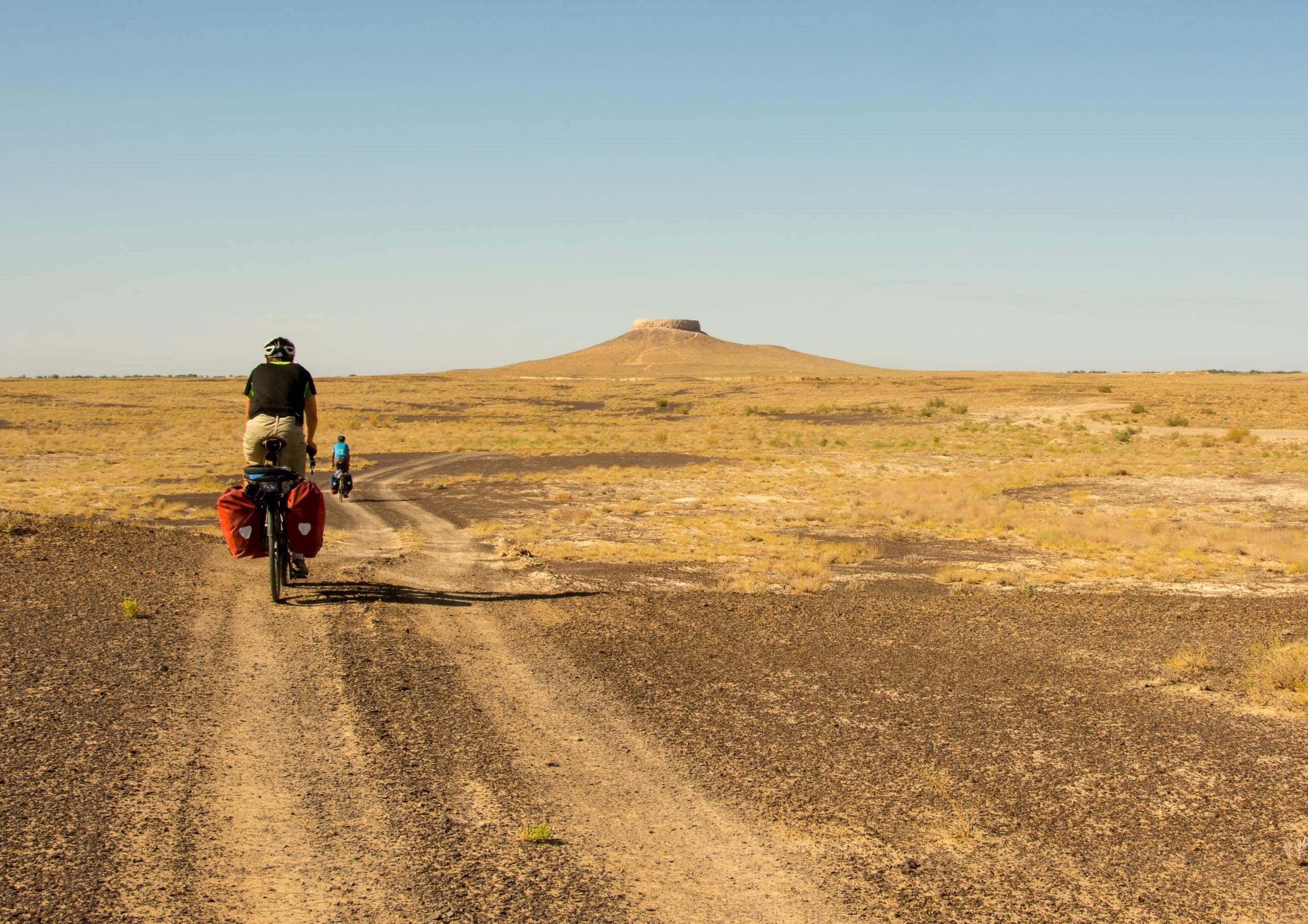
In this edition: We revisit summer expeditions into the caves of Slovenia, along the Silk Road and at Everest base camp. News: Surrey quakes and Antarctic archives – We review research that concludes oil drilling was not responsible for earthquakes in Surrey, and hear how restored data from the 1970s is providing a new look at Antarctic ice melt. Adventures with the caving club – Journey deep into a Slovenian mountain with the Imperial College Caving Club, squeezing through narrow passages and discovering new caverns. Cycling the Silk Road – A team of medical students regale us with tales of their adventures cycling through Asia – from chin stitches to mafia weddings. Experiments on Everest – Would you spend three months at Everest base camp in the name of science? We talk to Dr Liesl Wandrag, who did just that to find out the impact of low oxygen on critically ill patients back at sea level.
Podcast: An unsung hero, digital mental health, and acting on patient feedback
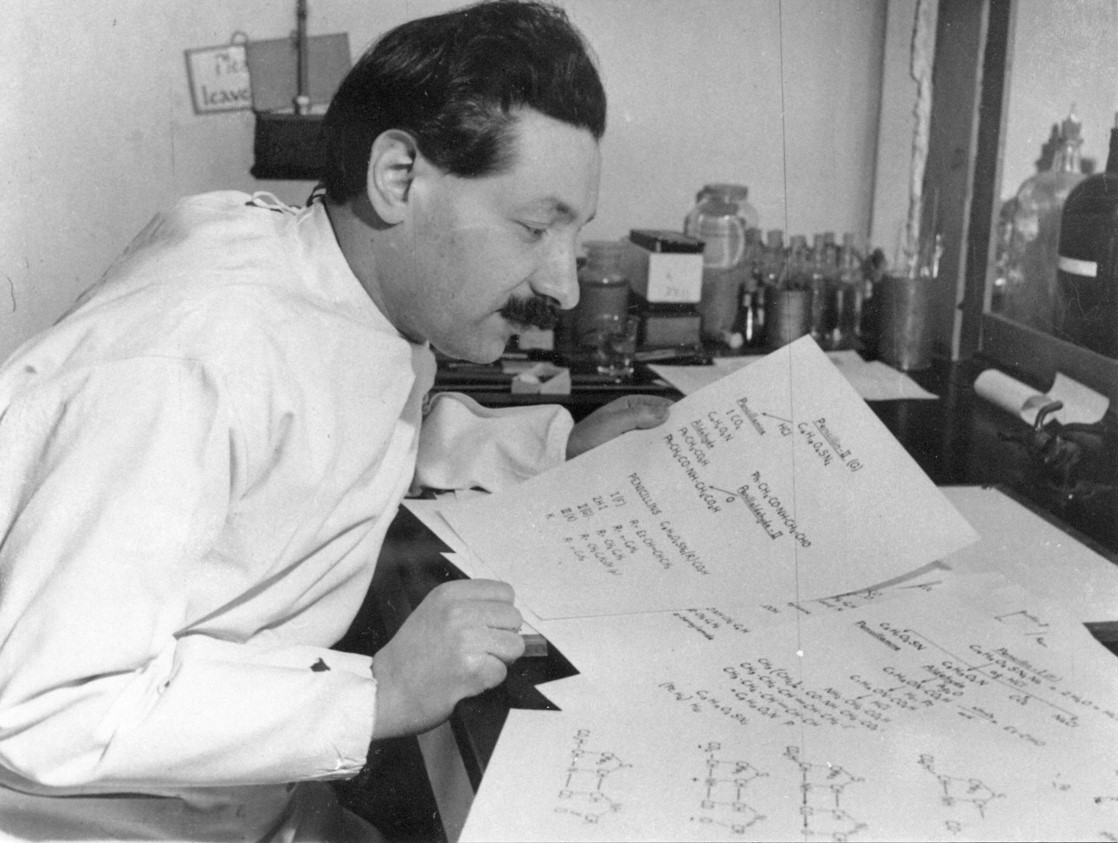
In this edition: We explore Sir Ernst Chain's role in penicillin, apps tackling mental health, and an algorithm making sense of patient feedback. News: Obesity injections and bat faces – We discuss a new treatment for obesity that provides an alternative to surgery, and meet some handsome bats with an interesting evolutionary story. The story of Sir Ernst Chain – The founder of Imperial's biochemistry division, Sir Ernst Chain, was a German-Jewish refugee who played an important role in bringing penicillin to the masses. We speak to his son Benny Chain, who grew up at Imperial and now carries on his father's work, at the interface of biology and computer science. Digital options for mental health help – What stops people accessing traditional mental health services and how can digital services step in? We discover how innovations such as the Shout app are helping fill the gap, with positive responses especially from young people. Streamlining patient feedback – Hospitals receive thousands of comments on their care, but it can be difficult to process them all. We speak to Imperial researchers who have created an award-winning algorithm that analyses comments and is already improving patient experience.
Podcast: Moon landing special
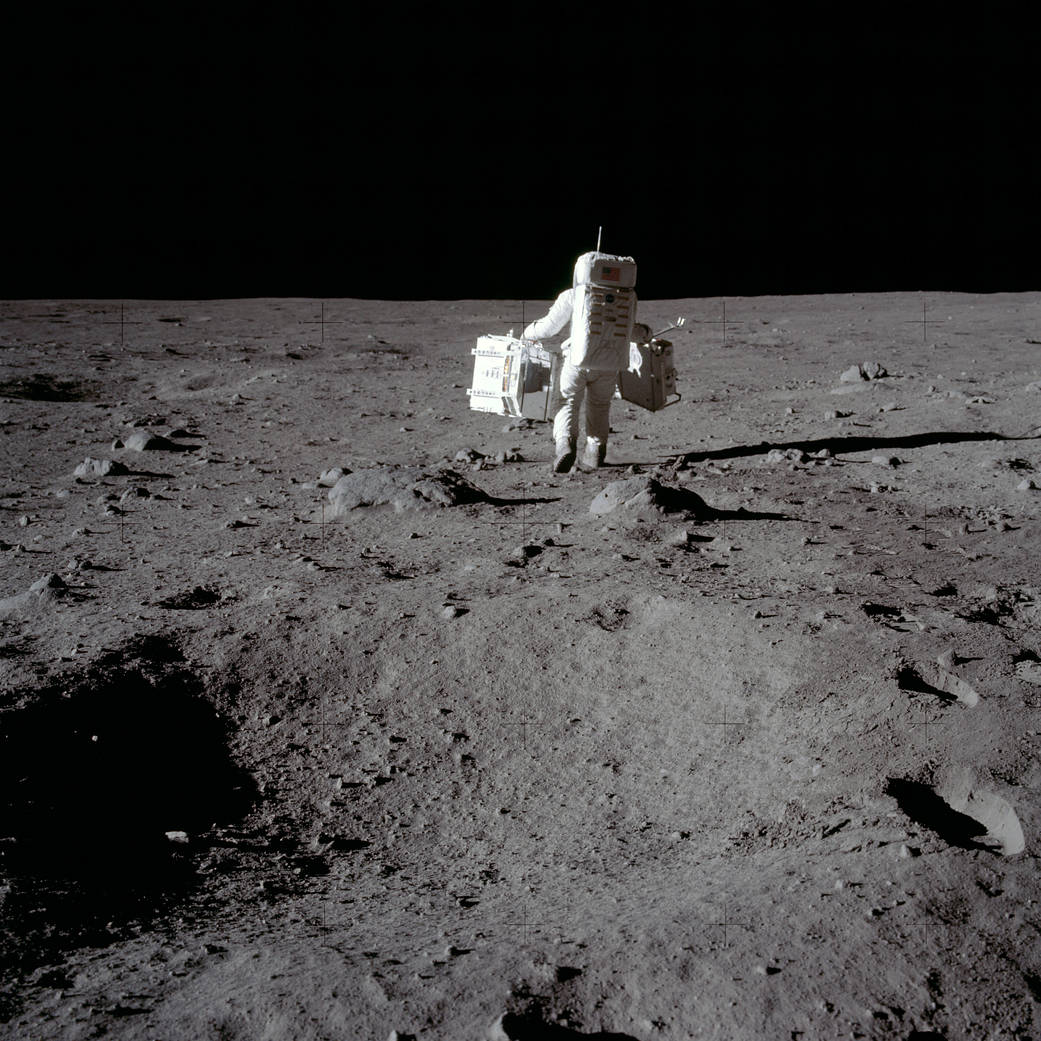
In this edition: We commemorate 50 years since the Moon landing by looking ahead to the future of space travel, medicine and exploration. News: Moon landing facts – We celebrate the Apollo 11 mission with some little-known facts about the moon landing, and look at the next mission heading to our nearest neighbour. Future of space travel with Britain's first astronaut – We chat to Helen Sharman, Britain's first astronaut (and outreach ambassador at Imperial) about the future of spaceflight – will it be human or robotic? Will private companies take the lead? And should we go back to the Moon or focus on Mars? Space medicine – Astronauts face unique challenges staying healthy in space, and these will only increase on a mission to Mars. We talk to an intensive care medic and a researcher, who has worked with both NASA and the European Space Agency, to find out more about the challenges of space medicine. Human-robotic interactions in space – Working in space is difficult, from spacewalks to guiding robotics. We meet a researcher coming up with new ways to make these tasks easier, using sensors incorporated into new helmets and gloves.

Imperial Uncut: Sir Patrick Vallance Q&A
In this bonus edition of the Imperial College Podcast we invite you to take a front row seat at a special Q&A with the UK government's Chief Scientific Adviser. Sir Patrick Vallance came to Imperial this month to launch The Forum - Imperial's new policy engagement programme. In a candid Q&A with an audience of staff, students, senior policy figures and members of the media, Patrick spoke about the importance of collaboration between academia and policy-makers. Facilitated by Professor Mary Ryan, Imperial's vice-dean of research in the Faculty of Engineering, the Q&A tackled questions on how to influence government, plus the impact of Brexit and the next Prime Minister on science and research.

Great Exhibition Road Festival 2019
In this edition: We get ready for the Festival by taking a talk quiz, building a mini Theremin, and hearing some scientific spoken word poetry. News: Pre-Incan waterways and analysing incinerators – We hear how 1400-year-old methods of water management could boost supplies during Peru's dry season, and how exposure to municipal waste incinerators has no link infant death or reduced foetal growth. Talking about talks – The Great Exhibition Road Festival will host 30+ free public talks across the weekend. We hear about the range of panel discussions from top players in their fields, including predictions for the fashion of tomorrow. The sound of circuits – Visitors at the Festival will get the chance to build their own mini-theremin – an electronic touchless musical instrument invented in 1920. Ahead of the drop-in workshops, we get our hands on one of the electronic instruments and learn what makes it sing. Spoken-word scientist – As well as doing science, Festival-goers will get to meet researchers and hear about their everyday lives. We get a preview from a sustainability researcher who is also an award-winning poet, and find out how her two passions collide.
Podcast: Climate champion, alcohol marketing and stroke rehabilitation
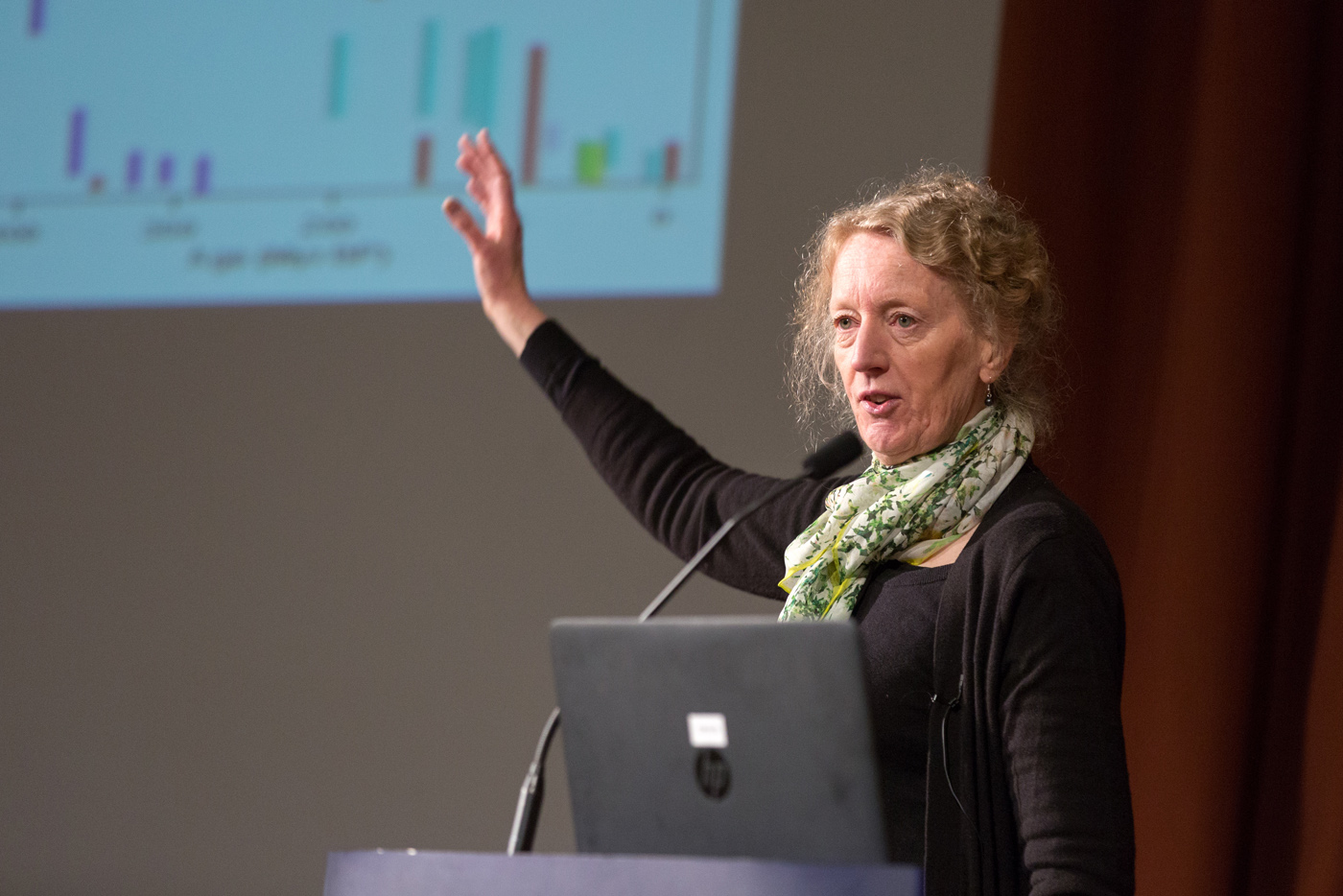
In this edition: Climate champion Jo Haigh retires, and we find out how often kids see alcohol marketing and how a game is helping stroke recovery. News: Dyson School opening and eating insects – We celebrate the Dyson School of Design Engineering building officially opening and discuss why eating insects is a good idea. Climate champion retires – Professor Jo Haigh, Co-Director of the Grantham Institute – Climate Change and Environment retired this month after 35 years at Imperial. We talk to her about her early love of weather, the future of climate science and how she deals with deniers. Alcohol marketing and children – How often do children see ads and packaging for alcohol? Business School researcher Dr Tim Chambers has been finding out, and calling for alcohol health labelling to be taken more seriously. Games for physical rehab – Affordable, accessible, fun and, importantly, effective – GripAble is a device that helps stroke patients recover their hands and arms with games that connect through normal tablet computers. We meet the maker of the innovation.
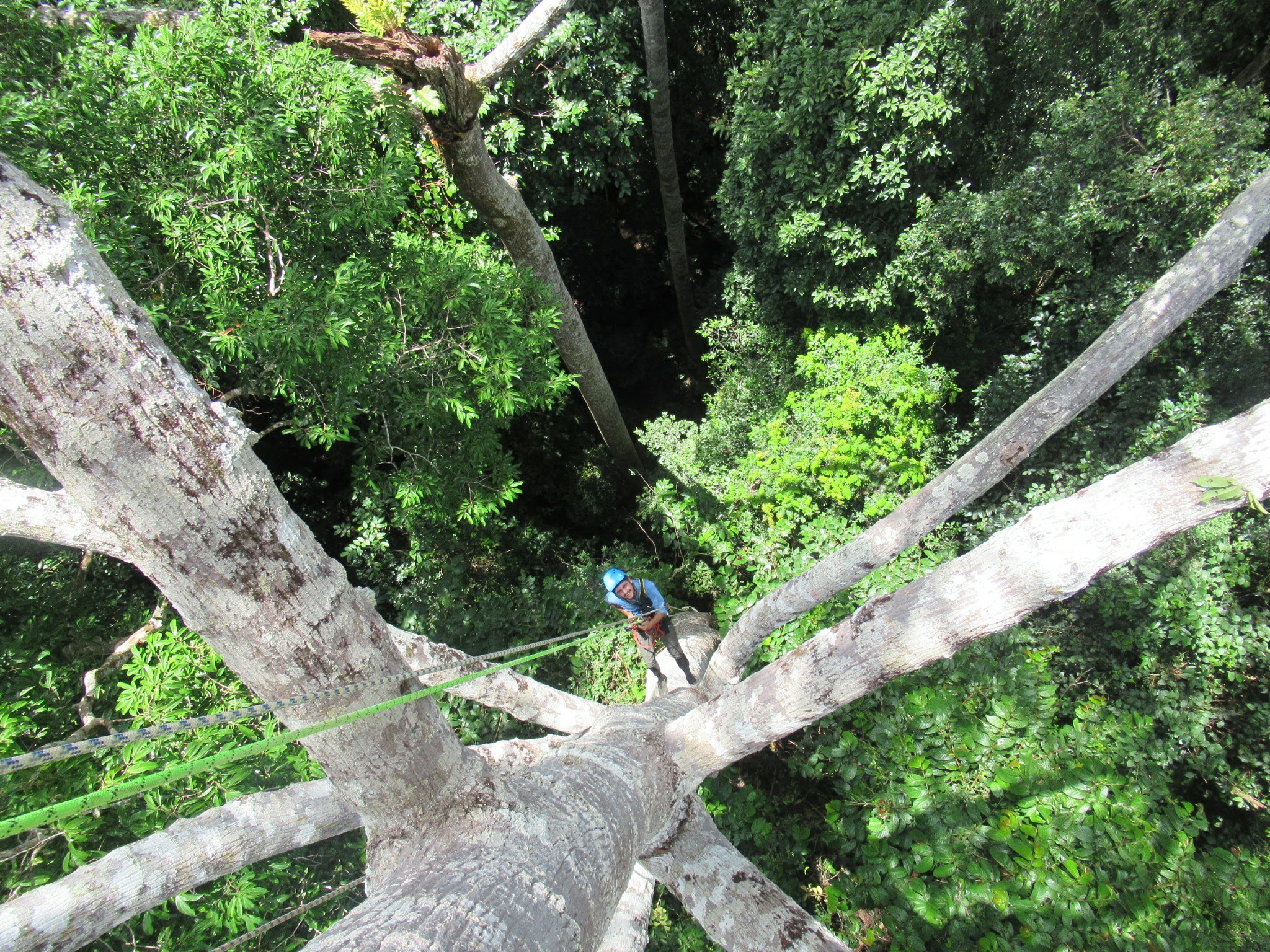
Podcast: Why students cheat, 3D printing and rainforest radio
In this edition: We find out why students cheat, how 3D printing has evolved and tune into the sounds of the rainforest. News: Festival preview – The Imperial Festival has joined up with 19 of its neighbours this year to bring you the largest selection of science, art, technology and entertainment South Kensington has to offer. Join us for the Great Exhibition Road Festival on 28-30 June. Why do some students cheat? – There's a lot of pressure to succeed in university, and students worldwide are turning to services they can pay to do their assignment for them. Researcher Dr Thomas Lancaster has been investigating why – and uncovering some aggressive tactics from essay mill services. The evolution of 3D printing – From rapid prototyping tool to manufacturing resource, 3D printing has evolved to the stage where we can now create aircraft parts, satellite components, medical implants and even copies of people's faces. There is a lot of promise, but also potentially trouble, as the case of people printing their own guns shows. Tune into the rainforest – A new website created by our researchers streams sounds live from the Bornean rainforest. As well as being therapeutic, the project has some serious science behind it, as it tracks soundscapes across different landscapes from old-growth forest to totally cleared areas.

Podcast: Entrepreneurship special
In this edition: We mark Imperial Enterprise Month with women entrepreneurs and leaders, plus advice for making businesses playful. News: Alternatives to statins and dinosaur demise – We discover a new class of drugs that could lower cholesterol in people unable to take statins, and find out that the dinosaurs were thriving before the deadly asteroid strike. Agents for Change – Can six months of leadership training for women make a difference in the local community? We meet one participant of the Agents for Change programme based in our White City campus and hear how it has transformed her life. Better bone casts – We speak to Suchaya Mahuttanatan, the winner of this year's WE Innovate programme for women entrepreneurs, who was inspired by her Dad breaking his arm when she was young. She created a new type of cast that is breathable, washable and easy to apply – making breaking bones less of a burden. The Playful Entrepreneur – Play is an essential way we learn about the world around us, but how can it be harnessed for entrepreneurship? In a new book, Imperial VP Innovation David Gann explores how noble behaviours – ambition, fortitude, craft and grace – can help businesses thrive through playfulness.
Podcast: Fake news, safe flights and waiting for Marsquakes
In this edition: How researchers are tracing fake news, what happens when flights stray into the wrong airspace and listening to the interior of Mars.