IHSA Safety Podcast
140 episodes — Page 2 of 3
Ep 90Impact of Senior Management on the Performance of an Occupational Health and Safety Management System (OHSMS)
On this episode of the IHSA Safety Podcast, IHSA’s Maren Gamble discusses the impact of senior management on the performance of an occupational health and safety management system (OHSMS). A senior manager’s level of commitment towards their OHSMS is a critical factor to its success. For example, a senior manager's involvement, such as attending meetings, having knowledge of the system, and having a good understanding of the internal audit process, can significantly impact the success of the system.Maren emphasizes that senior management should lead by example, as their actions send a message that health and safety is important and worth their time. When they visit a construction site, for instance, a senior manager should not only adhere to mandatory personal protective equipment (PPE) and other safety measures, but they should also insist that these rules apply to everyone, demonstrating that there are no exceptions to these rules. If a senior manager or president of a construction project were to be seen wearing dress shoes on the jobsite instead of the proper PPE, it sends the wrong message that PPE is optional and the rules are not applicable to everyone.To ensure that they keep the promise and commitment they made to their workers to support them in making it home safely, senior management should regularly review the proactive controls being developed within their OHSMS to ensure they are comfortable with them and confident in their ability to meet their health and safety obligations.Free ResourcesThe Working Mind for the Trades – Manager (Virtual Training)The Role of a SupervisorThe Competent SupervisorWhat Supervisors Need to KnowProperty or Facility ManagerSee Privacy Policy at https://art19.com/privacy and California Privacy Notice at https://art19.com/privacy#do-not-sell-my-info.
Ep 89Corrective Action and Preventative Action
On this episode of the IHSA Safety Podcast, IHSA’s Maren Gamble discusses the distinction between two concepts that are often confused in health and safety: corrective action and preventative action.Corrective actions are taken in response to existing hazards or incidents in the workplace. Preventative actions, on the other hand, take a more proactive approach with the aim to minimize or eliminate hazards and prevent incidents from reoccurring. The difference between the two is that one focuses on dealing with an incident as it happens, while the other focuses on how to stop the incident from happening again.Maren shares some real-life examples of what a corrective action may look like versus a preventative action. If a fire were to break out, for example, a corrective action would be to put out the fire. A preventative action would be to eliminate the root cause of the fire to prevent future outbreaks.Maren also emphasizes the importance of considering both corrective and preventative action plans when building an occupational health and safety management system (OHSMS). If we focus solely on corrective action, there’ll be an increased number of incidents to address in future because of the lack of a preventative action plan in place. If we focus solely on preventative action and an incident occurs that calls for corrective action, we will find ourselves unprepared. Both action plans are necessary for maximizing efficiency and maintaining worker health and safety. Free resources Hazards, Risks, Assessment, and Control (IHSA Podcast – Episode 75)Occupational Health and Safety Management Systems: The Plan, Do, Check, Act Model (IHSA Podcast – Episode 66)The Plan, Do, Check, Act (PDCA) Model: A Deeper Dive (IHSA Podcast – Episode 67)IHSA Magazine: Plan, Do, Check, ActOccupational Health and Safety: The Physical Work EnvironmentHierarchy of Controls (YouTube)See Privacy Policy at https://art19.com/privacy and California Privacy Notice at https://art19.com/privacy#do-not-sell-my-info.
Ep 88Nutrition
For some people, the idea of a "diet" can be unpleasant and misleading. However, a diet has more to do with the choices we make when it comes to what we eat and drink. On this episode of the IHSA Safety Podcast, IHSA’s Holly Baril discusses practical diet and nutrition tips for food and beverages.Holly explains the differences between carbohydrates, proteins, and fats, the three main energy sources for the body, and how they contribute to overall health. Carbohydrates are made of carbon, hydrogen, and oxygen, and are found in grains, vegetables, peas, and fruits. Proteins are found in various foods, including meats, dairy products, legumes, and vegetables. Lipids (fats) are found in fats, oils, naturally occurring fats in meats and dairy products, and less obvious plant sources like coconut, olives, and avocado.Holly discusses what makes up an adequate and balanced diet, as well as how the food we eat affects our overall health and energy levels. Bad food habits, such as eating while watching TV, skipping breakfast, or eating too quickly, are hard to break; however, being aware of these habits can help in making positive changes. Being active also plays a crucial role in maintaining a healthy and balanced living. Any level of physical activity is better than none, and strongly recommended. To develop a more active lifestyle, Holly suggests the following:· Avoid sitting for more than 30 minutes at a time· Incorporate extra steps everyday· Incorporate a variety of food choices· Limit sugar intake Free resources MyPlateCanada’s Food GuideMyths about AlcoholStretching to prevent injuryStretching exercisesSee Privacy Policy at https://art19.com/privacy and California Privacy Notice at https://art19.com/privacy#do-not-sell-my-info.
Ep 87MTO Driver Certification Program
This episode of the IHSA Safety Podcast discusses the Ontario Ministry of Transportation’s (MTO) Driver Certification Program (DCP), and features Brad Bird, Manager of Health & Safety Education and Accredited Programs at IHSA. The Driver Certification Program is a voluntary program that gives an organization authority from the Ministry of Transportation to train and test their employees for the purpose of upgrading or renewing classified licences and endorsements. Employees who successfully complete the training and testing under the DCP program will obtain an upgraded Commercial Driver’s Licence. Brad discusses the types of organizations eligible to participate in the DCP, as well as the process of registering for the program, one of which is that a company is required to complete an online application through the MTO’s DCP office. He also discusses the benefits of the DCP program to companies in Ontario, particularly the training of drivers to meet or exceed MTO testing standards. Brad highlights IHSA’s training programs, all recognized and approved by MTO’s DCP standards: • 10-day Fleet Signing Authority program• Fleet Signing Authority Recertification program• Air Brake Instructor program Graduates of the 10-day Fleet Signing Authority program and the Air Brake Instructor program are eligible to become a Signing Authority—a ministry-approved trainer and tester—for the purpose of upgrading or renewing classified licences and endorsements. Free resources Fleet Signing Authority programFleet Signing Authority Recertification programAir Brake Instructor programMTO DCP Information package See Privacy Policy at https://art19.com/privacy and California Privacy Notice at https://art19.com/privacy#do-not-sell-my-info.
Ep 86Heat stress (Episode 60 relaunch)
Summer in Ontario is typically hot and dry, which can cause heat stress for outdoor workers who work long hours. With Environment Canada predicting warmer-than-usual temperatures this summer in Ontario, it’s critical to take adequate measures to prevent heat stress. Heat stress is a seasonal hazard that can occur when the body's core temperature rises, causing severe dehydration that can be harmful if left untreated. We invite you to listen to a re-launch of Episode 60 of the IHSA Safety Podcast, which discusses heat stress, the different types of heat stress disorders, risks, symptoms, controls, and actions to take when experiencing symptoms.The Heat Stress Calculator from the Occupational Health Clinics for Ontario Workers (OHCOW) is a calculator that provides three methods of calculation: Humidex-based Method, WBGT Estimate Method, and Detailed WBGT Method. It’s an efficient tool for assessing heat stress and to reference when working in extreme heat conditions.IHSA offers a range of free resources on heat stress, such as safety talks, manuals, bulletins, and advisories. Free Resources:Episode 60—Heat Stress: Understanding the risks, symptoms, and controlsHeat Stress Calculator (OHCOW)Heat Stress Resources (IHSA.ca)Heat Stress Awareness Wheel Tool – OHCOWSee Privacy Policy at https://art19.com/privacy and California Privacy Notice at https://art19.com/privacy#do-not-sell-my-info.
Ep 85MLITSD’s 2024-2025 Occupational Hygiene Compliance Initiatives
Occupational illnesses can result from acute and long-term exposures to hazardous chemical agents. Controlling these exposures can help lower the risk of workers developing a workplace disease. On this episode of the IHSA Safety Podcast, Jon Lee, Occupational Hygienist with Ontario's Ministry of Labour, Immigration, Training and Skills Development (MLITSD), and Jasmine Kalsi, IHSA's Occupational Hygienist, discuss occupational hygiene and the Ministry's campaign efforts regarding exposure to chemical agents.Jon discusses the Ministry's focus to enforce airborne occupational exposure limits in workplaces. For the current 2024-2025 fiscal year, the Ministry will focus on two initiatives: worker exposures to chemical agents in the workplace, and WHMIS training based on the amended Hazardous Products Regulations.The first initiative, the Compliance Assistance phase, which runs from April 1st, 2024 until March 31st, 2025, will provide some guidance to workplaces and help them understand compliance issues, as well as prepare them for the next phase. The second initiative, the Focused Inspections phase, starts on July 2nd, 2024 until March 31st, 2025, and will take a more targeted approach to check for compliance and issue orders. Both initiatives focus on industries like construction, transportation, and electrical utilities where workers may be exposed to hazardous chemical agents.Jasmine mentions common chemical agents that can pose significant risks to workers in various industries, such as silica, VOCs generated from paints and solvents, dusts, fuels, epoxy, welding fumes, and diesel engine exhaust. She highlights the importance of identifying potential exposure sources—which sometimes can be overlooked—and carrying out the appropriate risk assessment to ensure the hazards are controlled appropriately.Free ResourcesSilica Control Tool | OHCOWSilica Exposure in the Workplace | IHSA Safety PodcastOccupational Health | IHSA.caCurrent occupational exposure limits for Ontario workplaces under Regulation 833 | MLITSDOccupational Illness Exposures | OHCOWAmendments to the Hazardous Products Regulations | Health CanadaWHMIS 2015 Fact Sheets | CCOHSWHMIS 2015 eLearning | IHSASee Privacy Policy at https://art19.com/privacy and California Privacy Notice at https://art19.com/privacy#do-not-sell-my-info.
Ep 84Diversity and Inclusion in the Workplace
This episode of the IHSA Safety Podcast takes on a more conversational tone as host Ken Rayner, IHSA’s VP of Market Development and Communications, and Jennifer Kahn, EllisDon's VP of Inclusive Diversity, discuss diversity and inclusion. Jennifer shares her personal experiences with diversity and inclusion, stating that diversity is a fact but inclusion is a choice that requires intention and effort. Jennifer also explores the concept of privilege, a controversial term, and its potential to promote diversity and inclusion in its own way. Everyone has threads of privilege, both good and bad; however, it is important to acknowledge and understand where one holds privilege and how to share it with others. Ken discusses the role curiosity plays in fostering openness and embracing diversity in others’ backgrounds. If we focus only on the first few layers when getting to know someone, we fail to fully understand their perspectives and experiences. Approaching diversity with a curious mindset can lead to a better understanding and appreciation for it.Jennifer discusses her role in diversity, equity, and inclusion at EllisDon, which involves finding the right balance for underrepresented individuals. She also raises key points for workplaces when it comes to diversity, such as creating an environment where everyone feels comfortable sharing their perspectives, and stressing the importance of supporting other diversity factors that may be invisible, such as neurodiversity and disabilities. Free ResourcesThe Role of Leaders in Building Inclusive WorkplacesPeople Try the "Check Your Privilege" TikTok ChallengeInclusive Diversity | EllisDonCanadian Centre for Diversity and InclusionDiversity and inclusion: A call to actionSee Privacy Policy at https://art19.com/privacy and California Privacy Notice at https://art19.com/privacy#do-not-sell-my-info.
Ep 83The Construction Athlete
Maintaining good health is crucial for workers, particularly those in the construction industry who face physical demands and potential hazards on a regular basis. This episode of the IHSA Safety Podcast discusses ways in which construction workers can build and maintain a healthy lifestyle and features Cori Toshack, CAT(C), BPHE, Certified Health Coach, and Scott Laing, Stakeholder Relations Coordinator at IHSA.Cori and Scott highlight the importance of taking care of one's body today, as it will be felt 10 or more years later. Cori discusses the short- and long-term benefits of maintaining a healthy lifestyle, such as less pain, increased strength, less fatigue, longevity, and overall happiness, and Scott, a former worker in the construction industry, shares his experience with injuries and surgeries and how applying a more athletic mindset changed his feelings.Cori emphasizes on the crucial role certified athletic therapists play in keeping athletes healthy, and encourages construction workers to consider seeking help from athletic therapists, chiropractors, or osteopaths to manage pain and improve their overall health. The Canadian Athletic Therapists Association offers information on health and wellness, and firsthand one-to-one conversations with a professional can provide valuable guidance. Free ResourcesGuide to Developing a Fit for Work PolicyMusculoskeletal Hazards and Controls: Civil ConstructionOccupational Health and Safety: The Physical Work EnvironmentCATA | Canadian Athletic Therapists Association (athletictherapy.org)See Privacy Policy at https://art19.com/privacy and California Privacy Notice at https://art19.com/privacy#do-not-sell-my-info.
Ep 82Asbestos on Construction Projects - Reporting and Notification Responsibilities
This episode of the IHSA Safety Podcast discusses reporting and notification responsibilities for asbestos on construction projects in Ontario and features Michele Beckstead-Jackson, Provincial Specialist with the Construction Health and Safety Program of the Occupational Health and Safety Branch, at the Ministry of Labour, Immigration, Training and Skills Development (MLITSD).Michele discusses the various reports and notifications required for submission to the Ministry, such as the Owner Report and the Asbestos Worker Report, among others. The Owner Report requires the owner of the building to report to the Ministry before tendering, arranging, or contracting work for demolition, alteration, or repair operations where asbestos will be handled. The employer must submit an Asbestos Worker Report to the Ministry for each worker involved in type two or type three removal operations. They must provide a copy of the report to the worker at the time of submission and upon termination.Asbestos management planning is a shared responsibility that should be clearly communicated to all parties involved. Employers, contractors, and workers who are dealing with asbestos must ensure they are working safely and are in compliance with the laws in Ontario.Free ResourcesAsbestos in the workplace | ontario.caA guide to the Regulation respecting Asbestos on Construction Projects and in Buildings and Repair Operations | ontario.caSee Privacy Policy at https://art19.com/privacy and California Privacy Notice at https://art19.com/privacy#do-not-sell-my-info.
Ep 81Remembering Dean Maguire: A Story of Workplace Tragedy
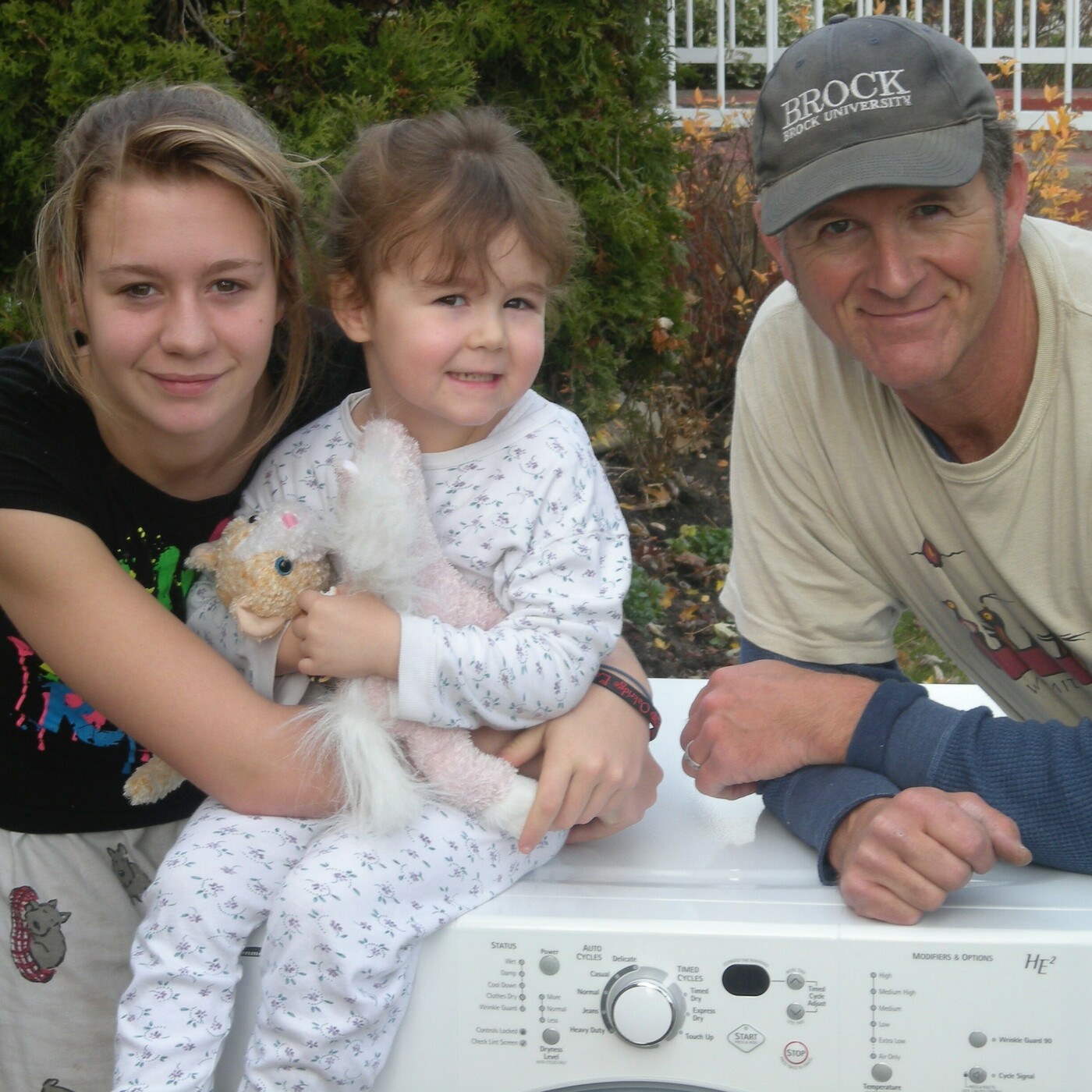
Disclaimer: This episode discusses a sensitive topic that may be challenging for some listeners.On this episode of the IHSA Safety Podcast, we remember and honour Dean Maguire, a devoted father, brother, and husband who tragically lost his life during a construction project in Toronto on March 27th, 2018. The Maguire family—Heather, Connor, Mae, and Tim—joins this episode to share their personal experiences of the grief of losing Dean, describing him as a kind, gentle, and loving man. Dean’s passing has had a profound impact on the family, and is a poignant reminder of the importance of prioritizing workplace safety.Threads of Life, a Canadian charity that supports families affected by work-related injuries and fatalities, has been a lifeline for the Maguire family, providing information, support, and understanding during their difficult time of loss and grief. They have attended the Threads of Life convention and been involved in fundraising walks to help spread awareness about workplace safety.The Maguire family also discusses the importance of having conversations about complacency in the workplace and breaking down cultural barriers, especially around the trades industry. Safety needs to be prioritized because it saves lives. Workplace safety is everybody's responsibility.Dean contributed to building the Rogers Centre, Toronto’s skyline, and many other structures across Ontario. Dean’s legacy lives on and continues to inspire and impact the lives of many. Free ResourcesFall Prevention and Working at HeightsSafety TalksIHSA - YouTube Safety Talks videosSee Privacy Policy at https://art19.com/privacy and California Privacy Notice at https://art19.com/privacy#do-not-sell-my-info.
Ep 80Women in Construction Health and Safety
On this episode of the IHSA Safety Podcast, three members of IHSA's management team discuss women in construction health and safety. Maren Gamble, manager of Strategic Programs, Deb Moskal, manager of Regional Operations North and East, and Jennifer McKenzie, director of Stakeholder and Client Engagement, address the long-standing gender disparity in the construction industry.Maren shares her experiences as a female in a largely male-dominated workplace, specifically in construction health and safety spaces. Jennifer acknowledges the progress made in breaking down barriers in the construction industry and discusses the roles leadership and management play in encouraging gender equality in the workplace. Deb emphasizes the immense value female workers bring to the industry and the need for more inclusivity.Maren, Deb, and Jennifer further highlight the importance of addressing gender diversity in the workplace. Maren applies the hierarchy of controls formula to tackle the issue of gender bias and stereotypes about women in construction, one of which includes fostering a gender-inclusive culture. While the skilled trades and construction industry continues to evolve and there has been remarkable progress in attracting more women to the industry, workers, employers, and the construction industry as a whole can do more collectively to create a more equitable future. Free ResourcesWorkplace health promotionChallenging stigma and preventing mental harmSafety talk: Toxic masculinitySee Privacy Policy at https://art19.com/privacy and California Privacy Notice at https://art19.com/privacy#do-not-sell-my-info.
Ep 79Utility Work Protection Code
This episode of the IHSA Safety Podcast discusses the Utility Work Protection Code (UWPC), a set of rules and regulations that play a crucial role in worker safety across Ontario, and features Sandy Morrison, Utility Work Protection Code coordinator at IHSA. The UWPC, owned by Hydro One and updated every five years, ensures that rules, tags, forms, and communication are consistent. The UWPC helps create an environment where hazards are reduced or eliminated by providing rules for workers working on or above 750 volts. It is based on the understanding that the safest way to work is to isolate an area and work around it using different permits and tags to create a safe work environment.Sandy addresses the importance of training in the UWPC for crews working around high voltage. Training is only valid for 27 months and must be retaken after two years. This ongoing training process allows workers to learn new skills and address new questions or scenarios. IHSA offers four training courses in the UWPC: Overview, Core, Recertification, and Train the Trainer.Sandy also discusses the UWPC’s significant changes in 2024, which include new code changes that match the Electrical Utility Safety Rules (EUSR), implementation of a signature rule, an annual management review, creation of a new PC3 tag, and more.Free ResourcesUtility Work Protection Code OverviewElectrical Utilities Safety Rules (EUSR)Electrical HazardsElectrical Safety Awareness (eLearning)See Privacy Policy at https://art19.com/privacy and California Privacy Notice at https://art19.com/privacy#do-not-sell-my-info.
Ep 78Training vs. Competency
Employers often provide training to ensure workers are equipped for a job, with formal training requirements and courses being especially important. However, there are differences between training and competency, and it is essential to explore the distinction between the two terms when building an occupational health and safety management system (OHSMS). This episode of the IHSA Safety Podcast discusses training and competency and features Maren Gamble, Manager of Strategic Programs at IHSA.Maren highlights that training involves learning new skills to properly perform a specific job or activity, but may not cover all the necessary knowledge for the specific task. Competency, on the other hand, encompasses knowledge, experience, and training, ensuring a person is ready to safely perform tasks. It involves having accurate, current information, the right training, and applicable experience to organize and perform work, know the laws associated with it, and understand potential dangers or hazards.Maren further discusses the layers involved in developing competency, including both internal and external factors such as licensing or certifications. Maren also stresses the need to verify competency—in addition to verifying training—through evaluation, interview, or observation of work to help identify any gaps in understanding. Free ResourcesThe Role of a SupervisorBasics of Health and Safety for Small Businesses (eLearning)NCSO Health and Safety, Policies, Practices, and Procedures WebinarSee Privacy Policy at https://art19.com/privacy and California Privacy Notice at https://art19.com/privacy#do-not-sell-my-info.
Ep 77Electrical Utility Safety Rules (EUSR)
This episode of the IHSA Safety Podcast discusses the Electrical Utility Safety Rules (EUSR), which have been the foundation of health and safety education in the electrical utilities industry since 1914, and features Jeff Ellery, a member of IHSA's Power Line Apprenticeship and training team. The EUSR, initially created by the Electrical Employers Association of Ontario, laid down a set of rules for safe work for electrical workers who work on or near electrical distribution or transmission systems in Ontario. These workers include power line technicians, utility arborists, and high-voltage electrical workers.Jeff explains that the EUSR was established in 1914 because of the critical need for a documented set of safety rules due to the high number of incidents and workplace fatalities in the electrical utility sector. The EUSR can be credited with contributing to the foundational elementsfound in the current Ontario's Occupational Health and Safety Act, such as workers' rights, competent supervision, requirements for personal protective equipment (PPE), and worker resuscitation and first aid. The EUSR is regarded as a best practice within the electrical utilitiessector. The EUSR has undergone significant revisions since its formation, and Jeff discusses the parties involved in its evolution, as well as the recent changes that went into effect on January 1, 2024. The 2024 edition of the EUSR is now available in print and online at IHSA.ca. Free ResourcesElectrical Utilities Safety Rules (EUSR)Electrical HazardsElectrical Safety Awareness (eLearning) See Privacy Policy at https://art19.com/privacy and California Privacy Notice at https://art19.com/privacy#do-not-sell-my-info.
Ep 76Working Outside in the Canadian Winter
During the winter months in Canada, the weather can get extremely cold, and workers in industries such as construction, transportation, and electrical utilities face the risk of experiencing cold stress. On this episode of the IHSA Safety Podcast, Jasmine Kalsi, IHSA’s Occupational Hygienist, discusses cold stress, which occurs when the human body's core temperature drops below 37 degrees Celsius. Cold stress can result in cold-related illnesses, tissue damage, and even death.Jasmine explains that extended exposures to cold can occur in locations such as roofs, unheated cabs, bridges, projects near large bodies of water, high buildings open to the wind, and working in refrigerated rooms, vessels, and containers. Cold stress can result in two major illnesses: hypothermia and frostbite. Hypothermia occurs when the body cannot maintain its core temperature due to constricting blood vessels, while frostbite is caused by exposure to severe cold or contact with extremely cold surfaces.Jasmine further discusses the responsibilities of employers to take reasonable precautions to protect workers from cold stress. Controls that can be implemented include training, safety talks, providing appropriate protective clothing, providing hot beverages and heated shelters or breakrooms, and creating a cold stress prevention plan. Free ResourcesOHCOW Cold Stress CalculatorWorkSafe Saskatchewan - Working in Cold ConditionsCCOHS Cold Environments – ACGIH Wind Chill Temperature Index See Privacy Policy at https://art19.com/privacy and California Privacy Notice at https://art19.com/privacy#do-not-sell-my-info.
Ep 75Hazards, Risks, Assessment, and Control
To build an effective occupational health and safety management system, it is crucial to adopt a proactive approach to risk prevention rather than a reactive one. This episode of the IHSA Safety Podcast discusses the basics of hazards, risks, assessment, and controls within an occupational health and safety management system and features Maren Gamble, Manager of Strategic Programs at IHSA.Maren discusses the proactive approach in depth, which focuses on predicting and foreseeing potential risks before the job starts. Maren compares this to baby-proofing or pet-proofing a house by identifying potential hazards to an infant or a new pet and putting control measures in place.Maren further emphasizes the importance of understanding the distinction between hazard, risk, assessment, and control. The hazard in a workplace is what causes harm, while the risk is the type of harm it can cause. It’s important to consider the hazard that existed to cause that risk, as this helps identify other risks associated with the same hazard.Maren also discusses the best way to address risks, which is to implement controls. Some types of controls are better than others, leading to the control hierarchy as follows: Elimination, substitution, engineering controls, administrative controls, and personal protective equipment (PPE).Free ResourcesHazard Identification and Control Awareness in Construction (eLearning)Intro to Hazard and Risk Management (eLearning)Hierarchy of Controls (YouTube)Hazard Assessment, Analysis, and Control (COR® Podcast – Episode 6)Trauma Management in the Workplace (IHSA Podcast – Episode 70)See Privacy Policy at https://art19.com/privacy and California Privacy Notice at https://art19.com/privacy#do-not-sell-my-info.
Ep 74A Look Back at the Life of an OHS Professional
On this episode of the IHSA Safety Podcast, we celebrate the career of an occupational health and safety professional, Tom Nicolls. Tom started his career in the Electrical Utility industry 38 years ago with Hydro One, and has been a significant contributor to occupational health and safety in Ontario through various channels and roles.Tom shares his experiences over the length of his extensive career, including his inspiration to pursue a career in health and safety after witnessing severe accidents as a lineman at Ontario Hydro and recognizing the critical need for safety protocols. He went on to become an Occupational Health and Safety Specialist with the Power Workers Union, which represents 90% of electrical workers in distribution, transmission, and generation of power across Ontario.One memorable moment from Tom’s career was his involvement in standardizing the Utility Work Protection Code across the province after an ice storm in Toronto. The code ensures the safety of workers in distribution and transmission systems in Ontario, and its standardization has had a long-lasting effect across the province.Tom has dedicated a lot of his time to volunteer activities, committees, and boards, including serving as chair of Section 21 Utility Provincial Labour Management Committee, as well as co-chair on the Board of IHSA.Free ResourcesLearn about the dangers of working around electrical hazards (ihsa.ca)Occupational Health and Safety: The Physical Work EnvironmentIHSA COR® PodcastSee Privacy Policy at https://art19.com/privacy and California Privacy Notice at https://art19.com/privacy#do-not-sell-my-info.
Ep 73Worker Misclassification (Part 3 of the ESDC series)
Worker misclassification can have ramifications for all parties involved. When a worker is misclassified, it prevents them from receiving the full benefits and protections they are entitled to under the Canada Labour Code. This episode of the IHSA Safety Podcast (the final in a three-part series) discusses worker misclassification in transportation and features Liz Tavares, Occupational Health and Safety Officer, Employment and Social Development Canada (ESDC)—Labour Program/Government of Canada, and Michelle Roberts, Vice President, Stakeholder and Public Relations at IHSA.Worker misclassification, as explained by Liz, is the improper designation of an employee and occurs when an employer intentionally treats a worker who meets the criteria to be an employee as someone other than an employee. As a result, the worker or driver is not afforded the same rights and protections as other employees in the industry.Liz and Michelle further highlight the risks associated with misclassification for both workers and employers, as well as the steps by which misclassification can be addressed. The first is through guidance and counselling, followed by other compliance measures such as Assurance of Voluntary Compliance (AVC), Compliance Order, and more.Free ResourcesReporting requirements for federally regulated firmsLegislative Requirements and Best PracticesTransportation: Links & ResourcesWhat supervisors need to knowMisclassification in the Trucking Industry - Government of CanadaESDC Tool Kit: https://www.canada.ca/en/employment-social-development/corporate/portfolio/labour/programs/labour-standards/reports/misclassification-trucking.htmlESDC Video: Misclassification Know your Rights: https://youtu.be/HdQdNTcvvVA?si=rDDM4ZCWlt1zYHmhSee Privacy Policy at https://art19.com/privacy and California Privacy Notice at https://art19.com/privacy#do-not-sell-my-info.
Ep 72Building Your Occupational Health and Safety System (Part 2 of the ESDC series)
A federally regulated small business must have an occupational health and safety (OHS) program with components that promote a workplace safety culture. This episode of the IHSA Safety Podcast (the second in a three-part series) discusses the first steps a federally regulated business should consider when building their OHS system and features Liz Tavares, Occupational Health and Safety Officer, Employment and Social Development Canada (ESDC)—Labour Program/Government of Canada, and Michelle Roberts, Vice President, Stakeholder and Public Relations at IHSA.Liz explains the necessary steps to establish a federal occupational health and safety program, which include finding a health and safety expert who is well-versed in the Canada Labour Code Part II, developing a comprehensive OHS program that incorporates a hazard prevention program, and reviewing the program every three years or whenever necessary.Liz and Michelle also emphasize the importance of training as another necessary step. Employers have the duty to train managers and supervisors in health and safety, while employees must be informed and trained on workplace hazards, the use of personal protective equipment, and reporting hazards.IHSA offers customized training programs and a number of free resources for federally regulated small businesses to assist them in identifying and addressing their most critical workplace hazards, developing a successful OHS program, and ensuring a healthy and safe working environment.Free ResourcesReporting requirements for federally regulated firmsLegislative Requirements and Best PracticesRoad Safety Solutions (ihsa.ca)What supervisors need to knowSee Privacy Policy at https://art19.com/privacy and California Privacy Notice at https://art19.com/privacy#do-not-sell-my-info.
Ep 71Jurisdiction (Part 1 of the ESDC series)
It is vital for small businesses to understand which jurisdiction governs them and what legislation they must follow. This episode of the IHSA Safety Podcast (the first in a three-part series) discusses jurisdiction and features Liz Tavares, Occupational Health and Safety Officer, Employment and Social Development Canada (ESDC) – Labour Program / Government of Canada, and Michelle Roberts, Vice-President, Stakeholder and Public Relations at IHSA.Liz and Michelle discuss federal occupational health and safety—specifically for the transportation industry—and the differences between Canada Labour Code Part II and the Ontario Occupational Health and Safety Act. Transportation services fall under federal jurisdiction, including trucks and buses that cross provincial borders or international borders on a regular and continued basis.Liz also highlights the importance of understanding the circumstances and requirements of each jurisdiction, as well as the steps an owner of a transportation company can take to determine which legislation applies to them.IHSA has resources available at IHSA.ca that can assist an owner of a transportation company comply with legislation under their applicable jurisdiction. Employers can also connect with ESDC at labour.gc.ca or 1-800-641-4049 for more information.Free ResourcesReporting requirements for federally regulated firmsLegislative Requirements and Best PracticesTransportation: Links & ResourcesWhat supervisors need to knowSee Privacy Policy at https://art19.com/privacy and California Privacy Notice at https://art19.com/privacy#do-not-sell-my-info.
Ep 70Trauma Management in the Workplace
Traumatic events may occur suddenly and without warning. Depending on the severity, the level of exposure, and personal history and coping abilities, trauma can be problematic in the long term for some individuals, but can also affect most in the short term. On this episode of the IHSA Safety Podcast, Kathy Martin, IHSA's Mental Health and Wellness Specialist, discusses trauma management in the workplace.Kathy highlights the essential need for employers to be prepared to manage and respond to traumatic events and provide support to affected employees. It is critical for all businesses, regardless of size, to develop an Incident/Emergency Response Plan, which should include a Worker Trauma Response Plan. Kathy also discusses:The first steps to take when responding to a worker who has experienced traumaThe four phases of Crisis Management—Prevention, Preparedness, Response (incident management), and RecoveryActivities that workplaces can get involved in to prepare to respond to trauma, such as education and training, preparing resources, and setting up policies in placeThe importance of keeping trauma management simple. Interventions should be simple, and interactions should be short.IHSA offers a wide range of free resources at IHSA.ca to help employers recognize when someone might be struggling with their mental wellbeing and how to support them.Free ResourcesWorkplace Mental HealthWorkplace Mental Health: Supporter ToolkitWorkplace Mental Health: Employer ToolkitIHSA Safety Talks: Mental HealthHow to Talk About Mental Health at Your WorkplaceSee Privacy Policy at https://art19.com/privacy and California Privacy Notice at https://art19.com/privacy#do-not-sell-my-info.
Ep 69Silica Exposure in the Workplace
Silica is a primary component of many construction materials. CAREX Canada estimates that approximately 380,000 Canadians are occupationally exposed to silica, and approximately 570 lung cancers are due to exposure to crystalline silica each year. Exposure to silica dust, produced during work processes such as digging, grinding, and drilling, can lead to serious health issues including lung cancer, silicosis, chronic obstructive pulmonary disease, and chronic kidney disease.On this episode of the IHSA Safety Podcast, Jasmine Kalsi, IHSA’s Occupational Hygienist, and Shirly Yan, Occupational Hygienist at the Occupational Health Clinics for Ontario Workers (OHCOW)—Toronto Clinic, discuss the hazards posed by silica in construction, addressing topics such as:· How a worker can get exposed to silica· Legal limits to which a worker can be exposed to silica· The responsibilities of workplace parties to ensure the health and safety of workers· The Silica Control Tool™ (SCT), a new tool from Ontario's Occupational Health and Safety System that collects details about a company, the jobsite, and planned work activity, estimating and analyzing the risk of silica dust exposureBeginning in November 2023, workers and employers in the Ontario Construction Industry will receive full access to the Silica Control Tool™ to help assess silica exposure levels in the workplace.See Privacy Policy at https://art19.com/privacy and California Privacy Notice at https://art19.com/privacy#do-not-sell-my-info.
Ep 68Noise Exposure in the Workplace 2: Audiometric Testing
Noise is a significant hazard in the construction, transportation, and utility sectors, and extended exposure can be harmful at levels that workers may not notice or consider disruptive, resulting in gradual hearing loss. Noise-induced hearing loss continues to be the leading cause of non-fatal occupational disease claims in Ontario. On this episode of the IHSA Safety Podcast, we are joined once again by Jasmine Kalsi, IHSA's Occupational Hygienist, and Blair Allin, Canada's National Health and Safety Representative for the International Brotherhood of Boilermakers.Jasmine and Blair discuss in detail noise exposure in the workplace and the need for audiometric testing. Audiometric testing is a non-invasive and painless hearing test that assesses an individual's ability to hear sounds at different intensities. Audiometric tests are beneficial in the workplace, as they allow both employers and workers to have a record of hearing function and determine the effectiveness of existing noise control measures.Jasmine and Blair also speak on the process of getting and conducting audiometric testing in a workplace, emphasizing the necessity for employers to consider audiometric testing as a best practice.Free ResourcesIHSA Podcast Episode #63: Noise Exposure in the WorkplaceNoise control toolNoise assessment toolDoing something about noiseControlling noise exposure in constructionBasics of hearing protection for workers (eLearning)Basics of hearing protection for employers, JHSC, and H&S repsThe leading causes of occupational illness in OntarioSee Privacy Policy at https://art19.com/privacy and California Privacy Notice at https://art19.com/privacy#do-not-sell-my-info.
Ep 67The Plan, Do, Check, Act (PDCA) Model: A Deeper Dive
The Plan, Do, Check, Act (PDCA) model, also known as the four stages of continuous improvement, is crucial for an organization's health and safety goals. On Episode 66 of the IHSA Safety podcast, Maren Gamble, Manager of Strategic Programs at IHSA, walked through the PDCA model as a fundamental framework for developing and implementing an effective Occupational Health and Safety Management System (OHSMS). On this episode of the IHSA Safety podcast, Maren delves deeper into the practical application of the PDCA model, breaking it down as follows:· During the Plan stage, having a well-developed plan is critical, which involves carefully outlining each step and considering all possible scenarios to ensure everything is covered· The Do stage involves assigning roles to individuals and ensuring everyone understands their roles in order to carry out the plan effectively· The Check stage involves assessing the outcome of the event and identifying areas for improvement· The Act stage involves celebrating the successes and small victories, as well as making necessary adjustments to improve the overall OHSMS processEvery step of the PDCA model is important for continuous improvement and maintaining a safe work environment. Free resources:IHSA Magazine: Plan, Do, Check, ActSteps to building your Road Safety Program using PDCADownloadable Template (click here)See Privacy Policy at https://art19.com/privacy and California Privacy Notice at https://art19.com/privacy#do-not-sell-my-info.
Ep 66Occupational Health and Safety Management Systems: The Plan, Do, Check, Act (PDCA) Model
The Plan-Do-Check-Act (PDCA) model is a fundamental framework for developing and implementing an effective Occupational Health and Safety Management System (OHSMS). This approach allows organizations to continuously improve their safety performance, encourages employee engagement, and can be applied consistently across a variety of management systems.On this episode of the IHSA Safety Podcast, Maren Gamble, Manager of Strategic Programs at IHSA, compares the planning phase of building an OHSMS to planning a boat ride to your favourite restaurant across the lake: in both cases, careful planning ensures that everyone involved stays safe and has fun.Building an OHSMS can certainly be complex -- the PDCA model can help firms focus on the basics and create a solid foundation, so that their plan can be applied universally across each of their jobsites.The PDCA is also a critical component of COR® and a requirement of participants in the WSIB’s Health and Safety Excellence program (HSEp).See Privacy Policy at https://art19.com/privacy and California Privacy Notice at https://art19.com/privacy#do-not-sell-my-info.
Ep 65Occupational Health and Safety Management Systems: COR® 2020 and ISO 45001:2018
Implementing an occupational health and safety management system in an organization is crucial for both employees and employers, as it helps to address and control hazards in a safe and consistent manner. Ontario's Ministry of Labour, Immigration, Training and Skills Development recognizes two systems: COR® 2020 and ISO 45001:2018. On this episode of the IHSA Safety Podcast, Carson Powell and Cameron Mitchell from AudEng International discuss the value of, and differences between, both systems. Both Carson and Cameron are certified occupational health and safety management system auditors for both COR® 2020 and ISO 45001:2018.Carson and Cameron emphasize the importance of having a functional health and safety management system, as well as understanding which system may be better suited for an organization. They also provide valuable information on topics such as:· The differences between an accredited ISO audit and an unaccredited audit· Reasons why an Ontario employer might pick COR® 2020 over ISO 45001:2018· The need for an organization to have staff or consultants with high-level understanding of occupational health and safetyFree resources:COR® – Getting StartedBenefits of COR®COR® 2020COR® Internal and External AuditIHSA COR® PodcastSee Privacy Policy at https://art19.com/privacy and California Privacy Notice at https://art19.com/privacy#do-not-sell-my-info.
Ep 64School Bus Safety and Passenger Management
As back-to-school season approaches, school bus operators and drivers must be ready and equipped to ensure a safe and enjoyable experience for their passengers. On this episode of the IHSA Safety Podcast, Doug Heintz, Vice President of High Risk Activity Training and Operations at IHSA, shares valuable tips on school bus safety and passenger management.Doug, who worked in the bus business for 14 years, shares his experiences as a former school bus driver and the strategies used by school bus drivers, including understanding the Highway Traffic Act and Ministry of Transportation requirements. Doug also emphasizes the importance of understanding the seven Cs of student management: create, control, clarity, consistency, collaboration, consequences, and communication. These strategies will help ensure the safety and well-being of 50 to 60 children on school buses.Free resources:School buses – the importance of a pre-trip inspectionSchool bus safetyDriving near school zonesStopping for school busesSee Privacy Policy at https://art19.com/privacy and California Privacy Notice at https://art19.com/privacy#do-not-sell-my-info.
Ep 63Noise Exposure in the Workplace
Noise exposure is a significant hazard in the construction, transportation, and utility sectors. When workers are exposed to noise for too long or at excessive levels, this can cause irreversible damage, resulting in hearing loss. This is known as Noise Induced Hearing Loss (NIHL).In this episode of the IHSA Safety Podcast, Jasmine Kalsi discusses the importance of raising awareness about the potential risks associated with noise in the workplace. Backhoes, chainsaws, and compressors are examples of equipment that could produce a loud amount of noise and cause damage to hearing, especially when used over a long period of time. Jasmine also highlights important details such as:- The misuse of music listening devices (like earbuds) by workers, which are not rated for hearing protection and can be considered counterproductive- The importance of establishing controls and evaluating their effectiveness to ensure the safety of workers’ hearing- The resources IHSA offers for employers and workers, including a safety talk on hearing protection, a chapter in the Construction Health and Safety Manual, and various eLearning coursesFree Resources:Noise Control ToolNoise Assessment ToolDoing Something about NoiseControlling Noise Exposure in ConstructionBasics of Hearing Protection for Workers (eLearning)See Privacy Policy at https://art19.com/privacy and California Privacy Notice at https://art19.com/privacy#do-not-sell-my-info.
Ep 62Standards Council of Canada
Standards impact many aspects of our professional and private lives. In the province of Ontario, within occupational health and safety, we have begun leveraging training standards such as Working at Heights and Joint Health and Safety Committee training, as well as management system standards such as COR® and ISO 45001, to help establish a high level of consistency. In this episode of the IHSA Safety Podcast, we are joined by Elias Rafoul, Vice-President of Accreditation Services at the Standards Council of Canada.The Standards Council of Canada, established more than 50 years ago, is a unique organization that oversees both standards and accreditation, ensuring that programs align with national values and promote inclusion and diversity. There are standards for everything, and Elias provides valuable information on topics such as:- The Standards' history- How the Standards promotes Canadian innovators- The benefits of having a workplace management system in a business- The many accreditation programs the Standards providesFree Resources:Standards Council of Canada websiteStandards Council of Canada LinkedIn pageInternational Accreditation Forum (IAF) websiteISO - International Organization for StandardizationSee Privacy Policy at https://art19.com/privacy and California Privacy Notice at https://art19.com/privacy#do-not-sell-my-info.
Ep 61Returning to Work Safely After Injury
When a worker has suffered a work-related injury or illness, it can be challenging and overwhelming to think about returning to work. To encourage a successful return to work, it is essential for injured workers to receive proper support and guidance throughout their recovery process. In this episode of the IHSA Safety Podcast, Sarah Knight, Manager of the Return-to-Work program at the Workplace Safety and Insurance Board (WSIB), talks in detail about WSIB's Return-to-Work program. The program offers guidelines and procedures to follow when a worker requests accommodations following an injury or illness, and it is designed together with the employer and the person who is injured or ill to ensure an early and safe return to work. Sarah further explains the responsibilities of both the employer and the worker, how WSIB helps in the return-to-work process, and what a typical successful return-to-work process would look like. Free Resources:Better at Work Principle - WSIBWSIB.caWSIB Health and Safety Excellence ProgramMandatory WSIB coverage in ConstructionResources for Small BusinessesOther ResourcesSee Privacy Policy at https://art19.com/privacy and California Privacy Notice at https://art19.com/privacy#do-not-sell-my-info.
Ep 60Heat Stress: Understanding the risks, symptoms, and controls
Summer in Ontario is typically hot and dry, which can cause heat stress for outdoor workers who work long hours. Heat stress is a seasonal hazard that can occur when the body's core temperature rises, causing severe dehydration that can be harmful if left untreated. In this episode of the IHSA Safety Podcast, Jasmine Kalsi, IHSA's Occupational Hygienist, discusses heat stress in detail. Jasmine explains the different types of heat stress disorders, actions to take when experiencing symptoms, tools that can be used to determine heat stress, such as Humidex and Wet Bulb Glove Temperature (WBGT), and controls workplaces can implement to protect workers. Jasmine also shares the free resources IHSA provides for heat stress, such as safety talks, manuals, bulletins, and advisories. Free Resources:Heat Stress can be hazardous. Learn how to safely work in the heat (ihsa.ca)Humidex-based Heat Stress Calculator and Plan (Indoor Workers) - OHCOWHeat Stress Awareness Wheel Tool - OHCOWSee Privacy Policy at https://art19.com/privacy and California Privacy Notice at https://art19.com/privacy#do-not-sell-my-info.
Ep 59Life of a Claim
The Workplace Safety and Insurance Board (WSIB), one of the largest insurance organizations in North America, offers various supports and benefits to injured workers, including income replacement benefits, medical coverage, and assistance with returning to work or recovery. In this episode of the IHSA Safety Podcast, Suzanne McClelland, Manager, Stakeholder Relations at WSIB, provides a step-by-step process for addressing and reporting workplace injuries, illnesses, and possible exposure. A key topic Suzanne discusses is the critical steps employers can take when an injury or exposure has occurred, which include:· Providing first aid and keeping a record of treatment· Transporting the injured worker or paying for their transportation to the hospital if they need further treatment· Investigating the cause of injury or illness and keeping records of findings· Planning preventive actions to take to minimize the risk of further workplace injuries Free Resources:WSIB.caYour Guide: Benefits, Services and Responsibilities – Claimant edition | WSIBReporting a Work-related injuryWSIB Health and Safety Excellence ProgramMandatory WSIB coverage in ConstructionResources for Small BusinessesOther ResourcesSee Privacy Policy at https://art19.com/privacy and California Privacy Notice at https://art19.com/privacy#do-not-sell-my-info.
Ep 58Understanding WSIB's services for Ontario workers
The Workplace Safety and Insurance Board (WSIB) is one of the largest insurance organizations in North America, covering over five million people in more than 300,000 workplaces in Ontario. WSIB provides wage-loss benefits, medical coverage, and other support to help people get back to work after a work-related injury or illness. In this episode of the IHSA Safety Podcast, Derek Jackson from WSIB discusses WSIB's services in great detail, covering topics such as: · How a business can determine if it needs WSIB insurance· What benefits small businesses receive· What responsibilities businesses must meet once registered· How WSIB decides how much a business pays in premiums· How clearance certificates work Free Resources:Mandatory WSIB coverage in ConstructionWSIB Health and Safety Excellence ProgramOther ResourcesSee Privacy Policy at https://art19.com/privacy and California Privacy Notice at https://art19.com/privacy#do-not-sell-my-info.
Ep 57Falls from Heights and Ministry Enforcement
There’s a reason why thousands of Ontarians take working at heights training each year. In the industries IHSA serves—but especially the residential construction sector—many common tasks put workers at risk of falling from heights. That’s why the Ministry of Labour, Immigration, Training, and Skills Development (MLITSD) is conducting a year-long education and enforcement campaign to help improve compliance when it comes to protecting workers from falls.Cindy Abbey, a provincial specialist with the Ministry’s Construction Health and Safety Program, joins this episode of the IHSA Safety Podcast to explain why falls awareness remains a Ministry focus, and what inspectors look for when they visit a workplace. IHSA’s Scott Laing also details the association’s many resources—available to employers, supervisors, and workers—that are designed to make everyone safer when working at heights.Free resources:Fall Prevention and Working at Heights topic pageFall Prevention toolkitWorking at Heights quick-reference guideTop 10 Causes of Workers Falling from Heights in Residential ConstructionSee Privacy Policy at https://art19.com/privacy and California Privacy Notice at https://art19.com/privacy#do-not-sell-my-info.
Ep 56Struck-By Hazards and Ministry Enforcement
At a busy workplace, there’s always something being moved around—materials, mobile equipment, vehicles, you name it. But each of these puts workers at risk. Struck-by hazards account for nearly one-third of all lost-time injury claims in Ontario. They are also a significant cause of workplace fatalities.This episode of the IHSA Safety Podcast welcomes Guy Taillon, a provincial specialist with the Construction Health and Safety Program for the Ministry of Labour, Immigration, Training, and Skills Development. He discusses the major causes of struck-by incidents in the industries that IHSA serves, why struck-bys are the focus of an ongoing Ministry education and enforcement campaign, and what businesses can expect if a Ministry inspector comes to their workplace. Because improving compliance and controlling struck-by hazards is everyone’s responsibility. IHSA’s Andrew Harnum also details the association’s many resources—available to employers, supervisors, and workers—that are designed to make everyone safer when working around vehicles and equipment.Free resources:Struck-By Hazards topic pageStruck-By Incidents and Heavy EquipmentIHSA Safety TalksSee Privacy Policy at https://art19.com/privacy and California Privacy Notice at https://art19.com/privacy#do-not-sell-my-info.
Ep 55Success Story--A Small Business’s Journey to Health and Safety Excellence
When it comes to investing in health and safety, most small businesses face challenges because they may not have the financial resources or expertise to implement effective safety measures. IHSA recognizes these challenges and provides free tools and resources to help small businesses protect their workers and meet their legal obligations under Ontario’s Occupational Health and Safety Act. We also highlight success stories about small businesses in Ontario that have been recognized for their efforts and focused on creating a safe and healthy workplace for their employees. Diamond Tree Care and Consulting is one of those success stories. On this episode of the IHSA Safety Podcast, host Ken Rayner speaks with Alana Cress from Diamond Tree Care and Consulting, who shares insights on how they leveraged help and assistance from various system partners to help enable them to achieve compliance with occupational health and safety legislation. Alana also shares valuable advice for other Ontario small business owners, such as seeking out all available resources and actively promoting a safe and healthy culture in the workplace. Here are the links to IHSA free services:Health and Safety Magazine (ihsa.ca)Infrastructure Health & Safety Association (IHSA)| LinkedIn2 Minute News (ihsa.ca)YouTube - IHSA.ca - Work Safe for LifeSmall Business (ihsa.ca)See Privacy Policy at https://art19.com/privacy and California Privacy Notice at https://art19.com/privacy#do-not-sell-my-info.

Ep 54Remembering Bot Gutierrez: A Story of Workplace Tragedy
Disclaimer: This podcast discusses a sensitive topic that may be challenging for some listeners.As we kiss our loved ones goodbye before they head off to work, we hope they return home in the same condition they left. Regrettably, this isn't the case for some of us who have experienced the loss of a loved one due to a workplace injury. In this episode of IHSA Safety Podcast, we invite Eugene Gutierrez to share his story of the event that transpired on November 27th 2017, a day that profoundly impacted his family's life with the tragic passing of his father in a workplace tragedy.With the help of organizations like Threads for Life, Eugene has transformed his tragedy into a powerful advocacy for workplace safety. He shares his journey towards healing, the abundant support he received, and offers a special message to those who have loved ones facing similar circumstances. By sharing his experience, Eugene aims to raise awareness about the crucial need for workplace safety measures and encourages everyone to prioritize safety in their work spaces. IHSA is committed to promoting health and safety in the workplace through our various program offerings, products, and plethora of resources. Free Resources:Safety TalksHealth and Safety MagazineYouTube – IHSA.caSee Privacy Policy at https://art19.com/privacy and California Privacy Notice at https://art19.com/privacy#do-not-sell-my-info.
Ep 53Sharing the Road with Large Commercial Vehicles
Statistics show that large vehicle crashes account for 21% of fatalities, with occupants of the smaller vehicles more likely to suffer. Large commercial vehicles are not like cars—they require extra skill and training to drive. Their size and weight can inhibit the drivers’ ability to react quickly to unexpected moves by other road users, and drivers of smaller vehicles may feel intimidated and react inappropriately when they perceive a large vehicle approaching. This episode of the IHSA Safety Podcast discusses tips and advice for understanding large commercial vehicles and sharing the road with them. Here are a few tips shared: · Large vehicles have large blind spots, so car drivers should avoid staying in their blind spots whenever possible.· Large vehicles move slower and take longer to react, so give them plenty of time to respond to your signals.· Do not tailgate large trucks; rather, keep a safe distance when following.IHSA has a wide range of resources and tools that can be adopted to contribute to safer roads in Ontario. These resources include easy-to-use templates that are downloadable and reusable, Safety Talks, road safety toolkits, eLearning, and much more. Check them out at ihsa.ca/roadsafety.Free Resources:Road Safety Solutions: https://www.ihsa.ca/roadsafetySharing the Roads with Large Trucks: https://www.ihsa.ca/Road-Safety-Solutions/Tool-Kit-Resources/19-Sharing-The-Road-Safely-With-Large-Trucks.aspxSee Privacy Policy at https://art19.com/privacy and California Privacy Notice at https://art19.com/privacy#do-not-sell-my-info.
Ep 52Health and Safety Concerns in Truck Yards
Truck yard safety does not get as much attention as road safety, yet hazards in yards are just as significant. Anywhere trucks are on the move 24 hours a day, the risk is heightened and constant. This episode covers a number of important points related to truck yard hazards and safety measures:· IHSA held a workshop where industry experts identified systemic weaknesses and areas of greatest concern for yard safety.· Systemic weaknesses were identified in five areas: establishing yard safety protocols, identifying truck drivers, addressing training gaps, enforcing carriers, and promoting mental health and awareness.· IHSA is committed to making a positive impact in these five areas by advocating for change, forming working committees, collaborating with other road safety partners, hiring a mental health and wellness specialist, and developing new resources to support the trucking industry. Free Resources:The Official MTO Truck HandbookTruck Operations: Your Personal SafetyPreventing Falls in Trucking (eLearning)Yard SafetySharing the Road Safely with Large TrucksSee Privacy Policy at https://art19.com/privacy and California Privacy Notice at https://art19.com/privacy#do-not-sell-my-info.
Ep 51Health and Safety Resources for Small Business (Part 4)
Small businesses are an integral part of Ontario’s economy. They also make up the majority of IHSA member firms. 90% of our member firms have fewer than 20 FTEs (full-time equivalent employees).IHSA recognizes the challenges faced by small businesses when it comes to investing in health and safety. We provide free tools and resources to help them protect their workers and meet their legal obligations under Ontario’s Occupational Health and Safety Act. This is the fourth, in a series of podcasts, intended to help enable small businesses in Ontario achieve health and safety compliance. Here are the links to the free services introduced today: Health and Safety Magazine (ihsa.ca) Infrastructure Health & Safety Association (IHSA)| LinkedIn 2 Minute News (ihsa.ca) YouTube - IHSA.ca - Work Safe for Life Small Business (ihsa.ca)See Privacy Policy at https://art19.com/privacy and California Privacy Notice at https://art19.com/privacy#do-not-sell-my-info.
Ep 50Health and Safety Resources for Small Business (Part 3)
Small businesses are an integral part of Ontario’s economy. They also make up the majority of IHSA member firms. 90% of our member firms have fewer than 20 FTEs (full-time equivalent employees).IHSA recognizes the challenges faced by small businesses when it comes to investing in health and safety. We provide free tools and resources to help them protect their workers and meet their legal obligations under Ontario’s Occupational Health and Safety Act. This is the third, in a series of podcasts, intended to help enable small businesses in Ontario achieve health and safety compliance. Here are the links to the free services introduced today:Training Requirements Charts (provincial W001 and federal W008)o W001.pdf (ihsa.ca)o W008.pdf (ihsa.ca) Fall Prevention and Working at Heights (ihsa.ca) What Supervisors Need to KnowSee Privacy Policy at https://art19.com/privacy and California Privacy Notice at https://art19.com/privacy#do-not-sell-my-info.
Ep 49Health and Safety Resources for Small Business (Part 2)
Small businesses are an integral part of Ontario’s economy. They also make up the majority of IHSA member firms. 90% of our member firms have fewer than 20 FTEs (full-time equivalent employees).IHSA recognizes the challenges faced by small businesses when it comes to investing in health and safety. We provide free tools and resources to help them protect their workers and meet their legal obligations under Ontario’s Occupational Health and Safety Act. This is the second, in a series of podcasts, intended to help enable small businesses in Ontario achieve health and safety compliance. Here are the links to the free services introduced today:First steps on a jobsite for small business or contractor (ihsa.ca) Forms and Checklists Resources for Small Businesses (ihsa.ca) Road-Safety-Solutions-Tool-Kit IHSA Road-Safety-Plan-TemplateSee Privacy Policy at https://art19.com/privacy and California Privacy Notice at https://art19.com/privacy#do-not-sell-my-info.
Ep 48Health and Safety Resources for Small Business (Part 1)
Small businesses are an integral part of Ontario’s economy. They also make up the majority of IHSA member firms. 90% of our member firms have fewer than 20 FTEs (full-time equivalent employees).IHSA recognizes the challenges faced by small businesses when it comes to investing in health and safety. We provide free tools and resources to help them protect their workers and meet their legal obligations under Ontario’s Occupational Health and Safety Act. This is the first, in a series of podcasts, intended to help enable small businesses in Ontario achieve compliance. Here are the links to the free services introduced today:Ministry of Labour WSIB and IHSA webinar for construction small businessesIHSA | Basics of Health and Safety for Small BusinessesSmall Business (ihsa.ca)See Privacy Policy at https://art19.com/privacy and California Privacy Notice at https://art19.com/privacy#do-not-sell-my-info.
Ep 47Fleet Safety Council
The Fleet Safety Council (FSC) is an association of driver trainers and safety professionals working to promote safety within the transportation, transport, bus, and coach industries.The Council encourages the improvement of driver behavior through increased awareness and training. Working with government agencies and private organizations, the Council strives for a uniform system of safety requirements for drivers in Ontario.The Fleet Safety Council, and it 8 chapters (Cambridge, Durham, Ottawa, Hamilton/Niagara, Sudbury, Windsor, London, and Toronto) across Ontario, is open to all individuals concerned with promoting safety in the transportation industry. To learn more visit - https://fleetsafetycouncil.com or contact the Fleet Safety Council at 1-800-263-5024 Ext 6040 or [email protected]. See Privacy Policy at https://art19.com/privacy and California Privacy Notice at https://art19.com/privacy#do-not-sell-my-info.
Ep 46Winter Driving Relaunch
Whether you drive a commercial vehicle or a passenger vehicle, it’s always important to be fully aware of the hazardous road conditions created by winter weather. In this podcast, IHSA’s Ken Rayner and Michelle Roberts discuss winter driving tips and break them down into four basic principles: preparation, planning, patience, and practice.You can find additional winter driving resources at IHSA.ca:Planning, preparation, and patience: the keys to safe winter drivingYour guide to safe, efficient, equipment, hazards, techniquesWinter hazardsSee Privacy Policy at https://art19.com/privacy and California Privacy Notice at https://art19.com/privacy#do-not-sell-my-info.
Ep 45Occupational Health
Everyone has the right to return home healthy at the end of each day. In the same way that we need protection from hazards such as falls, we need protection from work-related illnesses such as lung cancer. These illnesses can range from acute to fatal. In some cases, symptoms can be reduced or reversed. But too often they become something people have to live with for the rest of their lives. The most important thing to know is that they are all preventable.1. Pocket Guide to Chemical Hazards | NIOSH | CDC2. CCOHS: Hazards3. Occupational Health (ihsa.ca)4. Safety Talks (ihsa.ca)5. Health and Safety Manual (ihsa.ca)See Privacy Policy at https://art19.com/privacy and California Privacy Notice at https://art19.com/privacy#do-not-sell-my-info.
Ep 44Health and Safety Excellence Program
Host Ken Rayner and guest, Maren Gamble, IHSA’s Manager, Strategic Programs discuss WSIB’s “Health and Safety Excellence Program”, a performance-based rewards program. It integrates the strengths of the previous WSIB Small Business, Safety Groups, and Workwell programs into a new improved model.This new Excellence Program is designed to provide businesses with a clear road map to improving their health and safety processes and systems.Participants create safer workplaces and can earn both financial and non-financial rewardsLearn more at IHSA's Health and Safety Excellence ProgramGeneral email inquiries - [email protected] Privacy Policy at https://art19.com/privacy and California Privacy Notice at https://art19.com/privacy#do-not-sell-my-info.
Ep 43Understanding Opioids, and the Crisis in Canada (part two)
Opioids are a class of drugs that include the illegal drug heroin, synthetic opioids such as fentanyl, and pain relievers available legally by prescription, including oxycodone (OxyContin®), hydrocodone (Vicodin®), codeine, and morphine. Opioid overdoses and deaths are a public health crisis affecting many working Canadians.See Privacy Policy at https://art19.com/privacy and California Privacy Notice at https://art19.com/privacy#do-not-sell-my-info.
Ep 42Declining Mental Health and Suicide Risk
Everyone has mental health concerns from time to time. But what some may consider “normal”challenges can develop into a mental illness if left unaddressed. A mental illness is a medicallydiagnosed disorder that affects how a person thinks, behaves, and interacts with others. It canhave a prolonged, negative effect on quality of life.• By age 40, about 50% of people will have—or will have had—a mental illness.• Approximately 11 Canadians die by suicide each day—about 4,000 people annually.Compare that to workplace-related fatalities, which are about three daily, or 1,017 per yearResources mentioned during the podcast can be located below, and within IHSA’s Assessing Your Mental Health Safety Talk.See Privacy Policy at https://art19.com/privacy and California Privacy Notice at https://art19.com/privacy#do-not-sell-my-info.
Ep 41Assessing Your Mental Health
Mental health and physical health are similar concepts: they both refer to states of well-being. Mental health includes your thoughts and emotions, feelings of connection to others, and ability to manage life’s highs and lows. We all have mental health challenges, just as we all have physical health challenges, from time to time. It’s important to monitor your mental health and seek help and support if you are concerned.Resources mentioned during the podcast can be located below, and within IHSA’s Assessing Your Mental Health Safety Talk.See Privacy Policy at https://art19.com/privacy and California Privacy Notice at https://art19.com/privacy#do-not-sell-my-info.