House of #EdTech
Christopher J. Nesi
Show overview
House of #EdTech has been publishing since 2014, and across the 12 years since has built a catalogue of 279 episodes, alongside 10 trailers or bonus episodes. That works out to roughly 200 hours of audio in total. Releases follow a fortnightly cadence.
Episodes typically run thirty-five to sixty minutes — most land between 31 min and 53 min — though episode length varies meaningfully from one episode to the next. None of the episodes are flagged explicit by the publisher. It is catalogued as a EN-language Education show.
The show is actively publishing — the most recent episode landed 1 months ago, with 5 episodes already out so far this year. The busiest year was 2020, with 31 episodes published. Published by Christopher J. Nesi.
From the publisher
Join Chris Nesi, an educator and edtech enthusiast, as he explores innovative educational tools, teaching strategies, and technology trends. Whether you're a seasoned educator or just starting your edtech journey, House of #EdTech has something for everyone.
Latest Episodes
View all 279 episodesThe Anytime EdTech Mindset: A Better Way to Think About Technology - HOET270
Teaching Students to Think With AI & Tara Altherr - HOET269
TrafficLiteEdu: How to Clearly Define AI Use in Schools - HoET268
Ep 267Connectedness and the Future of EdTech - HoET267
In this episode of House of #EdTech, Chris Nesi explores a powerful idea that could shape the next era of education technology: connectedness. While many conversations about innovation focus on tools, platforms, and artificial intelligence, Chris zooms out to examine the deeper force that has always driven meaningful change in education.From the early days of a single classroom computer to today's globally connected learning environments, technology has steadily expanded our ability to connect students, educators, ideas, and opportunities. Chris challenges listeners to think critically about how connection—not just devices—will influence the next generation of learning experiences. The episode invites educators to reflect on how they can intentionally design more connected classrooms, communities, and learning networks in 2026 and beyond.The Evolution of EdTechEducation technology has changed dramatically over the years.What Connectedness Really MeansConnectedness in education goes beyond Wi-Fi and devices.Technology as a BridgeRather than replacing traditional learning experiences, technology can serve as a bridge, connecting learners to knowledge, people, and perspectives that were previously out of reach.Why This Matters for EducatorsAs technology continues to evolve, educators face an important challenge:Are we using technology simply because it exists, or are we using it to create meaningful connections?Final ReflectionChris encourages listeners to reflect on their own classrooms and ask:How connected are my students to the world around them?How connected am I to other educators?How can technology strengthen learning relationships?
Ep 266The 2026 "Level Up" – 6 Tools to Transform Your Practice - HoET266
Kicking off 2026, let's cut through the noise and focus on what actually matters: edtech tools that can genuinely move the needle for educators. Rather than chasing trends or shiny new platforms, this episode is about intentional, practical technology use that supports feedback, collaboration, creativity, engagement, organization, and student voice.#EdTech Thought: Shrinking the Engagement GapThe episode tackles the growing disconnect between students’ highly interactive digital lives outside of school and the passive digital experiences they often encounter in classrooms.Chris challenges the idea that more screen time equals more engagement and introduces the 80/20 Producer Strategy:For every 80% of the time students spend consuming informationEnsure at least 20% is spent creating something with value beyond the gradebookThe core message:Engagement in 2026 isn’t about flashy tools. It’s about student agency. When students create, design, build, and solve real problems, the engagement gap begins to close.Six Tools to Level Up in 2026#1 Mote — Rethinking FeedbackFeedback is essential but time-consuming. Mote allows educators to leave quick voice comments directly inside Google Docs, Slides, and LMS platforms.Why it matters:Faster than typingMore personal and humanAccessible through audio + transcriptionLevel-Up Question:Where in your workflow could your voice be more effective than your keyboard?#2 FigJam — Making Thinking VisibleFigJam is a collaborative digital whiteboard that turns learning into an active, visible process.Use it to:Brainstorm and organize ideasCapture student thinking in real timeSupport collaboration for both synchronous and asynchronous workLevel-Up Question:How often do students visually share their thinking before submitting a final product?#3 Canva — Creativity That CommunicatesCanva has evolved into a full creation and communication platform, allowing students to demonstrate learning visually and professionally.Classroom possibilities include:Infographics and explainer visualsDigital portfoliosEthical media creation and storytellingLevel-Up Question:Are students creating content — or just consuming it?#4 Curipod, Pear Deck & Nearpod — Real-Time EngagementThese tools transform traditional presentations into interactive learning experiences through polls, questions, and formative checks.Why they work:Immediate insight into student understandingNo extra gradingIncreased accountability without pressureLevel-Up Question:How often do you pause mid-lesson to see what students understand right now?#5 Google Keep — Simple Organization That WorksGoogle Keep acts as a lightweight, flexible system for managing ideas, tasks, and reminders across devices.Great for:Capturing lesson ideas on the goCreating to-do listsSharing notes with colleaguesLevel-Up Question:Where could a simple system reduce mental clutter and free up focus for teaching?#6 Padlet — Amplifying Every Student VoicePadlet creates flexible digital spaces where all students can contribute ideas, questions, and reflections.Use Padlet for:Brainstorming and exit ticketsBackchannel discussionsCollaborative research and planningLevel-Up Question:How often do all students get to contribute at the same time in a visible way?What’s NextChris also shares updates on:A 30-Days to Launch a Podcast short-form video seriesThe launch of SatCast, a new community-focused podcast project
Ep 2652025 House of #EdTech Smackdown - HoET265
The House of #EdTech SmackDown is back — and episode 265 delivers the 12th annual celebration of educator-shared tools, ideas, and inspiration. This fan-favorite episode brings together contributions from teachers, coaches, podcasters, and edtech leaders who share what made a real impact in classrooms and schools throughout 2025. From AI-powered writing feedback and study tools to creative multimedia platforms, productivity apps, and wellness tech, this episode is packed with practical ideas you can use right away. #EdTech Thought: Integration Isn't Seasonal I focused on a common trap in education: waiting for the "right time" to change practice. New semesters, new marking periods, or new years often feel like the natural moment to reset. But great technology integration doesn't follow a calendar. It happens incrementally, through reflection, experimentation, and iteration, even when the school year feels messy and unfinished. The takeaway is simple but powerful: You don't need permission from the calendar to teach differently tomorrow than you did today. The 2025 EdTech SmackDown Recommendations This year's SmackDown features a wide range of tools and ideas, spanning AI, creativity, productivity, assessment, and wellness. Chris's Recommendations Raina AI introduces creative ways to support studying and student engagement, including the concept of "Brain Rot" videos. Genially for interactive and gamified learning experiences. 123Apps as an all-in-one media creation toolkit. Chronicling America from the Library of Congress for primary source research. ICE - https://icemenubar.app/ Latest - https://max.codes/latest/ Rocket - https://matthewpalmer.net/rocket/ AI & Writing Support Beat the Computer (shared by Stephanie Howell) helps students improve writing by focusing on feedback and revision rather than replacement. Gemini is highlighted as a tools for educators, including writing Google Apps Scripts to automate workflows (Dan Gallagher). AI, Engagement & Study Tools Brisk Teaching and custom GPTs (shared by Dr. Dan Kreiness) demonstrate how AI can support instruction without removing teacher agency. Brainfreeze AI (Matt Miller) allows educators to build their own AI agents for classroom use. Creativity, Media & Design Canva Code and ongoing innovation within Microsoft 365 (Martin Byford). QuickTales (Batsheva Frankel), which blends audio storytelling with formative assessment. Adobe Express animations and digital signage workflows (Brian Carpenter). Content, Research & Instruction Wayground (Quizizz) for video-based instruction and AI-supported grading (Rebecca Autry). Desmos / Amplify phonics review tools (Linda Hummer). Derek Larson's Annual SmackDown Deep Dive No SmackDown episode would be complete without Derek Larson, who once again delivers a rapid-fire breakdown of tools and ideas educators should know about. This year's highlights include: Google Keep for organization and workflow StoryGraph for reading and reflection Instapaper for managing long-form content Teaching AI across multiple content areas Health and wellness apps like Capsule, Easy Fast, and Sleep++ Derek's segment reinforces an important theme of the episode: productivity and wellness tools matter just as much as classroom tools. You can explore Derek's curated archive of recommendations at https://appsmackdown.com House of #EdTech VIP: You The episode closes with the House of #EdTech VIP segment — and once again, the VIP is YOU the listener. I reflect on the fact that this podcast exists because educators are willing to share, contribute, and support one another. The SmackDown isn't just an episode; it's a snapshot of a professional community learning together.
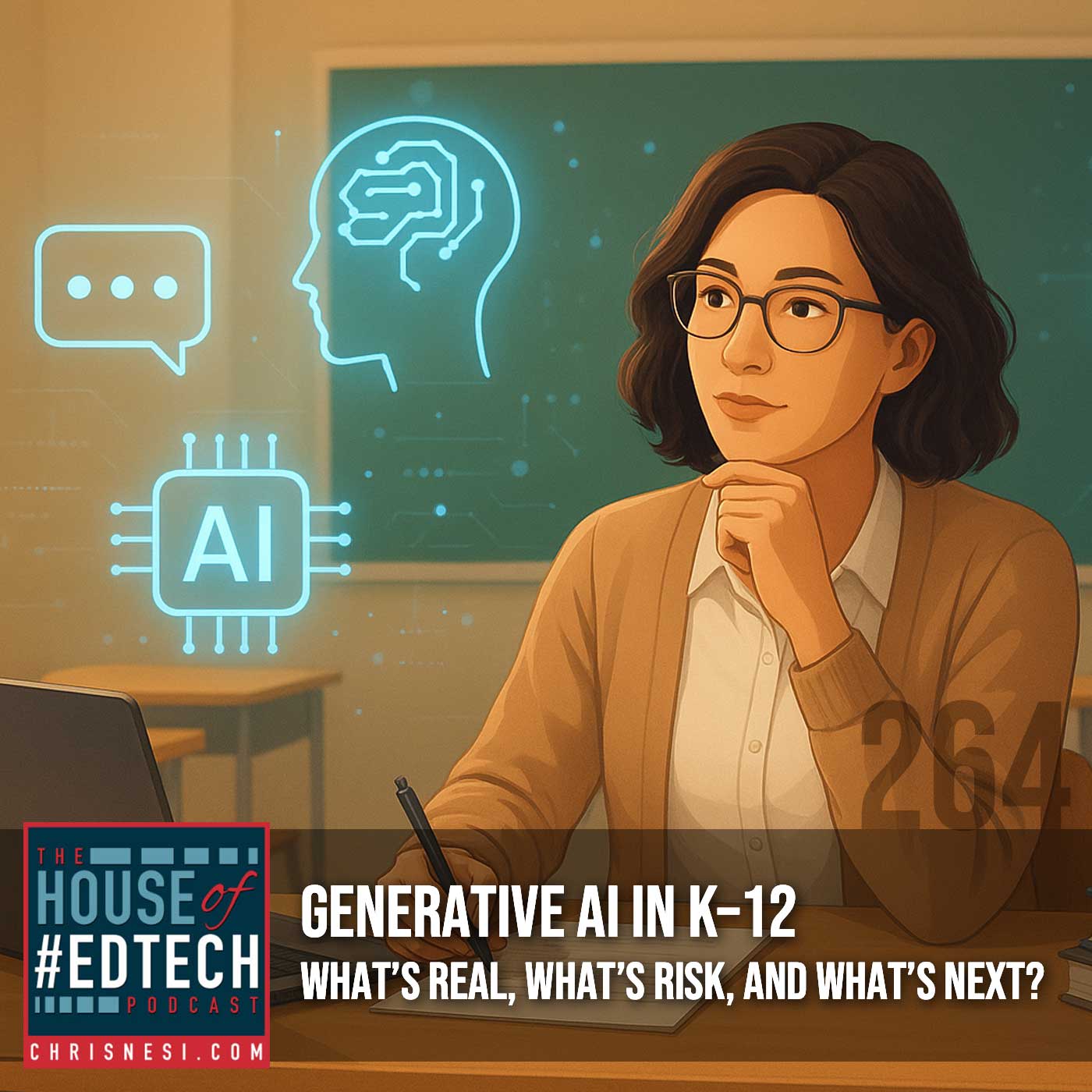
Ep 264Generative AI in K–12: What's Real, What's Risk, and What's Next - HoET264
From lesson planning and assessment design to AI-assisted tutoring and district-wide policy development, Chris explores how artificial intelligence is reshaping teaching and learning, not as a replacement for educators, but as a partner in creativity and efficiency. You will gain insights into the AI tipping point, practical classroom applications, real risks (including equity, bias, privacy, and the loss of human connection), and how teachers can lead responsibly through this transformation. The episode also includes a timely #EdTech Recommendation highlighting Google Chrome's live caption and translation features, and an invitation to participate in the 2025 EdTech SmackDown, the annual listener-powered finale of the show. Key Topics Discussed #EdTech Thought: The AI tipping point: Why AI in education is no longer "next" but "now." How educators are using generative AI for planning, differentiation, and feedback. Examples of AI tools supporting English language learners and accessibility. Major risks of AI in schools — equity, bias, privacy, and the human factor. How to lead responsibly with AI in your classroom or district: Build your AI literacy Put pedagogy before technology Model ethical transparency Advocate for clear district policies Share both wins and failures #EdTech Recommendation: Google Chrome's Live Caption & Translate feature. Relevant Links & Resources House of #EdTech Episode 246 – The Harms of Generative AI featuring Tom Mullaney
Ep 263The Importance of Education Beyond Technology - HoET263
In Episode 263 of the House of #EdTech podcast, Chris Nesi steps back from the gadgets, apps, and AI tools to remind educators what truly powers learning — education itself. While technology continues to reshape classrooms, Chris explores why human connection, curiosity, and lifelong learning remain at the heart of every meaningful educational experience. This reflective episode offers both inspiration and practical strategies for making learning more personal, purposeful, and people-centered — with technology as the support, not the driver. Key Topics Discussed: Why education matters beyond technology "Education is the great equalizer" — unpacking what that really means Educated by Tara Westover: A must-read memoir about resilience and learning The real power of learning: curiosity, connection, and contribution Historical examples of education changing lives (Malala, GI Bill) Practical tips for meaningful teaching in a tech-driven world 5 Practical Takeaways: Focus on relationships first — learning starts with connection. Make reflection part of the learning process. Model lifelong learning for your students and peers. Use technology with intention, not obligation. Connect learning to the real world. #EdTech Recommendation: Educated: A Memoir by Tara Westover — a powerful reminder of education's transformative potential.
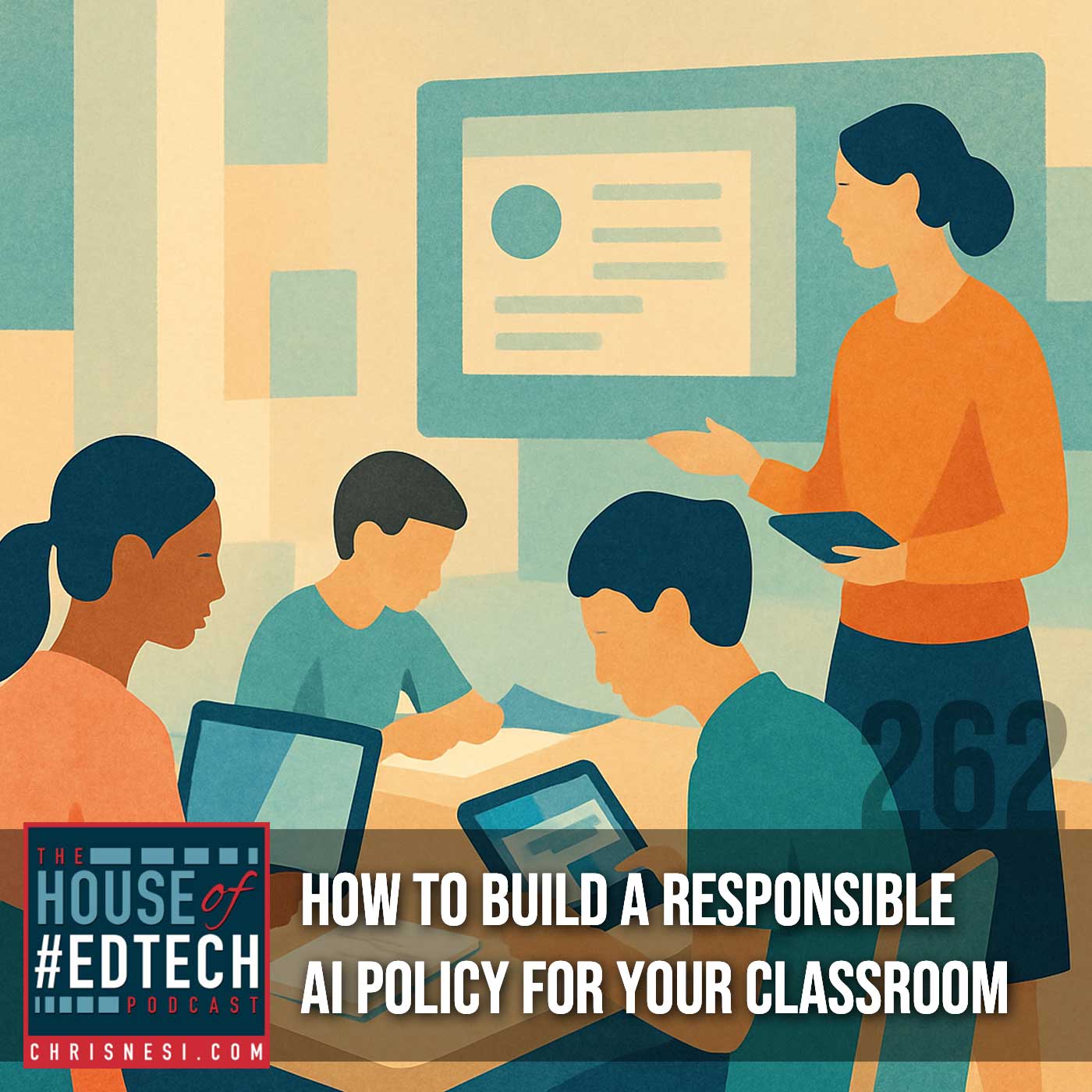
Ep 262How to Build a Responsible AI Policy for Your Classroom - HoET262
In Episode 262 of the House of #EdTech, Chris Nesi explores the timely and necessary topic of creating a responsible AI policy for your classroom. With artificial intelligence tools becoming more integrated into educational spaces, the episode breaks down why teachers need to set clear expectations and how they can do it with transparency, collaboration, and flexibility. Chris offers a five-part framework that educators can use to guide students toward ethical and effective AI use. Before the featured content, Chris reflects on a growing internal debate: is it time to step back from tech-heavy classrooms and return to more analog methods? He also shares three edtech recommendations, including tools for generating copyright-free images, discovering daily AI tool capabilities, and randomizing seating charts for better classroom dynamics. Topics Discussed: EdTech Thought: Chris debates the "Tech or No Tech" question in modern classrooms EdTech Recommendations: https://nomorecopyright.com/ - Upload an image to transform it into a unique, distinct version designed solely for inspiration and creative exploration. https://www.shufflebuddy.com/ - Never worry about seating charts again Foster a strong classroom community by frequently shuffling your seating charts while respecting your students' individual needs. https://whataicandotoday.com/ - We've analysed 16362 AI Tools and identified their capabilities with OpenAI GPT-4.1, to bring you a free list of 83054 tasks of what AI can do today. Why classrooms need a responsible AI policy A five-part framework to build your AI classroom policy Define What AI Is (and Isn't) Clarify When and How AI Can Be Used Promote Transparency and Attribution Include Privacy and Tool Approval Guidelines Make It Collaborative and Flexible The importance of modeling digital citizenship and AI literacy Free editable AI policy template by Chris for grades K–12 Mentions: Mike Brilla – The Inspired Teacher podcast Jake Miller – Educational Duct Tape podcast // Educational Duct Tape Book
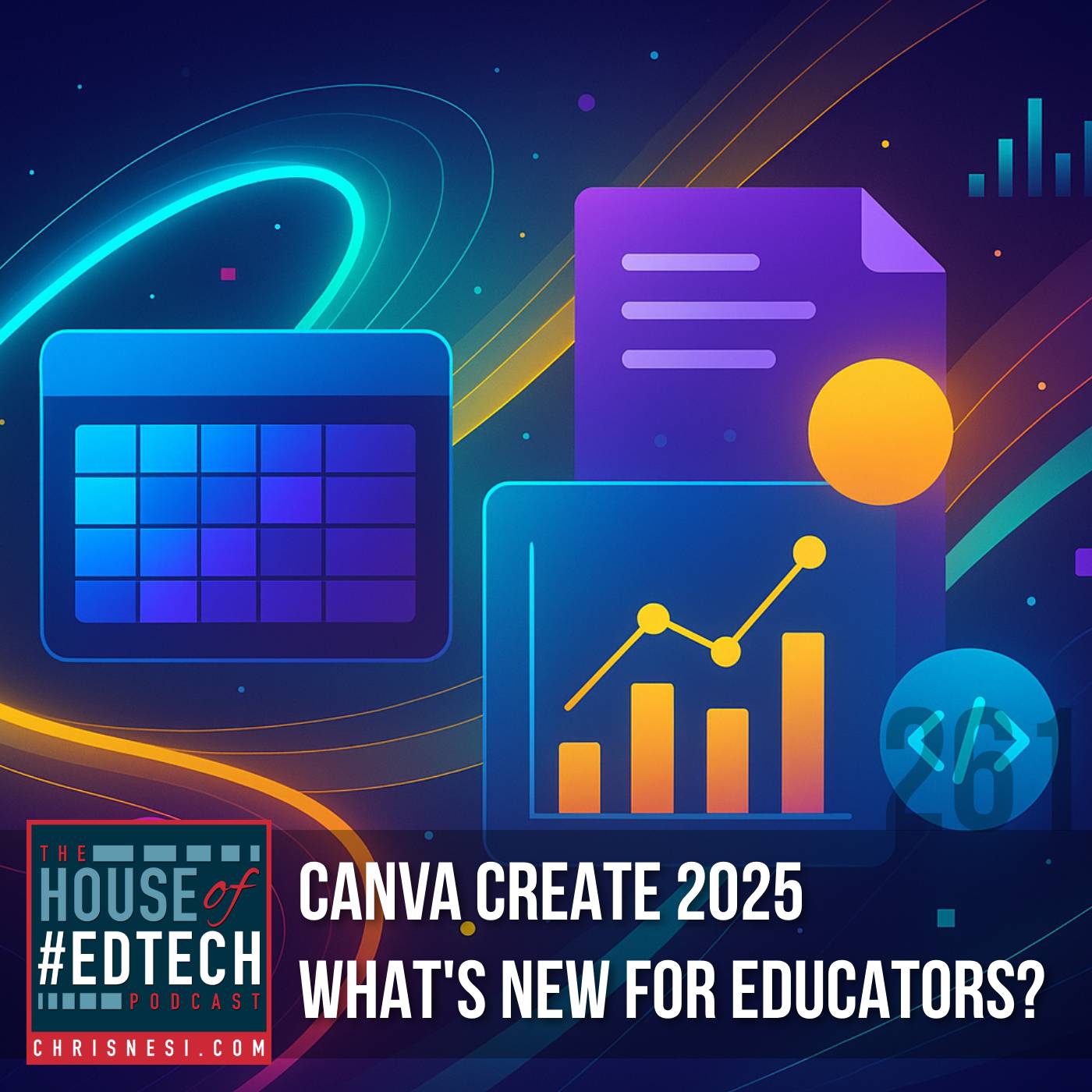
Ep 261Canva Create 2025 - What's New for Educators? - HoET261
In this exciting crossover episode, Chris Nesi teams up with Leena Marie Saleh (The EdTech Guru) for a detailed look into Canva's latest educational innovations unveiled during Canva Create 2025. Whether you're a teacher, instructional coach, or tech integrator, this episode is packed with transformative features and real classroom applications. Featured Topic: Canva Create 2025 Key Themes and Highlights: Canva Sheets: The Spreadsheet Reimagined A powerful new addition to the Canva suite—Canva Sheets brings AI-infused, visually pleasing spreadsheets to the classroom. Bulk Background Remover: Easily remove backgrounds from dozens of student photos at once. Bulk Create with Images: Mass-produce certificates, report cards, or newsletters by integrating images directly into your sheet. Magic AI Prompts: Skip the formulas—just describe your needs and let AI do the rest (e.g., calculating budgets, charting grades). Magic Insights: Auto-generate graphs, summaries, or positive student comments—great for data storytelling or end-of-year celebrations. Student Access: Available to students in districts where Canva's Magic tools are enabled. The All-in-One Visual Suite Create multi-modal projects within a single file: combine slides, spreadsheets, videos, documents, and websites. Use Case: Teachers can build unit plans with rubrics, grading sheets, lesson videos, and linked resources—all in one shareable design. Student Application: Portfolios that blend writing, multimedia, assessments, and visual elements in a single file. Canva Code No coding experience needed! Generate interactive HTML-based tools like: Flashcard games Vocabulary matching activities Countdown timers Use Cases: Do-Nows & Exit Tickets Interactive experiences (e.g., virtual art exhibits) Includes real-time code editing via voice or chat and seamless integration into other Canva designs. Voiceover and Text-to-Speech Enhancements Record true voiceovers directly in Canva—no more video workarounds. Use AI-generated voices to read text aloud in different accents and languages (e.g., Spanish voice packs Alejandra and Sofia). Ideal for student presentations, podcasts, and accessibility support. AI-Powered Speaker Notes Auto-generate speaking points from your presentation slides. Great for prepping lessons, webinars, or class presentations on the fly. Assignments Hub Instantly generate quizzes from highlighted text in a lesson or document. New classwork dashboard allows for real-time monitoring of student progress (especially for educators without an LMS like Google Classroom). Scrollables (a.k.a. Scrollytelling) Create animated, interactive timelines or diagrams that engage students through scroll-triggered movement and transitions. 🎯 Example: A digestive system walkthrough or a historical timeline using scroll-based animations. Additional Features Mentioned Superscript & Subscript support (finally!) Rich text highlighting in Docs Caption animations Volume balancing for videos Banner placement across all pages Enhanced collaboration (up to 50 collaborators per design)
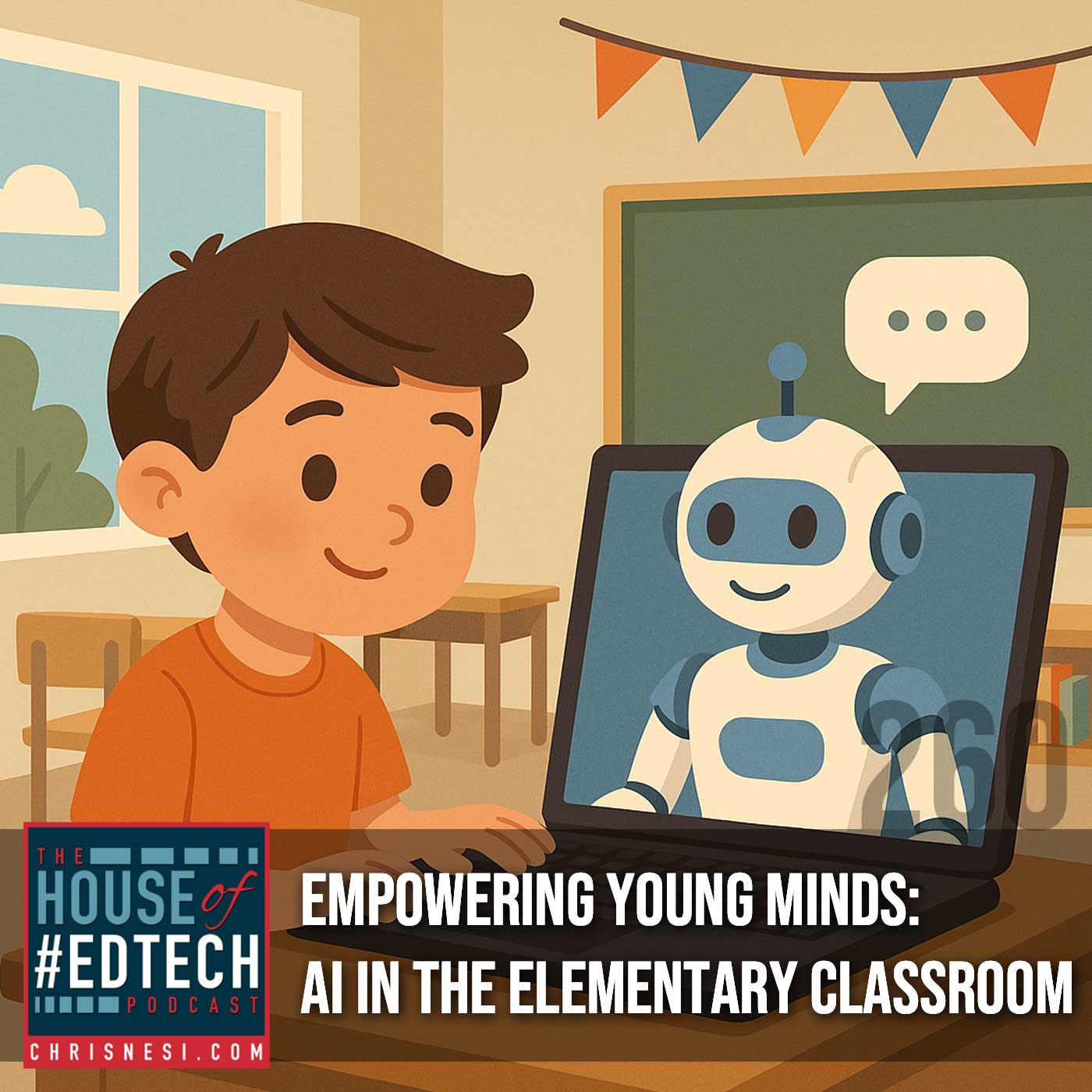
Ep 260Empowering Young Minds: AI in the Elementary Classroom - HoET260
Artificial intelligence (AI) is transforming education, but when we think about AI in the classroom, we often picture high school or college students using it for research, coding, or content creation. But what about elementary school? Can AI be a valuable tool for our youngest learners? In Episode 260 of House of #EdTech, I sit down with Dan Gallagher, an experienced ed tech coach, to explore how AI can be integrated into elementary education. We dive into the best tools, practical applications, and strategies to ensure AI enhances learning while keeping students safe and engaged. Why AI Belongs in the Elementary Classroom Many educators hesitate to introduce AI to young students, concerned about privacy, ethics, and age-appropriate usage. But as Dan explains, AI isn't about replacing teachers—it's about enhancing personalized learning and supporting creativity. AI can act as a creative brainstorming partner, a writing assistant, and even a storytelling coach, helping students generate ideas and refine their work in ways that keep them engaged and excited about learning. And the best part? When used correctly, AI doesn't replace human interaction—it amplifies a teacher's ability to provide personalized feedback. Real-World AI Applications for Young Learners So, how does this work in a real classroom setting? Dan shares some inspiring examples: 1. AI-Powered Creative Writing & Storytelling Using AI chatbots like "Waffles" (a controlled, kid-friendly chatbot), students can interact with a virtual writing partner that helps them develop their storytelling skills. The AI can ask them engaging questions, suggest details, and even provide feedback on their writing. Example Activity: A student writing a story about a time traveler can ask the AI for historical facts, unique setting ideas, or character inspiration. The AI generates possibilities, but the student makes all the creative decisions! 2. Visual Learning & Digital Art with AI Tools AI-powered platforms like Canva's text-to-image generator allow young students to turn their ideas into visual representations. Example Activity: A class studying idioms might create posters using AI-generated images. If a student picks "It's raining cats and dogs," AI can generate an imaginative illustration, sparking discussion about figurative language. 3. Personalized Learning & AI Tutors AI can function as a virtual tutor, adapting to each student's needs. Platforms like Magic School AI provide instant feedback on writing assignments, while School AI can assist with generating lesson plans tailored to students' learning levels. Example Activity: A teacher might use AI to provide instant feedback on students' sentence structures, guiding them to refine their writing step by step instead of waiting for the teacher to get to each student individually. Addressing Safety & Ethical Concerns Of course, introducing AI in elementary education requires a responsible approach. Privacy, misinformation, and ethical use are all valid concerns. Dan and I discuss some best practices to keep AI use safe and effective: Use AI platforms with built-in content moderation (e.g., School AI, which ensures safe interactions). Set up AI usage in a controlled, "walled garden" environment where students can explore safely. Teach students critical thinking skills to evaluate AI-generated content—just because AI provides an answer doesn't mean it's always correct! Engage parents and school administrators by explaining how AI is being used responsibly in the classroom. Parents, in particular, may be hesitant, so educators should communicate the benefits while addressing concerns about safety. Tools like Common Sense Media can be great resources for helping families navigate AI responsibly. How Teachers Can Get Started with AI in Elementary Classrooms If you're an educator wondering how to introduce AI to younger students, here are some practical first steps: Start with simple AI tools like Google AutoDraw, which turns students' rough sketches into polished images. Use AI for brainstorming, not answers—help students see AI as a tool for sparking ideas, not just getting solutions. Model AI usage during lessons—demonstrate how you use AI to generate ideas or enhance lesson materials. Encourage creativity—have students work in groups to refine AI-generated content rather than taking it at face value. Final Thoughts: AI as a Partner in Education This episode is a reminder that AI is not just for older students or tech-savvy classrooms—it has the potential to unlock creativity, enhance engagement, and support personalized learning for young learners as well. AI won't replace teachers, but it can help them provide better support to more students—a true game-changer in today's classrooms.
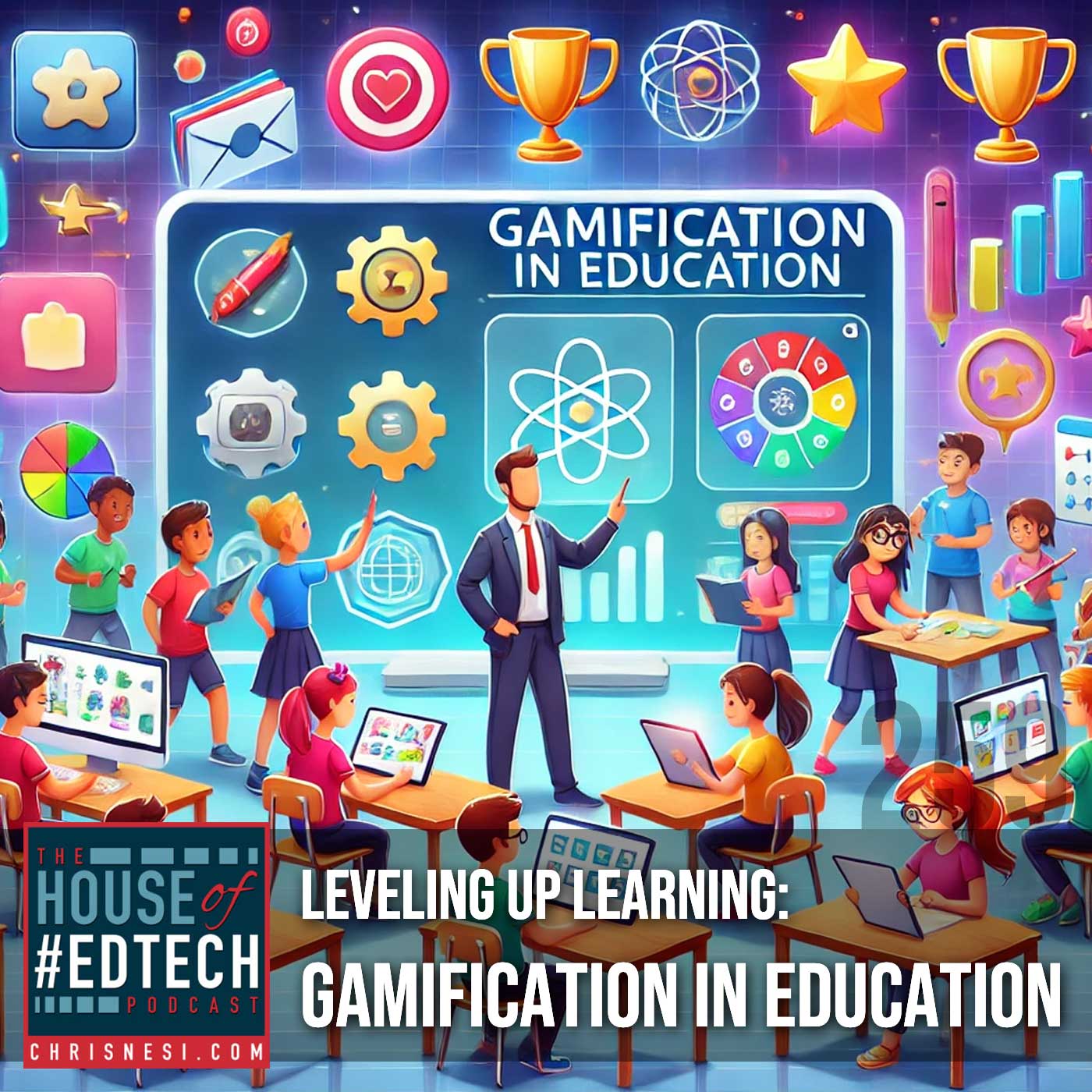
Ep 259Leveling Up Learning: Gamification in Education - HoET259
In this episode of House of #EdTech, I discuss the what, why, and how of gamification in education! By incorporating game design elements into your teaching, you can boost student motivation, engagement, and learning outcomes—all while making lessons more interactive and fun! Segment 1: What is Gamification in Education? Definition of gamification and how it differs from game-based learning The psychology behind gamification: motivation, engagement, and dopamine Why gamification works in both K-12 and higher education settings Segment 2: Why Gamification Works Teachers and schools successfully implementing gamification How gamified learning platforms like Classcraft, Kahoot!, and Quizizz enhance the classroom experience The impact of leaderboards, challenges, and achievements on student motivation Segment 3: Practical Gamification Strategies for Educators Points, Badges, and Leaderboards (PBL): Reward students for progress and effort Quests and Challenges: Break down lessons into missions and problem-solving activities Choice and Autonomy: Let students pick their learning paths through differentiated tasks Storytelling & Themes: Create immersive experiences (e.g., a classroom space mission or historical adventure) Resources & Links Mentioned: Classcraft – Gamify classroom management Kahoot! – Interactive quizzes Quizizz – Fun game-based assessments Minecraft: Education Edition – Learning through creativity
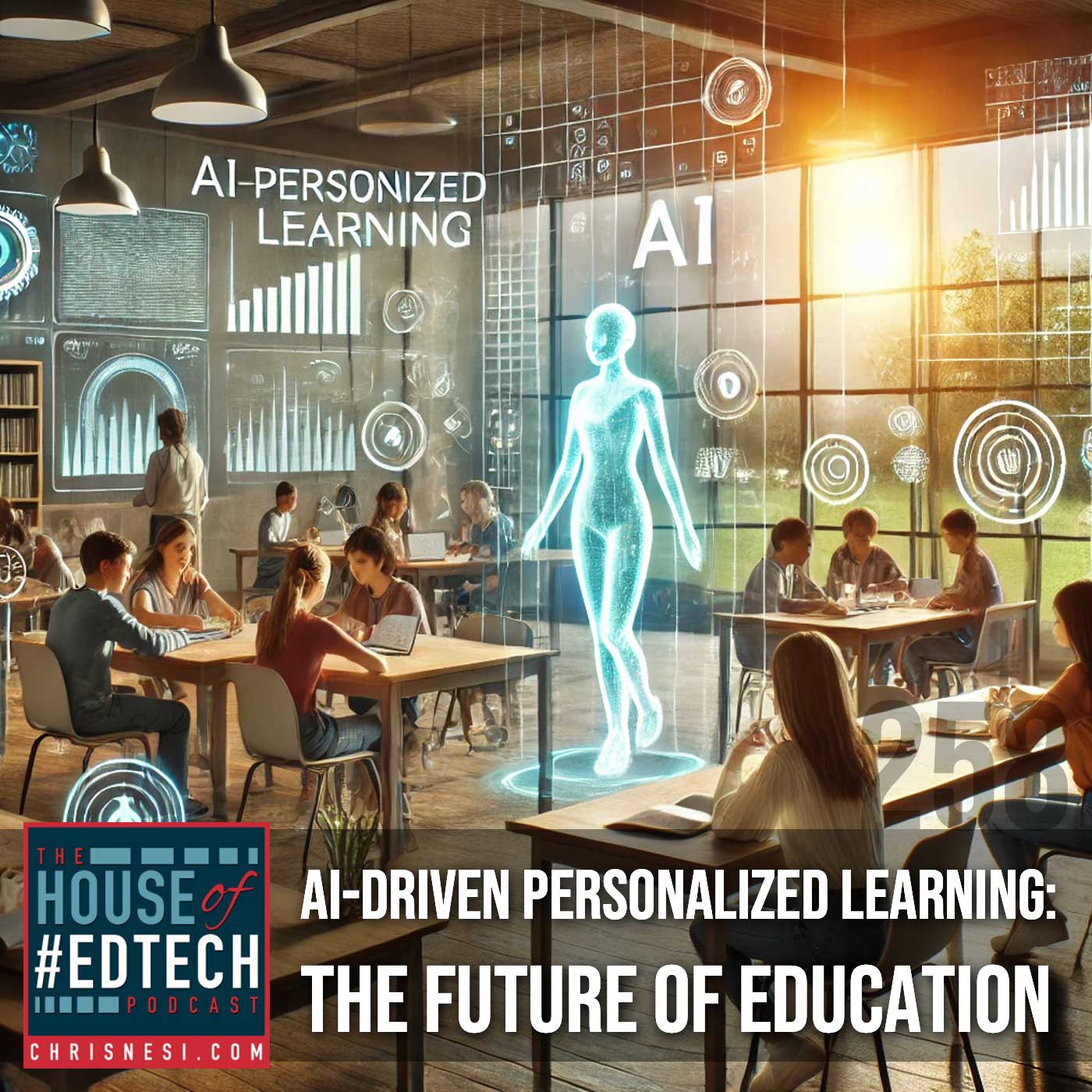
Ep 258AI-Driven Personalized Learning: The Future of Education - HoET258
In this episode of House of #EdTech, we take a deep dive into the world of AI-driven personalized learning. From how AI adapts to individual student needs to address concerns about environmental impact and ethical use, I cover it all. This episode is perfect for educators, school administrators, and tech enthusiasts who want to understand the benefits, challenges, and best practices for incorporating AI into education. For complete show notes please visit: https://chrisnesi.com/258
Ep 2572024 House of #EdTech Smackdown - HoET257
Welcome to the House of #EdTech! In this special episode, I celebrate the 11th annual #EdTech Smackdown. Prepare for a jam-packed showcase of the best edtech tips, tools, and insights from incredible educators in our community. Let's get into the 2024 edition! For complete show notes visit: https://chrisnesi.com/257
Ep 256Chapter 9: Conclusions, Recaps, and Next Steps - HoET256
I wrap up the podcasting journey outlined in my book with a comprehensive recap of the essential steps to launch, grow, and sustain your podcast. Whether you're a seasoned podcaster or just starting out, this episode is packed with actionable insights and inspiration to help you refine your craft and achieve your podcasting goals. For complete show notes visit: https://chrisnesi.com/256
Ep 255Chapter 8: Troubleshooting Common Podcasting Challenges - HoET255
I discuss the most common challenges podcasters face and how to troubleshoot them effectively. Whether you're a seasoned podcaster or just starting out, mastering these solutions can elevate your podcasting game and ensure your show runs smoothly. PURCHASE "I LIKE TO PODCAST AND YOU WILL TOO!: A HOUSE OF #EDTECH GUIDE TO PODCASTING!" For complete show notes visit: https://chrisnesi.com/255
Ep 254Chapter 7: Growing Your Podcast Audience & Building Your Brand - HoET254
In this episode, we dive deep into strategies for growing your podcast audience and building a strong brand. Learn how to define your target audience, create engaging content, and develop a cohesive brand identity that resonates with listeners. We'll explore the importance of networking, leveraging social media, and creating consistent, high-quality episodes to not only attract an audience but keep them coming back for more. Plus, discover tips to monetize your growing platform and turn your podcast into a sustainable success. For complete show notes please visit: https://chrisnesi.com/254
Ep 253Chapter 6: Monetizing Your Podcast - HoET253
In today's episode, we dive into Chapter 6 of I Like to Podcast and You Will Too!—all about monetizing your podcast. We'll explore the essential steps for transforming your passion project into a profitable venture. From traditional advertising and sponsorships to innovative methods like selling merchandise and offering consulting services, we cover the top strategies to help you decide what works best for you. Plus, we discuss the vital role of building a loyal audience and delivering high-quality content to maximize income potential and keep listeners engaged. Whether you're podcasting for fun or aiming to build a sustainable income, these insights will guide you on the path to podcasting success. For complete show notes visit: https://chrisnesi.com/253
Ep 252Chapter 5: Hosting, Promoting, and Distributing Your Podcast - HoET252
Welcome to House of #EdTech! Today, we're diving into Chapter 5 from my book I Like to Podcast and You Will Too!: A House of #EdTech Guide to Podcasting. This chapter is all about what comes after you hit record – hosting, promoting, and distributing your podcast to ensure it reaches as many ears as possible. We'll cover essential strategies to help you expand your audience and engage listeners effectively. For complete show notes visit: https://chrisnesi.com/252
Ep 251Chapter 4: Recording and Editing Your Podcast - HoET251
In this episode, we're diving into the essentials of recording and editing a podcast -- Chapter 4 of my book --to help you produce high-quality episodes that captivate your audience. Whether you're new to podcasting or looking to refine your skills, we'll cover everything from selecting the right equipment to key editing techniques that ensure professional results. For complete show notes visit: https://chrisnesi.com/251