Holy Smoke
243 episodes — Page 2 of 5
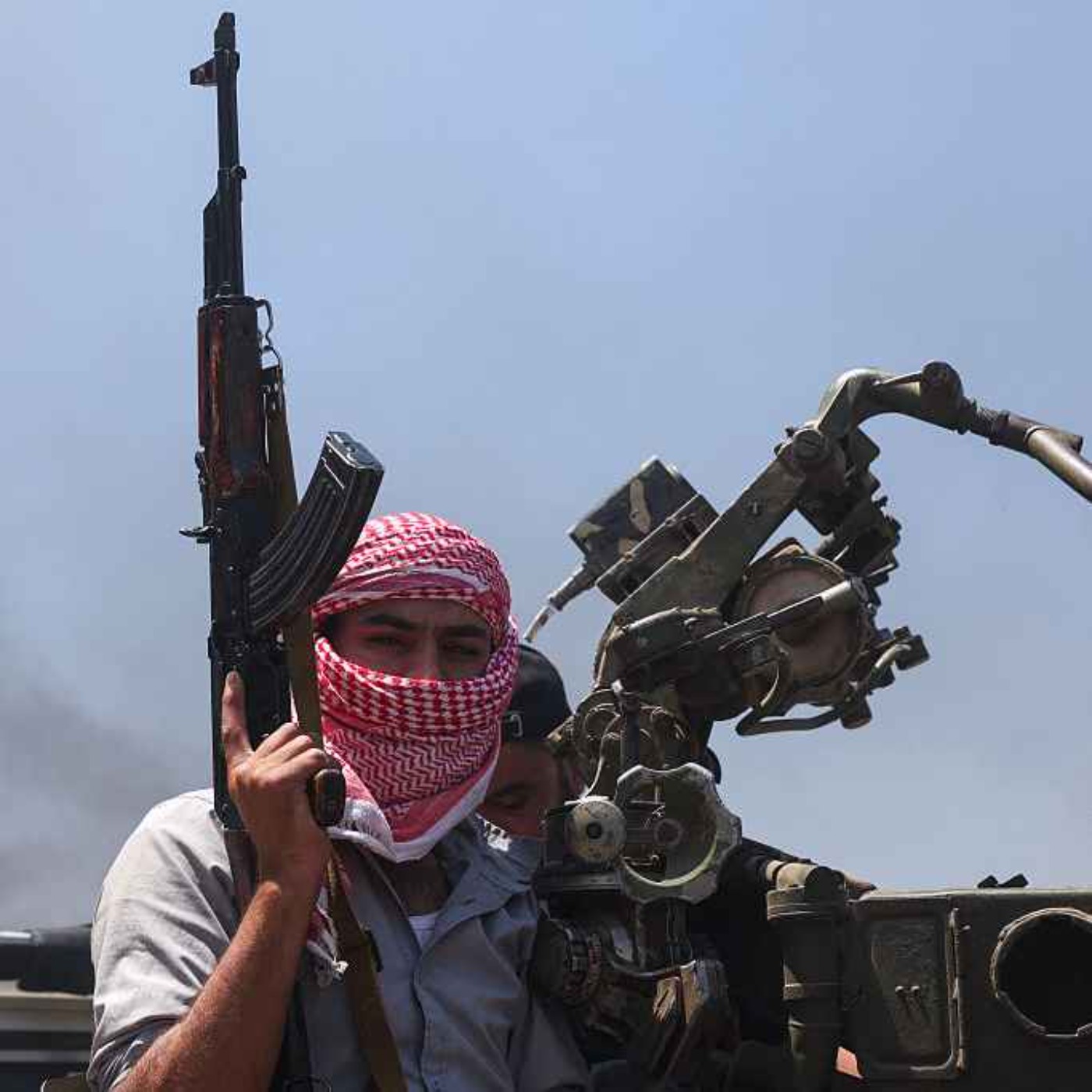
Massacres in Syria & the Congo: why aren't Western elites drawing attention to religious persecution?
<p>After&nbsp;the fall of the Assad regime in Syria, many people voiced fears that the religious minorities in the country could face increased persecution. This could be at the hands of the new government’s supporters, or simply because the new regime can't protect them. Now those fears appear to have been realised. There is rising sectarian violence against Christians, the Alawites and the Druze (pictured). There are also frequent barbaric attacks on Christians in parts of Africa: more than 40 Christians have just been murdered by Islamists in the Democratic Republic of the Congo while attending church.</p><br><p>Fr Benedict Kiely joins Damian Thompson on this episode of&nbsp;<em>Holy Smoke</em>&nbsp;to discuss the background to this violence, the role of inter-faith score-settling, and why the global West – including leaders of the Catholic Church – seem more interested in migration than the slaughter of Christians and other people of faith.</p><br><p>A Catholic priest of the Ordinariate, Fr Ben is a leading campaigner for religious believers around the world, and especially in the Middle East, and the founder of the charity&nbsp;<a href="http://nasarean.org" rel="noopener noreferrer" target="_blank"><em>nasarean.org</em></a>.</p><br><p>Produced by Patrick Gibbons.</p><p>Become a <em>Spectator </em>subscriber today to access this podcast without adverts. Go to <a href="https://www.spectator.co.uk/follow-your-podcasts/" rel="noopener noreferrer" target="_blank">spectator.co.uk/adfree</a> to find out more.</p><br><p>For more <em>Spectator</em> podcasts, go to <a href="https://www.spectator.co.uk/podcasts/" rel="noopener noreferrer" target="_blank">spectator.co.uk/podcasts</a>. </p><br><p>Contact us: [email protected]</p> <hr><p style='color:grey; font-size:0.75em;'> Hosted on Acast. See <a style='color:grey;' target='_blank' rel='noopener noreferrer' href='https://acast.com/privacy'>acast.com/privacy</a> for more information.</p>
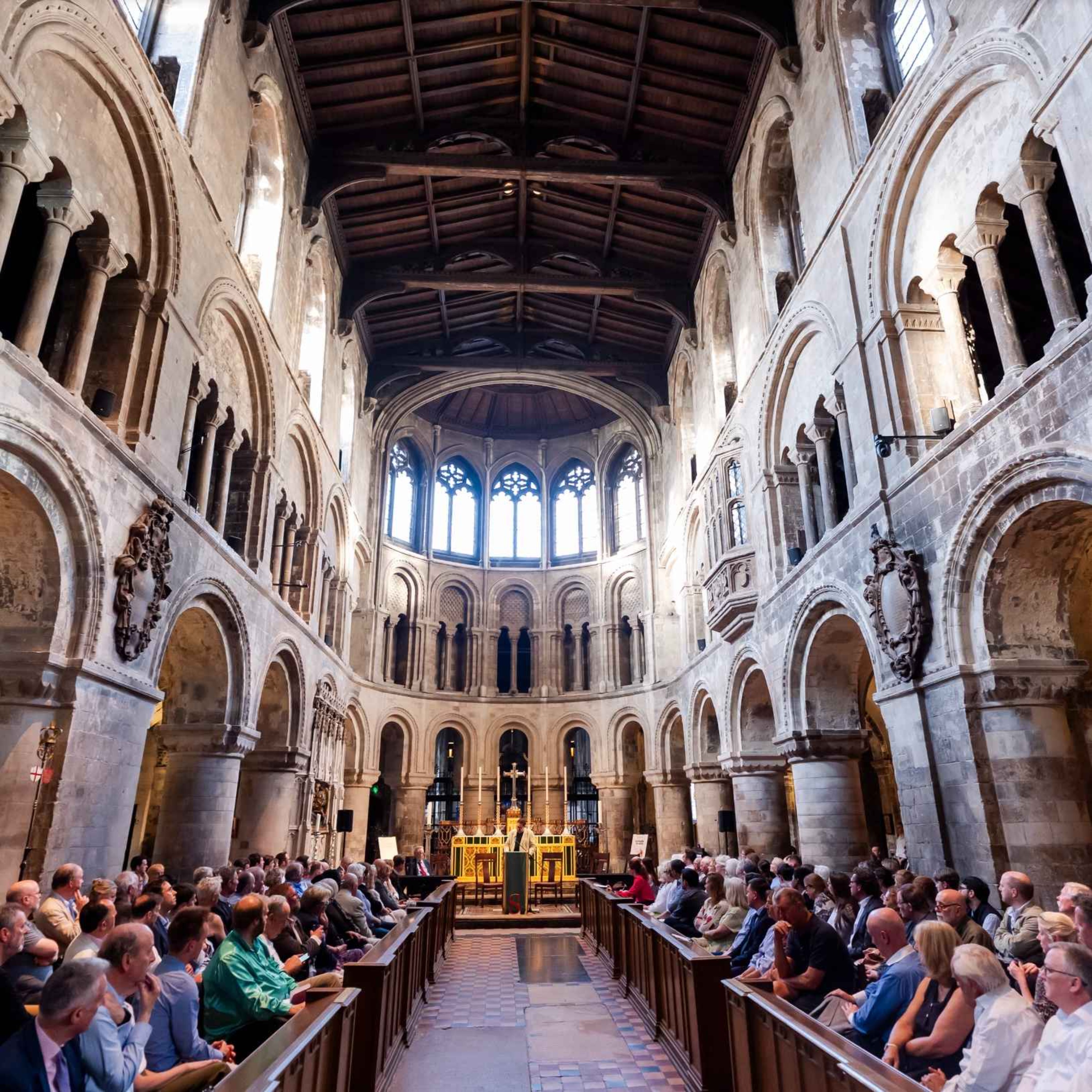
Recovering the Sacred with Michael Gove, Revd Marcus Walker, Dr Cosima Gillhammer and many more
<p>Last week <em>The Spectator</em> held a live event entitled ‘Recovering the Sacred’ in the glorious surroundings of St Bartholomew the Great, the oldest parish church in the City of London.</p><br><p>The speakers included two London parish priests – one Anglican, one Catholic – who have contributed much to the growing interest among young people in traditional liturgy and Christian theology, a development that the hierarchy of their respective churches certainly didn’t foresee.</p><br><p>They were the Rev Marcus Walker, Rector of St Bart’s, whose Prayer Book Evensongs and Eucharists attract large numbers of young professionals to his ancient church; and Fr Julian Large, the Provost of the Brompton Oratory, where an increasingly youthful congregation flocks to Latin Masses.</p><br><p>We also heard from Dr Cosima Gilhammer, a Fellow in English at Lady Margaret Hall, Oxford, whose writings on the rhythms and symbolism of the liturgy are deeply inspiring; <em>The Spectator</em>’s editor, Michael Gove; and the Rev Prof Andrew Davison, Regius Professor of Divinity at Oxford University, who also holds a doctorate in biochemistry.</p><br><p>The evening concluded with a panel discussion chaired by <em>Holy Smoke</em>’s presenter, Damian Thompson, and – a real treat – a performance of Catholic and Anglican motets sung by the renowned choir of St Bart’s.</p><br><p>The event was completely sold out. Inevitably, many were disappointed not to attend in person – but the microphones were running, and so we are delighted to present ‘Recovering the Sacred’.</p><p>Become a <em>Spectator </em>subscriber today to access this podcast without adverts. Go to <a href="https://www.spectator.co.uk/follow-your-podcasts/" rel="noopener noreferrer" target="_blank">spectator.co.uk/adfree</a> to find out more.</p><br><p>For more <em>Spectator</em> podcasts, go to <a href="https://www.spectator.co.uk/podcasts/" rel="noopener noreferrer" target="_blank">spectator.co.uk/podcasts</a>. </p><br><p>Contact us: [email protected]</p> <hr><p style='color:grey; font-size:0.75em;'> Hosted on Acast. See <a style='color:grey;' target='_blank' rel='noopener noreferrer' href='https://acast.com/privacy'>acast.com/privacy</a> for more information.</p>
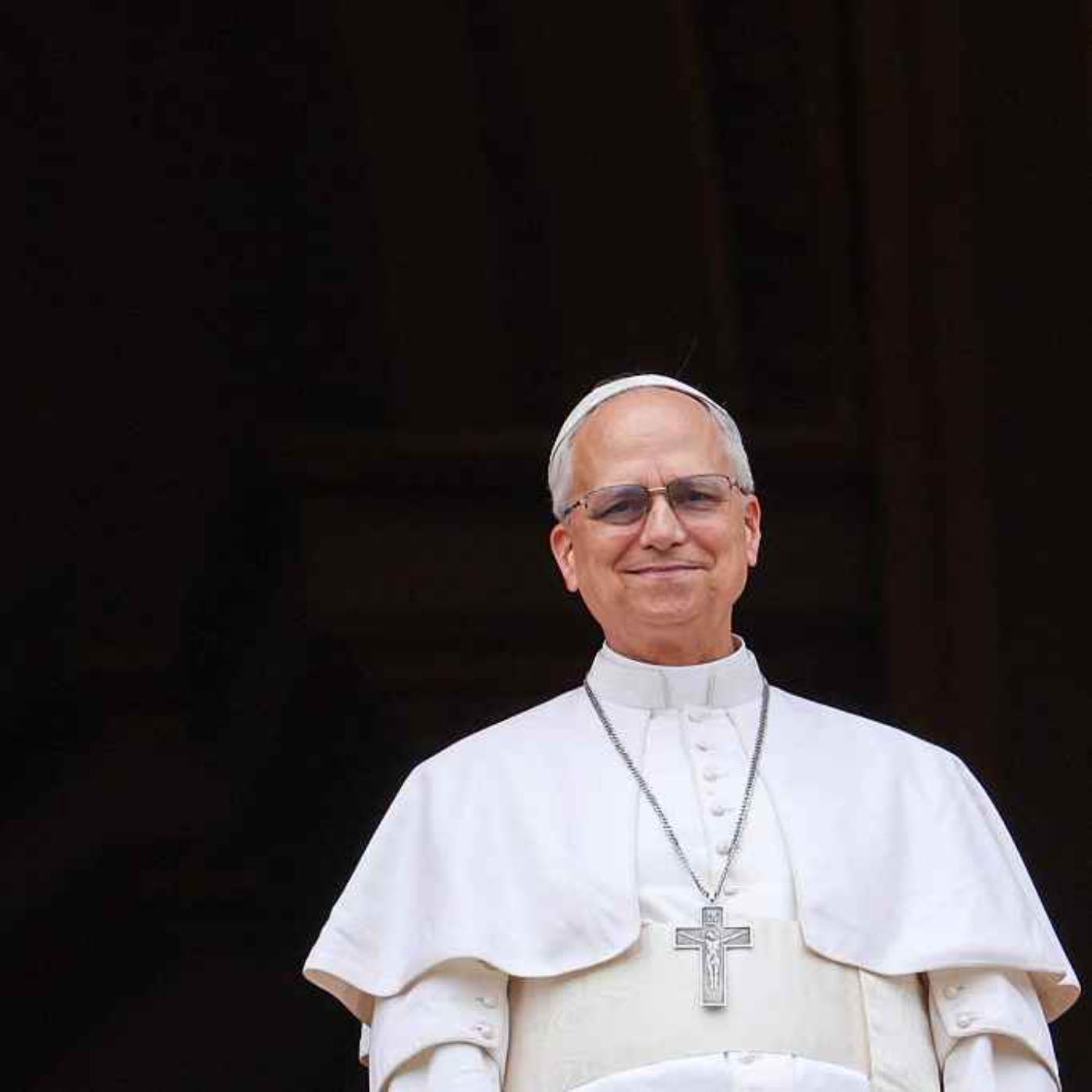
It’s time for Pope Leo XIV to make some tough decisions
<p>Nearly everyone loves Robert Prevost, the unassuming baseball fan from Chicago who unexpectedly became Pope Leo XIV this year. But as he prepares to spend his summer in Castel Gandolfo he has some difficult decisions to make. Is he prepared to clear up all the doctrinal confusion created by his predecessor Pope Francis? And will he allow liberal bishop to continue to persecute Catholics who prefer the ancient Latin form of Mass?&nbsp;</p><br><p>Damian Thompson gives us his thoughts in advance of <em>Recovering the Sacred</em>, a Spectator event at St Bartholomew-the-Great in the City of London on July 8 featuring debate and sacred music illustrating the recovery of tradition by a new generation of Christians.&nbsp;For tickets and more information, go to <a href="spectator.co.uk/church" rel="noopener noreferrer" target="_blank">spectator.co.uk/church</a>.</p><br><p>Produced by Patrick Gibbons.</p><p>Become a <em>Spectator </em>subscriber today to access this podcast without adverts. Go to <a href="https://www.spectator.co.uk/follow-your-podcasts/" rel="noopener noreferrer" target="_blank">spectator.co.uk/adfree</a> to find out more.</p><br><p>For more <em>Spectator</em> podcasts, go to <a href="https://www.spectator.co.uk/podcasts/" rel="noopener noreferrer" target="_blank">spectator.co.uk/podcasts</a>. </p><br><p>Contact us: [email protected]</p> <hr><p style='color:grey; font-size:0.75em;'> Hosted on Acast. See <a style='color:grey;' target='_blank' rel='noopener noreferrer' href='https://acast.com/privacy'>acast.com/privacy</a> for more information.</p>
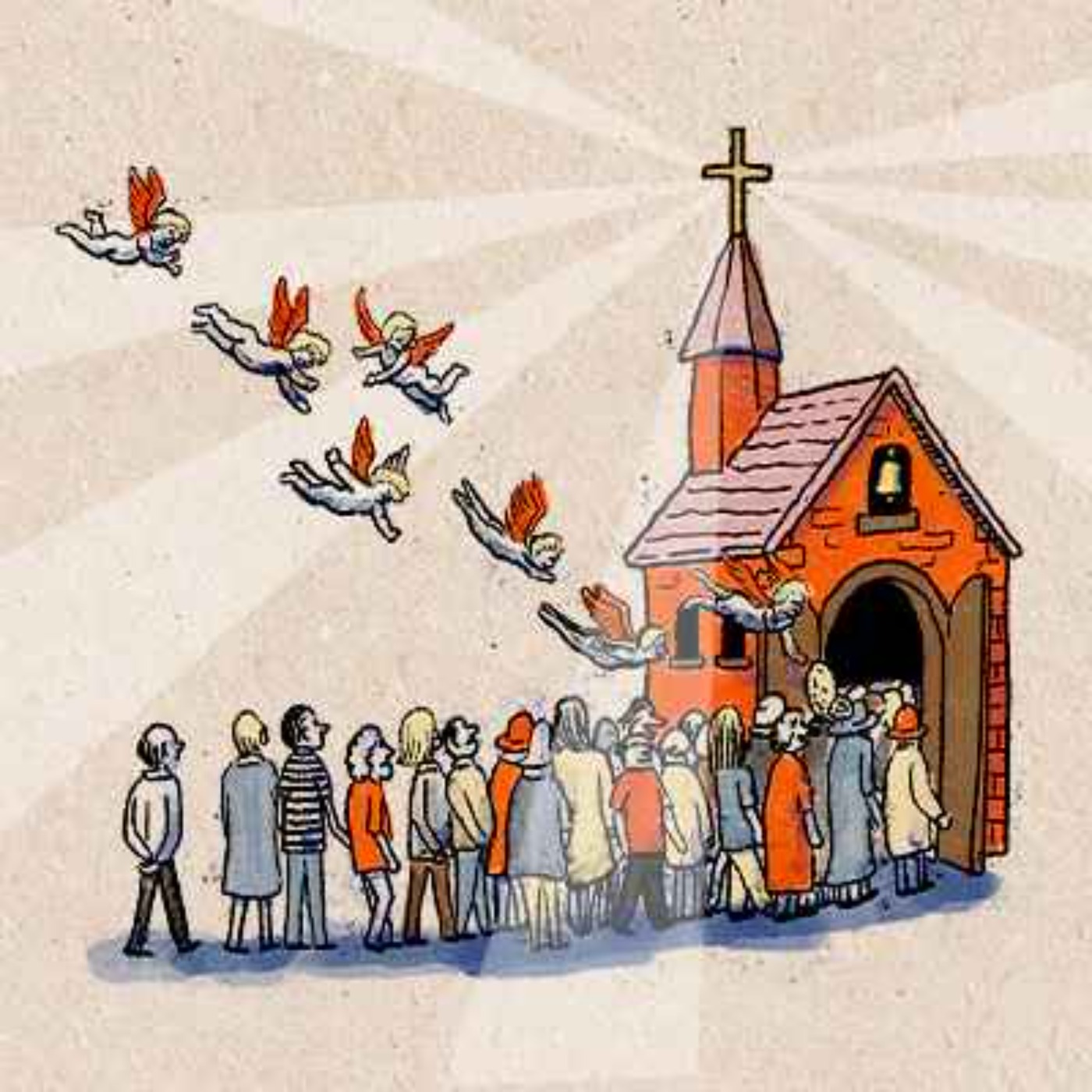
Why are young Christians returning to tradition?
<p>Today’s Holy Smoke is a curtain-raiser for ‘Recovering the Sacred’, a Spectator event at St Bartholow-the-Great in the City of London in which a panel of experts will explore the rediscovery of traditional worship and theology by young Anglicans and Catholics.&nbsp;The event will be held on Tuesday 8th July; for more details, and to book tickets, go to: <a href="https://open.acast.com/networks/68233d14f368620d4548ab93/shows/68359028e1abc4be6b032cd1/episodes/spectator.co.uk/church" rel="noopener noreferrer" target="_blank">spectator.co.uk/church</a></p><br><p>In today’s episode Damian Thompson talks to Anglican James Vitali and Catholic Georgia Clarke, two Generation Z professionals bursting with enthusiasm for their faith. It’s an exhilarating discussion; don’t miss it.&nbsp;</p><br><p>Produced by Patrick Gibbons.</p><p>Become a <em>Spectator </em>subscriber today to access this podcast without adverts. Go to <a href="https://www.spectator.co.uk/follow-your-podcasts/" rel="noopener noreferrer" target="_blank">spectator.co.uk/adfree</a> to find out more.</p><br><p>For more <em>Spectator</em> podcasts, go to <a href="https://www.spectator.co.uk/podcasts/" rel="noopener noreferrer" target="_blank">spectator.co.uk/podcasts</a>. </p><br><p>Contact us: [email protected]</p> <hr><p style='color:grey; font-size:0.75em;'> Hosted on Acast. See <a style='color:grey;' target='_blank' rel='noopener noreferrer' href='https://acast.com/privacy'>acast.com/privacy</a> for more information.</p>
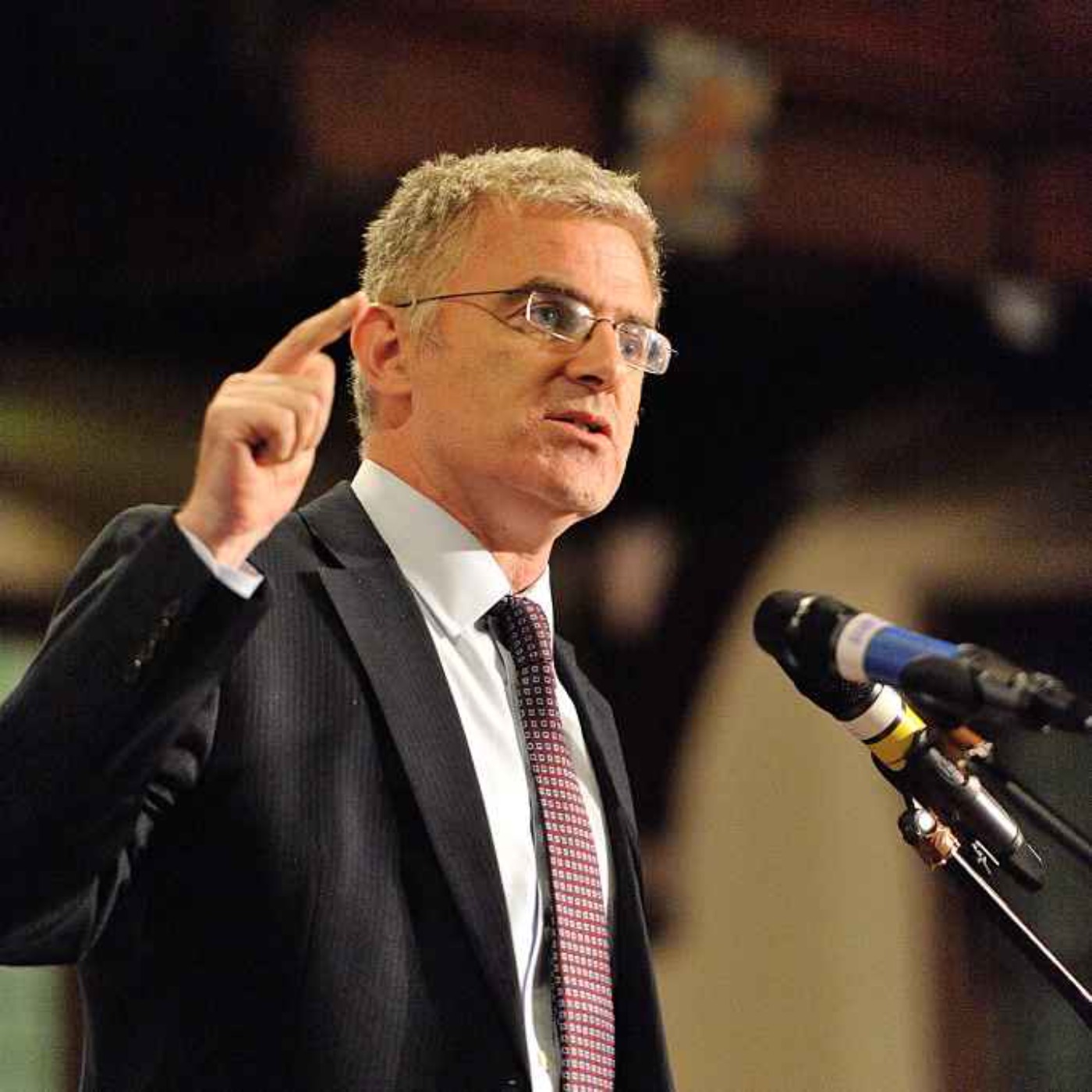
A Jewish guide to arguing
<p>Daniel Taub, former Israeli Ambassador to the UK, joins Damian Thompson to talk about his new book&nbsp;<em>Beyond Dispute: Rediscovering the Jewish art of constructive disagreement</em>. In a fast-moving interview, Daniel explains how the art of arguing has shaped Jewish humour and scholarship, and Damian asks him about keeping kosher, life after death – and the influence of the Talmud on&nbsp;<em>Curb Your Enthusiasm.&nbsp;</em></p><br><p>Produced by Patrick Gibbons.</p><br><p><br></p><p><em>&nbsp;</em></p><p>Become a <em>Spectator </em>subscriber today to access this podcast without adverts. Go to <a href="https://www.spectator.co.uk/follow-your-podcasts/" rel="noopener noreferrer" target="_blank">spectator.co.uk/adfree</a> to find out more.</p><br><p>For more <em>Spectator</em> podcasts, go to <a href="https://www.spectator.co.uk/podcasts/" rel="noopener noreferrer" target="_blank">spectator.co.uk/podcasts</a>. </p><br><p>Contact us: [email protected]</p> <hr><p style='color:grey; font-size:0.75em;'> Hosted on Acast. See <a style='color:grey;' target='_blank' rel='noopener noreferrer' href='https://acast.com/privacy'>acast.com/privacy</a> for more information.</p>
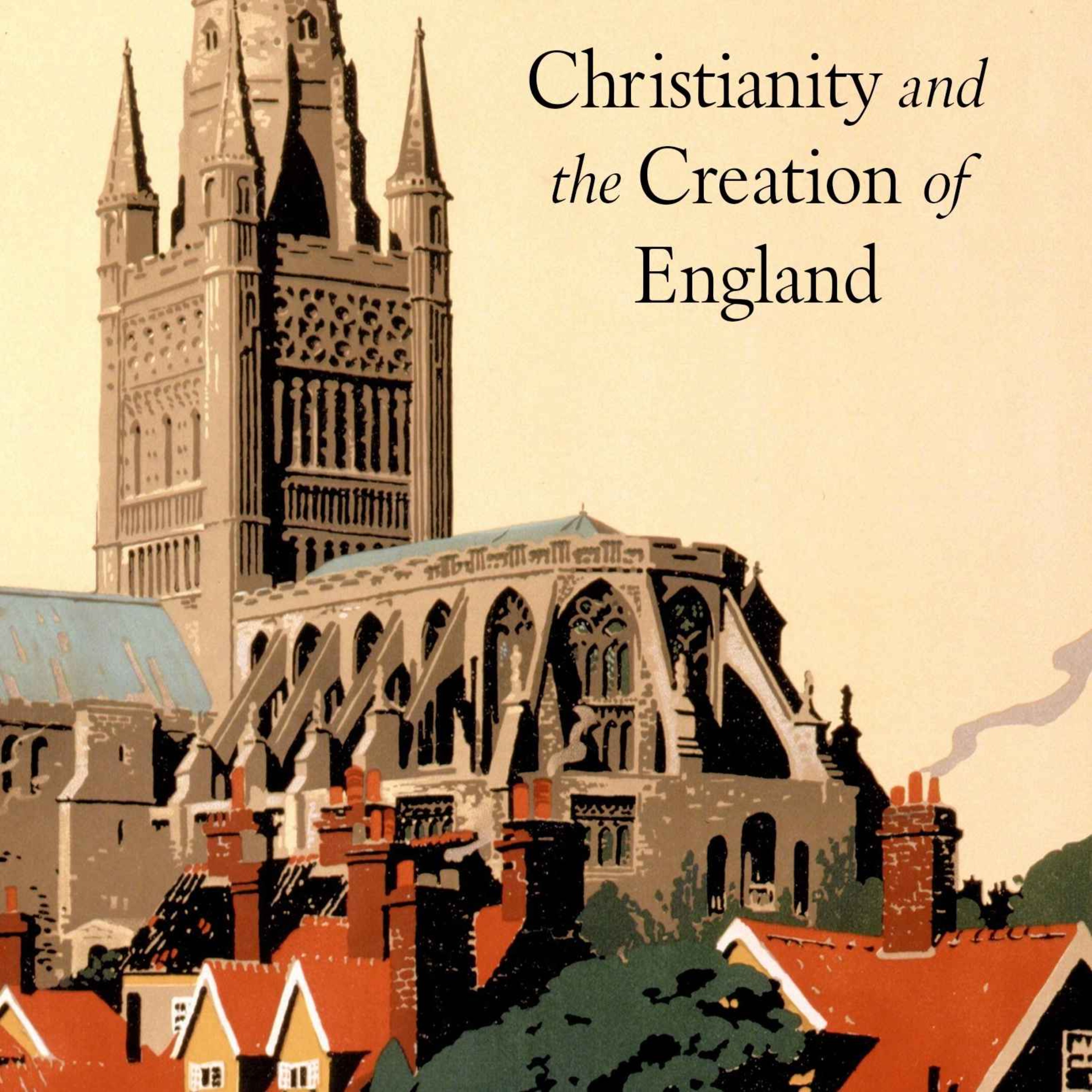
Is God an Englishman?
<p>Bijan Omrani joins Damian Thompson to talk about his new book&nbsp;<em>God is an Englishman: Christianity and the Creation of England</em>. They discuss the spiritual and cultural debt the country owes to Christianity. The central question of Bijan’s book is ‘does it matter that Christianity is dying in England?’. The&nbsp;faith has historically played a disproportionate role in many areas of English life that we take for granted now – for example, by shaping both charity and the welfare state. Yet this is influence is often&nbsp;ignored as congregations shrink and the UK slides into secularism.</p><p>&nbsp;</p><p>But are&nbsp;there&nbsp;unexpected grounds for hope? The publication of&nbsp;<em>God is an Englishman</em>&nbsp;has coincided with a modest but surprising revival of traditional&nbsp;worship among&nbsp;Millennials and members of Generation Z. Is there, as&nbsp;the book puts it, a ‘weariness of the young' with what secular society is offering them?’ And could we see the eventual&nbsp;flourishing of a smaller but purer English Christianity?</p><br><p>Produced by Patrick Gibbons.&nbsp;</p><p>Become a <em>Spectator </em>subscriber today to access this podcast without adverts. Go to <a href="https://www.spectator.co.uk/follow-your-podcasts/" rel="noopener noreferrer" target="_blank">spectator.co.uk/adfree</a> to find out more.</p><br><p>For more <em>Spectator</em> podcasts, go to <a href="https://www.spectator.co.uk/podcasts/" rel="noopener noreferrer" target="_blank">spectator.co.uk/podcasts</a>. </p><br><p>Contact us: [email protected]</p> <hr><p style='color:grey; font-size:0.75em;'> Hosted on Acast. See <a style='color:grey;' target='_blank' rel='noopener noreferrer' href='https://acast.com/privacy'>acast.com/privacy</a> for more information.</p>
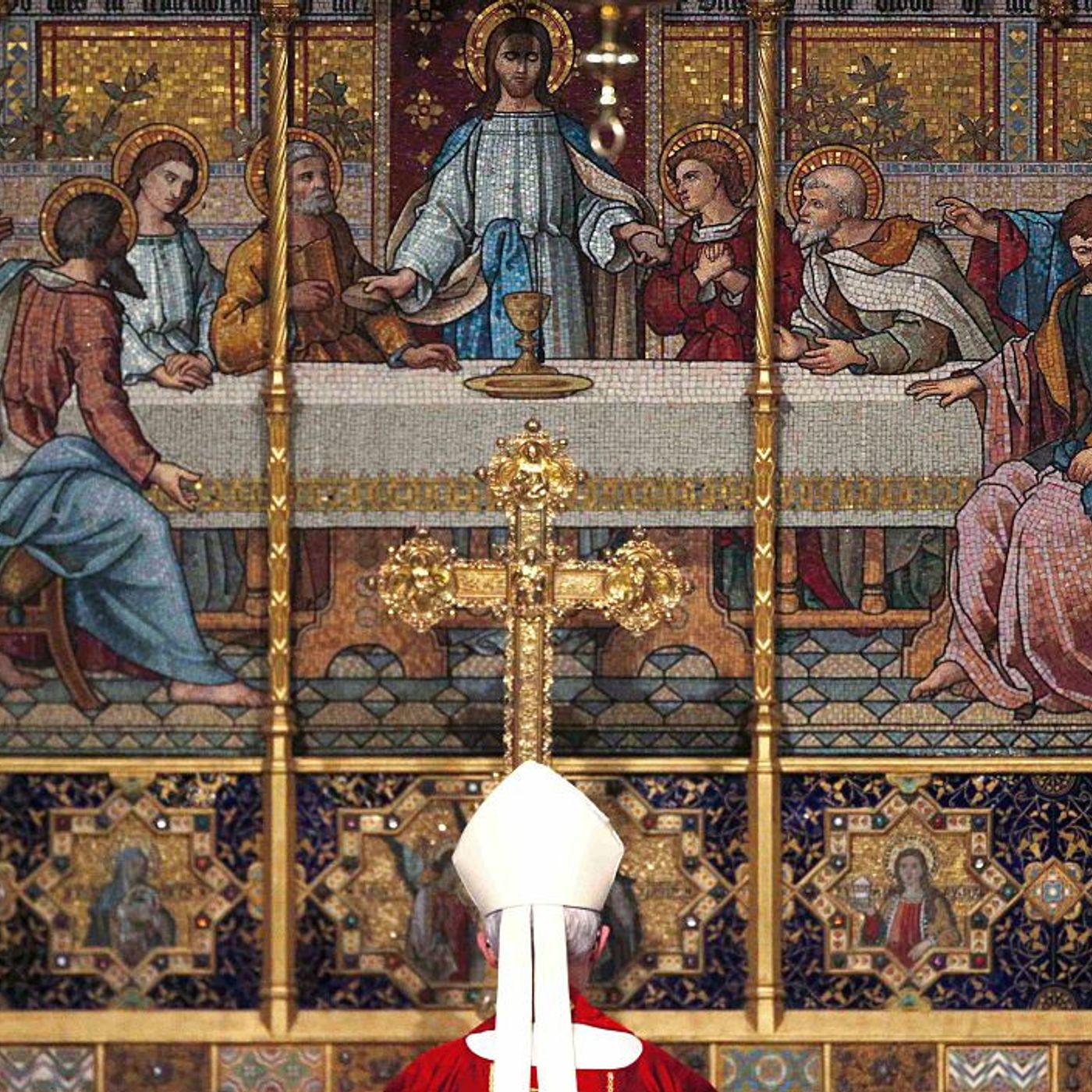
The mystifying process – and problems – behind choosing the next Archbishop of Canterbury
After Pope Francis died, it took the Roman Catholic Church just 17 days to choose a successor in Pope Leo XIV. It has been well over 6 months since Archbishop of Canterbury Justin Welby resigned and we are only just making sense of those chosen to sit on the Crown Nominations Commission (CNC), that will recommend his successor. Even then, it’s unlikely we will know more until the autumn. Why has it taken so long?</div><br><div>Journalist, commentator – and quite frankly expert – Andrew Graystone joins Damian Thompson and William Moore, the Spectator’s features editor, to take listeners through the process. From committees to choose committees and confusion about the rules, as William comments, even acclaimed <em>Conclave</em> writer Robert Harris would struggle to make a fast-paced and riveting story out of the Anglican succession. That’s not to say there isn’t plenty of intrigue though: from bishops effectively ruling themselves out, to opaque appointments, and even a former head of M15 appointed to lead the CNC. </div><br><div>Andrew, Damian and William discuss the process, the problems plaguing it and unpack those in contention to be the next Primate of All England. The chosen successor will ultimately lead the third largest Christian communion, with around 100 million members worldwide, and play a prominent role in British society with a seat in the House of Lords and as a spiritual advisor to King and country – no pressure. <br><br>Produced by Patrick Gibbons.<p>Become a <em>Spectator </em>subscriber today to access this podcast without adverts. Go to <a href="https://www.spectator.co.uk/follow-your-podcasts/" rel="noopener noreferrer" target="_blank">spectator.co.uk/adfree</a> to find out more.</p><br><p>For more <em>Spectator</em> podcasts, go to <a href="https://www.spectator.co.uk/podcasts/" rel="noopener noreferrer" target="_blank">spectator.co.uk/podcasts</a>. </p><br><p>Contact us: [email protected]</p> <hr><p style='color:grey; font-size:0.75em;'> Hosted on Acast. See <a style='color:grey;' target='_blank' rel='noopener noreferrer' href='https://acast.com/privacy'>acast.com/privacy</a> for more information.</p>
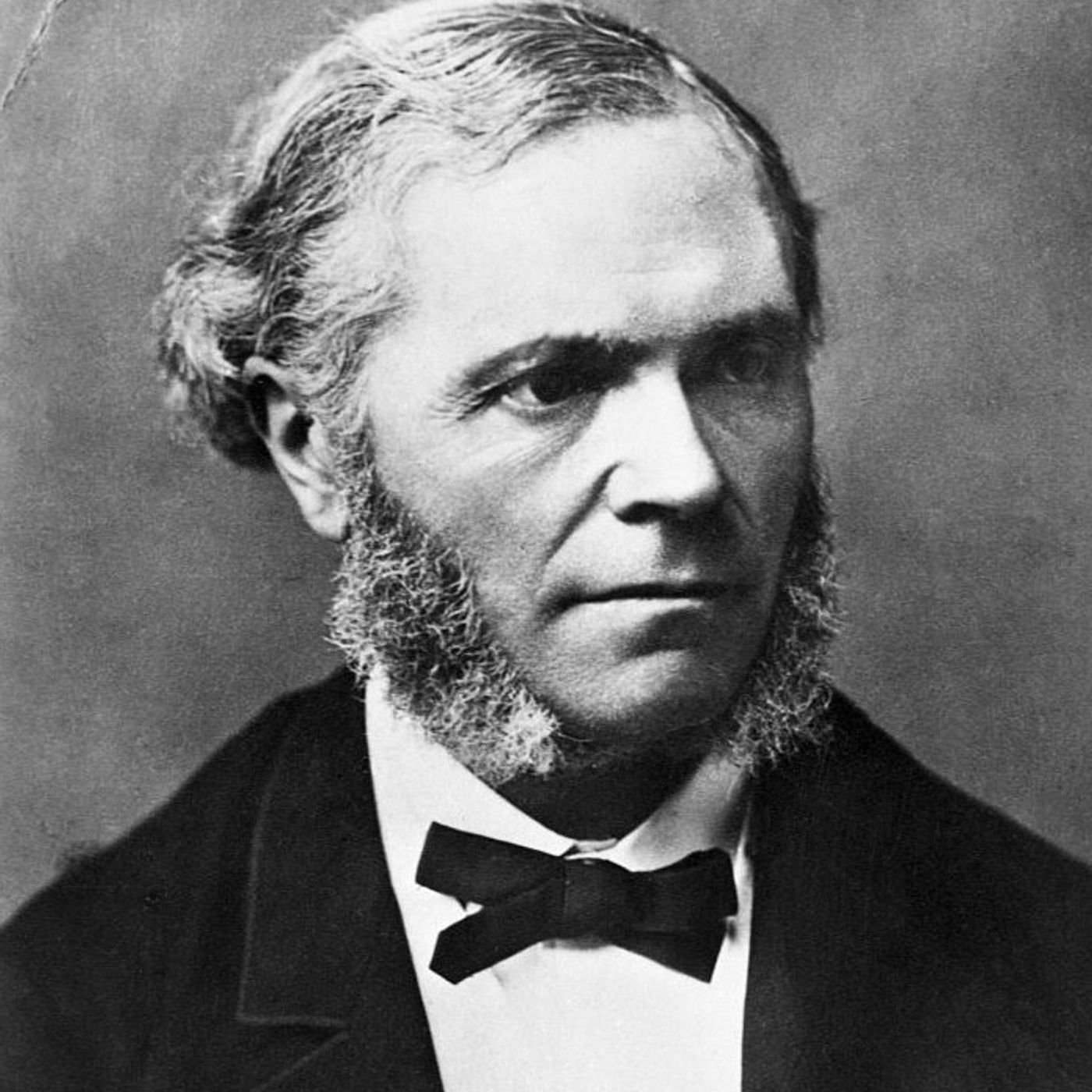
Finding spiritual treasure in César Franck
The Belgian composer César Franck – unfairly associated with kitsch and sentimentality by certain cultural sophisticates – wrote some of the most spiritually inspiring music of the late 19th century. <br><br>In this episode of Holy Smoke, Damian Thompson talks to the British-Israeli pianist Ariel Lanyi, who has just recorded Franck’s late masterpiece <em>Prélude, Aria et Final </em>on the Linn label. Ariel discusses the influence of Catholicism and the anti-Catholic Richard Wagner on the devout Franck, who was organist of a church in Paris for 30 years – but reserved his most profound thoughts for ostensibly secular works. <br><br>Produced by Patrick Gibbons and Damian Thompson.<p>Become a <em>Spectator </em>subscriber today to access this podcast without adverts. Go to <a href="https://www.spectator.co.uk/follow-your-podcasts/" rel="noopener noreferrer" target="_blank">spectator.co.uk/adfree</a> to find out more.</p><br><p>For more <em>Spectator</em> podcasts, go to <a href="https://www.spectator.co.uk/podcasts/" rel="noopener noreferrer" target="_blank">spectator.co.uk/podcasts</a>. </p><br><p>Contact us: [email protected]</p> <hr><p style='color:grey; font-size:0.75em;'> Hosted on Acast. See <a style='color:grey;' target='_blank' rel='noopener noreferrer' href='https://acast.com/privacy'>acast.com/privacy</a> for more information.</p>
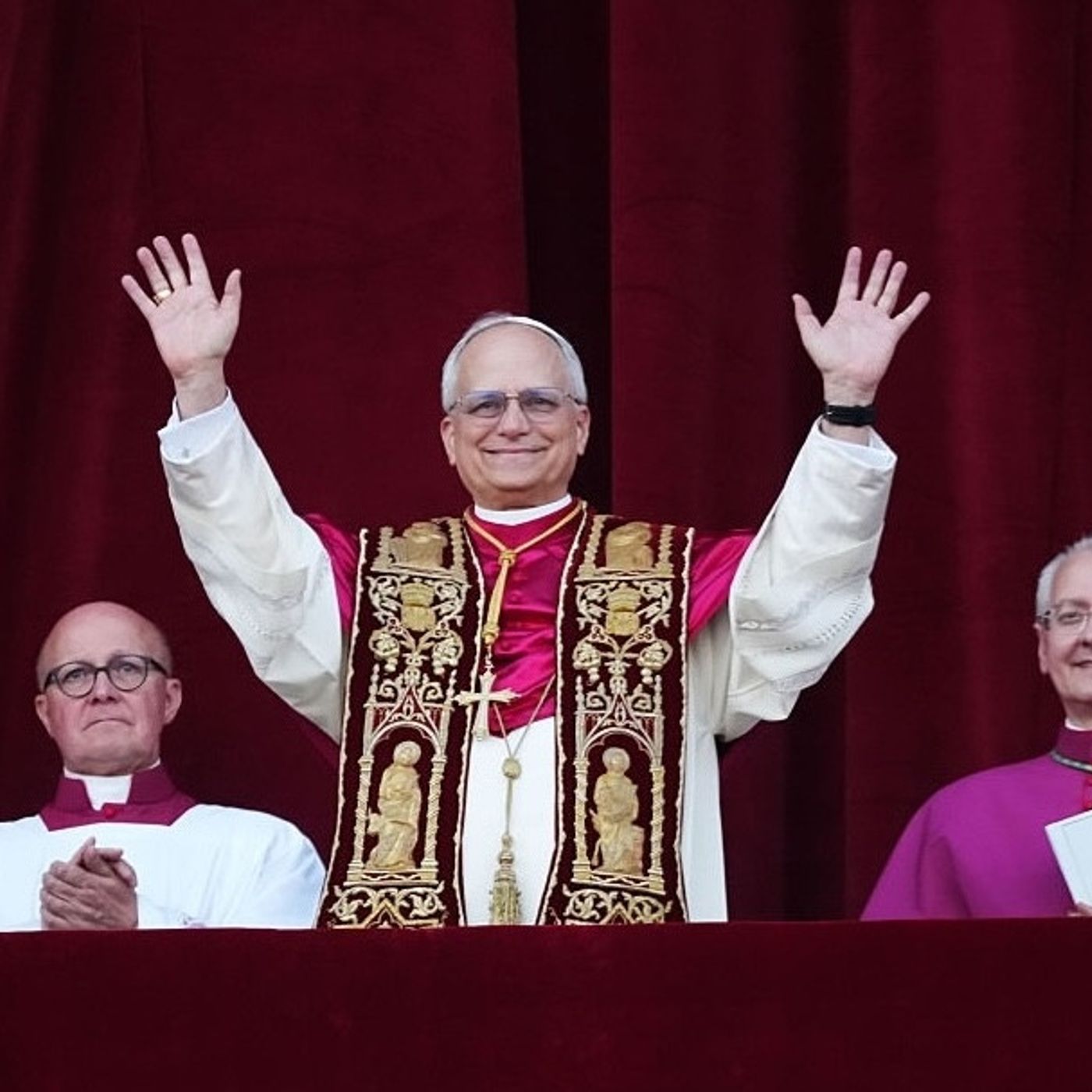
Does Pope Leo XIV represent continuity or change?
From Rome Fr Benedict Kiely and Damian Thompson react to the election of Cardinal Robert Prevost as the successor to Pope Francis. The first American Pope, Prevost is also a citizen of Peru, having spent years working as first a parish pastor and teacher, and later as a bishop. The 267th Bishop of Rome is also the first native English-speaking pope for almost 900 years. <br><br>The election of Prevost, now Pope Leo XIV, is seen as a surprise but is being heralded by both liberal and conservative factions of the Catholic Church. Does he represent continuity or change with his predecessor? On this episode of Holy Smoke, Fr Benedict and Damian take us through what clues are available to understand what we can expect from the new Pope, from his choice of clothes and papal name to his views on issues like homosexuality and the traditional mass. Could Leo XIV surprise us?<br><br>Produced by Patrick Gibbons.<p>Become a <em>Spectator </em>subscriber today to access this podcast without adverts. Go to <a href="https://www.spectator.co.uk/follow-your-podcasts/" rel="noopener noreferrer" target="_blank">spectator.co.uk/adfree</a> to find out more.</p><br><p>For more <em>Spectator</em> podcasts, go to <a href="https://www.spectator.co.uk/podcasts/" rel="noopener noreferrer" target="_blank">spectator.co.uk/podcasts</a>. </p><br><p>Contact us: [email protected]</p> <hr><p style='color:grey; font-size:0.75em;'> Hosted on Acast. See <a style='color:grey;' target='_blank' rel='noopener noreferrer' href='https://acast.com/privacy'>acast.com/privacy</a> for more information.</p>
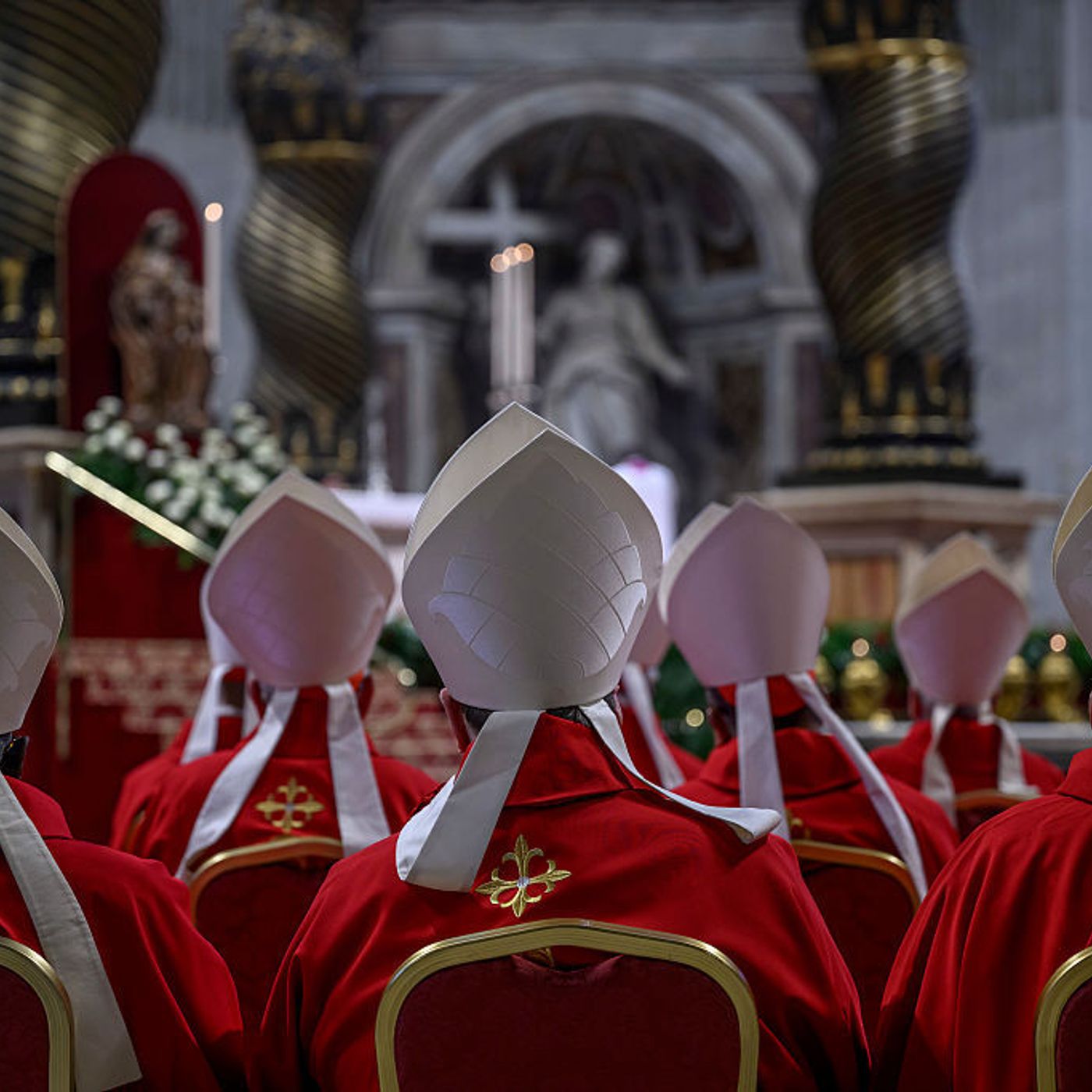
Conclave: who is likely to succeed Francis?
The papal conclave is due to begin on Wednesday 7 May to elect a successor to Pope Francis.<br><br>As host Damian Thompson says, Rome – and the entire Church – is in a state of ‘fevered excitement’. While this is to be expected, most commentators agree that this conclave will be one of the most consequential elections for centuries. At stake are both the future direction of the Church and Francis’s legacy – will his work be amended, continued or even rejected?<br><br><em>The Pillar</em>’s Luke Coppen joins Damian to try to make sense of the noise, gossip and political intrigue. They discuss the favourites to emerge as the new Pope, including Parolin, Pizzaballa and Sarah. Who is likely to succeed Francis?<br><br>Produced by Patrick Gibbons and Oscar Edmondson.<p>Become a <em>Spectator </em>subscriber today to access this podcast without adverts. Go to <a href="https://www.spectator.co.uk/follow-your-podcasts/" rel="noopener noreferrer" target="_blank">spectator.co.uk/adfree</a> to find out more.</p><br><p>For more <em>Spectator</em> podcasts, go to <a href="https://www.spectator.co.uk/podcasts/" rel="noopener noreferrer" target="_blank">spectator.co.uk/podcasts</a>. </p><br><p>Contact us: [email protected]</p> <hr><p style='color:grey; font-size:0.75em;'> Hosted on Acast. See <a style='color:grey;' target='_blank' rel='noopener noreferrer' href='https://acast.com/privacy'>acast.com/privacy</a> for more information.</p>
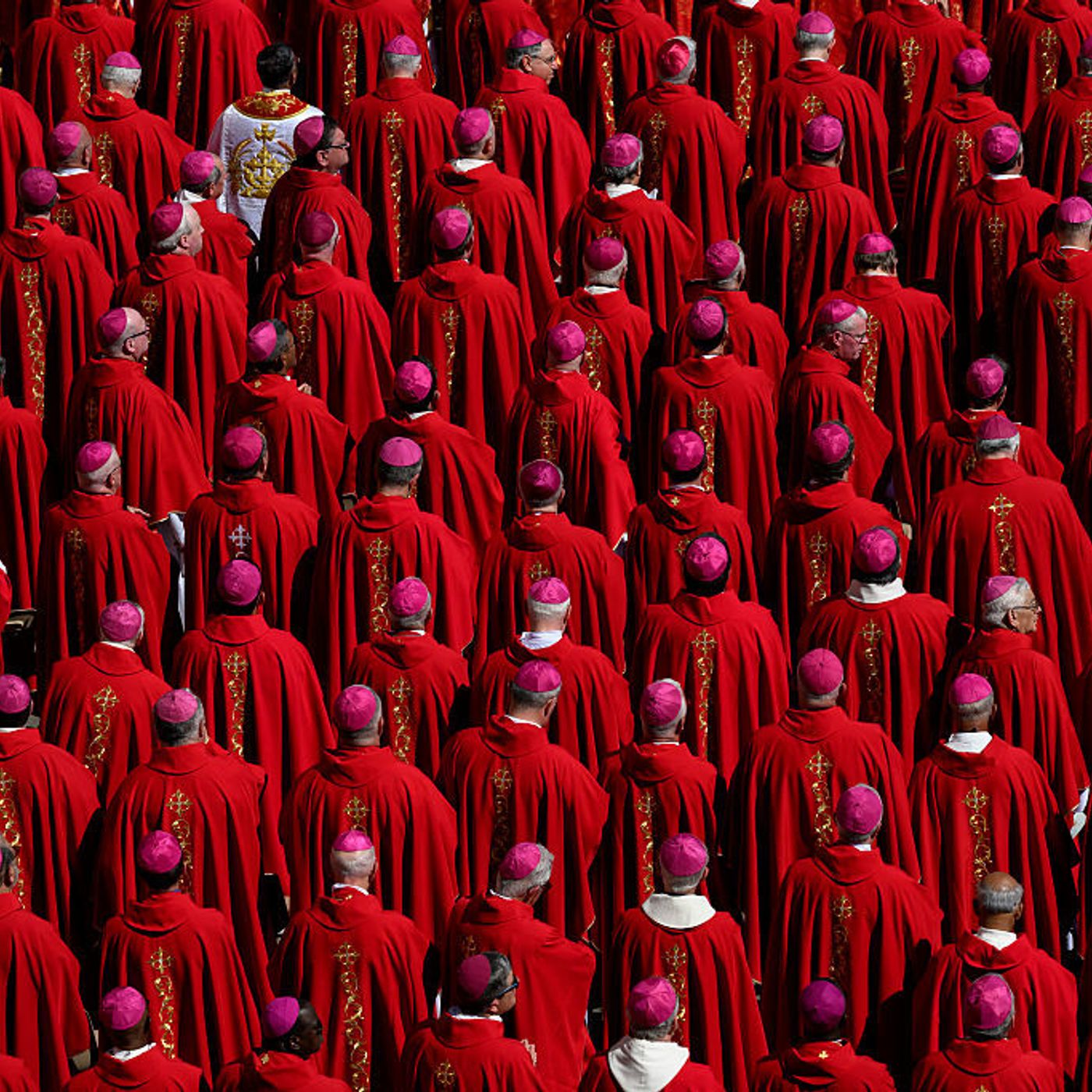
What can we expect from the papal conclave?
Earlier this year Dr Kurt Martens, Professor of Canon Law at the Catholic University of America, joined Damian Thompson on <em>Holy Smoke</em> to unpack what happens during a papal conclave. There was heightened interest in the process due to the film <em>Conclave</em>, which swept the awards season, but also because Pope Francis was hospitalised at the time. <br><br>Despite showing some signs of recovery – including being able to meet world leaders such as King Charles III and J.D. Vance – Pope Francis died on Easter Monday.<br><br>Here we reissue the episode with Dr Martens, looking at what happens when a pope dies, with a new introduction from Damian. Writing the cover article for the <em>Spectator</em> this week, Damian writes: ‘the next Vicar of Christ will face challenges that dwarf those that confronted any incoming pope in living memory. The Church is mired in doctrinal confusion; its structures of government are fragmented; sexual scandals have been hushed up at the highest level; and it is staring into a financial abyss’. What can we expect from the upcoming conclave? <br><br>Produced by Patrick Gibbons.<p>Become a <em>Spectator </em>subscriber today to access this podcast without adverts. Go to <a href="https://www.spectator.co.uk/follow-your-podcasts/" rel="noopener noreferrer" target="_blank">spectator.co.uk/adfree</a> to find out more.</p><br><p>For more <em>Spectator</em> podcasts, go to <a href="https://www.spectator.co.uk/podcasts/" rel="noopener noreferrer" target="_blank">spectator.co.uk/podcasts</a>. </p><br><p>Contact us: [email protected]</p> <hr><p style='color:grey; font-size:0.75em;'> Hosted on Acast. See <a style='color:grey;' target='_blank' rel='noopener noreferrer' href='https://acast.com/privacy'>acast.com/privacy</a> for more information.</p>

Pope Francis dies – what will his legacy be?
<div>Pope Francis, the head of the Roman Catholic Church, has died.</div><br><div>The Argentinian, the first Latin American – and the first Jesuit – to lead the Church, has been the head of the Holy See for 12 years, succeeding Pope Benedict XVI who resigned in 2013. Francis presided over the funeral of his predecessor, who died in 2022 – a first in modern history. But Francis’s leadership has been historic for many other reasons. In fact, says Damian Thompson, his reign has been ‘one of the most memorable, if controversial – not just in recent years but in recent centuries’. Liberals lauded his position on a number of social issues, while Conservatives saw the papacy as over-reaching and out of touch with every-day Catholics. But is it really that simple?</div><br><div>Catholic priest and theologian Father Alexander Lucie-Smith joins Damian to react to the news of the Pope’s death. Fr Alexander says that while Francis ‘defies summary’, it is incredible to consider how far the papacy has changed when comparing him to his predecessors, even those of the 20th Century like Pope Pius XII. What will his legacy be?<br><br>Produced by Patrick Gibbons.</div><p>Become a <em>Spectator </em>subscriber today to access this podcast without adverts. Go to <a href="https://www.spectator.co.uk/follow-your-podcasts/" rel="noopener noreferrer" target="_blank">spectator.co.uk/adfree</a> to find out more.</p><br><p>For more <em>Spectator</em> podcasts, go to <a href="https://www.spectator.co.uk/podcasts/" rel="noopener noreferrer" target="_blank">spectator.co.uk/podcasts</a>. </p><br><p>Contact us: [email protected]</p> <hr><p style='color:grey; font-size:0.75em;'> Hosted on Acast. See <a style='color:grey;' target='_blank' rel='noopener noreferrer' href='https://acast.com/privacy'>acast.com/privacy</a> for more information.</p>
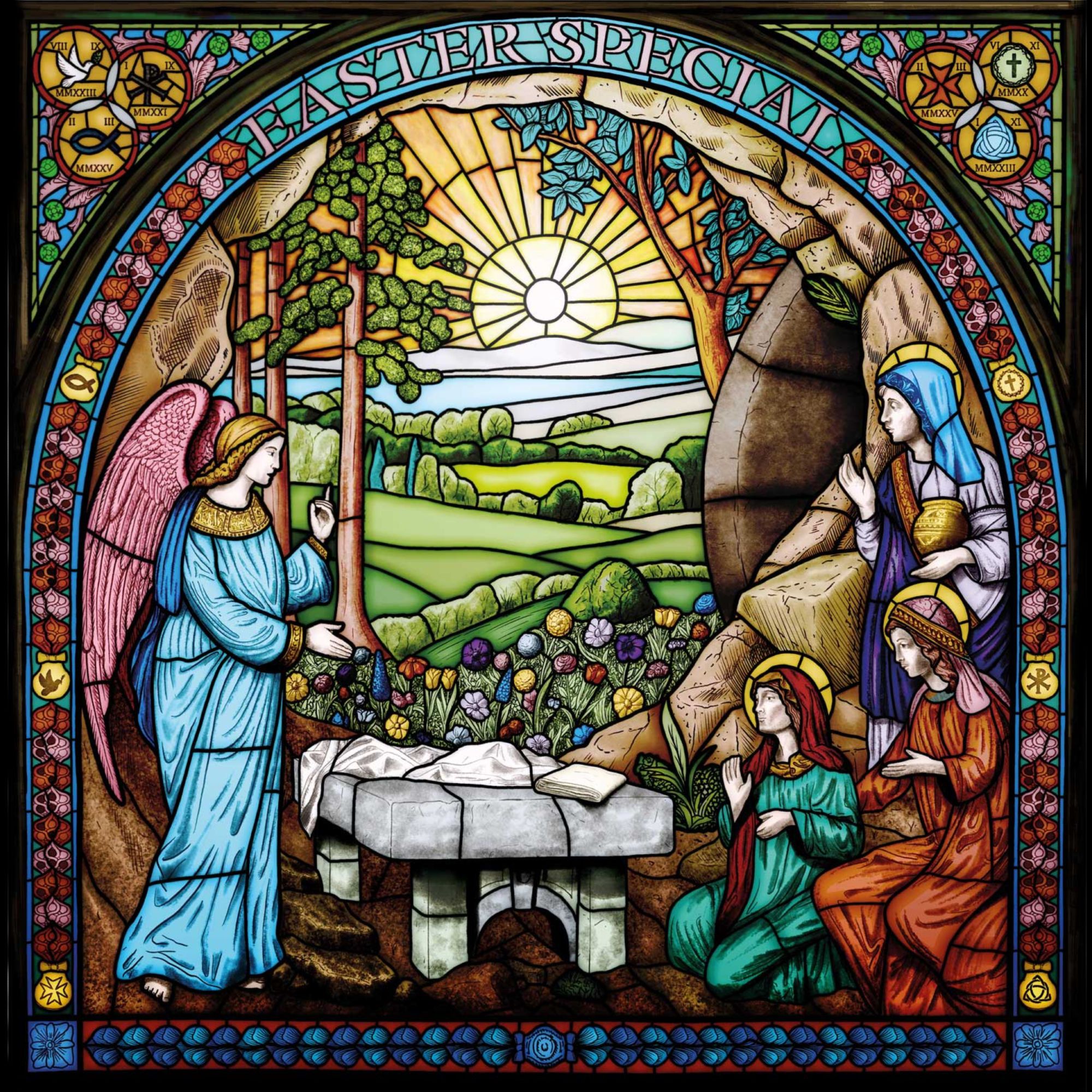
Easter special: in praise of faithful dissent, a conversation with Nigel Biggar and Mary Wakefield
<div>The Easter issue of the <em>Spectator</em> includes two provocative articles exploring aspects of Christianity. <br><br>Nigel Biggar, Regius professor emeritus of moral theology at Oxford University, now a Conservative peer, celebrates the heroic ‘faithful dissent’ of Christian heroes such as Thomas More and Helmuth von Moltke, who lost their lives rather than defend injustice. <br><br>Meanwhile <em>Spectator</em> columnist Mary Wakefield interviews Roman Williams, former Archbishop of Canterbury. She’s inspired by his holiness but depressed by his use of ‘C of E bureaucratese’ to uphold liberal orthodoxy on subjects such as gender ideology. But, she says they can share an uncomfortable space together within faith.<br><br>In this episode of <em>Holy Smoke</em>, Nigel and Mary join Damian Thompson, who asks them: how can Christians embrace ‘faithful dissent’ in an era of conformist Christian leaders who parrot the platitudes of secular opinion?<br><br>Produced by Patrick Gibbons.</div><p>Become a <em>Spectator </em>subscriber today to access this podcast without adverts. Go to <a href="https://www.spectator.co.uk/follow-your-podcasts/" rel="noopener noreferrer" target="_blank">spectator.co.uk/adfree</a> to find out more.</p><br><p>For more <em>Spectator</em> podcasts, go to <a href="https://www.spectator.co.uk/podcasts/" rel="noopener noreferrer" target="_blank">spectator.co.uk/podcasts</a>. </p><br><p>Contact us: [email protected]</p> <hr><p style='color:grey; font-size:0.75em;'> Hosted on Acast. See <a style='color:grey;' target='_blank' rel='noopener noreferrer' href='https://acast.com/privacy'>acast.com/privacy</a> for more information.</p>
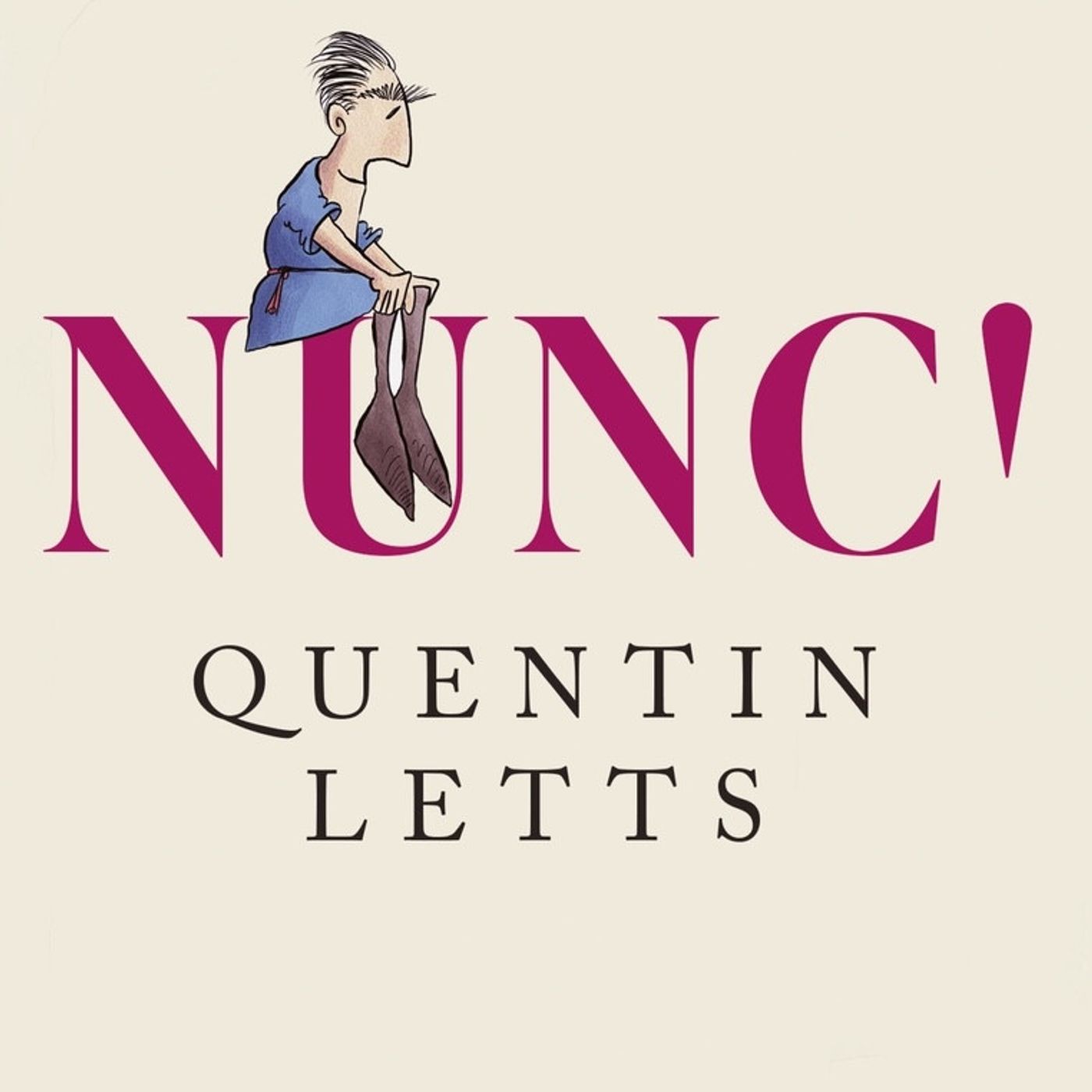
Was Simeon of Jerusalem the first Christian in recorded history?
<div>In Luke's Gospel, an ancient inhabitant of Jerusalem named Simeon meets Mary and Joseph when they bring Jesus to be presented at the Temple on the 40th day after his birth. He has been promised that he will not die until he has seen Christ, and as he takes the baby into his arms he utters the words, 'Lord, now let your servant depart in peace, according to your word; for my eyes have seen your salvation which you have prepared in the presence of all peoples, a light for revelation to the Gentiles, and for glory to your people Israel.' </div><br><div>This prayer, known down the centuries by its opening Latin words <em>Nunc dimittis</em>, explains the title of Quentin Letts's novel<em> Nunc!</em>, a delightfully quirky retelling of the story of Simeon and his friends. It's framed by the experience of a 21st-century corduroy-wearing Englishman who, after receiving bad news about his cancer, wanders into his local cathedral and hears the <em>Nunc dimittis</em> sung at evensong. In this episode of <em>Holy Smoke</em>, Quentin touches on the real-life inspiration for his tale – and suggests to Damian Thompson that old Simeon, venerated as a saint, might be the first Christian in recorded history. <br><br>Produced by Patrick Gibbons.</div><p>Become a <em>Spectator </em>subscriber today to access this podcast without adverts. Go to <a href="https://www.spectator.co.uk/follow-your-podcasts/" rel="noopener noreferrer" target="_blank">spectator.co.uk/adfree</a> to find out more.</p><br><p>For more <em>Spectator</em> podcasts, go to <a href="https://www.spectator.co.uk/podcasts/" rel="noopener noreferrer" target="_blank">spectator.co.uk/podcasts</a>. </p><br><p>Contact us: [email protected]</p> <hr><p style='color:grey; font-size:0.75em;'> Hosted on Acast. See <a style='color:grey;' target='_blank' rel='noopener noreferrer' href='https://acast.com/privacy'>acast.com/privacy</a> for more information.</p>

The tin ear of Justin Welby
<div>The former Archbishop of Canterbury, Justin Welby, is back in the news following his interview this week with the BBC's Laura Kuenssberg. The interview – his first since he resigned last November – was clearly Welby's attempt to draw a line under the abuse scandal that cost him his job. <br><br>The 2024 Makin report concluded that the Church of England missed many opportunities to investigate the late John Smyth, one of the most prolific abusers associated with the Anglican Church. However, the biggest headline from the interview was that Welby would 'forgive' John Smyth were he alive today. Albeit unintentionally, the former Archbishop of Canterbury ended up cementing his reputation as an inflexible micro-manager with a tin ear for the views of abuse survivors and his own clergy. <br><br>Where does the interview leave the Church of England? The appointees to the Crown Nominations Committee, the body which will consider the successor to Welby, will soon be known. How should this scandal influence them? And, with mounting reports that Pope Francis has shielded Catholic sexual predators, how does the handling of abuse allegations by Canterbury and Rome compare?<br><br>The Rev Fergus Butler-Gallie, Vicar of Charlbury in Oxfordshire and the editor-at-large of The Fence magazine, joins Damian Thompson to discuss the abuse crises that seem to be engulfing all the mainstream Churches. <br><br>Produced by Patrick Gibbons.</div><p>Become a <em>Spectator </em>subscriber today to access this podcast without adverts. Go to <a href="https://www.spectator.co.uk/follow-your-podcasts/" rel="noopener noreferrer" target="_blank">spectator.co.uk/adfree</a> to find out more.</p><br><p>For more <em>Spectator</em> podcasts, go to <a href="https://www.spectator.co.uk/podcasts/" rel="noopener noreferrer" target="_blank">spectator.co.uk/podcasts</a>. </p><br><p>Contact us: [email protected]</p> <hr><p style='color:grey; font-size:0.75em;'> Hosted on Acast. See <a style='color:grey;' target='_blank' rel='noopener noreferrer' href='https://acast.com/privacy'>acast.com/privacy</a> for more information.</p>
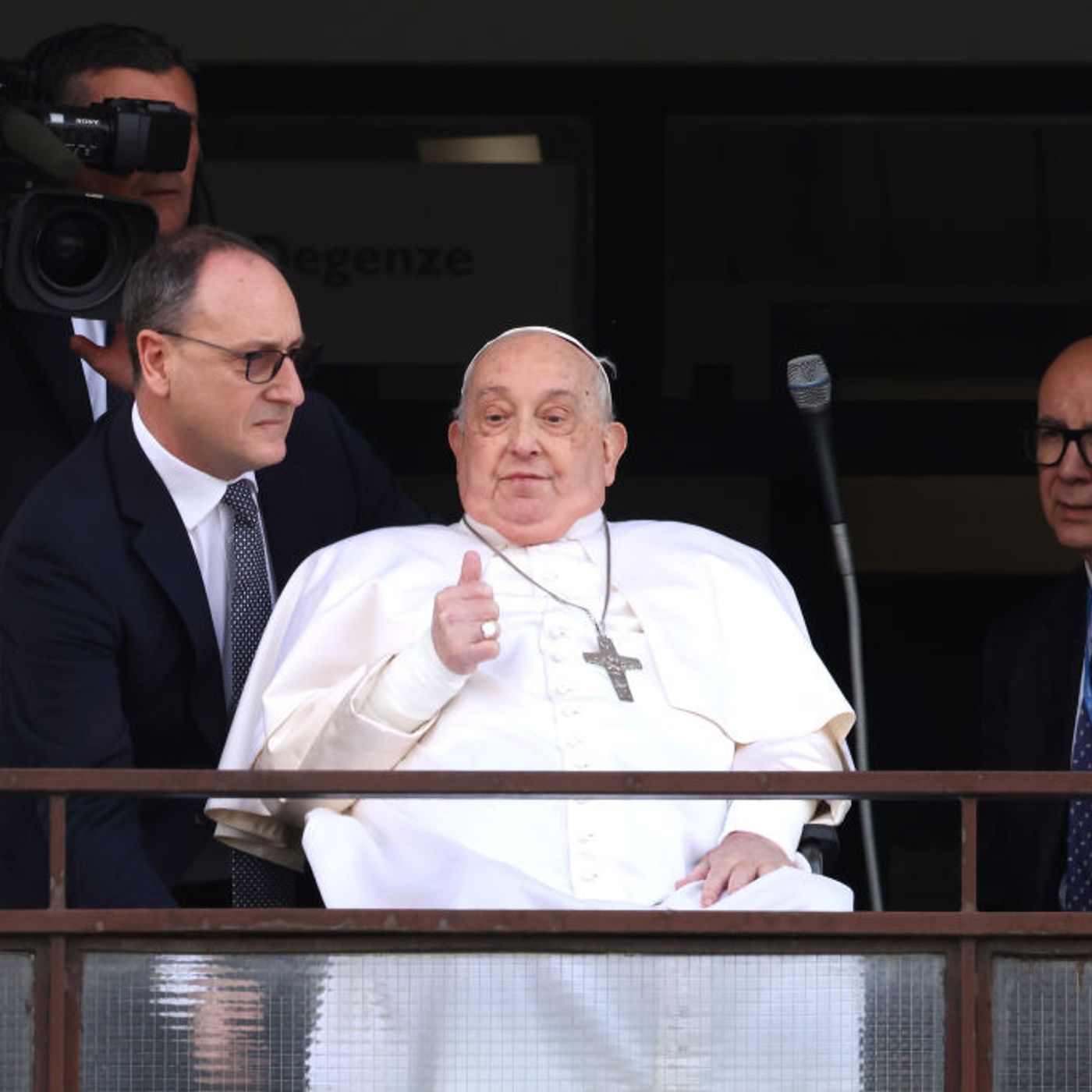
A sick Pope and a paralysed Vatican: who is actually running the Catholic Church?
<div>A greatly enfeebled Pope Francis is now living in enforced isolation in a suite at his Santa Marta residence that has been converted into hospital accommodation. He won't be resuming public duties for two months, we are told – and even his senior advisors have limited access to him. As a result, it's really not clear who is in charge of the Catholic Church. And, as Damian Thompson reports in this episode of Holy Smoke, it's by no means clear when this paralysis will end; it's significant that there has been so little talk of the Pope making a full recovery. Meanwhile, Cardinal Pietro Parolin, the Secretary of State who isn't bothering to hide his ambition to succeed Francis, is continuing to forge alliances...<br><br>Produced by Patrick Gibbons.</div><p>Become a <em>Spectator </em>subscriber today to access this podcast without adverts. Go to <a href="https://www.spectator.co.uk/follow-your-podcasts/" rel="noopener noreferrer" target="_blank">spectator.co.uk/adfree</a> to find out more.</p><br><p>For more <em>Spectator</em> podcasts, go to <a href="https://www.spectator.co.uk/podcasts/" rel="noopener noreferrer" target="_blank">spectator.co.uk/podcasts</a>. </p><br><p>Contact us: [email protected]</p> <hr><p style='color:grey; font-size:0.75em;'> Hosted on Acast. See <a style='color:grey;' target='_blank' rel='noopener noreferrer' href='https://acast.com/privacy'>acast.com/privacy</a> for more information.</p>
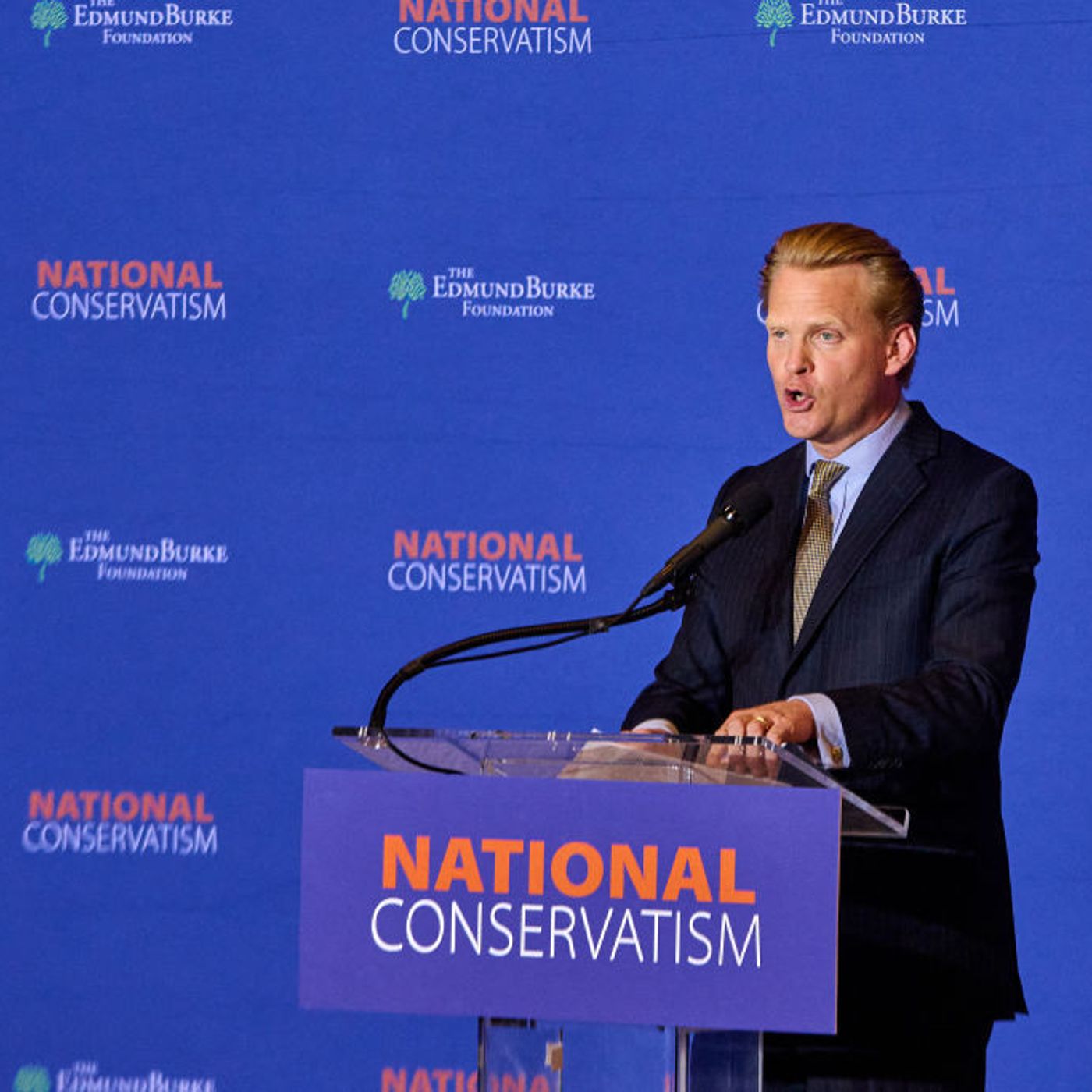
Christianity, culture wars and J.D. Vance: a conversation with James Orr
<div>James Orr was living the life of a young, high-flying lawyer when, after a few drinks at a New Year's Eve party, he asked for signs that God existed. The signs came; among other things, he narrowly avoided a fatal skiing accident. Now he is a passionate Christian and a conservative culture warrior who helped defeat an attempt to impose the tyranny of critical race theory on Cambridge University, where he is an associate professor of the philosophy of religion. <br><br>He's also an intellectual mentor to the vice president of the United States; <em>Politico</em> describes him as 'J.D. Vance's English philosopher king'. Dr Orr says Vance is 'extremely articulate, but he takes no prisoners'. As you'll hear in his conversation with Damian Thompson, that's an observation that could easily apply to the man the vice president calls his 'British Sherpa'. <br><br>Produced by Patrick Gibbons.</div><p>Become a <em>Spectator </em>subscriber today to access this podcast without adverts. Go to <a href="https://www.spectator.co.uk/follow-your-podcasts/" rel="noopener noreferrer" target="_blank">spectator.co.uk/adfree</a> to find out more.</p><br><p>For more <em>Spectator</em> podcasts, go to <a href="https://www.spectator.co.uk/podcasts/" rel="noopener noreferrer" target="_blank">spectator.co.uk/podcasts</a>. </p><br><p>Contact us: [email protected]</p> <hr><p style='color:grey; font-size:0.75em;'> Hosted on Acast. See <a style='color:grey;' target='_blank' rel='noopener noreferrer' href='https://acast.com/privacy'>acast.com/privacy</a> for more information.</p>
Conclave – what really happens when a pope dies?
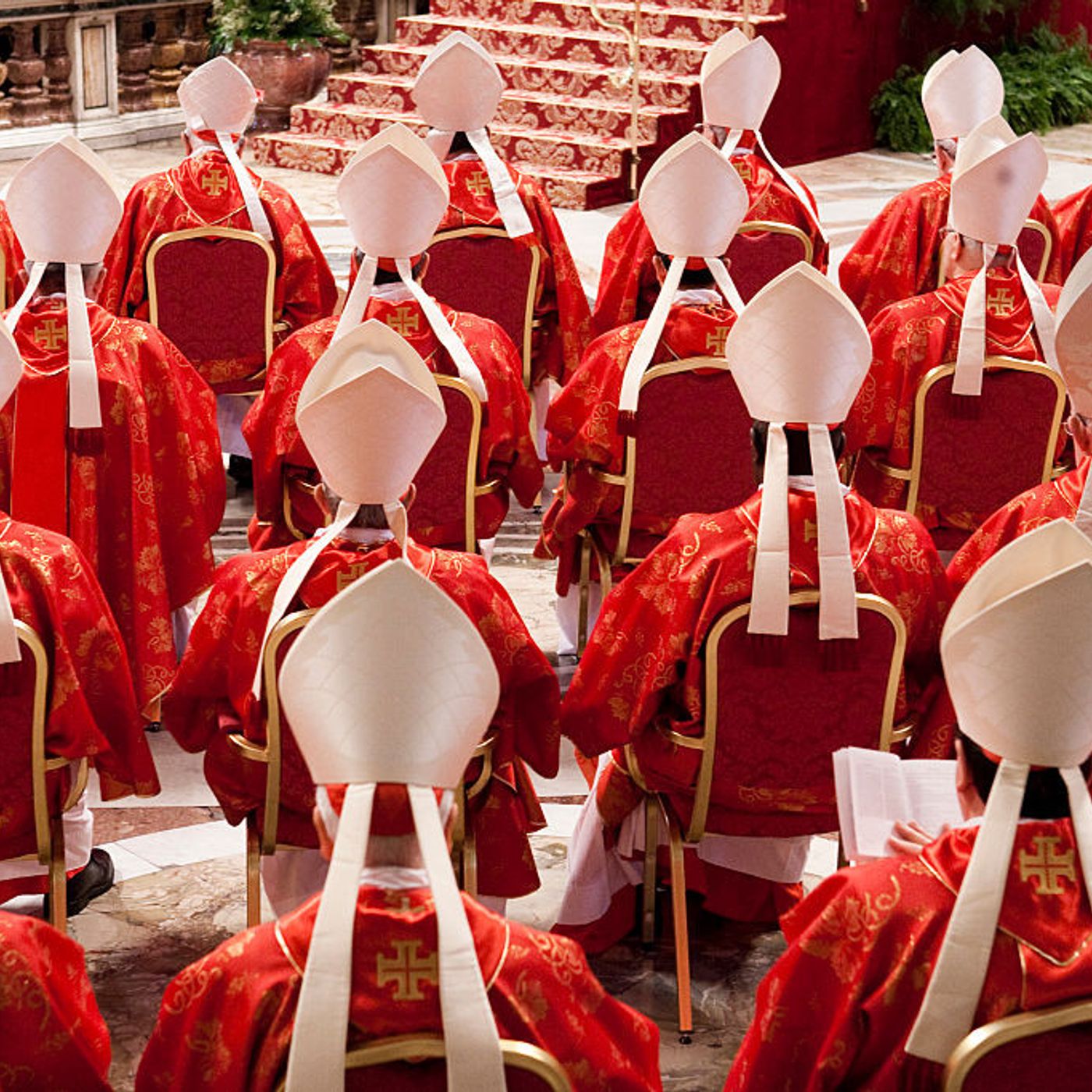
<div>The film <em>Conclave</em> has picked up a host of awards across all the major ceremonies so far, including at the Screen Actors Guild, the Golden Globes, and winning Best Picture at the BAFTAs. Adapted from the novel by Robert Harris, it also has eight nominations at the upcoming 2025 Academy Awards. Full of intrigue, the film has viewers wondering how true to life the process depicted on the big screen is. And, with Pope Francis hospitalised, amidst the award season, this has only heightened interest in Papal conclaves and the election process. <br><br>Dr Kurt Martens, Professor of Canon Law at the Catholic University of America, joins Damian Thompson to unpack the process. What really happens when a Pope dies?<br><br>Produced by Patrick Gibbons.</div><p>Become a <em>Spectator </em>subscriber today to access this podcast without adverts. Go to <a href="https://www.spectator.co.uk/follow-your-podcasts/" rel="noopener noreferrer" target="_blank">spectator.co.uk/adfree</a> to find out more.</p><br><p>For more <em>Spectator</em> podcasts, go to <a href="https://www.spectator.co.uk/podcasts/" rel="noopener noreferrer" target="_blank">spectator.co.uk/podcasts</a>. </p><br><p>Contact us: [email protected]</p> <hr><p style='color:grey; font-size:0.75em;'> Hosted on Acast. See <a style='color:grey;' target='_blank' rel='noopener noreferrer' href='https://acast.com/privacy'>acast.com/privacy</a> for more information.</p>
Holy War and Antichrist: The rise of extremist rhetoric inside the Russian Orthodox Church
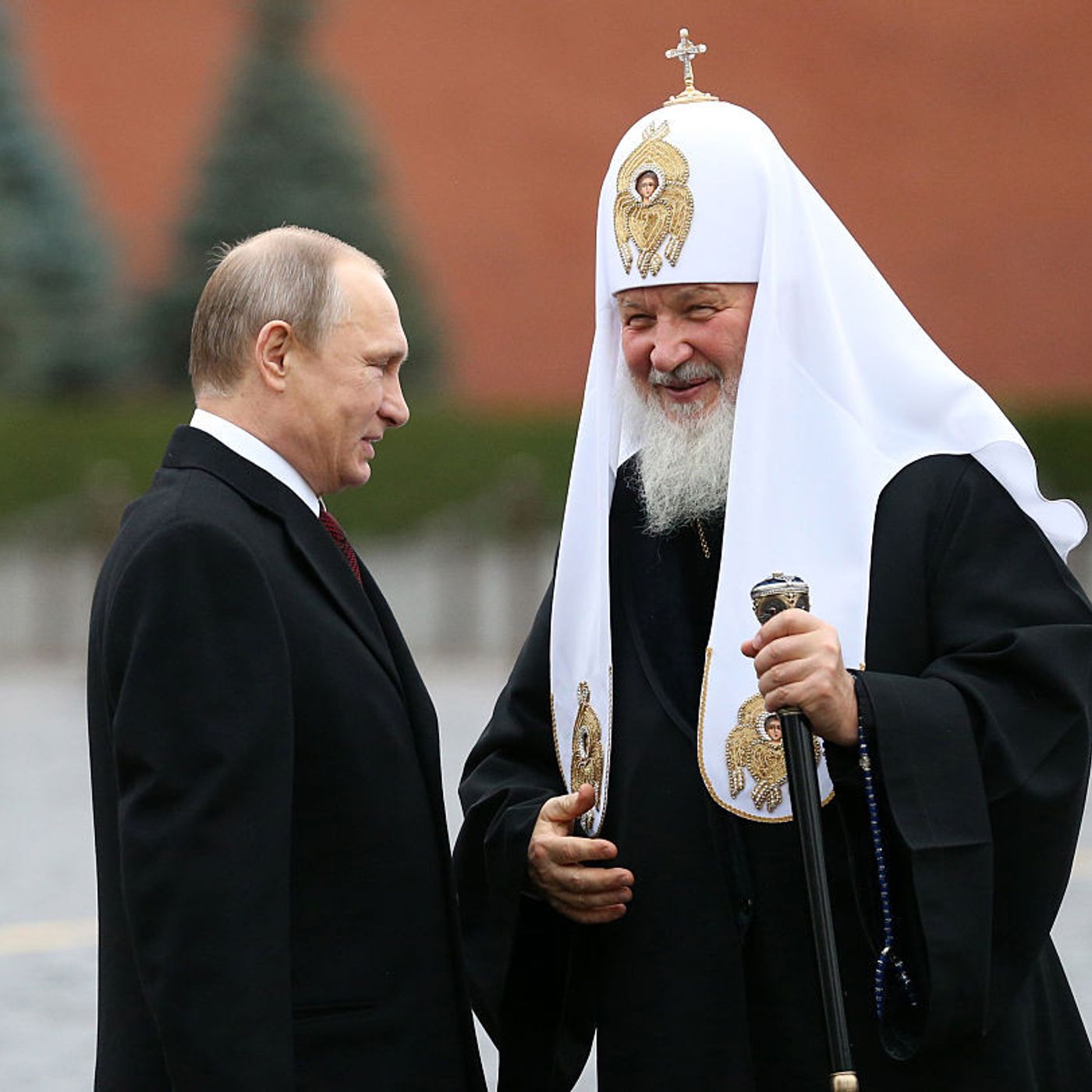
<div>The subject of Ukraine shattered the unity of Eastern Orthodoxy long before Russia’s full-scale invasion began. In 2018 the Ukrainian Orthodox Church declared independence from Moscow with the approval of the Ecumenical Patriarch of Constantinople. In response, Patriarch Kirill of Moscow broke off all relations with Constantinople, creating arguably the greatest schism in Orthodoxy for 1,000 years. <br><br>There are now two main Ukrainian Orthodox Churches: one that supports independence and one still loyal to Moscow. As <em>The Spectator</em>’s Ukraine correspondent Svitlana Morenets points out, Ukrainians who previously didn’t care which church they attended now have to decide which to attend.<br><br>Meanwhile, Dr Yuri Stoyanov, a fellow at SOAS, describes the alarming escalation of apocalyptic rhetoric encouraged by Kirill, whose talk of a Holy War against the forces of Antichrist is popular with soldiers but means little to the average Russian. <br><br>As we approach the third anniversary of Russia’s full-scale invasion of Ukraine, Svitlana and Yuri join host Damian Thompson to discuss the role of the Russian Orthodox Church in perpetuating the conflict. Has Holy War returned to Europe? And is it true that President Putin has secretly been taking part in bizarre quasi-shamanistic rituals? <br><br>Produced by Patrick Gibbons.</div><p>Become a <em>Spectator </em>subscriber today to access this podcast without adverts. Go to <a href="https://www.spectator.co.uk/follow-your-podcasts/" rel="noopener noreferrer" target="_blank">spectator.co.uk/adfree</a> to find out more.</p><br><p>For more <em>Spectator</em> podcasts, go to <a href="https://www.spectator.co.uk/podcasts/" rel="noopener noreferrer" target="_blank">spectator.co.uk/podcasts</a>. </p><br><p>Contact us: [email protected]</p> <hr><p style='color:grey; font-size:0.75em;'> Hosted on Acast. See <a style='color:grey;' target='_blank' rel='noopener noreferrer' href='https://acast.com/privacy'>acast.com/privacy</a> for more information.</p>
Why militant atheists don’t understand religion: a conversation with Alister McGrath
<div>In his new book <em>Why We Believe: Finding Meaning in Uncertain Times</em>, Prof Alister McGrath rejects the notion that belief is a relic of the past and takes aim at the ‘new atheists’ who attack religion without even knowing what it is.<br><br>Prof McGrath, emeritus Andreas Idreos Professor of Science and Religion at Oxford University, has had a unique journey to religion. A former Marxist atheist with a doctorate in molecular biology, he’s now a world-renowned theologian and Anglican priest. <br><br>In this lively discussion with Damian Thompson he talks about the boundary between science and religion, something poorly understood by aggressive atheists such as Richard Dawkins and the late Christopher Hitchens. He suggests that, while we all look for meaning, the safety of science doesn’t provide the sense of belonging that we all crave. <br><br>Produced by Patrick Gibbons.</div><p>Become a <em>Spectator </em>subscriber today to access this podcast without adverts. Go to <a href="https://www.spectator.co.uk/follow-your-podcasts/" rel="noopener noreferrer" target="_blank">spectator.co.uk/adfree</a> to find out more.</p><br><p>For more <em>Spectator</em> podcasts, go to <a href="https://www.spectator.co.uk/podcasts/" rel="noopener noreferrer" target="_blank">spectator.co.uk/podcasts</a>. </p><br><p>Contact us: [email protected]</p> <hr><p style='color:grey; font-size:0.75em;'> Hosted on Acast. See <a style='color:grey;' target='_blank' rel='noopener noreferrer' href='https://acast.com/privacy'>acast.com/privacy</a> for more information.</p>
Are Syrian Christians who speak the language of Jesus about to disappear after 2,000 years?
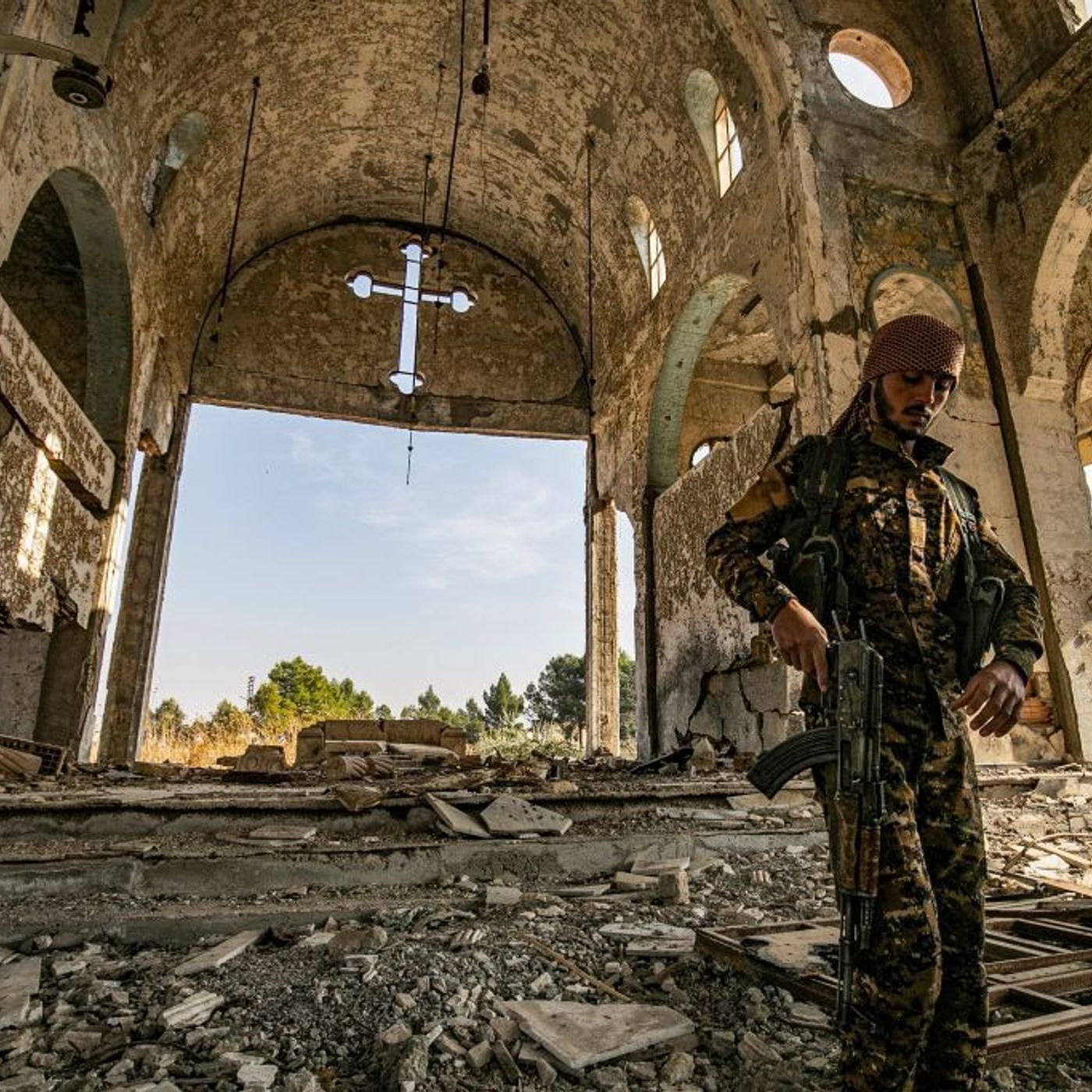
<div>There has been a Christian community in Syria since the first century AD. But it is shrinking fast and faces terrifying new threats as the country’s government, following the overthrow of President Assad, forges alliances with hardline Muslims including foreign jihadists – Uighurs from China, Uzbeks from Central Asia, Chechens from Russia, Afghans and Pakistanis. <br><br>Mgr Michael Nazir-Ali, the former Anglican Bishop of Rochester who is now a Catholic priest of the Ordinariate, has written a heartbreaking piece for <em>The Spectator</em> about the Christians of Maaloula in southwest Syria. It’s one of the last remaining communities to speak Syriac, a dialect of Aramaic, the language of Jesus Christ. ‘Were this community to be destroyed, something precious and irreplaceable would be lost’, he writes. <br><br>Yet that is exactly what may happen. When the then-Bishop Nazir-Ali visited the town in 2016, he discovered that the predecessors of the jihadis who recently toppled Bashar al-Assad ‘had systematically destroyed and desecrated the town’s churches and monasteries. Orthodox nuns were kidnapped and held to ransom … young men had been singled out and executed when they refused to convert to the extremists’ version of Islam.’<br><br>Will it happen again? Ahmad al-Sharaa, head of the new Syrian transitional administration, has told Church leaders they have nothing to fear. But can he be trusted? As Mgr Nazir-Ali tells Damian Thompson in this episode of <em>Holy Smoke</em>, it is time for the West to act. <br><br>Produced by Patrick Gibbons.</div><p>Become a <em>Spectator </em>subscriber today to access this podcast without adverts. Go to <a href="https://www.spectator.co.uk/follow-your-podcasts/" rel="noopener noreferrer" target="_blank">spectator.co.uk/adfree</a> to find out more.</p><br><p>For more <em>Spectator</em> podcasts, go to <a href="https://www.spectator.co.uk/podcasts/" rel="noopener noreferrer" target="_blank">spectator.co.uk/podcasts</a>. </p><br><p>Contact us: [email protected]</p> <hr><p style='color:grey; font-size:0.75em;'> Hosted on Acast. See <a style='color:grey;' target='_blank' rel='noopener noreferrer' href='https://acast.com/privacy'>acast.com/privacy</a> for more information.</p>
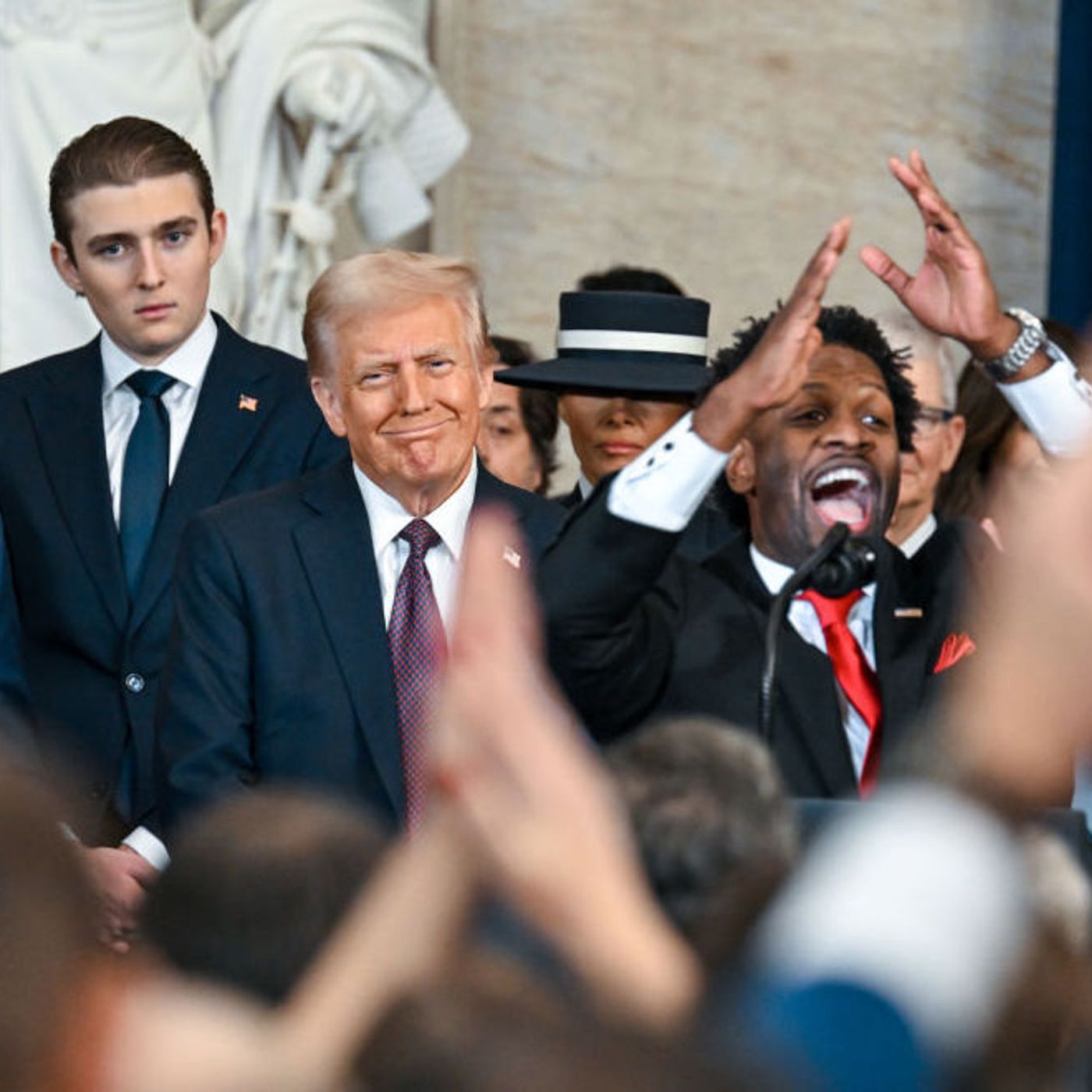
Could Trump 2.0. herald a new era of religious liberty in America?
<div>Andrea Picciotti-Bayer, director of the US-based Conscience Project and a friend of <em>Holy Smoke</em>, joins Damian to talk about what the incoming second Trump administration could mean for religious freedoms in America. Andrea argues that the Biden administration waged an unprecedented assault on such freedoms during his term. What could happen over the next four years on issues like gender, abortion, adoption and religious discrimination? And what are the nuances between federal and state laws? (2:06)<br><br>Also on the podcast, Damian speaks to The Spectator’s Will Moore, Lara Prendergast and Freddy Gray about the nomination of Cardinal Robert McElroy to be the new Archbishop of Washington. Far from being a routine appointment, Damian reveals in this week’s magazine that this is clearly a retaliation against the new Trump administration for the nomination of an arch MAGA loyalist, and uncompromising Catholic, as the new ambassador to the Holy See. Cardinal McElroy is an outspoken liberal. What does this tell us about both the Papacy and the President? And how much sway does the Catholic hierarchy really have in Trump’s America? (21:55)<br><br>Produced by Patrick Gibbons.</div><p>Become a <em>Spectator </em>subscriber today to access this podcast without adverts. Go to <a href="https://www.spectator.co.uk/follow-your-podcasts/" rel="noopener noreferrer" target="_blank">spectator.co.uk/adfree</a> to find out more.</p><br><p>For more <em>Spectator</em> podcasts, go to <a href="https://www.spectator.co.uk/podcasts/" rel="noopener noreferrer" target="_blank">spectator.co.uk/podcasts</a>. </p><br><p>Contact us: [email protected]</p> <hr><p style='color:grey; font-size:0.75em;'> Hosted on Acast. See <a style='color:grey;' target='_blank' rel='noopener noreferrer' href='https://acast.com/privacy'>acast.com/privacy</a> for more information.</p>
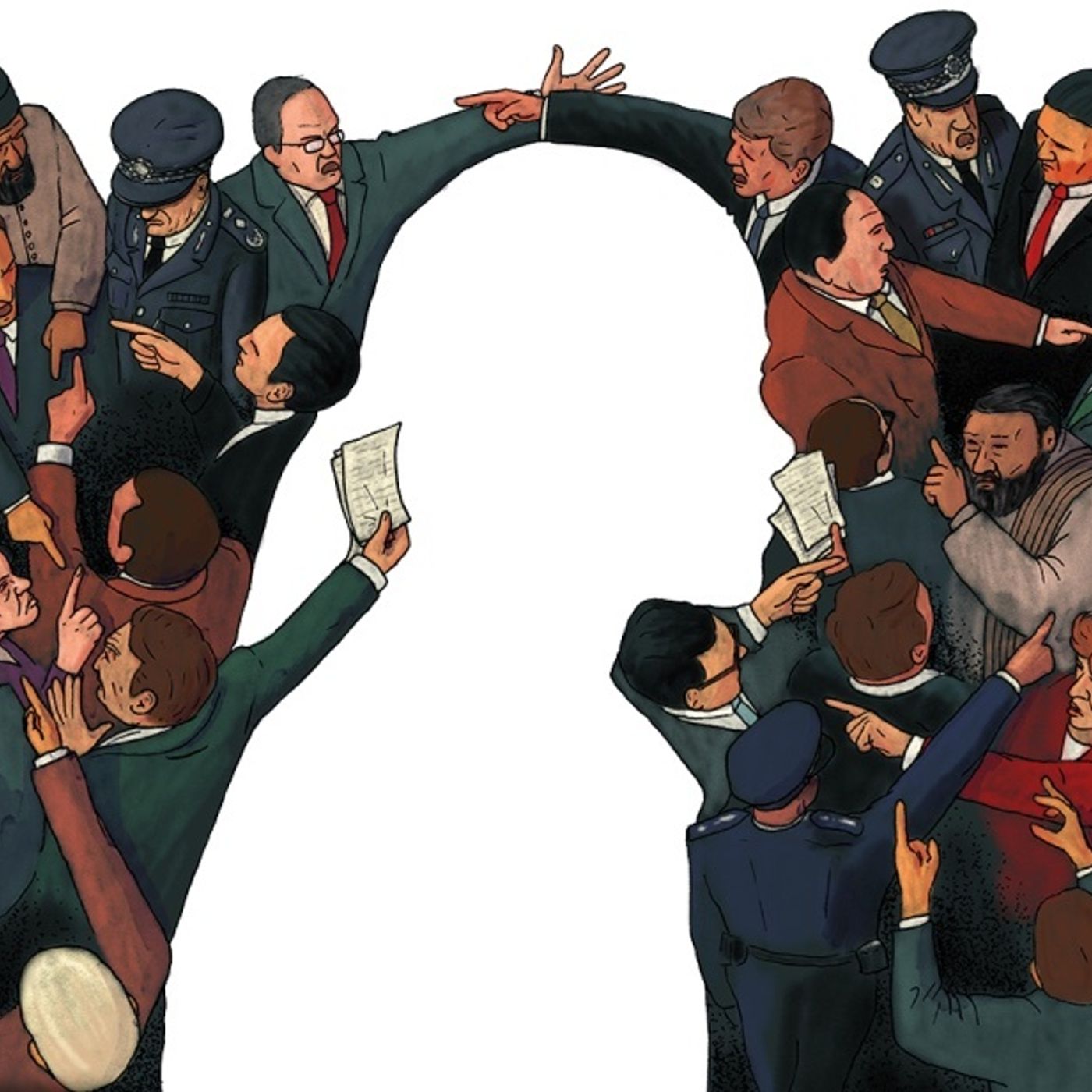
Did Muslim leaders help conceal the grooming gangs scandal? A fierce exchange of views
<div>Welcome to one of the most heated exchanges of views in the history of the <em>Holy Smoke</em> podcast. In this episode, Damian Thompson talks to the distinguished Islamic scholar Dr Musharraf Hussain about the controversy surrounding the Muslim background of some of the accused in the crimes of Britain's 'grooming gangs'. <br><br>Damian draws an analogy between the Catholic hierarchy's cover-up of sex abuse by priests, and what he claims was the role of certain local Muslim community leaders in restricting debate about, and investigation of, abuse committed by men from Pakistani families. To say that there was no common ground between Dr Thompson and Dr Hussain would be putting it mildly, alas...<br><br>Produced by Patrick Gibbons.</div><p>Become a <em>Spectator </em>subscriber today to access this podcast without adverts. Go to <a href="https://www.spectator.co.uk/follow-your-podcasts/" rel="noopener noreferrer" target="_blank">spectator.co.uk/adfree</a> to find out more.</p><br><p>For more <em>Spectator</em> podcasts, go to <a href="https://www.spectator.co.uk/podcasts/" rel="noopener noreferrer" target="_blank">spectator.co.uk/podcasts</a>. </p><br><p>Contact us: [email protected]</p> <hr><p style='color:grey; font-size:0.75em;'> Hosted on Acast. See <a style='color:grey;' target='_blank' rel='noopener noreferrer' href='https://acast.com/privacy'>acast.com/privacy</a> for more information.</p>
How abuse scandals shattered the Church of England but were hidden by the Vatican
<div>In this end-of-year episode of Holy Smoke, Damian Thompson discusses the abuse scandals that have forced the current Archbishop of Canterbury, Justin Welby, to resign his post, his predecessor Lord Carey to resign his ministry as a priest, and now threaten the survival of the Archbishop of York, Stephen Cotterill. <br><br>These developments are an unprecedented disaster for the Church of England – but how many Roman Catholics realise that Pope Francis would also be facing demands for his resignation if the details of various horrifying scandals were not being allegedly concealed by the Vatican and its media allies? </div><p>Become a <em>Spectator </em>subscriber today to access this podcast without adverts. Go to <a href="https://www.spectator.co.uk/follow-your-podcasts/" rel="noopener noreferrer" target="_blank">spectator.co.uk/adfree</a> to find out more.</p><br><p>For more <em>Spectator</em> podcasts, go to <a href="https://www.spectator.co.uk/podcasts/" rel="noopener noreferrer" target="_blank">spectator.co.uk/podcasts</a>. </p><br><p>Contact us: [email protected]</p> <hr><p style='color:grey; font-size:0.75em;'> Hosted on Acast. See <a style='color:grey;' target='_blank' rel='noopener noreferrer' href='https://acast.com/privacy'>acast.com/privacy</a> for more information.</p>
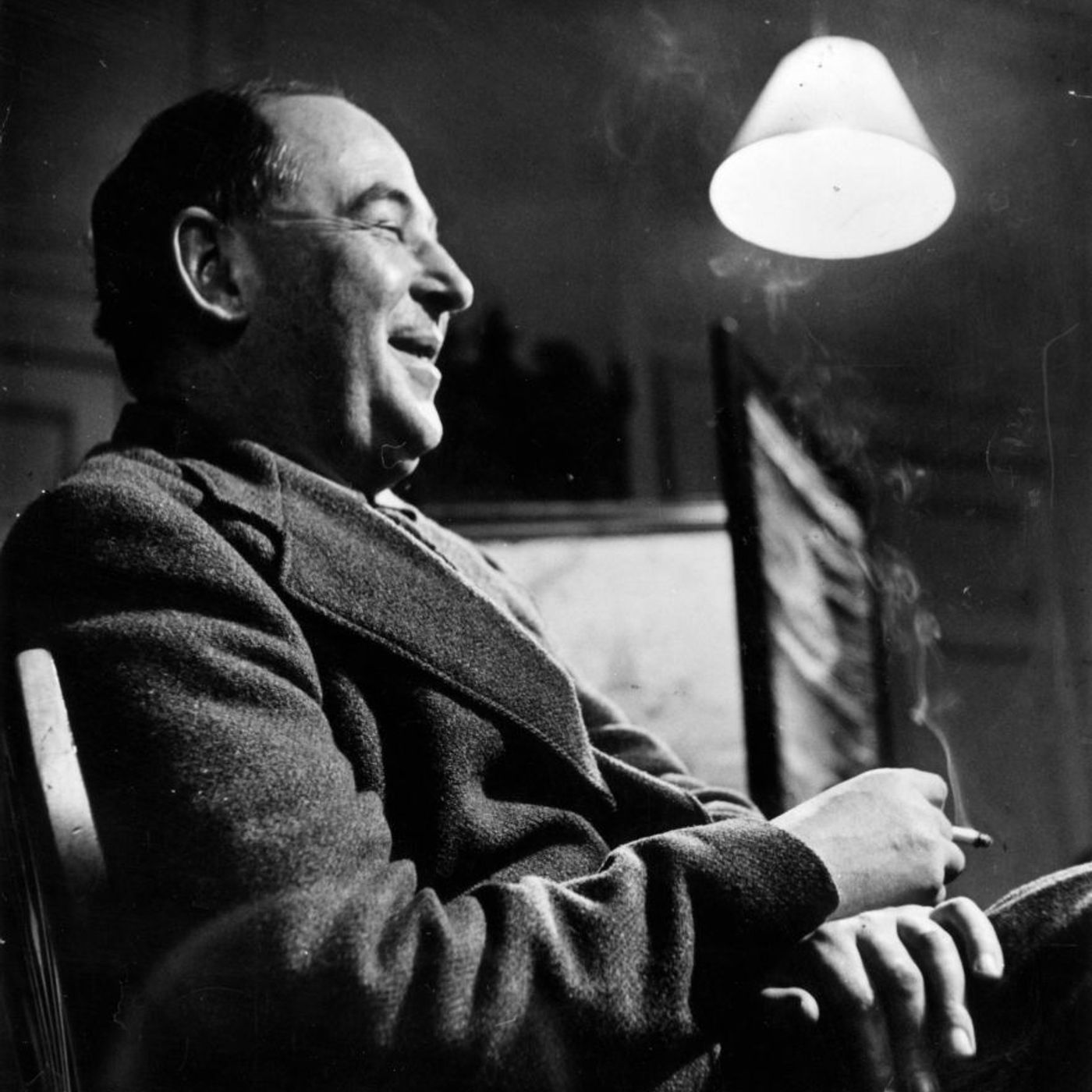
Why was C.S. Lewis such a killjoy at Christmas? A discussion with Alister McGrath
<div>Which 20th-century Scrooge had the following to say about the celebration of Christmas? <br><br>‘It gives on the whole much more pain than pleasure… Anyone can force you to give him a present by sending you a quite unprovoked present of his own. It's almost blackmail… Can it really be my duty to buy and receive masses of junk every winter just to help the shopkeepers?’<br><br>Step forward C.S. Lewis, beloved Christian apologist and children’s author, whose splenetic denunciation of ‘the whole dreary business’ of Christmas and mean-spirited comments about carol singers are hard to reconcile with his reputation for benevolence.<br><br>To make sense of the author’s views, Damian Thompson is joined by the renowned theologian and C.S. Lewis expert Prof Alister McGrath for a Christmas episode of Holy Smoke. They talk about the influence Lewis had on McGrath’s own conversion, the significance of the nativity and the question of whether the Gospel accounts of Jesus’s birth are apocryphal.<br><br>Produced by Patrick Gibbons.</div><p>Become a <em>Spectator </em>subscriber today to access this podcast without adverts. Go to <a href="https://www.spectator.co.uk/follow-your-podcasts/" rel="noopener noreferrer" target="_blank">spectator.co.uk/adfree</a> to find out more.</p><br><p>For more <em>Spectator</em> podcasts, go to <a href="https://www.spectator.co.uk/podcasts/" rel="noopener noreferrer" target="_blank">spectator.co.uk/podcasts</a>. </p><br><p>Contact us: [email protected]</p> <hr><p style='color:grey; font-size:0.75em;'> Hosted on Acast. See <a style='color:grey;' target='_blank' rel='noopener noreferrer' href='https://acast.com/privacy'>acast.com/privacy</a> for more information.</p>
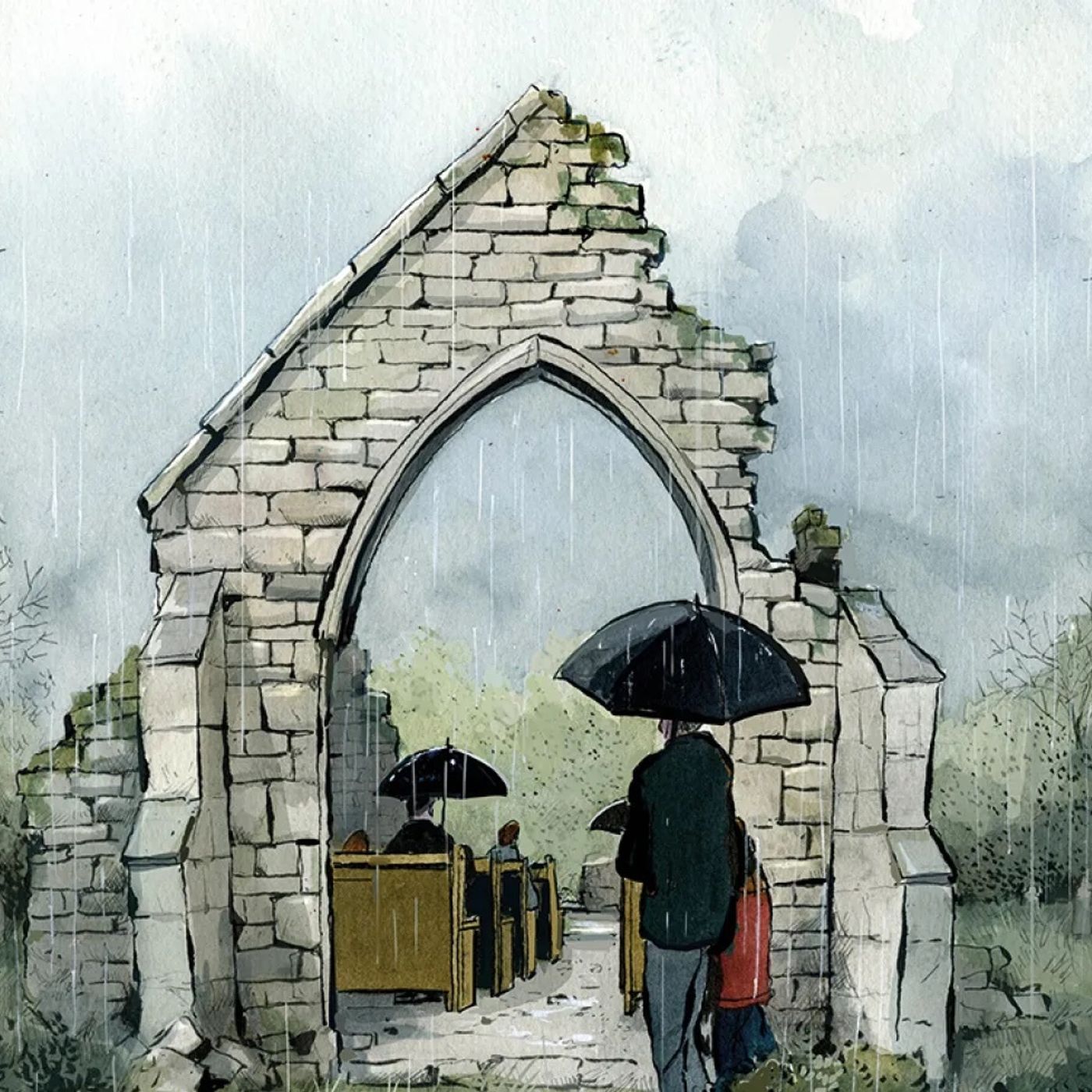
Is the end of Christendom nigh? with A.N. Wilson
<div>Thousands of Brits will be attending Christmas and carol services throughout December. Yet festive attendance masks the reality that church congregations just aren’t holding up. The most optimistic of estimates suggest that regular church attendance has almost halved in the UK since 2009. This is just one of the factors that has led the historian and writer A.N. Wilson, in the Christmas edition of <em>The Spectator</em> this week, to declare that the end of Christendom is nigh.<br><br>On this episode of Holy Smoke, A.N. Wilson joins Damian Thompson to discuss his thesis. Like Platonism, is Christianity doomed to become extinct in practice? When was the last time England was truly, and fervently, religious? And are innovations such as female priests a symptom – or a cause – of the Church’s decline?<br><br>You can read more from A.N. Wilson on <a href="https://anwilson.substack.com/">his Substack</a>.<br><br>Produced by Patrick Gibbons. </div><p>Become a <em>Spectator </em>subscriber today to access this podcast without adverts. Go to <a href="https://www.spectator.co.uk/follow-your-podcasts/" rel="noopener noreferrer" target="_blank">spectator.co.uk/adfree</a> to find out more.</p><br><p>For more <em>Spectator</em> podcasts, go to <a href="https://www.spectator.co.uk/podcasts/" rel="noopener noreferrer" target="_blank">spectator.co.uk/podcasts</a>. </p><br><p>Contact us: [email protected]</p> <hr><p style='color:grey; font-size:0.75em;'> Hosted on Acast. See <a style='color:grey;' target='_blank' rel='noopener noreferrer' href='https://acast.com/privacy'>acast.com/privacy</a> for more information.</p>
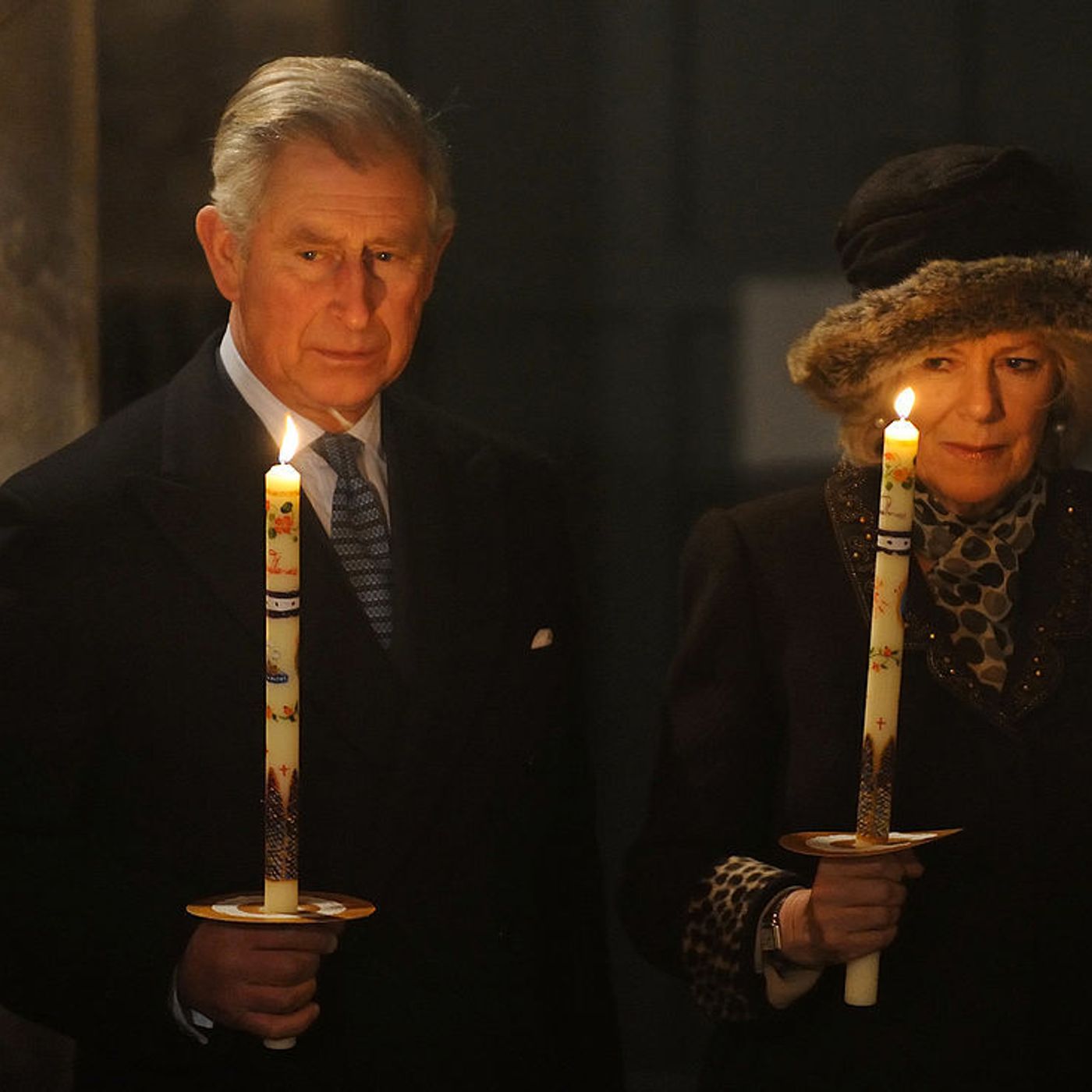
Defender of the Faith: how have the King’s religious beliefs changed?
<div>As we approach the end of a uniquely painful year for the Royal Family, the King's trusted biographer, Robert Hardman, joins Damian Thompson to discuss the Monarch’s faith. As Robert recently revealed in his updated biography of Charles III, the cancer-stricken King has been drawing solace from a Christian faith that has become increasingly explicit over the years. He still thinks of himself as the ‘defender of faith’, but now also unapologetically uses his ancient title of ‘Defender of <em>the</em> Faith’, meaning Christianity. Specifically, he is more attracted than ever to the traditions of the Orthodox Church into which his father was baptised. <br><br>But, as Robert has revealed, the current Prince of Wales is emphatically not religious (unlike his wife, who is reported to be exploring her own spirituality in the wake of her own diagnosis). What will this mean when William eventually inherits the position of Supreme Governor of the Church of England? <br><br>Produced by Patrick Gibbons.</div><p>Become a <em>Spectator </em>subscriber today to access this podcast without adverts. Go to <a href="https://www.spectator.co.uk/follow-your-podcasts/" rel="noopener noreferrer" target="_blank">spectator.co.uk/adfree</a> to find out more.</p><br><p>For more <em>Spectator</em> podcasts, go to <a href="https://www.spectator.co.uk/podcasts/" rel="noopener noreferrer" target="_blank">spectator.co.uk/podcasts</a>. </p><br><p>Contact us: [email protected]</p> <hr><p style='color:grey; font-size:0.75em;'> Hosted on Acast. See <a style='color:grey;' target='_blank' rel='noopener noreferrer' href='https://acast.com/privacy'>acast.com/privacy</a> for more information.</p>

Should assisted dying be legalised?
<div>MPs are set to vote on the legalisation of assisted dying this week, the first such vote in almost a decade. The Terminally Ill Adults (End of Life) Bill was tabled by Labour MP Kim Leadbeater and follows a campaign by broadcaster Dame Esther Rantzen and others. <br><br>The biggest change since the last vote in 2015 is the make-up of parliament, with many more Labour MPs, as well as newer MPs whose stances are unknown. Consequently, it is far from certain that the bill – which would mark one of the biggest changes to social legislation for a generation – will pass. What are the arguments for and against? And how could the religious beliefs of MPs inform their votes?<br><br>Damian Thompson is joined by Rabbi Dr Jonathan Romain, director of the Maidenhead Synagogue and a supporter of legalisation, and Martin Vickers MP, a Conservative MP and opponent of assisted dying, to understand the dynamics of the debate. But first, Isabel Hardman joins the programme to talk through the parliamentary arithmetic – is Parliament any more or less religious than in 2015?<br><br>Produced by Patrick Gibbons.</div><p>Become a <em>Spectator </em>subscriber today to access this podcast without adverts. Go to <a href="https://www.spectator.co.uk/follow-your-podcasts/" rel="noopener noreferrer" target="_blank">spectator.co.uk/adfree</a> to find out more.</p><br><p>For more <em>Spectator</em> podcasts, go to <a href="https://www.spectator.co.uk/podcasts/" rel="noopener noreferrer" target="_blank">spectator.co.uk/podcasts</a>. </p><br><p>Contact us: [email protected]</p> <hr><p style='color:grey; font-size:0.75em;'> Hosted on Acast. See <a style='color:grey;' target='_blank' rel='noopener noreferrer' href='https://acast.com/privacy'>acast.com/privacy</a> for more information.</p>
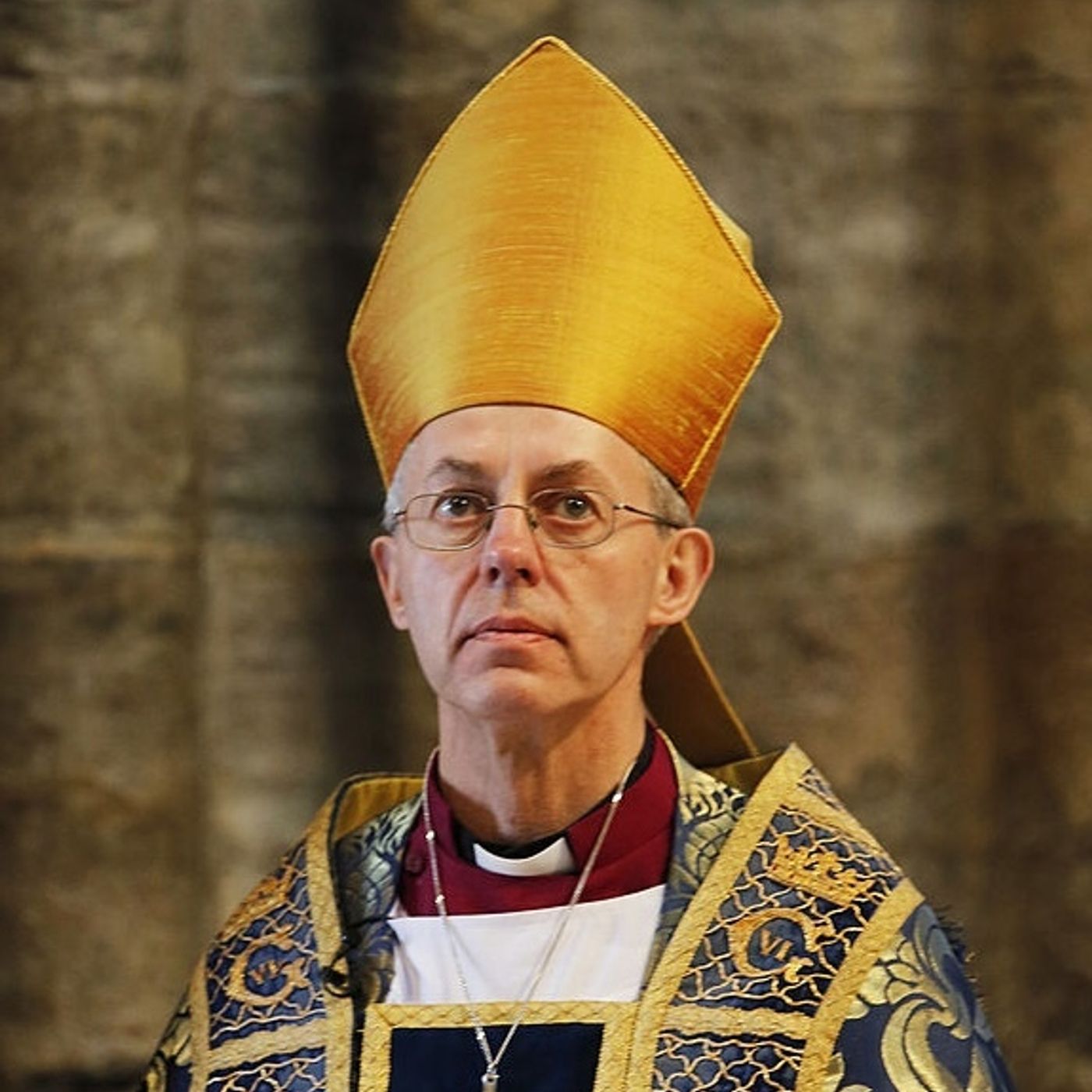
Welby resigns: crisis at the Church of England
<div>After mounting pressure, the Archbishop of Canterbury Justin Welby has resigned. His resignation comes days after a damning report into the child abuser John Smyth who was associated with the Church of England. Welby was apparently made aware of the allegations in 2013, yet Smyth died in 2018 before facing any justice. Since the report was published, Welby and the Church have faced questions about the failure to act and the lack of urgency. The Spectator’s editor Michael Gove joins Damian Thompson to discuss what Damian calls ‘not just a shocking moment in the history of the Church of England, but in the history of English Christianity’. <br><br>Produced by Patrick Gibbons and Natasha Feroze. </div><p>Become a <em>Spectator </em>subscriber today to access this podcast without adverts. Go to <a href="https://www.spectator.co.uk/follow-your-podcasts/" rel="noopener noreferrer" target="_blank">spectator.co.uk/adfree</a> to find out more.</p><br><p>For more <em>Spectator</em> podcasts, go to <a href="https://www.spectator.co.uk/podcasts/" rel="noopener noreferrer" target="_blank">spectator.co.uk/podcasts</a>. </p><br><p>Contact us: [email protected]</p> <hr><p style='color:grey; font-size:0.75em;'> Hosted on Acast. See <a style='color:grey;' target='_blank' rel='noopener noreferrer' href='https://acast.com/privacy'>acast.com/privacy</a> for more information.</p>
Did Christianity create secular humanism?
<div>Since the election of an overwhelmingly secular Labour government, people who describe themselves as humanists have a spring in their step: for example, there's a prospect that humanist weddings will be legally recognised in England and Wales (they already are in Scotland). <br><br>But what exactly is a humanist? Definitions vary and there's a heated debate about to what extent the ethical but firmly atheist beliefs of the rather loosely organised modern humanist movement are descended from Christianity. In this episode of Holy Smoke we'll hear from Andrew Copson, CEO of Humanists UK since 2010 & President of Humanists International, and the theologian and <em>Spectato</em>r contributor Theo Hobson, author of<em> God created Humanism: the Christian Basis of Secular Values</em>. Damian Thompson spoke to them earlier and, as you'll hear, it was a lively encounter. <br><br>Produced by Patrick Gibbons.</div><p>Become a <em>Spectator </em>subscriber today to access this podcast without adverts. Go to <a href="https://www.spectator.co.uk/follow-your-podcasts/" rel="noopener noreferrer" target="_blank">spectator.co.uk/adfree</a> to find out more.</p><br><p>For more <em>Spectator</em> podcasts, go to <a href="https://www.spectator.co.uk/podcasts/" rel="noopener noreferrer" target="_blank">spectator.co.uk/podcasts</a>. </p><br><p>Contact us: [email protected]</p> <hr><p style='color:grey; font-size:0.75em;'> Hosted on Acast. See <a style='color:grey;' target='_blank' rel='noopener noreferrer' href='https://acast.com/privacy'>acast.com/privacy</a> for more information.</p>
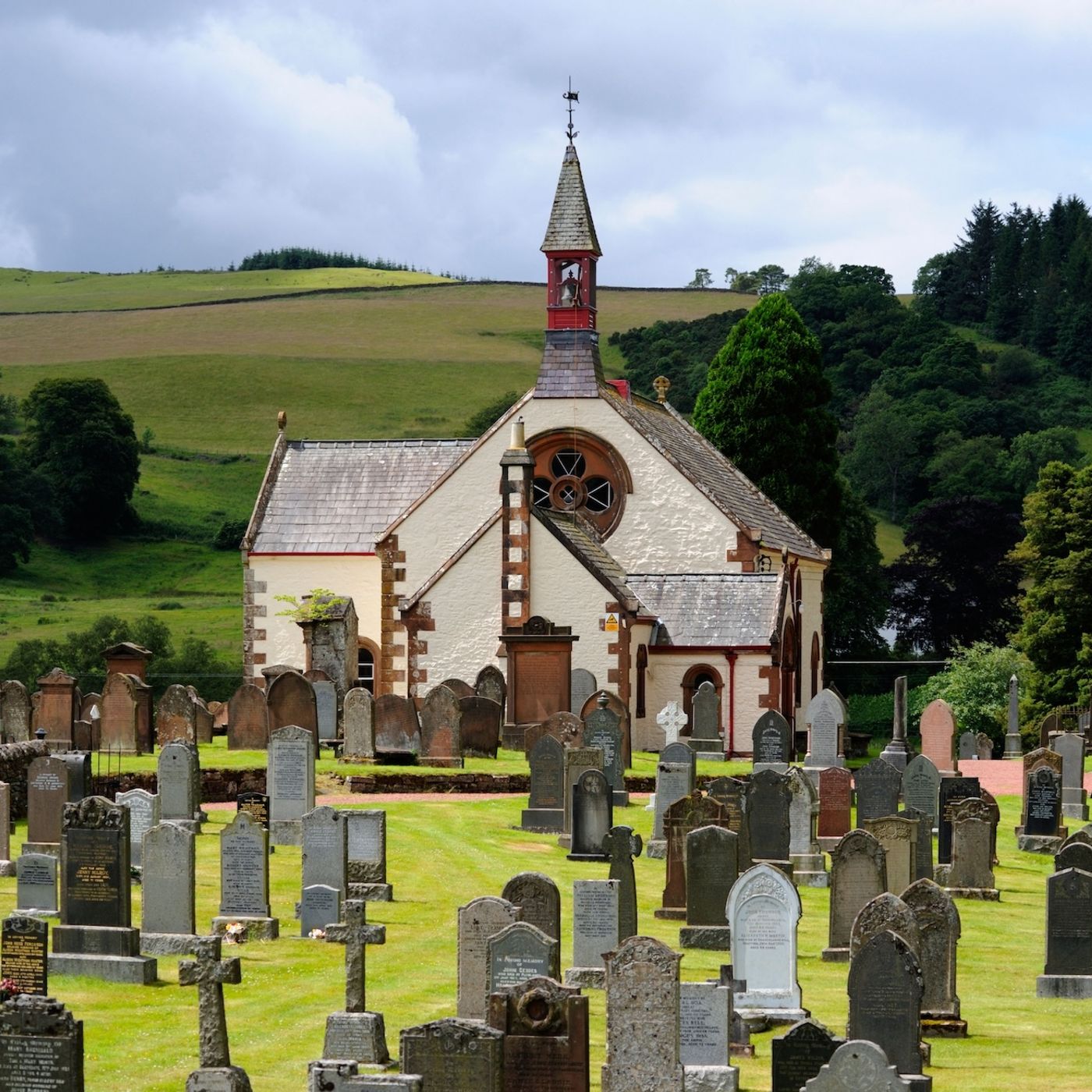
Sale of the century: why is the Kirk selling off hundreds of churches so cheaply?
<div>In this week’s <em>Spectator</em>, William Finlater reveals that some of the Church of Scotland’s most precious architectural heritage is being flogged off quickly, cheaply and discreetly. Most western denominations are being forced to close churches, but the fire sale of hundreds of Scottish churches is unprecedented in British history. In this episode of <em>Holy Smoke</em>, Damian talks to William about the Kirk’s apparently panicky reaction to losing half its members since 2000, and asks new <em>Spectator</em> editor Michael Gove – once a Church of Scotland Sunday School teacher – why his former denomination is staring into the abyss.<br><br>Produced by Oscar Edmondson and Patrick Gibbons. </div><p>Become a <em>Spectator </em>subscriber today to access this podcast without adverts. Go to <a href="https://www.spectator.co.uk/follow-your-podcasts/" rel="noopener noreferrer" target="_blank">spectator.co.uk/adfree</a> to find out more.</p><br><p>For more <em>Spectator</em> podcasts, go to <a href="https://www.spectator.co.uk/podcasts/" rel="noopener noreferrer" target="_blank">spectator.co.uk/podcasts</a>. </p><br><p>Contact us: [email protected]</p> <hr><p style='color:grey; font-size:0.75em;'> Hosted on Acast. See <a style='color:grey;' target='_blank' rel='noopener noreferrer' href='https://acast.com/privacy'>acast.com/privacy</a> for more information.</p>
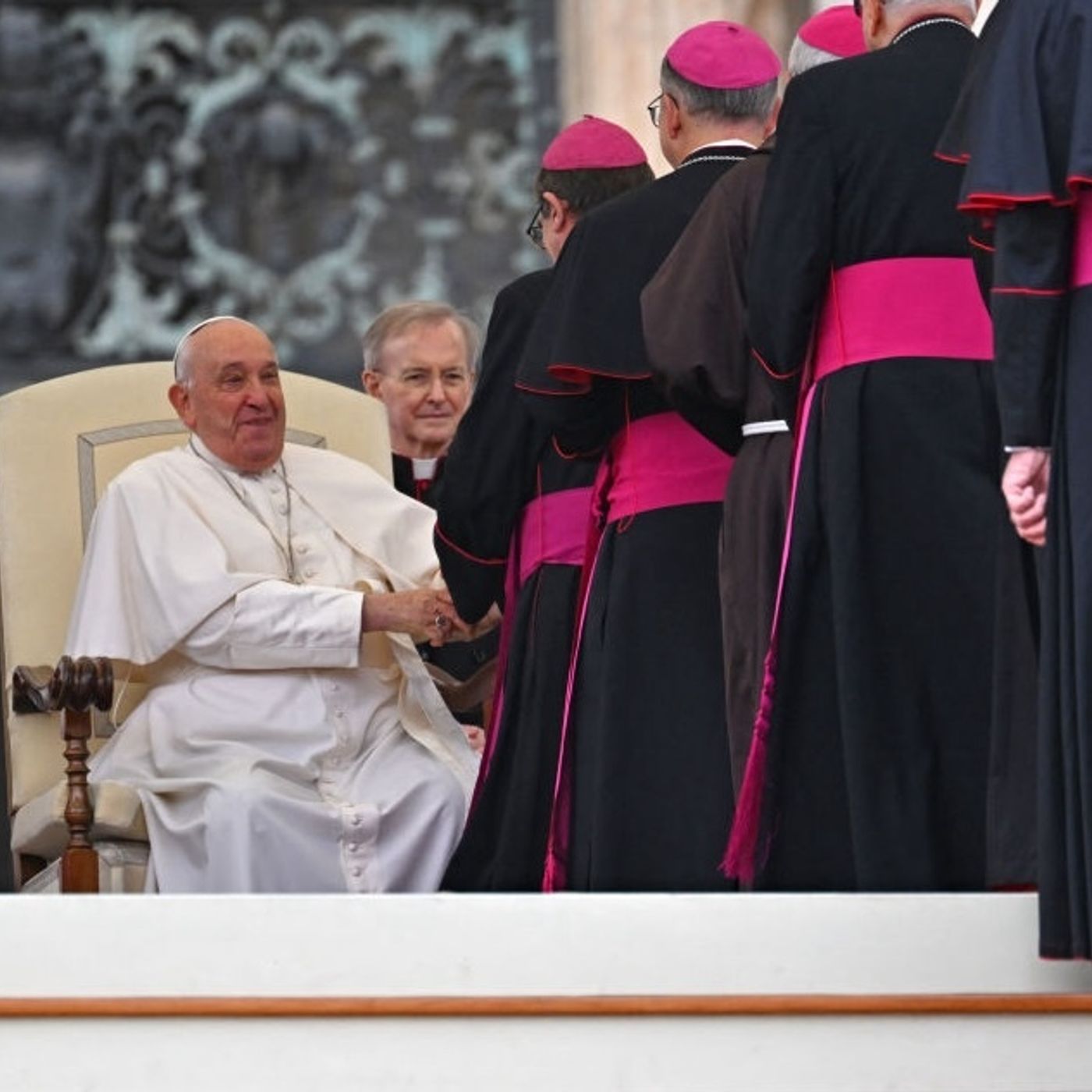
The Pope announces 21 new cardinals. Is he trying to pack the conclave?
<div>This month Pope Francis announced that he’s creating 21 cardinals, and once again his list includes unexpected names that will baffle commentators who assume that he’s determined to stack the next conclave with liberals. <br><br>For example, Australia now finally has a cardinal – but he’s a 44-year-old bishop from the Ukrainian Greek Catholic diaspora rather than the actual head of the Ukrainian Church in Kiev. There’s also a new English cardinal who isn’t even a bishop, the Dominican theologian Timothy Radcliffe. He’s nearly 80, so will soon have to step down as an elector – but, believe it or not, one of the new cardinals is 99 and therefore old enough to be his father.<br><br>In this episode of Holy Smoke, Vatican analyst Serre Verweij joins Damian Thompson to discuss the significance of this consistory. He suggests that this Pope, famously hostile to traditionalists, is nonetheless moving to the right at this late stage in his pontificate. But why? </div><p>Become a <em>Spectator </em>subscriber today to access this podcast without adverts. Go to <a href="https://www.spectator.co.uk/follow-your-podcasts/" rel="noopener noreferrer" target="_blank">spectator.co.uk/adfree</a> to find out more.</p><br><p>For more <em>Spectator</em> podcasts, go to <a href="https://www.spectator.co.uk/podcasts/" rel="noopener noreferrer" target="_blank">spectator.co.uk/podcasts</a>. </p><br><p>Contact us: [email protected]</p> <hr><p style='color:grey; font-size:0.75em;'> Hosted on Acast. See <a style='color:grey;' target='_blank' rel='noopener noreferrer' href='https://acast.com/privacy'>acast.com/privacy</a> for more information.</p>

Could religious voters in the swing states decide the US election?
<div>The US presidential election looks as if it’s coming down to the wire in a handful of battleground states. Neither Kamala Harris nor Donald Trump has established a clear lead, and that raises the question of whether, even in today’s increasingly secular America, evangelical Christians could give former president Trump a crucial advantage in the rust belt. On the other hand, could his role in the demise of Roe v Wade tilt the race towards Harris? <br><br>In this episode of Holy Smoke, Damian Thompson talks to Dr Melissa Deckman, CEO of the Public Religion Research Institute, a specialist in the influence of religion on US politics, and Justin Webb, presenter of BBC Radio 4’s Today programme, widely respected as an impartial commentator on presidential campaigns. <br><br>Produced by Patrick Gibbons.</div><p>Become a <em>Spectator </em>subscriber today to access this podcast without adverts. Go to <a href="https://www.spectator.co.uk/follow-your-podcasts/" rel="noopener noreferrer" target="_blank">spectator.co.uk/adfree</a> to find out more.</p><br><p>For more <em>Spectator</em> podcasts, go to <a href="https://www.spectator.co.uk/podcasts/" rel="noopener noreferrer" target="_blank">spectator.co.uk/podcasts</a>. </p><br><p>Contact us: [email protected]</p> <hr><p style='color:grey; font-size:0.75em;'> Hosted on Acast. See <a style='color:grey;' target='_blank' rel='noopener noreferrer' href='https://acast.com/privacy'>acast.com/privacy</a> for more information.</p>
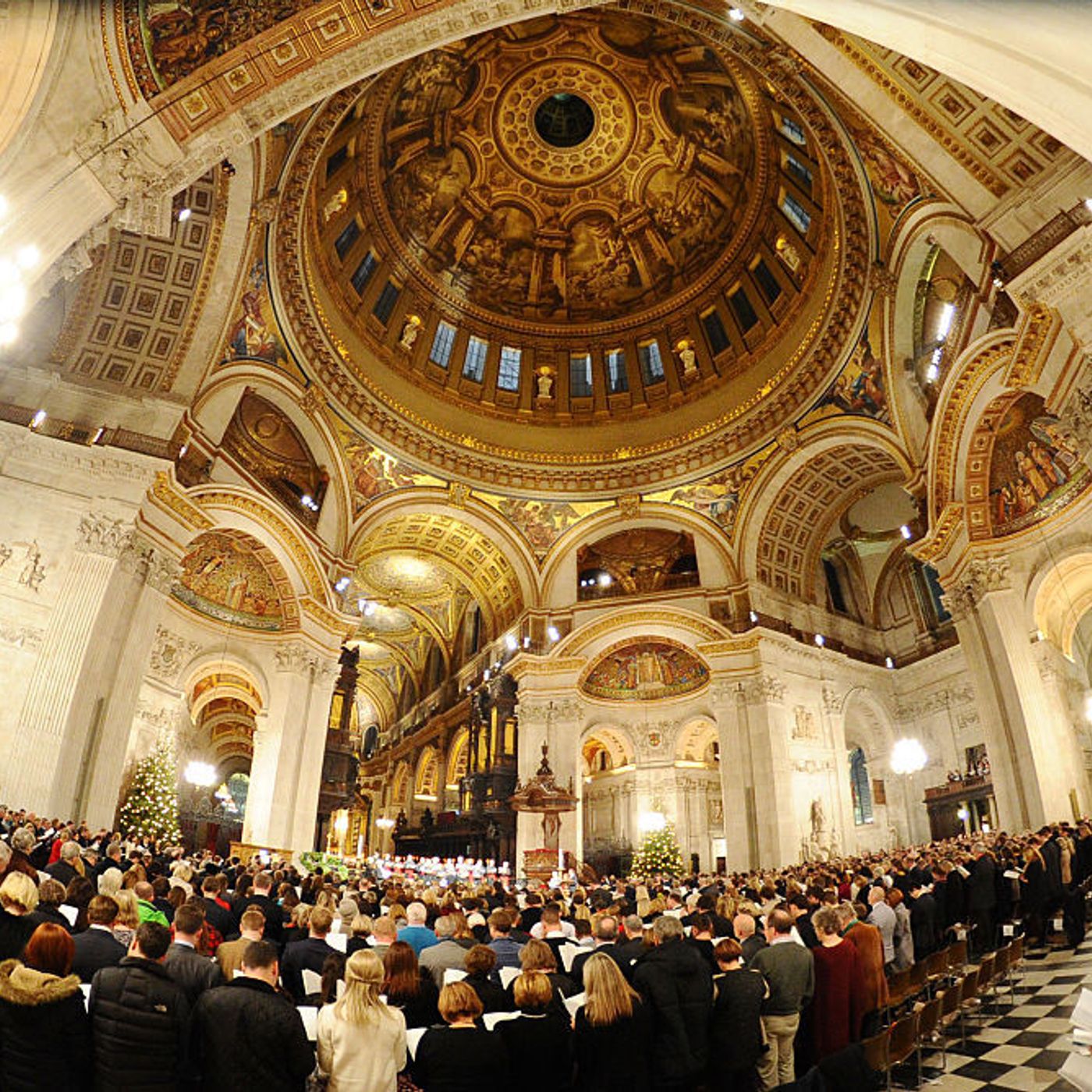
How pistols in St Paul’s Cathedral shaped the science of sound
<div>In the winter of 1951 shots from a Colt revolver rang out in St Paul’s Cathedral in an experiment designed to solve the mystery of how architecture shapes sound. In this episode of Holy Smoke, Damian Thompson talks to Dr Fiona Smyth, author of a new book on the subject, and choral musician Philip Fryer, about the perfect acoustic – an increasingly important topic for churches, since many of them rely on the income from hiring themselves out as concert and recording venues. And it raises the question: should we think of a church as a musical instrument? </div><p>Become a <em>Spectator </em>subscriber today to access this podcast without adverts. Go to <a href="https://www.spectator.co.uk/follow-your-podcasts/" rel="noopener noreferrer" target="_blank">spectator.co.uk/adfree</a> to find out more.</p><br><p>For more <em>Spectator</em> podcasts, go to <a href="https://www.spectator.co.uk/podcasts/" rel="noopener noreferrer" target="_blank">spectator.co.uk/podcasts</a>. </p><br><p>Contact us: [email protected]</p> <hr><p style='color:grey; font-size:0.75em;'> Hosted on Acast. See <a style='color:grey;' target='_blank' rel='noopener noreferrer' href='https://acast.com/privacy'>acast.com/privacy</a> for more information.</p>
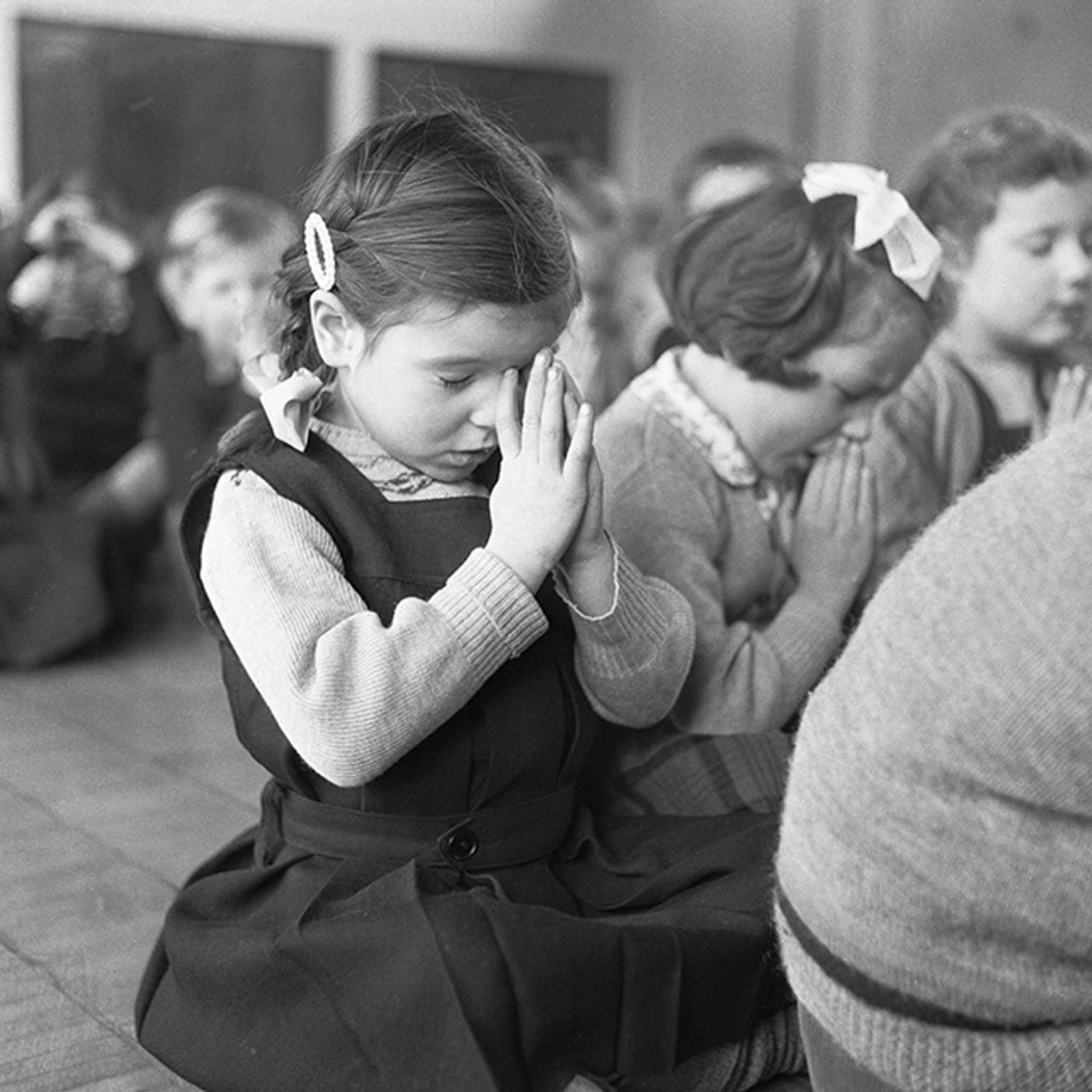
Losing faith: will Labour’s VAT policy hit religious schools hardest?
<div>In this week’s copy of <em>The Spectator</em>, Dan Hitchens argues that a lesser reported aspect of Labour’s decision to impose VAT on private schools is who it could hit hardest: faith schools. Hundreds of independent religious schools charge modest, means-tested fees. Could a hike in costs make these schools unviable? And, with uncertainty about how ideological a decision this is, does the government even care? Dan joins Damian on the podcast to discuss. </div><br><div>Raisel Freedman from the Partnerships for Jewish Schools also joins later, to discuss how the measure could threaten Jewish independent schools, when they provide a haven for students from a climate of rising antisemitism.<br><br>Produced by Patrick Gibbons.</div><p>Become a <em>Spectator </em>subscriber today to access this podcast without adverts. Go to <a href="https://www.spectator.co.uk/follow-your-podcasts/" rel="noopener noreferrer" target="_blank">spectator.co.uk/adfree</a> to find out more.</p><br><p>For more <em>Spectator</em> podcasts, go to <a href="https://www.spectator.co.uk/podcasts/" rel="noopener noreferrer" target="_blank">spectator.co.uk/podcasts</a>. </p><br><p>Contact us: [email protected]</p> <hr><p style='color:grey; font-size:0.75em;'> Hosted on Acast. See <a style='color:grey;' target='_blank' rel='noopener noreferrer' href='https://acast.com/privacy'>acast.com/privacy</a> for more information.</p>
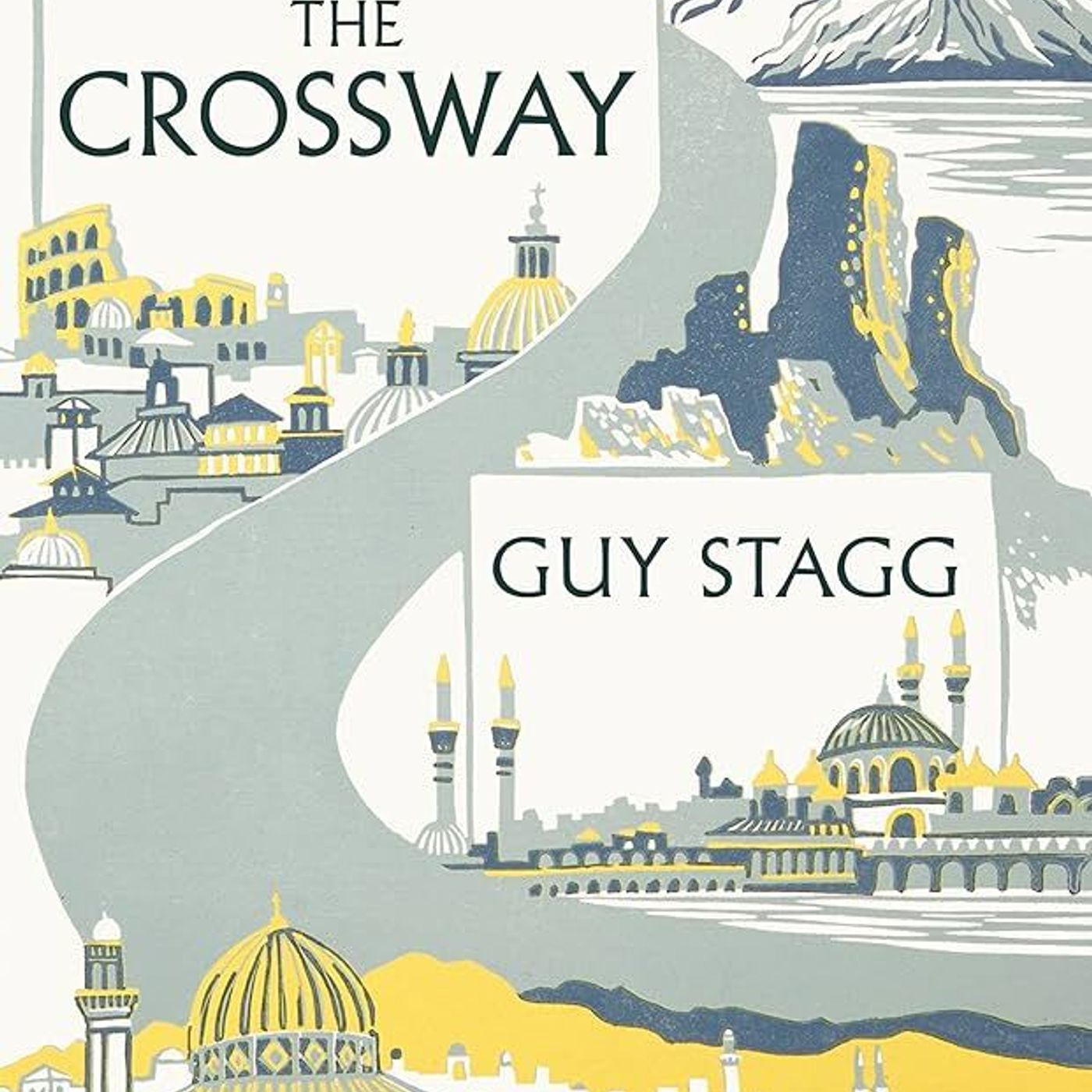
From the archives: An atheist goes on a Christian pilgrimage. Why?
<div>Writer Guy Stagg threw in his job to undertake a pilgrimage to Jerusalem via Rome - choosing a hazardous medieval route across the Alps. It nearly killed him: at one stage, trying to cross a broken bridge in Switzerland, he ended up partially submerged in the water, held up only by his rucksack. <br><br>On this episode of Holy Smoke, from the archives, Guy explains why his journey was a pilgrimage, not just travels. And Damian Thompson talks to Harry Mount, editor of The Oldie, about why he’s irresistibly drawn to church buildings while remaining an unbeliever - albeit an agnostic rather than an atheist.</div><p>Become a <em>Spectator </em>subscriber today to access this podcast without adverts. Go to <a href="https://www.spectator.co.uk/follow-your-podcasts/" rel="noopener noreferrer" target="_blank">spectator.co.uk/adfree</a> to find out more.</p><br><p>For more <em>Spectator</em> podcasts, go to <a href="https://www.spectator.co.uk/podcasts/" rel="noopener noreferrer" target="_blank">spectator.co.uk/podcasts</a>. </p><br><p>Contact us: [email protected]</p> <hr><p style='color:grey; font-size:0.75em;'> Hosted on Acast. See <a style='color:grey;' target='_blank' rel='noopener noreferrer' href='https://acast.com/privacy'>acast.com/privacy</a> for more information.</p>
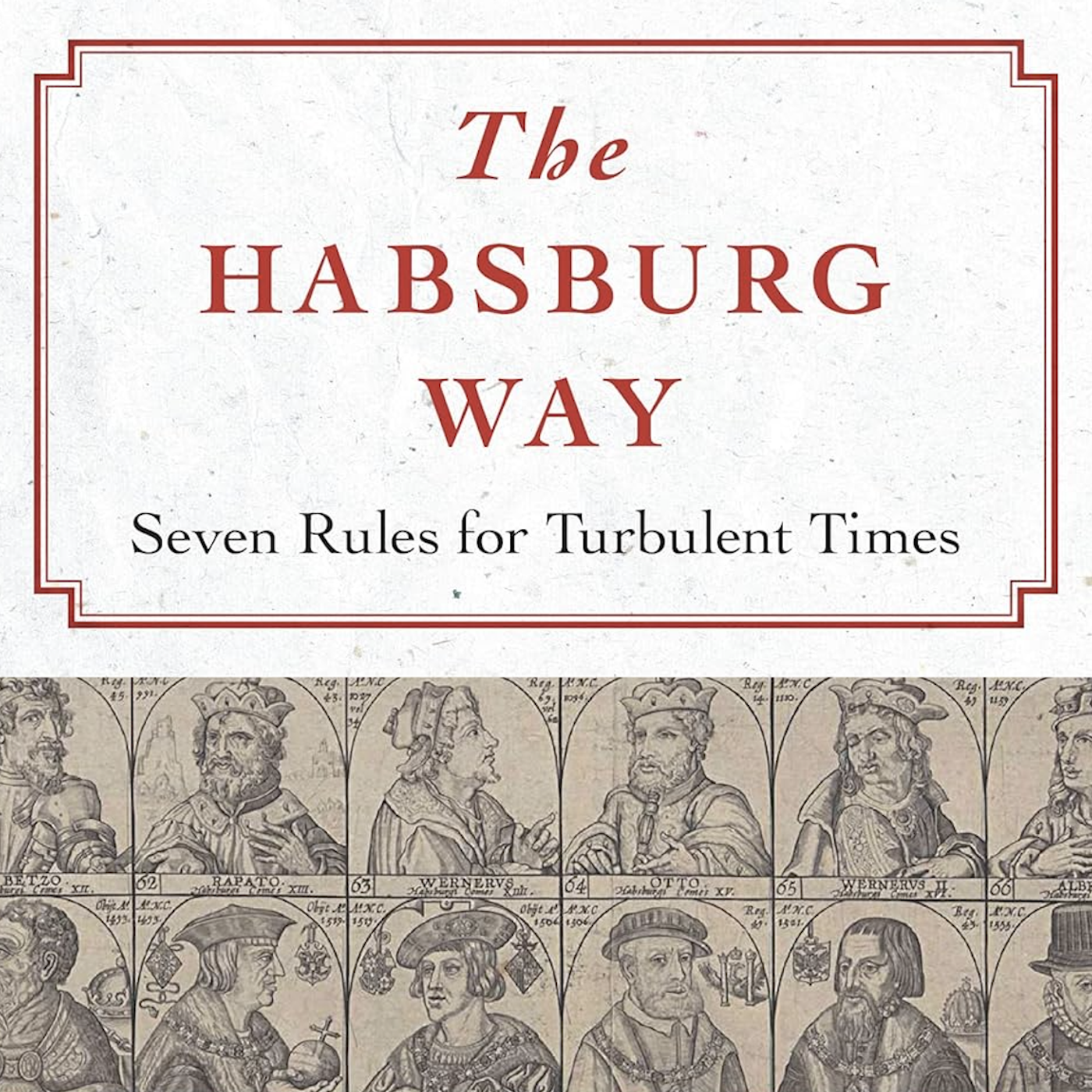
A Habsburg Archduke explains how not to be nasty on Twitter
<div>In this week's <em>Holy Smoke</em> episode Damian Thompson welcomes back Eduard Habsburg, Hungary's Ambassador to the Holy See and also, to give him his family title, Archduke Eduard of Austria. Last year he published <em>The Habsburg Way: 7 Rules for Turbulent Times</em>, which offered advice on how to live a good life based on the panoramic history of his dynasty. <br><br>One reason it was such a success is that Eduard has a cult following on X, formerly Twitter, made up of people who initially followed him because he's a Habsburg but stayed to absorb his spiritual wisdom and good cheer. In this episode, with Damian speaking as someone who frequently gets drawn into (or starts) catfights on that platform (his words!), he asks if Eduard has any advice for struggling social media sociopaths. And he does.<br><br>Produced by Patrick Gibbons.</div><p>Become a <em>Spectator </em>subscriber today to access this podcast without adverts. Go to <a href="https://www.spectator.co.uk/follow-your-podcasts/" rel="noopener noreferrer" target="_blank">spectator.co.uk/adfree</a> to find out more.</p><br><p>For more <em>Spectator</em> podcasts, go to <a href="https://www.spectator.co.uk/podcasts/" rel="noopener noreferrer" target="_blank">spectator.co.uk/podcasts</a>. </p><br><p>Contact us: [email protected]</p> <hr><p style='color:grey; font-size:0.75em;'> Hosted on Acast. See <a style='color:grey;' target='_blank' rel='noopener noreferrer' href='https://acast.com/privacy'>acast.com/privacy</a> for more information.</p>
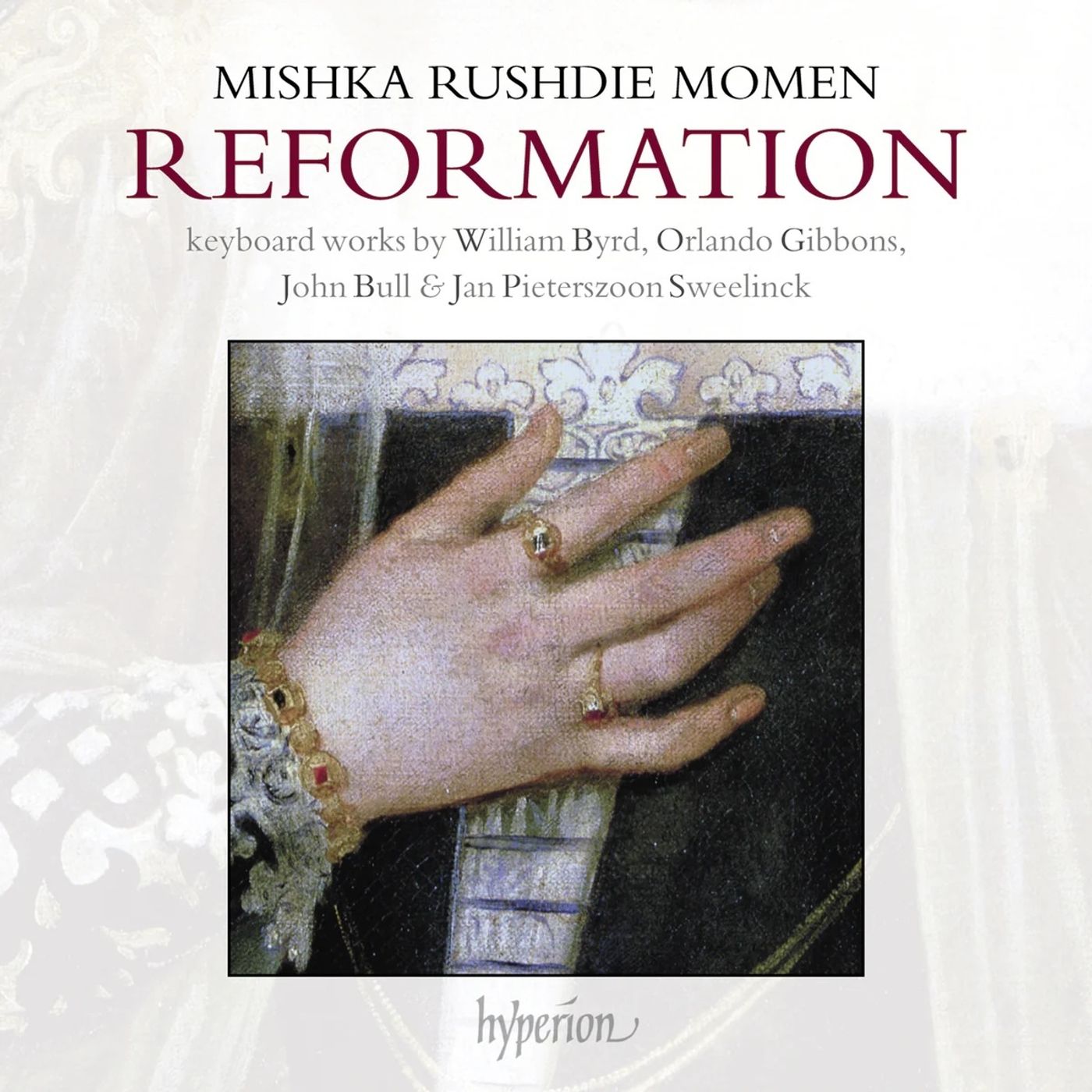
Walsingham and the musical grief of the Reformation
<div>The other day I received a press release about an intriguing album of keyboard music by 16th- and early 17th-century composers, three Englishman and a Dutchman, played on the modern piano by Mishka Rushdie Momen, one of this country’s most gifted and intellectually curious young concert pianists. It’s called <em>Reformation</em>, and before I’d heard a note of the music – which is performed with thrilling exuberance and subtlety – I knew I wanted to interview Ms Rushdie Momen. <br><br>That’s because Hyperion had included with the press release a strikingly perceptive essay by the pianist putting this ostensibly secular keyboard music in the context of what she rightly calls the ‘vandalism’ of the English Reformation, shockingly illustrated by the demolition of the great shrine of Walsingham. At the same time, she recognises the unnerving pressures facing both Catholic and Protestant composers in an era of bewildering and violent cultural upheaval – but also one in which we can glimpse elements of toleration and compromise. <br><br>Here’s my Holy Smoke interview with Mishka Rushdie Momen, which begins with a track from her album: a little galliard called La Volta, danced at Elizabeth I’s court even though the Queen knew that its composer, William Byrd, had remained faithful to the Catholic Church.</div><p>Become a <em>Spectator </em>subscriber today to access this podcast without adverts. Go to <a href="https://www.spectator.co.uk/follow-your-podcasts/" rel="noopener noreferrer" target="_blank">spectator.co.uk/adfree</a> to find out more.</p><br><p>For more <em>Spectator</em> podcasts, go to <a href="https://www.spectator.co.uk/podcasts/" rel="noopener noreferrer" target="_blank">spectator.co.uk/podcasts</a>. </p><br><p>Contact us: [email protected]</p> <hr><p style='color:grey; font-size:0.75em;'> Hosted on Acast. See <a style='color:grey;' target='_blank' rel='noopener noreferrer' href='https://acast.com/privacy'>acast.com/privacy</a> for more information.</p>
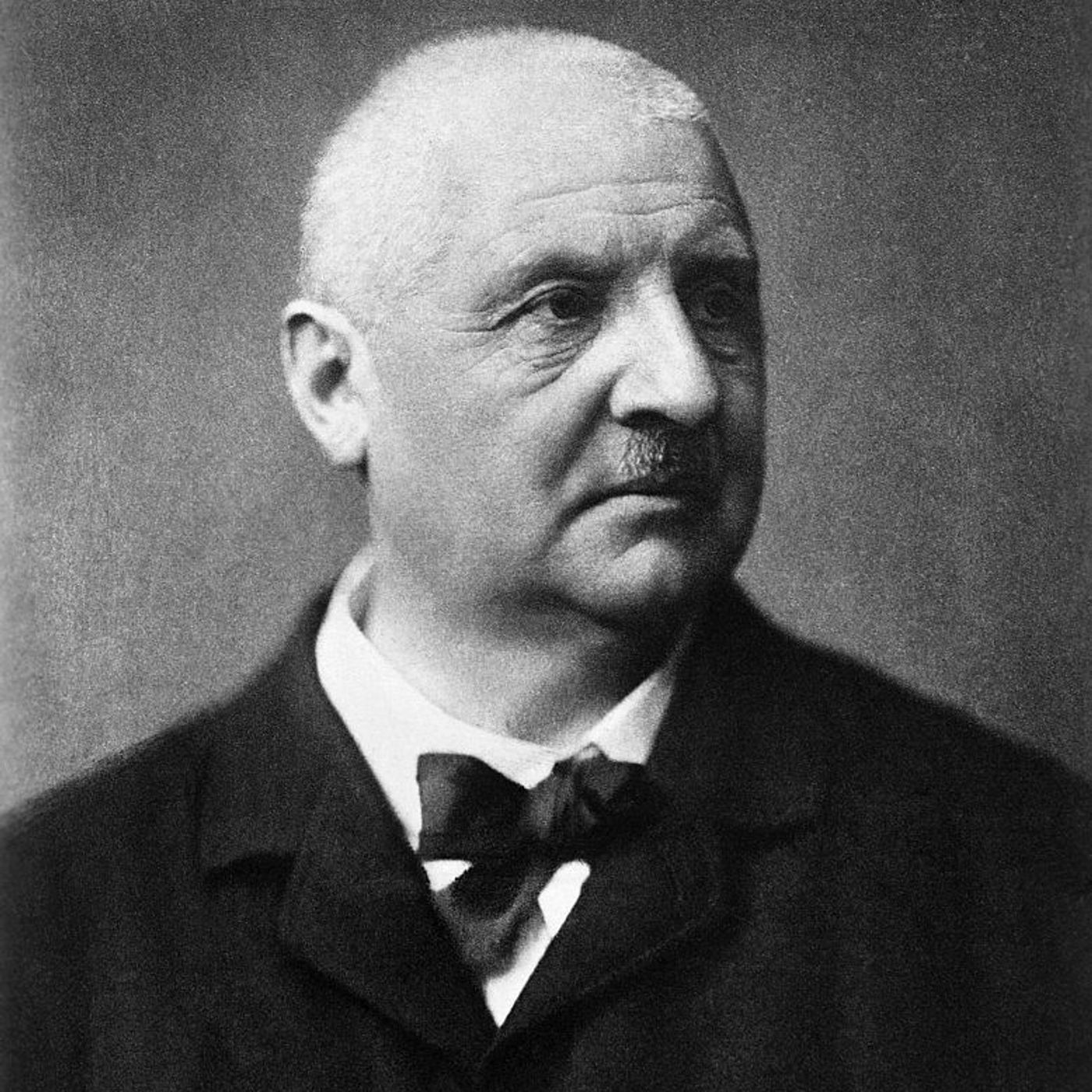
Calm fire: the consolation of listening to Bruckner
<div>Here's an episode of <em>Holy Smoke</em> to mark the 200th anniversary of the birth of Anton Bruckner later this year. This embarrassingly eccentric genius was, perhaps, the most devoutly Catholic of all the major composers – but you don't have to be religious to appreciate the unique consolation offered by his gigantic symphonies. On the other hand, it's hard to appreciate the unique flavour of Bruckner without taking into account the influence of the liturgy on his sublime slow movements and what the (atheist) composer and Bruckner scholar Robert Simpson called the 'calm fire' of his blazing finales. If you make it through to the end of this episode, you'll hear exactly what he meant. <br><br>Produced by Patrick Gibbons</div><p>Become a <em>Spectator </em>subscriber today to access this podcast without adverts. Go to <a href="https://www.spectator.co.uk/follow-your-podcasts/" rel="noopener noreferrer" target="_blank">spectator.co.uk/adfree</a> to find out more.</p><br><p>For more <em>Spectator</em> podcasts, go to <a href="https://www.spectator.co.uk/podcasts/" rel="noopener noreferrer" target="_blank">spectator.co.uk/podcasts</a>. </p><br><p>Contact us: [email protected]</p> <hr><p style='color:grey; font-size:0.75em;'> Hosted on Acast. See <a style='color:grey;' target='_blank' rel='noopener noreferrer' href='https://acast.com/privacy'>acast.com/privacy</a> for more information.</p>
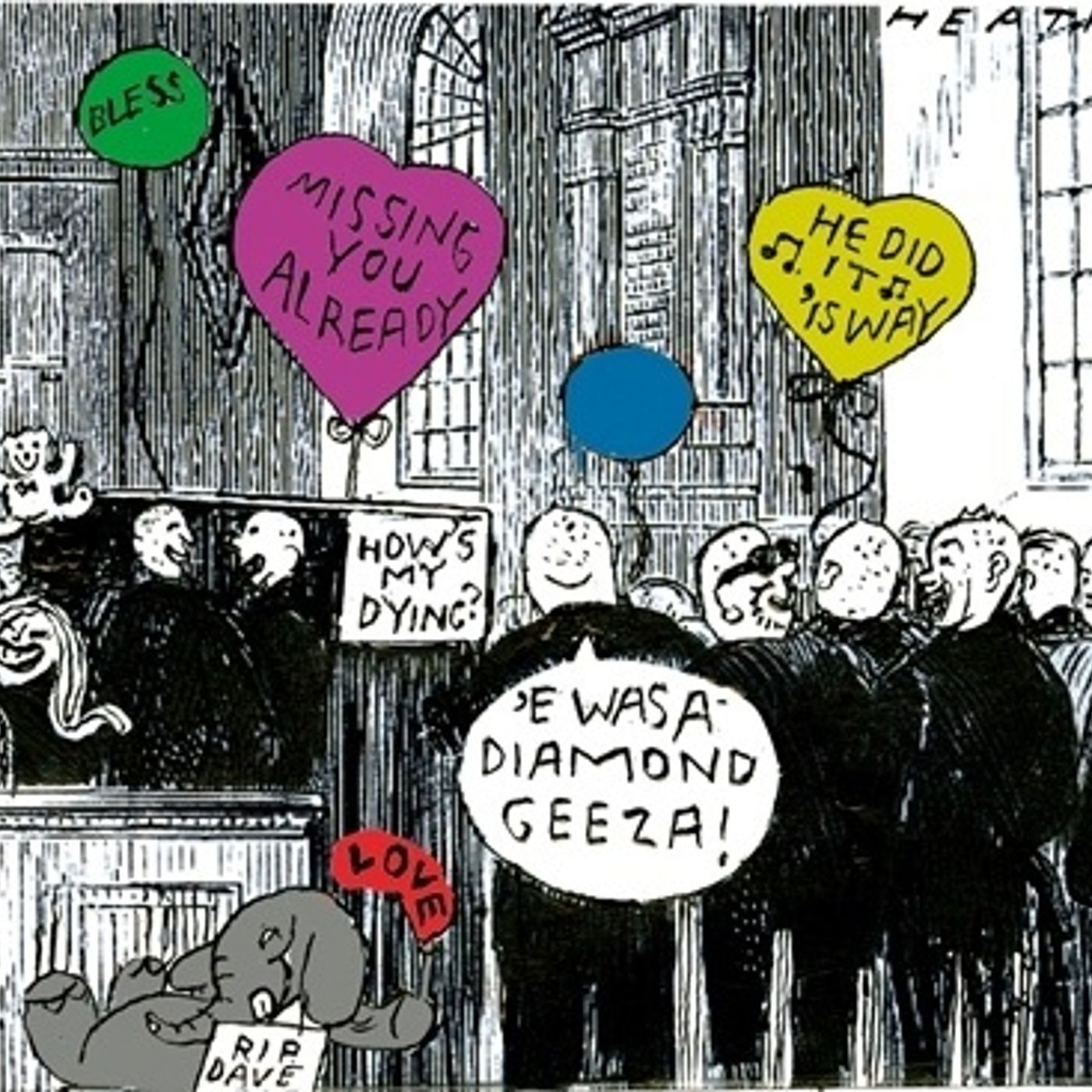
The problem with cringe-making funerals
<div>When did supposedly religious funerals turn into ‘celebrations of life’ that are more about entertaining the congregation than mourning the dead person – who, these days, hasn’t died but ‘passed’? <br><br>In this episode of Holy Smoke I’m joined by one of my favourite American priests, Fr Joe Krupp, a self-described ‘redneck’ from Michigan who reaches millions with his powerful ministry and wisecracking podcasts. He puts his finger on what’s gone wrong. Wait for the horror story at the end. He had me laughing so much that I could hardly get my questions out. Don’t miss this one! </div><p>Become a <em>Spectator </em>subscriber today to access this podcast without adverts. Go to <a href="https://www.spectator.co.uk/follow-your-podcasts/" rel="noopener noreferrer" target="_blank">spectator.co.uk/adfree</a> to find out more.</p><br><p>For more <em>Spectator</em> podcasts, go to <a href="https://www.spectator.co.uk/podcasts/" rel="noopener noreferrer" target="_blank">spectator.co.uk/podcasts</a>. </p><br><p>Contact us: [email protected]</p> <hr><p style='color:grey; font-size:0.75em;'> Hosted on Acast. See <a style='color:grey;' target='_blank' rel='noopener noreferrer' href='https://acast.com/privacy'>acast.com/privacy</a> for more information.</p>
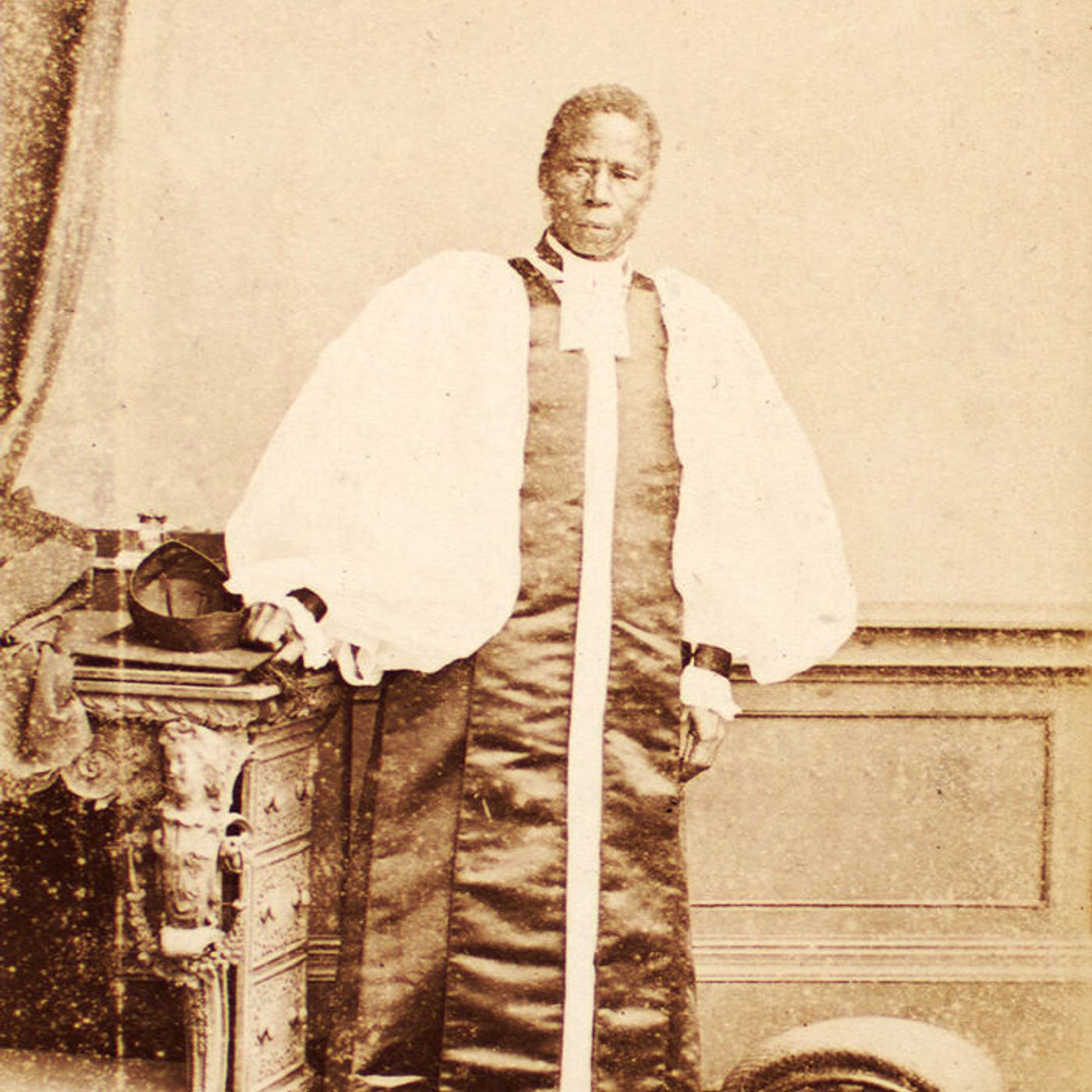
How the Church of England patronises African Christians
<div>In this episode of Holy Smoke, I'm joined by<em> The Spectator's</em> features editor William Moore, who asks in this week's issue of the magazine whether the Church of England is 'apologising for Christianity'. A report by the Oversight Group, set up by the Church Commissioners to make reparations for African slavery, not only wants to see unimaginable sums transferred to 'community groups' – its chair, the Bishop of Croydon, thinks a billion pounds would be appropriate – it also deplores the efforts of Christian missionaries to eradicate traditional religious practices. But, as Will's article points out, those traditional practices included – at their most extreme – idol-worship, twin infanticide and cannibalism. Are these part of the religious heritage that the C of E patronisingly wants African Christians to rediscover? Did missionaries and early converts to the faith who gave their lives for the faith die in vain? </div><p>Become a <em>Spectator </em>subscriber today to access this podcast without adverts. Go to <a href="https://www.spectator.co.uk/follow-your-podcasts/" rel="noopener noreferrer" target="_blank">spectator.co.uk/adfree</a> to find out more.</p><br><p>For more <em>Spectator</em> podcasts, go to <a href="https://www.spectator.co.uk/podcasts/" rel="noopener noreferrer" target="_blank">spectator.co.uk/podcasts</a>. </p><br><p>Contact us: [email protected]</p> <hr><p style='color:grey; font-size:0.75em;'> Hosted on Acast. See <a style='color:grey;' target='_blank' rel='noopener noreferrer' href='https://acast.com/privacy'>acast.com/privacy</a> for more information.</p>
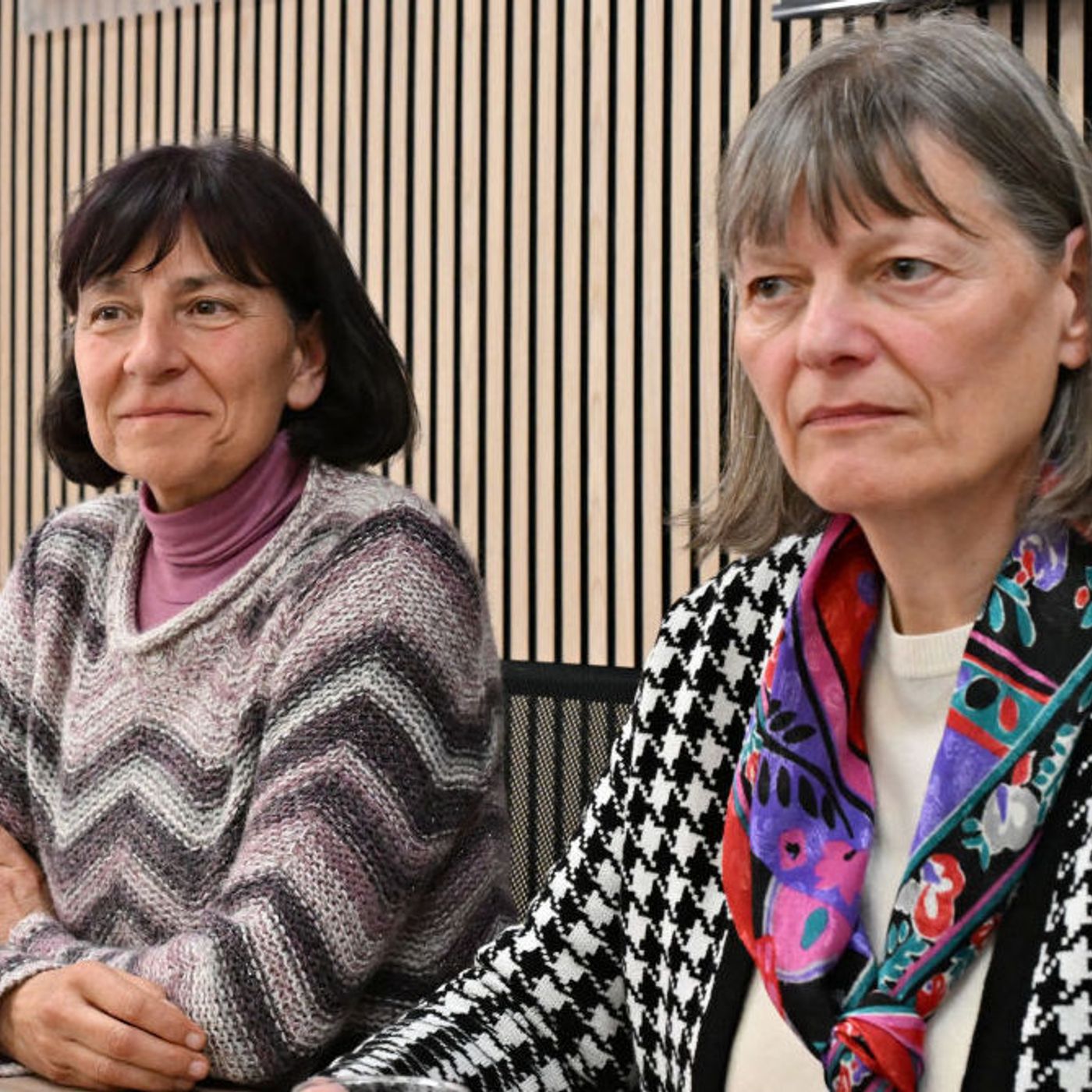
How much did Pope Francis know about Fr Marko Rupnik?
<div>At a press conference in Rome last week, an ex-nun claiming to have suffered ritual sex abuse at the hands of Fr Marko Rupnik turned the heat on Pope Francis. How much did he know about the stomach-turning charges levelled at the Slovenian mosaic artist, who was a Jesuit until he was thrown out of the order? And, more important, when did he know? Why is Rupnik still a priest? The Pope's allies in the media are desperate for this story to go away. But, as this episode of Holy Smoke argues, the scandal is growing and threatens to engulf Francis himself. </div><p>Become a <em>Spectator </em>subscriber today to access this podcast without adverts. Go to <a href="https://www.spectator.co.uk/follow-your-podcasts/" rel="noopener noreferrer" target="_blank">spectator.co.uk/adfree</a> to find out more.</p><br><p>For more <em>Spectator</em> podcasts, go to <a href="https://www.spectator.co.uk/podcasts/" rel="noopener noreferrer" target="_blank">spectator.co.uk/podcasts</a>. </p><br><p>Contact us: [email protected]</p> <hr><p style='color:grey; font-size:0.75em;'> Hosted on Acast. See <a style='color:grey;' target='_blank' rel='noopener noreferrer' href='https://acast.com/privacy'>acast.com/privacy</a> for more information.</p>
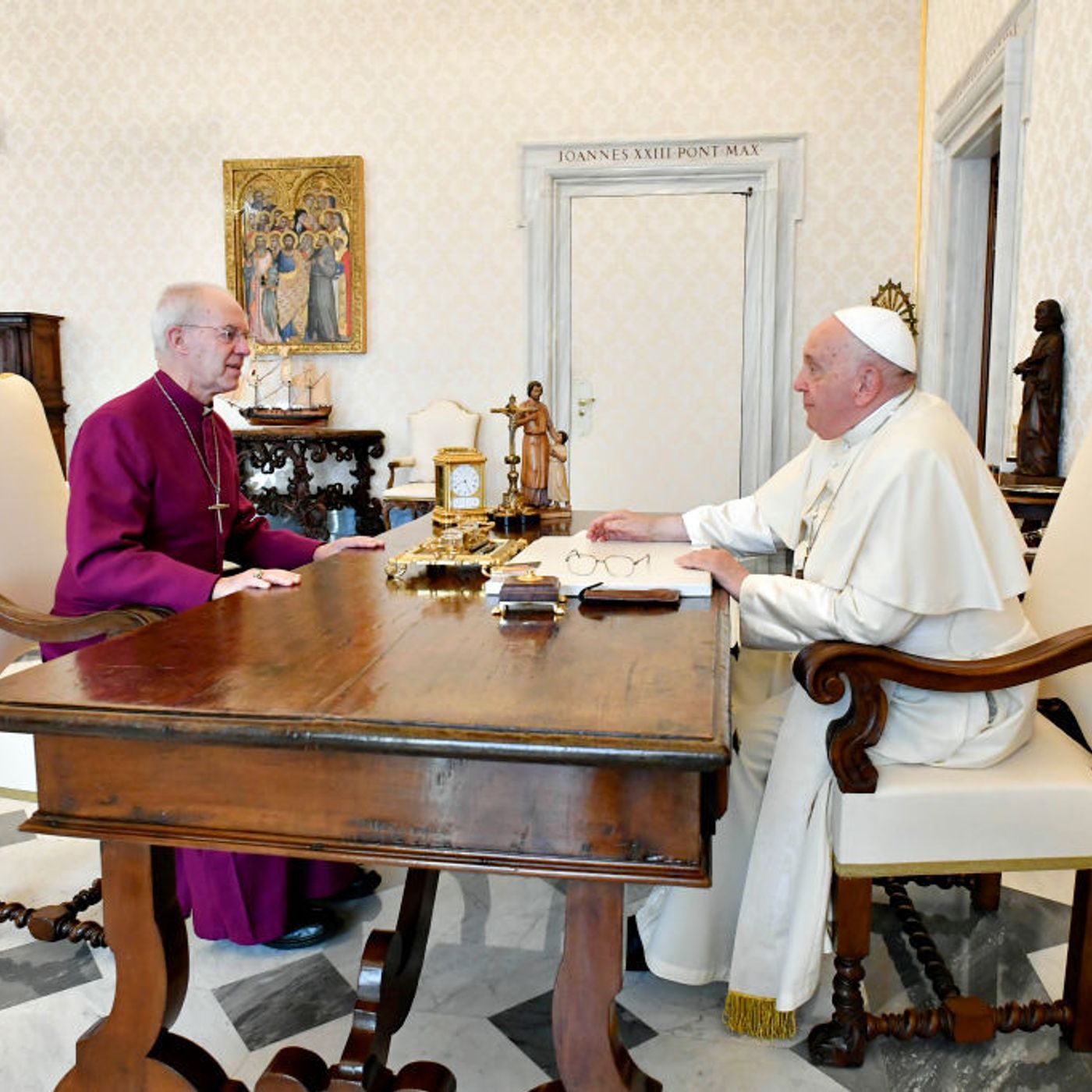
How liberal bishops are squeezing the life out of the Church of England
<div>Can the Church of England escape from the deadly grip of bishops and bureaucrats who spend their entire time genuflecting to the metropolitan Left? Why does Archbishop Justin Welby wade obsessively into secular political battles when his churches are emptying? And do worshippers realise that eye-watering sums of money are being siphoned off from their parishes in order to fund worthless exercises in social engineering?<br><br>In this episode of Holy Smoke, the Rev Marcus Walker, Rector of St Bartholomew the Great in the City of London, reveals the scale of the crisis facing the Established Church. His analysis is devastating. Among the subjects he addresses is the cultural cringe that led Welby and gang to value the opinions of Paula Vennells, the disgraced former head of the Post Office who nearly became Bishop of London, over those of qualified theologians and parochial clergy. <br><br>Under its current Rector, the ancient parish of St Bart's has become a beacon of hope for proud traditional Anglicans. Marcus tells me how he's reaching out to a new generation of Christians bored out of their minds by episcopal jargon – and also what he thinks of Pope Francis's attempt to crush the Latin Mass. It's a rollercoaster of an interview with one of the great clerics of our age. Don't miss it!</div><p>Become a <em>Spectator </em>subscriber today to access this podcast without adverts. Go to <a href="https://www.spectator.co.uk/follow-your-podcasts/" rel="noopener noreferrer" target="_blank">spectator.co.uk/adfree</a> to find out more.</p><br><p>For more <em>Spectator</em> podcasts, go to <a href="https://www.spectator.co.uk/podcasts/" rel="noopener noreferrer" target="_blank">spectator.co.uk/podcasts</a>. </p><br><p>Contact us: [email protected]</p> <hr><p style='color:grey; font-size:0.75em;'> Hosted on Acast. See <a style='color:grey;' target='_blank' rel='noopener noreferrer' href='https://acast.com/privacy'>acast.com/privacy</a> for more information.</p>

Does Trump have evangelical Christians to thank for his second coming?
<div>Donald Trump now seems certain to be the Republican presidential candidate in this year's US presidential elections. That's a prospect that horrifies liberal America and quite a few other Americans besides. The former president secured overwhelming support from evangelical Christians in Iowa and New Hampshire and some commentators are speculating that we're seeing a resurgence of the so-called 'religious right'. Does he have born-again Christians to thank for his astonishing progress so far? In this episode of Holy Smoke my guest is Ryan Burge, the American political scientist whose <em>Graphs on Religion</em> substack is an authoritative guide to religious allegiance and voting patterns. You may be surprised by what he has to say. </div><p>Become a <em>Spectator </em>subscriber today to access this podcast without adverts. Go to <a href="https://www.spectator.co.uk/follow-your-podcasts/" rel="noopener noreferrer" target="_blank">spectator.co.uk/adfree</a> to find out more.</p><br><p>For more <em>Spectator</em> podcasts, go to <a href="https://www.spectator.co.uk/podcasts/" rel="noopener noreferrer" target="_blank">spectator.co.uk/podcasts</a>. </p><br><p>Contact us: [email protected]</p> <hr><p style='color:grey; font-size:0.75em;'> Hosted on Acast. See <a style='color:grey;' target='_blank' rel='noopener noreferrer' href='https://acast.com/privacy'>acast.com/privacy</a> for more information.</p>
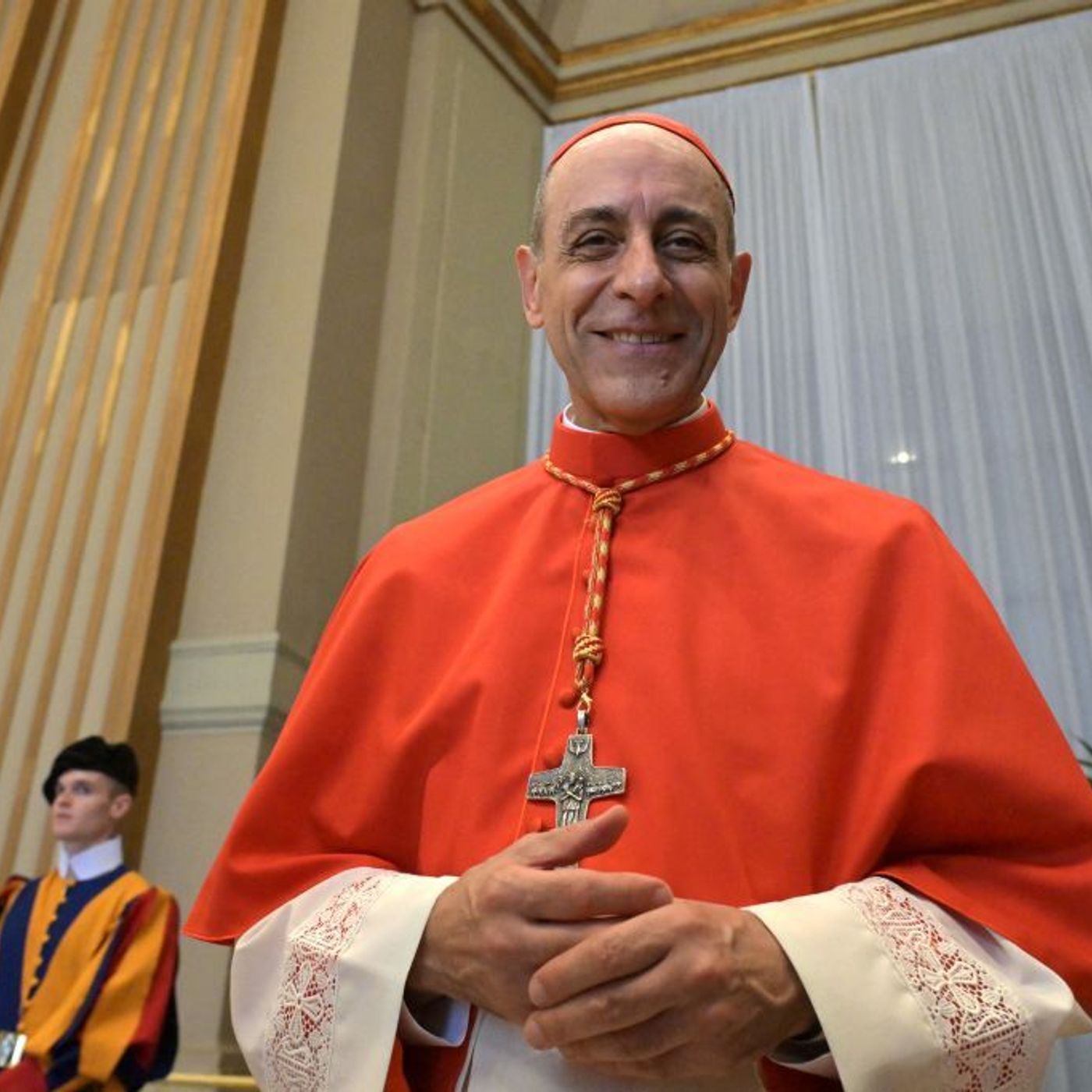
Gay blessings and theological porn: why leading cardinals are distancing themselves from Pope Francis
<div>Just before Christmas, the Vatican's new doctrinal chief Cardinal Victor ‘Tucho’ Fernandez unveiled a new style of blessing designed to make gay couples feel at home in church without changing the Church's teaching on marriage. The Argentinian Tucho has for years been Pope Francis's protégé – but for how much longer? The new gay blessings, supposedly blessing the couple but not their union, have been decisively rejected by all the Catholic bishops of Africa, forcing Francis to backtrack and say they could ignore Fernandez’s decree. Then, last week, it was revealed that in 1998 Tucho published a book on, of all things, the theology of orgasms. It is jaw-droppingly graphic, has been widely described as ‘creepy’, and has encouraged leading cardinals hoping to succeed Francis to distance themselves from this pontificate.<br><br>Listen to this episode of <em>Holy Smoke</em> if you want to know about the new crisis tearing apart the Catholic Church – but be warned: the erotic musings of the future Prefect of the Dicastery for the Doctrine of the Faith are not suitable for children. </div><p>Become a <em>Spectator </em>subscriber today to access this podcast without adverts. Go to <a href="https://www.spectator.co.uk/follow-your-podcasts/" rel="noopener noreferrer" target="_blank">spectator.co.uk/adfree</a> to find out more.</p><br><p>For more <em>Spectator</em> podcasts, go to <a href="https://www.spectator.co.uk/podcasts/" rel="noopener noreferrer" target="_blank">spectator.co.uk/podcasts</a>. </p><br><p>Contact us: [email protected]</p> <hr><p style='color:grey; font-size:0.75em;'> Hosted on Acast. See <a style='color:grey;' target='_blank' rel='noopener noreferrer' href='https://acast.com/privacy'>acast.com/privacy</a> for more information.</p>
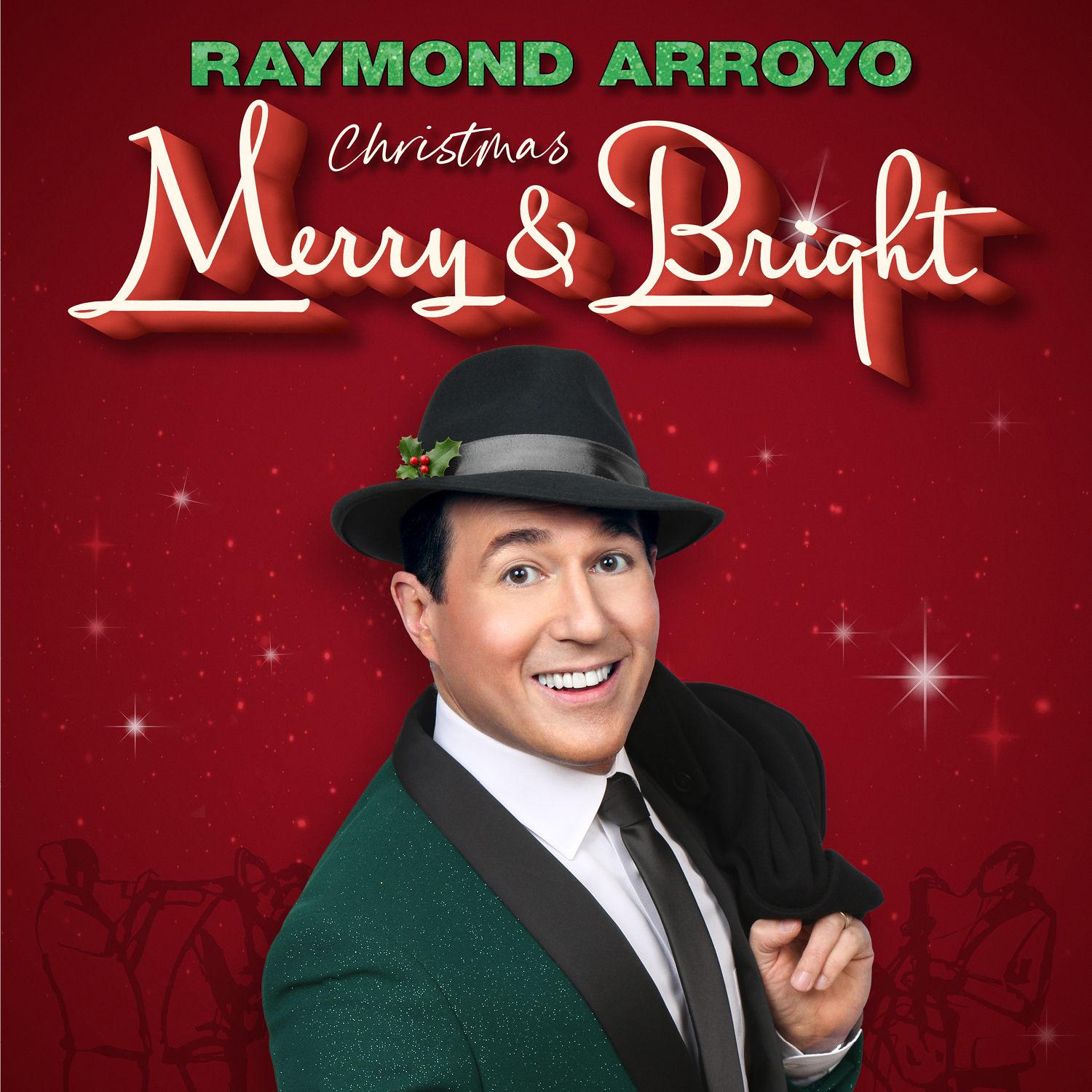
Raymond Arroyo on the joys of a Sinatra-style Christmas
<div>In this festive episode of Holy Smoke, we're taken back to the Christmasses of the 1950s and 60s by Raymond Arroyo, Fox News and EWTN presenter, whose enemies in the Vatican have been trying to silence him for years. <br><br>They've failed, thankfully – and now silencing him is even harder. Raymond, who trained in musical theatre, has produced an album entitled <em>Christmas Merry and Bright</em> in which he sings well-loved Christmas songs and carols in spectacular big-band arrangements inspired by one of his musical heroes, Frank Sinatra. And in one track, 'Feliz Navidad', he's joined by its composer – his friend the legendary José Feliciano. I hope you enjoy this conversation as much as I did. One thing's for sure: you'll never hear 'White Christmas' the same way after you've heard Raymond tell the story of how it came to be written...</div><p>Become a <em>Spectator </em>subscriber today to access this podcast without adverts. Go to <a href="https://www.spectator.co.uk/follow-your-podcasts/" rel="noopener noreferrer" target="_blank">spectator.co.uk/adfree</a> to find out more.</p><br><p>For more <em>Spectator</em> podcasts, go to <a href="https://www.spectator.co.uk/podcasts/" rel="noopener noreferrer" target="_blank">spectator.co.uk/podcasts</a>. </p><br><p>Contact us: [email protected]</p> <hr><p style='color:grey; font-size:0.75em;'> Hosted on Acast. See <a style='color:grey;' target='_blank' rel='noopener noreferrer' href='https://acast.com/privacy'>acast.com/privacy</a> for more information.</p>
The strange appeal of Integralism
<div>You might imagine that a political project to place modern nation states under the supreme authority of the Catholic Church would stand zero chance of success anywhere in the world, including in traditionally Catholic countries. And you'd be right. Even so, a movement known as Integralism – whose 20th-century incarnations were closely related to fascism – has gripped the imaginations of ultra-conservative Catholics in America, and especially on campuses. The Eastern Orthodox political philosopher Kevin Vallier has written a book, <a href="https://global.oup.com/academic/product/all-the-kingdoms-of-the-world-9780197611371?cc=gb&lang=en&"><em>All the Kingdoms of the World</em></a>, about this bizarre development. It's thoughtful and fair-minded – but Integralists have not taken kindly to his analysis and Vallier has found himself drawn into some unnerving exchanges on social media. I'm all the more grateful to him, therefore, for agreeing to be my guest on this episode of Holy Smoke. </div><p>Become a <em>Spectator </em>subscriber today to access this podcast without adverts. Go to <a href="https://www.spectator.co.uk/follow-your-podcasts/" rel="noopener noreferrer" target="_blank">spectator.co.uk/adfree</a> to find out more.</p><br><p>For more <em>Spectator</em> podcasts, go to <a href="https://www.spectator.co.uk/podcasts/" rel="noopener noreferrer" target="_blank">spectator.co.uk/podcasts</a>. </p><br><p>Contact us: [email protected]</p> <hr><p style='color:grey; font-size:0.75em;'> Hosted on Acast. See <a style='color:grey;' target='_blank' rel='noopener noreferrer' href='https://acast.com/privacy'>acast.com/privacy</a> for more information.</p>
How light filled the first Roman Churches: a conversation with Dr Elizabeth Lev
<div>When I was in Rome last month, I watched the 'synod on synodality' fizzle out while the Marko Rupnik sex scandal took another sinister turn (and various Catholic journalists shamefully tried to suppress the story). But don't worry: this episode of Holy Smoke is devoted to more uplifting matters. I visited the ancient little church of Saints Cosmas and Damian on the edge of the Forum, which incorporates the remains of a pagan temple and a secular Roman basilica or meeting place. The contrast between the darkness of one and the light of the other had powerful theological significance for those Roman Christians who were encouraged to build their first official churches by Constantine. And I was lucky to have it explained to me by one of the world's leading architectural historians, Dr Elizabeth Lev. We spoke, sometimes <em>sotto voce</em>, inside the little church, with tour guides and visitors swirling around us. So, apologies for the inevitable background noise, but I hope you'll agree that it doesn't get in the way of Liz's gripping narrative. </div><p>Become a <em>Spectator </em>subscriber today to access this podcast without adverts. Go to <a href="https://www.spectator.co.uk/follow-your-podcasts/" rel="noopener noreferrer" target="_blank">spectator.co.uk/adfree</a> to find out more.</p><br><p>For more <em>Spectator</em> podcasts, go to <a href="https://www.spectator.co.uk/podcasts/" rel="noopener noreferrer" target="_blank">spectator.co.uk/podcasts</a>. </p><br><p>Contact us: [email protected]</p> <hr><p style='color:grey; font-size:0.75em;'> Hosted on Acast. See <a style='color:grey;' target='_blank' rel='noopener noreferrer' href='https://acast.com/privacy'>acast.com/privacy</a> for more information.</p>
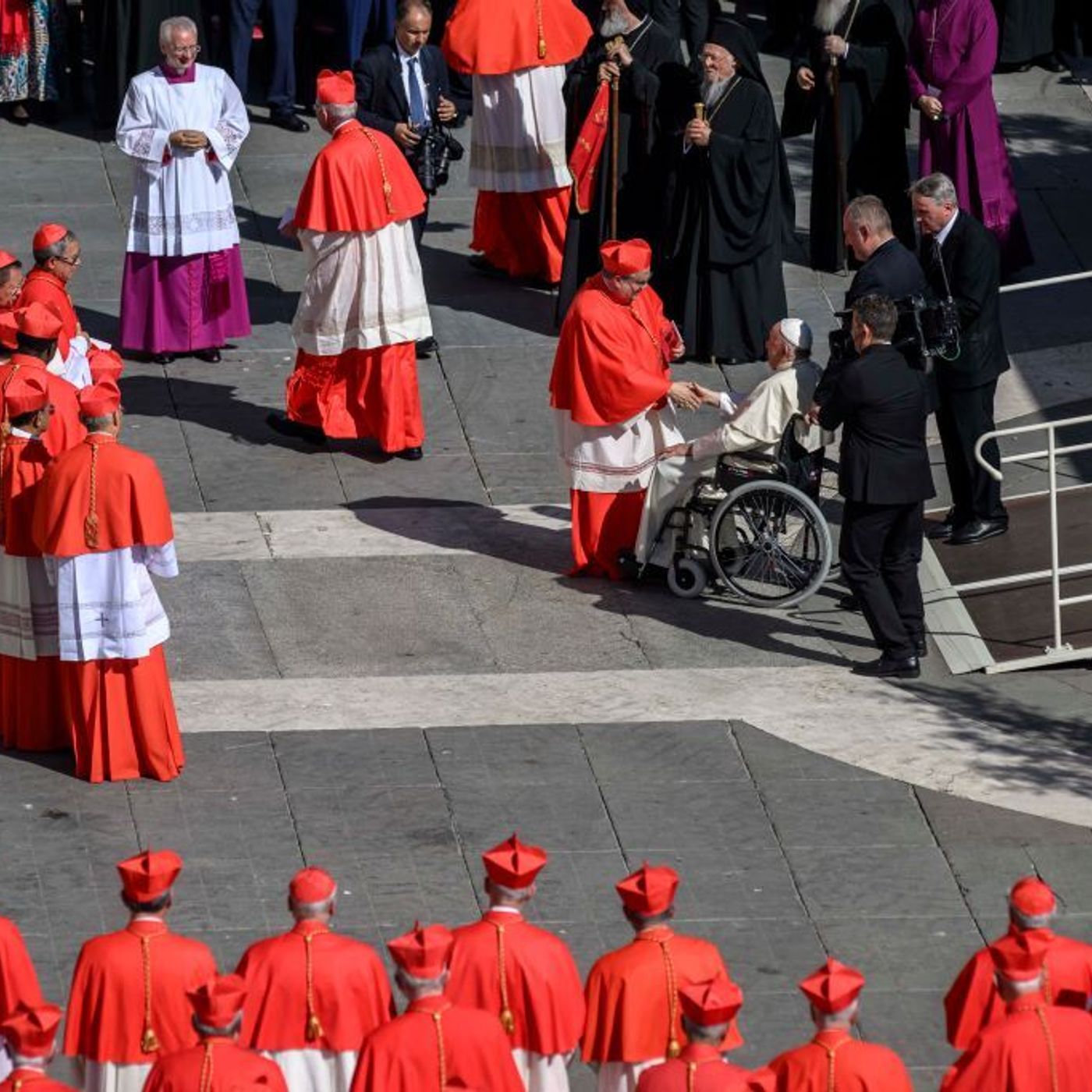
The Pope, gay blessings and the Rupnik scandal
<div>Pope Francis's much-hyped 'synod on synodality' began in Rome this week and to say that it has got off to a rocky start is putting it mildly. On Monday, five leading conservative cardinals bounced Francis into making a highly ambiguous statement apparently opening the door to gay blessings. Meanwhile, and this subject is being played down by certain media outlets, <a href="https://cathcon.blogspot.com/2023/10/rupnik-is-being-protected-claims.html?m=1">allegations</a> of sexual abuse surrounds one of the Pope's friends. The world-renowned mosaic artist Fr Marko Rupnik has been expelled from the Jesuits after women <a href="https://www.pillarcatholic.com/p/descent-into-hell-an-alleged-rupnik-victim-speaks-out">claimed</a> he sexually abused them – but he <a href="https://www.pillarcatholic.com/p/the-real-mystery-of-romes-rupnik">remains a priest</a> and for some reason Pope Francis has yet to allow him to be prosecuted canonically. In this episode of Holy Smoke, I look at the basic facts, the possibility of a cover-up and suggest that the subject of Rupnik and <a href="https://unherd.com/2023/09/can-the-pope-survive-the-rupnik-scandal/">what the Pope knew</a> may overshadow the more fashionable topic of blessings for same-sex couples. </div><p>Become a <em>Spectator </em>subscriber today to access this podcast without adverts. Go to <a href="https://www.spectator.co.uk/follow-your-podcasts/" rel="noopener noreferrer" target="_blank">spectator.co.uk/adfree</a> to find out more.</p><br><p>For more <em>Spectator</em> podcasts, go to <a href="https://www.spectator.co.uk/podcasts/" rel="noopener noreferrer" target="_blank">spectator.co.uk/podcasts</a>. </p><br><p>Contact us: [email protected]</p> <hr><p style='color:grey; font-size:0.75em;'> Hosted on Acast. See <a style='color:grey;' target='_blank' rel='noopener noreferrer' href='https://acast.com/privacy'>acast.com/privacy</a> for more information.</p>
Genghis Khan and the Pope's summer of madness
<div>Earlier this week, the Rome correspondent of the <em>Times</em> found himself mugging up on the history of Genghis Khan's Mongol Empire, and <a href="https://www.thetimes.co.uk/article/65dc912e-4b27-11ee-98c9-759fff07db04?shareToken=4a1be614254f42f8d696c33706a9bb23">this is what he reported</a>: <br><br></div><blockquote>While the empire brought stability, it was created through the large-scale massacre of anyone who refused to submit to Mongol rule, leading to the death of millions. Mongol troops triggered famine in Iran by destroying ancient irrigation systems and catapulted diseased corpses into towns they besieged, a technique which reportedly introduced the Black Death into Europe.</blockquote><div>Why were the media suddenly writing about blood-crazed 13th-century warriors? Because, incredibly, Pope Francis – on a strange visit to Mongolia's minuscule Catholic community – had just been rhapsodising about the enlightened tolerance of Khan's Empire, without mentioning that its conquests came at the price of 40 million lives. Judged as a proportion of the global population at the time, that's the biggest slaughter in human history. <br><br>This came just days after Francis, talking to young Russian Catholics by video link, told them to <a href="https://www.thetimes.co.uk/article/pope-francis-has-a-weakness-for-autocracies-the-kremlin-appreciates-it-9q8r8t6mm">glory in Russia's imperial past</a>, singling out the figures of Peter the Great and the Empress Catherine II, both of whom were committed to the destruction of the Ukrainian nation and culture. This is the same pope who nurtures delusions of acting as a peacemaker between Moscow and Kyiv. Good luck with that, your Holiness. Ukrainian Catholics feel utterly betrayed by Francis. Putin, on the other hand, was thrilled by the unhinged papal comments.<br><br>And there's more. In his flight to Mongolia, Pope Francis was allowed to use Chinese air space. Not coincidentally, he has recently surrendered the appointment of official Chinese Catholic Bishops to the Communist Party. Naturally he thanked Beijing effusively and, after Mass in Ulan Bator, departed from his script to send 'a warm greeting to the noble Chinese people' and urged them to be 'good citizens'. <br><br>In this episode of Holy Smoke, I try to make sense of these unnerving developments. Why does the Pope feel so warmly towards dictators past and present – and why is he relentless in sniping at American Catholics who have never crushed anyone under their imperial heels? </div><p>Become a <em>Spectator </em>subscriber today to access this podcast without adverts. Go to <a href="https://www.spectator.co.uk/follow-your-podcasts/" rel="noopener noreferrer" target="_blank">spectator.co.uk/adfree</a> to find out more.</p><br><p>For more <em>Spectator</em> podcasts, go to <a href="https://www.spectator.co.uk/podcasts/" rel="noopener noreferrer" target="_blank">spectator.co.uk/podcasts</a>. </p><br><p>Contact us: [email protected]</p> <hr><p style='color:grey; font-size:0.75em;'> Hosted on Acast. See <a style='color:grey;' target='_blank' rel='noopener noreferrer' href='https://acast.com/privacy'>acast.com/privacy</a> for more information.</p>