History FrogCast
47 episodes
Ep 45S6 E8 Postwar Art and Culture
In 1966, John Lennon’s remark that the Beatles were “more popular than Jesus” sparked outrage in England, intensifying media scrutiny and contributing to the band’s retreat from touring. This pressure led Paul McCartney to conceive Sgt. Pepper’s Lonely Hearts Club Band, marking a major shift in British music and culture. Around the same time, L.S. Lowry’s Going to Work (1943) depicted Manchester’s industrial workers, highlighting the often-overlooked British working class during wartime. Though initially underappreciated, the painting’s 2019 return to Manchester for permanent display reflects its enduring artistic and social significance. This podcast is a product of academic coursework, created by students for educational purposes. The opinions and views expressed in this podcast are solely those of the individuals involved and do not necessarily represent the official stance or views of Texas Christian University.
Ep 44S6 E7 Cosmetics and Surgery
The ‘Twiggy Lashes,’ launched by Yardley London in 1967 in collaboration with supermodel Twiggy, were marketed as a way for consumers to recreate her iconic wide-eyed look and became a symbol of Swinging Sixties youth culture and accessible glamour. Decades earlier, however, facial modification took a very different form in the hand-crafted facial prosthetics made during World War I by Francis Derwent Wood and Anna Coleman Ladd at the “Tin Nose Shop” for severely disfigured soldiers. These painted metal masks, often used alongside early plastic surgery, aimed to restore dignity and social acceptance rather than beauty or fashion. Together, these objects show how the face functions as a powerful site of identity, shaped both by commercial ideals and by medical responses to trauma. This podcast is a product of academic coursework, created by students for educational purposes. The opinions and views expressed in this podcast are solely those of the individuals involved and do not necessarily represent the official stance or views of Texas Christian University.
Ep 43S6 E6 Machines of War
The Supermarine Spitfire and HMS Belfast stand as complementary symbols of British military power during the Second World War, representing air and naval dominance through advanced engineering and wartime service. Designed by Reginald Joseph Mitchell, the Spitfire’s compact frame, elliptical wings, and Rolls-Royce Merlin engine gave it superior maneuverability and climb rate, advantages that proved decisive in aerial combat despite vulnerabilities such as its exposed liquid-cooling system. HMS Belfast, a Town-class cruiser built by Harland and Wolff, combined heavy armament, powerful steam turbines, and a large crew to play key roles in the naval blockade of Germany, Arctic convoys, the sinking of the Scharnhorst, and the fire support of Operation Overlord. Preserved through postwar restoration and museum conservation, both the Spitfire and Belfast endure as tangible reminders of Britain’s technological innovation, sacrifice, and lasting legacy in twentieth-century warfare. This podcast is a product of academic coursework, created by students for educational purposes. The opinions and views expressed in this podcast are solely those of the individuals involved and do not necessarily represent the official stance or views of Texas Christian University.
Ep 42S6 E5 Politics of the Left
Together, the hunger strike medal awarded to suffragette Lillian Margaret Metge and the 1924 photograph of Ramsay MacDonald’s first Labour Cabinet illustrate two interconnected moments of political transformation in early twentieth-century Britain. Metge’s medal, engraved with “For Valour” and dated August 10, 1914, symbolizes the militant struggle of women who endured imprisonment and hunger strikes to force political change, highlighting that reform was often achieved through sacrifice rather than peaceful protest alone. A decade later, the photograph of MacDonald’s cabinet captures the unexpected rise of Labour to government, with its mix of working-class leaders and titled officials reflecting the social shifts made possible by earlier activist movements, including women’s suffrage. Viewed together, these objects trace a broader narrative of resistance giving way to representation, marking Britain’s transition toward a more inclusive political system shaped by both protest and parliamentary power. This podcast is a product of academic coursework, created by students for educational purposes. The opinions and views expressed in this podcast are solely those of the individuals involved and do not necessarily represent the official stance or views of Texas Christian University.
Ep 41S6 E4 Football Culture
The shadow of tragedy in European football, exemplified by the 1985 Heysel Stadium disaster—where poor stadium safety and inadequate policing led to the deaths of 39 supporters and sweeping bans on English clubs—forms an important backdrop to the sport’s later efforts to rebuild its image and culture. A decade later, that recovery was symbolized by the emergence of David Beckham and his iconic 1996–1998 Manchester United jersey, a bright red, long-sleeved kit bearing the famous number seven and the name “Beckham” across the back. More than a uniform, the number seven Manchester United jersey came to represent football’s renewed emphasis on skill, prestige, and global appeal in the years following one of its darkest chapters. This podcast is a product of academic coursework, created by students for educational purposes. The opinions and views expressed in this podcast are solely those of the individuals involved and do not necessarily represent the official stance or views of Texas Christian University.
Ep 40S6 E3 Britain and India
Madan Lal Dhingra was a figure initially vilified for his violent actions but later remembered as a revolutionary driven by an intense desire for the freedom of his land and people, a cause for which he was willing to take drastic measures. In contrast, Sir Edward Henry emerged as a prominent authority in both the United Kingdom and India through his contributions to criminal justice, particularly his pioneering work on fingerprint classification. Henry’s research transformed fingerprints into a reliable method for identifying repeat and unknown offenders, ultimately securing their acceptance as admissible evidence in courts. Together, these figures reflect two sharply different responses to imperial rule: one rooted in revolutionary resistance and the other in institutional reform and technological advancement. This podcast is a product of academic coursework, created by students for educational purposes. The opinions and views expressed in this podcast are solely those of the individuals involved and do not necessarily represent the official stance or views of Texas Christian University.
Ep 39S6 E2 The Boer War
This podcast is a product of academic coursework, created by students for educational purposes. The opinions and views expressed in this podcast are solely those of the individuals involved and do not necessarily represent the official stance or views of Texas Christian University.
Ep 38S6 E1 The Crown
Queen Victoria’s death on January 22, 1901, marked a moment of immense ceremonial and symbolic importance, culminating in a military-style funeral she herself had carefully planned. Held at St George’s Chapel, Windsor, and followed by her interment at Frogmore Mausoleum, the procession emphasized discipline, tradition, and monarchy’s enduring authority, from the gun carriage bearing her coffin to the white mourning attire she requested. Nearly a century later, similar ideas of continuity, identity, and tradition were expressed through royal material culture, particularly in objects like the Spencer Tiara, a family heirloom whose design drew on aristocratic and Edwardian aesthetics. While Queen Victoria used ritual and military pageantry to define her legacy in death, Princess Diana later used the Spencer Tiara to assert individuality within royal constraints, most notably at her 1981 wedding. Together, these moments illustrate how ceremony, dress, and objects have long functioned as powerful tools through which British royalty negotiated authority, memory, and personal identity. This podcast is a product of academic coursework, created by students for educational purposes. The opinions and views expressed in this podcast are solely those of the individuals involved and do not necessarily represent the official stance or views of Texas Christian University.
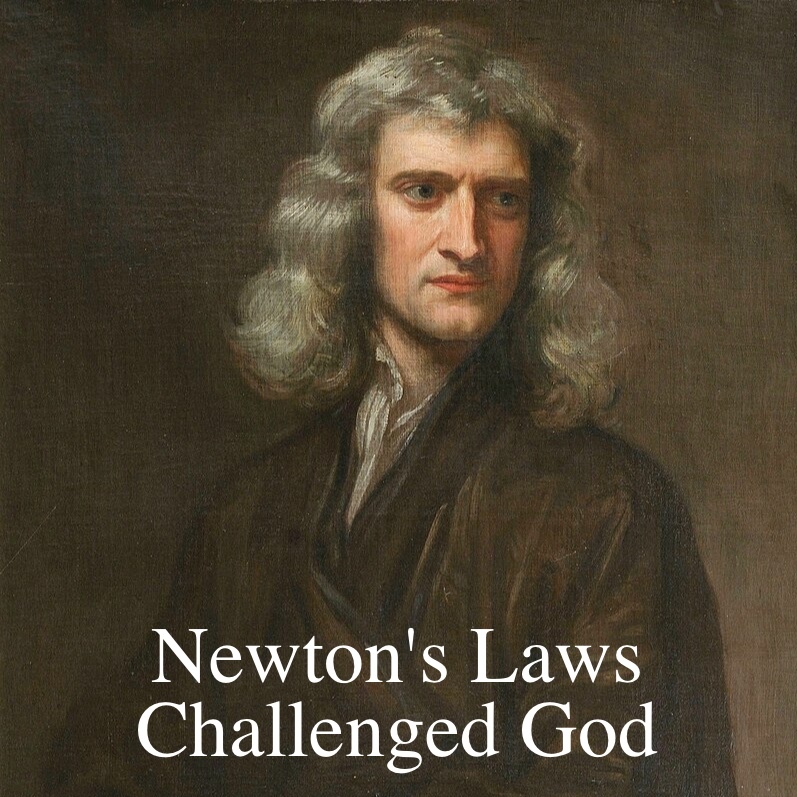
Ep 36Season 5 Episode 6: Newton's Laws Displaced God
In this episode, student historians Marin Newman and Cuatro Welder tackle the myth that Isaac Newton's laws of motion and theory of gravity were seen as a direct challenge to widespread seventeenth-century belief in a universe created and ordered by God. This podcast is a product of academic coursework, created by students for educational purposes. The opinions and views expressed in this podcast are solely those of the individuals involved and do not necessarily represent the official stance or views of Texas Christian University.
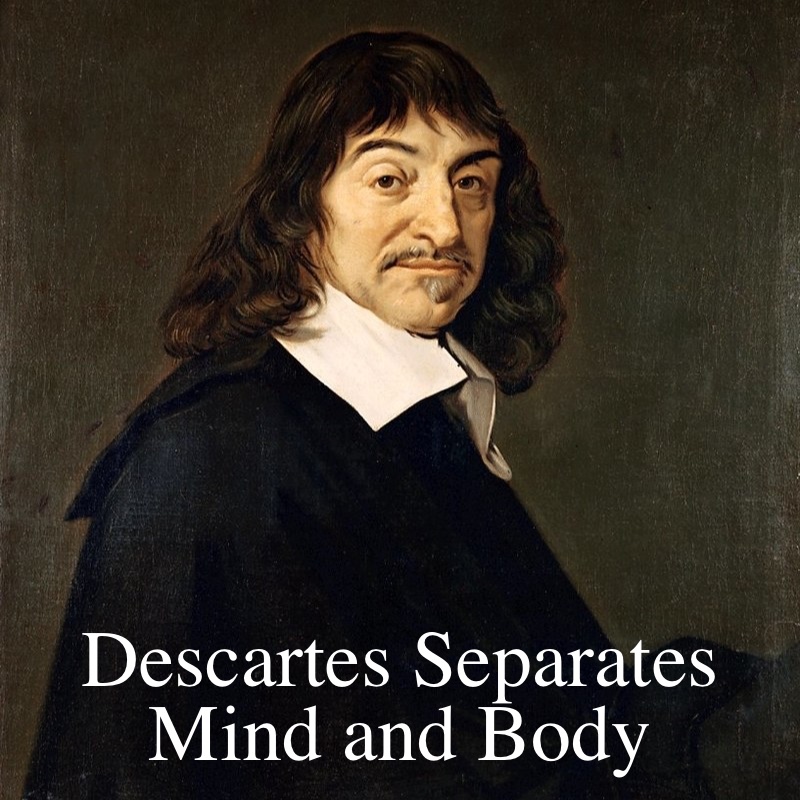
S5 Ep 5Season 5 Episode 5: Descartes Separated the Mind from the Body
In this episode, student historians Charles Worrell, Aidan Shackelford, and Isaac Mulat tackle the myth that the seventeenth-century French philosopher and mathematician René Descartes invented the idea of mind-body dualism. This podcast is a product of academic coursework, created by students for educational purposes. The opinions and views expressed in this podcast are solely those of the individuals involved and do not necessarily represent the official stance or views of Texas Christian University.

Ep 35Season 5 Episode 4: The Church Tortured Galileo
In this episode, student historians Ranger Fair and Nico Mosquera tackle the myth that the Italian astronomer Galileo Galilei was tortured by the Catholic Church for his scientific beliefs. This podcast is a product of academic coursework, created by students for educational purposes. The opinions and views expressed in this podcast are solely those of the individuals involved and do not necessarily represent the official stance or views of Texas Christian University.
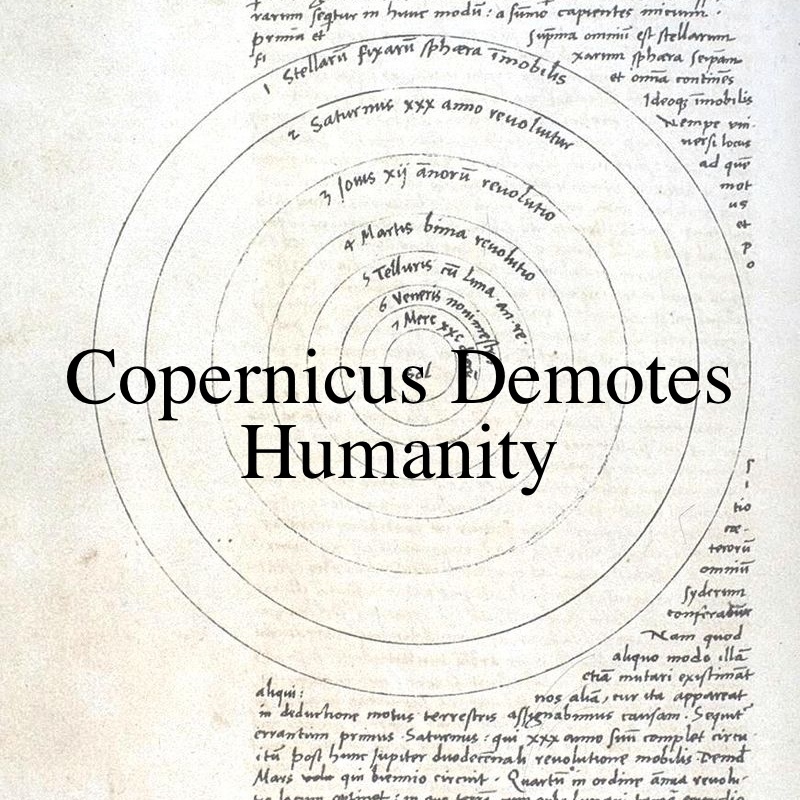
S5 Ep 3Season 5 Episode 3: Copernicus Demoted Humanity
In this episode, Viktor Lord Harrington, Samuel Saenz, and Lauren Flores tackle the myth that the sixteenth-century Polish astronomer Nicolaus Copernicus dealt a psychic blow to all of humankind when he published a book insisting that humans aren't the center of the universe after all. This podcast is a product of academic coursework, created by students for educational purposes. The opinions and views expressed in this podcast are solely those of the individuals involved and do not necessarily represent the official stance or views of Texas Christian University.

S5 Ep 2Season 5 Episode 2: The Church Banned Human Dissection
In this episode, Cooper Moog, Remington Strickland, and Wyatt Franz tackle the myth that the medieval church prohibited human dissection, supposedly setting back the progress of modern medicine by centuries. This podcast is a product of academic coursework, created by students for educational purposes. The opinions and views expressed in this podcast are solely those of the individuals involved and do not necessarily represent the official stance or views of Texas Christian University.
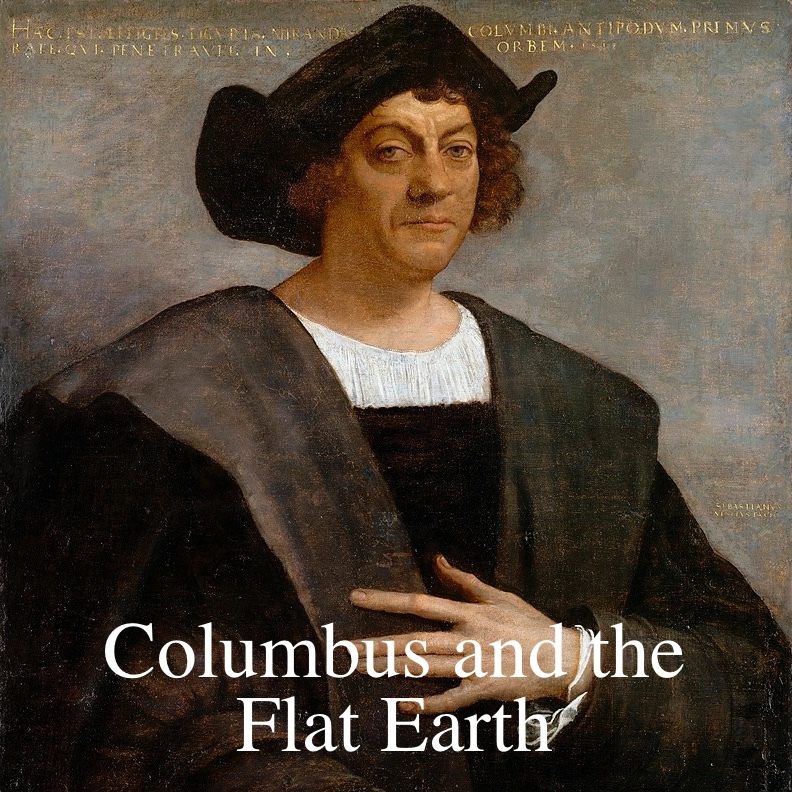
S5 Ep 1Season 5 Episode 1: Columbus Discovered the Earth Is Round
In this episode, Whitney Kay, Merit Wagstaff, and Abby Pruns tackle the myth that when Christopher Columbus sailed the ocean blue in 1492, he and his crew—and everyone else in Europe at the time—believed the earth was flat. This podcast is a product of academic coursework, created by students for educational purposes. The opinions and views expressed in this podcast are solely those of the individuals involved and do not necessarily represent the official stance or views of Texas Christian University.

Ep 37Season 5 Teaser
In Season 5 of the Forecast, we travel back in time more than four centuries to early modern Europe, where ideas and practices fundamental to modern science were just emerging. Popular histories of the Scientific Revolution often frame this period as one of conflict between science and religion, as reason finally triumphed over superstition. This season, student historians get to the heart of those myths, uncovering a more complex history of the relationship between knowledge, discovery, and belief. This podcast is a product of academic coursework, created by students for educational purposes. The opinions and views expressed in this podcast are solely those of the individuals involved and do not necessarily represent the official stance or views of Texas Christian University.

Ep 32Season 4 Episode 3 - Pentomic Problems
The third episode follows Col. Verheul to Germany with the 24th Infantry Division before his return to the United States and subsequent work advising the Arkansas Army National Guard with the 39th Infantry Division. This episode focuses upon the Army's nuclear weapons strategy and reorganization during the Cold War, and what it meant for US deterrence efforts. The episode concludes by highlighting the service of National Guardsmen during the Vietnam War. This podcast is a product of academic coursework, created by students for educational purposes. The opinions and views expressed in this podcast are solely those of the individuals involved and do not necessarily represent the official stance or views of Texas Christian University.

Ep 31Season 4 Episode 2 - Atomic Age Assignments
The second episode focuses upon Col. Verheul's time in Peru, Korea, and Japan, his stint at Michigan State University as a Professor of Military Science, and his work with nuclear weapons development at Fort Monroe Virginia. This episode evaluates Cold War US foreign policy in Latin America, the impact of ROTC programs during the Korean War, the role of military intelligence in East Asia, and the development of the Davy Crockett recoilless rifle. In this episode, you will see the US begin to exert not only soft power, but nuclear power abroad! This podcast is a product of academic coursework, created by students for educational purposes. The opinions and views expressed in this podcast are solely those of the individuals involved and do not necessarily represent the official stance or views of Texas Christian University.

Ep 30Season 4 Episode 1 - Deeds Not Words
Episode one examines Col. Verheul's experience during World War II at The Infantry School at Fort Benning, Georgia and with the 92nd "Buffalo" Infantry Division. Notably, as a white officer in this Division, Verheul found himself on the frontlines of a significant struggle which helped change the very nature of the US military. This podcast is a product of academic coursework, created by students for educational purposes. The opinions and views expressed in this podcast are solely those of the individuals involved and do not necessarily represent the official stance or views of Texas Christian University.

Ep 29Season 4 Teaser - Deeds, not Words
This project situates the thirty-year Army career of the host’s Great-Grandfather, Colonel Richard H. Verheul into the broader historical contexts through which he served. Each episode considers different periods of Verheul’s career in light of the given historical developments. Throughout the season, you will hear from several professors who are experts on the given topic. This podcast is a product of academic coursework, created by students for educational purposes. The opinions and views expressed in this podcast are solely those of the individuals involved and do not necessarily represent the official stance or views of Texas Christian University.

Ep 27Defense POW MIA Accounting Agency
This episode discusses one of the United States Defense Agency and its mission to identify and retrieve missing military personnel like Captain Howard A. Wilson Jr., a past TCU student athlete that was reported MIA during the Korean War. This podcast is a product of academic coursework, created by students for educational purposes. The opinions and views expressed in this podcast are solely those of the individuals involved and do not necessarily represent the official stance or views of Texas Christian University.

Ep 28The People behind the Medal of Honor
Explore the history of the Medal of Honor, how it reflects America’s turbulent past, and preparations for National Medal of Honor Museum. Tune in for a discussion of who and how US service members serve, and the mission of the National Medal of Honor Museum as it is set to open in Arlington, TX in March 2025. This podcast is a product of academic coursework, created by students for educational purposes. The opinions and views expressed in this podcast are solely those of the individuals involved and do not necessarily represent the official stance or views of Texas Christian University.

Ep 25Keep Kent Open
Join us for a powerful episode as we explore the tragic Kent State shooting, the 1970s protests, and their lasting impact on activism and free speech. Through personal stories and expert insights, we’ll reflect on how that fateful day in May shaped a generation and continues to resonate today. This podcast is a product of academic coursework, created by students for educational purposes. The opinions and views expressed in this podcast are solely those of the individuals involved and do not necessarily represent the official stance or views of Texas Christian University.

Ep 24Genocide Through a Modern Lens
In this episode, Sam and Casey explore the Dallas Holocaust and Human Rights Museum’s mission to preserve history and educate against hatred and genocide, the role of museums in shaping collective memory, and the importance of turning history’s darkest chapters into tools for preventing future injustices. This podcast is a product of academic coursework, created by students for educational purposes. The opinions and views expressed in this podcast are solely those of the individuals involved and do not necessarily represent the official stance or views of Texas Christian University.

Ep 23Game Changers: How Do We Remember Veterans in Athletics?
Explore the exciting histories of American football and baseball through the lens of those who both played and served bravely in the military. This podcast is a product of academic coursework, created by students for educational purposes. The opinions and views expressed in this podcast are solely those of the individuals involved and do not necessarily represent the official stance or views of Texas Christian University.

Ep 22Frontline Angels: A World War II Nurses’ Legacy
This episode follows the story of Lt. Dorothy M. Delmar, mother of a TCU staff member, and explores the legacy of World War II nurses, examining how we view their work through a modern-day lens. This podcast is a product of academic coursework, created by students for educational purposes. The opinions and views expressed in this podcast are solely those of the individuals involved and do not necessarily represent the official stance or views of Texas Christian University.

Ep 21Frogs Never Quit: The Forgotten Memory of Horace Carswell Jr.
This episode will explore the military accomplishments of Horace Carswell, Jr., and what causes him and other military members not to get the recognition and memory they deserve. This podcast is a product of academic coursework, created by students for educational purposes. The opinions and views expressed in this podcast are solely those of the individuals involved and do not necessarily represent the official stance or views of Texas Christian University.

Ep 20TCU's Veterans Plaza
The history of the TCU Veterans Memorial, now known as Veterans Plaza, began with WWI and continues to evolve today with changing social attitudes towards conflict, war, and military service. This podcast is a product of academic coursework, created by students for educational purposes. The opinions and views expressed in this podcast are solely those of the individuals involved and do not necessarily represent the official stance or views of Texas Christian University.

Ep 26Season 3 Teaser
In her testimony before the U.S. Senate in 1988, Vietnam veteran Diane Carlson Evans posed the question: “Who decides whom America will remember?” This season, we answer her question by considering how Americans have remembered the wars of our history. What do we remember about wars, and conversely, what do we forget? Whose participation have we celebrated, and whose have we ignored? How and why have our memories of war often differed from the reality of what happened? And, who has decided the answers to these questions, policymakers or the people? This podcast is a product of academic coursework, created by students for educational purposes. The opinions and views expressed in this podcast are solely those of the individuals involved and do not necessarily represent the official stance or views of Texas Christian University.
Ep 18Beyond the Controller: A Journey Through the History of Esports
This episode explores the rise of Esports to prominence in the United States and at our very own TCU. This podcast is a product of academic coursework, created by students for educational purposes. The opinions and views expressed in this podcast are solely those of the individuals involved and do not necessarily represent the official stance or views of Texas Christian University.
Ep 19A Walk into the Dark and Wild: TCU's Entrance into the Big 12 Conference
This episode provides an in-depth analysis of Texas Christian University's pivotal choice to become a member of the Big 12 Conference. It examines the ways in which the transition has improved not only the university's athletic achievements but also its financial standing, academic standing, and overall campus life. Furthermore, it establishes a precedent for other universities to reconsider their conference affiliations in pursuit of increased visibility, competitive advantage, and financial stability. This podcast is a product of academic coursework, created by students for educational purposes. The opinions and views expressed in this podcast are solely those of the individuals involved and do not necessarily represent the official stance or views of Texas Christian University.
Ep 17The Death of the Southwest Conference
Come with us on a journey through the history of the Southwest Conference, it highs and lows, and ultimately how its downfall shaped TCU sports. This podcast is a product of academic coursework, created by students for educational purposes. The opinions and views expressed in this podcast are solely those of the individuals involved and do not necessarily represent the official stance or views of Texas Christian University.
Ep 16Title IX and TCU Soccer
This episode explores the intersection of Title IX and TCU Men's Soccer. We delve into the complexities of gender equality and athletic opportunities in collegiate sports. This podcast is a product of academic coursework, created by students for educational purposes. The opinions and views expressed in this podcast are solely those of the individuals involved and do not necessarily represent the official stance or views of Texas Christian University.
Ep 15Breaking Boundaries: Title IX and Women's Collegiate Sports
This episode reveals what the history of women’s sports was like with the development of the Title IX law put into place in 1972. This podcast is a product of academic coursework, created by students for educational purposes. The opinions and views expressed in this podcast are solely those of the individuals involved and do not necessarily represent the official stance or views of Texas Christian University.
Ep 14James Cash & Jim Crow: The Integration of College Basketball at TCU
This episode explores the integration of college basketball in the South, including the landmark legal events that shaped this change and the challenges these trailblazing black athletes overcame. This podcast is a product of academic coursework, created by students for educational purposes. The opinions and views expressed in this podcast are solely those of the individuals involved and do not necessarily represent the official stance or views of Texas Christian University.
Ep 13Bred in Hate: How Rivalries Built the Culture of College Sports
This episode of the FrogCast talks about how rivalries have made college sports the successful product that it is and in what way conference realignment could affect college sports This podcast is a product of academic coursework, created by students for educational purposes. The opinions and views expressed in this podcast are solely those of the individuals involved and do not necessarily represent the official stance or views of Texas Christian University.
Ep 12Gridiron Legacies and TCU Football Chronicles of the 1930s - Economic Triumphs and Touchdowns
This episode delves into the profound impact of football during the Great Depression, spotlighting legendary quarterback Davey O'Brien's transformative role at TCU. Through expert insights and historical analysis, they uncover football's ability to revitalize economies and foster community pride amidst adversity. Transitioning to contemporary TCU football, they explore the recent success of quarterback Max Duggan and its significance for the university's future. Through insightful interviews and engaging storytelling, the episode reveals the enduring legacy of football in shaping communities and leaving a lasting imprint on collegiate athletics. This podcast is a product of academic coursework, created by students for educational purposes. The opinions and views expressed in this podcast are solely those of the individuals involved and do not necessarily represent the official stance or views of Texas Christian University.
Ep 11Before The Blitz: TCU’s Football Heritage
This episode talks about many significant events before 1930 in the world of college football, including early games that shaped the way college football was made and increased its popularity. We also go in-depth about the development of TCU’s football program and how it was able to transform from a small college in Waco to a contender in Fort Worth. The building of Amon G Carter Stadium was such a monumental change for TCU, showing that they were invested in the athletic programs and wanted to grow in popularity as a whole. This podcast is a product of academic coursework, created by students for educational purposes. The opinions and views expressed in this podcast are solely those of the individuals involved and do not necessarily represent the official stance or views of Texas Christian University.

Ep 3Aftermath of War: Navigating the Vietnamese Refugee Crisis
In this episode, we learn about the refugee crisis that came after the end of the Vietnam War by exploring numerous perspectives and modern-day implications. This podcast is a product of academic coursework, created by students for educational purposes. The opinions and views expressed in this podcast are solely those of the individuals involved and do not necessarily represent the official stance or views of Texas Christian University.

Ep 8From Frogs to Fatigues: The Vietnam War Lottery Draft and Two Fortunate Frogs
Join host Gavin McGuffin for a discussion of conscription policy in post-war America, the origins of the 1969 lottery draft, and how the draft affected college campuses during the Vietnam War. This podcast is a product of academic coursework, created by students for educational purposes. The opinions and views expressed in this podcast are solely those of the individuals involved and do not necessarily represent the official stance or views of Texas Christian University.

Ep 6Crossing Paths: TCU and Jarvis College Student Exchange
In 1968, Jarvis Christian College, a historically Black college, and Texas Christian University initiated a groundbreaking student exchange program aimed at fostering racial integration and understanding. This podcast is a product of academic coursework, created by students for educational purposes. The opinions and views expressed in this podcast are solely those of the individuals involved and do not necessarily represent the official stance or views of Texas Christian University.

Ep 4From the Front Lawn to the Front Lines
This episode of Frogcast analyzes the role of the government in militarizing the America public during the Cold War and expanding the nuclear conscious, begging the question: Who are we in wartime? This podcast is a product of academic coursework, created by students for educational purposes. The opinions and views expressed in this podcast are solely those of the individuals involved and do not necessarily represent the official stance or views of Texas Christian University.

Ep 10From Combat to the Classroom: How the G.I. Bill Changed America
After WWII, millions of American veterans returned home and pursued higher education. This was only possible because of the monumental legislation known as the GI Bill. So many Veterans enrolled at TCU, the university was forced to add barracks to the campus for Veteran housing.

Ep 5The Atomic Bomb Changed Everything. Or did it?
Follow the story of the Manhattan Project through the eyes of Harrison Miller Moseley (TCU ‘43) as hosts Brian and Walter discuss the broader moral, social, and political consequences of the development of a nuclear weapon. This podcast is a product of academic coursework, created by students for educational purposes. The opinions and views expressed in this podcast are solely those of the individuals involved and do not necessarily represent the official stance or views of Texas Christian University.

Ep 9Battling for Equality: Women in Uniform
In our episode, we explore the evolution of the roles of women in the military since WWII and the unique challenges they had to overcome to go from WAAC to Warriors, with a detailed lens at how TCU has helped women succeed in the military sphere.

Ep 7Unforgotten Valor: Hubert Lindsey & Preston Hooper’s Fight in Normandy
This episode discusses the invasion at Normandy as well as two TCU alumni who fought and lost their lives during World War II. This podcast is a product of academic coursework, created by students for educational purposes. The opinions and views expressed in this podcast are solely those of the individuals involved and do not necessarily represent the official stance or views of Texas Christian University.

Ep 2How U.S. Military Chaplains Helped the Allies Win the Second World War
This episode explores the impact chaplains had in the United States military throughout World War Two. This podcast is a product of academic coursework, created by students for educational purposes. The opinions and views expressed in this podcast are solely those of the individuals involved and do not necessarily represent the official stance or views of Texas Christian University.
Ep 1Teaser
Welcome to the inaugural season of History Frogcast, a production of the TCU History Department. Season 1 was produced by students in US History 1941 to 1975. Episodes offer a close-up look at how individual Horned Frogs and campus events fit into the broader narrative of US history. Stay tuned to learn about Horned Frogs who served in uniform during war, about how the campus adapted to the global events of World War II and the early Cold War, and about the lasting legacies of war on our campus. This podcast is a product of academic coursework, created by students for educational purposes. The opinions and views expressed in this podcast are solely those of the individuals involved and do not necessarily represent the official stance or views of Texas Christian University.