Health Tech Nerds Radio
100 episodes — Page 2 of 2
The Grand Roundup: Digital vs consumer health participation in ACCESS, maternity care unbundling, Abridge and clinical intelligence, Yuzu's pivot to power alternative plans, peptide market, price transparency, AI-driven risk adjustment funding, and more
Inside alternative plan design: the mechanics and behavior change driving employer cost savings | Craig Allen & Nancy Wang (Sidecar Health)
How CMS Administered Risk Arrangements (CARA) bridge the gap between ACOs and specialists | Will Gordon (Manatt Health)
An investor’s view of the private market, and navigating AI-driven uncertainty | Conor Green (Truehelm)
The case for investing in maternity care and the driving forces behind SimpliFed's $10.8M Series A | Andrea Ippolito (SimpliFed)
CMMI LEAD and three key changes from ACO REACH: incorporating specialists, using AI-inferred risk, and simplifying tracks | Gabe Drapos (Pearl Health)
The Grand Roundup: CMMI's LEAD program and engaging specialists via CARA, MA final rates and benefit cuts, Teladoc's valuation conundrum, AI creating confusion in private markets, and SimpliFed's $10.8M Series A to extend OB care
Making GLP-1s work for patients and payers | Evan Richardson (Form Health)
Improving pediatric care access and outcomes through value-based Medicaid contracting, technology, and a prevention-first model | Chris Johnson & Michael Glazier, MD (Bluebird Kids Health)
Chris Klomp on the 2027 MA final rate notice, accountable relationships, and why there’s never been a better time to build in Medicare
Medicare Advantage under pressure: why Greenbrook Medical is leaning in with full-risk primary care | Neil Machhar
The Grand Roundup: CMMI's LEAD Model, Medicaid cuts, Medicare Advantage care models that are working, and the latest health tech funding

Ep 38How Oshi builds trust, drives adoption, and improves outcomes with their virtual GI care model | Sam Holliday
Kevin interviews Sam, Co-Founder and CEO of Oshi Health, about the GI market and the Peterson Health Technology Institute report, which found clear savings for GI solutions focused on IBS and IBD. Sam explains the difference between wraparound programs and clinician-led models that can diagnose and prescribe, noting GI access shortages and that many counties lack gastroenterologists. He describes Oshi’s virtual, nurse-practitioner-led care team—overseen by GI physicians and supported by dietitians, gut-brain specialists, and care coordinators—and how Oshi coordinates colonoscopy and other in-person procedures through referrals and partnerships. They discuss contracting lessons in commercial value-based arrangements, immediate cost savings from avoiding repeat workups and treat-and-release ER visits, strategies to build patient trust via testimonials and direct-to-consumer awareness, and plans to deepen local GI integration and use AI to improve efficiency and outcomes.For more from Health Tech Nerds, subscribe to our weekly newsletters: https://www.healthtechnerds.com/subscribe
Ep 37More effective depression treatments exist—so why aren’t they used? Everbright on TMS, esketamine, and the barriers to prescribing | Ben Kuhn
Psychiatry still relies heavily on medication management and talk therapy, leaving many patients—especially those with treatment-resistant depression—cycling through SSRIs without response, despite FDA-approved options like TMS (approved 2008) and Spravato/esketamine (approved 2019) that show roughly twice the effectiveness versus standard treatments. Ben Kuhn, co-founder and CEO of Everbright Health, explains why these interventions haven’t become routine in independent practices: complex, frequently changing payer eligibility criteria, provider discomfort discussing specialized treatments, onerous prior auth, and the operational/compliance burden of running a new service line. Everbright Health positions itself as an AI-enabled MSO partner (not an acquirer), promising implementation in ~60 days by identifying eligible patients, managing education, prior auth/billing, and operations. The conversation also covers emerging therapies (psilocybin, PTSD treatment “Prism,” remote monitoring) and growing payer interest in outcomes/value-based models, citing data suggesting up to 50% total cost-of-care reductions when treatment resistance resolves.For more from Health Tech Nerds, subscribe to our weekly newsletters: https://www.healthtechnerds.com/subscribe
Ep 36What it takes to achieve value-based oncology care: how Thyme Care's model aligns incentives, reduces spend, and improves outcomes at scale | Bradford Diephuis, MD
In this episode, Health Tech Nerds Kevin and Martin interview Thyme Care President and COO Bradford Diephuis about the U.S. oncology market, highlighting rapid therapeutic advances alongside outdated care delivery and misaligned “buy and bill” incentives that tie practice economics to drug margins. They discuss Thyme Care’s growth and care model: contracting with risk-bearing payers and entities to manage a claims-attributed oncology population, deploying a 500+ person wraparound care team to reduce avoidable acute care utilization, and partnering voluntarily with oncology practices on high-value drug interventions, waste minimization, and palliative/advanced care planning. Bradford also outlines contracting approaches using concurrent benchmarks and how Thyme Care uses AI mainly to automate back-office care workflows rather than patient-facing tools.For more from Health Tech Nerds, subscribe to our weekly newsletters: https://www.healthtechnerds.com/subscribe
Ep 35Building better Opioid Use Disorder care: Ophelia’s approach and why the system falls short | Zach Gray + Dr. Arthur Robin Williams
Opioid addiction remains a major U.S. public health crisis despite overdose deaths falling back toward 2019 levels, and Ophelia leaders Zach Gray and Dr. Arthur Robin Williams discuss expanding access to medication-assisted treatment (MAT) via a virtual-first model. Gray describes founding Ophelia after losing someone to overdose and argues MAT resembles long-term medication plus counseling but has been constrained by burdensome rehab-style requirements and limited prescribing capacity. Williams outlines his harm-reduction and research background and explains how new synthetic drugs, online access, and shipping have accelerated risk. They argue adoption lags due to fragmented care and Medicaid contracting, highlight Pennsylvania’s Center of Excellence as a workable reimbursement model, warn of SAMHSA and Medicaid funding pressures, and note how fee-for-service reimbursement limits innovation and AI adoption.For more from Health Tech Nerds, subscribe to our weekly newsletters: https://www.healthtechnerds.com/subscribe
Ep 34Stedi's $50M round and the future of clearinghouses with Zack Kanter, Founder & CEO
Stedi founder Zach Kanter joins fresh off a $50M raise to explain the role of clearinghouses in healthcare, why the Change Healthcare cyberattack forced the industry to pay attention, and why legacy incumbents are incompatible with where healthcare is going.For more from Health Tech Nerds, subscribe to our weekly newsletters: https://www.healthtechnerds.com/subscribe
Ep 33AI in healthcare: the case for starting in Medicaid with Cityblock's CEO, Toyin Ajayi
Cityblock's CEO Toyin Ajayi joins to make the case that AI should be deployed in Medicaid first, not last. With 60% of healthcare AI investment going toward revenue cycle and risk adjustment, she argues we're using the technology to deepen an inflationary spiral instead of solving the hardest problems. She breaks down how value-based care creates the right incentives to change that.For more from Health Tech Nerds, subscribe to our weekly newsletters: https://www.healthtechnerds.com/subscribe

Ep 32The Grand Roundup: Peptide boom, payer pressures, AI and Medicaid, clearinghouse innovation, and nearly $600M in health tech funding
The Grand Roundup | March 30, 2026A packed hour of health tech news: Kevin and Martin recap AHIP (the mood was grim), break down the MA final rates notice dropping any day now, and dig into the peptide/longevity boom reshaping consumer health. Plus two live guest interviews — Toyin Ajayi of Cityblock Health on why AI should be built for Medicaid first, not last, and Zach Kanter of Stedi on their $50M raise and what a billion claims a year looks like. Then a rapid-fire rundown of $581M in funding across 12 deals, including Qualified Health, Doctronic, eMed, and more.In this episode:AHIP recap: MA gamesmanship, no-network plans, and the final rates noticeCityblock Health CEO Toyin Ajayi on AI + MedicaidStedi CEO Zach Kanter on clearinghouses, Change Healthcare, and scaling to 1B+ transactions$581M in funding across 12 dealsThe peptide/longevity wave and what it means for health techReferenced this week: AHIP MMDC, CMS/CMMI, Stedi, Cityblock Health, Qualified Health, Thesis Care, Doctronic, eMed, Adonis, Blossom Health, Clasp, Dimer Health, Prax Health, Certuma, VITLFor more from Health Tech Nerds, subscribe to our weekly newsletters: https://www.healthtechnerds.com/subscribe
Ep 31AI & organizational realities, rising labor costs, and specialty care as the next wave of virtual care and VBC: insights from 150 payer & provider execs | Ezra Mehlman (HEP) and Tom Cassels (Manatt)
Kevin is joined by HEP Managing Partner, Ezra Mehlman, and Executive Partner, Tom Cassels, to discuss findings from Health Enterprise Partner’s annual LP survey of ~150 health system and health plan executives. They highlight widespread but shallow AI adoption which has the potential to widen gaps between best-in-class organizations that redesign processes, and laggards that “slap on” tools. They also discuss the finding that nearly 90% of providers expect labor costs per discharge to rise in 2026, driven by slow human/organizational change and persistent clinical labor pressures. They also discuss virtual care’s “next wave” as operationally embedded by specialty (e.g., behavioral health, OB/GYN, orthopedics), and growing payer-provider collaboration via specialty-focused risk/shared-savings models (e.g., kidney, cardiology) and improving interoperability as a path out of adversarial “bot vs bot” dynamics.For more from Health Tech Nerds, subscribe to our weekly newsletters: https://www.healthtechnerds.com/subscribe
Ep 30Meeting the pressing need for mental health in America’s public schools | Jake Sussman (CEO, Marble Health)
When it comes to the social safety net, America’s public schools are a critical hub for connecting needs with resources, regardless of whether they’re adequately staffed or resourced for this herculean task.Across the country, administrators, teachers, counselors, and perhaps if they’re lucky, a social worker or a nurse, find themselves helping students and their families navigate housing insecurity, hunger, and a healthcare system barely legible to people who do work in it for a living. Perhaps now more than ever, demand for mental health services is far outstripping supply making it harder for students and the adults who care for them to match kids with care.I’ve got some personal experience with this from my time as a Teach For America corps member, which has made me especially interested in Marble Health’s mission and vision of personalized therapy for students. Here to talk about the realities of student mental health today, and how Marble Health is working with school counselors and Medicaid to meet this profound need, I’m excited to welcome Jake Sussman, cofounder and CEO of Marble Health.For more from Health Tech Nerds, subscribe to our weekly newsletters: https://www.healthtechnerds.com/subscribe

Ep 29Building virtual care models that help health systems scale care | Ashul Govil (Story Health by Innovaccer)
Kevin interviews Ashul Govil, Chief Medical Officer and Co-founder of Story Health by Innovaccer and a Sutter Health cardiologist, about Story Health’s evolution from virtual cardiology care powered by health coaches to an AI-forward model after joining Innovaccer. Ashul says their focus has been closing gaps in episodic, brick-and-mortar care by reaching patients at home, publishing outcomes, and now using AI to scale safely amid staffing constraints, including filtering remote monitoring data into actionable clinician decisions. They discuss Story Health by Innovaccer's partnership with Minneapolis Heart Institute/Allina to extend the CHAMP heart failure clinic model to rural and high-risk post-hospitalization patients, emphasizing workflow redesign and systemwide adoption. Ashul also covers Story’s fee-for-service and value-based economics, the CMMI ACO Access model’s promise and payment concerns, risks of fragmented care, and why AI’s cost-deflation impact will be gradual due to trust and technical limits.For more from Health Tech Nerds, subscribe to our weekly newsletters: https://www.healthtechnerds.com/subscribe

Ep 28The Grand Roundup: Sutter–Allina merger, Lantern's $30M raise & model, WISeR prior auth backlash, Medicare Advantage vs FFS, state directed payments, health tech funding, and more
Kevin O’Leary and Martin Cech discuss a proposed cross-market mega merger between Sutter Health and Allina Health, including the combined scale, planned $2B regional investment, and skepticism that such mergers improve quality or lower costs despite claimed efficiencies. They’re joined by John Zutter, CEO of Lantern, who explains Lantern’s distributed “surgeons of excellence” approach versus traditional centers of excellence, its concierge patient experience, and how it selects providers using regulatory, clinical, appropriateness, and patient-reported outcomes data; he also shares context on Lantern’s $30M round and utilization-driven differentiation.The episode also covers CMS remarks on steering beneficiaries toward accountable care relationships, early rollout challenges and backlash around Washington’s Wiser model and prior auth, a CMS timing change spurring state directed payment applications, and a funding/deal roundup including Doximity, Verily, Latent, Turquoise Health, Conduit Health, and Nadia Care, plus a stalled Qualtrics–Press Ganey deal due to debt markets.For more from Health Tech Nerds, subscribe to our weekly newsletters: https://www.healthtechnerds.com/subscribe
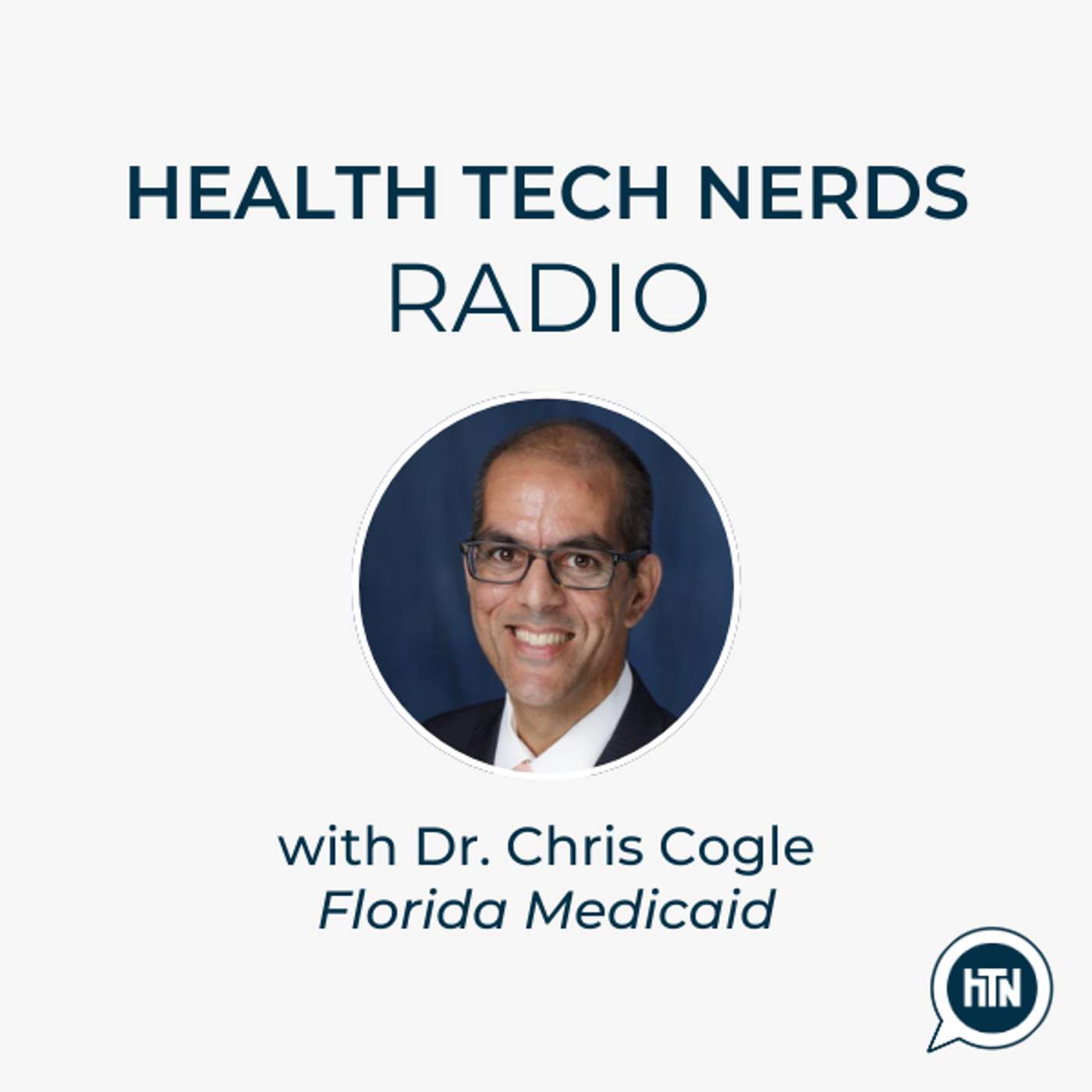
Ep 27Medicaid is an under appreciated innovation lab | Dr. Chris Cogle (Florida Medicaid)
Martin talks with Dr. Chris Cogle, author of the recently released book Public Startup and health care policy expert, about how Medicaid agencies sit at the intersection of medicine, policy, quality, data, finance, and operations to improve care for millions while managing limited taxpayer resources. They discuss Medicaid as an under appreciated innovation lab, what makes pilots succeed or fail, and how state–managed care organization relationships have evolved into partnerships focused on accountability, risk, and care coordination—especially in Florida’s large managed-care program. Chris explains where value-based care works (defined populations, actionable data, simple contracts) and where it struggles (small cohorts, heavy admin burden), and how Medicaid-born models like telehealth and community-based care can diffuse into commercial and Medicare Advantage. He also offers guidance for policymakers, agencies, and startups: treat Medicaid as a platform, invest in data, reward outcomes, create safe pilot pathways, and lean into Medicaid rather than avoiding it.For more from Health Tech Nerds, subscribe to our weekly newsletters: https://www.healthtechnerds.com/subscribe
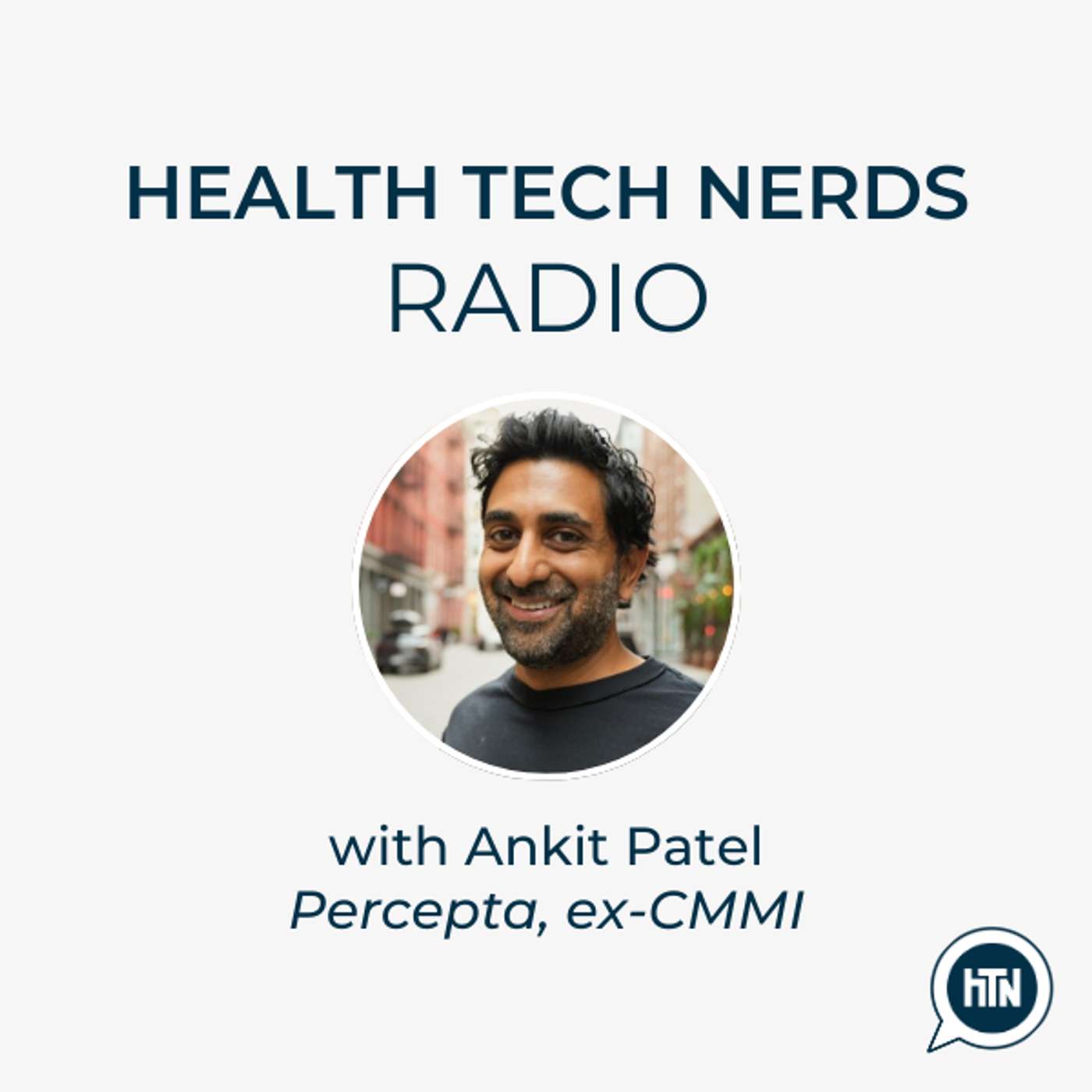
Ep 26Why CMMI needs simpler models and better measurement | Ankit Patel (Percepta, ex-CMMI)
At a very high level, the problems of the American healthcare system are:The US spends a lot more money than it takes in from tax revenue, quite a bit of which is on healthcare either through government funded programs or “tax expenditures” like the tax exclusion for employer sponsored programsLike most services oriented professions, healthcare is subject to Baumol’s cost disease: “There is no technological change which can make an orchestra take less time to play a symphony - service industries don’t have the same productivity improvements as manufacturing industries” yet healthcare provider salaries need to rise despite the lack of productivity gains.The American public isn’t inclined to pay more taxes or reduce service consumption or pay its healthcare providers less.CMMI which was created by the Affordable Care Act to try and engineer some other, more palatable solution to this trilemma: i.e. “test innovative payment and service delivery models to reduce program expenditures under the applicable titles while preserving or enhancing the quality of care furnished to individuals under such titles.”It would be charitable to call its record mixed with its portfolio netting out to cost the taxpayers much more money than it has saved. A few weeks ago, former CMMI senior adviser Ankit Patel wrote an article in Out Of Pocket called How to Fix CMMI Models which I thought was very good, and I was excited to welcome him to HTN radio to talk about it.For more from Health Tech Nerds, subscribe to our weekly newsletters: https://www.healthtechnerds.com/subscribe
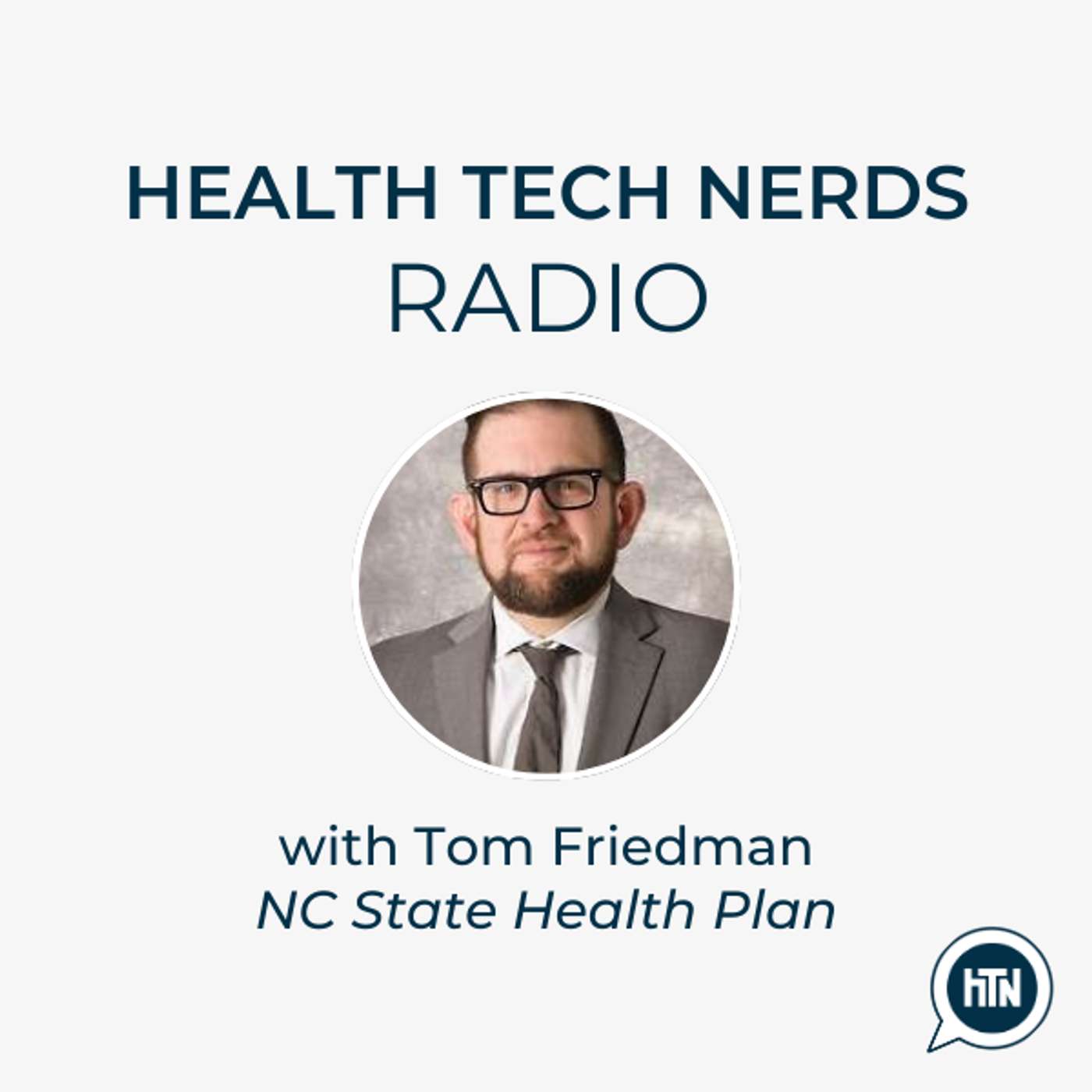
Ep 25How North Carolina is fixing its $5.5B state employee health plan | Tom Friedman (NC State Health Plan)
Tom Friedman became executive director of the North Carolina State Employee Health Plan in January 2025, covering the plan’s 775,000 active and retired members and its 55-person team managing $5.5B in spend. Friedman says the plan faced major projected deficits ($500M in 2026 and $1.4B in 2027) after years without premium or benefit changes, depleted reserves, and limited population health investment, with about 70% of members having chronic conditions. He describes ending the Clear Pricing Project, arguing it raised costs despite showing members are highly price sensitive. The plan is boosting independent/rural primary care via networks paid ~160% of Medicare with reduced administrative burdens and shared savings, and is using Lantern to offer select elective surgeries at $0 member cost by shifting to much lower negotiated rates; 400 surgeries were completed with ~1,900 in the pipeline. Financially, projections improved toward a ~$450–$460M positive stabilization rate next year, with plans to expand “preferred provider” incentives across services.For more from Health Tech Nerds, subscribe to our weekly newsletters: https://www.healthtechnerds.com/subscribe

Ep 24The Grand Roundup: Devoted Health’s strategy, Doctronic & AI regulation, DC MA spending debate, and more
This week’s Grand Roundup covers Devoted Health’s hiring signals and strategy, including 47 open roles (many clinical), a 700-clinician medical group, 200,000 encounters last year, and claims of 5,000 “AI agents,” sparking questions about productivity and a potential path toward a virtual, national Kaiser-like model. The discussion then shifts to torts and product liability, using McPherson v. Buick to frame emerging legal questions for AI in healthcare, including red-teaming of Doctronic and a PVO lawsuit over an allegedly missed finding, plus concerns about liability shifting onto primary care in access-style models. They also review Medicare Advantage’s cost debate (MedPAC’s 14% higher estimate), political scrutiny, possible market “creative destruction,” and rate-notice dynamics (skin substitutes, chart review delinking). Finally, they touch on Medicaid work-requirement implementation costs (Georgia), key public-market notes (Humana benefits, Agilon outliers, Surgery Partners), and private rounds (aMI Labs/Nabla, Nitra, Translucent, doula models).For more from Health Tech Nerds, subscribe to our weekly newsletters: https://www.healthtechnerds.com/subscribe
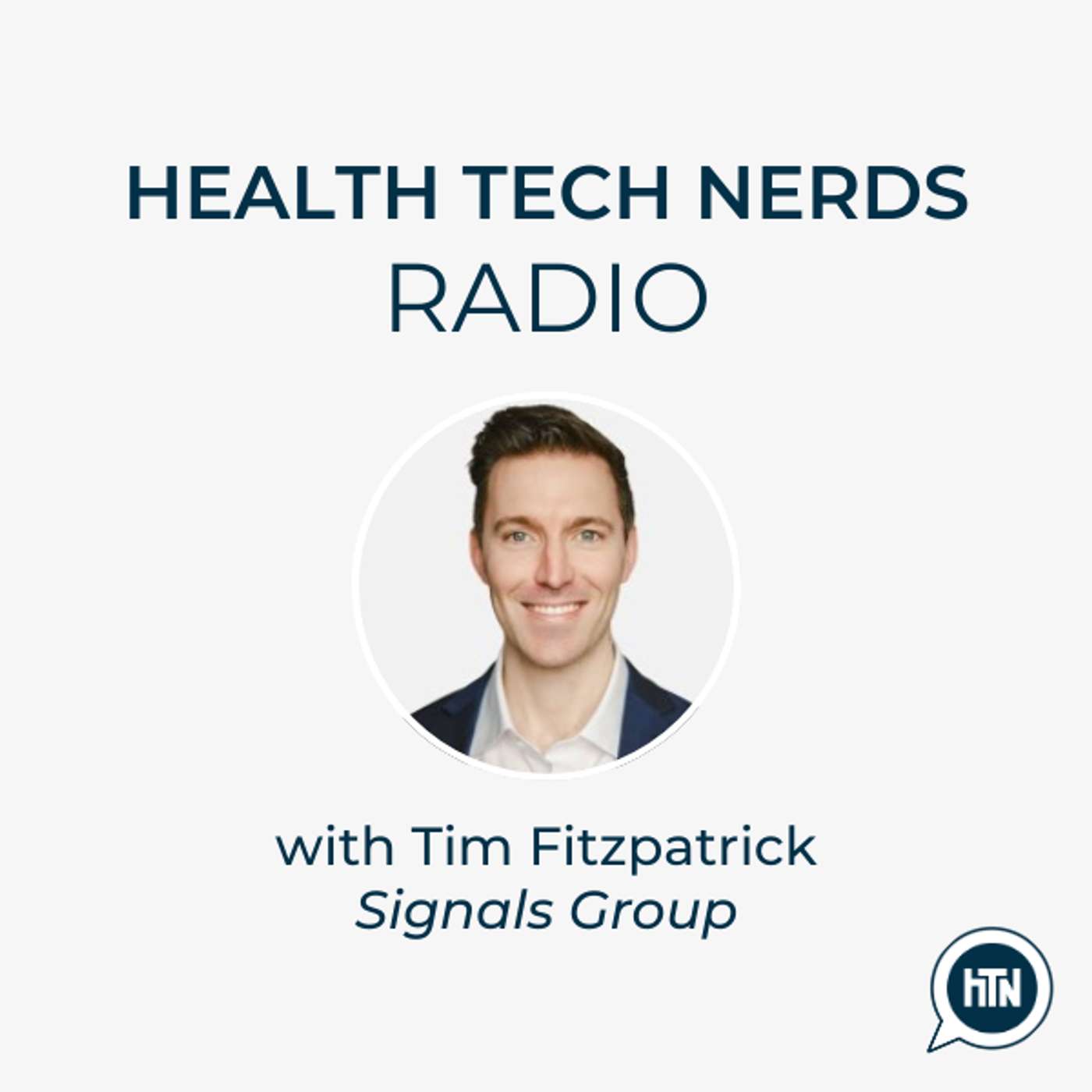
Ep 23The evolution of value-based kidney care: policy, treatment, and payment | Tim Fitzpatrick (Signals Group)
Tim Fitzpatrick, founder of Signals Group, joins to discuss innovation and value-based care (VBC) in nephrology. He outlines how CMMI kidney models have evolved from focusing on ESRD hospitalizations (CEC) to home dialysis and transplant incentives (ETC) and now earlier-stage CKD transitions (KCC), citing reported improvements like higher optimal starts, home dialysis use, and preemptive transplants, while noting open questions on cost effectiveness.The conversation covers the growing landscape of kidney VBC operators beyond DaVita and Fresenius, the levers they use to manage total cost of care (care coordination, addressing social needs, avoiding hospitalizations), and early consolidation among providers. They discuss why the US lags in home dialysis, DaVita’s investment in home care (Elara), and how the dialysis bundled payment system may stifle innovation and the key areas to watch in policy and kidney drug development. The three part series on value-based kidney from Signals FS care can be found here: - Part 1: https://media.signalsfs.com/p/the-current-landscape-of-value-based- Part 2: https://media.signalsfs.com/p/the-current-landscape-of-value-based-26d- Part 3: https://media.signalsfs.com/p/the-current-landscape-of-value-based-1d4- DaVita’s investment in Elara: https://media.signalsfs.com/p/brief-davitas-investment-in-elaraFor more from Health Tech Nerds, subscribe to our weekly newsletters: https://www.healthtechnerds.com/subscribe
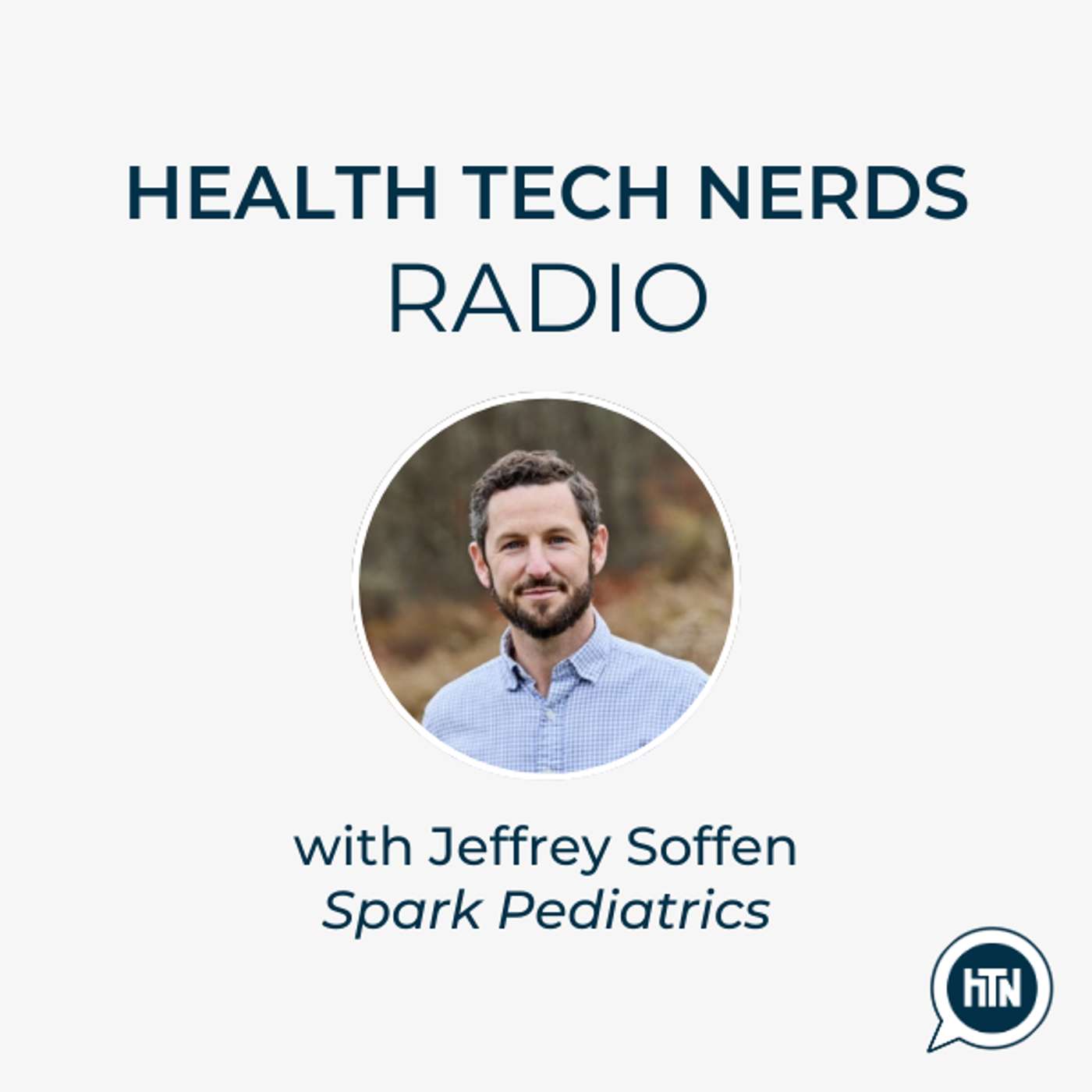
Ep 22Caring for medically complex children: the case for PPEC | Jeffrey Soffen (Spark Pediatrics)
Any conversation about value-based care in pediatric populations would be incomplete without talking about children with high medical complexity.The reality of caring for children with high medical complexity and the barriers their families face is under-discussed, and so is the hard problem of financing their care– it’s 6% of the population and 40% of the spend according to this note from the Children’s Hospital Association, and of that 40%, roughly half is on skilled nursing. It’s also important to keep in mind that ~50% of children’s healthcare is paid for through Medicaid and CHIP.An interesting approach to delivering high quality care for these children is Prescribed Pediatric Extended Care, also known as PPEC. To talk about the unique challenges that high medical complexity kids face, the care they need, and his company’s approach to meeting those needs, we’re welcoming Jeffrey Soffen, CEO of Spark Pediatrics.For more from Health Tech Nerds, subscribe to our weekly newsletters: https://www.healthtechnerds.com/subscribe

Ep 21The Grand Roundup: Novo-Hims partnership, UHS buys Talkspace, OpenEvidence's "Spotify of healthcare" strategy & Wiley partnership, and Idaho Microhospitals
The episode covers a busy Monday in healthcare and markets: Universal Health Services announced it will acquire Talkspace to expand outpatient behavioral health and virtual care, raising questions about Talkspace’s largely non‑W2 therapist model and the modest premium paid. Hims and Hers and Novo Nordisk unexpectedly reengaged after a broken partnership and lawsuit, with Hims curtailing compounded GLP‑1 advertising, Novo dropping its lawsuit, and Novo products expected on the platform, boosting Hims’ stock. Wiley’s AI-focused earnings call and partnership with OpenEvidence (including equity)CMS action against Elevance over risk-adjustment submissions via encrypted USB drivesHospital operators’ revenue growth driven mostly by price and coding intensityIdaho legislation targeting a freestanding ER’s heavy use of the No Surprises Act IDR processPrivate-market deals for FindHelp and Greater Good HealthThe collapse of New Mountain’s planned “Thoreau” spinoutOperational and financing challenges of scaling cell and gene therapies.For more from Health Tech Nerds, subscribe to our weekly newsletters: https://www.healthtechnerds.com/subscribe
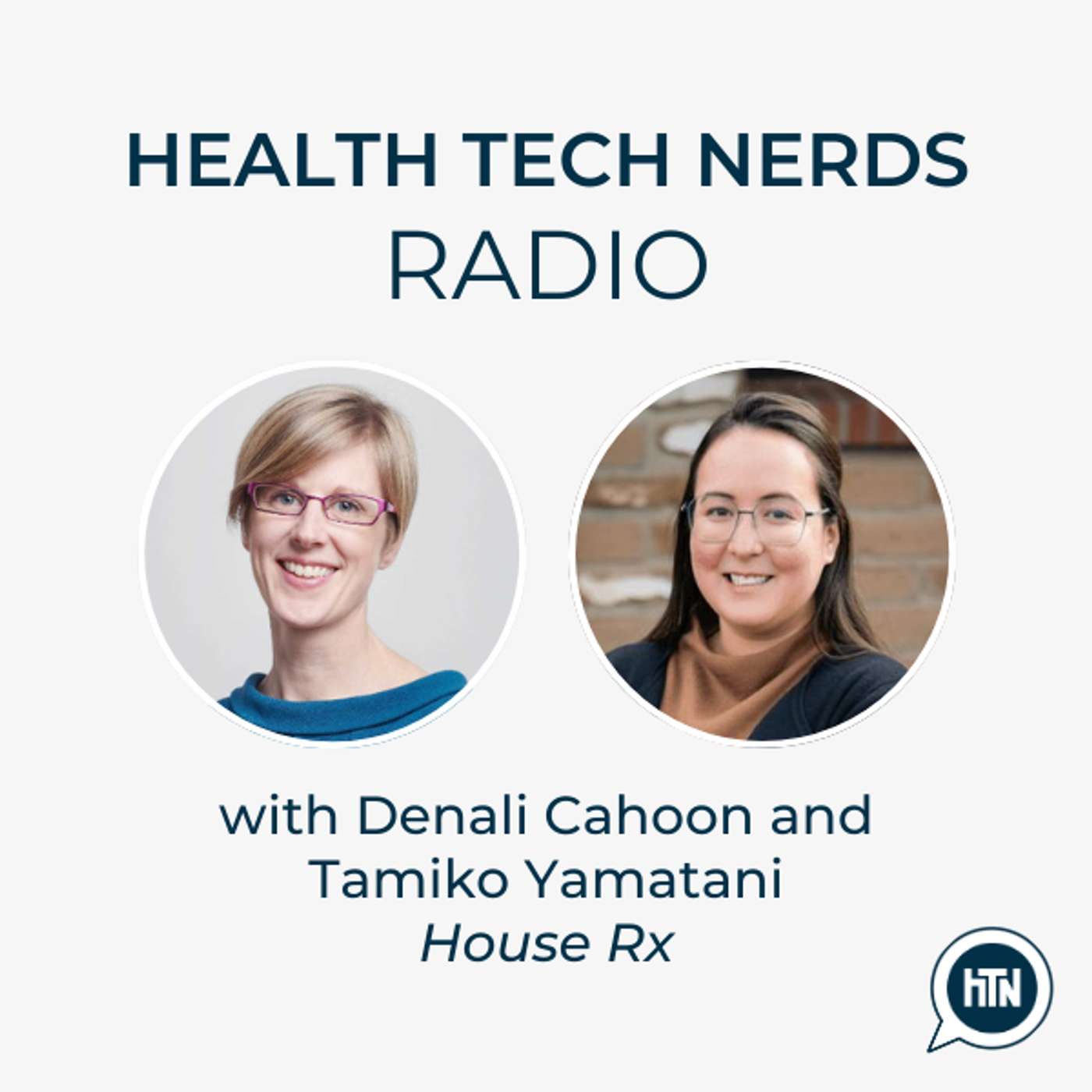
Ep 20Why medically integrated dispensing is gaining traction amid PBM reform | Denali Cahoon & Tamiko Yamatani (House Rx)
A little noticed aspect of the bipartisan PBM reform bill is strengthening of the “any willing pharmacy” provisions of Medicare. To talk about what “any willing pharmacy” means in practice, why it was included in the PBM reform bill, and broader discussion on medically integrated dispensing and the policy environment, we’re joined by two pharmacist-leaders at House Rx: Denali Cahoon, Chief Pharmacy & Operations Officer, and Tamiko Yamatani, VP, Client Operations.For more from Health Tech Nerds, subscribe to our weekly newsletters: https://www.healthtechnerds.com/subscribe
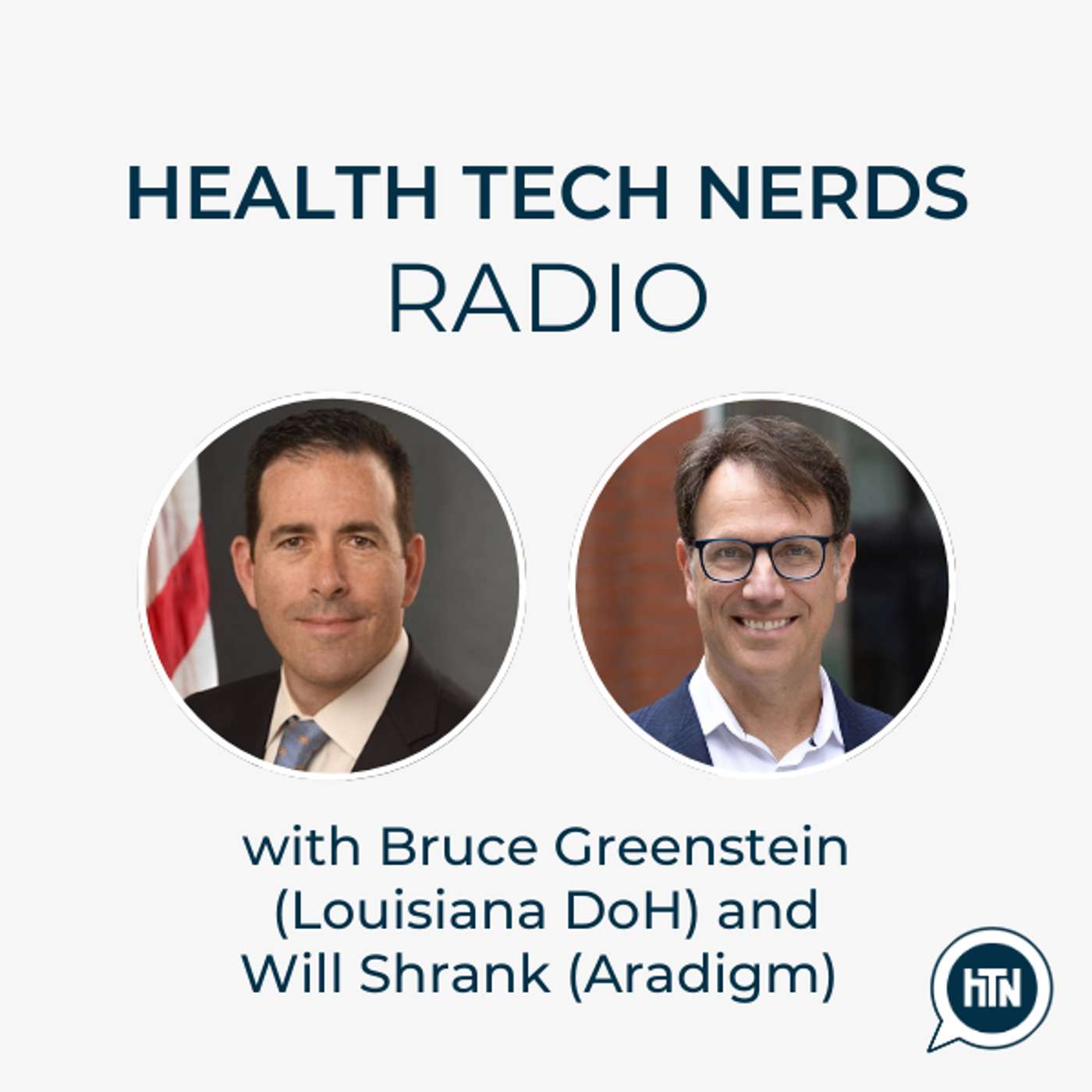
Ep 19How state Medicaid programs are preparing for cell and gene therapies | Bruce Greenstein (Louisiana DoH) and Will Shrank (Aradigm)
In this episode of Health Tech Nerd Radio, Kevin speaks with Bruce Greenstein, the Secretary of the Louisiana Department of Health, and Will Shrank, the Co-Founder and CEO of Aradigm, about how state Medicaid programs are preparing for the coming wave of cell and gene therapies.The conversation covers state and federal roles, innovative payment models (including Louisiana’s earlier “Netflix model” for Hep C), operational challenges for providers and manufacturers, and the need for ecosystem-level public-private partnerships while warning against other payers shifting risk onto Medicaid.For more from Health Tech Nerds, subscribe to our weekly newsletters: https://www.healthtechnerds.com/subscribe
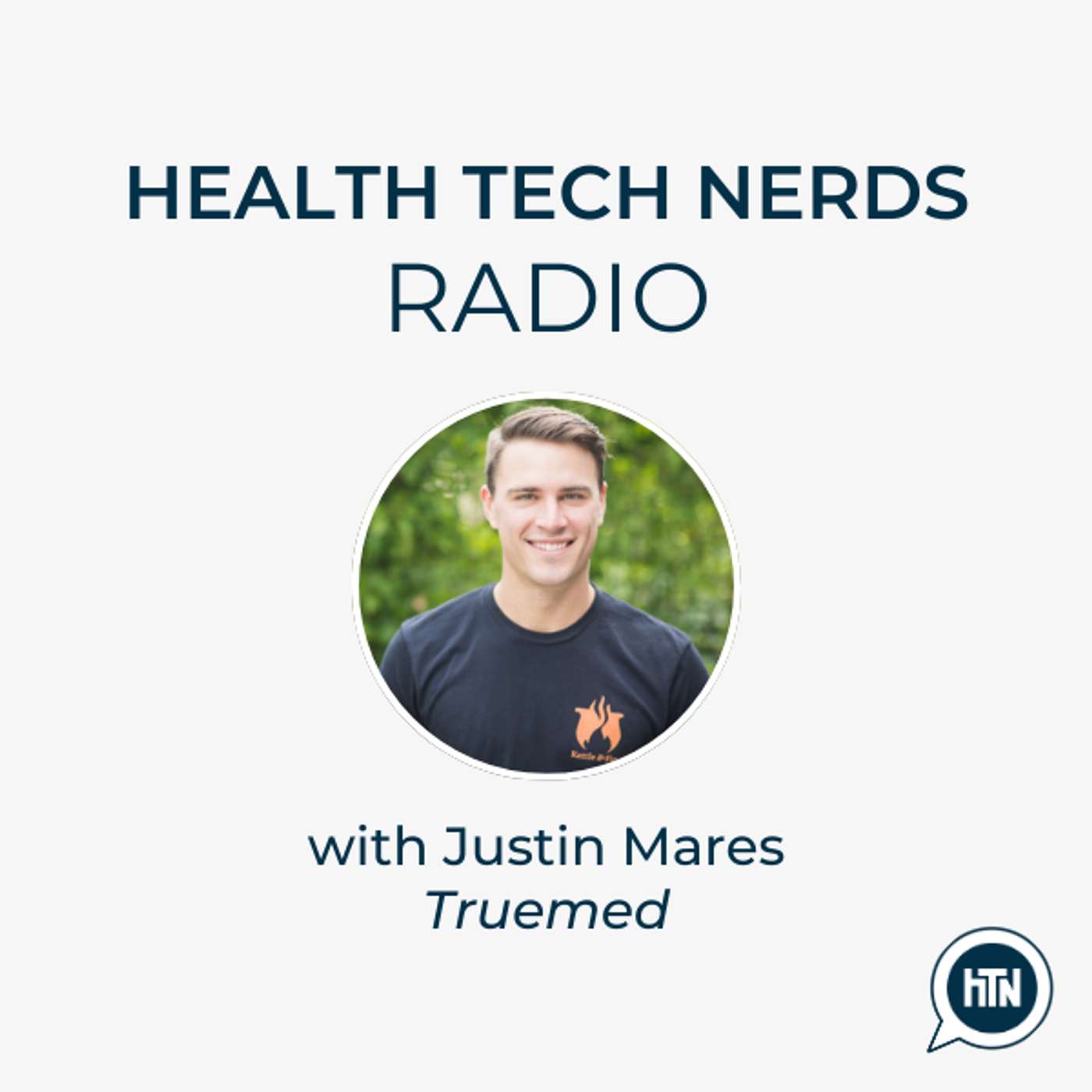
Ep 18Why preventative care is hard to finance and how Truemed is trying to fix it | Justin Mares (Truemed)
In this episode, Justin Mares, CEO of Truemed, discusses why preventative care is widely supported but hard to finance due to limited ROI data compared to pharmaceuticals. He explains TruMed’s mission and business model: infrastructure that helps qualified individuals use tax-free HSA/FSA dollars for evidence-backed lifestyle interventions—such as fitness, sleep products, and medically tailored programs—through partnerships with merchants like Eight Sleep, Peloton, Lifetime Fitness, and Garmin, plus a direct-to-consumer eligibility flow. The conversation covers how TruMed decides what qualifies (clinical evidence in reputable journals), the role of letters of medical necessity via a compliant telemedicine process, and the goal of building a more “formulary-like” system for prescribing lifestyle interventions based on biomarkers and outcomes tracking. Justin also addresses criticisms that HSAs favor higher earners, argue for prevention as a tool to reduce chronic disease costs, and compare U.S. healthcare incentives with Singapore’s Medisave approach, emphasizing that fixing lifestyle and environmental drivers of chronic disease is essential.For more from Health Tech Nerds, subscribe to our weekly newsletters: https://www.healthtechnerds.com/subscribe

Ep 17The Grand Roundup: A busy for publicly traded healthcare company stocks, Allina partnership with Story Health, and a bit on the 340B program
After spending about as much time on the State of the Union as the President spent on health care in the speech, Kevin and Martin talked about a busy week in the health care public markets including some analyst skepticism around Humana’s 2026 margin guidance and MA MLR dynamics; Hims financial results and burgeoning investor distrust; and GoodRx’s role as a pharma channel.They touch on Option Care’s Stelara biosimilar-driven margin compression, Fresenius’s improving value-based kidney care amid regulatory headwinds, and VBC updates from Agilon, Evolent, Privia, Clover, and Alignment, focusing on recontracting and risk transfer. Plus, UHS price-driven growth, skepticism about AI ROI, an Allina–Innovaccer/Story Health cardiology partnership, and rising attention to 340B financing and HHS’s rebate pilot.For more from Health Tech Nerds, subscribe to our weekly newsletters: https://www.healthtechnerds.com/subscribe
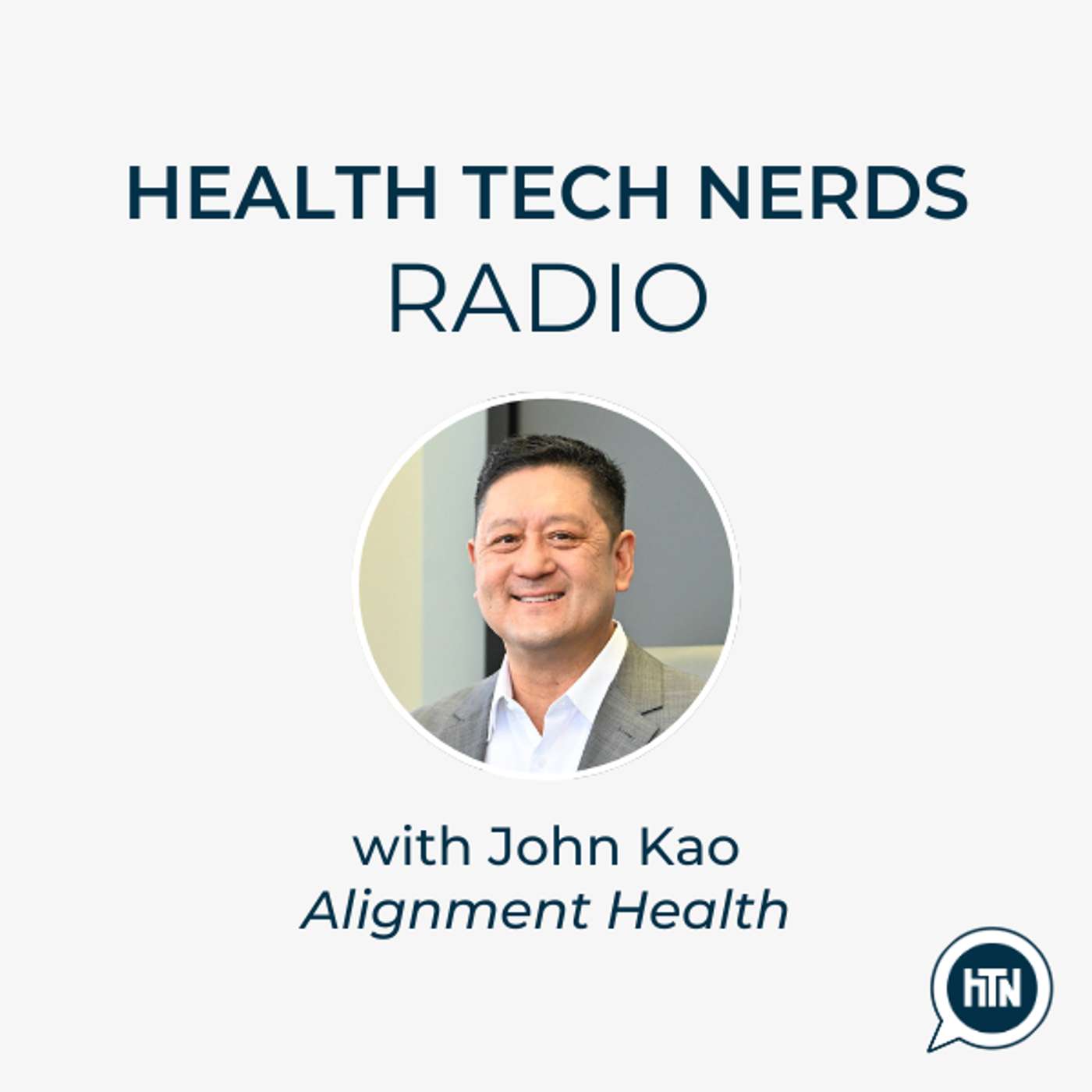
Ep 16The clinical model behind Alignment Healthcare’s success in Medicare Advantage | John Kao (Alignment Health)
Kevin interviews John Kao, CEO of Alignment Health, after the company reported earnings that beat the high end of guidance across membership, revenue, gross profit, and EBITDA. Kao explains Alignment’s provider-alignment model: guaranteeing PCP revenue via monthly payments, stratifying members so an interdisciplinary “Care Anywhere” team manages the highest-risk 10% at home, and sharing data back to physicians to improve outcomes and reduce avoidable hospitalizations. He discusses California-specific dynamics with IPAs, shared-risk arrangements, and global capitation, and contrasts these with expansion into new markets via clinically integrated networks and hospital systems. They address oncology as a specialty risk area, health system tensions around MA payment and claim edits, and CMS’s MA advance notice, emphasizing program integrity and the potential advantage for low-cost, clinically driven plans amid V28 and policy changes.For more from Health Tech Nerds, subscribe to our weekly newsletters: https://www.healthtechnerds.com/subscribe
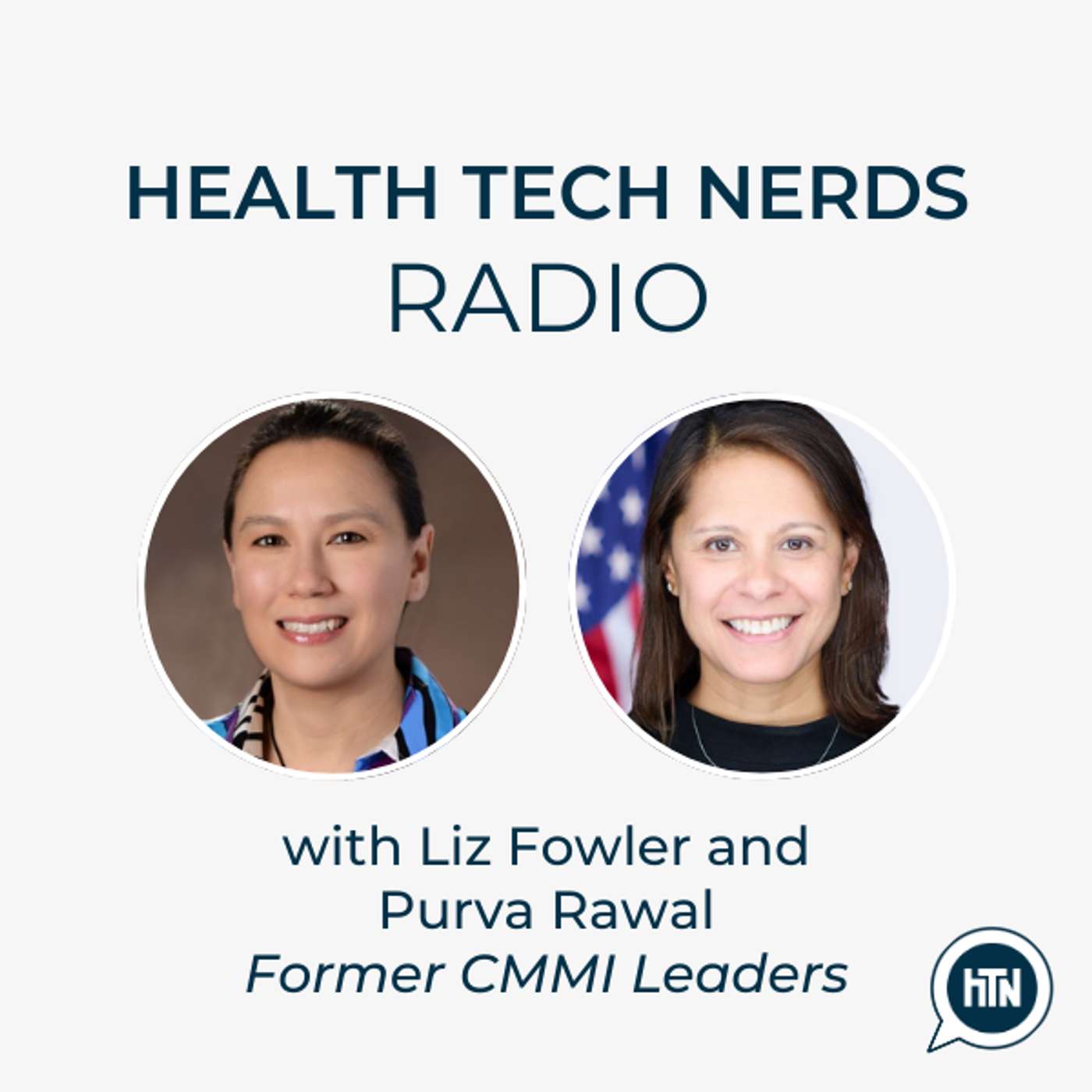
Ep 15Reengineering ACOs for competition and better outcomes | Liz Fowler and Purva Rawal (ex-CMMI)
Purva Rawal and Liz Fowler, along with their co-authors, have written a several recent forefront articles in Health Affairs that are timely given all the attention to Medicare and MA right now. The one that’s been on our mind lately is “Reengineering ACOs to Make Medicare Competitive,” and we're excited to welcome them to share their thoughts on improvements to the program and recent developments like CMS’s Long-term Enhanced ACO Model (LEAD) and CMS Administered Risk Arrangements (CARA)Additional ContextChris Klomp, the Medicare Director, made an interesting comment at the J.P. Morgan Healthcare conference earlier this year, sharing that CMS wants two types of Medicare: 1. Original Medicare in accountable care relationships; 2. Medicare Advantage, with Klomp noting that they renamed the internal team at CMS from Fee for Service Medicare to Original Medicare last month as a symbol of the focus.Medicare Advantage has been getting most of the attention in healthcare policy worlds after the jaw-dropping Advance Notice from CMS, but in Martin's opinion what’s going on with Accountable Care Organizations deserves more attention. While MedPAC and the Better Medicare Alliance argue about whether MA actually saves money, the Medicare Shared Savings Program has a consistent track-record of real, albeit modest, savings.For more from Health Tech Nerds, subscribe to our weekly newsletters: https://www.healthtechnerds.com/subscribe
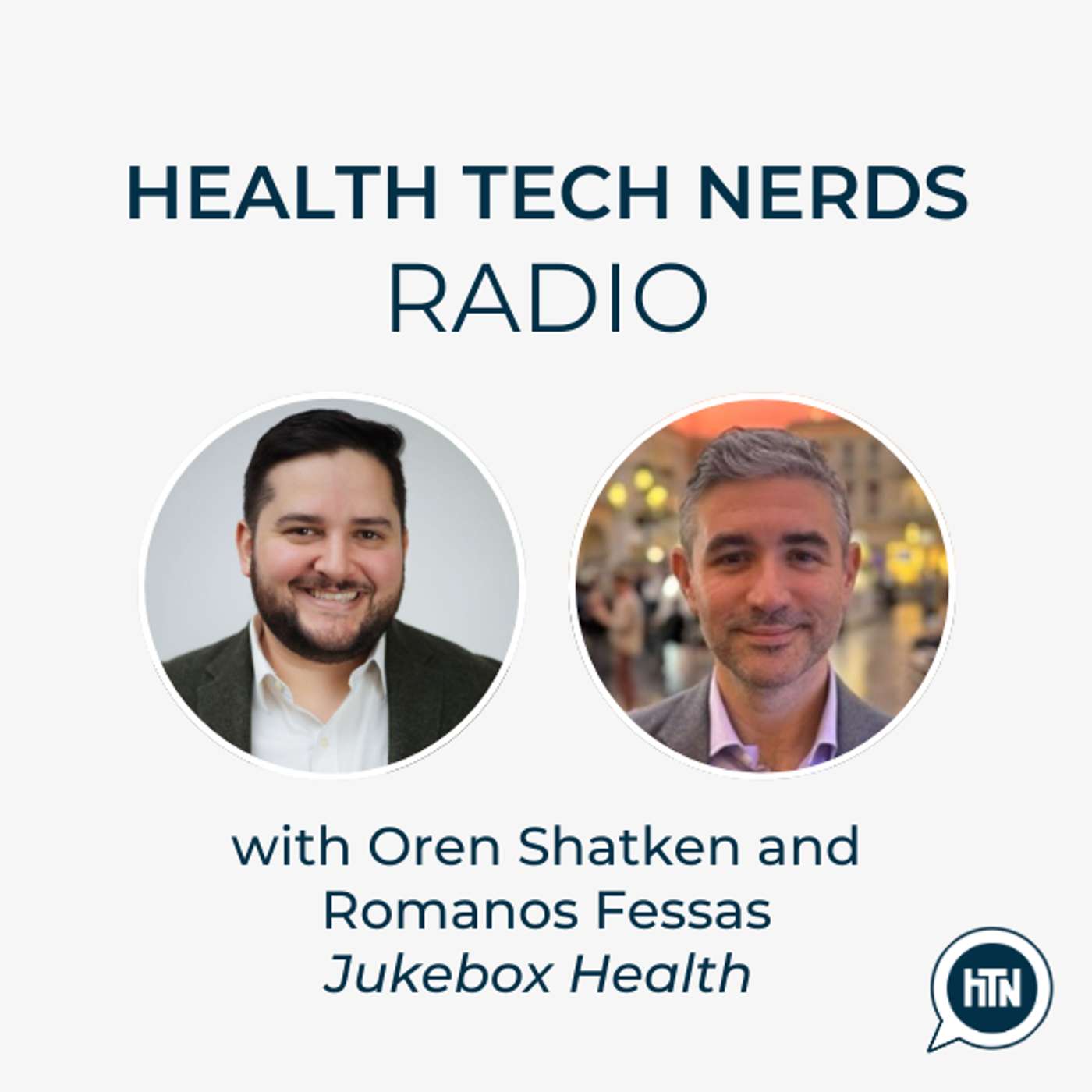
Ep 14Designing and delivering home-based care for dual-eligible populations | Oren Shatken + Romanos Fessas (Jukebox Health)
Oren Shatken and Romanos Fessas, co-founders of Jukebox Health, join us to discuss how home-based interventions can improve outcomes and reduce costs for long-term services and supports (LTSS) populations. They explain the economics of LTSS and dual-eligible members, why keeping people safely at home matters, and how occupational therapist–led assessments and home modifications can drive measurable ROI for health plans.The conversation covers Jukebox’s operational model — building OT and contractor networks, partnering with plans on outcomes-based contracts, and delivering interventions that improve independence while preventing costly utilization. They also share real-world examples, lessons from working with Medicaid populations, and what’s next, including proactive monitoring and AI tools for care managers.For more from Health Tech Nerds, subscribe to our weekly newsletters: https://www.healthtechnerds.com/subscribe

Ep 13The Grand Roundup: How to spend less money on healthcare, a few more healthcare earnings calls, whether it’s possible to make money in Medicare Advantage and more
Martin and Kevin discuss three ways the government has tried to spend less money on healthcare: the Inflation Reduction Act, The No Surprises Act, and ACCESS. They highlight what we learned from public companies this week including Grail’s stock drop after an NHS study missed its primary endpoint and reimbursement concerns; Talkspace’s shift from consumer to B2B; and Community Health Systems’ divestitures while also previewing Hims’ earnings and its acquisition of Eucalyptus. They discuss Scripps exiting Medicare Advantage after losing ~$75M and moving patients to traditional Medicare plus MedSup, contrasted with Cleveland Clinic expanding global cap lives. Looking ahead, they previewed upcoming earnings (Option Care, Fresenius, Acadia, Agilon, Teladoc, GoodRx, Privia, UHS, Clover, Alignment), flag HRSA’s renewed 340B rebate model discussions, and close with Inhabit Home Health & Hospice being acquired by Kinderhook for ~$1.1B amid MA contracting challenges and a broader theme of healthcare services companies considering going private.For more from Health Tech Nerds, subscribe to our weekly newsletters: https://www.healthtechnerds.com/subscribe

Ep 12Omada on ACCESS, reimbursement rates, and its new cholesterol program | Wei-Li Shao
The conversation covers Omada’s views on the ACCESS program and the recently announced reimbursement rates, how they’re thinking about using technology to scale their care operations, plus the new cholesterol program they just announced. For more from Health Tech Nerds, subscribe to our weekly newsletters: https://www.healthtechnerds.com/subscribe
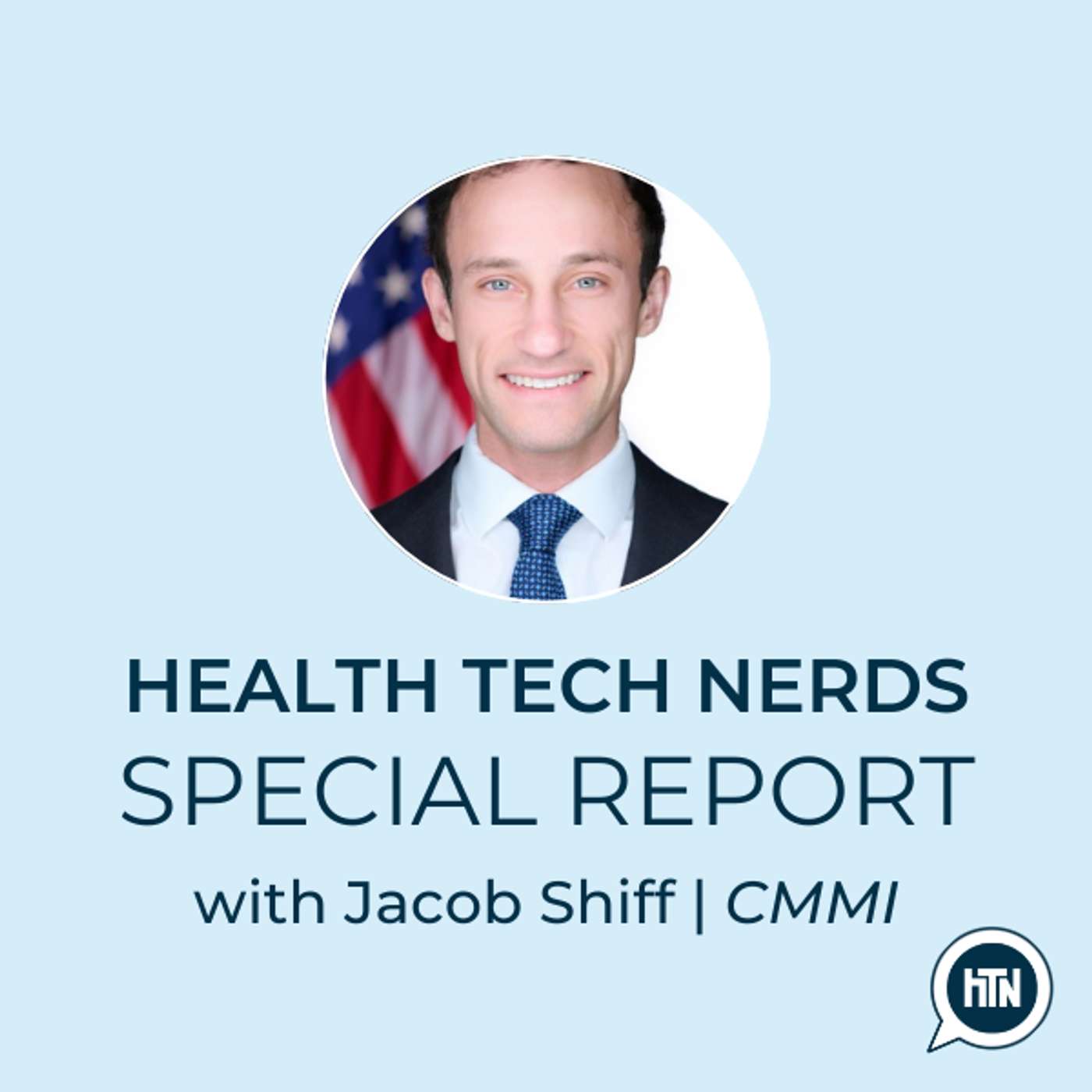
Ep 11Unpacking the ACCESS Model | Jacob Shiff (CMMI)
Kevin sits down with Jacob Shiff, the Chief AI & Technology Officer at CMMI, to unpack the new ACCESS model and what it means for healthcare innovators looking to reshape care delivery for Medicare populations.For more from Health Tech Nerds, subscribe to our weekly newsletters: https://www.healthtechnerds.com/subscribe
Ep 10The state of the Medicaid tech stack and readiness for upcoming eligibility changes | Nikita Singareddy (Fortuna Health) and Luke Farrell (Better Government Lab)
On January 29th, CMS announced that Medicaid Technology Companies had pledged $600 million in savings to support the implementation of community engagement requirements from H.R. 1 and other improvements to the Medicaid tech stack.To discuss the current state of the Medicaid tech stack, how preparations for the January 1st 2027 implementation of community engagement requirements and twice yearly redeterminations is going, and alternatives to the Deloitte-Equifax “means-testing industrial complex” we’re joined by:Nikita Singareddy , CEO of Fortuna HealthLuke Farrell, former USDS lead for benefits during the PHE unwinding, author of The Means-Testing Industrial Complex and Fellow at the University of Michigan’s Better Government Lab.For more from Health Tech Nerds, subscribe to our weekly newsletters: https://www.healthtechnerds.com/subscribe

Ep 9The Grand Roundup: ACCESS, Humana makes a big acquisition, what costs more original Medicare or Medicare Advantage, and a quick healthcare earnings review
Martin and Kevin unpack CMMI’s new Access program, focusing on reimbursement rates that landed well below digital health expectations and what that signals about CMS pushing AI-enabled, lower-labor care models. They discuss Humana’s earnings and its $1B Max acquisition, debates over Medicare Advantage costs versus traditional Medicare, healthcare job growth amid AI narratives, and an earnings roundup covering Hinge, Tenet, and Oscar’s ACA and ICHRA momentum.For more from Health Tech Nerds, subscribe to our weekly newsletters: https://www.healthtechnerds.com/subscribe
Ep 8Introducing Nest Origin: Transforming prenatal and postpartum care for Medicaid families | Kelsie Brandt (Nest Health)
In this episode, meet Kelsie Brandt, Chief Clinical Officer at Nest, as she discusses the launch of Nest Origin, a new comprehensive prenatal, postpartum, and infant care program for Medicaid families. Kelsie explains her background in pediatric nursing and the critical role caregivers play in child and infant health. The conversation delves into the challenges Medicaid mothers face, the structure and benefits of the Nest Origin program, and its potential to significantly improve maternal and infant healthcare outcomes. Learn how this initiative, supported by the David and Lucille Packard Foundation and evaluated by UPenn, aims to create a positive shift in healthcare for vulnerable mothers and families.For more from Health Tech Nerds, subscribe to our weekly newsletters: https://www.healthtechnerds.com/subscribe
Ep 7Humana's Q4 Earnings Call Recap: Membership Growth and Strategy Insights
In this special report episode recorded on February 11th, the Health Tech Nerds team dives into the key takeaways from Humana's recent earnings call. The discussion covers Humana's 25% growth in their individual Medicare Advantage book. Despite their stock trading down, the team finds reasons for optimism, particularly around retention rates and profitable plan sales. They also explore larger industry implications, including the impact of CMS's 2027 rate notice and the future strategies of Humana in relation to other Medicare Advantage plans. Key points include Humana's approach to retention, profitability challenges, and the potential ripple effects on regional and smaller insurance plans. Tune in for an in-depth analysis of Humana's current standing and future trajectory in the healthcare market.For more from Health Tech Nerds, subscribe to our weekly newsletters: https://www.healthtechnerds.com/subscribe

Ep 6Rethinking medication affordability with a two-sided marketplace | Anurati Mathur (Sempre Health)
In this insightful episode, we sit down with Anurati Mathur, co-founder and CEO of a Sempre Health, which is focused on improving medication affordability. The main focus of the discussion is on the complex landscape of medication affordability and how his company addresses it by creating a two-sided marketplace between pharmaceutical manufacturers and health plans. The CEO explains the company's innovative approach to distributing existing funds more effectively and aligning the interests of various stakeholders, including manufacturers, payers, PBMs, and patients. He also touches on the underutilization of financial assistance budgets, the model's expansion into different payer types, and the positive outcomes they've achieved in medication adherence and patient satisfaction. Tune in for a comprehensive look at how technology and innovative business models can transform healthcare affordability.For more from Health Tech Nerds, subscribe to our weekly newsletters: https://www.healthtechnerds.com/subscribe

Ep 5The Grand Roundup: Carbon Health's bankruptcy, AI and primary care, funding trends, payer earnings (Molina, Centene, DaVita), and the outlook of PACE & vertically integrated models
In this episode, we delve into major developments in the healthcare industry, including the recent bankruptcy of Carbon Health and its ambitious goals, the evolving landscape of AI in primary care, and funding trends. We also discuss primary care access challenges, recent earnings reports from major companies like Molina, Centene, and DaVita, and the outlook for PACE models and vertically integrated healthcare systems. Join us for a comprehensive analysis of the shifts and trends impacting the healthcare sector.For more from Health Tech Nerds, subscribe to our weekly newsletters: https://www.healthtechnerds.com/subscribe

Ep 4The Grand Roundup: Medicare Advantage Advance Notice, healthcare earnings calls, and a big Annual Enrollment Period for Devoted Health
In this episode, Kevin and Martin discuss significant developments in the healthcare sector, focusing on recent changes to Medicare Advantage announced by CMS, which resulted in a $100 billion overnight loss in market cap for publicly traded insurers. They delve into the nuances of effective growth rates, risk adjustment changes, and their potential long-term impact on the industry. They also cover three notable M&A deals in the startup space – Sword Health acquiring Kaia, Spring Health acquiring Alma, and Premise Health acquiring Crossover Health. Lastly, they highlight key takeaways from recent earnings calls for UnitedHealth Group, ance, and HCA, noting the varied performance and strategies in navigating the current healthcare landscape.For more from Health Tech Nerds, subscribe to our weekly newsletters: https://www.healthtechnerds.com/subscribe
Ep 3Building and scaling an in-home care model for Medicaid populations | Dr. Rebekah Gee and Rebecca Kavoussi (Nest Health)
Dr. Rebekah Gee and Rebecca Kavoussi, founders of Nest, discuss their innovative approach to healthcare for Medicaid populations, emphasizing an in-home, family-centered model. They share their experiences and strategies for addressing social determinants of health, improving accessibility, and harnessing the power of data to enhance healthcare outcomes. The discussion covers Nest's business model, operational challenges, geographical expansions, and future plans to scale their impactful care model. Key highlights include operational efficiencies, radical accessibility, and the potential long-term benefits for families and communities.For more from Health Tech Nerds, subscribe to our weekly newsletters: https://www.healthtechnerds.com/subscribe

Ep 2What it takes to deliver rural primary care | Dr. Aditi Malik and Tim Gronniger (Hopscotch)
In this episode, the hosts are joined by Tim and Dr. Malick, the CEO and CMO of Hopscotch Primary Care, a company dedicated to transforming rural primary care through innovative models and technology. They discuss the unique challenges faced by rural healthcare providers, such as access issues, worse payer mixes, and workforce shortages. The conversation highlights Hopscotch's high-touch, high-tech model, which includes strategies like virtual specialty consults and AI implementations to improve patient outcomes and ease provider burdens. They also delve into the Rural Health Transformation Program and the importance of thoughtful investments to create sustainable health solutions. In the discussion, Dr. Malick and Tim emphasize the significance of appropriate compensation models for healthcare providers and the potential benefits of expanded scope of practice for nurse practitioners and physician assistants. The episode concludes with information on how listeners can follow Hopscotch Primary Care's journey.For more from Health Tech Nerds, subscribe to our weekly newsletters: https://www.healthtechnerds.com/subscribe
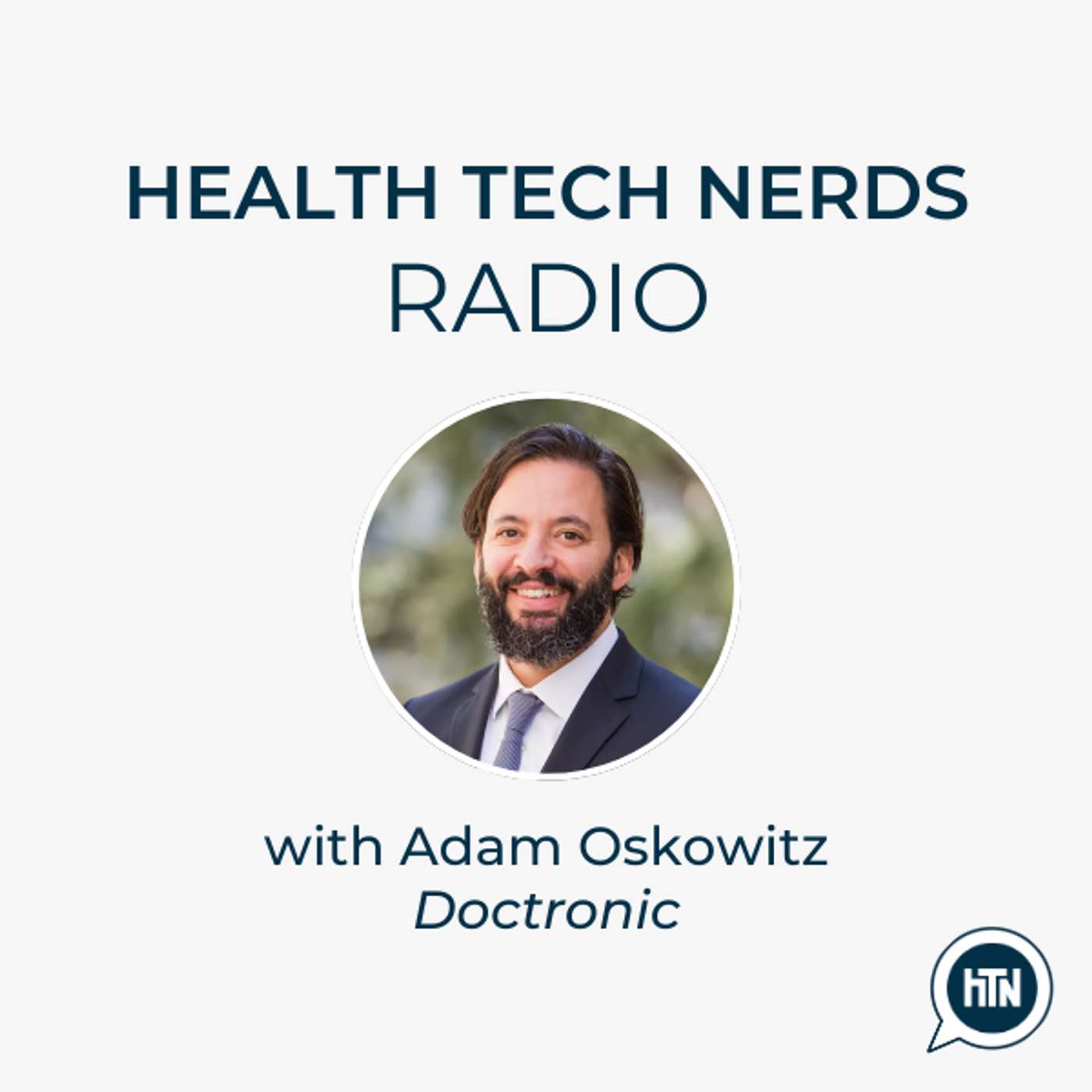
Ep 1Automating prescription renewals with AI: Lessons from a Utah pilot | Adam Oskowitz (Doctronic)
In this episode, Kevin and Adam discuss a new pilot program in Utah that uses AI to process prescription refills for a specific set of medications without human intervention. They delve into the details provided by a recent Politico article, explain the problem of medication noncompliance, and discuss how AI can improve accessibility to medication renewals, particularly in rural areas. The conversation covers the metrics for success, patient and provider acceptance, and the potential for expanding the program. They also touch on regulatory issues, the strategic importance of this pilot for their business, and the challenges of securing malpractice insurance for AI-based medical decisions.For more from Health Tech Nerds, subscribe to our weekly newsletters: https://www.healthtechnerds.com/subscribe