Health Report
261 episodes — Page 5 of 6
Mild cognitive impairment | Alzheimer's | ASMR | atrial fibrilation
Mild Cognitive Impairment (MCI) affects 7 or 8 per cent of people in their 60s, and one in four people in their 80s. In an ageing population the number of those with mild cognitive impairment will increase.There's a new perspective on the cause and progress of Alzheimer's disease. Are we doing the right thing by removing accumulated amyloid protein from the brains of people with it?Some people experience a tingly feeling when they hear certain noises and this feeling might be a useful intervention for people with anxiety.Atrial fibrillation is a type of arrhythmia characterised by a rapid and irregular heartbeat. There is increasing evidence that relaxation methods like yoga and meditation can help manage the condition.Hosts:Dr Norman SwanTegan Taylor

The cancer risks that run through generations
More than two decades ago a major milestone in cancer research was reached with the discovery of the BRCA1 and BRCA2 genes. Inherited mutations to these genes can dramatically increase the risk of developing breast and ovarian cancers. The discovery opened up new ways of knowing who is at risk of cancer, how to treat the cancer, and even how to prevent it happening in the first place. This moving feature describes what this genetic information means for families who have seen loved ones endure sometimes multiple cancers—and it explains the emerging frontier in medicine trying to change that.Guests:Michelle BradyAnna MurphyDr Mark Pinese, Team Leader Personalised Medicine, Children’s Cancer InstituteA/Prof Paul James, Clinical Geneticist and Director, Familial Cancer Centre, Peter MacCallum Cancer Centre and Royal Melbourne HospitalDr Laura Forrest, Senior Research Fellow and Genetic Counsellor, Peter MacCallum Cancer CentreHost: Dr Norman SwanInterviewer and Producer: Sarah Sedghi
Ventilation | Wearables | Telomeres
With COVID we've focused on vaccines and masks but there is more we can do, and the situation parallels a public health revolution from the mid-1800s.If you're a modern human you likely carry a bit of tech on you to track how physically active you are. But how can we be sure it's really promoting activity?Telomeres are small 'caps' on the ends of your chromosomes—the length of telomeres is seen as an indicator of how fast we age. How accurate could they be?Hosts: Tegan Taylor and Dr Norman Swan

The lowdown on longevity
It's expected now that on the whole we will live longer, but individuals want to know how to spend a longer life in good health—and to set a good foundation.This program was first heard on 25 April, 2022Dr Norman Swan's book was published in July 2022.Guest:Prof Luigi FontanaLeonard P Ullman Chair in Translational Metabolic HealthDirector, Healthy Longevity Research and Clinical ProgramCharles Perkins Centre | Sydney Medical School (Central Clinical School)Faculty of Medicine and Health, University of SydneyHost: Dr Norman Swan
Genes, macular degeneration, and Alzheimer's disease | Glaucoma | Blood pressure control
A new study has found a genetic link between macular degeneration and Alzheimer's disease—with implications for drug development.The wellness space often refers to nicotinamide adenine dinucleotide—or NAD. It's found in products promoting longevity—so may give you pause for thought—but shows promising results for human eyesight.High blood pressure is one of the most toxic risk factors for heart attack, stroke, kidney damage, dementia, and probably premature ageing—so it's incredibly important to get blood pressure under control.Hosts: Dr Norman Swan and Tegan Taylor
Omega 3 fatty acid supplements in pregnancy | The ageing process and autophagy | Dark Winter: a book about biological attacks, accidents, and COVID-19
Fish oil supplements—aka omega 3 fatty acids—are taken by some women during pregnancy. What are the benefits, and who gets them?Research into ageing has revealed a number of processes controlling its rate. Autophagy helps cells do a clean up. Researchers are wondering if it could be manipulated.Is it possible to say whether a pandemic is a natural spillover from an animal, or an accidental release from a lab? In her new book, Dark Winter, Professor Raina MacIntyre warns that scientists may not be the people to identify the source of pandemics—rather that Intelligence and law enforcement services could have a better toolkit.
The Birth Project | A decision aid when considering genetic screening in pregnancy | Australia's national strategy for maternity care
The ABC’s Birth Project call out is discovering the good and bad of pregnancy and birth in Australia—one of the safest places in the world to give birth, but which sometimes fails women, their families, and clinicians.Parents-to-be now have access to simple blood tests that can indicate whether their baby might have a chromosome issue. But parents who want peace of mind or want to know the sex of their baby can feel blindsided when the result predicts high risk—or for something they didn't know they were being screened for.The Birth Project has shown us that the kind of care you might get if you're pregnant varies wildly across Australia. A national strategy around improving maternity care was launched in 2019.
Effect on the body of zero G | Measuring mental health services | Genetic analysis and cerebral palsy
With humans set to spend more time in spacer, one of the physical things to overcome will be gravity, and it's very important for how our bodies work.We hear frequent stories of mental health issues, but there is more investment in services, so are services effective or overwhelmed?An estimated 34,000 people in Australia have cerebral palsy. The cause can be a mystery but looking at a child's genes may supply information for parents and treatment teams. Hosts:Dr Norman SwanTegan Taylor
14 November: Paracetamol overdoses | Health literacy is a societal responsibility | Can spine stimulators treat back pain?
There's been talk of changing the packet size of paracetamol tablets, to reduce the self-harm of overdose—but it would be better to investigate and remedy why this harm occurs.The idea that society—as well as an individual—is responsible for this 'health literacy' is central to a new World Health Organisation report.Results of a randomised trial in people with low back pain who used a spinal cord stimulator were published recently, and the researchers are surprised by what they found.Hosts: Dr Norman Swan and Tegan Taylor
How we safeguard big health data | Linked data predicts health trends | More clarity needed on harms in clinical trials | Assessing mitochondrial donation as a preventive measure for some disorders
How analysts are making health data safer | Linked health data can see the bigger picture of healthcare use | Clinical trials need more clarity on the kind of harms incurred | Donating mitochondria may mitigate the risk of some genetic disorders—but it's not a given.
October 31: Magda's Big National Health Check | The shocking rise in alcohol-induced deaths
The ABC series Magda's Big National Health Check us an immersive and personal journey about health in Australia today. It''s hosted by Magda Szubanski, who wants to know why Australia has a high level of chronic illness—and what to do about it.The latest statistics on causes of deaths in Australia show that deaths caused by alcohol rose by 6% last year—it's avoidable and advocates for greater alcohol control measures have been warning for years that there are not enough of them.Hosts: Dr Norman Swan and Tegan Taylor
More needs to be known about concussion | what is it about elections and hospital building | ultra-processed foods affect your diet | a music pillow calms pre-op patients
Severe chronic traumatic encephalopathy (CTE) can be defined in pathology, yet only be diagnosed after someone has died and their brain examined.The Victorian state election is on 26th November and hospitals feature in political healthcare promises. Labor anticipates spending more than $6 billion on new hospitals and upgrading existing ones.Guest:Assoc Prof Michael BucklandHead of Dept of NeuropathologyRoyal Prince Alfred HospitalandDirector, Australian Sports Brain Bank
17 October: new thinking on Alzheimer's | wider health effects of weight stigma | Danish cardio-vascular screening trial results
There's a new perspective on how we think about the cause and progress of Alzheimer's disease. Are we actually doing the right thing by removing accumulated amyloid protein from the brain of people with it?Health practitioners are often still operating under the assumption that obesity is an individual's responsibility, even though science now tells us otherwise.It makes intuitive sense that if you screen people for disease the outcome will be good - because you get on top of the problem. But how far should you go.
10 October: When is memory decline a worry? | How to change your eating habits | Robotic surgery for prostate cancer | A leading researcher in women and cancer has died
The debate may be over about robotic surgery for men with prostate cancer—but can hospitals afford the robots?How do you know if memory lapses are a part of slowing down—or an early sign of dementia?The psychology of moving more—and eating better.An Australian researcher in women and cancer has died.
3 October: The silent rise of chronic kidney disease | Improving care for Indigenous youth with diabetes
Bringing clarity to health and medical issues from social, scientific and political points of view.
26 September: The benefit of 10,000 steps | The risk of too much TV | Getting restless kids to sleep
Bringing clarity to health and medical issues from social, scientific and political points of view.

What do royals die of — and how have their deaths shaped history?
From King George III's apparent madness, to Queen Victoria's genetic legacy, the Health Report takes a look back at the illnesses (and deaths) that have shaped the world.
12 September: Safe drinking | Obesity and cancer | Cardiovascular risk in autoimmune disorders | A new malaria vaccine
Vital health and medical news.
5 September: Melanoma detection | Yoga for heart health | Stroke risk | Life-changing gene therapy
Vital health and medical news.
29 August: Plant-based vs keto diets | Vitamin toxicity | Added sugar labels | COVID-19 genetics
Vital health and medical news.
22 August: Early time-restricted eating | Healthy produce prescriptions | Weight management with GPs
Exploring how changing your diet—or even your eating schedule—can improve your long-term health outcomes.
15 August: Myocarditis | Alcohol marketing | Methadone stigma | Social housing
Vital health and medical news.
8 August: Cervical cancer screening | Miscarriage and stroke risk | BCG vaccine and kids | Shingles update
An option for cervical cancer screening could be a game-changer and miscarriages or stillbirths may bring an increased risk of stroke

1 August: Ventilation | Vitamin D | Shingles
With COVID there are more protective measures to take—and there's a historical parallel | The results of a trial of vitamin D supplementation find no evidence to support vitamin D supplements | Shingles can be a painful disease and those over 70 can have a free vaccination, but not the costly and most effective one.

25 July: Health services in the final year of life; clarity for legal wording on voluntary assisted dying; social inequity and heart attack; climate and mental health
The amount of money to spend on health care in the last year of someone's life is debatable. | The vital eligibility criterion for voluntary assisted dying in Australia is a problematic issue for doctors. | For a heart attack you want the best care possible—but where you live can affect limit that. Climate change is becoming more obvious—it now includes a noticeable mental health aspect.
18 July: Living with COVID ain't rosy; Why vax boosters are necessary; Exercise won't fix poor diet
Some immunologists are concerned that COVID-19 is not travelling as expected. An internationally respected immunologist had four doses of COVID vaccine but now recovering from heart failure after getting the virus.There are still community questions about the value of getting a fourth vaccine dose—we asked a vaccine development expert to explain why you should.Fitness and living longer are more than just how much you eat and how much you exercise?
11 July: Tackling obesity | Standards on how to handle sepsis | The right amount of Vitamin D
In 2009 Australia launched a National Preventive Health Strategy with the aim of being the healthiest country in the world by 2020—where we're at with it now.The Australian Commission on Safety and Quality in Healthcare has created a national clinical care standard for diagnosis and treatment.Many people are told to take a vitamin D supplement, especially in winter when there's less sunshine, but you can have too much of it.
4 July: Coming to terms with long COVID; Vaxes for variants; An artificial pancreas; Protecting pandemic teens
Australia has many stories from people who say they have long COVID but who are unable to access help | Updated versions of coronavirus vaccines targeting the Omicron variant have been announced, yet the virus still mutates | People with Type 1 diabetes need to monitor their blood glucose but automatic systems are being trialled to assist them | A study on the behaviour of teens undertaken during the pandemic identified some of the particular health risks for this group.

Speculating on an Australian Centre of Disease Control and Prevention; How Indigenous culture can protect the heart; Associations between mental health and mortality
What an Australian Centre for Disease Control might aim to be; An Indigenous perspective and research to engage culture for protection against cardiovascular disease and stroke; Research on links between mental health and mortality concludes that both mental and physical health can be adversely impacted.

Breast density and MRIs, diet and mental health, genomics and osteoarthritis
There may be a link between what you eat and your mental health—also, avoiding overtreatment for breast cancer; predicting your risk of osteoarthritis; and whether mammogram results should inform women about breast density.
The cancer risks that run through generations
The cancer risks that run through generations of families—and the growing frontier in medicine trying to change that.

Cancer treatment and 'time toxicity'; youth mental health and smoking; a paradox for cholesterol levels
The term 'time toxicity' expresses the idea that if treatment to extend a patient's life means lengthy periods in medical facilities, it may be time wasted; In Australia smoking has decreased generally, but tobacco use is higher than average in young people with mental health issues; The bad form of cholesterol is LDL — low-density lipoprotein, and high-density lipoprotein is the good form. An new study suggests there's a limit on how high HDL should be.
Abortion access, lipid profiling; quality of life and cancer drugs; exercise and kids' heart surgery
Those at greatest risk from unplanned pregnancy are often least able to access it; Study on 800 different lipids to check your metabolic risk and health profile; It's important to ask if someone's life will be improved by taking cancer drugs; Heart defects in kids may need surgery but new research considers exercise as a key to improving their life expectancy.
What is monkeypox and where is it coming from? treating the rise in melanoma cases; better stroke management; comparing data on mental health conditions against immune-related diseases
Combating monkeypox with increased vaccination—and monitoring polio cases in Ukraine; Treating the increasing number of melanoma cases; A faster and more mobile way to diagnose stroke; Comparing data on some mental health conditions against immune disorders.

Considering health issues ahead of an election
Ahead of the election, The Health Report hosts a discussion between experts about the pressing health issues. What are the most pronounced problems, and what health questions have not been raised at all?

Mortality mapped to electorates, prostate surgery and relationships, how doctors can better treat Indigenous patients
The risk of premature mortality has been mapped on to federal electorates and Australia's lack of response to the disparity contrasts with that of the UK.The effects of prostate surgery affect the man and his partner—and sometimes it means a change to sexual function.Doctors can struggle to communicate with Aboriginal patients—a podcast featuring Aboriginal elders offers advice on delivering culturally safe healthcare.
Climate and new virus vectors; advice on prescribing opioids for pain; triggers for an oesophagal problem; cost of macular disease medication
Global warming will probably mean that wildlife travels more and mixes with other species—and an effect will be to spread unfamiliar viruses; There is new guidance to help hospital doctors and clinicians prescribing opioids for pain; A disorder of the oesophagus creates symptoms similar to reflux or allergies, but the cause of the disorder is not known; The non-availability of a treatment for age-related macular degeneration has eye surgeons arguing for change.
The lowdown on longevity
It's expected now that we will generally live longer, but what really interests people is how to spend their longer life in good health—what to do now in order to set a good foundation.
Chimeras in medicine, Pt2—avatars; What's to be done about tinnitus
Oncologists don't always know which chemotherapy drug will work best, and even then, one treatment won't suit everyone. So there's growing research on potential therapies using animal 'avatars'.And later ... an estimated one in six Australians lives with tinnitus but told nothing can be done to help it.
Chimeras in medicine: xenotransplantation
Many people are waiting for an organ donation and some of them may die before a suitable organ is found. Some researchers think that in the near future we will be able to grow organs in animals to be safely transplanted into humans. The first of two features about medicine's use of animals for organ and tissue transplantation.This program was originally broadcast in October 2021.
Effect of pain medication on immunity; impact of the Budget on GPs and healthcare; importance of planning global vaccination
A review of multiple studies on common painkillers found that they have a marked effect on our resistance to infection—which is sometimes bad and sometimes good. Some of these medications could also reduce our response to a vaccination—especially if taken straight before one. Doctors, nurses and other health professionals keep you healthy. But despite Australia's relative good health it has major problems with general practice. By international standards we are probably overproducing medical graduates, but not enough go into general practice.New variants of the COVID-19 virus continue to appear, especially as there are low income countries with low levels of immunisation. The 2022-23 Australian Budget allocated A$85 million to COVAX, the international program for delivering COVID-19 vaccines particularly to low income countries. Is it enough?
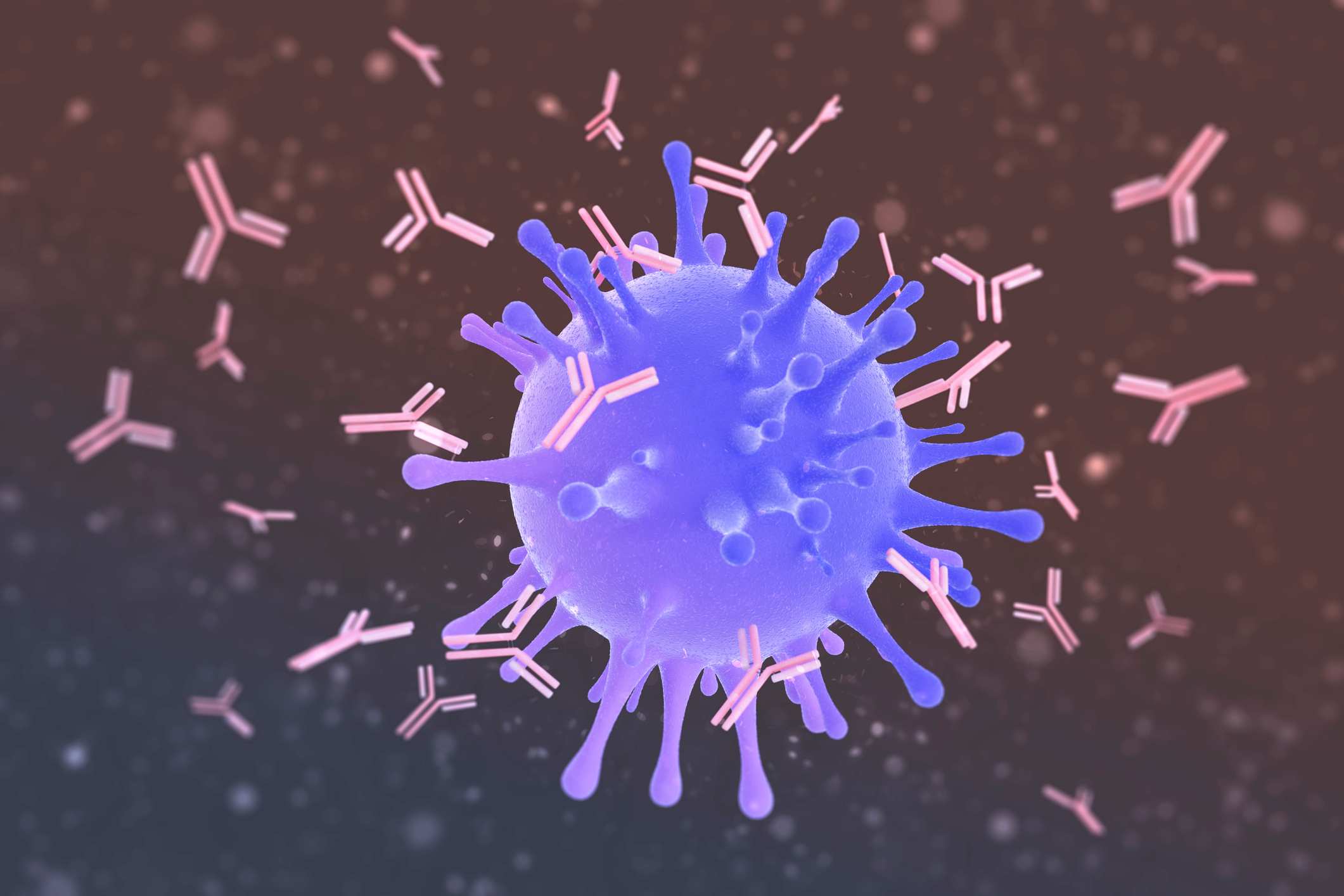
Research on passive antibodies to combat Omicron | Is Transient Ischaemic Attack an obsolete term? | Treating blood pressure may affect blood flow to the brain? | How hormones and hypertension are related
Assessing the continuing ability to treat COVID-19 with antibody infusions. | A 'temporary stroke' means people get the signs of a stroke but the symptoms go away it's a called a Transient Ischaemic Attack - but that could be a misnomer. | If you have high blood pressure and lifestyle controls are not helping - by how much should pressure be reduced? | Primary aldosteronism (PA) is a hormonal cause of high blood pressure; it's treatable and there's a simple test.
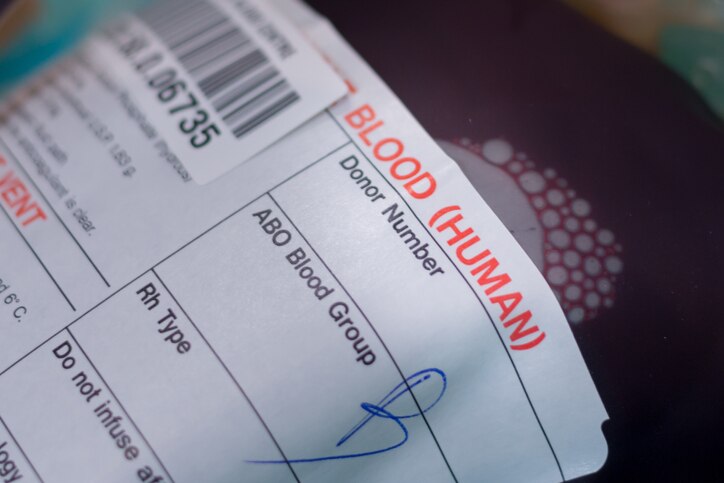
The changing demographic of blood groups; diet to ease MS; relationship of mental health and dementia
What we know about the diversity of blood group types in Australia has just been updated—it reflects patterns in immigration. And we discuss the potential benefits of modifying diet to treat multiple sclerosis. And whether mental health issues may raise the risk of cognitive decline.

Japanese Encephalitis vectors; climate change and effect on health; archival heart transplant; and data behind decreased heart attacks
Japanese Encephalitis (JEV) is common in Asia but now causing concern in Australia. The rise of JEV in Australia happened when the Intergovernmental Panel on Climate Change (the IPCC) were reporting on climate change—a key aspect of which was the effect of climate on health. There's unique archival audio from the 1980s of the surgeon who performed a heart transplant operation on Baby Fae - using a baboon heart. And the records of 80 million people have been assessed to see why there are now less deaths from heart attack.

Out of pocket health costs; faecal microbiome transplants; stomas
Australia is lucky to have free healthcare services—but there can be big gaps in who receives it; reports on two people with bipolar disorder finding benefit from a faecal microbiota transplant; and how stomas help the intestine heal.
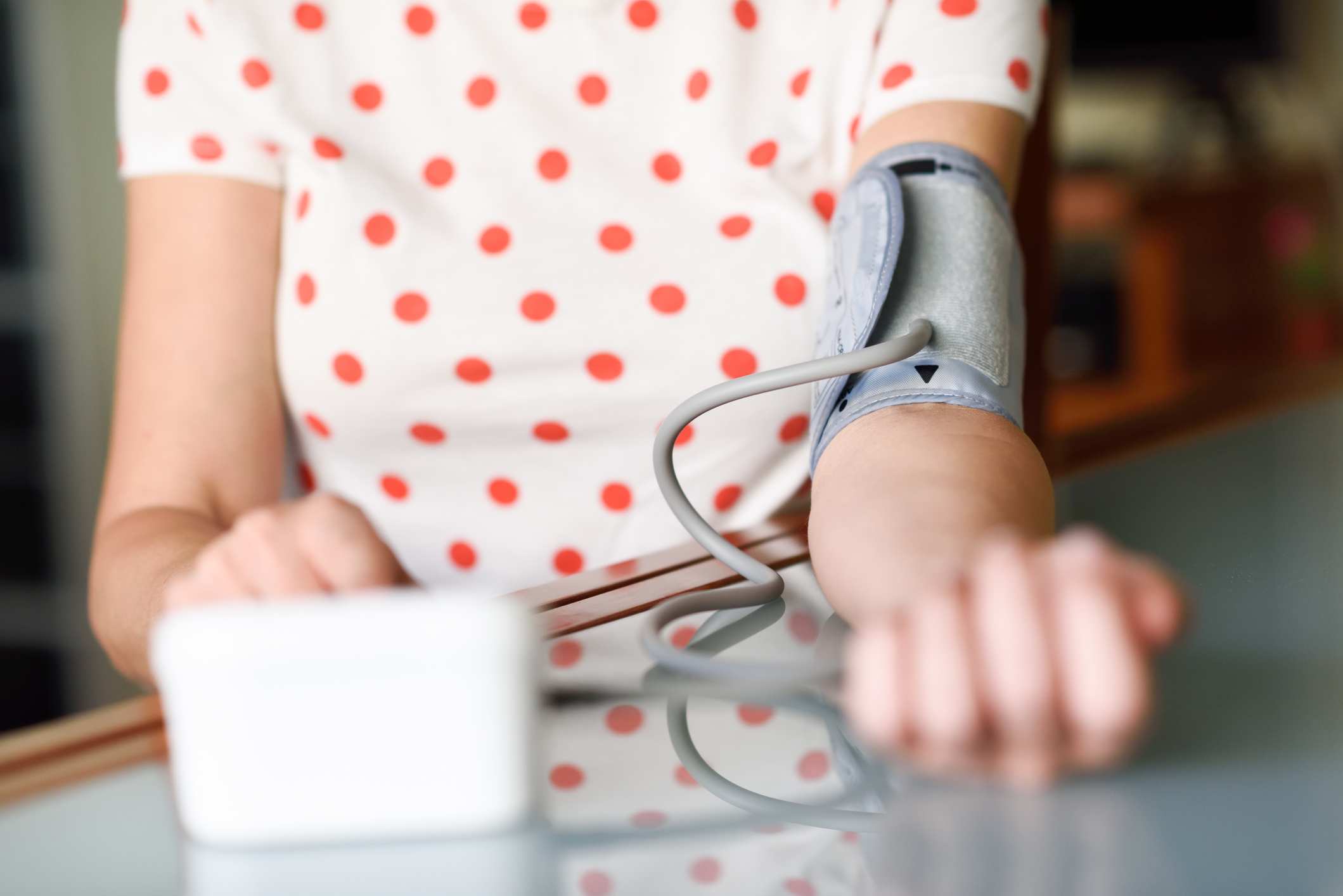
COVID didn't come from a lab; can you trust blood pressure monitors; your preference for more—or perhaps less—health care; studying concussion and head knocks
Two recent scientific publications show that the pandemic originated in the Huanan Wholesale Seafood Market, in Wuhan, China. The publications are not yet peer reviewed but seem to put paid to the theory that the virus escaped from a Wuhan virology lab.
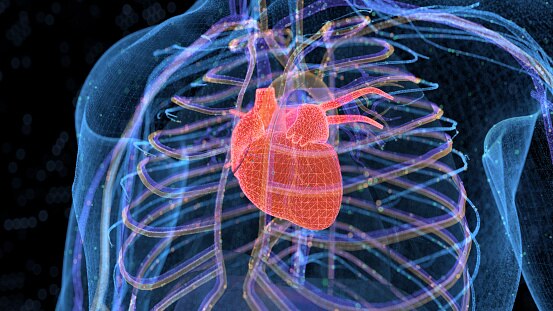
Developments in heart transplants; Achilles tendon rupture intel; and cardiomyopathy in meth users
An Achilles tendon rupture is sometimes heard as a loud 'snap'—so then what? And how the cardiologists are developing new devices for heart transplants; And the complexity of treating cardiomyopathy in methamphetamine users.
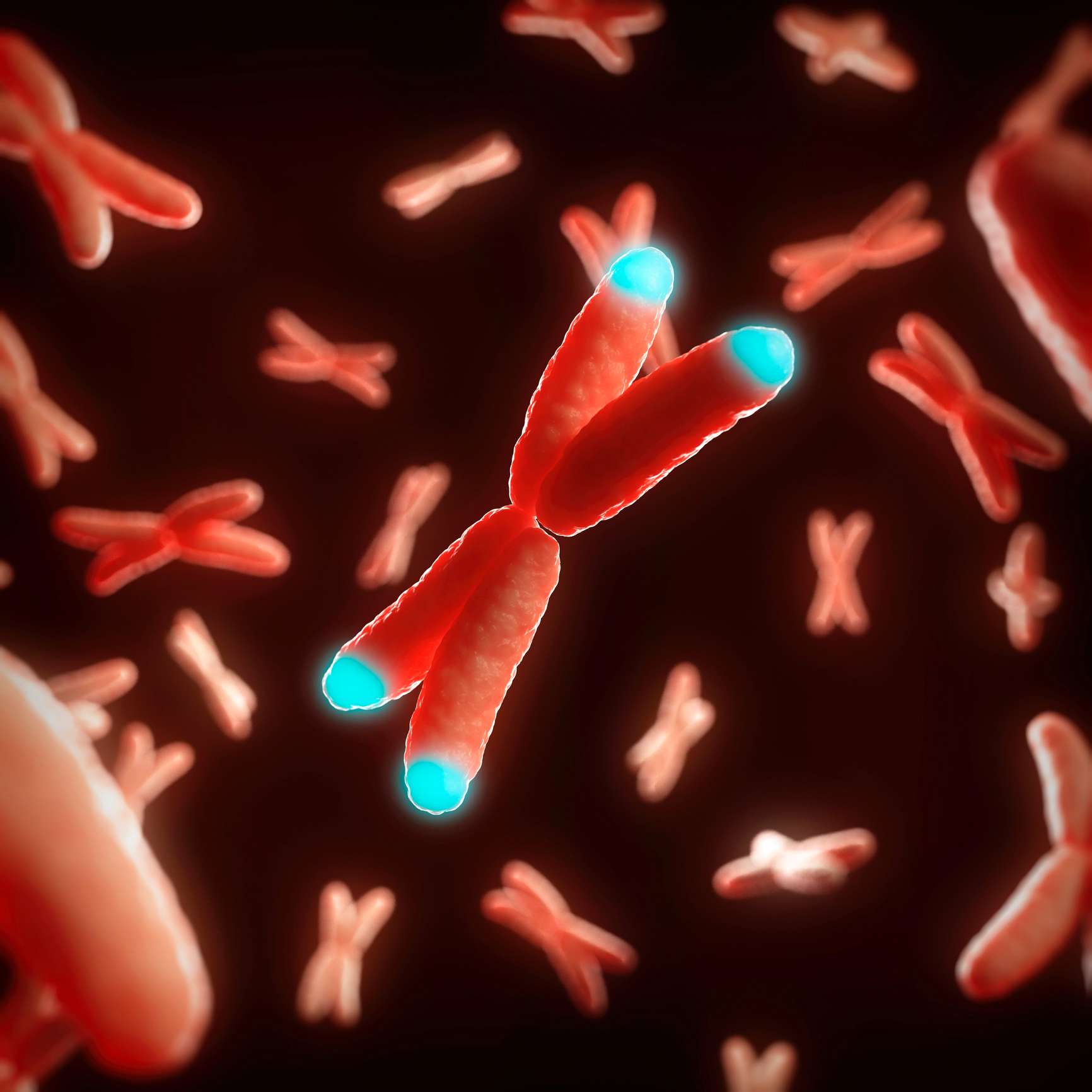
Living younger for longer; tingles as intervention for anxiety; finding pancreatic cancer early
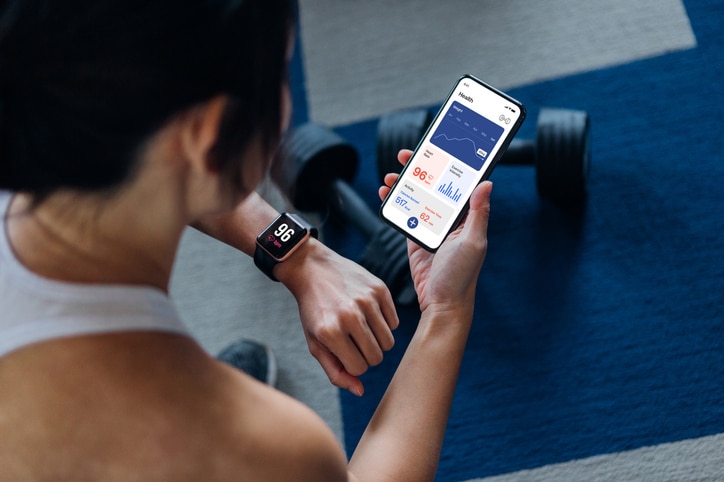
Tech and physical activity; Insomnia and depression; Retinal age; and early intervention as treatment for BPD