Healing Horses with Elisha
104 episodes — Page 3 of 3
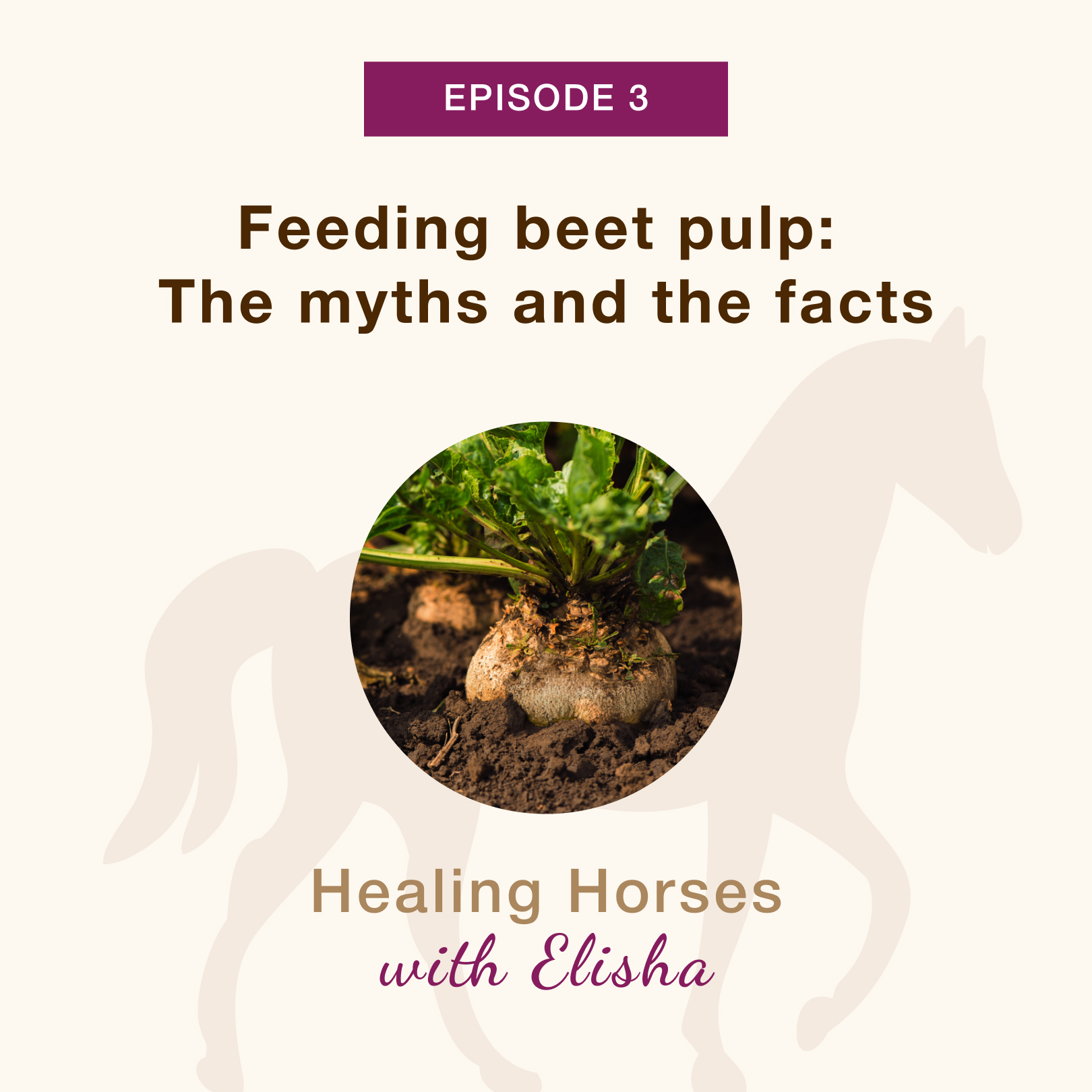
Ep 303: Feeding Horses Beet Pulp – the Myths and Facts
The use of beet pulp in equine diets has sparked a wave of controversy, igniting fiery debates and arguments within the equestrian community. There are many myths and misconceptions surrounding the use of beet pulp, and people want to know if it is safe and beneficial for their horses or if it could be harmful. In this episode, I share safe feeding practises and explain what you need to watch out for when feeding beet pulp to your horse to help you decide whether or not it will benefit your horse.Understanding Beet PulpContrary to common misconceptions, beet pulp is not a high-sugar feed. It is primarily the fibrous material left behind after sugar extraction. It has an 18% crude fiber content that includes insoluble and soluble components, with a significant amount of pectin. Pectin is highly digestible and easily absorbed by horses, making beet pulp an exceptional source of dietary fiber. Given the importance of gut health and digestion, beet pulp offers a viable option for horses that require additional fiber, detoxification support, and improved microbial balance.Debunking Sugar MythsConcerns about sugar content often overshadow the benefits of beet pulp. While it originates from the sugar beet industry, beet pulp is not inherently high in sugar. It is essential to distinguish between sugar content and the glycemic index, which measures how carbohydrates affect blood glucose levels after consumption. The fiber in beet pulp mitigates its glycemic index, making it a suitable option for sugar-sensitive horses. Pelleted beet pulp, for example, ranks at approximately 69 on the glycemic index scale, well below the 100-mark set by oats. By soaking and rinsing beet pulp, the glycemic index can be further reduced to about 34, making it a crucial consideration for exceptionally sugar-sensitive horses. Concerns about Toxicity and GMOsThere are some concerns regarding the potential toxicity of beet pulp. Yet those issues largely depend on the manufacturing process and supplier practices. Chemicals used to remove beet tops, inorganic iron content, and soil mineral composition are all factors that affect the toxicity risks of beet pulp. Conducting thorough research and selecting reputable suppliers allows horse owners to minimize those concerns. The debate surrounding genetically modified organisms has prompted a growing demand for non-GMO beet pulp. Horse owners can find those products through diligent research or networking with fellow equestrians. Even though some concerns exist, the overall health benefits of the fiber content of beet pulp outweigh the potential toxicity issues, particularly when focusing on gut health and detoxification.Feeding Practices To Ensure Safe ConsumptionChoking is a concern when feeding horses beet pulp, especially when it is served dry or inadequately soaked, so proper feeding practices are essential to ensure safe consumption. Beet pulp can expand up to four times its volume, necessitating a four-to-one ratio of water to beet pulp during soaking. Soaking for two and a half to three hours, preferably with warm water, facilitates this process and prevents the pulp from absorbing vital fluids from the horse's digestive tract. I recommend a cautious approach for horses with compromised gut health or a history of digestive issues, starting with small quantities of soaked beet pulp and gradually increasing it to ensure their digestive systems can adapt. While choking incidents are rare, proactive soaking and proper feeding practices can mitigate this risk.Is Beet Pulp a Valuable Addition to Equine Nutrition?Beet pulp does emerge as a valuable addition to equine nutrition. Despite the ongoing debates and concerns, the potential benefits of beet pulp for digestive health, microbial balance, and detoxification remain substantial. Beet pulp provides a safe source of dietary fiber, especially for horses requiring additional support. However, horse owners must still exercise caution regarding toxicity and GMO concerns. Ultimately, the overall benefits of beet pulp outweigh the potential risks, and it remains a valuable option for promoting the well-being of a broad spectrum of horses.Links and resources:Connect with Elisha Edwards on her website

Ep 202: Three Mindset Tips for Your Horse’s Recovery
Owning a horse is a demanding journey that can severely test our emotional resilience! Confronting health issues like chronic laminitis, COPD, PPID, or behavioral concerns with our equine partners can stir up a whirlwind of emotions that can significantly influence the way we make our decisions. Yet, regrettably, there is little support available out there. So, in this episode, I will explore the importance of mindset for horse owners.I firmly believe that working on your mindset can profoundly impact all aspects of your life. Join me today to discover the crucial role mindset plays in equine care and learn how working on it can help you overcome any challenges you may encounter with your horse.Understanding the Mind-Body Connection Mindset is a powerful force rooted in our thoughts, emotions, feelings, and beliefs that influence our everyday lives and shape our approach to equine health. A single thought has the potential to impact our entire physical well-being, even raising our blood pressure. In horses, those thoughts can lead to detrimental beliefs. So, we must become more aware of how our thoughts influence our emotions and actions.Harnessing the Energy of Thoughts and Emotions Thoughts are like energy, and emotions represent that energy in motion. With their extensive energy fields, horses perceive our thoughts and emotions, directly influencing their health and vitality. So, we must be mindful of the signals we are sending.Distinguishing Low and High Vibration EmotionsLow-vibration emotions, like fear, worry, anger, jealousy, shame, guilt, and grief, can hinder healing and lead to stress, inflammation, and negative behaviors. However, high-vibration emotions, like love, joy, peace, acceptance, inspiration, and confidence, can promote healing and strengthen your bond with your horse.Mindset Tips for a Positive Equine Health Journey: 1. Avoid Catastrophizing: Don't jump to worst-case scenarios when facing health challenges. Focus instead on the outcome you desire. Setting clear intentions can help you direct your energy positively.2. Make Informed, Not Emotional Decisions: Emotions can cloud judgment, and heightened emotional states can lead to poor decision-making. Recognizing your emotional triggers will enhance your emotional intelligence and help you differentiate between your emotions and those of your horse.3. Distinguish Your Emotions from Those of Your Horse: You must separate your emotional baggage from the reality your horse experiences. Projecting your emotions could exacerbate your horse's health issue. Avoid doing that and learn to recognize which emotions are coming from your horse and which emotions belong to you.Embracing a Positive MindsetEmbracing a positive mindset can enhance your life and the healing journey of your horse. Understanding the power of your thoughts and emotions will allow you to create an environment conducive to healing, growth, and mutual well-being.Horses Are Emotional MirrorsHorses have emotional intelligence and an uncanny ability to sense our emotions. They inherently come from a place of service, always eager to assist and support us. However, they can also absorb our stress, anger, grief, and frustration. When already grappling with a chronic or severe health problem, taking on our emotional baggage will hinder their progress. Being accountable for your emotional state is essential during your healing journey.Be the Emotional LeaderYou must be the emotional leader of your horse, especially when dealing with health issues characterized by ups and downs, such as COPD and allergies. Horses yearn for consistency, clarity, and security and rely on us for emotional stability. Being a constant source of emotional strength will help you guide your horse toward its recovery.Realistic Expectations for RecoveryHealing is a gradual process, especially for horses with chronic health challenges. Steady progress is more valuable than abrupt change, and setting achievable and realistic healing goals is essential. Being clear about your objectives can offer your horse the same clarity and instill a sense of security and stability.Decisive LeadershipHorses require consistent leadership that includes confident decision-making. Making informed choices can lead to better results for you and your horse, while indecision can hinder their progress. Your horse looks to you for guidance, and its health journey will benefit from your consistent approach.Avoiding Emotional InstabilityHorses do not appreciate unpredictability or frequent changes in your emotional state. Your emotional stability contributes to your horse's security and their emotional stability and helps minimize stress, which could suppress its immune system and cause inflammation.Mitigating StressHorses can detect stress with astonishing precision, even by scent. Your high stress levels can make your horse worry about whether you can protect it. Stress suppresses the immune syst
Ep 101: The Principles of Holistic Horse Health
I am delighted to bring you the second episode of the Healing Horses with Elisha podcast today! Significant differences exist between the holistic and allopathic health models, and both have their merits. However, when making decisions, it is essential to grasp the reasons behind your choices and how they will impact your horse to ensure the best possible care and outcomes. In this episode, we explore the principles of holistic horse health, understanding why they are crucial and how they shape our decisions. Join me as we embark on this journey to empower your choices and enhance the health and wellness of your horse!Holistic Horse Health Principles: Body, Mind, and SpiritIn the holistic model, it is essential to consider every aspect of the horse, encompassing body, mind, and spirit. Often in the horse world, we encounter physical symptoms, such as skin conditions with underlying emotional stress and other factors like laminitis. Although it is easy to separate each issue, the holistic approach recognizes the interconnectedness of body, mind, and spirit in equine health.Addressing All Dimensions By addressing all dimensions simultaneously, we can better understand and treat the root causes of issues rather than just their symptoms.Each Horse is Unique: Individualized CareNo two horses are exactly alike. Each horse possesses a unique genetic blueprint, history of stressors, stress tolerance, and nutrition history. Some may have experienced malnutrition or chronic infections, leading to varying degrees of nutrient deficiencies and toxicity levels.A successful holistic approachA successful holistic approach recognizes those individual differences and tailors care plans accordingly. Standardizing horse healthcare for all would be impractical. That is why effective health strategies for horses are customized to suit the specific needs of each horse.Identifying Underlying Causes: Stress, Nutrition, ToxicityWith holistic equine health, we must uncover and address the underlying causes of health challenges. Stress, a common culprit, can manifest as various physical issues such as laminitis, skin conditions, or immune system problems. Nutrient deficiencies are prevalent, especially in horses on hay diets, and toxicity can accumulate over time from medications, infections, and environmental factors.Targeting the Underlying CausesRecognizing and targeting those underlying causes is essential for effective holistic care and preventing chronic conditions.Holistic Modalities for Equine HealthThere are several holistic modalities to improve horse health, including dietary adjustments, lifestyle changes, emotional health support, proper hoof care, therapeutic nutrition, herbal remedies, homeopathy, energy work, and bodywork like Reiki and acupuncture. Holistic approaches tap into the physical intelligence of the horse, which orchestrates a multitude of bodily functions to maintain health.Chronic ConditionsChronic conditions often result from dietary and lifestyle factors, making proactive nutritional changes crucial. Symptoms are expressions of imbalance, and disease signals an opportunity to restore equilibrium, highlighting the importance of early intervention.Viewing Disease as a Communication ToolRather than viewing disease as a disaster, it is valuable to consider it as the way a horse communicates that something is amiss. Early signs of imbalance might go unnoticed, but the physical chemistry begins to shift long before any visible symptoms emerge. Recognizing those signals and taking immediate action to improve nutrition, reduce stress, and eliminate toxins can prevent or manage many equine health issues.Taking Proactive StepsI want to emphasize the importance of taking proactive steps in caring for your horse. I advise you not to wait to improve nutrition, reduce stress levels, and eliminate toxins from the body because the sooner you embark on a holistic approach, the better your chances of long-term health and vitality for your horse. So, whether or not you have seen any signs, there is still much you can do through diet, nutrition, and natural remedies. I sincerely hope today's discussion has provided a clearer understanding of holistic principles. As we continue this podcast journey, we will delve into more topics and ideas to help you make informed decisions and promote the well-being of your equine companion. I look forward to having you join us again soon! Links and resources:Connect with Elisha Edwards on her website Mentioned in this episode:Learn the 4 Steps to Resolving Metabolic Syndrome NaturallySign up for the FREE masterclass today!Masterclass
Introducing Elisha Edwards and the Healing Horses Podcast
trailerWelcome to the Healing Horses Podcast! I’m Elisha Edwards and this is where I share insights into holistic and natural horse healthcare, derived from my unique upbringing and professional background in both allopathic and holistic health modalities. My approach is centered around identifying the root causes and imbalances in horses’ health, exploring the transformative effects of balanced diets, lifestyle adjustments, and natural medicine. I emphasize the role of proper nutrition and natural remedies like herbs and homeopathy, addressing the unique needs of each horse to restore and maintain their well-being. Through this podcast, I aim to empower you with the knowledge to make informed and stress-free decisions for your horses' health, focusing on both preventive and curative solutions for physical and emotional imbalances. My hope is that this shared knowledge will help in fostering holistic well-being in horses, allowing them to thrive in body, mind, and spirit.Resources:Free WebinarWebsite