Healing and Human Potential Podcast
Vipin Panwar
Show overview
Healing and Human Potential Podcast has published 14 episodes during 2026. That works out to roughly 8 hours of audio in total. Releases follow a several-times-a-week cadence.
Episodes typically run twenty to thirty-five minutes — most land between 32 min and 39 min — and the run-time is fairly consistent across the catalogue. None of the episodes are flagged explicit by the publisher. It is catalogued as a EN-language Health & Fitness show.
There hasn’t been a new episode in the last ninety days; the most recent episode landed 6 months ago. Published by Vipin Panwar.
From the publisher
Healing and Human Potential Podcast Unlock the power of healing, resilience, and human potential with The Inner Horizon. This podcast is your guide to overcoming challenges, transforming pain into growth, and discovering the limitless strength within. Each episode combines inspiring personal stories, expert insights from psychology and wellness, and practical tools you can use right away to nurture your mind, body, and spirit.Whether you’re navigating stress, rebuilding after setbacks, or simply seeking deeper meaning, The Inner Horizon offers a safe space to explore the journey of self-discovery. We dive into topics like emotional awareness, resilience, forgiveness, mindfulness, and the science of personal growth—always with a focus on real-world practices that help you thrive.Listeners will walk away with actionable exercises, fresh perspectives, and renewed hope for what’s possible. Healing isn’t just about recovery—it’s about unlocking your full human potential. Join us weekly as we shine a light on the path to growth, one story and one practice at a time.
Latest Episodes
Connection - The Bonds That Give Life Meaning
Balance - The Harmony That Sustains Us
Resilience in Nature - Lessons from the Living World
Creativity - The Spark That Ignites Transformation
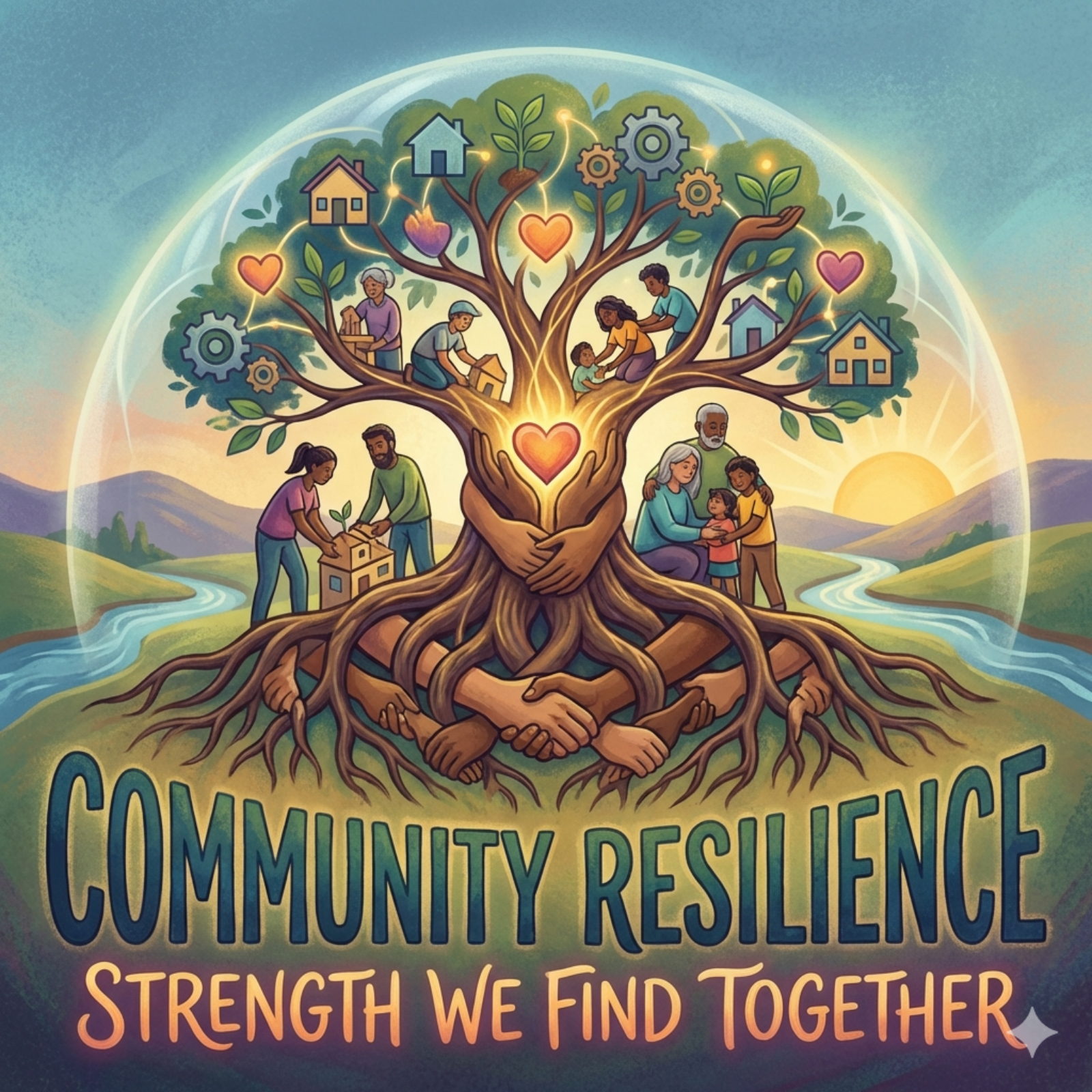
S1 Ep 10Community Resilience - Strength We Find Together
Discover how communities can heal, adapt, and thrive through resilience. In this episode, we explore the science of community resilience, inspiring stories of collective strength, and practical exercises to help you build stronger connections.Introduction: Why Community Resilience MattersResilience is often seen as an individual trait, but it’s also collective. Communities can withstand hardship, rebuild after crisis, and thrive when people support one another. Community resilience is about connection, cooperation, and shared hope.The Science of Community ResilienceResearch shows that communities with strong social bonds recover faster from disasters and maintain better mental health. Sociologists define community resilience as the collective ability to adapt, recover, and grow after challenges.Community Resilience and HealingHealing often requires awareness, resilience, forgiveness, mindfulness, gratitude, compassion, hope, joy, and purpose—but community resilience ties them together. Communities provide networks of care, reminding us we are not alone.Stories of TransformationIn this episode, you’ll hear stories of communities that found strength together. One guest shares how a town rebuilt after disaster through cooperation. Another describes how support circles in neighborhoods created resilience during hardship.Practical Community Resilience ExercisesThis episode equips you with actionable practices:Build Connections: Reach out to neighbors, colleagues, or friends.Share Resources: Offer what you can—time, skills, or support.Create Support Circles: Form small groups that check in regularly.Celebrate Together: Joy and gratitude strengthen bonds.Plan Collectively: Work with others to prepare for challenges.Resilience grows when communities act together. Each connection strengthens the fabric.Community Resilience in Different ContextsCommunity resilience can be practiced anywhere:At Work: Collaboration fosters resilience and reduces burnout.In Neighborhoods: Support networks strengthen bonds.In Healing: Communities provide care and nurture growth.In Daily Life: Shared rituals and celebrations build resilience.Community resilience is universal. It’s available in every moment, no matter the circumstance.The Spiritual DimensionAcross cultures and religions, community resilience is seen as sacred. In Christianity, resilience is expressed through service and fellowship. In Buddhism, resilience aligns with compassion and mindfulness. In Hinduism, resilience is woven into collective rituals and devotion.Common Myths About Community ResilienceWe also address misconceptions:Myth 1: Resilience is individual.Truth: Resilience is collective—it grows through connection.Myth 2: Communities must be perfect to be resilient.Truth: Resilience thrives in imperfection—it’s about adaptation.Myth 3: Resilience only matters in crisis.Truth: Resilience strengthens communities every day.Call to ActionCommunity resilience is not just a concept—it’s a practice. Each act of connection strengthens bonds, deepens trust, and unlocks human potential.
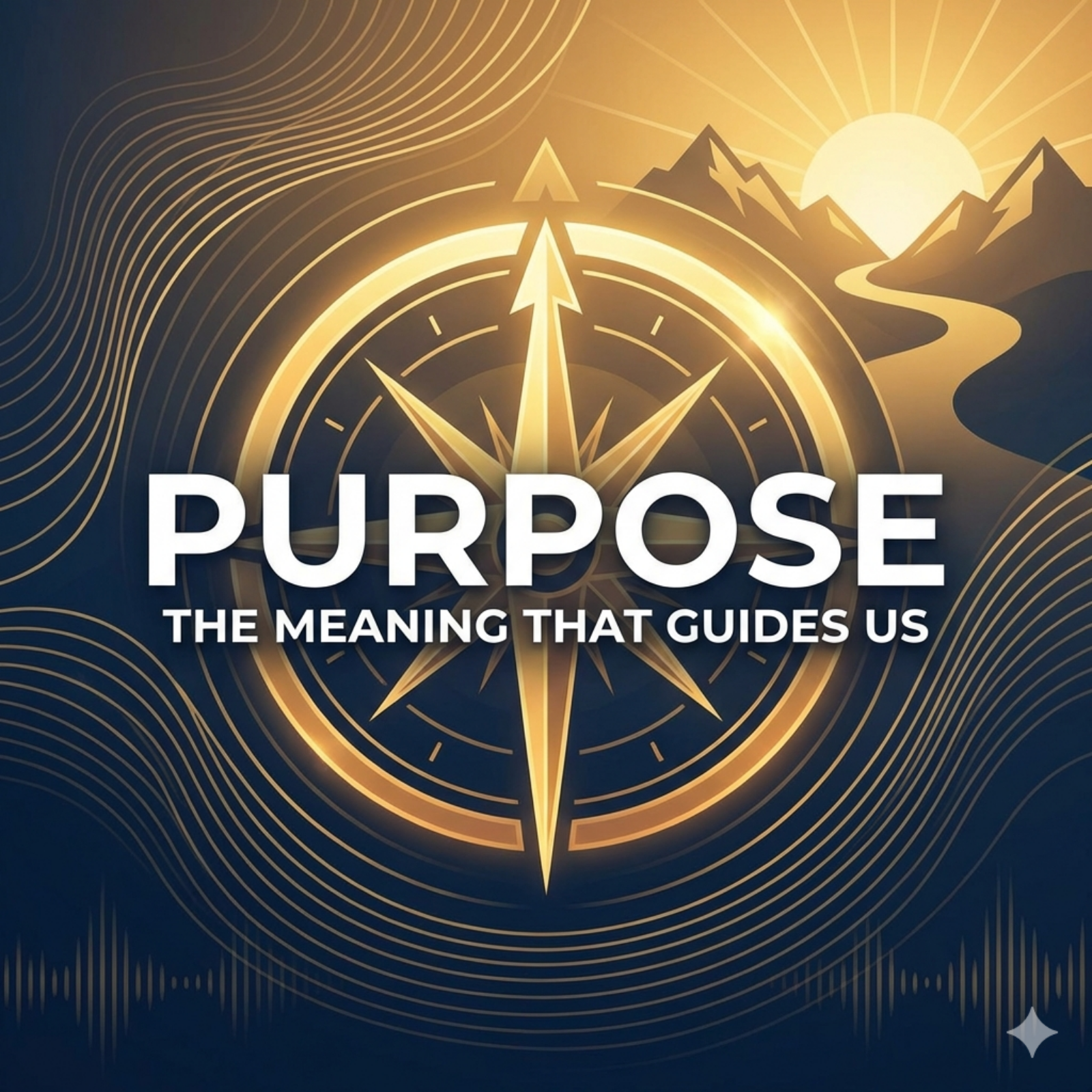
S1 Ep 9Purpose - The Meaning That Guides Us
Discover how purpose can bring clarity, resilience, and fulfillment to your life. In this episode, we explore the science of purpose, inspiring stories of meaning, and practical exercises to help you uncover and live your purpose. 👉 Listen now to align with your values, strengthen your direction, and unlock your human potential.Introduction: Why Purpose MattersPurpose is more than ambition or achievement. It’s the deeper meaning that guides our journey, the compass that points us toward true north. Purpose gives direction to effort, clarity to choices, and resilience in hardship.The Science of PurposeResearch shows that purpose has measurable effects on well-being. Psychologists define purpose as the sense that your life has meaning and direction. People with a strong sense of purpose live longer, experience less stress, and feel more fulfilled.Purpose and HealingHealing often requires awareness, resilience, forgiveness, mindfulness, gratitude, compassion, hope, and joy—but purpose ties them together. Purpose gives meaning to healing, reminding us why we keep going.Stories of TransformationIn this episode, you’ll hear stories of individuals who found freedom through purpose. One guest shares how volunteering gave them meaning after retirement. Another describes how aligning daily actions with values transformed their sense of fulfillment.Practical Purpose ExercisesThis episode equips you with actionable practices:Identify Your Values: Write down three values that matter most to you.Connect Actions to Values: Ask yourself: How do my daily choices reflect these values?Set a Purpose Statement: Write a simple sentence like: “My purpose is to create, to connect, and to inspire.”Take One Step: Choose one action today that aligns with your purpose.Reflect Weekly: Ask: Did my actions this week reflect my purpose?Purpose in Different ContextsPurpose can be practiced anywhere:At Work: Purpose fuels motivation and creativity.In Relationships: Purpose strengthens bonds and fosters resilience.In Healing: Purpose sustains progress and nurtures growth.In Daily Life: Purpose turns ordinary routines into meaningful experiences.The Spiritual DimensionAcross cultures and religions, purpose is seen as sacred. In Christianity, purpose is tied to calling and service. In Buddhism, purpose aligns with compassion and mindfulness. In Hinduism, purpose is woven into dharma—living in harmony with truth.Common Myths About PurposeWe also address misconceptions:Myth 1: Purpose is fixed.Truth: Purpose evolves with us.Myth 2: Purpose must be grand.Truth: Purpose can be found in small acts of kindness, creativity, or service.Myth 3: Purpose is only about career.Truth: Purpose is about values—it can be expressed anywhere.Call to ActionPurpose is not just a feeling—it’s a practice. Each moment of alignment strengthens resilience, deepens connection, and unlocks human potential.👉 Tune in now to The Inner Horizon Episode 9: Purpose — The Meaning That Guides Us. Learn how to uncover your purpose, align with your values, and live more fully.

S1 Ep 8Joy - Celebrating Life in Small Moments
Discover how joy can uplift your spirit, strengthen resilience, and unlock your human potential. In this episode, we explore the science of joy, inspiring stories of celebration, and practical exercises to help you cultivate joy in everyday life. 👉 Listen now to embrace joy, savor small moments, and live more fully.Introduction: Why Joy MattersJoy is often mistaken for fleeting happiness, but it’s much deeper. Joy is a practice, a perspective, and a way of living. It’s about noticing beauty, savoring gratitude, and celebrating life—even in small, ordinary moments.The Science of JoyPositive psychology research shows that joy has measurable effects on mental and physical health. Joy increases dopamine and serotonin, the brain’s “feel-good” chemicals, while reducing stress hormones.Joy and HealingHealing often requires awareness, resilience, forgiveness, mindfulness, gratitude, compassion, and hope—but joy sustains it. Joy reminds us that healing isn’t just about overcoming pain—it’s about living fully.Stories of TransformationIn this episode, you’ll hear stories of individuals who found freedom through joy. One guest shares how savoring small moments helped them manage stress. Another describes how joy rituals in family life created resilience during hardship.Practical Joy ExercisesThis episode equips you with actionable practices:Joy Journal: Write down one joyful moment each day.Savoring Pause: When something good happens, pause for 30 seconds and fully experience it.Share Joy: Tell someone about a joyful moment—it multiplies when shared.Create Joy Rituals: Build small traditions, like a weekly walk, a gratitude toast, or a morning stretch.Micro-Moments of Joy: Notice small pleasures—birds singing, a warm drink, a kind word.These practices are simple yet powerful. They don’t require grand celebrations—just moments of presence.Joy in Different ContextsJoy can be practiced anywhere:At Work: Joy boosts creativity and collaboration.In Relationships: Joy deepens connection and intimacy.In Healing: Joy sustains progress and nurtures resilience.In Daily Life: Joy turns ordinary routines into extraordinary experiences.Joy is universal. It’s available in every moment, no matter the circumstance.The Spiritual DimensionAcross cultures and religions, joy is seen as sacred. In Christianity, joy is a fruit of the spirit. In Buddhism, joy is part of mindful awareness. In Hinduism, joy is woven into devotion and celebration.Common Myths About JoyWe also address misconceptions:Myth 1: Joy means ignoring pain.Truth: Joy acknowledges pain while celebrating life alongside it.Myth 2: Joy is automatic.Truth: Joy is a practice—it grows with intention.Myth 3: Joy is only for good times.Truth: Joy is most powerful in difficulty.Call to ActionJoy is not just a feeling—it’s a practice. Each moment of joy strengthens resilience, deepens connection, and unlocks human potential.👉 Tune in now to The Inner Horizon Episode 8: Joy — Celebrating Life in Small Moments. Learn how to cultivate joy, savor small moments, and live more fully.
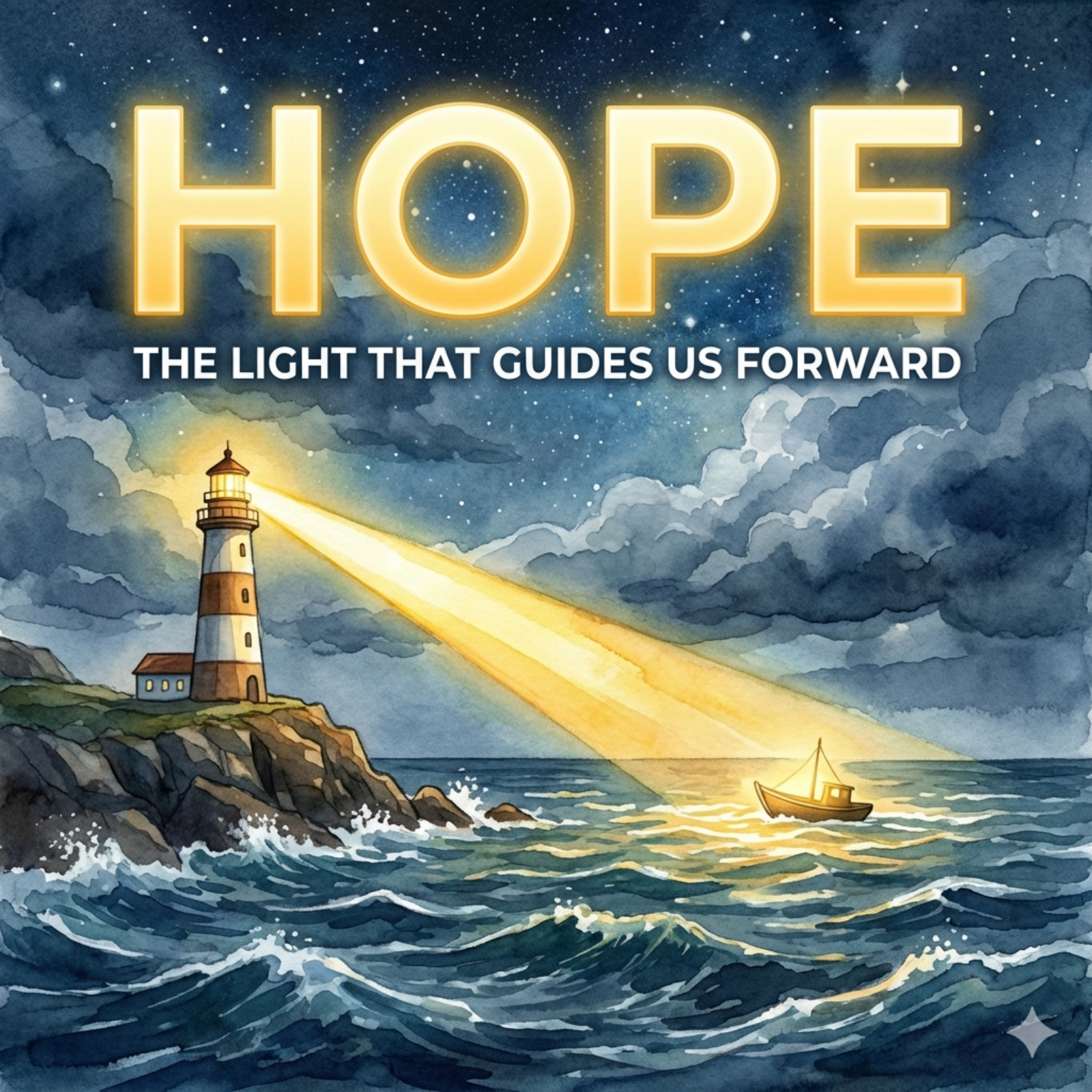
S1 Ep 7Hope - The Light That Guides Us Forward
Discover how hope can fuel resilience, inspire healing, and unlock your human potential. In this episode, we explore the science of hope, powerful stories of perseverance, and practical exercises to help you cultivate hope in everyday life. 👉 Listen now to embrace hope, strengthen your spirit, and keep moving forward even in uncertainty.Introduction: Why Hope MattersHope is more than wishful thinking. It’s a mindset, a belief in possibility, and the courage to keep moving even when the path feels unclear. Hope doesn’t erase challenges—it illuminates them, showing us that growth and healing are possible.The Science of HopeResearch shows that hope has measurable effects on mental health and resilience. Psychologist Charles Snyder’s “Hope Theory” defines hope as the combination of goals, pathways, and agency—the belief that we can find ways to achieve our goals and the motivation to pursue them.Hope and HealingHealing often requires awareness, resilience, forgiveness, mindfulness, gratitude, and compassion—but hope ties them together. Hope gives us the vision to keep going, even when progress feels slow.Stories of TransformationIn this episode, you’ll hear stories of individuals who found freedom through hope. One guest shares how setting small goals helped them overcome setbacks.Practical Hope ExercisesThis episode equips you with actionable practices:Set Small Goals: Choose one achievable step toward something important.Visualize Success: Imagine yourself reaching that goal. Notice how it feels.Identify Pathways: Write down two or three ways you could move closer to that goal.Affirm Hope: Repeat a statement like: “I believe in possibilities. I trust the path ahead.”Hope Journal: Record moments when you felt hopeful, no matter how small.These practices strengthen hope by combining vision with action.Hope in Different ContextsHope can be practiced anywhere:At Work: Hope fuels motivation and creativity.In Relationships: Hope strengthens bonds and fosters resilience.In Healing: Hope sustains progress and nurtures growth.In Daily Life: Hope turns ordinary challenges into opportunities.Hope is universal. It’s available in every moment, no matter the circumstance.The Spiritual DimensionAcross cultures and religions, hope is seen as sacred. In Christianity, hope is a cornerstone of faith. In Buddhism, hope aligns with the belief in transformation. In Hinduism, hope is woven into devotion and perseverance.Common Myths About HopeWe also address misconceptions:Myth 1: Hope is naïve.Truth: Hope is resilient—it acknowledges reality while believing in possibility.Myth 2: Hope is passive.Truth: Hope fuels action and persistence.Myth 3: Hope is only for good times.Truth: Hope is most powerful in difficulty.Call to ActionHope is not just a feeling—it’s a practice. Each moment of hope strengthens resilience, deepens connection, and unlocks human potential.👉 Tune in now to The Inner Horizon Episode 7: Hope — The Light That Guides Us Forward. Learn how to cultivate hope, fuel resilience, and keep moving forward even in uncertainty.
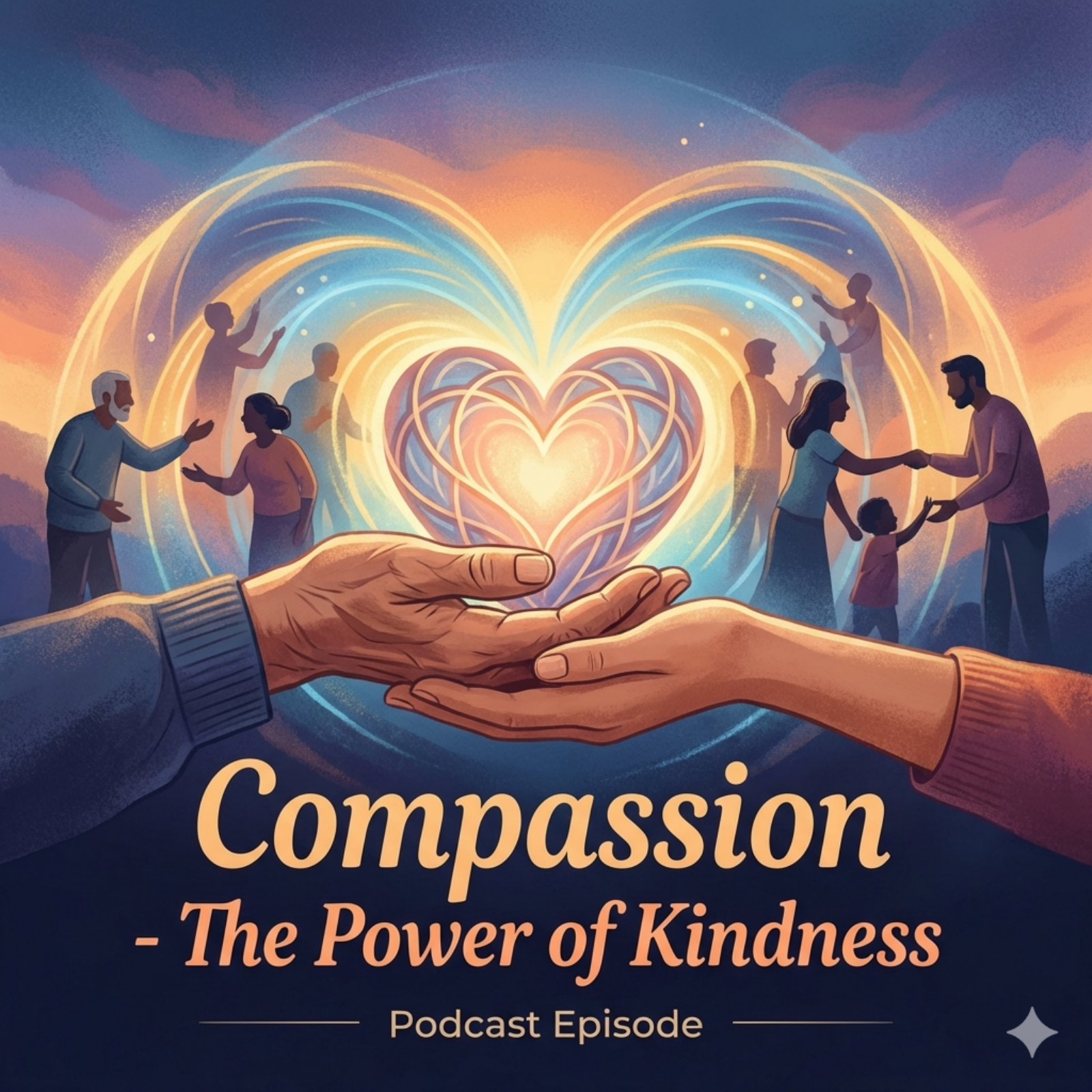
S1 Ep 6Compassion - The Power of Kindness
Discover how compassion can heal wounds, strengthen relationships, and unlock your human potential. In this episode, we explore the science of compassion, inspiring stories of kindness, and practical exercises to help you cultivate compassion for yourself and others. 👉 Listen now to embrace compassion, nurture connection, and transform your healing journey.Compassion is often misunderstood as simple kindness or pity. In reality, compassion is a powerful force—it’s the ability to notice suffering and respond with care. Compassion transforms how we relate to ourselves, to others, and to the world around us.In this episode of The Inner Horizon, we explore compassion as both a practice and a mindset. You’ll learn how compassion impacts mental health, hear stories of lives changed by kindness, and discover practical tools to cultivate compassion in everyday life.
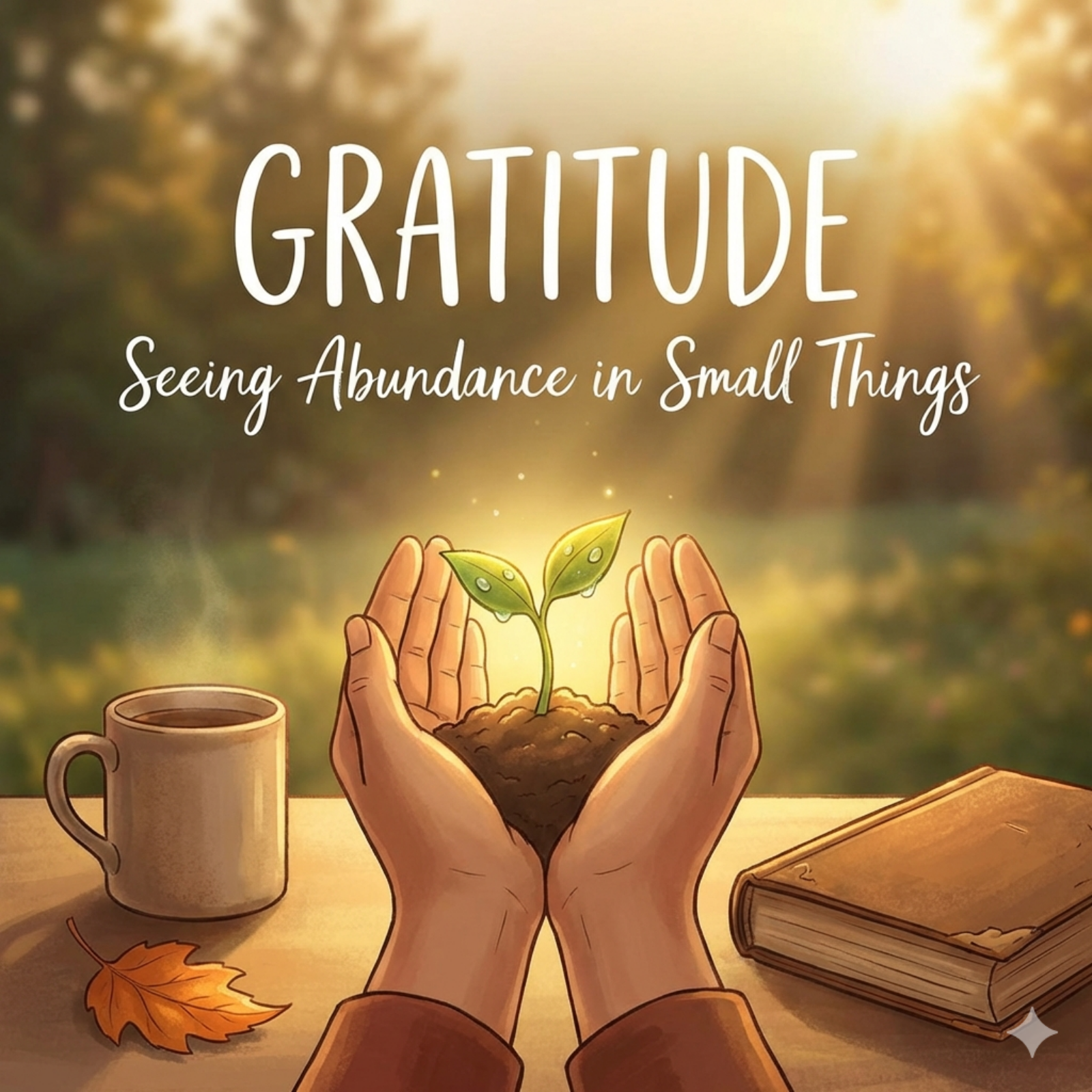
S1 Ep 5Gratitude - Seeing Abundance in Small Things
Discover how gratitude can transform your mindset, strengthen resilience, and unlock your human potential. In this episode, we explore the science of gratitude, inspiring stories of appreciation, and practical exercises to help you cultivate thankfulness every day. 👉 Listen now to embrace gratitude, reframe challenges, and find joy in the present moment.Gratitude is more than a polite “thank you.” It’s a mindset, a practice, and a way of seeing the world. When we choose gratitude, we shift our focus from what’s missing to what’s present. This shift doesn’t erase challenges, but it changes how we experience them. Gratitude helps us notice beauty in small things, find meaning in hardship, and strengthen our emotional resilience.In this episode of The Inner Horizon, we explore gratitude as a transformative practice. You’ll learn how gratitude impacts the brain, hear stories of people who found healing through appreciation, and discover simple exercises to bring gratitude into your daily life.
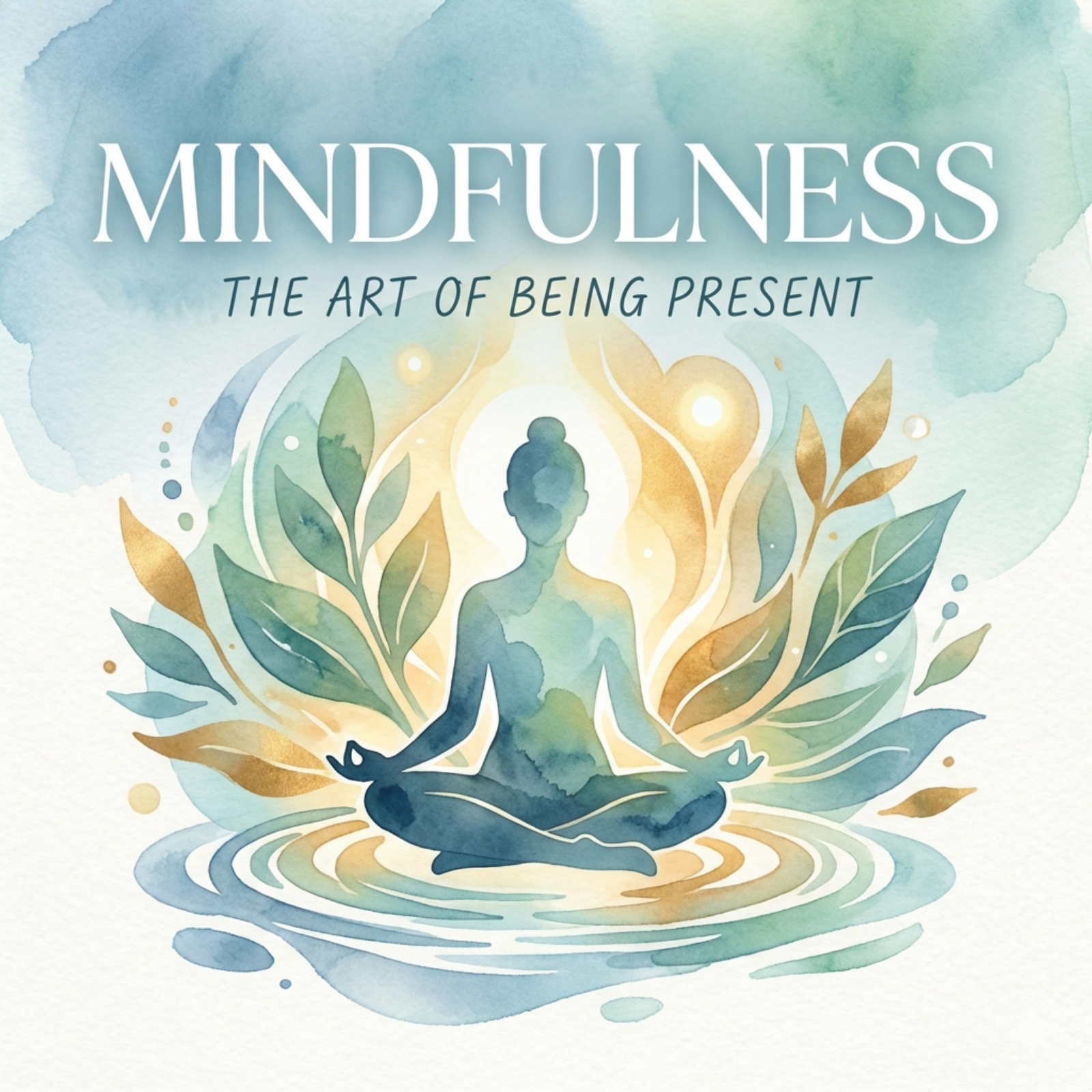
S1 Ep 4Mindfulness - The Art of Being Present
Introduction: Why Mindfulness MattersMindfulness has become a buzzword in wellness circles, but its roots stretch back thousands of years. At its core, mindfulness is the practice of paying attention—on purpose—to the present moment, without judgment. It’s not about escaping reality or silencing thoughts. Instead, it’s about arriving fully in the here and now.The Science of MindfulnessModern neuroscience confirms what ancient traditions have long taught: mindfulness changes the brain. Studies show that regular mindfulness practice increases activity in the prefrontal cortex (responsible for focus and decision-making) and decreases activity in the amygdala (the brain’s fear and stress center).Mindfulness and HealingHealing requires presence. When we’re stuck in the past, replaying regrets, or lost in the future, worrying about what’s next, we miss the opportunity to heal in the present moment. Mindfulness anchors us here, where healing actually happens.Stories of TransformationIn this episode, you’ll hear from a meditation teacher who has guided countless people through mindfulness practices. One story highlights a client who struggled with chronic anxiety. Through daily mindfulness exercises—just five minutes of breathing and noticing sensations—she learned to pause before reacting. Over time, her anxiety lessened, and she felt more grounded in her daily life.Practical Mindfulness ExercisesThis episode doesn’t just inspire—it equips you with tools. Here are some practices we share:Mindful Breathing: Spend two minutes focusing on your breath. Notice the inhale, the exhale, and the pause in between.Mindful Eating: Choose one meal to eat slowly, savoring each bite, noticing textures and flavors.Mindful Walking: Pay attention to each step, the rhythm of your movement, and the sensations in your body.Body Scan: Lie down and bring awareness to each part of your body, from head to toe, noticing tension and release.Daily Pause: Set a reminder to stop once a day, take three deep breaths, and notice your surroundings.Mindfulness in Different ContextsMindfulness can be practiced anywhere:At Work: Use mindfulness to manage stress, improve focus, and enhance creativity.In Relationships: Practice mindful listening to deepen connection and empathy.In Healing: Use mindfulness to notice emotions and create space for compassion.In Daily Life: Bring mindfulness to routine activities like brushing teeth, washing dishes, or commuting.The Spiritual DimensionWhile mindfulness is often taught as a secular practice, its roots are deeply spiritual. In Buddhism, mindfulness is part of the Eightfold Path. In Christianity, mindfulness aligns with contemplative prayer. In Hinduism, it connects to meditation and presence.Common Myths About MindfulnessWe also address misconceptions:Myth 1: Mindfulness means emptying your mind.Truth: Mindfulness is noticing thoughts, not eliminating them.Myth 2: Mindfulness takes hours of practice.Truth: Even two minutes of mindful breathing can make a difference.Myth 3: Mindfulness is passive.Truth: Mindfulness is active awareness—it helps you respond with clarity.
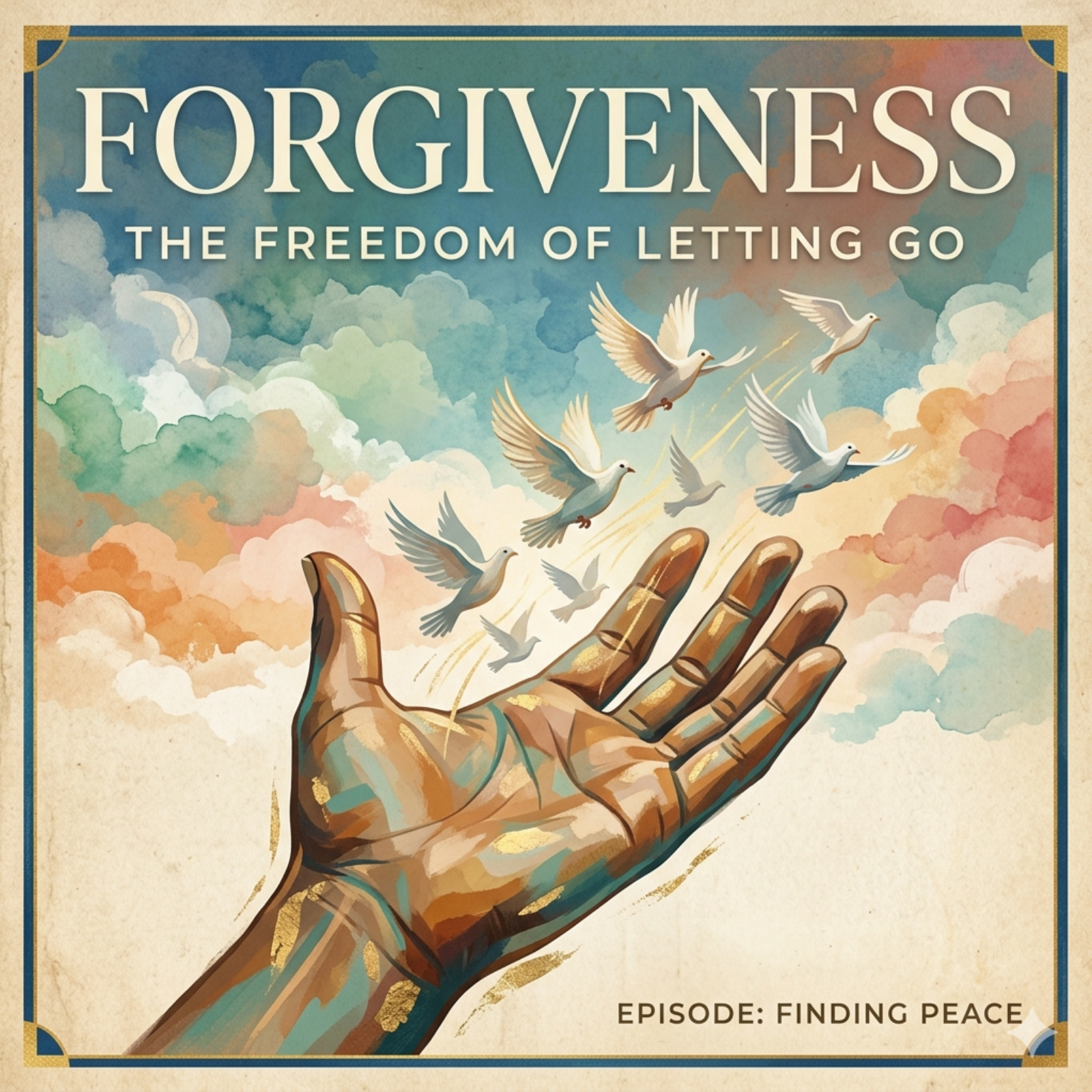
S1 Ep 3Forgiveness - The Freedom of Letting Go
Introduction: Why Forgiveness MattersForgiveness is one of the most misunderstood yet powerful tools for healing. Many people believe forgiveness means excusing harmful behavior or reconciling with someone who hurt them. In reality, forgiveness is about freedom. It’s about releasing yourself from the heavy burden of anger, resentment, and bitterness that can weigh down your spirit.The Psychology of ForgivenessResearch in psychology shows that holding onto resentment can increase stress, anxiety, and even physical health problems. Chronic anger elevates cortisol levels, disrupts sleep, and weakens the immune system. Forgiveness, on the other hand, has been linked to lower blood pressure, improved heart health, and greater overall well-being.Stories of TransformationIn this episode, you’ll hear inspiring stories of individuals who found freedom through forgiveness. One guest shares how forgiving a parent allowed them to break free from generational cycles of pain. Another describes how forgiveness after betrayal opened the door to deeper self-love and healthier relationships.These stories remind us that forgiveness is not about weakness—it’s about strength. It takes courage to confront pain, acknowledge hurt, and choose release. Each story illustrates how forgiveness is a turning point, a moment when healing truly begins.The Science Behind ForgivenessNeuroscience reveals that forgiveness rewires the brain. When we forgive, activity in the prefrontal cortex—the area responsible for empathy and decision-making—increases, while activity in the amygdala—the fear and anger center—decreases. This shift helps us regulate emotions, reduce stress, and cultivate compassion.Practical Tools for ForgivenessThis episode doesn’t just inspire—it equips you with actionable practices. Here are some exercises we share:Journaling the Hurt: Write down what happened, how it made you feel, and what you’ve carried because of it. Naming the pain is the first step toward release.Acknowledging Emotions: Allow yourself to feel anger, sadness, or disappointment without judgment. Suppressing emotions blocks healing.Choosing Release: Write a statement such as, “I choose to let this go, not because it was okay, but because I deserve peace.” Repeat it daily as an affirmation.Compassion Practice: Try to see the humanity in the person who hurt you. This doesn’t excuse their actions, but it helps soften the emotional grip.Self-Forgiveness: Sometimes the hardest person to forgive is ourselves. Practice self-compassion by acknowledging mistakes and choosing growth over guilt.Forgiveness vs. ReconciliationA key theme in this episode is the distinction between forgiveness and reconciliation. Forgiveness is internal—it’s about your peace. Reconciliation is external—it’s about rebuilding a relationship. You can forgive without reconciling. In fact, sometimes reconciliation is neither safe nor healthy.Forgiveness in Different ContextsWe also explore forgiveness in various contexts:Family: Breaking cycles of generational pain.Relationships: Healing after betrayal or heartbreak.Workplace: Letting go of resentment toward colleagues or leaders.Self: Releasing guilt and shame to embrace growth.Each context shows how forgiveness is universal. No matter where hurt arises, forgiveness offers a path forward.
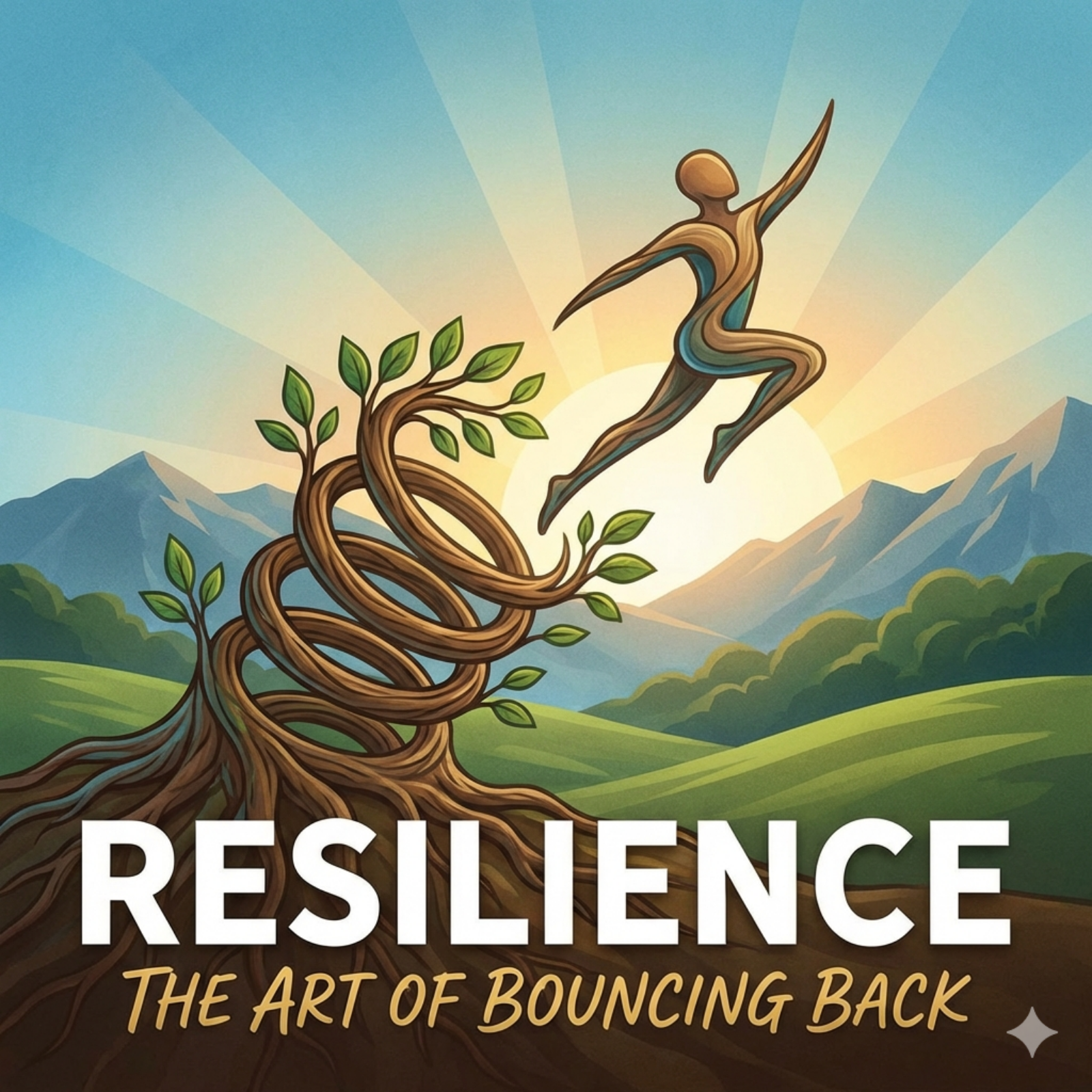
S1 Ep 2Resilience - The Art of Bouncing Back
Discover how resilience helps you overcome setbacks, adapt to challenges, and unlock your true human potential. In this episode, we explore the science of resilience, hear inspiring stories of recovery, and share practical tools to help you bounce back stronger.You’ll learn why resilience isn’t about toughness—it’s about recovery, connection, and persistence. With actionable exercises and expert insights, this episode will guide you toward building resilience in your daily life.
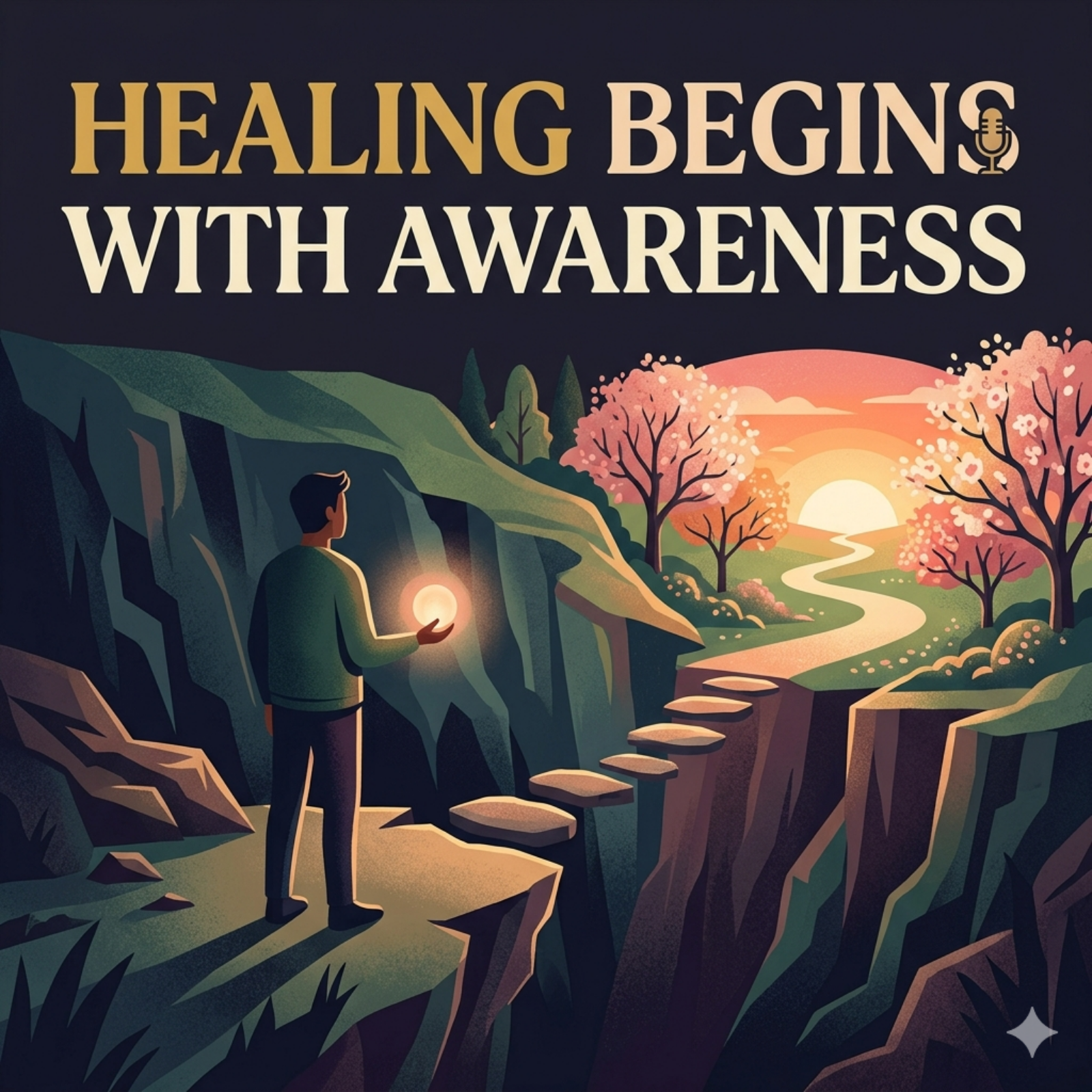
S1 Ep 1Healing Begins with Awareness
Discover why awareness is the first step in healing and unlocking your human potential. In this episode, we explore how noticing your emotions and patterns can transform pain into growth.You’ll hear an inspiring conversation with a resilience coach, learn practical exercises to build daily awareness, and walk away with tools to start your own journey of self-discovery. Healing isn’t about fixing everything at once. It’s about seeing clearly and taking small steps forward.