
Growth Hacking Culture
123 episodes — Page 3 of 3

Ep 156Egils Boitmanis on Building a Culture of Accountability: Strategies for Leaders
Developing a Culture of Accountability is often discussed in leadership circles, but few truly understand how to build a culture where it thrives. Research from the Harvard Business Review reveals that 70% of employees believe accountability is critical to their organization's success. Cultivating a culture of accountability can drive engagement, boost productivity, and improve profitability. In this episode, we’re joined by Egils Boitmanis, a tech founder, AI advisor, and advocate of stoicism, to explore how leaders can foster accountability, empower teams, and create an environment where ownership and excellence are the norm. Leaders, discover transformative insights to elevate your leadership. About Egils Boitmanis Egils Boitmanis is a seasoned entrepreneur, digital marketing expert, and AI advisor with over 20 years of experience helping businesses scale and succeed. As the founder of a thriving digital marketing agency, he has managed multi-million-dollar budgets and advised over 1,000 clients. Today, Egils focuses on empowering coaches and consultants to unlock their potential through AI-driven strategies and a holistic approach to growth that integrates community, personal development, and meaningful work. Reach out Egils on: https://www.linkedin.com/in/egilsboitmanis/ https://fullmarketing.me/ What We Discussed in this Episode on Culture of Accountability: The biggest challenges organizations face when creating a culture of accountability. How the principles of stoicism, including personal responsibility, can be applied to build accountability within teams. Strategies for creating systems that encourage accountability while allowing room for experimentation and learning from mistakes. The critical role of feedback in fostering accountability and tips for giving and receiving feedback effectively. How leaders can promote a growth mindset that encourages accountability and continuous improvement. Stoic practices like journaling and mindfulness and how they help leaders build accountability in themselves and others. Actionable advice for leaders aiming to establish a culture of accountability rooted in stoic principles. Subscribe to the Growth Hacking Culture Newsletter for Thought-Provoking Ideas to Scale Human-Centric and Performing Work Cultures. About the Growth Hacking Culture Podcast The Growth Hacking Culture Podcast is a series of insightful interviews with prominent experts on mindsets, skills and mental resources to grow individually, lead motivated teams and create human-centric work cultures. These episodes are about thought-provoking ideas to scale up and growth hack human-centric and performing work cultures. Hosted by Ivan Palomino
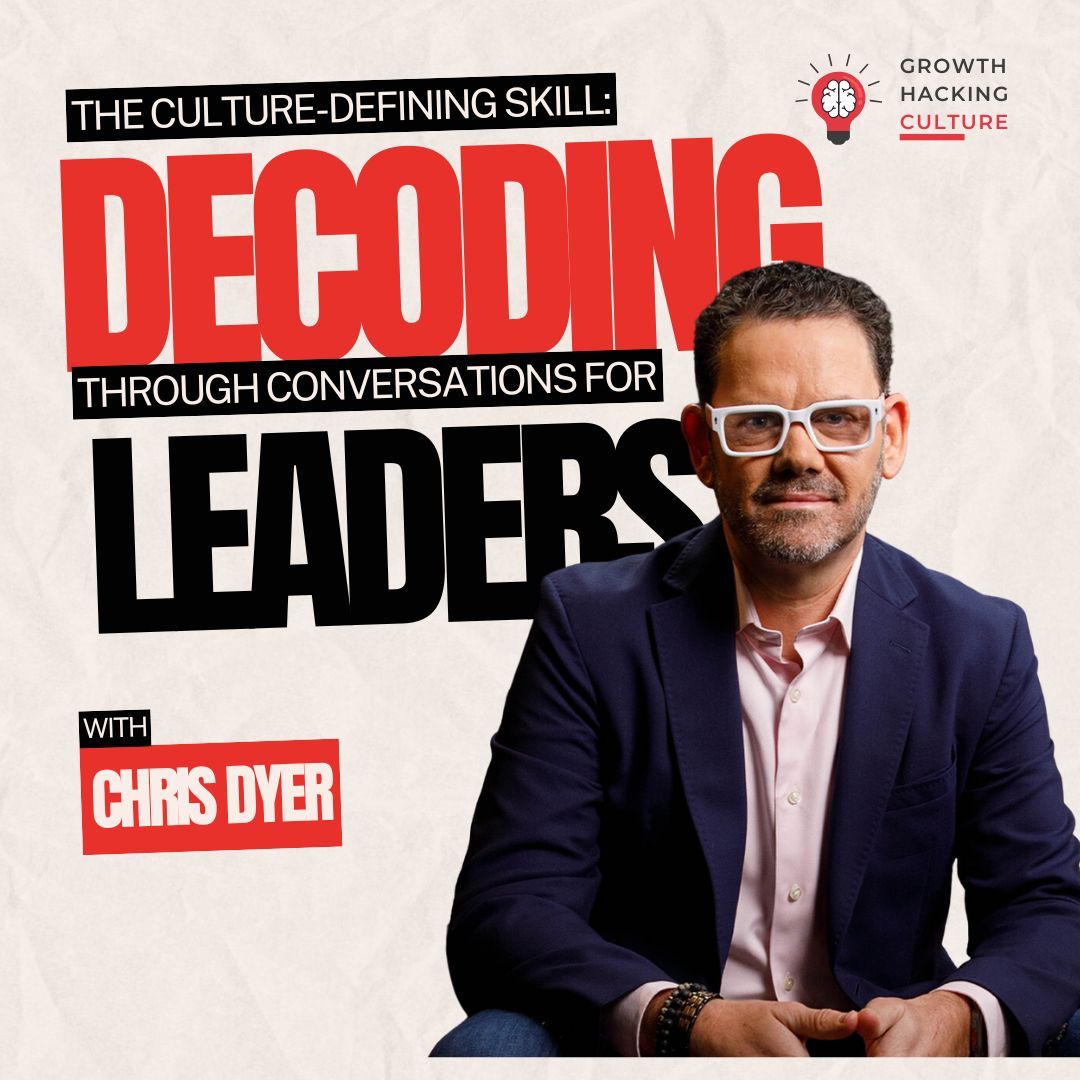
Ep 155Chris Dyer on The Culture-Defining Skill: Decoding Tough Conversations for Leaders
Tough conversations are critical yet often dreaded parts of leadership. Studies show that over 70% of employees avoid difficult discussions, and 53% choose to ignore toxic situations altogether—a recipe for organizational dysfunction. But what if these challenging conversations were the key to fostering trust, resolving conflicts, and strengthening team culture? In this episode, Chris Dyer, a renowned CEO, bestselling author, and expert in building exceptional company cultures, shares actionable insights on mastering tough conversations to create thriving, high-performing teams. About Chris Dyer Chris Dyer is a celebrated CEO, leadership speaker, and bestselling author with a proven track record of building award-winning company cultures. His leadership has earned multiple companies recognition as “Best Workplaces” and a spot on Inc. Magazine’s Fastest-Growing Companies list five times. Chris is passionate about helping leaders navigate tough conversations to drive trust, engagement, and success—even in the complexities of remote work. Chris is the bestseller author of the book: The Power of Company Culture: How Any Business can Build a Culture that Improves Productivity, Performance and Profits Get in touch with Chris Dyer: In LinkedIn https://www.linkedin.com/in/chrisdyer7/ In his website https://chrisdyer.com/ What We Discussed in this Episode on Decoding Tough Conversations for Leaders: The clearest signs that a tough conversation is necessary and how to recognize them. How proactive tough conversations can prevent bigger issues and what these conversations should address. Common cognitive biases, like confirmation and anchoring biases, that derail tough conversations and how leaders can overcome them. Adapting communication styles in tough conversations to connect effectively with different personality types. Actionable takeaways leaders should aim to achieve at the conclusion of a tough conversation. Lessons learned from real-life tough conversations, including Chris Dyer’s own experiences as a leader. Recommended resources and tools to help leaders improve their ability to handle tough conversations effectively. Subscribe to the Growth Hacking Culture Newsletter for Thought-Provoking Ideas to Scale Human-Centric and Performing Work Cultures. About the Growth Hacking Culture Podcast The Growth Hacking Culture Podcast is a series of insightful interviews with prominent experts on mindsets, skills and mental resources to grow individually, lead motivated teams and create human-centric work cultures. These episodes are about thought-provoking ideas to scale up and growth hack human-centric and performing work cultures. Hosted by Ivan Palomino

Ep 154Angelique Slob on Will Hybrid Work Kill the Office? | Future of Work, Hybrid Work Models, and Work Transformation
Hybrid work has become one of the most debated topics in the workplace today. With 90% of companies planning to adopt some form of hybrid model, according to McKinsey, and 74% of employees seeing it as the future (Gartner), the role of the traditional office is under the microscope. Yet, research from the Stanford Institute for Economic Policy Research reveals that 55% of workers report being more productive at the office. Is the office on the brink of extinction, or is it simply evolving? In this episode, we’re joined by Angelique Slob, a leading expert on the future of work, to explore the challenges, opportunities, and the potential transformation of workplaces in the hybrid era. About Angelique Slob Angelique Slob is the founder of Hello Monday Club, a think tank reimagining the role of work in our lives. She is also associated with Workplaced, a platform revolutionizing hybrid work environments by optimizing workplace experiences. With a forward-thinking approach, Angelique is at the forefront of reshaping how businesses and employees adapt to the new realities of work. Where to reach Angelique Slob: On LinkedIn https://www.linkedin.com/in/angeliqueslob/ On Workplaced https://www.workplaced.com/home On Hello Monday Club https://hellomondayclub.com/ What We Discussed in this Episode about Hybrid Work Misconceptions about hybrid work and its impact on the traditional office. The question of whether the office is dying or transforming. Key factors driving the global shift toward hybrid work models. Industries and roles that thrive best in a hybrid work environment. Strategies for maintaining strong company culture in hybrid setups. Insights into whether hybrid work genuinely boosts productivity or has hidden drawbacks. Best practices for fostering collaboration and communication in hybrid teams. How to measure the effectiveness of hybrid work models and their success. The exciting possibilities hybrid work brings for the future of work. Actionable advice for companies transitioning to hybrid work models. Subscribe to the Growth Hacking Culture Podcast Newsletter for Thought-Provoking Ideas to Scale Human-Centric and Performing Work Cultures.
Ep 152Rose Ann Garza on How to Engage and Retain Long-Term Employees
Employee engagement and retention often center on attracting new hires, but keeping long-term employees motivated and thriving is just as crucial. A Work Institute study found that 25% of employees who leave their roles have been with their company for over five years, underscoring the need for strategies that support experienced team members. In this episode, Rose Ann Garza shares actionable insights on how organizations can better engage long-term employees, leverage their expertise, and foster a culture of loyalty and growth. About Rose Ann Garza Rose Ann Garza is the Chief Human Resources Officer at Kerbey Lane and a recognized leader in the HR field. With extensive experience in the restaurant and hospitality industry, Rose Ann brings a wealth of expertise to her role in fostering workplace excellence. She also serves on the Texas SHRM Executive Council, where she advocates for HR professionals and champions best practices in employee engagement and retention. Reach out to Rose Ann on LinkedIn https://www.linkedin.com/in/roseanngarza/ What We Discussed in the Episode on Long-Term Employee Retention Key differences between long-term employees and newer hires, and how these impact engagement strategies. How leaders can communicate effectively with long-term employees to make them feel valued and supported. Strategies to leverage the knowledge and experience of long-term employees to mentor and develop newer team members. Proven approaches to keep long-term employees motivated, prevent stagnation, and promote ongoing growth. Insights into how long-term employees handle organizational change and how leaders can guide them through transitions. Steps organizations can take to build a culture that values, retains, and celebrates the contributions of long-term employees. Actionable advice for HR leaders and managers to ensure long-term employees thrive and continue driving success. _____________ 🤍 Ivan Palomino's book 𝐒𝐭𝐞𝐩 𝐙𝐞𝐫𝐨 𝐁𝐞𝐟𝐨𝐫𝐞 𝐓𝐡𝐞 𝐇𝐮𝐬𝐭𝐥𝐞 is Now Available on Amazon Launching a business isn't about a brilliant idea. It's about executing that idea brilliantly. And that takes a certain mindset, a certain set of human skills... and 𝐢𝐭 𝐢𝐬 𝐩𝐨𝐬𝐬𝐢𝐛𝐥𝐞 𝐭𝐨 𝐥𝐞𝐚𝐫𝐧 𝐭𝐡𝐞𝐦 𝐛𝐞𝐟𝐨𝐫𝐞 𝐲𝐨𝐮 𝐚𝐜𝐭𝐮𝐚𝐥𝐥𝐲 𝐥𝐚𝐮𝐧𝐜𝐡 𝐚 𝐛𝐮𝐬𝐢𝐧𝐞𝐬𝐬. Get your copy at https://amzn.eu/d/hPL6Ajp
Ep 153How Companies Can Prepare the Next Generation of Conscious Leaders with Irene Riad
In today’s fast-changing business landscape, conscious leadership is no longer just a buzzword—it’s a critical need. Organizations that embrace conscious leadership see tangible benefits, like a 30% increase in employee engagement and a 15% boost in productivity, according to a Deloitte study. But conscious leadership goes beyond numbers; it’s about ethical decision-making, social responsibility, and fostering inclusive environments where everyone feels valued. In this episode, Irene Riad shares her expertise on cultivating the next generation of conscious leaders and equipping them with the tools to navigate complexity and thrive in uncertain times. About Irene Riad Irene Riad is a transformative author, speaker, and certified coach with three decades of experience guiding individuals toward self-mastery. Combining expertise in neuroscience, trauma recovery, Jungian psychology, and creative expression, Irene empowers people to unlock their potential and lead lives of purpose and fulfillment. Her approach integrates the science and art of human experience to help leaders discover their core being and build impactful, meaningful careers. Find more about Irene Riad on: https://www.linkedin.com/in/irene-riad/ https://sightcet.com/ What We Discussed in this Episode on Conscious Leadership: The definition of conscious leadership in today’s business landscape and what sets it apart. Key traits and skills that define conscious leaders and why they’re essential in the modern workplace. How companies can build a culture that fosters conscious leadership at every level. Innovative approaches to leadership development, focusing on self-awareness, ethical decision-making, and social responsibility. What are the biggest challenges companies face in developing conscious leaders, and how can they overcome them?
Ep 151Ricardo Arce on Beyond the Hype: Turning AI Vision into Enterprise Value (strategy, implementation, pitfalls and more)
Artificial intelligence (AI) holds immense potential to transform businesses, but many organizations face hurdles in turning their AI vision into measurable results. From navigating complex implementation challenges to addressing employee apprehension and fostering a supportive company culture, the path to successful AI adoption is far from straightforward. In this episode, we discuss with Ricardo Arce how businesses can overcome these challenges, craft effective strategies, and unlock AI’s power to drive innovation and growth. About my Guest: Ricardo Arce Ricardo Arce is the Managing Director of Prediqt - Data to AI, a company specializing in helping organizations with complex data environments transform data into actionable insights using AI. With a stellar career spanning McKinsey, IBM, and PwC, Ricardo brings a wealth of expertise in leveraging AI to deliver enterprise value. Reaching Ricardo Arce on LinkedIn https://www.linkedin.com/in/ricardoarceclaux/ on Prediqt: https://prediqtdata.com/en/ What we covered on Turning AI Vision into Enterprise Value What are the most common pitfalls businesses face when trying to move from an AI vision to measurable results, and how can they avoid them? With terms like Gen AI, AI, and ML often causing confusion, how can we simplify these concepts for a broader audience? When starting an AI initiative, should companies begin with a pilot project (POC), a Minimum Viable Product (MVP), or another approach? What are the essential steps for successfully implementing AI, from identifying opportunities to tracking impact? How critical is fostering a company culture that supports AI discovery, and what are effective ways to achieve this? How can organizations train employees to understand and effectively utilize AI in their daily roles? What are some of the most transformative AI use cases you’ve observed across various industries? How can businesses measure the ROI of their AI initiatives, and what key metrics should they focus on?
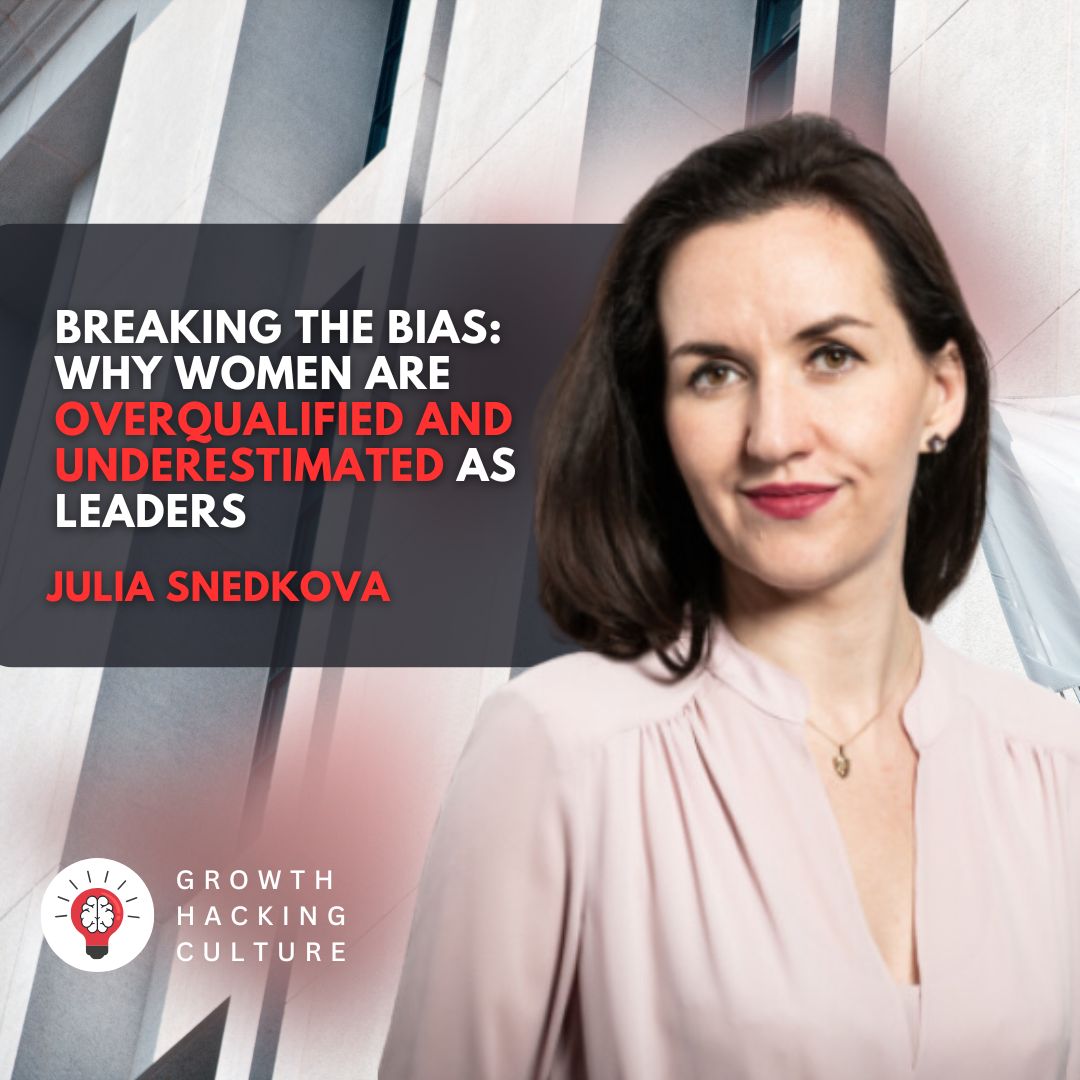
Ep 150Julia Snedkova on Breaking the Bias: Why Women Are Overqualified and Underestimated as Leaders
Today, we’re tackling a critical issue that continues to challenge workplaces globally: the underrepresentation of women in leadership roles. Despite their qualifications and proven capabilities, women often face deeply ingrained biases and systemic barriers that hinder their advancement. In this episode, we dive into the data exposing this leadership gap, explore the psychology behind gender stereotypes and implicit bias, and uncover actionable strategies for women to overcome these challenges. We’ll also discuss how men can be effective allies in creating inclusive environments that empower women to thrive and lead. About Julia Snedkova Our guest today, Julia Snedkova, is a powerhouse in leadership coaching, dedicated to empowering ambitious women to break through the glass ceiling. As the founder of Leaders are Us, Julia leverages her 16 years of senior leadership experience in Fortune 500 companies, an MBA from INSEAD, and cross-cultural expertise across 30+ international markets to guide women toward reaching their full leadership potential. Her mission is to help women navigate corporate challenges, shatter biases, and lead with confidence in today’s competitive landscape. More on Julia Snedkova on https://www.linkedin.com/in/juliasnedkova-leadershipcoaching/ The Questions on the Biases on Women as Leaders What hard data or research best illustrates the disparity women face in achieving leadership roles? Are there studies showing that women outperform men in specific leadership qualities or abilities? What myths does this data dispel? What specific cognitive abilities or traits do women consistently excel in, and how do these contribute to effective leadership in modern organizations? From a psychological perspective, why are women often overlooked for leadership roles despite having the necessary skills and qualifications? How are certain behaviors or communication styles perceived differently when exhibited by women versus men in leadership positions? What actionable steps can women take to navigate systemic barriers and increase their chances of advancing to leadership roles? How can male leaders become effective allies in advocating for gender equality and learning from women’s leadership styles? What systemic changes are necessary in organizations and society to create a level playing field for women in leadership? ---- Subscribe to the Simply Human Newsletter 👉 https://simplyhuman.substack.com/
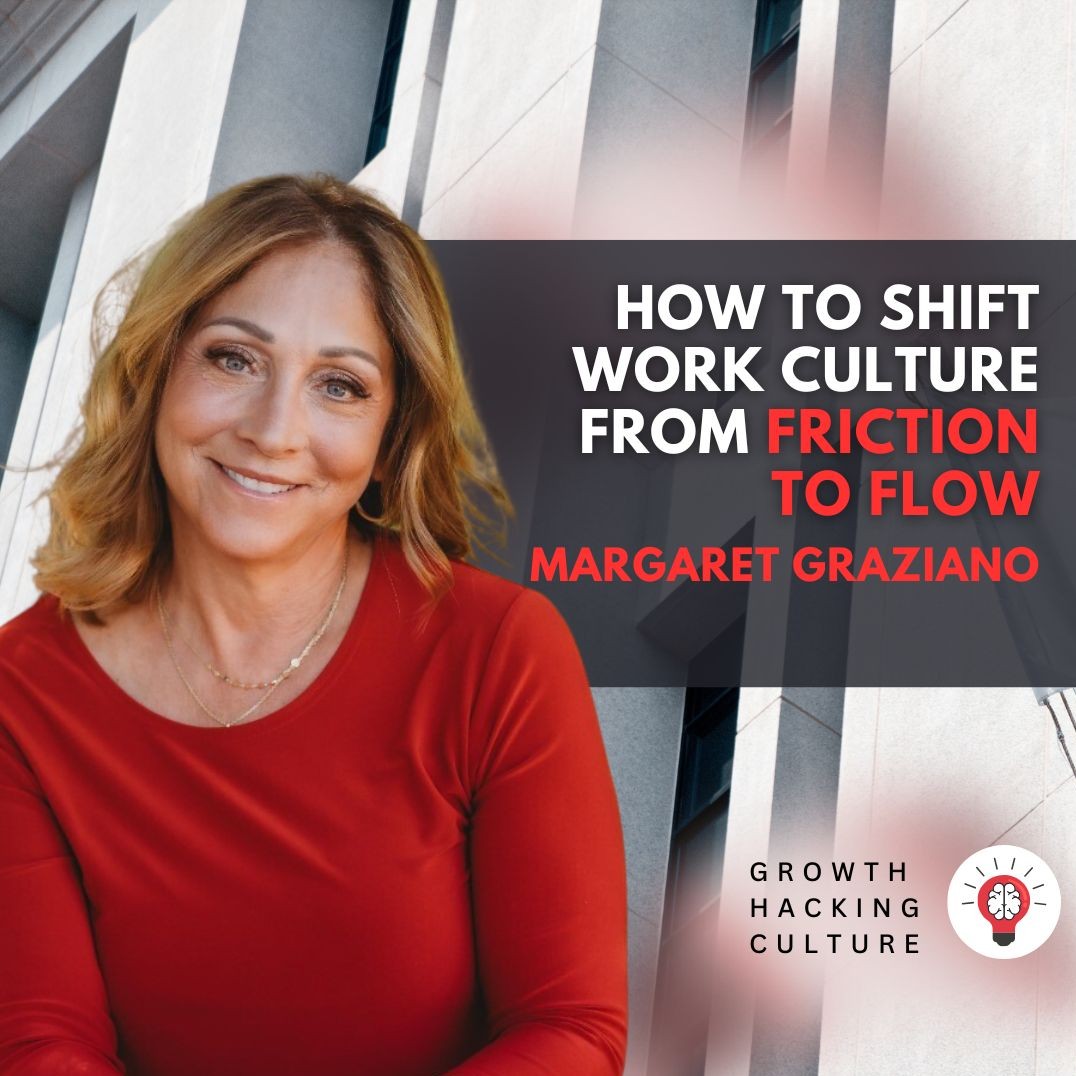
Ep 149How to Shift Work Culture from Friction to Flow with Margaret Graziano - Overcoming Resistance to Change
Creating a workplace where things just flow—where employees are engaged, productive, and genuinely enjoy coming to work—can feel elusive for many leaders. Today, we explore practical strategies for fostering such a culture, one where teams can thrive without the friction that often bogs down productivity. Studies show that only 36% of employees are actively engaged at work, leading to lost productivity and high turnover. In this episode, we uncover actionable insights with Magi Graziano to help leaders build a high-performance culture from the inside out. About Margaret (Magi) Graziano Magi Graziano is a renowned leadership coach, organizational culture expert, and best-selling author who empowers leaders and teams to achieve outstanding results. With a journey marked by resilience—from being a single mother at 19 to running a thriving consultancy—Magi embodies the power of reinvention. As the author of Ignite Culture: Empowering and Leading a Healthy, High-Performance Organization from the Inside Out, she combines experiential coaching, science-backed tools, and actionable strategies to guide organizations through cultural transformation. Connect with Magi on her website https://www.margaretgraziano.com/ Take her Organizational Culture Assessment https://keenalignment.scoreapp.com/ Her LinkedIn profile https://www.linkedin.com/in/margaretgraziano/ What We Discussed in this Episode on Shifting Work Culture from Friction to Flow: What are the biggest obstacles organizations face when shifting their workplace culture? How does data and measurement aid in understanding and evolving organizational culture? What are some recommended tools for this? What common mistakes do leaders make when trying to initiate cultural change? How can leaders uncover the root causes of friction in their organization’s culture? What are typical sources of these issues? What are effective tactics for overcoming resistance to change within an organization? How can companies measure the impact of cultural shifts on employee engagement, productivity, and business outcomes? What emerging trends in organizational culture should leaders be aware of today? _____________ 🤍 Ivan Palomino's book 𝐒𝐭𝐞𝐩 𝐙𝐞𝐫𝐨 𝐁𝐞𝐟𝐨𝐫𝐞 𝐓𝐡𝐞 𝐇𝐮𝐬𝐭𝐥𝐞 is Now available in Amazon Launching a business isn't about a brilliant idea. It's about executing that idea brilliantly. And that takes a certain mindset, a certain set of human skills... and 𝐢𝐭 𝐢𝐬 𝐩𝐨𝐬𝐬𝐢𝐛𝐥𝐞 𝐭𝐨 𝐥𝐞𝐚𝐫𝐧 𝐭𝐡𝐞𝐦 𝐛𝐞𝐟𝐨𝐫𝐞 𝐲𝐨𝐮 𝐚𝐜𝐭𝐮𝐚𝐥𝐥𝐲 𝐥𝐚𝐮𝐧𝐜𝐡 𝐚 𝐛𝐮𝐬𝐢𝐧𝐞𝐬𝐬. Get your copy at https://amzn.eu/d/hPL6Ajp
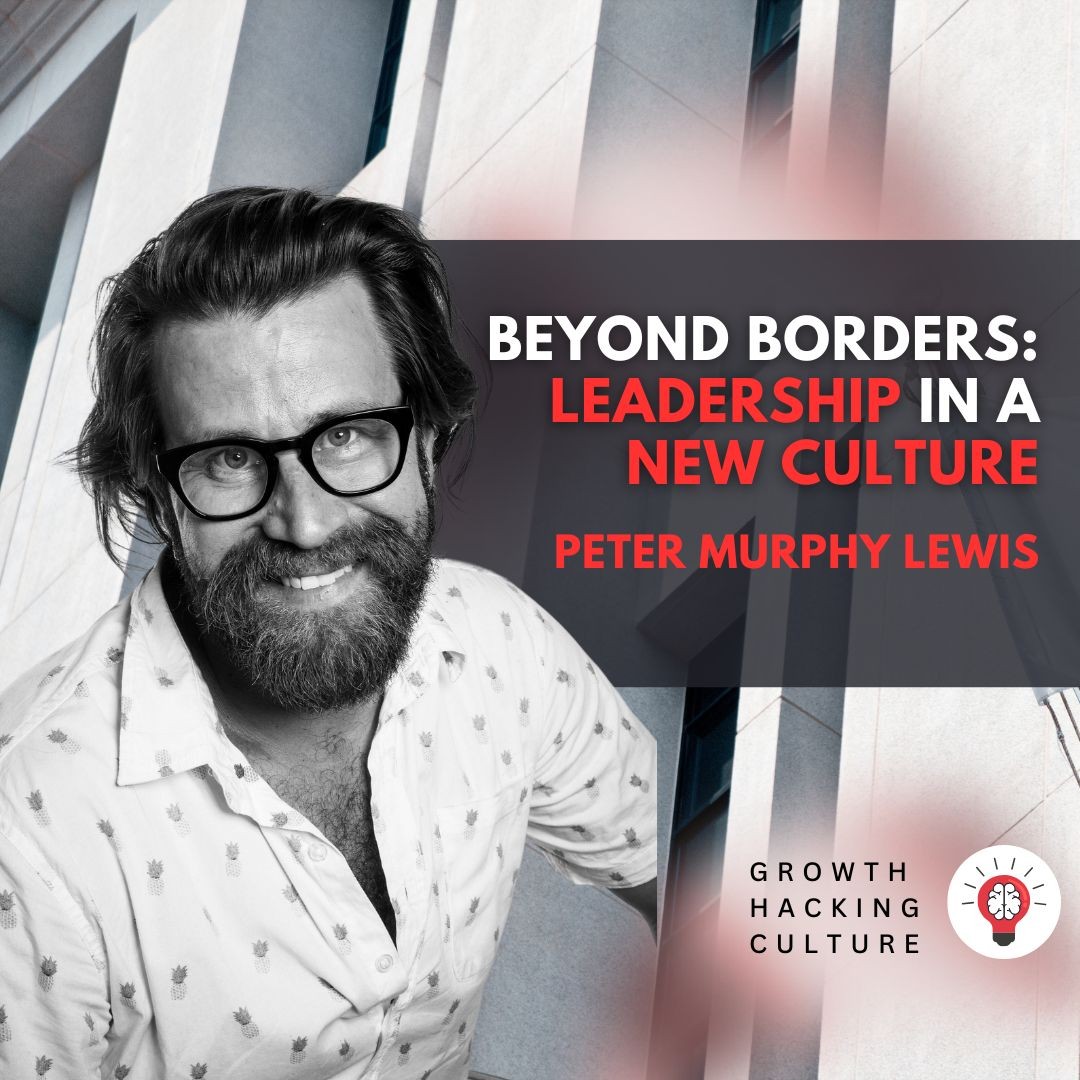
Ep 148Leading in a New Culture: Communicate, engage and manage in a new cultural setting with Peter Murphy Lewis
Leading across cultures can feel like conducting an orchestra without knowing the melody—different communication styles, values, and ways of getting things done can challenge even seasoned leaders. In this episode, "Beyond Borders: Leadership in a New Culture," we explore effective strategies for cross-cultural leadership, helping leaders navigate and thrive in new cultural landscapes. About Peter Murphy Lewis Peter Murphy Lewis is a global marketing leader, entrepreneur, and expert in cross-cultural business dynamics. With a wealth of experience in Latin America and international markets, Peter brings a unique perspective on building brands and fostering growth across borders. As the CEO and founder of Strategic Pete, a fractional CMO firm, he helps businesses of all sizes reach their marketing goals with a global mindset. Reach out Peter Murphy Lewis https://strategicpete.com/ https://www.linkedin.com/in/petermurphylewis/ What we discussed on Leading in a New Culture What key cultural aspects should leaders understand about Mediterranean and Latin cultures? What are common misconceptions leaders have about Mediterranean and Latin cultures, and how can these be addressed? How can leaders adapt their communication style for success in Mediterranean and Latin cultures? What verbal and nonverbal cues are important? Why is relationship-building essential for leadership in Mediterranean and Latin cultures, and how can leaders build trust and rapport effectively? What motivates individuals in Mediterranean and Latin cultural settings, and how can leaders offer constructive feedback that respects these values? How is time viewed and managed in Mediterranean and Latin cultures, and how can leaders adjust their expectations to align with these norms? How will cultural awareness shape the future of global leadership, and what role could technology play in this evolution? _____________ 🤍 Ivan Palomino's book 𝐒𝐭𝐞𝐩 𝐙𝐞𝐫𝐨 𝐁𝐞𝐟𝐨𝐫𝐞 𝐓𝐡𝐞 𝐇𝐮𝐬𝐭𝐥𝐞 is Now available in Amazon Launching a business isn't about a brilliant idea. It's about executing that idea brilliantly. And that takes a certain mindset, a certain set of human skills... and 𝐢𝐭 𝐢𝐬 𝐩𝐨𝐬𝐬𝐢𝐛𝐥𝐞 𝐭𝐨 𝐥𝐞𝐚𝐫𝐧 𝐭𝐡𝐞𝐦 𝐛𝐞𝐟𝐨𝐫𝐞 𝐲𝐨𝐮 𝐚𝐜𝐭𝐮𝐚𝐥𝐥𝐲 𝐥𝐚𝐮𝐧𝐜𝐡 𝐚 𝐛𝐮𝐬𝐢𝐧𝐞𝐬𝐬. Get your copy at https://www.ivanpalomino.net/book-step-zero-before-the-hustle

Ep 146Maria Arpa on Creating a Toxic Free Culture: The Power of Compassionate Communication
Compassionate communication in the business world often gets a bad rap, seen as naive, idealistic, or even a sign of weakness. Many mistakenly believe that focusing on empathy and understanding makes one ill-equipped for the tough decisions that business demands. However, research consistently shows that employees who feel heard and understood are more engaged and satisfied in their roles. In fact, a study by Catalyst found that 76% of people who experienced empathy from their leaders felt engaged, compared to just 32% who reported less empathy. When organizations neglect compassionate communication, it can lead to a culture dominated by fear, blame, and unhealthy competition. About Maria Arpa Maria Arpa, a renowned expert in workplace dynamics and compassionate communication, is reshaping the way organizations handle conflict and build strong relationships. As the founder of the Centre for Peaceful Solutions, Maria has led numerous mediation initiatives and continues to pioneer innovative approaches to creating harmony in the workplace. Her website Centre for Peaceful Solutions https://centreforpeacefulsolutions.org/ Her LinkedIn profile https://www.linkedin.com/in/mariaarpa/ What We Discussed in this Episode on Compassionate Communication - What inspired Maria Arpa to focus on compassionate communication in the workplace? - How is compassionate communication different from traditional conflict resolution methods? - What is the best way to learn compassionate communication skills in the workplace? - How do empathy and compassionate communication affect brain chemistry and behavior? - What are the top strategies to promote a culture of compassionate communication at work? - What are common mistakes people make when practicing compassionate communication? - Which companies have successfully implemented compassionate communication strategies? _____ About the Growth Hacking Culture Podcast The Growth Hacking Culture Podcast is a series of insightful interviews with prominent experts on mindsets, skills and mental resources to grow individually, lead motivated teams and create human-centric work cultures. These episodes are about thought provoking ideas to scale up and growth hack human-centric and performing work cultures. Hosted by Ivan Palomino
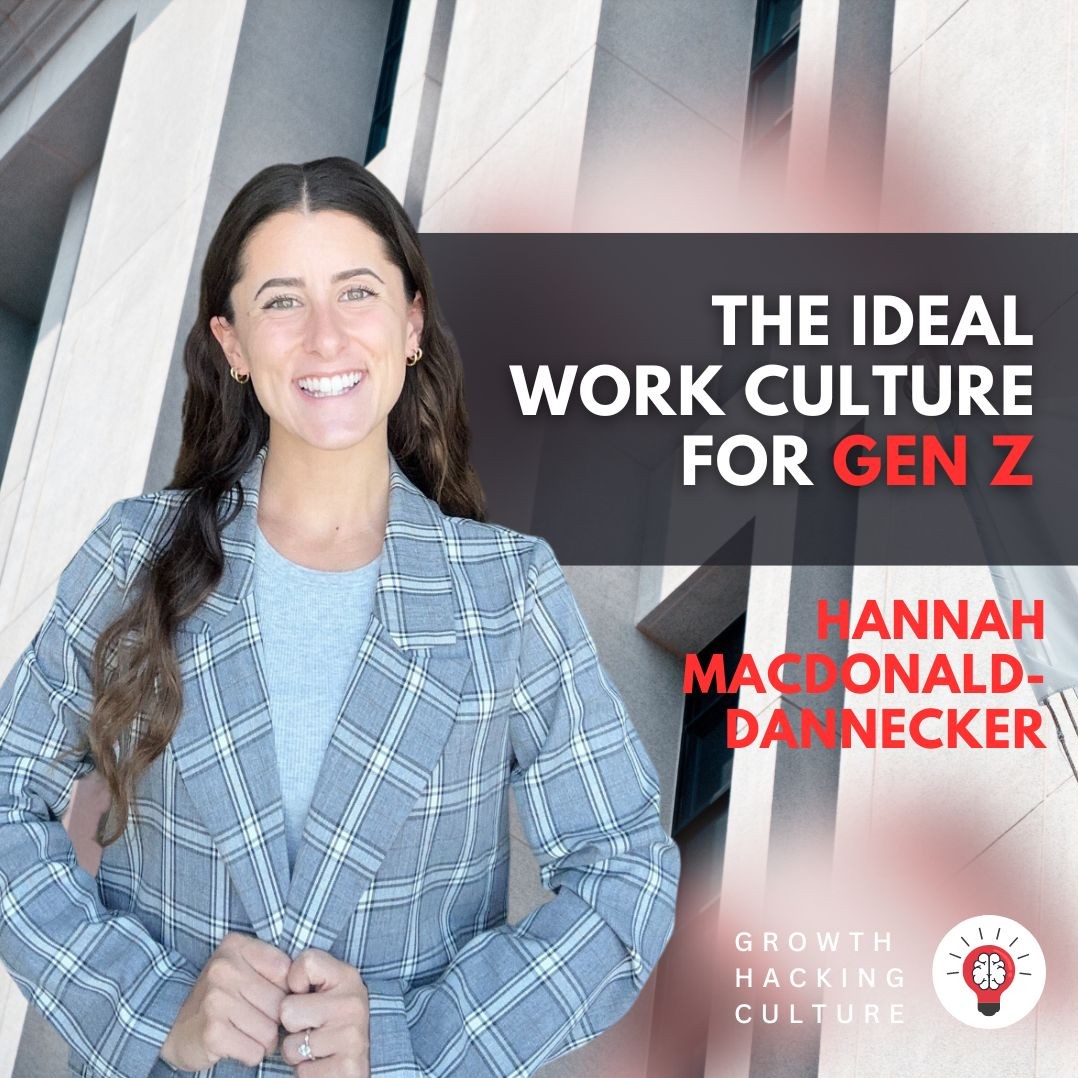
Ep 147The Ideal Work Culture for Gen Z - Expectations, Leading and Motivating GenZ with Hannah MacDonald Dannecker
Understanding Generation Z's unique expectations and values is essential for businesses aiming to attract and retain top talent. This generation has distinct priorities that influence their career choices and workplace satisfaction. Companies that understand Gen Z's values can create a more appealing workplace culture, boost employee engagement, enhance their reputation as an employer of choice, and drive innovation by harnessing the creativity and problem-solving skills of Gen Z employees. About Hannah Hannah MacDonald-Dannecker is a Gen Z expert, public speaker, and advocate for bridging generational gaps in the workplace. As a member of Gen Z, she provides valuable insights on recruiting, managing, and retaining young talent. Hannah is the author of Well Shit: Time To Grow Up, a memoir that explores her journey of self-growth, tackling issues like imposter syndrome and navigating adulthood. She also hosts the popular podcast "Workish," where she discusses topics relevant to young professionals. Learn more about her book Well Shit: Time To Grow Up https://a.co/d/gjwnIDa Connect with Hannah on LinkedIn https://www.linkedin.com/in/hannah-kay-macdonald/ Her business website https://bettertogethergroup.com/ What we discussed with Hannah on The Ideal Work Culture for Gen Z What are the most common misconceptions about Gen Z in the workplace? How do Gen Z's expectations and values differ from previous generations at work? What are the key features of a workplace culture that appeals to Gen Z employees? How can companies build a culture of inclusivity and belonging for Gen Z talent? What can Gen Z do to effectively communicate their needs and expectations to employers? What advice do you have for managers working with Gen Z employees for the first time? What risks do companies face if they don't adapt their workplace to meet Gen Z's needs? How does technology shape Gen Z's ideal work environment? BONUS Watch this video on What GenZ expect from your work culture https://youtu.be/N2IgamLhGJ8?si=TG5jHVpM1i_UQMNQ _____ About the Growth Hacking Culture Podcast The Growth Hacking Culture Podcast is a series of insightful interviews with prominent experts on mindsets, skills and mental resources to grow individually, lead motivated teams and create human-centric work cultures. These episodes are about thought provoking ideas to scale up and growth hack human-centric and performing work cultures. Hosted by Ivan Palomino
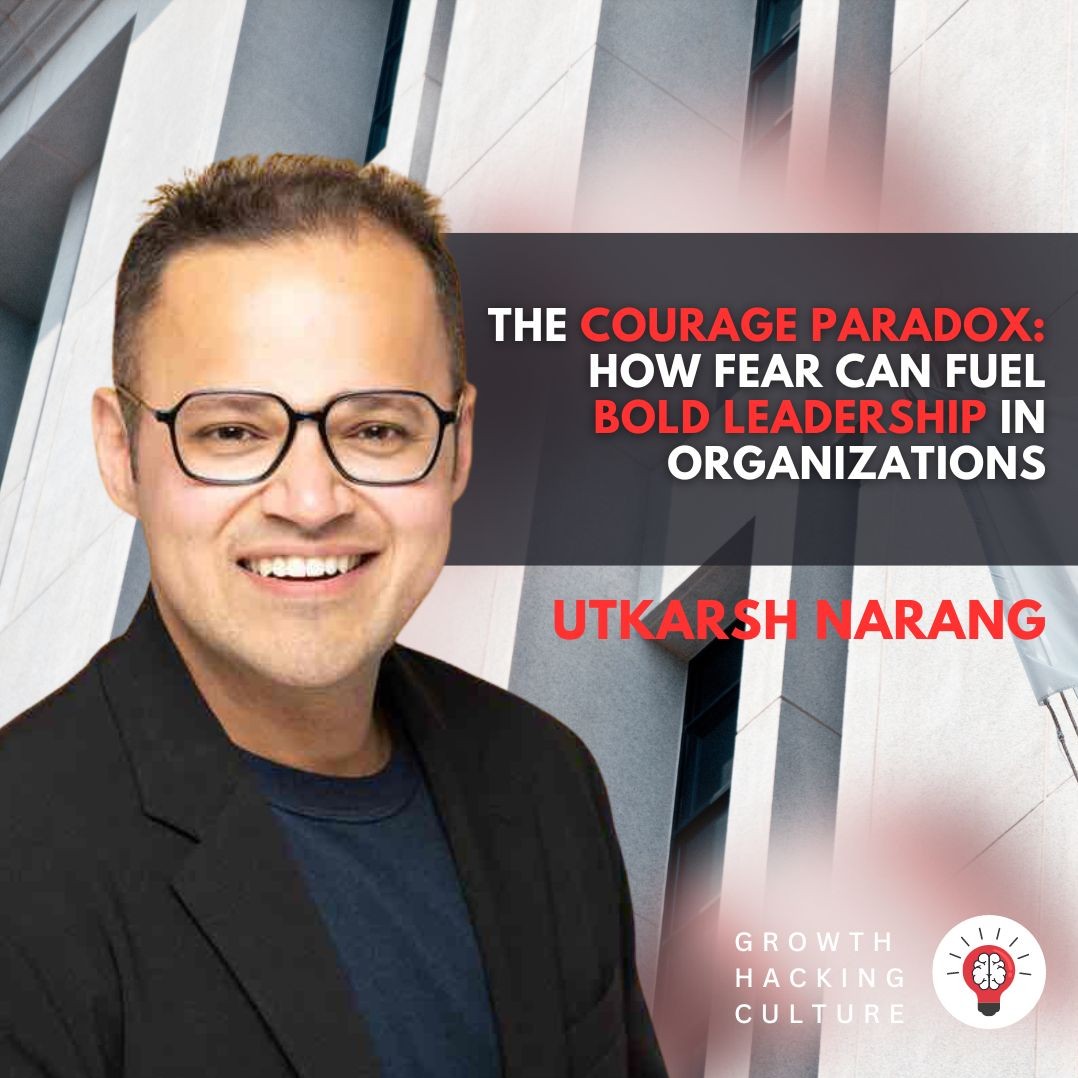
Ep 145Utkarsh Narang on The Courage Paradox: How Fear Can Fuel Bold Leadership in Organizations
In this episode, Utkarsh Narang shares how fear, often seen as a barrier, can actually fuel bold decision-making, drive innovation, and help shape resilient leaders. We’ll explore how leaders can embrace fear as a tool for growth and uncover strategies to use fear constructively in leadership. About Utkarsh Narang Utkarsh Narang is a seasoned Learning Consultant, Executive Coach, and Facilitator with a passion for understanding human behavior. Based in Melbourne, he uses his diverse global experience to design leadership programs that help organizations unlock their potential and foster courageous leadership. Watch his inspiring TedTalk on Can Fear Push Us to be Courageous? https://youtu.be/5aj0btxnBLo?si=6ZyrB_M8cxCCU3qJ Reaching Utkarsh: On his company website IgnitedNeurons https://www.ignitedneurons.me/ On Linkedin https://www.linkedin.com/in/utkarsh-narang/ What We Discussed in this Episode on How Fear Can Fuel Bold Leadership in Organizations The Courage Paradox: Utkarsh explained how fear can be transformed into courage in leadership and shared insights on how to embrace this paradox. Common Misconceptions: We discussed the common pitfalls leaders face when trying to use fear to drive courageous actions. Types of Fear: Utkarsh helped us differentiate between paralyzing fear and fear that propels leaders forward. Building a Culture of Courage: We explored how leaders can foster a workplace environment where acknowledging fear is safe and constructive. Strategic Courage: Utkarsh provided strategies for ensuring that fear-driven actions are not reckless but are thoughtful and strategic. Real-Life Examples: He shared stories of leaders who effectively used fear to fuel their courage and achieve bold outcomes. Neuroscience and Fear: We also touched on how leaders can understand their brain's response to fear and use that awareness to make more courageous decisions. Bonus 📌 Read my latest article on The Entrepreneurial Operating System: Learning "How to Learn" About the Growth Hacking Culture Podcast The Growth Hacking Culture Podcast is a series of insightful interviews with prominent experts on mindsets, skills and mental resources to grow individually, lead motivated teams and create human-centric work cultures. These episodes are about thought provoking ideas to scale up and growth hack human-centric and performing work cultures. Hosted by Ivan Palomino

Ep 144Chaos Theory & Corporate Innovation: Surprising Insights from Maria P Carpenter
In this episode, we explore the fascinating link between chaos theory and corporate performance, inspired by Maria Carpenter’s TED Talk, "The Medicine of Chaos." While chaos may seem like the enemy of productivity, Maria sheds light on how embracing unpredictability and decentralized control can actually foster innovation and agility in businesses. By changing the environment rather than the people, and allowing systems to self-organize, organizations can unlock new pathways to growth and success. We'll dive into the strategies that leaders can use to harness chaos for better decision-making, stronger networks, and faster responses. About Maria P Carpenter Maria Carpenter, a Cypriot-South African strategist, has an impressive background spanning software development, management consulting, executive leadership, and entrepreneurship. She is known for leading international tech teams and developing a unique framework that transforms team dynamics and fosters business success. Listen to her inspiring TedTalk on The medicine of chaos https://youtu.be/KgJc40Fw7xg?si=sVdWYHZBKme0rQMz Maria's website https://www.mariapcarpenter.com/ Her Instagram https://www.instagram.com/mariapcarpenter/ What We Discussed in this Episode on Chaos and Innovation Understanding Chaos: We defined chaos in the context of business and explored common misconceptions that often lead to resistance in corporate environments. Chaos and Innovation: Maria shared how large organizations can leverage the unpredictability of chaos theory to foster creativity and innovation. Leadership Strategies: We explored specific strategies and tools leaders can use to create environments that encourage innovation amidst chaos. Balancing Structure and Flexibility: Maria discussed the risks and rewards of applying chaos theory in a corporate setting and how to balance structure with the freedom to experiment. Real-World Application: Maria shared personal stories where applying chaos theory led to breakthrough innovations in her career. Emerging Trends: We discussed the latest developments in chaos theory and how they are shaping the future of corporate innovation. News on Ivan Palomino: 🎉 𝐎𝐯𝐞𝐫 𝐭𝐡𝐞 𝐦𝐨𝐨𝐧 to share that my book, "Step Zero Before the Hustle," is now a #1 Best Seller in TWO categories on Amazon! 🎉 Writing a book is no walk in the park – it takes dedication, countless hours, and a whole lot of coffee. But seeing it resonate with readers like this makes every moment worth it. "Step Zero" was born out of my mission to help aspiring entrepreneurs build a rock-solid foundation for their future businesses. It's packed with actionable steps to equip you with the knowledge, mindset, and strategies needed to turn your dreams into reality. If you're ready to take that leap, grab your copy and let's get started! 🙏 https://a.co/d/7wqY4St

Ep 143Karen Ball on The Change Management Secrets Nobody Talks About: challenges, successes and ADKAR secrets
Change is the only constant, especially in the corporate world, with 70% of change initiatives failing due to employee resistance and lack of management support. Beneath the surface of strategic plans, there's a complex human element that often goes unaddressed. In this episode, we explore the hidden challenges of change management, the real reasons transformations fail, and what truly makes change stick. Joining us is Karen Ball, an expert in change management and the ADKAR model, who will share her extensive knowledge on tackling resistance and ensuring successful change initiatives. About Karen Ball Karen Ball is a Senior Fellow at Prosci and a former Executive Vice President of Research, Product, and Marketing. With over 40 years of experience, she is a seasoned change management practitioner and author of The ADKAR Advantage: Your New Lens for Successful Change. Karen is also a Certified Change Management Professional™ (CCMP™), Prosci executive instructor, and advisor. About her book The ADKAR Advantage https://a.co/d/huYUmdc Karen's LinkedIn profile https://www.linkedin.com/in/karenball26/ Karen's Publications with Prosci https://www.prosci.com/blog/author/karen-ball What We Discussed in the Episode What contradictions do you often see in organizations that claim to value innovation but struggle with change? How can leaders effectively manage subtle forms of resistance to change? What strategies can organizations use to combat misinformation during change initiatives? How can leaders create a supportive environment to help employees adopt new behaviors and break old habits? How can organizations address hidden costs like employee stress and burnout during change? What can organizations do to maintain momentum and prevent "change fatigue" after multiple transformations? How can companies sustain change long-term and avoid reverting to old habits when faced with challenges? _____________ BONUS: My book 𝐒𝐭𝐞𝐩 𝐙𝐞𝐫𝐨 𝐁𝐞𝐟𝐨𝐫𝐞 𝐓𝐡𝐞 𝐇𝐮𝐬𝐭𝐥𝐞 is Now available in Amazon Launching a business isn't about a brilliant idea. It's about executing that idea brilliantly. And that takes a certain mindset, a certain set of human skills... and 𝐢𝐭 𝐢𝐬 𝐩𝐨𝐬𝐬𝐢𝐛𝐥𝐞 𝐭𝐨 𝐥𝐞𝐚𝐫𝐧 𝐭𝐡𝐞𝐦 𝐛𝐞𝐟𝐨𝐫𝐞 𝐲𝐨𝐮 𝐚𝐜𝐭𝐮𝐚𝐥𝐥𝐲 𝐥𝐚𝐮𝐧𝐜𝐡 𝐚 𝐛𝐮𝐬𝐢𝐧𝐞𝐬𝐬. Get your copy at https://www.ivanpalomino.net/book-step-zero-before-the-hustle

Ep 142Sammy Burt on Removing Barriers to Joy in the Workplace - impact, misconceptions and strategies
In this episode, we dive into the common barriers that prevent joy in the workplace, from toxic cultures and burnout to unrealistic expectations. More importantly, we’ll explore actionable strategies to overcome these obstacles and create a work environment where joy and fulfillment can flourish. Whether you're a leader or an employee, you’ll find valuable insights to help remove the barriers to joy and enhance well-being in your own work life. About Sammy Burt Sammy is the founder of Backpack and founding consultant of Farleigh Performance, two consultancies that specialize in cultural and strategic development. As a systems coach and consultant, Sammy works with organizations, teams, and leaders to foster positive work cultures that support joy, growth, and success. Connect with Sammy LinkedIn https://www.linkedin.com/in/sammyburt/ Facebook Author https://www.facebook.com/sammyburtauthor Instagram Author https://www.instagram.com/sammy_burt_backpack_author/ Farleigh Performance www.farleighperformance.com The Grown up Book https://www.yourbackpack.co.uk/whatisagrownupanyway What We Discussed in the Episode What are the most common misconceptions about workplace joy, and how can these be addressed? How do you define "joy" in the context of work—happiness, fulfillment, or something else? What are the biggest barriers to joy in the workplace that you've observed or encountered? How can organizations create a more joyful and supportive work environment for their employees? What practical strategies can individuals use to boost their own joy and satisfaction at work? What role do leaders play in fostering a culture of joy and well-being within their teams? Can you share examples of companies that have successfully prioritized workplace joy and the strategies they’ve implemented? What trends or emerging technologies do you think will shape the future of workplace joy and employee well-being? _____________ BONUS: My book 𝐒𝐭𝐞𝐩 𝐙𝐞𝐫𝐨 𝐁𝐞𝐟𝐨𝐫𝐞 𝐓𝐡𝐞 𝐇𝐮𝐬𝐭𝐥𝐞 is Now available in Amazon Launching a business isn't about a brilliant idea. It's about executing that idea brilliantly. And that takes a certain mindset, a certain set of human skills... and 𝐢𝐭 𝐢𝐬 𝐩𝐨𝐬𝐬𝐢𝐛𝐥𝐞 𝐭𝐨 𝐥𝐞𝐚𝐫𝐧 𝐭𝐡𝐞𝐦 𝐛𝐞𝐟𝐨𝐫𝐞 𝐲𝐨𝐮 𝐚𝐜𝐭𝐮𝐚𝐥𝐥𝐲 𝐥𝐚𝐮𝐧𝐜𝐡 𝐚 𝐛𝐮𝐬𝐢𝐧𝐞𝐬𝐬. Get your copy at https://a.co/d/7Ir3zEx

Ep 141Ken Schmidt on Building Employee Loyalty & Advocacy for Unconventional Leaders
The traditional methods of fostering employee loyalty—like offering perks such as free snacks and game rooms—are no longer enough to meet the needs of today's workforce. Modern employees seek deeper connections, a sense of purpose, and opportunities for personal and professional growth. Leaders must now adopt unconventional strategies to build lasting loyalty. Drawing inspiration from iconic brands like Harley-Davidson, known for its deeply loyal community of Harley Owners Group (HOG) members, offers valuable insights into creating long-term employee engagement and advocacy. About Ken Schmidt Ken Schmidt, former Director of Communications at Harley-Davidson, is the author of Make Some Noise: The Unconventional Road to Dominance. His book draws on the metaphor of a motorcycle ride to explore how brands can cultivate customer loyalty, using a three-question approach: What do your customers say about you? What do you want them to say? How can you get them to say it? More about Ken Schmidt on https://kenspeaks.com/ or on LinkedIn https://www.linkedin.com/in/ken-schmidt-5b08115/ What We Discussed in the Episode What are some common mistakes leaders make that unintentionally erode employee loyalty? What qualities make a leader effective in building employee loyalty and advocacy? How important is it for leaders to empower employees as brand advocates on social media? What tips can encourage this? How do you measure the success of employee loyalty and advocacy programs? What key metrics should be tracked? How can brands align their employee engagement efforts with their identity and culture, like Harley-Davidson has done? How does adopting an unconventional leadership style impact employee loyalty compared to traditional methods? _____ About the Growth Hacking Culture Podcast The Growth Hacking Culture Podcast is a series of insightful interviews with prominent experts on mindsets, skills and mental resources to grow individually, lead motivated teams and create human-centric work cultures. These episodes are about thought provoking ideas to scale up and growth hack human-centric and performing work cultures. Hosted by Ivan Palomino
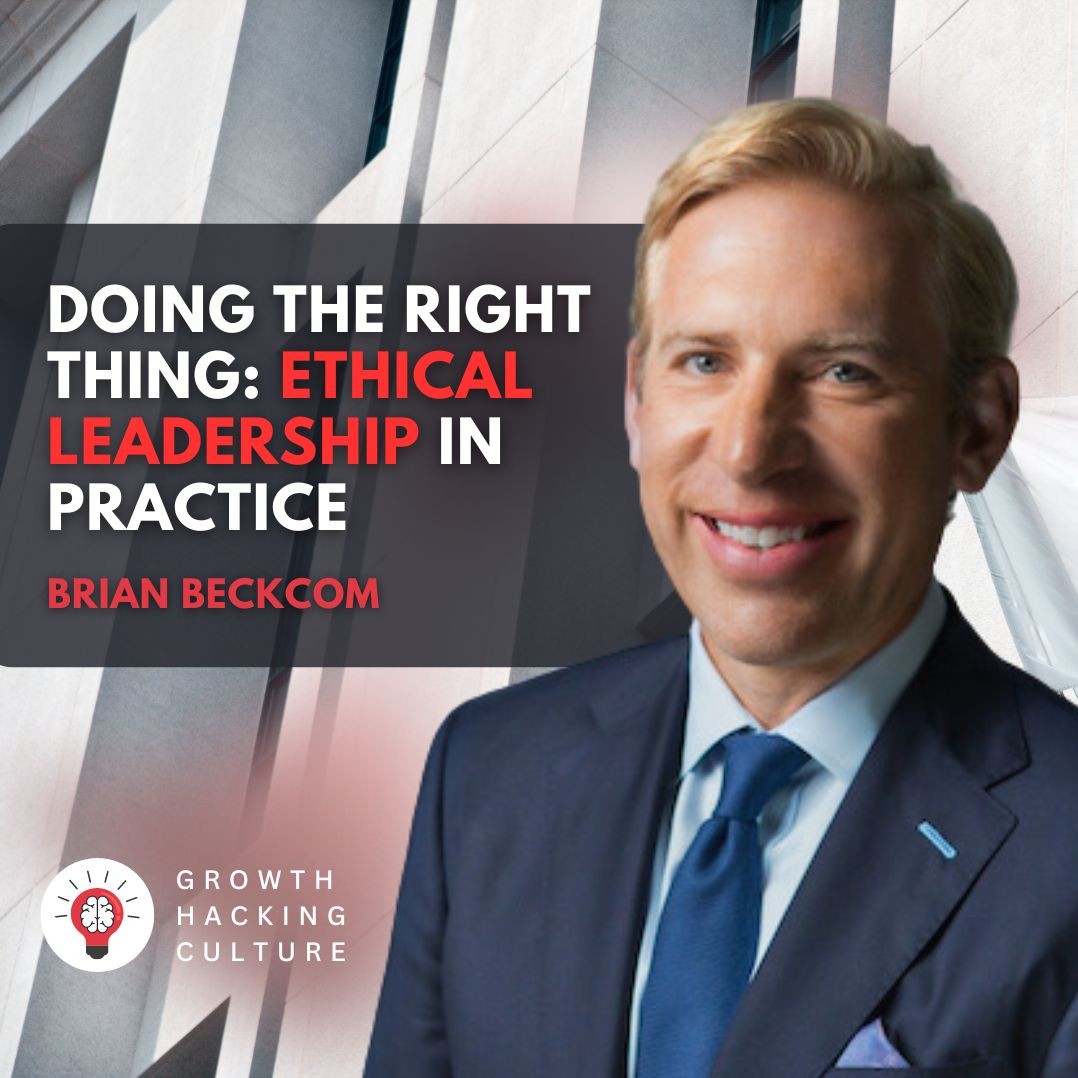
Ep 140Brian Beckcom on Doing the Right Thing: Ethical Leadership in Practice
A recent study by the Ethics & Compliance Initiative revealed a significant gap between the importance of ethical leadership and its perception among employees. While more than 99% of employees believe it's crucial for leaders to be ethical, only 24% feel their leaders meet this standard. This disparity highlights the urgent need for a stronger focus on ethical leadership in the workplace. About Brian Beckom Brian Beckcom is a distinguished Computer Scientist, Philosopher, and Trial Lawyer based in Houston, Texas. With 14 consecutive Texas Super Lawyer titles, Brian is recognized as one of the top legal minds in the state. His firm, VB Attorneys, is widely regarded as one of the best law firms in the United States. Reaching Brian Beckom: LinkedIn https://www.linkedin.com/in/brianbeckcom/ His podcast Lessons from Leaders with Brian Beckcom https://www.brianbeckcom.org/ What We Discussed in this Episode on Ethical Leadership What are the most important ethical principles that leaders should uphold in today's workplace? What are the common ethical dilemmas leaders face, and how can they navigate these challenges effectively? How can leaders foster a positive and ethical workplace culture? What ethical decision-making frameworks can guide leaders in making the right choices? How does accountability play a role in ethical leadership, and how can leaders ensure they are held accountable? What are the emerging trends in ethical leadership, and how are they shaping the future of leadership and ethics? What advice would you give to aspiring leaders who want to make ethical decisions in their careers? _____ About the Growth Hacking Culture Podcast The Growth Hacking Culture Podcast is a series of insightful interviews with prominent experts on mindsets, skills and mental resources to grow individually, lead motivated teams and create human-centric work cultures. These episodes are about thought provoking ideas to scale up and growth hack human-centric and performing work cultures. Hosted by Ivan Palomino
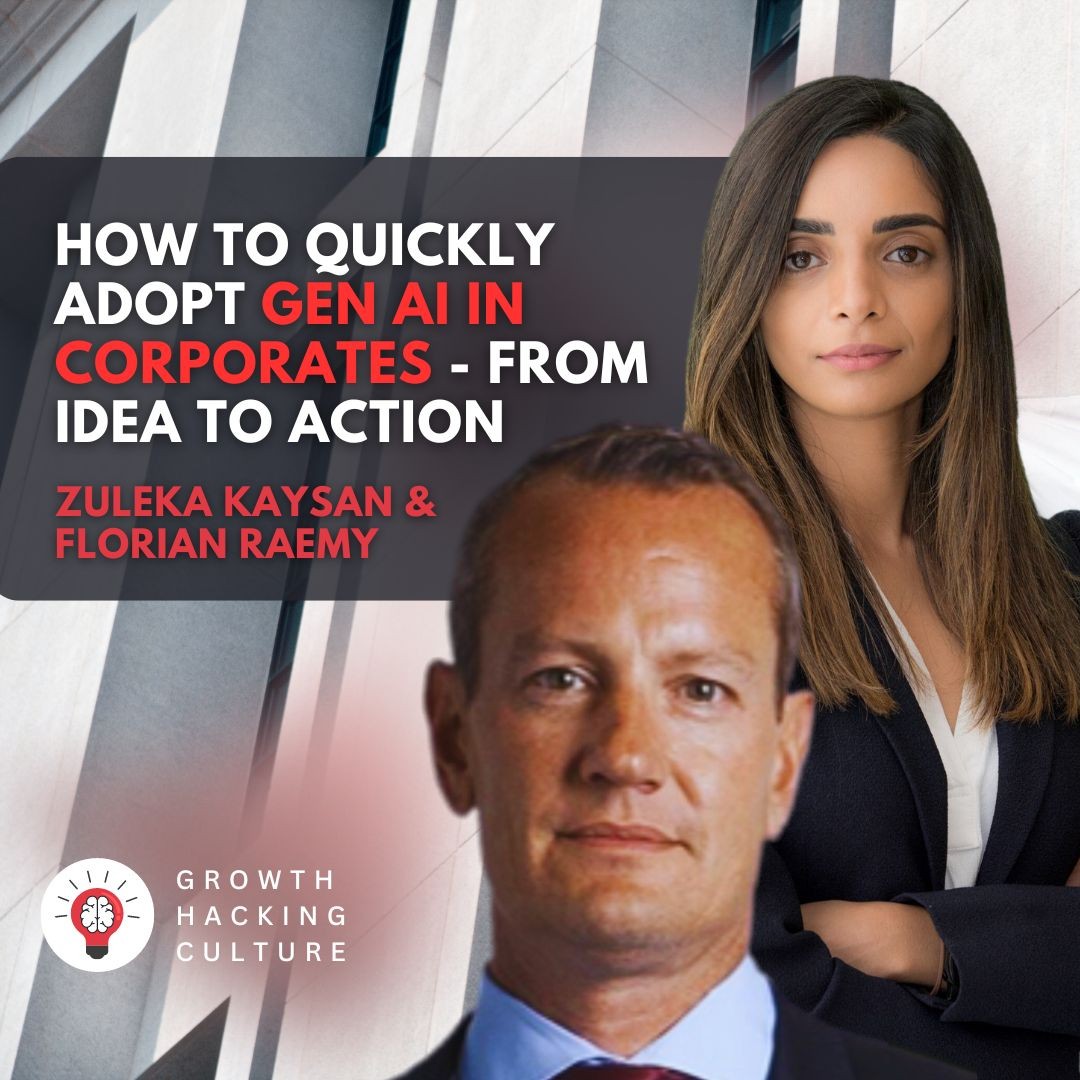
Ep 139Zuleka Kaysan and Florian Raemy on Accelerating Gen AI Adoption in Enterprise: Challenges, ROI and Solutions
Generative AI (GenAI) is making waves in the tech world, with experts describing it as a "technological tsunami." But what does this mean in reality? In this conversation, we delve into why GenAI is generating so much buzz, how it fits into the broader AI landscape, and which industries and functions are most poised for disruption. We'll also explore the challenges of adopting GenAI, from human and financial hurdles to IT issues, and share real-world success stories of non-tech companies leveraging GenAI for growth and innovation. Learn how to strategically approach GenAI adoption and manage the change it brings to your organization. About Zuleka Kaysan and Florian Raemy Zuleka Kaysan is the Managing Director of The Cornerstone Advisory, where she leverages over 18 years of experience in business transformation to help organizations enhance innovation and operational performance. Florian Raemy is the CEO of Prometee, an AI-first Swiss consultancy that specializes in guiding companies through the complexities of AI adoption and implementation. What We Discussed on Gen AI Adoption How easy is it to adopt AI in corporate environments? What are the major human and technical challenges in implementing AI successfully? Can you share examples of non-tech companies effectively using AI, and how they’ve done it? What are the first steps companies should take to start using AI, and what should they watch out for? How can organizations prepare themselves to be AI-ready? What are your top three pieces of advice for CEOs who are in "wait and see" mode regarding AI adoption? See the video recording on our YouTube Channel _____ About the Growth Hacking Culture Podcast The Growth Hacking Culture Podcast is a series of insightful interviews with prominent experts on mindsets, skills and mental resources to grow individually, lead motivated teams and create human-centric work cultures. These episodes are about thought provoking ideas to scale up and growth hack human-centric and performing work cultures. Hosted by Ivan Palomino
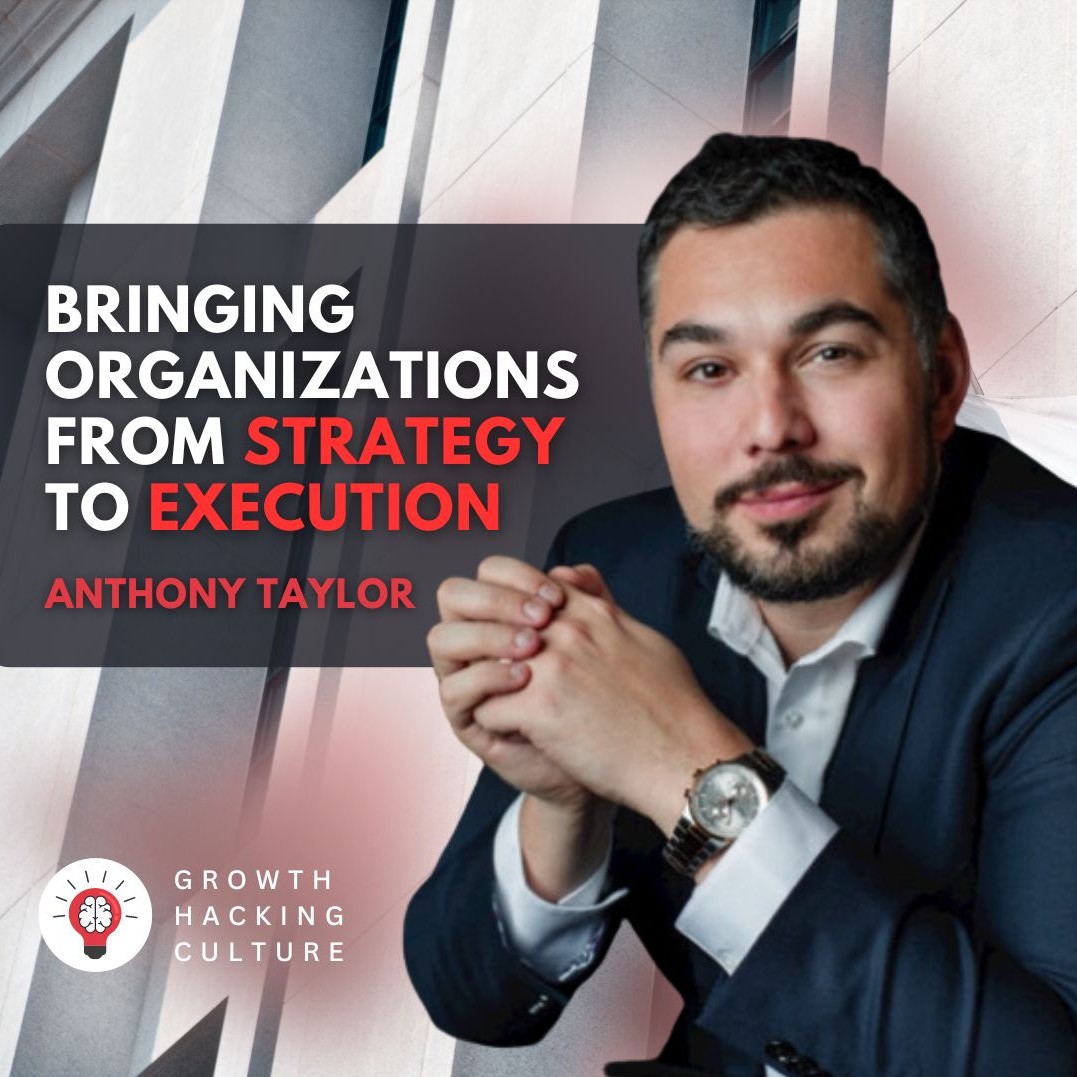
Ep 138Anthony C Taylor on Bringing Organizations from Strategy to Execution - Alignment, Technology and Efficient Operations
The "strategy-to-execution gap" is a critical issue that many organizations face, often leading to significant losses in strategic potential. According to a study by Harvard Business Review, executives reported that their organizations lose 40% of their strategy's potential value due to breakdowns in execution. Additionally, the Project Management Institute (PMI) found that 37% of projects fail because of a lack of clearly defined objectives and milestones, which are essential for successful execution. About Anthony C. Taylor Anthony Taylor is the CEO of SME Strategy, where he helps organizations achieve true strategic planning and alignment. He is also the author of two books and the host of the Strategy and Leadership Podcast. Learn more about Anthony C Taylor The Strategy and Leadership Podcast https://www.smestrategy.net/strategy-and-leadership-podcast Anthony's LinkedIn Profile https://www.linkedin.com/in/anthonyctaylor604/ What We Discussed in this Episode on Bringing Organizations from Strategy to Execution What are the common mistakes businesses make when executing their strategy? How can businesses achieve strategic alignment effectively? Are SMART goals still relevant, or are OKRs becoming more popular in strategic planning? What are the best tips for overcoming execution challenges in business strategy? How can businesses leverage technology to enhance operational efficiency and strategic alignment? What are the key steps to creating a culture of execution in an organization? What advice can help businesses struggling to achieve their strategic goals? BONUS - Be the First to Read Step Zero, Before The Hustle Announcement on my upcoming book on how to prepare your human skills for the Journey of Entrepreneurship: Step Zero, Before The Hustle https://www.ivanpalomino.net/book-step-zero-before-the-hustle _____ About the Growth Hacking Culture Podcast The Growth Hacking Culture Podcast is a series of insightful interviews with prominent experts on mindsets, skills and mental resources to grow individually, lead motivated teams and create human-centric work cultures. These episodes are about thought provoking ideas to scale up and growth hack human-centric and performing work cultures. Hosted by Ivan Palomino

Ep 137The Confidence Gap at Work: Why Your Employees Doubt Themselves (and How to Fix It) with Alan Lazaros
Employee confidence is a cornerstone of organizational success, yet many employees struggle with self-doubt, imposter syndrome, and a fear of failure. These issues can hinder their potential and negatively impact team performance, leading to hesitant decision-making and missed opportunities for innovation. In this interview with Alan Lazaros, CEO of Next Level University, we delve into the complexities of building a culture of confidence within organizations. We'll explore the root causes of self-doubt, the generational nuances affecting confidence levels, and the tangible consequences for businesses. Most importantly, we'll uncover actionable strategies for leaders to foster a workplace where every employee feels empowered, capable, and confident in their contributions. About Alan Lazaros Alan Lazaros, an engineer turned one of the most recognized self-help wizards, is the CEO of Next Level University. With his expertise, Alan has helped countless individuals and organizations build confidence and achieve their full potential. How to reach Alan: On his website https://www.nextleveluniverse.com/ On LinkedIn https://www.linkedin.com/in/alanlazarosllc/ The key questions on the confidence gap at work What are the main reasons employees lack confidence in the workplace? How do factors like imposter syndrome and fear of failure contribute to low employee confidence? What differences in confidence levels have you observed between younger generations and previous generations in the workforce? How does a lack of confidence among employees affect overall organizational performance? What strategies can leaders use to create a work environment that fosters employee confidence and self-belief? How can leaders address their own self-doubt to better support a confident workplace? What are some effective ways to scale confidence-building efforts across an entire organization? Is it possible to build a culture of confidence without incurring high costs for the organization? _____ About the Growth Hacking Culture Podcast The Growth Hacking Culture Podcast is a series of insightful interviews with prominent experts on mindsets, skills and mental resources to grow individually, lead motivated teams and create human-centric work cultures. These episodes are about thought provoking ideas to scale up and growth hack human-centric and performing work cultures. Hosted by Ivan Palomino

Ep 136Mauro Stara on The Science Link Between Physical Activity and Performance at Work
In this insightful episode, I open up about my journey from a work-centric life that led to deteriorated mental health to my quest for understanding where things went wrong. This pivotal shift ignited my interest in the profound impact of physical activity on performance. Mauro Stara, founder of Six Pack CEO and a renowned peak performance expert, joins me to delve into this topic. Mauro, a trusted advisor to high-achieving CEOs and business owners, is known for his unique approach that focuses on advanced blood work testing and personalized coaching to address hormonal imbalances. Through his expertise, Mauro helps clients achieve sustainable transformations, reclaiming vitality and confidence even with their demanding schedules. Together, we explore common misconceptions about physical health and productivity, the scientific link between them, and practical tips for busy professionals to enhance their well-being and efficiency. About Mauro Stara Mauro Stara, founder of Six Pack CEO, is a peak performance expert and trusted advisor to successful CEOs and business owners. Known as the last resort for those exhausted from mainstream approaches, Mauro specializes in resolving challenges where others have failed. By prioritizing advanced blood work testing and personalized coaching, he tackles the root cause of stagnation: hormones. With his guidance, clients achieve lifelong, sustainable transformations, reclaiming vitality and confidence amidst demanding schedules. How to reach Mauro Stara: LinkedIn: https://www.linkedin.com/in/mauro-stara-4b4295217/ Instagram https://www.instagram.com/maurostaraofficial/ What We Discussed in this Episode on Physical Health and Productivity: - What are some common misconceptions about physical health and productivity that you'd like to clear up? - Can you explain what science says about the link between physical health and work productivity? - How does physical health impact cognitive function and decision-making at work? - Are there specific areas of physical health that have a greater impact on productivity (e.g., cardiovascular health, sleep quality)? - Can you offer practical tips for busy professionals to improve their physical health and subsequently, their productivity? - How do you see the future of workplace wellness programs impacting employee health and productivity? - Can you share any personal anecdotes or success stories that illustrate the link between physical health and work productivity? BONUS CONTENT -The Habit Hack: How to Change Your Company Culture One Routine at a Time >> https://www.peoplekult.com/post/the-habit-hack-how-to-change-your-company-culture-one-routine-at-a-time _____ About the Growth Hacking Culture Podcast The Growth Hacking Culture Podcast is a series of insightful interviews with prominent experts on mindsets, skills and mental resources to grow individually, lead motivated teams and create human-centric work cultures. These episodes are about thought provoking ideas to scale up and growth hack human-centric and performing work cultures. Hosted by Ivan Palomino

Ep 135Jim Stevenson on Tech Omnipresence: Who Owns the Responsibility in the Modern Workplace?
In today's digital age, technology transcends the confines of the IT department, integrating into every role—from marketing and sales to customer service and even janitorial staff. This pervasive presence, which we term Tech Omnipresence, prompts a crucial question: Who holds the responsibility for technology in the modern workplace? Is it solely the IT team, expected to be tech wizards for everyone? About Jim Stevenson [CEO of Bletchley Group] Meet Jim Stevenson, a renowned expert in Strategy, Transformation, and Growth. As the Founder and CEO of Bletchley Group, an international growth consultancy, Jim believes that while technology is powerful, it should always serve a meaningful purpose. More about Jim: On LinkedIn https://www.linkedin.com/in/jimstevenson/ or in his website https://www.bletchleygroup.com/ What We Discussed in this Episode about Tech Omnipresence - How technology has reshaped workplace responsibilities. - Challenges in managing technology and its impact on employees. - The role of CIOs, CTOs, and alternative tech responsibility structures. - Empowering employees to be tech-savvy and innovative. - The benefits of "Tech Champions" versus distributed tech ownership. - Essential skills and mindsets for future tech leaders. - Preparing for evolving technologies and adaptable responsibility models. - Anecdotes and case studies on effective tech responsibility. **** Sign up for the Simply Human Newsletter (monthly email newsletter): https://simplyhuman.substack.com For show notes and past guests on the Growth Hacking Culture Podcast: https://www.peoplekult.com/podcast-work-culture Follow Ivan Palomino on Twitter: https://twitter.com/ivanpalomino_ Follow Ivan Palomino on LinkedIn: https://www.linkedin.com/in/ipalomino/

Ep 134Alan Versteeg on The Secret Weapon of Top Sales Teams: Mindset & Culture
Building a strong sales culture is crucial for driving consistent revenue growth and attracting top sales talent. However, several challenges can hinder this process for corporations. Here are some key obstacles, along with research to support them: 1. Misalignment Between Sales and Other Departments: Challenge: When sales goals are siloed from overall company objectives, it creates friction and distrust between sales and other departments like marketing, product development, and customer service. This lack of alignment can lead to inconsistent messaging, poor product-market fit, and ultimately, dissatisfied customers. Research: A study by CSO Insights found that only 42% of salespeople believe their marketing department is "highly effective" at generating qualified leads. 2. Lack of Focus on Customer Experience: Challenge: When the sales process prioritizes closing deals over building long-term customer relationships, it creates a transactional and unsustainable approach. This mindset can lead to high churn rates and damage the company's reputation. Research: According to a Salesforce report, 76% of customers expect companies to understand their needs and expectations. 3. Short-Term Focus and Pressure to Meet Quotas: Challenge: An overemphasis on hitting immediate sales targets can lead to unethical practices, poor product/service recommendations, and ultimately, customer dissatisfaction. This short-term mentality can also discourage investment in developing long-term customer relationships and employee skills. Research: A study by the Harvard Business Review found that a focus on short-term sales goals can lead to unethical behavior, such as pressure to misrepresent products or services. 4. Inadequate Coaching and Development: Challenge: Without ongoing coaching and development opportunities, salespeople struggle to adapt to changing market conditions, refine their skills, and stay motivated. This can lead to knowledge gaps, outdated techniques, and a lack of engagement with the sales process. Research: According to a study by the Sales Management Association, only 20% of salespeople believe their companies provide them with adequate sales training. 5. Unclear Recognition and Reward Systems: Challenge: Inconsistent or unclear recognition and reward systems can demotivate salespeople and fail to incentivize the desired behaviors. When rewards are solely based on closed deals, it discourages collaboration, knowledge sharing, and long-term customer focus. Research: A study by Gartner found that 74% of sales reps are dissatisfied with their current compensation plans. About My Guest Alan Versteeg Meet Alan Versteeg, an engineer turned sales management expert. Initially skeptical about the sales world, Alan applied engineering principles of cause and effect to sales management, transforming his career. He co-founded Growth Matters, developing over 2,000 sales managers across 45+ countries and diverse industries. His company Growth Matters: https://www.growthmattersintl.com/ Alan's LinkedIn Profile https://www.linkedin.com/in/alanversteeg/ What We Discussed in this Episode on Mindset & Culture in Top Sales Teams - Key differences between average and top-performing sales teams. - How to cultivate a growth mindset in sales teams. - Practical strategies for developing a winning mindset. - Essential elements of a high-performing sales culture. - Creating a culture of collaboration and knowledge sharing. - Challenges in building a strong sales culture. - Trends shaping the future of sales. **** Sign up for the Simply Human Newsletter (monthly email newsletter): https://simplyhuman.substack.com For show notes and past guests on the Growth Hacking Culture Podcast: https://www.peoplekult.com/podcast-work-culture Follow Ivan Palomino on Twitter: https://twitter.com/ivanpalomino_ Follow Ivan Palomino on LinkedIn: https://www.linkedin.com/in/ipalomino/