
Growing For Market Podcast
188 episodes — Page 4 of 4
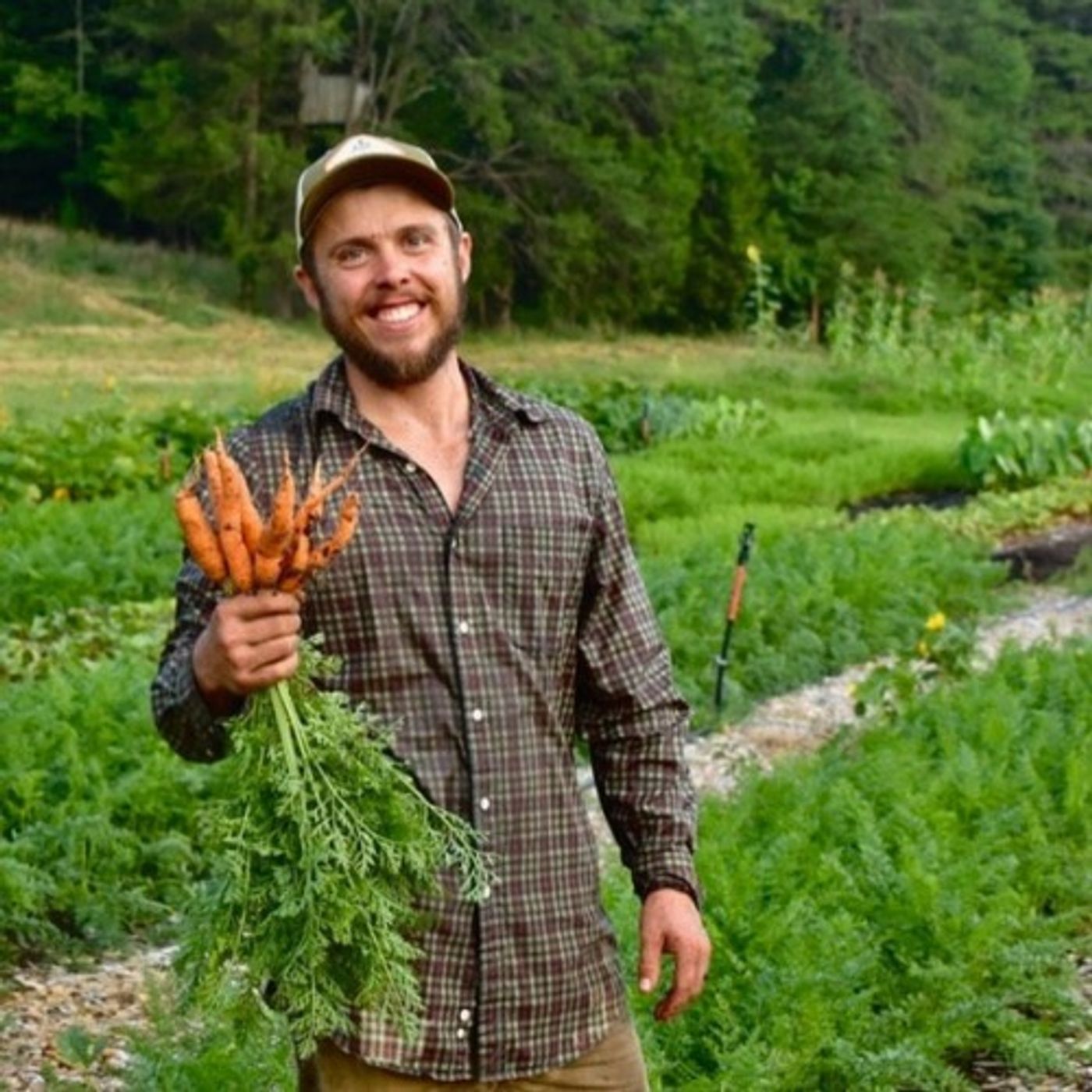
Ep 39Spreading risk through crop diversity on a new farm with Noah Poulos of Wild East Farm
Diversity of crops is one way to spread the risk in farming, and on this week’s podcast we talk about what Noah Poulos of Wild East Farm grew in this first year on his farm outside of Asheville, North Carolina. In addition to vegetables, crops include pastured meats and agroforestry, and we discuss how the short-term crops help them get into farmers markets and generate income while the longer-term crops grow. We also discuss their unusual lease that was set up to keep the property in farming, recap how the first year on the property went, what he learned managing other farms, and more! Connect With Guest:Website: www.wildeastfarm.comInstagram: @noahthefarmerInstagram: @wildeastfarmYouTube: @wildeastfarm Podcast Sponsors:Huge thanks to our podcast sponsors as they make this podcast FREE to everyone with their generous support: Bootstrap Farmer offers a complete range of growing supplies including heat mats, ground cover, frost blankets, silage tarps, irrigation, and trellising. They also make all-metal, all-inclusive greenhouse frames, constructed of steel made in the USA and fabricated in Texas. Their heavy-duty, Midwest-made propagation and microgreens trays will last for years and are available in a full spectrum of colors. For all that plus experienced support for everything they sell, check out Bootstrap Farmer at bootstrapfarmer.com. Vermont Compost Company - Each fall, Vermont Compost offers a prebuy program to incentivize ordering your spring soil before the snow flies. You can receive 20% off orders placed, paid for, and shipped by October 31st. Listeners of the Growing for Market podcast will also receive a free 60-quart bag of Compost Plus container and transplant booster mix with your order. Visit vermontcompost.com/gfm for more details, or mention this podcast when you place your order. Want to learn more about going full-time into your life's passion? Here is a link to September's article "Making the Leap to Farming Full-Time" By Rebecca Kutzer-Rice, from the Growing for Market Magazine.Subscribe To Our Magazine - FREE 28-Day Trial:Our Website: www.GrowingForMarket.com

Ep 3870 sustainable plants that will change the way we eat, with Kevin Hobbs and Artur Cisar-Erlach
Podcast host Katie Kulla illustrated a new book! In this episode she interviews Kevin Hobbs and Artur Cisar-Erlach, the co-authors of the book, "Edible: 70 Sustainable Plants That Are Changing How We Eat." Over half of the modern diet is based on just a few plants, however with a rapidly changing climate, plants that can thrive under more challenging conditions will become more important in ensuring food security. This interview focuses on the crops from the book that have commercial potential and could be grown by market farmers, with the added bonus for growers that the crops are selected for resiliency. The fact that most of these crops are not currently widely grown in the USA by market farmers means growers may be able to set their farms apart by growing some of these crops. Plant nerds everywhere will enjoy learning about edible crops they never have heard of, some of which just might become your next favorite crop!Buy Edible: 70 Sustainable Plants That Are Changing How We Eathttps://growingformarket.com/store/products/249Connect With Guest:Kevin’s Instagram @florafanaticaArtur’s Instagram @artur_cisar_erlachArtur’s website: https://arturcisar-erlach.com/Podcast Sponsors:Huge thanks to our podcast sponsors as they make this podcast FREE to everyone with their generous support:Bootstrap Farmer offers a complete range of growing supplies including heat mats, lighting, ground cover, frost blankets, silage tarps, irrigation, and trellising. They also make all-metal, all-inclusive greenhouse frames, constructed of steel made in the USA and fabricated in Texas. Their heavy-duty, Midwest-made propagation and microgreens trays will last for years and are available in a full spectrum of colors. For all that plus experienced support for everything they sell, check out Bootstrap Farmer.BCS America - BCS two-wheel tractors are designed and built in Italy where small-scale farming has been a way of life for generations. Discover the beauty of BCS on your farm with PTO-driven implements for soil-working, shredding cover crops, spreading compost, mowing under fences, clearing snow, and more – all powered by a single, gear-driven machine that’s tailored to the size and scale of your operation. To learn more, view sale pricing, or locate your nearest dealer, visit BCS America.Vermont Compost Company - Since 1992, Vermont Compost Company has supplied premium living soils and compost-based amendments to thousands of successful growers all over the country. All ingredients used in Vermont Compost products are approved for certified organic production. In addition to product consistency, growers can depend on Vermont Compost as an invaluable resource for a breadth of soil and plant knowledge and the technical expertise it takes to grow organically in an ever-changing environment. Why Grow Alone? Subscribe To Our Magazine - FREE 28-Day Trial:Our Website: www.GrowingForMarket.com
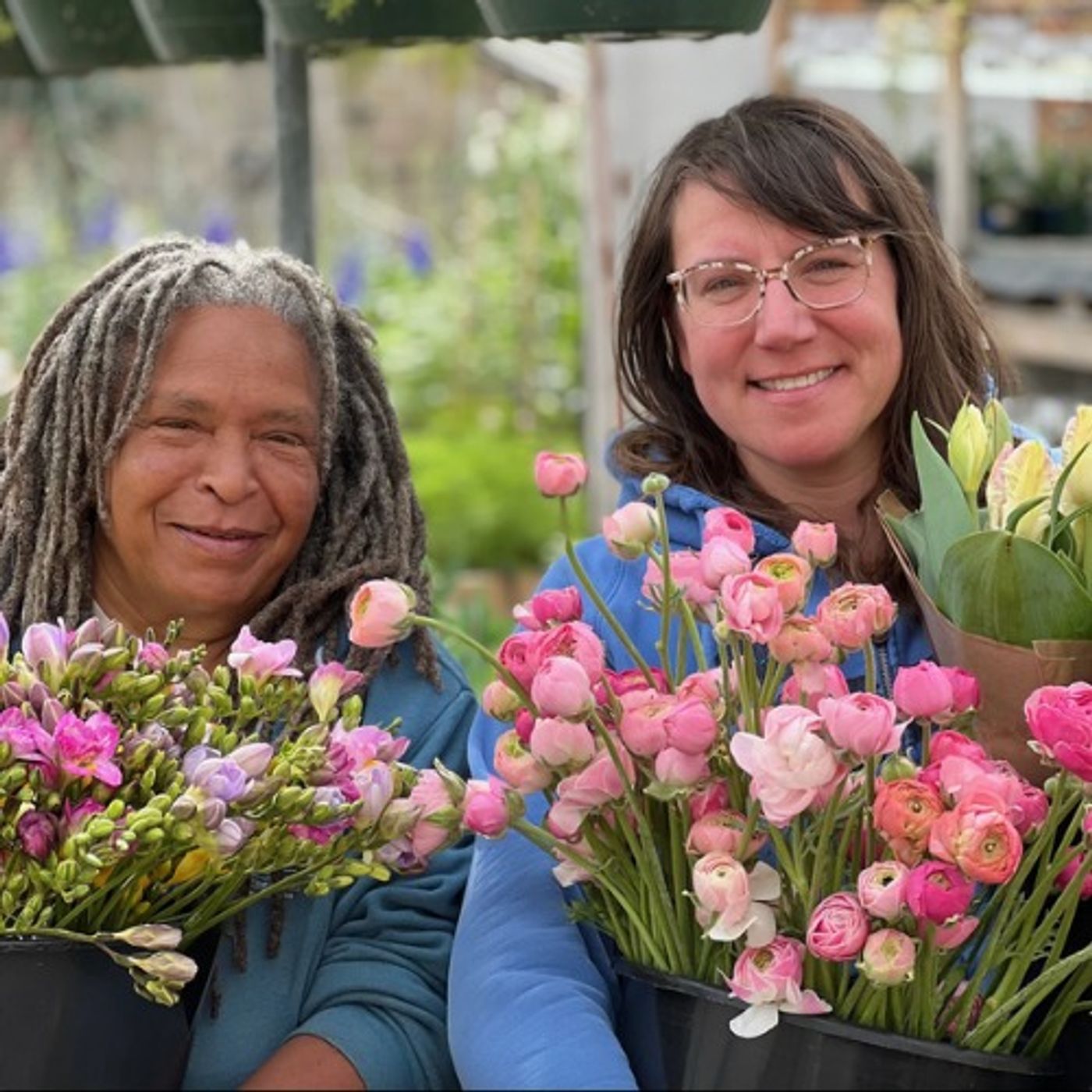
Ep 37Urban flower farming with Mimo Davis and Miranda Duschack of Urban Buds City Grown Flowers
Mimo Davis and Miranda Duschack grow flowers at Urban Buds City Grown Flowers in the city of St. Louis, Missouri, and we love this interview where we talk about rehabbing a legacy farm property including an old glass greenhouse, what it’s really like to grow flowers in the city, and what their markets are with so many potential customers nearby. We talk about how to get the most out of a small area, favorite floral crops and growing tips, why they keep growing ginger along with all the flowers, the impact of urban farms, and so much more! We’d like to thank the sponsors of this podcast, BCS America and the Vermont Compost Company. It’s with their generous support that we can bring you this podcast for free so show them some love. They’re making it easy right now as both sponsors are having sales- Vermont Compost is doing their annual prebuy program now through the end of October to incentivize ordering your spring soil before the snow flies. You can receive 20% off orders placed, paid for, and shipped by October 31st. Listeners of the Growing for Market podcast will also receive a free 60 quart bag of Compost Plus container and transplant booster mix with your order. Visit vermontcompost.com/gfm for more details, or mention this podcast when you place your order. And, BCS has select two-wheel tractors and attachments on sale now through the end of the year. Visit bcsamerica.com to find sale pricing and your nearest dealer. Connect With Guest:Email: [email protected]: www.citygrownflowers.comInstagram: @urbanbuds Podcast Sponsors:Huge thanks to our podcast sponsors as they make this podcast FREE to everyone with their generous support: Vermont Compost Company - Since 1992, Vermont Compost Company has supplied premium living soils and compost-based amendments to thousands of successful growers all over the country. All ingredients used in Vermont Compost products are approved for certified organic production. In addition to product consistency, growers can depend on Vermont Compost as an invaluable resource for a breadth of soil and plant knowledge and the technical expertise it takes to grow organically in an ever-changing environment. Why Grow Alone? BCS America - BCS two-wheel tractors are designed and built in Italy where small-scale farming has been a way of life for generations. Discover the beauty of BCS on your farm with PTO-driven implements for soil-working, shredding cover crops, spreading compost, mowing under fences, clearing snow, and more – all powered by a single, gear-driven machine that’s tailored to the size and scale of your operation. To learn more, view sale pricing, or locate your nearest dealer, visit BCS America. Subscribe To Our Magazine - FREE 28-Day Trial:Our Website: www.GrowingForMarket.com
Ep 36Balancing farming on Whidbey Island and teaching farming in Seattle with Eli Wheat of SkyRoot Farm and The U of WA
Eli Wheat is both a farmer and a teacher, splitting his time between SkyRoot Farm on Whidbey Island, WA and teaching at the University of Washington. On this week’s podcast, we get to hear how he balances both, taking the ferry back and forth between the island and the city, and how different the University of Washington urban farm is from his farm! We love this interview where Eli and host Katie Kulla talk about how working with new people has shrunk the farm’s footprint to roughly half of what it was without reducing revenue, how going no-till has changed the farm, innovative ways to market your produce, what an amazing place Whidbey Island is to farm, and more! Connect With Guest:Email: [email protected]: SkyRoot FarmInstagram: @skyroot_farmersWebsite: http://www.skyrootfarm.com/ Download A FREE Magazine Issue:Go To Growing For Market Magazine: www.GrowingForMarket.com
Ep 35The Winter Market Gardener with Catherine Sylvestre of Ferme des Quatre-Temps
Harvesting vegetables all winter long is what we discuss on today’s podcast with Catherine Sylvestre of Ferme des Quatre-Temps, in Hemmingford, Quebec, Canada. Catherine is an agronomist and director of vegetable production and leader of the market garden team at the farm. She is also the co-author of a new book, called The Winter Market Gardener, along with JM Fortier. She develops, implements, and teaches best practices for cold season growing, specializing in crop protection and greenhouse production for northern climates. We talk about how to time plantings as growth slows in the winter, how to use a variety of structures to spread out the harvest, we answer some listener-submitted questions, and more! Whether this is your first winter growing or your twentieth, there are plenty of ideas here to help dial-in winter vegetable production. Connect With Guest:Email : [email protected] : @fermequatretempsThe Winter Market Gardener Book : Buy HereCatherine's article from the August magazine, "Year-round carbon neutral greenhouse production," https://growingformarket.com/articles/yearround-carbon-neutral-greenhouse-productionLink to contest to win one of three copies of The Winter Market Gardener: https://kingsumo.com/g/ackxye/book-giveaway-the-winter-market-gardener-3999-value-3-winnersLink to winter planting dates calculator: https://app.orisha.io/#winter-harvest FREE 28 day trial of Growing for Market Magazine- cancel anytime:Go To Growing For Market Magazine: www.GrowingForMarket.com
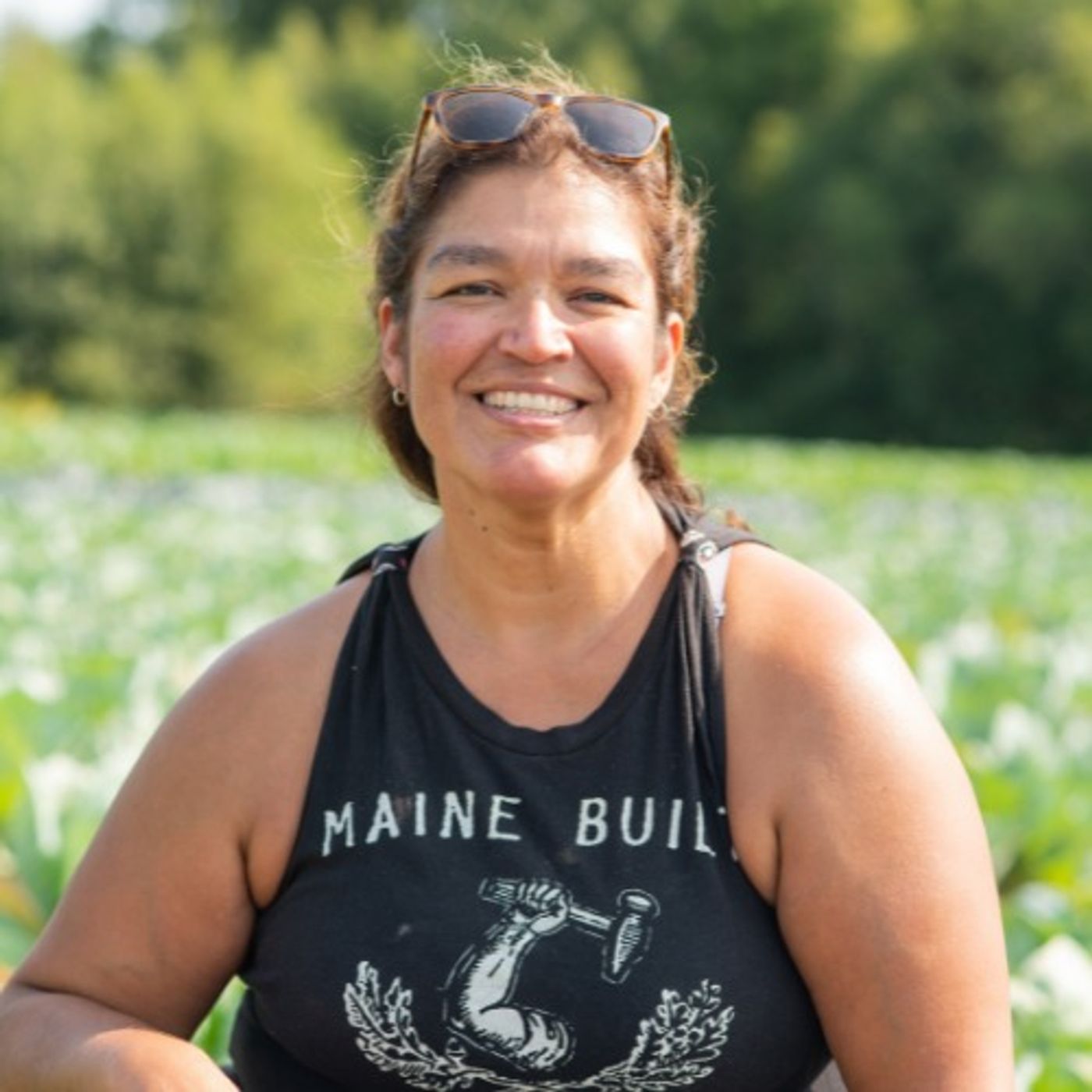
Ep 34Staying healthy through a lifetime of farming with Cynthia Flores of Labor-Movement
Farming can take a toll on the body, and this week’s podcast guest Cynthia Flores founded Labor-Movement to help farmers stay healthy through many seasons of farming. That’s because after 20 years of farming herself, she has felt the toll it takes on the body, and decided to do something about it! As a certified personal trainer and licensed massage therapist, we have a lot to learn from her about how to stay healthy through seasons of farming, including how to move to reduce injuries, how to recover from injuries, and how to get stronger in the off-season. Podcast host Katie Kulla and Cynthia discuss common farm injuries, ways to make our bodies more resilient, and farm systems and equipment to reduce injuries in the first place. Connect With Guest:Email: [email protected]: https://www.labor-movement.comInstagram: @labor_movement_ Free 28 Day Trial - Cancel Anytime:Go To Growing For Market Magazine: www.GrowingForMarket.com
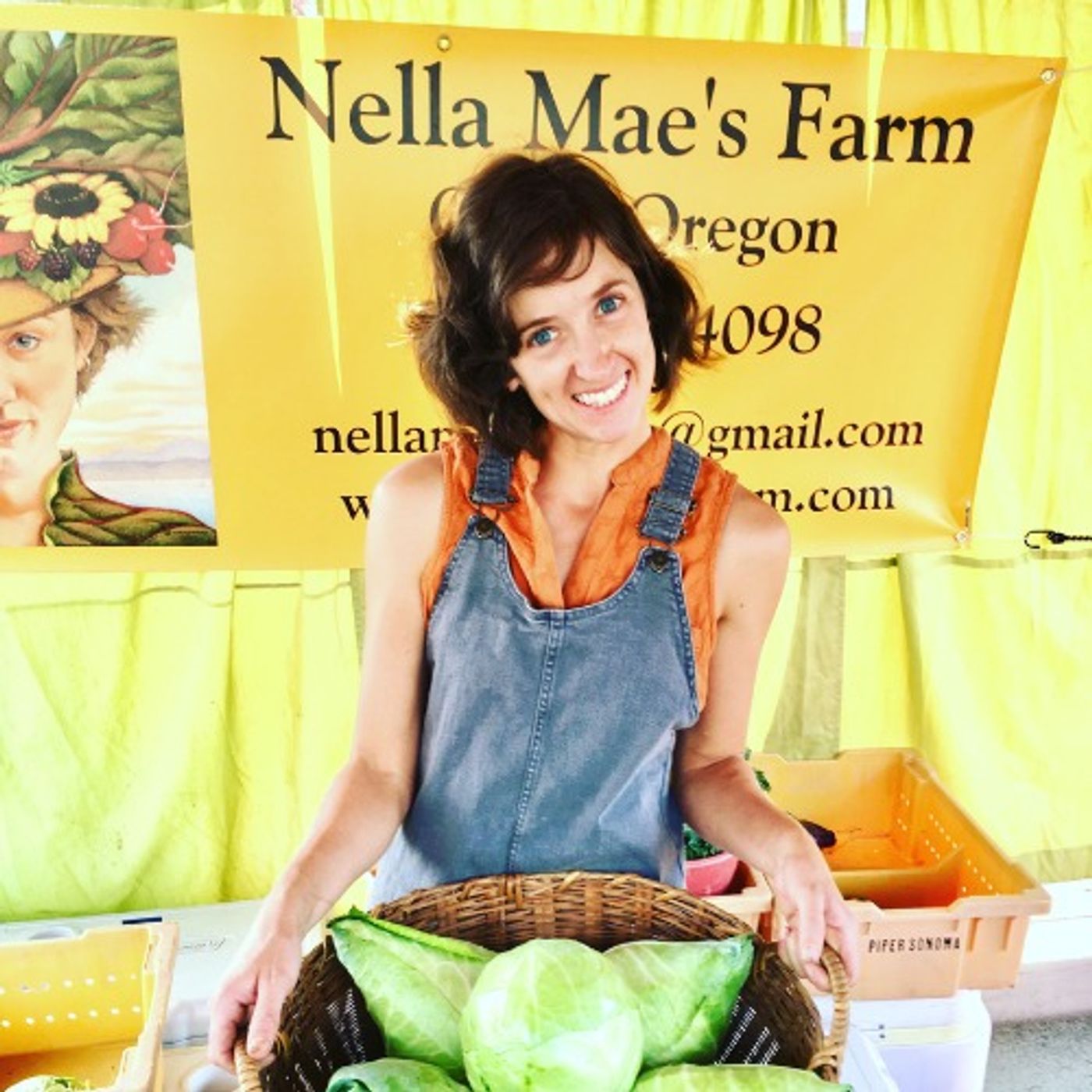
Ep 33Strategies for farming in clay with Nella Mae Parks of Nella Mae’s Farm in Cove, Oregon
Nella Mae Parks went from a farm with lots of topsoil to one with lots of clay, and in the subsequent decade she has learned a lot about clay! Nella Mae’s Farm is in Cove, Oregon. Podcast host Katie Kulla and Nella Mae talk about the advantages that clay can provide (high water and nutrient holding ability), as well as the disadvantages (can be hard to work with, can turn into a brick if worked at the wrong time).They also discuss how to open up clay soil whether you till or not, how to deal with the difficulties associated with both direct seeding and transplanting into clay, why she’d take clay over sand, and more! In Shop Talk with Neversink Farm we chat about new tools, old tools, how they can benefit your farm and tips to use them successfully with Conor Crickmore of Neversink Tools, which manufactures tools for farmers. In this episode of Shop Talk, we talk about strategies for using low tunnels in the winter. We discuss how in areas with very cold winters, low tunnels inside a greenhouse can not only keep crops alive for winter sales, they can also be used to keep crops looking good for spring sales. In milder climates, low tunnels can be used the same way but in the field.Thanks to our collaborator on this podcast Neversink Farm. They make this podcast free to everyone with their generous support. For tools designed and made by farmers, check out www.NeversinkTools.com Articles Mentioned In This Episode:"Strategies for farming in clay" by Nella Mae Connect With Guest:Website: https://nellamaesfarm.com/Instagram: @nellamaesfarmUSDA Soil Survey Website: https://www.nrcs.usda.gov/conservation-basics/natural-resource-concerns/soil/soil-survey Download A FREE Magazine Issue:Go To Growing For Market Magazine: www.GrowingForMarket.com
Ep 32Part 2 of Managing your wash/pack system for safe, clean produce with Billy Mitchell, Chris Callahan and Andrew Chamberlin
In this episode of the Growing for Market podcast, host Andrew Mefferd invites guests Billy Mitchell, Chris Callahan, and Andrew Chamberlin to discuss efficient systems and organization for packing sheds. We discuss the principles of good flow in a wash/pack situation and how to optimize cold storage in post-harvest handling. The guests emphasize the significance of creating a comfortable and efficient work environment by considering factors such as walking paths, space, lighting, and ventilation. They provide practical tips to improve work flow, such as identifying bottlenecks and rearranging workstations or introducing hanging shelving. The episode also delves into the five-step cleaning and sanitizing process for wash pack areas, with the addition of a crucial fifth step: drying surfaces after sanitization. The concept of dry-cleaning (not like laundry) is discussed as an alternative to wet-cleaning surfaces, with brushes, brooms, vacuums, or compressed air for debris removal. The importance of cold storage in maintaining produce quality is highlighted, with recommendations for small CoolBot rooms and considerations for larger spaces. The conversation concludes with resources including tools, articles, and informative materials to help optimize post-harvest handling practices and create efficient and safe work environments. In this episode we discuss:0:03:11 - Improving the Design of Greens Bubblers0:09:22 - Container Options for Efficient Farm Operations0:14:01 - Cleaning Tools0:22:26 - To Wash or Not to Wash0:27:54 - Design Principles for Good Flow in a Wash Pack Situation0:34:59 - The Five-Step Cleaning and Sanitizing Process0:35:56 - Cold Storage as the Endpoint of Wash Pack0:40:37 - Common Mistakes in Wash Pack Operations0:42:33 - Cultural and Communication Challenges0:43:17 - Investing in Quality Tools0:45:19 - Continuous Improvement and Problem Solving0:52:24 - Future Focus: Sustainable Packaging In Shop Talk with Neversink Farm we chat about new tools, old tools, how they can benefit your farm and tips to use them successfully with Conor Crickmore of Neversink Tools, which manufactures tools for farmers. In this episode of Shop Talk, we discuss strategies for using low tunnels in the shoulder seasons. Low tunnels are a cheaper way than greenhouses to nurture and hold crops when temperatures are outside of the ideal, stretching the season as temperatures climb in the spring or drop in the fall. We talk about how a little bit of extra temperature protection can make your farm much more competitive and profitable.Thanks to our collaborator on this podcast Neversink Farm. They make this podcast free to everyone with their generous support. For tools designed and made by farmers, check out www.NeversinkTools.com Free articles mentioned in show:Beat the heat in postharvest handlinghttps://growingformarket.com/articles/beat-the-heat-postharvest-handlingLove is Love Cooperative Farm Profilehttps://growingformarket.com/articles/love-love-cooperative-farm-profile Connect With Guest:https://blog.uvm.edu/cwcallah/2018/11/14/bins-buckets-baskets-totes/ Download A FREE Magazine Issue:Go To Growing For Market Magazine: www.GrowingForMarket.com
Ep 31Managing your wash/pack system for safe, clean produce with Billy Mitchell, Chris Callahan and Andrew Chamberlin
Strategies to create a clean wash/pack environment that guarantees good food hygiene and workflow is the topic of this week’s pod, and for the first time ever we have three guests! With three guests and such an important topic, it’s no surprise this became the first of a two-part episode, with the second part following next week. In addition to getting produce clean and safe from pathogens, a good packing shed will facilitate workflow that keeps the produce moving and people comfortable. In this episode, we have the privilege of hosting Billy Mitchell, Chris Callahan, and Andrew Chamberlin, who share their expertise and insights on the importance of hygienic design in wash-pack systems. In this episode we discuss: 00:01:00 - Importance of Food Safety,00:05:13 - Ensuring Good Wash/Pack Production Flow00:14:05 - Basics of Food Safety for Growers00:15:10 - Key Points for Food Safety00:15:58 - Simplifying Food Safety00:20:12 - Importance of Cleaning00:24:59 - Water Safety for Washing Produce00:27:31 - The Use of Sanitizers in Wash Water00:30:48 - Hygienic Design Principles00:35:51 - Inspection vs. Audit00:37:43 - Food safety starts in the field00:41:30 - Color Coding for Organization and Cross-Contamination Prevention00:42:05 - Using Shallow Totes and Mini Pallets for Field Efficiency00:43:33 - Mobility Solutions in the Wash Pack Area00:44:45 - In-field Cooling Strategies00:48:25 - Forced Air Cooling for Extended Shelf Life00:55:09 - The Importance of Cooling Methods00:56:26 - Scale and Applicability of Hydrocooling00:57:32 - Low-tech Cooling Techniques00:58:29 - Water Quality Considerations01:00:06 - Conclusion and Resources Chris Callahan is the Extension Associate Professor of Agricultural Engineering at the University of Vermont- he works with food producers, processors, and distributors to improve the efficiency, quality and safety of post-harvest practices and storage processes like water management, environmental control, drying, humidification, and refrigeration systems. Andy Chamberlin is also with the U of VT, farmers with their post-harvest processes to increase efficiencies and profitability while maintaining safe food handling processes. Billy Mitchell is with the Southeast Region of the USDA's Transition to Organic Partnership Program and works with partners across the Southeast and nationally to provide educational opportunities to organic and transitioning to organic producers and the workforce that supports them. In Shop Talk with Neversink Farm, we chat about new tools, old tools, how they can benefit your farm and tips to use them successfully with Conor Crickmore of Neversink Tools, which manufactures tools for farmers. In this episode of Shop Talk with Neversink Farm, we discuss how to use low tunnels in the summer. Though it’s common to associate low tunnels with winter production, we talk about the strategies that make low tunnels effective in the hotter part of the season, most notably with shade cloth, which has the advantage that it can be watered through, unlike floating row cover and many of the other commonly used coverings. We also discuss how not using weights to hold down row cover saves time and offers more flexibility than having to move weights every time you need to access the crop. Thanks to our collaborator on this podcast Neversink Farm. They make this podcast free to everyone with their generous support. For tools designed and made by farmers, check out www.NeversinkTools.com Free articles mentioned in show:Beat the heat in postharvest handlinghttps://growingformarket.com/articles/beat-the-heat-postharvest-handling Love is Love Cooperative Farm Profilehttps://growingformarket.com/articles/love-love-cooperative-farm-profile Connect With Guest:The guests' food safety resources are available at:https://blog.uvm.edu/cwcallah/ Download A FREE Magazine Issue:Go To Growing For Market Magazine: www.GrowingForMarket.com
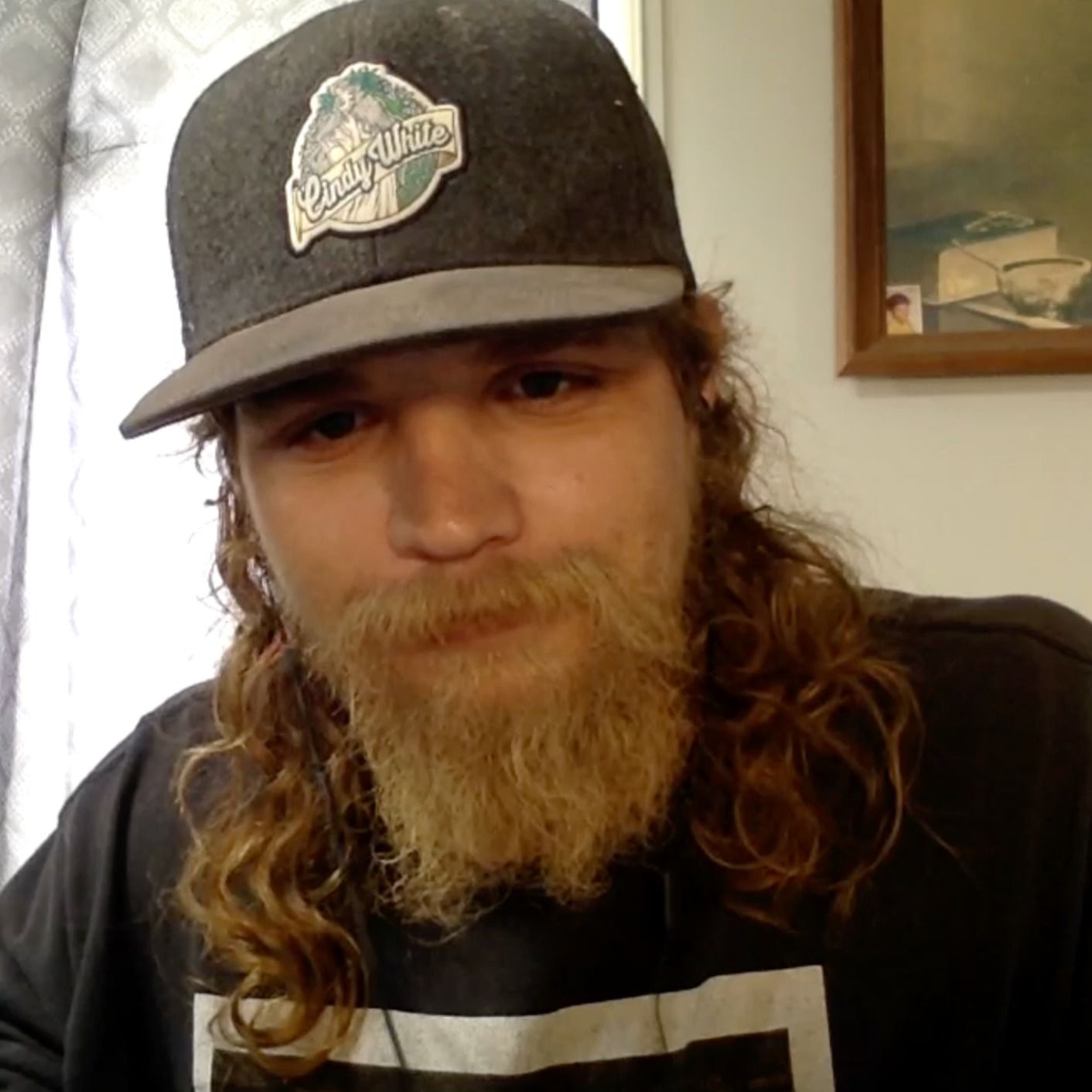
Ep 30Overcoming adversity with Anthonie Conner of 4A Market Gardens in Torrington, Wyoming
Adversity is something all farmers will have to overcome at some point in their careers, and on this podcast episode we talk with Anthonie Conner of 4A Market Gardens in Torrington, Wyoming, for a dose of inspiration. Anthonie overcame alcohol addiction, then threw himself into starting his market garden during the pandemic, in addition to holding down an off-farm job as a welder. We talk about perseverance, and how to stay motivated when you have weeds as tall as you are. We also talk strategies for building a farm business in a lightly populated rural area, including working with aggregators and finding ways to stand out at markets. In Shop Talk with Neversink Farm, we chat about new tools, old tools, how they can benefit your farm and tips to use them successfully with Conor Crickmore of Neversink Tools, which manufactures tools for farmers.In this episode of Shop Talk with Neversink Farm, we discuss why, how and when to broadfork. We talk about how if you’re not tilling (or even if you are!), broadforking can be a great way to aerate the soil with a minimum of disturbance. We talk about why and how to use a broadfork, how much to broadfork, and when you may be able to decrease the amount of broadforking or stop completely.Thanks to our collaborator on this podcast Neversink Farm. They make this podcast free to everyone with their generous support. For tools designed and made by farmers, check out www.NeversinkTools.com FREE Article discussed in the show:An introduction to Korean Natural Farminghttps://growingformarket.com/articles/an-introduction-to-Korean-Natural-Farming Connect With Guest:Facebook: https://www.facebook.com/p/4A-Market-Gardens-100076359093869 Download A FREE Magazine Issue:Go To Growing For Market Magazine: www.GrowingForMarket.com
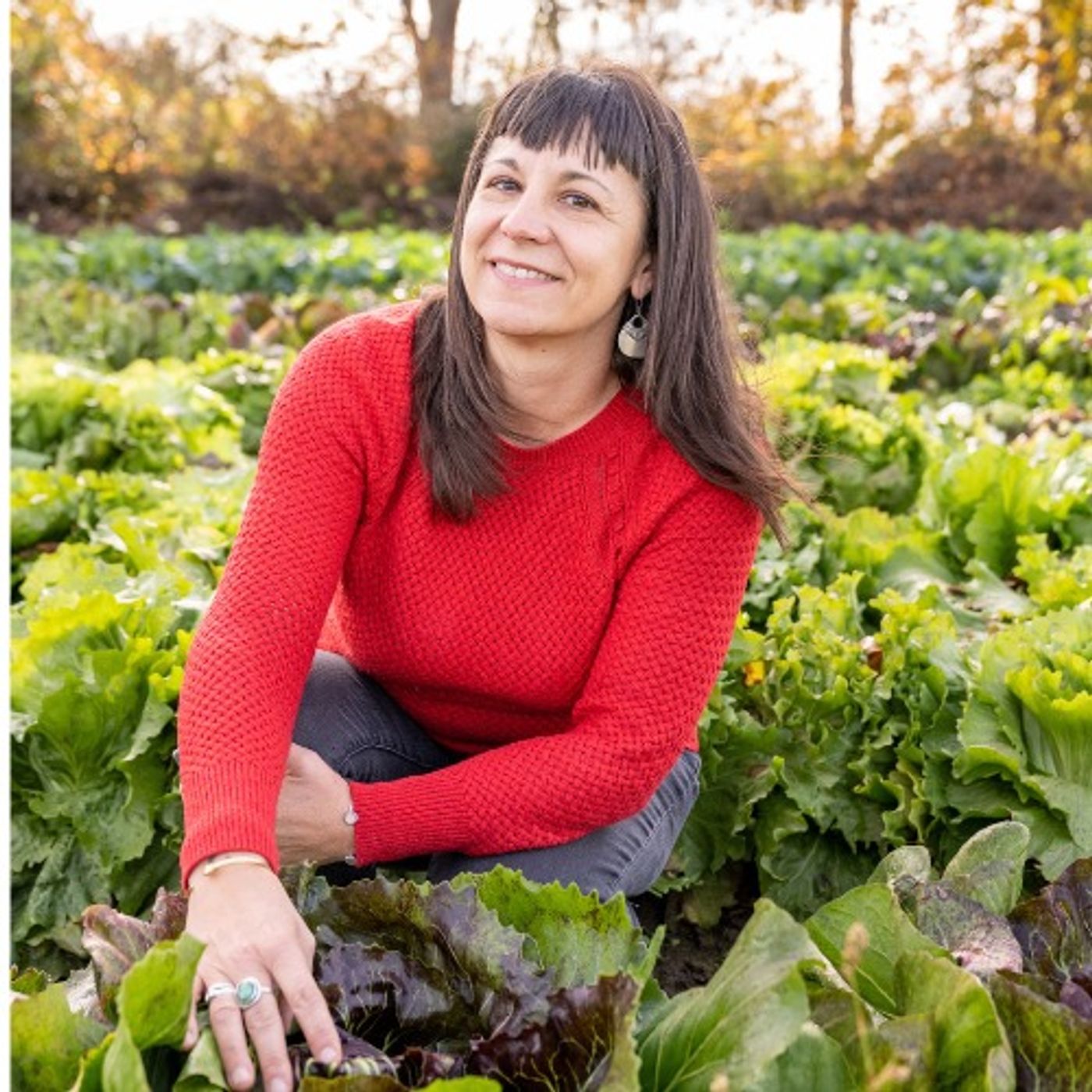
Ep 29Breeding more flavorful vegetables with Culinary Breeding Network founder Lane Selman
The Culinary Breeding Network helps plant breeders to develop the kind of varieties that market farmers want to grow, i.e. vegetables that taste good. While it might seem obvious that vegetables should taste good, a lot of the effort that goes into vegetable breeding focuses on traits like yield, shelf life and looks, without considering flavor.In tomorrow’s episode of the Growing for Market Podcast, we talk with Lane Selman, creator and director of the Culinary Breeding Network. Lane grew up on the citrus farm her Sicilian great-grandparents planted in 1919 in Florida. She studied agronomy and entomology at the University of Florida before moving to Oregon in 2000. As a Professor of Practice at Oregon State University, Lane has worked with organic vegetable and grain farmers, managed collaborative research projects, and executed marketing campaigns and outreach events for over 15 years. In 2011, she created the Culinary Breeding Network to build communities of plant breeders, seed growers, farmers, produce buyers, chefs and other stakeholders to improve quality in vegetables and grains.The Culinary Breeding Network organizes culinary explorations, conversations and celebrations that inspire connection and collaboration throughout the food system. We’ll talk a lot more about what that looks like in action and the enthusiasm Lane brings to helping farmers, chefs, and eaters all explore the fabulous flavors available in fresh seasonal produce. Lane has been immersed in agriculture her entire life and host Katie Kulla was excited to talk about her experiences and work. In Shop Talk with Neversink Farm, we chat about new tools, old tools, how they can benefit your farm and tips to use them successfully with Conor Crickmore of Neversink Tools, which manufactures tools for farmers.In this episode of Shop Talk with Neversink Farm, we discuss broadfork design, and the design features that make one unbreakable vs. the design features that make one effective. We talk about why and how to use a broadfork, and why Neversink Tools hasn’t launched one yet, despite working on a design.Thanks to our collaborator on this podcast Neversink Farm. They make this podcast free to everyone with their generous support. For tools designed and made by farmers, check out www.NeversinkTools.com Connect With Guest:Website: www.culinarybreedingnetwork.comInstagram: @culinarybreedingnetworkWebsite: https://www.eatwintervegetables.com/Website: https://www.chicoryweek.com/ Download A FREE Magazine Issue:Go To Growing For Market Magazine: www.GrowingForMarket.com
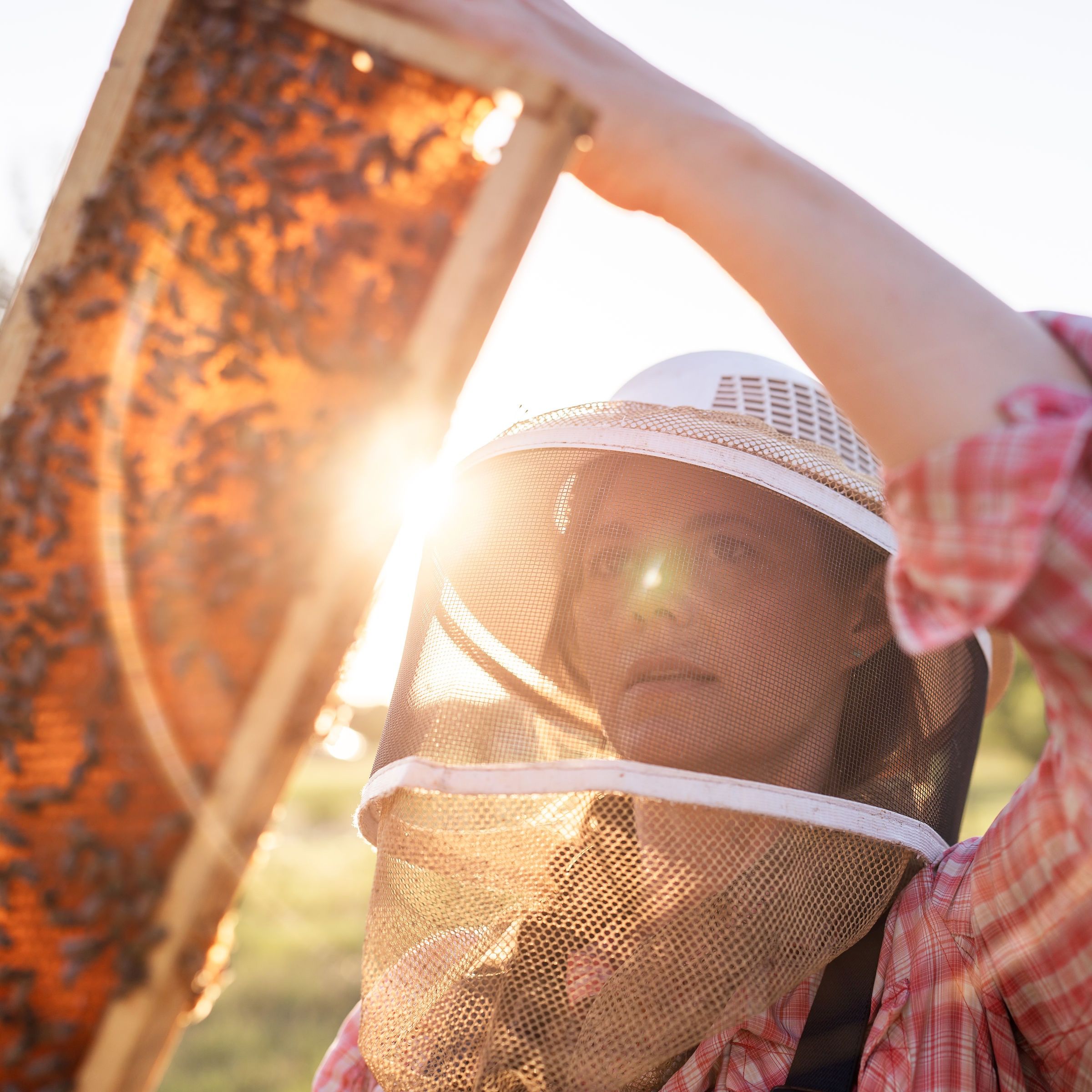
Ep 28Building a honey farm business with innovative marketing, agritourism and education with Tara Chapman of Two Hives Honey
Just your typical CIA to honey farmer story on this podcast! Tara Chapman of Two Hives Honey talks with host Katie Kulla about starting and scaling a honey business, with education and agritourism as important parts of the plan. After a decade of working for The Agency, Tara quit her government job to work for a beekeeper in East Texas, and was inspired to start her own unique honey business.Two Hives Honey sells raw honey direct to consumers through its online store and a monthly subscription program. They also offer multiple education opportunities through on-site honey tasting, tours, and beekeeper classes. In addition to an interesting story, we learn a lot along the way about pitching an ag business in a tech world, operating a lean business and scaling up only as needed, and incorporating education and agritourism into a farm business model.Tara also has a lot of insight to share with our listeners on how she built a business out of honey and beekeeping through an innovative combination of farming and marketing. Two Hives Honey has quickly evolved and has grown into a socially conscious business and team that aims to educate their community, provide unique honey and bee experiences, and share why real, raw honey is the best honey! In Shop Talk with Neversink Farm, we chat about new tools, old tools, how they can benefit your farm and tips to use them successfully with Conor Crickmore of Neversink Tools, which manufactures tools for farmers.In this episode of Shop Talk with Neversink Farm, we discuss how to get the right spacing for different crops with paperpot transplanters is the subject of this episode of Shop Talk. We talk about what spacings are possible with paper chain pots and learn when it is appropriate to use techniques like skipping cells for spacings outside of what is sold off the shelf, to get the right spacing for any crop.Thanks to our collaborator on this podcast Neversink Farm. They make this podcast free to everyone with their generous support. For tools designed and made by farmers, check out www.NeversinkTools.com Connect With Guest:Website: twohiveshoney.comInstagram: @twohives Download A FREE Magazine Issue:Go To Growing For Market Magazine: www.GrowingForMarket.com

Ep 27Farm stress: strategies and resources for dealing with the mental health repercussions of farm-related stress with Anne Schwartz and Rachel Van Boven
Farming can be very stressful, and as we’ll discuss today there are recent studies that back this up. Chronic farm-related stress can lead to or exacerbate existing mental illnesses, and mental health care is harder to find in the rural areas where many farmers live. This is a huge topic, one that the USDA and others are actively tackling through multiple arms, and in this episode, host Katie Kulla has on two guests who can provide us some specific insight into farm stress, farmer mental illness and resources.Anne Schwartz is a lifelong farmer. In 1979, she started Blue Heron Farm in Rockport, Washington, where she has grown a wide range of certified organic vegetables and fruits with a focus on berries. She has also served as a volunteer firefighter and EMT for over 40 years.Our other guest, Rachel Van Boven, has worked as a hotline operator with Farm Aid since 2021. She comes from a long line of farmers and worked on a handful of small farms and completed Viva Farms’ farmer training. She also trained to be a chaplain and completed a Masters in Theology with a focus on food justice and farming. She also coordinates a small community garden growing food for a mutual aid food justice project in Bellingham, Washington. In this episode of Shop Talk, we talk about how to get perfectly clean cut greens as quickly as possible without bruising them and compromising shelf life. We discuss how to use a jacuzzi motor to make your own cut greens washer, and then how to move them and dry them efficiently.In Shop Talk with Neversink Farm, we chat about new tools, old tools, how they can benefit your farm and tips to use them successfully with Conor Crickmore of Neversink Tools, which manufactures tools for farmers. Shop talk is a segment in every episode of the Growing for Market Podcast X Neversink Farm.Thanks to our collaborator on this podcast Neversink Farm. They make this podcast free to everyone with their generous support. For tools designed and made by farmers, check out www.NeversinkTools.com Connect With Guest:Email: [email protected]: www.farmaid.org/resourcesFarm Aid Hotline: 1-800-FARM-AID (1-800-327-6243)Farm Aid Farmer Resource Network: https://www.farmaid.org/our-work/resources-for-farmers/Crisis Lifeline (24 hours): call or text 988Crisis Lifeline website: www.988lifeline.org Download A FREE Magazine Issue:Go To Growing For Market Magazine: www.GrowingForMarket.com
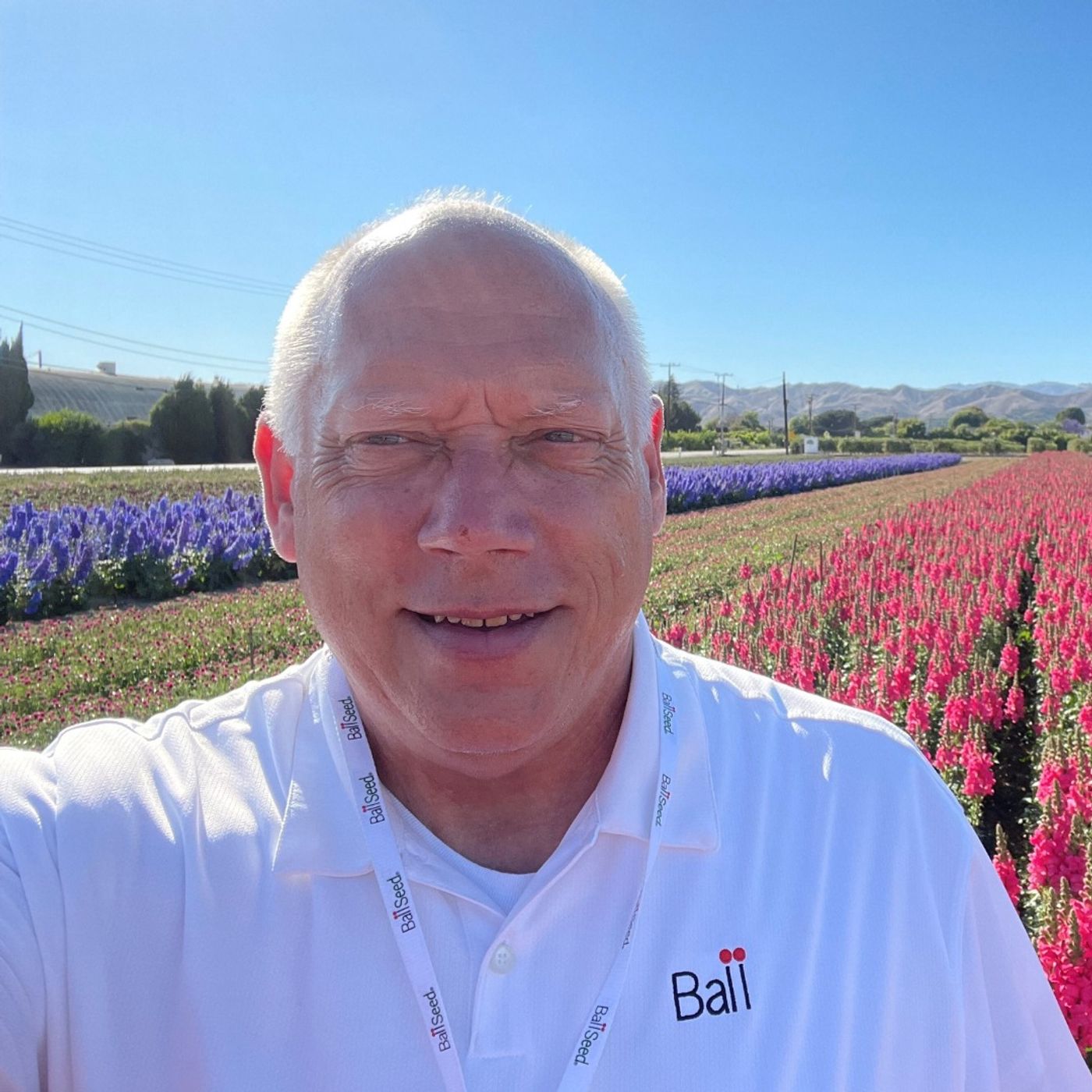
Ep 26Planning and planting for the flower holidays with Dave Dowling
Flower-giving holidays can generate a month’s worth of revenue in a day. In this episode, we discuss planning and planting for the flower holidays with Dave Dowling of Ball ColorLink and The Gardener’s Workshop. We talk about which crops can be grown for which holidays, planting timing, color palettes, and how to hold flowers if they are ready too early. Dave brings years of experience from his own cut flower farm to helping growers make the most of Valentine’s Day, Easter, Mother’s Day, Thanksgiving and Christmas. We also discuss the Growing for Market Magazine article by Rebecca Kutzer-Rice, “Growing flowers for all the major floral holidays,” which is linked in the show notes. In Shop Talk with Neversink Farm we chat about new tools, old tools, how they can benefit your farm and tips to use them successfully with Conor Crickmore of Neversink Tools, which manufactures tools for farmers. Shop talk is a segment in every episode of the Growing for Market Podcast X Neversink Farm.We talk about how to have efficient, effective bed prep and field seeding in this episode of Shop Talk. We discuss how to keep pathways from creeping into the beds, how to use a gridder to keep plant or seeds spaced evenly, and the best seeders for different crops.Thanks to our collaborator on this podcast Neversink Farm. They make this podcast free to everyone with their generous support. For tools designed and made by farmers, check out www.NeversinkTools.com Articles Mentioned:"Growing flowers for all the major floral holidays" By Rebecca Kutzer-Rice Free PDF Mentioned:Planning & Planting For The Flower Holidays Connect With Guest:Email: [email protected]: https://www.ballseed.com/cutflowers/Instagram: @davemdowlingOnline Flower Farming School: https://thegardenersworkshop.com/product/bulbs-perennials-woodies-and-more/ Download A FREE Magazine Issue:Go To Growing For Market Magazine: www.GrowingForMarket.com
Ep 24Ground lease farm transfers and much more with Jeremy Barker Plotkin of Simple Gifts Farm
In today’s episode, we discuss an innovative farm sale method that keeps the land in farming called a ground lease transfer with Jeremy Barker Plotkin of Simple Gifts Farm in Amherst, Massachusetts. Simple Gifts Farm is currently up for sale via a ground lease transfer, and we talk about how this method works. We also discuss his experiences over 17 years at the farm, including several SARE grants, innovative no-till systems, nutrient balancing greenhouse tomatoes to control aphids, and sales growing 6X over the course of the COVID-19 pandemic. In Shop Talk with Neversink Farm, we chat about new tools, old tools, how they can benefit your farm and tips to use them successfully with Conor Crickmore of Neversink Tools, which manufactures tools for farmers.In this episode of Shop Talk with Neversink Farm, we discuss how to keep mice from eating germinating seeds in the propagation house. Since mice will hoard seeds for winter when they can get them, sometimes poor germination is actually due to mice stealing the seeds, or nipping them off shortly after germination. We discuss methods to keep mice from getting to your seeds while they are germinating in flats.Thanks to our collaborator on this podcast Neversink Farm. They make this podcast free to everyone with their generous support. For tools designed and made by farmers, check out www.NeversinkTools.com Connect With Guest:Website: www.simplegiftsfarmcsa.comFacebook: https://www.facebook.com/simplegiftsfarmamherstInstagram: https://www.instagram.com/simplegiftsfarmamherst/Farm Sale Info: https://newenglandfarmlandfinder.org/property/simple-gifts-farm-farm-business-sale-33-acres-under-long-term-lease-amherst-ma Download A FREE Magazine Issue:Go To Growing For Market Magazine: www.GrowingForMarket.com
Ep 23Going from starting farms to editing Growing for Market Magazine with editor Andrew Mefferd: from farmer to editor (Part 2 of 2)
In today’s episode, the second of two talking with Growing for Market Magazine editor and podcast co-host Andrew Mefferd, we discuss what he learned from his own farm, and the “green greenhouse” project he was preparing for before taking over GFM. We talk about mistakes made while trying to do too much as a young farmer, why he decided to take over Growing for Market from founder Lynn Byczynski, and why we have to be deliberate as we steward our farms into the future. In Shop Talk with Neversink Farm we chat about new tools, old tools, how they can benefit your farm and tips to use them successfully with Conor Crickmore of Neversink Tools, which manufactures tools for farmers. In this episode of Shop Talk, we discuss how to ensure good germination when starting seeds in flats. Even though the factors for good germination are simple- heat and moisture- just one day with the wrong conditions can throw off the whole process. We talk about how a germinator can ensure good germination every time.Thanks to our collaborator on this podcast Neversink Farm. They make this podcast free to everyone with their generous support. For tools designed and made by farmers, check out www.NeversinkTools.com Connect With Guest:Instagram: @growingformarketmagazineFacebook: @growingformarketmagazine Download A FREE Magazine Issue:Go To Growing For Market Magazine: www.GrowingForMarket.com
Ep 22Going from working on farms to running Growing for Market Magazine with editor Andrew Mefferd: From apprentice to farmer (Part 1 of 2)
In this episode, we talk with Growing for Market Magazine editor and podcast co-host Andrew Mefferd about going from working on farms in six different states, to starting a farm (twice!) before taking over GFM and running it from his farm in Maine. We talk about becoming aware of the imbalances in the current farming system, what it was like traveling around the country working on farms and starting two, and what he learned doing vegetable trials for seven years at Johnny’s Selected Seeds. In Shop Talk with Neversink Farm, we chat about new tools, old tools, how they can benefit your farm and tips to use them successfully with Conor Crickmore of Neversink Tools, which manufactures tools for farmers.In this episode of Shop Talk, we discuss using the Qlipr trellising system for cucumbers. We talk about how one of the main advantages of the Qlipr system, in addition to time savings, is the ergonomics- it keeps workers off ladders, and all the work can be done standing up between waist and shoulders, eliminating bending over.Thanks to our collaborator on this podcast Neversink Farm. They make this podcast free to everyone with their generous support. For tools designed and made by farmers, check out www.NeversinkTools.com Connect With Guest:Instagram: @growingformarketmagazineFacebook: @growingformarketmagazineWebsite: https://growingformarket.com Download A FREE Magazine Issue:Go To Growing For Market Magazine: www.GrowingForMarket.com
Ep 21Reflecting on 50 years of Johnny's Selected Seeds with founder Rob Johnston
January 2023 marks the 50th anniversary of Johnny's Selected Seeds, and we talk with founder Rob Johnston about the need the company was born from, developing overseas contacts in the early days when there was little variety in the US seed market, and changes and surprises in the seed industry over the years. In Shop Talk with Neversink Farm, we chat about new tools, old tools, how they can benefit your farm and tips to use them successfully with Conor Crickmore of Neversink Tools, which manufactures tools for farmers.We discuss the years of development went into the Subversive, Neversink Tools’ modernized version of the paperpot transplanter, and we discuss some of the improvements that were engineered into it in this Shop Talk episode.Thanks to our collaborator on this podcast Neversink Farm. They make this podcast free to everyone with their generous support. For tools designed and made by farmers, check out www.NeversinkTools.com Connect With Guest:Email: [email protected]: www.johnnyseeds.com Download A FREE Magazine Issue:Go To Growing For Market Magazine: www.GrowingForMarket.com
Ep 20Creating positive labor experiences for farm owners and workers with Sarah Janes Ugoretz of the FairShare CSA Coalition
Finding and retaining good workers is a perennial issue on farms, and both sides of the labor equation have a lot to gain from getting the relationship right. When farm owners get it right they have loyal, returning workers, and if farm workers get it right they end up having a good work experience and contributing to the farm.Luckily, Sarah Janes Ugoretz is working on the issue of how everyone can have a better farm labor experience with the FairShare CSA Coalition, where she supports the Organic Vegetable Farm Manager Apprenticeship. She also just finished her PhD focused on creating positive labor experiences on diversified vegetable farms. We have a lot to learn from Sarah, including how farm owners can find and retain good labor, what kind of support farm workers need, strategies for diffusing conflicts, and more. In Shop Talk with Neversink Farm, we chat about new tools, old tools, how they can benefit your farm and tips to use them successfully with Conor Crickmore of Neversink Tools, which manufactures tools for farmers.In this episode of Shop Talk, we discuss how to do a quick summer greens no-till bed turnover. We discuss how summer heat can be used to quickly decompose the residue from leafy greens crops and turn beds over without going through time-consuming steps like physically removing the plants.Thanks to our collaborator on this podcast Neversink Farm. They make this podcast free to everyone with their generous support. For tools designed and made by farmers, check out www.NeversinkTools.com Connect With Guest:Email: [email protected] Download A FREE Magazine Issue:Go To Growing For Market Magazine: www.GrowingForMarket.com
Ep 19New podcast co-host special episode, with Katie Kulla of Oakhill Organics!
It's a new host special episode! We’re so excited to be welcoming Katie Kulla to the podcast as one of our co-hosts! You may remember hearing Katie on the podcast back in the winter, podcast episodes 8 and 9, discussing her series of articles about balancing farming and parenting. Well, we enjoyed talking with Katie so much, and she brings so much experience from her own farm to the podcast, that we’re stoked to announce she is joining the podcast as a co-host.We wanted to make sure and record an episode to properly introduce everyone to Katie, because even though she has been on the pod before as a guest, she was mostly not talking about herself, and she brings a wealth of experience to the pod from her farm, Oakhill Organics in Oregon. Katie has been involved with Growing for Market magazine since way before we had a podcast, writing over 20 articles for the magazine over the course of a decade. Just looking at her article titles shows the breadth of experience she will bring to her interviewing. She’s covered many CSA-related topics (including running a full-diet CSA), farm infrastructure, on-farm events, writing farm newsletters, farm equipment, and so much more, all of which can be read as archived articles at growingformarket.com. In Shop Talk with Neversink Farm we chat about new tools, old tools, how they can benefit your farm and tips to use them successfully with Conor Crickmore of Neversink Tools, which manufactures tools for farmers. In this episode of Shop Talk, we discuss how important it is to have enough water for all farm needs, including irrigation and washing. We talk about how when drilling a well, there is a limit to how much water any given well can pump, and how to try and get an idea of what that capacity is when the well is being drilled.Thanks to our collaborator on this podcast Neversink Farm. They make this podcast free to everyone with their generous support. For tools designed and made by farmers, check out www.NeversinkTools.com Connect With Guest:Website: www.KatieKulla.comInstagram: @katiekulla Download A FREE Magazine Issue:Go To Growing For Market Magazine: www.GrowingForMarket.com
Ep 18The Ecological Farm with farmer/author Helen Atthowe: A Minimalist No-Till, No-Spray, Selective-Weeding, Grow-Your-Own-Fertilizer System
Hear how “The Ecological Farm” author/farmer Helen Atthowe developed a minimalist no-till, no-spray, grow-your-own fertilizer method over decades of research and application on her own farms. Helen has been applying and refining the principles of soil, plant, and whole farm ecosystem health for decades, and we’re glad she finally wrote it all down in one place!This interview is of personal interest for interviewer Andrew Mefferd, as he had the pleasure of visiting her Woodleaf Farm in California 20 years ago when he was a farm apprentice. For farmers who aspire to “close the circle” and stop relying on off-farm inputs, this conversation has a lot of ideas for how growers can farm more self-sufficiently, as well as ecologically. It is also a realistic book, acknowledging that developing an ecological farm may in many cases take years of development; in the meantime there are recommendations for interventions for pests, diseases and other problems so growers can stay in business until ecosystem-based solutions are fully functioning. In Shop Talk with Neversink Farm, we chat about new tools, old tools, how they can benefit your farm and tips to use them successfully with Conor Crickmore of Neversink Tools, which manufactures tools for farmers.In this episode of Shop Talk with Neversink Farm, we discuss methods and timing for stale seedbedding. Stale seedbedding is a technique to intentionally let weeds germinate before a crop has emerged, in order to eliminate them using quick methods like flame weeding or blind cultivation without risk of damaging the crop. Though stale seedbedding can be done multiple times over the course of a season, we discuss a simple method for knowing when to time your last weeding pass just before the crop emerges, to reduce competition as much as possible.Thanks to our collaborator on this podcast Neversink Farm. They make this podcast free to everyone with their generous support. For tools designed and made by farmers, check out www.NeversinkTools.com Order The Ecological Farm book- GFM magazine subscribers always get 20% off books:https://growingformarket.com/store/products/246 Connect With Guest:Website 1: http://woodleaffarm.org/Website 2: http://veganicpermaculture.com/YouTube: https://www.youtube.com/user/AgrarianDreams/videos Download A FREE Magazine Issue:Go To Growing For Market Magazine: www.GrowingForMarket.com
Ep 17Growing cut flowers six stories above the San Francisco Bay Area with Joanna Letz of Bluma Flower Farm
In today’s episode, hear about growing cut flowers six stories above the San Francisco Bay Area with Joanna Letz of Bluma Flower Farm @blumafarm. Hear what it’s like to grow flowers in a bustling metropolis, differences between field and rooftop growing, and some of Joanna’s favorite varieties. We discuss the advantages and challenges (yes, there are weeds up there) of farming on top of a building in the city. As both farmers and cities realize the benefits of urban agriculture, hopefully there will be more opportunities for growing crops on rooves, and we hope this episode will give growers the confidence to make the leap!We were inspired by Joanna’s example of hyper local production, cutting the flower miles on her blooms down to almost nothing by growing in the city where many of them will be enjoyed. As we look for ways to cut down on the amount of transportation that goes into food and flowers, we want to encourage growing on rooftops and other city spaces that we don’t often think of as productive farmland. As an added bonus, green rooves can help mitigate urban heat islands and help reduce flash flooding by absorbing some of the water that would otherwise run off. Whether you’ve ever wondered how to get into rooftop growing, or just wondered what it’s like to grow cut flowers over a bustling metropolis, give this episode a listen. In Shop Talk with Neversink Farm @neversinkfarm we chat about new tools, old tools, how they can benefit your farm and tips to use them successfully with Conor Crickmore of Neversink Tools, which manufactures tools for farmers. In this episode of Shop Talk, we discuss how to know when seedlings in paper pots are ready for transplanting. If they are planted too soon, seedlings may not be fully rooted and can fall out of the pots during transplanting. If you wait too long, the paper pots may start to break down before they are transplanted, and roots and tops may become tangled, making transplanting difficult. We talk about how to find the sweet spot for paperpot transplanting success in this Shop Talk segment.Thanks to our collaborator on this podcast Neversink Farm. They make this podcast free to everyone with their generous support. For tools designed and made by farmers, check out www.NeversinkTools.com Articles mentioned in the interview for show notes (all are already free/public):Profile of Joanna and Bluma Flower Farm in June 2018 by Ellen Polishukhttps://growingformarket.com/articles/farmer-to-farmer-profile-bluma-flower-farm Setting goals, taking risks and prioritizing your time in an unsettled season from 2020https://growingformarket.com/articles/setting-goals-taking-risks-and-prioritizing-your-time Rooftop farming on the rise: The mechanics of farming six stories up from 2021https://growingformarket.com/articles/rooftop-farming-the-rise Connect With Guest:Website: www.blumaflowerfarm.comInstagram: @blumafarmEmail: [email protected] Download A FREE Magazine Issue:Go To Growing For Market Magazine: www.GrowingForMarket.com
Ep 16Unraveling why root maggots may have been worse than usual this spring with Caleb Goossen of MOFGA
In today’s episode, we talk about why root maggots may have been worse than usual this spring with the Maine Organic Farmers and Gardeners Association’s Organic Crop Specialist Caleb Goossen. One thing that some growers have noticed this spring is a higher than usual rate of seedlings failing to emerge, or dying shortly after emergence, due to seedling-feeding maggots.We discuss how to tell whether seedlings have succumbed to maggots instead of other causes like damping off; how to reduce seedling maggots next year; and whether it’s important to tell apart the primary culprits: seedcorn maggot, onion maggot or cabbage maggot. Since timing is critical for control measures, Caleb explains using Degree Day models to predict the emergence of maggots, the importance of early detection, and damage control measures. In Shop Talk with Neversink Farm we chat about new tools, old tools, how they can benefit your farm and tips to use them successfully with Conor Crickmore of Neversink Tools, which manufactures tools for farmers.In this episode of Shop Talk, we discuss how to choose whether to start crops using transplants, paper pot trays or direct seeding. We talk about how practical considerations like speed of germination, crop spacing, and even how much greenhouse space you have will factor into how you decide to propagate which crops.Thanks to our collaborator on this podcast Neversink Farm. They make this podcast free to everyone with their generous support. For tools designed and made by farmers, check out www.NeversinkTools.com Connect With Guest:Email: [email protected]: https://www.mofga.org/Instagram: @organiccropspecialist"Seedcorn maggot and other maggots fact sheet" mentioned in the interview: https://www.mofga.org/resources/fact-sheets/seedcorn-maggot/ Download A FREE Magazine Issue:Go To Growing For Market Magazine: www.GrowingForMarket.com
Ep 15Growing 15 acres of organic flowers with mother/daughter team Dru Rivers and Hannah Muller of Full Belly Farm
In today’s episode, we talk with mother/daughter team Dru Rivers and Hannah Muller of Full Belly Farm about growing 15 acres of certified organic flowers. Dru is one of the founders of this landmark California organic farm that has been growing since 1984, and she and Hannah manage the flowers, all of which are grown in the field. We cover strategies for keeping farm crew year-round, favorite flower crops and new varieties, the importance of playing hard when you’re working hard, educating wholesalers and customers on the importance of organic flowers, and having big events on the farm. In Shop Talk with Neversink Farm we chat about new tools, old tools, how they can benefit your farm and tips to use them successfully with Conor Crickmore of Neversink Tools, which manufactures tools for farmers. In this episode of Shop Talk, we discuss how to have an awesome farmers market setup. We cover the importance of signs and two important things that must always be on them, farmers market layout and displays, crowd management and more. Thanks to our collaborator on this podcast Neversink Farm. They make this podcast free to everyone with their generous support. For tools designed and made by farmers, check out www.NeversinkTools.com Connect With Guest:Email: [email protected]: [email protected]: www.fullbellyfarm.comInstagram: @full_belly_farmInstagram: @dru_riversInstagram: @farmerhandsInstagram: @wreathroom Download A FREE Magazine Issue:Go To Growing For Market Magazine: www.GrowingForMarket.com
Ep 14Compost science with Robert Pavlis
Today we talk about what makes good compost with Robert Pavlis. Robert is a well-known speaker and educator with over 40 years of growing experience. He is the author of several books, including a whole series demystifying important growing topics, including Soil Science for Gardeners, Microbe Science for Gardeners, Garden Myths and Compost Science for Gardeners. He has a background in chemistry and biochemistry which allows him to research topics and explain the underlying science. He uses that understanding to present complex growing topics in an easy-to-understand style that is both informative and fun to read.Robert’s books do a great job explaining the background and mechanics for a lot of the aspects of plant care that are important for market farmers. He will help you understand the why behind how to take care of plants. As the owner and head gardener of Aspen Grove Gardens, a six-acre botanical garden in Southern Ontario, Canada, he grows over 3,000 varieties of plants. In Shop Talk with Neversink Farm @neversinkfarm we chat about new tools, old tools, how they can benefit your farm and tips to use them successfully with Conor Crickmore of Neversink Tools, which manufactures tools for farmers. In this episode of Shop Talk, we discuss the history of tilthing that goes back hundreds of years. Tilthing refers to a very shallow cultivation action that can help smooth out a compost layer and work amendments into the top inch or so of soil. After losing popularity to deeper cultivation methods, like rototilling and spading, tilthing is gaining ground again as a way to even out fertilizer and compost applications on top of a bed and get it ready for gridding, transplanting or seeding. We also discuss how tilthing fits into the order of bed preparation.Thanks to our collaborator on this podcast Neversink Farm. They make this podcast free to everyone with their generous support. For tools designed and made by farmers, check out www.NeversinkTools.com Magazine Articles Mentioned In This Podcast:"Making great compost at scale: The tried and true windrow system" by Ellen Polishuk Connect With Guest:Published Books: Garden Myths, Plant Science for Gardeners, Soil Science for Gardeners, and Building Natural PondsBlogs: Garden Myths and Garden FundamentalsYouTube Channel: Garden FundamentalsFacebook Groups: Garden Fundamentals and Building Natural PondsOwner of Aspen Grove Gardens Download A FREE Magazine Issue:Go To Growing For Market Magazine: www.GrowingForMarket.com
Ep 13Making the move from the military to agriculture with Charley Jordan of Jordan Farms in Tennessee
Today we talk with Charley Jordan about making the move from the military into farming. Charley is the owner/operator of Jordan Farms, in Indian Mound, Tennessee. After serving nearly 30 years in the Army, flying Chinook helicopters with the 160th Special Operations Aviation Regiment, Charley retired in 2017 and found a new mission in agriculture and has devoted himself to helping other veterans and beginning farmers find their purpose in agriculture. Charley was also in the inaugural cohort of a horticulture therapy certificate program launched at the University of Tennessee, Knoxville.Jordan Farms specializes in fresh-cut flowers, forest-grown mushrooms, and other farm-fresh products. Charley is a nationally featured advocate for veterans transitioning to agriculture and the mental health benefits of therapeutic horticulture. We think it would be great if we had more farmers in more communities; and at the same time, with over a million people in the active-duty military, when they decide to leave the military, veterans are an important demographic that could contribute to the numbers of farmers. In Shop Talk with Neversink Farm, we chat about new tools, old tools, how they can benefit your farm and tips to use them successfully with Conor Crickmore of Neversink Tools, which manufactures tools for farmers.In this episode of Shop Talk, we discuss soil blocks, what makes them such a good medium for seedlings, their difficulties, and the alternatives with the same benefits and fewer drawbacks, such as Winstrip trays and paper chain pots.Thanks to our collaborator on this podcast Neversink Farm. They make this podcast free to everyone with their generous support. For tools designed and made by farmers, check out www.NeversinkTools.com Connect With Guest:Internet search: Charley Jordan Veteran FarmerWebsite: www.jordanfarmstn.comInstagram: @jordanfarmstn Download A FREE Magazine Issue:Go To Growing For Market Magazine: www.GrowingForMarket.com
Ep 12Growing good broccoli in a bad climate with Jan van der Heide of Bejo Seeds
Today we have the pleasure of welcoming Jan van der Heide to the podcast. He is the Northeast Market Manager for Bejo Seeds, a Dutch vegetable seed company that has breeding stations and distribution all over the world.Jan has a depth of knowledge about brassicas, and we’ve been getting a lot of contact lately here at Growing for Market about how to avoid the many disorders that can cause broccoli and cauliflower to grow poorly. Now, if you are a brassica grower, you are probably all too familiar with the symptoms of messed-up broccoli and cauliflower: examples include tiny, unmarketable heads that formed prematurely, properly sized but poorly formed crowns, crowns that have some beads that are starting to open and flower when other beads are still undersized, and a seemingly unlimited range of other disorders that reduce yield and marketability in brassica crops.Broccoli and cauliflower are very sensitive to the wrong climatic conditions, which is why over 90% of the broccoli consumed in the USA is grown in coastal California, where the conditions are particularly good for broccoli. Though because, by definition, local, direct-market vegetable growers cannot all be in California, nor are all areas of California equally great for broccoli, direct market growers need to figure out how to grow in a range of climates.Jan, however, is based in a region that is much less naturally kind to broccoli: the Northeast US, where unpredictable weather and wide temperature fluctuations can make getting a good broccoli crop difficult. In fact, Bejo is working with Cornell University and other collaborators in what is called the Eastern Broccoli Project in order to identify varieties that will do well with the variable weather east of the Mississippi. We discuss everything from scheduling to variety selection to similar crops that can be grown instead of broccoli, in order to meet customer demand without putting too much risk on the grower.In Shop Talk with Neversink Farm @neversinkfarm we chat about new tools, old tools, how they can benefit your farm and tips to use them successfully with Conor Crickmore of Neversink Tools, which manufactures tools for farmers.In this episode of Shop Talk, we discuss tray dibblers, why Conor dibbles all his flats, and the advantages of a good dibbler. We talk about why he doesn’t cover his flats after seeding, and how this helps him get flats out of the germinator when the seed has just cracked, before the shoot has any chance to get leggy, and how a good dibbler can also be used to pop seedlings out of a flat.Thanks to our collaborator on this podcast Neversink Farm. They make this podcast free to everyone with their generous support. For tools designed and made by farmers, check out www.NeversinkTools.com Connect With Guest:Email: [email protected]: www.bejoseeds.com www.bejo.com Download A FREE Magazine Issue:Go To Growing For Market Magazine: www.GrowingForMarket.com
Ep 11Getting farm-friendly legislation passed with Sara and Symbria Patterson of Red Acre Farm in Utah
In today’s episode, hear Sara and Symbria Patterson talk about farming in Utah on Red Acre Farm and founding the Red Acre Center for Food and Agriculture. In addition to the challenges of farming at elevation, Sara and Symbria discuss how they have gotten over 15 bills passed through the Utah legislature. They highlight the relationship-building process they have used successfully with legislators to pass pro-local-farm legislation despite sometimes facing skepticism from both sides of the aisle. Sara talks about what it was like to found the farm at age 14, and how Sara and Symbria went on to found the Red Acre Center for Food and Agriculture in order to promote and protect local farmers.In Shop Talk with Neversink Farm, we chat about new tools, old tools, how they can benefit your farm and tips to use them successfully with Conor Crickmore of Neversink Tools, which manufactures tools for farmers. Shop talk is a segment in every episode of the Growing for Market Podcast.In Shop Talk with Neversink Farm @neversinkfarm we chat about new tools, old tools, how they can benefit your farm and tips to use them successfully with Conor Crickmore of Neversink Tools, which manufactures tools for farmers. In this episode of Shop Talk, we discuss propagation house efficiency, specifically, efficiency of space with rolling greenhouse tables.Greenhouses are the most precious real estate on most farms, and rolling tables help to minimize the amount of space wasted on pathways; because rolling greenhouse table tops can be moved, it cuts the need for pathways in a greenhouse down to one, and tables are rolled out of the way when a path is needed. We discuss how these work as well as the benefits of building them yourself vs buying a kit.Thanks to our collaborator on this podcast Neversink Farm. They make this podcast free to everyone with their generous support. For tools designed and made by farmers, check out www.NeversinkTools.com Connect With Guest:Email: [email protected]: redacrefarmcsa.orgWebsite: redacrecenter.orgWebsite: utahfarmconference.orgInstagram: @rerdacrefarmInstagram: @redacrecenterut Download A FREE Magazine Issue:Go To Growing For Market Magazine: www.GrowingForMarket.com
Ep 10The origins of Growing for Market Magazine with founding editor Lynn Byczynski
In today’s episode, hear Lynn Byczynski talk about founding Growing for Market Magazine over 30 years ago in 1992. We’ll talk about how Lynn’s background in writing, combined with the lack of information about market farming in the early 1990s, pushed her to start Growing for Market. While researching solutions for issues on her farm in Lawrence, Kansas, she started publishing GFM as a way to connect market farmers to each other and hard-to-find information. We’ll also hear about her book, The Flower Farmer, passing the magazine on to current editor Andrew Mefferd after 24 years of running the magazine, and how her family came to run Seeds From Italy. Link to full podcast episode in profile.In Shop Talk with Neversink Farm, we chat about new tools, old tools, how they can benefit your farm and tips to use them successfully with Conor Crickmore of Neversink Tools, which manufactures tools for farmers.In this episode of Shop Talk, we discuss Seed to Plate- a new video series that Neversink Farm is releasing on YouTube. Each episode of the series, shot in high-definition video during the pandemic lockdown, documents the journey of one vegetable from seeding to eating on Neversink Farm. Check it out both for a slice of life on Neversink Farm, plus some farm tips along the way.Thanks to our collaborator on this podcast Neversink Farm. They make this podcast free to everyone with their generous support. For tools designed and made by farmers, check out www.NeversinkTools.com Connect With Guest:Website: www.growitalian.comInstagram: @lynnbyczynski_flowers Download A FREE Magazine Issue:Go To Growing For Market Magazine: www.GrowingForMarket.com
Ep 9Farming and pregnancy: Birth and postpartum healing for the farmer (Part 2 of 2)
In today’s episode, the second of two parts, hear Katie Kulla from Oakhill Organics in Oregon talk about how farmers who have just had a baby can smooth the transition into parenthood while keeping the farm running. This conversation is an elaboration on Katie’s article "Birth and postpartum healing for the farmer" from Growing for Market Magazine. Part 1 of the podcast (and the article) discusses how preparations in the lead up to a baby can help get farmers ready for the new arrival, as well as keep the farm running as smoothly as possible.Katie has written 3 articles on the subject of farming and parenting for Growing For Market Magazine & interviewed many farmers on the subject. She brings her own experiences parenting & farming in Yamhill County, Oregon with her husband and two homeschooled kids to the conversation. This episode focuses on the time after the baby arrives, in order to help smooth the addition of a new member to the farm and family.In Shop Talk with Neversink Farm, we chat about new tools, old tools, how they can benefit your farm and tips to use them successfully with Conor Crickmore of Neversink Tools, which manufactures tools for farmers.In this episode of Shop Talk, we discuss the long history of wire weeders, and their recent resurgence in popularity. For beds that have been kept clean of deeply established weeds, they offer a less aggressive, more efficient way to get weeds at the germination stage, and quickly keep beds weed-free.Thanks to our collaborator on this podcast Neversink Farm. They make this podcast free to everyone with their generous support. For tools designed and made by farmers, check out www.NeversinkTools.com GFM Articles Mentioned:"Farming and pregnancy: Balancing the physical and emotional demands" By Katie Kulla"Birth and postpartum healing for the farmer" By Katie Kulla Connect With Guest:Website: www.KatieKulla.comInstagram: @katiekulla Download A FREE Magazine Issue:Go To Growing For Market Magazine: www.GrowingForMarket.com
Ep 8Farming and pregnancy: Balancing the physical and emotional demands (Part 1 of 2)
Today we’re talking about balancing farming, pregnancy & kids on the farm with Katie Kulla, who has written 3 articles on the subject for Growing For Market Magazine & interviewed many farmers on balancing farming & parenting. She brings her own experiences parenting & farming in Yamhill County, Oregon with her husband and two homeschooled kids to the conversation. This episode focuses on preparations before the baby comes, in order to smooth the addition of a new member to the farm family, and keep the farm running at the same time. It is an elaboration on Katie’s article "Farming and pregnancy: Balancing the physical and emotional demands" from Growing for Market Magazine.In Shop Talk with Neversink Farm, we chat about new tools, old tools, how they can benefit your farm and tips to use them successfully with Conor Crickmore of Neversink Tools, which manufactures tools for farmers.In this week's Shop Talk, we discuss how to maximize efficiency with the paperpot transplanter, including which crops are best suited to it, which crops don’t work as well, and how to get good stands of crops with poor germination using the transplanter.Thanks to our collaborator on this podcast Neversink Farm. They make this podcast free to everyone with their generous support. For tools designed and made by farmers, check out www.NeversinkTools.com GFM Articles Mentioned:"Farming and pregnancy: Balancing the physical and emotional demands" By Katie Kulla"Birth and postpartum healing for the farmer" By Katie Kulla Connect With Guest:Website: www.KatieKulla.comInstagram: @katiekulla Download A FREE Magazine Issue:Go To Growing For Market Magazine: www.GrowingForMarket.com
Ep 7Demystifying the Guestworker H-2A visa program with Gretel and Steve Adams of Sunny Meadows Flower Farm
This conversation is an elaboration on Gretel's article "Demystifying the H-2A program" from Growing for Market Magazine, which is available to read for free on the website (see link in the show notes below). The H-2A "guestworker" visa is a program of the US government so farmers can hire workers from other countries to fill temporary/seasonal positions on farms when local workers aren't available. In this interview, Gretel and Steve talk about how the H-2A program has worked on their flower farm, where approximately a third of their 24 person crew was H-2A workers this past year. They talk about who the program is for, how to enroll, whether to do the paperwork yourself or hire someone to do it for you, and the benefits, commitments and responsibilities of having H-2A workers.In Shop Talk with Neversink Farm, we chat about new tools, old tools, how they can benefit your farm and tips to use them successfully with Conor Crickmore of Neversink Tools, which manufactures tools for farmers. In this episode of Shop Talk, we discuss how and when ranunculus is planted on Neversink Farm, and why it is such an important crop for one of the biggest days for cut flower sales- Mother’s Day.Thanks to our collaborator on this podcast Neversink Farm. They make this podcast free to everyone with their generous support. For tools designed and made by farmers, check out www.NeversinkTools.com GFM Articles Mentioned:Demystifying the H-2A programEarly season income with ranunculus and anemones Connect With Guest:Facebook: Sunny Meadows Flower FarmInstagram: @sunnymeadowsflowerfarmInstagram: @flowerfarmetteInstagram: @flowerfarmerWebsite: www.sunnymeadowsflowerfarm.com Download A FREE Magazine Issue:Go To Growing For Market Magazine: www.GrowingForMarket.com
Ep 6Fred Hempel of Artisan Seeds on breeding veg varieties for market farmers
Today on the show we talk with Fred Hempel of Artisan Seeds on being an independent vegetable breeder, why most breeders need the support and infrastructure of a larger company to be successful, and breeding varieties that are suitable for market farmers. For almost twenty years, Fred has used his own farm, Green Bee Farm in Sunol, California, to both support his breeding work and act as a proving ground for it. By selling to chefs and wholesalers in the Bay Area, he has been able to get feedback from some of the most demanding customers anywhere on his varieties, and has used those suggestions to move his breeding work forward. We talk about the process of breeding the Artisan series of striped, elongated cherry tomatoes, and how incorporating farmer-friendly traits like shelf life and disease resistance don’t necessarily have to come at the expense of flavor and other characteristics that market farmers care about. Shop Talk with Neversink Farm - we chat about new tools, old tools, how they can benefit your farm and tips to use them successfully with Conor Crickmore of Neversink Tools, which manufactures tools for farmers. In this episode of Shop Talk, we discuss how to choose between all the different nursery trays. We talk about the pros and cons of different options, from soil blocks to Winstrip trays and everything in between, and which crops to propagate in which trays. Link to full podcast episode in profile. Thanks to our collaborator on this podcast Neversink Farm. They make it free to everyone with their generous support. For tools designed and made by farmers, check out www.NeversinkTools.com Other Resources:Here’s an article Fred wrote to help growers select their own varieties of tomatoes:Breeding tomatoes on a farm: practical selection advicehttps://growingformarket.com/articles/breeding-tomatoes-farm-practical-selection-advice Connect With Guest:Web Store: https://store.growartisan.comInstagram: @artisan.seedsInstagram: @green.bee.farm Download A FREE Magazine Issue:Go To Growing For Market Magazine: https://growingformarket.com/
Ep 5The origins of Neversink Farm with Conor Crickmore, part 2 of 2: The Neversink Farm Course and Neversink Tools
We talk with Conor Crickmore in the second of this two-part interview about the origins of Neversink Farm. In this episode, we talk about how the Neversink Farm Course and Neversink Tools developed out of the farm. We discuss how early efforts to document the methods on Neversink Farm led to two years of filming to create the Neversink Farm Course. Hear how member feedback is used to continue adding to the course to this day, with lots of tips and market farming ideas along the way. Then we discuss how Neversink Tools developed out of Conor’s need for tool designs that weren’t readily available elsewhere. When those designs were offered to Neversink Farm Course members they took off, and Neversink Tools was born. Shop Talk with Neversink Farm - we chat about new tools, old tools, how they can benefit your farm and tips to use them successfully with Conor Crickmore of Neversink Tools, which manufactures tools for farmers. In this episode of Shop Talk, we discuss we discuss precise vs. aggressive cultivation, and the situations that demand one over the other. We also discuss which tools to use for precise vs. aggressive cultivation. Link to full podcast episode in profile. Thanks to our collaborator on this podcast Neversink Farm. They make this podcast free to everyone with their generous support. For tools designed and made by farmers, check out www.NeversinkTools.com Connect With Guest:Instagram: @neversinkfarm@neversinkfarmtools@neversinkfarmcourseWebsite: https://www.neversinktools.comhttps://www.neversinkfarm.comhttp://www.neversinkcourses.com Download A FREE Magazine Issue:Go To Growing For Market Magazine: https://growingformarket.com/
Ep 4The origins of Neversink Farm with Conor Crickmore, part 1 of 2
We talk with Conor Crickmore in the first of this two-part interview about the origin story of Neversink Farm. We discuss moving from the city and developing the methods that led to a highly profitable farm on a small footprint. In the second part of the interview dropping next week, we talk about how the Neversink Farm Course and Neversink Tools developed out of the farm. Shop Talk with Neversink Farm - we chat about new tools, old tools, how they can benefit your farm and tips to use them successfully with Conor Crickmore of Neversink Tools, which manufactures tools for farmers. In this episode of Shop Talk, we discuss the process of taking a farm tool from idea to market, including how designs are farmer-tested on Neversink Farm before going into manufacturing. Thanks to our collaborator on this podcast Neversink Farm. They make this podcast free to everyone with their generous support. For tools designed and made by farmers, check out www.NeversinkTools.com Other Resources:Here's an article Conor wrote for Growing for Market Magazine about the hard work and methods that went into starting Neversink Farm:https://growingformarket.com/articles/welcome-to-the-no-till-revolution Connect With Guest:Instagram: @neversinkfarm@neversinkfarmtools@neversinkfarmcourseWebsite: https://www.neversinktools.comhttps://www.neversinkfarm.comhttp://www.neversinkcourses.com Download A FREE Magazine Issue:Go To Growing For Market Magazine: https://growingformarket.com/
Ep 3Josh Volk on DIY farm tools and compact farm layouts
Josh Volk talks about how his background in mechanical engineering led him to Silicon Valley, and then a valley over to where the vegetables and flowers are to lend his talents to DIY tools and farm design. He talks about the experimental elementary school where he got his start making things, and how he has applied the ideas to his own farm, Cully Neighborhood Farm in Portland, OR, and his two books: Compact Farms and Build Your Own Farm Tools. Josh is one of the most frequent contributors to Growing for Market since the magazine's inception in 1992, with many bylines on the subject of farm design, tools and planning. In Shop Talk with Neversink Farm, we chat about new tools, old tools, how they can benefit your farm and tips to use them successfully with Conor Crickmore of Neversink Tools, which manufactures tools for farmers. In this episode of Shop Talk, we discuss the three types of irrigation Conor uses on Neversink Farm, and when to use sprinkler vs drip vs hand watering. Thanks to Neversink Farm, our collaborator on this podcast. They make this podcast free to everyone with their generous support. For tools designed and made by farmers, check out www.neversinktools.com Connect With Guest:Email: [email protected]: slowhandfarm.comInstagram: @slowhandfarm Download A FREE Magazine Issue:Go To Growing For Market Magazine: www.GrowingForMarket.com
Ep 2Meet your host: Megan Robertson!
Hear how host Megan Robertson's agricultural journey started out in South Dakota and took her to Kenya, Italy, Boston and Connecticut before landing in California as an organic certifier, inspecting farms in one of the world's most productive and diverse agricultural regions. Meg is interviewed by the other Growing for Market Podcast host, GFM magazine editor Andrew Mefferd. In Shop Talk with Neversink Farm, we chat about new tools, old tools, how they can benefit your farm and tips to use them successfully with Conor Crickmore of Neversink Tools, which manufactures tools for farmers. In this episode of Shop Talk with Neversink Farm, we discuss indoor tomato trellising tools to lower and lean the vines as they grow, including the Qlipr system as well as Conor's use of wickets to keep the tomato vines off the ground. Thanks to our collaborator on this podcast Neversink Farm. They make this podcast free to everyone with their generous support. For tools designed and made by farmers, check out www.NeversinkTools.com Mentioned Article:Set boundaries for CSA members and set yourself up for success By Megan Robertson Connect With Guest:Instagram: @megan.alluvial Download A FREE Magazine Issue:Go To Growing For Market Magazine: https://growingformarket.com/
Ep 1Scrum project (and personal!) management with Andrea Heim
Today we discuss the Scrum project management framework with certified Scrum Master and recovering farmer Andrea Heim. We elaborate on her article from the May 2022 Growing for Market Magazine, "Increase personal sustainability and productivity on farm teams with Scrum project management." Andrea draws on her experience managing farms to talk about how Scrum can help keep us on track by identifying obstacles standing between us and our goals and how to continuously improve our management so we can strike a work/life balance and hopefully not burn out. Shop Talk with Neversink Farm - we chat about new tools, old tools, how they can benefit your farm and tips to use them successfully with Conor Crickmore of Neversink Tools, which manufactures tools for farmers. In this episode of Shop Talk, we discuss how important plant spacing is, so each plant gets the same amount of light and airflow; the pitfalls of some plant spacing systems; and how to simplify planting so seedlings can be transplanted quickly with perfectly even spacing. Thanks to our collaborator on this podcast Neversink Farm. They make this podcast free to everyone with their generous support. For tools designed and made by farmers, check out www.NeversinkTools.com Other Resources:Here's a great information page that contains a myriad of resources, including the two links below- https://u.osu.edu/agility/resources/https://www.youtube.com/watch?v=TRcReyRYIMghttps://www.youtube.com/watch?v=2Vt7Ik8Ublw Connect With Guest:Email: [email protected]: encouragemint.owner Download A FREE Magazine Issue:Go To Growing For Market Magazine: www.GrowingForMarket.com