Great Moments In Science
From the ground breaking and life saving to the wacky and implausible, Dr Karl Kruszelnicki reveals some of the best moments in science.
ABC Radio
Show overview
Great Moments In Science has been publishing since 2018, and across the 5 years since has built a catalogue of 249 episodes. That works out to roughly 25 hours of audio in total. Releases follow a weekly cadence.
Episodes typically run under ten minutes — most land between 6 min and 7 min — and the run-time is fairly consistent across the catalogue. None of the episodes are flagged explicit by the publisher. It is catalogued as a EN-language Science show.
The catalogue appears to be on hiatus or wound down — the most recent episode landed 3.4 years ago, with no new episodes in over a year. Published by ABC Radio.
From the publisher
From the ground breaking and life saving to the wacky and implausible, Dr Karl Kruszelnicki reveals some of the best moments in science.
Latest Episodes
View all 249 episodes
The Greatest Moment in Science
Dr Karl was first heard on the wireless in 1981 when he convinced Triple J that a talk about the space shuttle would be good listening because he had applied to be a NASA astronaut. The shuttle did (eventually) launch ... and along with it, the all-science-media career of one Dr Karl Kruszelnicki.This is Dr Karl's last Great Moment in Science, as we know it—but don't worry, he'll still be around and firing on all cylinders—including on Triple J's Science with Dr Karl podcast.Science with Dr Karl
Why the 'marijuana munchies' make you feel good
We know that the drug called cannabis, or marijuana, increases the appetitecommonly called the 'Marijuana Munchies', and we are finally getting closer to knowing what makes it happen. Half-a-billion years ago a biological system evolved to make sure that hungry animals would eat.
Insects fly to the light
The ancient Romans thought that insects were attracted to bright light, and then there's the well-known phrase, "drawn like a moth to a flame", so it seems like people over many years have spotted insects coming into the lights, at night. But what's the real reason?Host: Dr Karl Kruszelnicki

Dreaming a diagnosis with Dr Karl
Some sleepers who act out their dreams are later diagnosed with Parkinson's disease. As Dr Karl explains, it's one of a few slightly odd new diagnostic tools.

Sniffing out disease with Dr Karl
The power of smell can't be understated — our noses don't just sniff out tasty treats, they can also alert us to danger. In this episode of Great Moments in Science, Dr Karl tells the story of a super-sniffer who might've unlocked a powerful diagnostic tool.
How tall is time? Well, it's all relative
Atomic clocks are the most precise time-keepers we have.But that doesn't mean they can escape the timey wimey effects of gravity. In this episode of Great Moments in Science, Dr Karl explains how this enables super-accurate clocks to not just measure time, but height as well.
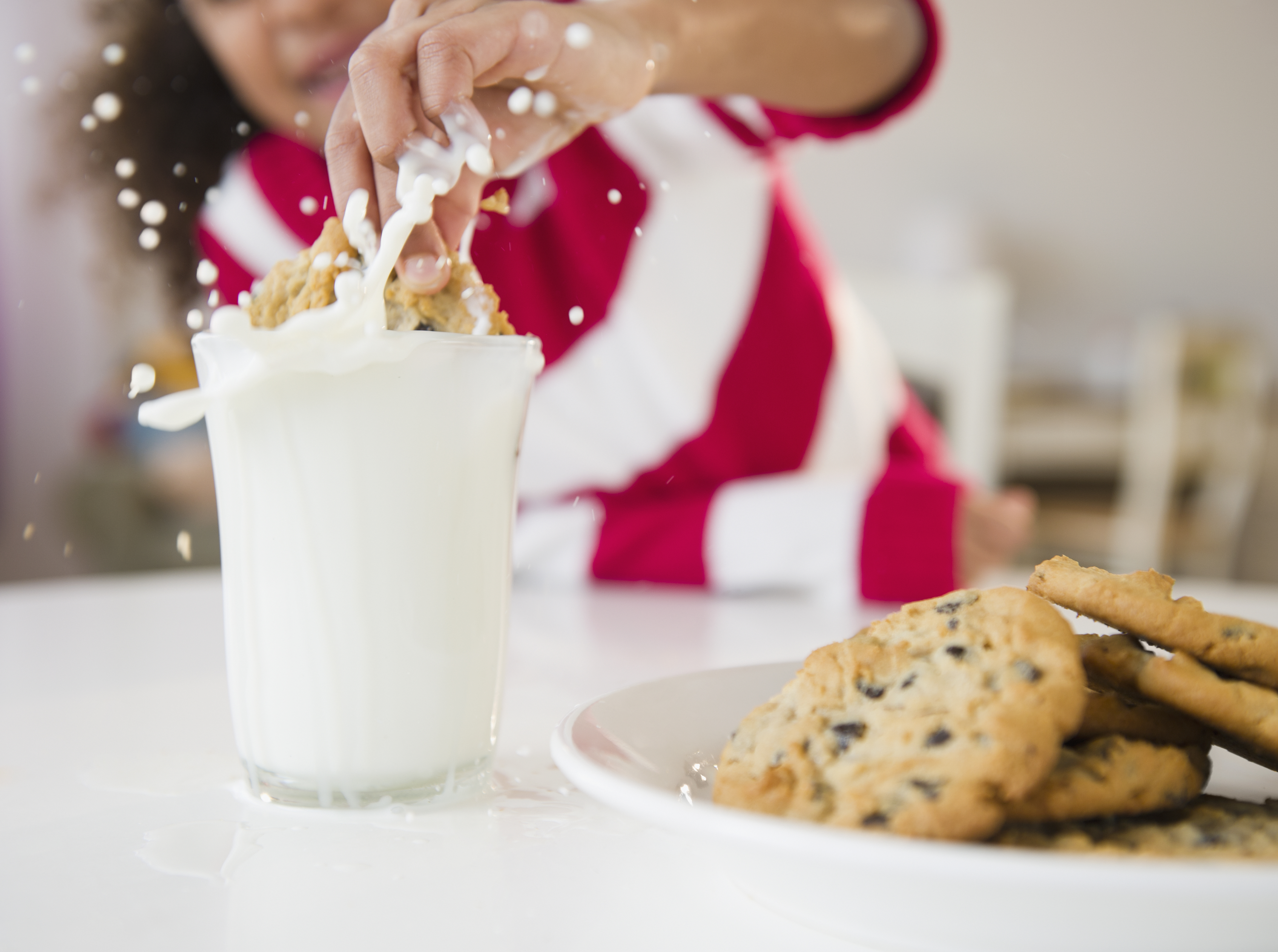
The physics of dunking biscuits
Humans have been dunking biscuits for as long as biscuits have existed. But why do we do it? Why are soggy biscuits so darn good?In this archive episode of Great Moments in Science, Dr Karl submerges himself into the mechanics of this age-old activity.
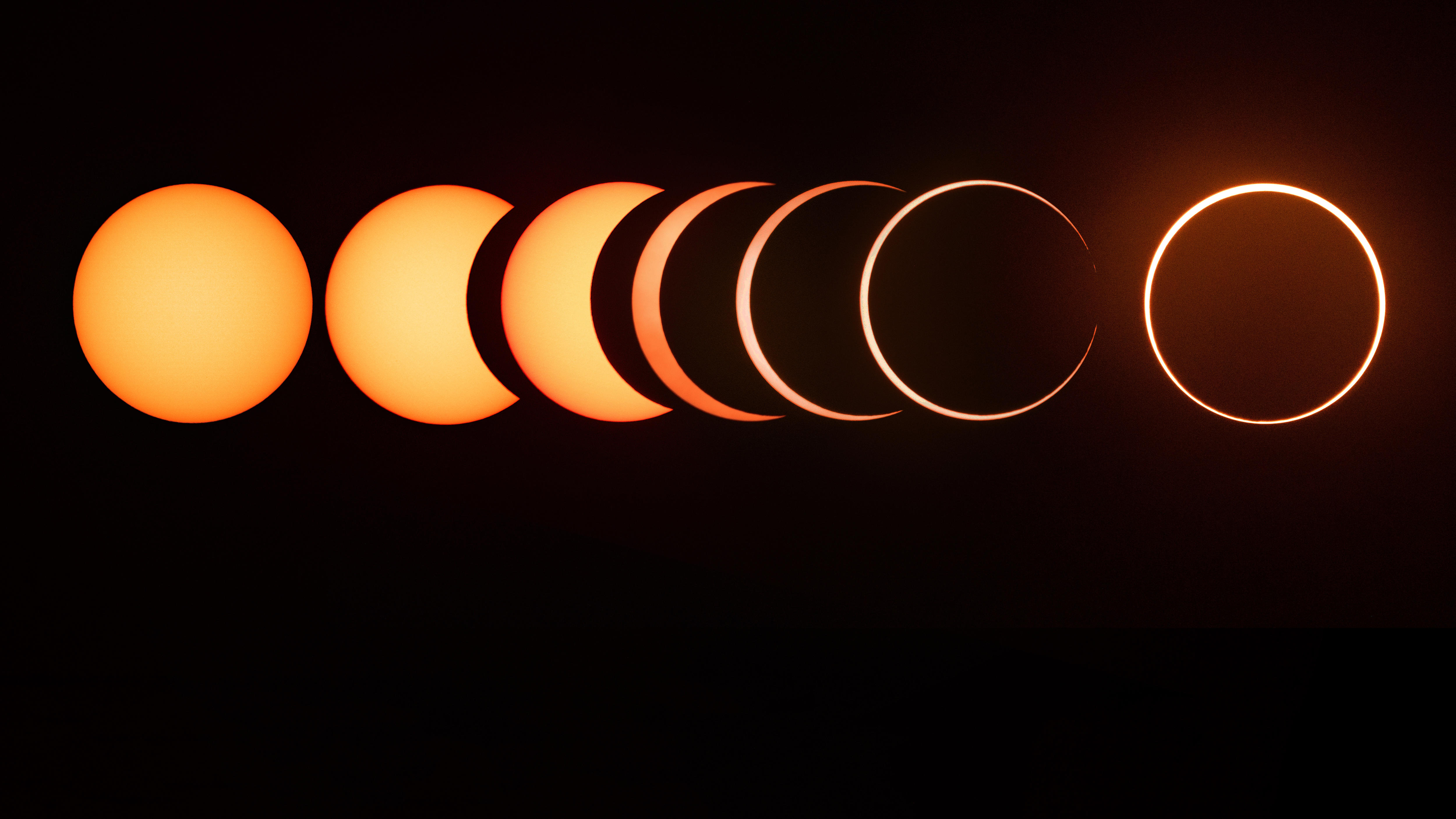
Want to see an eclipse without travelling? You might be waiting a while
Thousands of people will descend on the tiny WA town of Exmouth later this month to witness the Moon block out the Sun for a whopping one minute. But if you're a homebody not all that keen on a road trip, how long might it take to see a total solar eclipse from where you are right now?Dr Karl investigates in this archive episode of Great Moments in Science.
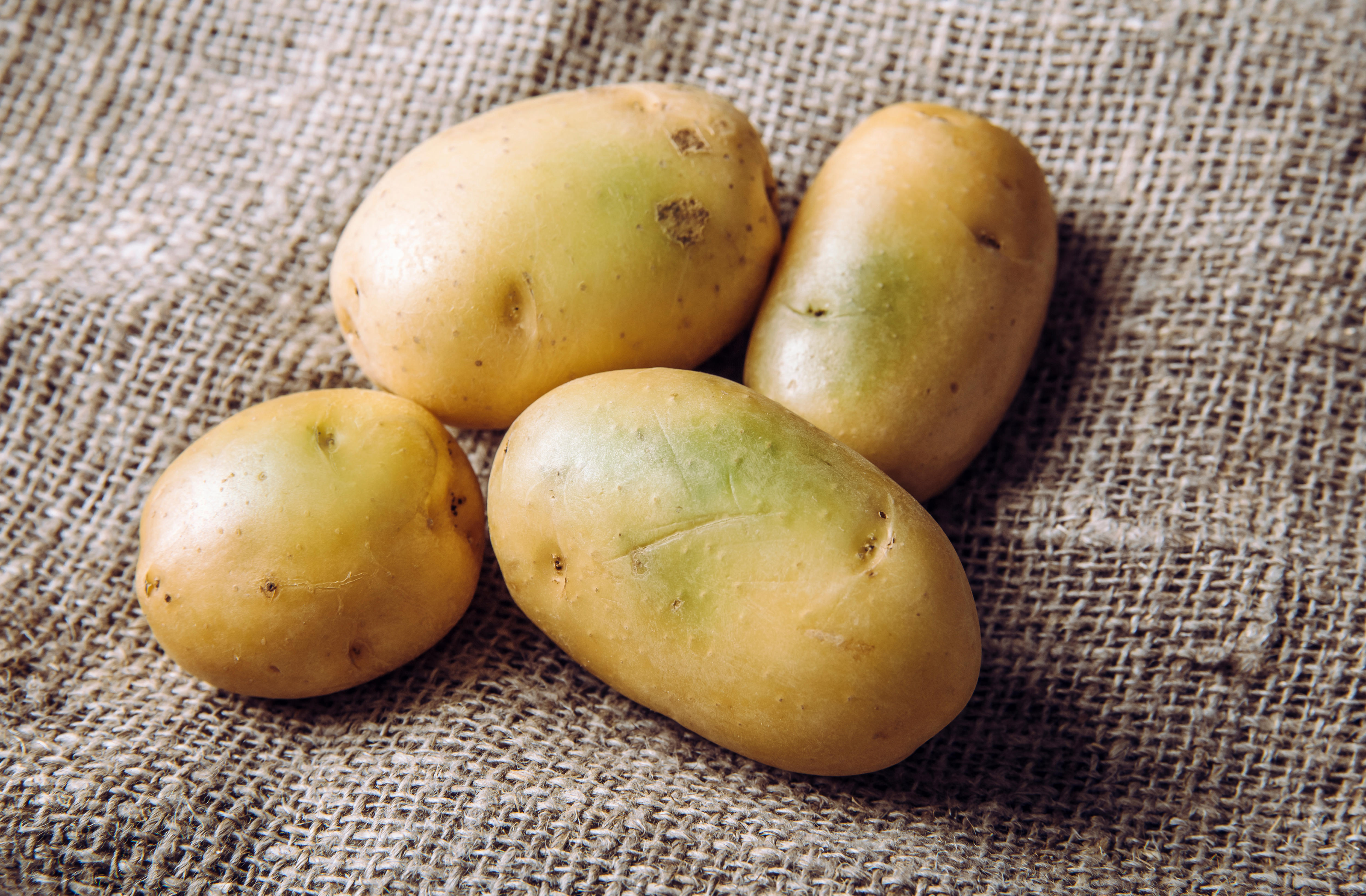
I do not like green eggs and ham... or potatoes?
Green potatoes — would you like them here or there? Would you like them anywhere?Well as Dr Karl taught us last week, potatoes contain a potentially deadly chemical, and a green tinge is its greatest tell. In this archive episode, we explore why green potatoes are best avoided.
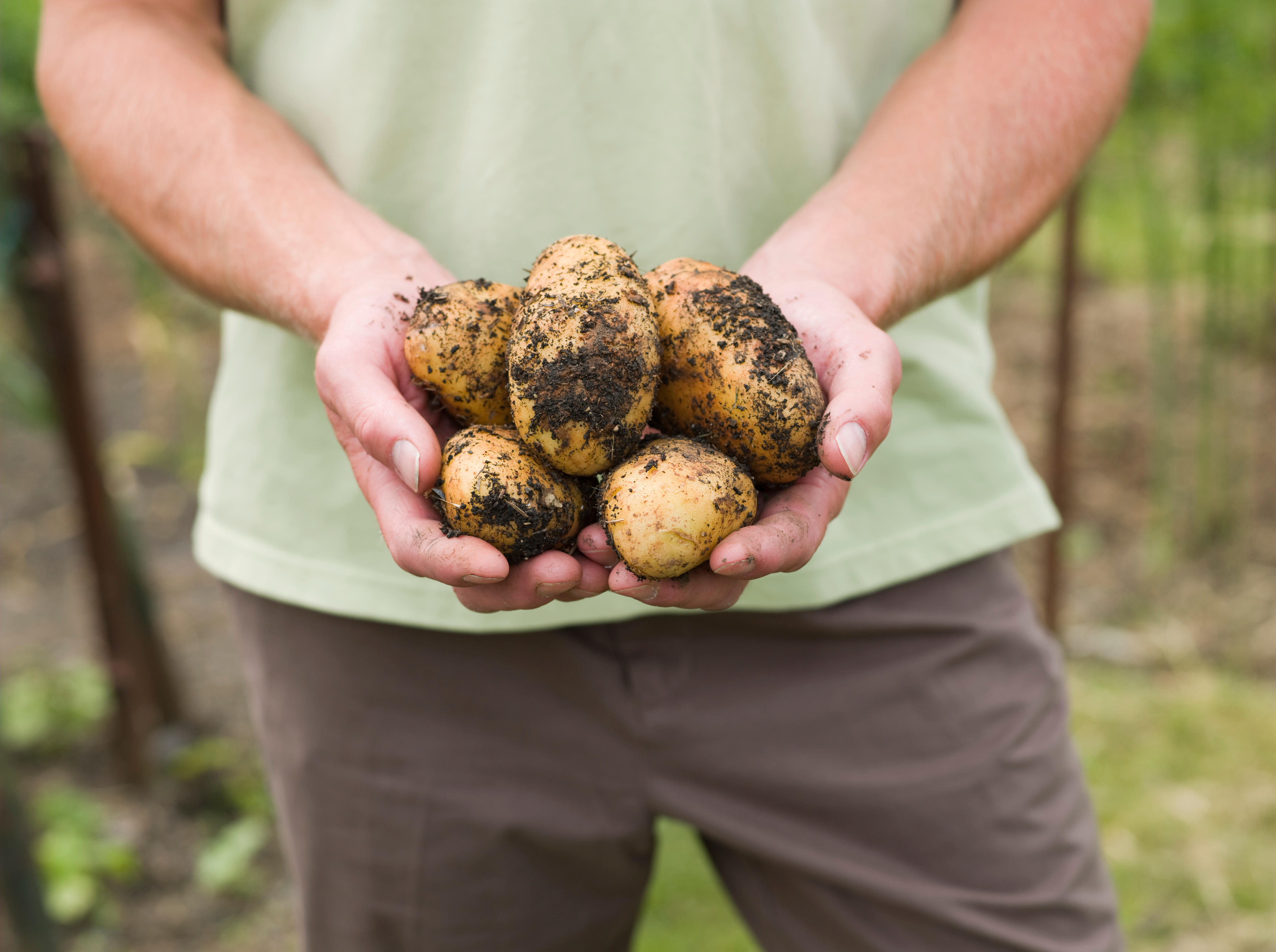
Potentially poisonous potato no small fry
Given the right (or wrong) circumstances, the humble potato packs a punch. It contains a chemical that could kill if ingested in large amounts. The catch-22? That chemical is exactly why potatoes taste so good. In this archive episode of Great Moments, Dr Karl digs into the science.
Of Mice and Milk
What you eat or drink just after you finish pumping iron is crucial to laying down muscle. Dr Karl weighs up the best way to bulk up, in this archive episode of Great Moments in Science from 2011.

Avalanche under the sea
The destructive force of a wall of snow is well known. Major avalanches can not only kill, they can also completely reshape a landscape. But it's not just mountainsides we need to worry about. There are also avalanches happening under the surface of the ocean — forging canyons and threatening our telecommunications.
A slip of the tongue
There are plenty of reasons why a person might poke their tongue out. Sometimes it can be a rude or cute gesture. Maori warriors do it as a sign of defiance, and Tibetans do it as a greeting.But many times it's a sign of concentration. So here’s why your tongue helps your brain think.Host: Dr Karl Kruszelnicki
Speaking your mind—with AI
In development is an amazing new technology which may, eventually, turn your thoughts into speech. It's being designed to help people who can’t speak, turn what they're thinking into speech. But it’s still early days.
Athlete deaths—and COVID vaccines
Athletes are not just fit, they also attract a lot of media attention, especially if stories are put around that COVID vaccines are a cause of death in this group. In late 2021 such claims were being made - and they’re plainly not true.
Neanderthal DNA kills superbugs
In 2022 we found that Neanderthal DNA could kill superbugs. Wait, what ... didn't Neanderthals die out? Yes, but their hidden power could make them important in modern medicine.
Why hangovers happen, Part 2
Continuing the story about the effects of alcohol we arrive at the “drunchies”—short for the “drunken munchies”. They’re what occur after a bout of too much drinking. You become very hungry and much your way through any fast food within reach.Host: Dr Karl Kruszelnicki
Why hangovers happen, Part 1
Alcohol in small quantities can make people sociable; but too much of it can mean hangovers and associated consumption of non-nutritional foodstuffs. There's a whole chemical family of 'alcohols', so what's the deal with the one that humans kinda like—ethanol.
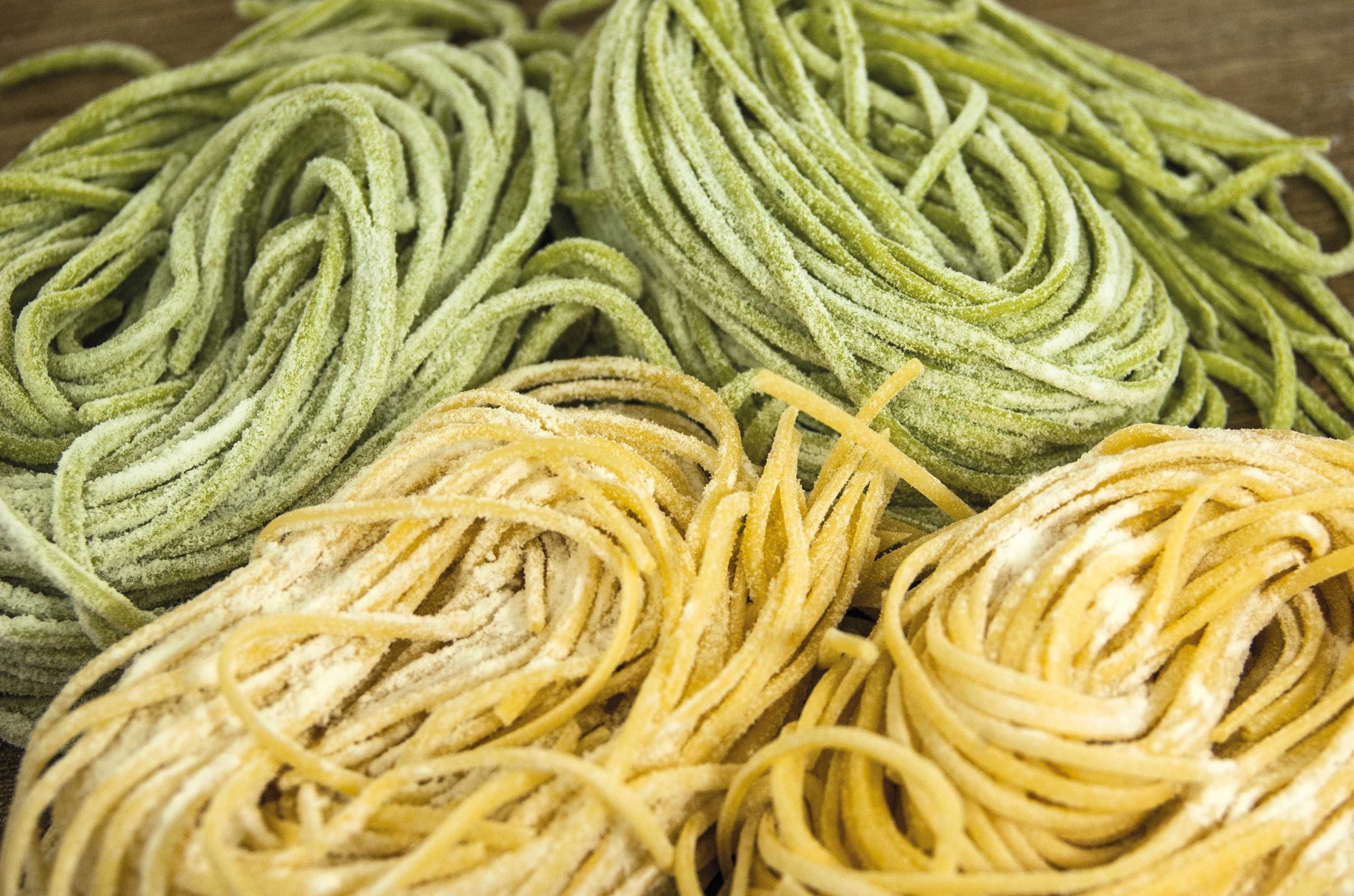
How to snap spaghetti: Pt 2
For some snapping spaghetti is sacrilege — but for others it’s science.

How to snap spaghetti: Pt 1
From spaghetti strands to trees to nanotubes — we need to know about the physics of rod-like structures.