Granite State Gardening
26 episodes

Ep 26Drought Conditions
bonusIn this bonus episode of Granite State Gardening, Nate Bernitz discusses the drought, both of podcast episodes and rainfall.UNH Extension’s Home Horticulture Team is Hiring The Home Horticulture Program Manager leads gardening and landscaping education and outreach for New Hampshire residents. Working in tandem with Master Gardener volunteers, home horticulture staff work statewide to develop educational programming on the ground and in digital channels. Home Horticulture staff and volunteers are a trusted source for New Hampshire gardeners, answering questions, conducting outreach on relevant and seasonal topics throughout the year, and providing engaging horticulture skills-training for the public and volunteers. Topics of focus include ornamental horticulture and landscaping, native plants, and fruit and vegetable gardening.Learn more at extension.unh.edu/unh-extension-seeks-home-horticulture-program-managerResourcesPollinator Garden Certification ProgramDrought Tolerant Plants for New Hampshire LandscapesHow Do I Keep My Lawn Alive An A Drought?Using Water Efficiently In The LandscapeSubscribe to the monthly Granite State Gardening newsletter. Email us questions, suggestions and feedback at [email protected]
Ep 25Planning and Planting Your Home Fruit Tree Orchard, From Apples and Peaches to Pawpaw
From stunning spring blooms to juicy and delicious fruit summer to fall, cultivating apples, pears, peaches, cherries and more is appealing to many New England gardeners and homesteaders. And while growing fruit trees isn’t necessarily easy, thoughtful planning can lead to healthier, more productive and lower maintenance trees for years to come. In this episode of Granite State Gardening, Emma Erler and Nate Bernitz talk about selecting and preparing your orchard site, choosing rootstock and varieties, planting, and care of young trees. The episode's featured plant is pawpaw (Asamina triloba). Promotions Listener Survey NH Farm, Forest and Garden Expo Webinar: Hydroponics at Home Webinar: Extending the Gardening Season Webinar: Propagating Trees and Shrubs in the Winter Months Resources Growing Low Input Fruit Trees Recommended Tree Fruit Varieties for Northern New England Training and Pruning Young Apples and Pears Subscribe to the monthly Granite State Gardening newsletter. Email us questions, suggestions and feedback at [email protected] Transcript by Otter.ai

Ep 24Supporting Birds In Your Yard and Garden, plus Bareroot Trees and Common Hackberry
Supporting birds on your property goes well beyond putting up bird feeders, although they can be helpful and enjoyable. In this episode on supporting birds in your yard and garden, Matt Tarr, Emma Erler and Nate Bernitz talk about why birds need our help, how to assess your property and the needs of birds, and how to meet the needs of wild birds through landscaping choices and other strategies. · Featured Question: Which landscape plants are best for hummingbirds?· Featured Plant: Common hackberry (Celtis occidentalis)· Closing Tip: Purchasing Bare Root Trees Promotions · Listener Survey· NH Farm, Forest and Garden Expo· Webinar: Hydroponics at Home· Webinar: Extending the Gardening Season Resources · All About Nest Boxes· Winter Bird Feeding· UNH Extension’s Wildlife Program Website· Cornell Lab of Ornithology· How to make your yard more bird friendly (Audubon) Subscribe to the monthly Granite State Gardening newsletter. Email us questions, suggestions and feedback at [email protected] Transcript by Otter.ai
Ep 23All things trees! (part 2) Pruning and Solving Tree Problems, Plus Frost Cracks, White Oak and Wood Chips
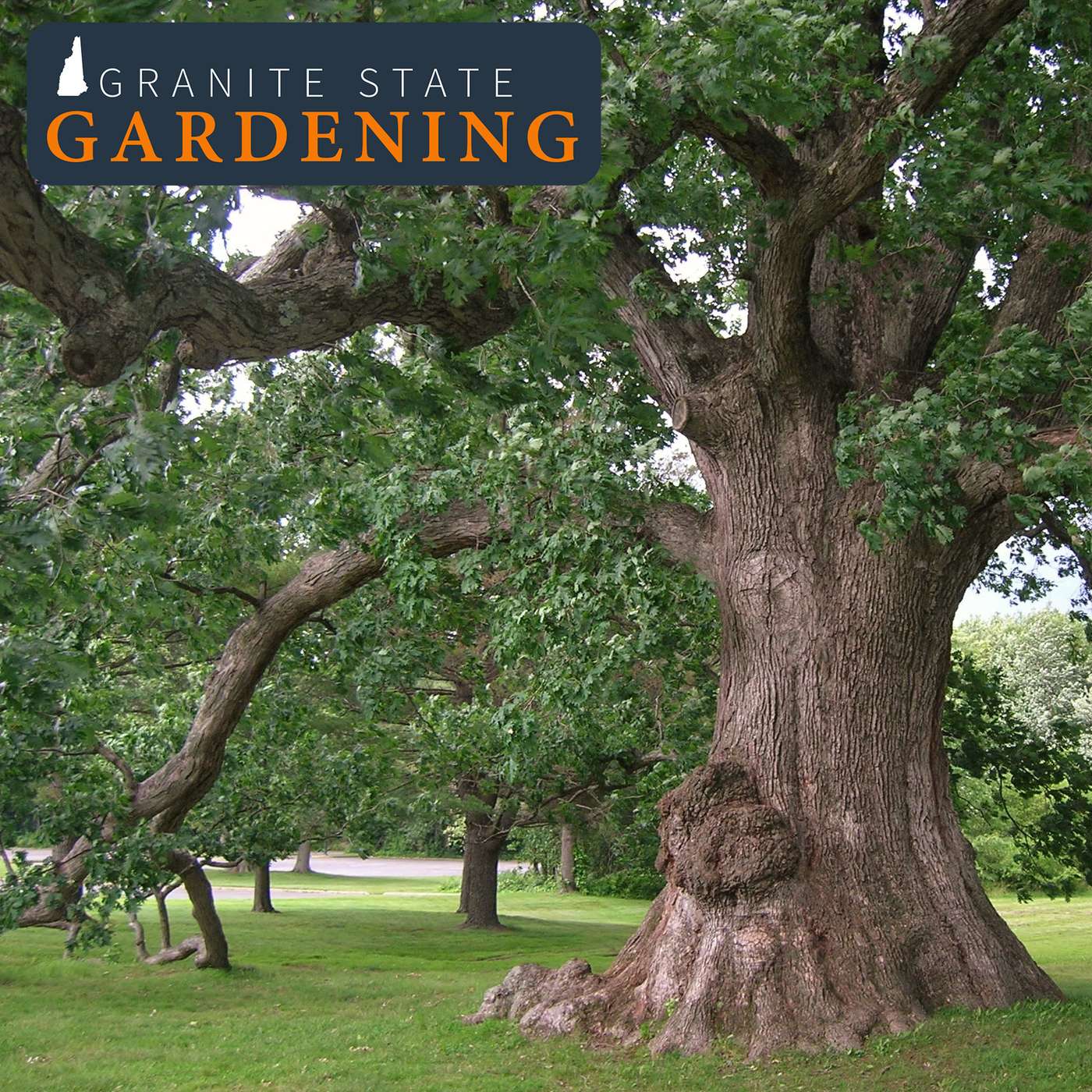
When you see something out of the ordinary with a tree, how do you know if it’s really a problem or just something to shrug off? In part 2 of this 2-part episode on trees, Greg Jordan, Emma Erler and Nate Bernitz talk about pruning a bit to start and then focus most of the episode on a wide array of scenarios and what to do about them (if anything!). If you haven’t listened to part 1 yet, go back and listen to that first. Featured Question: How to prevent frost cracking? Featured Plant: White oak (Quercus alba) Closing Tip: Using Wood Chips Promotions Listener Survey Growing Microgreens Webinar Resources Basics of Pruning Trees and Shrubs Selecting an Arborist UNH Extension County Foresters List of Trees for New Hampshire Landscapes Subscribe to the monthly Granite State Gardening newsletter. Email us questions, suggestions and feedback at [email protected] Photo from Wiki Commons Transcript by Otter.ai
Ep 22Landscape Trees (part 1): Selection, Planting, Transplanting and Care
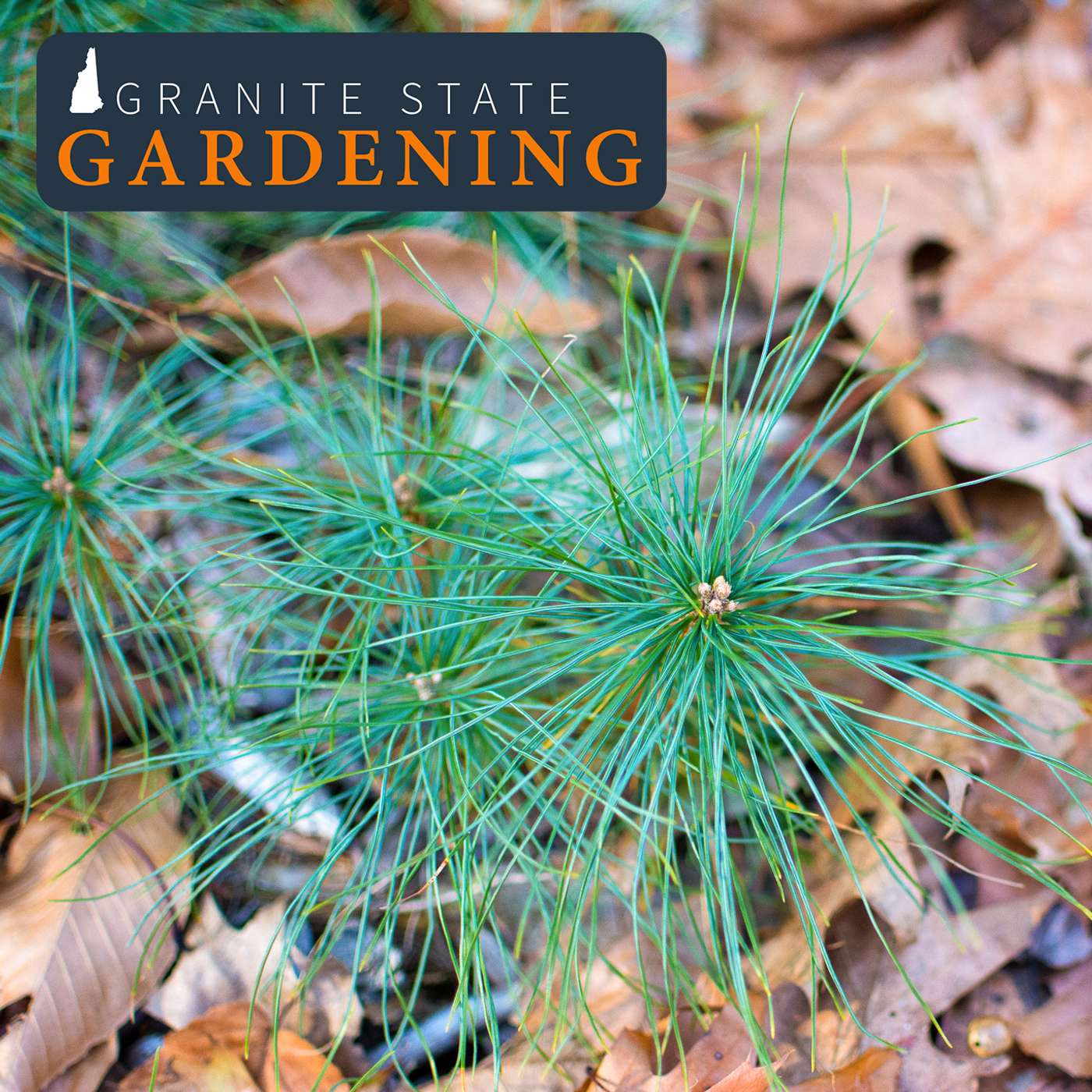
Growing healthy trees starts with choosing the right plant for the right place, and good planting technique. And with adequate care early in the tree’s life, you’ll be well on your way to the shade, blooms, privacy screening, wildlife habitat, or whatever you’re trying to achieve with the new addition to your landscape. In part 1 of this 2 part episode on trees, Greg Jordan, Emma Erler and Nate Bernitz talk about all this and more. Then look for part 2 (out on December 3), which will focus on pruning and tree problems and solutions. Featured Question: How to transplant established trees? Featured Plant: Tamarack (Larix laricina) Closing Tip: Transporting Trees from the Nursery Promotions Listener Survey Webinar on Designing for Winter Interest and Wildlife Resources Planting and Care of Tree Seedlings Planting and Mulching Trees and Shrubs List of Trees for New Hampshire Landscapes Transplanting or Moving Trees and Shrubs in the Landscape Subscribe to the monthly Granite State Gardening newsletter. Email us questions, suggestions and feedback at [email protected] Transcript by Otter.ai (Pending)
Ep 21Extending the season and overwintering garden veggies, winter sowing, lovage, and putting the garden to bed
No matter what scale you’re growing at, growing veggies later into the fall, and even through winter, may be easier than you think. There’s a spectrum of techniques, from using old sheets to installing a high tunnel and so much in between. Becky Sideman has spent years researching agricultural season extension and experimenting with season extension and overwintering strategies at a small scale, and shares those proven tips and solutions with us on this episode of Granite State Gardening. SegmentsFeatured Question: Is winter sowing a shortcut to spring? Featured Plant: Lovage (Levisticum officinale) Closing Tip: Putting the garden to bed Resources Row covers in the garden from UNH Extension Low tunnels for beginners from West Virginia University Season extension techniques for market gardeners from ATTRA ConnectSubscribe to the monthly Granite State Gardening newsletter. Email us questions, suggestions and feedback at [email protected]
Ep 20Fall Gardening for Rewards Next Year: Bulbs, Garlic and Lawns
Fall isn’t just for putting the garden to bed, it’s also for investing in next year’s rewards and successes. With thoughtful planting and care, fall-planted bulbs will provide magnificent blooms spring after spring. Likewise, garlic can provide easy rewards come up early summer if they get off to the right start in the fall. And if there’s ever a time to give some attention to your lawn, it’s in the fall when conditions are best for an array of tasks that can really make a difference. In this episode of Granite State Gardening, UNH Extension’s Emma Erler and Nate Bernitz share proven tips and solutions for fall yard & garden efforts with big rewards. · Featured Plant: Glory-of-the-snow (Chionodoxa species)· Closing tip: food preservation basics Resources: · Naturalizing bulbs· Protecting bulbs from wildlife· Growing garlic· National center for home food preservation· Using Manure in the Garden event Connect with us at @askunhextension on Facebook and Instagram and subscribe to the monthly Granite State Gardening newsletter. Email us questions, suggestions and feedback at [email protected] Transcript by Otter.ai
Ep 19Supporting Animals and Sustaining the Land in the Backyard and on the Homestead
There’s been a noticeable increase in interest from landowners in backyard livestock, from laying hens to pigs and sheep. Whether you just have a little bit of outdoor space or a lot, incorporating animals may be a viable option – and undoubtedly many of you already have. While this episode is not a comprehensive how-to guide to raising backyard livestock, this conversation with UNH Extension dairy, livestock and forage field specialist Elaina Enzien weaves together an exciting array of topics relevant for raising animals on a small scale. After listening, you might be inspired to not only learn more and dig deeper, but bring some more animals onto your property. Featured plant: jimsonweed (Datura stramonium) Join us on Saturday, September 25 at Wagon Hill Community Garden in Durham, NH for a workshop on using manure in the garden. Background reading: · UNH Extension resources on backyard livestock· Teach Cows to Eat Weeds: The Science, the Steps and the Reasons why Cows Shout Eat Weeds· Manual of Best Management Practices (BMPs) for Agriculture in New Hampshire· Manure Management for Small and Hobby Farms One correction: At one point in the episode, Elaina referred to cattle, goats and sheep as monogastrics. A listener pointed out that ruminants is a more accurate term - and he's absolutely right! So we're issuing this correction.

Ep 18Vines in Northeast Gardens and Landscapes
At any particular time, a vine can be your worst nightmare or can steal the show in your garden. Vines are unruly by nature, growing in ways other plants simply can’t. Vines can serve many purposes, both aesthetically and even functionally such as softening and breathing life into the outside of otherwise pedestrian structures. Yet they’re largely underused in the garden and much maligned outside of cultivation. In this episode of Granite State Gardening, UNH Extension’s Emma Erler and Nate Bernitz explore the good, bad and always fascinating world of vines, beginning with the bad and transitioning to the oh so good. Enjoy, and brighten up our email inbox with your most beloved vines. And check out the resources below to dig in deeper on some of the topics we touch on. · Featured Plant: Cup and saucer vine (Cobaea scandens) Resources: · Growing Grapes: https://extension.unh.edu/resource/growing-grapes-new-hampshire-fact-sheet· Fruitless wild grapes: https://extension.unh.edu/blog/fruitless-wild-grapevines· Oriental bittersweet: https://extension.unh.edu/blog/invasive-spotlight-oriental-bittersweet· Native trees, shrubs and vines with wildlife value: https://extension.unh.edu/resource/new-hampshire%E2%80%99s-native-trees-shrubs-and-vines-wildlife-value-chart· Invasive species in NH: https://www.agriculture.nh.gov/publications-forms/documents/prohibited-invasive-species.pdf· Poison ivy: https://extension.unh.edu/blog/what-can-i-do-get-rid-poison-ivy-my-yard· Growing kiwiberries: http://www.noreastkiwiberries.com/production-guide/· University of Illinois resource on vines: https://web.extension.illinois.edu/vines/intro.cfm· University of Maryland resource on vines: https://extension.umd.edu/resource/vines Cover image by Lorianne DiSabato, under used under Creative Commons 2.0 Connect with us at @askunhextension on Facebook, Instagram and Twitter and subscribe to the monthly Granite State Gardening newsletter. Email us questions, suggestions and feedback at [email protected] Transcript by Otter.ai

Ep 17Growing in Tough Spots and Situations
All gardeners and home owners face challenging conditions and tough situations that require careful plant selection and a thoughtful approach to bring their landscaping vision to life. In this episode of Granite State Gardening, UNH Extension’s Emma Erler and Nate Bernitz share proven tips and solutions for growing in many of those locations, including dry spots, wet spots, slopes, shade, compaction, foundations, driveways and even contaminated soils. Hopefully you don’t have all of these issues, but undoubtedly your property has some. · Featured Plant: Sweet-fern (Comptonia peregrina) Resources: · What perennial groundcover can I plant on a sunny slope that is difficult to mow?· What can weeds tell me about my garden soil? Attributions: Cover Art: Sweet Fern - https://commons.wikimedia.org/wiki/File:Comptonia-peregrina-foliage.jpgSten Porse, CC BY-SA 3.0 <https://creativecommons.org/licenses/by-sa/3.0>, via Wikimedia Commons Connect with us at @askunhextension on Facebook, Instagram and Twitter and subscribe to the monthly Granite State Gardening newsletter. Email us questions, suggestions and feedback at [email protected] Transcript by Otter.aipending
Ep 16Celebrating Pollinator Week: Supporting Bees in your Yard and Garden
We’ve all heard that bees are in trouble, but you may wonder why, and more importantly what you can do to support bees and other pollinators. In this episode of Granite State Gardening, UNH Extension’s Emma Erler and Nate Bernitz share proven tips and solutions for supporting pollinators on your property. This conversation is very practical, and gets into the kind of detail and nuance gardeners are looking for to go beyond basic concepts. Emma and Nate also cover a wide range of topics, discussing bees and what differentiates them from other insects, and different types of bees including but not at all limited to honeybees. You’ll definitely walk away from this episode with ideas you can put to practice.· Featured Plant: Cosmos (Cosmos bipinnatus) Resources: · Pollinator Week· Pollinator Plants for Northern New England Gardens· Establishing a Wildflower Meadow from Seed· Other UNH Extension resources for creating pollinator habitat· Protecting Pollinators While Using Pesticides· Bee Nest Box Guidelines· Building a Bee Hotel· Bees and their habitats in four New England states Connect with us at @askunhextension on Facebook, Instagram and Twitter and subscribe to the monthly Granite State Gardening newsletter. Email us questions, suggestions and feedback at [email protected] Cover image by - Robert DurantTranscript by Otter.ai

Ep 15Managing Insect Pests in the Vegetable Garden, Ground Cherries and Choosing Your Battles
While insects are a part of every garden, and an important part at that, there are some insects that cause unacceptable damage to our plants and need to be managed as pests. In this episode of Granite State Gardening, UNH Extension’s Emma Erler and Nate Bernitz are joined by Anna Wallingford, host of the Overinformed on IPM podcast, to share proven tips and solutions for managing these insect pests with an integrated pest management approach. Anna has an uncanny ability to make pest management fun, and while she focuses on advising farmers, recording this episode was a unique opportunity to bring her expertise to gardeners. Anna shares unexpectedly interesting information about the lives these insects lead, and how understanding their life cycles and peculiarities can give gardeners a leg up in battling these garden foes. · Featured Plant: Ground Cherries (Physalis pruinosa)· Closing Tip: Choosing your battles with pests in the garden Resources: · Over-informed on IPM podcast· Garden Irrigation Webinar· Garden IPM· IPM Resources for NH Growers· Growing Ground Cherries and Tomatillos Connect with us at @askunhextension on Facebook, Instagram and Twitter and subscribe to the monthly Granite State Gardening newsletter. Email us questions, suggestions and feedback at [email protected] Transcript by Otter.ai
Ep 14The Time to Plant: Garden Center Shopping Tips for Memorial Day Weekend
What to bring home and how to choose – just two of the questions top of mind as gardeners race through their local garden center in late May, snagging plants and supplies left and right after enduring months of shoveling snow and a spring torrent of black flies. But finally it’s time to plant, and in the shopping frenzy many gardeners may throw caution to the wind. In this episode of Granite State Gardening, UNH Extension’s Emma Erler and Nate Bernitz are joined by their colleague Rachel Maccini to chat about how they strive to be smart garden center shoppers, and how you can do the same. Happy shopping and happy gardening!Connect with us at @askunhextension on Facebook, Instagram and Twitter and subscribe to the monthly Granite State Gardening newsletter. Email us questions, suggestions and feedback at [email protected]
Ep 13Choosing and Using Fertilizers in the Yard and Garden
Plants need air, water and sunlight, but require sources of essential nutrients too. Fertile soil rich in organic matter provides nutrients to be sure, but fertilizer is typically needed to grow vigorous, healthy plants. Organic or not, slow release or fast acting, specialty products or versatile mainstays – we face a lot of options when choosing fertilizers. And that doesn’t even begin to cover when and how to use the fertilizer for the wide diversity of plants you’re growing. In this episode of Granite State Gardening, UNH Extension’s Emma Erler and Nate Bernitz are joined by Becky Sideman to share proven tips and solutions for using fertilizer to grow healthy and productive plants in the garden and landscape. The conversation brings up topics and questions bound to get gardeners of all experience levels thinking about fertilizing plants in the yard and garden in new ways. · Featured Question: Should I use fertilizer spikes or a granular fertilizer for my trees and shrubs? · Featured Plant: Bee Balm (Monarda fistulosa)· Closing Tip: New Hampshire’s Turf Fertilizer Law Resources: · Fertilizing vegetable gardens · Fertilizing fruit trees· Fertilizing trees and shrubs· New Hampshire’s turf fertilizer law· Soil testing· Spring Webinar SeriesUNH Cooperative Extension’s Vegetable & Fruit team, together with a group of undergraduate and graduate students at the University of New Hampshire, conduct research on vegetable and fruit crops. While the team does much of their work at theNH Agricultural Experiment Station in Durham, NH, they are located throughout NH and their research project topics are driven by the needs of NH growers. The team believes that using effective growing practices for our region (including new varieties, new crops, and season extension strategies) can help farmers diversify, improve yields, and improve crop quality. Many of their integrated research and extension projects focus on high-value specialty crop production systems and methods of extending the growing season (e.g. season extension). They offer an up-to-the-minute snapshot of what we're up to on Instagram at unh_sidemanlab. Connect with us at @askunhextension on Facebook, Instagram and Twitter and subscribe to the monthly Granite State Gardening newsletter. Email us questions, suggestions and feedback at [email protected] Transcript by Otter.ai
Ep 12Soil Amendments, Ground Nesting Bees, Mountain Laurel and Finishing Compost
Soil amendments have the ability to transform soil health by adding organic matter, changing soil properties and ultimately improving plant growth. In this episode of Granite State Gardening, UNH Extension’s Emma Erler and Nate Bernitz are joined by New Hampshire Agricultural Experiment Station researcher Becky Sideman to share proven tips and solutions for using soil amendments to build and transform soil to support healthy and productive plants in the garden and landscape. The conversation brings up topics and questions bound to get gardeners of all experience levels thinking about amending soil in new ways. · Featured Question: How to manage ground nesting bees and wasps· Featured Plant: Mountain Laurel (Kalmia latifolia)· Closing Tip: Determining when compost is finished Resources · Purchasing top soil· Purchasing compost· Guidelines for using manure· Soil testing· Controlling wasps, bees and hornets around the home· Spring Webinar Series Connect with usConnect with us at @askunhextension on Facebook, Instagram and Twitter and subscribe to the monthly Granite State Gardening newsletter.Email us questions, suggestions and feedback at [email protected]
Ep 11Annual and Perennial Blooms, Cut Flower Gardens, and Foam Flower
While we often focus on growing fruits and vegetables, flower gardening brings unmatched beauty and life to any yard and is a lifelong passion for many gardeners. It can also be overwhelming: which flowers go together, what should I choose, how to stop weeds. Growing beautiful flower gardens brings its own challenges while offering endless opportunities for your personality and creativity to shine. In this episode of Granite State Gardening, UNH Extension’s Emma Erler and Nate Bernitz share proven tips and solutions for creating and maintaining vibrant ornamental flower gardens. We hope you’ll take away new ideas, inspiration and techniques that you can use this year and for years to come. And if you’re so inclined, send us photos of your flower gardens looking their best to [email protected]. · Featured Question: Cut Flower Gardens· Featured Plant: Foam flower (Tiarella cordifolia) Resources: UNH Extension resources on growing annuals and perennials: https://extension.unh.edu/tags/annual-perennial-gardensUpcoming events: https://extension.unh.edu/topic-events/Home,%20Yard%20&%20Garden Connect with us at @askunhextension on Facebook, Instagram and Twitter and subscribe to the monthly Granite State Gardening newsletter. Email us questions, suggestions and feedback (and photos from your garden) at [email protected]
Ep 10Dealing with Nuisance Wildlife, Growing Garlic, Inkberry & Tree Guards
As much as gardeners love the outdoors and the diversity of wildlife that call our region home, there are some parts of the yard and garden where we have to draw the line. With as much effort as we put into gardening and landscaping, we all know the sinking feeling of seeing what can happen seemingly overnight. In this episode of Granite State Gardening, UNH Extension’s Emma Erler and Nate Bernitz share proven tips and solutions for dealing with animals that can damage yards and gardens. Straddling the line between supporting wildlife and managing nuisance wildlife can be a challenging balancing act, but we share an approach that does just that. After listening, you will be equipped to prevent damage, and if necessary manage whichever critters take an interest in your gardens this growing season. We hope you will take away some new ideas, as well as what strategies not to spend time and money on. · Featured Question: Growing garlic· Featured Plant: Inkberry (Ilex glabra)· Gardening Tip: Using Tree Guards Resources: · wildlifehelp.org· USDA APHIS Wildlife Services in NH· NH Fish & Game: Living with Wildlife, Wildlife Control, & Nuisance Wildlife Connect with us at @askunhextension on Facebook, Instagram and Twitter and subscribe to the monthly Granite State Gardening newsletter. Email us questions, suggestions and feedback at [email protected]
Ep 9Growing Cool Season Vegetables in your Spring Garden
Some of our favorite vegetables can not only be grown before last frost, but thrive in the cool months before we can grow tomatoes and other classic warm season crops. With our region’s short growing season, moving up your planting window is a welcome opportunity for antsy gardeners after a long winter. In this episode of Granite State Gardening, UNH Extension’s Emma Erler and Nate Bernitz share proven tips and solutions for successfully growing cool season veggies. After listening, or even while you’re listening, head out to the garden and get growing. With a few tricks, you’ll be amazed how much you can grow and harvest before the heat of summer.Featured Question: Row Cover FramesFeatured Plant: Garlic (Allium sativum)Gardening Tip: Harvesting Cool Season Vegetables Background reading:When to start and plant your vegetable gardenUsing row covers in the gardenGrowing cool-season vegetablesGrowing GarlicFertilizing vegetable gardensGarden mulchesUpcoming EventsCool Season Veggies with Becky Sideman on Facebook Live, April 19 at 6 pmExplore our other upcoming events for gardeners and homesteadersAccess the transcript for this episode at https://extension.unh.edu/blog/growing-cool-season-vegetables-your-spring-garden
Ep 8How to Start Seeds Successfully Indoors
Show NotesIf you aren’t starting seeds, you’re limited to whatever you can plant directly into the garden and whatever starts you can pick up from your local garden center. Starting your own seeds opens up possibilities for growing new crops you couldn’t grow otherwise, better varieties for your garden and tastes, and earlier and better harvests to make it all worth it. In this episode of Granite State Gardening, UNH Extension’s Emma Erler and Nate Bernitz share proven tips and solutions for successfully starting your seeds indoors, from set up and germination to transplanting. Come for the accessible science, stay for the demystifying banter. Once you learn how to start seeds indoors, you can take your gardening to the next level. Featured Question: Homemade seed starting and transplant mediaFeatured Plant: Hyacinth Bean (Lablab purpureus)Gardening Tip: Planting DepthBackground Reading:Starting Plants From Seed [fact sheet]Growing Vegetables: When to Plant Your Vegetable Garden [fact sheet]Growing Seedlings Under Lights [fact sheet Connect with us at @askunhextension on Facebook, Instagram and Twitter and subscribe to the monthly Granite State Gardening newsletter. Email us questions, suggestions and feedback at [email protected] by Otter.aiNate Bernitz 0:00 Welcome to the Granite State gardening podcast from UNH Cooperative Extension. On today's show, we're talking about starting seeds indoors. in the show notes, you'll find a link to our fact sheet on seed starting, as well as helpful resources on when to start your seeds, indoor lighting and more. eight episodes in we're having a blast putting this podcast together and want to hear from you with your feedback, topic suggestions and gardening questions. Our email is gsg dot [email protected]. We really appreciate the emails we've gotten so far. And hey, if you're not already connected with us on social media, we're on Facebook and Instagram. Just search for ask UNH extension. Now let's get started with seed starting.Greetings Granite State gardeners I'm Nate Bernitz, co host with Emma Erler of the Granite State gardening podcast, a production of UNH extension. Today we're talking about seed starting a practice that opens so many possibilities for gardeners, especially somewhere with a relatively short growing season like New Hampshire. By starting seeds. You won't rely on just whatever seedlings you can get your hands on from local garden centers and plant sales. And you won't be limited to what can be so directly in the garden. You'll have your choice of crops, flowers, and varieties galore to choose from all because you'll be able to provide ideal germination conditions indoors. Once you learn the science and know how of seed starting, you'll be at a whole other level of gardening and won't believe how limited you once were, with spring rapidly and mercifully approaching despite what Punxsutawney Phil says there's no time to waste. So let's get started. Emma, when it comes to seed starting, I want to first know the science, we always want to know the science first. So what are those ideal conditions for germinating seeds?Emma E 2:05 Well, a seed is is basically a shell or husk that's holding an an embryo on the inside. And in order for a seed to germinate, you need to have some specific conditions, you need to have moisture in you need to have light, and you need to have oxygen. And if you don't have those things, then the seeds not going to germinate. When we're talking about germinating seeds at home, we are providing that at least the moisture, at least moisture and oxygen in our seed starting mix that we're using. So that's that potting media that we've chosen to start our seeds in. And then light that's either going to be coming from a really bright window, or ideally actually from some sort of some sort of supplemental lighting system that you have inside your home.Nate Bernitz 2:59 Okay, so moisture, oxygen and light, not nutrients because these seeds already have the nutrients they need to at least get started, so to speak. So ideally, we're recreating these really ideal germination conditions indoors. We know the science, it's been researched, it's been determined, this is what you want to do for these seeds. So if you're doing everything right, what kind of germination percentages are you expecting? Like for every 100 seeds you're trying to start? Are all of them going to germinate? And what sort of practices that maybe aren't so ideal might bring that germination rate down?Emma E 3:40 Wow, that's a really good question. And honestly, it depends a lot on the exact plant that you're trying to propagate. Not all plants create viable seeds equally, some produce a lot more viable seeds than others. So germination rates, gonna vary a fair amount, and it's gonna depend a bit too on the age of that seed, exactly how it was harvested, how it was stored. So if you're buying seeds and packets like most of us do, those seed packets will will have been
Ep 7Pruning, Topping & Staking Trees & Shrubs, plus Witch Hazel Appreciation
Every homeowner knows they should prune, but beyond that, there’s a lot of confusion. Making things worse, there are examples all around us of poor pruning: fall snipping, summer shearing, tree topping, the list of pruning transgressions goes on and on. In this episode of Granite State Gardening, UNH Extension’s Emma Erler and Nate Bernitz share proven tips and solutions for approaching the ever intimidating and often-counterintuitive task of pruning. Come for the accessible science, stay for the demystifying banter. Once you learn how to prune, you’ll never see the trees and shrubs all around you the same. Featured question: Can trees be topped to reduce their height?Featured plant segment: Vernal witch hazel (Hamamelis vernalis)Closing gardening tip: Staking treesBackground reading: It’s Pruning Season article, with information about upcoming events: https://extension.unh.edu/pruningseason March 17 live event with Emma and Nate on Pruning: https://extension.unh.edu/events/pruning-ornamental-trees-and-shrubs-online Basics of Pruning Trees and Shrubs fact sheet: https://extension.unh.edu/resource/basics-pruning-trees-and-shrubs-fact-sheet Pruning Deciduous Trees fact sheet: https://extension.unh.edu/resource/pruning-deciduous-trees-fact-sheet Pruning Hydrangeas fact sheet: https://extension.unh.edu/resource/pruning-hydrangeas-fact-sheet Science of Pruning webinar Q&A: https://extension.unh.edu/blog/science-pruning-qa Cleaning and Sharpening Pruners: https://extension.unh.edu/blog/how-clean-and-sharpen-your-pruners TRANSCRIPT by Otter.aiNate Bernitz 00:00Welcome to the Granite State gardening podcast from UNH Cooperative Extension. On today's show, we dive into the world of pruning. At the top of the show, I want to put in a plug for a series of online events we're offering on this very topic. The first is on March 9 on pruning fruit trees, then on March 11, on pruning blueberries on March 15, it's burning raspberries, blackberries and grapes. And finally on March 17, ornamental pruning. If this episode leaves you with questions, join us on March 17. To ask me those questions live. These four events will all be streamed for free on our Facebook page, ask UNH extension. And I'll play host and moderator speaking with extension specialists including Emma and Becky Seidman, who you know from our vegetable garden planning episodes. Check the show notes of this podcast for the details. And speaking of the show notes, we have links to several parenting resources Emma has written herself and one of the things I appreciate most about these resources are the hand drawn diagrams Emma has done which really help illustrate these concepts. Greetings Granite State gardeners. I'm Nate bernitz. co host with me earlier of the Granite State gardening podcast a production of UNH extension. Today we're talking about pruning and specifically pruning ornamental trees and shrubs. So not the trees and shrubs that grow edible fruits because we're going to devote a whole other episode to printing those up. Now today we're talking about pruning landscape favorites like hydrangea, lilacs, Rhododendron, and well you get the idea. You may refer to pruning as trimming or cutting, but for today, we'll use the word pruning. Our goal here is for you to feel confident about pruning, and understand just a bit about how plants actually grow and respond to cuts, you're going to find that is really helpful. Inevitably pruning is something that takes practice and experience as well as an understanding of how particular plants grow and what you'd like them to actually look like as the real expert here. So I hope you don't mind if I learn a bit right along with you. Okay, let's get into it. Emma E 02:29Can trees be topped to reduce their height. That's this episode's featured question. Topping a tree is the cutting back of large branches and mature trees, cutting them to Stubbs trees are often top because they're perceived as being too tall to be safe. This fear is largely unjustified though, as a healthy tree we'll have a root system that is adequate to support it. Topping has the potential to harm trees and actually make them more prone to breakage. Trees respond to topping by producing a lot of long sprouts below the cut of the large branch that quickly grow to the height the tree was initially. Additionally, these limbs are weakly attached to the parent branch and are very prone to wind, snow and ice damage, which can obviously be hazardous. Another thing to consider is that large pruning wounds from large branch removal often did not seal properly and invite decay and insect invasions into the tree topping can lead to a long slow decline of a tree. So topping trees is hardly ever a good option. If the height of a tree really needs to be reduced for some reason. My advice, work with a certified arborist to have the work done properly. Your trees will thank you. Nate Bernitz 03:53Emma I mentioned in the introduction how this is a kind of a sep
Ep 6Foliage Houseplants, Fertilizing, Cleaning Leaves, Aphids & ZZ Plant
Houseplants are as popular as ever right now, with many people spending a lot more time at home and craving the warmth and natural touches plants bring. Sometimes, us houseplant enthusiasts can even go a little overboard, bringing too many plants home and sometimes giving those plants a little too much TLC.In this episode of Granite State Gardening, Lake Street Garden Center greenhouse manager Nichole Keyes joins UNH Extension’s Emma Erler and Nate Bernitz to exchange tips for choosing the right houseplants for your home and helping your indoor garden thrive. They also get into their personal favorites, houseplant shopping tips and predictions for popular houseplants in 2021.Featured question: fertilizing houseplantsFeatured plant: ZZ plant (Zamioculcas zamiifolia)Closing tip: Cleaning houseplant leavesIPM tip: Controlling aphidsConnect with us at @askunhextension on Facebook, Instagram and Twitter and subscribe to the monthly Granite State Gardening newsletter. Email us questions, suggestions and feedback at [email protected] reading:UNH Extension’s houseplant resources: https://extension.unh.edu/tags/house-plantsLake Street Garden Center: https://www.lakestreet.com/TRANSCRIPTNate B 0:00 Welcome to the Granite State gardening podcast from UNH Cooperative Extension. On today's show, Emma and I speak with Nicole Keyes, the greenhouse manager at Lake St. garden center in Salem, New Hampshire. Our conversation is wide ranging, including assessing your home's growing conditions, best growing practices, how to be a smart shopper, personal favorites and predictions for hot foliage houseplants and 2021. By the end of this episode, I guarantee you'll be inspired to grow some new plants because Emma and Nicole's enthusiasm and knowledge just rubs off. And y'all have a few new tips and tricks for your next house plant shopping outing to your favorite local garden center.Greetings, Granite State gardeners. I'm Nate bernitz joined as always by horticulturist and UNH extension field specialist, Emma Erler. And today by Nichole keyes.Nicole, I'm excited to hear some industry insider knowledge from you today. But I'd love to start by getting to know you. Tell us a little bit about yourself.Nicole K 1:14 I work at Lake Street garden center in Salem, New Hampshire. It's a small family owned business. It's been open since the 70s. I'm born and raised from Salem. So I used to go there with my grandfather, like as a child walking through the greenhouses. And when I was old enough to work he he knew the owner pretty well and kind of like gave me a little push and was like go ask for a job. Because I knew I was interested in plants and I love the outdoors. And I'm definitely a nature girl. So I started as a cashier there and just I didn't even know the difference between a Petunia and a philodendron. Back then just being there and and starting to learn I really my passion kind of developed. I've been there 18 years on and off through my life. So it's been a pretty cool journey. It's it's pretty unique that to be a part of still like family run business. Nate B 2:10 Well, I know Emma shares your passion for scientific names for for the Latin. So let's start there. Why is that important?Emma E 2:20 Well, I guess I'll say it's, it's really important because common names can be misleading. It can be misguiding there. In many cases, there are multiple different common names that can be applied to the same plant. And in some cases, two different plants will have the same common name. So if you're using the Latin name, you're being as precise as you can possibly be. And any gardener, any botanist that you're talking to, is going to know exactly which plant you're speaking of and use that Latin name versus a common name. Because to a certain extent that can really be regional as well with what people will call a certain plant. Nate B 3:01 Nicole, do you find that customers sometimes come in and they're asking about one plant, but maybe thinking of another? Or like really kind of actually practical examples where this really comes into play? Nicole K 3:15 Absolutely. I think it's something I deal with on a regular basis and echo everything that Emma said, it's a lot easier for me, when a customer comes in knowing what plant plant they they're, that they're referring to. And like I've noticed, too, that with the trends online today, and like there's a lot of online sales going on all over the internet, and a lot of people are making up common names or coming up with cooler more funky names for plants and customers will come in like, do you have devils IV, and I'm like, what's a devil's IV and it's 1000 I've never heard it called Devil's IV in my life. And so like Google's my best friend today, when it comes to that, I have to do a lot of research online to kind of keep up with the trends and also to be able to educate the customer when we do figure out what they're referring to, you know that the scientific name of the plant and a
Ep 5Planning Spring Vegetable Gardens (part 2), Container Gardening, Malabar Spinach & Staking Tomatoes
Show NotesIn this bonus episode of Granite State Gardening, New Hampshire Agricultural Experiment Station researcher Becky Sideman, Emma Erler and Nate Bernitz continue their conversation from the last episode, getting into working with seed catalogs to understand the information and how it’s organized as well as how to make selections that will thrive in your garden. We get into the weeds of concepts including organic, seed treatments, GMOs, and disease resistance, as well as segments on selecting varieties for container gardening, staking tomatoes, and growing Malabar spinach (Basella alba). Part 1 of this conversation, titled Planning Spring Vegetable Gardens, Soil Temperature, Nasturtiums & Fencing, was packed with experience and insights for garden planning, and we recommend listening to it before jumping into this episode. Featured question: What are the best varieties for growing veggies in containers? Featured plant segment: Malabar spinach (Basella alba) Closing gardening tip: tomato staking Connect with us at @askunhextension on Facebook, Instagram and Twitter and subscribe to the monthly Granite State Gardening newsletter. Email us questions, suggestions and feedback at [email protected] Background reading: Growing Vegetables in Containers: https://extension.unh.edu/resource/growing-vegetables-containers-fact-sheet Applied UNH Extension Research: https://extension.unh.edu/tags/applied-vegetable-fruit-research-new-hampshire Pruning Tomato Plants: https://extension.unh.edu/resource/pruning-tomato-plants-fact-sheetPreventing Garden Diseases: https://extension.unh.edu/resource/10-easy-steps-prevent-common-garden-diseases-fact-sheet Managing Garden Pests with IPM: https://extension.unh.edu/blog/garden-IPM Exciting Veggie Varieties Q&A: https://extension.unh.edu/blog/exciting-veggie-varieties-qa UNH Sideman Lab on Instagram: https://www.instagram.com/unh_sidemanlab/ Transcription by Otter.aiNate Bernitz 00:01Welcome to the Granite State Gardening podcast from UNH Cooperative Extension. On today's show, we continue our conversation with Becky Seidman: UNH Extension specialist, professor of sustainable agriculture and food systems, and researcher at the New Hampshire Agricultural Experiment Station. If you haven't listened to Part one yet, which was called "planting spring vegetable garden soil temperature nasturtiums and fencing", you'll want to check that out before listening to this episode. We'll talk about using the wealth of information provided on seed packets and in seed catalogs, not only to understand it, but how to use it to choose the right varieties and succeed with the varieties you choose. Greetings Granite State gardeners, I'm Nate Bernitz, joined as always by horticulturist and UNH extension field specialist, Emma Erler. And again by Becky Seidman. We pick up our conversation after talking about garden planning systems and strategies. Now, we'll get into talking about tips and solutions for working with seed catalogs, understanding the information provided for us and how it's organized. So rather than get overwhelmed, we can get informed and find varieties that help us bring our garden plans to life. Emma, let's jump back in with what you view as some of the most important sections to focus on when you're looking at a variety of listing and a seed catalog. Emma E 01:35I'd say one thing I'm looking at, which is always going to be on there is the days to maturity. So if this if I'm ordering from companies that are out of the Northeast, you should I can probably assume that what I'm going to grow as long as I am planting on time, I'm going to be able to get a harvest. But you know, depending on when you're going to be able to get things in the ground, let's say it might be important to know whether something whether it's going to develop really quickly or not, or whether it's early fruiting or not. So I don't I'm thinking, let's say maybe tomatoes, you know that you're gonna be gone by, let's say August 1. And so you want to make sure that you you've chosen a variety that fruits really early, I say you've started them indoors, get them outside in the garden, and hopefully you're getting a nice crop within, you know, let's say two months at the at the most. So that's important. And then another thing that I guess we've kind of touched on already is is whether there's any sort of pest resistance in a variety. So if I know let's say that I have been having issues with early blight on my tomatoes year after year, then I might be looking for a variety that is early blight resistant, etc. I guess the same could go for squashes or cucumbers with say powdery mildew. So if you've at least accurately identified what that problem is, you might be able to skirt it somewhat with rotation and choosing a variety that has resistance. Nate Bernitz 03:09There's a lot more information about disease resistance in the catalog than on a seed packet. The seed packet might say that it has disease resistance,
Ep 4Planning Spring Vegetable Gardens, Soil Temperature, Nasturtiums & Fencing
SHOW NOTESWinter is the ideal time to reflect on last year’s garden and plan for the year ahead, but when seed catalogs start arriving it can be overwhelming. In this episode of Granite State Gardening, New Hampshire Agricultural Experiment Station Becky Sideman, Emma Erler and Nate Bernitz share and discuss proven tips and solutions for selecting the right varieties and developing your garden plan. Part 1 of this conversation was packed with experience and insights to help make 2021 your most successful and rewarding gardening season yet, and our next episode will feature the second half of the discussion.Featured question: What is the best way to get an accurate soil temperature reading and what's the ideal temperature for planting a variety of vegetables?Featured plant segment: nasturiums, TropaeolumClosing gardening tip: Garden fencing considerations Connect with us at @askunhextension on Facebook, Instagram and Twitter and subscribe to the monthly Granite State Gardening newsletter.Email us questions, suggestions and feedback at [email protected] Background Reading: Soil Temperature for Seed Germination (Penn State): https://extension.psu.edu/seed-and-seedling-biologyGrowing Big Onions: https://extension.unh.edu/blog/how-do-i-get-my-onions-grow-biggerWhen to Plant Vegetables: https://extension.unh.edu/resource/growing-vegetables-when-plant-your-vegetable-garden-fact-sheet Preparing a Vegetable Garden Site: https://extension.unh.edu/resource/preparing-vegetable-garden-sitePreventing Garden Diseases: https://extension.unh.edu/resource/10-easy-steps-prevent-common-garden-diseases-fact-sheetManaging garden pests with IPM: https://extension.unh.edu/blog/garden-IPMUsing leftover seeds: https://extension.unh.edu/blog/are-my-leftover-seeds-last-year-still-good-or-do-i-need-buy-new-onesSaving seeds: https://extension.unh.edu/blog/how-do-i-save-seeds-next-year%E2%80%99s-gardenStarting plants from seed: https://extension.unh.edu/resource/starting-plants-seed-fact-sheet Transcript As transcribed by https://otter.aiNate B 00:00Greetings Granite State gardeners. I'm Nate Bernitz co-host with Emma Erler of the Granite State Gardening podcast a production of UNH extension. This episode features an incredible conversation with the University of New Hampshire's Dr. Becky Seidman. And as part one of two because we decided to split our interview into two episodes. Part Two will be released in a couple weeks, and this episode part one we focus on understanding different kinds of seeds and vegetable garden planning. In part two, we'll take a deep dive into understanding and utilizing the wealth of information on seed packets, and within seed catalogs, physical and online, and how to use that information to take your garden planning to the next level. Dr. Becky Sidman is our first guest on the Granite State Gardening podcast, a colleague of ours at UNH Extension. In addition to Becky's work as a sustainable horticulture state specialist at UNH extension. She's a professor and coordinator of undergraduate programs in sustainable agriculture and food systems within the Department of Agriculture, Nutrition and Food Systems at the University of New Hampshire, and a researcher with the New Hampshire Agricultural Experiment Station. Becky's research emphasizes vegetable and berry crop production, including season extension practices for Northern New England. Let's get into part one of our conversation with Becky Sideman.Becky, Emma, I am so glad to be sitting here talking with you today about one of my favorite topics and certainly a timely topic as we're getting our seed catalogs in the mail, snows on the ground. And we're just yearning to be outside and warm weather back in our gardens. And seed catalogs, of course, have so much promise the the new varieties, the exciting varieties, all the benefits, the solutions to last year's problems. They're all in that seed catalog. But I think it makes sense to start with a little bit of science as we sometimes do an extension. So Becky, was wondering if you can demystify a few terms, the big two categories, when it comes to seeds, open pollinated and hybrid, what are we talking about? They'reBecky S 02:25Sure, I agree, this is my favorite time of year with the same catalog start coming in. And we get to spend our time poring through them.Emma E 02:34Basically, an open pollinated variety is one where you can save the seeds, and they come out looking something like what you started with. And so it's basically an inbred thing that you can keep saving, and selecting, and so forth. A hybrid is a variety, that's the result of crossing to parents that might or might not look anything like each other. And as a result, it's pretty uniform, and usually has pretty predictable characteristics. But if you saved it seed, it wouldn't come out. Like the thing you started with. Am I in your experience when you're looking at a seed catalog or a seed packet for that matter? Are they actually going to say ope
Ep 3Growing Fruits Inside, Neem Oil, Passionflower and Broken Limbs
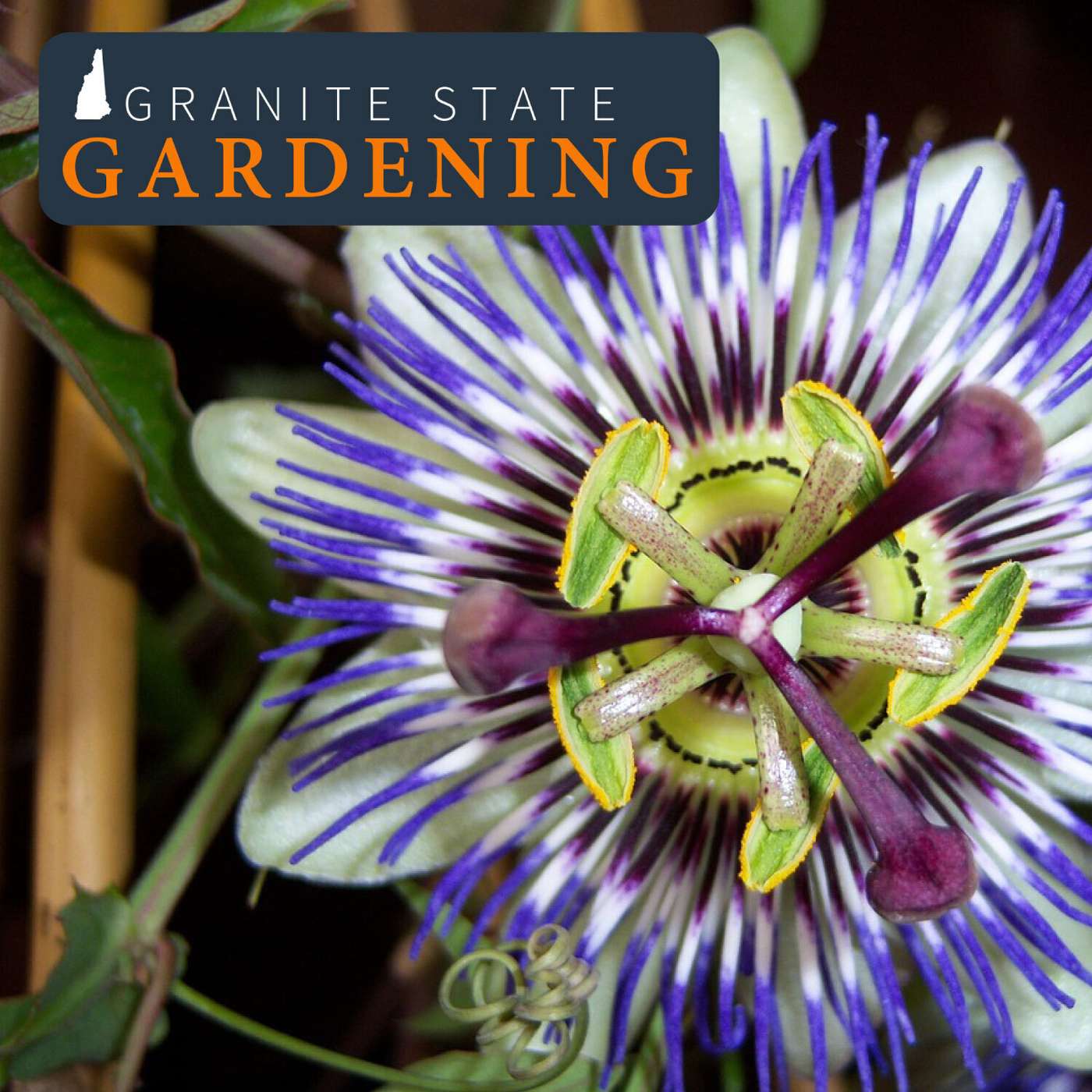
The idea of growing harvestable fruit inside your home is tantalizing, but is it realistic? In this episode of Granite State Gardening, UNH Extension’s Emma Erler and Nate Bernitz share proven tips and solutions for growing fruits indoors — from the challenge of yielding fruit from plants indoors year-round to growing tropical fruits indoors and outdoors. Featured question: using neem oilFeatured plant segment: blue passionflowerClosing gardening tip: what to do about broken limbs on trees and shrubs overwinter
Ep 2Indoor Herb Gardens Over Winter, Old Seeds, Safe Ice Removal and Borage
Herbs are delicious and fragrant additions to a garden, whether a dedicated kitchen garden or as ornamental and edible accents in vegetable and flower gardens. But herbs can also be grown inside your home, protected from the elements and even closer to your kitchen. Whether you’re growing herbs as houseplants year-round or just to get them through the winter before they go back outside, indoor herb gardening is rewarding as long as you are able to provide the care they need to thrive. In this episode of Granite State Gardening, UNH Extension’s Emma Erler and Nate Bernitz share proven tips and solutions for all aspects of indoor herb gardening — from seed starting and care of newly purchased potted herbs to indoor/outdoor transitions and drying and cooking from your homegrown harvest. Featured question: germination testing of old seedsFeatured plant segment: borage Closing gardening tip: removing hazardous ice without harming your garden’s soil. Connect with us at @askunhextension on Facebook, Instagram and Twitter and subscribe to the monthly Granite State Gardening newsletter. Email us questions, suggestions and feedback at [email protected] Background Reading How to keep potted herbs from the supermarket alive longer: https://extension.unh.edu/blog/how-can-i-keep-potted-herbs-supermarket-alive-longerSoil for potted plants: https://extension.unh.edu/blog/what-best-soil-potted-plantsPreserving herbs: https://extension.umn.edu/preserving-and-preparing/preserving-herbs-freezing-or-dryingCooking with herbs: https://extension.umd.edu/hgic/topics/tips-cooking-fresh-herbsGermination testing: https://extension.unh.edu/blog/are-my-leftover-seeds-last-year-still-good-or-do-i-need-buy-new-onesBorage: https://www.missouribotanicalgarden.org/PlantFinder/PlantFinderDetails.aspx?kempercode=b765Breaking the ice: https://extension.unh.edu/blog/breaking-ice
Ep 1Compost, Paperbark Maples & Victory Gardens
In the first and second World Wars, Americans were called to till, sow and start victory gardens in place of lawns and vacant lots to feed a hungry nation. In 2020, as the COVID-19 pandemic prompted people to stay home, the tradition was reborn to localize food production in the face of supply chain disruptions and uncertainty. Less time commuting meant more time at home, so many beginner gardeners rushed out to build raised beds, arrange containers and clear fallow corners of the yard to plant a spring garden for food, beauty and a bit of garden therapy. In this episode of Granite State Gardening, UNH Extension’s Emma Erler and Nate Bernitz discuss the history of victory gardening, gardening trends and how New Hampshire and UNH Extension adapted to the pandemic. Featured question: winter compostingFeatured plant: paper bark maple (Acer griseum)Closing gardening tip: holiday gift plant care after the holidays Connect with us at @askunhextension on Facebook, Instagram and Twitter and subscribe to the monthly Granite State Gardening newsletter. Email us questions, suggestions and feedback at [email protected] Background Reading: In the latest edition of Radius Magazine, Emma Joyce tells the story of New Hampshire’s victory garden movement this spring: https://extension.unh.edu/blog/NH-residents-grow-victory-gardens Emma Erler’s question of the week on winter composting, in blog format: https://extension.unh.edu/blog/can-you-compost-winter Learn about the paperbark maple: https://www.missouribotanicalgarden.org/PlantFinder/PlantFinderDetails.aspx?kempercode=q110 UNH Extension’s fact sheet on care of flowering gift plants in the home: https://extension.unh.edu/resource/care-flowering-gift-plants-home-fact-sheet More information on victory gardens from the New England Historical Society: https://www.newenglandhistoricalsociety.com/how-vicory-gardens-helped-win-world-war-2/ Information about the Victory Garden at Strawbery Banke Museum in Portsmouth: https://www.strawberybanke.org/victory.cfm Some basic guidance on planting a victory garden: https://extension.unh.edu/blog/planting-victory-garden How the Wright Museum helps battle hunger with its Victory Garden: https://www.wrightmuseum.org/2018/07/02/wright-museum-victory-garden/ Learn about the Cornucopia Project: http://cornucopiaproject.org/ Information about UNH Extension’s Free Seed Program: https://extension.unh.edu/resource/free-seeds-education Meet the NH Master Gardeners: https://extension.unh.edu/tags/meet-nh-master-gardeners UNH Extension and COVID-19: https://extension.unh.edu/tags/covid-19TRANSCRIPT[Nate B] Greetings Granite State gardeners. Getting acquainted with the newest podcast from UNH Extension, how the COVID-19 pandemic has impacted gardeners and gardening, the history of Victory Gardens from past to present, highlighting victory gardens and the Master Gardeners who cultivate them. We'll discuss all these topics and more on this edition, the first ever episode of Granite State Gardening.Okay, our goal with the Granite State gardening podcast is to explore the world of gardening and help you achieve success in your garden. We're sticklers for research based information here at UNH Extension so you can count on us to share proven tips and solutions. We want to meet you where you're at as a gardener. So we're going to count on your feedback. What topics do you want us to explore with you? Is the information we're sharing to advance to basic or just right, email us at GSG.pod@ unh.edu. And let's get started and hear from my co host Emma.[Emma E] I'm [Emma E]rler and I am one of the horticulture experts for UNH Extension . My job is to help home gardeners and landscapers solve gardening issues, as well as teach workshops, write articles, and regularly appear on WMUR's Grow It Green TV segment. I've been interested in gardening for as long as I can remember, I began helping my mom with her vegetable and flower gardens, starting seeds weeding, transplanting and eventually growing plants of my own. I still have a few house plants that I started in elementary school actually. Before I came to UNH Extension, I worked at a few different public gardens on the East Coast as a professional horticulturist. However, I found that my true passion is education, which brings me here. I'm really excited to be joining my friend and colleague Nate on this podcast.[Nate B] And again I'm Nate Bernitz. I'm part of UNH Extension's home horticulture team and have the privilege to work with Emma and New Hampshire Master Gardeners. And also make sure everyone who has questions gets answers. I lead outreach efforts for Ask UNH Extension and Granite State Gardening and increasingly becoming an avid gardener myself. You'll mostly learn from Emma on this podcast, truth be told, but I hope to bring you some knowledge and laughs along the way as well. Before joining UNH Extension, I honestly had more experience gardening with oysters and clams than fruits and vegetables. But fra