Good Life Revival: Permaculture, Rewilding, Homesteading
64 episodes — Page 2 of 2
Ep 1818. Embedded in the Landscape with Micah Wiles of Cedar Creek Farm
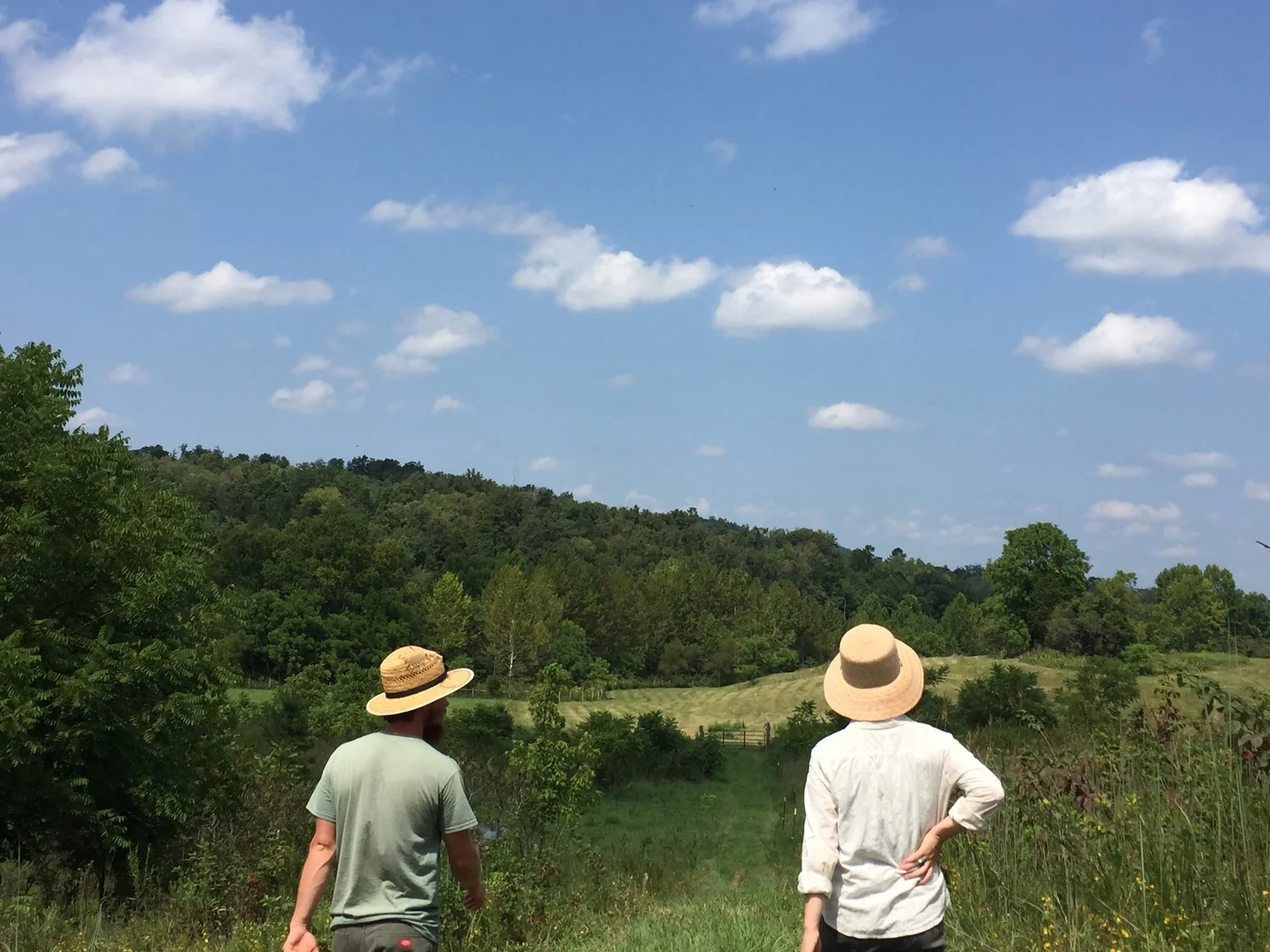
This is my old pal Micah Wiles, a young farmer from the small town of Somerset, Kentucky with a passion for ecology that's matched only by the beauty of his work at Cedar Creek Farm.Micah has spent the better part of the last decade developing a food forest and silvopasture on the family farm where he resides with his parents, who run a homestead winery as their main enterprise.In the photo above, he's showing us some of the older trees in the first phase of his food forest design, which includes pecans, persimmons, pawpaws, apples, peaches, mulberries, and so much more.In the latest episode of the Good Life Revival Podcast, I speak with Micah about the history of the farm, his relationship with the land and his local community, and how he and his family sustain themselves in a way that's in tune with the rhythms of nature, while working to elevate the local community and educate others on this path.
Ep 1717. Eight Forms of Capital and the Ecology of Value Exchange with Sam Sycamore
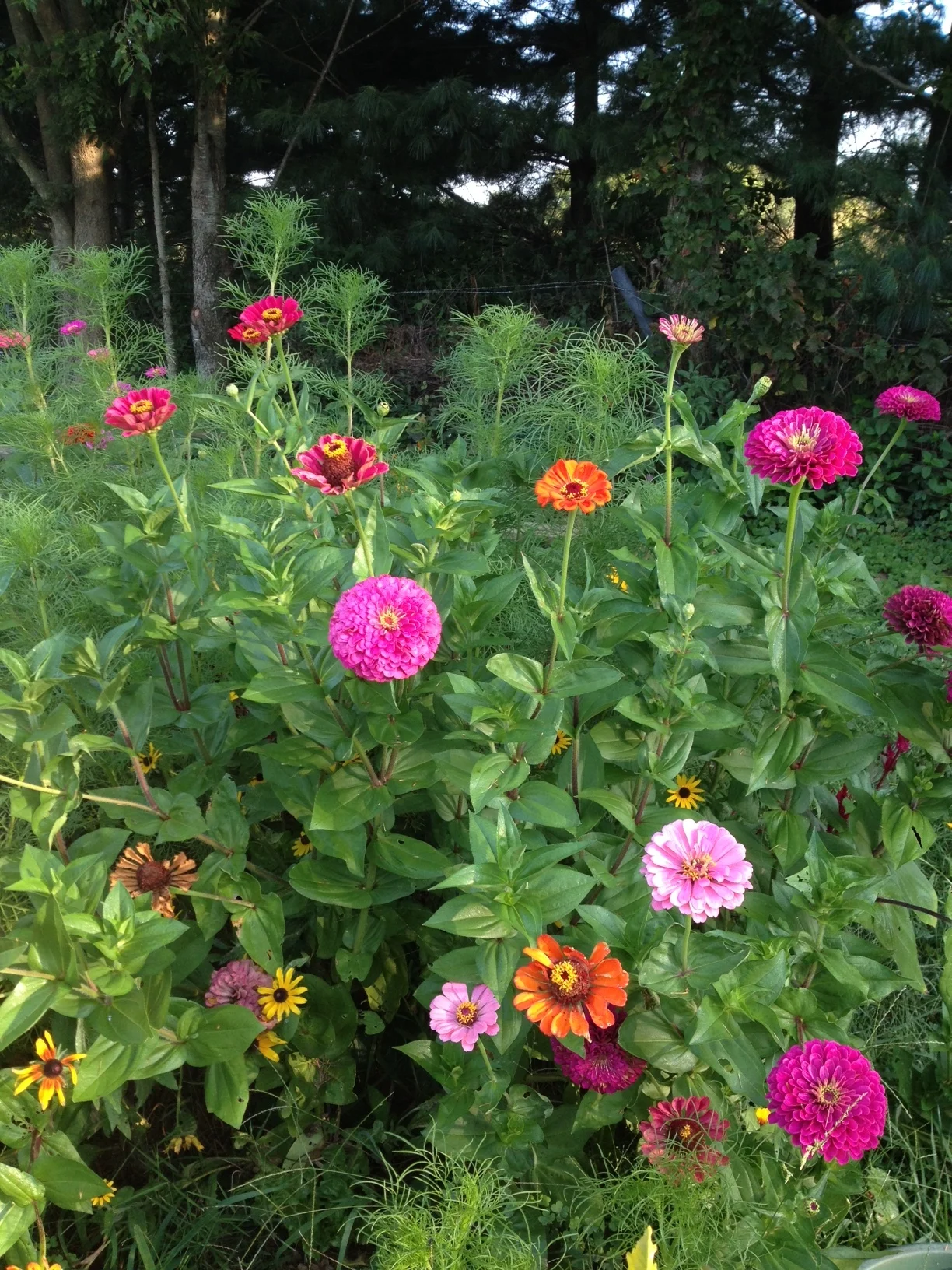
“What if our financial system looked more like an ecosystem?”This was one of the big-picture questions that eventually led Ethan Roland and Gregory Landua to propose that money isn’t the only form of capital driving the human economy.By viewing the financial system through the lens of permaculture, Roland and Landua eventually settled upon eight forms of capital that they observed flowing between individuals and communities, each with their own unique currencies:Social, financial, living, material, intellectual, experiential, cultural, and spiritual.Roland and Landua’s foundational framework was built for the domain of business, but it’s easy to see how these concepts can be applied more generally for making conscious lifestyle choices – and that’s what I’m all about! :)In this episode, we’ll cover:The eight forms of capital – what they are, how they connect, and how to generate and exchange them in your daily lifeWhat a visit from the family and a food forest installation can tell us about wealth and the pursuit of happinessWhy some forms of capital are more valuable than others, but also why balance is keyPlus, Brooke Sycamore shares a story based on the Chiricahua Apache tale of the coyote and the money tree, with musical accompaniment by yours truly.
Ep 1616. Start Yesterday with First-Year Urban Farmer Greg Zimmerer
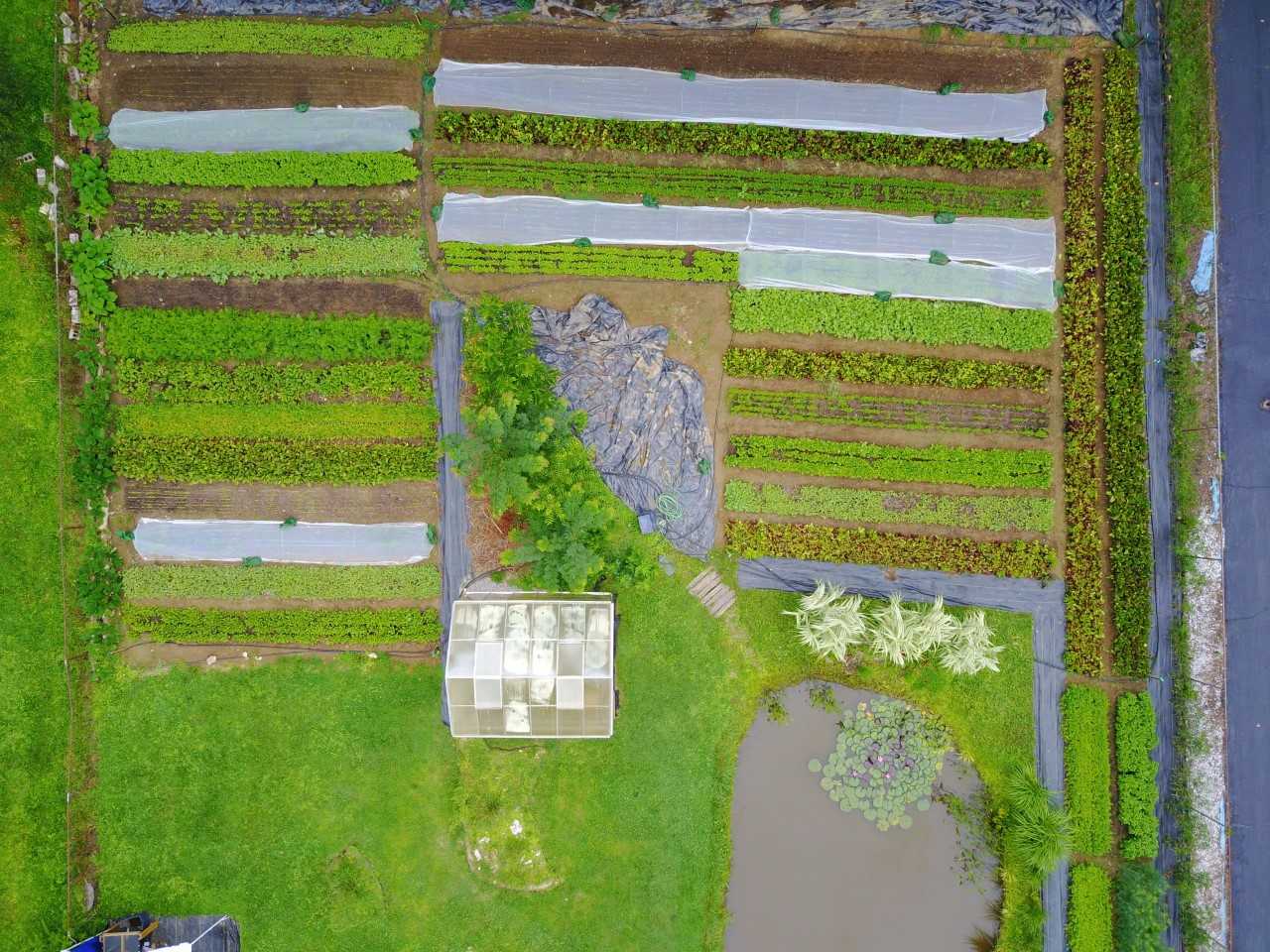
Greg Zimmerer is one of those people who forces you to rethink that pile of excuses you’ve accumulated to explain why you’ve been putting off that thing that you’d really like to work towards — whatever it may be.He farms 1/8th of an acre in his parents’ backyard to sell to local chefs and patrons of a new, up-and-coming farmers market in an underserved neighborhood in Louisville KY.This is his first season as an urban farmer, and he’s bringing in a respectable amount of money each week through his small scale market garden, growing a variety of crops with a shoestring budget on borrowed land.In the this episode of the Good Life Revival Podcast, Greg explains how he manages to pull it all off while simultaneously juggling an academic career in geosciences, an entrepreneurial career as a permaculture designer, a side gig delivering pizzas, aaaand as if all of that wasn’t enough, he’s also a single dad with a very sweet son, who’s maybe still a bit too young to understand the value of a hard day’s work.

Ep 1515. A Beginner's Guide to Foraging
In an era when all the double cheeseburgers you could ever hope to eat are available to you at a moment’s notice, why bother going to all the trouble of learning how to identify and gather wild foods?The main appeal of foraging, for me, lies in cultivating a more intimate relationship with wild nature in all its beauty, mystery, and abundance. It’s one thing to spend some free time hiking and camping in the woods, but something else entirely to come home with a bag full of wild food from that place – to be nourished physically, mentally, and spiritually by the natural world.Wild edible plants are almost always hardier, more vigorous, more flavorful, and more nutritious than their cultivated counterparts. Best of all, they require no work on our part, aside from harvesting and eating!People haven’t always domesticated plants and animals, but wild nature has always supplied us with food. Only in the last century or so have modern people really abandoned the old ways of foraging for wild plants, and it’s up to us as individuals to correct this misstep and learn for ourselves.We have the ability to take back this fundamental understanding of how to work with the natural world. It’s not hard, but it does require patience, diligence, and careful observation.Today on the podcast, we’ll cover:Why I decided to change the name from ‘Permaculture Lifestyle’ to ‘Good Life Revival’What to expect from this show going forwardWhy foraging is such an important part of my daily lifeWhy eating with the seasons is not just a trendy fad, but a moral imperativeThe seasonality of wild foods, and how to work with themMy seven ground rules for foraging safely, responsibly, and confidently
Ep 1414. You Have to Learn How to Take Care of Yourself
"You have to learn how to take care of yourself. No one is going to do it for you. You can wallow in despair with the knowledge that help is not on the way, or you can accept reality as it is and learn how to provide for yourself."This is the motivational speech I wish I could've heard when I was an adolescent or a young(er) adult. I can only hope that some impressionable youth will stumble upon it.
Ep 1111. What is Your Mythology? with Sam Sycamore
What are the stories, traditions, rituals, beliefs, and rites of passage passed down to you by your family and your culture?
Ep 99. Leaving the Modern World Behind with Sam Sycamore
We can change our world, and we can start right away.In this special audioblog edition of the podcast, I share my thoughts on Maslow's Hierarchy of Needs as it relates to our dysfunctional modern culture -- and how we can respond as individuals in a meaningful, productive way.What is an "audioblog"? Well, you could say it's kind of like an audiobook, except that instead of a book, I'm reading my blog post Leaving the Modern World Behind to you. Get it?This was the very first post I wrote for the blog when I launched it on July 1, 2016. Seems like I only embarked on this journey just the other day, and yet so much has changed over these months!
Ep 88. Think Globally, Act Intentionally with Sam Sycamore, Live at the Louisville Permaculture Guild
Why do we practice permaculture? Because we feel a moral imperative to improve the world around us, and we recognize that change begins with the individual. In this live presentation from the Louisville Permaculture Guild, I explain how I came to permaculture as a terrified ecology student, and I offer my definition of “permaculture” from the perspective of ecological awareness. From there I share my views on the three core ethics of permaculture, and propose a fourth ethic that I believe is implied in the literature – and that we’d all do well to acknowledge. Finally, I discuss the importance of defining intentions for ourselves as individuals, and suggest a 4-step process of self-assessment for better aligning actions and values. This was my first time attending a meeting of the LPG and I’m really looking forward to more! Many thanks to Ray Ely for inviting me to come speak to the group, and to everyone who came and listened and had sweet things to say at the end. :) This was my also my very first speaking gig ever, and I hope it’s not the last! I really enjoyed the project from start to finish and I’m grateful to be able to share this work with my podcast listeners!
Ep 66. Nature Deficit Disorder and Ecological Literacy with Sam Sycamore
As a culture, we've lost our fundamental connection to the natural world. This has led to a surge in dysfunctional behavior, like attention issues, depression, anxiety, and obesity, and in general I believe that this disconnect explains a lot of the suffering that we observe in the modern era. We all feel the detrimental effects of nature deficit disorder, but most of us just aren't aware that this is the source of our troubles, because we've been so deeply conditioned to accept the status quo of the human-dominated, human-constructed environment. With that in mind, I put together this episode of the podcast to arm you, dear listener, with the basic vocabulary to describe the symptoms, causes, and treatment of nature deficit disorder. The solution, I think, lies in cultivating ecological literacy at the individual level, which can only come about through immersion in the natural world -- daily observation and interaction. This topic offers a great entry point into a critique of how civilization relates to nature, and how our environment influences our behavior and our underlying worldview. It is our responsibility as self-aware individuals to assess our personal relationship with nature, and take decisive action where necessary to improve our overall health and wellbeing. I hope that this episode encourages you to keep pushing forward on the path that leads back to the natural world.
Ep 55. Good Intentions vs. The Culture of No-Place with Sam Sycamore
What is a culture, and how do cultures relate to their environments?
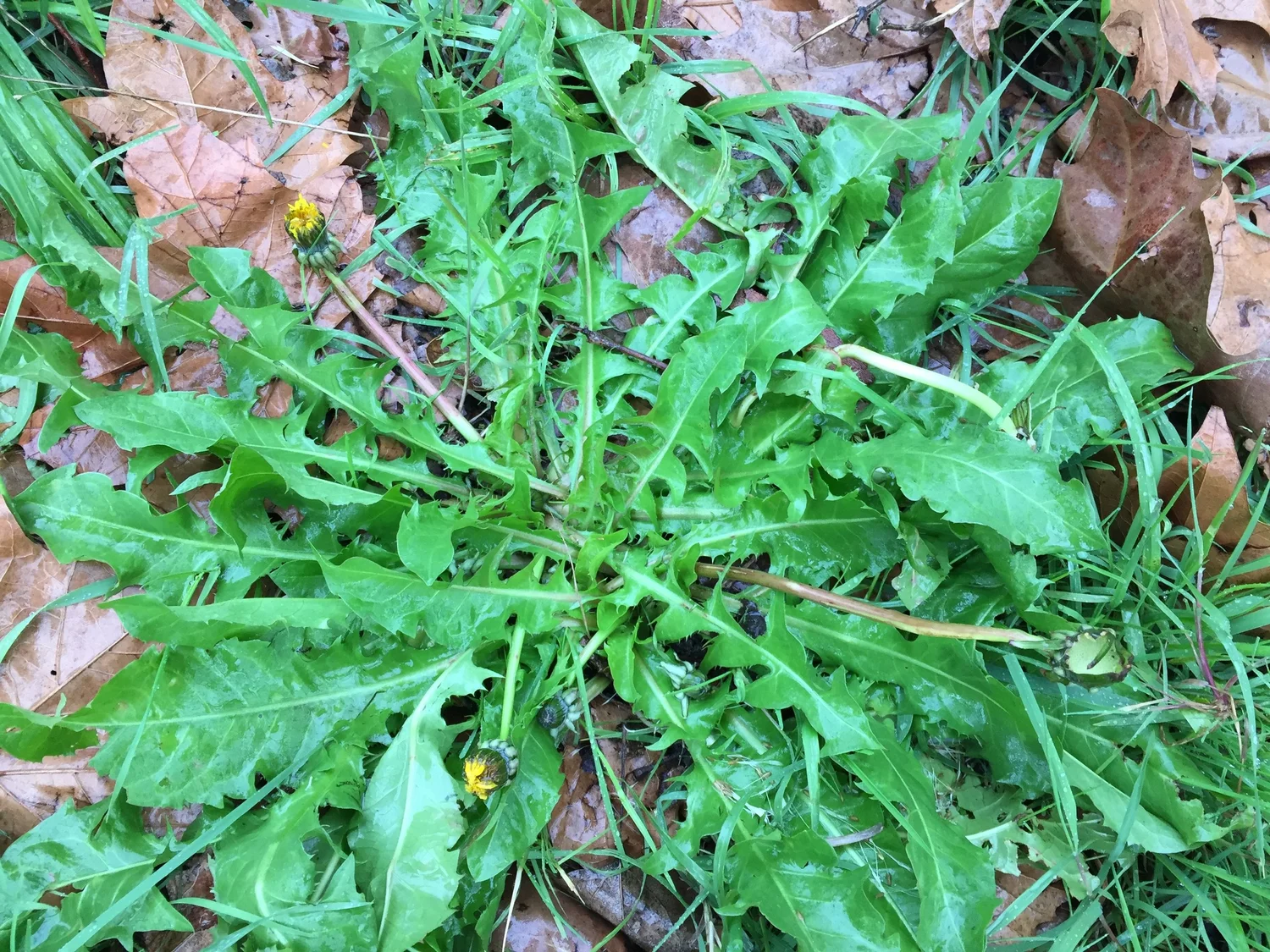
Ep 44. What is a Weed? Or, the Limits of Reductionism with Sam Sycamore
How does our culture relate to wild, unwanted, and invasive species? And what does that say about how we view the world at large?
Ep 33. The Value of Voluntary Simplicity with Sam Sycamore
Today on the show I explore the concept of intentional simplicity, and offer some guidance for putting this life philosophy into practice. Visit permaculturelifestyle.com for more on lifestyle design, health and wellness, producing your own food, and learning the skills and traditions of living in tune with the rhythms of the natural world.
Ep 22. Permaculture Ethics as a Moral Compass with Sam Sycamore
Our increasingly globalized culture is in dire need of a basic moral compass that we can all agree upon. Permaculture offers one such solution.This podcast aims to apply the principles and ethics of permaculture to our everyday lives; to align our core values and our daily habits towards a more sustainable, ecologically conscious way of thinking and interacting.
Ep 11. What is a 'Permaculture Lifestyle'? with Sam Sycamore
In this introductory episode of the Good Life Revival podcast (fka Permaculture Lifestyle), I introduce myself and explain my reasons for starting this podcast. Then I offer a sketch of what a "permaculture lifestyle" might actually look like.