Genetics Unzipped
167 episodes — Page 3 of 4
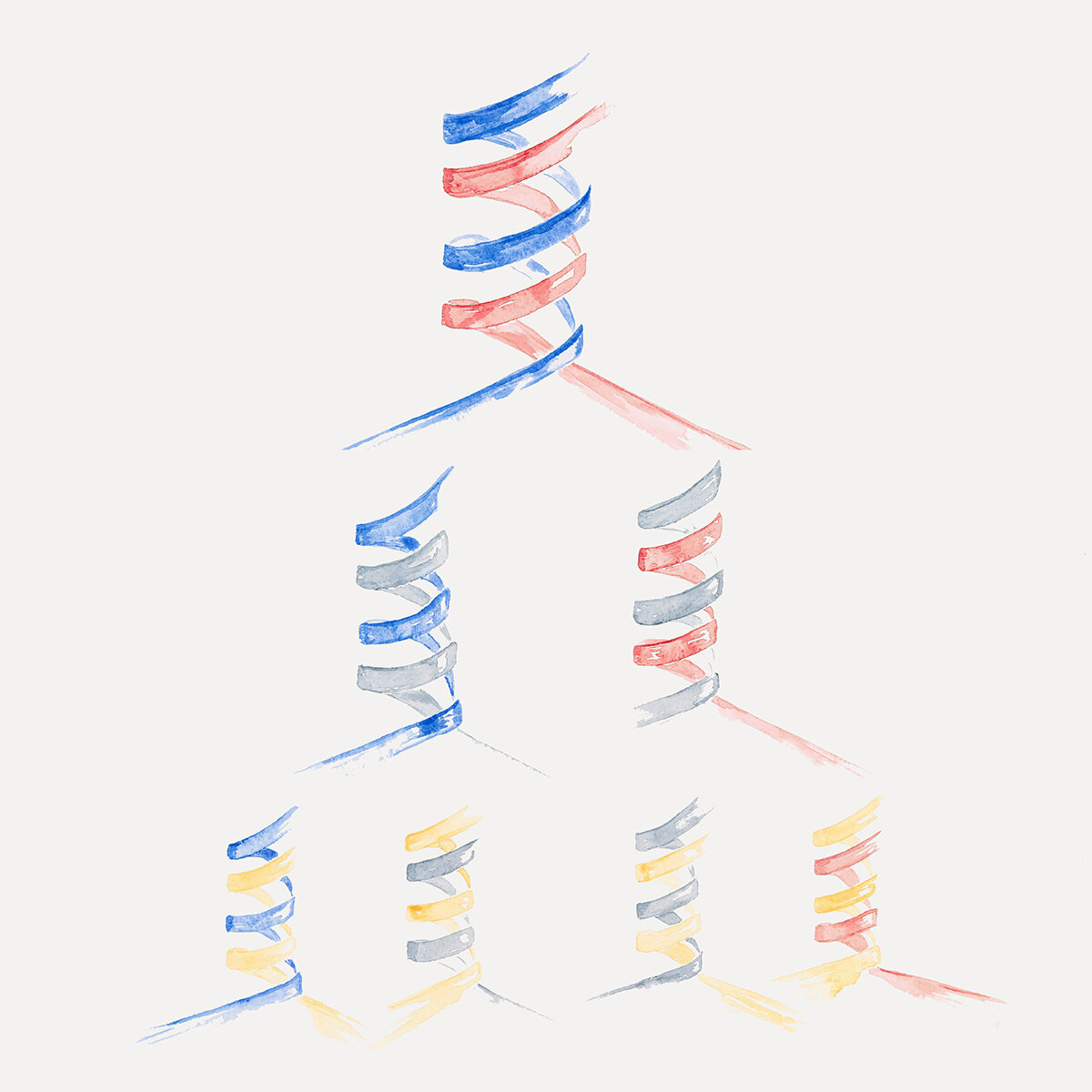
S3 Ep 23S3.23 Heat, Stick, Duplicate, Repeat: The Story Of The Polymerase Chain Reaction (PCR)
Anyone who has worked with DNA in the laboratory is undoubtedly familiar with the polymerase chain reaction - PCR, as it’s usually known.Invented in 1985, PCR is an indispensable molecular biology tool that can replicate any stretch of DNA, copying it billions of times in a matter of hours, providing enough DNA to use in sequencing or further research, or for applications like forensics, genetic testing, ancient DNA analysis or medical diagnostics.It’s hard to overstate the transformation that PCR brought to the world of molecular biology and biomedical research. Suddenly, researchers could amplify and study DNA in a way that had been simply impossible before, kickstarting the genetic revolution that’s still going strong today.So where did this revolutionary technology come from? Officially, PCR was invented in 1985 by a colourful character called Kary Mullis, who won a Nobel Prize for the discovery (more on him later). But, as we’ll see, all the components of PCR were in place by the early 1980s - it just took a creative leap to assemble them into one blockbusting technique.Listen to the full episode and find a transcript at GeneticsUnzipped.com.Genetics Unzipped is the podcast from the UK Genetics Society and is produced by First Create the Media. Follow Genetics Unzipped @geneticsunzip, and the Genetics Society @GenSocUK on Twitter.Listen to Genetics Unzipped on Apple podcasts (iTunes), Spotify, or wherever you get your podcasts.
Genetics Shambles 9: The ethics of genetics
Whenever the topic of genetics is mentioned this is always a question of ethics not far behind. Whether that is in Stem Cell research, genetic modification or even basic healthcare.In this show Robin chats to two experts in the field. Dr Sarah Chan is Chancellor’s Fellow in Ethics and Science Communicator in The Usher Institute at the University of Edinburgh. Professor Anna Middleton leads the Society and Ethics Research Group in Connecting Science. She is also Professor/Affiliate Lecturer at Faculty of Education, University of Cambridge.To view previous episodes in the Genetics Shambles series head to Cosmicshambles.comFollow us on Twitter @GeneticsUnzip
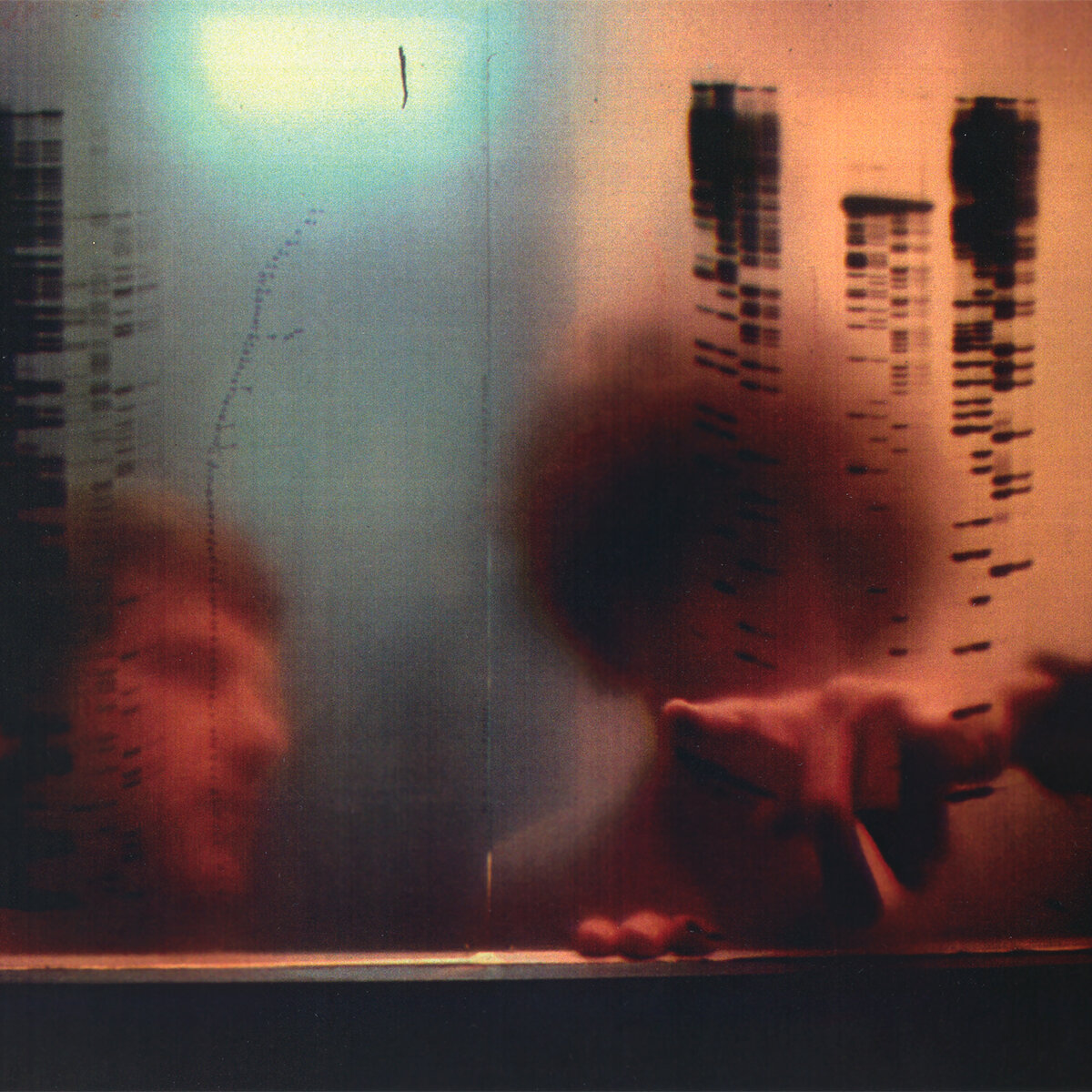
S3 Ep 22S3.22 The Past, Present and Future of the Human Genome Project
Thirty years ago this month saw the birth of one of the most audacious research programmes in biology: The Human Genome Project, an ambitious plan to read the DNA sequence of the entire human genome. Ten years later, in June 2000 - after billions of dollars, countless hours of DNA sequencing, and a huge amount of effort from an international collaboration from 20 institutions in six countries - the first draft of the Human Genome was unveiled.Dr Eric Green has seen the Human Genome Project through from its inception through to the published sequence and into what’s now the fully-fledged field of human genomics. Today, he’s the director of the US National Human Genome Research Institute, and a leading light in the world of genes, genomes and genome sequencing. I called him up to chat about the past, present and future of the human genome - starting by going all the way back to the beginning of the Human Genome Project.Full show notes, transcript, music credits and references online at GeneticsUnzipped.com.Follow us on Twitter @GeneticsUnzipGenetics Unzipped is written and presented by Kat Arney with audio production by Hannah Varrall.This podcast is produced by First Create the Media for the Genetics Society - one of the oldest learned societies in the world dedicated to supporting and promoting the research, teaching and application of genetics.
Genetics Shambles 8: New genetic technologies
Genetic technologies are improving all the time. Not just in sequencing, but in ways that improve our lives. From better crops to curing diseases. And, by pure chance, just hours before we went live with this show it was announced that Emmanuelle Charpentier and Jennifer Doudna had won the 2020 Nobel Prize for chemistry for their work with CRISPR and the technology of genome editing.Robin Ince chats to two experts in the field. Professor Alison Bentley leads the National Institute of Agricultural Biology’s genetics and breeding department within Cambridge Crop Research and Dr Tony Nolan is a molecular biologist at the Liverpool School of Tropical Medicine working with Target Malaria.

S3 Ep 21S321 From Philadelphia to Baltimore: Tales of Chromosomes, Cancer Cells and Henrietta Lacks
In this episode we’re taking a road trip from Philadelphia to Baltimore, exploring stories of chromosomal cut-and-paste, cancer cures and Henrietta Lacks’ incredible cancer cells.Studying human cells in the lab allows us to understand more about how they work, investigate the causes of disease, and design new treatments. But growing cells in the lab isn’t as easy as you might think. We explore the story of how Henrietta Lacks’s immortal cells (known today as HeLa cells) became the go-to human cell line for biomedical research, and the impact they’ve had as a result.We also tell the story of the ‘Philadelphia chromosome’ (a key cause of chronic myeloid leukaemia), how it was discovered and how it’s discovery influenced the search for a cure.Full show notes, transcript, music credits and references online at GeneticsUnzipped.com.Follow us on Twitter @GeneticsUnzipGenetics Unzipped is written and presented by Kat Arney with audio production by Hannah Varrall.This podcast is produced by First Create the Media for the Genetics Society - one of the oldest learned societies in the world dedicated to supporting and promoting the research, teaching and application of genetics.
Genetics Shambles 7: COVID expert panel 3
Every couple of months we gather a new panel of experts for a Q&A on where things are at with our current understanding of the ongoing COVID-19 pandemic. With so much misinformation out there it’s important that you, the public and viewers, get a change to ask a panel of experts directly and unfiltered.For this, volume 3 of our COVID-19 Q&As Robin is joined by three experts. Dr Emma Hodcroft is a researcher at the University of Basel in Switzerland working on sequencing and builds of SARS-CoV-2. Dan Davis is a Professor of Immunology at the University of Manchester and the best selling author of The Beautiful Cure. And Dr Nisreen Alwan is an epidemiologist and Associate Professor of Public Health at the University of Southampton.To view previous episodes in the Genetics Shambles series head to Cosmicshambles.comFollow us on Twitter @GeneticsUnzip
S3 Ep 20S3.20 The Future of Cancer: How Genomics is Transforming Research and Treatment for All
In this episode, sponsored by Thermo Fisher Scientific, we’re taking a look at how genomic technologies are transforming cancer care - now and in the future, and the importance of making sure that these advances are available to all.With:- Greg Simon, past president of the Biden Cancer Initiative and former executive director of the White House Cancer Moonshot Task Force.- Jim Downing - president and CEO of St Jude Children’s Research Hospital- Dr Marianne Grantham, Head of Cytogenetics and Molecular Haematology department at the Royal London Hospital- Kim Wood, Thermo Fisher Scientific’s Clinical Sequencing DivisionFull show notes, transcript, music credits and references online at GeneticsUnzipped.com.Follow us on Twitter @GeneticsUnzipGenetics Unzipped is written and presented by Kat Arney with audio production by Hannah Varrall.This podcast is produced by First Create the Media for the Genetics Society - one of the oldest learned societies in the world dedicated to supporting and promoting the research, teaching and application of genetics.
Genetics Shambles 6: Dealing with pathogens
Bacteria are all around us, and inside us. Some of these of these are fine, even good, but others are pathogens and cause disease. How do they evolve and how are we learning to cope with them through new research. And are we in danger of a new age of antibiotic resistance?Robin Ince is joined by three experts in the field. Dr Siouxsie Wiles is a microbiologist specialising in infectious diseases at the University of Auckland and has been one of the most prominent public faces of New Zealand’s world leading COVID-19 response. Dr Jenny Rohn is a cell biologist at UCL where she runs a research lab looking at microbiological infections, particularly in the urinary tract. And Lavanya Mane is the final year of her PhD research at the Francis Crick Institute looking into the metabolic interactions between bacterial pathogens.To view previous episodes in the Genetics Shambles series head to Cosmicshambles.comFollow us on Twitter @GeneticsUnzip
S3 Ep 19S3.19 Making Babies and Getting Organised: Celebrating Hilde Mangold and Salome Gluecksohn-Waelsch
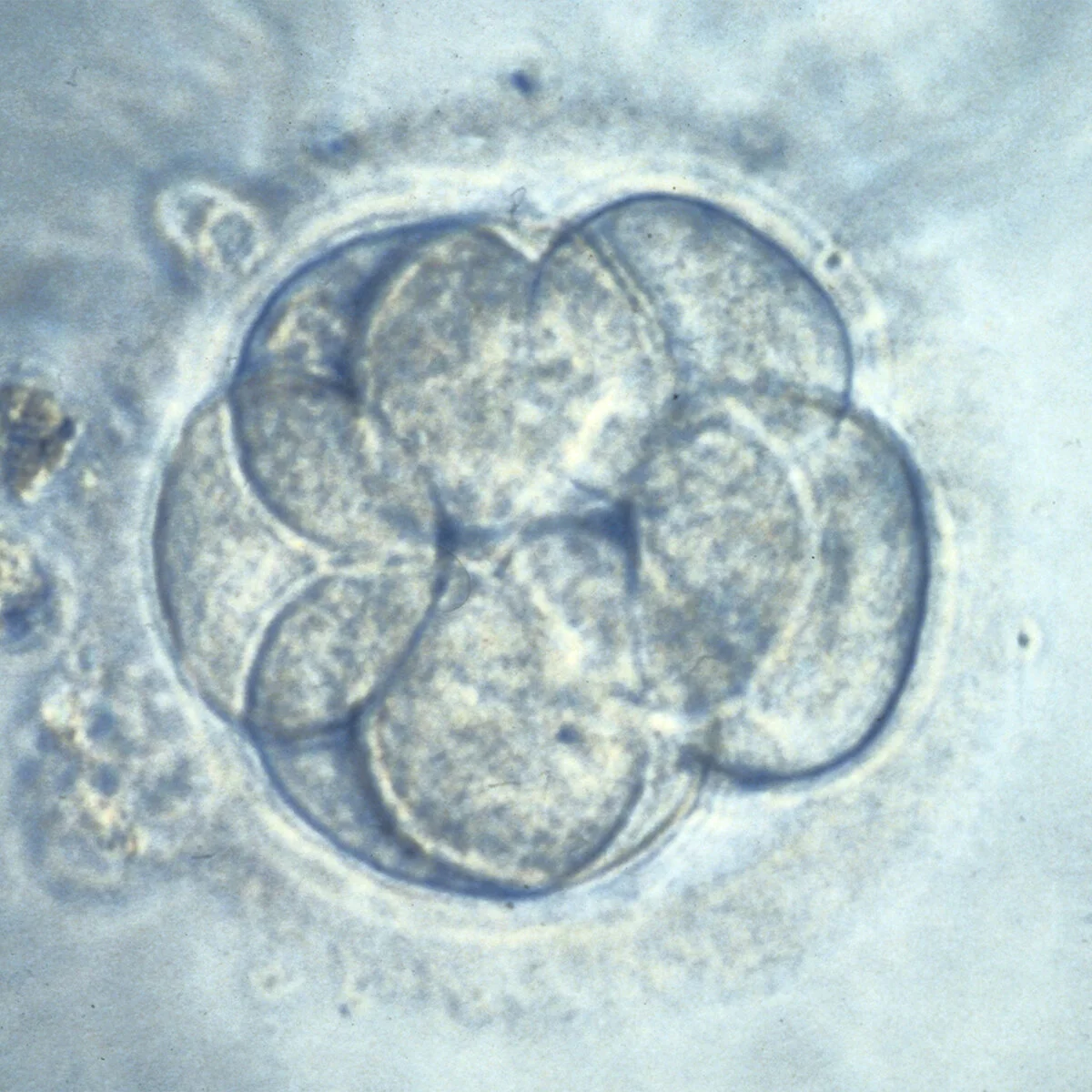
In this episode we’re going back to the very beginning, telling the stories of the midwives of the field of developmental genetics, two talented researchers whose work helped to reveal the secrets of life in its very earliest stages: Hilde Mangold and Salome Gluecksohn-Waelsch.The tale of developmental genetics is a thrilling one, with everything you need for a good story. There’s politics, drama, upheaval, prejudice, and even a suspicious death. So hold on tight, this is a good one.Full show notes, transcript, music credits and references online at GeneticsUnzipped.com.Follow us on Twitter @GeneticsUnzipGenetics Unzipped is written and presented by Kat Arney with audio production by Hannah Varrall.This podcast is produced by First Create the Media for the Genetics Society - one of the oldest learned societies in the world dedicated to supporting and promoting the research, teaching and application of genetics.
Genetics Shambles 5: The evolution of cancer
Cancer is the second leading cause of death in humans globally. But the catch all term of ‘cancer’ is often misunderstood. So what exactly is this cell disease that impacts so many of our lives? How long has it been around? How does it spread? What is our current understanding of its evolution and genetics? And the big question many of us have, where are we at with our fight against it?Robin Ince is joined by three experts in the field. Dr Kat Arney is a writer and presenter and former spokesperson for Cancer Research UK. Her book Rebel Cell, on the evolution of cancer, has just been released. Dr Mariam Jamal-Hanjani is a Clinical Associate Professor/Honorary Consultant at the Research Department of Oncology at UCL and a visiting scientist at the Francis Crick Institute’s Cancer Evolution and Genome Instability Laboratory. And Dr Samra Turajlic is a clinical group leader and oncologist studying cancer evolution at the Francis Crick Institute.To view previous episodes in the Genetics Shambles series head to Cosmicshambles.comFollow us on Twitter @GeneticsUnzip
S3 Ep 18S3.18 Rare, Well Done: Progress and challenges in rare genetic disorders
We take a look at the progress that’s been made in tackling rare genetic disorders (and the challenges that remain) and we hear from a prenatal genetic counsellor about how new tests are helping people carrying genetic variations make decisions about starting a family.With Dr Ron Jortner (founder and CEO of Masthead Biosciences and trustee of the Cambridge Rare Disease Network) and Genetic counsellor Kira Dineen.Full show notes, transcript, music credits and references online at GeneticsUnzipped.com.Follow us on Twitter @GeneticsUnzipGenetics Unzipped is written and presented by Kat Arney with audio production by Hannah Varrall.This podcast is produced by First Create the Media for the Genetics Society - one of the oldest learned societies in the world dedicated to supporting and promoting the research, teaching and application of genetics.
Genetics Shambles 4: The sequence of everything
Over the first four episodes of this series we’ve looked at COVID-19, historic epidemics, human evolution and the human genome and in each episode we’ve invariably talked about ‘sequencing’. Sequencing genomes and DNA of living things. So we thought it time to discuss the very act of sequencing itself. What is it, how do we do it, why do we do it and how can we get better at as technology improves.Robin Ince is joined by three experts in the field. Professor Jay Shendure is a human geneticist at the University of Washington School of Medicine and is one of the world’s pioneers in exome sequencing. Dr Lucy Van Dorp is a Senior Research Fellow at the University College London Genomic Institute working on infectious diseases and ancient DNA. And Professor Mark Blaxter is an evolutionary biologist at the Sanger Institute where he’s the Leader of the Tree of Life Project.To view previous episodes in the Genetics Shambles series head to Cosmicshambles.comFollow us on Twitter @GeneticsUnzip
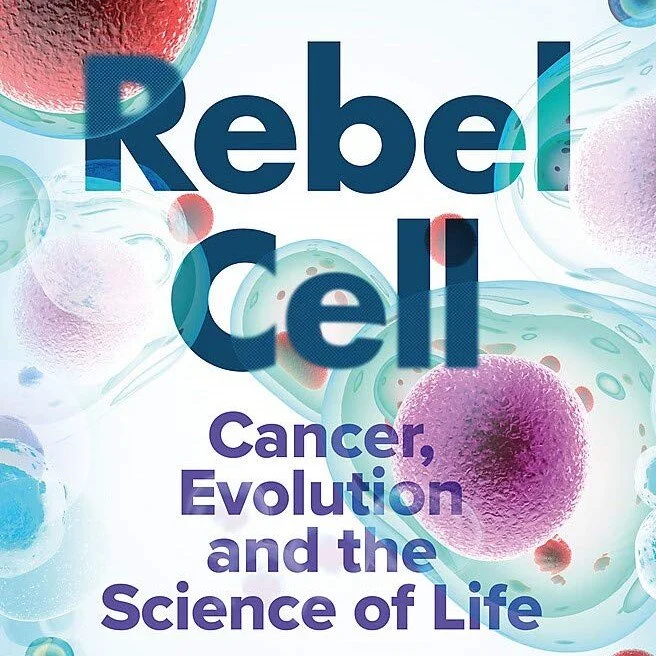
S3 Ep 17S3.17 Rebel Cell: Cancer, evolution and the science of life
We bring you exclusive excerpts from my new book, Rebel Cell: Cancer, evolution and the science of life, exploring where cancer came from, where it’s going, and how we might beat it.Full show notes, transcript, music credits and references online at GeneticsUnzipped.com.Follow us on Twitter @GeneticsUnzipGenetics Unzipped is written and presented by Kat Arney with audio production by Hannah Varrall.This podcast is produced by First Create the Media for the Genetics Society - one of the oldest learned societies in the world dedicated to supporting and promoting the research, teaching and application of genetics.
Genetics Shambles 3: Humans - Evolved and evolving
Over millions of years Humans have evolved into becoming quite the dominant species on the planet. So, how did we get to now? What have we come from and how are we still evolving as a species? And what changes can we expect in the future in terms of diet, life span and population?Robin Ince is joined by three experts in the field. Professor Chris Stringer is an anthropologist and Research Leader in Human Evolution at the Natural History Museum in London. Dr Becky Wragg Sykes is an archaeologist, writer and expert in Neanderthals. And Dr Aida Andres Moran is an Associate Professor in Genetics, Evolution & Environment at University College London.To view previous episodes in the Genetics Shambles series head to Cosmicshambles.comFollow us on Twitter @GeneticsUnzip
S3 Ep 16S3.16 Sickness and susceptibility: The ancient war between genes and disease
We look at the ancient war between our genes and the pathogens that infect us, going back thousands of years to the Black Death and before, through to our very latest foe. With Claire Steves (King’s College London), Christiana Scheib (University of Tartu) and Lucy van Dorp (UCL).Full show notes, transcript, music credits and references online at GeneticsUnzipped.comFollow us on Twitter @GeneticsUnzipGenetics Unzipped is written and presented by Kat Arney with audio production by Hannah Varrall. [ADJUST CREDITS AS REQUIRED eg With additional research and scripting by Emily Nordvang, reporting by Georgia Mills]This podcast is produced by First Create the Media for the Genetics Society - one of the oldest learned societies in the world dedicated to supporting and promoting the research, teaching and application of genetics.
Ep 2Genetics Shambles 2: A guide to the human genome
bonusThe Human Genome Project has been referred to as one of the great feats of scientific exploration and discovery in human history. But what was it, and, more to the point, what is the human genome and why was sequencing it such a big deal? And in 2020, some 17 years after it was deemed completed, what has it helped us with in the fields of biology and medicine, and what is there still to discover?Robin Ince is joined by three experts in the field. Geneticist, broadcast and author of a number of best selling books on the subject, Dr Adam Rutherford, one of the founders of the Human Cell Atlas Group and the Head of Cellular Genetics at the Wellcome Sanger Institute, Dr Sarah Teichmann and co-chair of the 1000 Genomes Project and founder of Genomics plc, Professor Gil McVean.To view previous episodes in the Genetics Shambles series head to Cosmicshambles.comFollow us on Twitter @GeneticsUnzip

S3 Ep 15S3.15 Pimp My Genome: the wonderful world of epigenetics
We take a look at the world of epigenetics - finding out if more than DNA passes on to the next generation, whether Darwin was wrong and Lamarck was right, and how to pimp your genome. Plus - meet the Mickey Mouse Mice.Full show notes, transcript, music credits and references online at GeneticsUnzipped.comFollow us on Twitter @GeneticsUnzipGenetics Unzipped is written and presented by Kat Arney with audio production by Hannah Varrall. This podcast is produced by First Create the Media for the Genetics Society - one of the oldest learned societies in the world dedicated to supporting and promoting the research, teaching and application of genetics.
Genetics Shambles 1: COVID-19 and Learning from the Past
What can research into past viruses and epidemics tell us about this new pandemic of COVID-19? What has changed in the world of genetics research since the time of HIV for example? Robin Ince chats to Dr Emma Hodcroft, a phylogenetics researcher from the University of Bath and Professor Sir Munir Pirmohamed, pharmacologist, geneticist and the NHS Chair of Pharmacogenetics at the University of Liverpool.To view previous episodes in the Genetics Shambles series head to Cosmicshambles.comFollow us on Twitter @GeneticsUnzip
S3 Ep 14S3.14 The eyes have it: From genetics to gene therapy
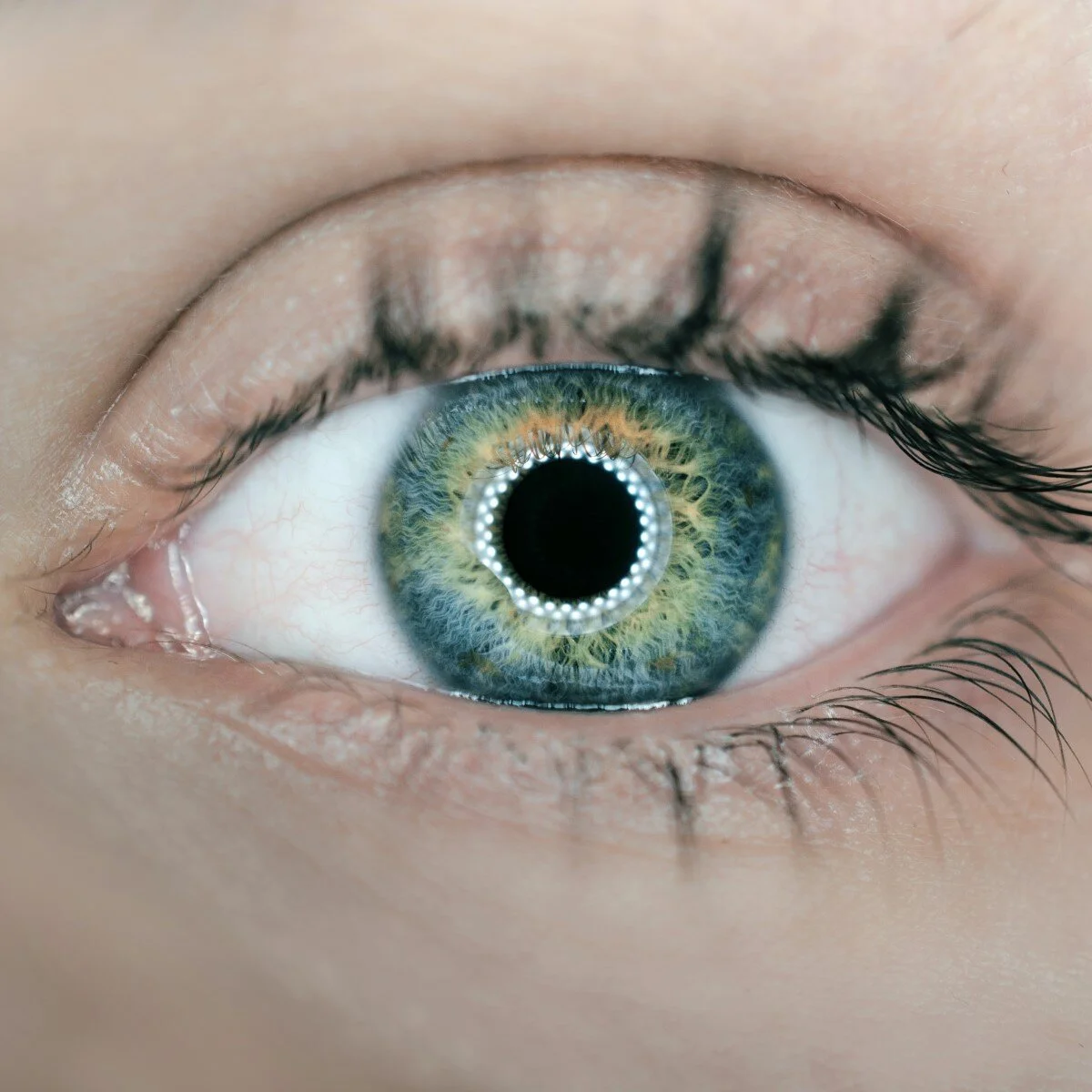
In this episode, supported by the Medical Research Council, we discover how researchers are letting the light shine in, literally, by bringing discoveries about the underlying genetic faults that cause eye diseases all the way through to game-changing clinical trials of gene therapy designed to save sight.With RP patient advocate and fundraiser Ken Reid, Robin Ali from Kings College London, and Roly Megaw and Chloe Stanton from the MRC Human Genetics Unit, in the Institute of Genetics and Molecular Medicine at the University of Edinburgh.Full show notes, transcript, music credits and references online at GeneticsUnzipped.comFollow us on Twitter @GeneticsUnzipGenetics Unzipped is written and presented by Kat Arney with reporting by Georgia Mills, and audio production by Hannah Varrall and transcription by Viv Andrews. This podcast is produced by First Create the Media for the Genetics Society - one of the oldest learned societies in the world dedicated to supporting and promoting the research, teaching and application of genetics.
S3 Ep 13S3.13 The Cancer Ladies: Maud Slye and Pauline Gross
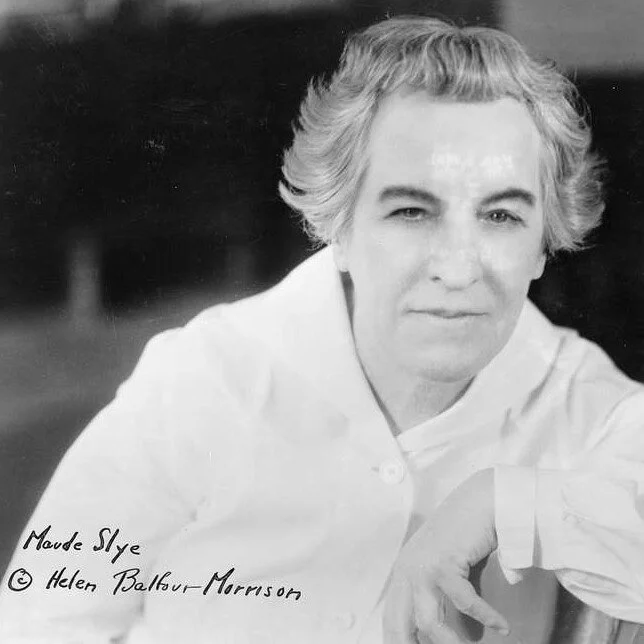
In this episode we tell the stories of two women - one a scientist fascinated by dancing mice, the other a seamstress with a deadly family legacy - who made significant contributions to our understanding of cancer as a disease driven by genetic changes, paving the way for lifesaving screening programmes for families.Over the past year or so I’ve been writing a new book, Rebel Cell: Cancer, Evolution and the Science of Life, exploring what we’ve learned so far about where cancer comes from, where it’s going, and how we might finally beat it. It’s coming out in the UK on the 6th of August and in the US on the 29th September - and is available now to pre-order from rebelcellbook.com - and we’ll have some excerpts coming up in a future episode of the podcast.UK Amazon link (affiliate) https://amzn.to/2BdT5zuWhile I was researching the book, I came across the stories of two remarkable women - Maud Slye and Pauline Gross - who both made significant contributions to our fundamental understanding of cancer, but who have tended to be overlooked in many tellings of the history of cancer research. Here are their stories.Thanks to Jenny Rohn for the voice of Maud Slye. If you want to read more about Pauline and Family G, and the impact that their genetic legacy has had on the family down the generations, check out Daughter of Family G, a memoir by Ami McKay, which we’ve drawn on heavily for this episode. Ami weaves together the strands of family history and science together with her own personal story to create a really compelling and emotional story.Full show notes, transcript, music credits and references online at GeneticsUnzipped.comFollow us on Twitter @GeneticsUnzipGenetics Unzipped is written and presented by Kat Arney with additional scripting and research by Emily Nordvang and audio production by Hannah Varrall. This podcast is produced by First Create the Media for the Genetics Society - one of the oldest learned societies in the world dedicated to supporting and promoting the research, teaching and application of genetics.

S3 Ep 12S3.12 Out Standing in the Field: the highs and lows of genetics fieldwork
We’re off on our virtual travels, finding out about the highs and lows of genetics fieldwork. From chasing butterflies up mountains to artificially inseminating kakapos with the help of drones and putting angry birds in paper bags until they poo, we talk to the researchers studying genetics and evolution in action.Every year The Genetics Society runs the Heredity Fieldwork Grant scheme, awarding up to £1,500 to cover the travel and accommodation costs for researchers wanting to carry out a fieldwork project in genetics.Our stay-at-home roving reporter Georgia Mills caught up with four intrepid explorers who’ve been off on their travels in locations as exotic as New Zealand, Lanzarote and the Lake District to hear more about their research and what they learned out in the field.If you’re a genetics researcher and you’d like to apply for a Heredity fieldwork grant, head over to The Genetics Society website, genetics.org.uk and take a look at the grants section.Full show notes, transcript, music credits and references online at GeneticsUnzipped.comFollow us on Twitter @GeneticsUnzipGenetics Unzipped is written and presented by Kat Arney with reporting by Georgia Mills and audio production by Hannah Varrall. This podcast is produced by First Create the Media for the Genetics Society - one of the oldest learned societies in the world dedicated to supporting and promoting the research, teaching and application of genetics.

S3 Ep 11S3.11 From one generation to the next: the life and work of Anne McLaren
In this episode we’re taking a look at the life of Dame Anne McLaren - one of the leading embryologists of the 20th century, whose work underpinned the development of the in vitro fertilisation techniques responsible for bringing millions of bundles of joy into the world, and much more besides.This story was first published in the book A Passion for Science: Stories of discovery and invention, which is packed with 20 stories about amazing women in science and is available to download as an ebook for just £1.99.With thanks to Suw Charman-Anderson, founder of Ada Lovelace Day, and Professor Azim Surani.Full show notes, transcript, music credits and references online at GeneticsUnzipped.comFollow us on Twitter @GeneticsUnzipGenetics Unzipped is written and presented by Kat Arney with additional scripting and research by Emily Nordvang and audio production by Hannah Varrall. This podcast is produced by First Create the Media for the Genetics Society - one of the oldest learned societies in the world dedicated to supporting and promoting the research, teaching and application of genetics.

S3 Ep 10S3.10 Out of Africa: uncovering history and diversity in the human genome
In this episode we’re taking a virtual trip to Africa to explore the genetic diversity in the birthplace of humanity, discover how researchers can read the cultural and historical stories written in the genome, and discuss the implications for the lack of diversity in our current genetic databases for global health. With Sarah Tishkoff from the University of Pennsylvania and Garrett Hellenthal and Lucy van Dorp from UCL.Full show notes, transcript, music credits and references online at GeneticsUnzipped.comFollow us on Twitter @GeneticsUnzipGenetics Unzipped is written and presented by Kat Arney with additional scripting and research by Emily Nordvang and audio production by Hannah Varrall. This podcast is produced by First Create the Media for the Genetics Society - one of the oldest learned societies in the world dedicated to supporting and promoting the research, teaching and application of genetics.
S3 Ep 9S3.09 Twisted history: the true story of the double helix
The names of James Watson and Francis Crick are inextricably linked with the discovery of the DNA double helix. And if you’ve been paying attention, you’ll know that credit is also due to Rosalind Franklin, Maurice Wilkins and Ray Gosling too.But what about Elwyn Beighton, Fred Griffith or Rudolf Signer? In this episode we’re unwinding history to uncover some of the less well-known stories behind the discovery of the structure and function of DNA.Full show notes, transcript, music credits and references online at GeneticsUnzipped.comFollow us on Twitter @GeneticsUnzipGenetics Unzipped is written and presented by Kat Arney with additional scripting and research by Emily Nordvang and audio production by Hannah Varrall. This podcast is produced by First Create the Media for the Genetics Society - one of the oldest learned societies in the world dedicated to supporting and promoting the research, teaching and application of genetics.

S3 Ep 8S3.08 Nothing about me without me: involving patients in genomic research
Research into genetic conditions relies on information from patients and their families, whether that’s detailed health records or genomic data. As the tools and techniques for DNA and data analysis become cheaper and more organisations get in on this fast-growing field, it’s vital to make sure that the most valuable research resource - human lives - doesn’t get overlooked in the rush. In this episode, recorded at the recent Festival of Genomics in London, we find out why it’s so important to make sure that both academic and commercial research studies are done with rather than on participants. Full show notes, transcript, music credits and references online at GeneticsUnzipped.comFollow us on Twitter @GeneticsUnzipGenetics Unzipped is written and presented by Kat Arney with audio production by Hannah Varrall. This podcast is produced by First Create the Media for the Genetics Society - one of the oldest learned societies in the world dedicated to supporting and promoting the research, teaching and application of genetics.
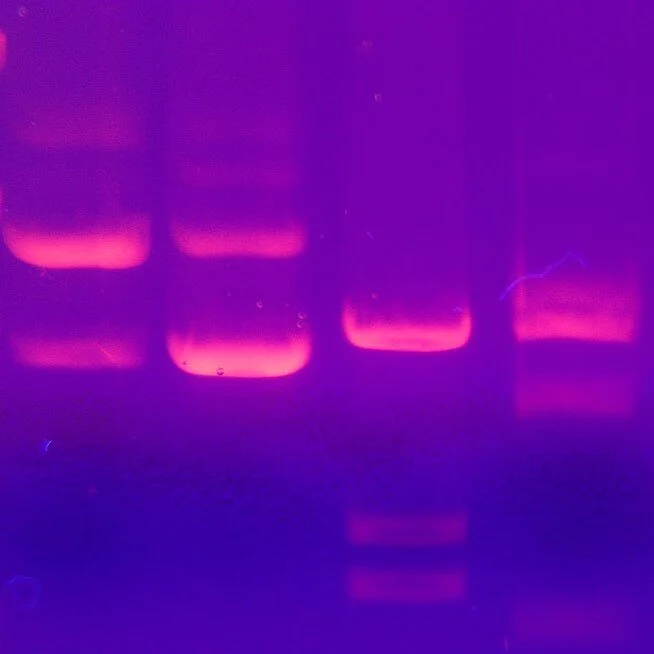
S3 Ep 7S3.07 An accidental invention: the story of genetic fingerprinting
35 years ago this month, a small team of scientists at the University of Leicester published a paper that changed the world. We take a look at the story of genetic fingerprinting, and some of the very first ways that this game-changing technique was put to work.Full show notes, transcript, music credits and references online at GeneticsUnzipped.comFollow us on Twitter @GeneticsUnzipGenetics Unzipped is written and presented by Kat Arney with additional scripting and research by Emily Nordvang and audio production by Hannah Varrall. This podcast is produced by First Create the Media for the Genetics Society - one of the oldest learned societies in the world dedicated to supporting and promoting the research, teaching and application of genetics.

S3 Ep 6S3.06 Can you have a 'perfect genome'? Myths and misconceptions in genomics
To get involved in the Genomics Education Programme’s week of action you can follow them on Twitter, @genomicsedu, and get on the hashtag #GenomicsConversation or head over to genomicseducation.hee.nhs.ukIn this episode in partnership with the Genomics Education Programme, we’re taking a look at some of the common myths and misconceptions surrounding genomics and genetics tests. Are mutations always bad? If you’re more like your mum, does that mean you’ve inherited more of her genes? And is there such a thing as a perfect genome?Full show notes, transcript, music credits and references online at GeneticsUnzipped.comFollow us on Twitter @GeneticsUnzipGenetics Unzipped is written and presented by Kat Arney with additional scripting and research by Emily Nordvang and audio production by Hannah Varrall. This podcast is produced by First Create the Media for the Genetics Society - one of the oldest learned societies in the world dedicated to supporting and promoting the research, teaching and application of genetics.
S3 Ep 5S3.05 - Poop, pus and the Manhattan Project: How we learned to spell the genetic alphabet
If you know a bit of biology, you might know that the genetic code of DNA is written in just four ‘letters’ - A, C, T and G. You may even know that these letters are the initials come from the names of the molecules that make up the double helix, known as nucleotide bases: adenine, cytosine, thymine and guanine. But where did those strange-sounding names come from? In this episode of Genetics Unzipped, we go from poop to pus to atomic bonds on our journey to learn about the discovery of these vital chemicals and how they got their names.Full show notes, transcript, music credits and references online at GeneticsUnzipped.comFollow us on Twitter @GeneticsUnzipGenetics Unzipped is written and presented by Kat Arney with additional scripting and research by Emily Nordvang and audio production by Hannah Varrall. This podcast is produced by First Create the Media for the Genetics Society - one of the oldest learned societies in the world dedicated to supporting and promoting the research, teaching and application of genetics.
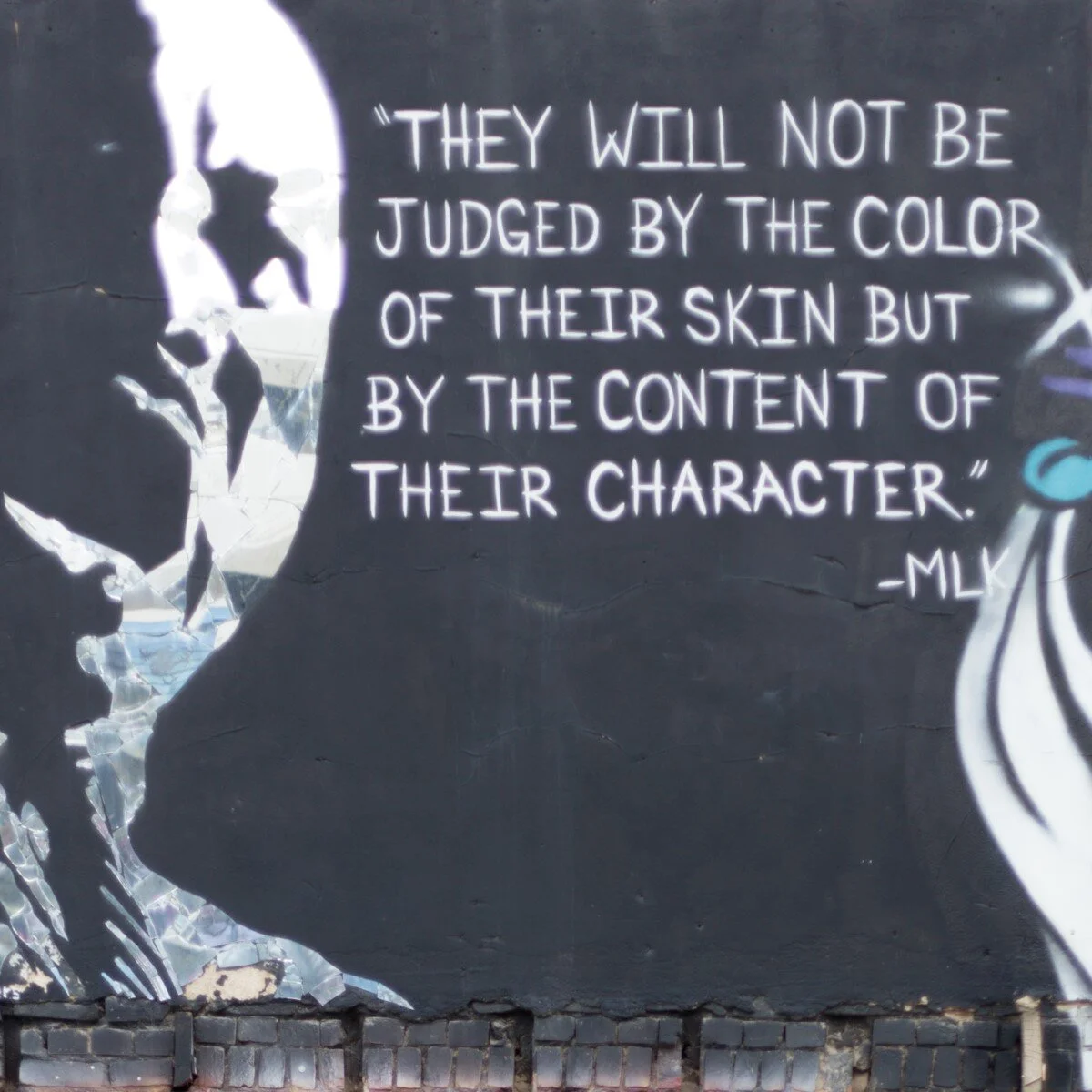
S3 Ep 4S3.04 Race to the Bottom
In this episode, we’re hunting for the ghosts in our genomes, recreating the story of the discovery of the double helix in Lego, and science writer and broadcaster Adam Rutherford tells us how to argue with a racist. Full show notes, transcript and references online at GeneticsUnzipped.comFollow us on Twitter @GeneticsUnzipGenetics Unzipped is written and presented by Kat Arney, and produced by First Create the Media for the Genetics Society - one of the oldest learned societies in the world dedicated to supporting and promoting the research, teaching and application of genetics. Production by Hannah Varrall.
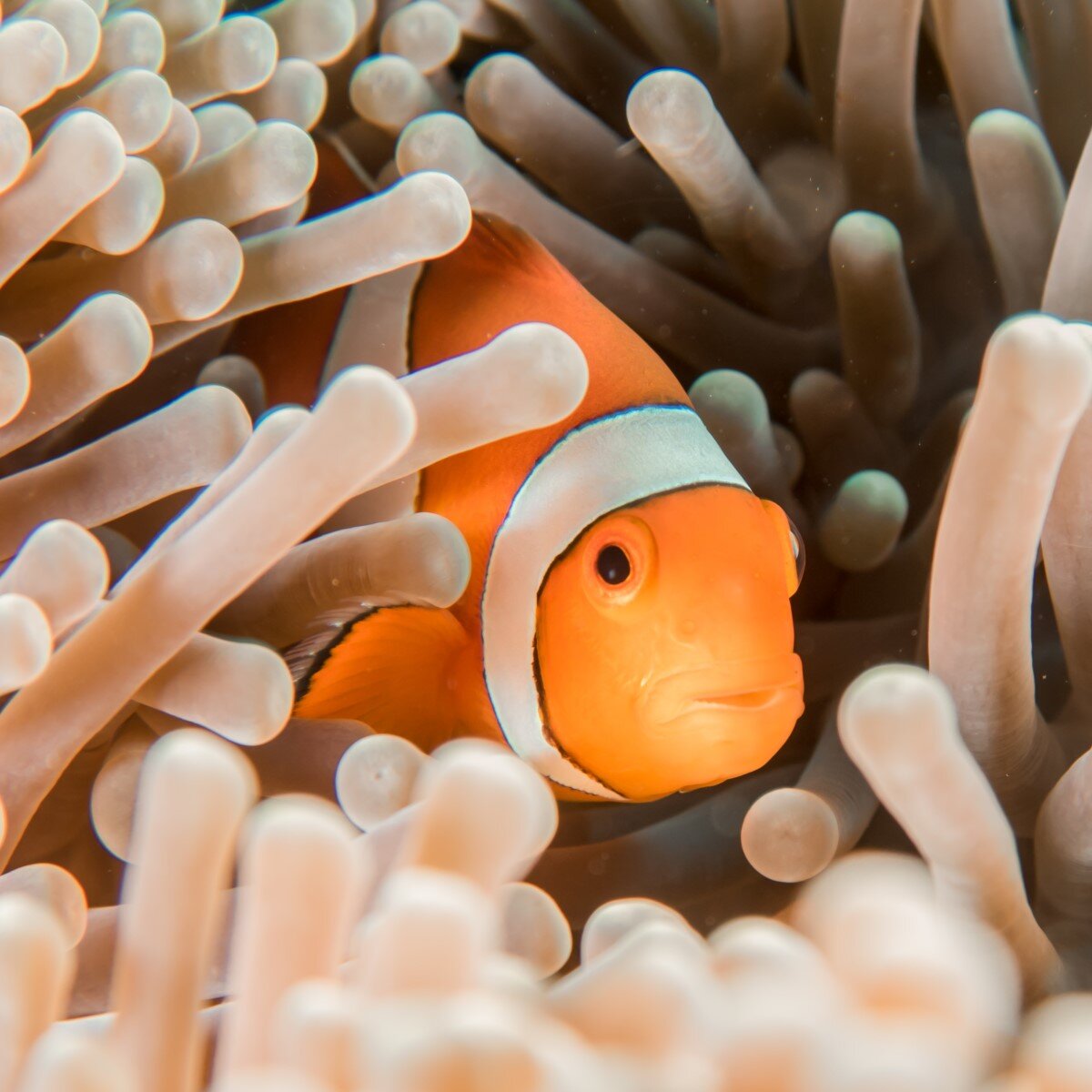
S3 Ep 3S3.03 - Fish, facts and fiction, from Haeckel’s embryos to Tiktaalik
In this episode exploring great ideas in genetics, we’re discovering our inner fish - finding out whether we really do go through a fishy phase in the womb, and looking at the legacy of Tiktaalik, the first fish to walk on land.Born in 1834, Ernst Haeckel was a German zoologist with a flair for illustration - and a knack for creating incredibly detailed and widely shared scientific images. But do his infamous embryo drawings really show the true picture of early development?Haeckel thought that we went through a 'fish' stage in the womb because our embryos appear to have gills during early development. Although his theory that 'ontogeny recapitulates phylogeny' has subsequently been shown to be incorrect, we now know there is a close connection between development and evolution, or 'evo-devo' as it's sometimes known.In short, our evolutionary history is written in our developmental genes, and it’s a history that we can trace right the way back to the very first vertebrates. The best example of this is Tiktaalik - our oldest 'fishapod' ancestor that forms the missing link between fish and land-dwelling tetrapods.Full show notes, transcript, music credits and references online at GeneticsUnzipped.comFollow us on Twitter @GeneticsUnzipGenetics Unzipped is written and presented by Kat Arney, and produced by First Create the Media for the Genetics Society - one of the oldest learned societies in the world dedicated to supporting and promoting the research, teaching and application of genetics. Production by Hannah Varrall.
S3 Ep 2S3.02 - Hidden family secrets revealed by genetic testing
It’s become cheaper and easier than ever to access genetic testing, and more and more people are having their genomes ‘done’ for reasons of personal interest, health or ancestry. But what happens when an innocent genetic investigation reveals dark family secrets? And how do we properly engage and inform people about genetic testing and research, so that they really know what they’re getting into? Full show notes, transcript, music credits and references online at GeneticsUnzipped.comFollow us on Twitter @GeneticsUnzipGenetics Unzipped is written and presented by Kat Arney, and produced by First Create the Media for the Genetics Society - one of the oldest learned societies in the world dedicated to supporting and promoting the research, teaching and application of genetics. Production by Hannah Varrall.
S3 Ep 1S3.01 - Investigating the icons of evolution, from Darwin's Finches to the March of Progress
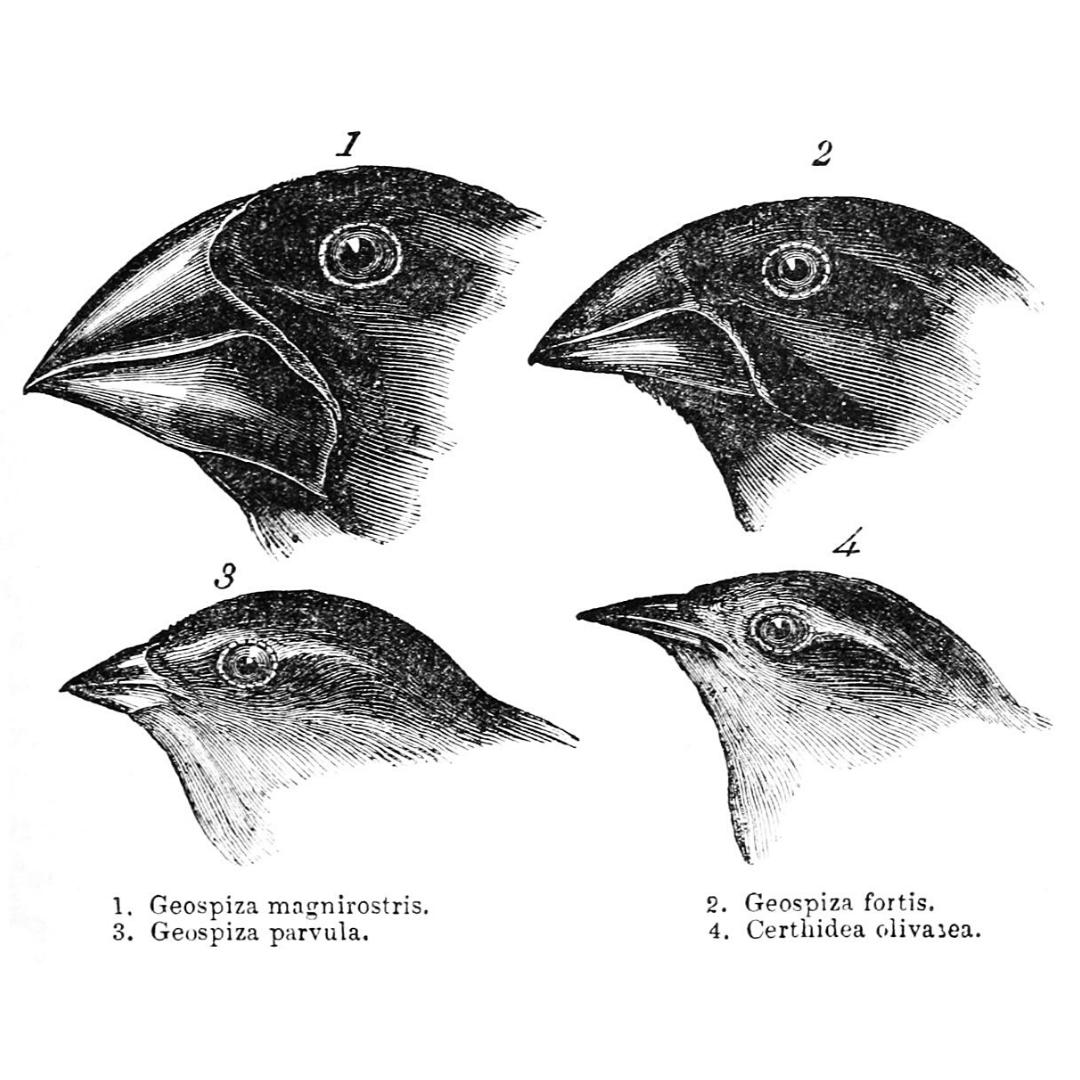
In this episode from our centenary series exploring 100 ideas in genetics, we’re exploring a couple of iconic images in evolution - the much-parodied March of Progress, portraying the inexorable journey from monkey to man, and the famous finches of the Galapagos islands, which are supposedly the inspiration for Charles Darwin’s theory of natural selection. Where did these infamous images come from, and do they really show what everyone seems to think they do?Full show notes, transcript, music credits and references online at GeneticsUnzipped.comFollow us on Twitter @GeneticsUnzipGenetics Unzipped is presented by Kat Arney, with scripting and research by Emily Nordvang, and is produced by First Create the Media for the Genetics Society - one of the oldest learned societies in the world dedicated to supporting and promoting the research, teaching and application of genetics. Audio production by Hannah Varrall.

S2 Ep 7S2.07 New Light on Old Britons - Professor Turi King
Professor Turi King from the University of Leicester reveals the secrets of the Y chromosome and how the remains of Richard III were identified. Part of our special series from the 2019 Galton Institute Symposium - New Light on Old Britons.Presented and produced by Georgia Mills for First Create The Media.More info at GeneticsUnzipped.comFollow us on Twitter @GeneticsUnzipVisit the Galton Institute website to find out more about the society and its work and follow them on Twitter @GaltonInstitute

S2 Ep 6S2.06 New Light on Old Britons - Professor Sir Barry Cunliffe
The Celts are one of the most famous - and misunderstood - people who lived in ancient Britain. Professor Sir Barry Cunliffe CBE, FBA from the University of Oxford explores the myths and the reality. Part of our special series from the 2019 Galton Institute Symposium - New Light on Old Britons.Presented and produced by Georgia Mills for First Create The Media.More info at GeneticsUnzipped.comFollow us on Twitter @GeneticsUnzipVisit the Galton Institute website to find out more about the society and its work and follow them on Twitter @GaltonInstitute

S2 Ep 5S2.05 New Light on Old Britons - Dr Lara Cassidy
Dr Lara Cassidy from Trinity College Dublin talks about her work exploring the genomic history of Ireland. Part of our special series from the 2019 Galton Institute Symposium - New Light on Old Britons.Presented and produced by Georgia Mills for First Create The Media.More info at GeneticsUnzipped.comFollow us on Twitter @GeneticsUnzipVisit the Galton Institute website to find out more about the society and its work and follow them on Twitter @GaltonInstitute

S2 Ep 4S2.04 New Light on Old Britons - Professor Sir Walter Bodmer
Professor Sir Walter Bodmer FRS from the Weatherall Institute, Oxford, explains what we know so far about genetic structure and origins of populations of the British Isles. Part of our special series from the 2019 Galton Institute Symposium - New Light on Old Britons.Presented and produced by Georgia Mills for First Create The Media.More info at GeneticsUnzipped.comFollow us on Twitter @GeneticsUnzipVisit the Galton Institute website to find out more about the society and its work and follow them on Twitter @GaltonInstitute

S2 Ep 3S2.03 New Light on Old Britons - Dr Silvia Bello
Dr Silvia Bello from the Natural History Museum in London is investigating how patterns of human behaviour have changed over the last million years.Part of our special series from the 2019 Galton Institute Symposium - New Light on Old Britons.Presented and produced by Georgia Mills for First Create The Media.More info at GeneticsUnzipped.comFollow us on Twitter @GeneticsUnzipVisit the Galton Institute website to find out more about the society and its work and follow them on Twitter @GaltonInstitute

S2 Ep 2S2.02 New Light on Old Britons - Professor Ian Barnes and Dr Selina Brace
Professor Ian Barnes and Dr Selina Brace, ancient DNA researchers at the Natural History Museum in Lopndon, discuss how their work on ancient DNA is shedding light on the British population from the Mesolithic to the Bronze Age.Part of our special series from the 2019 Galton Institute Symposium - New Light on Old Britons.Presented and produced by Georgia Mills for First Create The Media.More info at GeneticsUnzipped.comFollow us on Twitter @GeneticsUnzipVisit the Galton Institute website to find out more about the society and its work. and follow them on Twitter @GaltonInstitute

S2 Ep 1S2.01 New Light on Old Britons - Galton Institute Symposium 2019 - Nick Ashton
Professor Nick Ashton, an archaeologist at the British Museum, is studying the earliest humans in Europe.Part of our special series from the 2019 Galton Institute Symposium - New Light on Old Britons. Presented and produced by Georgia Mills for First Create The Media.More info at GeneticsUnzipped.comFollow us on Twitter @GeneticsUnzipVisit the Galton Institute website to find out more about the society and its work. and follow them on Twitter @GaltonInstitute
Ep 28028 - Sperm wars, sneaky sheep, substandard stallions and more
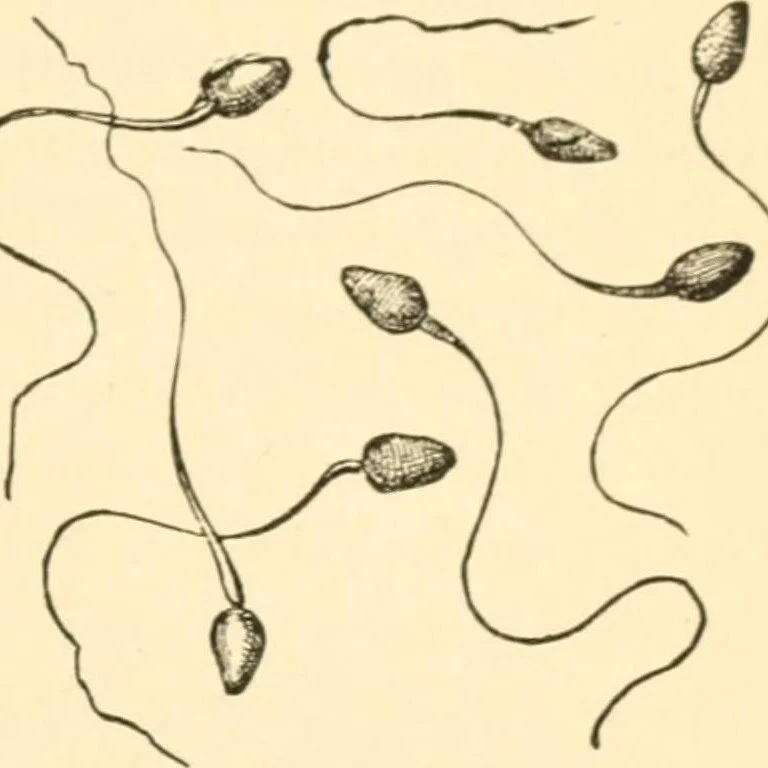
In this episode we’re bringing you highlights from the Society’s Centenary Conference, held up in Edinburgh last month. We’ve got stories of sneaky sheep, substandard racing stallions, the Vikings of the Scottish Isles and a ceilidh with a scientific spin. Plus, news from the front lines of the sperm wars.Full transcript online at GeneticsUnzipped.comFollow us on Twitter @GeneticsUnzip Genetics Unzipped is written and presented by Kat Arney, and produced by First Create the Media for The Genetics Society - one of the oldest learned societies in the world dedicated to supporting and promoting the research, teaching and application of genetics. Production by Hannah Varrall.
Ep 27027 - Uprooting the tree of life: Darwin, DNA and de-extinction
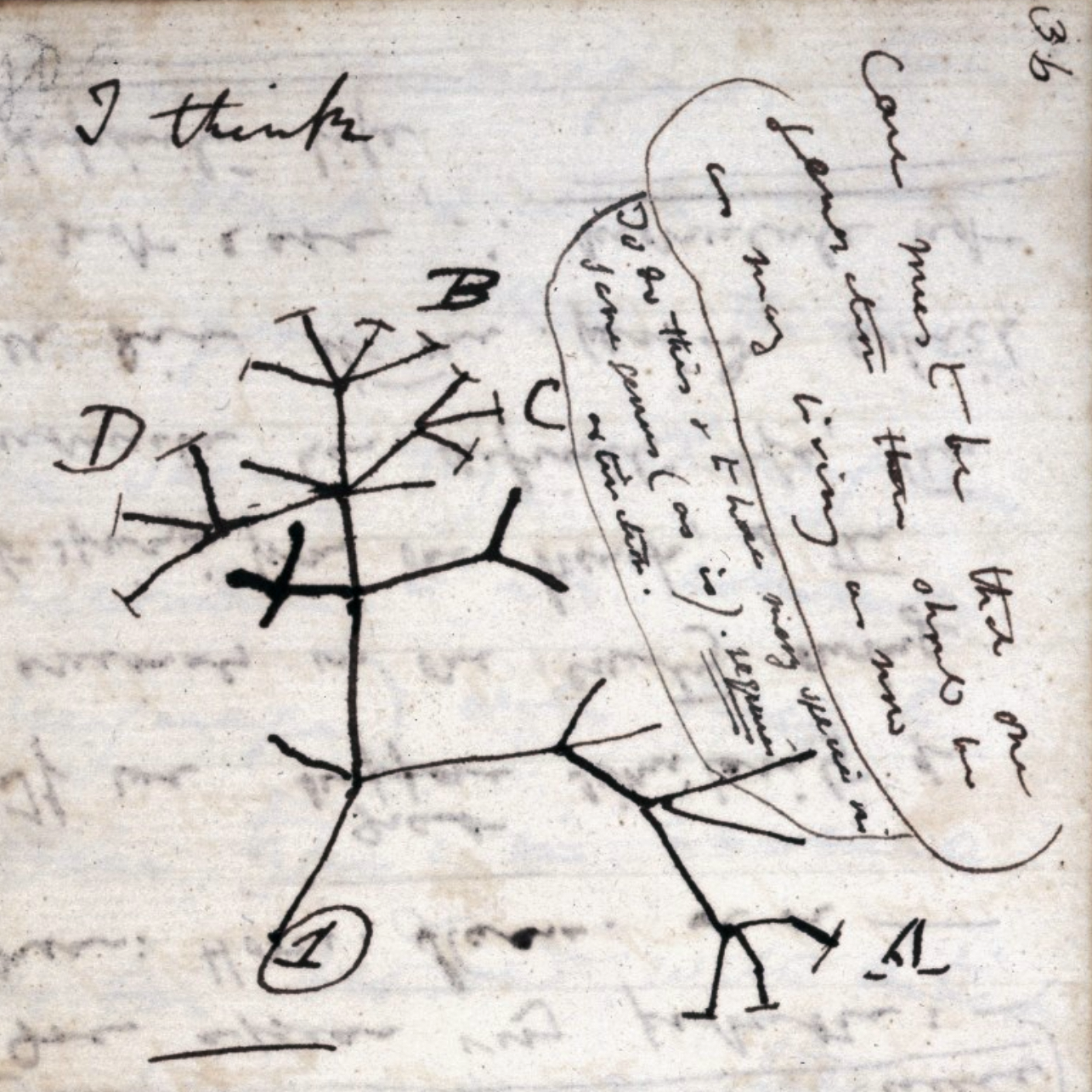
In this episode from our centenary series exploring 100 ideas in genetics, we’re uprooting the tree of life - asking whether we should believe our eyes or our sequencing machines when it comes to deciding what makes a species. Plus, the greatest comebacks of all time - we look at the science of de-extinction and find out whether Jurassic Park could ever become a reality.Full show notes, transcript, music credits and references online at GeneticsUnzipped.comFollow us on Twitter @GeneticsUnzipGenetics Unzipped is written and presented by Kat Arney with additional research by Emily Nordvang, and produced by First Create the Media for the Genetics Society - one of the oldest learned societies in the world dedicated to supporting and promoting the research, teaching and application of genetics. Production by Hannah Varrall.
Ep 26026 - The future is now: Curing HIV, advancing CRISPR therapies, predatory phages for superbug infections and advice for a healthy life
We’re reporting back from the Manova Global Health Summit, exploring the latest advances in health technology such as CRISPR-based gene therapies, infection-fighting viruses and a potential cure for HIV. Plus veteran health columnist Jane Brody’s advice for a healthy life, and reflections on progress in cancer from US journalist and advocate Katie Couric.Full show notes, transcript, music credits and references online at GeneticsUnzipped.comFollow us on Twitter @GeneticsUnzipGenetics Unzipped is presented by Kat Arney and produced by First Create the Media for the Genetics Society - one of the oldest learned societies in the world dedicated to supporting and promoting the research, teaching and application of genetics. Production by Hannah Varrall.
Ep 25025 - When 'Becky' met Bateson: Edith Rebecca Saunders, the mother of British plant genetics
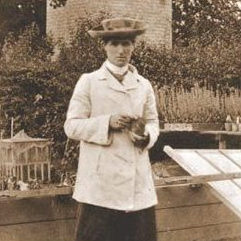
We explore the story of Edith Rebecca Saunders - co-founder of The Genetics Society and the ‘mother of British plant genetics’.Full show notes, transcript, music credits and references online at GeneticsUnzipped.comFollow us on Twitter @GeneticsUnzipGenetics Unzipped is written and presented by Kat Arney, and produced by First Create the Media for the Genetics Society - one of the oldest learned societies in the world dedicated to supporting and promoting the research, teaching and application of genetics. Production by Hannah Varrall
Ep 24024 - Exploring the Poop-ome, from the microbiome to metagenomics
In this episode we’re getting our hands dirty by delving into the poop-ome - the trillions of bacteria that live inside our guts and make up what’s known as the microbiome. Rather than simply being a bunch of bugs, the microbiome is now believed to play a role in virtually every aspect of health and disease. But what are they up to? How do we even know what species are in there? And can you blame your stinky farts on your bacteria?With:-Tim Spector, King's College London-Rob Finn, European Bioinformatics Institute-Hilary Browne, Wellcome Sanger InstituteFull show notes, transcript, music credits and references online at GeneticsUnzipped.comFollow us on Twitter - @GeneticsUnzipGenetics Unzipped is written and presented by Kat Arney, and produced by First Create the Media for the Genetics Society - one of the oldest learned societies in the world dedicated to supporting and promoting the research, teaching and application of genetics. Production by Hannah Varrall.
Ep 23023 Mergers and Acquisitions
In this episode from our centenary series exploring 100 ideas in genetics, we’re looking at mergers and acquisitions - but in a biological rather than a financial sense. We find out what happens when two cells decide to move in together, unpack the history of genetic engineering and bleat on about the story of Dolly the Sheep.Full shows notes including transcript and music credits at GeneticsUnzipped.comGenetics Unzipped is written and presented by Kat Arney, and produced by First Create the Media for the Genetics Society - one of the oldest learned societies in the world dedicated to supporting and promoting the research, teaching and application of genetics. Audio production by Hannah Varrall.
Ep 22022 - Big Questions about the Big C
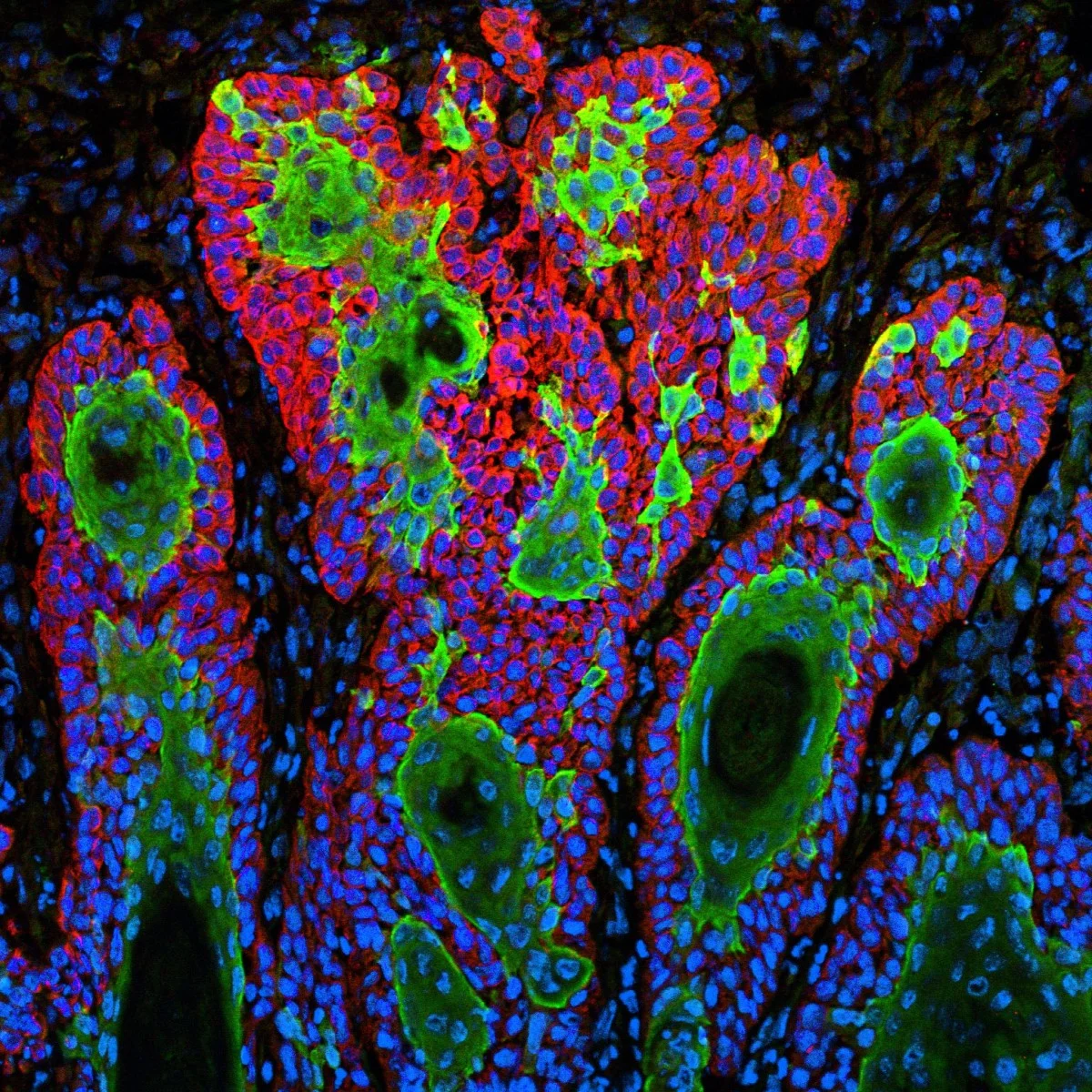
Why are tumours more likely to develop in some tissues than others? Why are bowel and breast cancers so common when heart cancer is so rare? And will low doses of radiation from medical scans create the conditions for unruly cells to grow, even without damaging DNA? In the latest episode of Genetics Unzipped we’re tackling the Big Questions about the Big C as we dig into some of the mysteries surrounding what’s often seen as the ultimate genetic disease: cancer.Genetics Unzipped is written and presented by Kat Arney, and produced by First Create the Media for the Genetics Society - one of the oldest learned societies in the world dedicated to supporting and promoting the research, teaching and application of genetics. Production by Hannah Varrall.Full show notes, music credits and references online at GeneticsUnzipped.com

Ep 21021 In case you missed it...
In this episode we’re bringing you a selection of our favourite bits from the year so far that you might have missed.We’re taking a short summer break and will be back again with new episodes from the 12th of September. In the meantime, I’ve picked a few highlights from our earlier episodes that you may have missed. I hope you enjoy listening to them, whether again or for the first time, as much as producer Hannah and I enjoyed making them.Genetics Unzipped is written and presented by Kat Arney, and produced by First Create the Media for the Genetics Society - one of the oldest learned societies in the world dedicated to supporting and promoting the research, teaching and application of genetics. Production by Hannah Varrall.Full show notes, music credits and references online at GeneticsUnzipped.com

Ep 20020 Sex and Death
Please fill in our short listener survey so we can make the podcasts even better, and you’ll be entered into a draw to win a signed copy of Kat’s book, Herding Hemingway’s Cats.In this episode from our centenary series exploring 100 ideas in genetics, we’re telling tales of sex, death and extinction, and exploring the very darkest side of genetics.Genetics Unzipped is written and presented by Kat Arney, and produced by First Create the Media for the Genetics Society - one of the oldest learned societies in the world dedicated to supporting and promoting the research, teaching and application of genetics. Production by Hannah Varrall.Full show notes, music credits and references online at geneticsunzipped.com

Ep 19019 - The Genetic Time Machine
In this episode we’re taking a trip in a genetic time machine - back into the past to discover the origins of ancient human populations, and into the future to explore the realities of personal genome sequencing.Please fill in our short listener survey so we can make the podcasts even better, and you’ll be entered into a draw to win a signed copy of Kat’s book, Herding Hemingway’s Cats.Genetics Unzipped is written and presented by Kat Arney, and produced by First Create the Media for the Genetics Society - one of the oldest learned societies in the world dedicated to supporting and promoting the research, teaching and application of genetics, online at genetics.org.uk. Production by Hannah Varrall.Full show notes, music credits and references online at https://geneticsunzipped.com/blog/2019/8/1/019-the-genetic-time-machine
Ep 18018 Cut. Paste. Pair. Repeat.
Please take a moment to do our brief listener survey - https://geneticsunzipped.com/survey - thanks very much.In this episode from our centenary series exploring 100 ideas in genetics, we’re exploring the dark heart of the genome, untying nature’s shoelaces, and looking back at the discovery of RNA splicing.Genetics Unzipped is written and presented by Kat Arney, and produced by First Create the Media for the Genetics Society - one of the oldest learned societies in the world dedicated to supporting and promoting the research, teaching and application of genetics. Production by Hannah Varrall.Full show notes, music credits and references online at https://geneticsunzipped.com/blog/2019/7/18/018-cut-paste-pair-repeat