
Geeks & Beats
328 episodes — Page 1 of 7
Don't Listen to the Luddites
bonus
Apple's Cybertruck Part 2 of 3
bonusIs the Apple Vision Pro worth a mortgage payment?
Apple's Cybertruck Part 1 of 3
bonusI'm on my way to my first hands-on with the Apple Vision Pro

Elon Musk will implode in 2024
2024 is the year Elon Musk finally implodes thanks to the U.S. Presidential Election and pressure from Tesla shareholders.
How being hacked changes in 2024
Ransomware isn't going away, but in 2024 a new threat will overtake it: hacking artificial intelligence algorithms for fun and profit.
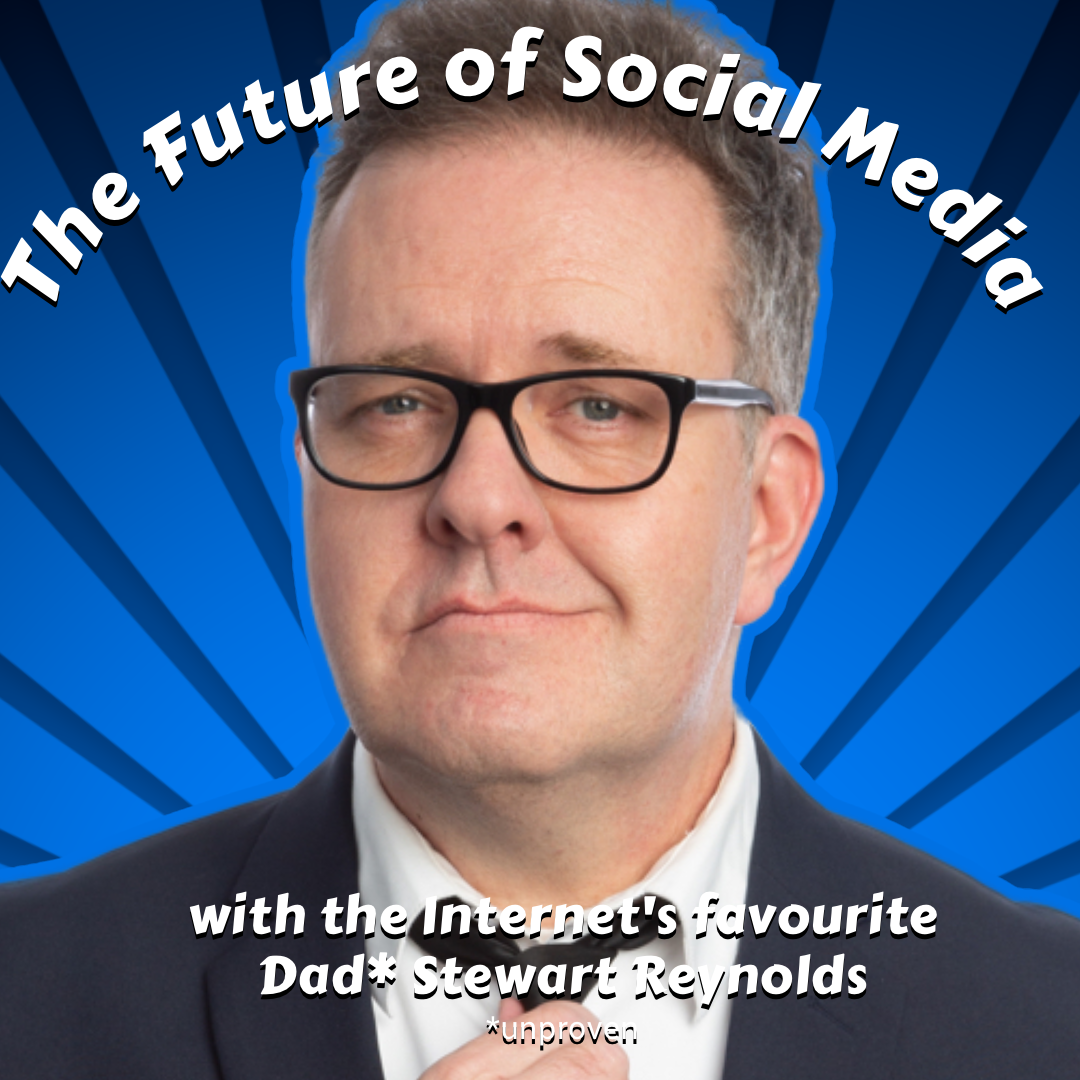
The Future of Social Media with Brittlestar
Now that Elon Musk has bought Twitter, does this portend the downfall of western civilization? The Internet's Favourite Dad, Stewart Reynolds, AKA Brittlestar, thinks The Kids Today won't put up with this shit the way Gen-X and the Boomers do.

S1 Ep 5The Blockchain Primer
When electricity was first invented, Victorians had to learn a lot about it. Blockchain is kind of like that. Eventually we won't care. But until then, here's a primer on what you need to know about this world-changing technology from Tracy Leparulo and Amber Healy.

S1 Ep 4Where's My Hologram? with Proto's David Nussbaum
Star Wars holograms suck. Meet the man who's Proto technology has been used at concerts and awards shows, is being used by Wall Street schmucks, and may even be used by hospitals by remote doctors. David Nussbaum says the future is only 5 years away.
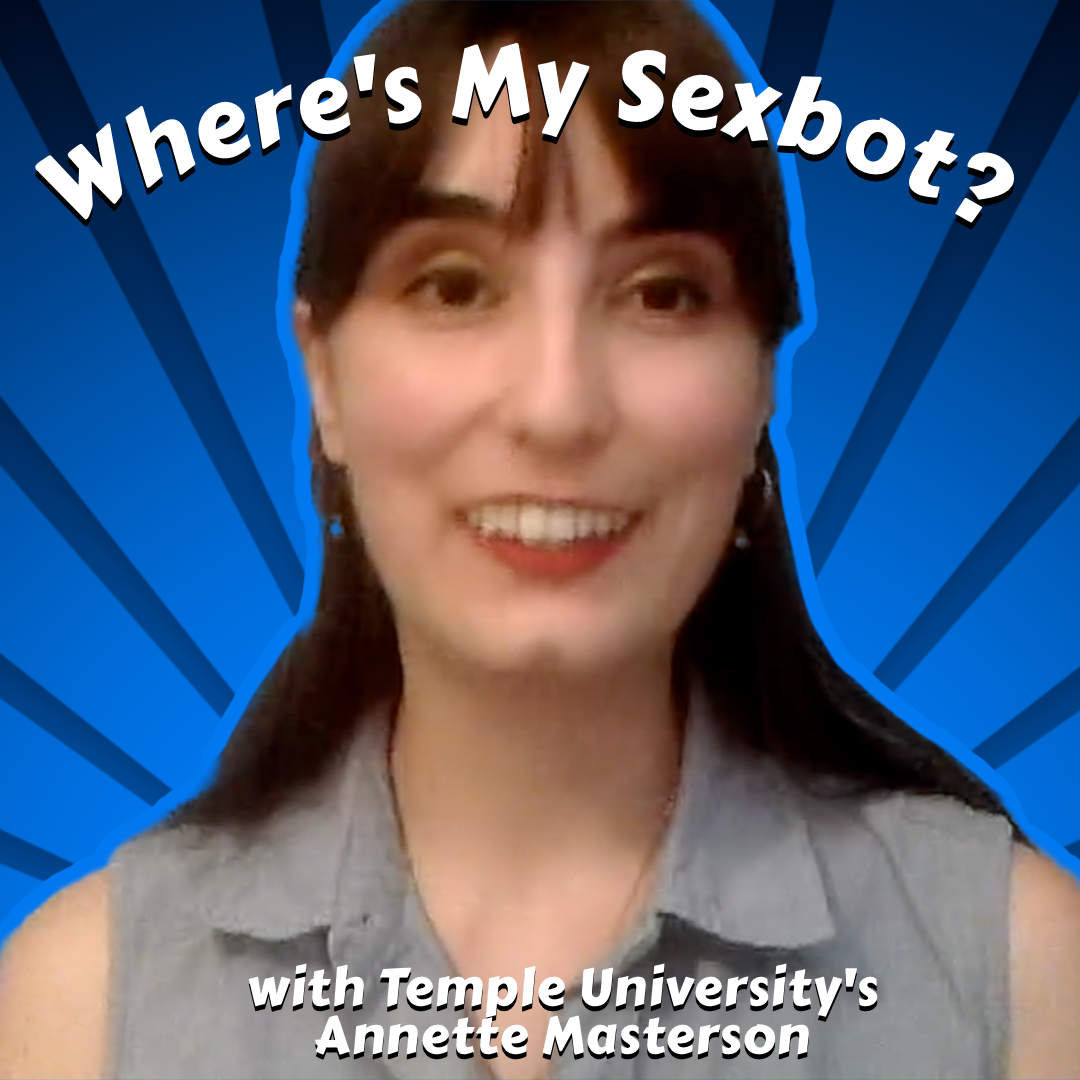
S1 Ep 3S01E03 Where's My Sexbot with Annette Masterson
Since Westworld debuted in 1973, we've been promised a world of consequence-free sex with robots. They're still coming, and PhD student Annette Masterson at Temple University has been studying their rise since 2018 and the unusual technologies required to make them happen. This episode made possible in part by the Digital Life Institute at Ontario Tech University.
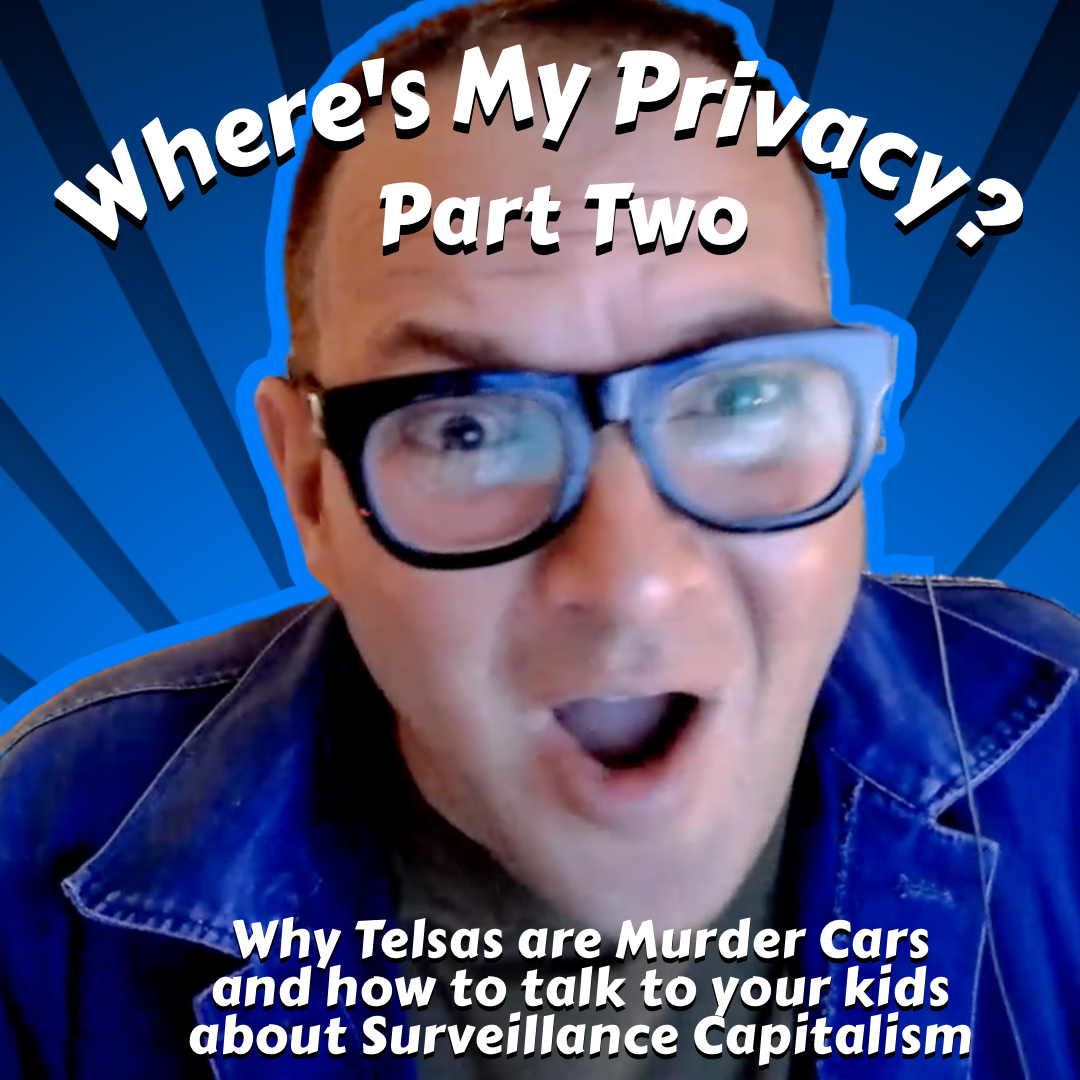
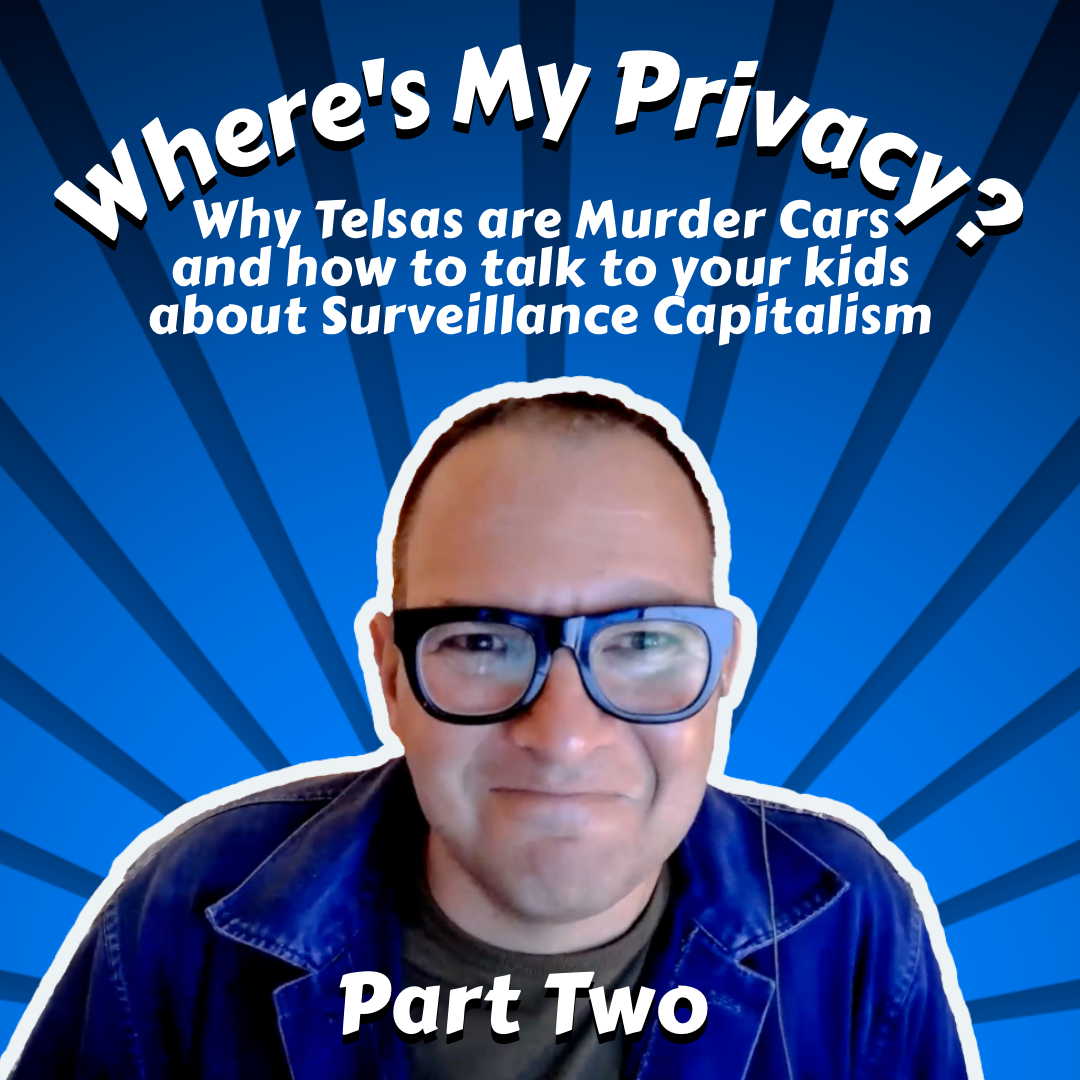
S1 Ep 2Where's My Privacy? with Cory Doctorow Part 2
Sci-fi author and digital rights activist Cory Doctorow on why Telsas are "Murder Cars" and how to talk to your kids about Surveillance Capitalism without scaring them off their smartphones.
S1 Ep 1Where's My Privacy? with Cory Doctorow Part 1
Our smartphones are being used against us. Sci-fi author Cory Doctorow on the science behind his fiction "Attack Surface" and why we must protect ourselves. Part 1 of 2.

Real AI for Sustainability
Real AI is making a real difference in shrinking the carbon footprint of generating electricity. Microsoft Sustainability Director Michelle Lancaster and Ontario Power Generation's VP of Energy Markets, Nick Pender, are working together to produce clean power for Canada's biggest province -- and to make consumption cleaner in New York State.
CES 2022 with Rick Kowalksi
The CTA's Rick Kowalski joins Michael Hainsworth as they discuss how big Augmented Reality is going to get, how tech from self driving Indy cars will end up in your car, and how artificial intelligence is changing how we cook.
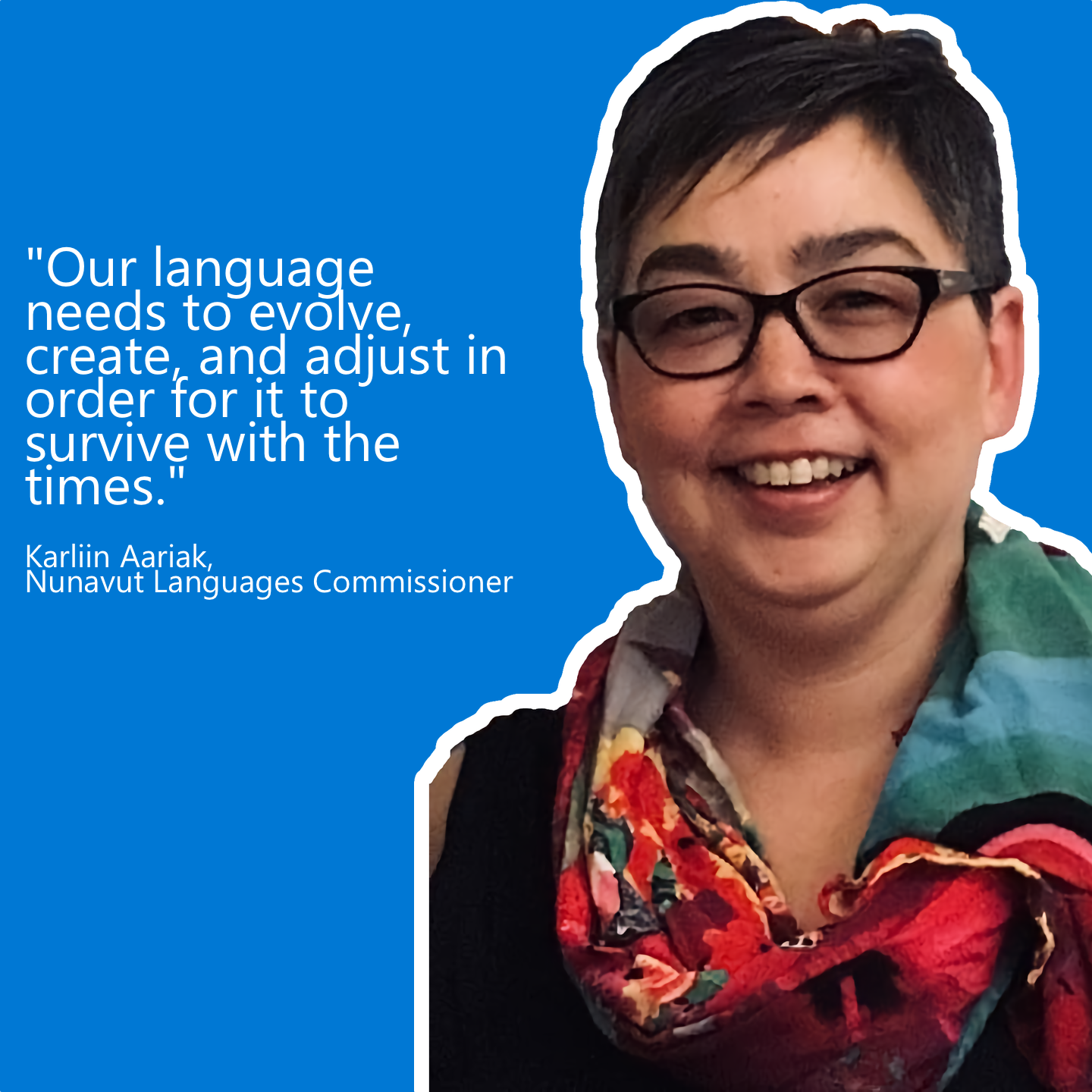
Real Ai For Language Translation Podcast
Science Fiction's "Universal Translator" is one step closer thanks to artificial intelligence. #RealAI is being used to protect the Inuit language in Canada's far north and prepare us for the day when our smartphones will automatically translate a foreign speaker.
Real Ai For Language Translation Podcast
Science Fiction's "Universal Translator" is one step closer thanks to artificial intelligence. #RealAI is being used to protect the Inuit language in Canada's far north and prepare us for the day when our smartphones will automatically translate a foreign speaker.
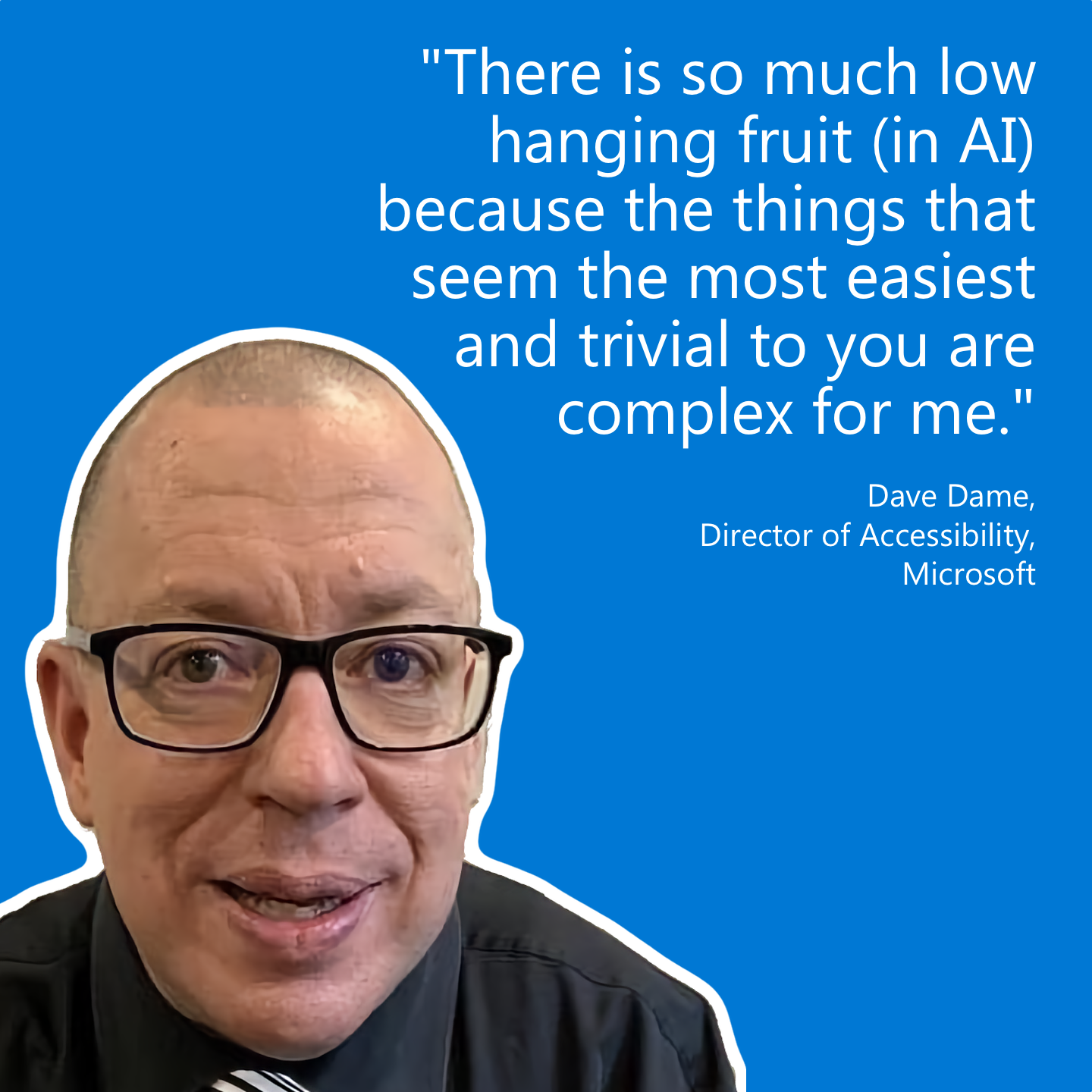
Real AI for Accessibility
Many technologies we all take for granted today got their start as assistive technologies for people with disabilities. Today, AI is making the world a more accessible place. Dave Dame, Microsoft's Director of Accessibility, tells us he's optimistic about the use of Artificial Intelligence because he believes it's going to make the world a better place.
Real AI for Accessibility
Many technologies we all take for granted today got their start as assistive technologies for people with disabilities. Today, AI is making the world a more accessible place. Dave Dame, Microsoft's Director of Accessibility, tells us he's optimistic about the use of Artificial Intelligence because he believes it's going to make the world a better place.
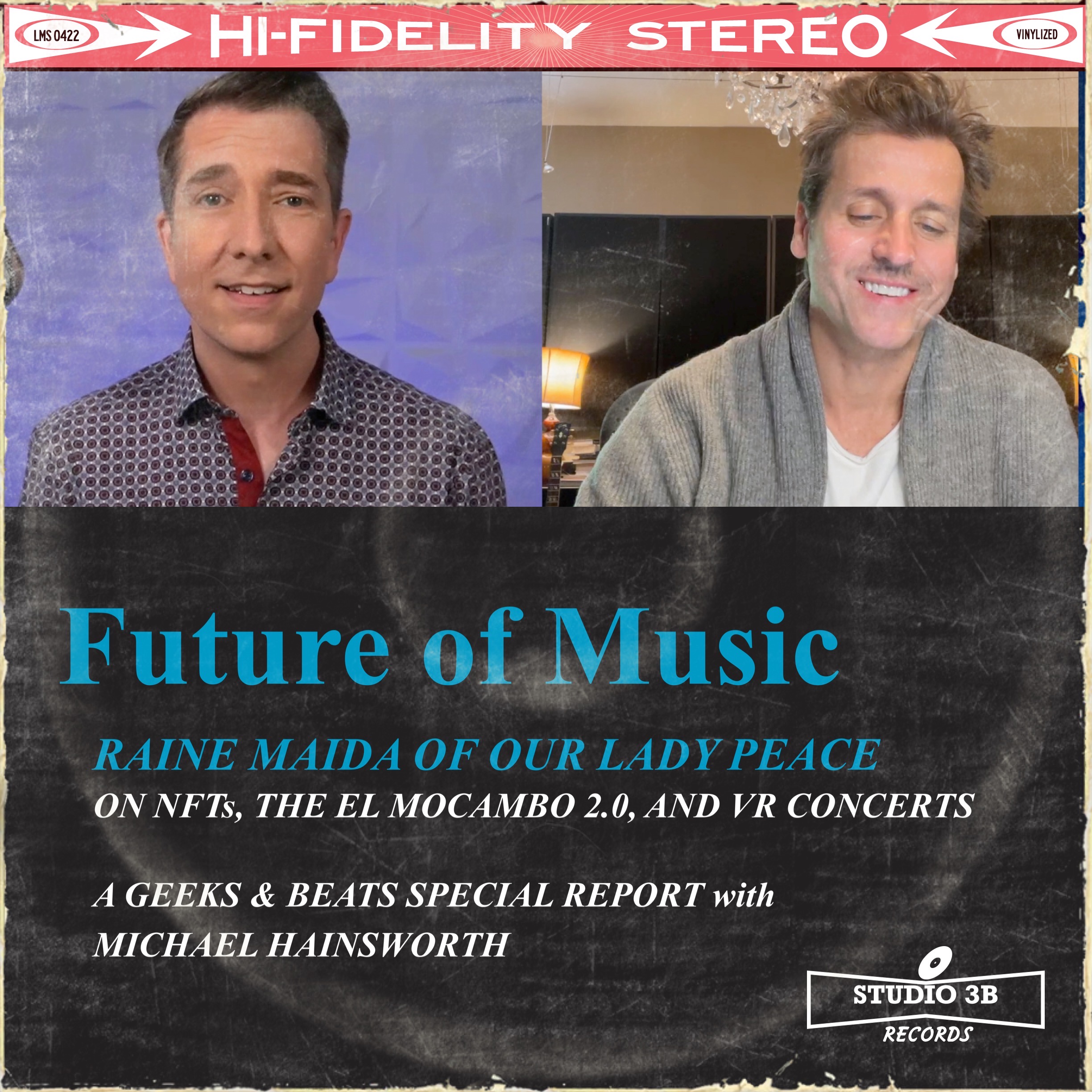
The Future of Live Music, NTFs, and The El Mocambo with Raine Maida of Our Lady Peace
G&B SPECIAL: Our Lady Peace frontman Raine Maida on the band launching it's latest album as an NFT. We'll explain what it is and how it puts the power back in the hands of the artist. Michael Wekerle has turned venerated music venue the El Mocambo into a 21st century live streaming production house and Maida will break it in on opening night. We'll find out why this is the future of live music. Plus: Virtual Reality has a real chance of making inroads by moving fans in the nosebleed seats to the front row. This Geeks & Beats Special Presentation is brought to you by Where's My Jetpack: a series about the technology we were promised as kids, what we got, and what's coming next.
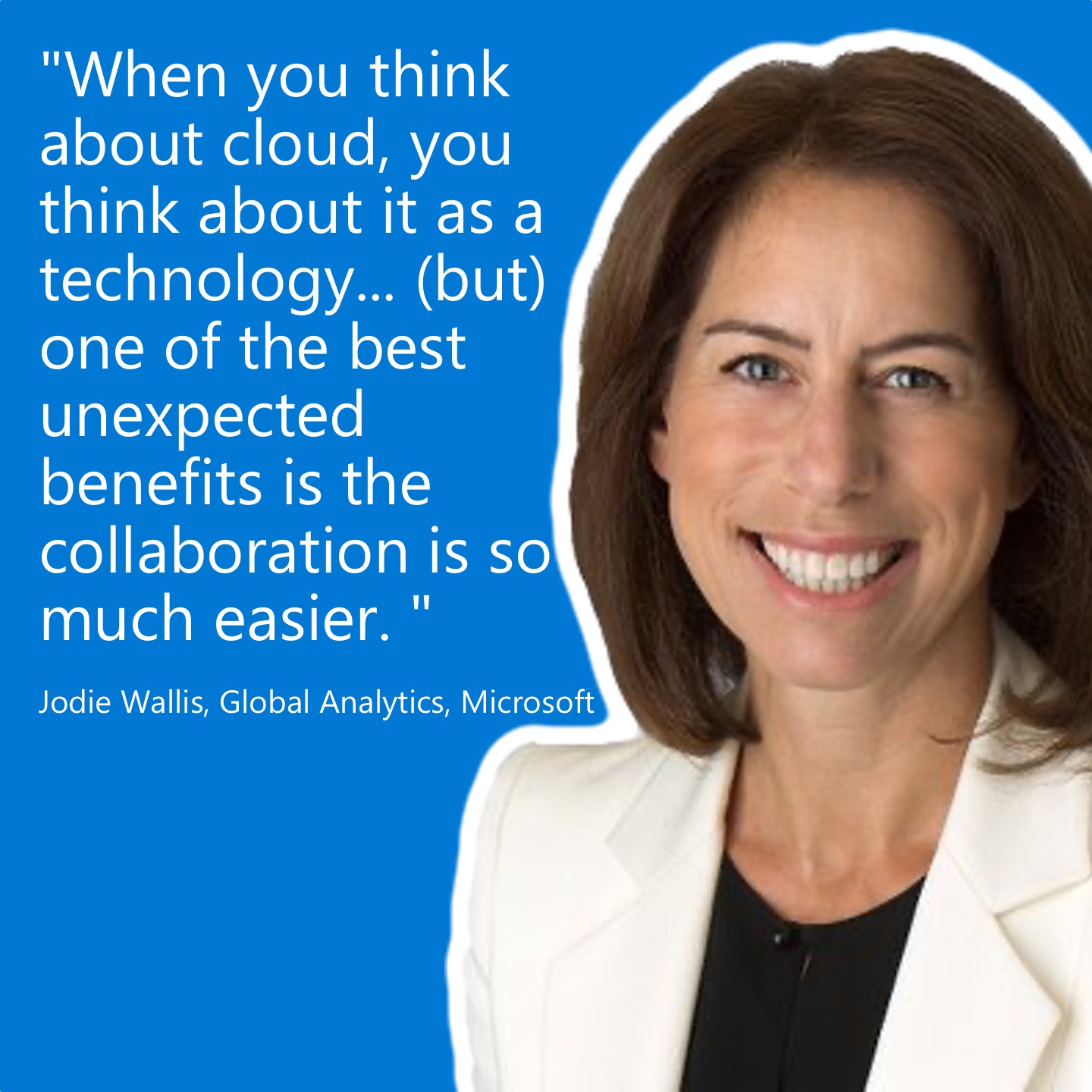
Real AI for Risk Prediction
Canada's biggest life insurance company has seen a lot of change in its history. Not since the invention of the adding machine a year after Manulife first opened its doors in 1887 has the company had a more powerful tool at its disposal. And this tool predicts the future.
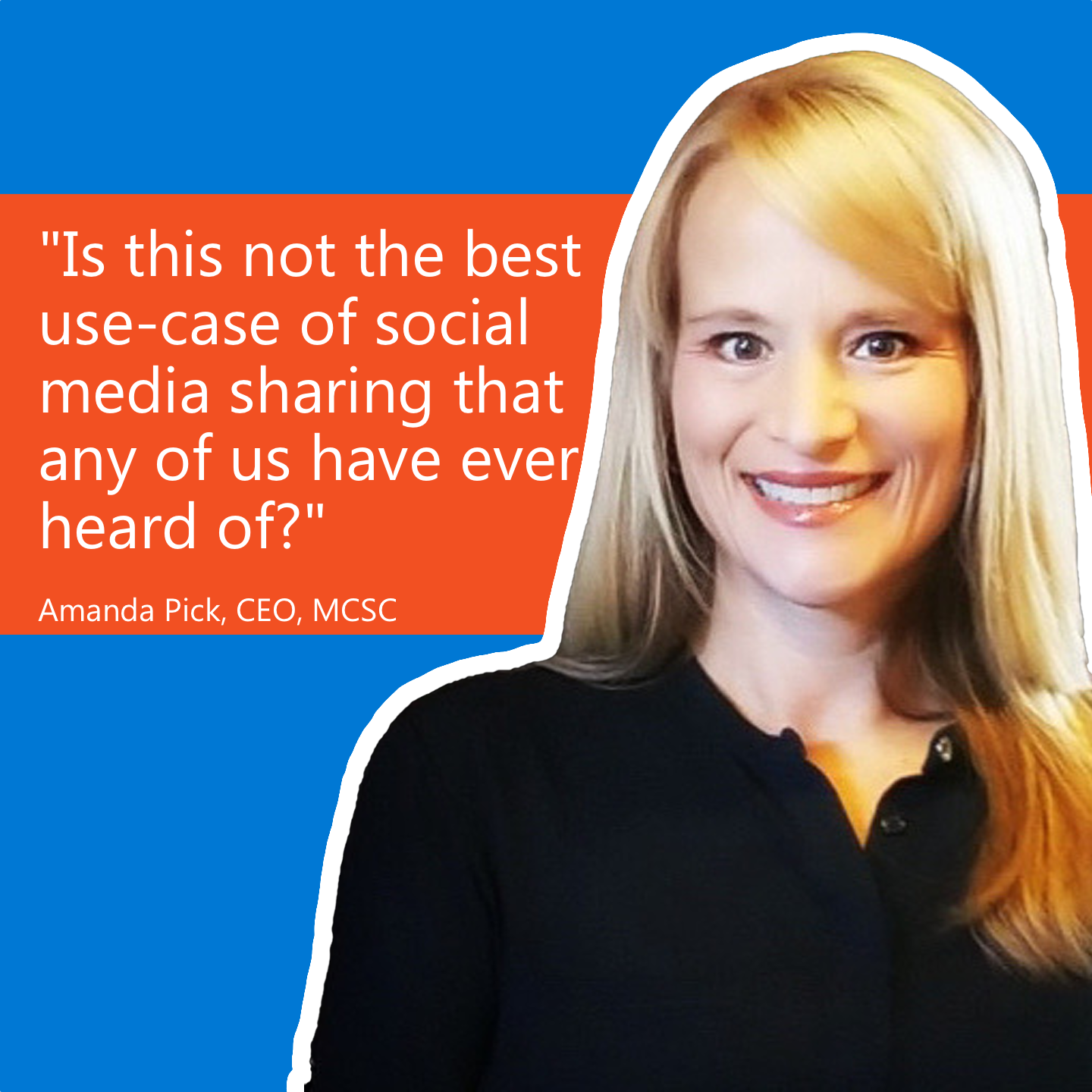
Real AI for Missing Children
Every parent knows the heart-stopping experience of losing sight of their child at a park or that first time they go out into the world with their friends. More than 30,000 children disappear every year, and while most of them are found within 24 hours, time is critical for investigators compiling the case. Missing Children Society of Canada is leveraging artificial intelligence to comb through social media accounts looking for critical clues in a race against the clock. Our Michael Hainsworth spoke to @MCSCanada's @AmandaRightNow and Microsoft's @WirelessLife to learn how #RealAI is being used to reunite families.

Real AI for Healthcare
Real AI is being used today to help stop a killer in its tracks, one that will claim 25% of Canadians in their lifetimes. At BC Cancer in Vancouver, Doctor Sam Aparicio says he has "huge optimism" over the role artificial intelligence is playing in cancer research and precision treatment. Meantime, AI is being used to make hospitals more efficient for patients, families, and staff.
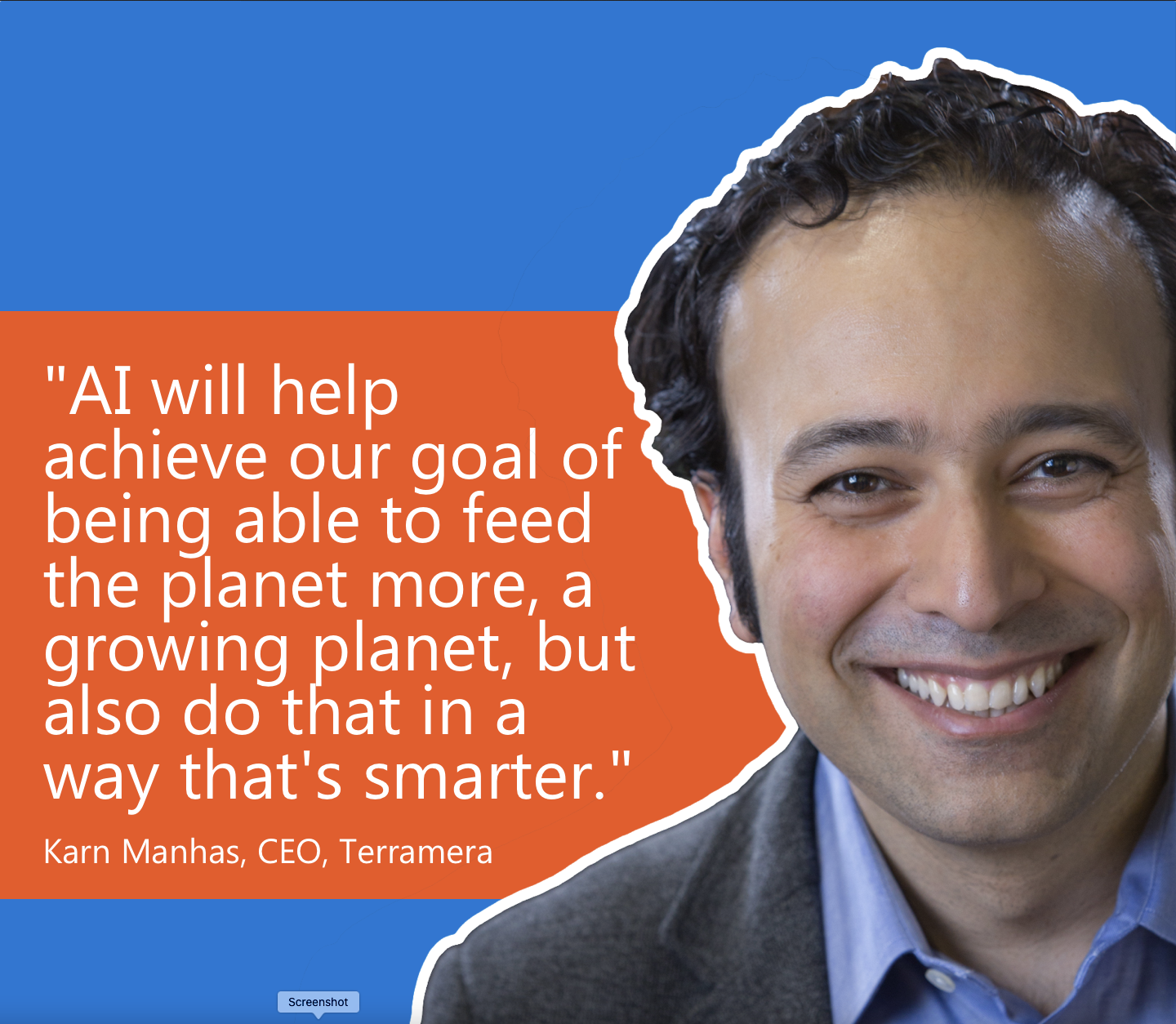
Real AI For Agriculture and Climate Change
"We're eating the planet to death," we're warned. But Real AI is being used today to fight climate change while feeding more of us more efficiently. Terramera's Karn Manhas and Ranveer Chandra of Microsoft show Michael Hainsworth how artificial intelligence is being used for the good of the planet and its people.

Real AI for Sustainability in the Public Sector
Artificial Intelligence is being deployed to protect the environment by cleaning up abandoned mines, determining the best locations for electric vehicle charging stations, and keeping cheating appliances off the electrical grid. At Natural Resources Canada, Vik Pant is leading the charge, but he can't do it alone. "That's not something that can be done humanly at any scale," he says. There's simply too much data to wade through.

Geeks & Beats Announcement
Big news from the world's most popular podcast with Alan Cross and Michael Hainsworth!
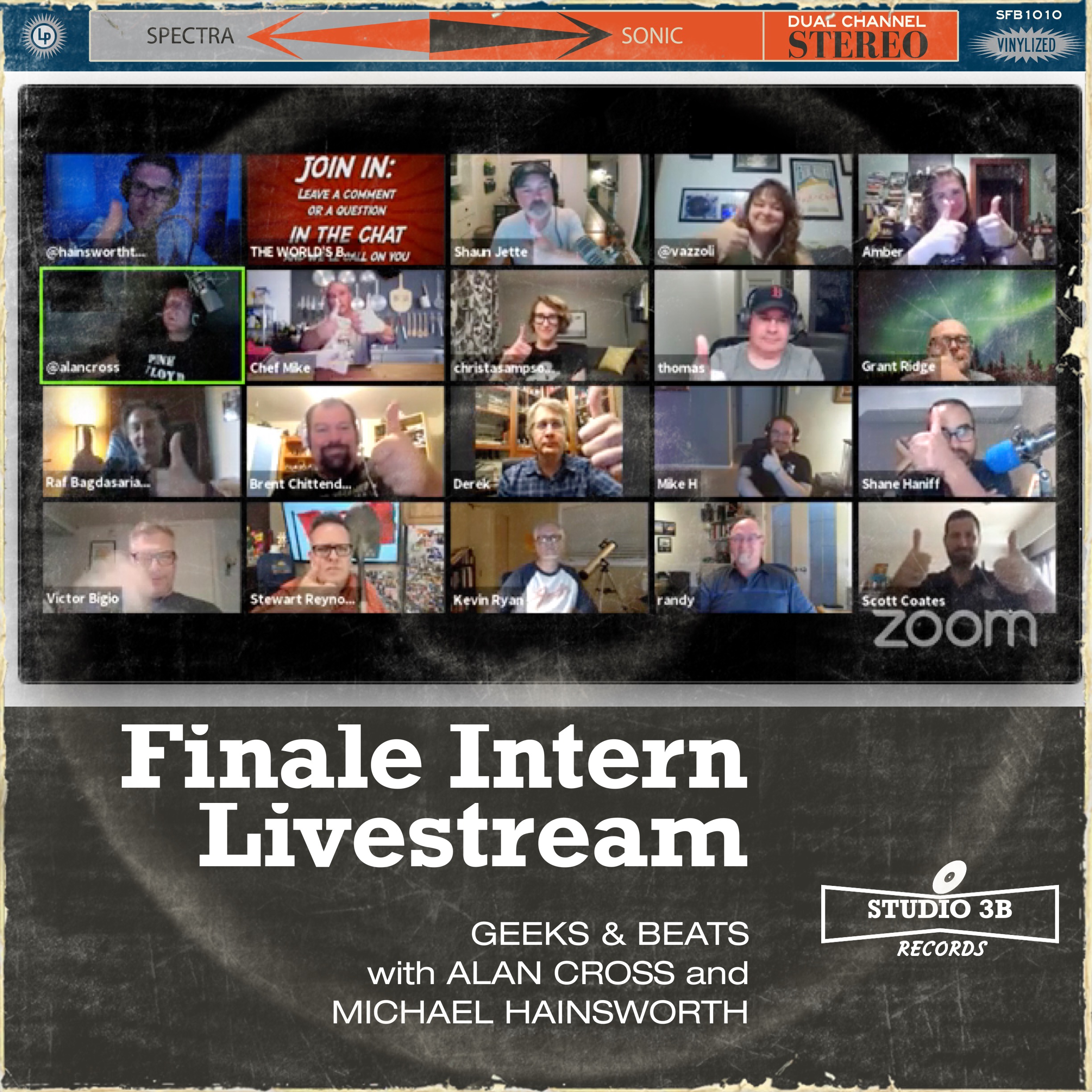
Series Finale Intern Appreciation Livestream
COVID-19 killed Geeks & Beats. While Alan and Michael are still healthy, so is the demand for business to business podcasts and a documentary series. Join The Internet's Favourite Dad, Brittlestar, as he hogs the virtual open bar while we thank members of the World's Worst Intern Program one last time as we talk about 8 years of The World's Most Popular Podcast (with Alan Cross and Michael Hainsworth)

Raffi vs. Fascism, Black Lives Matter, and Augmented Reality
The children's musician Raffi on fighting fascism, supporting Black Lives Matter, taking piano lessons at 75, and the science of writing children's music. Plus: why he's not answering the Augmented Reality call on Bananaphone 2.0

Neil Peart and the Apple Announcement
Rush fans don't need to be told Neil Peart is a percussive hero, but on what would have been his 68 birthday. A Chinese smartphone maker eclipses Apple after Cupertino fails to release a new iPhone. And an American fighter pilot claims aliens have committed an act of war. Wait, what?
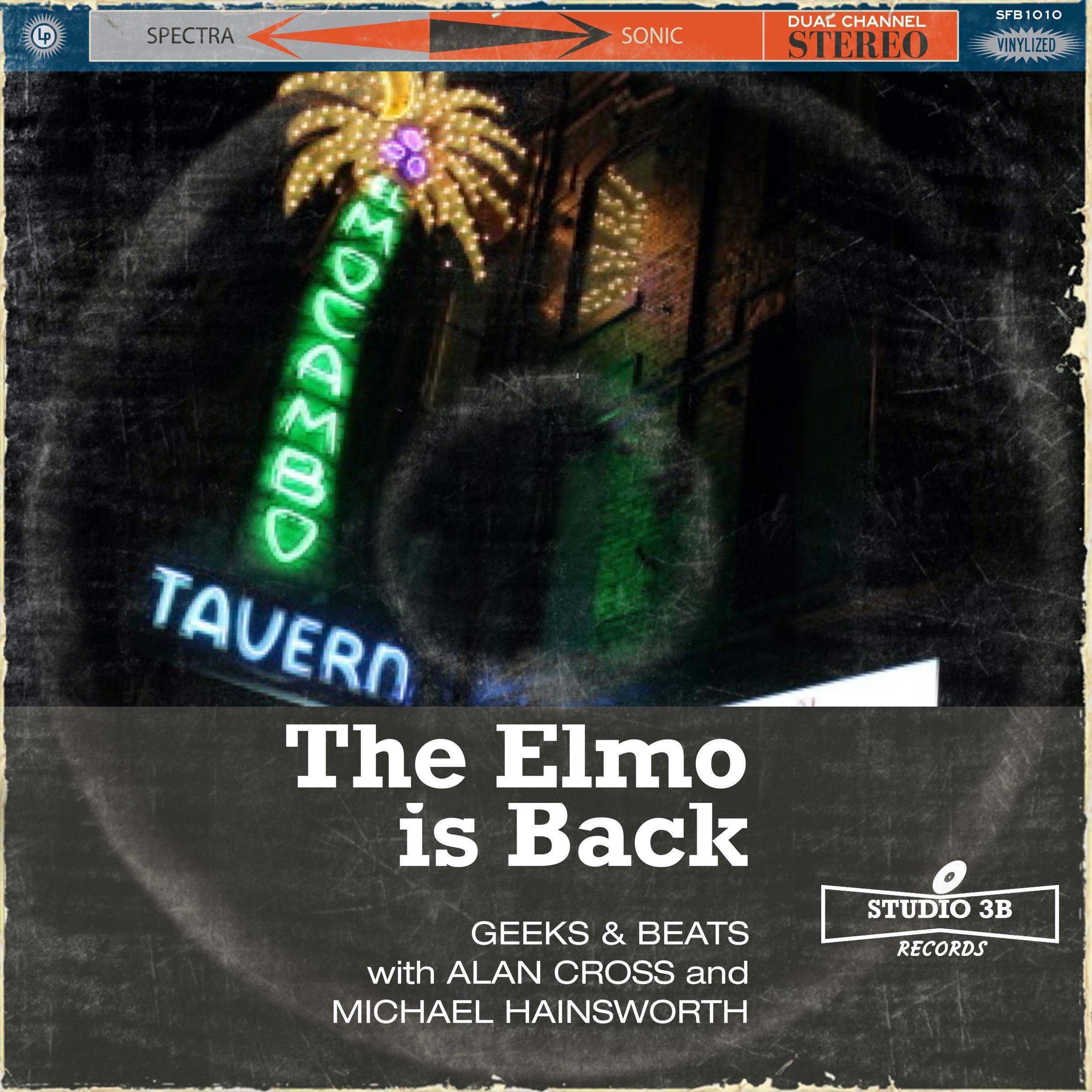
The Elmo is Back
It's finally happening: A beloved Toronto music venue, the El Mocambo, is coming back to life, palm tree lights and all. Delayed by COVID-19 and the cruel hands of fate, the El Mo will livestream its first concert on September 10, a performance from Big Wreck on the venue's second-floor stage.

How COVID-19 tech changed society and sex
[youtube https://www.youtube.com/watch?v=XZmV88Rk0Pg&w=560&h=315] Sex Tech CEO Lora Dicarlo joins us to talk about what COVID-19 has changed in society and sex, and why the last thing you want is your Internet-connected dildo hacked by the Chinese. QR Codes, Video Conferences and Sex: Covid-19 Really Did Change Everything by Amber Healy Think back on the state of the world in January. Filled with the optimism of a new year, all bright and shiny with possibility, we went about our lives, maskless, taking for granted things like going out for dinner or drinks, watercooler chats with coworkers and maybe even the giddy anticipation of first dates. We were all unaware suckers. With the type of fury saved for mothers whose children have hung up on them angrily, or the historic trope of the "woman scorned," COVID-19 giggled at our innocence and optimism and smacked us all around. We've changed since then. We're weary and cautious, knowing germs are everywhere and anywhere. We spent a good portion of the year inside. When was the last time you shook someone's hand? If the answer isn't "Um...March, I think?" you're doing it wrong. But not all is lost! There are some ways in which COVID might have a positive influence on our world, at least from a technological standpoint. QR Codes: Those weird little boxes now tell you what's for dinner QR -- or quick response -- codes have been around since 1994, believe it or don't. Invented by Denso Wave, a Japanese company, QR codes were designed to be a faster kind of barcode for products, parts and other items. Among the first adopters were auto manufacturers to make shipping and production more efficient. Eventually that grew from internal corporate uses, including food safety tracing following an outbreak of bovine spongiform encephalopathy, aka mad cow disease, QR codes were slowly introduced to consumers in the early 21st Century But no one knew what to do with them. You'd have to download a special app to read them. Sometimes they worked, most often they didn't. After a while, they were just boxes that looked odd and were ignored. When COVID-19 hit, throwing everything into a tailspin, some retailers got smart. If customers are supposed to stay socially distant, and if controlling and limiting the spread of germs is of the utmost importance, could QR codes be used to point and shop instead? QR codes are perfect for a pandemic-stricken world. Bars and restaurants have embraced with joy using QR codes taped or otherwise affixed to tables, doors, windows and other surfaces to allow patrons to read their menus without having to print out and sanitize them daily. Some are making it possible to incorporate online ordering via QR code-enabled functions, with patrons receiving a text when their order is ready. This not only limits interactions between customers and waitstaff -- angels and brave souls who do NOT get paid enough to risk their health in these times, by the way -- but it also allows establishments to have fewer staff on hand at any given time. This saves financial resources at a time when every dollar counts. It's an elegant solution, really, and one that's likely to survive into the future. Not having to print menus saves money and time. It's more sanitary. It's easier to update an app or website linked to a QR code, and so much faster, than having to create new tangible menus when seasons change. Some customers had grown a little more comfortable with QR codes, pre-COVID, as retailers like Starbucks, Macy's, Whole Foods and some drug stores began using them as contact-free payment methods or linked with their loyalty rewards programs. It also helps that it's gotten easier to use QR codes -- no longer is a special app needed to make them work! Most newer smartphones have QR code readers integrated into their camera. Just open your camera, point it at the code and voila, there you have it. Businesses were starting to feel optimistic about broader adoption of QR codes before the pandemic. A 2018 study from Juniper Research anticipated 5,3 billion QR-based transactions by 2022, a 400% increase over the 1.3 billion transactions in 2017. But COVID is likely going to help shatter that expectation now that North American and Western markets are buying in big time. Video Calls: Why wear pants to talk business? People love crediting The Simpsons with "predicting" the future, but let's talk about the Jetsons. The show began in 1962 and anticipated treadmills, nutrition supplements to take the place of food, flying cars (ok, they weren't perfect) and video calls. The concept, and the technology, didn't appear in a real, useful way until 2003 when Skype was rolled out. But most people who downloaded the program used it as a way to make free phone calls to other users, or to keep in touch with international friends before limitless texting or social media was as widespread and easy as it is now. Skype was one of the first voice-over-internet protocol communication systems, retro
Digital vs. Analogue Audio with Glenn Schick
We take a deep dive into your Dad's stereo with Grammy winner Glenn Schick. We also find out why Alan can't listen to Classical music on Compact Disc, and discover why an audio format that couldn't beat the CD in the '90s may be the next big thing in the '20s thanks to 5G. The post Digital vs. Analogue Audio with Glenn Schick appeared first on The Geeks and Beats Podcast with Alan Cross and Michael Hainsworth.
Mental Health and the Entertainment Industry with TSN's Michael Landsberg
Wasn't Kurt Cobain's suicide a wakeup call? TSN's Michael Landsberg knows how to talk about mental health issues. And on what would have been Robin Williams' 69th birthday, the geeks speak about a topic that seems to have been largely swept under the rug by the entertainment industry. Robin Williams' passing got us talking The entertainment industry can be all flashy lights, glitter, limousines, and big homes. It could also be a dark, lonely, and depressing spot to be in. The stories of celebrities taking their own lives have been sadly common in the past few years. It's sad to think that our larger than life favourites weren't as happy as we thought. Let's take Robin Williams – who would've turned 69 this week – as an example. After Williams died, we cried, laughed, and mourned. The reality set in and we were confused. How can arguably one of the most naturally gifted comics of all time take his own life? This unexpected bombshell lit the helplines up like Patch Adams' red nose. The National Suicide Prevention Lifeline saw a surge in callers. The loss of Williams had everyone reeling. Soon after his passing it was revealed that Williams had Parkinson's disease. Scratch that – Robin Williams had Lewy Body Dementia. He was drifting away Williams' widow, Susan Schneider Williams, published an article called "The terrorist inside my husband's brain" in the journal Neurology. She wrote about the joy of their relationship and she notes that many months before he died, Robin was under the care of doctors for many of symptoms including gastrointestinal problems, insomnia, and a tremor. He was treated with both psychotherapy and psychotropic medications. He went to Stanford for hypnosis to treat his anxiety. He exercised with a physical trainer. His voice weakened, left hand tremor was continuous and he had a slow, shuffling gait. He was beginning to have trouble with visual and spatial abilities in the way of judging distance and depth. His loss of basic reasoning just added to his growing confusion. The very complicated question In the article "Lessons On Depression From The Life Of A Beloved Celebrity" by Steven Schlozman, M.D. he answered the question of why Robin would take his own life. "This is, of course, a great and very complicated question". "It's not a great question because it's perplexing; it's a great question because it reminds us all that we are vulnerable to all sorts of diseases, and that these diseases sometimes win. Would the question be as potent if it concerned a different celebrity's battle with cancer? Probably not, but it ought to be. Cancer, depression, substance use disorders…these are all diseases. They all have proven treatments, and we as a society need to remember that," he wrote. "We also, however, need to remember that sometimes the disease wins. Whether the disease wins or not is not tied to talent or fortune; it is tied to the unique vulnerabilities of the individual and the disease from which he or she suffers." Schlozman concluded, "We are all human, no matter how beautiful, rich or talented. We all have our histories, our vulnerabilities and our illnesses." Mental health in the entertainment industry outside of North America While names like Williams, Anthony Bourdain and Avicii are some of the latest names to fall to their demons, mental health isn't just a thing in the North American entertainment industry. Back in June, Sushant Singh Rajput, a 34-year old Bollywood actor that stunned fans in several top-drawing films, died by suicide. Rajput was found dead at his residence in Mumbai. Reports confirmed that he allegedly suffered from clinical depression because of a professional rivalry. Several of the actor's friends in the industry spoke out about his struggles to make it. Others are pointing their fingers to the closed culture in Bollywood. "I knew the pain you were going through. I knew the story of the people who let you down so bad that you used to weep on my shoulder," Shekhar Kapur, who was supposed to direct Rajput in a film that was eventually shelved, wrote in a tweet soon after the passing. In a separate tweet, actress Swara Bhasker called accusations against Bollywood personalities "the height of idiocy." "We don't know what he (Rajput) went thru. We don't know the cause. STOP taking out your frustration using the pain of a troubled person… Let him have his peace & his family privacy," she tweeted. Korea's entertainment industry does some soul searching From Bollywood to the K-pop music scene. Two beloved female stars, Sulli and Goo Hara, ended their own lives in two months, exposing the painful side of being a K-pop idol. The K-pop phenomenon gets dismantled largely through social media. Their stars are exposed to both a flood of fan letters and hurtful comments and cyberbullying on everything from their looks to their singing skills to their private lives. "From an early age, they live a mechanical life, going through a spartan training regimen," said Lee Hark
Before there was MTV with Tarzan Dan
MTV is pushing 40?!? Tarzan Dan from YTV's Hit List drops by Studio 3B to talk about those in music television who came before him, he and Alan swap tops on how to interview a rock star, and we find out how he reacted to landing in the pages of Canadian music history. MTV airing The Buggles' "Video Killed the Radio Star" to launch the network was not the first music video ever broadcast. Nor was it the first music video ever made. It was far from the first time music appeared on TV, that's for sure. But the two pop culture staples have often worked hand-in-hand for entertainment and cross-promotional purposes, a practice that dates back to at least the 1950s. How old are music videos? What qualifies as the first music video is up for some debate. For example, waaaaaaay back in 1894, a pair of sheet music publishers, Edward Marks and Joe Stern, hired an electrician named George Thomas, along with some musicians, to promote the sale of their new song, "The Little Lost Child." Using a very early form of movies, a series of images set to live performed music was displayed and came to be known as the "illustrated song." Does that make it the first video? Jump ahead to the late 1920s, as the "talkies" started to take the world by storm, and Vitaphone started producing shorts with bands, singers and dancers. Max Fleischer, an animator, produced a series of short cartoons called "Screen Songs," which were kind of like a precursor to karaoke, in that the audience was encouraged to sing along. By the 1930s, we have the legendary incorporation of opera music into Looney Tunes cartoons — Elmer Fudd as a viking, anyone? — followed soon thereafter by Walt Disney's Fantasia, one of the most visually and artistically stunning creations of all time (think about how painstakingly it was produced and how incredibly imaginative it was at the time before arguing this point). By the 1940s, we're into the era of short films set to music, such as those from musician Louis Jordan, including a feature-length film called "Lookout Sister." That's been added to the LIbrary of Congress to be preserved for its historical significance. Tony Bennett claims he created the first music video with 1956's "Stranger in Paradise." His label at the time filmed the crooner walking through London's Hyde Park and added that song behind it. The video was sent to TV networks in the U.S. and UK and it played several times on American Bandstand. About that Bandstand Two shows are inextricably tied to music and teenage culture in the United States: American Bandstand and the Ed Sullivan Show. The so-called perpetual teenager, Dick Clark was the affable host who helped provide apple-cheeked youngsters a place to dance, wholesomely, to some of the country's top pop bands. The show started on Philadelphia public TV in October 1952 and ran well into the 1980s, featuring a respectable variety of genres: doo-wop, teeny boppers, psychedielic rock, disco and hip-hop over the course of its 30 years. Clark took over for the show's original host (after he was arrested for driving while intoxicated) and helped kickoff the career of Paul Anka, the first performer to make his debut on a nationally televised show. A few months into Clark's tenure, the show moved to Monday nights from 3:30 p.m. and expanded to a full hour, but the ratings tanked and they moved it back to the afternoon time slot, until it was eventually so popular and so important, it was moved to Saturdays. From then on, anyone who was anyone played Bandstand: Sonny and Cher, Gladys Knight, Ike and Tina Turner, Stevie Wonder (just 12 at the time!), Aretha Franklin, The 5th Dimension, The Doors, Michael Jackson as a solo artist and as part of the Jackson 5, Little Richard, Paul Revere, Annette Funicello, even Talking Heads and Prince. All good things must end, of course, and after refusing to cut back from a hour-long show to 30 minutes, Dick Clark left, the show moved from ABC to the USANetwork and, six months later, on October 7, 1989, the curtain fell for the last time. Equally important was The Ed Sullivan Show, famously the host of the Beatles debut in the U.S. It went on the air earlier than Bandstand, starting in 1948 when TV was still relatively new, and folded sooner, in 1971,but by that point the influence was obvious and unmistakable. In many ways, Sullivan was the polar opposite of Clark: Awkward, not all that telegenic, often tripping over his words when introducing his guests, which were not limited to just musicians but also comedians and casts from Broadway plays. But in many ways, his awkwardness was part of his charm. Sullivan has the distinction of twice breaking TV records, drawing in millions of viewers when Elvis Presley performed in 1955, swiveling those controversial hips — think of the children! — and again in 1964 when he introduced North America to the Beatles during their first trip to New York. That remains one of the most-watched episodes of television in history, nearly 60 y
The Future of Headphones is 3D
Audeze founder Sankar Thiagasamudram explains that the next big thing in audio is 3D in a way you didn't know you were missing with your typical headphones today. The headphones of the future will be spatially aware, and adjust to your listening preferences using artificial intelligence. And the crazy thing is these headphones already exist. The post The Future of Headphones is 3D appeared first on The Geeks and Beats Podcast with Alan Cross and Michael Hainsworth.
My Fake Band
What if that random joke you make turned into a party game? The Brothers Hermann of My Fake Band drop by Studio 3B to talk about kickstarting the Next Big Thing around the campfire. Plus: K-pop as the world's conscience and a middle finger to Donald Trump. The post My Fake Band appeared first on The Geeks and Beats Podcast with Alan Cross and Michael Hainsworth.
First Woman in Space
The United States might have put a man on the moon first, but it was the Russians who first sent a woman to space. The Vintage Space star and author Amy Shira Teitel joins the geeks this week on a supporters-only livestream recording session and Q&A about Valentina Tereshkova, a woman 20 years ahead of her US counterparts. Russia won the female space race 57 years ago by G&B Senior Segment Producer Amber Healy From the early days of the space race, research supported the idea of women serving as astronauts and cosmonauts. Women tend to have smaller bodies in every measurable way, and since spaceflight often has to account for every ounce considering the price of rocket fuel, it just made sense to send lighter, smaller bodies into orbit. But in the 1950s and 1960s, sexism was still king in both the USA and the USSR. So women waited. The first woman in space, on June 16, 1963, was Valentina Vladimirovna Tereshkova. She was 26 at the time and one of several women recruited into an aggressive cosmonaut training program due to her early enthusiasm and skill for parachute jumping. The effort was backed by Soviet Premier Nikita Kruschev, who ordered a small group of women be selected and trained for a women-in-space program. Fearless female leadership Let's not mince words here: Tereshkova was a badass from the word go. She joined a paramilitary flying club without telling her mother, spending her weekends training and completing 90 jumps before she caught the Kremlin's eye. "I did night jumps, too, on to land and water — the Volga River," she told The Guardian. "I learned to wait as long as possible before pulling the cord, just to feel the air; 40 seconds, 50 seconds… it's not really falling; you experience enormous pleasure from the sensation of your whole body. It's marvellous." She joined the Communist Party in 1962, as would've been customary for the time. The Soviets, of course, sent Yuri Gargarin into space in 1961, but the director of cosmonaut training, Nikolai Kamanin, heard shortly thereafter that the Americans were preparing to train female pilots to be astronauts. Not wanting to be outshined, the Soviets started their program with five women, including Tereshkova, and had their training start before their male counterparts. The rules stipulated that the women had to be a parachutist and under the age of 30, standing less than 170 cm (5 ft 7 in) tall and weigh no more than 70 kg (154 lbs). Of the small class of specially trained women, only Tereshkova went to space, selected to pilot Vostok 6, while cosmonaut Valeri Bykovsky piloted the sister mission on Vostok 5. He launched on June 14; she launched two days later. Over the course of 70 hours in space, they came within 5km (3 miles) of each other while in orbit and exchanged messages. Tereshkova orbited the Earth 48 times, with European and Soviet TV beaming back images of her smiling from space. At the time, both Tereshkova and Bykovsky were record holders: she for being the first woman in space; he for spending more time in space alone than anyone — a record he still holds at just five days. Hers was not a flawless flight, however. The full details of her stressful journey became apparent when her flight log was released to the public in 2013, including that she failed in her original attempt at manually orienting the spacecraft while in orbit. The vehicle kept listing to one side, with warning lights indicating things were off kilter along all three axes. When she activated manual control, she heard an empty knocking noise. On the second day of her flight, she tried again but was unsuccessful, meaning she couldn't complete her mission of photographing the Earth from above. It was during her 45th orbit that she successfully completed a breaking maneuver, holding it for 25 minutes. Later, as she was returning into Earth's atmosphere, she and her vessel had no communication with the ground and she wound up in the wrong place. The team on the ground blame Tereshkova for the failure; she says the equipment failed. Once she was collected by her countrymen, she was named a Hero of the Soviet Union. She never went to space again, but none of the women she trained with ever made it that far. Life on Earth In November 1963, Tereshkova married a fellow cosmonaut, Andrian Nikolayev. There was much fanfare about their marriage and the birth of their daughter, Elena, as she was the first child born to parents that had both been to space. In 1980, Tereshkova and Nikolayev divorced. There's speculation that the marriage was basically propaganda, because, y'know, Soviet Russia. Tereshkova received the United Nations Gold Medal of Peace, directed the Soviet Women's Committee in 1968; from 1974 until 1991 she was a member of the Supreme Soviet Presidium. She was appointed deputy chair of the parliament of Yaroslavl, her home area, and was elected to the Duma in 2011. She has also been awarded the Order of Lenin twice. NASA does better — sorta… The United States didn
Isolating Richard Crouse
Pop Life host and entertainment gadfly Richard Crouse is cramped in his spacious home office talking to celebrities in his fabulous hair while he waits for COVID-19 to pass and he can get back to making traditional television. We talk about new media and "In Isolation With", the revenue power of funeral services announcements, and the secret to a successful interview. Oh, and Alan and Michael have a revolting idea on how to cash-in on Coronapocalypse. The post Isolating Richard Crouse appeared first on The Geeks and Beats Podcast with Alan Cross and Michael Hainsworth.
Mixing + Mastering with Glenn Schick
Multi-platinum, Grammy winning mastering engineer Glenn Schick drops by Studio 3B to talk about the evolution of getting a musician's idea out of their head and into your ears. The digital nomad whose work has crafted the sound of Justin Bieber, Drake, and The Weeknd stuns Alan with an interesting revelation. Also: why men should want to be a grower, not a shower. Yes, that. This episode sponsored by Audeze. The post Mixing + Mastering with Glenn Schick appeared first on The Geeks and Beats Podcast with Alan Cross and Michael Hainsworth.
Don't Stop Believin' in Crowdsourcing
Music Producer Rob Wells drops by Studio 3B to talk about his crowdsourced version of a classic Journey hit by musicians from around the world. Plus, how the introduction of Pac Man 40 years ago marked the beginning of the end of the Pinball Wizard. The post Don't Stop Believin' in Crowdsourcing appeared first on The Geeks and Beats Podcast with Alan Cross and Michael Hainsworth.
Vintage Space Battle with Amy Shira Teitel
Amy Shira Teitel of Vintage Space drops by Studio 3B to tell the story of two female aviators fighting for control of a 1960s NASA astronaut program that did not exist. The space historian and YouTube star's latest book, Fighting for Space: Two Pilots and Their Historic Battle for Female Spaceflight hit store shelves just in time for COVID19. Awkward. Plus: the ultimate documentary for 80s Sci-Fi nerds flirts with a million dollar Kickstarter milestone and why Alan Cross won't be going back to CES anytime soon. The post Vintage Space Battle with Amy Shira Teitel appeared first on The Geeks and Beats Podcast with Alan Cross and Michael Hainsworth.
Instruments of COVID-19
Instrument online sales are through the roof, but returns aren't. Cosmo Music's Mark Hebert isn't worried about a rash of regretful rocker wannabes. But it's not all rosy: Amazon takes a huge piece of the action. What is Canada's largest independent music store going to do? The post Instruments of COVID-19 appeared first on The Geeks and Beats Podcast with Alan Cross and Michael Hainsworth.
News Not Noise with Jessica Yellin
Veteran CNN reporter Jessica Yellin on how COVID19 is changing newsrooms, her Instagram-based news service, and why Fox News isn't solely to blame for the Untied States of America. News Not Noise By Christa Sampson What happens when the news you consume comes from a live stream vs. the mainstream? There are no special effects. […] The post News Not Noise with Jessica Yellin appeared first on The Geeks and Beats Podcast with Alan Cross and Michael Hainsworth.
COVID Killed the Streaming Star with Zack Zalon
A blessing in disguise? Cardi B is suffering a 17% drop in online streaming amid COVID-19. But are we really turning to radio as we WFM? Zack Zalon of Super HiFi joins Alan and Michael to discuss the intersection of old media and new while the pair bicker like the Costanzas over the idea that anyone would turn on the radio at home in the first place. The post COVID Killed the Streaming Star with Zack Zalon appeared first on The Geeks and Beats Podcast with Alan Cross and Michael Hainsworth.
The Car Man vs. COVID-19
How does a car company switch to producing ventilators in the age of COVID-19? Flavio Volpe, President of the Automotive Parts Manufacturers' Association (APMA) joins us to talk about marshalling his members to convert production lines from making car parts to medical equipment. Plus, Volpe's choice of bitchin' tunes to play while burning rubber in […] The post The Car Man vs. COVID-19 appeared first on The Geeks and Beats Podcast with Alan Cross and Michael Hainsworth.
COVID-19 vs IROC-85
It's 1985, you just bought this bitchin' IROC-Z. What's the first song you play as you drive off? We put that to the listeners and came up with #possiblyfakefacts about each entry then turned the tables on Alan Cross to see if he could tell if we faked it. Plus: Canadians have gone sex-gadget crazy […] The post COVID-19 vs IROC-85 appeared first on The Geeks and Beats Podcast with Alan Cross and Michael Hainsworth.
The Future of VR is Sound
Nobody cares about audio until they can't hear it. But when it comes to VR, what makes the virtual real is as much the sound as the three dimensions around you. Overworld XR founder Jonathan Rowden joins us in self-isolation at his home studio to talk about sound engineering in 3D as Michael goes on […] The post The Future of VR is Sound appeared first on The Geeks and Beats Podcast with Alan Cross and Michael Hainsworth.
Take 2-Coronapocalypse AI: The Panic Index
(Fixes missing audio) What Pornhub analytics tells us about how we're "working from home." The Coronavirus Panic Index claims its A.I. saw this coming by analyzing the emotion of our social media posts. Cognovi Labs CEO Dr. Beni Gradwohl introduces us to his machine. Plus: Half-Life is back and only in VR. Guess who's super […] The post Take 2-Coronapocalypse AI: The Panic Index appeared first on The Geeks and Beats Podcast with Alan Cross and Michael Hainsworth.
My Corona
Legendary Tragically Hip manager Jake Gold tells us why COVID-19 will make SARS look like the sniffles for the music industry. And actual doctors are recommending we switch from shaking hands to the "Live Long and Prosper" sign. Remember when you had concert tickets for shows in March and early April and were so stoked […] The post My Corona appeared first on The Geeks and Beats Podcast with Alan Cross and Michael Hainsworth.
The Future of Music Has Arrived: MIDI 2.0
The man behind MIDI 2.0, Mike Kent, drops by Studio 3B to talk about why an update to a 37 year old technology is going to revolutionize the way music is produced, and how it's so powerful, we have no idea what we've unleashed once artificial intelligence gets a hold of it. Plus: Alan was […] The post The Future of Music Has Arrived: MIDI 2.0 appeared first on The Geeks and Beats Podcast with Alan Cross and Michael Hainsworth.
History of Headphones
Your AirPods are thanks to grunge musicians of the 1990s. Your dad's headphones came from the U.S. Navy. And Grampa? The invention of the telephone. Headphone wizard and CEO of Audeze Doctor C. joins us to look back at the history of cans. Plus: how to direct a live music video. The post History of Headphones appeared first on The Geeks and Beats Podcast with Alan Cross and Michael Hainsworth.

Any Night of the Week
Music fans in Toronto can easily club and hall hop on any given night and see a lineup of incredible homegrown and internationally known bands, from tiny rooms to a major arena. That wasn't the case even 50 years ago, when "rock bands (were) playing in tiny coffeehouses in Yorkville," says Jonny Dovercourt, author of […] The post Any Night of the Week appeared first on The Geeks and Beats Podcast with Alan Cross and Michael Hainsworth.