Future Ecologies
114 episodes — Page 2 of 3
S4 Ep 10FE4.10 - Geopoetics
E“We need geopoetics because geopolitics necessitate other ways of being… Proposing alternate narratives to the hegemonic ones we are caught in is the work and play of geopoetics.”– Erin Robinsong, Geopoetics in the Mess/MeshEnclosed is the last episode of our 4th season: a sympoietic stream of consciousness; on language, art making, and more-than-human interconnection.Find a transcript, full credits, and citations here– – –We want to hear from you! Please take our brief listener surveySupport our 5th season: Join our community on Patreon– – –The feet are the linkBetween earth and the body. Begin there.The lungs are the link between body and air.The hands, these uprooted feet, are the meansOf our shaping and grasping. Clasp them.The eyes are the hands of the head;its feet are the ears. – Robert Bringhurst– – –With the voices and words of Michael Datura, Astrida Neimanis, Cosmo Sheldrake, Rex Weyler, Robert Bringhurst, Jan Zwicky, David Abram, Megan Gnanasihamany, Stephen Collis, Eric Magrane, Hari Alluri, Nadia Chaney, Kaitlyn Purcell, Khari McClelland, Rita Wong, Jessica Bebenek, Vicki Kelly, Mark Fettes, Marjorie Wonham, and Cecily NicholsonMusic by Cosmo Sheldrake, Anne Bourne, Meredith Buck (as arranged by Vanessa Richards), Jonathan Kawchuk, the Time Zone Research Lab, Emily Millard, Khari McClelland, Ruby Singh, and Nathan Shubert, with field recordings by Julian Fisher.
S4 Ep 9FE4.9 - Mountain Legacies
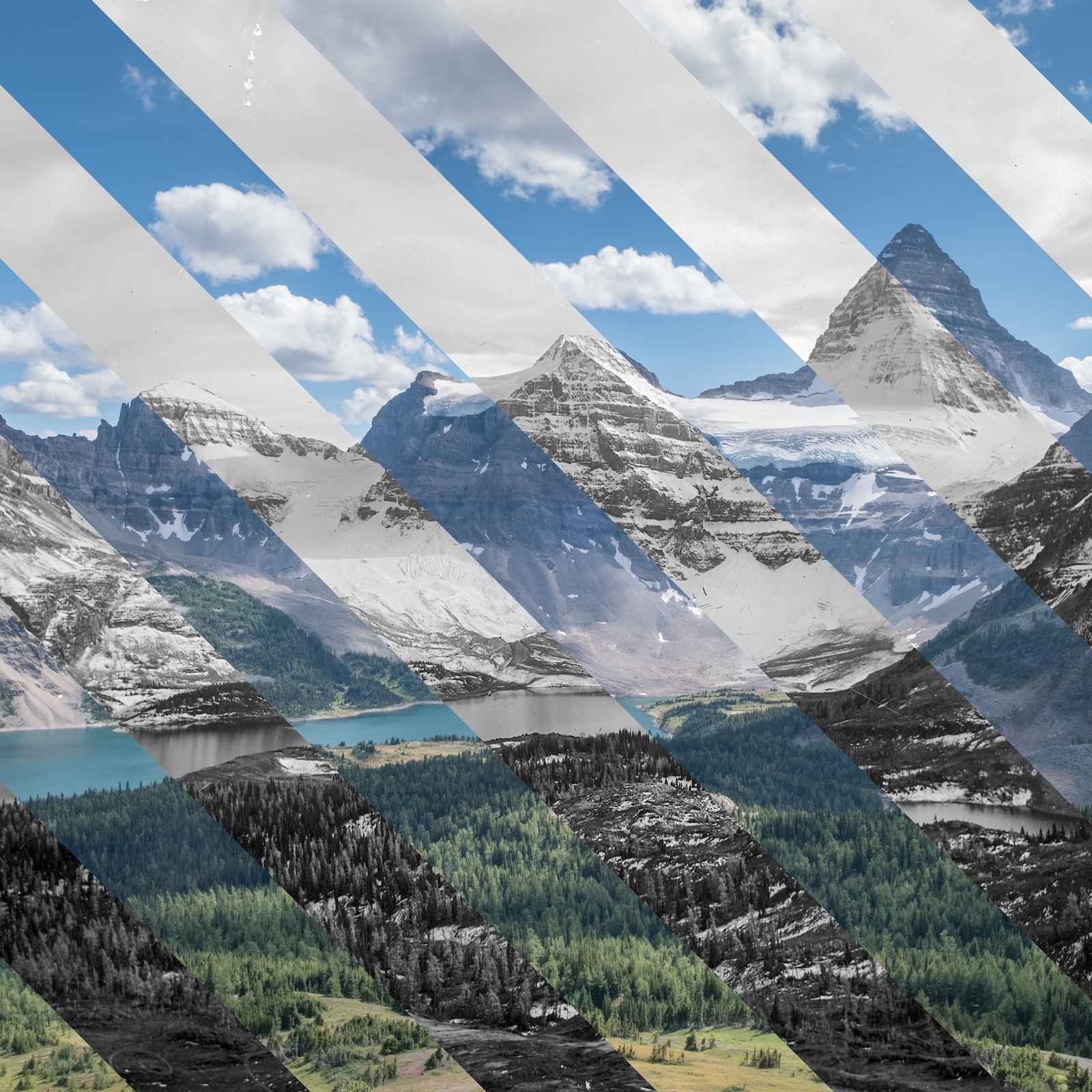
From a distance, mountain landscapes may appear timeless and immutable. Take a closer look, however, and montane ecologies reveal themselves to be laboratories of radical transformation: rocks weather and fall; ecosystems burst into life for brief intervals; tree-lines shift; and wildfires rage. Even the very peaks themselves inch inexorably upwards or downwards with the flow of time.Amidst all the constant, unyielding change that animates the Earth's high places, people have long sought a vantage from which to survey this shifting terrain. Who can resist the romance of a breathtaking, mountaintop view? Or then to imagine what generations past might have seen from the same spot?In the mid 1990s, a small group of scientists in western Canada grew dissatisfied with mere imagining — they wanted to see that change for themselves. And in a forgotten corner of a national archive, they found some very heavy boxes that held a rare promise: an opportunity to look back in time at a landscape scale.– – –For musical credits, select photos, citations, links, and more, click here.Support the show and join our Patreon community– – –Learn more about the Mountain Legacy Project: mountainlegacy.caExplore all the photos and data: explore.mountainlegacy.caMore on land cover classification | Webinar | Deep Dive

Future Ecologies presents: Life in the Soil
bonusIn this episode, Anja and Matthias go on an underground safari through the hidden jungle of the soil. We hear from Diana Wall about a tiny worm that is so tough it survives in Antarctica. Richard Bardgett introduces us to collembola, also known as springtails. Stefan Scheu and Maddy Thakur reveal which animals are considered the “wolves of the soil”, and Kate Scow delves into bacterial communities. How do all these organisms work together as a system?Find more episodes of Life in the Soil wherever you get your podcasts, or at rilliglab.org/podcast/For some incredible soil microfauna photography, see Andy Murray’s Chaos of DelightCatch up on our own treatment on soil carbon sequestration and regenerative agriculture: on FE4.8 — Ground Truthing

Future Ecologies presents: Hot Farm
bonusOur latest episode — on soil carbon and regenerative agriculture — could never have fit everything that needs to be said on the topic. So, we're leaning on a couple of other podcasts that we think you'll love. First up, we're running an episode from Hot Farm, from our friends at the Food and Environment Reporting Network. It's all about what farmers are doing (or could be doing) to take on the climate emergency. In this episode you'll hear about a novel grain that farmers are starting to grow, and that could be part of the solution. This is Hot Farm part 3: "Is Kernza the Grain of the Future?" Find more episodes of Hot Farm wherever you get your podcasts, or at https://thefern.org/podcasts/hot-farm/ Catch up on our own treatment on soil carbon sequestration and regenerative agriculture: on FE4.8 — Ground Truthing https://www.futureecologies.net/listen/fe-4-8-ground-truthing

S4 Ep 8FE4.8 - Ground Truthing
Can we sequester our carbon and eat it too?For the first time in 4 seasons, we're discussing natural climate solutions, and in particular, regenerative agriculture. Joining us is agrologist and fellow podcaster, Scott Gillespie (of Plants Dig Soil) to get into the nitty gritty of farming for soil carbon — its promise, possibility and feasibility.———Support Future Ecologies (pay what you can >$1/month) @ futureecologies.net/patrons 🌱 — Get access to our delightful discord server, early episode releases, an exclusive podcast feed for bonus content, and more:Find a full list of citations, and a transcript for this episode: futureecologies.net/listen/fe-4-8-ground-truthing

We Walk the Earth: podcasting through connection with Mendel Skulski
bonusWe Walk the Earth is a podcast that explores creativity, curiosity, and cultural evolution through personal conversations, and the occasional sonic journey.In this episode, Mendel and Sergio discuss podcasting, art, music, hope, and lots more besides. We hope you enjoy this peek behind the curtain into the making of Future Ecologies, and Mendel's unfiltered inner monologue.— — —Subscribe to We Walk The Earth wherever you find podcasts, or get in touch at wewalktheearth.orgCatch the upcoming Future Ecologies release right now on our Patreon: patreon.com/futureecologies
S4 Ep 7FE4.7 - Phase Change
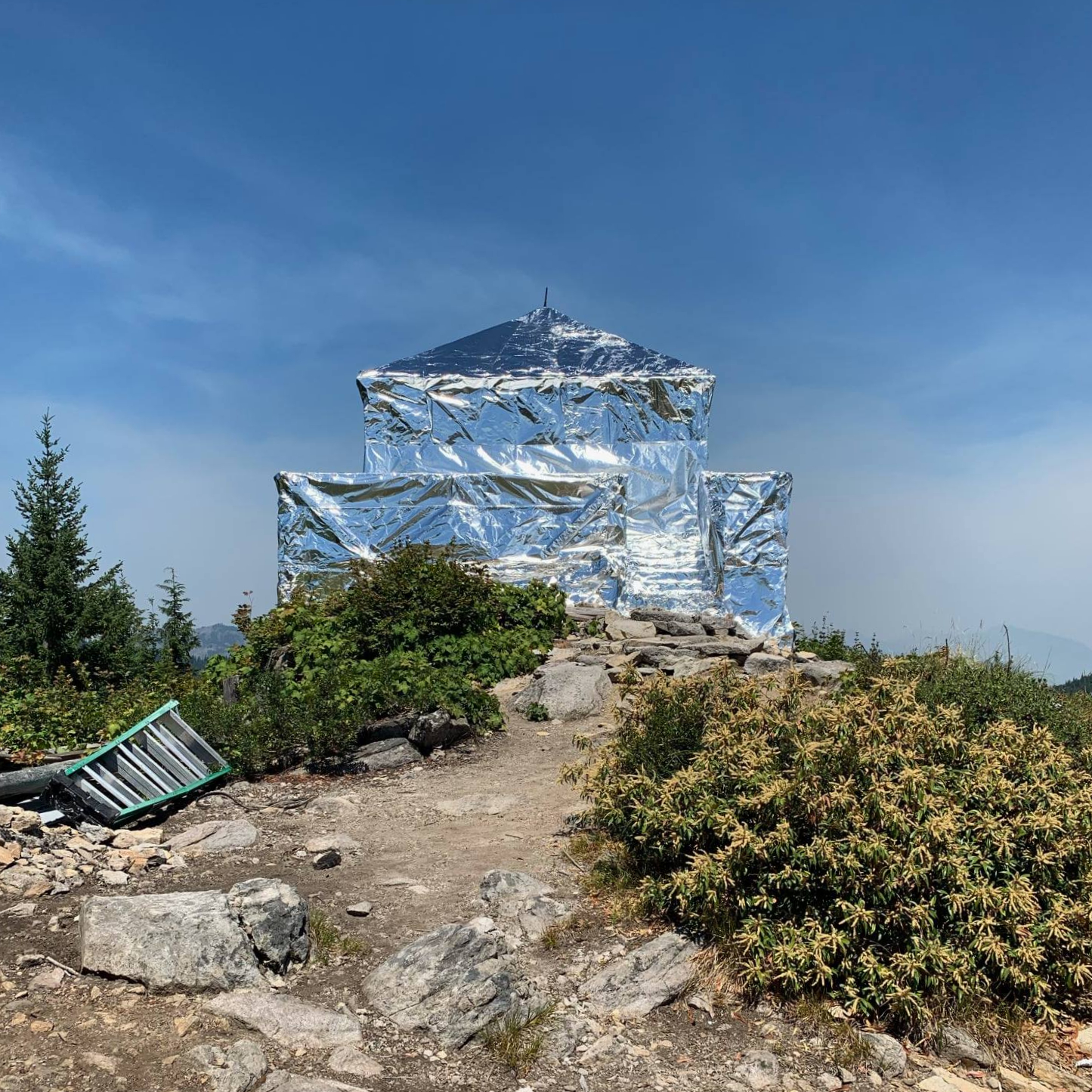
A story of memory, ghosting, and fire: how we can change the place we call home, and how it too can change around us.Another version of this story, along with many other works of art, can be found in the pages of Fire Season II– – –💖 Support Future Ecologies: join our community on Patreon at futureecologies.net/patronsYou'll get exclusive bonus content, access to one of the best discord servers out there, stickers, patches, early episode releases, and more! Find credits, citations, transcript, photos, and more at futureecologies.net/listen/fe-4-7-phase-change

S4 Ep 6FE4.6 - An Island Unto Itself
What does it mean to live on an island? Is it to be independent from, or inexorably dependent on the rest of the world? And when the ecosystem's physical limitations are so clearly circumscribed, do people behave more "environmentally"?In this episode, we visit Adam's home island of Galiano, and find out just how big its ecological footprint really is.– – –Explore the full One Island, One Earth report (and interactive map)💖 Support Future Ecologies: join our community on Patreon at futureecologies.net/patronsYou'll get exclusive bonus content (like a blooper reel from this episode and extended interviews), access to one of the best discord servers out there, stickers, patches, early episode releases, and more! Full credits, citations, transcript, and lots more at futureecologies.net/listen/fe-4-6-an-island-unto-itself

Future Ecologies presents: The Wind
bonusListening to The Disintegration Loops during wildfire season — a review of William Basinski’s seminal album as a meditation on looping thoughts, physical disintegration, and fire.– – –Subscribe to The Wind wherever you get your podcasts, and visit thewind.orgYou can find a transcript of this episode at https://the-wind.simplecast.com/episodes/the-disintegration-loops/transcript
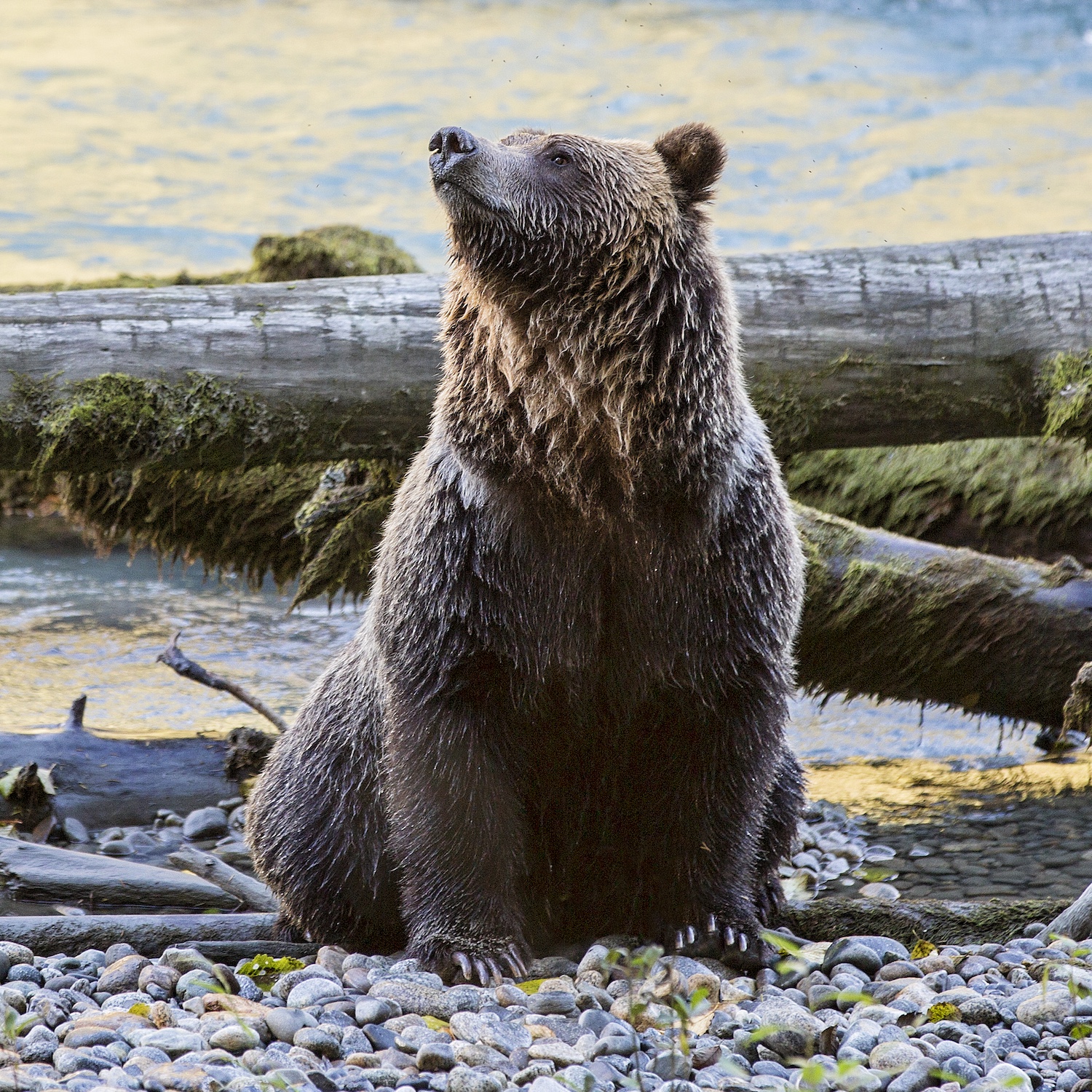
S4 Ep 5FE4.5 - Model Citizens: Bearly Legal (Part 2)
The North American Model is just one story of how wildlife conservation can be practiced. In part 2 of this mini-series we tell another: of restorative human–predator relationships and local self-determination.We're bringing you a success story from the Great Bear Rainforest, and another articulation of how we can relate to wildlife — complete with its own set of guiding principles, naturally.For musical credits, citations, and more, click here.Click here for Part 1– — – — – —Just over 200 people are making Future Ecologies possible on Patreon!Meet them all at futureecologies.net/patronsYou too can join our community and help the show to grow @ patreon.com/futureecologies
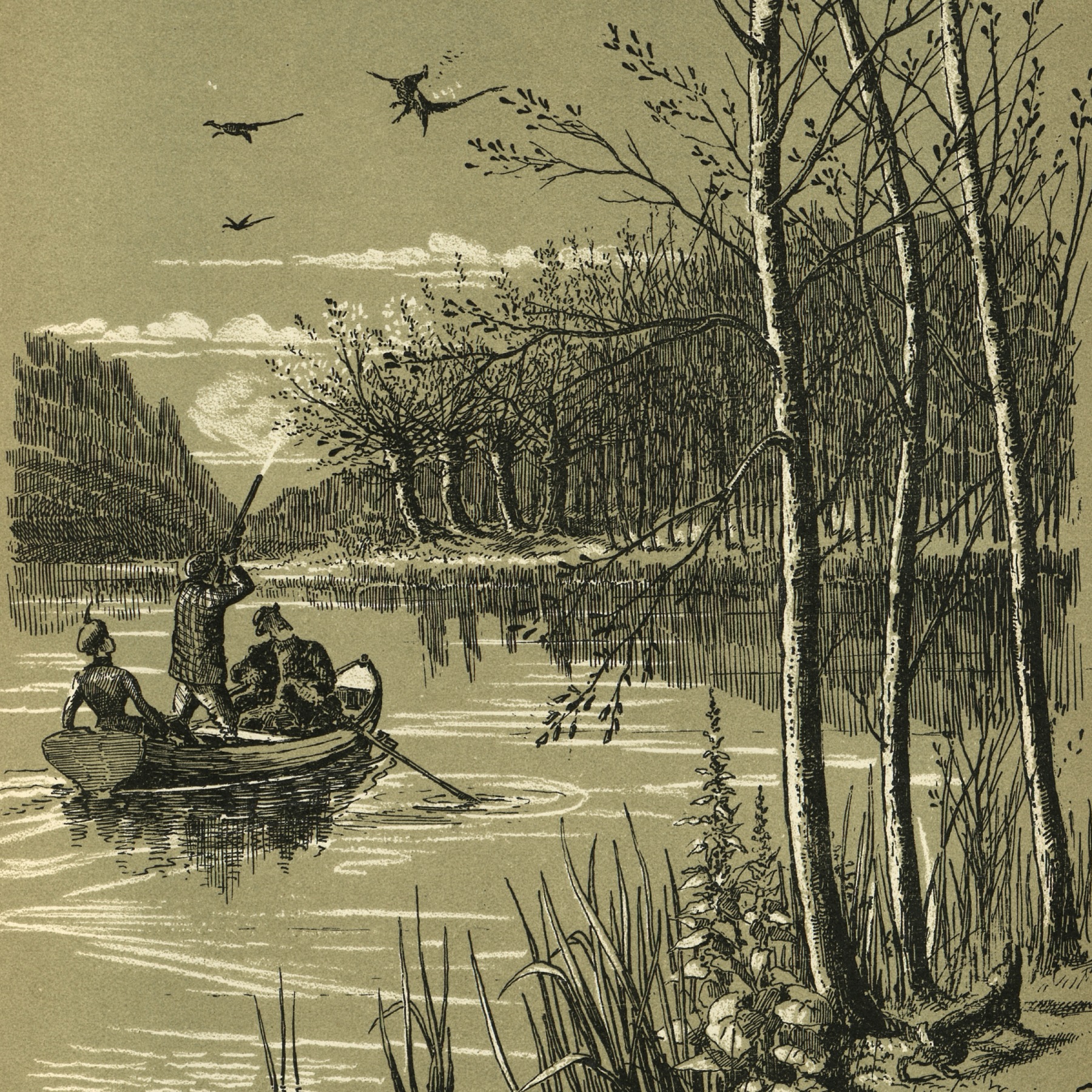
S4 Ep 4FE4.4 - Model Citizens: Fair Game (Part 1)
North America abounds in wildlife — but why?At the turn of the last century, many observers believed that species that we take for granted today would disappear forever. In this episode, we share a story about the way that wildlife conservation came to be practiced, the lives that it privileged, and the lives that it left out.But despite any controversy, one aspect of the North American Model of Wildlife Conservation (or "the NAM" for our purposes) is indisputable: its principles explain the landscape of laws and institutions in which North Americans enjoy nature today.– – –For musical credits, citations, and more, click here.– – –Future Ecologies is only possible with the support of you, our listeners!Our patrons get early episode releases + other bonus content, a community discord server (which runs the gamut from meme trading, recipes and fermentation, nature sightings, media suggestions, to discussions on environmental restoration), plus stickers, patches, and more!We are an independent and unaffiliated podcast. Listener contributions make it possible for us to keep producing stories that matter, make them sound great, and keep them ad-free.Join our community of supporting listeners on Patreon for as little as $1/month

S4 Ep 3FE4.3 - A Tiny Wilderness
What can a brand new patch of nature tell us about Europe's ancient history?In this episode, we touch down in the Netherlands, where an unconventional experiment (the Oostvaardersplassen) has shaken up both the field of ecology and Dutch society. What started as a bird watcher’s obsession with thousands of trekking geese, led to a criticism of one of the central tenets in ecology: ecosystem succession.Enter a counter-theory that would return the rarest of birds, butterflies, and a once-extinct mega mammal to one of the most densely populated countries on earth.For photos, transcripts, citations, and musical credits, head to www.futureecologies.net/listen/fe-4-3-a-tiny-wilderness– – –Future Ecologies is independent and ad-free. This podcast is possible thanks to our supporters on PatreonJoin our community of supporting listeners (for as little as $1 per month) for access to early releases, a rad discord server, and more:✨https://www.patreon.com/futureecologies ✨If you'd prefer to support the show with a one-time donation, you can do so at https://www.futureecologies.net/donateAnd if you can't support the show financially, you can always leave us a nice rating (or even a review) wherever you listen. We post our favourites at https://www.futureecologies.net/#reviews 💖
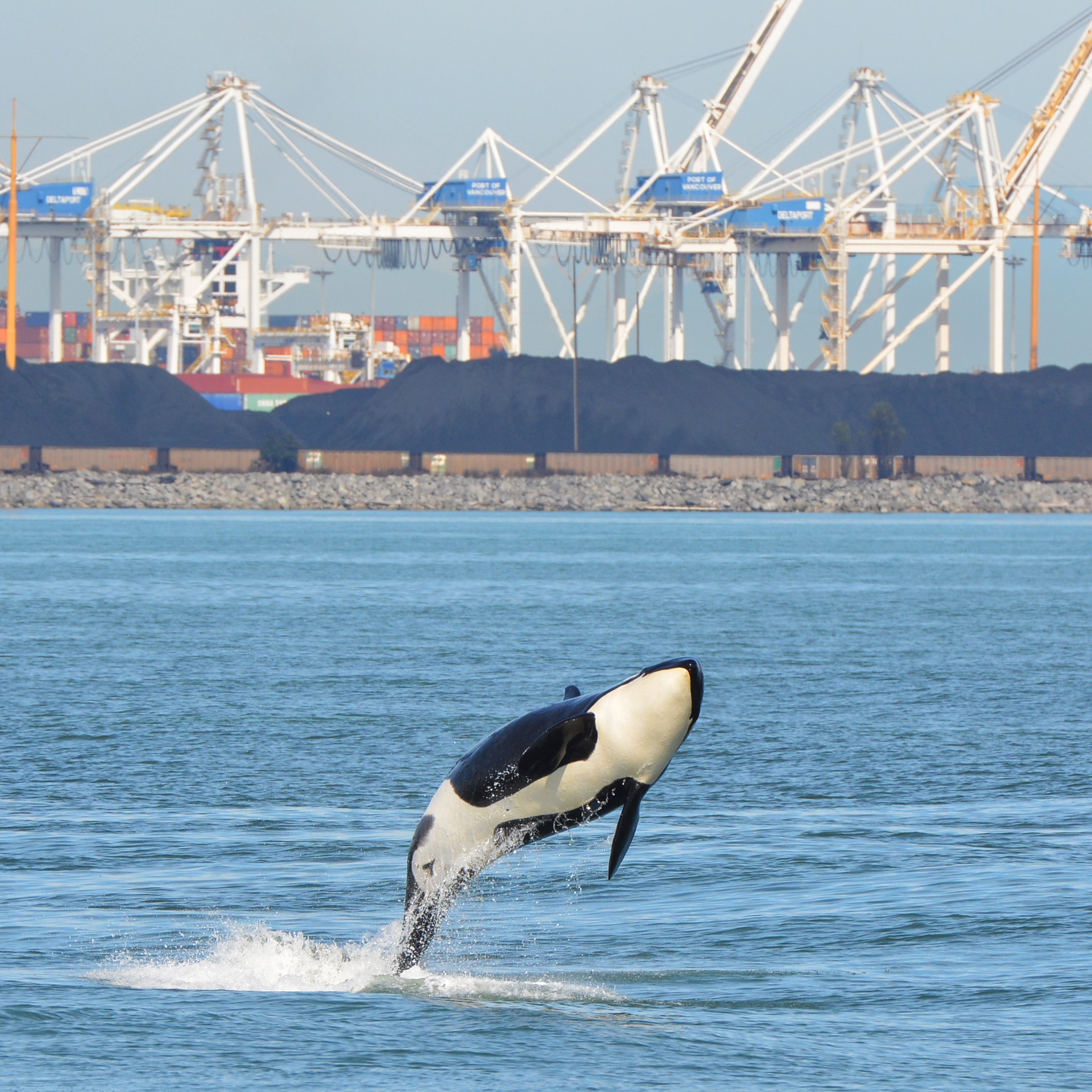
S4 Ep 2FE4.2 - Terminal
At the heart of the Salish Sea lies the Fraser River Estuary: home to over half of the population of the Province of British Columbia, thousands of endemic species, and one world-famous pod of orcas. But as the human population of the region has grown, wildlife populations — including salmonids, orcas, and over 100 species at risk — have been plummeting.As economic imperatives press up against ecological thresholds, a mega-project that has been in development for over a decade is poised to further alter the character of the estuary, with massive implications for the health of Salish Sea and its many residents.In this episode, we ask: can we find ways to hear each other through all the noise?– – –For lots of photos, transcripts, citations, musical credits, and the Vancouver Fraser Port Authority's responses to our questions, head to www.futureecologies.net/listen/fe-4-2-terminalUPDATEThe decision to approve Roberts Bank Terminal 2 was announced on April 20, 2023 by Steven Guilbeault, the Minister of Environment and Climate Change Canada, who said “With 370 environmental protection measures that the port must meet, we have set a high bar for this project to proceed. For the first time ever, we are asking a proponent to put up $150 million to guarantee the strict environmental conditions are met and habitats are protected for species such as the Western Sandpiper. Moreover, this decision is paired with massive government investment in the protection of threatened species like Chinook salmon and endangered Southern resident killer whales. “The measures that have been announced have not addressed the concerns of the environmental and labor movements that oppose the project. Misty MacDuffee, who you heard in this episode, responded: “All viability assessments of southern resident killer whales indicate their threats must be significantly lowered for recovery to occur. Approving this project does the opposite. It increases threats, worsens their feeding conditions and increases their likelihood of extinction.”While the approval has been made, this story is far from over. The project faces additional regulatory hurdles, a changing market environment, and continued opposition as it enters an estimated six years of construction. We’ll continue to follow the story as it unfolds and we’ll keep you updated.Read more about the Roberts Bank decision– – –Future Ecologies is independent and ad-free. This podcast is possible thanks to our supporters on PatreonJoin our community of supporting listeners for access to early releases, a rad discord server, and more✨https://www.patreon.com/futureecologies ✨If you'd prefer to support the show with a one-time donation, you can do so at https://www.futureecologies.net/donateAnd if you can't support the show financially, you can always leave us a nice rating (or even a review) wherever you listen. We post our favourites at https://www.futureecologies.net/#reviews 💖
S4 Ep 1FE4.1 - FOREST / GARDEN
Are agriculture and biodiversity always at odds? In the late 1970s, a radical environmental movement rejected this dichotomy — rebuking conventional farming in favour of holistic & mutualistic principles, with the dual promise of plentiful food and a vibrant ecosystem.When Permaculture was first articulated, it emerged from a simple question: why don’t our food systems look more like forests? In the tropics, traditional Indigenous agriculture integrated perennial foods crops so densely that their gardens had often been mistaken for jungle.Inspired by these techniques, permaculturists adapted forest gardening for the temperate world. But, in their enthusiasm, they too may have been missing the forest for the trees.Wherever you are, whatever you're going through, we hope you find solace by spending some time with us — in the garden.– – –For musical credits, episode transcript, citations, and more:https://www.futureecologies.net/listen/fe-4-1-forest-garden🌱Future Ecologies is independent and ad-free. This podcast is possible thanks to our supporters on PatreonJoin our community of supporting listeners for access to early releases, a rad discord server, and more✨https://www.patreon.com/futureecologies ✨

Future Ecologies presents: Race Against Climate Change
bonusWe're featuring another guest episode. This time, from Canada's National Observer: a new podcast called Race Against Climate ChangeEpisode 1 – How We EatSUMMARY:Everybody’s gotta eat, but who’s feeding us, and what else are we eating up along the way? In this episode we chew on the ways our food affects our climate, and what can be done about it. Professor and author Lenore Newman discusses food security and this summer’s heat dome with National Observer founder Linda Solomon Wood. Plus, the surge in regenerative farming in Canada, and a future of real beef with no real cows. Yes, you read that right.GUESTS:● Robyn Bunn, Radical Action with Migrants in Agriculture● Fawn Jackson, climate lead for the Canadian Cattlemen’s Association● Karen Ross, director of Farmers for Climate Solutions.● Lenore Newman, Director of the Food and Agriculture Institute and Canada Research Chair in Food Security and Environment at the University of the Fraser Valley● Isha Datar, Executive Director of New HarvestFind more episodes of Race Against Climate Change wherever you enjoy podcasts, or on their website: nationalobserver.com/podcast/race-against-climate-change (where transcripts are also available)– – –Support Future Ecologies Season 4 for as little as $1/month to get access to our rad discord server and other fun perks: patreon.com/futureecologiesBrowse our episode archive and explore our website: futureecologies.netSay hi to us on social media: Twitter, Instagram, Facebook, iNaturalist

Future Ecologies presents: MEDIA INDIGENA
bonusWe're featuring another podcast we think should be in your feed (if it isn't already): MEDIA INDIGENA.This episode, originally released on May 27 2021, features a conversation with Dr. Max Liboiron – Director of the Civic Laboratory for Environmental Action Research, and author of the new book Pollution is Colonialism.Don't miss Part Two of this important discussion. Find episode 259 of MEDIA INDIGENA wherever you listen to podcasts, or visit https://mediaindigena.libsyn.com/pollution-is-colonialism-part-two-ep-259For a copy of Dr. Liboiron's book: https://www.dukeupress.edu/pollution-is-colonialismFor more on the CLEAR Lab: https://civiclaboratory.nl/– – –Thanks to all our Patrons who are making Future Ecologies Season 4 possible.To join our community, hang out with us on discord, get stickers, patches, and bonus audio content, head to https://www.patreon.com/futureecologies

Future Ecologies presents: How to Save a Planet
bonusWe’ve got an amazing 4th Season headed your way! While we’ve got our heads down for the rest of the year, we’re going to feature some episodes from other podcasts we think you’ll love.First up is an episode from the kind folks at How to Save a Planet. Dedicated Future Ecologies listeners might notice that this episode connects nicely with some of the work we covered in our first season, specifically episodes six and nine. There’s fire, there’s dam removal, there’s land back, and much more.Find more episodes of H2SAP on Spotify or at how2saveaplanet.show– – –PS. Our amazing supporters on Patreon are not only making our Season 4 possible, they’re keeping it ad-free for everyone to enjoy. If you are in a position to help (even just $1/month), it goes a long way. We’re almost at 200 supporting listeners, so please join us at patreon.com/futureecologiesPPS. Listen on for a big announcement before the episode 📻(& send your campus and community radio stations to futureecologies.net/radio )
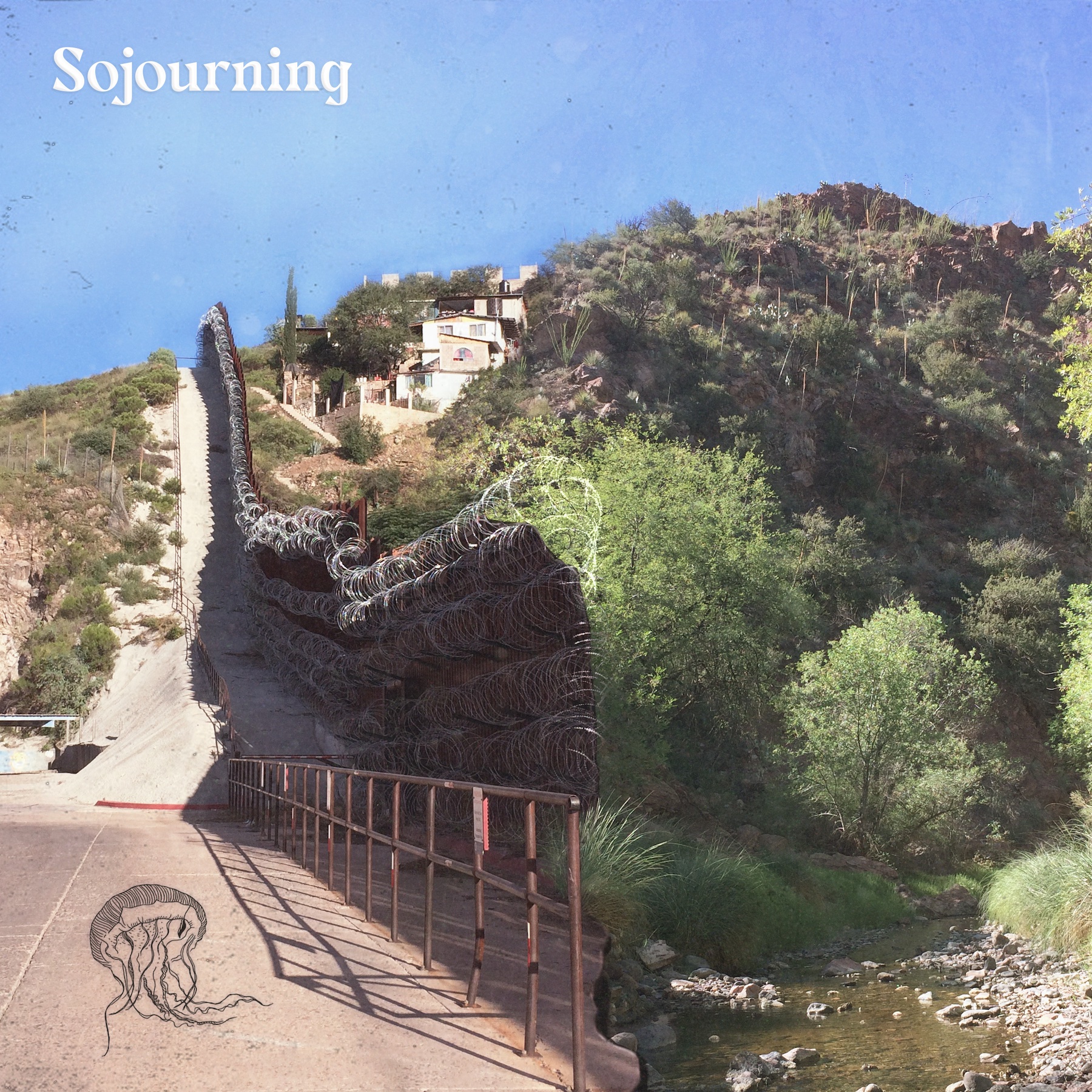
Sojourning: the music of Future Ecologies Season 3
bonusA few quick announcements!Get in touch with us: https://www.futureecologies.net/#contact-sectionMeet the musicians we've featured: https://www.futureecologies.net/musicDownload the Official Soundtrack of Season 3: https://www.futureecologies.net/season-3-ost💖Support the show and join our Patreon community: https://www.patreon.com/futureecologies

S3 Ep 10FE3.10 - Goatwalker: An Open Wound (Part 4)
What is a border? Is it simply an edge: a sharp transition between one state and another? Or does it stretch beyond a single dimension, warping land and people through a self-perpetuating 'otherness'?In this final chapter of Goatwalker, we uncover the ties that bind ecosystems, identities, and communities of all sorts – migrant or otherwise. We'll walk a path to restorative justice: a way to foster new livelihoods through conservation programs and the many uses of an oft-overlooked keystone species of the desert southwest.Rigid borders are a foundational source of inequity. For as long as they persist, we face a growing need to care for the earth and for each other: to discover our own capacity for Sanctuary.From Future Ecologies, this is Goatwalker, Part Four: An Open Wound.---Before this episode, we suggest you start with Part One of this series: On ErrantryAnd then listen to Part Two: SanctuaryAnd then Part Three: Saguaro Juniper---For musical credits, citations, and more, go to futureecologies.net/listen/fe-3-10-goatwalker-pt4-an-open-woundHelp make Season 4 our best yet: Support the show and join our Patreon community at patreon.com/futureecologies---As of August 2021, Jim Corbett’s "Goatwalking" has been re-issued in a new 2nd edition. You can purchase a hard copy or an e-book hereA 2nd edition of "Sanctuary for All Life" is also now available from Cascabel Books on Amazon or Barnes and Noble
S3 Ep 9FE3.9 - Goatwalker: Saguaro Juniper (Part 3)
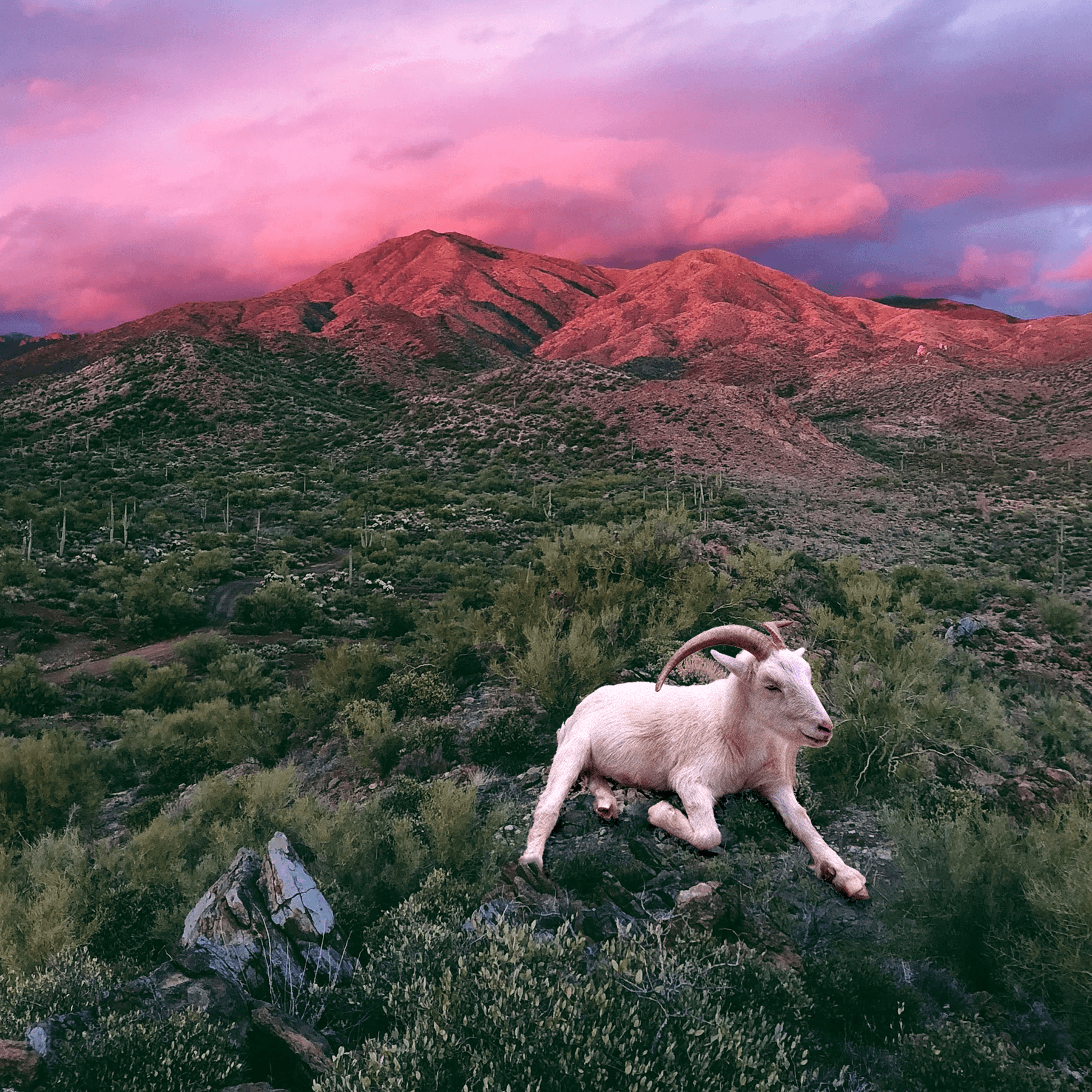
Having finished his work in the Sanctuary Movement, Jim Corbett allowed his focus to broaden, bringing his system of ethics to the land itself. Jim had gathered many people around him throughout the Sanctuary days: a group that shared a deep, abiding love for the more-than-human world. Together they would establish a herding community – a herd in which they would all be members – grounded in a practice of ‘pastoral symbiotics’, and guided by a prescient ecological covenant: a bill of rights for the land.From Future Ecologies, this is Goatwalker, Part Three: Saguaro Juniper---Before this episode, we suggest you start with Part One of this series And then listen to Part Two---Get in touch with the community at Saguaro JuniperAs of August 2021, Jim Corbett’s "Goatwalking" has been re-issued in a new 2nd edition. You can purchase a hard copy or an e-book hereA 2nd edition of "Sanctuary for All Life" is also now available from Cascabel Books on Amazon or Barnes and Noble– – –For musical credits, citations, and more, click here.Support the show and join our Patreon community

S3 Ep 8FE3.8 - Goatwalker: Sanctuary (Part 2)
In the early 1980s, the outbreak of civil war across Central America forced unprecedented numbers of refugees to seek asylum in the United States, putting the recently passed 'Refugee Act' of 1980 to the test. There was just one catch: the Reagan Administration was providing funding to right-wing governments that most of these refugees were fleeing. As a result, Central American refugees making the dangerous journey to the U.S.-Mexico borderlands were being intercepted, denied asylum, and summarily deported.As this crisis unfolded, a ragtag group of self-proclaimed 'goatherds errant', led by philosopher-turned-rancher Jim Corbett, took it upon themselves to enact U.S. immigration law at the grassroots level. In so doing, they sparked a national movement that continues to the present day, turning the concept of 'civil disobedience' upside-down.This is the story of the Sanctuary movement – the 2nd part of a 4-part series.From Future Ecologies, this is Goatwalker, Part Two: Sanctuary.👉 We suggest you start with Part One of this series 👈– – –For musical credits, citations, and more, click here.Support the show and join our Patreon. We've got bonus episodes, stickers, patches, and a rad discord community.– – –As of August 2021, Jim Corbett’s "Goatwalking" has been re-issued in a new 2nd edition. You can purchase a hard copy or an e-book hereA 2nd edition of "Sanctuary for All Life" is also now available from Cascabel Books on Amazon or Barnes and Noble
S3 Ep 7FE3.7 - Goatwalker: On Errantry (Part 1)
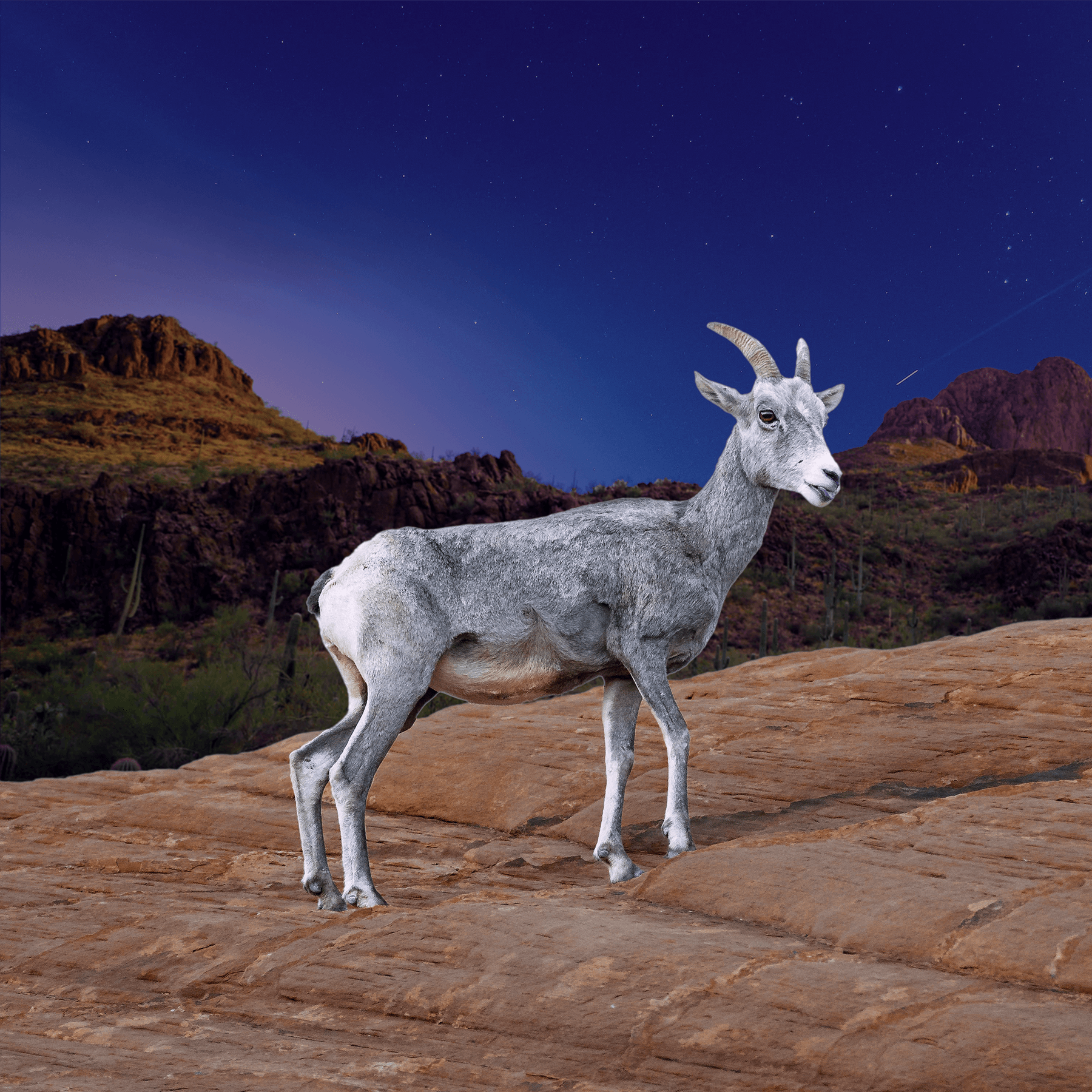
Jim Corbett was not your typical rancher. Over the course of decades roaming the borderlands of the desert southwest, he developed a practice that he referred to as 'goatwalking' - a form of prophetic wandering and desert survival based on goat-human symbiosis. For Jim, 'goatwalking' provided both physical and spiritual sustenance, and allowed him to become at home, for a time, in wildlands.To many, this modern-day Don Quixote would seem an unlikely figure to have sparked one of the most important social movements of the 20th century, but to those who knew him well, it was hardly a surprise. Even today, his influence is felt throughout the borderlands of the Southwestern United States, and beyond.This is the story of a man behind a movement – the biographical first part of a 4-part series.From Future Ecologies, this is Goatwalker, Part One: On Errantry.– – –For musical credits, citations, and more, click here.Support the show and join our Patreon community– – –As of August 2021, Jim Corbett’s "Goatwalking" has been re-issued in a new 2nd edition. You can purchase a hard copy or an e-book hereA 2nd edition of "Sanctuary for All Life" is also now available from Cascabel Books on Amazon or Barnes and Noble

S3 Ep 6FE3.6 - Making Sense of Each Other
Mushrooms that smell? Fungi can be pungent, provocative, and at times irresistible. While we might not always recognize it, we're in constant chemical communication with the world around us through olfaction. For those with the senses to discern them, aromas, perfumes, stinks, and stenches can all convey useful information. Some scents are warnings, and others are deterrents, but the most alluring are expert portraits of our animal fascinations, honed through evolution to attract, captivate, and compel.In this episode, we stop to smell the Russulas – examining the fascinating fragrances of Kingdom Fungi, with the help of Michael Hathaway, Merlin Sheldrake, and Anicka Yi.– – –For musical credits, citations, and the Mushroom Smelling Wheel, click here.Support the show and join our Patreon communityCover artwork by Leya Tess
S3 Ep 5FE3.5 - The Story of the Understory of the Understory
In collaboration with the Serpentine Galleries, Future Ecologies presents a choral, poetic collage featuring the voices of The Understory of the Understory: a virtual symposium bringing together practitioners from many disciplines to consider the ground beneath our feet across ecologies, politics and spiritualities. With vignettes ranging from co-evolution to condensation, from medicine to mycomorphism, and from death to dust and back again, and all generally rooted in a question of earth, soil, and territory.General Ecology is a long-term, cross-organisational, multi-disciplinary and cross-media research project. Harnessing the network and learnings developed over the last years, the project is the Serpentine’s think tank at the porous thresholds of art, science and the humanities, bringing together the most forward-thinking researchers, artists, activists and practitioners from all disciplines to reflect on the urgent crises of the Anthropocene by thinking ecologically both within the Galleries, across a network of individuals and organisations, and in a wider context.YouTube Playlists:The Understory of the Understory Day 1The Understory of the Understory Day 2– – –For musical credits, citations, and more, click here.Support the show and join our Patreon community– – –Cover image: Future Ecologies x Giles Round x Bea Leiderman

S3 Ep 4FE3.4 - Dama Drama
Guest producers Sadie Couture and Russell Gendron explore the concept of invasive species through a look at a small island community, a species doing some serious damage to the ecosystem, and the complex issues at play when a plant or animal moves into a new territory.Sadie and Russell talk to current and former residents of Mayne Island, Indigenous elders, and conservation professionals to think through what it means to call something an “invasive species,” how to manage our ever-changing relationships to plants and animals, and how we might prepare for the certainty of change in the future.This episode was originally a short piece on the Mayne Island Sound Map, entitled “The Joy of Cooking Fenison.”– – –We rely on listener support to make this work possible.Support Future Ecologies for $1/month, and join the producers for a discord Ask-Us-Anything on February 3rdhttps://www.patreon.com/futureecologies– – –For musical credits, citations, and photos click here.

S3 Ep 3FE3.3 - Nature, by Design? Freakological Fallacies (Part 3)
Sometimes it feels like we're all living in a garbageosphere – an ecosystem of trash and detritus. But despite the extent of anthropogenic impacts, life is resilient and infinitely creative.Hyper-ecologies, novel ecosystems, freakosystems – different names for the same thing: never-before-seen assemblies of lifeforms, born of human disturbance. These profoundly weird ecologies are persistent, and (through a certain lens) often functional.In this final chapter of "Nature, by Design?", we meet again with Oliver Kellhammer and Eric Higgs to discuss what we can learn from these ruderal places, and how they can empower a new way of thinking about ecological restoration.This episode is the last in a 3-part series. Before listening to this one, you may want to catch up with Part 1: Taking the Neo-Eoscenic Route [FE3.1] & Part 2: The Path to the Wilderness Lodge [FE3.2]– – –For musical credits, citations, and more, click here.Please consider adopting an episode for transcription💖 Support the show and join our Patreon community

S3 Ep 2FE3.2 - Nature, by Design? The Path to the Wilderness Lodge (Part 2)
This episode is the second in a 3-part series. Before listening to this one, you may want to catch up with FE3.1 - Nature, by Design? Part 1: Taking the Neo-Eoscenic RouteAs we continue to discuss the practice of ecological restoration, an important question emerges: is wilderness itself an illusion? We all have a picture of wilderness in our minds, but how did that image come to be? Join us for a tale of two simulacra.For musical credits, citations, and more, click here.Please consider adopting an episode for transcriptionSupport the show and join our Patreon community
[UNLOCKED] Seaweed Sojourning 1: Light and Colour
bonusFor a new season of bonus Patreon mini-episodes, we’re going beyond kelp worlds to meet the rest of our seaweed sojourners.Today, we’re stepping into a world of colour – of light, and shadow. Our first algal introduction is a stunning seaweed, known to some as rainbow leaf (or Mazzaella).We're unlocking this first episode of of our Patreon-exclusive series: “Seaweed Sojourning”, as we explore The Curious World of Seaweed with Josie Iselin. Pay what you can – as little as a $1 per month – to get the rest of the series, and our whole back catalogue of bonus content.https://www.patreon.com/futureecologiesEpisode artwork by Josie Iselin (from The Curious World of Seaweed). For more images of Mazzaella in its iridescent glory, check out our Instagram
S3 Ep 1FE3.1 - Nature, by Design? Taking the Neo-Eoscenic Route (Part 1)
Is “Nature” a real thing, or is it just an idea? When we talk about restoring ecosystems, what are we restoring them to? Or more precisely, when?This episode is the first part of a conversation between Mendel, Adam, and two of Adam’s mentors, wherein we explore what it means to practice ecological restoration as a form of art.Click here for photos and details of Oliver’s artwork / restoration project in the Grandview Cut.For musical credits, citations, and more, click here.Two corrections for this episode:Prototaxites and giant horsetails (Calamites) were extant ~350 million years before the EoceneIt is indeed a telescope, and not binoculars.Please consider adopting an episode for transcription Support the show and join our Patreon community

Future Ecologies presents: Back to Earth - Queer Currents
bonusEWhat is queer ecology? How do queer theory and artistic practice inform environmental activism and climate justice? How can we think decolonisation and queerness together?Victoria Sin welcomes guest host Serpentine Assistant Curator, Kostas Stasinopoulos to dive into transformation, queerness, the natural and unnatural, wild, decolonial and submerged perspectives. Together with guests Ama Josephine Budge, Macarena Gómez-Barris and Jack Halberstam they ask: “where does wildness live?” and they collectively explore questions of desire, pleasure, queer resistance and affinity within apocalyptic world making.––––––Future Ecologies presents this episode from the Serpentine Podcast series Back to Earth – a nine part podcast series that follows artists and an art organisation developing projects, interventions and campaigns at the crossroads of art and the climate emergency.Learn more about the Serpentine Galleries at https://www.serpentinegalleries.org/Subscribe to the Serpentine Podcast at https://playpodca.st/serpentine

Future Ecologies presents: Life in the Plastisphere
bonusWhile we work on Season 3, we're featuring an episode from one of our favourite podcasts: Plastisphere–––We want to know what you want to listen to! Take our 2020 Listener Survey and help shape the sound of Future Ecologies Season 3.–––Finally, we're releasing 2 albums: the official soundtracks of Season 2 and our Scales of Change series, featuring the instrumental compositions of Sunfish Moon Light (a.k.a. Adam Huggins), Loam Zoku, and Vincent van Haaff. We hope these help you pass the time before we kick off our next season. You can download both and name your price.From Mountaintop to Seafloor – The Music of Future Ecologies Season 2Scales of Change – The Official Soundtrack
Scales of Change - Chapter 7: A Form of Life
bonusThis is our final chapter, and our last genus of Dragon: Immobilis – the dragons of Limited Behaviour. This genus contains only two species: Immobilis signum, or the Dragon of Tokenism, and Immobilis jevonsii, or the Rebound Effect. They are among the most pernicious dragons, especially for people who already care deeply about the climate.As we unpack this small but important genus, we discover how they are tied to the global movement to divest from fossil fuels. Once again we find ourselves with the themes that have run throughout our entire series: the power and flexibility of language & narrative.Visit futureecologies.net/dragons to learn more about the Dragons of Inaction (including their names, descriptions, and phylogeny), and find all of our citations, guest speakers, and musicians.

Scales of Change - Chapter 6: Relatives of the Deep
bonusIn our sixth genus, we dive deep into the Dragons of Sunk Cost – the investments that work against our climate interests.Some of these may simply be financial, but they may also be emotional: our goals and aspirations, our patterns of behaviour, and our attachments to the places around us.In this episode, we focus our attention on Place Attachment, as we tag along with the ṮEṮÁĆES Climate Action Project: a W̱SÁNEĆ-led eco-cultural revitalization project.To learn more about the Dragons of Climate Inaction (+ musical credits, citations, and more) visit futureecologies.net/dragons
Scales of Change - Chapter 5: Force Majeure
bonusOur fifth genus includes the Dragons of Perceived Risk: functional, temporal, financial, social, and physical. These dragons are at the root of all fears – steering our decisions in a continuous assessment of risk versus reward.When it comes to climate change, the risks are global, but distributed unequally. In this chapter, we explore what physical risk can mean to the people dedicated to the health of the planet, as we follow one woman’s journey to becoming a force of nature.To learn more about the Dragons of Climate Inaction (+ musical credits, citations, and more) visit futureecologies.net/dragons
Scales of Change - Chapter 4: Driving Decisions
bonusThe Dragons of Discredence are agents of mistrust – the species of this genus are responsible for climate deniers, contrarians, and conspiracy theorists. But it’s not only the fringe that suffers from the dragons of discredence. They can act in subtle ways on all of us: casting doubt on well-intentioned policy, and dissuading us from aligning our self-interest with the interests of our environment. To tip the scales, we have to prove that there’s plenty of honey to go around.Many of the Dragons of Inaction are insights for individuals – leading change from the bottom up. In this chapter, we discuss the other side of the equation: how governments and policy makers can design programs for climate change that people actually want.To learn more about the Dragons of Climate Inaction (+ musical credits, citations, and more) visit futureecologies.net/dragons

Scales of Change - Chapter 3: Writing on the Wall
bonusOur third genus contains the Dragons of Social Comparison and Social Norms.Every aspect of who we are is mediated by these Dragons: we adjust to the norms of our communities – the people we interact with, and the people we consider to be our peers around the world. As with everything, these norms are subject to change. Their flexibility is based on our collective willingness to share, and to listen.When it comes to the climate crisis, community conversations – in whatever form they may take – are integral to our ability to adapt. To learn more about the Dragons of Climate Inaction (+ musical credits, citations, and more) visit futureecologies.net/dragons– – – – – Please note that this chapter does not contain direct reference to the ongoing protest movement against white supremacy and police brutality. However, we believe the lessons of this episode are as relevant to this cause as they are to issues of climate change.

Scales of Change - Chapter 2: Technosalvation
bonusMeet our second genus of Dragons – Ideologies. These are constellations of beliefs and values; filters for understanding the world.One species of Ideology has flourished in the modern era: the Dragon of Technosalvation – A belief that technology can fix all our problems, and by extension, the climate.To learn more about the Dragons of Climate Inaction (+ musical credits, citations, and more) visit futureecologies.net/dragons Support the show at patreon.com/futureecologies

Scales of Change - Chapter 1: Hope Punk
bonusIn this chapter we meet our first genus of dragons: Artusnoia – the dragons of Limited Cognition.Among them, the twin dragons of Perceived Behavioural Control, and Perceived Self Efficacy (A. impotens & A. parvoperitia, respectively) are perhaps the greatest challenge to meaningful climate action. Join us as we discover the subtle shifts that can make all the difference.To learn more about the Dragons of Climate Inaction (+ musical credits, citations, and more) visit futureecologies.net/dragons
Scales of Change - Introduction: A Theory of Change
bonusBefore we lace up our boots and head into the field, some introductions are in order.What are the Dragons of Climate Inaction? Where do they come from? And why, especially now, are they so important?To learn more about the Dragons of Climate Inaction (+ musical credits, citations, and more) visit futureecologies.net/dragons

Announcing "Scales of Change"
bonusSeason 2 may be over, but Future Ecologies is still going strong.We're so excited to announce that our new *weekly* 8-part miniseries will hitting your podcast feed on May 13th. Listen on for the trailer.Subscribe to Scales of Change at https://scales-of-change.captivate.fm/listen

S2 Ep 9FE2.9 - Kelp Worlds: In the Balance (Part 3)
To find out what the future might hold for Kelp, Sea Otters, Urchin, and Abalone, we're taking you to Haida Gwaii – an archipelago famous for both its deep culture and unique ecology. In Gwaii Haanas, the Islands of Beauty, a surprising experiment is taking shape, and we're going to dive right in.We go from mountain top to sea floor, and we finally get to meet the fastest snail in the west.This is the final chapter of our three-part series on kelp worlds. Click here to listen to part one, Trophic Cascadia, and here for part two, Ocean PeopleThis episode features Stu Crawford, Captain Gold, Lynn Lee, Dan Okamoto, and Nate Spindel, and more.For lots of photos from our adventure to Haida Gwaii, musical credits, citations, and more head to https://www.futureecologies.net/listen/fe-2-9-in-the-balanceSupport Future Ecologies and get monthly bonus episodes and more! https://www.patreon.com/futureecologiesKelp forest photo by Alex Mustard

S2 Ep 8FE2.8 - Kelp Worlds: Ocean People (Part 2)
Ecological science has had a persistent blind spot: the deep involvement of Indigenous peoples in managing their lands and waters. The return of Sea Otters from the brink of extinction, while celebrated, was enacted under a framework of settler colonialism. As voracious predators themselves, otters compete with humans for all of the same sea foods. One shellfish in particular has become a flash point for fisheries – a modest mollusc, Haliotis kamtschatkana: Northern Abalone.This is part two of our three-part series on kelp worlds. Click here to listen to part one, Trophic Cascadia.This episode features Kii'iljuus Barbara Wilson, Anne Salomon, and Charles Menzies.For a full list of music credits, citations, and more, head over to https://www.futureecologies.net/listen/fe-2-8-ocean-people💖 To support the work that we do, and to get access to monthly bonus mini-episodes, a community Discord, and more, pay what you can at https://www.patreon.com/futureecologiesBull Kelp artwork by Sarah Jim

S2 Ep 7FE2.7 - Kelp Worlds: Trophic Cascadia (Part 1)
How did nuclear testing accidentally reshape our understanding of food webs and marine ecology? Why did sea otters bounce back from near-extinction on some parts of the Pacific coast, but are still absent in others? We speak with Dr. Jim Estes (a godfather of the field) about a series of serendipitous events that led to the re-writing of textbook ecology.This is part one of our three-part series on kelp worlds.For a full list of music credits, citations, and more, head over to https://www.futureecologies.net/listen/fe-2-7-trophic-cascadia💖 To support the work that we do, and to get access to monthly bonus mini-episodes, a community Discord, and more, pay what you can at https://www.patreon.com/futureecologies

S2 Ep 6FE2.6 - Podcasters of the World, Relax!
A more efficient world is simply cleaner, greener, and more sustainable. Or is it? This month, we’re exploring some of the ways we can reset our long-standing paradigms of labour, productivity, and efficiency. Take a break with us. For a full list of music credits, citations, and more, head over to https://www.futureecologies.net/listen/fe-2-6-podcasters-of-the-world-relax For more by Outside / In, get to http://outsideinradio.org To read Conrad’s work, find “Alternatives to Growth: Efficiency Shifting” or “Workers of the World, Relax” at your favourite book store. To support the work that we do, and to get access to monthly bonus mini-episodes and more, pay what you can at https://www.patreon.com/futureecologies Photo by Alex Goetz
[TEASER] What Does a Mushroom Hear?
bonusThis is an excerpt from episode 5 of our Patreon-exclusive series: “Meet Your Fungal Associates” Pay what you can – as little as a $1 per month – to unlock this entire episode, and our whole back catalogue of bonus monthly mini-episodes.https://www.patreon.com/futureecologies

S2 Ep 5FE2.5 - The Nature of Sound
The world is full of sound. With the help of Hildegard Westerkamp, Bernie Krause, and Nick Friedman, we untangle some of the amazing ways that we can learn about our planet by listening to it. Join us as we explore the nature of sound through the sounds of nature. Featuring sublime electroacoustic composition, stunning field recordings, and cutting-edge scientific research, it all begins by listening.For a full list of music & soundscape credits, citations, and more, head over to https://www.futureecologies.net/listen/fe-2-5-the-nature-of-sound To support the work that we do, and to get access to monthly bonus mini-episodes and more, pay what you can at https://www.patreon.com/futureecologies Cover illustration by Katie Lukes

S2 Ep 4FE2.4 - Rematriation
No matter where we call home, the land beneath us has been in a long and constant relationship with people. Some of these people may be our ancestors, some may not. This episode is about how we move forward from a fragmented past; how we build community in our shared spaces; and how a women-led movement can bring collective healing to a deeply storied land. Come with us to Ohlone territory – from Tuyshtak (Mt. Diablo) to the East Bay, and meet the Sogorea Te’ Land Trust.This episode features Corrina Gould, Johnella LaRose, Gavin Raders, and Siena Ezekiel.Music in this episode was produced by VALSI, Ben Hamilton, Hildegard’s Ghost, Leucrocuta, Spencer W Stuart, Cat Can Do, Jose Guzman, and Sunfish Moon Light.To learn more about the West Berkeley Shell Mound project, visit shellmound.org or watch https://www.youtube.com/watch?v=QZoapMtyRsA If you’d like to learn more about the Sogorea Te’ Land Trust, and pay your Shuumi Tax, go to sogoreate-landtrust.com. Or, if you live in Seattle, check out realrentduwamish.org to pay your rent. Eureka listeners, you can find the Wiyot’s honor tax at honortax.org. Curious about Planting Justice and their nursery? Check out plantingjustice.org and rollingrivernursery.com.Find full show notes for this episode at www.futureecologies.net/listen/fe-2-4-rematriationTo support the work that we do, and to get access to monthly bonus mini-episodes and more, pay what you can at www.patreon.com/futureecologiesCover photo of Tuyshtak (Mt Diablo) by Hitchster– – –💖 Support Future Ecologies: join our community on Patreon at futureecologies.net/patrons
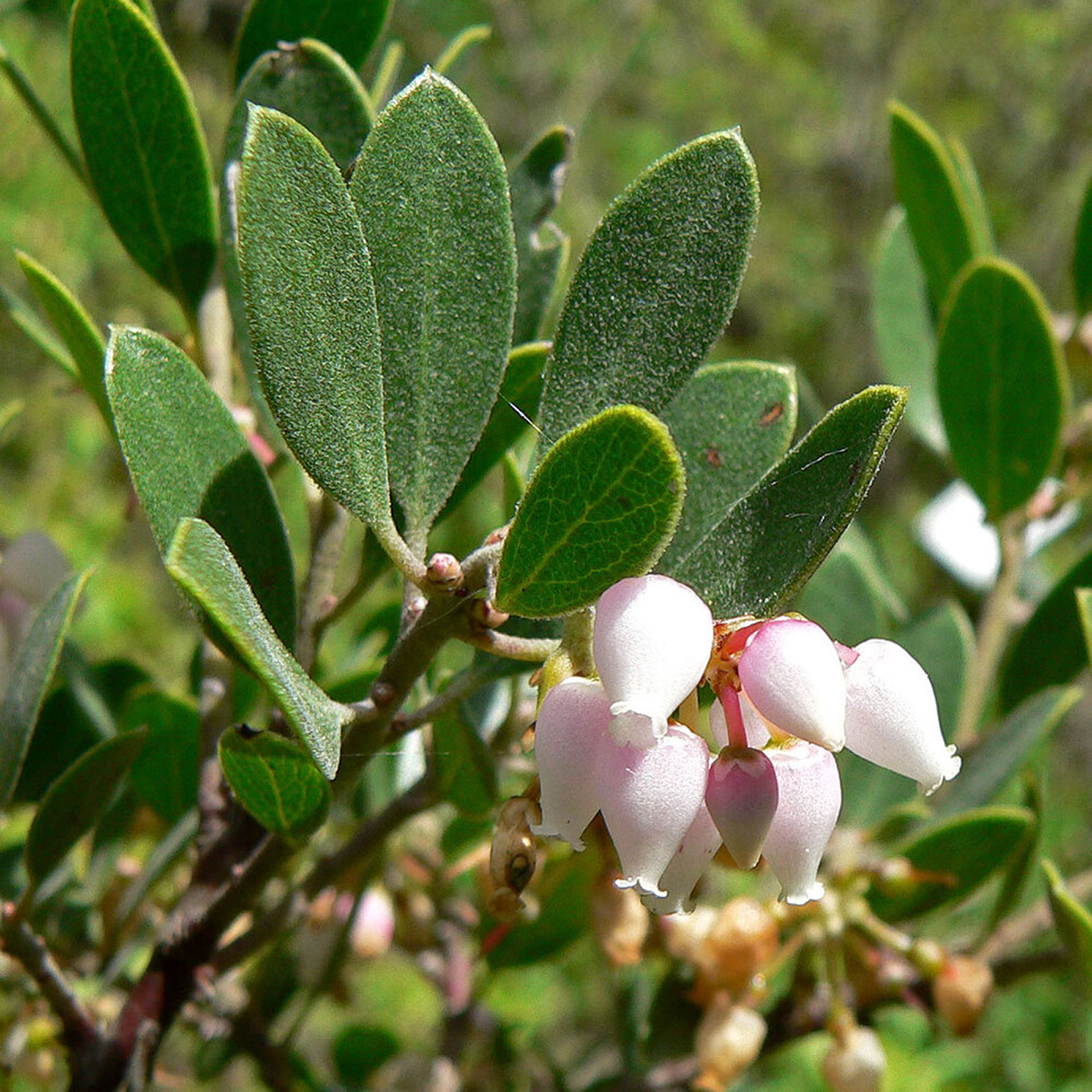
[REISSUE] FE1.3 - The Loneliest Plants
bonusToday is the 10th anniversary of the rediscovery of the Franciscan manzanita! To celebrate, we're re-releasing this episode from Season 1.What do you do when you find the last individual of a species previously thought to be extinct? The two rarest plants on earth both live in the Presidio of San Francisco, they’re both in the same genus, and there’s only one left of each. Is there a future for these species, and if so, what does it look like? And what can species on the brink tell us about ourselves and the future of our ecosystems?An update from Dan Glusenkamp:“Today the mother plant is thriving, hundreds of clones are growing in dozens of botanic gardens across California, and baby plants are being reintroduced to their ancestral home in the Presidio. What’s more, the project inspired even more ambitious work –for example, Newsome Administration recently budgeted funds to enable scientists to collect seeds from all California’s rare plants, so they can be placed in long term storage toward ending extinction.”Click here to learn more about the California Native Plant SocietyMusic for this episode was produced by PORTBOU and Sunfish Moon Light.– – –💖 Support Future Ecologies: join our community on Patreon at futureecologies.net/patrons
S2 Ep 3FE2.3 - Communia Omnia
Who, or what, is a Naturalist? With the help of author Briony Penn, we trace the intertwined stories of two pivotal characters in the modern environmental movement: Cecil Paul (Wa'xaid) & the late Ian McTaggart-Cowan. These larger-than-life figures inspired a generation to reconnect, intellectually and spiritually, with the natural world. Associate producer Fern Yip investigates what it all means to the youth of today.Adam and Fern are your hosts on this episode. Mendel is busy making a series of bonus mini-episodes on the weird and wonderful world of Fungi exclusively for our supporters on Patreon. Support the show, and get access to these episodes for as little as $1/month.Music in this episode was produced by kmathz, VALSI, Luke and Charissa Garrigus, Claude Debussy, Leave, Sunfish Moon Light.– – –💖 Support Future Ecologies: join our community on Patreon at futureecologies.net/patrons
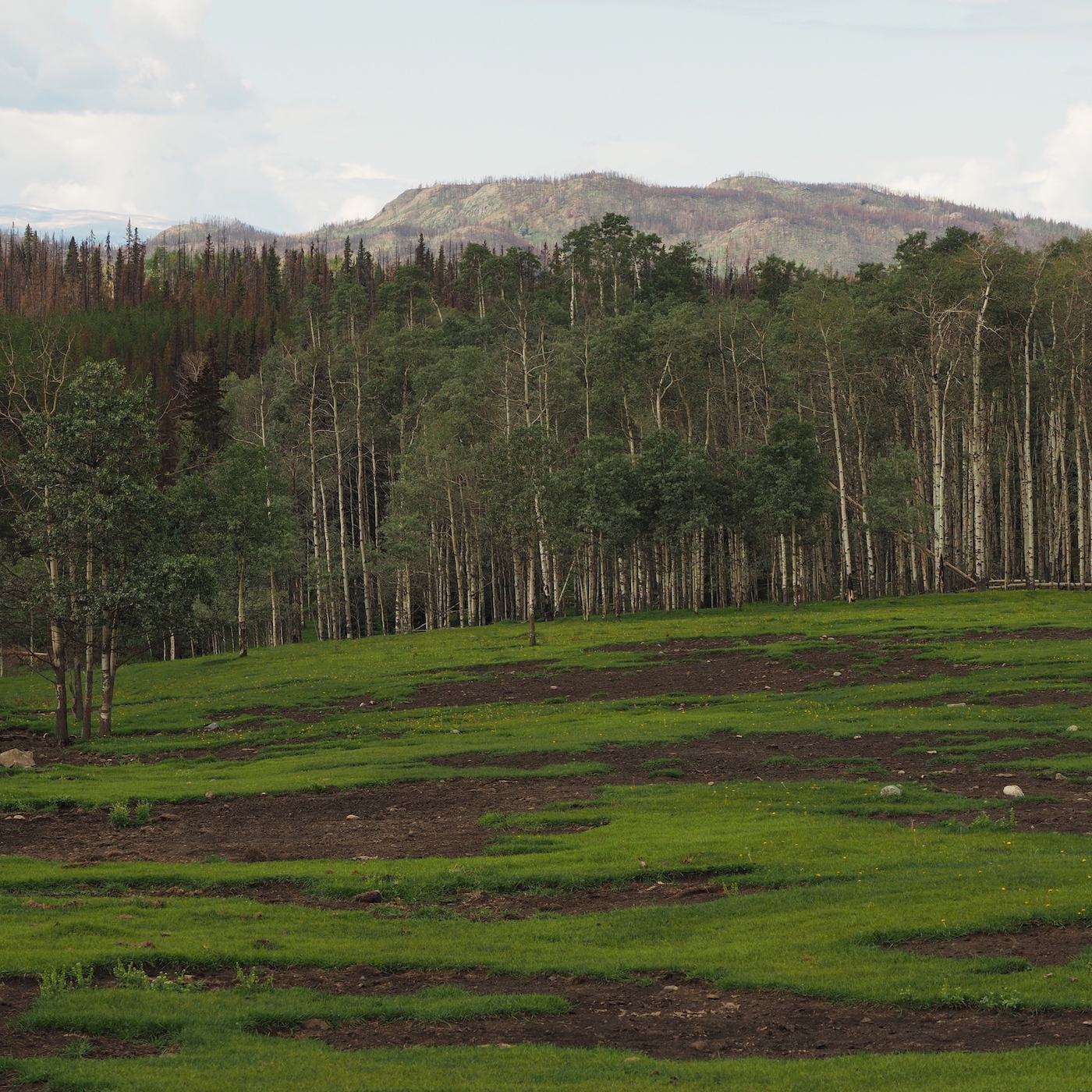
S2 Ep 2FE2.2 - On Fire: In the Wobble
Another year, another fire season. We’ve already had a lot to say about wildfire, forest science, traditional ecological knowledge, and prescribed burning, but we’re not done yet! In this episode, we tour the Province of BC (and dip down into Washington State) to meet vigilante fire fighters, researchers, and First Nations Chiefs: all working in their communities towards a future of true wildfire resilience.For extended show notes, musical credits, and photos from our travels, head to https://www.futureecologies.net/listen/fe-2-2-on-fire-pt-3This episode was a condensed version of a 2-part series on wildfire resilience produced for the Bulkley Valley Research Centre. If you want to dive even deeper, you can download and listen to those episodes at www.futureecologies.net/bvrcCatch Part 1: https://www.futureecologies.net/listen/fe1-5-on-fire-pt-1and Part 2: https://www.futureecologies.net/listen/fe1-6-on-fire-pt-2– – –💖 Support Future Ecologies: join our community on Patreon at futureecologies.net/patrons