
Fun Kids Science Quest
165 episodes — Page 2 of 4
Why Are Diamonds Unbreakable? 💎🔒
The Case of the Missing Dimensions: A Cosmic Mystery 🕵️♂️✨
Who Controls The Weather?🪶🌦️
BRAIN BOX: A High-Tech Science Question Chamber 🧠⚡
AMAZING ALUMINIUM: What is Aluminium? 🥫 ✈️
Ep 520RETURN TO THE MOON: Inside NASA’s Artemis II Mission 🌕🚀
It's time for another BIG and BRILLIANT adventure into the world of science on this week’s Science Quest! We’re diving into a prehistoric face-off this week to uncover the difference between two of history’s most fearsome predators: Mosasaurus and Megalodon. One ruled the ancient seas with razor-sharp teeth, the other was a giant marine reptile built for ambush and power. In Science in the News, a jaw bone found deep inside a cave in the UK is helping scientists rewrite the story of how dogs became our best friends. We also look up to the Moon, where a once-in-a-century crater has appeared surprisingly recently, Kevin Olsen from Oxford University joins Dan to explain NASA’s Artemis II mission, which will see humans travel around the Moon for the first time in over fifty years! It’s time for your questions too. Rosa wants to know why hair turns grey, and John Hutchinson from the Royal Veterinary College answers Max’s big prehistoric question about what makes a Mosasaurus different from a Megalodon? Dangerous Dan is back with The Bone Breaker, a creature with a seriously fearsome reputation. And in Battle of the Sciences, Dr. Robyn Grant from Manchester Metropolitan University joins Dan to uncover the fascinating science of whiskers and why so many animals rely on them to sense the world around them. Plus, we head back to the Pleistocene Period to explore what Earth looked like long ago and how geology helps us piece together the planet’s past. What we learn about: • The difference between a Mosasaurus and a Megalodon• How dogs may have become man’s best friend• A brand-new crater on the Moon• NASA’s plans to build a base on the Moon• Why hair turns grey• The strange science of whiskers• The fearsome bone breaker• What the Earth looked like during the Pleistocene Period All that and more on this week’s Science Quest!Join Fun Kids Podcasts+: https://funkidslive.com/plusSee omnystudio.com/listener for privacy information.
Ep 518Why Don’t Vultures Get Food Poisoning? 🦅🤢
This Week’s Big Questions! You’ve been sending in your brilliantly curious questions, and this week… 📺 How do TVs work?💡 How do lightbulbs turn on?🚀 Why don’t rockets break apart during take-off?🚗 How does a car motor work?🦅 Why don’t vultures get food poisoning?🐆 Where do cheetahs get their spots from? And jump through a worm hole to Deep Space High, your local inter-galactic school in space. Join Principle Pulsar and his class as they learn all about how worm holes can help us to take short cuts in space!Join Fun Kids Podcasts+: https://funkidslive.com/plusSee omnystudio.com/listener for privacy information.
Ep 517ALIEN OCEANS: Scientists Discover a Strange New Liquid Planet 🌌🪐
It's time for another BIG and BRILLIANT adventure into the world of science on this week’s Science Quest! In Science in the News, Earth’s climate is now more out of balance than at any point in recorded history, with the planet gaining more heat than it can release. We also explore a surprising Iron Age discovery that has stunned scientists, before heading into deep space to investigate a newly discovered type of liquid planet, as Harrison Nicholls from Oxford University explains what it could reveal about worlds beyond our own. It’s time for your questions too. Toby wants to know how the science behind the Northern Lights, and Dr Scott Paterson answers Rocco’s question: about why humans have bones and what they actually do? Dangerous Dan introduces the Spanish Ribbed Newt, a creature with a truly unusual defence mechanism. And in Battle of the Sciences, astrobiologist Dr Vic Pearson takes us on a journey beyond Earth to explore the search for life elsewhere in the universe. Plus, Professor Hallux is back with Bones and Skeletons, putting his brand-new invention to the test as he discovers what our skeleton really does and why we need it. What we learn about: • Why Earth’s climate is becoming unbalanced• A newly discovered type of liquid planet• How the northern lights are created• Why humans have bones and what they do• The Spanish Ribbed Newt• How scientists search for life beyond Earth All that and more on this week’s Science Quest!Join Fun Kids Podcasts+: https://funkidslive.com/plusSee omnystudio.com/listener for privacy information.
Ep 516How Does Wood Turn To Paper?🪵📄
This Week’s Big Questions! You’ve been sending in your brilliantly curious questions, and this week… 🪵 How does wood turn into paper?💭 Why do we sometimes forget our dreams?🔴 What is Mars made of?🕷️ Why do spiders curl up when they die?🧍 What is skin made of? And jump through a worm hole to Deep Space High, your local inter-galactic school in space. Join Principle Pulsar and his class as they investigate how different conditions in space can affect what aliens might look like.Join Fun Kids Podcasts+: https://funkidslive.com/plusSee omnystudio.com/listener for privacy information.
Ep 515GOLDFISH MYTH: The Truth About Their 3-Second Memory🐠🧠
It's time for another BIG and BRILLIANT adventure into the world of science on this week’s Science Quest! In Science in the News, NASA is preparing to launch the Artemis 2 mission, sending astronauts around the Moon for the first time in 50 years. UK beekeepers report worrying losses this winter, and Elena Hoicka from the University of Bristol joins Dan to explore the surprising news that babies may begin learning to lie from a very young age! It’s time for your questions too. Clem wants to know how weather forecasts work, and Cait Newport from Oxford University answers Apolline’s question about whether or not Goldfish really do have a three-second memory. Dangerous Dan introduces the Oak Processionary Caterpillar, a creature you definitely do not want to get too close to. And in Battle of the Sciences, Dr Christopher Terrell-Nield takes us deep into the fascinating world of cave biology and the life that thrives in total darkness. Plus, Kareena and K-Mistry head to the British Museum to discover the chemistry behind prehistoric cave art. What we learn about: • Whether goldfish really have a three-second memory• How weather forecasts are made• NASA’s Artemis 2 mission to the Moon• Why bees are disappearing in the UK• Whether babies can learn to lie• The oak processionary caterpillar• How animals survive in caves• The chemistry behind prehistoric cave art All that and more on this week’s Science Quest!Join Fun Kids Podcasts+: https://funkidslive.com/plusSee omnystudio.com/listener for privacy information.
Ep 514Why Does Food Taste Better When We’re Hungry?😋🍔
This Week’s Big Questions! You’ve been sending in your brilliantly curious questions, and this week… 😳 Nick asks: Why does our face turn red when we’re embarrassed?😋 Bethan asks: Why does food taste better when we’re hungry?🌍 Gabby asks: Why did Pangaea break apart?🪐 Romi asks: Are there any other safe planets to live on?🍽️ Beatrice asks: Why do people like different foods?🧂 Andrew asks: Why does salt kill slugs? And jump through a worm hole to Deep Space High, your local inter-galactic school in space. Join Principle Pulsar and his class as they learn all about the mysterious force that is gravity…Join Fun Kids Podcasts+: https://funkidslive.com/plusSee omnystudio.com/listener for privacy information.
Ep 513RAINBOW SCIENCE: Why Nature Bends the Light 🌈💧
It's time for another BIG and BRILLIANT adventure into the world of science on this week’s Science Quest! In Science in the News, a giant iceberg drifting around Arctic waters is down to its final weeks before it breaks apart completely, scientists have built a mouse-sized robot to inspect parts of the Large Hadron Collider, and Ewan Bodenham joins us to explain why he named a brand-new ancient crocodile species after his old physics teacher. Dangerous Dan is back with the scorpion mouse, a tiny but fierce creature with some seriously surprising powers. And in Battle of the Sciences, we’re digging into planetary mineralogy with Susanne Schwenzer, exploring the rocks and minerals that help scientists understand how planets are formed. Plus, in Geology Rocks, Finley travels across the world and back through time to discover how rocks, fossils and volcanoes helped shape our planet. What we learn about: • Why rainbows are curved• Why one giant Arctic iceberg is about to disappear• How a tiny robot could help scientists inspect the Hadron Collider• Why a new ancient crocodile was named after a teacher• The fierce scorpion mouse• How rocks and minerals reveal the history of planets All that and more on this week’s Science Quest!Join Fun Kids Podcasts+: https://funkidslive.com/plusSee omnystudio.com/listener for privacy information.
Ep 512Can You Dig to the Centre of the Earth? 🌍 ⛏️
This Week’s Big Questions! You’ve been sending in your brilliantly curious questions, and this week… 📡 James asks: What’s the difference between radio and satellite signals?🌍 Etta wonders: What happens if you dig to the centre of the Earth?⛽ Karis asks: What’s the difference between petrol and diesel?📡 Matty asks: Can a microwave heat food as hot as an oven?😷 Rufus asks: Why do we cough? And get ready to jump through a worm hole to Deep Space High, your local inter-galactic school in space. Join Mrs Higgs and her class as they learn about the satellites that go round and round the Earth, with very interesting jobs!Join Fun Kids Podcasts+: https://funkidslive.com/plusSee omnystudio.com/listener for privacy information.
Ep 511RETURN OF THE SEA TUTRLES: But Scientists Are Worried... 🐢📈
It's still time for another BIG and BRILLIANT adventure into the world of science on this week’s Science Quest! In Science in the News, NASA is rethinking its plans for landing astronauts on the Moon, scientists believe the history of writing might be thousands of years older than we once thought, and Frederick Wilkinson from Queen Mary University of London explains why a recent boom in sea turtle numbers might not be quite as good news as it sounds. It’s time for your questions too. Akiva wants to know why your tummy gets smaller when you breathe in, and John Bridges from Leicester University answers Nicolas' question: How are asteroids made? Dangerous Dan introduces us to something a little different this week: the super-Earth exoplanet TOI-1452b, a strange and fascinating world far beyond our Solar System. Then in Battle of the Sciences, Mark Grabowski from Liverpool John Moores University steps into the ring to make the case for palaeoanthropology, the science that studies ancient humans and our evolutionary ancestors. Plus, Harry and Terry stumble across the asteroid belt in this week’s Space Cadets adventure as they continue their accidental journey through space. What do we learn about? How asteroids form in space Why NASA is changing its plans for Moon missions Why the history of writing might be older than we thought Why a sea turtle population boom may not be entirely good news What happens to your body when you breathe in The strange super-Earth exoplanet TOI-1452b How scientists study ancient humans and our ancestors All that and more on this week’s Science Quest!Join Fun Kids Podcasts+: https://funkidslive.com/plusSee omnystudio.com/listener for privacy information.

Ep 510Why Do We Have Eyebrows?🤨 👀
This Week’s Big Questions! You’ve been sending in your brilliantly curious questions, and this week… ✨ Orla asks: Why do we get spots?🤨 Nathan wonders: Why do we have eyebrows?💡 Henry wants to know: Why does light travel faster than sound?☁️ Grace is curious: How do clouds form? And jump through a worm hole to Deep Space High, your local inter-galactic school in space. This time the class head out into space to view a small group of satellites called Cluster!Join Fun Kids Podcasts+: https://funkidslive.com/plusSee omnystudio.com/listener for privacy information.
Ep 509VAMPIRE MYSTERY: Archaeologists Examine a Strange Burial🧛♂️🦴
It's still time for another BIG and BRILLIANT adventure into the world of science on this week’s Science Quest! In Science in the News, a rare turtle rescued in the UK begins the next stage of its recovery, scientists discover that snakes don’t get hungry in the same way humans do, and archaeologist Nataša Sarkic joins Dan to investigate the remains of a so-called “vampire” found in a grave at Račesa, a fortress in eastern Croatia. It’s time for your questions too. Leo wants to know how chameleons change colour, and Simon Green from the Open University answers Roscoe’s big space question: just how hot is the Sun’s core? Dangerous Dan introduces the bizarre hag moth, and in Battle of the Sciences, we head beneath the ice with glaciologist Sammie Buzzard from the UK Centre for Polar Observation and Modelling to uncover what glaciers can teach us about our planet. Plus, in Space Cadets, Harry and Terry blast off on an accidental adventure to the Sun to discover more about the star at the centre of our Solar System. What we learn about: How rescued sea turtles recover Why snakes don’t feel hunger like humans The truth behind a “vampire” burial in Croatia How chameleons change colour How hot the Sun’s core really is The unusual hag moth What glaciologists study beneath the ice All that and more on this week’s Science Quest!Join Fun Kids Podcasts+: https://funkidslive.com/plusSee omnystudio.com/listener for privacy information.

Ep 508How Are Tears Made?😭💧
This Week’s Big Questions! You’ve been sending in your brilliantly curious questions, and this week… 🪶 JJ asks: Why don’t ostriches fly?🌻 Stein wonders: Why do sunflowers face the sun?🌬️ Arlo wants to know: Why do we breathe?😭 Royce asks: How are tears made?🦫 Ryan is curious: Why do beavers build dams? And jump through a worm hole to Deep Space High, your local inter-galactic school in space. This week the class learn about a special infrared telescope that can see hidden gas and liquid in space!Join Fun Kids Podcasts+: https://funkidslive.com/plusSee omnystudio.com/listener for privacy information.
Ep 507HANNIBAL'S WAR ELEPHANTS: Lost Clues Discovered 🐘⚔️
It's still time for another BIG and BRILLIANT adventure into the world of science on this week’s Science Quest! In Science in the News, could an elephant foot bone discovered in Spain be evidence of Hannibal’s legendary war elephants? A teacher in Wales has an ancient crocodile species named after him by a former pupil, and Saturday 21st February is World Pangolin Day, and to celebrate, Dan chats with Jessie Schrauger from the Pangolin Conservation and Research Foundation about the vital work being done to protect the world’s most trafficked mammals. It’s time for your questions too. Isabel wants to know how lenses in glasses help us see clearly, and Luke Gaskill from Scout Adventures answers Marcus’ burning question: why is there smoke when there is a fire? Dangerous Dan introduces the strange and subterranean purple frog. And in Battle of the Sciences, Ian Mills makes the case for dentistry and the science behind keeping our teeth strong. Plus, in Professor Hallux’s Map of Medicine, we investigate toothache and discover what really happens if you forget to brush. What we learn about: Why fire creates smoke How lenses in glasses bend light Why brushing your teeth prevents cavities Possible evidence of Hannibal’s war elephants How pangolins are being protected The unusual purple frog What causes toothache All that and more on this week’s Science Quest!Join Fun Kids Podcasts+: https://funkidslive.com/plusSee omnystudio.com/listener for privacy information.
Ep 506Why Do Whales Explode? 🐋💥
This Week’s Big Questions! You’ve been sending in your brilliantly curious questions, and this week… 🔥 Griffin wants to know: Why do some materials burn and not others?😴 Livy is wondering: What happens when we fall asleep?🤕 Lucy asks: Why do we get headaches?🐋 Charlie wants to know: Why do whales explode?✈️ Thomas is curious: How do landing gears work? Plus, join Principal Pulsar and his class as they discover how different types of telescopes work, so that we can see planets tens of lightyears away!Join Fun Kids Podcasts+: https://funkidslive.com/plusSee omnystudio.com/listener for privacy information.
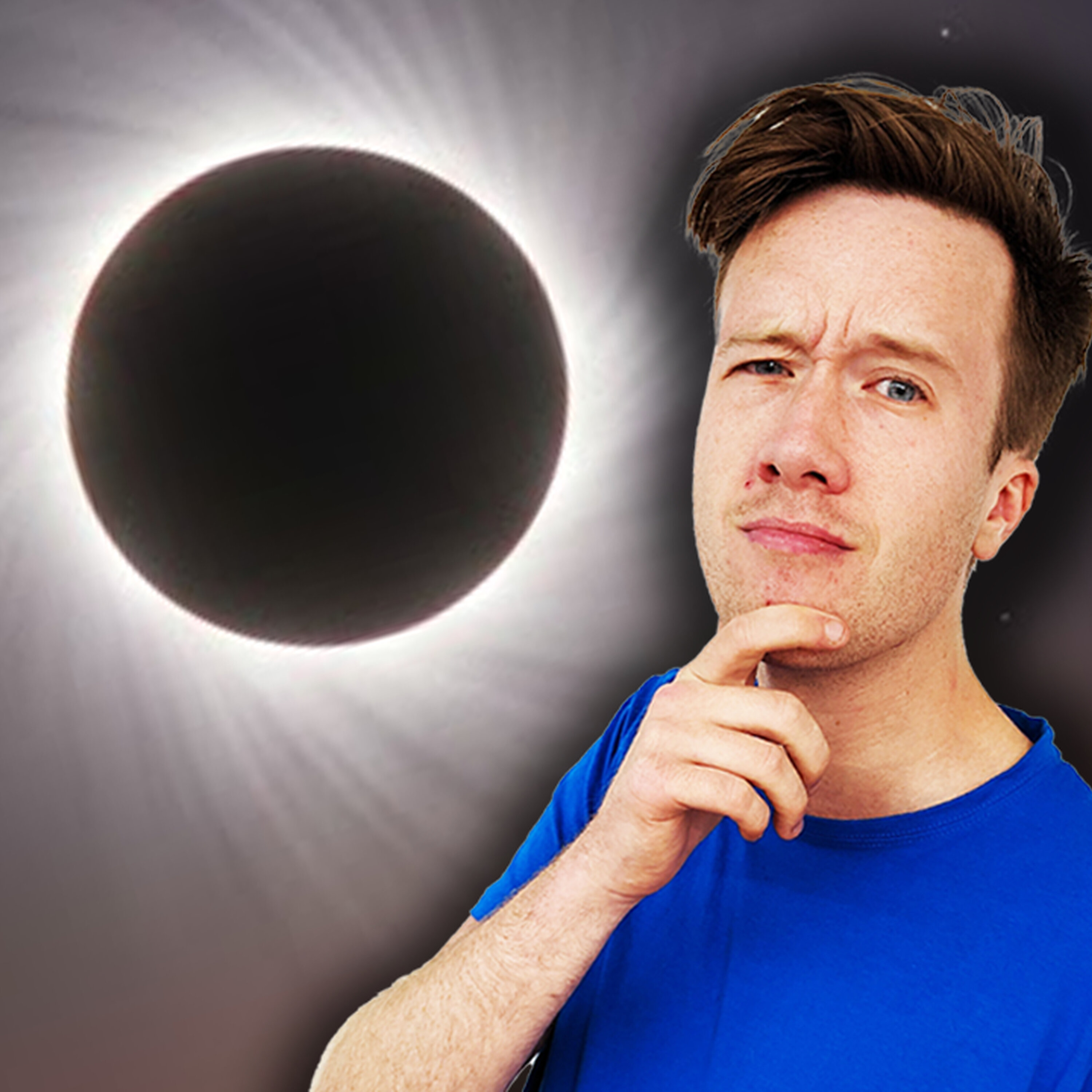
Ep 505SOLAR ECLIPSE: When The Sun Goes Dark🌞🌑
We may have a new name but it's still time for another BIG and BRILLIANT adventure into the world of science on this week’s Science Quest! In Science in the News, could a mound in North West England contain the remains of Ivar the Boneless, a lost Viking? We also discover why porpoises go quiet when boats pass by, and hear from Dorota Skowronska-Krawczyk from UC Irvine about how Greenland sharks can live for hundreds of years. It’s time for your questions too. Lydia wants to know why ice cracks when you put it in water, and Joe Williams from Exeter University helps answer a huge question from Thomas: what caused the Big Bang? Dangerous Dan introduces us to the unusual Greeningi Frog, and in Battle of the Sciences, Sam Sedgeman explains the fascinating science behind solar eclipses and why they happen. Plus, join Marina Ventura on her first Ocean Adventure as she explores the exciting world of ocean research. From the birth of the Universe to mysterious Viking kings and shadowy solar events, this episode is packed with big questions and brilliant discoveries! What we learn about: How scientists think the Universe began What might have caused the Big Bang How solar eclipses happen Why porpoises change their behaviour around boats How Greenland sharks live for so long Why ice makes cracking sounds The mysterious greeningi frog How ocean research helps us explore the seas All that and more on this week’s Science Quest!Join Fun Kids Podcasts+: https://funkidslive.com/plusSee omnystudio.com/listener for privacy information.
Ep 504Why Are Leaves Green?🍃🌱
This Week’s Big Questions! You’ve been sending in your brilliantly curious questions, and this week… 🍃 Orla wants to know: Why are leaves green?🍊 Tommy is wondering: What’s the difference between oranges and mandarins?🦴 Alana asks: Why do joints click?🌱 Cooper wants to know: How do we grow?🌍 Ryan is curious: Why does Earth spin on an axis? Plus, join Principal Pulsar and his class! This week they're learning all about music in space!Join Fun Kids Podcasts+: https://funkidslive.com/plusSee omnystudio.com/listener for privacy information.
Ep 503OUR PLANET'S STORY: Why Earth Is Called Earth🌍📖
We may have a new name but it's still time for another BIG and BRILLIANT adventure into the world of science on this week’s Science Quest! In Science in the News, scientists discover that Norwegian polar bears are healthier and fatter than ever, old boats are being sunk around the UK to create brand-new habitats for wildlife, and Meganne Christian from the UK Space Agency joins Dan to talk about the importance of women in science ahead of the International Day of Women and Girls in Science. It’s time for your questions too. One listener wants to know why cats meow, and language expert Mercedes Durham from Cardiff University explains why our planet is called Earth. Dangerous Dan is back with a strange and mysterious creature called the olm, and in Battle of the Sciences, things get rocky as Shaunna Morrison from Rutgers University makes the case for geoscience and why understanding the Earth beneath our feet really matters. Plus, in Geology Rocks: Earth’s History, join Finley on a journey through time to explore fossils, volcanoes, and how rocks helped form our planet and even our universe. What we learn about: Why cats meow How polar bears in Norway are doing and why it matters How sinking old boats can help wildlife Why women in science are so important The strange underground creature called the olm How rocks, fossils, and volcanoes reveal Earth’s history All that and more on this week’s Science Quest!Join Fun Kids Podcasts+: https://funkidslive.com/plusSee omnystudio.com/listener for privacy information.
Ep 502Why Do We Burp?🤭💨
This Week’s Big Questions! You’ve been sending in your brilliantly curious questions, and this week… 🤭 William wants to know: Why do we burp?🐱 Sam is wondering: Why do cats land on their feet?🎈 PJ asks: How do hot air balloons work?🌊 Ellis wants to know: Is Atlantis real?🤤 Ada is curious: Why do stomachs rumble? Plus, join Principal Pulsar and his class! This week they're learning all about dark matter!Join Fun Kids Podcasts+: https://funkidslive.com/plusSee omnystudio.com/listener for privacy information.
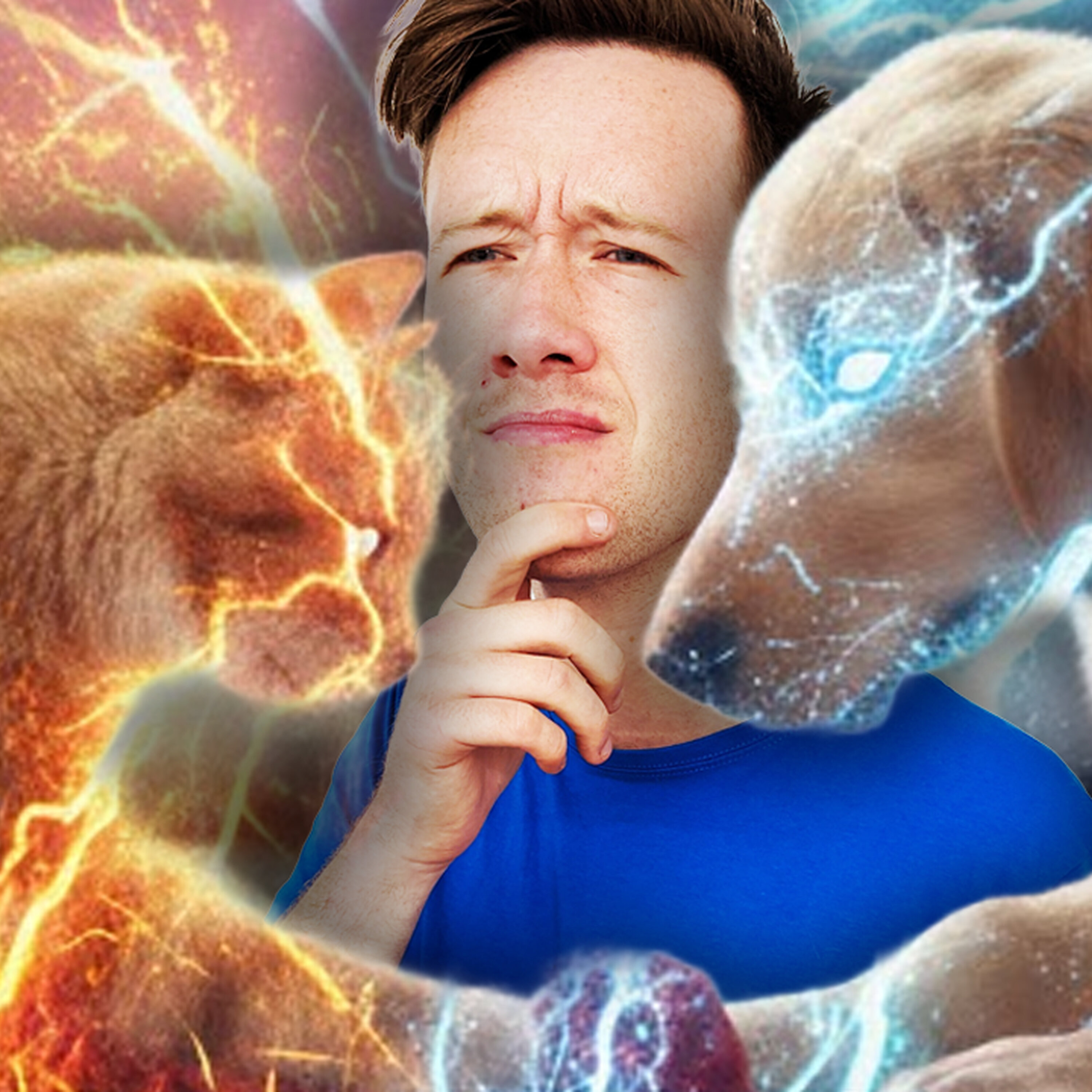
Ep 501DOGS VS. CATS: The Science of Pet Rivalry 🐶🐱
We may have a new name but it's still time for another BIG and BRILLIANT adventure into the world of science on this week’s Science Quest! In Science in the News, we meet an incredible 8-year-old set to become one of the youngest Britons to visit Antarctica, hear about a jaw-dropping archaeological dig uncovering two of the rarest Iron Age objects ever found, and find out how horses can actually smell fear with Roberta Blake from Anglia Ruskin University. Got questions? We have got answers. Learn why cheetahs purr instead of roar, and hear animal expert Jackie Boyd explain why dogs and cats fight in the first place. There is also a brand-new Dangerous Dan featuring the dinosaur Nigersaurus, and in Battle of the Sciences we shine a spotlight on the unsung hero behind every experiment, discovery, and invention: Mathematics. Neil Saunders from the University of London reveals why maths really is the language of science. And do not miss An Age Old Problem, where Detective Mathema finally works out the age of his Great Aunt Maud using mathematics, of course. Packed with animals, adventures, and mind-blowing science, let’s dive in. What we learn about: Why dogs and cats fight and what their behaviour really means How horses can smell fear A child visiting Antarctica and what life is like there Why cheetahs purr instead of roar And why mathematics is essential to all science All that and more on this week’s Science Quest!Join Fun Kids Podcasts+: https://funkidslive.com/plusSee omnystudio.com/listener for privacy information.
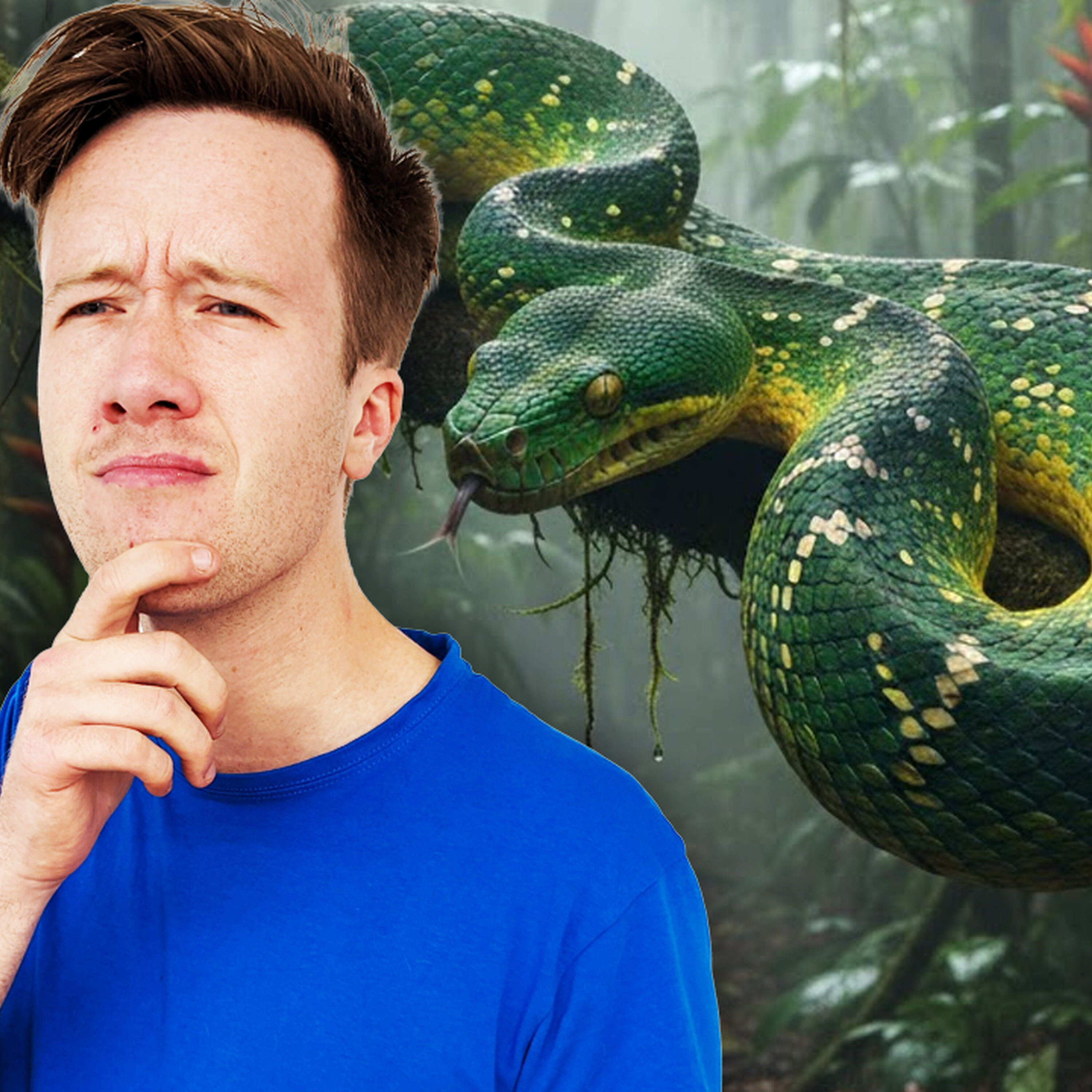
Ep 500MIDWEEKLY: How Do Snakes Move?🐍💨
This Week’s Big Questions! You’ve been sending in your brilliantly curious questions, and this week… ☀️ Rufus wants to know: What type of star is the Sun?🐍 Ralph is wondering: How do snakes move?💎 Orion asks: How are diamonds so strong?💧 Luppa wants to know: How are tears made?🪟 Ace is curious: How is glass made?🪵 Clem asks: How do woodpeckers avoid headaches? Plus, join Principal Pulsar and his class! This week they're learning all about the different types of water on Earth. This includes ice, steam and even snow!Join Fun Kids Podcasts+: https://funkidslive.com/plusSee omnystudio.com/listener for privacy information.

Ep 499SHAKY GROUND: Inside the UK’s 300 Earthquakes Last Year 🌍⚡
Get ready for another BIG and BRILLIANT adventure into the world of science on this week’s Science Weekly! In Science in the News, we reveal what lies hidden beneath Antarctica’s ice, explore why scientists are rethinking what they know about cows after one was seen using objects to solve a problem., and hear from Callum Harrison at the British Geological Survey about what’s happening beneath our feet after more than 300 earthquakes shook the UK last year. Then it’s time for your questions. Willie wants to know what the electromagnetic spectrum is, and Joe Williams from Exeter University answers a mind-bending question: if energy can’t be made or destroyed, how was it first created? Dangerous Dan is back with a plant you really do not want to touch as we meet the giant hogweed. And in Battle of the Sciences, we explore the powerful science of toxicology and why understanding poisons and chemicals matters more than you might think. Plus, head to Deep Space High Earth Watch, where Professor Pulsar teaches Sam all about Earth’s movements, including earthquakes and volcanoes. This week, we learn about: Where energy comes from The hidden dangers and powers of toxicology Earthquakes and what causes them What’s beneath Antarctica’s ice The science behind vibrations and movement inside the Earth All that and more on this week’s Science WeeklyJoin Fun Kids Podcasts+: https://funkidslive.com/plusSee omnystudio.com/listener for privacy information.
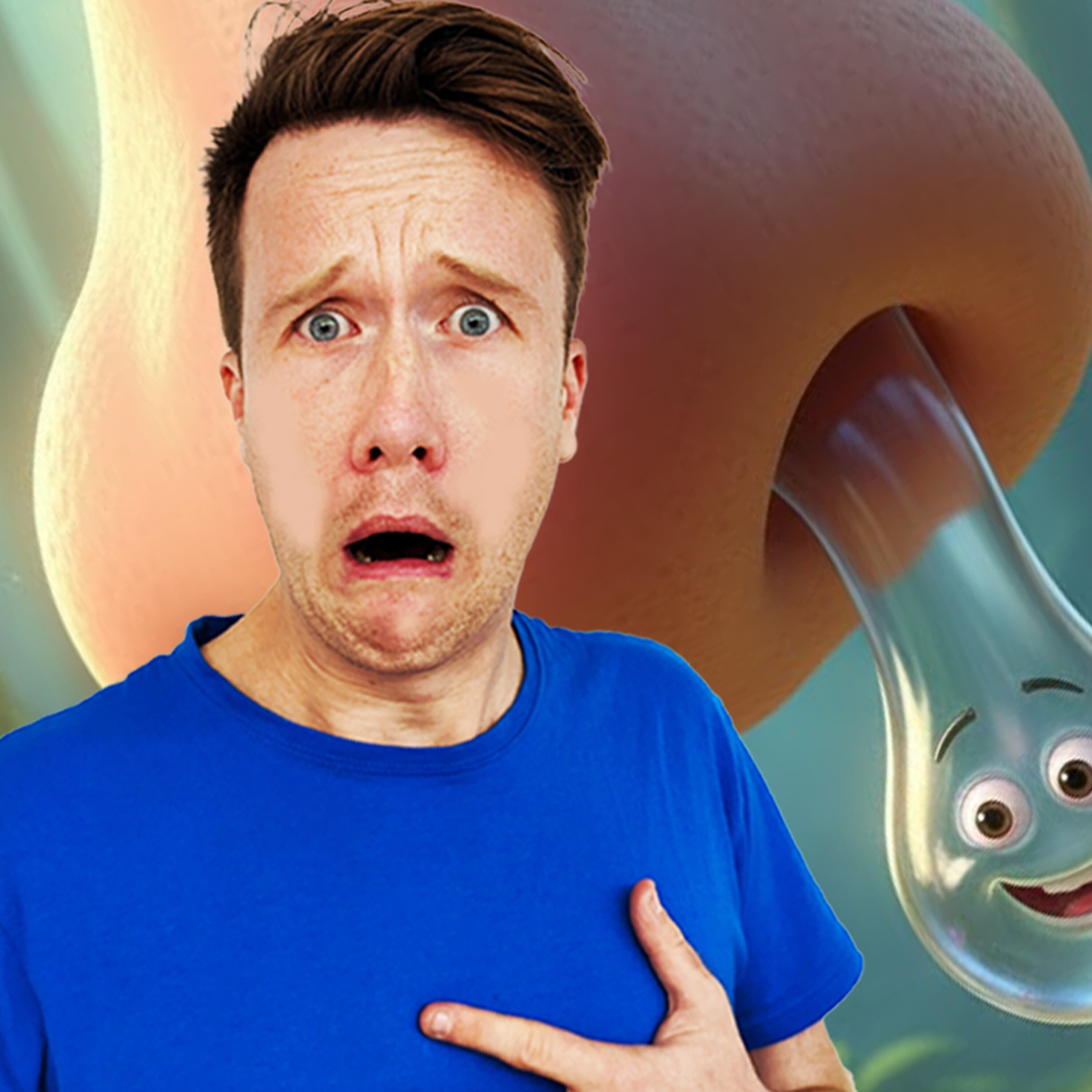
Ep 498MIDWEEKLY: Why Do We Need Snot?🤧🦠
This Week’s Big Questions! You’ve been sending in your brilliantly curious questions, and this week… ✋ Alice wants to know: Why are some people left-handed?🤧 Marley is wondering: Why do we need snot?🪥 Sam asks: Is toothpaste a solid or a liquid?💊 Evan wants to know: How does medicine help us?🏔️ Arthur is curious: Why does it get colder the higher up you go? Plus, join Principal Pulsar and his class! This episode, the gang discover all the amazing jobs you can do in space if you absolutely love science!Join Fun Kids Podcasts+: https://funkidslive.com/plusSee omnystudio.com/listener for privacy information.
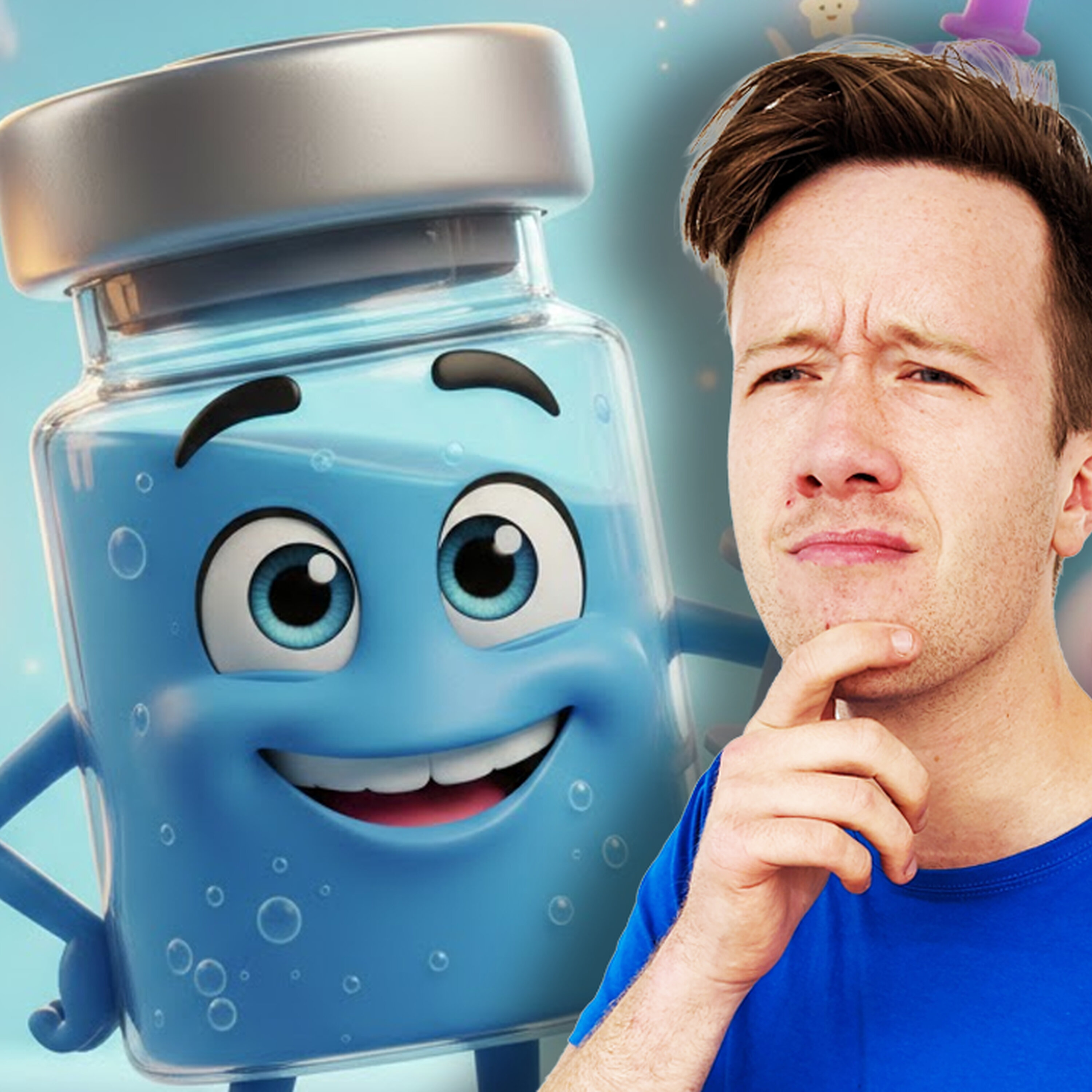
Ep 497VACCINES EXPLAINED: From Covid to Colds and Everything in Between🦠 💉
Get ready for another BIG and BRILLIANT adventure into the world of science on this week’s Science Weekly! In Science in the News, there’s good news for giant pandas as they’re officially no longer endangered. We also hear about a major change of command aboard the ISS. Plus, Ruth Williams from The Wildlife Trust joins us to explain why a record number of octopuses are suddenly appearing in UK waters. The we answer your questions... Ralph wants to know about the different types of stone, and Colin Forsyth from University College London explains what plasma, the forgotten fourth state of matter, is. Dangerous Dan returns with a plant you definitely don’t want to mess with as he reveals the deadly science behind the Castor Bean Plant. And in Battle of the Sciences, Charlie Firth from Oxford University makes the case for vaccines, explaining why they’re one of the most important scientific inventions in human history. Plus, Professor Hallux and Nanobot are back for another adventure, shrinking down inside the human body to explore how antibiotics work and why they’re so powerful. This week, we learn about: The secret fourth state of matter called plasma How vaccines protect your body from disease Why pandas are making a comeback What’s causing octopus numbers to rise in UK waters The dangers of the castor bean plant All that and more on this week’s Science Weekly!Join Fun Kids Podcasts+: https://funkidslive.com/plusSee omnystudio.com/listener for privacy information.

Ep 496MIDWEEKLY: How Old Are Humans?⏳🧬
This Week’s Big Questions! You’ve been sending in your brilliantly curious questions, and this week… ✨ Nyra wants to know: Why do stars shine so brightly?🧬 Lauren is wondering: How long have humans been around for?🪐 Connor asks: How many light-years is Uranus away from the Sun?🔊 Henry wants to know: Why does sound travel through walls?🌿 Tygo is curious: How do plants grow underwater? And we travel back to the Age of the Dinosaurs! More varieties of animals and plants lived at the time than ever before – from the dinosaurs on the land to the plants they ate. Things were getting pretty busy underwater too...Join Fun Kids Podcasts+: https://funkidslive.com/plusSee omnystudio.com/listener for privacy information.

Ep 495ALIEN HUNT: How Scientists Are Tracking Down Life in Space 🛸👽
Get ready for another BIG and BRILLIANT adventure into the world of science on this week’s Science Weekly! With snow falling across the country, we’re uncovering the cool science behind why snow is white, and then tuning into the Universe to explore the secret signals streaming across our galaxies. In Science in the News, scientists warn that great white sharks could vanish from the Mediterranean, renewable energy has smashed records across the UK, and Katherine Brown explains how the world around us shapes what we think, want and choose following the UK’s new junk food advertising ban. Then it’s time for your questions! Henry wants to know why mammals do not lay eggs, and Kirsty McCabe explains the surprising science behind why snow is white. Dangerous Dan returns with a truly strange creature from the past… the gigantic and mysterious Deinocheirus. And in Battle of the Sciences, Steven Tingay from Curtin University takes us deep into the world of radio astronomy, revealing how scientists listen to the Universe. Plus, we blast off with Space Camp to discover where weather really comes from and how satellites help us track storms, pollution and climate change. This week, we learn about: Why snow looks white instead of clear Why mammals do not lay eggs The danger facing great white sharks How scientists listen to space using radio waves Why weather satellites are so important for Earth All that and more on this week’s Science Weekly! 🚀Join Fun Kids Podcasts+: https://funkidslive.com/plusSee omnystudio.com/listener for privacy information.

Ep 494MIDWEEKLY: How Long Does It Take To Climb Mt. Everest?🏔️🥾
This Week’s Big Questions! You’ve been sending in your brilliantly curious questions, and this week… 🤧 Raphael wants to know: Why do we close our eyes when we sneeze?🌀 Sam is wondering: How many dimensions are there?😮‍💨 Ell asks: Why do we wheeze?🏔️ Chiara wants to know: How long does it take to climb Mount Everest?🐘 Cameron is curious: Why do elephants have trunks? Plus ,Professor Pulsar teaches Sam all about the structure of our planet and finds out that the earth’s crust is not made up from jam or cats!Join Fun Kids Podcasts+: https://funkidslive.com/plusSee omnystudio.com/listener for privacy information.
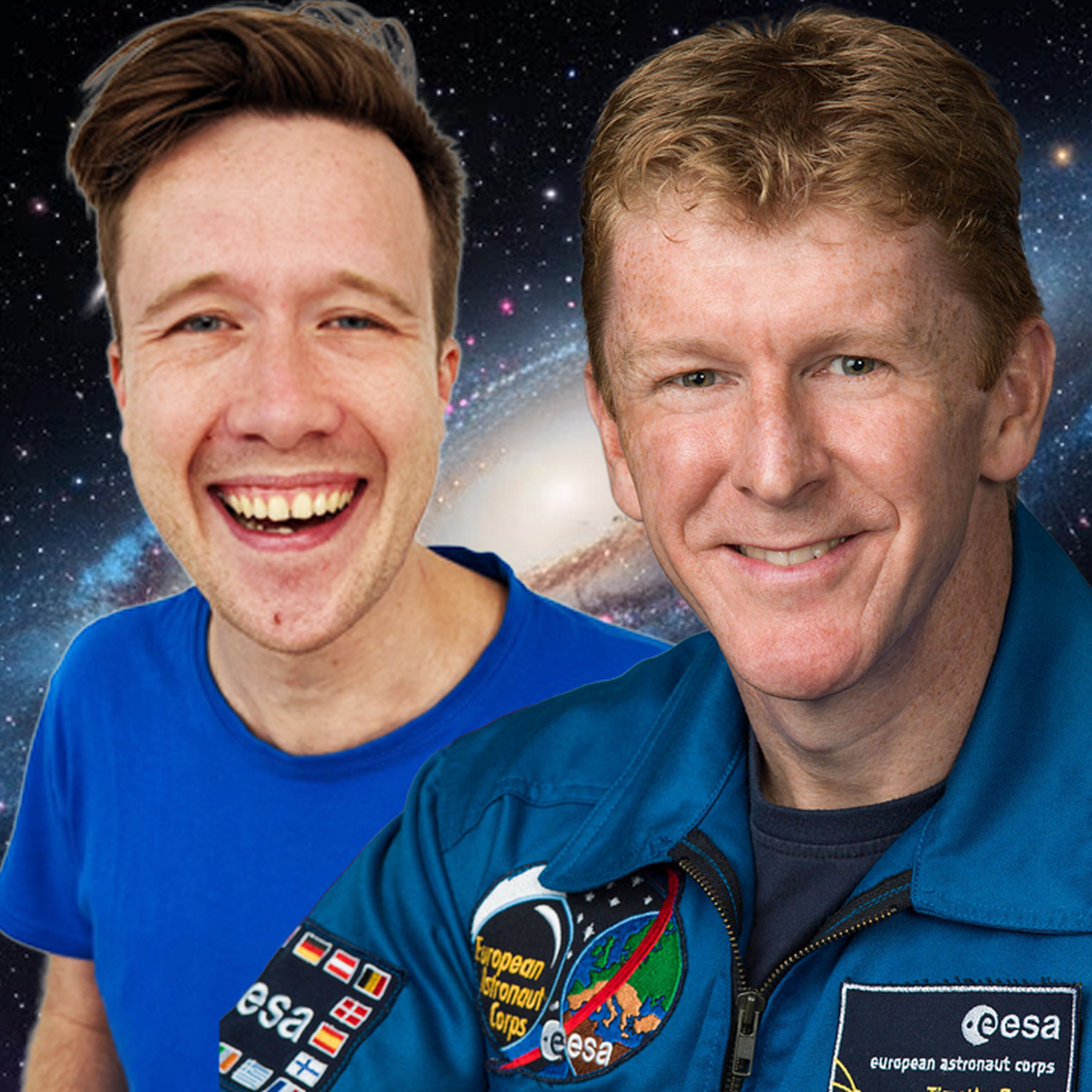
Ep 493SPACE SECRETS: Astronaut Tim Peake Reveals All 🧑🚀🚀
Get ready to kick off the New Year with an out-of-this-world episode of Science Weekly! We’re docking with the International Space Station as world-famous astronaut Tim Peake joins us to reveal what life is really like in space, including how rockets travel beyond Earth. We’re also diving into the science of feelings, with expert tips on how to understand and manage big emotions. In Science in the News, scientists think the ancestors of sharks may be far older than we once believed, a Welsh farm celebrates the birth of a critically endangered rhino, and neuroscientist Alexa Mosuley explains her discovery that the human brain develops through five different eras. Then it’s time for your questions. Clement wants to know what electricity actually is, and astronaut Tim Peake answers Jerry’s space-age question about how rockets get into orbit. Dangerous Dan returns with Chungkingosaurus, a lesser-known but fascinating dinosaur from the Jurassic period. And in Battle of the Sciences, clinical psychologist Dr Oona McEwan shares science-backed ways to keep your emotions under control when things feel overwhelming. Plus, Professor Hallux is back at the Happy Health Helpdesk to explain why we get butterflies in our stomach when we’re nervous. This week, we learn about: How rockets travel into space What electricity really is Why sharks are older than we thought How the brain develops over time Simple science tips to manage big emotions All that and more on this week’s Science Weekly!Join Fun Kids Podcasts+: https://funkidslive.com/plusSee omnystudio.com/listener for privacy information.
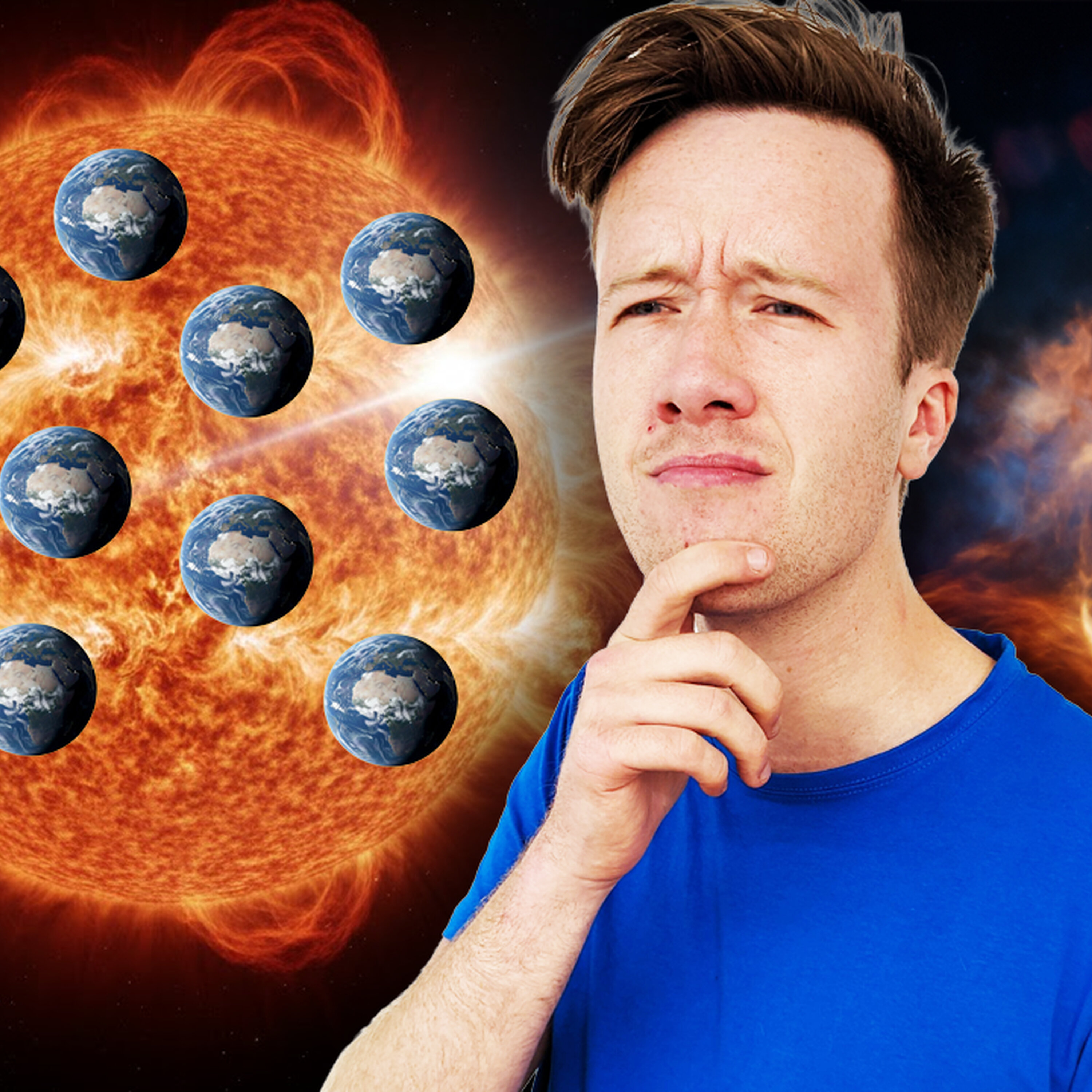
Ep 492MIDWEEKLY: How Many Earths Fit Inside the Sun?🌍☀️
This Week’s Big Questions! You’ve been sending in your questions, and this week… 🌿 Herbie wants to know: Do plants have muscles?🌞 Finn is wondering: How many Earths fit inside the Sun?🧼 Ashlyn asks: How does soap clean your hands?🌕 Jay wants to know: Why is the Moon white?⚫ Ben is curious: Why does black absorb light? Plus, join Principal Pulsar and his class! This episode, the gang are gathering evidence from Mars!Join Fun Kids Podcasts+: https://funkidslive.com/plusSee omnystudio.com/listener for privacy information.
Ep 491ANCIENT EGYPT: Understanding How Hieroglyphics Really Worked🐫📜
Get ready for another BIG and BRILLIANT journey through time, space, and the human mind on this week’s Science Weekly! We’re heading back to Ancient Egypt to unlock the secrets of hieroglyphics, a mysterious language that was lost for thousands of years. Then we zoom inside your head to explore the incredible science of the brain and how this squishy, sparky organ really works. In Science in the News, robotic dogs could soon be helping to fight wildfires, scientists in India have discovered a galaxy that’s an incredible 12 billion years old, and Dr Matilda Brindle joins Dan to investigate the science behind the very first human kiss, believed to date back millions of years. We also answer your questions... Charlie wants to know how race cars go so fast, and Mercedes Durham from Cardiff University explains why the Ancient Egyptians wrote in hieroglyphics. Dangerous Dan returns with a tiny dinosaur with a big reputation, the Compsognathus. And in Battle of the Sciences, Daniel Glaser makes the case for neurology, revealing the electrifying science that powers your brain. Plus, we head back to Deep Space High for Space For All, discovering what kinds of space careers are perfect for people who love languages. This week, we learn about: How hieroglyphics worked in Ancient Egypt How the human brain sends messages Robotic dogs and fighting wildfires A galaxy older than most of the universe The surprising history of the first kiss How race cars reach extreme speeds All that and more on this week’s Science Weekly!Join Fun Kids Podcasts+: https://funkidslive.com/plusSee omnystudio.com/listener for privacy information.
Ep 490MIDWEEKLY: Why Are We Scared of Spiders? 🕷️😱
This Week’s Big Questions! You’ve been sending in your questions, and this week… 🕷️ Olivia wants to know: Why are some people scared of spiders?🌎 Gabriel is wondering: Why did Pangea separate?⭐ Karl asks: What’s the rarest type of star?🍽️ Beatrice wants to know: Why do people like different foods?💧 Marcus is curious: Where does water come from?📄 Nyra asks: How does paper give you cuts? And ahead of the big day, we pay Santamory a visit to learn about the science of Christmas...36 hours to deliver all the presents seems like a hard job for Santa. But Santmory explains how fast he actually has to travel around the world to make sure it happens!Join Fun Kids Podcasts+: https://funkidslive.com/plusSee omnystudio.com/listener for privacy information.
Ep 489ROAR POWER: Why Lions Make Earth-Shaking Sounds 🦁🌍
Get ready for another BIG and BRILLIANT journey into science on this week’s Science Weekly! We’re uncovering the amazing science that gets planes off the ground and diving deep into the ocean to explore one of the most extreme environments on Earth. In Science in the News, we investigate whether a volcanic eruption helped trigger the Black Death, take a closer look at a mysterious earthquake in England, and meet Jonathan Growcott from Exeter University to discover the powerful science behind a lion’s mighty roar. We also answer your questions... Patrice wants to know what the oldest living thing on Earth is, and Demetrios Venetsanos from Imperial College London explains exactly how planes work. Dangerous Dan is back with another strange and surprising creature, the cinnabar rock. And in Battle of the Sciences, Dr. Ben Moat takes us out to sea to explore the hidden world beneath the ocean’s surface. Plus, Marina Ventura returns with another Ocean Adventure, revealing how oceans benefit humans and help keep our planet alive. This week, we learn about: How planes are able to fly What causes earthquakes and deadly volcanic effects Why a lion’s roar is so powerful The mysteries of the deep ocean How oceans help humans survive All that and more on this week’s Science Weekly!Join Fun Kids Podcasts+: https://funkidslive.com/plusSee omnystudio.com/listener for privacy information.

Ep 488MIDWEEKLY: Why Does Our Hair Turn Grey?🧑🦳❓
This Week’s Big Questions! You’ve been sending in your questions, and this week… 🛗 Caroline wants to know: How do elevators work?🌍 Astrid is wondering: If we left Earth, where would we go?👵 Ella asks: Why does our hair turn grey?🐦 Marley wants to know: Why can’t some birds fly?💧 Marcus is curious: Where does water come from? And ahead of the big day, we pay Santamory a visit to learn about the science of Christmas. This week, we're learning about Santa's sleigh... He gets to every house around the world in one night - but how does he do it and how do aerodynamics help and hinder the sleigh?Join Fun Kids Podcasts+: https://funkidslive.com/plusSee omnystudio.com/listener for privacy information.
Ep 487ANCIENT GIANTS: Discover Earth’s Oldest Living Residents🌳🌍
Get ready for another action-packed adventure into the world of science on this week’s Science Weekly. We’re travelling back to the dawn of time to uncover how Earth was created and meeting some of the planet’s oldest and most extraordinary residents. In Science in the News, we explore why UK woodlands are facing a huge crisis, discover the shocking behaviour of rats in Germany, and hear from Connor Bamford from the British Antarctic Survey about what’s been happening to elephant seals in the South Atlantic. Then it’s time for your questions. EJC wants to know how hydrochloric acid cleans pennies, and Joe Williams from Exeter University explains exactly how Earth formed in the first place. Dangerous Dan is back with a creature straight out of a horror movie: The Zombie Snail Parasite. And in Battle of the Sciences, May Chemais from the Ancient Tree Inventory joins us to reveal why ancient trees are some of the greatest survivors on Earth. Plus, K-Mistry and Kareena dive deep into the oceans to uncover how they absorb CO2, why they’re at risk from climate change, and what we can do to help. This week, we learn about:• How Earth was created• Why UK woodlands are in trouble• The surprising hunting skills of German rats• What’s happening to elephant seals in the South Atlantic• The terrifying zombie snail parasite All that and more on this week’s Science Weekly!Join Fun Kids Podcasts+: https://funkidslive.com/plusSee omnystudio.com/listener for privacy information.

Ep 486MIDWEEKLY: What Would Happen to a Human Body in Space?👩🚀🌌
This Week’s Big Questions! You’ve been sending in your brilliantly curious questions, and this week… 🩸 Alex wants to know: What makes blood cells?🌌 Imogen is wondering: What would happen to a human in space?🎢 Jack asks: How do rollercoasters get so much speed at the start?👀 Aaron wants to know: How do eyes work?💤 Atlas is curious: Why can’t we remember our dreams? Plus, join Principal Pulsar and his class! The Moon is covered in craters but how come the Earth isn’t? Well maybe it is, Professor Pulsar explains all!Join Fun Kids Podcasts+: https://funkidslive.com/plusSee omnystudio.com/listener for privacy information.
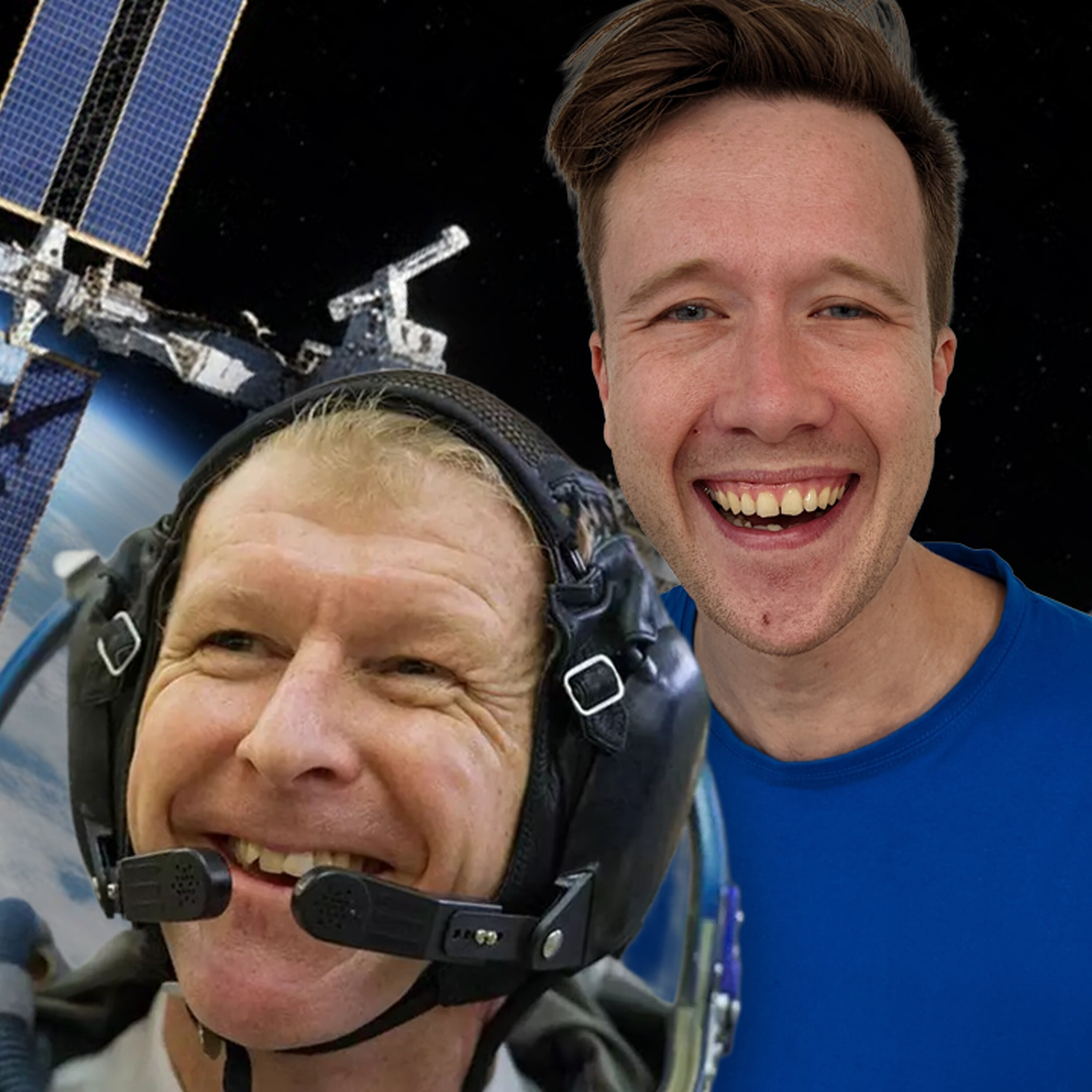
Ep 485ASTRONAUT TIM PEAKE: Life On The International Space Station 🚀 🌌
Get ready for another BIG and BRILLIANT journey into the world of science on this week’s Science Weekly! We’re asking a huge question… we talk about science every week, but what actually is it? In Science in the News, researchers reveal that cats were domesticated much earlier than anyone thought, lightning has been spotted on Mars for the very first time, and Allowen Evin joins Dan to dig up a MASSIVE discovery about how dogs first transformed from wolves into the pets we know today! Then it’s time for your questions! William wants to know the difference between the flu and the common cold, and Dr Sarah Casewell breaks down what science really is. Dangerous Dan is back with one of the fiercest ancient predators ever — the smilodon, the gigantic sabre-toothed cat with jaws you definitely wouldn’t want to meet. And in Battle of the Sciences, we’re joined by science royalty… astronaut Tim Peake! He reveals what life is really like when you’re floating hundreds of kilometres above Earth. Plus, in Marvellous Missions, we blast off through a wormhole to Deep Space High as Principal Pulsar and the class head to the International Space Station for an out-of-this-world lesson. This week, we learn about:– How and when cats were first domesticated– The first lightning ever seen on Mars– How ancient wolves became modern dogs– What separates the flu from a common cold– What it’s really like to live in space with Tim Peake All that and more on this week’s Science Weekly!Join Fun Kids Podcasts+: https://funkidslive.com/plusSee omnystudio.com/listener for privacy information.
Ep 484MIDWEEKLY: How Fast was the Meteor that Killed the Dinosaurs? ☄️🦖
This Week’s Big Questions! You’ve been sending in your brilliantly curious questions, and this week… 🚂 Aleena wants to know: Why are steam trains so slow?☄️Dylan is wondering: How fast was the meteor that killed the dinosaurs?🛁 Alfie asks: Why do our fingers go wrinkly in the bath?🐝 Simon wants to know: Why is there no king bee?🪨 Owen is curious: What is the hardest type of rock?🌈 Cherry asks: How are rainbows made? And we travel back to the Jurassic period, which existed between 144 and 180 million years ago. It was a time when plant life began to flourish as the newly formed oceans brought rain to many parts of the world that had previously been nothing more than dry deserts.Join Fun Kids Podcasts+: https://funkidslive.com/plusSee omnystudio.com/listener for privacy information.

Ep 485BLACK HOLE MYSTERY: Exploring the Universe’s Scariest Place 🌌🕳️
Get ready for another mind-stretching journey on this week’s Science Weekly as we dive into the weirdest, wildest, and most wonderful corners of science! In Science in the News, China’s youngest astronaut has just launched into space, a teenager has built a working robot hand entirely out of Lego, and Neeltje Boogert from Exeter University explains how her team discovered the trick to keeping seagulls away from your snacks at the beach. Then it is over to your questions as Joe Williams answers Jessie’s big one: what actually happens if you go into a black hole? And one listener wants to know the softest metal on Earth. Dangerous Dan is back, and this week he is taking on one of the toughest animals on the planet: the honey badger. In Battle of the Sciences, Alex Dryden dives into AI and economics to discover how computer brains help us make money decisions and understand the world. Plus, Deep Space High returns in Galaxy Gala, where Mrs Higgs and her class are preparing a cosmic project that is missing one tiny thing… a black hole. This week, we learn about:• What happens inside a black hole• How robots could change future jobs• The trick to stopping seagulls from stealing food• The world’s softest metal• The surprisingly fierce honey badger• How AI helps explain money and decision making All that and more on this week’s Science Weekly!Join Fun Kids Podcasts+: https://funkidslive.com/plusSee omnystudio.com/listener for privacy information.
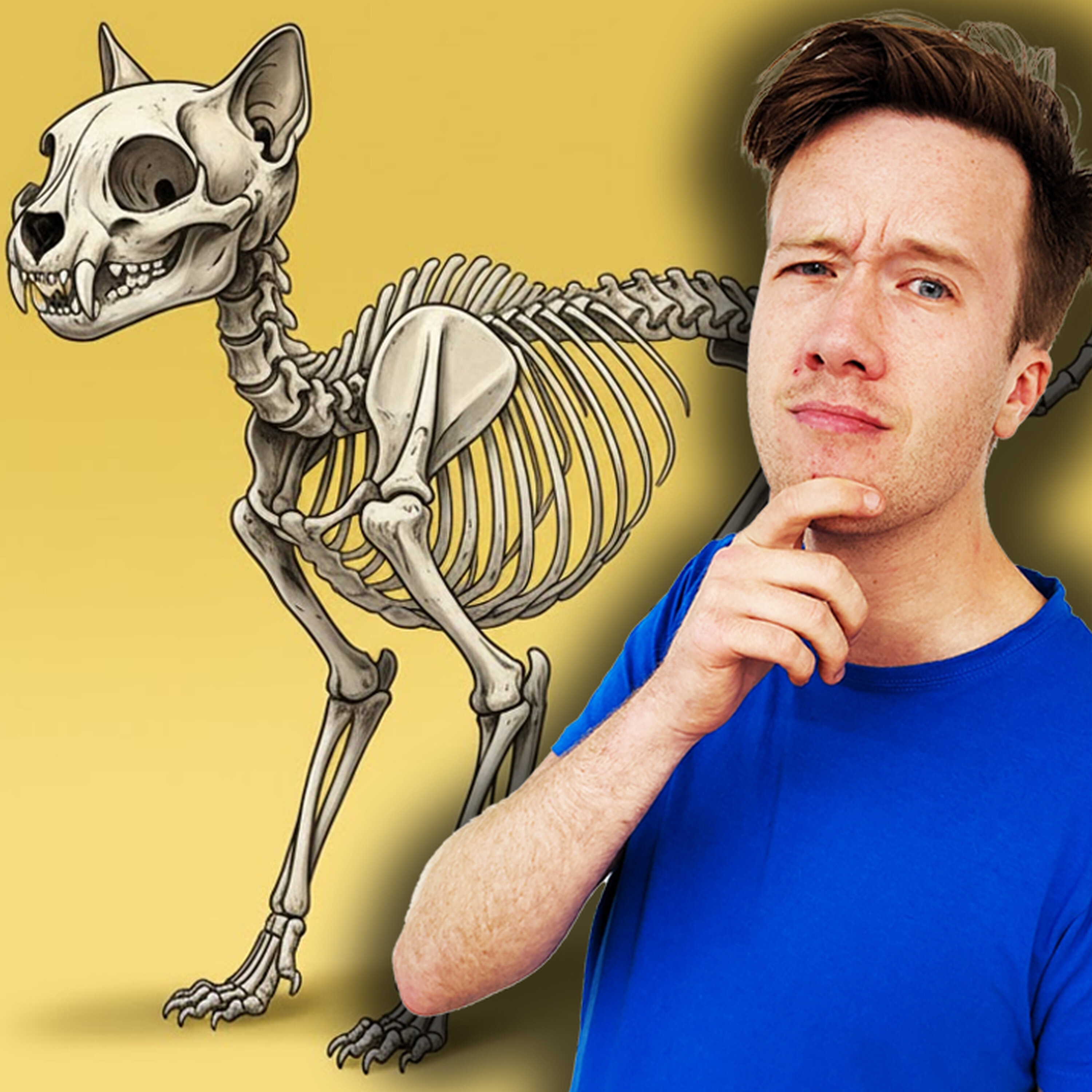
Ep 482MIDWEEKLY: Do Cats Have the Same Bones as Humans?🐱🦴
This Week’s Big Questions! You’ve been sending in your brilliantly curious questions, and this week… 🐱 Toby wants to know: Do cats have the same bones as humans?⚡ Max is wondering: How do lightning and thunder form?😴 Leo asks: Why do we rub our eyes when we’re tired?🤓 Beth wants to know: Why do glasses make funny noises?🧭 Octavia is curious: How does a compass work?🧂 Andrew asks: Why does salt kill slugs? And jump through a worm hole to Deep Space High, your local inter-galactic school in space. This time the class learn about dark matter in space!Join Fun Kids Podcasts+: https://funkidslive.com/plusSee omnystudio.com/listener for privacy information.
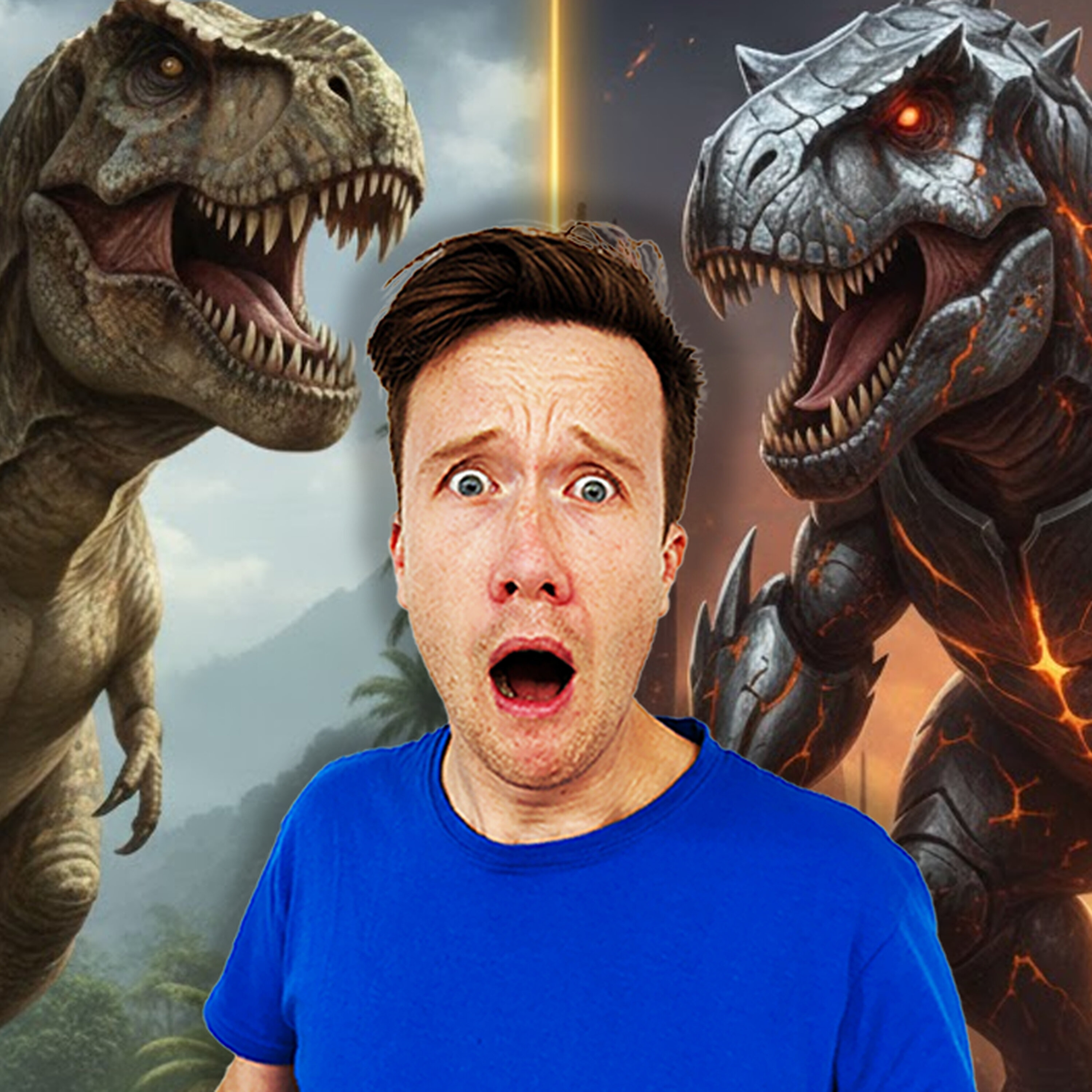
Ep 483DINO DISCOVERY: Has the T-Rex Just Been Levelled Up?! ⚡🦖
Get ready for another big and brilliant dive into the world of science on this week’s Science Weekly! We’re exploring the incredible science of the human heart, uncovering how it pumps, why it’s so powerful, and the secrets hidden in every beat. In Science in the News, one of the UK’s most critically endangered mammals might be making a comeback, Jeff Bezos’ space mission has taken a major step forward, and Abi Crane from the University of Southampton joins Dan to reveal details of a newly discovered T. rex species. Then it’s time for your questions. Mathew wants to know how allergies work, and James Clark from King’s College London explains exactly why we have a heart. Dangerous Dan returns with a tiny but terrifying creature, the blue ant, one of the most dangerous insects on Earth. And in Battle of the Sciences, TED Talk speaker Chip Colwell steps up to argue why museology, the science of museums, deserves the crown. Plus, Professor Hallux is on a mission to build a better heart, but can he improve on one of nature’s most impressive machines? This week, we learn about:– How the human heart works– Why allergies happen– A brand new species of T. rex– The mysterious and deadly blue ant– How museums help us understand history and science All that and more on this week’s Science Weekly!Join Fun Kids Podcasts+: https://funkidslive.com/plusSee omnystudio.com/listener for privacy information.

Ep 480MIDWEEKLY: Why Does Your Tummy Rumble?🍕🌀
This week’s big questions!You’ve been sending in your curious questions, and this week… 🤤 Beau wants to know why your tummy rumbles.❤️ Mia is wondering how your heart pumps blood around your body.🌟 Mustafa asks: what’s the biggest Sun we know of?🚀 Lily is curious about why rockets break apart when they escape the Earth's atmosphere! Plus, join Principal Pulsar and his class, in this episode the gang find out what sort of jobs you can get in space if you love science!Join Fun Kids Podcasts+: https://funkidslive.com/plusSee omnystudio.com/listener for privacy information.
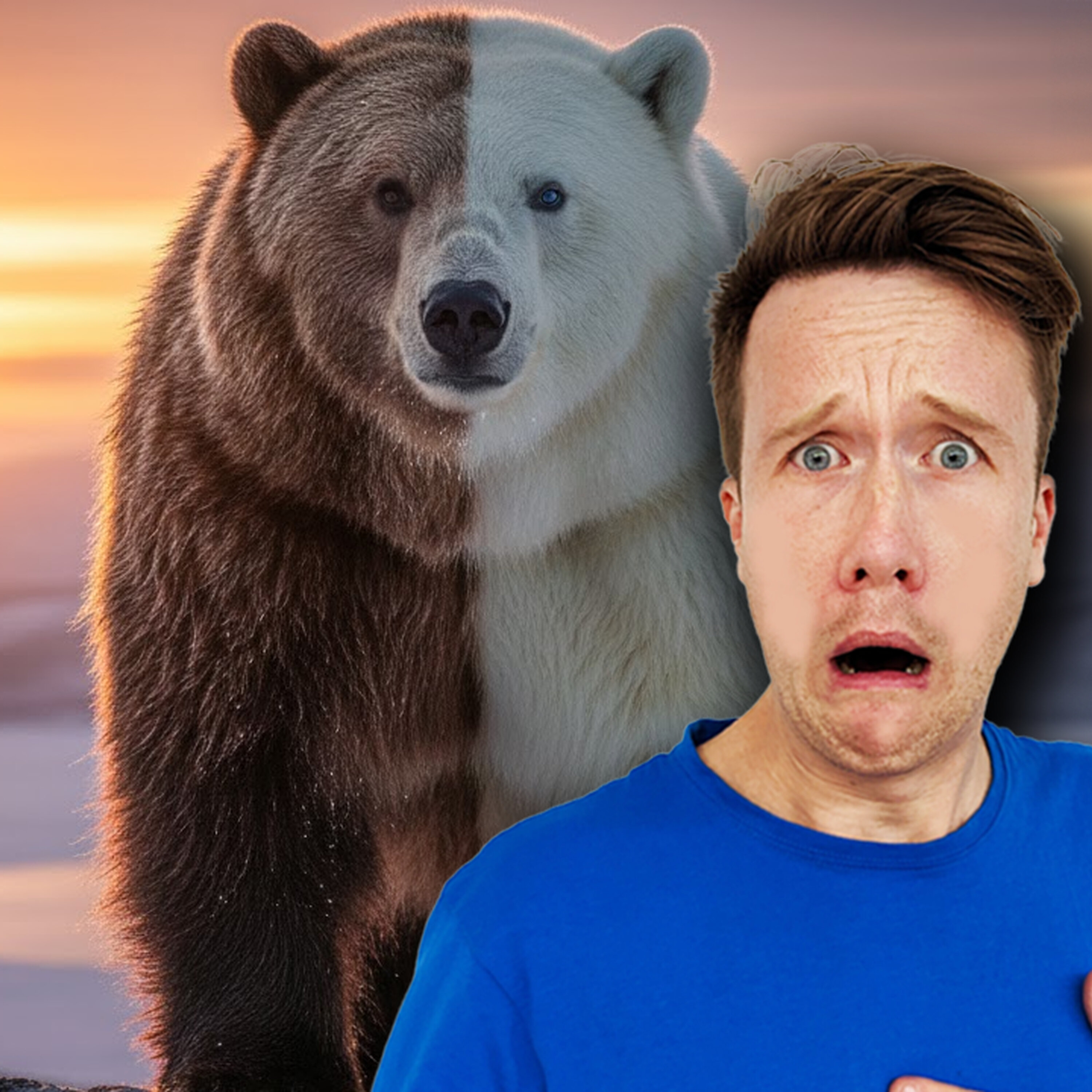
Ep 481MEET THE GROLAR BEAR: Half Grizzly, Half Polar! 🐻❄️🐻
Get ready for another BIG and BRILLIANT adventure into the wonders of science on this week’s Science Weekly! This episode plunges us deep beneath the waves as we uncover how dolphins and other ocean animals manage to hold their breath for astonishing lengths of time. Then, we shift from sea to psychology as Battle of the Sciences takes us inside the human mind to explore how thoughts, feelings, and behaviours can shape our physical health. In Science in the News, Australian tropical rainforests have shocked scientists by releasing more carbon than they absorb. We’re also heading to Wales, where plans for a ground-breaking nuclear power station are underway. And Barny Reed from the RSPCA joins Dan to explain how the UK is moving toward more humane animal testing. Then it’s over to your questions! Misha wants to know how braces work, and Alison Wood from Whale and Dolphin Conservation reveals how dolphins hold their breath for so long. Dangerous Dan returns with the grolar bear, a rare hybrid of a grizzly and a polar bear. And in Battle of the Sciences, Mark McDermott champions health psychology, showing how the way we think and feel can affect our bodies. Plus, Marina Ventura dives back in with another Ocean Adventure, exploring how oceans help humans survive and thrive. This week, we learn about:– How dolphins stay underwater for so long– Why some rainforests are releasing carbon– How braces straighten teeth– What makes the grolar bear so unusual– How psychology affects your health All that and more on this week’s Science Weekly!Join Fun Kids Podcasts+: https://funkidslive.com/plusSee omnystudio.com/listener for privacy information.

Ep 478MIDWEEKLY: How Do Clouds Stay in the Sky? ☁️🌤️
This week’s big questions!You’ve been sending in your curious questions, and this week… 🥶 Remi wants to know why we shiver when we’re cold.😮‍💨 Beth is wondering why we wheeze.🌳 Luke is curious about how deep tree roots go.🌱 Dusty wants to know how a seed grows into a tree.☁️ And Charlotte’s asking how clouds stay in the sky. Plus, we're going back in time to explore the Jurassic Period! With the supercontinent Pangaea continuing to separate, more and more big watery lagoons were forming, and along with the new oceans, were teeming with life – from the tiny to the monstrous!Join Fun Kids Podcasts+: https://funkidslive.com/plusSee omnystudio.com/listener for privacy information.

Ep 479EARTH 2.0: The Epic Hunt for a New Home 🌍✨
Get ready for another jam-packed episode of Fun Kids Science Weekly — where we answer your biggest questions, explore the latest discoveries, and travel to the farthest corners of the universe! This week, we’re looking up at the sky to discover why it’s blue, uncovering a brand-new glowing shark in the deep ocean, and joining a mission to find a planet just like Earth! In Science in the News, Prince William reveals the five winners of the Earthshot Prize — celebrating the world’s best ideas for protecting our planet. Then, scientists uncover evidence that the first humans may have been inventors, and Dr. Will White from CSIRO introduces us to a dazzling new deep-sea species — a glowing shark that lights up the darkness! We’ll also be tackling your questions: Marcus wants to know why the sky is blue, and meteorologist Kirsty McCabe has the brilliant explanation. Plus, Dangerous Dan introduces us to one electrifying creature — the Electric Ray ⚡ And in Battle of the Sciences, astronomer Annelies Mortier takes us on a journey through space in the hunt for another world that could be just like ours. What do we learn about?· Why the sky is blue· The new glowing shark discovered in the deep sea· The earliest human inventors· The Electric Ray· And in Battle of the Sciences... the search for another Earth! All on this week’s Fun Kids Science Weekly!Join Fun Kids Podcasts+: https://funkidslive.com/plusSee omnystudio.com/listener for privacy information.
Ep 476MIDWEEKLY: Why Is The Moon Called... The Moon?🌕🌌
This week’s big questions!You’ve been sending in your curious questions, and this week… 💧 Jonah wants to know why we sweat.🤧 Raphael is wondering why we close our eyes when we sneeze.🐸 Robbie is curious about why frogs croak.🌕 Arla wonders why the Moon is called the Moon.⛽ And Rhian wants to find out how fuel moves cars. Plus, join Principal Pulsar and his class as they learn all about all about lighting storms! Did you know that Jupiter gets huge storms and GIANT lightning?Join Fun Kids Podcasts+: https://funkidslive.com/plusSee omnystudio.com/listener for privacy information.
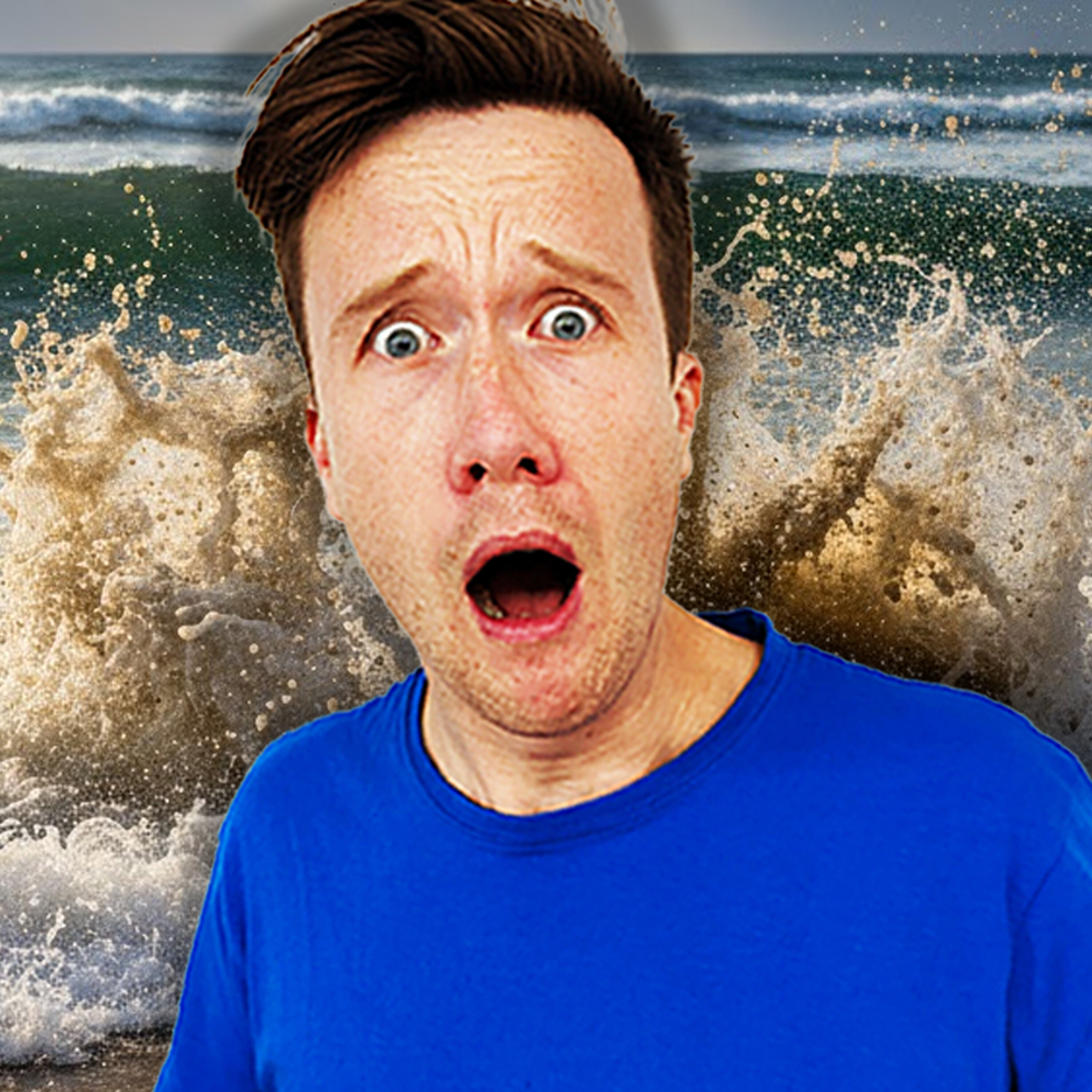
Ep 477SAND vs WATER: The Ultimate Earth Showdown! 💧🏖️
Get ready to blast off into another episode of Fun Kids Science Weekly — packed with space tech, creepy creatures, and the biggest mysteries of the planet! This week, we’re tackling YOUR science questions, discovering the future of rocket power, and diving into some of the strangest science stories making headlines. In Science in the News, an endangered spider makes an unexpected comeback, and scientists are scratching their heads after the waters of the North Pacific recorded their warmest summer ever — but no one knows why! Plus, Dr Luke Tilley from the Royal Entomological Society joins Dan to explain how the European praying mantis has suddenly turned up in Cornwall. We’ll also be answering some of your big questions — Judy wants to know what’s the longest you can go without sleep, and mathematician Thomas Woolley settles one of the greatest science debates ever: are there more grains of sand or drops of water on Earth? Dangerous Dan is back too, and this time he’s uncovering one of the most explosive substances ever discovered — azidoazide azide! And in Battle of the Sciences, Dan is joined by Aaron Knoll from Imperial College London to explore plasma propulsion — the rocket technology that could take us further into space than ever before. What do we learn about?• The European praying mantis spotted in Cornwall• Why the North Pacific Ocean had its warmest summer on record• The future of space travel using plasma propulsion• The science behind grains of sand and drops of water• The dangerously powerful Azidoazide Azide All this and more on this week’s Fun Kids Science Weekly!Join Fun Kids Podcasts+: https://funkidslive.com/plusSee omnystudio.com/listener for privacy information.