FT World Weekly
433 episodes — Page 4 of 9
What next for Modi's India?
The Indian government announced welcome reforms to attract foreign investors this week. But India-watchers were distracted by the resignation of the much-respected head of the country's central bank, Raghuram Rajan. Gideon Rachman discusses the future of prime minister Narendra Modi's reform programme with the FT's South Asia bureau chief Amy Kazmin and former Mumbai correspondent James Crabtree. Hosted on Acast. See acast.com/privacy for more information.
France in crisis
Beset by strikes and deepening terrorism worries, France is struggling to cope as it hosts a major football championship, the Euro 2016 games. Gideon Rachman discusses the country's security problems and political strife with World News editor Ben Hall and Anne-Sylvaine Chassany, the FT's Paris bureau chief. Hosted on Acast. See acast.com/privacy for more information.
Tensions rise in the South China Sea
China and the US clashed over the South China Sea at a defence forum last weekend, amid island-building by Beijing and increased naval and air patrols by the US. Gideon Rachman discusses the escalating tensions with Geoff Dyer, the FT's Washington correspondent and former Beijing bureau chief, and James Crabtree, contributing editor. Hosted on Acast. See acast.com/privacy for more information.
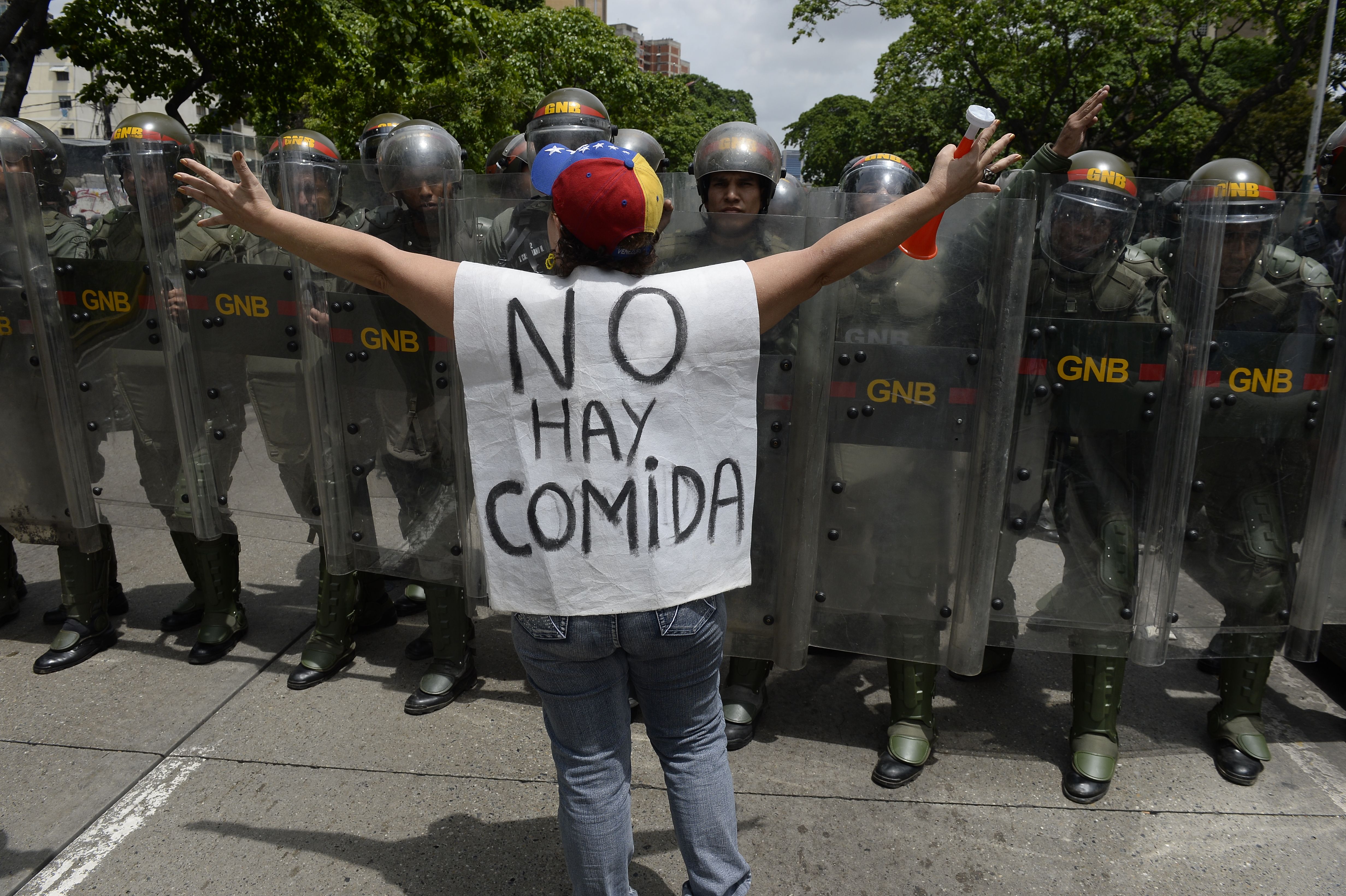
Is Venezuela becoming a failed state?
Life in Venezuela is becoming increasingly difficult, with soaring crime, widespread food shortages, rampant corruption and a political stalemate that thwarts all attempts at change. Gideon Rachman discusses whether the country is becoming a failed state with the FT's Latin America editor John Paul Rathbone and Andes correspondent, Andres Schipani. Hosted on Acast. See acast.com/privacy for more information.
Populism in Austria
Austria came within a whisker of electing a far-right candidate as its head of state this week. As EU leaders breath a collective sigh of relief, World News editor Ben Hall discusses the ramifications of the election with the FT's Austria correspondent Ralph Atkins and Brussels bureau chief Alex Barker. Hosted on Acast. See acast.com/privacy for more information.
Filipinos elect 'wild card' president
The Philippines has taken a radical change of political direction with the election of Rodrigo Duterte as president. Gideon Rachman discusses why outsiders and investors are so taken aback by the development with Avantika Chilkoti and Tony Tassell. Hosted on Acast. See acast.com/privacy for more information.
Saudi Arabia's ambitious reforms
Saudi Arabia's deputy crown prince Mohammed bin Salman has shaken up expectations about the world's biggest oil exporter. MbS, as he's known, plans to wean the kingdom off oil and boost the private sector, slashing unemployment along the way. Ben Hall discusses the kingdom's ambitious reform plans with Anjli Raval and Simeon Kerr. Hosted on Acast. See acast.com/privacy for more information.
Iraq and Syria fall apart
Iraq and Syria are coming apart, divided into warring factions that seem unable to reach an accommodation. Gideon Rachman talks to FT Middle East experts David Gardner and Erika Solomon about fading hopes for peace and what this means for the fight against Isis. Hosted on Acast. See acast.com/privacy for more information.
Are we headed for a Trump vs. Clinton general election race?
The latest round of the US presidential election has seen big victories for Hillary Clinton and Donald Trump. So is it now all-but-certain that we are looking at a Trump-Clinton contest in November? The FT's digital comment editor Sebastian Payne puts the question to Gideon Rachman and Washington bureau chief Demetri Sevastopulo. Hosted on Acast. See acast.com/privacy for more information.
Russia's new nationalism
What are the origins of Eurasianism in Russia and how has it come to occupy a central place in Kremlin thinking today? Charles Clover, FT China correspondent and former Moscow bureau chief discusses his new book, Black Wind, White Snow: The Rise of Russia's New Nationalism with Gideon Rachman. Hosted on Acast. See acast.com/privacy for more information.
Ukraine in turmoil
How bleak is the outlook for Ukraine? The Prime Minister has resigned, the President is implicated in the Panama papers and the Dutch have rejected an EU-Ukraine trade deal. Gideon Rachman puts the question to the FT Ukraine correspondent Roman Olearchyk and the FT's Eastern Europe Editor, Neil Buckley. Hosted on Acast. See acast.com/privacy for more information.
Europe's controversial refugee expulsion plan
The EU this week began expelling migrants from Greece and sending them back to Turkey - a controversial policy that has been criticised as a possible violation of the Geneva Convention and caused rioting in Greek refugee camps. However, there are signs that the influx into Greece is slowing. Can the system work? Peter Spiegel put the question to Alex Barker in Brussels and Stefan Wagstyl in Berlin. Hosted on Acast. See acast.com/privacy for more information.
The Isis threat to European security
Last week's attacks in the Belgian capital have raised fresh questions about the extent of Isis operations in Europe and whether security services and law enforcement agencies are capable of containing the threat. Ben Hall discusses the attacks and their ramifications with Peter Spiegel, the FT's Brussels bureau chief and Sam Jones. defence and security editor. Hosted on Acast. See acast.com/privacy for more information.
Can Brazil's Rousseff stave off impeachment?
A political crisis is threatening to cut short the presidency of Dilma Rousseff in Brazil. Gideon Rachman is joined by John Paul Rathbone and Samantha Pearson to discuss the Petrobras scandal, the impeachment process and the economic meltdown that have all contributed to the crisis. Hosted on Acast. See acast.com/privacy for more information.
Can Angela Merkel survive Europe's refugee crisis?
Angela Merkel's Christian Democrats suffered a setback in regional elections last weekend. How wounded is the chancellor and have German politics changed fundamentally under the pressure of the refugee crisis? Gideon Rachman puts the question to Fred Studemann and Stefan Wagstyl. Hosted on Acast. See acast.com/privacy for more information.
Can the EU-Turkey deal resolve Europe's migration crisis?
European leaders have negotiated a deal with Turkey aimed at stemming the flow of refugees into the European Union. But can it work? Gideon Rachman puts the question to Alex Barker, the FT's European diplomatic editor, and Tony Barber, the FT's Europe editor. Hosted on Acast. See acast.com/privacy for more information.
Is Trump a threat to American democracy?
Donald Trump now looks highly likely to secure the Republican nomination for the US presidency. Gideon Rachman discusses what this means for US democracy and the rest of the world with FT columnists Edward Luce and Martin Wolf. Hosted on Acast. See acast.com/privacy for more information.
Russia's foreign policy resurgence
Russian air power has changed the course of the civil war in Syria and its annexation of Crimea remains largely unchallenged. Gideon Rachman talks to Neil Buckley, FT East Europe editor, and Sam Jones, defence and security editor, about Russia's renewed confidence on the global stage and whether this is justified. Hosted on Acast. See acast.com/privacy for more information.
Antonin Scalia's legacy and the US Supreme Court
How influential was Antonin Scalia as the longest serving Justice on the US Supreme Court? Martin Sandbu discusses his legacy and the political repercussions of his demise with FT Washington correspondents Barney Jopson and Geoff Dyer. Hosted on Acast. See acast.com/privacy for more information.
What happens if Aleppo falls?
Syrian government forces backed by Russian air power are on the brink of encircling the northern city of Aleppo, a stronghold of the moderate rebels in what could prove to be a decisive moment in Syria's murderous civil war. Ben Hall discusses the implications with Erika Solomon, FT Middle East correspondent, and Geoff Dyer, FT US diplomatic correspondent. Hosted on Acast. See acast.com/privacy for more information.
Britain's referendum on the EU
David Cameron, Britain's prime minister, announced the details of Britain's draft deal to renegotiate its relationship with the EU - but where does that leave the debate? Gideon Rachman discusses with George Parker, UK political editor and Alex Barker, Brussels Correspondent Hosted on Acast. See acast.com/privacy for more information.
Iowa offers first test for US presidential hopefuls
After months of build-up, the Iowa caucus will offers US presidential candidates their first chance to get ahead. Gideon Rachman reviews the chances of the Republican and Democratic rivals with Courtney Weaver and Edward Luce. Hosted on Acast. See acast.com/privacy for more information.
Lifting of sanctions offers hope to Iran's ailing economy
The lifting of UN sanctions on Iran reconnects a potentially vibrant emerging economy to world markets, with the allure of a bonanza for international and local investors and a brighter future for a restive young population. The FT's Siona Jenkins asks Najmeh Bozorgmehr, Tehran correspondent, Martin Arnold, banking editor, and Anjli Raval, oil correspondent, what obstacles remain and how soon the country is likely to see results. Hosted on Acast. See acast.com/privacy for more information.
Brussels launches probe into rule of law in Poland
Poland's conservative government has taken decisions about the courts and media that are causing concern across Europe, prompting the European Commission to launch an investigation into the rule of law in Poland. Gideon Rachman discusses the unprecedented move with Henry Foy, FT correspondent in Warsaw, and Neil Buckley, East Europe editor. Hosted on Acast. See acast.com/privacy for more information.
Iran-Saudi split damps hopes for regional conflict resolution
The year has begun with a sharp deterioration in the relationship between the two major powers in the Gulf region: Iran and Saudi Arabia. Gideon Rachman is joined by Roula Khalaf, foreign editor, and Geoff Dyer, Washington correspondent, to discuss the regional implications of the dispute. Hosted on Acast. See acast.com/privacy for more information.
Has the rise of France's National Front been halted?
France's far-right National Front failed to win control of any regions in this weekend's elections, but its performance was strong enough to shock the mainstream parties. Gideon Rachman asks Anne-Sylvaine Chassany and Hugh Carnegy how worried they should be about 2017's presidential elections. Hosted on Acast. See acast.com/privacy for more information.
Brazil's political quagmire
Brazil's economy is shrinking, President Dilma Rousseff's popularity is at an all time low and now opposition politicians have begun impeachment proceedings against her. Gideon Rachman asks John Paul Rathbone and Joe Leahy what this means for the country and whether things can get any worse? Hosted on Acast. See acast.com/privacy for more information.
What hope for the Paris climate talks?
How much progress is likely at this week's global talks on combating climate change? Gideon Rachman discusses the prospects for agreement on reducing carbon emissions with Michael Stothard and Martin Sandbu. Hosted on Acast. See acast.com/privacy for more information.
Can world powers make common cause against Isis?
France has been courting US and Russian support for a war on Isis in the wake of the Paris terror attacks. But while Russia and Turkey, a Nato member, claim to be fighting the same foe, they themselves saw armed combat this week when Turkey shot down a Russian jet on its border with Syria. Mark Vandevelde asks Gideon Rachman and Geoff Dyer whether world powers are capable of making common cause against Isis. Hosted on Acast. See acast.com/privacy for more information.
Paris atrocity exposes European security shortcomings
The Paris terror attacks have exposed Europe's security and intelligence shortcomings and fulfilled officials' worst fears about blow back from Syria's bloody civil war. Ben Hall discusses the attacks and their implications with Sam Jones, defence and security editor, and Roula Khalaf, foreign editor. Hosted on Acast. See acast.com/privacy for more information.
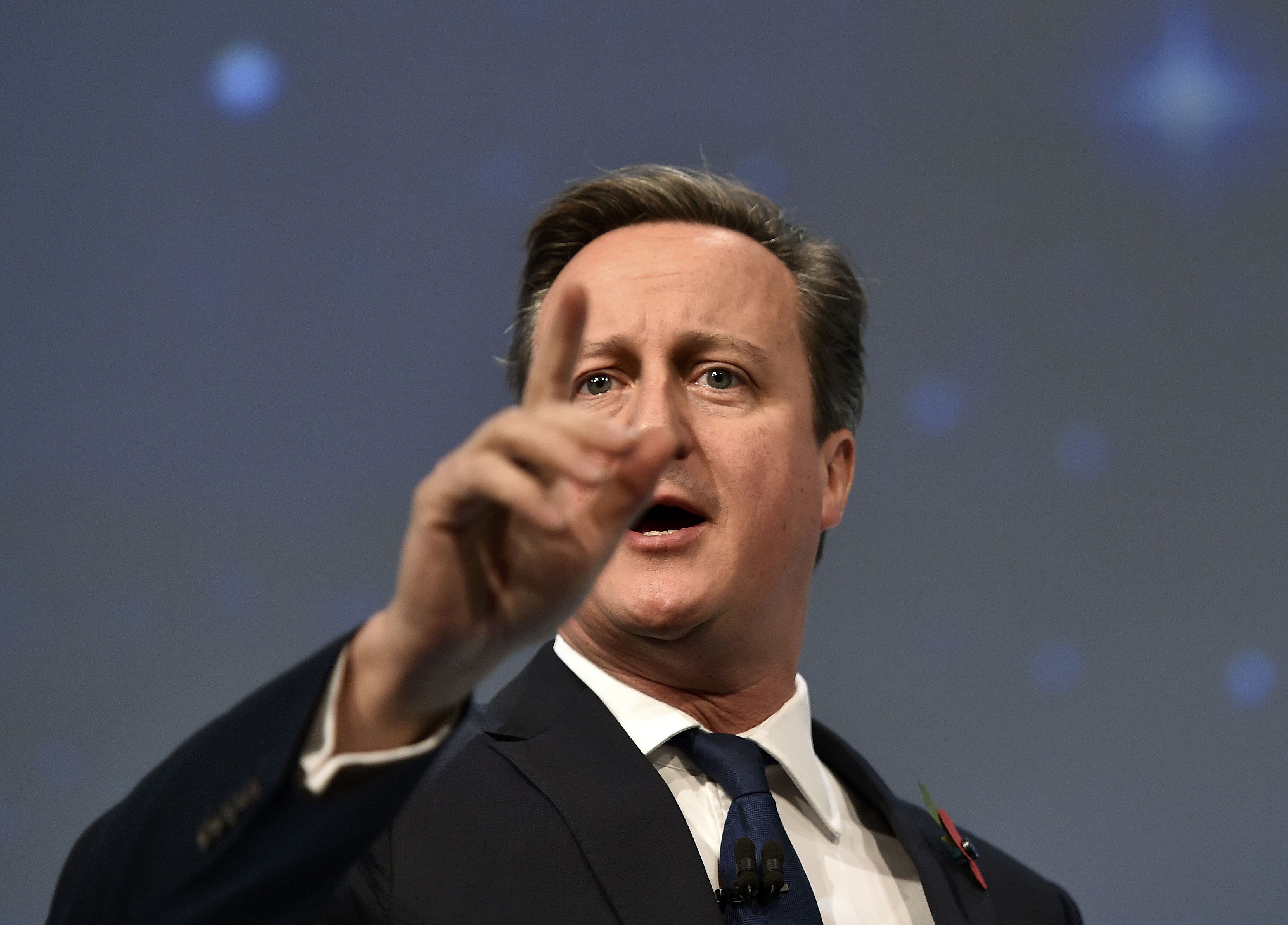
Cameron's message to the European Union
David Cameron has set out his demands for a new relationship with the European Union ahead of a referendum on Britain's membership. Gideon Rachman discusses how the UK prime minister's message is being received at home and in the rest of Europe with George Parker and Alex Barker Hosted on Acast. See acast.com/privacy for more information.
The US climate change divide
As world powers prepare to negotiate a new global accord on greenhouse gas emissions in Paris, one of the big questions is what happens in the US, the world’s second biggest emitter. Ben Hall discusses the issue with Pilita Clark and Demetri Sevastopulo. Hosted on Acast. See acast.com/privacy for more information.
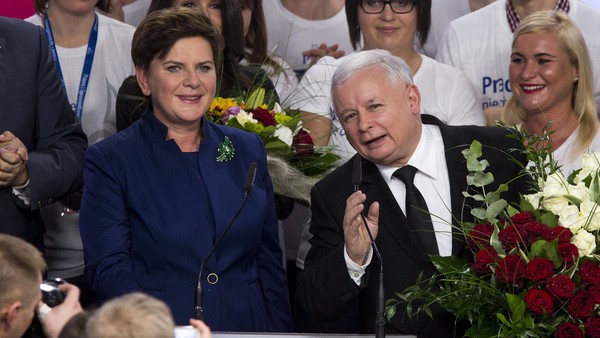
Poland's shift to the right
The election victory of Poland's Law and Justice party took many by surprise given the successful economic record of the outgoing government. Gideon Rachman discusses why Poles voted for change, and what the result means for the country's ties with the EU, Russia and Nato, with Tony Barber, Europe editor, and Henry Foy, Warsaw correspondent. Hosted on Acast. See acast.com/privacy for more information.
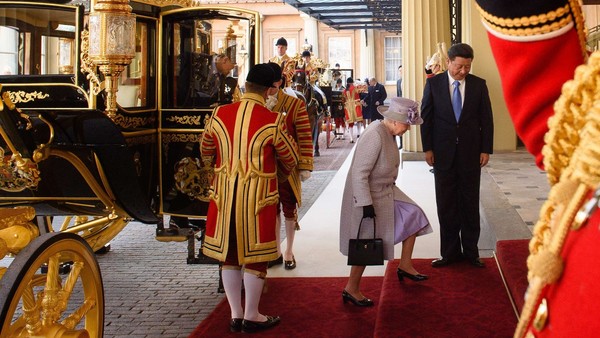
UK rolls out the red carpet for China
President Xi Jinping's state visit to the UK has featured all the pomp and circumstance the UK can muster. Has it cemented the UK's place as a prosperous best friend to China in the West or has Britain bowed too deeply to an authoritarian regime? Joshua Chaffin puts the question to Jamil Anderlini and Demetri Sevastopulo. Hosted on Acast. See acast.com/privacy for more information.
Turmoil in Turkey
Turkey suffered its worst terrorist attack at the weekend, but rather than uniting the country in grief, it has exacerbated suspicions that the ruling AK party is intent on stoking ethno-sectarian tensions ahead of next month's elections. Ben Hall discusses the crisis with Daniel Dombey and David Gardner. Hosted on Acast. See acast.com/privacy for more information.
What the TPP means for US-Asia ties
The US reached agreement this week with Japan and 10 other Pacific Rim economies on a Trans-Pacific Partnership. Gideon Rachman discusses the scope of the pact and what it will mean for those who have signed up, and those left out, with Shawn Donnan and Geoff Dyer Hosted on Acast. See acast.com/privacy for more information.
Merkel under pressure
Germany's chancellor Angela Merkel is facing an array of problems ranging from the scandal at Volkswagen to the arrival of up to a million refugees in the country. Gideon Rachman discusses the extent of Germany's difficulties and whether it amounts to a crisis with Stefan Wagstyl and Andy Sharman. Hosted on Acast. See acast.com/privacy for more information.
Russia raises its profile in the Middle East
Russia has moved fighter jets, tanks and troops into a base in Syria, meanwhile Vladimir Putin, Russian president, is gearing up to make a major speech at the United Nations. What are the Russians up to? Gideon Rachman discusses this question with Neil Buckley and Geoff Dyer. Hosted on Acast. See acast.com/privacy for more information.
Europe's fraying union
Mark Vandevelde, executive comment editor, joins Gideon Rachman, Tony Barber and Peter Spiegel to discuss how the dual euro and refugee crises are putting strain on the EU, what role the Schengen agreement may or not have played in the latter, and whether or not the union can weather the storm Hosted on Acast. See acast.com/privacy for more information.
Lebanon and Turkey struggle to meet the needs of Syrian refugees
The future of Syria and its neighbouring states, Lebanon and Turkey, remains unsure as they are struggling to cope with millions of refugees from the Syrian conflict. Gideon Rachman talks to Erika Solomon, FT correspondent in Beirut, and Dan Dombey, former FT bureau chief in Istanbul, about the political and societal strains caused by the refugee crisis. Hosted on Acast. See acast.com/privacy for more information.
Europe's borders under strain
Europe is facing its biggest refugee crisis in decades, with Germany assuming the greatest burden for absorbing the asylum seekers. Gideon Rachman talks to Jeevan Vasagar, FT correspondent in Berlin, and Tony Barber, FT Europe editor, about the political strains caused by the crisis. Hosted on Acast. See acast.com/privacy for more information.
How risky is China's volatility for the global economy?
The impact of China's stock market volatility has been felt around the world this week. Martin Sandbu is joined by the FT's economics editor Chris Giles, and US economics editor Sam Fleming, to discus show risky this is for the health of the global economy. Hosted on Acast. See acast.com/privacy for more information.
Ukraine faces battles on two fronts
Rising violence in eastern Ukraine has prompted the leaders of France, Germany and Ukraine to convene an emergency summit to try to halt the fighting; at the same time Kiev's negotiations with its creditors are reaching a critical point. Ben Hall discusses the twin crises with Neil Buckley and Elaine Moore Hosted on Acast. See acast.com/privacy for more information.
China's renminbi devaluation
China this week stunned financial markets with the biggest devaluation of the renminbi in two decades, only to intervene to stop the slide. Was it a move towards liberalisation or a desperate bid to halt the country's economic slowdown? Ben Hall discusses the move and its consequences with James Kynge and Gabriel Wildau. Hosted on Acast. See acast.com/privacy for more information.
Barack Obama's climate plan
President Barack Obama this week unveiled America's most far reaching action so far on climate change by imposing stringent emissions cuts on the power sector. Orla Ryan asks Pilita Clark and Barney Jopson about the significance of the move. Hosted on Acast. See acast.com/privacy for more information.
Turkey steps up its battle on terror
Nato allies have welcomed Turkey's decision to step up its fight against Isis. But its decision to include Kurdish opponents as the target of its attacks is causing some to question Ankara's true motives. Siona Jenkins discusses Turkey's strategy with Daniel Dombey and Alex Barker. Hosted on Acast. See acast.com/privacy for more information.
Iran nuclear deal: historic breakthrough or mistake?
Years of painstaking negotiations between Iran and the world powers have finally led to a deal. Was it the biggest international diplomatic breakthrough in decades or a historic mistake? Roula Khalaf, FT foreign editor, and Najmeh Bozorgmehr, Tehran correspondent, debate the pros and cons. Hosted on Acast. See acast.com/privacy for more information.
Who loses most from the Greek rescue deal?
On Monday Athens was given a long list of economic reforms it needed to implement in return for another EU bailout. Was it a humiliation for the Greeks or a capitulation by the Germans? Gideon Rachman and Wolfgang Munchau discuss who was the biggest loser. Hosted on Acast. See acast.com/privacy for more information.
Europe's moment of decision on Greece
Is this week finally the one when Greece defaults on its debts and crashes out of the euro? Gideon Rachman is joined by Henry Foy and Ferdinando Giugliano to discuss an apparent hardening of opinion among Europe's politicians towards Greek appeals for debt relief. Hosted on Acast. See acast.com/privacy for more information.
Terror attacks hit Tunisia's economy
Last week saw the second deadly attack on Western tourists in Tunisia in four months, dealing a severe blow to the industry that is the country's economic mainstay. Siona Jenkins is joined by Erika Soloman and Roula Khalaf to discuss what the government can do to tackle the jihadi threat. Hosted on Acast. See acast.com/privacy for more information.