
FT Tech Tonic
263 episodes — Page 5 of 6
The new AI battleground
Nicole Eagan, chief executive of Darktrace, tells John Thornhill corporate networks have become the new battleground in a cyberwar waged by criminals and state actors using artificial intelligence Hosted on Acast. See acast.com/privacy for more information.

Terah Lyons on fashioning the AI future
John Thornhill talks to Terah Lyons, founding executive director of the Partnership on AI, a US initiative that brings civil society groups into a debate with big tech companies to promote the benefits of machine intelligence. Hosted on Acast. See acast.com/privacy for more information.
What we can learn from ancient DNA
David Reich, professor of genetics at Harvard, talks to Clive Cookson, the FT's science editor, about how the genomic revolution is affecting paleontology and the study of human pre-history. Hosted on Acast. See acast.com/privacy for more information.

Julia Shaw on a bot you can trust
Psychologist Julia Shaw talks to John Thornhill about her research into the fragility of human memory and how this helped her design a software tool that can be used to record and report workplace harassment Hosted on Acast. See acast.com/privacy for more information.

The consumer awakening
How can we fix the digital future? Writer and Silicon Valley critic Andrew Keen tells John Thornhill our best resource is human agency and the power of consumers to reject products that they have lost faith in Hosted on Acast. See acast.com/privacy for more information.

Facebook and Google: platforms or publishers?
The big tech platforms where many people get their news wield significant power. How do they work with publishers, and are they doing enough to combat "fake" news? FT global media editor Matt Garrahan put the questions to a panel of experts at the FT's Future of News conference in New York earlier this month. Guests are Campbell Brown, head of news partnerships at Facebook, Emily Bell, director of the Tow Center for Digital Journalism at Columbia University, Jason Kint, chief executive of Digital Content Next and Richard Gingras, vice president of news at Google. Hosted on Acast. See acast.com/privacy for more information.
Removing bias from AI
Kriti Sharma talks to John Thornhill about her work for the UK software company Sage and about her mission to bring greater diversity and accountability to the algorithms that guide our decisions. Hosted on Acast. See acast.com/privacy for more information.
Rethinking the way we earn money
Facebook co-founder Chris Hughes joins the FT's Hannah Kuchler to talk about economic inequality in the age of "big tech", and his proposal to shrink the income gap in the US. It's the subject of his book Fair Shot: Rethinking inequality and how we earn. Hosted on Acast. See acast.com/privacy for more information.

Erel Margalit on investing in peace
John Thornhill talks to Erel Margalit, founder and chairman of Jerusalem Venture Partners, about his plan to help create a regional hub for tech startups and how he believes business collaboration in the region can help ease tensions when politicians fail. Hosted on Acast. See acast.com/privacy for more information.
Is there anyone out there?
Clive Cookson, FT science editor, discusses the possibility of alien life and whether we would recognise it if we encountered it with British astrophysicist Paul Davies. Hosted on Acast. See acast.com/privacy for more information.

ENCORE: When data rules the world
In this encore episode, John Thornhill talks to author and historian Yuval Noah Harari about his vision of a future when humans are no longer the smartest algorithm on the planet. Hosted on Acast. See acast.com/privacy for more information.

Road testing self-drive cars
John Thornhill talks to nuTonomy's Gretchen Effgen about why the company chose Singapore as well as Boston to test its self-drive cars and why it uses a formal methods approach to developing its software. Hosted on Acast. See acast.com/privacy for more information.

Jacqueline Poh on digital government
John Thornhill talks to the head of Singapore's GovTech about her work in advancing the country's Smart Nation ambitions Hosted on Acast. See acast.com/privacy for more information.
Martin Rees on saving the planet
John Thornhill talks to leading astrophysicist Martin Rees about why he thinks we need to pay greater attention to the risks posed by environmental damage and the rapid adoption of new technologies. Hosted on Acast. See acast.com/privacy for more information.

Silicon Valley's coming of age
Historian Leslie Berlin talks to the FT's Hannah Kuchler about the generation of entrepreneurs and investors, from Mike Markkula to Sandra Kurtzig, who transformed the tech hub in the 1970s and 1980s. It's the subject of her latest book "Troublemakers: Silicon Valley's Coming of Age". Hosted on Acast. See acast.com/privacy for more information.

Calum Chace on a world without work
Business and science fiction writer Calum Chace talks to John Thornhill about the exponential growth of AI and why we need to start planning now for a world without work. Hosted on Acast. See acast.com/privacy for more information.
Social media in the classroom
How is the use of mobile technology and social media affecting the lives of children and adolescents? Sonia Livingstone, professor of psychology at the LSE in London, examined the issue in her book: The Class: Living and Learning in the Digital Age. She talks to Madhumita Murgia about her findings. Hosted on Acast. See acast.com/privacy for more information.
Garry Kasparov on the risks and rewards of AI
Artificial intelligence is an important tool, but human beings have to be creative to understand how best to make use of it, former world chess champion Garry Kasparov tells John Thornhill Hosted on Acast. See acast.com/privacy for more information.
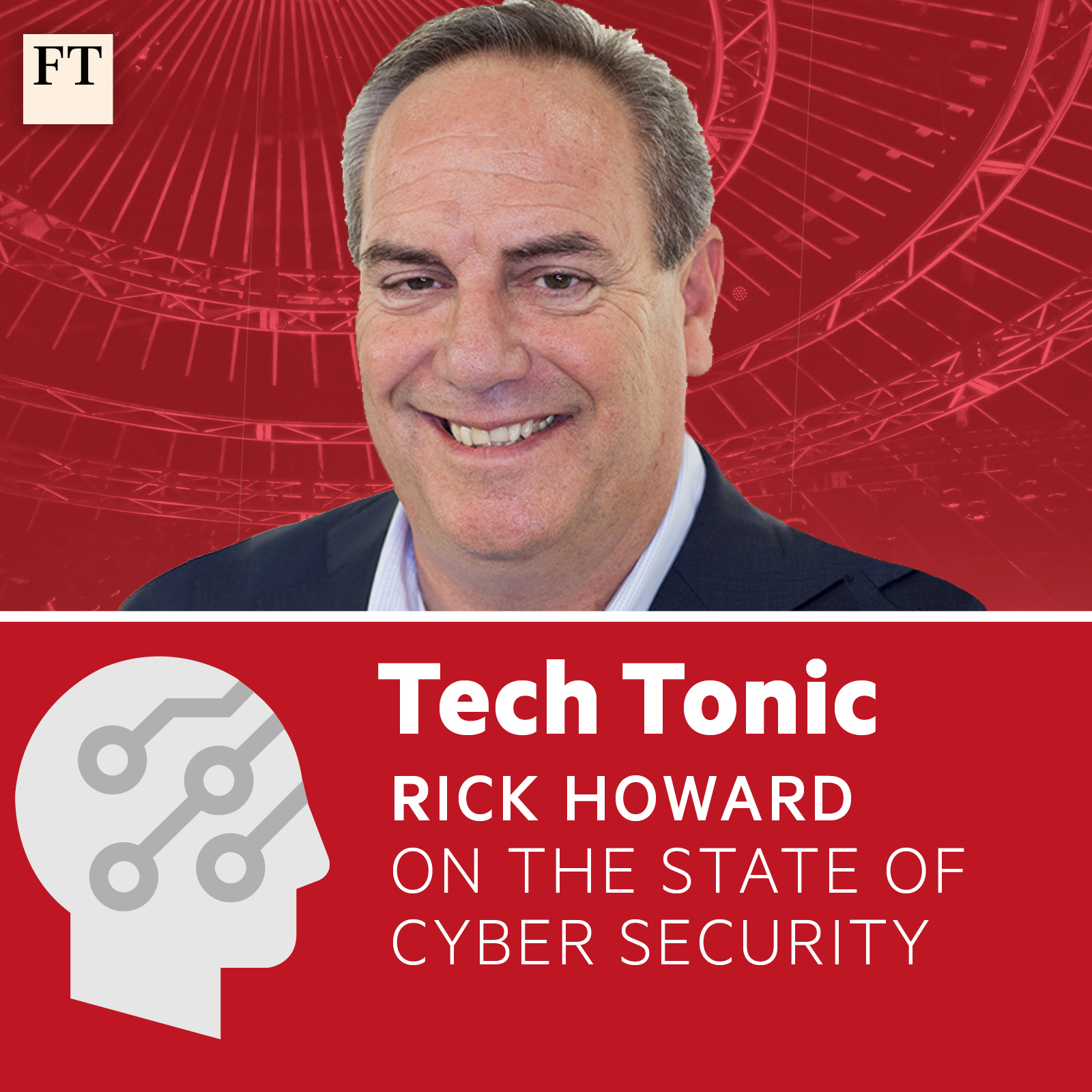
Guarding against the next cyber attack
Army veteran and cyber security expert Rick Howard talks to the FT's Hannah Kuchler about the current state of cyber security, what we have learned from recent large-scale attacks known as WannaCry and NotPetya and what companies can do to try to guard against the next attack. Hosted on Acast. See acast.com/privacy for more information.
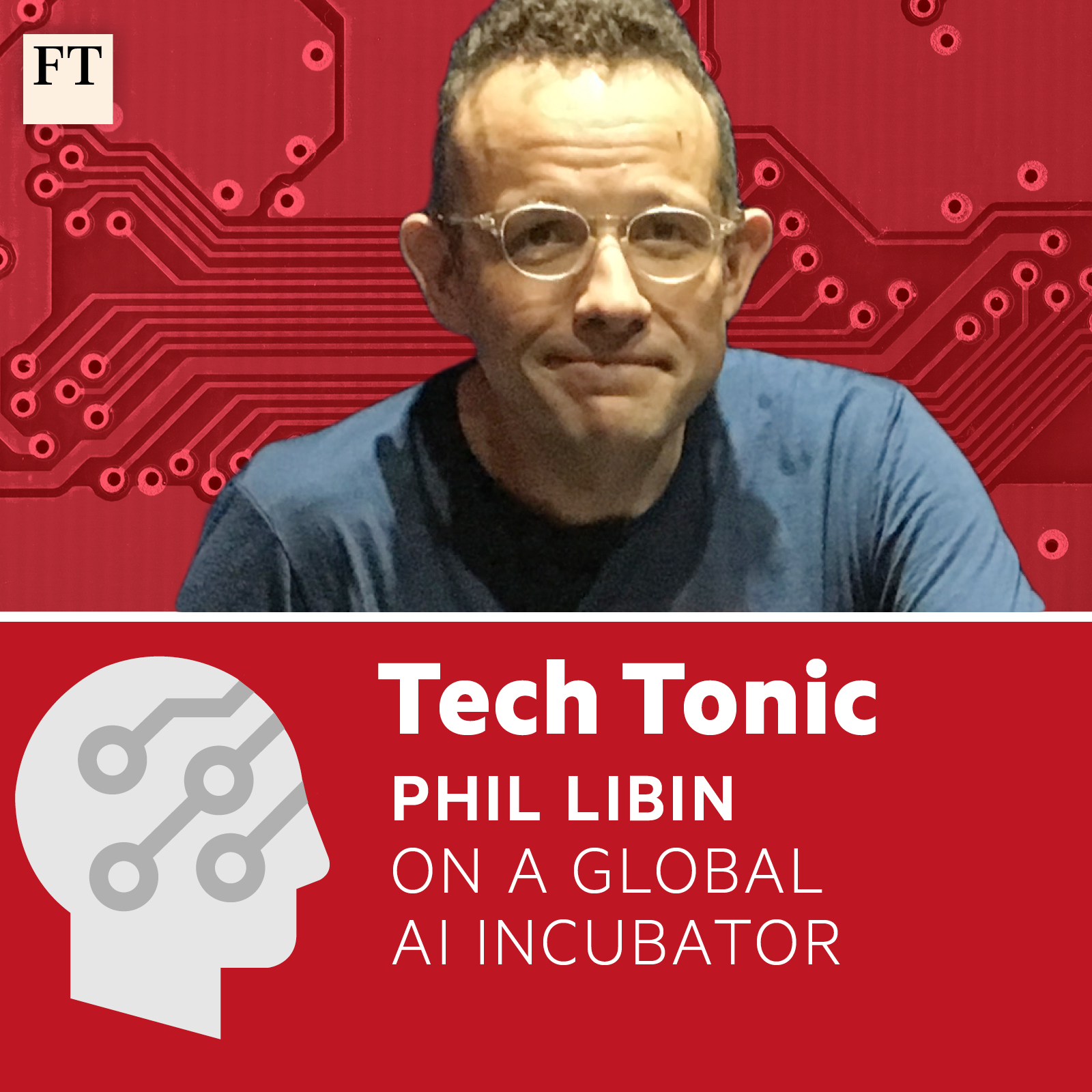
Why AI is the future
Phil Libin, former chief executive of Evernote, tells John Thornhill why he thinks artificial intelligence will soon be part of the fabric of all our lives and about his plan to create a global AI incubator Hosted on Acast. See acast.com/privacy for more information.
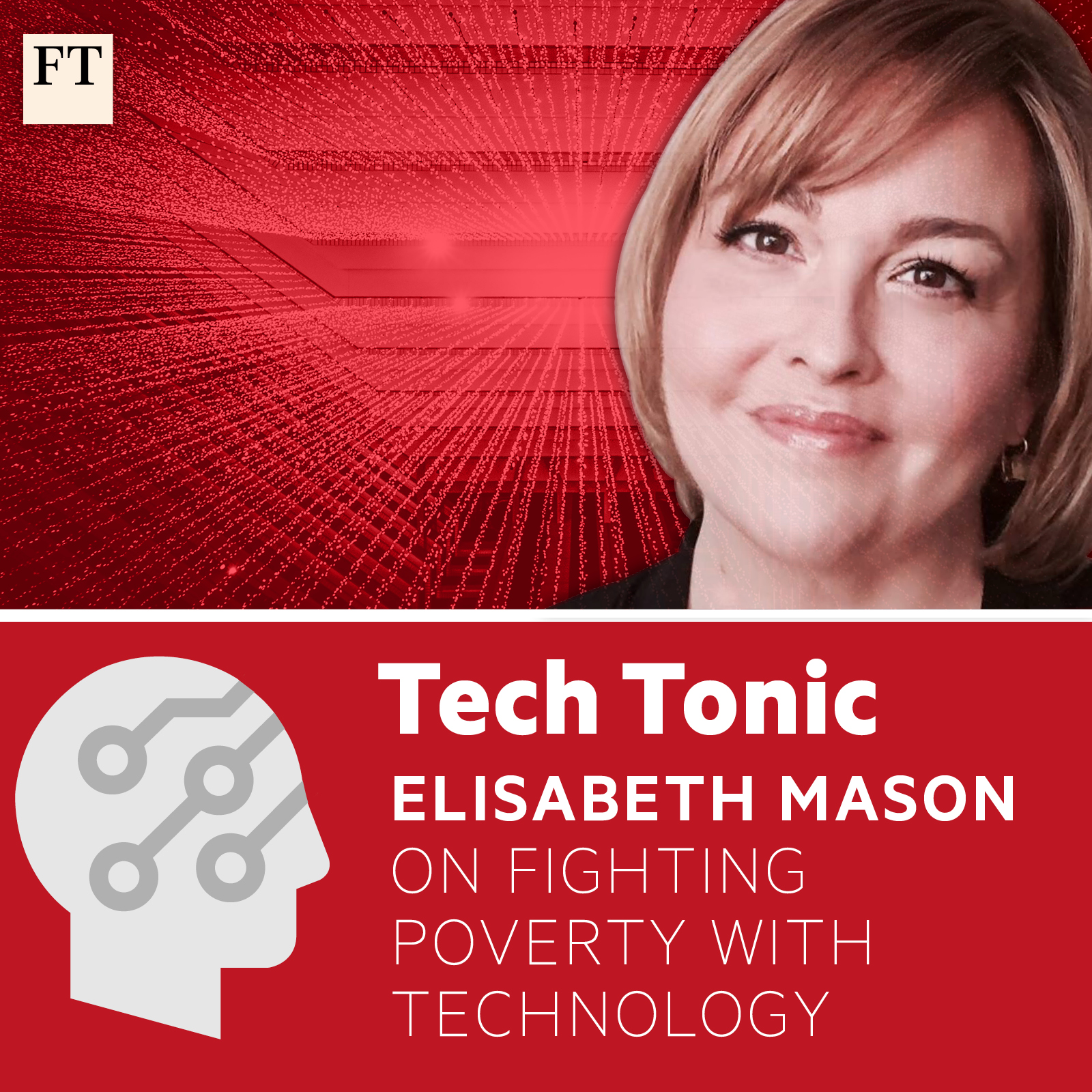
Using tech to fight poverty
Elisabeth Mason, founding director of the Stanford Poverty & Technology Lab, talks to the FT's Hannah Kuchler about solving problems such as education inequality and job retraining the Silicon Valley way. Hosted on Acast. See acast.com/privacy for more information.

What has gone wrong with the internet revolution?
Internet pioneer Martha Lane Fox talks to John Thornhill about her work in trying to ensure that the technology lives up to its early ideals and serves the interests of people rather than big companies. Hosted on Acast. See acast.com/privacy for more information.
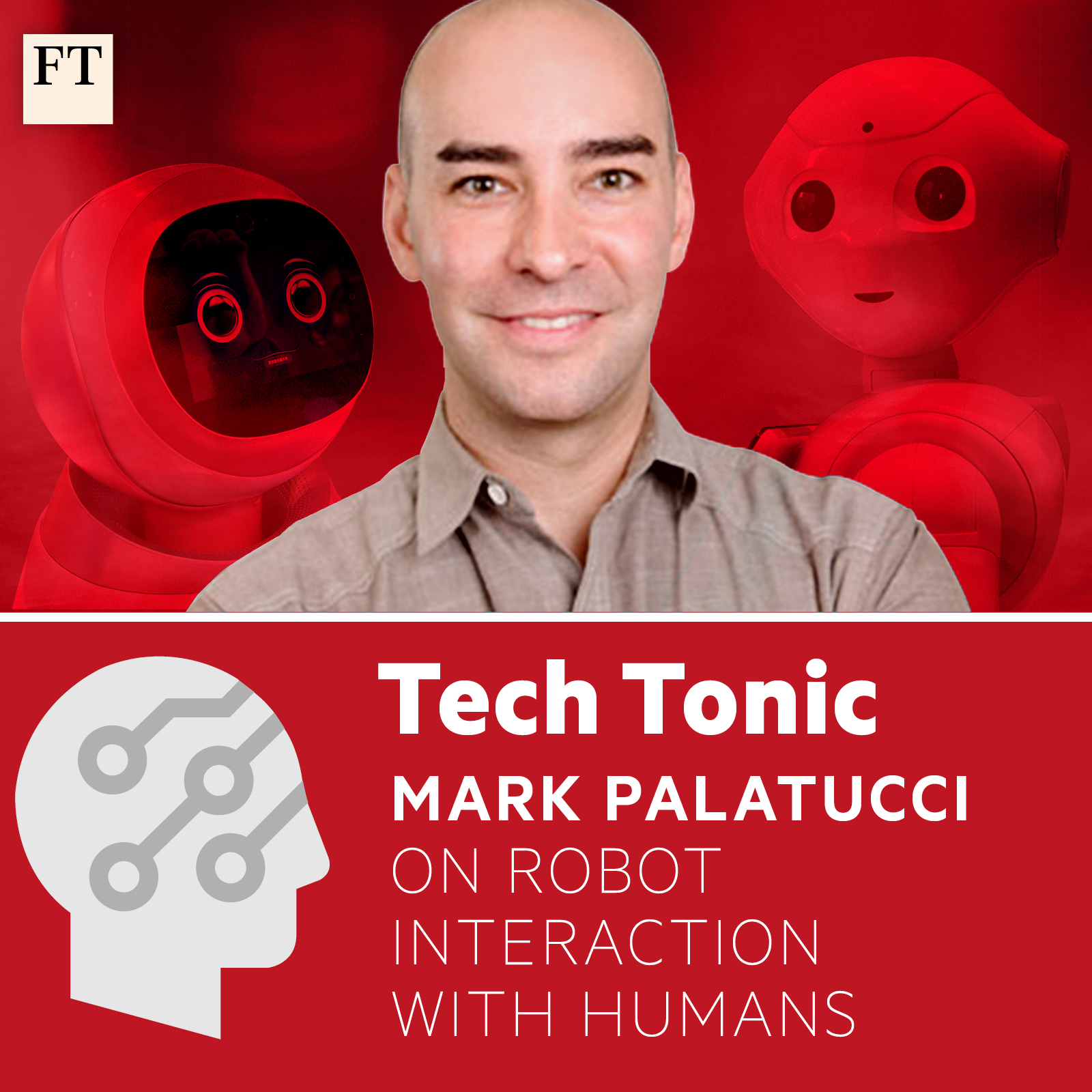
Human friendly robotics
Artificial intelligence entrepreneur Mark Palatucci talks to John Thornhill about the consumer robot revolution and his efforts to help create empathy between humans and their robot toys Hosted on Acast. See acast.com/privacy for more information.
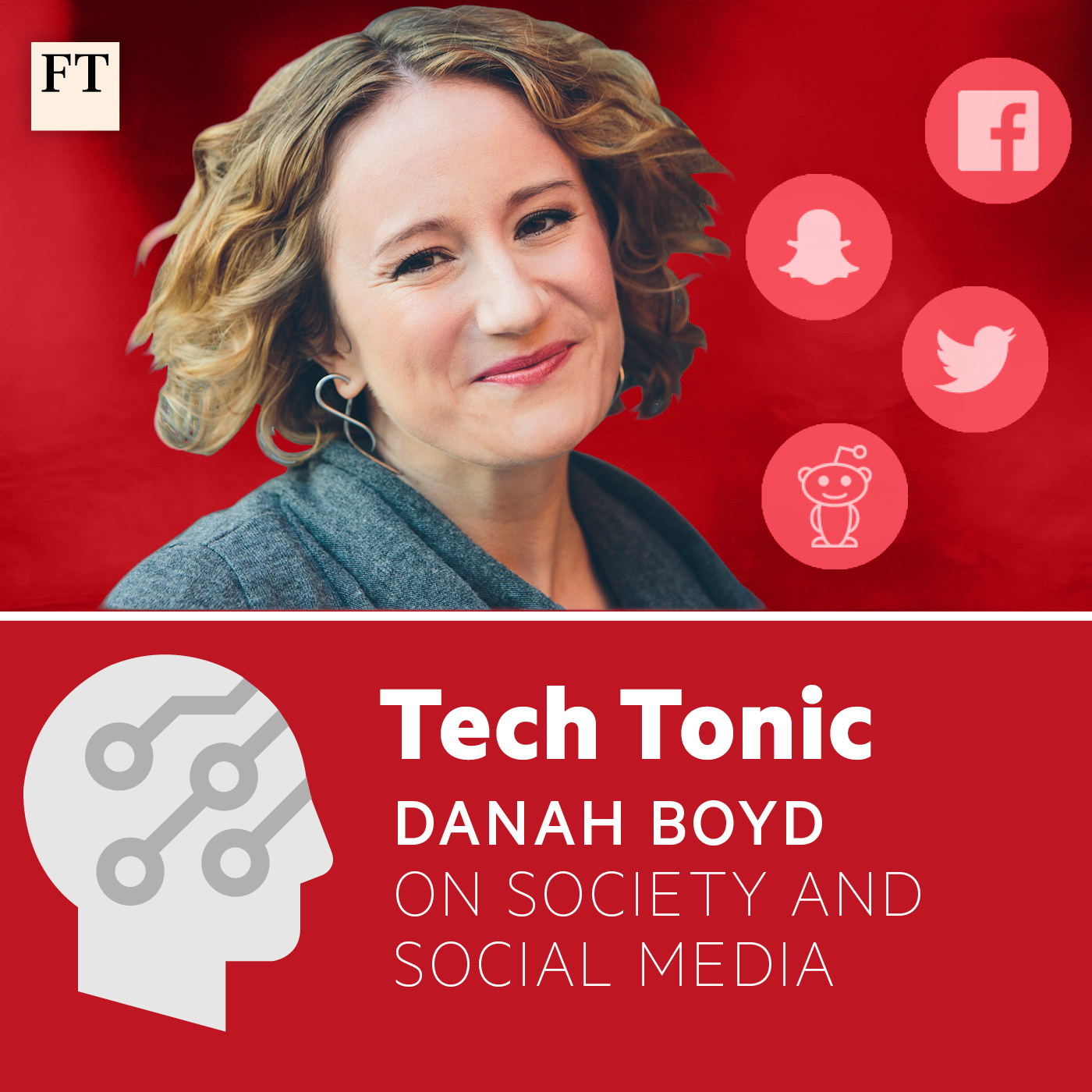
The social media effect
Microsoft researcher and Data & Society president danah boyd talks to the FT's Hannah Kuchler about the effect of everyday technology, such as Facebook, on society and culture. Hosted on Acast. See acast.com/privacy for more information.
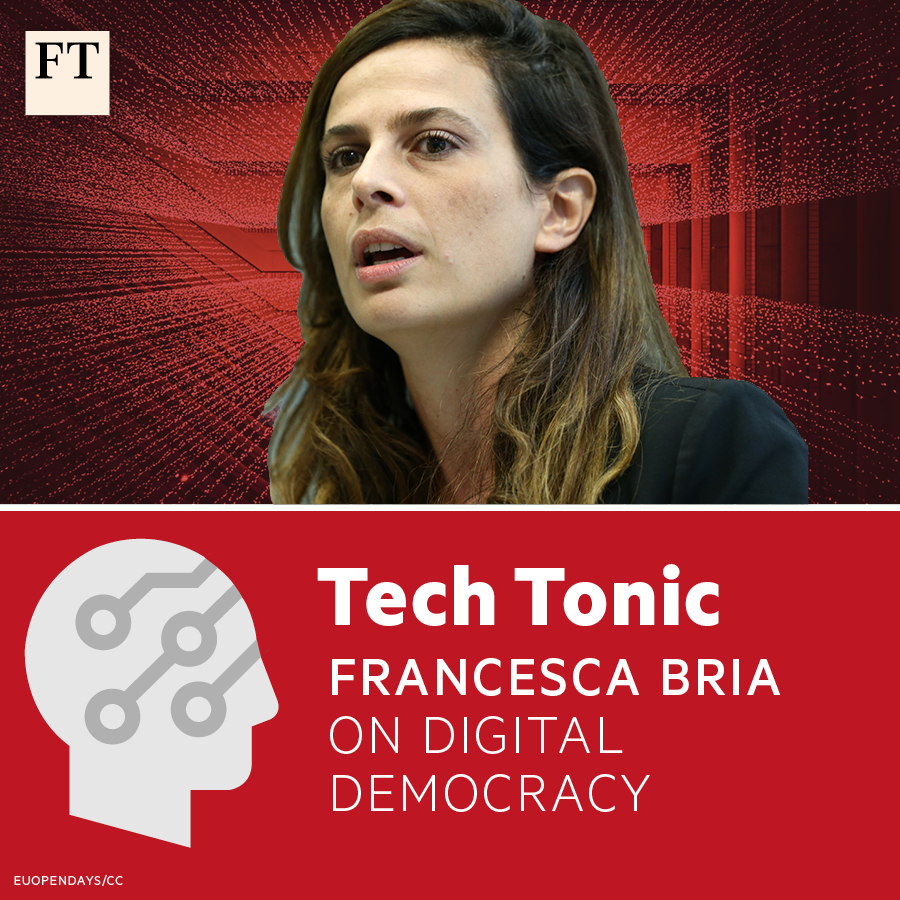
Reclaiming Europe's digital sovereignty
Francesca Bria tells John Thornhill how she is helping citizens in Barcelona design their digital future, moving from an economy fuelled by advertising and surveillance and towards transparency and a new social pact on the ownership of data. Hosted on Acast. See acast.com/privacy for more information.
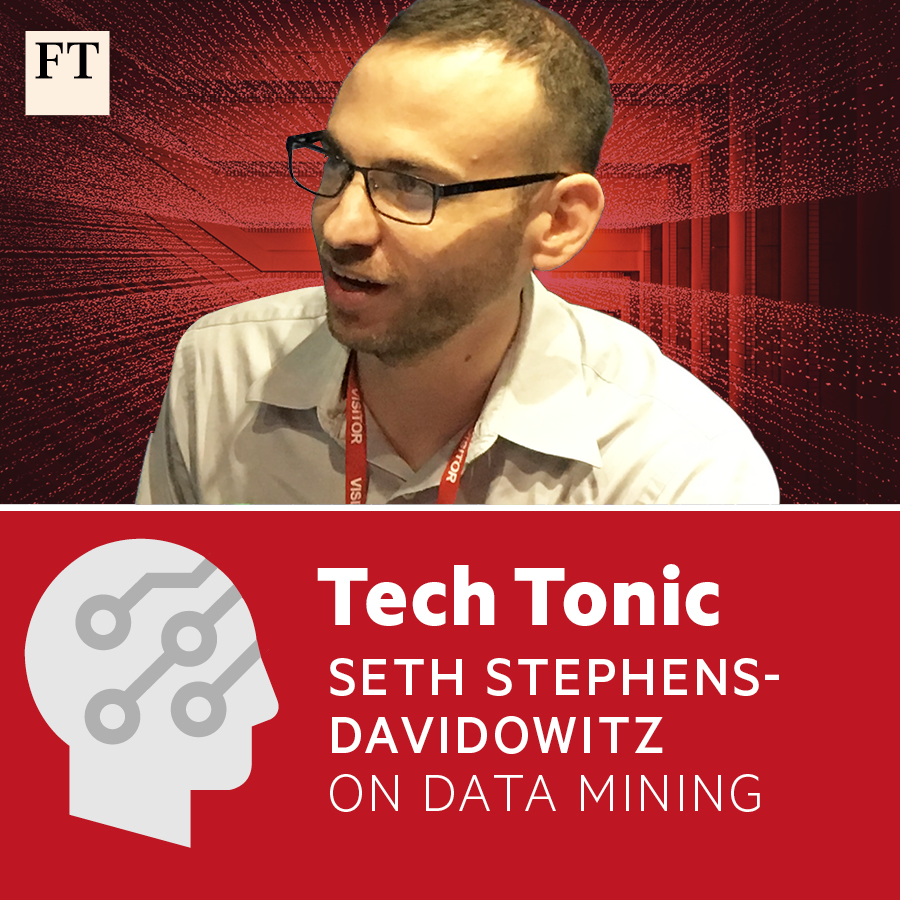
Seth Stephens Davidowitz on data mining
John Thornhill talks to Seth Stephens-Davidowitz, a former Google data scientist, about what our internet searches reveal about who we really are.Listen to Tech Tonic on iTunes or Stitcher. Hosted on Acast. See acast.com/privacy for more information.

Mary Lou Jepsen on the wearable MRI
Scientist and former Facebook and Google executive Mary Lou Jepsen talks to the FT's Hannah Kuchler about her latest startup, Openwater, where she and a team of researchers are working to develop a ski helmet-sized imaging device that will one day read minds. Hosted on Acast. See acast.com/privacy for more information.
Tech Tonic returns for a second series
Tech Tonic returns for a second series, starting next week. Our first guest is a former Google and Facebook executive who is working on a wearable diagnostic product that can read your mind. We’ll also be hearing how search engine data can be used to map our innermost thoughts, and we’ll be talking to experts in artificial intelligence, cyber security, robotics and much more. So look out for Tech Tonic, season 2, starting on Wednesday 11th October. You can subscribe on all the usual podcast platforms. Hosted on Acast. See acast.com/privacy for more information.

What lies ahead for AR
Matt Miesnieks, creator of one of the first augmented reality apps and co-founder of startup 6D, tells the FT's Tim Bradshaw about the technological advances that make AR possible, and what needs to happen if it is to fulfill its promise. Hosted on Acast. See acast.com/privacy for more information.

Tim Wu on addictive apps
The author of "The Attention Merchants" talks to John Thornhill about his concerns about the way some web apps are eating into our time Hosted on Acast. See acast.com/privacy for more information.

The graphics chip powering AI technology
Jensen Huang, chief executive of graphics chipmaker Nvidia, tells the FT's Tim Bradshaw how the graphics processing unit, or GPU, the company pioneered in the 1990s is being used in everything from virtual reality to machine learning to autonomous cars, drawing investor attention. Hosted on Acast. See acast.com/privacy for more information.
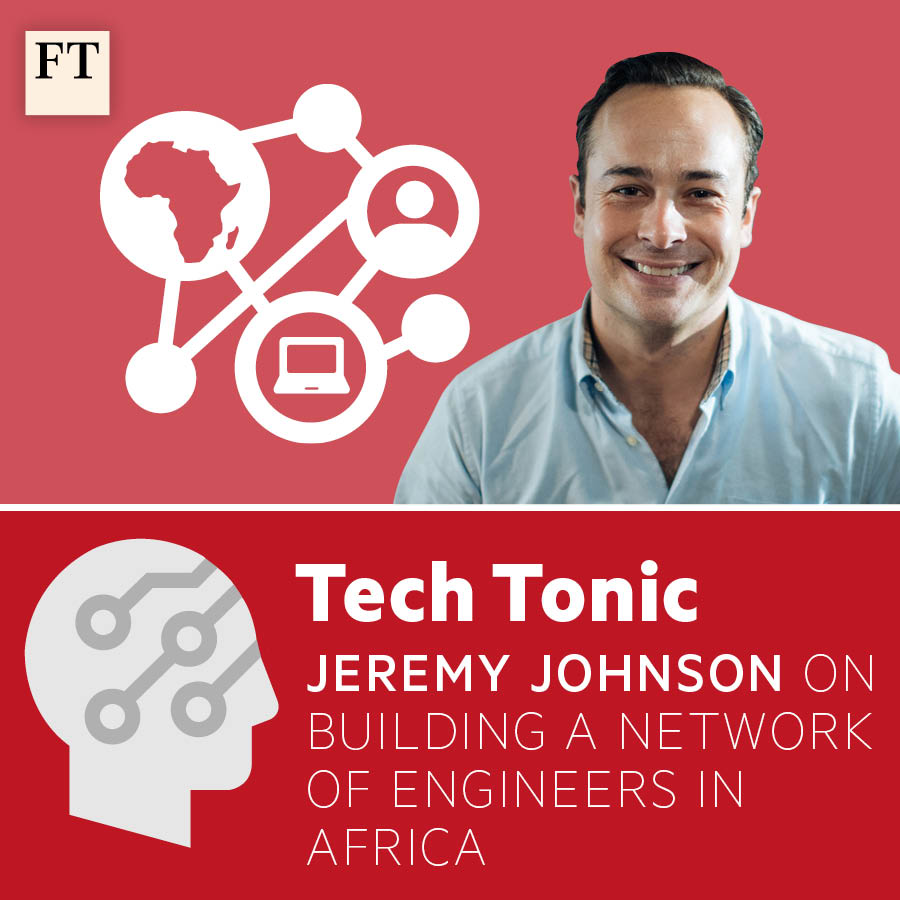
Silicon Valley's newest recruits
Jeremy Johnson, chief executive of Andela, talks to the FT's Hannah Kuchler about how his company recruits and trains software engineers from several African countries and then places them with the top tech companies. Hosted on Acast. See acast.com/privacy for more information.
The limits of artificial intelligence
Despite billions being spent on research, even our best deep learning neural networks look pitiful when compared to the intricate design of the brain of a bumble bee or even an ant, Peter Bentley tells John Thornhill. Hosted on Acast. See acast.com/privacy for more information.
Using blockchain to fight fraud
Leanne Kemp's company Everledger uses blockchain technology to track the provenance of assets, from diamonds to fine wines. She talks to John Thornhill about the technology's potential to combat fraud. Hosted on Acast. See acast.com/privacy for more information.

Uber's plans for aviation on demand
Jeff Holden, Uber's chief product officer, talks to the FT's Leslie Hook about the company's ambitious plan to start testing an aerial taxi service as soon as 2020. Hosted on Acast. See acast.com/privacy for more information.
How US companies find the right talent
Mehul Patel, chief executive of Hired, talks to the FT's Hannah Kuchler about hiring trends in Silicon Valley and other technology hubs in the US, and what some companies are doing in response to President Donald Trump's executive action on immigration and the H-1B visa. Hosted on Acast. See acast.com/privacy for more information.

What's next for Stripe and online payments
Stripe's John Collison speaks to the FT's Leslie Hook about what he and his co-founder brother have planned for the $9bn online payments company, why Silicon Valley is still their preferred place to have their headquarters and what it is like to be one of the Valley's youngest billionaire entrepreneurs. Hosted on Acast. See acast.com/privacy for more information.

What self-driving cars could do for robotics
Jeremy Conrad, co-founder of hardware incubator and VC fund Lemnos Labs, talks to the FT's Tim Bradshaw about the way economies of scale in the self-driving car industry could bolster the field of robotics. Hosted on Acast. See acast.com/privacy for more information.
How DeepMind vanquished Go
Mustafa Suleyman, co-founder of DeepMind, talks about what he learnt from the Alpha Go experience and the complex problems his artificial intelligence company has been working on since it was acquired by Google in 2014. Hosted on Acast. See acast.com/privacy for more information.

Engineering your own chatbot
Lili Cheng and her team at Microsoft's FUSE Labs are at the forefront of research on social interaction with artificial intelligence. She joins the FT's Richard Waters to discuss the evolution of chatbot technology, what the company learnt from its experience with Tay, and the personalisation we can expect from the virtual assistants and chat apps of the future. Hosted on Acast. See acast.com/privacy for more information.
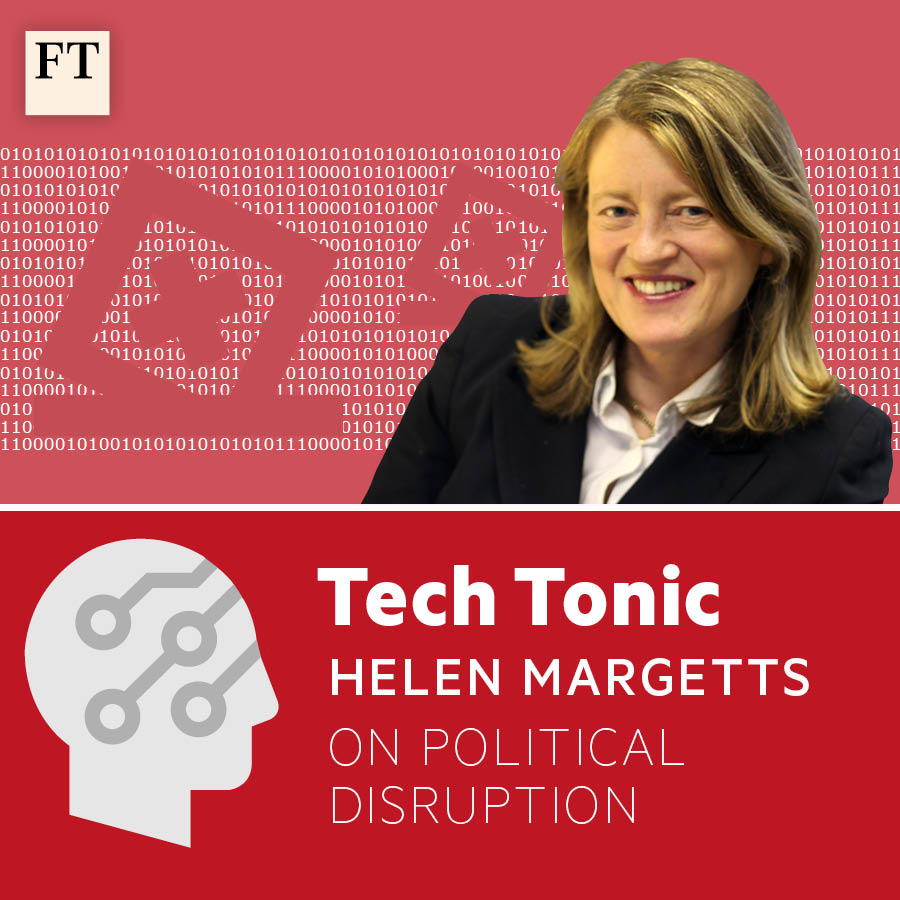
Political disruption and the internet
Helen Margetts, head of the Oxford Internet Institute, talks to the FT's Madhumita Murgia about fake news, echo chambers, big data and why we need more research to be able to combat the "pathologies" of the internet. Hosted on Acast. See acast.com/privacy for more information.
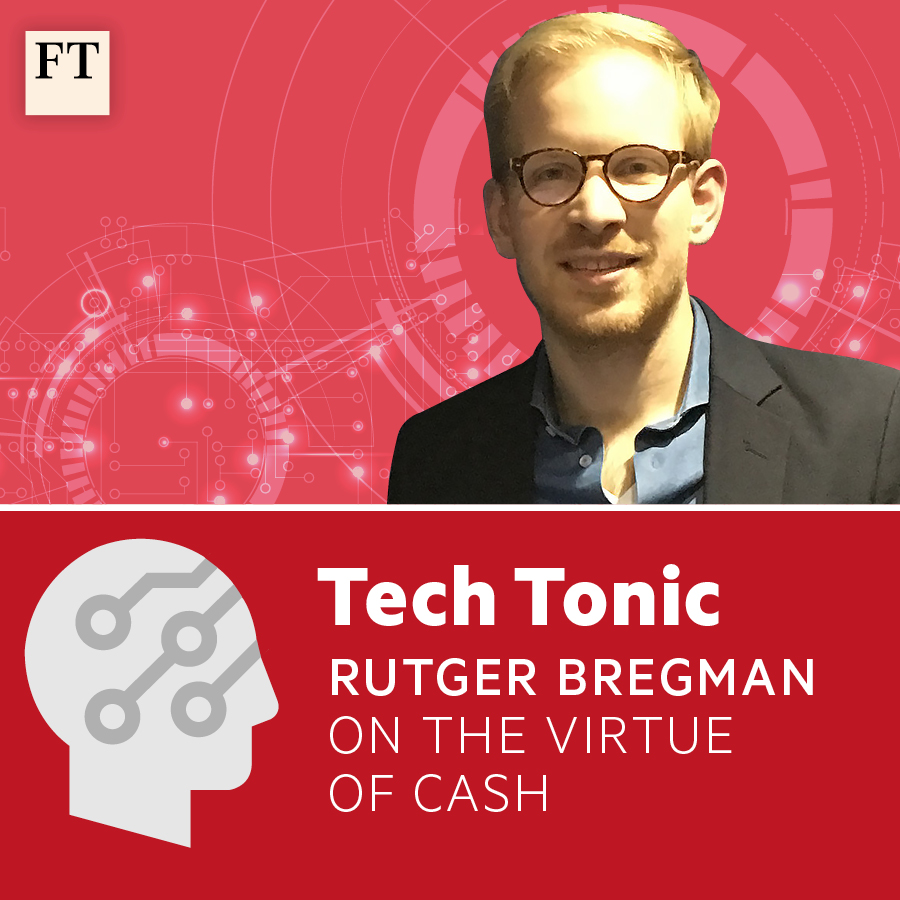
The virtue of cash
Rutger Bregman tells John Thornhill there is evidence to show that we can end poverty by handing out cash to those who need it. The idea of a universal basic income is one whose time has come, he says, and it is finding support in unexpected places like Silicon Valley. Hosted on Acast. See acast.com/privacy for more information.
A look inside Uber
Uber investor and adviser Bradley Tusk talks to the FT's Leslie Hook about the highs and lows of the ride-sharing company's rapid expansion, and how companies in the sharing economy can manage regulatory hurdles. Hosted on Acast. See acast.com/privacy for more information.
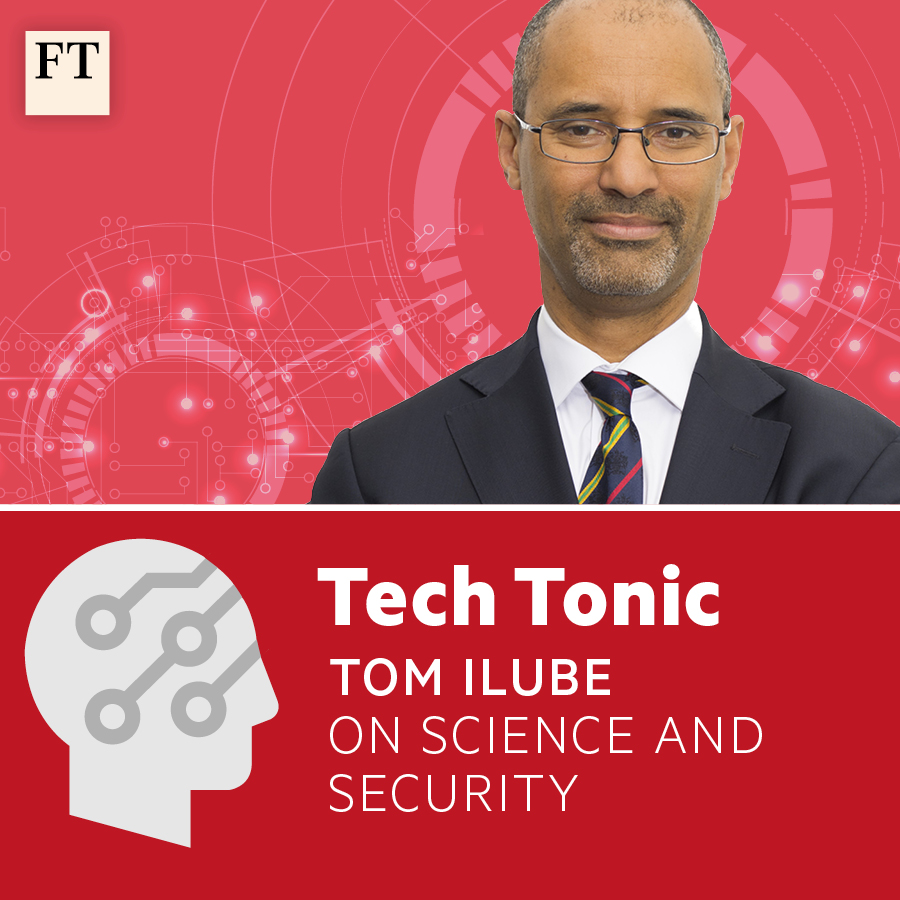
Science and security
Entrepreneur Tom Ilube talks about his work with scientists to deploy their research in the battle against cybercrime, tech advances and education in Africa and why companies need to take cyber security more seriously. Hosted on Acast. See acast.com/privacy for more information.

Cracking the ed-tech market
Duolingo cofounder and chief executive Luis von Ahn talks to the FT's Tim Bradshaw about creating the snackable language learning app that now serves more than 150m global users, and how the company's model can be translated into other digital education tools. Hosted on Acast. See acast.com/privacy for more information.
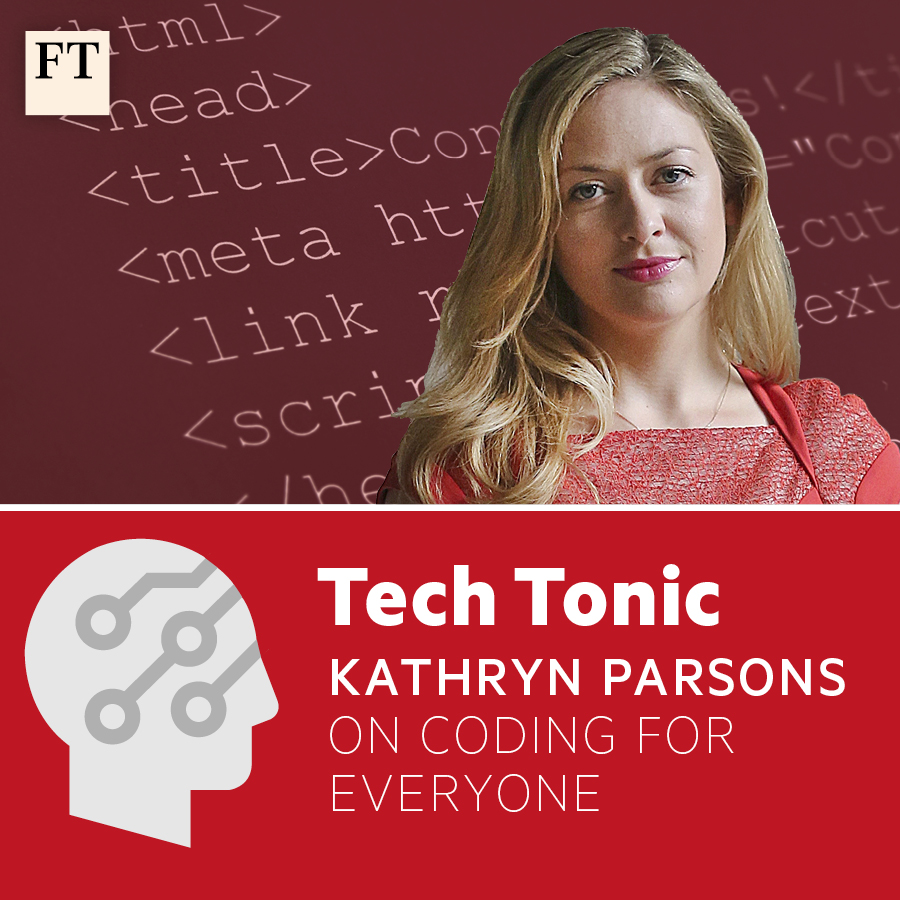
Coding for everyone
Madhumita Murgia speaks to Kathryn Parsons about her work in promoting digital literacy through the company she co-founded, Decoded, which aims to teach people to code in a day. Hosted on Acast. See acast.com/privacy for more information.

Sharing the cost of driving
Frédéric Mazzella tells the story of BlaBlaCar, the ride-sharing company he founded, which now operates in over 20 countries, and talks about the rise of tech entrepreneurship in France. Hosted on Acast. See acast.com/privacy for more information.
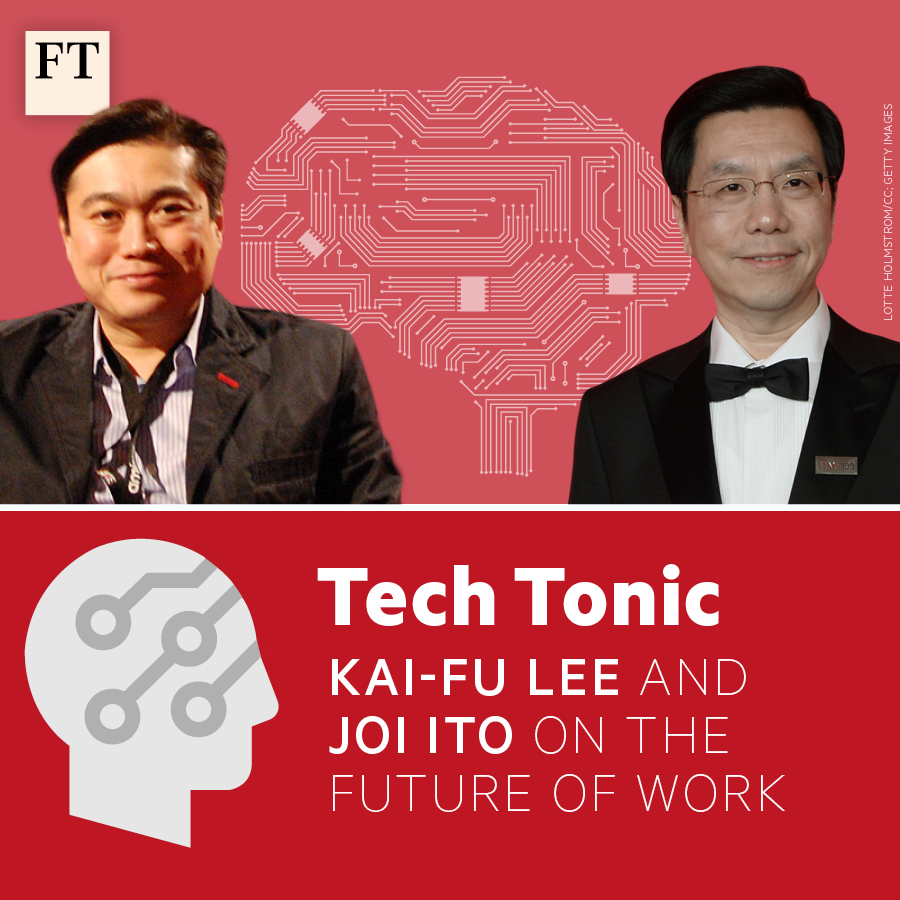
The future of work
What will displaced professionals and workers do when intelligent machines take their jobs? Will poets, thinkers and musicians become sought-after occupations? Or will people slump into a world of virtual reality entertainment? Tim Bradshaw discusses possible outcomes with tech investors Kai-Fu Lee and Joi Ito. Hosted on Acast. See acast.com/privacy for more information.
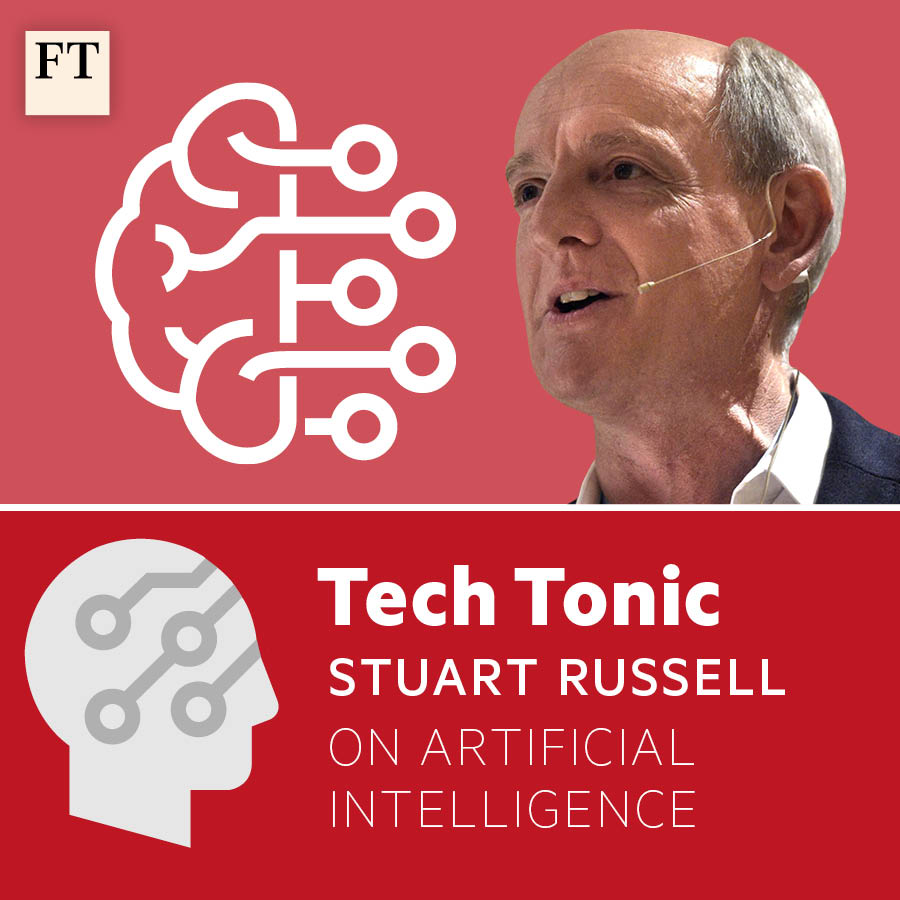
When machines outsmart their human designers
Stuart Russell, a professor of computer science and engineering at the University of California, Berkeley, was one of the first researchers to sound the alarm bell on the risks of developing artificial intelligence. He joins the FT's Richard Waters to discuss the state of AI, and how machines should be developed to avoid these risks. Hosted on Acast. See acast.com/privacy for more information.
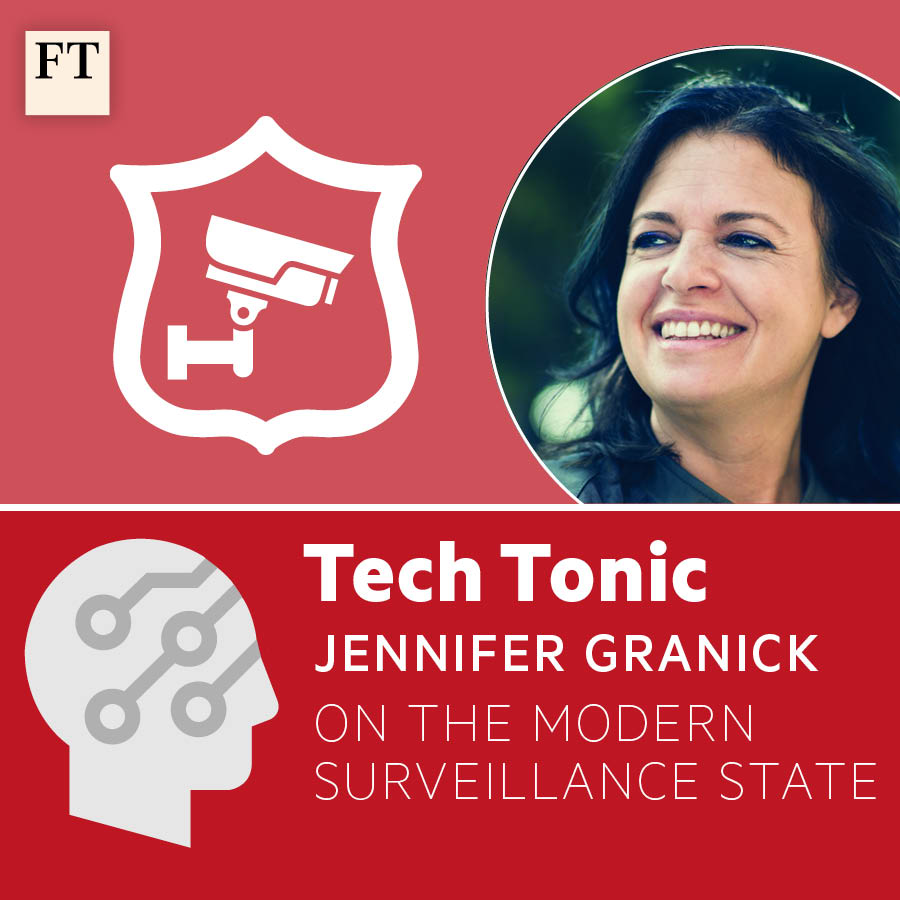
Living in a modern surveillance state
Jennifer Granick, director of civil liberties at Stanford Law School’s Center for Internet and Society, talks to the FT's Hannah Kuchler about government surveillance in the US after the Snowden revelations, and how it could all change under a Trump administration. Hosted on Acast. See acast.com/privacy for more information.