FT News in Focus
1,269 episodes — Page 9 of 26
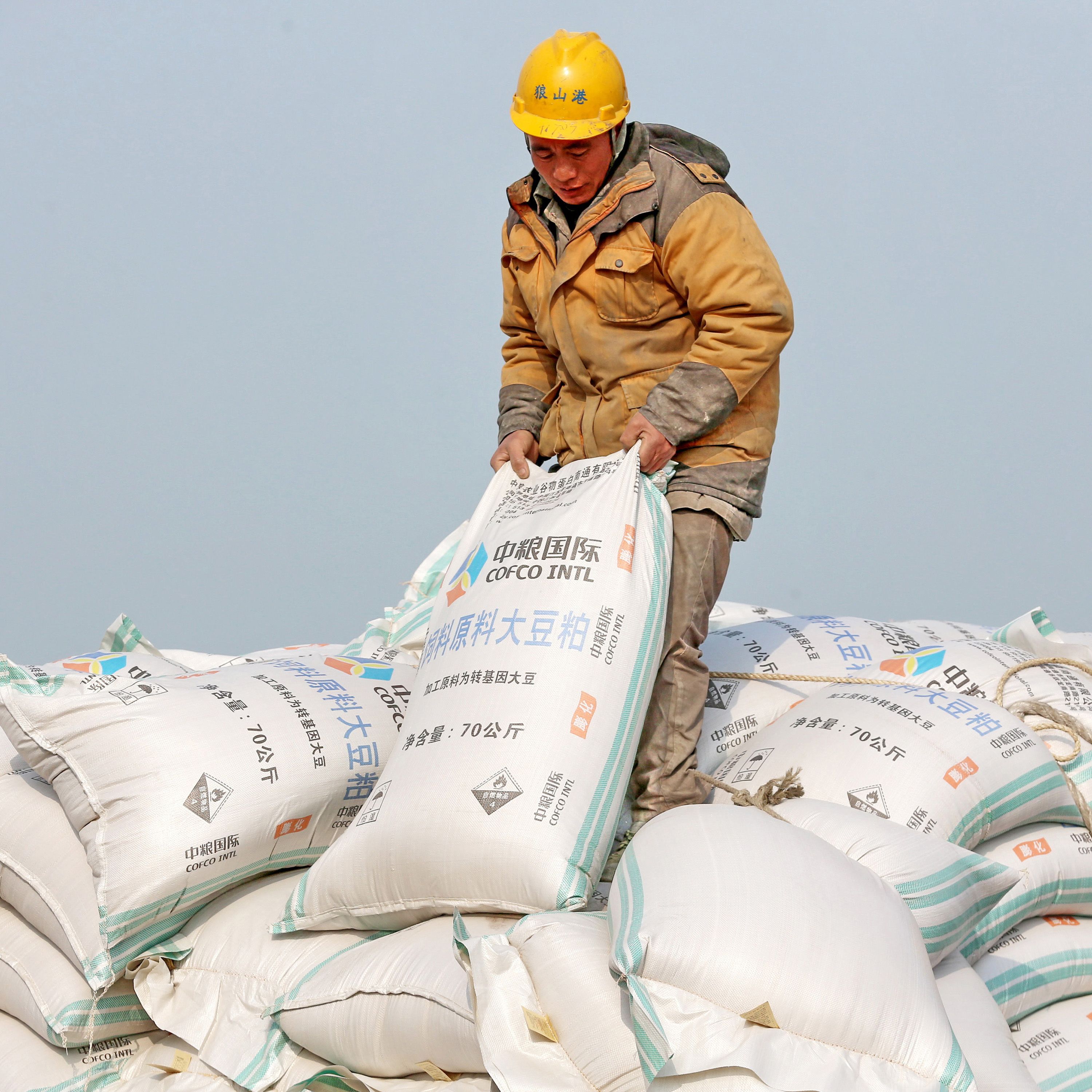
China hits back at US with retaliatory tariffs
China has unveiled retaliatory duties on food that it imports from the US, including pork, fruit and wine, in response to the Trump administration's tariffs on steel and aluminium imports. Where do things stand in the trade dispute between the two countries? The FT's global trade editor Shawn Donnan explains. Hosted on Acast. See acast.com/privacy for more information.

What's behind the US census citizenship question
The US Department of Commerce will reinstate a controversial citizenship question on the next census, provoking fears that doing so would lower the response rate among immigrant and minority groups and have harmful political, economic and commercial implications. The FT's Sam Fleming explains. Hosted on Acast. See acast.com/privacy for more information.
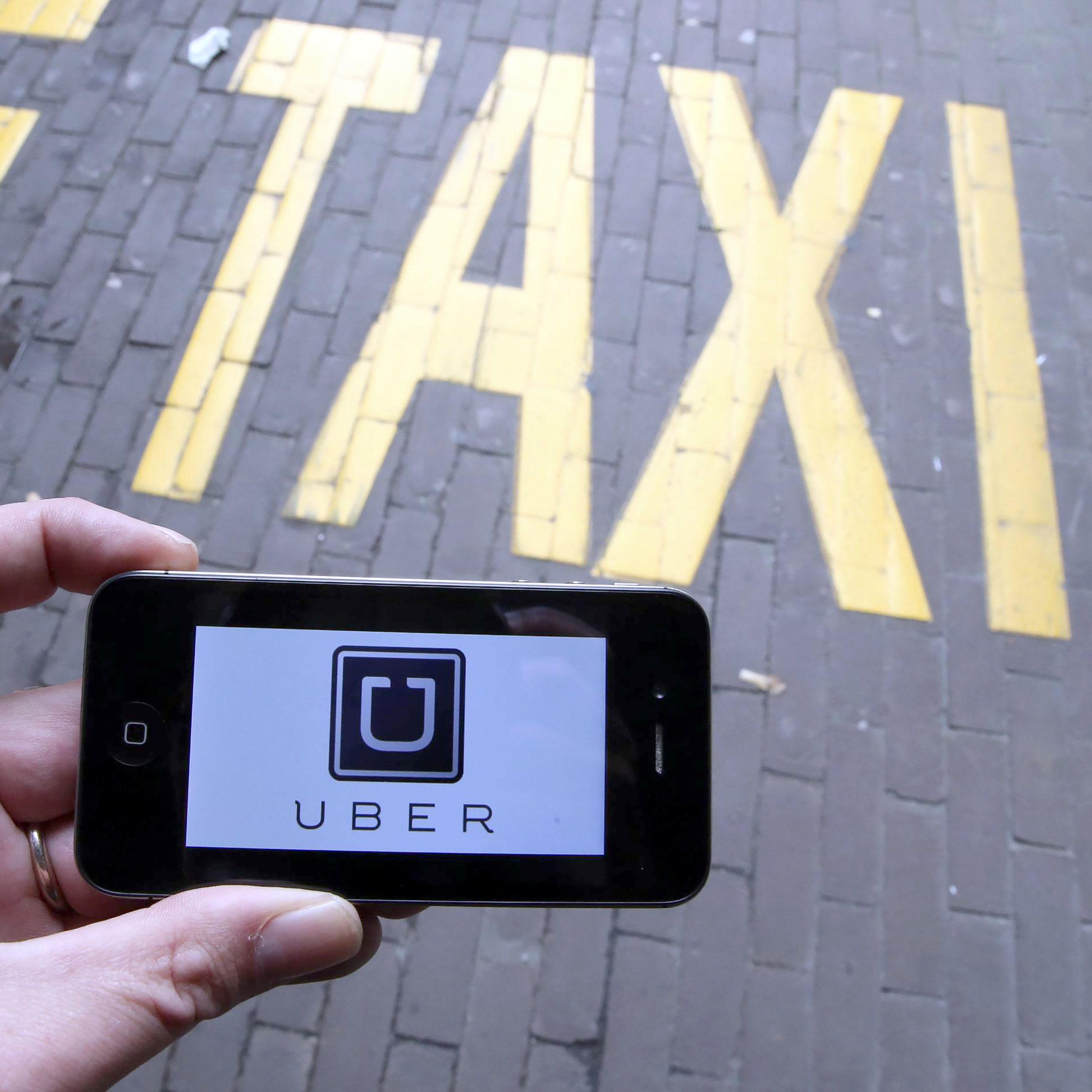
The path to Uber's IPO
After a string of scandals at Uber last year that ended in the ouster of founder Travis Kalanick, investors looked to new chief executive Dara Khosrowshahi to bring financial discipline and fresh leadership to the privately held ride-hailing company. But he is facing new challenges that could alter the path to an initial public offering. The FT's Richard Waters and Shannon Bond discuss. Hosted on Acast. See acast.com/privacy for more information.
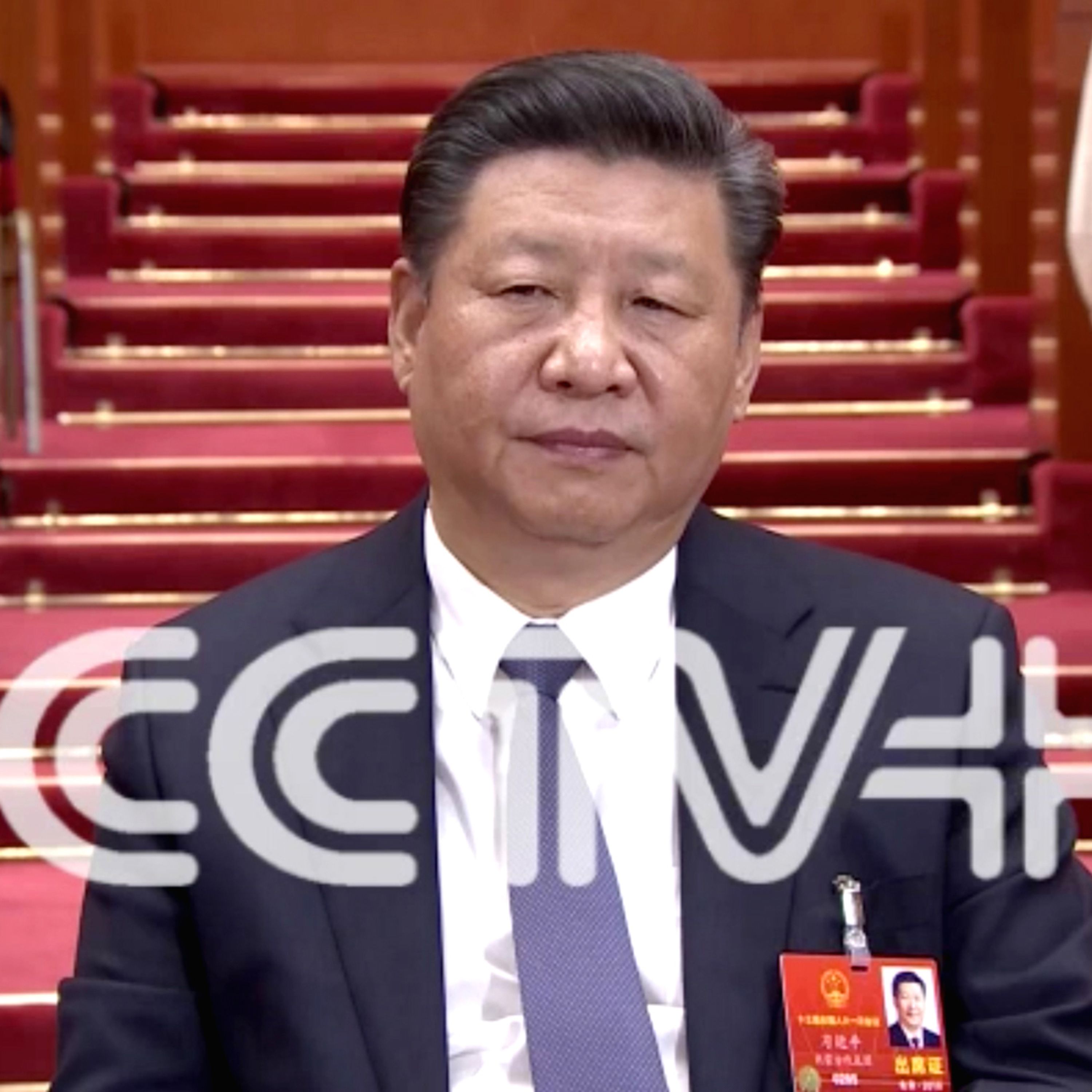
China seeks to boost soft power abroad
China is merging its largest state television and radio stations as part of a drive to broaden its global news footprint. But ultimately it has much bigger ambition, to become the world's foremost news provider, the FT's Emily Feng tells Hannah Murphy. Hosted on Acast. See acast.com/privacy for more information.
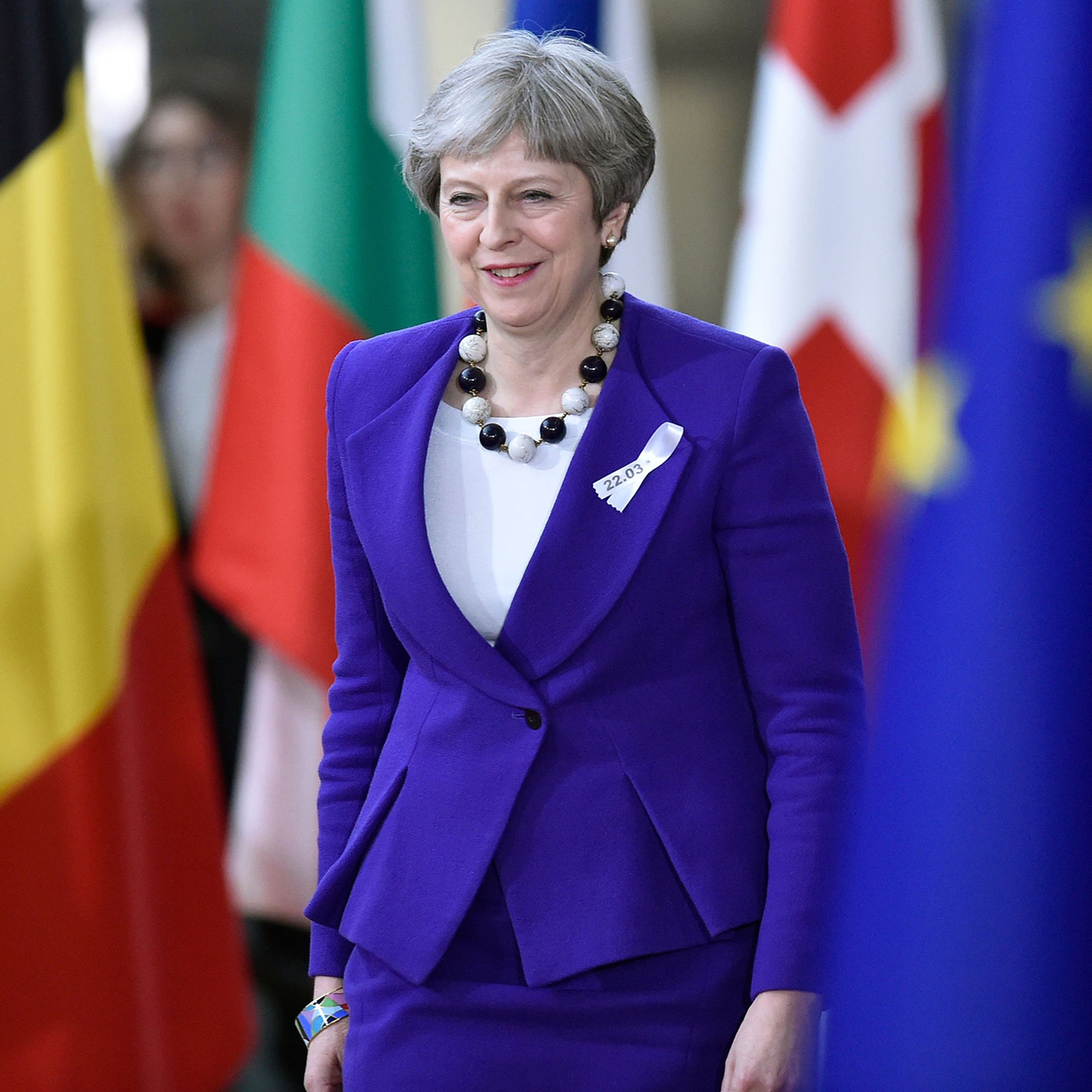
Good news for Britain on financial services?
The FT's Alex Barker and Jim Brunsden discuss whether the explicit mention of financial services in an annex to the “guidelines” on negotiating future relations between Britain and the EU amounts to a breakthrough for Britain.Read more on this story at ft.com/brexit Hosted on Acast. See acast.com/privacy for more information.
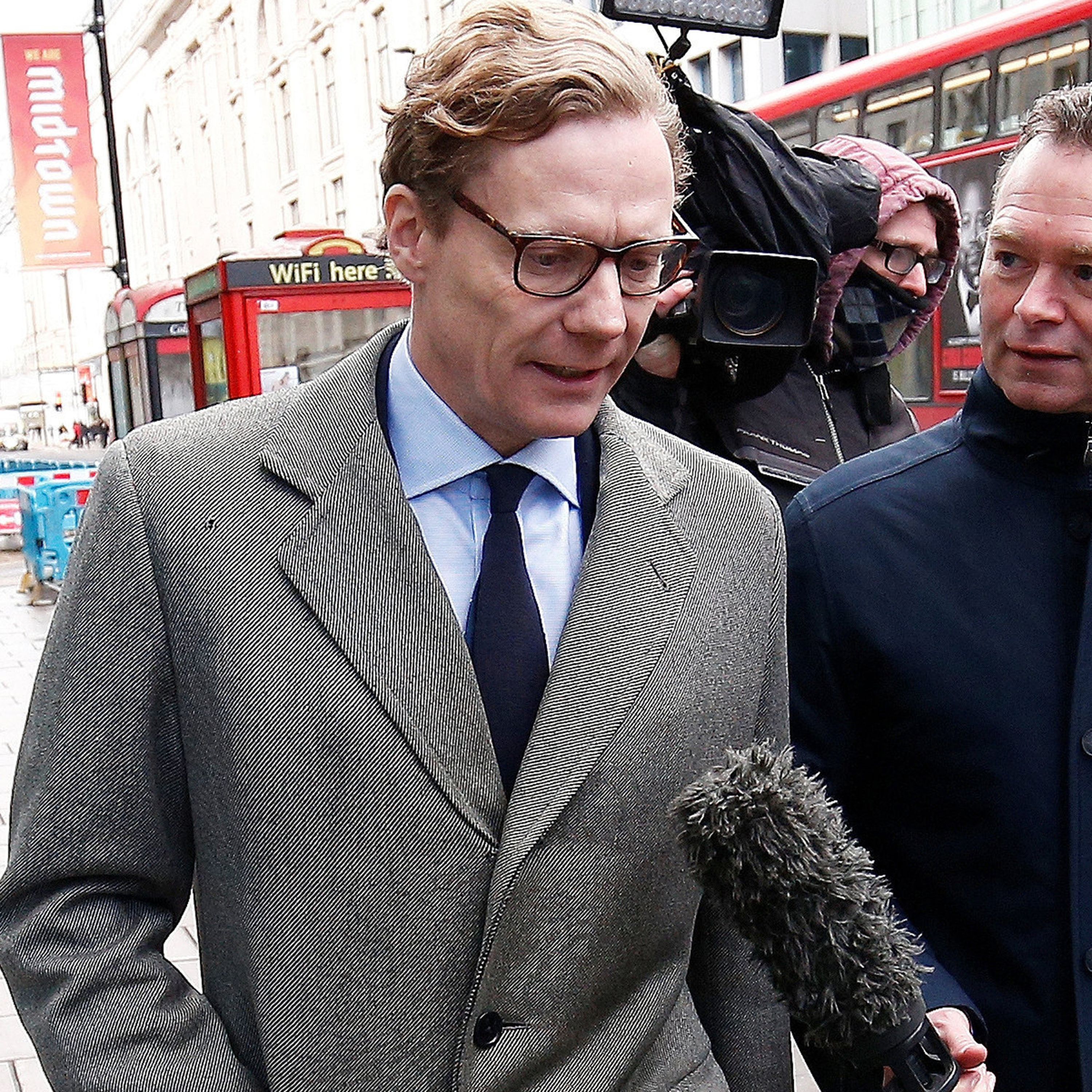
Who or what is Cambridge Analytica?
Who or what is Cambridge Analytica, the company that has embroiled Facebook in a scandal over the misuse of its users' data? Brooke Masters puts the question to the FT's John Gapper, who has been investigating the origins of the firm. Hosted on Acast. See acast.com/privacy for more information.

Facebook under pressure
Regulatory scrutiny of Facebook is ramping up around the world after claims that research firm Cambridge Analytica improperly obtained the data of about 50m users of the social network. The FT's Hannah Kuchler and Shannon Bond discuss what happened and who might be held responsible. Hosted on Acast. See acast.com/privacy for more information.
Activist investor takes stake in Barclays
Sherborne, Edward Bramson’s investment vehicle, has acquired a significant interest in Barclays, one of Britain's biggest banks, increasing pressure on management to turn round its recent faltering performance. Hannah Murphy discusses what this means for the bank with the FT’s Martin Arnold and Jonathan Guthrie. Hosted on Acast. See acast.com/privacy for more information.

India's first liberal arts university
Entrepreneurs in India have set up a private liberal arts university to promote the kind of original thinking they feel the country lacks. Jyotsna Singh discusses the state of higher education in India with Ashish Dhawan, one of Ashoka university's founders, and the FT's Amy Kazmin Hosted on Acast. See acast.com/privacy for more information.
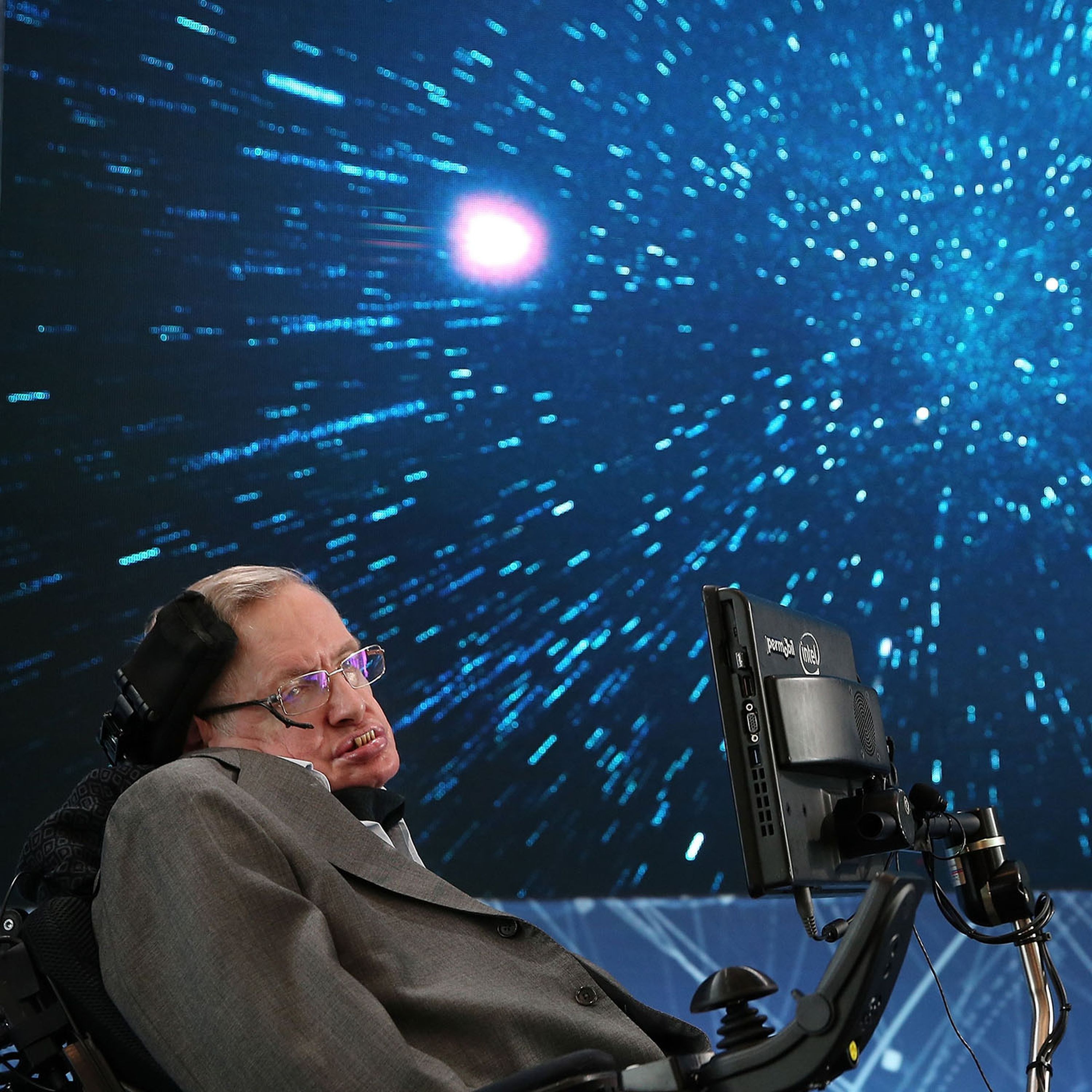
Stephen Hawking: the man who made theoretical physics fun
Stephen Hawking inspired generations with an interest in theoretical physics and the workings of the universe - all the while battling an incurable illness that would eventually leave him paralysed and unable to speak unaided. Ursula Milton discusses his legacy with the FT's Clive Cookson and Aliya Ram and Katherine Mathieson, chief executive of the British Science Association. Music by David Sappa Hosted on Acast. See acast.com/privacy for more information.

Why did Trump block the Broadcom Qualcomm deal?
Donald Trump this week blocked Broadcom’s $142bn takeover of rival chipmaker Qualcomm, citing national security concerns. Ravi Mattu asks the FT's Richard Waters what prompted the president to intervene and what it means for other potential mergers in the sector. Hosted on Acast. See acast.com/privacy for more information.
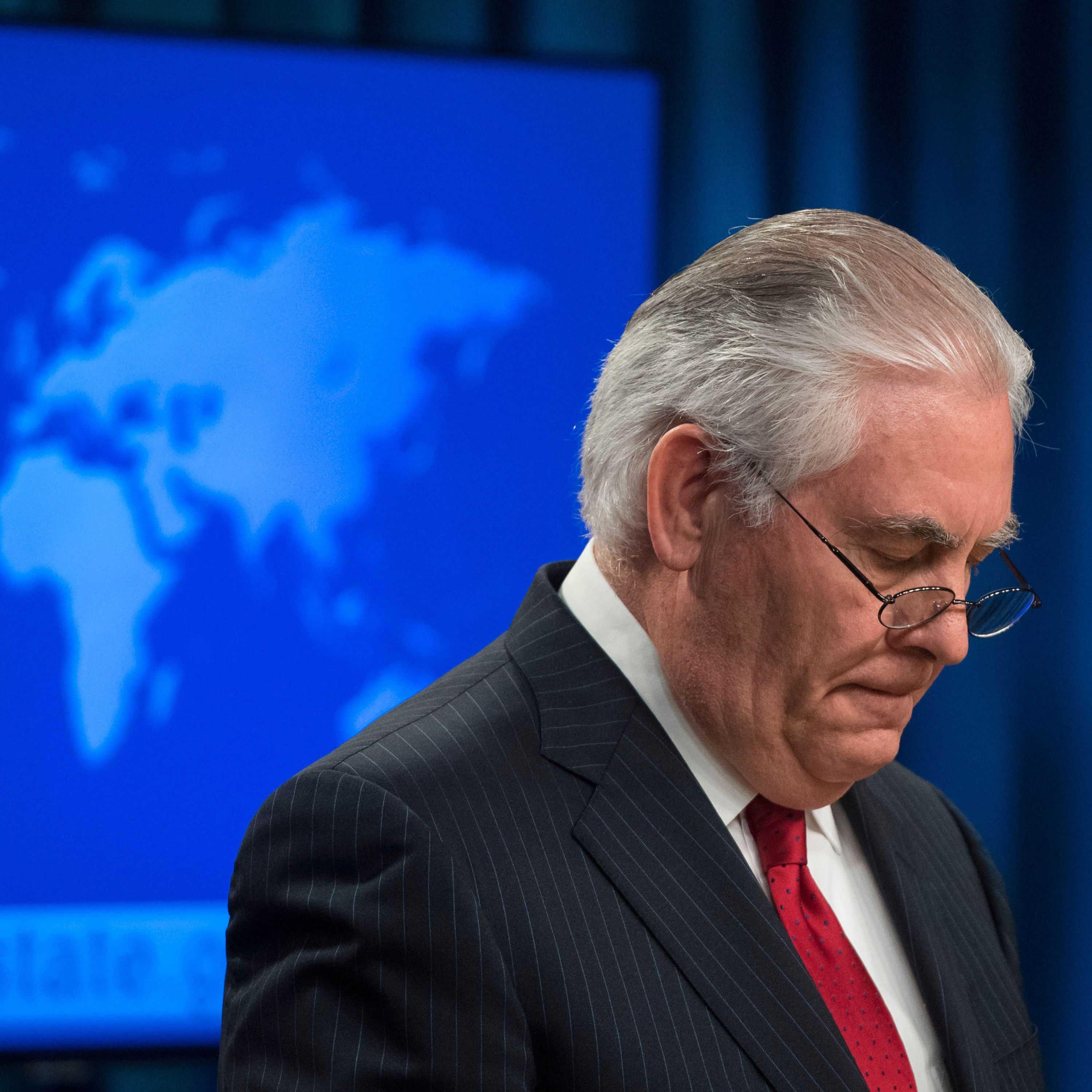
Trump sacks top diplomat ahead of North Korea talks
Donald Trump sacked Rex Tillerson as his secretary of state on Tuesday, making the US’s top diplomat the latest casualty of a White House that has been in near-constant conflict with some of the president’s most senior aides. Sam Fleming explains what led to the shake up, and what to expect from replacement Mike Pompeo. Hosted on Acast. See acast.com/privacy for more information.
India's new low tax financial centre
India is hoping GIFT City, a special economic zone in the western state of Gujarat and a pet project of prime minister Narendra Modi, can become India’s answer to Hong Kong: a haven for foreign investors to transact Indian securities with minimal tax and bureaucracy, and for domestic companies to raise funding in foreign currencies. Jyotsna Singh asks the FT's Simon Mundy how realistic this is. Hosted on Acast. See acast.com/privacy for more information.
Why are tax rates for multinationals still falling?
Financial Times analysis shows that tax rates for multinationals have fallen since the financial crisis, despite growing political pressure to crack down. Alex Barker asks the FT's Rochelle Toplensky why, amid government cutbacks and higher tax rates for individuals, the world’s biggest public companies have escaped the pain. Hosted on Acast. See acast.com/privacy for more information.
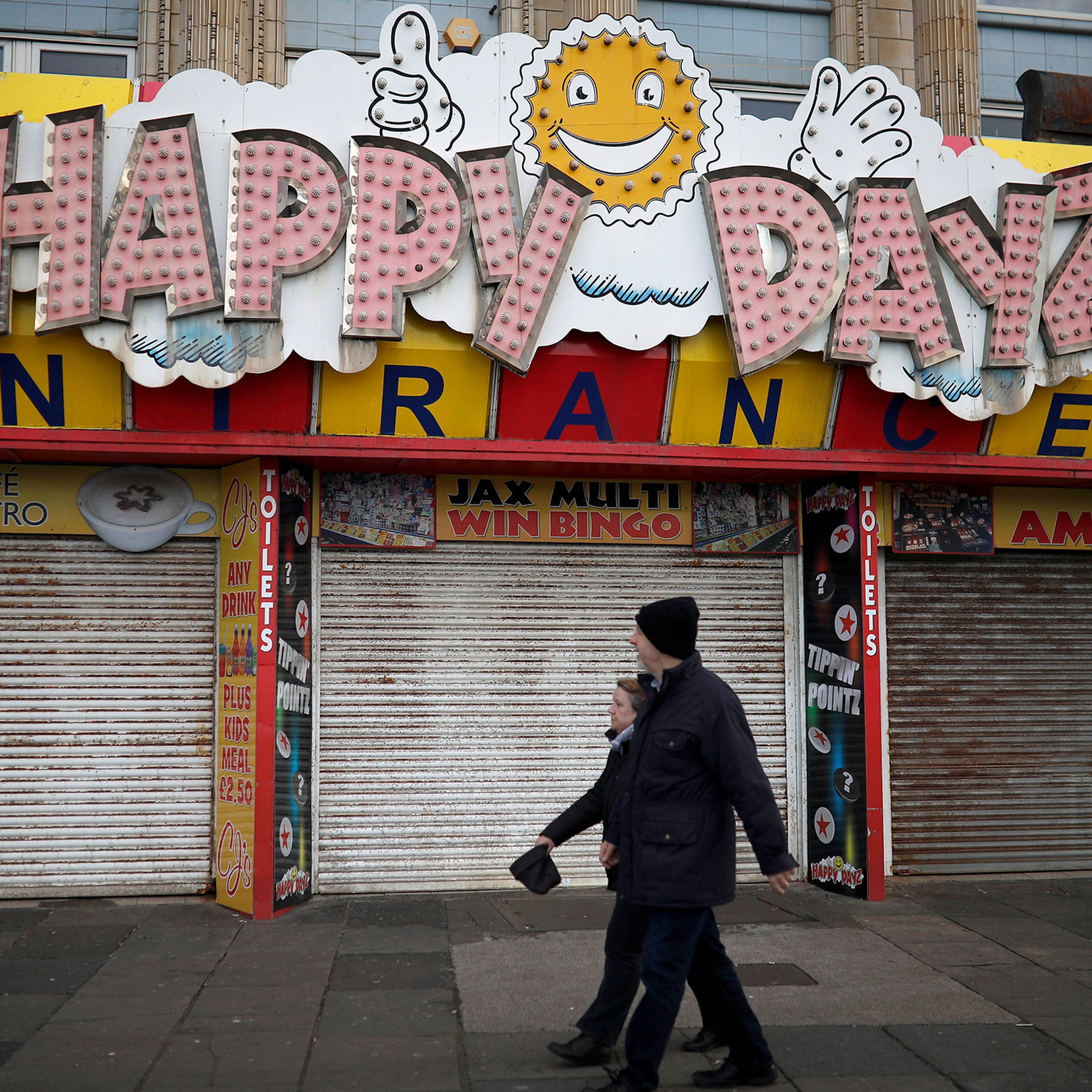
Andy Haldane explores British towns on the edge
What do we do about the fact that within countries, some places are doing so badly, even when the national economy is doing pretty well? In the US, people are worried about the post-industrial heartlands. In the UK the deepest problems seem to be in old seaside towns like Blackpool. Andy Haldane, chief economist at the Bank of England, has been thinking a lot about this question. He's been touring some of the poorest parts of the UK and he spoke to the FT's Sarah O'Connor after one of his recent trips. Hosted on Acast. See acast.com/privacy for more information.
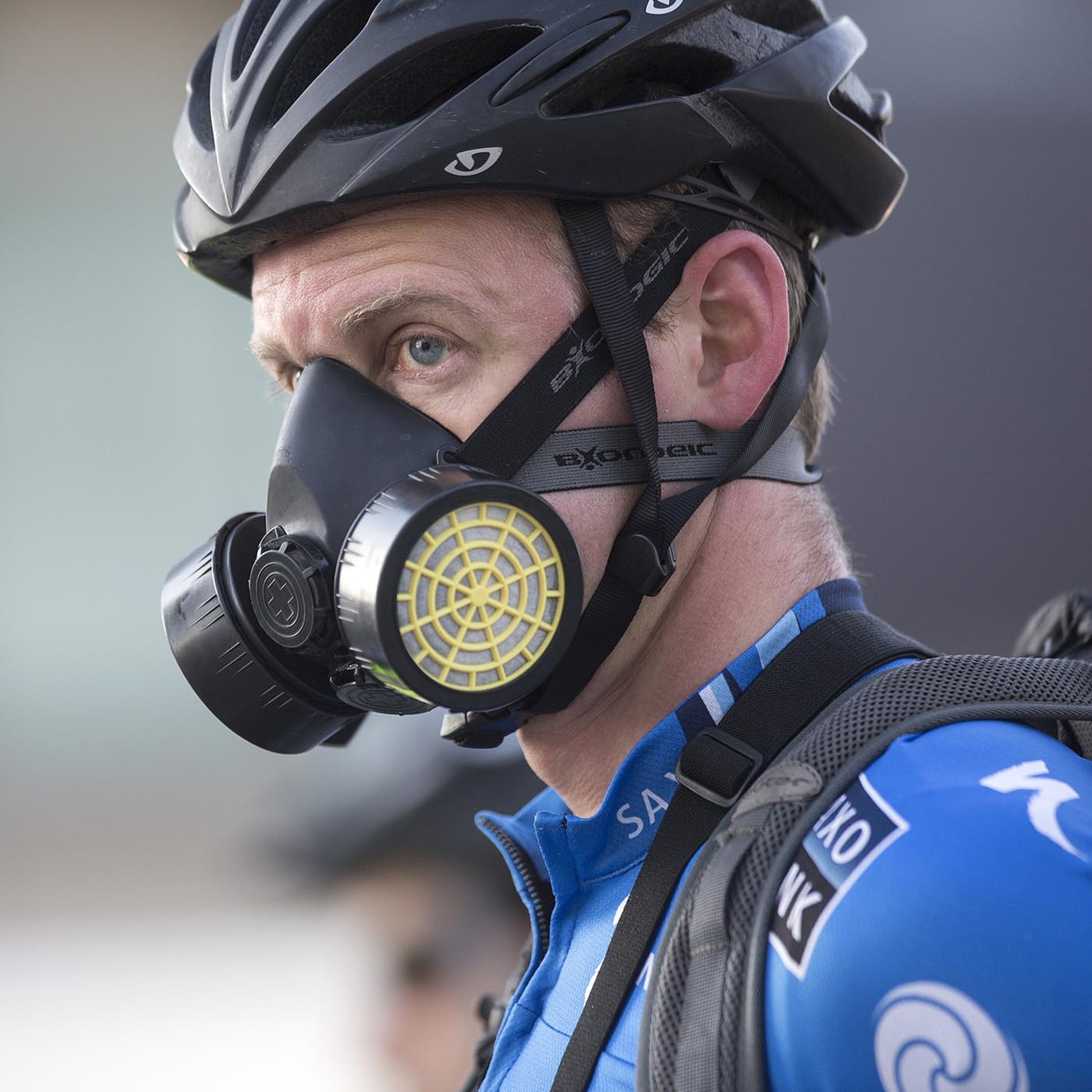
Getting to grips with air pollution
Air pollution is usually regarded solely as an environmental issue, but the toll it takes on public health has only recently begun to hit the headlines. Darren Dodd discusses the benefits of tackling the problem with the FT’s science editor Clive Cookson, the WHO's Maria Neira, and Laurie Laybourn-Langton, of the UK health alliance on climate change. Music by David Sappa Hosted on Acast. See acast.com/privacy for more information.
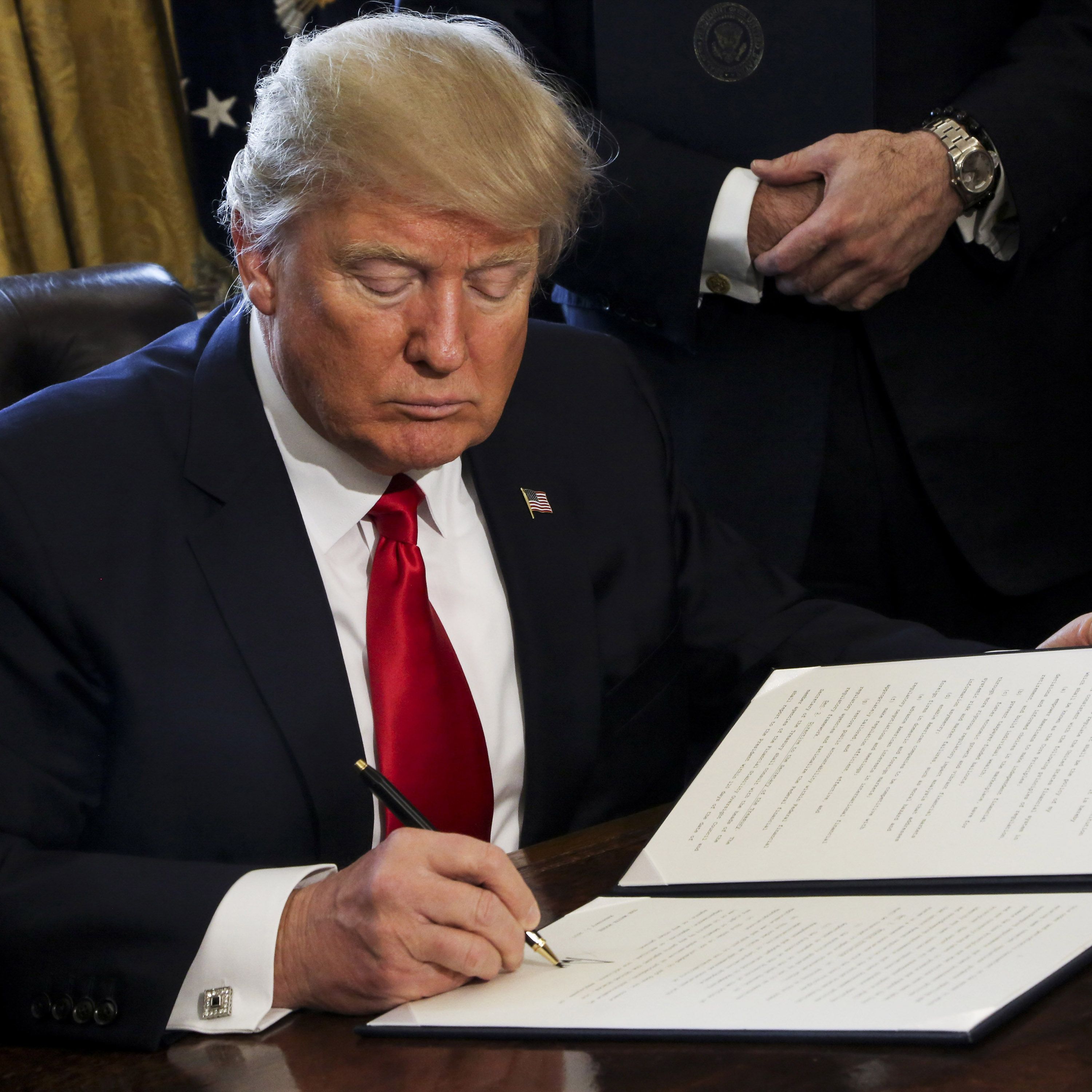
What to expect from Dodd-Frank reform
The Senate is set to begin voting this week on a bipartisan bill that, supporters claim, would rein in aspects of the Dodd-Frank banking act that have unfairly penalised smaller lenders. The FT's Ben McLannahan explains what is in the proposed bill and why it is gaining traction now. Hosted on Acast. See acast.com/privacy for more information.
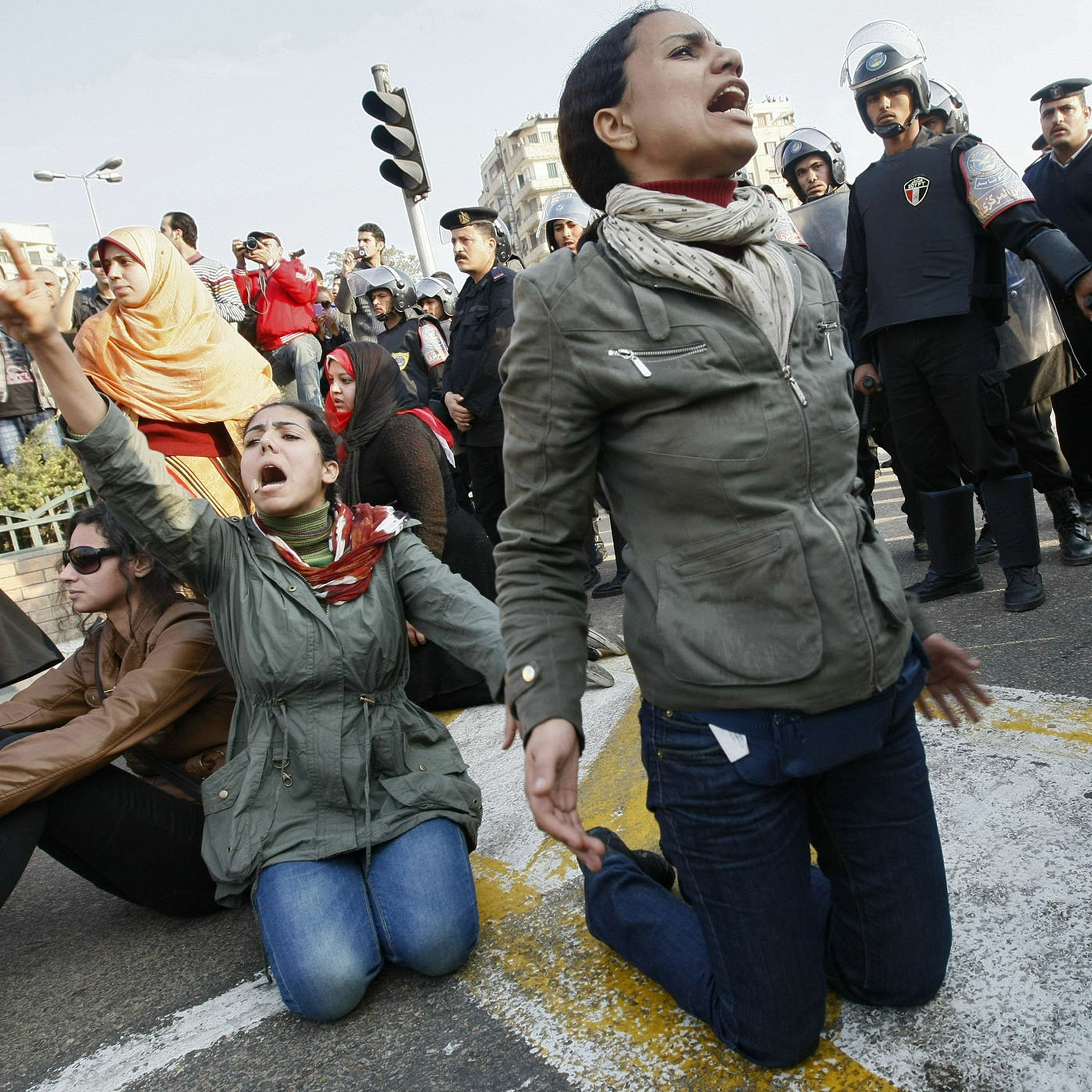
Poor job prospects fuel Mideast discontent
Rising youth unemployment in the Arab world has made it increasingly difficult for the region's autocratic governments to keep a lid on popular discontent. The FT’s Heba Saleh speaks to Ragui Assaad, an Egyptian professor of planning and public affairs at the University of Minnesota, about the root causes of the problem. Hosted on Acast. See acast.com/privacy for more information.
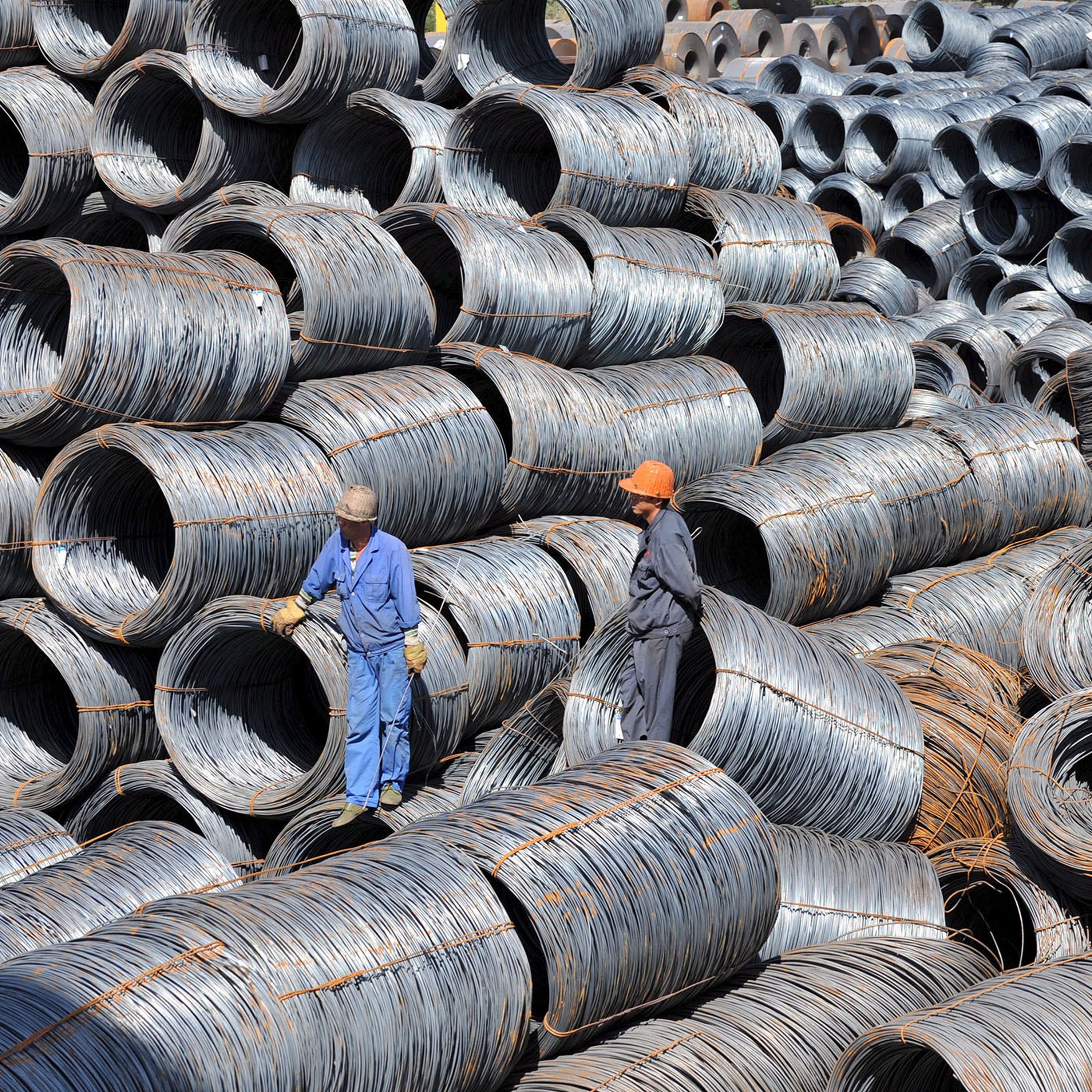
Will Trump's steel tariffs lead to a global trade war?
Donald Trump has signalled his resolve to impose tariffs of 25 per cent on steel and 10 per cent on aluminium. Ben Hall asks the FT's Shawn Donnan how this will affect the American economy and whether the move will trigger a global trade war. Hosted on Acast. See acast.com/privacy for more information.

India jobs claim proves a political hot pakora
When India's prime minister Narendra Modi suggested that sellers of street food should considered to be employed, he alienated young voters hoping for more secure middle class jobs, the FT's Amy Kazmin tells Jyotsna Singh. Hosted on Acast. See acast.com/privacy for more information.
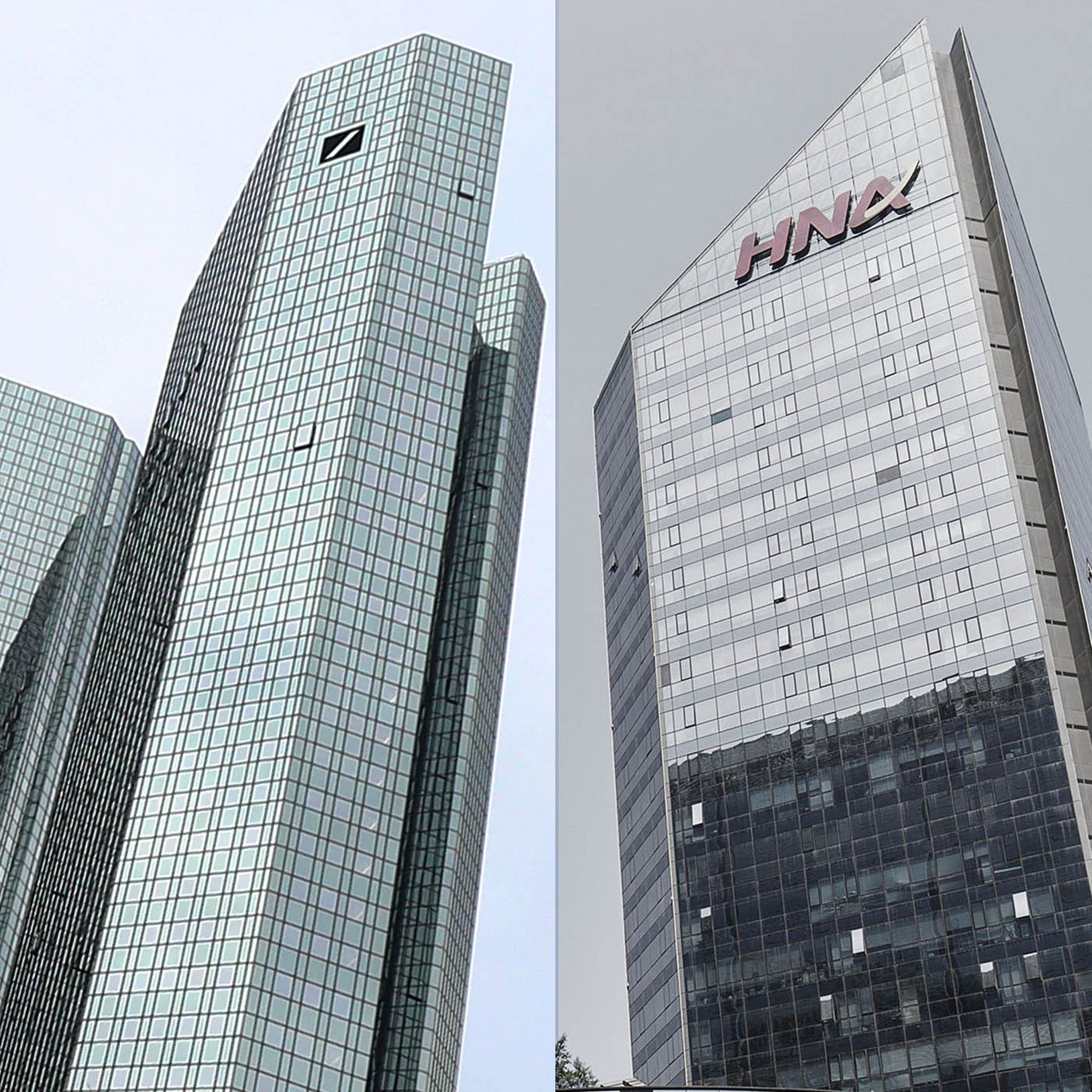
The mystery of Deutsche Bank’s largest shareholder
China’s HNA Group is Deutsche Bank's biggest shareholder. But as the Financial Times discovered, very little is known about the structure of HNA or its owners. Patrick Jenkins discusses what this means for the German lender and its investors with the FT's Robert Smith and Laura Noonan. Hosted on Acast. See acast.com/privacy for more information.
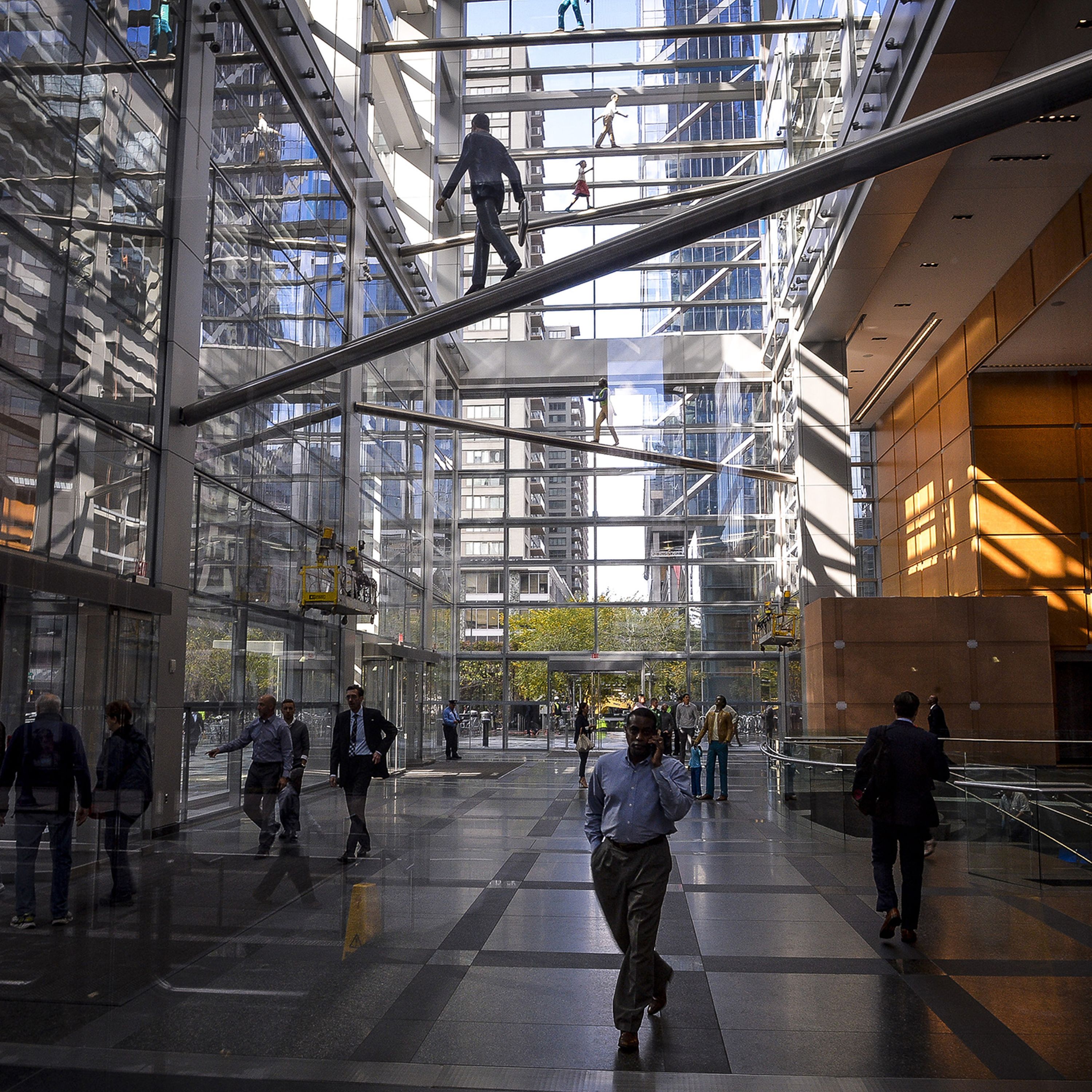
Comcast disrupts Fox Disney deal with bid for UK broadcaster Sky
US cable operator Comcast's bid for Sky threatens Rupert Murdoch's takeover of the UK broadcaster as well as his plans to sell all of 21st Century Fox — except his rightwing US news channel and primary sports network — to Walt Disney. Naomi Rovnick unravels the details of the rival bids and what they signify for the global media industry in conversation with the FT's Matt Garrahan and Arash Massoudi Hosted on Acast. See acast.com/privacy for more information.

Students take the lead in US gun control debate
A group of teenagers who survived a US school shooting have taken command of the national debate over gun control, one of the most contentious issues in American life. But will their efforts have an effect on legislation? Shannon Bond discusses. Hosted on Acast. See acast.com/privacy for more information.

China acts as peacemaker in Pakistan's Balochistan
China is wooing tribal separatists in Pakistan's Balochistan province in order to secure key trade projects in the region. Jyotsna Singh discusses how Beijing's One Belt One Road initiative is forcing it to adopt a more interventionist foreign policy with the FT's Farhan Bokhari, Kiran Stacey and James Kynge. Hosted on Acast. See acast.com/privacy for more information.
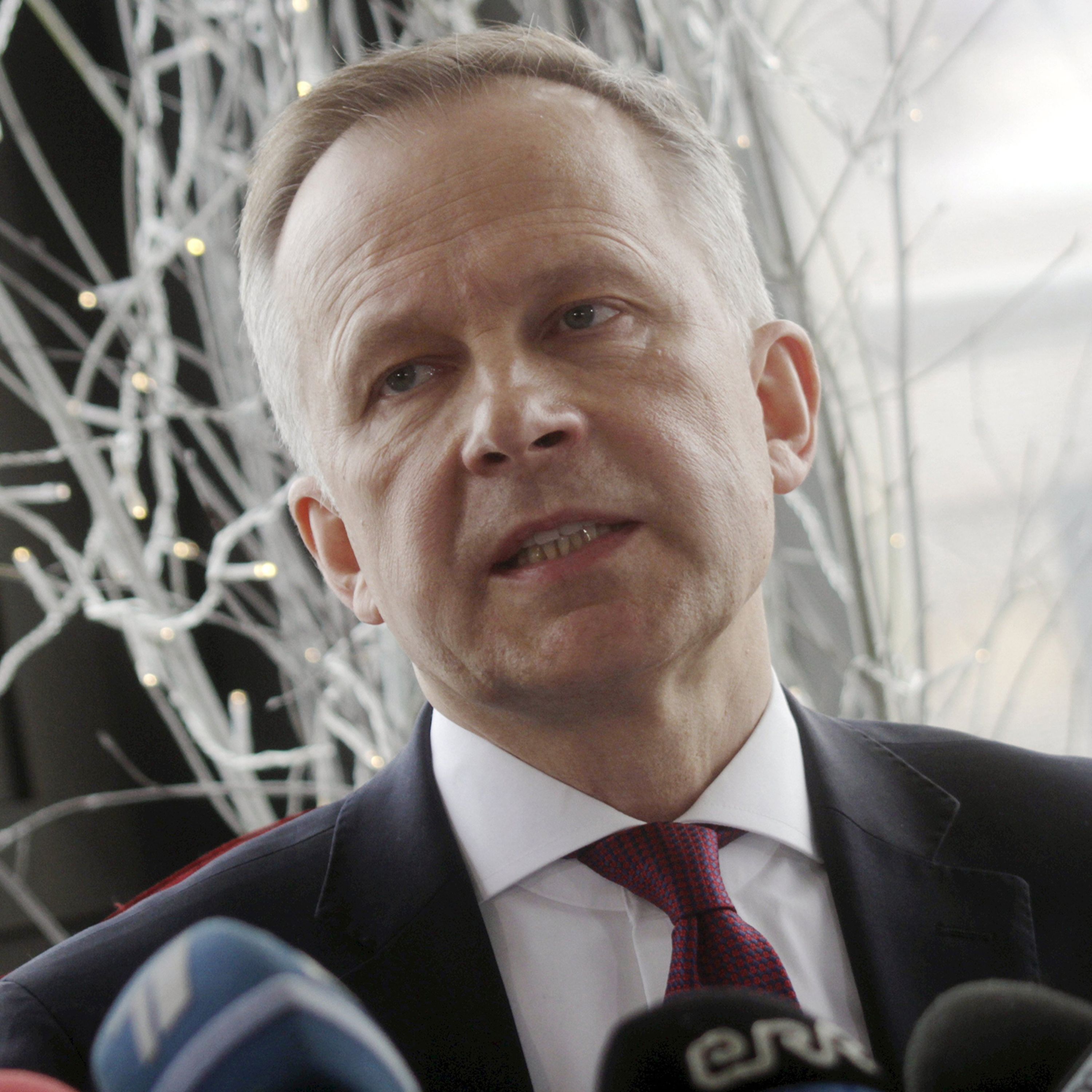
Latvia's banking crisis
US officials have accused Latvia’s third-largest bank of laundering money that helped fund North Korea’s missile programme. To make matters worse, the country’s central bank governor is the subject of a bribery probe. Elaine Moore discusses what’s behind the banking crisis in the Baltic state and why the European Central Bank failed to spot the problem with Claire Jones, Martin Sandbu and Neil Buckley. Hosted on Acast. See acast.com/privacy for more information.
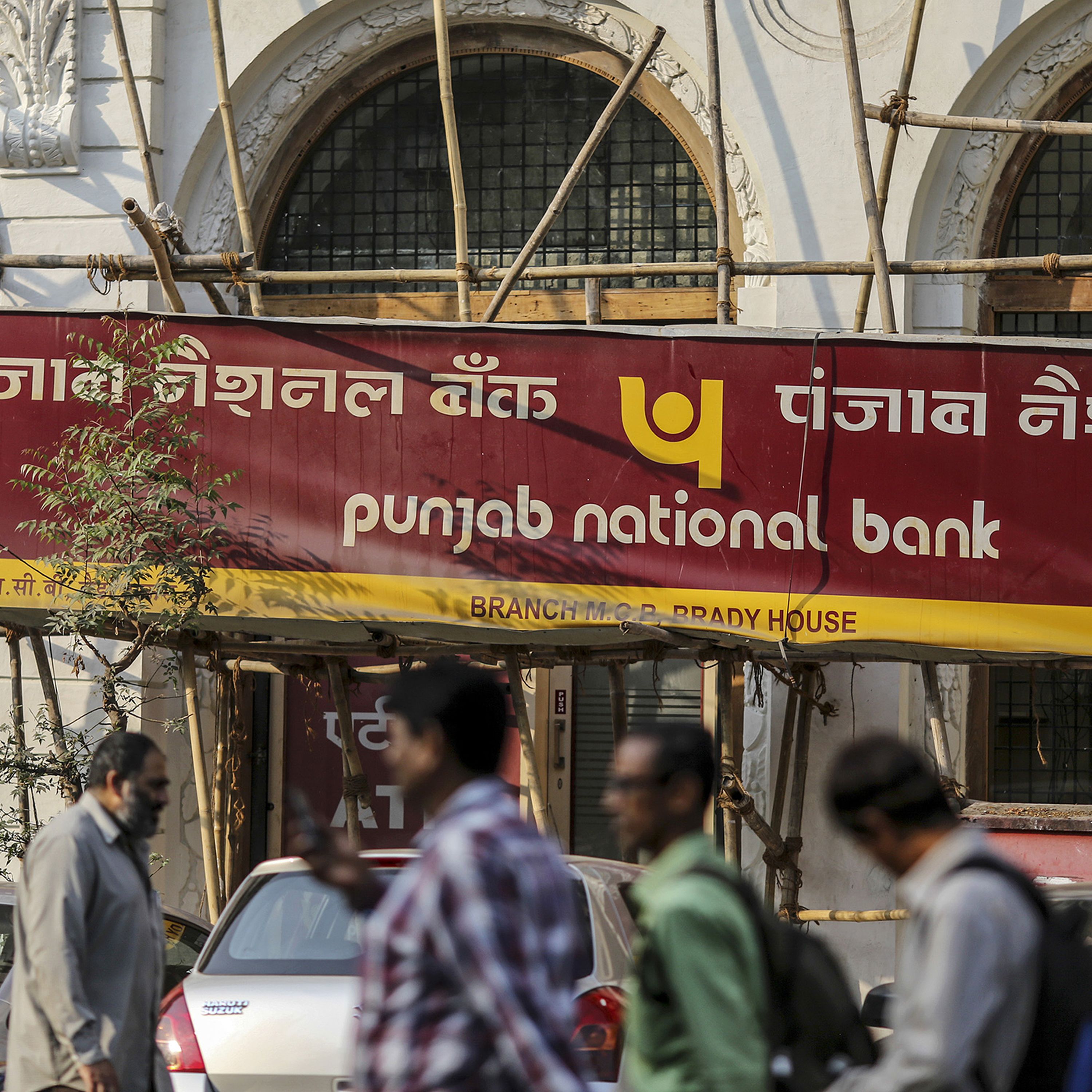
Punjab National Bank hit by $1.8bn fraud
A group of businessmen, acting with the connivance of staff at a Mumbai branch, obtained nearly $2bn in trade loans without going through proper approval processes, Mumbai reporter Simon Mundy tells Patrick Jenkins, the FT's financial editor. Hosted on Acast. See acast.com/privacy for more information.
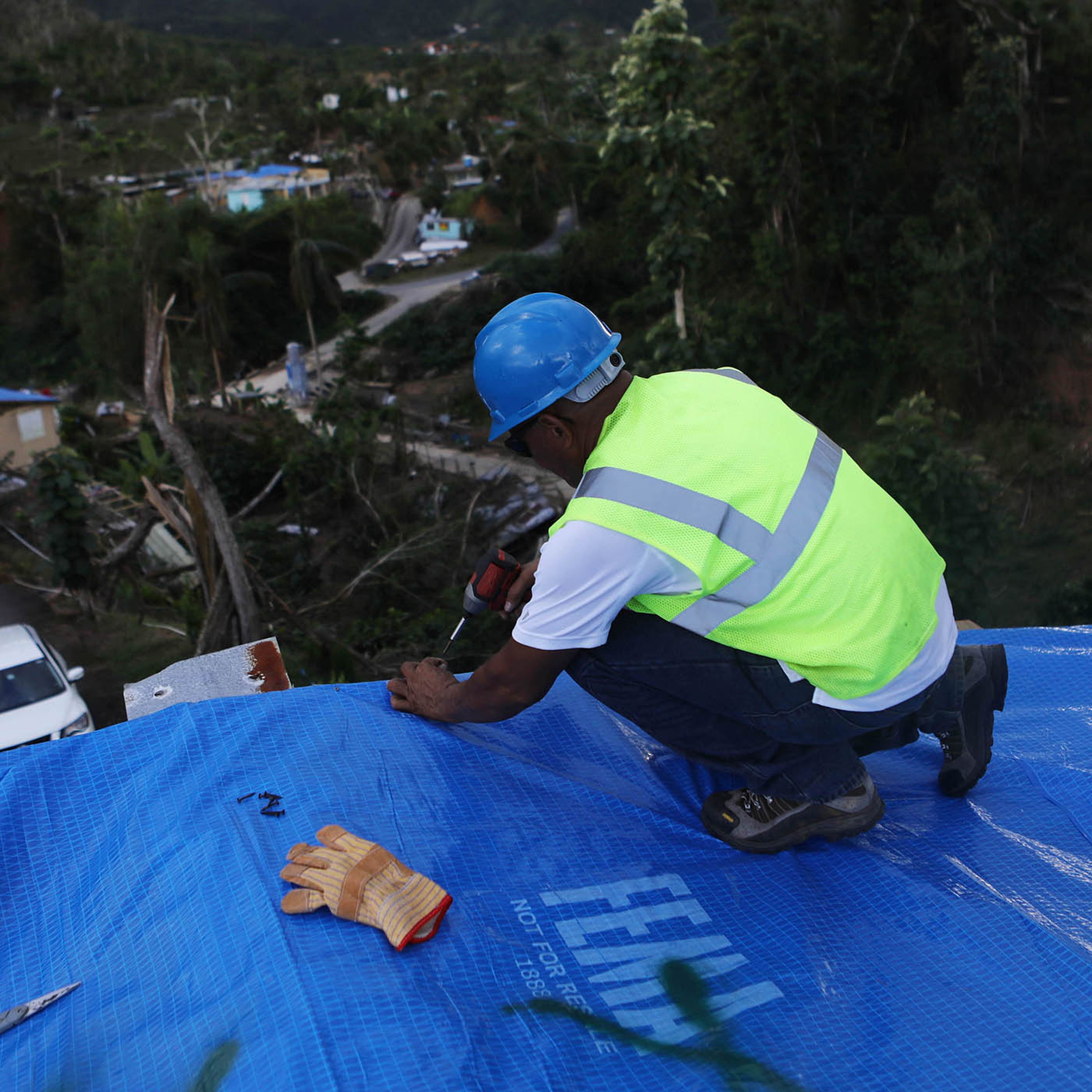
Rebuilding Puerto Rico
It's been five months since Hurricane Maria slammed into Puerto Rico, devastating an island whose economy was already struggling under an untenable $120bn of debt and pension obligations. Ricardo Rosselló Nevares, governor of Puerto Rico, joins the FT's Andrew Edgecliffe-Johnson to discuss the state of the recovery. Hosted on Acast. See acast.com/privacy for more information.
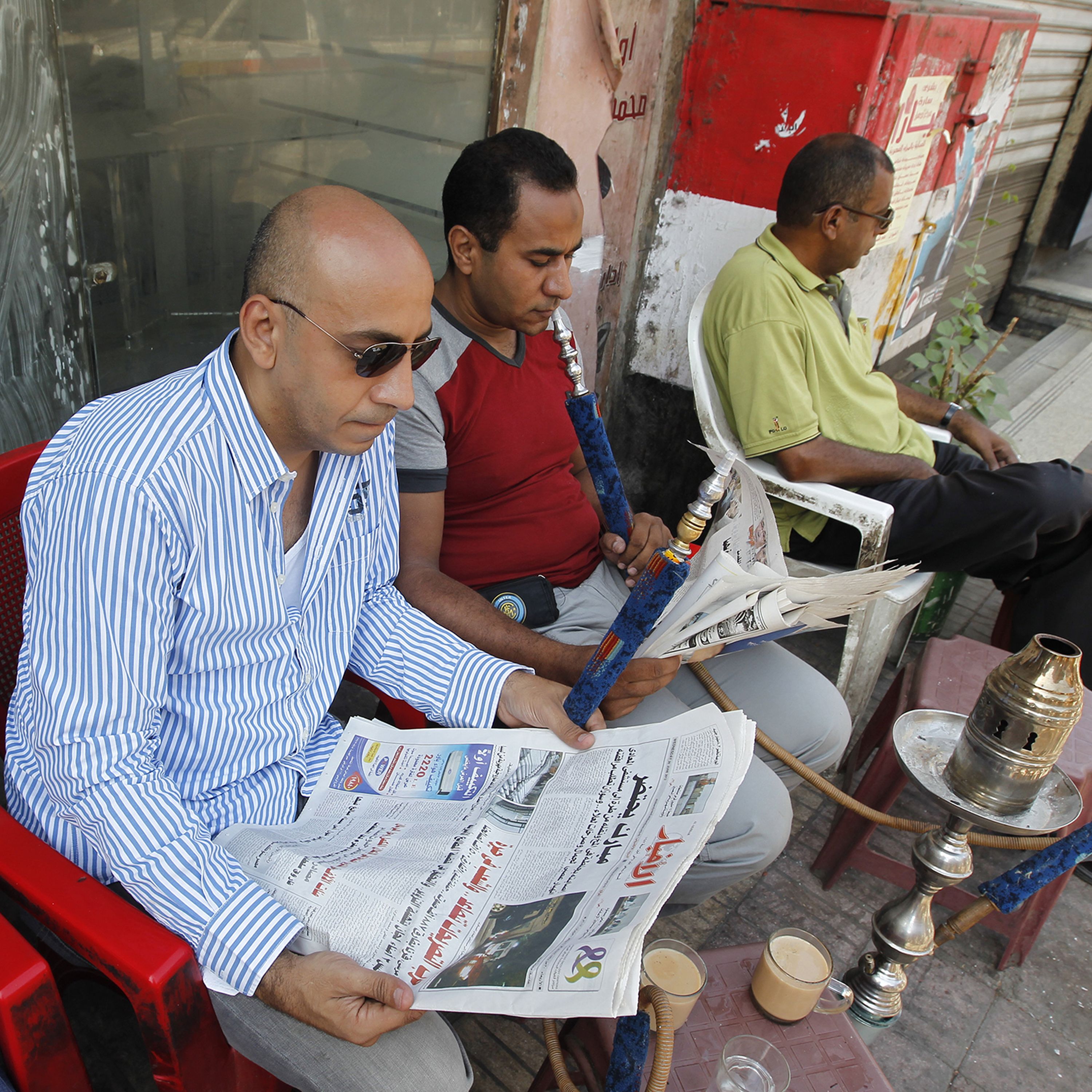
The news site that keeps Egypt's media freedom alive
Mada Masr, an online newspaper, is one of the few Egyptian media outlets that dares to challenge the status quo amid the repressive political climate that has taken hold since President Abdel Fattah al-Sisi took power in 2013. Heba Saleh spoke to chief editor and founder of the news site Lina Attala at the news site's offices in Cairo.Listen to FT News on iTunes or Stitcher. Hosted on Acast. See acast.com/privacy for more information.
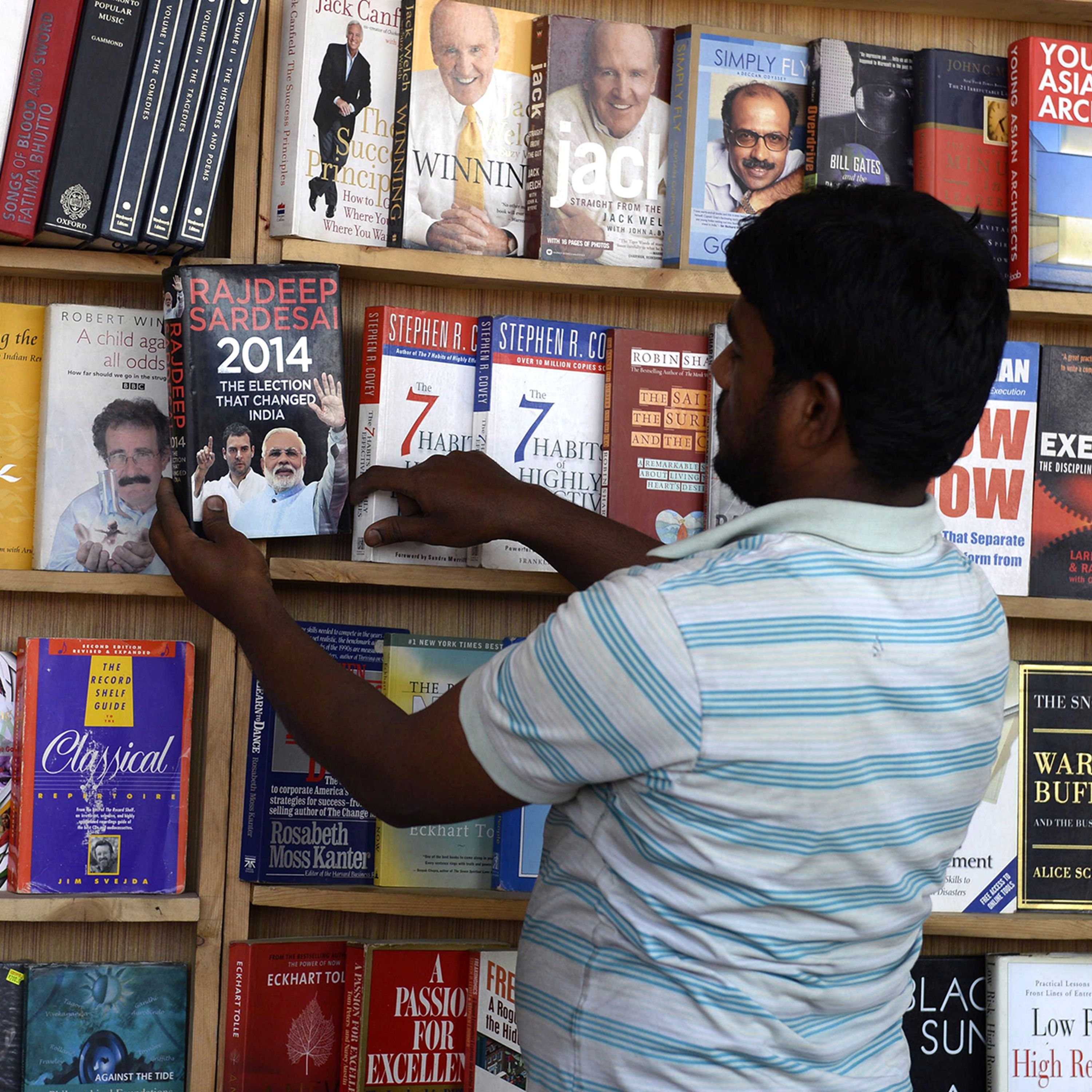
India's passion for books
India's thriving books market has spawned scores of literature festivals across India’s big and small cities where multiple events are held throughout the year. Jyotsna Singh discusses what's behind India's love of books with the FT's Victor Mallet and Nilanjana Roy. Hosted on Acast. See acast.com/privacy for more information.
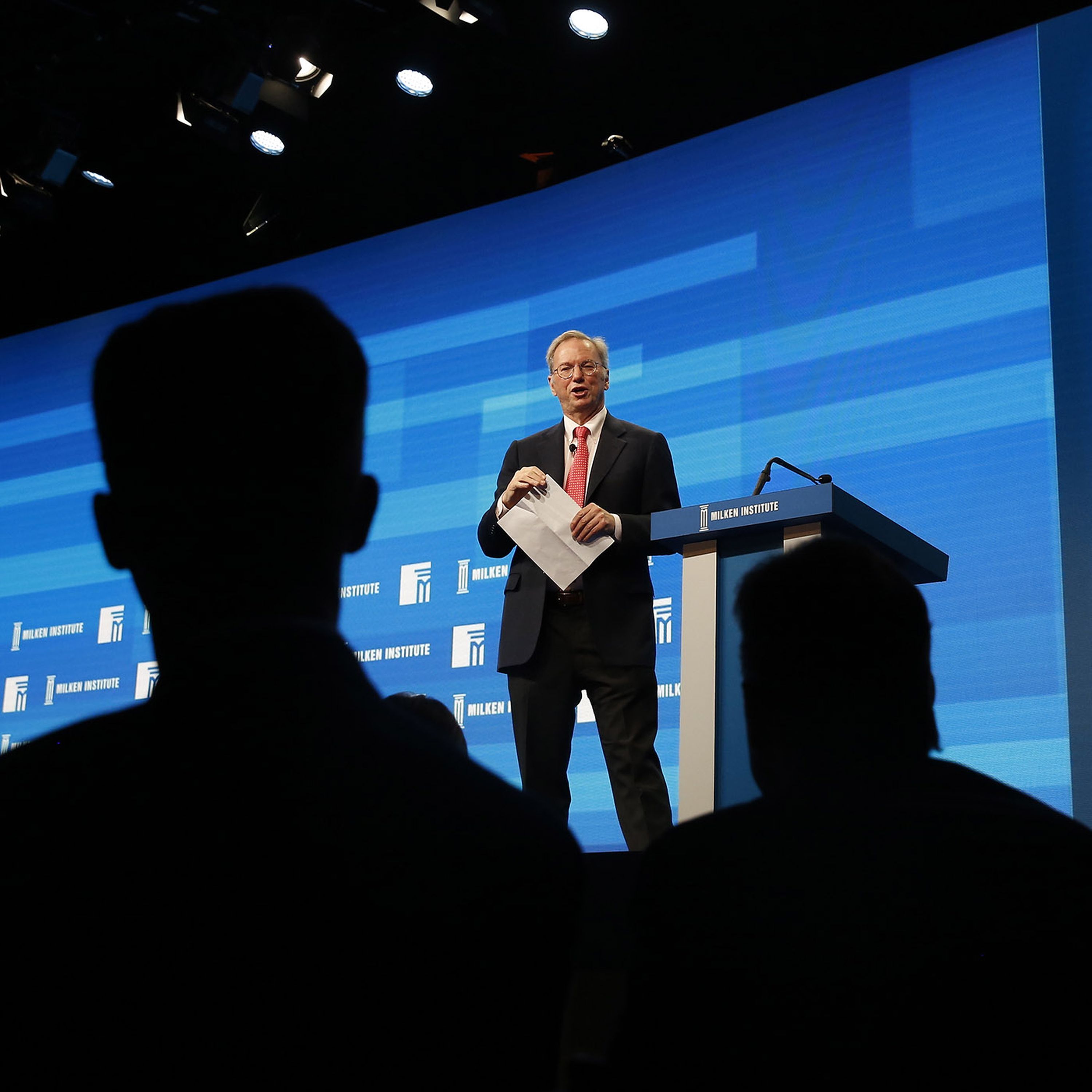
Norway fund takes lead on executive pay
Why did Norway's oil fund vote against pay proposals at Alphabet, JPMorgan and Volkswagen last year? Attracta Mooney discusses moves by the influential investor to try to rein in pay packages regarded as over generous or overly complex with Richard Milne, the FT’s Nordics correspondent, and Jonathan Guthrie from the FT’s Lex team. Hosted on Acast. See acast.com/privacy for more information.
Past returns to haunt Barclays
Barclays Bank has been charged a second time by UK authorities over its 2008 emergency fundraising when it took cash injections from Qatari investors to avoid a government bailout. Martin Arnold discusses the charge and its implications for the bank with the FT's Barney Thompson and Laura Noonan. Hosted on Acast. See acast.com/privacy for more information.
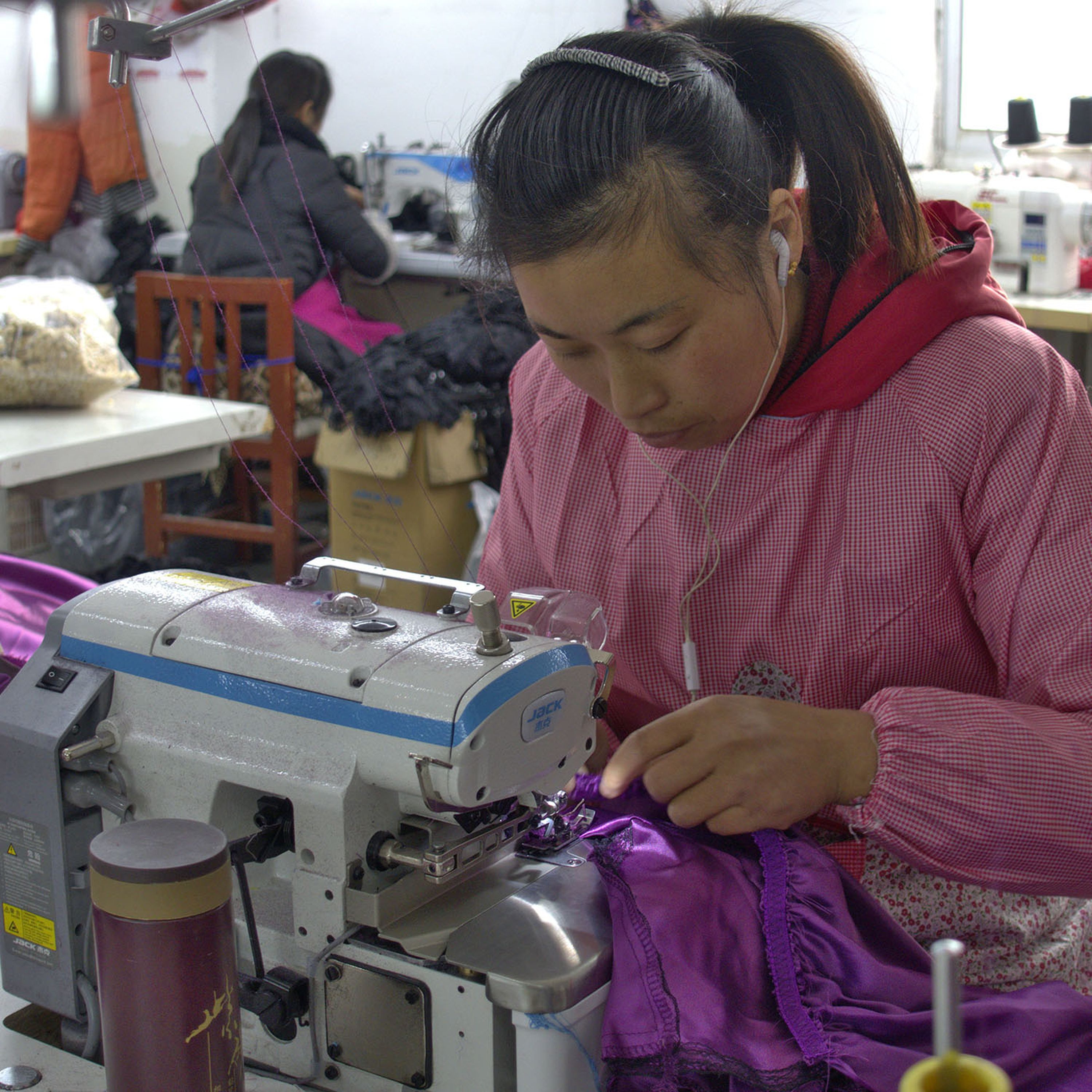
China feature towns aim to revive rural backwaters
China is backing feature towns that excel in producing one product, such as drones, lingerie or poetry. Many are located in poor regions left behind by China’s rapid industrialisation. Jyotsna Singh talks to the FT's Gabriel Wildau about the aim of the initiative and whether it can succeed in reviving some of the country's rural backwaters. Music by David Sappa Hosted on Acast. See acast.com/privacy for more information.

Music therapy for dementia
What is it about music that has proved so effective in improving the lives of people suffering from dementia? Darren Dodd discusses the growing use of music therapy to treat the disease with Sally Bowell, of the International Longevity Centre UK and Sarah Metcalfe from Playlist for Life.Links:Commission on Dementia and MusicPlaylists for Life Hosted on Acast. See acast.com/privacy for more information.

A citizen's guide to statistics
We are constantly bombarded by statistical claims but how do we know when they're true and when they're fake news? And how to we avoid becoming unwittingly complicit by spreading misinformation on social media? Economist Tim Harford rides to the rescue in conversation with the FT's Sarah O'Connor.Read Tim Harford's guide to statistics on a postcard Hosted on Acast. See acast.com/privacy for more information.
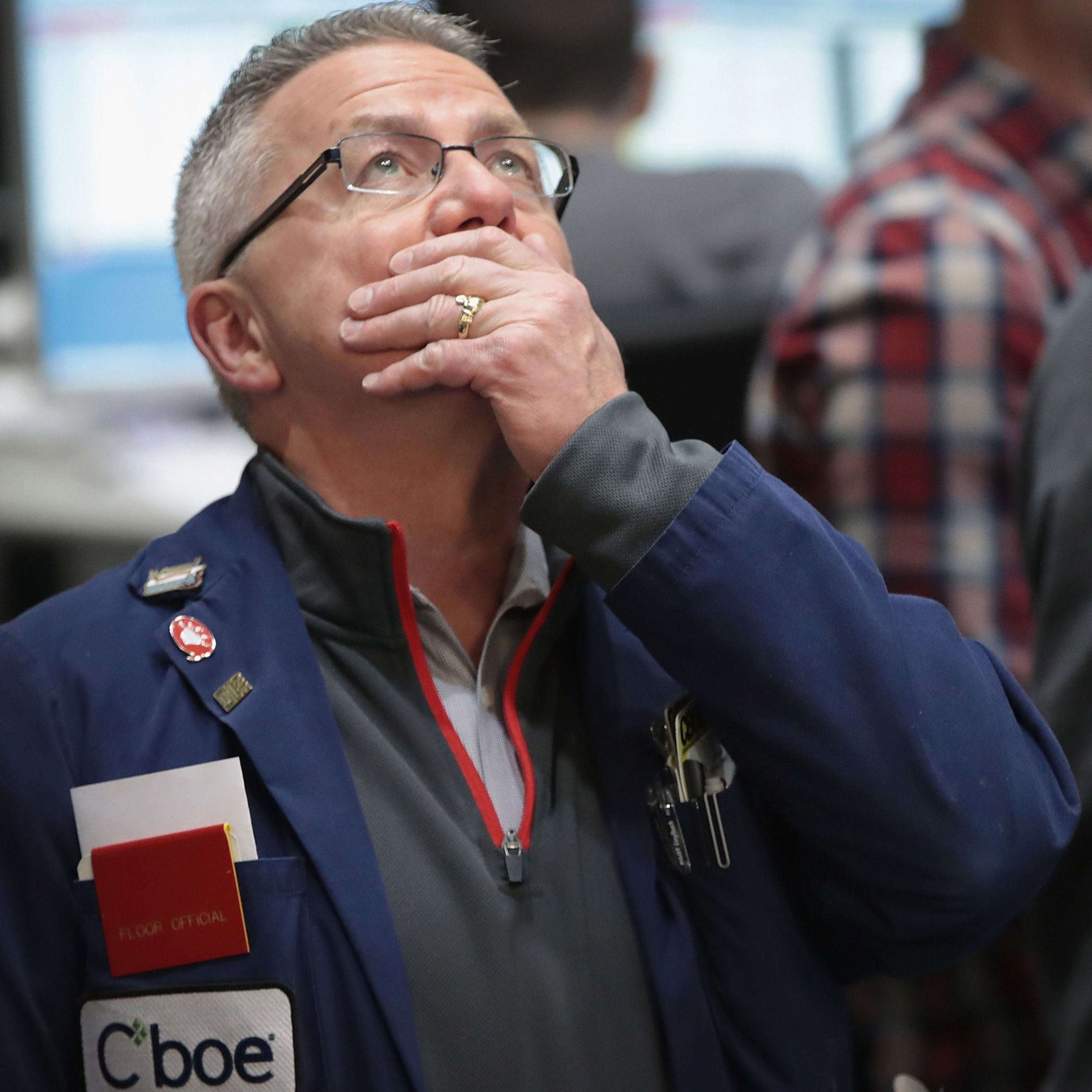
The global market turmoil explained
US stocks staged a late rebound on Tuesday after a three-day global sell off. John Authers explains what triggered investor fears. Hosted on Acast. See acast.com/privacy for more information.
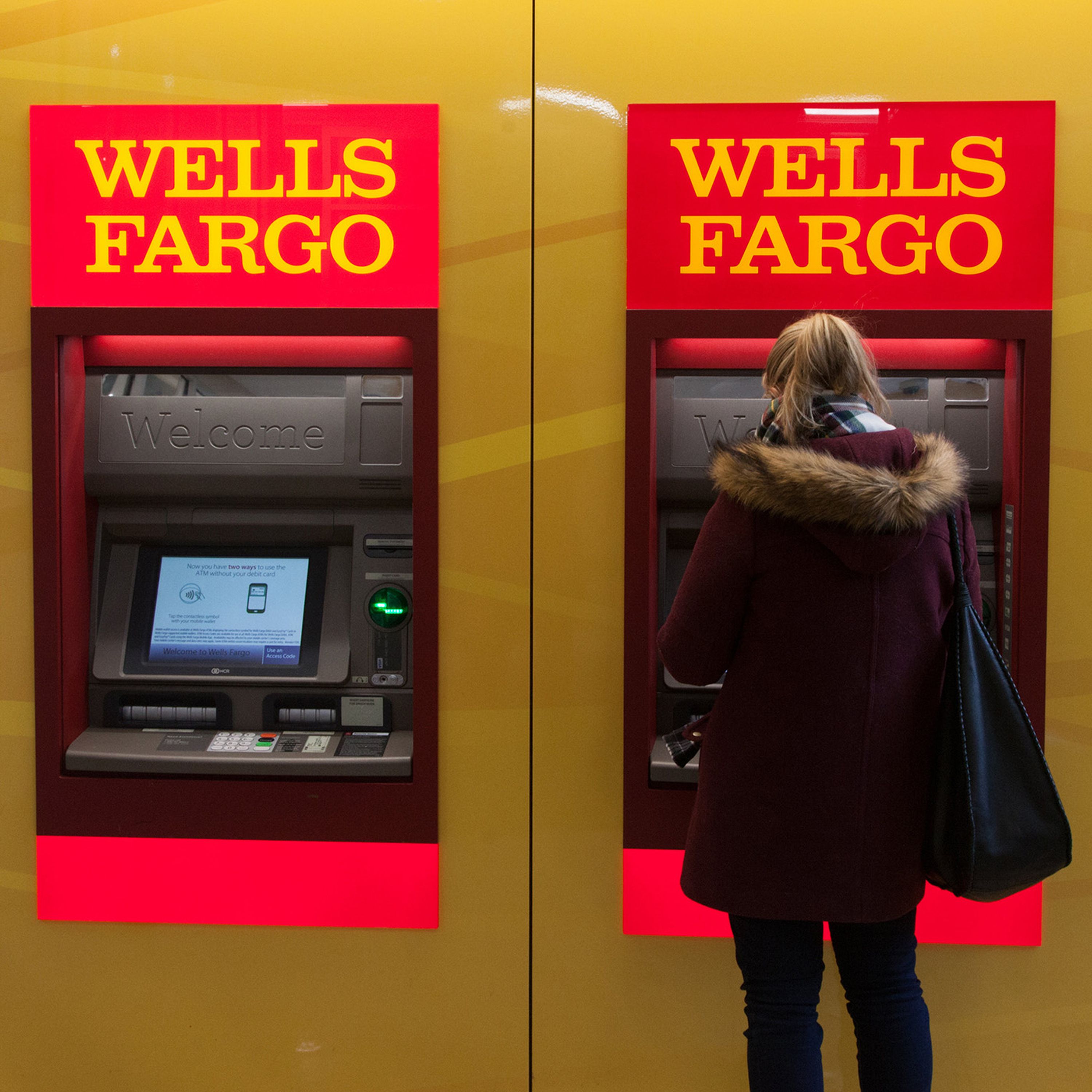
Fed sanctions Wells Fargo over 'customer abuses'
Shares in Wells Fargo have fallen sharply after the Federal Reserve imposed unprecedented sanctions on the lender in response to “widespread customer abuses”. Patrick Jenkins discusses the unusual nature of the sanctions with the FT's Laura Noonan and Martin Arnold. Music by Kevin MacLeod Hosted on Acast. See acast.com/privacy for more information.

How close are we to quantum computing?
Microsoft and Google are expected to make announcements soon that could mean we are closer than ever to using the properties of quantum mechanics to speed up computing. Ravi Mattu discusses what this potential breakthrough would mean with the FT's Richard Waters and Clive Cookson. Hosted on Acast. See acast.com/privacy for more information.
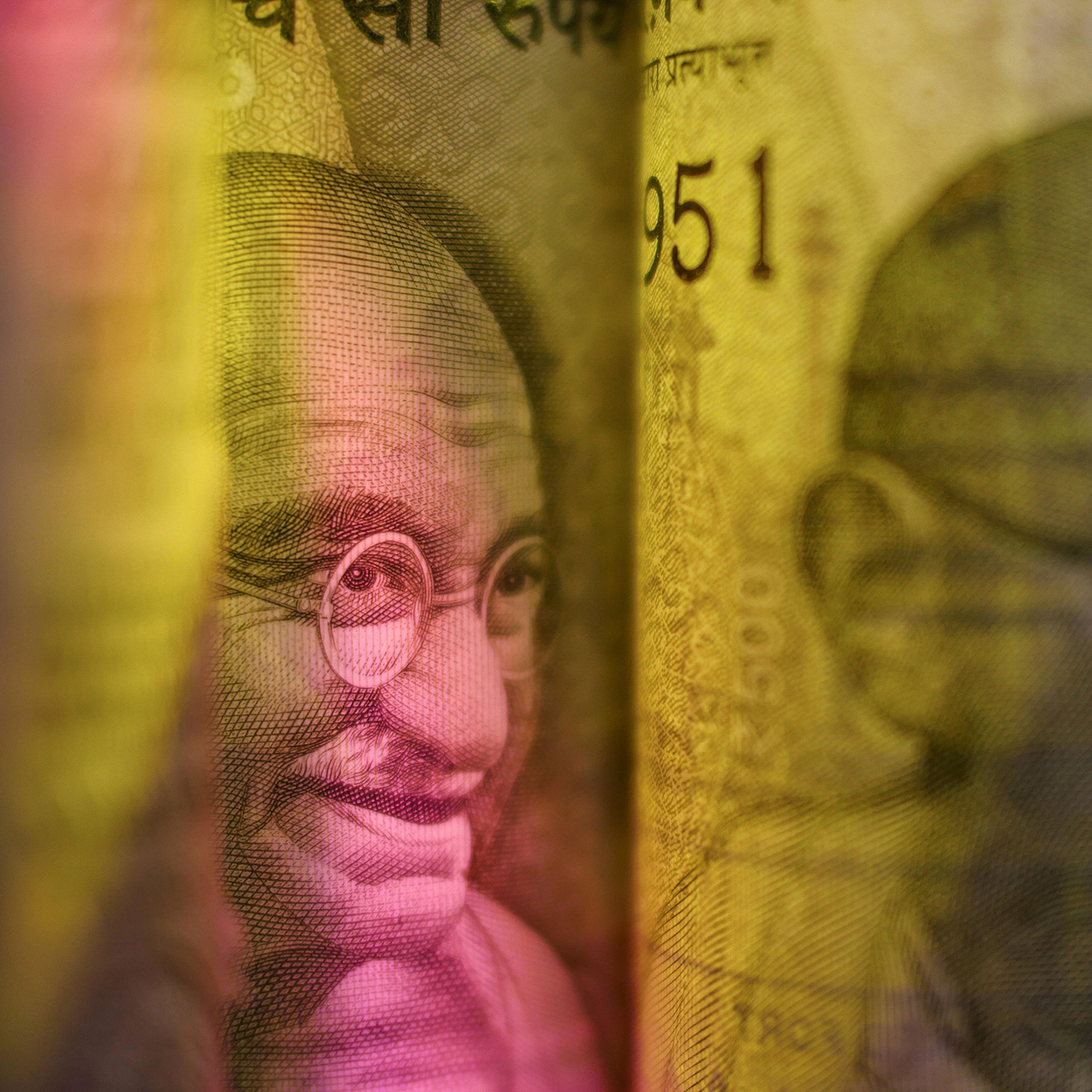
Modi seeks re-election with promise to help rural poor
India’s prime minister Narendra Modi has fallen short of the goals he set himself in 2014 when he promised to spur the economy and create millions of jobs. He has now switched tack with a pre-election budget that aims to placate the rural poor and address chronic underfunding of healthcare. Jyotsna Singh discusses how realistic his latest plans are with the FT’s Amy Kazmin and Kiran Stacey. Hosted on Acast. See acast.com/privacy for more information.
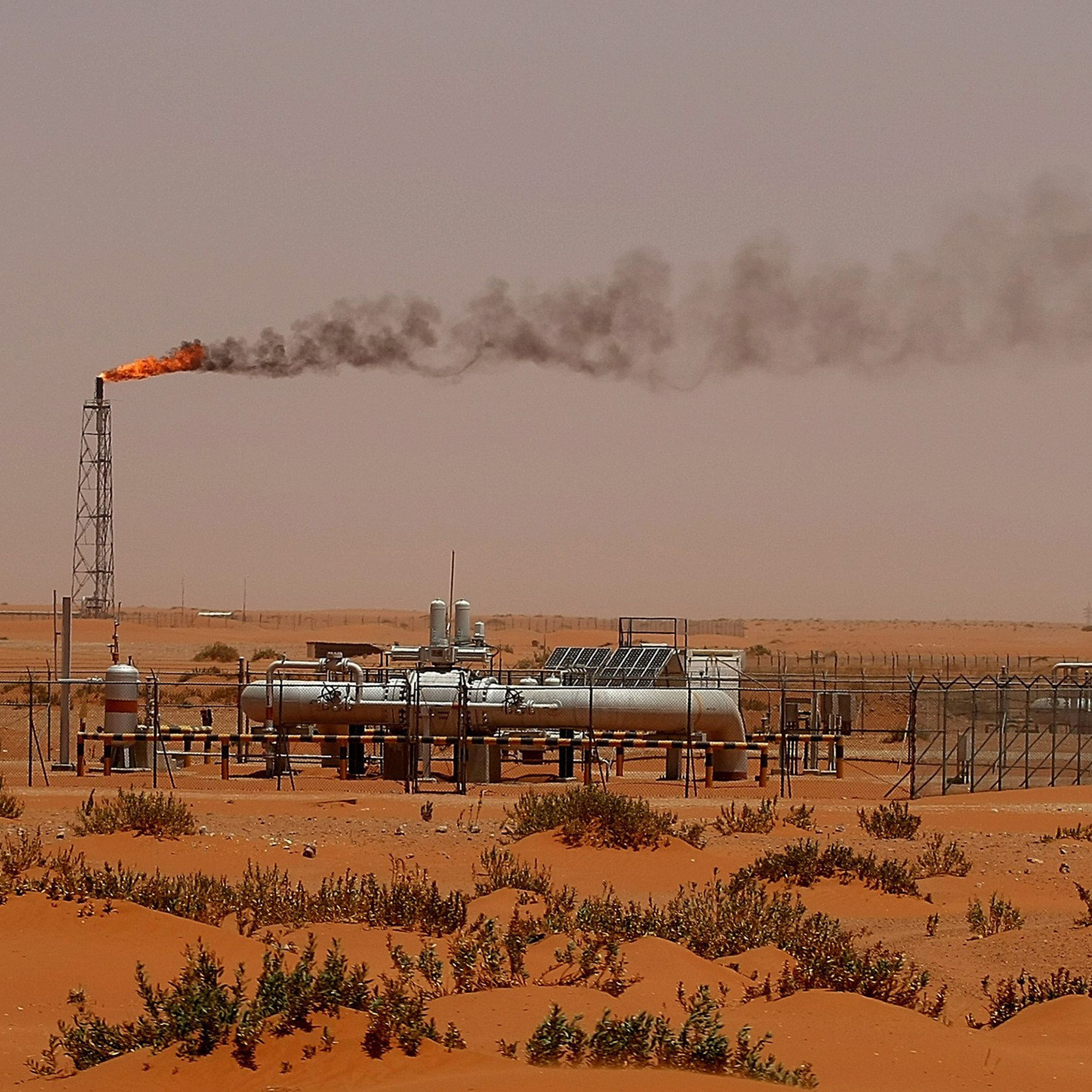
How do we measure prosperity?
Developed economies are theoretically wealthier than ever but people don't seem to feel better off. Some of the gap between the data and our perceptions may be down to the limitations of gross domestic product as a gauge, says the FT's David Pilling. He talks to Gemma Tetlow about his new book, The Growth Delusion. The Growth Delusion is published in the UK by Bloomsbury and in the US by Tim Duggan Books Hosted on Acast. See acast.com/privacy for more information.

What next for Trump's Korea strategy?
After the White House abandoned plans to nominate a leading Korea expert as US ambassador to Seoul, what will be the next step in the president's strategic approach to Pyongyang? Hosted on Acast. See acast.com/privacy for more information.
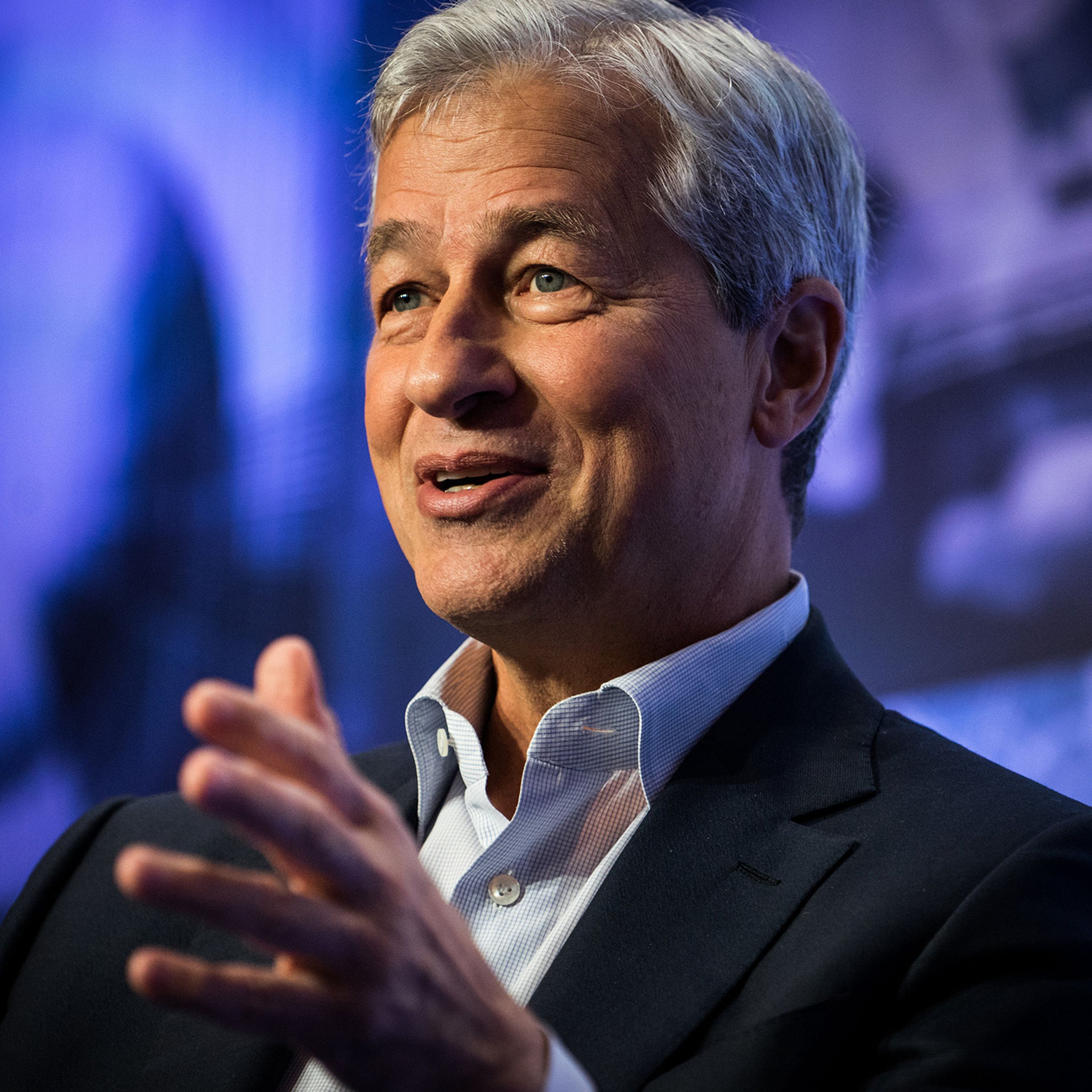
Jamie Dimon to remain at JPMorgan
Jamie Dimon, probably the world's most powerful banker, has said he intends to remain head of JPMorgan for another five years, and has appointed two co-presidents. What does the new structure tell us about Mr Dimon's rumoured intention to go into politics? Patrick Jenkins discusses this question with Martin Arnold, the FT's banking editor. Music by Kevin MacLeod Hosted on Acast. See acast.com/privacy for more information.
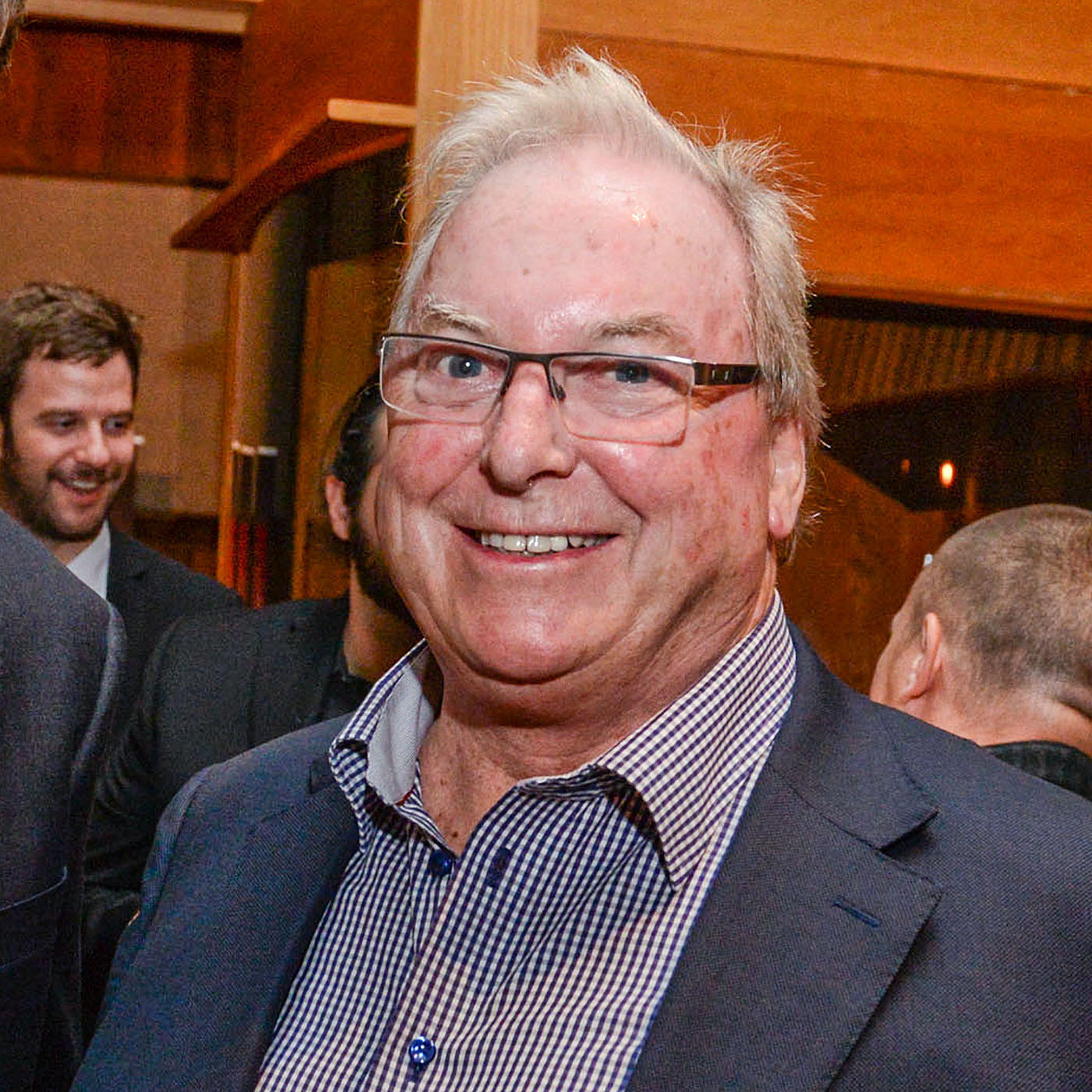
Are family-run businesses more successful?
Are family businesses more successful than other kinds of company and if so why? Ian Smith talks to Eugène Klerk, one of the authors of Credit Suisse research that shows listed family businesses outperform the wider equities market. He also talks to Phil Dudderidge executive chairman of Focusrite, the UK audio equipment maker, about what led him to list his company in 2014. Hosted on Acast. See acast.com/privacy for more information.
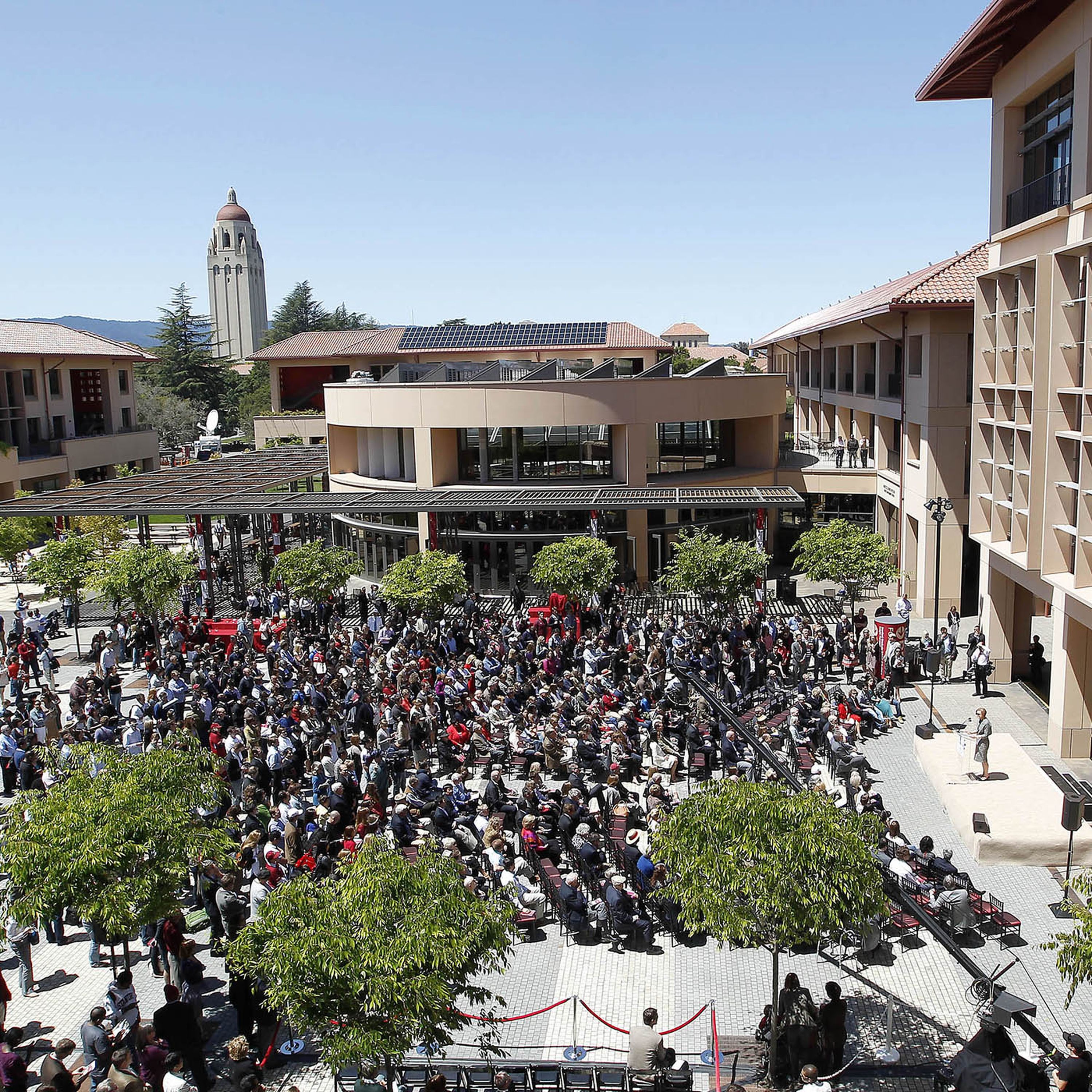
Stanford tops FT's MBA ranking
After a gap of several years, Stanford Business School has returned to the top of the FT's annual MBA rankings. Wai Kwen Chan discusses the data and the reasons for Stanford's success with the FT's Laurent Ortmans and Jonathan Moules Hosted on Acast. See acast.com/privacy for more information.

Silicon Valley investors line up to back Telegram ICO
What happens when cryptomania invades venture capitalism? Some of Silicon Valley’s leading investors are lining up to buy into a much-hyped initial coin offering by Telegram, the encrypted messaging service that is seeking $1.2bn to build a virtual economy within its app. Ravi Mattu asks the FT's Chloe Cornish and Jonathan Guthrie to explain why. Hosted on Acast. See acast.com/privacy for more information.
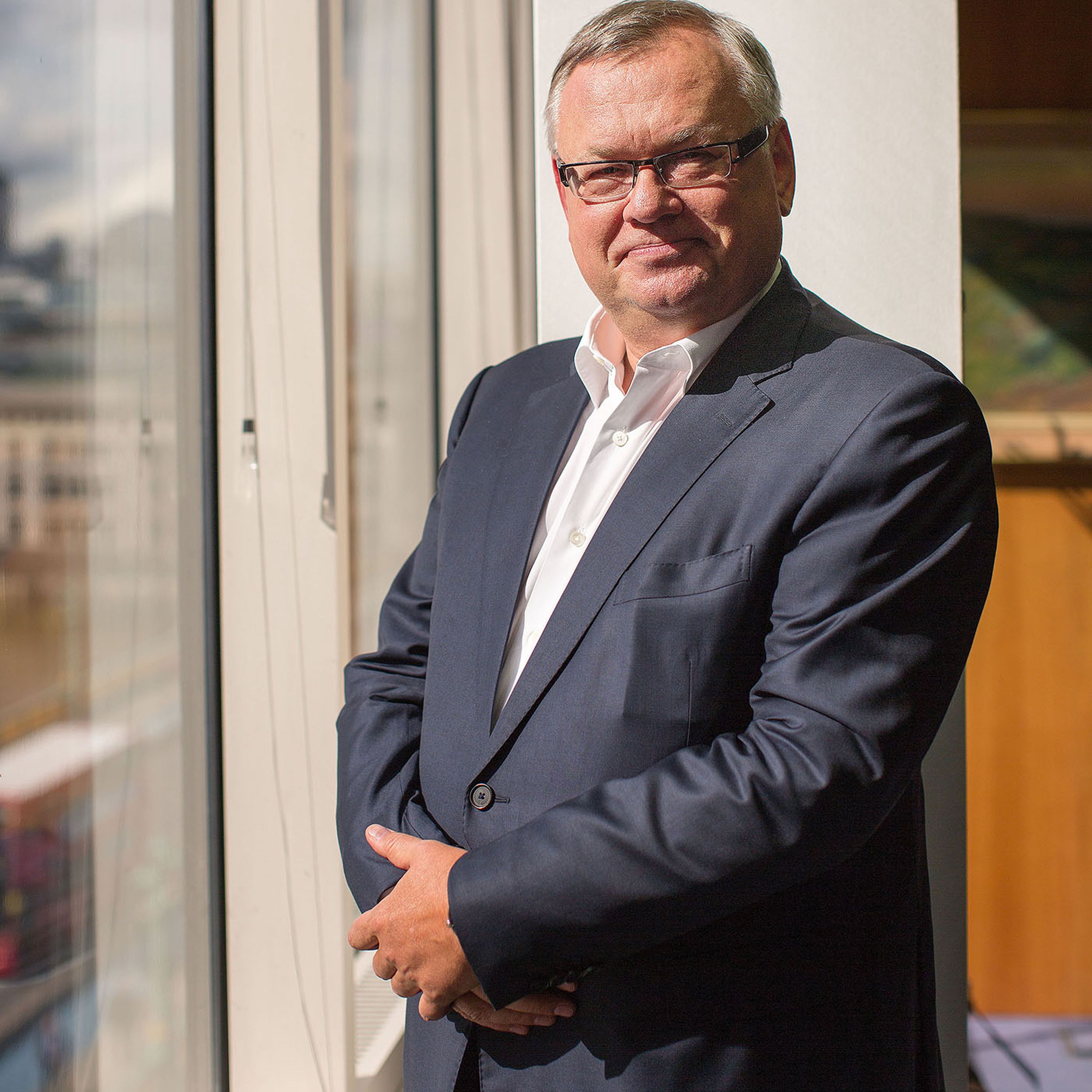
Threat of war clouds upbeat economic mood at Davos
Business leaders and politicians gathering in the Swiss ski resort this year have been upbeat on prospects for global growth, but Andrei Kostin, chief executive of the leading Russian bank VTB, warned of rising geopolitical tensions that could spark military conflict. Hosted on Acast. See acast.com/privacy for more information.
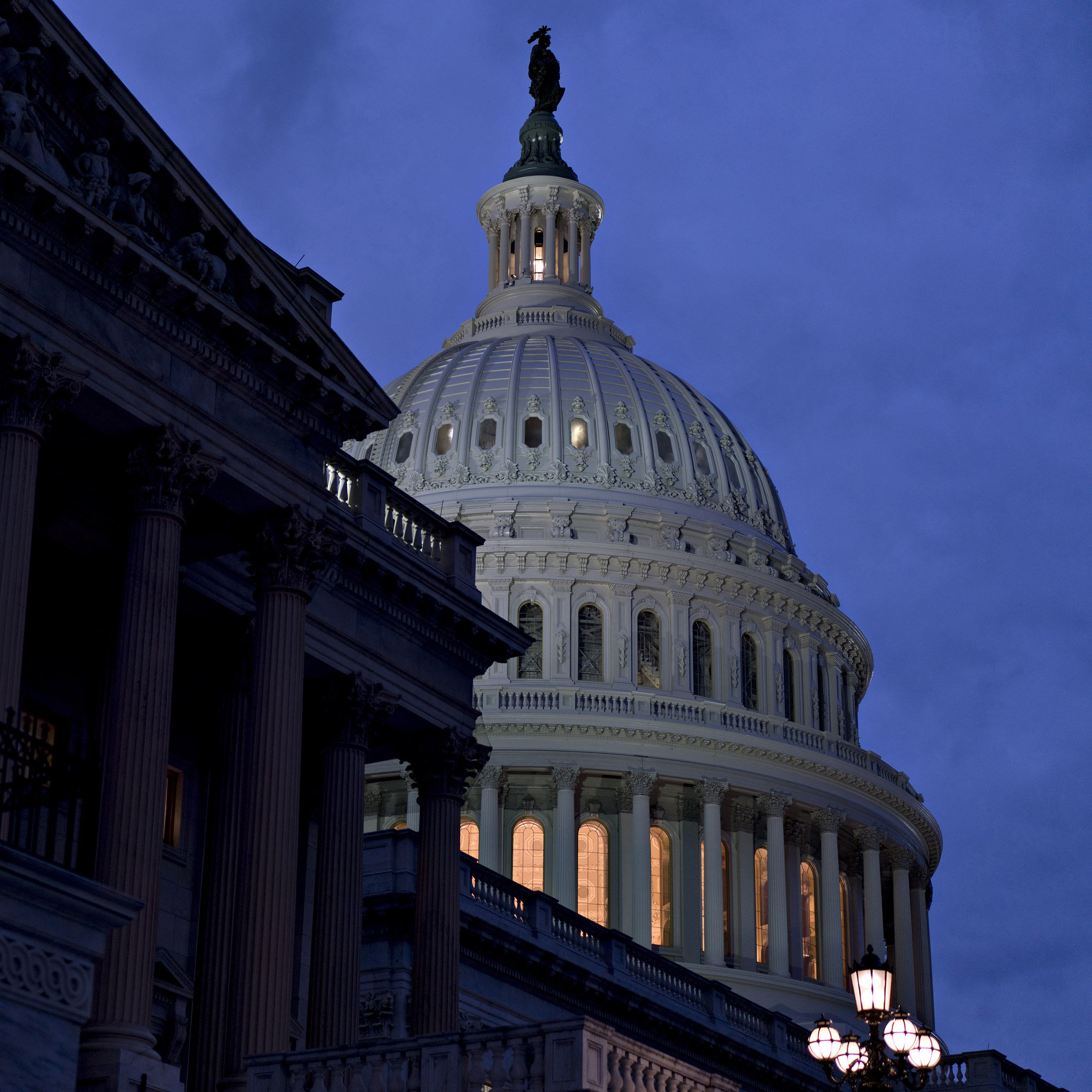
US government buys three weeks in return for pledge over fate of 'Dreamers'
Democrats agreed to fund the US government until February 8 after Mitch McConnell, the top Senate Republican, pledged to introduce legislation to protect the "Dreamers" - 800,000 people brought illegally to the US as children who face deportation. Demetri Sevastopulo, Washington bureau chief, explains what must happen next in order to avoid another shutdown. Clip courtesy of Reuters. Hosted on Acast. See acast.com/privacy for more information.

Multinationals face nationalist ire of China consumers
Chinese regulators have reprimanded a string of foreign corporations, including Qantas, Zara and Marriott, for labelling Tibet and Taiwan as independent countries. Jyotsna Singh discusses Beijing’s action and the ire it stirred among Chinese consumers towards the multinationals with the FT's Emily Feng and Edward White. Music by David Sappa Hosted on Acast. See acast.com/privacy for more information.

Carillion collapse sparks political furore
The collapse of Carillion, the UK construction and services group, has sent shock waves through British industry and prompted an investigation into how investors and ministers failed to spot the warning signs. Matthew Vincent discusses the political and economic fallout with the FT’s Gill Plimmer, Gemma Tetlow and Jim Pickard Hosted on Acast. See acast.com/privacy for more information.

Banks vie with tech for MBA graduates
Banks are rethinking their strategy in a bid to lure MBA graduates away from rival recruiters in technology companies, new research shows, Patrick Jenkins discusses the battle to attract the best candidates with the FT's Jonathan Moules and Stéphane Rambosson from the advisory and executive search firm Vici. Hosted on Acast. See acast.com/privacy for more information.
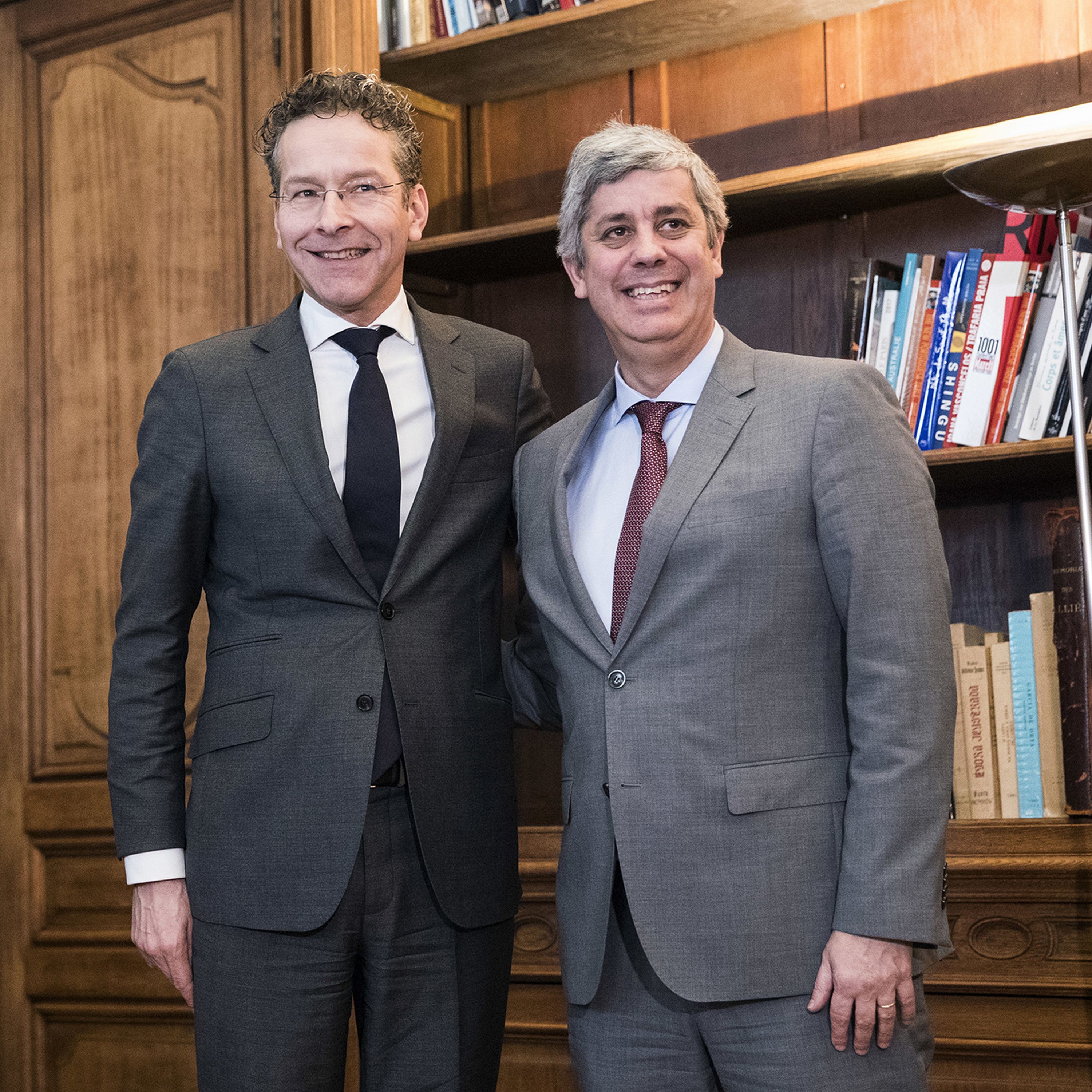
Centeno takes up key euro policy role
Mario Centeno, Portugal's finance minister, steps into a major economic policy making role in the euro area this week, taking over from Jeroen Dijsselbloem as president of the Eurogroup at a time when the focus has shifted from crisis management to strengthening institutions. Mehreen Khan talks to the FT's Jim Brunsden about Mr Dijsselbloem's achievements and the tasks facing his successor. Hosted on Acast. See acast.com/privacy for more information.