FT News in Focus
1,269 episodes — Page 15 of 26
Man v machine
"Gut feelings" as the key to financial trading success. John Murray Brown discusses new research from Cambridge University with Clive Cookson, science editor, and Roger Blitz, currencies correspondent. Hosted on Acast. See acast.com/privacy for more information.
What to do about doping
Russian hackers released a second batch of high profile athletes' medical records this week in an attempt to show widespread instances of doping around the world. The FT's John Burn-Murdoch and Murad Ahmed discuss how the international sporting world will deal with doping among Russian athletes now that the Rio Olympics are over. Hosted on Acast. See acast.com/privacy for more information.
The power behind Hinkley Point
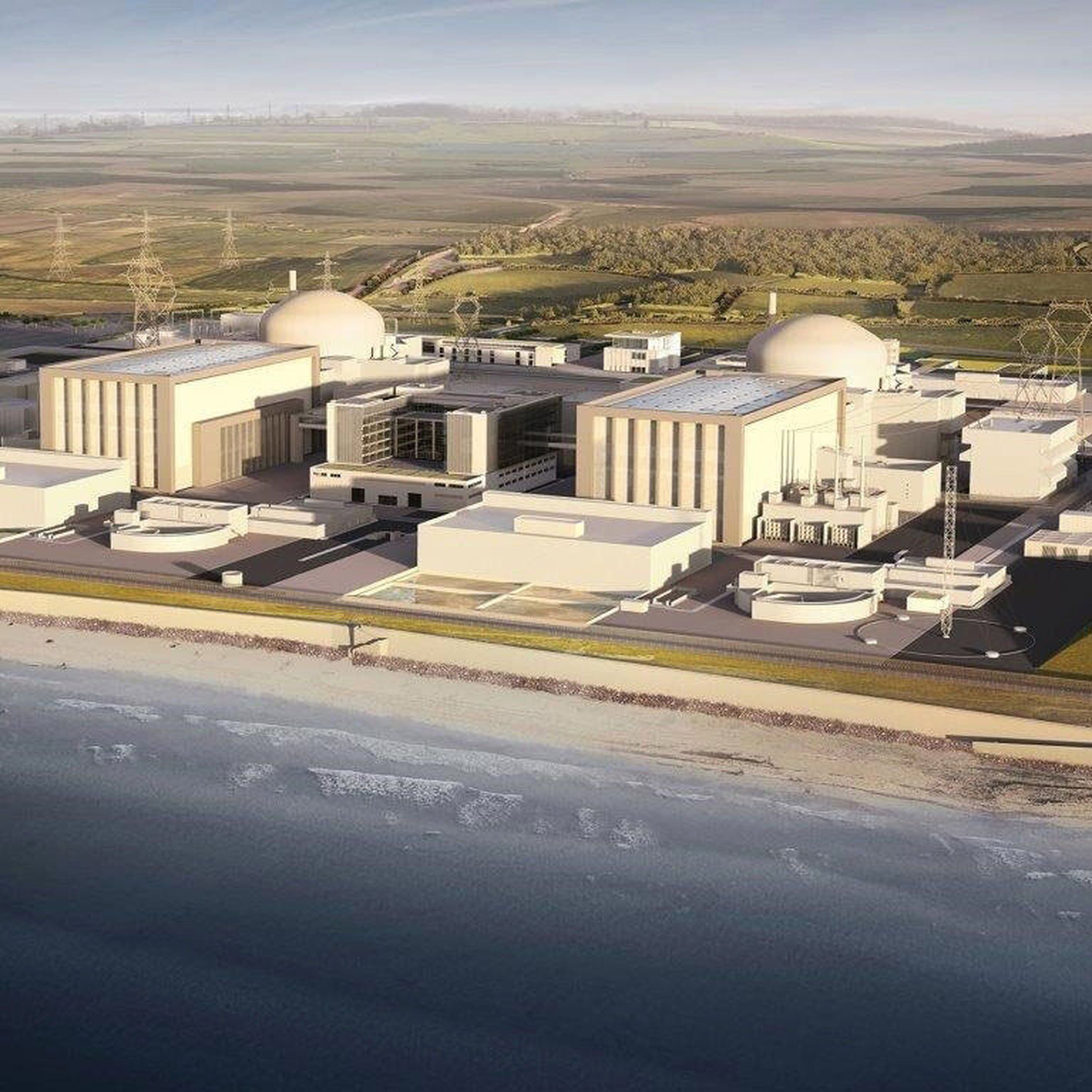
The approval of the Hinkley Point power station injects new energy into the UK’s nuclear sector. The FT’s Giles Wilkes and Alan Livsey explain what is at stake for French utility EDF. Visit FT.com for more on the story. Hosted on Acast. See acast.com/privacy for more information.
Clinton's penchant for privacy
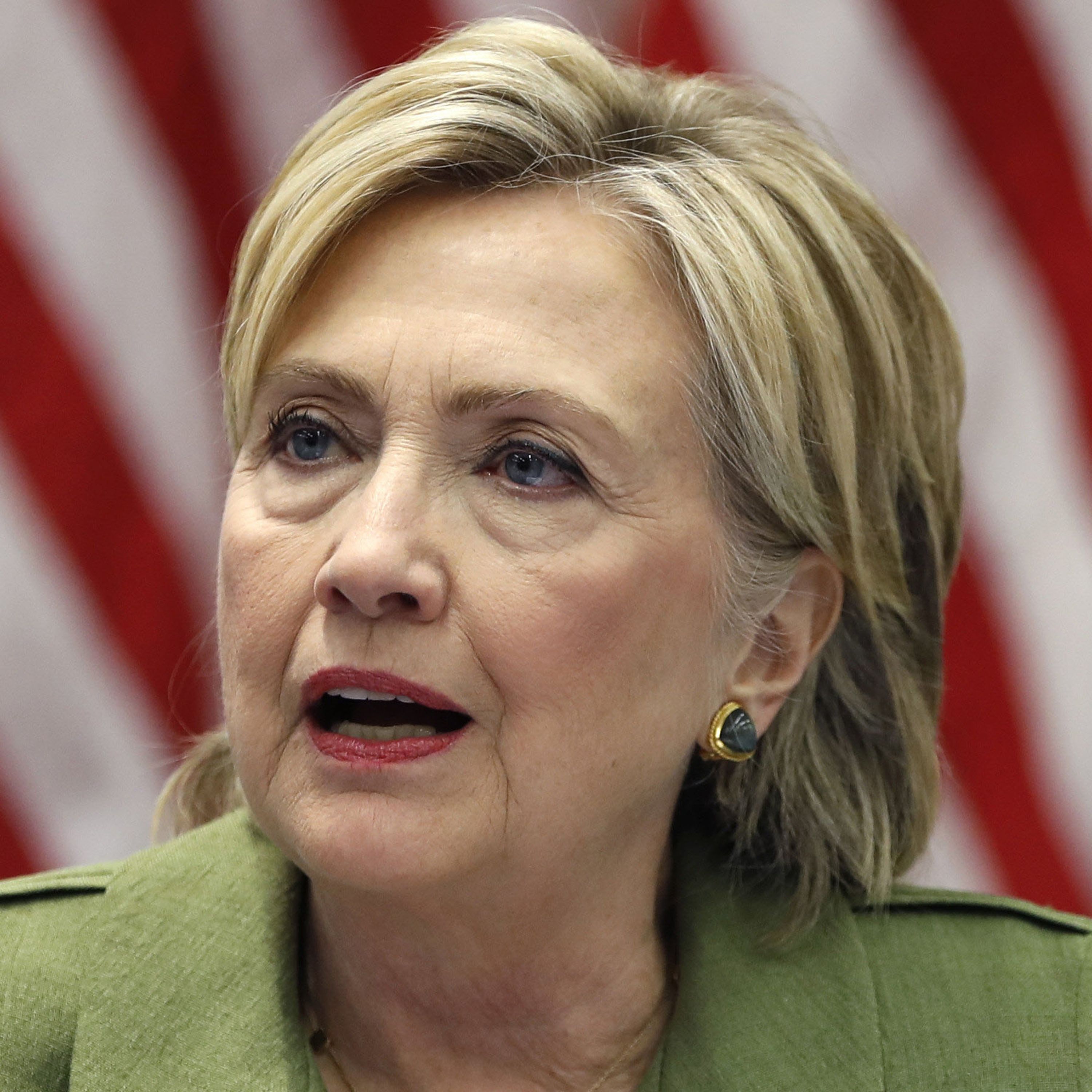
With the delay in disclosing her pneumonia diagnosis, Hillary Clinton prompted new questions about her candour with the public and the press. The FT's Courtney Weaver explains how this will affect the candidate in the remaining weeks of the presidential campaign, and why transparency has played a new role in this election cycle. Visit FT.com/polls for the latest election news. Hosted on Acast. See acast.com/privacy for more information.
Were economists wrong about Brexit?
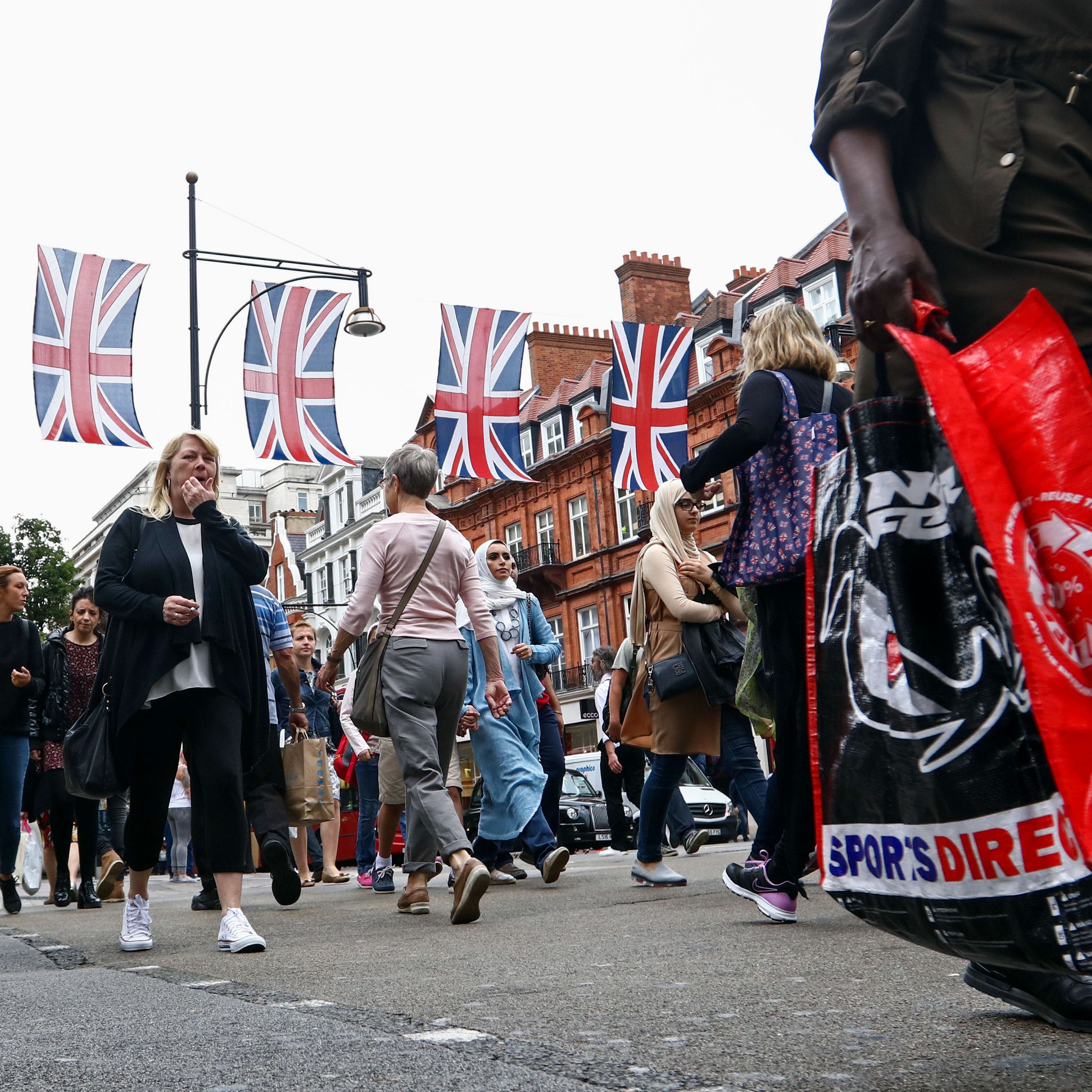
Before the June referendum, economists warned a UK vote to leave the EU would tip the economy into recession. But today, Britons are still spending and the markets are buoyant. So who is right? The gloomy economists or the upbeat markets? Barney Thompson puts the question to Chris Giles, the FT’s economics editor, and Roger Blitz, currencies correspondent. Hosted on Acast. See acast.com/privacy for more information.
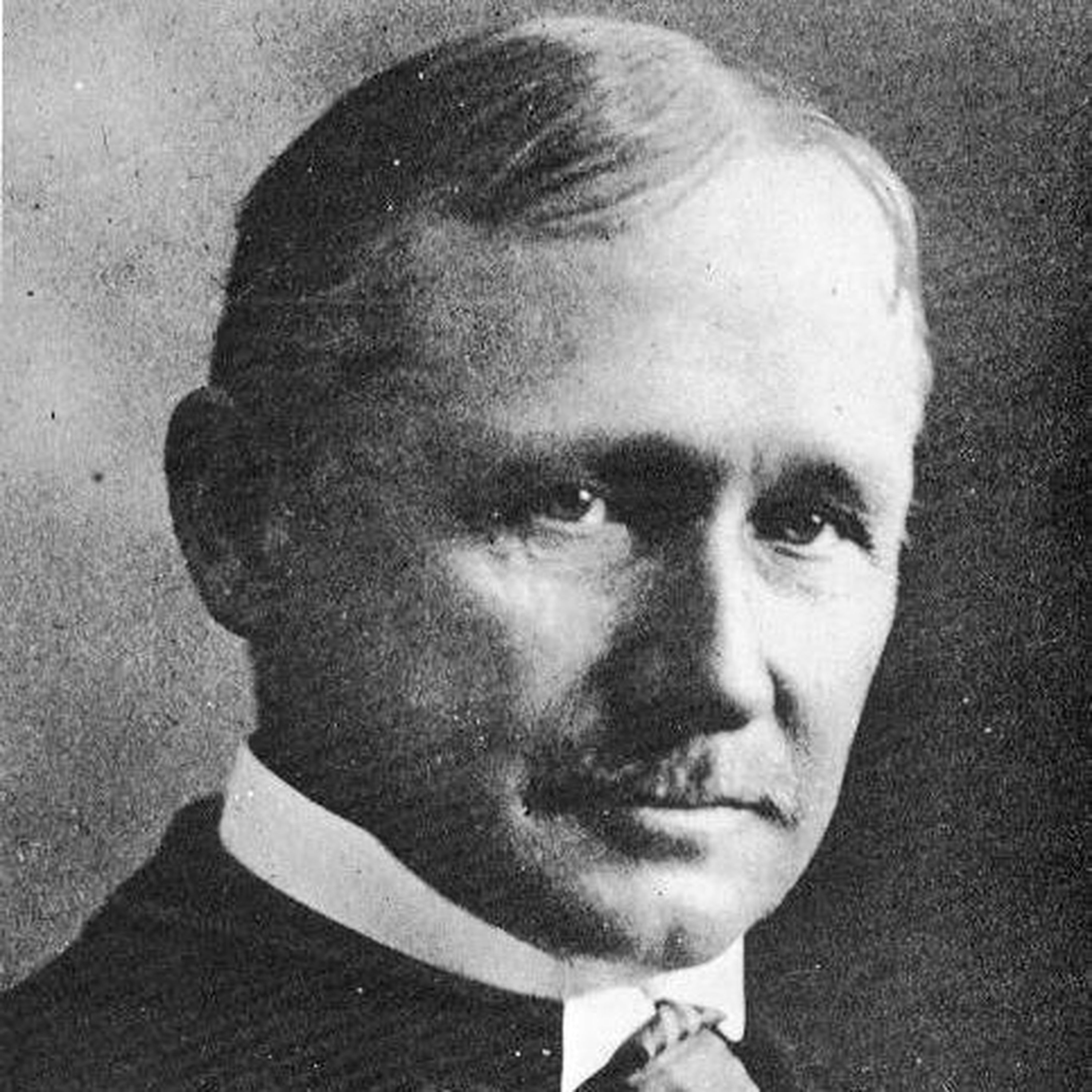
Return of 'Taylorism' on steroids
Using algorithms to monitor performance is associated with companies like Uber and the gig economy, but also harks back to the 'scientific management' of Frederick Winslow Taylor a century ago. More recent management theories suggest making workers responsible for their own performance is the best way to boost productivity. John Gapper discusses these conflicting trends with FT employment correspondent Sarah O'Connor. Hosted on Acast. See acast.com/privacy for more information.
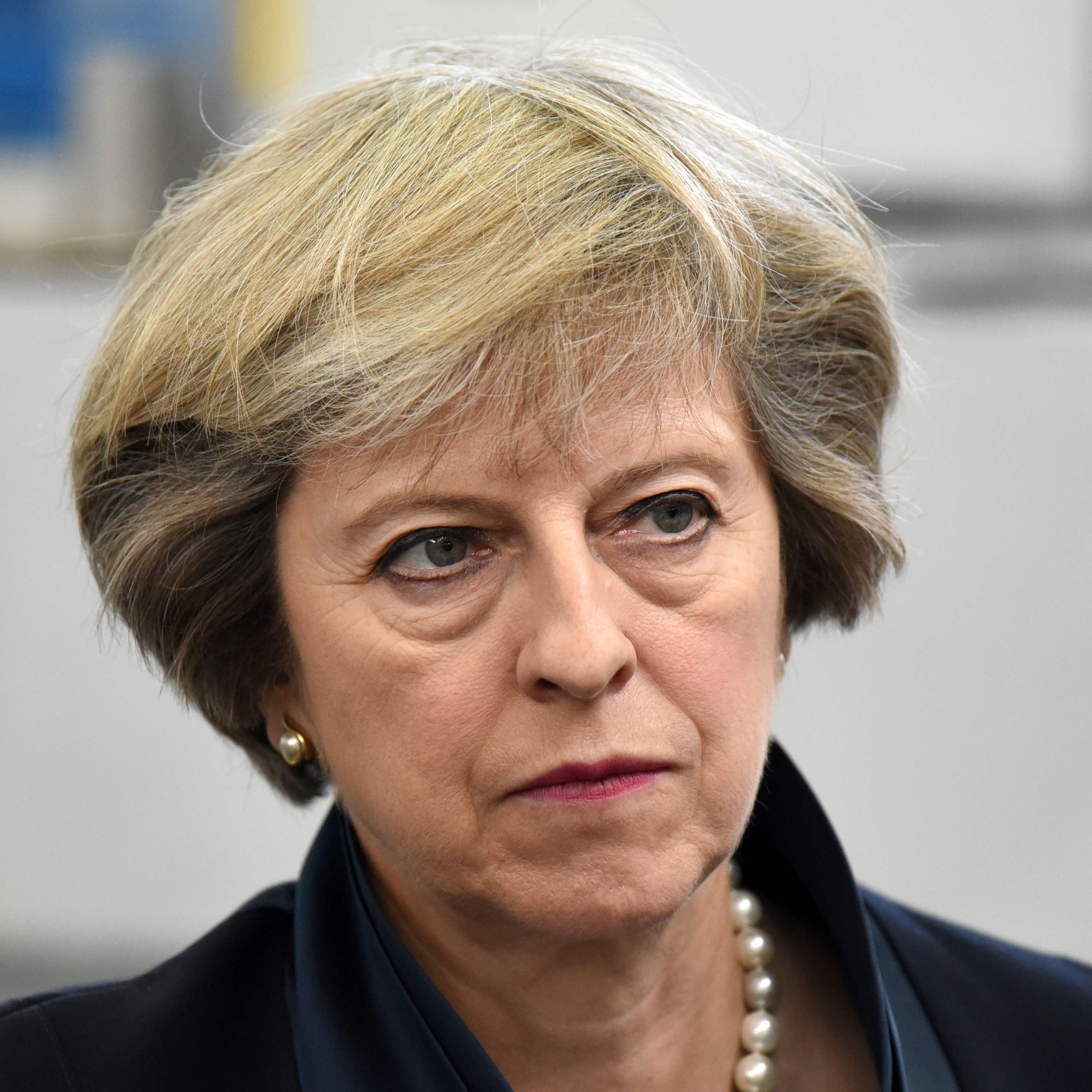
Britain's immigration conundrum
For many of the 17m Britons who voted to leave the European Union, immigration was a decisive factor. Theresa May, Britain's prime minister, has ruled out an Australian-style points system for controlling the inflow. So what are her other options? Barney Thompson puts the question to Helen Warrell, the FT's public policy correspondent. Hosted on Acast. See acast.com/privacy for more information.
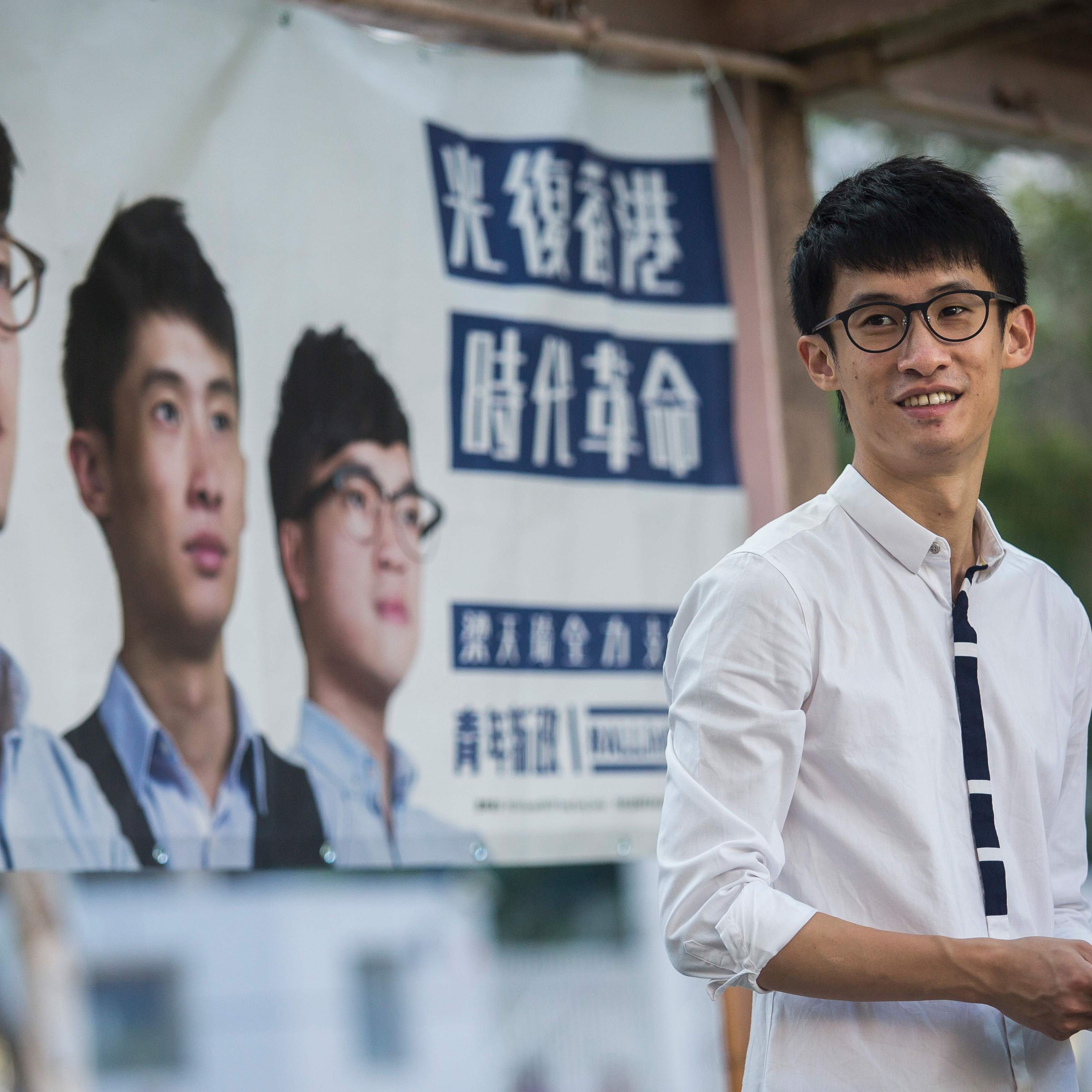
Hong Kong's radical young politicians
Several young activists opposed to China’s control over Hong Kong have been elected to the territory’s legislature in a sign of growing anger with Beijing. Josh Noble discusses the rise of this group of radical young politicians with Ben Bland, FT correspondent in Hong Kong. Hosted on Acast. See acast.com/privacy for more information.
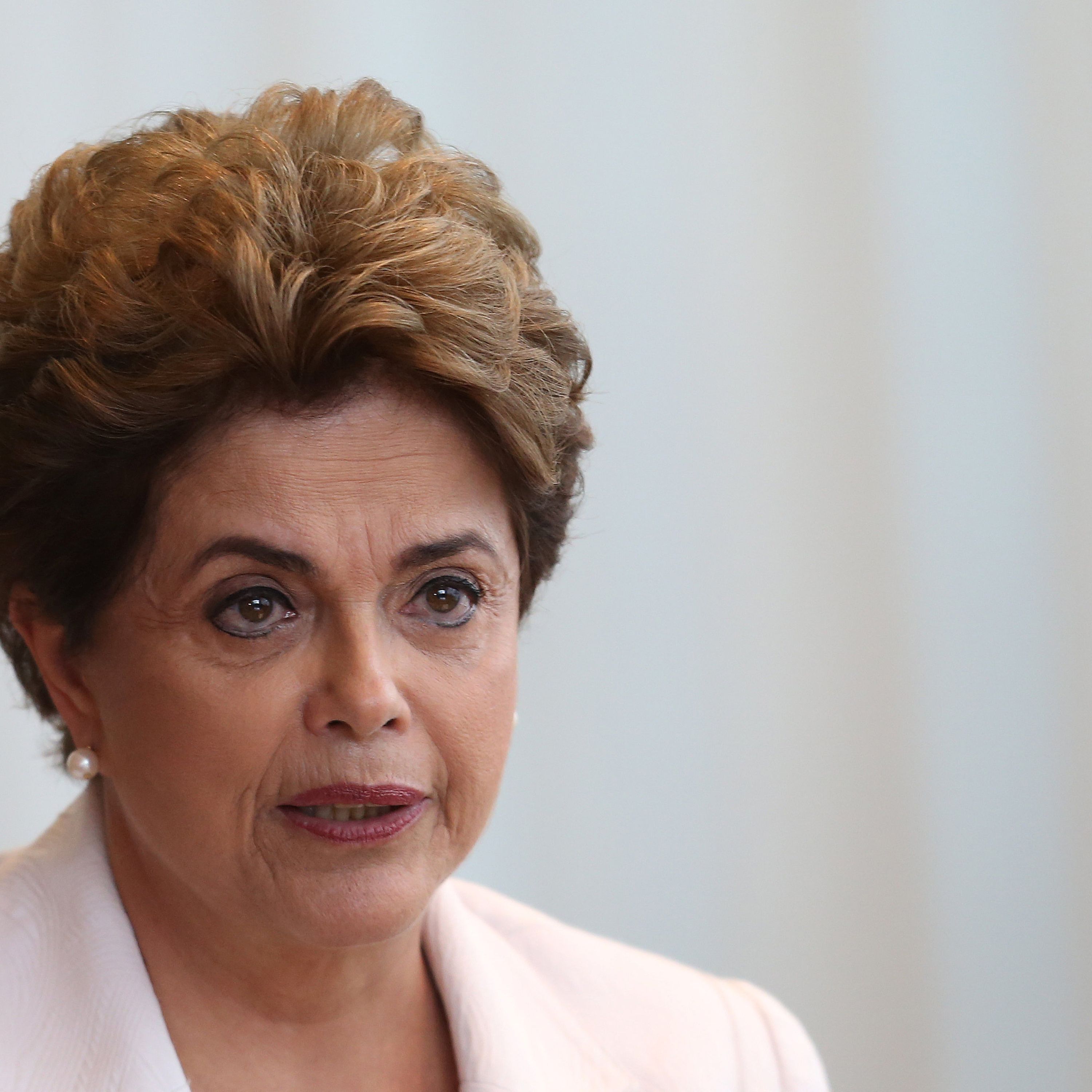
Brazil after Dilma Rousseff
The impeachment of Dilma Rousseff thrusts new president Michel Temer into the spotlight at a time when the country is suffering the worst recession in more than a century. The FT's John Paul Rathbone and Joe Leahy discuss what lies ahead for Mr Temer and the country. Hosted on Acast. See acast.com/privacy for more information.

Why are investors so keen on Saudi bonds?
Saudi Arabia is planning its first international sovereign bond issue this year, with a $15bn sale that has generated huge interest from Asian investors. John Murray Brown asks Simeon Kerr, the FT's Gulf correspondent, and Elaine Moore, capital markets correspondent what's behind the Saudi move and why Asian investors are so enthusiastic. Hosted on Acast. See acast.com/privacy for more information.

US fury over EU's Apple tax ruling
US political leaders have reacted with anger to an EU decision to hit Apple with a record-breaking €13bn tax penalty, with one politician describing it as a 'cheap money grab' by the European Commission. Chris Nuttall discusses the ruling and its likely repercussions with the FT’s Brussels bureau chief Alex Barker Hosted on Acast. See acast.com/privacy for more information.

Building a new Silk Road
China’s president Xi Jinping has made building a new Silk Road from east Asia to the Middle East and Europe his signature foreign policy. If he succeeds, the Caspian region could once again be at the heart of world trade. The FT’s Jack Farchy reports from the port of Baku in Azerbaijan.Picture credit: Dreamstime Hosted on Acast. See acast.com/privacy for more information.
Big pharma still makes billions after patents lapse
Doctors in the US are wasting hundreds of millions of dollars a year prescribing expensive branded medicines even when cheaper generic alternatives are available, according to an FT analysis. David Crow and Sujeet Indap discuss the findings. Hosted on Acast. See acast.com/privacy for more information.

Earth finds a near neighbour
For decades, astronomers have searched the skies for planets in our galaxy similar to Earth that could harbour life. A team of European scientists has now revealed they are closer to this goal, with the discovery of a new Earth-like body orbiting Proxima Centauri, the nearest star to the Sun. John Murray-Brown talks to Madhumita Murgia, FT technology correspondent, about the discovery. Hosted on Acast. See acast.com/privacy for more information.

Race against time to find Italy quake survivors
The FT's Davide Ghiglione reports from Amatrice as rescue teams race to find survivors from the earthquake that devastated mountain towns in central Italy this week.Picture credit: Davide Ghiglione Hosted on Acast. See acast.com/privacy for more information.

Banks hijack bitcoin technology
Four of the world's biggest banks are collaborating on a new blockchain project to transform the way securities trades are processed, with the aim of making it cheaper and safer. Patrick Jenkins asks Martin Arnold, the FT's banking editor, to explain what's behind the development. Hosted on Acast. See acast.com/privacy for more information.
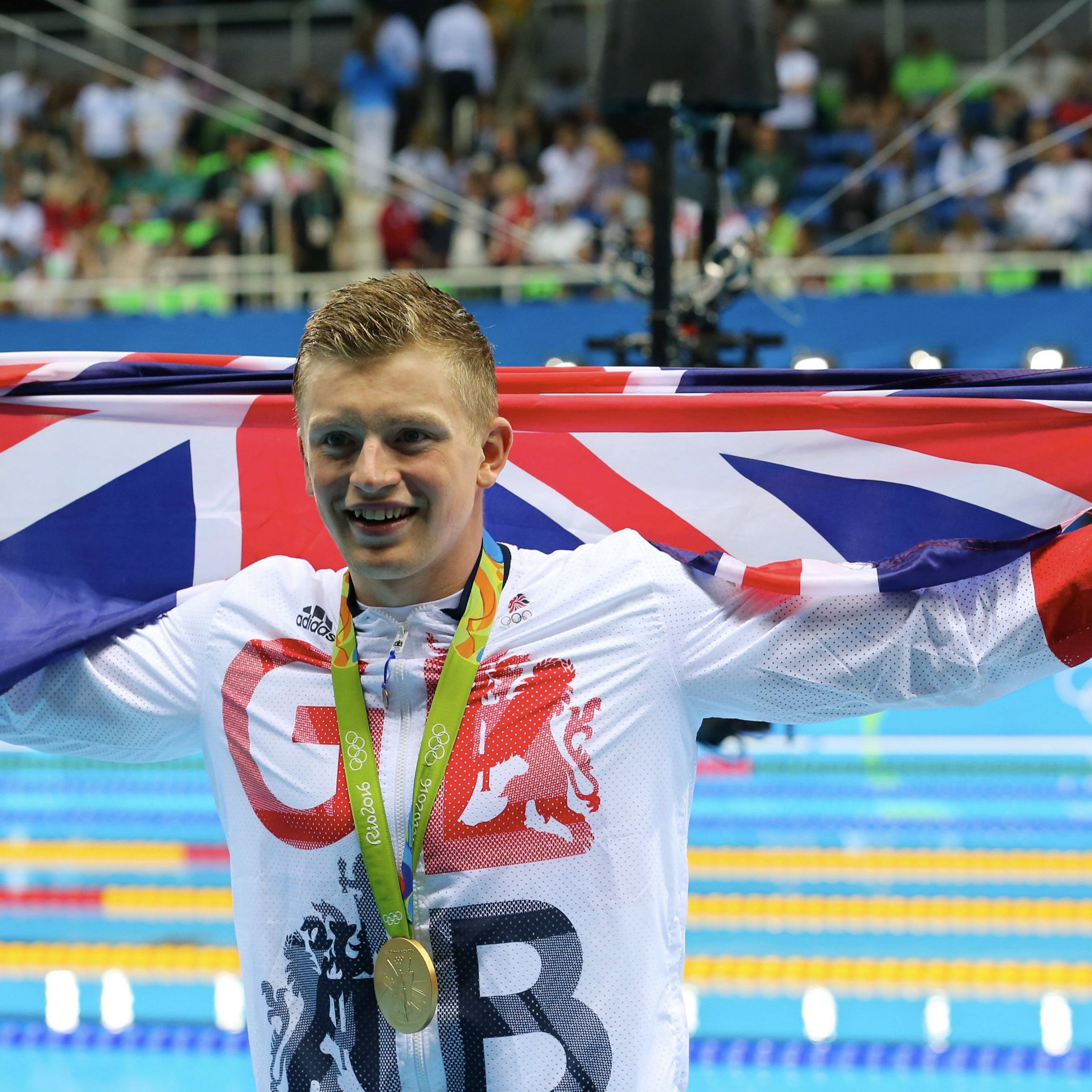
British Olympic success meets scepticism in Europe
Britain’s stunning medals success in the Rio Olympics was a cause for elation at home — but in parts of Europe it was met with sneers and some incredulity. Joshua Chaffin discusses this reaction and what's behind it with Guy Chazan and Henry Foy, FT correspondents in Berlin and Warsaw. Hosted on Acast. See acast.com/privacy for more information.
Explaining the global pension crisis
Record low bond yields have intensified the pressure on pension funds already struggling to provide for retirees who are living longer. This squeeze has widened the pension deficit for hundreds of funds globally, prompting fears of a slow-moving but painful social crisis. The FT's John Authers and Robin Wigglesworth explain. Hosted on Acast. See acast.com/privacy for more information.
The threat to Obama's healthcare legacy
The future of the Affordable Care Act's open insurance marketplaces is at risk as large providers such as Aetna threaten to pull out of the state exchanges in response to the administration's crackdown on industry mergers. The FT's Barney Jopson explains. Hosted on Acast. See acast.com/privacy for more information.
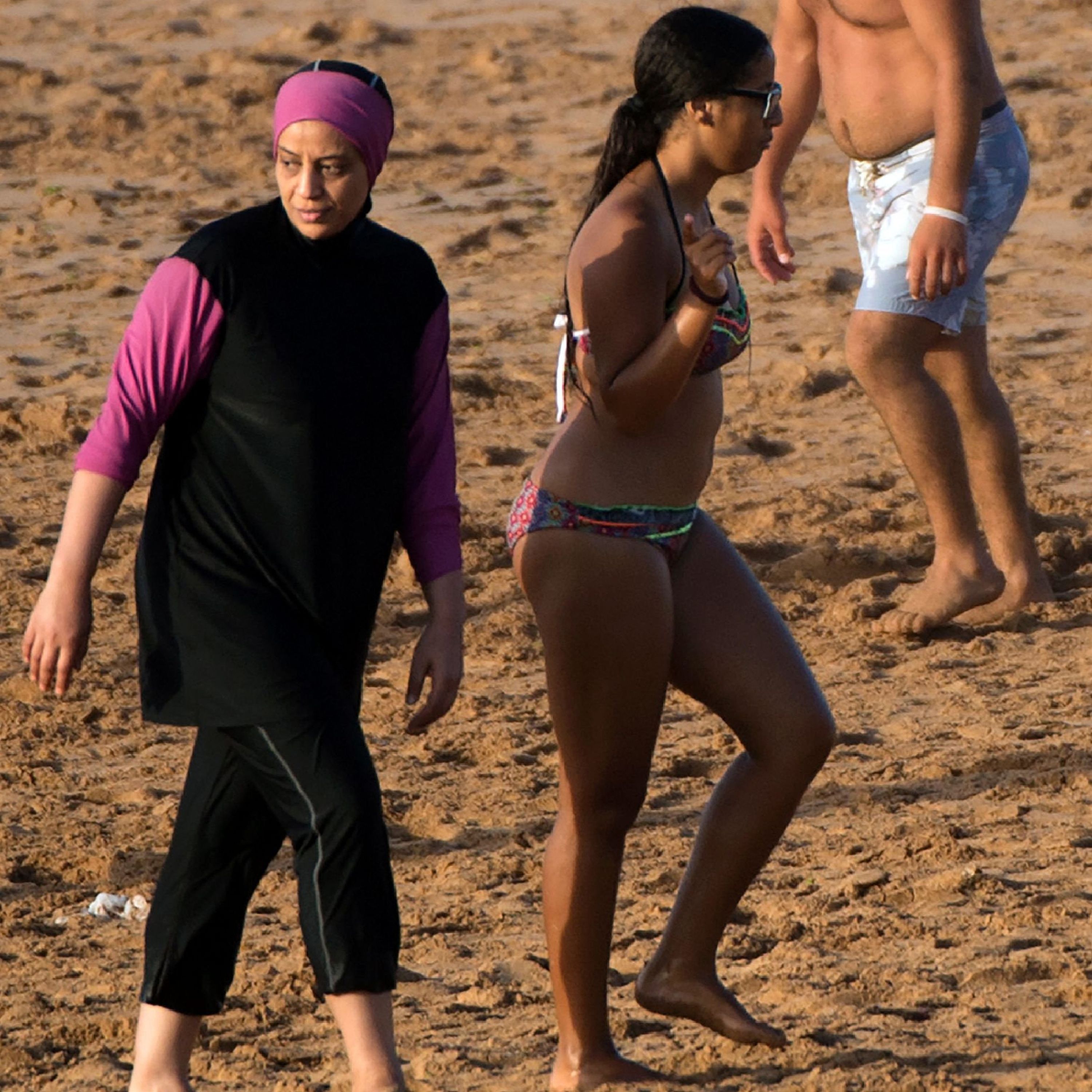
French seaside towns ban the burkini
Several towns in France have taken the unusual step of banning the burkini from their beaches, and a number of women in the resort of Cannes have already been fined for wearing the concealing swimwear favoured by some Muslims. Josh Noble discusses what’s behind the move and why Italy has taken a different approach, with the FT’s Paris and Rome bureau chiefs Anne-Sylvaine Chassany and James Politi. Hosted on Acast. See acast.com/privacy for more information.

China challenges US space supremacy with quantum satellite
China has launched a quantum satellite to test whether communications can be rendered hack-proof, in its latest challenge to US supremacy in space. Clive Cookson, the FT’s science editor, discusses the development with Lucy Hornby, FT Beijing correspondent. Music from Star Trek theme by Alexander Courage Hosted on Acast. See acast.com/privacy for more information.
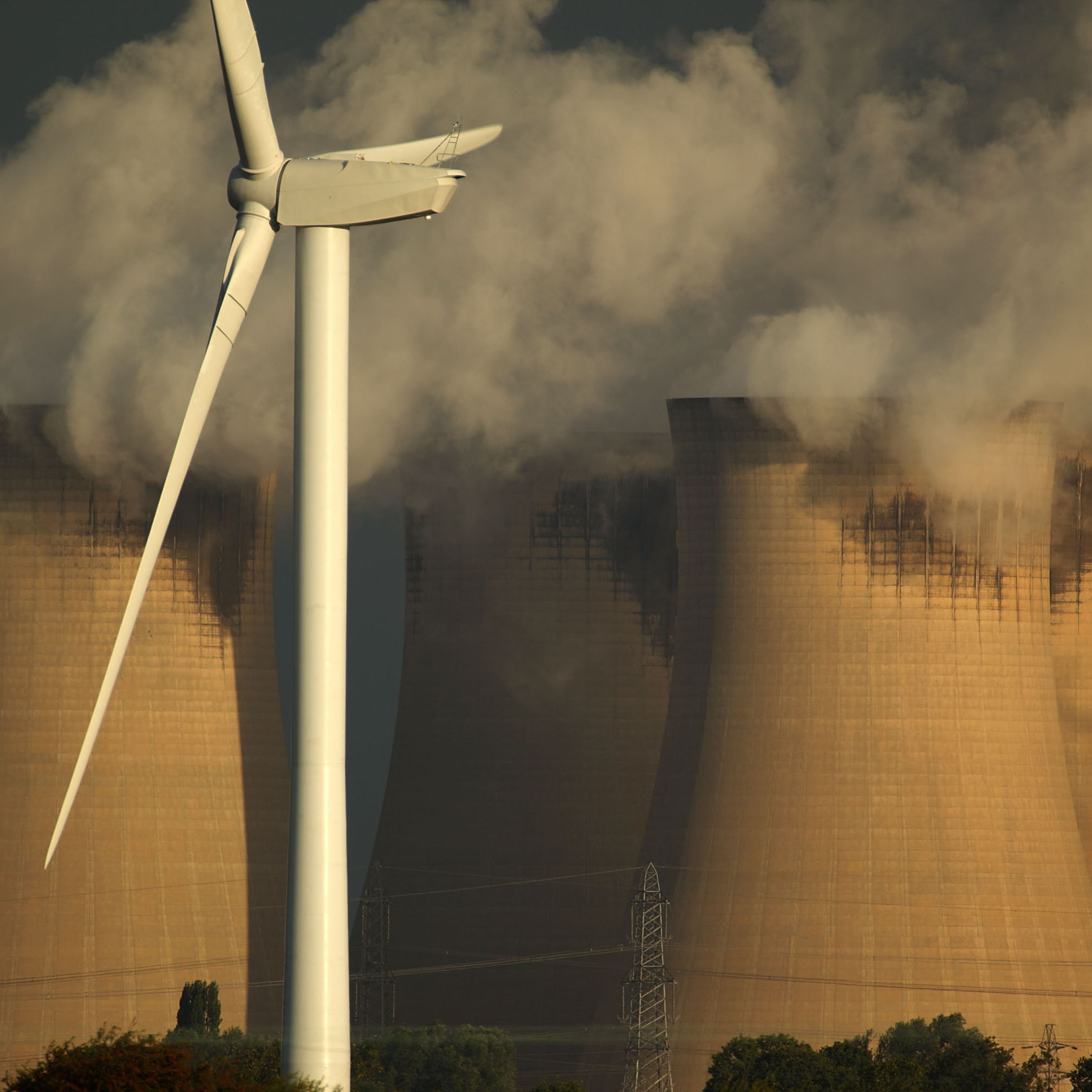
Shift away from fossil fuels takes hold
The share of electricity that the world’s 20 major economies are generating from the sun and the wind has jumped in the space of five years, new figures show. John Murray Brown asks FT environment correspondent Pilita Clark whether this breakthrough is sustainable and what it means for the battle against climate change. Hosted on Acast. See acast.com/privacy for more information.
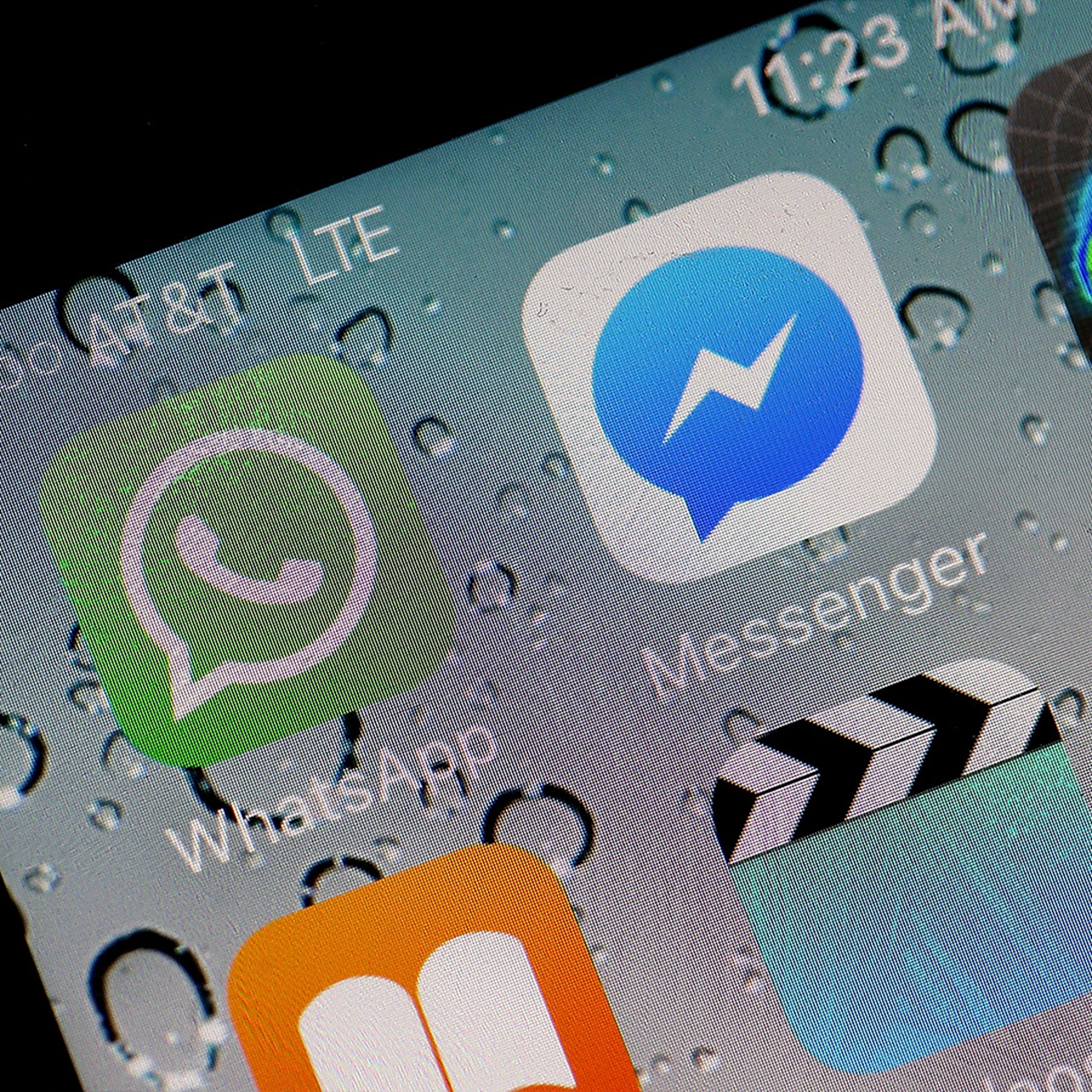
EU regulators tackle 'over-the-top' web services
Europe plans to regulate 'over-the-top' web services like WhatsApp and Skype as part of a radical overhaul of rules on telecoms due out in September. Duncan Robinson, FT correspondent in Brussels, tells Chris Nuttall why the EU is trying to fix this regulatory grey area and what it will mean for companies and consumers. Hosted on Acast. See acast.com/privacy for more information.
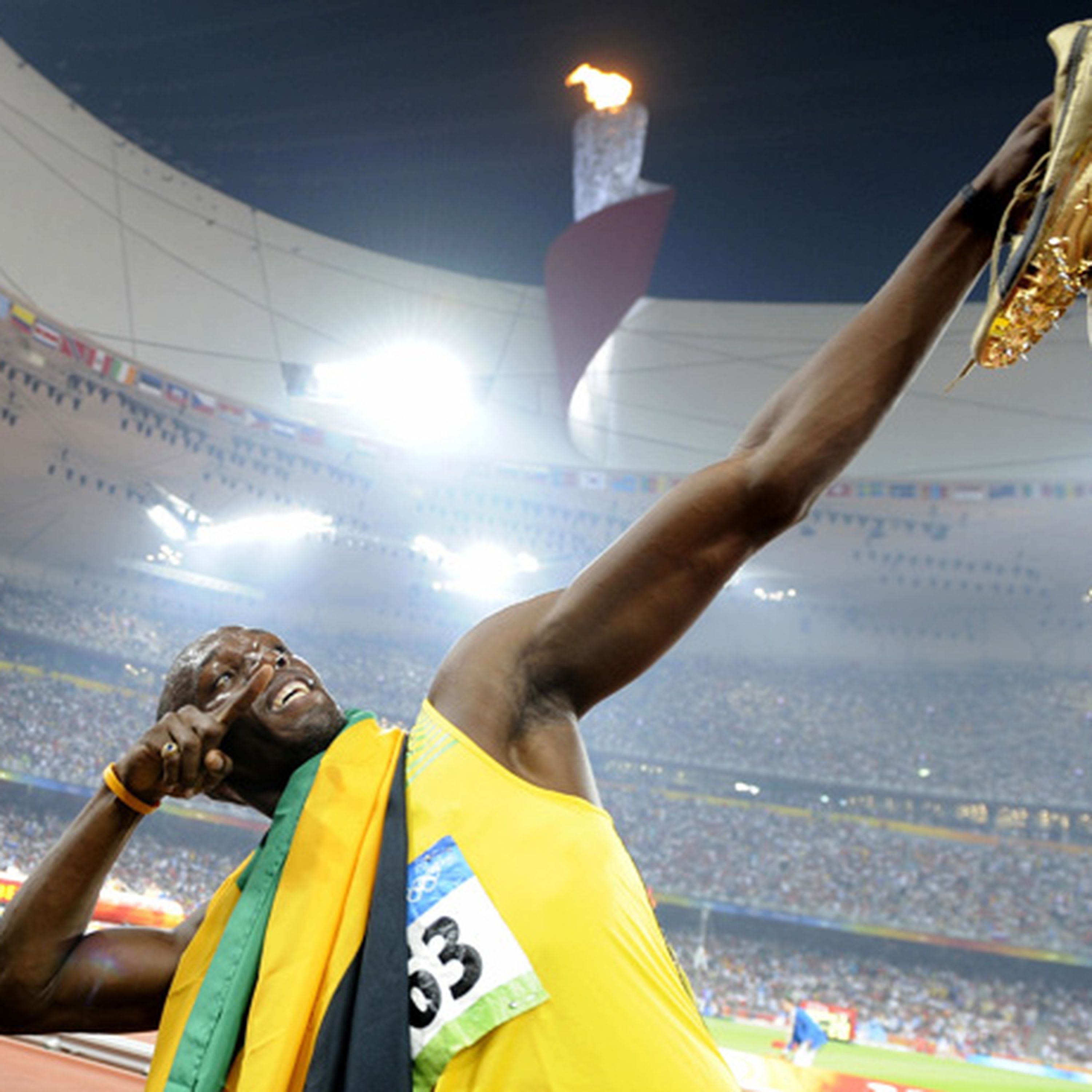
What's behind Jamaica's sprinting prowess?
Why does Jamaica, an island nation of just 2.7m, produce sprinters that so easily trounce those from richer, more populous nations? The FT's Murad Ahmed put the question to Usain Bolt shortly after he won his third 100m Olympic gold medal, and he tells John Burn-Murdoch how the athlete replied. Hosted on Acast. See acast.com/privacy for more information.
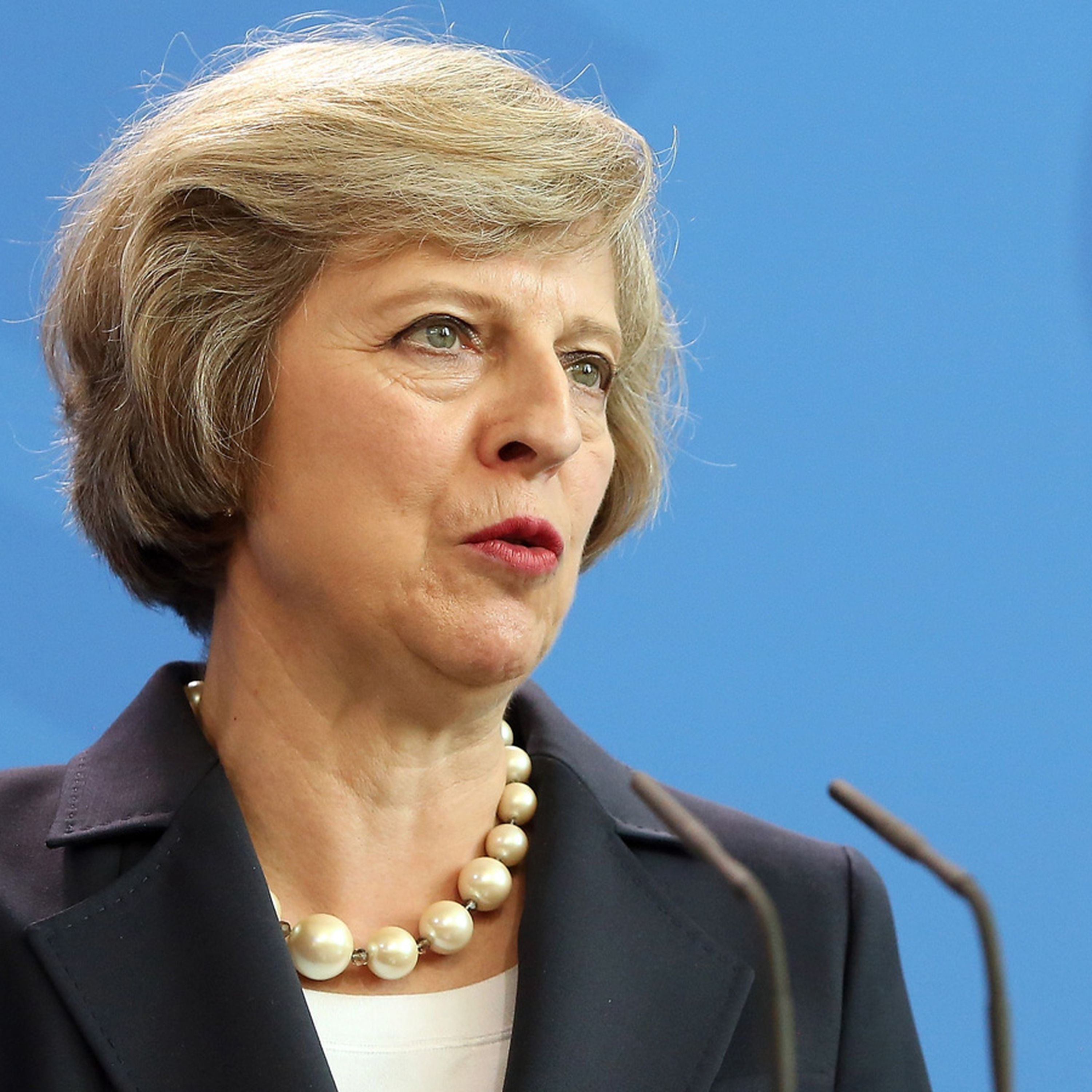
Can Theresa May tackle Britain's 'soft corruption'?
Britain's ancient system of patronage for the ruling elite has come under renewed scrutiny after David Cameron showered honours and titles on his allies shortly before leaving office.Janan Ganesh, the FT's political columnist, tells Hugh Carnegy he thinks Theresa May, the new prime minister, has the puritan instincts to clean up the system. Hosted on Acast. See acast.com/privacy for more information.
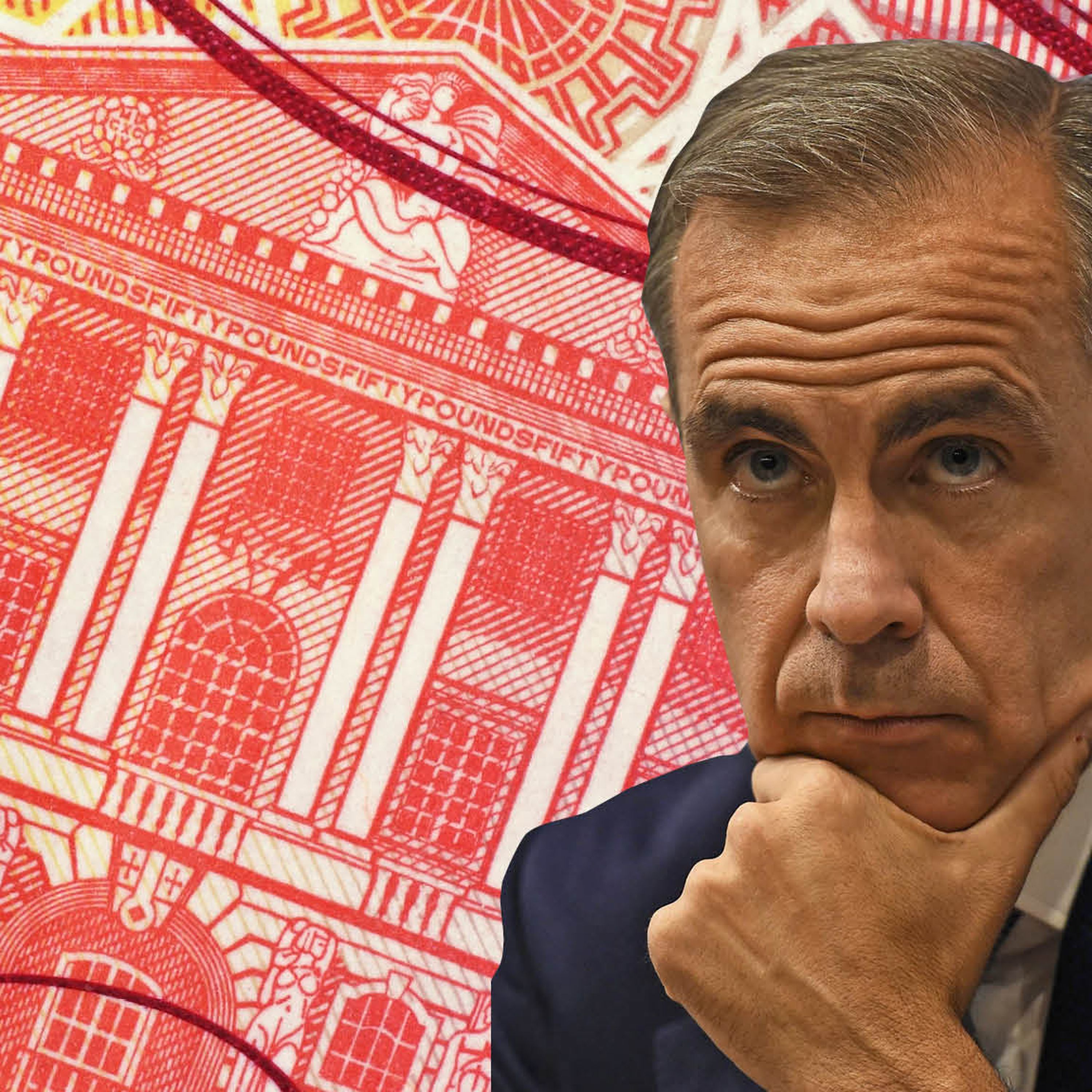
Is the Bank of England's Brexit rescue plan working?
The Bank of England's bond buying programme intended to cushion an expected slowdown in the economy caused by the British vote to quit the European Union had a dramatic effect on financial markets this week, with yields on UK government bonds turning negative for only the second time in history. Hugh Carnegy asked FT markets editor Michael Mackenzie and economics writer Martin Sandbu to explain what happened and why it matters. Hosted on Acast. See acast.com/privacy for more information.
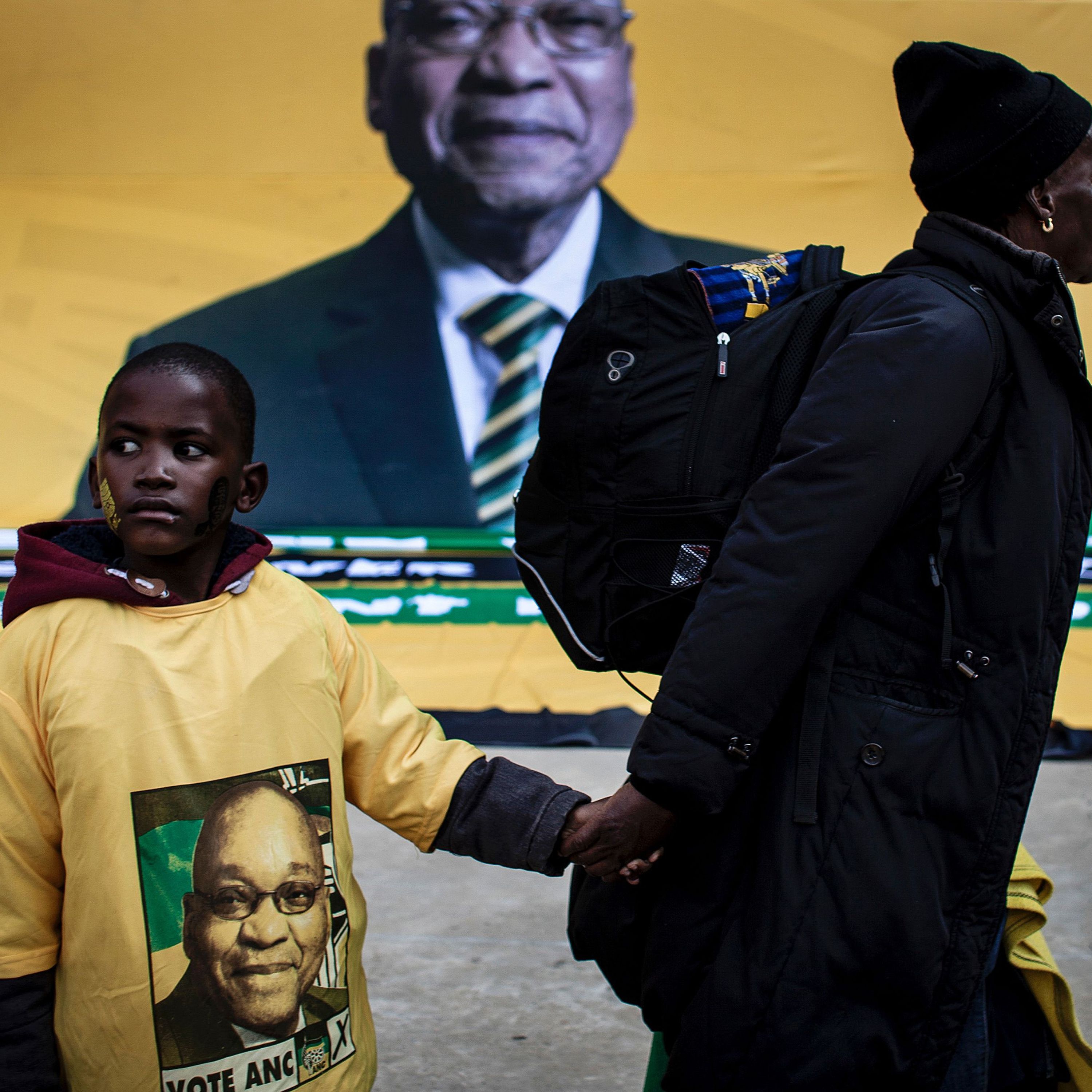
ANC poll setback shakes up politics in South Africa
South Africa’s ruling ANC has been forced into coalition talks after suffering its worst electoral performance at local polls last week. The party once led by Nelson Mandela lost its primacy as South Africans’ party of choice after voters registered their grievances over high unemployment, shoddy governance and a scandal-prone president. Andrew England discusses the vote and its repercussions with Krista Mahr, who covered the polls for the FT. Hosted on Acast. See acast.com/privacy for more information.

India lightens tax burden for businesses
A radical overhaul of India’s tax system will replace national, state and local taxes with a new unified value added tax, improving the country’s competitiveness and boosting growth. James Kynge discusses the breakthrough with the FT’s South Asia bureau chief Amy Kazmin. Hosted on Acast. See acast.com/privacy for more information.
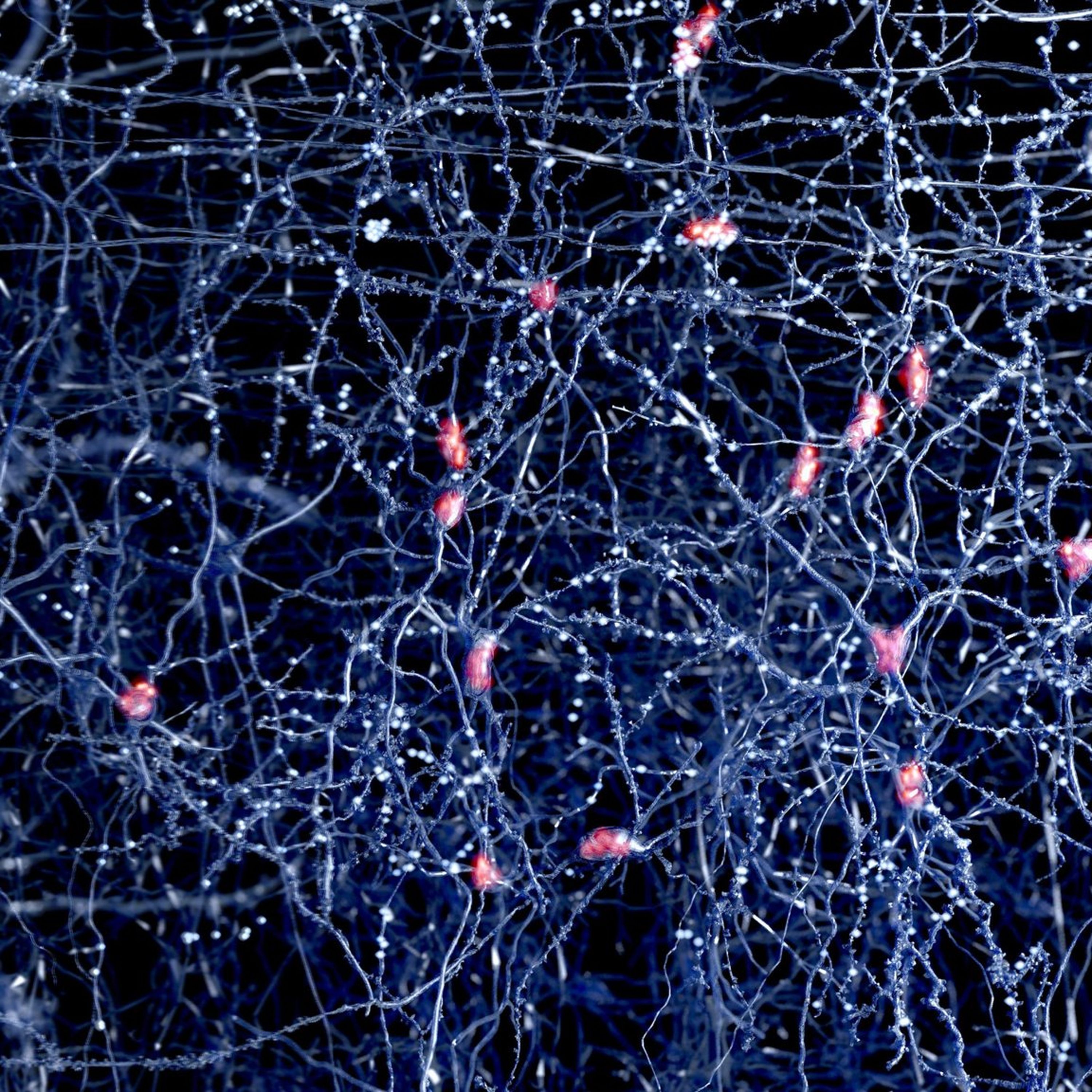
GSK and Alphabet team up to find biolectronic cures
Google’s parent company Alphabet is teaming up with British drug company GlaxoSmithKline to invest in bioelectronics. The aim is to treat diseases by targeting the electronic signals that pass along the body’s nerves. Chris Nuttall discusses the prospects for this new branch of medicine with the FT’s Science editor Clive Cookson Hosted on Acast. See acast.com/privacy for more information.
Facebook, Google and Verizon shake the digital ad world
The digital advertising industry was rattled this week starting with Verizon's Yahoo takeover and followed by record second quarter earnings for Facebook and Google, underlining the two groups' dominance in the online media market. The FT's global media editor Matt Garrahan discusses this and more with West Coast editor Richard Waters. Visit FT.com for the full story. Hosted on Acast. See acast.com/privacy for more information.
Did Russia hack the US election?
Phil Gordon, one of Hillary Clinton's foreign policy advisers, tells the FT's Gideon Rachman how the alleged involvement of Russian hackers in the leak of Democratic party emails could revive tension between Washington and Moscow and affect November's vote. Hosted on Acast. See acast.com/privacy for more information.
What Verizon sees in Yahoo
Lex writer Sujeet Indap explains why Verizon's $4.8bn acquisition of Yahoo's core operating business is a good deal for the US telecom giant and what it means for Yahoo. Visit FT.com for more on the story. Hosted on Acast. See acast.com/privacy for more information.
Munich - firsthand report from a city shocked by attack
The FT's Cardiff Garcia reports from Munich where a lone gunman killed nine people in an attack near a shopping centre on Friday evening before taking his own life. Visit FT.com for more on the story. Hosted on Acast. See acast.com/privacy for more information.
A meagre second quarter for US banks
In an economic climate of low interest rates and choppy capital markets, US banks are struggling to improve their day-to-day operations. The FT's Ben McLannahan and Alistair Gray discuss the forces restricting revenue growth at the big Wall Street banks, and what to expect in the second half of the year. Music by Kevin MacLeod. Hosted on Acast. See acast.com/privacy for more information.
What the Murdochs plan next for Fox News
With the expected departure of Roger Ailes from Fox News Channel, Financial Times editor Lionel Barber and media correspondent David Bond discuss what’s at stake for the future of 21st Century Fox, a key part of Rupert Murdoch’s global media empire. Hosted on Acast. See acast.com/privacy for more information.
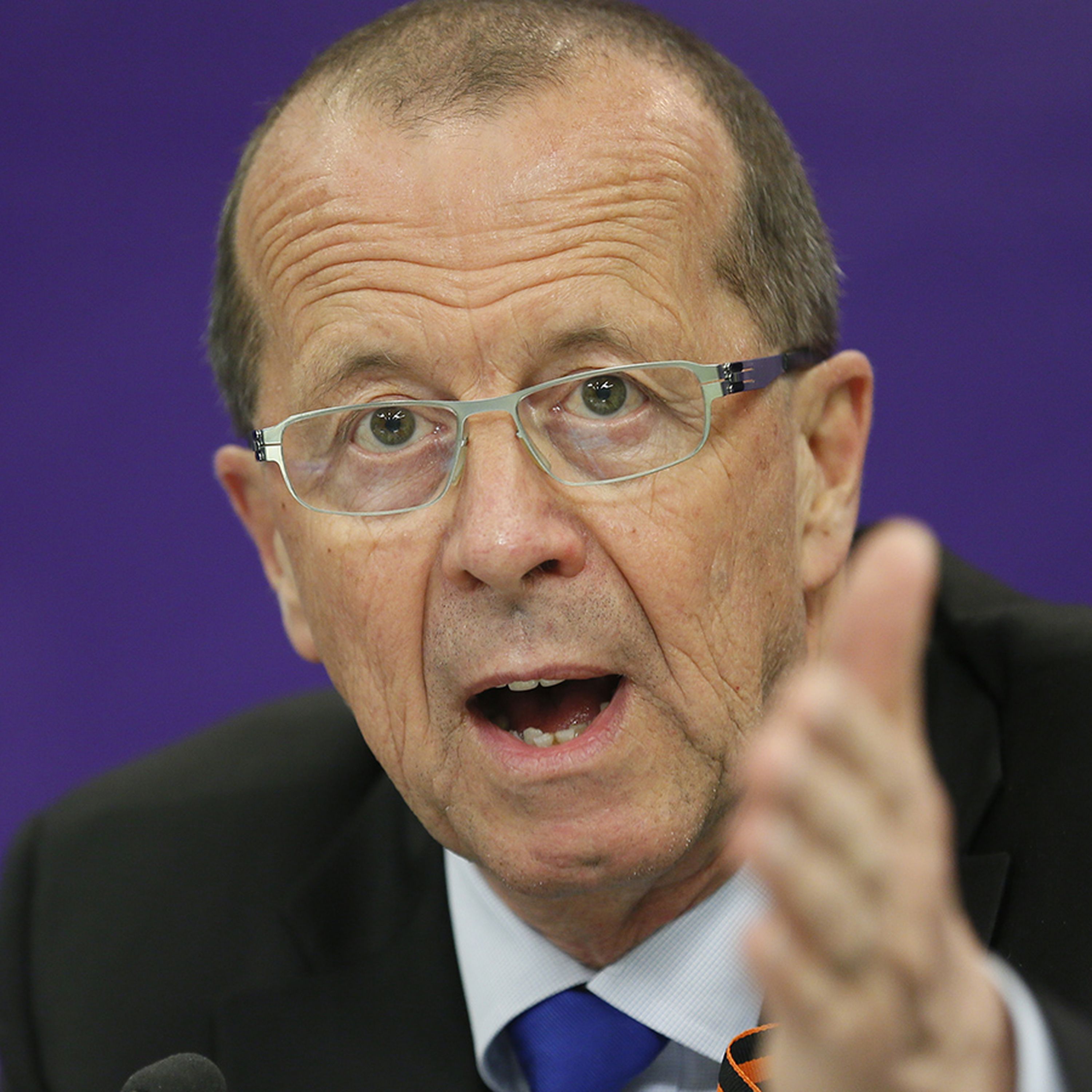
Libya's uncertain future
The UN-backed government in Tripoli is close to pushing Islamic State fighters out of the coastal city of Sirte, considered one of the terror group's most important bases outside of Syria and Iraq. But with little sign of a return to stability across the country, Martin Kobler, the German career diplomat appointed to oversee the peace process in Libya, worries that the problem may simply be displaced elsewhere. He spoke to the FT's Heba Saleh about Libya’s wide-ranging problems during a recent visit to Cairo. Hosted on Acast. See acast.com/privacy for more information.
The FT meets Fethullah Gülen
The FT's James Fontanella-Khan travels to Saylorsburg, Pennsylvania, for a rare interview with Fethullah Gulen, the man Turkish President Recap Tayyip Erdogan accuses of masterminding the failed coup that rocked Turkey. Erdogan's clash with a 75-year-old living in remote Pennsylvania has put in jeopardy America’s ties with a key ally in its fight against Isis. Visit FT.com for more on this story. Hosted on Acast. See acast.com/privacy for more information.
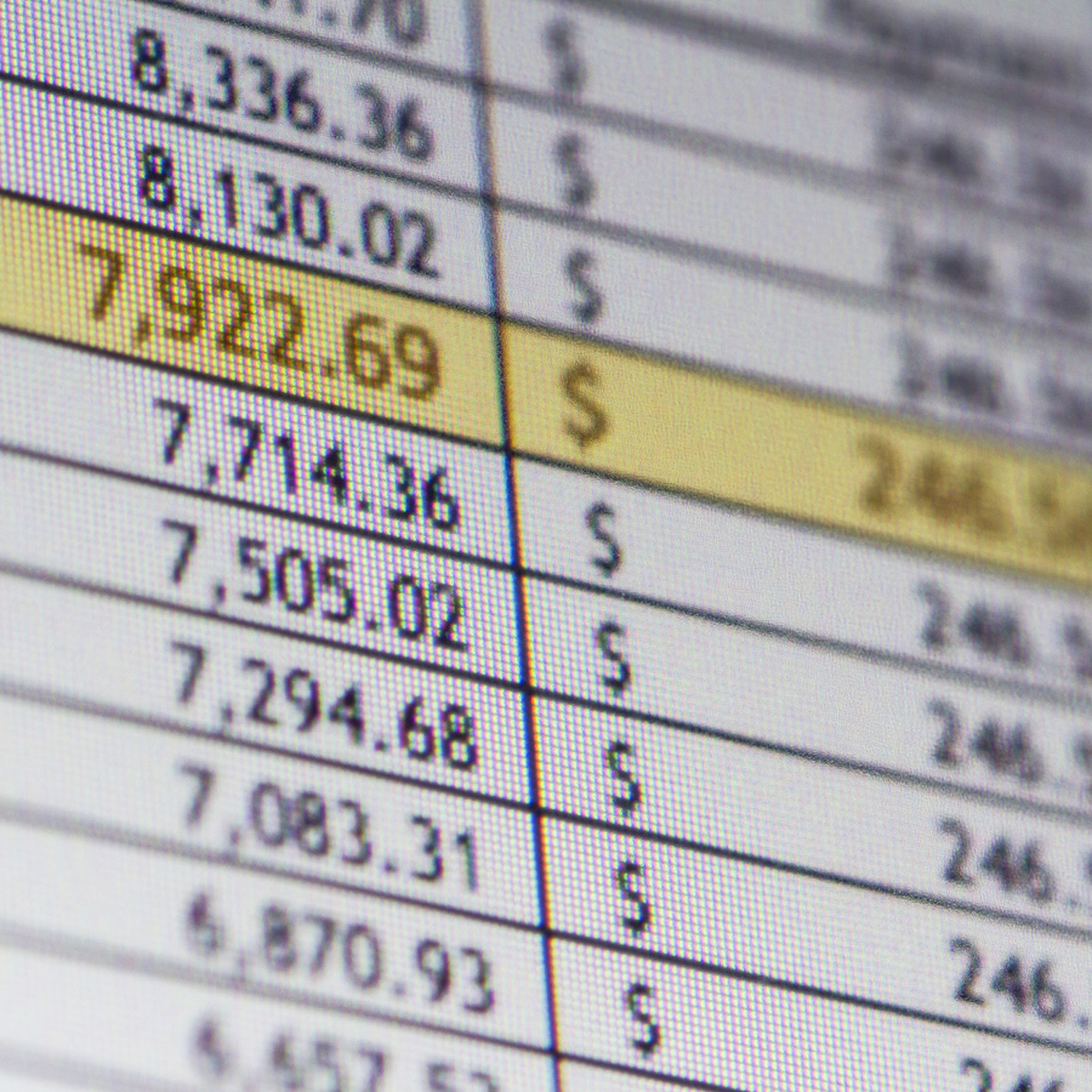
The magic of spreadsheets
Devotees love spreadsheets for their directness. You click the formula that you want, edit it instantly and it updates, live. But their use can also lead to problems, as the UK retailer Marks and Spencer recently discovered to its cost. Columnist Lisa Pollack reports on the latest attempts to make spreadsheets more formal and professional For a related column on this topic, visit's Lisa's page on ft.com.Music credits: Whispering Through by Asura and Our Ego [Feat. Different Visitor] by Broke For Free Hosted on Acast. See acast.com/privacy for more information.

Softbank buys UK's Arm Holdings
SoftBank, the Japanese telecoms giant, has agreed to buy UK-based chip designer Arm Holdings in a deal worth more than $32bn. It's an enormous bet by chief executive Masayoshi Son that the UK company will make Softbank a leader in one of the next big markets, the “internet of things”. Chris Nuttall discusses the timing of the deal and what it means for both companies with Arash Massoudi, who covers mergers for the FT and Richard Waters, West Coast Editor. Picture credit: Charlie Bibby Hosted on Acast. See acast.com/privacy for more information.

Turkey arrests thousands in wake of failed coup
Turkey has sacked thousands of police officers and detained up to 8,000 in the wake of a failed coup in which some 290 people were killed. The government's political opponents came out against the attempted coup but are criticising the crackdown as an overstep in power. Erika Solomon reports for the FT from Istanbul Hosted on Acast. See acast.com/privacy for more information.
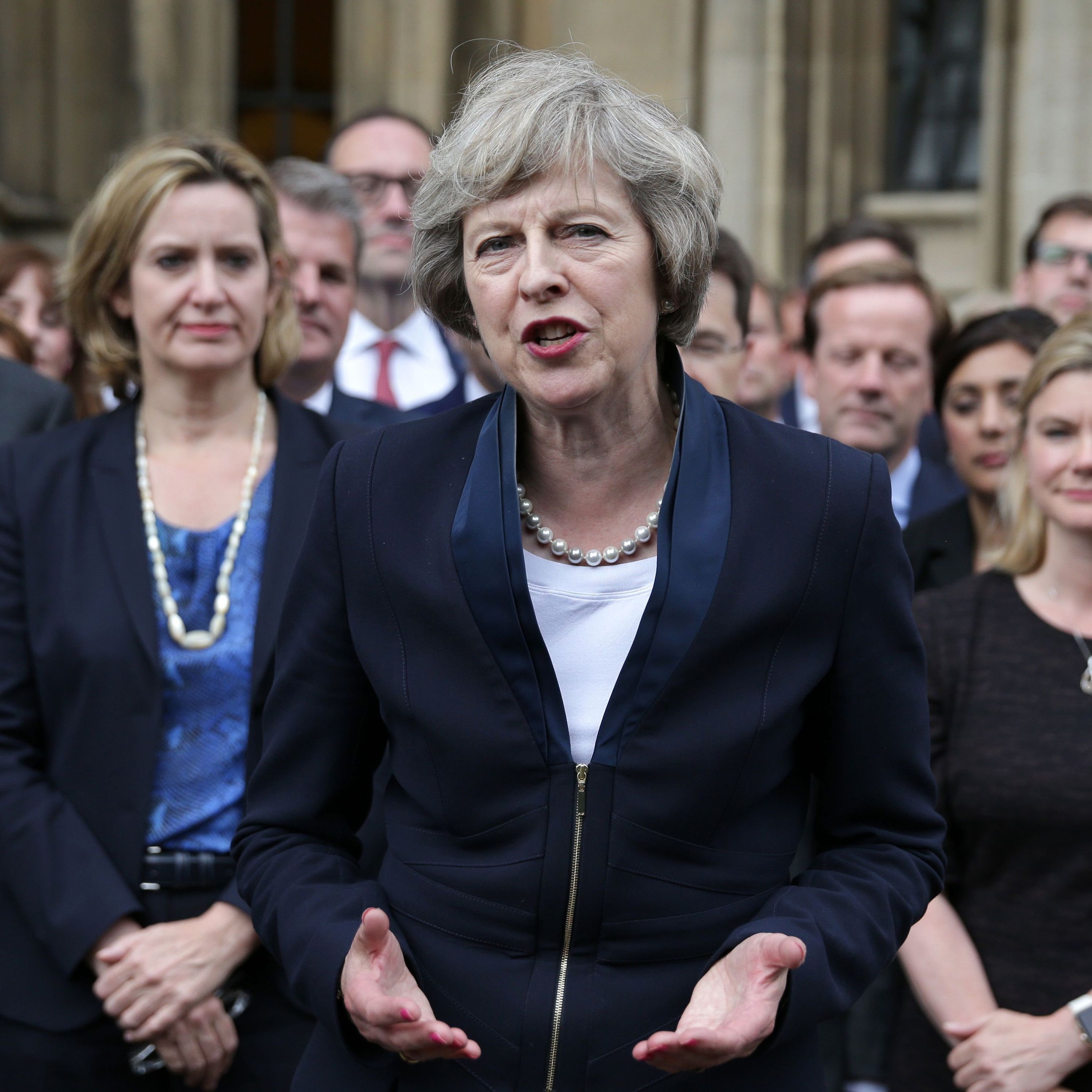
Theresa May's cabinet marks a break with the past
Theresa May, Britain's new prime minister, has revealed some contentious cabinet choices which mark a significant break with the past. What does her line-up say about the future direction of the government? Lionel Barber, editor of the FT, puts the question to Philip Stephens, chief political correspondent. Hosted on Acast. See acast.com/privacy for more information.
Who is the world's highest paid banker?
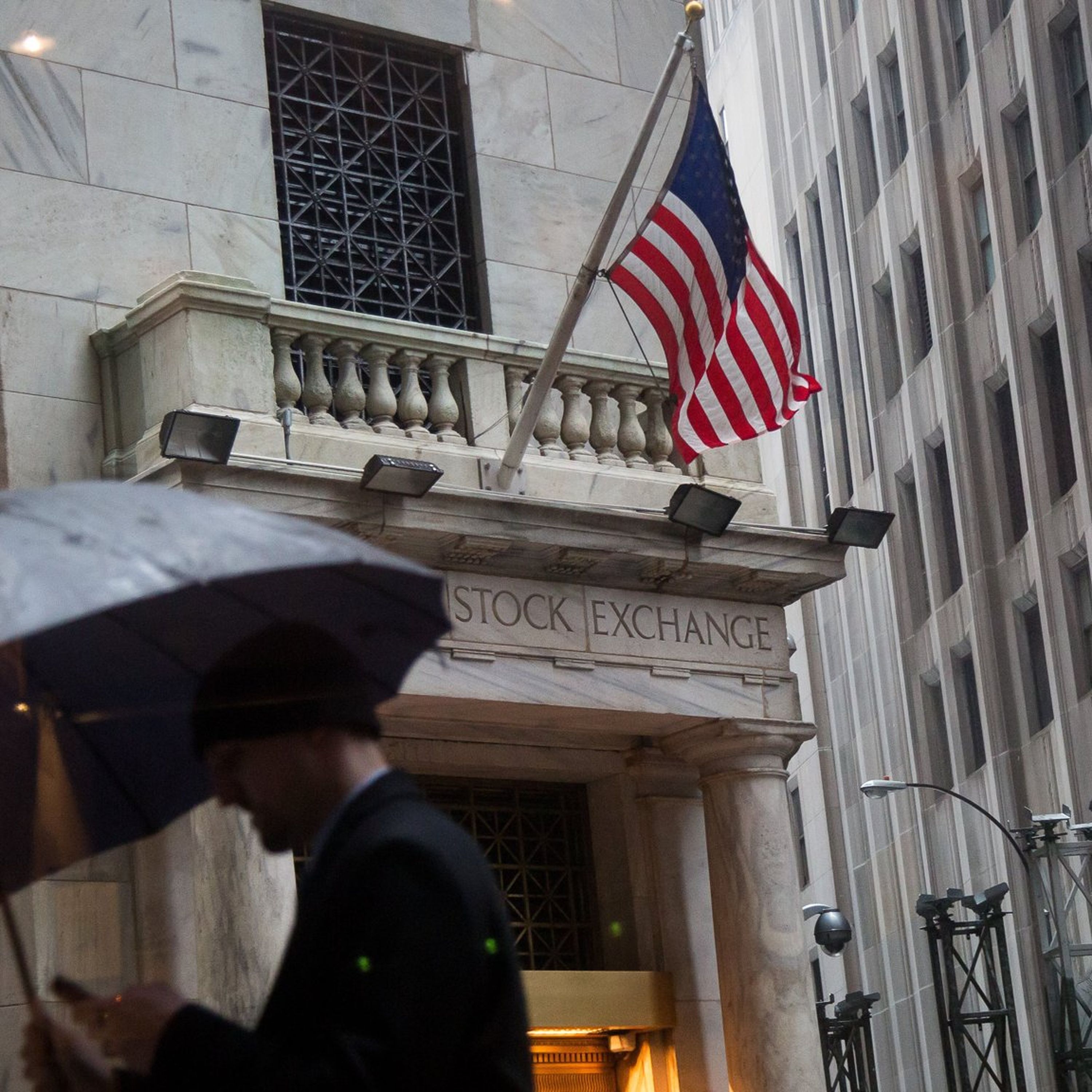
Double-digit pay rises became the norm on Wall Street in 2015, while European banks proved they were willing to pay big to get the chief executives they wanted, data compiled by Equilar shows. Patrick Jenkins, FT financial editor, discusses the findings with Laura Noonan, the FT's investment banking correspondent.Music by Kevin MacLeod Hosted on Acast. See acast.com/privacy for more information.

Is Pokémon Go a lasting craze?
Nintendo's smartphone game Pokémon Go has jumped to the top of the highest grossing charts in the US. Within 24 hours of its launch last week, the game had crashed company servers, driven atheists to church and prompted road safety warnings by police. Chris Nuttall asks the FT's Hannah Kuchler and Leo Lewis what all the fuss is about Hosted on Acast. See acast.com/privacy for more information.
China warns on South China Sea ruling
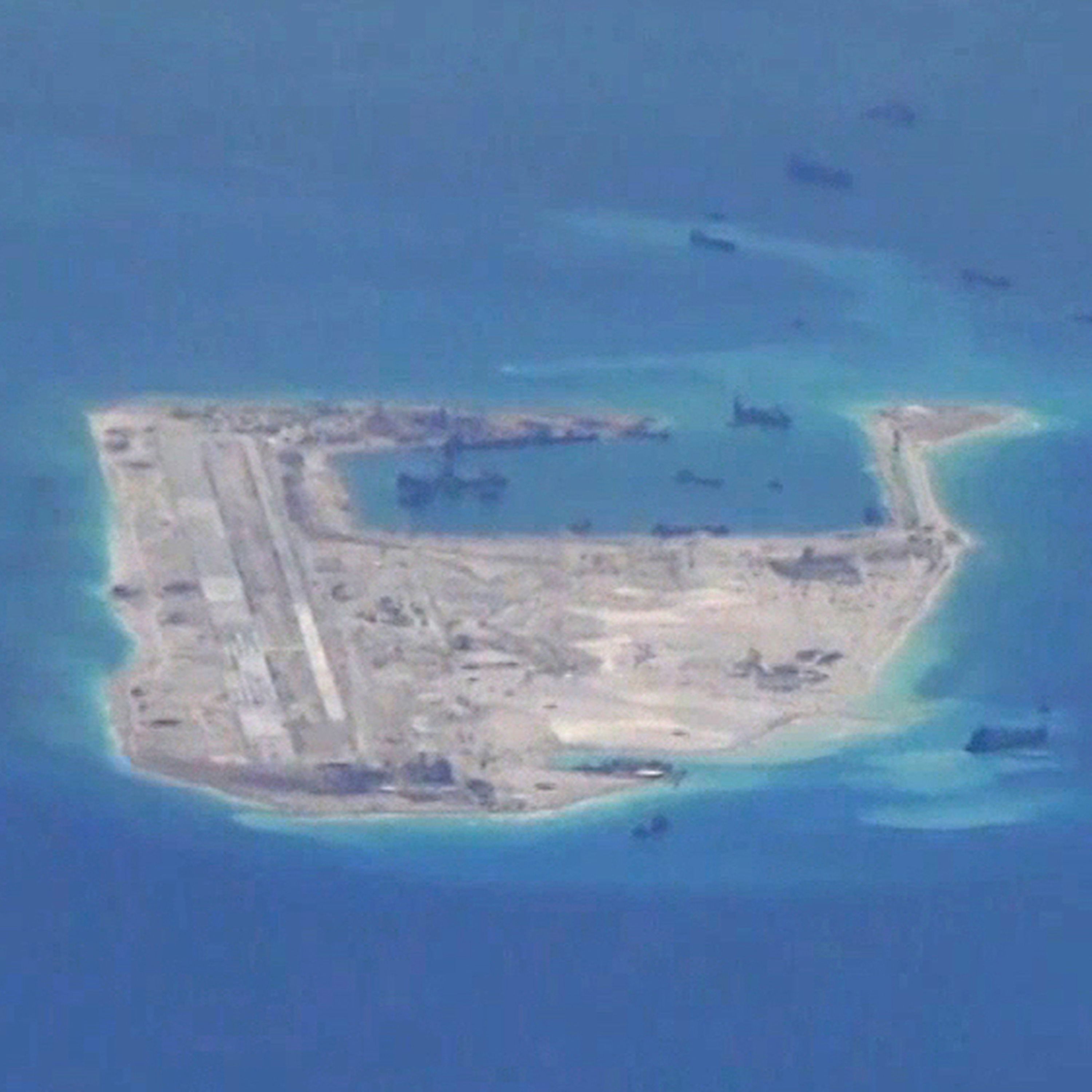
China has warned of increased tension in the South China Sea if a UN tribunal rules against its claim to disputed waters that are also claimed by the Philippines. Chinese warships have been conducting live-fire military drills in the area ahead of Tuesday’s decision. John Murray Brown asks James Kynge, FT emerging markets editor, what's at stake Hosted on Acast. See acast.com/privacy for more information.
London property market takes a hit
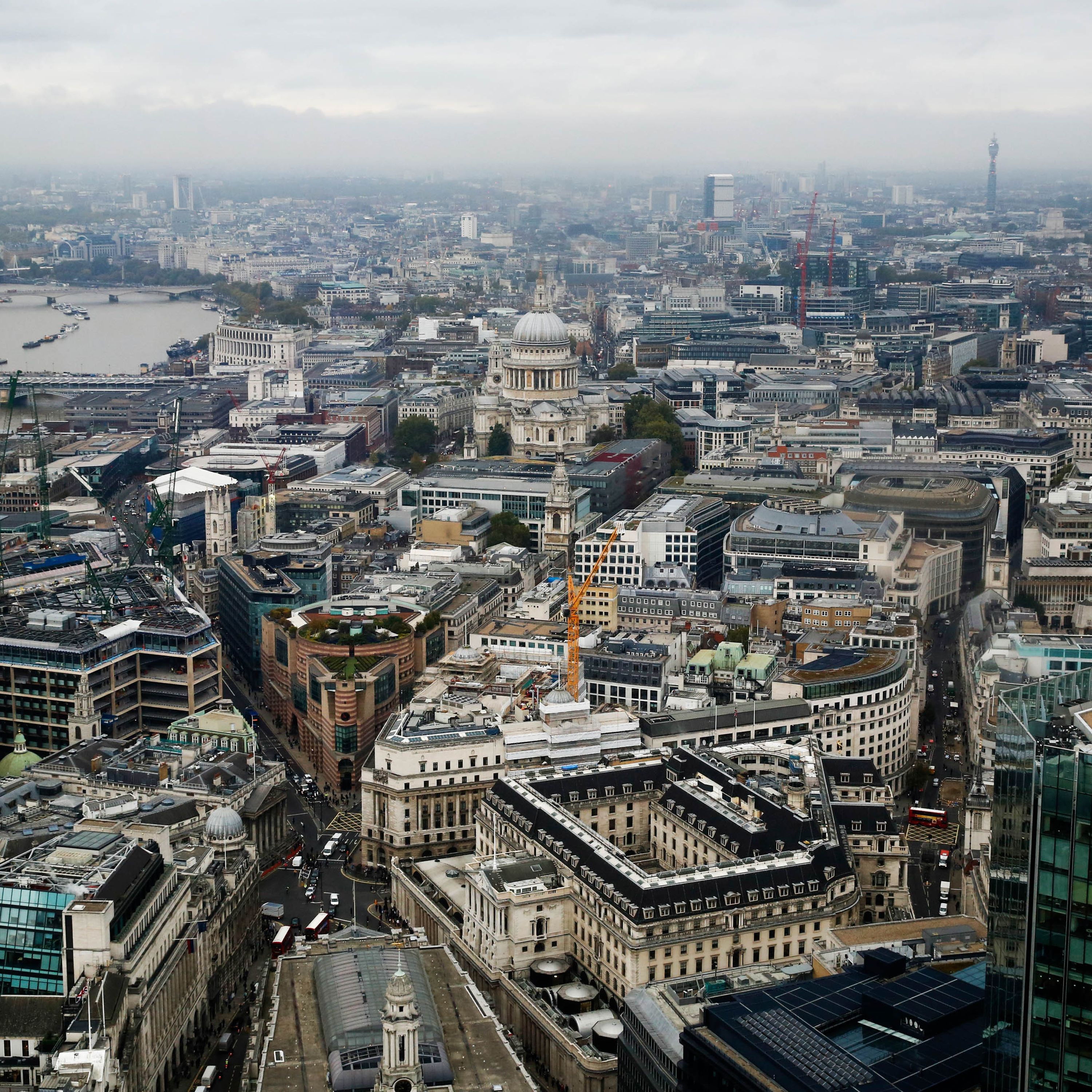
This week, private investors felt the first effects of the UK’s vote to leave the European Union as not one but seven property funds put restrictions on people trying to take their money out. Matthew Vincent asks Judith Evans, the FT's property correspondent, what investors can do. Hosted on Acast. See acast.com/privacy for more information.
IMF chief warns on risks of protectionism
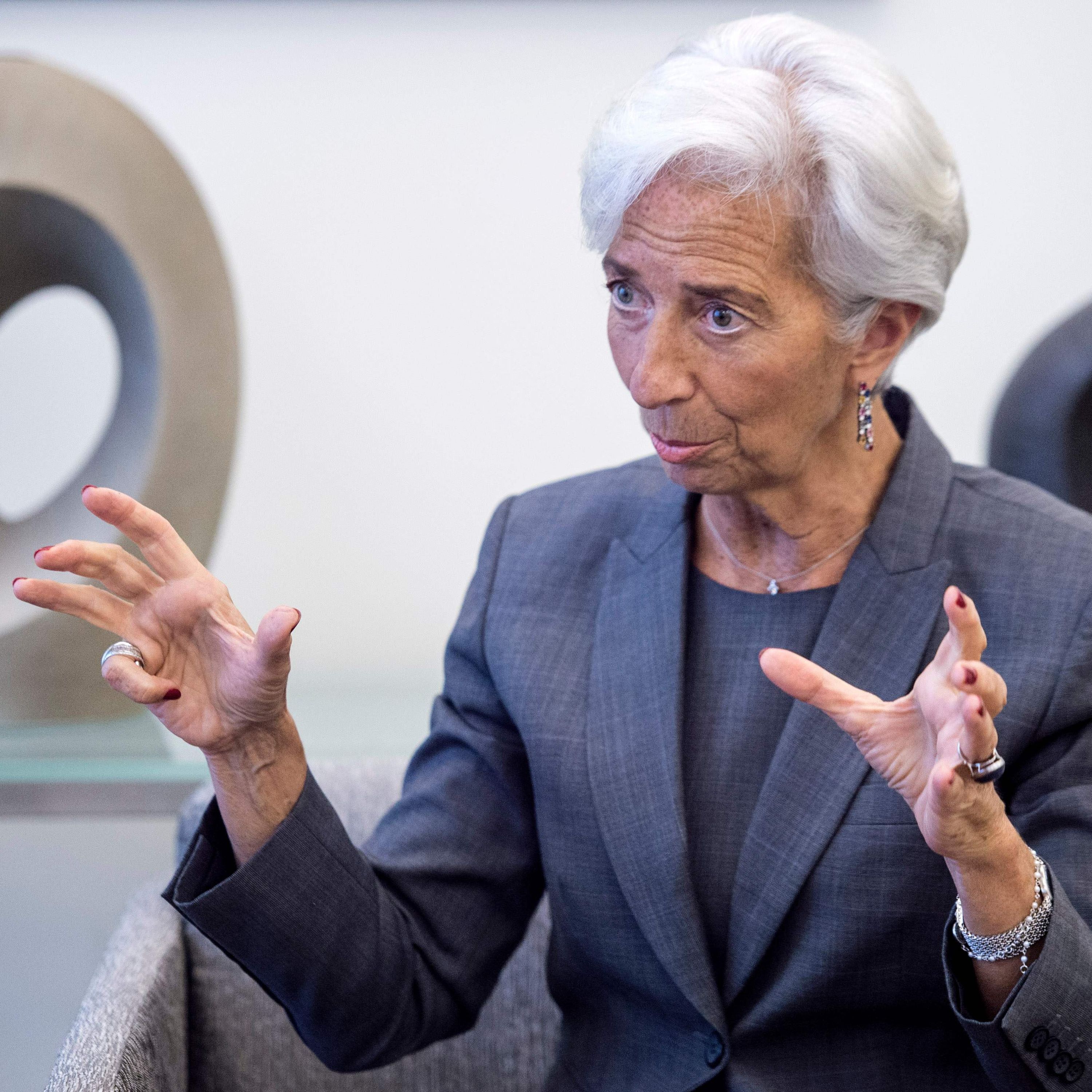
Christine Lagarde says political courage will be critical at a time of growing uncertainty following Britain’s vote to leave the EU. In an interview with the FT's Shawn Donnan, she warns that the kind of antitrade policies championed by Republican presidential candidate Donald Trump could spark a dangerous protectionist movement that would damage the global economy. Hosted on Acast. See acast.com/privacy for more information.
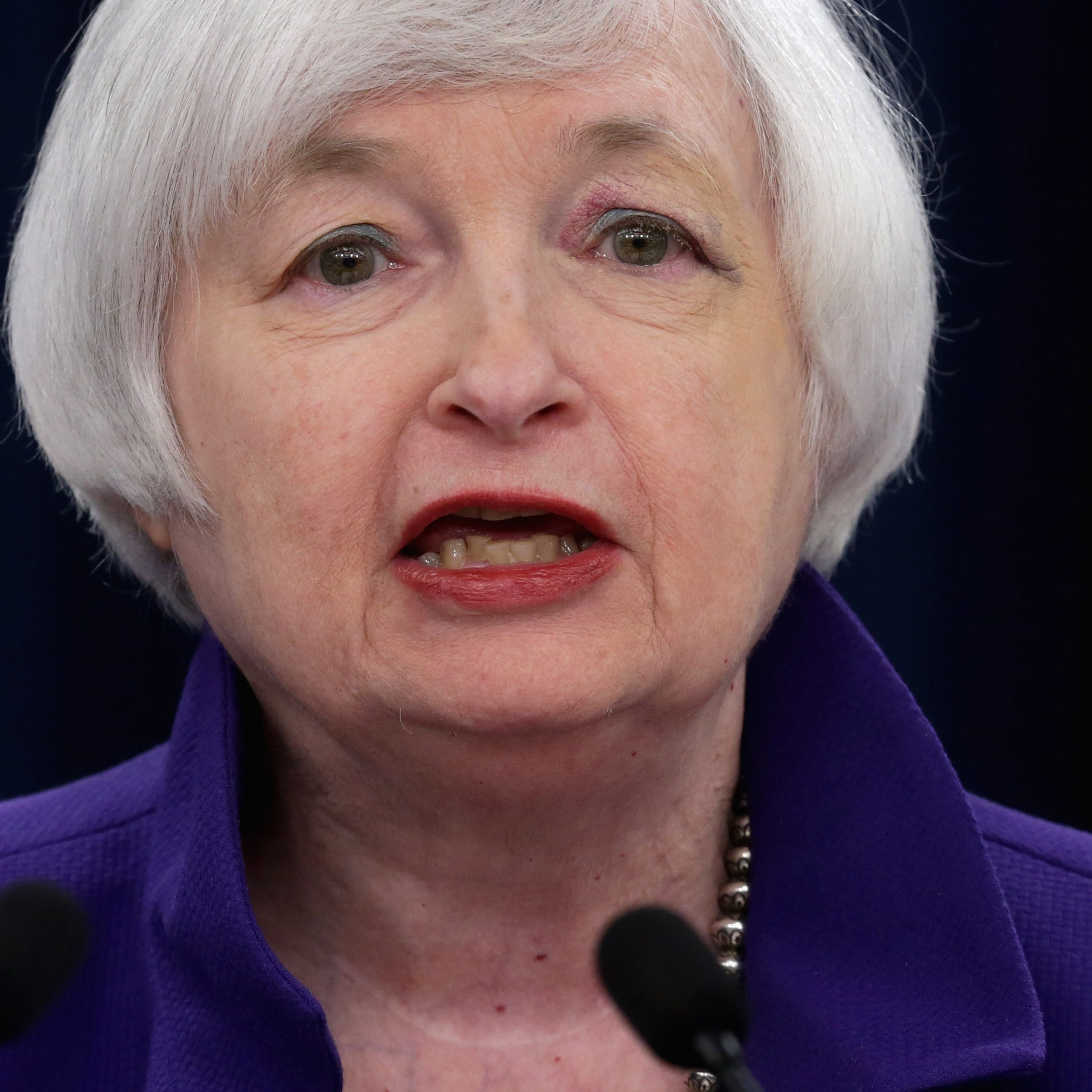
How will Brexit vote affect US growth?
What impact will Britain's vote to leave the European Union have on US growth? Sam Fleming, the FT's Washington correspondent, looks at the likely repercussions of the political and economic uncertainty. Hosted on Acast. See acast.com/privacy for more information.
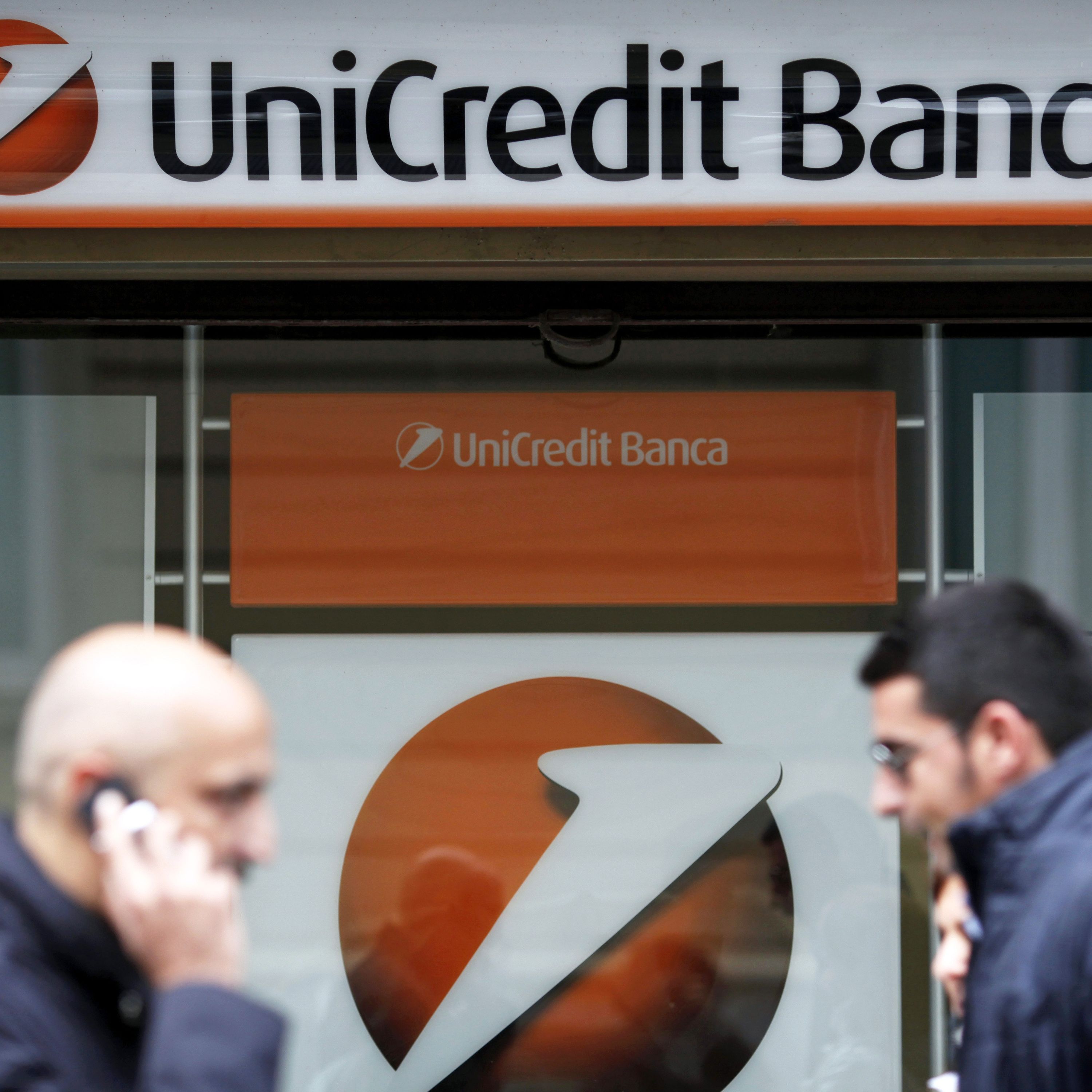
Brexit vote throws Italy's banks into crisis
Italian banks have felt the brunt of the market volatility that has followed the UK’s vote to leave the European Union and the government of Matteo Renzi is at loggerheads with Europe over how to rescue the troubled lenders. Patrick Jenkins asks the FT's Milan correspondent Rachel Sanderson if there's a way out of the impasse. Hosted on Acast. See acast.com/privacy for more information.
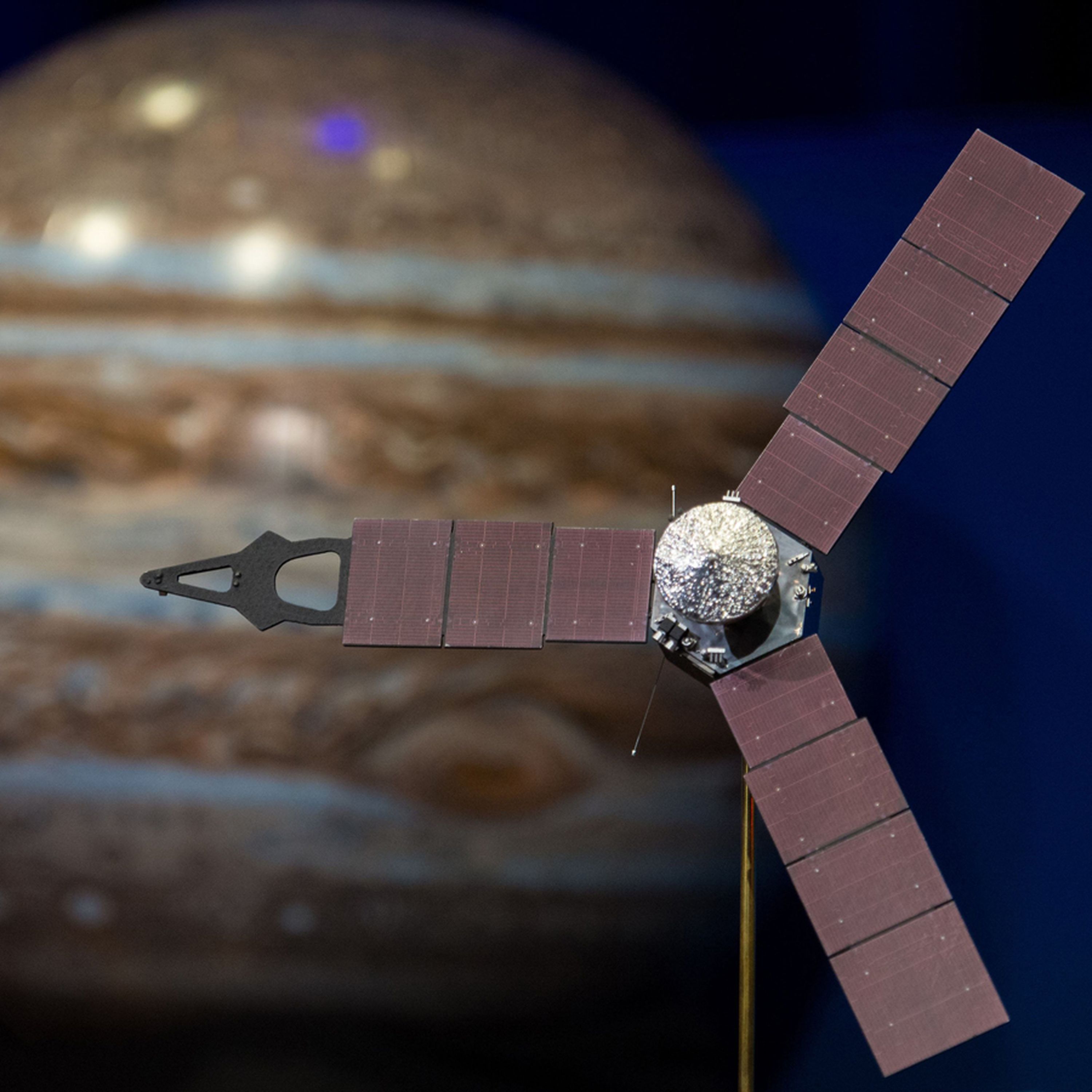
Nasa's Juno probe enters Jupiter orbit
The US space agency Nasa has successfully put its Juno probe into orbit around the giant planet Jupiter, following a five-year journey from Earth. John Murray Brown discusses this key development in space exploration with FT science editor Clive Cookson. Hosted on Acast. See acast.com/privacy for more information.

Hole in the earth's ozone layer begins to heal
The 1987 Montreal Protocol banned the use of industrial chemicals known as CFCs that were used in refrigeration and aerosols with the aim of preventing damage to the earth’s ozone layer. Now, thirty years later, there is scientific evidence that the ban has succeeded. Clive Cookson, the FT’s science editor, discusses the findings with environment correspondent Pilita Clark Hosted on Acast. See acast.com/privacy for more information.