Front Porch Radio - History's Hook
182 episodes — Page 4 of 4
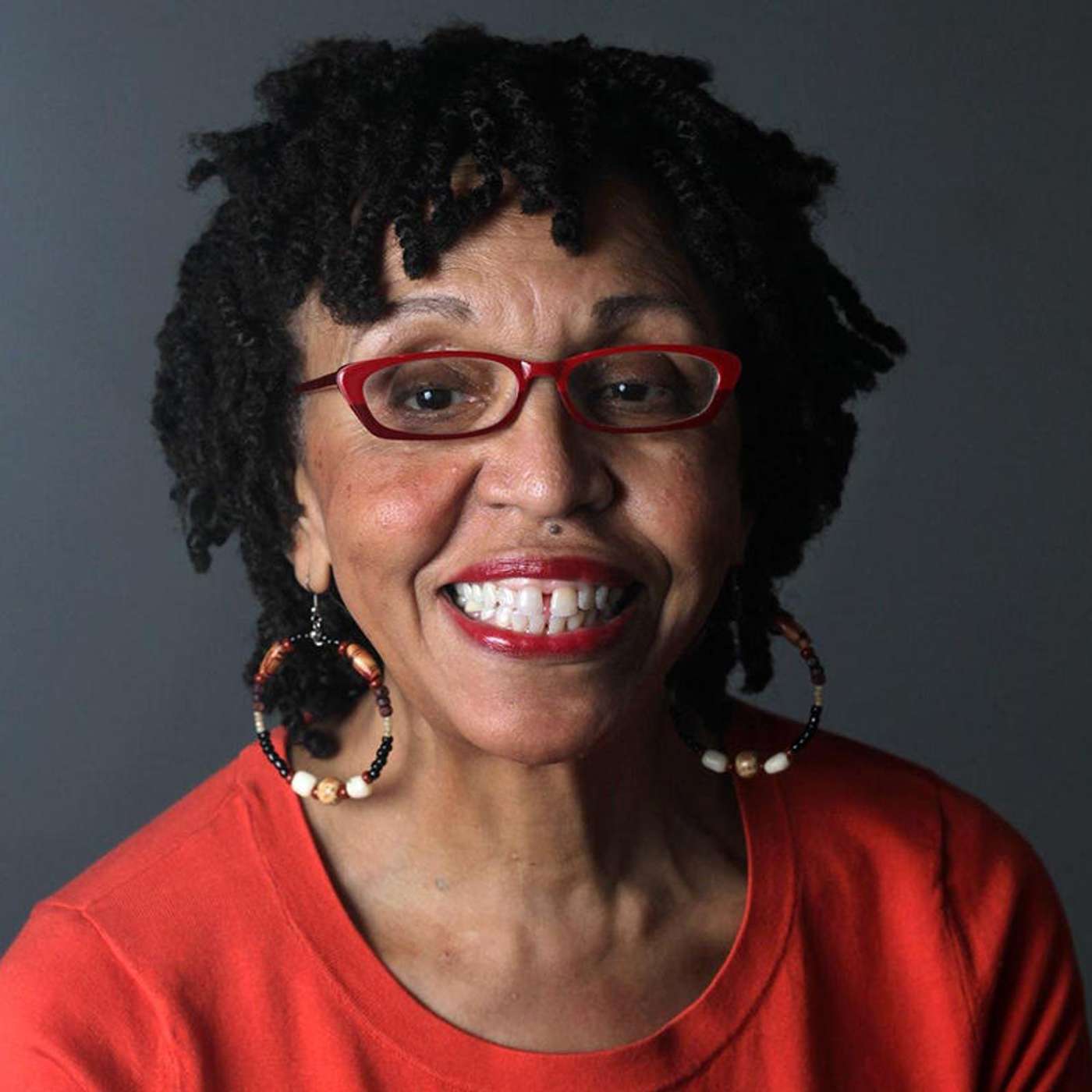
Ep 33Where Art and History Meet: Sandra Seaton
Hosts Tom Price and Jo Ann McClellan speak with Ms. Sandra Seaton. Ms. Seaton is an award winning author, playwright, and librettist. Her plays have been performed in cities throughout the country, including New York, Chicago, and Los Angeles, and her libretto for the solo opera “From the Diary of Sally Hemings,” set to music by Pulitzer Prize, Grammy Award winning, 2007 composer of the year winner, William Bolcom, has been performed at such venues as Carnegie Hall, the Kennedy Center, the Herbst Theatre in San Francisco and the Rialto Performing Arts Center in Atlanta. She received the Mark Twain Award from the Society for the study of Midwestern Literature in 2012. She taught creative writing and African-American Literature at Central Michigan University for 15 years as a professor of English.
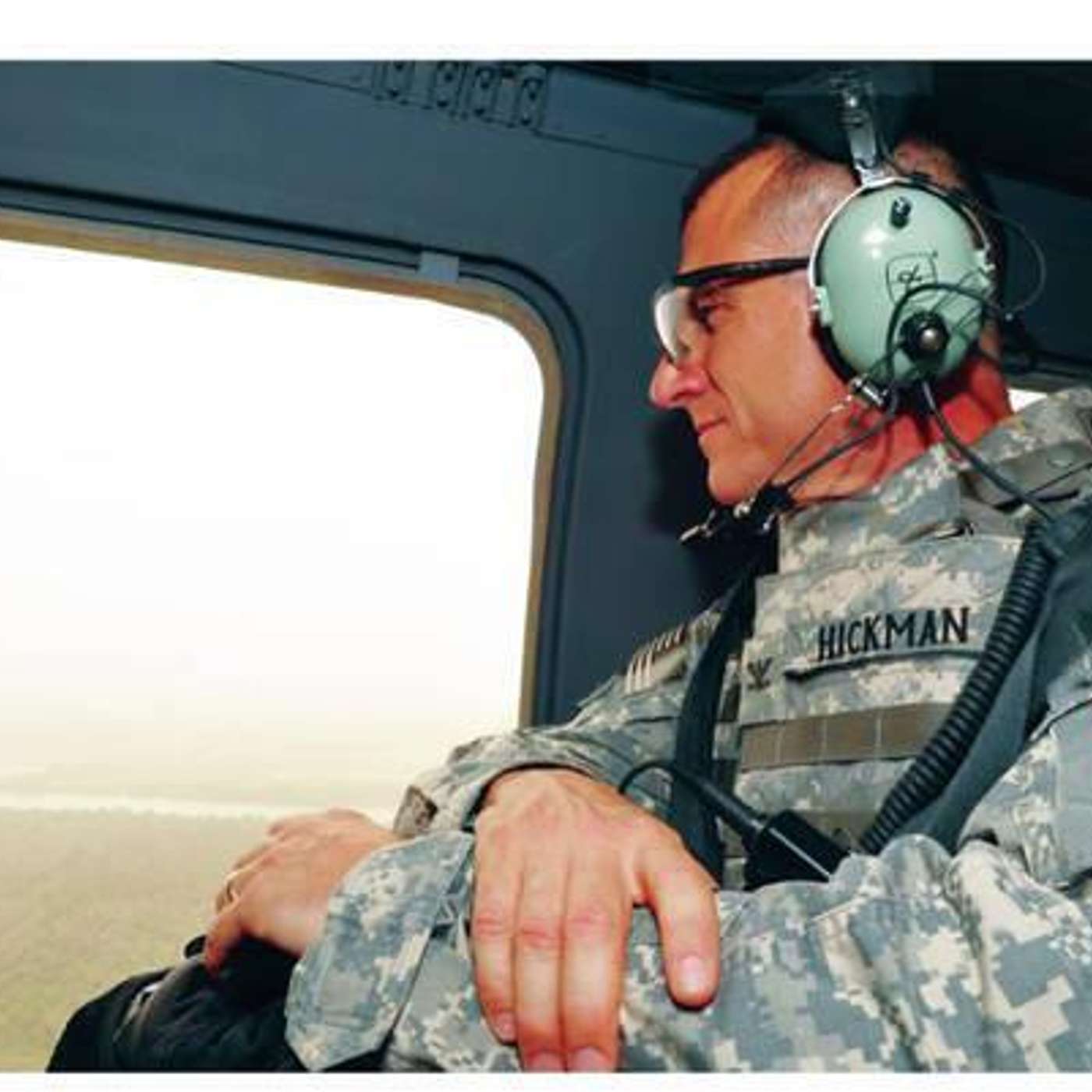
Ep 32Study in Leadership: Major General William Hickman, Part 2
On this episode, we continue our look at the extraordinary life of a man who has found great success as a career military man. Major General William Hickman spent 36 years serving his country. Born and raised in Maury County, Gen. Hickman attended local schools before attending Vanderbilt University. As an ROTC student there, upon graduation, he was commissioned into the army as a 2nd lieutenant in 1983. Over the next three decades, he rose through the ranks holding various field and staff commands including company, battalion, and brigade commands with the 101st Airborne Division. Between 2003-2008, Gen. Hickman served three tours of duty in Iraq during Operation Iraqi Freedom. Serving in over 30 countries, he joined the Central Command Staff as military assistant to General David Patraeus. He became commanding general of the Joint Readiness Training Center at Fort Polk, Louisiana, Deputy Commander for the U.S. Army in the Middle East, and finally, Deputy Chief of Staff, Strategic Plans and Policy, NATO’s Allied Command Transformation. Retiring from the military in 2019 as a major general, Gen. Hickman is now senior advisor at Compass Executives Group, assisting businesses in crisis management, strategic planning and decision-making, coaching and leader development, and supply chain management. Tom Price and Dr. Barry Gidcomb lead the discussion.
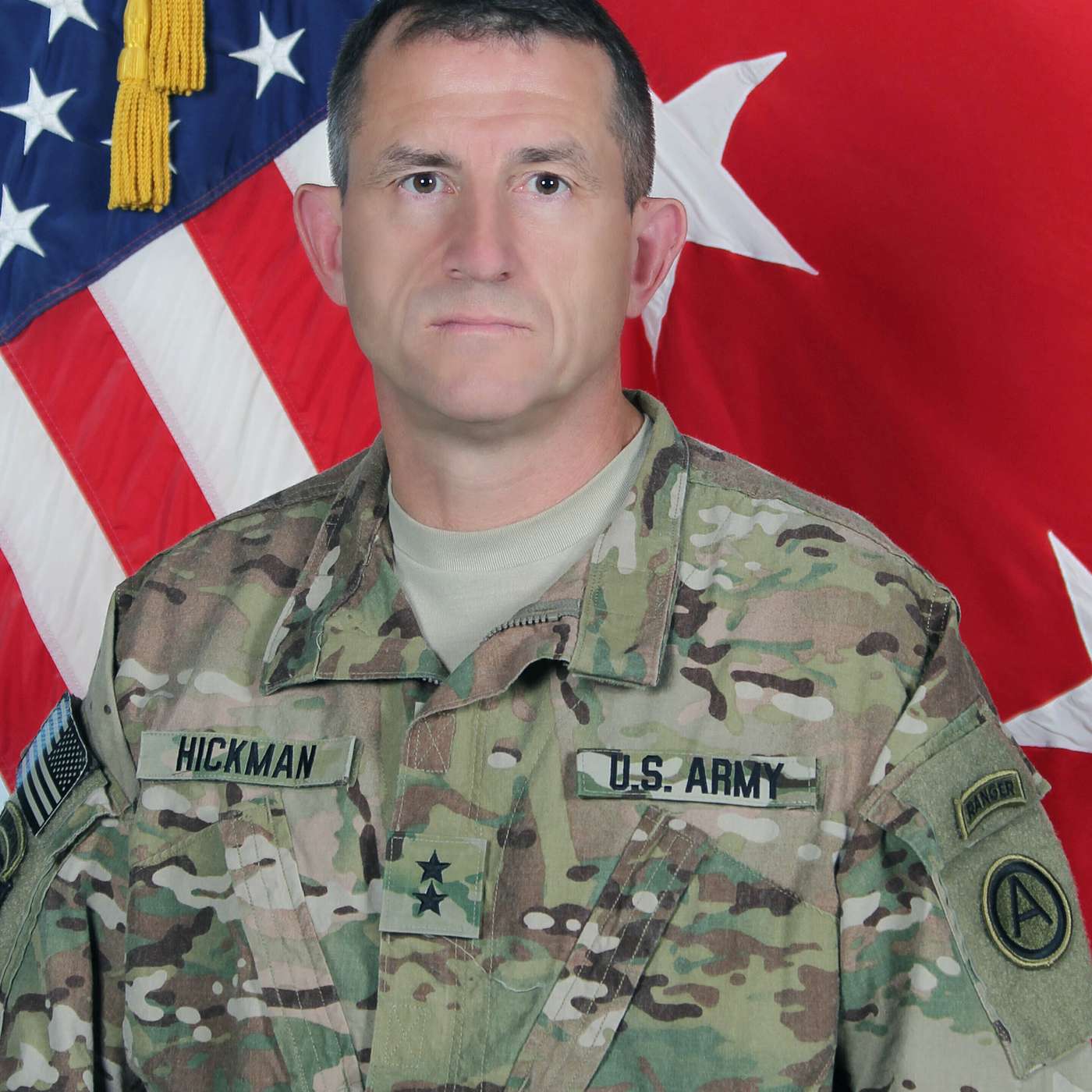
Ep 31Case Study in Leadership: Major General William Hickman
On this episode, we look at the extraordinary life of a man who has found great success as a career military man. Major General William Hickman spent 36 years serving his country. Born and raised in Maury County, Gen. Hickman attended local schools before attending Vanderbilt University. As an ROTC student there, upon graduation, he was commissioned into the army as a 2nd lieutenant in 1983. Over the next three decades, he rose through the ranks holding various field and staff commands including company, battalion, and brigade commands with the 101st Airborne Division. Between 2003-2008, Gen. Hickman served three tours of duty in Iraq during Operation Iraqi Freedom. Serving in over 30 countries, he joined the Central Command Staff as military assistant to General David Patraeus. He became commanding general of the Joint Readiness Training Center at Fort Polk, Louisiana, Deputy Commander for the U.S. Army in the Middle East, and finally, Deputy Chief of Staff, Strategic Plans and Policy, NATO’s Allied Command Transformation. Retiring from the military in 2019 as a major general, Gen. Hickman is now senior advisor at Compass Executives Group, assisting businesses in crisis management, strategic planning and decision-making, coaching and leader development, and supply chain management. Tom Price and Dr. Barry Gidcomb lead the discussion.
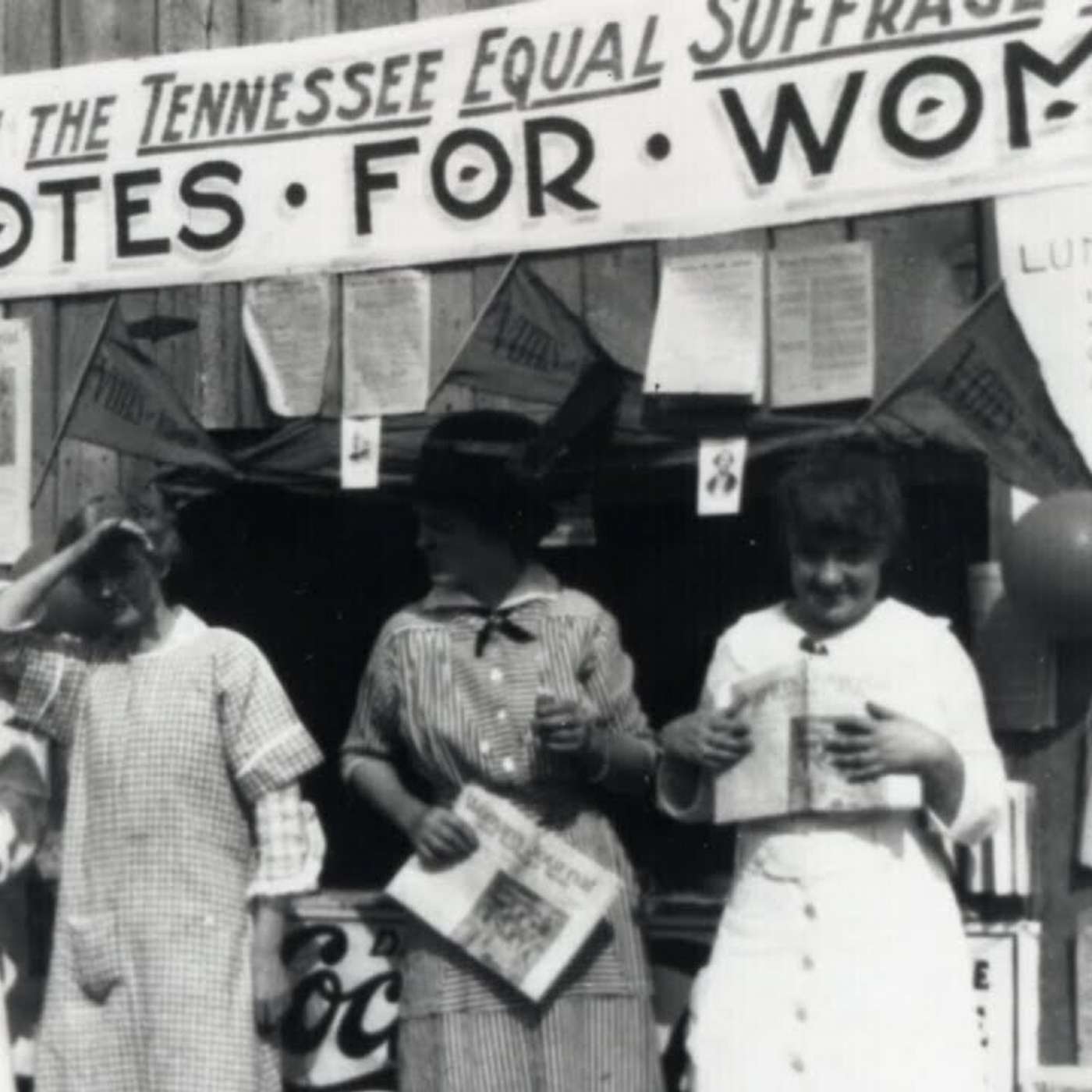
Ep 30The Centennial of Woman Suffrage: Dr. Carol Bucy
August 2020 marks the 100th anniversary of the passing of the 19th Amendment to the Constitution which allowed women the right to vote. Tennessee played a pivotal role as it was the 36th and final state needed to make the 19th amendment the law of the land. Although Tennessee can make the claim of being the state that made this important change in American History happen, it belies the fact that Tennessee and the South was late in embracing the suffrage movement. In truth, it took decades of hard fighting by women across the nation to claim this most basic of rights. The suffrage movement is a case-study in grass-roots politics. Small towns across the state and nation organized local suffrage groups to help further the initiative. In the end, the 19th amendment did not, in fact, claim for all women the right to vote. For African-American women, many of whom contributed to the suffrage movement, it would take many more decades for them to secure the right to vote without stipulations. Today on History’s Hook, we’ll explore the history of woman suffrage in Tennessee. Join Tom Price, Jo Ann McClellan, Dr. Barry Gidcomb, and special guest Dr. Carol Bucy as they explore this important topic.
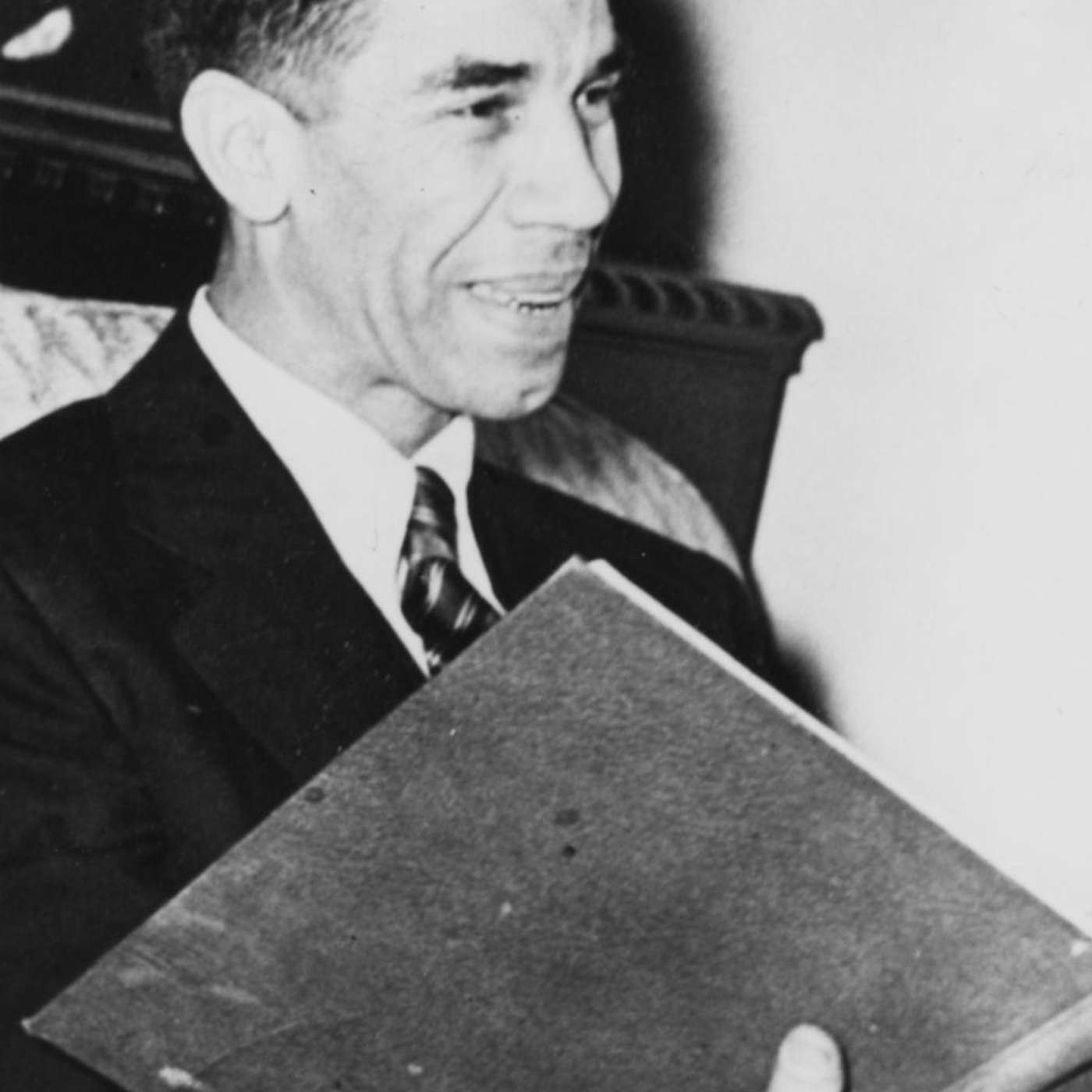
Ep 29Voices of Segregation: Lyman Johnson
Hosts Tom Price and Jo Ann McClellan are joined by Louisville, Kentucky native Lyman M. Johnson. After attending the University of Louisville and spending time in the military, he also attended the University of Kentucky where he studied chemistry. He spent his career as a chemist for Honeywell Corporation before working as an environmental chemist with the Environmental Protection Agency. He now lives near Los Angeles, California Mr. Johnson’s father Lyman T. Johnson was a leader in the American Civil Rights movement. The first black man to be admitted to the University of Kentucky, after having to sue for the right to attend, he eventually was bestowed three honorary doctorates. A building on the campus bears his name. Our guest’s grandfather Robert G. Johnson was a leader in the education of black students and served as a teacher and principal here in Columbia, TN. Our guest’s great-grandfather was born enslaved here in Maury County, and was able to purchase his freedom and that of his wife before becoming, himself, educated. It’s a truly an inspiring American story.
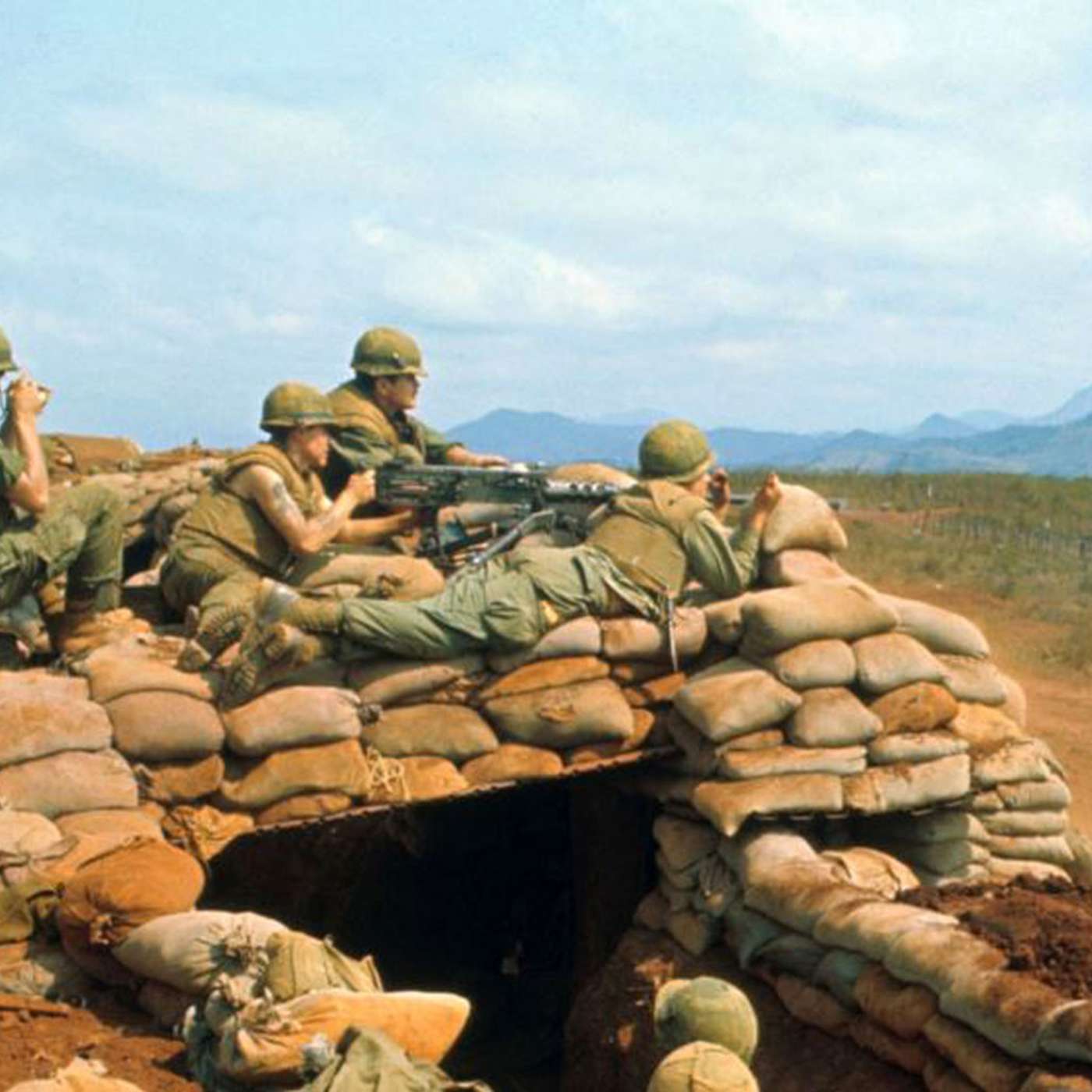
Ep 28Voices of Vietnam: Bill McEwen
This episode of History’s Hook features the Vietnam reminiscences of Mr. Bill McEwen. A native of Columbia, Tennessee, he graduated from Columbia Military Academy. He attended the University of Tennessee, where he holds both bachelor and master’s degrees. He joined the military in 1966 and after attending Officers Candidate School, was commissioned a 2nd lieutenant in the Marine Corps. He served in Vietnam from July 7, 1967 to July 21, 1968 in Marine Air Support Squadron 3, taking part in one of the largest engagements of the war at Khe Sanh.
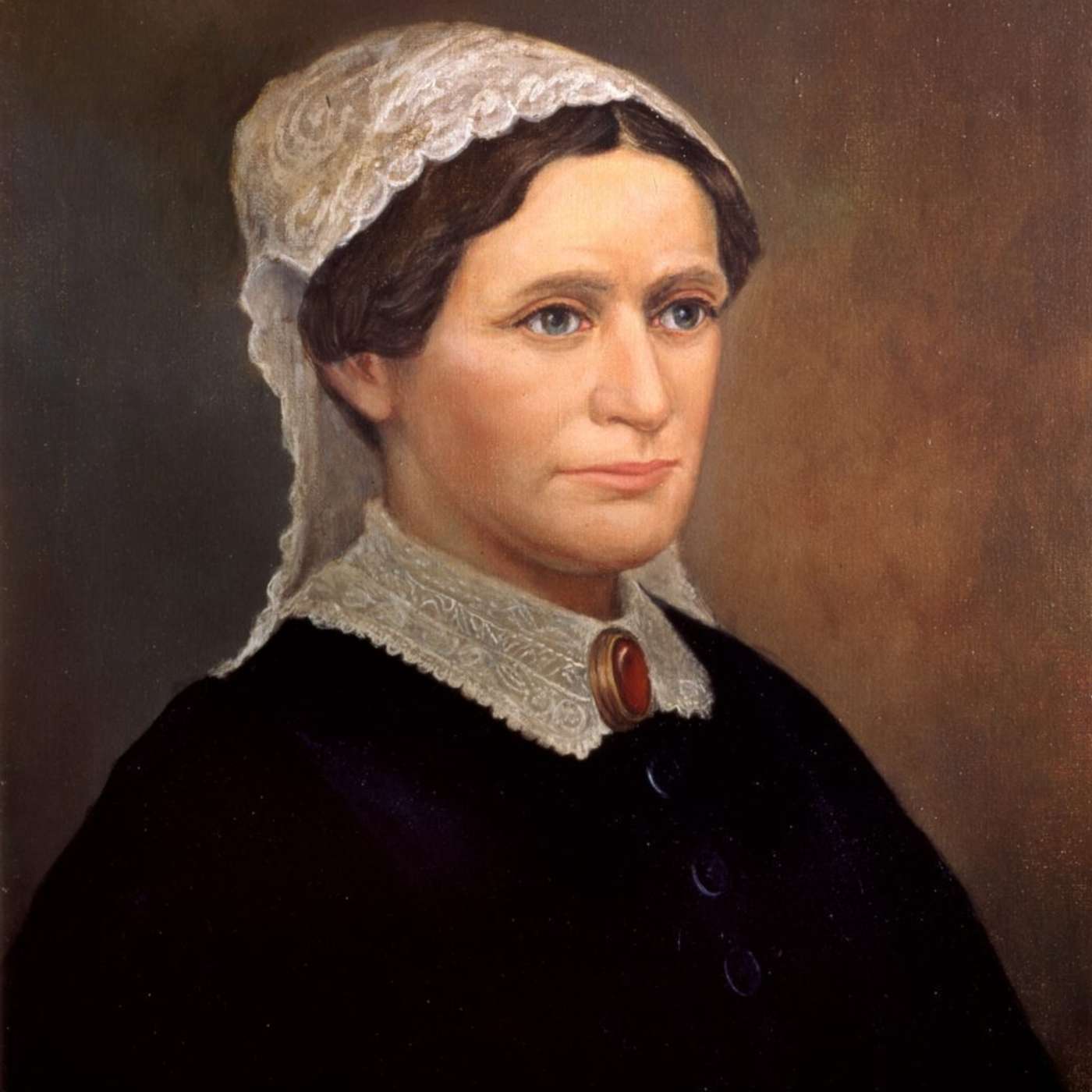
Ep 27Tennessee’s First Ladies: Eliza McCardle Johnson
Eliza Johnson was hugely influential on her husband Andrew Johnson’s life and career. Married when she was just 16, Eliza was the youngest future first lady to marry. Together, Eliza and Andrew Johnson enjoyed a marriage that lasted some 48 years. She is credited with largely educating her young husband, who had had a difficult childhood with little opportunity for learning. As her husband’s political career rose, Eliza often remained in the background. She was quite sickly, having contracted tuberculosis, and as First Lady, only appeared publicly on two occasions. She succumbed to her illness in 1876, just six months after her husband died of a stroke. Kendra Hinkle, museum specialist at the Andrew Johnson National Historic Site in Greeneville, TN helps us understand the life of the wife of the 17th President.
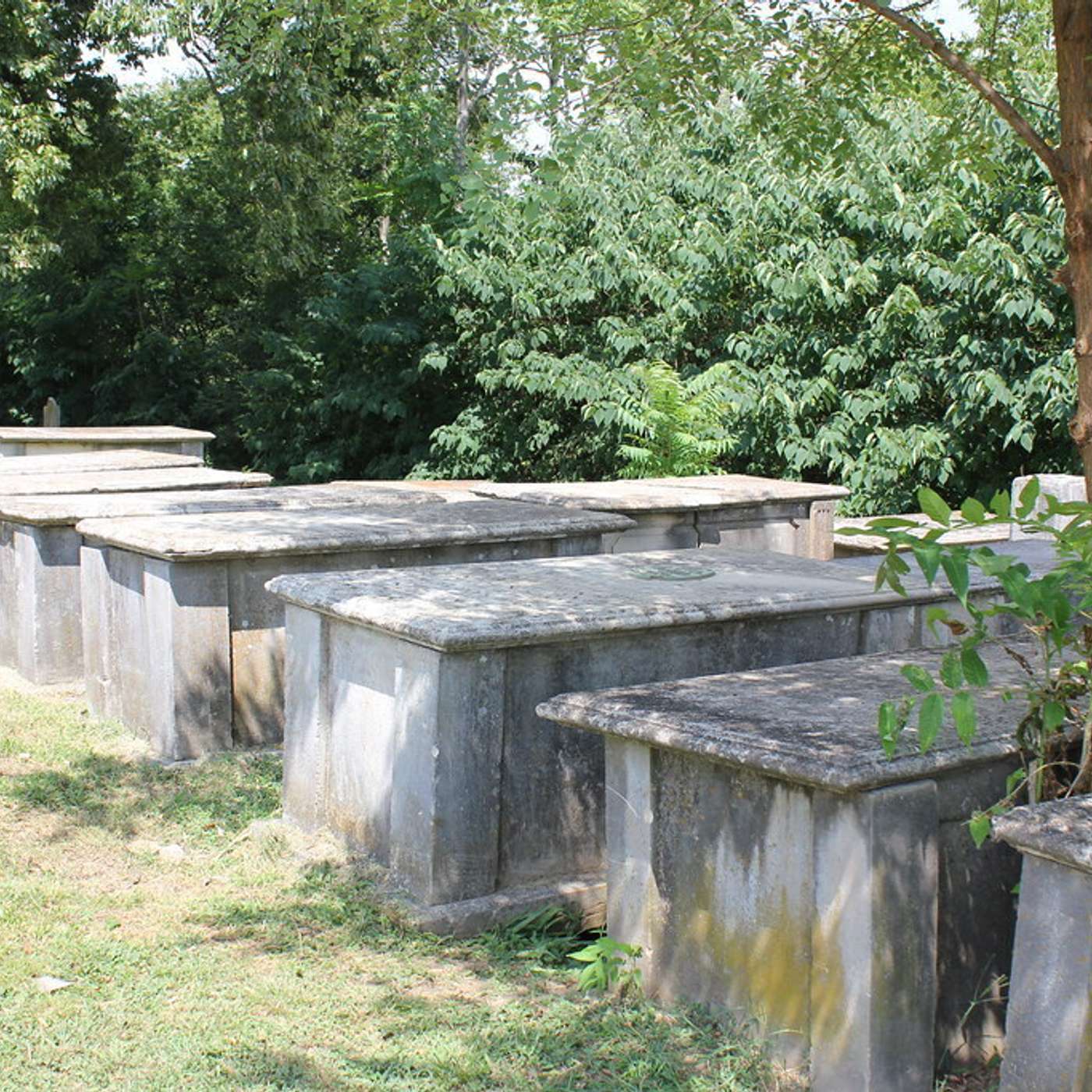
Ep 26Voices Long Gone: Tennessee Cemeteries
Cemeteries as we know them today came about in the 1830’s. Prior to that, the dead were typically buried in churchyards and backyards. But with this change, the often elaborate planning of cemeteries resembled park settings, where people went to picnic, hunt, have races…and commune with the dead. Cemeteries were filled with benches and in the absence of museums and galleries and botanical gardens, featured beautiful sculptures and horticultural art. Yet during times of pandemic, cemeteries were places where disease and its victims gathered…kept separate from living spaces. These dichotomies both drew people to cemeteries and pushed them away. Join Tom Price and Jo Ann McClellan as they interview Graham Perry, Historic Preservation Specialist with the Tennessee Historical Commission.
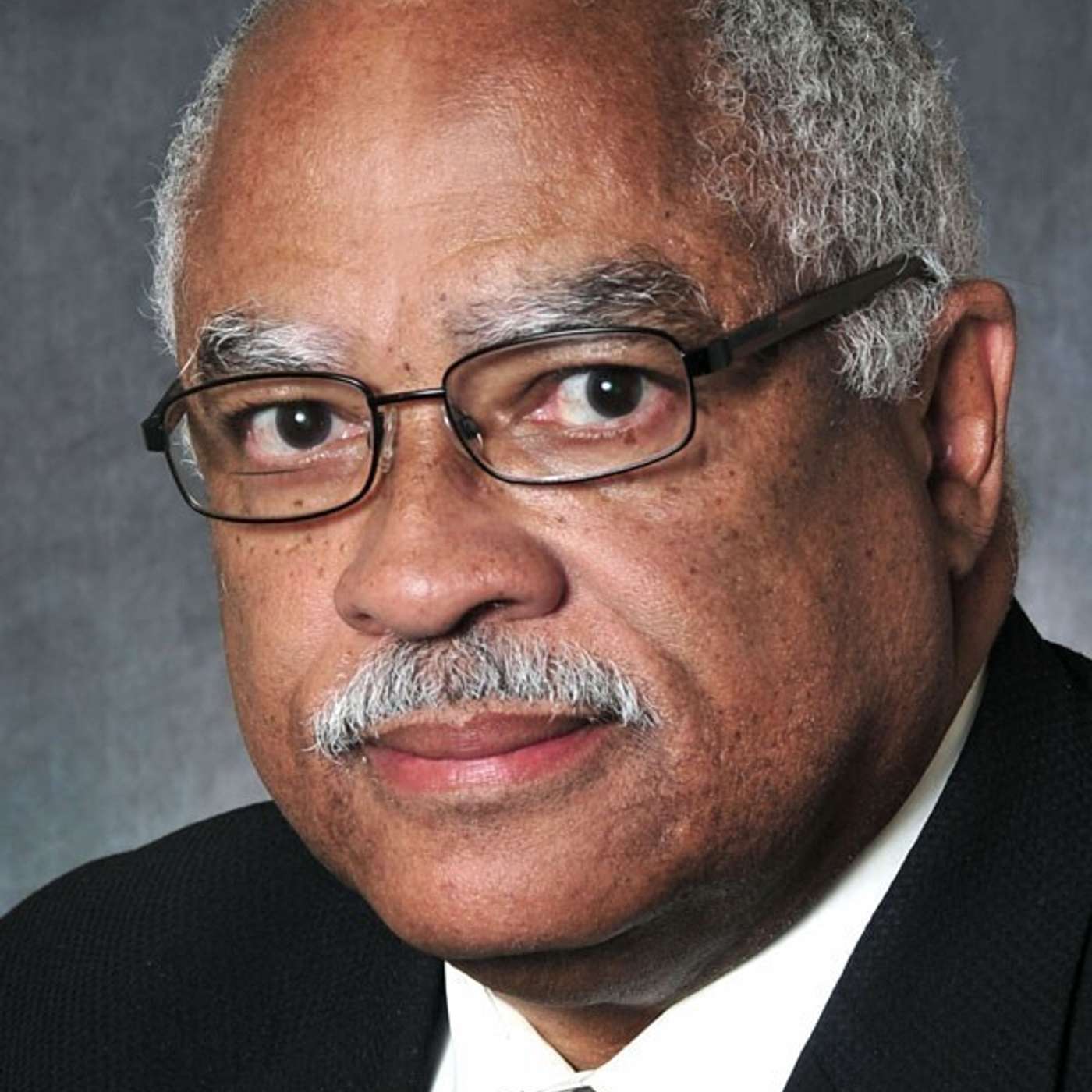
Ep 25Voices of Segregation: Judge Randolph Baxter
As part of a series on life in the segregation era, History’s Hook hosts, Tom Price and Jo Ann McClellan interview Judge Randolph Baxter who graduated from Carver-Smith Highschool in 1963. He attended Tuskegee University and the University of Akron School of Law. While there he was an ROTC student, Mr. Baxter served his country in the Vietnam War from 1968-1971, achieving the rank of Captain. He was awarded the Bronze Star for Valor, among other unit citations while serving with the 11th Armored Cavalry Regiment. Upon his return, he completed his Doctor of Jurisprudence at the University of Akron and began a legal career that spanned another forty years. Holding several important positions, he ended his legal career as chief justice of the U.S. Bankruptcy Court. He currently holds the position of President of the AARP in the State of Ohio.
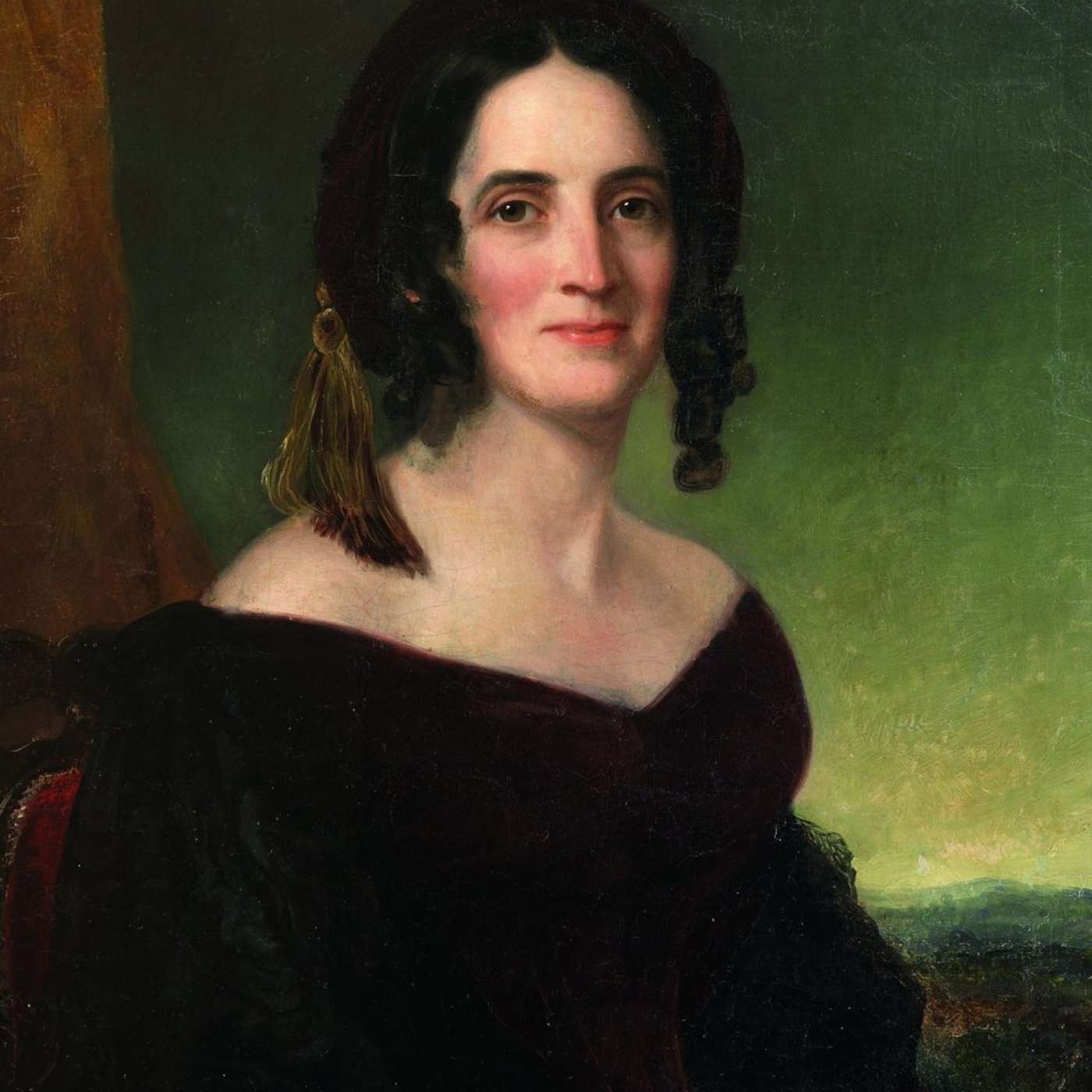
Ep 24First Lady of Style: Sarah Childress Polk
Sarah Polk is considered by many historians to be one of the most influential of the 19th century First Ladies. In a time when the position of first lady had no official capacity, Sarah Polk wielded a power seldom enjoyed by women of her age. Having no children of her own, he immersed herself in her husband’s long political career and became his closest advisor. Some historians, including today’s guest have written that Sarah Polk defined the role of First Lady. Her husband, James K. Polk was the youngest President up to the time, and the youngest to die outside those who have been assassinated. Sarah outlived her husband by 42 years, making her the longest widowed first lady in American History. Join host Tom Price as he continues his series on Tennessee’s first ladies with special guest, Dr. Amy Greenberg, author of Lady First: The World of First Lady Sarah Polk.
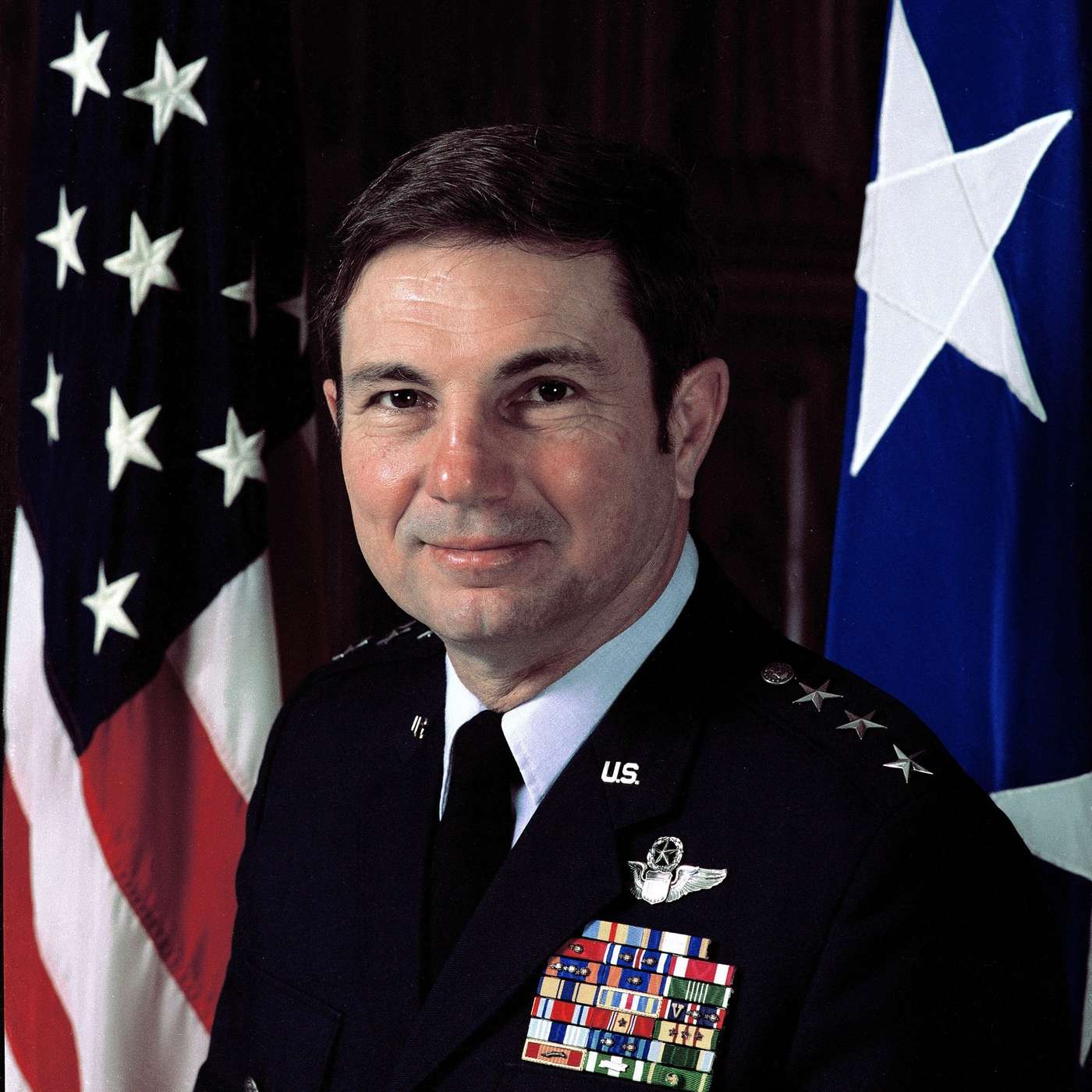
Ep 23Flying General: Lieutenant General Spence Armstrong, Part 2
Born and raised in Mt. Pleasant, Spence Armstrong went on to a stellar military career which began at the United States Naval Academy, before transferring to the Air Force to become a pilot. While serving, he became an aerospace engineer and test pilot, flying many different aircraft. By the time the Vietnam War started, Armstrong was a veteran pilot with 11 years flight experience. As a major, he flew 102 combat missions in F-105 Thunderchiefs in Southeast Asia in 1967-1968. Moving up the ranks, his commands took him around the world and across the United States and even to the stars, having served as deputy director of space systems and command, control, and communications at NASA. He retired from the Airforce as a Lieutenant General in 1990. General Armstrong spent eleven more years as a senior executive at NASA leading the agency's human resources efforts and programs with academia. Join History’s Hook host, Tom Price in part 2 of his interview Maury County’s highest ranking military officer.
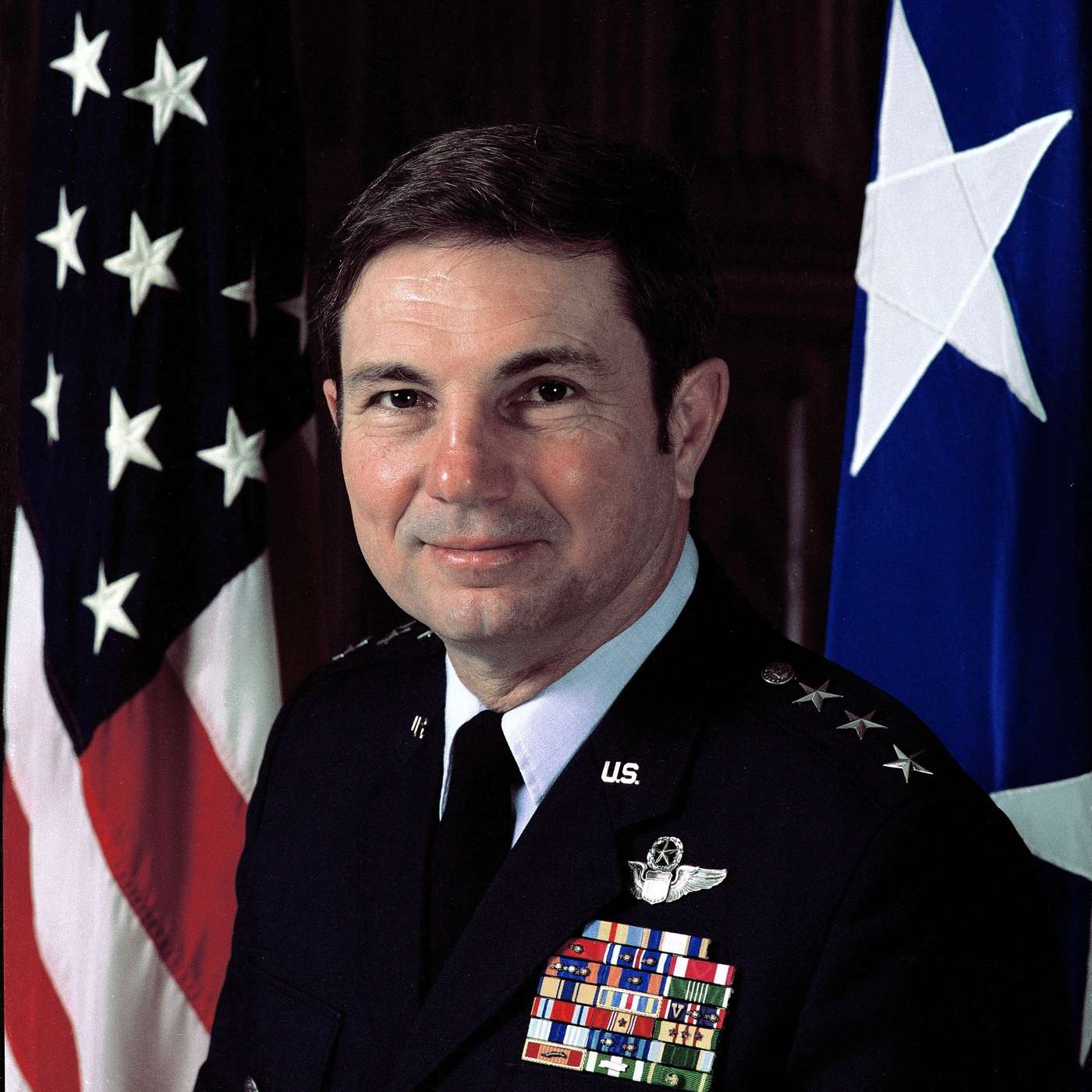
Ep 22Flying General: Lieutenant General Spence Armstrong Part 1
Born and raised in Mt. Pleasant, Spence Armstrong went on to a stellar military career which began at the United States Naval Academy, before transferring to the Air Force to become a pilot. While serving, he became an aerospace engineer and test pilot, flying many different aircraft. By the time the Vietnam War started, Armstrong was a veteran pilot with 11 years flight experience. As a major, he flew 102 combat missions in F-105 Thunderchiefs in Southeast Asia in 1967-1968. Moving up the ranks, his commands took him around the world and across the United States and even to the stars, having served as deputy director of space systems and command, control, and communications at NASA. He retired from the Airforce as a Lieutenant General in 1990. General Armstrong spent eleven more years as a senior executive at NASA leading the agency's human resources efforts and programs with academia. Join History’s Hook host, Tom Price as he interviews Maury County’s highest ranking military officer.
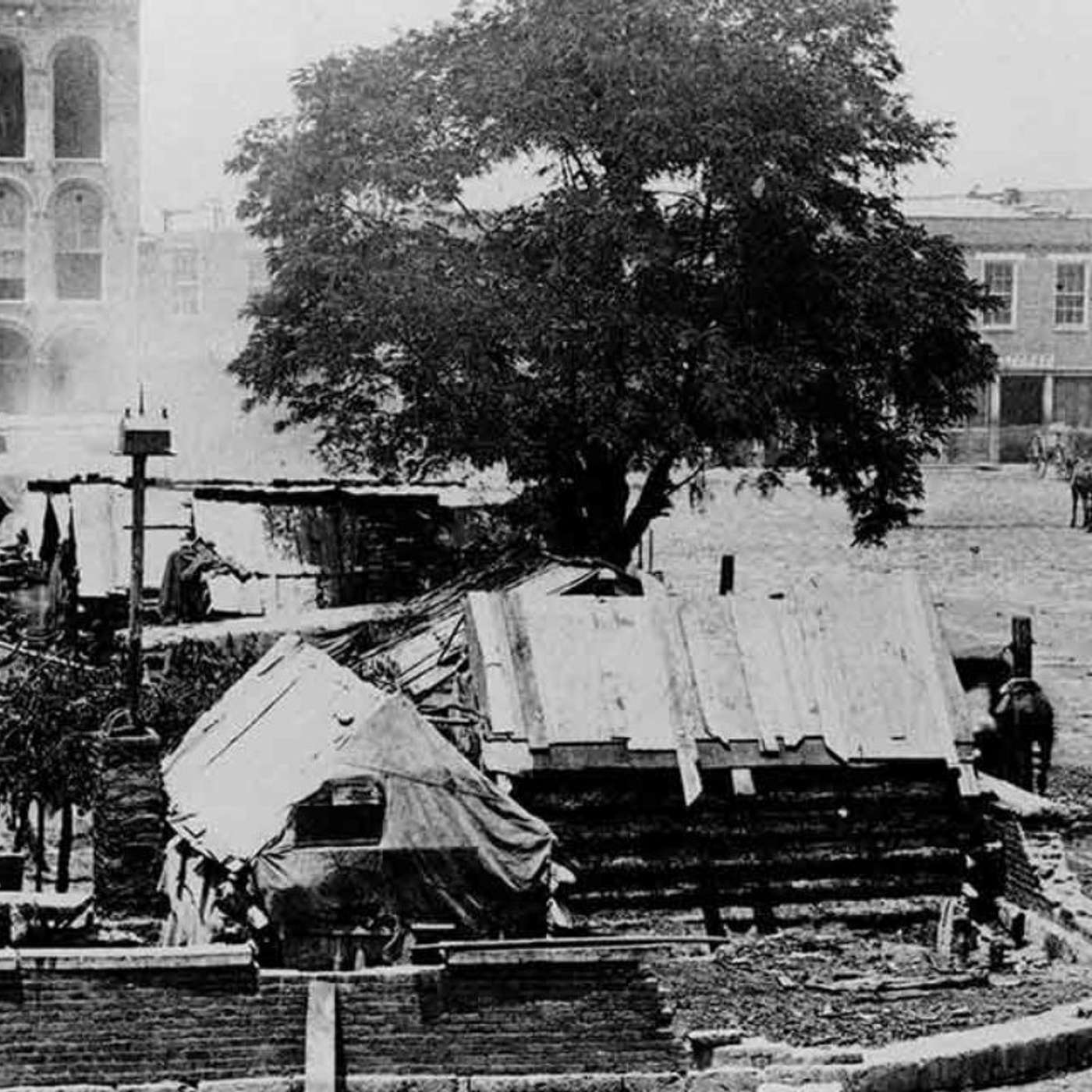
Ep 21Union Occupation of Tennessee During the Civil War
From 1861-1865 Tennessee was a battleground during the American Civil War. For the majority of the war, much of Tennessee was occupied by Union troops. What was it like for Tennesseans to live in occupied territory? Conversely, what was it like for Union troops to live in a seceded state? In this episode, hosts Tom Price and Barry Gidcomb are joined by author and historian Dr. Thomas Flagel who discusses the Union occupation of Tennessee during the Civil War.
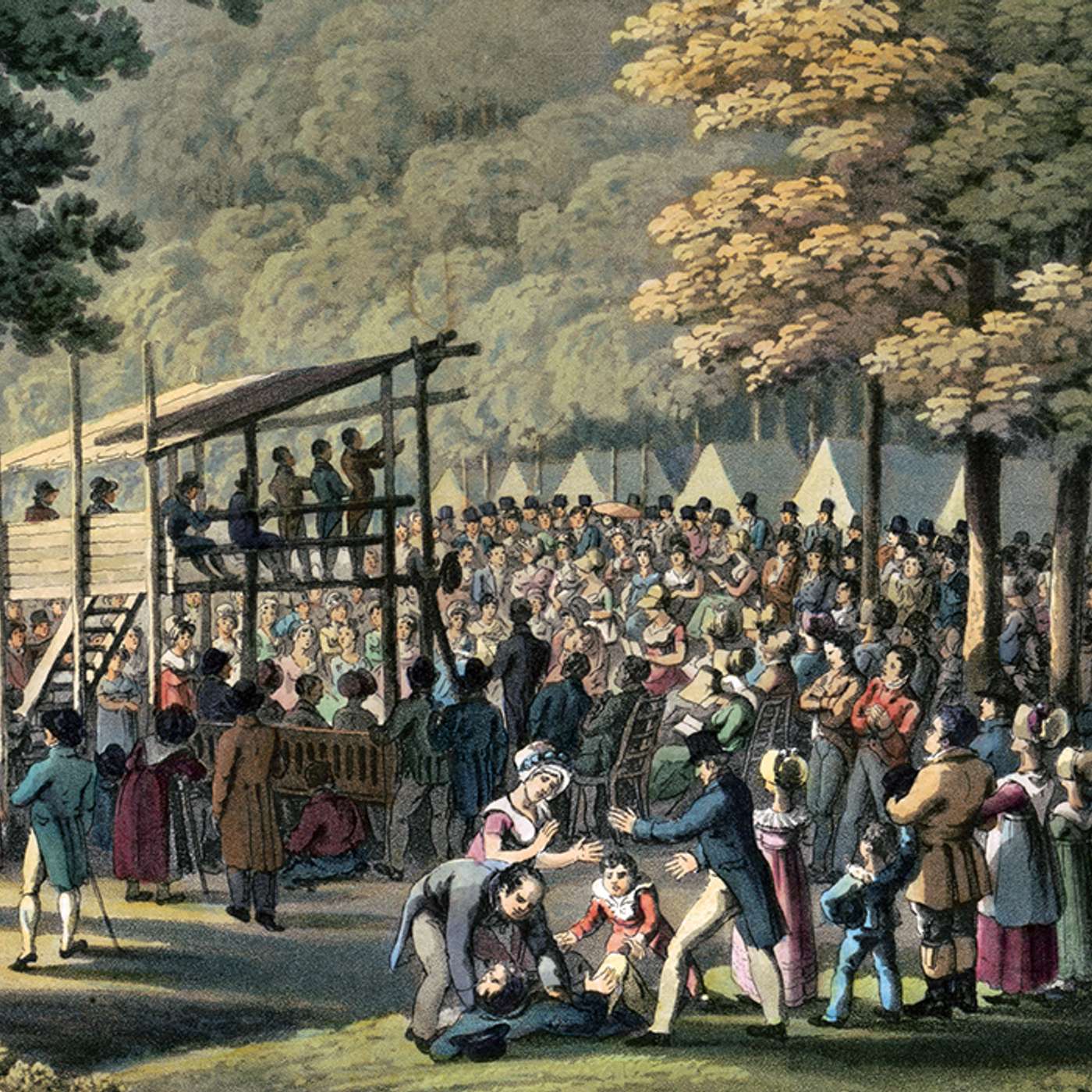
Ep 20The Second Great Awakening
On this episode of History’s Hook, hosts Tom Price and Dr. Barry Gidcomb discuss one of the great transformative movements in 19th century America…the Second Great Awakening. This movement brought about a serious upswing in religious thought in America following the Revolutionary War. From this religious awakening came a dramatic increase in membership to various church denominations as well as the genesis of a number of new denominations. The effects of the Second Great Awakening spanned the North American continent and crossed-over into new social and political reforms that helped shape American society. Tom and Barry are joined by Father Chris Bowhay, host of the live radio show “The Circle Unbroken.”
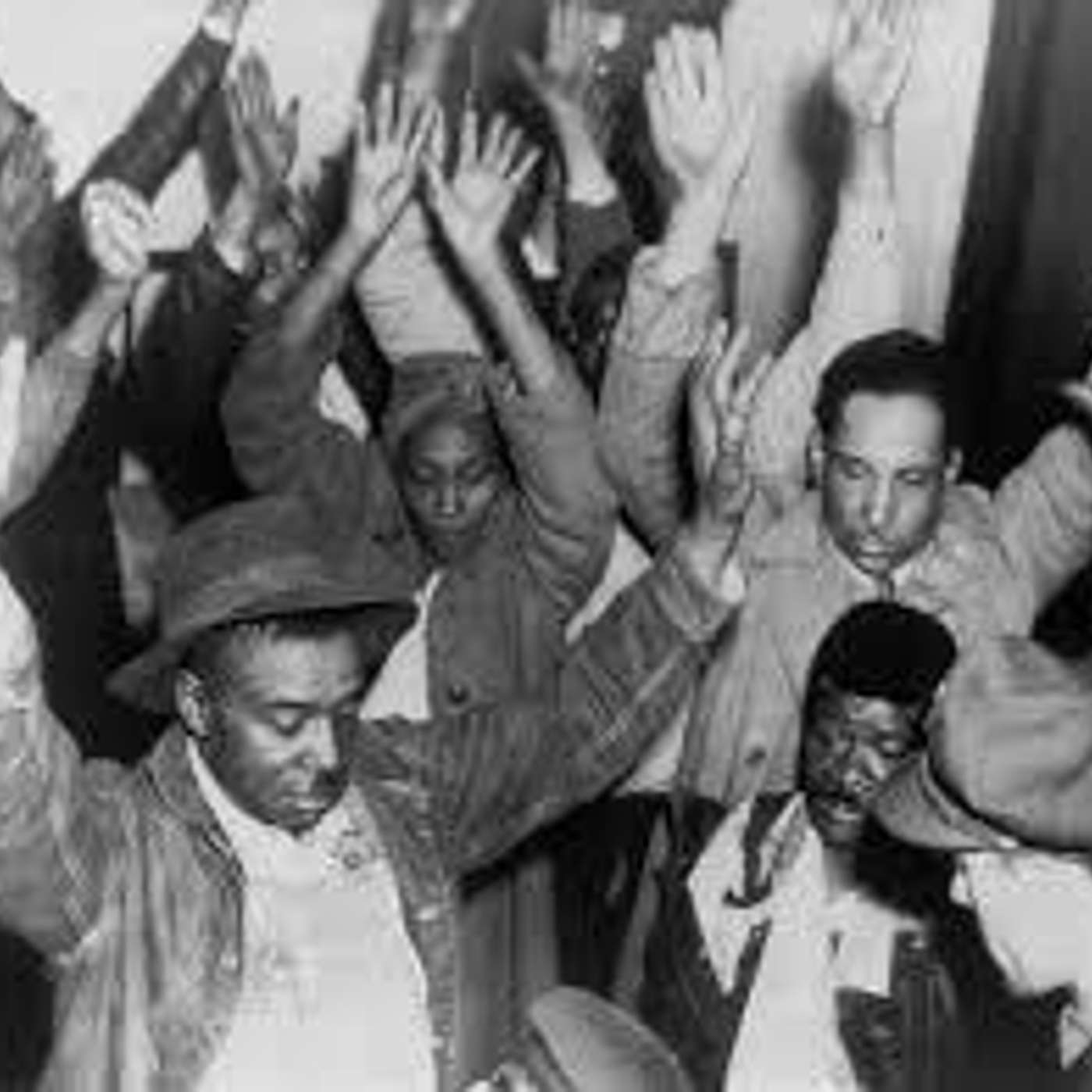
Ep 19The Columbia Race Riot of 1946, Part 2
February 25, 1946 was a pivotal day in the history of the country, but no one knew it at the time. Gladys Stephenson and her son James had a disagreement with a local store over their treatment, and an altercation ensued that sparked a serious racial conflict in a community that had a history of strained race relations. The governor called out the National Guard, blood was shed, and people died. More than 100 African Americans were jailed. The subsequent court case featured some of the finest trial lawyers in the country. The incident, remembered as the Columbia Race Riot, was the first such event following World War 2, and marked the first step in the American Civil Rights Movement. Hosts Tom Price and Jo Ann McClellan are joined by historian Dr. Gail O’Brien, author of the book The Color of the Law which talks about his pivotal event in American History.
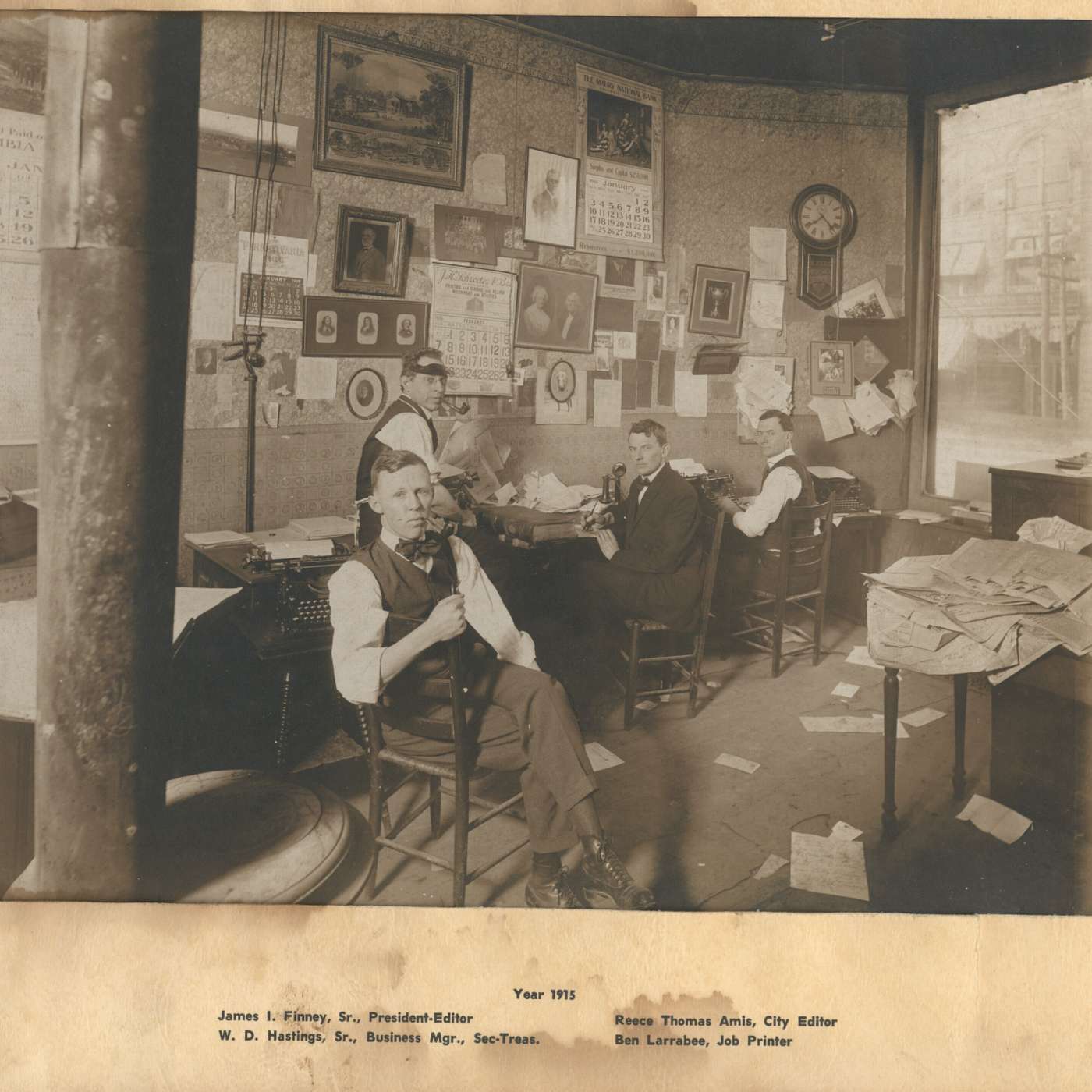
Ep 18Reporting the News in the Volunteer State: The Finney/Kennedy Media Family
For four generations, the Finney/Kennedy family have been reporting the news in Tennessee. The editors of both local and state newspapers, they have also been involved in politics and radio reporting. Join History’s Hook host Tom Price as he interviews Delk Kennedy and Elizabeth Blackstone about their family’s ties to media and politics in Tennessee.
Ep 17The Columbia Race Riot of 1946
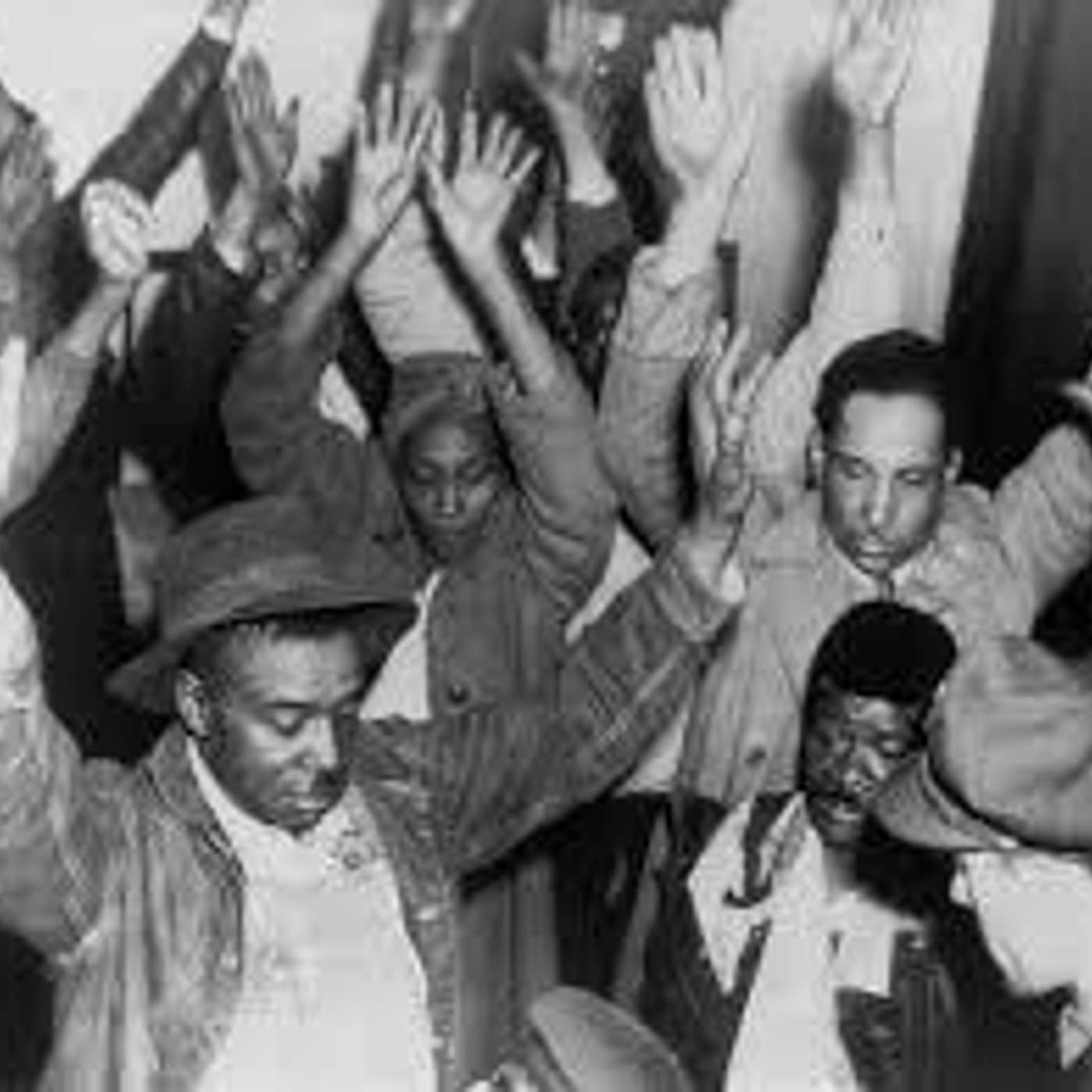
February 25, 1946 was a pivotal day in the history of the country, but no one knew it at the time. Gladys Stephenson and her son James had a disagreement with a local store over their treatment, and an altercation ensued that sparked a serious racial conflict in a community that had a history of strained race relations. The governor called out the National Guard, blood was shed, and people died. More than 100 African Americans were jailed. The subsequent court case featured some of the finest trial lawyers in the country. The incident, remembered as the Columbia Race Riot, was the first such event following World War 2, and marked the first step in the American Civil Rights Movement. Hosts Tom Price and Jo Ann McClellan are joined by historian Dr. Gail O’Brien, author of the book The Color of the Law which talks about his pivotal event in American History.
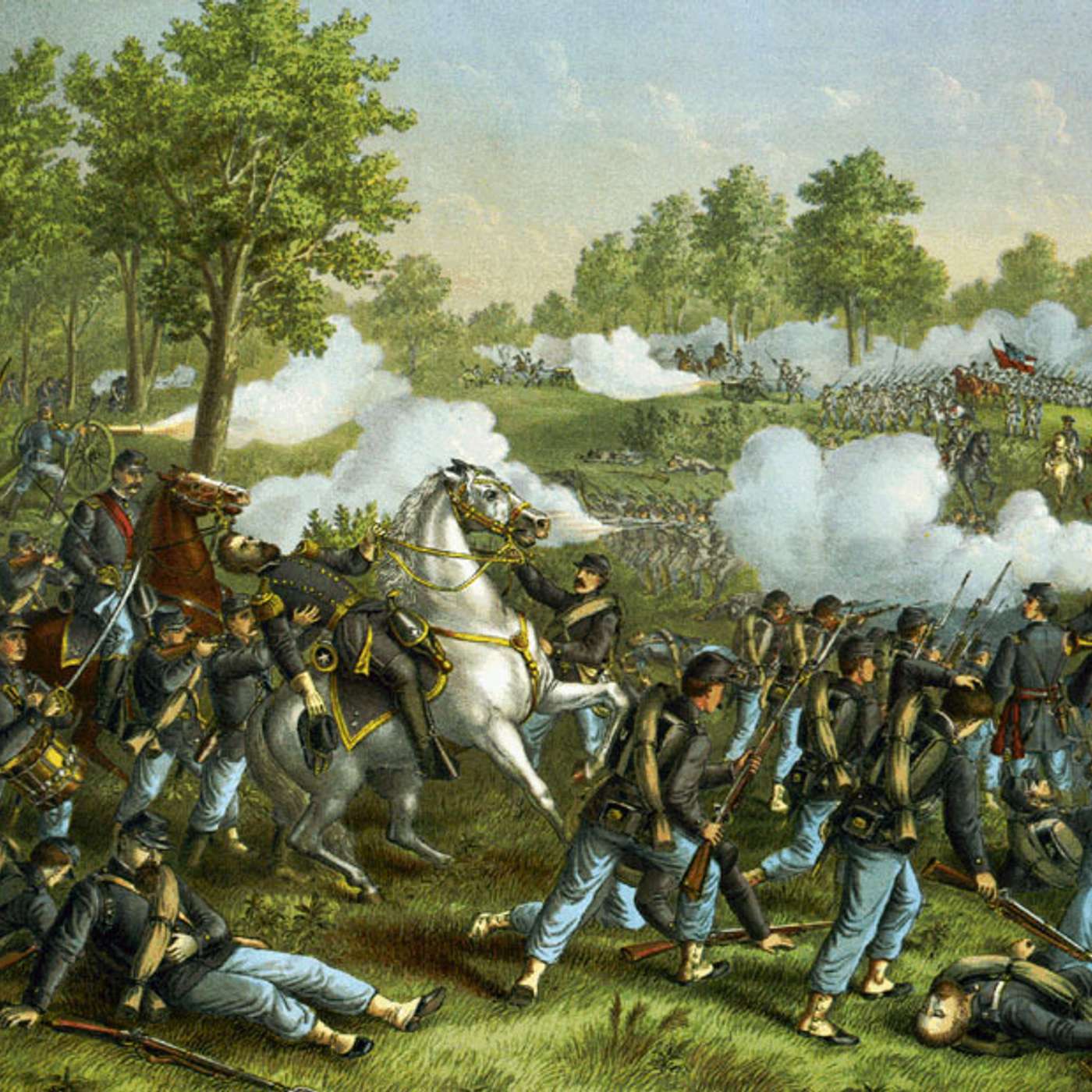
Ep 16The Civil War in Tennessee
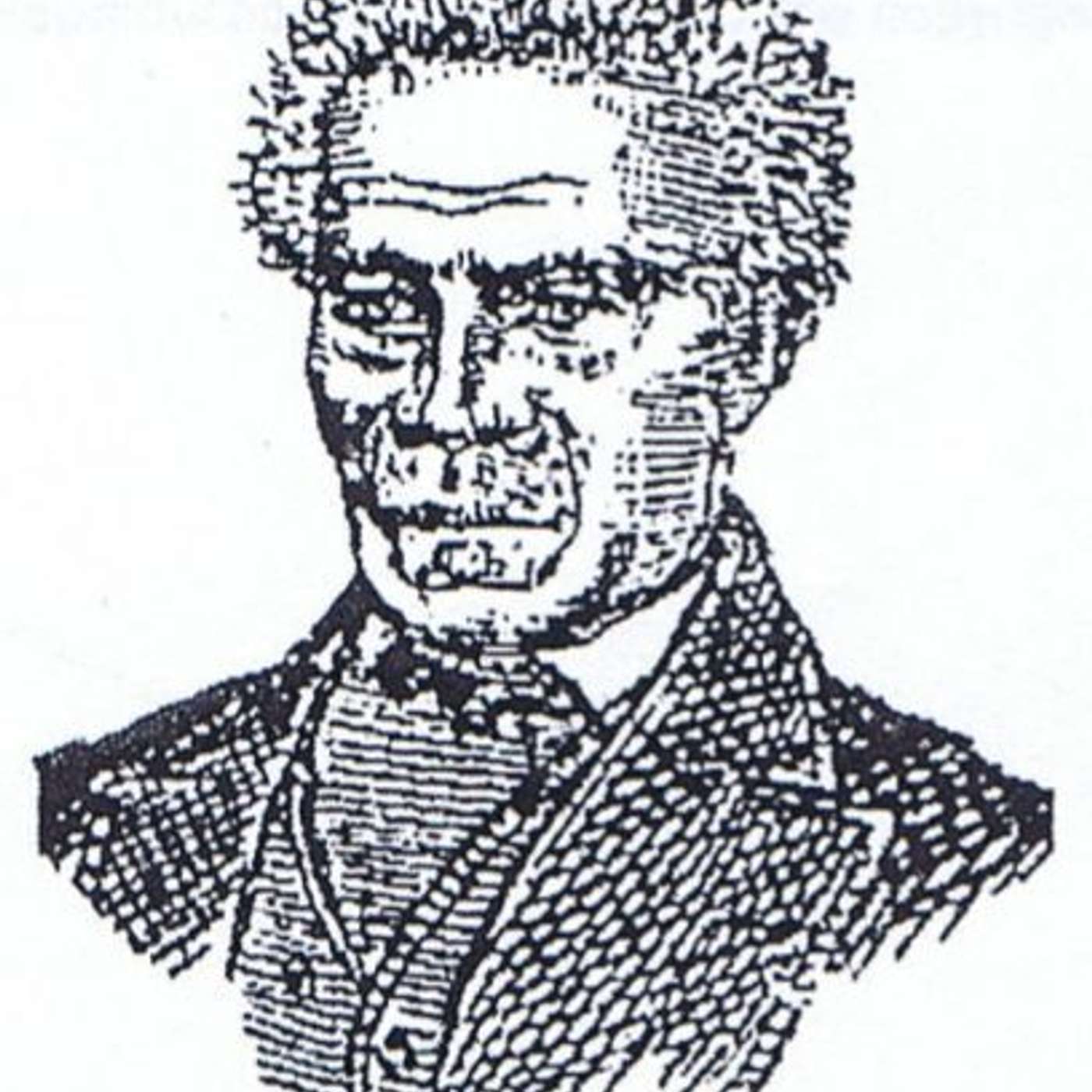
Ep 15Out of Slavery: The Life of Elias Polk
Elias Polk was born into slavery North Carolina, but grew up in Tennessee. The majority of his life was spent serving James K. Polk who would eventually become the 11th President. His life, however, spanned some eighty years, through emancipation, where Elias became politically active in Tennessee. Join Tom, Barry, and Jo Ann and listen to Elias’ story as told by author and historian Zacharie Kinslow.
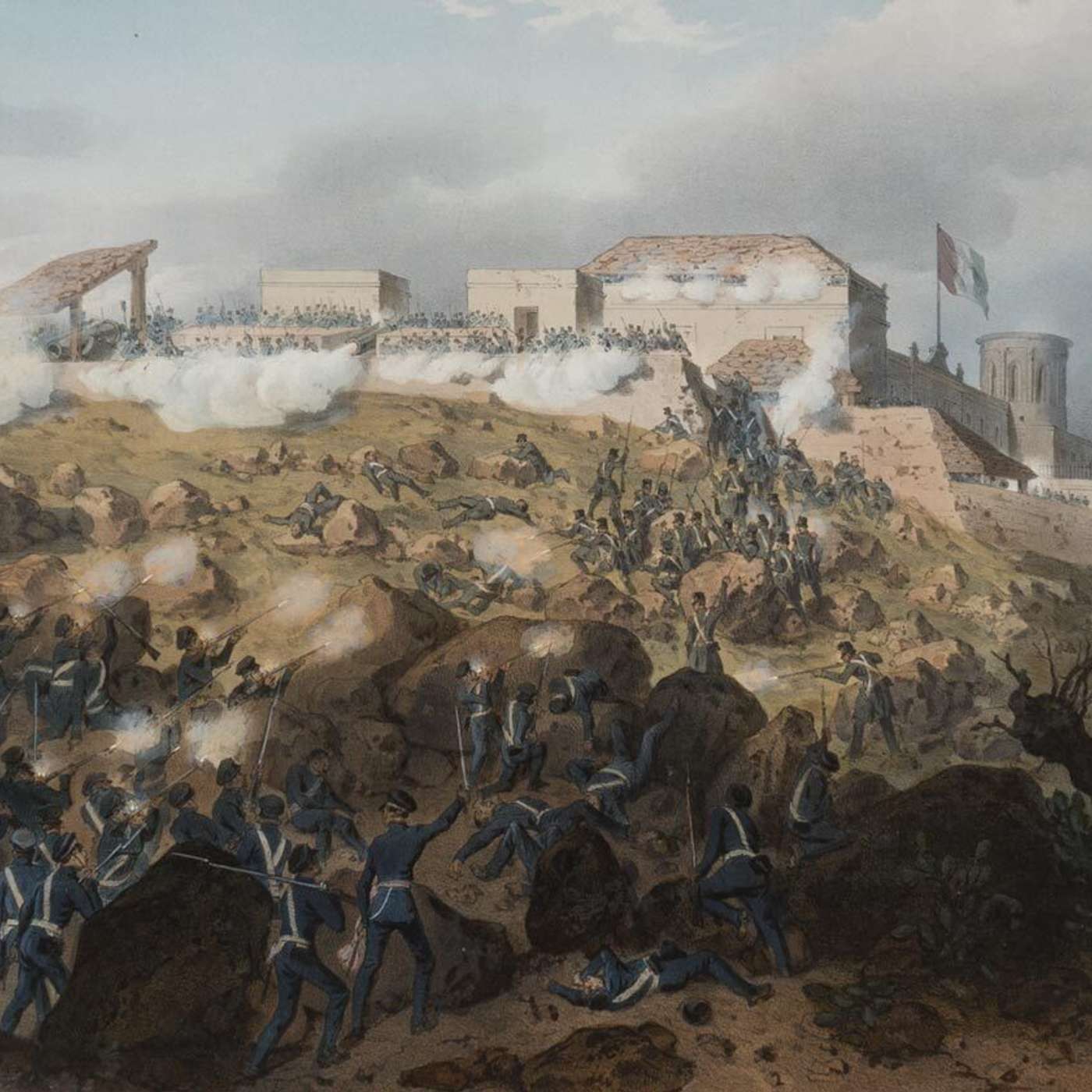
Ep 14To the Halls of the Montezuma’s: Tennessee in the U.S.-Mexican War
From 1846-1848, the United States waged a war against Mexico. In a year and a half, the United States fought across Northern and Central Mexico to “the Halls of the Montezumas” finally capturing Mexico City. A treaty was signed that brought five hundred thousand square miles of territory into the possession of the United States. For the first time, the United States became a truly continental nation. Join hosts, Tom Price and Dr. Barry Gidcomb as they interview author and historian Dr. Timothy Johnson on the subject.
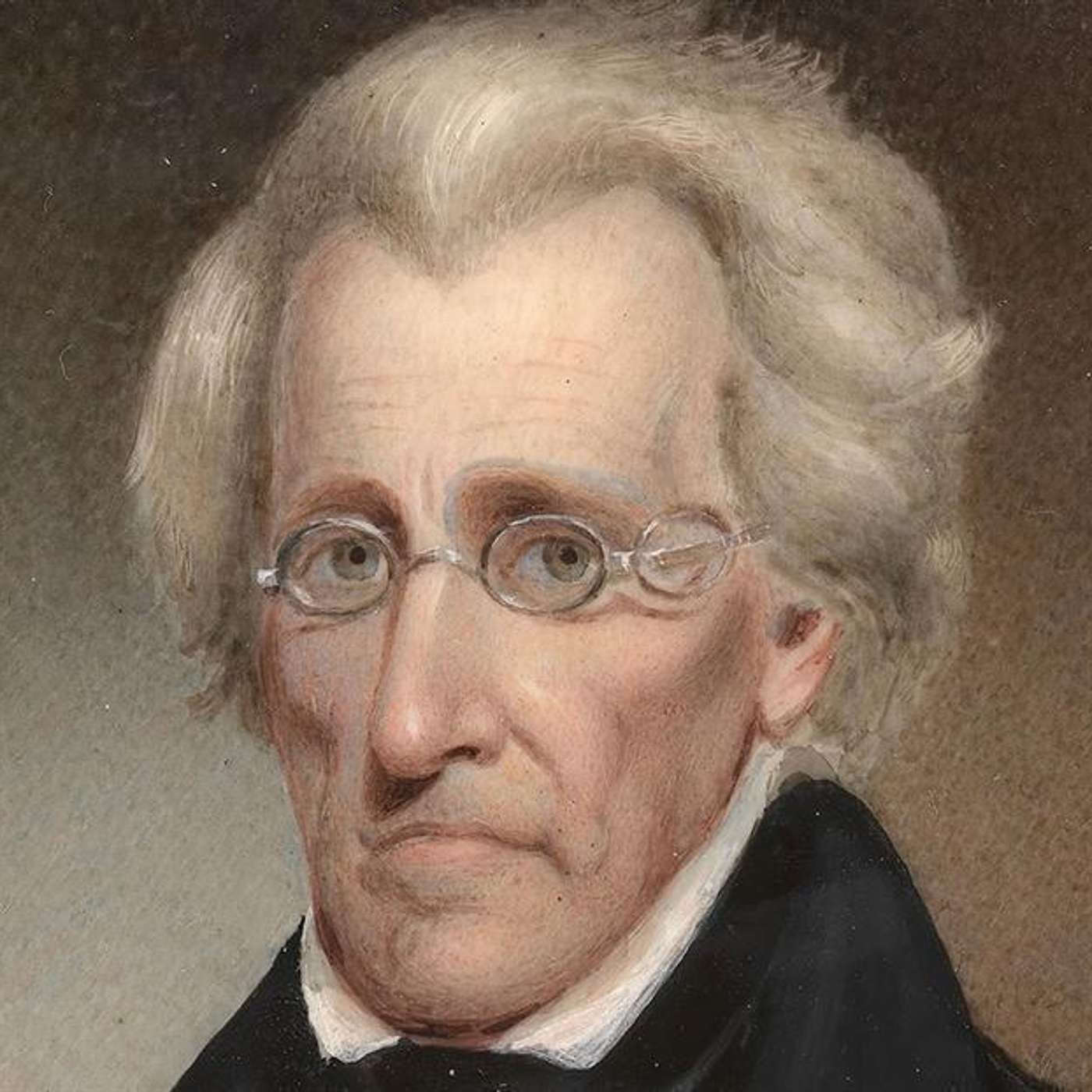
Ep 13Old Hickory: Andrew Jackson
As part of the series on Tennessee’s three presidents, this episode of History’s Hook focuses on the first of them: Andrew Jackson. Old Hickory, the first populist president changed the face of American politics. Join hosts Tom Price and Dr. Barry Gidcomb as they speak with Marsha Mullin, Vice President of Collections and Research, and chief curator at the Hermitage, The Home of Andrew Jackson, just outside of Nashville.
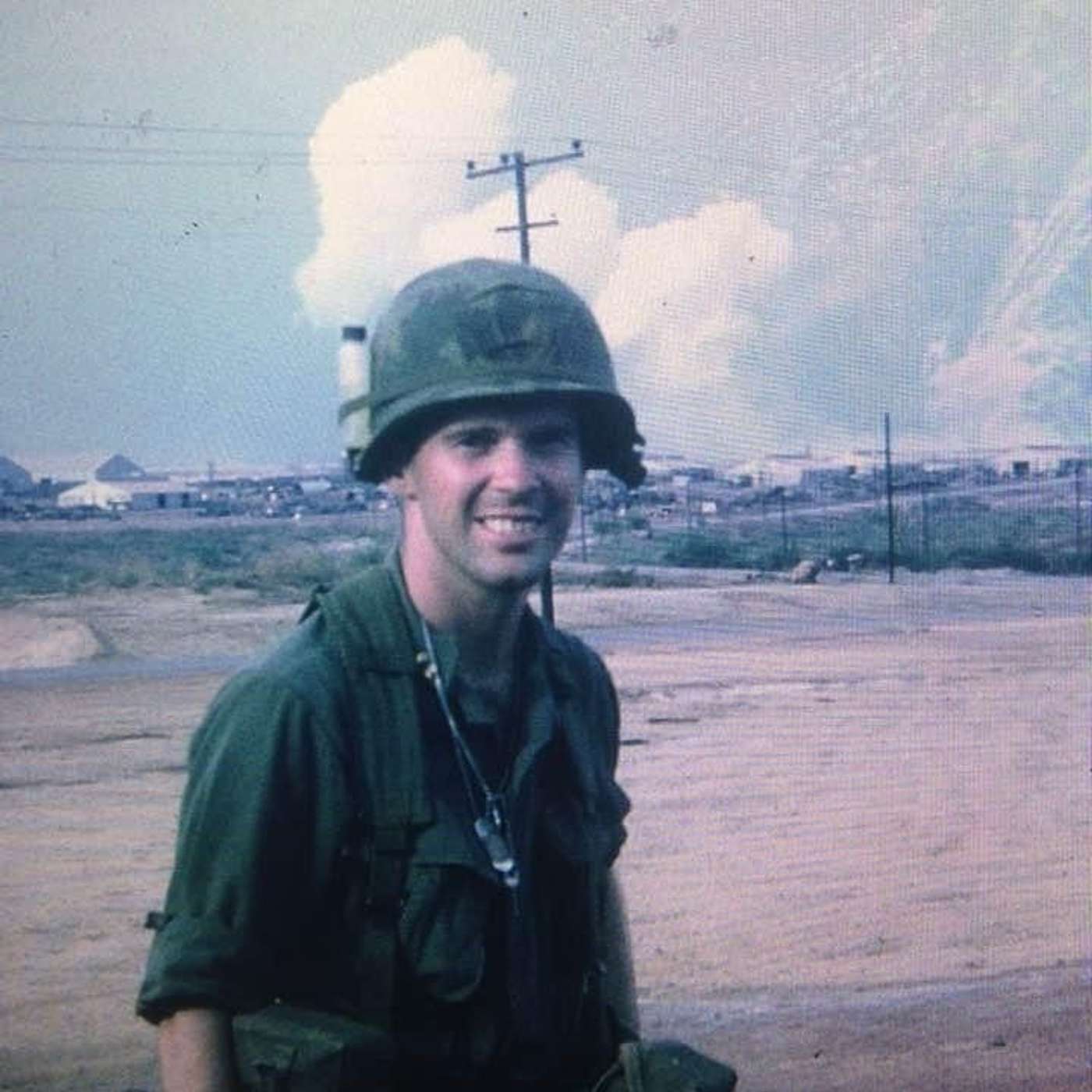
Ep 12Voices of Vietnam: Dr. Bill Andrews
The Vietnam War was a long, costly and divisive conflict that pitted the communist government of North Vietnam, backed by its communist allies against South Vietnam and its principal ally, the United States. The conflict was intensified by the ongoing Cold War between the United States and the Soviet Union. More than 3 million people (including over 58,000 Americans) were killed in the Vietnam War, and more than half of the dead were Vietnamese civilians. Join special guest, Dr. Bill Andrews as he talks about his experiences as a young officer in Vietnam.
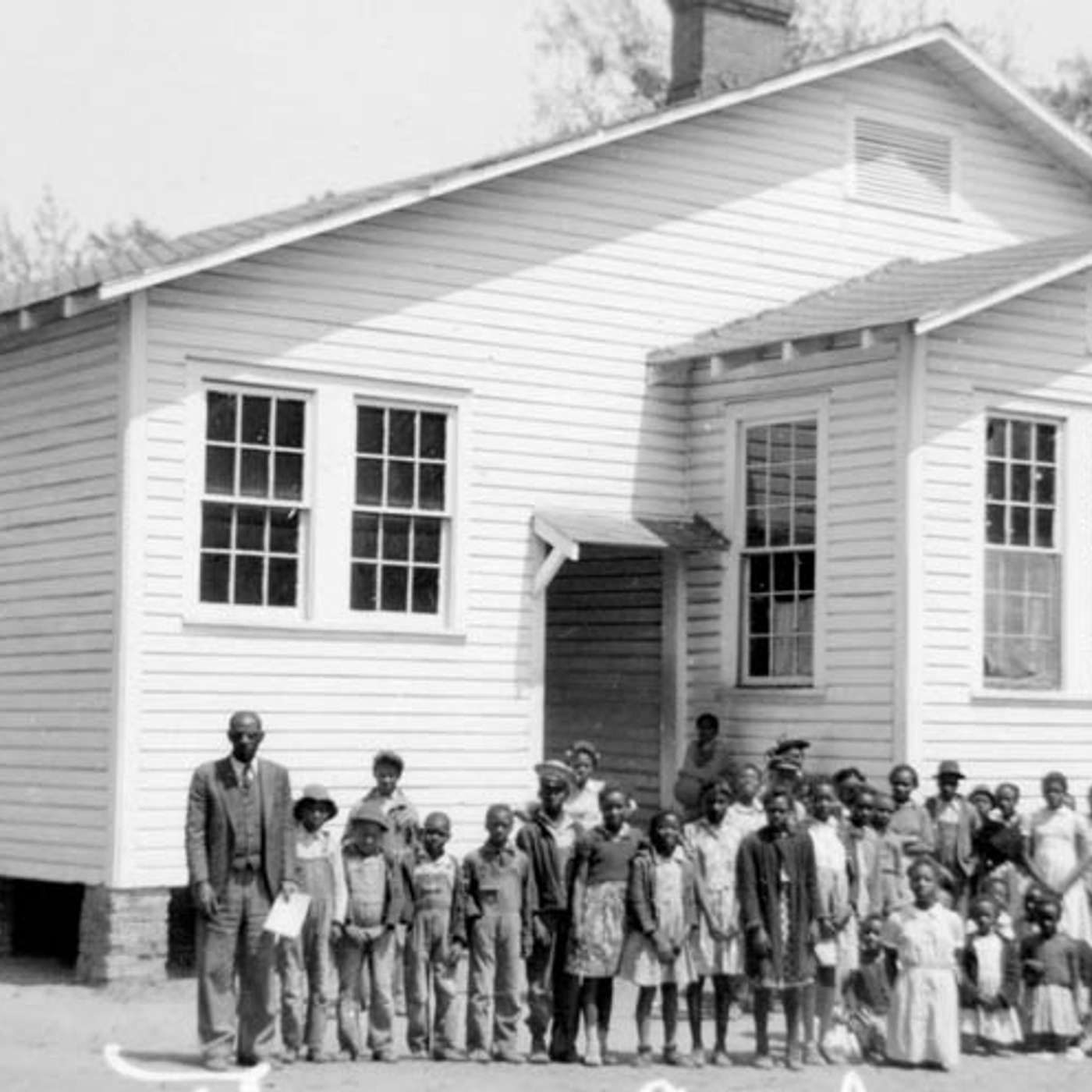
Ep 11Path to Freedom 2: The Rosenwald School Initiative
In 1912, Booker T. Washington of the Tuskegee Institute and Julius Rosenwald, philanthropist and president of Sears Roebuck, built state-of-the art schools for African-American children across the South. The effort has been called the most important initiative to advance black education in the early 20th century. At its height, there were some 5300 Rosenwald schools in 15 states that educated more than 600,000 African American children. Join hosts Tom Price and Jo Ann McClellan with special guest Dr. Mary Hoffschwelle, professor of history at Middle Tennessee State University.
Ep 10The Cold War Spy: Part 2
Join host Tom Price and former Cold War NSA spy Bob Jones, as they explore the world of espionage in Europe in the early 1950’s. Mr. Jones will tell his harrowing stories of intelligence gathering against America’s enemies and allies as the United States and the Soviet Union vied for global domination.
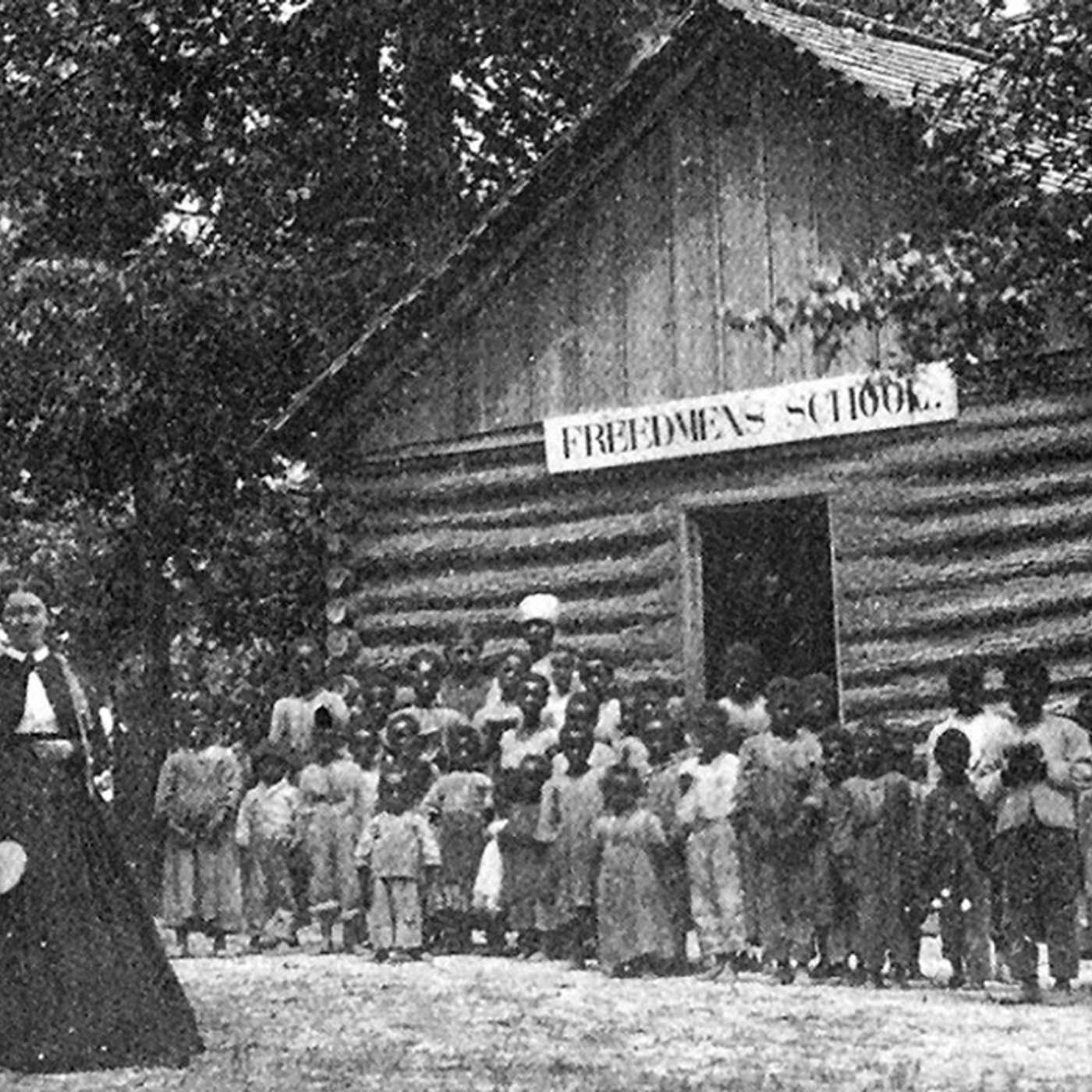
Ep 8Path to Freedom: Freedmen’s Bureau Schools in Tennessee
To assist the formerly enslaved in their transition to freedom, the federal government inaugurated a program called the Freedmen’s Bureau. Created in March of 1865, its initial purpose was to "direct… provisions, clothing, and fuel, as may be deemed needful for the immediate and temporary shelter and supply of destitute and suffering refugees and freedmen and their wives and children." Over the next several years, the Freedmen’s Bureau’s purpose would greatly expand to serve the needs of the African American community. One of the bureau’s most successful endeavors was in the area of education. Freedmen’s schools cropped up all over the south, allowing African Americans to gain an education for the first time. History’s Hook hosts Tom Price and Jo Ann McClellan, with special guest Dr. Antoinette van Zelm, explore the Freedmen’s Bureau and Freedmen’s Schools in Tennessee.
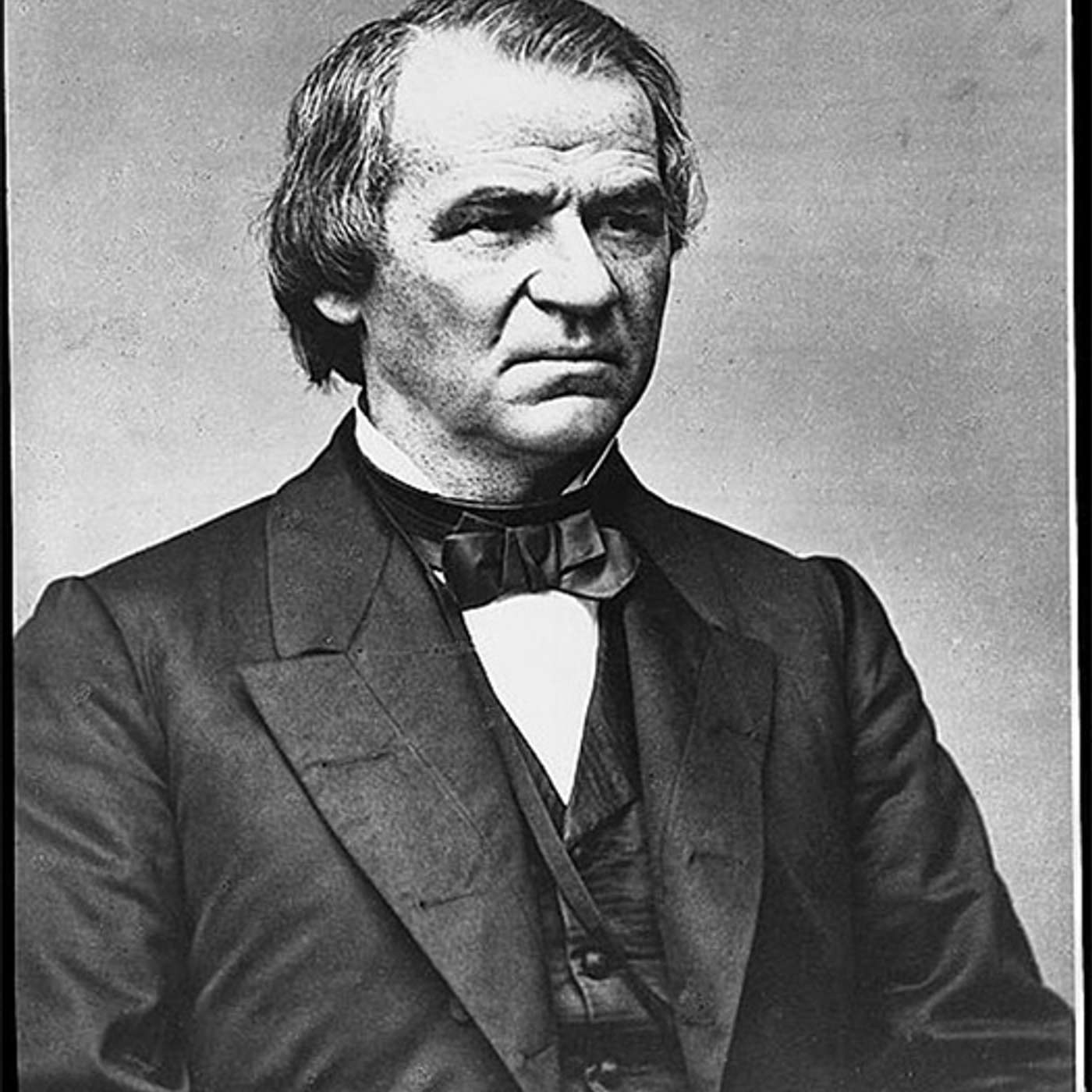
Ep 7Embattled President: Andrew Johnson
Starting life off from the humblest beginnings, Andrew Johnson rose from a simple tailor to a statesman. The only Southerner to remain in the Senate following secession, Johnson was chosen by Abraham Lincoln as his vice-president in 1864. Following Lincoln’s assassination a few months later, Johnson found himself hated by many of his fellow Tennesseans and distrusted by the Washington establishment. The first president to be impeached, Johnson was also a brave leader who did his best to heal the nation following the Civil War. Kendra Hinkle, museum specialist at the Andrew Johnson National Historic Site in Greeneville, TN discusses the 17th President.
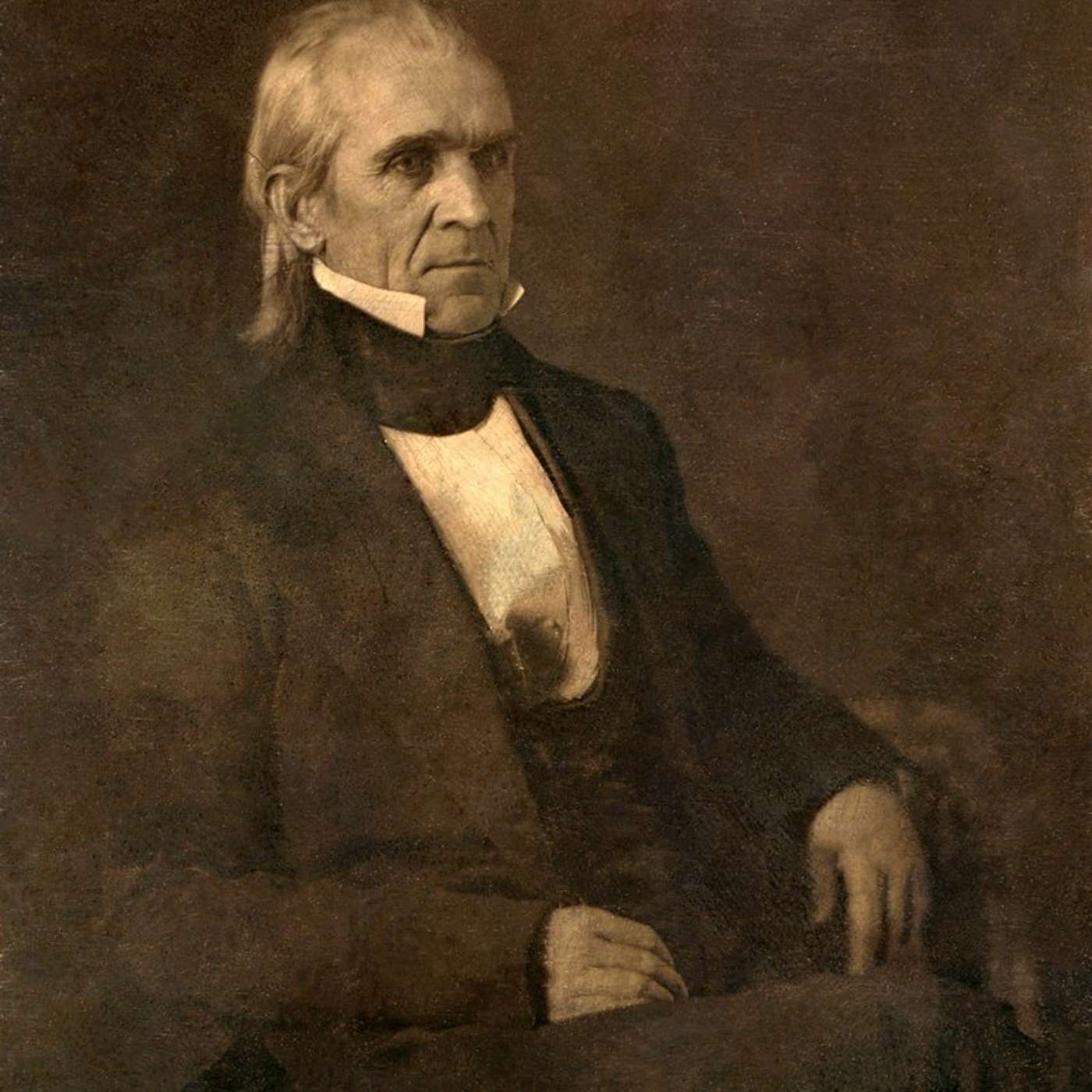
Ep 6Young Hickory: James K. Polk
Tennessee boasts three presidents. Host Tom Price begins his three part presidential series by interviewing the long-time director of the President James K. Polk Home and Museum, John Holtzapple. Polk is one of the least-known presidents in American history, but as you will hear, deserves to be remembered as one of the most successful. His accomplishments include starting the Naval Academy, the modern postal system, and the Independent Treasury System…none of which were his main goals…which he also accomplished in a promised single term of office.
Ep 5The Cold War Spy: Part 1
In 1954, Mr. Bob Jones was just 21 years old, but already an experienced spy for the American National Security Agency. One of the very first NSA field agents, his missions frequently brought him to Europe where he was tasked with gathering information about America’s allies as well as its enemies. His is a story full of intrigue, violence, and espionage. Mr. Jones has recorded his incredible story in a short book titled, “Room 204: Story of a Cold War Spy.”
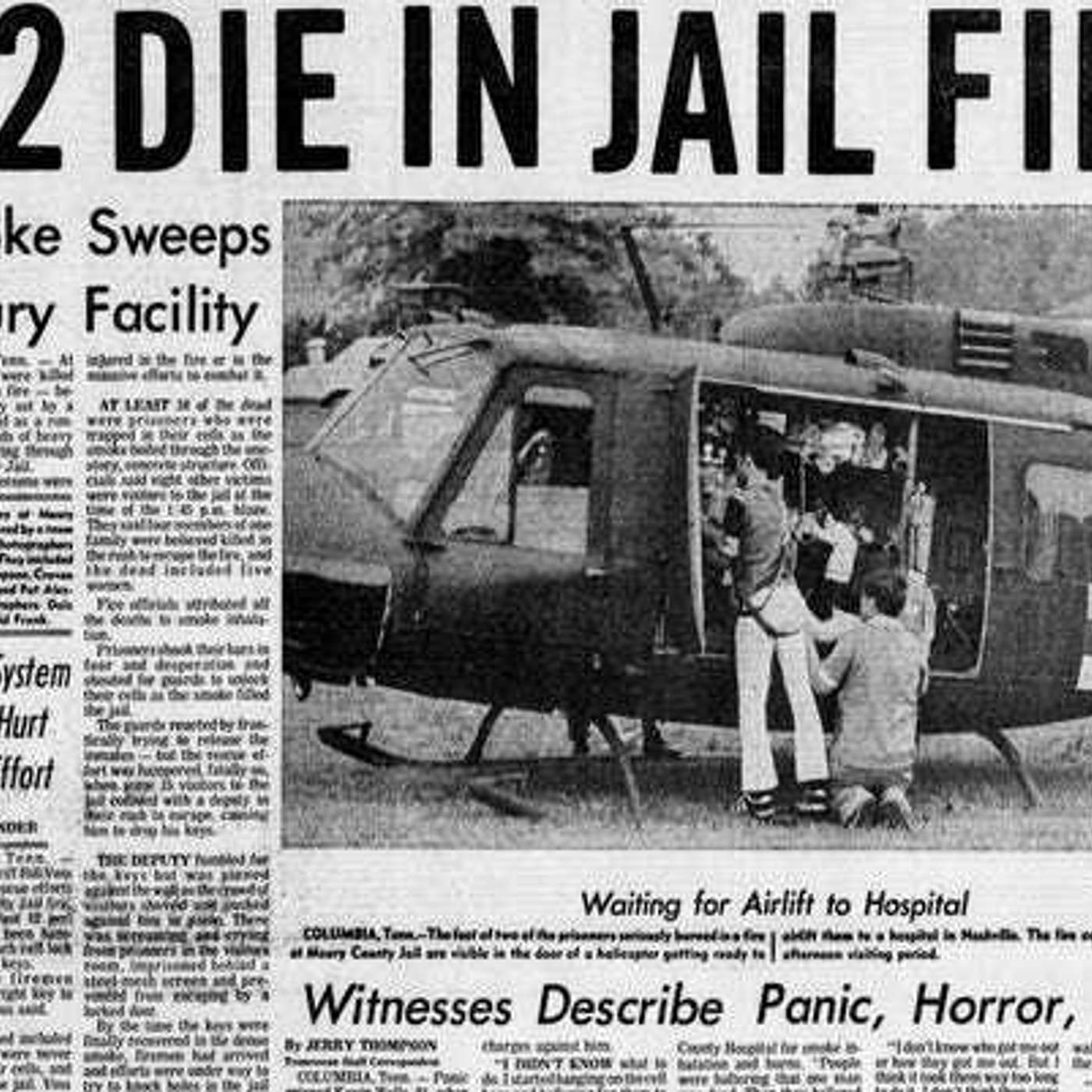
Ep 4Tragedy in a Small Town: The Maury County Jail Fire
In the summer of 1977, forty-two people perished in the worst jail fire in Tennessee’s history. The tragedy garnered national news attention and led to many new laws pertaining to jail safety. Author Cindy Tinsley talks about the tragedy, heroism, and how her research culminated in a book, “Tragedy in Small Town Tennessee.”
Ep 3Maury County’s Hidden Figures
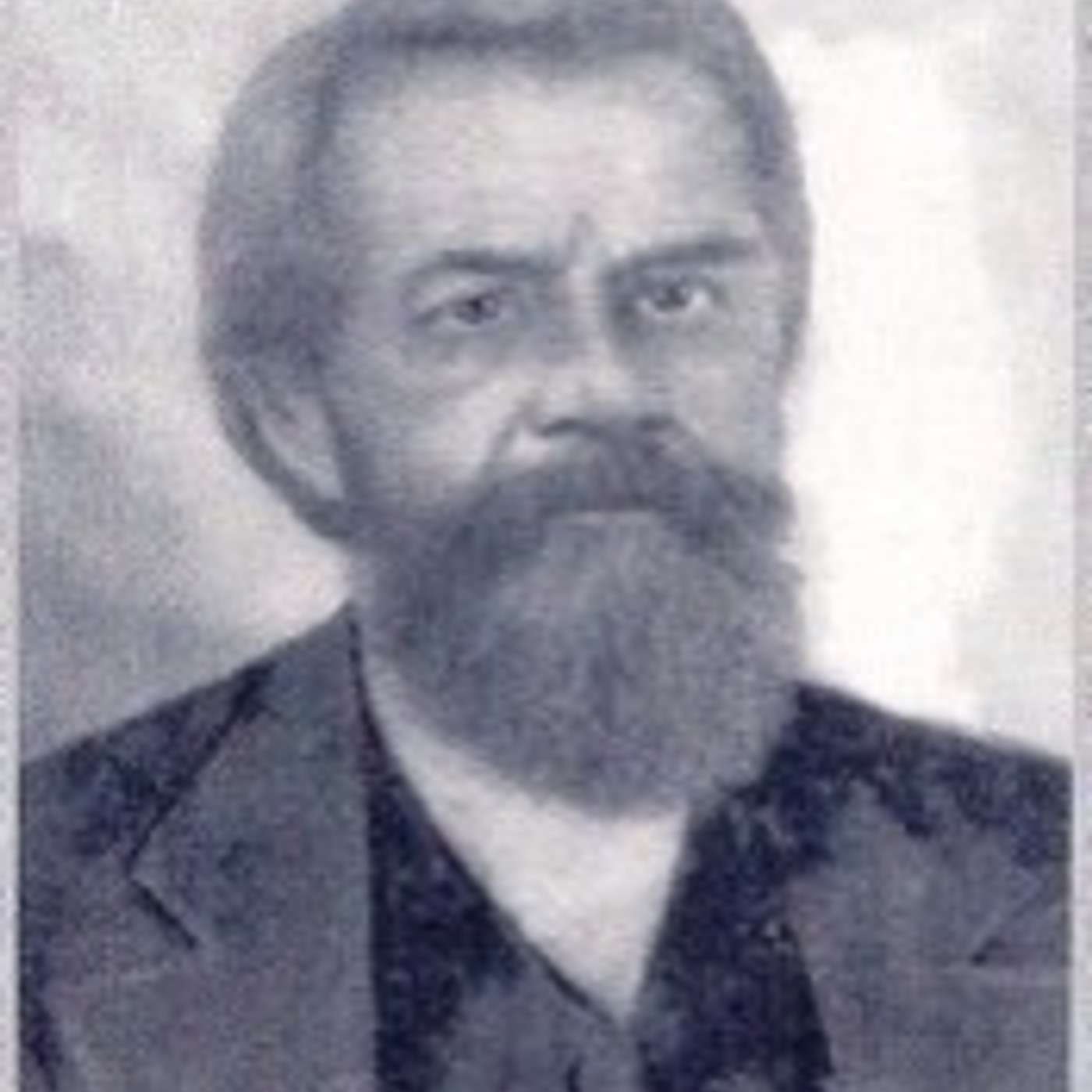
History’s Hook hosts Tom Price and Jo Ann McClellan discuss the lives of several African-Americans who started life in Maury County, Tennessee and went on to national acclaim in various pursuits. Included are the stories of renowned chef to the rich and famous, Rufus Estes; Moses McKissack, a brick maker whose descendants include some of the most highly sought-after architects in the world; and Rev. Edmond Kelley, an enslaved man who was able to obtain his own freedom, then that of his wife and children by becoming one of the most influential preachers in the North, all prior to the Civil War.

Ep 2The Devil’s Backbone: The History of the Natchez Trace
History’s Hook’s hosts, Tom Price and Dr. Barry Gidcomb welcome Tony Turnbow, author of “The Natchez Trace in the War of 1812” which was published in The Journal of Mississippi History and most recently, the full length book published by Time Tunnel Media titled, Hardened to Hickory: The Missing Chapter in Andrew Jackson’s Life. The Natchez Trace is a 444 mile route between Nashville, Tennessee and Natchez, Mississippi. The road has been the backdrop to some incredible history including military campaigns, economic expansion in the West, and even the murder of explorer Meriwether Lewis!
Ep 1What is History, Anyway?
History’s Hook’s hosts, Tom Price, Jo Ann McClellan and Dr. Barry Gidcomb introduce listeners to the premise of the show and talk about their backgrounds and interests and discuss what makes history important today.