Audio is streamed directly from the publisher (api.substack.com) as published in their RSS feed. Play Podcasts does not host this file. Rights-holders can request removal through the copyright & takedown page.
Show Notes
Hello everyone,
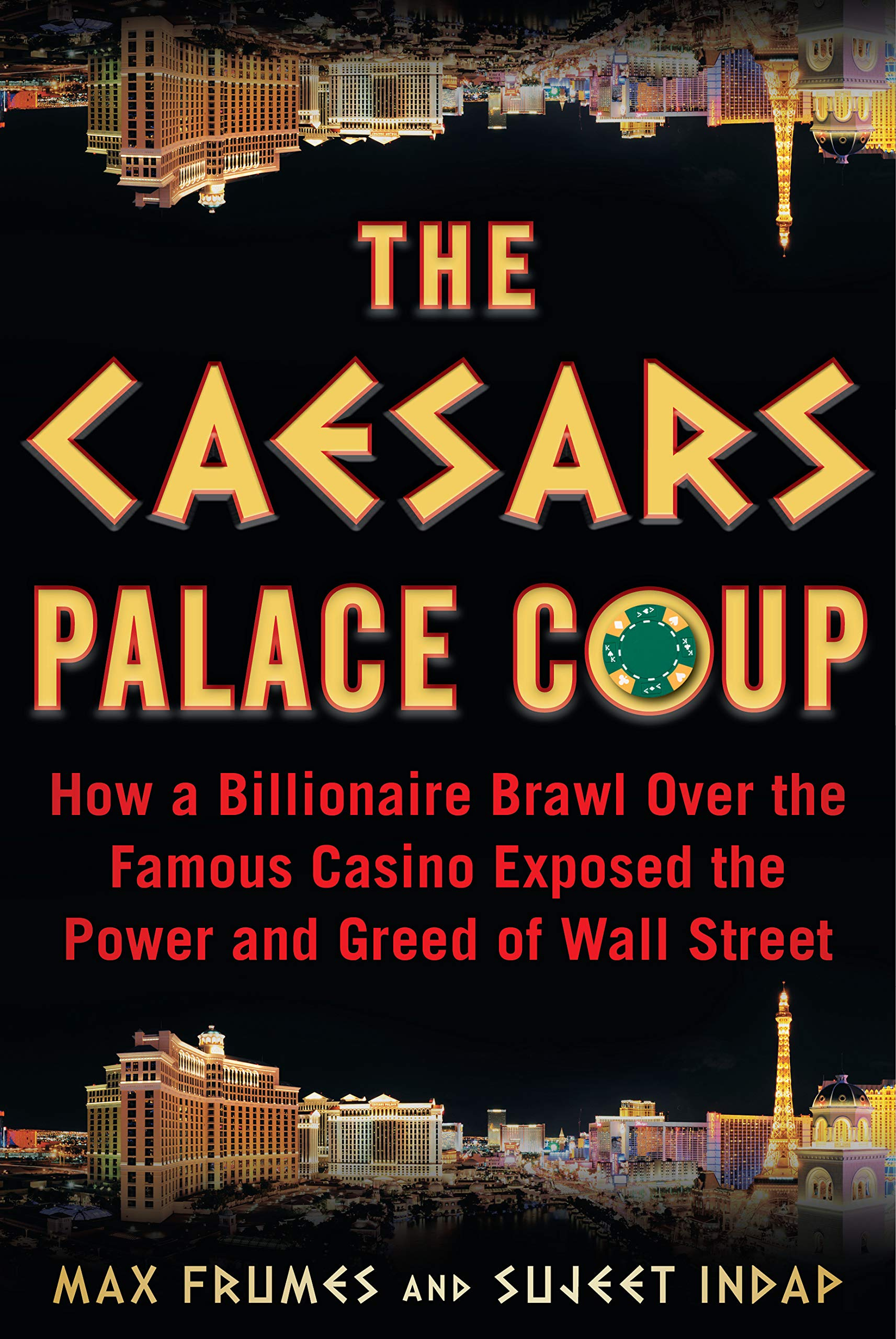
I’m excited to share my conversation with Max Frumes, co-author of The Casesar’s Palace Coup (with Sujeet Indap). I’m a big fan of the book and previously shared some notes on Twitter. It’s a deep dive into the buyout and bankruptcy of casino giant Caesar’s Entertainment and the slugfest between investors like Apollo, Oaktree, Appaloosa, GSO, Elliott, and some of the nation’s most expensive law firms.
It’s a great introduction into the world of distressed investing and the prevailing culture. I’ve written previously about how distressed credit is a “knife fight over a limited number of slices” which shapes a scarcity mindset. The book illustrates the intense negotiations and explains the “creditor on creditor violence” that can take place (a recent example is Wesco).
Max and I discussed how to break down such a complex story, explored key turning points, discussed the culture among distressed investors, what makes distressed investors successful, why there was no long-term damage for Apollo, how other investors were actually inspired by their moves, and how the space has changed in general.
A key takeaway for me was that the participants in this game are very smart, creative, ruthless, and extremely competitive. This is a complex and difficult game to play and one should consider very carefully whether to enter the competition.
I hope you enjoy the conversation. You can listen to it at: Spotify, Apple, at anchor, and via RSS.
Marc Rowan, CEO of Apollo about the demise of Drexel:
“You want chaos, things to be shaken up, the system to be brought down and built up again. When you think the world is coming to an end, that is the time to build a career and build the next great fortune.”
A few quotes from the conversation:
* “It is a very rich, fascinating industry because it is a combination of chess and poker, depending on what stage a restructuring is at.”
* “Each of these firms does have their own personality. We go into detail about the origins of Apollo which was the most interesting because it was defined by brilliance and impunity, willing to push the bounds to the very edge of what is what's permissible under the law, under the credit docs. And that does go back to Mike Milken’s firm Drexel Burnham. That's where Leon Black was one of the senior directors at the time it went bankrupt.”
* “Firms who are the most successful in this industry are those who have expert knowledge and a good handle on the legal aspect, understanding valuation, and then the industry knowledge itself mixed with understanding game theory. Some people are more savvy with the press. Some people are more savvy with the orchestration of creditor or organization. Some people are more willing to be an iconoclast and go against the grain.”
* “Ultimately the examiners reports said they had actual and constructive fraudulent conveyance claims against and corporate governance claims … a lot of them were simply because the creditors did not have independent directors during the time these decisions … where there's conflicts of interest. It seemed like the private equity sponsor was basically controlling everything. … So the lesson wasn't, maybe we shouldn't do those things. The lesson was let's put some independent directors in there.”
Disclaimer: I write and podcast for entertainment purposes only. This is not investment advice. I am not your fiduciary or advisor. Do your own work and seek your own financial, tax, and legal advice before making any investment decisions.
This is a public episode. If you'd like to discuss this with other subscribers or get access to bonus episodes, visit www.frederikjournals.com/subscribe