FRDH Episode 12: episode 12: Statistics>Facts>News>Truth>History
Facts are the building blocks of journalism leadi…
FRDH Podcast with Michael Goldfarb
March 13, 201718m 54s
Audio is streamed directly from the publisher (feeds.soundcloud.com) as published in their RSS feed. Play Podcasts does not host this file. Rights-holders can request removal through the copyright & takedown page.
Show Notes
Facts are the building blocks of journalism leading, hopefully, to the truth, and the FRDH, First Rough Draft of History. In a world overwhelmed by data and statistics facts are easy to come by, but can numbers alone tell a story?
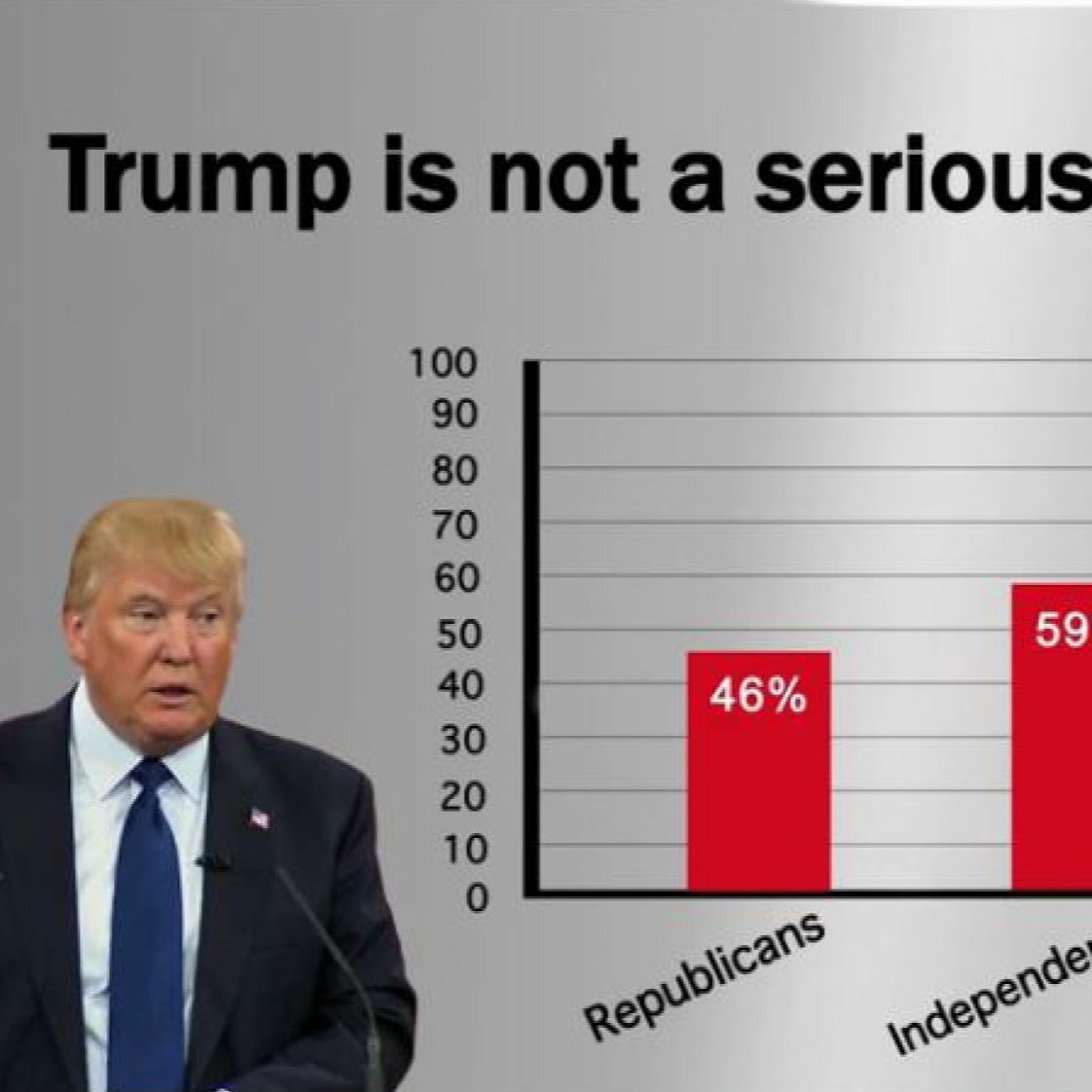
In 2016, the bulk of institutional journalism missed the rise of Donald Trump because the numbers said his victory wasn’t possible … then it was.
In this FRDH podcast, Michael Goldfarb says journalism’s increasing reliance on data is behind this failure. Lies, damned lies and statistics have led reporters down a blind alley. He argues for a different approach to reporting the world, one that places a deeper reliance on the rational imagination. He borrows a word from the German enlightenment for this technique, “einfühlung.”
It’s a word coined by philosopher, historian, and clergyman Johann Gottfried von Herder in the 18th century. Google translate says Einfühlung means empathy which is accurate up to a point but doesn’t quite get at Herder’s intention. Einfühling means “in feeling,” feeling your way into a story.
For an example he takes listeners on a journey through his past to Northern Ireland and the years he spent getting to know Protestant paramilitaries. Then returns to the present to Ohio in 2016 at the height of the Presidential campaign.
In writing FRDH, the first rough draft of history, who you gonna trust: a data set or an eyewitness story?