
Foreign Policy Live
240 episodes — Page 3 of 5

The U.S.-China Trade War
The U.S.-China trade war has rattled the global economy, and there’s little sign of de-escalation. What does this mean for their respective economies? Where does this end? The Council on Foreign Relations’ Zongyuan Zoe Liu and the Center for Strategic and International Studies’ Scott Kennedy join FP Live to discuss. We want to hear from you! Help us shape the future of FP Live by sharing your thoughts on the show by clicking here. Suggested reading (FP links are paywall-free): Scott Kennedy: Why Beijing Thinks It Can Beat Trump Deng Yuwen: Why Beijing Is Standing Up to Trump Howard W. French: Trump’s Tariffs Are a Gift to Xi Lili Pike and Christina Lu: Can Washington and Beijing Walk Back Their Trade War? Lizzi C. Lee: How China Should Handle Trump’s Tariffs James Palmer: China May Have a Revenge List for Tariff Wars Cameron Abadi and Adam Tooze: How Tariffs on China Brought Back Decoupling With a Vengeance Learn more about your ad choices. Visit megaphone.fm/adchoices

The Geopolitics of AI
The race is on to dominate the artificial intelligence economy, making the need for safeguards ever more pressing. Jared Cohen, the president of global affairs at Goldman Sachs, joins FP Live to discuss the potential risks and benefits of this growing market—and how so-called geopolitical swing states play an increasingly important role. This conversation was taped earlier this week, before the Trump administration's announcement of the 90-day suspension of reciprocal tariffs. We want to hear from you! Help us shape the future of FP Live by sharing your thoughts on the show by clicking here. Note: This discussion is part of a series of episodes brought to you by the Goldman Sachs Global Institute. Suggested reading (FP links are paywall-free): Jared Cohen: The AI Economy’s Massive Vulnerability Jared Cohen: The Next AI Debate Is About Geopolitics Becca Wasser and Josh Wallin: Build Allied AI, or Risk Fighting Alone Peter Dombrowski and Bruce Jones: A New Era of Undersea Conflict Is Here Learn more about your ad choices. Visit megaphone.fm/adchoices

The Tariff Debate
Two leading economists debate the potential trade-offs of the Trump administration’s tariffs that are now roiling markets. Oren Cass, the founder of American Compass, joins Kimberly Clausing, a professor at UCLA, to discuss what this all means for the United States and the global economy. We want to hear from you! Help us shape the future of FP Live by sharing your thoughts on the show by clicking here. Suggested reading (FP links are paywall-free): Wendy Cutler: How Countries Should Respond to Trump’s Tariffs Bob Davis: Trump Has the Whole Global Trade System in His Sights Michael Hirsh: Tariffs Can Actually Work—if Only Trump Understood How Lili Pike: Trump Threatens China With New 50 Percent Tariffs Joseph Rachman: Trump’s Tariffs Crush the ASEAN Economic Model Transcript: The Case for Trump’s Tariffs Edward Alden: Trump’s Wanton Tariffs Will Shatter the World Economy Learn more about your ad choices. Visit megaphone.fm/adchoices

Trump vs. the Courts: Lessons From Abroad
Legal scholars argue that the Trump administration’s push to curtail the power of the U.S. judiciary mirrors moves by several authoritarian governments around the world. What does this mean for the United States’ court system and the rule of law? And what can be learned from global advocacy and civil society defying these trends? Political scientist Andrew O’Donohue joins FP Live to share his findings. Suggested reading (FP links are paywall-free): Andrew O’Donohue: The U.S. Judicial Crisis Is Uniquely Dangerous Julian E. Zelizer: Why Republicans Love Strong Presidents David E. Rosenberg: Can Israel’s Highest Court Stop Netanyahu? Halil Karaveli: Erdogan Is Trying to Divide and Conquer Turkey’s Opposition Learn more about your ad choices. Visit megaphone.fm/adchoices
FP’s New Print Issue: Billionaire Rule
Several of the world’s wealthiest men stood behind Donald Trump as he was inaugurated for a second term, contradicting his image as a populist president. This prompts the question, how much influence do the wealthy have on U.S. politics? Democratic Sen. Chris Murphy joins FP Live to share his take on the state of U.S. democracy, and whether the United States is becoming more corrupt, to mark the launch of Foreign Policy’s latest print issue: “Billionaire Rule.” Suggested reading (FP links are paywall-free): Spring 2025 Print Issue: Billionaire Rule Jodi Vittori: Is America a Kleptocracy? Adam Tooze: Elon Musk’s First Principles James Crabtree: How Modi and Trump Treat Billionaires Differently Priya Satia: The Deep Roots of Oligarchy James Palmer: Did China Get Billionaires Right? Andrew O’Donohue: The U.S. Judicial Crisis Is Uniquely Dangerous Learn more about your ad choices. Visit megaphone.fm/adchoices
How Should Europe Navigate the Trump Era?
The Trump administration has dramatically shifted the United States’ long-standing relationship with Europe, pushing it to shore up its own defense. How is the continent grappling with these changes? And what does it mean for its policies, both foreign and domestic? Suggested reading (FP links are paywall-free): Kishore Mahbubani: It’s Time for Europe to Do the Unthinkable Transcript: The Speech That Stunned Europe Edward Lucas: Comrade Trump Ivo H. Daalder: It’s Time for a New Trans-Atlantic Bargain Michael Hirsh: On Ukraine, Split the Difference Between Trump and Biden Anchal Vohra: Europe’s Economic Decoupling From America Is Underway Brought to you by: https://incogni.com/foreignpolicy. Use promo code "foreignpolicy" to get an exclusive 60% off an annual plan. Learn more about your ad choices. Visit megaphone.fm/adchoices

Trump’s First 50 Days
Geopolitical risk analyst Ian Bremmer joins FP Live to assess U.S. President Donald Trump’s first 50 days in office and how it is impacting the world. Suggested reading (FP links are paywall-free): Ravi Agrawal: Trump Is Ushering In a More Transactional World Daniel C. Kurtzer and Aaron David Miller: Lessons from the Trump-Zelensky Confrontation Howard W. French: Trump’s Plan for a Greatly Diminished America Daniel W. Drezner: Does the Madman Theory Actually Work? Stephen M. Walt: What I Got Wrong About Trump’s Second Term Learn more about your ad choices. Visit megaphone.fm/adchoices

What Is America’s China Policy?
With so much of the focus in recent weeks on the Trump administration’s policies toward Europe, where does that leave the broader trajectory of the U.S.-China relationship? Expert and former Biden administration official Rush Doshi sits down with Ravi Agrawal to discuss. Doshi is currently the C.V. Starr senior fellow for Asia studies and director of the China Strategy Initiative at the Council on Foreign Relations. Suggested reading (FP links are paywall-free): Rush Doshi: Long Game: China’s Grand Strategy to Displace American Order Lili Pike: Trump’s Europe Shock Creates an Opening for China Lili Pike: Did Biden Get China Right? James Crabtree: Trump Could Make China Great Again Learn more about your ad choices. Visit megaphone.fm/adchoices

The End of Human Rights?
“I don’t give up on Trump. I do think that, for the wrong reasons, we can get him to do the right things” says former Human Rights Watch chief Kenneth Roth. Roth sits down with Ravi Agrawal to share his take on human rights today amid democratic backsliding, ongoing conflict, and a new U.S. administration on the world stage. Roth led Human Rights Watch for nearly 30 years and is the author of Righting Wrongs: Three Decades on the Front Lines Battling Abusive Governments. Suggested reading (FP links are paywall-free): Transcript: Can the World Do Anything About Conflict in 2025? Pankaj Mishra: How Gaza Shattered the West’s Mythology Matthew M. Kavanagh and Luis Gil Abinader: Abolishing USAID Is Both Unconstitutional and Disastrous Brought to you by: https://incogni.com/foreignpolicy. Use promo code "foreignpolicy" to get an exclusive 60% off an annual plan. Learn more about your ad choices. Visit megaphone.fm/adchoices
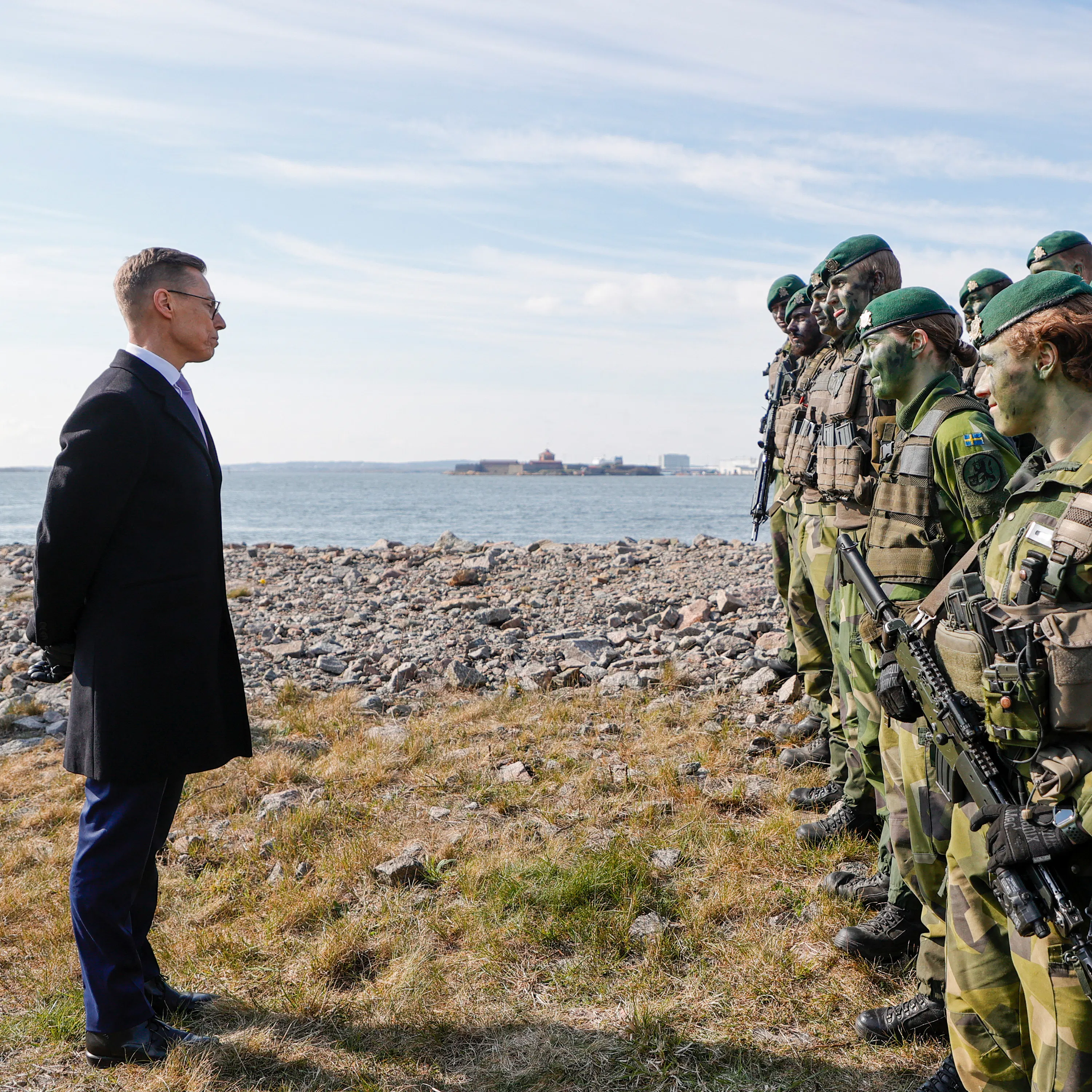
One-on-One With Finnish President Alexander Stubb
Finnish President Alexander Stubb sits down with Ravi Agrawal on the sidelines of the annual Munich Security Conference to discuss European security in Trump 2.0. Suggested reading (FP links are paywall-free): Transcript: Finland’s President: Trump’s Strategy ‘Is a Bit of a Seesaw’ Transcript: The Speech That Stunned Europe C. Raja Mohan: India Sees Opportunities as Trump Jettisons the Western Order James Crabtree: Trump Could Make China Great Again Kishore Mahbubani: It’s Time for Europe to Do the Unthinkable Kristi Raik: Europe’s 4 Different Ways of Handling Trump Bojan Pancevski and Alexander Ward: Vance Wields Threat of Sanctions, Military Action to Push Putin Into Ukraine Deal Learn more about your ad choices. Visit megaphone.fm/adchoices
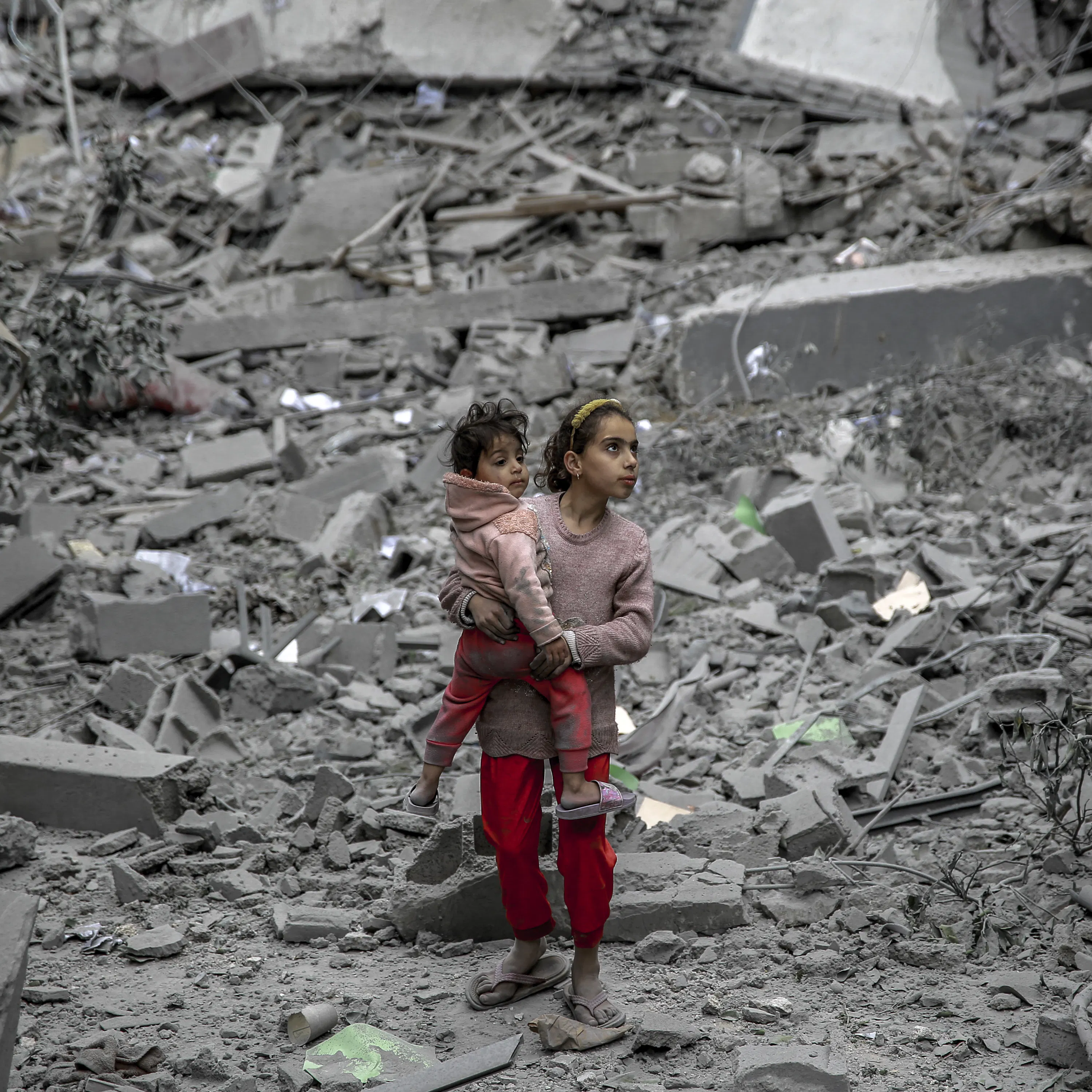
Why the World Is So Polarized Over Gaza
How history will weigh the war in Gaza, with author Pankaj Mishra. Mishra recently previewed his new book on the subject with Foreign Policy, in a piece titled “How Gaza Shattered the West’s Mythology.” He shares more now with Ravi Agrawal. Suggested reading (FP links are paywall-free): Pankaj Mishra: The World After Gaza: A History Pankaj Mishra: How Gaza Shattered the West’s Mythology David E. Rosenberg: Why Gaza Is Israel’s Forever War Ran Greenstein: Settler Colonialism Isn’t What You Think It Is Howard W. French: Why Are We Ignoring Human Rights Criticism of Israel? FP Contributors: What Trump’s Gaza Plan Means for the World Learn more about your ad choices. Visit megaphone.fm/adchoices

Assessing Trump’s Early Moves
U.S. President Donald Trump began his second term with rapid-fire proposals ranging from invading Greenland to imposing tariffs on top trading partners. How are these moves being viewed globally? FP Live host Ravi Agrawal is joined by three experts, spanning three continents, to learn more. Nathalie Tocci serves as the director of the Italian think tank Istituto Affari Internazionali. Former Singaporean diplomat Kishore Mahbubani is an author and geopolitical analyst. And Ed Luce is a columnist for the Financial Times. Suggested reading (FP links are paywall-free): Ravi Agrawal: Trump is Ushering In a More Transactional World Emma Ashford and Jennifer Kavanagh: Europe Isn’t Ready for Trump 2.0 Matthew M. Kavanagh and Luis Gil Abinader: Abolishing USAID Is Both Unconstitutional And Disastrous Stephen M. Walt: What IR Theory Predicts About Trump 2.0 Edward Alden: Trump Will Be His Own Trade Czar Learn more about your ad choices. Visit megaphone.fm/adchoices

Trump’s Tariff Wars
At a White House press briefing on Tuesday, the Trump administration maintained that it would impose a 25 percent tariff on imports from Mexico and Canada on Feb. 1. This comes after announcing a 10 percent duty on China earlier in the week. Trade and capital expert Brad Setser is skeptical that it will follow through, though, saying that the economic ramifications of tariffs at that scale would be a “ pretty bloody big shock.” Setser sits down with host Ravi Agrawal to share more. Suggested reading (FP links are paywall-free): Aaron L. Friedberg: Tariffs Are a Scalpel, Not a Hammer Wendy Cutler: How Trump Could Strike a Trade Deal With China Keith Johnson: How to Read Trump’s Day-One Trade Actions Scott Kennedy: Markets Are Underpricing the Possibility of a U.S.-China Economic War Learn more about your ad choices. Visit megaphone.fm/adchoices
FP at Davos: Defending the Cyber Frontlines
FP Live host Ravi Agrawal kicked off a lively discussion on the new frontiers of cybersecurity at the World Economic Forum in Davos, Switzerland. He was joined by panelists Samir Saran, president of the Observer Research Foundation; Matthew Prince, co-founder and CEO of Cloudflare; Andrius Kubilius, European commissioner for defense and space; Joe Kaeser, chairman of Siemens Energy’s supervisory board; and Mirjana Spoljaric Egger, president of the International Committee of the Red Cross. Suggested reading (FP links are paywall-free): Minxin Pei: China’s Secret to Controlling the Internet Rishi Iyengar: North Korea Does More Cyberspying Than You Think Dmytro Kuleba: The Fight For Ukraine Is Forging a New World Learn more about your ad choices. Visit megaphone.fm/adchoices

Will Trump Actually Deport Millions of Unauthorized Workers?
Immigration was a top issue among voters in the 2024 U.S. election, with President-elect Donald Trump calling for the “largest deportation operation in American history.” And with the incoming administration expected to take action as soon as Trump returns to office, what are the possible ramifications of this policy? Edward Alden, author of the recent book When the World Closed its Doors: The COVID-19 Tragedy and the Future of Borders, joins host Ravi Agrawal to share his insights. Suggested reading (FP links are paywall-free): Transcript: Will Trump Actually Deport Millions of Undocumented Workers Edward Alden: When the World Closed Its Doors Edward Alden: The Great Deportation of 2025 Howard W. French: The U.S. Can’t Afford to Be a Bad Neighbor Christina Lu: What Trump’s Mass Deportations Would Mean for the U.S. Economy Learn more about your ad choices. Visit megaphone.fm/adchoices

10 Conflicts to Watch
FP Live is joined by Comfort Ero, the president and CEO of the International Crisis Group, as she details the 2025 edition of “10 Conflicts to Watch.” From Sudan to Myanmar, Haiti, Ukraine, Iran, and beyond, why is the world facing so many crises at once, and how can it solve them? Suggested reading (FP links are paywall-free): Comfort Ero and Richard Atwood: 10 Conflicts to Watch in 2025 Aaron David Miller and Lauren Morganbesser: Why the Gulf States Might Feature Prominently in Trump’s Foreign Policy Raphael S. Cohen: China and North Korea Throw U.S. War Plans Out the Window Learn more about your ad choices. Visit megaphone.fm/adchoices
Trump World
Pundits love calling President-elect Trump’s leadership “transactional.” But is that true? FP editor in chief Ravi Agrawal shares his take in this audio essay from the upcoming print issue of Foreign Policy’s magazine. Take a listen. Suggested reading (FP links are paywall-free): Kori Schake: Why Biden’s Foreign Policy Fell Short Raghuram Rajan: Isolationism Won’t Make Anyone Great Again Adam Tooze: America Is Locked in a New Class War Daniel W. Drezner: Does the Madman Theory Actually Work? Ravi Agrawal: Trump Is Ushering In a More Transactional World Learn more about your ad choices. Visit megaphone.fm/adchoices

Looking ahead to 2025
Fareed Zakaria, host of CNN’s Fareed Zakaria GPS and the author of Age of Revolutions: Progress and Backlash from 1600 to the Present, sits down with host Ravi Agrawal to look ahead to 2025. Suggested reading (FP links are paywall-free): Fareed Zakaria Looks Back at 2024 Learn more about your ad choices. Visit megaphone.fm/adchoices
Inside Trump’s Defense Policy (Re-Air)
National security analyst and former Trump administration official Elbridge Colby joined FP Live earlier this year to share his take on what a second Trump term could mean for foreign policy. He was recently tapped to be the under secretary of defense for policy in the incoming administration. As such, he will be an integral part of Trump’s decision-making—making this episode newly relevant. Suggested reading (FP links are paywall-free): Transcript: Decoding Trump’s Foreign Policy Elbridge Colby, Mackenzie Eaglen, and Roger Zakheim: How to Trim the Defense Budget Without Harming U.S. Security (2020) Elbridge Colby and David Ochmanek: How the United States Could Lose a Great-Power War (2019) Elbridge Colby: How to Win America’s Next War (2019) FP Staff: The Trump Transition Begins Learn more about your ad choices. Visit megaphone.fm/adchoices

Looking back at 2024
This year closed out with ongoing conflicts in Gaza, Ukraine, and Sudan, and numerous incumbents forced out after a record year of elections around the world. Fareed Zakaria, author of Age of Revolutions: Progress and Backlash from 1600 to the Present, joins FP Live to reflect on the year and share his insights on what these trends could mean for our liberal global world order. Zakaria is also the host of CNN’s Fareed Zakaria GPS. Suggested reading (FP links are paywall-free): Transcript: The End of Left Versus Right Learn more about your ad choices. Visit megaphone.fm/adchoices
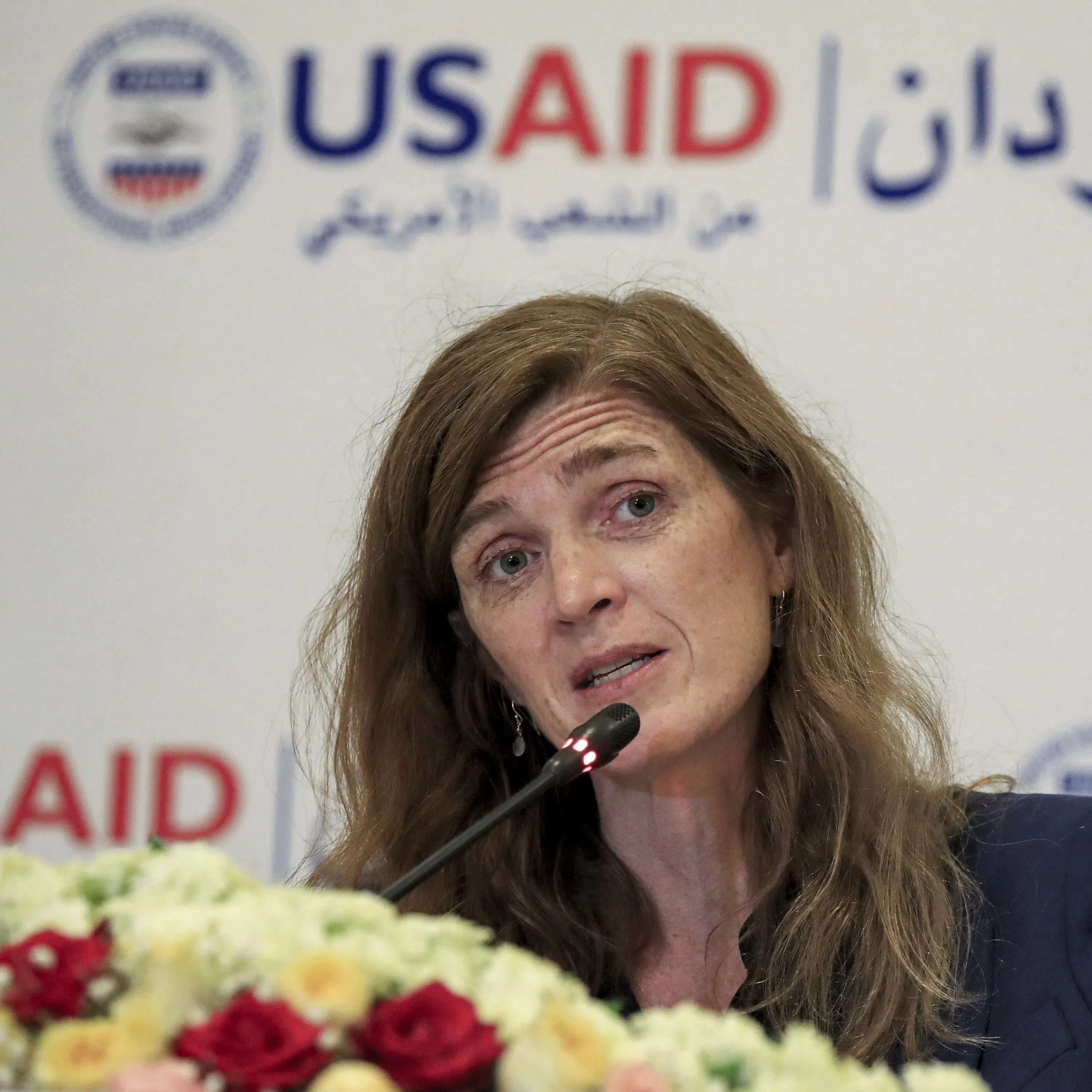
Samatha Power’s Exit Interview
Top humanitarian aid official and longtime diplomat Samantha Power discusses lessons learned from her post at USAID and what she’d like to share with the next administration in this bonus episode. This conversation was taped before the passage of last week's Continuing Resolution. Suggested reading (FP links are paywall-free): Walter Kerr and Amanda Arch: U.S. Foreign Aid Is Broken but Fixable Agathe Demarais: Aid Is the Next Battleground Between China and the West Laura Thornton: How a Second Trump Term Will Redefine Foreign Aid Learn more about your ad choices. Visit megaphone.fm/adchoices

The Future of Clean Energy
The incoming Trump administration is expected to gut a key piece of President Biden’s climate legacy: the Inflation Reduction Act. How will rolling this law back shape energy policy in the future? And what does this mean for the Paris Climate Accords? The Biden administration’s top climate diplomat, John Podesta, joins FP Live to discuss. Suggested reading (FP links are paywall-free): Transcript: Will Trump Dismantle Biden’s Clean Energy Initiative Cameron Abadi and Adam Tooze: The Complicated Legacy of Biden’s Climate Legislation Tim Hirschel-Burns: On Climate, Paying Now Is Cheaper Than Paying Later Jason Bordoff and David R. Hill: The Key to a Successful Trump Energy Agenda Is Electricity Learn more about your ad choices. Visit megaphone.fm/adchoices

Chip Wars in a Trump 2.0 World
Inside a nontraditional war: the chip wars. Can Trump’s tariffs stop China’s efforts to catch up on semiconductor production? How will the AI boom change the game? The leading expert on semiconductor competition, Chris Miller, joins FP Live to discuss the state of the tech race and the impact of a second Trump administration. Suggested reading (FP links are paywall-free): Rishi Iyengar: Everyone Wants a Chip Factory Chris Miller: Biden Opens Sneaky New Front in Trade War Against China Vivek Chilukuri: America Needs Clear Standards for China Tech Decoupling Chris Miller in the Financial Times: The global chip war could turn into a cloud war Learn more about your ad choices. Visit megaphone.fm/adchoices
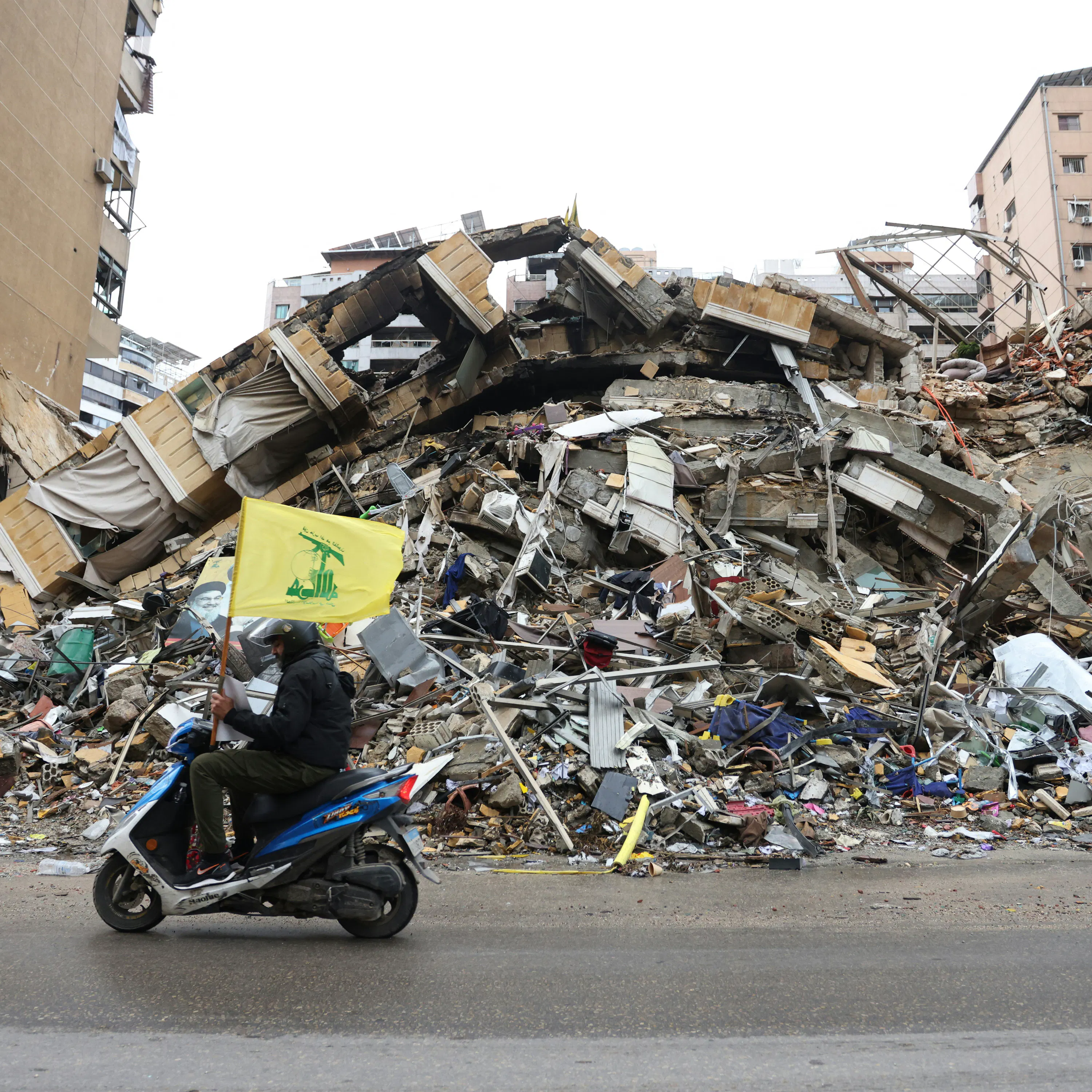
Syria’s Crisis and the Israel-Hezbollah Cease-Fire
For most Middle East watchers, the big news last week was that after nearly 14 months of war, Israel and Hezbollah signed a cease-fire agreement. But before the ink on that agreement was dry, another big shift was afoot: Rebel groups in Syria took control of the country’s second-largest city, Aleppo, in less than four days of battle. Middle East expert Fawaz Gerges joins FP Live to discuss the regional and global implications. Suggested reading (FP links are paywall-free): Jeremy Hodge and Hussein Nasser: A Weak Assad Benefits Turkey—and Is a Headache for Trump Hamidreza Azizi and Nicole Grajewski: What the Fall of Aleppo Means for Russia The Guardian: One year on from 7 October, our panel considers: what next for the Middle East? Nathan J. Robinson: Biden Didn’t Really Try to End the War in Gaza Learn more about your ad choices. Visit megaphone.fm/adchoices
What’s Wrong With Our Environmental Politics?
The global target of limiting warming to 1.5 degrees Celsius looks increasingly unlikely. What approaches to solving the climate crisis can best provide solutions? FP deputy editor Cameron Abadi joins FP Live to debut his new book: Climate Radicals: Why Our Environmental Politics Isn’t Working, which compares the policies of Germany and the United States. He shares what he has learned with Ravi Agrawal. Suggested reading (FP links are paywall-free): Cameron Abadi and Adam Tooze: Is Climate Activism Working? Christina Lu: COP29 Kicks Off Under Trump’s Shadow Cameron Abadi: Hard Truths Come for Germany’s Climate Prophet Learn more about your ad choices. Visit megaphone.fm/adchoices

The Case for Trump’s Tariffs
U.S. President-elect Donald Trump is the self-proclaimed “tariff man.” On the campaign trail, he talked about tariffs of 20 percent on goods from most countries and 60 percent on those from China. Now, tariffs have trade-offs, especially domestically. To break it down, Ravi Agrawal is joined by a conservative economist who has long made the case for tariffs: Oren Cass, founder and chief economist of American Compass. Suggested reading (FP links are paywall-free): Matthew Kroenig: Why the World Should Stop Worrying About a Second Trump Term Keith Johnson: Everything You Wanted to Know About Trump’s Tariffs But Were Afraid to Ask Transcript: Economist Adam Posen on How Trump and Harris Differ on Economic Policy Transcript: Biden Advisor Heather Boushey on Whether Bidenomics Is Trying to Do Too Much Learn more about your ad choices. Visit megaphone.fm/adchoices
Geopolitical Risk in a Trump 2.0 World
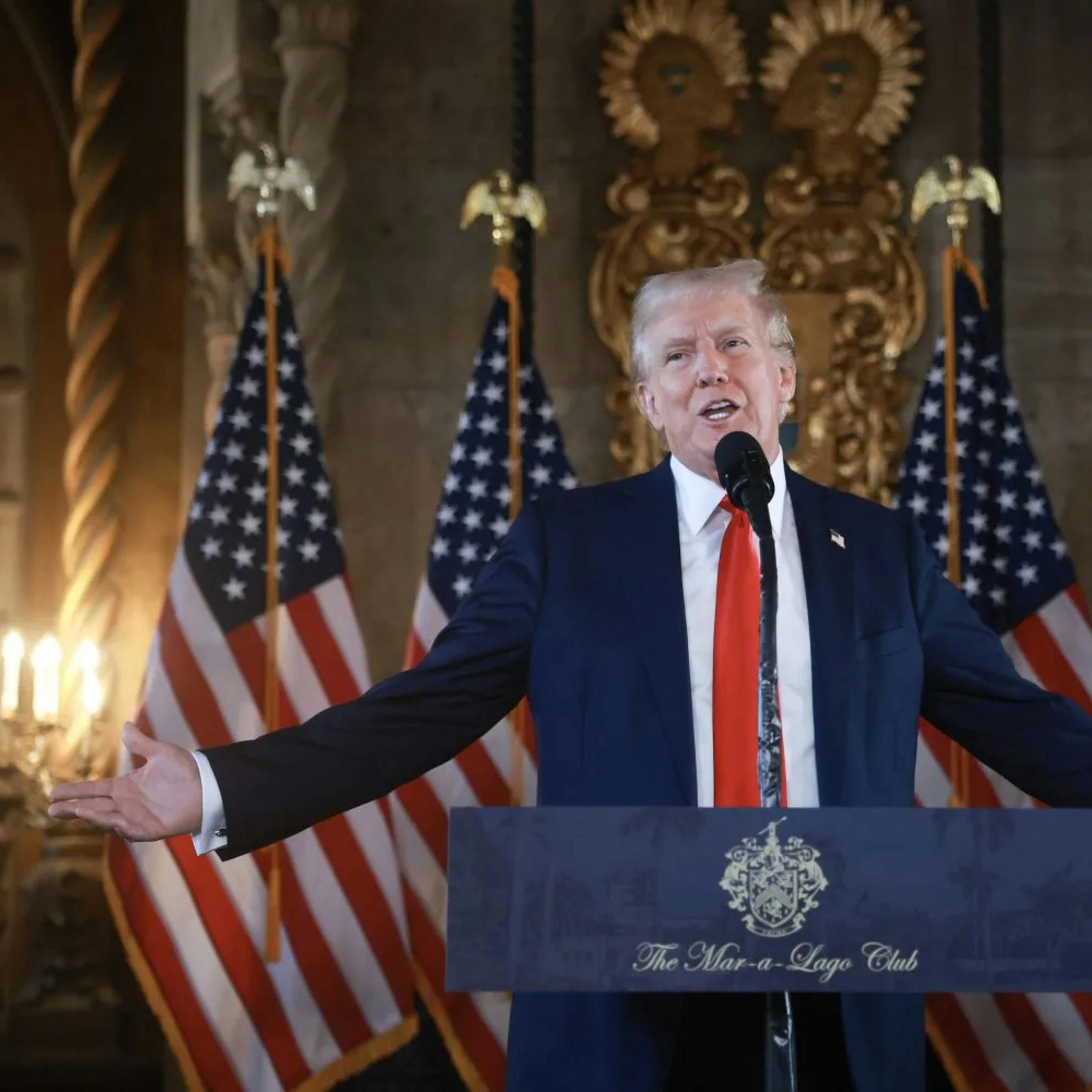
Trump’s election can be interpreted as a change election, signaling the rejection of things as they were. But what does all this change mean for the world? How are countries and companies navigating new geopolitical risks with Trump’s win? In a bonus episode, FP’s Ravi Agrawal puts these questions to the world’s foremost geopolitical risk expert, Ian Bremmer. He’s also the president and founder of Eurasia Group, as well as GZERO Media. Suggested reading (FP links are paywall-free): Ian Bremmer: The Global Credibility Gap Ian Bremmer: The Next Global Superpower Isn’t Who You Think Carl Bildt: Trump’s Dealmaking Record Could Be Bad News for Ukraine Learn more about your ad choices. Visit megaphone.fm/adchoices

How to Navigate Trump’s Foreign Policy
U.S. President-elect Donald Trump is moving rapidly to nominate loyalists to key administration positions. How much do these choices matter? And what do his personnel choices mean for our assessments of his foreign policy? Conservative scholar Kori Schake sits down with Ravi Agrawal to share what we might expect from a second Trump term. Suggested reading (FP links are paywall-free): Transcript: How Much Do Trump’s Personnel Choices Matter? FP Staff: Trump’s Foreign-Policy Influencers Stephen M. Walt: The 10 Foreign-Policy Implications of the 2024 U.S. Election Kori Schake: North Korea Joining Russia’s War Is a Sign of Weakness Learn more about your ad choices. Visit megaphone.fm/adchoices
How History Will View Trump’s Return
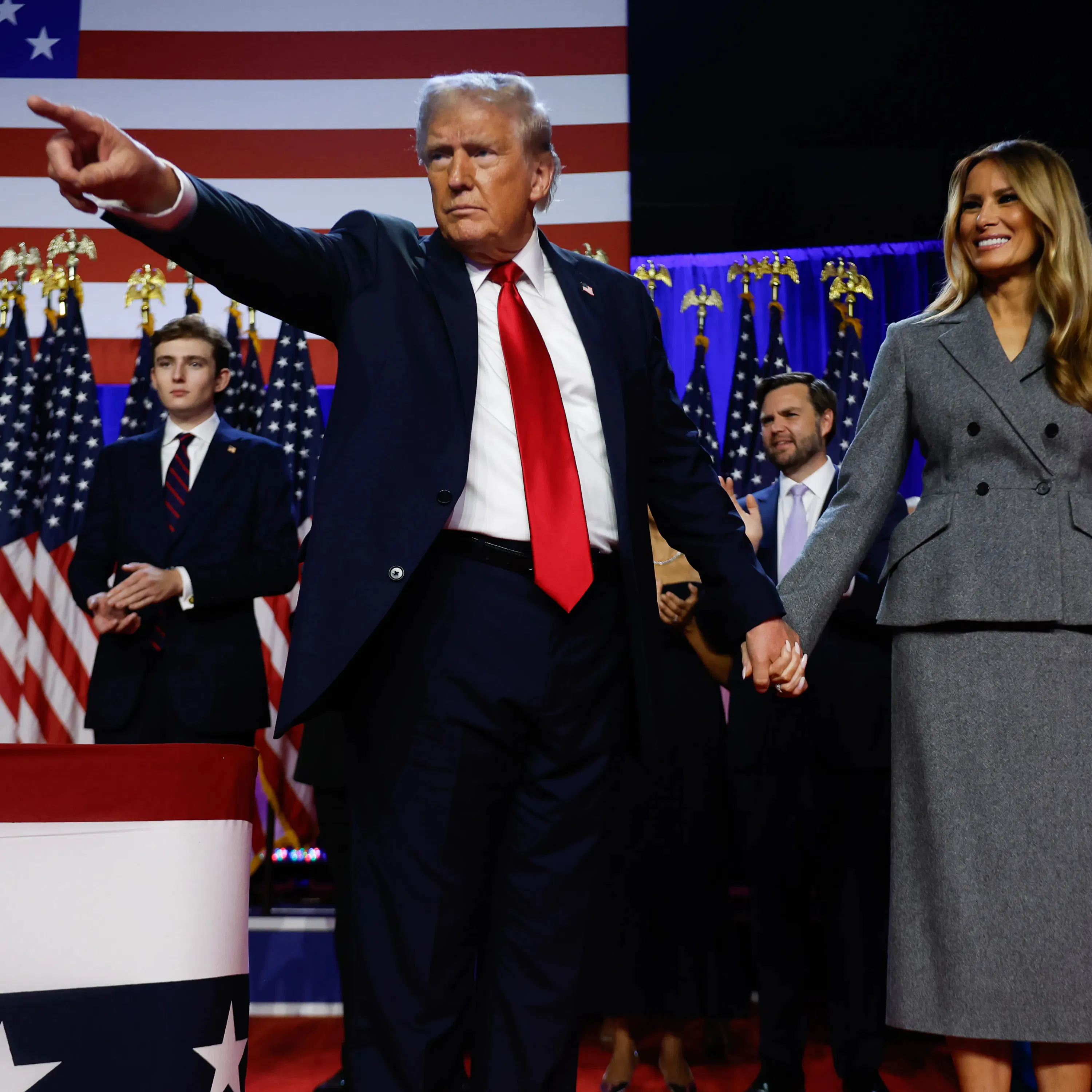
What was supposed to be one of the closest elections in history ended early Wednesday morning with a decisive victory for former U.S. President Donald Trump. The election took place against a backdrop of a particularly divided and polarized electorate. Does history have any precedents or lessons for the current moment? Join FP’s Ravi Agrawal in conversation with historians Julian E. Zelizer and Joanne Freeman. Suggested reading (FP links are paywall-free): FP Staff: What Trump’s Win Means for U.S. Foreign Policy Julian E. Zelizer: When Did Democrats Lose the Working Class? Michael Hirsh: Why She Lost Barbara F. Walter: Could Civil War Erupt in America? Learn more about your ad choices. Visit megaphone.fm/adchoices
America Votes: What It Means for Asia
As China’s influence grows in Asia and around the world, how will the next U.S. president manage Washington’s most important relationship? And beyond China, how do Donald Trump and Kamala Harris compare in their approach toward other Asian countries? In the fifth and final episode of a special election series, FP’s Ravi Agrawal speaks with Ryan Hass and Lynn Kuok. Suggested reading (FP links are paywall-free): Lili Pike: How Does the U.S.-China ‘Cold War’ End? Agathe Demarais: Why China Is Rooting for Trump Derek Grossman: The Once Wobbly Quad Is Here to Stay Sumit Ganguly and Dinsha Mistree: Modi’s Third-Term Foreign Policy Looks the Same Learn more about your ad choices. Visit megaphone.fm/adchoices
America Votes: What It Means for Latin America
Judging by the way Latin America is discussed in the U.S. presidential elections, Americans view the continent mostly in negative terms: as the source of unwanted immigration and drug cartels. But the reality is obviously more complex. The region includes America’s largest trading partner—Mexico—and it is an arena for intense geopolitical competition. In the fourth episode of FP Live’s special election series, host Ravi Agrawal asks Moisés Naím, a former Venezuelan minister of trade and industry, and Catherine Osborn, the writer of FP’s Latin America Brief, how Trump and Harris differ on policy. Suggested reading (FP links are paywall-free): Catherine Osborn: How Migration Became a U.S. Foreign-Policy Priority Connor Pfeiffer and Ryan C. Berg: Mexico and the United States Need to Talk About China Now Oliver Stuenkel: Trump Has His Own Monroe Doctrine Geoff Ramsey and Jason Marczak: What’s Next for U.S. Policy in Venezuela? Learn more about your ad choices. Visit megaphone.fm/adchoices
America Votes: What It Means for Africa
Africa has been neglected by recent administrations; the last presidential visit was in 2015, though President Joe Biden will be making a trip to Angola in December. How will the next president handle this large and diverse continent? FP’s Ravi Agrawal is joined by two Africa experts—Martin Kimani and Zainab Usman—on the third installment of FP Live’s special election series. Suggested reading (FP links are paywall-free): Martin Kimani: How to Restore the American Center Henry Tugendhat: The U.S. Has a Better Offer for Africa Than Debt Christina Lu: Washington Wants to Revive a Critical Minerals Mega-Railway Through Africa Chris Murphy: Kenya’s Anti-Corruption Protests Are a Wake-Up Call for Washington Learn more about your ad choices. Visit megaphone.fm/adchoices
America Votes: What It Means for Europe
Among foreign policy issues, how the United States should approach its relationship with Europe might be the one on which presidential candidates Donald Trump and Kamala Harris disagree most. To find out why, hear Nathalie Tocci, the director of Rome’s Istituto Affari Internazionali, and Mark Leonard, the director of the European Council on Foreign Relations, on the second episode of FP Live’s special election series. Suggested reading (FP links are paywall-free): A. Wess Mitchell and Jakub Grygiel: U.S. Strategy Should Be Europe First, Then Asia Hal Brands: Trump’s Return Would Transform Europe FP Contributors: Europe Alone Learn more about your ad choices. Visit megaphone.fm/adchoices
America Votes: What It Means for the Middle East
Every day this week, FP Live will have a new episode focused on a different part of the world and how presidential candidates Donald Trump and Kamala Harris would tailor their foreign policies for those regions. In this episode, host Ravi Agrawal looks at the Middle East and speaks with experts Steven A. Cook and Sanam Vakil. Suggested reading (FP links are paywall-free): Steven A. Cook: Why Americans and Israelis Don’t See Eye to Eye on Iran Talal Mohammad: Why the Gulf States Are Likely Backing Trump Rishi Iyengar: Why Everyone’s Suddenly Talking About Iranian Election Hacking Arash Reisinezhad: Iran’s Israel Strategy Has Already Changed Learn more about your ad choices. Visit megaphone.fm/adchoices

The Middle East After Sinwar
Last week, a regular Israeli patrol in southern Gaza chanced upon the person they had been hunting for more than a year: Hamas leader Yahya Sinwar. His death raised some big questions: How much of a blow would this be for Hamas? What would it mean for Israel’s strategy? This week’s guest has thought a lot about all of these questions. Gen. David Petraeus led U.S. forces in Iraq and Afghanistan at the height of counterterrorism efforts there. Suggested reading (FP links are paywall-free): FP Live: David Petraeus on a World at War FP Live Transcript: David Petraeus: Why 9/11 Is a Cautionary Tale for Israel Steven A. Cook: Sinwar Is Dead. Hamas Is Very Much Alive. Daniel Byman: Israel’s Killing of Yahya Sinwar Is Not a Turning Point Learn more about your ad choices. Visit megaphone.fm/adchoices
An Alliance of Autocracies?
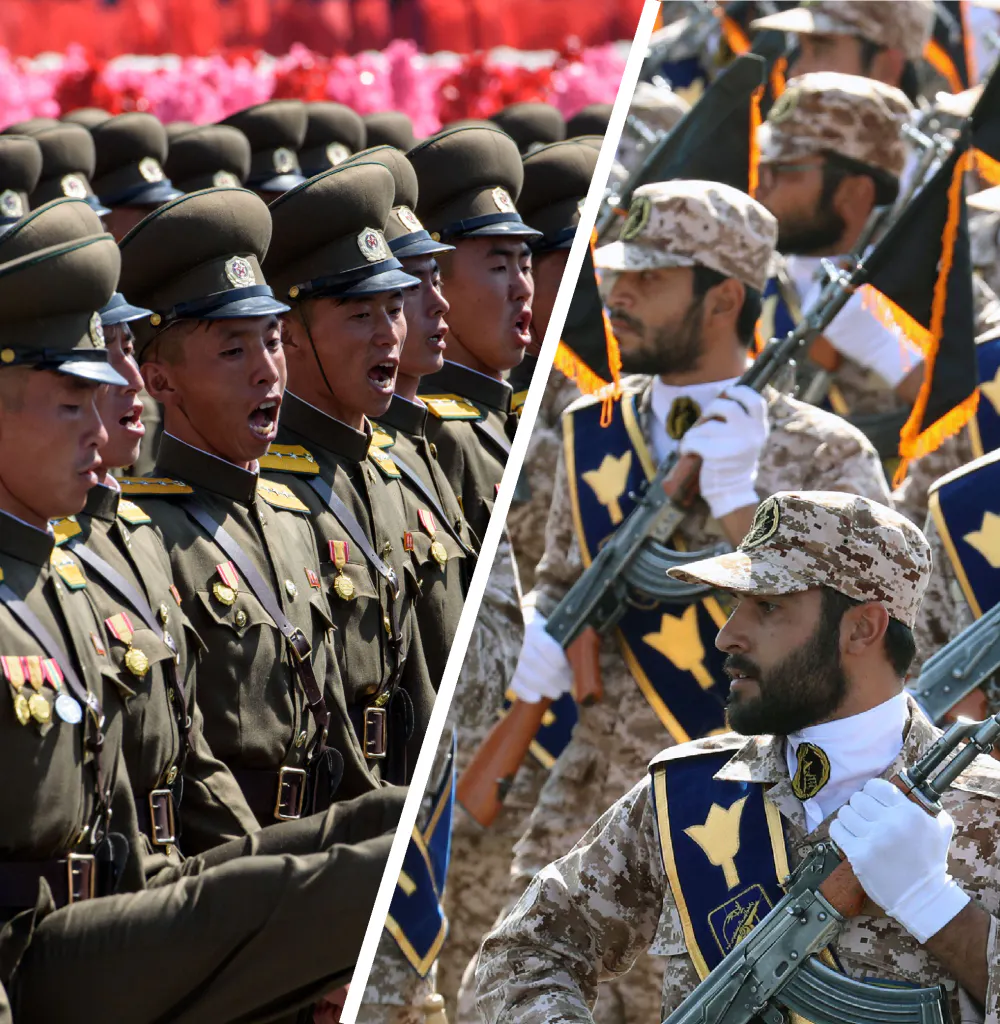
North Korea and Iran are fascinating countries for many reasons, but also because they're part of an emerging alliance of autocracies. China, Russia, Iran, and North Korea are increasingly helping each other out in a range of global hotspots, often stymieing U.S. interests. But what is their end goal? FP Live asks Barbara Slavin, an Iran expert at the Stimson Center, and Chung Min Lee, a Korea expert at the Carnegie Endowment. Suggested reading (FP links are paywall-free):Daniel R. DePetris and Jennifer Kavanagh: The ‘Axis of Evil’ Is Overhyped Robbie Gramer: Looks Like ‘Axis of Evil’ Is Back on the Menu The Economist: A new “quartet of chaos” threatens America Learn more about your ad choices. Visit megaphone.fm/adchoices

October 7, One Year On
On Oct. 7, 2023, Hamas launched a brutal attack on Israel and set in motion a new cycle of violence that has rocked the Middle East. Aaron David Miller, a former Middle East advisor to both Republican and Democratic secretaries of state, joins FP Live to look back—and ahead. Suggested reading (FP links are paywall-free): Aaron David Miller and Steven Simon: Oct. 7 Changed Everything–but What if It Didn’t? Aaron David Miller and Lauren Morgenbesser: Don’t Blame Biden for the Yearlong War in Gaza FP’s Oct. 7 Roundup: Is the Israel-Hamas War Closer to Its Beginning or Its End? Learn more about your ad choices. Visit megaphone.fm/adchoices
How America Should Prepare for Political Violence
Unrest, even violence, could be a concern heading into the U.S. presidential election in November. What should be done to strengthen the nation’s democratic institutions? And what lessons can be learned from other countries facing similar challenges? Author and political scientist Barbara Walter joins FP Live to share her findings from her research on civil wars around the world. Suggested reading (FP links are paywall-free): Transcript: Could Civil War Erupt in America? Bruce Hoffman and Jacob Ware: How Bad Will Political Violence in the U.S. Get? Stephen Marche: Why the U.S. Military Isn’t Ready for Civil War Cameron Abadi and Adam Tooze: What a Real Civil War Would Do to the U.S. Economy Learn more about your ad choices. Visit megaphone.fm/adchoices
South Africa’s Foreign Policy
South Africa’s allegations of genocide against Israel at the International Court of Justice draw on the African National Congress’s own long history and views on apartheid. But is Pretoria’s foreign policy consistent across other parts of the world—for example, Russia or Sudan? Foreign Minister Ronald Lamola sits down with Ravi Agrawal to discuss how he’s shaping South Africa’s foreign policy. Suggested reading (FP links are paywall-free): Nontobeko Hlela: Why South Africa’s Nonalignment Is Here to Stay Oliver Stuenkel: BRICS Faces a Reckoning Chile Eboe-Osuji: South Africa’s ICJ Case Was Too Narrow Learn more about your ad choices. Visit megaphone.fm/adchoices
Inside the U.N. General Assembly
With the United Nations General Assembly now underway, longtime U.N. watcher Richard Gown joins FP Live to discuss what’s on the agenda for the world leaders in attendance. Suggested reading (FP links are paywall-free): Sophie Eisentraut: Can the West Revive Multilateralism? Michael Galant and Aude Darnal: Who’s Afraid of the Global South? J. Alex Tarquinio: The U.N. Security Council’s Default Is Deadlock Michael Hirsh: The World Is Leaving Biden Behind Learn more about your ad choices. Visit megaphone.fm/adchoices
Jens Stoltenberg’s Exit Interview
NATO’s Secretary General Jens Stoltenberg joins Ravi Agrawal for an exit interview as he prepares to step down on October 1. Suggested reading (FP links are paywall-free): Transcript: NATO’s Jens Stoltenberg on the Future of Russia’s War in Ukraine Stephen M. Walt: This Time, NATO Is in Trouble for Real Christopher S. Chivvis: NATO is Turning 75, but How Much Is There to Celebrate? Jack Detsch: NATO Wants Everyone to Help Deter Russia Learn more about your ad choices. Visit megaphone.fm/adchoices
“Dear America”: FP’s Fall 2024 Print Issue
An exclusive episode for our podcast listeners: Host and FP editor in chief Ravi Agrawal gives a preview of the latest print issue: “Letters to the Next President.” Suggested reading (FP links are paywall-free): Martin Kimani: How to Restore the American Center Arancha González: Isolationism Doesn’t Protect Danny Quah: Why America Should Drop Its Obsession With Being No. 1 Joseph E. Stiglitz: Play by the Rules Catherine Ashton: The Trans-Atlantic Partnership Still Matters Jason Bordoff: Clean Energy Is Security Mark Malloch-Brown: Muster Global Majorities Joseph S. Nye Jr.: Invest in Soft Power Nirupama Rao: Strategic Autonomy Is Nothing to Fear Learn more about your ad choices. Visit megaphone.fm/adchoices
The Harris-Trump Debate
Former Trump administration National Security Advisor H.R. McMaster joins FP Live to debrief after the Harris-Trump debate. Suggested reading (FP links are paywall-free): Christina Lu and Amy Mackinnon: Top Foreign-Policy Moments From the Harris-Trump Debate FP Contributors: Letters to the Next President H.R. McMaster and Gabriel Scheinmann: U.S. Restraint Has Created an Unstable and Dangerous World H.R. McMaster: At War With Ourselves: My Tour of Duty in the Trump White House H.R. McMaster: Battlegrounds: The Fight to Defend the Free World Learn more about your ad choices. Visit megaphone.fm/adchoices
Is America’s China Policy Too Hawkish?
Nicholas Burns has served as the U.S. ambassador to China since 2022, a period that encompasses not only the country’s COVID-19 pandemic lockdowns but also a series of high and low points in the U.S.-China relationship. How should Washington compete with Beijing without spiraling into conflict? Burns joins FP Live for a rare longform interview. Suggested reading (FP links are paywall-free): Robbie Gramer and Christina Lu: Washington’s China Hawks Take Flight Bob Davis: Who Got China Wrong? Michael Hirsh: No, This Is Not a Cold War—Yet Bonny Lin: The China-Russia Axis Takes Shape Learn more about your ad choices. Visit megaphone.fm/adchoices
Salam Fayyad on the ‘Day After’ in Gaza
The violence on Oct. 7 and the war in Gaza seem to have derailed any hope for a two-state solution. With tensions in the Middle East continuing to escalate, and a cease-fire agreement proving elusive, what does a path forward for both the Israelis and Palestinians look like? Former Palestinian Authority Prime Minister Salam Fayyad shares his insights with FP Live. Suggested reading (FP links are paywall-free): Foreign Affairs: Salam Fayyad: A Plan for Peace in Gaza John Aziz: Violence Has Failed the Palestinians FP Contributors: How Will This War End? How Can the Next One Be Prevented? Stephen M. Walt: The Dangerous Decline in Israeli Strategy Tickets to see FP's Ones and Tooze podcast live at Sixth & I in Washington, DC: https://www.sixthandi.org/event/foreign-policys-ones-and-tooze-podcast/ Learn more about your ad choices. Visit megaphone.fm/adchoices
What We’re Learning About Kamala Harris’s Foreign Policy
The Democratic National Convention concluded Thursday night with Vice President Kamala Harris accepting the party’s nomination. What did we learn about a potential Harris foreign policy? Matt Duss, former foreign-policy advisor to Sen. Bernie Sanders, and Anne-Marie Slaughter, former director of policy planning at the State Department, join FP Live to unpack this week’s DNC. Suggested reading (FP links are paywall free): Michael Hirsh: Preparing for a Less Arrogant America Michael Hirsh: Kamala Harris’s 21st-Century Foreign Policy Matthew Duss: Harris Candidacy Gives Democrats a Change to Pivot on Gaza Matthew Duss: The Democrats’ Pro-Worker Agenda Can Go Global Financial Times: What Might a Harris Foreign Policy Look Like? Bhaskar Chakravorti: If Kamala Harris Was the Czar of Anything, It Would Be AI Abdelhalim Abdelrahman: Democrats’ Gaza Policy Is Repelling Arab American Voters FP Staff: The Kamala Harris Doctrine Learn more about your ad choices. Visit megaphone.fm/adchoices
How Trump and Harris Compare on Economic Policy
How do the proposed economic policies of Vice President Kamala Harris and former President Donald Trump differ—and where is there overlap? Adam Posen, the president of the nonpartisan Peterson Institute for International Economics, joins FP Live to discuss the two campaigns’ agendas. Suggested reading: Adam Posen on Industrial Policy: America’s Zero-Sum Economics Doesn’t Add Up Ravi Agrawal’s Interview With U.S. Trade Representative Katherine Tai (FP Live March 2023) Edward Alden on Robert Lighthizer: The Man Who Would Help Trump Upend the Global Economy Jared Cohen: Don’t Bet Against the Dollar Keith Johnson: Trump’s Plan to Weaken the Dollar Makes No Sense FP Staff: The Kamala Harris Doctrine Peterson Institute for International Economics: Election 2024: Assessing Presidential Economic Platforms Learn more about your ad choices. Visit megaphone.fm/adchoices
What Iran Might Do Next
The assassination of a key Hamas leader in Tehran, following the killing of a top Hezbollah commander in Beirut, could escalate an already tense conflict between Israel, Iran, and its proxies. Middle East expert Trita Parsi sits down with Ravi Agrawal to discuss what might happen next. Suggested reading: Steven A. Cook: Why Americans and Israelis Don’t See Eye to Eye on Iran Chicago Council on Global Affairs: Majority of Americans Oppose Sending US Forces to Defend Israel if Attacked by Iran Trita Parsi: The U.S. Should Negotiate With Iran on One Issue Right Now Trita Parsi: Netanyahu Wants War With Iran. Biden Can Prevent It. FP Live: Iran’s Attack on Israel—What Happens Next? Sina Toossi: Iranians Voted for Change. Will They Get It? Learn more about your ad choices. Visit megaphone.fm/adchoices
Decoding Trump’s Foreign Policy
A leading figure in the Trump administration’s national security team, Elbridge Colby, joins FP Live to discuss the Republican nominee’s potential agenda. He argues for a more business-like approach with allies and alliances as well as prioritizing Asia over Europe. Suggested reading: Transcript: Decoding Trump’s Foreign Policy Stephen M. Walt: The Trump-Vance Unilaterialist Delusion Elbridge Colby and David Ochmanek: How the United States Could Lose a Great-Power War Elbridge Colby: How to Win America’s Next War Transcript: How Singapore Manages U.S.-China Tensions Transcript: Is Canada Free-Riding on Defense? Elbridge Colby: The Strategy of Denial: American Defense in an Age of Great Power Conflict Learn more about your ad choices. Visit megaphone.fm/adchoices
How Platon Photographs Power
Former U.S. President Bill Clinton, Russian President Vladimir Putin, and Pussy Riot all have one thing in common—they’ve all sat in front of British portraitist Platon’s wide-angle lens. Platon joins FP Live to share what it’s like to be in the room with the top people in power and discuss how he captures these moments with his camera. Suggested reading: FP Live: How Platon Photographs Power Platon: The Defenders: Heroes of the Global Fight for Human Rights Clips: When Platon Met Putin & Clinton Learn more about your ad choices. Visit megaphone.fm/adchoices