For Isley My Love
54 episodes — Page 2 of 2
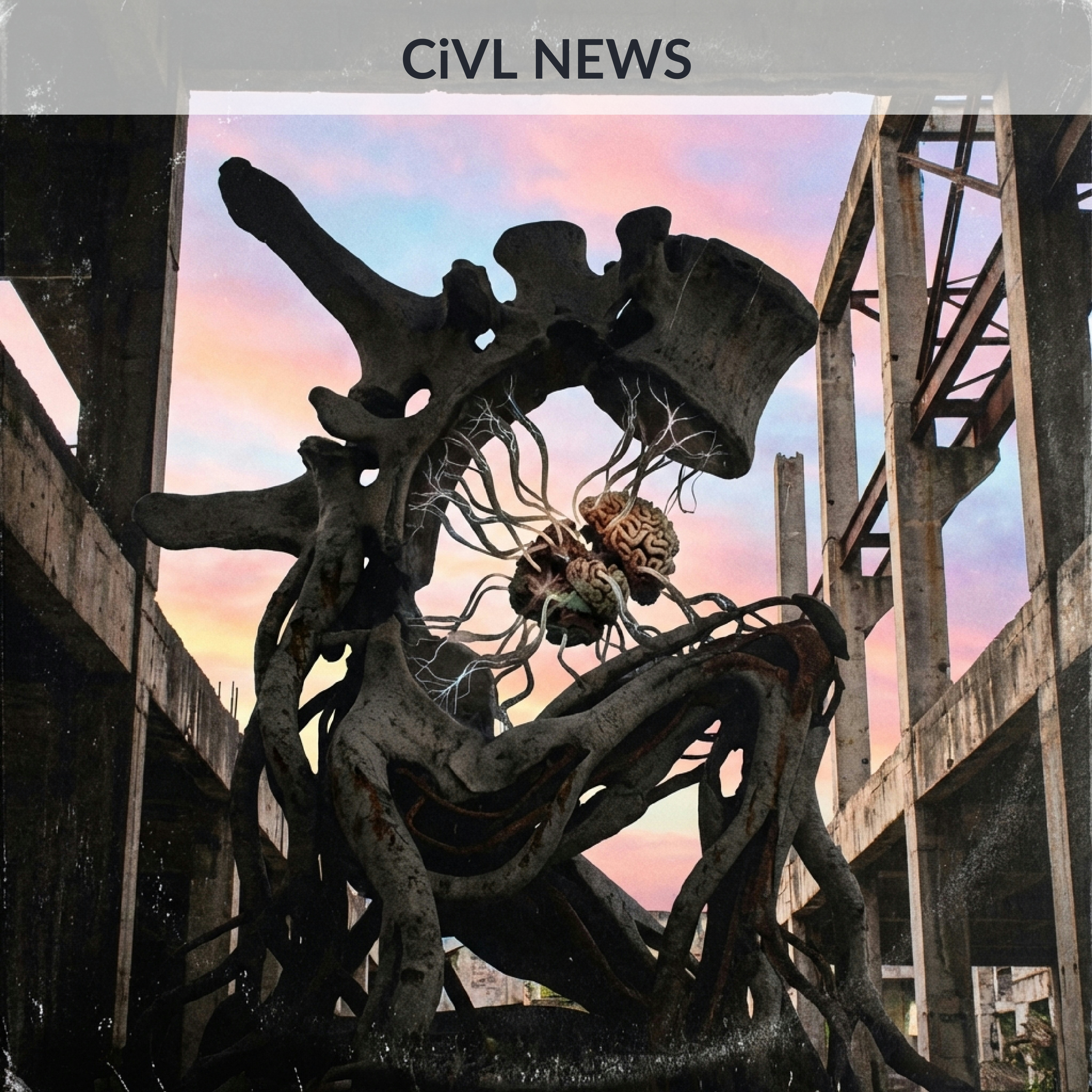
CiVL News: Mar 18, 2026, 6:05 AM PDT -- Whales Hold Keys to 200-Year Lifespans While Gut Bacteria Steal Our Memories
Here's your latest episode from the For Isley My Love CiVL News Roundup produced by CiVL.com. This episode explores groundbreaking biological discoveries, from extending human lifespan to understanding memory loss and the economic impact of biodiversity. It also delves into unique evolutionary strategies and cutting-edge bio-engineering. • Bowhead whale protein CIRBP doubles human DNA repair efficiency, potentially extending lifespan. • University of Rochester scientists found CIRBP helps solve Peto's paradox regarding cancer in large animals. • Stanford Medicine identified gut bacterium Parabacteroides goldsteinii as a cause of memory loss in aging mice. • Antibiotics and phages reversed memory deficits caused by gut bacteria in mice. • Declining bat populations increase pesticide costs and municipal borrowing rates by 5-20 basis points. • Biodiversity bonds are proposed to fund conservation and protect municipal finances. • All-female Amazon molly fish defy evolutionary theory, thriving for 100,000+ years via gene conversion. • TU Darmstadt researchers created AI-designed RNA switches that function as cellular logic gates. Join CiVL and be part of building the future you want to live in. Be an early adopter. We're just getting started. Human respect, a core tenet of CiVL's vision, recognizes that the path to a flourishing civilization does not lie in more efficient forms of coercion, but in the widespread adoption of human respect as a primary value. By moving away from the "Conflict Machine" and toward a culture of voluntary cooperation, we align ourselves with the natural requirements for human well-being. We built CiVL News out of our passion for free and open access to information. Follow the topics you care about, and don't be subjected to algos! You're invited to build a hub with us for ideas that upgrade civilizations.
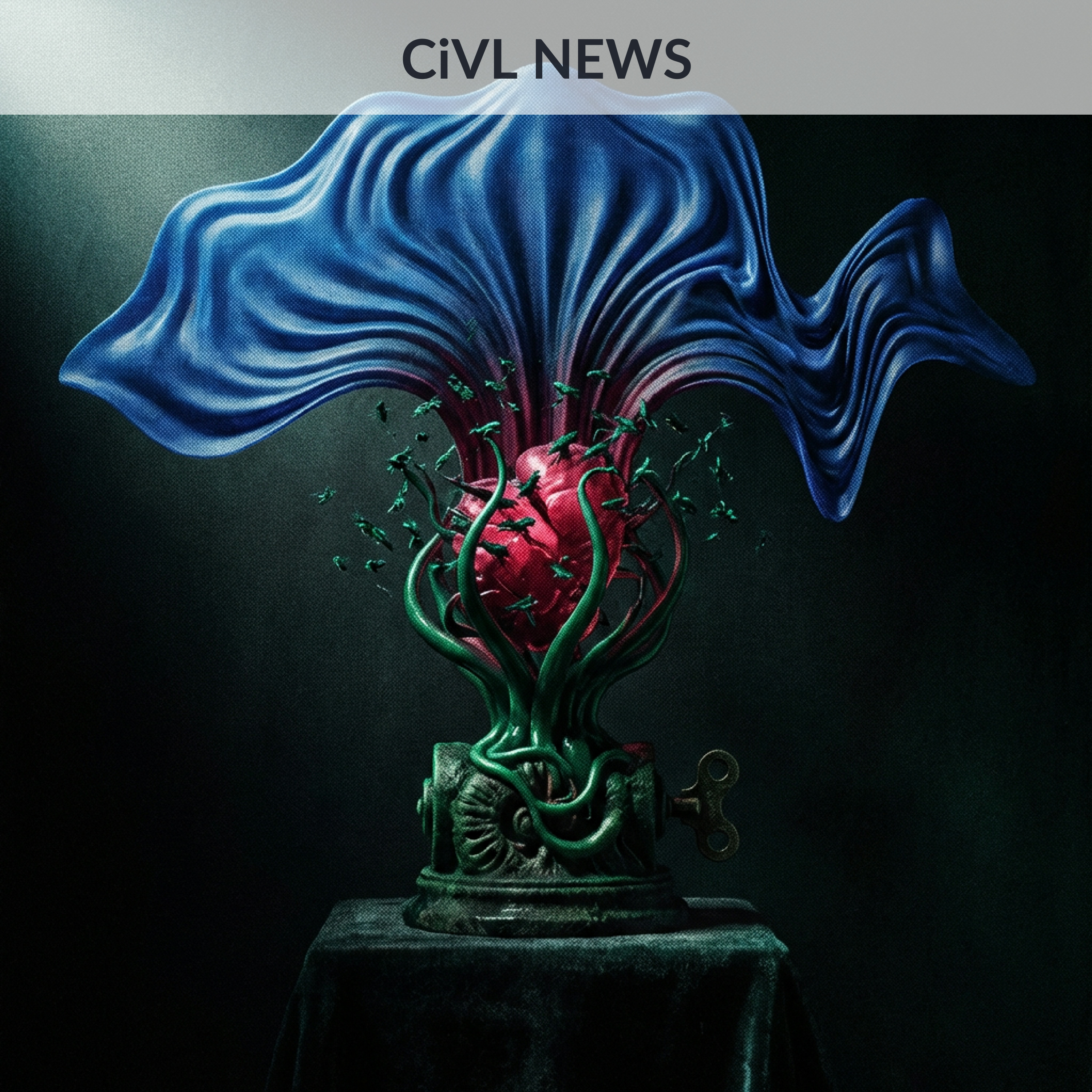
CiVL News: Mar 17, 2026, 4:05 PM PDT -- Bacteria Hunt Cancer, Whales Adjust Their Songs, and Ancient DNA Switches
Here's your latest episode from the For Isley My Love CiVL News Roundup produced by CiVL.com. This episode explores groundbreaking scientific discoveries, from engineered bacteria fighting cancer to the surprising intelligence of humpback whales and the long-term genetic impact of whaling. • Shandong University scientists engineered E. coli to deliver anticancer drugs directly to tumors in mice. • Humpback whales actively adjust their songs in real-time when singing with other whales, like jazz musicians. • A 30-year analysis shows a 68% decline in studies using traditional model organisms like mice and fruit flies. • Four centuries of commercial whaling caused irreversible genetic damage to bowhead whales, impacting their survival. • Diverse plant communities produce richer volatile organic compound blends, influencing insect and microbe interactions. Join CiVL and be part of building the future you want to live in. Be an early adopter. We're just getting started. Human respect, a core tenet of CiVL's vision, recognizes that the path to a flourishing civilization does not lie in more efficient forms of coercion, but in the widespread adoption of human respect as a primary value. By moving away from the "Conflict Machine" and toward a culture of voluntary cooperation, we align ourselves with the natural requirements for human well-being. We built CiVL News out of our passion for free and open access to information. Follow the topics you care about, and don't be subjected to algos! You're invited to build a hub with us for ideas that upgrade civilizations.
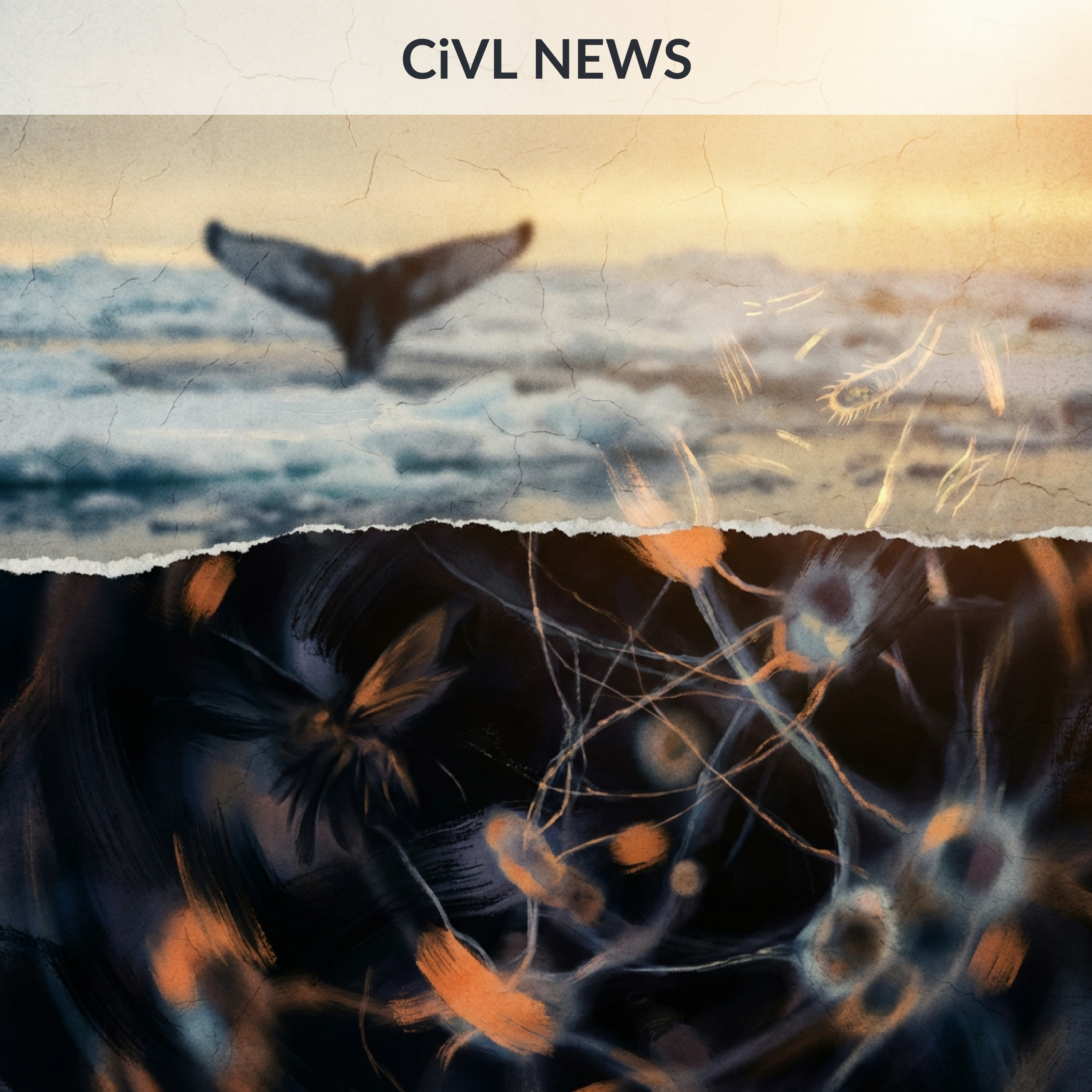
CiVL News: Mar 17, 2026, 6:05 AM PDT -- Mystery Whales, Vaccine Mosquitoes, and the Ocean's Hidden Food Web
Here's your latest episode from the For Isley My Love CiVL News Roundup produced by CiVL.com. This episode explores groundbreaking scientific discoveries, from engineered mosquitoes delivering vaccines to bats, to the ocean's surprising ways of feeding its deepest inhabitants. We also learn about mystery whales and pervasive ocean contamination. • Three undocumented transient killer whales (T419, T420, T421) with tropical cookie-cutter shark scars toured Pacific Northwest harbors. • Marine biologist Emma Luck identified the mystery orcas as "Anchorage whales" she photographed in March 2025. • Chinese researchers engineered mosquitoes to deliver recombinant VSV vaccines to wild bats, achieving 85% vaccine uptake. • This bat vaccination platform could prevent future pandemics by reducing zoonotic spillover risk. • A Nature Geoscience study found human-made chemicals comprise up to 20% of coastal ocean dissolved organic matter. • Pesticides and pharmaceuticals dominate near shorelines, while industrial chemicals like phthalates are found globally. • Deep ocean pressure "juices" nutrients from marine snow, feeding microbial communities and influencing carbon cycling. • Two fossil vertebrae, long misidentified as woolly mammoth bones, were re-identified as whale vertebrae. Join CiVL and be part of building the future you want to live in. Be an early adopter. We're just getting started. Human respect, a core tenet of CiVL's vision, recognizes that the path to a flourishing civilization does not lie in more efficient forms of coercion, but in the widespread adoption of human respect as a primary value. By moving away from the "Conflict Machine" and toward a culture of voluntary cooperation, we align ourselves with the natural requirements for human well-being. We built CiVL News out of our passion for free and open access to information. Follow the topics you care about, and don't be subjected to algos! You're invited to build a hub with us for ideas that upgrade civilizations.
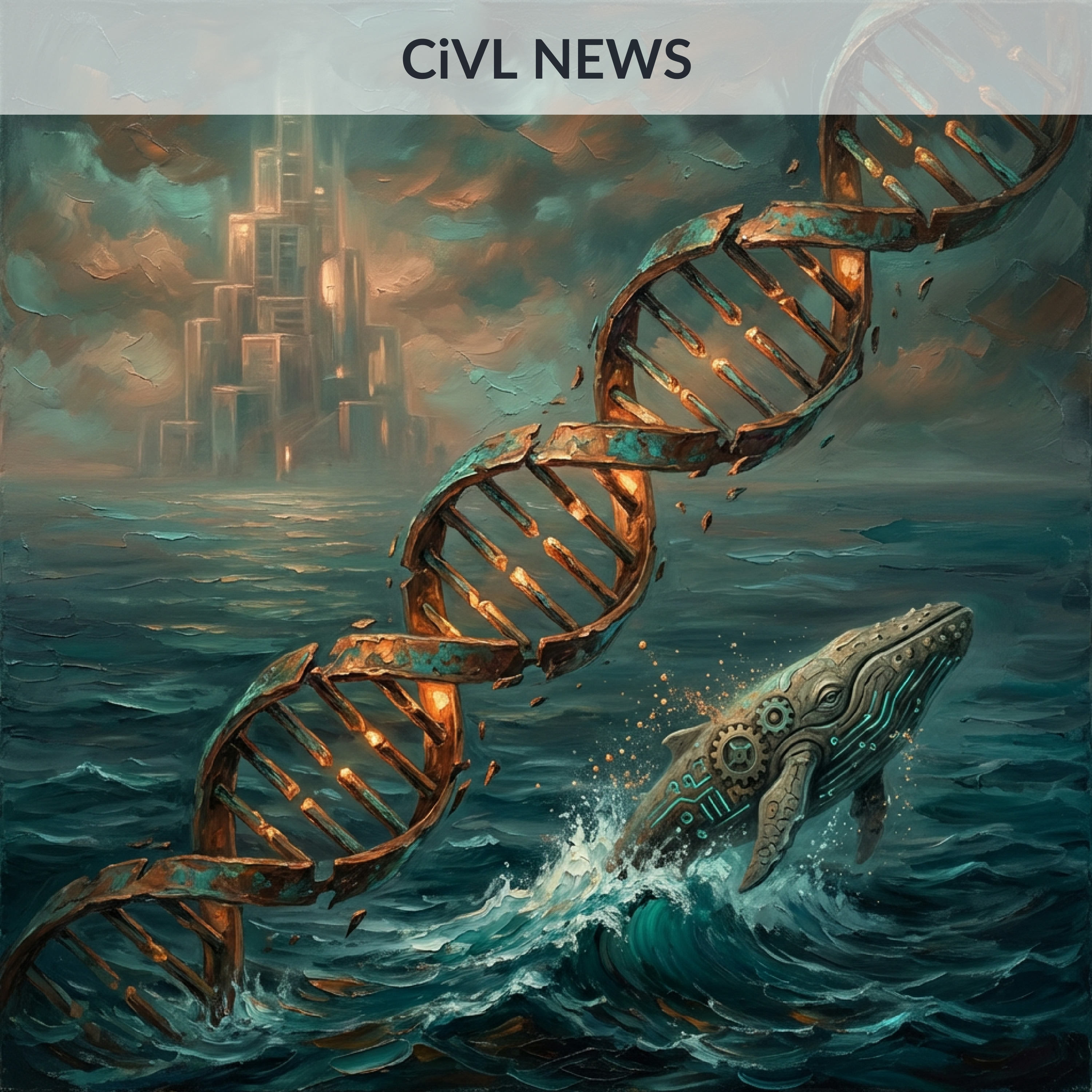
CiVL News: Mar 16, 2026, 6:03 AM PDT -- Genetic blueprints, breaching whales, and AI-powered drug discovery
Here's your latest episode from the For Isley My Love CiVL News Roundup produced by CiVL.com. This episode explores new findings on genetic lifespan influence, urgent climate change impacts on marine life, and exciting AI-driven drug discovery. It highlights how biology, technology, and climate intersect to shape our future. • Genetics account for 55% of human lifespan differences, a dramatic increase from previous estimates.• Researchers filtered out "extrinsic mortality" to reveal stronger genetic heritability in longevity.• Male siblings of centenarians were 17x more likely to reach 100, females 8x more likely.• Killer whales are breaching near unstable Arctic ice barriers, indicating rapid climate crisis.• Orca presence in new Arctic territories is linked to warming oceans and diminishing ice.• Southern right whales show significant decline in calf production due to warming ocean temperatures.• Mirendil, an AI startup by former Anthropic researchers, is negotiating a $175M funding round.• Mirendil focuses on applying advanced AI to biology and materials science.• Micro CRISPR merges AI with gene editing to accelerate drug discovery from months to weeks.• Scientists developed Assembly Theory to detect life-agnostic biosignatures on exoplanets. Join CiVL and be part of building the future you want to live in. Be an early adopter. We're just getting started. Human respect, a core tenet of CiVL's vision, recognizes that the path to a flourishing civilization does not lie in more efficient forms of coercion, but in the widespread adoption of human respect as a primary value. By moving away from the "Conflict Machine" and toward a culture of voluntary cooperation, we align ourselves with the natural requirements for human well-being. We built CiVL News out of our passion for free and open access to information. Follow the topics you care about, and don't be subjected to algos! You're invited to build a hub with us for ideas that upgrade civilizations.