Firearms Catalogs, Manuals, Histories and More from Cornellpubs
Masters of Hindsight
Show overview
Firearms Catalogs, Manuals, Histories and More from Cornellpubs launched in 2024 and has put out 11 episodes in the time since. That works out to roughly 3 hours of audio in total. Releases follow a fortnightly cadence.
Episodes typically run ten to twenty minutes — most land between 13 min and 16 min — and the run-time is fairly consistent across the catalogue. None of the episodes are flagged explicit by the publisher. It is catalogued as a EN-language History show.
The catalogue appears to be on hiatus or wound down — the most recent episode landed 1.7 years ago, with no new episodes in over a year. The busiest year was 2024, with 9 episodes published. Published by Masters of Hindsight.
From the publisher
Cornell Publications LLC.Join us as we consider historic and interesting gun companies, books, stories, manuals, and what is behind them.We host discussions of various old gun manufacturers, suppliers, firearms histories, and books on all subjects relating to guns. Explore origin stories, the characters and families behind them, the firearms themselves, and how the companies evolved and changed (often ending in the rush to modern mass production).The past is full of fascinating stories of firearms engineering, manufacturing, sales, and the human stories that are an intimate part of any business. We'll explore some of our ten thousand publications in an engaging, easy-to-follow podcast series.
Latest Episodes
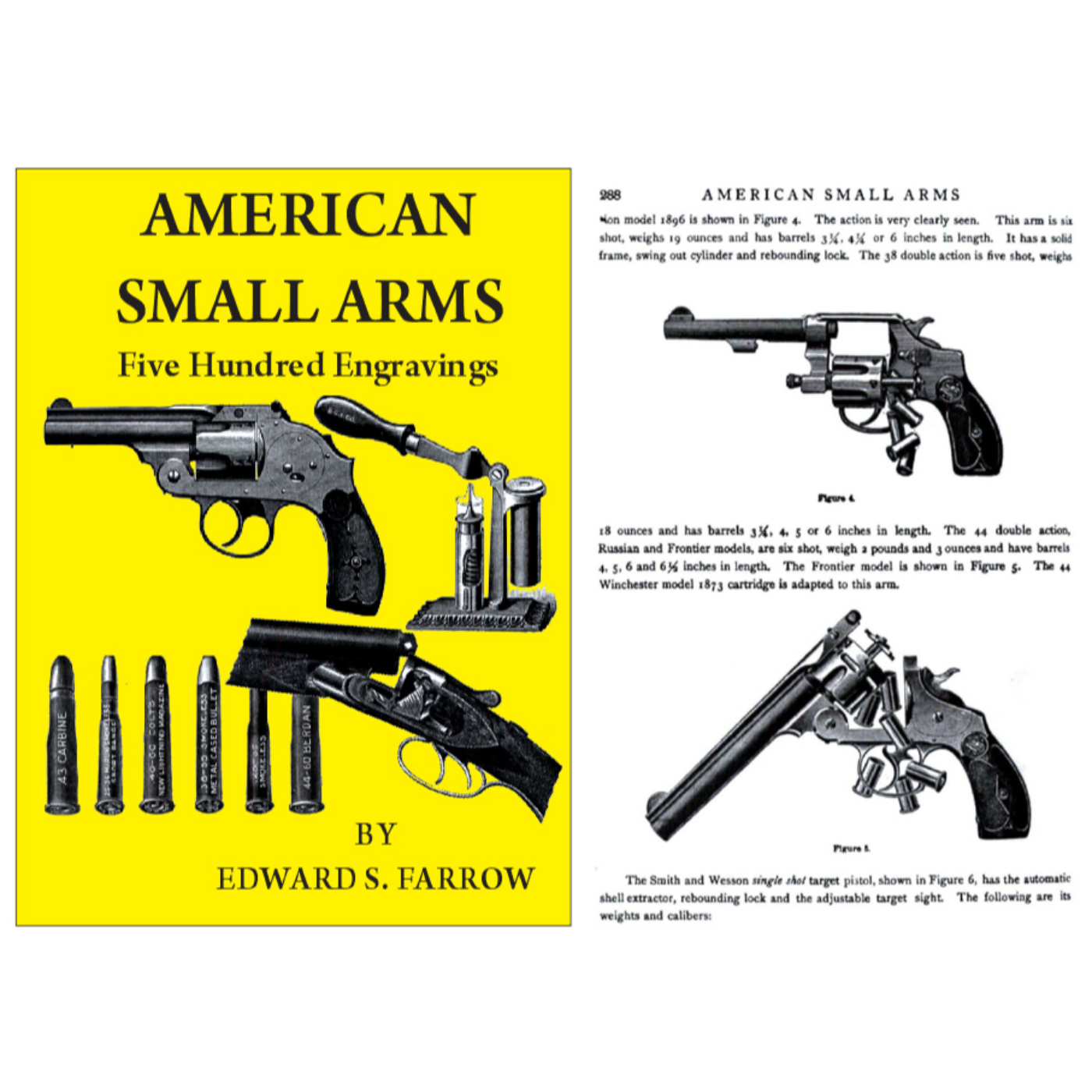
S1 Ep 12American Small Arms - A Veritable Encyclopedia of Knowledge for Sportsmen and Military Men- 1904 by Edward S. Farrow
Edward Samuel Farrow, (April 20, 1855 – September 8, 1926) born in Worcester County, Maryland, was an author and a commander in the American Indian Wars of the late 19th century. He is particularly known for his service in the Sheepeater Indian War Farrow was a graduate of the West Point Military Academy in 1876, and was a commanding officer of Indian Scouts in the Departments of the Columbia.American Small Arms - A veritable Encyclopedia of Knowledge for Sportsmen and Military Men, 1904 is, as the title suggests a comprehensive treatise on firearms at the turn of the 20th century. It covers virtually all small arms made in the U.S. along with ammunition, sights and telescopes, reloading, manufacturing machinery, and miscellaneous rules for tournaments, sporting events, trap, target, and game shooting.Available from Cornell Publications, 411 pages, 8 1/2" x 11", print version or PDF
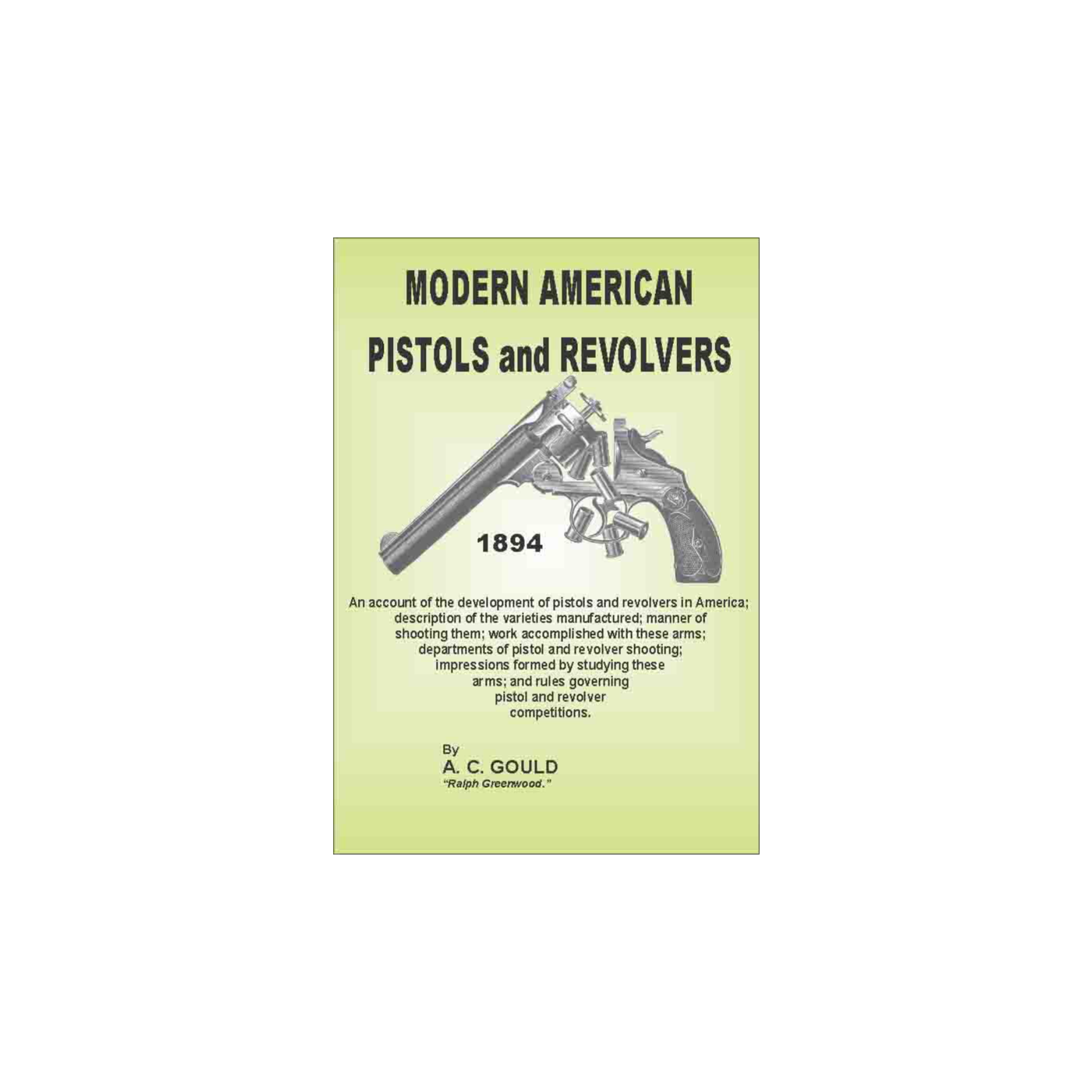
S1 Ep 11Modern American Pistols and Revolvers - 1894 by A.C. Gould
We do a deep dive into Modern American Pistols and Revolvers by A C Gould. What was a Modern Revolver in 1896? Find out from this podcast. An account of the development of pistols and revolvers in America; description of the varieties manufactured; manner of shooting them; work accomplished with these arms; departments of pistol and revolver shooting; impressions formed by studying these arms; and rules governing pistol and revolver competitions.Arthur Corbin Gould (1850–1903) was an author, avid shooter and member of the Massachusetts Rifle Association. He published The Rifle in 1885. After Gould's death, The Rifle was acquired as an official publication of the National Rifle Association of America becoming American Rifleman. Mr. Gould authored The Modern American Pistol and Revolver, including a description of modern pistols and revolvers of American make; ammunition used in these arms; results accomplished; and shooting rules followed by American marksmen. The Modern American Pistol and Revolver was the first English-language book devoted to pistol shooting.
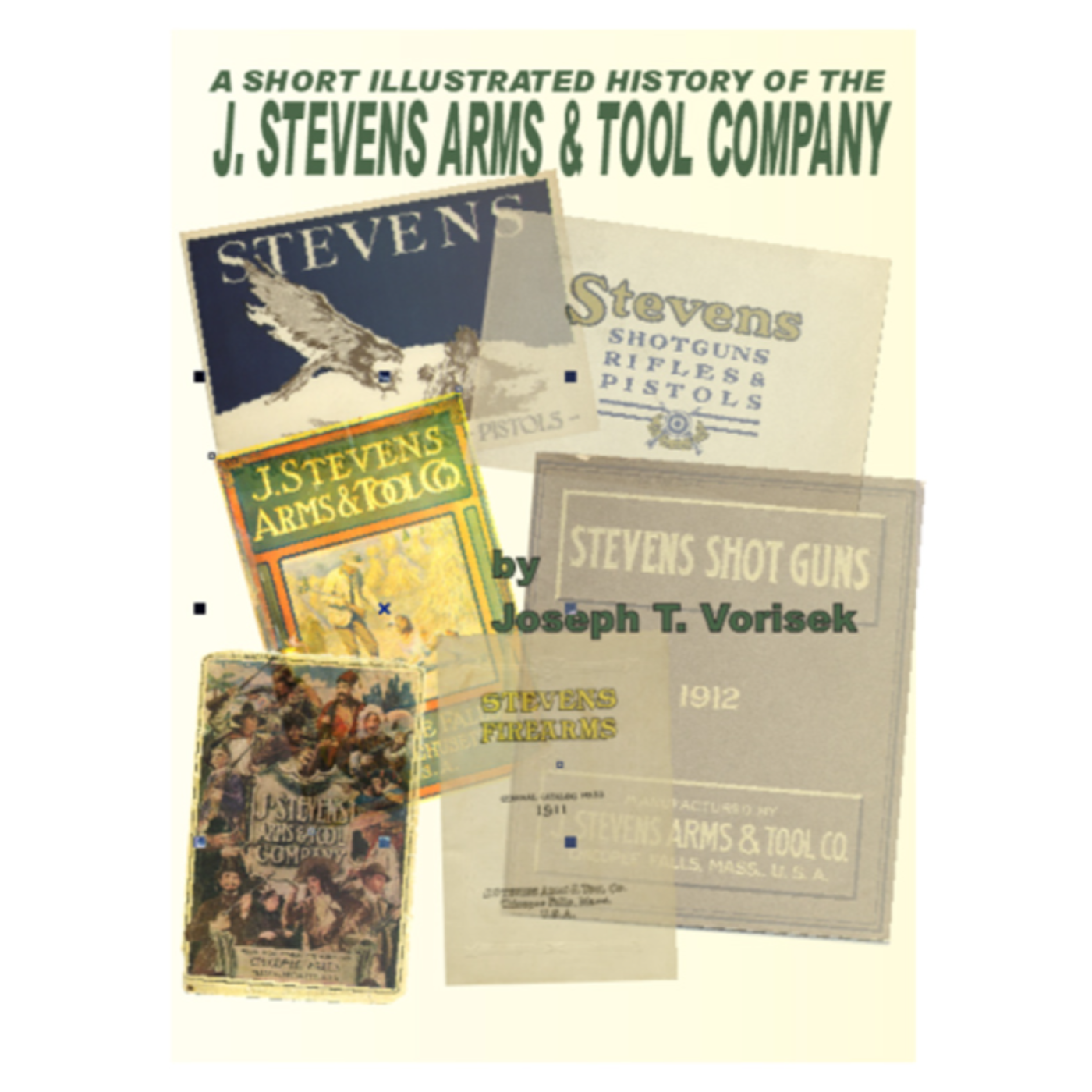
S1 Ep 9A Short Illustrated History of the J. Stevens Arms & Tool Company by Joe Vorisek- with Rob Mouat
A Short Illustrated History of the J. Stevens Arms & Tool Company by Joe Vorisek, Joe worked in insurance and traveled extensively throughout New England for his job. Off hours gave him plenty of time to research many of the old gun companies that flourished along or near the Connecticut Valley region, Hopkins & Allen, H&R, American Arms, Crescent Arms, Savage, Stevens, Iver Johnson and more. He wrote books about all of them and this story is a deep dive into the Stevens company. Related links mentioned in the podcast are: Malcolm Telescopes, Cataract Telescopes, Crescent Arms, Davis Arms, and Pope Barrels.
S1 Ep 8The saga of how Jane Bannerman gave life to Cornellpubs... with Rob Mouat
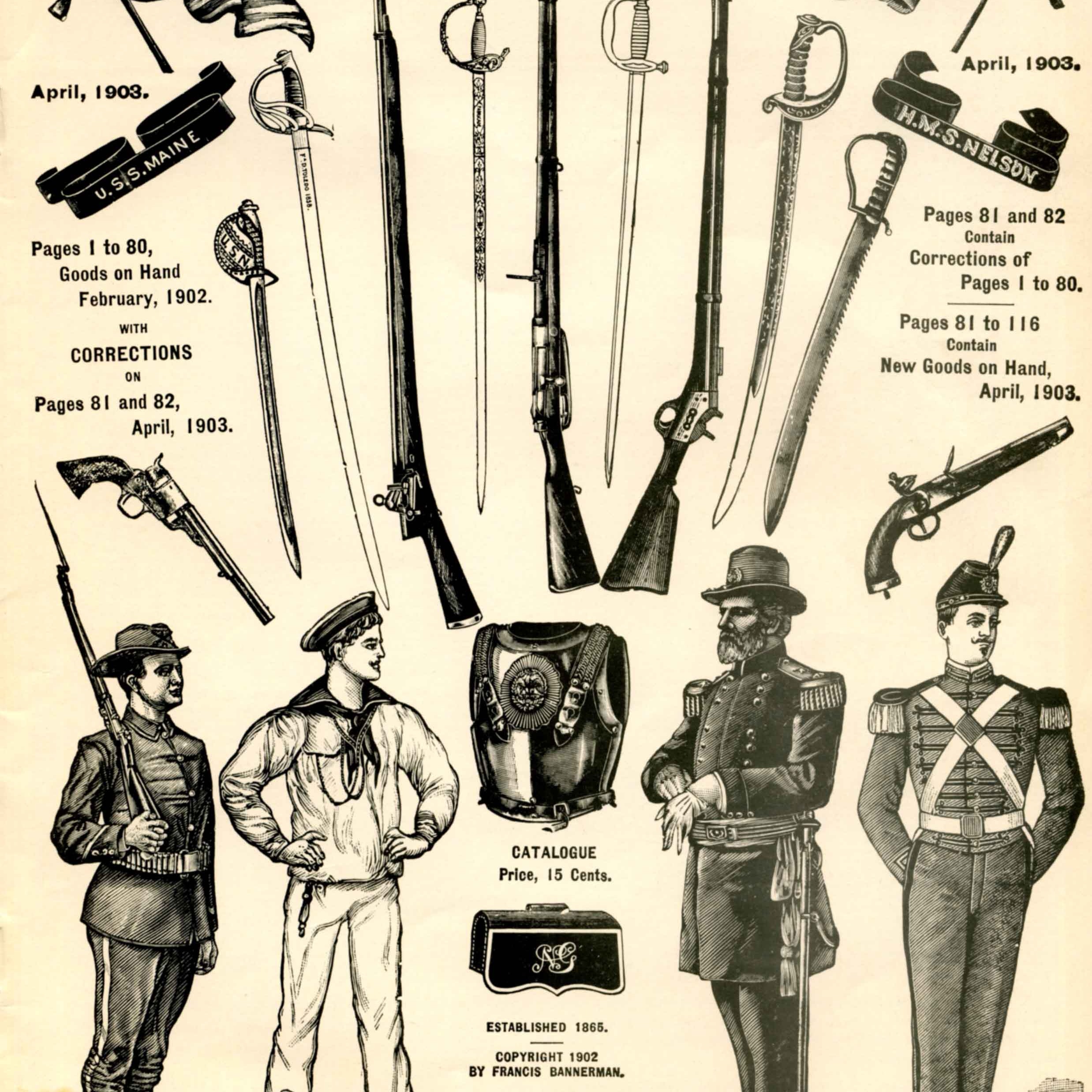
This is a brief addition to the Bannerman Podcast we did earlier. That episode talked about the Bannerman catalogs and company history. This one is about Jane Bannerman and how she got us started.
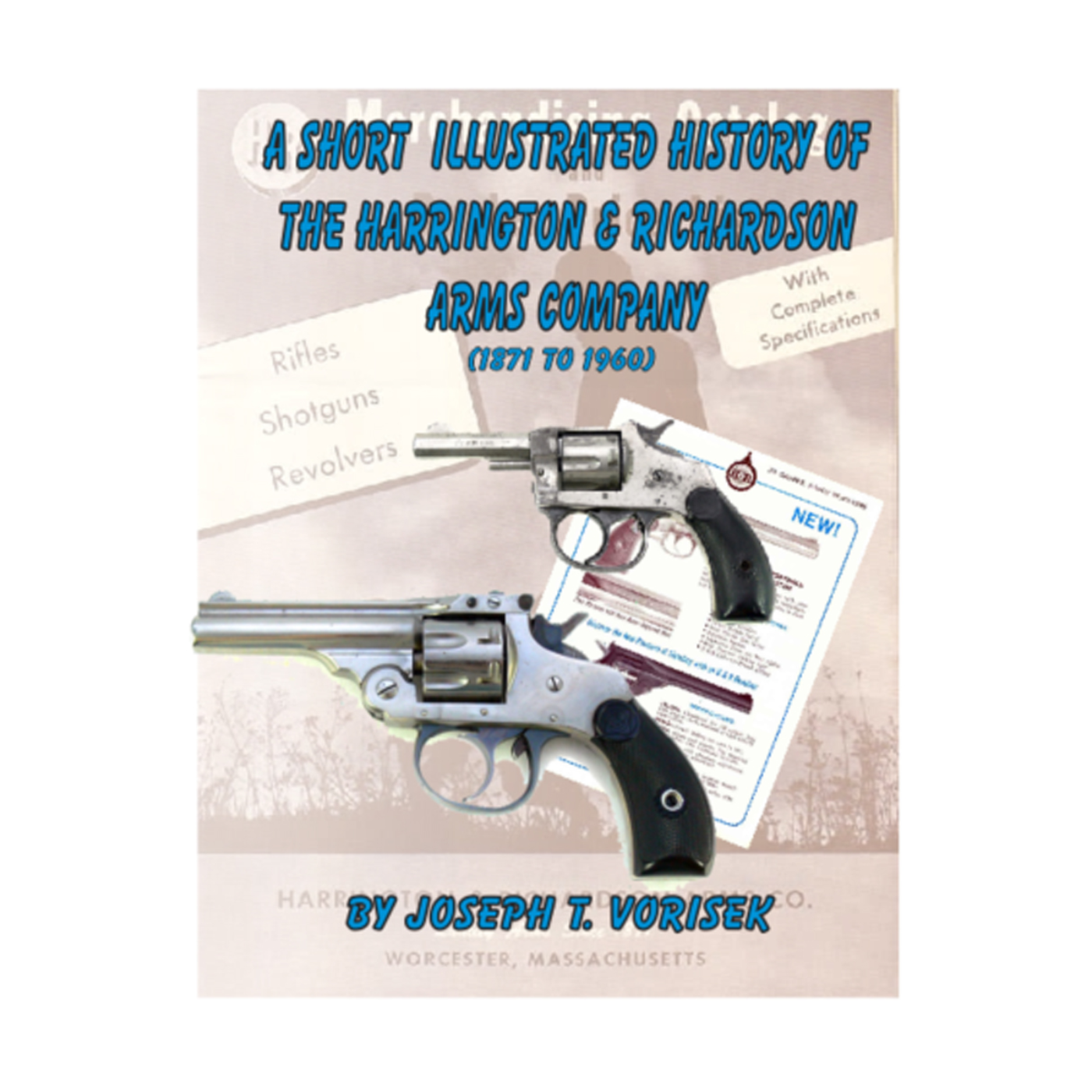
S1 Ep 7A Short Illustrated History of Harrington & Richardson Arms Co. by Joe Vorisek - with Rob Mouat
The H&R Arms Company was one of the rare gun makers to survive for over a century. In fact, there is a possibility we may see it back for yet another run. Joe Vorisek worked in insurance and traveled extensively throughout New England for his job. Off hours gave him plenty of time to research many of the old gun companies that flourished along or near the Connecticut Valley region, Hopkins & Allen, H&R, American Arms, Crescent Arms, Savage, Stevens, Iver Johnson and more. He wrote books about all of them and this story is a deep dive into H&R, a great company with a winning plan. H&R went out of business in 1986 but was reincarnated, bought and sold several times until 2015 but may be coming back again.Here is a link to H&R and all Joe’s books.Rob Mouat for Cornell Publications
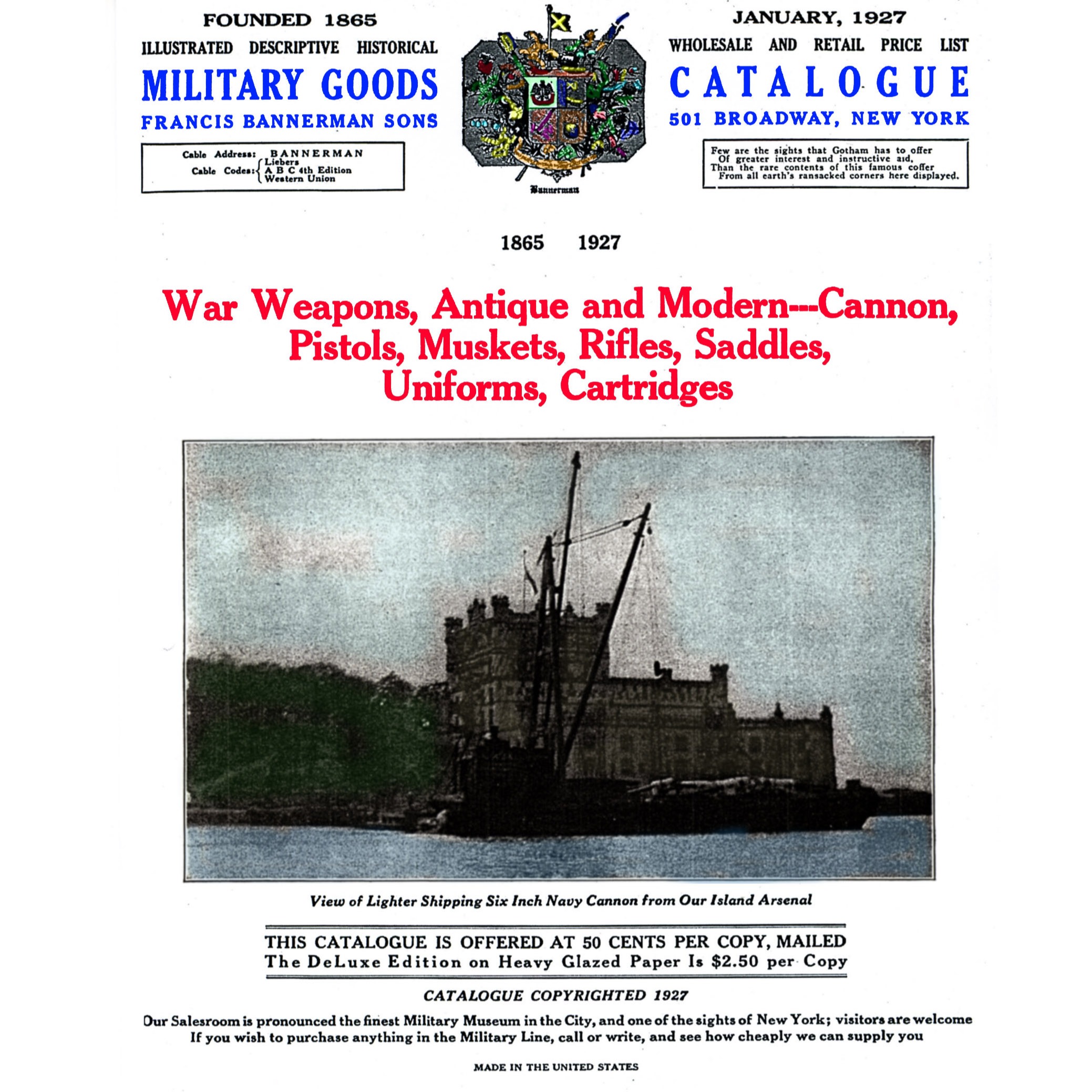
S1 Ep 6Bannerman- Cornell Publications and the Francis Bannerman story - with Rob Mouat
We owe the Bannerman Company twice over. It inspired us to start Cornell Publications some 20 years ago, we reprint over 7000 vintage gun catalogs and manuals, and Bannerman gave us so many wonderful catalogs to enjoy. We’ve loved paging through the Bannerman catalogs and their centuries of military and firearms history for more decades than we like to admit and we never tire of learning something new from them.For over 60 years the Bannerman company built a massive collection of military hardware then spent another 40 years selling it off. But Bannerman’s story is centuries old and is a yarn well worth hearing. His is the archetypical American dream.This podcast, therefore, is about how Bannerman got us started and then the story of how Bannerman got started, we hope you enjoy our stories.All the Bannerman catalogs we reprintThe 1927 Bannerman catalog
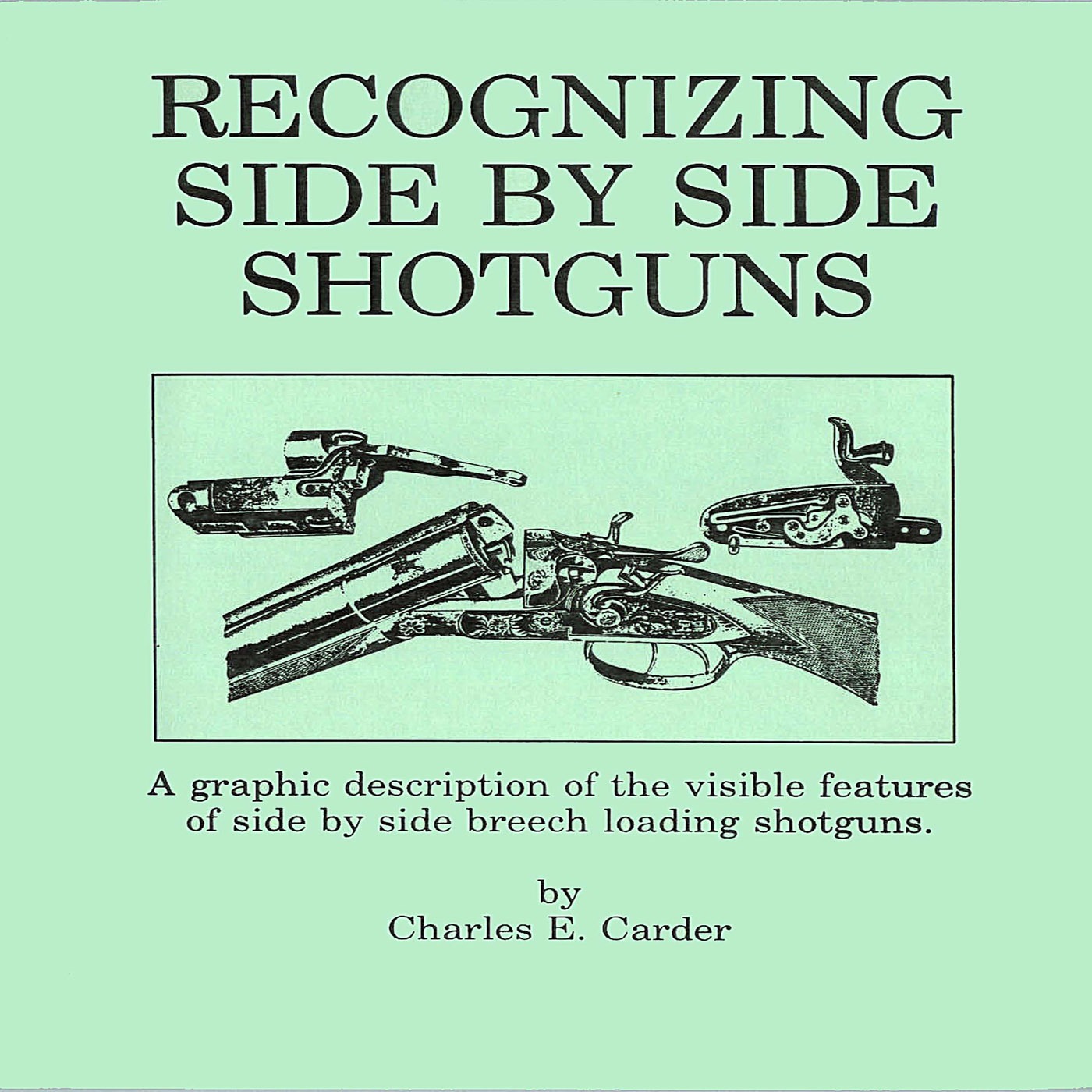
S1 Ep 5Recognizing Side By Side Shotguns by Charles Carder With - With Will and his Team
Buy this book at cornellpubs.com: Recognizing Side by Side Shotguns – Charles CarderCharles E. Carder was born in 1931 in New York State. He was raised in western Ohio, where he began hunting with his father at the early age of nine years old. Since that time, he has become an ardent hunter in his home state.His perpetual affection for side-by-side shotguns has captivated many hours of his life. He collects side-by-side shotguns with unusual mechanisms.He also, has a large file of photos, catalogs, magazine articles, books and sales literature from the various shotgun manufacturers from days gone by to the present. Some of his magazine articles have appeared in the DOUBLE GUNJOURNAL. THE GUN REPORT and others. He also writes the regular collector columns for THE SINGLE SHOT EXCHANGE and OHIO OUT-OF-DOORS magazines.The basic features of breech loading side by side shotguns are graphically displayed in these pages. In nearly all of the parts mentioned here there is a variety of different designs. Each inventor and gun maker had his own idea of how a mechanism should look or work. Only the basics are shown here. For more details, there are numerous books describing the variances. This book was prepared for those who have little knowledge about the different side by sides and their names. Reviewing these contents will serve to fill that void.SummaryThis book, "Recognizing Side By Side Shotguns," by Charles E. Carder, is a comprehensive guide for understanding the mechanics and history of side-by-side shotguns. The document outlines the various parts and functions of side-by-side shotguns, from their lock mechanisms and firing mechanisms to their safety features and forearm designs. Carder, a passionate collector of side-by-side shotguns, uses detailed illustrations and sketches to help readers visually identify and understand the different components. The document also provides a brief history of the evolution of side-by-side shotguns, highlighting key innovations and inventors, along with insights into the nuances of barrel types and proof marks.
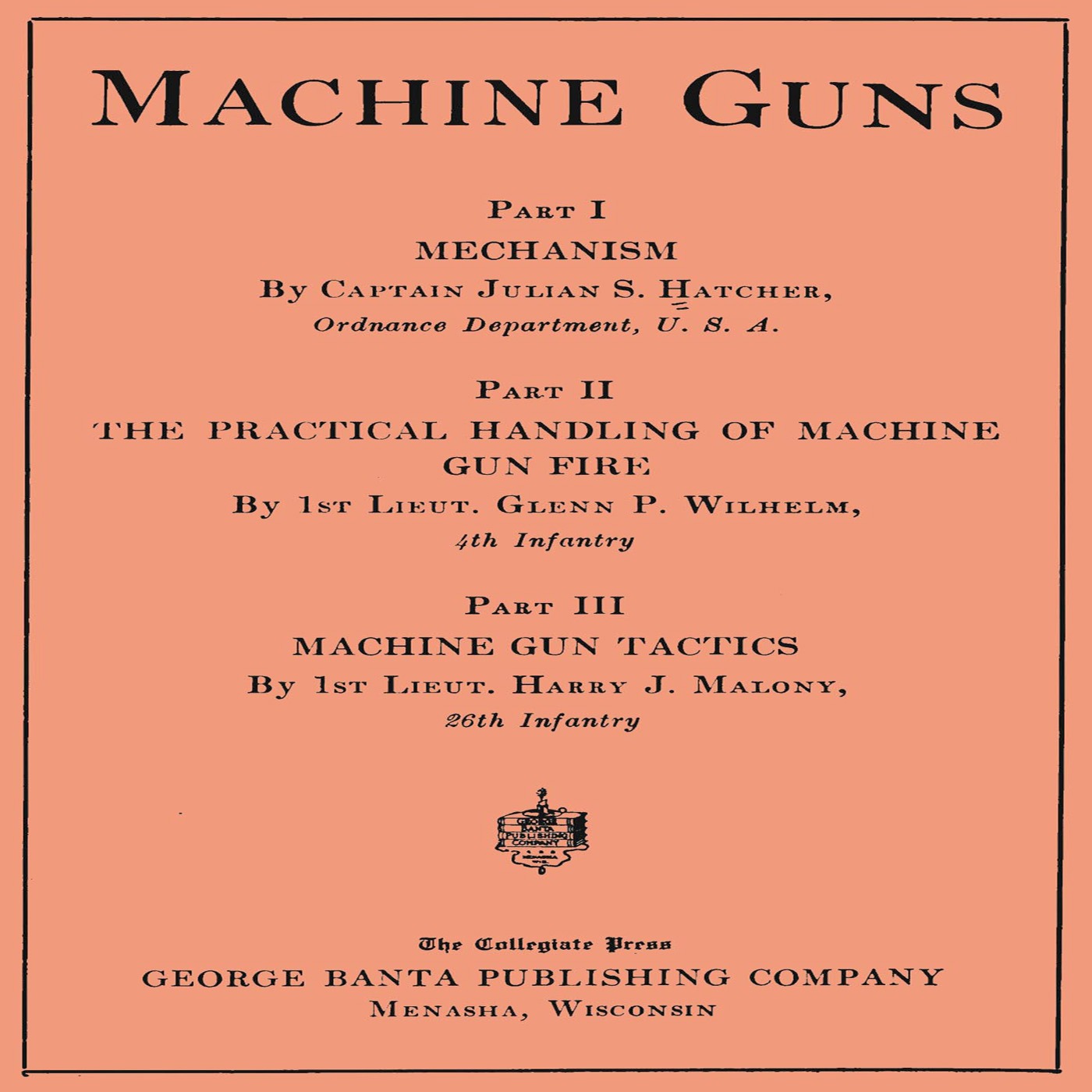
S1 Ep 4Machine Guns 1917- Mechanism, Handling and Tactics With - With Will and his Team
Buy the book at cornellpubs.com: Machine Guns 1917In the summer of 1916, the War Department gave authority for the establishment of several Machine Gun Schools of Instruction for troops serving in the Southern Department. The first school to begin operations under this authority was established by Lieut.-Colonel C. C. Williams, Ordnance Department, at Harlingen, Texas. Two of the present authors, Capt. J. S. Hatcher, Ordnance Department, who had previously been engaged in the preliminary machine gun instruction of troops at various points along the border, and 1st Lieut. H. J. Malony, 26th Infantry, who had served for several years in command of various machine gun organizations, were assigned as instructors. 1st Lieut later joined these officers. Glenn P. Wilhelm, 4th Infantry, who was in command of the machine gun company of that organization, and 1st Lieut. W. W. Doe, 26th Infantry. At the writing, the school had been in operation for over six months, and the experience of the authors in the operation of the guns at the school had covered an average expenditure of about 10,000 rounds of ammunition per week during this period. The notes made by the authors during their work at the machine gun school and elsewhere formed the basis for this volume. These notes were rewritten and arranged in their present form by Captain Hatcher.The Illustrated text focuses on the mechanics and tactical use of machine guns. It covers different models like the Benet-Mercie, Lewis, Colt, Maxim, and Vickers, discussing their construction, operation, and potential malfunctions. The manual provides instructions on cleaning, assembling, and disassembling each weapon, as well as strategies for aiming and firing. The text also examines the strengths and limitations of each machine gun, and explores the role of machine guns in offensive and defensive combat scenarios.World War One had begun in 1914 and by 1917 had stalemated the armies of Europe and was reduced to a brutal grind of trench warfare made all the worse by machine guns.Meanwhile, during 1914 and 1915, Mexican revolutionary leader Pancho Villa waged war in Northeastern Mexico against the Carranza government. Prior to the Mexican Revolution, the U.S.-Mexico border had been only lightly policed but that was about to change.As part of a campaign against U.S. interests in Northern Mexico, Villa's forces had attacked U.S. mining executives in Mexico, provoking public anger in the United States, especially in Texas. Then in March of 1916, Pancho Villa's forces raided the town of Columbus, New Mexico, resulting in the death of sixteen Americans.. This led to an increased U.S. military presence including Black Jack Pershing’s failed incursion into Mexico to capture Villa.The imbroglio resulted in the establishment of several Machine Gun Schools of Instruction for troops serving in the Southern Department. Authors Hatcher, Wilhelm and Malony were recruited to prepare a comprehensive manual of Machine Gun operations, this is the story of their work.

S1 Ep 3Suicide Specials by Donald B. Webster Jr. - With Will and his Team
Buy the book at cornellpubs.com: Suicide Specials, Donald B WebsterDonald B Webster was the Curator of History and Art at the Roberson Memorial Center in Binghamton, New York. He is the author of MILITARY BOLT ACTION RIFLES 1841-1918., American Socket Bayonets 1717-1873 as well as Suicide Specials and books on Canadian and American antique furniture. Suicide Specials is a term first written by Duncan McConnell in the American Rifleman in 1948 and applies to the cheapest-priced concealable revolver of the time starting in the decade after the Civil War. The term refers to a solid frame, single-action cartridge revolvers, spur triggers and cylinders which are rigid and freed by removing a center pin. While there are minor exceptions to this strict definition there were dozens of makers churning out virtually the same little revolver. Some were so cheaply made, like those by the Lee Manufacturing Company, the steel was so soft it was almost the consistency of copper. Suicide Specials is the story of those everyman guns.SummaryThis book is a treatise on the history and characteristics of American "Suicide Special" revolvers, which were inexpensive, concealable firearms popular in the late 19th century. The author, Donald B. Webster, Jr., describes the various makers, trade names, patents, and design variations of these revolvers, which were often sold through mail-order catalogs and used as prizes at carnivals and fairs. Webster's work provides a detailed catalog of Suicide Specials, accompanied by illustrations and patent drawings, as well as historical context for the arms and their place in American culture during the gun-toting era following the Civil War.
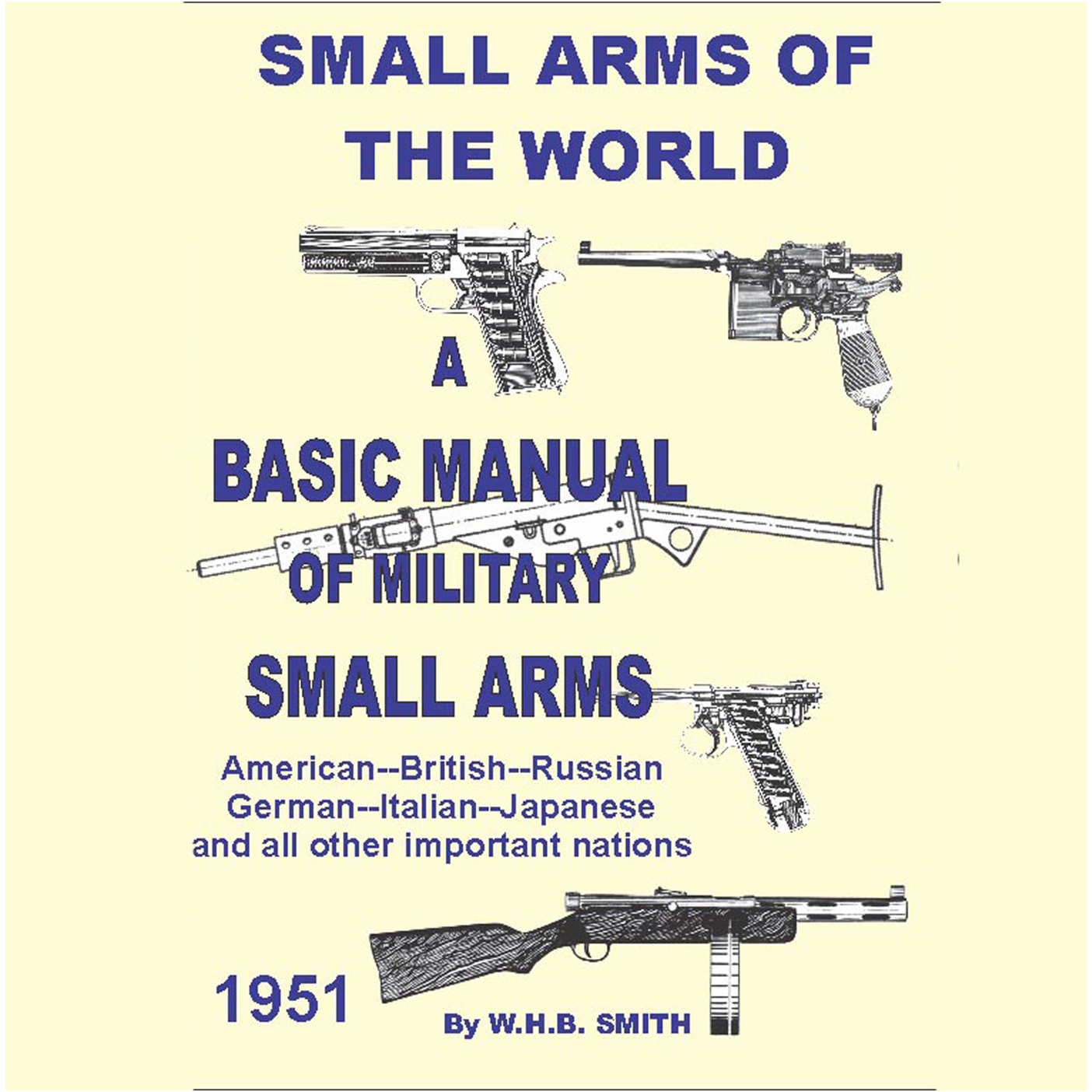
S1 Ep 2SMALL ARMS OF THE WORLD THE BASIC MANUAL OF MILITARY SMALL ARMS - With Will and his Team
Buy the book at cornellpubs.com: A Basic Manual of Military Small Arms 1951, Small Arms of the World, WHB SmithThis big book is a military manual from 1951 that describes and compares the design and operation of small arms from various countries, including the United States, Great Britain, Germany, France, Italy, Japan, Russia, and many more.If you have ever wondered about the arms carried by armies form around the globe, this is the book for you, a fascinating bible of common and obscure weapons, rifles, machine guns, pistols, revolvers and more.The manual provides detailed illustrations and instructions for field stripping, which is the disassembly and reassembly of these weapons for cleaning and maintenance. It also includes technical specifications for each weapon, such as caliber, magazine capacity, rate of fire, and effective range. The manual explains the advantages and disadvantages of different weapon designs and discusses their use in military operations.
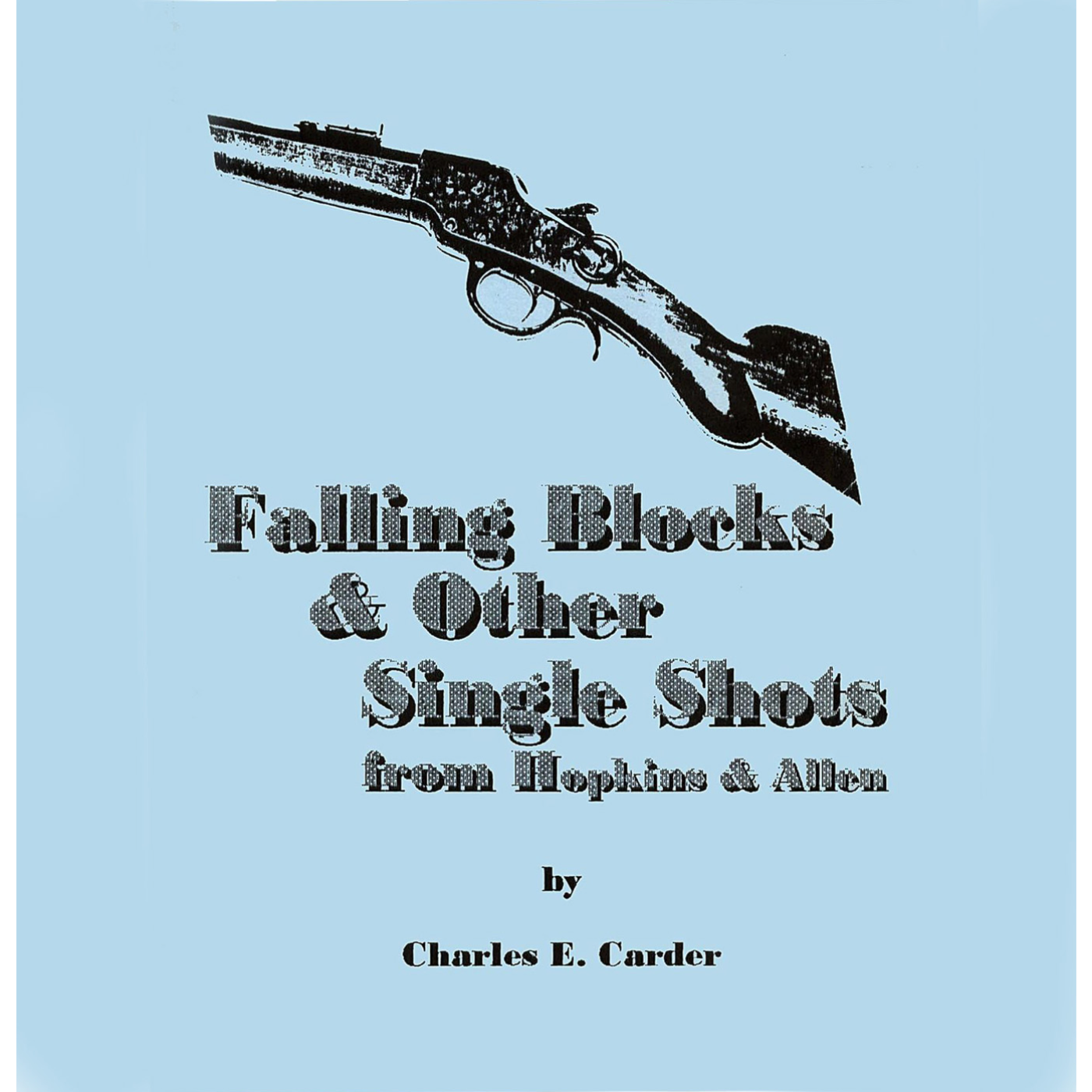
S1 Ep 1Falling Blocks and Other Single Shots from Hopkins and Allen - With Will and his Team
Buy the book at cornellpubs.com: Falling Blocks and Other Single Shots from Hopkins & Allen – CarderJoin us as we discuss Hopkins and Allen, a lost but not forgotten gun manufacturer from New England. Hopkins & Allen Arms Company was an American firearms manufacturing company based in Norwich, Connecticut.It was founded in 1868 by Charles W. Allen, Charles A. Converse, Horace Briggs, Samuel S. Hopkins and Charles W. Hopkins. The Hopkins brothers ran the company's day-to-day operations until it went bankrupt in 1916 and was subsequently bought by Marlin-Rockwell. What a ride!