
Finding Genius Podcast
4,332 episodes — Page 13 of 87

Business Growth Strategies: How This Entrepreneur Achieved The Unimaginable
In this episode, we connect with Olivier Momma, the Founder of Ekster. Ekster is a smart wallet company with a simple mission: to make better gear for life on the move. In 2016, Oliver crowdfunded $1 million to create the next generation of wallets. Now, his company has 45 full-time employees across 11 countries – making bags, smartphone cases and travel gear. Racking up a whopping 25 million EUR in revenue in 2021, there's no question that Ekster is a success story for the ages. How did Oliver and his partner Rick Scharnigg achieve such a feat? Not without a ton of hard work and challenges… Click play now to learn the lessons they learned launching and marketing such a unique business! In this conversation, we discuss: How Olivier's journey began with Ekster. Features that make Ekster's wallets so unique and cutting-edge. The factors that skyrocketed Ekster's revenue in the first year. Difficulties that Oliver had with Ekster, and how he overcame them. You can find more information on Ekster by clicking here. Take advantage of a 5% discount on Ekster accessories by using the code FINDINGGENIUS. Enhance your style and functionality with premium accessories. Visit bit.ly/3uiVX9R to explore latest collection. Episode also available on Apple Podcasts: http://apple.co/30PvU9
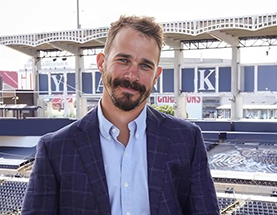
Baseball & Dugout Mugs: How This Business Owner Achieved Startup Success
Today, we connect with Randall Thompson, the president and founder of Dugout Mugs. Randall has a long history with baseball – including professional experience. By utilizing his love for the sport and passion for creativity, he decided to pursue a future as a startup founder – and thus, Dugout Mugs was born. Randall's road to success has been very unique. By facing the ups and downs of his startup with resilience, he formed a successful business that brings joy to baseball fans worldwide… In this conversation, we cover: Why Randall calls his products "Dugout Mugs". The challenges that Randall faced during the startup process. The various products that Dugout Mugs offer. To learn more about Randall and Dugout Mugs, click here now! Take advantage of a 5% discount on Ekster accessories by using the code FINDINGGENIUS. Enhance your style and functionality with premium accessories. Visit bit.ly/3uiVX9R to explore latest collection. Episode also available on Apple Podcasts: http://apple.co/30PvU9

Words of Wisdom: Delving into Jewish Literature and Theology with Jon D. Levenson
Join us for an enlightening episode as we welcome Jon D. Levenson, the esteemed Albert A. List Professor of Jewish Studies at Harvard University and author of several publications, including the books Resurrection and the Restoration of Israel: The Ultimate Victory of the God of Life, and The Love of God: Divine Gift, Human Gratitude, and Mutual Faithfulness in Judaism. Exploring both literary and theological dimensions, Professor Levenson unveils the rich tapestry of Judaism's history and its resonance across descendant religions. Bringing his expertise in Judaism, the Hebrew language, biblical interpretation, and rabbinic literature, he offers unparalleled insights into these subjects. Tune in to explore: The relationship between Aramaic and Hebrew A unique perspective on the difference between language and dialect Clarifications on Jewish perspectives regarding resurrection and the notion behind the immortality of the soul Press play now to hear the full conversation. For more on Levenson's work and publications, check out Jon D. Levenson | Harvard Divinity School (HDS). Take advantage of a 5% discount on Ekster accessories by using the code FINDINGGENIUS. Enhance your style and functionality with premium accessories. Visit bit.ly/3uiVX9R to explore latest collection. Episode also available on Apple Podcasts: http://apple.co/30PvU9

Winning The Now: How To Enhance Productivity, Improve Focus, & Manage Stress With Eric Recker
If you've ever felt like life is constantly presenting you with obstacle after obstacle, you're not alone. You may ask yourself: How do I get unstuck to pursue resilience, self-discovery, and an unwavering commitment to personal growth? In this episode, we sit down with Eric Recker, a man who has faced and overcome similar challenges, to explore his intriguing approach to living in the present moment… Eric is a dentist, success coach, keynote speaker, workshop facilitator, and author who is passionate about empowering others in their pursuit of success and well-being. Through coaching and mentorship, his aim is to assist individuals and teams in reaching their objectives – while prioritizing a sustainable work-life balance. Click play now to uncover: Factors that contribute to burnout, and how to identify them. How Eric cultivated the concept of "Winning the Now" and what it means. What to ask yourself when you experience a failure. Things that can block us from experiencing the Now. How to address and manage a false sense of urgency. If you're seeking guidance and support as you navigate your own path, this conversation is surely for you. Tune in now to learn more about Eric and his holistic approach to mindful living! You can find more on Eric and his work by visiting his website. Take advantage of a 5% discount on Ekster accessories by using the code FINDINGGENIUS. Enhance your style and functionality with premium accessories. Visit bit.ly/3uiVX9R to explore latest collection. Episode also available on Apple Podcasts: http://apple.co/30PvU9

Seeing Beyond: Understanding Irlen Syndrome & Integrative Counseling With Laura Ward Woelfel
In this conversation, we dive into Irlen Syndrome with Laura Ward Woelfel, a Licensed Professional Counselor and Supervisor and fourth-generation Austinite. As someone who was diagnosed with Irlen Syndrome herself in 1991, there's no one better to explain this topic — and to help others who may also have it… Irlen Syndrome, a visual processing issue distinct from other vision problems, had a profound impact on Laura's life. Initially misdiagnosed as dyslexic or ADD, her life took a turn for the better when she discovered Irlen Syndrome and sought the necessary support. This newfound understanding and intervention transformed her academic performance, propelling her from a 'C' student in undergrad to a stellar 4.0 student in graduate school. Now, Laura uses her knowledge and passion to help students with learning disabilities. Whether it be learning difficulties or reading issues, she uses integrative counseling and a series of cognitive behavior methods to bring awareness to her clients. Join us now to find out: The difference between dyslexia and Irlen Syndrome. How Laura found out she had Irlen Syndrome and how it changed her life. The symptoms of Irlen Syndrome and how to identify them. Who Irlen Syndrome affects, and what causes it. You can learn more about Laura and her work by clicking here! Take advantage of a 5% discount on Ekster accessories by using the code FINDINGGENIUS. Enhance your style and functionality with premium accessories. Visit bit.ly/3uiVX9R to explore latest collection. Episode also available on Apple Podcasts: http://apple.co/30PvU9

How to Unlock Your Body's Full Potential: Elevate Your Mind, Elevate Your Life With Naturopathic Physician Dr. Gregory Kelly
Join us for an enlightening journey into the world of cognitive enhancement and holistic wellness with Dr. Gregory Kelly, the director of product development at Neurohacker Collective. Dr. Kelly, a naturopathic physician and author of Shapeshift: The Shape Intelligence Solution, shares profound insights and practical wisdom to help you unlock your full potential. Discover more about Neurohacker Collective's mission to revolutionize human performance by enhancing cognitive function, fostering empathy, and nurturing emotional resilience. Offer: NAD+ is one of the most important molecules in the human body to age well. With groundbreaking advancements in science, Neurohacker Collective introduces Qualia NAD+, a revolutionary supplement designed to elevate NAD+ levels by up to 50%. Qualia NAD+ is a supplement rich in NAD+ precursors like niacin, niacinamide, and NIAGEN, elevating NAD+ levels by up to 50%. Clinically tested and formulated by naturopathic doctors, it's a trusted choice for cellular rejuvenation. To boost YOUR NAD+ levels up to 50%, Go to neurohacker.com for up to 50% off and use code findinggenius at checkout for an additional 15% off. Don't miss this special offer. Tune in to explore: The differences between naturopathic doctors (ND) and medical doctors (MD) The science behind NAD (nicotinamide adenine dinucleotide), its impact on cellular health, and its many health benefits The indispensable role of supplements in bridging nutritional gaps and optimizing overall well-being Neurohacker Collective's products, including those designed to increase motivation, energy levels, and quality sleep Press play now to take the first step toward the best version of yourself. Learn more at Qualia - Creating meaningful upgrades to personal well-being (neurohacker.com) and check out the Collective Insights Podcast at Collective Insights Podcast | Neurohacker Collective. Episode also available on Apple Podcasts: http://apple.co/30PvU9

Overcoming Grief: How To Develop Emotional Wellness Through Creative Healing
Grief is a painful journey that can feel isolating and endless. So what tools can we use to process grief, experience its pain, and ultimately learn how to live fully again? Claudia Coenen, a creative grief counselor and certified thanatologist, joins the podcast to discuss her unique perspective on this sensitive topic. Claudia has a private practice at The Karuna Project and is a consultant and grief specialist at The REACH Center for Crime Victims. She is also the author of Shattered by Grief: Picking Up the Pieces to Become WHOLE Again, a book that helps readers work through their grief via expressive therapies and activities. Tune in now to learn about: How to deal with different types of grief. Factors that help and hinder the process of grief. The most impactful ways to manage grief. The ways that journaling can help people externalize their pain. By encouraging others to explore their pain through storytelling, self-care and ritual, and honest reflection, Claudia has achieved remarkable results. This creative approach to grief counseling was inspired by her own experience of loss – and she's eager to share it with the world… You can learn more about Claudia by clicking here! Take advantage of a 5% discount on Ekster accessories by using the code FINDINGGENIUS. Enhance your style and functionality with premium accessories. Visit bit.ly/3uiVX9R to explore latest collection. Episode also available on Apple Podcasts: http://apple.co/30PvU9

Digging Through History and Unearthing Ancient Wonders with Jodi Magness
Dive into the captivating world of archaeology with Jodi Magness, Kenan Distinguished Professor for Teaching Excellence in Early Judaism. From her childhood fascination with the ancient world and fossils to her current groundbreaking excavations, Magness's journey unfolds with discoveries and a wealth of knowledge. Tune in to unearth: Insights from her latest excavation in an ancient Jewish village Understanding archaeology as a blend of science and interpretation The most common find on archaeological excavations in Israel from the Neolithic period onward How cultural memory shapes Judaism and Christianity and the relations between followers of the two religions An exploration of Rabbinic literature: its origins, creators, and relevance today Press play and embark on a journey through time and discovery with Jodi Magness as your guide, and learn more about her work by visiting Jodi Magness, Archaeologist. Take advantage of a 5% discount on Ekster accessories by using the code FINDINGGENIUS. Enhance your style and functionality with premium accessories. Visit bit.ly/3uiVX9R to explore latest collection. Episode also available on Apple Podcasts: http://apple.co/30PvU9

Insights Into Trauma, Mental Health, & Gaslighting: A Conversation With Dr. Deborah Vinall
Dr. Deborah Vinall joins the podcast today to discuss schizophrenia, trauma, mental health, and her two most recent books, Gaslighting and Trauma Recovery Workbook for Teens. Dr. Vinall is a trauma expert and author who holds a Doctor of Psychology and works as a Licensed Marriage and Family Therapist. She currently runs a private practice in Los Angeles where she specializes in helping individuals heal from traumatic life experiences and painful relationship dynamics. In this conversation, we cover: When and how gaslighting occurs. The importance of recognizing mental health issues in gaslighters. Different types of cognitive distortions and how to treat them. How trauma typically manifests in people's lives. How does Dr. Vinall help people heal, cultivate self-compassion, and build meaningful connections in holistic and sustainable ways? Join us now to explore her transformative approach – and gain valuable insights into reclaiming empowerment and fostering resilience. Learn more about Dr. Vinall and her work by visiting her website! Take advantage of a 5% discount on Ekster accessories by using the code FINDINGGENIUS. Enhance your style and functionality with premium accessories. Visit bit.ly/3uiVX9R to explore latest collection. Episode also available on Apple Podcasts: http://apple.co/30PvU9

Mindful Connections: Exploring The Neuroscience Of Healthy Relationships With Annie Chen
In this episode, we connect with Annie Chen, an author, therapist, consultant, and coach who uses neuroscience research to help clients navigate the complexities of relationships and emotional safety. Annie has been studying the mind, nervous systems, and relationships for over 17 years – empowering her to help others in unique and productive ways… Annie recently wrote I Want to Connect: Rewire Your Nervous System for Stress Resilience and Secure Attachment, a book that demystifies what it takes to have better relationships. By transcending surface-level advice and digging into the fundamentals of stress resilience, Annie provides readers with the resources to practice self-awareness, reflection, and skills to improve daily life. Join us now to find out: What inspired Annie to write her latest book. Why relationships are so critical to our well-being. How mental health issues have changed since the pandemic. Factors that determine our mental and physical health. How has Annie's work with meditation, therapeutic work, and community transformed her own life and others around her? Click play to see for yourself! You can follow along with Annie by visiting her website. Take advantage of a 5% discount on Ekster accessories by using the code FINDINGGENIUS. Enhance your style and functionality with premium accessories. Visit bit.ly/3uiVX9R to explore latest collection. Episode also available on Apple Podcasts: http://apple.co/30PvU9

Intersecting Faiths: Exploring Judaism, Christianity, And More With Expert Biblical Scholars
In this episode, we sit down with Marc Brettler and Amy-Jill "AJ" Levine to discuss the Jewish faith, Rabbinic Literature, the New Testament, Christianity, Anti-Semitism, and more. How do Judaism and Christianity intersect? These two experts are certainly the people to enlighten us on this intriguing subject… Marc is a biblical scholar and the Bernice and Morton Lerner Professor in Judaic Studies at Duke University. His research interests include a vast array of topics, including biblical metaphors, the Bible and gender, biblical historical texts, the book of Psalms, and the post-biblical reception of the Hebrew Bible. He is a co-founder of the website thetorah.com and the author of several books, including The Bible With and Without Jesus, which he co-authored with AJ. AJ is Rabbi Stanley M. Kessler Distinguished Professor of New Testament and Jewish Studies at Hartford International University for Religion and Peace. She works in biblical studies – and is a well-known critic of antisemitic, sexist, and homophobic theologies. AJ is a self-described "Yankee Jewish feminist who teaches in a predominantly Protestant divinity school in the buckle of the Bible Belt." Dive in now to explore: What Rabbinic Literature is, and how it fits into Old and New Testament studies. The captivating history of the Hebrew language. The difference between Rabbinic Hebrew and Biblical Hebrew. How Christians and Jews understand their respective historical texts. You can learn more about Marc here, and AJ here! Take advantage of a 5% discount on Ekster accessories by using the code FINDINGGENIUS. Enhance your style and functionality with premium accessories. Visit bit.ly/3uiVX9R to explore latest collection. Episode also available on Apple Podcasts: http://apple.co/30PvU9

Profit Maximization & Tax Optimization: Essential Insights From A Financial Expert
As businesses emerge from tax season, many ask: How can I maximize profits and minimize taxes for next year? John Scott, an Anders CPAs + Advisors partner, sits down to enlighten us. John has been working with Anders since 1992, leading the firm's legal industry efforts for the Virtual CFO team. He effectively uses key performance metrics to offer dedicated resources, financial insight, and critical thinking to help law firms address complex issues. John is on a mission to help his clients understand what's going to happen based on current data. How does he achieve this? By accessing financial records and reconciling cash flows on a weekly basis… In this episode, we cover: How to make data-driven decisions. How to stay in sync with your cash flow curve. Ways to determine your "working capital", and how to build cash reserves. Key factors that every business owner should know. To learn more about John and his work with Anders CPAs + Advisors, click here now! Take advantage of a 5% discount on Ekster accessories by using the code FINDINGGENIUS. Enhance your style and functionality with premium accessories. Visit bit.ly/3uiVX9R to explore latest collection. Episode also available on Apple Podcasts: http://apple.co/30PvU9

Science Of Marketing: Unlocking Business Growth With Avi Kumar Of KUWARE Inc.
In this episode, Avi Kumar, the Founder and CEO of KUWARE Inc., joins us to discuss business marketing, growth, and advertising. KUWARE is a marketing and advertising agency that focuses on growing businesses through organic and paid media. How do they do it, and what makes their methods unique? Avi sits down to explain… KUWARE has been helping businesses since 2008, turning marketing into a science. From strategy to implementation, Avi and his team specialize in providing digital marketing solutions with targeted budgeting options. Dive into the conversation now to learn about: How Avi got into marketing and advertising. The two distinct groups that KUWARE works with. How marketing differs between big and small businesses. The best thing a business can do to achieve growth and exposure. Avi says, "Some have described marketing as a practice of the arts and the sciences. At KUWARE, we only practice science!" Are you ready to find out what this really means? Click play now to see for yourself! You can find more on KUWARE here. Take advantage of a 5% discount on Ekster accessories by using the code FINDINGGENIUS. Enhance your style and functionality with premium accessories. Visit bit.ly/3uiVX9R to explore latest collection. Episode also available on Apple Podcasts: http://apple.co/30PvU9

Harvesting Dreams in the Heart of a Homestead: The Nightingale Farmstead Journey
Something had been brewing for years in the heart of the Nightingale household: a fervent desire to chart a course away from reliance on conventional systems and embrace a life of self-sufficiency, health, and well-being. When the perfect property came up for sale, Kelsey Nightingale and her husband Sean seized the opportunity to take a significant step toward their dream: they purchased a small house on acreage in the quiet corners of Scottsburg, Oregon, a literal ghost town with a population of just 350. Building a homestead is a slow process with plenty of challenges, yet their progress only further motivates them with each passing year. No longer tethered to grocery store aisles as they once were, they produce their own bread, milk, eggs, chicken, and turkey. They also have a burgeoning food garden that improves each growing season. Tune in to explore: The timeline of success in small farming and homesteading, understanding the patience and perseverance required The labor of love that is starting and nurturing a homestead and the unparalleled rewards it brings The financial aspect of homesteading and ways to make money off it What exciting new plans are in the works at the Nightingale Farmstead Press play to hear the entire conversation, and follow Kelsey and Sean's journey by finding them @NightingaleFarmstead on Facebook, TikTok, and Instagram. Take advantage of a 5% discount on Ekster accessories by using the code FINDINGGENIUS. Enhance your style and functionality with premium accessories. Visit bit.ly/3uiVX9R to explore latest collection. Episode also available on Apple Podcasts: http://apple.co/30PvU9

Engineered Efficiency: Optimizing Automobile Engines With Mark Holtzapple
Mark Holtzapple, a chemical engineering professor at Texas A&M University, returns to the podcast to delve into his unique approach to engine efficiency and alternative energy. His passion for scientific exploration drives him to push the boundaries of what is possible. What is his current mission? To revolutionize the efficiency of automobile engines… Mark is the co-author of two engineering textbooks used to teach engineers throughout the world: Foundations of Engineering and Concepts in Engineering. His research interests include biomass conversion to fuels, water desalination, high-efficiency air conditioning, engines, compressors, and more. In this discussion, we cover: How Mark's research closes the gap between what an automobile engine can do, and what it is currently doing. How hot fuel, exhaust, and incoming air interact inside an internal combustion engine. The best engines that are carnot-efficient. How water evaporation impacts engine performance. To learn more about Mark and his fascinating research, click here now! Take advantage of a 5% discount on Ekster accessories by using the code FINDINGGENIUS. Enhance your style and functionality with premium accessories. Visit bit.ly/3uiVX9R to explore latest collection. Episode also available on Apple Podcasts: http://apple.co/30PvU9

Evolve & Thrive: Mastering A Continuous Improvement Mindset With Doomberg
In this conversation, we sit down with a member of Doomberg to discuss the mindset of continuous improvement and other thought-provoking ideas that are important for us all to consider. Doomberg is an anonymous news publication that provides readers with an in-depth analysis of financial and economic trends – underscoring information missing from mainstream media. By utilizing the principles of continuous improvement, it has become the #1 paid finance newsletter on Substack, boasting more than 85,000 email subscribers and 250,000 Twitter followers. Dive in now to explore: What continuous improvement is, and the many facets of it. How to turn mistakes into an opportunity to improve. The difference between perfectionism and continuous improvement. How to facilitate personal and professional growth. How can you hone your skills over the span of your career? What actionable steps can you take to enhance your productivity and success? Doomberg is here with insights you can't miss out on… You can find more on Doomberg by visiting their Substack here. Take advantage of a 5% discount on Ekster accessories by using the code FINDINGGENIUS. Enhance your style and functionality with premium accessories. Visit bit.ly/3uiVX9R to explore latest collection. Episode also available on Apple Podcasts: http://apple.co/30PvU9
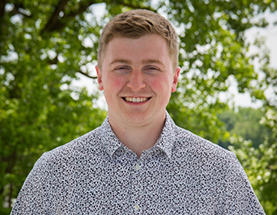
Empowering Youth: Breaking The Stigma Of Teen Social Anxiety With Kyle Mitchell
In this episode, we discuss teenage social anxiety with Kyle Mitchell, a Tedx Speaker, author, and the founder of Social Anxiety Kyle. With a passion for solving mental health problems and the impact they have on our communities, Kyle works with teens and youth to help them go from socially anxious to socially confident. Kyle collaborates alongside teens, educators, parents, nonprofits, and other organizations to change the narrative and stigma surrounding social anxiety. Drawing from his own 10-year mental health battle, he found his calling and purpose – and is eager to share it with the world… Join us now to find out: How anxiety manifests itself in school environments. Why having supportive parents is so important for struggling teens. Programs that can help young people address their mental health issues. The biggest social struggles that students face in class. What practical approaches and strategies can we utilize to make a difference in the lives of struggling teens? Tune in now to find out for yourself! To learn more about Kyle and his mission, click here now! Take advantage of a 5% discount on Ekster accessories by using the code FINDINGGENIUS. Enhance your style and functionality with premium accessories. Visit bit.ly/3uiVX9R to explore latest collection. Episode also available on Apple Podcasts: http://apple.co/30PvU9

Insights From The Frontlines: Navigating Mental Health Crisis With Matthew Moody
In this episode, we are joined by Matthew Moody, the President of Mental Health America of Arizona and a licensed counselor in Arizona. He has a Bachelor's degree in Psychology and a Master's degree in Counseling from Arizona State University. Before his current position, Matthew oversaw over 100 employees in a crisis contact center and provided oversight to 2-1-1 Arizona, an organization that offers information and referral services to the state of Arizona. He also has over fifteen years of experience in the behavioral health field, specializing in police collaboration, 988 and crisis mobile teams. Matthew is on a mission to help other people better understand mental health and how to get help for it. Through legislative advocacy and alternate response strategies, he has been instrumental in fostering safer and more effective communities – all while reducing costs and liabilities for municipalities… Jump in to now to discover: What it's like working on a crisis line, and how calls are typically resolved. The importance of supporting and de-escalating a person in crisis. How working on a crisis line affects those handling the calls. Matthew's experience working with people living with schizophrenia. You can learn more about Mattew by visiting his website! If you or a loved one are experiencing a mental health crisis, dial 988 to speak with a specialist now. Available on Apple Podcasts: apple.co/2Os0myK

Unlocking Wellness: Understanding The Gut's Role In Health & Happiness With Noelle Patno
Do pre and probiotics have healing and preventive powers? In an age of pharmaceutical solutions, finding sustainable and holistic health practices is critical. How can we leverage gut health to fight sickness and disease? Noelle Patno, the Chief Science Officer at Bened Life, sits down to explain… Noelle has a Ph.D. and MS from the University of Chicago in molecular metabolism, nutrition, and translational sciences. She also has a BA in chemical engineering from Stanford University. With her work surrounding digestive health, the microbiome, and immune health, Noelle has designed and monitored clinical trials – resulting in publications on probiotics and prebiotics. In this conversation, we discuss: The top conditions that gut health can impact. How altering serotonin and dopamine in the brain can impact children with autism. Why our gut microbiome is important to our brain chemistry and behaviors. Essential insights on the probiotic Ps-128. To learn more about Noelle and her work with Bened Life, click here now! Take advantage of a 5% discount on Ekster accessories by using the code FINDINGGENIUS. Enhance your style and functionality with premium accessories. Visit bit.ly/3uiVX9R to explore latest collection. Available on Apple Podcasts: apple.co/2Os0myK

Exploring Fiction, Freedom, And Philosophy With Author John C. A. Manley
John C. A. Manley joins the podcast once again to discuss his daily email newsletter, Blazing Pine Cone Posts, and his work as a writer of fiction, freedom, and philosophy. John is the author of Much Ado About Corona: A Dystopian Love Story, the forthcoming All The Humans Are Sleeping, and other works of speculative fiction… With a background in Eastern philosophy, fine art, and freelance ghostwriting, John's perspective on the world is varied and analytical. Want to learn more about his worldview and upcoming projects? Tune in now! Jump into the conversation to find out: What John learned as he wrote his debut novel. How Much Ado About Corona addresses the 2020 pandemic. What "moral injury" is, and how it is connected to society's standards of being. What John is trying to accomplish with his newsletter. To follow along with John and his writing, click here now! Take advantage of a 5% discount on Ekster accessories by using the code FINDINGGENIUS. Enhance your style and functionality with premium accessories. Visit bit.ly/3uiVX9R to explore latest collection. Available on Apple Podcasts: apple.co/2Os0myK

Fortifying Honey Bee Colonies with Researcher Jay Evans
Bees are not alone in their fight to survive. While the backyard beekeeper might start with a pollinator garden, researchers are also busy strengthening and shoring up these vulnerable organisms that are an essential part of our food ecosystem. Jay Evans explains some promising efforts, telling listeners What the main stressors for bees are, from diseases to pests, Why protecting a middle-aged bee from stressors impacts the entire colony, and What exciting new management strategies are in the works, including botanical medicines for bees. Jay Evans is with the USDA ARS Bee Research Laboratory in Maryland. He and his colleagues are approaching bee health from every angle, assessing direct and indirect factors that increase bee health and lessening those that cause habitat harm. The list is long, from increasing nutrition to mitigating pesticide effects, parasites, and the spread of viruses. online pharmacy online pharmacyOften the best solutions provide a path for the bees to help themselves. Evans and his group in particular work on bolstering the honey bee immune system. Just as humans find their health affected by stress, so do bees, from temperature changes to chemical stress to nest disturbances. These stresses makes the bees more vulnerable to direct threats like parasites and pathogens. online pharmacy buy ivermectin over the counter online pharmacyTheir close living quarters in the beekeeping industry make for further vulnerabilities. Once a colony in an apiary is infected with a pathogen, it spreads fairly quickly through the apiary. online pharmacy buy trazodone over the counter online pharmacyResearchers like Evans are helping them tolerate those invasions and push the pathogens out over time. He describes some of the most promising efforts, from breeding for "varroa-sensitive hygiene" to developing disease-fighting medicines from botanical sources. For more, see the USDA-ARS Bee Research Laboratory website. Available on Apple Podcasts: apple.co/2Os0myK

An Evolutionary Arms Race Between Bees and Viruses: Who Will Win?
Is it possible to breed a species of bee with total viral immunity? Maybe, and the research being done in Michelle Flenniken's lab could pave the way for it to happen. Tune in to discover: Whether bees might utilize a form of preventative medicine In what way a honeybee model for insect immunity might be superior to the status quo fruit fly model Why the term "honeybee viruses" might be misleading Michelle Flenniken is Assistant Professor in the Plant Sciences Department and Co-Director of the Pollinator Health Center at Montana State University whose primary research is focused not only on understanding the impact of viruses on honeybees, but on the molecular mechanisms that bees have evolved to combat viral infections. Longitudinal monitoring projects looking at the prevalence and abundance of 16 pathogens across several bee colonies over time have led to interesting and useful findings. For instance, Flenniken's lab has shown that bees that are infected with viruses have perturbation in the genes that are important for metabolic processes, and that even in so-called asymptomatic bees, there are more than a billion copies of RNA viruses per bee. The hypothesis that follows this finding is that this viral load could be energetically taxing on bees—even if the bees appear phenotypically normal. More recent research in Flenniken's lab has shown that a bee's immune response is stimulated by double-stranded RNA, which is a molecule that viruses produce when replicating; this molecule stimulates RNA interference in bees—an antiviral mechanism. This has shown to be true also in bumblebees, but is not the case in the fruit fly, which is the go-to model for studying insect immunity. This has opened the door to more exciting and new research that Flenniken and her lab are gearing up to conduct. If antiviral mechanisms in bees can be fully understood, then it may be possible to identify the genes associated with fighting off viral infection, which would make it possible to breed honeybees that are resistant or immune to viral infections. Flenniken discusses the details of all this and more, including viral transmission in bees and across species, whether different castes of bees are differentially impacted by viruses, host-pathogen interaction studies, and which viruses most commonly impact bees. Check out https://plantsciences.montana.edu/directory/faculty/1524085/michelle-flenniken to learn more. Take advantage of a 5% discount on Ekster accessories by using the code FINDINGGENIUS. Enhance your style and functionality with premium accessories. Visit bit.ly/3uiVX9R to explore latest collection. Available on Apple Podcasts: apple.co/2Os0myK

Hopelessly Queenless: Adaptations in the Social Life of Western Honey Bees with Gene Robinson
Honey bees are one of the most fascinating and complex social organisms on our planet. Scientists like Gene Robinson research how their genomics play a central role in this behavior and how their environment in turn affects their genes. Listen and learn How the honey bee colony is surprisingly flexible and adaptive to changes in numbers and situations, How the genomics discipline altered scientists' one-directional arrow from gene to behavior to a two-directional model, and What developmental milestones a honey bee passes to make it through to full-forager status. Gene Robinson is the director of the Carl R.Woese Institute for Genomic Biology, an institute that practices team science within a multi-disciplinary scheme. He's been studying entomology and different species of bees for over 45 years. In this conversation, he shares some fascinating notes about honey bee behavior with listeners. His group in the institute in particular looks at their social behavior mechanisms and evolution from a genomics perspective. Interestingly, he says that studies indicate layers of individuality and adaptability in bee society—not only are they not all "marching to the same orders," they can change behavior depending on what is happening with the colony. In one study, his lab monitored the entry and exit of the hive and found that a minority of the hive worked as foragers. In addition, a small group within the foragers took on a significant 50% of the work. However, when they removed those power-house foragers, the colony did not collapse. Rather, the other bees "upped their foraging game" and made up for the loss. "So while labor is apportioned, it's not fixed and there's flexibility," adds Robinson. He describes other remarkable modes of flexibility, from pheromone releasing and withholding to determine maturity rates to how a hive survives a queen loss. Along the way he explains how the history of genomics has rearranged how biologists look at bee behavior and development from transcriptomic studies. In fact, dramatic changes are evident in bee brain gene activity depending on their rearing conditions. Based on these studies, their genome is very sensitive to the environment. For more, see the Carl R. Woese Institute for Genomic Biology and Gene Robinson's lab website. Take advantage of a 5% discount on Ekster accessories by using the code FINDINGGENIUS. Enhance your style and functionality with premium accessories. Visit bit.ly/3uiVX9R to explore latest collection. Episode also available on Apple Podcasts: http://apple.co/30PvU9

The Bee's Needs and Behavior: A Conversation with a Honey Bee Expert
"…Their society and community is so complicated, that in fact you cannot really have a straight answer for why something is happening. You need to see it from a global perspective, and look at it from different angles…it's the complexity that makes it fascinating for me," says Dr. Fani Hatjina of bees, which have been the subject of her work for her entire professional life. She focuses specifically on social honey bees, and joins the show to discuss her current research goals and insights. Press play to discover: What royal jelly is, and how it is used by bees and humans How nectar is converted to honey Why beekeepers and scientists are particularly interested in studying and monitoring beehives during the winter months, and the challenges to doing so How bees carry pollen back to the beehive Dr. Hatjina is Director of the Institute of Animal Science & Department of Apiculture in Greece. After completing her PhD on the pollination behavior of bees, she went on to pursue additional research. Currently, her focus is on finding ways of increasing the resistance of local honey bee populations against a primary pest (the varroa mite), searching for alternative methods of controlling disease without chemicals, improving and preserving the local population of honey bees in Greece for the benefit of the species and for beekeepers, and studying the effects of pesticides and other environmental stressors on bees, such as the presence of heavy metals, and even chemicals that are used by beekeepers inside bee colonies. Dr. Hatjina explains 'pollination behavior,' which includes the way bees move inside the colony and on flowers or crops, how efficiently they transport pollen, and when they transport pollen. The idea is that by gaining a deeper understanding of this behavior, pollination efficiency can be increased. She also comments on the "many gaps in knowledge" when it comes to understanding what triggers the increase of pathogens and bee mortality in winter. Sensors inside or underneath bee colonies are being implemented in order to gain a better idea of the possible variables contributing to it, as well as generate some sort of image of what is going on within a bee hive during winter months. Infrared light can also be used to gather valuable information about the heat generated by the bees, the size of the swarm inside a colony, the position of bees inside a colony, and how these things can change according to the external temperature. Interested in learning more? Tune in for the full conversation and check out Dr. Hatjina's publications at https://www.researchgate.net/profile/Fani_Hatjina. Take advantage of a 5% discount on Ekster accessories by using the code FINDINGGENIUS. Enhance your style and functionality with premium accessories. Visit bit.ly/3uiVX9R to explore latest collection. Episode also available on Apple Podcasts: http://apple.co/30PvU9

Busy Bee Stressors: Tracking Bee Hive Data with William G. Meikle
Bees can generate five pounds of honey a day under prime nectar-gathering conditions. Numerous factors make that possible and researchers like William Meikle work on modeling honey bee populations, keeping track of how different stressors might affect honey bee colony health. Listen and learn What measures are important for beehive modeling and why, How bees are able to keep their brood area at a constant warm temperature, and What bee health productivity stressors are being analyzed and why, such as neonicotinoid exposure. Willliam G. Meikle is a research entomologist with the United States Department of Agriculture. He studies the colony-level behavior of bees through placing sensors on colonies and monitoring them over long periods of time. This can gather evidence for how they might respond to sub lethal pesticides and other stressors. He's therefore constantly measuring things like hive weight, temperature, CO2, and internal humidity. These measures are akin to numbers from a monitor your doctor might have used to check your health. Various measures might indicate your activity, from sleeping to eating to drinking a cup of coffee. No, bees don't drink coffee, but they do get exposed to neonicotinoids, which are a common type of agriculture insecticide affecting bees. Even at low amounts, he says he can see some sort of impact. Higher levels seem to cause bees to stop foraging, for example. Temperature is another abiotic factor he monitors. Bees have an amazing ability to keep the center area, the brood area, quite warm and constant. Bee social behavior is more than just an inclination. Rather, they work as a superorganism, teaming up and taking turns to use their thoracic muscle movement to warm the center of the hive one by one. A healthy brood is dependent on this constant warmth, and bee population increase can only happen with successful brood rearing. Listen in for more indications of bee colony health. For more about his work, see the USDA Honey Bee web page. Take advantage of a 5% discount on Ekster accessories by using the code FINDINGGENIUS. Enhance your style and functionality with premium accessories. Visit bit.ly/3uiVX9R to explore latest collection. Episode also available on Apple Podcasts: http://apple.co/30PvU9

The Four Ps and the Plights Affecting Bees
Pesticides, poor nutrition, pests, and parasites: these are the four factors influencing bee health around the world, and the amount of information we have about each—how exactly they impact bees, whether each relates to the others, and what can be done about them—is constantly growing. Press play to learn: How a particular fungicide may be altering the bioavailability of a critical micronutrient for bees Where bees are kept during commercial pollination, and how this may be contributing to poor nutrition What indicates health within a bee colony, and what metrics are used to measure the health of a bee colony Priyadarshini Chakrabarti Basu is a postdoctoral research associate at Oregon State University Honey Bee Lab, and for over a decade now, she's been studying environmental impacts on bee populations. Basu's current work focuses on two specific areas within this field of research: pesticides and poor nutrition. She's not only investigating each individually, but exploring the ways in which they may be interconnected. When it comes to nutrition, she explains that most research to date has looked into the macronutrients required by bees, which are primarily carbohydrates and proteins. Only recently have a couple of research groups—including hers—put their focus on the importance of micronutrients required by bees. Phytosterols are a group of molecules similar to cholesterol that are a required micronutrient for bees, as they fulfill several functions, including the production of important hormones and the maintenance of cell membrane integrity. Bees source phytosterols naturally from plant pollens, so Basu and the OSU Honey Bee Lab team is trying to collect as many types of pollen as possible in order to look at the phytosterol spectrum available to bees, and determine how they might be able to add this critical micronutrient to the diet of bees that are lacking it. Basu is also involved in a project which is being carried out in collaboration with growers and beekeepers with the goal of following hives across multiple cropping systems in order to evaluate colony health and growth, as well as assess individual bee physiology. The ins and outs of the research being done at the OSU Honey Bee Lab are brought to light in today's episode, along with many other informative and interesting aspects of bee health, types of apiculture (beekeeping), commercial crop production, methods of pollination (including cross-pollination and self-pollination), and more. Tune in and visit https://honeybeelab.oregonstate.edu/. Take advantage of a 5% discount on Ekster accessories by using the code FINDINGGENIUS. Enhance your style and functionality with premium accessories. Visit bit.ly/3uiVX9R to explore latest collection. Episode also available on Apple Podcasts: http://apple.co/30PvU9

Rethinking Public Health Strategies: Reflecting On The Global Pandemic With Dr. Martin Kulldorff
As we look back on the pandemic, there are clear ways in which our public health strategies failed. From the quarantine to vaccines, understanding the pitfalls in our response will enable us to do better in the future. But who's brave enough to step forward and identify these issues? Dr. Martin Kulldorff joins the podcast to shed some light on the subject… Dr. Kulldorff is an epidemiologist, a biostatistician, and a founding fellow at Hillsdale College's Academy for Science and Freedom. He has also been a Professor of Medicine at Harvard University for thirteen years. As the co-author of the Great Barrington Declaration, he advocated for a pandemic strategy of focused protection instead of lockdowns during the 2020 health crisis. Dr. Kulldorff is an expert in infectious disease outbreaks who researches surveillance methods for post-market drug and vaccine safety and early detection and monitoring. How has his perspective shifted the conventional pandemic narrative? Tune in now to find out! In this conversation, we dive into: Why Sweden did so well during and after the pandemic. Dr. Kulldorff's initial response to COVID-19. Why news outlets were ignoring basic public health principles. Whether or not masks were effective in preventing disease transmission. You can learn more about Dr. Kulldorff and his work by following his Twitter! Want to find out more about Michael and his research? Click here to view his Stanford profile, and here to purchase his latest book! Take advantage of a 5% discount on Ekster accessories by using the code FINDINGGENIUS. Enhance your style and functionality with premium accessories. Visit bit.ly/3uiVX9R to explore latest collection. Episode also available on Apple Podcasts: http://apple.co/30PvU9

Eyes Wide Open: Exploring the Connection Between Vision, Art, & Science With Dr. Michael Marmor
Dr. Michael Marmor, Professor Emeritus of Ophthalmology at Stanford University, delves into the captivating realm of the human eye in this thought-provoking podcast episode. Focusing on the profound impact of eyes on various facets of human experience, Dr. Marmor shares his insights and expertise on this intriguing topic — particularly in the realm of art. Dr. Marmor's research interests cover several areas, including the physiology and pathophysiology of retina and pigment epithelium, electrophysiological retinal and RPE function tests, and newer electroretinographic techniques such as multifocal ERG recording. Additionally, he is interested in the relationship between human vision and art, music, history, literature, and sports… Tune in now to uncover: How the human eye and the brain are connected. What the retina is composed of. Key facts about how the eye perceives and transmits images. What is at the core of how the eye sees the world. Whether you're interested in eye health or the science of art, this conversation promises to captivate and educate. Don't miss out on this engaging discussion that sheds light on the wonders of the human eye and its significance in shaping our perception of the world around us! Want to find out more about Michael and his research? Click here to view his Stanford profile, and here to purchase his latest book! Episode also available on Apple Podcasts: http://apple.co/30PvU9

Unlocking the Nutritional Keys to Better Brain Health: A Journey with Dr. Bonnie J. Kaplan
Bonnie J. Kaplan, Professor Emerita at the Cumming School of Medicine, University of Calgary, Canada, and author of The Better Brain: Overcome Anxiety, Combat Depression, and Reduce ADHD and Stress with Nutrition, expresses bewilderment at the reluctance of people to explore a subject so fundamental to our biology. What she's referring to is the intricate relationship between nutrition and brain function, which significantly impacts mental health and overall well-being. Despite common misconceptions, Dr. Kaplan asserts that nutrition is crucial to brain health, mental stability, and life quality. Throughout her career, she has faced numerous challenges in advocating for the use of nutrients in treating mental health issues, emphasizing the biological underpinnings of behavior, and highlighting the impact of nutrition on brain development and function. Intrigued? Dive deeper into: The prevalence of irritability and mood dysregulation across various mental health conditions The notion that mental illness often stems from inadequate nutrient support for the brain Dr. Kaplan's recommendations for a brain-boosting diet The scientifically backed advantages of incorporating a comprehensive micronutrient formula alongside a nutritious diet The role of media coverage in shaping public perception and the challenges it poses Interested in learning more? Tune in for the entire conversation, check out the book The Better Brain: Overcome Anxiety, Combat Depression, and Reduce ADHD and Stress with Nutrition, and visit Bonnie J Kaplan, Ph.D. Take advantage of a 5% discount on Ekster accessories by using the code FINDINGGENIUS. Enhance your style and functionality with premium accessories. Visit bit.ly/3uiVX9R to explore latest collection. Episode also available on Apple Podcasts: http://apple.co/30PvU9

Unveiling The Origins Of Life: Diving Into NASA's New Frontier In Space Exploration
In this episode, we sit down with Jason P. Dworkin to discuss the cosmos in unprecedented ways. Always interested in the origin of life, Jason is a Senior Scientist for Astrobiology at NASA Goddard Space Flight Center who uses meteoritics, astrobiology, and analytical chemistry to observe our universe and uncover its hidden mysteries. Currently, Jason is working on the OSIRIS-REx mission as a project scientist, contamination science lead, and sample analyst. This mission has several major objectives: To understand how life on Earth formed and evolved within a planetary context. Return and analyze a sample of Bennu's surface Map the asteroid Document the sample site Measure the orbit deviation caused by non-gravitational forces Compare observations at the asteroid to ground-based observations How does Jason's work explore life's origin and early evolution while also focusing on the extraterrestrial input and the origin of various molecules? From modern analytical methods to laboratory models of ancient environments, he takes on an intriguing journey into the heart of his research… To learn more about Jason and his work, click here now! Take advantage of a 5% discount on Ekster accessories by using the code FINDINGGENIUS. Enhance your style and functionality with premium accessories. Visit bit.ly/3uiVX9R to explore latest collection. Episode also available on Apple Podcasts: http://apple.co/30PvU9 Valuable insights and resources shared by Jason P. Dworkin: Returned sample: https://blogs.nasa.gov/osiris-rex/2024/02/15/nasa-announces-osiris-rex-bulk-sample-mass/ Maneuvers around Bennu: https://youtu.be/nx1r3HPGC_c?si=mHJ0GdcL6VZYsCAw Surface of Bennu: https://youtu.be/42EwbQ3afPA?si=RHR-0fP0GZp1iGDm Bennu's orbit and selection: https://youtu.be/Q3qiPXP57SE?si=QqQgKWdTGs8WbMht Bennu impact hazard: orbit in 2135 and 2182: https://svs.gsfc.nasa.gov/4921/ Working in the cleanroom: https://www.youtube.com/watch?v=wVKwneTwWm0 Sample return: https://www.flickr.com/photos/nasahqphoto/albums/72177720311435828/ More information: https://science.nasa.gov/mission/osiris-rex https://www.asteroidmission.org https://curator.jsc.nasa.gov/osirisrex/ https://svs.gsfc.nasa.gov/search/?missions=OSIRIS-REX https://plus.nasa.gov/?s=osiris-rex

Battling Biohazards: Diving Into Thomas Licker's Cleanup Crusade
Today, we connect with Thomas Licker to discuss his decades of experience managing biohazard investigations and remediations. As a certified bio-environmental infection control remediator and recovery master, Thomas serves as the president of the American Bio-Recovery Association. Here, he has helped create and publish the Bio Recovery Site Risk Assessment (BSRA) guidance document and the Restoration Industry Association (RIA) Environmental Risk Specialist (ERS) program. Thomas studied environmental science in college. After researching soil, brown water, air, and industrial hygiene, he found himself working for the US Environmental Protection Agency as a contractor — remediating some of the nation's worst sites. Now, he is in the biohazard response industry full-time, a field of work he has discovered a deep passion for… In this conversation, we cover: What biohazard response is, and why it is a necessary service. How to properly respond to biohazard scenes. OSHA requirements for this type of work. How the opioid crisis impacts Thomas's work in biohazard remediation. To learn more about Thomas and his work, click here now! Take advantage of a 5% discount on Ekster accessories by using the code FINDINGGENIUS. Enhance your style and functionality with premium accessories. Visit bit.ly/3uiVX9R to explore latest collection. Episode also available on Apple Podcasts: http://apple.co/30PvU9

Exploring Venus: Unraveling Planetary Mysteries With Dr. Erika Kohler
In this episode, we are joined by Dr. Erika Kohler, a Research Space Scientist at NASA's Goddard Space Flight Center in Greenbelt, MD. With a Ph.D. in Space and Planetary Science and a BS in Meteorology, Dr. Kohler's research focuses on providing laboratory data that can inform and validate scientific models and mission observations. She does this by designing innovative experiments that simulate the extreme environments found on other planets – pushing the boundaries of laboratory research as we know it. Dr. Kohler has always been interested in weather and planets, and she built her career on studying these things in tandem. Setting her sights on our sister planet, Venus, she shares some intriguing insights on its atmosphere, surface, and more… Dive in now to find out: How data is collected for Venus. The complicated issues that come with landing a craft on the surface of Venus. How long it takes for probes to get to Venus, and the orbital mechanics that must be worked through. What isotopes and gasses can tell us about the history of Venus and its current conditions. New and exciting missions on the horizon. To learn more about Dr. Kohler and her work, click here now! Take advantage of a 5% discount on Ekster accessories by using the code FINDINGGENIUS. Enhance your style and functionality with premium accessories. Visit bit.ly/3uiVX9R to explore latest collection. Episode also available on Apple Podcasts: http://apple.co/30PvU9

Changing The Schizophrenia Narrative: Taking A Journey Into Holistic Healing & Trauma-Informed Care
In this conversation, we sit down with Will Hall, a mental health professional at the forefront of innovative psychosis treatment. He hosts Madness Radio, is the co-founder of Freedom Center, and is a counselor who works with individuals, couples, families, and groups. As a schizophrenia survivor himself, Will is on a mission to uncover new visions of mind – and redefine what it means to be human. In his book, Outside Mental Health: Voices and Visions of Madness, Will presents readers with interviews and essays that reveal the human side of mental illness. By asking, "What does it mean to be called crazy in a crazy world?" he seeks to create a new conversation about empowering the human spirit by transforming society's perspective as a whole… Dive in now to explore: What it means to challenge the narrative of psychosis. Alternatives to medication for treating mental health issues. A successful and widely used treatment for schizophrenia and psychosis that has been overshadowed by big pharma. One of the worst things you can do when talking with patients about their mental health conditions. The power of empathy and connection. From trauma and psychosis to medication, Will's holistic approach to mental health is changing lives across the globe. What sets him apart from other mental health advocates? Click play to find out for yourself! You can find more information about Will and his work by visiting his website. Take advantage of a 5% discount on Ekster accessories by using the code FINDINGGENIUS. Enhance your style and functionality with premium accessories. Visit bit.ly/3uiVX9R to explore latest collection. Episode also available on Apple Podcasts: http://apple.co/30PvU9
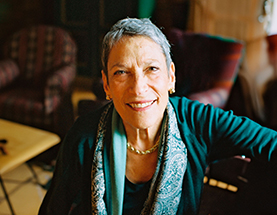
AI And Ethics: Exploring The Intricacies Of Technology, Morality, & Human Experience With Joan Cohen
In this episode, we sit down with Joan Cohen to discuss her latest book, The Deepfake: A Novel. Newly released in April 2024, Joan takes us on a journey into the life of Sylvie, an employee at an AI company. In this gripping story, we are confronted with the ethics of AI, corporate scandals, and a woman's self-discovery. This incredibly well-timed and thought-provoking narrative highlights the potentially harmful effects of powerful technology with wisdom – with an added bit of romance, too… Joan is a Massachusetts-based author with a background in sales & marketing at computer hardware and software companies. Once she retired, she returned to school to pursue an MFA in Writing from Vermont College of Fine Arts. Since then, she has written two books, including The Deepfake and her 2019 release, The Land of Last Chances: A Novel. Join us now to explore: Why Joan decided to write a book on AI. When and why creatives started paying attention to AI. The difference between the quality of work created by AI and artists. How AI may progress and develop as the future unfolds. How The Deepfake was revised and edited over time. You can find more on Joan by visiting her website! Take advantage of a 5% discount on Ekster accessories by using the code FINDINGGENIUS. Enhance your style and functionality with premium accessories. Visit bit.ly/3uiVX9R to explore latest collection. Episode also available on Apple Podcasts: http://apple.co/30PvU9

Bee Happy: Maximizing Honey Bee Characteristics for Healthy Bees with Juliana Rangel Posada
The queen bee has to get it right when she mates, because she only has one intense mating session for the duration of her life. The queen bee's anatomy and basic honey bee biology work together for success and Julian Rangel Posada tells listeners how. Listen and learn Why the queen flies a mile away to mate as well as other interesting details of honey bee social behavior, What the exact mechanics of honey bee mating are and why drones are "expensive" to maintain, and What she's researching about pollen choice and lipid-to-protein ratios that help bees maintain health and improve recovery from viruses they contract from types of mites. Juliana Rangel Posada is an associate professor of apiculture in the Department of Entomology and leads the Texas A&M University Honey Bee Research Program. She studies biotic and abiotic factors affecting bee health. The number one problem for honey bees is the varroa mite, and she starts the conversation addressing how her lab showed that the chemicals used to treat the mites actually affects both the mites and bees. The wax that makes up the honey comb absorbs the chemicals like a sponge, and bees grow and develop within this wax home, absorbing the chemicals. The chemical buildup causes queens to develop lower reproductive capacity and also affects drone sperm and viability. She shares various ways they advise beekeepers to mitigate this affect, including clearing out the wax every few years. She also describes for listeners a detailed and fascinating description of honey bee matting, one of several honey bee behavioral adaptations evolved to increase genetic diversity and reproductive success. She explains the harsh life of the drone, reared for mating and killed off quickly after they've done their job. She also describes the drone's endophallus and how a queen manages multiple mates and their sperm by taking in this organ. The next mate removes the endophallus of the previous one and so on, until she has sperm from multiple mates to continue producing eggs for years. In addition to reproductive studies, her lab is researching foraging behavior and nutrition to see if honey bees are using certain pollens with various ratios of lipid-to-proteins that affect their survivability. For more, see her lab's Facebook page, facebook.com/TAMUhoneybeelab, which includes a "stay-at-home beekeeping series." Take advantage of a 5% discount on Ekster accessories by using the code FINDINGGENIUS. Enhance your style and functionality with premium accessories. Visit bit.ly/3uiVX9R to explore latest collection. Episode also available on Apple Podcasts: http://apple.co/30PvU9
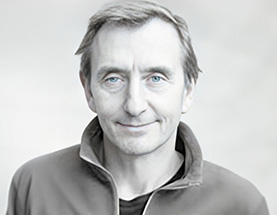
Minding Your Bees with Expert Qs and As
From smelly footprints and dances to furry coats and long tongues, Professor Dave Goulson from the University of Sussex talks about it all. We often refer to "bees" as though there's only one kind, but in fact, over 20,000 species of bee have been identified. Goulson shares fascinating data and insights primarily on two: the bumblebee and the honeybee. Press play to discover: How bumblebees and honeybees differ (in many, many ways!) What two critical pieces of information are conveyed by the waggle dance of honeybees What sensing ability of bees explains why a bee may or may not choose to land on a flower for pollen or nectar Goulson's lifelong captivation by insects led to a fascination of bees in his adult life, and for the past 25 years, he's been studying them. Initially, the focus of his research was on the foraging strategies of different species of bee, but it's since shifted to an investigation of why bee populations are declining, and what can be done about it. As a specialist in the ecology and conservation of bumblebees, Goulson discusses what he believes to be the primary driving force behind the declining numbers: habitat loss, such as hay meadows in the UK and prairie fields in North America. But he's careful to note that other factors are likely at play too, including the heavy use of pesticides, and the fact that bumblebees suffer from a range of parasites and diseases. What do bumblebees eat, and which nutrients are provided by pollen versus nectar? How can seemingly strange bumblebee behaviors actually make a whole lot of evolutionary sense? How can you differentiate between a male and female bee? What exactly happens when a bee pollinates a flower? What types of technology are used for tracking and gathering data on bees? You'll get a compelling and thorough answer to all of these questions and more. Tune in and check out https://www.thebuzzclub.uk/. Take advantage of a 5% discount on Ekster accessories by using the code FINDINGGENIUS. Enhance your style and functionality with premium accessories. Visit bit.ly/3uiVX9R to explore latest collection. Episode also available on Apple Podcasts: http://apple.co/30PvU9
Honey Bee Sperm and Reproductive Bee Anatomy with Brandon Hopkins
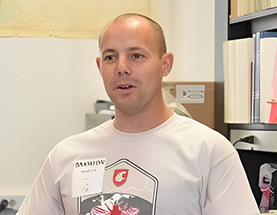
One in every three bites you take are made possible by honey bee pollination. Keeping bees healthy and productive is essential. Honey bee reproduction depends on a queen's ability to have one mating session, store sperm for years, and lay about 1,000 eggs a day during the warmer months: an amazing honey bee characteristic among many. Brandon Hopkins shares fascinating honey bee behavioral adaptations in this discussion. Listen and learn How a queen's anatomy and sperm morphology work to make this reproduction effective, What storage methods are best for honey bees to make the large almond yield in California possible, and How these storage methods also work best to deter certain types of mites from overtaking colonies. Brandon Hopkins is an assistant research professor and the apiary and laboratory manager with the Washington State University Apiary Program. Studying reproductive biology across different animals led him to a honey bee obsession. "They're fascinating creatures and present lots of room for improvement in assisted reproductive techniques in honey bee breeding," he says. He gives listeners a primer on honey bee social behavior and reproduction, describing the sperm, the queen's spermatheca organ, which stores the sperm in a quiescence state over years, and the complex ability of the queen to continue laying eggs by releasing the sperm through a tube. He also gives us a glimpse into how this works over our geography. While he's worked on methods of cryopreservation of honey bee semen, he's now mainly focusing on practical aspects of beekeeping management. Over two million honey bee colonies have to be moved to California in January for February almond pollination, so the storage and transport of bees is a vital topic for research. Many beekeepers store their bees that will go to California in large warehouse-like buildings for the winter. He explains why this is an advantage, from saving their energy production to keeping mites and bee interaction at a lower state, and for a better quality of life for the keepers themselves. Listen in to understand more about the ways researchers like Brandon Hopkins are keeping bees healthy. For more about his work, see entomology.wsu.edu/directory/faculty/brandon-hopkins. Take advantage of a 5% discount on Ekster accessories by using the code FINDINGGENIUS. Enhance your style and functionality with premium accessories. Visit bit.ly/3uiVX9R to explore latest collection. Episode also available on Apple Podcasts: http://apple.co/30PvU9

Bee Space: Honey Bee Social Behavior with Cameron Jack
Bee keeping is an ancient practice: even prehistoric cave paintings in Spain depict a keeper reaching for a hive to collect honey while holding a smoker to calm the bees. Cameron Jack shares some of the more interesting details of this ancient art with lucky listeners. Tune in and hear How honey bee characteristics, bee anatomy, and evolution have led to optimal frame and hive size for beekeepers to follow, Why bees are considered a superorganism, which means a honey bee can't survive on its own, and is organized by queen, brooders, and workers, and Why Cameron Jack's prime interest is managing honey bee diseases and pests and what are the main areas of concern. Cameron Jack holds the unusual position of one-hundred percent lecturer at the University of Florida. He's still involved in research and extension work, but his full lecturer designation means his beekeeping course list at the University of Florida is probably the most extensive college-level beekeeping instruction out there. He teaches seven different beekeeping courses, covering everything from evolution, biology, the annual cycle involved in beekeeping, and more. The courses are complete enough to turn out people who can actively be beekeepers. In this interview, he describes everything from why 3/8 inches is a magic number to how bees find and maintain hives in the wild. Honey bee behavioral adaptations of course take center stage. For hive building, beekeepers who want to maximize honey production must learn such behaviors to know why they might, for example, sequester the queen in the lower level. Bees build their combs vertically and are considered a superorganism—"the whole animal is the whole colony," he adds. They are able to determine their hive sizing in multiple ways and if it gets too big, they swarm—one colony becomes two. Furthermore, the queen designation doesn't mean ruler. She's a producer, laying as many eggs as she can in a systematic spiral through her level of the comb. Cameron Jack's primary interest is the management of pests and diseases bees face like types of mites, beetles, and even wax-eating moths. While the interaction of mites and bees is the most concerning, diseases even involve microorganisms in honey bees' guts. Listen in to hear more about this amazing superorganism. For more see the University of Florida Honey Bee Research and Extension Lab page. Take advantage of a 5% discount on Ekster accessories by using the code FINDINGGENIUS. Enhance your style and functionality with premium accessories. Visit bit.ly/3uiVX9R to explore latest collection. Episode also available on Apple Podcasts: http://apple.co/30PvU9

Sweet Talk: All about Honey Bees with Jamie Ellis
It's estimated that 20% of our food is dependent on honey bee pollination. Meanwhile, recent news has highlighted concerns like viral diseases of the honey bee to mites to invading "killer" bees. It's hard to keep straight where honey bee diseases and treatments stand. This conversation does the trick, leaving listeners with a clear and fascinating vision of what's up with the honey bee. Listen and learn Where do our current North American honey bee populations stand and where do they fit in the larger picture of bees worldwide, What pests and diseases of the honey bee and control measures are entomologists most involved with, and How do these concerns fit within agricultural, ecology, and the backyard beekeeper. Jamie Ellis is the Gahan Endowed Professor in the Entomology and Nematology Department at the University of Florida. Fascinated with bees since childhood, he took care of his first honey bee hive at age 12 and hasn't looked back since. He's not alone: humans have been interacting with honey bees for thousands of years. While there are 20,000 of bee species worldwide, only 9 of those species are honey bees. Even more daunting, 8 of those 9 are specific to Asia. That remaining species is the one we're familiar with and it inhabits Africa, Europe, the Middle East, and North America. Honey bees are actually not native to North America; rather, Europeans brought them over hundreds of years ago. Are the populations of this one honey bee species that inhabits such disparate regions the same? Well, while it is the same species, entomologists divide it into about 30 subspecies or races, such as the African bee, which the press has misnamed the "killer bee." North American honey bees have been facing population struggles lately because of a mite, and Ellis describes various pest control and pest management plans, including nature's own adaptation through honey bee evolution. He also helps listeners with the big picture of the many reasons to raise honey bees. While many are familiar with bee hives used for honey, pollination services are also a tremendous business. Others raise colonies to sell and some keepers specialize in raising queens. For more information, including resources on your own bee keeping, see the University of Florida Honey Bee Research and Extension Lab page. Take advantage of a 5% discount on Ekster accessories by using the code FINDINGGENIUS. Enhance your style and functionality with premium accessories. Visit bit.ly/3uiVX9R to explore latest collection. Episode also available on Apple Podcasts: http://apple.co/30PvU9

Honey Bee Threat: Not-So-Sweet Mites and Bees with Zachary Huang
It's hard to imagine a world without honey, much less all the fruits they pollinate. That's one reason Zachary Huang's research into honey bee stressors is so important. Listen in as he teaches listeners about Primary bee stressors, including parasites, pathogens, pesticides, and agricultural transportation, In-depth information regarding their primary stressor, the Varroa mite and how it harms the honey bee, and Honey bee characteristics that make them especially vulnerable to these stressors. Zachary Huang is an associate professor in the Department of Entomology at Michigan State University. He's also an avid photographer of all-things-honey bee, including the plants they pollinate. Honey bees face many stressors and are on the decline. Researchers across the country are trying to figure out why. Dr. Huang tells listeners about the Varroa destructor mite, which hitchhiked from Brazil or Asia on bees into North America. These purplish-red mites are about the size of a pinhead and feed on the fat body of the bee. They are an obligate parasite, meaning they are dependent on the bee for their life cycle. However, their bite transmits several viruses, which weaken and affect the bee anatomy and eventually lead to the death of the bee and increased hive vulnerability. These types of mites are actually responsible for the death of 35% of honey bees a year. Honey bee social behavior increases mite transmission likelihood. They can be transmitted from drifting, if a bee goes to the wrong nest and brings a mite back, or if a new colony takes over another colony's site. Researchers have tried several methods to combat these mites, from chemical methods to Dr. Huang's own method of "zapping" the drones and mites, killing them with heat so that infected drones and mites die and the colony is free to recover. Other research explores utilizing honey bee behavioral adaptations like grooming behaviors and hygiene, working on breeding bees with increased habits that will decrease the mite population in their hives. For more about his work and to see some of his photography, see bees.msu.edu. Take advantage of a 5% discount on Ekster accessories by using the code FINDINGGENIUS. Enhance your style and functionality with premium accessories. Visit bit.ly/3uiVX9R to explore latest collection. Episode also available on Apple Podcasts: http://apple.co/30PvU9

Aligning With Holistic Wellness: Discovering The Power Of Postural Restoration With Aleena Kanner
In this episode, we connect with Aleena Kanner, a Postural Restoration Therapist and Certified Athletic Trainer with a passion for helping others with chronic pain. With a background in athletic training, she works with the neurology and psychology of the body to help restore sensation, realign position, and repattern the nervous system. How can better posture transform your well-being and pave the way for holistic restoration? By putting the root causes of underlying health conditions at the heart of her practice, Aleena guides her clients down an empowering path of healing – and you may be surprised at the results… During the episode, we delve into: What typical postural evaluations consist of. How our body movements can dictate internal pressure. Intricate techniques that teach the brain how to understand its space. The asymmetries that can exist in the body and how to address them. Want to learn more about Aleena and her distinct approach to physical and mental health? Click here now! Take advantage of a 5% discount on Ekster accessories by using the code FINDINGGENIUS. Enhance your style and functionality with premium accessories. Visit bit.ly/3uiVX9R to explore latest collection. Episode also available on Apple Podcasts: http://apple.co/30PvU9

Reinventing Healthcare: Taking An Alternative Approach To Wellness With Dr. Kenneth R. Pelletier
Dr. Kenneth R. Pelletier joins the podcast to discuss his latest book, Change Your Genes, Change Your Life: Creating Optimal Health with the New Science of Epigenetics. Dr. Pelletier is a Clinical Professor of Medicine at UCSF, a renowned keynote speaker, and a pioneer in mind-body medicine and integrative health research. Change Your Genes, Change Your Life is renowned for pioneering work in integrative medicine, epigenetics, and longevity. Throughout the book, Dr. Pelletier navigates readers through a captivating journey into the realm of health and wellness – unveiling actionable steps to alter our genetic expression and enhance our well-being for a lifetime… Presently, Dr. Pelletier works as a medical and business consultant to an array of entities, including the U.S. Department of Health and Human Services, the World Health Organization (WHO), the National Business Group on Health, and the Federation of State Medical Boards. He also serves on the boards of the Healthtrac Foundation, United Behavioral Health, American Institute of Stress, and more. In this conversation, we dive into: What "adept meditators" are, and how observing them drove Dr. Pelletier's career interests. The difference between the voluntary and involuntary nervous system, and how they interact. How practice and repetition can create pathways in the nervous system. Examples of skills that can be learned through deep concentration. You can follow along with Dr. Pelletier and his work by visiting his website! Take advantage of a 5% discount on Ekster accessories by using the code FINDINGGENIUS. Enhance your style and functionality with premium accessories. Visit bit.ly/3uiVX9R to explore latest collection. Episode also available on Apple Podcasts: http://apple.co/30PvU9
Inside Schizophrenia: A Compassionate Exploration Of The Science And Treatment Of Mental Illness
Dr. Xavier Amador and Janet Hays join the podcast to discuss the intriguing topic of schizophrenia. How is it treated? What systemic barriers do patients face? These experts sit down to offer their comprehensive perspective on this complex mental illness – and all of the intricacies that come with it… Dr. Amador is a world-renowned clinical psychologist and the founder of the LEAP Institute. As a leader in his field, he has written many books, published clinical research, and completed worldwide speaking tours surrounding the topics of schizophrenia, bipolar, and other disorders. Janet Hays is a mental healthcare advocate and founder of the Healing Minds NOLA. Determined to make a difference, she supports policies and funding priorities that focus on evidence-based treatment and care programs for those struggling with mental health issues. Join us now to learn about: Dr. Amador's personal relationship with schizophrenia. Why it can be difficult for schizophrenia patients to understand and accept their illness. The average span of time between diagnosis and treatment of schizophrenia. What assisted outpatient treatment is, and why it is the most therapeutic way of doing intervention. Why many patients are so resistant to mental health treatment. Whether you're seeking a deeper understanding of schizophrenia, grappling with its complexities firsthand, or simply interested in the intersection of science and practice in mental healthcare, this episode provides invaluable insights into a condition that affects millions worldwide. Want to find mental health resources in your state? Visit www.treatmentadvocacycenter.org now! Take advantage of a 5% discount on Ekster accessories by using the code FINDINGGENIUS. Enhance your style and functionality with premium accessories. Visit bit.ly/3uiVX9R to explore latest collection. Episode also available on Apple Podcasts: http://apple.co/30PvU9
Fertility & Diet: Bridging Traditional Medicine & Functional Nutrition To Achieve Optimal Health
Meet Nikki Burnett, a functional nutritionist and the Founder and CEO of Taste Life Nutrition. Drawing from nearly a decade in practice and over 25 years of education, Nikki has helped hundreds of clients unlock their optimum health. She does this by digging into the root cause of dysfunctions – and then using manageable and strategic methods to restore balance and wellness… Nikki's own health struggles fueled her mission to empower others on their health journeys. By highlighting the effectiveness of personalized approaches, she helps people suffering from an array of complex health conditions. From chronic pain to fertility struggles, Nikki is on a mission to bring holistic solutions to those who look beyond conventional norms. What sets her approach apart from other nutritionists? Tune in now to see for yourself! In this conversation, we cover: Why people are so confused about their health and wellness. How a healthy diet can impact fertility. What epigenetics is, and what it can tell us about the body. Different factors that can impact fertility for both men and women. Click here to find out more about Nikki and her work with Taste Life Nutrition! Take advantage of a 5% discount on Ekster accessories by using the code FINDINGGENIUS. Enhance your style and functionality with premium accessories. Visit bit.ly/3uiVX9R to explore latest collection. Episode also available on Apple Podcasts: http://apple.co/30PvU9

Functional Mushrooms: Unlocking A New World Of Health & Wellness With Stephanie Moyal
Functional mushrooms have garnered increasing attention in the realm of nutrition. As experts continue to unveil their myriad of health advantages, it's no wonder that demand has surged. So, what are the benefits of functional mushrooms? Stephanie Moyal, the Co-founder of Troop Nutrition, sits down to graciously share her insights with us… Stephanie created Troop Nutrition with Jake Mellman, her cousin and best friend. Founded with the goal of demystifying mushrooms and making them approachable, they decided to produce something truly groundbreaking: superfood mushrooms in gummy form. Offer: Troop's all about the mush life and it brings the magic of mushrooms to your doorstep. Our mushroom gummies are crafted with the best ingredients and methods to boost your health and wellness without compromising on taste. Troop is offering an exclusive 20% OFF for Finding Genius Podcast listeners! Use the discount code FINDINGGENIUS20 at troop.com for your first order. Don't miss this special 20% OFF offer! Join us now to dive into: The anatomy of mushrooms, and where most of the bioavailable compounds are held. What Lion's Mane can do for mental focus and clarity. The six mushrooms that Troop Nutrition works with. When the best time to supplement certain mushrooms is. What makes Troop Nutrition's mushroom gummies so innovative? Listen to this intriguing conversation now to find out! You can learn more about Troop Nutrition by visiting their website here. Use the discount code FINDINGGENIUS20 for 20% off your first order! Episode also available on Apple Podcasts: https://apple.co/30PvU9C
Where Trauma Meets Personality: Unraveling the Fascinating and Fundamental Connection
Tobias Schulze, the insightful clinical psychologist and director of Talking Cure, illuminates a profound notion: 'Personality is trauma decontextualized.' Delving into the essence of this statement, Schulze shares the intrigue and gratification he's found within the realm of clinical psychology. Initially, Schulze was reluctant to venture into clinical psychology, driven by misconceptions portraying it as emotionally draining and engulfed in negativity. However, he soon discovered a rich tapestry of challenges and rewards, particularly at the nexus of trauma and personality. In his practice, Schulze confronts the core existential struggles inherent in personality disorders, addressing fundamental questions about navigating existence and relationships. His work revolves around empowering individuals to unlock their potential, dreams, and aspirations. Join us as we explore the world of mental health with a true expert. You'll explore: The meaning behind personality disorders and how they manifest Specific examples revealing how responses to external stimuli are rooted in traumatic interpersonal experiences A clinical perspective on narcissistic personality disorder and the complexities of working with individuals affected by it The intricate dynamics of close relationships and how they intersect with personality disorders and disproportionate reactions Practical tips for navigating emotionally charged situations within intimate partnerships Tune in now, and learn more by visiting Tobias Schulze Clinical Psychologist Napier Hawke's Bay (talktherapy.co.nz). Take advantage of a 5% discount on Ekster accessories by using the code FINDINGGENIUS. Enhance your style and functionality with premium accessories. Visit bit.ly/3uiVX9R to explore latest collection. Episode also available on Apple Podcasts: http://apple.co/30PvU9

Mind Matters: Exploring Child & Adolescent Mental Health With Dr. Elisabeth O'Rourke
In this episode, we are joined by Elisabeth O'Rourke, Ph.D., the Site Director for MindWell Psychology's Albany, NY practice location. Dr. O'Rourke sits down to discuss her work as a clinical psychologist and her expertise in cognitive behavioral therapy designed for children, adolescents, and emerging adults dealing with a range of disorders. Incorporating techniques such as relaxation and mindfulness into her practice, Dr. O'Rourke uses individualized and strength-based approaches to address an array of mental health issues – including anxiety, depression, OCD, and behavioral concerns. Dr. O'Rourke has always been passionate about helping children and young adults overcome mental health challenges. By examining the intersection between physical and mental health, she has helped countless individuals unlock their potential for growth and resilience… Click play now to discover: What led Dr. O'Rourke to pursue work in her field. The primary disorders that child psychologists treat. Why so many teens are coping with anxiety. Outside factors that impact the mental health of children and teens. Find out more about O'Rourke and her work at MindWell here! Take advantage of a 5% discount on Ekster accessories by using the code FINDINGGENIUS. Enhance your style and functionality with premium accessories. Visit bit.ly/3uiVX9R to explore latest collection. Episode also available on Apple Podcasts: http://apple.co/30PvU9

The Pantry Challenge: Committing To Food Preservation & Sustainability With Dawn Gallop Of #9 Farms
Dawn Gallop of #9 Farms returns to the podcast to discuss food preservation, self-sufficiency, homesteading, and more. Dawn has been a homesteader since 1992, and she is a mother to nine children, a farmer, nurse, artist, cheesemaker, canner, soapmaker, and beekeeper. Dawn is on a mission to share her knowledge of self-sustainability with others – and she does this both in person and online with her YouTube channel. Nestled on 30 acres of land with her family, Dawn immerses herself in the practices of gardening, goat rearing, beekeeping, and chicken care. Tune in as Dawn reflects on her journey through the "pantry challenge" – illuminating how it propelled her to explore the realms of canning, mindful food consumption, and sustainable practices… In this episode, we cover: The essence and objectives of the pantry challenge. Strategies to embrace a survivalist mindset. Essential pantry staples for sustainable living. Insights into the art of food canning. Discover more about Dawn and her remarkable work by clicking here! Take advantage of a 5% discount on Ekster accessories by using the code FINDINGGENIUS. Enhance your style and functionality with premium accessories. Visit bit.ly/3uiVX9R to explore latest collection. Episode also available on Apple Podcasts: http://apple.co/30PvU9

Self Care & Leadership: How To Harness Your Self-Love & Inner Peace Through Improv Comedy
Meet Erin Diehl, a business improv edutainer, failfluencer, and keynote speaker. As the founder of improve it!, she harnesses the power of improvisational comedy and experiential learning to help others thrive in ever-changing environments – and do so with a smile on their faces. Erin is also the author of I See You!: A Leader's Guide to Energizing Your Team Through Radical Empathy. In this book, she uses her 18 years of leadership experience and sense of humor to create a mindset shift for busy, stressed-out leaders. Can laughter, positivity, and empathy facilitate self-exploration and personal growth? Erin thinks so, and she joins us to explain why… In this discussion, we cover: What led Erin down this path of encouragement and leadership. The three main ways that improv comedy can help you be your best self. How to overcome challenges with humor and active communication. The importance of listening in "real time". You can keep up with Erin and her work by visiting her website! Take advantage of a 5% discount on Ekster accessories by using the code FINDINGGENIUS. Enhance your style and functionality with premium accessories. Visit bit.ly/3uiVX9R to explore latest collection. Episode also available on Apple Podcasts: http://apple.co/30PvU9

Ever Forward: How To Transform Your Life With Holistic Health & Wellness
Today, we connect with Chase Chewning, a health and fitness entrepreneur turned full-time podcaster. Chase hosts Ever Forward Radio, a top-ranked health/fitness and self-improvement podcast featuring engaging interviews with industry leaders in fitness, nutrition, and mindset. Chase has a passion for all things wellness and human optimization. As a US Army veteran who suffered a career-ending injury, he turned his unfortunate circumstances into fuel for fulfillment and inspiration. Now, his message centers around helping others build a life that propels them forward… Jump in now to explore: What changed Chase's perspective on health and wellness. The mantra that Chase lives his life by. Advice for people who want to start a regular exercise routine. Whether you're a fitness junkie or just starting out, this conversation is sure to peak your interest! You can learn more about Ever Forward Radio by visiting their website. Take advantage of a 5% discount on Ekster accessories by using the code FINDINGGENIUS. Enhance your style and functionality with premium accessories. Visit bit.ly/3uiVX9R to explore latest collection. Episode also available on Apple Podcasts: http://apple.co/30PvU9