Show overview
Fiduciary Investors Series has been publishing since 2020, and across the 6 years since has built a catalogue of 39 episodes. That works out to roughly 25 hours of audio in total. Releases follow a roughly quarterly cadence.
Episodes typically run twenty to thirty-five minutes — most land between 29 min and 44 min — though episode length varies meaningfully from one episode to the next. None of the episodes are flagged explicit by the publisher. It is catalogued as a EN-language Business show.
The show is actively publishing — the most recent episode landed 2 months ago, with 6 episodes already out so far this year. The busiest year was 2020, with 16 episodes published. Published by Amanda White.
From the publisher
The COVID-19 global health and economic crisis has highlighted the need for leadership and capital to be urgently targeted towards the vulnerabilities in the global economy. Through conversations with academics and asset owners, the Fiduciary Investors Podcast Series is a forward looking examination of the changing dynamics in the global economy, what a sustainable recovery looks like and how investors are positioning their portfolios. The much-loved events, the Fiduciary Investors Symposiums, act as an advocate for fiduciary capitalism and the power of asset owners to change the nature of the investment industry, including addressing principal/agent and fee problems, stabilising financial markets, and directing capital for the betterment of society and the environment. Like the event series, the podcast series, tackles the challenges long-term investors face in an environment of disruption, and challenges investors to look differently at how they make decisions and allocate capital.
Latest Episodes
View all 39 episodes
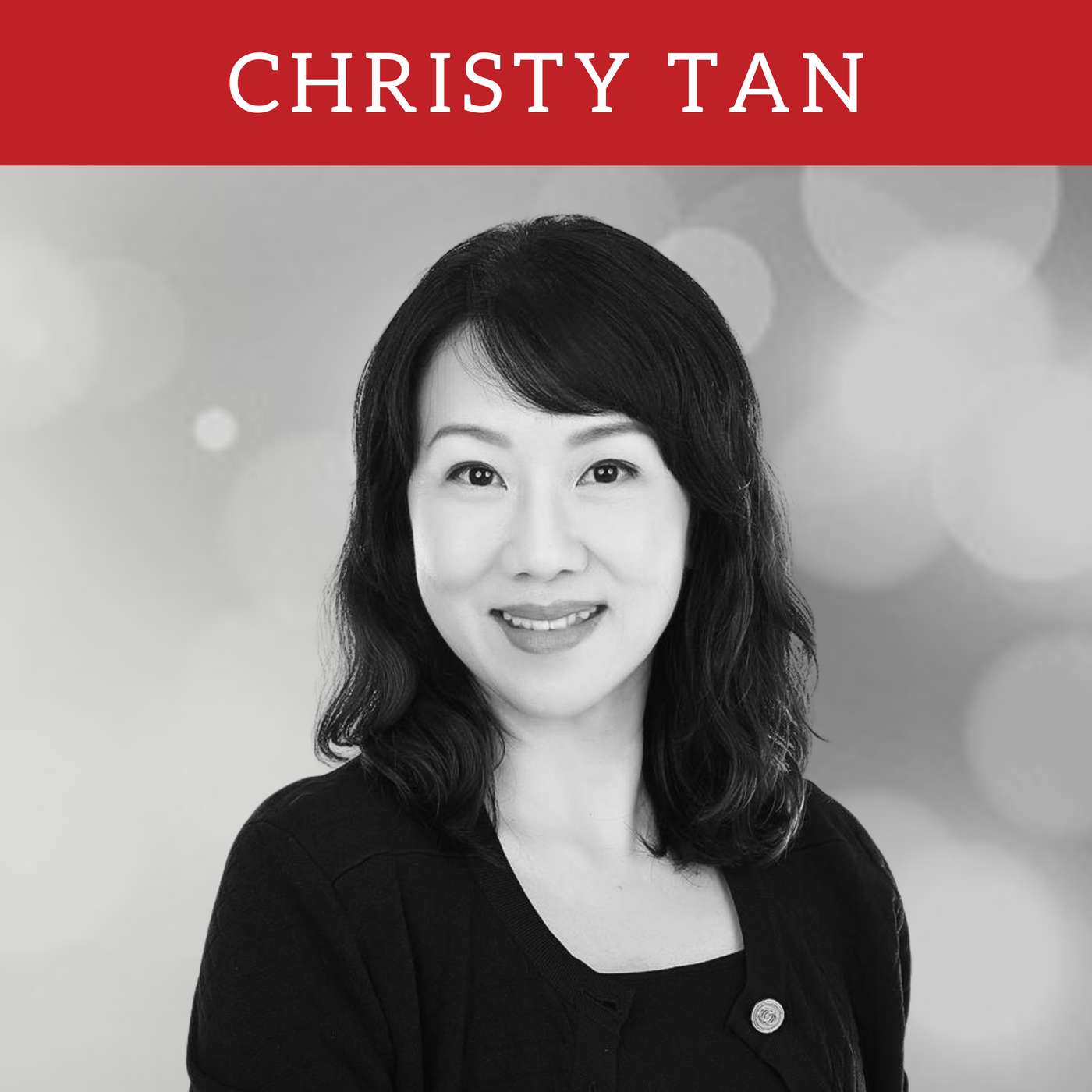
APAC equities move from tactical to structural buys
APAC equities’ 2025 rally has renewed interest, but Franklin Templeton’s Christy Tan says the case is now structural, driven by trade diversification and domestic growth.Geopolitics and energy volatility will create divergence, so investors should favour targeted country allocations over broad regional exposure.In the podcast with Top1000funds.com, Tan unpacks what this means for portfolio resilience and the region’s outlook.
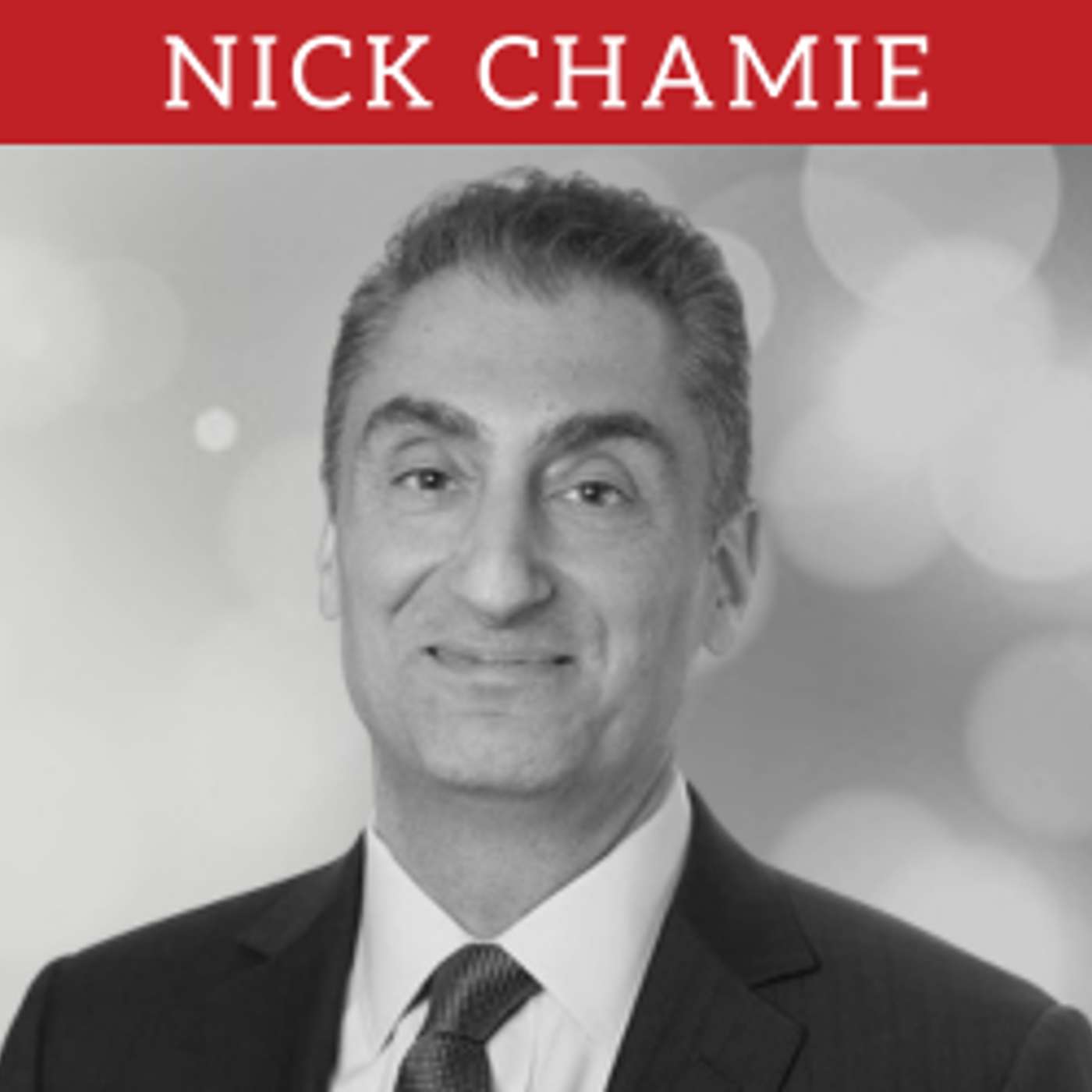
IMCO World View: Active strategies, diversification and liquidity focus
Pension funds are navigating a more complex environment shaped by higher rates, inflation and shifting currency dynamics. In its latest World View paper, Canada’s IMCO warns of rising bond yields, concentration risks in passive investing, and the need to prepare for a weaker US dollar, with alternatives like the Swiss franc and yen gaining relevance.Speaking to Amanda White on the Top1000funds.com podcast, IMCO chief strategist Nick Chamie said higher yields on risk-free assets are reshaping portfolio construction and the risk-return trade-off across markets.
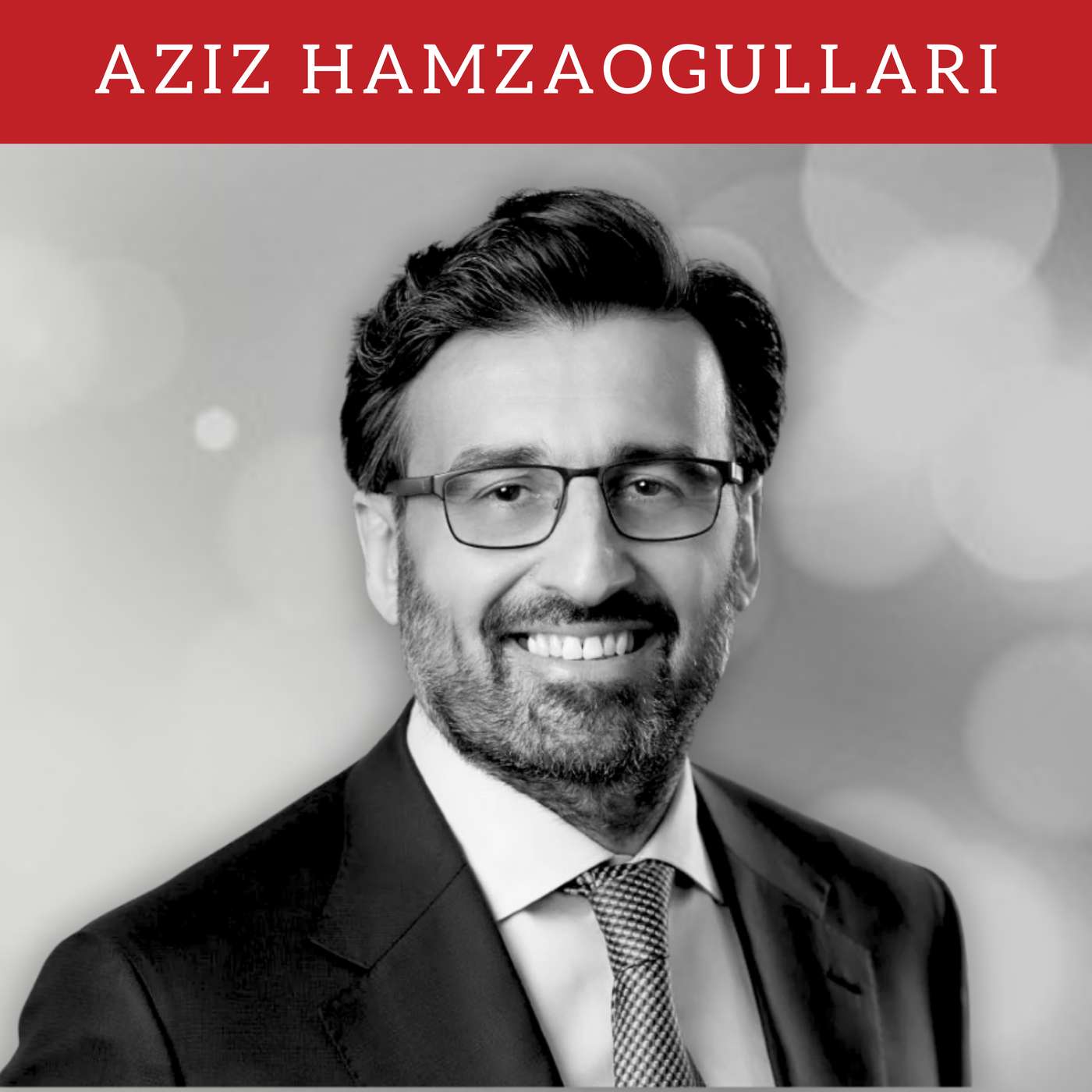
Why active managers are mimicking the flaw of passive benchmarks
In a conversation with Top1000funds.com editor Amanda White, Hamzaogullari unpacks the tenets of good genuine active management including a long-term structural approach and truly differentiated insights, which focuses on the quality of ideas not the quantity. For example, he says there will only be five to six companies which will benefit disproportionally from the AI trend while most of the other companies will struggle to sustain long-term growth.
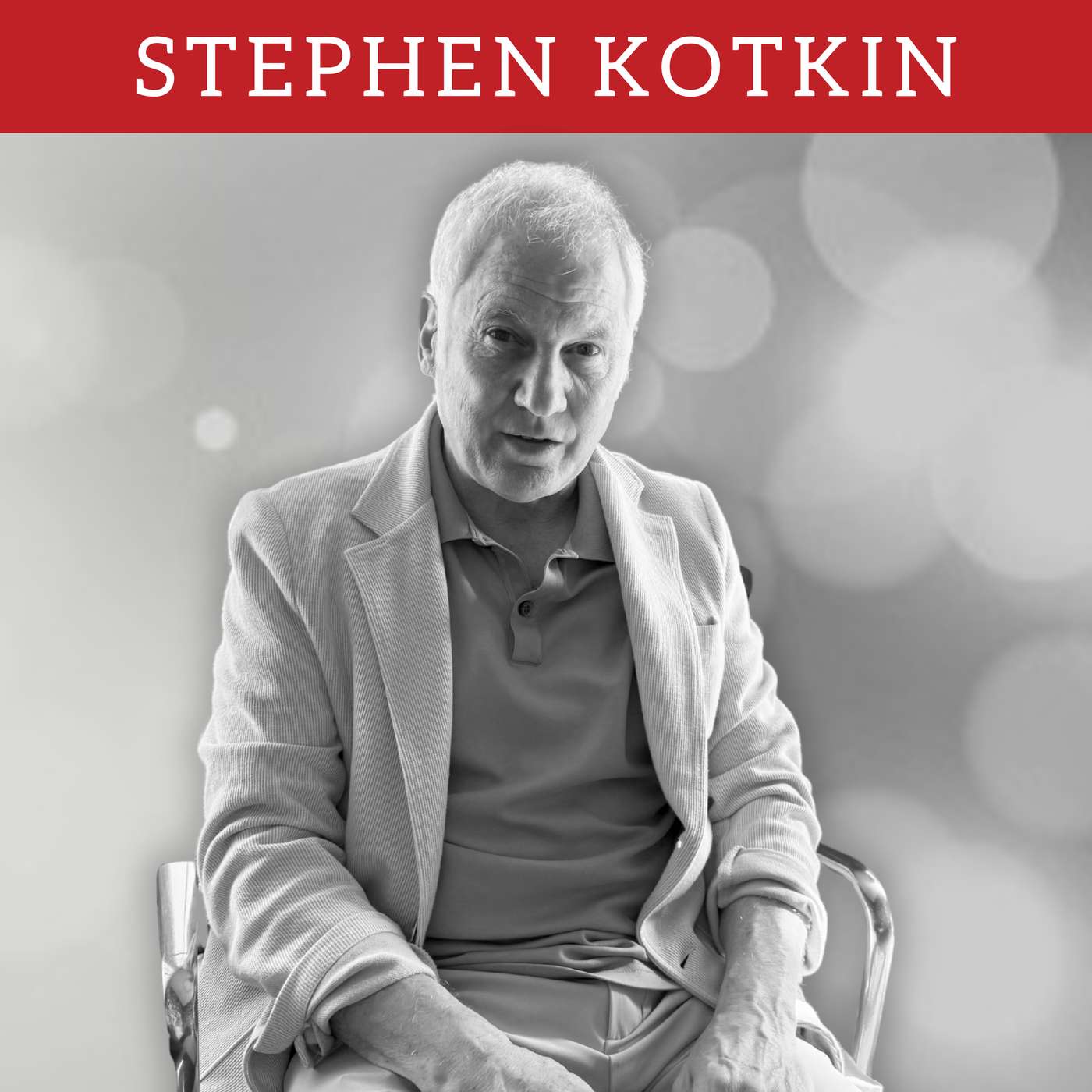
Stephen Kotkin on regional conflicts, and the one war investors can't price
The Trump administration’s strikes on Iran stems from a deep conflict between the two nations which has existed for the past 47 years, according to Professor Stephen Kotkin, senior fellow at the Hoover Institution at Stanford University.
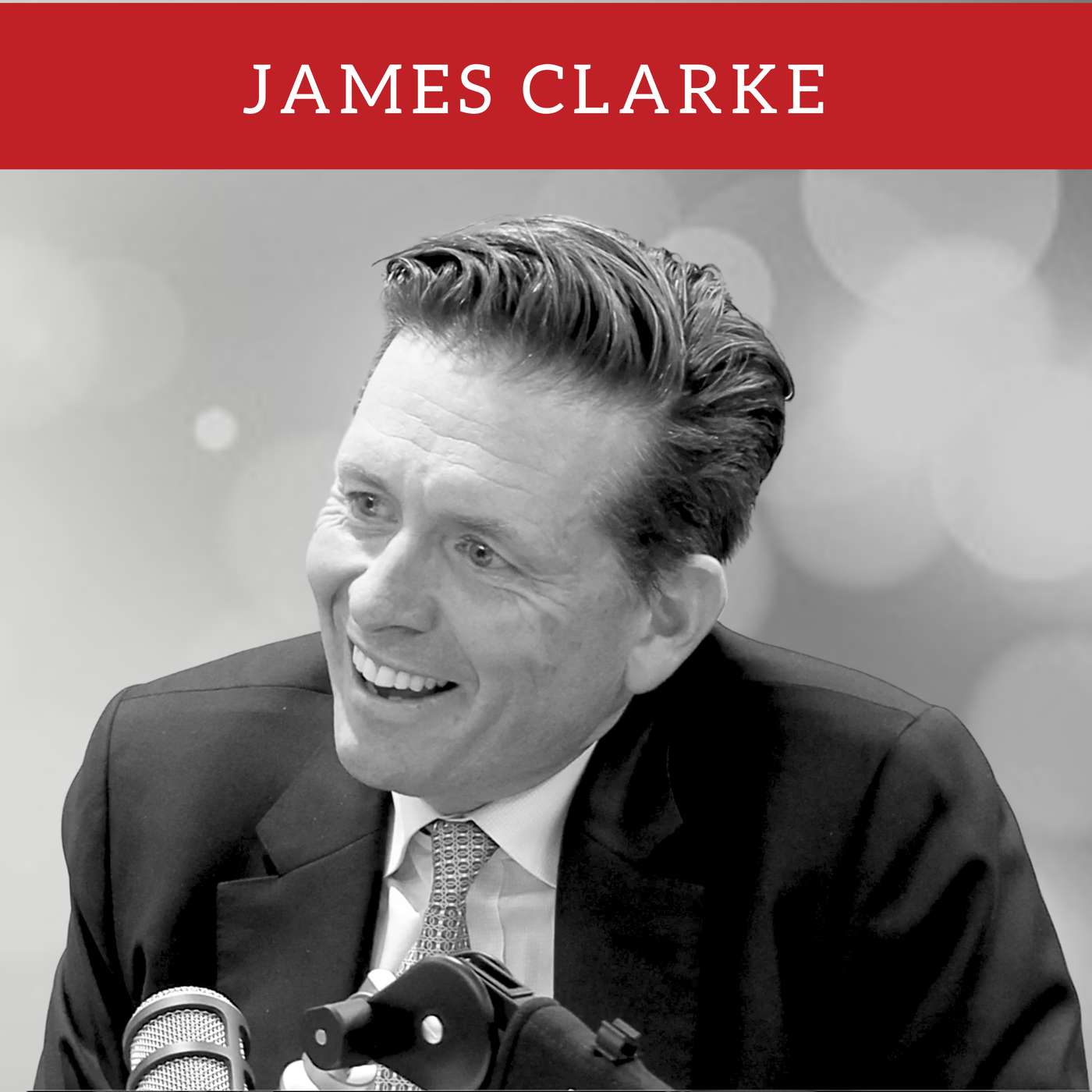
Ep 33Blue Owl's James Clarke on navigating private credit's first real cycle
In this conversation, Top1000funds.com editor Amanda White spoke to James Clarke, global head of institutional capital at Blue Owl Capital, about the credit cycle, the evolution of private credit, data centre financing, and what institutional investors should expect from their managers.
Oregon’s private equity future
In this conversation Top1000funds.com editor Amanda White speaks to Oregon State Treasurer, Elizabeth Steiner, about the future role and expectations of private equity, how a maturing of the asset class puts pressure on returns, and the private/ public asset mix in the fund’s four-yearly asset allocation review which has just begun.
CalPERS’ Stephen Gilmore on the total portfolio approach
The board of CalPERS has approved a momentous structural change that gives the $556 billion fund a single reference portfolio for judging performance, delegated authority to investment staff to construct the portfolio, and a simplified measure of success.The fund’s chief investment officer, Stephen Gilmore, has been behind the fund’s shift to this approach which he says can add 50 to 60 basis points to portfolio returns.In a long and detailed interview, Top1000funds.com editor Amanda White spoke to Gilmore about how a TPA mindset can add value, simplify accountability and open new opportunities for investments.
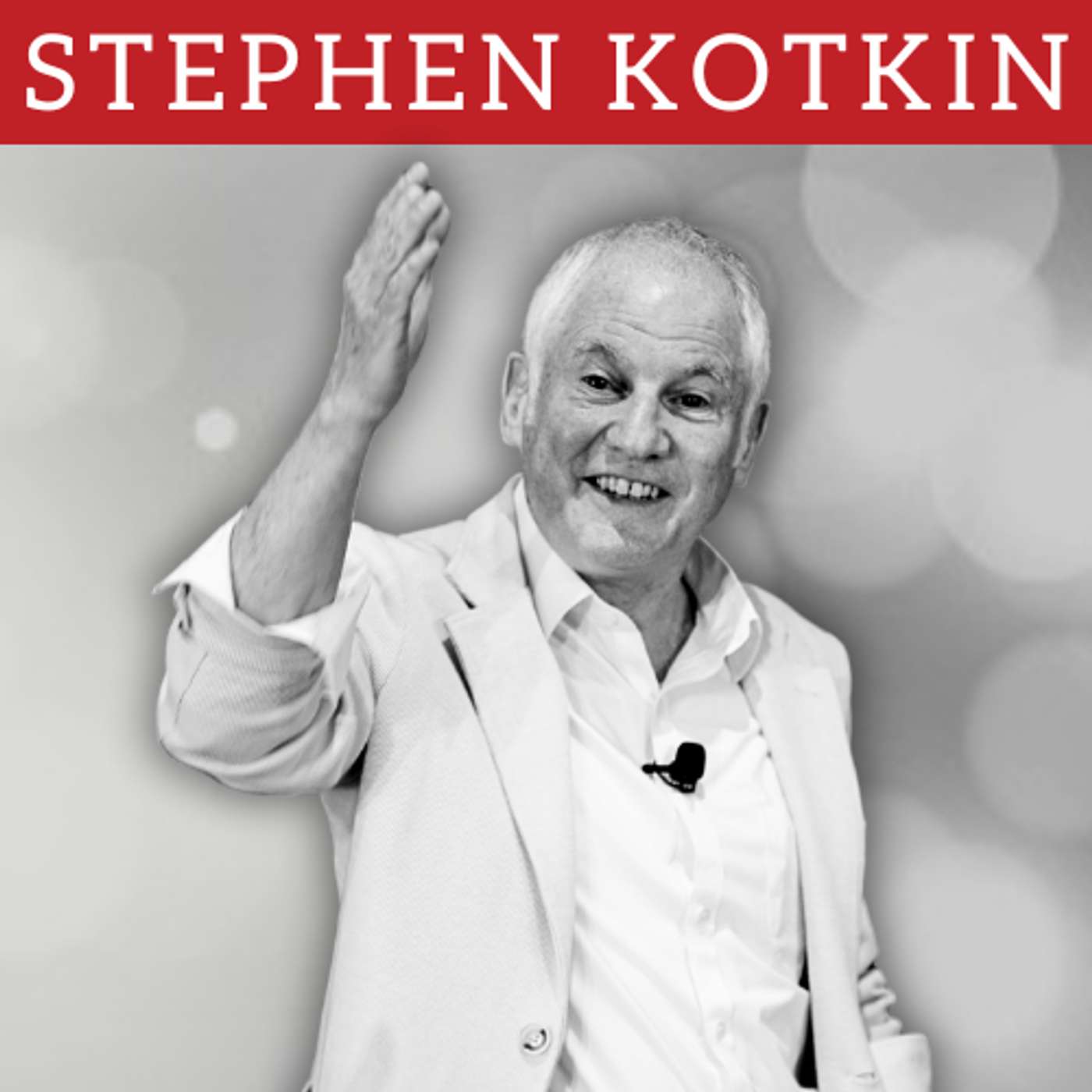
Ep 32The world in flux and Trump’s role in a new equilibrium
In this live recording from the Fiduciary Investors Symposium, hosted by Top1000funds.com in Singapore in March 2025, Professor Kotkin unpacks what’s next for the US and the world
Ep 31Why Asia is the future
In the midst of the great power rivalry between the US and China, “we need all the help we can get to carve out a future that works well for all of us” says Danny Quah, Dean and Li Ka Shing Professor in Economics at Lee Kuan Yew School of Public Policy at the National University of Singapore, in a talk examining the future of the global economy and the role of Asia. Listen here.
Ep 30Reversal of investment themes demands investors change their assumptions
Investors are currently facing the end of uncertainty around assumptions they have made for decades, and need to shore up their portfolios with greater inflation protection, more active management, and by fostering innovation, according to chief strategist at the Investment Management Corporation of Ontario, Nick Chamie who spoke to Amanda White in the Fiduciary Investors Series podcast.
Ep 29Mandates need innovating to encompass sustainable investing
As carbon emissions continue to rise investors need to innovate on the nature of investment mandates says Colin le Duc, a founding partner of Generation Investment Management. He says real world impact is going in the wrong direction, even though sustainable investing is booming, and the credibility of transition plans is under scrutiny.
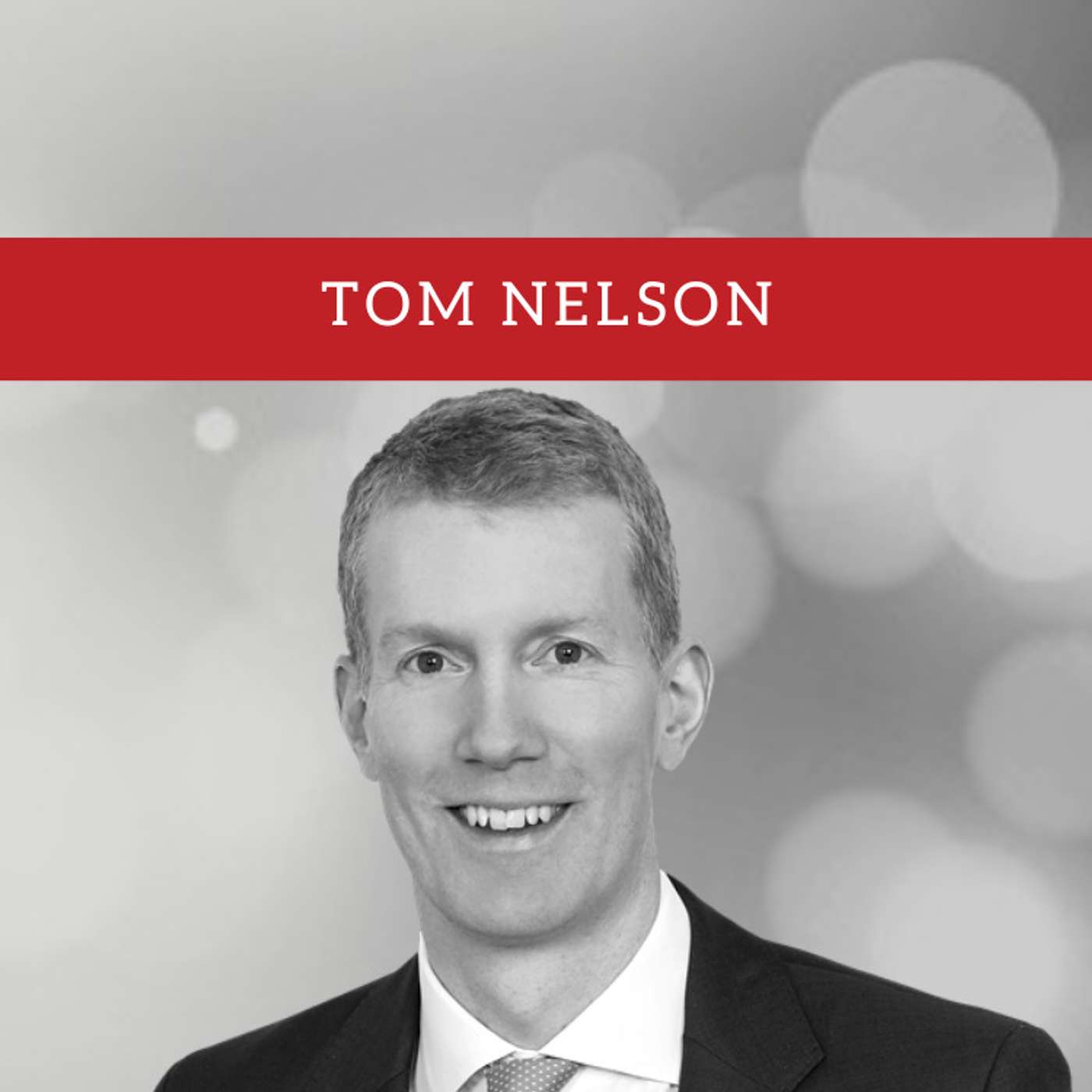
Ep 28Energy markets post-COVID, amid a conflict and in a decarbonising world
Tom Nelson, head of thematic equity at Ninety One, talks to Conexus Financial managing editor Julia Newbould about the extent of the shock to energy markets through the Ukraine War and how it will impact the transition to clean energy and how portfolio managers can invest in renewables and achieve carbon zero targets in this volatile market.
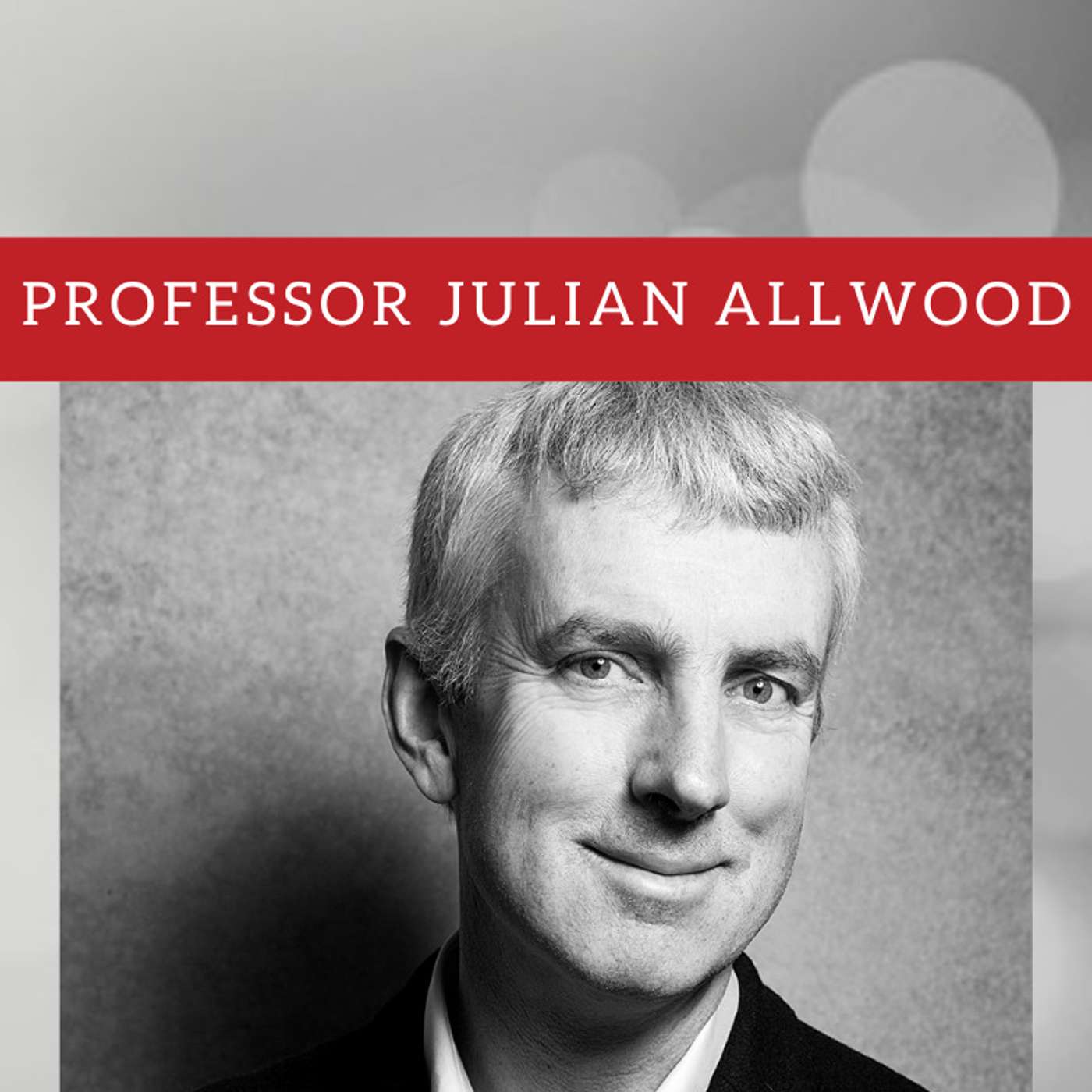
Ep 27Valuation and risk as the rhetoric-action gap on climate mitigation closes
About Professor Julian AllwoodJulian Allwood is Professor of Engineering and the Environment at the University of Cambridge. From 2009-13 he held an EPSRC Leadership Fellowship, to explore Material Efficiency as a climate mitigation strategy – delivering material services with less new material. This led to publication in 2012 of the book “Sustainable Materials: with both eyes open” - listed by Bill Gates as “one of the best six books I read in 2015.”Julian was a Lead Author of the 5th Assessment Report of the Intergovernmental Panel on Climate Change (IPCC) focussed on mitigating industrial emissions. Amongst others, he was elected as a Fellow of the Royal Academy of Engineering in 2017.From 2019-24 he is director of UK FIRES – a £5m industry and multi-university programme aiming to explore all aspects of Industrial Strategy compatible with delivering zero emissions by 2050. ‘Absolute Zero’, the first publication of UK FIRES attracted widespread attention including a full debate in the House of Lords in Feb 2020, and has led to a string of other reports, research and impact.
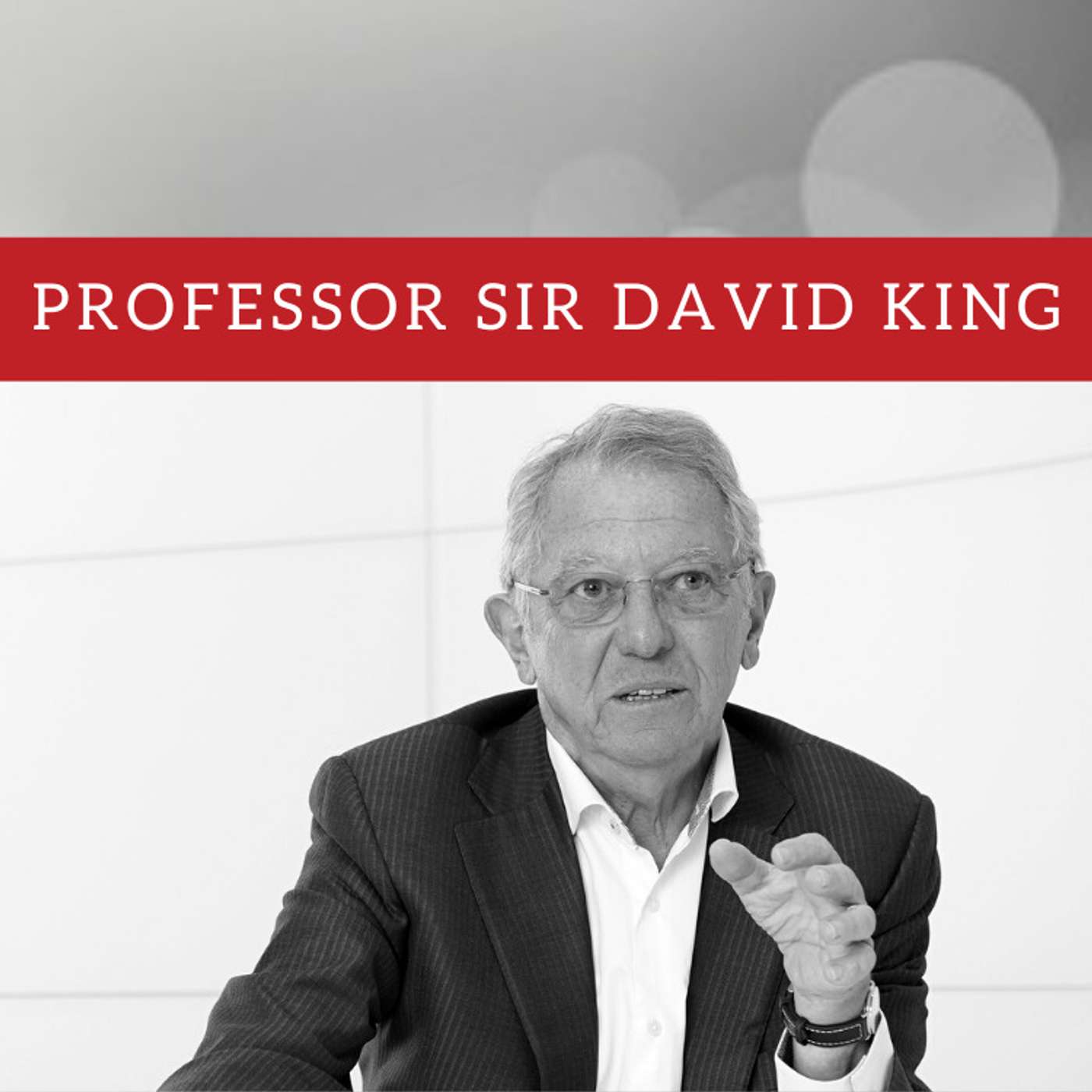
Ep 26Special guest speaker: Professor Sir David King
About Professor Sir David KingProfessor Sir David King is Emeritus Professor of Chemistry, University of Cambridge; Founder and Chair of the Centre for ClimateRepairin the University; Chair of the Climate Crisis advisory Group; an Affiliate Partner of SYSTEMIQ Limited; Senior Strategy Adviser to the President of Rwanda and founder member of the Clean Growth Leadership Network, CGLN. He served as Founding Director of the Smith School of Enterprise and the Environment at Oxford University, 2008-2012, Head of the Department of Chemistry at Cambridge University, 1993-2000, and Master of Downing College Cambridge 1995 - 2000.He was the UK Government Chief Scientific Adviser, 2000-2007, the Foreign Secretary’s Special Representative on Climate Change, 2013-2017, and Chair of Future Cities Catapult, 2012-2016. He has travelled widely to persuade all countries to act on climate change. He initiated an in-depth risk analysis approach to climate change, working with the Governments of China and India in particular, and initiated a collaborative programme, now known as Mission Innovation, to create a £23bn pa research and development international exercise, which involves 22 countries and the EC, to deliver all technologies needed to complete the transition into a fossil-fuel-free world economy. In June 2021, he launched the Climate Crisis Advisory Group,CCAG, a global team of 15 climate experts drawn from 10 countries who give monthly public (virtual) meetings on their work, available to all. CCAG are able to respond, with authority and quickly, to current needs in the process of protecting our future, with advice on the actions needed to deliver this effectively and safely. He was born in Durban, educated at St John’s College Johannesburg and at Witwatersrand University, graduating in Chemistry and a PhD in physical chemistry. He has received 23 Honorary Degrees from universities around the world. As Govt Chief Scientific Adviser he raised the need for governments to act on climate change and was instrumental in creating the British £1 billion Energy Technologies Institute. He created an in-depth futures process which advised government on a wide range of long-term issues, from flooding to obesity. He was Member, the President’s Advisory Council, Rwanda, and Science Advisor to UBS, 2008-12 He has published over 500 papers on surface science and catalysis and on science and policy, for which he has received many awards, medals etc. and 23 honorary degrees from universities around the world. Elected Fellow of the Royal Society in 1991; Foreign Fellow of the American Academy of Arts and Sciences in 2002; knighted in 2003; made “Officier dans l’ordre national de la Légion d’honneur” in 2009. In Feb 2022 he was awarded the David and Betty Hamburg AAAS award for Science Diplomacy
Ep 25Climate policy key to balancing incoming economic shocks: Warwick McKibbin
About Warwick McKibbinProfessor Warwick McKibbin, AO, FASSA is Professor of Public Policy and Director of the Centre for Applied Macroeconomic Analysis (CAMA) in the Crawford School of Public Policy at the Australian National University (ANU). He is also Director of Policy Engagement, and ANU Node Leader, The ARC Centre of Excellence in Population Ageing Research (CEPAR).He is an ANU Public Policy Fellow; a Fellow of the Australian Academy of Social Sciences; a Distinguished Public Policy Fellow of the Economic Society of Australia; a Distinguished Fellow of the Asia and Pacific Policy Society; a non-resident Senior Fellow at the Brookings Institution in Washington D.C (where he is co-Director of the Climate and Energy Economics Project) and President of McKibbin Software Group Inc.Professor McKibbin was foundation Director of the ANU Centre for Applied Macroeconomic Analysis and foundation Director of the ANU Research School of Economics. He was also a Professorial Fellow at the Lowy Institute for International Policy for a decade from 2003 where he was involved in its design and development.Professor McKibbin served for a decade on the Board of the Reserve Bank of Australia (the Australian equivalent of the Board of Governors of the US Federal Reserve) until July 2011. He has also served as a member of the Australian Prime Minister’s Science, Engineering and Innovation Council, and on the Australian Prime Minister’s Taskforce on Uranium Mining Processing and Nuclear Energy in Australia.Prof McKibbin received his B.Com (Honours 1) and University Medal from University of NSW (1980) and his AM (1984) and a PhD (1986) from Harvard University. He was awarded the Centenary medal in 2003 “For Service to Australian Society through Economic Policy and Tertiary Education” and made an Officer of the Order of Australia in 2016.Professor McKibbin is internationally renowned for his contributions to global economic modeling. Professor McKibbin has published more than 200 academic papers as well as being a regular commentator in the popular press. He has authored/ edited 5 books including “Climate Change Policy after Kyoto: A Blueprint for a Realistic Approach” with Professor Peter Wilcoxen of Syracuse University. He has been a consultant for many international agencies and a range of governments on issues of macroeconomic policy, international trade and finance, greenhouse policy issues, global demographic change, and the economic cost of pandemics.Professor McKibbin is working with Roshen Fernando on modelling the impact of COVID-19 on the global economy with a focus on the individual economies in the G20 and particularly Australia. The core of this research is a global macroeconomic model with sectoral detail. The research integrates epidemiological scenarios at the global level with macroeconomic outcomes to provide policymakers real-time assessment of alternative policy strategies.About Amanda WhiteAmanda White is responsible for the content across all Conexus Financial's institutional media and events. In addition to being the editor of Top1000funds.com, she is responsible for directing the global bi-annual Fiduciary Investors Symposium which challenges global investors on investment best practice and aims to place the responsibilities of investors in wider societal, and political contexts. She holds a Bachelor of Economics and a Masters of Art in Journalism and has been an investment journalist for more than 25 years. She is currently a fellow in the Finance Leaders Fellowship at the Aspen Institute. The two-year program seeks to develop the next generation of responsible, community-spirited leaders in the global finance industry.What is the Fiduciary Investors series?The COVID-19 global health and economic crisis has highlighted the need for leadership and capital to be urgently targeted towards the vulnerabilities in the global economy. Through conversations with academics and asset owners, the Fiduciary Investors Podcast Series is a forward looking examination of the changing dynamics in the global economy, what a sustainable recovery looks like and how investors are positioning their portfolios.The much-loved events, the Fiduciary Investors Symposiums, act as an advocate for fiduciary capitalism and the power of asset owners to change the nature of the investment industry, including addressing principal/agent and fee problems, stabilising financial markets, and directing capital for the betterment of society and the environment. Like the event series, the podcast series, tackles the challenges long-term investors face in an environment of disruption, and asks investors to think differently about how they make decisions and allocate capital.

Ep 24Sustainability: From inception to mainstream
What is the Fiduciary Investors series?The COVID-19 global health and economic crisis has highlighted the need for leadership and capital to be urgently targeted towards the vulnerabilities in the global economy. Through conversations with academics and asset owners, the Fiduciary Investors Podcast Series is a forward looking examination of the changing dynamics in the global economy, what a sustainable recovery looks like and how investors are positioning their portfolios.The much-loved events, the Fiduciary Investors Symposiums, act as an advocate for fiduciary capitalism and the power of asset owners to change the nature of the investment industry, including addressing principal/agent and fee problems, stabilising financial markets, and directing capital for the betterment of society and the environment. Like the event series, the podcast series, tackles the challenges long-term investors face in an environment of disruption, and asks investors to think differently about how they make decisions and allocate capital.

Ep 23Is China's growing influence a threat or opportunity?
About Stephen KotkinStephen Kotkin is the John P Birkelund Professor in History and International Affairs at Princeton University.He is the co-director of the program in history and the practice of diplomacy and the director of the Princeton Institute for International and Regional Studies. He established the Princeton department’s Global History initiative and workshop, and teaches the graduate seminar on global history since the 1950s.Professor Kotkin received his PhD from the University of California, Berkeley in 1988, and has been a professor at Princeton since 1989. He is also a senior fellow at the Hoover Institution at Stanford University.At Princeton Professor Kotkin teaches courses in geopolitics, modern authoritarianism, global history, and Soviet Eurasia, and has won all of the university’s teaching awards. He has served as the vice dean of Princeton’s Woodrow Wilson School of Public and International Affairs, and chaired the editorial committee of Princeton University Press. Outside Princeton, he writes essays and reviews for Foreign Affairs, the Wall Street Journal, and the Times Literary Supplement, among other publications, and was the regular book reviewer for the New York Times Sunday Business section for many years. He serves as an invited consultant to defence ministries and intelligence agencies in multiple countries. His latest book is Stalin: Waiting for Hitler, 1929-1941 (Penguin, 2017). His previous book was a finalist for the Pulitzer Prize.About Amanda WhiteAmanda White is responsible for the content across all Conexus Financial's institutional media and events. In addition to being the editor of Top1000funds.com, she is responsible for directing the global bi-annual Fiduciary Investors Symposium which challenges global investors on investment best practice and aims to place the responsibilities of investors in wider societal, and political contexts. She holds a Bachelor of Economics and a Masters of Art in Journalism and has been an investment journalist for more than 25 years. She is currently a fellow in the Finance Leaders Fellowship at the Aspen Institute. The two-year program seeks to develop the next generation of responsible, community-spirited leaders in the global finance industry.What is the Fiduciary Investors series?The COVID-19 global health and economic crisis has highlighted the need for leadership and capital to be urgently targeted towards the vulnerabilities in the global economy. Through conversations with academics and asset owners, the Fiduciary Investors Podcast Series is a forward looking examination of the changing dynamics in the global economy, what a sustainable recovery looks like and how investors are positioning their portfolios.The much-loved events, the Fiduciary Investors Symposiums, act as an advocate for fiduciary capitalism and the power of asset owners to change the nature of the investment industry, including addressing principal/agent and fee problems, stabilising financial markets, and directing capital for the betterment of society and the environment. Like the event series, the podcast series, tackles the challenges long-term investors face in an environment of disruption, and asks investors to think differently about how they make decisions and allocate capital.

Ep 22A post-COVID economy
About Joseph StiglitzJoseph E. Stiglitz is an American economist and a professor at Columbia University. He is also the co-chair of the High-Level Expert Group on the Measurement of Economic Performance and Social Progress at the OECD, and the chief economist of the Roosevelt Institute. A recipient of the Nobel Memorial Prize in Economic Sciences (2001) and the John Bates Clark Medal (1979), he is a former senior vice president and chief economist of the World Bank and a former member and chairman of the (US president’s) Council of Economic Advisers. In 2000, Stiglitz founded the Initiative for Policy Dialogue, a think tank on international development based at Columbia University. He has been a member of the Columbia faculty since 2001 and received that university’s highest academic rank (university professor) in 2003. In 2011 Stiglitz was named by Time magazine as one of the 100 most influential people in the world. Known for his pioneering work on asymmetric information, Stiglitz’s work focuses on income distribution, risk, corporate governance, public policy, macroeconomics and globalization. He is the author of numerous books, and several bestsellers. His most recent titles are People, Power, and Profits, Rewriting the Rules of the European Economy, Globalization and Its Discontents Revisited, The Euro and Rewriting the Rules of the American Economy.About Amanda WhiteAmanda White is responsible for the content across all Conexus Financial's institutional media and events. In addition to being the editor of Top1000funds.com, she is responsible for directing the global bi-annual Fiduciary Investors Symposium which challenges global investors on investment best practice and aims to place the responsibilities of investors in wider societal, and political contexts. She holds a Bachelor of Economics and a Masters of Art in Journalism and has been an investment journalist for more than 25 years. She is currently a fellow in the Finance Leaders Fellowship at the Aspen Institute. The two-year program seeks to develop the next generation of responsible, community-spirited leaders in the global finance industry.What is the Fiduciary Investors series?The COVID-19 global health and economic crisis has highlighted the need for leadership and capital to be urgently targeted towards the vulnerabilities in the global economy. Through conversations with academics and asset owners, the Fiduciary Investors Podcast Series is a forward looking examination of the changing dynamics in the global economy, what a sustainable recovery looks like and how investors are positioning their portfolios.The much-loved events, the Fiduciary Investors Symposiums, act as an advocate for fiduciary capitalism and the power of asset owners to change the nature of the investment industry, including addressing principal/agent and fee problems, stabilising financial markets, and directing capital for the betterment of society and the environment. Like the event series, the podcast series, tackles the challenges long-term investors face in an environment of disruption, and asks investors to think differently about how they make decisions and allocate capital.

Ep 21The year ahead at CalPERS: Marcie Frost on the ALM study and hiring a new CIO
About Marcie FrostMarcie Frost joined CalPERS as chief executive officer (CEO) in October 2016. She is the ninth CEO and second woman to head America's largest pension fund. As CEO, Marcie oversees an annual budget of $1.8 billion, an experienced team of 2,800 professionals, and three lines of business for the fund: pensions, health benefits, and investments.CalPERS administers a defined benefit retirement system for more than 1.9 million California public sector workers and their families. It is the nation's second-largest purchaser of health care benefits, covering more than 1.5 million lives. CalPERS' global investment portfolios stand at roughly $400 billion.Under Marcie's leadership, CalPERS is focused on maximizing long-term investment returns to meet the fund's fiduciary responsibility to members and leverage the fund's global strength to drive sustainable markets. CalPERS is a founding member of Climate Action 100+, an initiative with 360 signatories and $34 trillion in assets under management, working cooperatively to ensure the world's largest corporate greenhouse gas emitters take necessary action to address climate change. Marcie has also been appointed as a Guardian for the Council for Inclusive Capitalism at the Vatican and serves on the United Nations Global Investors for Sustainable Development Alliance.Prior to joining CalPERS, Marcie spent 30 years as a public servant in Washington state. Her early leadership roles were in human resources with an emphasis on employee benefit programs and information technology. She later was named executive director of the Washington State Department of Retirement Systems, where she demonstrated strong leadership and innovation, an emphasis on customer satisfaction, and team collaboration.In 2013 Marcie was named cabinet lead by Washington State Governor Jay Inslee for the Results Washington performance and accountability system, where she served as an early creator and architect for the platform that tracks goals and progress in education, the state's economy, sustainable energy, healthy and safe communities, and efficient government.Marcie served on the Washington State Investment Board as an ex-officio voting member for four years and served as its chair until she joined CalPERS. The board manages more than $120 billion in assets for 17 retirement plans.Marcie has also served as chair of the Pension Funding Council, responsible for setting economic assumptions and pension contribution rates for the state's pension plans; was a member of the Technology Services Board in Washington that oversees the state's IT projects with a measurable focus on business alignment, security, open data, transparency, and mobility goals; and was a voting member of the Washington State Legislature's Select Committee on Pension Policy.Marcie represents the United States on the International Centre for Pension Management Board of Directors. About Amanda White Amanda White is responsible for the content across all Conexus Financial's institutional media and events. In addition to being the editor of Top1000funds.com, she is responsible for directing the global bi-annual Fiduciary Investors Symposium which challenges global investors on investment best practice and aims to place the responsibilities of investors in wider societal, and political contexts. She holds a Bachelor of Economics and a Masters of Art in Journalism and has been an investment journalist for more than 25 years. She is currently a fellow in the Finance Leaders Fellowship at the Aspen Institute. The two-year program seeks to develop the next generation of responsible, community-spirited leaders in the global finance industry. What is the Fiduciary Investors series?The COVID-19 global health and economic crisis has highlighted the need for leadership and capital to be urgently targeted towards the vulnerabilities in the global economy. Through conversations with academics and asset owners, the Fiduciary Investors Podcast Series is a forward looking examination of the changing dynamics in the global economy, what a sustainable recovery looks like and how investors are positioning their portfolios.The much-loved events, the Fiduciary Investors Symposiums, act as an advocate for fiduciary capitalism and the power of asset owners to change the nature of the investment industry, including addressing principal/agent and fee problems, stabilising financial markets, and directing capital for the betterment of society and the environment. Like the event series, the podcast series, tackles the challenges long-term investors face in an environment of disruption, and asks investors to think differently about how they make decisions and allocate capital.
Ep 20The spirit of green: how corporates can reduce externalities at no cost to shareholders
About William NordhausWilliam Nordhaus was born in Albuquerque, New Mexico (which is part of the United States). He completed his undergraduate work at Yale University in 1963 and received his Ph.D. in Economics in 1967 from the Massachusetts Institute of Technology, Cambridge, USA. He has been on the faculty of Yale University since 1967 and has been Full Professor of Economics since 1973 and also is Professor in Yale’s School of Forestry and Environmental Studies. Professor Nordhaus lives in downtown New Haven with his wife Barbara, who works at the Yale Child Study Center.He is a member of the National Academy of Sciences and a Fellow of the American Academy of Arts and Sciences. He is on the research staff of the National Bureau of Economic Research and has been a member and senior advisor of the Brookings Panel on Economic Activity, Washington, D.C. since 1972. Professor Nordhaus is current or past editor of several scientific journals and has served on the Executive Committees of the American Economic Association and the Eastern Economic Association. He serves on the Congressional Budget Office Panel of Economic Experts and was the first Chairman of the Advisory Committee for the Bureau of Economic Analysis. He was the first Chairman of the newly formed American Economic Association Committee on Federal Statistics. In 2004, he was awarded the prize of “Distinguished Fellow” by the American Economic Association.From 1977 to 1979, he was a Member of the President’s Council of Economic Advisers. From 1986 to 1988, he served as the Provost of Yale University. He has served on several committees of the National Academy of Sciences including the Committee on Nuclear and Alternative Energy Systems, the Panel on Policy Implications of Greenhouse Warming, the Committee on National Statistics, the Committee on Data and Research on Illegal Drugs, and the Committee on the Implications for Science and Society of Abrupt Climate Change. He recently chaired a Panel of the National Academy of Sciences which produced a report, Nature’s Numbers, that recommended approaches to integrate environmental and other non-market activity into the national economic accounts. More recently, he has directed the Yale Project on Non-Market Accounting, supported by the Glaser Foundation.He is the author of many books, among them Invention, Growth and Welfare, Is Growth Obsolete?, The Efficient Use of Energy Resources, Reforming Federal Regulation, Managing the Global Commons, Warming the World, and (joint with Paul Samuelson) the classic textbook, Economics, whose nineteenth edition was published in 2009. His research has focused on economic growth and natural resources, the economics of climate change, as well as the resource constraints on economic growth. Since the 1970s, he has developed economic approaches to global warming, including the construction of integrated economic and scientific models (the DICE and RICE models) to determine the efficient path for coping with climate change, with the latest vintage, DICE-2007, published in A Question of Balance (Yale University Press, 2008). Professor Nordhaus has also studied wage and price behavior, health economics, augmented national accounting, the political business cycle, productivity, and the “new economy.” His 1996 study of the economic history of lighting back to Babylonian times found that the measurement of long-term economic growth has been significantly underestimated. He returned to Mesopotamian economics with a study, published in 2002 before the war, of the costs of the U.S. war in Iraq, projecting a cost as high as $2 trillion. Recently, he has undertaken the “G-Econ project,” which provides the first comprehensive measures of economic activity at a geophysical scaleAbout Amanda WhiteAmanda White is responsible for the content across all Conexus Financial's institutional media and events. In addition to being the editor of Top1000funds.com, she is responsible for directing the global bi-annual Fiduciary Investors Symposium which challenges global investors on investment best practice and aims to place the responsibilities of investors in wider societal, and political contexts. She holds a Bachelor of Economics and a Masters of Art in Journalism and has been an investment journalist for more than 25 years. She is currently a fellow in the Finance Leaders Fellowship at the Aspen Institute. The two-year program seeks to develop the next generation of responsible, community-spirited leaders in the global finance industry. What is the Fiduciary Investors series?The COVID-19 global health and economic crisis has highlighted the need for leadership and capital to be urgently targeted towards the vulnerabilities in the global economy.Through conversations with academics and asset owners, the Fiduciary Investors Podcast Series is a forward looking examination of the changing dynamics in the global economy, what a sustainable recovery looks like and how investors are positioning