Feel the Boot
134 episodes — Page 2 of 3
Ep 8484. How to start angel investing
How to Start Angel Investing 💰What you need to know to start investing in early-stage startup companiesBest practices for new angel investors This is the second in a series of videos on angel investing.It explains the best way to begin as a new angel investor, and some critical pitfalls to avoid. Read the blog: https://ftb.bz/84BWatch the Video https://ftb.bz/84V Subscribe to Boot Prints https://ftb.bz/joinHere’s the episode on dangerous investment terms https://youtu.be/LCCXSS2ubn8Merch! https://ftb.bz/merch
Ep 8383. Angel Investing 101
Angel Investing 101 💰What is angel investing?How to invest in pre-IPO companies Angel investors put their own money into early-stage startup companies.This is the first in a series of episodes on becoming an effective angel investor / venture capitalist Read the article: https://ftb.bz/83BWatch the Video: https://ftb.bz/83VSignup for the mailing list and office hours: https://ftb.bz/join
Ep 8282. Startup Fundraising in a Bear Market
📉Startup Funding in a Bear MarketAdapt your fundraising strategy to succeed in a downturnRaise angel investment and venture capital in challenging times When the economy is rough, investors become cautious.Learn how to position your company to survive these times and appeal to angel and VC investors. Read the article https://ftb.bz/82BWatch the Video https://ftb.bz/82V Founders Alliance https://ftb.bz/AllianceMailing list for office hours https://ftb.bz/join
Ep 8181. My worst day as a founder how we pivoted, survived, and eventually thrived
My worst day as a founder 😭 how we pivoted, survived, and eventually thrivedStartup Stories: angel investor quits, acquisition falls through, & personal tragedyWhat to expect as a founder.Creating and growing a company can be an incredible experience, but you will have days that seriously suck. You will probably experience situations that challenge your determination to carry on.Because I frequently talk about how challenging launching a startup can be, I want to share my worst day as a founder. I hope it helps prepare you for some of the trials you will experience on your journey.Read the article https://ftb.bz/81BWatch the video https://ftb.bz/81VFounders Alliance https://ftb.bz/AllianceMailing list for office hours https://ftb.bz/join
Ep 8080. Fire the Founder? Take the initiative and replace yourself as CEO
Fire the Founder? 🔥 Take the initiative and replace yourself as CEOStartup typically outgrow their founding CEOIt’s better find your replacement then be replaced My board of directors wanted to replace me as CEO. This episode explains how I handled that with fantastic results.If you recruit the new CEO, you can find someone you want to work with, and who will respect you.They can help drive the company’s success and give you the exit you want. Read the article https://ftb.bz/80B Watch the video https://ftb.bz/80V Founders Alliance https://ftb.bz/AllianceMailing list for office hours https://ftb.bz/join
Ep 7979. Cofounder Vesting Handling founder shares when things go wrong
Cofounder Vesting 😭 Handling founder shares when things go wrongStock vesting can save you in multi-cofounder startupsInvestors may require founder vesting before investing This episode looks at the issue of founder vesting through the lens of a fictitious company founded by Iron Man, The Hulk, Thor and Loki. Read the article https://ftb.bz/79BWatch the video https://ftb.bz/79VFounders Alliance https://ftb.bz/AllianceMailing list for office hours https://ftb.bz/join

Ep 7878. Investment Term Sheets: Explanations, Red Flags, and where to push back
Term Sheet Red Flags ☠️ Venture CapitalAbusive terms cause dilution, loss of control, & sabotage future dealsLearn what they mean and when to push back Read the article https://ftb.bz/78BWatch the video https://ftb.bz/78VFounders Alliance https://ftb.bz/AllianceMailing list for office hours https://ftb.bz/join Article on pre-revenue startup valuations: https://ftb.bz/66BArticle on why high valuations can be bad: https://ftb.bz/70B Here are the standard term sheets I mentioned:Y Combinator https://ftb.bz/Y-Com-TSNational Venture Capital Association https://ftb.bz/NVCA-TSAngel Capital Association https://ftb.bz/ACA-TS
Ep 7777. Pitching when tech’s glitching. Handle PowerPoint failure with style!
Have you ever tried to deliver a pitch deck or other presentation, and the technology just won’t cooperate? Either your computer won’t talk to their projector, or there is some issue with the PowerPoint.How can you handle these situations in a way that leaves you looking as good or better than you would have if everything had gone perfectly?Video: https://ftb.bz/77VArticle: https://ftb.bz/77BJoin: https://ftb.bz/Join

Ep 7676. Investor Updates: how, why, and an investor update template
Get more from your investor updatesWhat to include and an easy template Get the template here: https://ftb.bz/investor-update-template Watch the Video: https://ftb.bz/76V Get the podcast: https://ftb.bz/PodcastVisit the website: https://ftb.bz/Join the mailing list: https://ftb.bz/Join A regular investor update email is the best way to keep existing and prospective investors in the loop on your startup’s progress.Use it to ask for investments, introductions, advice, assistance, and more.In this episode I share how to craft an update that people will read and will keep them engaged and supportive. Lance Cottrell has been an active startup advisor and startup mentor for over a decade.He has helped countless startups navigate the key decisions of their journey, like when to take venture capital investment and negotiating term sheets.He works with many companies in accelerators like Y Combinator and Founder Institute.He provides help with startup funding including raising venture capital and angel investment.He can help you achieve liquidity for your company at a high valuation.Feel the Boot is a startup vlog of tips and advice for early-stage founders.
Ep 7575. Surviving a Short Runway. Startup burn rate < 6 months cash
Low on cash with no imminent funding?Here’s how to keep your startup alive Read this as a blog: https://ftb.bz/75BWatch the Video: https://ftb.bz/75V Visit the website: https://ftb.bz/Join the mailing list: https://ftb.bz/Join When things get tough and cash is short, you need to manage your startup cash flow to survive. If things are particularly difficult, you might be forced to pivot or sell the company. Lance Cottrell has been an active startup advisor and startup mentor for over a decade.He has helped countless startups navigate the key decisions of their journey, like when to take venture capital investment and negotiating term sheets.He works with many companies in accelerators like Y Combinator and Founder Institute.He provides help with startup funding including raising venture capital and angel investment.He can help you achieve liquidity for your company at a high valuation.Feel the Boot is a startup vlog of tips and advice for early-stage founders.
Ep 7474. What is a Cap Table? Tracking VC Investments and stock option grants
What is a Cap Table? 🧐 Tracking VC Investments and stock option grantsUnderstand startup capitalization, preferred stock, and angel investmentsTrack ownership, options, SAFE, Convertible Notes, and dilution. Startup equity and cap tables can be confusing to many founders.The CEO needs to understand startup equity well enough to talk to their lawyers and negotiate with investors. This episode will teach you all you need to know. Subscribe to Boot Prints: https://ftb.bz/SubscribeJoin Founders Alliance: https://ftb.bz/JoinRead this: https://ftb.bz/74B Get the video: https://ftb.bz/74V Lance Cottrell has been an active startup advisor and startup mentor for over a decade.He has helped countless startups navigate the key decisions of their journey, like when to take venture capital investment and negotiating a termsheet.His advice and mentoring can supplement or replace startup accelerators or startup incubators like Y Combinator.He provides help with startup funding including raising venture capital and angel investment.He can help you achieve liquidity for your company at a high valuation.Feel the Boot is a startup vlog of tips and advice for early-stage founders.
Ep 7373. When your startup hits hard times: quit, pivot, or persevere?
Startup Survival 🤕 Quit, Pivot, or PersevereWhen your startup hits hard times what should you do?Make this high stakes decision with confidence When your startup is in a dark place with no path forward, what should you do?This episode explores how to analyze your options objectively to choose the best option for you and your startup. Subscribe to Boot Prints: https://ftb.bz/SubscribeJoin Founders Alliance: https://ftb.bz/JoinRead this: https://ftb.bz/73BWatch the Video: https://ftb.bz/73V Lance Cottrell has been an active startup advisor and startup mentor for over a decade.He has helped countless startups navigate the key decisions of their journey, like when to close their startup vs. persevere or pivot.His advice and mentoring can supplement or replace startup accelerators or startup incubators like Y Combinator.He provides help with startup funding including raising venture capital and angel investment.He can help you achieve liquidity for your company at a high valuation.Feel the Boot is a startup vlog of tips and advice for early-stage founders.
Ep 7272. Get more value from your startup advisors
Startups 🧐 business advisor valueGet more value from your startup advisorsHow to use mentors more effectively If you have not recruited your advisors yet, watch this first: https://ftb.bz/68VThe video on Founder Time Management for Strategic Thinking is here: https://ftb.bz/65V Read the blog: https://ftb.bz/72BWatch the Video: https://ftb.bz/72V Join us to access free one-on-one office hours: https://ftb.bz/JoinMeet other entrepreneurs at the Founders Alliance: https://ftb.bz/Alliance In this episode I share best practices for working with your advisors and mentors.Advisors should be more than just a pretty face on your pitch deck. You give them equity, so you should maximize their value to you.Advisors can help you with startup funding, angel investors, venture capital, pitch decks, growth hacking, startup marketing, product sales, PR, mergers and acquisitions, and more. Lance Cottrell has been an active startup advisor and startup mentor for over a decade.His advice and mentoring can supplement or replace startup accelerators or startup incubators like Y Combinator.He provides help with startup funding including raising venture capital and angel investment.He can help you achieve liquidity for your company at a high valuation.Feel the Boot is a startup vlog of tips and advice for early-stage founders.
Ep 7171. How to get startup mentoring and advising at Feel the Boot
Feel the Boot 🤓 Mentoring & AdvisingHow our free mentoring office hours workEstablishing formal advising relationships Subscribe to Boot Prints: https://ftb.bz/SubscribeJoin Founders Alliance: https://ftb.bz/JoinRead this: https://ftb.bz/71BWatch the Video: https://ftb.bz/71V Lance Cottrell has been an active startup advisor and startup mentor for over a decade.His advice and mentoring can supplement or replace startup accelerators or startup incubators like Y Combinator.He provides help with startup funding including raising venture capital and angel investment.He can help you achieve liquidity for your company at a high valuation.Feel the Boot is a startup vlog of tips and advice for early-stage founders.

Ep 7070. High valuations can demotivate employees and derail investment
In this episode I explain why a very high valuation can cause trouble for your startup.It can demotivate your employees by hurting their payout at exit.It can derail your next funding round my making your last investors hostile and demanding. Read this as a blog: https://ftb.bz/70BWatch the Video: https://ftb.bz/70VJoin the Founder’s Alliance: https://ftb.bz/AllianceSubscribe to Boot Prints for free office hours: https://ftb.bz/Join
Ep 6969. When to sell your startup? ♂️ Equity and Valuation vs. Risk
When to sell your startup? 🤷♂️ Equity and Valuation vs. RiskWhen should you take an offer for your startup?What is the risk of continuing vs. the immediate reward? It is critical to consider if and at what price you would consider selling your company before the offer arrives. When it does, the big $$$ may muddle your thinking.In this episode, I discuss how to systematically analyze these questions and share my experiences selling my first company. Watch the video: https://ftb.bz/69V Read this as a blog: https://ftb.bz/69BSign up for one-on-one coaching: https://ftb.bz/JoinJoin the Founders Alliance: https://ftb.bz/AllianceSee our other videos on running your startup: https://ftb.bz/Running-your-startupAll the rest of our playlists and videos: https://ftb.bz/Channel
Ep 6868. How to recruit the perfect advisors (or directors) for your startup
Recruit startup advisors 👨🦳 board of directorsYour advisors can make or break your startupLearn how to identify and recruit the perfect startup advisory board Read the blog: https://ftb.bz/68BWatch the video: https://ftb.bz/68V Join us to access free one-on-one office hours: https://ftb.bz/JoinMeet other entrepreneurs at the Founders Alliance: https://ftb.bz/Alliance In this episode I share a step by step method for building a startup advisory board or board of directors. You will learn how to identify and recruit advisors.Advisors can help you with startup funding, angel investors, venture capital, pitch decks, growth hacking, startup marketing, product sales, PR, and more.
Ep 6767. Blitzscaling vs. the 4 hour work week – choose the kind of company you want to create and run.
Blitzscaling 🤔 4 hour work weekWhat kind of startup do you want to create and run?Be clear on your desires to achieve the journey and outcome you want.Read the blog version here: https://ftb.bz/67BWatch the video: https://ftb.bz/67VJoin the founder alliance: https://ftb.bz/allianceIn this episode I ask founders to think about the kind of startup journey and outcome they want. Consider things like bootstrapping vs. venture capital. Going for unicorn status vs. building a lifestyle business.Are you open to working 100 hour work weeks, or are you looking for a 4 hour work week allowing time for your favorite activities?Do you want to be a serial entrepreneur, ride this train all the way to the end of the line, or get a payout and retire?
Ep 6666. Pre-revenue startup funding: valuations & venture capital
Learn how angel investors and venture capitalists determine your startup’s valuationI share three formal methodologies and the secret technique most angels actually use Join Feel the Boot to access one-on-on coaching https://ftb.bz/JoinMeet other founders in the Founders Alliance https://ftb.bz/AllianceRead the full blog from this episode https://ftb.bz/66BWatch the video https://ftb.bz/66V Calculating preseed valuations can be tricky because you have little to no revenue to base it on.Both Angel Investors and Venture Capital companies have a number of valuation methodologies they can use.Startup funding requires setting a pre-money valuation for the company, which are the end point of a negotiation between the investor and the startup founder. Related topics:Pre-seed, slidebean, crowdfunding, equity, y combinator, startup pitch, pitch deck, startup news, startup grind, growth hacking, ycombinator, how to start an online business
Ep 6565. Task Management ✍️ make time for strategic thinking
Task Management ✍️ make time for strategic thinkingUse these two time management and prioritization frameworksto ensure you accomplish your high priority strategic objectives Founders and CEOs can often get in the trap of working on mundane tasks while failing to take time to do the critical strategic thinking that will make the company soar. I found two frameworks that helped me in my startup, and I will walk you through them in this episode.Read the transcript here: https://ftb.bz/65BWatch the Video: https://ftb.bz/65V Subscribe to our newsletter and get a link to schedule one-on-one office hours with me. https://ftb.bz/joinMeet other founder at the Founders Alliance. https://ftb.bz/AllianceThe “what does the business require of you” concept comes from the seminal book “The Effective Executive” by Peter Drucker. https://amzn.to/3fyEdg6

Ep 6464. Feel the Boot 2021 year in review
2021 was a big year for us at Feel the Boot. We experienced lots of growth, and I want to thank all of you for making such a fantastic experience.The best part of this year has been getting to interact with so many of you founders. I had many more one-on-one coaching sessions than in previous years. I've loved talking to so many of you. If you took advantage of them, I hope you have found them helpful.I've learned a tremendous amount from getting to take a quick peek behind the curtain of so many different kinds of companies. Many of these conversations directly inspired the episodes you saw this year, and I'm sure they will continue to do so.It's been interesting to see how COVID has impacted my angel investing and advising experience. When I used to do in-person meetings and in-person events, the drive times were significant. Now that I'm doing everything virtually, the massive expansion in the number of people I can help and the diversity of places they can come from completely altered the way I approach this whole business. The scale I can achieve with an all virtual process is incredible. There's no way I'll be going back to the old way of doing things.2021 has been a fantastic year for the YouTube channel. We've more than tripled in size. We started the year with less than 200 subscribers and will end just a hair short of 600, and people watched our videos over 16 thousand times. That number blows my mind because there's no possible way I would be able to reach anywhere near that many founders on a one-on-one basis.It's been interesting to look at the year's most popular videos. I was surprised to see that the most popular ones tended to be quite technical. I will try to do more of those in the coming year.The top three were: Understanding stock options from the employee perspective https://ftb.bz/9V How to create financials for early-stage pre-seed startups that will wow investors https://ftb.bz/28V Nine things angel investors look for in startup fundraising pitches https://ftb.bz/31V While I already have a long list of potential episodes, I'm always looking for new topics to cover. I want to create what you want to hear, so please reach out and let me know what episodes you'd like to see. You can do that by reaching out to me on social media. I'm most active on Twitter, Facebook, and LinkedIn. Or you can use the contact form at Feel the Boot.This year also saw the introduction of Swift Kicks, a series of videos less than 1 minute in length.They turned out to be very popular because I can post the whole video to social media rather than just a little bit of an introduction to it and then a link over to YouTube. Some Swift Kicks are highlights from longer episodes, while others are short standalone answers to specific questions.In 2022, I'm hoping to do more of everything. More videos, more shorts, and more one-on-one coaching with all of you.We'll also be exploring some new kinds of content. Hopefully, I'll be putting out more materials that you can use as workbooks for your startup. I've got lots of ideas, but we'll see what I can manage to execute on along with everything else I've got going.Thanks for coming along with me on this journey over the last year. It's been a great pleasure.If you want to stay in touch, the best ways are following Feel the Boot on social media: https://ftb.bz/twitter https://ftb.bz/LinkedIn https://ftb.bz/FacebookIf you want to stay in touch with other founders interested in this kind of Feel the Boot content, come to the Feel the Boot Founders Alliance https://ftb.bz/Alliance.Until next time, next year, Ciao!
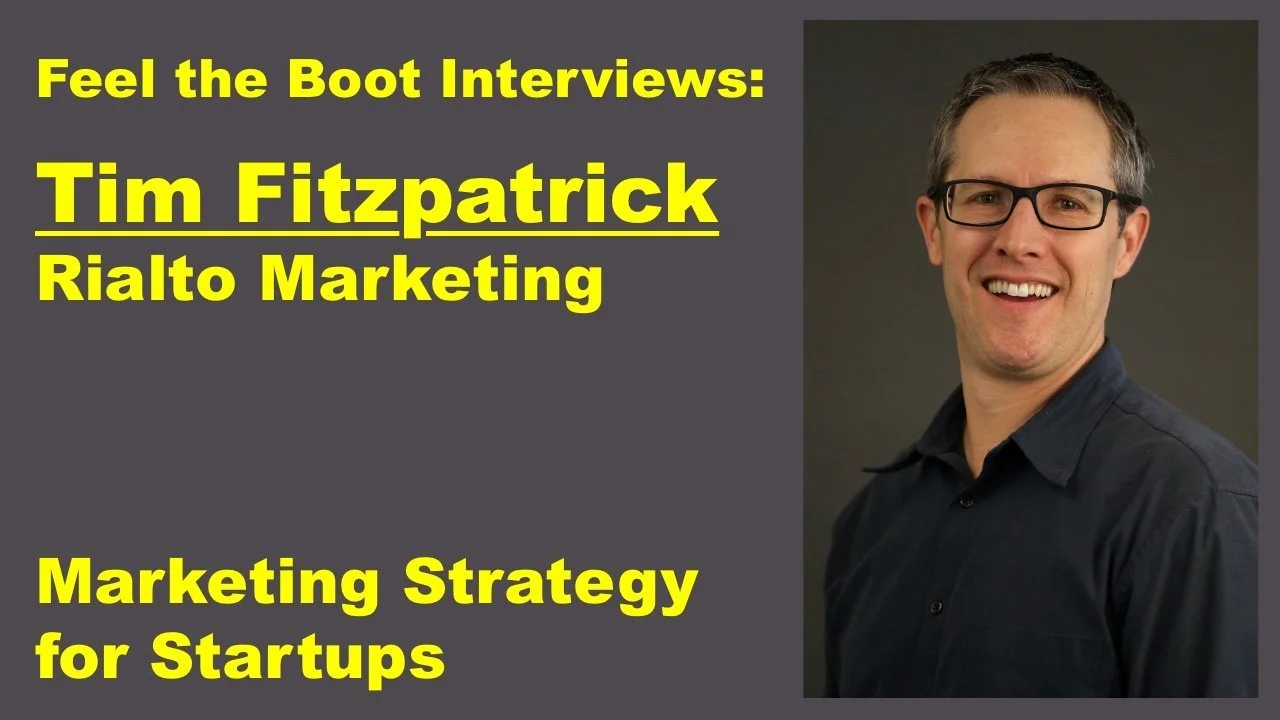
Ep 6363. Focus on the fundamentals to create a marketing strategy for your startup – Tim Fitzpatrick Interview
Many founders skip the marketing fundamentals and strategic thinking and jump directly to executing on some set of ad-hoc initiatives.Then they wonder why their marketing is not working.While I have done a lot of marketing over the years, it is not my core expertise. So, I interviewed Tim Fitzpatrick with Rialto Marketing, who is an expert.We talked about the fundamentals of marketing strategy and some great tips on implementing them in practice. Table of Contents:Missing the FundamentalsDefining your target customerCrafting the storyCreating a 90 day planWhat to measureThe power of channels LinksTim provided some free resources for you: https://www.rialtomarketing.com/feel-the-boot-the-science-of-startups/Join other Founders for help, advice, and support at the Founders Alliance: https://ftb.bz/AllianceAbout our guest Tim FitzpatrickTim is an entrepreneur/business owner with expertise in marketing and business growth. He has 20+ years of entrepreneurial experience with a passion for developing and growing businesses. That passion served him well in operating and managing a wholesale distribution company he co-owned for nine years. The company grew an average of 60% a year before being acquired in 2005.Since then, he’s had failures and successes that have been valuable learning experiences. He started Rialto Marketing in 2013 and has been helping service businesses simplify marketing so they can grow with less stress. Most people overcomplicate marketing. It doesn't have to be that way.

Ep 6262. Design your C-suite with care. Consider the next 2 years of your startup when handing out titles
Job titles in startups are usually loosely defined and casually managed. In many cases, founders hand out very senior-sounding titles to their co-founders and early hires.While everyone likes having a fancy-sounding job title, they can come back to bite the company later as it grows.The one big title you need to have in the company is a CEO. Investors, partners, vendors, and employees all need to know who speaks authoritatively for the company. They are both the face of the company and the person with ultimate operational control. Beyond that, in an early-stage company, titles are somewhat arbitrary. Sometimes they are silly or descriptive, but often founders give all the early employees very senior titles like CTO, CMO, or Vice President of whatever.Early on, these inflated titles do little harm and can make everyone feel important. The problem comes later.Check out the written version of this episode here https://ftb.bz/62BGet the video version here https://ftb.bz/62V Get all the other episodes on our website https://ftb.bz/ Get all the videos on our YouTube channel https://ftb.bz/YouTube To get access to free one-on-one coaching with me, join our mailing list here: https://ftb.bz/Join
Ep 6161. Understand founder equity dilution and how your decisions impact what you keep.
In this episode, I talk about dilution, the process by which your ownership in the company shrinks as you bring in investment. The decisions you make, and the terms you negotiate, can drastically alter your payout at exit.Read the article version of this content here: https://ftb.bz/61BListen to the Podcast: https://ftb.bz/Podcast Join Feel the Boot: https://ftb.bz/JoinJoin the Founders Alliance: https://ftb.bz/AllianceGet episode on control and ownership: https://ftb.bz/11B
Ep 6060. Top Insights From 25 Years as a Founder, Angel, and Advisor
PodcastI have learned a lot of things about business and the entrepreneurial experience over the last twenty-five years. During that time, I was a founder, CEO, Chief Scientist, angel investor, and startup advisor. I recently gave a live talk at the Founder Institute, where I talked about my most significant insights about the startup world, business, and life.The attendees loved it, so I immediately started working on a version for Feel the Boot.Get the blog here: https://ftb.bz/60BWatch the video: https://ftb.bz/60VJoin Feel the Boot and get the link for one-on-one coaching: https://ftb.bz/joinJoin the Founders Alliance group: https://ftb.bz/allianceSo, here are the insights in no particular order:Validate early and oftenYou can't overcommunicateEverything a founder says is amplifiedNetworking is not schmoozingGet over your aversion to sellingTalk about benefits, not featuresUnderstand the person across the tableStyle and aesthetics matterYou don't scale, and delegation sucksStartups are a marathon
Ep 5959. Asking your customer these questions can prevent massive wasted effort
I noticed a pattern among founders I meet, and it is something I did too. We have an idea and immediately start working on it before validating it with our potential customers. In many cases, we have practically finished the product before we start showing it to people.But, if we guessed wrong we have wasted a colossal amount of work.I think I know why this happens. For technical founders, coding and development are our comfort zone. We're happiest when we're behind the keyboard in a dark room, banging out code and creating new software. Creating that solution is why we founded the company in the first place. Also, for introverts, getting out and talking to people makes us uncomfortable. Also, we often feel that we already know what the customers want and need.We know our customers and feel that we can stand in as a good model for them when designing our solutions.Unfortunately, you're not a good model for your customers unless you're building a tool for people who are exactly like you. I made that mistake.I was building the first stand-alone application version of Anonymizer. As a privacy passionate person, building for other similarly passionate people, I thought I could just make what I wanted for myself. The product was incredible. It provided very fine-grained control over all aspects of what information websites could collect and on which sites or pages they could collect it.Our customers hated it, and even I rarely used most of the features. I was not even a good model for what I wanted myself!After finally talking with our customers, the next version of the product had exactly one control: on/off. It was a huge hit.My error had significant consequences. We spent many months focused on that first product, costing us money we could not afford to lose. It also significantly delayed our entry into the market with a solution people wanted to use. Once we realized the direction we needed to go, we had to scrap almost everything we had built.It is almost impossible to get your app perfectly right the first time, and there is no substitute for the learning you gain when your product is in a customer's hands. But, the more you can learn, pivot, and iterate before you build anything, the faster and more efficient you will be.I noticed a pattern among founders I meet, and it is something I did too. We have an idea and immediately start working on it before validating it with our potential customers. In many cases, we have practically finished the product before we start showing it to people.I think I know why this happens. For technical founders, coding and development are our comfort zone. We're happiest when we're behind the keyboard in a dark room, banging out code and creating new software. Creating that solution is why we founded the company in the first place. Also, for introverts, getting out and talking to people makes us uncomfortable. Also, we often feel that we already know what the customers want and need.We know our customers and feel that we can stand in as a good model for them when designing our solutions.Unfortunately, you're not a good model for your customers unless you're building a tool for people who are exactly like you. I made that mistake.I was building the first stand-alone application version of Anonymizer. As a privacy passionate person, building for other similarly passionate people, I thought I could just make what I wanted for myself. The product was incredible. It provided very fine-grained control over all aspects of what information websites could collect and on which sites or pages they could collect it.Our customers hated it, and even I rarely used most of the features. I was not even a good model for what I wanted myself!After finally talking with our customers, the next version of the product had exactly one control: on/off. It was a huge hit.My error had significant consequences. We spent many months focused on that first product, costing us money we could not afford to lose. It also significantly delayed our entry into the market with a solution people wanted to use. Once we realized the direction we needed to go, we had to scrap almost everything we had built.It is almost impossible to get your app perfectly right the first time, and there is no substitute for the learning you gain when your product is in a customer's hands. But, the more you can learn, pivot, and iterate before you build anything, the faster and more efficient you will be. Read this as a blog: https://ftb.bz/59BWatch the Video: https://ftb.bz/59V Join the Feel the Boot Founders Alliance https://ftb.bz/allianceSubscribe to Boot Prints and access to free office hours: https://ftb.bz/join Contents:Why do we code first and talk later?What do you need to ask customers? 1-What is the size of the pain point?2-What priority is this problem?3-What features do they need?4-What are the alternatives?5-What are their implementation concerns?6-How do they think about price and value for this?7-What messagi
Ep 5858. How I learned to master complex B2B sales meetings as an inexperienced startup founder
When I started as a founder, I struggled with sales meetings. My scientific instincts worked against me. I often wanted to prove that I was right and argue my way to a sale. Fortunately, between fantastic coaching and excruciating failures, I eventually turned sales meetings into a personal strength. I want to share some of my key learnings with you so you can avoid the whole "pain and suffering" part of the process. Read the blog version of this episode: https://ftb.bz/58BWatch the video: https://ftb.bz/58V Feel the Boot Founders Alliance: https://ftb.bz/allianceJoin Feel the Boot: https://ftb.bz/join
Ep 5757. Startup Lifecycles and Surviving No Man’s Land – Ruth King Interview
Profitability Master Ruth King is the award-winning author of 5 books including “the Courage to be Profitable” and “Profit or Wealth?” In this interview, we talked about the lifecycle of startups and particularly the challenges of a phase encountered by most companies that she calls “No Man’s Land.” Some of the specific topics we covered were:· When to listen to friends encouraging you to start a company· Talking to potential customers· Characterizing your users· Setting the right price· Managing through No Man’s Land· Transitioning from working in to working on your business· Building an emergency fund to survive the inevitable crises LinksFeel the Boot “Boot Prints” signup: https://ftb.bz/joinFounder’s Alliance: https://ftb.bz/allianceBlog with transcript: https://ftb.bz/57BVideo of interview: https://ftb.bz/57V Recommended books:The Miracle Manager https://amzn.to/3ATK0GyThe Courage to be Profitable https://amzn.to/3ecnxdXProfit or Wealth? https://amzn.to/3kb0N1K About our guest, Ruth KingProfitability Master Ruth King has a passion for helping businesses get and stay profitable utilizing the latest systems/processes/technology. After twelve years on the road, doing 200 flights per year, she knew there had to be a better way to reach business people who wanted to build their businesses and train their employees. She began training on the Internet in 1998 and began the first television like broadcasting in 2002. Her channels include www.hvacchannel.tv, www.profitabilityrevolution.com and others. Ruth holds an MBA in Finance from Georgia State University and Bachelor's and Master's Degrees in Chemical Engineering from Tufts University and the University of Pennsylvania, respectively. Her latest book, Profit or Wealth? reached #1 in October, 2020. This book is preceded by The Ugly Truth about Cash and the #1 best-selling book, The Courage to be Profitable. These two books were named two of 37 books start ups should read, along with the books of Napoleon Hill, Stephen Covey, Dale Carnegie and other esteemed authors. She is also the author of two other award winning books, The Ugly Truth about Small Business and The Ugly Truth about Managing People.
Ep 5656. Bootstrapping vs. VC funding: which is right for your startup?
Should you bootstrap your startup to greatness or take outside investment to accelerate your growth? Making the right decision can determine if your company will succeed and change your payout at exit by orders of magnitude. Read the blog at https://ftb.bz/56BWatch the Video https://ftb.bz/55VJoin Feel the Boot for our newsletter and free personal coaching https://ftb.bz/joinMeet other founders in the Feel the Boot Founders Alliance group https://ftb.bz/alliance When is venture capital clearly the correct choice?When is bootstrapping clearly the correct choice?Implications for dilutionWhat if you have a modest exit?Managerial independenceResourcesResiliencyRelationshipsVC vs. Angel investorsBootstrapping vs. VC is not a binary choiceOther options for funding
Ep 5555. Create a pitch deck that investors can read in seconds, because that may be all you get
Founders are often frustrated that, after struggling for weeks to perfect their pitch deck, investors just skim through it in a few seconds. Unfortunately, because they look at so many companies, they don't have a choice. I recently attended a webinar by Eric Bahn, GP and co-founder at Hustle Fund, where he talked about using better slide headlines to create a skimmable deck. His approach resonated with me, but I also had some additional thoughts on the topic. So, with his permission, I wrote this article to comment on and expand upon his concept.I created some example slides to demonstrate this concept. Take a look at the blog to see them https://ftb.bz/55B Eric suggests that the slide headlines should contain most of the vital information in the presentation. The contents of the slides only serve to support and amplify the titles. He advocates making the headlines complete sentences so that they can stand on their own. Furthermore, when read in order, they should create a comprehensible paragraph explaining the key aspects of the company and opportunity.This approach also has the advantage of helping you organize your slides. For readers to follow your message, presentations must flow logically and smoothly from topic to topic. Using complete sentences as headlines makes it obvious when your deck has a problem. Logical progression failures often happen when a deck goes through many rounds of revisions. A slide that made sense in its original position now does not follow from the previous ones. Reading through the headlines can quickly show you where you need to make changes.I encourage you to check out Eric's webinar. In addition to the presentation, he has extensive Q&A with the audience that helps explain the concept in more detail. Eric Bahn’s webinar https://youtu.be/z7icuhqPq5sBlog version of this episode: https://ftb.bz/55BVideo version https://ftb.bz/55V Founders Alliance https://ftb.bz/allianceJoin Feel the Boot https://ftb.bz/join

Ep 5454. What projects to prioritize, and which you should kill, in your startup
Today I want to address a problem faced by many founders, prioritizing development projects in the face of conflicting opinions and pressures. Because resources are usually critically limited, you must narrowly focus your development resources. What are you going to build, and more importantly, what will not get built? The problem compounds when you are a non-technical founder/CEO, and your CTO, developers, investors, or others are pushing to prioritize specific projects about which you have doubts. Join Feel the Boot for office hours https://ftb.bz/join Feel the Boot Founders Alliance https://ftb.bz/allianceBlog Version https://ftb.bz/54BYouTube Version https://ftb.bz/54V Podcast https://ftb.bz/podcast 0:00 Introduction2:54 What Not to Build10:08 What to Build I recently advised two founders in this situation. One was pressured by their CTO and the other by a potential angel investor. In both cases, they wanted to re-implement third-party code they had licensed and which was performing adequately. These applications were core to their business but fairly commonplace with the same basic functionality available from multiple vendors. Writing their own version would be a significant undertaking.It can be challenging for founders to push back against more technical team members because they hired them for precisely those missing skills. The trick is to avoid having a technical debate. Reframe the discussion in terms of business needs and priorities. Start the discussion by looking at your options in the context of the company’s limited development resources. It is usually a zero-sum situation where every effort displaces something else. Typically, there are many projects on the roadmap which are absolutely essential to your growth.
Ep 5353. Virtual Pitching and Fundraising Over Zoom, What Founders Need to Know
At one time, almost all startup fundraising happened in person. Investors wanted to see the founders face-to-face to get a read on their passion, intensity, and integrity. With COVID, all that changed, and the industry quickly pivoted to conduct virtually all pitching and investing over video conferences, mostly Zoom. I don’t think we will ever go back to pitching entirely in person, so mastering remote fundraising is critical.A comment by Munly Leong on an earlier video prompted me to create this episode. He asked how he could find angels and VCs making investments using 100% virtual and remote processes. Before addressing the general advantages, disadvantages, and key tips for virtual pitching, I address his question specifically.0:00 How Virtual Pitching Changes Startup Fundraising2:36 Finding people willing to invest 100% virtually5:16 Finding investors for companies outside North America and Europe8:55 Upsides and downsides to virtual fundraising10:43 Pre-screening matters more12:37 The pitch is everything13:51 Present, Converse, Demo16:29 Improve your A/V setup19:37 Watch your audience24:27 Virtual pitching not so different I would love to hear about your experiences with online fundraising. Please let me know what you have seen, or any great stories, in the comments below.Till next time, Caio! ResourcesWebsites with Lists of angel investment groups and seed fundshttps://www.angelcapitalassociation.org/https://angel.cohttps://signal.nfx.com/https://crunchbase.com Referenced EpisodesWhy you need Two Pitch Decks: https://ftb.bz/5BFive Step Pitch Deck Process: https://ftb.bz/33BSlow Down While Pitching: https://ftb.bz/52BWhy Angels Demand 20X returns: https://ftb.bz/3BBuild a strong foundation by testing assumptions first: https://ftb.bz/21B
Ep 5252. Slow down and say less to communicate more when pitching startup investors
I judged a pitch competition last night and the other judges and I, all noticed something about most of the pitches. They were going way too fast. The founders were just tearing through the material and leaving us baffled about what it was they were talking about. So I was inspired to create a quick episode talking about this issue, unpacking why it happens so often, and some ways to try to avoid the problem yourselfRead the whole blog here: https://ftb.bz/52BWatch the video: https://ftb.bz/52VJoin Feel the Boot free for access to my office hours: https://ftb.bz/joinIt is not hard to guess why the founders were going so fast through their material. They only had three minutes to pitch their company, and so much they wanted to say about it. They felt that they had to rush to get through all of the things they thought we'd need to hear. And therein lies the problem. The presentations ended up being like a fire hose of completely undifferentiated words. So, the paradox is that you need to say a lot less. And the less time you have, the more rigorous you need to be about what you cut out. There is no way that you're going to say everything significant about your company. It's just, it's not possible. You're going to need to pick and choose. So say less, really edit down the information. Even if you know you need to provide a piece of information, you may be able to go through it quickly. Some points will only take a couple of seconds, then pause for it to be received, then move on. And the pause matters. Let things sink in. When I listened to the pitches, my inability to understand the key elements of their business was driving me insane. They spent two seconds on one topic, and as I was trying to work out what they meant, they were on to talking about the next topic. Because I was still thinking about the previous point that I thought might be important, now I've missed the following two things, and I'm trying to scramble to keep up. Not good.So take a breath, slow it down. It was funny to read the chat window during the pitch competition. The founders were talking to each other about how they were getting out of breath. They literally forgot to take breaths, and it showed. The key here is just to own your time, which also exudes confidence. If you slow down what you're saying, you're master of your space and time. You show that you know the points you want to make. You're not just trying to fill the time available, but rather convey exactly and only the information that you want to share. You pause to allow them to understand that, and then you move on. It shows that you are in control of the situation.We know that investors make a lot of their decisions based on the CEO. To a great extent, the job of a CEO is to communicate. Demonstrating that you're a strong communicator is essential. All this is a very long way of saying, "In your pitch, take your time, slow down, say less."Till next time, ciao

Ep 5151. What founders need to know about patents and intellectual property for startups - Adam Philipp
What are trademarks, patents, copyrights, and trade secrets, and how should you use them in your startup? Investors frequently pepper startups with questions about their intellectual property and how well it is protected. Most founders know very little about this somewhat arcane and complex topic. Fortunately, with a bit of information, you can start making the right decisions for your business and speaking intelligently about the issue with angels and VCs.I brought in Adam Philipp to get you up to speed on the basics and some initial strategies. Adam is the founder of the IP law firm AEON Law, a patent attorney, and has been practicing IP law for over 25 years. If you have any questions or would like us to go deeper on some topic, please let me know in the comments. I am sure Adam would be happy to come back for another episode. You can find Adam’s law firm at aeonlaw.com and follow him on LinkedIn at https://www.linkedin.com/in/adamphilipp/ and @AdamPhilipp on ClubHouse where he can be found offering the occasional “Patents and IP Law AMA.” Read the blog version: https://ftb.bz/51BWatch the interview: https://ftb.bz/51VJoin Feel the Boot: https://ftb.bz/joinCheck out our community of founders: https://ftb.bz/allianceIn this interview we covered:1:37 What is intellectual property?5:08 What should founders do early on to protect their intellectual property?10:05 What are the elements of a patent?14:22 How can a founder talk safely to investors without an NDA?19:54 When should you file your patents?24:27 Which provisional patents are worth converting to full patents?27:32 How do you enforce patents?34:30 How should startups use copyright?42:10 Patents vs. Trade Secrets
Ep 5050. Bad startup advice creates cargo cult thinking. Learn to spot and avoid it.
I am concerned about a lot of the startup advice I see out on the internet. Much of the advice is sound, and almost all is well-intentioned, but I think that a significant fraction is problematic. The troubling advice is typically in the form of a recipe or template for success. It tells founders that if they take specific actions, follow a given pattern, or use a particular pitch deck, they will succeed. I often see this guidance in interviews with extremely successful founders. The implication is that if you do the same things they did, you will have a similar outcome.I worry that these kinds of guidance are too rigid and replace thinking with mimicking. Startups are not like snowflakes; they are far more diverse. Tips that apply to one company may be inappropriate or harmful to another. I suspect that this kind of advice often leads founders into cargo cult thinking. Since many of you might be unfamiliar with cargo cults, I will take a quick detour to explain them before discussing how the concept applies to startups.Read this as a blog: https://ftb.bz/50BWatch the Video: https://ftb.bz/50VListen to the Podcast: https://ftb.bz/podcastVisit the Founders Alliance: https://ftb.bz/allianceJoin Feel the Boot: https://ftb.bz/joinThe 5 step pitch deck process is here: https://ftb.bz/33B
Ep 4949. Six reasons to delay automating processes in your startup as long as possible
I have talked to many founders about automating business processes and why they should put that off as long as possible. You may have heard the Y Combinator mantra “do things that don’t scale.” Usually, they discuss that in terms of sales or support, but we rarely talk about the idea with respect to software and automation. We need to understand the value of doing things by hand in the early stages of a business. In this episode, I explore the kinds of automation you may want to defer with some specific examples. I then share the six primary ways that performing these processes manually, in the beginning, can provide value to the business and avoid unnecessary costs. Read this as a blog: https://ftb.bz/49BListen to the podcast: https://ftb.bz/podcastWatch it on YouTube: https://ftb.bz/49V Get exclusive FTB content and member-only office-hours by joining free on our website: https://ftb.bz/joinJoin us at the FTB Founder’s Alliance: https://ftb.bz/alliance Founders often have a strong bias towards action. When you see that some process will eventually need to be automated, you may want to do it immediately. In most cases, I suggest that you hold off and go with “mantomation” at first. Mantomation is what I call it when you fake your automation using people. Users want results. They don’t care if some sophisticated software is doing the magic or a box of hard-working hamsters. It is the result that counts, and it does not matter if they need to “Pay no attention to the man behind the curtain.” I am not suggesting that automation is bad or that you should not do it at all. In my examples, the companies all eventually make heavy use of software processes. My advice is to wait until the last possible moment before you start that development. When the manual approach is strained to the limit, and you have squeezed all possible information from working directly with the data and customers, then start automating.
Ep 4848. Who is Lance, and why is he talking about startups?
I don't introduce myself in these blogs or episodes, which may leave some of you wondering, "Who is this Lance person, and why in the world should I take his advice on startups?" I thought So, that’s the topic for today.TLDR:I have been an entrepreneur where I ran my own business for 13 years. I then stayed on as Chief scientist for the acquiring company, where I helped develop their technology, delivered sales presentations, managed their PR, and ran their marketing department.Since 2012, I've also been an active angel investor and startup mentor.Before all that, I was an astrophysicist, so I bring a scientific approach to the startup process. The longer versionI grew up in an academic household where both my parents were professors. One of them was a physicist and the other a sociologist. From the age of six, I planned to follow my father footsteps to becoming a physicist I went to graduate school at UCSD to study astrophysics. I was working with the Hubble Space Telescope and the Keck, trying to understand the early Universe. In my spare time, I started dabbling around with cryptography, privacy systems, and building anonymous email systems. About the time that started to take off and get exciting, I realized that the Hubble Space Telescope wasn't big enough to answer the questions I was trying to ask. That was getting frustrating, so I put my Ph.D. on hold and founded what became Anonymizer, a company focused on consumer internet anonymity. It allowed people to avoid all tracking on the Web. I grew the business for several years, but we began to hit a plateau around 2000. And, of course, 2000 was an exciting time to be in an unfunded startup. That was when the .COM collapse happened all the fundraising dried up. It was touch and go to survive at all.After that, there was the 9/11 attack on the Twin Towers and the Pentagon. We, like everyone else, started to wonder what part we could play. We started reaching out to people that we'd met in the government, mostly in the FBI, because they kept subpoenaing us for records on our Anonymous users. We were able to talk to them about how they were conducting online undercover operations, and we pivoted to focus on building covert operational platforms for the national security community. This model was very successful. These had extreme pain points and were willing to pay a lot to have them solved, and we were the only people around doing it. Between 2001 when we started selling to the government, and 2006 that segment of our business went from about 1% to more than 95 percent of our total revenues. Around that time, we realized we didn't have the background or government connections to take the business where we wanted to go. So we started looking at being acquired by a Beltway Insider, and in 2008 we had an excellent exit to a small systems integrator. The founders of that company were all former Spooks and had the connections, knowledge, and understanding to take the solution where I couldn't. But, being spooks, they weren't going to talk to the media, so I ended up becoming the face of the company that bought mine.I did all the pr. I did most of the public speaking. I wrote the company blog, and it was my face & voice any time we needed to speak publicly.After a few years of being the Chief Scientist for this company, I decided I didn't want to live in the DC area anymore, so I moved out to Wine Country in California, where I could telecommute.That was I started to get involved in Angel Investing. One of the first things I did when I moved out here was join the North Bay angels and get involved in a startup mentoring program. Helping startups became a passion of mine. I discovered that I loved working with and helping these early-stage companies achieve success.At this point, I don't need more outward trappings of success. I'm enjoying living on a hilltop next to my vineyard with beautiful views and an excellent wine cellar. Now I'm much more interested in giving back to other companies. The great thing about advising is it provides most of the fun of being a Founder without the hundred-hour work weeks and constant existential dread.Shortly after joining the North Bay Angels, they invited me to be on the board and their selection committee. The committee is the group within the North Bay angels that looks at all of the applicant companies and decides which will present to the entire group. That is a great experience because I get to see so many different pitches. These are not the finely polished best of the best. I see many rough presentations, which helps me know what makes the best of them shine.A problem with the in-person advising was I could only meet a limited number of companies, and I wanted to help a vastly larger number of Founders. That's why I created Feel the Boot as a platform where instead of doing Just one-on-one advising, I could put this information out on the Web where would be accessible to anyone. Then, if they needed more spec
Ep 4747. Ten Common Startup Fundraising Mistakes and How to Avoid Them
As a Global Entrepreneur in Residence at the Founder Institute https://fi.co and chair of the selection committee for the North Bay Angels https://www.northbayangels.com/ I see heaps of pitches. Unfortunately, the same few fundraising mistakes doom most of their efforts. I want to share with you my list of the ten most common fundraising mistakes founders make and how you can avoid them.1 – Only Looking at EquityJust because you can get angel or VC investment does not mean that you should. Some other sources of growth capital don't require selling part of your business.2 – Going in ColdAt the North Bay Angels, companies introduced by a member receive funding several times as often as previously unknown startups. You are at a massive disadvantage if your first interaction with an investor is to put your hand out asking for money.3 – Fundraising too EarlyA large fraction of companies applying to the North Bay Angels are not ready for angel investment. Unfortunately, you typically only get one bite at that apple.4 – Missing the What and WhyI often reach the end of a pitch, having heard all kinds of information but with no idea what the company does or why. I need to be able to picture your business in action and your users interacting with the solution.5 – Failing to Understand Your AudienceYou know your business far too well, or at least I hope you do. You no longer remember what was obvious about your market space and what you learned while working on your business. This leads founders, particularly technical founders, to assume that their audience of investors understands these things too. I assure you that we do not.6 – Weak CommunicationsIn a perfect world, investors would judge your company solely on the quality of your idea, plan, and execution. Unfortunately, we don't live in that world. Investors are unlikely to see past an ugly surface to the gold within.7 – Hiding WeaknessesMany startups have some skeletons in the closet. If it looks like you have been trying to keep these issues hidden, you are violating our trust. And trust is everything in early-stage investing.8 – Failing to Make CommitmentsOften founders are vague about timelines and milestones. I want to know that after this investment, you will release a new version of the product with the following enhancements, grow to some number of customers, and generate a specific amount of revenue. If you can show a history of making and keeping commitments, even better.9 – Raising too Much (or too Little) CapitalSometimes funding applications draw an immediate rejection because they are raising too much money or too little.10 – Failing to Follow-upFinally, follow-up after your introduction, pitch, and any other interaction. Most investors are busy and easily distracted. If you wait a few days to get back to us or set the next meeting following a pitch, I am likely to have forgotten most of what you said and be off chasing some new shiny object.ConclusionFundraising is hard, time-consuming work. Even if you do everything right, the odds of any angel or VC investing in your company are low. But, if you make these unforced errors, the odds quickly drop to zero. You are taking a huge risk as an entrepreneur. Make sure you give yourself the best possible chance of success.
Ep 4646. I picked the wrong year to stop sniffing airplane glue - looking back at 2020 and to our future.
In this year-end installment of Feel the Boot, I want to, not surprisingly, look back at 2020 and also talk about some of the ideas I have for where Feel the Boot can go going forward.When I thought about this episode, the first thing that came to mind was the "I picked the wrong week to stop sniffing glue" scene from Airplane!For those of you who aren't familiar with that reference, check the Wikipedia article. https://en.wikipedia.org/wiki/Airplane!A time of transitionThis year has been kind of a train wreck for almost all of us, and it made me realize how much privilege I have personally. I know many people who are having a rough time while I'm up here on a mountaintop with a beautiful view, a vineyard, and naturally isolated. Plus, I've been working from home for years, so not that much has changed for me.The reason I thought about the "Picked the wrong year to quit sniffing airplane glue" is that at the beginning of this year, I chose to leave my job after 24 years. I founded Anonymizer in 1995, eventually exiting through an acquisition. I became the Chief Scientist of the company that acquired mine, which then got reorganized. I ended up doing PR for the company, public speaking, running the marketing department, and helping with sales and technology, all kinds of different jobs and roles. But fundamentally never had to jump off that cliff, as I did when I first started Anonymizer, until January 1 of this year. I decided to leave a job where they treated me very well and paid me well to go full-time with Feel the Boot, helping startups, advising mentoring, and Angel Investing. Of course, that meant I walked away from my entire income stream. Angel Investing is not a short-term returns kind of activity. Also, I don't charge for my advising. So, walking away from my paycheck was scary enough without doing it in a strange year like this. It wasn't just the risk of taking on this new role and focusing on this new kind of activity, but then there was the covid crisis, the pandemic, the lockdowns everything got transformed. As usual, we had fires. I live up here, north of San Francisco, where the fire seems to come through every year. Fortunately, I didn't get evacuated this year. I got evacuated. In 2017 and 2019, but not in 2020, going against the pattern of things this year. The fires only came within a couple of miles of me, but I was able to wait them out at home. I had to use industrial Quality Air Filters to go outside, but even so, we did better than in some of the previous fire seasons.New rolesWith this new focus on my advising activities, I took on some new roles. One of the things I'm doing now is chairing the selection committee at the North Bay Angels, which means I am in charge of looking at all of the companies applying to get funded and deciding which ones get to go through to present to the group as a whole. It is a severely narrow funnel. We might get 30 applicants in a two-month cycle. The committee will look at maybe 15 of them, with the rest dropped right off the bat. We pick five or six to present to the committee, and the committee then selects two or three to pitch to the whole group in that two-month cycle. That's why I talk so much about fundraising and how competitive it is. Many of the companies we reject are good companies with sound business plans. One change we made this year is looking at companies from a much wider geographic area because of things like zoom and the fact that people don't need to travel to present to a group. Now it's not a hardship where someone needs to fly out to Sonoma for a chance at funding. They just need to show up for a quick Zoom meeting. Rather than being exclusively Bay Area focused, the North Bay Angels is now looking at applicants from anywhere around the country. The dissolving of geographical borders is a big trend in the investment community right now.The other activity I have taken on this year is becoming a global entrepreneur in residence for the Founder Institute. With them, I provide advice to the companies in their program anywhere around the world. Founder Institute is a global organization with chapters in 90 countries. I might have office hours with someone in Toronto, and then the next call with someone in London, Sydney, Cape Town, or Hong Kong. These days I open my sessions by guessing whether it's day or night by the light in their room and then asking where they are. It's fascinating to see all the different kinds of businesses they're launching relevant to their specific geographic areas.I'm finding that this Covid lockdown environment has been a real boon for my ability to engage with the startup community without regard to driving distance. Before this, I would usually have to go down to San Francisco for most activities. That's at least an hour drive in good traffic, and it's rarely good traffic, to attend a meeting for an hour or two and then drive back. So I didn't do that very often. Whereas now that I can just jump on

Ep 4545. Founders, your competition might not be what you think it is
Watch the video version here.Or read the blog here.I want to talk about a different way of thinking about your competitive environment. It's been resonating with a lot of the people I advise.I talk with a lot of founders about their competitive environment. Usually, that starts in the context of helping them with their deck. They're often in the process of putting together that all-important competition slide, which shows how they stack up against the other companies in their space. Inevitably, it shows that they're superior and puts them in the upper right quadrant or gives them all the little checkmarks down the grid. But one thought that occurred to me during these discussions was that your competition isn't just the other companies in your space.Fundamentally, your competition is absolutely everything else in the world with which your customer might need to engage. Although you might be better than their existing solution, they still might not choose to buy your product. So often, I see companies where the competition is Microsoft Excel. They've created a solution targeted at some particular vertical that is far better at solving this problem than Excel, so they think: "well, of course, people are going to want to switch to us. We're going to save them money. We're going to save them time we're going to provide whatever benefits we've got." And those are all true statements. But the problem is, will the customer engage? Just because you're better doesn't mean they're going to buy.Why won't they buy? In many cases, it's because they have too many other priorities. A company or the purchasing manager only has so many hours in the day. They have a limited budget to start these things. They only have a few people free to work on new projects and finite mental energy to even think through these issues. It's not just a matter of being better than what they're doing. It's a matter of being able to rise above that level of noise and get on the priority stack at all. Of the thousands of things this person could potentially do, they will only act on maybe 10. How do you get to be one of those 10? That is why any other thing they could spend time attention money on is a competitor to you. When you're thinking about the question "how much do people want my product?" it's not enough to say it will save them money or produce some sort of beneficial outcome. You need to show that this is a big enough problem for your customers to put it at the top of their priority stack. People talk about a solution needing to be much better than the alternatives and addressing a substantial need. It's not because what you're doing isn't better. But if it's not a whole lot better, it will not lose to your direct competition, but rather to the fog of war that's going on all the time and all the other things people need to do. I'm encouraging the people I advise, and I'm encouraging you, to spend a lot of time talking to potential customers. Understand the problem set, understand what other priorities they're dealing with. Make sure before you invest time and treasure into your own business that you meet the threshold where people will put you above the set of priorities that they were previously considering. I would appreciate your feedback on this shorter and more casual blog/episode format. Please leave a comment down below to let me know whether you like these shorter episodes or whether you'd like me to stick with longer, more formal episodes that I've been doing in the past.Until next time ... Ciao!
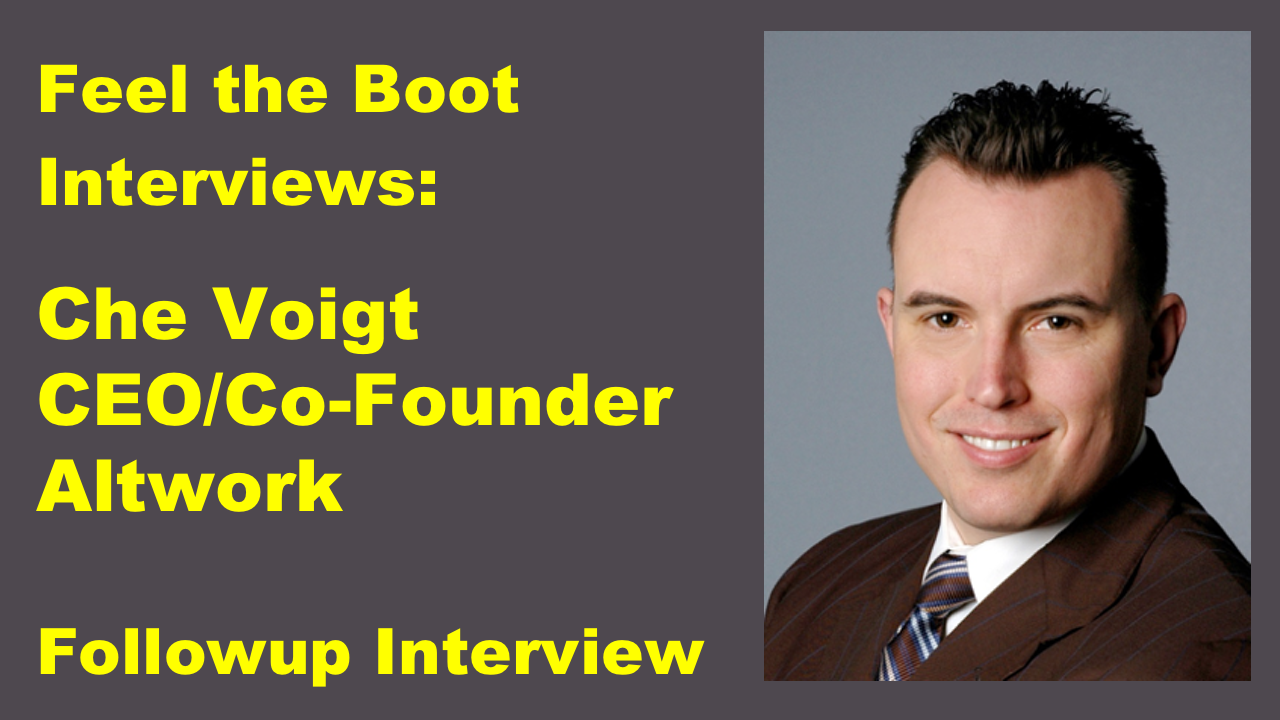
Ep 4444. Che Voigt - Feel the Boot Interview pt. 2
I first interviewed Che Voigt a few months ago. He is chair of the North Bay Angels and co-founder and CEO of Altwork. If you have not already listened to that episode, you can get it here: https://ftb.bz/32B At that time he was getting ready to release a new version of his product right in the middle of the COVID crisis. Little did we know that all his plans were about to change. Shortly before the launch, Black Lives Matter protests broke out all over the country. Out of respect to that situation, Che had to radically alter his approach. We started this interview by looking at how he adapted to that rapidly changing situation. We also talked at length about raising angel or venture capital, when it makes sense, what kinds of companies are suitable for it, and how the fundraising climate has evolved. Che has thought long and deeply about all aspects of the startup process and shares many of his profound insights in this interview. Enjoy!
Ep 4343. Sales Aren’t My Thing: How To Reframe Your Perspective and Close Multi-Million Dollar Deals
When I founded Anonymizer, I struggled with selling and marketing our solutions. I want to talk about how I overcame my engineering and science habits and prejudices to become effective at sales and marketing. Selling does not come naturally to most technical people. From a cultural perspective, we see it as a “bad thing.” Engineers typically dislike being sold and don’t want to sell. It is a bad word. However, selling is a core responsibility of any founder. You need to do it all the time, in many contexts, and do it well if you want to be successful. I want to help you by sharing a mental framework for approaching sales and marketing that worked for my technical/scientific brain. It worked well enough that after Ntrepid acquired Anonymizer, even though I was chief scientist, they had the marketing department report to me.Watch this as a video https://ftb.bz/43VRead the whole blog: https://ftb.bz/43BJoin your fellow founders over at the Founders Alliance group on Facebook https://ftb.bz/alliance
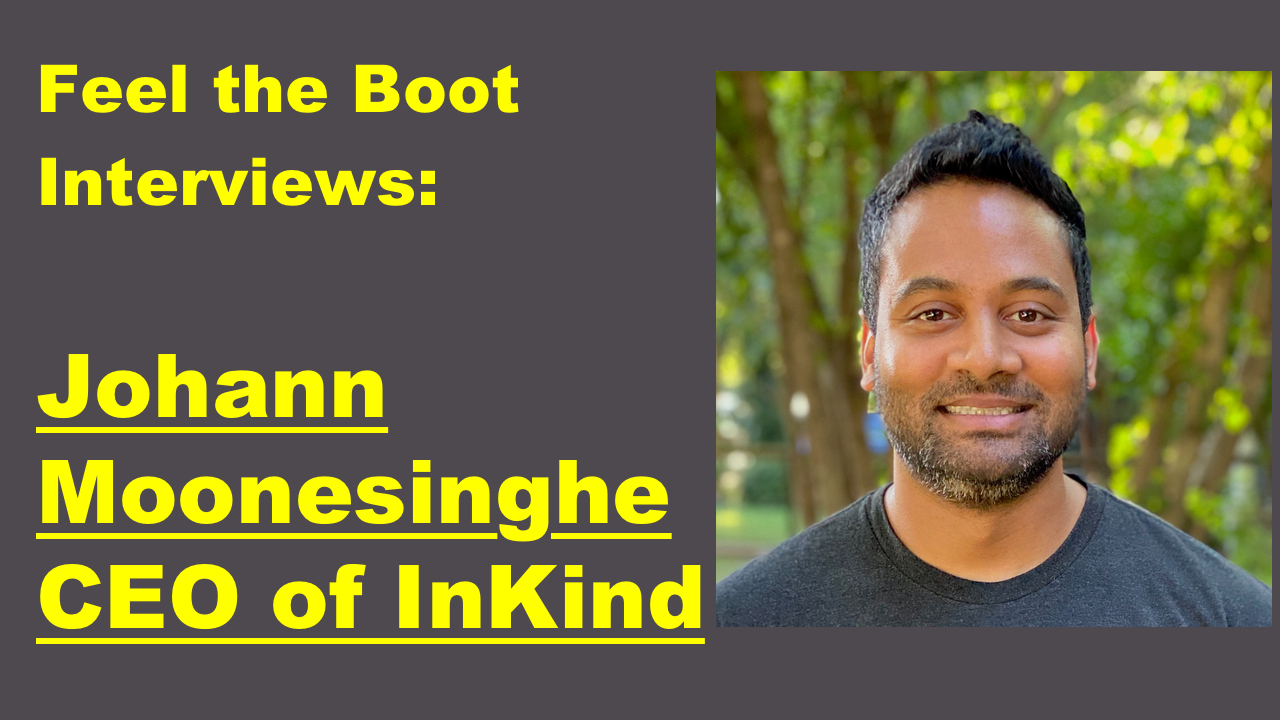
Ep 4242. Johann Moonesinghe - Feel the Boot Interview
I recently talked to serial entrepreneur Johann Moonesinghe about his experiences as a founder and investor. He was one of the first people in the country to try equity crowdfunding, focused on restaurants.He actively invests in and advises tech startups through TechStars and directly.We talked about how the COVID crisis impacted restaurants and other startups, and the common elements among those that are surviving.He shared his experience as a gay minority founder and the importance of mutual community support.Finally, we dove into his process in choosing what companies he wants to invest in and his advice to new entrepreneurs.Get the podcast here https://ftb.bz/podcastJohann recommended:StartOut Growth Lab - LGBTQ+ focused accelerator https://startout.org/growth-lab/TechStars Accelerator https://TechStars.comLinkedIn (don’t forget the obvious tools) https://LinkedIn.com
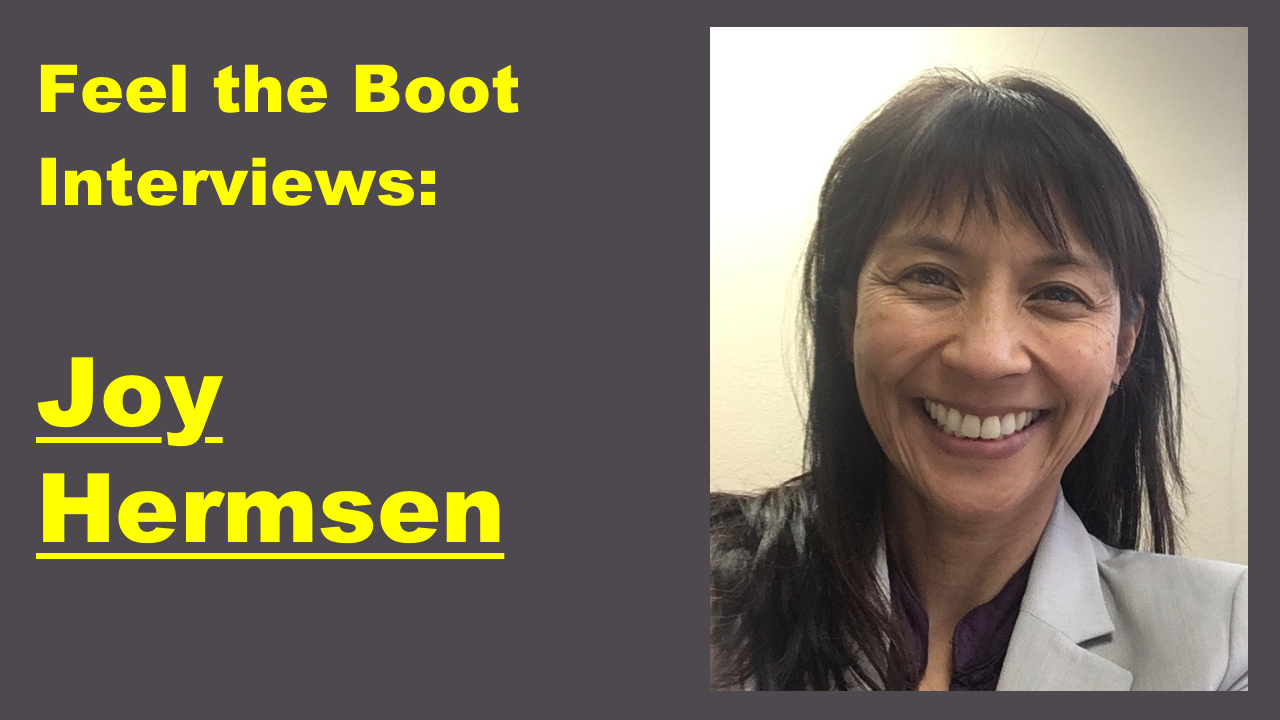
Ep 4141. Joy Hermsen - Feel the Boot Interview
In my recent interview with Joy Hermsen, we talked about a wide variety of issues and ideas critical to entrepreneurs, including finding mentors, startup survival strategies, how training for triathlons relates to entrepreneurship, and getting or giving frank feedback.Joy’s experience in business and from teaching entrepreneurship and leadership shines through in this conversation.Bio:Joy Hermsen is an educator, connector and strategist who loves to help aspiring doers do. Of all the roles she has had over the years, teaching Entrepreneurship and Leadership is her favorite, allowing her to draw on her experiences as a founder, intrapreneur and “Chief Activator” in organizations large and small. As Statewide Director of Retail/Hospitality/Tourism for Economic/Workforce Development at the CA Community Colleges, she connects industry to students and campuses across the state. By asking direct questions such as “Why not?” and “What are you waiting for?” Joy has managed to annoy some and inspire most.Links:Blog https://ftb.bz/41BPodcast https://ftb.bz/podcastWebsite https://FeelTheBoot.comFeel the Boot Founder’s Alliance https://ftb.bz/allianceJoy’s recommended resources:Sacramento Entrepreneurship Academy https://www.sealink.org/Marketplace https://www.marketplace.org/Kaufman Foundation https://www.kauffman.org/
Ep 4040. How to make luck and exploit hidden business opportunities
Intelligence, skill, and hard work are necessary for your startup to succeed, but they are often not enough. In my experience, you need to be lucky too. In this blog, I will share some of my experiences with creating luck and opportunity to help you make and exploit them yourself.The corpses of companies with good ideas and execution litter the entrepreneurial landscape. I know that many of my competitors were at least as smart and tireless as me. I also know just how many times luck played a pivotal role in our survival. We had many “by the skin of our teeth” escapes and miraculous opportunities that dropped in our laps. Some of these are “only over a beer” stories. But, I will tell you a few that will illustrate how you can take control of your luck to a degree. Let’s talk about how you can make your luck and exploit it when it happens.Watch the video: https://ftb.bz/40VRead the blog: https://ftb.bz/40B
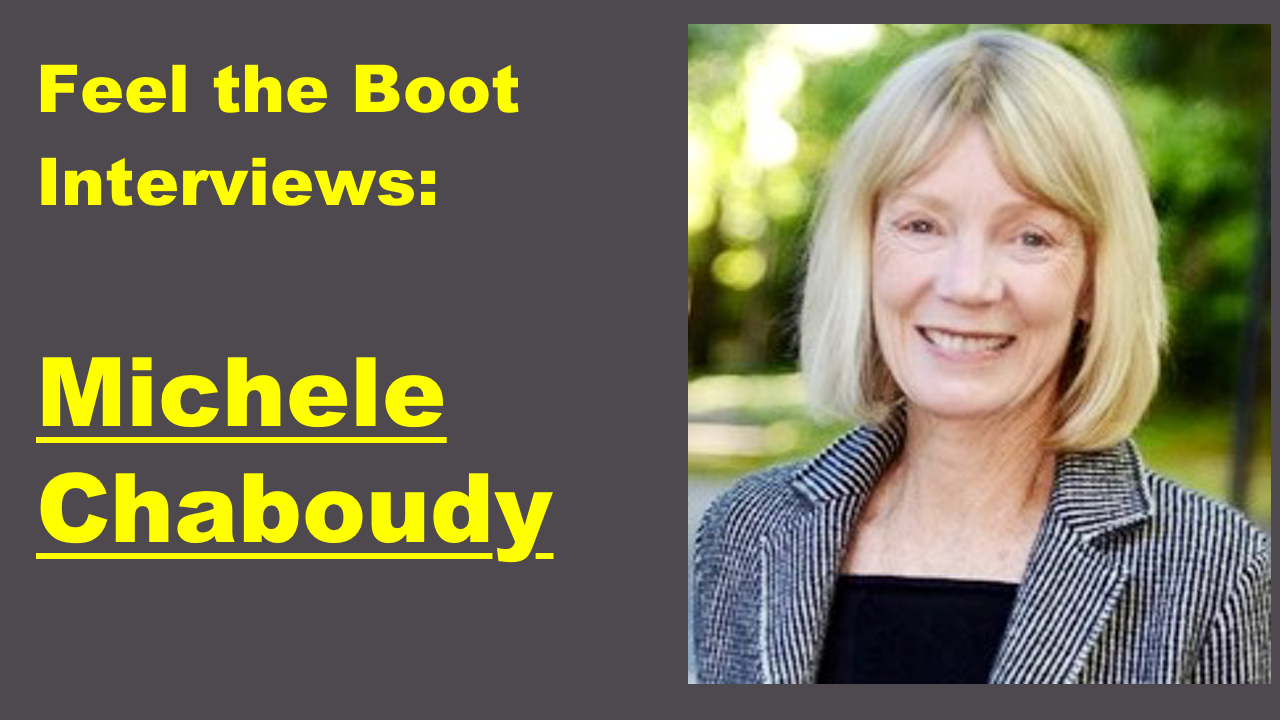
Ep 3939. Michele Chaboudy - Feel the Boot Interview
I recently had the chance to talk with Michele Chaboudy.She is an experienced senior executive, serial entrepreneur, consultant, and angel investor.Michele is vice-chair of the north bay angels and teaches innovation at Santa Rosa Junior College.Her background and experience are wildly diverse giving her insights broad applicability.In this interview, she shares tons of useful advice for any founder or CEO.In the course of our conversation, we talked about:how many young entrepreneurs misunderstand networking. It is not handing out business cards over drinks and hors d'oeuvres. It can happen every day, all the time.her favorite analogy, taken from her experience racing motorcycles. You need to be looking at least two turns ahead because you go where you look.her process for evaluation companies as an investor, and what matters most to her.how she teaches founders to develop a strategic mindsetwhat entrepreneurs need to know about researching their intended customersFeel the Boot Founder’s Alliance: https://ftb.bz/allianceMichele’s startup consulting website: https://macabbey.com/blogMichele’s suggested resources for founders and entrepreneurs:https://helloalice.org---co founded by Elizabeth Gore, who was also interviewed on Feel the Boot.Simon Sinek— https://simonsinek.com/ particularly his “Start with Why” (book) and any of his speeches.Scott Berkun— https://scottberkun.com/ - “Dance of the Possible” book and “Saving My Creative Soul” (video). All of his books and talks are excellent.Malcolm Gladwell, recommend all of his books including his latest, Talking to Strangers.Tina Seelig— http://www.tinaseelig.com/ - Stanford prof in engineering dept teaching innovation. Favorite book: Ingenius. Recommend any of her books and Ted Talks.Jason Calacanis— https://thisweekinstartups.com/ Interviews Start-up Founders/CEO’s. Recommend his book on angel investing for tech start-ups.Range by David Epstein. Why Generalists Triumph in a Specialized World. —The worst thing you can do is ask a kid what he or she wants to be when they grow up. Try to keep all your options open and don’t worry about starting “late” in a pursuit.Lean Impact—How to innovate for radically greater social good by Ann Mei Chang. Takes the Lean Start-up concept and applies it to non-profits.

Ep 3838. Identify the one strength you must emphasize in your fundraising pitch with four startup case studies
When you pitch investors, your audience will only remember a couple of ideas. Your job is to make sure they are your biggest strengths. In this blog, I will help you identify the aspects of your company that will wow investors.I talked in previous blogs about why you need to highlight the most important strengths of your business in any presentation, particularly in pitches. If you need help creating the pitch, check out my complete pitch building process, check out this blog.How do you decide which aspects of your startup will be the most important to this audience of potential investors? First, you need to get inside their heads. Try to understand what about your business will impress them. If you have not watched it, it might help to go back and revisit my blog on the nine things angels want to see in an investment pitchI think that some real-world examples might be the most effective way to illustrate the kind of strengths that impress investors. In this blog, I will consider four companies I know well and the characteristics that made them stand out to me.One thing that may surprise you is that none of these are about the technology or cool solution itself. Obviously, the solution needs to be valuable and desired, but there are a lot of companies that meet that standard. Most often, the startup’s best aspect is something outstanding about the company or business model.One – Pet wearables platformIf you follow our interviews, you may already know the company I am talking about. They make a smart modular pet collar with an associated smartphone app. The app has a marketplace and supports other kinds of third-party integrations.While they have gone through a few pivots, both in their products and in their messaging. I think they have nailed their key ideas.This is a Platform, not a ProductThe marketplace for smart pet devices is crowded, and many of them are having difficulty standing out. The company avoids that problem by positioning itself as a platform. They integrate deeply into the whole pet ecosystem and the lives of the owners.The platform also provides multiple potential streams of revenue and partners that can act as sales channels: pet food, toys, medicine, vets, groomers, walkers, boarding, training, and many more. Also, the integrated platform is more sticky than a simple device. Switching to a different collar would disrupt many other relationships.Additionally, they have active contracts with partners that are paying the company to develop integrations and are committing to help with marketing. They are in mature discussions with several more possible partners with different offerings.This shows people that the idea is not some fantasy, but is real and works.What I remember from their pitch: a platform, not just a device, with proven traction.Two – Virtual group sports watchingThis company created an app that allowed friends from college to continue to watch sports together virtually even after they scattered to the corners of the globe.This company is inherently viralYou can’t watch sports with friends by yourself (obviously). Users have to recruit their friends to the platform. Because we don’t all have the same friends, that person would invite a different set of friends for other events. This exponential growth would expand the userbase automatically.The company only needed strong execution to generate the effect. The company was inherently viral.In addition to growth, the network effects in the business could exclude latecomers to the market. Once all your friends are on a platform, you don’t want to try to get them to move to a new one. If even one of your friends does not want to switch, the group will default back to the original one.The pitch focused on the inherent virality of the business and how it created both growth and defense.Three - Medical devicesI have seen several medical device companies that share the same strength. This is not a problem. Highlight your real strengths rather than something unique but less impactful. Their solutions were all very different, but their strengths happened to be the same.This team will winThese companies all had effective products, solving big problems, in large markets. But that was not the grabber. What made them a compelling investment was the team.The founders had worked together on previous successful medical startups. They have a track record of success. They know the space, the opportunities, and the traps. They already have relationships with manufacturers, doctors, insurers, the FDA, and so forth. They can talk about precisely and confidently about how they will bring the solution to market.With a team like that, there are few unknowns and a high probability of success. That is music to the ears of an investor.All the companies made a point of focusing on the obligatory team slide.Four – Water-saving next-generation irrigationThis company developed an innovative lawn irrigation technology that saves water and reduces installation l

Ep 3737. Lisa Tamayo - Feel the Boot Interview
I recently had a chance to interview Lisa Tamayo, serial entrepreneur, angel investor, CEO/Co-founder of Scollar, and my close friend.We talked about their pivot from product to platform, and she shared hard-won experience about the startup process that will be invaluable to any new founder.Video: https://ftb.bz/37VBlog: https://ftb.bz/37V
Ep 3636. A tool for choosing the best business direction and strategy for your startup. Part 2
This is the second video exploring a process I developed for helping you find the optimum direction and strategy for your business. In part 1, you captured a wide range of possible concepts, then systematically narrowed them down to just the best few. If you have not already read it, I suggest you go back to part 1 before reading this. https://ftb.bz/35VIn this part, you will dig deeper into your best business ideas to crown an eventual winner.You can also read this as a blog. Part one at https://ftb.bz/35B or this part at https://ftb.bz/36BDigging deeper on your top options:You narrowed your options down to just a few top options using a quick process based mainly on your experience and intuition. Now you can spend some time exploring only the best strategies in more detail. The fundamental question is, can you win with any of these business directions?Read as a blog: https://ftb.bz/36BWatch as a video: https://ftb.bz/36V
Ep 3535. A tool for choosing the best business direction and strategy for your startup. Part 1
If you need to choose a problem to solve, identify their customers, and settle on the solution for your startup to bring to market, this video is for you.This tool can also be useful for thinking about your pivot options if your current direction is failing.You can read this as a blog at https://ftb.bz/35BThis video explains the first part of the process where you develop a large number of possible business directions, then systematically narrow it down to a few best candidates. In part 2, you will learn how to drill down and analyze those finalists to pick the one business model most likely to succeed.Download the worksheet for this process here: https://ftb.bz/35-business-plan-worksheetAs you work through this process, you will uncover your optimum business direction.For each potential path, you will consider the following criteria:· What is the need, pain, or unfulfilled desire?· Who needs that, and how would they use it?· How many people fit that description, and how urgent is their need?· Your proposed solution· Why that solution is better than competitors, alternatives, or workaroundsYou should be able to do this initial exercise in a day. After that, you will need to do some more research and conduct tests to see if your guesses and assumptions are right. Using this worksheet is a navel-gazing activity, but you can’t navel-gaze all the way to your final destination.One thing I did not include in the worksheet is your passion. Because startups are all-consuming, make sure whatever direction you consider is something you would love to spend all your time doing for a long time. Don’t write down an option if you are not willing to do that thing at maximum intensity for years.Digging deeper on your top optionsPart 2 of this video covers how to look more closely at your top contenders and pick the one strategy you want to pursue for your business.A work in progressI am using this tool with some of my portfolio companies, but it is not as mature as most of my other advice and methodologies. If you try it, please give me feedback about what worked and what you think needs to be adjusted. Thanks!