
Farm Small Farm Smart
599 episodes — Page 9 of 12

The Importance of Self-Care On the Farm (FSFS191)
Jordan MacPhee of Maple Bloom farm joins me to talk about facing challenges on the farm this year, just like any of us out there in the field. Physical and mental challenges that he had to deal with. Right now, just postseason, when all of the problems you've just faced are fresh in your mind, do a mental inventory of what you've faced. Think about what you can do to better mitigate or handle those problems next year. You're not going to be perfect, none of us ever are. But we can reflect and learn, and that's what this episode is all about. Follow Jordan https://www.instagram.com/maplebloomfarm/ Learn how to start a Profitable Microgreens Business http://bit.ly/learntogrowmicrogreens Increase farm efficiency with the Paperpot Transplanter and Other Small Farm Equipment at https://www.paperpot.co/ Follow Diego on IG https://instagram.com/diegofooter Follow PaperpotCo on IG https://instagram.com/paperpot Podcasts by Diego Footer: Microgreens: https://apple.co/2m1QXmW Vegetable Farming: https://apple.co/2lCuv3m Livestock Farming: https://apple.co/2m75EVG Large Scale Farming: https://apple.co/2kxj39i Small Farm Tools https://www.paperpot.co/

Farming Trees Not Vegetables - Maintenance, Less Harvesting and Sales - All Less Work Than You Might Think
Today's episode is a BEST OF episode, which is a replay of a previously aired episode. Enjoy! Stefan Sobkowiak of The Miracle Farm is encouraging more vegetable farmers to consider planting some fruit trees. And to start planting some trees now, so they are established and producing when you or the vegetable farming gets old. Now you may be saying, "I barely have enough time to do the work that I am doing now." Establishing this orchard might not take as much time as you think. And the slow growth of trees might be on your side. As Stefan will talk about in this episode he manages his whole operation on just 50 hours per year. That includes all pruning, training, irrigation, spraying, clean-up, the whole lot. And he thinks that one person could maintain 4 to 6 acres. Overall making it a doable takes that makes your farming enterprise less fragile while adding some diversity to your farmer's market booth or CSA box. If that sounds intriguing stay tuned. Increase farm efficiency with the Paperpot Transplanter and Other Small Farm Equipment at https://www.paperpot.co/ Follow Diego on IG https://instagram.com/diegofooter Follow PaperpotCo on IG https://instagram.com/paperpot Podcasts by Diego Footer: Microgreens: https://apple.co/2m1QXmW Vegetable Farming: https://apple.co/2lCuv3m Livestock Farming: https://apple.co/2m75EVG Large Scale Farming: https://apple.co/2kxj39i Small Farm Tools https://www.paperpot.co/

The Farming Lifestyle - Homestead to Farm with Jesse Frost (FSFS190)
Farmer and Homesteader Jesse Frost joins me to talk about his journey into homesteading and farming. How and when did it go from homesteading to farming, and what was that like? Jesse also hosts the No-Till Growers Podcast https://www.notillgrowers.com/ Follow Jesse https://www.instagram.com/roughdraftfarmstead Learn how to start a Profitable Microgreens Business http://bit.ly/learntogrowmicrogreens Increase farm efficiency with the Paperpot Transplanter and Other Small Farm Equipment at https://www.paperpot.co/ Follow Diego on IG https://instagram.com/diegofooter Follow PaperpotCo on IG https://instagram.com/paperpot Podcasts by Diego Footer: Microgreens: https://apple.co/2m1QXmW Vegetable Farming: https://apple.co/2lCuv3m Livestock Farming: https://apple.co/2m75EVG Large Scale Farming: https://apple.co/2kxj39i Small Farm Tools https://www.paperpot.co/

Common Microgreen Diseases and Solutions to Them (FSFS189)
Molds, fungus, viruses - oh my! Depending on your growing environment you may encounter one or perhaps even all of these diseases. And what do you do once you encounter them? If there's a small section of mold on your tray, for example, what do you do with that tray? Do you scrap the whole tray or can you harvest the unaffected part? We ask these questions with long-time grower and microgreen expert Chis Thoreau, this week, on FSFS. Learn how to start a Profitable Microgreens Business https://microgreens.teachable.com/ Increase farm efficiency with the Paperpot Transplanter and Other Small Farm Equipment at https://www.paperpot.co/ Follow Diego on IG https://instagram.com/diegofooter Follow PaperpotCo on IG https://instagram.com/paperpot Podcasts by Diego Footer: Microgreens: https://apple.co/2m1QXmW Vegetable Farming: https://apple.co/2lCuv3m Livestock Farming: https://apple.co/2m75EVG Large Scale Farming: https://apple.co/2kxj39i Small Farm Tools https://www.paperpot.co/

Building a Farm Following Online and In-Person with Josh Sattin (FSFS188)
Farmer Josh Sattin from Sattin Hill Farm joins me to talk about how he built up a farm following for his new farm pretty quickly - both online and in-person with local chefs. He shares strategies for how he did that and how it has helped with sales. He also gets into the various ways he is building soil on-farm from his no-till methods to using wood chip mulch in his pathways to utilizing chickens to prepare new growing areas. Follow Josh: https://www.instagram.com/sattinhillfarm https://www.youtube.com/channel/UCHynVrKVZtTXf3hndd2ZR4A No-Till Growers: https://www.notillgrowers.com/ Increase farm efficiency with the Paperpot Transplanter and Other Small Farm Equipment at https://www.paperpot.co/ Follow Diego on IG https://instagram.com/diegofooter Follow PaperpotCo on IG https://instagram.com/paperpot Podcasts by Diego Footer: Microgreens: https://apple.co/2m1QXmW Vegetable Farming: https://apple.co/2lCuv3m Livestock Farming: https://apple.co/2m75EVG Large Scale Farming: https://apple.co/2kxj39i Small Farm Tools https://www.paperpot.co/
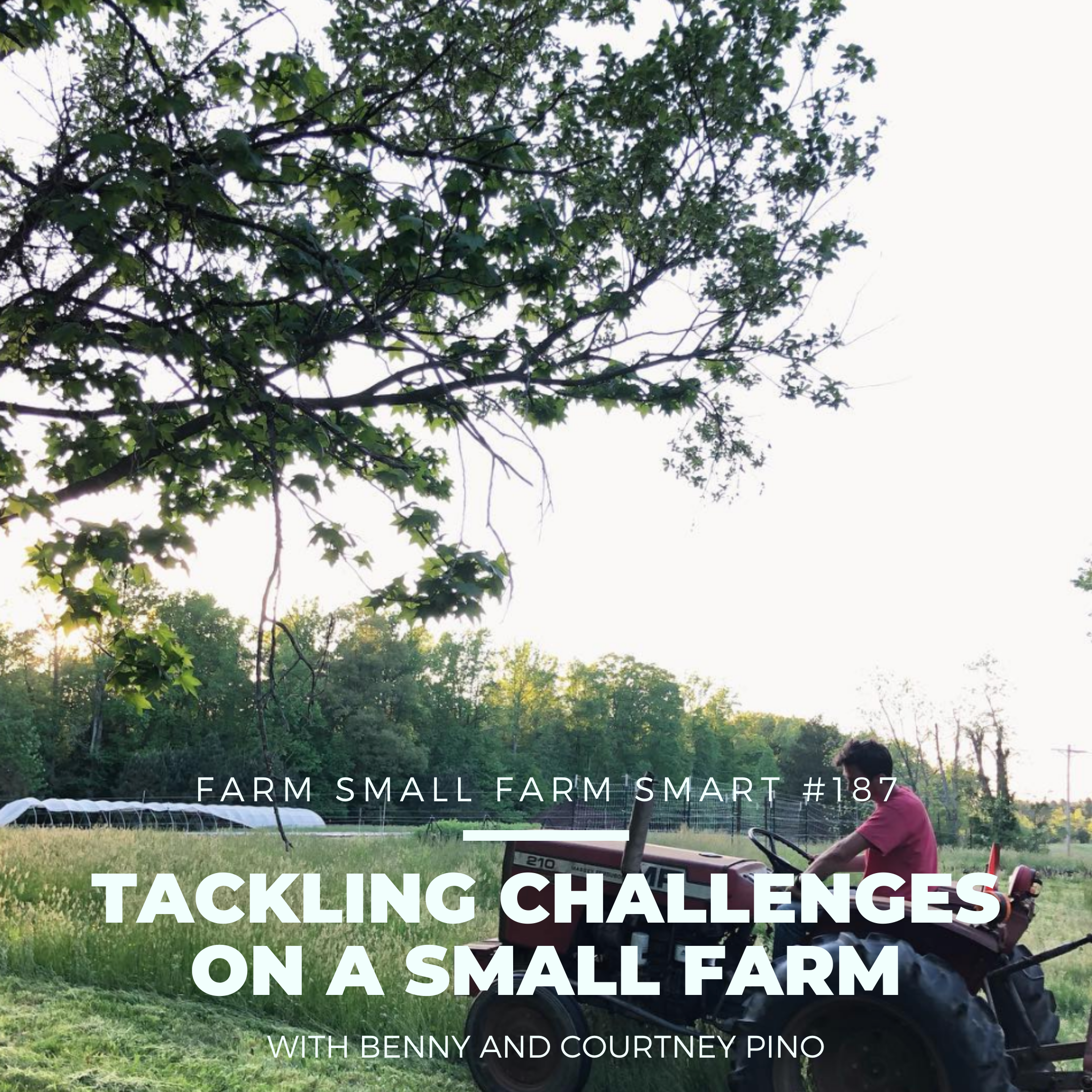
Tackling Challenges on a Small Farm (FSFS187)
This week's interview on FSFS features a season's end reflection on a timeless topic; the challenges of farming. More specifically, the challenges unique to a small scale farm with Benny and Courtney Pino of Loblolly Farm. Specifically, we discuss caterpillar tunnels, weed pressure, and irrigation. We also address their plans for solutions to these issues coming into 2020. Follow Loblolly: https://www.instagram.com/loblollyfarm/ Increase farm efficiency with the Paperpot Transplanter and Other Small Farm Equipment at https://www.paperpot.co/ Follow Diego on IG https://instagram.com/diegofooter Follow PaperpotCo on IG https://instagram.com/paperpot Podcasts by Diego Footer: Microgreens: https://apple.co/2m1QXmW Vegetable Farming: https://apple.co/2lCuv3m Livestock Farming: https://apple.co/2m75EVG Large Scale Farming: https://apple.co/2kxj39i Small Farm Tools https://www.paperpot.co/

20 Years of Building Organic Soil - The Real Results (FSFS186)
Nicolas Donck of Crystal Organic farm joins me to talk about how growing cover crops for the past 20 years have impacted his soil. How have trace minerals and compost teas helped with his soil and crops. Why he grows so much under high tunnels and what are some of the big challenges to growing crops in the south. Nicolas grows on a multigenerational farm, with 7 acres in production, 2 of which are under protected culture. Crystal Organic Farm is one of the oldest certified organic farms in the SouthEast. Follow Nicolas: https://www.instagram.com/crystalorganicfarm/ Increase farm efficiency with the Paperpot Transplanter and Other Small Farm Equipment at https://www.paperpot.co/ Follow Diego on IG https://instagram.com/diegofooter Follow PaperpotCo on IG https://instagram.com/paperpot Podcasts by Diego Footer: Microgreens: https://apple.co/2m1QXmW Vegetable Farming: https://apple.co/2lCuv3m Livestock Farming: https://apple.co/2m75EVG Large Scale Farming: https://apple.co/2kxj39i Small Farm Tools https://www.paperpot.co/

Market Gardening in An Extreme Climate - Techniques for Growing with Cold Summers, Poor Soil and High Winds
Today's episode is a BEST OF episode, which is a replay of a previously aired episode. Enjoy! Featuring Brian Kowalski of Newfoundland. Living in Newfound weather is one challenge for Brian. He describes the climate as like farming in the shoulder season all summer, windy generally with occasional hurricane, cloudy. Despite the challenges Brian has made a go of it and is a profitable market gardener. What he is doing is working. Given that, the goal for this to take a look at how Brian is dealing with harsh conditions to help those of you who might not have such harsh conditions. Another use of this information is to take some of the techniques that Brian has to apply in the summer and apply them to the colder parts of your season, be in the spring or fall shoulder seasons, or the winters... Listen to the ideas and techniques that he is using and think about how you can apply them to your situation even if your season and his don't match up. Listen to past episodes at https://www.paperpot.co/podcast Increase farm efficiency with the Paperpot Transplanter and Other Small Farm Equipment at https://www.paperpot.co/ Follow PaperpotCo on Instagram https://instagram.com/paperpot Follow Diego on Instagram https://instagram.com/diegofooter
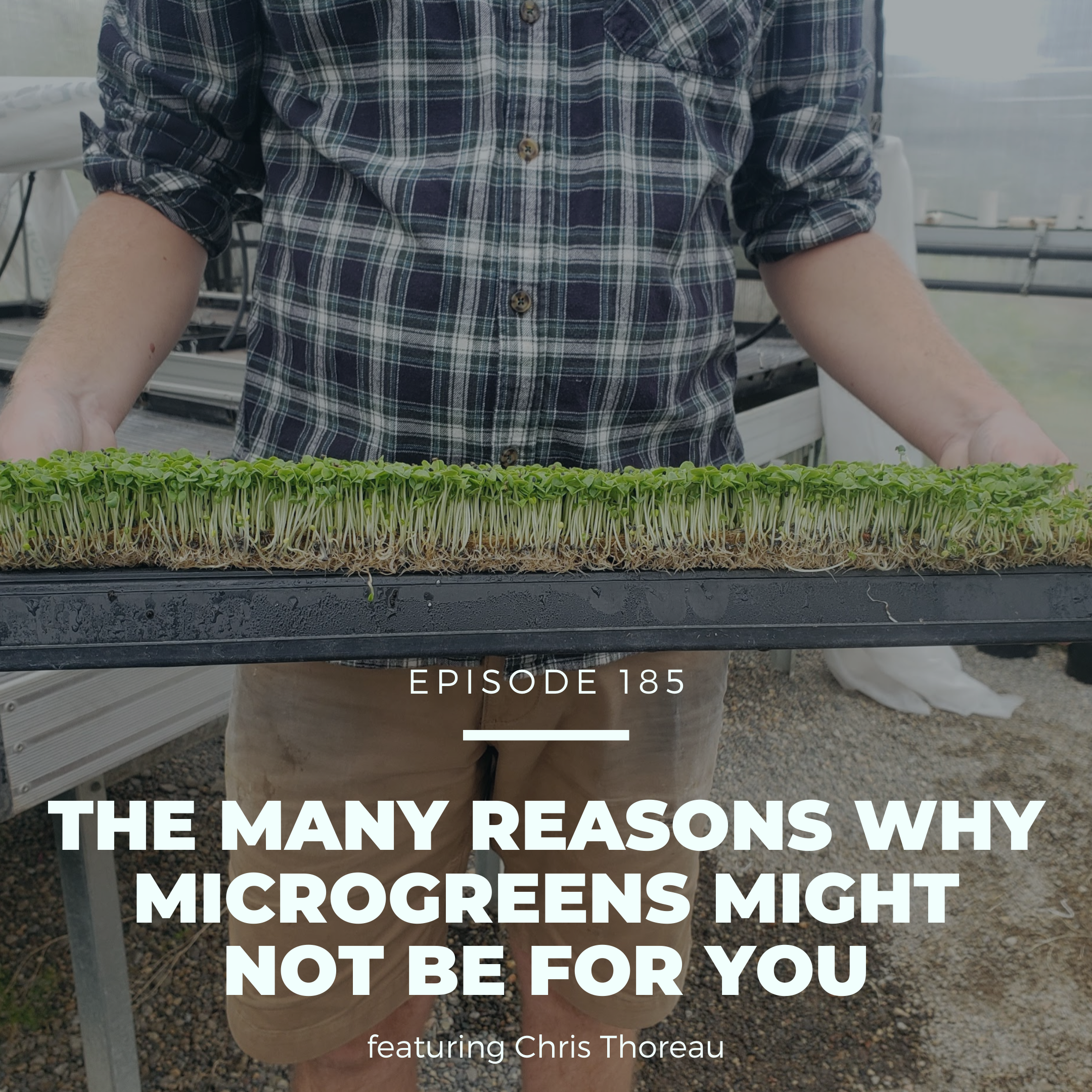
The Many Reasons Why Microgreens Might NOT Be a Fit For You (FSFS185)
Microgreen Grower Chris Thoreau and I discuss a variety of reasons why microgreens might not be a fit for you. This is a realistic look at what growing microgreens as a business is really like. From quick turn around times week after week to attention to detail to scaleability to the day to day drudgery - they aren't a perfect business, yet nothing is. Chris's Growing Your Microgreens Business Course: http://bit.ly/learntogrowmicrogreens Increase farm efficiency with the Paperpot Transplanter and Other Small Farm Equipment at https://www.paperpot.co/ Follow Diego on IG https://instagram.com/diegofooter Follow PaperpotCo on IG https://instagram.com/paperpot Podcasts by Diego Footer: Microgreens: https://apple.co/2m1QXmW Vegetable Farming: https://apple.co/2lCuv3m Livestock Farming: https://apple.co/2m75EVG Large Scale Farming: https://apple.co/2kxj39i Small Farm Tools https://www.paperpot.co/

How to Hire the Right Person for Your Farm - Advice From a 20 Year Hiring Specialist (FSFS184)
Hiring troubles? Nervous about hiring? Then this is the episode for you. I am joined by Farmer and HR Specialist Jeremy Tolley of Red Thread Farm. Jeremy has spent the past 20 years of his career in HR, recruiting and training. He's hired (directly or through my staff) literally thousands of people. In this episode, he will share his experiences hiring and give tips and advice to help you with the hiring process on your farm. If you need to hire someone in the near future, then this a must-listen. Follow Jeremy: https://www.instagram.com/redthreadfarm/ https://www.redthreadfarm.com Increase farm efficiency with the Paperpot Transplanter and Other Small Farm Equipment at https://www.paperpot.co/ Follow Diego on IG https://instagram.com/diegofooter Follow PaperpotCo on IG https://instagram.com/paperpot Podcasts by Diego Footer: Microgreens: https://apple.co/2m1QXmW Vegetable Farming: https://apple.co/2lCuv3m Livestock Farming: https://apple.co/2m75EVG Large Scale Farming: https://apple.co/2kxj39i Small Farm Tools https://www.paperpot.co/

Designing Simple and Effective Passive Solar Greenhouses with Rob Avis
Today's episode is a BEST OF episode, which is a replay of a previously aired episode. Enjoy! Engineer and permie Rob Avis from Verge Permaculture talks about building and designing passive solar greenhouses. Key Takeaways: It is very important to have thermal mass in the greenhouse. Thermal mass absorbs the surplus heat during the date and radiates it back out at night. Know what your goals are for the greenhouse. Why are you building it? You can't over-vent a greenhouse. Thermal curtains can cut heat loss drastically through the glazing. Listen to past episodes at https://www.paperpot.co/podcast Increase farm efficiency with the Paperpot Transplanter and Other Small Farm Equipment at https://www.paperpot.co/ Follow PaperpotCo on Instagram https://instagram.com/paperpot Follow Diego on Instagram https://instagram.com/diegofooter
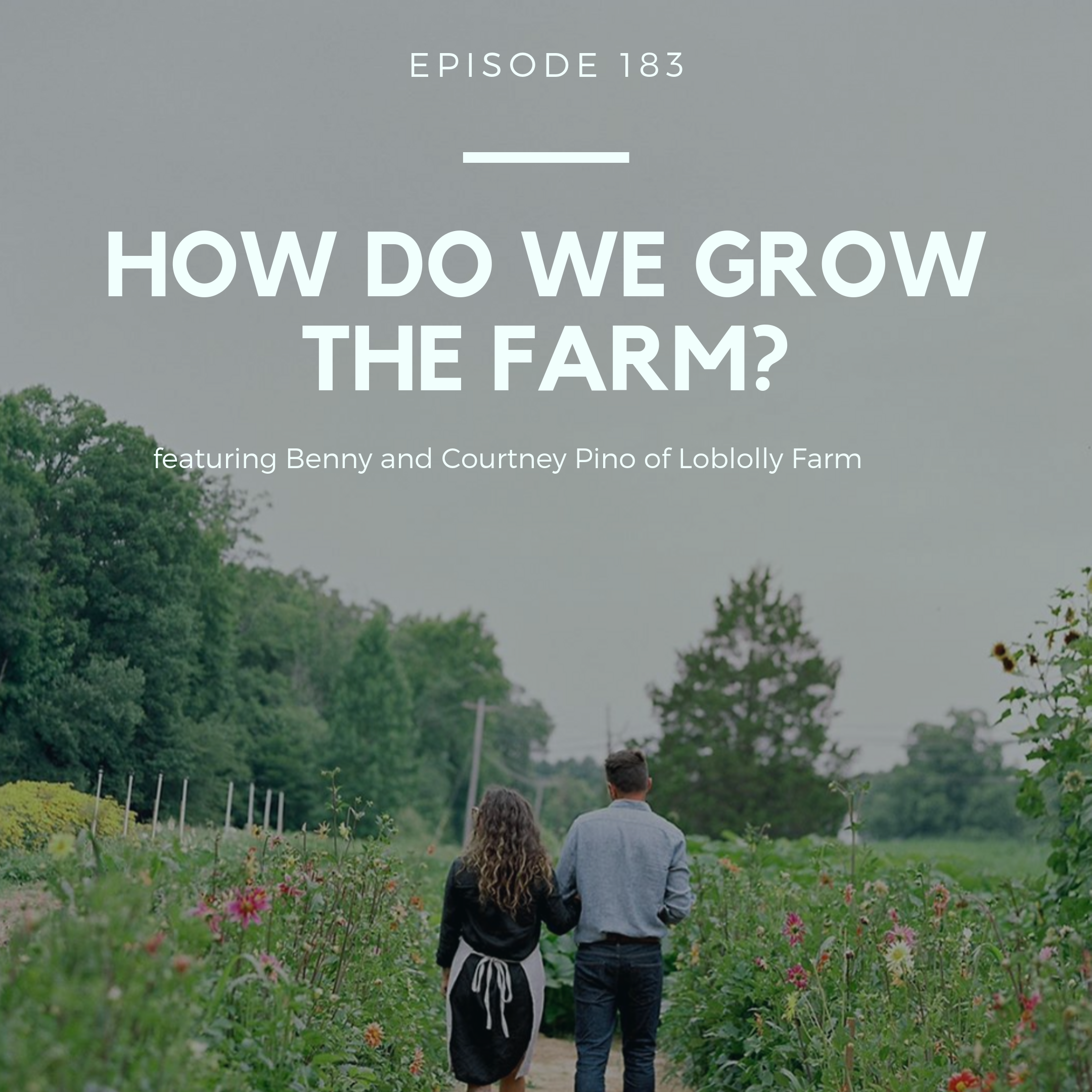
Growing A Farm with The Resources You Have with Loblolly Flower Farm (FSFS183)
Benny & Courtney Pino of Loblolly Farm talk about the challenges they are facing growing their flower farm with the resources that they have available - labor, markets, and capital. How can they work through these challenges? And when it comes to growth how big is big enough? Follow Loblolly: https://www.instagram.com/loblollyfarm/ Increase farm efficiency with the Paperpot Transplanter and Other Small Farm Equipment at https://www.paperpot.co/ Follow Diego on IG https://instagram.com/diegofooter Follow PaperpotCo on IG https://instagram.com/paperpot Podcasts by Diego Footer: Microgreens: https://apple.co/2m1QXmW Vegetable Farming: https://apple.co/2lCuv3m Livestock Farming: https://apple.co/2m75EVG Large Scale Farming: https://apple.co/2kxj39i Small Farm Tools https://www.paperpot.co/
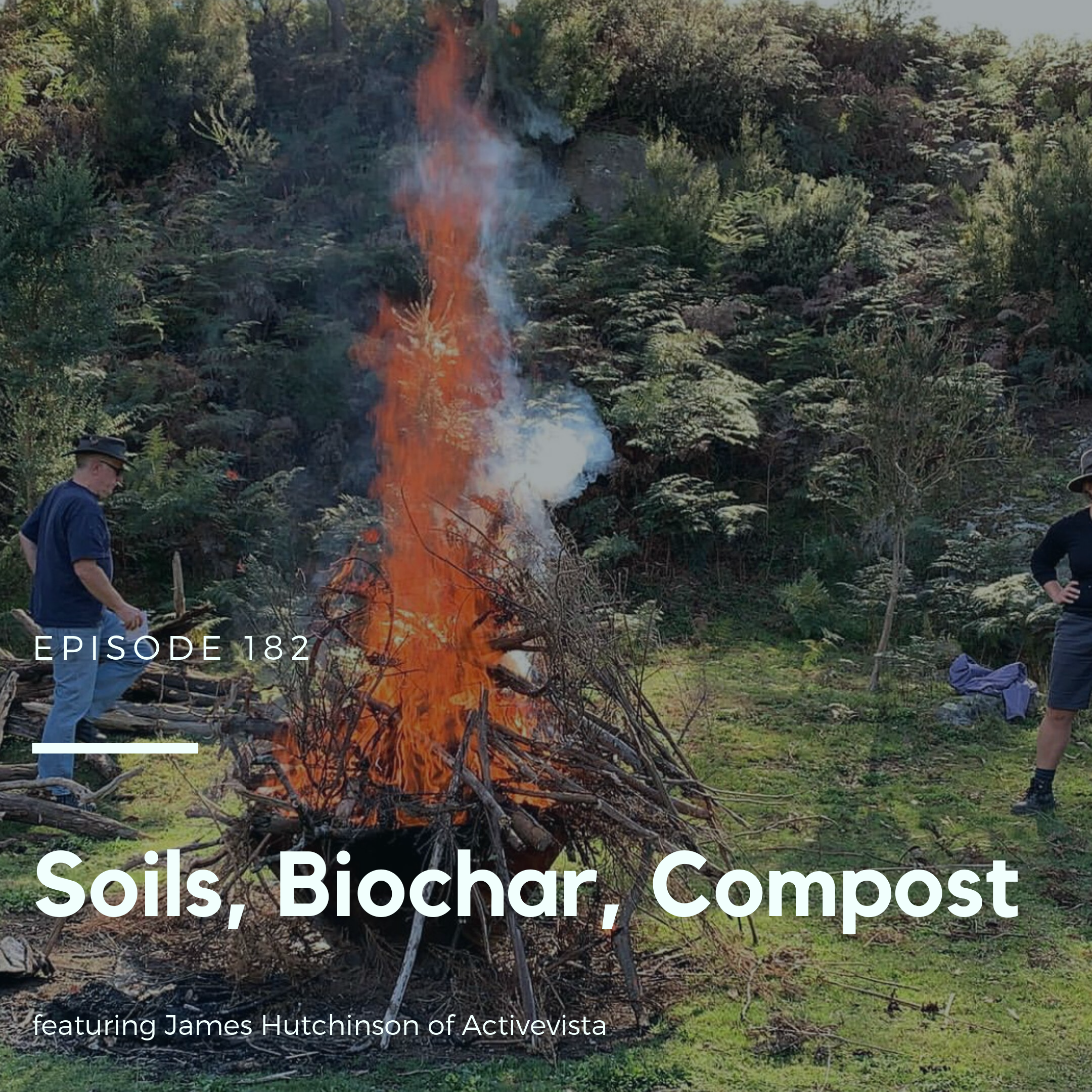
Building Soils with Min-Till, Biochar and Compost (FSFS182)
Farmer and Soil Consultant James Hutchinson joins me to talk about his method for building soils on his Tasmanian farm. He utilizes minimum tillage alongside composting, cover cropping and biochar to build soil in his permabeds. He will give advice on getting soils tests and making hot and cold compost. Follow James: https://www.instagram.com/longleyorganic https://www.instagram.com/activevistagram/ James' online Farm Store: https://www.activevista.com.au/ Increase farm efficiency with the Paperpot Transplanter and Other Small Farm Equipment at https://www.paperpot.co/ Follow Diego on IG https://instagram.com/diegofooter Follow PaperpotCo on IG https://instagram.com/paperpot Podcasts by Diego Footer: Microgreens: https://apple.co/2m1QXmW Vegetable Farming: https://apple.co/2lCuv3m Livestock Farming: https://apple.co/2m75EVG Large Scale Farming: https://apple.co/2kxj39i Small Farm Tools https://www.paperpot.co/
THE PODCAST AS YOU KNOW IT IS DONE - Changes Ahead - Please Listen
In this episode, I try to cover some of the upcoming changes to the podcast. I really hope you enjoy them.
Feel Better, Farm Better Live Better - A Farmer Wellness Episode with Scott Hebert (FSFS181)
Scott Hebert and I talk about how Scott has created a functional balance in life between business and non-business. He also talks about some of the changes he has made to improve his life on farm and off-farm including getting more fit so he can think and farm better. Connect with Scott: Instagram: https://www.instagram.com/flavourfulfarms YouTube: https://bit.ly/2u3WxIW Listen to past episodes: https://www.paperpot.co/podcast Increase farm efficiency with the Paperpot Transplanter and Other Small Farm Equipment at https://www.paperpot.co/ Follow PaperpotCo on Instagram: http://bit.ly/2B45VK
Sell More Flowers - The Different Market Streams for Cut Flowers (FSFS180)
Benny and Courtney Pino from Loblolly Farm join me to talk about all of the different potential market streams for small scale cut flower growers. From selling to distributors to florists to designers there are a lot of potential outlets to sell to as a grower. We will discuss each model hitting on the pros and cons of each, so you can hopefully find a market stream that works for you. The whole key is finding the best one that fits your farm and your context. Connect with Benny & Courtney: Follow Loblolly at https://www.instagram.com/loblollyfarm/ Listen to past episodes at https://www.paperpot.co/podcast Increase farm efficiency with the Paperpot Transplanter and Other Small Farm Equipment at https://www.paperpot.co/ Follow PaperpotCo on Instagram: http://bit.ly/2B45VK
The Farmer's Office - The Business of Farming with Emma Hendel (FSFS179)
Emma Hendel of Fair Share Farm gives us a look at the work that happens behind the scenes to support and enable field production. She cover's what she does in the office on a weekly basis for their farm. Tasks include bookkeeping, market, and communicating with customers. In this episode, there are tips for increasing your time bandwidth and some thoughts about the upside of on-farm sales. Connect with Emma: Instagram: http://instagram.com/fair_share_farm Website: https://www.fairsharefarm.net/ Listen to past episodes at https://www.paperpot.co/podcast Increase farm efficiency with the Paperpot Transplanter and Other Small Farm Equipment at https://www.paperpot.co/ Follow PaperpotCo on Instagram: http://bit.ly/2B45VK
Choosing the Right Crops (and Customers) for Your Farm with Ben Hartman (FSFS178)
Today farmer Ben Hartman of Clay Bottom Farm joins me to talk about choosing the right crops for your farm's context. He goes through some of the most profitable small farm crops, and why you should consider growing them. He also gets into choosing the right customers for those crops and how to make sure those crops are a fit for the customers. Ben's Online Course: www.theleanfarmschool.com Follow Ben: https://www.instagram.com/claybottomfarm Listen to past episodes at: https://www.paperpot.co/podcast Increase farm efficiency with the Paperpot Transplanter and Other Small Farm Equipment at https://www.paperpot.co/ Follow PaperpotCo on Instagram: bit.ly/2B45VK
Being a Parent and a Farmer (While Starting a Farm) with Justin Logeais (FSFS177)
Justin Logeais joins me to talk about transitioning from full-time employment to full-time farming - how he did it, how it paid for it, and the balance that was required. He also talks about balancing family with running a business and keeping family first. Connect with Justin: https://en-gb.facebook.com/compostguycsa/ Plant Fast, Live More... Increase farm efficiency with the Paperpot Transplanter and Other Small Farm Equipment at https://www.paperpot.co/ Follow PaperpotCo on Instagram: http://bit.ly/2B45VK
Top 10 Cool Season Flowers for Small Farms (FSFS176)
Benny and Courtney Pino from Loblolly Farm join me to talk about the Top 10 Cool Season Flowers for Small Farms. We talk about why you should consider these flowers, how to grow then, and how to use them in bouquets. We also get into pest and disease pressure for each type of flower and the overall difficulty to grow them. Follow Loblolly at https://www.instagram.com/loblollyfarm/ Increase farm efficiency with the Paperpot Transplanter and Other Small Farm Equipment at https://www.paperpot.co/ Follow PaperpotCo on Instagram: http://bit.ly/2B45VK
Crop Planning for Microgreens with Spreadsheets (FSFS175)
Chris Thoreau joins me to discuss crop planning for a microgreens business using spreadsheets. We discuss timing crops for orders, using spreadsheets to plan and forecast income, and how to use spreadsheets for business planning. Get Chris's Crop Planner at: https://urbanmicro.ca/crop-planner/ This show is brought to you by Paperpot Co.
Practical Tips for Increasing Sales at the Farmers Market (GFL174)
John Paul Smajda joins me to talk about how he increased sales at their farmers' market by over 300%. From display to customer interactions, to pricing, all of the tips in this one are practical ones anyone could implement. Connect with John: [email protected] This show is brought to you by Paperpot Co
Farm Growth Without Compromises - Thoughts on Scaling, Hiring, and Maintaining Quality with Jordan MacPhee (FSFS173)
Jordan MacPhee of Maple Bloom Farm joins how microgreens fit in with field crops on their farm. They are also in expansion mode on the farm and talk hiring considerations, selling more, and maintaining quality. Connect with Jordan: http://www.maplebloomfarm.ca Growing Your Microgreens Business Course with Chris Thoreau: http://www.permaculturevoices.com/microgreens Increase farm efficiency with the Paperpot Transplanter and Other Small Farm Equipment at https://www.paperpot.co/ Follow PaperpotCo on Instagram: http://bit.ly/2B45VK
Strategies for Growing Tomatoes and Building Soil with Ben Hartman (FSFS172)
Ben Hartman talks about creating the optimum conditions for growing tomatoes. He also touches on building soil in between crops and handling crop turnover. Ben's Online Course: https://www.theleanfarmschool.com Follow Ben: https://www.instagram.com/claybottomfarm Listen to past episodes at: https://www.paperpot.co/podcast Increase farm efficiency with the Paperpot Transplanter and Other Small Farm Equipment at https://www.paperpot.co/ Follow PaperpotCo on Instagram: http://bit.ly/2B45VK
Farming While Being a Parent - Time Management and More with Kim Doughty-McCannon (FSFS171)
Kim Doughty-McCannon joins me to talk about being a mom and a farmer. How does she balance both? We get into topics such as time management and splitting time. Kim also talks about her experiences running a cut flower CSA. Follow Kim: @bellurbanfarm https://www.bellurbanfarm.com/ Increase farm efficiency with the Paperpot Transplanter and Other Small Farm Equipment at https://www.paperpot.co/ Follow PaperpotCo on Instagram: http://bit.ly/2B45VK
A Very Important Topic Affecting Farmers (and Everyone Else) (FSFS170)
Depression is an issue that affects over 20 million Americans, and the farm space is not isolated from that. Today Farmer Chris Gilbert joins me to talk about the topic of depression and some of his experiences with depression. Follow Chris: https://www.instagram.com/gilbertsgrapesiowa/ Increase farm efficiency with the Paperpot Transplanter and Other Small Farm Equipment at https://www.paperpot.co/ Follow PaperpotCo on Instagram: http://bit.ly/2B45VK
Top 10 Warm Season Flowers for Small Farms (FSFS168)
Benny and Courtney Pino from Loblolly Farm join me to talk about the Top 10 Warm Season Flowers for Small Farms. We talk about why you should consider these flowers, how to grow then, and how to use them in bouquets. We also get into pest and disease pressure for each type of flower and the overall difficulty to grow them. Follow Loblolly at https://www.instagram.com/loblollyfarm/ Increase farm efficiency with the Paperpot Transplanter and Other Small Farm Equipment at https://www.paperpot.co/ Follow PaperpotCo on Instagram: http://bit.ly/2B45VK
Farm Couples: Being Successful as Partners in Life and Business with Emma Hendel and Elliot Seldner (FSFS167)
Emma Hendel and Elliot Seldner talk about being husband and wife along with business owners. How do they make it work? What does it take? What is it really like? Follow Fair Share Farm at http://instagram.com/fair_share_farm https://www.fairsharefarm.net/ Increase farm efficiency with the Paperpot Transplanter and Other Small Farm Equipment at https://www.paperpot.co/ Follow PaperpotCo on Instagram: http://bit.ly/2B45VK
Tips for Successfully Competing in a Crowded Market with Jordan MacPhee (FSFS166)
Jordan MacPhee of Maple Bloom Farm joins me to talk about how they sell their organic veggie box in the small, but crowded marketplace on PEI in Canada. We discuss strategies for marketing CSAs, getting people interested, and keeping them coming back year after year. Connect with Jordan: http://www.maplebloomfarm.ca http://www.waggon.ca Increase farm efficiency with the Paperpot Transplanter and Other Small Farm Equipment at https://www.paperpot.co/ Follow PaperpotCo on Instagram: http://bit.ly/2B45VK
Business Opportunities Growing Cut Flowers with The Flower Grower Benny Pino (FSFS165)
If you think you need a lot of land to grow cut flowers or that cut flowers aren't profitable, then you might be wrong. Benny Pino, The Flower Grower, of Loblolly Farm joins me to talk about business opportunities growing cut flowers on small farms. Follow Loblolly at https://www.instagram.com/loblollyfarm/ Increase farm efficiency with the Paperpot Transplanter and Other Small Farm Equipment at https://www.paperpot.co/ Follow PaperpotCo on Instagram: http://bit.ly/2B45VK
Doing The Most Important Things in 2019 with Javan Bernakevitch (FSFS164)
Javan Bernakevitch and I talk about the need to decide what is truly important and why that, and only that, should be the focus in 2019. Connect with Javan: All Points Land Design: http://allpointsdesign.ca/ All Points Life Design: http://allpointsdesign.ca/life-design/intro/ Increase farm efficiency with the Paperpot Transplanter and Other Small Farm Equipment at https://www.paperpot.co/ Follow PaperpotCo on Instagram: http://bit.ly/2B45VK
Goal Setting and Yearly Planning for Success with Farmer Yosef Camire (FSFS163)
Yosef Camire of Ahavah Farm talks about his process for goal setting and yearly planning. We cover both short and long-range goal setting. Along with how to attack larger longer-term goals. Follow Yosef: https://www.instagram.com/ahavahfarm/ Increase farm efficiency with the Paperpot Transplanter and Other Small Farm Equipment at https://www.paperpot.co/ Follow PaperpotCo on Instagram: http://bit.ly/2B45VK Listen to past episodes at: https://www.paperpot.co/podcast
Building Deep Soil with A Lot of Organic Matter featuring Ben Hartman (FSFS162)
Ben Hartman talks about building soil on a new farm or bringing new soil into production. Topics include tillage, compost, and no-till. Ben's Online Course: https://www.theleanfarmschool.com Follow Ben: https://www.instagram.com/claybottomfarm Listen to past episodes at: https://www.paperpot.co/podcast Increase farm efficiency with the Paperpot Transplanter and Other Small Farm Equipment at https://www.paperpot.co/ Follow PaperpotCo on Instagram: http://bit.ly/2B45VK
Do You Have a Farm Business or a Farm Job? (FSFS161)
Today I am asking the question - Can you farm business scale enough to matter? If not, then why are you doing it or what can you change? Can the business scale, do you have a business or a job, and can your markets handle enough sales volume? Listen to past episodes: https://www.paperpot.co/podcast Increase farm efficiency with the Paperpot Transplanter and Other Small Farm Equipment at https://www.paperpot.co/ Follow PaperpotCo on Instagram: http://bit.ly/2B45VK
10 Life Changing Audiobooks to Listen to With Your Cat When It's Snowing (FSFS160)
Scott Hebert and I each talk about 5 of our favorite audiobooks - why we like them and why you might too! Happy New Years! Connect with Scott: Instagram: https://www.instagram.com/flavourfulfarms YouTube: https://bit.ly/2u3WxIW Listen to past episodes: https://www.paperpot.co/podcast Increase farm efficiency with the Paperpot Transplanter and Other Small Farm Equipment at https://www.paperpot.co/ Follow PaperpotCo on Instagram: http://bit.ly/2B45VK
Make 2019 Your Best Year Ever (FSFS159)
A review process for 2018 and tips on how to build off of success from 2018 to have your best year ever in 2019. Listen to past episodes at: https://www.paperpot.co/podcast Increase farm efficiency with the Paperpot Transplanter and Other Small Farm Equipment at https://www.paperpot.co/ Follow PaperpotCo on Instagram: http://bit.ly/2B45VK
Growing a Farm Business with a Successful Farmstand featuring Jenny Quiner (FSFS158)
Jenny Quiner talks about growing her farm business through her farmstand. What has worked, what hasn't, and several ideas for growing farmstand business. Follow Jenny @dogpatch_urban_gardens Listen to past episodes: https://www.paperpot.co/podcast Increase farm efficiency with the Paperpot Transplanter and Other Small Farm Equipment at https://www.paperpot.co/ Follow PaperpotCo on Instagram: http://bit.ly/2B45VK
Different Crops and Market Streams to Scale Farm Income with Elliot Seldner (FSFS157)
Elliot Seldner of Fair Share Farm talks about his options for scaling income. What crops he could add and what market streams he could grow and what that might look like. Connect with Elliot: https://www.instagram.com/fair_share_farm/ Listen to past episodes: https://www.paperpot.co/podcast Increase farm efficiency with the Paperpot Transplanter and Other Small Farm Equipment at https://www.paperpot.co/ Follow PaperpotCo on Instagram: http://bit.ly/2B45VK
Increasing Net Profit with Less Work, Waste, and Costs featuring Ben Hartman (FSFS156)
Ben Hartman gives you some tips on how you can use LEAN principles to eliminate waste from your farm and make your farm more efficient in 2019. Ben's Online Course: https://www.theleanfarmschool.com Follow Ben: https://www.instagram.com/claybottomfarm Listen to past episodes at: https://www.paperpot.co/podcast Increase farm efficiency with the Paperpot Transplanter and Other Small Farm Equipment at https://www.paperpot.co/ Follow PaperpotCo on Instagram: http://bit.ly/2B45VK
Beyond Startup: Taking A Farm to the Next Stage with Elliot Seldner (FSFS155)
Elliot Seldner of Fair Share Farm talks concerns and considerations with scaling once you have a business that works - from hiring employees to growing the farm. Connect with Elliot: https://www.instagram.com/fair_share_farm/ Listen to past episodes: https://www.paperpot.co/podcast Increase farm efficiency with the Paperpot Transplanter and Other Small Farm Equipment at https://www.paperpot.co/ Follow PaperpotCo on Instagram: http://bit.ly/2B45VK
THANKSGIVING EXTRAVAGANZA - Board Game Edition
Happy Thanksgiving. This episode is a replay of an episode of Grassfed Life that aired earlier this week. In this fun episode, livestock farmer Darby Simpson and I talk about how board games are a great way to use your downtime and connect with others. Learn more about Grassfed Life: http://bit.ly/2D5gRJX Subscribe to the podcast: https://apple.co/2hayYod Farm Business Essentials Online Course is here, and it's not just a piece of the puzzle. FBE is a complete step by step A to Z system to plan, market, and grow the farm enterprise that's right for you. Built by a farmer for farmers just like you -https://www.farmbusinessessentials.com Instagram: Follow Darby: http://bit.ly/2D6mlo7 Follow Diego: http://bit.ly/2B3vprJ Facebook: https://www.facebook.com/grassfedlifepodcast/
A Base Principles Approach to Farming - Understanding Why and Context with Chris Thoreau (FSFS154)
Chris Thoreau discusses the importance of buying the right equipment, knowing when to get advice, and understanding the context of what you do and why you do it. Blind copying is dangerous. Growing Your Microgreens Business Course with Chris Thoreau: http://www.permaculturevoices.com/microgreens Listen to past episodes: https://www.paperpot.co/podcast Increase farm efficiency with the Paperpot Transplanter and Other Small Farm Equipment at https://www.paperpot.co/ Follow PaperpotCo on Instagram: http://bit.ly/2B45VKQ
Growing a Farm Business with Positive Optionality featuring Justin Gay (FSFS153)
Justin Gay talks about farms market sales strategies, selling live cut microgreens and pre-packaged, and growing a small farm that gives him the most options for his life context. Connect with Justin: https://www.instagram.com/theseedsofxanxadu/ Listen to past episodes: https://www.paperpot.co/podcast Increase farm efficiency with the Paperpot Transplanter and Other Small Farm Equipment at https://www.paperpot.co/ Follow PaperpotCo on Instagram: http://bit.ly/2B45VK
The Four Base Principles of Lean Farming and How to Use Them on Your Farm (FSFS152)
Ben Hartman discusses the base principles that make up the lean system and gives you practical tips on how you can apply them to your farm to save time, money and effort. Ben's Online Course: https://www.theleanfarmschool.com Follow Ben: https://www.instagram.com/claybottomfarm Listen to past episodes at: https://www.paperpot.co/podcast Increase farm efficiency with the Paperpot Transplanter and Other Small Farm Equipment at https://www.paperpot.co/ Follow PaperpotCo on Instagram: http://bit.ly/2B45VK
Hustling and Balancing Time to Build a Farm Business with Rome Julian (FSFS151)
Rome Julian of Lake Tilly Acres talks about starting his farm on the side, growth challenges, and how he has time to run the business, work another job, and have a family. Follow Rome: https://www.instagram.com/laketillyacres/ Growing Your Microgreens Business Course with Chris Thoreau: http://www.permaculturevoices.com/microgreens Listen to past episodes at: https://www.paperpot.co/podcast Increase farm efficiency with the Paperpot Transplanter and Other Small Farm Equipment at https://www.paperpot.co/ Follow PaperpotCo on Instagram: http://bit.ly/2B45VKQ
Considerations for Adding Microgreens On Top of Field Crops (FSFS150)
Max Becher and Chris Thoreau chat about the differences between growing microgreens and field crops, when to add more microgreen crops, and when do you have too many crops. Connect with Max: http://www.ojaifarmstand.com Growing Your Microgreens Business Course with Chris Thoreau: http://www.permaculturevoices.com/microgreens Listen to past episodes at: https://www.paperpot.co/podcast Increase farm efficiency with the Paperpot Transplanter and Other Small Farm Equipment at https://www.paperpot.co/ Follow PaperpotCo on Instagram: http://bit.ly/2B45VKQ
Creating the Perfect Farm Business for You with Travis Schulert (FSFS149)
Travis Schulert joins me to talk about how he has made farming on the side successfully mesh with the rest of his life and his full-time job. Travis also discusses his farmer's market pricing and sales strategies. Connect with Travis: https://www.permadynamics.org/ Listen to past episodes at: https://www.paperpot.co/podcast Increase farm efficiency with the Paperpot Transplanter and Other Small Farm Equipment at https://www.paperpot.co/
These Exact Lean Principles Turned Around My Farm with Ben Hartman
Farmer Ben Hartman talks about how lean principles turned their farm around. Learn more about Ben's courses: https://www.theleanfarmschool.com/ Listen to past episodes at: https://www.paperpot.co/podcast Increase farm efficiency with the Paperpot Transplanter and Other Small Farm Equipment at https://www.paperpot.co/ Follow PaperpotCo on Instagram: http://bit.ly/2B45VKQ
How to Successfully Sell Microgreens to Wholesale Customers (FSFS148)
Luke Carneal of The Sonoma Farm joins me to shares his experience selling to wholesalers as a small farm. He'll give you a lot of tips on approach and working with wholesale customers. Connect with Luke: https://www.instagram.com/thesonomafarm/ Growing Your Microgreens Business Course with Chris Thoreau: http://www.permaculturevoices.com/microgreens Listen to past episodes at: https://www.paperpot.co/podcast Increase farm efficiency with the Paperpot Transplanter and Other Small Farm Equipment at https://www.paperpot.co/ Follow PaperpotCo on Instagram: http://bit.ly/2B45VKQ
Marketing a New Farm and Overcoming Startup Challenges with Jay Reid (FSFS147)
Jay Reid talks about how they have marketed their new farm and CSA program and what steps they have taken to stand out from the competition. Jay also discusses how he and his partner Kat have made farming and their relationship co-exist in a positive way. Connect with Jay: https://www.instagram.com/resilient_farms/ Listen to past episodes at: https://www.paperpot.co/podcast Increase farm efficiency with the Paperpot Transplanter and Other Small Farm Equipment at https://www.paperpot.co/