Explaining History
971 episodes — Page 10 of 20

McNamara and Vietnam 1960-68
Robert McNamara was John F Kennedy's choice to fix the sprawling bureacracy at the Department of Defence. McNamara employed an economist's mind to problems, had greatly increased the destructive power of the USAAF during the Second World War by using data and intelligence to firebomb Japanese cities more effectively, and became the first non family member to run the Ford Motor Company. Kennedy wanted business people in government to bring the dynamism of the American corporate world to the state (whether this was ever really achieved is a matter of debate). McNamara brought the same managerialist approaches to the war in Vietnam, with limited success, as much of the conflict defied his kind of quantified approach. Whilst McNamara understood kill ratios and other statistics, he and the rest of the government understood virtually nothing about the politics and society of the country they sought to protect from the north and the real motivations of the Vietnamese peasants. Explaining History helps you understand the 20th Century through critical conversations and expert interviews. We connect the past to the present. If you enjoy the show, please subscribe and share.▸ Support the Show & Get Exclusive ContentBecome a Patron: patreon.com/explaininghistory▸ Join the Community & Continue the ConversationFacebook Group: facebook.com/groups/ExplainingHistoryPodcastSubstack: theexplaininghistorypodcast.substack.com▸ Read Articles & Go DeeperWebsite: explaininghistory.org Hosted on Acast. See acast.com/privacy for more information.
Eisenhower and the downfall of Joseph McCarthy
Eisenhower found McCarthy distasteful but had not desire to enter into a political fight with him. He thought that this would diminish the presidency and give lie to the idea that America was a harmonious post war society. He hoped that the public mood would change and when McCarthy was finally defeated the evidence suggests that attitudes were transitioning away from hysteria anyway. It was his decision to conduct televised hearings into suspected communist subversion in the army that eventually led to his political demise, and in this podcast we explore how Eisenhower was able to play a role at the 11th hour. Explaining History Podcast listeners are eligible for a 10% discount on all history book orders from Story Tellers Bookshop (email [email protected] and quote Explaining History)Explaining History helps you understand the 20th Century through critical conversations and expert interviews. We connect the past to the present. If you enjoy the show, please subscribe and share.▸ Support the Show & Get Exclusive ContentBecome a Patron: patreon.com/explaininghistory▸ Join the Community & Continue the ConversationFacebook Group: facebook.com/groups/ExplainingHistoryPodcastSubstack: theexplaininghistorypodcast.substack.com▸ Read Articles & Go DeeperWebsite: explaininghistory.org Hosted on Acast. See acast.com/privacy for more information.
Britain's War at Sea 1939-45 Part One - Imperial Overstretch
By 1939, the Royal Navy had lost a decade of growth, after budget cuts during the Great Depression and the closure of shipyards resulted in an older fleet than that of its enemies. The navy's role as the defender of the sea lanes that bound the empire together meant that it was for much of the war, Britain's primary line of defence against the Axis powers. The British were vulnerable as a net importer of food to U-Boat warfare and following the failure of the Battle of Britain and the decision by Hitler to shelve plans for an invasion indefinately, attacks on British merchant shipping was the means by which the Nazi regime believed the British could be brought to their knees. This podcast explores the challenges of strategy and military hardware that the British were presented with at the start of the war. Explaining History helps you understand the 20th Century through critical conversations and expert interviews. We connect the past to the present. If you enjoy the show, please subscribe and share.▸ Support the Show & Get Exclusive ContentBecome a Patron: patreon.com/explaininghistory▸ Join the Community & Continue the ConversationFacebook Group: facebook.com/groups/ExplainingHistoryPodcastSubstack: theexplaininghistorypodcast.substack.com▸ Read Articles & Go DeeperWebsite: explaininghistory.org Hosted on Acast. See acast.com/privacy for more information.
Richard Nixon and the beginning of the Watergate Scandal 1972-3
When Richard Nixon won his second presidential term in 1972 defeating George McGovern in 1972, he was at the height of his popularity. The previous year he had captured the public mood when he addressed the nation's fears about the growing economic stagnation that America had begun to experience at the end ofthe 1960s. He had successfully negotiated with both Mao and Brezhnev earlier that year and offered many Americans the prospect of a withdrawal from Vietnam without humiliation. The break in at the Watergate hotel had not attracted many headlines by the time of the January 1973 inauguration, but within seventeen months, Nixon's presidency was over and he left the White House in disgrace.Explaining History Podcast listeners are eligible for a 10% discount on all history book orders from Story Tellers Bookshop (email [email protected] and quote Explaining History)Explaining History helps you understand the 20th Century through critical conversations and expert interviews. We connect the past to the present. If you enjoy the show, please subscribe and share.▸ Support the Show & Get Exclusive ContentBecome a Patron: patreon.com/explaininghistory▸ Join the Community & Continue the ConversationFacebook Group: facebook.com/groups/ExplainingHistoryPodcastSubstack: theexplaininghistorypodcast.substack.com▸ Read Articles & Go DeeperWebsite: explaininghistory.org Hosted on Acast. See acast.com/privacy for more information.
German Militarism and Social Cohesion in 1914
Despite a decade of social conflict prior to the First World War between German trade unions and bosses, the declaration of war by Germany against Russia in the summer of 1914 led to a temporary but significant period of social unity in the Reich. The SPD, Germany's Social Democratic Party, showed its loyalty to the Kaiser's government by voting for his war credits to fund the army, and were recognised by the Chancellor Bethman Hollweg as a pliant and passive organisation that did not need to be repressed. National minorities in Silesia, Alsace Lorraine and Schleswig Holstein did not fare quite as well, with their leaders facing arrest and imprisonment at the start of the war. The Explaining History Podcast listeners are eligible for a 10% discount on all history book orders from Story Tellers Bookshop (email [email protected] and quote Explaining History)Explaining History helps you understand the 20th Century through critical conversations and expert interviews. We connect the past to the present. If you enjoy the show, please subscribe and share.▸ Support the Show & Get Exclusive ContentBecome a Patron: patreon.com/explaininghistory▸ Join the Community & Continue the ConversationFacebook Group: facebook.com/groups/ExplainingHistoryPodcastSubstack: theexplaininghistorypodcast.substack.com▸ Read Articles & Go DeeperWebsite: explaininghistory.org Hosted on Acast. See acast.com/privacy for more information.
Debt, decline and post Prague Spring Eastern Europe 1969-1989
When the Soviet Union and its Warsaw Pact allies drove their tanks into Prague in 1968, crushing the nascent pro democracy movement led by Alexander Dubcek, the last pretense of there being anything emancipatory about Soviet Communism disappeared. Instead, the USSR and its sattelite regimes were shorn of any ideological credibility and now faced sullen and uncooperative populations across the eastern bloc whose only interest in communism was whether it could economically deliver. The next two decades were an exercise in economic failure for the Soviet Union and its satellites, and an opportunity for Western banks, that had injected debt into Eastern Europe, as Soviet backed regimes desperately tried to modernise their economies, but became ensnared in a financial game that the west and its institutions were far better at playing. Explaining History helps you understand the 20th Century through critical conversations and expert interviews. We connect the past to the present. If you enjoy the show, please subscribe and share.▸ Support the Show & Get Exclusive ContentBecome a Patron: patreon.com/explaininghistory▸ Join the Community & Continue the ConversationFacebook Group: facebook.com/groups/ExplainingHistoryPodcastSubstack: theexplaininghistorypodcast.substack.com▸ Read Articles & Go DeeperWebsite: explaininghistory.org Hosted on Acast. See acast.com/privacy for more information.
The Indian Army in the Middle East - 1940
In the summer of 1940 the British faced supply shortages in the Middle East and were vastly outnumbered by Italian forces in Libya. Archibald Wavell, one of Churchill's least favourite generals, came under intense pressure from his Prime Minister for a swift and impressive victory. HIs opposite number Count Graziani quickly realised the Italian Army was poorly equipped for desert war, and despite its size would struggle to achieve a decisive victory. The Indian Fourth Division was deployed in this context and intensively trained by Major General Richard O'Connor to fight the desert battles to come. This podcast is the first of several where I will examine the realities of desert warfare for Indian soldiers. Explaining History helps you understand the 20th Century through critical conversations and expert interviews. We connect the past to the present. If you enjoy the show, please subscribe and share.▸ Support the Show & Get Exclusive ContentBecome a Patron: patreon.com/explaininghistory▸ Join the Community & Continue the ConversationFacebook Group: facebook.com/groups/ExplainingHistoryPodcastSubstack: theexplaininghistorypodcast.substack.com▸ Read Articles & Go DeeperWebsite: explaininghistory.org Hosted on Acast. See acast.com/privacy for more information.
Hitler, the Luftwaffe and the 'England Problem' - 1940
In the summer of 1940, German successes in Europe had been based on a very particular model of interaction between air and ground forces. The planned invasion of southern England and the seizure of London envisioned by Hitler presented the German airforce with entirely new problems. Some German commanders believed that the Luftwaffe alone could defeat the British, but it was Eric Raeder, the head of Hitler's navy, who wanted an amphibious invasion to showcase the power of the Kriegsmarine. Hitler offered a peace deal to the British, certain that it would be rejected, and instead embarked upon his first great failure, the Battle of Britain and the subsequent bombing campaign known as the Blitz.Explaining History helps you understand the 20th Century through critical conversations and expert interviews. We connect the past to the present. If you enjoy the show, please subscribe and share.▸ Support the Show & Get Exclusive ContentBecome a Patron: patreon.com/explaininghistory▸ Join the Community & Continue the ConversationFacebook Group: facebook.com/groups/ExplainingHistoryPodcastSubstack: theexplaininghistorypodcast.substack.com▸ Read Articles & Go DeeperWebsite: explaininghistory.org Hosted on Acast. See acast.com/privacy for more information.
Grain seizures and famine during the Great Leap Forward
During the forced programme of industrialisation in the late 1950s in China, known as the Great Leap Forward, China's peasants came under intense pressure from the violent Maoist state to produce impossible grain quotas. Villages had already undergone the process of communalisation, where the basic structures of communal and even family life were torn apart and peasants were taken from the land in huge numbers to work on poorly planned vanity projects. In villages, kitchens and cooking utensils were taken from homes and communal kitchens were established, giving the state ultimate control over food supply in rural China. This podcast draws from the excellent account of the famine, Tombstone by Yang Jisheng.Explaining History helps you understand the 20th Century through critical conversations and expert interviews. We connect the past to the present. If you enjoy the show, please subscribe and share.▸ Support the Show & Get Exclusive ContentBecome a Patron: patreon.com/explaininghistory▸ Join the Community & Continue the ConversationFacebook Group: facebook.com/groups/ExplainingHistoryPodcastSubstack: theexplaininghistorypodcast.substack.com▸ Read Articles & Go DeeperWebsite: explaininghistory.org Hosted on Acast. See acast.com/privacy for more information.
Harold Wilson and MI6 - 1963-76
Harold Wilson was the most successful Labour prime minister of the 20th Century, but was the subject of plots to remove him from power by the military, business and intelligence elites. No coup attempt against Wilson was ever launched in Britain, but his sudden resignation in 1976 followed years of speculation that he had been spied upon by the intelligence services. This podcast explores his often frictional relationship with Britain's intelligence services and the record of other Labour leaders, who were frequently viewed as illegitimate by Britain's upper classes and the security state.Explaining History helps you understand the 20th Century through critical conversations and expert interviews. We connect the past to the present. If you enjoy the show, please subscribe and share.▸ Support the Show & Get Exclusive ContentBecome a Patron: patreon.com/explaininghistory▸ Join the Community & Continue the ConversationFacebook Group: facebook.com/groups/ExplainingHistoryPodcastSubstack: theexplaininghistorypodcast.substack.com▸ Read Articles & Go DeeperWebsite: explaininghistory.org Hosted on Acast. See acast.com/privacy for more information.
De-Maoification 1976-1989
When Mao Zedong, China's 'great helmsman' died in 1976, the China that emerged after destructive reign began to be de-Maoified economically but also culturally. By the early 1980s a cutlure of Mao criticism was prevalent in the arts, television and cinema, along with critiques of the Mao era communist party. This podcast examines the processes of De-Maoification and how China changed throughout the 1980s, and the significance of this in the 21st Century. Explaining History helps you understand the 20th Century through critical conversations and expert interviews. We connect the past to the present. If you enjoy the show, please subscribe and share.▸ Support the Show & Get Exclusive ContentBecome a Patron: patreon.com/explaininghistory▸ Join the Community & Continue the ConversationFacebook Group: facebook.com/groups/ExplainingHistoryPodcastSubstack: theexplaininghistorypodcast.substack.com▸ Read Articles & Go DeeperWebsite: explaininghistory.org Hosted on Acast. See acast.com/privacy for more information.
The End by Ian Kershaw - Germany 1944-45
By 1944 it was clear that there was no future for the Third Reich, but unlike other regimes that have faced overwhelming odds, Germany fought on to the end. Historian Ian Kershaw wrote a groundbreaking book in 2011, The End, which explained why the Third Reich chose the path of Gotterdammerung (downfall). This is the first of several podcasts where we explore Kershaw's thesis.Explaining History helps you understand the 20th Century through critical conversations and expert interviews. We connect the past to the present. If you enjoy the show, please subscribe and share.▸ Support the Show & Get Exclusive ContentBecome a Patron: patreon.com/explaininghistory▸ Join the Community & Continue the ConversationFacebook Group: facebook.com/groups/ExplainingHistoryPodcastSubstack: theexplaininghistorypodcast.substack.com▸ Read Articles & Go DeeperWebsite: explaininghistory.org Hosted on Acast. See acast.com/privacy for more information.
Protest Music and Social Conflict in America (Part Two) 1967-70
By the late 1960s there were huge opportunities for Richard Nixon to capitalise on the growing discontent across America towards the counter culture. Millions of Americans looked on with disdain at a generation of anti war protesters and young men and women who actively rejected the lifestyles of their parents generation. Nixon, and every Republican president and presidential candidate since has tried to tap into the social conservatism of small town and rural America. In the late 1960s Woodstock, the Manson murders and the trial of the Chicago Seven created prisms through which many Americans could see their country, and two different nations emerged, seeing different things. Explaining History helps you understand the 20th Century through critical conversations and expert interviews. We connect the past to the present. If you enjoy the show, please subscribe and share.▸ Support the Show & Get Exclusive ContentBecome a Patron: patreon.com/explaininghistory▸ Join the Community & Continue the ConversationFacebook Group: facebook.com/groups/ExplainingHistoryPodcastSubstack: theexplaininghistorypodcast.substack.com▸ Read Articles & Go DeeperWebsite: explaininghistory.org Hosted on Acast. See acast.com/privacy for more information.
Deng Xiaoping and Neoliberalism with Chinese Characteristics 1978
Following the disastrous chaos and violence of the cultural revolution, Deng Xiaoping, one of Maoist China's inveterate survivors and a hate figure for Mao himself, began a series of changes of global significance in 1978. Deng's four modernisations (agriculture, industry, education, science and defence), and the policy of opening up China to foreign investment were the product of two fears. Firstly, that a disorderly, anarchic China would eventually see the collapse of party rule, and secondly, that South East Asian capitalism in Taiwan, South Korea and Japan, would eclipse China and leave the country in a highly vulnerable state. Deng's reforms were an integral component in the creation of late 20th and early 21st Century capitalism, bringing hundred of millions of workers into a global economy that saw free market transitions in both the east and the west. Explaining History helps you understand the 20th Century through critical conversations and expert interviews. We connect the past to the present. If you enjoy the show, please subscribe and share.▸ Support the Show & Get Exclusive ContentBecome a Patron: patreon.com/explaininghistory▸ Join the Community & Continue the ConversationFacebook Group: facebook.com/groups/ExplainingHistoryPodcastSubstack: theexplaininghistorypodcast.substack.com▸ Read Articles & Go DeeperWebsite: explaininghistory.org Hosted on Acast. See acast.com/privacy for more information.
Espionage and the American Communist Party 1945-47
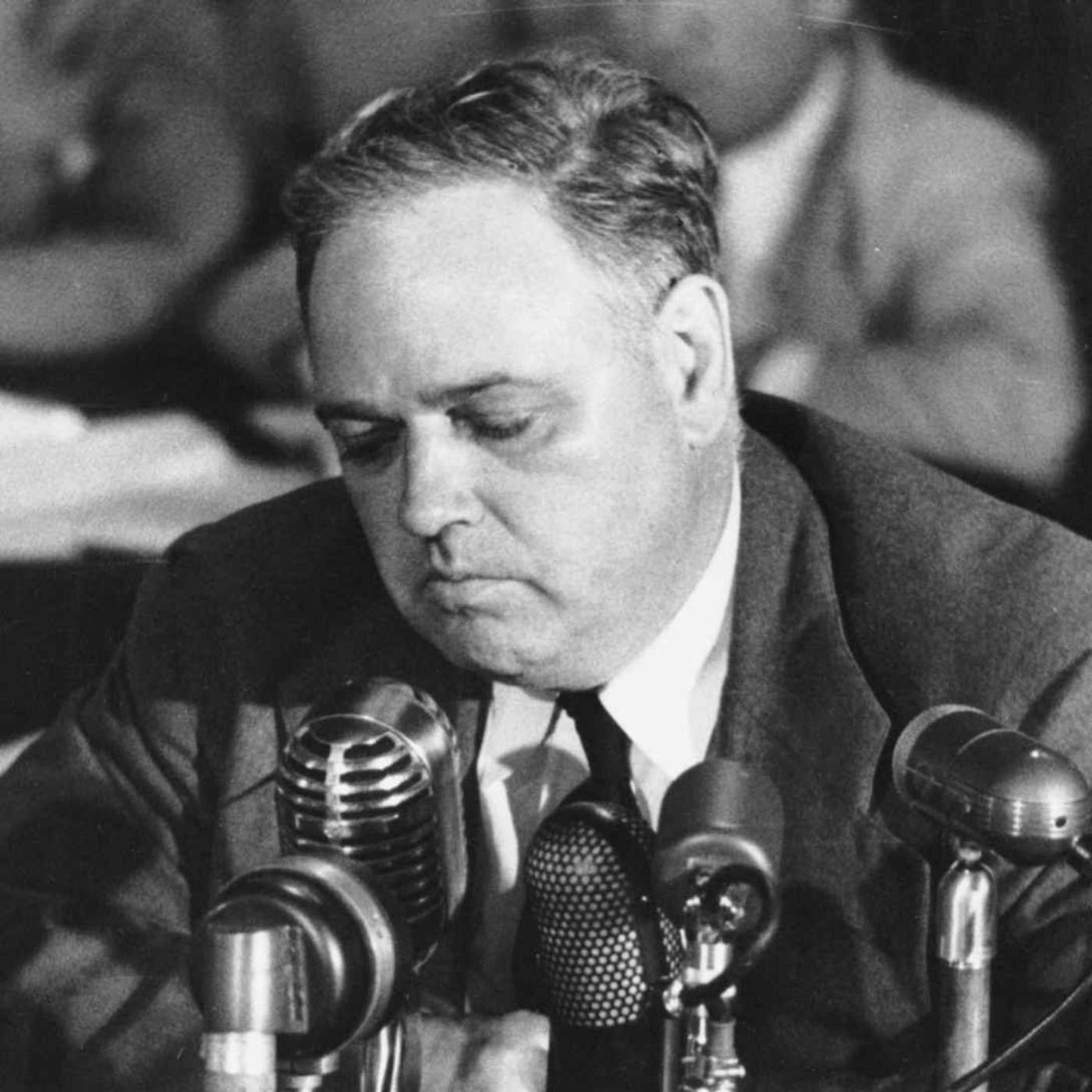
The Republican Party and the right of the American liberal establishment colluded in the immediate post war years to wage war against the American left. The Republicans saw it an opportunity to undermine the New Deal years and their liberal collaborators view of the illiberalism of the Soviet Union justiified any and all political crack downs on those they viewed as Soviet agitators in the USA. The chief target for accusations of subversion was the Communist Party of the USA, but actual Soviet intelligence work against America almost always bypassed the party, meaning that the claims of suberversion were hollow. Explaining History helps you understand the 20th Century through critical conversations and expert interviews. We connect the past to the present. If you enjoy the show, please subscribe and share.▸ Support the Show & Get Exclusive ContentBecome a Patron: patreon.com/explaininghistory▸ Join the Community & Continue the ConversationFacebook Group: facebook.com/groups/ExplainingHistoryPodcastSubstack: theexplaininghistorypodcast.substack.com▸ Read Articles & Go DeeperWebsite: explaininghistory.org Hosted on Acast. See acast.com/privacy for more information.
Pravda and the Stalin's Terror - 1937
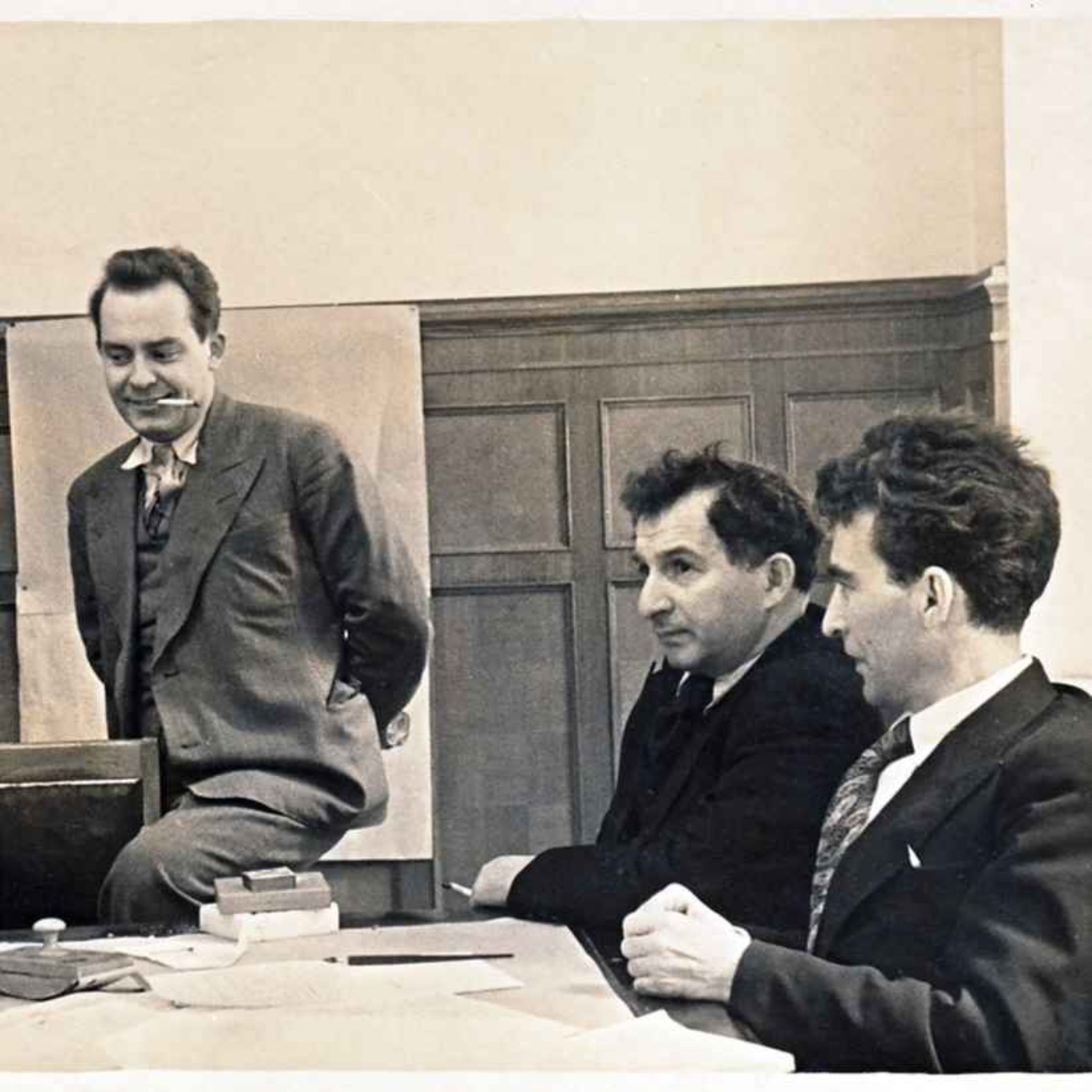
EBy 1937 the Soviet newspaper Pravda (its editorial board pictured above), was a key part of the mechanisms of denunciation and terror. It presented lurid tales of corruption and embezzlement that most Soviet citizens knew happened in the party constantly, weaponising their anger against those accused in the show trials. The purpose was to build a mass popular base for Stalin's attacks against the party itself. This podcast explores how the paper operated as part of the wider culture of denunciation.Explaining History helps you understand the 20th Century through critical conversations and expert interviews. We connect the past to the present. If you enjoy the show, please subscribe and share.▸ Support the Show & Get Exclusive ContentBecome a Patron: patreon.com/explaininghistory▸ Join the Community & Continue the ConversationFacebook Group: facebook.com/groups/ExplainingHistoryPodcastSubstack: theexplaininghistorypodcast.substack.com▸ Read Articles & Go DeeperWebsite: explaininghistory.org Hosted on Acast. See acast.com/privacy for more information.
Protest music and the social conflict in America 1967-70 (Part One)
This is the first of a multi part exploration of protest music in America during the late 1960s, beginning with Crosby, Stills, Nash and Young's Ohio, written to mourn the killing of four students by the National Guard at Kent State University in Ohio, in May 1970. By the late 1960s, the pressure of the Vietnam War and the Civil Rights movement had led to a progressive radicalisation of the new left and also a reactionary backlash from America's lower middle classes, who flocked to Nixon in 1968 and his promise to restore order to a seemingly anarchic country. Explaining History helps you understand the 20th Century through critical conversations and expert interviews. We connect the past to the present. If you enjoy the show, please subscribe and share.▸ Support the Show & Get Exclusive ContentBecome a Patron: patreon.com/explaininghistory▸ Join the Community & Continue the ConversationFacebook Group: facebook.com/groups/ExplainingHistoryPodcastSubstack: theexplaininghistorypodcast.substack.com▸ Read Articles & Go DeeperWebsite: explaininghistory.org Hosted on Acast. See acast.com/privacy for more information.
The experience of military mobilisation in Germany and Austria Hungary 1914
Fear and solidarity defined both Austro Hungarian and Germany societies in August 1914. The pace of mobilisation meant that over three million soldiers in Germany alone were in uniform in just twelve days. Soldiers said emotional farewells to loved ones and took last minute photographs with sweethearts, and both German and Austro Hungarian economies were plunged into crisis by the disruption of war, with families losing most of their income from the loss of a breadwinner. This podcast looks at the lived experience of German and Austro Hungarian people during the first days of the First World War. Explaining History helps you understand the 20th Century through critical conversations and expert interviews. We connect the past to the present. If you enjoy the show, please subscribe and share.▸ Support the Show & Get Exclusive ContentBecome a Patron: patreon.com/explaininghistory▸ Join the Community & Continue the ConversationFacebook Group: facebook.com/groups/ExplainingHistoryPodcastSubstack: theexplaininghistorypodcast.substack.com▸ Read Articles & Go DeeperWebsite: explaininghistory.org Hosted on Acast. See acast.com/privacy for more information.
Getting Churchill wrong and the problem of fake history - Explaining History in conversation with Otto English
History as entertainment has shaped, for many, the understanding of the past. Mythologisation of key moments of the past crafts powerful and often misleading national stories that provide simple and often comforting notions about the past. In his new book Fake History, Otto English takes many of these fantasies to task, and today we explore one of the most enduring myths of all, the fantasy figure that is Winston Churchill. Explaining History helps you understand the 20th Century through critical conversations and expert interviews. We connect the past to the present. If you enjoy the show, please subscribe and share.▸ Support the Show & Get Exclusive ContentBecome a Patron: patreon.com/explaininghistory▸ Join the Community & Continue the ConversationFacebook Group: facebook.com/groups/ExplainingHistoryPodcastSubstack: theexplaininghistorypodcast.substack.com▸ Read Articles & Go DeeperWebsite: explaininghistory.org Hosted on Acast. See acast.com/privacy for more information.
1937 - The Year of the Great Terror (Part One)
Throughout the 1930s the forces that led to a year of terror in 1937 had been gradually developing, from the trials of bourgeois specialists in the1920s to the murder of Sergei Kirov. The regime initially looked to the population at large to show their anger and rage at figures such as Iuri Piatikov, who as a former ally of Trotsky, was cast as a saboteur and wrecker. Others were characterised as corrupt embezzlers as well as foreign agents. In a time of constant setbacks in industry and society, shortages and hunger, these accusations in the Soviet press led to widespread anger and condemnation. Explaining History helps you understand the 20th Century through critical conversations and expert interviews. We connect the past to the present. If you enjoy the show, please subscribe and share.▸ Support the Show & Get Exclusive ContentBecome a Patron: patreon.com/explaininghistory▸ Join the Community & Continue the ConversationFacebook Group: facebook.com/groups/ExplainingHistoryPodcastSubstack: theexplaininghistorypodcast.substack.com▸ Read Articles & Go DeeperWebsite: explaininghistory.org Hosted on Acast. See acast.com/privacy for more information.
The Motherland Calls - the Soviet Union's Second World War memorials
In present day Volgograd, one of the largest Second World War memorials in the world stands. The city, once known as Stalingrad, is home the gigantic concrete and steel sculpture, The Motherland Calls, which was built in 1967, eleven years after Stalin himself had been denonced and disgraced by his successor. The immense losses that the USSR suffered at the hands of Nazi Germany and its allies will shape Russian memory for centuries to come and this podcast explores the creation of the memorials that were built after the war, and those which are still being constructed. Explaining History helps you understand the 20th Century through critical conversations and expert interviews. We connect the past to the present. If you enjoy the show, please subscribe and share.▸ Support the Show & Get Exclusive ContentBecome a Patron: patreon.com/explaininghistory▸ Join the Community & Continue the ConversationFacebook Group: facebook.com/groups/ExplainingHistoryPodcastSubstack: theexplaininghistorypodcast.substack.com▸ Read Articles & Go DeeperWebsite: explaininghistory.org Hosted on Acast. See acast.com/privacy for more information.
Maoism, Vietnam and the Domino Theory
John F Kennedy and Lyndon Johnson both saw Vietnam as the vital frontline in America's struggle against communism, but it was Chinese, as opposed to Soviet communism they were most concerned about. The widely accepted 'Domino Theory' which postulated that one country in Asia after another would fall to the communist rule was widely accepted across the administrations of both presidents, and it was also a vision that Mao and his inner circle hoped for. However, the lack of understanding about Indochinese history on the part of the USA meant that America was blind to the intense animosities and rivalries between China, Vietnam and Laos. This led to countless miscalculations by both Kennedy and Johnson, and Mao also failed to predict that an assertive and well armed North Vietnam would soon wish to throw off the mantle of 'obedient pupil' and wish greater autonomy in its affairs. This would be an unforgivable affront to the great helmsman in Beijing. Explaining History helps you understand the 20th Century through critical conversations and expert interviews. We connect the past to the present. If you enjoy the show, please subscribe and share.▸ Support the Show & Get Exclusive ContentBecome a Patron: patreon.com/explaininghistory▸ Join the Community & Continue the ConversationFacebook Group: facebook.com/groups/ExplainingHistoryPodcastSubstack: theexplaininghistorypodcast.substack.com▸ Read Articles & Go DeeperWebsite: explaininghistory.org Hosted on Acast. See acast.com/privacy for more information.
Neville Chamberlain's diplomatic and strategic world view - 1937
When Neville Chamberlain succeeded Stanley Baldwin as Prime Minister in 1937 he inherited a highly precarious world situation. His predecessor was exhausted from his time in office but also was defeated by the dilemmas posed by rearmament. Chamberlain believed that a broad policy of appeasement in both Europe and Asia would stabilise the world situation that had been produced by the peace making of 1919 at the Paris Peace Conference Explaining History helps you understand the 20th Century through critical conversations and expert interviews. We connect the past to the present. If you enjoy the show, please subscribe and share.▸ Support the Show & Get Exclusive ContentBecome a Patron: patreon.com/explaininghistory▸ Join the Community & Continue the ConversationFacebook Group: facebook.com/groups/ExplainingHistoryPodcastSubstack: theexplaininghistorypodcast.substack.com▸ Read Articles & Go DeeperWebsite: explaininghistory.org Hosted on Acast. See acast.com/privacy for more information.
Poujade and French Postwar Fascism 1945-53
In the immediate aftermath of the Second World War, the French Fourth Republic commenced a purge of former members of the wartime Vichy regime that had collaborated with the Nazi occupiers. However, by 1947, under the new conditions of the Cold War, the enthusiasm for anti fascist trials had waned and instead anti communism replaced it. This was accompanied by a swift revival of prewar fascist movements such as Action Francais, but the most successful figure on the fascist right by the 1950s was the populist Pierre Poujade, who presented himself as a lower middle class everyman, but was anything but. Explaining History helps you understand the 20th Century through critical conversations and expert interviews. We connect the past to the present. If you enjoy the show, please subscribe and share.▸ Support the Show & Get Exclusive ContentBecome a Patron: patreon.com/explaininghistory▸ Join the Community & Continue the ConversationFacebook Group: facebook.com/groups/ExplainingHistoryPodcastSubstack: theexplaininghistorypodcast.substack.com▸ Read Articles & Go DeeperWebsite: explaininghistory.org Hosted on Acast. See acast.com/privacy for more information.
The Indian Army Officer Corps in World War Two
The British hold over the Indian Army was born of strategic calculations; the army was the most powerful weapon in Asia at Britain's disposal, and its huge manpower enabled Britain to punch above its weight on the world stage during the conflict. The British government attempted to limit the numbers of commissions granted to Indian officers, but the demands of war and the mass mobilisation of India to fight the Axis powers meant that by 1945, the numbers of officers leading Indian companies and regiments had dramatically expanded. Explaining History helps you understand the 20th Century through critical conversations and expert interviews. We connect the past to the present. If you enjoy the show, please subscribe and share.▸ Support the Show & Get Exclusive ContentBecome a Patron: patreon.com/explaininghistory▸ Join the Community & Continue the ConversationFacebook Group: facebook.com/groups/ExplainingHistoryPodcastSubstack: theexplaininghistorypodcast.substack.com▸ Read Articles & Go DeeperWebsite: explaininghistory.org Hosted on Acast. See acast.com/privacy for more information.
Britain, France and the Middle East - 1956
During the 1950s, Britain, France the USA and the USSR all conducted great power politics and diplomacy in the Middle East, competing to court and undermine rising nationalist movements in Egypt, Sudan, Jordan and beyond. This podcast explores the wider context of these interactions and their culmination in the Suez Crisis Explaining History helps you understand the 20th Century through critical conversations and expert interviews. We connect the past to the present. If you enjoy the show, please subscribe and share.▸ Support the Show & Get Exclusive ContentBecome a Patron: patreon.com/explaininghistory▸ Join the Community & Continue the ConversationFacebook Group: facebook.com/groups/ExplainingHistoryPodcastSubstack: theexplaininghistorypodcast.substack.com▸ Read Articles & Go DeeperWebsite: explaininghistory.org Hosted on Acast. See acast.com/privacy for more information.
The Stalinist Showtrials on 1936-7
There are numerous competing histooriographies of the Stalinist terror, which peaked in 1937. The pretext of the assassination of Kirov, that Stalin may well have had a hand in was simply that, an excuse for Stalin to shore up his own personal power by targeting for the first time the party itself. The disaster of collectivisation and the failure of the Soviet famines left Stalin highly vulnerable in 1934, an experience he would never forget nor allow to be repeated. Explaining History helps you understand the 20th Century through critical conversations and expert interviews. We connect the past to the present. If you enjoy the show, please subscribe and share.▸ Support the Show & Get Exclusive ContentBecome a Patron: patreon.com/explaininghistory▸ Join the Community & Continue the ConversationFacebook Group: facebook.com/groups/ExplainingHistoryPodcastSubstack: theexplaininghistorypodcast.substack.com▸ Read Articles & Go DeeperWebsite: explaininghistory.org Hosted on Acast. See acast.com/privacy for more information.
American Cold War Liberals and the McCarthyite era 1948-57
Anti communism became a defining aspect of American politics during the 1940s and 1950s, not just for the right wing of the Republican Party, but also for the Democrats and the liberal intelligentsia and journalists the traditionally supported the party. They shifted to the right throughout the period, and whilst some decried McCarthy's methods, others began to lend them tacit and then vocal support. Liberals saw communism as antithetical to their beliefs and believed it could and should be resisted, particularly in the emerging battlegrounds of South East Asia. Explaining History helps you understand the 20th Century through critical conversations and expert interviews. We connect the past to the present. If you enjoy the show, please subscribe and share.▸ Support the Show & Get Exclusive ContentBecome a Patron: patreon.com/explaininghistory▸ Join the Community & Continue the ConversationFacebook Group: facebook.com/groups/ExplainingHistoryPodcastSubstack: theexplaininghistorypodcast.substack.com▸ Read Articles & Go DeeperWebsite: explaininghistory.org Hosted on Acast. See acast.com/privacy for more information.
Thatcherism 1979-2021
Margaret Thatcher was deposed by her party in 1990, but the legacy of her ideas in some form lingers on. The Tory Party itself has abandoned any pretence of interest the operating of free markets and is led my the antithesis of her views on social conservatism. Instead of the offspring of a lower middle class shop keeper who values financial prudence and views the economy like a household budget, the party is led by an Etonian with an almost complusive dishonesty who has frittered more money on fantasy projects than any British leader, ever. However, it is in the public imagination that Thatcherism exists in zombie form. Popular culture regurgitates an endless series of Thatcherite nostrums about competition, enterprise, thrift, individualism and the merits of privatisation. This podcast explores the context of her rise to power and the shortcomings of her reign. Explaining History helps you understand the 20th Century through critical conversations and expert interviews. We connect the past to the present. If you enjoy the show, please subscribe and share.▸ Support the Show & Get Exclusive ContentBecome a Patron: patreon.com/explaininghistory▸ Join the Community & Continue the ConversationFacebook Group: facebook.com/groups/ExplainingHistoryPodcastSubstack: theexplaininghistorypodcast.substack.com▸ Read Articles & Go DeeperWebsite: explaininghistory.org Hosted on Acast. See acast.com/privacy for more information.
Germany's air war over the Netherlands and France: 1940
In the first year of the war, from September 1939 to September 1940, Germany's military forces fought four seperate European campaigns (Poland, Scandanavia, France and the Low Countries, Britain), three of which could be described as blitzkrieg, rapid, armoured 'lightning wars' using aircraft and armour. The fourth campaign, the Battle of Britain, fought in the summer and autumn of 1940 was a failure, despite Lufwaffe hopes that a war could be won from the air alone. This podcast explores the use of terror bombing in one of these four campaigns, against France and the Netherlands. Explaining History helps you understand the 20th Century through critical conversations and expert interviews. We connect the past to the present. If you enjoy the show, please subscribe and share.▸ Support the Show & Get Exclusive ContentBecome a Patron: patreon.com/explaininghistory▸ Join the Community & Continue the ConversationFacebook Group: facebook.com/groups/ExplainingHistoryPodcastSubstack: theexplaininghistorypodcast.substack.com▸ Read Articles & Go DeeperWebsite: explaininghistory.org Hosted on Acast. See acast.com/privacy for more information.
France, De Gaulle and post war anti fascism 1945-51
The Second World War was a national humiliation for France, enduring occupation, collaboration with the Nazis and Vichy complicity in the Holocaust. The violent purge of collaborationists after the war saw tens of thousands of mainly low level members of Vichy and the French civilians who had been friendly with the occupying Germans assaulted, imprisoned or killed. High profile collaborators like Peirre Laval were tried and executed, whereas other fascist figures evaded justice and re-emerged as part of the new Cold War alliance from 1947 onwards. Explaining History helps you understand the 20th Century through critical conversations and expert interviews. We connect the past to the present. If you enjoy the show, please subscribe and share.▸ Support the Show & Get Exclusive ContentBecome a Patron: patreon.com/explaininghistory▸ Join the Community & Continue the ConversationFacebook Group: facebook.com/groups/ExplainingHistoryPodcastSubstack: theexplaininghistorypodcast.substack.com▸ Read Articles & Go DeeperWebsite: explaininghistory.org Hosted on Acast. See acast.com/privacy for more information.
Lebensraum, Genocide and Nazi Colonial Utopias 1941-45
The conquest of the Soviet Union was an idea that had been at the forefront of HItler's thoughts since the 1920s. Exploiting the resources of Russia and the Ukraine for the benefit of Germany was not a new concept and it had most recently been tried during the last year of the First World War. Hitler and Himmler had grand visions of a transformed landscape, full of vast German cities, relying on Russian slaves to work the land for German farmers. When the USSR didn't collapse quite as readily as expected, these utopias crumbled, and the plan for a 'final solution' to the Jewish question, which had been scheduled to be addressed after the war, became the number one wartime priority. Explaining History helps you understand the 20th Century through critical conversations and expert interviews. We connect the past to the present. If you enjoy the show, please subscribe and share.▸ Support the Show & Get Exclusive ContentBecome a Patron: patreon.com/explaininghistory▸ Join the Community & Continue the ConversationFacebook Group: facebook.com/groups/ExplainingHistoryPodcastSubstack: theexplaininghistorypodcast.substack.com▸ Read Articles & Go DeeperWebsite: explaininghistory.org Hosted on Acast. See acast.com/privacy for more information.
Soviet Citizens and the start of the Great Terror- 1937
In 1937 many Soviet citizens had traumatic memories of collectivisation, anti Kulak campaigns and famine from the period 1928-33. Many could sense that a new time of crisis was emerging and saw the arrest of party members as the beginnings of a dramatic change. Few had any knowledge of how indescriminate and far reaching the terror would become, as the regime searched endlessly for imagined enemies within. Explaining History helps you understand the 20th Century through critical conversations and expert interviews. We connect the past to the present. If you enjoy the show, please subscribe and share.▸ Support the Show & Get Exclusive ContentBecome a Patron: patreon.com/explaininghistory▸ Join the Community & Continue the ConversationFacebook Group: facebook.com/groups/ExplainingHistoryPodcastSubstack: theexplaininghistorypodcast.substack.com▸ Read Articles & Go DeeperWebsite: explaininghistory.org Hosted on Acast. See acast.com/privacy for more information.
Schlieffen, Moltke and German strategy 1914
In the decade before the FIrst World War, Germany and Austria-Hungary put little effort in to coordinating their military strategies in the event of a war on two fronts. Germany's chief of General Staff Helmuth Von Moltke assured Austria that the plans inherited from Alfred Von Schlieffen, his predecessor, would offer the best chance that the central powers had of overcoming unfavourable odds. The plans were out of date by 1914, however, and both Germany and Austria-Hungary went to war basing their futures on flawed assumptions. Explaining History helps you understand the 20th Century through critical conversations and expert interviews. We connect the past to the present. If you enjoy the show, please subscribe and share.▸ Support the Show & Get Exclusive ContentBecome a Patron: patreon.com/explaininghistory▸ Join the Community & Continue the ConversationFacebook Group: facebook.com/groups/ExplainingHistoryPodcastSubstack: theexplaininghistorypodcast.substack.com▸ Read Articles & Go DeeperWebsite: explaininghistory.org Hosted on Acast. See acast.com/privacy for more information.
Eisenhower, Korea and the politics of 1950s America
The landslide victory for Eisenhower and the Republican Party in the 1952 Presidential Election showed Democrats that a right of centre, socially conservative America in the grip of an obsessive anti communism would decide their political fate for decades to come. The continuing Korean War and the loss of China to communism three years earlier shaped American attitudes to communism and its perceived threat. Explaining History helps you understand the 20th Century through critical conversations and expert interviews. We connect the past to the present. If you enjoy the show, please subscribe and share.▸ Support the Show & Get Exclusive ContentBecome a Patron: patreon.com/explaininghistory▸ Join the Community & Continue the ConversationFacebook Group: facebook.com/groups/ExplainingHistoryPodcastSubstack: theexplaininghistorypodcast.substack.com▸ Read Articles & Go DeeperWebsite: explaininghistory.org Hosted on Acast. See acast.com/privacy for more information.
Problematic Histories: Teaching Civil Rights in the UK and the BLM moment
History teaching is within the confines of a curriculum and under the pressure of examinations is riven with unfortunate compromises and unintended outcomes. The question of the civil rights movement in America is a case in point. Textbooks in the UK tend to focus on the 1950s and 1960s, centring mainly around the story of Martin Luther King and the civil rights movement in the south. The narrative becomes more complex after the passage of the Voting Rights Act 1965 and then after 1968 most textbooks shift to an examination of the black power movement and nod towards progressive changes that happen during the 1970s. We learn that America saw a generation of black sports stars and entertainers in the 1980s and a smattering of politicians, judges and civil servants. Most students are left with the firm impression that the civil rights struggle ended in success, that black America’s problems were largely resolved by the advent of civil rights and freedoms and that liberalism triumphed. Would that it were.Most UK teaching of the civil rights movement ignores the fact that many of the gains of the 50s and 60s were stripped away in the 80s and 90s by Reaganite welfare cuts and urban decay in black neighbourhoods (the blame for the resulting deprivation and criminality being dumped on impoverished black communities), and mass incarceration under Bill Clinton. The explosion of anger against endless police brutality last summer has reawoken interest in Britain on the subject of systemic injustice and state violence against black Americans and here I talk with Larry Auton Leaf about the problems of teaching a truncated and ahistorical view of the civil rights movement. Explaining History helps you understand the 20th Century through critical conversations and expert interviews. We connect the past to the present. If you enjoy the show, please subscribe and share.▸ Support the Show & Get Exclusive ContentBecome a Patron: patreon.com/explaininghistory▸ Join the Community & Continue the ConversationFacebook Group: facebook.com/groups/ExplainingHistoryPodcastSubstack: theexplaininghistorypodcast.substack.com▸ Read Articles & Go DeeperWebsite: explaininghistory.org Hosted on Acast. See acast.com/privacy for more information.
The Eighth Airforce over Germany - Explaining History in conversation with David Dean Barrett
In early 1942 the American Eighth Air Force existed on paper only. Within twelve months it was a formidable fighting force in daylight raids over Germany and by 1945 was mounting the first two thousand bomber raids. In this episode of the Explaining History podcast, we hear from military historian David Dean Barrett about the 'Mighty Eighth' and the strategic bombing of Germany. Explaining History helps you understand the 20th Century through critical conversations and expert interviews. We connect the past to the present. If you enjoy the show, please subscribe and share.▸ Support the Show & Get Exclusive ContentBecome a Patron: patreon.com/explaininghistory▸ Join the Community & Continue the ConversationFacebook Group: facebook.com/groups/ExplainingHistoryPodcastSubstack: theexplaininghistorypodcast.substack.com▸ Read Articles & Go DeeperWebsite: explaininghistory.org Hosted on Acast. See acast.com/privacy for more information.
Britain, France and the Mandate System 191-19
During the First World War, much of the fighting occurred in colonial Africa, which in 1918, the victorious powers believed could not rule itself. President Woodrow Wilson of the USA and Britain were able to collude on a neo colonial mandate system that mainly benefited them at the expense of France. All three had agreed that it was unthinkable that former German and Ottoman colonies be returned. Explaining History helps you understand the 20th Century through critical conversations and expert interviews. We connect the past to the present. If you enjoy the show, please subscribe and share.▸ Support the Show & Get Exclusive ContentBecome a Patron: patreon.com/explaininghistory▸ Join the Community & Continue the ConversationFacebook Group: facebook.com/groups/ExplainingHistoryPodcastSubstack: theexplaininghistorypodcast.substack.com▸ Read Articles & Go DeeperWebsite: explaininghistory.org Hosted on Acast. See acast.com/privacy for more information.
Germany and Austria-Hungary's 'war fever' re-examined: 1914
A popular view of the July crisis that led to the start of the First World War was the excitement and enthusiasm across Europe for war. Examining Alexander Watson's Ring of Steel, we discuss the validity of this view and the motivations of the crowds that filled the streets of Berlin and Vienna in July 1914. This podcast also explores the motivations and loyalties of Germany's largest party the Social Democrats. Explaining History helps you understand the 20th Century through critical conversations and expert interviews. We connect the past to the present. If you enjoy the show, please subscribe and share.▸ Support the Show & Get Exclusive ContentBecome a Patron: patreon.com/explaininghistory▸ Join the Community & Continue the ConversationFacebook Group: facebook.com/groups/ExplainingHistoryPodcastSubstack: theexplaininghistorypodcast.substack.com▸ Read Articles & Go DeeperWebsite: explaininghistory.org Hosted on Acast. See acast.com/privacy for more information.
Korea, McCarthy and anti communism
For the Republican Party in the 1940s and 1950s, the only means of attacking the Democrats was by inflating the fear of communism and accusing their rivals of treason. In 1951, following the dismissal of General Douglas MacArthur for challenging the authority of President Truman, Senator Joseph McCarthy of Wisconsin used the end of MacArthur's career to boost his own, and to suggest that it was the result of 'treason'. Explaining History helps you understand the 20th Century through critical conversations and expert interviews. We connect the past to the present. If you enjoy the show, please subscribe and share.▸ Support the Show & Get Exclusive ContentBecome a Patron: patreon.com/explaininghistory▸ Join the Community & Continue the ConversationFacebook Group: facebook.com/groups/ExplainingHistoryPodcastSubstack: theexplaininghistorypodcast.substack.com▸ Read Articles & Go DeeperWebsite: explaininghistory.org Hosted on Acast. See acast.com/privacy for more information.
Postwar planning, centralisation and its enemies: 1945
In the immediate aftermath of the Second World War, the belief that anything was now possible in the reshape and redesign of societies was widespread in the liberal capitalist and communist worlds. The role that planning had played in the victory over fascism was beyond doubt and politicians, intellectuals, planners and citizens in Europe, Asia, America and Africa saw the post war era as an opportunity to harness the power of the state to transform society. A fringe group of economists and thinkers saw this as creeping totalitarianism, but it would take three decades for their arguments to gain traction and to form the core of neoliberal orthodoxy. Explaining History helps you understand the 20th Century through critical conversations and expert interviews. We connect the past to the present. If you enjoy the show, please subscribe and share.▸ Support the Show & Get Exclusive ContentBecome a Patron: patreon.com/explaininghistory▸ Join the Community & Continue the ConversationFacebook Group: facebook.com/groups/ExplainingHistoryPodcastSubstack: theexplaininghistorypodcast.substack.com▸ Read Articles & Go DeeperWebsite: explaininghistory.org Hosted on Acast. See acast.com/privacy for more information.
Australia Japan and the Kokoda Trail Campaign
The invasion of Australian ruled Papua New Guinea in 1942 by the Japanese presented a direct threat to Australia and to Supreme Commander in the South West Pacific Douglas MacArthur's plans to retake the Japanese held Pacific. The tenuous fighting across the Owen Stanley mountain range by the retreating Australian 'diggers' was one of the most desperate and savage campaigns of the war in rain drenched jungle conditions. Explaining History helps you understand the 20th Century through critical conversations and expert interviews. We connect the past to the present. If you enjoy the show, please subscribe and share.▸ Support the Show & Get Exclusive ContentBecome a Patron: patreon.com/explaininghistory▸ Join the Community & Continue the ConversationFacebook Group: facebook.com/groups/ExplainingHistoryPodcastSubstack: theexplaininghistorypodcast.substack.com▸ Read Articles & Go DeeperWebsite: explaininghistory.org Hosted on Acast. See acast.com/privacy for more information.
The Tory Right from Enoch Powell to Margaret Thatcher: 1957-1979
In the years following the Conservative Party's defeat in the 1945 general election, the Tories were forced to accept significant parts of Labour's programme, recognising their un-electability otherwise. A right wing fringe of the party rejected this centre ground compromise and demanded an extreme brand of supply side economics known as monetarism. The opportunity to impose this on the party and later the country emerged in the crisis years of the 1970s. Explaining History helps you understand the 20th Century through critical conversations and expert interviews. We connect the past to the present. If you enjoy the show, please subscribe and share.▸ Support the Show & Get Exclusive ContentBecome a Patron: patreon.com/explaininghistory▸ Join the Community & Continue the ConversationFacebook Group: facebook.com/groups/ExplainingHistoryPodcastSubstack: theexplaininghistorypodcast.substack.com▸ Read Articles & Go DeeperWebsite: explaininghistory.org Hosted on Acast. See acast.com/privacy for more information.
Communal kitchens and Mao's Great Famine 1958-61
In 1958 as part of Mao's attempts to improve productivity and create a socialist economic miracle in China, Mao waged war against private property and family life during the disastrous 'Great Leap Forward'. He removed from families the ability to privately farm vegetables and rice, own livestock and prepare food in their own homes. Following the communalisation of entire provinces, families were forced to each at communal kitchen, where food was often withheld for party members and visiting dignitaries, and instead the peasants forced to eat between exhausting work shifts would be fed thin watery gruel. Explaining History helps you understand the 20th Century through critical conversations and expert interviews. We connect the past to the present. If you enjoy the show, please subscribe and share.▸ Support the Show & Get Exclusive ContentBecome a Patron: patreon.com/explaininghistory▸ Join the Community & Continue the ConversationFacebook Group: facebook.com/groups/ExplainingHistoryPodcastSubstack: theexplaininghistorypodcast.substack.com▸ Read Articles & Go DeeperWebsite: explaininghistory.org Hosted on Acast. See acast.com/privacy for more information.
Stalinist terror and Soviet society: Part One
In the mid 1930s, successive waves of state terror devastated not only Soviet society, but also coopted Soviet citizens into the processes of state violence. A deep fatalism was commonplace throughout much of the country, as Soviet citizens struggled to avoid becoming victims, and many became the denouncers and informants of the state. Explaining History helps you understand the 20th Century through critical conversations and expert interviews. We connect the past to the present. If you enjoy the show, please subscribe and share.▸ Support the Show & Get Exclusive ContentBecome a Patron: patreon.com/explaininghistory▸ Join the Community & Continue the ConversationFacebook Group: facebook.com/groups/ExplainingHistoryPodcastSubstack: theexplaininghistorypodcast.substack.com▸ Read Articles & Go DeeperWebsite: explaininghistory.org Hosted on Acast. See acast.com/privacy for more information.
Britain's media power and broken politics: In conversation with Mic Wright
In this episode of the Explaining History Podcast, I speak with journalist and media critic Mic Wright about the power of Britain's media and its distorting effect on British politics Explaining History helps you understand the 20th Century through critical conversations and expert interviews. We connect the past to the present. If you enjoy the show, please subscribe and share.▸ Support the Show & Get Exclusive ContentBecome a Patron: patreon.com/explaininghistory▸ Join the Community & Continue the ConversationFacebook Group: facebook.com/groups/ExplainingHistoryPodcastSubstack: theexplaininghistorypodcast.substack.com▸ Read Articles & Go DeeperWebsite: explaininghistory.org Hosted on Acast. See acast.com/privacy for more information.
The origins of the Iran Contra Scandal 1979-82
In the last years of Jimmy Carter's presidency, the ruthless Somoza dictatorship in Nicaragua was overthrown by the Sandinista revolutionaries, a coalition of the moderate and revolutionary left. The incoming Reagan administration in 1981 immediately froze aid to the Nicaragua and began to arm the anti Sandinista rebels, the Contras. Explaining History helps you understand the 20th Century through critical conversations and expert interviews. We connect the past to the present. If you enjoy the show, please subscribe and share.▸ Support the Show & Get Exclusive ContentBecome a Patron: patreon.com/explaininghistory▸ Join the Community & Continue the ConversationFacebook Group: facebook.com/groups/ExplainingHistoryPodcastSubstack: theexplaininghistorypodcast.substack.com▸ Read Articles & Go DeeperWebsite: explaininghistory.org Hosted on Acast. See acast.com/privacy for more information.
British Anti Fascism 192936
By the mid 1930s a widespread working class anti fascist movement was established in Britain, in response to the development of the British Union of Fascists, and the growth of fascist movements in Europe. When the Spanish government was attacked by the country's fascist generals, many from Britain's anti fascist movement took up arms to defend the Spanish Republic in the British battalion of the International Brigade. Explaining History helps you understand the 20th Century through critical conversations and expert interviews. We connect the past to the present. If you enjoy the show, please subscribe and share.▸ Support the Show & Get Exclusive ContentBecome a Patron: patreon.com/explaininghistory▸ Join the Community & Continue the ConversationFacebook Group: facebook.com/groups/ExplainingHistoryPodcastSubstack: theexplaininghistorypodcast.substack.com▸ Read Articles & Go DeeperWebsite: explaininghistory.org Hosted on Acast. See acast.com/privacy for more information.
Austria, Germany and the July Crisis 1914
In 191, following the assassination of Archduke Franz Ferdinand and his wife Sophie in Belgrade, the Austrian government sent a list of demands to Serbia, who they alleged was behind the plot. The final demand, a partial surrender of sovereignty in order for Austria to apprehend the culprits was rejected, presenting Austria with a case for war. This enflamed nationalist passions which had been ignited as a result of the crisis, leading to scenes in Austrian and German cities of mass outbursts of spontaneous jubilation and excitement. Explaining History helps you understand the 20th Century through critical conversations and expert interviews. We connect the past to the present. If you enjoy the show, please subscribe and share.▸ Support the Show & Get Exclusive ContentBecome a Patron: patreon.com/explaininghistory▸ Join the Community & Continue the ConversationFacebook Group: facebook.com/groups/ExplainingHistoryPodcastSubstack: theexplaininghistorypodcast.substack.com▸ Read Articles & Go DeeperWebsite: explaininghistory.org Hosted on Acast. See acast.com/privacy for more information.
Poverty, caste and recruitment to the Indian Army during World War Two
During the Second World War the imperial government of India, ruled by Lord Linlithgow, the Viceroy of India, was desperate for manpower and the traditional 'martial classes' that the British had relied on were to small in number to supply all the troops needed. The vast scope of the conflict meant that millions of men not normally considered for military service would be enticed to volunteer. This would have a radical effect on Indian nationalism and the movement for independence after the conflict. Explaining History helps you understand the 20th Century through critical conversations and expert interviews. We connect the past to the present. If you enjoy the show, please subscribe and share.▸ Support the Show & Get Exclusive ContentBecome a Patron: patreon.com/explaininghistory▸ Join the Community & Continue the ConversationFacebook Group: facebook.com/groups/ExplainingHistoryPodcastSubstack: theexplaininghistorypodcast.substack.com▸ Read Articles & Go DeeperWebsite: explaininghistory.org Hosted on Acast. See acast.com/privacy for more information.