Evolving with Nita Jain
Navigating healthcare’s blind spots from bench to bedside
Insights designed to help you strive, thrive, and optimize
Show overview
Evolving with Nita Jain has been publishing since 2022, and across the 3 years since has built a catalogue of 26 episodes, alongside 2 trailers or bonus episodes. That works out to roughly 10 hours of audio in total. Releases follow a roughly quarterly cadence.
Episodes typically run ten to twenty minutes — most land between 7 min and 42 min — with run-times ranging widely across the catalogue. None of the episodes are flagged explicit by the publisher. It is catalogued as a EN-language Health & Fitness show.
There hasn’t been a new episode in the last ninety days; the most recent episode landed 11 months ago. The busiest year was 2022, with 17 episodes published. Published by Insights designed to help you strive, thrive, and optimize.
From the publisher
Whether it's a workout protocol, productivity routine, or mindfulness practice, Nita Jain shares actionable insights designed to help listeners optimize their lives and become their best selves. Topics covered include science, psychology, philosophy, health, fitness, longevity, entrepreneurship, and everything in between. The show aims to be interdisciplinary, encourage forward thinking, and approach subject matter in a balanced way. www.nitajain.com
Latest Episodes
View all 26 episodes
Ep 26Nicotine vs Nicotinic Acid: Why Two Nearly Identical Names Obscure Completely Different Molecules
Why does an essential vitamin share a name with an addictive drug? Meet nicotine and nicotinic acid, the biochemical cousins that behave like total strangers in your body. This naming similarity has confused students, patients, and even some healthcare professionals for decades. Get full access to Mind the Gap at www.nitajain.com/subscribe

Ep 25Optimizing Grip Strength Won't Make You Live Longer
Grip strength is a powerful predictor of longevity, linked to lower risks of cancer, heart disease, and all-cause mortality. Jain discusses Goodhart's Law and suggests a holistic approach to health, incorporating compound weightlifting, cardio, mobility exercises, and other health measures like waist-to-hip ratio, HbA1c, and lipids. The key takeaway is that grip strength is a side effect of a healthy, active lifestyle, not the cause of longevity. Get full access to Mind the Gap at www.nitajain.com/subscribe
Ep 24The Spooniverse Demo
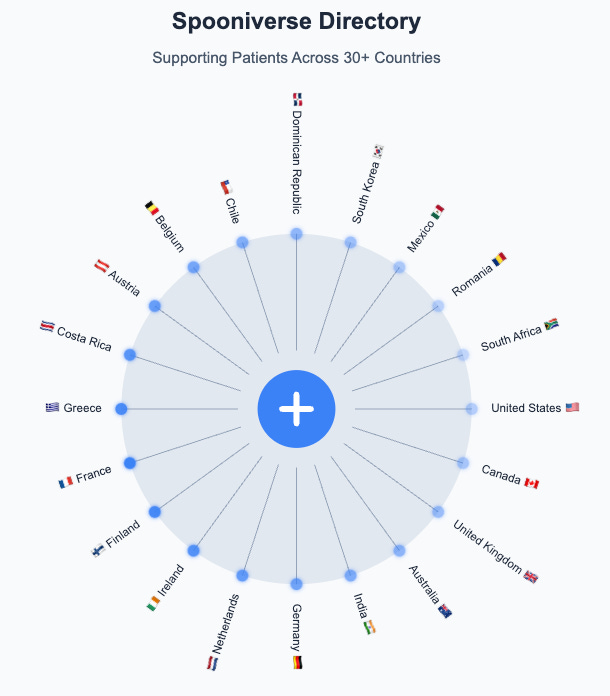
Demo of the Spooniverse, a resource platform for patients and caregivers dealing with complex chronic illnesses like Long Covid, ME/CFS, POTS/dysautonomia, EDS, MCAS, and more.Explore here: https://www.thespooniverse.org/Watch on YouTube: https://youtu.be/VtKA8YTdZMY Get full access to Mind the Gap at www.nitajain.com/subscribe
Ep 23The Trouble with EHR Data
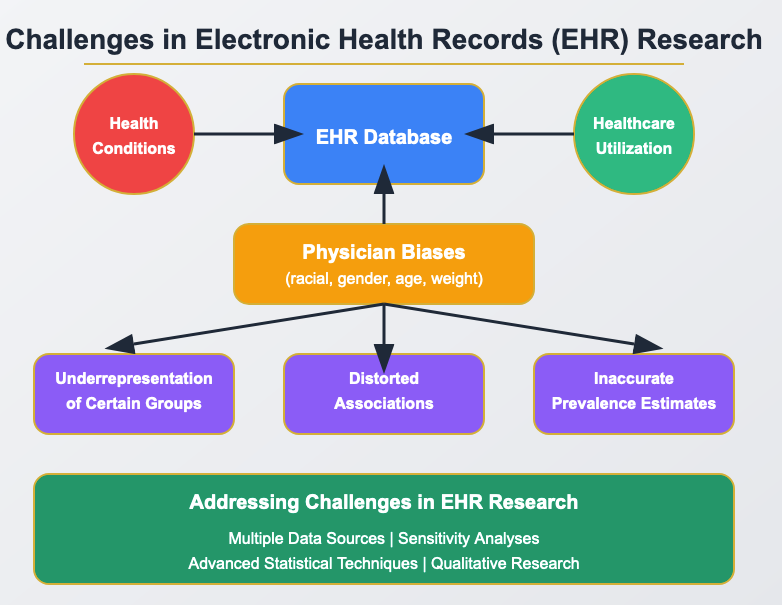
Electronic Health Records (EHRs) are often heralded as a transformative tool in healthcare. They are envisioned as the ultimate tool for streamlining medical services, promising efficiency and comprehensive patient care. However, the reality reveals a more intricate picture. Get full access to Mind the Gap at www.nitajain.com/subscribe

Ep 22Privacy, Psychedelics, & the Post-Human Future: A Conversation with Rand Hindi
Delve into the intersection of privacy, ethics, and technology with Dr. Rand Hindi, CEO of Zama. We discuss Dr. Hindi's early fascination with encryption, the future of homomorphic encryption, and its profound implications for various sectors including healthcare and advertising.Hindi explains advancements in bioinformatics, his vision of ubiquitous computing, and how individualized medicine can benefit from encrypted data.He also shares his personal experiments with diet and fitness, promising advancements in medtech, and the future outlook on transhumanism.00:00 Introduction to Privacy and Ethics00:07 Meet Dr. Rand Hindi: Deep Tech Entrepreneur00:53 The Personal Connection to Encryption03:26 Homomorphic Encryption Explained05:34 Advancements and Applications of Homomorphic Encryption07:22 The Future of Ubiquitous Computing09:36 AlphaFold and the Future of Biology12:12 Homomorphic Encryption in Healthcare14:47 Personal Experiments in Weight Loss & Fitness19:41 The Role of AI in Job Automation21:53 Ethereum and the Future of Blockchain24:17 The Potential of Precision Psychedelics26:55 Transhumanism and Extending Human Lifespan34:43 Geoengineering and Climate Change37:32 Final Thoughts and Farewell Get full access to Mind the Gap at www.nitajain.com/subscribe
Ep 21Patient, Quantify Thyself
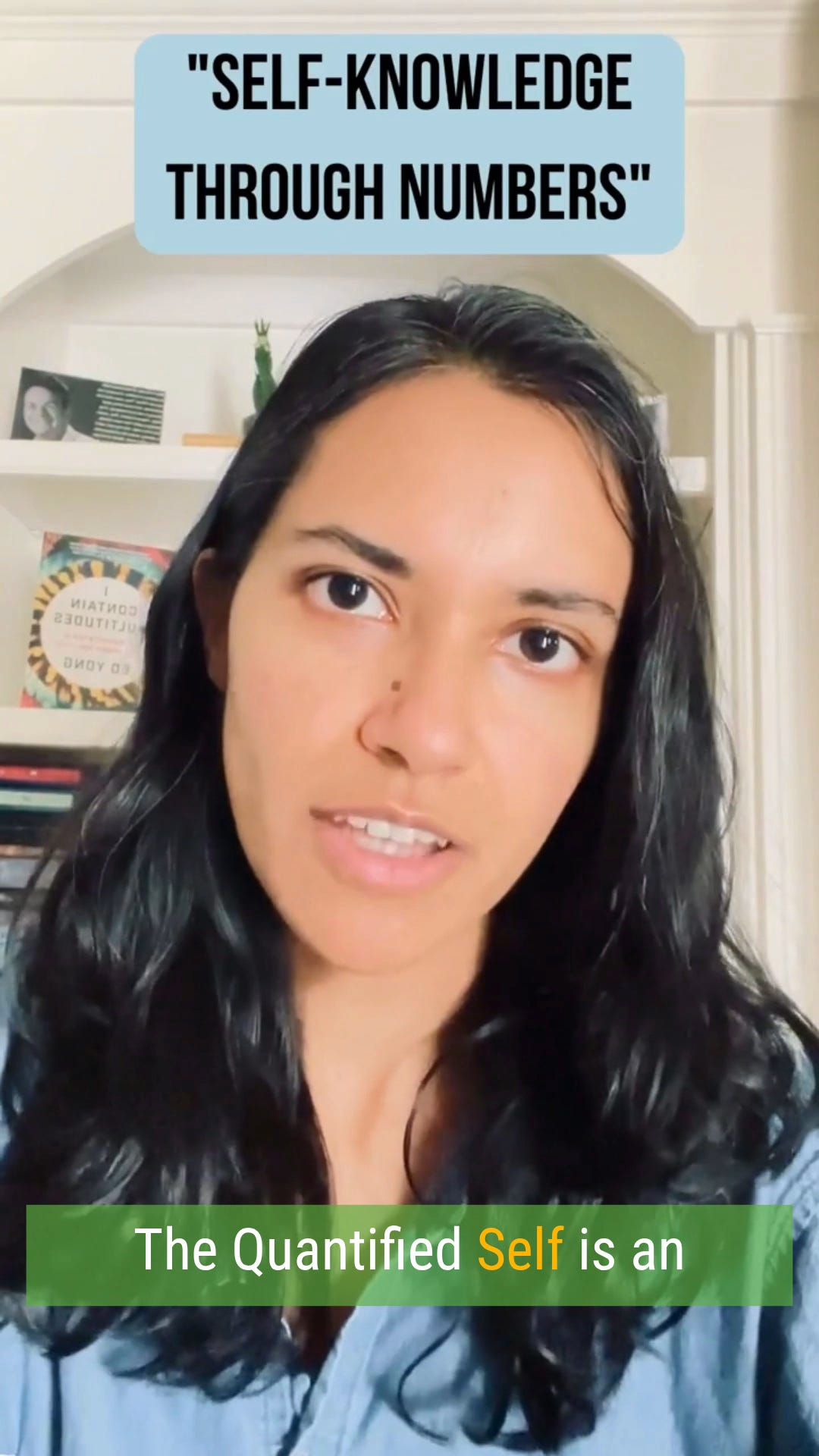
bonusThe Quantified Self is an international community of people who use self-tracking tools and share an interest in self-knowledge through numbers.Quantified self experiments can track many different types of health data such as, mood, sleep, weight, step count, blood sugar, cholesterol levels, symptom severity, heart rate variability, and microbiome composition. Get full access to Mind the Gap at www.nitajain.com/subscribe

Ep 20Why Probiotics Can’t Colonize the Gut
bonusWhy do commercial probiotics often fail to colonize the human gut?Contrary to what you may hear, it's not a matter of concentration. Get full access to Mind the Gap at www.nitajain.com/subscribe
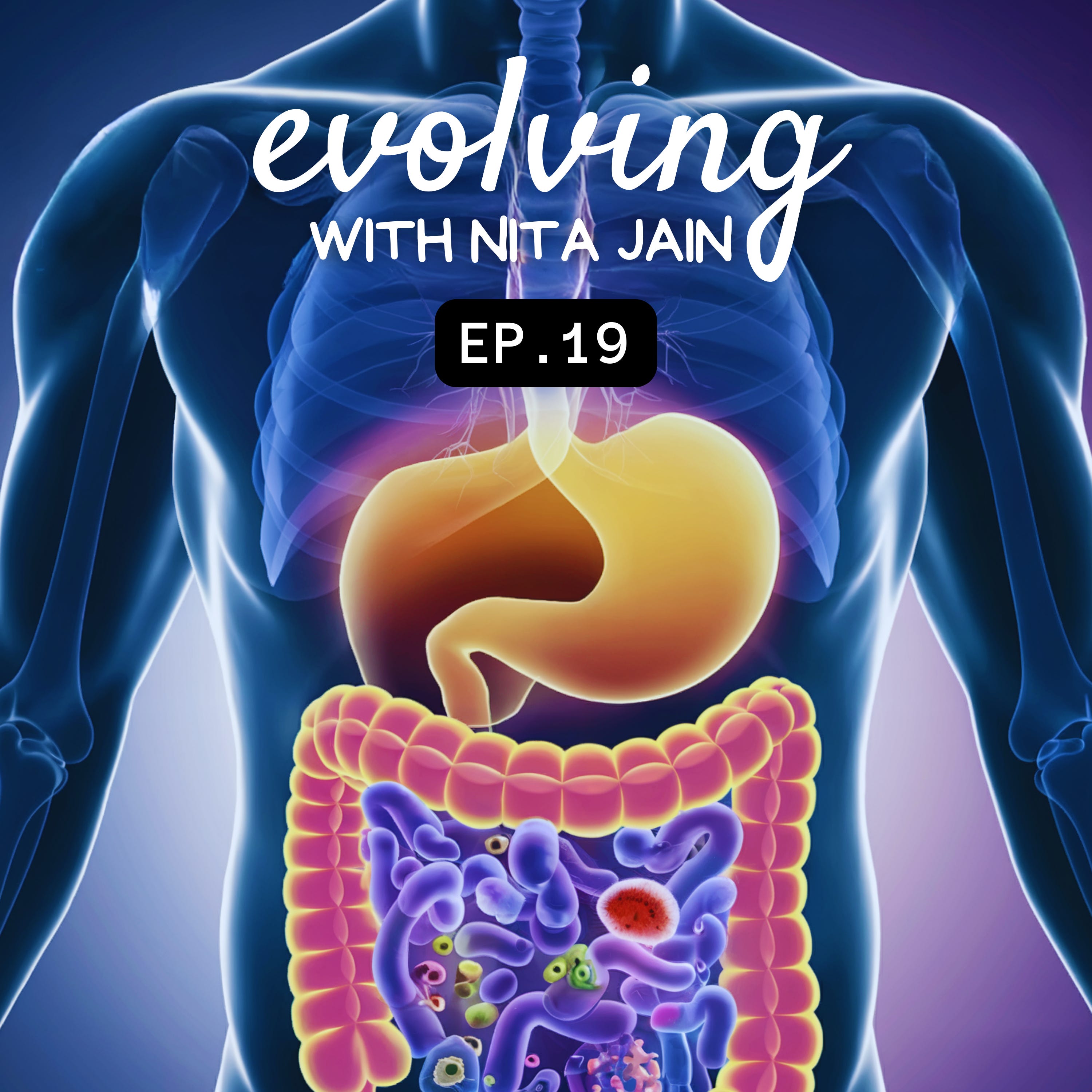
Ep 19What Your Microbiome Test Isn't Telling You
In this episode of Evolving, Nita Jain talks with Richard Sprague, a software engineer, quantified self enthusiast, and co-founder of personal health tracking startups. Sprague discusses the complexities of the microbiome, the limitations of single-point microbiome testing, and the importance of longitudinal sampling.He shares insights from his extensive self-experimentation data collection, discussing fasting, probiotics, and the impact of alcohol on glucose levels. Sprague also touches on how personal science can empower individuals to optimize their health by tailoring approaches to fit their unique biological responses.The Journey into Personal ScienceRichard Sprague's journey into personal science began with his background in software engineering and an early fascination with computers. Observing the parallels between computer systems and human biology, he developed an interest in tracking genes and other biological markers. This led him to explore how personal experimentation can inform individual health insights—a theme central to the quantified self movement.Are We Human or Are We Computers?Sprague dives into the complexities of the human microbiome—an intricate system comprising trillions of microorganisms living in and on our bodies—and emphasizes that comparing the microbiome to a computer algorithm oversimplifies its complexity. The human microbiome is a dynamic system influenced by a myriad of factors, including genetics, environment, and lifestyle.Jain and Sprague discuss the challenges of microbiome testing and the importance of longitudinal sampling to capture a more accurate picture of the gut microbiome. Richard emphasizes that single-point microbiome tests can be misleading due to the natural diurnal variation and the inherent compositional problem in sampling.Promise & Pitfalls of Microbiome TestingOne of the key pitfalls in interpreting microbiome results is the variability introduced at multiple stages of microbiome testing, from sample collection to data processing. Sprague highlights the significance of working with the same lab using consistent protocols to ensure reliable results. He also emphasizes the importance of understanding that many factors can skew microbiome readings, leading to potentially misleading conclusions.The Power of Self-ExperimentationSprague introduces the concept of personal science, or n-of-one studies, where individuals engage in self-experimentation to find what works best for their unique biology. He shares insights from his own experiments with kombucha, probiotics, and dietary interventions like fasting, highlighting how these experiences have informed his understanding of his microbiome and overall health.Embracing Curiosity and MindfulnessSprague stresses the importance of maintaining curiosity and skepticism about health practices and recommendations and encourages listeners to be mindful of their own body and health, considering personal experimentation as a powerful tool for gaining insights and making informed decisions.Subscribe to the podcast at nitajain.com!Time Stamps00:00 Richard Sprague’s Background00:45 Journey into Tech and Personal Science02:32 Complexity of Human Biochemistry vs. Computers05:24 Microbiome Testing and Its Challenges06:52 Pitfalls in Interpreting Microbiome Results16:57 Personal Science and Self-Experimentation25:06 The Impact of Microbiome on Health25:47 Personal Microbiome Discoveries27:19 Critical Windows for Microbiome Development28:00 Manipulating the Microbiome31:58 Microbiome and Disease Hypotheses36:25 Fasting and Microbiome Health39:11 Personal Science and Self-Experimentation45:17 Surprising Personal Experiment Results47:19 Conclusion and Final Thoughts Get full access to Mind the Gap at www.nitajain.com/subscribe
Ep 18Confessions of a COVID Long Hauler
This episode features a raw, firsthand account of one person's devastating battle with COVID-19 that began in April 2020. Nita Jain chronicles her harrowing personal journey with Long COVID. What started as seemingly minor symptoms quickly escalated and evolved into a life-altering battle with the disease.Key Topics- The progression from mild symptoms to severe respiratory distress- The cyclical and evolving nature of Long COVID symptoms- Complications including lung scarring, dysautonomia, and neuropsychiatric effects- Navigating the healthcare system with pre-existing conditions- The isolation of chronic illness during a pandemicNotable Moments- The vivid description of respiratory symptoms: "The heaviness in my lower chest made me feel like my alveolar sacs had been replaced with bags of marbles"- The comparison to historical pandemics and the origin of "quarantine"- The contrast between those severely affected and those seemingly untouched by COVID- The struggle with tachycardia and cardiac monitoring- The emotional impact: "Upon waking in the morning, I distinctly recall the utter disappointment at having to face another day in such excruciating pain"Closing ThoughtsThe episode concludes with a call for greater empathy and inclusivity for those with complex chronic illnesses, emphasizing that "change starts with us, the people" and the importance of acknowledging the human stories behind the statistics. Get full access to Mind the Gap at www.nitajain.com/subscribe
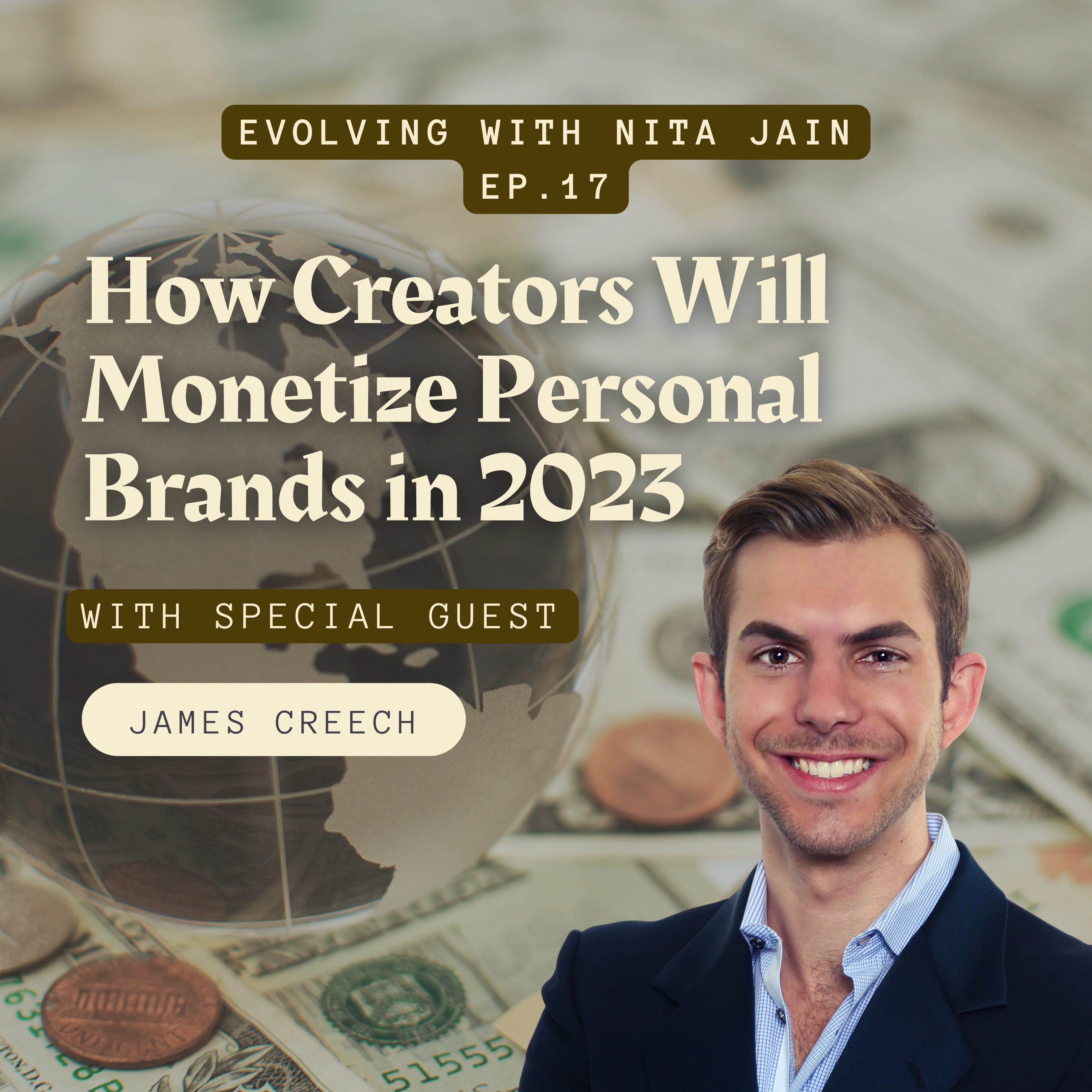
Creator Monetization, Blockchain Social Media, & AI-Generated Content
In this week’s episode, Senior Vice President of Strategy at Brandwatch James Creech talks about creator monetization methods, parasocial relationships, video podcasts, content moderation, blockchain social media, AI applications, and more!Listen now on Apple, Spotify, Amazon Music, and YouTube. Find the full show notes at nitajain.substack.com Get full access to Mind the Gap at www.nitajain.com/subscribe

How to Protect Your Personal Data Online with Digital Forensics Expert Jerry Bui
In this week’s episode, digital forensics expert and certified fraud examiner Jerry Bui talks about personal privacy, data protection, cybersecurity, white collar crime, and more!Listen now on Apple, Spotify, Amazon Music, and YouTube. Find the full show notes at nitajain.substack.com Get full access to Mind the Gap at www.nitajain.com/subscribe
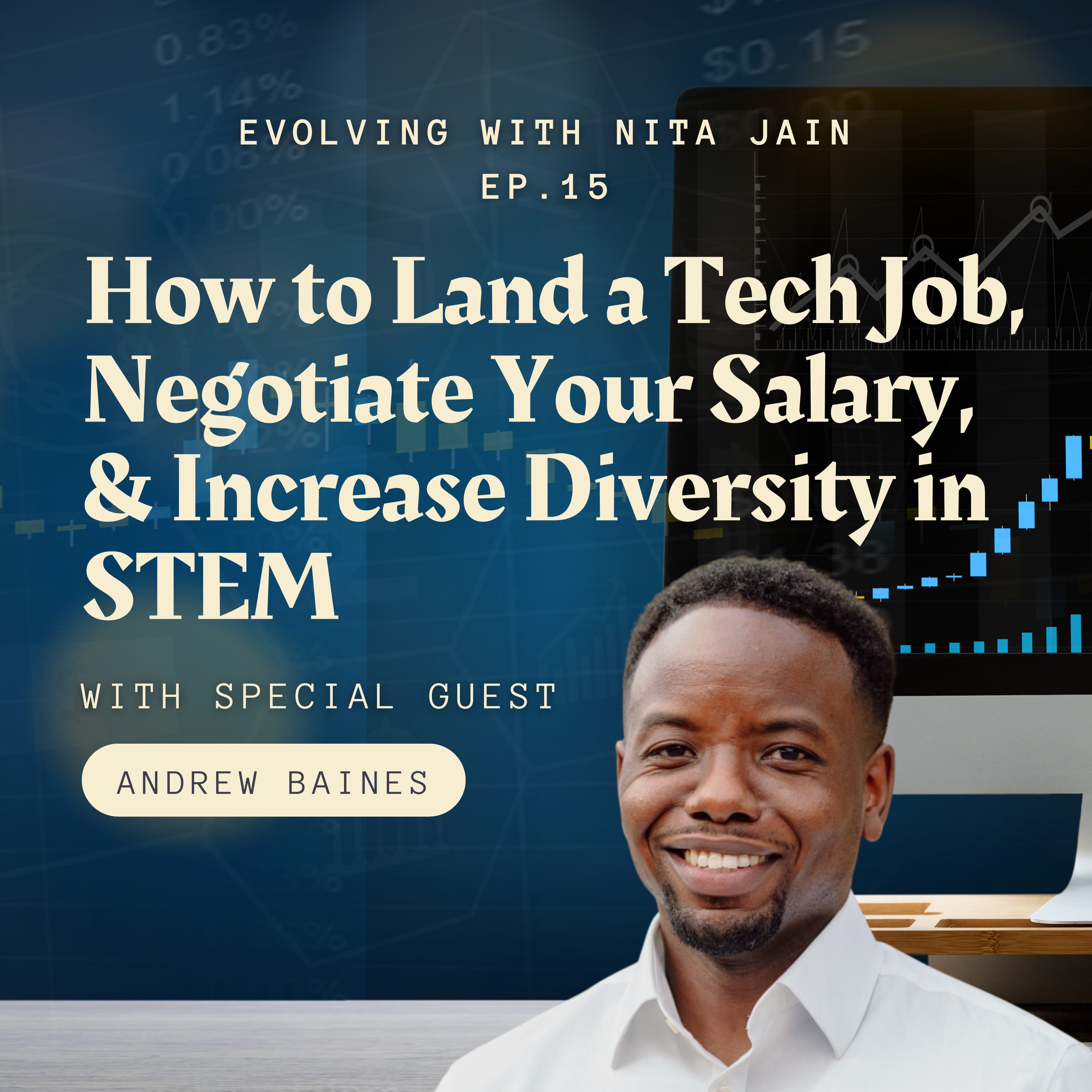
How to Break Into Tech, Negotiate Salary, & Increase Diversity in STEM
In this week’s episode, engineer, recruiter, and podcast host Andrew Baines talks about breaking into tech careers, representation in STEM, salary negotiation, cold-pitching your way to success, and overcoming bias during the hiring process!Listen now on Apple, Spotify, Amazon Music, and YouTube.Find the full show notes at nitajain.substack.com Get full access to Mind the Gap at www.nitajain.com/subscribe
How to Train & Overcome Adversity with Ironman Athlete Charlie Rogers
In this week’s episode, writer, coach, consultant, and Ironman athlete Charlie Rogers talks about training for a triathlon, overcoming injury, maintaining an Olympic mindset, and building a portfolio career.Listen now on Apple, Spotify, Amazon Music, and YouTube.Chapter Summaries:[00:00:45] Charlie began running at the age of 14 when a coach recognized his raw talent. During his first year at university, he collapsed during a race. A cardiologist informed him that his high heart rates while running could be due to stress.[00:05:31] Biological mechanisms can help facilitate successful conditioning. Exercise creates changes in blood flow, which are detected by a protein called Piezo1. This protein then begins to remodel the vasculature in order to bring more oxygen and nutrition to your muscles, enabling them to grow and recover faster.[00:08:17] Physical exercise is necessary to keep our brains and blood vessels healthy, protect against cognitive decline, and ensure healthy longevity. Modern Western lifestyle isn't conducive to physical activity, so the onus is on us to put in the reps.[00:11:36] Charlie uses fitness trackers to record his workouts and monitor overall health. Tracking too much health data information can become overwhelming. Taking time to be present and sit in solitude can help combat data fatigue.[00:16:11] The oft-quoted goal of 10,000 steps per day has very little scientific backing and began as part of a marketing ploy for a Japanese Pedometer company in the 1960s. The typical daily step count for Charlie while training for triathlons is about 15,000.[00:19:45] We should be mindful of the risk of doing permanent bodily damage by pushing too hard during exercise. Most of us want to live longer but also maintain autonomy into later decades of life. Gaining more muscle during your 20s and 30s can help offset the 1% loss in muscle mass every year after the age of 50.[00:23:09] Charlie tracks his sleep quality using a sleep tracker on his watch but doesn't use this data to directly inform training routines. His coach, however, takes his sleep and body battery data into account.[00:28:14] Fitness trackers can be cost prohibitive and have limitations in terms of accuracy. Consumers are often faced with trade-offs between reliability and affordability.[00:31:17] The quantified self movement was born out of a desire to make sense of health data through n-of-1 experimentation. Accurately guessing our heart rates and listening to hunger cues relies on a skill called interoception, which describes our ability to sense internal signals from our bodies. We can rely on intuition while still being data-driven in our approach to health and fitness.[00:38:03] Charlie describes how he uses delayed gratification to stay motivated and push through obstacles like stomach cramps while running. Abiding by the aphorism “train hard, race easy” can help prevent lactate threshold issues.[00:42:27] Working out in a fasted state can backfire in women by blunting fat oxidation, but consuming adequate protein instead of carbohydrates before a workout can help women see more improvements in strength and lean body mass compared to post-exercise nutrition. It’s important to train with the same nutrition with which you intend to race.[00:47:00] As technology continues improving in terms of sportswear, more records will be broken. For example, Eliud Kipchoge’s shoes with carbon fiber plates allow runners to rebound faster. Accusations of doping often accompany an athlete’s rapid rise to success.[00:50:15] The gut microbiome determines how different foods and drugs are metabolized. Continuous glucose monitoring can help athletes determine which foods will keep their blood sugar levels stable and provide lasting energy.[00:54:40] Charlie has built a portfolio career as a self-employed writer, coach, and consultant. Although he’s not a professional athlete, Charlie takes his sport very seriously and invests a significant amount of time and energy into training.[00:57:33] Charlie’s Substack newsletter, Mastery in Your 20s, is a self-improvement resource detailing the business skills that one needs in order to create something meaningful in the world. Blogging a book is a great way to obtain real-time audience feedback during the writing process.[01:02:14] The Dawn of Everything dispels myths surrounding the origins of humanity and discusses the erroneous use of the “primitive” label in describing incredibly complex pre-historic societies.Connect with Charlie on LinkedIn, Strava, & Goodreads, and subscribe to his newsletter below!If you’d like to support the show, you can become a paid subscriber! The show’s theme music, “New Beginnings” by Joshua Kaye, was provided courtesy of Syfonix. This episode was recording using Riverside and edited using Descript. Some links are affiliate and help support my mission to share actionable insights with the general public at no additional cost to you. Get full access to Mind the Gap at www.
Patient Advocacy, Precision Medicine, Long Covid, & ME/CFS with Author Ryan Prior
In this week’s episode, Ryan Prior, author of The Long Haul, shares his insights on patient advocacy, long COVID, ME/CFS, healthcare technology, and precision medicine. We cover many questions, including:* What kind of symptoms does long COVID cause?* How has the pandemic highlighted the need for patient advocacy?* What is precision medicine?* What is the role of genomic innovation in healthcare?* How can we make healthcare technology more accessible?* What kinds of accommodations should be made for long haulers?* What does an inclusive society that embraces disability look like?Listen now on Apple, Spotify, Amazon Music, and YouTube. Get full access to Mind the Gap at www.nitajain.com/subscribe
Technology for Better Health & Productivity with Avisha NessAiver of Distilled Science
In a world where simplicity is attractive, Avisha NessAiver, founder of Distilled Science, bucks trends and embraces nuance while setting out to maximize his health, income, & productivity.We talk about his daily gadgets and apps, science communication, safe workouts for hypermobility, the importance of having a digital second brain, and the need for adequate nutrition as we age.Listen now on Apple, Spotify, Amazon Music, and YouTube.Find the show notes at: https://nitajain.substack.com/p/utilizing-technology-for-improved Get full access to Mind the Gap at www.nitajain.com/subscribe

How to Have a More Equal Partnership: Gender Roles, Social Conditioning, Cognitive Labor, & Maternal Gatekeeping
Are women naturally more nurturing or are these roles simply the result of social conditioning? Any discussion revolving around a given gender’s “natural” propensity towards certain roles is guaranteed to quickly get heated.In her book, Equal Partners: Improving Gender Equality at Home, Kate Mangino discusses how predefined gender norms hurt both men and women and outlines steps for how couples can move towards more equal partnerships. Get full access to Mind the Gap at www.nitajain.com/subscribe

Consciousness, Creativity, Spirituality, and Self-Compassion with Ricky Derisz
This week, I sat down to chat with Ricky Derisz, author of Mindsets for Mindfulness: Awakening From Crisis To Higher Consciousness and creator of MindThatEgo, a new paradigm for mental illness, spirituality, creativity, consciousness, and human potential. In this episode, he shares his insights on meditation, intrinsic motivation, ikigai, intentionality, intuition, interdependence, and intimacy.Time stamps:00:44 The enchanted worldview, meditation, perception, & the nature of reality 04:05 Mind-body connection, interconnected consciousness, metaphysics 07:22 Models of depression: chemical imbalance, root-cause analysis, biological vs spiritual, ego dissolution14:51 Spiritual but not religious (SBNR) label, esoteric vs exoteric, spiritual narcissism19:05 Self-compassion and self-criticism, suffering and empathy, self-awareness 24:15 Intrinsic motivation, permissionless leverage, creativity 29:19 Westernization of ikigai, meaning and purpose, non-attachment to ideas 32:56 Paradox of intentionality, specialists vs generalists, experimentation, shiny object syndrome 36:50 Committing to creative endeavors, self-honesty, intuition, sunk cost fallacy 40:13 Throwaway culture, paradox of choice, satisficers vs maximizers, healthy expectations45:30 Effective communication vs protest behavior, ask vs guess culture, emotional reactivity 51:25 Equanimity, autonomy vs interdependence, attachment styles 53:49 Codependency, interabled relationships, gender roles, social conditioning 59:44 Emotional dependency vs intimacy, stability and security, mutual support01:02:34 Understanding, empaths and sensitivity, responsibility, curiosity mindset01:08:47 Growing through adversity, challenges, and forgiveness01:11:02 Bearing witness, holding space, being present to diffuse emotional reactivityYou can follow Ricky on Instagram, Facebook, and Medium and listen to his podcast on YouTube!Subscribe to the podcast: https://nitajain.substack.com/Support the show: https://ko-fi.com/nitajain Get full access to Mind the Gap at www.nitajain.com/subscribe
Absurdism, Acceptance and Commitment Therapy, & Effective Altruism with Neuroscientist Natasha Mott
This week, I had the opportunity to chat with the multi-talented Natasha Mott, a neuroscientist, writer, and podcaster. We talked about her views on multiple intelligences, epigenetics, absurdism, acceptance commitment therapy, and more!Time stamps: 1:26 IQ and multiple intelligences2:50 Emotional intelligence (EQ)3:50 System 1 and system 2 thinking5:27 Impulsivity and emotional self-regulation8:02 Acceptance commitment therapy9:00 Epigenetics and transgenerational trauma10:14 Cancel culture12:19 The nature of science and falsifiability16:19 Postmodernism and absurdism18:34 Anti-intellectualism20:22 Absurdism as a counterculture movement23:08 Being present and living intentionally32:34 Effective altruism34:39 Natasha's daily dialectical bookSubscribe to Natasha's newsletter and follow her on Instagram and TikTok! Get full access to Mind the Gap at www.nitajain.com/subscribe
Strategies to Manage Stress & Anxiety
Last time, we discussed how short periods of controlled stress can help us better adapt to future challenges. This week, we’re discussing strategies for stress management in order to maintain optimal function even during times of duress.Inherently, stress means we care about something important to us. The stress response can help us parse time more efficiently and focus more intently. Channeling the stress response to help overcome the situation at hand leads to more favorable health outcomes.Developing resilience and managing anxiety can drastically improve coping skills. Anticipating what could go wrong through the practice of negative visualization can help us become better prepared for future challenges. Intentionally seeking out regular, short periods of stillness and quiet in our daily lives can help prevent rumination and lower levels of stress. Get full access to Mind the Gap at www.nitajain.com/subscribe
Better, Faster, Stronger: How Stress Can Fuel Personal Growth and Development
Let’s talk about stress, babyAnd antifragilityLet’s talk about all the good things and the bad thingsThat may beLet’s talk about stress— My attempt at parodying a 1991 Salt-N-Pepa classicStress is an unavoidable part of our daily lives. How can we mitigate stress so that it doesn’t cause adverse health outcomes? How can we leverage the benefits of stress in order to help us stay motivated? Is there a sweet spot when it comes to stress exposure?A Stressed Out SocietyLast time, I briefly mentioned the stress hormone cortisol and the role it plays in appetite regulation. When we’re stressed or sleep-deprived, cortisol levels spike, increasing appetite and causing us to crave comfort foods. Unfortunately, modern society is chock-full of stressors.Constantly getting inundated with text messages, emails, and Slack notifications can overstimulate your “fight or flight” response, leading to chronically elevated cortisol levels. This in turn can impair proper functioning of your prefrontal cortex, the region of your brain responsible for good decision-making. Inhibition of the PFC can cause us to engage in risky behaviors like texting while driving.Continuous engagement of your sympathetic nervous system also causes your adrenal glands to release adrenaline and norepinephrine, which speed up your heart rate and raise your blood pressure, respectively. This is why chronic stress can contribute to hypertension over time.The autonomic nervous system in your brain communicates with the enteric nervous system in your gut, which explains how stress can lead to digestive issues. Cortisol allows for the mobilization of your muscles at the expense of “rest and digest” activities such as the normal rhythmic contractions that move food along your digestive tract. Stress can also change the composition of your gut bacteria, which can affect your digestive and overall health.Chronic stress can dampen immunity, making you more vulnerable to infections and slowing the rate at which injuries heal. Curbing chronic stress is even essential for longevity, as high levels of stress are associated with shortened telomeres, the shoelace tip ends of chromosomes that measure a cell’s age. Telomeres allow for DNA replication and shorten with each successive cell division. When telomeres become too short, a cell can no longer divide and dies.Mindsets About StressPsychologists define stress as the physical and mental response to events that we consider challenging or threatening. In other words, stress is a reaction to a disruptive stimulus, which means that the amount of stress we experience is largely dependent on how we appraise situations. When you miss a flight or someone schedules a last-minute meeting at work, you can either roll with the punches or get worked up.Stressful situations are inevitable, but the way in which we respond is what really matters. If we view stressful situations as challenges that we can control and master rather than as threats that are insurmountable, we will perform better in the short term and stay healthier in the long run.Stanford Psychology Professor Alia Crum describes mindsets as portals between conscious and subconscious processes. In the wake of the 2008 financial crisis, she conducted an experiment in which she asked volunteers to watch videos about the nature of stress. One group didn’t watch any videos, one watched videos that detailed the debilitating side of stress, and another group watched media that emphasized the enhancing nature of stress.The goal was to change people’s mindsets and observe the results. Crum found that just nine minutes of videos a week were enough to change people’s mindsets about stress and the incidence of physiological symptoms associated with stress like backaches, muscle tension, insomnia, and tachycardia.People who watched the enhancing videos reported better work performance and fewer symptoms compared to the group who watched the debilitating videos. Interestingly, those in the debilitating group didn’t report a worsening of symptoms, which could be because the idea that stress is debilitating is already the dominant mindset.The Comfort CrisisOf course, stress isn’t all bad, and a certain amount is actually required in order to keep your bodily systems humming along at peak performance. In his book The Comfort Crisis: Embrace Discomfort To Reclaim Your Wild, Happy, Healthy Self, journalist Michael Easter argues that our calorie-rich diets, perfectly temperature-controlled environments, and relatively sheltered lives could be the reason for many modern mental and physical ailments.Modern conveniences like fast food, air conditioning, and smartphones allow for easy access to both necessities and luxuries. Easter cites evidence from exercise scientists, economists, and spiritual leaders about the benefits of discomfort for our well-being and makes the case against sedentary activities that diminish challenge in favor of convenience such as:* choosing the elevator instea