Everything Co-op with Vernon Oakes
446 episodes — Page 4 of 9
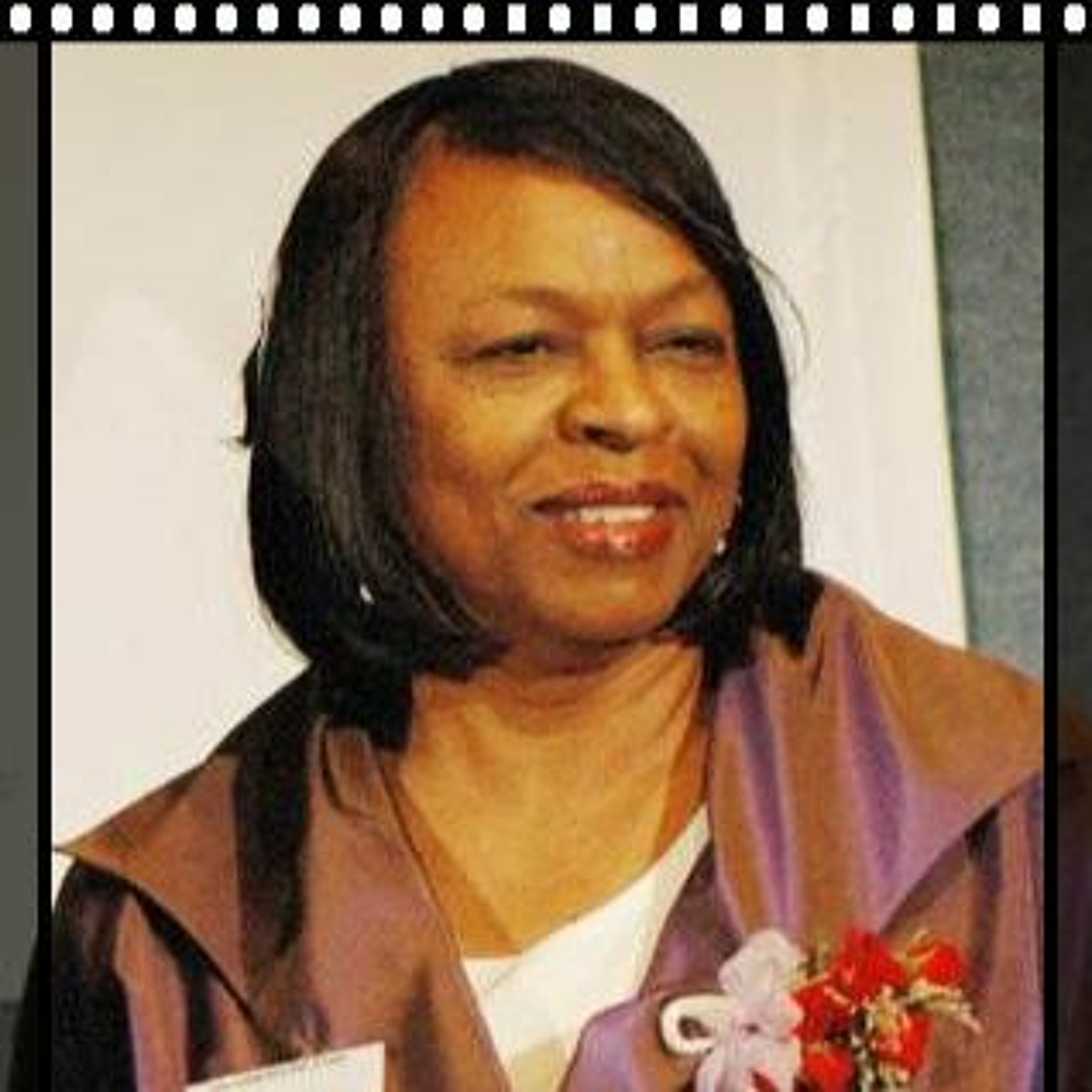
Everything Co-op Kicks off its Women's History Month with Co-op Heroine Melbah McAfee Smitth
Everything Co-op kikced off its recognition of Women's History Month, with a focus on this year's theme of "Women Providing Healing, Promoting Hope." In our first installment, Vernon interviews Melbah McAfee Smith, retired Executive Director of the Mississippi Center for Cooperative Development, and a 2009 inductee into the Cooperative Hall of Fame. Vernon and Ms. McAfee Smith discussed her experiences working with cooperatives to address issues experienced by the communities she worked in. They also discussed her hopes to pass on her family's legacy of farming to the next Generation of she and her brother's Grandchildren. Melbah McAfee Smith worked for nearly 40 years as a trusted co-op developer in some of the most impoverished areas of the country. She started her career with the Federation of Southern Cooperatives, returning to her home state to lead the Mississippi Association of Cooperatives and the Mississippi Cooperative Development Center. Her visionary leadership and hands-on, grassroots approach to building communities have helped bring health care, economic development, and social justice to people in need through the cooperative model.

Anita and Thomas Roberson, Owners of Botanical Bites & Provisions, Discuss the Attributes of Farming
February 24, 2022 Everything Co-op closes out its recognition of Black History Month, with a webinar, focused on this year's theme of "Black Health and Wealth." The featured guest for the inaugural webinar were Thomas and Anita Roberson, owners of Botanical Bites and Provisions, LLC. Vernon and the Robersons discuss the role their plants, vegetables, and farm products play in the "Health and Wealth" of their patrons. Thomas and Anita Roberson are passionate fourth generation farmers who operate Botanical Bites and Provisions, LLC, a veteran-owned and operated farm established in 2013. On their farm they grow a diverse assortment of fresh farm-grown produce. Their commitment to agriculture arises from their passion for healthy living by growing with no pesticides, preservatives or herbicides. which has earned them the distinction as being a Certified Naturally Grown (CNG) enterprise. On their 10-acre farm all products are mostly hand-raised or handcrafted and naturally grown in three high tunnels, several rotating fields, or generated from their small apiary. In addition to fresh produce, Botanical Bites and Provisions offers spectacular cut flowers, honey, and value-added cosmetics from their farm, and honey and propolis from their hives. Their on-farm market accepts SNAP, and they are always welcoming new customers and friends. The Robersons are members of the Virginia Beginning Farmers and Ranchers Coalition, Virginia Farm Bureau, the Minority and Veteran Farmers of the Piedmont, and the Federation of Southern Cooperatives. Anita also serves on Virginia State University's (VSU) Small Farm Outreach Program Advisory Committee, and the Board of Directors for the Virginia Foundation for Agriculture Innovation and Rural Sustainability (VAFAIRS). They both serve as mentors for new and beginning farmers for the VSU Small Farm Outreach Program
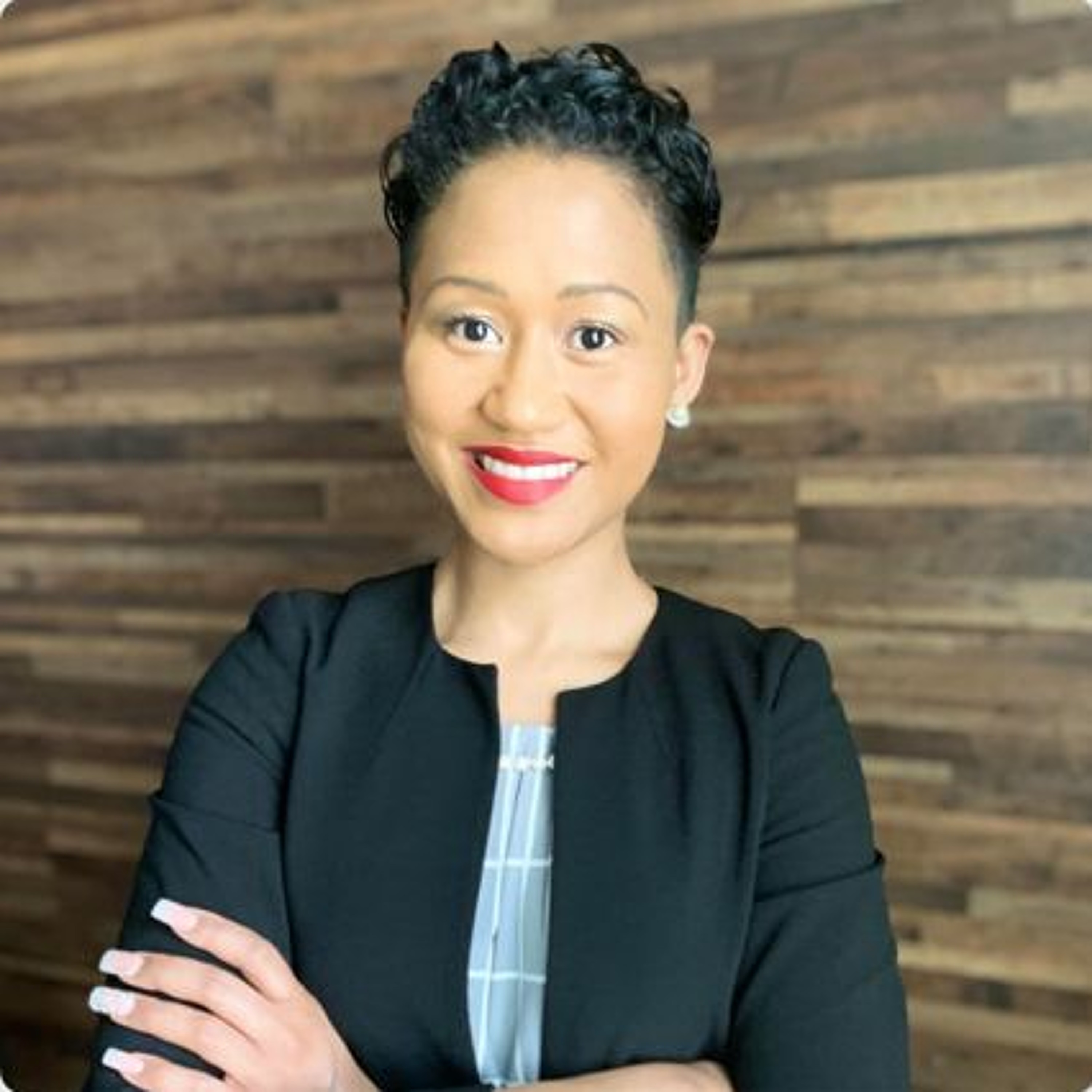
Dãnia Davy, Director at the Federation of Southern Co-ops, Discusses Black Health and Farmers
Black History Month, 2-10-2021 Everything Co-op continues its recognition of Black History Month, focusing on this year’s theme of Black Health and Wellness, with Dãnia Davy, Director of Land Retention & Advocacy at the Federation of Southern Cooperatives. Vernon and Dãnia focus on farming, and the critical role that the Federation of Southern Cooperatives has played in helping Black farmers recover from the losses experienced as a result of the COVID-19 Pandemic. Dãnia serves as Director of Land Retention and Advocacy at the Federation of Southern Cooperatives/Land Assistance Fund. The Federation is the largest and oldest cooperatively-owned organization whose membership includes black farmers, landowners and cooperatives. Dãnia began her legal career as a Skadden Fellow at the North Carolina Association of Black Lawyers Land Loss Prevention Project implementing a project she designed which provided community education and estate planning services to improve Black farmers' access to legal services in the rural South. She developed the documentary - "Our Land, Our Lives: The North Carolina Black Farmers' Experience" and served on the inaugural North Carolina Sustainable Local Food Advisory Council.
Emory Campbell, Author & Historian, discusses the Importance of Preserving Cultural Heritage
Emory Shaw Campbell, author, historian, and CEO of the Cultural Heritage Consulting, discusses the importance of preserving cultural heritage. Campbell formerly served as the Director of the Penn Center on St. Helena Island from 1980 - 2002. The historic Penn Center, which opened in the 1800s to educate freed slaves was previously used as a training center and meeting place for civil rights leaders. Today it serves as a center to preserve the history and heritage of the Sea Island and Gullah culture. When Penn School first opened in 1862, it was an experimental program to educate Sea Island slaves freed at the beginning of the Civil War. Over the years, it served many functions within the community. The school’s mission was to teach freed slaves trades and how to read in an effort to help them transition into an economically stable lifestyle. By the 1900s, the Penn Center had adopted Booker T. Washington’s model of industrial training, and in the early stages of the Civil Rights Movement in the 1960’s the center was often used as a meeting place and training center by Dr. Martin Luther King Jr. and the Southern Christian Leadership Conference. During his tenure at the Penn Center, Campbell spearheaded efforts to create a family connection between the Gullah people and the people of Sierra Leone in West Africa. In 1988, he hosted Sierra Leone President Joseph Momoh at the Penn Center for the Gullah reunion and became an Honorary Paramount Chief in 1989, when he led the historic Gullah Reunion to Sierra Leone. In Campbell’s career as Executive Director of the Penn Center he helped preserve the former school, restoring 15 of 21 buildings on campus. He also reorganized the board of trustees, developed programs for small farmland use planning, and organized the Penn Center Heritage Days Festival, one of the premier celebrations of Gullah culture in the nation. He retired from the Penn Center in 2002 and became Executive Director Emeritus of Penn Center. Immediately following his retirement, he wrote Gullah Cultural Legacies, which was first published in 2002. Mr. Campbell heads up Gullah Heritage Consulting Service and operates Gullah Heritage Trail Tours with his family. In 2008 Mr. Campbell was elected Chairman of the Gullah-Geechee Cultural Heritage Corridor Commission, an organization empowered by the U.S. Congress to develop a program to commemorate Gullah culture in the low country region from Wilmington, North Carolina to Jacksonville, Florida. For Campbell, the dedication to preserving Gullah culture has been a labor of love and a cause that he hopes will continue to resonate with future generations.
Advocate Cliff Rosenthal discusses the Role CDFIs Play in Co-op Development & Democratizing Finance
January 27, 2022 Co-op advocate and Author Clifford N. Rosenthal discusses the role CDFIs play in the development of co-ops, and his book "Democratizing Finance: Origins of the Community Development Financial Institutions Movement." Clifford N. Rosenthal is a nationally and internationally recognized innovator, advocate, and developer of programs to provide financial access for low-income and underserved people. He joined the National Federation of Community Development Credit Unions in 1980 and served as its president and CEO for more than thirty years. He also co-founded the national Coalition of CDFIs, and served in its leadership for two decades. Throughout his career Clifford has developed food cooperatives for Native American and migrant farmworker organizations, and written manuals, monographs and articles on community development finance, credit unions, and savings to preserve the knowledge he attained. In 2018 he released Democratizing Finance: Origins of the Community Development Financial Institutions Movement. He has received the highest honors of the National Credit Union Foundation and the Opportunity Finance Network, as well as the Lawyers Alliance of New York City and the Insight Center for Community Economic Development. The Clifford N. Rosenthal Community Center in the St. Claude community of the Upper Ninth Ward of New Orleans honors his assistance in helping the ASI Federal Credit Union recover from Hurricane Katrina. He was inducted into the African American Credit Union Hall of Fame in 2019, the first non-African American so honored.

Dr. Prieto & Dr. Phipps discuss African American Mgt and Gaining a Cooperative Advantage
Researchers Dr. Prieto and Dr. Phipps discuss their book "African American Management History: Insights on Gaining a Cooperative Advantage," and the African philosophy that was the primary inspiration for the book. Dr. Prieto and Dr. Phipps are highly acclaimed researchers and educators, who are members of the Thinkers50 (i.e., The Oscars of Management Thinking) Radar Class of 2021. Their work has been published in a number of outlets including the Journal of Business Ethics, Academy of Management Learning & Education, Harvard Business Review, MIT Sloan Management Review, and the Journal of Management History. They have been recognized by the Academy of Management for publishing “ground-breaking African-American Management History research,” and have also written a book entitled "African American Management History: Insights on Gaining a Cooperative Advantage." Leon C. Prieto, PhD is the Director of the Center for Social Innovation & Sustainable Entrepreneurship, and Associate Professor of Management at Clayton State University. He also serves as an Associate Research Fellow at the University of Cambridge Judge Business School's Centre for Social Innovation. His research lies at the intersection of Management History, Business Ethics, Sustainable Entrepreneurship & Social Innovation. Simone T. A. Phipps, PhD, is an Associate Professor of Management in the School of Business at Middle Georgia State University (USA), and an Associate Research Fellow at the University of Cambridge Judge Business School's Centre for Social Innovation (UK). Her research interests include Management History, Entrepreneurship, Leadership, Social Innovation, Social Sustainability, and relationships between the organization and society. Her research usually involves the exploration of gender, racial, and ethnic minorities, with the aim of highlighting their struggles and contributions, as well as finding possible solutions to improve the minority experience in business and society.
David Hincapie, Economic Dev. Specialist w/SBA discusses COVID Disaster Loans & SBA Lending Programs
January 13, 2022 David Hincapie, Economic Development Specialist with SBA, discusses, his observations regarding the experiences of co-op businesses with PPP and COVID disaster loans, and the basics of SBA lending programs. Since the COVID-19 pandemic began, the US Small Business Administration has offered lending programs designed to help businesses maintain their workforce and provide gap funding for losses experienced as result of the pandemic. David Hincapie has worked closely with Washington Area organizations and businesses to ensure that local businesses are aware of the nuances involved with the lending programs. Currently, SBA is not accepting new applications for COVID-19 relief loans or grants, but it continues to offer PPP loan forgiveness and EIDL increases. Fortunately, due to lobbying efforts of NCBA/CLUSA and other organizations, cooperative businesses were eligible to apply for the loans associated with the pandemic. As cooperative businesses chart their way through the SBA lending process it's important to share information regarding their experiences, and best practices. During this interview David shares his insights and lessons learned regarding the lending experiences of cooperatives. He also encouraged them to take advantage of the services offered through SBA's resource partners. Small Business Development Centers; Womens Business Centers; Veterans Business Outreach Centers; and SCORE Mentors. To learn more Visit SBA.gov
Michael Partis, ED at BCDI, discusses the Correlation between Co-ops and Economic Democracy
Michael Partis, Executive Director at the Bronx Cooperative Development Initiative (BCDI), discusses the correlation between Cooperatives and Economic Democracy. Michael also shares several instances where BCDI has supported the formation of cooperatives. Michael Partis is also a Researcher at the Bronx African American History Project, where he and Professor Mark Naison are editing “After The Fires:” a collection of post-1970s South Bronx oral histories. He is also co-founder of The Bronx Brotherhood Project, a community-based college success program for Black and Latino teens at the New Settlement College Access Center. Formerly, he was the Director of South Bronx Rising Together (SBRT): a collective impact initiative dedicated to improving health, grade-level reading and math, and post-secondary outcomes in the neighborhoods of Morrisania and Crotona Park West. The Bronx Cooperative Development Initiative is a community-led planning and economic development organization. BCDI’s approach to cooperative development is to continuously grow its network of community and labor organizations, anchor institutions, and small businesses to build an equitable, sustainable, and democratic local economy that creates shared wealth and ownership for low-income people of color, which is referred to as economic democracy. BCDI firmly believes that economic democracy will position Bronx residents as the collective decision-makers and owners of the borough’s future.
Mark Griffith, ED at the Brooklyn Movement Center shares the Relationship between Kwanzaa & Co-ops
Mark Winston Griffith, Executive Director of the Brooklyn Movement Center (BMC), and Board member of the Cooperative Economics Alliance of New York City, discusses the history of BMC, and the relationship of the principles of Kwanzaa and those of the cooperative business model. Mark Winston Griffith is is a nationally recognized thought leader, community organizer and journalist. He's also the co-founder and Executive Director of the Brooklyn Movement Center (BMC), a membership-based, community organizing group serving Bedford-Stuyvesant and North Crown Heights. BMC is a multi-issue organization currently building campaigns around public education, food sovereignty, sexualized street harassment and police accountability. In the early nineties, Mark co-founded the Central Brooklyn Partnership, a community organizing group that focused on economic justice issues, and was co-founder of Central Brooklyn Federal Credit Union, which at the time was the nation's largest black-run, community-based, financial cooperative.
Esther Enyolu, discusses how WMRCC used Grant Funds to Development 7 Worker Co-ops
December 23, 2021 -Esther Enyolu, Executive Director of Women’s Multicultural Resource and Counselling Centre of Durham (WMRCC), discusses how WMRCC used Grant Funds to Development seven Worker Co-ops. Esther Enyolu is a dynamic leader committed to cross-cultural issues, such as, equity, equality, diversity and inclusion, human rights and social justice. She has extensive knowledge of employer/employee relationship issues in both unionized and non-unionized environments. Under her leadership WMRCC has developed seven worker cooperatives; and continues to provide resources and counseling to women overcoming obstacles of life. Esther has diligently served the community and has been instrumental in developing innovative community programs for more than 30 years. She works with different universities and colleges, including community organizations to promote entrepreneurship for women from diverse backgrounds.
Kandis Quam and LaKeisha Wolf discuss Cutural Principles and Artwork available for Holiday
On December 16, 2021, Vernon interviews LaKeisha Wolf, Executive Director of Ujamaa Collective, and Kandis Quam, an artist with the Ancestral Rich Treasures of Zuni Cooperative (ARTZ. Kandis and LaKeisha discuss the ethical and cultural principles of their cooperatives, and the Artwork available at their storefronts and on their websites for the Holiday season. LaKeisha Wolf is a co-founder and serves as executive director of non-profit Ujamaa Collective. She leads through the lens of creativity and community, working with artists and organizers to develop place-making strategies, models of equity for community resources, as well as local and global partnerships rooted in the values of fair trade entrepreneurship, mutual aid and wellness. Additionally, as a community cultural worker and teaching artist, LaKeisha provides support and workshops in the areas of culturally responsive arts and wellness practices and cooperative enterprise development. She is a 2021 Sybil’s Shrine Artist-in-Residence, a new artist home residency program for Black creative mothers based in Pittsburgh, PA. Ujamaa Collective is a grassroots organization that works to center Black/Africana people within a cooperative economics practice. provides a cooperative retail boutique for makers and artists to connect with conscientious consumers. Kandis Quam is one of many artist at the Ancestral Rich Treasures of Zuni Cooperative (ARTZ). She grew up in an artistic family, where she learned how to navigate the art show world by observing her parents, Jayne and Lynn Quam. Her main subject matter of choice is imagery with a heavy Zuni influence. Through the use of visual media Kandis seeks to bridge the past with the present, and create change through beauty. She also hopes to instill a sense of cultural preservation in the modern age younger generation through art. The Ancestral Rich Treasures of Zuni Cooperative is the only Zuni Artists Owned and Managed Cooperative in New Mexico. The formation of the Cooperative was founded to give back the power to the artist. To ensure that they receive the full monetary value they ask for.
Dr. Hossein, discusses Rotating Savings & Credit Associations
On December 9, 2021, Vernon interviews Dr. Caroline Shenaz Hossein, Associate Professor at the University of Toronto Scarborough, and founder of Diverse Solidarity Economies (DiSE) Collective. Dr. Hossein discusses ROSCAS (Rotating Savings & Credit Associations), and her research on alternative solidarity financial systems. Dr. Shenaz Hossein is Associate Professor of Global Development and Political Science at the University of Toronto Scarborough, and founder of Diverse Solidarity Economies (DiSE) Collective, pushing for equitable economies. She holds an Ontario Early Researcher Award (2018-2023) and her project “African origins in the Social Economy” was funded by the SSHRC (2017-2020). Dr. Hossein is an elected board member to the International Association of Feminist Economics, academic advisor at Oxford University Press and an editorial board member to the U.N. Task Force for the Social and Solidarity Economy. Dr. Hossein is the author of Politicized Microfinance (2016), co-author to Critical Introduction to Business and Society (2017) and editor of The Black Social Economy (2018), as well as numerous book chapters and articles, and she has a forthcoming co-edited book Community Economies in the Global South by Oxford University Press.
Bijiibah Begaye, discusses Development of a Cooperative Ecosystem in the Navajo Nation
Bijiibah Begaye, co-director of Cooperative Catalyst of New Mexico, discusses development of Cooperative Ecosystem in the Navajo Nation, and how the Cooperative Catalyst of New Mexico serves as a resource for individuals, groups, companies, and other organizations in New Mexico that are interested in forming, converting to, or growing cooperatives. Bijiibah Begaye is a true believer in supporting the Navajo community at every stage of development. She has previously served as Program Director for the University of Arizona Cooperative Extension, and as Executive Director of Tse Ko Community Development Corporation. In addition to her work experience, her biggest influences come from being raised in Coalmine Mesa on the Navajo Nation where her family has managed Staggered Hearts Ranch for over 40 years.
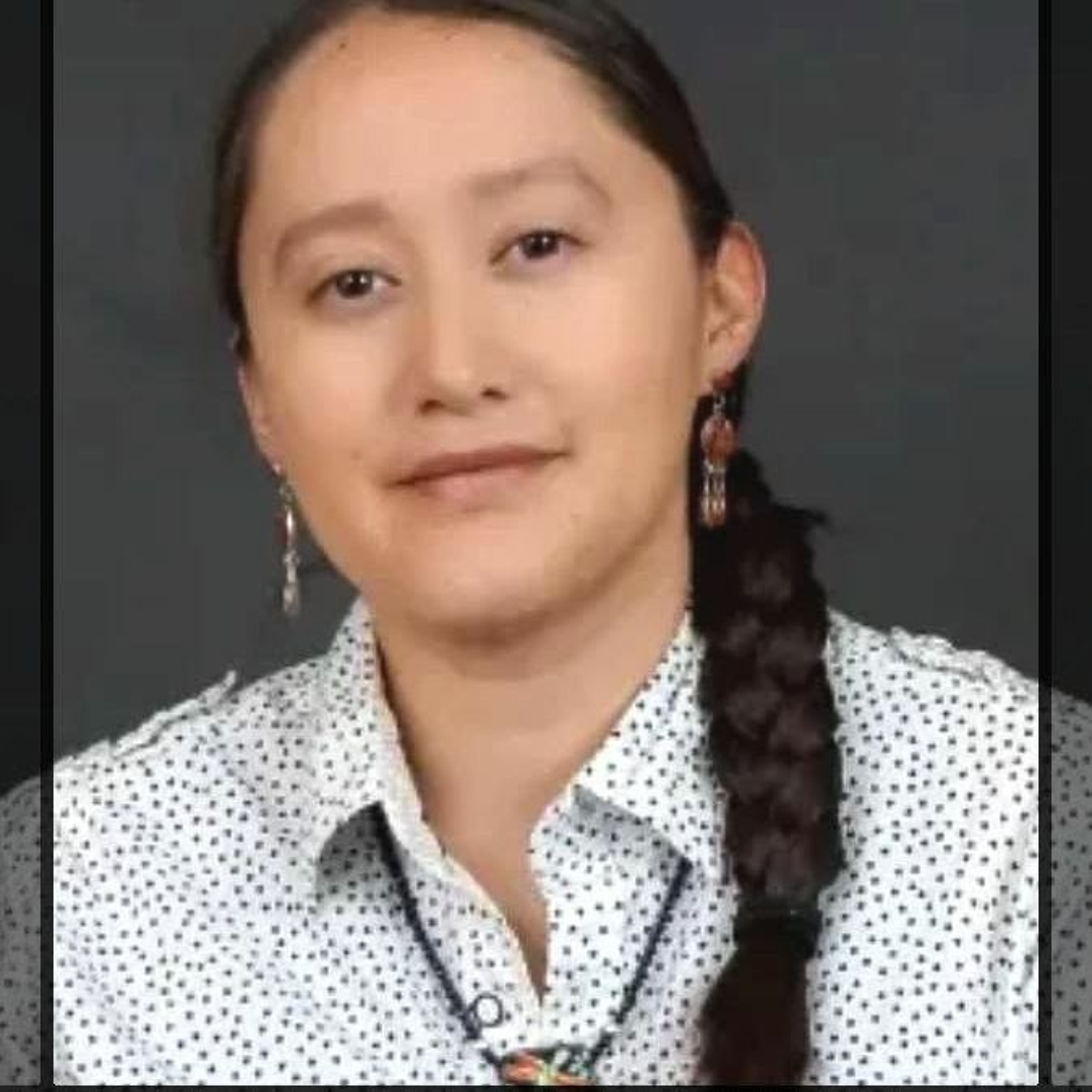
Artist Kandis Quam, discusses the ARTZ Cooperative, and the rich Zuni Culture
Kandis Quam, an artist with the Ancestral Rich Treasures of Zuni Cooperative (ARTZ)discusses the ARTZ Cooperative, and the rich Zuni Culture. ARTZ is the only Zuni Artists Owned and Managed Cooperative in New Mexico. The formation of the Cooperative was founded to give back the power to the artist. To ensure that artist members receive the full monetary value for their creations. Kandis grew up in an artistic family, where she learned how to navigate the art show world by observing her parents, Jayne and Lynn Quam. Her main subject matter of choice is imagery with a heavy Zuni influence. Through the use of visual media Kandis seeks to bridge the past with the present and create change through beauty. She also hopes to instill a sense of cultural preservation in the modern age younger generation through art.
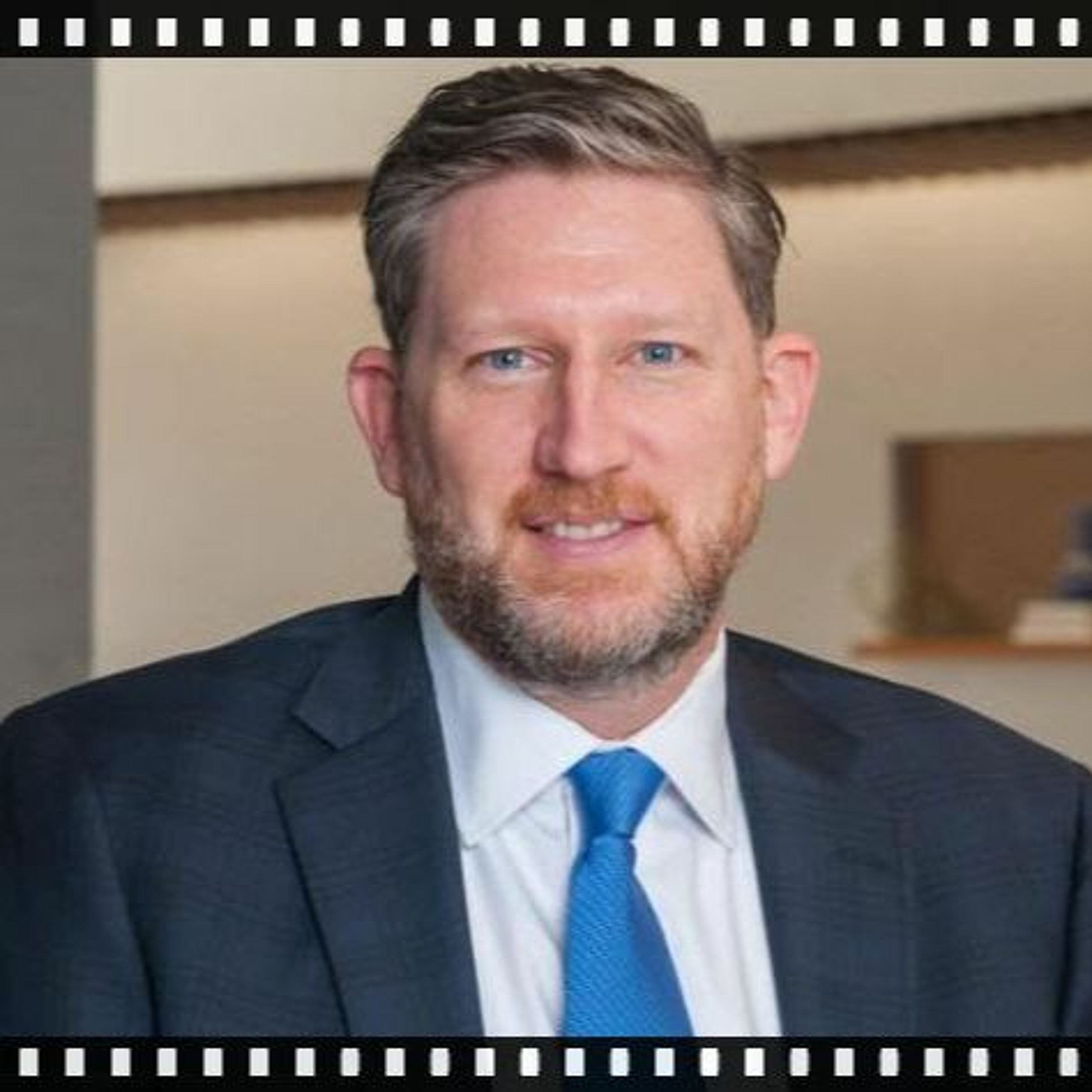
Casey Fannon, Acting CEO at NCB discusses the role of NCB in Co-op movement and its Strategic Plans
Casey Fannon, Acting Chief Executive Officer at National Cooperative Bank (NCB) discusses the role of NCB in cooperative development, and future strategic plans for NCB, Since joining NCB in 1996, Mr. Fannon has dedicated his entire career to National Cooperative Bank and has served as its President since March 2020. In that role, Mr. Fannon has worked on new product and market development, commercial real estate, capital markets and has managed NCB’s loan and deposit production across all NCB’s customer segments. He is known within the cooperative community as an advocate for affordable housing and for supporting new cooperative development. Mr. Fannon has worked closely with NCBA CLUSA in advancing the Principle Six Initiative, which brings cross-sector co-ops together to accelerate cooperative growth. In addition to serving on NCB’s Board, Mr. Fannon currently serves on the Board of Directors of Capital Impact Partners, a national Community Development Financial Institution (CDFI). Mr. Fannon received a BS in Finance from Bentley University and is a Chartered Financial Analyst charter holder. About National Cooperative Bank: National Cooperative Bank is dedicated to strengthening communities nationwide through the delivery of banking and financial services, complemented by a special focus on cooperative expansion and economic development. NCB provides financial products and services for the nation’s cooperatives, their members, and socially responsible organizations.
Vernon Oakes discusses U.N. Proclamation of the International Decade for People of African Descent
Vernon Discusses the United Nations General Assembly's proclamation of the International Decade for People of African Descent (IDPAD), which was made in December 2013, for the decade of 2015 through 2024. He discusses previous social justice movements, notes the similarities between them, and then offers the alternative to use cooperatives to solve the community problems cited by the different movements.
Tribute to Chuck Snyder from Co-op Community
Vernon Oakes, and co-host, John Holdsclaw, are joined by Leaders from the cooperative community to pay tribute to Chuck E. Snyder, President/CEO of National Cooperative Bank (NCB), who made his transition on November 6, 2021. Chuck was a highly respected leader who left an impression on everyone he met. Everything Co-op was pleased to provide a platform for the co-op community to express their extreme sense of loss, and the impact Chuck had on their lives, and/or organizations. Those who paid tribute to Chuck included the following people: Doug O'Brien, Roberta MacDonald, Mary Ann Rothman, Cornelius Blanding, Liz Bailey, Mike Mercer, Leslie Mead, Martin Lowery, Barry Silver, Rich LaRochelle, Paul Hazen, Mary Alex Blanton, David Thompson, RL Condra, Michael Peck, and Pat Thornton. The comments were so heartfelt, and rich we felt they should be shared, and would serve to sooth the pain of Chuck’s unexpected transition. For that reason, we invite you to listen to the show on the live stream platforms on Thanksgiving, November 25, 2021
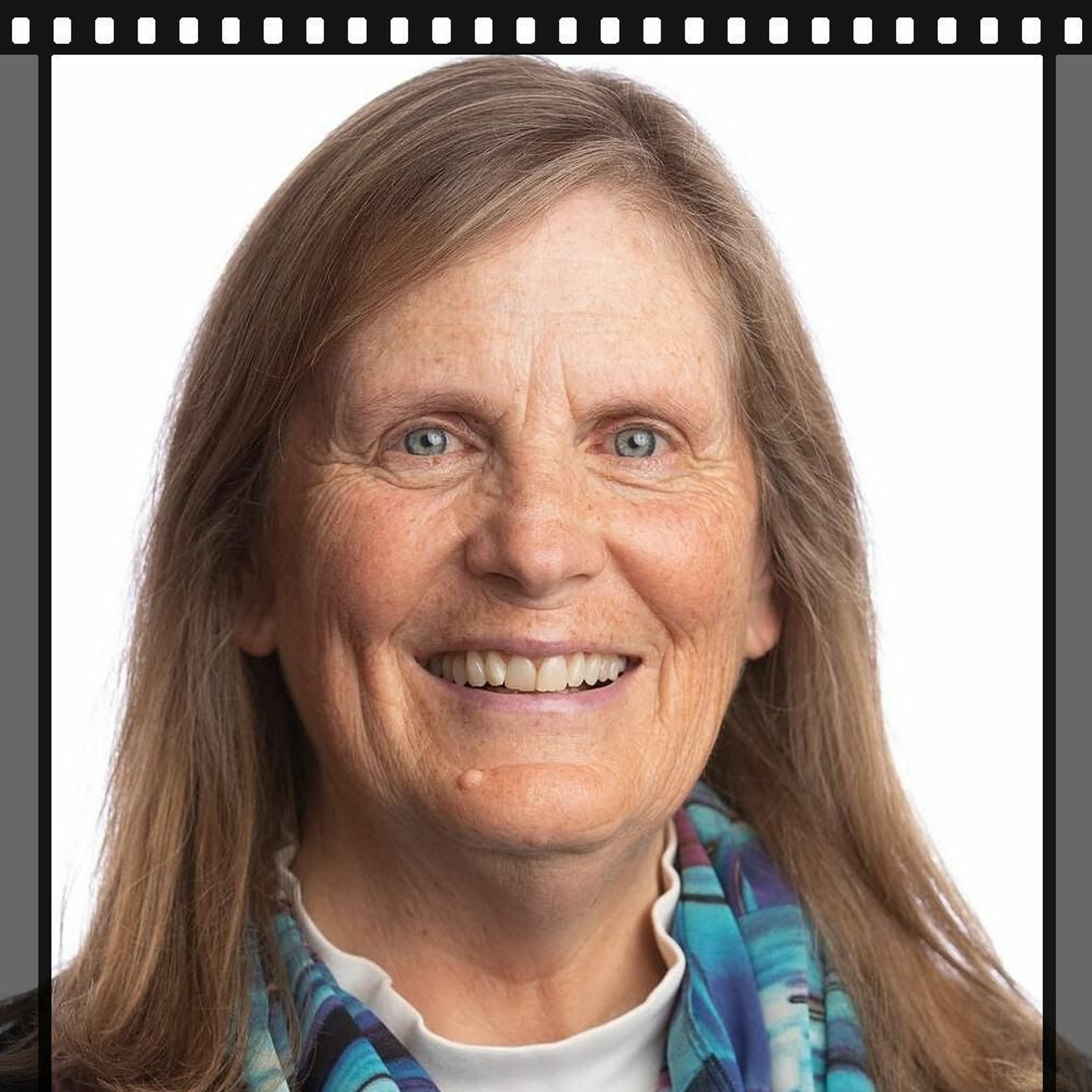
Karen Zimbelman, Senior Director at National Co+op Grocers discusses her Career
10/14/2021 - Karen Zimbelman, Sr. Director of Membership and Cooperative Relations at National Co+op Grocers discusses her career in the cooperative movement. Karen was recently inducted into the Cooperative Hall of Fame for her contribution to the co-op movement over her career of more than 40 years. Karen Zimbelman’s cooperative career began in the 1980s at the North American Students of Cooperation (NASCO) where she implemented board of director trainings. Over her 40-year career, she has organized hundreds of trainings benefiting thousands of cooperative board members. Since then, Karen has worked at North Coast Co-op, NCBA CLUSA, Rochdale Institute, and National Co+op Grocers (NCG). After three years as North Coast Co-op’s Director of Membership and HR, Karen began her next career phase as a cooperative consultant. During this time, she served as the newsletter editor for the Association of Co-op Educators, developed a tailored co-op orientation manual for food co-op staff, and served as the Executive Director for the Cooperative Grocers’ Information Network (CGIN), the Northwest Cooperative Grocers’ Association (NWCGA) and Pacific Cooperative Grocers’ Association (PCGA). Under Karen’s leadership, CGIN became a vital consumer co-op resource housing an extensive library of job descriptions, operation manuals, recipes, board training, and much more. During Karen’s time at CGIN, she authored and published a manual to instruct others on How to Start a Food Co-op. This manual became the foundation of Food Co-op Initiative’s Guide to Starting a Food Co-op. As the founding Executive Director for two regional cooperative grocers’ associations, Karen established and managed regional supply agreements, promotions, training, audits, and other programs. In that role she became a contributor to a movement to form a national food co-op association -– an effort that ultimately resulted in the formation of the National Co+op Grocers. Today, NCG represents 148 food co-ops in 39 states with over 1.3 million consumer-owners, unifying natural food co-ops in order to optimize operational and marketing resources and strengthen purchasing power. Karen’s sincerity, intensity, and zeal for the cooperative way has created institutions that will live as a part of her legacy.
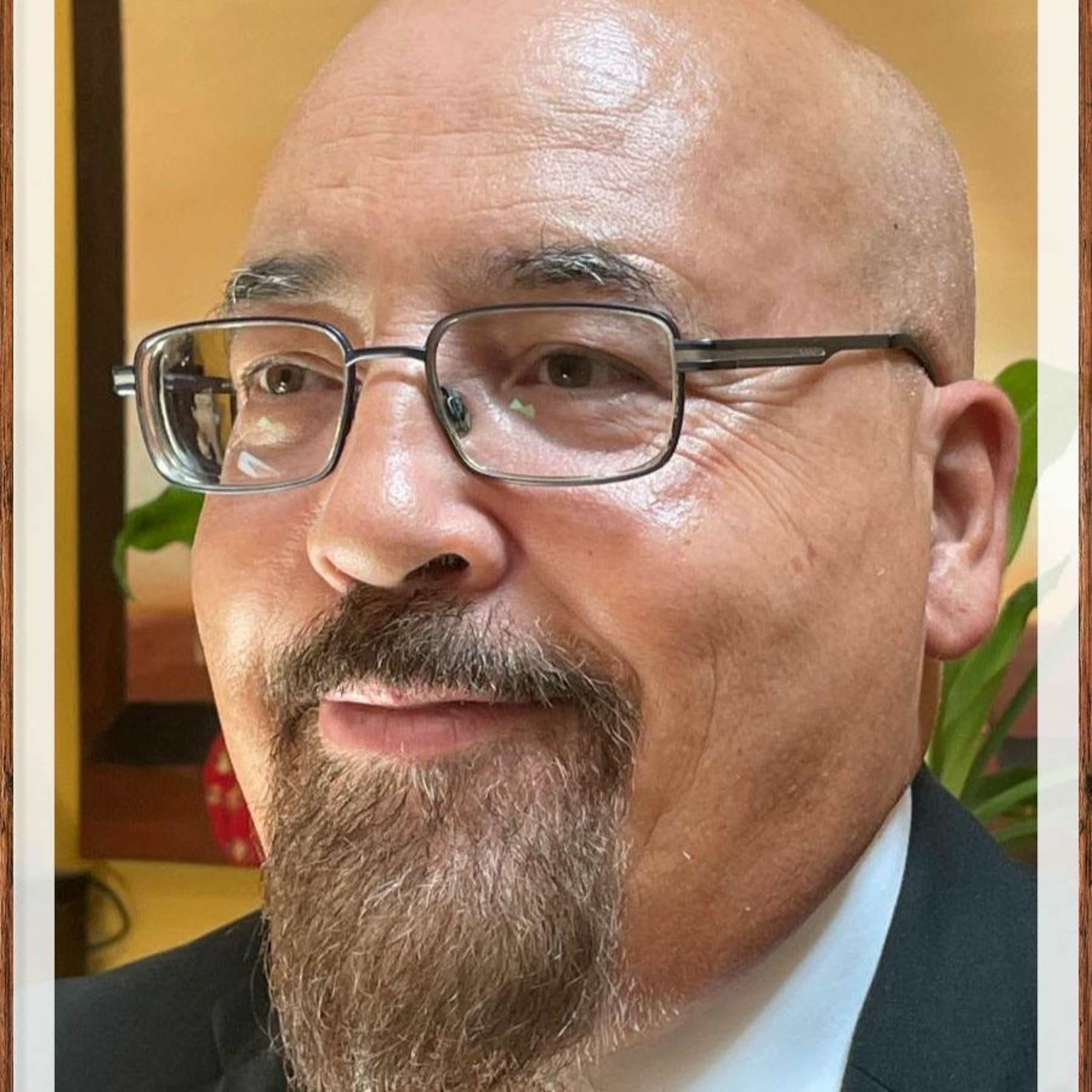
Pablo DeFilippi, Sr VP at Inclusiv, discusses the Impact of Community Development Credit Unions
In observance of Hispanic Heritage Month,on October 7, 2021, Vernon interviews Pablo DeFilippi, CUDE, Sr Vice President of Membership and Network Engagement at Inclusiv. The theme for this year's celebration is “Esperanza: A Celebration of Hispanic Heritage and Hope.” The theme encourages us to reflect on all of the contributions Hispanics have made in the past, and will continue to make in the future. Throughout his career Pablo has worked tirelessly to expand access to capital for Hispanics. Particularly in underserved communities. Vernon and Pablo discuss the impact that Community Development Credit Unions have on low-income communities. Pablo DeFilippi is currently Sr. VP at Inclusiv, a national, nonprofit association of over 400 credit unions and CDFI intermediary that represents supports and invests in credit unions serving predominantly low-income, financially underserved communities. In this capacity he leads Inclusiv’s membership development and engagement strategies and manages Inclusiv /Network, a network of community development finance practitioners that provide valuable consulting services to CDCUs. Mr. DeFilippi has more than 20 years of experience in community finance, working with regulated financial institutions both in the domestic and international arena. Originally from Chile, DeFilippi came to the US in the early 90s and almost immediately became involved in credit unions. After working at MCU, a large credit union serving New York City employees, he joined the Lower East Side People’s FCU (LESPFCU) a credit union serving Hispanics and other underserved populations in the New York City area and acted as its CEO until early 2004. From then and until the end of 2005, Mr. DeFilippi managed the World Council of Credit Unions, Inc. (WOCCU)‘s International Remittance Program (IRnet), a world-wide initiative to provide alternative remittance services to consumers both in the US and in recipient countries through the credit union system. Mr. DeFilippi holds a B.A. in Social Studies from Universidad de Chile, as well as a Professional Accounting Certificates from Baruch College and New York University. He has a Masters of Business Administration from Pace University, and is a graduate of CUNA’s Management School and NCUF’s Social Impact Management Institute. He is also a Credit Union Development Educator (CUDE) and a UK Credit Union Development Educator.
Vern Dosch, ret. National Information Solutions Cooperative President/CEO discusses his Career
Vern Dosch, retired National Information Solutions Cooperative (NISC) President and CEO, discusses his experiences throughout his career. Vern coupled the spirit of cooperation, a commitment to rural America, and cutting-edge technology to help utilities and telecoms provide quality, affordable service to consumer-members. Under his leadership, NISC became a leading provider of IT and software solutions to utility and telecommunication cooperatives, helping its members become more efficient and improve customer service while setting the stage for economic expansion in rural America. NISC’s success under Vern’s leadership (2002-2020) is well documented. Membership grew from 392 to more than 850; the employee population grew from 400 to approximately 1,400; investment in research and development grew from $1 million to more than $50 million; and his stewardship delivered record annual margins. Vern's influence, however, extends far beyond those numbers. Throughout his career, he was active in local and national efforts designed to advance the co-op business model and leadership excellence, and continues to be active to this day. He authored Wired Differently: How to Spark Better Results with a Cooperative Business Model, Servant Leadership and Shared Values; and has been a guest lecturer at University of Mary Washington’s cooperative business course and at North Dakota State University on ethics and leaderships. Vern was also the 2020 recipient of Prairie Business Magazine’s Leaders and Legacies Award.
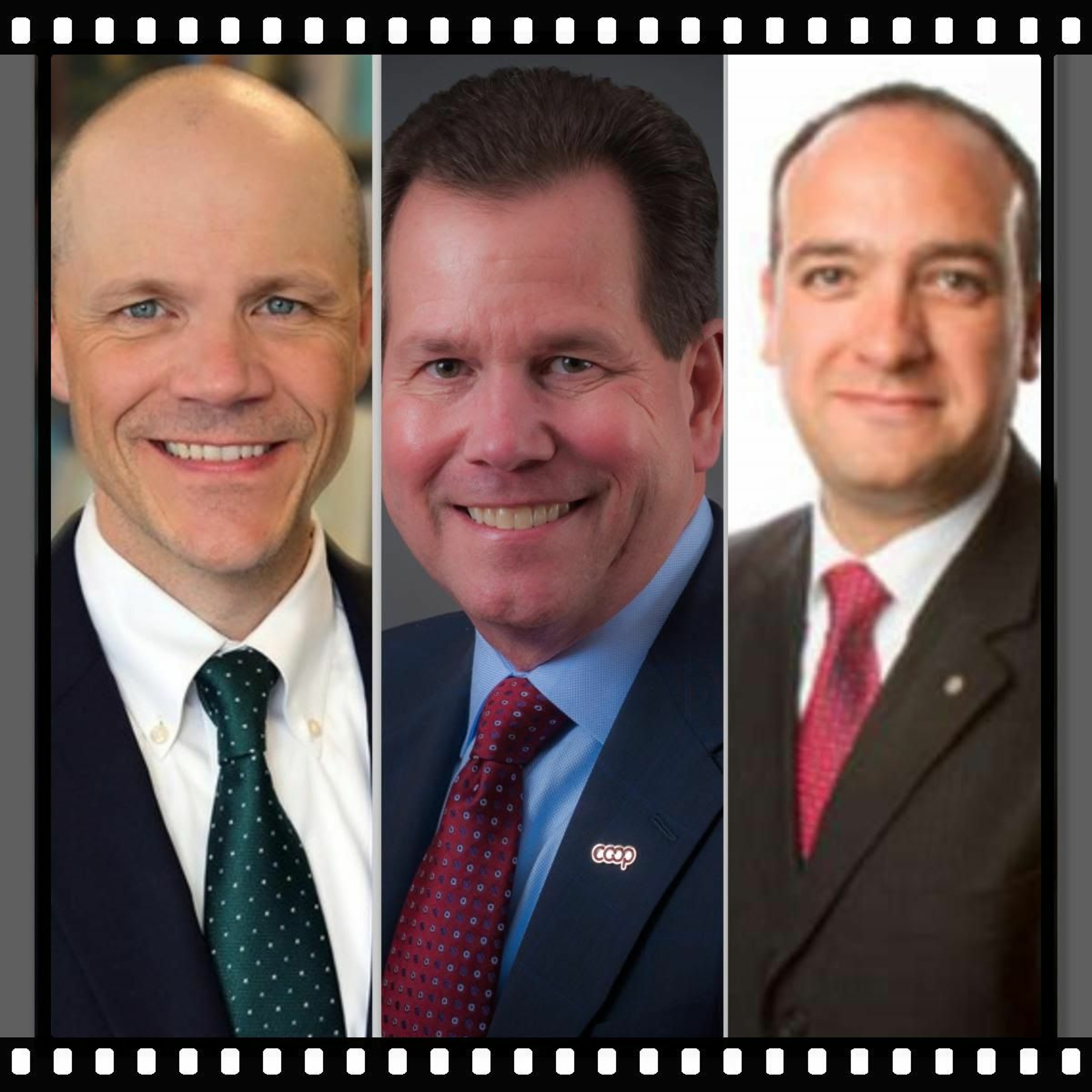
Doug O'Brien, Paull Hazen and John Torres discuss the 2021 IMPACT Conference
Doug O’Brien, President and CEO of the National Cooperative Business Association CLUSA International (NCBA CLUSA), John Torres, VP of Communication and Public Relations at NCBA/CLUSA, and Paul Hazen, Executive Director of the U.S. Overseas Cooperative Development Council (OCDC)discuss the 2021 Cooperative IMPACT Conference. Follow link to register: https://web.cvent.com/event/c9469aae-156e-42c1-9c44-ec4ff9a4bf4c/regProcessStep1 NCBA CLUSA’s Cooperative IMPACT Conference will be held October 4-8, 2021. This annual conference provides an unparalleled platform to reenergize the cooperative movement and galvanize its champions around building an inclusive economy. The conference is a hybrid event this year and includes a robust lineup of virtual programming with select live events taking place at the National Press Club on October 7 and 8. With five days of programming, 40 sessions and close to 100 speakers, IMPACT 2021 will explore how our cooperative identity finds expression. Whether working to dismantle racism, build resilience in the face of climate change or preserve small businesses during a pandemic, last year reminded us that cooperatives have the greatest impact when cooperators live up to their identity. IMPACT sessions will challenge cooperators everywhere to deepen their understanding of the values and principles that truly make cooperative enterprise unique. For the third year, NCBA CLUSA is partnering with the U.S. Overseas Cooperative Development Council to bring a rich and diverse International Track to the IMPACT Conference. The dedicated international programming—available to development practitioners free of charge— will cover entrepreneurship, climate change and co-op principles in practice. Made possible by the U.S. Agency for International Development (USAID), these sessions are sponsored by OCDC and its members. NCBA CLUSA works to build a better world and a more inclusive economy that empowers people to contribute to shared prosperity and well-being for themselves and future generations. By leveraging the shared resources of the cooperative movement, NCBA CLUSA seeks to engage, partner with and empower people from all walks of life—particularly those left behind by a shifting economy and facing the greatest economic and societal barriers. It achieves this vision through collaborative partnerships in development, advocacy, public awareness and thought leadership. OCDC brings together nine organizations committed to building a more prosperous world through cooperatives. Its mission is to champion, advocate and promote effective international cooperative development. Its members’ international activities are powered by grants from the Cooperative Development Program of USAID. Together, they promote sustainability and self-reliance through local ownership.
Cynthia Pinchback-Hines PhD, of Co-op Cincy, discusses the Black Co-op U & Business Legacy Programs
Cynthia Pinchback-Hines PhD, Racial Justice Educator & Co-op Developer, of Co-op Cincy, discusses the "Power in Numbers: Black Co-op U" and "Business Legacy Fund" Programs, and announced the Annual Union Co-op Symposium, which will be held on November 12 & 13, virtually and in-person. The 1st day of the conference will be virtual, and the 2nd day will be in-person in Cincinnati. Dr. Pinchback-Hines, has a professional career spanning four decades. She is a community activist and organizer, educator, organizational development consultant, diversity leader, entrepreneur, and board member to several non-profits. Cynthia holds a PhD. in Educational Leadership for Higher Education. She has taught at Virginia State University, Delaware State University, and served as Associate Dean of African American Affairs & Ethnic Services at Northern Kentucky University, where she provided academic, cultural, and social support to African American students. In addition, she has presented at numerous professional conferences and conducted countless workshops. The Cincinnati Enquirer named her one of the ten most influential educators in Cincinnati and presented her with a Diversity Leadership Award for her achievements at Cognis Corporation.
Clark Arrington, Working World's Counsel, and 2021 Co-op Hall of Fame Inductee discusses his Career
Clark R. Arrington, General Counsel of The Working World, Inc., a cooperative that builds cooperative businesses in low-income communities; and Senior Fellow at Seed Commons, a community wealth cooperative. He’s an experienced attorney and educator who specializes in worker ownership cooperatives and socially responsible business practices. Prior to joining The Working World Inc., and Seed Commons, he spent most of his professional life teaching courses related to cooperatives, business law, and community economic development at more than half a dozen institutions in the U.S. and abroad. Beginning with a teaching job immediately after college in Chicago, he went on to The University of Southern New Hampshire, The Open University of Tanzania; and Kampala International University-Dar es Salaam College. Throughout his career, Clark has used his legal acumen to address capital formation issues for worker cooperatives, and has played a critical role in leveraging millions of dollars of new investment for social justice cooperatives. As a young lawyer he learned about cooperatives and community land trusts when he was with the Federation of Southern Cooperatives. Well known as an innovator in cooperative finance, Clark finds innovative ways for worker-owned, social justice-minded businesses to raise capital and be profitable without sacrificing democratic control. Clark served as Chair, General Counsel and Capital Coordinator of Equal Exchange and has also served on the boards of the ICA Group, the Social Venture Network, and the Cooperative Fund of New England. His bold vision, reliable pragmatism, and tireless efforts are key to promoting and developing innovative financing structures that are sensitive to the cooperative principles of member ownership, control and benefit.
Camille Kerr, of Upside Down Consulting, discusses Social Justice Development and Chi Fresh
Camille Kerr, Founder & principal of Upside Down Consulting, discusses ChiFresh, and how social justice is integrated into her business. through Upside Down Consulting Camille is working to build a democratic economy in service to U.S. social justice movements including organizations advancing Black liberation, immigrant rights, food justice, and the U.S. labor movement. She specializes in cooperative startup development, managing complex worker-centered initiatives, supporting existing businesses to become worker-owned, as well as policy advocacy and drafting. In partnership with Chicago organizers, Camille helped found ChiFresh Kitchen, a worker cooperative food service contracting business owned and determined primarily by formerly incarcerated folks living in the south and west sides of Chicago. She is currently a nonvoting shareholder and management consultant for ChiFresh. Before starting Upside Down Consulting, Camille served as the Associate Director of The ICA Group, the Director of Field Building at the Democracy at Work Institute and the Director of Research at the National Center for Employee Ownership. She has a law degree from the University of Cincinnati College of Law where she was awarded a human rights fellowship and graduated cum laude.
2021 Co-op Hall of Fame Inductee Andrew Reicher, ED of UHAB discusses Co-op Housing
2021 Cooperative Hall of Fame Inductee Andrew Reicher, Executive Director of Urban Homesteading Assistance Board (UHAB], discusses his career in creating communities through cooperative housing in New York City. Andrew Reicher has devoted his entire career to improving the lives of people struggling to rise from poverty through access to stable, affordable housing. Andy’s efforts have helped create programs within the New York City government crucial to fostering the development of housing cooperatives for low-income New Yorkers. Through his leadership at the Urban Homesteading Assistance Board (UHAB), Andy has brought homeownership to thousands of city residents, and is generous in sharing his expertise with others in the U.S. turning to the cooperative model as a source of homeownership for low-income residents. For nearly 40 years, New York City contracted with UHAB to provide technical assistance to income-restricted cooperatives going through the Tenant Interim Lease program. Under Andy’s leadership, programs for accounting and bookkeeping assistance; pre-paid legal assistance; and training and education programs from how to run a heating and boiler systems to how to run an efficient meeting were developed. More recently, Andy has steered UHAB’s programs towards climate and social justice goals through access to share loans and expanded use of renewable energy in low-income communities and communities of color. Because of Andy’s selfless dedication, constant innovation, and high achievement, low-income housing cooperatives in New York City exist and thrive. Strongly rooted in the communities he serves, Andy’s insight, experience, and tireless efforts has had a lasting and profound impact on the lives of thousands.
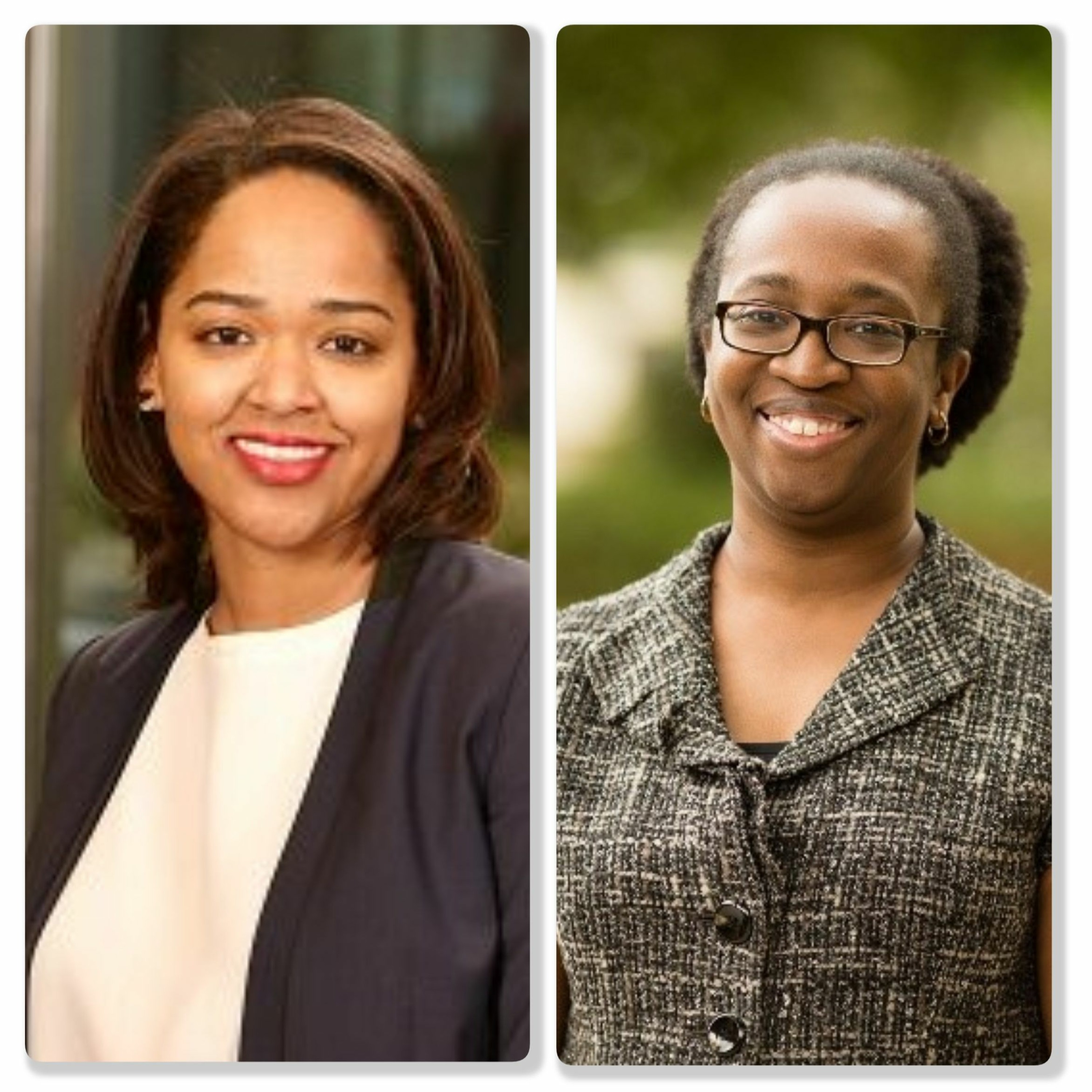
Renee Hatcher and Dorcas Gilmore Discuss Economic Justice and Community Development Law
Attorneys Renee C. Hatcher, director of the Business Enterprise Law Clinic, and Assistant Professor of Law at UIC John Marshall Law School, and Dorcas R. Gilmore, a principal of Gilmore Khandhar, LLC, and teacher at The George Washington University Law School, discuss the many facets of fostering sustainable economic justice through community development law. Renee Hatcher is a human rights and community development lawyer. who is also an Assistant Professor of Law, and Director of the Community Enterprise & Solidarity Economy Clinic at UIC John Marshall Law School (JMLS). The legal clinic provides free legal support to cooperatives, community-based institutions, and other types of solidarity economy initiatives and projects. As director of the Clinic and Assistant Professor of Law at JMLS, Renee is redefining what it means to bring about sustainable economic justice through community development law. Hatcher currently serves as a board member for the New Economy Coalition, a member of Resist, Reimagine and Rebuild (R3), Black Lawyers Solidarity Economy Network (BLESN), and a member of the Law for Black Lives Clinic Cohort Development Team. Her work and research focus on solidarity economy theory/practice and law. Dorcas R. Gilmore is an attorney, advocate and consultant on issues of leadership, racial equity, and community lawyering. She has spent a large part of her career working with nonprofit organizations, community-based organizations, and small businesses. Currently, she is a principal of Gilmore Khandhar, LLC, a solidarity economies law firm, and a teacher in the Small Business & Community Economic Development Clinic at The George Washington University Law School. Prior to her current position, she was an attorney with the national office of NAACP and Community Law Center in Baltimore, and taught at American University Washington College of Law. Dorcas is a member of the Board of Directors of the National Black Worker Center Project, the Baltimore Algebra Project, co-founder of the Baltimore Action Legal Team, and a founding board member of Baltimore Activating Solidarity Economies (BASE).
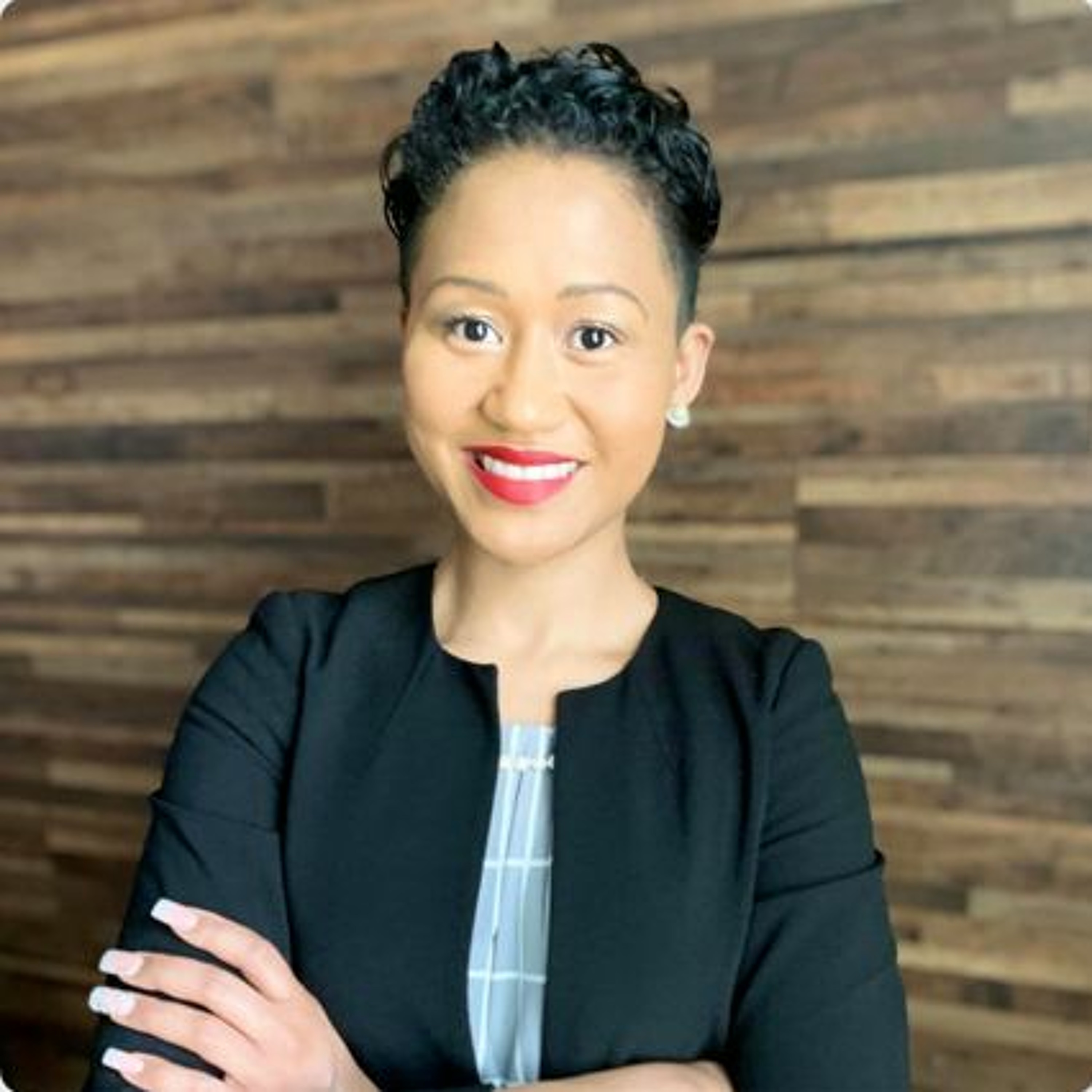
Dãnia Davy Dir of Land Retention at the Federation of Southern Cooperatives discusses land retention
Dãnia Davy, director of Land Retention and Advocacy at the Federation of Southern Cooperatives, discusses land retention; the Federation's 54th Annual Meeting; and the upcoming Heir Property Conference. Dãnia serves as Director of Land Retention and Advocacy at the Federation of Southern Cooperatives/Land Assistance Fund. The Federation is the largest and oldest cooperatively-owned organization whose membership includes black farmers, landowners and cooperatives. Dãnia began her legal career as a Skadden Fellow at the North Carolina Association of Black Lawyers Land Loss Prevention Project implementing a project she designed which provided community education and estate planning services to improve Black farmers' access to legal services in the rural South. She developed the documentary - "Our Land, Our Lives: The North Carolina Black Farmers' Experience" and served on the inaugural North Carolina Sustainable Local Food Advisory Council.
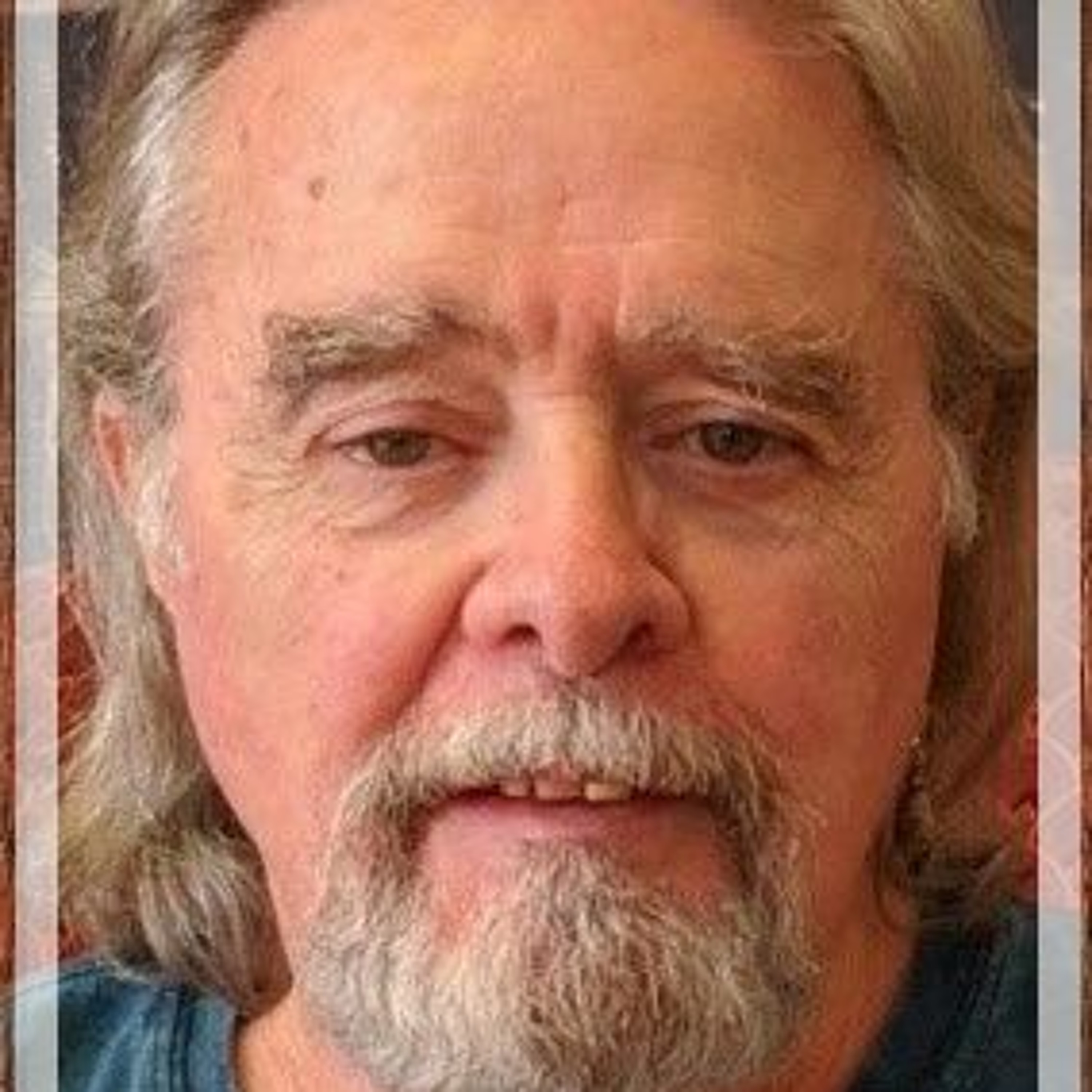
Michael Johnson, Author and Community Advocate, discusses The Growing Democracy Project
Michael Johnson, co-founder of The Growing Democracy Project and community advocate for transformative community development, discusses his most recent book, "The Growing Democracy Project: A Cultural Strategy for Taking Our Love, Power, and Democracy to New Levels." Michael and Vernon also illustrate the role culture plays in in shaping how we live, and how democracy can be used to address the issues of polarization that the Country is struggling with. Michael Johnson has been immersed in cooperative/solidarity economic movements since 2007. His involvement began with the Valley Alliance of Worker Co-operatives (New England), Grassroots Economic Organizing Collective (GEO), and SolidarityNYC. In 1980 he Co-founded the Ganas Community in Staten Island, New York. The Ganas Community is in part a place to live and work together, and an experiential research center in democratic culture. For 20 years Michael participated in this transformative community of practice. Throughout his professional career Michael has been deeply involved in group dynamics and community organizing. To that end, he co-authored BUILDING CO-OPERATIVE POWER! Stories and Strategies from Worker Co-Operatives in the Connecticut River Valley (2014), and launched The Growing Democracy Project in 2021. The Project seeks to enable everyday citizens to make democracy the most potent political force in the United States.
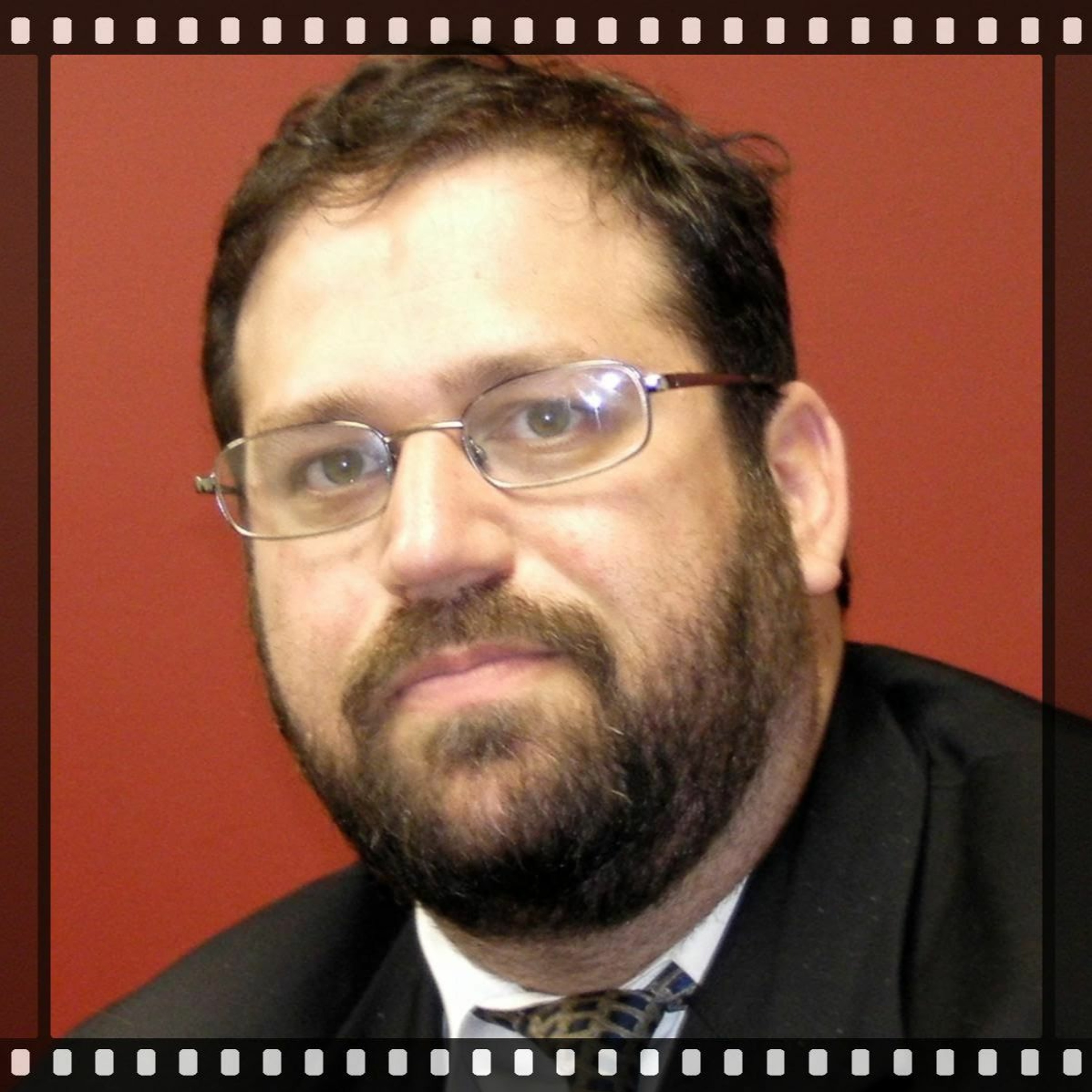
Harold Feld, Sr VP for Public Knowledge discusses The Digital Platform Act, and Rural Broadband
Harold Feld, Senior Vice President at Public Knowledge discusses The Digital Platform Act, and the role cooperatives can play in securing access to Broadband in Rural communities. Harold Feld is the Senior Vice President for Public Knowledge, one of the nation’s premier consumer advocacy organizations working at the intersection of copyright, telecommunications and the Internet. Feld is a highly regarded thought leader in the areas of telecommunications and digital consumer protection, and author of The Case for the Digital Platform Act: Breakups, Starfish Problems and Tech Regulation. He was previously Senior Vice President at the Media Access Project (MAP), a public interest law firm, where he advanced competition policies in media, telecommunications and technology. Prior to joining MAP, Feld was an associate at Covington & Burling, and clerked for the DC Court of Appeals.
Dr. Jessica Gordon-Nembhard discusses how Co-ops are being used to "Build Back Better."
Jessica Gordon-Nembhard, Ph.D, Professor of Community Justice and Social Economic Development at John Jay College of the City University of New York discusses how Co-ops are being used to "Build Back Better," and democratize community development. Dr. Gordon Nembhard, is Professor of Community Justice and Social Economic Development at John Jay College, of the City University of New York; Author of Collective Courage: A History of African American Cooperative Economic Thought and Practice, and a 2016 inductee into the U.S. Cooperative Hall of Fame. She is an affiliate scholar at the Centre for the Study of Co-operatives at the University of Saskatchewan in Canada, where she is co-investigator for the Measuring the Impact of Credit Unions Community and University Research Partnerships (CURA) Project; and an affiliate scholar with the Economics Department’s Center on Race and Wealth at Howard University. Dr. Gordon Nembhard is a political economist specializing in community economics, Black Political Economy and popular economic literacy. Her research and publications explore problematics and alternative solutions in cooperative economic development and worker ownership, community economic development, wealth inequality and community-based asset building, and community-based approaches to justice.

Michael Peck former Delegate for Mondragon discusses Projects, Events & 1worker1vote Initiatives
July 1, 2021 Michael Alden Peck, executive director and co-founder of 1worker1vote and former Delegate for Mondragon Corporation, discusses projects, conferences and 1worker1vote Initiatives with host Vernon Oakes. In January 2014, Michael helped to launch 1worker1vote.org, a non-profit, dedicated to building a national network of unionized worker-owned cooperative businesses to overcome opportunity, mobility, and income inequality. In his work, Michael strives to overcome inequalities of wealth/income, opportunity, and social mobility by applying the sixty years of Mondragon experience and principles to form, transform, and transition worker co-ops, and union co-ops. From late 1999 until recently, Michael served as the North American delegate for Mondragon, the world's largest industrial worker cooperative. He is a dedicated advocate for the cooperative business model, and continues to use his experience with Mondragon to contribute to the cooperative movement on many platforms.
Melissa Scanlan discusses Prosperity in the Fossil-Free Economy, and Building a Democratic Economy
Melissa K. Scanlan is the Lynde B. Uihlein Endowed Chair in Water Policy, and director of the Center for Water Policy at the University of Wisconsin-Milwaukee’s School of Freshwater Sciences. She is also a Professor in the School of Freshwater Sciences and affiliated faculty at University of Wisconsin’s Law School. Vernon and Melissa discuss her book, Prosperity in the Fossil-Free Economy, and the role cooperatives can play in a post-COVID-19 society. Scanlan is the founder of a variety of enterprises in the social economy. She brings a deep understanding of starting and stewarding enterprises to her scholarly work. The U.S. State Department awarded her a Fulbright Senior Scholar position in Spain in 2019 to pursue research about Spanish co-ops that are sustainability leaders. Her book, Prosperity in the Fossil-Free Economy (Yale University Press 2021), compares Spanish and U.S. cooperatives to reveal insights about legal design for the triple bottom line. Professor Scanlan brings an interdisciplinary approach to her work. She earned a Juris Doctorate and Master of Science in Environmental Science, Policy, and Management, from University of California, Berkeley. She holds a Bachelor of Arts in World Politics from Catholic University of America, where she graduated Phi Beta Kappa. She is licensed to practice law in Wisconsin (U.S.).
From Tulsa to Crenshaw: The Impact of Cooperation, is discussed by host, Vernon Oakes
Vernon discusses the impact of cooperation. From the race massacre 100 years ago in Tulsa, Oklahoma, to community efforts of Downtown Crenshaw to purchase the Crenshaw Mall today. In this monologue Vernon talks about the role of cooperation and co-ops in community development and community empowerment. He cites research that documents the impact of cooperatives, and shares examples of how cooperatives continue to be used to solve community problems.
Emily Nail, ED for the Cooperative Council of NC discusses the Cooperative Leadership Summer Camp
Emily Nail, Executive Director for the Cooperative Council of NC discusses the Cooperative Leadership Summer Camp. As Executive Director for the CCNC Emily administers executive planning, administration, communications, education and marketing. Since assuming the position in 2015 she has worked to enhance the programs, membership and get the cooperative movement networking. Emily will also direct the Cooperative Leadership Camp for the summer program and the training for the Cooperative Dynamics Workshop, both hosted by CCNC. Emily possesses a Master's of Business Administration (MBA) degree from Eastern New Mexico University, and an undergraduate degree in Small Business Ownership with a Minor in Economics, from Illinois State University. Prior to her appointment at CCNC Emily served as training coordinator for High Plains Federal Credit Union, and was a branch VP for American Chartered Bank. The CCNC’s mission is to Educate, Promote and Connect Cooperatives across the state. Visit https://www.ccnc.coop/ to learn more about how this mission is being fulfilled!
Roger Green discusses Community Efforts to Reform the Health Care Systems in Brooklyn, New York
Roger Green, Co-chair of the "Coalition to Transform Interfaith Medical Center" discusses community efforts to reform the Health Care Systems in Brooklyn, New York. Roger Green is the Founder of "Citizen Share Brooklyn," and the "Society for Effective Economic Democracy" (SEED). In 2014 Green assumed a co-chairmanship of the Coalition to Transform Interfaith Medical Center. Previously, Green served as an elected member of the New York State Assembly in Central Brooklyn, representing the 57 district from 1981 to 2006. He has also been a distinguished lecturer at Medgar Evers College, part of the CUNY (City University of New York) system, and is a strong supporter of economic democracy.
Dr. Lisabeth Ryder, founder of WORCS: discusses the Merits of Worker Ownership Cooperatives
Dr. Lisabeth Ryder, founder of WORCS, Worker Ownership Resources and Cooperative Services, discusses the Merits of Worker Ownership Cooperatives. Dr. Lisabeth Ryder has been a mechanic, small business owner, university teacher and anthropologist, plus a database analyst and computer programmer. She has also been a life-long social justice, environmental and human rights activist, who has been involved in both community and political organizing. She has worked for organized labor over two decades, having worked for both SEIU and AFSCME. She has been involved in cooperatives since the early 1970’s. Dr. Ryder is co-founder and co-owner of LUCI LLC, a developer and incubator of worker cooperatives in Southern California, and co-chairs the Union Co-op Council for the US Federation of Worker Cooperatives. She is a graduate of the University of California, Los Angeles.

Dr Hermanson, Dr Nyamongo and Leah Lucas, discuss OCDC study, What Difference Do Cooperatives Make.
Dr. Judith Hermanson, Director of the International Cooperative Research Group (ICRG) of the US Overseas Cooperative Development Council; Dr. Isaac K. Nyamongo; and Leah M. Lucas, international development professional, discuss the US Overseas Cooperative Development Council's four country study, "What Difference Do Cooperatives Make," and the International Evidence Summit. The summit will be held on May 26, 2021, 9:00 am - 11:00 am. For more info visit ocdc.coop. Dr. Judith Hermanson is a both a previously tenured professor of public administration at Northern Illinois University and leader in the international non-profit sector. At the ICRG she brings her expertise as an academic and scholar in combination with her deep knowledge of international development practice. Examples of her recent research include: PI on a recently completed multi-year, four country study, What Difference Do Cooperatives Make? She was a CO-I and recently published a peer reviewed article in Development Practice on Side Selling in the Malt Barley Value Chain in Ethiopia (2020). Other cooperative research areas include resilience, gender inclusion, access to finance, governance, and climate change. Dr. Hermanson holds a BA, from Smith College, and a PhD from The George Washington University. Isaac K. Nyamongo currently serves as the Deputy Vice Chancellor of (Cooperative Development, Research and Innovation), at the Cooperative University of Kenya. He holds a PhD in Anthropology from the University of Florida, USA and has close to 30 years in teaching, research and consultancy. He has supervised and mentored more than 40 students both at Doctoral and Masters levels. Prof. Nyamongo has held research and training grants from many organizations. His research and training experience spans several countries within the Africa region. Prof. Nyamongo has more than 80 peer-reviewed publications in scientific journals. In addition, he has published books and book chapters. Further, he has held visiting Professor positions in the US as a Fulbright Scholar (2009-2010) and in South Africa where he was a Carnegie Mellon Fellow (2012). His current research focuses on empowering communities through cooperatives. Leah M. Lucas is an international development professional with work experience spanning five continents and eight countries. Since 2010, she has worked with research organizations, United Nations and nongovernmental organizations, specializing in agriculture, food security and nutrition, rural economic livelihoods, social enterprise, gender, and humanitarian response. Through the World Food Prize Foundation’s Fellowship Programs for young leaders in agriculture and food security, Lucas has worked with the International Crops Research Institute for the Semi-Arid Tropics (ICRISAT) in India, the USDA Economic Research Service (ERS) and the USDA Agricultural Research Service (ARS) in Washington DC. She was a 2015 Fulbright Scholar in Mozambique and a 2014 Davis Project for Peace Grant Recipient in Guatemala.
Dr. Lisabeth Ryder, founder of WORCS discusses her Life of Advocacy
Dr. Lisabeth Ryder, founder of WORCS: Worker Ownership Resources and Cooperative Services appears on Everything Co-op. Vernon and Dr. Ryder discuss her live of advocacy, and the fundamentals of worker cooperatives. Dr. Lisabeth Ryder has been a mechanic and small business owner, a university teacher and anthropologist, plus a database analyst and computer programmer. She has also been a life-long social justice, environmental and human rights activist, and has been involved in both community and political organizing. She has worked for organized labor over two decades, having worked for both SEIU and AFSCME. She has been involved in cooperatives since the early 1970’s. She is a co-founder and co-owner of LUCI LLC, a developer and incubator of worker cooperatives in Southern California and co-chairs the Union Co-op Council for the US Federation of Worker Cooperatives. She is a graduate of the University of California, Los Angeles.
Bahni Turpin, Co-founder of SoLA Food Co-op shares her journey to forming SoLA
Bahni Turpin, Co-founder of SoLA Food Co-op shares the journey taken in the development of SoLA, and how the organization plans to practice sustainability, fair trade, fair labor, and support local agriculture. Bahni Turpin is an accomplished actress of stage and screen, and an award winning narrator of audiobooks. The co-op bug bit quite unexpectedly when she found her self living in the food desert of South Los Angeles. Bahni jumped in, getting the ball rolling to create SoLA Food Co-op, because she truly believes that her community should take its food system into its own hands.
Dallas Robinson, Communications Director of CoFED discusses Food Empowerment programs
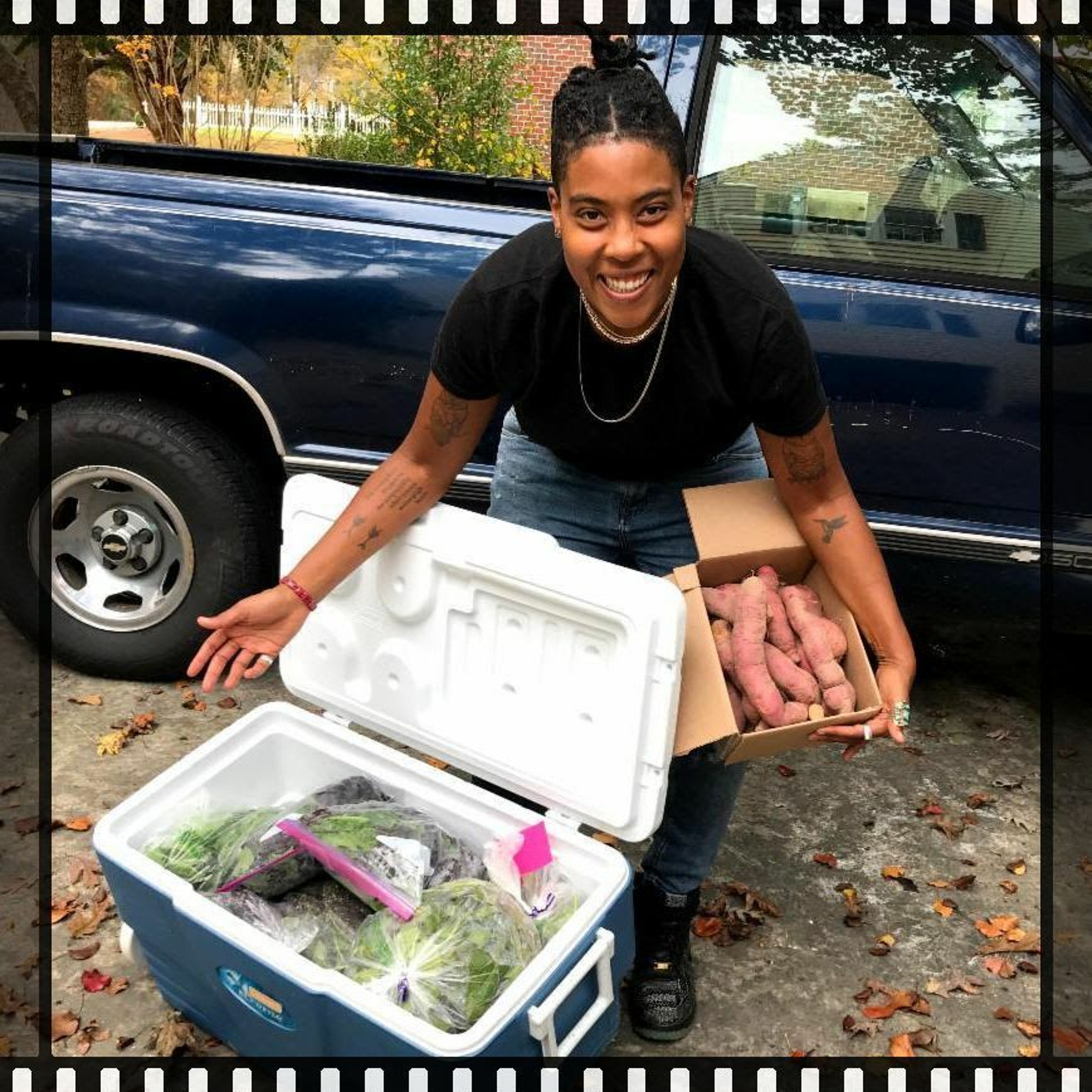
Dallas Robinson, Communications Director at CoFED, Cooperative Food Empowerment Directive discusses programs and grants administered by CoFED to expand the food justice and the culture of cooperation. Dallas is a Black farmer and land steward. Dallas is committed to healing Black life in the south through agriculture. As the Enchanter of Engagement, Dallas looks forward to connecting and building cooperative power amongst young BIPOC. Dallas was one of 2019's Racial Justice Fellows at CoFED. The fellowship project was a mix of oral history collection and on-farm workshops [at the Harriet Tubman Freedom Farm]. Dallas listened to and learned from the stories of farmers and rural elders, many of whom are the children of sharecroppers, to bring light to the rich history of the region as well as inform the context for growing in Eastern North Carolina.
E.G. Nadeau, discusses his book "Strengthening the Cooperative Community."
E.G. Nadeau, author and founding Director of Cooperative Development Services, discusses his newly released book, "Strengthening the Cooperative Community," and the history of cooperative development. In 1985 Nadeau was the founding director of Cooperative Development Services, a pioneering co-op business-planning organization in the United States. During a period from 1985 to 2017, Nadeau did domestic and international co-op consulting work for the National Cooperative Business Association/CLUSA, Land O’Lakes International Development Division, the Overseas Cooperative Development Council, and other organizations. Through that time, he worked on over 50 co-op projects in North America, Europe, Africa, and Asia. Nadeau has authored or co-authored five books and numerous articles on cooperatives and societal cooperation. He also taught more than 25 courses with cooperative themes, including as a faculty member at the International Centre for Co-operative Management at St. Mary’s University in Halifax, Nova Scotia. He has been the Co-Director of The Cooperative Society Project since 2015. The primary activities of this project have been the publication in 2016 of The Cooperative Society: The Next Stage of Human History, and of a second edition in 2018 (both co-authored with Luc Nadeau), and a bimonthly e-Newsletter. E.G. Nadeau graduated magna cum laude in sociology from Harvard University), and received a Ph.D. in sociology from the University of Wisconsin-Madison. He has been researching, developing, teaching, and writing about cooperatives and community development for more than 50 years, beginning with his work as a Peace Corps volunteer in Senegal in 1970.
Trevor Claiborn & John Henry Harris discuss 1 Million Black Shovels
Trevor Claiborn and John Henry Harris discuss 1 Million Black Shovels, a Community, Home, & School Garden Groundbreaking Event Celebrating Black Farmers, Growers and Producers. Vernon and his guests discuss the importance of the reclamation of Black-owned farm land, and the significance that agriculture plays in survival and life. Trevor Claiborn, Co-Founder of Black Soil: Our Better Nature is an author, musician, environmental educator, co-operative extension professional, youth program director, and public speaker. In 2017 Trevor and Ashley C. Smith co-founded Black Soil: Our Better Nature to help reconnect Black Kentuckians to their heritage and legacy in agriculture. Black Soil fosters the next generation of Kentucky Black farmers and chefs and leads efforts to address racialized disparities and barriers. John Henry Harris holds a degree in economics and is pursuing a degree in Agricultural Economics. He developed his affinity for farming while working with his grandfather on the family farm. As a way of paying homage to his grandfather, for the past 10 years he has worked with Black Soil deliver programs that help youth to appreciate agriculture, and farming.
Dr. Nina Banks discusses the Invisibility of Black Women's Community Work in the U.S. Economy
Dr. Nina Banks is Associate Professor of Economics at Bucknell University and president of the National Economic Association (NEA). Her publications focus on social reproduction and migrant households, Black women and work, and the economics of the first Black economist in the U.S. - Sadie Tanner Mossell Alexander. Professor Banks teaches courses on U.S. women's economic history, gender and migration, and poverty in the U.S. Dr. Banks serves on the Board of Directors of the Economic Policy Institute (EPI) and the Editorial Board of The Review of Black Political Economy. She is the Faculty Director of Bucknell in Ghana, and the university’s Academic Director for the Shepherd Higher Education Consortium on Poverty. Professor Banks received her doctorate in economics from the University of Massachusetts Amherst. Professor Banks is working on several book projects including a biography of Sadie T.M. Alexander and an edited volume Democracy, Race, and Justice: Select Speeches and Writings of Sadie T.M. Alexander (Yale University Press): June 2021; a manuscript titled, Gender, Race, and Environmental Activism: Women of Color Working for Tomorrow (University of Toronto Press); and a co-edited book with Cecilia Conrad and Rhonda Sharpe on Black Women in the U.S. Economy: the Hardest Working Woman (IAFFE Feminist Economics Series, Routledge).
Sara Horowitz discusses her book Mutualism: Building the Next Economy from the Ground Up
Sara Horowitz discusses her book "Mutualism: Building the Next Economy from the Ground Up." Sara Horowitz is the founder of the Freelancers Union and the Freelancers Insurance Company. Formerly chair of the board of the Federal Reserve Bank of New York, Horowitz is a recipient of the MacArthur Fellowship and has been featured on NPR and in The New York Times, The Wall Street Journal, and The Atlantic, among other publications. A lifelong mutualist, she lives in Brooklyn, New York, with her husband and daughter. In her recently released book Mutualism: Building the Next Economy from the Ground Up, Sara takes a profound look at the crisis of work and the collapse of the safety net, and gives a vision for a better way forward, rooted in America’s cooperative spirit. She brings us a solution to the current crisis of work that’s rooted in the best of American traditions, which she calls mutualism. If you are looking for a new way to build collaboratively, create the new American social contract, and prosper in the twenty-first century, be sure to tune in for this broadcast.
Christie Gardner talks about her life of advocacy, and the Community Grocery Co-op
Community Advocate Christie Gardner talks about her life of advocacy, and the Community Grocery Cooperative for East of the River, and other initiatives. Christie Gardner is advocate for community justice and equity – racial, social, economic, and health. Born in Kinston, NC, her family moved to Washington, DC when she was an infant. She attended Aiton Elementary, Kelly Miller Junior High School, and HD Woodson Senior High School’s Art Program, where she specialized in sketching and sculpturing. This work led to a subsequent scholarship and matriculation at American University. She has worked as a Certified Nursing Assistant. Now a senior citizen with a disability, and domestic violence survivor, her investment in her neighbors and the rights of others is demonstrated in her endless commitment to advocacy. Recently, Christie was nominated for GOODProject’s Black Justice Fellowship out of 4,000 entries for her contributions to the community. Christie is a founding board member of the Douglass Community Land Trust; serves as secretary for the Client Advisory Council at Bread for the City; and also participates in advocacy via the Fair Budget Coalition, DC Greens, Grey Panthers, Empower DC, and ONE DC. Her latest endeavor is serving on the steering committee/engagement committee of the newly forming Community Grocery Cooperative for the East of the River communities. The Co-op plans to have organically grown produce, along with educational programming for their customers about how to eat and stay healthy. The Community Grocery Co-op is essential to addressing the present food dessert in these East of the River communities, which also have the highest rate of health issues, including diabetes, obesity, and kidney failure.
Renee Hatcher discusses Solidarity Economy & Community Enterprise
Renee Hatcher, JD discusses the Solidarity Economy and Community Enterprise. As Director of the Community Enterprise and Solidarity Economy Institute, Renee Hatcher challenges listeners to reimagine institutions in a way that fulfills ones humanity. Renee Hatcher is a human rights and community development lawyer. She is an Assistant Professor of Law, and the Director of the Community Enterprise & Solidarity Economy Clinic at UIC John Marshall Law School Chicago The legal clinic provides free legal support to cooperatives, community-based institutions, and other types of solidarity economy initiatives and projects. The framework of Hatcher’s scholarship and legal practice operates under the solidarity economy theory. In many ways, the work she does elevates “the good news” and not “just the resist work,” she adds. This can look like people organizing around worker cooperatives, building innovative enterprises or using bartering services or time-banking, for example, to address worker exploitation. Hatcher currently serves as a board member for the New Economy Coalition, a member of Resist, Reimagine and Rebuild (R3), Black Lawyers Solidarity Economy Network (BLESN), and a member of the Law for Black Lives Clinic Cohort Development Team. Her work and research focus on solidarity economy theory/practice and law.
Author and Educator Dr. Douglas Rushkoff, discusses Economic Cooporativism and Circular Economics
Dr. Douglas Rushkoff, author and educator discusses economic "cooporativism" and circular economics. Dr. Rushkoff sets the premise that if the rest of the Country replicated many of the economic strategies used in Black communities, we could resolve many of the challenges being faced. Winner of the Media Ecology Association’s first Neil Postman award for Career Achievement in Public Intellectual Activity, Dr. Douglas Rushkoff is an author, teacher, and documentarian who focuses on the ways people, cultures, and institutions create, share, and influence each other’s values. He is Professor of Media Theory and Digital Economics at CUNY/Queens, where he founded the Laboratory for Digital Humanism. He is a columnist for Medium, technology and media commentator for CNN, a research fellow at the Institute for the Future, and a lecturer on media, technology, culture and economics around the world. His new book, a manifesto called Team Human, calls for the retrieval of human autonomy in a digital age. Prior to that, his book Throwing Rocks at the Google Bus: How Growth Became the Enemy of Prosperity argued that we have failed to build the distributed economy that digital networks are capable of fostering, and instead doubled down on the industrial age mandate of growth above all. Rushkoff has taught regularly for NYU’s Interactive Telecommunications Program, The New School University, the MaybeLogic Academy and the Esalen Institute. He also lectures about media, art, society, and change at conferences and universities around the world. He has been awarded a Fullbright Scholarship, and Senior Fellowships by the Markle Foundation, the Center for Global Communications, and the International University of Japan. He served as an Advisor to the United Nations Commission on World Culture and regularly appears on TV shows from NBC Nightly News and Larry King to the Colbert Report and Bill Maher. Rushkoff is on the board of several new media non-profits and companies, and regularly speaks about media, society and ethics to museums, governments, synagogues, churches, universities, and companies.
Allen Edson, NAACP President, discusses History and Programs and Intiatives of the Pasedena Branch
Allen Edson, President of the Pasadena Branch of the NAACP, discusses the history, objectives, Initiatives of the branch, as related to the 2021 Black History Month theme: "Black Family: Representation, Identity and Diversity." For 15 years Allen worked in the Aerospace industry with the majority of those years working for Lockheed California company. He also worked 20 plus years in non-profit management with a interest in Environmental Justice. Alan developed this interest and formed his own Environmental Remediation Company. In 2006 his company was awarded the "Emerging Business of the Year" award in San Francisco. Currently Allen serves as the President of the Pasadena Branch of the National Association for the Advancement of Colored People (NAACP). Allen is a Pasadena native. He attended Pasadena public schools, Pasedena City College, and earned a BA in Economics from UC Berkeley. Allen is the father of three, Ishmael, Khali, and Nadira.
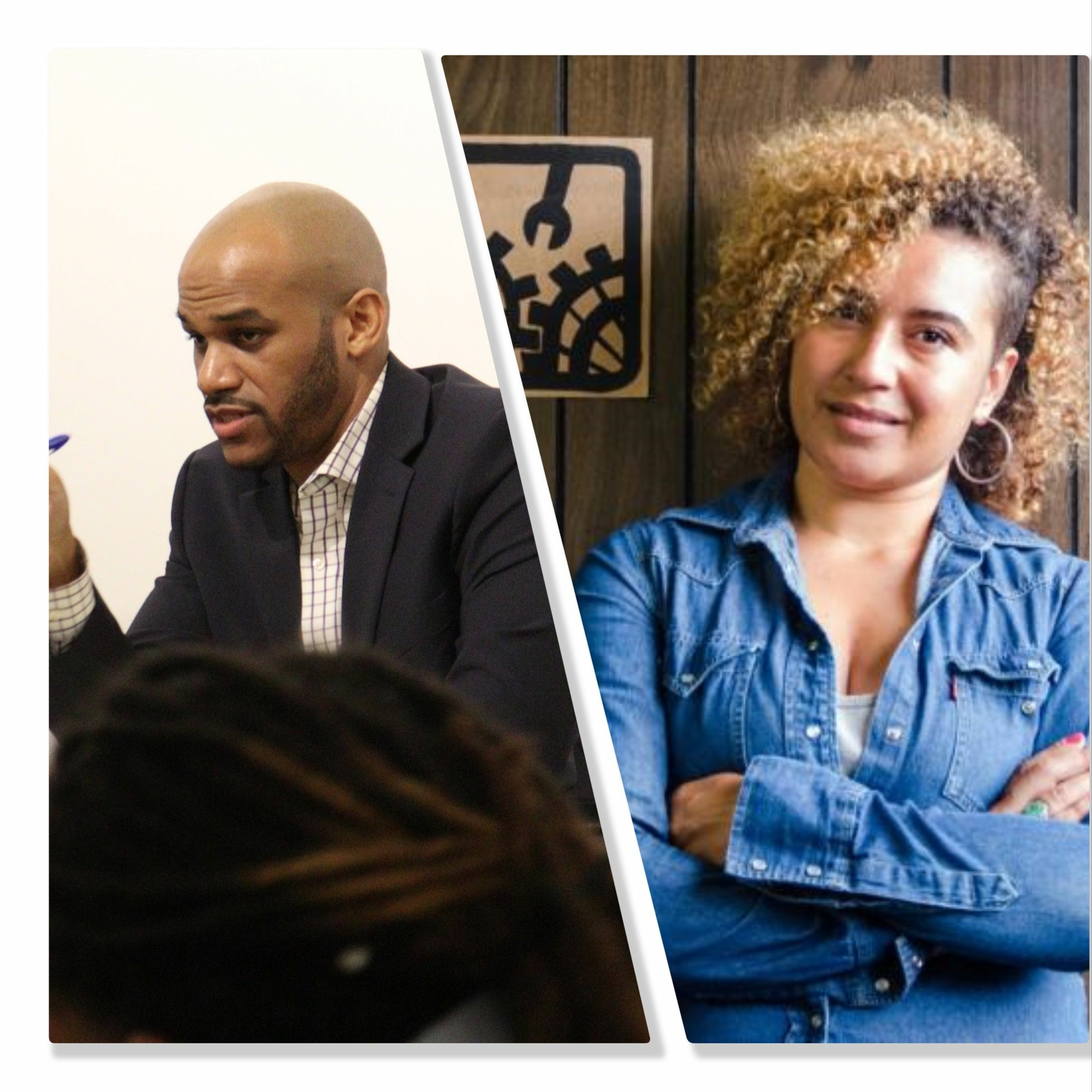
Niki Okuk and Damien Goodmon, discuss plans to Reinvent Crenshaw Mall as an Urban Village
Niki Okuk, Downtown Crenshaw Board Chair, and Damien Goodmon, Downtown Crenshaw Board Member, discuss plans for the acquisition and redevelopment Baldwin Hills Crenshaw Plaza. The historic Crenshaw Mall being acquired through Downtown Crenshaw Rising, a community nonprofit established to purchase and redevelop the mall. Downtown Crenshaw plans to reinvent the mall as an “urban village.” The 40-acre site will be used to create worker owned businesses, community space, cooperative housing and much more. Niki Okuk attended Audubon Middle school in South LA and went on to complete her degree in Economics at Columbia University, a Masters from the Nanyang University in Singapore, and a certificate in Sustainability at MIT Sloan School of Business before returning home to start a green-collar business in Compton. Rco Tires existed for nearly a decade as an example of black woman owned small business, employing dozens of formerly incarcerated community members, recycling millions of pounds of tire rubber into new products and creating decent, dignified, and democratic workplaces in South LA, which she talked about in her 2017 TED talk, "Fire the Boss". “Niki and her mom, Lis Ryder, are co-founders of LUCI (Los Angeles Union Cooperative Initiative). Lis, together with Mary Hoyer, is a co-founder of the Union-Coop Council, part of the U.S. Federation of Worker Cooperatives. Both the USFWC Union Coop Council and LUCI are closely aligned with the 1worker1vote movement.” Niki continues to work at the intersection of sustainability, industry and environmental justice and is currently serving on the leadership team for Downtown Crenshaw Rising, the ambitious community led effort to purchase and redevelop the historic Crenshaw Mall 40-acre site into a thriving urban village under collective and cooperative models which will house, employ, stabilize, and nurture the Crenshaw community for generations to come. Damien Goodmon, a 27-year Leimert Park resident, has been labeled a “visionary” by the LA Times, recognized as one of the L.A.’s “100 Most Influential African-Americans” by the LA Wave Newspapers, chosen beside former LA Mayor Richard Riordan and actress Drew Barrymore for the 2009 “LA People” issue of LA Weekly, and is a lead subject of the award-winning documentary “Beyond the Echo of the Drum,” which premiered at the prestigious Cannes Film Festival. As a nonprofit executive director he has led some of the Crenshaw and Black Los Angeles' most impactful community advocacy campaigns. As a political operative he has managed, led departments and advised electoral campaigns from the school board level up to the presidential. As an executive management consultant and systems thinker, he has built, reconstructed and managed multiple large companies and departments, including some with over 400 employees, and successfully guided complex projects and partnerships, featuring actors with divergent interests. A graduate of L.A. Loyola High School, he has studied at the University of Washington and Harvard University programs.
Agriculturist Trevor Claiborn discusses how Lessons in Agriculture are used to connect generations
Trevor Claiborn Sr., is a 4-H Cooperative Extension Assistant at Kentucky State University in Frankfort, Kentucky. An avid Agriculturist, and co-founder of "Black Soil: Our Better Nature," throughout his career he has continuously sought ways to use lessons in agriculture to connect generations. Trevor is also an author, musician, environmental educator, youth program director, and public speaker. In 2017 Trevor and Ashley C. Smith co-founded Black Soil: Our Better Nature to help reconnect Black Kentuckians to their heritage and legacy in agriculture. Black Soil fosters the next generation of Kentucky Black farmers and chefs, and leads efforts to address racialized disparities and barriers. In 2015 while earning his B.S. in Agriculture, Food, and Environment at Kentucky State University Land Grant College, Mr. Claiborn created and developed “Farmer Brown Tha MC.” He used this platform to deliver presentations about agriculture, diversification of agricultural and STEM fields, and to deliver creative youth engagement strategies to tens of thousands of youth and families in Kentucky and across the country. This work led to the establishment of Black Soil, where he continues to use education in agriculture as a tool to connect generations. Mr. Claiborn has received awards from the Central Kentucky Diversity Consortium, the 1890’s Association of Research Directors Research Symposium, and been named as a Rising Star by the Kentucky Association of Environmental Educators (KAEE). He is also a 2018 ee360 Green Fellow, and a former member of the KAEE Board of Directors. Mr. Claiborn currently serves on the Principal advisory Board at Locust Trace Agri-science center in Lexington, KY and Governor Andy Beshear’s 2020 Agri-tech Council.