
ericmckay4 's Listen Later
256 episodes — Page 5 of 6
Focusing on Research with Adam Marblestone [Idea Machines #33]
FullPodcast: Idea Machines (LS 29 · TOP 10% what is this?)Episode: Focusing on Research with Adam Marblestone [Idea Machines #33]Pub date: 2020-10-26Get Podcast Transcript →powered by Listen411 - fast audio-to-text and summarizationA conversation with Adam Marblestone about his new project - Focused Research Organizations. Focused Research Organizations (FROs) are a new initiative that Adam is working on to address gaps in current institutional structures. You can read more about them in this white paper that Adam released with Sam Rodriques. Links FRO Whitepaper Adam on Twitter Adam's Website Transcript [00:00:00] In this conversation, I talked to Adam marble stone about focused research organizations. What are focused research organizations you may ask. It's a good question. Because as of this recording, they don't exist yet. There are new initiatives that Adam is working on to address gaps. In current institutional structures, you can read more about them in the white paper that Adam released recently with San Brad regens. I'll put them in the show notes. Uh, [00:01:00] just a housekeeping note. We talk about F borrows a lot, and that's just the abbreviation for focus, research organizations. just to start off, in case listeners have created a grave error and not yet read the white paper to explain what an fro is. Sure. so an fro is stands for focus research organization. the idea is, is really fundamentally, very simple and maybe we'll get into it. On this chat of why, why it sounds so trivial. And yet isn't completely trivial in our current, system of research structures, but an fro is simply a special purpose organization to pursue a problem defined problem over us over a finite period of time. Irrespective of, any financial gain, like in a startup and, and separate from any existing, academic structure or existing national lab or things [00:02:00] like that. It's just a special purpose organization to solve, a research and development problem. Got it. And so the, you go much more depth in the paper, so I encourage everybody to go read that. I'm actually also really interested in what's what's sort of the backstory that led to this initiative. Yeah. it's kind of, there's kind of a long story, I think for each of us. And I would be curious your, a backstory of how, how you got involved in, in thinking about this as well. And, but I can tell you in my personal experience, I had been spending a number of years, working on neuroscience and technologies related to neuroscience. And the brain is sort of a particularly hard a technology problem in a number of ways. where I think I ran up against our existing research structures. in addition to just my own abilities and [00:03:00] everything, but, but I think, I think I ran up against some structural issues too, in, in dealing with, the brain. So, so basically one thing we want to do, is to map is make a map of the brain. and to do that in a, in a scalable high-speed. Way w what does it mean to have a map of the brain? Like what, what would, what would I see if I was looking at this map? Yeah, well, we could, we could take this example of a mouse brain, for example. just, just, just for instance, so that there's a few things you want to know. You want to know how the individual neurons are connected to each other often through synopsis, but also through some other types of connections called gap junctions. And there are many different kinds of synopsis. and there are many different kinds of neurons and, There's also this incredibly multi-scale nature of this problem where a neuron, you know, it's, it's axon, it's wire that it sends out can shrink down to like a hundred nanometers in [00:04:00] thickness or less. but it can also go over maybe centimeter long, or, you know, if you're talking about, you know, the neurons that go down your spinal cord could be meter long, neurons. so this incredibly multi-scale it poses. Even if irrespective of other problems like brain, computer interfacing or real time communication or so on, it just poses really severe technological challenges, to be able to make the neurons visible and distinguishable. and to do it in a way where, you can use microscopy, two image at a high speed while still preserving all of that information that you need, like which molecules are aware in which neuron are we even looking at right now? So I think, there's a few different ways to approach that technologically one, one is with. The more mature technology is called the electron microscope, electromicroscopy approach, where basically you look at just the membranes of the neurons at any given pixel sort of black or white [00:05:00] or gray scale, you know, is there a membrane present here or not? and then you have to stitch together images. Across this very large volume. but you have to, because you're just able to see which, which, which pixels have membrane or not. you have to image it very fine resolution to be able to then stitch tha

Is Education As We Know it Finished (Guest: Ryan Delk, CEO/Co-Founder, Primer)?
FullPodcast: This is Your Life in Silicon Valley (LS 45 · TOP 1% what is this?)Episode: Is Education As We Know it Finished (Guest: Ryan Delk, CEO/Co-Founder, Primer)?Pub date: 2020-10-19Get Podcast Transcript →powered by Listen411 - fast audio-to-text and summarizationThe pandemic has closed schools and massively affected the way we think of traditional education. How will future generations be affected by the sudden change in how we learn? We asked the CEO of Primer, Ryan Delk about this and more. Many parents are struggling with how to cope with the sudden changes surrounding the pandemic. Kids are at home all the time, and most public school districts in the state of CA (and many other states) are fully remote. This is causing parents to rethink education choices in general - public vs. private, homeschooling vs online learning, and numerous other logistics considerations.Ryan Delk is an expert on this subject. His startup - Primer is making the process of transitioning to homeschooling easier for parents. We hear Ryan's perspective on homeschool vs 'traditional' school, state by state regulations, and what it takes to raise kids during the age of the pandemic.We talk to Ryan about colleges, sports, building a sense of collegiality with classmates and the effect of constant Zoom on kids. We ask about social skills for kids and how they might change, the importance of STEM and numerous other topics.If you're a parent and you're wading through this period, you don't want to miss this episode of TIYLISV. The podcast and artwork embedded on this page are from The Bold Italic , which is the property of its owner and not affiliated with or endorsed by Listen Notes, Inc.

Alex Tabarrok versus the People (Parasite and Burning reviewed)
FullPodcast: Subject to Change (LS 39 · TOP 2% what is this?)Episode: Alex Tabarrok versus the People (Parasite and Burning reviewed)Pub date: 2020-09-02Get Podcast Transcript →powered by Listen411 - fast audio-to-text and summarizationIn this episode we discussed two Korean films. Parasite and Burning. On the podcast in this episode was Alex Tabarrok who was defending the thesis he outlined in his wonderful blog piece, The Gaslighting of Parasite. Joining me to throw rocks at his theory were Chicago philosopher Agnes Callard and her son Abe.The podcast and artwork embedded on this page are from Russell Hogg, which is the property of its owner and not affiliated with or endorsed by Listen Notes, Inc.

Scholarstage on Xi, War in Taiwan, the CCP Toolkit, and the Chinese Tradition
FullPodcast: ChinaTalk (LS 39 · TOP 2% what is this?)Episode: Scholarstage on Xi, War in Taiwan, the CCP Toolkit, and the Chinese TraditionPub date: 2020-08-18Get Podcast Transcript →powered by Listen411 - fast audio-to-text and summarizationTanner Greer of the blog Scholarstage joins the show in a wide-ranging discussion touching on Xi's ideology, incentives in western China-watching, Mormons in China, why it's worth studying classical Chinese history, and AI-assisted writing. ChinaTalk has hit its 100th episode! That's two and a half full workweeks of informed, respectful, and hopefully entertaining conversation on everything China. As the media industry has cratered, spaces for intelligent and open discussion on China that live outside of paywalls basically don't exist anymore. Since COVID has locked me out of China and forced me to move to the US, my living expenses have gone up, and spending dozens of hours on this podcast is looking increasingly unsustainable. Right now, I make less than $5 an hour producing this show. If you'd like to see ChinaTalk continue to come out weekly, Please consider supporting me at glow.fm/chinatalk I'm also thinking about launching some member rewards, like live zoom, tapings of episodes where audience members can ask questions as well as a book club. Thanks so much! Outtro music: 功夫胖 KUNGFUPEN 🔥🔥🔥 热得冒烟 Jordan Get bonus content on Patreon See acast.com/privacy for privacy and opt-out information. Learn more about your ad choices. Visit megaphone.fm/adchoicesThe podcast and artwork embedded on this page are from Jordan Schneider, which is the property of its owner and not affiliated with or endorsed by Listen Notes, Inc.

#010 - Ryan Delk: On Homeschooling with Primer and How to Get Hired at a Startup
FullPodcast: People of Growth (LS 26 · TOP 10% what is this?)Episode: #010 - Ryan Delk: On Homeschooling with Primer and How to Get Hired at a StartupPub date: 2020-08-05Get Podcast Transcript →powered by Listen411 - fast audio-to-text and summarizationRyan Delk is the CEO and co-founder of Primer, a startup that is going to change the world of homeschooling. In this conversation, Nate and Ryan discuss his career in technology, Primer, and how to get hired at a startup. Follow Ryan: Twitter Primer [email protected] Background music: Drifting Korners - Joseph McDade --- This episode is sponsored by · Anchor: The easiest way to make a podcast. https://anchor.fm/appThe podcast and artwork embedded on this page are from Vöxtur, which is the property of its owner and not affiliated with or endorsed by Listen Notes, Inc.

Ryan Delk on the future of education
FullPodcast: 2 Cent Dad Podcast (LS 29 · TOP 10% what is this?)Episode: Ryan Delk on the future of educationPub date: 2020-07-21Get Podcast Transcript →powered by Listen411 - fast audio-to-text and summarizationWhat is the future of education? Interested in homeschool? These are some of the topics we cover with Ryan Delk. Ryan Delk is the founder and CEO of Primer (https://www.withprimer.com/) Ryan can be found on twitter at https://twitter.com/delkThe podcast and artwork embedded on this page are from Mike Sudyk, which is the property of its owner and not affiliated with or endorsed by Listen Notes, Inc.
#32 Patrick Collison: Earning Your Stripes
FullPodcast: The Knowledge Project (LS 69 · TOP 0.05% what is this?)Episode: #32 Patrick Collison: Earning Your StripesPub date: 2018-05-02Get Podcast Transcript →powered by Listen411 - fast audio-to-text and summarizationOn this episode of the Knowledge Project Podcast, I chat with Patrick Collison, co-founder and CEO of the leading online payment processing company, Stripe. If you’ve purchased anything online recently, there’s a good chance that Stripe facilitated the transaction. What is now an organization with over a thousand employees and handling tens of billions of dollars of online purchases every year, began as a small side experiment while Patrick and his brother John were going to college. During our conversation, Patrick shares the details of their unlikely journey and some of the hard-earned wisdom he picked up along the way. I hope you have something handy to write with because the nuggets per minute in this episode are off the charts. Patrick was so open and generous with his responses that I’m really excited for you to hear what he has to say. Here are just a few of the things we cover: The biggest (and most valuable) mistakes Patrick made in the early days of Stripe and how they helped him get better The characteristics that Patrick looks for in a new hire to fit and contribute to the Stripe company culture What compelled he and his brother to move forward with the early concept of Stripe, even though on paper it was doomed to fail from the start The gaps Patrick saw in the market that dozens of other processing companies were missing — and how he capitalized on them The lessons Patrick learned from scaling Stripe from two employees (he and his brother) to nearly 1,000 today How he evaluates the upsides and potential dangers of speculative positions within the company How his Irish upbringing influenced his ability to argue and disagree without taking offense (and how we can all be a little more “Irish”) The power of finding the right peer group in your social and professional circles and how impactful and influential it can be in determining where you end up. The 4 ways Patrick has modified his decision making process over the last 5 years and how it’s helped him develop as a person and as a business leader (this part alone is worth the listen) Patrick’s unique approach to books and how he chooses what he’s going to spend his time reading ...life in Silicon Valley, Baumol’s cost disease, and so, so much more. Patrick truly is one of the warmest, humblest and down-to-earth people I’ve had the pleasure to speak with and I thoroughly enjoyed our conversation together. I hope you will too! Go Premium: Members get early access, ad-free episodes, hand-edited transcripts, searchable transcripts, member-only episodes, and more. Sign up at: https://fs.blog/membership/ Every Sunday our newsletter shares timeless insights and ideas that you can use at work and home. Add it to your inbox: https://fs.blog/newsletter/ Follow Shane on Twitter at: https://twitter.com/ShaneAParrish Learn more about your ad choices. Visit megaphone.fm/adchoicesThe podcast and artwork embedded on this page are from Shane Parrish, which is the property of its owner and not affiliated with or endorsed by Listen Notes, Inc.

#353: Patrick Collison — CEO of Stripe
FullPodcast: The Tim Ferriss Show (LS 81 · TOP 0.01% what is this?)Episode: #353: Patrick Collison — CEO of StripePub date: 2018-12-20Get Podcast Transcript →powered by Listen411 - fast audio-to-text and summarization"If people around you don't think what you're doing is a bit strange, maybe it's not strange enough." — Patrick CollisonPatrick Collison (@patrickc) is chief executive officer and co-founder of Stripe, a technology company that builds economic infrastructure for the internet.After experiencing firsthand how difficult it was to set up an online business, Patrick and his brother John started Stripe in 2010. Their goal was to make accepting payments on the internet simpler and more inclusive. Today, Stripe powers millions of online businesses around the world.Prior to Stripe, Patrick co-founded Auctomatic, which was acquired by Live Current Media for $5 million in March 2008. In 2016, he was named a Presidential Ambassador for Global Entrepreneurship by President Obama. Originally from Limerick, Ireland, Patrick now lives in San Francisco where Stripe is headquartered.Also, as you can tell from seeing just a selected segment of his reading list shared in the show notes on tim.blog/podcast, he's one of the most well-read people I know. Please enjoy!Click here for the show notes for this episode.This podcast is brought to you by 99designs, the global creative platform that makes it easy for designers and clients to work together create designs they love. Its creative process has become the go-to solution for businesses, agencies, and individuals, and I have used it for years to help with display advertising and illustrations and to rapid prototype the cover for The Tao of Seneca. Whether your business needs a logo, website design, business card, or anything you can imagine, check out 99designs.You can work with multiple designers at once to get a bunch of different ideas, or hire the perfect designer for your project based based on their style and industry specialization. It's simple to review concepts and leave feedback so you'll end up with a design that you're happy with. Click this link and get a free $99 upgrade.*This podcast is also brought to you by Athletic Greens. I get asked all the time, "If you could only use one supplement, what would it be?" My answer is, inevitably, Athletic Greens. It is my all-in-one nutritional insurance. I recommended it in The 4-Hour Body and did not get paid to do so. As a listener of The Tim Ferriss Show, you'll get a free 20-count travel pack (valued at $100) with your first order at AthleticGreens.com/Tim.***If you enjoy the podcast, would you please consider leaving a short review on Apple Podcasts/iTunes? It takes less than 60 seconds, and it really makes a difference in helping to convince hard-to-get guests. I also love reading the reviews!For show notes and past guests, please visit tim.blog/podcast.Sign up for Tim’s email newsletter (“5-Bullet Friday”) at tim.blog/friday.For transcripts of episodes, go to tim.blog/transcripts.Interested in sponsoring the podcast? Please fill out the form at tim.blog/sponsor.Discover Tim’s books: tim.blog/books.Follow Tim:Twitter: twitter.com/tferriss Instagram: instagram.com/timferrissFacebook: facebook.com/timferriss YouTube: youtube.com/timferrissPast guests on The Tim Ferriss Show include Jerry Seinfeld, Hugh Jackman, Dr. Jane Goodall, LeBron James, Kevin Hart, Doris Kearns Goodwin, Jamie Foxx, Matthew McConaughey, Esther Perel, Elizabeth Gilbert, Terry Crews, Sia, Yuval Noah Harari, Malcolm Gladwell, Madeleine Albright, Cheryl Strayed, Jim Collins, Mary Karr, Maria Popova, Sam Harris, Michael Phelps, Bob Iger, Edward Norton, Arnold Schwarzenegger, Neil Strauss, Ken Burns, Maria Sharapova, Marc Andreessen, Neil Gaiman, Neil de Grasse Tyson, Jocko Willink, Daniel Ek, Kelly Slater, Dr. Peter Attia, Seth Godin, Howard Marks, Dr. Brené Brown, Eric Schmidt, Michael Lewis, Joe Gebbia, Michael Pollan, Dr. Jordan Peterson, Vince Vaughn, Brian Koppelman, Ramit Sethi, Dax Shepard, Tony Robbins, Jim Dethmer, Dan Harris, Ray Dalio, Naval Ravikant, Vitalik Buterin, Elizabeth Lesser, Amanda Palmer, Katie Haun, Sir Richard Branson, Chuck Palahniuk, Arianna Huffington, Reid Hoffman, Bill Burr, Whitney Cummings, Rick Rubin, Dr. Vivek Murthy, Darren Aronofsky, and many more.See Privacy Policy at https://art19.com/privacy and California Privacy Notice at https://art19.com/privacy#do-not-sell-my-info.The podcast and artwork embedded on this page are from Tim Ferriss: Bestselling Author, Human Guinea Pig, which is the property of its owner and not affiliated with or endorsed by Listen Notes, Inc.

John Collison (Co-founder + President, Stripe) - The Case for Optimism.
FullPodcast: Startup Grind (LS 37 · TOP 2.5% what is this?)Episode: John Collison (Co-founder + President, Stripe) - The Case for Optimism.Pub date: 2019-09-13Get Podcast Transcript →powered by Listen411 - fast audio-to-text and summarizationStartup Grind Global Conference 2019About the speakers:John, and his brother Patrick Collison, started Stripe, the global technology company building the economic infrastructure for the internet, in 2010 while John was studying physics at Harvard. Their goal was to make accepting payments online simpler and more inclusive, after learning firsthand how difficult it was. Today, the 1200-person (and growing) Stripe team powers online businesses around the world. Prior to Stripe, John co-founded Auctomatic, which was acquired by Live Current Media in March 2008. Originally from Limerick, Ireland, John lives in San Francisco, California, where Stripe is based.Ashlee Vance is a reporter for Bloomberg Businessweek magazine. He's written dozens of cover and feature stories and hosts the Emmy-nominated TV show "Hello World." Vance is also an author and wrote the recent best-selling biography on Elon Musk.GLOBAL CONFERENCE: https://www.startupgrind.com/conference/READ THE BLOG: https://medium.com/startup-grindTWITTER: https://twitter.com/StartupGrindFACEBOOK: https://www.facebook.com/StartupGrind/INSTAGRAM: https://www.instagram.com/startup/The podcast and artwork embedded on this page are from www.startupgrind.com, which is the property of its owner and not affiliated with or endorsed by Listen Notes, Inc.

Tyler Cowen: Production Function
FullPodcast: North Star Podcast (LS 42 · TOP 1.5% what is this?)Episode: Tyler Cowen: Production FunctionPub date: 2020-07-20Get Podcast Transcript →powered by Listen411 - fast audio-to-text and summarization Tyler Cowen is an economics professor at George Mason University. He runs the Mercatus Center, which bridges the gap between academic ideas and real-world problems. He’s published a new post every day for the past 17 years on his blog called Marginal Revolution, where he writes about economics, arts, culture, food, and globalization. Beyond that, he also writes for Bloomberg and hosts his own podcast called Conversations with Tyler. Tyler ends every episode of his podcast asking about other people’s production function. How do you get so much done? What’s the secret sauce of all that you’ve accomplished? This episode is entirely devoted to that question. But this time, I’m asking Tyler. We started by talking about why there aren’t more Tyler Cowens in the world. Then, we moved to Tyler’s process for writing, such as choosing article topics and editing his work. Later in the podcast, we discussed Tyler’s process for choosing friends, why he would travel across the world to visit a new country for just ten hours, and what he’s learned from high-powered people like Peter Thiel and Patrick Collison. ____________________________ Show Notes 2:40 - What Tyler considers his compounding advantage and where he got it from 5:56 - Why being born as an intelligent person is not as important as developing knowledge 8:23 - How Tyler maximizes the value of his consumption and minimizes the drawbacks 9:19 - What draws Tyler to the people he likes spending time with, and what he likes best about their friendship 12:33 - Why Tyler feels that the way he has lived his life has meant has not given anything up 15:35 - How the fundamentals of productivity came intuitively to Tyler 17:41 - Why Tyler writes in his particular style not by choice, but by necessity 22:19 - Why the things in Tyler's life that bind his output aren't what you think 24:06 - How to develop new ideas while staying focused on the subject and not getting tangled 27:36 - Why Tyler sees art as one of the most important and beneficial things you can spend your time and money on 32:41 - What writers can learn about inspiration and consistency from musicians and visual artists 37:16 - Why Peter Thiel has impacted Tyler so deeply and why Tyler believes he's one of the greatest thinkers of our time 40:30 - How Tyler is able to extract more from his reading than other people do 45:44 - How understanding most other people's intelligence is higher than his in most fields gave Tyler an edge over other thinkers 49:00 - Why Tyler sees a new visibility of talent in people and how he is using this visibility 55:24 - How Tyler constructs his interviews to maximize the freedom of his guests to speak freely on what they love 1:00:03 - How to develop skills as a teacher and where Tyler believes the strengths of a good teacher lie 1:03:34 - Why the novelty and beauty of visiting other cultures excites Tyler so much 1:07:18 - How Tyler makes the most out of his travels 1:13:32 - Why sitting in a suboptimal seat at a concert may give you worse sound but a better understanding of the music 1:16:55 - Why knowledge workers are often not motivated to improve their skills 1:20:48 - Why Tyler still responds to every email and loves itThe podcast and artwork embedded on this page are from David Perell, which is the property of its owner and not affiliated with or endorsed by Listen Notes, Inc.
John Collison – Growing the Internet Economy - [Invest Like the Best, EP.178]
FullPodcast: Invest Like the Best with Patrick O'Shaughnessy (LS 67 · TOP 0.05% what is this?)Episode: John Collison – Growing the Internet Economy - [Invest Like the Best, EP.178]Pub date: 2020-06-16Get Podcast Transcript →powered by Listen411 - fast audio-to-text and summarizationMy guest today is John Collison, the Co-Founder of the digital payments company Stripe. Stripe’s mission is to increase the GDP of the internet, a lofty and deeply interesting pursuit. John is clearly a voracious learner across business and investing, which you’ll hear instantly. He started Stripe with his brother Patrick when he was just 19 years old, and has grown it to, at last valuation, a $36B business. In our conversation, we discuss conglomerates, the internet economy, the power of writing, and why board members are like Pokémon characters, each with different powers. It’s a lively and wide-ranging conversation with one of the entrepreneurs I’ve most enjoyed speaking with. Please enjoy. For more episodes go to InvestorFieldGuide.com/podcast. Sign up for the book club, where you’ll get a full investor curriculum and then 3-4 suggestions every month at InvestorFieldGuide.com/bookclub. Follow Patrick on Twitter at @patrick_oshag Show Notes (1:30) – (First question) – Interest in industrial conglomerates (9:10) – Their thinking on acquisitions vs starting new companies (11:42) – How the payment landscape looked when Stripe was started (15:55) – View on the internet economy (20:09) – Exciting possibilities for the future of the internet economy (22:11) – The forces of size vs speed among startups (26:53) – Driving reasons why employees choose Stripe starting with clear communication (28:55) – Tips for better internal communications (30:09) – The importance of rigor in Stripe’s corporate culture (32:15) – Investors and investing styles that are most intriguing to him (36:02) – Teaching vs experiencing business lessons (37:56) – Lessons from going to market with new ideas (50:58) – Allowing teams to explore new ideas at Stripe (44:11) – Best startup companies to study to understand the history of this space (44:52) – Softwar: An Intimate Portrait of Larry Ellison and Oracle (48:18) – Cable Cowboy: John Malone and the Rise of the Modern Cable Business (48:43) – Infrastructures of internet businesses that are missing (52:03) – Does general accounting practices need to change to capture the true value of a company like Stripe (1:01:53) – Shared playbooks in Silicon Valley (1:02:02) – The transition to the no code movement (1:08:22) – Other businesses that pique his interest outside of software (1:10:21) – Future trends that excite him (1:11:10) – First memory when he felt like he was participating in the tech economy (1:12:46 – The role of board members (1:15:48) – Kindest thing anyone has done for him (1:18:49) – Advice for young people Learn More For more episodes go to InvestorFieldGuide.com/podcast. Sign up for the book club, where you’ll get a full investor curriculum and then 3-4 suggestions every month at InvestorFieldGuide.com/bookclub Follow Patrick on Twitter at @patrick_oshagThe podcast and artwork embedded on this page are from Colossus | Investing & Business Podcasts, which is the property of its owner and not affiliated with or endorsed by Listen Notes, Inc.
Bryan Caplan - Nurturing Orphaned Ideas
FullPodcast: Dwarkesh Podcast (LS 56 · TOP 0.5% what is this?)Episode: Bryan Caplan - Nurturing Orphaned IdeasPub date: 2020-05-22Get Podcast Transcript →powered by Listen411 - fast audio-to-text and summarizationBryan Caplan is a Professor of Economics at George Mason University and a New York Times Bestselling author. His most famous works include: The Myth of the Rational Voter, Selfish Reasons to Have More Kids, The Case Against Education, and Open Borders: The Science and Ethics of Immigration.I talk to Bryan about open borders, the idea trap, UBI, appeasement, China, the education system, and Bryan Caplan's next two books on poverty and housing regulation. Watch on YouTube. Listen on Apple Podcasts, Spotify, or any other podcast platform.Follow Bryan on Twitter. Follow me on Twitter for updates on future episodes. Get full access to Dwarkesh Podcast at www.dwarkesh.com/subscribeThe podcast and artwork embedded on this page are from Dwarkesh Patel, which is the property of its owner and not affiliated with or endorsed by Listen Notes, Inc.
Tyler Cowen - The Great Reset
FullPodcast: Dwarkesh Podcast (LS 56 · TOP 0.5% what is this?)Episode: Tyler Cowen - The Great ResetPub date: 2020-07-10Get Podcast Transcript →powered by Listen411 - fast audio-to-text and summarizationTyler Cowen is Holbert L. Harris Professor of Economics at George Mason University and also Director of the Mercatus Center.Watch on YouTube. Listen on Apple Podcasts, Spotify, or any other podcast platform.Transcript + Podcast website here.Follow Tyler Cowen on Twitter. Follow me on Twitter for updates on future episodes.Timestamps(0:00) - The Great Reset (2:58) - Growth and the cyclical view of history (4:00) - Time horizons, growth, and sustainability (5:30) - Space travel (8:11) - WMDs and end of humanity (10:57) - Common sense morality (12:20) - China and authoritarianism (13:45) - Are big businesses complacent?(17:15) - Online education vs university (20:45) - Aesthetic decline in West Virginia (23:20) - Advice for young people (25:18) - Mentors (27:15) - Identifying talent (29:50) - Can adults change? (31:45) - Capacity to change men vs women (33:10 ) - Are effeminate societies better? (35:15) - Conservatives and progress (36:50) - Biggest mistake in history (39:05) - Nuke in my lifetime (40:35) - Age and learning (42:45) - Pessimistic future (43:50) - Optimistic future (46:28) - Closing Get full access to Dwarkesh Podcast at www.dwarkesh.com/subscribeThe podcast and artwork embedded on this page are from Dwarkesh Patel, which is the property of its owner and not affiliated with or endorsed by Listen Notes, Inc.
Charlie Songhurst – Lessons from Investing in 483 Companies - [Invest Like the Best, EP.181]
FullPodcast: Invest Like the Best with Patrick O'Shaughnessy (LS 67 · TOP 0.05% what is this?)Episode: Charlie Songhurst – Lessons from Investing in 483 Companies - [Invest Like the Best, EP.181]Pub date: 2020-07-07Get Podcast Transcript →powered by Listen411 - fast audio-to-text and summarizationMy guest this week is Charlie Songhurst, the former head of strategy at Microsoft and a prolific investor, having personally invested in nearly 500 companies throughout his career. I met Charlie at an event hosted in New York and you can tell within one minute of meeting him that his mind is sparkling with ideas and curiosity. Its no wonder he’s been among the most commonly requested guests when I asked several top investors and CEOs who I should have on the show. We discuss the lessons he’s learned about business, investing, and people from such a large sample size of companies. I won’t reveal any more here, I highly recommend you just listen to Charlie and learn. Let’s dive in. For more episodes go to InvestorFieldGuide.com/podcast. Sign up for the book club and new email newsletter called “Inside the Episode” at InvestorFieldGuide.com/bookclub. Follow Patrick on Twitter at @patrick_oshag Show Notes (1:25) – (First question) – Stack ranking the vices of power, money and fame (2:41) – Memorable response to the stack ranking question (3:13) – Best scenario to explore this stack ranking concept (3:55) – Other ways to rank founders (4:44) – Quick look at this career (5:16) – Time at Microsoft (6:03) – Features he looks for in startups (10:55) – Managing the declining curve of productivity (14:55) – Why founders are often unique people (14:57) – Jeff Gramm Podcast Episode (15:04) – Aliens, Jedi & Cults (19;43) – How early entrepreneurs need to make recruitment a serious part of their work (23:06) – How successful founders win the best candidates (25:27) – The East Coast vs. West Coast investment strategies (30:40) – When it’s time to bring in quantitative factors into early stage investing (34:36) – The markers that pop up in companies that hit (37:22) – Boring but successful investments (39:28) – Investor aesthetics (41:29) – Characteristics of investors that he believes are important to success (42:57) – Impacts of Covid and some of the permanent changes that have happened as a result (47:49) – Investing opportunities in the local community (49:13) – His take on cryptocurrencies (53:47) – Most mis valued asset in the world (55:16) – Investing opportunities in Europe (57:34) – Make up of his 483 investments (57:58) – Matt Clifford Podcast Episode (59:17) – Curation as a skill (1:01:54) – Timing and startup success (1:05:11) – Kindest thing anyone has done for him Learn More For more episodes go to InvestorFieldGuide.com/podcast. Sign up for the book club and new email newsletter called “Inside the Episode” at InvestorFieldGuide.com/bookclub. Follow Patrick on Twitter at @patrick_oshagThe podcast and artwork embedded on this page are from Colossus | Investing & Business Podcasts, which is the property of its owner and not affiliated with or endorsed by Listen Notes, Inc.
06 - Alex Schultz - Growth
FullPodcast: How to Start a StartupEpisode: 06 - Alex Schultz - GrowthPub date: 2016-01-06Get Podcast Transcript →powered by Listen411 - fast audio-to-text and summarizationAlex Schultz gives an overview of Growth for startups, speaking from a position of authority as the VP of Growth at Facebook.Lecture Transcript: tech.genius.com/Alex-schultz-lecture-6-growth-annotatedView the readings Alex refers to, his slide deck, at startupclass.samaltman.com/courses/lec06/Discuss this lecture: startupclass.co/courses/how-to-start-a-startup/lectures/64035Click to view: show page on AwesoundThe podcast and artwork embedded on this page are from Y Combinator and Stanford University: Sam Altman, Dustin Moskovitz, Paul Graham, Adora Cheung, Peter Thiel, Alex Schultz, Kevin Hale, Marc Andreessen, Ron Conway, Ben Silbermann, Alfred Lin, Patrick and John Collison, Aaron Levie, Reid Hoffman & more, which is the property of its owner and not affiliated with or endorsed by Listen Notes, Inc.
04 - Adora Cheung - Building Product, Talking to Users, and Growing
FullPodcast: How to Start a StartupEpisode: 04 - Adora Cheung - Building Product, Talking to Users, and GrowingPub date: 2016-01-06Get Podcast Transcript →powered by Listen411 - fast audio-to-text and summarizationSo you have an idea. How do you go from zero users to many users?Adora Cheung, Founder of Homejoy, covers Building Product, Talking to Users, and Growing, in Lecture 4 of How to Start a Startup.Lecture Transcript: tech.genius.com/Adora-cheung-lecture-4-building-product-talking-to-users-and-growing-annotatedSee the slides and readings at startupclass.samaltman.com/courses/lec04/Discuss this lecture: startupclass.co/courses/how-to-start-a-startup/lectures/64033Click to view: show page on AwesoundThe podcast and artwork embedded on this page are from Y Combinator and Stanford University: Sam Altman, Dustin Moskovitz, Paul Graham, Adora Cheung, Peter Thiel, Alex Schultz, Kevin Hale, Marc Andreessen, Ron Conway, Ben Silbermann, Alfred Lin, Patrick and John Collison, Aaron Levie, Reid Hoffman & more, which is the property of its owner and not affiliated with or endorsed by Listen Notes, Inc.
07 - Kevin Hale - How to Build Products Users Love
FullPodcast: How to Start a StartupEpisode: 07 - Kevin Hale - How to Build Products Users LovePub date: 2016-01-06Get Podcast Transcript →powered by Listen411 - fast audio-to-text and summarizationKevin Hale, Founder of Wufoo and Partner at Y Combinator, explains how to build products that create a passionate user base invested in your startup's success.This is lecture 7 from startupclass.coLinks:Transcript of this speech on genius.comSlides and readingsTechCrunch: WuFoo Exits For $35 Million, After Raising Only $118,000Kevin Hale on twitter: @ilikevestsDiscussion page on startupclass.coClick to view: show page on AwesoundThe podcast and artwork embedded on this page are from Y Combinator and Stanford University: Sam Altman, Dustin Moskovitz, Paul Graham, Adora Cheung, Peter Thiel, Alex Schultz, Kevin Hale, Marc Andreessen, Ron Conway, Ben Silbermann, Alfred Lin, Patrick and John Collison, Aaron Levie, Reid Hoffman & more, which is the property of its owner and not affiliated with or endorsed by Listen Notes, Inc.
09 - Marc Andreessen, Ron Conway and Parker Conrad - How to Raise Money
FullPodcast: How to Start a StartupEpisode: 09 - Marc Andreessen, Ron Conway and Parker Conrad - How to Raise MoneyPub date: 2016-01-06Get Podcast Transcript →powered by Listen411 - fast audio-to-text and summarizationSam leads a panel Q&A on fundraising in this lecture with Marc Andreessen, Founder of Netscape and Andreessen Horowitz, Ron Conway, Founder of SV Angel, and Parker Conrad, Founder of Zenefits.Lecture Transcript: tech.genius.com/Marc-andreessen-lecture-9-how-to-raise-money-annotatedSee Ron Conway's slide, and readings at startupclass.samaltman.com/courses/lec09/Discuss this lecture: startupclass.co/courses/how-to-start-a-startup/lectures/64038This audio is under Creative Commons license: creativecommons.org/licenses/by-nc-nd/2.5/Click to view: show page on AwesoundThe podcast and artwork embedded on this page are from Y Combinator and Stanford University: Sam Altman, Dustin Moskovitz, Paul Graham, Adora Cheung, Peter Thiel, Alex Schultz, Kevin Hale, Marc Andreessen, Ron Conway, Ben Silbermann, Alfred Lin, Patrick and John Collison, Aaron Levie, Reid Hoffman & more, which is the property of its owner and not affiliated with or endorsed by Listen Notes, Inc.
12 - Aaron Levie - Building For The Enterprise
FullPodcast: How to Start a StartupEpisode: 12 - Aaron Levie - Building For The EnterprisePub date: 2016-01-06Get Podcast Transcript →powered by Listen411 - fast audio-to-text and summarizationAaron Levie - founder of Box, enterprise master, Twitter comedic genius. In this lecture, he'll convince you to Build for the Enterprise.Lecture Transcript: tech.genius.com/Aaron-levie-lecture-12-sales-and-marketing-annotatedSee the slides and readings at startupclass.samaltman.com/courses/lec12/Discuss this lecture: startupclass.co/courses/how-to-start-a-startup/lectures/64041Click to view: show page on AwesoundThe podcast and artwork embedded on this page are from Y Combinator and Stanford University: Sam Altman, Dustin Moskovitz, Paul Graham, Adora Cheung, Peter Thiel, Alex Schultz, Kevin Hale, Marc Andreessen, Ron Conway, Ben Silbermann, Alfred Lin, Patrick and John Collison, Aaron Levie, Reid Hoffman & more, which is the property of its owner and not affiliated with or endorsed by Listen Notes, Inc.
14 - Keith Rabois - How to Operate
FullPodcast: How to Start a StartupEpisode: 14 - Keith Rabois - How to OperatePub date: 2016-01-06Get Podcast Transcript →powered by Listen411 - fast audio-to-text and summarizationWhat should the CEO be doing on a day to day basis? How do you make sure the company is moving in the right direction? Keith Rabois, Partner at Khosla Ventures and former COO of Square, tackles the nitty gritty - How to Operate. Lots of actionable takeaways from this lecture!Lecture Transcript: tech.genius.com/Keith-rabois-lecture-14-how-to-operate-annotatedSee the slides and readings at startupclass.samaltman.com/courses/lec14/Discuss this lecture: startupclass.co/courses/how-to-start-a-startup/lectures/64043From YC Startup Class - How to Start a Startup - Stanford CS183BClick to view: show page on AwesoundThe podcast and artwork embedded on this page are from Y Combinator and Stanford University: Sam Altman, Dustin Moskovitz, Paul Graham, Adora Cheung, Peter Thiel, Alex Schultz, Kevin Hale, Marc Andreessen, Ron Conway, Ben Silbermann, Alfred Lin, Patrick and John Collison, Aaron Levie, Reid Hoffman & more, which is the property of its owner and not affiliated with or endorsed by Listen Notes, Inc.
Keith Rabois: Accumulating Advantages
FullPodcast: North Star Podcast (LS 42 · TOP 1.5% what is this?)Episode: Keith Rabois: Accumulating AdvantagesPub date: 2019-01-14Get Podcast Transcript →powered by Listen411 - fast audio-to-text and summarizationMy guest today is Keith Rabois, the Managing Director at Khosla Ventures. At Khosla, Keith focuses on the consumer internet, education, enterprise, financial services, and digital health. Keith has had a front-seat to Silicon Valley history. He’s had five bosses in his career: Peter Thiel, Max Levchin, Reid Hoffman, Jack Dorsey, and Vinod Khosla. In this episode, we talk about the lessons of sports from the San Francisco 49ers to the Oakland A’s. Keith shares a story from his first week at PayPal, where he went on a run with Peter Thiel, which sparked his hiring philosophy. Then, we talk about the future of education, how to find undiscovered talent in society, the power of accumulating advantages, and how to raise the level of ambition in society. Keith has built more billion dollar companies than just about anybody on Planet Earth, and all that wisdom shines through in our conversation. SUBSCRIBE TO MY “MONDAY MUSINGS” NEWSLETTER TO KEEP UP WITH THE PODCAST. LINKS: Find Keith online: Twitter Linkedin Khosla Ventures page Wiki page People mentioned: Peter Thiel Max Levchin Reed Hoffman Jack Dorsey Vinod Khosla Bill Walsh Blake Masters Elon Musk Erik Torenberg Bill Thompson William Safire Pat Riley Jerry Garcia Books mentioned: The Score Takes Care of Itself Lend Me Your Ears: Great Speeches in History The Winner Within Other mentions: Khosla Ventures Square Stripe Opendoor Zillow Stratechery Aggregation Theory SHOW TOPICS 1:32 - Outlining the book, The Score Takes Care of Itself and its significance for entrepreneurs. “Rather than focusing on the score, focus on the process and the rest takes care of itself.” Also detailing Bill Walsh, the underlying infrastructure that he built, and the philosophy that successful companies like Square and Apple have used. 4:41 - Leadership lessons that can be learned from sports and the insights that Keith learned from Peter Thiel in the past on evaluating people and on building great companies. Pairing yourself with people that cover your blind spots and weaknesses. 9:20 - Emulating companies like Apple, Amazon, and Tesla rather than companies like Google or Facebook. The problem with people choosing the easier path in building companies and detailing building things from the ground up rather than inheriting other companies infrastructures. 12:28 - Thoughts on people who are naive about markets doing better than those who have more experience and know the markets. Hiring people who have expertise to jump the learning curve that comes with starting successful companies. 15:43 - Ways to accelerate learning and jump learning curves. Reading (primarily books and printed materials), find experts and constantly inquire, and using experts to find the right path to take. How Keith began venturing into real estate and him detailing his journey with it. 21:28 - Keith on using Twitter and his experience with finding a specific thread on China, then meeting the author of the thread. Examples of writing insightful things online and the potential in doing so. Finding people and breaking through to clutter with original content. 26:07 - Detailing accumulating advantages with companies and the effects of them. A few examples of what accumulating advantages may be within companies. A bit on accumulating advantage at the individual level, as well. 32:08 - What Keith has learned from being a bit of a Silicon Valley historian and why conference room names are predominantly Silicon Valley names. Also, a bit on why you would want to understand the history of Silicon Valley and the history of successful companies. Reading less short-form content and long-form content. Being a voracious reader. 36:35 - A musical example of being aware of things in the past and learning from tradition. Mixing original sparks with tradition. Learning more so you can better interpret information. For example, artists seeing ten-times more in a museum than an average person would. 42:47 - Keith describing the process of speech-writing and comparing it with coding. Also detailing what makes certain speeches stand out from others. William Safire’s book on great speeches, Lend Me Your Ears: Great Speeches in History. 45:30 - Creating ambition and the fluctuation of ambition over time. Discussing ambition more, spending time with the five most ambitious people you know, and believing that things are possible. Keith’s experience with ambition while growing up and his experiences with moving into tech. Specializing in your strengths and surrounding yourself with complimentary people. 52:28 - Becoming the only person in the world that does what you do and detailing this concept. Where he learned the concept and how Keith describes this for himself. 56:22 - What Keith has learned about organization and pr

E1057: Founders Fund General Partner Keith Rabois on stock market bounce back, domain expertise being overrated, US/China issues, 2020 election, recipe for startups success, chaos making way for a new generation of entrepreneurs & much more!
FullPodcast: This Week in Startups (LS 64 · TOP 0.05% what is this?)Episode: E1057: Founders Fund General Partner Keith Rabois on stock market bounce back, domain expertise being overrated, US/China issues, 2020 election, recipe for startups success, chaos making way for a new generation of entrepreneurs & much more!Pub date: 2020-05-12Get Podcast Transcript →powered by Listen411 - fast audio-to-text and summarization0:56 Jason intros Keith Rabois and checks in on his quarantine, Zoom's heightened exhaustion factor & more 5:46 What will the lasting impact of COVID be on Silicon Valley & the startup funding landscape? 8:18 How the early 2000's dot-com bust paved way for a generation of new founders & why the PayPal mafia of outsiders thrived in chaos & became the establishment 14:23 What has happened to intellectual debate during COVID-19? What are first principle thinkers and why are they important to problem-solving? 20:53 Is domain expertise overrated? 22:39 Keith's on his pinned tweet about his perceived recipe for startup success 26:50 In which verticals did Keith find outliers using his low-NPS/fragmented/vertical solution strategy? 32:15 History on US relationship with China, has Trump been right on China threat, should US try and bring manufacturing back from China? 44:41 China's involvement with whistleblowers, benefits of litigation knowledge as a VC, world's reaction to China mishandling COVID info 50:40 Has Biden been soft on China? How will that play into the 2020 election? 1:00:51 Why is the stock market bouncing back so quickly with record-setting unemployment numbers? Will there be another correction? 1:03:59 What is Keith seeing across his portfolio? M&A opportunity for companies like Lyft? 1:09:34 Keith shares thoughts on the right time to go public 1:13:50 Impact of 20% unemployment on startups over the next year, mental impact of lockdown & social isolation 1:20:40 Keith's most positive outlook going forwardThe podcast and artwork embedded on this page are from Jason Calacanis, which is the property of its owner and not affiliated with or endorsed by Listen Notes, Inc.
Patrick McKenzie: Internet Famous
FullPodcast: North Star Podcast (LS 42 · TOP 1.5% what is this?)Episode: Patrick McKenzie: Internet FamousPub date: 2020-07-06Get Podcast Transcript →powered by Listen411 - fast audio-to-text and summarizationMy guest today is marketer and software engineer Patrick McKenzie, who writes mostly about software-as-a-service businesses. He currently works for Stripe as a writer and an overall software business expert. I remember when I signed up for Stripe's Atlas program to incorporate my LLC, almost all of the documentation that wasn't legal documentation was written by Patrick. Patrick has also started multiple software businesses such as a bingo card creator for teachers, an automated appointment system that sent automated reminders to clients, a gaming company for teaching programming called Starfighter, and a software consultancy called Kalezumeus Software. I have devoured Patrick's work. He is one of my favorite online writers. Before we begin, here's my attempt to summarize what I've learned from him in three sentences. First, charge more for your services and products. Second, the economy is much bigger than you thing. Three, create for unique people, not average ones. ____________________________ Show Notes 3:07- What surprised Patrick about writing online. Why writing online takes you from someone who is illegible to someone who is legible. Why blogging has a lower value for business people. 13:40- The benefits of owned platforms vs self-published. What people are missing about writing long-form. How to make the illegible structures legible in your online audience. 24:18- Where all the great bloggers went. Patrick's writing process. Why you should grow an email list. 36:43- How to identify which ideas are worth publishing. How care for the craft has influenced Stripe's culture. 46:55- What writing regularly does for a company. Why write the book before the software. 1:00:01 How "Patio11's law" explains the amount and wealth of niche software companies. How to develop a love for your craft. 1:12:36 How to increase your optimism and ambition. Why self-promotion is like cooking.The podcast and artwork embedded on this page are from David Perell, which is the property of its owner and not affiliated with or endorsed by Listen Notes, Inc.
1706 The Early Days: How He Got His First 8 Customers
FullPodcast: SaaS Interviews with CEOs, Startups, Founders (LS 58 · TOP 0.5% what is this?)Episode: 1706 The Early Days: How He Got His First 8 CustomersPub date: 2020-03-26Get Podcast Transcript →powered by Listen411 - fast audio-to-text and summarizationDeepak has 20 years of experience in product and marketing roles at storage, application and networking companies. He has served in leadership positions at Druva, Riverbed, Sun, AOL and at Netscape where he launched several products. Deepak has an MBA from UC, Berkeley and an MS in Computer Science from Cornell University.The podcast and artwork embedded on this page are from Nathan Latka, which is the property of its owner and not affiliated with or endorsed by Listen Notes, Inc.
1738 How He Got First Enterprise Customers to Pay $120k ACV's
FullPodcast: SaaS Interviews with CEOs, Startups, Founders (LS 58 · TOP 0.5% what is this?)Episode: 1738 How He Got First Enterprise Customers to Pay $120k ACV'sPub date: 2020-04-27Get Podcast Transcript →powered by Listen411 - fast audio-to-text and summarizationSonny Patel is the Founder & CEO at Insurmi, a white-labeled conversational A.I. platform that enables carriers to generate new business online, streamline claims, and provide excellent A.I. driven customer service. He is also a proud #YESPHX business leader who is passionate about helping other founders make their entrepreneurial dreams a reality! The podcast and artwork embedded on this page are from Nathan Latka, which is the property of its owner and not affiliated with or endorsed by Listen Notes, Inc.
How Buildium Struggled to Get Their First 50 Customers and Now Has 14K Customers in 40+ Countries
FullPodcast: Leveling Up with Eric Siu (LS 52 · TOP 0.5% what is this?)Episode: How Buildium Struggled to Get Their First 50 Customers and Now Has 14K Customers in 40+ CountriesPub date: 2019-06-16Get Podcast Transcript →powered by Listen411 - fast audio-to-text and summarizationHey everyone! In today’s interview, I share the mic with Michael Monteiro, CEO and Co-Founder of Buildium, a property management software. Tune in to hear Michael explain how Buildium serves as a solution for so many property management companies, how it took them 2 whole years to get their first 50 customers and how they now have 14,000 customers in over 40 countries! Click here for show notes and transcript Leave Some Feedback: What should I talk about next? Who should I interview? Please let me know on Twitter or in the comments below. Did you enjoy this episode? If so, leave a short review here. Subscribe to Growth Everywhere on iTunes. Get the non-iTunes RSS feed Connect with Eric Siu: Growth Everywhere Single Grain Twitter @EricSiu The podcast and artwork embedded on this page are from Eric Siu, which is the property of its owner and not affiliated with or endorsed by Listen Notes, Inc.

Episode 153: Your First 100 Customers with Asia Matos
FullPodcast: UI Breakfast: UI/UX Design and Product Strategy (LS 48 · TOP 1% what is this?)Episode: Episode 153: Your First 100 Customers with Asia MatosPub date: 2019-12-23Get Podcast Transcript →powered by Listen411 - fast audio-to-text and summarizationGetting your first SaaS customers is inevitably a grind; but it helps to be methodical about your process. Our guest today is the incredible Asia Matos, founder of DemandMaven. You'll learn what a typical funnel looks like for a SaaS business, how to recruit your early users, and what strategies can help you scale later.Podcast feed: subscribe to https://feeds.simplecast.com/4MvgQ73R in your favorite podcast app, and follow us on iTunes, Stitcher, or Google Play Music.Show NotesDemandMaven — Asia's companyMake Your Pirate Metrics Actionable — an article about Dave McClure's Pirate MetricsAhrefs — a tool that successfully implements a paid $7 trialEpisode 142: Game Thinking with Amy Jo KimThe Beginner’s Guide to Gmail Ads — an article by Neil PatelFollow Asia on LinkedInFollow Asia on Twitter: @AsiaMatosUse promocode UIBREAKFAST to get Asia's marketing strategy call entirely freeToday's SponsorThis episode is brought to you by Lightmatter. Lightmatter helps some of the world’s fastest growing companies design and develop their software applications. Whether you don’t yet need an in-house engineering team, or you’re busy growing the next unicorn and can’t hire fast enough, there’s an immense value in working with a group of experts like Lightmatter. Check them out at lightmatter.com/uibreakfast to learn more.Interested in sponsoring an episode? Learn more here. Leave a ReviewReviews are hugely important because they help new people discover this podcast. If you enjoyed listening to this episode, please leave a review on iTunes. Here's how.The podcast and artwork embedded on this page are from Jane Portman, which is the property of its owner and not affiliated with or endorsed by Listen Notes, Inc.

Controlling the Emotion of Negotiation
FullPodcast: Cold Call (LS 49 · TOP 0.5% what is this?)Episode: Controlling the Emotion of NegotiationPub date: 2020-03-31Get Podcast Transcript →powered by Listen411 - fast audio-to-text and summarizationTwo siblings, Thomas and Sally Campbell, are faced with selling their childhood home. They need to make several difficult decisions, all the while navigating their contentious relationship. Harvard Business School professor Leslie John discusses the importance of asking (and answering) the right questions when negotiating, particularly under emotional stress, in her case, “The Campbell Home.”The podcast and artwork embedded on this page are from HBR Presents / Brian Kenny, which is the property of its owner and not affiliated with or endorsed by Listen Notes, Inc.

Flat Earthers: What They Believe and Why
FullPodcast: Science Talk (LS 54 · TOP 0.5% what is this?)Episode: Flat Earthers: What They Believe and WhyPub date: 2020-03-27Get Podcast Transcript →powered by Listen411 - fast audio-to-text and summarizationMichael Marshall, project director of the Good Thinking Society in the U.K., talks about flat earth belief and its relationship to conspiracy theories and other antiscience activities. Learn more about your ad choices. Visit megaphone.fm/adchoicesThe podcast and artwork embedded on this page are from Scientific American, which is the property of its owner and not affiliated with or endorsed by Listen Notes, Inc.

Meehan Crist: Is it OK to have children?
FullPodcast: The LRB Podcast (LS 55 · TOP 0.5% what is this?)Episode: Meehan Crist: Is it OK to have children?Pub date: 2020-02-26Get Podcast Transcript →powered by Listen411 - fast audio-to-text and summarizationGiven what we know about the future of the planet, is having children a matter of consumer choice, of political conviction, or something an authority will eventually decide for us? Meehan Crist explores the debate about the ethics of childbearing in the age of climate crisis. She addresses the relationship between BP and the British Museum, the implications of culture-washing, and the logic of cultural divestment initiatives.Read more from Meehan Crist in the LRB here: lrb.me/meehancristarticlespodSubscribe to the LRB from just £1 per issue: mylrb.co.uk/podcast20b Hosted on Acast. See acast.com/privacy for more information.The podcast and artwork embedded on this page are from The London Review of Books, which is the property of its owner and not affiliated with or endorsed by Listen Notes, Inc.

Jill Lepore on what I get wrong
FullPodcast: The Gray Area with Sean Illing (LS 74 · TOP 0.01% what is this?)Episode: Jill Lepore on what I get wrongPub date: 2020-02-06Get Podcast Transcript →powered by Listen411 - fast audio-to-text and summarizationJill Lepore is a Harvard historian, a New Yorker contributor, the author of These Truths, and one of my favorite past guests on this show. But in this episode, the tables are turned: I’m in the hot seat, and Lepore has some questions. Hard ones.This is, easily, the toughest interview on my book so far. Lepore isn’t quibbling over my solutions or pointing out a contrary study — what she challenges are the premises, epistemology, and meta-structure that form the foundation of my book, and much of my work. Her question, in short, is: What if social science itself is too crude to be a useful way of understanding the political world?But that’s what makes this conversation great. We discuss whether all political science research on polarization might be completely wrong, why (and whether) my book is devoid of individual or institutional “villains,” and whether I am morally obliged to delete my Twitter account, in addition to the missing party in American politics, why I mistrust historical narratives, media polarization, and much more.This is, on one level, a conversation about Why We’re Polarized. But on a deeper level, it’s about different modes of knowledge and whether we can trust them.New to the show? Want to listen to Ezra's favorite episodes? Check out The Ezra Klein Show beginner's guide.My book is available at www.EzraKlein.com.The “Why We’re Polarized” tour continues, with events in Portland, Seattle, Austin, Nashville, Chicago, and Greenville. Go to WhyWerePolarized.com for the full schedule!Want to contact the show? Reach out at [email protected]:Producer - Jeff GeldResearcher - Roge Karma Learn more about your ad choices. Visit podcastchoices.com/adchoicesThe podcast and artwork embedded on this page are from Vox, which is the property of its owner and not affiliated with or endorsed by Listen Notes, Inc.

Term 2, Lesson 7: Were Cavemen Actually Real?
FullPodcast: Ask The Nincompoops (LS 45 · TOP 1% what is this?)Episode: Term 2, Lesson 7: Were Cavemen Actually Real?Pub date: 2019-12-13Get Podcast Transcript →powered by Listen411 - fast audio-to-text and summarizationAre you a very unintelligent child? Of COURSE you are. It's well known by clever adults that you kids know NOTHING.But don't cry because you won't be unedumacated for much longer. Carrie Quinlan (a VERY clever grown-up) and Andy Stanton (who is also a VERY clever grown-up, thank you, actually) are here to educate the world's children and answer their soft, squashy brain questions using GROWN-UP KNOWLEDGE. It's time to....Ask The Nincompoops!Today it's a return visit for straw-headed tots MICHAEL and KATHERINE to be informed and educated by two very clever adults.This podcast is suitable for all the family! Hosted on Acast. See acast.com/privacy for more information.The podcast and artwork embedded on this page are from Andy Stanton & Carrie Quinlan, which is the property of its owner and not affiliated with or endorsed by Listen Notes, Inc.

Chapter 1: "Loomings"
FullPodcast: Moby Dick Energy: A Moby Dick Podcast (LS 42 · TOP 1.5% what is this?)Episode: Chapter 1: "Loomings"Pub date: 2020-01-18Get Podcast Transcript →powered by Listen411 - fast audio-to-text and summarizationTalia Lavin and David Roth discuss Chapter 1 of Moby-Dick, "Loomings." We also discuss the weird life of Herman Melville, how we fell in love with this book, and introduce the podcast. Theme song by Noam Hassenfeld.The podcast and artwork embedded on this page are from Talia Lavin, which is the property of its owner and not affiliated with or endorsed by Listen Notes, Inc.
S7, Ep6 How to Fail: Marian Keyes
FullPodcast: How To Fail With Elizabeth Day (LS 73 · TOP 0.01% what is this?)Episode: S7, Ep6 How to Fail: Marian KeyesPub date: 2020-02-05Get Podcast Transcript →powered by Listen411 - fast audio-to-text and summarizationMarian Keyes is one of those people who you think can't POSSIBLY be as lovely and talented and nice as everyone says she is. She must have a hidden dark side, I thought. Maybe she's a terrible diva who will demand bowls of blue M&Ms and want my toilet freshly re-painted and scented with vanilla before she deigns to use it?But then you meet her and - lo and behold - she is not only as lovely as everyone says she is, but in fact EVEN NICER than that. This is a woman who has sold millions of book, who is one of the most successful and lauded Irish authors of all time, and who could quite forgivably be an egomaniac, but she's utterly fabulous. Or 'fabliss' as Keyes herself would put it.She joins me this week to talk about writing, feminism, low self-esteem, depression, alcoholism, humour as a survival mechanism, her failure to get into journalism college, weight loss (why she knows it shouldn't be important but still can't help worrying about) and her self-perceived 'failure' to have children. We also talk about her great new novel, Grown Ups, where the characters all seem like members of your own family and you're bereft to turn the final page.Thank you Marian. You really are fabliss.* This episode is sponsored by Frank Body who are offering listeners 15% off when they spend £20 or more with the code HOWTOFAIL15 at checkout.* The Sunday Times Top 5 bestselling book of the podcast, How To Fail: Everything I've Ever Learned From Things Going Wrong is out now in paperback and available to buy here.*Grown Ups by Marian Keyes is published by Penguin and is available to buy here.*How To Fail With Elizabeth Day is hosted by Elizabeth Day, produced by Naomi Mantin and Chris Sharp. We love hearing from you! To contact us, email [email protected]* Social Media:Elizabeth Day @elizabdayMarian Keyes @mariankeyes Learn more about your ad choices. Visit podcastchoices.com/adchoicesThe podcast and artwork embedded on this page are from Elizabeth Day and Sony Music Entertainment, which is the property of its owner and not affiliated with or endorsed by Listen Notes, Inc.

The Reader: Robert Cottrell
FullPodcast: Browser Bites (LS 29 · TOP 10% what is this?)Episode: The Reader: Robert CottrellPub date: 2020-01-15Get Podcast Transcript →powered by Listen411 - fast audio-to-text and summarizationFirst in a new series, Find Good Things, where we interview a certain type of person that there isn't an accepted name for yet: someone with excellent taste who finds good things in a particular area of life (art, wine, podcasts, potato peelers....) and recommends them to a broad audience. Today, Browser Publisher Uri Bram interviews Browser Editor Robert Cottrell about how he reads and recommends writing of lasting value. Good Things mentioned in this episode: Our newsletter: The Browser Dance critic: Alastair Macaulay Tyler Cowen's "Underrated or Overrated?" round Underrated City: Poznań (and Riga, and Tallinn) Underrated Book: The Just City, by Jo Walton Audiobook: A History of Western Philosophy, by Bertrand Russell Underrated Musician: violinist Gidon Kremer Small Item: Valmiermuižas Tumšais AlusThe podcast and artwork embedded on this page are from The Browser, which is the property of its owner and not affiliated with or endorsed by Listen Notes, Inc.

#4 Esteban Sosnik (Reach Capital) - Why is it hard to make educational games?
FullPodcast: Kosmos with a KEpisode: #4 Esteban Sosnik (Reach Capital) - Why is it hard to make educational games?Pub date: 2019-04-05Get Podcast Transcript →powered by Listen411 - fast audio-to-text and summarizationI met with Esteban Sosnik of Reach Capital in his San Francisco office. We talked about his background in making games and why it is exteremly difficult to make successful educational games. Also, we touched on the future of the educational technology market and why Esteban believes that it will become more attractive for entrepreneurs and investors alike. Esteban is a partner at Reach Capital a VC firm that invests in EdTech companies such as ClassDojo, Nearpod and Replit. The podcast and artwork embedded on this page are from Kosmos School, which is the property of its owner and not affiliated with or endorsed by Listen Notes, Inc.
#7 Tyler Cowen (GMU) on less homework, Swiss science culture, and low university completion rates
FullPodcast: Kosmos with a KEpisode: #7 Tyler Cowen (GMU) on less homework, Swiss science culture, and low university completion ratesPub date: 2019-10-09Get Podcast Transcript →powered by Listen411 - fast audio-to-text and summarizationIn this episode with Tyler Cowen we talk about a broad range of topics. For example, why it's important that students have less homework, the Swiss science culture, and the low university completion rates. Tyler is an economics professor at George Mason University, the director of the Mercatus Center, author of many economics books and runs the blog Marginal Revolution. At Kosmos School, we make fun educational VR games.The podcast and artwork embedded on this page are from Kosmos School, which is the property of its owner and not affiliated with or endorsed by Listen Notes, Inc.
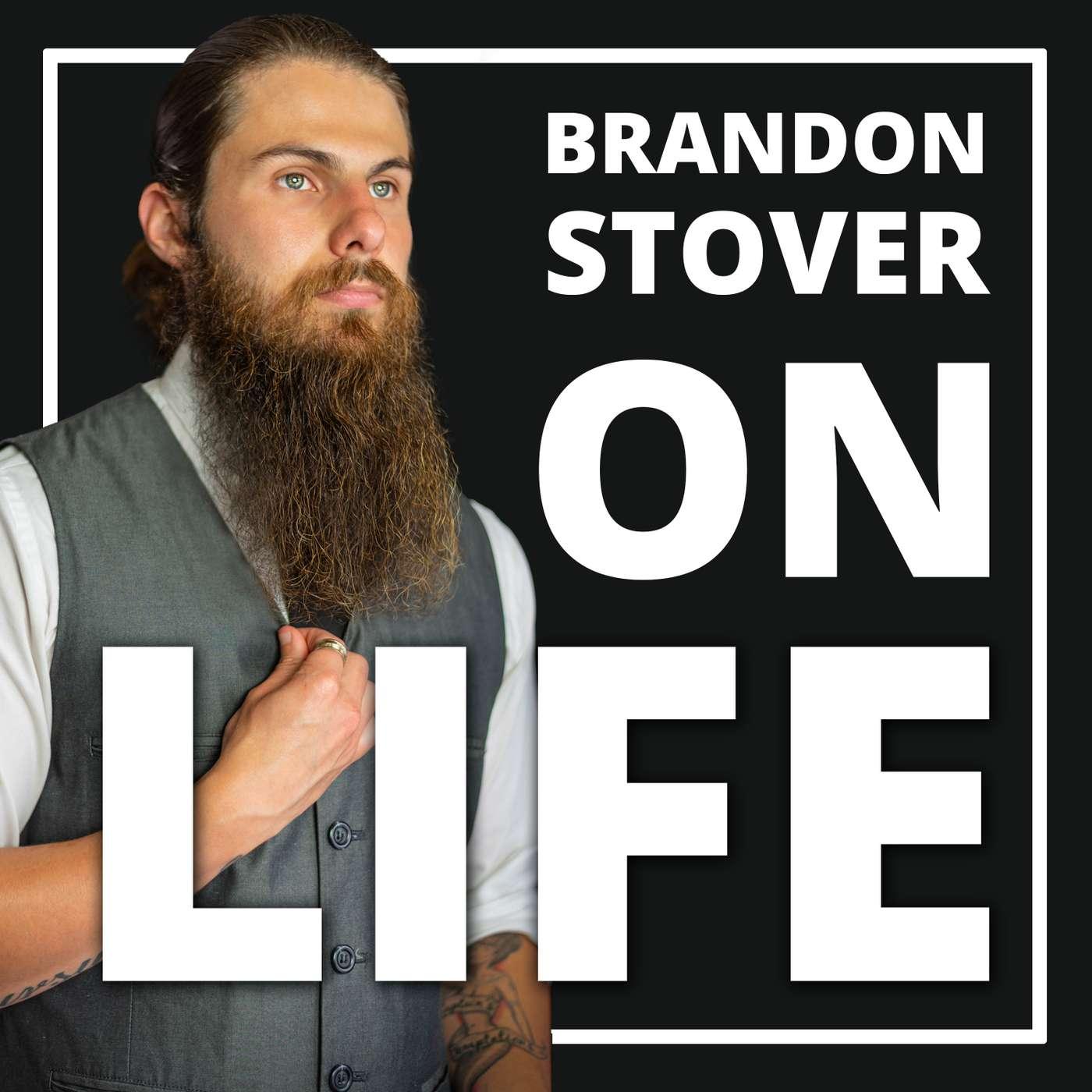
Danielle Strachman on How To Self Liberate Through An Entrepreneur Education | Evolve 014
FullPodcast: Brandon Stover On Life (LS 30 · TOP 5% what is this?)Episode: Danielle Strachman on How To Self Liberate Through An Entrepreneur Education | Evolve 014Pub date: 2019-10-08Get Podcast Transcript →powered by Listen411 - fast audio-to-text and summarizationThis weeks guest on Evolve with Brandon Stover is serial founder, educator, philanthropist, mentor, and venture capitalist, Danielle Strachman of the 1517 Fund. Her disruptive 20 million dollar venture fund in San Francisco offers 250 thousand dollar investments to teens and twenty something year old dropouts, makers, hackers, and scientists who embody conviction to go against the grain of societies one path for all through college. 1517 has proven this radical thesis with a portfolio of over 30 young founder startups, watching small 1k idea investments turn into Series B companies, and 17 year olds starting 5 person teams that scale to 400 employees and are making the best autonomous driving tech on the market.In this episode she talks about her journey in entrepreneurship of starting a school, working with Peter Thiel on the Theil Fellowship, how young founders can follow their passion and express that authentically, and what she believes the future of education looks like.Visit https://www.evolvethe.world/episodes/danielle-strachmanThe podcast and artwork embedded on this page are from Brandon Stover, which is the property of its owner and not affiliated with or endorsed by Listen Notes, Inc.

64. Michael Tomasello — Becoming Human
FullPodcast: The Michael Shermer Show (LS 58 · TOP 0.5% what is this?)Episode: 64. Michael Tomasello — Becoming HumanPub date: 2019-04-30Get Podcast Transcript →powered by Listen411 - fast audio-to-text and summarizationIn this fascinating conversation with the evolutionary anthropologist Michael Tomasello, the Max Planck Institute scientist presents his new theory of how humans became such a distinctive species. Other theories focus on evolution. Here, Tomasello proposes a complementary theory of human uniqueness, focused on development. His data-driven model explains how those things that make us most human are constructed during the first years of a child's life. Tomasello assembles nearly three decades of experimental work with chimpanzees, bonobos, and human children to propose a new framework for psychological growth between birth and seven years of age. He identifies eight pathways that starkly differentiate humans from their closest primate relatives: social cognition, communication, cultural learning, cooperative thinking, collaboration, prosociality, social norms, and moral identity. In each of these, great apes possess rudimentary abilities. But then, Tomasello argues, the maturation of humans' evolved capacities for shared intentionality transform these abilities—through the new forms of sociocultural interaction they enable—into uniquely human cognition and sociality. The first step occurs around nine months, with the emergence of joint intentionality, exercised mostly with caregiving adults. The second step occurs around three years, with the emergence of collective intentionality involving both authoritative adults, who convey cultural knowledge, and coequal peers, who elicit collaboration and communication. Finally, by age six or seven, children become responsible for self-regulating their beliefs and actions so that they comport with cultural norms. Becoming Human places human sociocultural activity within the framework of modern evolutionary theory, and shows how biology creates the conditions under which culture does its work. Listen to Science Salon via iTunes, Spotify, Google Play Music, Stitcher, iHeartRadio, TuneIn, and Soundcloud. This Science Salon was recorded on February 19, 2019. You play a vital part in our commitment to promote science and reason. If you enjoy the Science Salon Podcast, please show your support by making a donation, or by becoming a patron. The podcast and artwork embedded on this page are from Michael Shermer, which is the property of its owner and not affiliated with or endorsed by Listen Notes, Inc.

Sally Rooney and Kishani Widyaratna: Normal People
FullPodcast: London Review Bookshop Podcast (LS 49 · TOP 0.5% what is this?)Episode: Sally Rooney and Kishani Widyaratna: Normal PeoplePub date: 2019-05-07Get Podcast Transcript →powered by Listen411 - fast audio-to-text and summarizationSally Rooney breathes new life into fiction. Her novels deal with ordinary life in all its unexpected ways. The Guardian said of Rooney’s debut novel, Conversations with Friends: ‘It’s rare that a novel elicits such ferocious and unmitigated awe from just about everyone you know, whether male, female, or millennial’. Rooney’s second novel, Normal People (published by Faber & Faber last September), was called ‘superb . . . a tremendous read, full of insight and sweetness’ by Anne Enright. Olivia Laing has stated that ‘Rooney is the best young novelist – indeed one of the best novelists – I’ve read in years.’ On the occasion of the paperback publication of Normal People, Rooney was in conversation with Kishani Widyaratna, editor at Picador Books and contributing editor at The White Review. Hosted on Acast. See acast.com/privacy for more information.The podcast and artwork embedded on this page are from London Review Bookshop, which is the property of its owner and not affiliated with or endorsed by Listen Notes, Inc.

A Normal Person Conversation with Sally Rooney
FullPodcast: The Cut (LS 61 · TOP 0.1% what is this?)Episode: A Normal Person Conversation with Sally RooneyPub date: 2019-03-26Get Podcast Transcript →powered by Listen411 - fast audio-to-text and summarizationWe talked with Sally Rooney, author of Conversations With Friends and Normal People, about why she writes, how she’s smuggled socialism into page turners, the best way to keep her readers hooked, and much more. Learn more about your ad choices. Visit podcastchoices.com/adchoicesThe podcast and artwork embedded on this page are from Vox Media Podcast Network, which is the property of its owner and not affiliated with or endorsed by Listen Notes, Inc.
Matt Levine: Money Stuff
FullPodcast: North Star Podcast (LS 42 · TOP 1.5% what is this?)Episode: Matt Levine: Money StuffPub date: 2018-02-01Get Podcast Transcript →powered by Listen411 - fast audio-to-text and summarizationLISTEN HERE: ITUNES | OVERCAST Today’s guest is Matt Levine, a columnist at Bloomberg covering finance, Wall Street and the broader business world. Before blogging, Matt spent four years as an investment banker at Goldman Sachs, structuring and marketing corporate equity derivatives. Before that, he worked as a mergers & acquisitions lawyer and a high school latin teacher. He’s also a graduate of both Harvard and Yale Law School. Matt’s newsletter, Money Stuff is always fresh and I admire Matt’s ability to discuss complex topics in fresh and engaging ways. In this episode, we talk about Matt's career shift from banking to blogging — from Goldman Sachs, huge and famous, to DealBreaker, teeny and scrappy. Matt shares the ideas that have shaped his worldview and his process for writing. We talk about the books that have influenced him the most, both inside and outside the financial sphere. I particularly enjoyed learning about the Iliad. “The tech startups are like the great laboratories for these questions now because what has happened weirdly is that the people with the best tech startup ideas have what seems to be enormous leverage over the people with the money.” Links: Find Matt online: Bloomberg Twitter Linkedin Matt’s newsletter Mentioned in the show: DealBreaker [2:55] Bloomberg [3:17] Cravath [6:27] Gawker [30:17] BlackRock [37:52] Vanguard [37:55] State Street [37:56] Books mentioned: The Iliad [6:08] Barbarians at the Gate [8:06] The Bramble Bush [18:38] People mentioned: Carl Llewellyn [18:42] Bess Levin [30:36] Tyler Cowen [30:50] (episode with Tyler) Felix Salmon [32:54] Matt Yglesias [33:00] Show Topics 1:00 - Introduction to the episode and a bit of background info on Matt. 2:32 - Matt detailing his financial background, his general background, and where he comes from. 4:19 - How Matt got into classics, a bit on his experiences in college, and his job out of college. 7:00 - The books that have shaped Matt’s perspective and worldview the most and bit on what took him into the world of finance, marketing, and accounting. Also, what some of his experiences were in that field. 11:21 - The aspect of puzzles in these fields of M&A and Matt detailing his journey from investment banking to blogging. 13:40 - How Matt’s day is structured to write, read, do deep work, and not be exhausted afterward. Also, a bit on Matt’s way of writing and learning. 15:55 - Matt detailing how he has learned to easily sift through a lot of the false information that’s commonly found and find true information. Discussion about the reality of financial investing that’s commonly mis-portrayed in the media. 20:14 - Which sorts ideas and life experiences beyond the bank that come up all the time that have been foundational for Matt’s way of approaching the world. Some discussion on law in general, lawyers, and contracts. “You get a certain amount of legal realism baked into you in law school I think and a certain amount of skepticism about the magic functions and words in contracts.” 24:59 - Matt’s partial background in academic finance and how this has helped him understand more in the field of investing. Discussion on shareholders, share buy-backs, and running companies. “The tech startups are like the great laboratories for these questions now because what has happened weirdly is that the people with the best tech startup ideas have what seems to be enormous leverage over the people with the money.” 31:44 - The people that have influenced Matt the most and some discussion on how blogging has changed over the years. 35:30 - What some of the main goals are that Matt tries to accomplish everyday and a bit on the writing that he does. 37:49 - Topics and things that Matt finds the most fascinating to write about and figure out. Discussion on shareholders, index funds, writing, and investing. Hey again, it’s David here one more time. You can support the North Star Podcast by leaving us a review on iTunes. Or you can share the podcast on Twitter or Facebook. To listen to other episodes or learn more about the North Star, you can connect with me directly at perell.com and you can always reach out on Twitter at david_perell. And if you enjoyed this episode, you’ll like the episode with Tyler Cowen, another columnist at Bloomberg who writes about economics and culture. In the podcast, Tyler shares counterintuitive insights on travel, the millennial generation, and how he thinks about the future. Thanks again for listening.The podcast and artwork embedded on this page are from David Perell, which is the property of its owner and not affiliated with or endorsed by Listen Notes, Inc.
Andrew D'Souza: Clearbanc, Capital, and Canada
FullPodcast: North Star Podcast (LS 42 · TOP 1.5% what is this?)Episode: Andrew D'Souza: Clearbanc, Capital, and CanadaPub date: 2019-02-25Get Podcast Transcript →powered by Listen411 - fast audio-to-text and summarizationMy guest this week is Andrew D'Souza, the Co-founder and CEO of Clearbanc, a fundraising alternative to traditional venture capital. The company is based in Toronto and helps businesses fuel their marketing spend – because right now 40% of venture capital invested in companies goes directly to funding Facebook and Google ads. Equity is an expensive way for founders to fund repeatable growth and Clearbanc exists to solve that problem. Here's how it works – Clearbanc gives startups anywhere between $5,000-$10 million and in exchange Clearbanc typically receives a 5% to 10% revenue share of that company's earnings until the funding is paid back plus a 6% fee. Now here's the secret, Clearbanc picks merchants by developing technology that scans the merchants' Stripe payments and Facebook ads and that way they can assess the financial health and momentum of the company. In 2018, Clearbanc poured more than 100 million dollars into 500 companies. SUBSCRIBE TO MY “MONDAY MUSINGS” NEWSLETTER TO KEEP UP WITH THE PODCAST. Show Notes LINKS: Find Andrew online: Twitter Clearbanc People mentioned: Chamath Palihapitiya Chip Wilson Tobi Lütke Sam Altman Paul Graham Stewart Butterfield Drew Houston Mike Krieger Other mentions: Clearbanc Social Capital Andreessen Horowitz Y Combinator Lululemon Little Black Stretchy Pants by Chip Wilson Groupon Dragon’s Den It’s always Day One letter Top Hat SHOW TOPICS 1:55 How Systems Engineering helped Andrew helped think about the intersections of different disciplines like Neurobiology, Psychology, Marketing, and Macroeconomics 5:36 Why authenticity is key to building great marketing campaigns and why your job as the CEO is to create the necessary conditions for success 10:12 The origin story of Clearbanc and how 40% of all venture capital goes to Facebook, Google, and Amazon 20:05 How companies build a culture that allow people to fail and how Clearbanc started by funding Uber drivers which keeps them true to their origin story 25:14 How Andrew squares the dichotomy between funding growth through social media and the idea of a disproportionate portion of VC going to Facebook ads 29:42 Airbnb and the future of how cities will evolve around self-driving cars and subscription songs 35:00 Why Andrew thinks that the advent of self-driving cars is more a policy problem than a technological one 40:48 The independence of Canadian provinces and how Quebec has managed to preserve the European culture against huge pressures 47:31 How meeting YC partners showed Andrew that VCs are just one way to build your company 50:43 How Andrew builds and cultivates relationships while building Clearbanc 55:10 What Andrew thought about traveling to Israel and thinking about Jesus as a founder of a movement 58:29 How Andrew returned to his initial passion for selling a product that he believes in through hiring people in positions which were their passionThe podcast and artwork embedded on this page are from David Perell, which is the property of its owner and not affiliated with or endorsed by Listen Notes, Inc.

18: Chad Frischmann of Project Drawdown
FullPodcast: Reversing Climate Change (LS 49 · TOP 0.5% what is this?)Episode: 18: Chad Frischmann of Project DrawdownPub date: 2018-04-03Get Podcast Transcript →powered by Listen411 - fast audio-to-text and summarizationReversing climate change goes beyond the math and science of reducing the greenhouse gasses in the atmosphere. It’s also about economic justice, social equity, and increasing the standard of living for all people across the planet. That’s the beauty of the approach presented in Drawdown. Not only does the suite of solutions tackle climate change, its co-benefits uncover a path forward that addresses human rights and ‘raises the boat’ for all people.The podcast and artwork embedded on this page are from Carbon Removal Strategies LLC, which is the property of its owner and not affiliated with or endorsed by Listen Notes, Inc.
5: Jane Flegal of UC Berkeley, and Dr. Andrew Maynard of Arizona State University
FullPodcast: Reversing Climate Change (LS 49 · TOP 0.5% what is this?)Episode: 5: Jane Flegal of UC Berkeley, and Dr. Andrew Maynard of Arizona State UniversityPub date: 2018-01-02Get Podcast Transcript →powered by Listen411 - fast audio-to-text and summarizationIn a world where ideology informs decision-making and policy-makers have little understanding of what is plausible when it comes to negative emissions technology, challenging doesn’t even begin to describe the task of reversing climate change. In this top-down approach, a small number of academics, activists and politicians are making the decisions for 7.5 billion people—and spending a lot of time arguing hypotheticals rather than taking action.The podcast and artwork embedded on this page are from Carbon Removal Strategies LLC, which is the property of its owner and not affiliated with or endorsed by Listen Notes, Inc.
23: Dr. Klaus Lackner of ASU’s Center for Negative Carbon Emissions
FullPodcast: Reversing Climate Change (LS 49 · TOP 0.5% what is this?)Episode: 23: Dr. Klaus Lackner of ASU’s Center for Negative Carbon EmissionsPub date: 2018-05-08Get Podcast Transcript →powered by Listen411 - fast audio-to-text and summarizationToday, Klaus joins Ross, Christophe and Paul to offer his feedback on the Nori whitepaper. Klaus explains why he likes the idea of breaking the carbon offset model and offering compensation based on actual carbon removed. He also shares his concerns around Nori’s customers, the verification challenges they face, and the issue of permanency.The podcast and artwork embedded on this page are from Carbon Removal Strategies LLC, which is the property of its owner and not affiliated with or endorsed by Listen Notes, Inc.
1: Paul Gambill, CEO of Nori
FullPodcast: Reversing Climate Change (LS 49 · TOP 0.5% what is this?)Episode: 1: Paul Gambill, CEO of NoriPub date: 2017-12-06Get Podcast Transcript →powered by Listen411 - fast audio-to-text and summarizationOn the inaugural podcast, Ross and Christophe are joined by Nori CEO Paul Gambill to discuss the concept of carbon removal and the scope of the problem presented by climate change. Paul addresses Nori's approach to reversing climate change, explaining the necessity of removing carbon from the atmosphere rather than simply reducing emissions. They also cover the basics of how Nori would use tokens to eliminate the problems presented by the current cap and trade system.The podcast and artwork embedded on this page are from Carbon Removal Strategies LLC, which is the property of its owner and not affiliated with or endorsed by Listen Notes, Inc.
3: Jeremy Kaufman and Ethan Steinberg of Propagate Ventures
FullPodcast: Reversing Climate Change (LS 49 · TOP 0.5% what is this?)Episode: 3: Jeremy Kaufman and Ethan Steinberg of Propagate VenturesPub date: 2017-12-12Get Podcast Transcript →powered by Listen411 - fast audio-to-text and summarizationToday Ross and Christophe are joined by Propagate Co-Founders Jeremy Kaufman and Ethan Steinberg to discuss the fundamentals of agroforestry and how the Propagate model works to provide farmers with capital for planting trees. They walk us through the process, explaining how an analysis of crops appropriate to the bioregion and the farmer’s goals work together to determine the specific tree crop appropriate to the project.The podcast and artwork embedded on this page are from Carbon Removal Strategies LLC, which is the property of its owner and not affiliated with or endorsed by Listen Notes, Inc.
49: Ethan Steinberg, Harry Greene, & Jeremy Kaufman of Propagate Ventures
FullPodcast: Reversing Climate Change (LS 49 · TOP 0.5% what is this?)Episode: 49: Ethan Steinberg, Harry Greene, & Jeremy Kaufman of Propagate VenturesPub date: 2018-11-27Get Podcast Transcript →powered by Listen411 - fast audio-to-text and summarizationThe business of the future is a good cooperator, working with other players in a particular space to drive progress. Collaboration is a core part of the ethos at Propagate Ventures as their team looks to leverage agroforestry to contribute to the growing pool of climate solutions and help build a world where people live in a symbiotic relationship with the ecosystem.The podcast and artwork embedded on this page are from Carbon Removal Strategies LLC, which is the property of its owner and not affiliated with or endorsed by Listen Notes, Inc.
35: Ramez Naam—Author, Futurist, and Nori Advisor
FullPodcast: Reversing Climate Change (LS 49 · TOP 0.5% what is this?)Episode: 35: Ramez Naam—Author, Futurist, and Nori AdvisorPub date: 2018-08-14Get Podcast Transcript →powered by Listen411 - fast audio-to-text and summarizationKnowledge is the only truly infinite resource, and its value multiplies by the number of people who put it to work. How can we put what we know about climate change to work and develop sustainable innovations that either reduce emissions or capture carbon from the atmosphere? And what role might Nori play in accelerating that innovation?The podcast and artwork embedded on this page are from Carbon Removal Strategies LLC, which is the property of its owner and not affiliated with or endorsed by Listen Notes, Inc.